Visual abstracts
New randomized trials and meta-analyses from leading journals at a glance: who was studied, what was compared, and what was found. Every paper is free to read in full.
All specialtiesCardiology 4861Oncology 4121Gastroenterology & Hepatology 1937Infectious Disease 3820Neurology 1892Psychiatry & Mental Health 2266Pulmonology 2135Critical Care 1363Endocrinology & Diabetes 2566Pediatrics 2966Surgery 2547Orthopedics & Sports Medicine 926Neurosurgery 533Cardiothoracic & Vascular Surgery 670Plastic & Reconstructive Surgery 587Nephrology 1116Rheumatology 820Hematology 1103Dermatology 620Ophthalmology 543Obstetrics & Gynecology 1683Public & Global Health 1053Radiology & Imaging 647Anesthesiology 983Urology 762ENT (Otolaryngology) 501Emergency Medicine 508Allergy & Immunology 312Geriatrics 975Family Medicine & Primary Care 561Medical Genetics & Genomics 674Pathology & Laboratory Medicine 157Physical Medicine & Rehabilitation 755Palliative Care 441Nutrition 1580Digital Health & AI 2188General Medicine 319
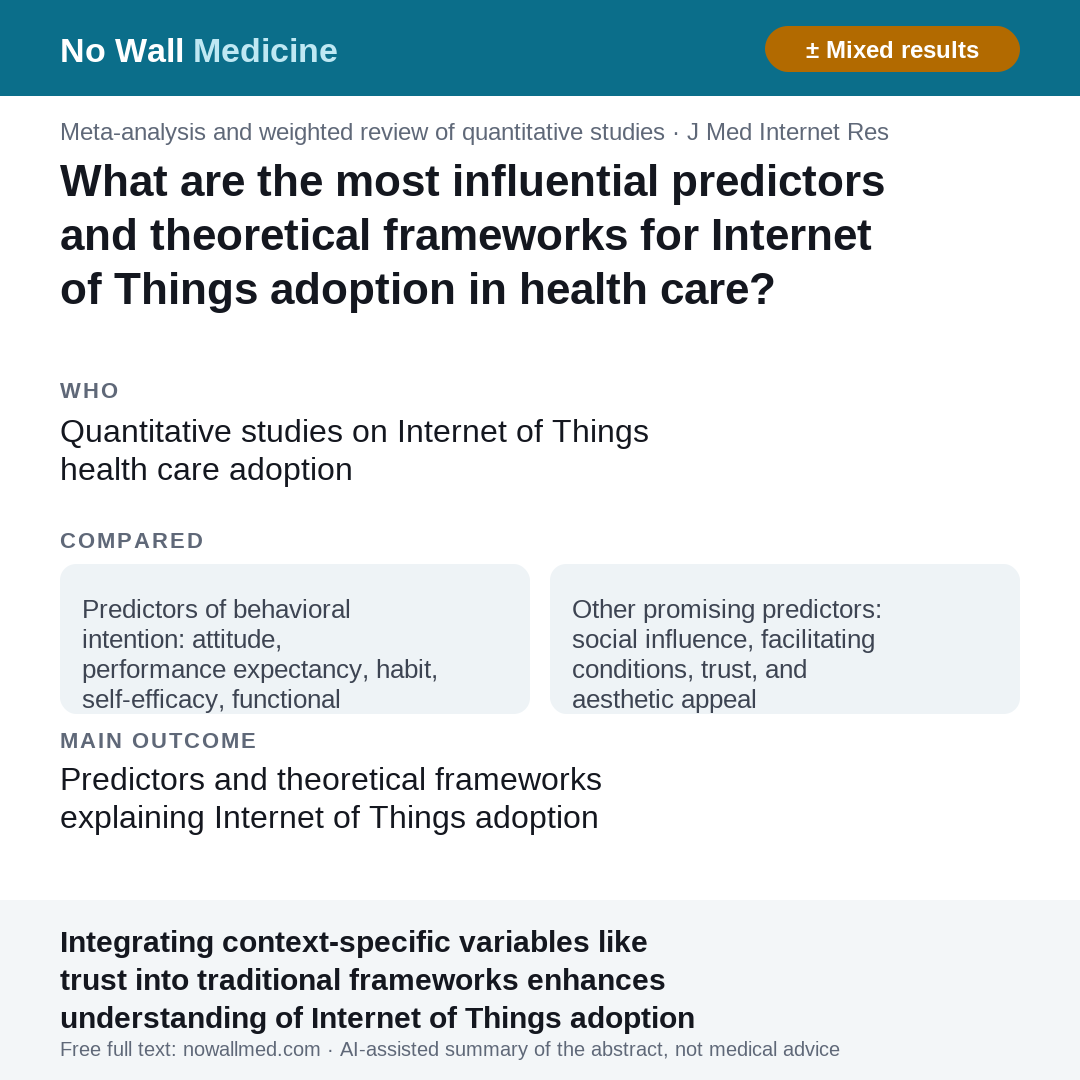
Adoption of Internet of Things in Health Care: Weighted and Meta-Analytical Review of Theoretical Frameworks and Predictors
Meta-analysis and weighted review of quantitative studiesMixed results
What are the most influential predictors and theoretical frameworks for Internet of Things adoption in health care?
Who
115
Quantitative studies on Internet of Things health care adoption
Compared
Predictors of behavioral intention: attitude, performance expectancy, habit, self-efficacy, functional congruence, and benefits
Other promising predictors: social influence, facilitating conditions, trust, and aesthetic appeal
Main outcome
Predictors and theoretical frameworks explaining Internet of Things adoption
Bottom line: Integrating context-specific variables like trust into traditional frameworks enhances understanding of Internet of Things adoption in health care.
Limitation: High level of heterogeneity suggests a need to refine theoretical models for regional contexts.
J Med Internet Res · 2026-01-06Download image
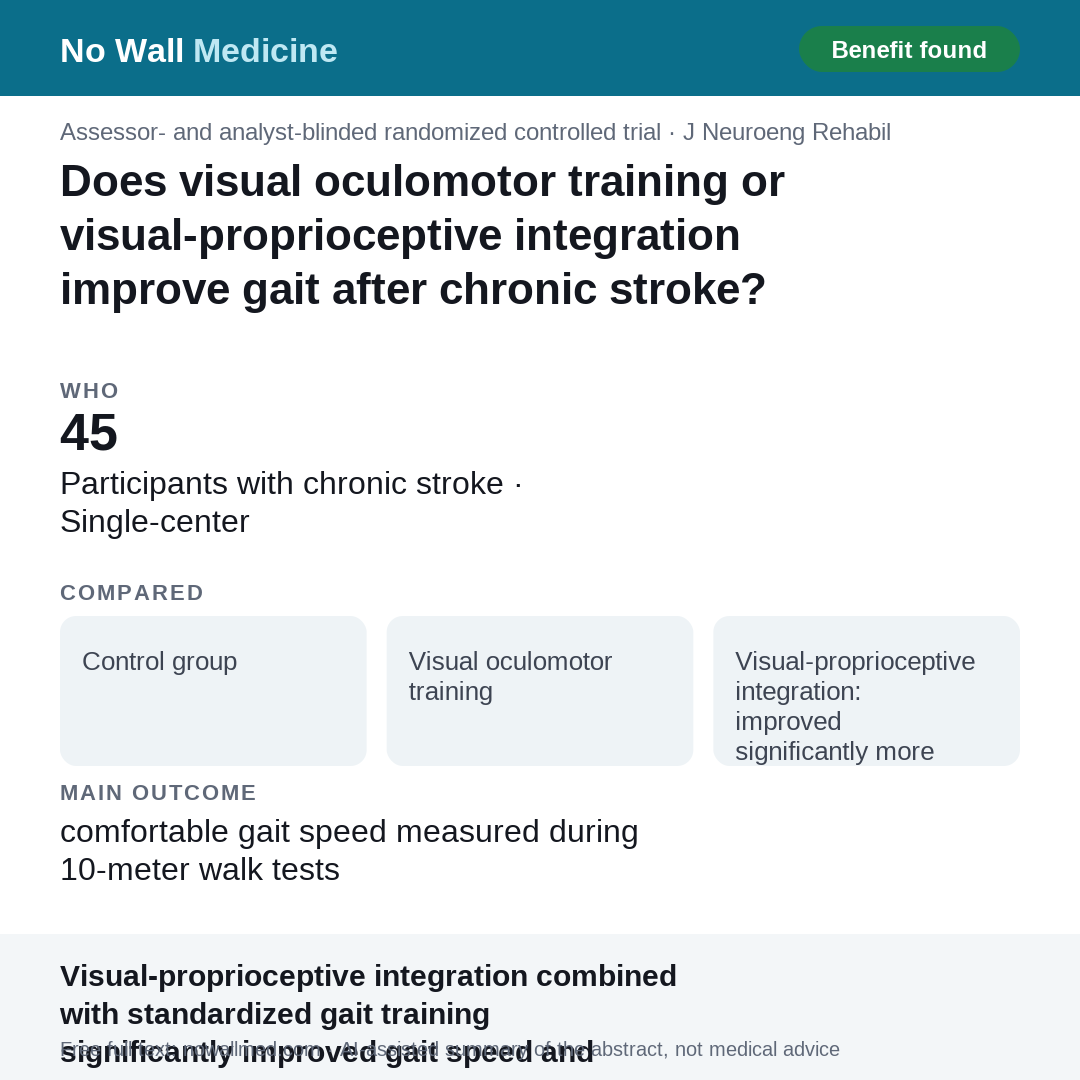
Visual and visual-proprioceptive training improve gait via sensory reweighting after chronic stroke: a randomized controlled trial
Assessor- and analyst-blinded randomized controlled trialBenefit found
Does visual oculomotor training or visual-proprioceptive integration improve gait after chronic stroke?
Who
45
Participants with chronic stroke · Single-center
Compared
Control group
Visual oculomotor training
Visual-proprioceptive integration: improved significantly more than control group (P = 0.018)
Main outcome
comfortable gait speed measured during 10-meter walk tests
Bottom line: Visual-proprioceptive integration combined with standardized gait training significantly improved gait speed and symmetry in chronic stroke patients.
J Neuroeng Rehabil · 2026-01-06Download image
Oral splicing modulator branaplam in Huntington's disease: a phase 2 randomized controlled trial
Randomized phase 2b studyHarm found
Does oral branaplam reduce mutant huntingtin levels in Huntington's disease?
Who
21
Individuals with Huntington's disease
Compared
branaplam 56 mg weekly: 18 (85.7%) showed at least one sign or symptom of peripheral neuropathy
placebo
Main outcome
decrease in cerebrospinal fluid mutant huntingtin levels
Bottom line: The trial was terminated early due to signs of peripheral neuropathy in participants receiving branaplam.
Nat Med · 2026-01-05Download image

The impact of an oral purified microbiome therapeutic on the gastrointestinal microbiome
Phase 3 trial and post hoc analysisBenefit found
Does a higher dose of VOWST prevent recurrent Clostridioides difficile infection?
Who
Patients with recurrent Clostridioides difficile infection
Compared
12%VOS-treated patients
40%Placebo patients
Main outcome
recurrence by week 8
Result: relative risk 0.32, P < 0.001
Bottom line: A higher dose of VOWST significantly reduced Clostridioides difficile infection recurrence compared to placebo.
Nat Med · 2026-01-05Download image

Double reflex testing for anti-HDV antibody following an HBsAg-positive test result and HDV RNA in those anti-HDV positive: a global systematic review and meta-analysis
Systematic review and meta-analysisBenefit found
Does reflex testing increase uptake of anti-HDV and HDV RNA testing?
Who
Hepatitis B surface antigen positive individuals · Global, majority in high-income countries
Compared
Reflex testing: 97.1% anti-HDV testing uptake
Non-reflex testing: 39.7% anti-HDV testing uptake
Main outcome
Uptake of anti-HDV antibody and HDV RNA testing
Result: RR 2.55 (95% CI 1.62-4.05) for anti-HDV testing uptake
Bottom line: Reflex testing significantly increases anti-HDV antibody testing uptake with same day turnaround times.
Funded by: Guangzhou Science and Technology Project; National Key R&D Program; NIH; UNC; WHO
eClinicalMedicine · 2026-01-05Download image

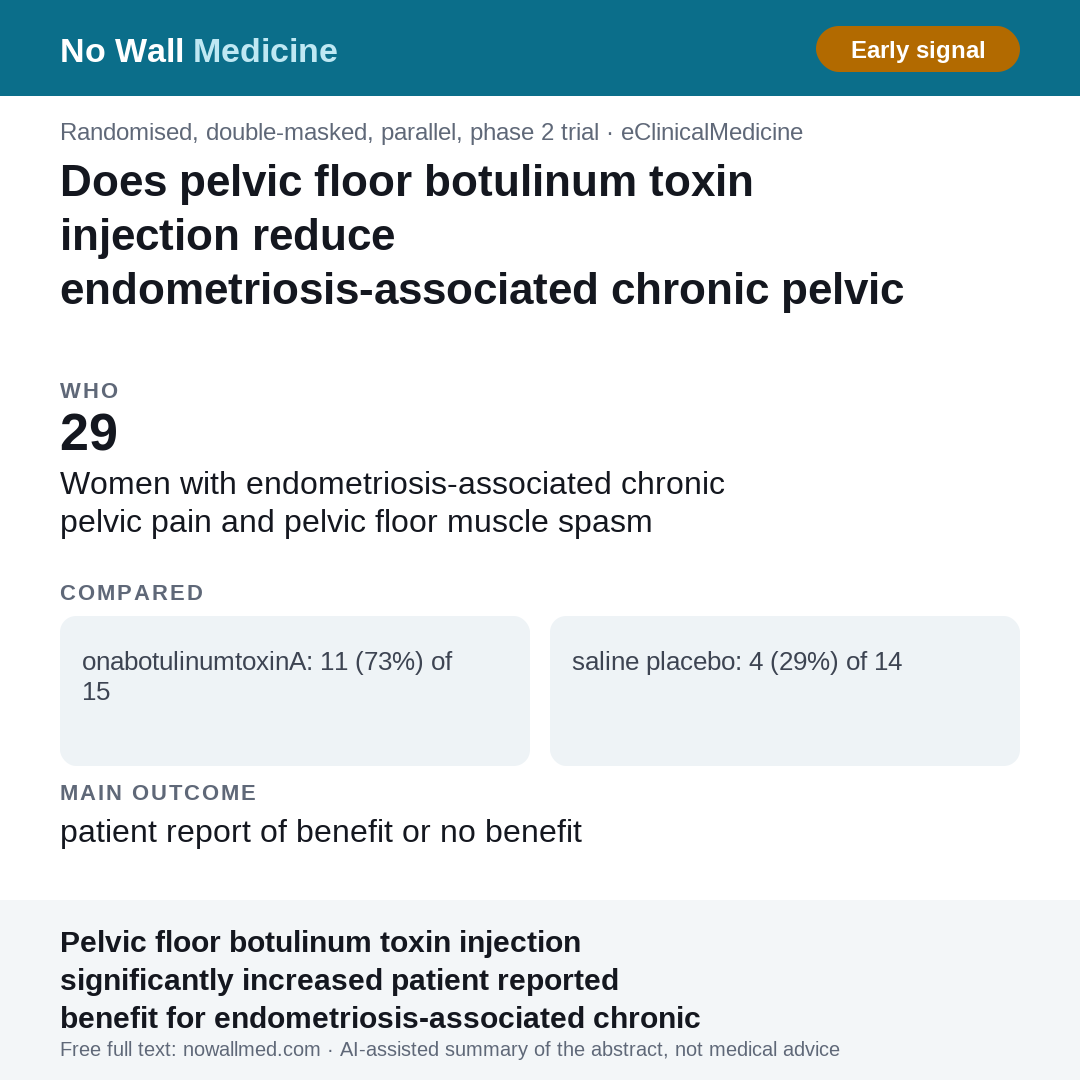
Botulinum toxin for endometriosis-associated chronic pelvic pain: a randomised, double-masked, parallel, phase 2 trial
Randomised, double-masked, parallel, phase 2 trialBenefit found
Does pelvic floor botulinum toxin injection reduce endometriosis-associated chronic pelvic pain and spasm?
Who
29
Women with endometriosis-associated chronic pelvic pain and pelvic floor muscle spasm
Compared
onabotulinumtoxinA: 11 (73%) of 15
saline placebo: 4 (29%) of 14
Main outcome
patient report of benefit or no benefit
Bottom line: Pelvic floor botulinum toxin injection significantly increased patient reported benefit for endometriosis-associated chronic pelvic pain.
Funded by: U.S. National Institutes of Health and Allergan, Inc.
eClinicalMedicine · 2026-01-05Download image
Disparities in diabetes treatment and monitoring for people with and without mental disorders: a systematic review and meta-analysis
Systematic review and random-effects meta-analysisHarm found
Does having a mental disorder affect diabetes quality of care?
Who
5503712
5,503,712 individuals with diabetes · Asia, North America, Europe, and Australasia
Compared
With mental disorder
Without mental disorder
Main outcome
Binary composite measure of diabetes quality of care
Result: odds ratio 0.81 (95% CI 0.70 to 0.94)
Bottom line: People with mental disorders are less likely to receive recommended diabetes monitoring and GLP-1 receptor agonist therapy.
Lancet Psychiatry · 2026-01-05Download image

High risk of massive hemorrhage and hysterectomy in patients with placenta previa accreta presenting with macroscopic hematuria
Systematic review and observational studyHarm found
What are the outcomes of macroscopic hematuria in placenta accreta spectrum?
Who
18
Pregnant patients with placenta accreta spectrum and macroscopic hematuria
Compared
Patients with macroscopic hematuria: 94.4% cesarean hysterectomy
Patients with macroscopic hematuria: 61.1% partial cystectomy
Main outcome
Perinatal outcomes and histopathologic findings
Bottom line: Prenatal macroscopic hematuria indicates high risk for massive hemorrhage, hysterectomy, and requires emergency preterm delivery.
AJOG · 2026-01-05Download image

The impact of maternal microbial transfer on the infant gut microbiome after cesarean delivery: a systematic review
Systematic review of 10 studiesUnclear result
Does maternal microbial transfer impact infant gut microbiome and development after cesarean delivery?
Who
1450
Neonates born via elective cesarean delivery
Compared
Maternal microbial transfer
Control
Main outcome
Microbial diversity and neonatal development
Bottom line: Maternal microbial transfer efficacy for restoring microbiota and promoting health outcomes remains uncertain with limited evidence.
Limitation: Neonatal outcomes were addressed in only 3 of the included studies.
AJOG · 2026-01-05Download image

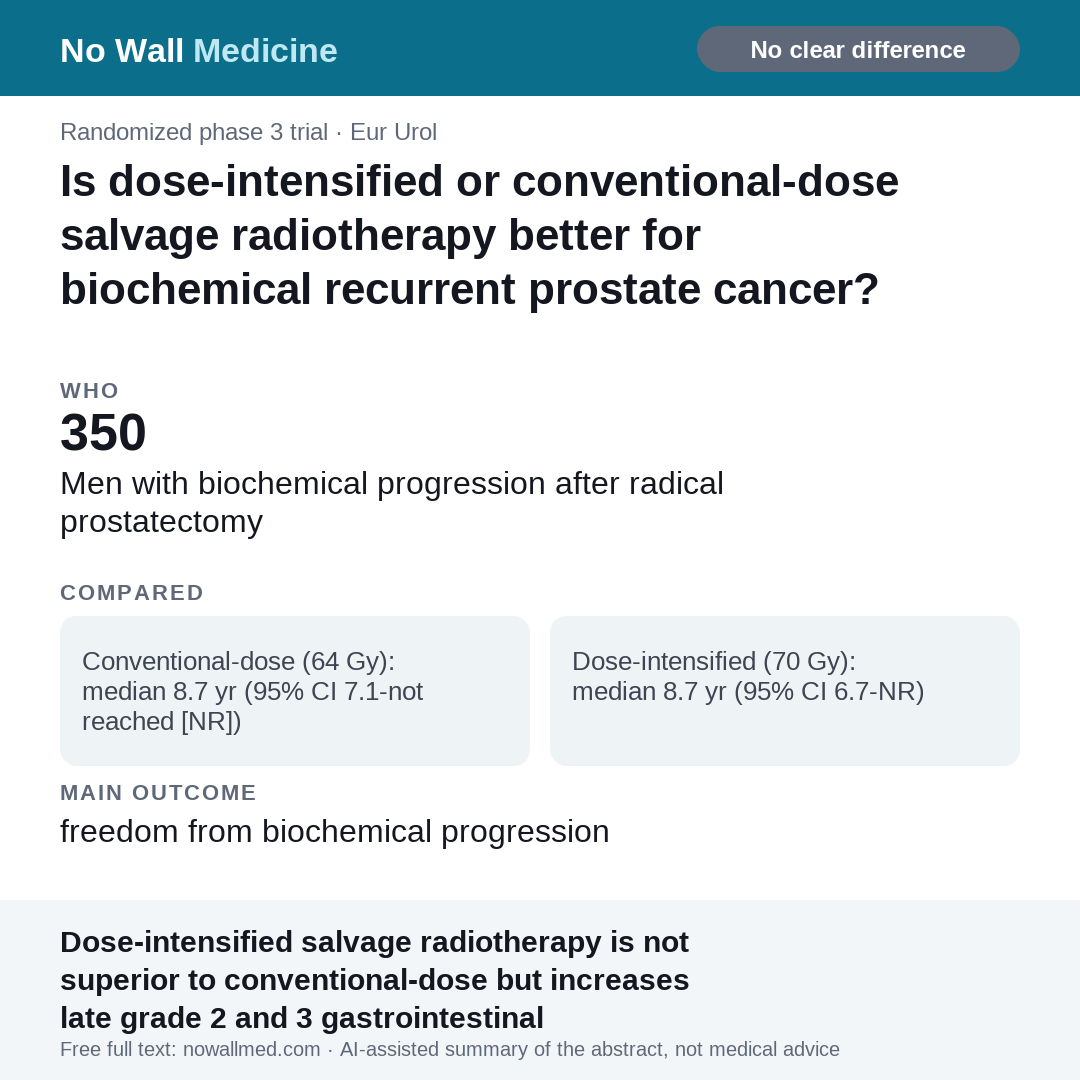
Dose-intensified Versus Conventional-dose Salvage Radiotherapy for Biochemically Recurrent Prostate Cancer After Prostatectomy: Long-term Data from the SAKK 09/10 Randomised Phase 3 Trial
Randomized phase 3 trialNo clear difference
Is dose-intensified or conventional-dose salvage radiotherapy better for biochemical recurrent prostate cancer?
Who
350
Men with biochemical progression after radical prostatectomy
Compared
Conventional-dose (64 Gy): median 8.7 yr (95% CI 7.1-not reached [NR])
Dose-intensified (70 Gy): median 8.7 yr (95% CI 6.7-NR)
Main outcome
freedom from biochemical progression
Result: hazard ratio 1.03 (95% CI 0.75-1.41)
Bottom line: Dose-intensified salvage radiotherapy is not superior to conventional-dose but increases late grade 2 and 3 gastrointestinal toxicity.
Eur Urol · 2026-01-05Download image
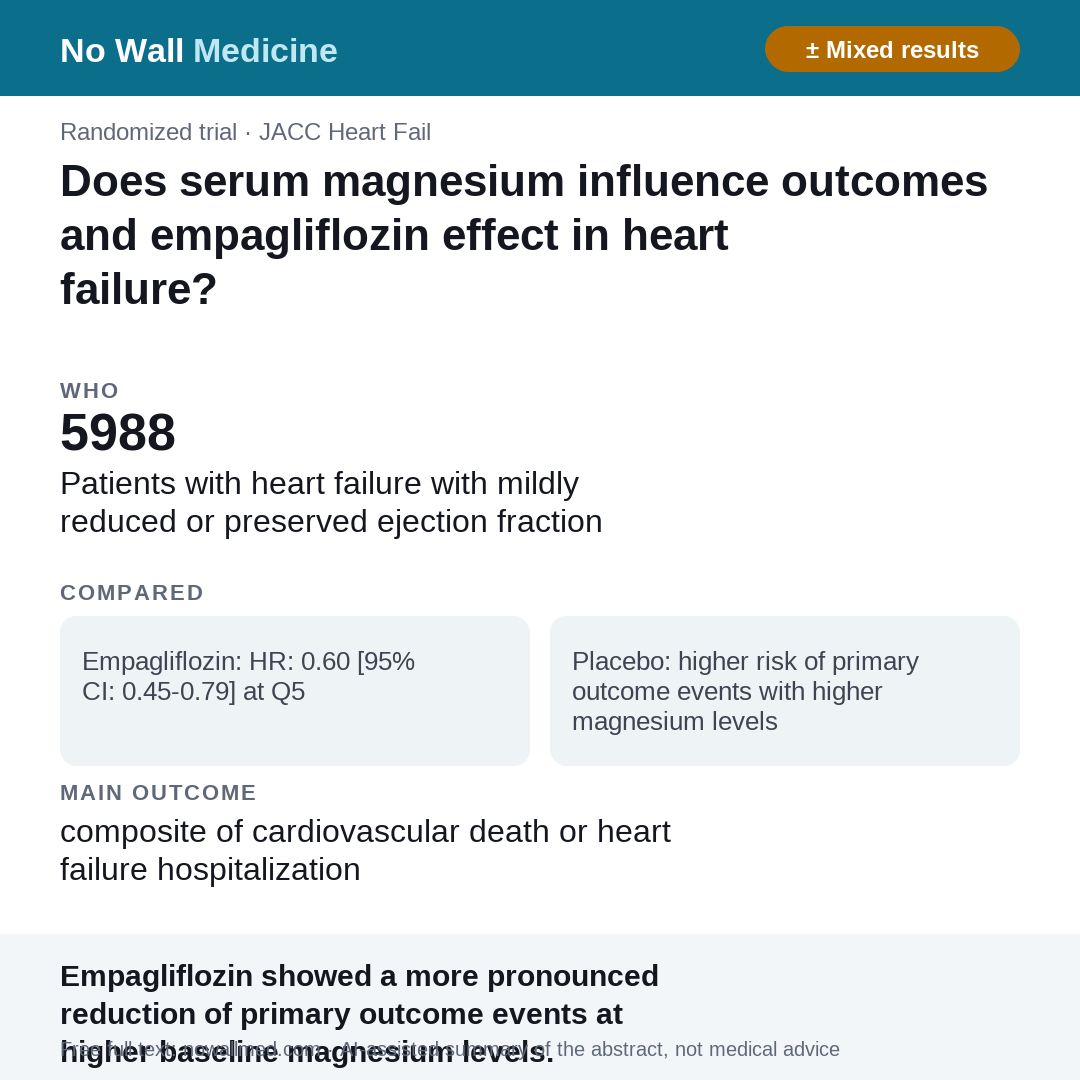
Serum Magnesium, Outcomes, and the Effect of Empagliflozin in Heart Failure With Mildly Reduced and Preserved Ejection Fraction: Findings From EMPEROR-Preserved
Randomized trialMixed results
Does serum magnesium influence outcomes and empagliflozin effect in heart failure?
Who
5988
Patients with heart failure with mildly reduced or preserved ejection fraction
Compared
Empagliflozin: HR: 0.60 [95% CI: 0.45-0.79] at Q5
Placebo: higher risk of primary outcome events with higher magnesium levels
Main outcome
composite of cardiovascular death or heart failure hospitalization
Result: interaction P-trend = 0.030
Bottom line: Empagliflozin showed a more pronounced reduction of primary outcome events at higher baseline magnesium levels.
JACC Heart Fail · 2026-01-05Download image
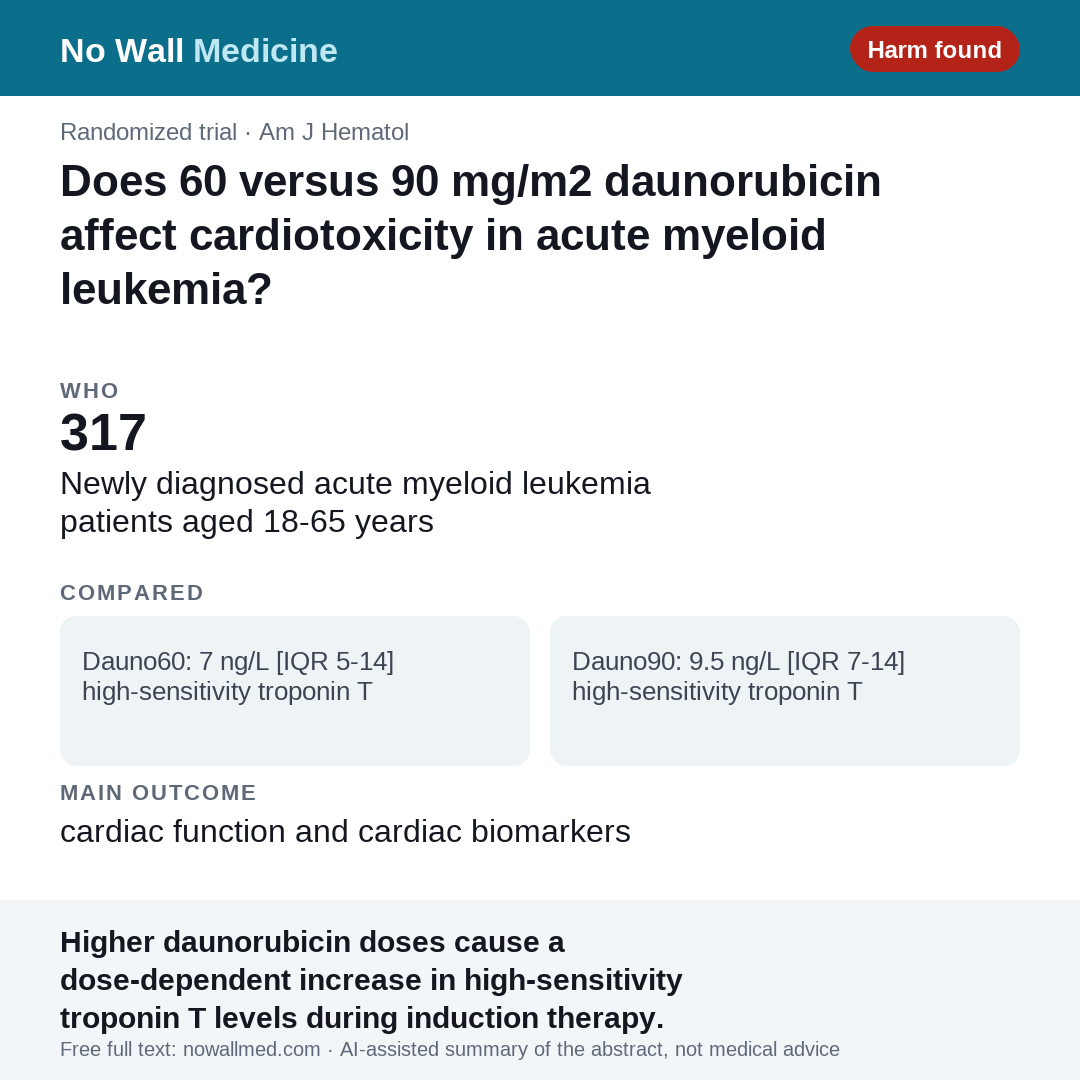
Randomized Comparison of Cardiotoxicity With 60 Versus 90 mg Daunorubicin in AML Induction Therapy
Randomized trialHarm found
Does 60 versus 90 mg/m2 daunorubicin affect cardiotoxicity in acute myeloid leukemia?
Who
317
Newly diagnosed acute myeloid leukemia patients aged 18-65 years
Compared
Dauno60: 7 ng/L [IQR 5-14] high-sensitivity troponin T
Dauno90: 9.5 ng/L [IQR 7-14] high-sensitivity troponin T
Main outcome
cardiac function and cardiac biomarkers
Result: p < 0.01 for high-sensitivity troponin T difference
Bottom line: Higher daunorubicin doses cause a dose-dependent increase in high-sensitivity troponin T levels during induction therapy.
Am J Hematol · 2026-01-05Download image
Opioid-free vs. opioid-inclusive anaesthesia with or without regional anaesthesia for postoperative pain: a systematic review with network meta-analysis of randomised controlled trials
Systematic review with network meta-analysisBenefit found
Does opioid-free anaesthesia compare to opioid-inclusive anaesthesia for postoperative pain?
Who
Adults undergoing anaesthesia · 59 countries
Compared
Techniques incorporating regional anaesthesia: ranked highest for postoperative pain
Techniques without regional anaesthesia: higher pain scores and greater opioid requirements
Main outcome
postoperative pain
Bottom line: Regional anaesthesia is the key determinant for improved postoperative pain control and reducing nausea and vomiting.
Limitation: low certainty for some surface under the cumulative ranking curve values
Anaesthesia · 2026-01-05Download image

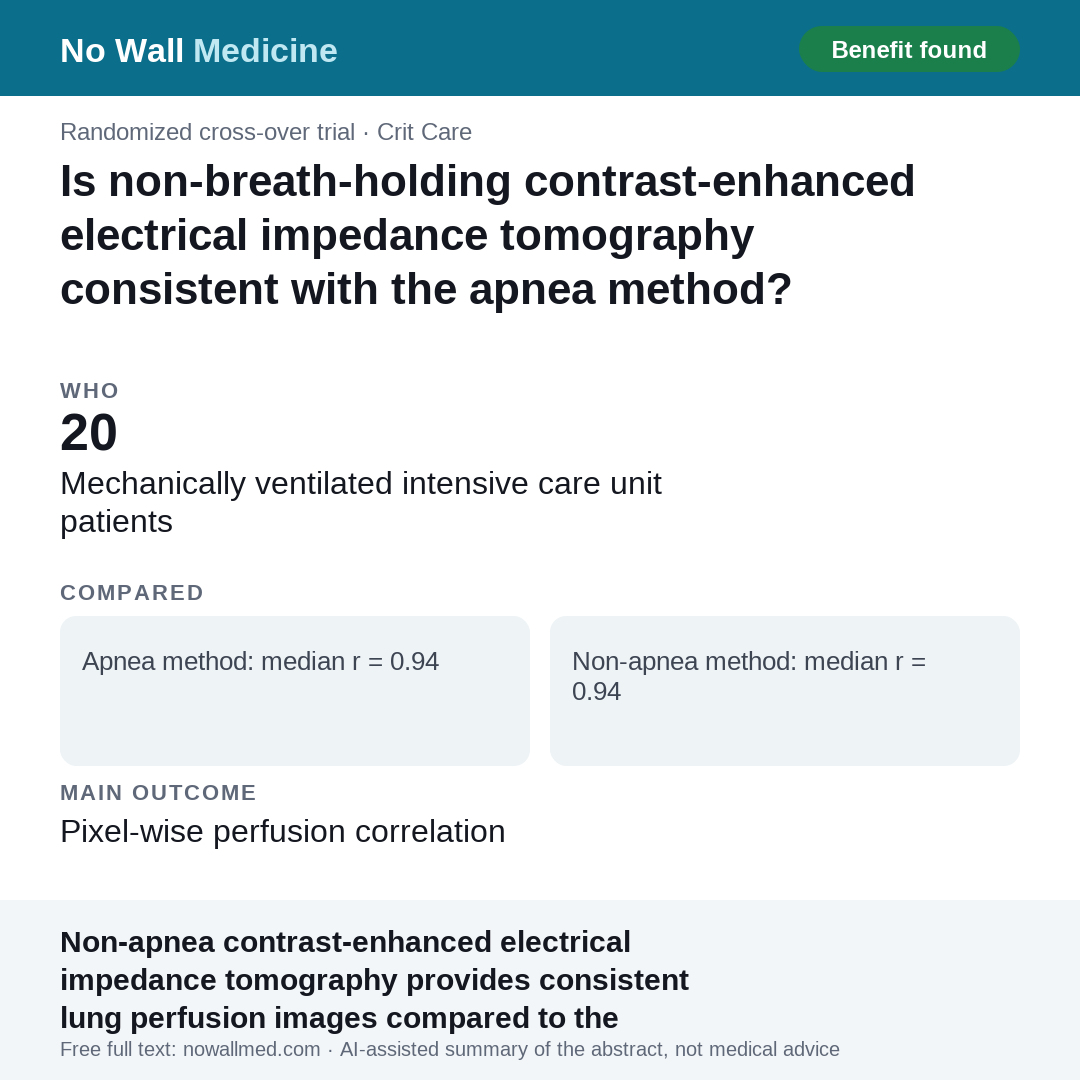
Lung perfusion estimation by saline-contrast EIT without breath hold: a randomized cross-over trial
Randomized cross-over trialBenefit found
Is non-breath-holding contrast-enhanced electrical impedance tomography consistent with the apnea method?
Who
20
Mechanically ventilated intensive care unit patients
Compared
Apnea method: median r = 0.94
Non-apnea method: median r = 0.94
Main outcome
Pixel-wise perfusion correlation
Bottom line: Non-apnea contrast-enhanced electrical impedance tomography provides consistent lung perfusion images compared to the conventional apnea method.
Crit Care · 2026-01-05Download image
Use of high-frequency chest wall oscillation therapy in infants: protocol for a feasibility randomised controlled clinical trial
Feasibility randomized controlled clinical trialUnclear result
Is the Expector device feasible and usable in healthy infants?
Who
30
Healthy infants aged 3-6 months · Brazil
Compared
Expector totally activated motors
Expector upper half motors activated
Control group deactivated
Main outcome
Feasibility and usability parameters
Bottom line: This protocol describes a study to assess the feasibility of the Expector device in healthy infants.
BMJ Open Respir Res · 2026-01-05Download image

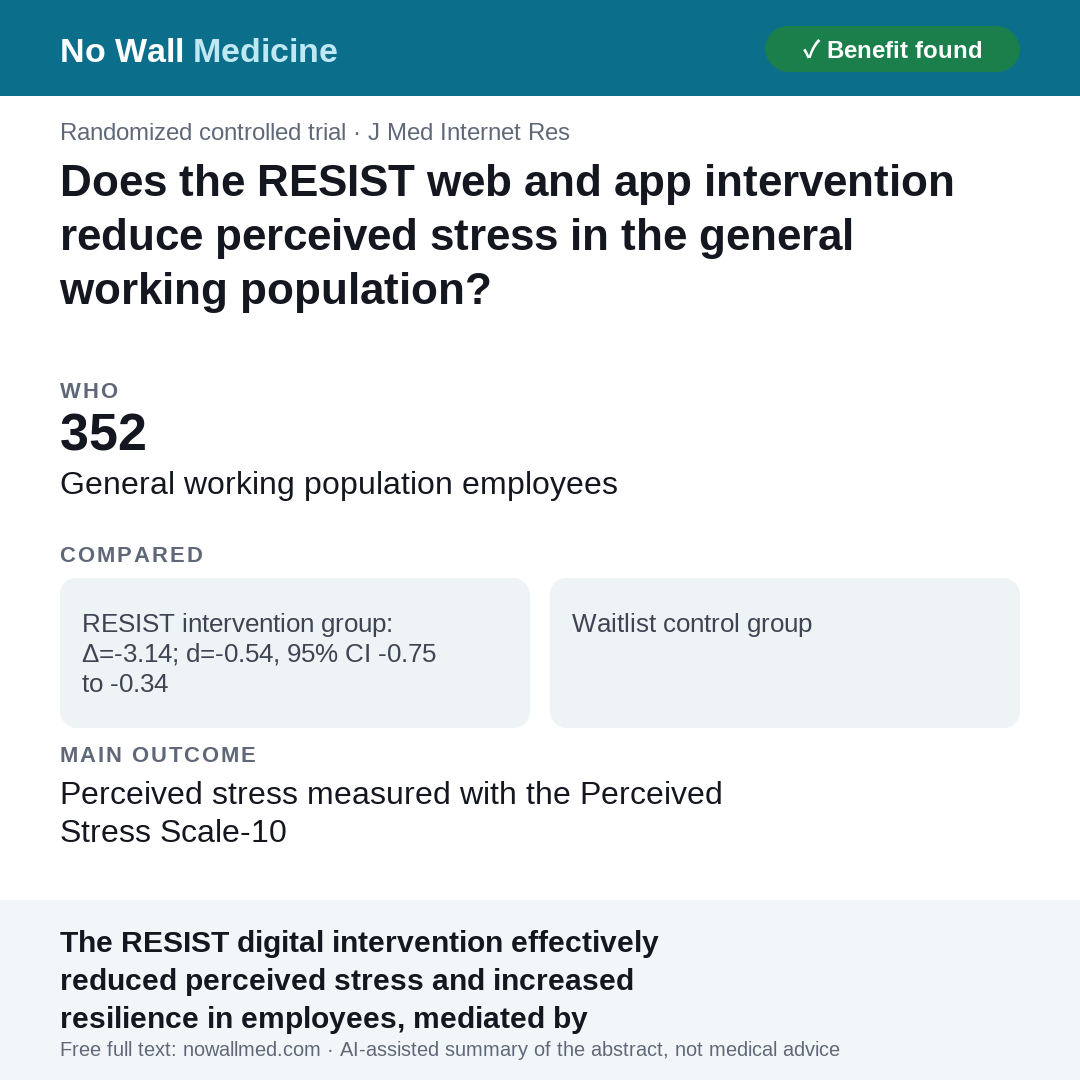
Effectiveness of and Mechanisms of Change in a Self-Help Web- and App-Based Resilience Intervention on Perceived Stress in the General Working Population: Randomized Controlled Trial
Randomized controlled trialBenefit found
Does the RESIST web and app intervention reduce perceived stress in the general working population?
Who
352
General working population employees
Compared
RESIST intervention group: Δ=-3.14; d=-0.54, 95% CI -0.75 to -0.34
Waitlist control group
Main outcome
Perceived stress measured with the Perceived Stress Scale-10
Result: d=-0.54, 95% CI -0.75 to -0.34
Bottom line: The RESIST digital intervention effectively reduced perceived stress and increased resilience in employees, mediated by optimism and self-compassion.
J Med Internet Res · 2026-01-05Download image
A Real-Life Digital Intervention for Personalized Nutrition in Adults With Overweight or Obesity: Remote Randomized Controlled Trial
3-arm randomized controlled trialBenefit found
Is a fully remote digital nutritional intervention feasible and effective for weight loss?
Who
122
adults with overweight or obesity motivated to lose weight · fully online
Compared
generic advice
-1.0 kgpersonalized advice only
-2.5 kgpersonalized advice plus personalized food boxes
Main outcome
body weight loss
Bottom line: Fully remote digital nutritional interventions are feasible and personalized advice with food boxes enhances weight loss.
Limitation: fully remote studies lack face-to-face interaction and rely on self-reported data
J Med Internet Res · 2026-01-05Download image

Effect of AI-Based Natural Language Feedback on Engagement and Clinical Outcomes in Fully Self-Guided Internet-Based Cognitive Behavioral Therapy for Depression: 3-Arm Randomized Controlled Trial
3-arm randomized controlled trialMixed results
Does AI-based natural language feedback improve engagement and clinical outcomes in self-guided internet-based cognitive behavioral therapy?
Who
1187
1187 adults aged 20-60 years · online
Compared
AI-augmented internet-based cognitive behavioral therapy
Internet-based cognitive behavioral therapy without AI
Waitlist control
Main outcome
depressive symptom severity and engagement
Result: odds ratio 1.23 (95% CI 1.09-1.39) for weekly participation
Bottom line: AI feedback improved engagement and showed lower depressive symptom proportions at follow-up compared to control.
Limitation: Further research is required.
J Med Internet Res · 2026-01-05Download image

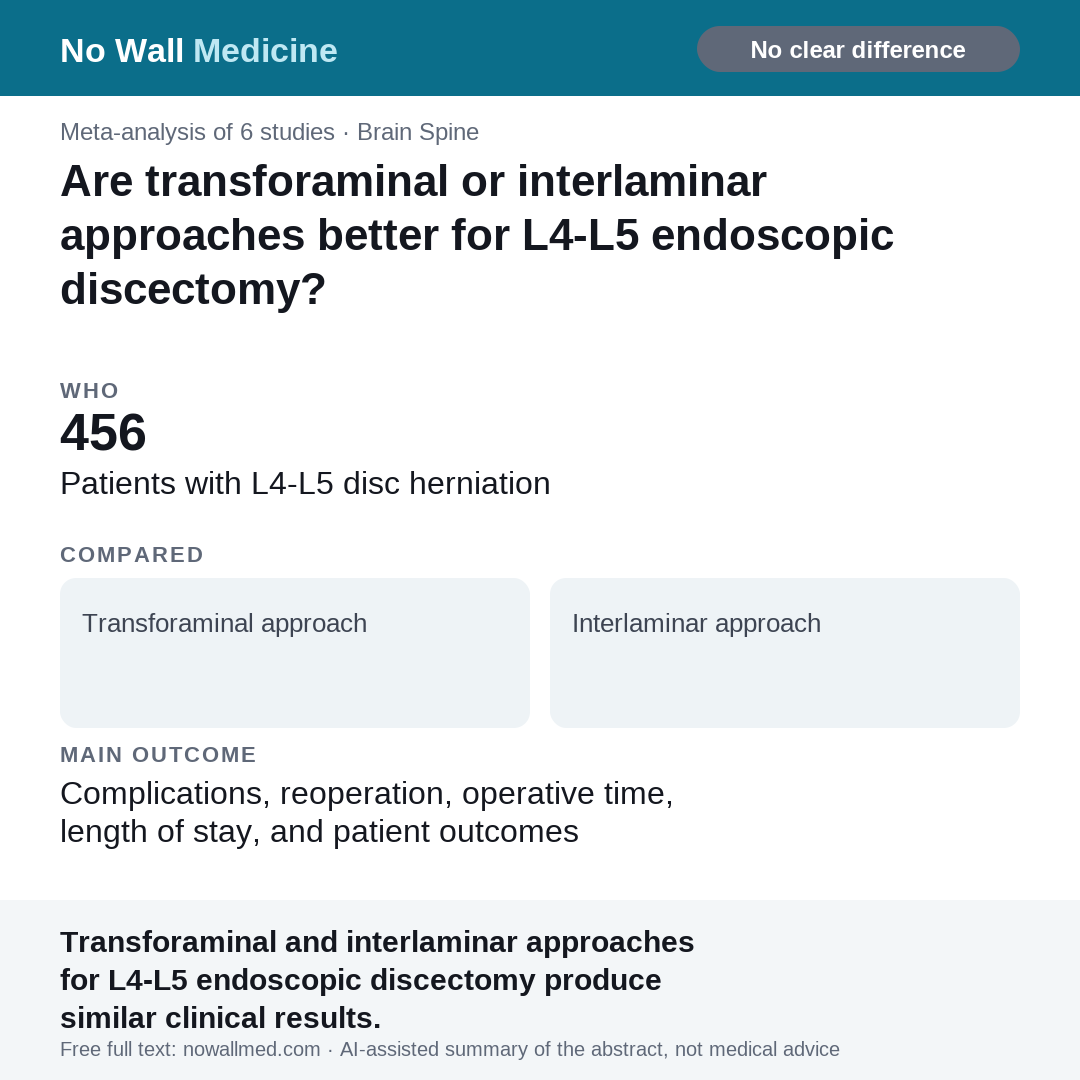
Endoscopic discectomy for L4-L5 disc herniation: A meta-analysis comparing transforaminal and interlaminar approaches
Meta-analysis of 6 studiesNo clear difference
Are transforaminal or interlaminar approaches better for L4-L5 endoscopic discectomy?
Who
456
Patients with L4-L5 disc herniation
Compared
Transforaminal approach
Interlaminar approach
Main outcome
Complications, reoperation, operative time, length of stay, and patient outcomes
Result: no significant differences found across all measured outcomes
Bottom line: Transforaminal and interlaminar approaches for L4-L5 endoscopic discectomy produce similar clinical results.
Brain Spine · 2026-01-05Download image
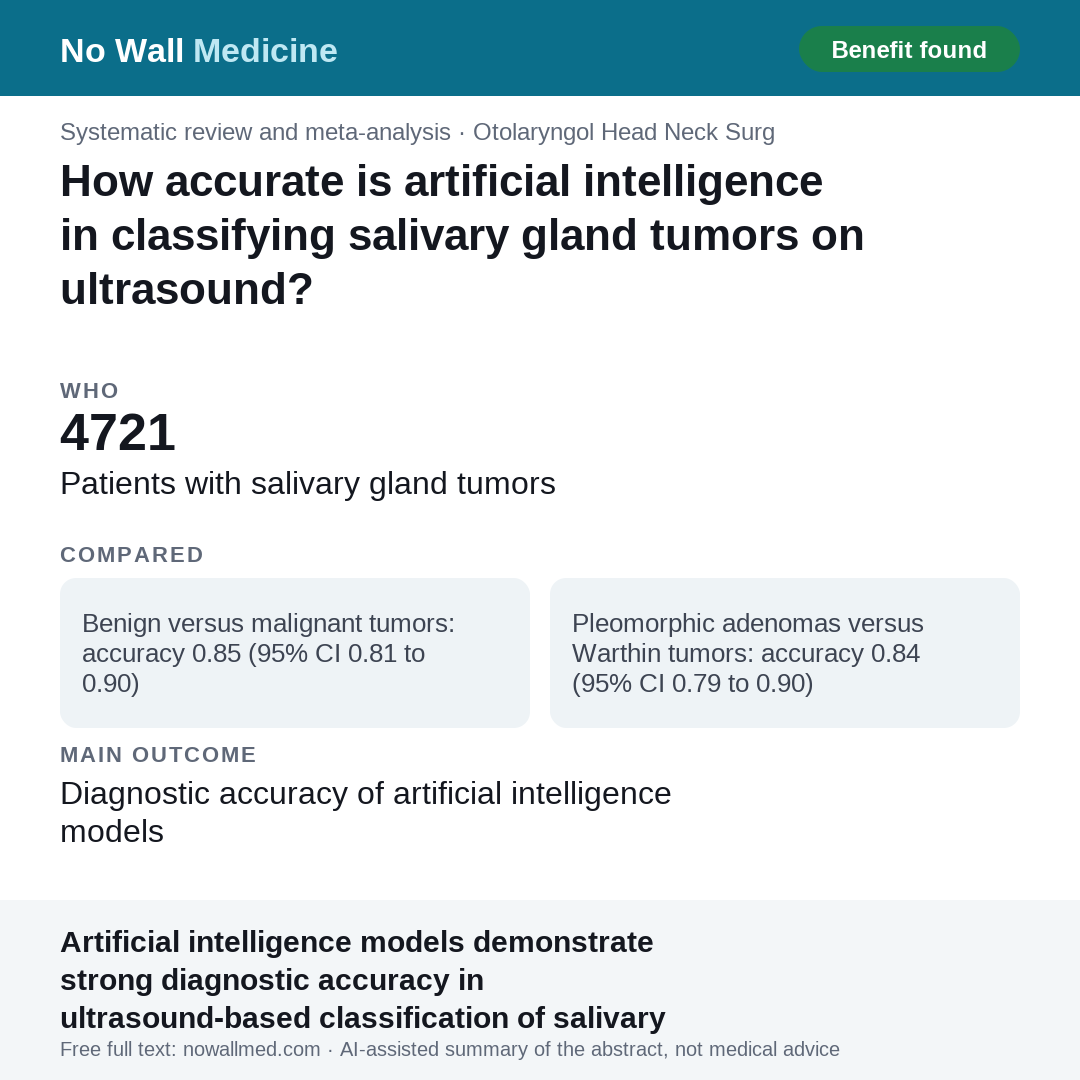
Classification of Salivary Gland Tumors on Ultrasound Using Artificial Intelligence: A Systematic Review and Meta-Analysis
Systematic review and meta-analysisBenefit found
How accurate is artificial intelligence in classifying salivary gland tumors on ultrasound?
Who
4721
Patients with salivary gland tumors
Compared
Benign versus malignant tumors: accuracy 0.85 (95% CI 0.81 to 0.90)
Pleomorphic adenomas versus Warthin tumors: accuracy 0.84 (95% CI 0.79 to 0.90)
Main outcome
Diagnostic accuracy of artificial intelligence models
Bottom line: Artificial intelligence models demonstrate strong diagnostic accuracy in ultrasound-based classification of salivary gland tumors.
Limitation: Broader validation is needed before routine clinical implementation.
Otolaryngol Head Neck Surg · 2026-01-04Download image