Visual abstracts
New randomized trials and meta-analyses from leading journals at a glance: who was studied, what was compared, and what was found. Every paper is free to read in full.
All specialtiesCardiology 4832Oncology 4114Gastroenterology & Hepatology 1934Infectious Disease 3824Neurology 1899Psychiatry & Mental Health 2256Pulmonology 2082Critical Care 1345Endocrinology & Diabetes 2572Pediatrics 2940Surgery 2525Orthopedics & Sports Medicine 926Neurosurgery 534Cardiothoracic & Vascular Surgery 671Plastic & Reconstructive Surgery 591Nephrology 1124Rheumatology 823Hematology 1104Dermatology 620Ophthalmology 543Obstetrics & Gynecology 1684Public & Global Health 1056Radiology & Imaging 641Anesthesiology 962Urology 754ENT (Otolaryngology) 503Emergency Medicine 489Allergy & Immunology 313Geriatrics 981Family Medicine & Primary Care 541Medical Genetics & Genomics 675Pathology & Laboratory Medicine 157Physical Medicine & Rehabilitation 751Palliative Care 424Nutrition 1580Digital Health & AI 2195General Medicine 321
Trial of Upadacitinib and Adalimumab for Psoriatic Arthritis
Randomized, phase 3 trialBenefit found
Is upadacitinib effective compared to adalimumab for psoriatic arthritis?
Who
1704
Patients with psoriatic arthritis with inadequate nonbiologic disease-modifying antirheumatic drug response
Compared
70.6%15-mg upadacitinib
78.5%30-mg upadacitinib
36.2%Placebo
65.0%Adalimumab
Main outcome
American College of Rheumatology 20 response at week 12
Result: difference 13.5 percentage points (95% CI, 7.5 to 19.4) for 30-mg vs adalimumab
Bottom line: Upadacitinib 30-mg was superior to adalimumab for ACR20 response, while 15-mg was noninferior.
Funded by: AbbVie
NEJM · 2021-03-31Download image

Effect of Intravitreous Anti-Vascular Endothelial Growth Factor vs Sham Treatment for Prevention of Vision-Threatening Complications of Diabetic Retinopathy: The Protocol W Randomized Clinical Trial
Randomized clinical trialBenefit found
Does aflibercept injections prevent vision-threatening complications in moderate to severe nonproliferative diabetic retinopathy?
Who
399
328 adults with moderate to severe nonproliferative diabetic retinopathy without center-involved diabetic macular edema · 64 US and Canadian sites
Compared
16.3%Aflibercept injections
43.5%Sham treatment
Main outcome
Development of center-involved diabetic macular edema with vision loss or proliferative diabetic retinopathy
Result: hazard ratio 0.32 (97.5% CI, 0.21-0.50)
Bottom line: Aflibercept injections reduced the risk of vision-threatening complications compared to sham treatment in moderate to severe nonproliferative diabetic retinopathy.
Limitation: Preventive treatment did not confer visual acuity benefit through 2 years.
JAMA Ophthalmol · 2021-03-31Download image

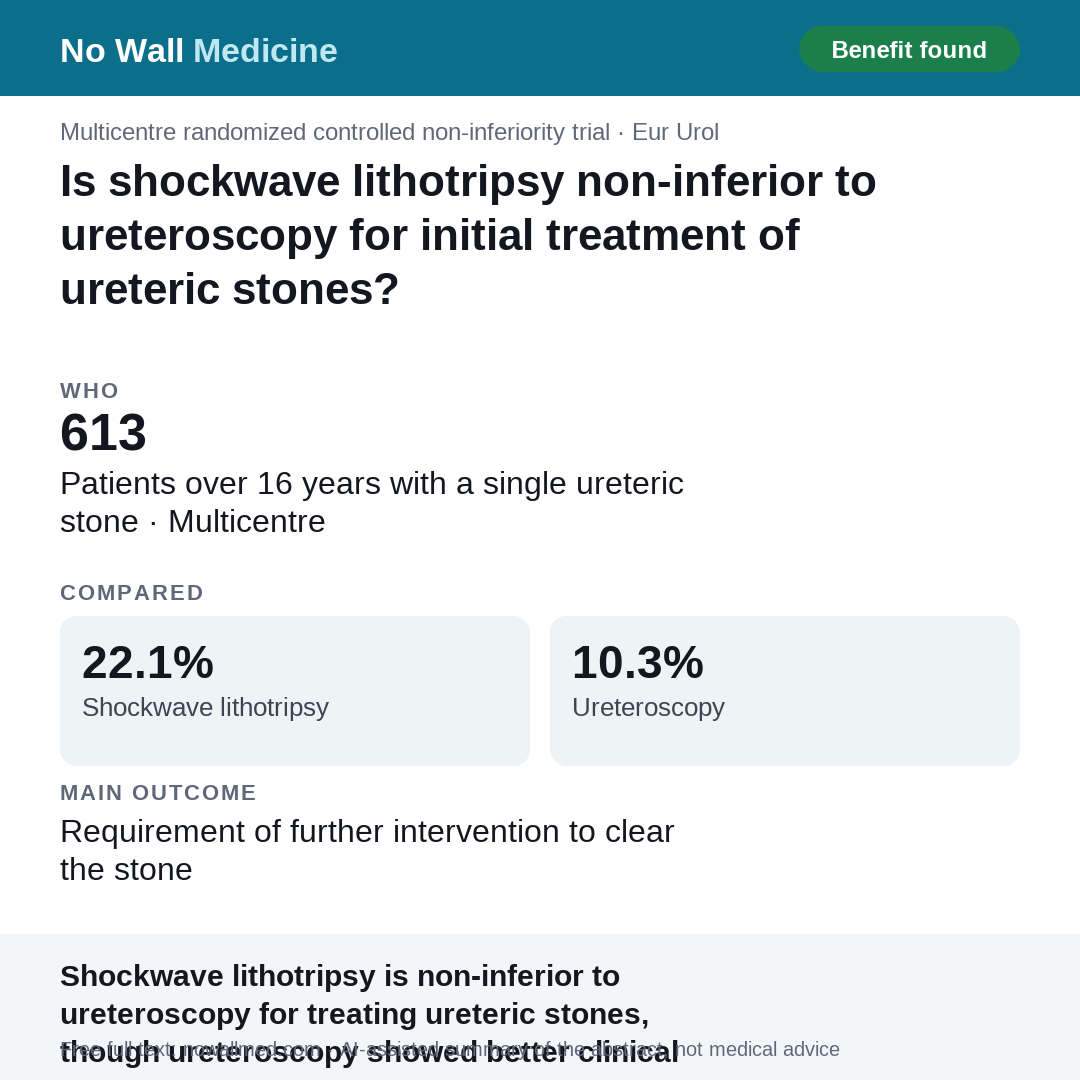
Shockwave Lithotripsy Versus Ureteroscopic Treatment as Therapeutic Interventions for Stones of the Ureter (TISU): A Multicentre Randomised Controlled Non-inferiority Trial
Multicentre randomized controlled non-inferiority trialBenefit found
Is shockwave lithotripsy non-inferior to ureteroscopy for initial treatment of ureteric stones?
Who
613
Patients over 16 years with a single ureteric stone · Multicentre
Compared
22.1%Shockwave lithotripsy
10.3%Ureteroscopy
Main outcome
Requirement of further intervention to clear the stone
Result: absolute risk difference 11.7% (95% confidence interval 5.6%, 17.8%)
Bottom line: Shockwave lithotripsy is non-inferior to ureteroscopy for treating ureteric stones, though ureteroscopy showed better clinical outcomes.
Eur Urol · 2021-03-31Download image
Prognostic predictors relevant to end-of-life palliative care in Parkinson's disease and related disorders: a systematic review
Systematic reviewMixed results
What are the predictors of mortality in Parkinson's disease and related disorders?
Who
42
People with Parkinson's disease and related disorders
Compared
Demographic and clinical markers
Motor dysfunction and global disability
Falls, infections and non-motor symptoms
Main outcome
Predictors of mortality and causes of death
Bottom line: Mortality in Parkinson's disease is associated with demographic, clinical, motor, and non-motor factors.
Limitation: Prognostic studies focused on identifying when people are nearing their final months are limited.
Funded by: Parkinson's Foundation
J Neurol Neurosurg Psychiatry · 2021-03-31Download image

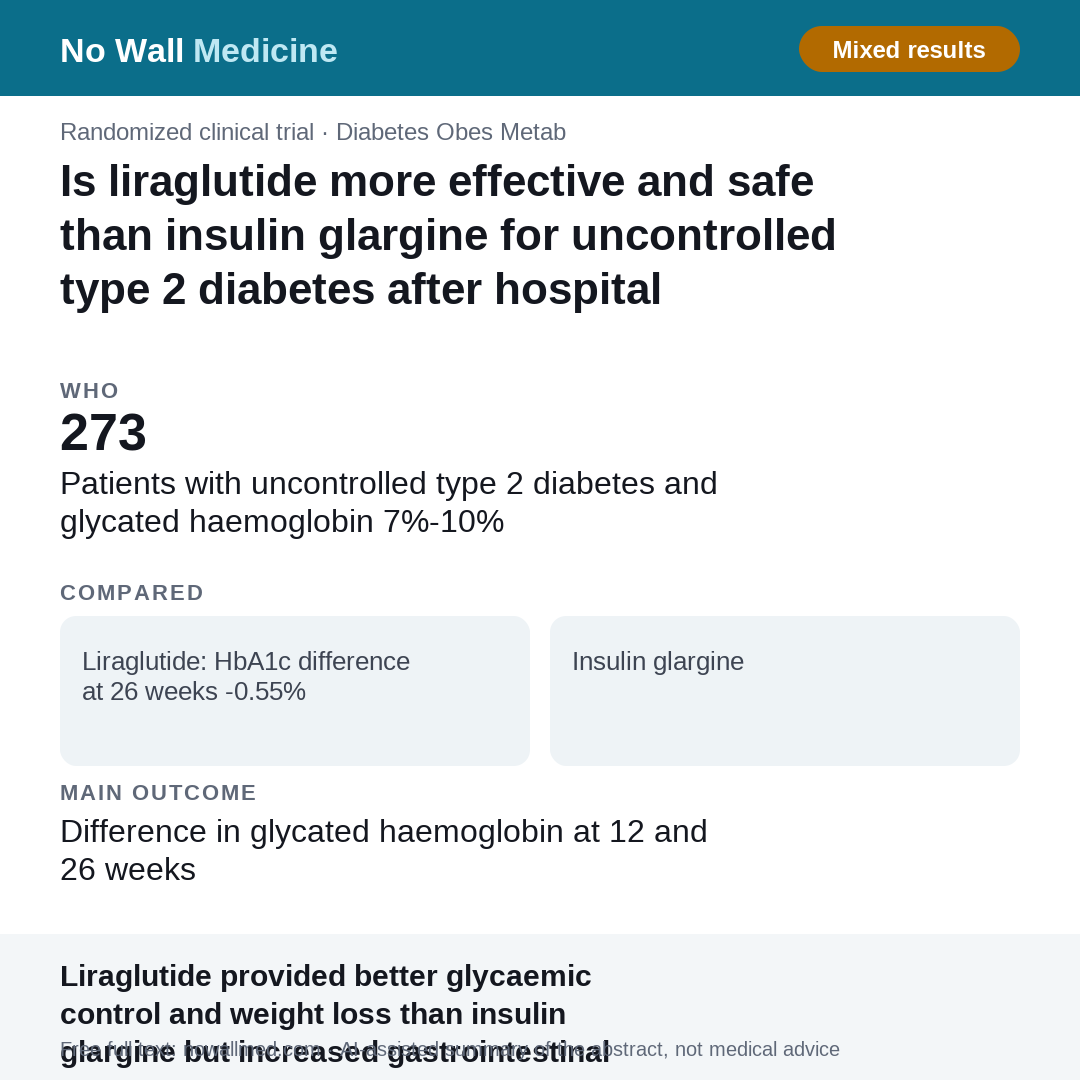
Liraglutide hospital discharge trial: A randomized controlled trial comparing the safety and efficacy of liraglutide versus insulin glargine for the management of patients with type 2 diabetes after hospital discharge
Randomized clinical trialMixed results
Is liraglutide more effective and safe than insulin glargine for uncontrolled type 2 diabetes after hospital discharge?
Who
273
Patients with uncontrolled type 2 diabetes and glycated haemoglobin 7%-10%
Compared
Liraglutide: HbA1c difference at 26 weeks -0.55%
Insulin glargine
Main outcome
Difference in glycated haemoglobin at 12 and 26 weeks
Result: -0.55% (95% CI -1.01, -0.09) at 26 weeks
Bottom line: Liraglutide provided better glycaemic control and weight loss than insulin glargine but increased gastrointestinal adverse events.
Diabetes Obes Metab · 2021-03-31Download image
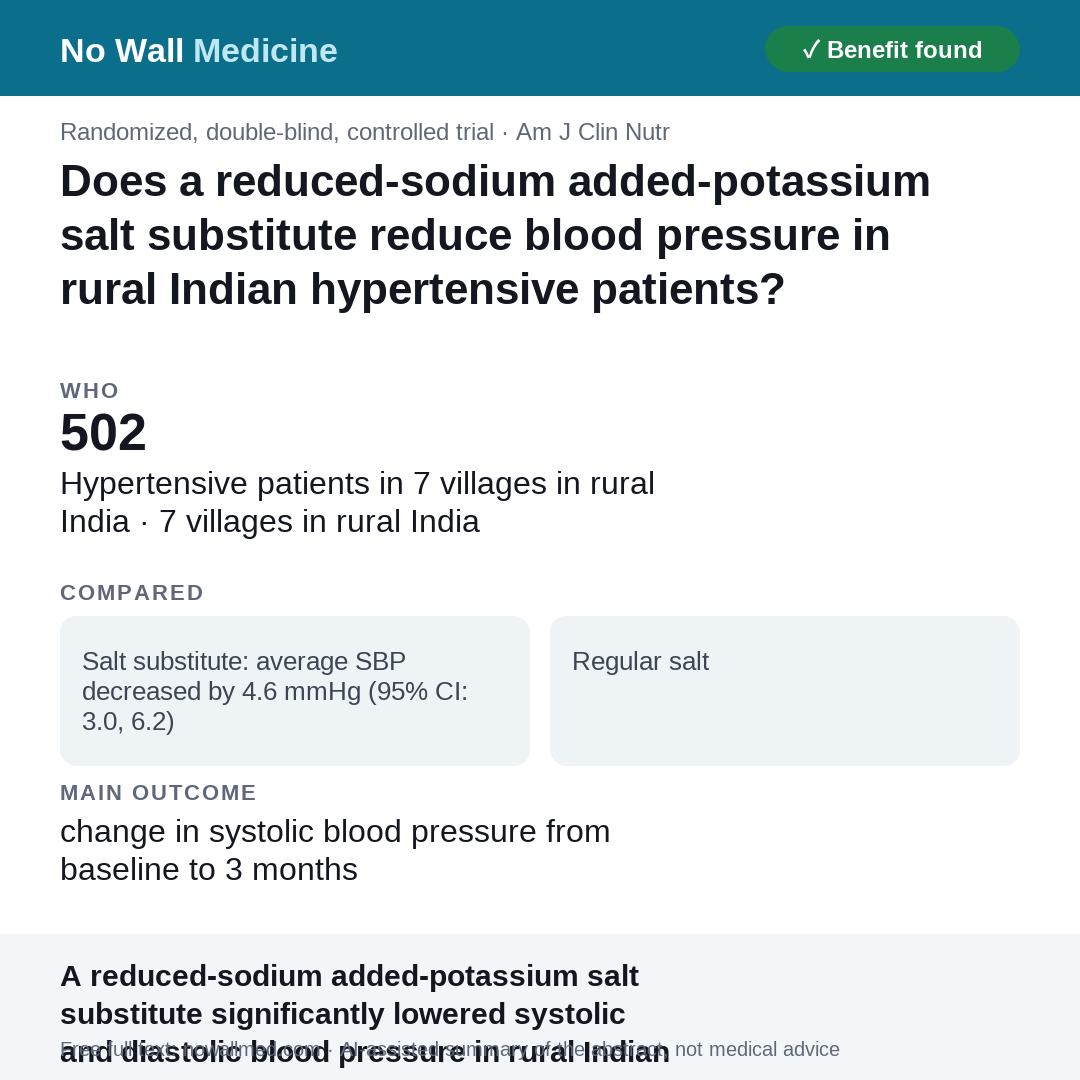
Effects of a reduced-sodium added-potassium salt substitute on blood pressure in rural Indian hypertensive patients: a randomized, double-blind, controlled trial
Randomized, double-blind, controlled trialBenefit found
Does a reduced-sodium added-potassium salt substitute reduce blood pressure in rural Indian hypertensive patients?
Who
502
Hypertensive patients in 7 villages in rural India · 7 villages in rural India
Compared
Salt substitute: average SBP decreased by 4.6 mmHg (95% CI: 3.0, 6.2)
Regular salt
Main outcome
change in systolic blood pressure from baseline to 3 months
Result: 4.6 mmHg (95% CI: 3.0, 6.2)
Bottom line: A reduced-sodium added-potassium salt substitute significantly lowered systolic and diastolic blood pressure in rural Indian hypertensive patients.
Am J Clin Nutr · 2021-03-31Download image
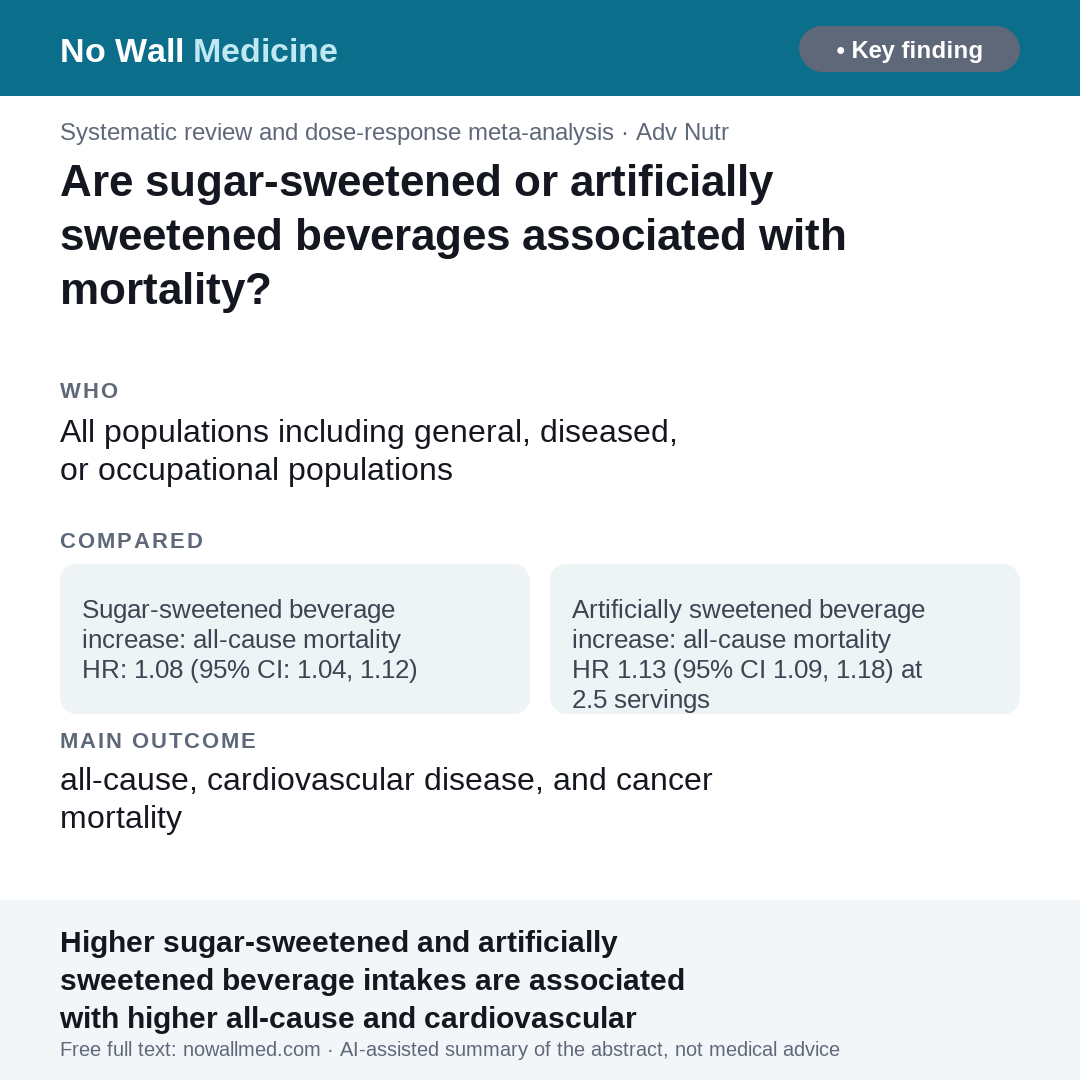
Association of Consumption of Sugar-Sweetened Beverages or Artificially Sweetened Beverages with Mortality: A Systematic Review and Dose-Response Meta-Analysis of Prospective Cohort Studies
Systematic review and dose-response meta-analysisHarm found
Are sugar-sweetened or artificially sweetened beverages associated with mortality?
Who
All populations including general, diseased, or occupational populations
Compared
Sugar-sweetened beverage increase: all-cause mortality HR: 1.08 (95% CI: 1.04, 1.12)
Artificially sweetened beverage increase: all-cause mortality HR 1.13 (95% CI 1.09, 1.18) at 2.5 servings
Main outcome
all-cause, cardiovascular disease, and cancer mortality
Result: all-cause mortality HR: 1.08 (95% CI: 1.04, 1.12)
Bottom line: Higher sugar-sweetened and artificially sweetened beverage intakes are associated with higher all-cause and cardiovascular disease mortality risks.
Limitation: limited evidence for cause-specific mortality regarding artificially sweetened beverages
Adv Nutr · 2021-03-31Download image
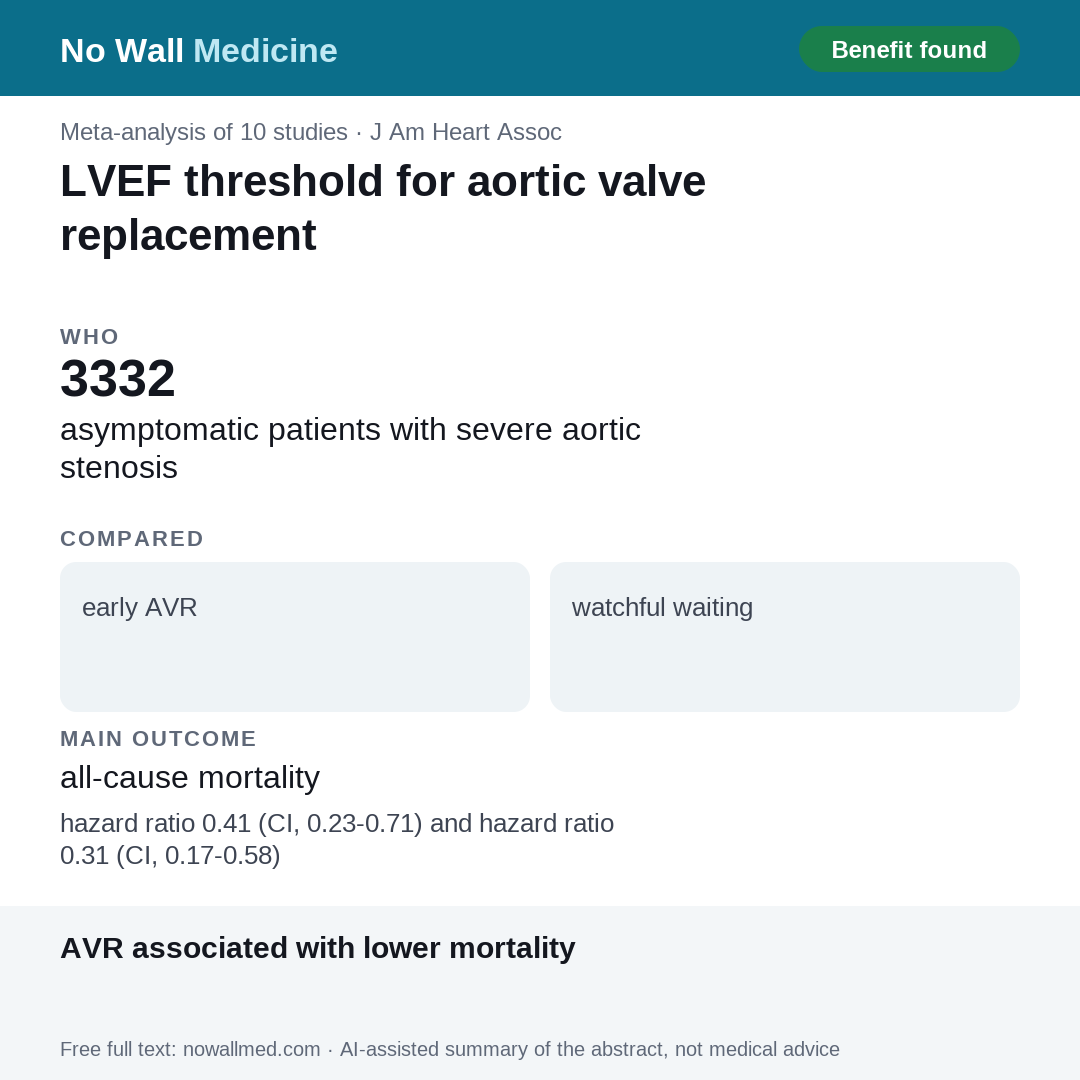
Optimal Threshold of Left Ventricular Ejection Fraction for Aortic Valve Replacement in Asymptomatic Severe Aortic Stenosis: A Systematic Review and Meta-Analysis
Meta-analysis of 10 studiesBenefit found
LVEF threshold for aortic valve replacement
Who
3332
asymptomatic patients with severe aortic stenosis
Compared
early AVR
watchful waiting
Main outcome
all-cause mortality
Result: hazard ratio 0.41 (CI, 0.23-0.71) and hazard ratio 0.31 (CI, 0.17-0.58)
Bottom line: AVR associated with lower mortality
J Am Heart Assoc · 2021-03-31Download image
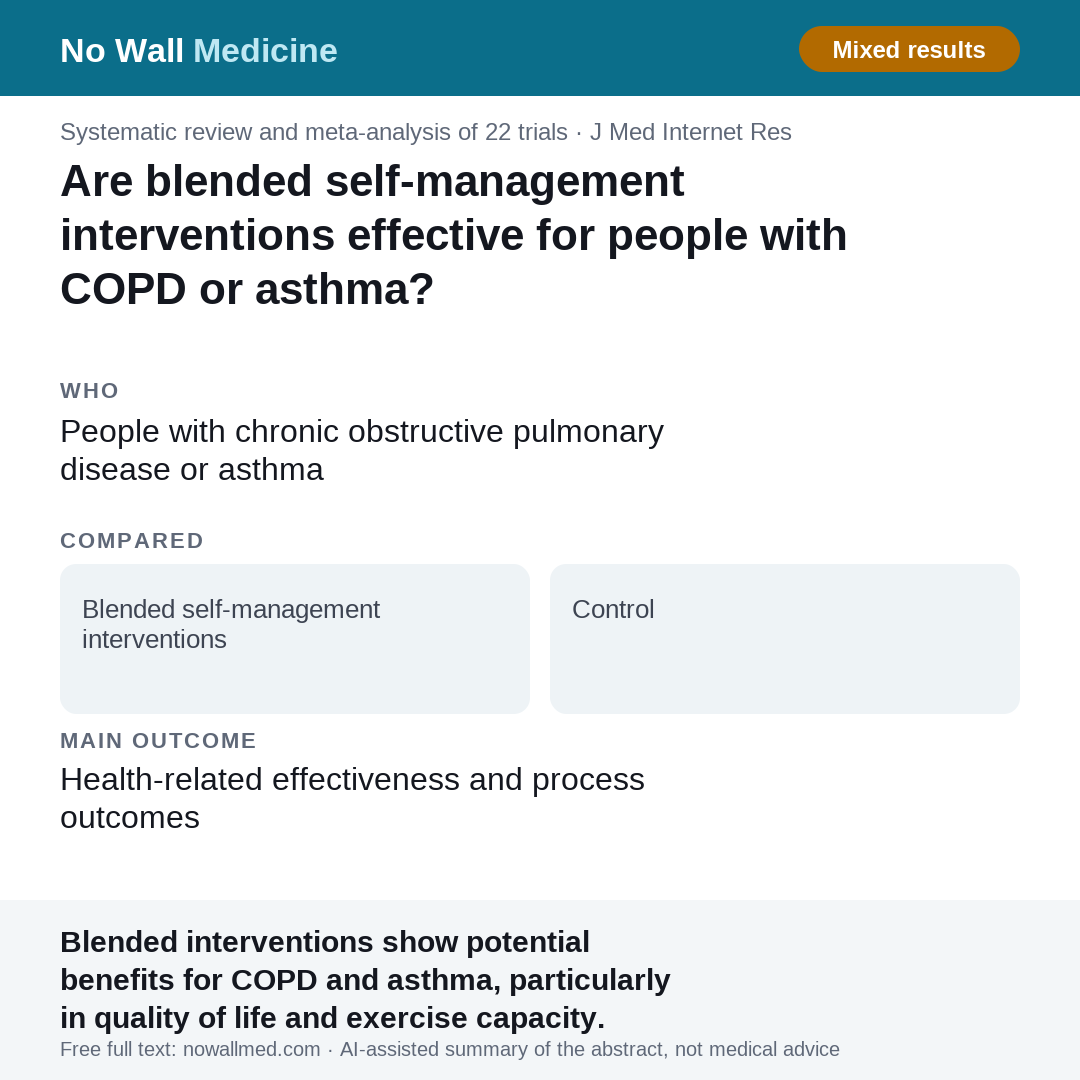
Blended Self-Management Interventions to Reduce Disease Burden in Patients With Chronic Obstructive Pulmonary Disease and Asthma: Systematic Review and Meta-analysis
Systematic review and meta-analysis of 22 trialsMixed results
Are blended self-management interventions effective for people with COPD or asthma?
Who
People with chronic obstructive pulmonary disease or asthma
Compared
Blended self-management interventions
Control
Main outcome
Health-related effectiveness and process outcomes
Bottom line: Blended interventions show potential benefits for COPD and asthma, particularly in quality of life and exercise capacity.
Limitation: The majority of studies showed some concerns about risk of bias and quality of evidence varied.
J Med Internet Res · 2021-03-31Download image
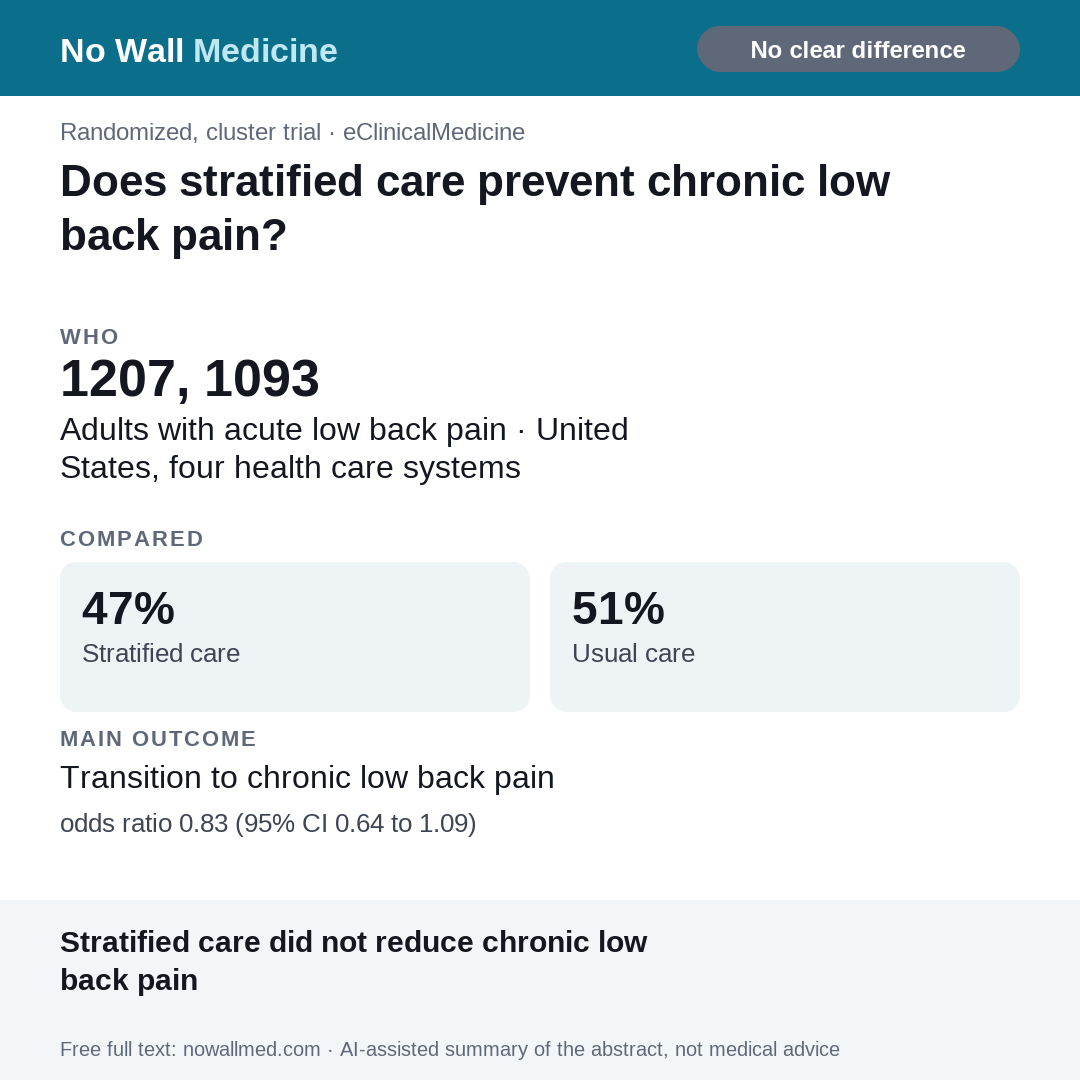
Stratified care to prevent chronic low back pain in high-risk patients: The TARGET trial. A multi-site pragmatic cluster randomized trial
Randomized, cluster trialNo clear difference
Does stratified care prevent chronic low back pain?
Who
1207, 1093
Adults with acute low back pain · United States, four health care systems
Compared
47%Stratified care
51%Usual care
Main outcome
Transition to chronic low back pain
Result: odds ratio 0.83 (95% CI 0.64 to 1.09)
Bottom line: Stratified care did not reduce chronic low back pain
Funded by: Patient-Centered Outcomes Research Institute
eClinicalMedicine · 2021-03-30Download image
Second-line FOLFOX chemotherapy versus active symptom control for advanced biliary tract cancer (ABC-06): a phase 3, open-label, randomised, controlled trial
Phase 3, open-label, randomised trialBenefit found
Does second-line FOLFOX chemotherapy improve overall survival in advanced biliary tract cancer?
Who
162
Adults with advanced biliary tract cancer progressing on first-line cisplatin and gemcitabine · 20 sites across the UK
Compared
6.2 monthsActive symptom control plus FOLFOX (95% CI 5.4-7.6)
5.3 monthsActive symptom control alone (4.1-5.8)
Main outcome
overall survival
Result: adjusted hazard ratio 0.69 (95% CI 0.50-0.97)
Bottom line: Adding FOLFOX to active symptom control improved median overall survival in advanced biliary tract cancer patients.
Funded by: Cancer Research UK, StandUpToCancer, AMMF, The Christie Charity
Lancet Oncol · 2021-03-30Download image

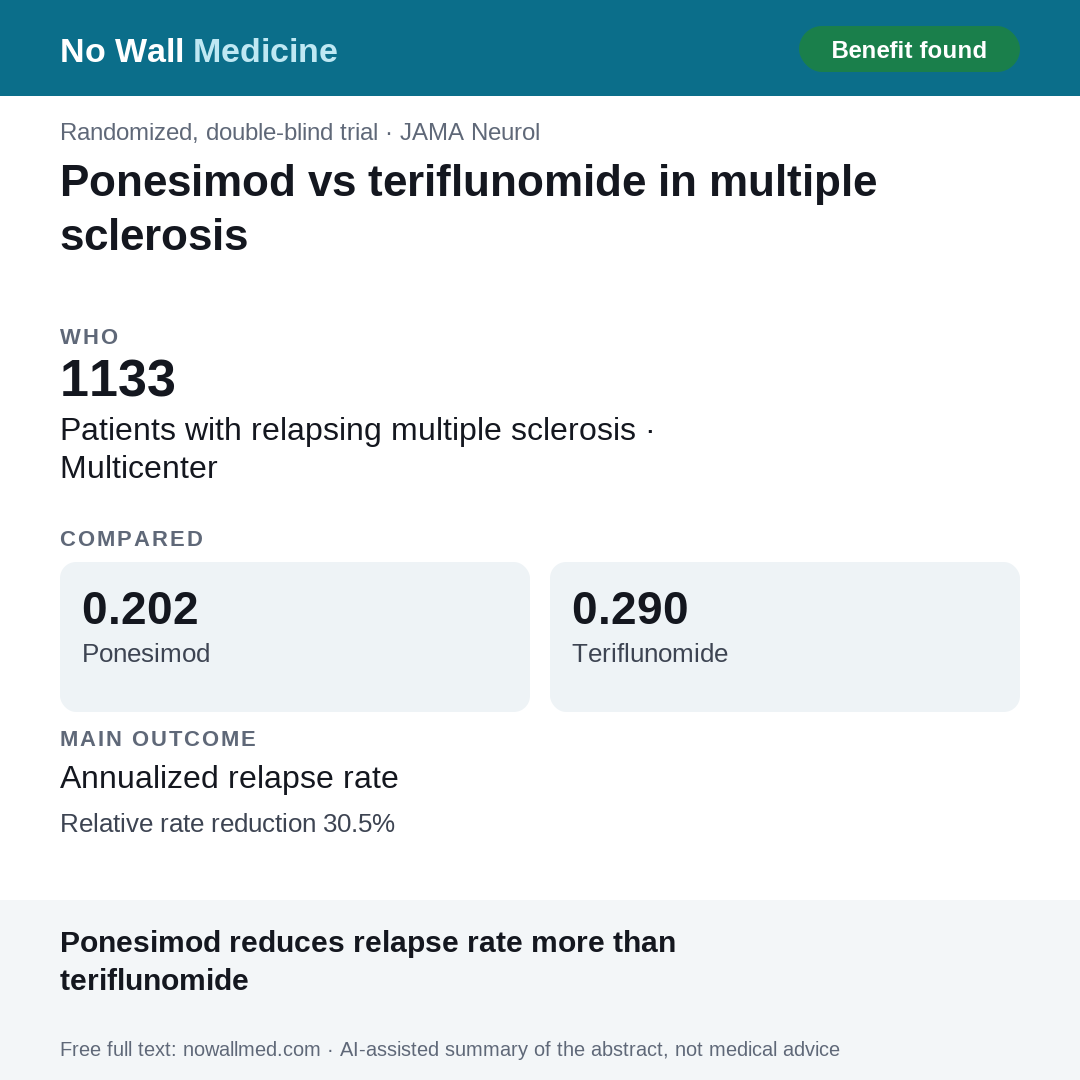
Ponesimod Compared With Teriflunomide in Patients With Relapsing Multiple Sclerosis in the Active-Comparator Phase 3 OPTIMUM Study: A Randomized Clinical Trial
Randomized, double-blind trialBenefit found
Ponesimod vs teriflunomide in multiple sclerosis
Who
1133
Patients with relapsing multiple sclerosis · Multicenter
Compared
0.202Ponesimod
0.290Teriflunomide
Main outcome
Annualized relapse rate
Result: Relative rate reduction 30.5%
Bottom line: Ponesimod reduces relapse rate more than teriflunomide
JAMA Neurol · 2021-03-30Download image
Serum Glial Fibrillary Acidic Protein: A Neuromyelitis Optica Spectrum Disorder Biomarker
prospective, multicenter, double-blind, placebo-controlled, randomized clinical trialBenefit found
Does serum glial fibrillary acidic protein relate to NMOSD activity and inebilizumab treatment?
Who
215
adults with neuromyelitis optica spectrum disorder · multicenter
Compared
high baseline sGFAP: hazard ratio 3.09 (95% confidence interval, 1.6-6.1)
placebo-treated participants: fold change 20.2 (IQR 4.4-98.3)
inebilizumab-treated participants: fold change 1.1 (IQR 0.8-24.6)
Main outcome
serum glial fibrillary acidic protein concentration and NMOSD activity
Result: hazard ratio 3.09 (95% CI 1.6-6.1)
Bottom line: Serum glial fibrillary acidic protein is a biomarker of NMOSD activity, attack risk, and treatment effects.
Ann Neurol · 2021-03-30Download image

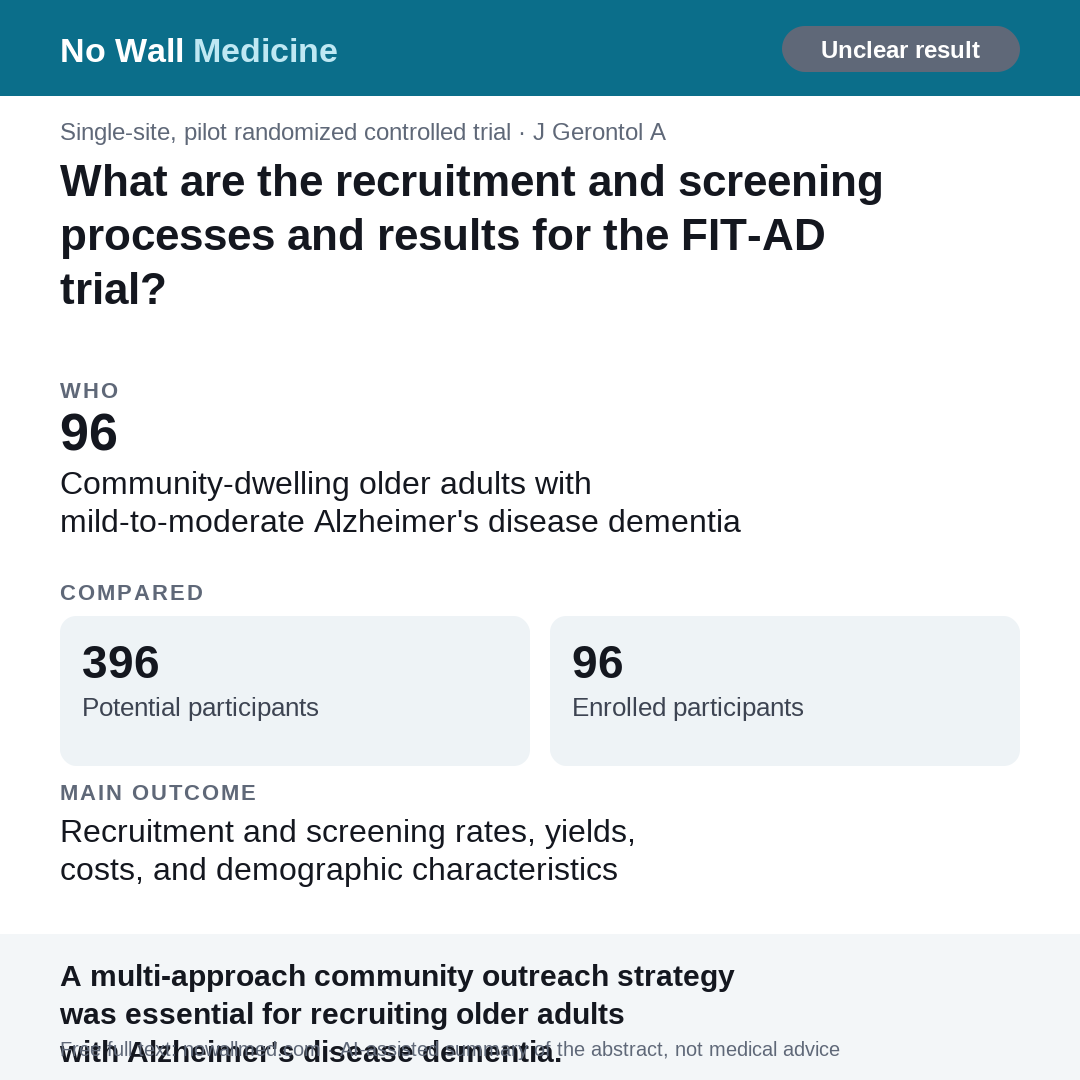
Recruitment and Screening Methods in Alzheimer's Disease Research: The FIT-AD Trial
Single-site, pilot randomized controlled trialUnclear result
What are the recruitment and screening processes and results for the FIT-AD trial?
Who
96
Community-dwelling older adults with mild-to-moderate Alzheimer's disease dementia · Single-site
Compared
396Potential participants
96Enrolled participants
Main outcome
Recruitment and screening rates, yields, costs, and demographic characteristics
Bottom line: A multi-approach community outreach strategy was essential for recruiting older adults with Alzheimer's disease dementia.
J Gerontol A · 2021-03-30Download image
Management of plantar heel pain: a best practice guide informed by a systematic review, expert clinical reasoning and patient values
Mixed-methods systematic review, expert interviews, and patient surveyBenefit found
What is the best practice guide for managing plantar heel pain?
Who
4351
People with plantar heel pain
Compared
Taping: SMD: 0.47 (95% CI 0.05 to 0.88)
Plantar fascia stretching: SMD: 1.21 (95% CI 0.78 to 1.63)
Focused shockwave: OR: 1.89 (95% CI 1.18 to 3.04)
Main outcome
First step pain and general pain
Bottom line: Core treatment should include taping, stretching, and education, with shockwave therapy and custom orthoses as stepped care options.
Br J Sports Med · 2021-03-30Download image

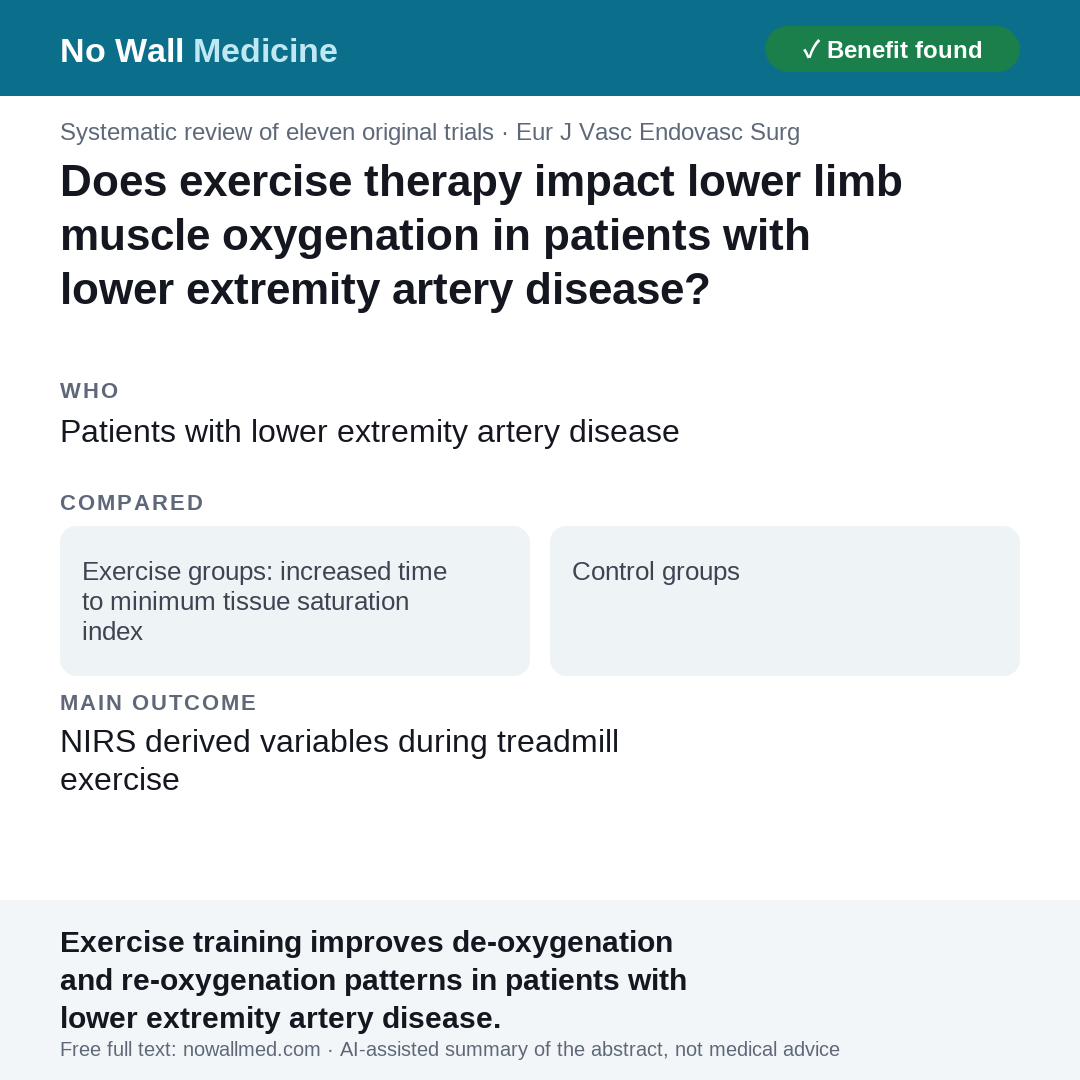
The Use of Near Infrared Spectroscopy to Evaluate the Effect of Exercise on Peripheral Muscle Oxygenation in Patients with Lower Extremity Artery Disease: A Systematic Review
Systematic review of eleven original trialsBenefit found
Does exercise therapy impact lower limb muscle oxygenation in patients with lower extremity artery disease?
Who
Patients with lower extremity artery disease
Compared
Exercise groups: increased time to minimum tissue saturation index
Control groups
Main outcome
NIRS derived variables during treadmill exercise
Bottom line: Exercise training improves de-oxygenation and re-oxygenation patterns in patients with lower extremity artery disease.
Limitation: Low number of randomized controlled trials and large heterogeneity in assessment methods and instrumentation.
Eur J Vasc Endovasc Surg · 2021-03-30Download image
Electronic collection of patient-reported outcomes following discharge after surgery: systematic review
Systematic reviewUnclear result
Electronic collection of patient outcomes after surgery
Who
9474
adults after hospital discharge following surgery
Compared
ePRO systems
commercial systems: 9 of 14
Main outcome
patient-reported outcomes collection
Bottom line: Limited reporting of ePRO systems in surgery
Limitation: limited features and functions
BJS Open · 2021-03-30Download image

The Value of Applying Ethical Principles in Telehealth Practices: Systematic Review
Systematic literature reviewUnclear result
How do ethical considerations differ in telehealth versus face-to-face health care delivery?
Who
49
Existing research on telehealth and telemedicine ethical principles
Compared
69%Autonomy (34/49)
53%Professional-patient relationship (26/49)
41%Nonmaleficence (20/49)
39%Beneficence and justice (19/49)
Main outcome
Identification of ethical principles in telehealth practice
Bottom line: There is limited research on how ethical principles are incorporated into clinical telehealth practice.
Limitation: There was little discussion or evidence of how recommendations are being used to improve practice.
J Med Internet Res · 2021-03-30Download image

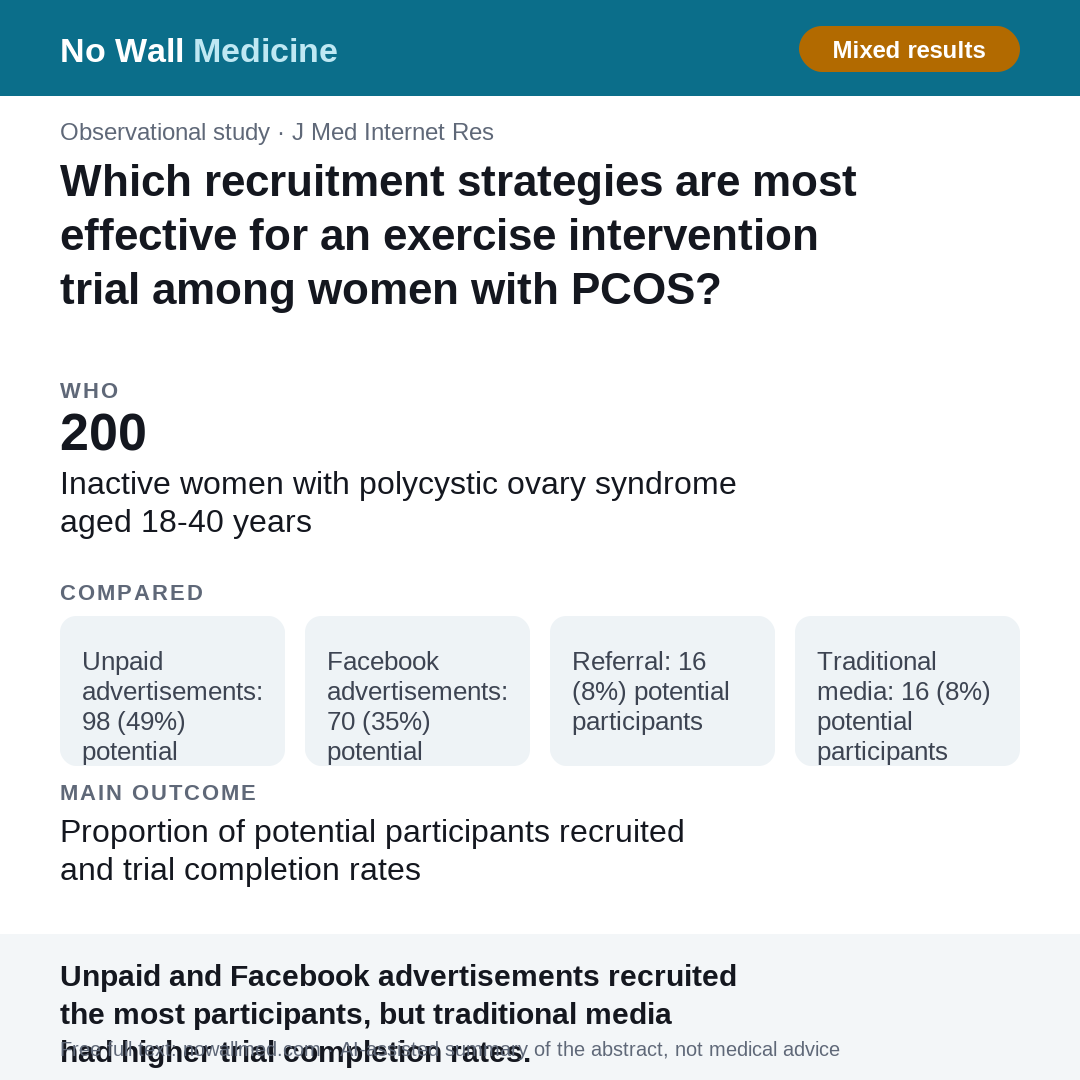
Comparative Success of Recruitment Strategies for an Exercise Intervention Trial Among Women With Polycystic Ovary Syndrome: Observational Study
Observational studyMixed results
Which recruitment strategies are most effective for an exercise intervention trial among women with PCOS?
Who
200
Inactive women with polycystic ovary syndrome aged 18-40 years
Compared
Unpaid advertisements: 98 (49%) potential participants
Facebook advertisements: 70 (35%) potential participants
Referral: 16 (8%) potential participants
Traditional media: 16 (8%) potential participants
Main outcome
Proportion of potential participants recruited and trial completion rates
Bottom line: Unpaid and Facebook advertisements recruited the most participants, but traditional media had higher trial completion rates.
J Med Internet Res · 2021-03-30Download image
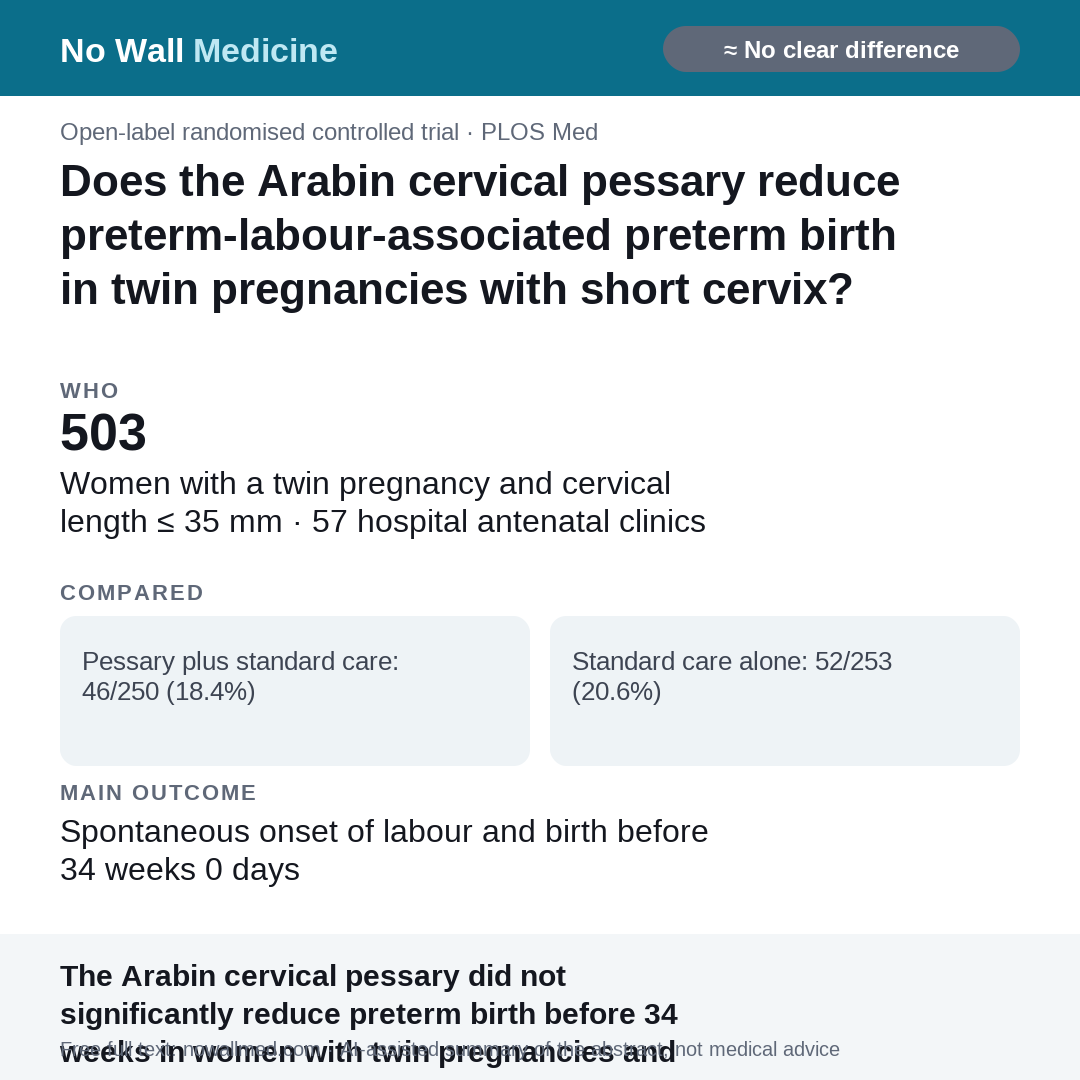
Evaluation of the Arabin cervical pessary for prevention of preterm birth in women with a twin pregnancy and short cervix (STOPPIT-2): An open-label randomised trial and updated meta-analysis
Open-label randomised controlled trialNo clear difference
Does the Arabin cervical pessary reduce preterm-labour-associated preterm birth in twin pregnancies with short cervix?
Who
503
Women with a twin pregnancy and cervical length ≤ 35 mm · 57 hospital antenatal clinics in the UK and Europe
Compared
Pessary plus standard care: 46/250 (18.4%)
Standard care alone: 52/253 (20.6%)
Main outcome
Spontaneous onset of labour and birth before 34 weeks 0 days
Result: adjusted odds ratio 0.87 (95% CI 0.55-1.38)
Bottom line: The Arabin cervical pessary did not significantly reduce preterm birth before 34 weeks in women with twin pregnancies and short cervix.
Limitation: Lack of power to exclude a smaller than 40% reduction in preterm birth.
PLOS Med · 2021-03-29Download image