Visual abstracts
New randomized trials and meta-analyses from leading journals at a glance: who was studied, what was compared, and what was found. Every paper is free to read in full.
All specialtiesCardiology 4877Oncology 4138Gastroenterology & Hepatology 1942Infectious Disease 3837Neurology 1905Psychiatry & Mental Health 2273Pulmonology 2143Critical Care 1365Endocrinology & Diabetes 2580Pediatrics 2980Surgery 2559Orthopedics & Sports Medicine 931Neurosurgery 537Cardiothoracic & Vascular Surgery 674Plastic & Reconstructive Surgery 591Nephrology 1133Rheumatology 823Hematology 1109Dermatology 621Ophthalmology 543Obstetrics & Gynecology 1686Public & Global Health 1058Radiology & Imaging 648Anesthesiology 986Urology 764ENT (Otolaryngology) 503Emergency Medicine 511Allergy & Immunology 313Geriatrics 981Family Medicine & Primary Care 562Medical Genetics & Genomics 676Pathology & Laboratory Medicine 159Physical Medicine & Rehabilitation 757Palliative Care 444Nutrition 1588Digital Health & AI 2201General Medicine 321
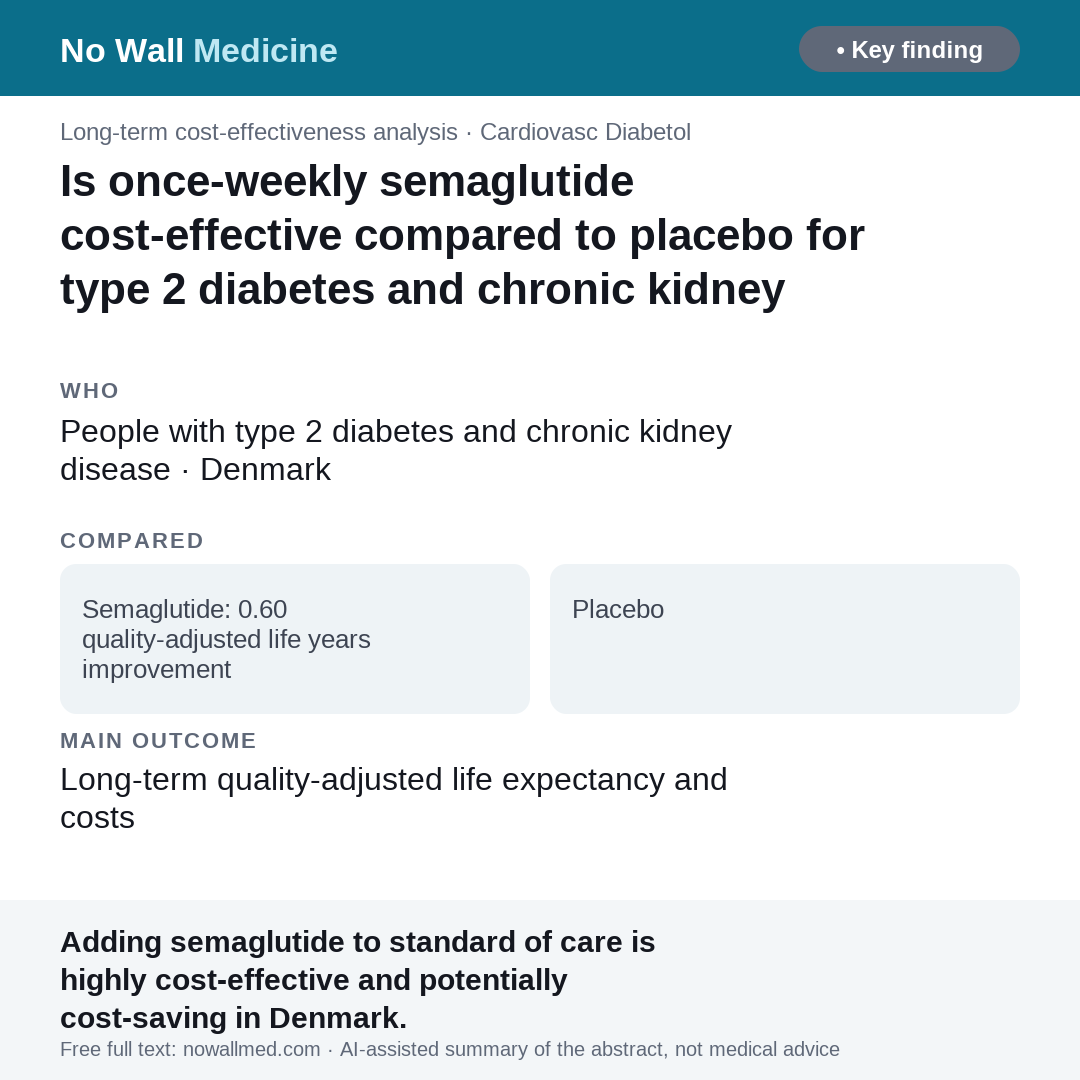
Once-weekly semaglutide versus placebo for the treatment of type 2 diabetes and chronic kidney disease in Denmark: A long-term cost-effectiveness analysis based on FLOW
Long-term cost-effectiveness analysisBenefit found
Is once-weekly semaglutide cost-effective compared to placebo for type 2 diabetes and chronic kidney disease?
Who
People with type 2 diabetes and chronic kidney disease · Denmark
Compared
Semaglutide: 0.60 quality-adjusted life years improvement
Placebo
Main outcome
Long-term quality-adjusted life expectancy and costs
Bottom line: Adding semaglutide to standard of care is highly cost-effective and potentially cost-saving in Denmark.
Cardiovasc Diabetol · 2025-12-20Download image
Technologies for the three-dimensional assessment and treatment of unilateral spatial neglect in individuals with stroke: a systematic review
Systematic reviewUnclear result
What are the features and outcomes of three-dimensional technologies for unilateral spatial neglect?
Who
Individuals with unilateral spatial neglect following stroke
Compared
Assessment studies: 15 studies
Treatment studies: 17 studies
Technical studies: 5 studies
Main outcome
Features, development level, and reported outcomes of three-dimensional technologies
Bottom line: Three-dimensional technologies for unilateral spatial neglect are in early experimental phases with significant methodological variability.
Limitation: Methodological variability, heterogeneity of technologies and outcomes, and lack of standardized protocols.
J Neuroeng Rehabil · 2025-12-20Download image

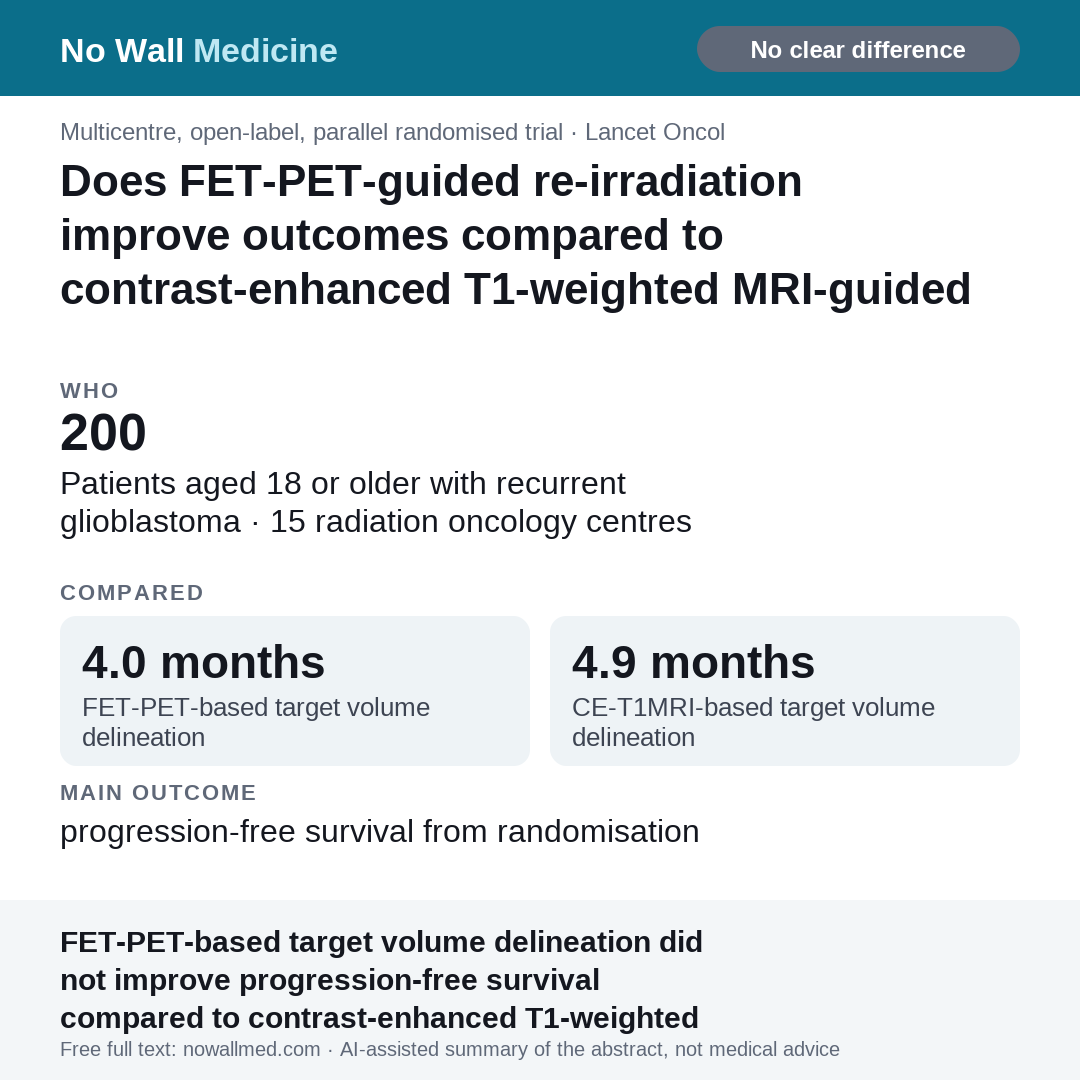
O-(2-[18F]fluoroethyl)-L-tyrosine-PET-guided versus contrast-enhanced T1-weighted MRI-guided re-irradiation in patients with recurrent glioblastoma (GLIAA/NOA-10 ARO2013-01): a multicentre, open-label, randomised trial
Multicentre, open-label, parallel randomised trialNo clear difference
Does FET-PET-guided re-irradiation improve outcomes compared to contrast-enhanced T1-weighted MRI-guided re-irradiation in recurrent glioblastoma?
Who
200
Patients aged 18 or older with recurrent glioblastoma · 15 radiation oncology centres in Germany
Compared
4.0 monthsFET-PET-based target volume delineation
4.9 monthsCE-T1MRI-based target volume delineation
Main outcome
progression-free survival from randomisation
Result: adjusted hazard ratio 1.14 (95% CI 0.85 to 1.52)
Bottom line: FET-PET-based target volume delineation did not improve progression-free survival compared to contrast-enhanced T1-weighted MRI in recurrent glioblastoma.
Funded by: Deutsche Krebshilfe
Lancet Oncol · 2025-12-19Download image
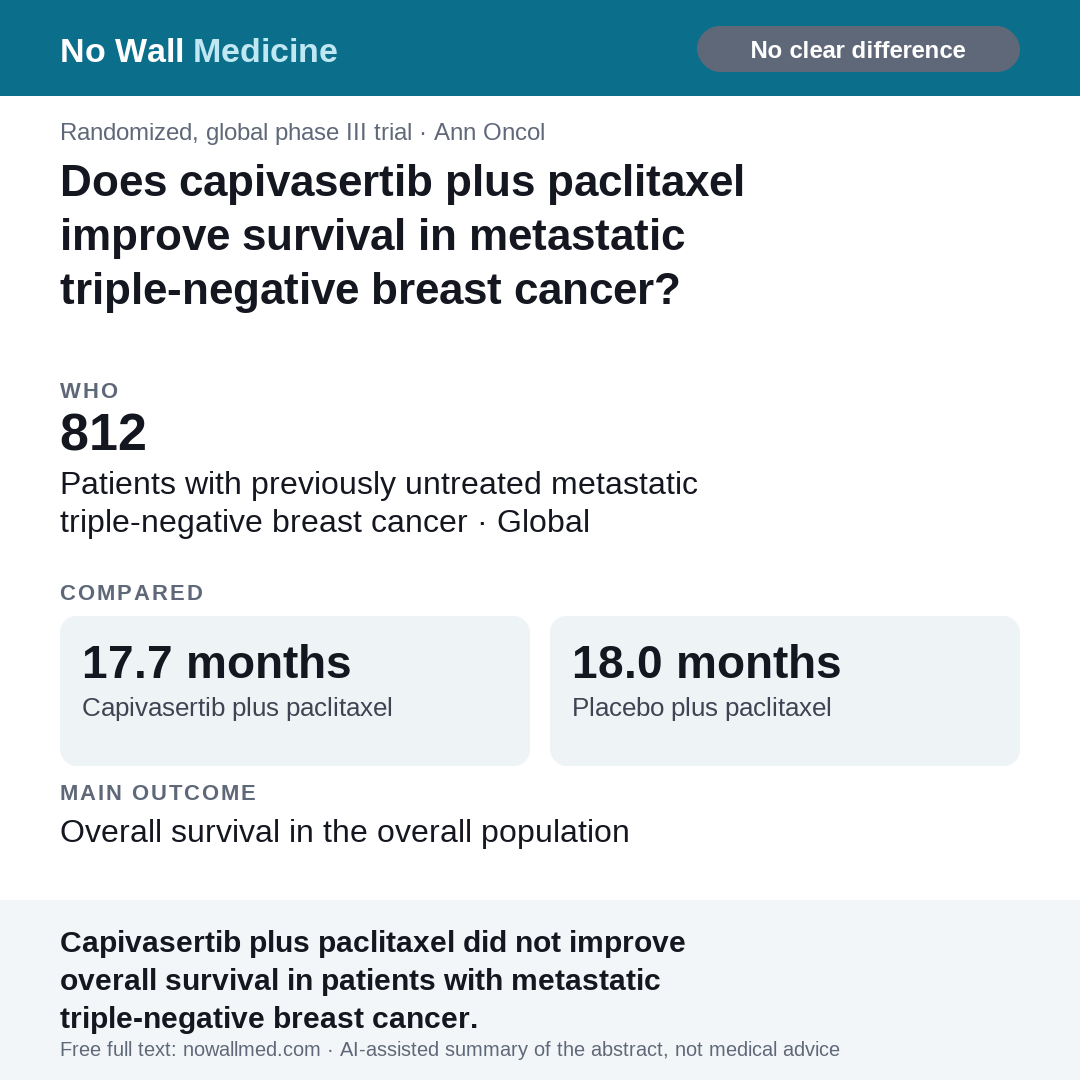
Capivasertib plus paclitaxel as first-line treatment for metastatic triple-negative breast cancer: results from the randomised, global phase III CAPItello-290 trial
Randomized, global phase III trialNo clear difference
Does capivasertib plus paclitaxel improve survival in metastatic triple-negative breast cancer?
Who
812
Patients with previously untreated metastatic triple-negative breast cancer · Global
Compared
17.7 monthsCapivasertib plus paclitaxel
18.0 monthsPlacebo plus paclitaxel
Main outcome
Overall survival in the overall population
Result: hazard ratio 0.92 (95% CI 0.78-1.08)
Bottom line: Capivasertib plus paclitaxel did not improve overall survival in patients with metastatic triple-negative breast cancer.
Ann Oncol · 2025-12-19Download image
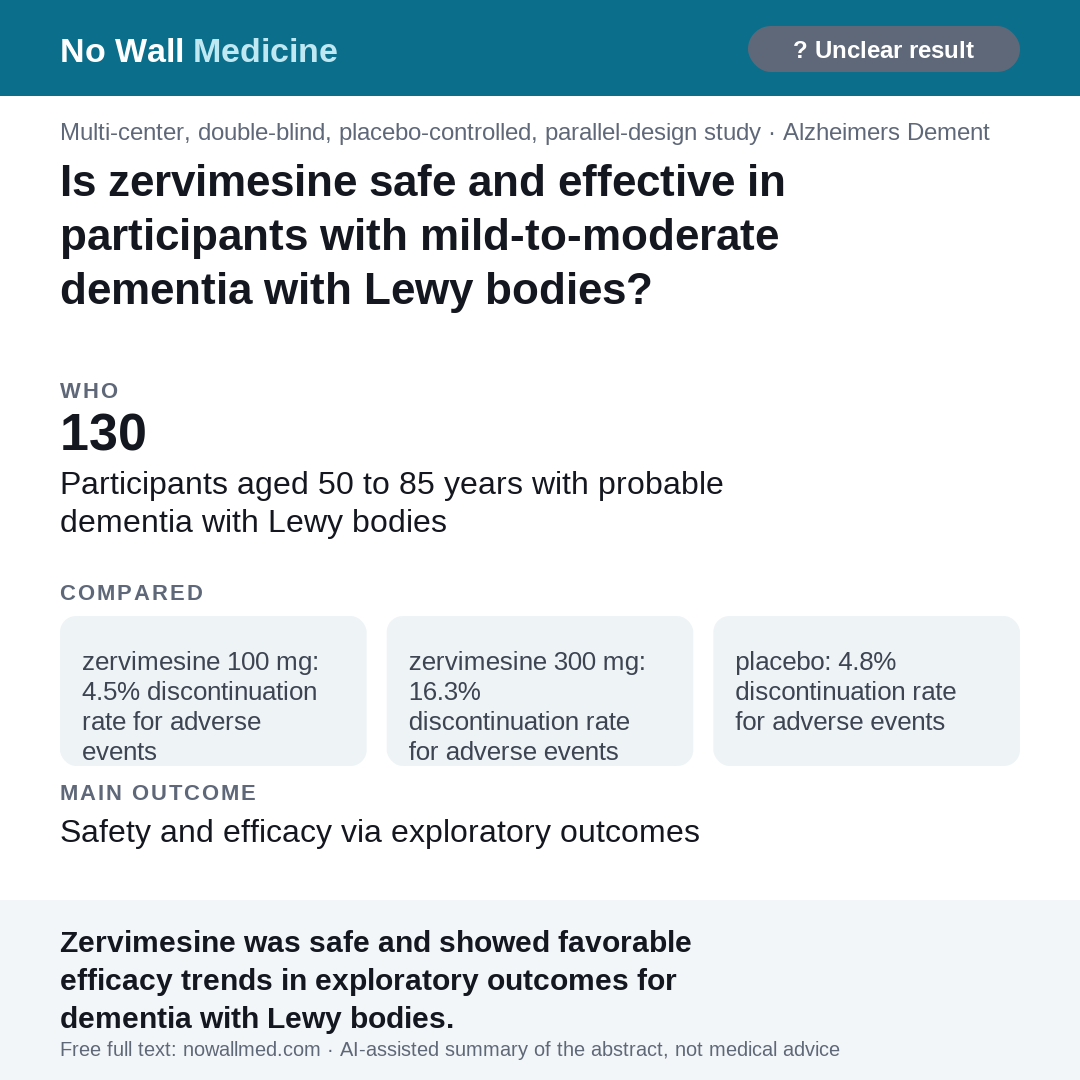
Phase 2 study of zervimesine (CT1812) in participants with mild-to-moderate dementia with Lewy bodies (DLB)
Multi-center, double-blind, placebo-controlled, parallel-design studyUnclear result
Is zervimesine safe and effective in participants with mild-to-moderate dementia with Lewy bodies?
Who
130
Participants aged 50 to 85 years with probable dementia with Lewy bodies
Compared
zervimesine 100 mg: 4.5% discontinuation rate for adverse events
zervimesine 300 mg: 16.3% discontinuation rate for adverse events
placebo: 4.8% discontinuation rate for adverse events
Main outcome
Safety and efficacy via exploratory outcomes
Bottom line: Zervimesine was safe and showed favorable efficacy trends in exploratory outcomes for dementia with Lewy bodies.
Alzheimers Dement · 2025-12-19Download image
A multi-ancestry meta genome-wide association study of migraine among veterans: associations with traumatic brain injury, depression, and post-traumatic stress disorder
Meta-analysis of a genome-wide association studyMixed results
What are the genetic associations of migraine and its links to psychiatric comorbidities in Veterans?
Who
433,000
Predominantly male Veterans · Million Veteran Program
Compared
87,859Migraine cases
Migraine and neuropsychiatric disorders: high genetic correlations
Main outcome
Genome-wide significant loci and causal links to psychiatric disorders
Bottom line: The study identified 49 significant loci but found no causal links between migraine and psychiatric disorders.
Limitation: Minimal vascular tissue enrichment potentially reflecting the predominantly male Veteran sample composition.
Mol Psychiatry · 2025-12-19Download image

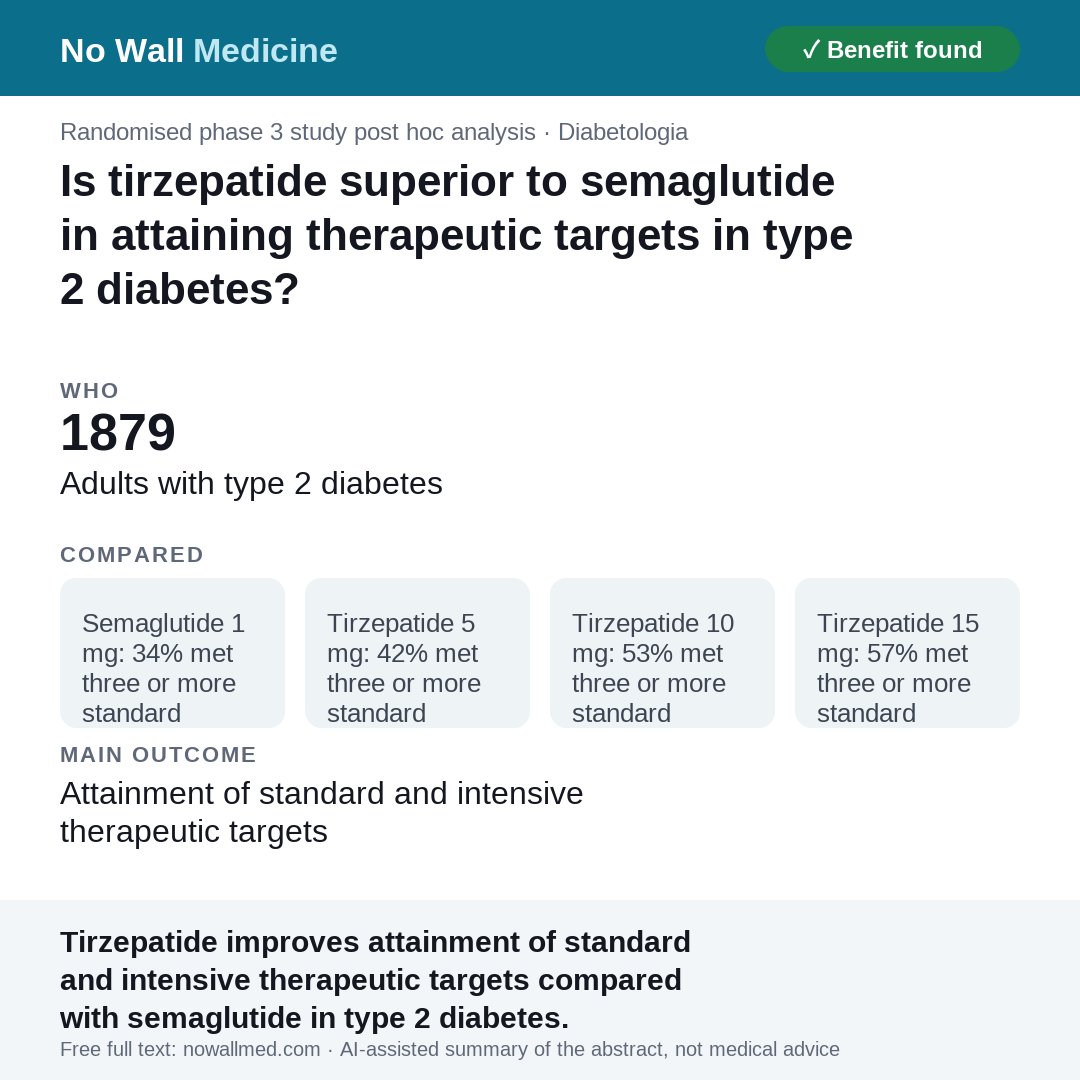
Efficacy of tirzepatide versus semaglutide in achieving therapeutic targets in type 2 diabetes: a post hoc analysis of the SURPASS-2 Trial
Randomised phase 3 study post hoc analysisBenefit found
Is tirzepatide superior to semaglutide in attaining therapeutic targets in type 2 diabetes?
Who
1879
Adults with type 2 diabetes
Compared
Semaglutide 1 mg: 34% met three or more standard targets
Tirzepatide 5 mg: 42% met three or more standard targets
Tirzepatide 10 mg: 53% met three or more standard targets
Tirzepatide 15 mg: 57% met three or more standard targets
Main outcome
Attainment of standard and intensive therapeutic targets
Result: OR 1.50 [95% CI 1.12, 2.00] for standard HbA1c targets
Bottom line: Tirzepatide improves attainment of standard and intensive therapeutic targets compared with semaglutide in type 2 diabetes.
Diabetologia · 2025-12-19Download image
Efficacy and safety of combining empagliflozin in people with type 2 diabetes mellitus uncontrolled with metformin and sitagliptin: A randomised, double-blind, multicentre, therapeutic confirmatory phase 3 clinical trial
Randomised, double-blind, multicentre, phase 3 clinical trialBenefit found
Does adding empagliflozin improve glycemic control in type 2 diabetes uncontrolled with metformin and sitagliptin?
Who
172
People with type 2 diabetes mellitus uncontrolled with metformin and sitagliptin · Korea
Compared
-0.7%empagliflozin 10 mg (95% CI -1.0, -0.4)
-0.8%empagliflozin 25 mg (95% CI -1.1, -0.5)
placebo
Main outcome
change in glycosylated haemoglobin from baseline to week 24
Result: -0.7% (95% CI -1.0, -0.4) and -0.8% (95% CI -1.1, -0.5)
Bottom line: Adding empagliflozin 10 or 25 mg safely improves glycemic control in patients with type 2 diabetes.
Diabetes Obes Metab · 2025-12-19Download image

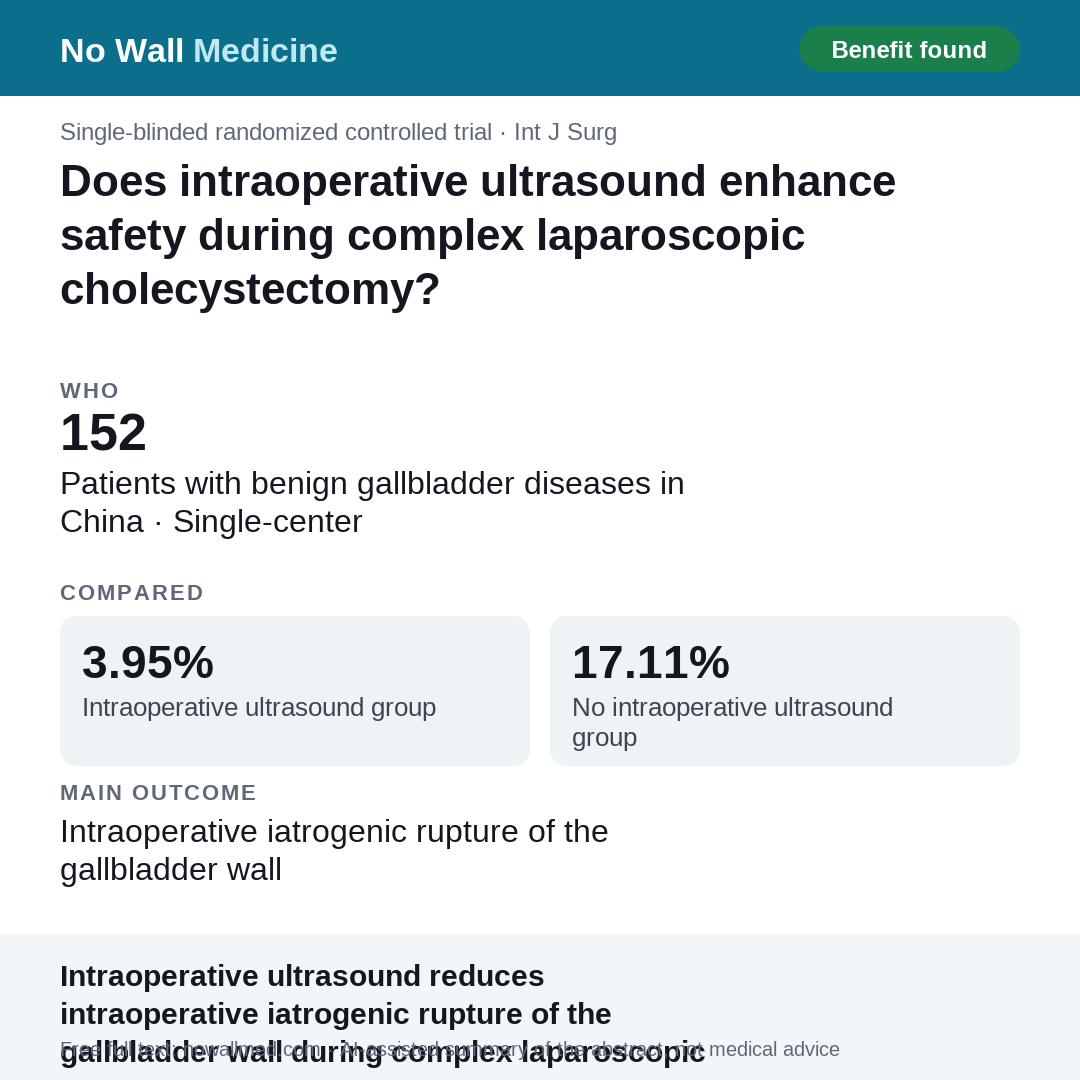
Intraoperative ultrasound enhancing safety of key steps in complex laparoscopic cholecystectomy: a single-blinded randomized controlled trial
Single-blinded randomized controlled trialBenefit found
Does intraoperative ultrasound enhance safety during complex laparoscopic cholecystectomy?
Who
152
Patients with benign gallbladder diseases in China · Single-center
Compared
3.95%Intraoperative ultrasound group
17.11%No intraoperative ultrasound group
Main outcome
Intraoperative iatrogenic rupture of the gallbladder wall
Bottom line: Intraoperative ultrasound reduces intraoperative iatrogenic rupture of the gallbladder wall during complex laparoscopic cholecystectomy.
Int J Surg · 2025-12-19Download image
Safety and accuracy of robot-assisted pedicle screw fixation: a randomized controlled trial
Multicenter, parallel-group, randomized trialBenefit found
Does robot-assisted pedicle screw fixation improve accuracy, efficiency, and safety?
Who
70
Patients requiring pedicle screw fixation · Three hospitals
Compared
robot-assisted group: 0.86 ± 0.57 mm
conventional fluoroscopy-guided group: 2.55 ± 1.88 mm
Main outcome
deviation of guide pin placement
Bottom line: Robot-assisted pedicle screw fixation improved guide pin accuracy and reduced radiation exposure compared to conventional fluoroscopy-guided techniques.
Int J Surg · 2025-12-19Download image

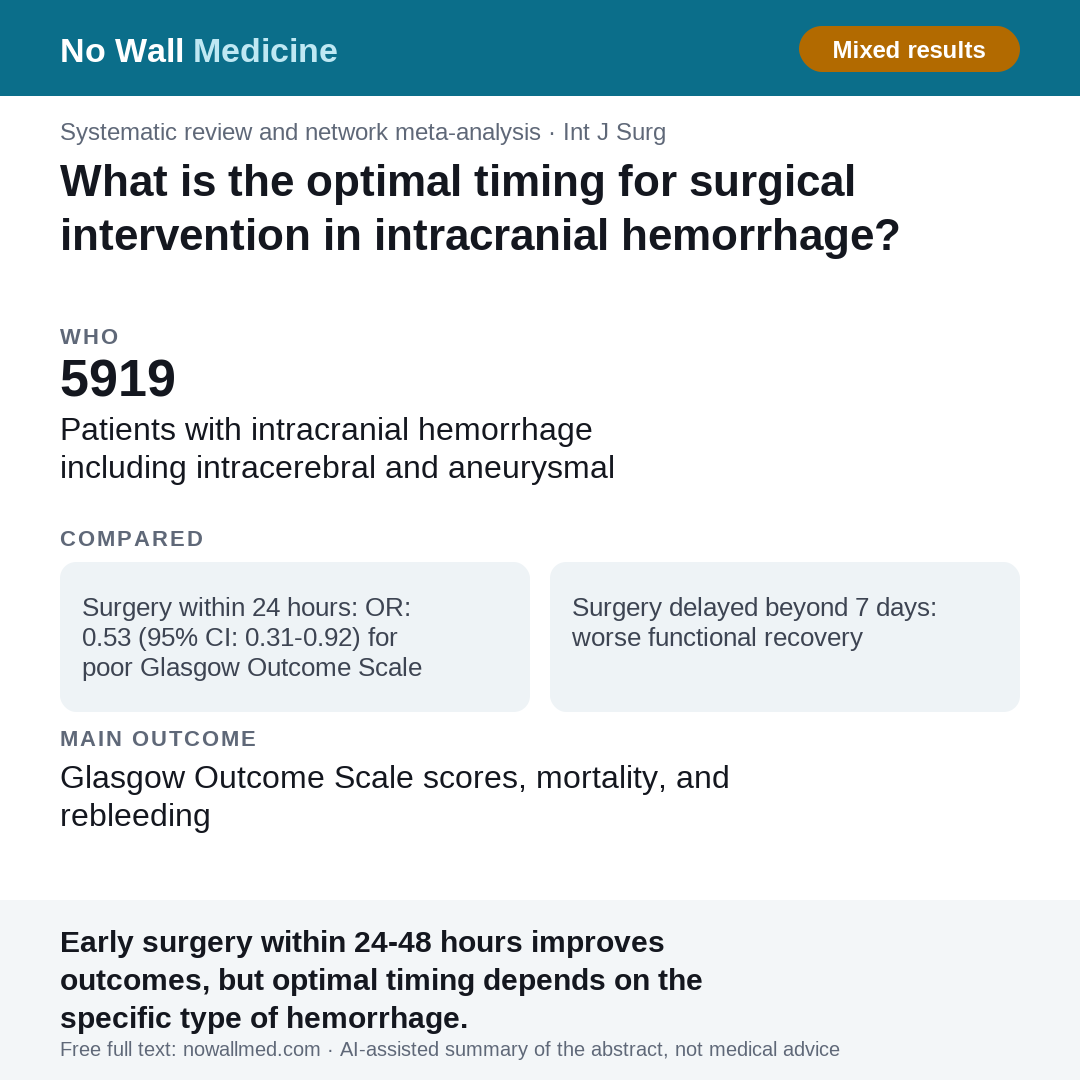
Etiology-specific optimal timing of surgical intervention for intracranial hemorrhage: a systematic review and network meta-analysis
Systematic review and network meta-analysisMixed results
What is the optimal timing for surgical intervention in intracranial hemorrhage?
Who
5919
Patients with intracranial hemorrhage including intracerebral and aneurysmal subarachnoid hemorrhage
Compared
Surgery within 24 hours: OR: 0.53 (95% CI: 0.31-0.92) for poor Glasgow Outcome Scale
Surgery delayed beyond 7 days: worse functional recovery
Main outcome
Glasgow Outcome Scale scores, mortality, and rebleeding
Result: OR: 0.53 (95% CI: 0.31-0.92) for poor Glasgow Outcome Scale
Bottom line: Early surgery within 24-48 hours improves outcomes, but optimal timing depends on the specific type of hemorrhage.
Limitation: Further high-quality randomized trials are needed to refine clinical guidelines.
Int J Surg · 2025-12-19Download image
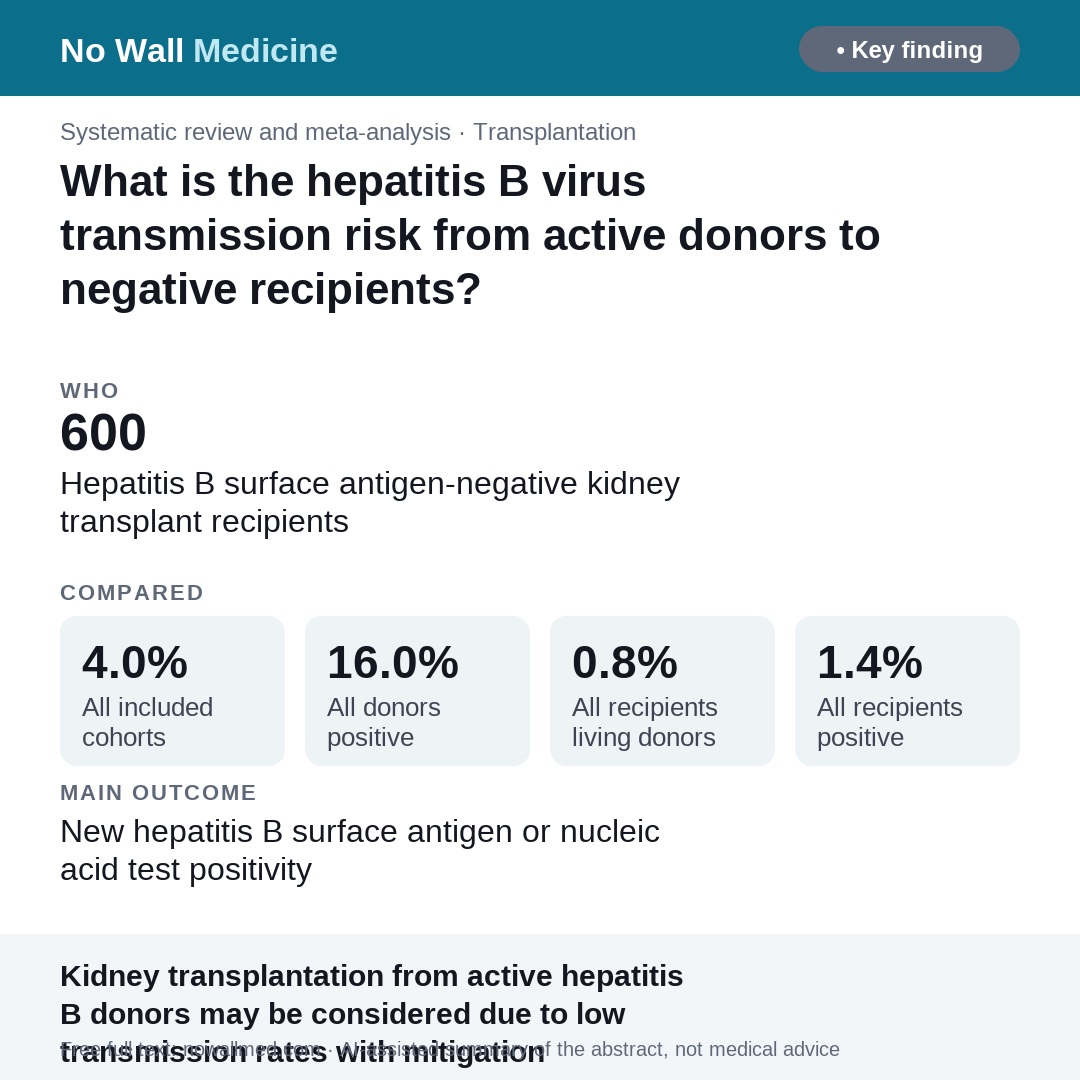
Transmission Risk of Intentional Transplantation of Kidneys From Donors With Active Hepatitis B to Recipients Without Active Hepatitis B: A Systematic Review and Meta-Analysis
Systematic review and meta-analysisBenefit found
What is the hepatitis B virus transmission risk from active donors to negative recipients?
Who
600
Hepatitis B surface antigen-negative kidney transplant recipients
Compared
4.0%All included cohorts
16.0%All donors positive nucleic acid test
0.8%All recipients living donors
1.4%All recipients positive surface antibody
Main outcome
New hepatitis B surface antigen or nucleic acid test positivity
Result: 4.0% (95% CI, 1.8%-8.3%)
Bottom line: Kidney transplantation from active hepatitis B donors may be considered due to low transmission rates with mitigation strategies.
Limitation: Some between-study variance was observed.
Transplantation · 2025-12-19Download image
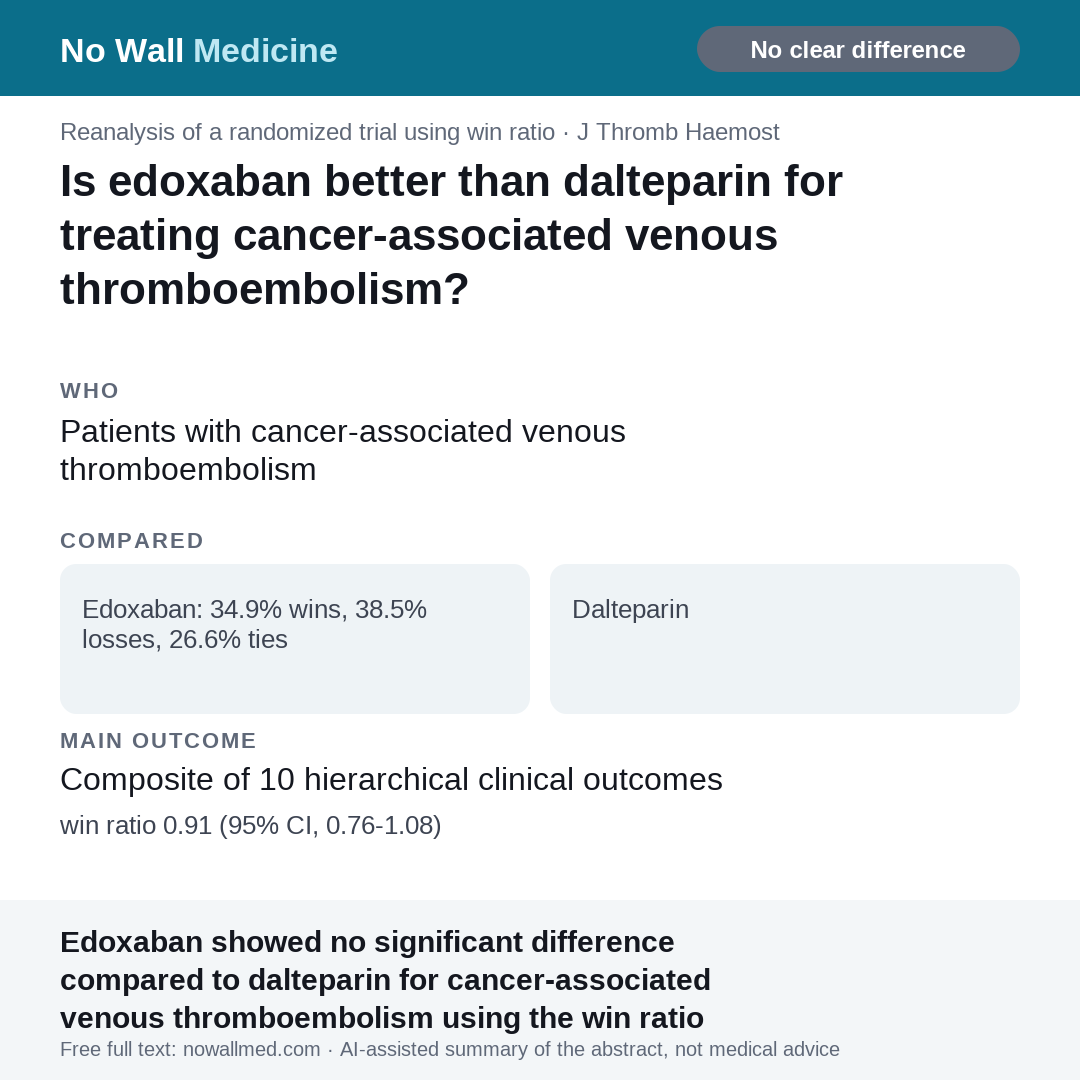
The win ratio for evaluating edoxaban vs dalteparin for cancer-associated venous thromboembolism: an analysis of the randomized Hokusai Venous Thromboembolism Cancer trial
Reanalysis of a randomized trial using win ratioNo clear difference
Is edoxaban better than dalteparin for treating cancer-associated venous thromboembolism?
Who
Patients with cancer-associated venous thromboembolism
Compared
Edoxaban: 34.9% wins, 38.5% losses, 26.6% ties
Dalteparin
Main outcome
Composite of 10 hierarchical clinical outcomes
Result: win ratio 0.91 (95% CI, 0.76-1.08)
Bottom line: Edoxaban showed no significant difference compared to dalteparin for cancer-associated venous thromboembolism using the win ratio approach.
J Thromb Haemost · 2025-12-19Download image
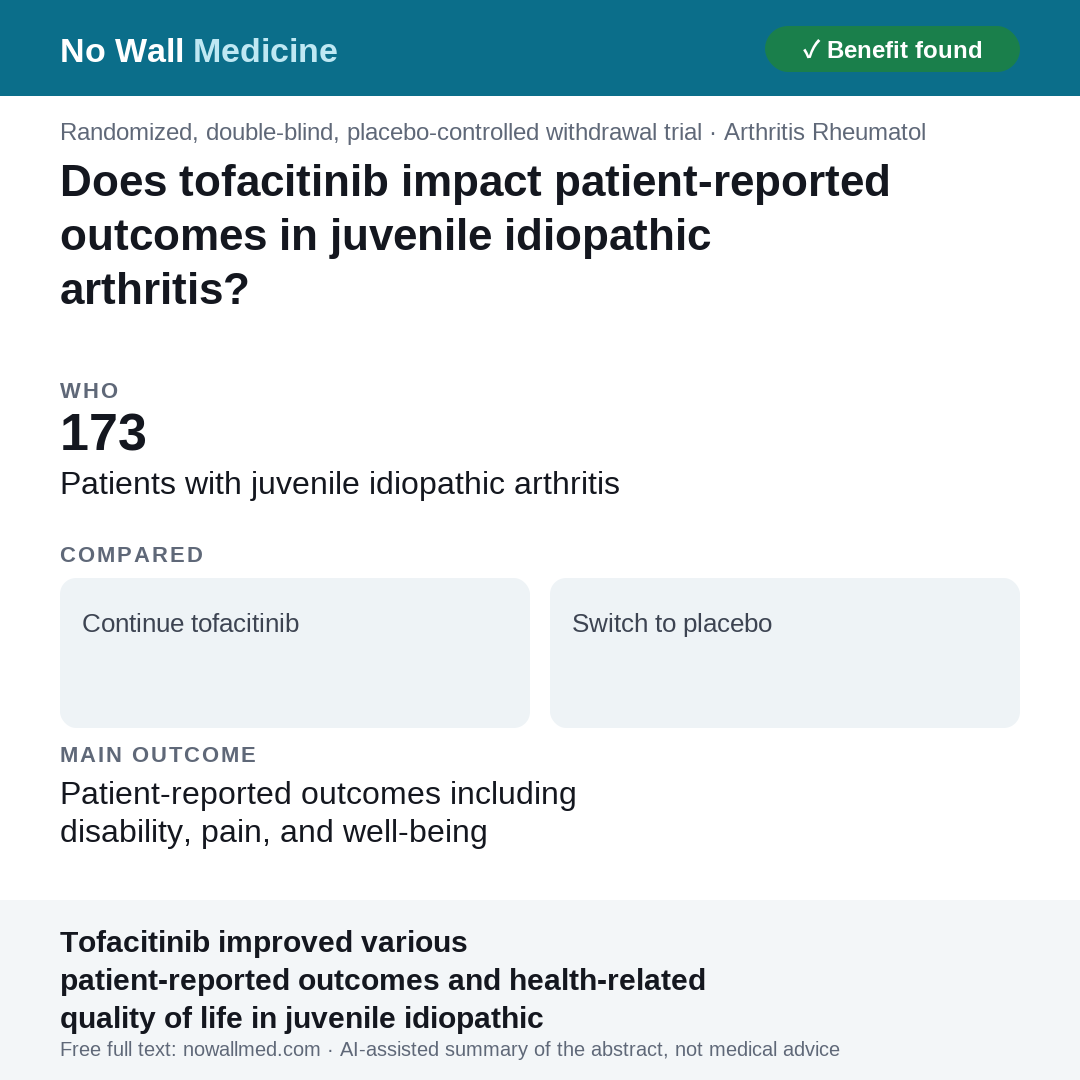
Tofacitinib for the Treatment of Juvenile Idiopathic Arthritis: Patient-Reported Outcomes in a Phase 3, Randomized, Double-Blind, Placebo-Controlled Withdrawal Trial
Randomized, double-blind, placebo-controlled withdrawal trialBenefit found
Does tofacitinib impact patient-reported outcomes in juvenile idiopathic arthritis?
Who
173
Patients with juvenile idiopathic arthritis
Compared
Continue tofacitinib
Switch to placebo
Main outcome
Patient-reported outcomes including disability, pain, and well-being
Bottom line: Tofacitinib improved various patient-reported outcomes and health-related quality of life in juvenile idiopathic arthritis.
Arthritis Rheumatol · 2025-12-19Download image
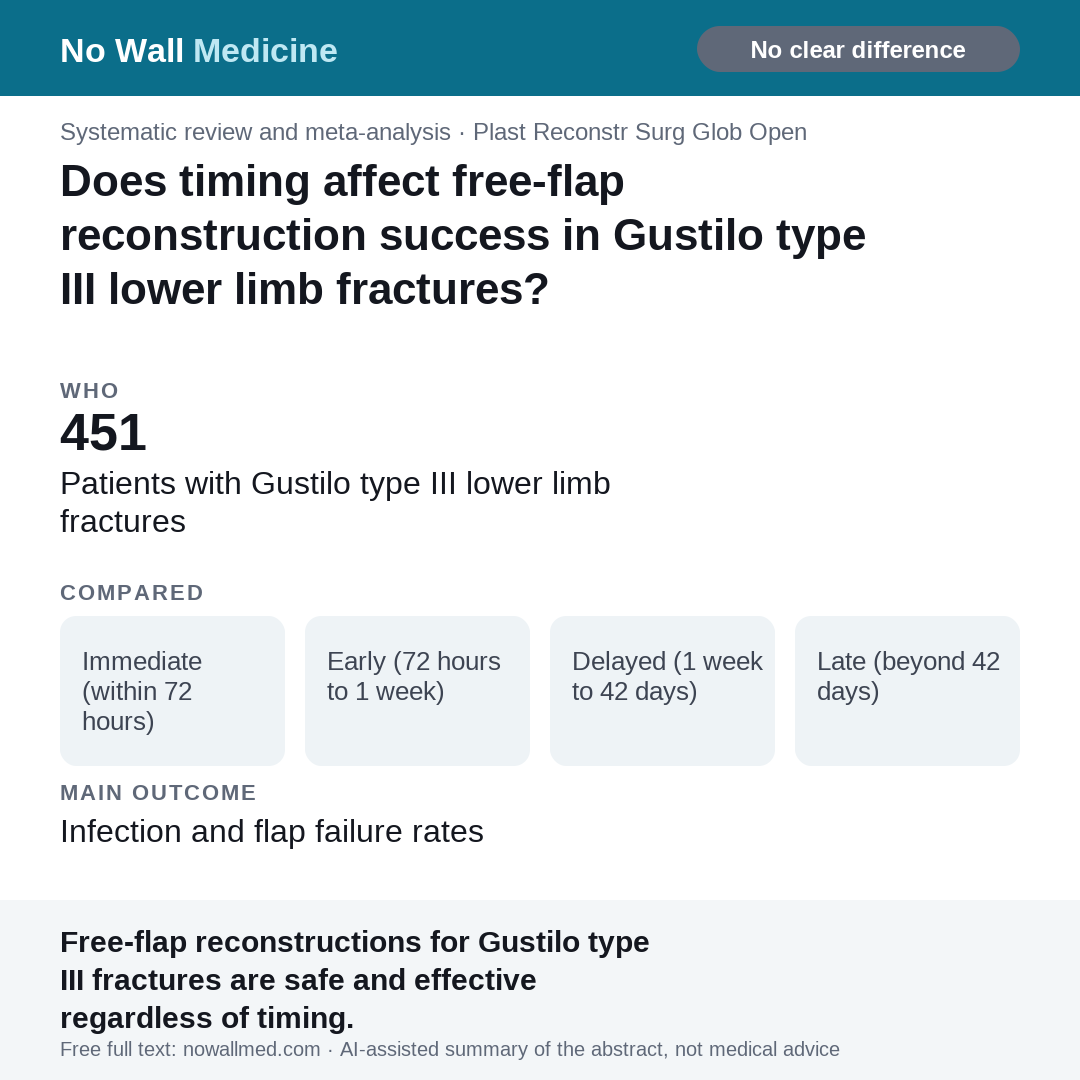
Timing for Free-Flap Reconstruction for Gustilo Type III Lower Limb Fractures: Systematic Review and Meta-analysis
Systematic review and meta-analysisNo clear difference
Does timing affect free-flap reconstruction success in Gustilo type III lower limb fractures?
Who
451
Patients with Gustilo type III lower limb fractures
Compared
Immediate (within 72 hours)
Early (72 hours to 1 week)
Delayed (1 week to 42 days)
Late (beyond 42 days)
Main outcome
Infection and flap failure rates
Bottom line: Free-flap reconstructions for Gustilo type III fractures are safe and effective regardless of timing.
Limitation: Comprehensive data assessing the effect of timing on outcomes are still limited.
Plast Reconstr Surg Glob Open · 2025-12-19Download image
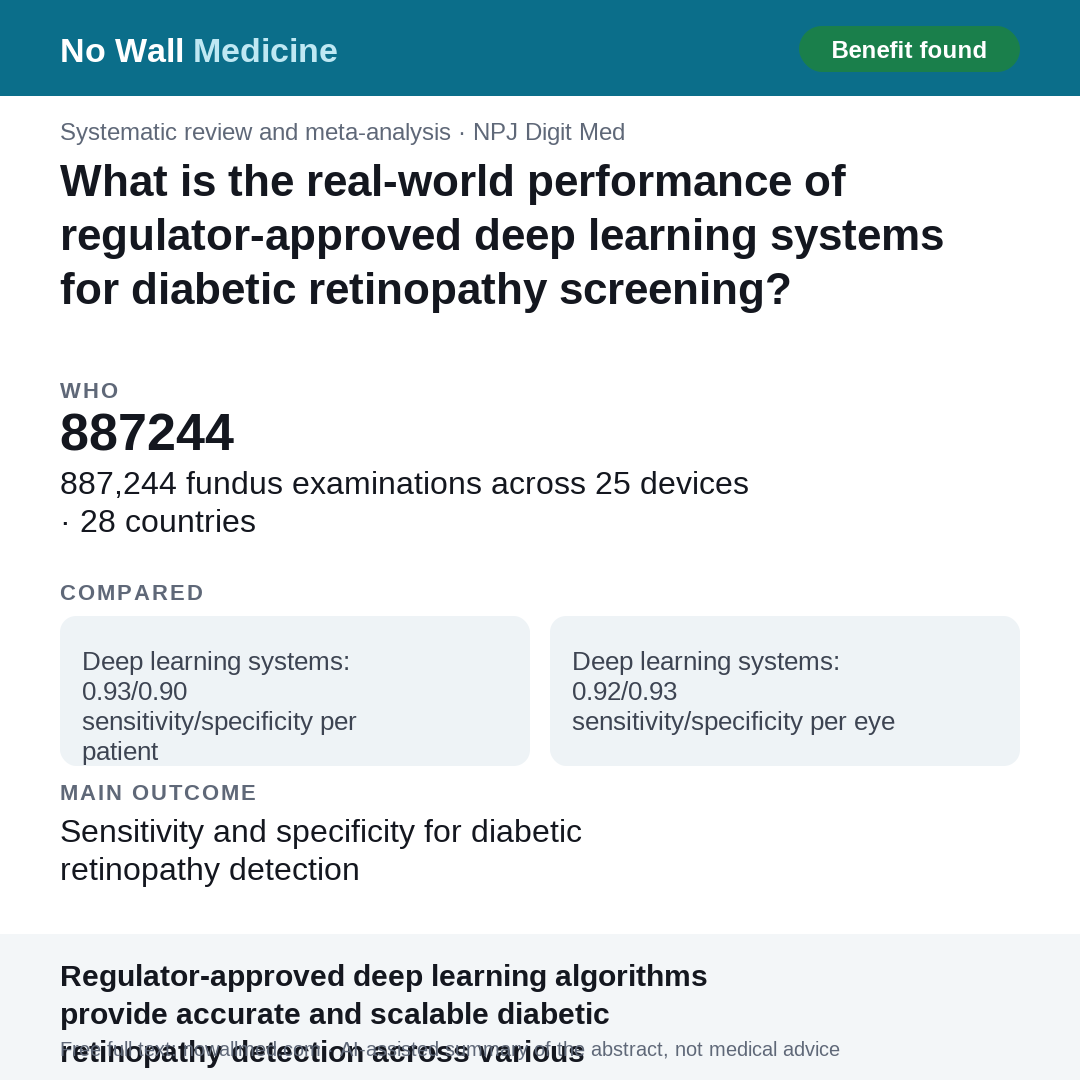
Systematic review and meta-analysis of regulator-approved deep learning systems for fundus diabetic retinopathy detections
Systematic review and meta-analysisBenefit found
What is the real-world performance of regulator-approved deep learning systems for diabetic retinopathy screening?
Who
887244
887,244 fundus examinations across 25 devices · 28 countries
Compared
Deep learning systems: 0.93/0.90 sensitivity/specificity per patient
Deep learning systems: 0.92/0.93 sensitivity/specificity per eye
Main outcome
Sensitivity and specificity for diabetic retinopathy detection
Bottom line: Regulator-approved deep learning algorithms provide accurate and scalable diabetic retinopathy detection across various settings.
Limitation: Heterogeneity explained by disease severity, income level, image gradability, and diagnostic criteria.
NPJ Digit Med · 2025-12-19Download image
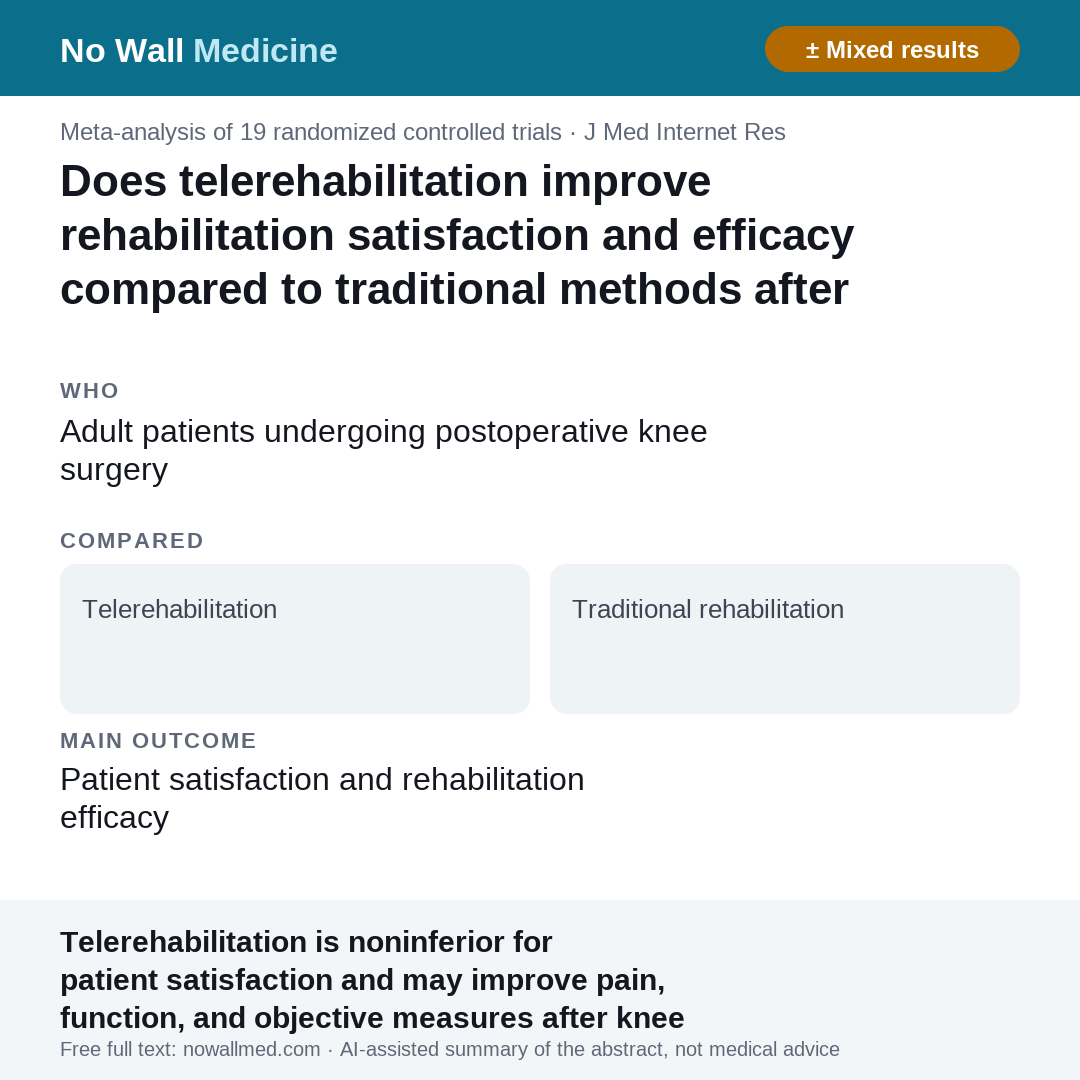
Impact of Telerehabilitation on Rehabilitation Efficacy and Patient Satisfaction After Knee Surgery: Systematic Review and Meta-Analysis of Randomized Controlled Trials
Meta-analysis of 19 randomized controlled trialsMixed results
Does telerehabilitation improve rehabilitation satisfaction and efficacy compared to traditional methods after knee surgery?
Who
Adult patients undergoing postoperative knee surgery
Compared
Telerehabilitation
Traditional rehabilitation
Main outcome
Patient satisfaction and rehabilitation efficacy
Result: standardized mean difference 0.15 (95% CI -0.48 to 0.78) for satisfaction
Bottom line: Telerehabilitation is noninferior for patient satisfaction and may improve pain, function, and objective measures after knee surgery.
Limitation: Between-study variability indicates that effects vary by context, requiring individualized implementation.
J Med Internet Res · 2025-12-19Download image
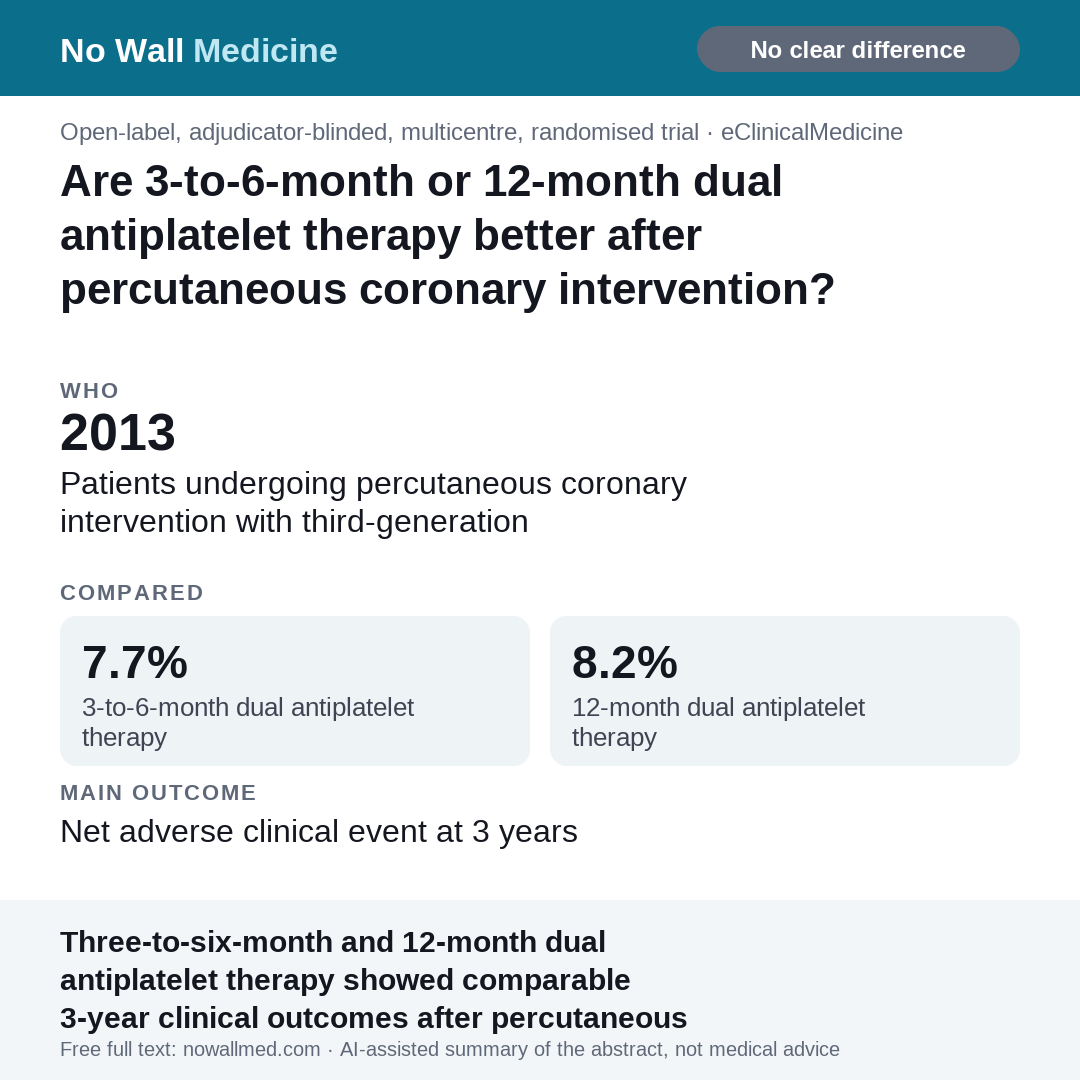
Abbreviated dual antiplatelet therapy after percutaneous coronary intervention with ultrathin-strut drug-eluting stents in South Korea: 3-year outcomes of the multicentre, randomised HOST-IDEA trial
Open-label, adjudicator-blinded, multicentre, randomised trialNo clear difference
Are 3-to-6-month or 12-month dual antiplatelet therapy better after percutaneous coronary intervention?
Who
2013
Patients undergoing percutaneous coronary intervention with third-generation drug-eluting stents · 37 hospitals in South Korea
Compared
7.7%3-to-6-month dual antiplatelet therapy
8.2%12-month dual antiplatelet therapy
Main outcome
Net adverse clinical event at 3 years
Result: hazard ratio 0.94 (95% CI 0.69-1.29)
Bottom line: Three-to-six-month and 12-month dual antiplatelet therapy showed comparable 3-year clinical outcomes after percutaneous coronary intervention.
Funded by: Biotronik Korea and B. Braun Korea
eClinicalMedicine · 2025-12-18Download image
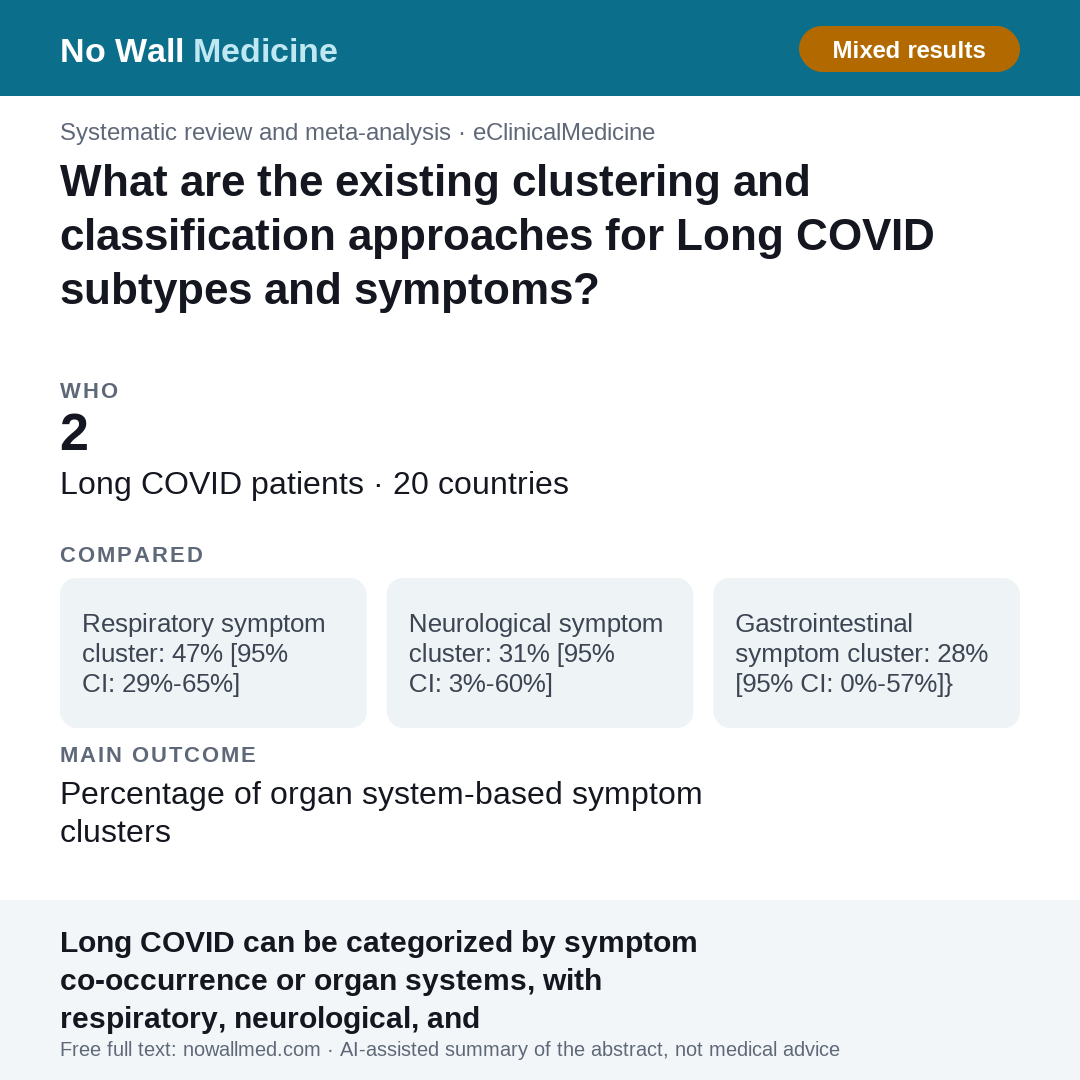
Identifying subtypes of Long COVID: a systematic review
Systematic review and meta-analysisMixed results
What are the existing clustering and classification approaches for Long COVID subtypes and symptoms?
Who
2
Long COVID patients · 20 countries
Compared
Respiratory symptom cluster: 47% [95% CI: 29%-65%]
Neurological symptom cluster: 31% [95% CI: 3%-60%]
Gastrointestinal symptom cluster: 28% [95% CI: 0%-57%]}
Main outcome
Percentage of organ system-based symptom clusters
Bottom line: Long COVID can be categorized by symptom co-occurrence or organ systems, with respiratory, neurological, and gastrointestinal clusters identified.
Funded by: K. C. Wong Education Foundation and several Chinese medical funds
eClinicalMedicine · 2025-12-18Download image
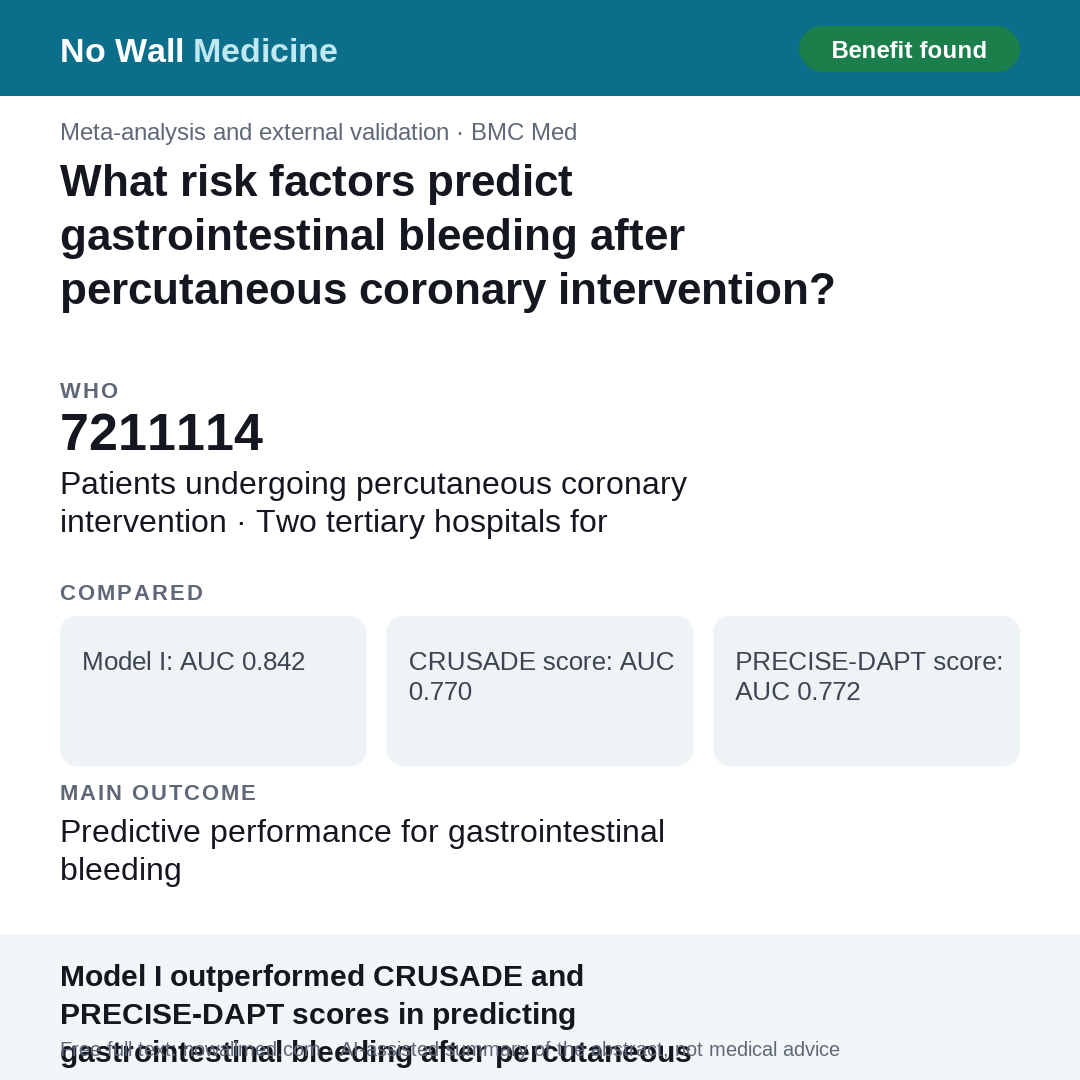
Meta-analysis and external validation of a risk model for gastrointestinal bleeding after percutaneous coronary intervention
Meta-analysis and external validationBenefit found
What risk factors predict gastrointestinal bleeding after percutaneous coronary intervention?
Who
7211114
Patients undergoing percutaneous coronary intervention · Two tertiary hospitals for external validation
Compared
Model I: AUC 0.842
CRUSADE score: AUC 0.770
PRECISE-DAPT score: AUC 0.772
Main outcome
Predictive performance for gastrointestinal bleeding
Bottom line: Model I outperformed CRUSADE and PRECISE-DAPT scores in predicting gastrointestinal bleeding after percutaneous coronary intervention.
BMC Med · 2025-12-18Download image