Visual abstracts
New randomized trials and meta-analyses from leading journals at a glance: who was studied, what was compared, and what was found. Every paper is free to read in full.
All specialtiesCardiology 4877Oncology 4138Gastroenterology & Hepatology 1942Infectious Disease 3837Neurology 1905Psychiatry & Mental Health 2273Pulmonology 2143Critical Care 1365Endocrinology & Diabetes 2580Pediatrics 2980Surgery 2559Orthopedics & Sports Medicine 931Neurosurgery 537Cardiothoracic & Vascular Surgery 674Plastic & Reconstructive Surgery 591Nephrology 1133Rheumatology 823Hematology 1109Dermatology 621Ophthalmology 543Obstetrics & Gynecology 1686Public & Global Health 1058Radiology & Imaging 648Anesthesiology 986Urology 764ENT (Otolaryngology) 503Emergency Medicine 511Allergy & Immunology 313Geriatrics 981Family Medicine & Primary Care 562Medical Genetics & Genomics 676Pathology & Laboratory Medicine 159Physical Medicine & Rehabilitation 757Palliative Care 444Nutrition 1588Digital Health & AI 2201General Medicine 321
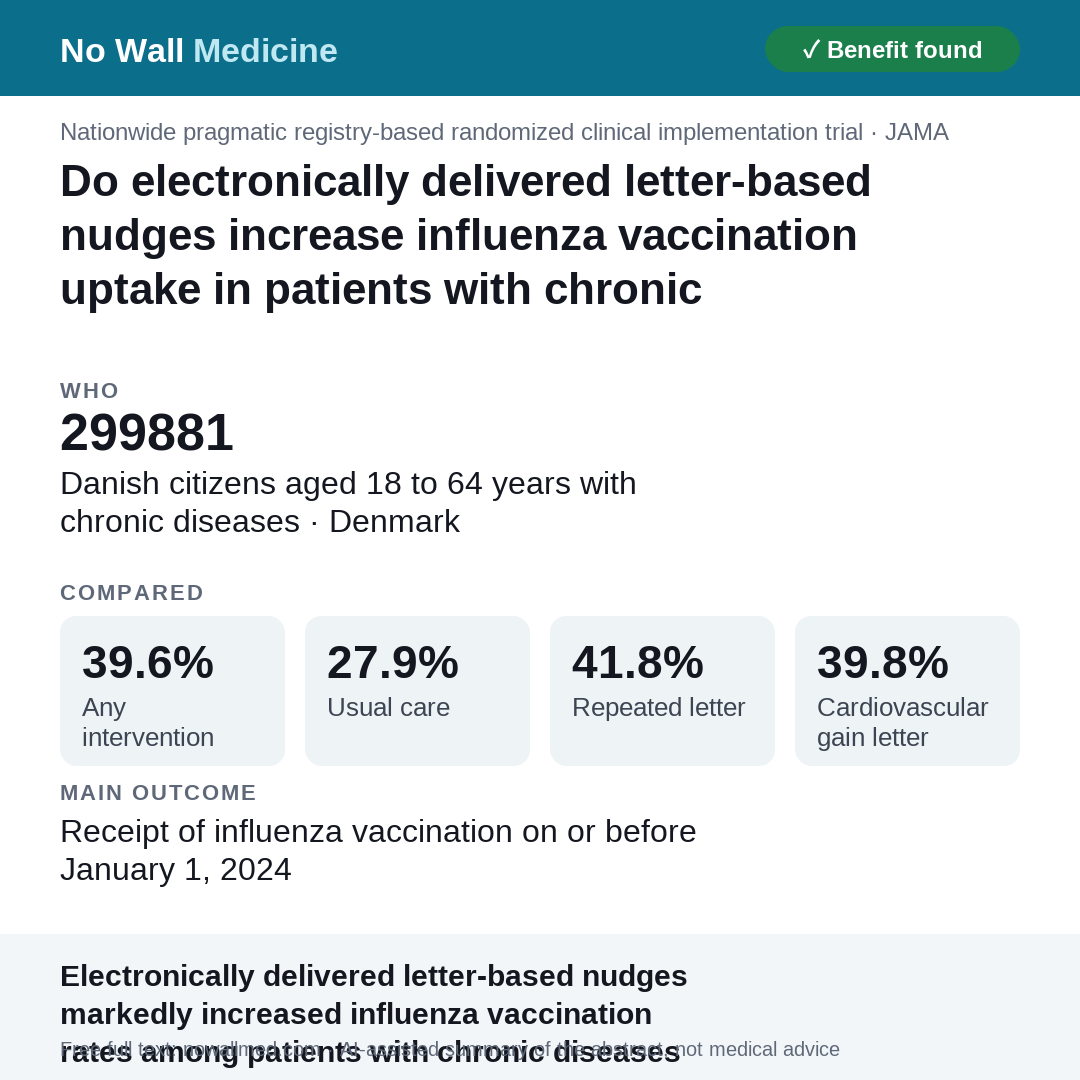
Electronic Nudges to Increase Influenza Vaccination in Patients With Chronic Diseases: A Randomized Clinical Trial
Nationwide pragmatic registry-based randomized clinical implementation trialBenefit found
Do electronically delivered letter-based nudges increase influenza vaccination uptake in patients with chronic diseases?
Who
299881
Danish citizens aged 18 to 64 years with chronic diseases · Denmark
Compared
39.6%Any intervention letter
27.9%Usual care
41.8%Repeated letter
39.8%Cardiovascular gain letter
Main outcome
Receipt of influenza vaccination on or before January 1, 2024
Result: difference, 11.7 percentage points; 99.29% CI, 11.2-12.2 percentage points
Bottom line: Electronically delivered letter-based nudges markedly increased influenza vaccination rates among patients with chronic diseases compared to usual care.
JAMA · 2024-10-11Download image
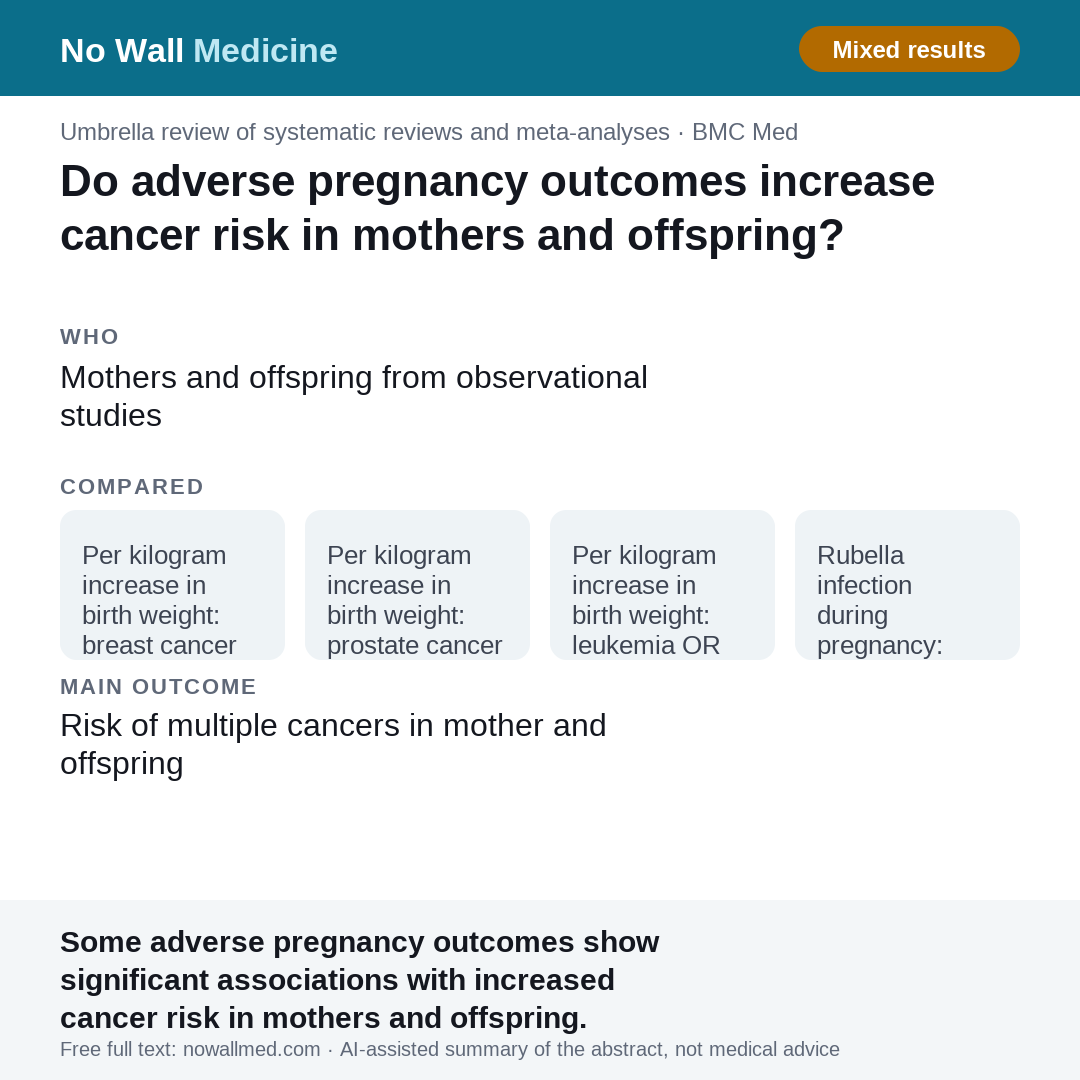
Adverse pregnancy outcomes and multiple cancers risk in both mother and offspring: an umbrella review of systematic reviews with meta-analyses of observational studies
Umbrella review of systematic reviews and meta-analysesMixed results
Do adverse pregnancy outcomes increase cancer risk in mothers and offspring?
Who
Mothers and offspring from observational studies
Compared
Per kilogram increase in birth weight: breast cancer OR 1.07 (95% CI 1.02-1.12)
Per kilogram increase in birth weight: prostate cancer OR 1.02 (95% CI 1.00-1.05)
Per kilogram increase in birth weight: leukemia OR 1.18 (95% CI 1.13-1.23)
Rubella infection during pregnancy: leukemia in offspring OR 2.79 (95% CI 1.16-6.71)
Main outcome
Risk of multiple cancers in mother and offspring
Bottom line: Some adverse pregnancy outcomes show significant associations with increased cancer risk in mothers and offspring.
Limitation: Additional research is needed to solidify evidence, evaluate causality, and ascertain clinical utility.
BMC Med · 2024-10-11Download image
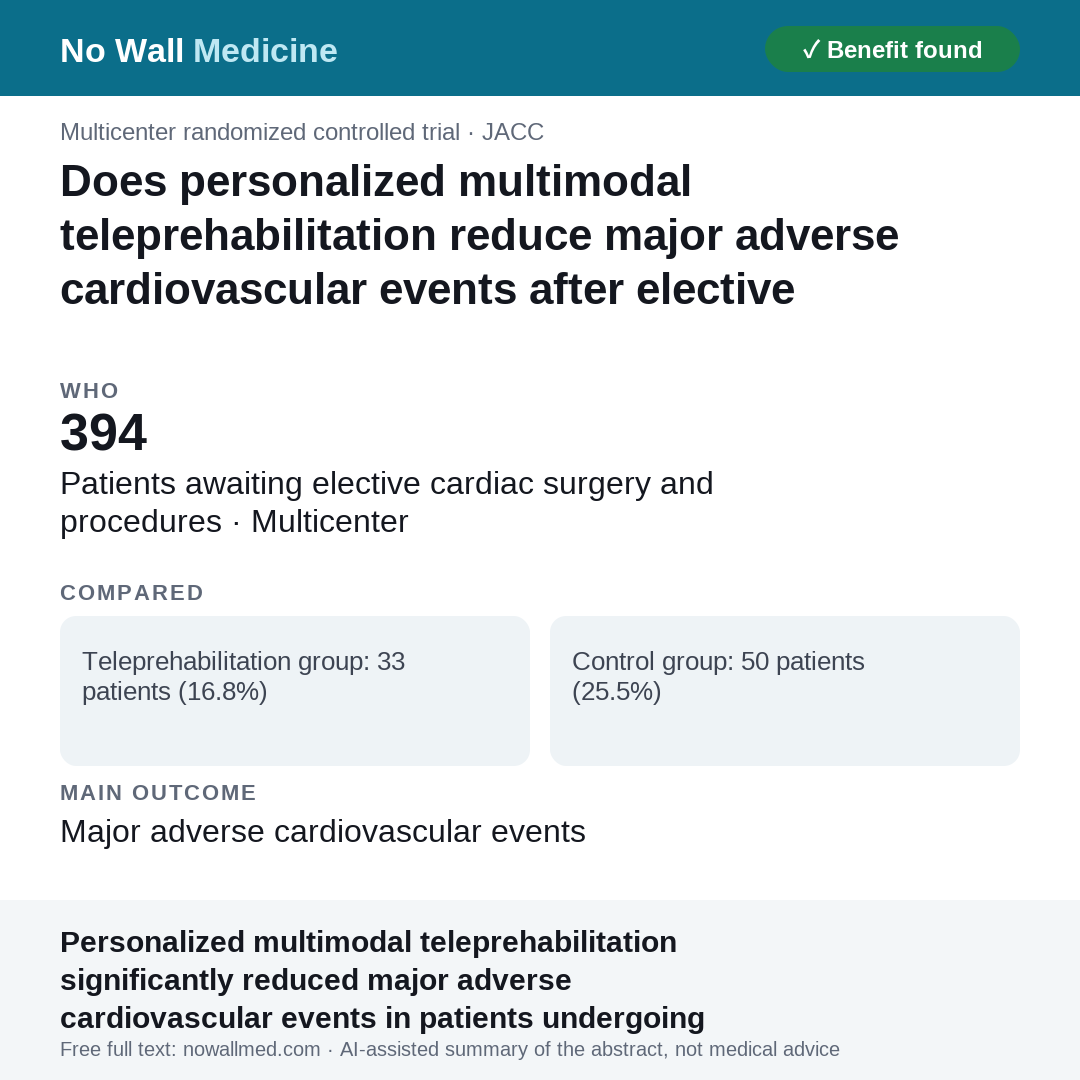
The Effect of Teleprehabilitation on Adverse Events After Elective Cardiac Surgery: A Randomized Controlled Trial
Multicenter randomized controlled trialBenefit found
Does personalized multimodal teleprehabilitation reduce major adverse cardiovascular events after elective cardiac surgery?
Who
394
Patients awaiting elective cardiac surgery and procedures · Multicenter
Compared
Teleprehabilitation group: 33 patients (16.8%)
Control group: 50 patients (25.5%)
Main outcome
Major adverse cardiovascular events
Result: difference 8.8%; 95% CI: 0.7%-16.8%
Bottom line: Personalized multimodal teleprehabilitation significantly reduced major adverse cardiovascular events in patients undergoing elective cardiac surgery.
Limitation: Treatment effect was mainly in patients undergoing cardiac surgery rather than transcatheter procedures.
JACC · 2024-10-11Download image
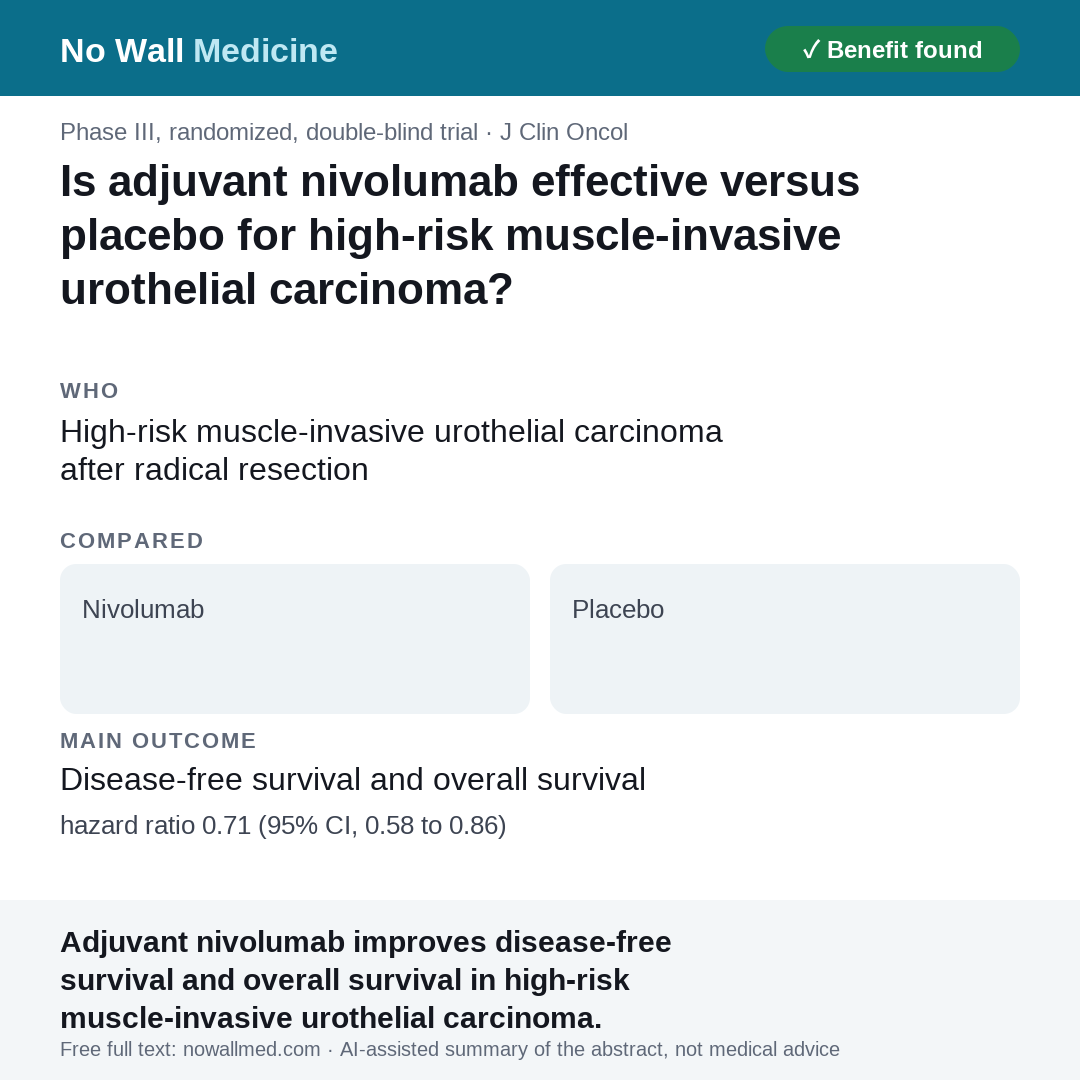
Adjuvant Nivolumab in High-Risk Muscle-Invasive Urothelial Carcinoma: Expanded Efficacy From CheckMate 274
Phase III, randomized, double-blind trialBenefit found
Is adjuvant nivolumab effective versus placebo for high-risk muscle-invasive urothelial carcinoma?
Who
High-risk muscle-invasive urothelial carcinoma after radical resection
Compared
Nivolumab
Placebo
Main outcome
Disease-free survival and overall survival
Result: hazard ratio 0.71 (95% CI, 0.58 to 0.86)
Bottom line: Adjuvant nivolumab improves disease-free survival and overall survival in high-risk muscle-invasive urothelial carcinoma.
J Clin Oncol · 2024-10-11Download image
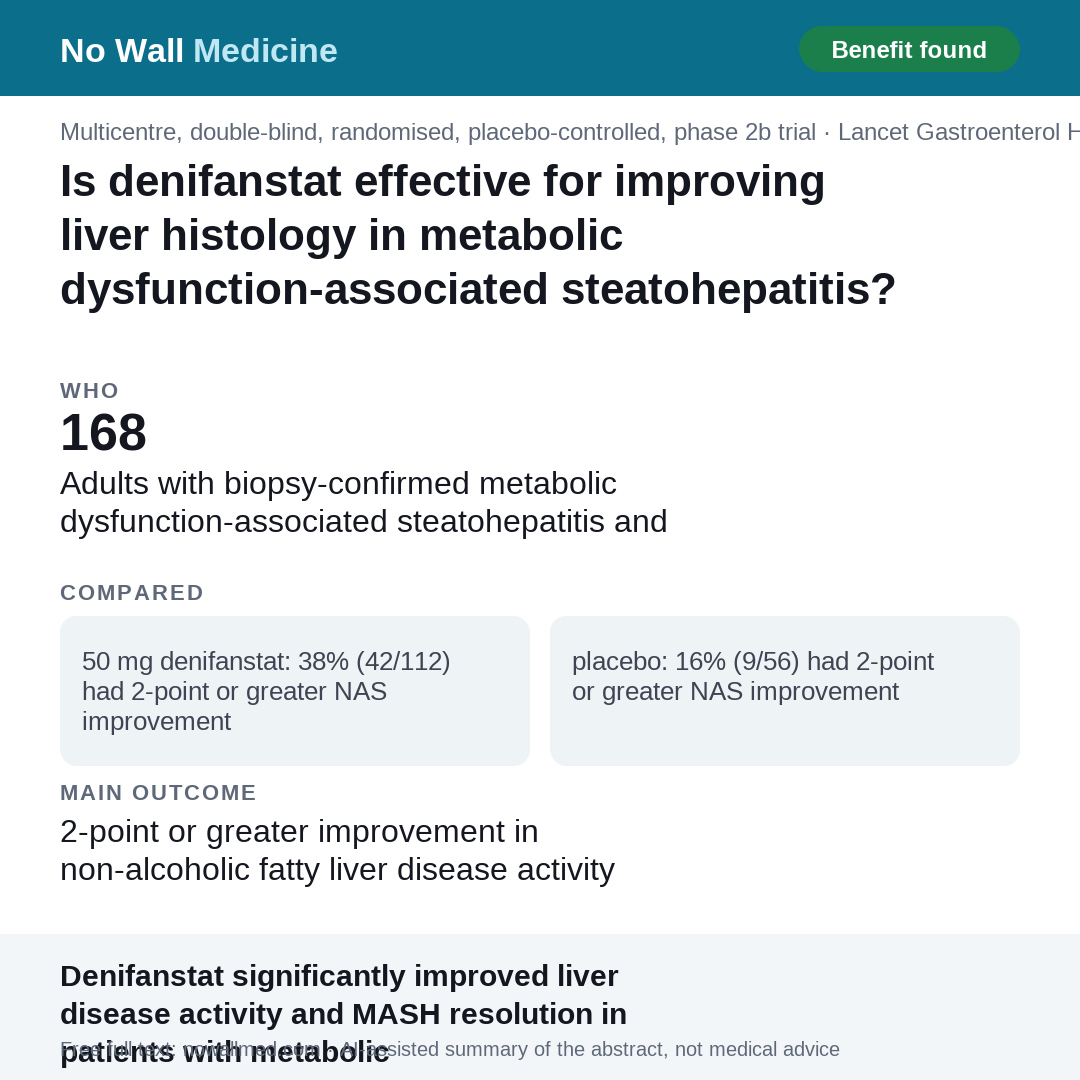
Denifanstat for the treatment of metabolic dysfunction-associated steatohepatitis: a multicentre, double-blind, randomised, placebo-controlled, phase 2b trial
Multicentre, double-blind, randomised, placebo-controlled, phase 2b trialBenefit found
Is denifanstat effective for improving liver histology in metabolic dysfunction-associated steatohepatitis?
Who
168
Adults with biopsy-confirmed metabolic dysfunction-associated steatohepatitis and moderate to advanced fibrosis · 100 clinical sites in USA, Canada, and Poland
Compared
50 mg denifanstat: 38% (42/112) had 2-point or greater NAS improvement
placebo: 16% (9/56) had 2-point or greater NAS improvement
Main outcome
2-point or greater improvement in non-alcoholic fatty liver disease activity score
Result: common risk difference 21·0%, 95% CI 8·1-33·9
Bottom line: Denifanstat significantly improved liver disease activity and MASH resolution in patients with metabolic dysfunction-associated steatohepatitis.
Funded by: Sagimet Biosciences
Lancet Gastroenterol Hepatol · 2024-10-11Download image
Safety and Efficacy of Avacopan in Patients with Complement 3 Glomerulopathy: Randomized, Double-Blind Clinical Trial
Randomized, double-blind, placebo-controlled, phase 2 trialNo clear difference
Is avacopan effective and safe in patients with complement 3 glomerulopathy?
Who
57
Patients with complement 3 glomerulopathy
Compared
Avacopan 30 mg twice daily
Placebo
Main outcome
Percent change in complement 3 glomerulopathy histological index for disease activity
Result: least squares mean treatment difference −0.0 (95% CI −1.9 to 1.8)
Bottom line: Avacopan did not significantly change the complement 3 glomerulopathy histological index for disease activity compared to placebo.
JASN · 2024-10-11Download image

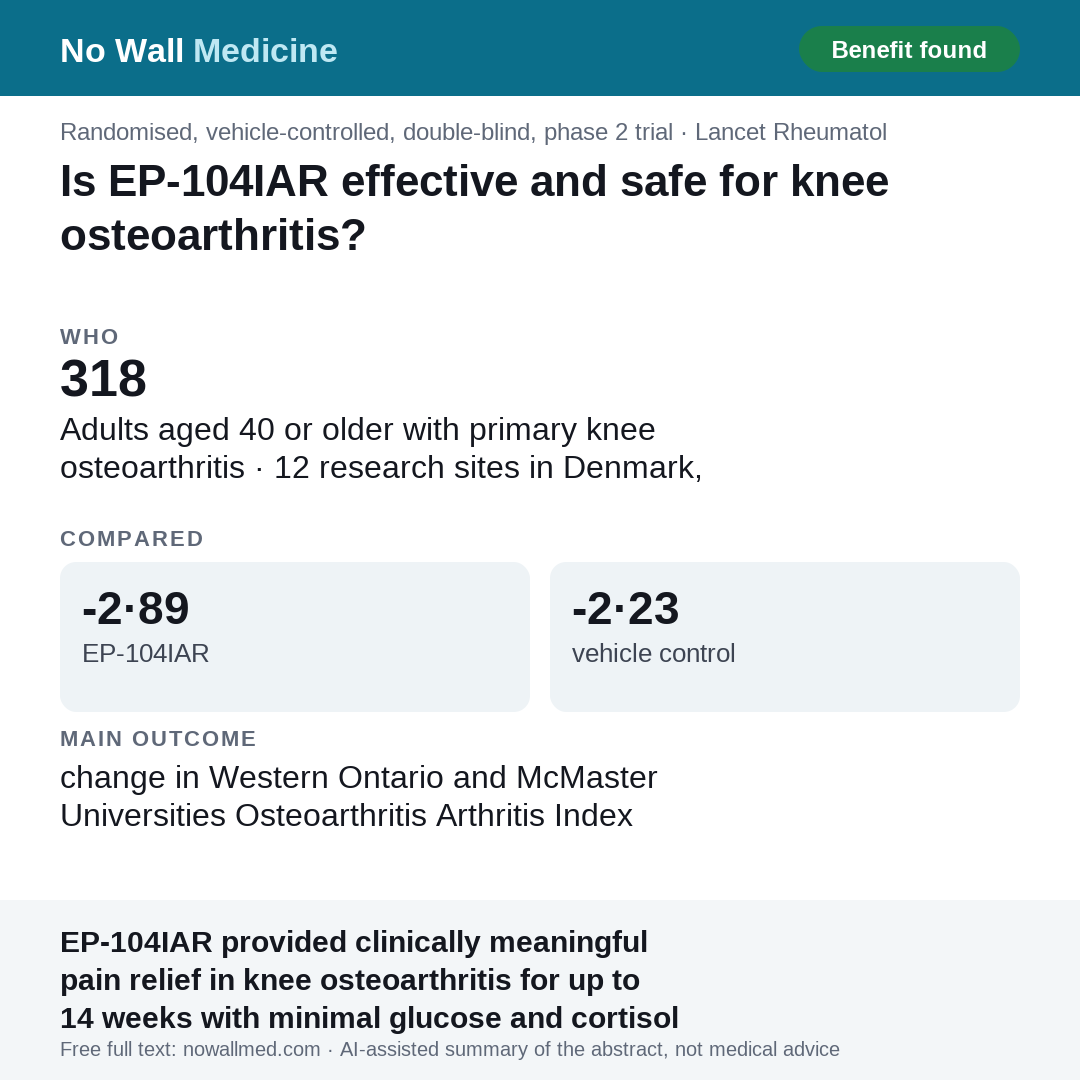
Efficacy and safety of a diffusion-based extended-release fluticasone propionate intra-articular injection (EP-104IAR) in knee osteoarthritis (SPRINGBOARD): a 24-week, multicentre, randomised, double-blind, vehicle-controlled, phase 2 trial
Randomised, vehicle-controlled, double-blind, phase 2 trialBenefit found
Is EP-104IAR effective and safe for knee osteoarthritis?
Who
318
Adults aged 40 or older with primary knee osteoarthritis · 12 research sites in Denmark, Poland, and Czech Republic
Compared
-2·89EP-104IAR (95% CI -3·22 to -2·56)
-2·23vehicle control (-2·56 to -1·89)
Main outcome
change in Western Ontario and McMaster Universities Osteoarthritis Arthritis Index pain score
Result: -0·66 (-1·11 to -0·21; p=0·0044)
Bottom line: EP-104IAR provided clinically meaningful pain relief in knee osteoarthritis for up to 14 weeks with minimal glucose and cortisol effects.
Funded by: Eupraxia Pharmaceuticals
Lancet Rheumatol · 2024-10-11Download image
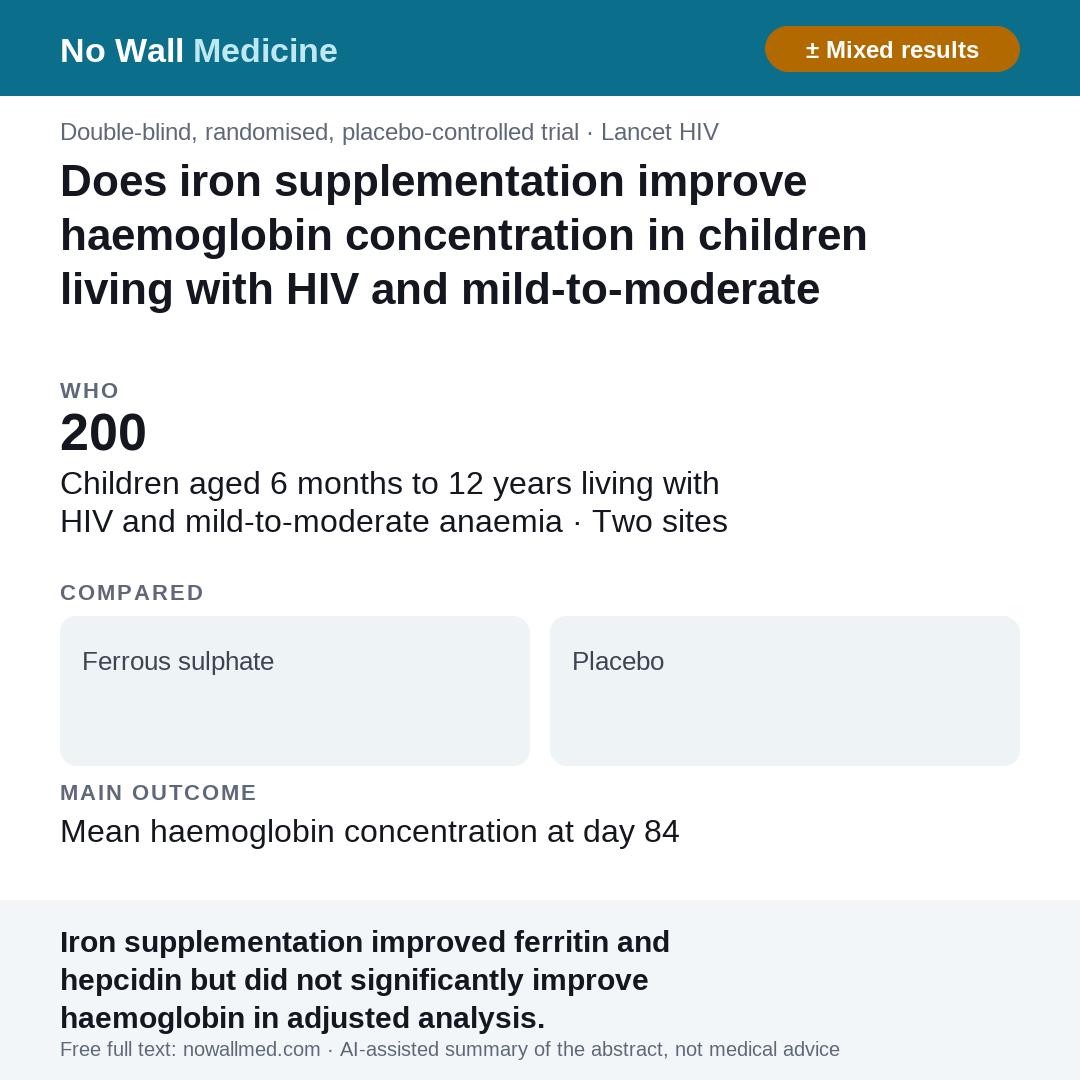
Safety and efficacy of iron supplementation with 3 months of daily ferrous sulphate in children living with HIV and mild-to-moderate anaemia in Uganda: a double-blind, randomised, placebo-controlled trial
Double-blind, randomised, placebo-controlled trialMixed results
Does iron supplementation improve haemoglobin concentration in children living with HIV and mild-to-moderate anaemia?
Who
200
Children aged 6 months to 12 years living with HIV and mild-to-moderate anaemia · Two sites in Uganda
Compared
Ferrous sulphate
Placebo
Main outcome
Mean haemoglobin concentration at day 84
Bottom line: Iron supplementation improved ferritin and hepcidin but did not significantly improve haemoglobin in adjusted analysis.
Funded by: Minnesota Masonic Charities, University of Minnesota, Hennepin Healthcare, and NIH
Lancet HIV · 2024-10-11Download image
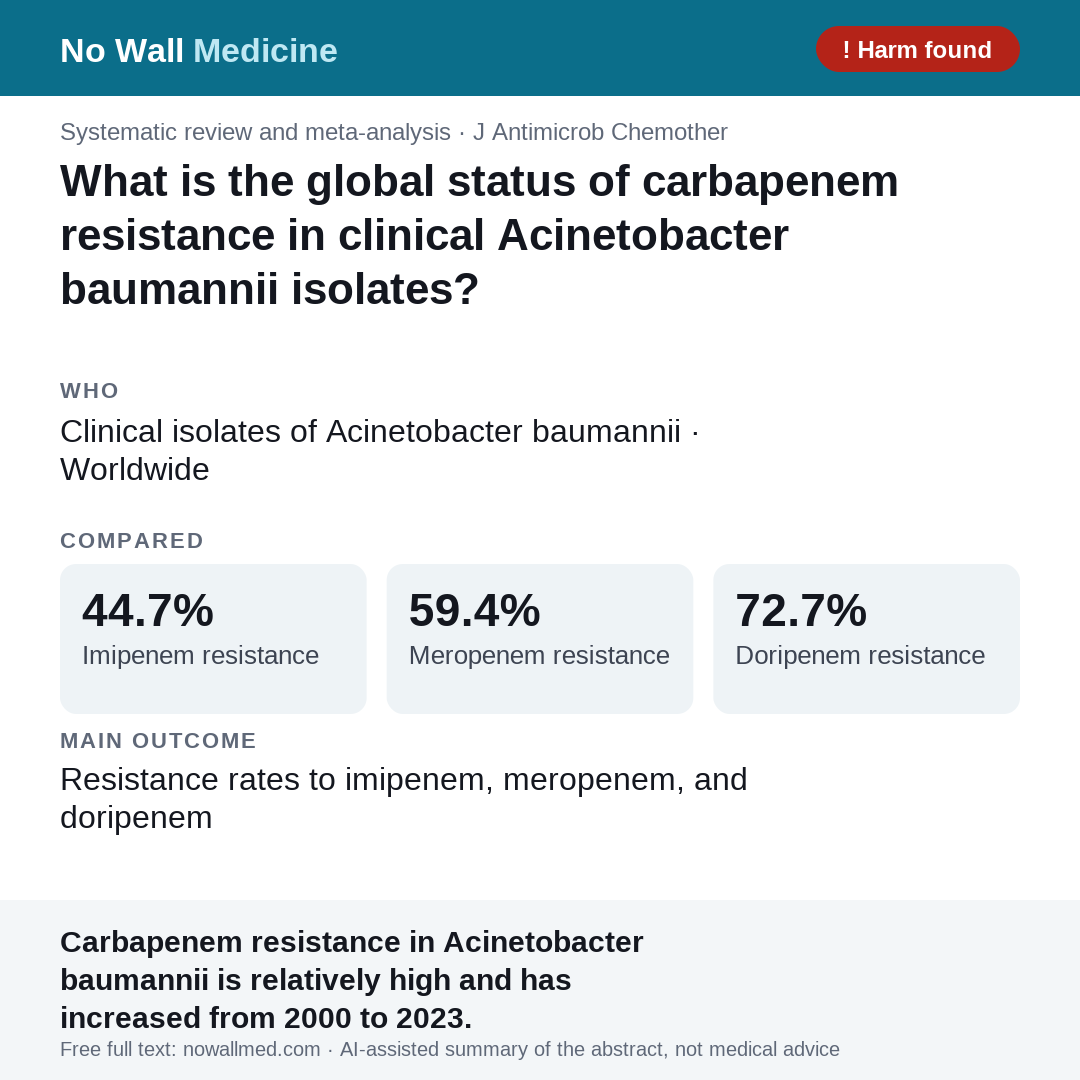
Overall status of carbapenem resistance among clinical isolates of Acinetobacter baumannii: a systematic review and meta-analysis
Systematic review and meta-analysisHarm found
What is the global status of carbapenem resistance in clinical Acinetobacter baumannii isolates?
Who
177
Clinical isolates of Acinetobacter baumannii · Worldwide
Compared
44.7%Imipenem resistance
59.4%Meropenem resistance
72.7%Doripenem resistance
Main outcome
Resistance rates to imipenem, meropenem, and doripenem
Bottom line: Carbapenem resistance in Acinetobacter baumannii is relatively high and has increased from 2000 to 2023.
Limitation: A high level of heterogeneity was detected in the studies.
J Antimicrob Chemother · 2024-10-11Download image
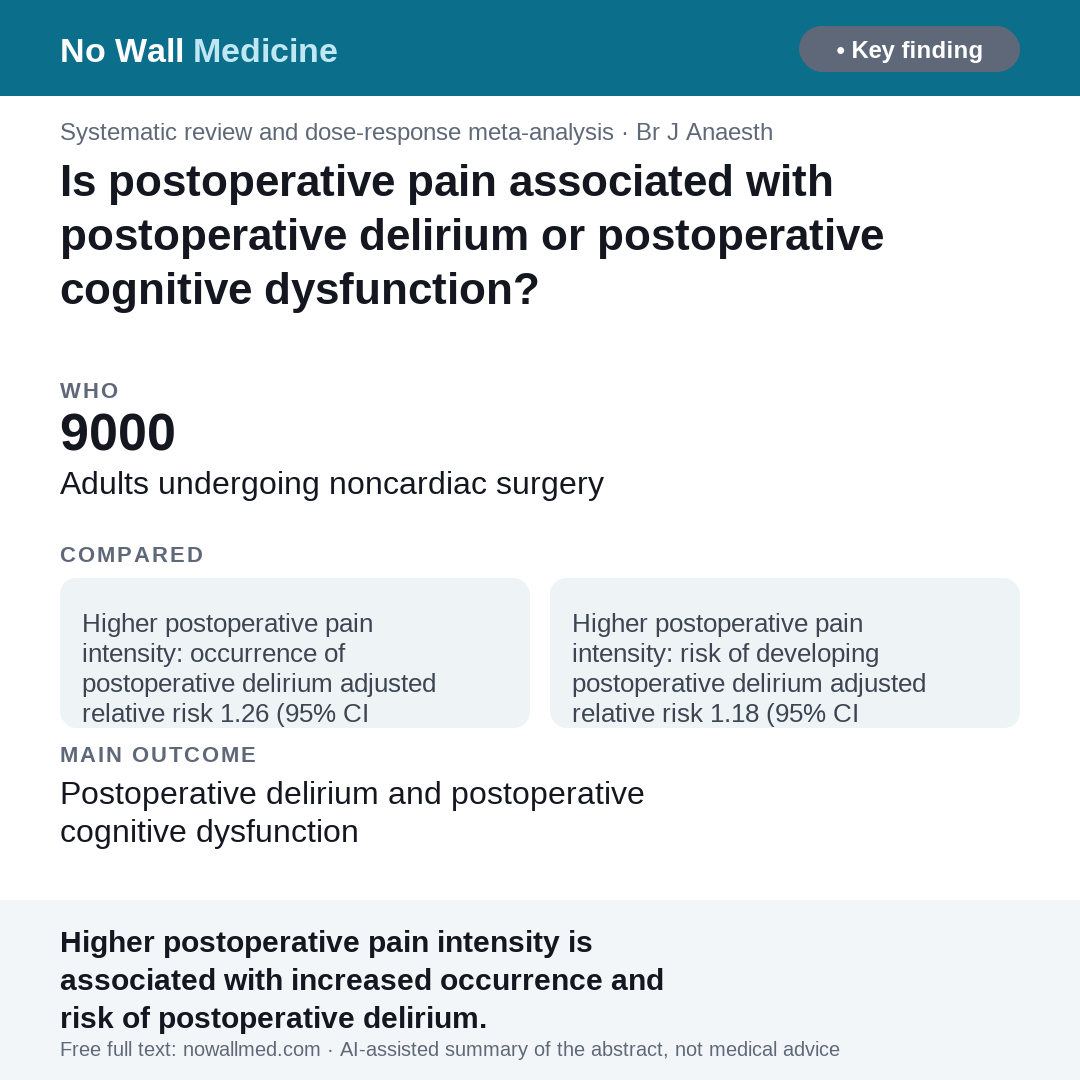
Postoperative pain and neurocognitive outcomes after noncardiac surgery: a systematic review and dose-response meta-analysis
Systematic review and dose-response meta-analysisBenefit found
Is postoperative pain associated with postoperative delirium or postoperative cognitive dysfunction?
Who
9000
Adults undergoing noncardiac surgery
Compared
Higher postoperative pain intensity: occurrence of postoperative delirium adjusted relative risk 1.26 (95% CI 1.17-1.35)
Higher postoperative pain intensity: risk of developing postoperative delirium adjusted relative risk 1.18 (95% CI 1.08-1.30)
Main outcome
Postoperative delirium and postoperative cognitive dysfunction
Result: adjusted relative risk 1.26 (95% CI 1.17-1.35)
Bottom line: Higher postoperative pain intensity is associated with increased occurrence and risk of postoperative delirium.
Limitation: Residual confounding and substantial methodological variability between studies prevented pooling data from many studies.
Br J Anaesth · 2024-10-11Download image
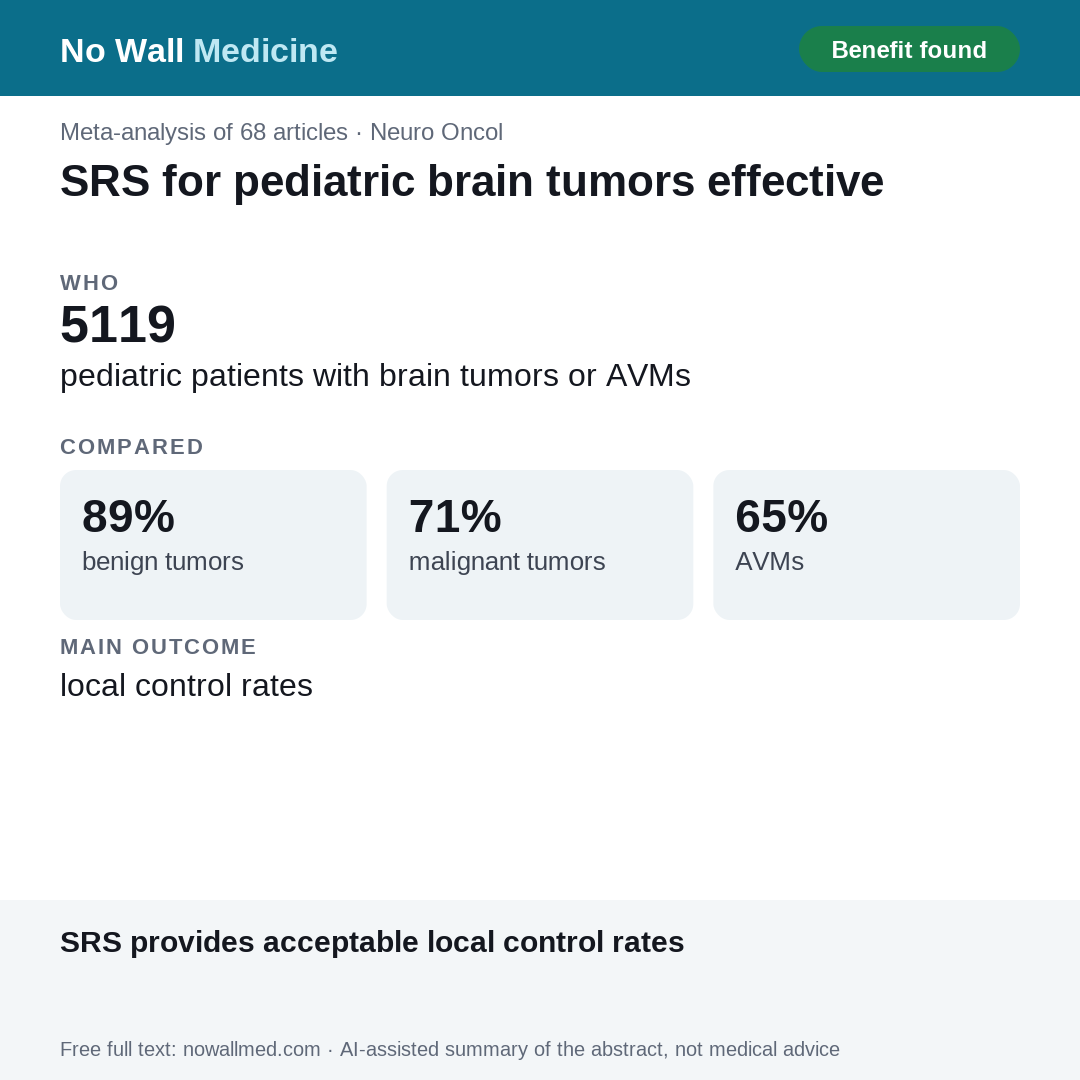
Pediatric cranial stereotactic radiosurgery: Meta-analysis and international stereotactic radiosurgery society practice guidelines
Meta-analysis of 68 articlesBenefit found
SRS for pediatric brain tumors effective
Who
5119
pediatric patients with brain tumors or AVMs
Compared
89%benign tumors (95% CI, 82%-95%)
71%malignant tumors (95% CI, 59%-82%)
65%AVMs (95% CI, 60%-69%)
Main outcome
local control rates
Bottom line: SRS provides acceptable local control rates
Limitation: limited data reporting
Neuro Oncol · 2024-10-11Download image
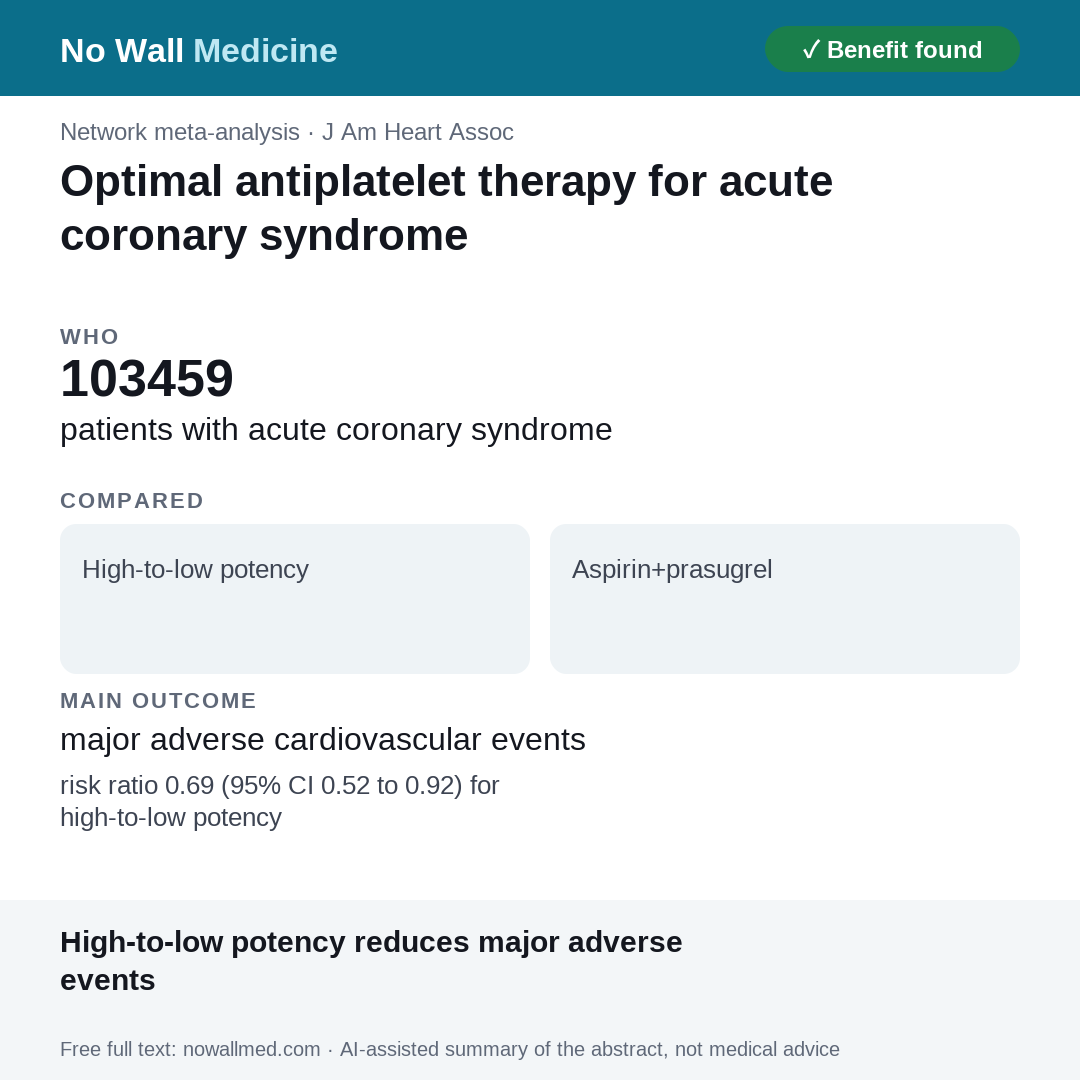
Antiplatelet Strategy for Patients With Acute Coronary Syndrome Undergoing Percutaneous Coronary Intervention: A Systematic Review and Network Meta-Analysis
Network meta-analysisBenefit found
Optimal antiplatelet therapy for acute coronary syndrome
Who
103459
patients with acute coronary syndrome
Compared
High-to-low potency
Aspirin+prasugrel
Main outcome
major adverse cardiovascular events
Result: risk ratio 0.69 (95% CI 0.52 to 0.92) for high-to-low potency
Bottom line: High-to-low potency reduces major adverse events
J Am Heart Assoc · 2024-10-11Download image
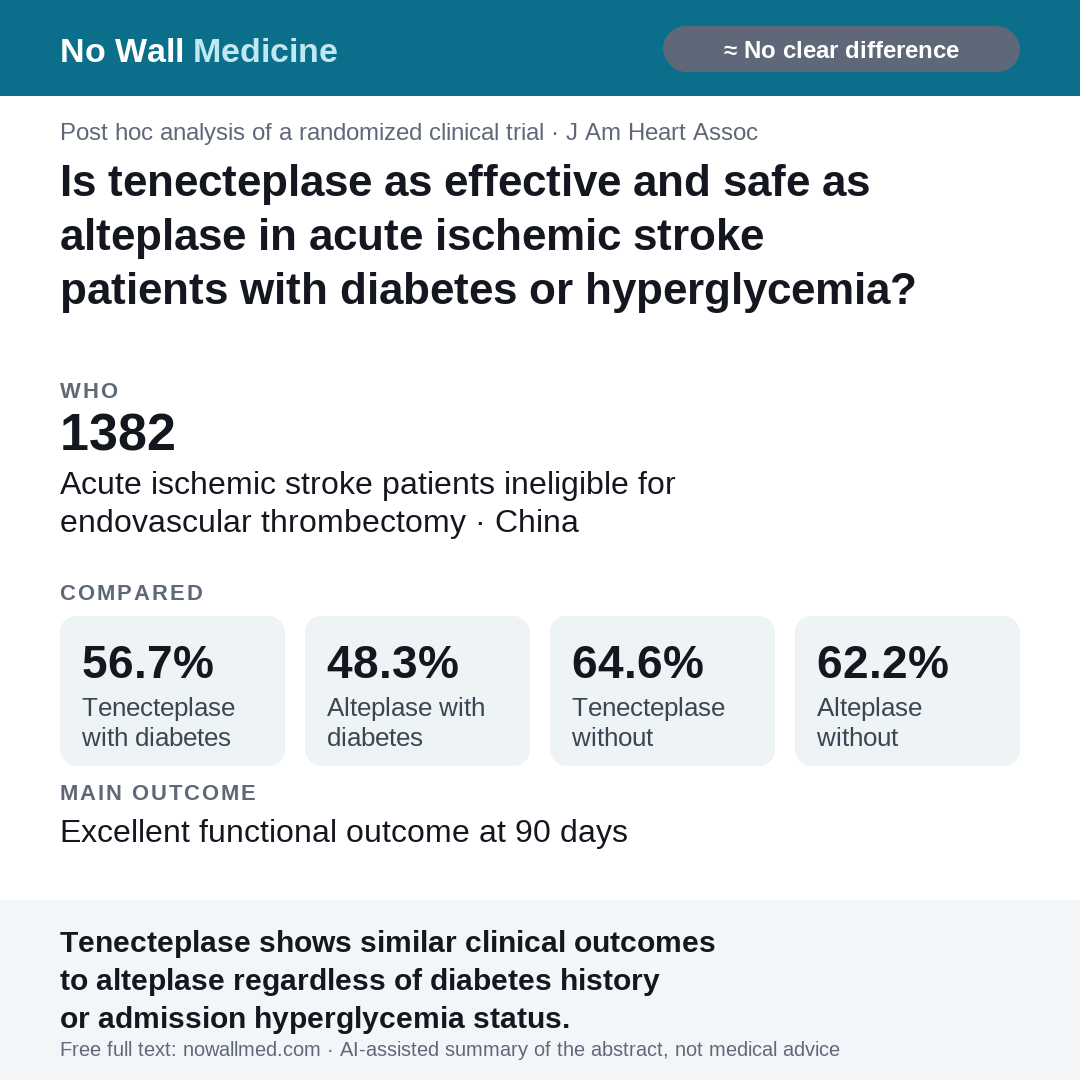
Efficacy and Safety of Intravenous Tenecteplase Versus Alteplase in Treating Acute Ischemic Stroke With Diabetes and Admission Hyperglycemia
Post hoc analysis of a randomized clinical trialNo clear difference
Is tenecteplase as effective and safe as alteplase in acute ischemic stroke patients with diabetes or hyperglycemia?
Who
1382
Acute ischemic stroke patients ineligible for endovascular thrombectomy · China
Compared
56.7%Tenecteplase with diabetes
48.3%Alteplase with diabetes
64.6%Tenecteplase without diabetes
62.2%Alteplase without diabetes
Main outcome
Excellent functional outcome at 90 days
Bottom line: Tenecteplase shows similar clinical outcomes to alteplase regardless of diabetes history or admission hyperglycemia status.
J Am Heart Assoc · 2024-10-11Download image
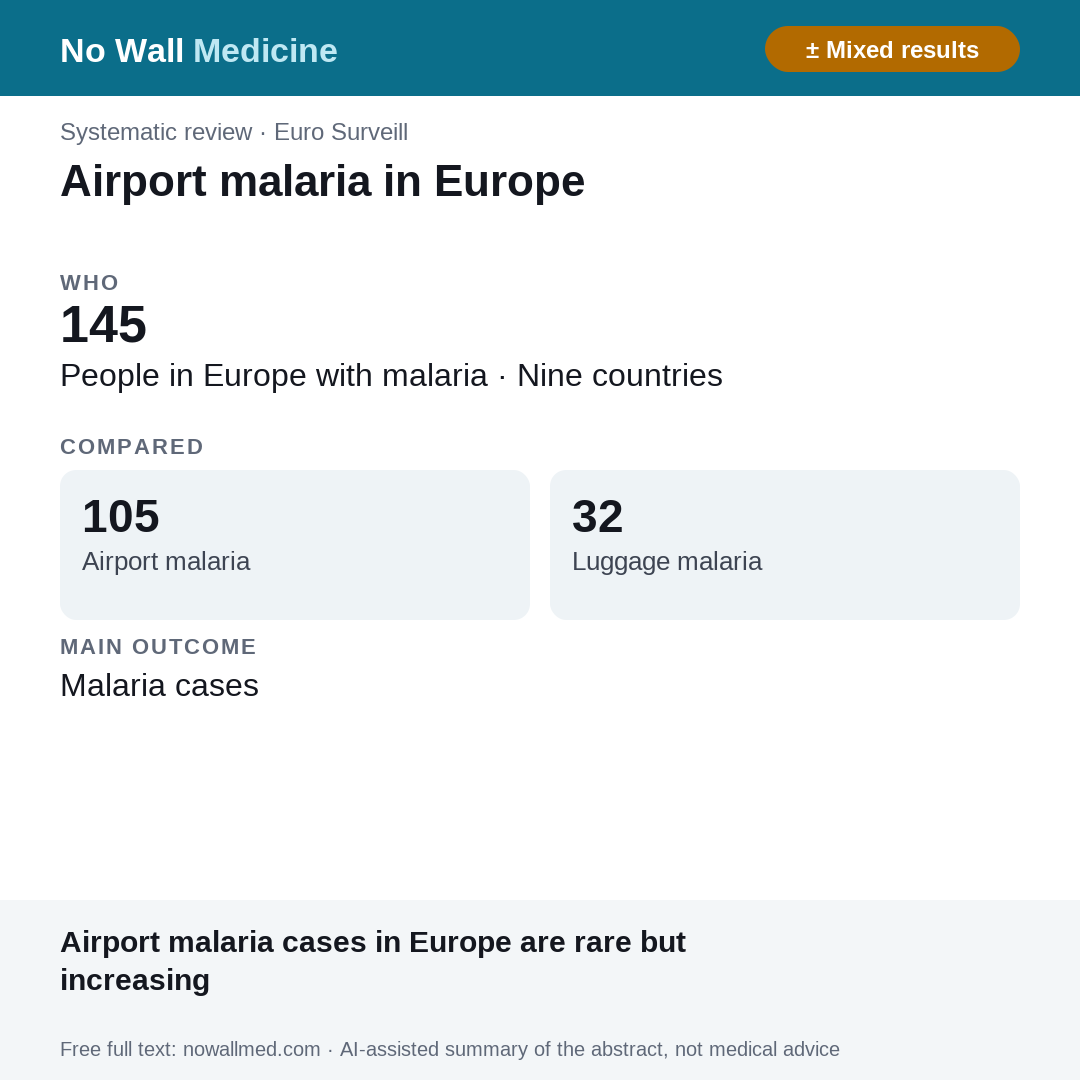
Airport and luggage (Odyssean) malaria in Europe: a systematic review
Systematic reviewMixed results
Airport malaria in Europe
Who
145
People in Europe with malaria · Nine countries
Compared
105Airport malaria
32Luggage malaria
Main outcome
Malaria cases
Bottom line: Airport malaria cases in Europe are rare but increasing
Euro Surveill · 2024-10-11Download image
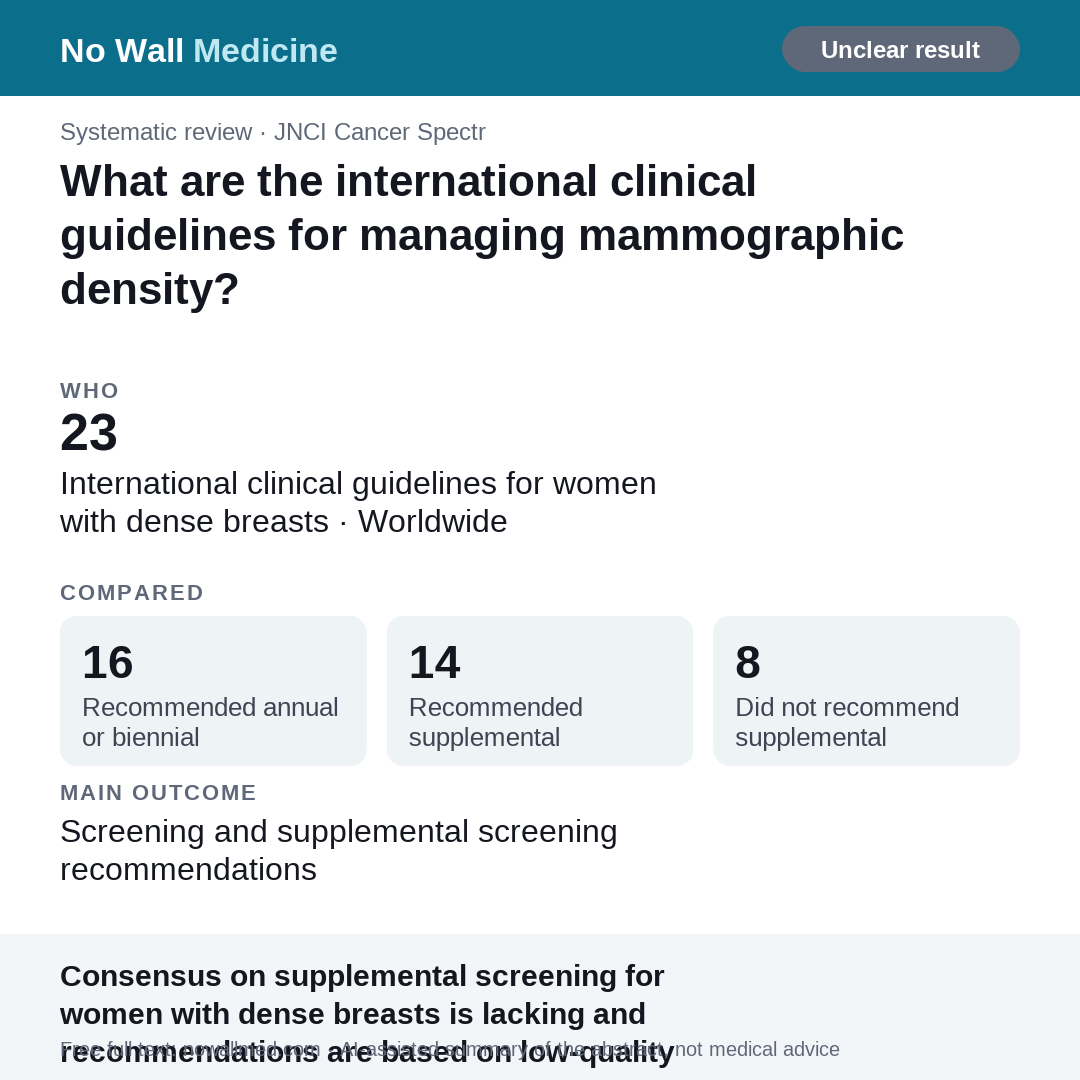
Clinical guidelines for the management of mammographic density: a systematic review of breast screening guidelines worldwide
Systematic reviewUnclear result
What are the international clinical guidelines for managing mammographic density?
Who
23
International clinical guidelines for women with dense breasts · Worldwide
Compared
16Recommended annual or biennial mammography
14Recommended supplemental screening
8Did not recommend supplemental screening
Main outcome
Screening and supplemental screening recommendations
Bottom line: Consensus on supplemental screening for women with dense breasts is lacking and recommendations are based on low-quality evidence.
JNCI Cancer Spectr · 2024-10-11Download image
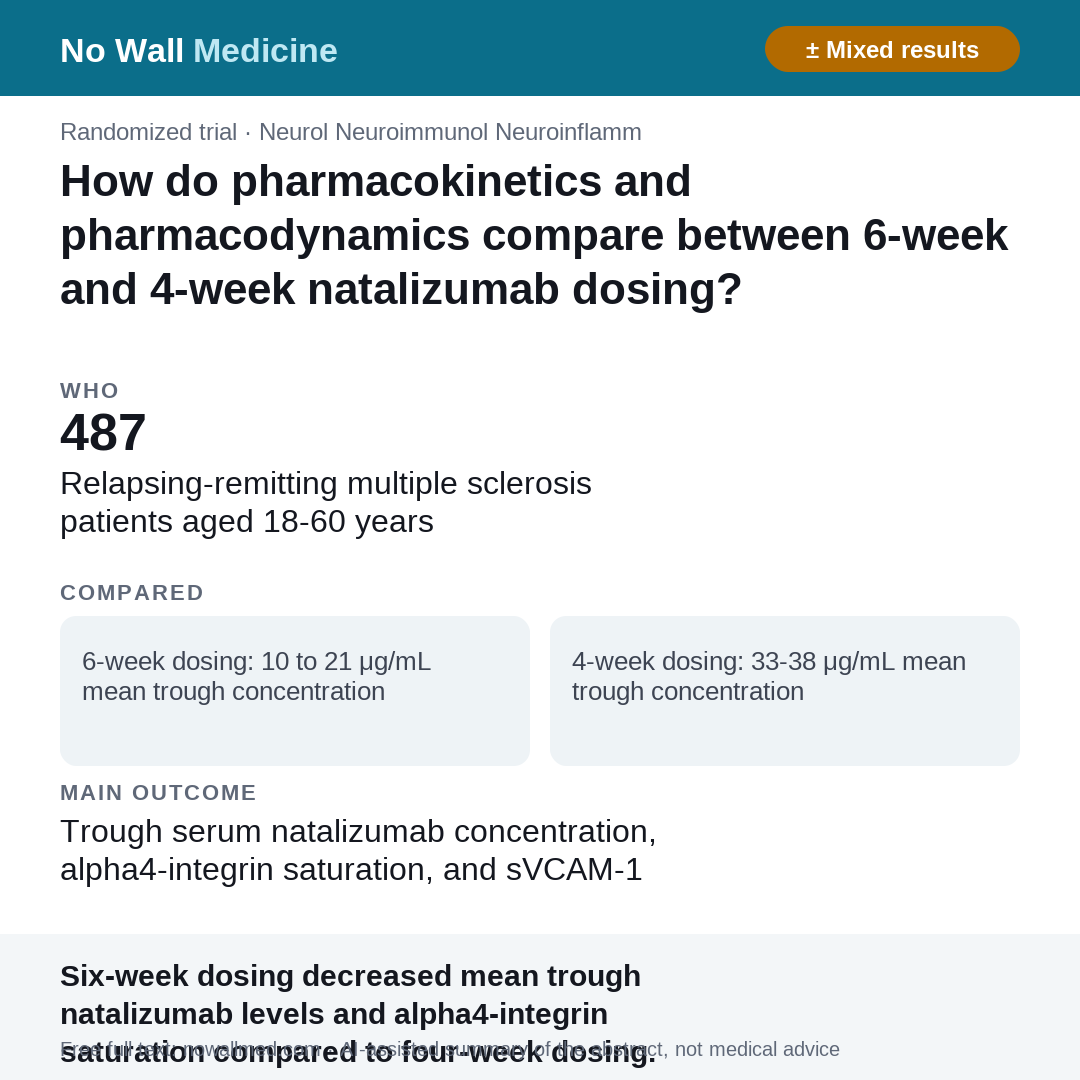
Pharmacokinetics and Pharmacodynamics of Natalizumab 6-Week Dosing vs Continued 4-Week Dosing for Relapsing-Remitting Multiple Sclerosis
Randomized trialMixed results
How do pharmacokinetics and pharmacodynamics compare between 6-week and 4-week natalizumab dosing?
Who
487
Relapsing-remitting multiple sclerosis patients aged 18-60 years
Compared
6-week dosing: 10 to 21 μg/mL mean trough concentration
4-week dosing: 33-38 μg/mL mean trough concentration
Main outcome
Trough serum natalizumab concentration, alpha4-integrin saturation, and sVCAM-1 concentration
Bottom line: Six-week dosing decreased mean trough natalizumab levels and alpha4-integrin saturation compared to four-week dosing.
Limitation: Trough natalizumab and alpha4-integrin saturation were not consistently predictive of lesion or relapse activity.
Neurol Neuroimmunol Neuroinflamm · 2024-10-11Download image
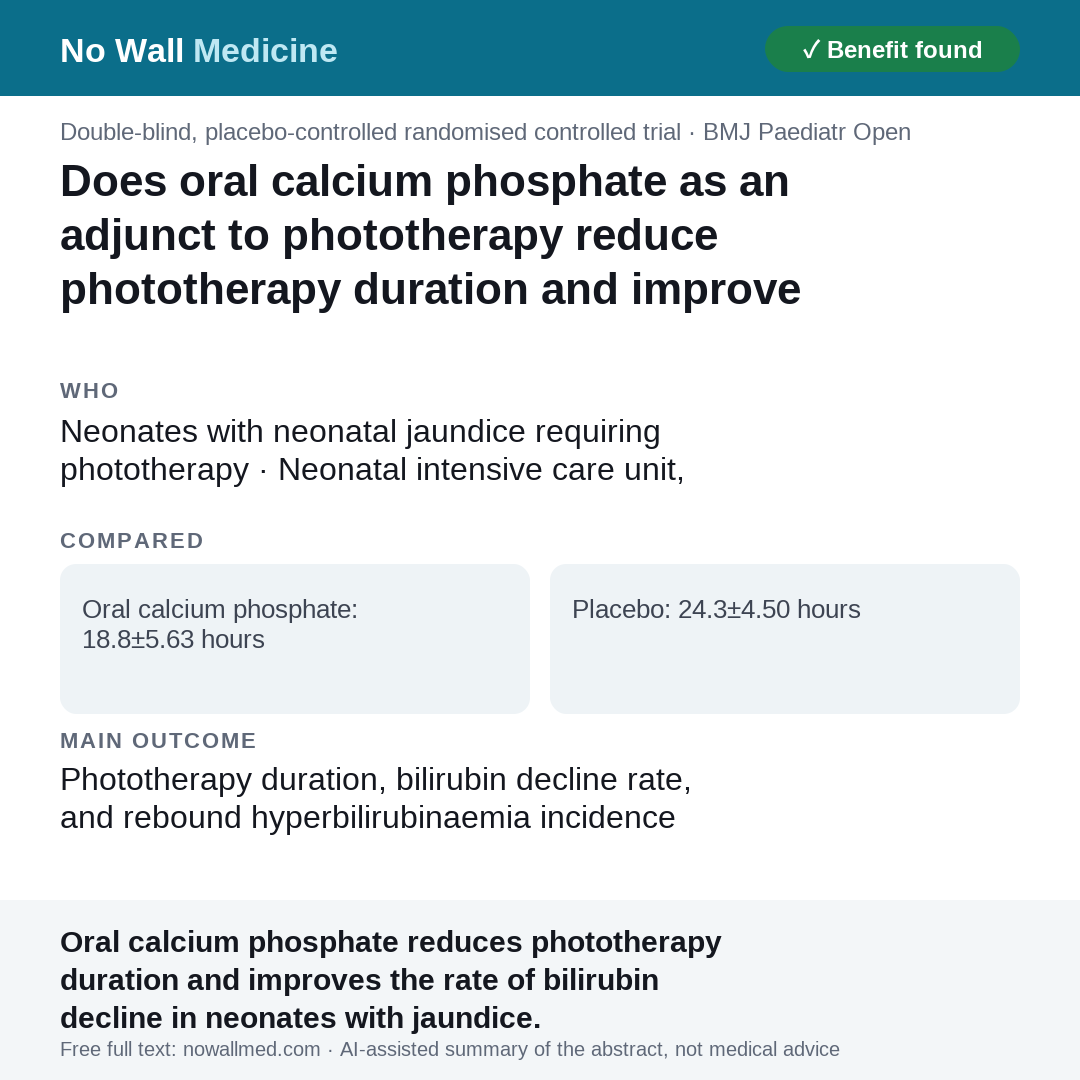
Evaluation of efficacy of oral calcium phosphate as an adjunct to standard-of-care regular phototherapy in cases of neonatal jaundice: a hospital-based double-blind, randomised, placebo-controlled trial
Double-blind, placebo-controlled randomised controlled trialBenefit found
Does oral calcium phosphate as an adjunct to phototherapy reduce phototherapy duration and improve bilirubin decline?
Who
Neonates with neonatal jaundice requiring phototherapy · Neonatal intensive care unit, tertiary care hospital, Eastern India
Compared
Oral calcium phosphate: 18.8±5.63 hours
Placebo: 24.3±4.50 hours
Main outcome
Phototherapy duration, bilirubin decline rate, and rebound hyperbilirubinaemia incidence
Result: mean difference=-5.55 (95% CI -7.82 to -3.28)
Bottom line: Oral calcium phosphate reduces phototherapy duration and improves the rate of bilirubin decline in neonates with jaundice.
BMJ Paediatr Open · 2024-10-11Download image
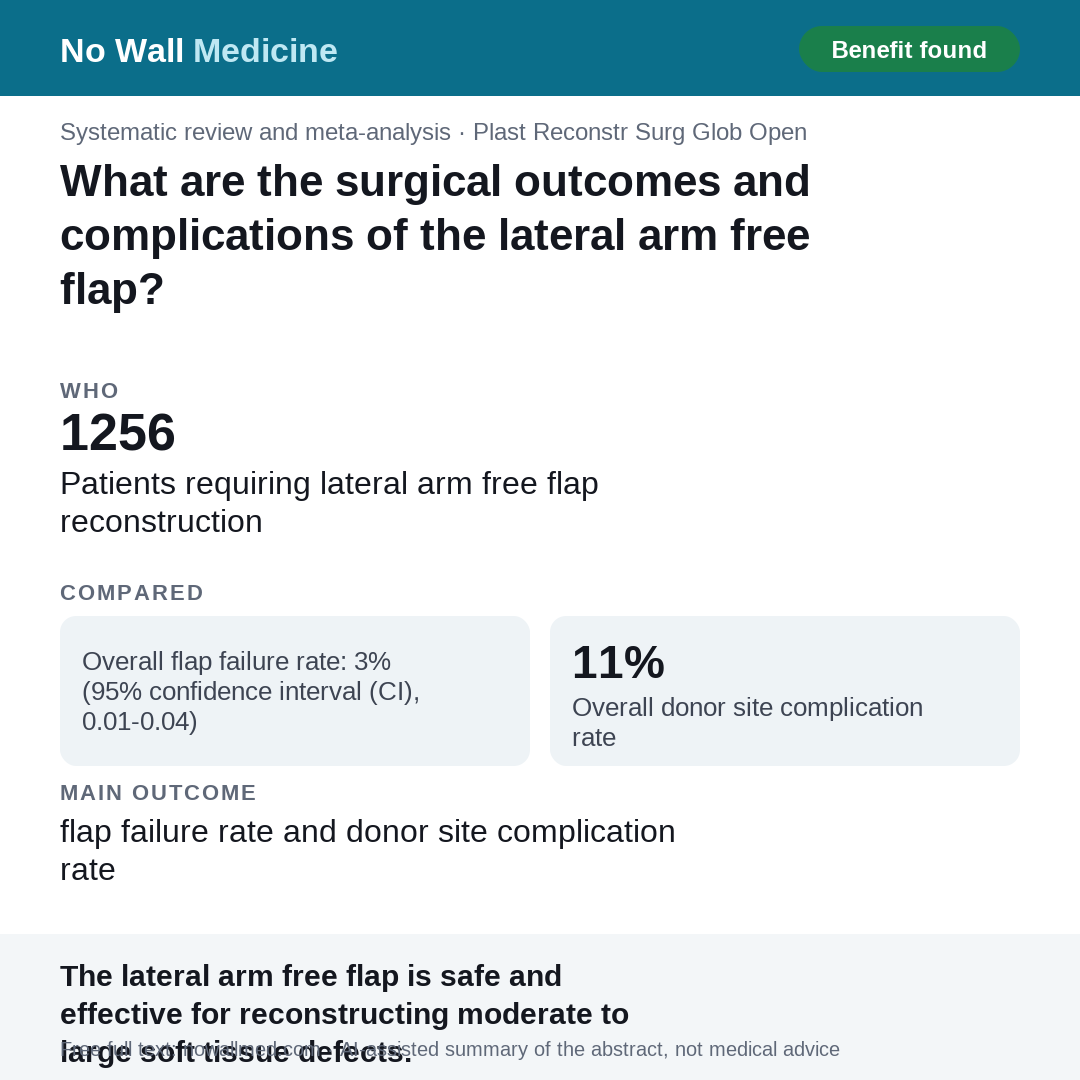
Indications, Postoperative Outcomes, and Complications of the Lateral Arm Free Flap: A Systematic Review and Meta-analysis
Systematic review and meta-analysisBenefit found
What are the surgical outcomes and complications of the lateral arm free flap?
Who
1256
Patients requiring lateral arm free flap reconstruction
Compared
Overall flap failure rate: 3% (95% confidence interval (CI), 0.01-0.04)
11%Overall donor site complication rate (95% CI, 0.03-0.21)
Main outcome
flap failure rate and donor site complication rate
Bottom line: The lateral arm free flap is safe and effective for reconstructing moderate to large soft tissue defects.
Plast Reconstr Surg Glob Open · 2024-10-11Download image
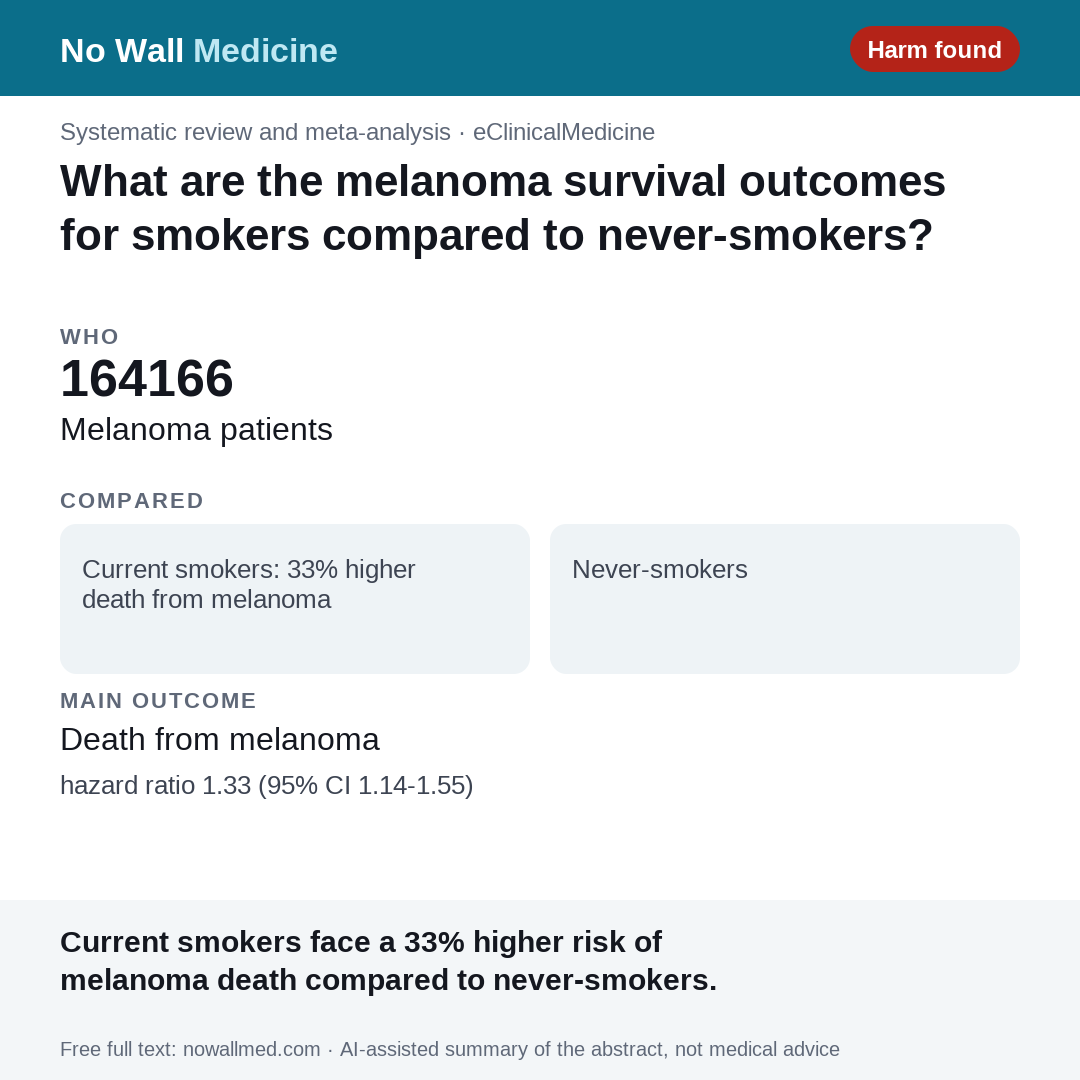
Outcomes for smokers who develop melanoma: a systematic review and meta-analysis
Systematic review and meta-analysisHarm found
What are the melanoma survival outcomes for smokers compared to never-smokers?
Who
164166
Melanoma patients
Compared
Current smokers: 33% higher death from melanoma
Never-smokers
Main outcome
Death from melanoma
Result: hazard ratio 1.33 (95% CI 1.14-1.55)
Bottom line: Current smokers face a 33% higher risk of melanoma death compared to never-smokers.
Limitation: Reliance on self-reporting of smoking status and limited studies on modern systemic therapies.
eClinicalMedicine · 2024-10-10Download image
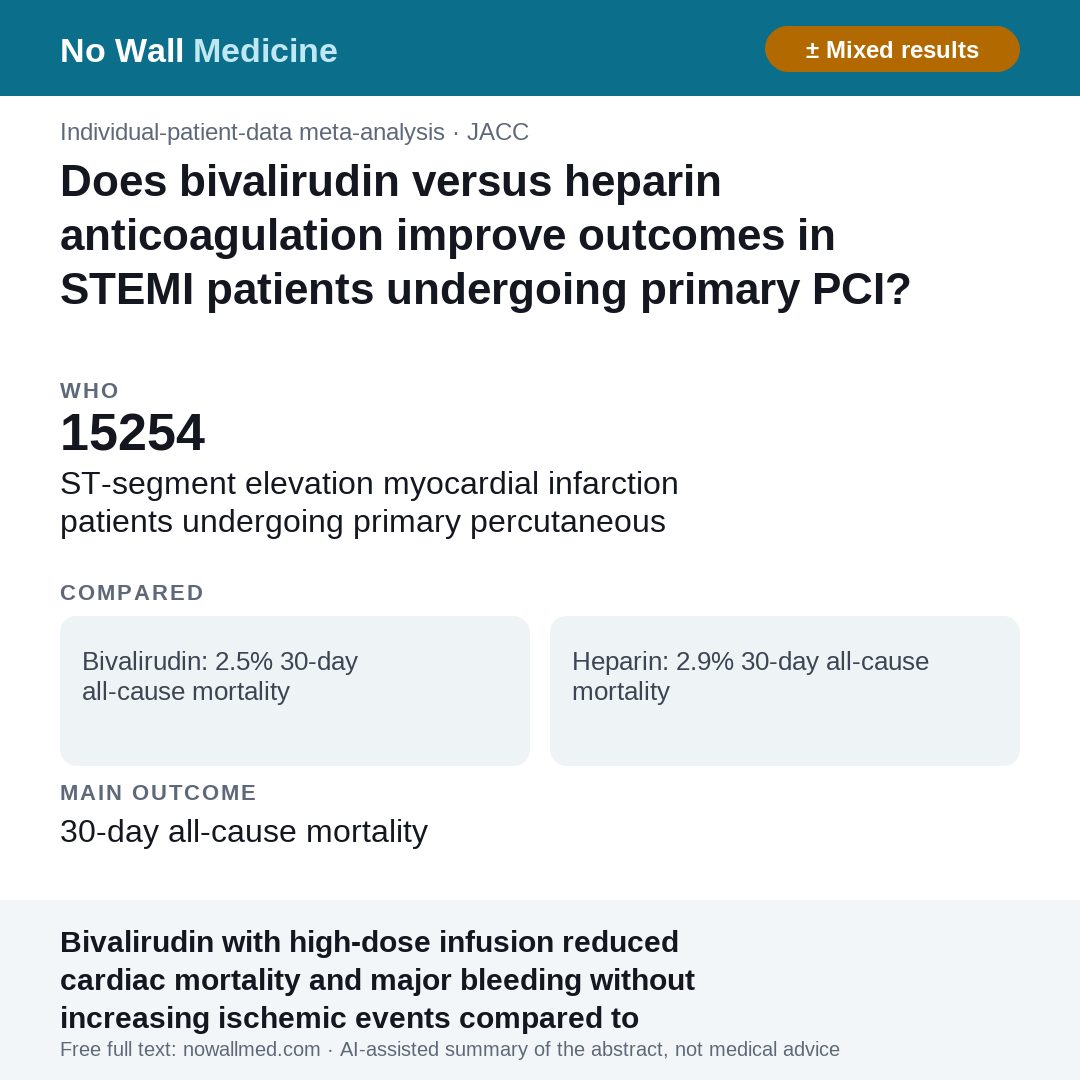
Bivalirudin vs Heparin Anticoagulation in STEMI: Confirmation of the BRIGHT-4 Results
Individual-patient-data meta-analysisMixed results
Does bivalirudin versus heparin anticoagulation improve outcomes in STEMI patients undergoing primary PCI?
Who
15254
ST-segment elevation myocardial infarction patients undergoing primary percutaneous coronary intervention
Compared
Bivalirudin: 2.5% 30-day all-cause mortality
Heparin: 2.9% 30-day all-cause mortality
Main outcome
30-day all-cause mortality
Result: adjusted OR: 0.78; 95% CI: 0.62-0.99
Bottom line: Bivalirudin with high-dose infusion reduced cardiac mortality and major bleeding without increasing ischemic events compared to heparin.
JACC · 2024-10-10Download image