Visual abstracts
New randomized trials and meta-analyses from leading journals at a glance: who was studied, what was compared, and what was found. Every paper is free to read in full.
All specialtiesCardiology 4763Oncology 4042Gastroenterology & Hepatology 1902Infectious Disease 3756Neurology 1872Psychiatry & Mental Health 2214Pulmonology 2042Critical Care 1319Endocrinology & Diabetes 2544Pediatrics 2889Surgery 2479Orthopedics & Sports Medicine 917Neurosurgery 525Cardiothoracic & Vascular Surgery 656Plastic & Reconstructive Surgery 574Nephrology 1107Rheumatology 810Hematology 1090Dermatology 611Ophthalmology 532Obstetrics & Gynecology 1645Public & Global Health 1037Radiology & Imaging 617Anesthesiology 957Urology 745ENT (Otolaryngology) 494Emergency Medicine 481Allergy & Immunology 309Geriatrics 972Family Medicine & Primary Care 533Medical Genetics & Genomics 659Pathology & Laboratory Medicine 156Physical Medicine & Rehabilitation 734Palliative Care 421Nutrition 1560Digital Health & AI 2133General Medicine 318
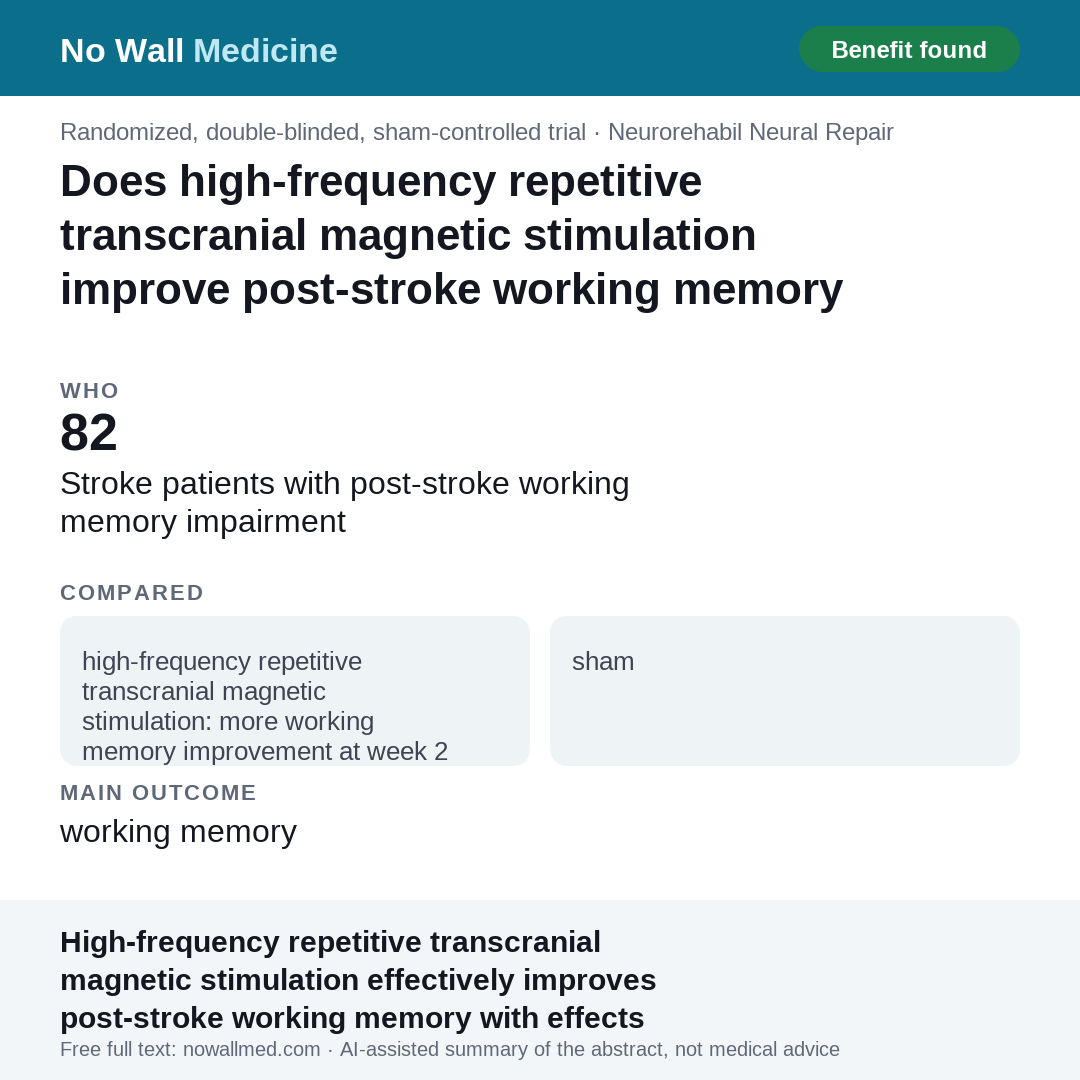
High-Frequency rTMS Broadly Ameliorates Working Memory and Cognitive Symptoms in Stroke Patients: A Randomized Controlled Trial
Randomized, double-blinded, sham-controlled trialBenefit found
Does high-frequency repetitive transcranial magnetic stimulation improve post-stroke working memory impairment?
Who
82
Stroke patients with post-stroke working memory impairment
Compared
high-frequency repetitive transcranial magnetic stimulation: more working memory improvement at week 2 and week 6
sham
Main outcome
working memory
Bottom line: High-frequency repetitive transcranial magnetic stimulation effectively improves post-stroke working memory with effects lasting four weeks.
Neurorehabil Neural Repair · 2024-08-20Download image
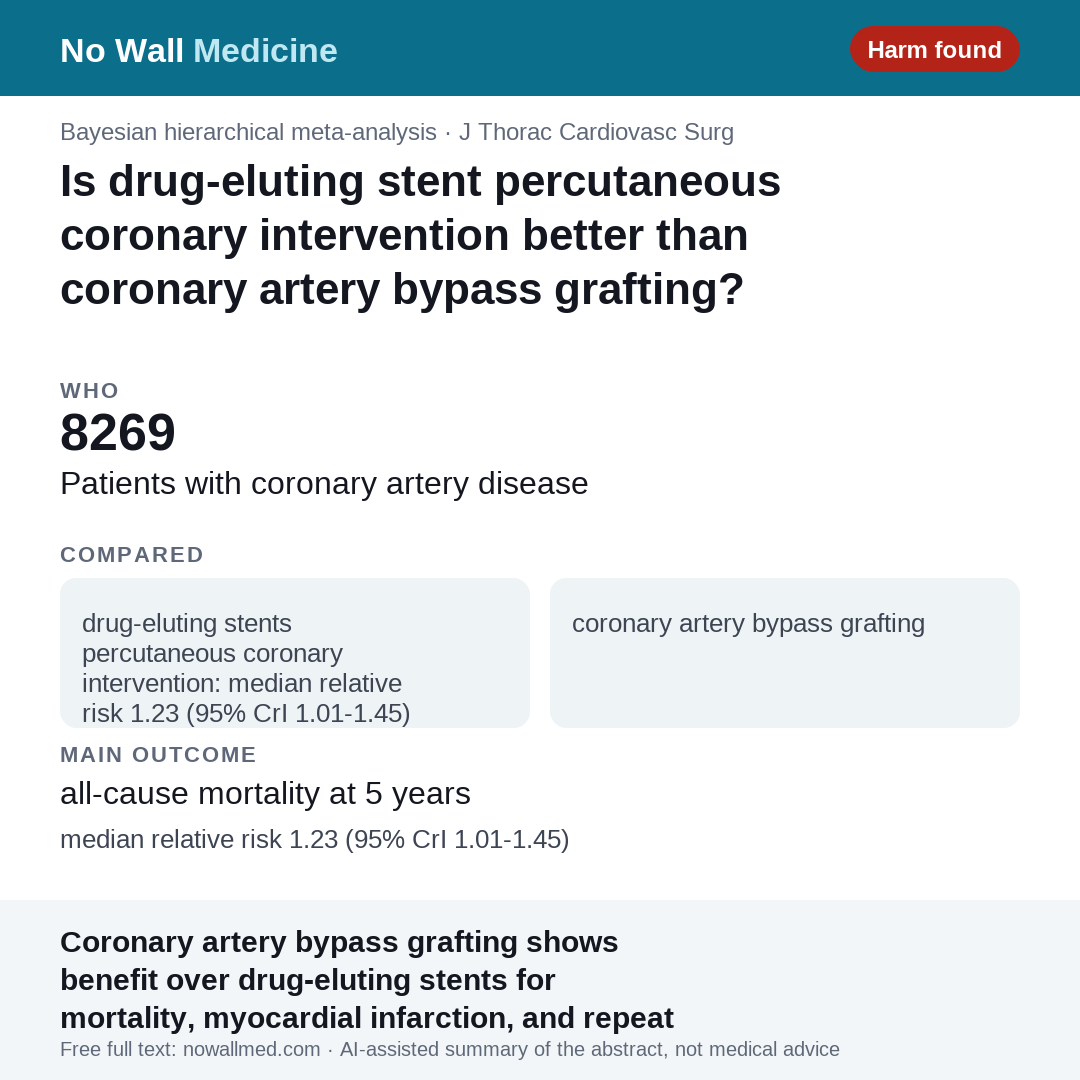
Percutaneous coronary intervention with drug-eluting stents versus coronary bypass surgery for coronary artery disease: A Bayesian perspective
Bayesian hierarchical meta-analysisHarm found
Is drug-eluting stent percutaneous coronary intervention better than coronary artery bypass grafting?
Who
8269
Patients with coronary artery disease
Compared
drug-eluting stents percutaneous coronary intervention: median relative risk 1.23 (95% CrI 1.01-1.45)
coronary artery bypass grafting
Main outcome
all-cause mortality at 5 years
Result: median relative risk 1.23 (95% CrI 1.01-1.45)
Bottom line: Coronary artery bypass grafting shows benefit over drug-eluting stents for mortality, myocardial infarction, and repeat revascularization at 5 years.
J Thorac Cardiovasc Surg · 2024-08-20Download image
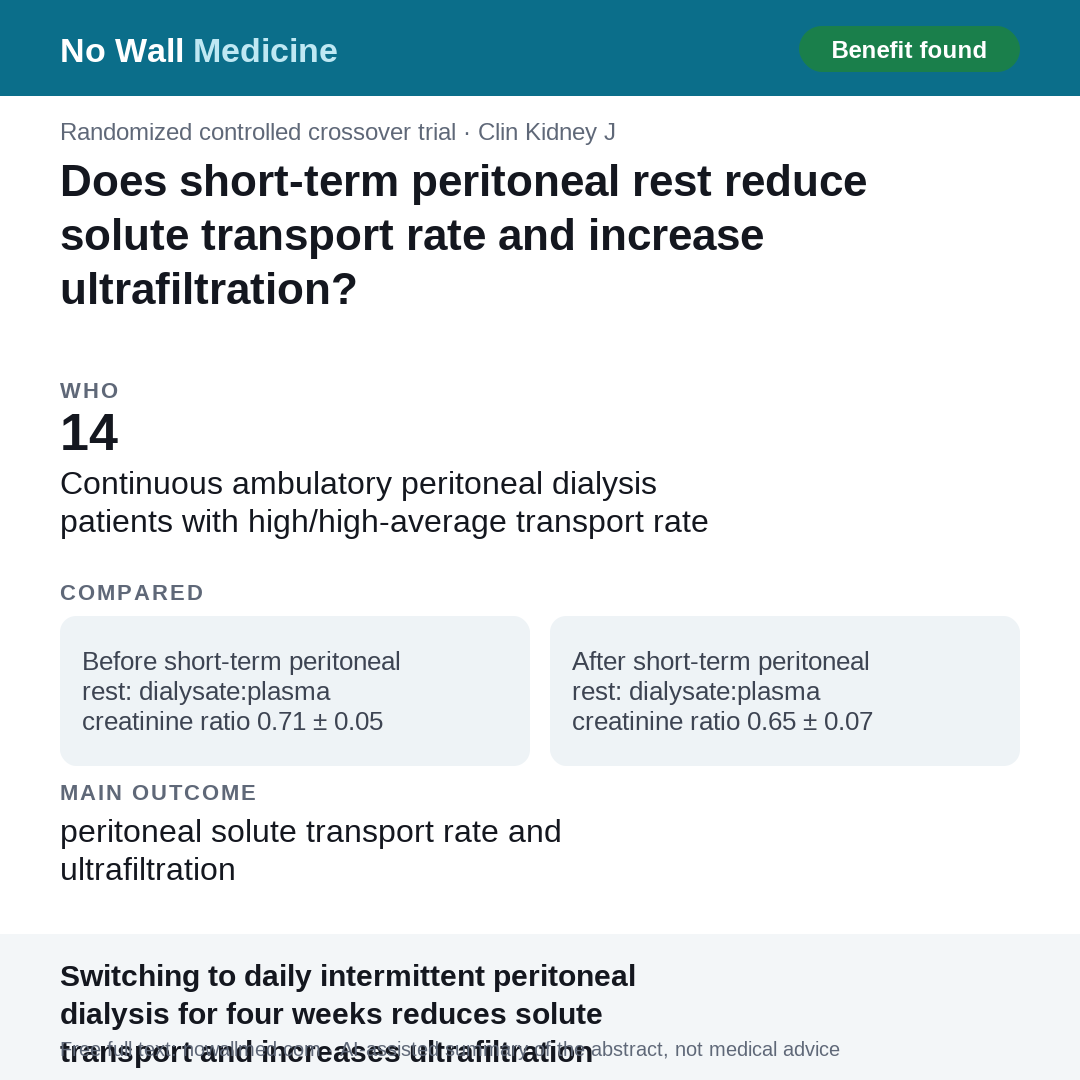
Short-term peritoneal rest reduces peritoneal solute transport rate and increases ultrafiltration in high/high average transport peritoneal dialysis patients: a crossover randomized controlled trial
Randomized controlled crossover trialBenefit found
Does short-term peritoneal rest reduce solute transport rate and increase ultrafiltration?
Who
14
Continuous ambulatory peritoneal dialysis patients with high/high-average transport rate
Compared
Before short-term peritoneal rest: dialysate:plasma creatinine ratio 0.71 ± 0.05
After short-term peritoneal rest: dialysate:plasma creatinine ratio 0.65 ± 0.07
Main outcome
peritoneal solute transport rate and ultrafiltration
Bottom line: Switching to daily intermittent peritoneal dialysis for four weeks reduces solute transport and increases ultrafiltration volumes.
Clin Kidney J · 2024-08-20Download image
Meta-analysis of genome-wide association studies of stable warfarin dose in patients of African ancestry
Meta-analysis of genome-wide studiesMixed results
Genetic variants for warfarin dose in Africans
Who
1504
African and African American warfarin patients · Africa, United States
Compared
African cohorts
African American cohorts
Main outcome
Stable warfarin dose
Result: 242 significant SNPs identified
Bottom line: New genetic locus found for warfarin dose
Blood Adv · 2024-08-20Download image

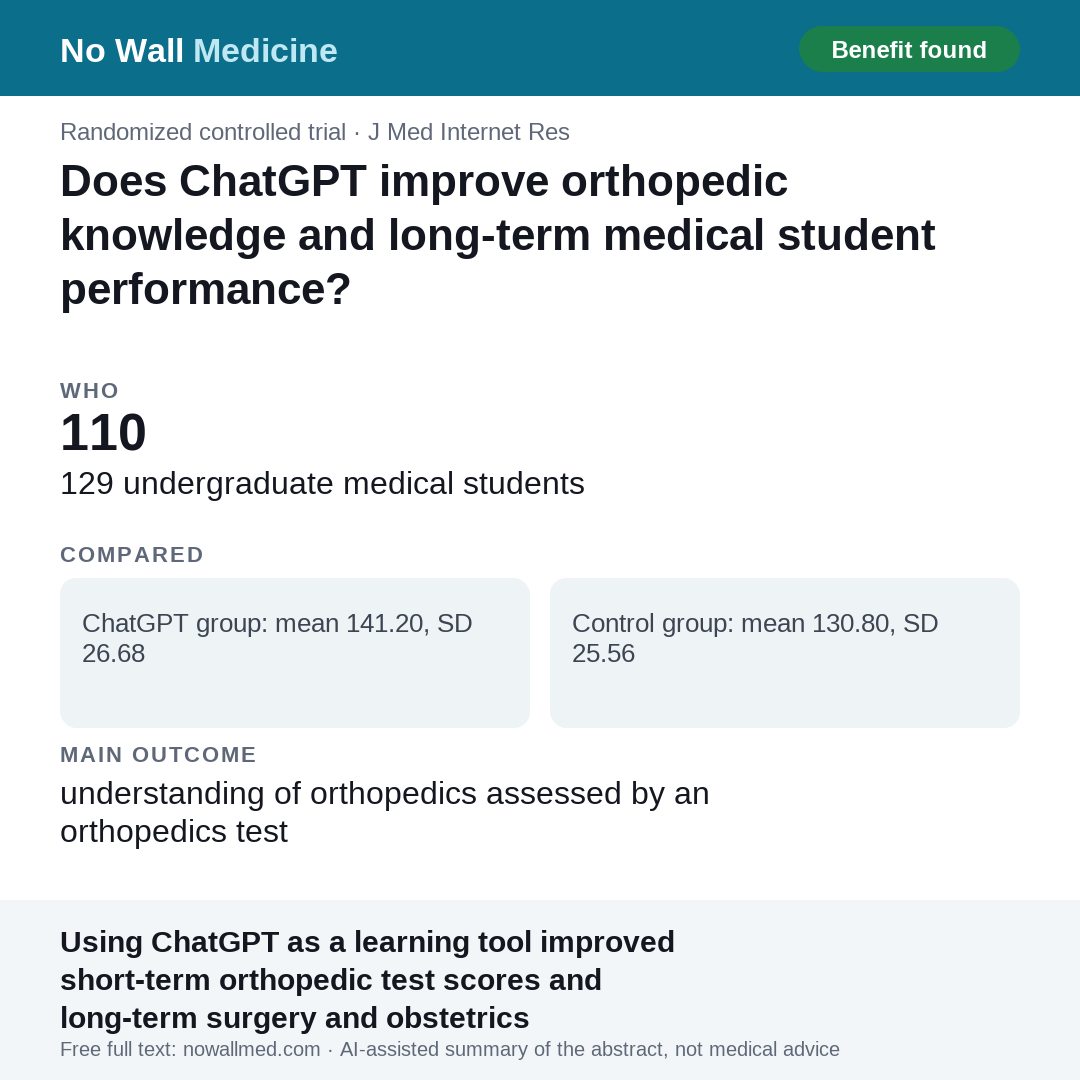
Integrating ChatGPT in Orthopedic Education for Medical Undergraduates: Randomized Controlled Trial
Randomized controlled trialBenefit found
Does ChatGPT improve orthopedic knowledge and long-term medical student performance?
Who
110
129 undergraduate medical students
Compared
ChatGPT group: mean 141.20, SD 26.68
Control group: mean 130.80, SD 25.56
Main outcome
understanding of orthopedics assessed by an orthopedics test
Bottom line: Using ChatGPT as a learning tool improved short-term orthopedic test scores and long-term surgery and obstetrics performance.
Limitation: 19 individuals withdrew from the experiment at various phases
J Med Internet Res · 2024-08-20Download image
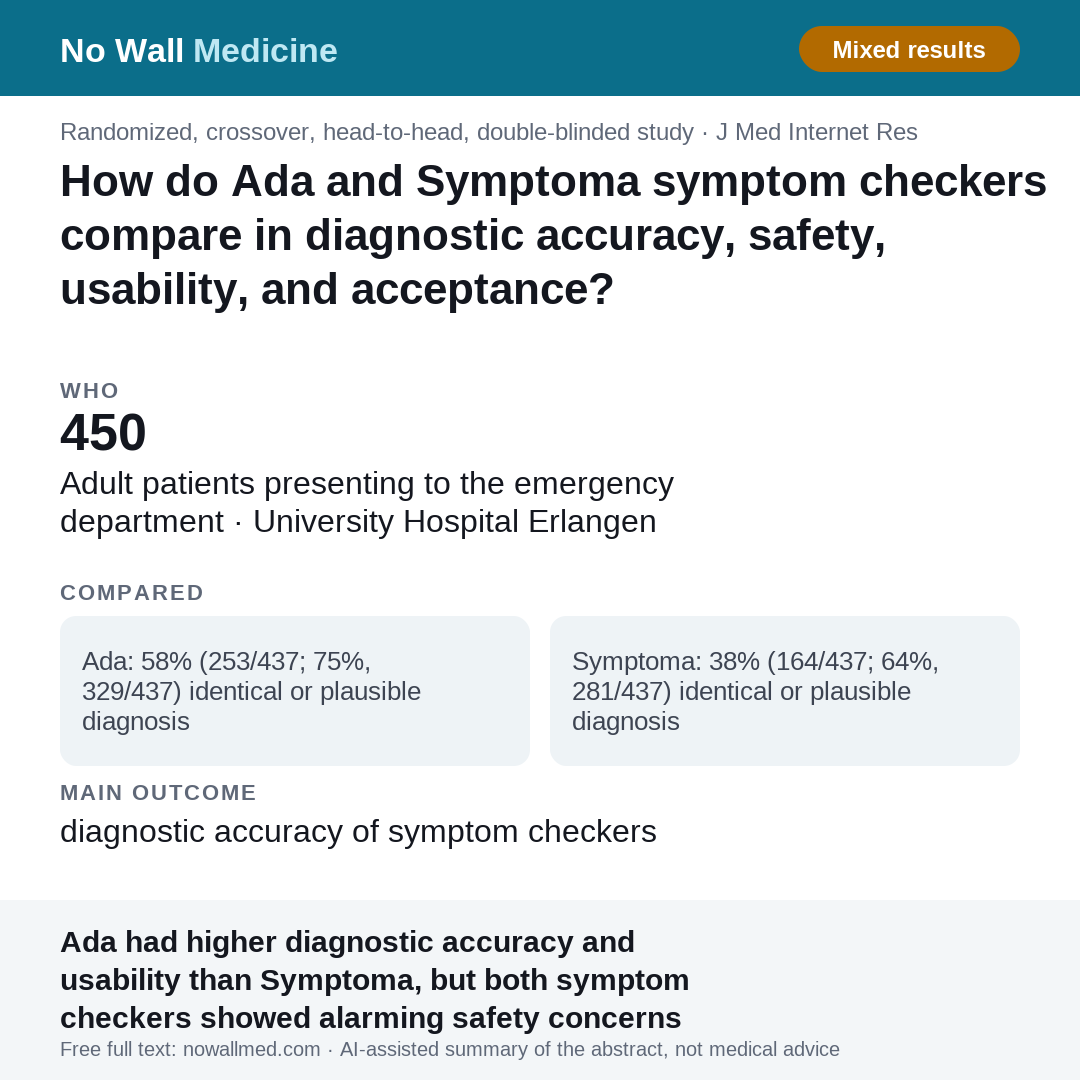
Comparison of Two Symptom Checkers (Ada and Symptoma) in the Emergency Department: Randomized, Crossover, Head-to-Head, Double-Blinded Study
Randomized, crossover, head-to-head, double-blinded studyMixed results
How do Ada and Symptoma symptom checkers compare in diagnostic accuracy, safety, usability, and acceptance?
Who
450
Adult patients presenting to the emergency department · University Hospital Erlangen
Compared
Ada: 58% (253/437; 75%, 329/437) identical or plausible diagnosis
Symptoma: 38% (164/437; 64%, 281/437) identical or plausible diagnosis
Main outcome
diagnostic accuracy of symptom checkers
Bottom line: Ada had higher diagnostic accuracy and usability than Symptoma, but both symptom checkers showed alarming safety concerns regarding life-threatening diagnoses.
J Med Internet Res · 2024-08-20Download image
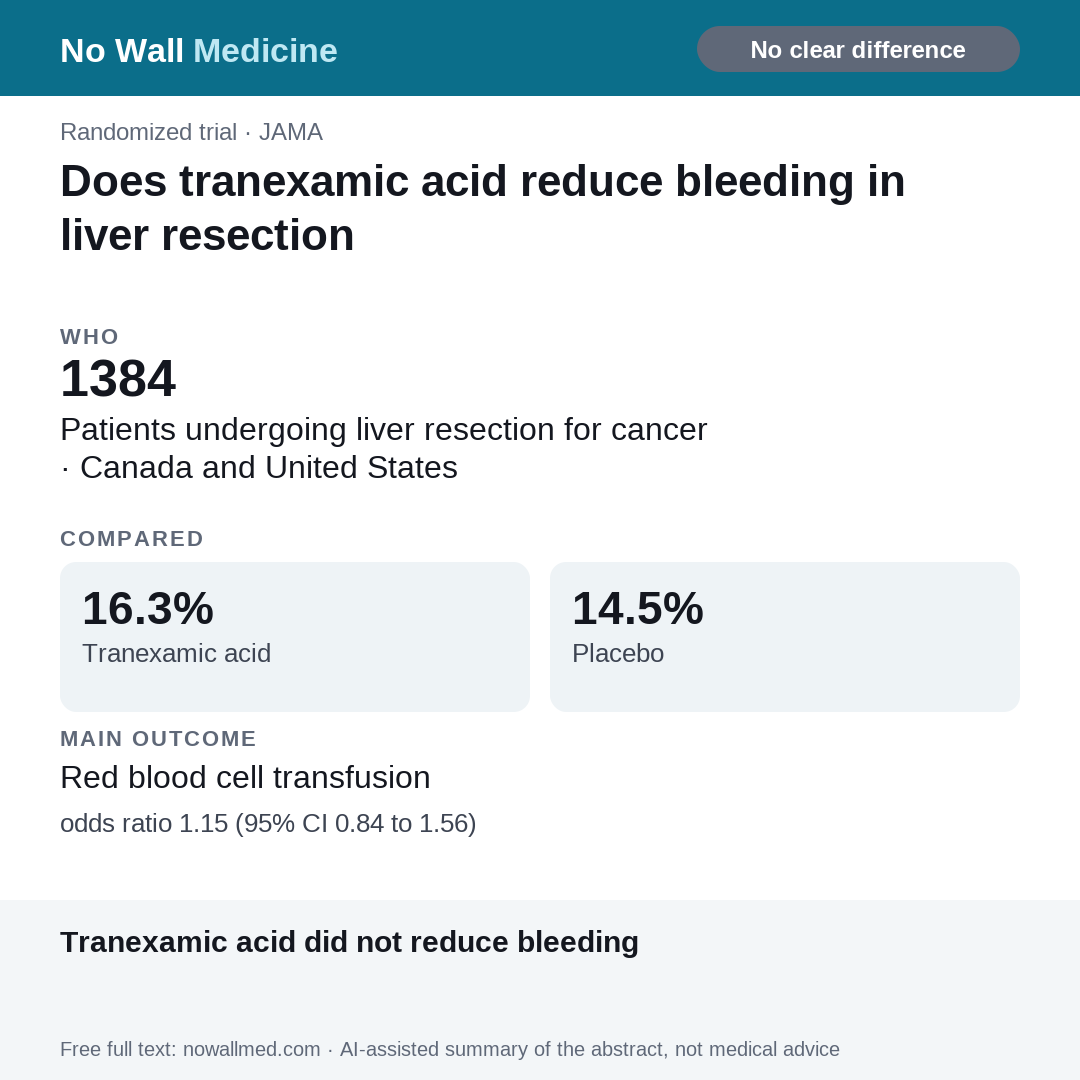
Tranexamic Acid in Patients Undergoing Liver Resection: The HeLiX Randomized Clinical Trial
Randomized trialNo clear difference
Does tranexamic acid reduce bleeding in liver resection
Who
1384
Patients undergoing liver resection for cancer · Canada and United States
Compared
16.3%Tranexamic acid (101/619)
14.5%Placebo (91/626)
Main outcome
Red blood cell transfusion
Result: odds ratio 1.15 (95% CI 0.84 to 1.56)
Bottom line: Tranexamic acid did not reduce bleeding
JAMA · 2024-08-19Download image
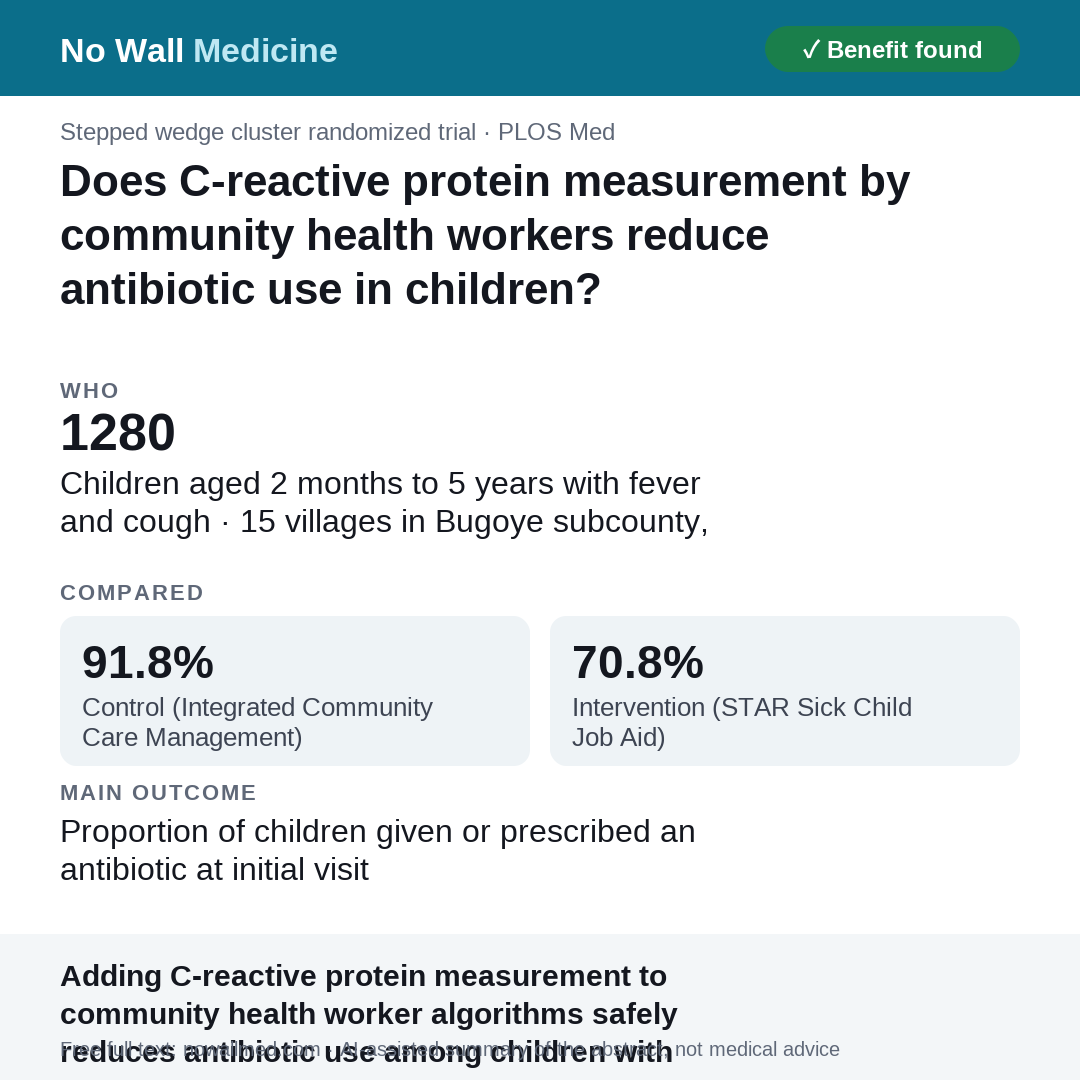
Point-of-care C-reactive protein measurement by community health workers safely reduces antimicrobial use among children with respiratory illness in rural Uganda: A stepped wedge cluster randomized trial
Stepped wedge cluster randomized trialBenefit found
Does C-reactive protein measurement by community health workers reduce antibiotic use in children?
Who
1280
Children aged 2 months to 5 years with fever and cough · 15 villages in Bugoye subcounty, Uganda
Compared
91.8%Control (Integrated Community Care Management) (539/587)
70.8%Intervention (STAR Sick Child Job Aid) (448/633)
Main outcome
Proportion of children given or prescribed an antibiotic at initial visit
Result: adjusted prevalence difference -24.6%, 95% CI: -36.1%, -13.1%
Bottom line: Adding C-reactive protein measurement to community health worker algorithms safely reduces antibiotic use among children with respiratory illness.
Limitation: The number of adverse events was low.
PLOS Med · 2024-08-19Download image
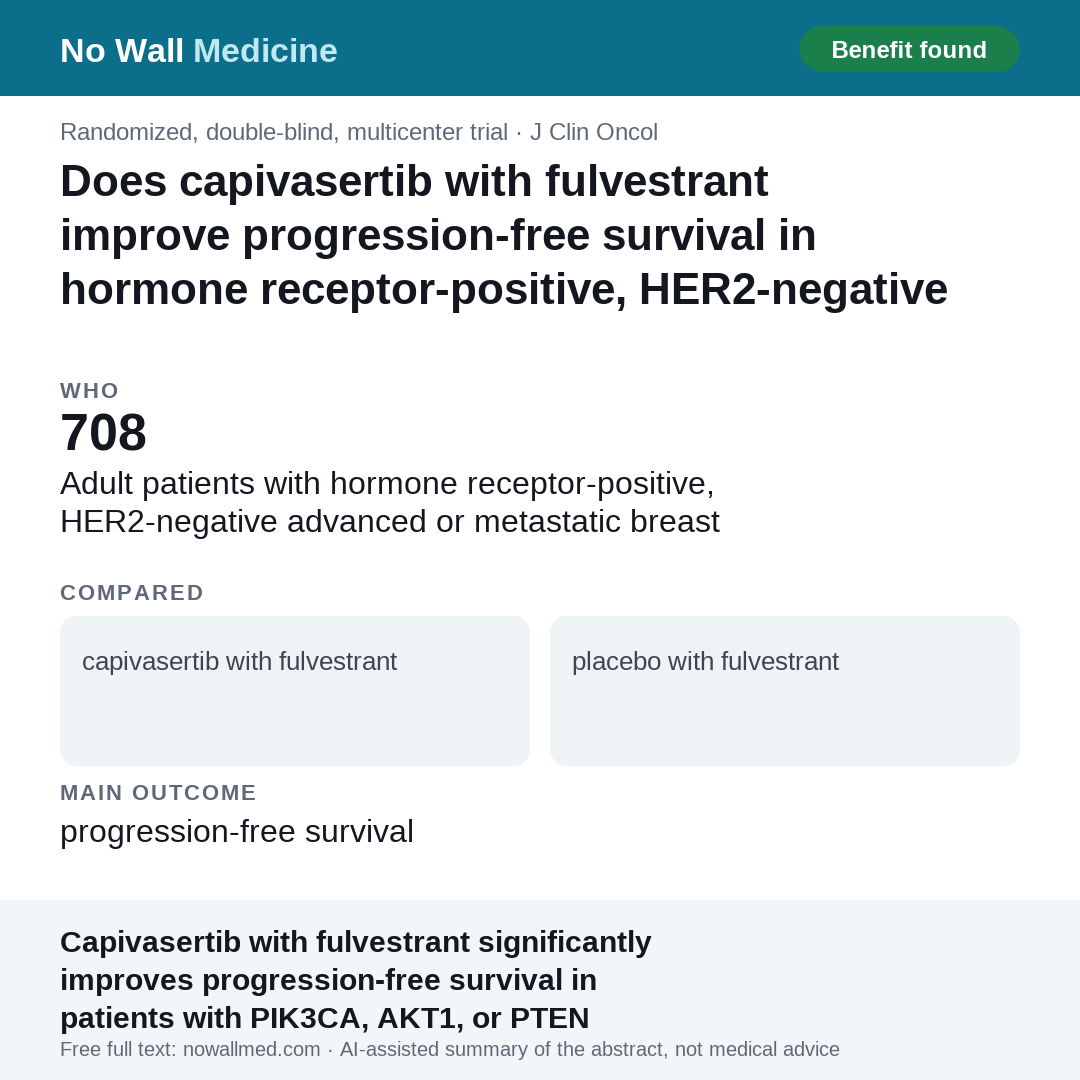
US Food and Drug Administration Approval Summary: Capivasertib With Fulvestrant for Hormone Receptor-Positive, Human Epidermal Growth Factor Receptor 2-Negative Locally Advanced or Metastatic Breast Cancer With PIK3CA/AKT1/PTEN Alterations
Randomized, double-blind, multicenter trialBenefit found
Does capivasertib with fulvestrant improve progression-free survival in hormone receptor-positive, HER2-negative breast cancer?
Who
708
Adult patients with hormone receptor-positive, HER2-negative advanced or metastatic breast cancer · multicenter
Compared
capivasertib with fulvestrant
placebo with fulvestrant
Main outcome
progression-free survival
Result: hazard ratio 0.6 (95% CI 0.51 to 0.71)
Bottom line: Capivasertib with fulvestrant significantly improves progression-free survival in patients with PIK3CA, AKT1, or PTEN alterations.
J Clin Oncol · 2024-08-19Download image
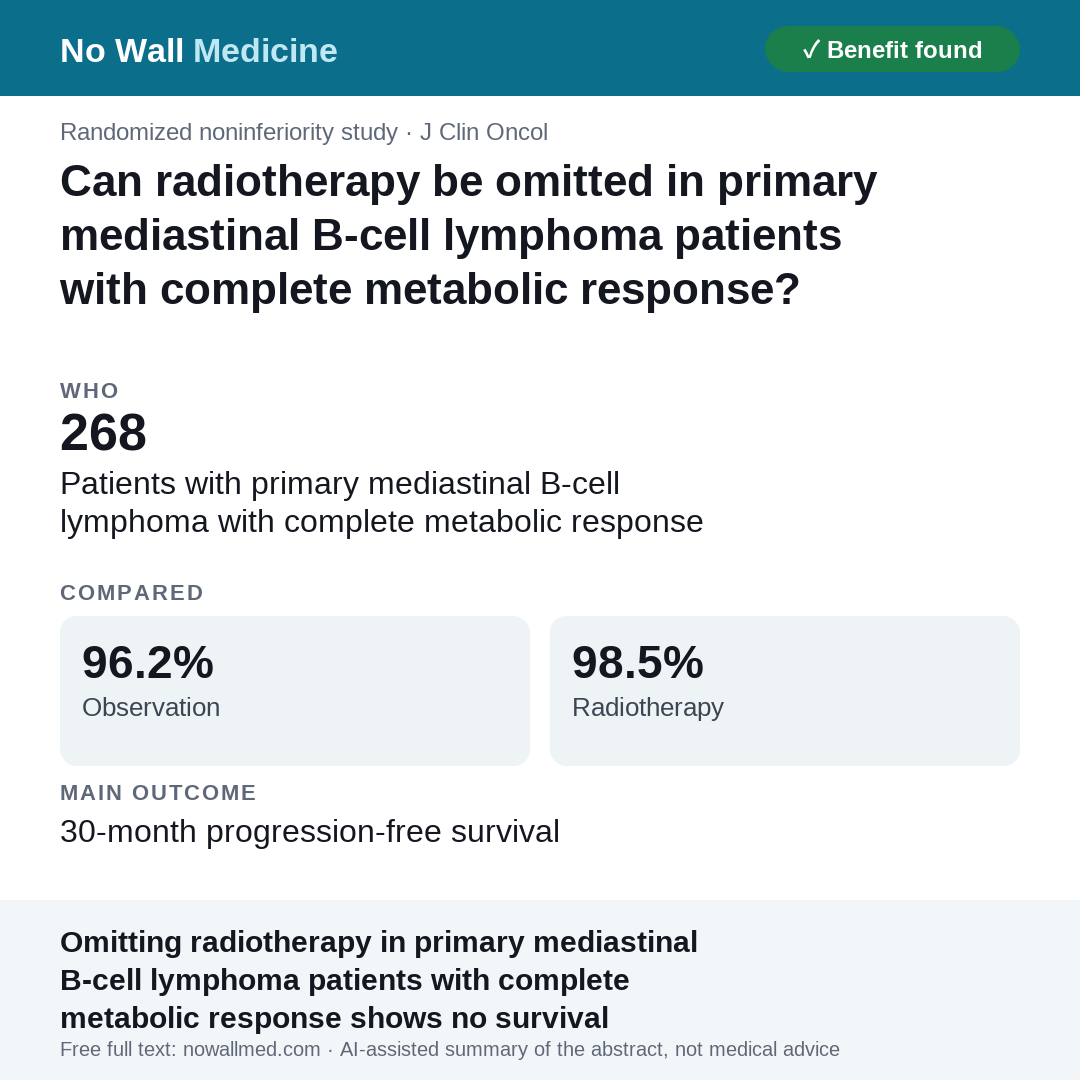
Omission of Radiotherapy in Primary Mediastinal B-Cell Lymphoma: IELSG37 Trial Results
Randomized noninferiority studyBenefit found
Can radiotherapy be omitted in primary mediastinal B-cell lymphoma patients with complete metabolic response?
Who
268
Patients with primary mediastinal B-cell lymphoma with complete metabolic response
Compared
96.2%Observation
98.5%Radiotherapy
Main outcome
30-month progression-free survival
Result: hazard ratio 1.47 (95% CI, 0.34 to 6.28)
Bottom line: Omitting radiotherapy in primary mediastinal B-cell lymphoma patients with complete metabolic response shows no survival impairment.
J Clin Oncol · 2024-08-19Download image
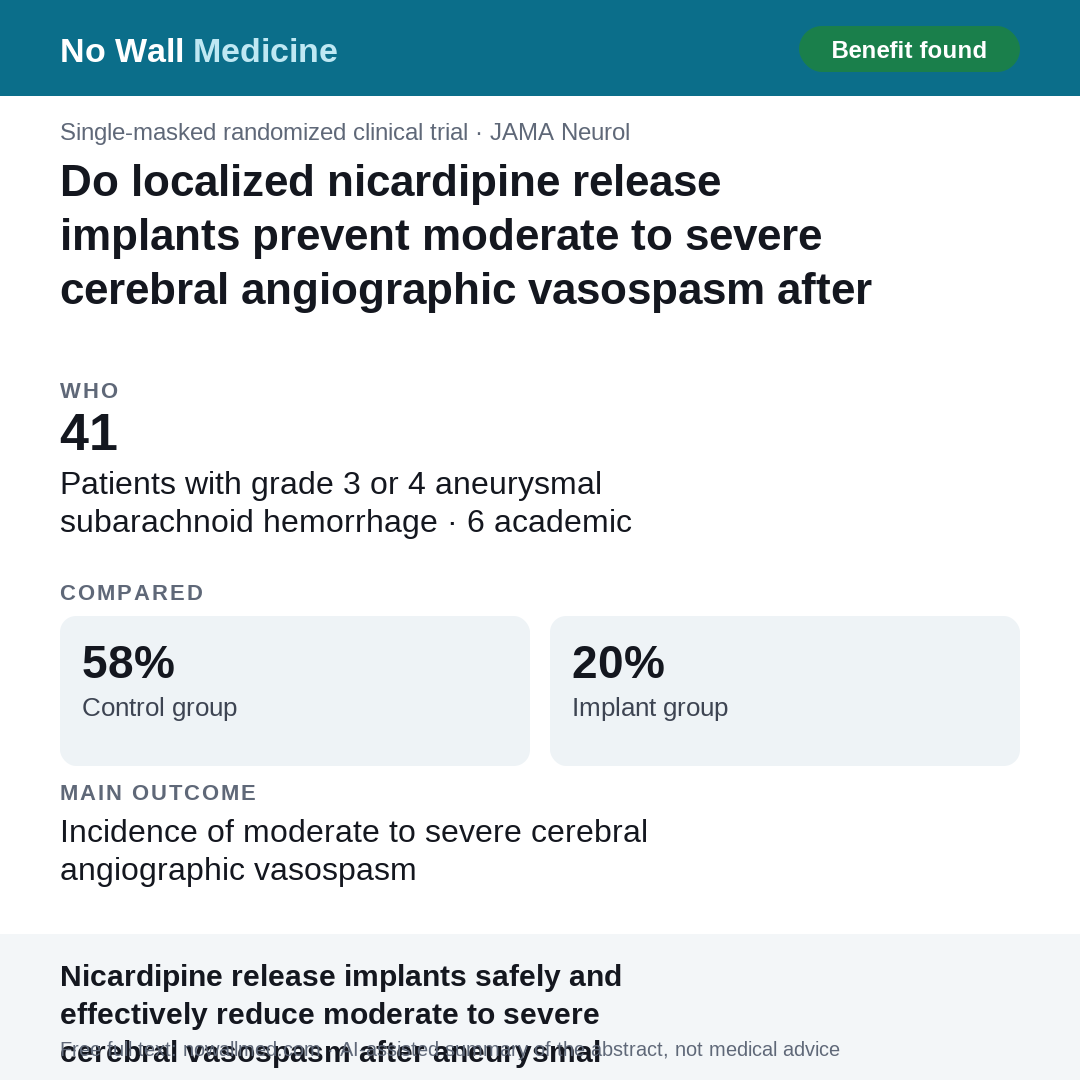
Localized Nicardipine Release Implants for Prevention of Vasospasm After Aneurysmal Subarachnoid Hemorrhage: A Randomized Clinical Trial
Single-masked randomized clinical trialBenefit found
Do localized nicardipine release implants prevent moderate to severe cerebral angiographic vasospasm after aneurysmal subarachnoid hemorrhage?
Who
41
Patients with grade 3 or 4 aneurysmal subarachnoid hemorrhage · 6 academic neurovascular centers in Germany and Austria
Compared
58%Control group (11/19)
20%Implant group (4/20)
Main outcome
Incidence of moderate to severe cerebral angiographic vasospasm
Bottom line: Nicardipine release implants safely and effectively reduce moderate to severe cerebral vasospasm after aneurysmal subarachnoid hemorrhage.
JAMA Neurol · 2024-08-19Download image
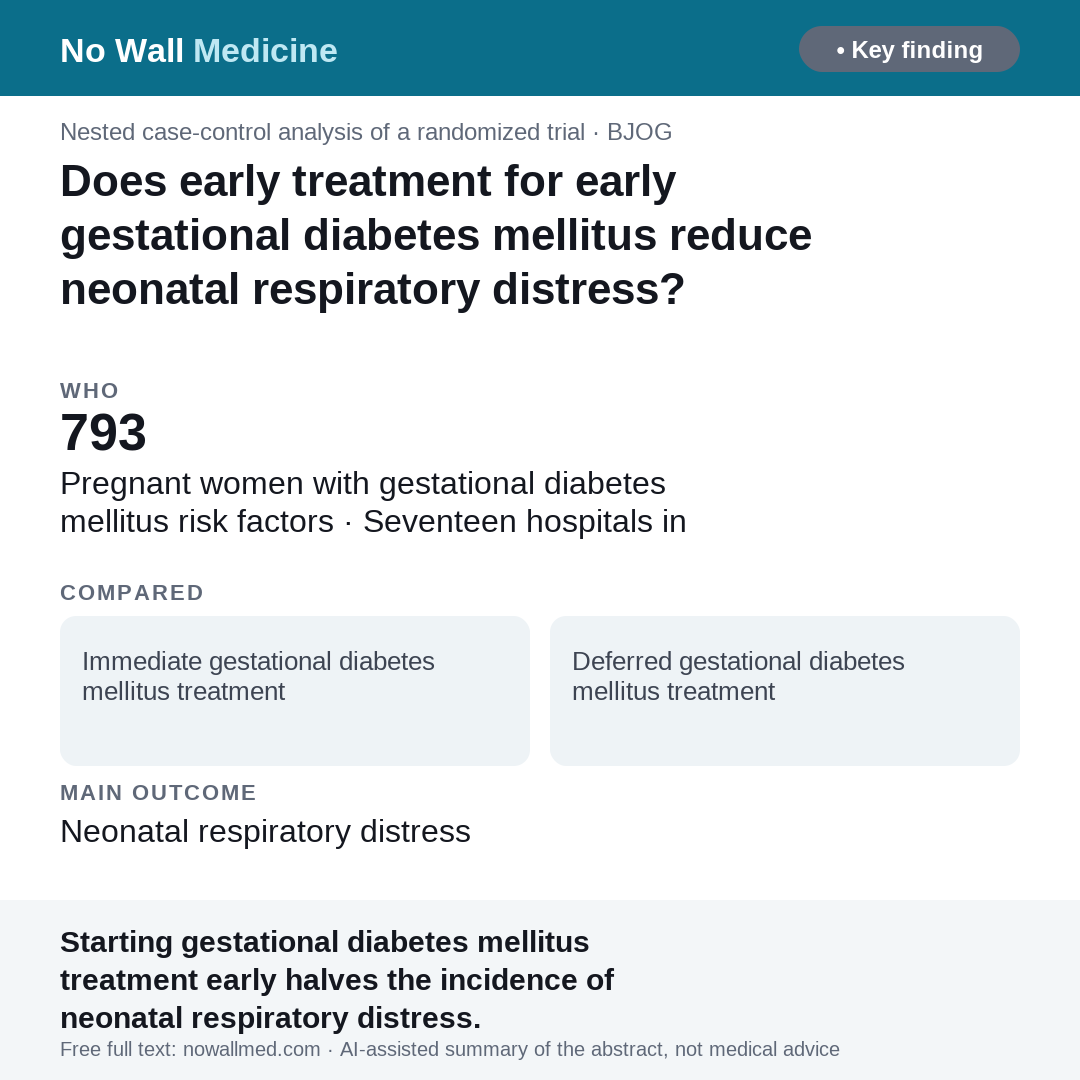
Effect of treatment for early gestational diabetes mellitus on neonatal respiratory distress: A secondary analysis of the TOBOGM study
Nested case-control analysis of a randomized trialKey finding
Does early treatment for early gestational diabetes mellitus reduce neonatal respiratory distress?
Who
793
Pregnant women with gestational diabetes mellitus risk factors · Seventeen hospitals in Australia, Sweden, Austria and India
Compared
Immediate gestational diabetes mellitus treatment
Deferred gestational diabetes mellitus treatment
Main outcome
Neonatal respiratory distress
Result: odds ratio 0.50 (95% CI 0.31 to 0.79)
Bottom line: Starting gestational diabetes mellitus treatment early halves the incidence of neonatal respiratory distress.
BJOG · 2024-08-19Download image
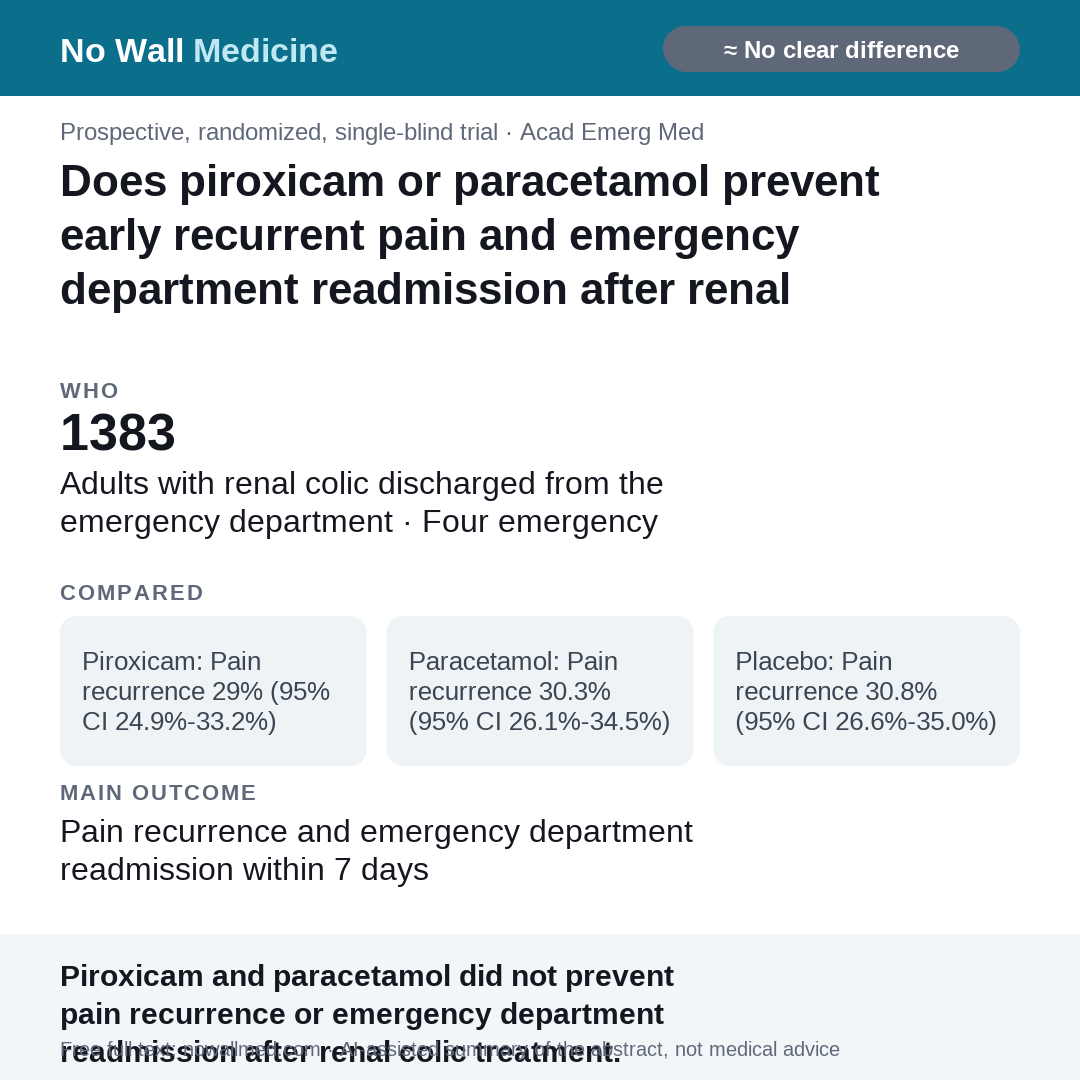
Piroxicam and paracetamol in the prevention of early recurrent pain and emergency department readmission after renal colic: Randomized placebo-controlled trial
Prospective, randomized, single-blind trialNo clear difference
Does piroxicam or paracetamol prevent early recurrent pain and emergency department readmission after renal colic?
Who
1383
Adults with renal colic discharged from the emergency department · Four emergency departments
Compared
Piroxicam: Pain recurrence 29% (95% CI 24.9%-33.2%)
Paracetamol: Pain recurrence 30.3% (95% CI 26.1%-34.5%)
Placebo: Pain recurrence 30.8% (95% CI 26.6%-35.0%)
Main outcome
Pain recurrence and emergency department readmission within 7 days
Bottom line: Piroxicam and paracetamol did not prevent pain recurrence or emergency department readmission after renal colic treatment.
Acad Emerg Med · 2024-08-19Download image
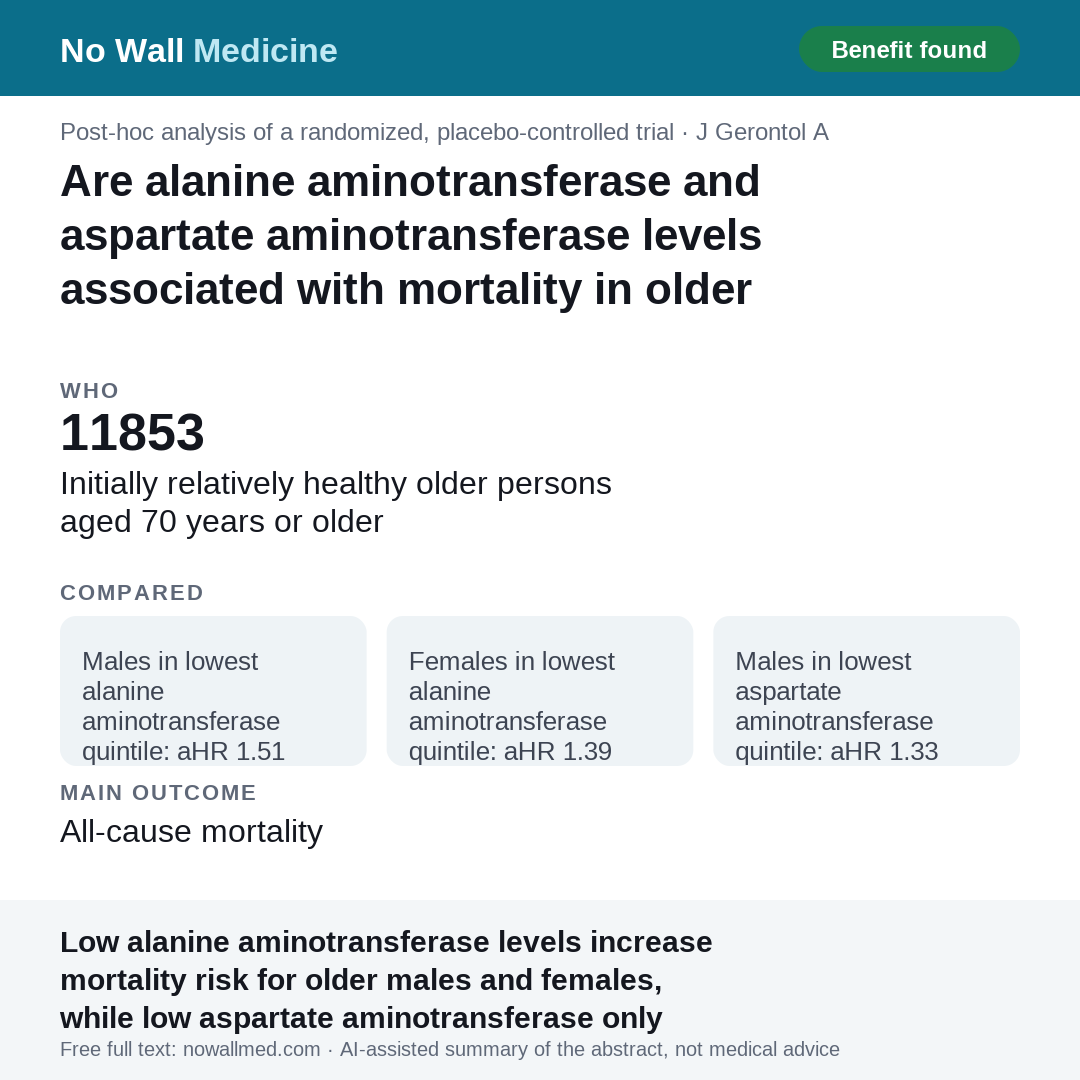
Serum Transaminases and Older Adults: Distribution and Associations With All-Cause Mortality
Post-hoc analysis of a randomized, placebo-controlled trialBenefit found
Are alanine aminotransferase and aspartate aminotransferase levels associated with mortality in older adults?
Who
11853
Initially relatively healthy older persons aged 70 years or older
Compared
Males in lowest alanine aminotransferase quintile: aHR 1.51 (95% confidence interval 1.14-1.99)
Females in lowest alanine aminotransferase quintile: aHR 1.39 (95% CI 1.03-1.88)
Males in lowest aspartate aminotransferase quintile: aHR 1.33 (95% CI 1.04-1.70)
Main outcome
All-cause mortality
Bottom line: Low alanine aminotransferase levels increase mortality risk for older males and females, while low aspartate aminotransferase only affects males.
Limitation: Further evaluation of mechanisms would be worthwhile
J Gerontol A · 2024-08-19Download image
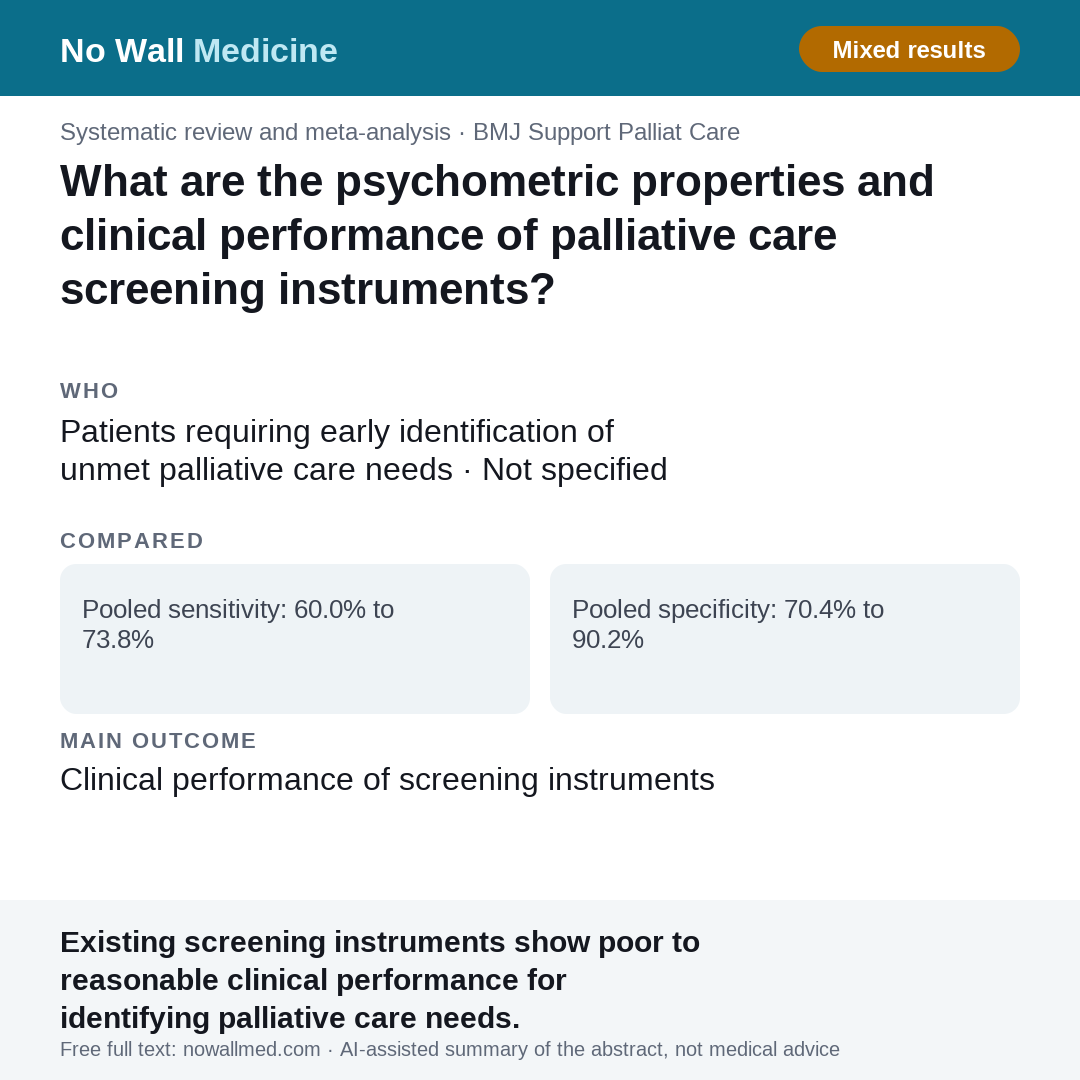
Screening instruments for early identification of unmet palliative care needs: a systematic review and meta-analysis
Systematic review and meta-analysisMixed results
What are the psychometric properties and clinical performance of palliative care screening instruments?
Who
Patients requiring early identification of unmet palliative care needs · Not specified
Compared
Pooled sensitivity: 60.0% to 73.8%
Pooled specificity: 70.4% to 90.2%
Main outcome
Clinical performance of screening instruments
Bottom line: Existing screening instruments show poor to reasonable clinical performance for identifying palliative care needs.
Limitation: Content validity was doubtful or inadequate due to very low to moderate quality evidence.
BMJ Support Palliat Care · 2024-08-19Download image
The Effect of Whole-Diet Interventions on Memory and Cognitive Function in Healthy Older Adults - A Systematic Review
Systematic reviewUnclear result
Diet impact on memory and cognition
Who
healthy older adults sixty years and older
Compared
diet interventions
control
Main outcome
memory and cognitive function
Bottom line: Diet impact on memory and cognition is modest
Limitation: need for well-designed studies
Adv Nutr · 2024-08-19Download image

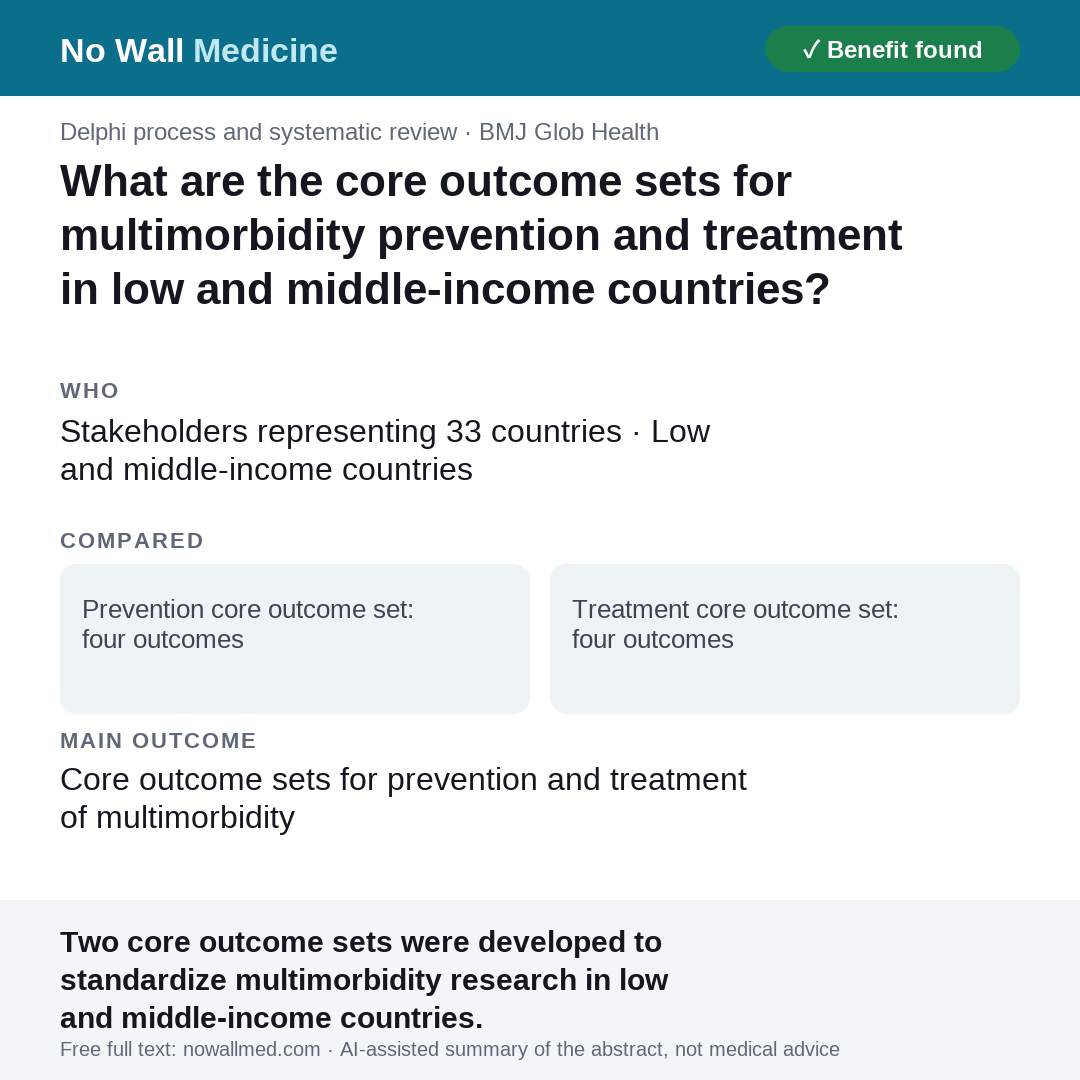
Core outcome sets for trials of interventions to prevent and to treat multimorbidity in adults in low and middle-income countries: the COSMOS study
Delphi process and systematic reviewBenefit found
What are the core outcome sets for multimorbidity prevention and treatment in low and middle-income countries?
Who
Stakeholders representing 33 countries · Low and middle-income countries
Compared
Prevention core outcome set: four outcomes
Treatment core outcome set: four outcomes
Main outcome
Core outcome sets for prevention and treatment of multimorbidity
Bottom line: Two core outcome sets were developed to standardize multimorbidity research in low and middle-income countries.
BMJ Glob Health · 2024-08-19Download image
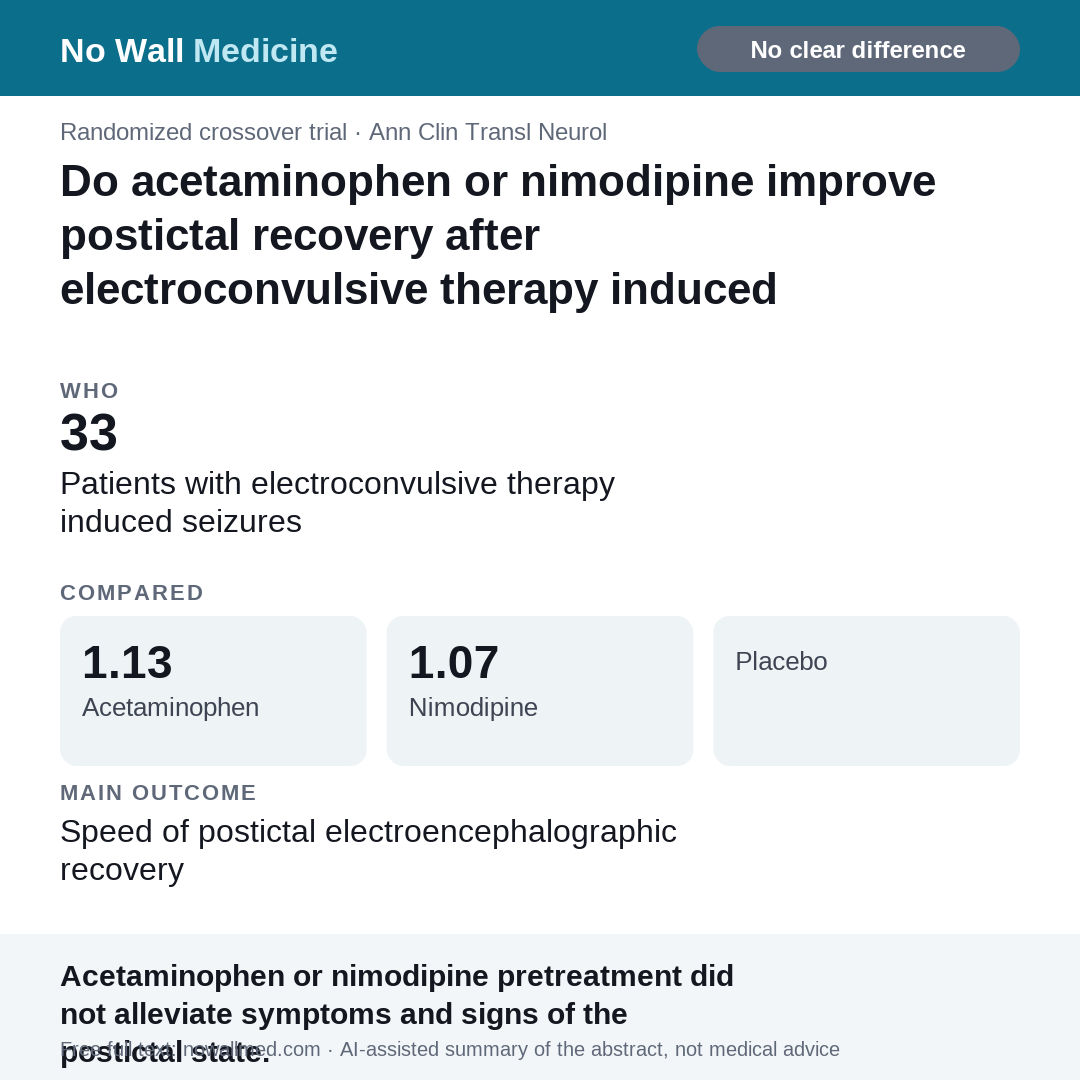
Exploring postictal recovery with acetaminophen or nimodipine: A randomized-controlled crossover trial
Randomized crossover trialNo clear difference
Do acetaminophen or nimodipine improve postictal recovery after electroconvulsive therapy induced seizures?
Who
33
Patients with electroconvulsive therapy induced seizures
Compared
1.13Acetaminophen (95%CI 0.92, 1.40)
1.07Nimodipine (95%CI 0.87, 1.31)
Placebo
Main outcome
Speed of postictal electroencephalographic recovery
Bottom line: Acetaminophen or nimodipine pretreatment did not alleviate symptoms and signs of the postictal state.
Ann Clin Transl Neurol · 2024-08-19Download image
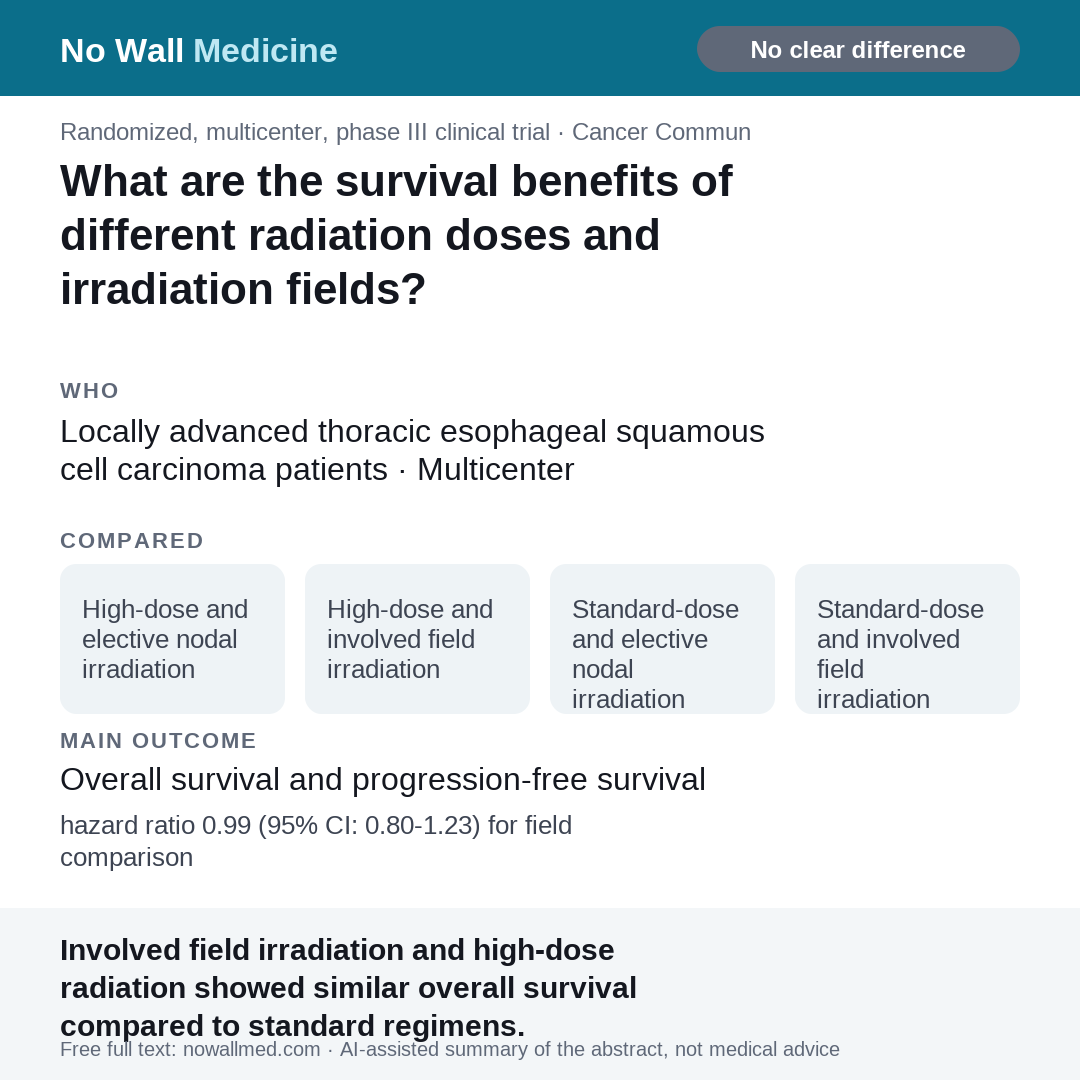
Concurrent chemoradiotherapyof different radiation doses and different irradiation fields for locally advanced thoracic esophageal squamous cell carcinoma: A randomized, multicenter, phase III clinical trial
Randomized, multicenter, phase III clinical trialNo clear difference
What are the survival benefits of different radiation doses and irradiation fields?
Who
Locally advanced thoracic esophageal squamous cell carcinoma patients · Multicenter
Compared
High-dose and elective nodal irradiation
High-dose and involved field irradiation
Standard-dose and elective nodal irradiation
Standard-dose and involved field irradiation
Main outcome
Overall survival and progression-free survival
Result: hazard ratio 0.99 (95% CI: 0.80-1.23) for field comparison
Bottom line: Involved field irradiation and high-dose radiation showed similar overall survival compared to standard regimens.
Cancer Commun · 2024-08-19Download image
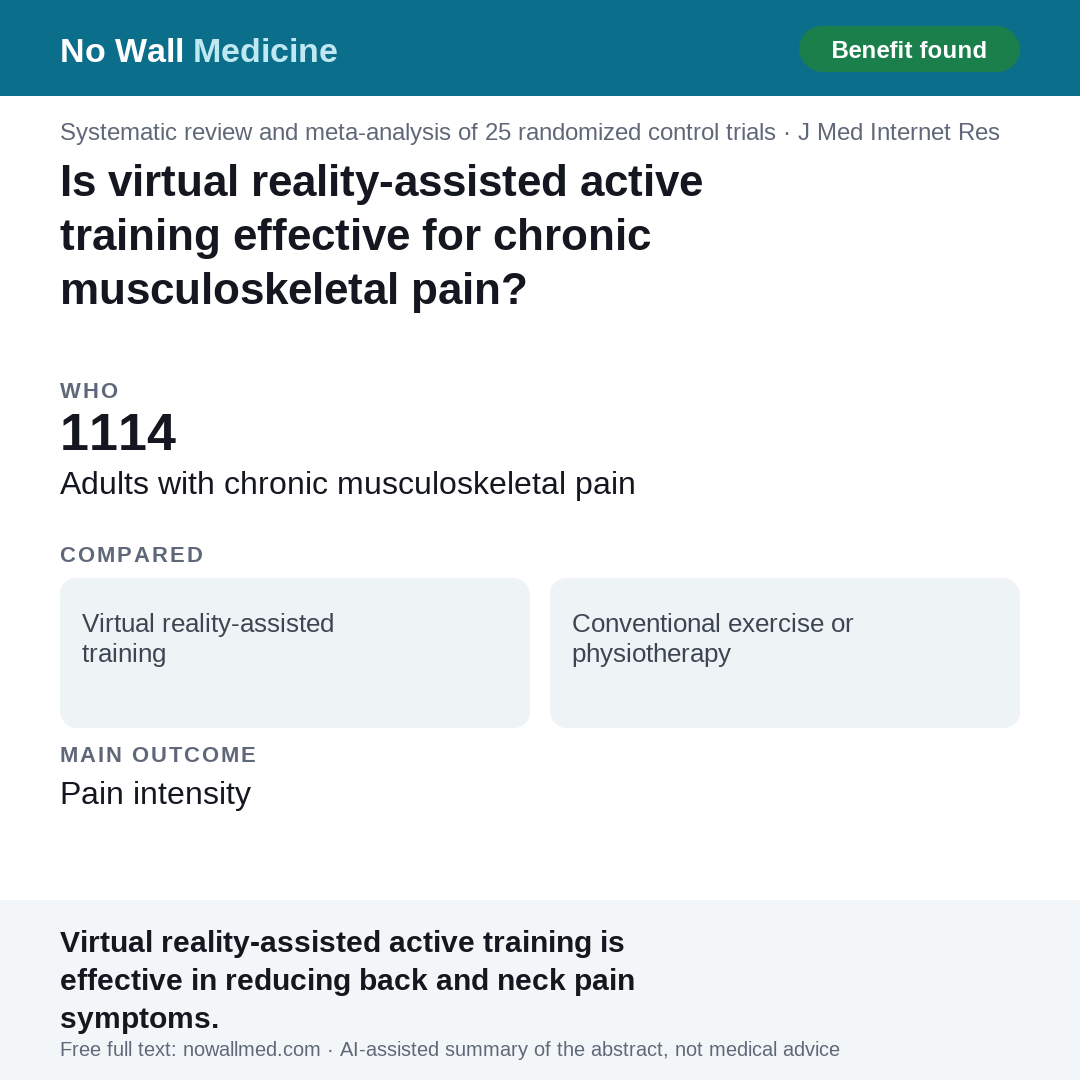
Immersive and Nonimmersive Virtual Reality-Assisted Active Training in Chronic Musculoskeletal Pain: Systematic Review and Meta-Analysis
Systematic review and meta-analysis of 25 randomized control trialsBenefit found
Is virtual reality-assisted active training effective for chronic musculoskeletal pain?
Who
1114
Adults with chronic musculoskeletal pain
Compared
Virtual reality-assisted training
Conventional exercise or physiotherapy
Main outcome
Pain intensity
Bottom line: Virtual reality-assisted active training is effective in reducing back and neck pain symptoms.
Limitation: Some studies had concerns for a high risk of bias.
J Med Internet Res · 2024-08-19Download image