Visual abstracts
New randomized trials and meta-analyses from leading journals at a glance: who was studied, what was compared, and what was found. Every paper is free to read in full.
All specialtiesCardiology 1635Oncology 1422Gastroenterology & Hepatology 609Infectious Disease 1032Neurology 668Psychiatry & Mental Health 811Pulmonology 701Critical Care 478Endocrinology & Diabetes 887Pediatrics 956Surgery 816Orthopedics & Sports Medicine 308Neurosurgery 204Cardiothoracic & Vascular Surgery 189Plastic & Reconstructive Surgery 253Nephrology 338Rheumatology 218Hematology 355Dermatology 176Ophthalmology 189Obstetrics & Gynecology 529Public & Global Health 311Radiology & Imaging 219Anesthesiology 327Urology 295ENT (Otolaryngology) 219Emergency Medicine 185Allergy & Immunology 105Geriatrics 352Family Medicine & Primary Care 199Medical Genetics & Genomics 176Pathology & Laboratory Medicine 52Physical Medicine & Rehabilitation 285Palliative Care 147Nutrition 436Digital Health & AI 864General Medicine 133
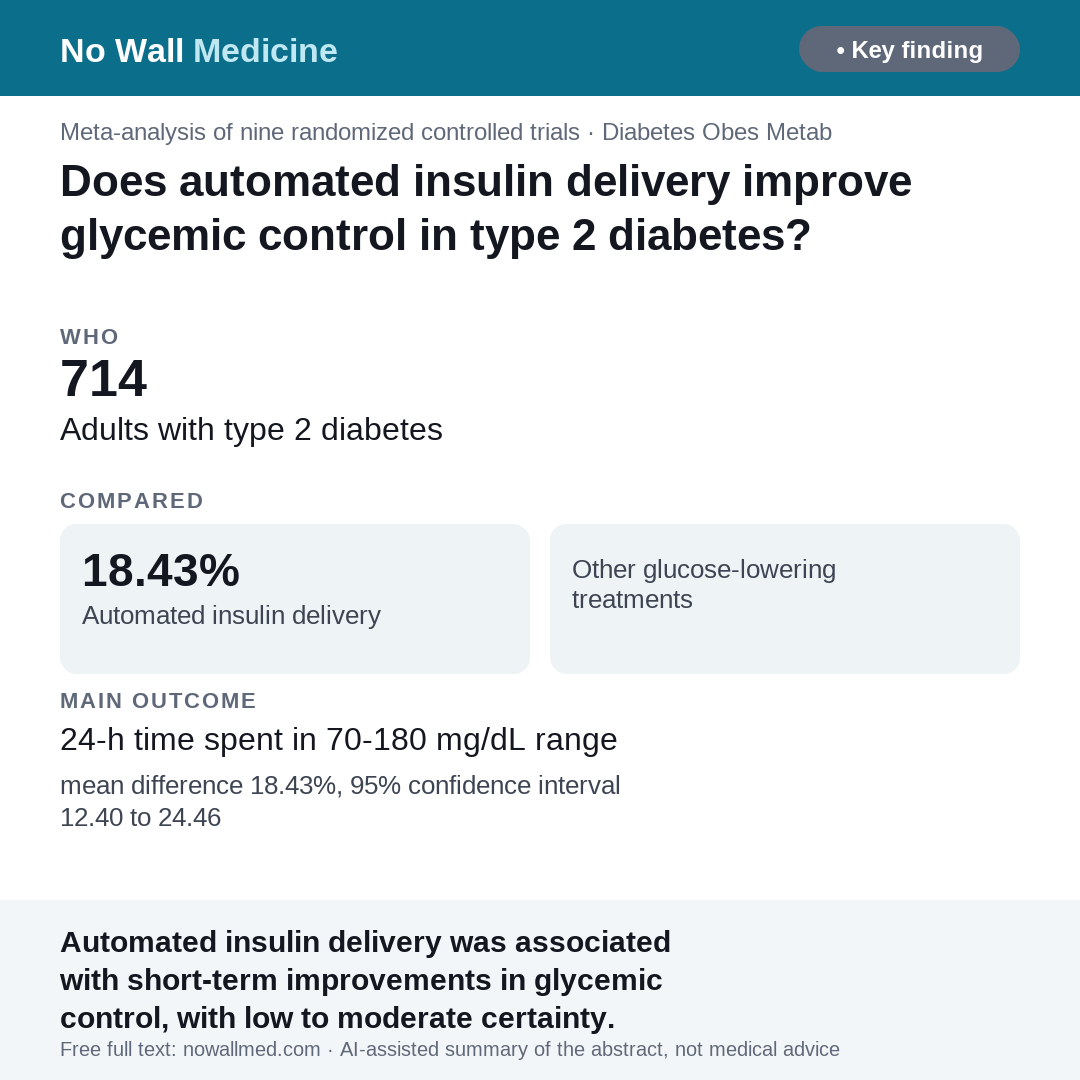
Efficacy and Safety of Automated Insulin Delivery in People With Type 2 Diabetes: A Systematic Review and Meta-Analysis
Systematic review and meta-analysisBenefit found
Is automated insulin delivery effective and safe in people with type 2 diabetes?
Who
714
Adults with type 2 diabetes
Compared
Automated insulin delivery
Other glucose-lowering treatments
Main outcome
Time in range 70-180 mg/dL
Result: mean difference 18.43%, 95% confidence interval 12.40 to 24.46
Bottom line: Automated insulin delivery improves glycemic control in type 2 diabetes, though evidence certainty is low to moderate.
Limitation: The certainty of evidence is low to moderate.
Diabetes Obes Metab · 2026-03-27Download image
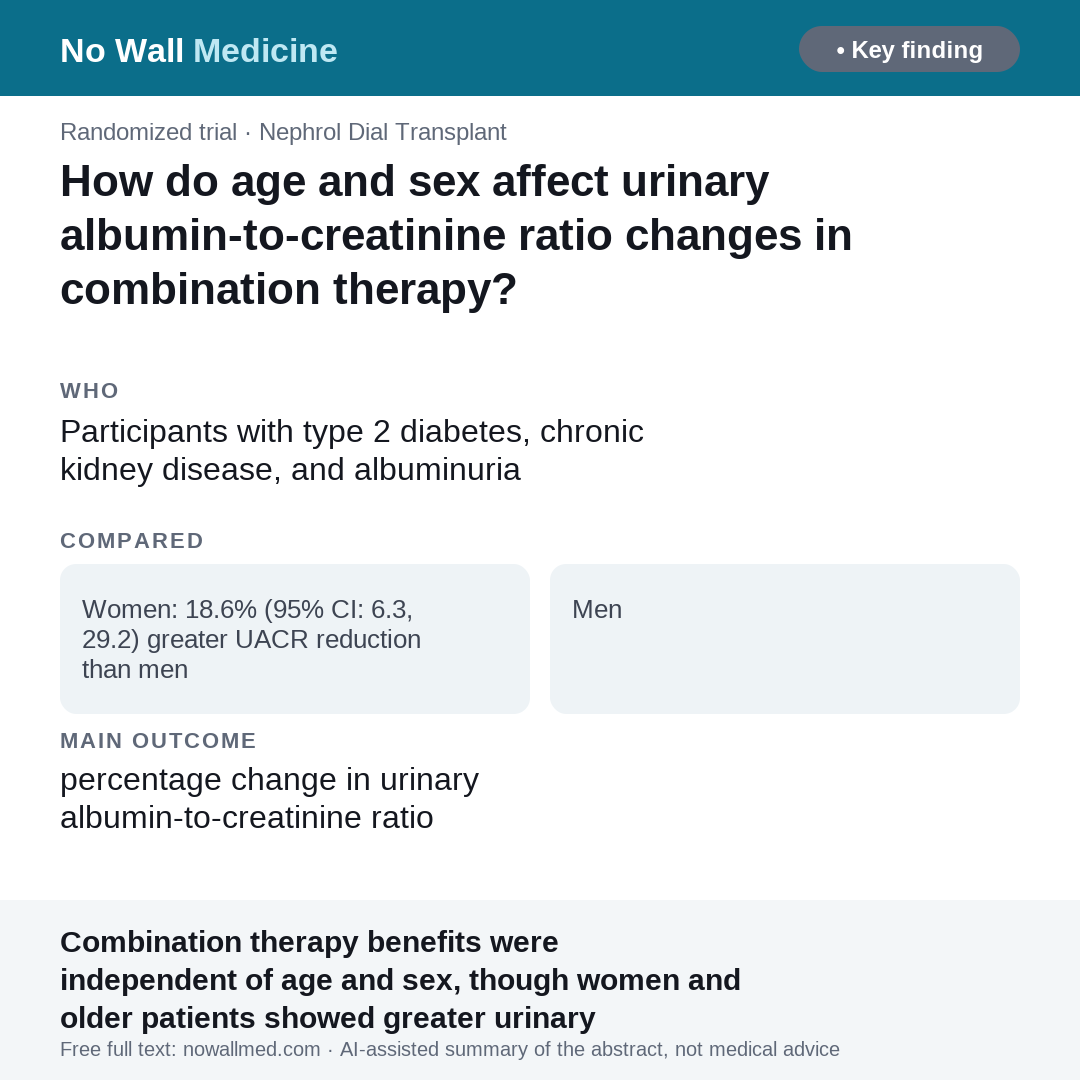
Sexual dimorphism and age effects in CKD and type 2 diabetes in the CONFIDENCE trial
Randomized trialBenefit found
How do age and sex affect urinary albumin-to-creatinine ratio changes in combination therapy?
Who
Participants with type 2 diabetes, chronic kidney disease, and albuminuria
Compared
Women: 18.6% (95% CI: 6.3, 29.2) greater UACR reduction than men
Men
Main outcome
percentage change in urinary albumin-to-creatinine ratio
Result: -10.2% (95% CI: -15.5, -4.6) incremental change per 10-year age increase
Bottom line: Combination therapy benefits were independent of age and sex, though women and older patients showed greater urinary albumin-to-creatinine ratio reduction.
Nephrol Dial Transplant · 2026-03-27Download image
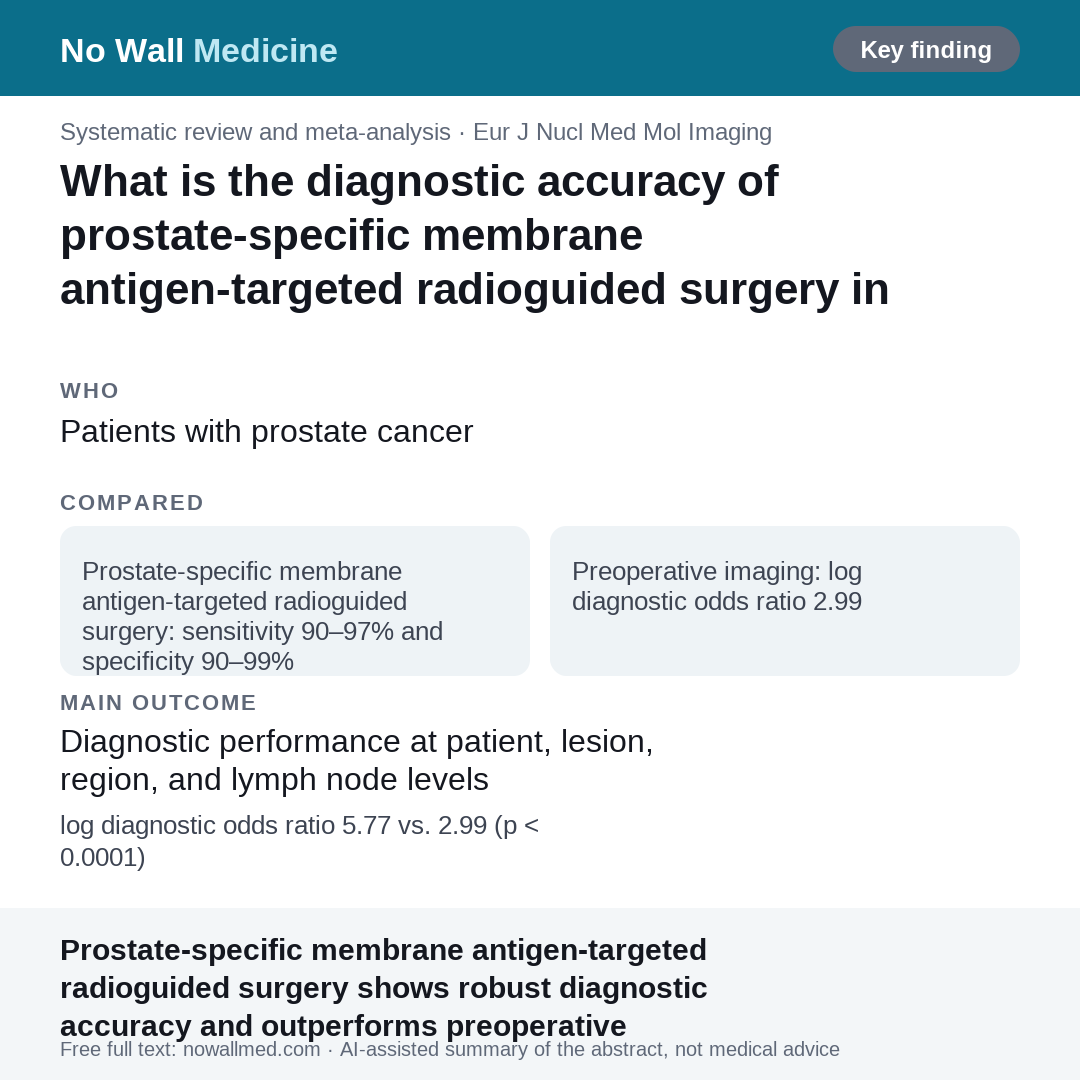
Diagnostic accuracy of PSMA-targeted radioguided surgery in prostate cancer at multiple anatomical levels: a systematic review and meta-analysis
Systematic review and meta-analysisBenefit found
What is the diagnostic accuracy of prostate-specific membrane antigen-targeted radioguided surgery in prostate cancer?
Who
Patients with prostate cancer
Compared
Prostate-specific membrane antigen-targeted radioguided surgery: sensitivity 90–97% and specificity 90–99%
Preoperative imaging: log diagnostic odds ratio 2.99
Main outcome
Diagnostic performance at patient, lesion, region, and lymph node levels
Result: log diagnostic odds ratio 5.77 vs. 2.99 (p < 0.0001)
Bottom line: Prostate-specific membrane antigen-targeted radioguided surgery shows robust diagnostic accuracy and outperforms preoperative imaging in prostate cancer.
Eur J Nucl Med Mol Imaging · 2026-03-27Download image
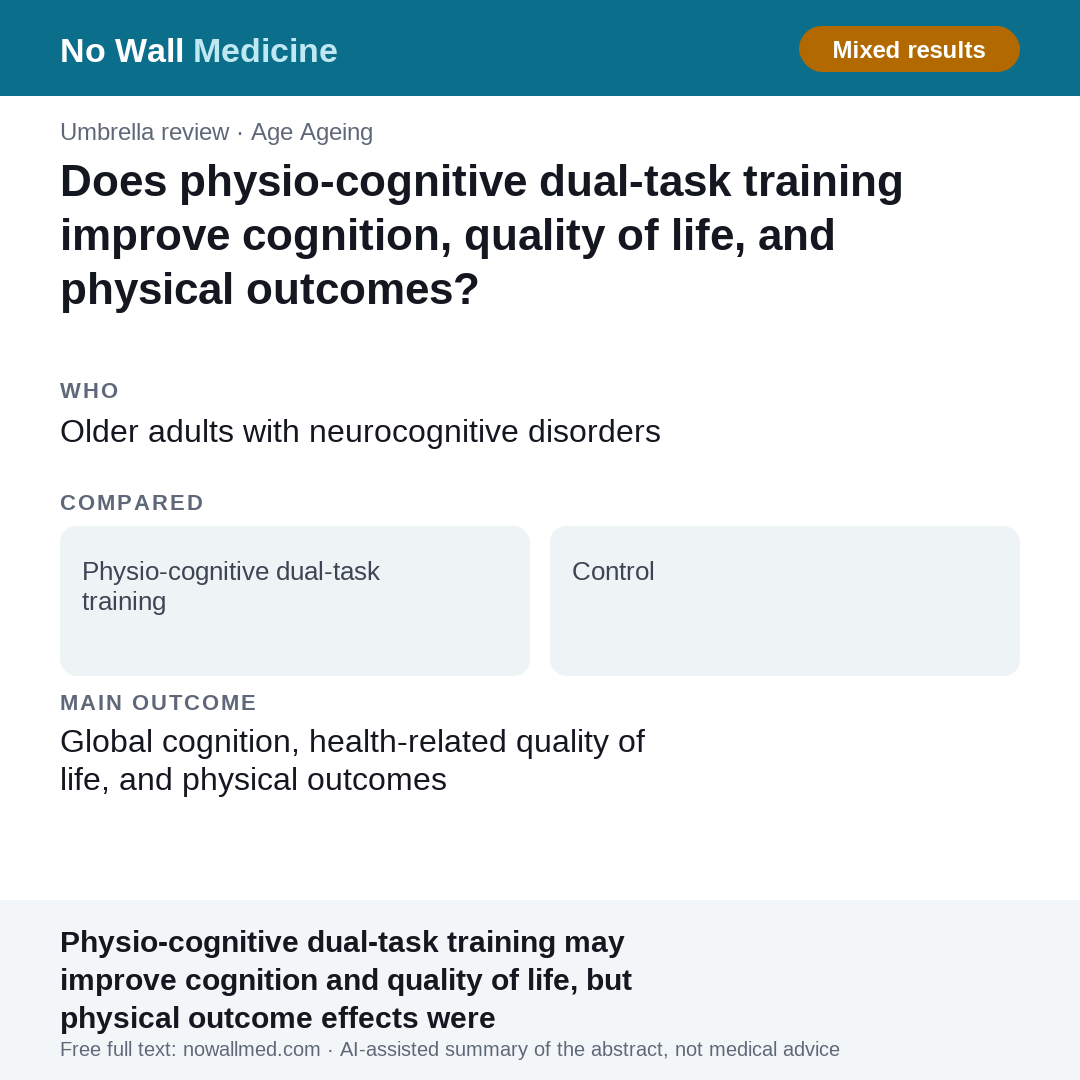
Effectiveness of physio-cognitive dual-task training on improving global cognition, health-related quality of life, and physical outcomes among older adults with neurocognitive disorders: an umbrella review
Umbrella reviewMixed results
Does physio-cognitive dual-task training improve cognition, quality of life, and physical outcomes?
Who
Older adults with neurocognitive disorders
Compared
Physio-cognitive dual-task training
Control
Main outcome
Global cognition, health-related quality of life, and physical outcomes
Bottom line: Physio-cognitive dual-task training may improve cognition and quality of life, but physical outcome effects were non-significant.
Limitation: Most reviews were low or critically low quality and evidence certainty was low.
Age Ageing · 2026-03-27Download image
Nasal Aesthetic Preferences Across Populations: A Systematic Review of Cultural, Ethnic, and Generational Trends
Systematic reviewMixed results
What are the nasal aesthetic preferences across different cultures, ethnicities, and generations?
Who
25,382
Adult populations aged 18 years or older · Multiple databases including PubMed, Embase, Web of Science, and PsycINFO
Compared
North American Caucasians: slight dorsal scoop with mild underprojection
East Asian and Middle Eastern groups: straight dorsum with more obtuse nasolabial angles
Millennials and Generation Z: longer, straighter noses with augmented radix and reduced rotation
Main outcome
Nasal aesthetic preferences and regional variations
Bottom line: Nasal aesthetic preferences vary by culture and generation, requiring a personalized and culturally sensitive approach to rhinoplasty.
Limitation: Notable contradictions and the underrepresentation of Black populations were highlighted.
Aesthet Surg J · 2026-03-27Download image

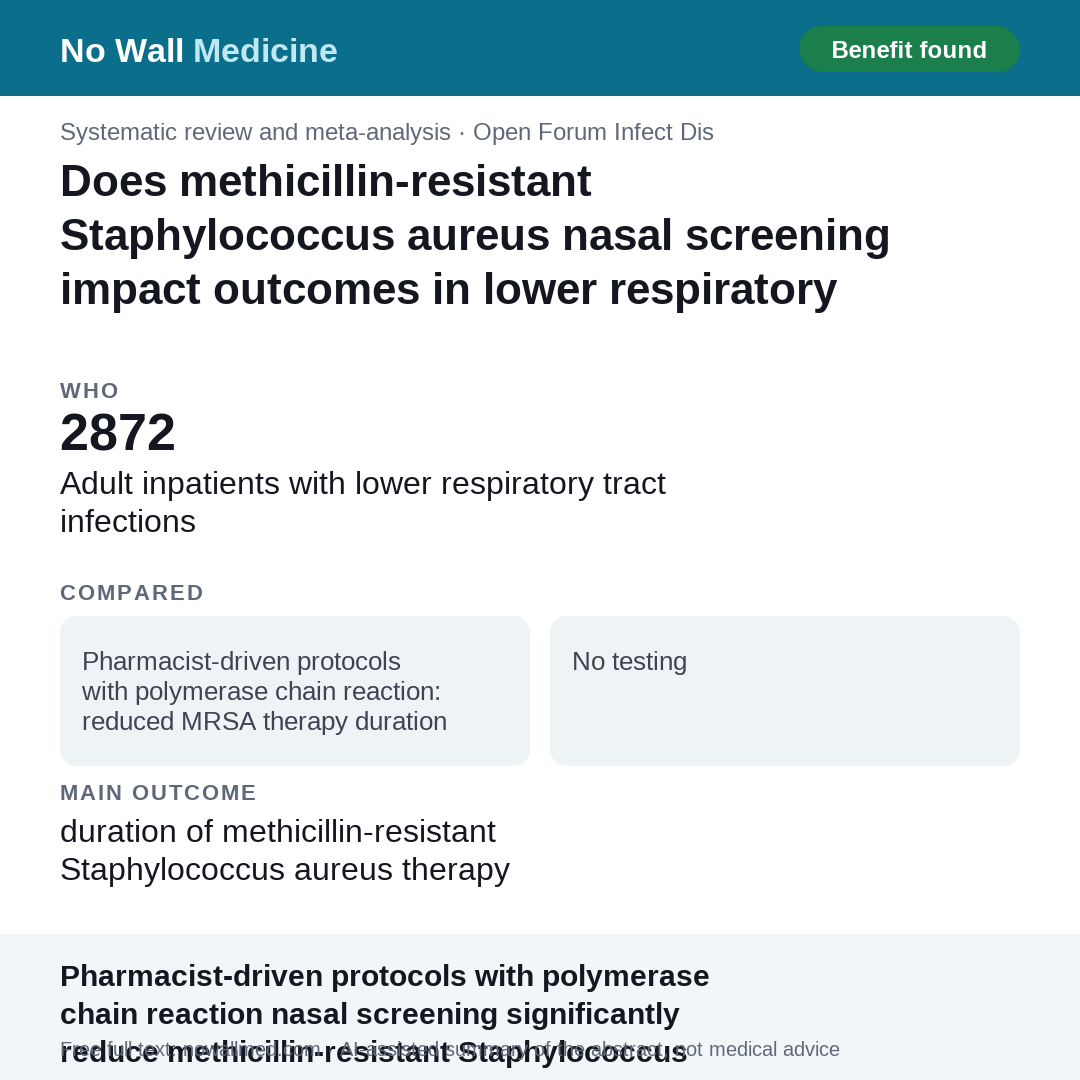
Impact of Methicillin-Resistant Staphylococcus aureus Nasal Screening in Lower Respiratory Tract Infections: A Systematic Review Incorporating Network and Bayesian Meta-Analyses
Systematic review and meta-analysisBenefit found
Does methicillin-resistant Staphylococcus aureus nasal screening impact outcomes in lower respiratory tract infections?
Who
2872
Adult inpatients with lower respiratory tract infections
Compared
Pharmacist-driven protocols with polymerase chain reaction: reduced MRSA therapy duration
No testing
Main outcome
duration of methicillin-resistant Staphylococcus aureus therapy
Result: mean difference -1.34 days (95% CI -1.59 to -1.08)
Bottom line: Pharmacist-driven protocols with polymerase chain reaction nasal screening significantly reduce methicillin-resistant Staphylococcus aureus therapy duration and improve clinical outcomes.
Open Forum Infect Dis · 2026-03-27Download image
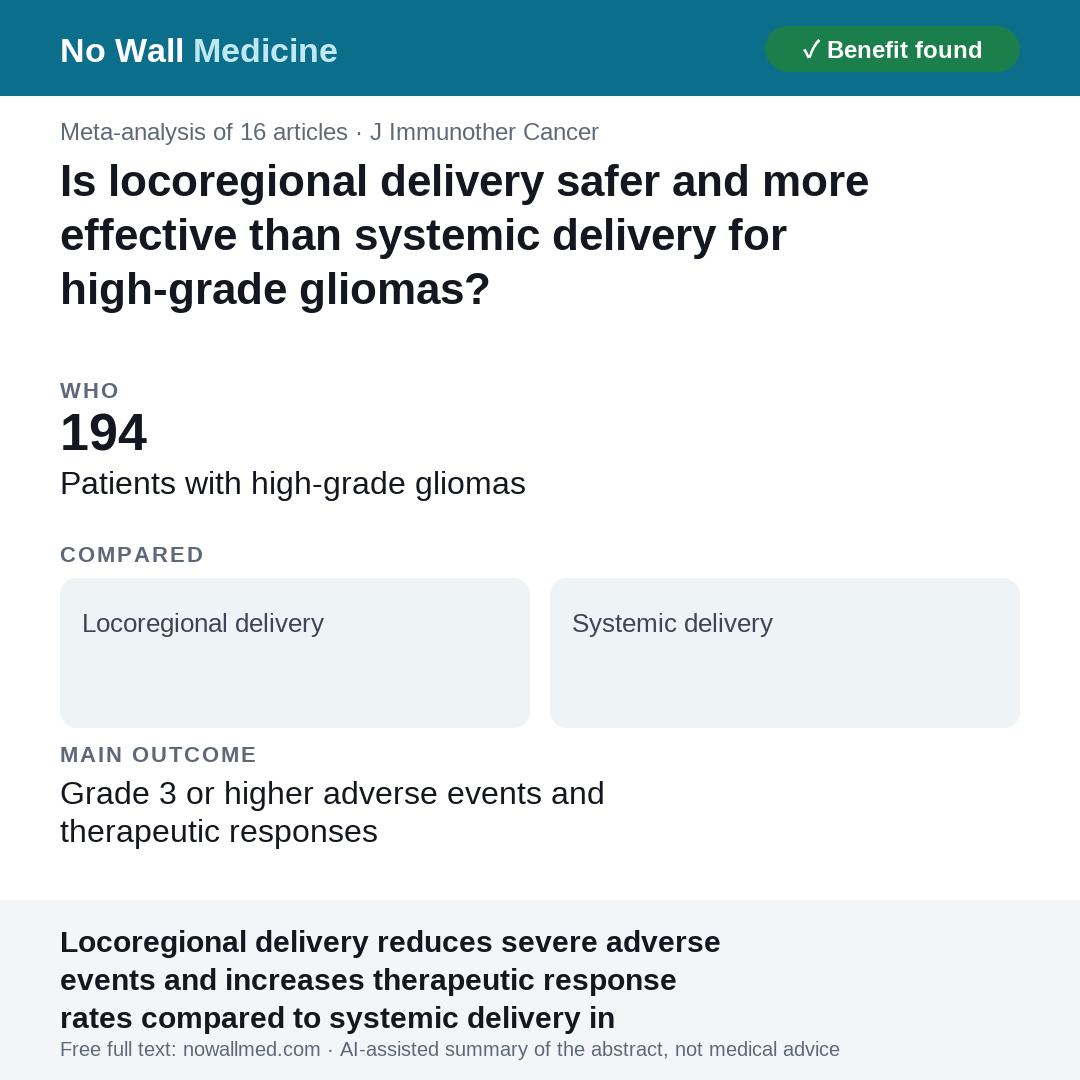
Locoregional delivery of CAR T cells in high-grade gliomas: a systematic analysis of safety, efficacy, and emerging biomarkers of response
Meta-analysis of 16 articlesBenefit found
Is locoregional delivery safer and more effective than systemic delivery for high-grade gliomas?
Who
194
Patients with high-grade gliomas
Compared
Locoregional delivery
Systemic delivery
Main outcome
Grade 3 or higher adverse events and therapeutic responses
Result: RR 0.39 (95% CI 0.30 to 0.52) for adverse events; RR 3.79 (95% CI 1.23 to 11.70) for responses
Bottom line: Locoregional delivery reduces severe adverse events and increases therapeutic response rates compared to systemic delivery in high-grade gliomas.
J Immunother Cancer · 2026-03-27Download image
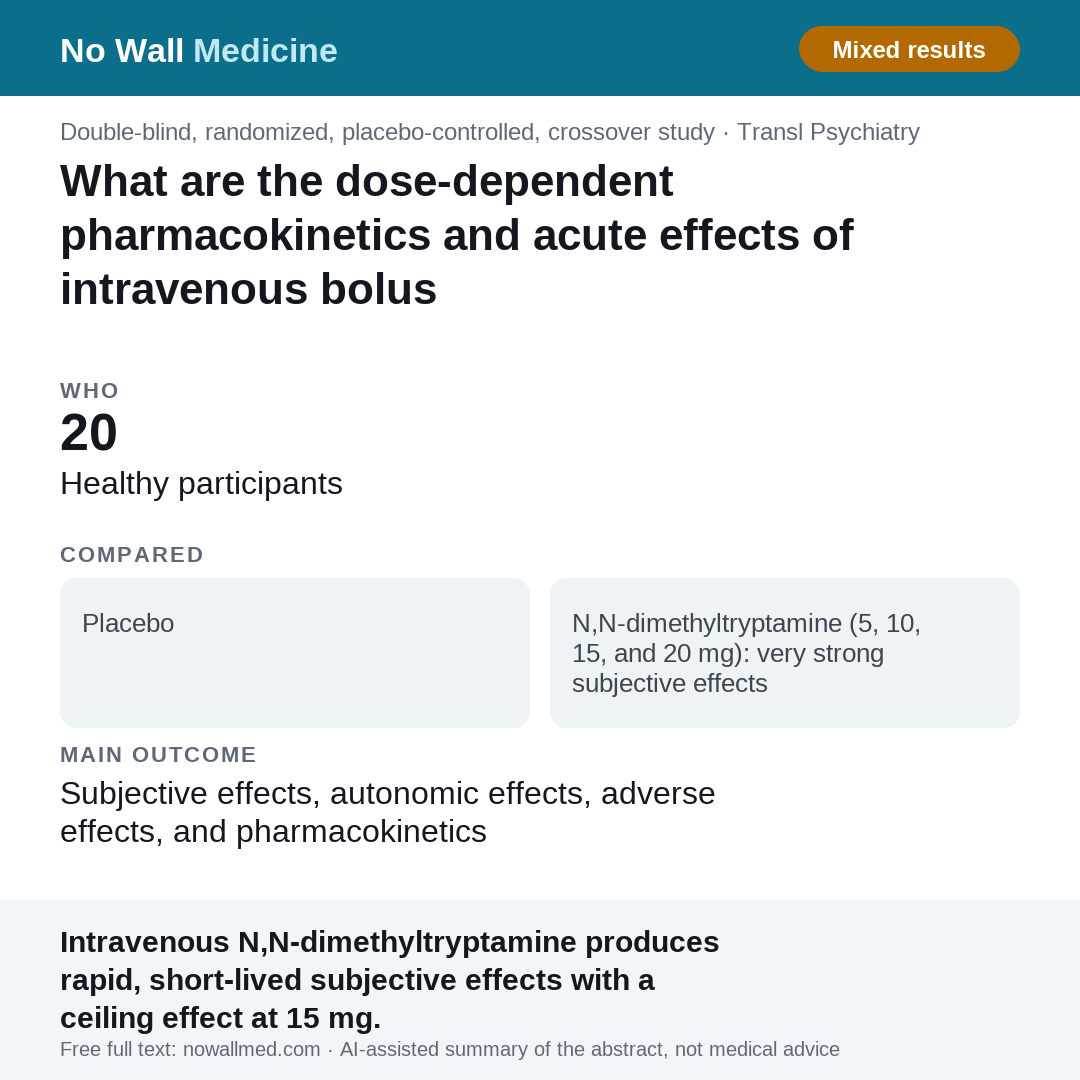
Dose-dependent pharmacokinetics and acute effects of intravenous bolus N,N-dimethyltryptamine: double-blind, randomized versus open-label dose-escalation administration study in healthy participants
Double-blind, randomized, placebo-controlled, crossover studyMixed results
What are the dose-dependent pharmacokinetics and acute effects of intravenous bolus N,N-dimethyltryptamine?
Who
20
Healthy participants
Compared
Placebo
N,N-dimethyltryptamine (5, 10, 15, and 20 mg): very strong subjective effects
Main outcome
Subjective effects, autonomic effects, adverse effects, and pharmacokinetics
Bottom line: Intravenous N,N-dimethyltryptamine produces rapid, short-lived subjective effects with a ceiling effect at 15 mg.
Limitation: Tolerability and intensity were impacted by blinding and expectancy.
Transl Psychiatry · 2026-03-27Download image
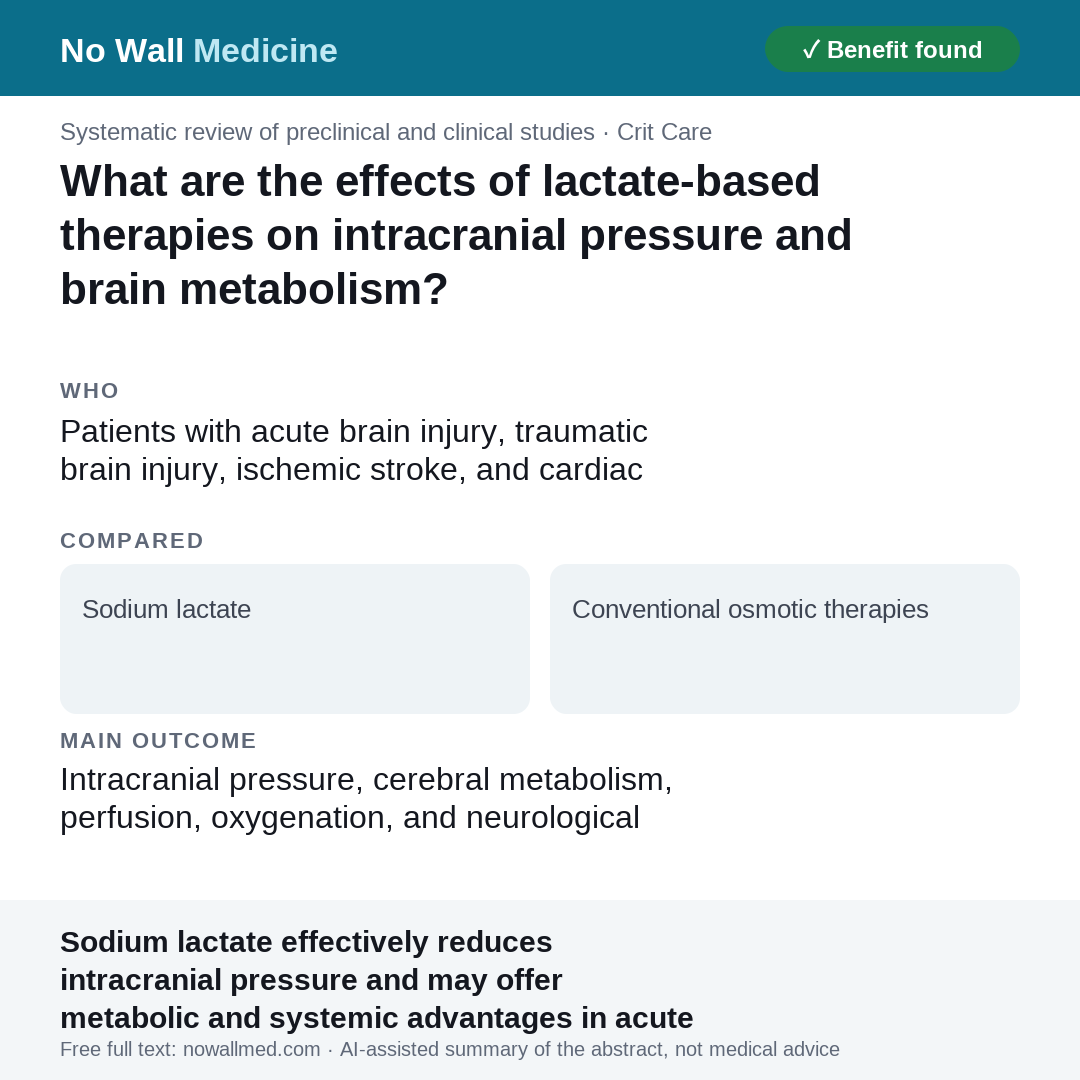
Effects of lactate-based therapies on intracranial pressure and brain metabolism of patients with acute brain injury: a systematic review
Systematic review of preclinical and clinical studiesBenefit found
What are the effects of lactate-based therapies on intracranial pressure and brain metabolism?
Who
Patients with acute brain injury, traumatic brain injury, ischemic stroke, and cardiac arrest
Compared
Sodium lactate
Conventional osmotic therapies
Main outcome
Intracranial pressure, cerebral metabolism, perfusion, oxygenation, and neurological outcomes
Bottom line: Sodium lactate effectively reduces intracranial pressure and may offer metabolic and systemic advantages in acute brain injury.
Limitation: Metabolic benefits were inconsistent and functional outcome data were limited.
Crit Care · 2026-03-27Download image
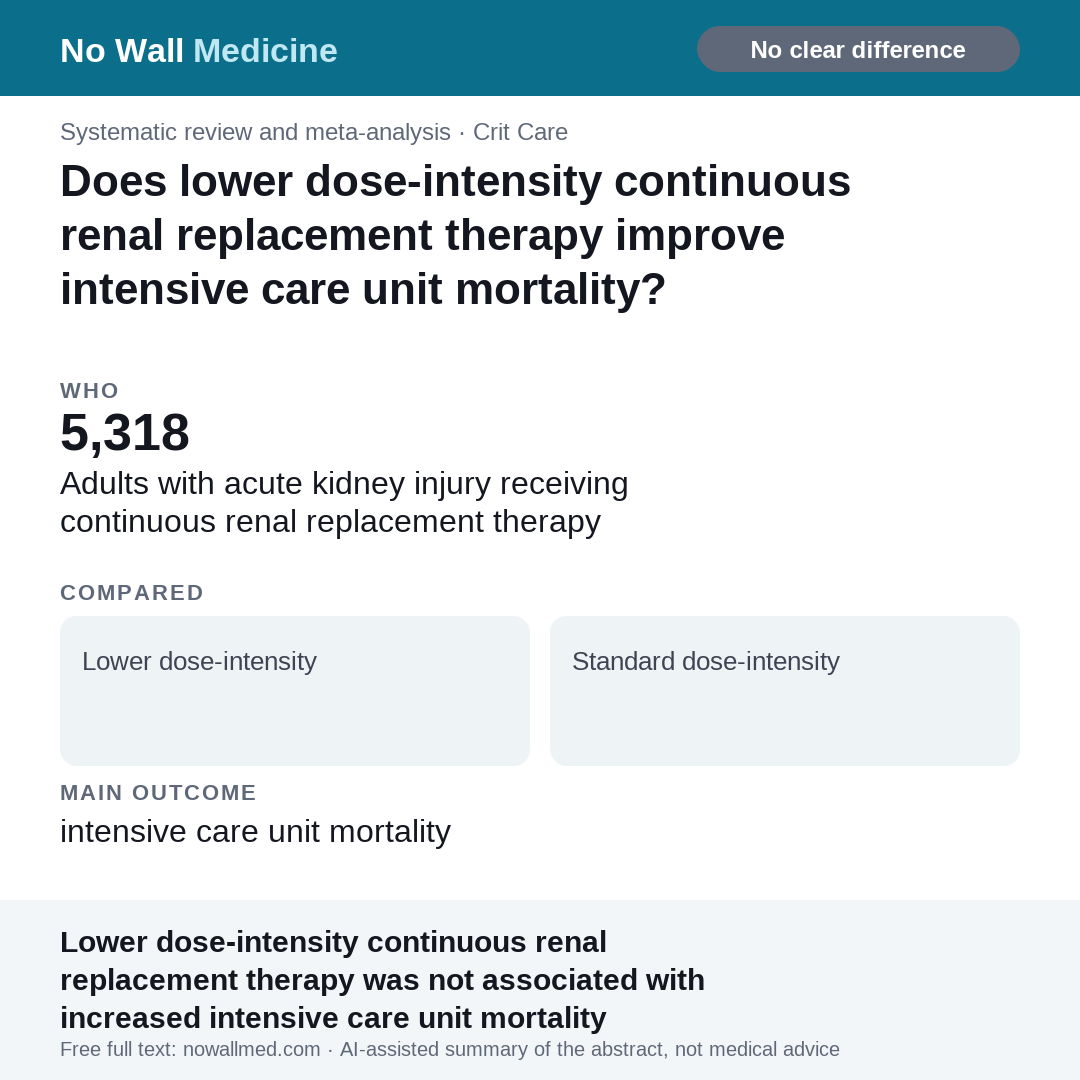
Lower versus standard dose-intensity continuous renal replacement therapy: a systematic review and meta-analysis
Systematic review and meta-analysisNo clear difference
Does lower dose-intensity continuous renal replacement therapy improve intensive care unit mortality?
Who
5,318
Adults with acute kidney injury receiving continuous renal replacement therapy
Compared
Lower dose-intensity
Standard dose-intensity
Main outcome
intensive care unit mortality
Result: OR 0.77 (95% CI 0.60–0.98)
Bottom line: Lower dose-intensity continuous renal replacement therapy was not associated with increased intensive care unit mortality among critically ill adults.
Limitation: Most cohort studies had serious risk of bias and certainty of evidence was very low.
Crit Care · 2026-03-27Download image
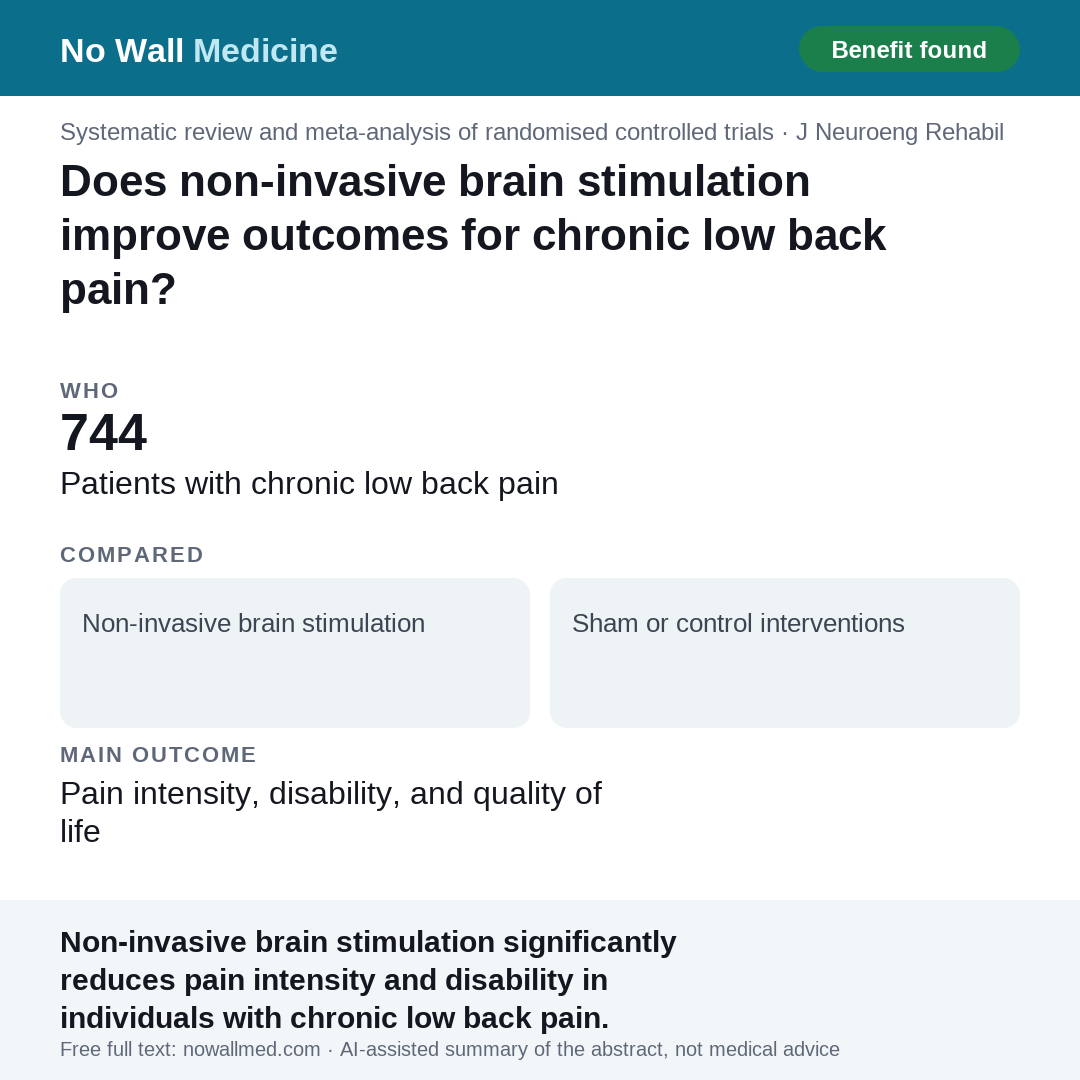
Efficacy and safety of non-invasive brain stimulation for chronic low back pain: a systematic review and meta-analysis of randomised controlled trials
Systematic review and meta-analysis of randomised controlled trialsBenefit found
Does non-invasive brain stimulation improve outcomes for chronic low back pain?
Who
744
Patients with chronic low back pain
Compared
Non-invasive brain stimulation
Sham or control interventions
Main outcome
Pain intensity, disability, and quality of life
Result: standardised mean difference -0.85 (-1.21, -0.49) for pain intensity
Bottom line: Non-invasive brain stimulation significantly reduces pain intensity and disability in individuals with chronic low back pain.
Limitation: Very low to moderate evidence quality
J Neuroeng Rehabil · 2026-03-27Download image
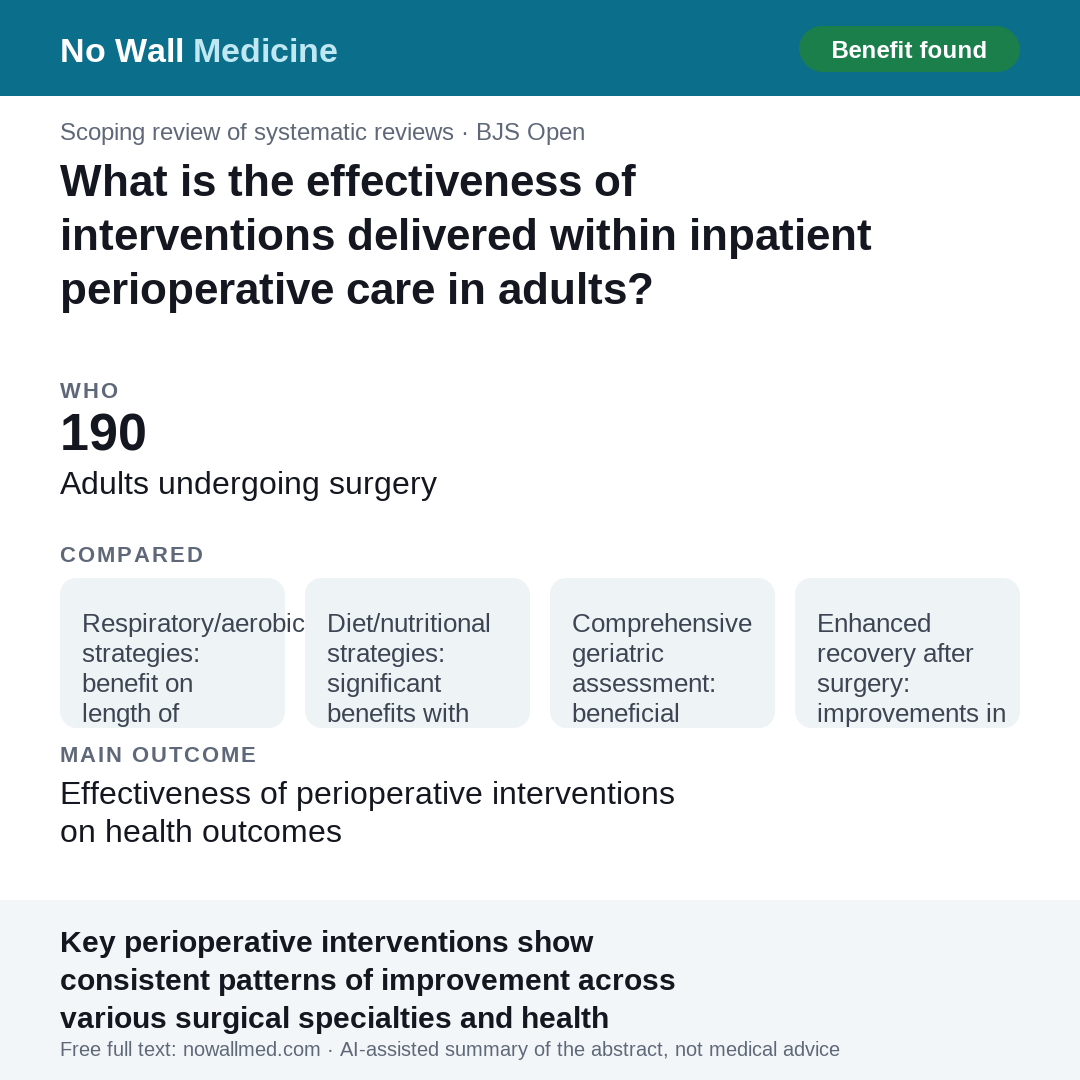
Effectiveness of interventions delivered within inpatient perioperative care in adults undergoing surgery: scoping review of systematic reviews
Scoping review of systematic reviewsBenefit found
What is the effectiveness of interventions delivered within inpatient perioperative care in adults?
Who
190
Adults undergoing surgery
Compared
Respiratory/aerobic strategies: benefit on length of hospital stay, postoperative complications, and 6-minute walk test
Diet/nutritional strategies: significant benefits with regard to length of hospital stay, postoperative complications, and surgical site infections
Comprehensive geriatric assessment: beneficial effect on mortality, length of hospital stay, and activities of daily living
Enhanced recovery after surgery: improvements in length of hospital stay, postoperative complications, and morbidity
Main outcome
Effectiveness of perioperative interventions on health outcomes
Bottom line: Key perioperative interventions show consistent patterns of improvement across various surgical specialties and health outcomes.
BJS Open · 2026-03-27Download image
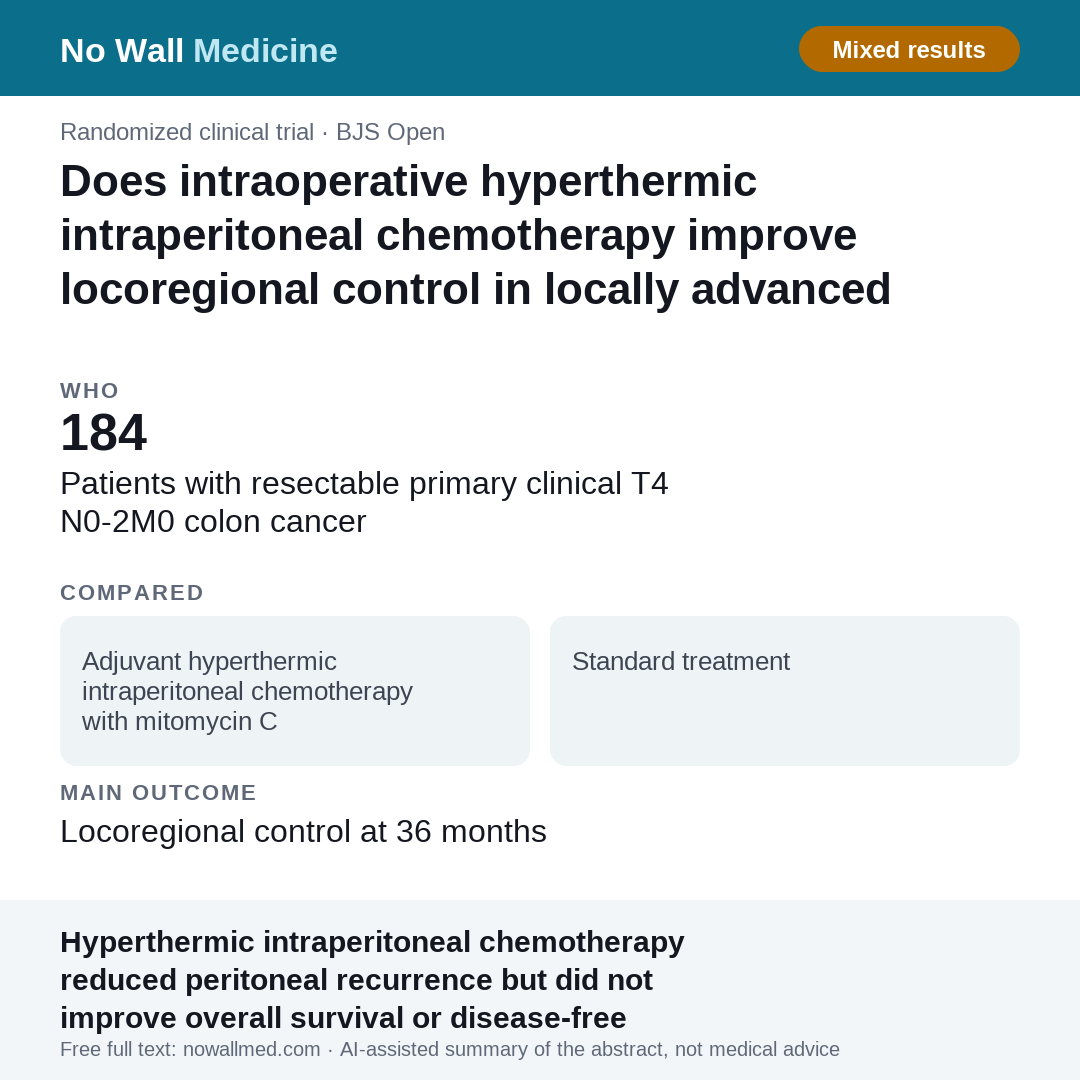
Efficacy and safety of intraoperative hyperthermic intraperitoneal chemotherapy for locally advanced colorectal cancer (HIPECT4): final analysis of randomized clinical trial
Randomized clinical trialMixed results
Does intraoperative hyperthermic intraperitoneal chemotherapy improve locoregional control in locally advanced colon cancer?
Who
184
Patients with resectable primary clinical T4 N0-2M0 colon cancer
Compared
Adjuvant hyperthermic intraperitoneal chemotherapy with mitomycin C
Standard treatment
Main outcome
Locoregional control at 36 months
Result: hazard ratio 0.19 (95% confidence interval 0.04 to 0.86)
Bottom line: Hyperthermic intraperitoneal chemotherapy reduced peritoneal recurrence but did not improve overall survival or disease-free survival.
BJS Open · 2026-03-27Download image
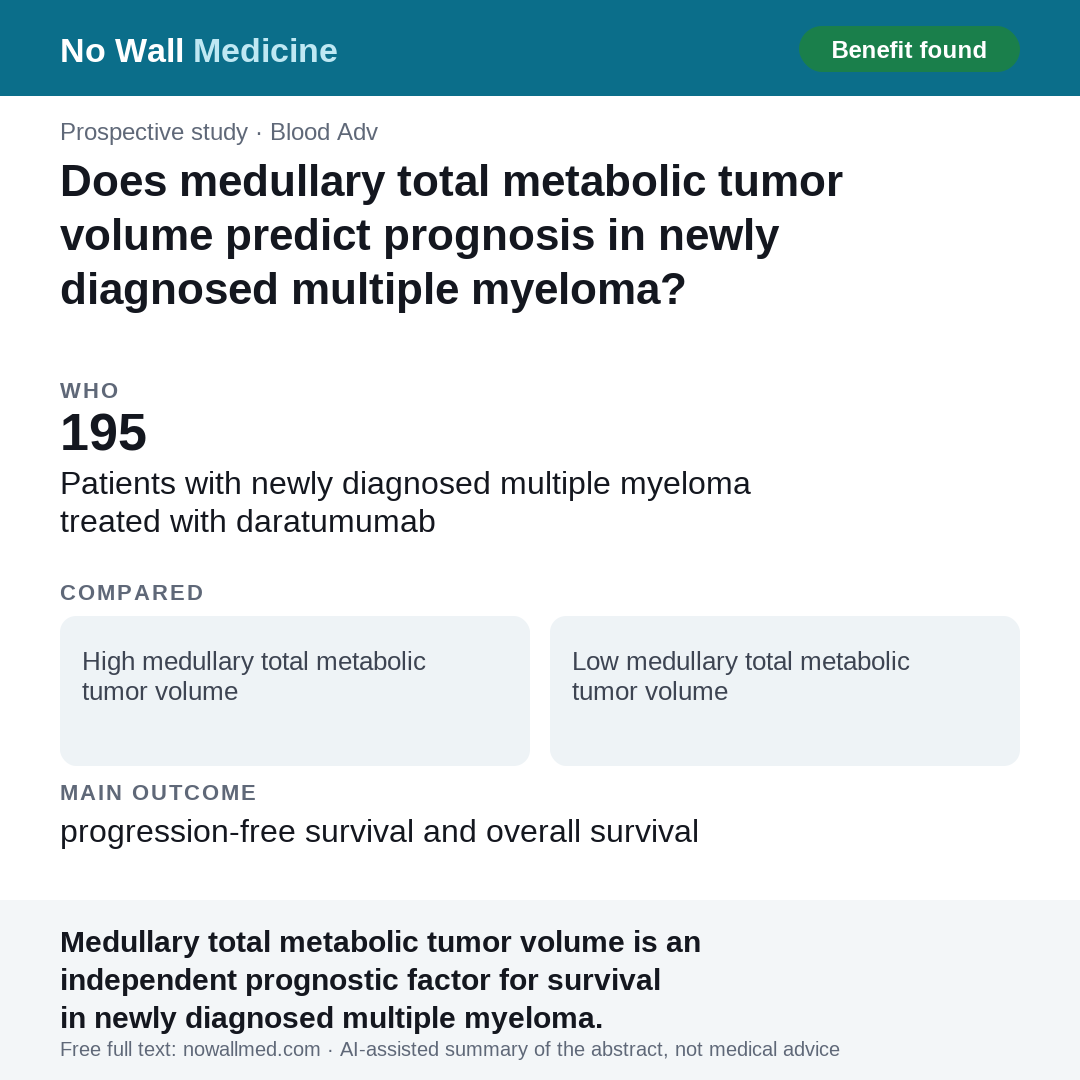
FDG-PET medullary total tumor volume highlights high-risk patients with newly diagnosed multiple myeloma in CASSIOPEIA trial
Prospective studyBenefit found
Does medullary total metabolic tumor volume predict prognosis in newly diagnosed multiple myeloma?
Who
195
Patients with newly diagnosed multiple myeloma treated with daratumumab
Compared
High medullary total metabolic tumor volume
Low medullary total metabolic tumor volume
Main outcome
progression-free survival and overall survival
Bottom line: Medullary total metabolic tumor volume is an independent prognostic factor for survival in newly diagnosed multiple myeloma.
Blood Adv · 2026-03-27Download image
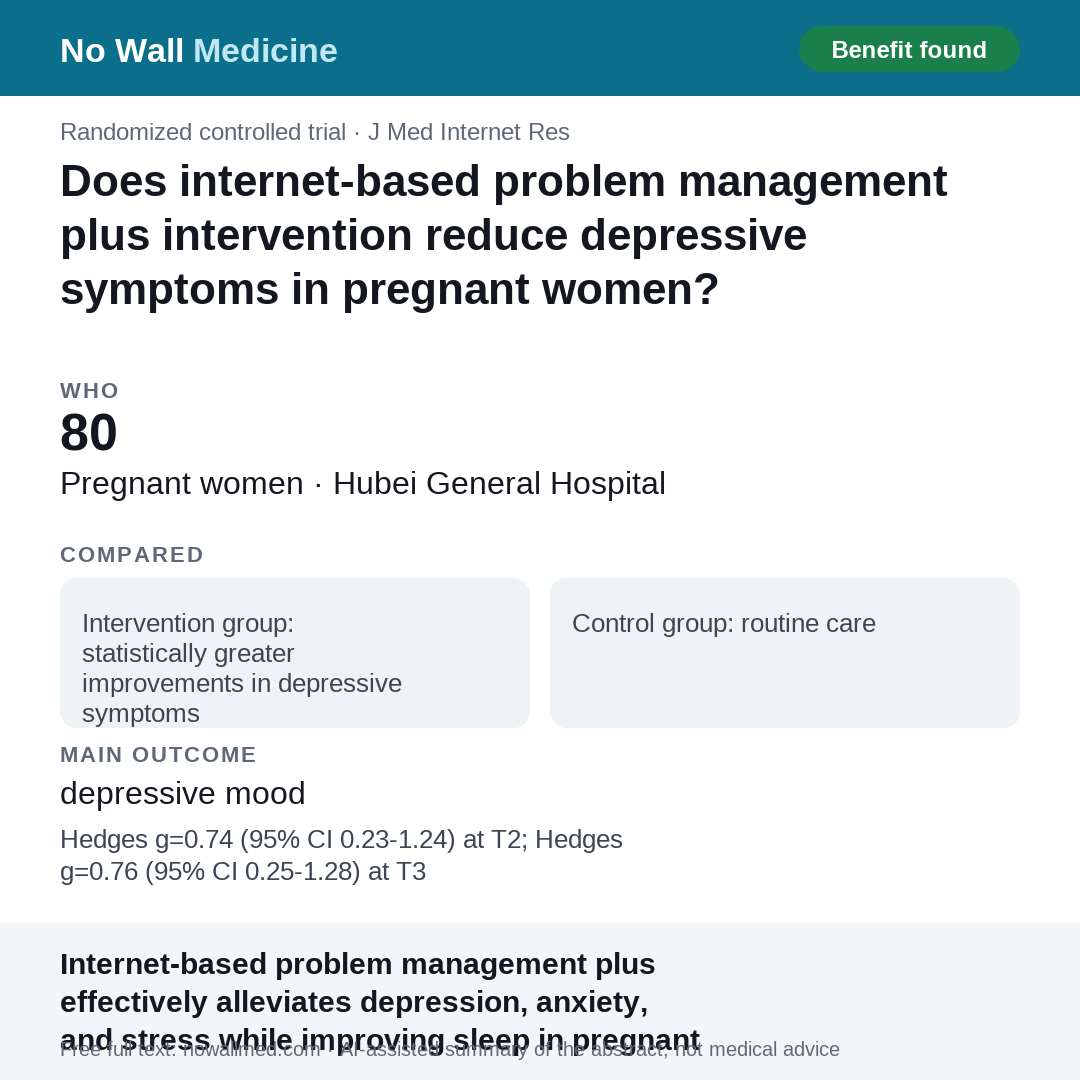
Internet-Based Problem Management Plus Intervention for Antenatal Depression: Randomized Controlled Trial
Randomized controlled trialBenefit found
Does internet-based problem management plus intervention reduce depressive symptoms in pregnant women?
Who
80
Pregnant women · Hubei General Hospital
Compared
Intervention group: statistically greater improvements in depressive symptoms
Control group: routine care
Main outcome
depressive mood
Result: Hedges g=0.74 (95% CI 0.23-1.24) at T2; Hedges g=0.76 (95% CI 0.25-1.28) at T3
Bottom line: Internet-based problem management plus effectively alleviates depression, anxiety, and stress while improving sleep in pregnant women.
J Med Internet Res · 2026-03-27Download image
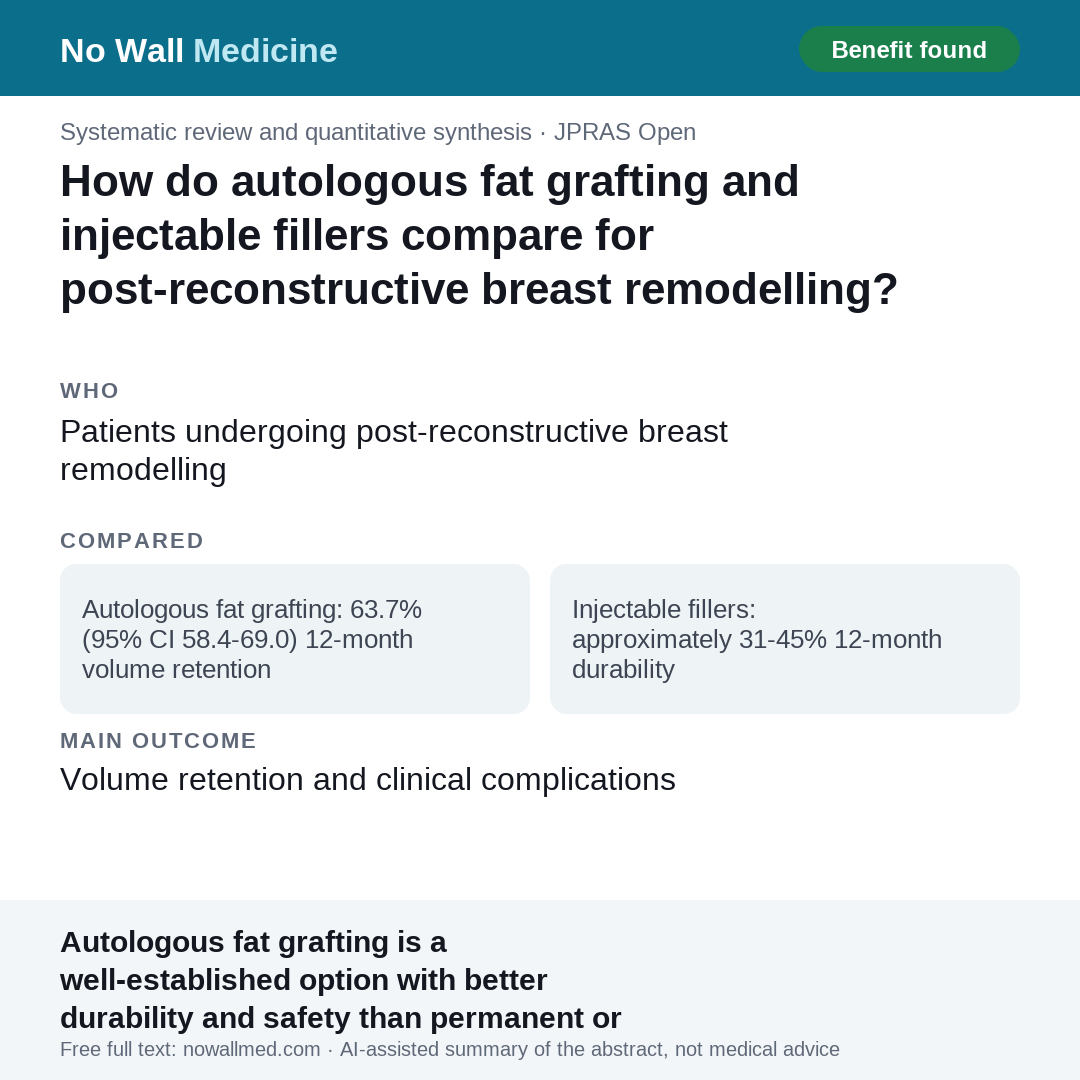
Autologous fat grafting and injectable fillers for post-reconstructive breast remodelling: A systematic review and quantitative synthesis
Systematic review and quantitative synthesisBenefit found
How do autologous fat grafting and injectable fillers compare for post-reconstructive breast remodelling?
Who
Patients undergoing post-reconstructive breast remodelling
Compared
Autologous fat grafting: 63.7% (95% CI 58.4-69.0) 12-month volume retention
Injectable fillers: approximately 31-45% 12-month durability
Main outcome
Volume retention and clinical complications
Bottom line: Autologous fat grafting is a well-established option with better durability and safety than permanent or semi-permanent fillers.
Limitation: Heterogeneity in filler product type, definitions, and follow-up limited formal pooling.
JPRAS Open · 2026-03-27Download image
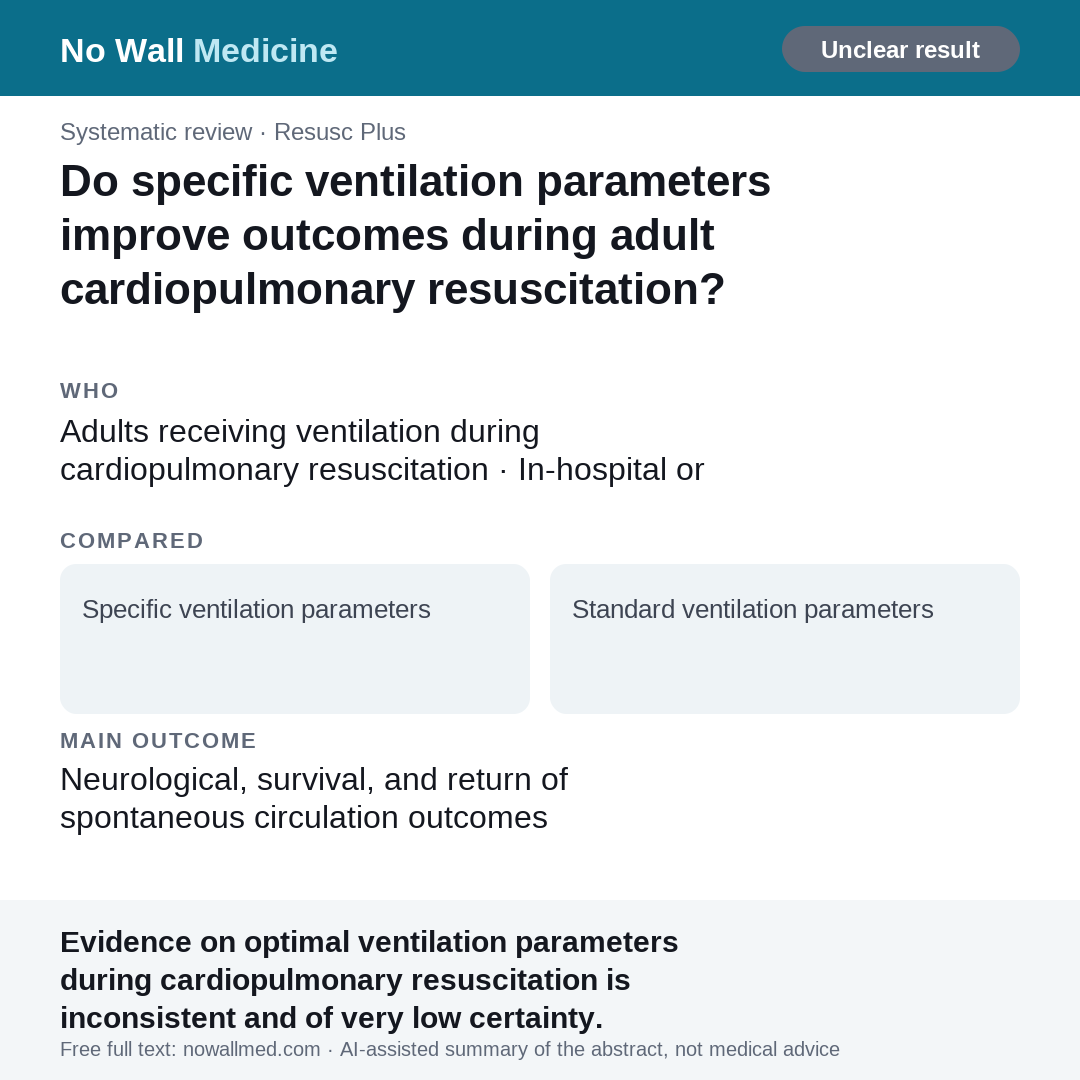
Ventilation parameters during adult cardiopulmonary resuscitation: a systematic review
Systematic reviewUnclear result
Do specific ventilation parameters improve outcomes during adult cardiopulmonary resuscitation?
Who
Adults receiving ventilation during cardiopulmonary resuscitation · In-hospital or out-of-hospital cardiac arrest
Compared
Specific ventilation parameters
Standard ventilation parameters
Main outcome
Neurological, survival, and return of spontaneous circulation outcomes
Bottom line: Evidence on optimal ventilation parameters during cardiopulmonary resuscitation is inconsistent and of very low certainty.
Limitation: Very low certainty limited by bias, inconsistency, indirectness, and imprecision.
Resusc Plus · 2026-03-27Download image
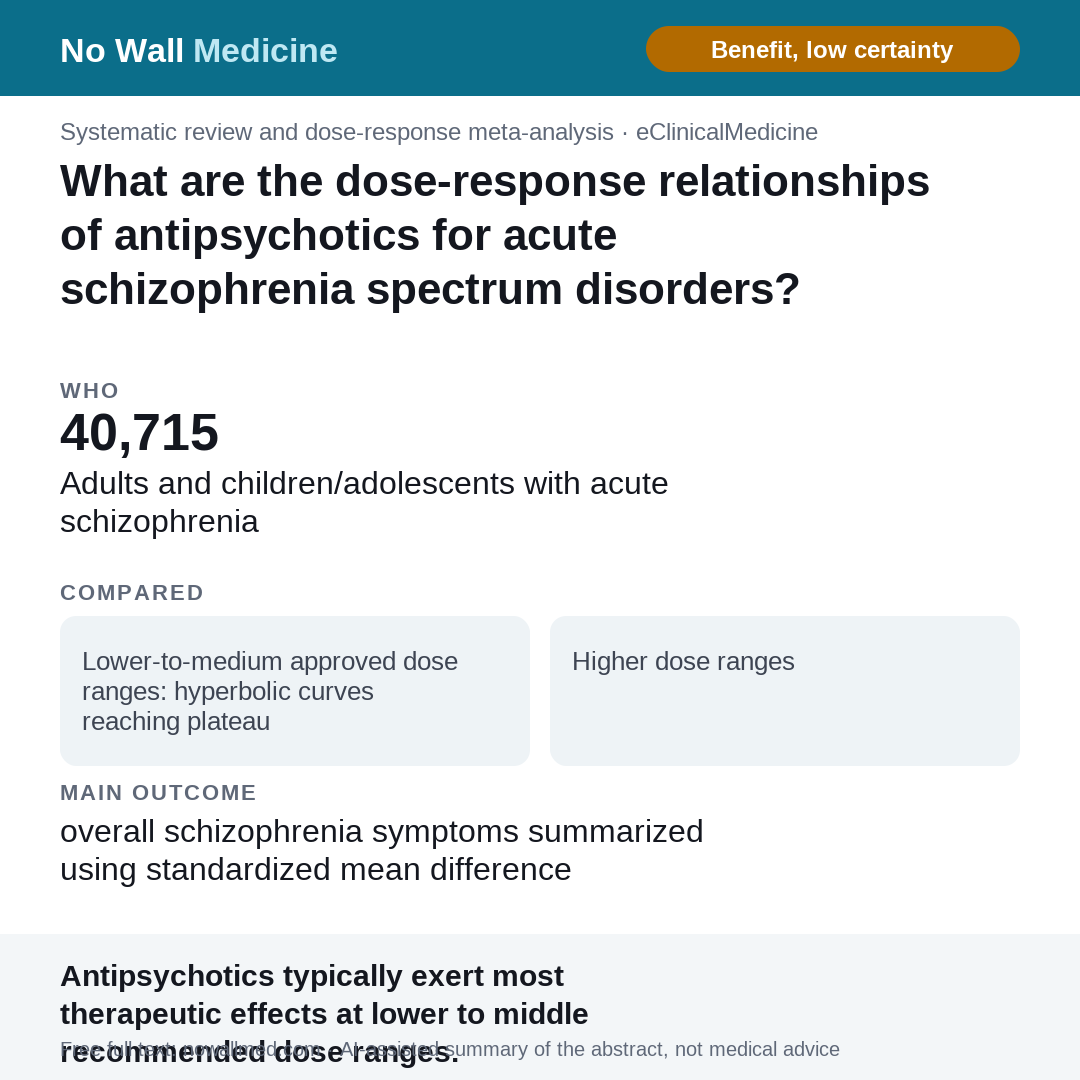
Antipsychotic dose and efficacy for acute schizophrenia spectrum disorders: an updated systematic review and dose-response meta-analysis
Systematic review and dose-response meta-analysisBenefit found
What are the dose-response relationships of antipsychotics for acute schizophrenia spectrum disorders?
Who
40,715
Adults and children/adolescents with acute schizophrenia
Compared
Lower-to-medium approved dose ranges: hyperbolic curves reaching plateau
Higher dose ranges
Main outcome
overall schizophrenia symptoms summarized using standardized mean difference
Bottom line: Antipsychotics typically exert most therapeutic effects at lower to middle recommended dose ranges.
Funded by: German Research Foundation, DZPG, BMFTR, and SENSHIN Medical Research Foundation
eClinicalMedicine · 2026-03-26Download image
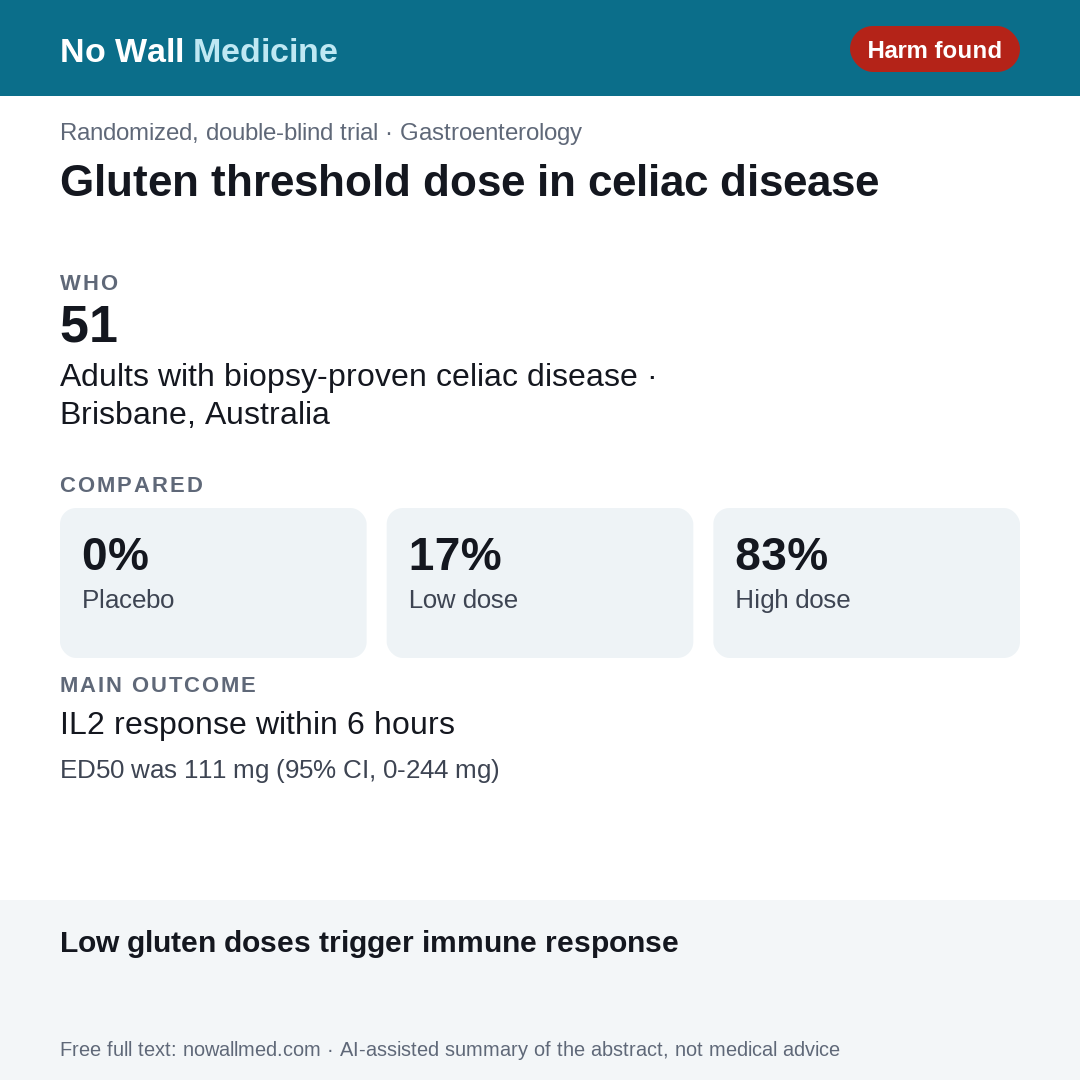
A Randomized Double-Blind, Placebo-Controlled Dose-Response Study to Assess the Gluten Threshold Dose in Celiac Disease
Randomized, double-blind trialHarm found
Gluten threshold dose in celiac disease
Who
51
Adults with biopsy-proven celiac disease · Brisbane, Australia
Compared
0%Placebo
17%Low dose (3 mg)
83%High dose (1000 mg)
Main outcome
IL2 response within 6 hours
Result: ED50 was 111 mg (95% CI, 0-244 mg)
Bottom line: Low gluten doses trigger immune response
Gastroenterology · 2026-03-26Download image
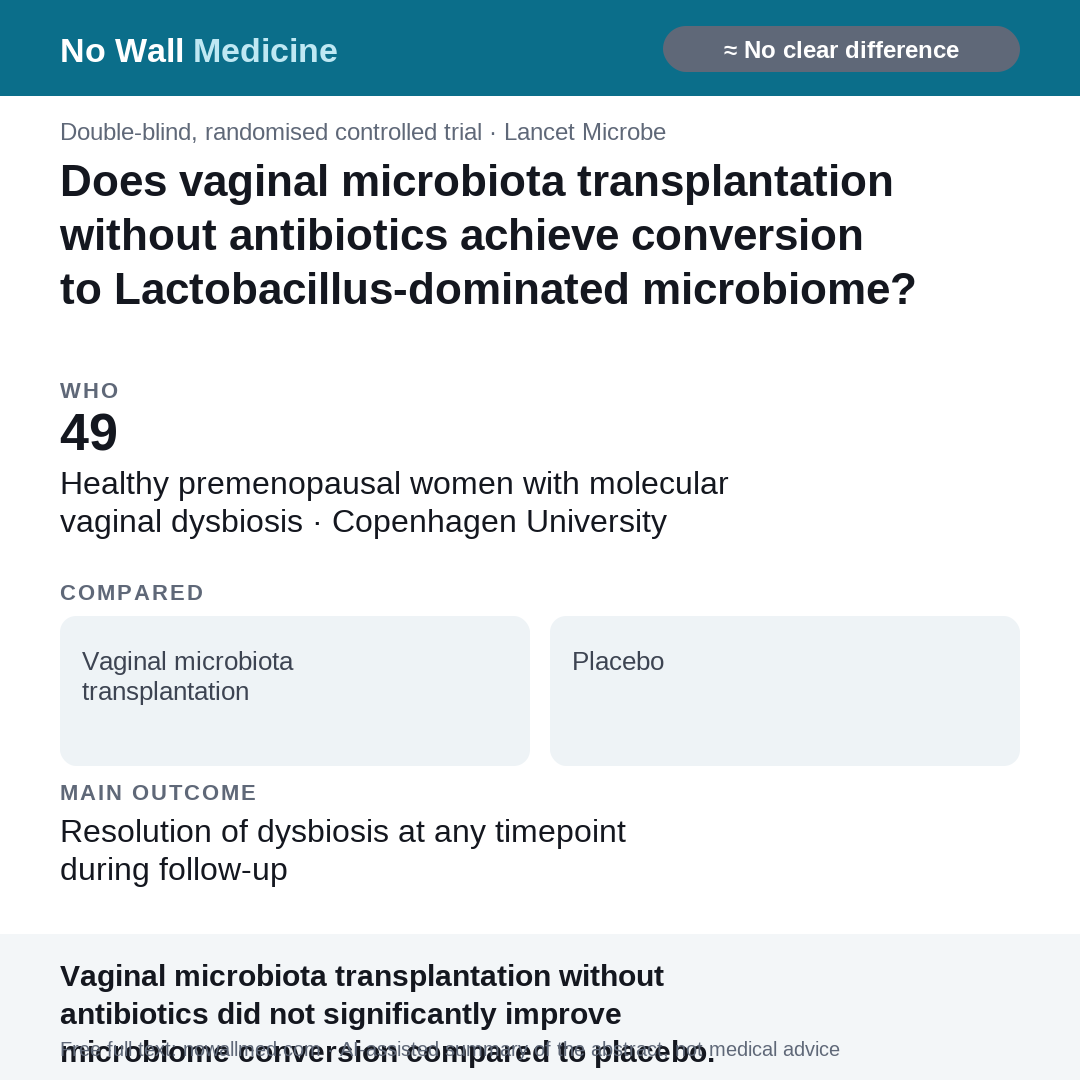
Vaginal microbiota transplantation for treatment of vaginal dysbiosis without the use of antibiotics: a double-blind, randomised controlled trial in women with vaginal dysbiosis
Double-blind, randomised controlled trialNo clear difference
Does vaginal microbiota transplantation without antibiotics achieve conversion to Lactobacillus-dominated microbiome?
Who
49
Healthy premenopausal women with molecular vaginal dysbiosis · Copenhagen University Hospital, Denmark
Compared
Vaginal microbiota transplantation
Placebo
Main outcome
Resolution of dysbiosis at any timepoint during follow-up
Result: hazard ratio 0·65 (95% CI 0·20-2·16)
Bottom line: Vaginal microbiota transplantation without antibiotics did not significantly improve microbiome conversion compared to placebo.
Limitation: The extension study suggests antiseptic pretreatment might enhance efficacy, requiring further exploration.
Funded by: Freya Biosciences
Lancet Microbe · 2026-03-26Download image