Visual abstracts
New randomized trials and meta-analyses from leading journals at a glance: who was studied, what was compared, and what was found. Every paper is free to read in full.
All specialtiesCardiology 4832Oncology 4114Gastroenterology & Hepatology 1934Infectious Disease 3824Neurology 1899Psychiatry & Mental Health 2256Pulmonology 2082Critical Care 1345Endocrinology & Diabetes 2572Pediatrics 2940Surgery 2525Orthopedics & Sports Medicine 926Neurosurgery 534Cardiothoracic & Vascular Surgery 671Plastic & Reconstructive Surgery 591Nephrology 1124Rheumatology 823Hematology 1104Dermatology 620Ophthalmology 543Obstetrics & Gynecology 1684Public & Global Health 1056Radiology & Imaging 641Anesthesiology 962Urology 754ENT (Otolaryngology) 503Emergency Medicine 489Allergy & Immunology 313Geriatrics 981Family Medicine & Primary Care 541Medical Genetics & Genomics 675Pathology & Laboratory Medicine 157Physical Medicine & Rehabilitation 751Palliative Care 424Nutrition 1580Digital Health & AI 2195General Medicine 321
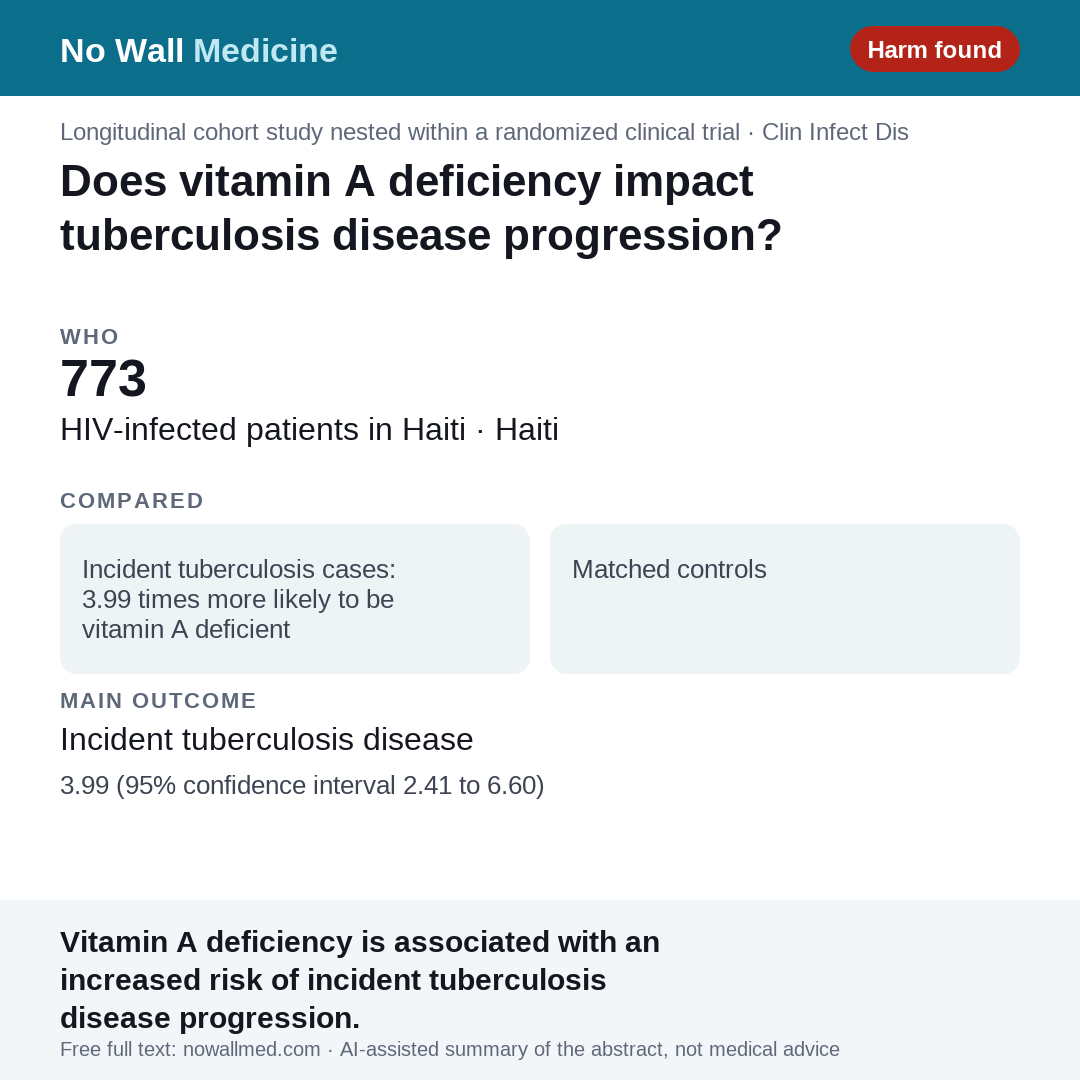
The Impact of Vitamin A Deficiency on Tuberculosis Progression
Longitudinal cohort study nested within a randomized clinical trialHarm found
Does vitamin A deficiency impact tuberculosis disease progression?
Who
773
HIV-infected patients in Haiti · Haiti
Compared
Incident tuberculosis cases: 3.99 times more likely to be vitamin A deficient
Matched controls
Main outcome
Incident tuberculosis disease
Result: 3.99 (95% confidence interval 2.41 to 6.60)
Bottom line: Vitamin A deficiency is associated with an increased risk of incident tuberculosis disease progression.
Clin Infect Dis · 2022-04-30Download image
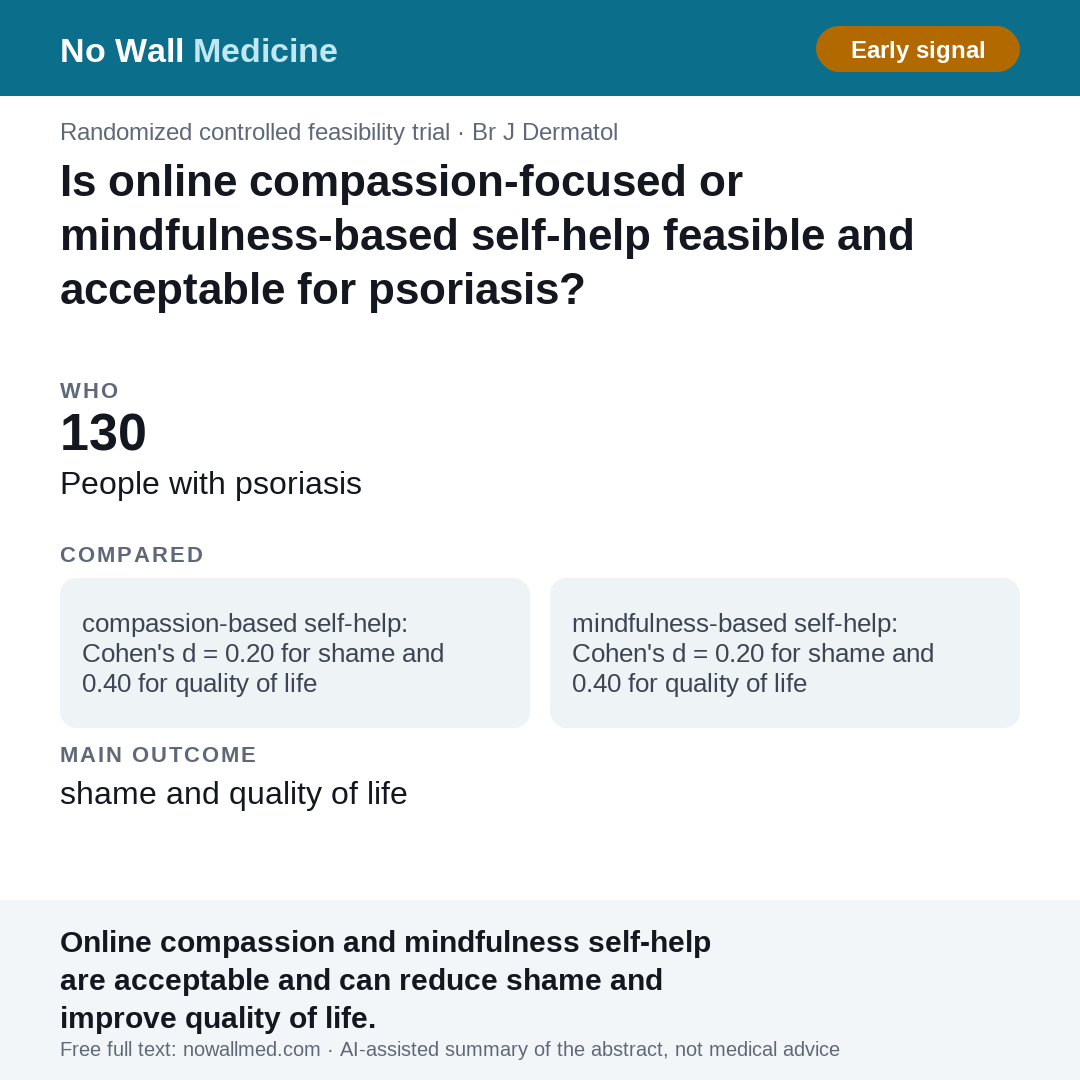
A randomized controlled feasibility trial of online compassion-focused self-help for psoriasis
Randomized controlled feasibility trialEarly signal
Is online compassion-focused or mindfulness-based self-help feasible and acceptable for psoriasis?
Who
130
People with psoriasis
Compared
compassion-based self-help: Cohen's d = 0.20 for shame and 0.40 for quality of life
mindfulness-based self-help: Cohen's d = 0.20 for shame and 0.40 for quality of life
Main outcome
shame and quality of life
Bottom line: Online compassion and mindfulness self-help are acceptable and can reduce shame and improve quality of life.
Limitation: attrition at 29%
Br J Dermatol · 2022-04-30Download image
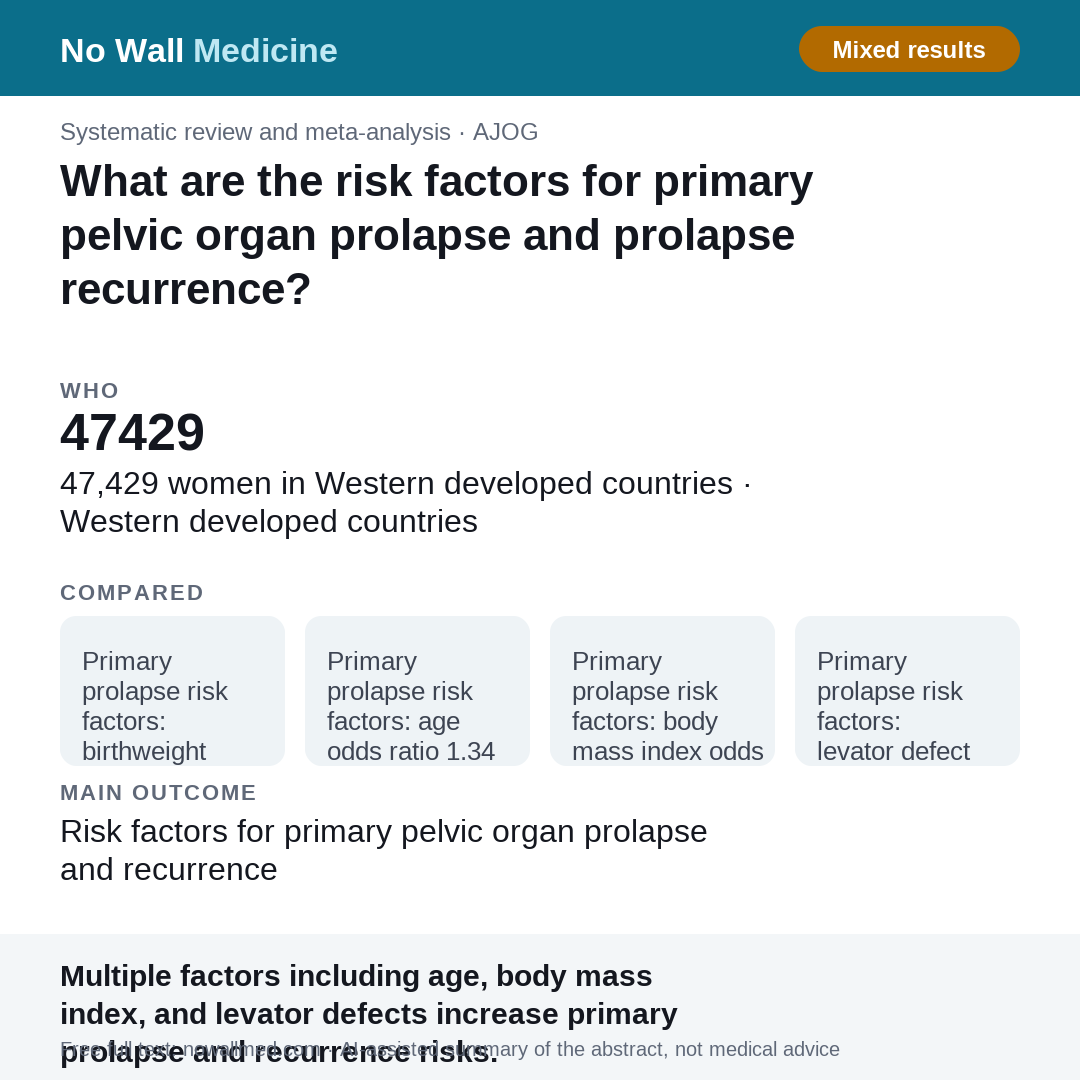
Risk factors for primary pelvic organ prolapse and prolapse recurrence: an updated systematic review and meta-analysis
Systematic review and meta-analysisMixed results
What are the risk factors for primary pelvic organ prolapse and prolapse recurrence?
Who
47429
47,429 women in Western developed countries · Western developed countries
Compared
Primary prolapse risk factors: birthweight odds ratio 1.04 (95% confidence interval 1.02-1.06)
Primary prolapse risk factors: age odds ratio 1.34 (95% confidence interval 1.23-1.47)
Primary prolapse risk factors: body mass index odds ratio 1.75 (95% confidence interval 1.17-2.62)
Primary prolapse risk factors: levator defect odds ratio 3.99 (95% confidence interval 2.57-6.18)
Main outcome
Risk factors for primary pelvic organ prolapse and recurrence
Bottom line: Multiple factors including age, body mass index, and levator defects increase primary prolapse and recurrence risks.
AJOG · 2022-04-30Download image
Long-term Safety of Treatment with Autologous Mesenchymal Stem Cells in Patients with Radiation-Induced Xerostomia: Primary Results of the MESRIX Phase I/II Randomized Trial
Randomized, single-center, placebo-controlled trialBenefit found
Is autologous adipose tissue-derived mesenchymal stem cell injection safe for radiation-induced xerostomia?
Who
30
Patients with oropharyngeal squamous cell carcinoma and radiation-induced xerostomia · Single-center
Compared
Autologous adipose tissue-derived mesenchymal stem/stromal cell injection: 6 of 15 (40%) experienced a serious adverse event
Placebo: 5 of 15 (33%) experienced a serious adverse event
Main outcome
Number of serious adverse events
Bottom line: Autologous mesenchymal stem cell therapy is safe and improves xerostomia-related symptoms in patients.
Clin Cancer Res · 2022-04-30Download image

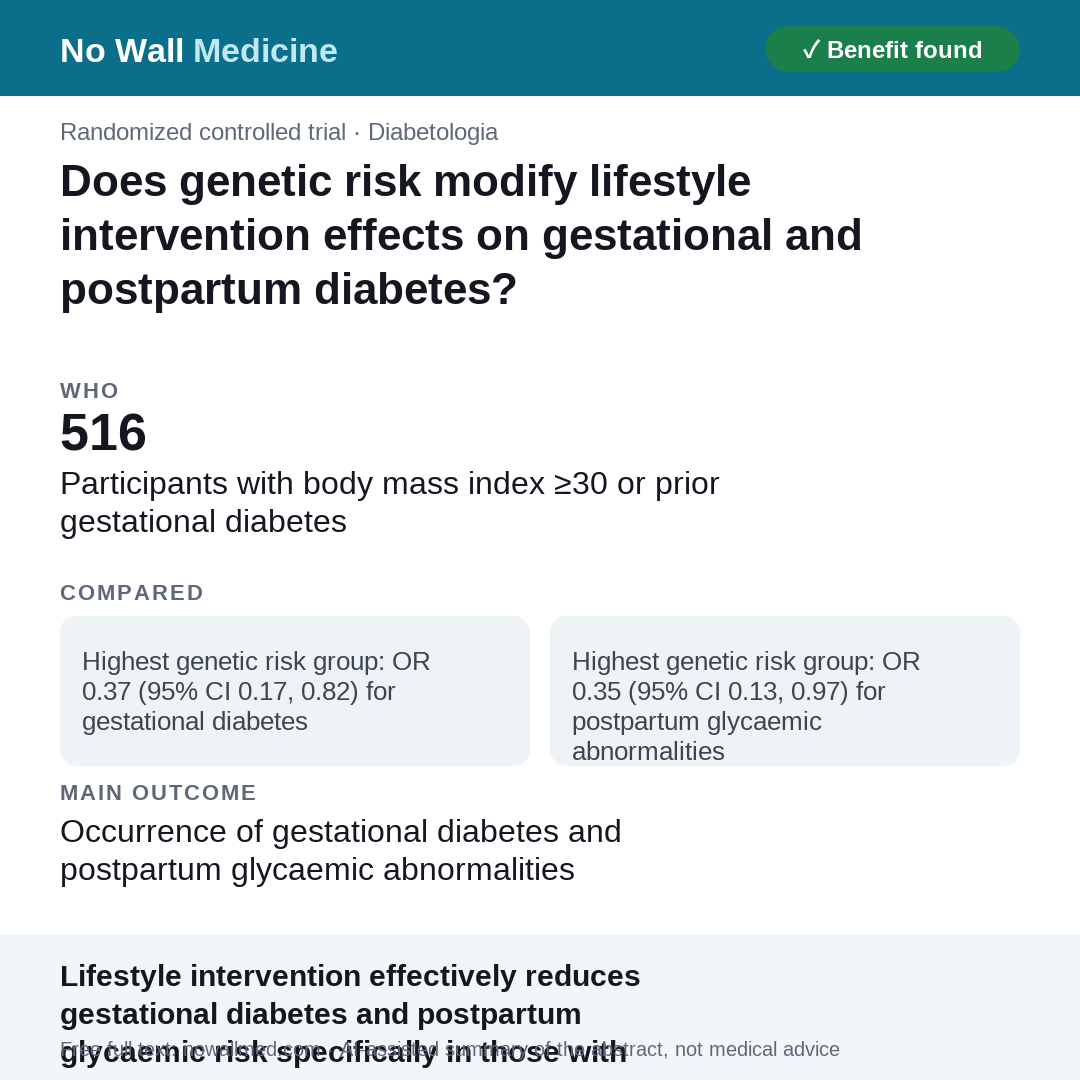
Genetic risk of type 2 diabetes modifies the effects of a lifestyle intervention aimed at the prevention of gestational and postpartum diabetes
Randomized controlled trialBenefit found
Does genetic risk modify lifestyle intervention effects on gestational and postpartum diabetes?
Who
516
Participants with body mass index ≥30 or prior gestational diabetes
Compared
Highest genetic risk group: OR 0.37 (95% CI 0.17, 0.82) for gestational diabetes
Highest genetic risk group: OR 0.35 (95% CI 0.13, 0.97) for postpartum glycaemic abnormalities
Main outcome
Occurrence of gestational diabetes and postpartum glycaemic abnormalities
Result: OR 0.37 (95% CI 0.17, 0.82)
Bottom line: Lifestyle intervention effectively reduces gestational diabetes and postpartum glycaemic risk specifically in those with highest genetic risk.
Diabetologia · 2022-04-30Download image
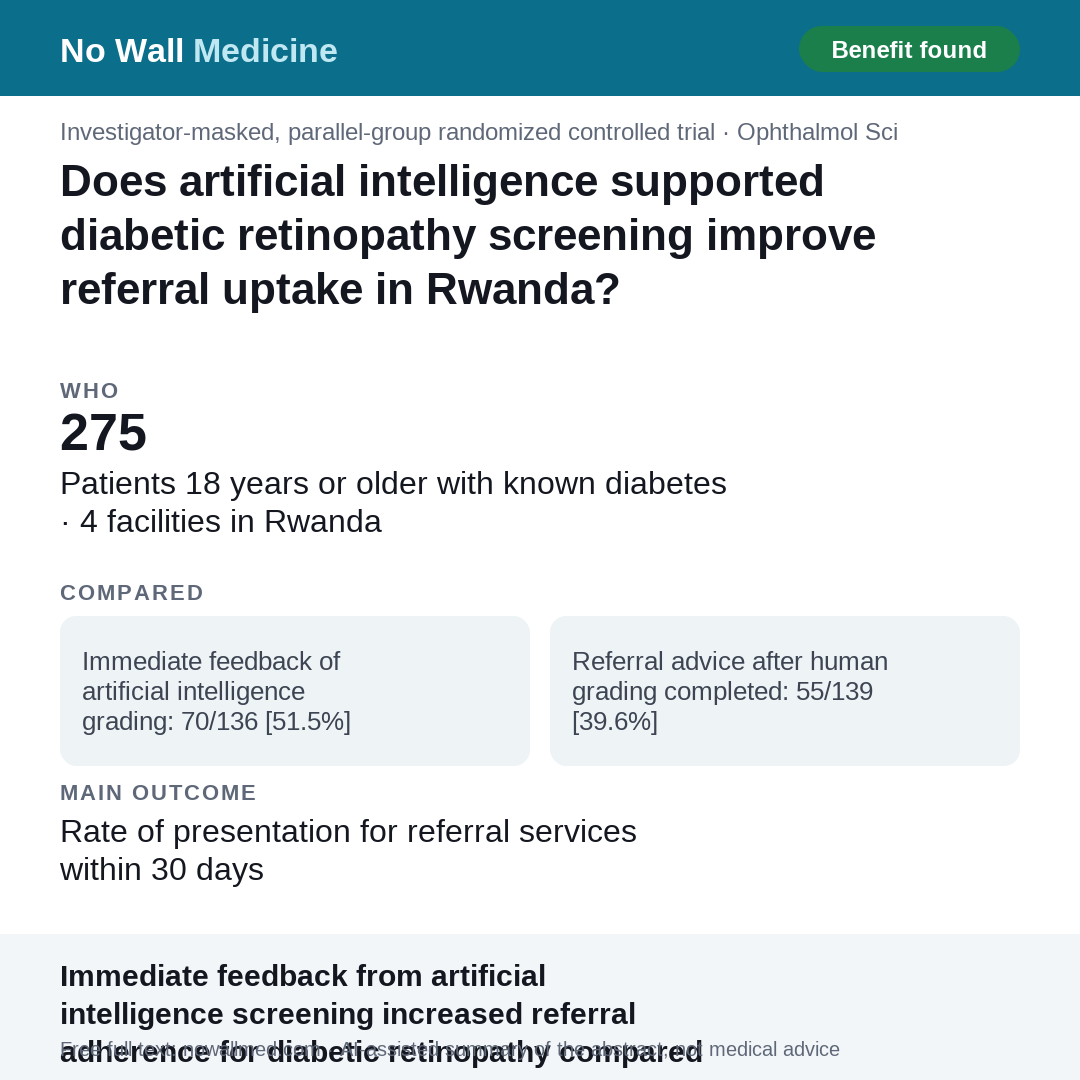
Impact of Artificial Intelligence Assessment of Diabetic Retinopathy on Referral Service Uptake in a Low-Resource Setting: The RAIDERS Randomized Trial
Investigator-masked, parallel-group randomized controlled trialBenefit found
Does artificial intelligence supported diabetic retinopathy screening improve referral uptake in Rwanda?
Who
275
Patients 18 years or older with known diabetes · 4 facilities in Rwanda
Compared
Immediate feedback of artificial intelligence grading: 70/136 [51.5%]
Referral advice after human grading completed: 55/139 [39.6%]
Main outcome
Rate of presentation for referral services within 30 days
Result: odds ratio 1.74 (95% CI 1.05 to 2.88)
Bottom line: Immediate feedback from artificial intelligence screening increased referral adherence for diabetic retinopathy compared to delayed human grading results.
Ophthalmol Sci · 2022-04-30Download image
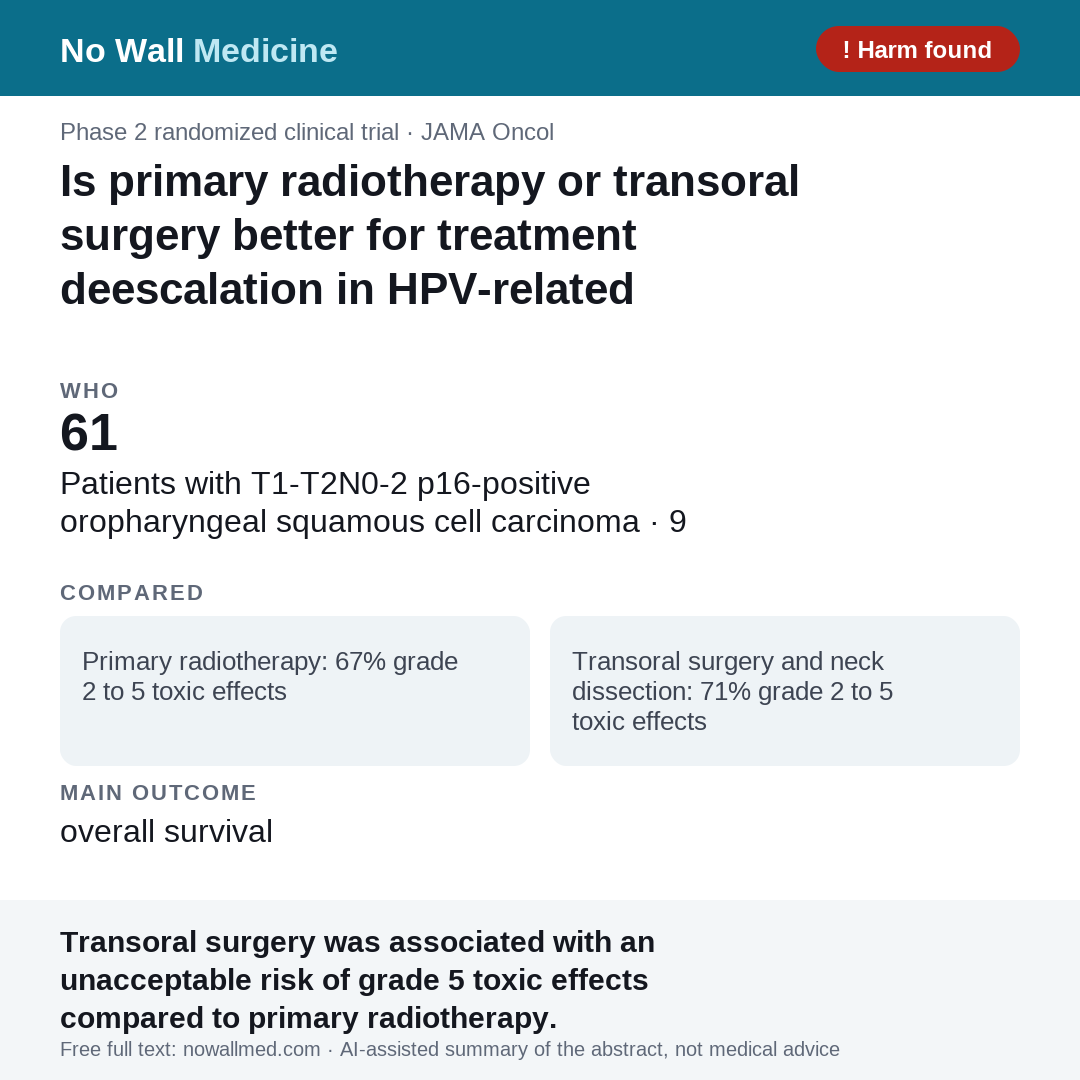
Assessment of Toxic Effects and Survival in Treatment Deescalation With Radiotherapy vs Transoral Surgery for HPV-Associated Oropharyngeal Squamous Cell Carcinoma: The ORATOR2 Phase 2 Randomized Clinical Trial
Phase 2 randomized clinical trialHarm found
Is primary radiotherapy or transoral surgery better for treatment deescalation in HPV-related oropharyngeal squamous cell carcinoma?
Who
61
Patients with T1-T2N0-2 p16-positive oropharyngeal squamous cell carcinoma · 9 tertiary academic cancer centers in Canada and Australia
Compared
Primary radiotherapy: 67% grade 2 to 5 toxic effects
Transoral surgery and neck dissection: 71% grade 2 to 5 toxic effects
Main outcome
overall survival
Bottom line: Transoral surgery was associated with an unacceptable risk of grade 5 toxic effects compared to primary radiotherapy.
JAMA Oncol · 2022-04-29Download image
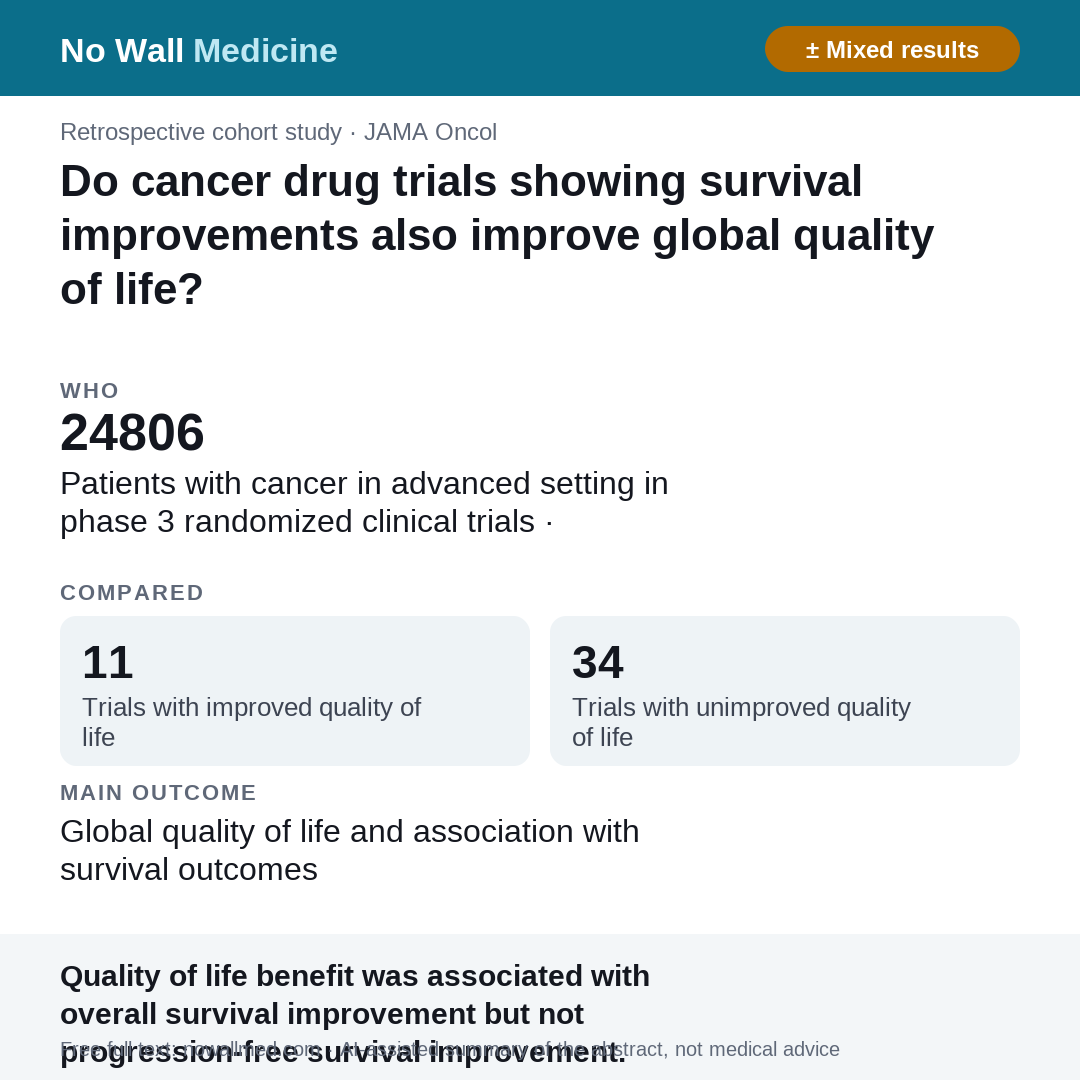
Association of Quality-of-Life Outcomes in Cancer Drug Trials With Survival Outcomes and Drug Class
Retrospective cohort studyMixed results
Do cancer drug trials showing survival improvements also improve global quality of life?
Who
24806
Patients with cancer in advanced setting in phase 3 randomized clinical trials · PubMed-indexed journals
Compared
11Trials with improved quality of life (24%)
34Trials with unimproved quality of life
Main outcome
Global quality of life and association with survival outcomes
Bottom line: Quality of life benefit was associated with overall survival improvement but not progression-free survival improvement.
Funded by: Industry funding associated with favorable framing of unchanged results
JAMA Oncol · 2022-04-29Download image
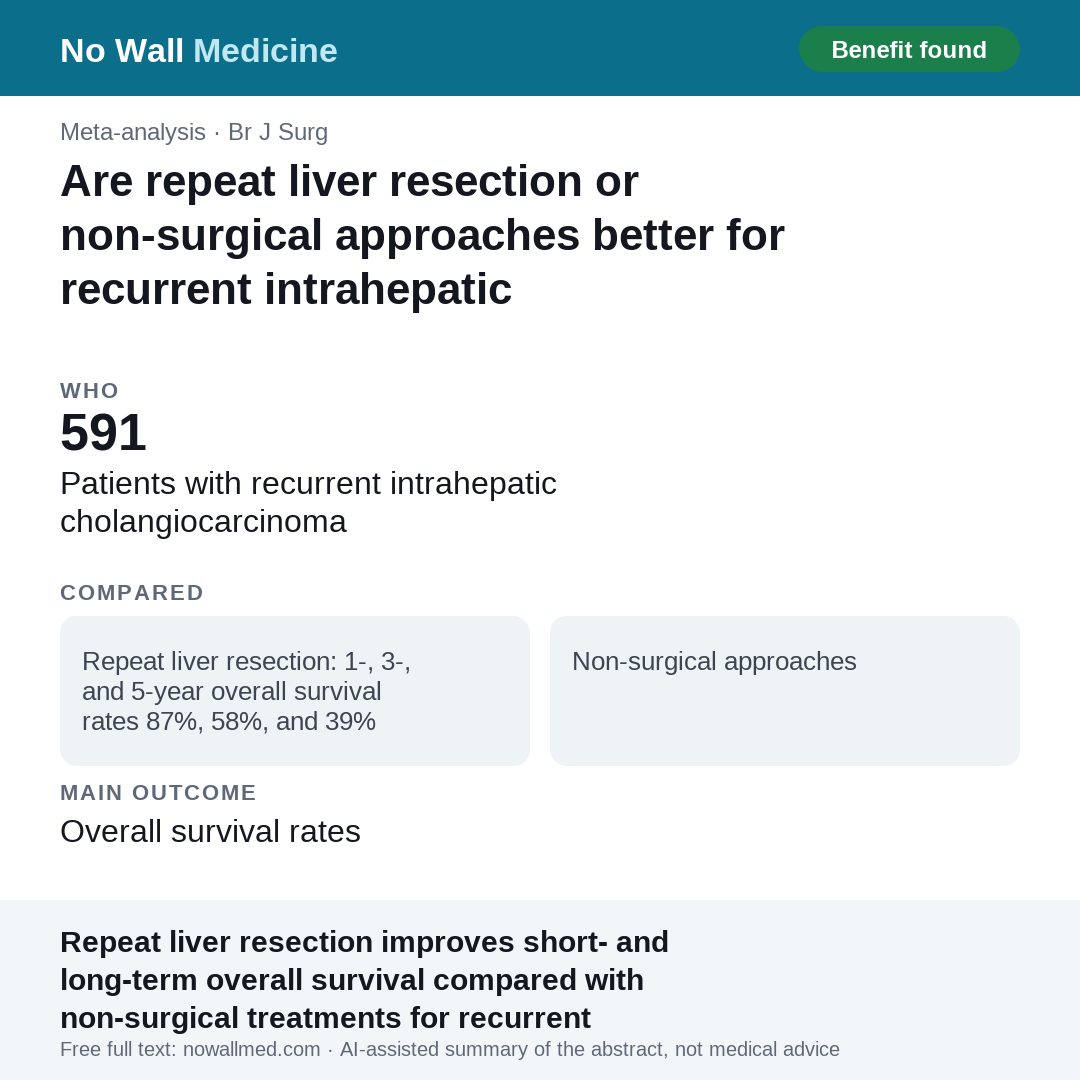
Repeat liver resection for recurrent intrahepatic cholangiocarcinoma: meta-analysis
Meta-analysisBenefit found
Are repeat liver resection or non-surgical approaches better for recurrent intrahepatic cholangiocarcinoma?
Who
591
Patients with recurrent intrahepatic cholangiocarcinoma
Compared
Repeat liver resection: 1-, 3-, and 5-year overall survival rates 87%, 58%, and 39%
Non-surgical approaches
Main outcome
Overall survival rates
Result: odds ratio 2.70 (95 per cent c.i. 1.28 to 5.68) at 1 year
Bottom line: Repeat liver resection improves short- and long-term overall survival compared with non-surgical treatments for recurrent intrahepatic cholangiocarcinoma.
Br J Surg · 2022-04-29Download image
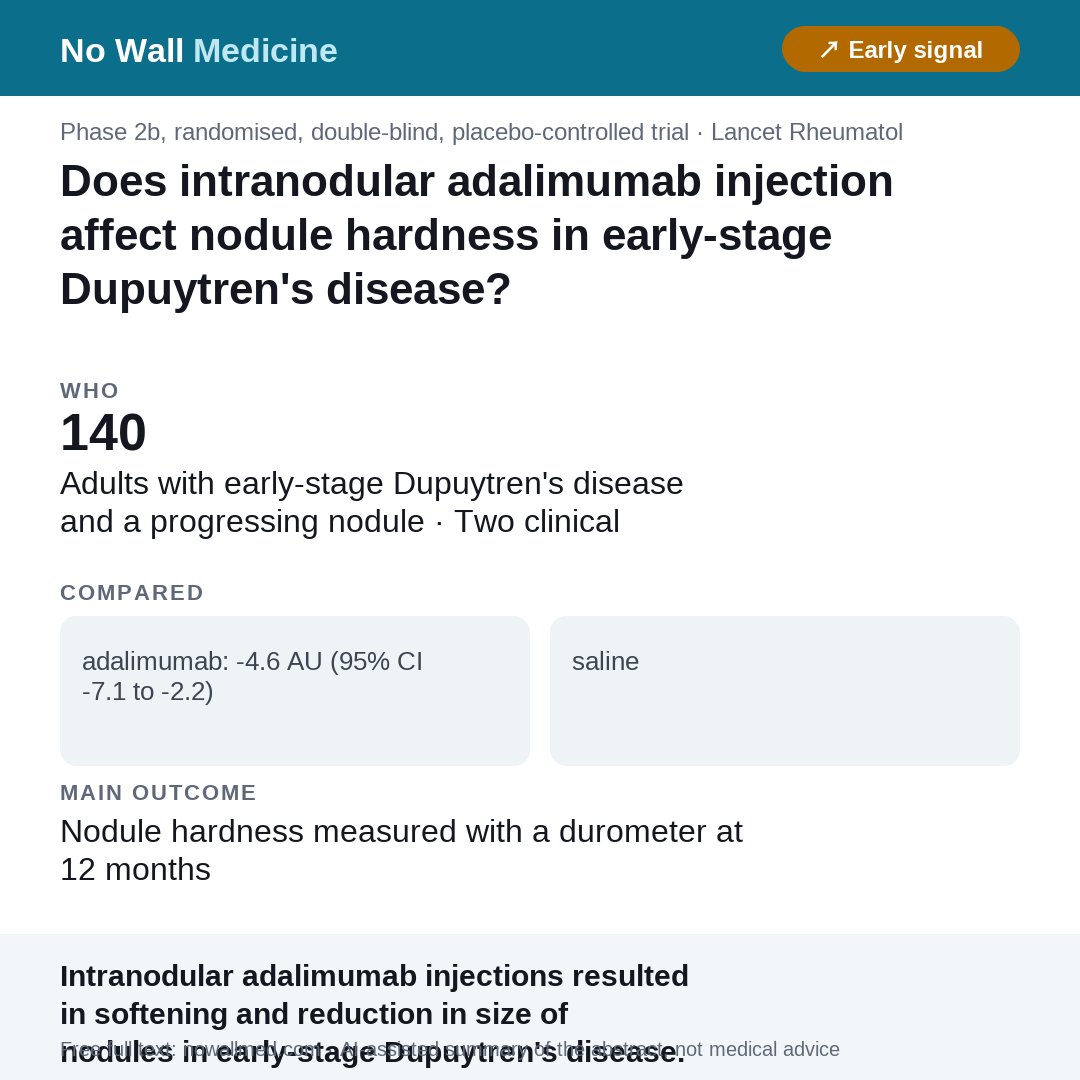
Anti-tumour necrosis factor therapy for early-stage Dupuytren's disease (RIDD): a phase 2b, randomised, double-blind, placebo-controlled trial
Phase 2b, randomised, double-blind, placebo-controlled trialEarly signal
Does intranodular adalimumab injection affect nodule hardness in early-stage Dupuytren's disease?
Who
140
Adults with early-stage Dupuytren's disease and a progressing nodule · Two clinical centres in the UK
Compared
adalimumab: -4.6 AU (95% CI -7.1 to -2.2)
saline
Main outcome
Nodule hardness measured with a durometer at 12 months
Result: -4.6 AU (95% CI -7.1 to -2.2)
Bottom line: Intranodular adalimumab injections resulted in softening and reduction in size of nodules in early-stage Dupuytren's disease.
Limitation: Longer follow-up is required to assess disease progression and hand function.
Lancet Rheumatol · 2022-04-29Download image
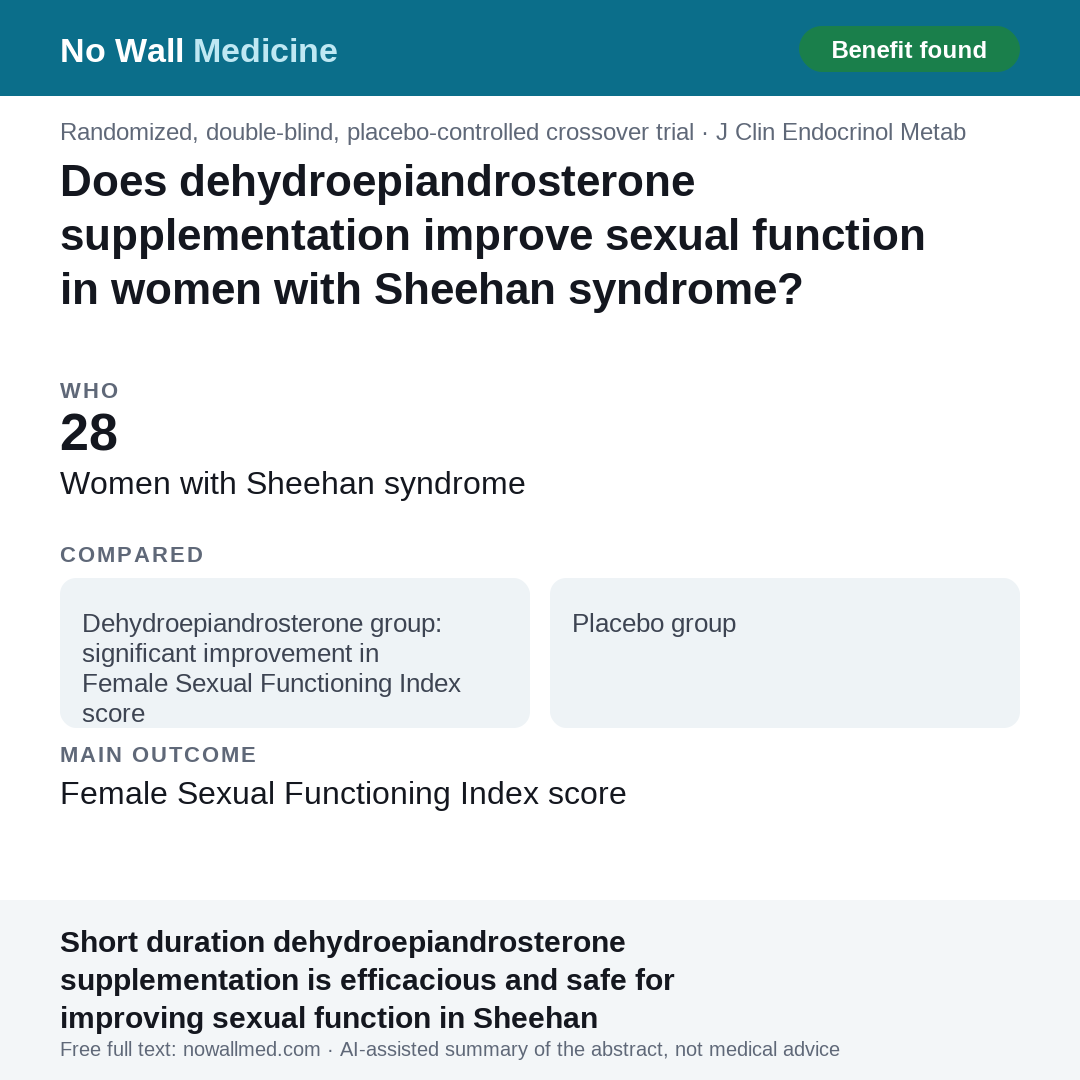
DHEA on Sexual Function in Sheehan Syndrome: A Randomized Double-Blind Placebo-Controlled Crossover Trial
Randomized, double-blind, placebo-controlled crossover trialBenefit found
Does dehydroepiandrosterone supplementation improve sexual function in women with Sheehan syndrome?
Who
28
Women with Sheehan syndrome
Compared
Dehydroepiandrosterone group: significant improvement in Female Sexual Functioning Index score
Placebo group
Main outcome
Female Sexual Functioning Index score
Bottom line: Short duration dehydroepiandrosterone supplementation is efficacious and safe for improving sexual function in Sheehan syndrome.
J Clin Endocrinol Metab · 2022-04-29Download image
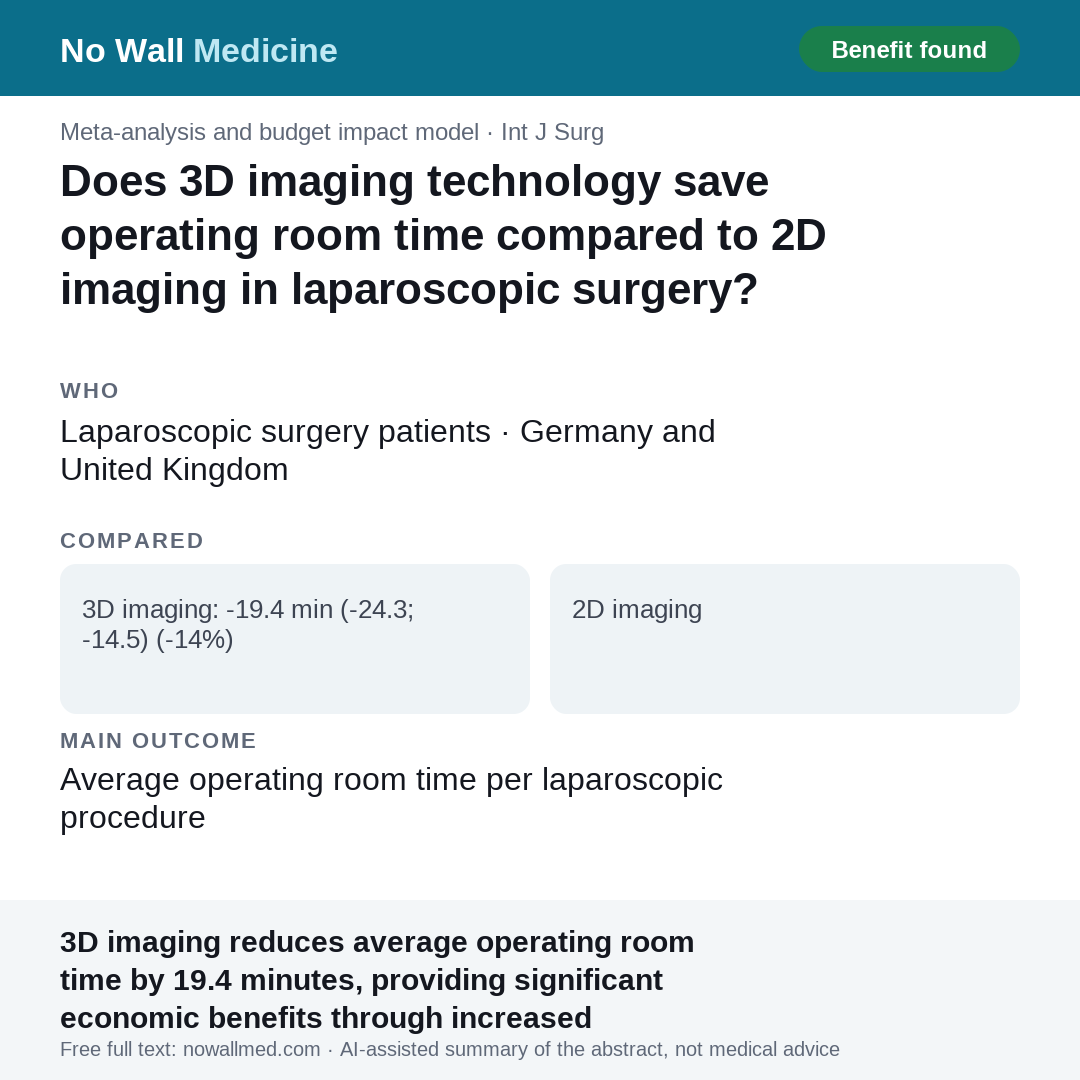
Operating room time savings in Germany- and UK-based hospitals with 3D- VS. 2D-imaging technology in laparoscopic surgery: Meta analysis and budget impact model - Health economic evaluation
Meta-analysis and budget impact modelBenefit found
Does 3D imaging technology save operating room time compared to 2D imaging in laparoscopic surgery?
Who
Laparoscopic surgery patients · Germany and United Kingdom
Compared
3D imaging: -19.4 min (-24.3; -14.5) (-14%)
2D imaging
Main outcome
Average operating room time per laparoscopic procedure
Bottom line: 3D imaging reduces average operating room time by 19.4 minutes, providing significant economic benefits through increased procedure capacity.
Int J Surg · 2022-04-29Download image
Safety and Efficacy of Lenabasum, a Cannabinoid Receptor Type 2 Agonist, in Patients with Dermatomyositis with Refractory Skin Disease: A Randomized Clinical Trial
Single-center, double-blind, randomized, placebo-controlled phase 2 studyEarly signal
Is lenabasum safe and effective for refractory cutaneous dermatomyositis skin disease?
Who
22
Adults with refractory cutaneous dermatomyositis and moderate skin activity · Single-center
Compared
Lenabasum
Placebo
Main outcome
Change in Cutaneous Dermatomyositis Disease Area and Severity Index activity
Result: least-squares mean difference ‒6.5 (standard error 3.1), P = 0.038
Bottom line: Lenabasum was well tolerated and significantly improved skin activity in patients with refractory cutaneous dermatomyositis.
J Invest Dermatol · 2022-04-29Download image

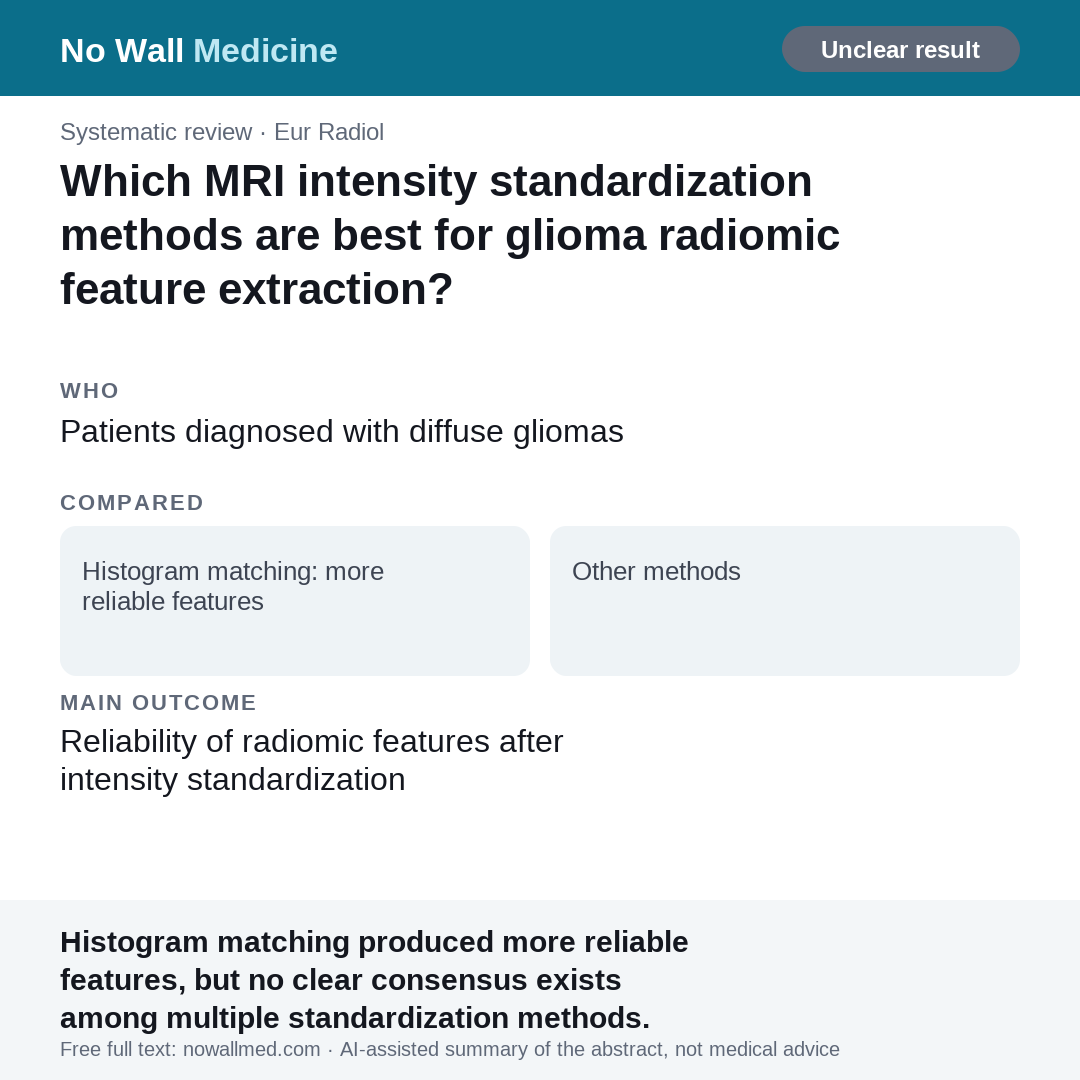
Intensity standardization of MRI prior to radiomic feature extraction for artificial intelligence research in glioma-a systematic review
Systematic reviewUnclear result
Which MRI intensity standardization methods are best for glioma radiomic feature extraction?
Who
Patients diagnosed with diffuse gliomas
Compared
Histogram matching: more reliable features
Other methods
Main outcome
Reliability of radiomic features after intensity standardization
Bottom line: Histogram matching produced more reliable features, but no clear consensus exists among multiple standardization methods.
Eur Radiol · 2022-04-29Download image
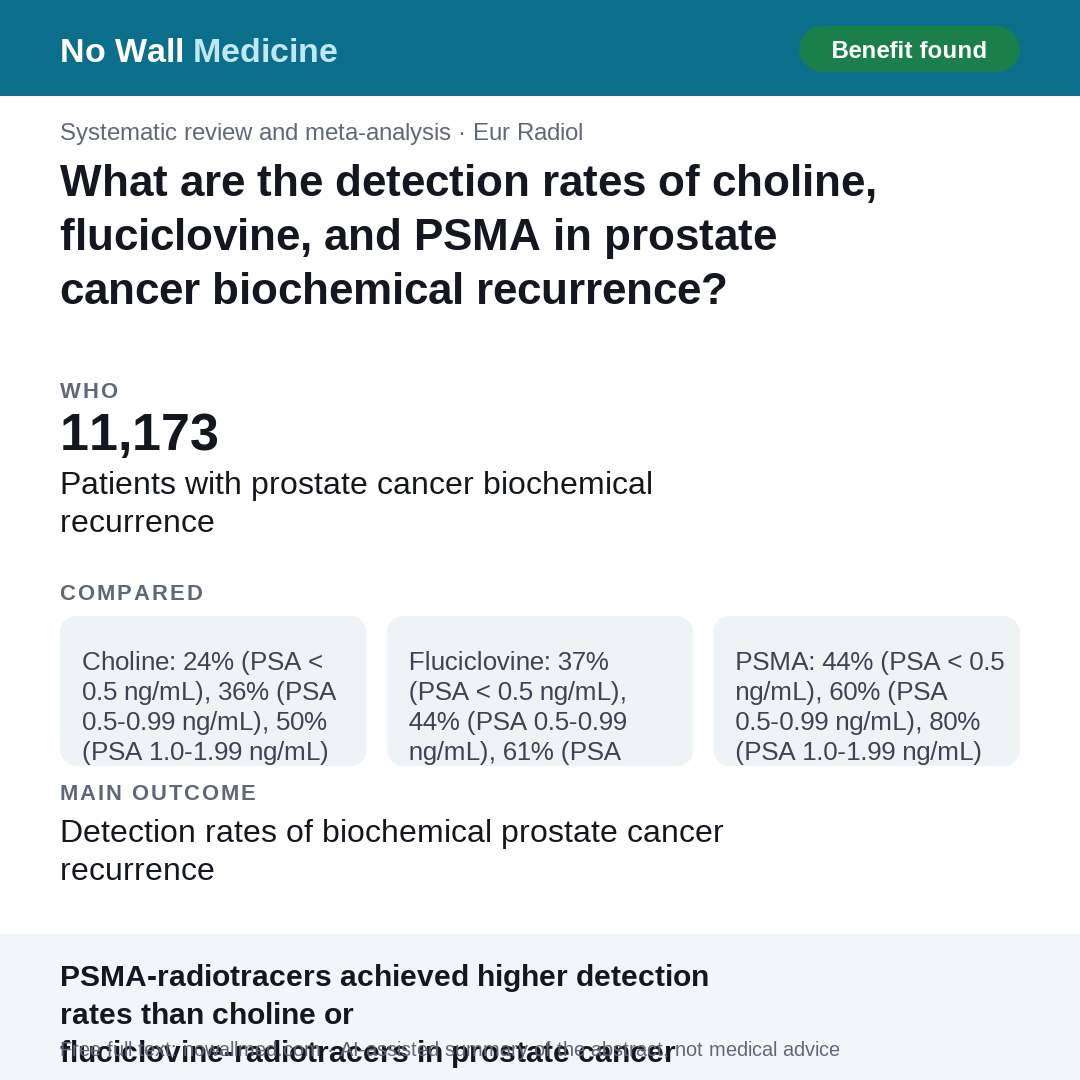
Comparing the diagnostic performance of radiotracers in prostate cancer biochemical recurrence: a systematic review and meta-analysis
Systematic review and meta-analysisBenefit found
What are the detection rates of choline, fluciclovine, and PSMA in prostate cancer biochemical recurrence?
Who
11,173
Patients with prostate cancer biochemical recurrence
Compared
Choline: 24% (PSA < 0.5 ng/mL), 36% (PSA 0.5-0.99 ng/mL), 50% (PSA 1.0-1.99 ng/mL)
Fluciclovine: 37% (PSA < 0.5 ng/mL), 44% (PSA 0.5-0.99 ng/mL), 61% (PSA 1.0-1.99 ng/mL)
PSMA: 44% (PSA < 0.5 ng/mL), 60% (PSA 0.5-0.99 ng/mL), 80% (PSA 1.0-1.99 ng/mL)
Main outcome
Detection rates of biochemical prostate cancer recurrence
Bottom line: PSMA-radiotracers achieved higher detection rates than choline or fluciclovine-radiotracers in prostate cancer biochemical recurrence.
Eur Radiol · 2022-04-29Download image
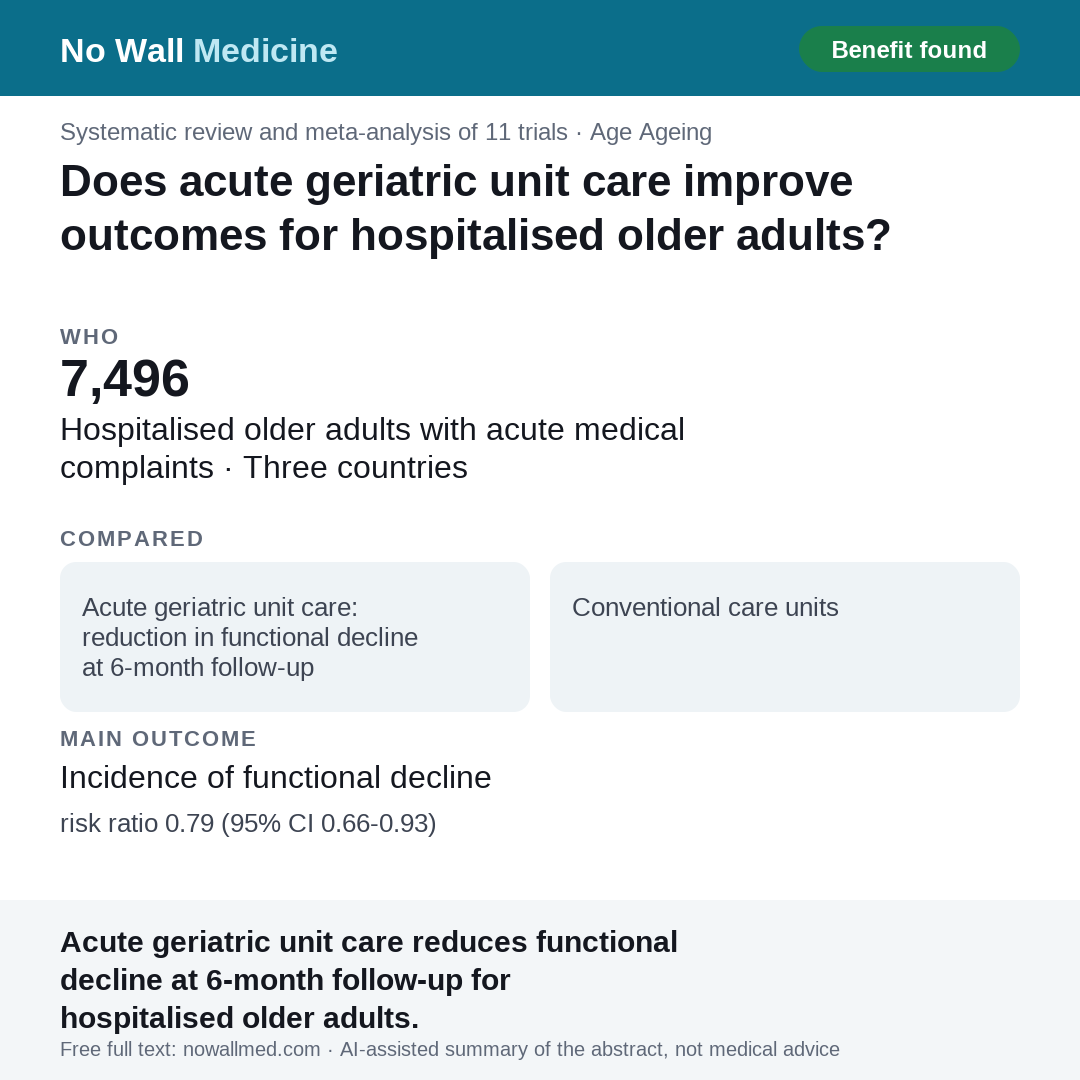
Effectiveness of acute geriatric unit care on functional decline, clinical and process outcomes among hospitalised older adults with acute medical complaints: a systematic review and meta-analysis
Systematic review and meta-analysis of 11 trialsBenefit found
Does acute geriatric unit care improve outcomes for hospitalised older adults?
Who
7,496
Hospitalised older adults with acute medical complaints · Three countries
Compared
Acute geriatric unit care: reduction in functional decline at 6-month follow-up
Conventional care units
Main outcome
Incidence of functional decline
Result: risk ratio 0.79 (95% CI 0.66-0.93)
Bottom line: Acute geriatric unit care reduces functional decline at 6-month follow-up for hospitalised older adults.
Age Ageing · 2022-04-29Download image
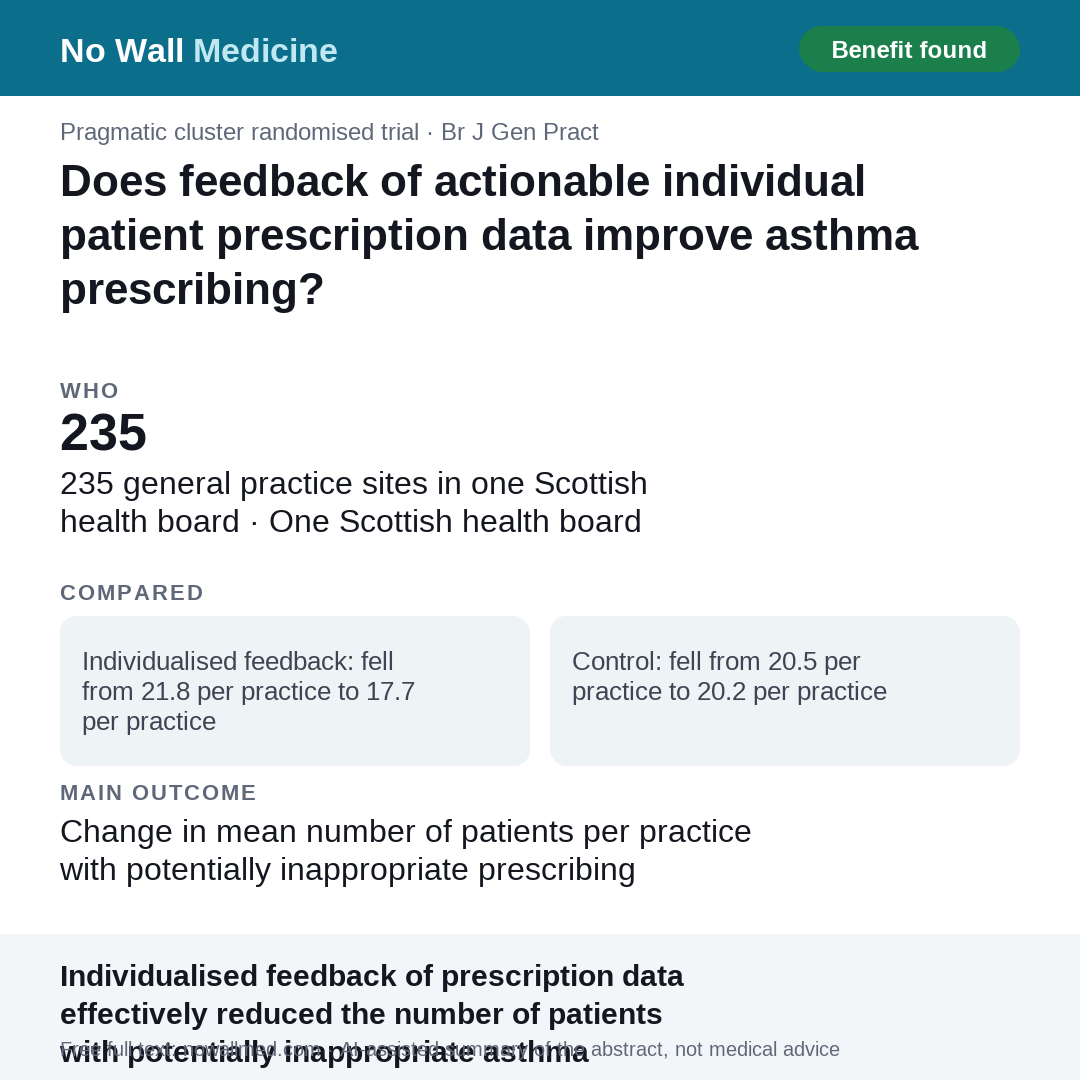
Feedback of actionable individual patient prescription data to improve asthma prescribing: pragmatic cluster randomised trial in 233 UK general practices
Pragmatic cluster randomised trialBenefit found
Does feedback of actionable individual patient prescription data improve asthma prescribing?
Who
235
235 general practice sites in one Scottish health board · One Scottish health board
Compared
Individualised feedback: fell from 21.8 per practice to 17.7 per practice
Control: fell from 20.5 per practice to 20.2 per practice
Main outcome
Change in mean number of patients per practice with potentially inappropriate prescribing
Result: 3.7 fewer patients per practice (95% confidence interval = -5.3 to -2.0)
Bottom line: Individualised feedback of prescription data effectively reduced the number of patients with potentially inappropriate asthma bronchodilator prescribing.
Br J Gen Pract · 2022-04-29Download image
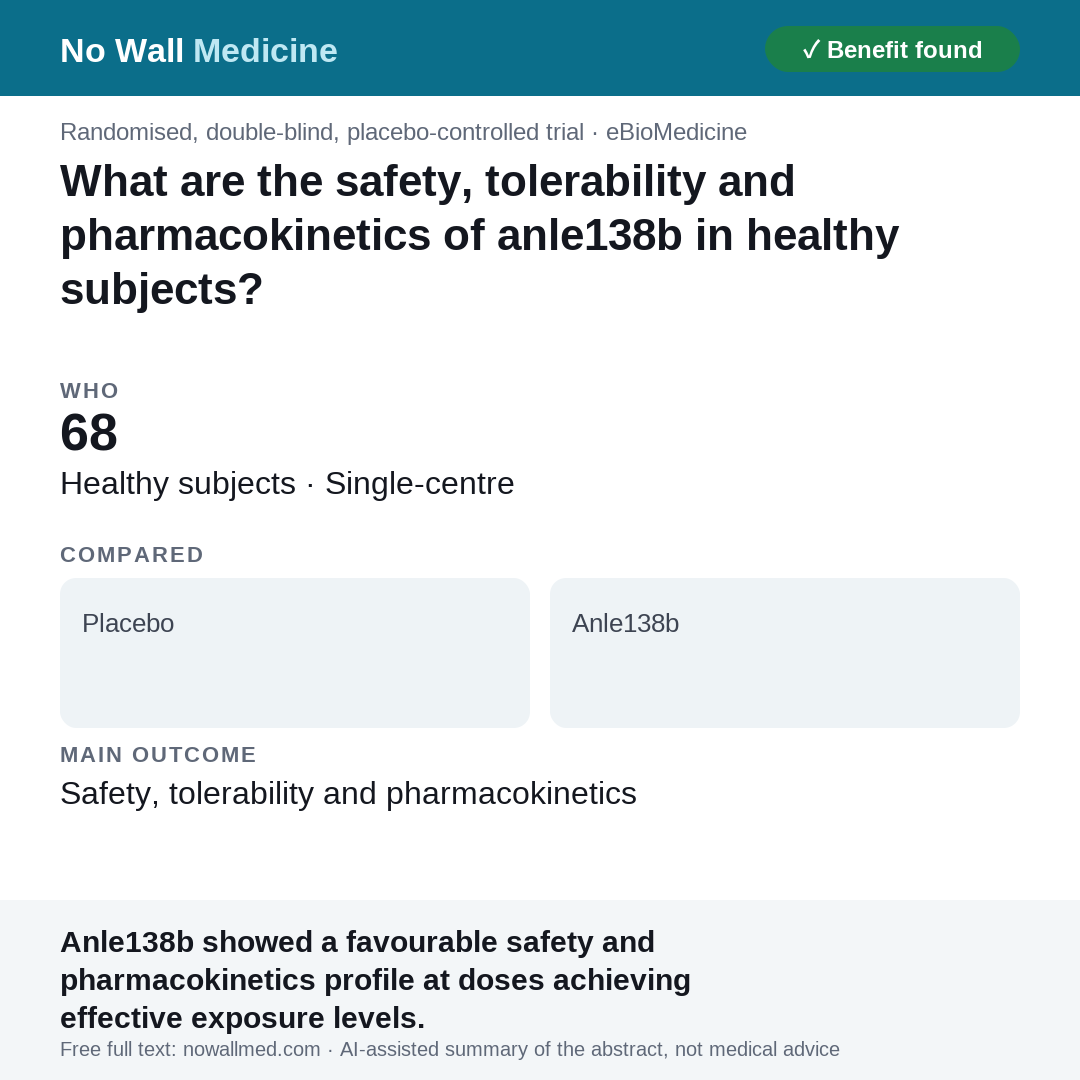
Safety, tolerability and pharmacokinetics of the oligomer modulator anle138b with exposure levels sufficient for therapeutic efficacy in a murine Parkinson model: A randomised, double-blind, placebo-controlled phase 1a trial
Randomised, double-blind, placebo-controlled trialBenefit found
What are the safety, tolerability and pharmacokinetics of anle138b in healthy subjects?
Who
68
Healthy subjects · Single-centre
Compared
Placebo
Anle138b
Main outcome
Safety, tolerability and pharmacokinetics
Bottom line: Anle138b showed a favourable safety and pharmacokinetics profile at doses achieving effective exposure levels.
Funded by: MODAG GmbH and Michael J. Fox foundation
eBioMedicine · 2022-04-29Download image
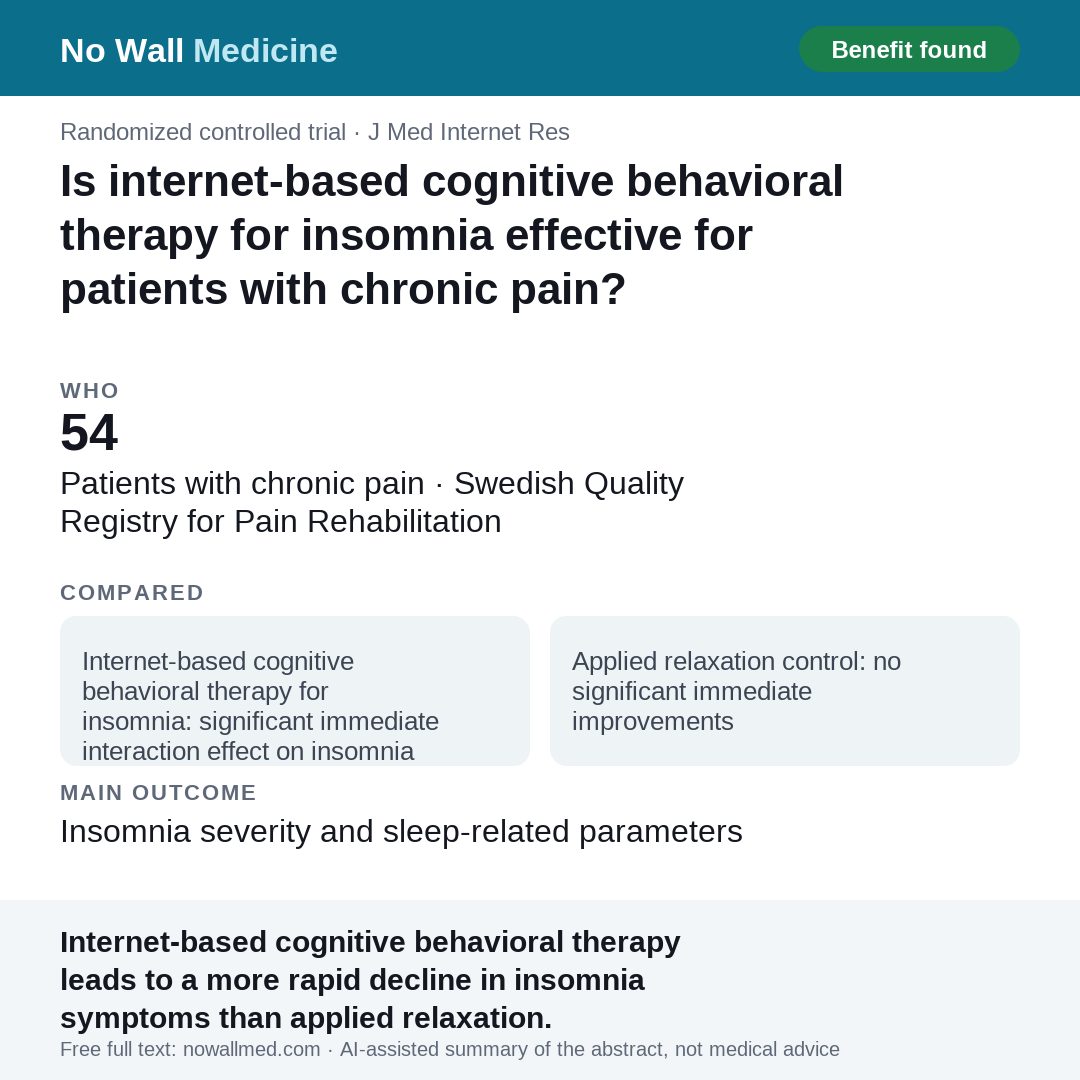
Internet-Delivered Cognitive Behavioral Therapy for Insomnia Comorbid With Chronic Pain: Randomized Controlled Trial
Randomized controlled trialBenefit found
Is internet-based cognitive behavioral therapy for insomnia effective for patients with chronic pain?
Who
54
Patients with chronic pain · Swedish Quality Registry for Pain Rehabilitation
Compared
Internet-based cognitive behavioral therapy for insomnia: significant immediate interaction effect on insomnia severity index
Applied relaxation control: no significant immediate improvements
Main outcome
Insomnia severity and sleep-related parameters
Bottom line: Internet-based cognitive behavioral therapy leads to a more rapid decline in insomnia symptoms than applied relaxation.
J Med Internet Res · 2022-04-29Download image
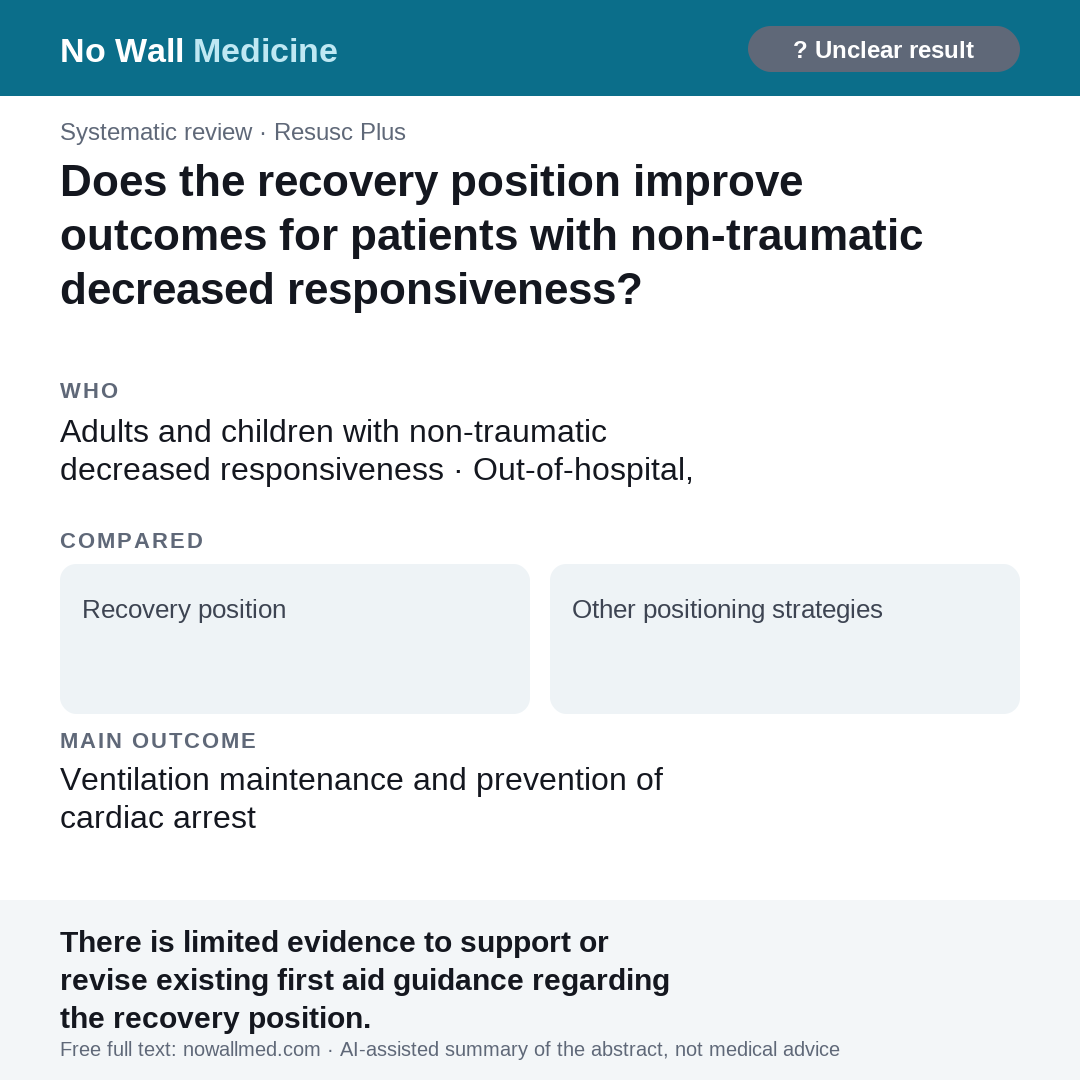
The recovery position for maintenance of adequate ventilation and the prevention of cardiac arrest: A systematic review
Systematic reviewUnclear result
Does the recovery position improve outcomes for patients with non-traumatic decreased responsiveness?
Who
Adults and children with non-traumatic decreased responsiveness · Out-of-hospital, first aid setting
Compared
Recovery position
Other positioning strategies
Main outcome
Ventilation maintenance and prevention of cardiac arrest
Bottom line: There is limited evidence to support or revise existing first aid guidance regarding the recovery position.
Limitation: High risk of bias, imprecision and indirectness of evidence limited pooled analyses.
Resusc Plus · 2022-04-29Download image