Visual abstracts
New randomized trials and meta-analyses from leading journals at a glance: who was studied, what was compared, and what was found. Every paper is free to read in full.
All specialtiesCardiology 840Oncology 760Gastroenterology & Hepatology 306Infectious Disease 626Neurology 350Psychiatry & Mental Health 430Pulmonology 365Critical Care 243Endocrinology & Diabetes 480Pediatrics 534Surgery 319Orthopedics & Sports Medicine 161Neurosurgery 89Cardiothoracic & Vascular Surgery 87Plastic & Reconstructive Surgery 118Nephrology 197Rheumatology 108Hematology 181Dermatology 78Ophthalmology 97Obstetrics & Gynecology 261Public & Global Health 167Radiology & Imaging 96Anesthesiology 107Urology 162ENT (Otolaryngology) 86Emergency Medicine 68Allergy & Immunology 58Geriatrics 160Family Medicine & Primary Care 111Medical Genetics & Genomics 91Pathology & Laboratory Medicine 24Physical Medicine & Rehabilitation 148Palliative Care 81Nutrition 223Digital Health & AI 460General Medicine 101
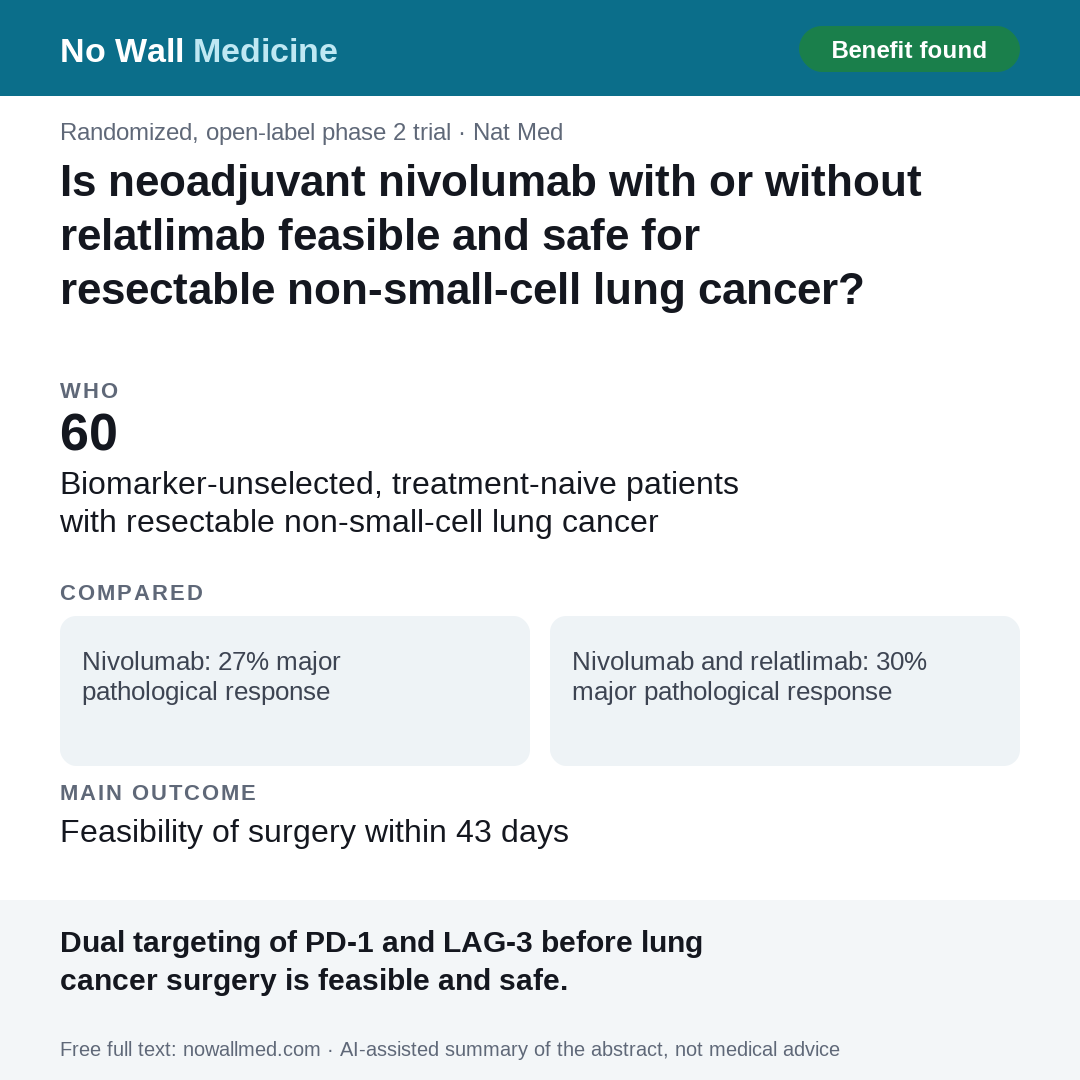
Neoadjuvant nivolumab with or without relatlimab in resectable non-small-cell lung cancer: a randomized phase 2 trial
Randomized, open-label phase 2 trialBenefit found
Is neoadjuvant nivolumab with or without relatlimab feasible and safe for resectable non-small-cell lung cancer?
Who
60
Biomarker-unselected, treatment-naive patients with resectable non-small-cell lung cancer
Compared
Nivolumab: 27% major pathological response
Nivolumab and relatlimab: 30% major pathological response
Main outcome
Feasibility of surgery within 43 days
Bottom line: Dual targeting of PD-1 and LAG-3 before lung cancer surgery is feasible and safe.
Nat Med · 2024-04-30Download image
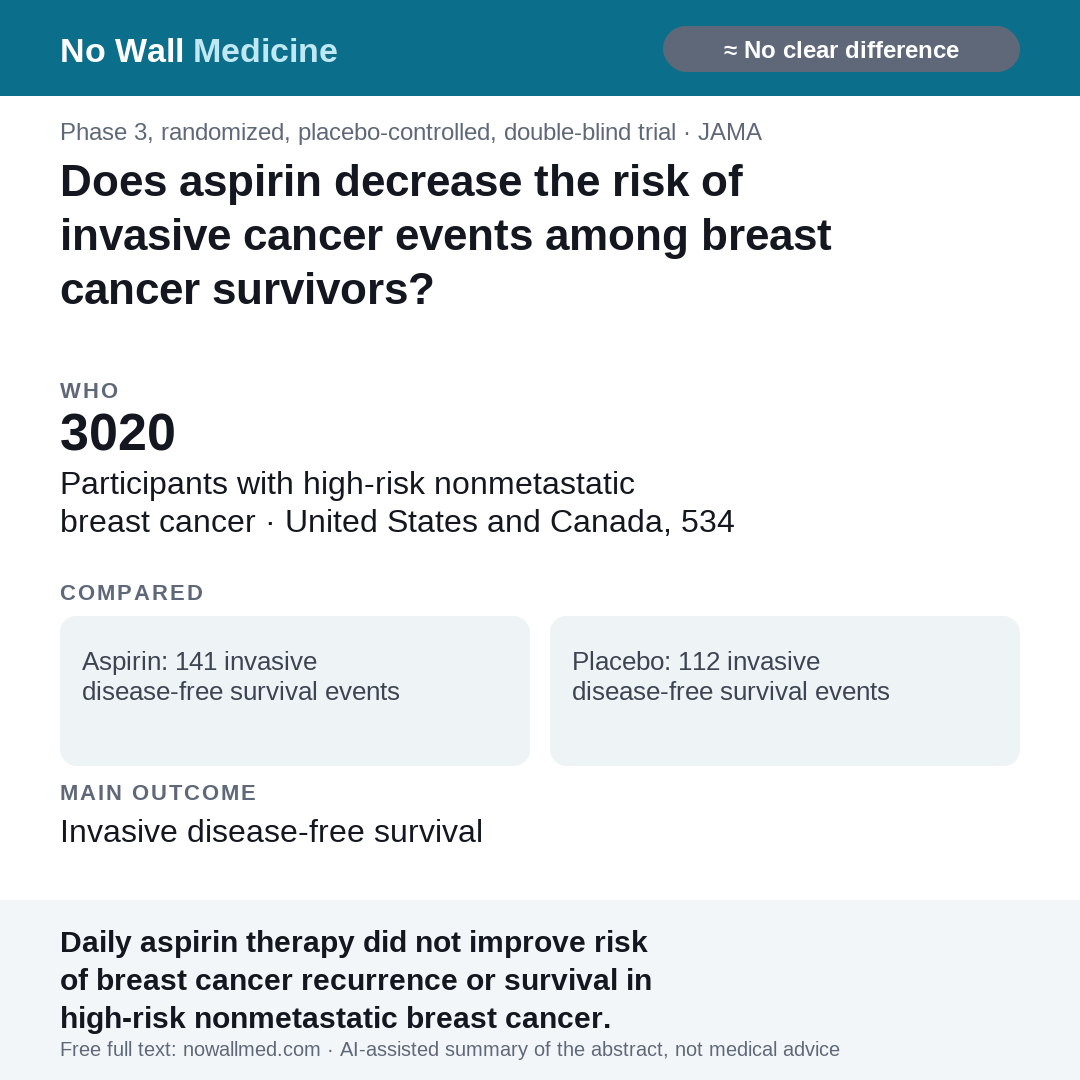
Aspirin vs Placebo as Adjuvant Therapy for Breast Cancer: The Alliance A011502 Randomized Trial
Phase 3, randomized, placebo-controlled, double-blind trialNo clear difference
Does aspirin decrease the risk of invasive cancer events among breast cancer survivors?
Who
3020
Participants with high-risk nonmetastatic breast cancer · United States and Canada, 534 sites
Compared
Aspirin: 141 invasive disease-free survival events
Placebo: 112 invasive disease-free survival events
Main outcome
Invasive disease-free survival
Result: hazard ratio 1.27 (95% CI, 0.99-1.63)
Bottom line: Daily aspirin therapy did not improve risk of breast cancer recurrence or survival in high-risk nonmetastatic breast cancer.
JAMA · 2024-04-29Download image
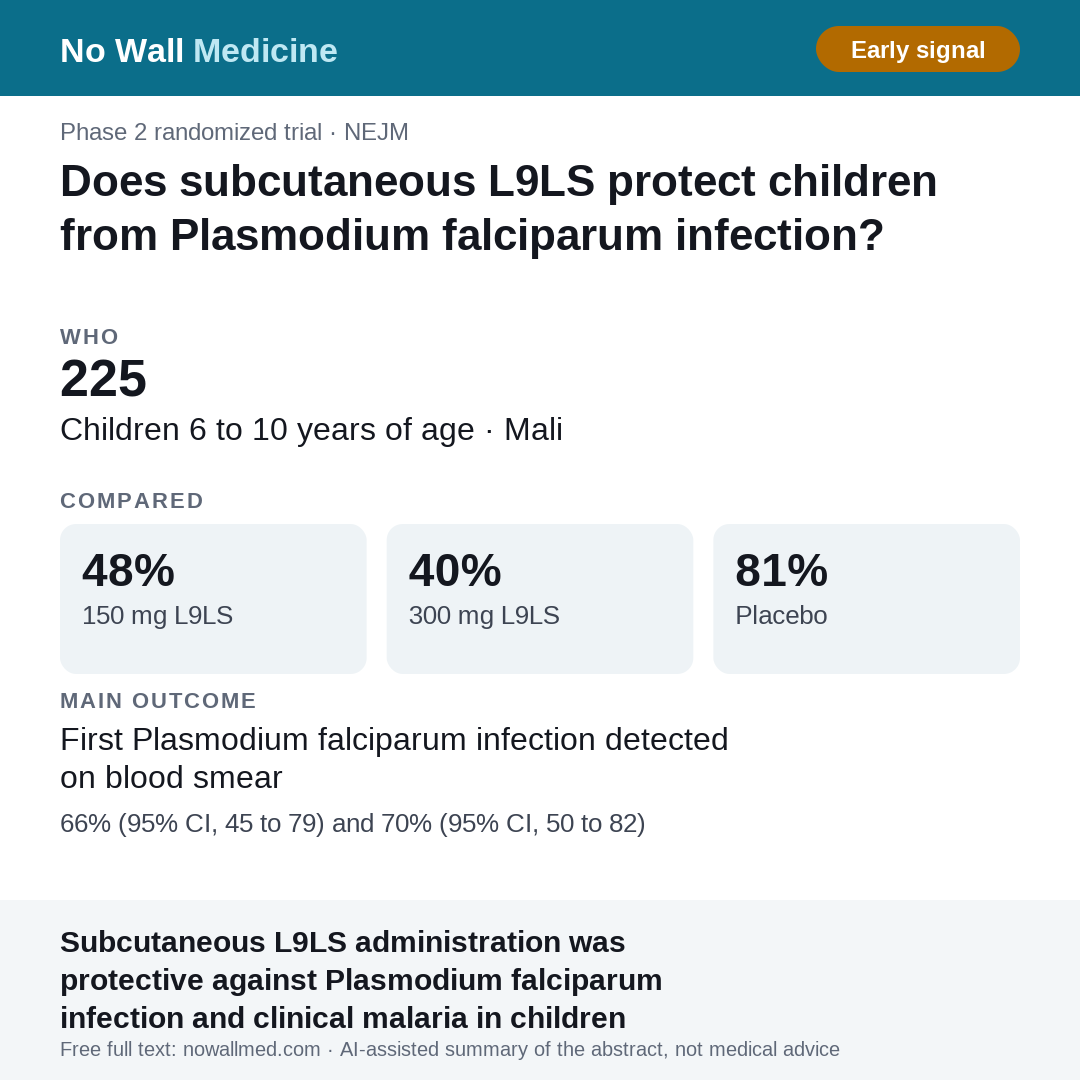
Subcutaneous Administration of a Monoclonal Antibody to Prevent Malaria
Phase 2 randomized trialBenefit found
Does subcutaneous L9LS protect children from Plasmodium falciparum infection?
Who
225
Children 6 to 10 years of age · Mali
Compared
48%150 mg L9LS
40%300 mg L9LS
81%Placebo
Main outcome
First Plasmodium falciparum infection detected on blood smear
Result: 66% (95% CI, 45 to 79) and 70% (95% CI, 50 to 82)
Bottom line: Subcutaneous L9LS administration was protective against Plasmodium falciparum infection and clinical malaria in children over 6 months.
Funded by: National Institute of Allergy and Infectious Diseases
NEJM · 2024-04-26Download image
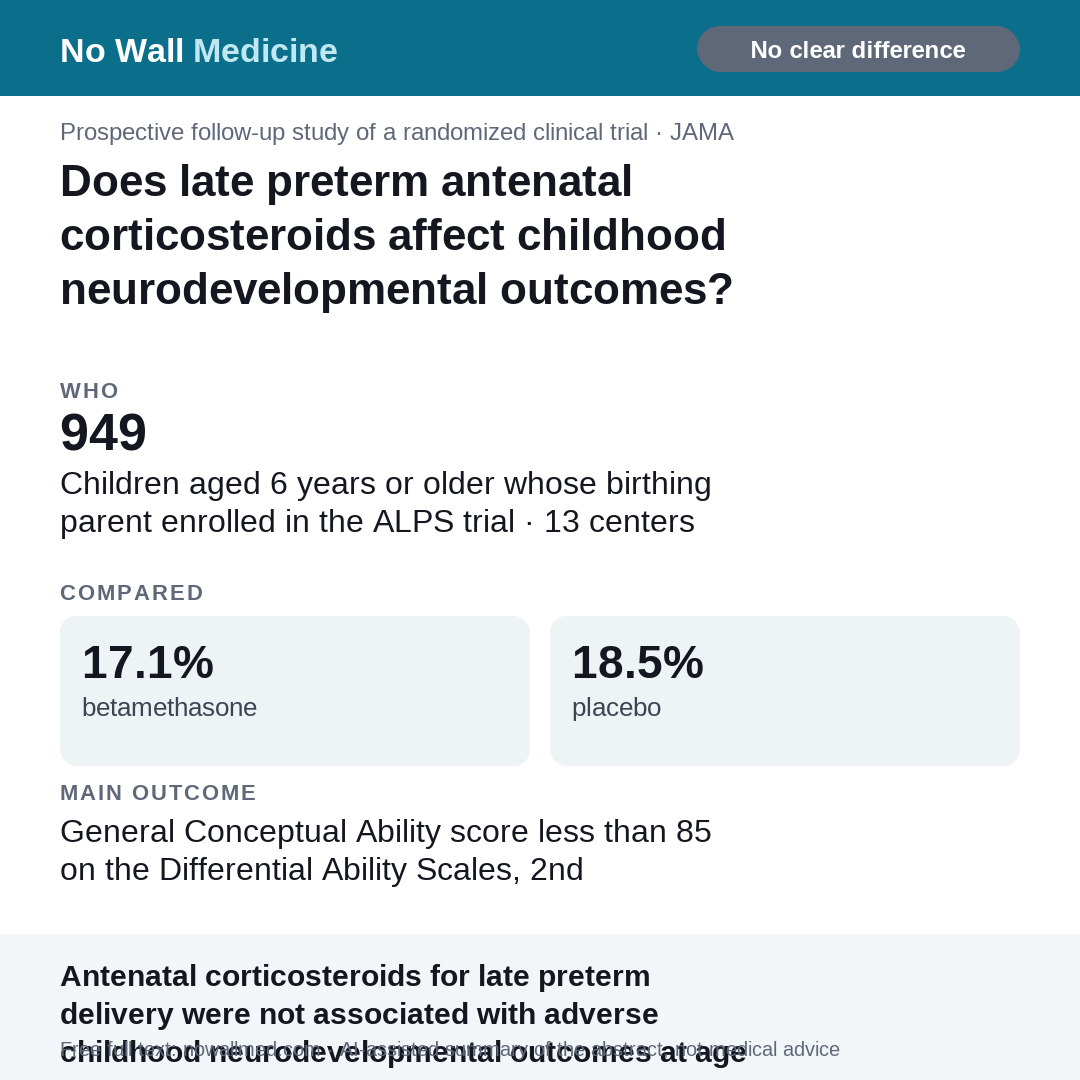
Neurodevelopmental Outcomes After Late Preterm Antenatal Corticosteroids: The ALPS Follow-Up Study
Prospective follow-up study of a randomized clinical trialNo clear difference
Does late preterm antenatal corticosteroids affect childhood neurodevelopmental outcomes?
Who
949
Children aged 6 years or older whose birthing parent enrolled in the ALPS trial · 13 centers in the Maternal-Fetal Medicine Units Network
Compared
17.1%betamethasone (82/479)
18.5%placebo (87/470)
Main outcome
General Conceptual Ability score less than 85 on the Differential Ability Scales, 2nd Edition
Result: adjusted relative risk 0.94 (95% CI 0.73-1.22)
Bottom line: Antenatal corticosteroids for late preterm delivery were not associated with adverse childhood neurodevelopmental outcomes at age 6 years or older.
JAMA · 2024-04-24Download image
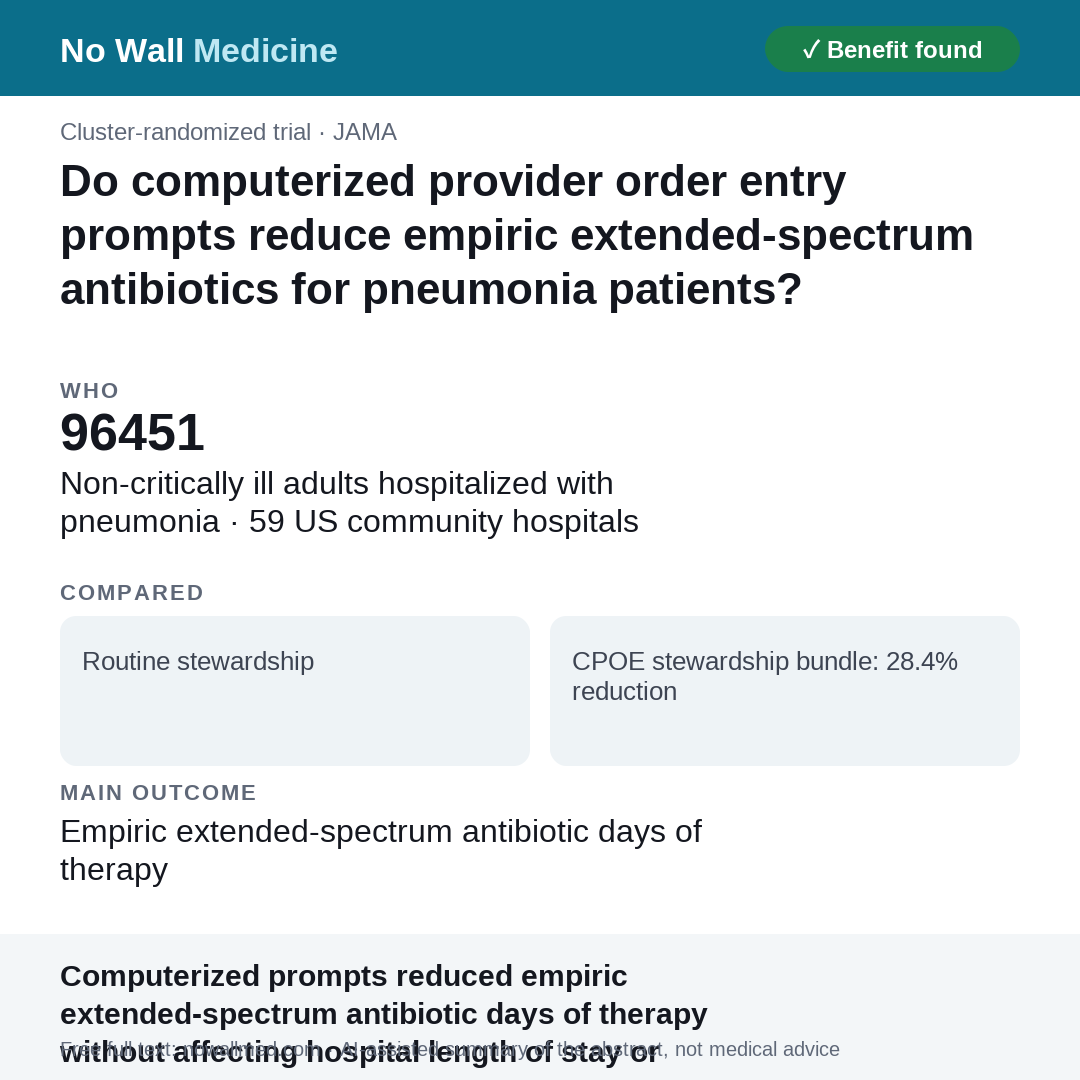
Stewardship Prompts to Improve Antibiotic Selection for Pneumonia: The INSPIRE Randomized Clinical Trial
Cluster-randomized trialBenefit found
Do computerized provider order entry prompts reduce empiric extended-spectrum antibiotics for pneumonia patients?
Who
96451
Non-critically ill adults hospitalized with pneumonia · 59 US community hospitals
Compared
Routine stewardship
CPOE stewardship bundle: 28.4% reduction
Main outcome
Empiric extended-spectrum antibiotic days of therapy
Result: rate ratio, 0.72 (95% CI, 0.66-0.78)
Bottom line: Computerized prompts reduced empiric extended-spectrum antibiotic days of therapy without affecting hospital length of stay or intensive care unit transfer.
JAMA · 2024-04-19Download image
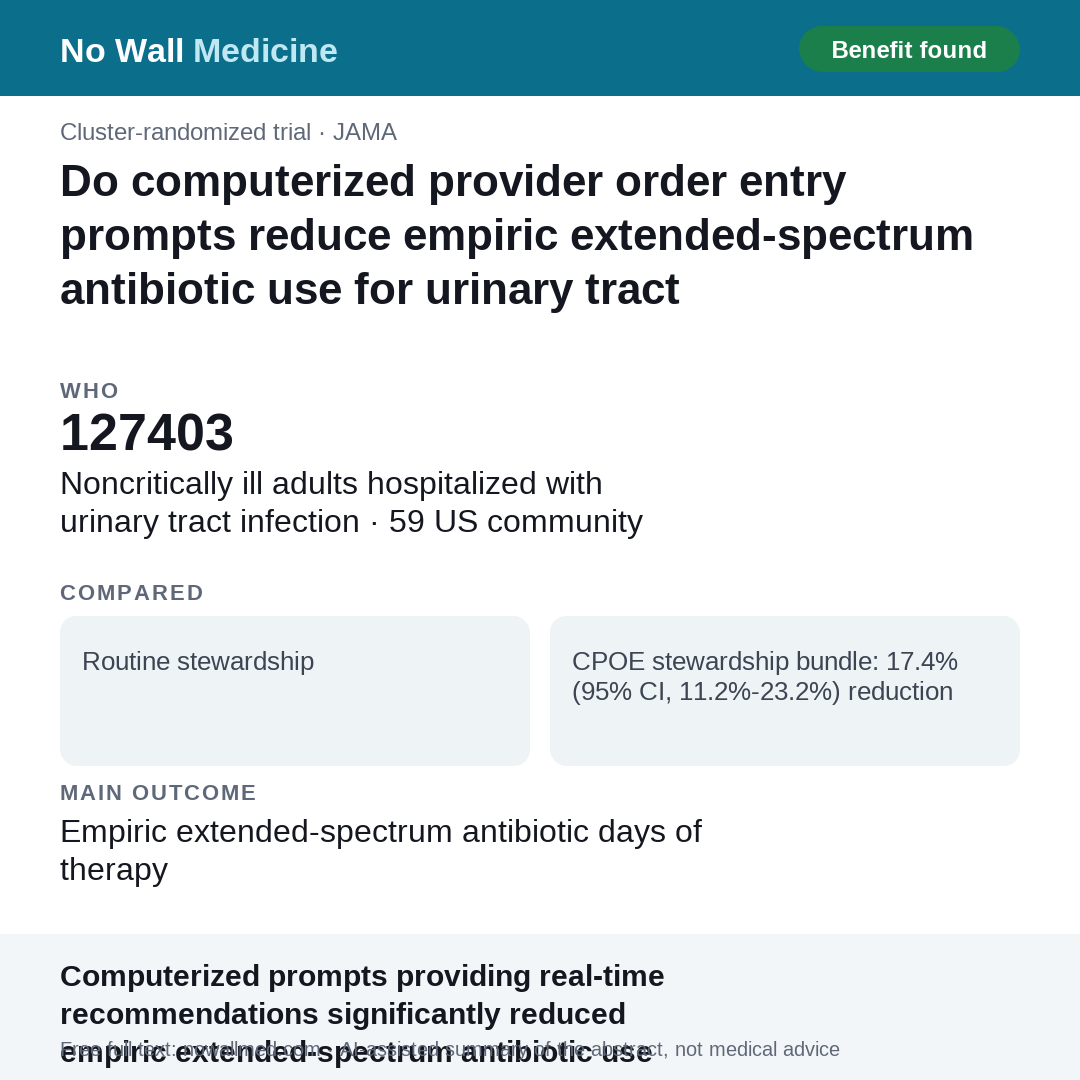
Stewardship Prompts to Improve Antibiotic Selection for Urinary Tract Infection: The INSPIRE Randomized Clinical Trial
Cluster-randomized trialBenefit found
Do computerized provider order entry prompts reduce empiric extended-spectrum antibiotic use for urinary tract infection?
Who
127403
Noncritically ill adults hospitalized with urinary tract infection · 59 US community hospitals
Compared
Routine stewardship
CPOE stewardship bundle: 17.4% (95% CI, 11.2%-23.2%) reduction
Main outcome
Empiric extended-spectrum antibiotic days of therapy
Result: rate ratio, 0.83 (95% CI, 0.77-0.89)
Bottom line: Computerized prompts providing real-time recommendations significantly reduced empiric extended-spectrum antibiotic use without affecting hospital length of stay.
JAMA · 2024-04-19Download image
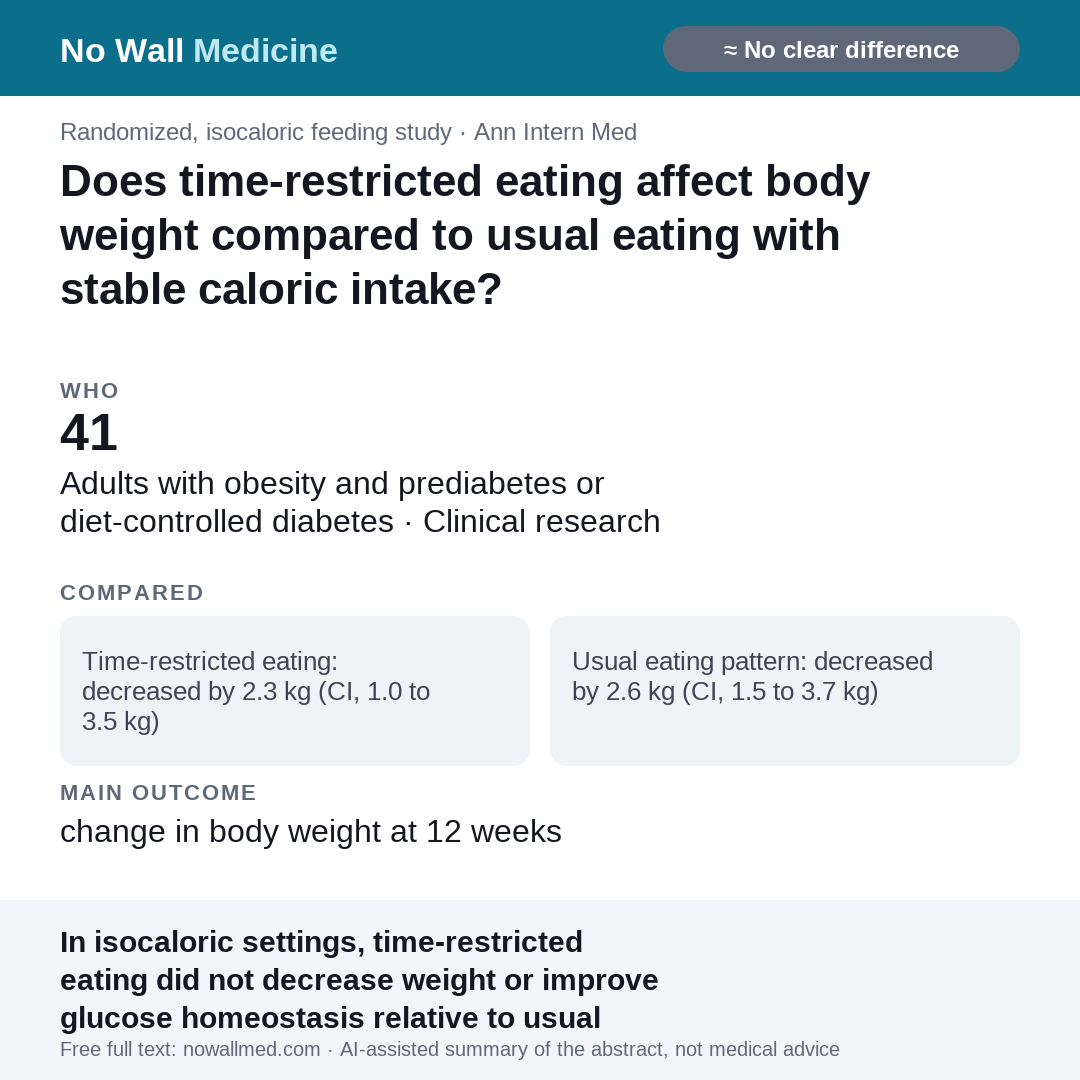
Effect of Isocaloric, Time-Restricted Eating on Body Weight in Adults With Obesity : A Randomized Controlled Trial
Randomized, isocaloric feeding studyNo clear difference
Does time-restricted eating affect body weight compared to usual eating with stable caloric intake?
Who
41
Adults with obesity and prediabetes or diet-controlled diabetes · Clinical research unit
Compared
Time-restricted eating: decreased by 2.3 kg (CI, 1.0 to 3.5 kg)
Usual eating pattern: decreased by 2.6 kg (CI, 1.5 to 3.7 kg)
Main outcome
change in body weight at 12 weeks
Result: average difference 0.3 kg (CI, -1.2 to 1.9 kg)
Bottom line: In isocaloric settings, time-restricted eating did not decrease weight or improve glucose homeostasis relative to usual eating.
Limitation: Small, single-site study; baseline differences in weight by group.
Funded by: American Heart Association
Ann Intern Med · 2024-04-19Download image
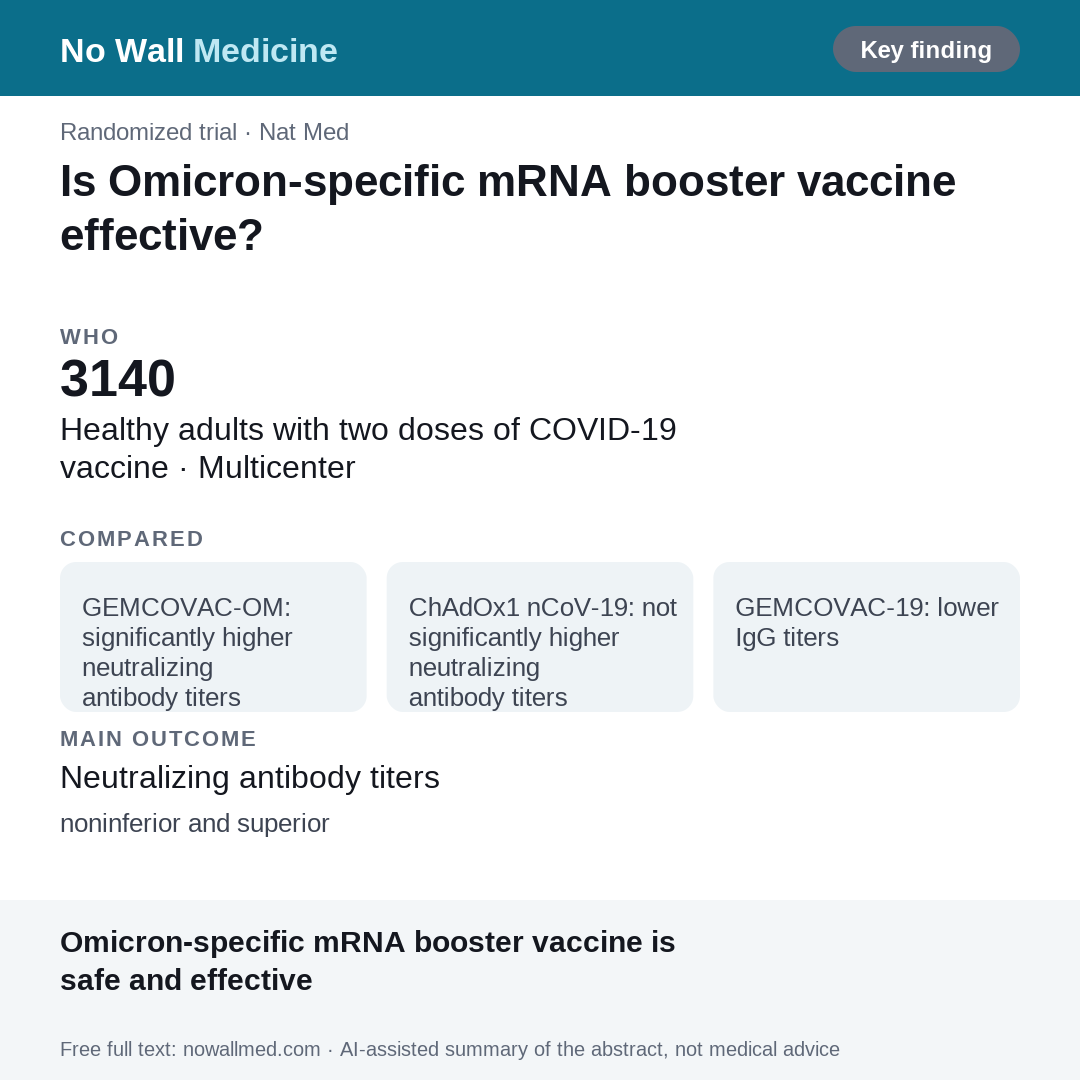
An Omicron-specific, self-amplifying mRNA booster vaccine for COVID-19: a phase 2/3 randomized trial
Randomized trialBenefit found
Is Omicron-specific mRNA booster vaccine effective?
Who
3140
Healthy adults with two doses of COVID-19 vaccine · Multicenter
Compared
GEMCOVAC-OM: significantly higher neutralizing antibody titers
ChAdOx1 nCoV-19: not significantly higher neutralizing antibody titers
GEMCOVAC-19: lower IgG titers
Main outcome
Neutralizing antibody titers
Result: noninferior and superior
Bottom line: Omicron-specific mRNA booster vaccine is safe and effective
Nat Med · 2024-04-18Download image
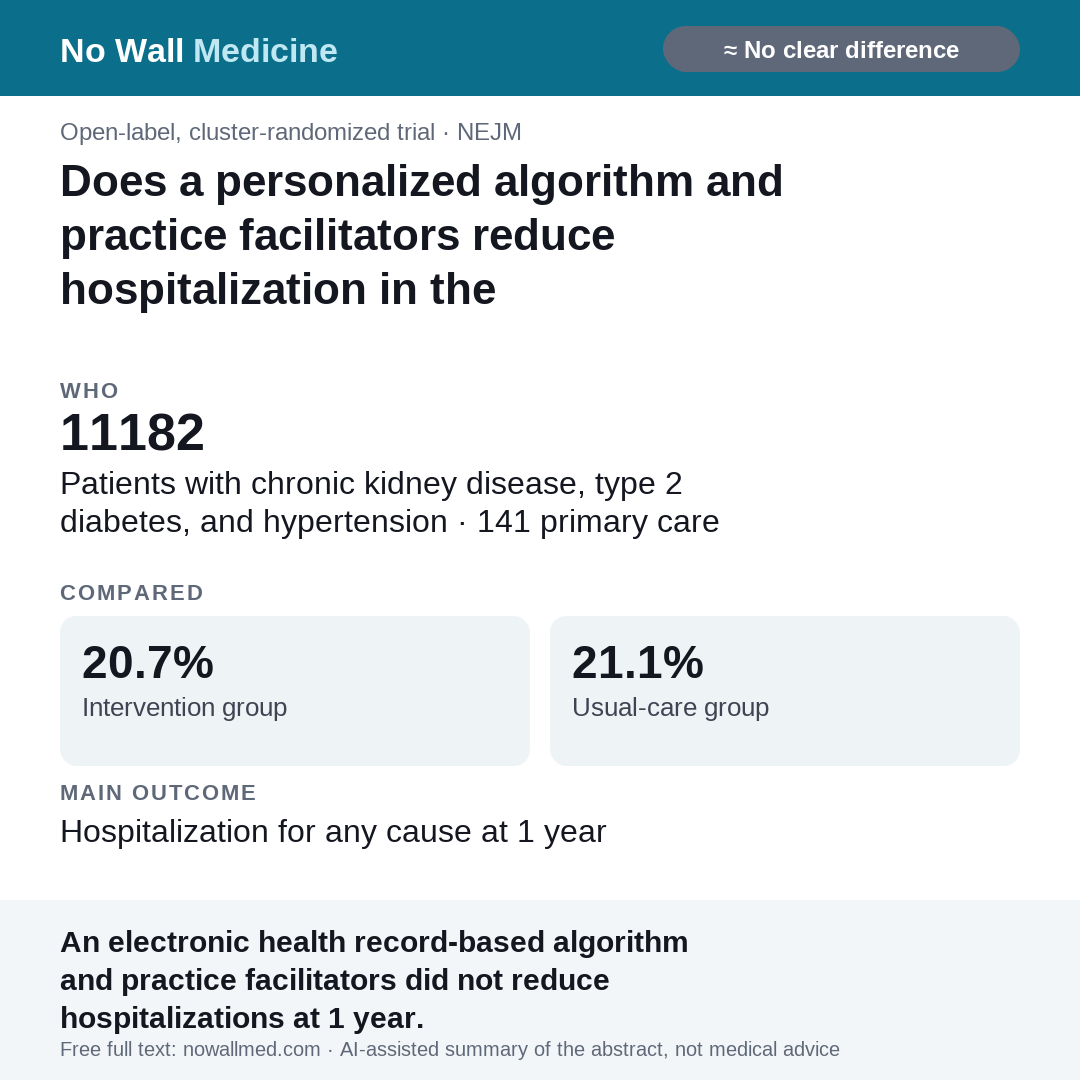
Pragmatic Trial of Hospitalization Rate in Chronic Kidney Disease
Open-label, cluster-randomized trialNo clear difference
Does a personalized algorithm and practice facilitators reduce hospitalization in the kidney-dysfunction triad?
Who
11182
Patients with chronic kidney disease, type 2 diabetes, and hypertension · 141 primary care clinics
Compared
20.7%Intervention group (95% confidence interval, 19.7 to 21.8)
21.1%Usual-care group (95% confidence interval, 20.1 to 22.2)
Main outcome
Hospitalization for any cause at 1 year
Result: between-group difference, 0.4 percentage points; P = 0.58
Bottom line: An electronic health record-based algorithm and practice facilitators did not reduce hospitalizations at 1 year.
Funded by: National Institutes of Health and others
NEJM · 2024-04-10Download image
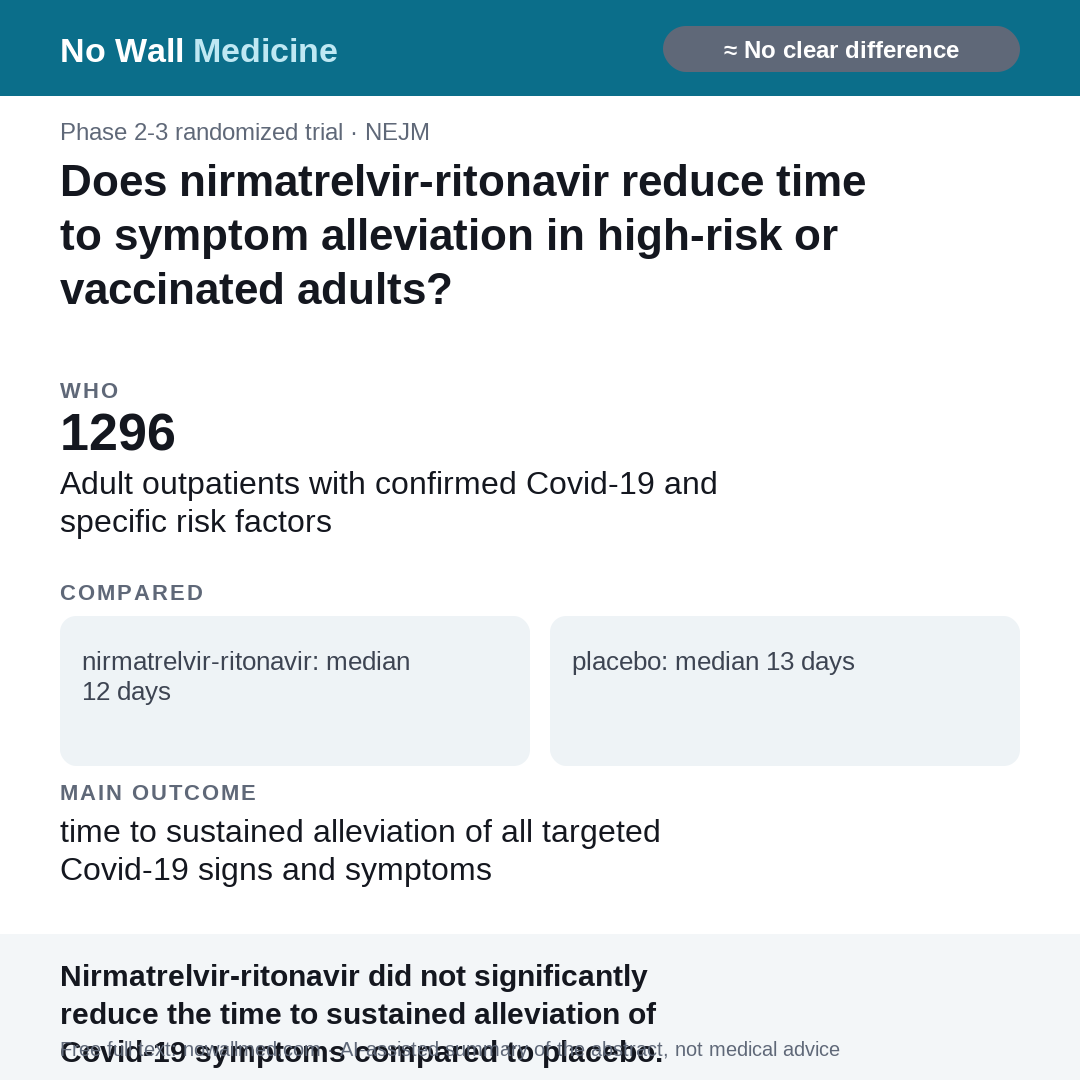
Nirmatrelvir for Vaccinated or Unvaccinated Adult Outpatients with Covid-19
Phase 2-3 randomized trialNo clear difference
Does nirmatrelvir-ritonavir reduce time to symptom alleviation in high-risk or vaccinated adults?
Who
1296
Adult outpatients with confirmed Covid-19 and specific risk factors
Compared
nirmatrelvir-ritonavir: median 12 days
placebo: median 13 days
Main outcome
time to sustained alleviation of all targeted Covid-19 signs and symptoms
Result: difference, -0.8 percentage points; 95% confidence interval, -2.0 to 0.4
Bottom line: Nirmatrelvir-ritonavir did not significantly reduce the time to sustained alleviation of Covid-19 symptoms compared to placebo.
Funded by: Pfizer
NEJM · 2024-04-10Download image
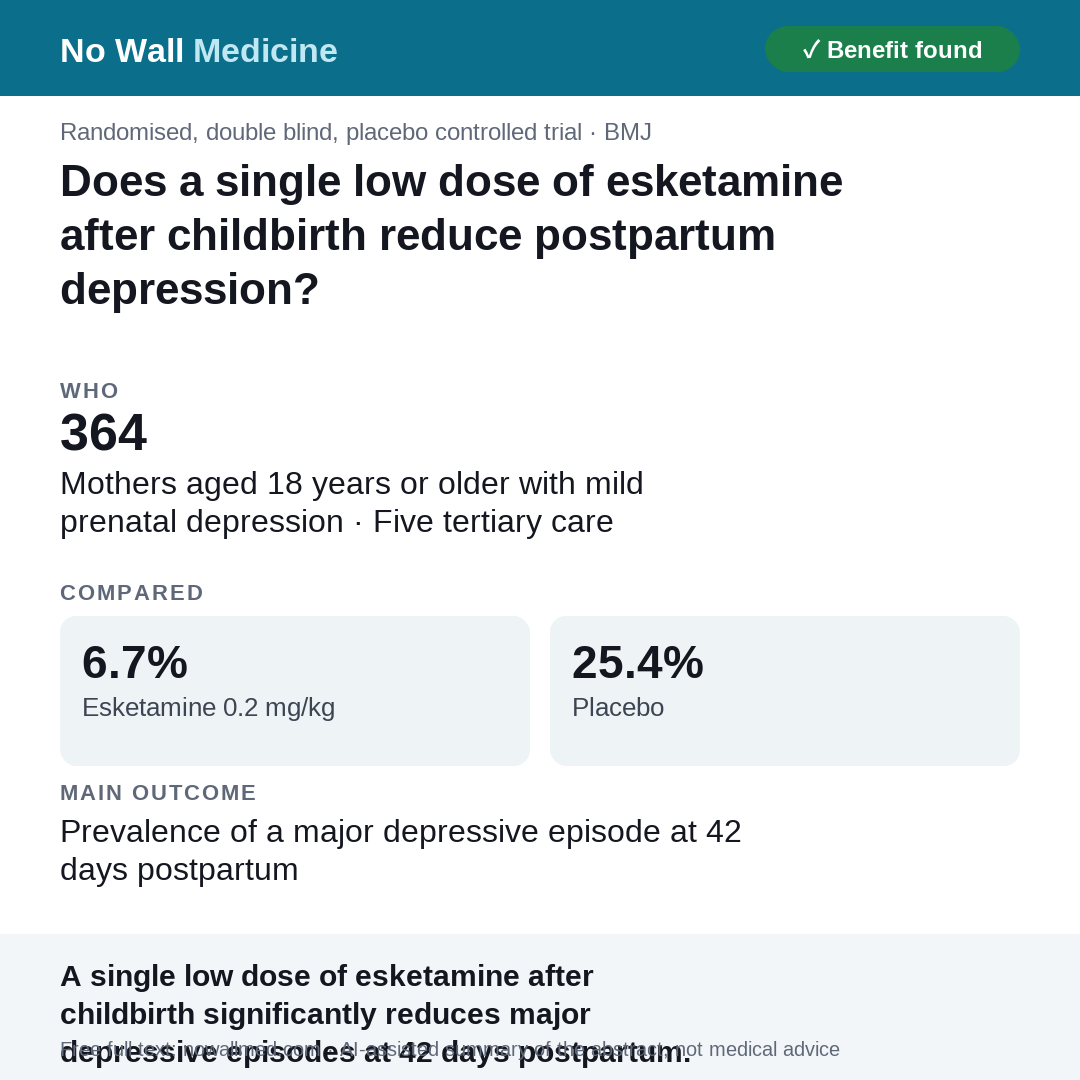
Efficacy of a single low dose of esketamine after childbirth for mothers with symptoms of prenatal depression: randomised clinical trial
Randomised, double blind, placebo controlled trialBenefit found
Does a single low dose of esketamine after childbirth reduce postpartum depression?
Who
364
Mothers aged 18 years or older with mild prenatal depression · Five tertiary care hospitals in China
Compared
6.7%Esketamine 0.2 mg/kg (12/180)
25.4%Placebo (46/181)
Main outcome
Prevalence of a major depressive episode at 42 days postpartum
Result: relative risk 0.26 (95% CI 0.14 to 0.48)
Bottom line: A single low dose of esketamine after childbirth significantly reduces major depressive episodes at 42 days postpartum.
BMJ · 2024-04-10Download image
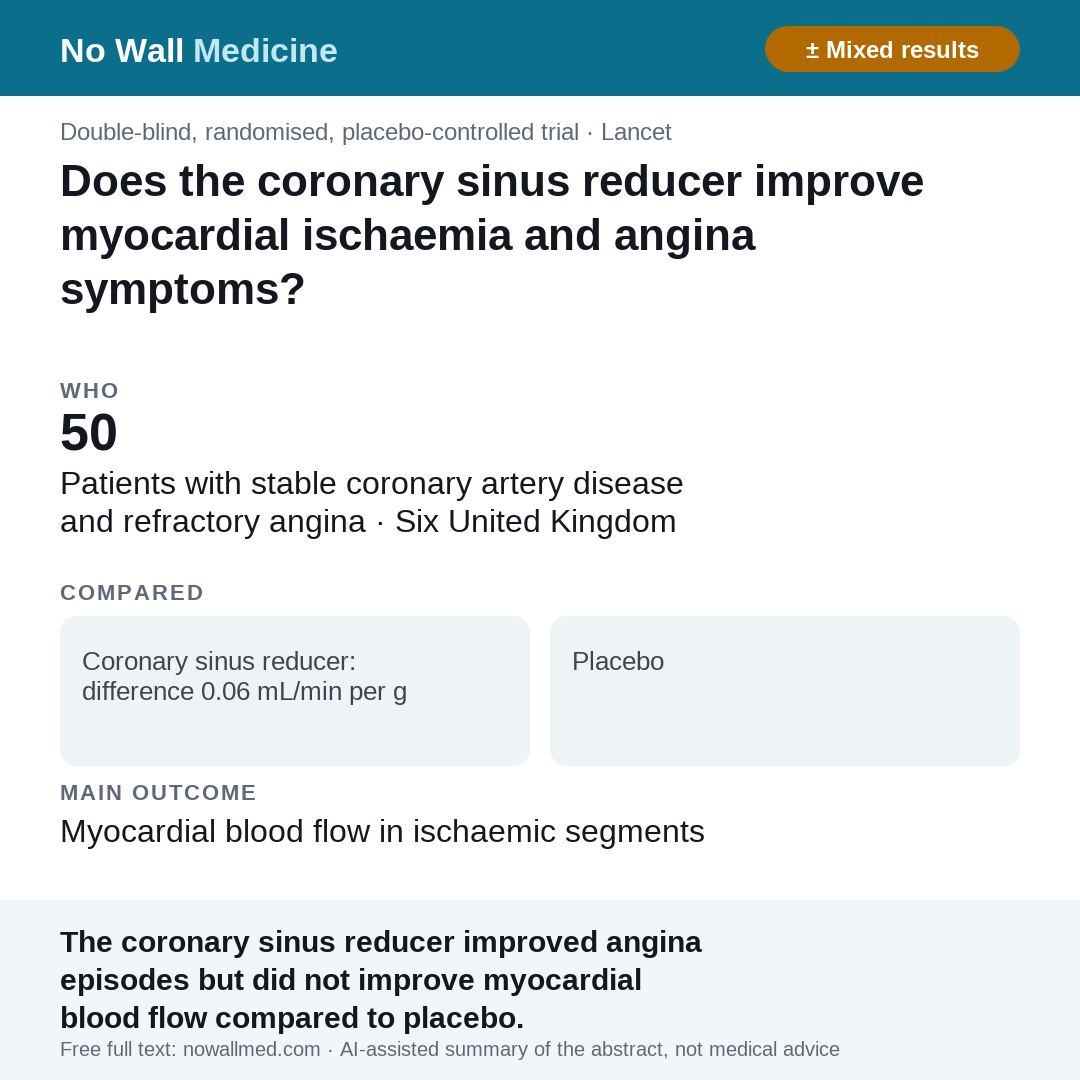
Coronary sinus reducer for the treatment of refractory angina (ORBITA-COSMIC): a randomised, placebo-controlled trial
Double-blind, randomised, placebo-controlled trialMixed results
Does the coronary sinus reducer improve myocardial ischaemia and angina symptoms?
Who
50
Patients with stable coronary artery disease and refractory angina · Six United Kingdom hospitals
Compared
Coronary sinus reducer: difference 0.06 mL/min per g
Placebo
Main outcome
Myocardial blood flow in ischaemic segments
Result: difference 0.06 mL/min per g (95% CrI -0.09 to 0.20)
Bottom line: The coronary sinus reducer improved angina episodes but did not improve myocardial blood flow compared to placebo.
Funded by: Medical Research Council and others
Lancet · 2024-04-08Download image
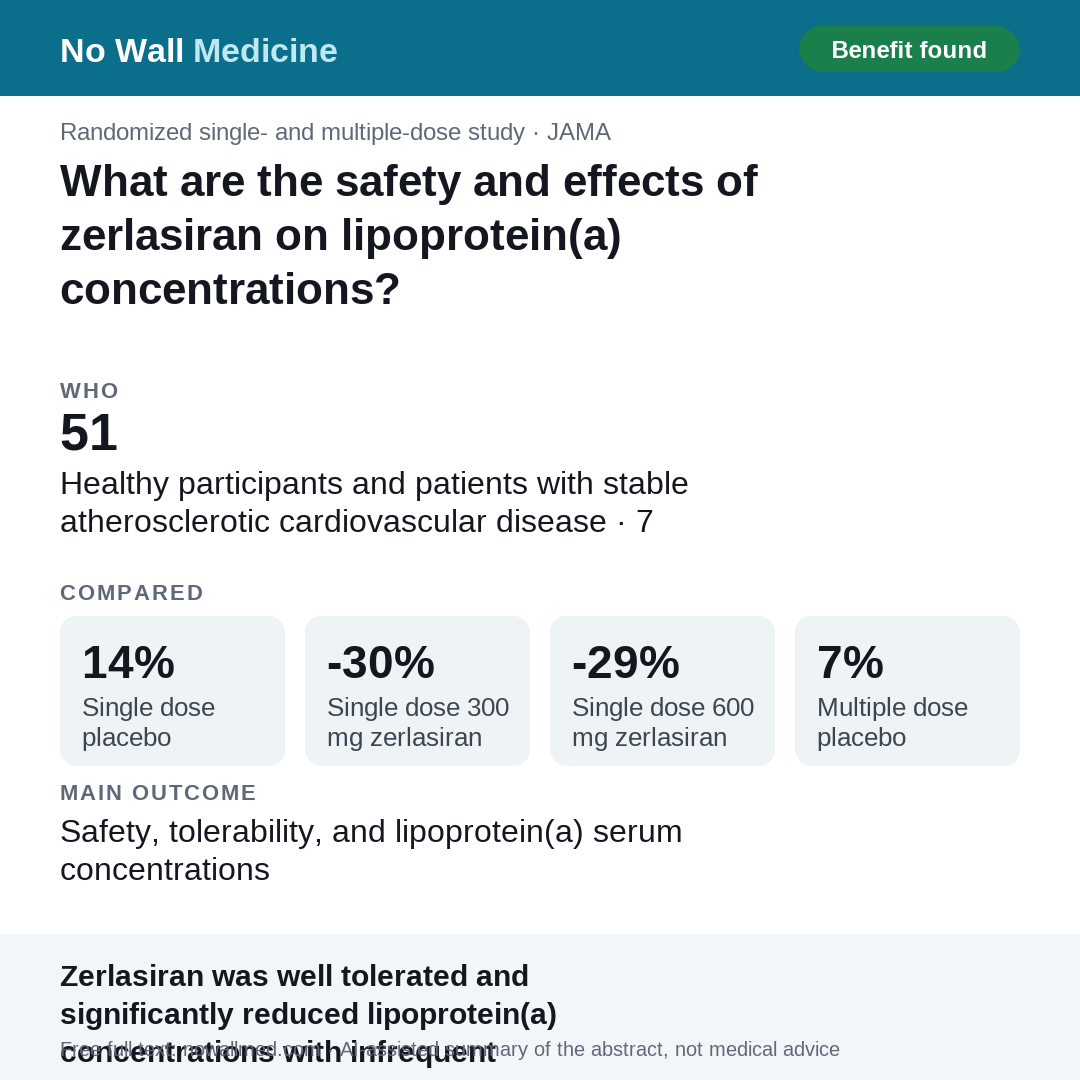
Single Ascending and Multiple-Dose Trial of Zerlasiran, a Short Interfering RNA Targeting Lipoprotein(a): A Randomized Clinical Trial
Randomized single- and multiple-dose studyBenefit found
What are the safety and effects of zerlasiran on lipoprotein(a) concentrations?
Who
51
Healthy participants and patients with stable atherosclerotic cardiovascular disease · 7 research sites in US, Netherlands, UK, and Australia
Compared
14%Single dose placebo (IQR, 13% to 15%)
-30%Single dose 300 mg zerlasiran (IQR, -51% to -18%)
-29%Single dose 600 mg zerlasiran (IQR, -39% to -7%)
7%Multiple dose placebo (IQR, -4% to 21%)
Main outcome
Safety, tolerability, and lipoprotein(a) serum concentrations
Bottom line: Zerlasiran was well tolerated and significantly reduced lipoprotein(a) concentrations with infrequent administration.
JAMA · 2024-04-08Download image
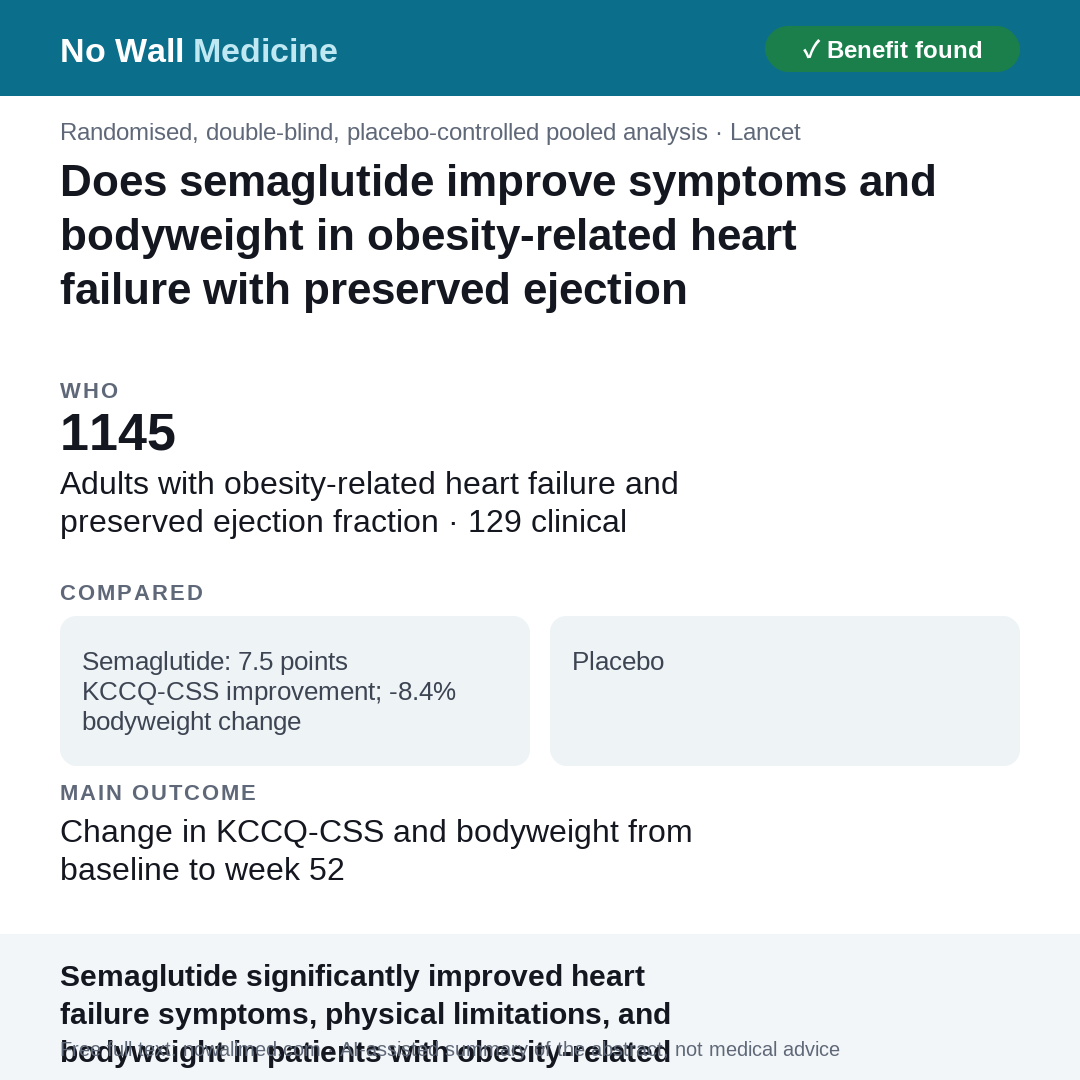
Semaglutide versus placebo in people with obesity-related heart failure with preserved ejection fraction: a pooled analysis of the STEP-HFpEF and STEP-HFpEF DM randomised trials
Randomised, double-blind, placebo-controlled pooled analysisBenefit found
Does semaglutide improve symptoms and bodyweight in obesity-related heart failure with preserved ejection fraction?
Who
1145
Adults with obesity-related heart failure and preserved ejection fraction · 129 clinical research sites in 18 countries
Compared
Semaglutide: 7.5 points KCCQ-CSS improvement; -8.4% bodyweight change
Placebo
Main outcome
Change in KCCQ-CSS and bodyweight from baseline to week 52
Result: mean between-group difference for KCCQ-CSS 7·5 points (95% CI 5·3 to 9·8)
Bottom line: Semaglutide significantly improved heart failure symptoms, physical limitations, and bodyweight in patients with obesity-related preserved ejection fraction.
Lancet · 2024-04-07Download image
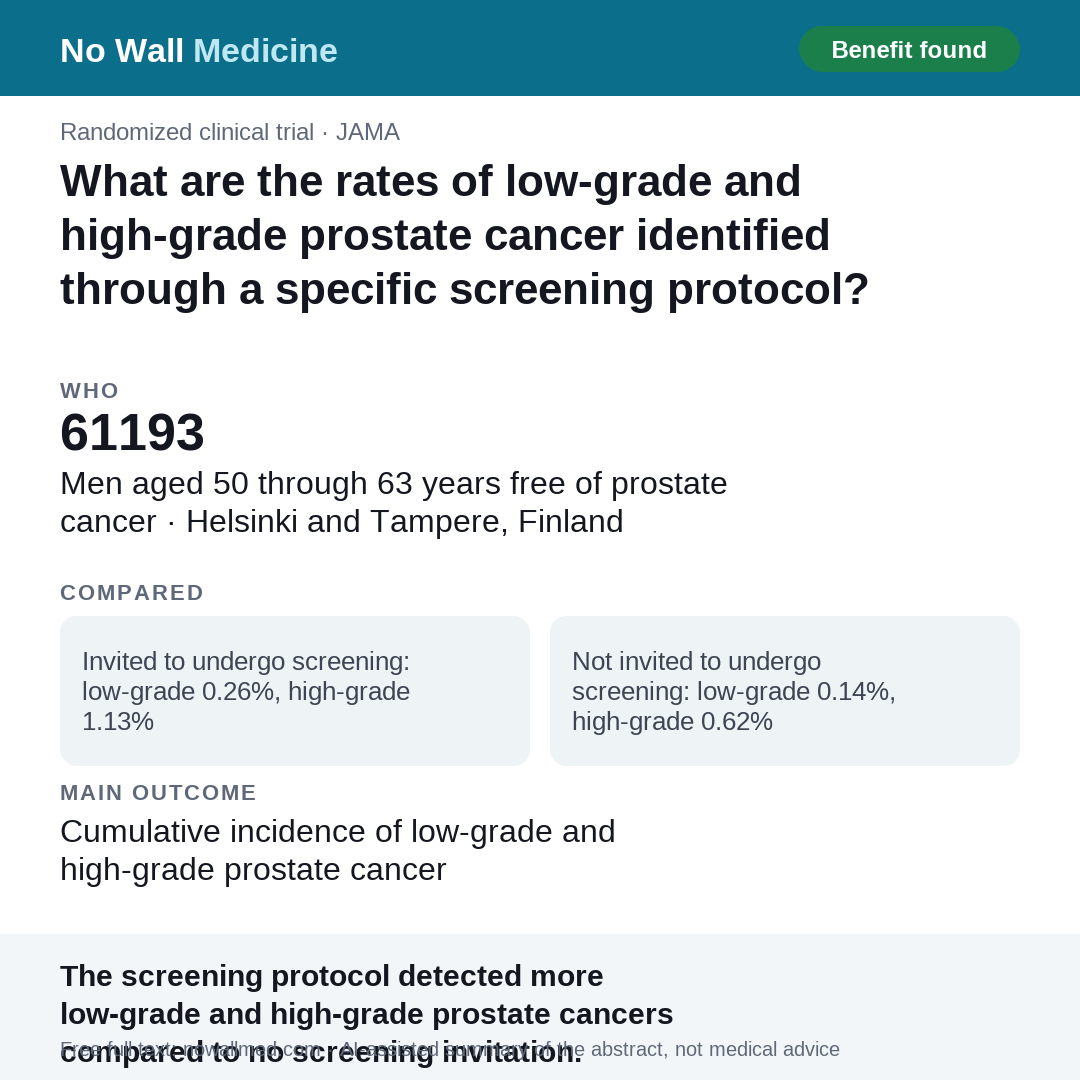
Prostate Cancer Screening With PSA, Kallikrein Panel, and MRI: The ProScreen Randomized Trial
Randomized clinical trialBenefit found
What are the rates of low-grade and high-grade prostate cancer identified through a specific screening protocol?
Who
61193
Men aged 50 through 63 years free of prostate cancer · Helsinki and Tampere, Finland
Compared
Invited to undergo screening: low-grade 0.26%, high-grade 1.13%
Not invited to undergo screening: low-grade 0.14%, high-grade 0.62%
Main outcome
Cumulative incidence of low-grade and high-grade prostate cancer
Result: risk difference 0.11% (95% CI, 0.03%-0.20%) for low-grade and 0.51% (95% CI, 0.33%-0.70%) for high-grade cancer
Bottom line: The screening protocol detected more low-grade and high-grade prostate cancers compared to no screening invitation.
JAMA · 2024-04-06Download image
Prostate-Specific Antigen Screening and 15-Year Prostate Cancer Mortality: A Secondary Analysis of the CAP Randomized Clinical Trial
Secondary analysis of a cluster randomized clinical trialBenefit found
Does a single invitation for prostate-specific antigen screening reduce prostate cancer-specific mortality?
Who
415357
Men aged 50 to 69 years · 573 primary care practices in England and Wales
Compared
0.69%PSA screening intervention (95% CI, 0.65%-0.73%)
0.78%Control group (95% CI, 0.73%-0.82%)
Main outcome
prostate cancer-specific mortality
Result: rate ratio 0.92 (95% CI, 0.85-0.99)
Bottom line: A single invitation for prostate-specific antigen screening reduced prostate cancer deaths at a median 15-year follow-up.
Limitation: the absolute reduction in deaths was small
JAMA · 2024-04-06Download image
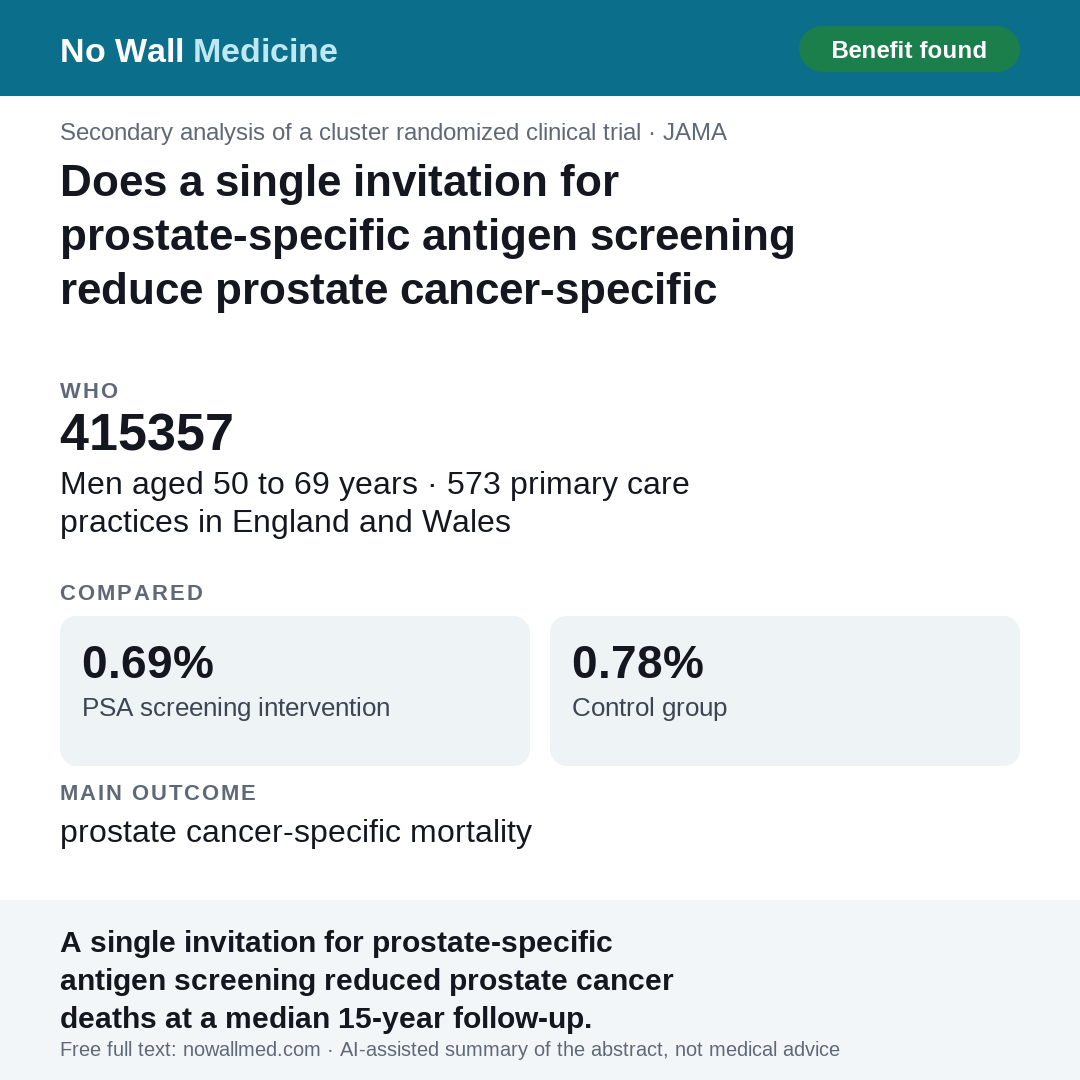
Integrated Hepatitis C-Opioid Use Disorder Care Through Facilitated Telemedicine: A Randomized Trial
Prospective, cluster randomized clinical trialBenefit found
Does facilitated telemedicine improve hepatitis C virus cure rates among persons with opioid use disorder?
Who
602
Hepatitis C-infected participants in opioid treatment programs · Twelve programs throughout New York State
Compared
90.3%Facilitated telemedicine (262 of 290)
39.4%Off-site referral (123 of 312)
Main outcome
Hepatitis C virus cure
Result: logarithmic odds ratio 2.9 (95% CI 2.0-3.5)
Bottom line: Integrated facilitated telemedicine resulted in significantly higher hepatitis C virus cure rates compared to standard off-site referral.
JAMA · 2024-04-03Download image
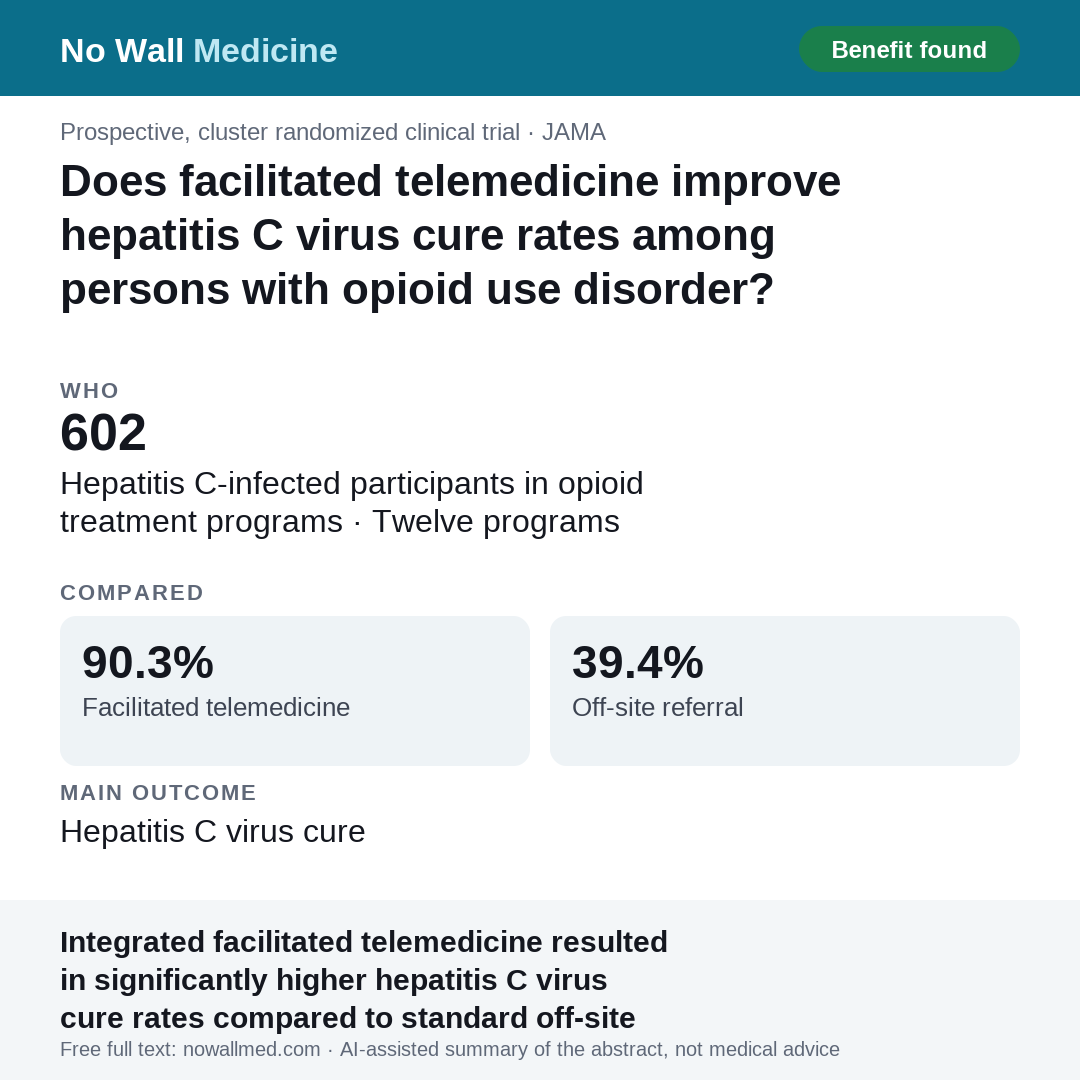
Effect of Early vs Late Inguinal Hernia Repair on Serious Adverse Event Rates in Preterm Infants: A Randomized Clinical Trial
Multicenter randomized clinical trialBenefit found
Is early or late inguinal hernia repair safer for preterm infants?
Who
338
Preterm infants with inguinal hernia diagnosed during initial hospitalization · 39 US hospitals
Compared
28%Early repair (159/149)
18%Late repair (149/149)
Main outcome
Occurrence of any prespecified serious adverse event
Result: risk difference, -7.9% (95% credible interval, -16.9% to 0%)
Bottom line: Late inguinal hernia repair resulted in fewer serious adverse events among preterm infants compared to early repair.
JAMA · 2024-03-26Download image
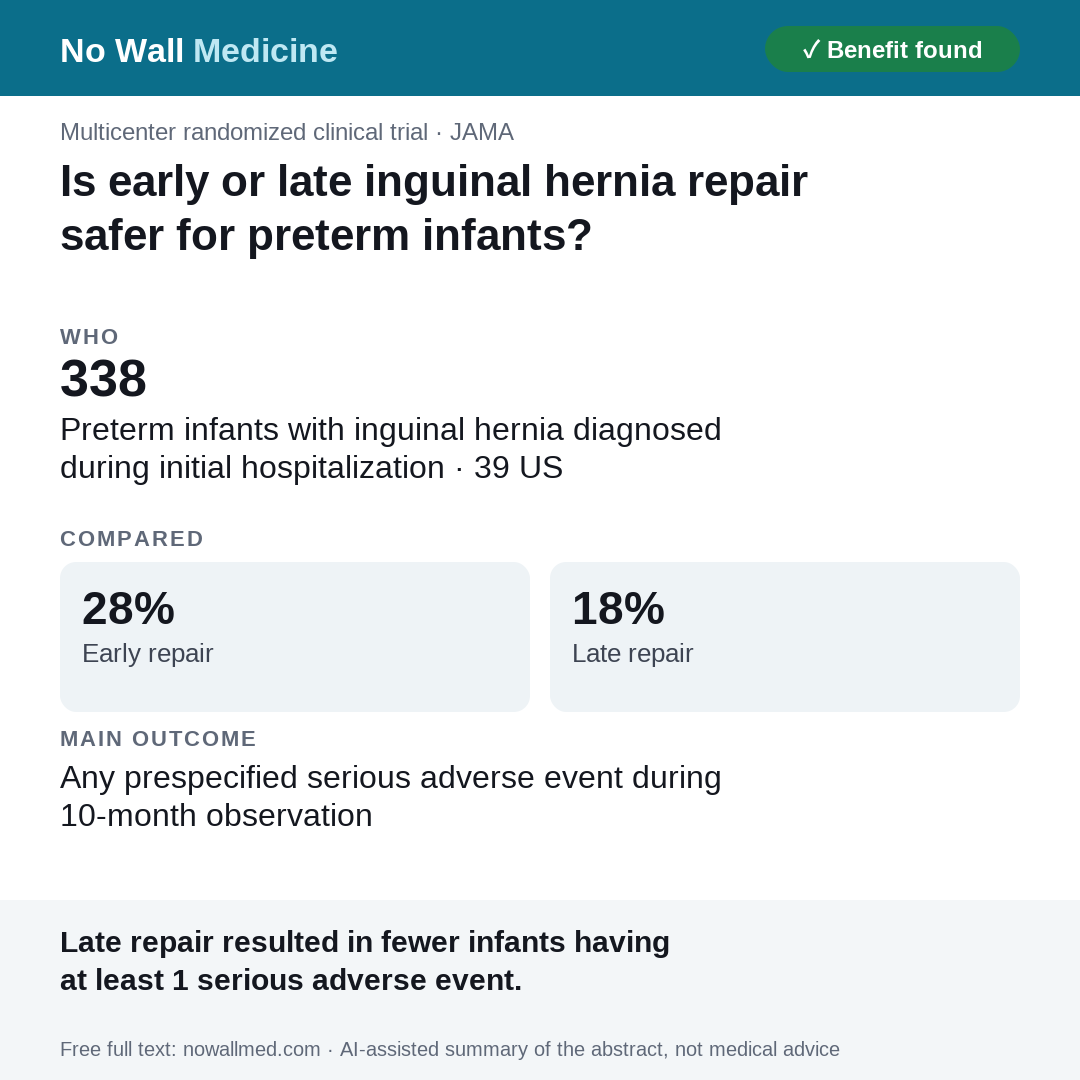
Aspirin for Metabolic Dysfunction-Associated Steatotic Liver Disease Without Cirrhosis: A Randomized Clinical Trial
Randomized, double-blind, placebo-controlled clinical trialBenefit found
Does low-dose aspirin reduce liver fat content in adults with MASLD without cirrhosis?
Who
80
Adults aged 18 to 70 years with MASLD without cirrhosis · Single hospital in Boston, Massachusetts
Compared
-6.6%Aspirin 81 mg
3.6%Placebo
Main outcome
Mean absolute change in hepatic fat content by proton magnetic resonance spectroscopy
Result: difference, -10.2% (95% CI, -27.7% to -2.6%)
Bottom line: Six months of daily low-dose aspirin significantly reduced hepatic fat quantity compared with placebo in patients with MASLD.
Limitation: Further study in a larger sample size is necessary to confirm these findings.
JAMA · 2024-03-19Download image
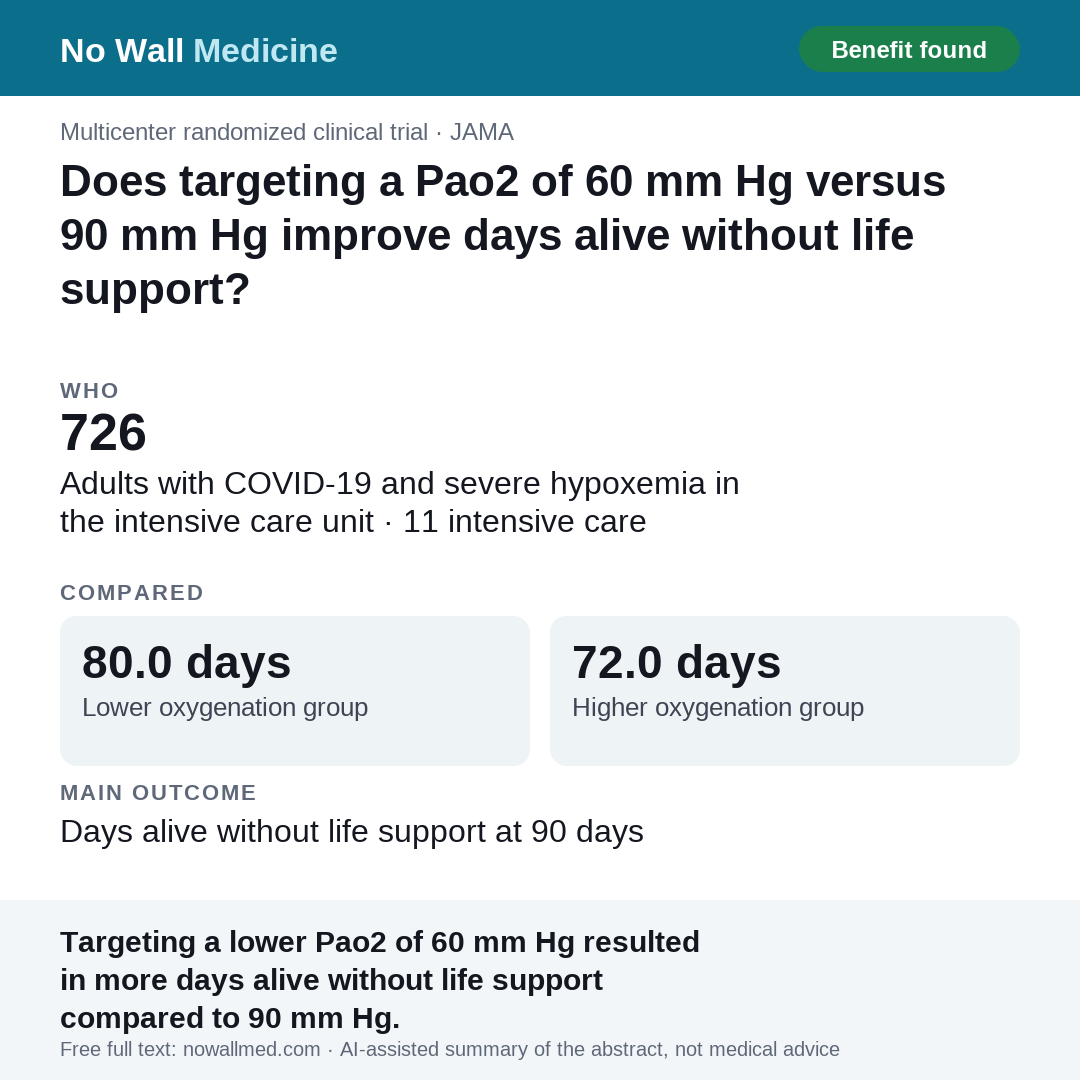
Lower vs Higher Oxygenation Target and Days Alive Without Life Support in COVID-19: The HOT-COVID Randomized Clinical Trial
Multicenter randomized clinical trialBenefit found
Does targeting a Pao2 of 60 mm Hg versus 90 mm Hg improve days alive without life support?
Who
726
Adults with COVID-19 and severe hypoxemia in the intensive care unit · 11 intensive care units in Europe
Compared
80.0 daysLower oxygenation group (IQR, 9.0-89.0 days)
72.0 daysHigher oxygenation group (IQR, 2.0-88.0 days)
Main outcome
Days alive without life support at 90 days
Result: adjusted mean difference, 5.8 days (95% CI, 0.2-11.5 days)
Bottom line: Targeting a lower Pao2 of 60 mm Hg resulted in more days alive without life support compared to 90 mm Hg.
JAMA · 2024-03-19Download image