Visual abstracts
New randomized trials and meta-analyses from leading journals at a glance: who was studied, what was compared, and what was found. Every paper is free to read in full.
All specialtiesCardiology 4763Oncology 4043Gastroenterology & Hepatology 1903Infectious Disease 3756Neurology 1872Psychiatry & Mental Health 2216Pulmonology 2044Critical Care 1319Endocrinology & Diabetes 2544Pediatrics 2889Surgery 2480Orthopedics & Sports Medicine 917Neurosurgery 525Cardiothoracic & Vascular Surgery 656Plastic & Reconstructive Surgery 574Nephrology 1107Rheumatology 810Hematology 1090Dermatology 611Ophthalmology 532Obstetrics & Gynecology 1645Public & Global Health 1037Radiology & Imaging 619Anesthesiology 958Urology 745ENT (Otolaryngology) 494Emergency Medicine 481Allergy & Immunology 309Geriatrics 972Family Medicine & Primary Care 534Medical Genetics & Genomics 659Pathology & Laboratory Medicine 156Physical Medicine & Rehabilitation 734Palliative Care 421Nutrition 1560Digital Health & AI 2137General Medicine 318
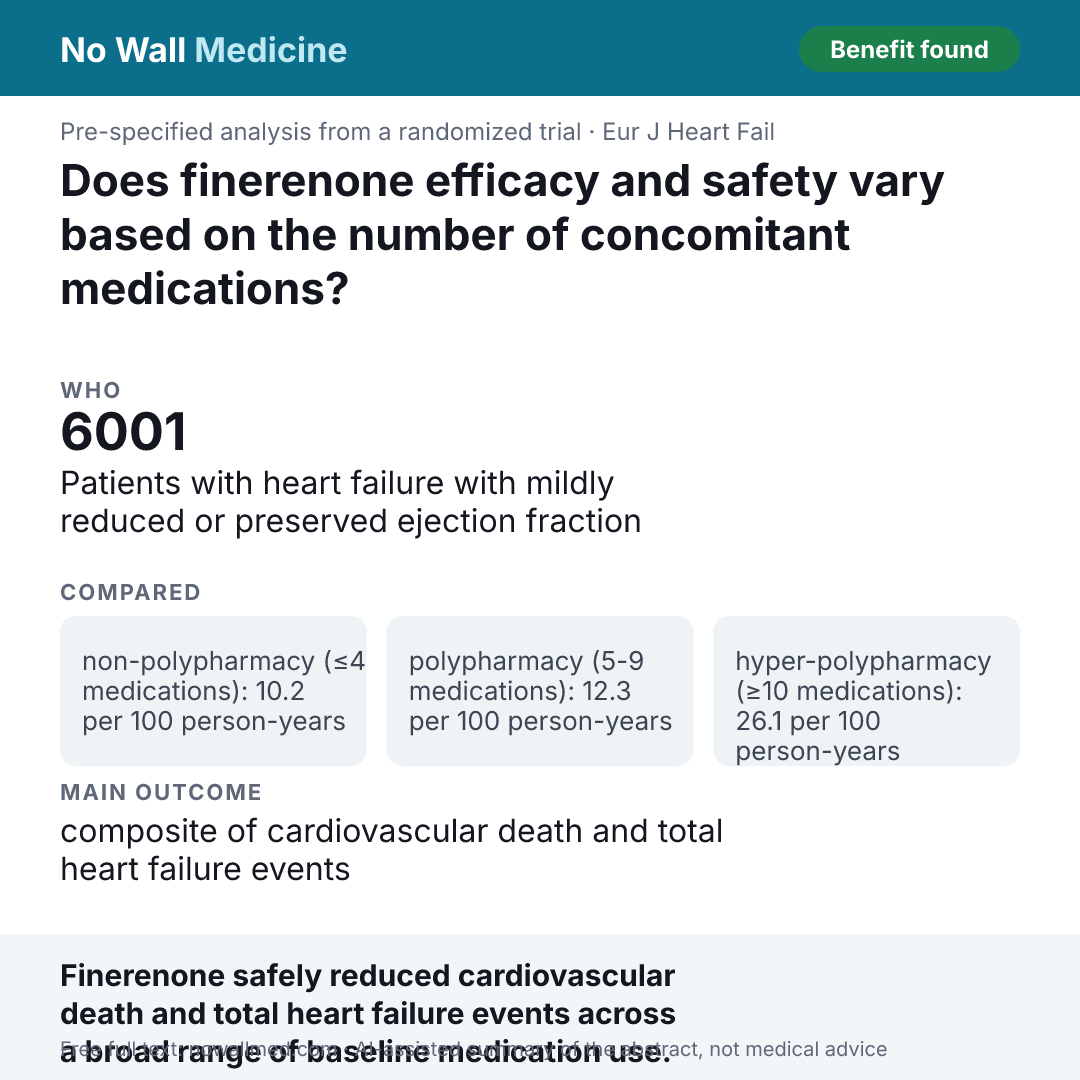
Finerenone, polypharmacy, and clinical outcomes in heart failure: pre-specified analysis from the FINEARTS-HF trial
Pre-specified analysis from a randomized trialBenefit found
Does finerenone efficacy and safety vary based on the number of concomitant medications?
Who
6001
Patients with heart failure with mildly reduced or preserved ejection fraction
Compared
non-polypharmacy (≤4 medications): 10.2 per 100 person-years
polypharmacy (5-9 medications): 12.3 per 100 person-years
hyper-polypharmacy (≥10 medications): 26.1 per 100 person-years
Main outcome
composite of cardiovascular death and total heart failure events
Bottom line: Finerenone safely reduced cardiovascular death and total heart failure events across a broad range of baseline medication use.
Eur J Heart Fail · 2026-03-02 · Save PNG
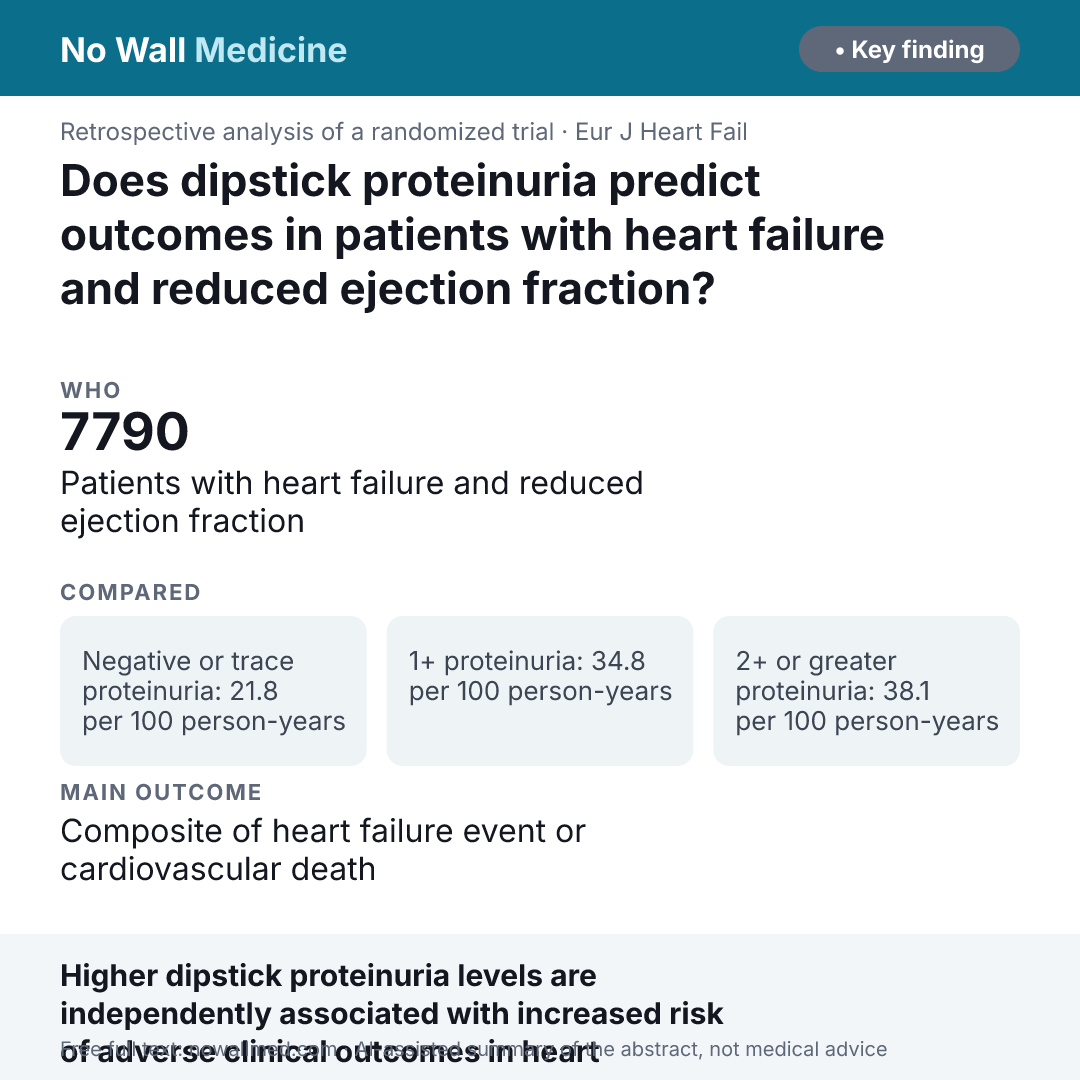
Dipstick proteinuria and outcomes in patients with heart failure and reduced ejection fraction: insights from GALACTIC-HF
Retrospective analysis of a randomized trialKey finding
Does dipstick proteinuria predict outcomes in patients with heart failure and reduced ejection fraction?
Who
7790
Patients with heart failure and reduced ejection fraction
Compared
Negative or trace proteinuria: 21.8 per 100 person-years
1+ proteinuria: 34.8 per 100 person-years
2+ or greater proteinuria: 38.1 per 100 person-years
Main outcome
Composite of heart failure event or cardiovascular death
Bottom line: Higher dipstick proteinuria levels are independently associated with increased risk of adverse clinical outcomes in heart failure patients.
Eur J Heart Fail · 2026-03-02 · Save PNG
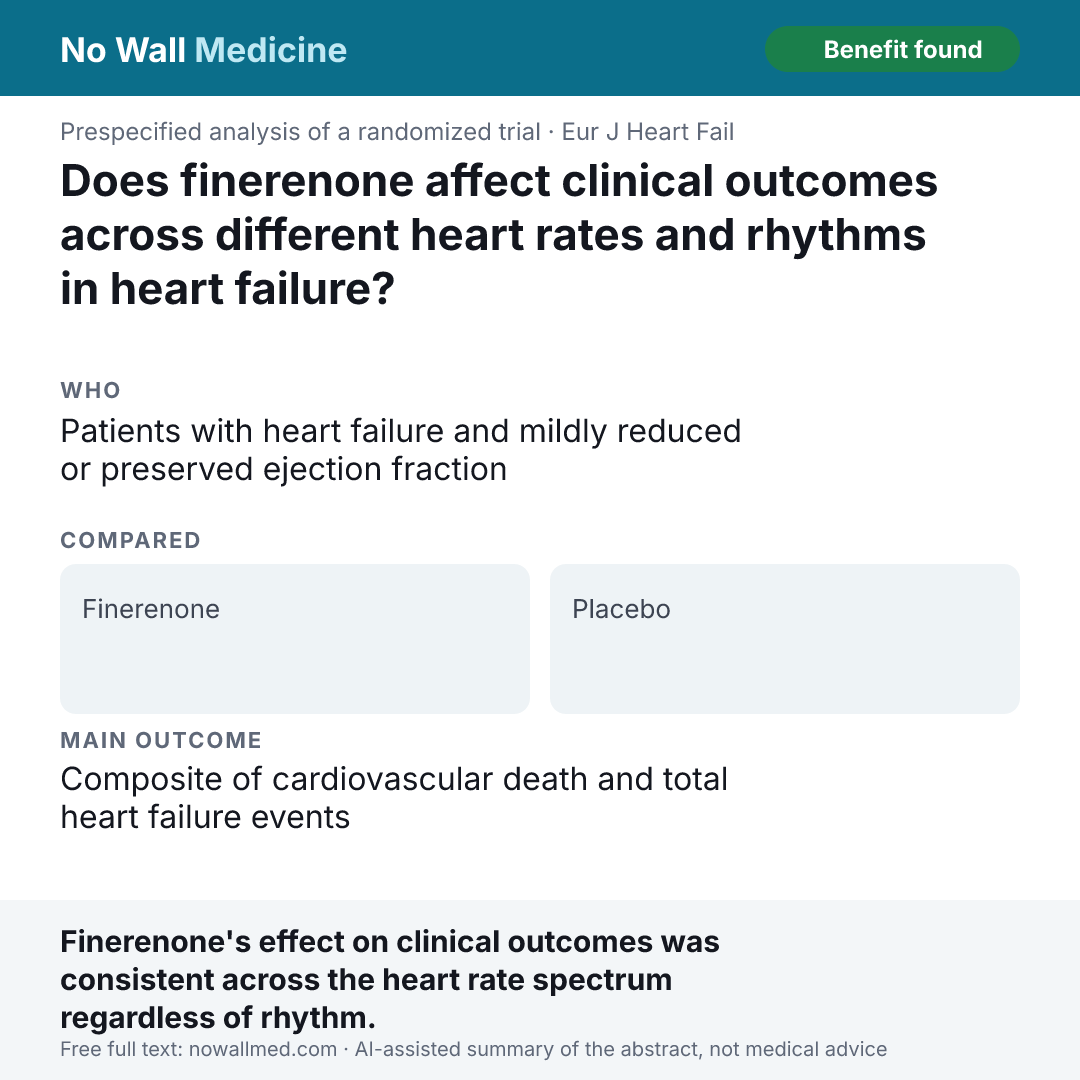
Efficacy of finerenone in patients with heart failure and mildly reduced or preserved ejection fraction: a prespecified analysis of heart rate and heart rhythm in the FINEARTS-HF trial
Prespecified analysis of a randomized trialBenefit found
Does finerenone affect clinical outcomes across different heart rates and rhythms in heart failure?
Who
Patients with heart failure and mildly reduced or preserved ejection fraction
Compared
Finerenone
Placebo
Main outcome
Composite of cardiovascular death and total heart failure events
Bottom line: Finerenone's effect on clinical outcomes was consistent across the heart rate spectrum regardless of rhythm.
Eur J Heart Fail · 2026-03-02 · Save PNG
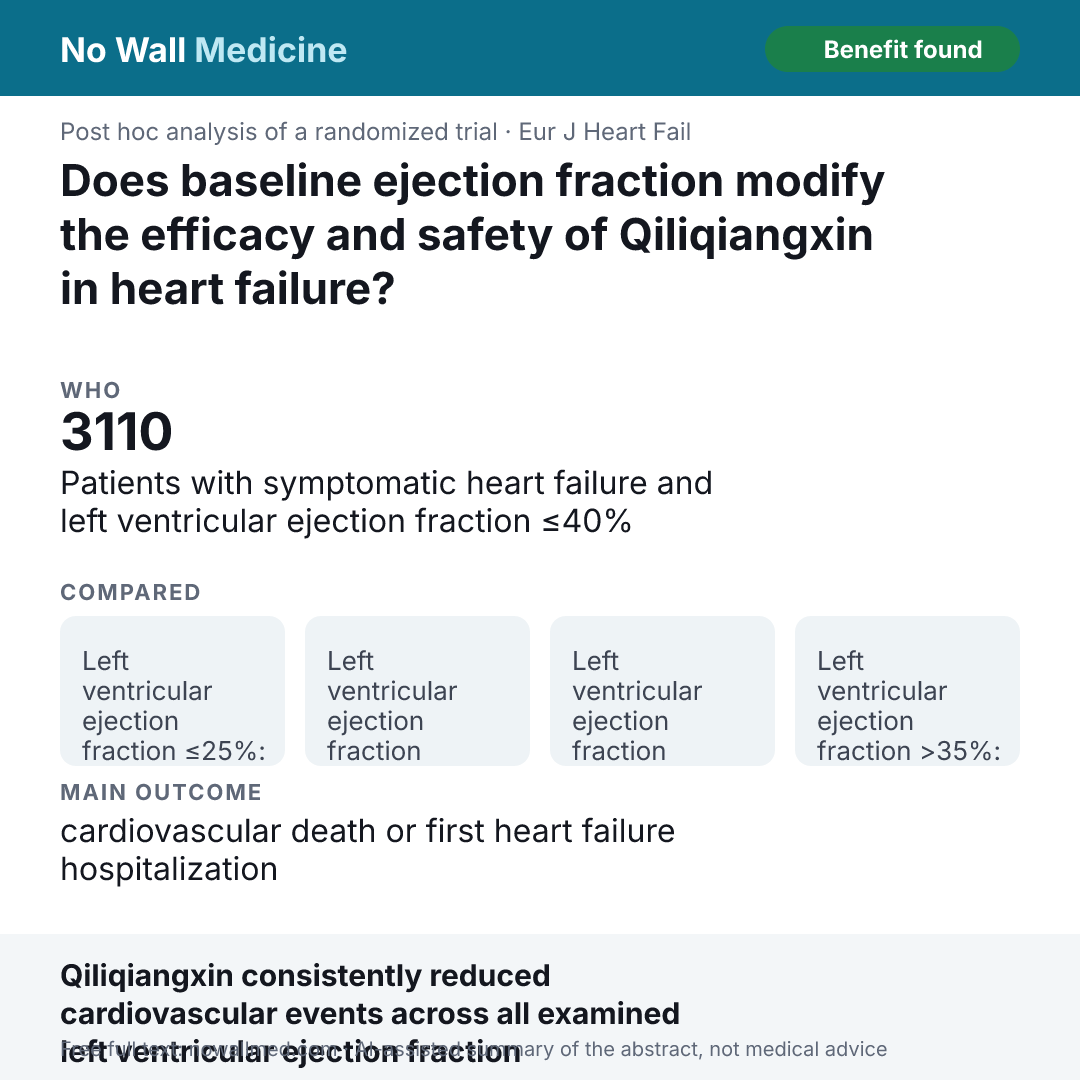
The efficacy and safety of qiliqiangxin according to baseline ejection fraction in patients with heart failure and reduced ejection fraction in QUEST
Post hoc analysis of a randomized trialBenefit found
Does baseline ejection fraction modify the efficacy and safety of Qiliqiangxin in heart failure?
Who
3110
Patients with symptomatic heart failure and left ventricular ejection fraction ≤40%
Compared
Left ventricular ejection fraction ≤25%: hazard ratio 0.91 (95% CI 0.64-1.30)
Left ventricular ejection fraction >25-30%: hazard ratio 0.65 (95% CI 0.47-0.89)
Left ventricular ejection fraction >30-35%: hazard ratio 0.94 (95% CI 0.71-1.26)
Left ventricular ejection fraction >35%: hazard ratio 0.71 (95% CI 0.55-0.91)
Main outcome
cardiovascular death or first heart failure hospitalization
Result: Pinteraction = .28
Bottom line: Qiliqiangxin consistently reduced cardiovascular events across all examined left ventricular ejection fraction categories in heart failure patients.
Limitation: limited use of sodium-glucose co-transporter 2 inhibitors
Eur J Heart Fail · 2026-03-02 · Save PNG
Mitral regurgitation in patients with heart failure and reduced ejection fraction: insights from GALACTIC-HF
Randomized trialHarm found
Does mitral regurgitation affect outcomes in patients with heart failure and reduced ejection fraction?
Who
8232
Patients with heart failure and reduced ejection fraction
Compared
No mitral regurgitation
Moderate mitral regurgitation
Main outcome
First heart failure event or cardiovascular death
Result: adjusted hazard ratio 1.11 (95% CI 1.01-1.23)
Bottom line: Moderate mitral regurgitation was associated with a higher risk of heart failure or cardiovascular death.
Eur J Heart Fail · 2026-03-02 · Save PNG

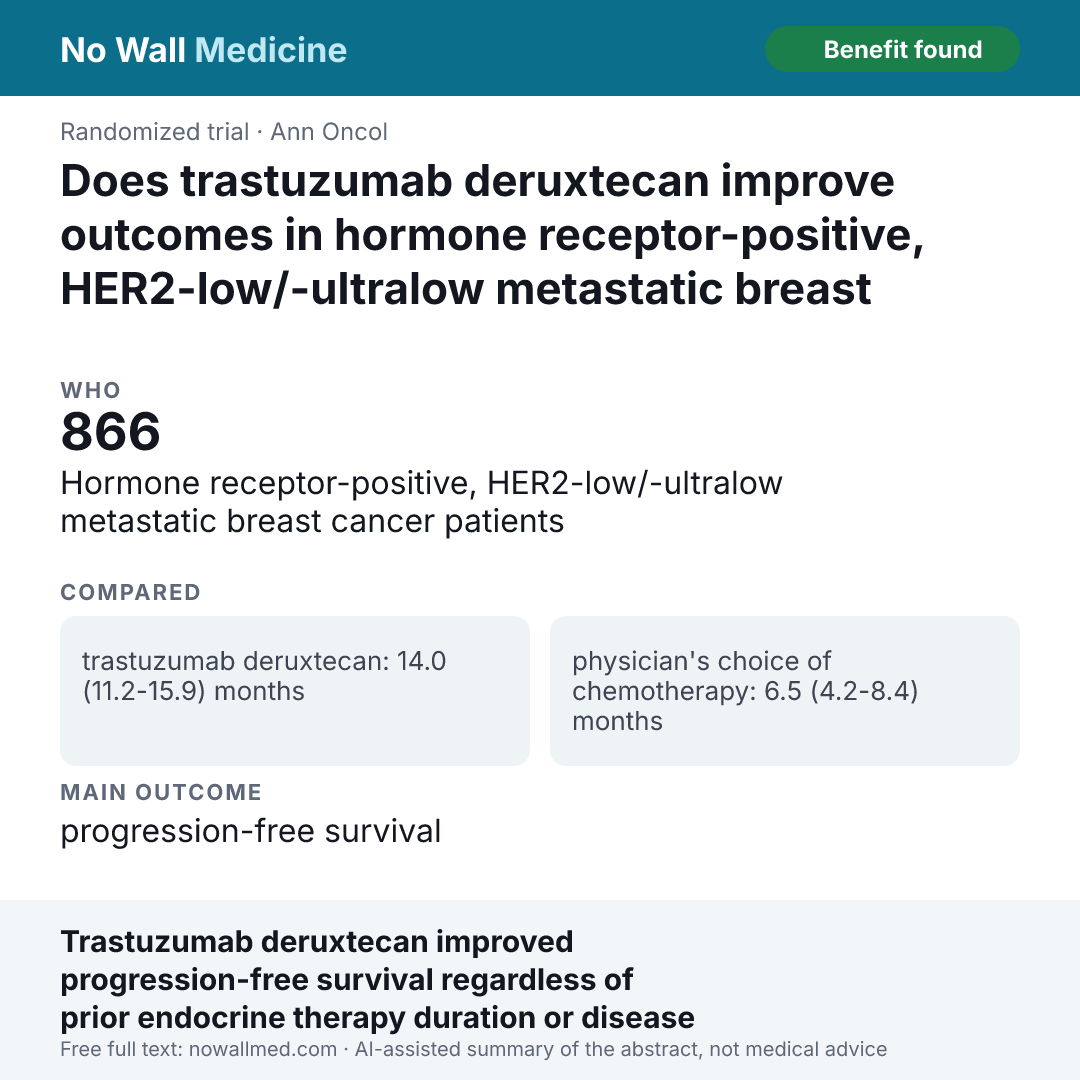
Trastuzumab deruxtecan in hormone receptor-positive, HER2-low/-ultralow metastatic breast cancer (DESTINY-Breast06): outcome analyses by time to progression on prior first-line endocrine therapy with CDK4/6 inhibitor and baseline burden of disease
Randomized trialBenefit found
Does trastuzumab deruxtecan improve outcomes in hormone receptor-positive, HER2-low/-ultralow metastatic breast cancer?
Who
866
Hormone receptor-positive, HER2-low/-ultralow metastatic breast cancer patients
Compared
trastuzumab deruxtecan: 14.0 (11.2-15.9) months
physician's choice of chemotherapy: 6.5 (4.2-8.4) months
Main outcome
progression-free survival
Result: median progression-free survival favored trastuzumab deruxtecan versus physician's choice of chemotherapy
Bottom line: Trastuzumab deruxtecan improved progression-free survival regardless of prior endocrine therapy duration or disease burden.
Ann Oncol · 2026-03-02 · Save PNG
Safety, recovery, and pharmacodynamics of CRISPR-Cas therapeutic SNIPR001: a phase 1, randomised, double-blind, first-in-human, dose-escalation study
Randomised, double-blind, placebo-controlled, dose-escalation trialEarly signal
What are the safety, tolerability, and pharmacodynamics of SNIPR001 in healthy participants?
Who
36
Healthy participants aged 18-65 years with high Escherichia coli levels · Single centre, Cincinnati, OH, USA
Compared
SNIPR001 treatment: mild and moderate adverse events
Placebo: 13 adverse events
Main outcome
Incidence and severity of adverse events
Bottom line: SNIPR001 was safe and well tolerated with no serious adverse events reported in treatment groups.
Lancet Microbe · 2026-03-02 · Save PNG

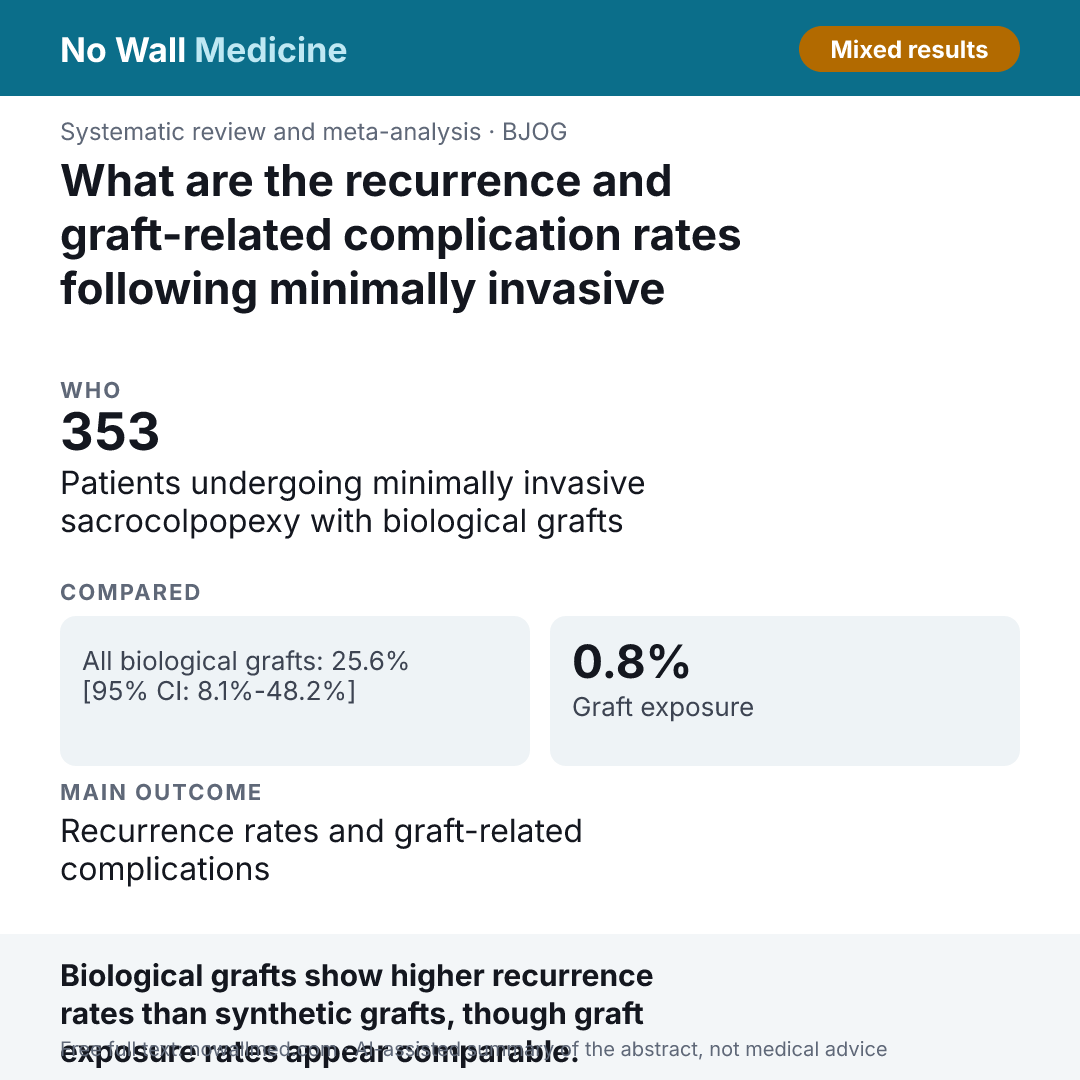
A Systematic Review of Graft-Related Complications and Recurrence Following Minimally Invasive Sacrocolpopexy With Xenografts and Allografts
Systematic review and meta-analysisMixed results
What are the recurrence and graft-related complication rates following minimally invasive sacrocolpopexy with biological grafts?
Who
353
Patients undergoing minimally invasive sacrocolpopexy with biological grafts
Compared
All biological grafts: 25.6% [95% CI: 8.1%-48.2%]
0.8%Graft exposure (95% CI: 0.0%-4.2%)
Main outcome
Recurrence rates and graft-related complications
Result: pooled recurrence 25.6% [95% CI: 8.1%-48.2%]
Bottom line: Biological grafts show higher recurrence rates than synthetic grafts, though graft exposure rates appear comparable.
Limitation: Given study heterogeneity, further research is required to determine the optimal graft choice.
BJOG · 2026-03-02 · Save PNG
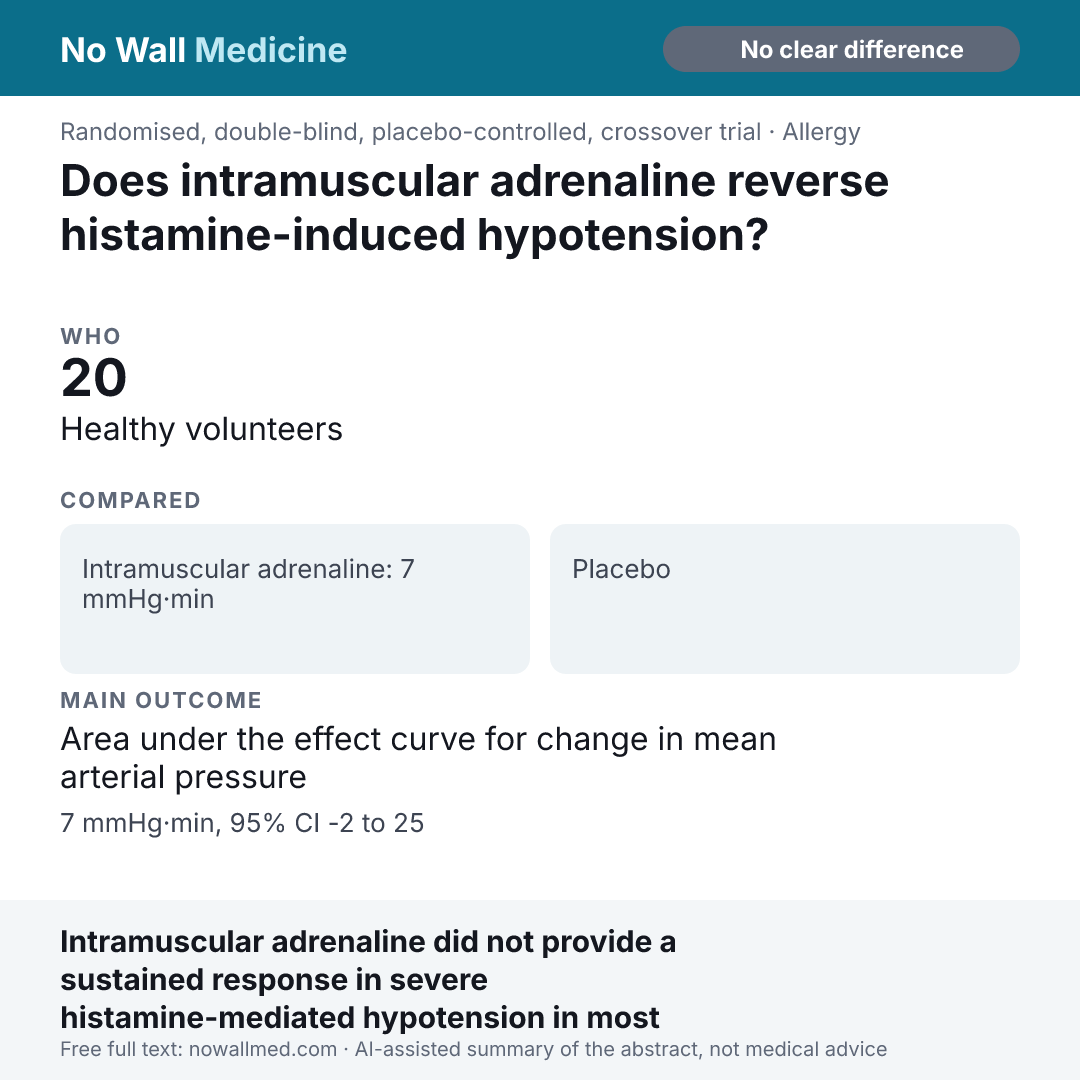
Effect of Intramuscular Adrenaline on Histamine-Induced Hypotension: A Randomised Placebo-Controlled Pilot Trial
Randomised, double-blind, placebo-controlled, crossover trialNo clear difference
Does intramuscular adrenaline reverse histamine-induced hypotension?
Who
20
Healthy volunteers
Compared
Intramuscular adrenaline: 7 mmHg·min
Placebo
Main outcome
Area under the effect curve for change in mean arterial pressure
Result: 7 mmHg·min, 95% CI -2 to 25
Bottom line: Intramuscular adrenaline did not provide a sustained response in severe histamine-mediated hypotension in most recipients.
Limitation: Limited number of healthy human subjects
Allergy · 2026-03-02 · Save PNG
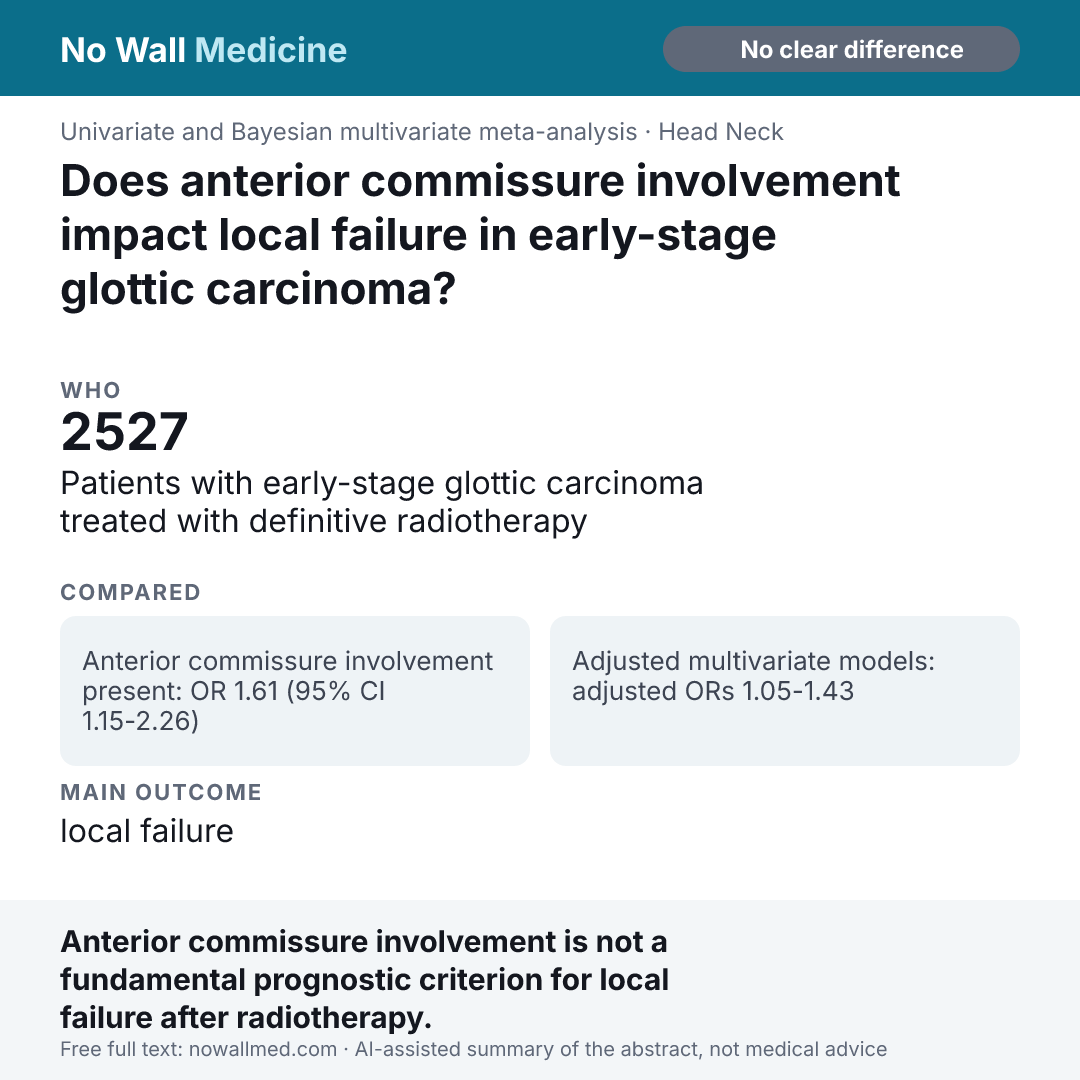
Caloric restriction and time-restricted eating in older adults with overweight or obesity: The Health, Aging, and Later-Life Outcomes Pilot Study
Randomized pilot studyBenefit found
What are the effects of caloric restriction and time-restricted eating in older adults?
Who
90
Older adults aged 60 years or older with overweight or obesity
Compared
20% caloric restriction in-person: -4.4 kg mean change in body mass
20% caloric restriction remotely: -6.7 kg mean change in body mass
8-hour time-restricted eating: -1.0 kg mean change in body mass
Main outcome
Body mass, body composition, physical performance, and cardiometabolic risk factors
Bottom line: Caloric restriction and time-restricted eating were feasible and improved health status over 9 months.
Limitation: Interventions did not achieve the target caloric restriction.
J Gerontol A · 2026-03-02 · Save PNG
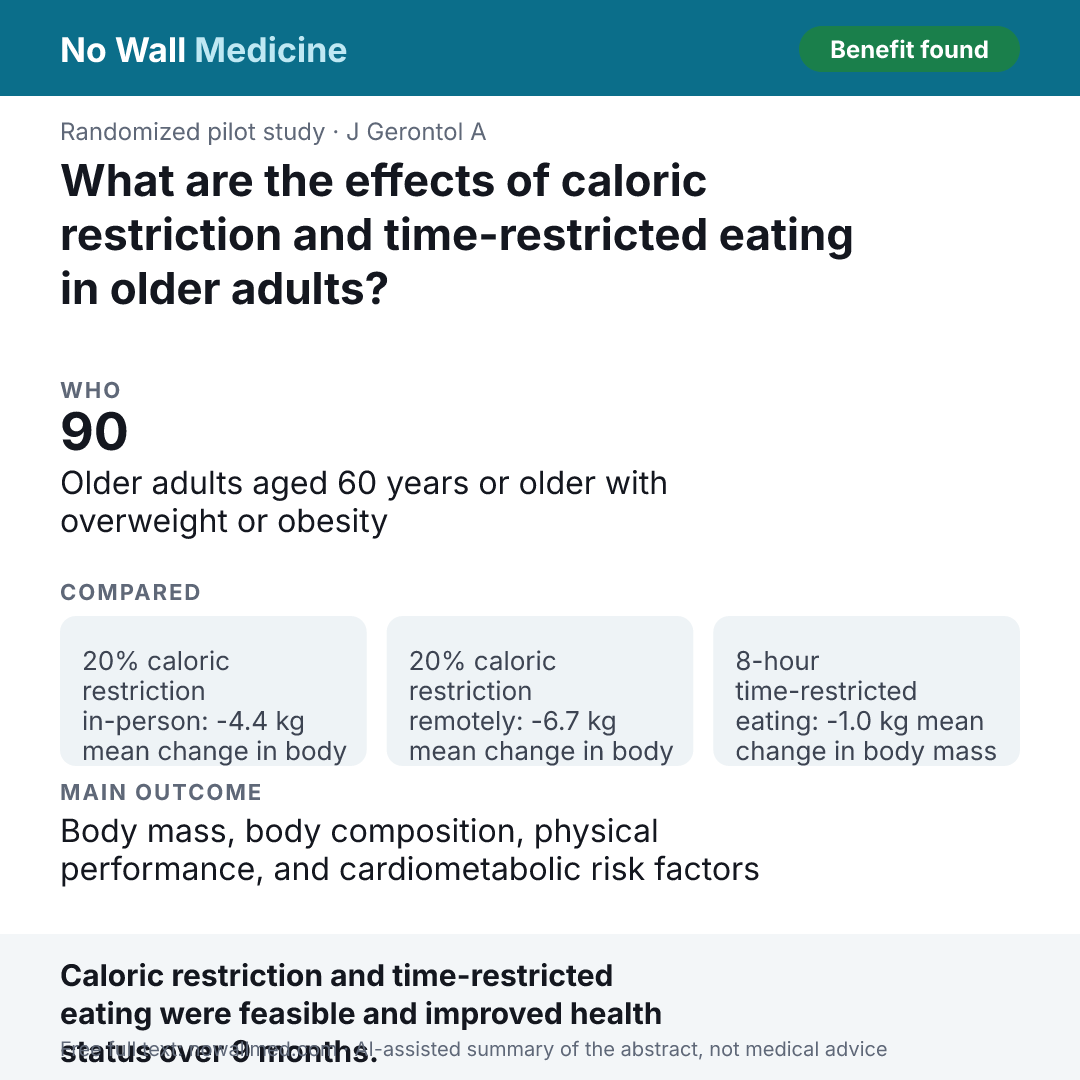
Prognostic Impact of Anterior Commissure Involvement on Treatment Failure in Early-Stage Glottic Carcinoma Treated With Definitive Radiotherapy: A Univariate and Multivariate Meta-Analysis
Univariate and Bayesian multivariate meta-analysisNo clear difference
Does anterior commissure involvement impact local failure in early-stage glottic carcinoma?
Who
2527
Patients with early-stage glottic carcinoma treated with definitive radiotherapy
Compared
Anterior commissure involvement present: OR 1.61 (95% CI 1.15-2.26)
Adjusted multivariate models: adjusted ORs 1.05-1.43
Main outcome
local failure
Result: adjusted ORs 1.05-1.43, all 95% CrIs including unity
Bottom line: Anterior commissure involvement is not a fundamental prognostic criterion for local failure after radiotherapy.
Limitation: Univariate findings may be confounded by correlation with other factors, particularly T substage.
Head Neck · 2026-03-02 · Save PNG
Independent effects of whey protein and alkali supplementation on muscle health in healthy older adults: factorial randomized controlled trial
Randomized, 2 x 2 factorial, placebo-controlled trialNo clear difference
Do whey protein and alkali supplementation affect muscle health in healthy older adults?
Who
128
Healthy adults aged 65 years or older
Compared
Whey protein: 4.7 watts [95% confidence interval (CI): -21.1,30.5]
Placebo whey protein
Alkali: -13.6 watts [95% CI: -39.6, 12.4]
Placebo alkali
Main outcome
Double leg press muscle power
Result: WP to placebo-WP difference 4.7 watts [95% CI: -21.1,30.5]
Bottom line: Whey protein and alkali supplementation did not improve muscle power, physical performance, or muscle mass in healthy older adults.
Am J Clin Nutr · 2026-03-02 · Save PNG

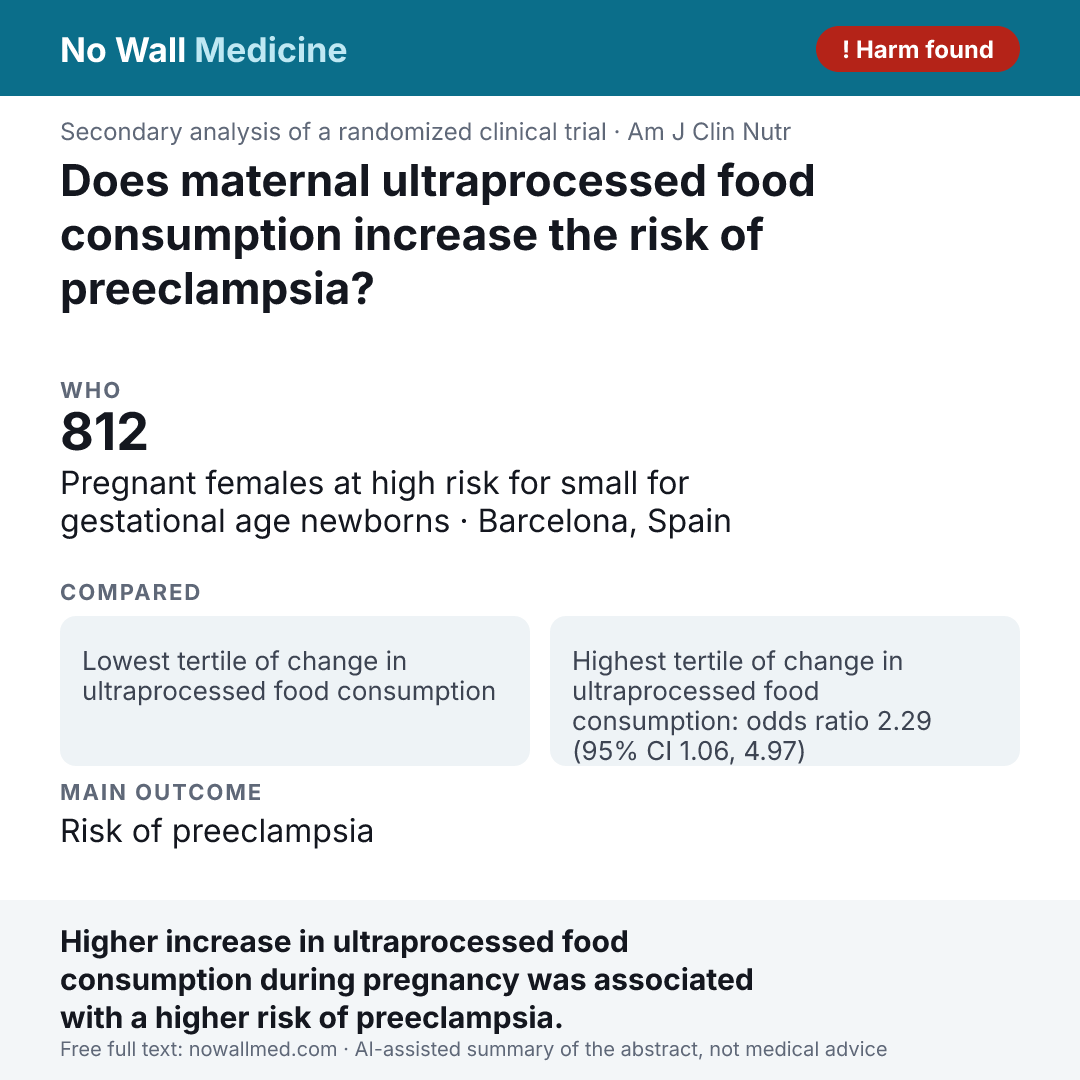
Ultraprocessed foods consumption and risk of preeclampsia: a secondary analysis of the improving mothers for a better prenatal care trial Barcelona (IMPACT BCN) randomized clinical trial
Secondary analysis of a randomized clinical trialHarm found
Does maternal ultraprocessed food consumption increase the risk of preeclampsia?
Who
812
Pregnant females at high risk for small for gestational age newborns · Barcelona, Spain
Compared
Lowest tertile of change in ultraprocessed food consumption
Highest tertile of change in ultraprocessed food consumption: odds ratio 2.29 (95% CI 1.06, 4.97)
Main outcome
Risk of preeclampsia
Result: odds ratio 2.29 (95% CI 1.06, 4.97)
Bottom line: Higher increase in ultraprocessed food consumption during pregnancy was associated with a higher risk of preeclampsia.
Am J Clin Nutr · 2026-03-02 · Save PNG
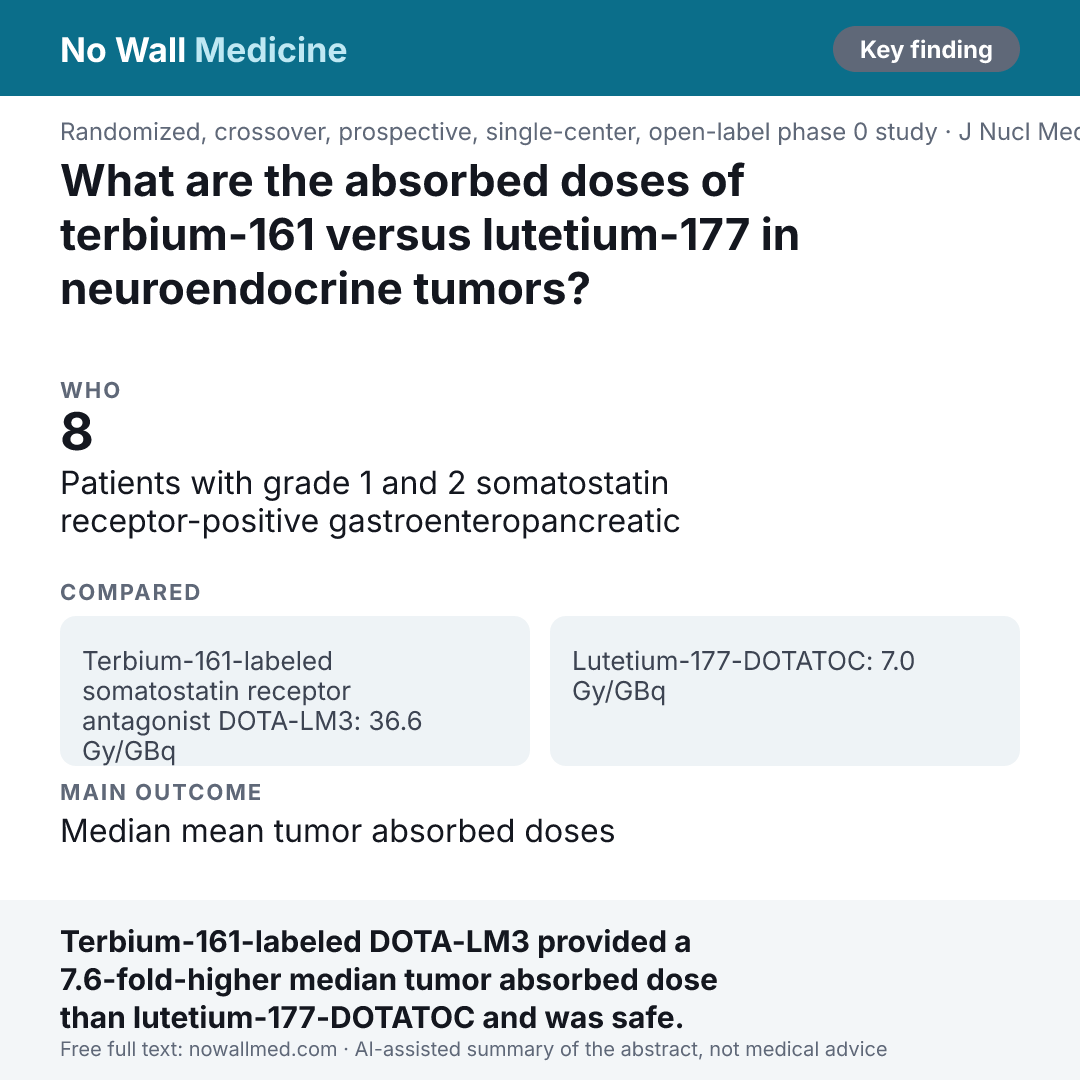
Targeted β--Particle Plus Conversion and Auger-Electron Therapy with 161Tb-Labeled Somatostatin Receptor Antagonist DOTA-LM3: A Phase 0 Study
Randomized, crossover, prospective, single-center, open-label phase 0 studyKey finding
What are the absorbed doses of terbium-161 versus lutetium-177 in neuroendocrine tumors?
Who
8
Patients with grade 1 and 2 somatostatin receptor-positive gastroenteropancreatic neuroendocrine tumors · Single-center
Compared
Terbium-161-labeled somatostatin receptor antagonist DOTA-LM3: 36.6 Gy/GBq
Lutetium-177-DOTATOC: 7.0 Gy/GBq
Main outcome
Median mean tumor absorbed doses
Bottom line: Terbium-161-labeled DOTA-LM3 provided a 7.6-fold-higher median tumor absorbed dose than lutetium-177-DOTATOC and was safe.
J Nucl Med · 2026-03-02 · Save PNG
Nectin-4-Targeted Radiotheranostics for Personalized Cancer Therapy: A Systematic Review
Systematic reviewBenefit found
What is the status of nectin-4-directed molecular theranostics in cancer therapy?
Who
Patients with nectin-4 overexpressing tumors
Compared
Nectin-4-targeted radiotracers: comparable diagnostic accuracy to standard molecular imaging methods
Standard molecular imaging
Main outcome
Diagnostic accuracy and detection of metastatic lesions
Bottom line: Nectin-4-targeted radiotracers show high specificity and comparable diagnostic accuracy to standard imaging methods.
J Nucl Med · 2026-03-02 · Save PNG

Bronchial thermoplasty for severe asthma: Systematic review and meta-analysis of benefits and harms
Systematic review and meta-analysis of 6 trialsMixed results
Is bronchial thermoplasty effective and safe for patients with severe asthma?
Who
573
Adults with severe asthma
Compared
Bronchial thermoplasty
Control
Main outcome
Asthma control, quality of life, and severe exacerbations
Result: overall severe exacerbations incidence rate ratio 0.81 (95% CI 0.68 to 0.97)
Bottom line: Bronchial thermoplasty may improve asthma control and quality of life but likely increases procedural exacerbations and serious respiratory harms.
JACI Glob · 2026-03-02 · Save PNG

Burden of Shigella and enterotoxigenic Escherichia coli infections among children under 5 years in Ethiopia, Kenya and Malawi: a systematic review and meta-analysis
Systematic review and meta-analysisUnclear result
What is the prevalence of Shigella and enterotoxigenic Escherichia coli in children?
Who
Children under 5 years in Ethiopia, Kenya and Malawi · Ethiopia, Kenya and Malawi
Compared
8%Shigella prevalence (95% CI 6% to 9%)
11%Enterotoxigenic Escherichia coli prevalence (95% CI 6% to 15%)
Main outcome
Prevalence of Shigella and enterotoxigenic Escherichia coli
Bottom line: Shigella and enterotoxigenic Escherichia coli show significant prevalence among children in Ethiopia, Kenya and Malawi.
Limitation: Differences in prevalence may be explained by the application of sensitive, molecular detection methods in Malawi.
BMJ Glob Health · 2026-03-02 · Save PNG

A systematic review of global mental health service utilisation in young refugees and asylum seekers
Systematic reviewHarm found
What is the mental health service utilisation and access among young refugees and asylum seekers?
Who
Young refugees and asylum seekers · Global
Compared
Young refugees: underutilisation of services in comparison with majority population peers
Majority population peers
Main outcome
Mental health service utilisation and access
Bottom line: Young refugees underutilise outpatient services and medication but show increased emergency service use compared to majority population peers.
BJPsych Open · 2026-03-02 · Save PNG

Antidepressant prescribing trends for adult patients in the UK and Ireland during the COVID-19 pandemic: systematic review
Systematic reviewBenefit found
What were antidepressant prescribing trends for adults in the UK and Ireland during and after the pandemic?
Who
Adults in the United Kingdom and Republic of Ireland · United Kingdom and Republic of Ireland
Compared
Pre-pandemic trends
During and after pandemic: Most studies demonstrated increased antidepressant prescribing over time
Main outcome
Antidepressant prescribing trends
Bottom line: Most studies showed increased antidepressant prescribing during and after the COVID-19 pandemic in the UK and Ireland.
BJPsych Open · 2026-03-02 · Save PNG

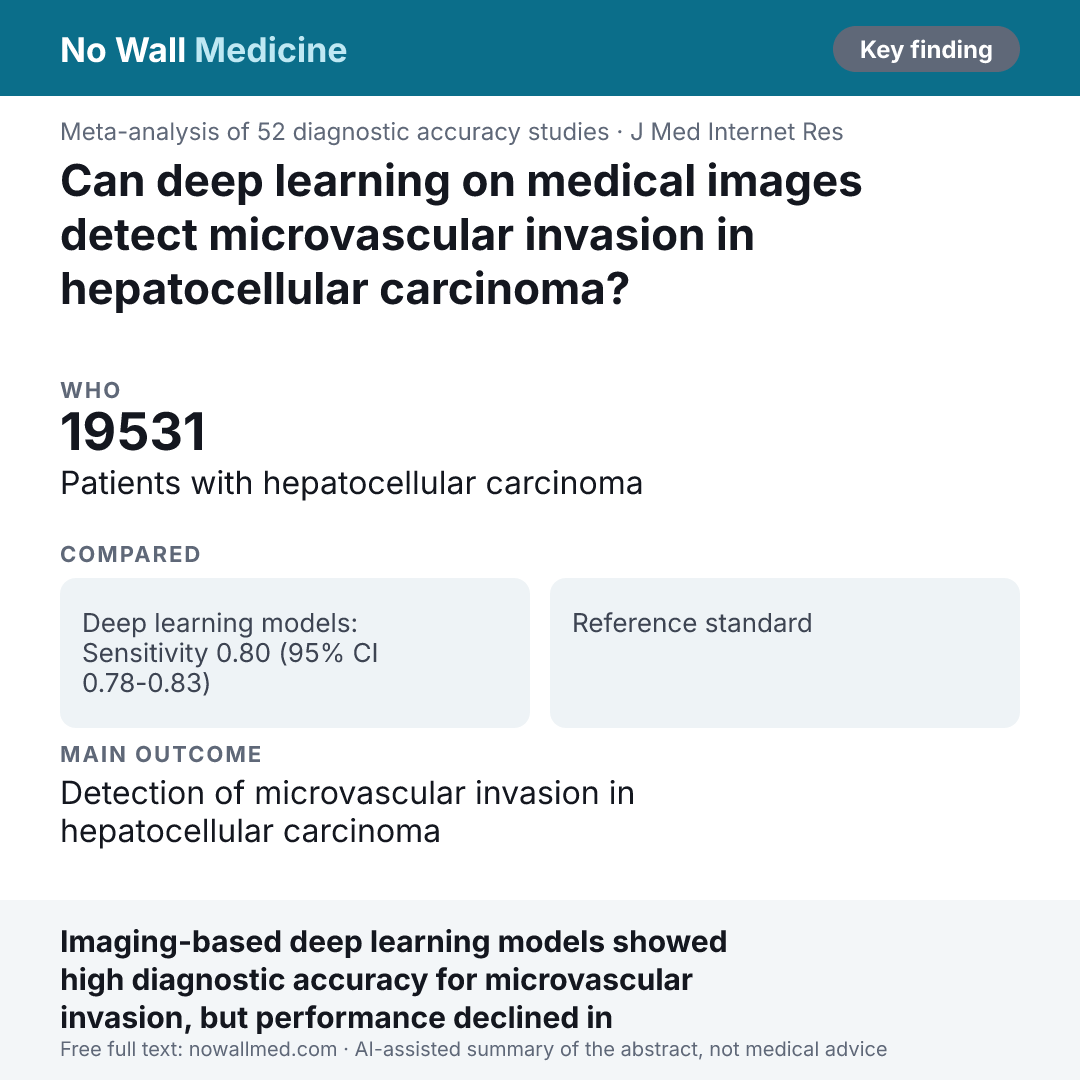
Accuracy of Medical Image-Based Deep Learning for Detecting Microvascular Invasion in Hepatocellular Carcinoma: Systematic Review and Meta-Analysis
Meta-analysis of 52 diagnostic accuracy studiesKey finding
Can deep learning on medical images detect microvascular invasion in hepatocellular carcinoma?
Who
19531
Patients with hepatocellular carcinoma
Compared
Deep learning models: Sensitivity 0.80 (95% CI 0.78-0.83)
Reference standard
Main outcome
Detection of microvascular invasion in hepatocellular carcinoma
Result: Sensitivity 0.80 (95% CI 0.78-0.83), specificity 0.82 (95% CI 0.80-0.85), SROC 0.88
Bottom line: Imaging-based deep learning models showed high diagnostic accuracy for microvascular invasion, but performance declined in external validation.
Limitation: Scarcity of independent external validation cohorts and notable heterogeneity among them
J Med Internet Res · 2026-03-02 · Save PNG