Visual abstracts
New randomized trials and meta-analyses from leading journals at a glance: who was studied, what was compared, and what was found. Every paper is free to read in full.
All specialtiesCardiology 4619Oncology 3904Gastroenterology & Hepatology 1847Infectious Disease 3616Neurology 1797Psychiatry & Mental Health 2158Pulmonology 2040Critical Care 1297Endocrinology & Diabetes 2421Pediatrics 2808Surgery 2424Orthopedics & Sports Medicine 867Neurosurgery 506Cardiothoracic & Vascular Surgery 619Plastic & Reconstructive Surgery 577Nephrology 1037Rheumatology 776Hematology 1046Dermatology 592Ophthalmology 510Obstetrics & Gynecology 1611Public & Global Health 972Radiology & Imaging 610Anesthesiology 939Urology 725ENT (Otolaryngology) 486Emergency Medicine 483Allergy & Immunology 298Geriatrics 940Family Medicine & Primary Care 534Medical Genetics & Genomics 640Pathology & Laboratory Medicine 152Physical Medicine & Rehabilitation 714Palliative Care 420Nutrition 1473Digital Health & AI 2095General Medicine 306
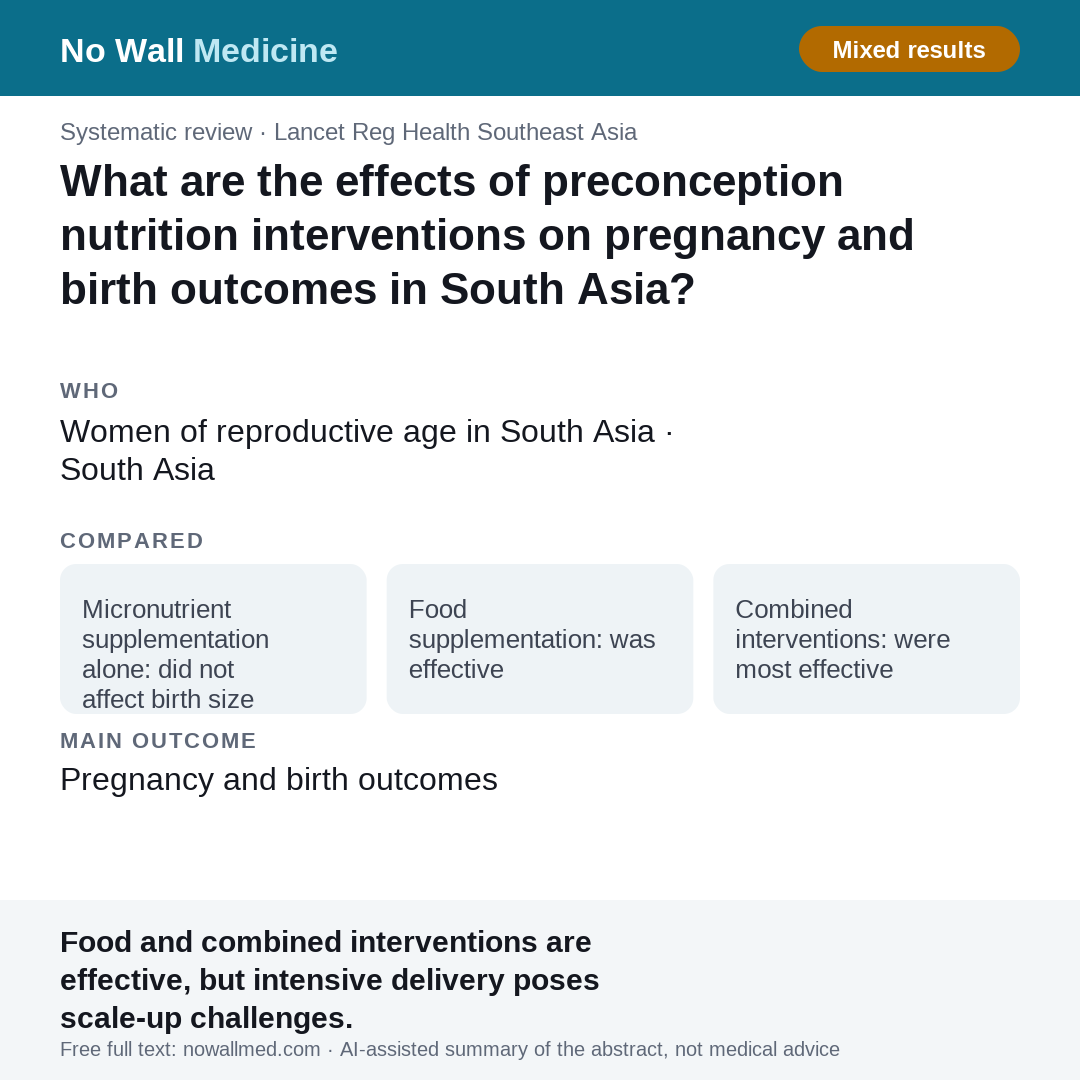
Effects of preconception nutrition interventions on pregnancy and birth outcomes in South Asia: a systematic review
Systematic reviewMixed results
What are the effects of preconception nutrition interventions on pregnancy and birth outcomes in South Asia?
Who
Women of reproductive age in South Asia · South Asia
Compared
Micronutrient supplementation alone: did not affect birth size
Food supplementation: was effective
Combined interventions: were most effective
Main outcome
Pregnancy and birth outcomes
Bottom line: Food and combined interventions are effective, but intensive delivery poses scale-up challenges.
Limitation: Highly heterogeneous evidence across nine trials and intensive delivery poses scale-up problems.
Funded by: UNICEF Regional Office for South Asia
Lancet Reg Health Southeast Asia · 2025-04-24Download image
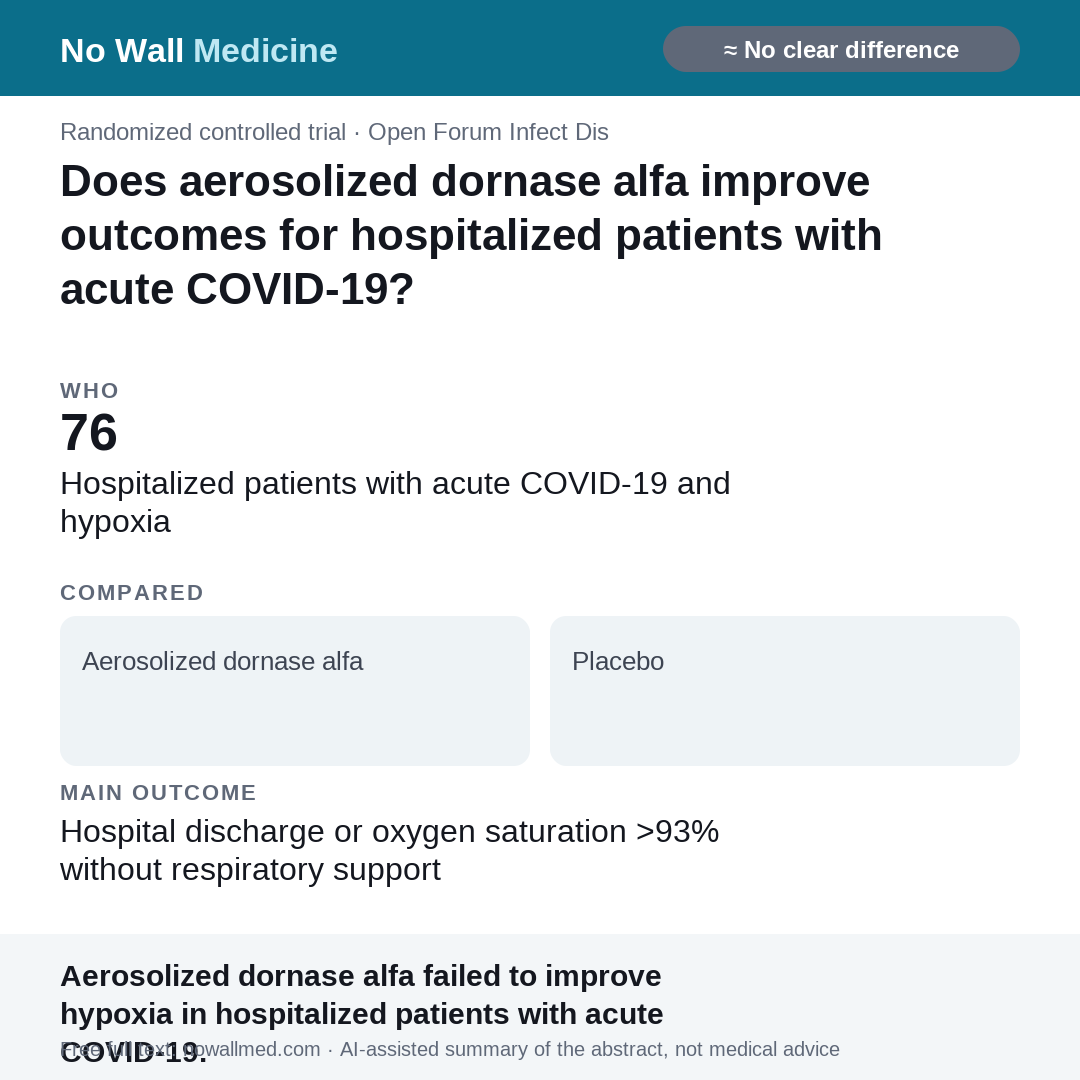
Aerosolized Dornase Alfa (DNase I) for the Treatment of Severe Respiratory Failure in COVID-19: A Randomized Controlled Trial
Randomized controlled trialNo clear difference
Does aerosolized dornase alfa improve outcomes for hospitalized patients with acute COVID-19?
Who
76
Hospitalized patients with acute COVID-19 and hypoxia
Compared
Aerosolized dornase alfa
Placebo
Main outcome
Hospital discharge or oxygen saturation >93% without respiratory support
Bottom line: Aerosolized dornase alfa failed to improve hypoxia in hospitalized patients with acute COVID-19.
Open Forum Infect Dis · 2025-04-24Download image
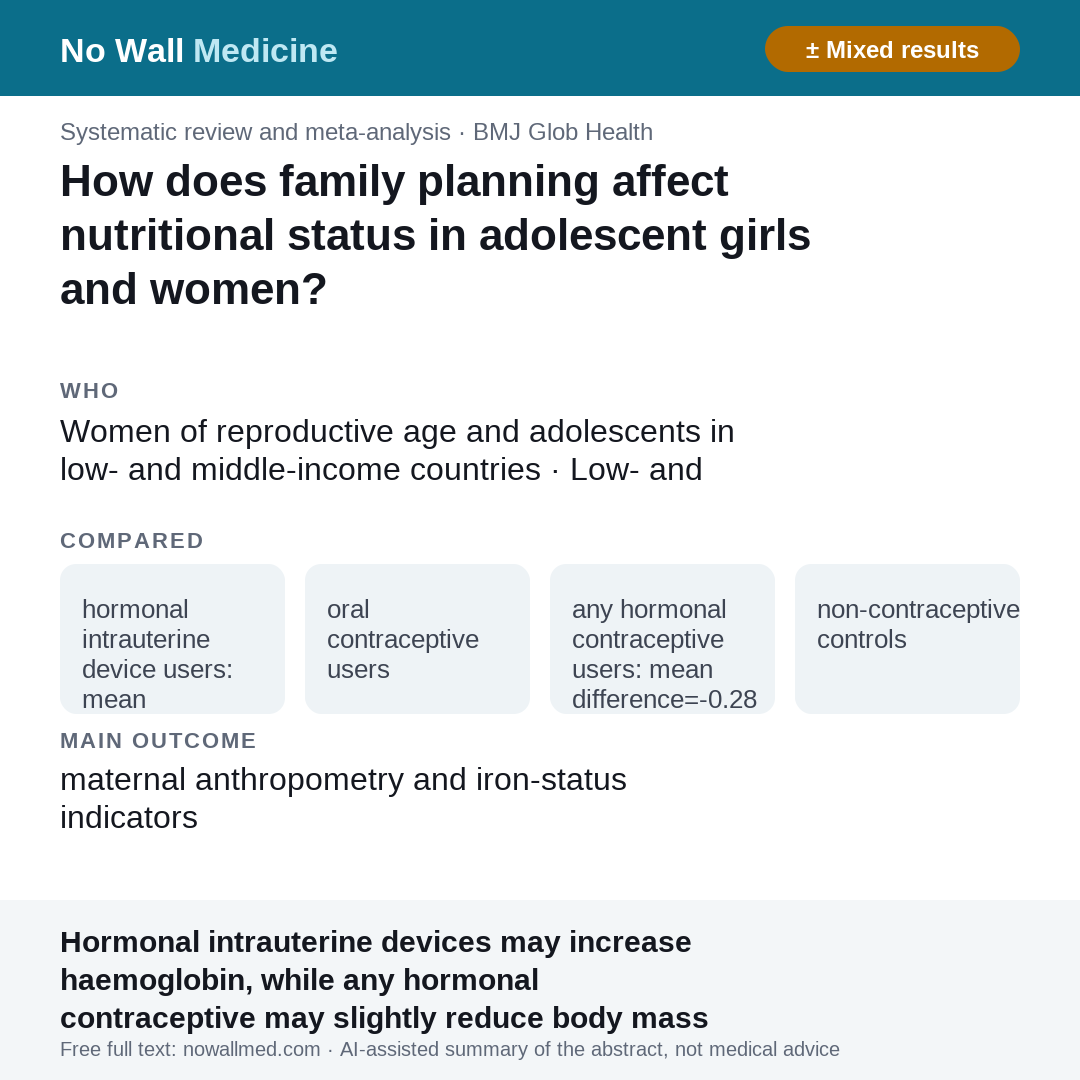
Family planning and nutrition: systematic review of the effects of family planning on nutritional status of adolescent girls and women of reproductive age
Systematic review and meta-analysisMixed results
How does family planning affect nutritional status in adolescent girls and women?
Who
Women of reproductive age and adolescents in low- and middle-income countries · Low- and middle-income countries
Compared
hormonal intrauterine device users: mean difference=1.25 g/dL
oral contraceptive users
any hormonal contraceptive users: mean difference=-0.28 kg/m2
non-contraceptive controls
Main outcome
maternal anthropometry and iron-status indicators
Result: mean difference=1.25 g/dL (95% CI: 0.38, 2.12); mean difference=-0.28 kg/m2 (95% CI: -0.52 to -0.04)
Bottom line: Hormonal intrauterine devices may increase haemoglobin, while any hormonal contraceptive may slightly reduce body mass index.
Limitation: Evidence is weak and most body mass index samples were women with polycystic ovarian syndrome.
BMJ Glob Health · 2025-04-24Download image
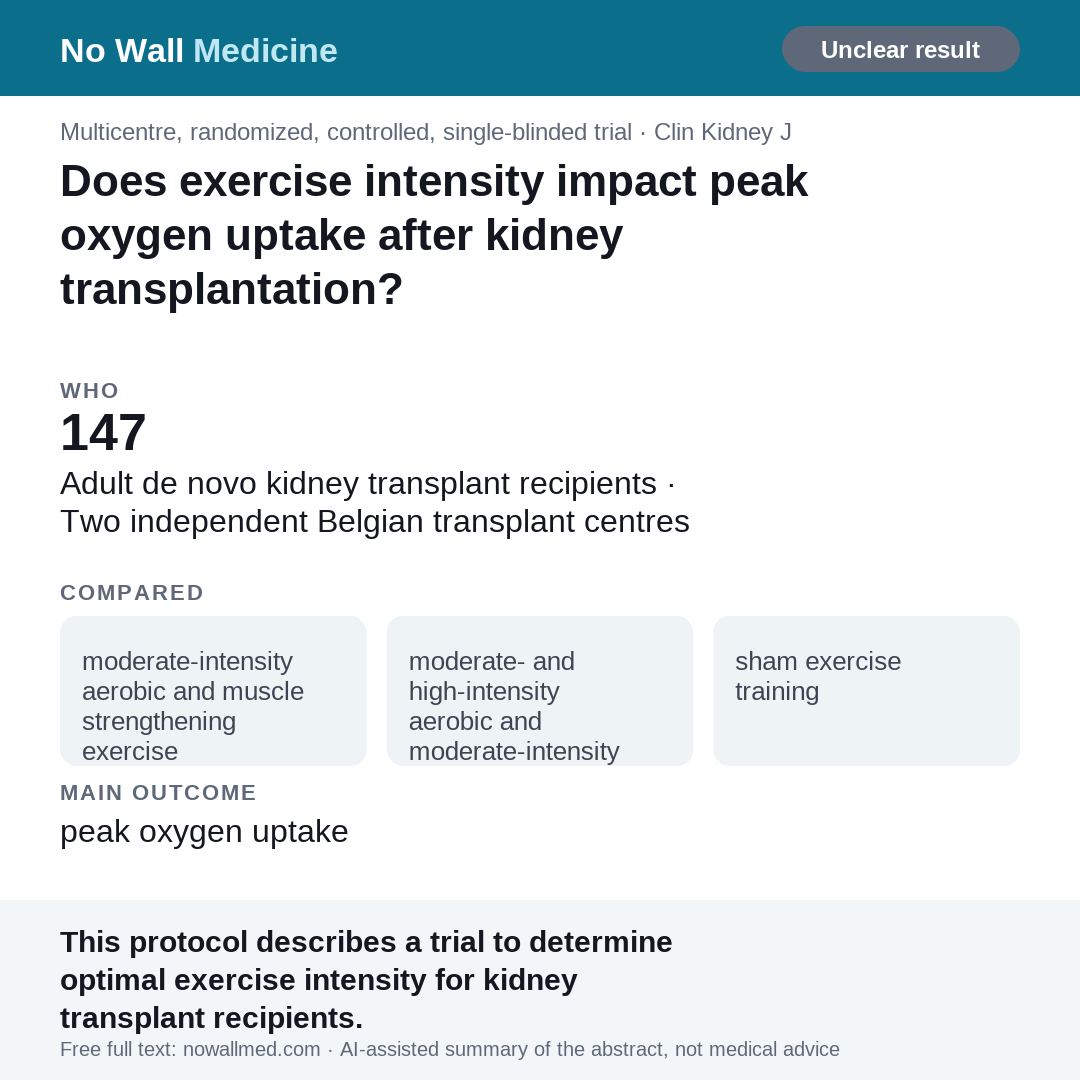
Home-based exercise and physical activity intervention after kidney transplantation: impact of exercise intensity (PHOENIX-Kidney). Protocol for a multicentre randomized controlled trial
Multicentre, randomized, controlled, single-blinded trialUnclear result
Does exercise intensity impact peak oxygen uptake after kidney transplantation?
Who
147
Adult de novo kidney transplant recipients · Two independent Belgian transplant centres
Compared
moderate-intensity aerobic and muscle strengthening exercise
moderate- and high-intensity aerobic and moderate-intensity muscle strengthening
sham exercise training
Main outcome
peak oxygen uptake
Bottom line: This protocol describes a trial to determine optimal exercise intensity for kidney transplant recipients.
Clin Kidney J · 2025-04-24Download image
Comparative effectiveness of electroencephalogram-neurofeedback training of 3-45 frequency band on memory in healthy population: a network meta-analysis with systematic literature search
Network meta-analysisBenefit found
Which electroencephalogram-neurofeedback training frequency most effectively enhances working and episodic memory?
Who
Healthy participants
Compared
Alpha combined with working memory training: highest efficacy for working memory (100%)
Alpha neurofeedback training: highest efficacy for episodic memory (87.0%)
Active control
Main outcome
Working memory and episodic memory
Bottom line: Alpha activity combined with working memory training or alone may most effectively enhance memory in healthy individuals.
Limitation: Brain activity combined with other training methods requires more robust studies.
J Neuroeng Rehabil · 2025-04-24Download image

Visual hallucinations in neurosurgery: A systematic review and two case insights into Charles Bonnet Syndrome
Systematic literature review and two case insightsUnclear result
What is the prevalence and characteristics of Charles Bonnet Syndrome in neurosurgery patients?
Who
17
Patients diagnosed with Charles Bonnet Syndrome related to neurosurgery
Compared
76 %Post-surgery cases
Other cases
Main outcome
Charles Bonnet Syndrome occurrence and characteristics
Bottom line: Charles Bonnet Syndrome is an underrecognized cause of complex visual hallucinations following neurosurgical interventions.
Brain Spine · 2025-04-24Download image

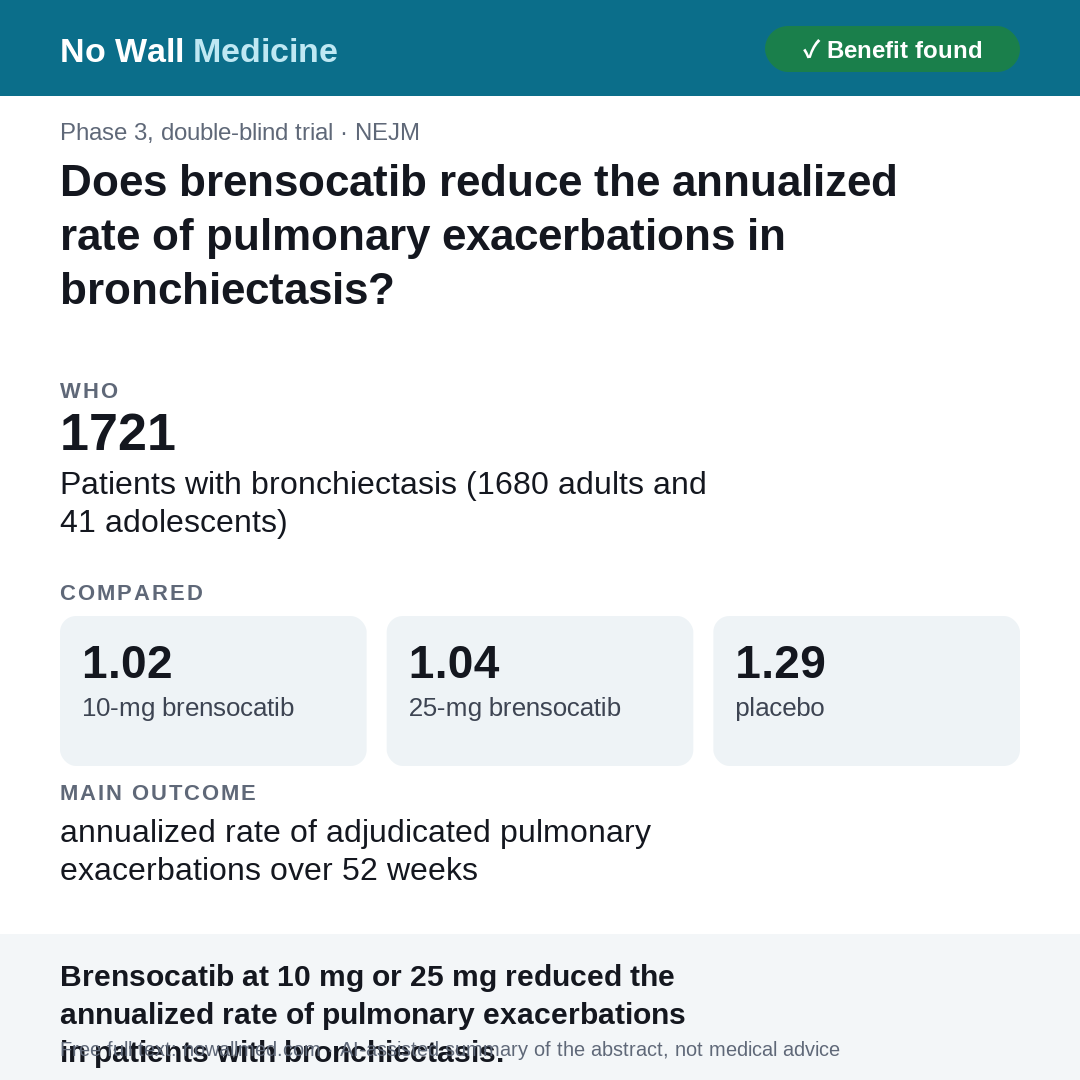
Phase 3 Trial of the DPP-1 Inhibitor Brensocatib in Bronchiectasis
Phase 3, double-blind trialBenefit found
Does brensocatib reduce the annualized rate of pulmonary exacerbations in bronchiectasis?
Who
1721
Patients with bronchiectasis (1680 adults and 41 adolescents)
Compared
1.0210-mg brensocatib
1.0425-mg brensocatib
1.29placebo
Main outcome
annualized rate of adjudicated pulmonary exacerbations over 52 weeks
Result: rate ratio 0.79 (95% CI 0.68 to 0.92) for 10-mg dose
Bottom line: Brensocatib at 10 mg or 25 mg reduced the annualized rate of pulmonary exacerbations in patients with bronchiectasis.
Funded by: Insmed
NEJM · 2025-04-23Download image
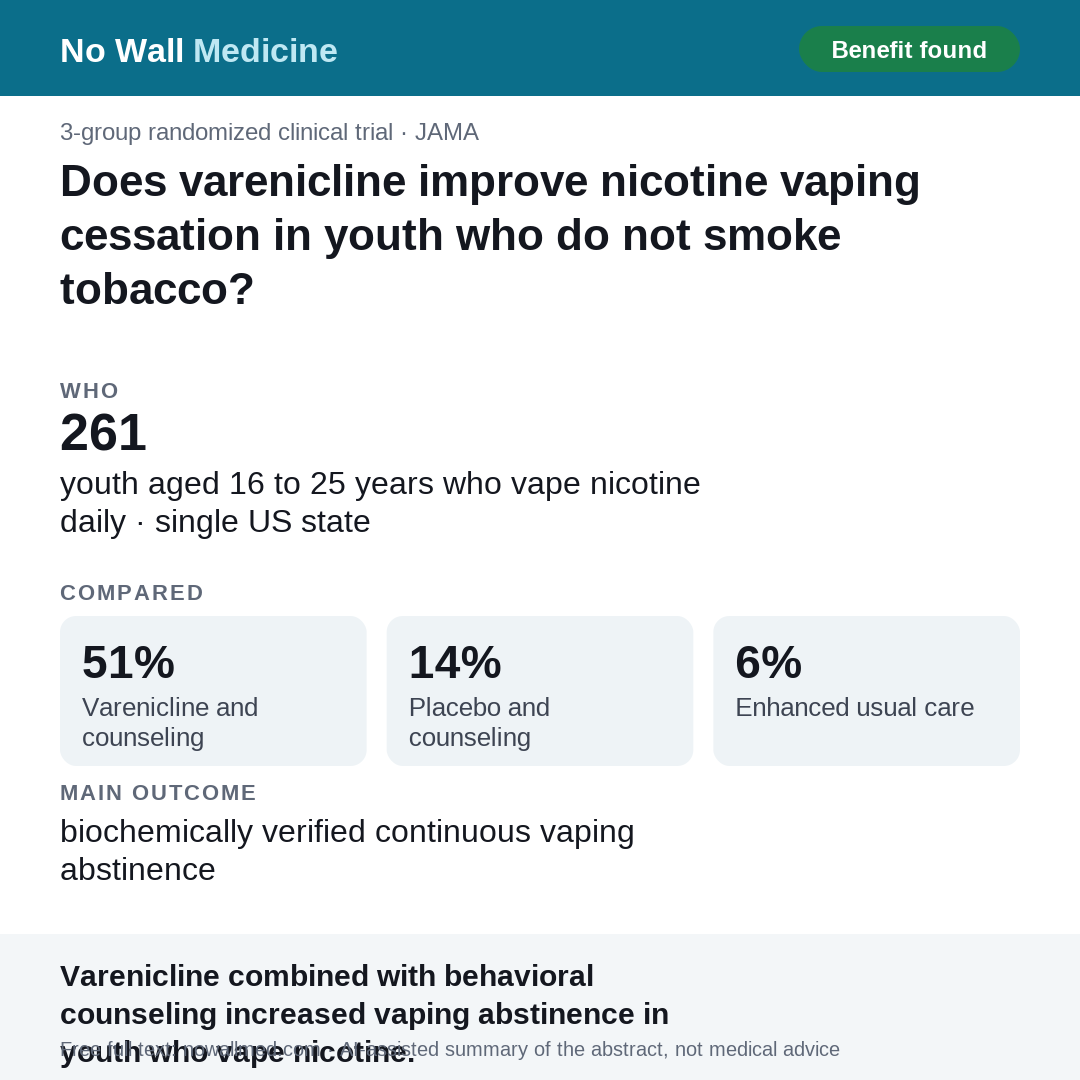
Varenicline for Youth Nicotine Vaping Cessation: A Randomized Clinical Trial
3-group randomized clinical trialBenefit found
Does varenicline improve nicotine vaping cessation in youth who do not smoke tobacco?
Who
261
youth aged 16 to 25 years who vape nicotine daily · single US state
Compared
51%Varenicline and counseling (weeks 9-12)
14%Placebo and counseling (weeks 9-12)
6%Enhanced usual care (weeks 9-12)
Main outcome
biochemically verified continuous vaping abstinence
Result: adjusted odds ratio 6.5 (95% CI 3.0 to 14.1)
Bottom line: Varenicline combined with behavioral counseling increased vaping abstinence in youth who vape nicotine.
JAMA · 2025-04-23Download image
Cognitive behavioral therapy skills via a smartphone app for subthreshold depression among adults in the community: the RESiLIENT randomized controlled trial
Master randomized controlled trialBenefit found
Are cognitive behavioral therapy skills via a smartphone app effective for subthreshold depression?
Who
3936
Adults with subthreshold depression in the community
Compared
Cognitive behavioral therapy skills: effect sizes ranging between -0.67 (95% confidence interval: -0.81 to -0.53) and -0.16 (-0.30 to -0.02)
Control conditions
Main outcome
Changes in depressive symptom severity from baseline to week 6
Result: -0.67 (95% confidence interval: -0.81 to -0.53) to -0.16 (-0.30 to -0.02)
Bottom line: Smartphone-delivered cognitive behavioral therapy skills significantly reduced depressive symptom severity compared to control conditions.
Nat Med · 2025-04-23Download image

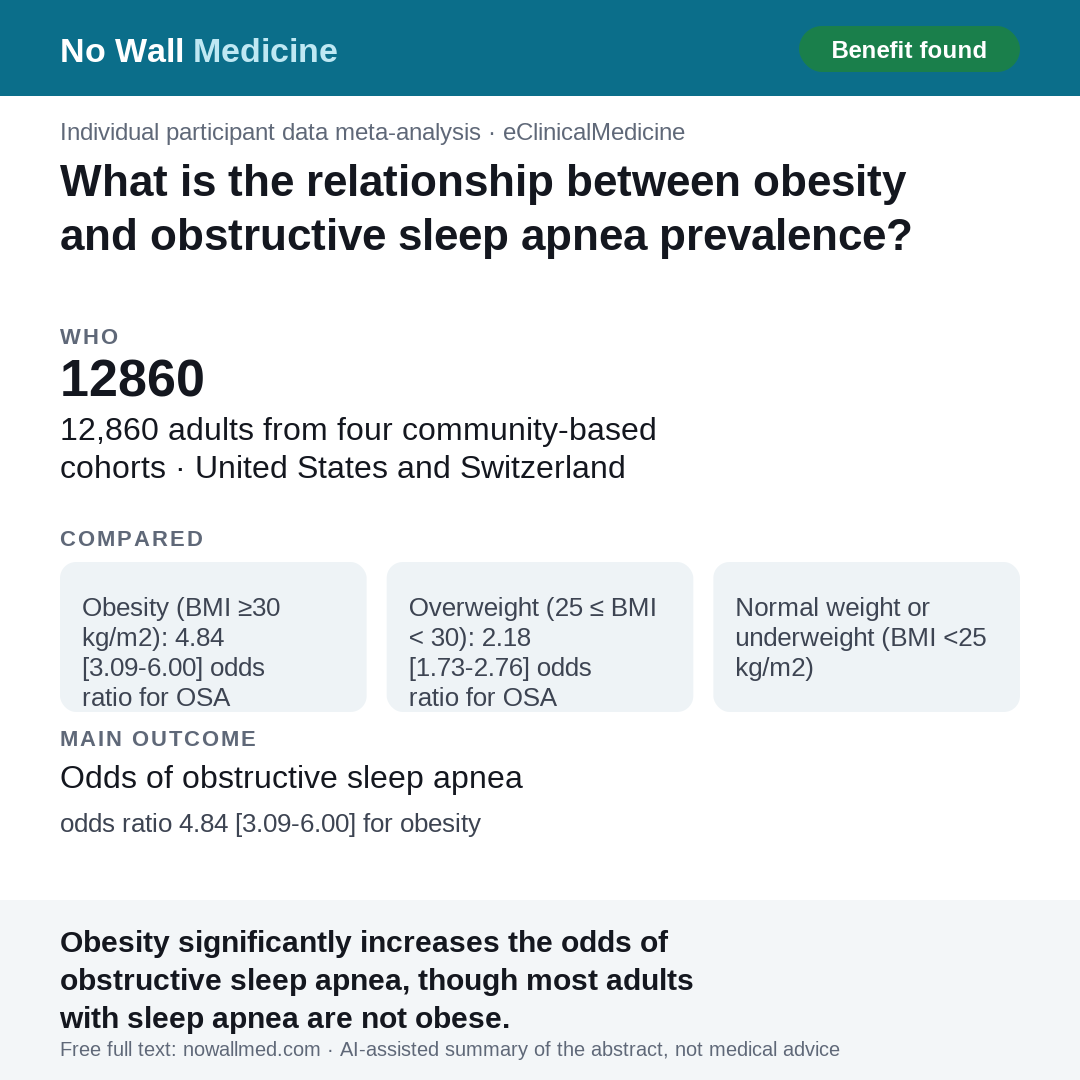
The relationship between obesity and obstructive sleep apnea in four community-based cohorts: an individual participant data meta-analysis of 12,860 adults
Individual participant data meta-analysisBenefit found
What is the relationship between obesity and obstructive sleep apnea prevalence?
Who
12860
12,860 adults from four community-based cohorts · United States and Switzerland
Compared
Obesity (BMI ≥30 kg/m2): 4.84 [3.09-6.00] odds ratio for OSA
Overweight (25 ≤ BMI < 30): 2.18 [1.73-2.76] odds ratio for OSA
Normal weight or underweight (BMI <25 kg/m2)
Main outcome
Odds of obstructive sleep apnea
Result: odds ratio 4.84 [3.09-6.00] for obesity
Bottom line: Obesity significantly increases the odds of obstructive sleep apnea, though most adults with sleep apnea are not obese.
Funded by: American Academy of Sleep Medicine, National Heart, Lung, and Blood Institute, and Apnimed
eClinicalMedicine · 2025-04-23Download image
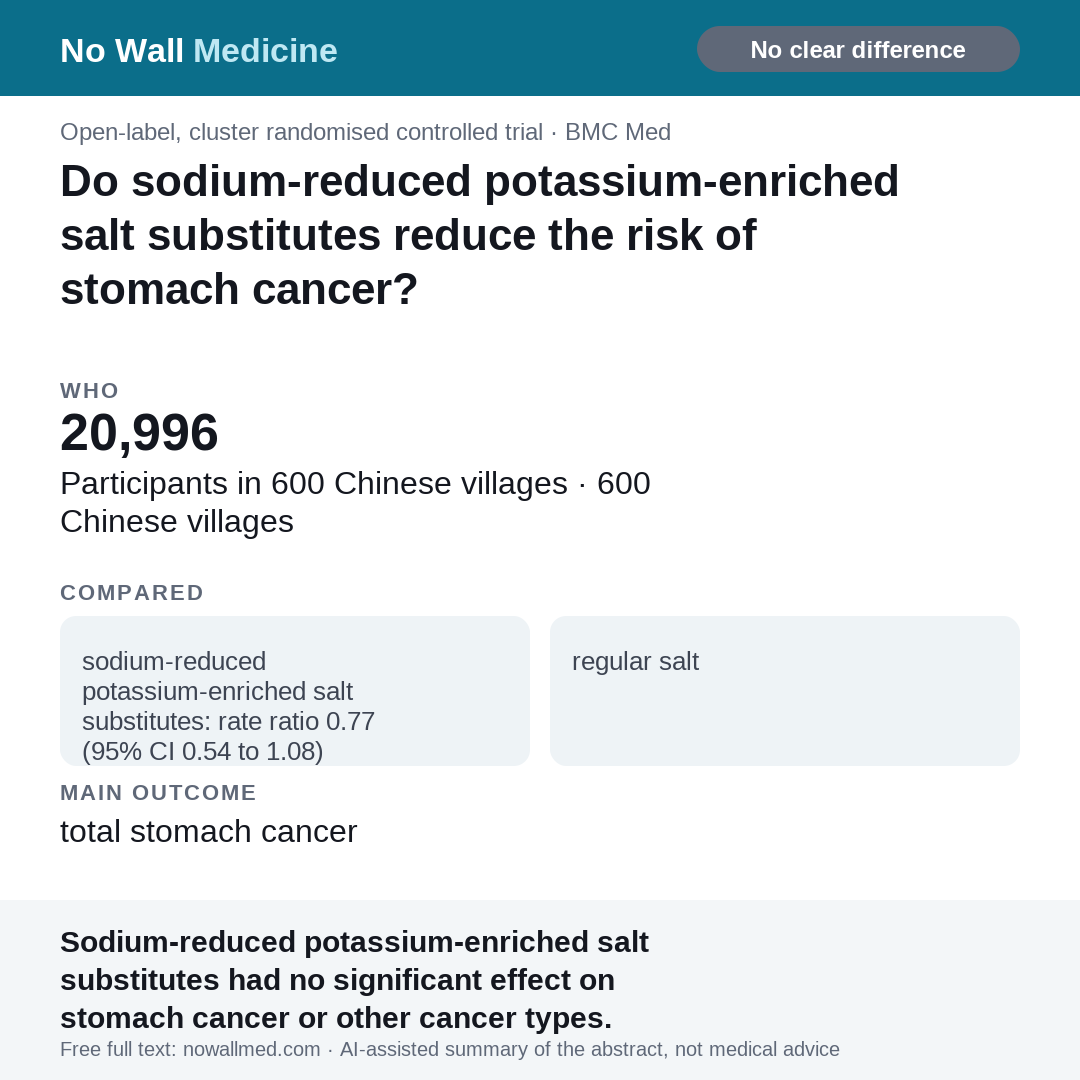
Effect of sodium-reduced potassium-enriched salt substitutes on stomach cancer: the Salt Substitute and Stroke Study (SSaSS)
Open-label, cluster randomised controlled trialNo clear difference
Do sodium-reduced potassium-enriched salt substitutes reduce the risk of stomach cancer?
Who
20,996
Participants in 600 Chinese villages · 600 Chinese villages
Compared
sodium-reduced potassium-enriched salt substitutes: rate ratio 0.77 (95% CI 0.54 to 1.08)
regular salt
Main outcome
total stomach cancer
Result: rate ratio 0.77 (95% CI 0.54 to 1.08)
Bottom line: Sodium-reduced potassium-enriched salt substitutes had no significant effect on stomach cancer or other cancer types.
BMC Med · 2025-04-23Download image
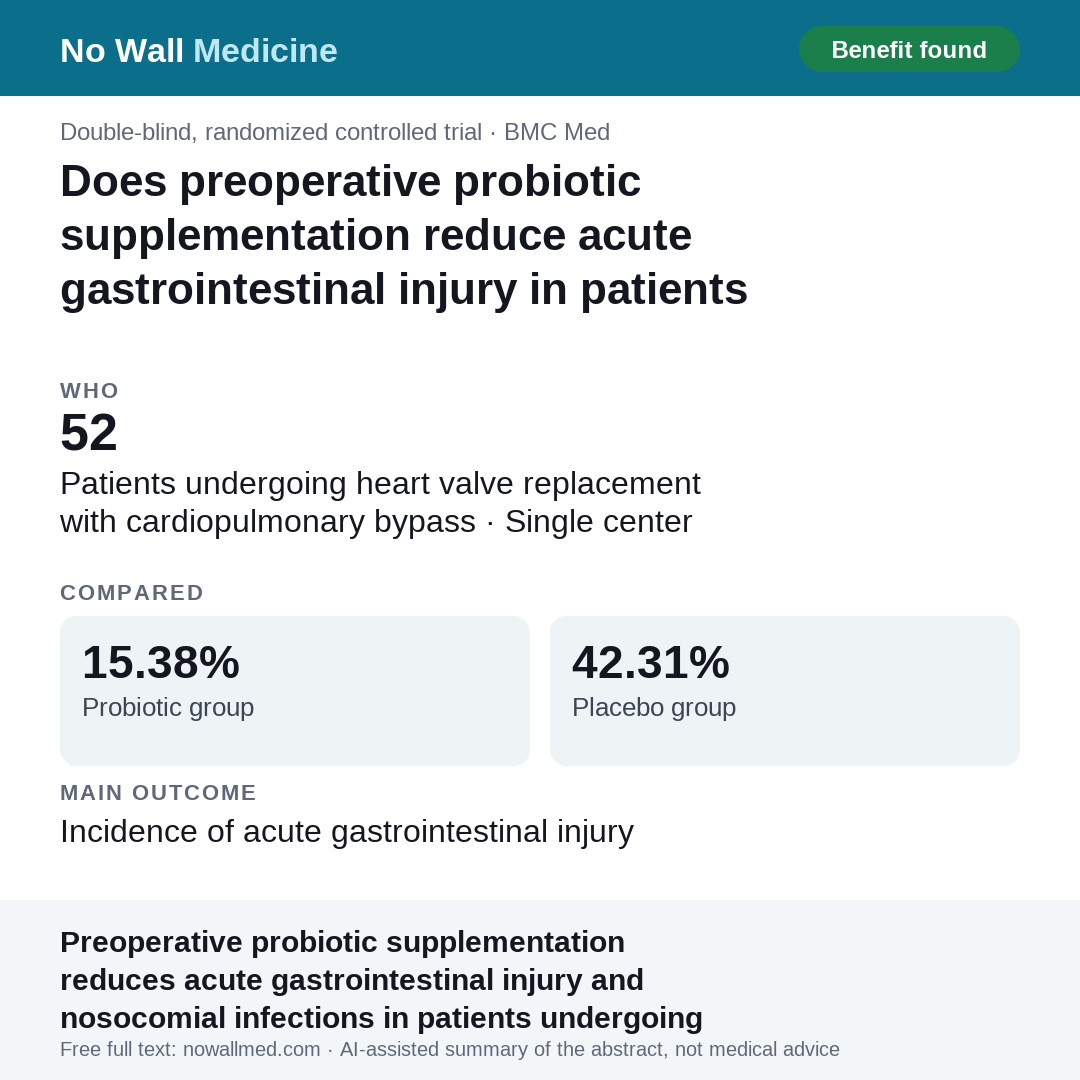
Probiotic mitigates gut hypoperfusion-associated acute gastrointestinal injury in patients undergoing cardiopulmonary bypass: a randomized controlled trial
Double-blind, randomized controlled trialBenefit found
Does preoperative probiotic supplementation reduce acute gastrointestinal injury in patients undergoing cardiopulmonary bypass?
Who
52
Patients undergoing heart valve replacement with cardiopulmonary bypass · Single center
Compared
15.38%Probiotic group
42.31%Placebo group
Main outcome
Incidence of acute gastrointestinal injury
Result: difference of 26.93% (P = 0.032)
Bottom line: Preoperative probiotic supplementation reduces acute gastrointestinal injury and nosocomial infections in patients undergoing cardiopulmonary bypass.
BMC Med · 2025-04-23Download image
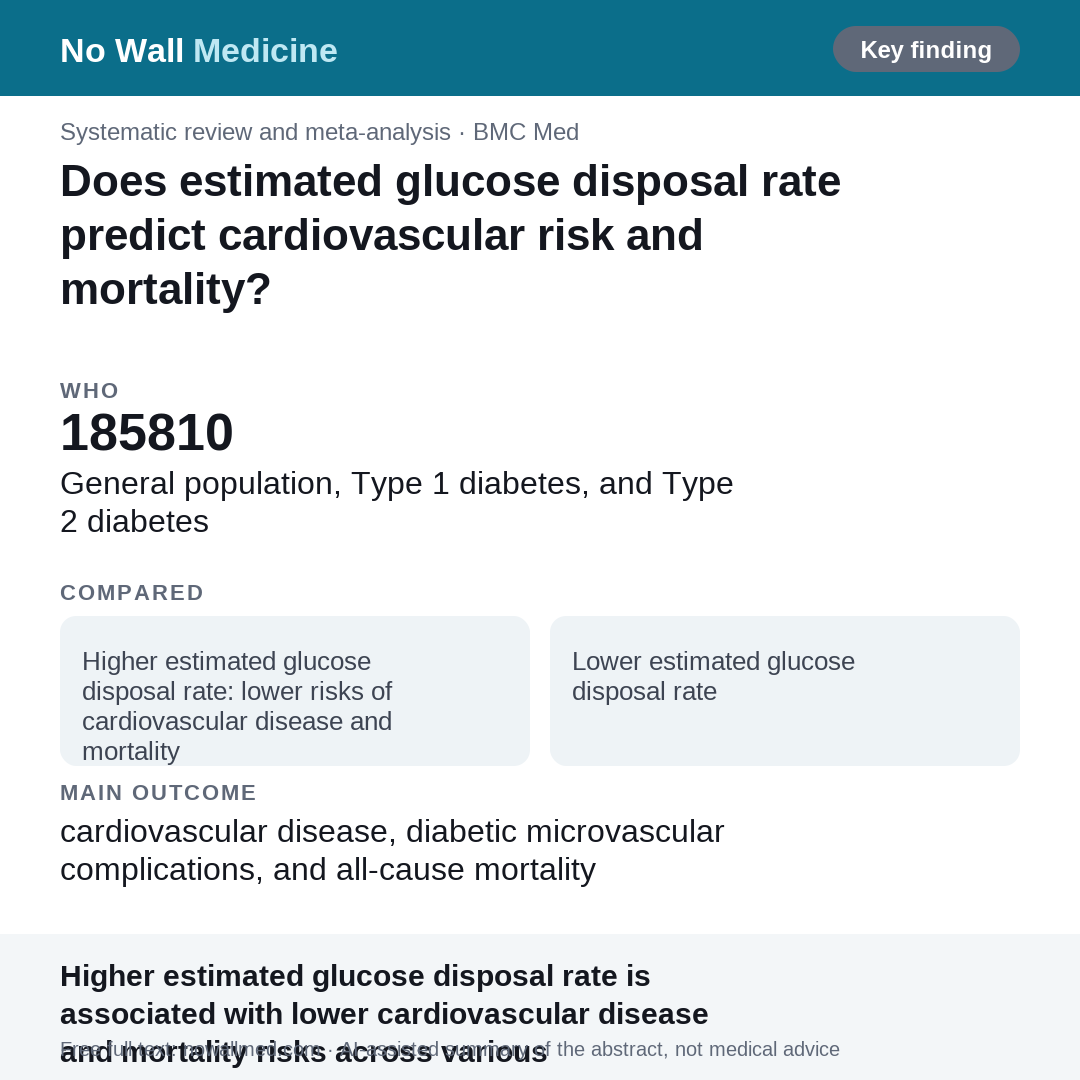
The role of estimated glucose disposal rate in predicting cardiovascular risk among general and diabetes mellitus population: a systematic review and meta-analysis
Systematic review and meta-analysisBenefit found
Does estimated glucose disposal rate predict cardiovascular risk and mortality?
Who
185810
General population, Type 1 diabetes, and Type 2 diabetes
Compared
Higher estimated glucose disposal rate: lower risks of cardiovascular disease and mortality
Lower estimated glucose disposal rate
Main outcome
cardiovascular disease, diabetic microvascular complications, and all-cause mortality
Result: hazard ratio 0.78 (95% CI 0.69-0.87) for cardiovascular disease in Type 1 diabetes
Bottom line: Higher estimated glucose disposal rate is associated with lower cardiovascular disease and mortality risks across various populations.
BMC Med · 2025-04-23Download image
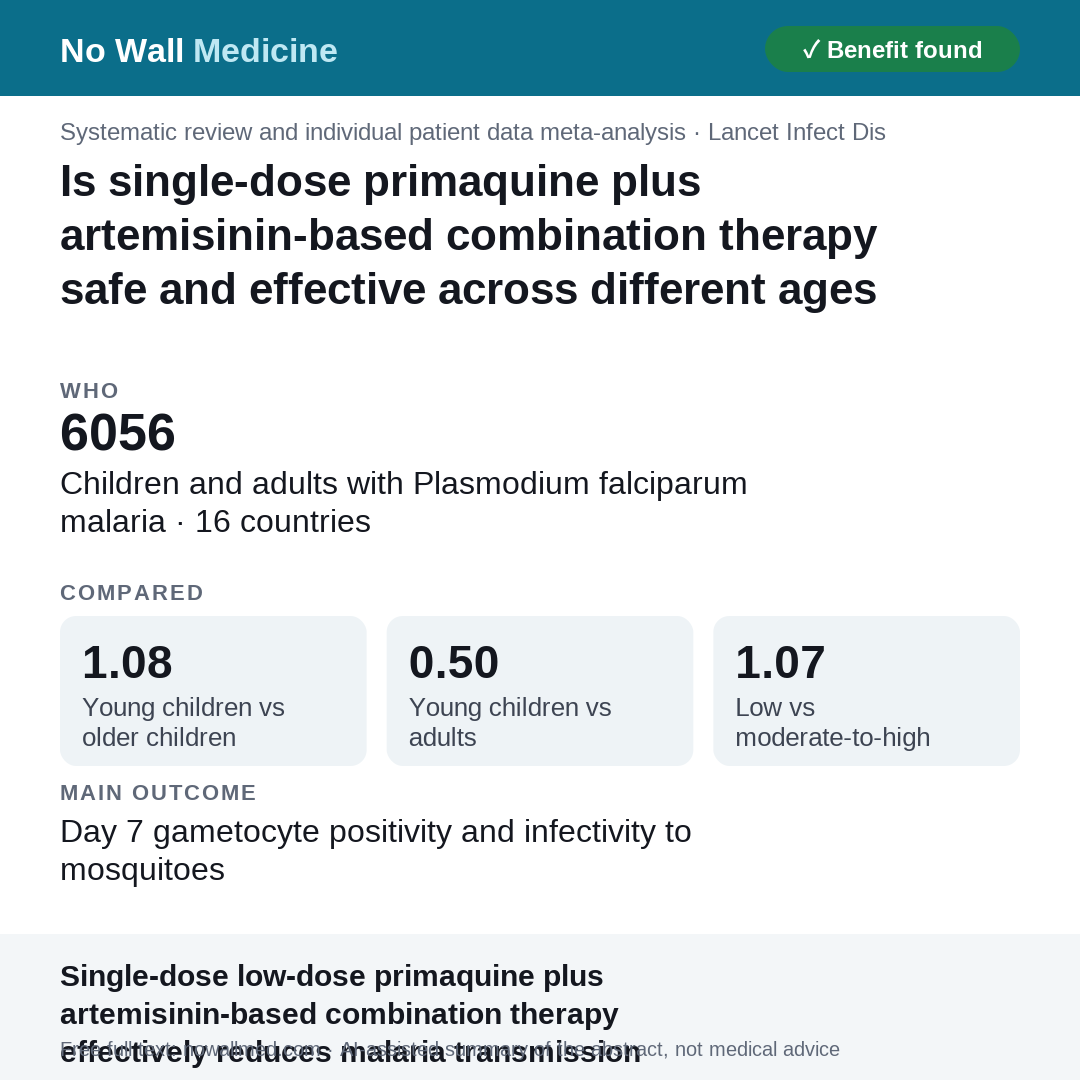
Safety and efficacy of single-dose primaquine to interrupt Plasmodium falciparum malaria transmission in children compared with adults: a systematic review and individual patient data meta-analysis
Systematic review and individual patient data meta-analysisBenefit found
Is single-dose primaquine plus artemisinin-based combination therapy safe and effective across different ages and settings?
Who
6056
Children and adults with Plasmodium falciparum malaria · 16 countries
Compared
1.08Young children vs older children (95% CI 0.52-2.23)
0.50Young children vs adults (95% CI 0.20-1.25)
1.07Low vs moderate-to-high transmission (95% CI 0.46-2.52)
Main outcome
Day 7 gametocyte positivity and infectivity to mosquitoes
Result: adjusted odds ratio 0.34 (95% CI 0.22-0.52)
Bottom line: Single-dose low-dose primaquine plus artemisinin-based combination therapy effectively reduces malaria transmission across different age groups and transmission settings.
Lancet Infect Dis · 2025-04-23Download image
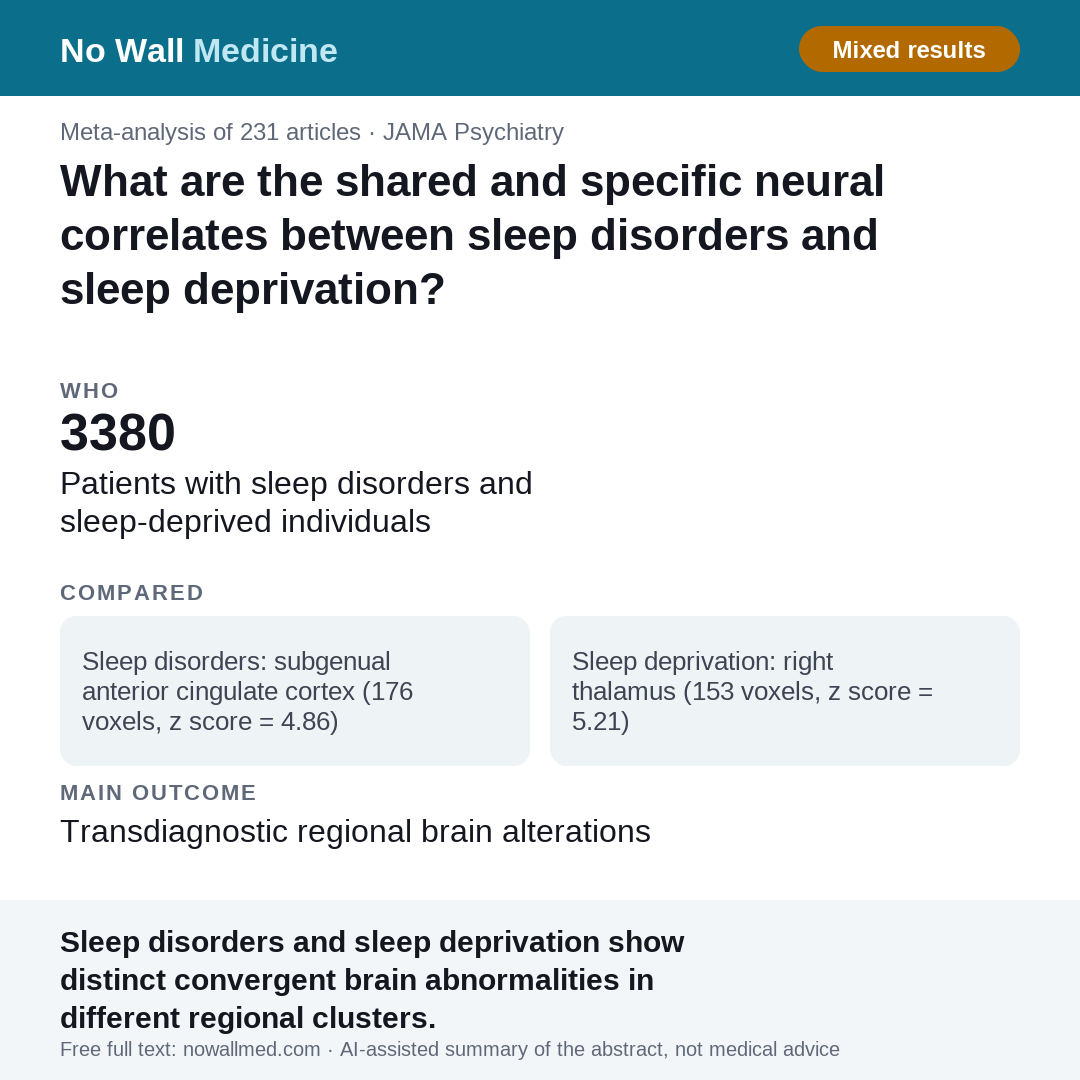
Distinct Convergent Brain Alterations in Sleep Disorders and Sleep Deprivation: A Meta-Analysis
Meta-analysis of 231 articlesMixed results
What are the shared and specific neural correlates between sleep disorders and sleep deprivation?
Who
3380
Patients with sleep disorders and sleep-deprived individuals
Compared
Sleep disorders: subgenual anterior cingulate cortex (176 voxels, z score = 4.86)
Sleep deprivation: right thalamus (153 voxels, z score = 5.21)
Main outcome
Transdiagnostic regional brain alterations
Bottom line: Sleep disorders and sleep deprivation show distinct convergent brain abnormalities in different regional clusters.
JAMA Psychiatry · 2025-04-23Download image
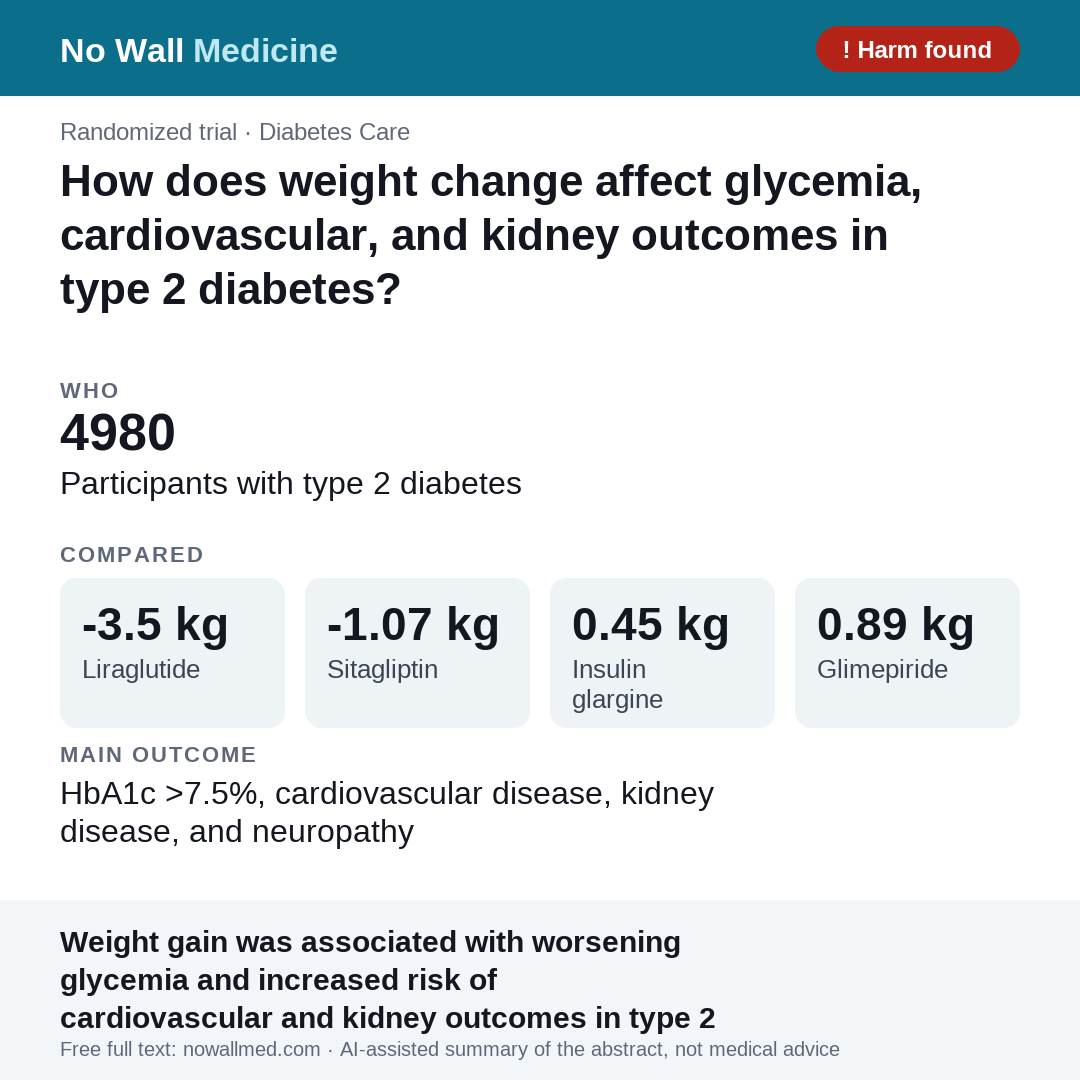
Weight Gain Was Associated With Worsening Glycemia and Cardiovascular and Kidney Outcomes in Patients With Type 2 Diabetes Independent of Diabetes Medication in the GRADE Randomized Controlled Trial
Randomized trialHarm found
How does weight change affect glycemia, cardiovascular, and kidney outcomes in type 2 diabetes?
Who
4980
Participants with type 2 diabetes
Compared
-3.5 kgLiraglutide
-1.07 kgSitagliptin
0.45 kgInsulin glargine
0.89 kgGlimepiride
Main outcome
HbA1c >7.5%, cardiovascular disease, kidney disease, and neuropathy
Result: hazard ratio 1.05 (95% CI 1.04 to 1.07) for HbA1c >7.5%
Bottom line: Weight gain was associated with worsening glycemia and increased risk of cardiovascular and kidney outcomes in type 2 diabetes.
Diabetes Care · 2025-04-23Download image
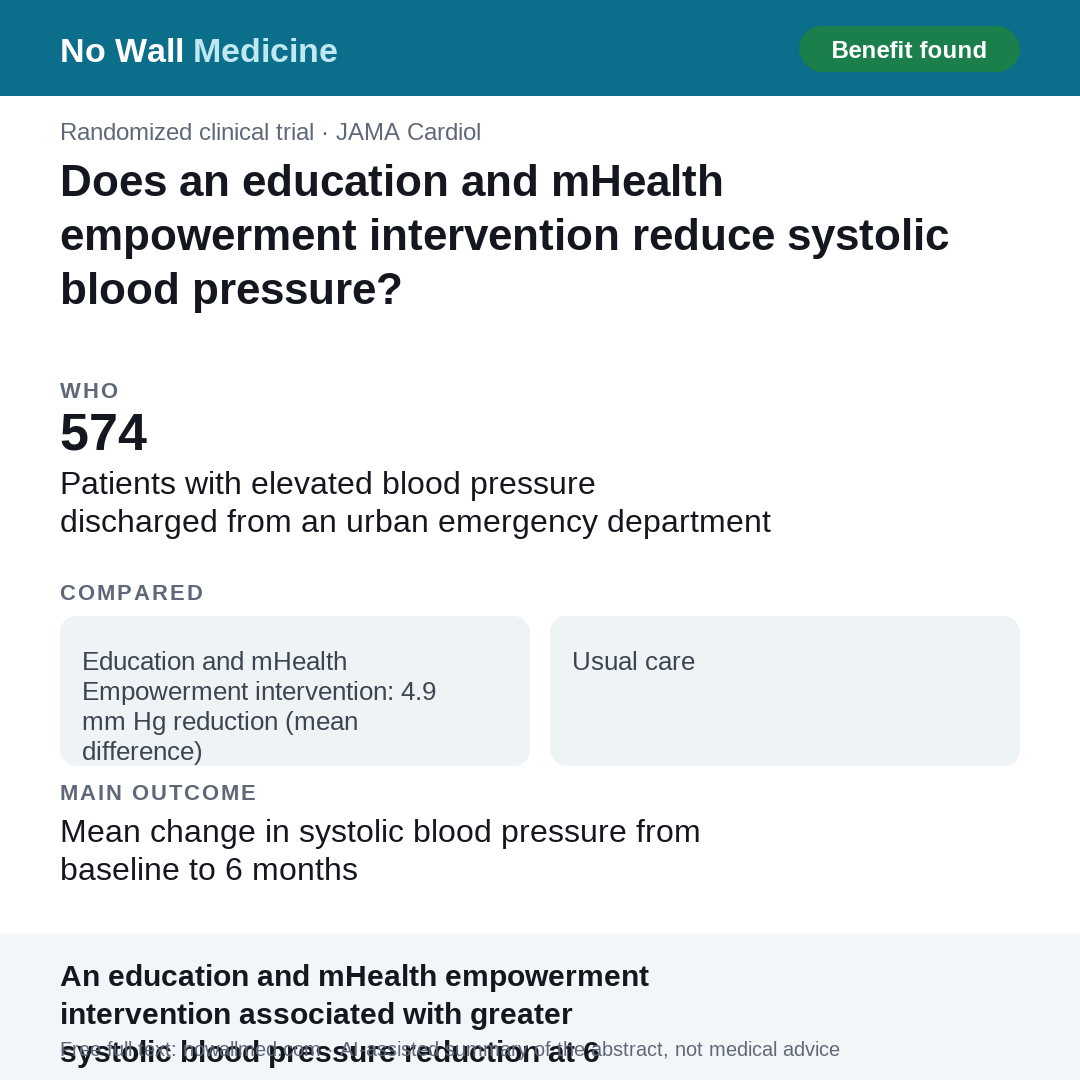
Emergency Department-Based Education and mHealth Empowerment Intervention for Hypertension: The TOUCHED Randomized Clinical Trial
Randomized clinical trialBenefit found
Does an education and mHealth empowerment intervention reduce systolic blood pressure?
Who
574
Patients with elevated blood pressure discharged from an urban emergency department · Urban academic medical center emergency department
Compared
Education and mHealth Empowerment intervention: 4.9 mm Hg reduction (mean difference)
Usual care
Main outcome
Mean change in systolic blood pressure from baseline to 6 months
Result: mean difference, 4.9 mm Hg; 95% CI, 0.8-9.0 mm Hg
Bottom line: An education and mHealth empowerment intervention associated with greater systolic blood pressure reduction at 6 months compared to usual care.
JAMA Cardiol · 2025-04-23Download image
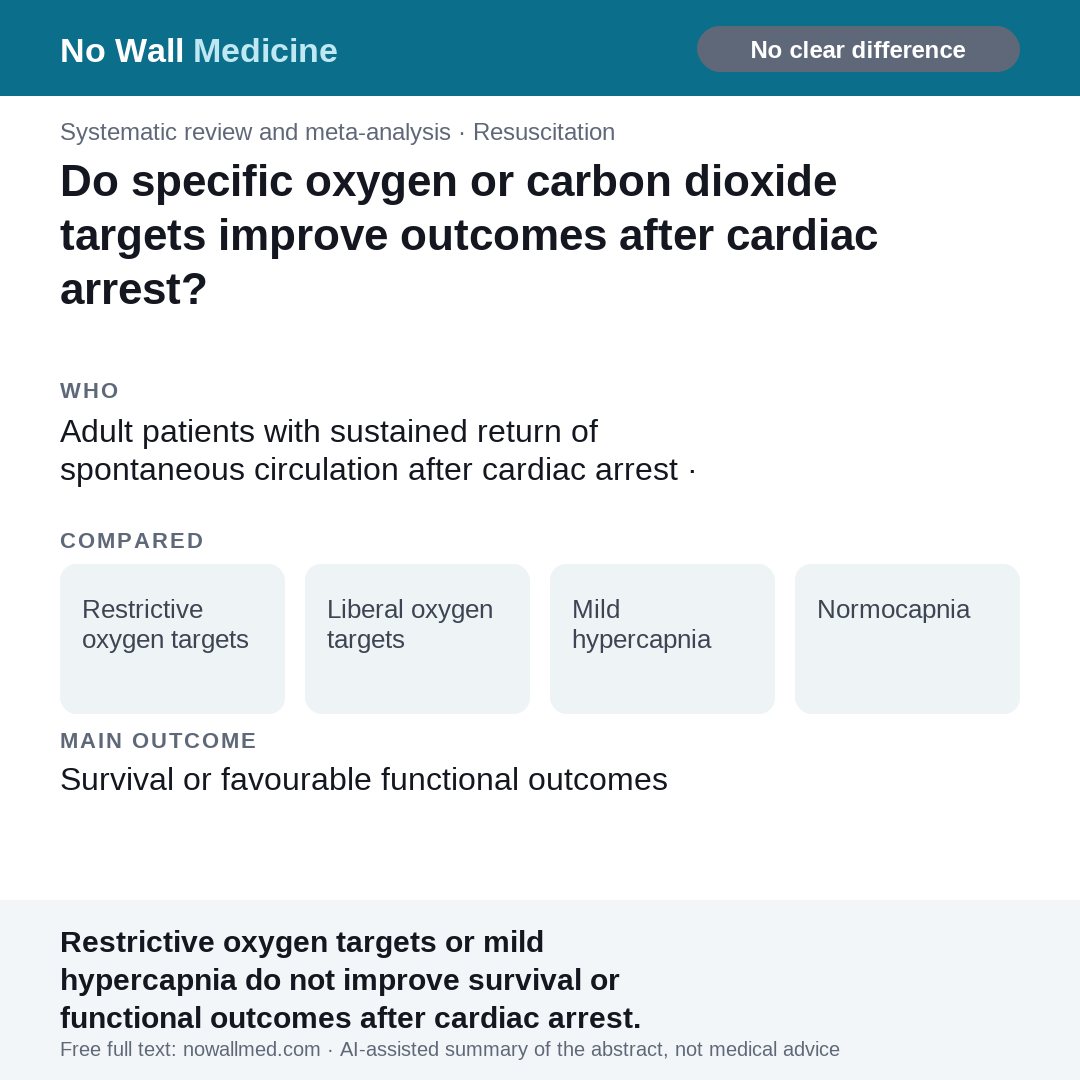
Oxygen and carbon dioxide targets after cardiac arrest: an updated systematic review
Systematic review and meta-analysisNo clear difference
Do specific oxygen or carbon dioxide targets improve outcomes after cardiac arrest?
Who
Adult patients with sustained return of spontaneous circulation after cardiac arrest · Prehospital and intensive care unit settings
Compared
Restrictive oxygen targets
Liberal oxygen targets
Mild hypercapnia
Normocapnia
Main outcome
Survival or favourable functional outcomes
Bottom line: Restrictive oxygen targets or mild hypercapnia do not improve survival or functional outcomes after cardiac arrest.
Limitation: The certainty of evidence was rated as low to moderate.
Resuscitation · 2025-04-23Download image
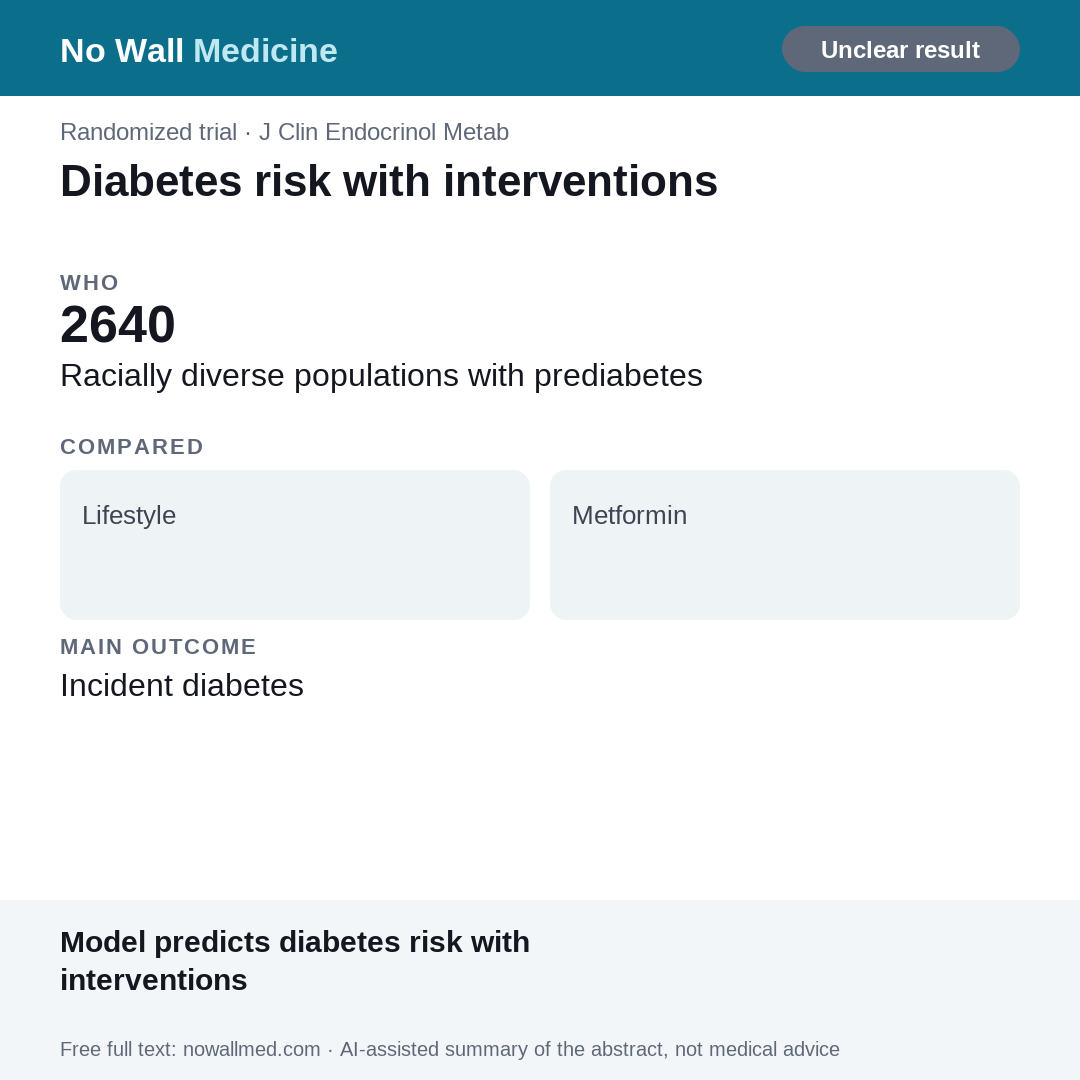
Development and Validation of a Diabetes Risk Prediction Model With Individualized Preventive Intervention Effects
Randomized trialUnclear result
Diabetes risk with interventions
Who
2640
Racially diverse populations with prediabetes
Compared
Lifestyle
Metformin
Main outcome
Incident diabetes
Bottom line: Model predicts diabetes risk with interventions
J Clin Endocrinol Metab · 2025-04-23Download image
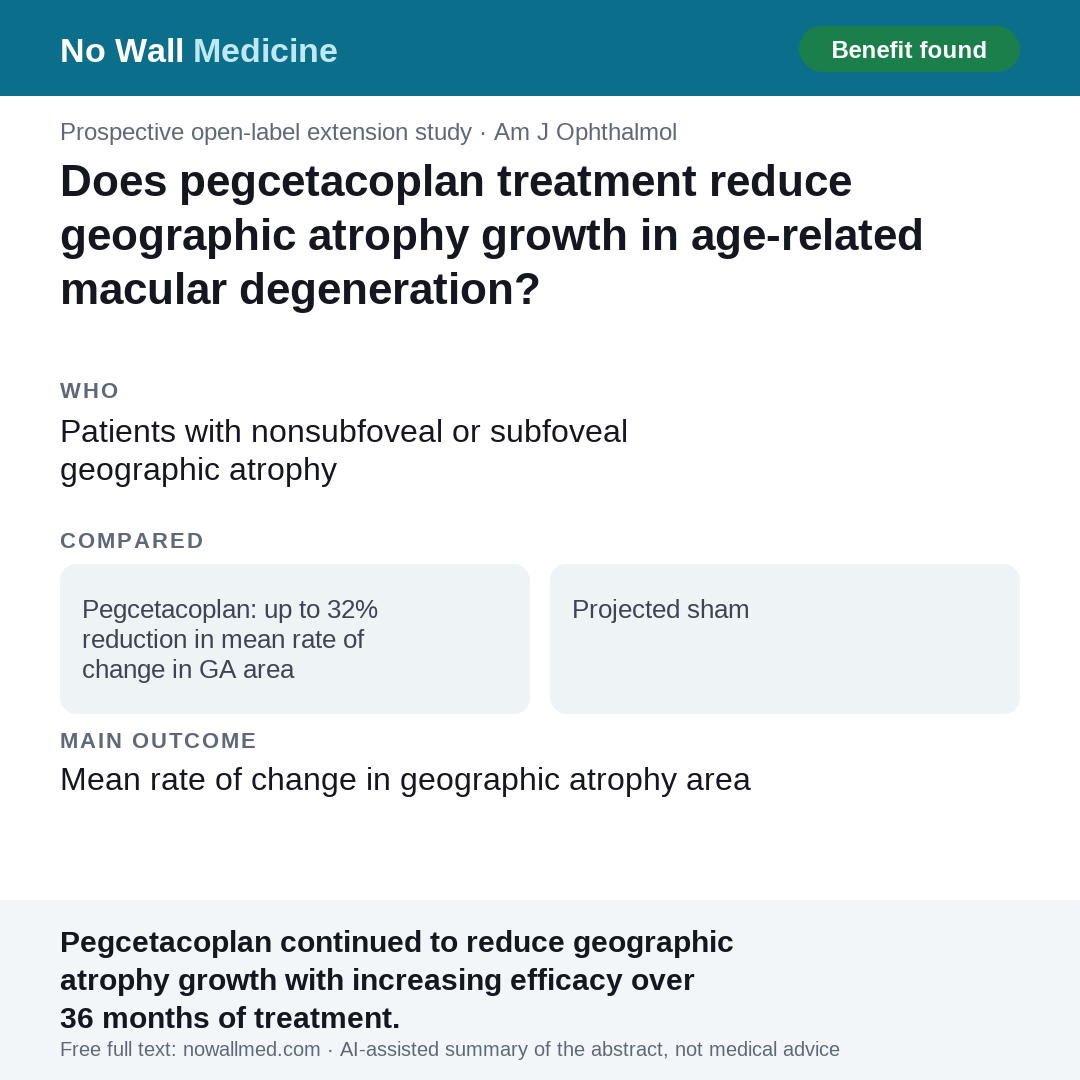
Pegcetacoplan Treatment for Geographic Atrophy in Age-Related Macular Degeneration Over 36 Months: Data From OAKS, DERBY, and GALE
Prospective open-label extension studyBenefit found
Does pegcetacoplan treatment reduce geographic atrophy growth in age-related macular degeneration?
Who
Patients with nonsubfoveal or subfoveal geographic atrophy
Compared
Pegcetacoplan: up to 32% reduction in mean rate of change in GA area
Projected sham
Main outcome
Mean rate of change in geographic atrophy area
Bottom line: Pegcetacoplan continued to reduce geographic atrophy growth with increasing efficacy over 36 months of treatment.
Am J Ophthalmol · 2025-04-23Download image