Visual abstracts
New randomized trials and meta-analyses from leading journals at a glance: who was studied, what was compared, and what was found. Every paper is free to read in full.
All specialtiesCardiology 4877Oncology 4138Gastroenterology & Hepatology 1942Infectious Disease 3837Neurology 1905Psychiatry & Mental Health 2273Pulmonology 2143Critical Care 1365Endocrinology & Diabetes 2580Pediatrics 2980Surgery 2559Orthopedics & Sports Medicine 931Neurosurgery 537Cardiothoracic & Vascular Surgery 674Plastic & Reconstructive Surgery 591Nephrology 1133Rheumatology 823Hematology 1109Dermatology 621Ophthalmology 543Obstetrics & Gynecology 1686Public & Global Health 1058Radiology & Imaging 648Anesthesiology 986Urology 764ENT (Otolaryngology) 503Emergency Medicine 511Allergy & Immunology 313Geriatrics 981Family Medicine & Primary Care 562Medical Genetics & Genomics 676Pathology & Laboratory Medicine 159Physical Medicine & Rehabilitation 757Palliative Care 444Nutrition 1588Digital Health & AI 2201General Medicine 321
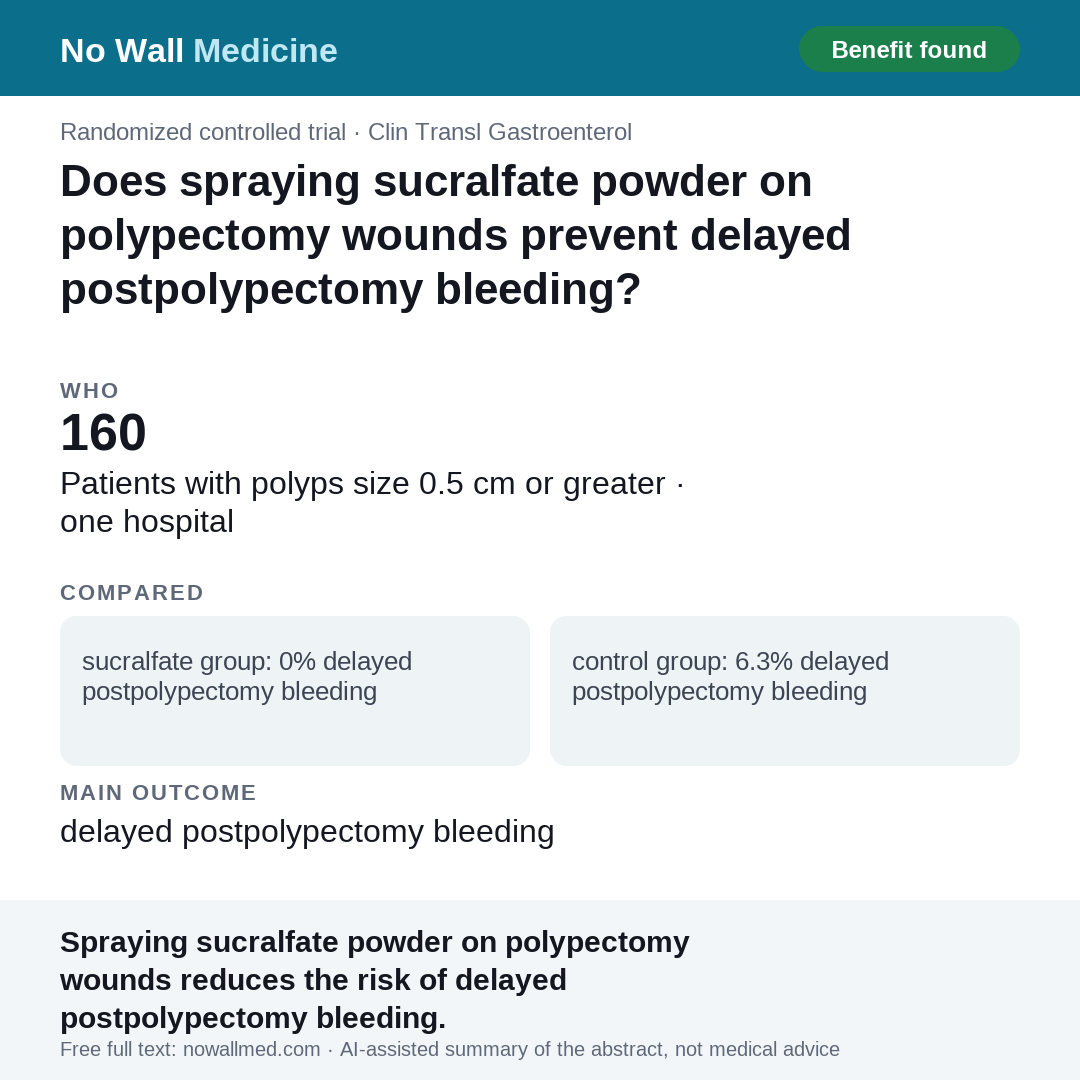
Clinical Trial: Precise Administration of Sucralfate Powder in Prevention of Delayed Postpolypectomy Bleeding. A Randomized Controlled Trial
Randomized controlled trialBenefit found
Does spraying sucralfate powder on polypectomy wounds prevent delayed postpolypectomy bleeding?
Who
160
Patients with polyps size 0.5 cm or greater · one hospital
Compared
sucralfate group: 0% delayed postpolypectomy bleeding
control group: 6.3% delayed postpolypectomy bleeding
Main outcome
delayed postpolypectomy bleeding
Result: relative risk 0.03 (95% confidence interval 0.003-0.43)
Bottom line: Spraying sucralfate powder on polypectomy wounds reduces the risk of delayed postpolypectomy bleeding.
Clin Transl Gastroenterol · 2025-04-01Download image
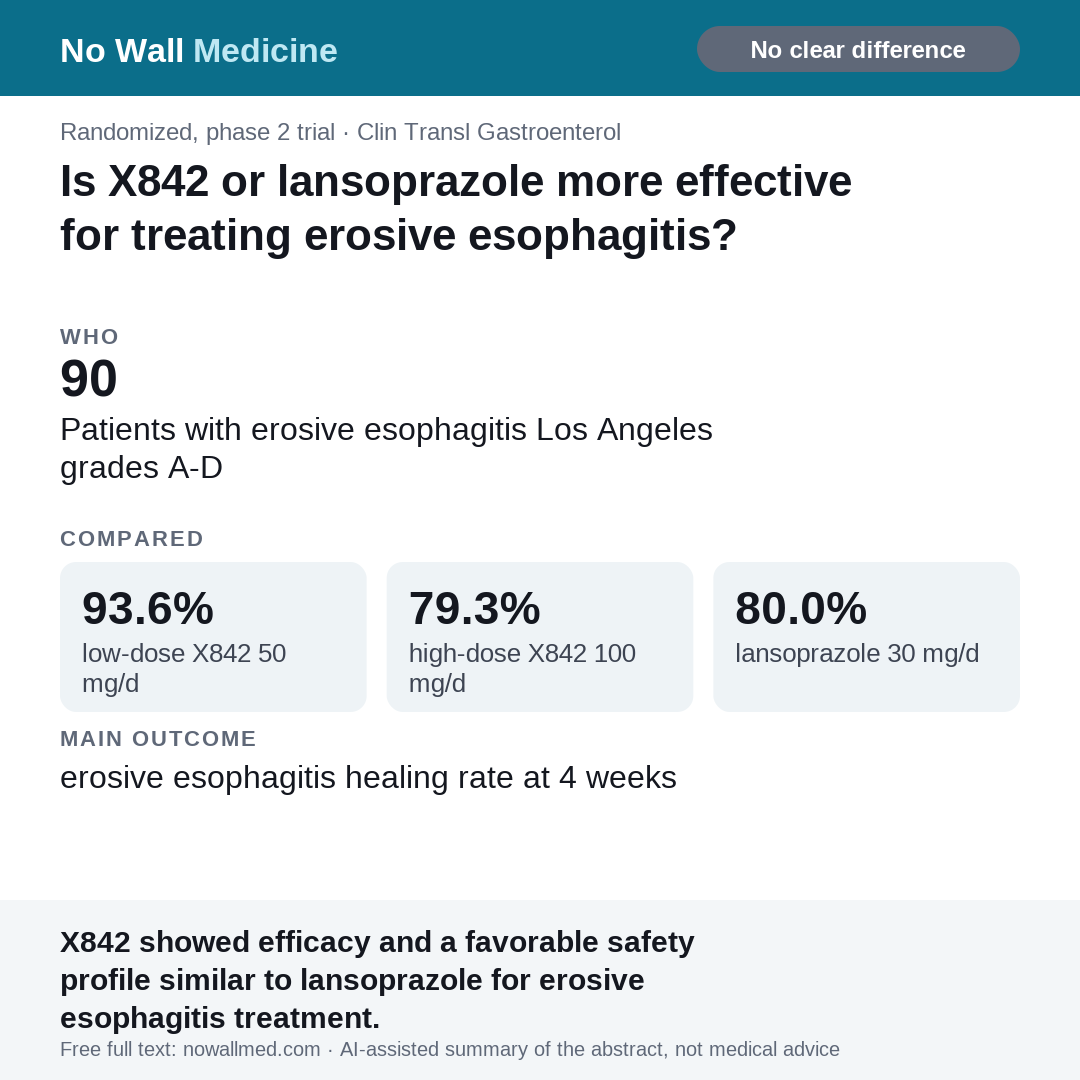
A Randomized, Comparative Trial of a Potassium-Competitive Acid Blocker (X842) and Lansoprazole for the Treatment of Patients With Erosive Esophagitis
Randomized, phase 2 trialNo clear difference
Is X842 or lansoprazole more effective for treating erosive esophagitis?
Who
90
Patients with erosive esophagitis Los Angeles grades A-D
Compared
93.6%low-dose X842 50 mg/d (29/31)
79.3%high-dose X842 100 mg/d (23/29)
80.0%lansoprazole 30 mg/d (24/30)
Main outcome
erosive esophagitis healing rate at 4 weeks
Bottom line: X842 showed efficacy and a favorable safety profile similar to lansoprazole for erosive esophagitis treatment.
Clin Transl Gastroenterol · 2025-04-01Download image
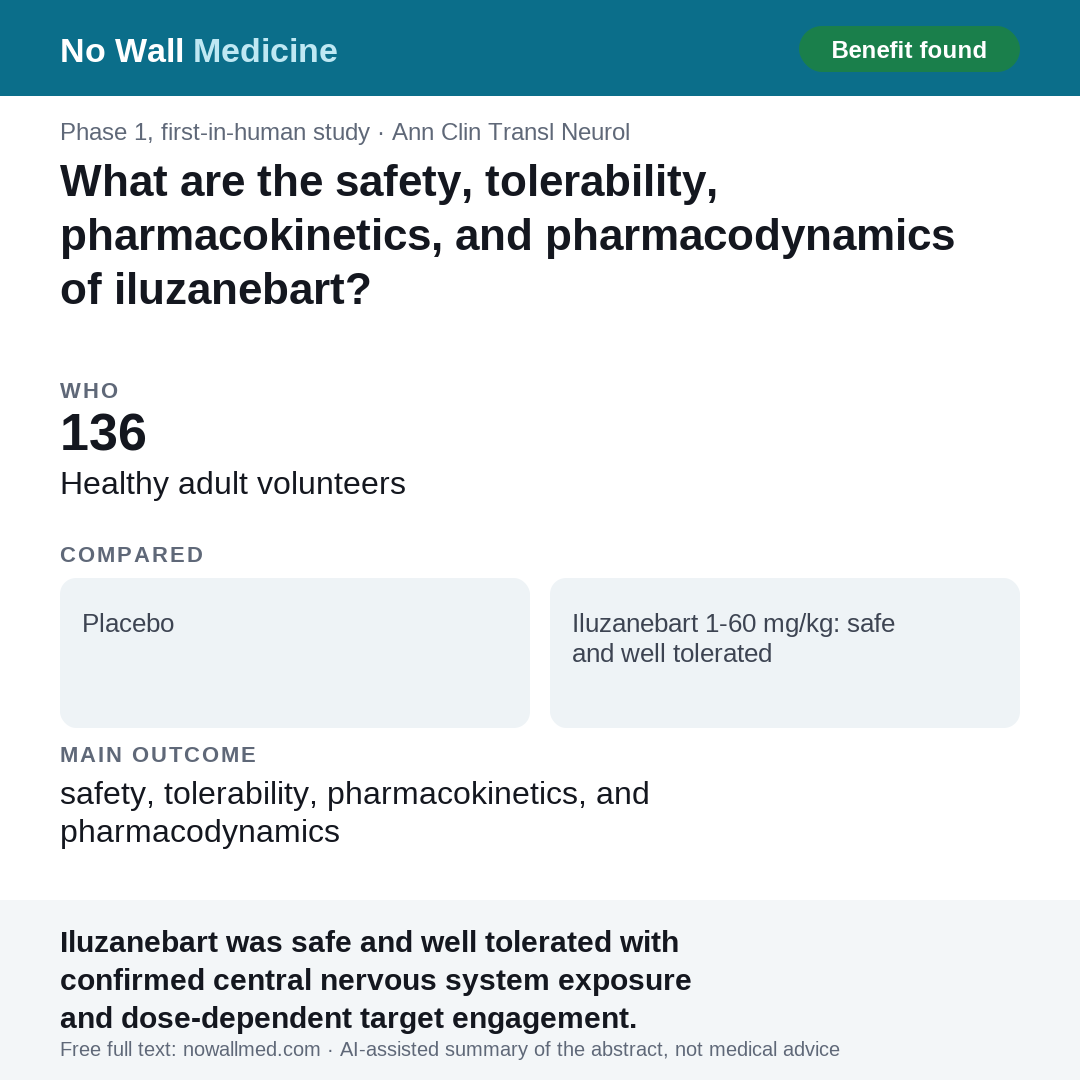
Phase 1, First-In-Human, Single-/Multiple-Ascending Dose Study of Iluzanebart in Healthy Volunteers
Phase 1, first-in-human studyBenefit found
What are the safety, tolerability, pharmacokinetics, and pharmacodynamics of iluzanebart?
Who
136
Healthy adult volunteers
Compared
Placebo
Iluzanebart 1-60 mg/kg: safe and well tolerated
Main outcome
safety, tolerability, pharmacokinetics, and pharmacodynamics
Bottom line: Iluzanebart was safe and well tolerated with confirmed central nervous system exposure and dose-dependent target engagement.
Ann Clin Transl Neurol · 2025-04-01Download image
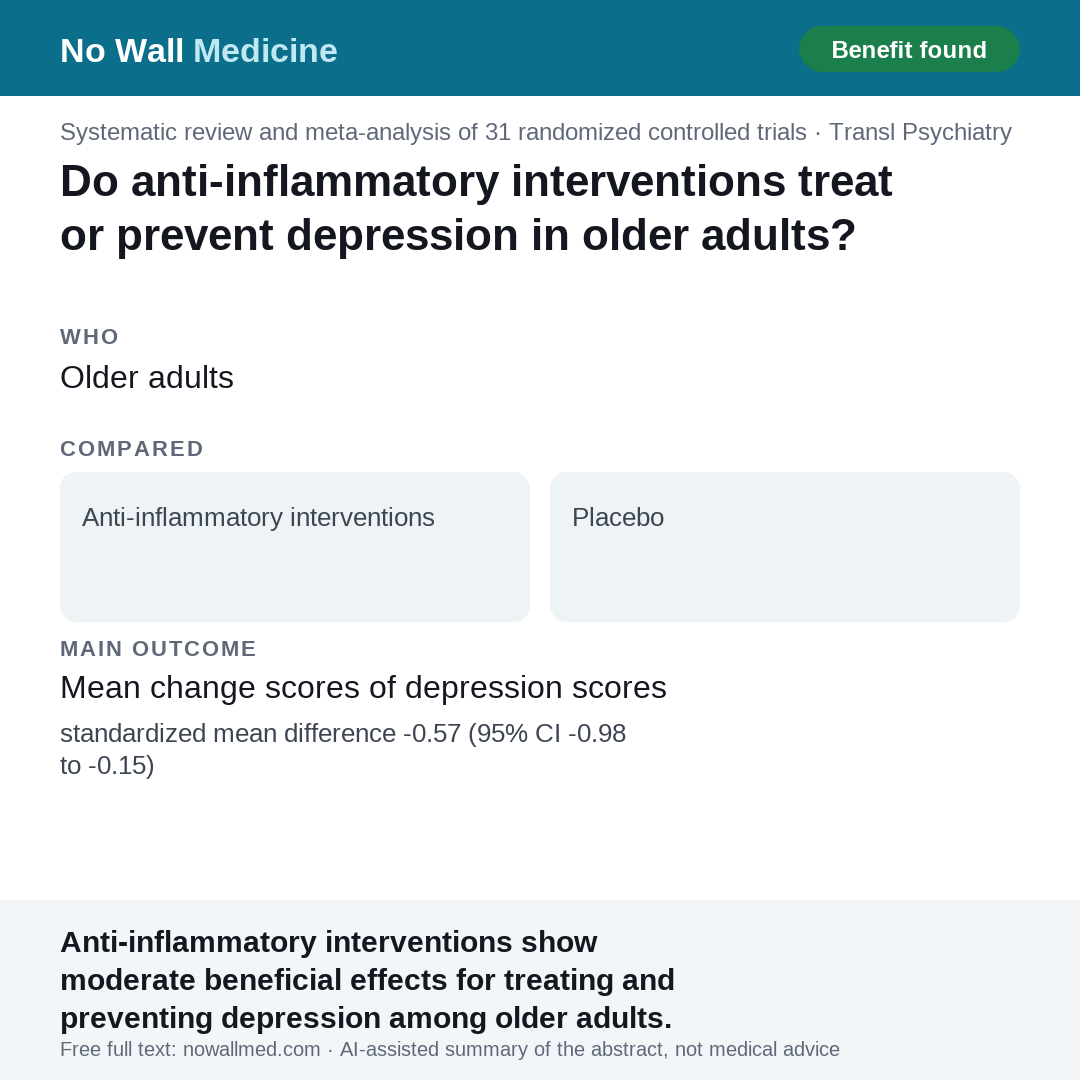
Anti-inflammatory interventions for the treatment and prevention of depression among older adults: a systematic review and meta-analysis
Systematic review and meta-analysis of 31 randomized controlled trialsBenefit found
Do anti-inflammatory interventions treat or prevent depression in older adults?
Who
Older adults
Compared
Anti-inflammatory interventions
Placebo
Main outcome
Mean change scores of depression scores
Result: standardized mean difference -0.57 (95% CI -0.98 to -0.15)
Bottom line: Anti-inflammatory interventions show moderate beneficial effects for treating and preventing depression among older adults.
Limitation: Substantial heterogeneity among included studies
Transl Psychiatry · 2025-04-01Download image
Robotic versus laparoscopic hepatectomy: meta-analysis of propensity-score matched studies
Meta-analysis of 26 propensity-score matched studiesBenefit found
Is robotic hepatectomy better than laparoscopic hepatectomy?
Who
9355
Patients undergoing robotic or laparoscopic hepatectomy
Compared
3938Robotic hepatectomy
5417Laparoscopic hepatectomy
Main outcome
Surgical outcomes including blood loss, open conversion, and R0 resection
Result: mean difference -86.22 (95% CI -116.49 to -55.95) for blood loss
Bottom line: Robotic hepatectomy showed lower blood loss and reduced open conversion rates compared to laparoscopic hepatectomy.
BJS Open · 2025-04-01Download image

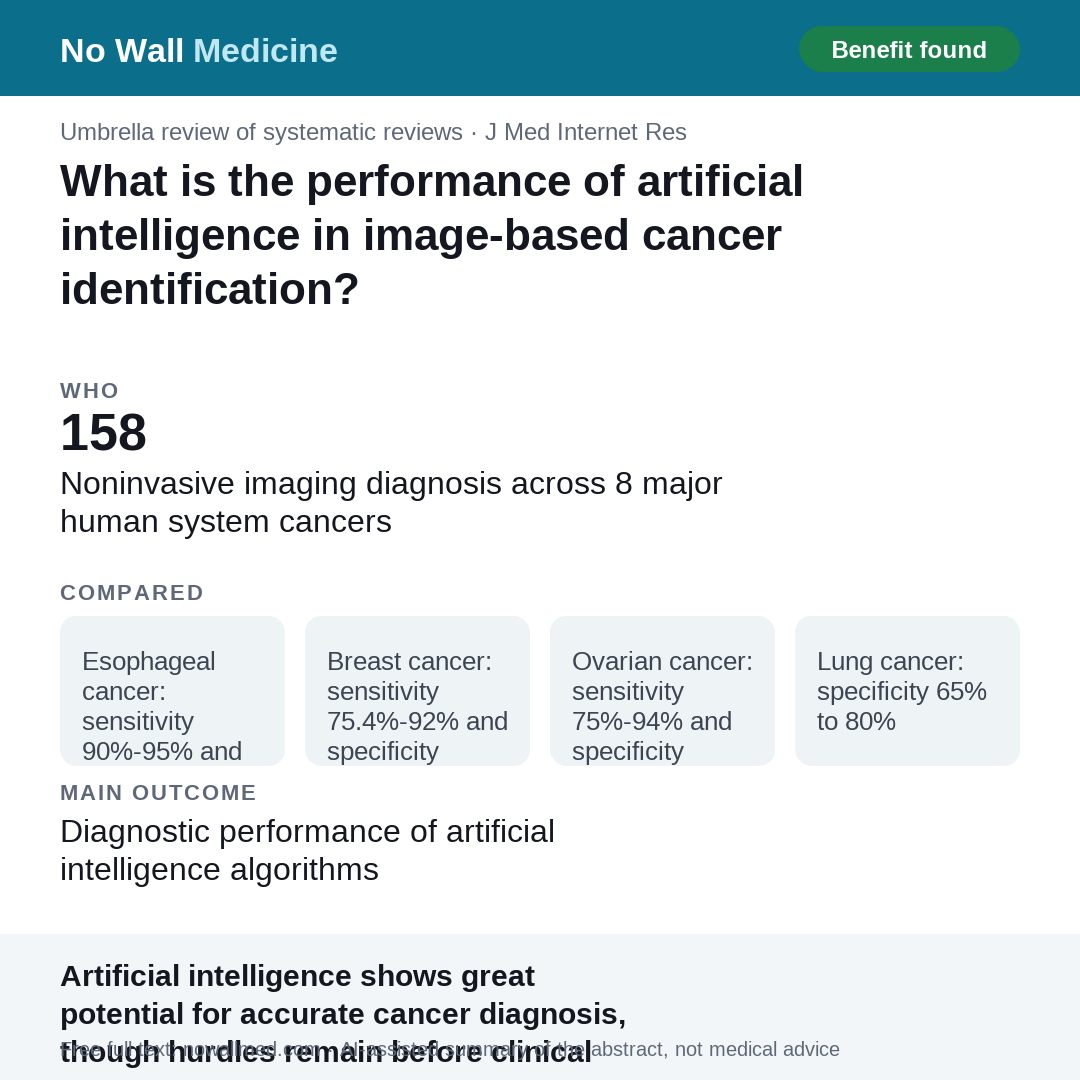
Artificial Intelligence Performance in Image-Based Cancer Identification: Umbrella Review of Systematic Reviews
Umbrella review of systematic reviewsBenefit found
What is the performance of artificial intelligence in image-based cancer identification?
Who
158
Noninvasive imaging diagnosis across 8 major human system cancers
Compared
Esophageal cancer: sensitivity 90%-95% and specificity 80%-93.8%
Breast cancer: sensitivity 75.4%-92% and specificity 83%-90.6%
Ovarian cancer: sensitivity 75%-94% and specificity 75%-94%
Lung cancer: specificity 65% to 80%
Main outcome
Diagnostic performance of artificial intelligence algorithms
Bottom line: Artificial intelligence shows great potential for accurate cancer diagnosis, though hurdles remain before clinical implementation.
J Med Internet Res · 2025-04-01Download image
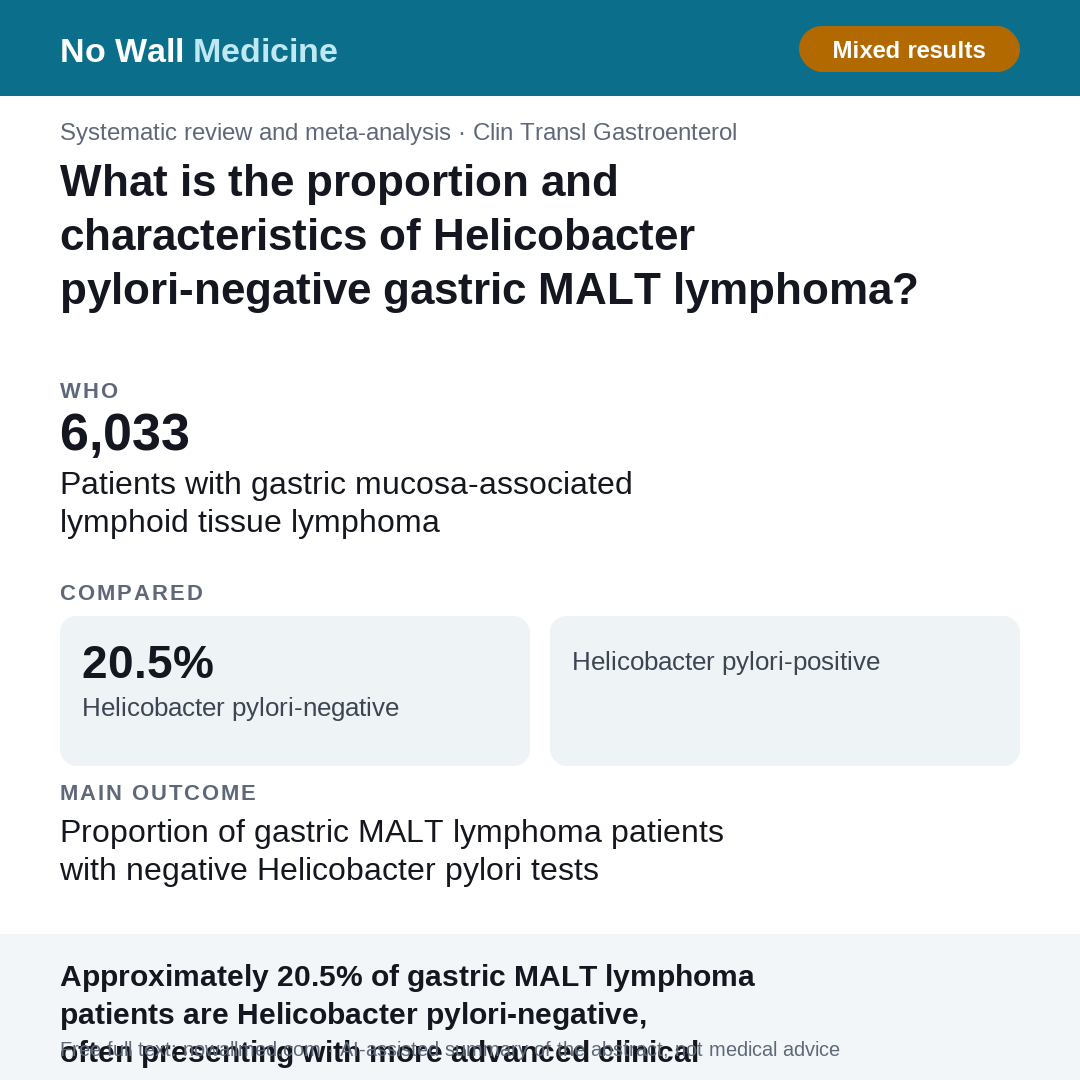
Proportion and Characteristics of Helicobacter Pylori -Negative Gastric Mucosa-Associated Lymphoid Tissue Lymphoma: A Systematic Review and Meta-Analysis
Systematic review and meta-analysisMixed results
What is the proportion and characteristics of Helicobacter pylori-negative gastric MALT lymphoma?
Who
6,033
Patients with gastric mucosa-associated lymphoid tissue lymphoma
Compared
20.5%Helicobacter pylori-negative (95% confidence interval: 17.0%-24.6%)
Helicobacter pylori-positive
Main outcome
Proportion of gastric MALT lymphoma patients with negative Helicobacter pylori tests
Bottom line: Approximately 20.5% of gastric MALT lymphoma patients are Helicobacter pylori-negative, often presenting with more advanced clinical features.
Clin Transl Gastroenterol · 2025-04-01Download image
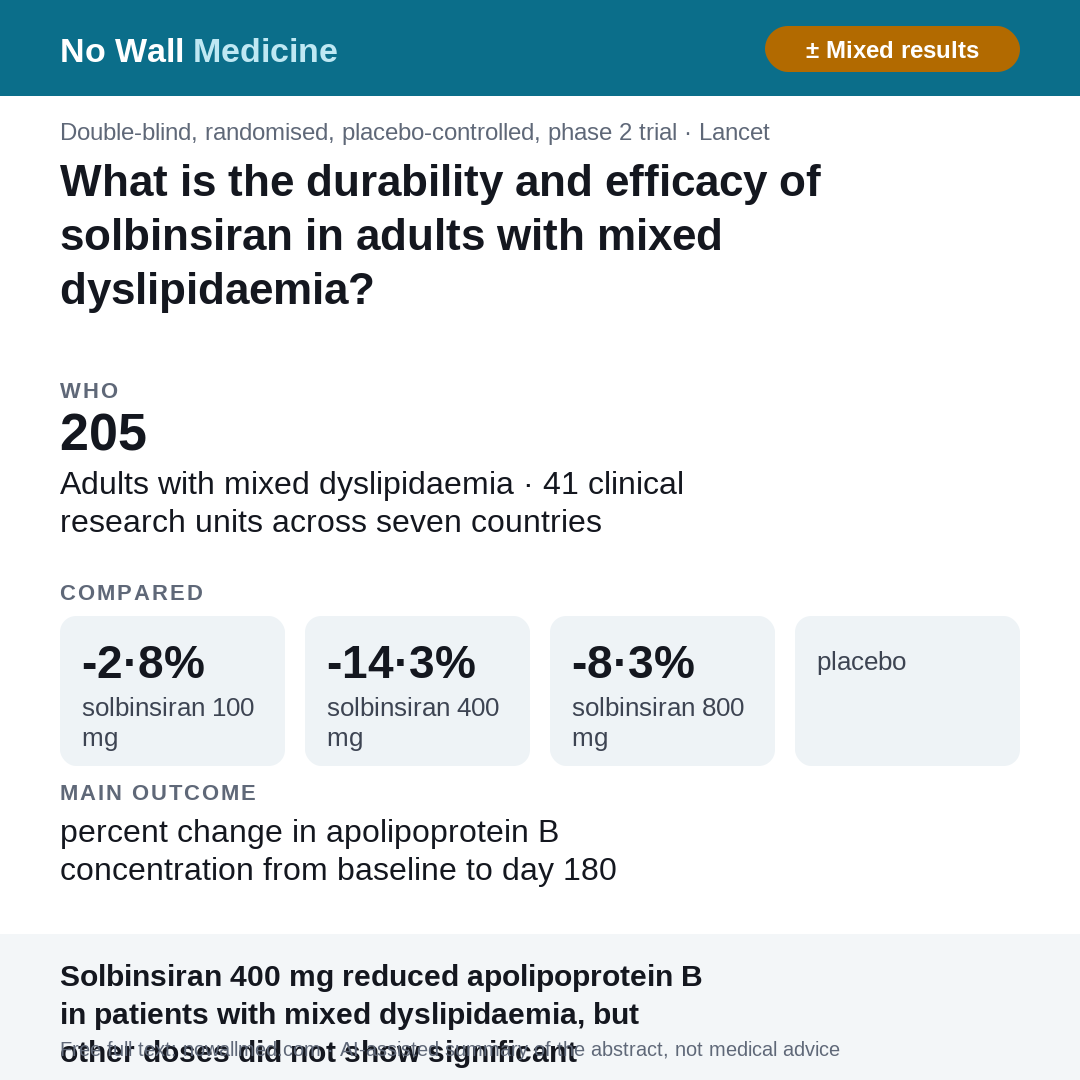
Durability and efficacy of solbinsiran, a GalNAc-conjugated siRNA targeting ANGPTL3, in adults with mixed dyslipidaemia (PROLONG-ANG3): a double-blind, randomised, placebo-controlled, phase 2 trial
Double-blind, randomised, placebo-controlled, phase 2 trialMixed results
What is the durability and efficacy of solbinsiran in adults with mixed dyslipidaemia?
Who
205
Adults with mixed dyslipidaemia · 41 clinical research units across seven countries
Compared
-2·8%solbinsiran 100 mg (95% CI -15·5 to 11·9)
-14·3%solbinsiran 400 mg (-23·6 to -3·9)
-8·3%solbinsiran 800 mg (-18·3 to 2·9)
placebo
Main outcome
percent change in apolipoprotein B concentration from baseline to day 180
Bottom line: Solbinsiran 400 mg reduced apolipoprotein B in patients with mixed dyslipidaemia, but other doses did not show significant reduction.
Funded by: Eli Lilly and Company
Lancet · 2025-03-31Download image
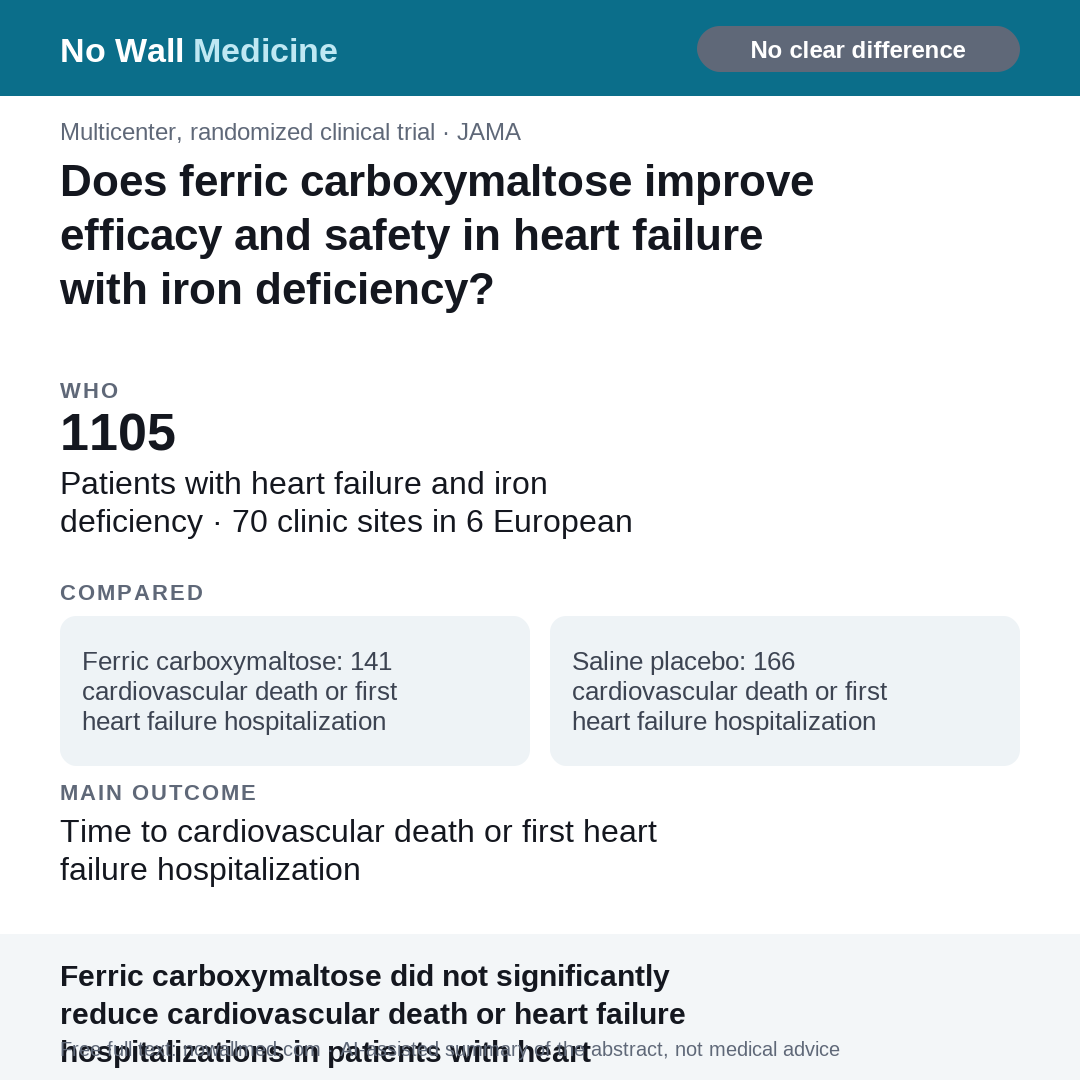
Intravenous Ferric Carboxymaltose in Heart Failure With Iron Deficiency: The FAIR-HF2 DZHK05 Randomized Clinical Trial
Multicenter, randomized clinical trialNo clear difference
Does ferric carboxymaltose improve efficacy and safety in heart failure with iron deficiency?
Who
1105
Patients with heart failure and iron deficiency · 70 clinic sites in 6 European countries
Compared
Ferric carboxymaltose: 141 cardiovascular death or first heart failure hospitalization
Saline placebo: 166 cardiovascular death or first heart failure hospitalization
Main outcome
Time to cardiovascular death or first heart failure hospitalization
Result: hazard ratio 0.79 (95% CI 0.63-0.99)
Bottom line: Ferric carboxymaltose did not significantly reduce cardiovascular death or heart failure hospitalizations in patients with heart failure and iron deficiency.
JAMA · 2025-03-31Download image
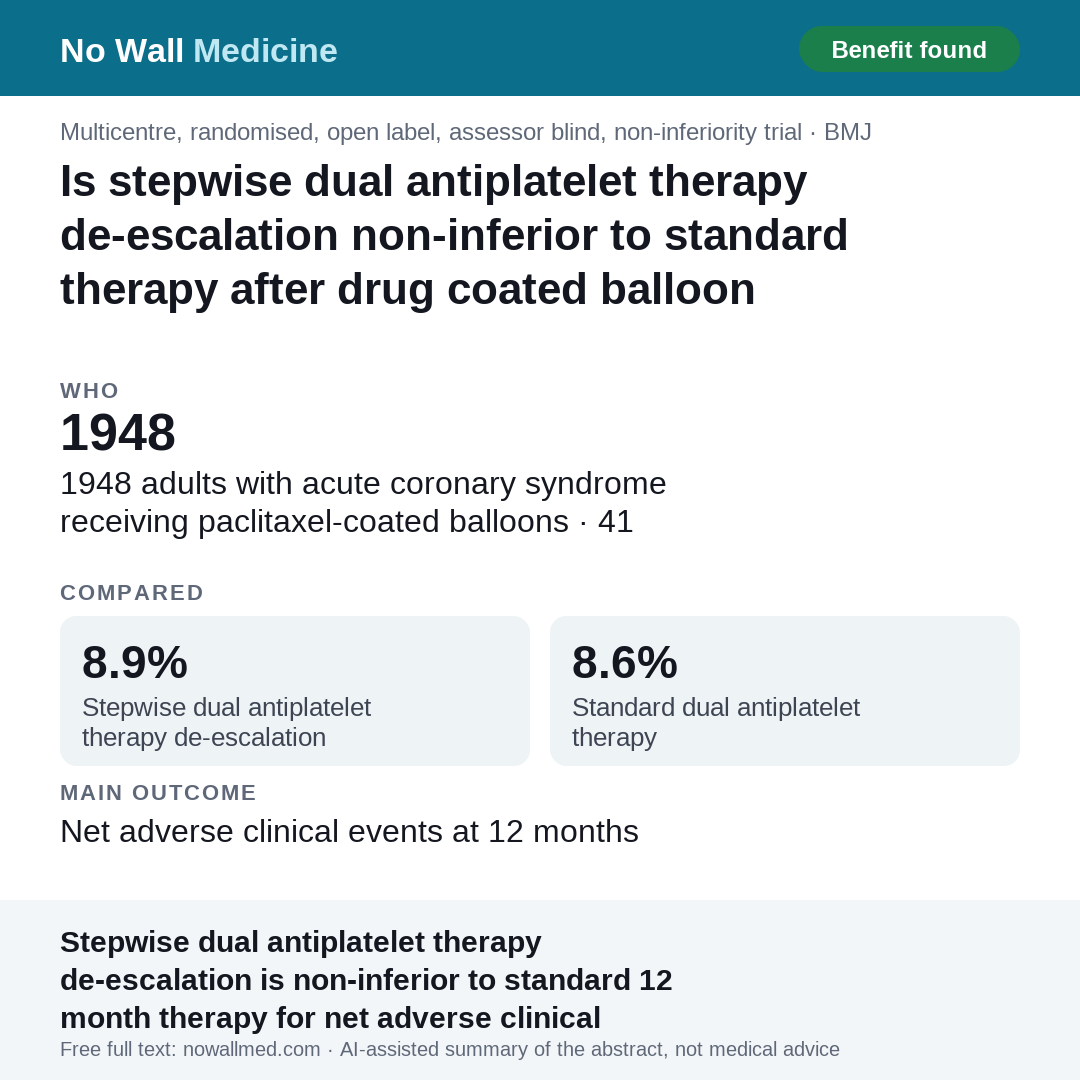
Stepwise dual antiplatelet therapy de-escalation in patients after drug coated balloon angioplasty (REC-CAGEFREE II): multicentre, randomised, open label, assessor blind, non-inferiority trial
Multicentre, randomised, open label, assessor blind, non-inferiority trialBenefit found
Is stepwise dual antiplatelet therapy de-escalation non-inferior to standard therapy after drug coated balloon angioplasty?
Who
1948
1948 adults with acute coronary syndrome receiving paclitaxel-coated balloons · 41 hospitals in China
Compared
8.9%Stepwise dual antiplatelet therapy de-escalation
8.6%Standard dual antiplatelet therapy
Main outcome
Net adverse clinical events at 12 months
Result: difference 0.36%; upper boundary of the one sided 95% CI 2.47%
Bottom line: Stepwise dual antiplatelet therapy de-escalation is non-inferior to standard 12 month therapy for net adverse clinical events.
BMJ · 2025-03-31Download image
Efficacy and safety of passive immunotherapies targeting amyloid beta in Alzheimer's disease: A systematic review and meta-analysis
Meta-analysis of 13 phase III randomized controlled trialsMixed results
Are anti-amyloid beta monoclonal antibodies effective and safe for Alzheimer's disease?
Who
18826
Patients with mild cognitive impairment or dementia due to Alzheimer's disease
Compared
Anti-amyloid beta monoclonal antibodies
Placebo
Main outcome
Cognitive performance and adverse events
Result: mean difference -0.25 (95% CI -0.38 to -0.11) for CDR-SB
Bottom line: Anti-amyloid beta monoclonal antibodies slow cognitive decline but carry risks of amyloid-related imaging abnormalities and headaches.
Limitation: Differences in trial designs introduce limitations in cross-trial comparisons.
PLOS Med · 2025-03-31Download image

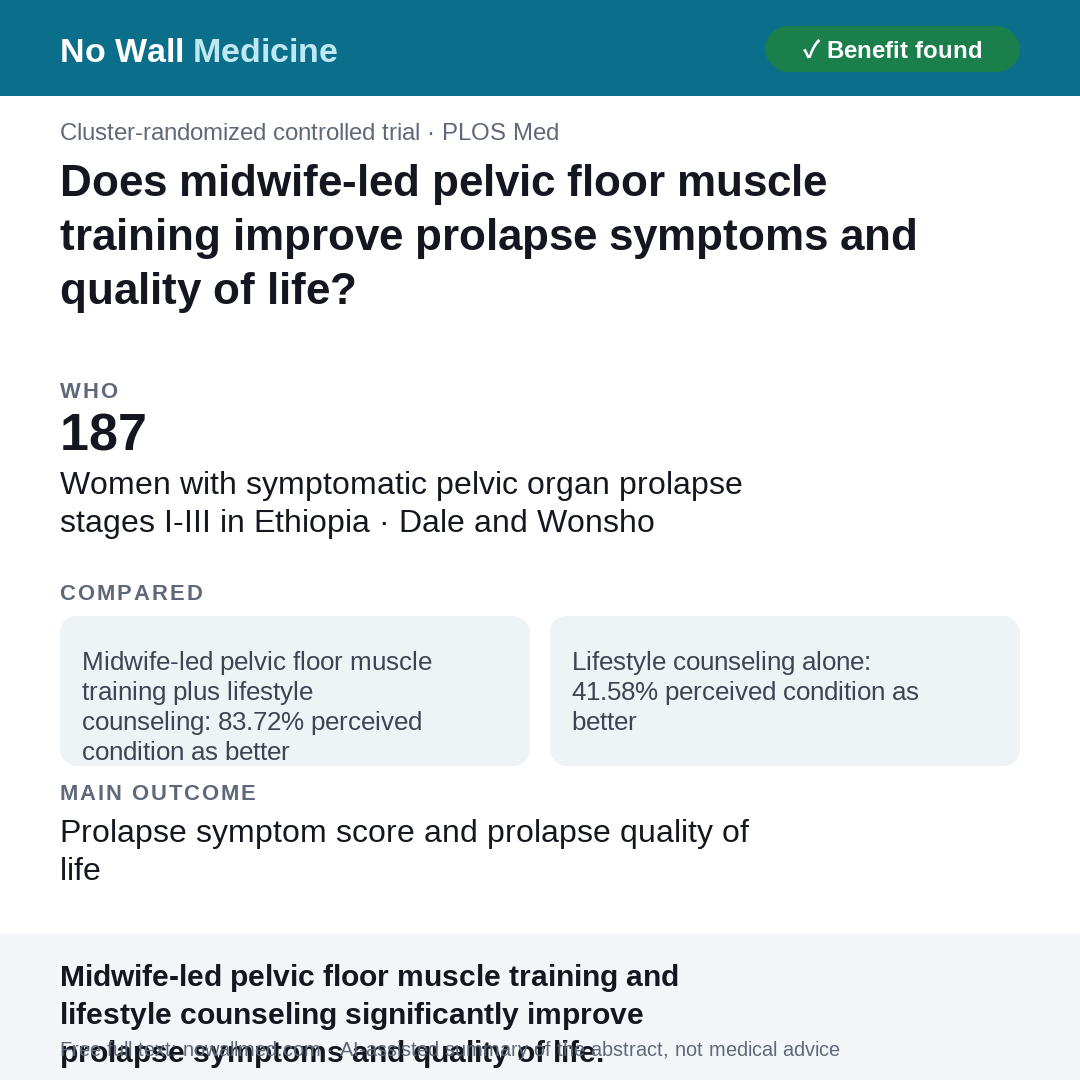
Effect of midwife-led pelvic floor muscle training on prolapse symptoms and quality of life in women with pelvic organ prolapse in Ethiopia: A Cluster-randomized controlled trial
Cluster-randomized controlled trialBenefit found
Does midwife-led pelvic floor muscle training improve prolapse symptoms and quality of life?
Who
187
Women with symptomatic pelvic organ prolapse stages I-III in Ethiopia · Dale and Wonsho districts, Ethiopia
Compared
Midwife-led pelvic floor muscle training plus lifestyle counseling: 83.72% perceived condition as better
Lifestyle counseling alone: 41.58% perceived condition as better
Main outcome
Prolapse symptom score and prolapse quality of life
Result: mean change difference in POP-SS -4.11 (99% CI -5.38 to -2.83)
Bottom line: Midwife-led pelvic floor muscle training and lifestyle counseling significantly improve prolapse symptoms and quality of life.
Limitation: Women with earlier stages of prolapse experienced higher benefits than stage III.
PLOS Med · 2025-03-31Download image
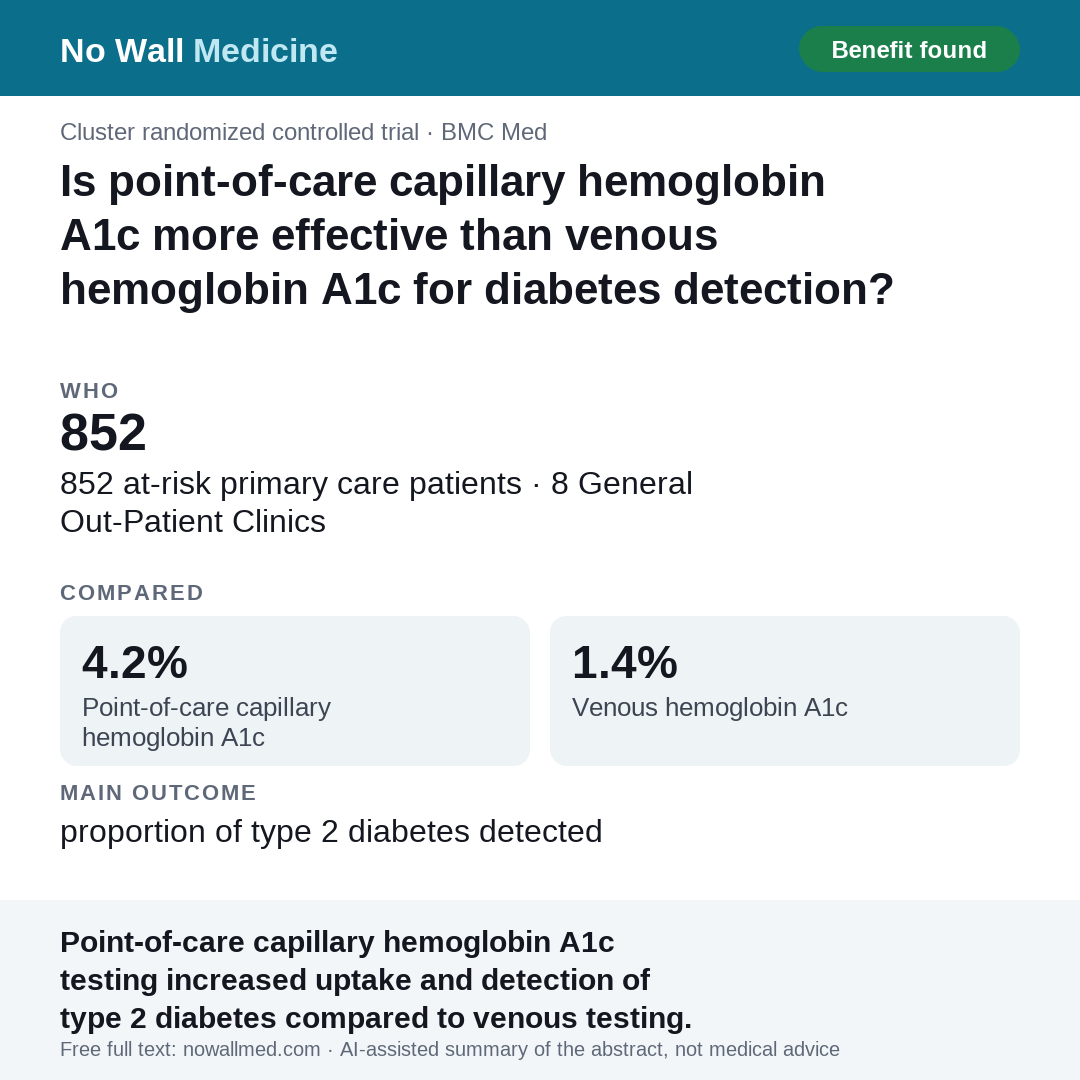
Improving type 2 diabetes detection among at-risk individuals - comparing the effectiveness of active opportunistic screening using spot capillary-HbA1c testing and venous HbA1c testing: a cluster randomized controlled trial
Cluster randomized controlled trialBenefit found
Is point-of-care capillary hemoglobin A1c more effective than venous hemoglobin A1c for diabetes detection?
Who
852
852 at-risk primary care patients · 8 General Out-Patient Clinics
Compared
4.2%Point-of-care capillary hemoglobin A1c
1.4%Venous hemoglobin A1c
Main outcome
proportion of type 2 diabetes detected
Result: OR = 7.06, 95% CI [2.47-20.18] for uptake rate
Bottom line: Point-of-care capillary hemoglobin A1c testing increased uptake and detection of type 2 diabetes compared to venous testing.
BMC Med · 2025-03-31Download image
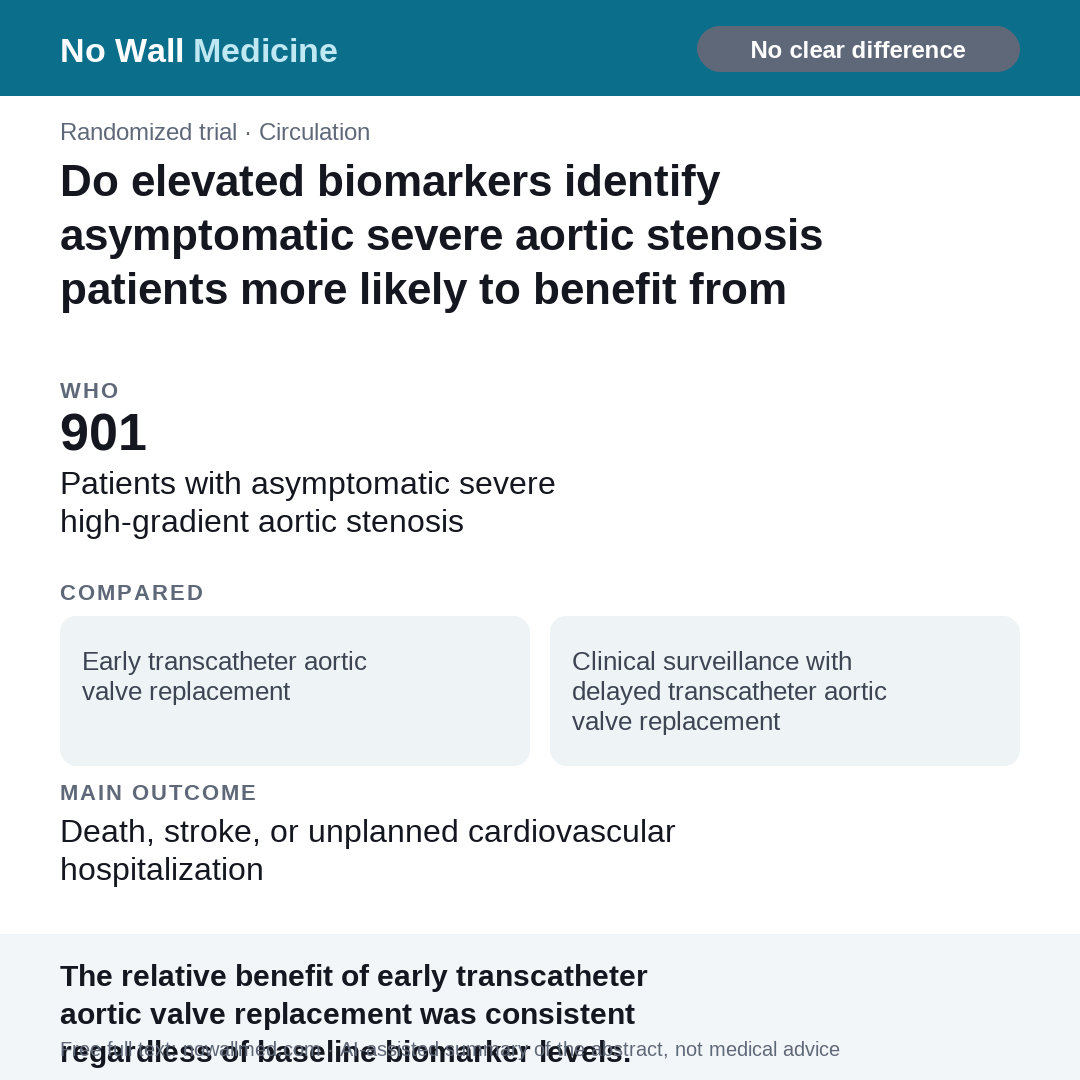
Cardiac Biomarkers in Patients With Asymptomatic Severe Aortic Stenosis: Analysis From the EARLY TAVR Trial
Randomized trialNo clear difference
Do elevated biomarkers identify asymptomatic severe aortic stenosis patients more likely to benefit from early TAVR?
Who
901
Patients with asymptomatic severe high-gradient aortic stenosis
Compared
Early transcatheter aortic valve replacement
Clinical surveillance with delayed transcatheter aortic valve replacement
Main outcome
Death, stroke, or unplanned cardiovascular hospitalization
Bottom line: The relative benefit of early transcatheter aortic valve replacement was consistent regardless of baseline biomarker levels.
Circulation · 2025-03-31Download image
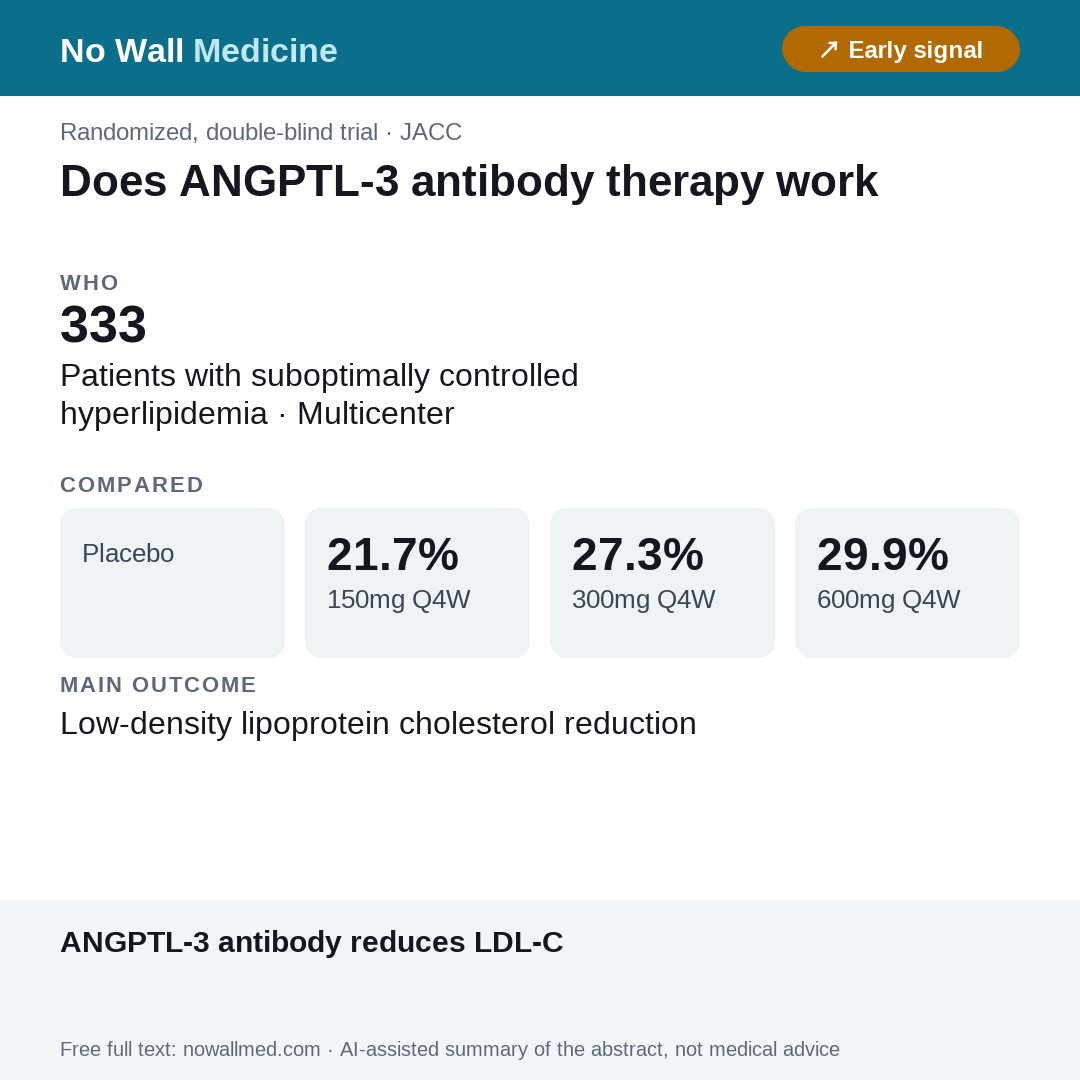
Angiopoietin-Like 3 Antibody Therapy in Patients With Suboptimally Controlled Hyperlipidemia: A Phase 2 Study
Randomized, double-blind trialBenefit found
Does ANGPTL-3 antibody therapy work
Who
333
Patients with suboptimally controlled hyperlipidemia · Multicenter
Compared
Placebo
21.7%150mg Q4W
27.3%300mg Q4W
29.9%600mg Q4W
Main outcome
Low-density lipoprotein cholesterol reduction
Bottom line: ANGPTL-3 antibody reduces LDL-C
JACC · 2025-03-31Download image
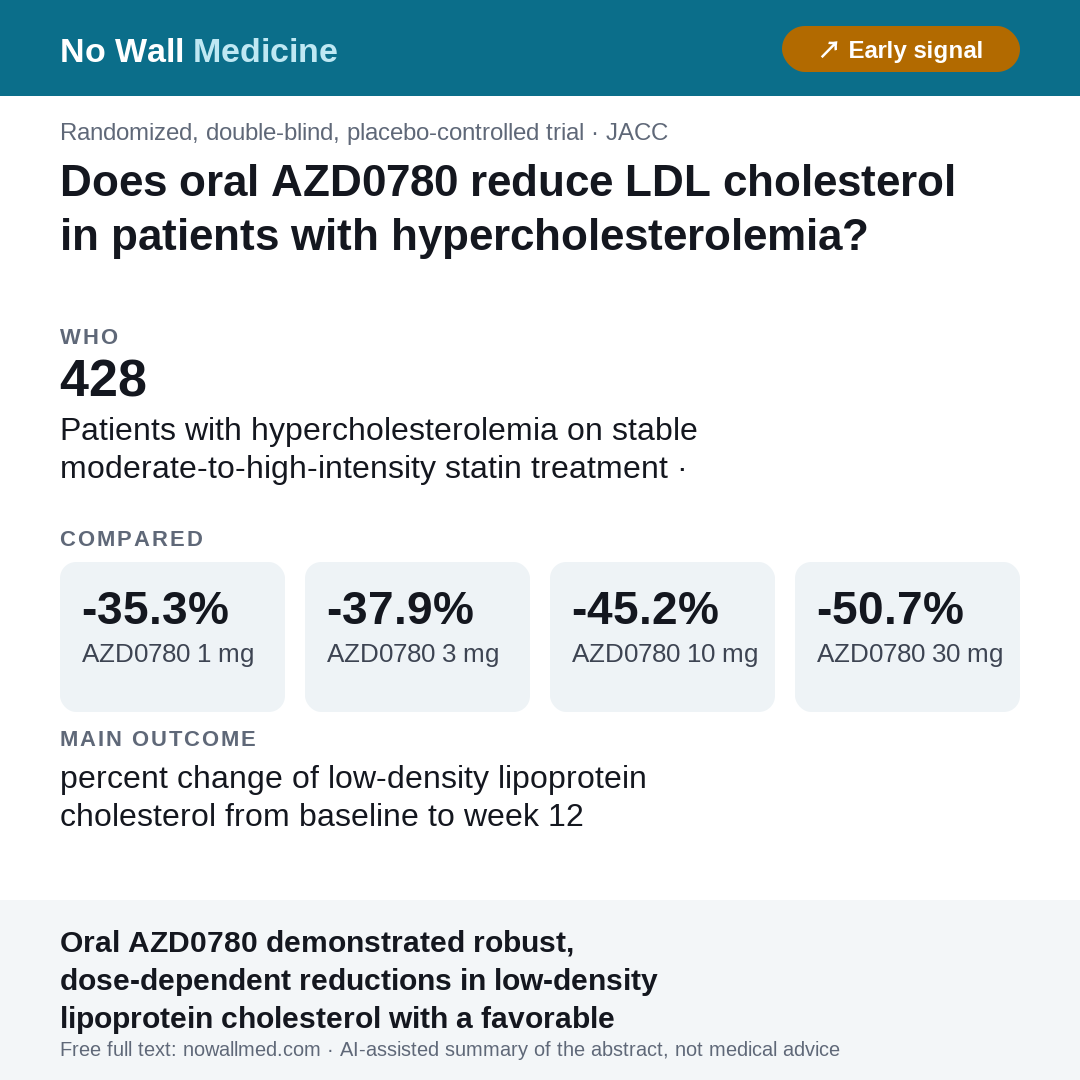
An Oral PCSK9 Inhibitor for Treatment of Hypercholesterolemia: The PURSUIT Randomized Trial
Randomized, double-blind, placebo-controlled trialBenefit found
Does oral AZD0780 reduce LDL cholesterol in patients with hypercholesterolemia?
Who
428
Patients with hypercholesterolemia on stable moderate-to-high-intensity statin treatment · multicenter
Compared
-35.3%AZD0780 1 mg (95% CI: -43.6% to -26.9%)
-37.9%AZD0780 3 mg (95% CI:-46.3% to -29.5%)
-45.2%AZD0780 10 mg (95% CI: -53.5% to -36.9%)
-50.7%AZD0780 30 mg (95% CI: -59.0% to -42.4%)
Main outcome
percent change of low-density lipoprotein cholesterol from baseline to week 12
Bottom line: Oral AZD0780 demonstrated robust, dose-dependent reductions in low-density lipoprotein cholesterol with a favorable safety profile.
JACC · 2025-03-31Download image
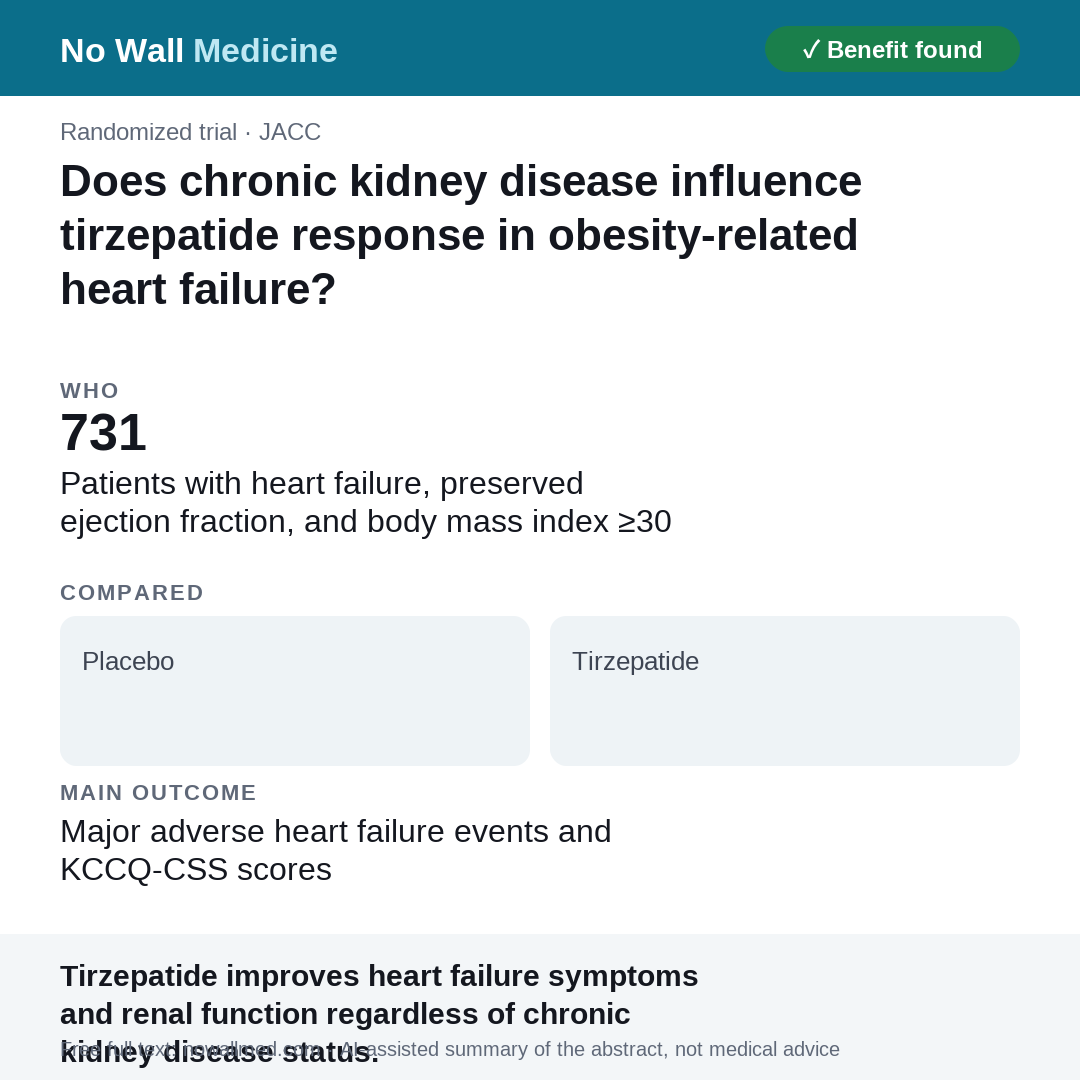
Interplay of Chronic Kidney Disease and the Effects of Tirzepatide in Patients With Heart Failure, Preserved Ejection Fraction, and Obesity: The SUMMIT Trial
Randomized trialBenefit found
Does chronic kidney disease influence tirzepatide response in obesity-related heart failure?
Who
731
Patients with heart failure, preserved ejection fraction, and body mass index ≥30 kg/m2
Compared
Placebo
Tirzepatide
Main outcome
Major adverse heart failure events and KCCQ-CSS scores
Bottom line: Tirzepatide improves heart failure symptoms and renal function regardless of chronic kidney disease status.
Limitation: Measurement of glomerular filtration rate may be skewed by changes in body composition.
JACC · 2025-03-31Download image
Optimal Delay Time to Initiate Anticoagulation After Ischemic Stroke in Atrial Fibrillation: A Pragmatic, Response-Adaptive Randomized Clinical Trial
Phase 2, pragmatic, response-adaptive randomized clinical trialMixed results
Is there an optimal delay time to initiate direct oral anticoagulants after atrial fibrillation-related stroke?
Who
200
Patients with mild to moderate ischemic stroke and atrial fibrillation · Acute care hospitals in Texas
Compared
Day 3 or 4: 0 ischemic and 1 hemorrhagic event
Day 6: 3 ischemic and 1 hemorrhagic event
Day 10: 2 ischemic and 1 hemorrhagic event
Day 14: 2 ischemic and 0 hemorrhagic events
Main outcome
Composite of ischemic or hemorrhagic events within 30 days
Bottom line: No clearly superior day was identified, but evidence suggests earlier initiation may be better than later times.
JAMA Neurol · 2025-03-31Download image

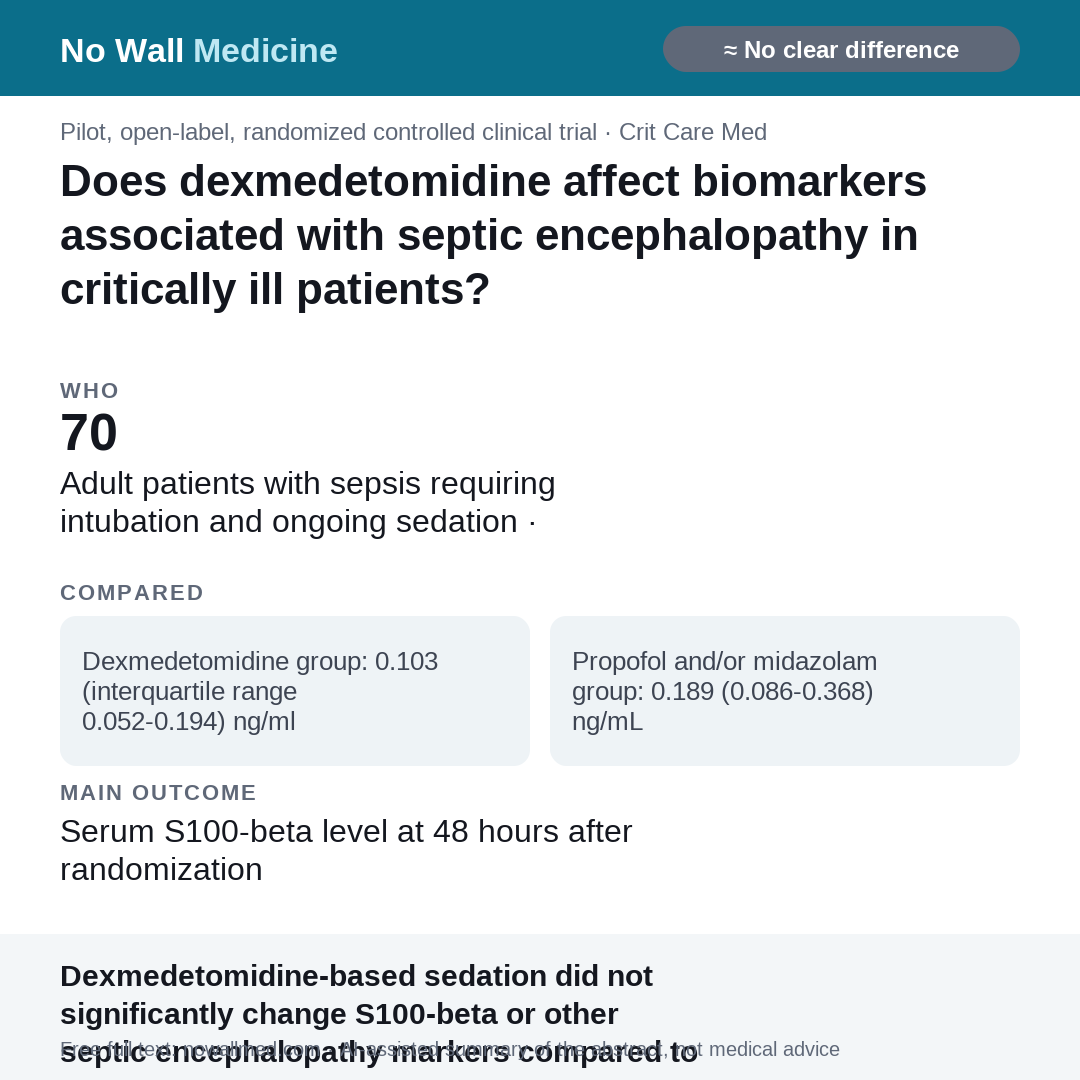
Adjunctive Sedation with Dexmedetomidine for the Prevention of Severe Inflammation and Septic Encephalopathy: A Pilot Randomized Controlled Study
Pilot, open-label, randomized controlled clinical trialNo clear difference
Does dexmedetomidine affect biomarkers associated with septic encephalopathy in critically ill patients?
Who
70
Adult patients with sepsis requiring intubation and ongoing sedation · Single-center University Hospital, Switzerland
Compared
Dexmedetomidine group: 0.103 (interquartile range 0.052-0.194) ng/ml
Propofol and/or midazolam group: 0.189 (0.086-0.368) ng/mL
Main outcome
Serum S100-beta level at 48 hours after randomization
Bottom line: Dexmedetomidine-based sedation did not significantly change S100-beta or other septic encephalopathy markers compared to propofol or midazolam.
Crit Care Med · 2025-03-31Download image
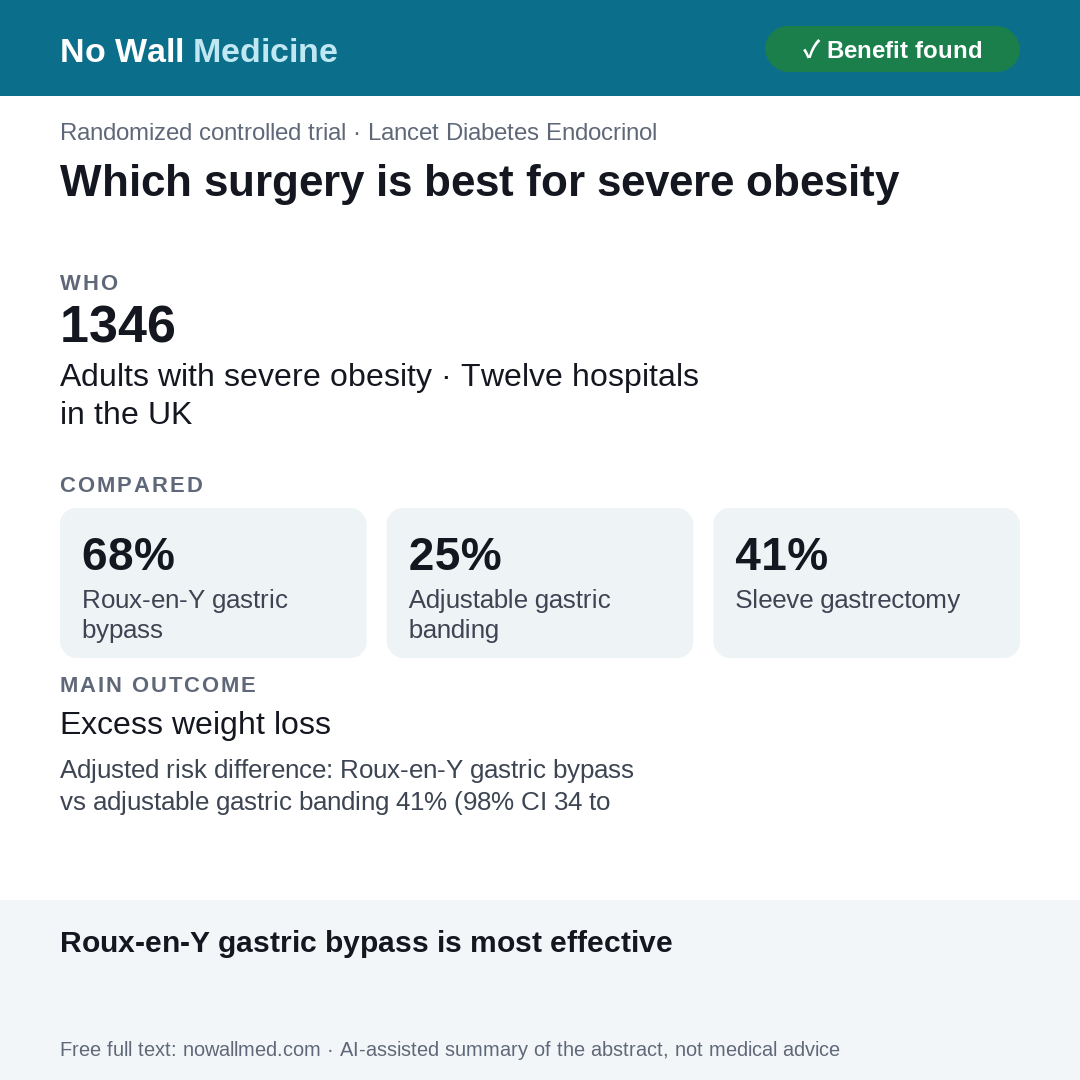
Roux-en-Y gastric bypass, adjustable gastric banding, or sleeve gastrectomy for severe obesity (By-Band-Sleeve): a multicentre, open label, three-group, randomised controlled trial
Randomized controlled trialBenefit found
Which surgery is best for severe obesity
Who
1346
Adults with severe obesity · Twelve hospitals in the UK
Compared
68%Roux-en-Y gastric bypass (276/405)
25%Adjustable gastric banding (97/383)
41%Sleeve gastrectomy (141/342)
Main outcome
Excess weight loss
Result: Adjusted risk difference: Roux-en-Y gastric bypass vs adjustable gastric banding 41% (98% CI 34 to 48)
Bottom line: Roux-en-Y gastric bypass is most effective
Funded by: National Institute for Health and Care Research
Lancet Diabetes Endocrinol · 2025-03-31Download image