Visual abstracts
New randomized trials and meta-analyses from leading journals at a glance: who was studied, what was compared, and what was found. Every paper is free to read in full.
All specialtiesCardiology 4877Oncology 4138Gastroenterology & Hepatology 1942Infectious Disease 3837Neurology 1905Psychiatry & Mental Health 2273Pulmonology 2143Critical Care 1365Endocrinology & Diabetes 2580Pediatrics 2980Surgery 2559Orthopedics & Sports Medicine 931Neurosurgery 537Cardiothoracic & Vascular Surgery 674Plastic & Reconstructive Surgery 591Nephrology 1133Rheumatology 823Hematology 1109Dermatology 621Ophthalmology 543Obstetrics & Gynecology 1686Public & Global Health 1058Radiology & Imaging 648Anesthesiology 986Urology 764ENT (Otolaryngology) 503Emergency Medicine 511Allergy & Immunology 313Geriatrics 981Family Medicine & Primary Care 562Medical Genetics & Genomics 676Pathology & Laboratory Medicine 159Physical Medicine & Rehabilitation 757Palliative Care 444Nutrition 1588Digital Health & AI 2201General Medicine 321
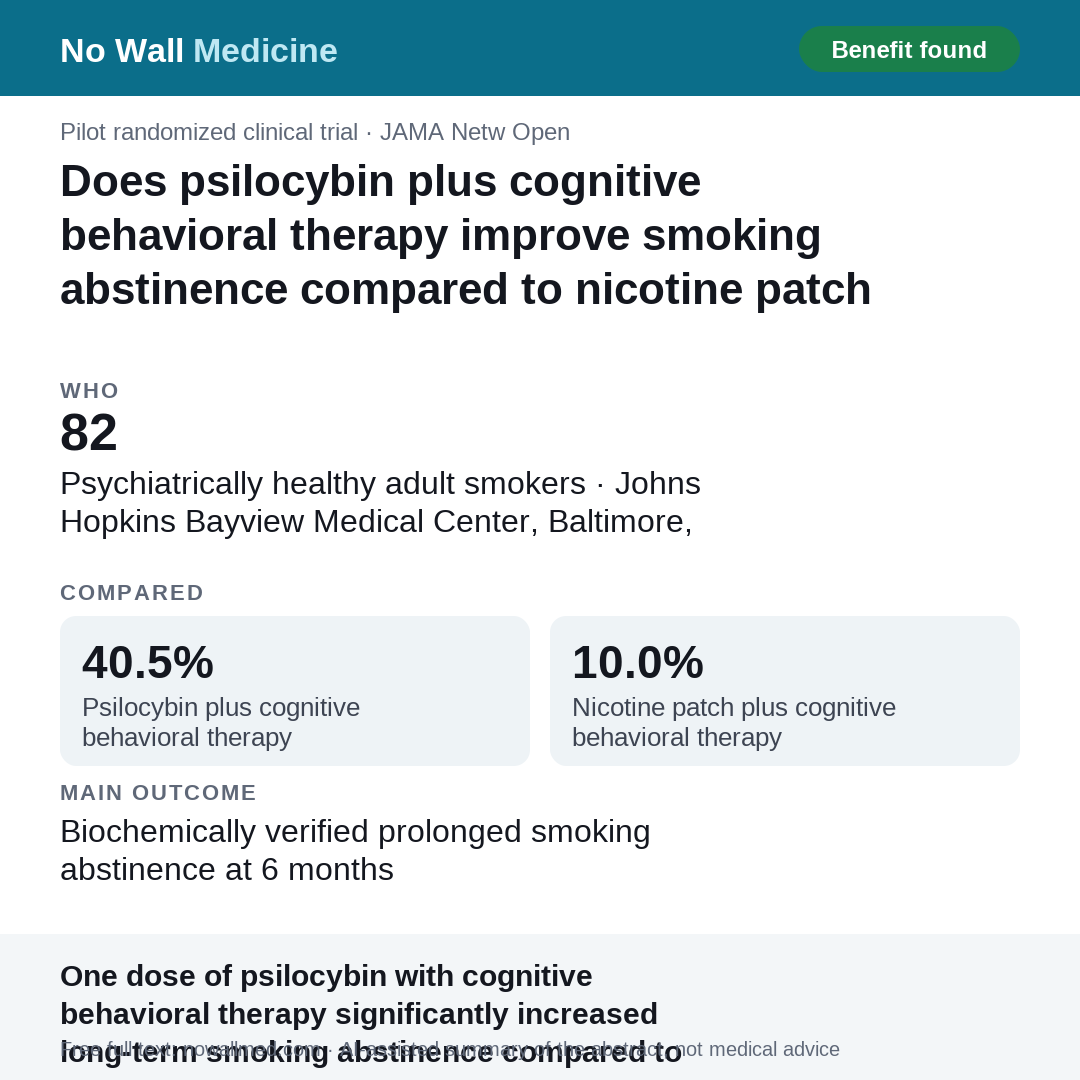
Psilocybin or Nicotine Patch for Smoking Cessation: A Pilot Randomized Clinical Trial
Pilot randomized clinical trialBenefit found
Does psilocybin plus cognitive behavioral therapy improve smoking abstinence compared to nicotine patch plus cognitive behavioral therapy?
Who
82
Psychiatrically healthy adult smokers · Johns Hopkins Bayview Medical Center, Baltimore, Maryland
Compared
40.5%Psilocybin plus cognitive behavioral therapy
10.0%Nicotine patch plus cognitive behavioral therapy
Main outcome
Biochemically verified prolonged smoking abstinence at 6 months
Result: odds ratio 6.12 (95% CI 1.99-23.26)
Bottom line: One dose of psilocybin with cognitive behavioral therapy significantly increased long-term smoking abstinence compared to nicotine patch treatment.
JAMA Netw Open · 2026-03-02Download image
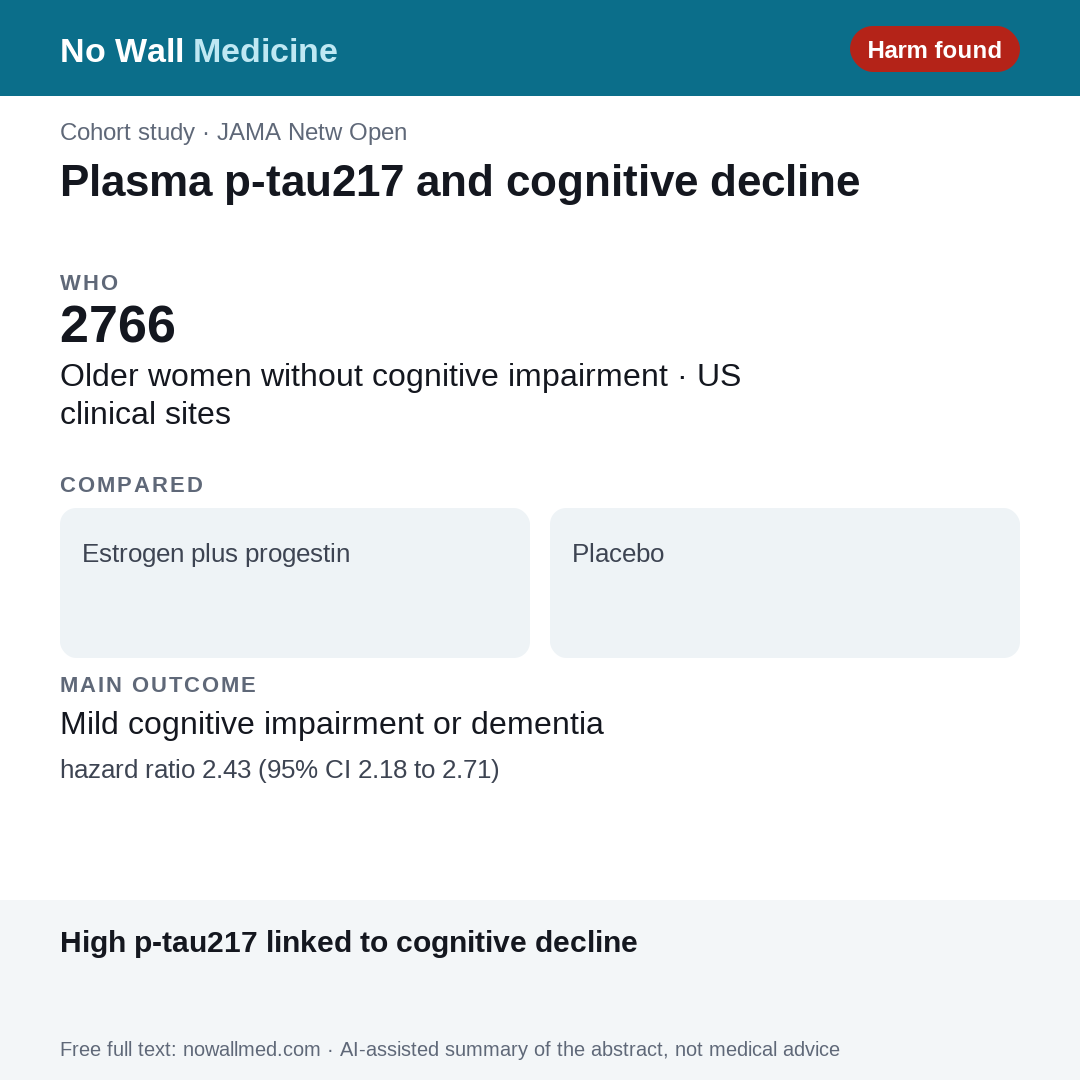
Plasma Phosphorylated Tau 217 and Incident Mild Cognitive Impairment and Dementia in Older Women
Cohort studyHarm found
Plasma p-tau217 and cognitive decline
Who
2766
Older women without cognitive impairment · US clinical sites
Compared
Estrogen plus progestin
Placebo
Main outcome
Mild cognitive impairment or dementia
Result: hazard ratio 2.43 (95% CI 2.18 to 2.71)
Bottom line: High p-tau217 linked to cognitive decline
Limitation: None mentioned
JAMA Netw Open · 2026-03-02Download image
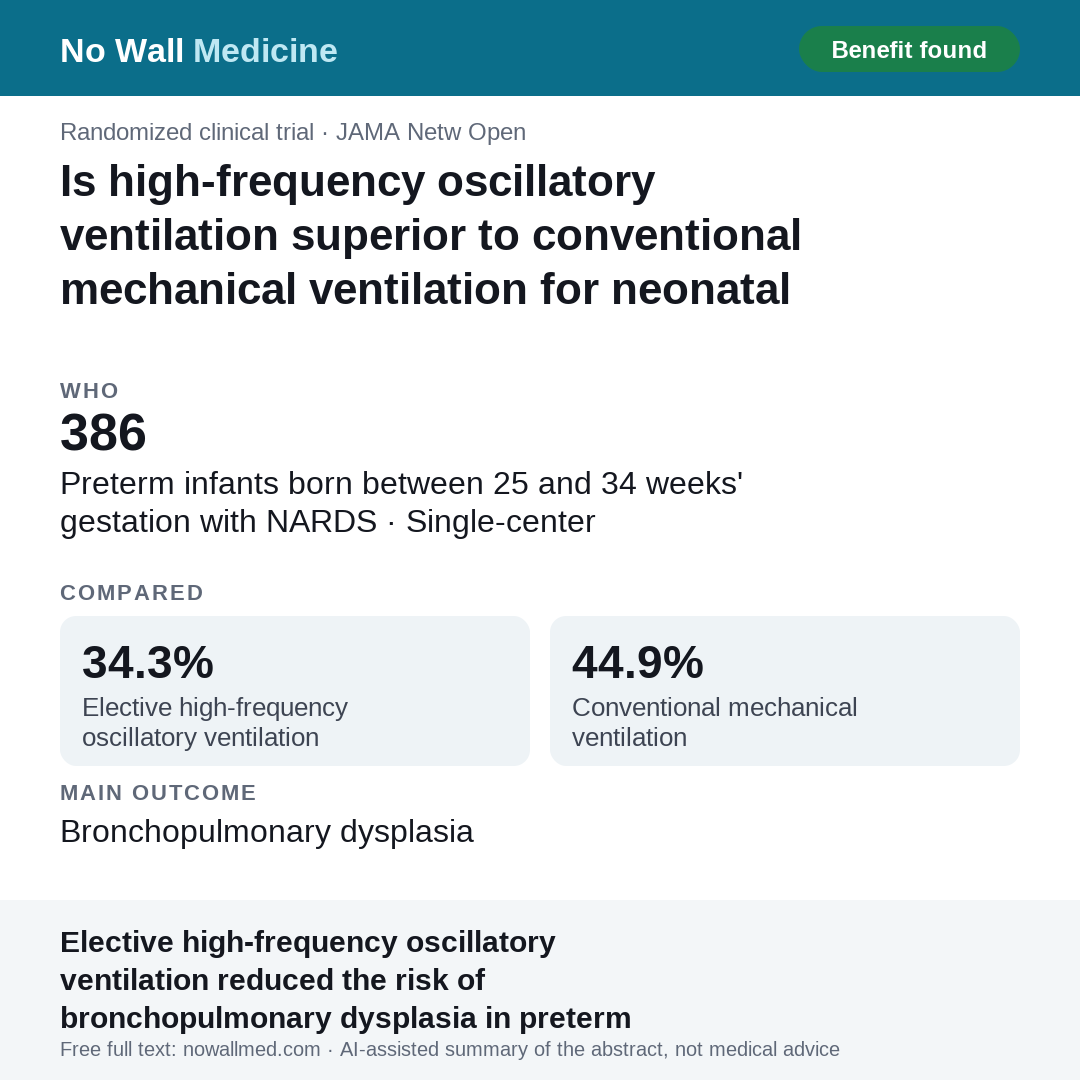
High-Frequency Oscillation vs Mechanical Ventilation for Neonatal Acute Respiratory Distress Syndrome: A Randomized Clinical Trial
Randomized clinical trialBenefit found
Is high-frequency oscillatory ventilation superior to conventional mechanical ventilation for neonatal acute respiratory distress syndrome?
Who
386
Preterm infants born between 25 and 34 weeks' gestation with NARDS · Single-center
Compared
34.3%Elective high-frequency oscillatory ventilation (definition 1)
44.9%Conventional mechanical ventilation (definition 1)
Main outcome
Bronchopulmonary dysplasia
Result: relative risk 0.92 (95% CI 0.86-0.99)
Bottom line: Elective high-frequency oscillatory ventilation reduced the risk of bronchopulmonary dysplasia in preterm infants with neonatal acute respiratory distress syndrome.
Limitation: Sensitivity analysis excluded 44 participants who crossed over between treatment groups
JAMA Netw Open · 2026-03-02Download image
Digital Microsteps as Scalable Adjuncts for Adults Using GLP-1 Receptor Agonists: A Randomized Clinical Trial
3-arm online randomized clinical trialBenefit found
Do digitally delivered microsteps increase behavioral expectation to adopt lifestyle behaviors in adults using GLP-1 receptor agonists?
Who
5054
English-speaking adults using glucagon-like peptide-1 receptor agonists · Online, United States, United Kingdom, and other countries
Compared
Written microsteps plus storytelling video: 0.30 (95% CI, 0.25-0.35) to 0.72 (95% CI, 0.68-0.77)
Written microsteps plus didactic video: 0.26 (95% CI, 0.21-0.32) to 0.77 (95% CI, 0.72-0.81)
Do-nothing control condition
Main outcome
behavioral expectation to adopt health nudges
Bottom line: Digital microsteps with video boosters increased behavioral expectation to adopt health behaviors among adults using GLP-1 receptor agonists.
JAMA Netw Open · 2026-03-02Download image

Virtual Reality-Based Vision Therapy for Intermittent Exotropia: A Randomized Clinical Trial
Randomized clinical trialBenefit found
Is virtual reality-based vision therapy effective for intermittent exotropia in children?
Who
177
Children aged 6 to 18 years with untreated intermittent exotropia · 3 tertiary hospitals in China
Compared
-0.33Virtual reality-based vision therapy (-1.00 to 0.00)
0.00Control group (-0.33 to 0.33)
Main outcome
change in distance exotropia control score from baseline to week 12
Result: -0.33; 95% CI, -0.57 to -0.10
Bottom line: Virtual reality-based vision therapy provided modest improvement in distance exotropia control, especially with high training adherence.
Limitation: follow-up phase is ongoing
JAMA Netw Open · 2026-03-02Download image

Bellmunt Risk Score as a Prognostic Tool in Metastatic Castration-Resistant Prostate Cancer Survival
Post hoc analysis of two randomized clinical trialsBenefit found
Does the Bellmunt Risk Score predict survival in metastatic castration-resistant prostate cancer?
Who
1756
Men with metastatic castration-resistant prostate cancer · Two international, multicenter sites
Compared
Bellmunt Risk Score of 0: 42.2 months (ACIS) and 23.0 months (ELM-PC-5)
Bellmunt Risk Score of 3: 9.1 months (ACIS) and 3.2 months (ELM-PC-5)
Main outcome
Overall survival and radiographic progression-free survival
Result: AHR 8.29 (95% CI 2.57-26.78) for BRS 3 vs 0 in ACIS
Bottom line: The Bellmunt Risk Score is a robust, independent prognostic tool for predicting survival in metastatic castration-resistant prostate cancer.
JAMA Netw Open · 2026-03-02Download image

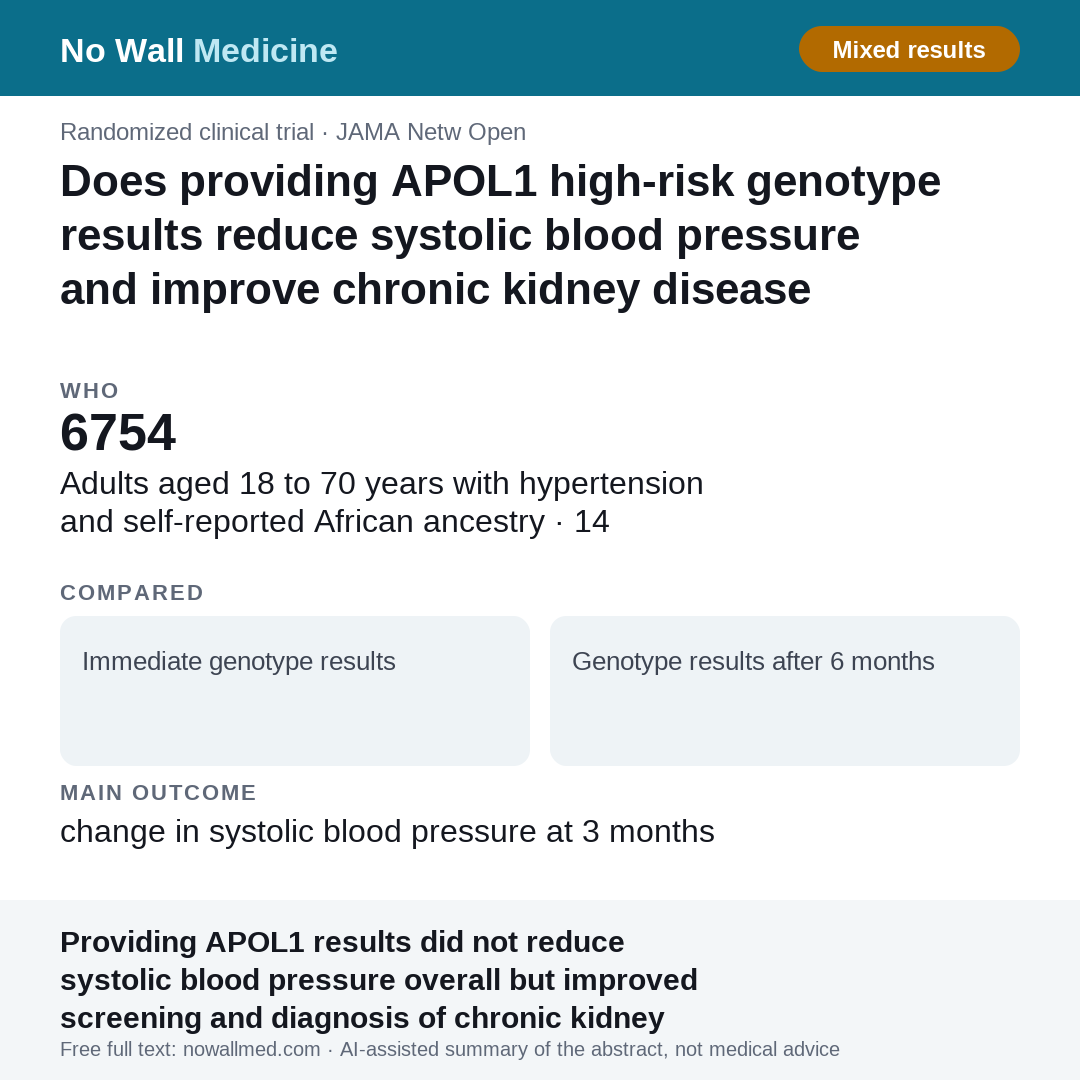
Genetic Testing for APOL1 in Adults With Hypertension: The GUARDD-US Randomized Clinical Trial
Randomized clinical trialMixed results
Does providing APOL1 high-risk genotype results reduce systolic blood pressure and improve chronic kidney disease screening?
Who
6754
Adults aged 18 to 70 years with hypertension and self-reported African ancestry · 14 institutions and 54 clinical sites across the US
Compared
Immediate genotype results
Genotype results after 6 months
Main outcome
change in systolic blood pressure at 3 months
Result: between-group difference, -0.3 mm Hg (95% CI, -2.7 to 2.1 mm Hg)
Bottom line: Providing APOL1 results did not reduce systolic blood pressure overall but improved screening and diagnosis of chronic kidney disease.
JAMA Netw Open · 2026-03-02Download image
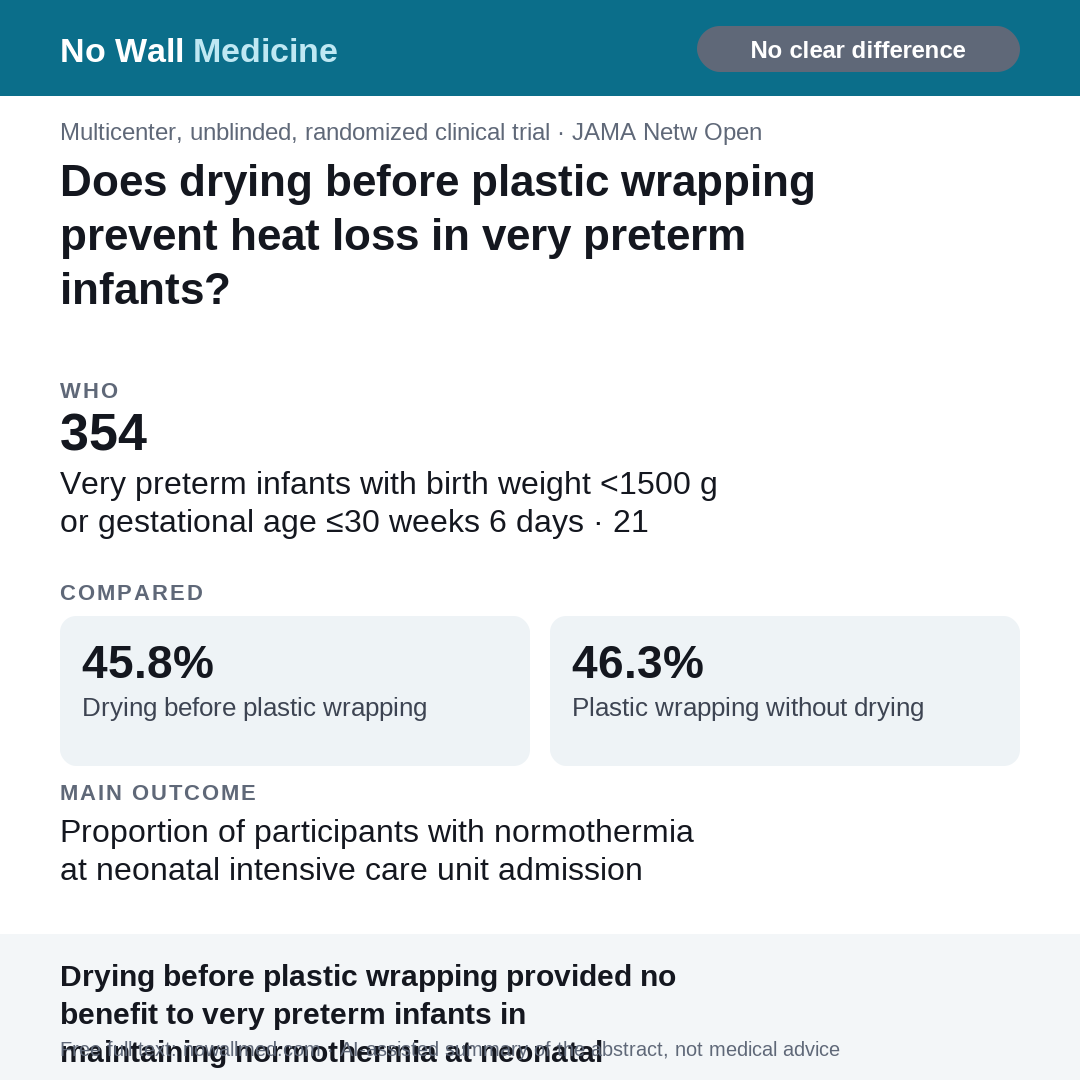
Drying Very Preterm Infants Before Plastic Wrapping at Birth: A Randomized Clinical Trial
Multicenter, unblinded, randomized clinical trialNo clear difference
Does drying before plastic wrapping prevent heat loss in very preterm infants?
Who
354
Very preterm infants with birth weight <1500 g or gestational age ≤30 weeks 6 days · 21 tertiary care hospitals in Italy
Compared
45.8%Drying before plastic wrapping (81/177)
46.3%Plastic wrapping without drying (82/177)
Main outcome
Proportion of participants with normothermia at neonatal intensive care unit admission
Result: risk ratio 0.99 (95% CI 0.79-1.24)
Bottom line: Drying before plastic wrapping provided no benefit to very preterm infants in maintaining normothermia at neonatal intensive care unit admission.
JAMA Netw Open · 2026-03-02Download image
Assessment of antibody responses to Anopheles SG6-P1 and Aedes N-term 34 kDa salivary peptides: a randomised human-challenge trial of controlled exposures to vector bites
Randomised, open-label, exploratory factorial trialMixed results
How do antibody responses to mosquito salivary peptides change after controlled vector bites?
Who
210
Healthy volunteers aged 18-60 years · Single-centre, Mae Sot, Thailand
Compared
305 Anopheles minimus bites: 1.14-fold (95% CI 1.03-1.26) increase during exposure
Other mosquito bite groups: minimal or no boosting observed
Main outcome
total IgG antibodies against Anopheles SG6-P1 peptides
Result: 1.14-fold (95% CI 1.03-1.26)
Bottom line: Antibodies were boosted by 305 Anopheles minimus bites, but the magnitude was small and decay was slow.
BMC Med · 2026-03-02Download image

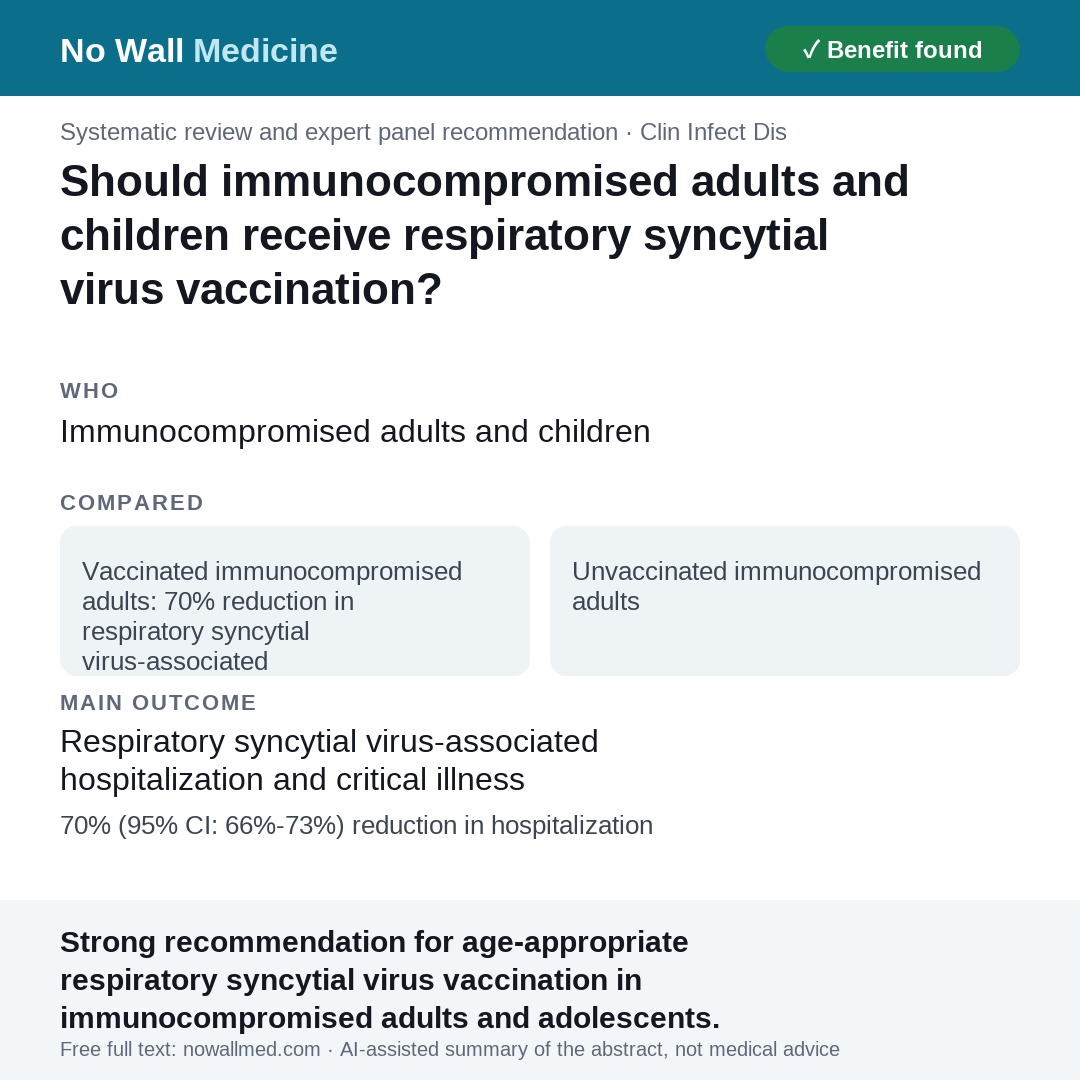
IDSA 2025 Guidelines on the Use of Vaccines for the Prevention of Seasonal RSV Infections in Immunocompromised Patients
Systematic review and expert panel recommendationBenefit found
Should immunocompromised adults and children receive respiratory syncytial virus vaccination?
Who
Immunocompromised adults and children
Compared
Vaccinated immunocompromised adults: 70% reduction in respiratory syncytial virus-associated hospitalization
Unvaccinated immunocompromised adults
Main outcome
Respiratory syncytial virus-associated hospitalization and critical illness
Result: 70% (95% CI: 66%-73%) reduction in hospitalization
Bottom line: Strong recommendation for age-appropriate respiratory syncytial virus vaccination in immunocompromised adults and adolescents.
Limitation: Direct evidence to guide vaccination in this population remains limited.
Clin Infect Dis · 2026-03-02Download image
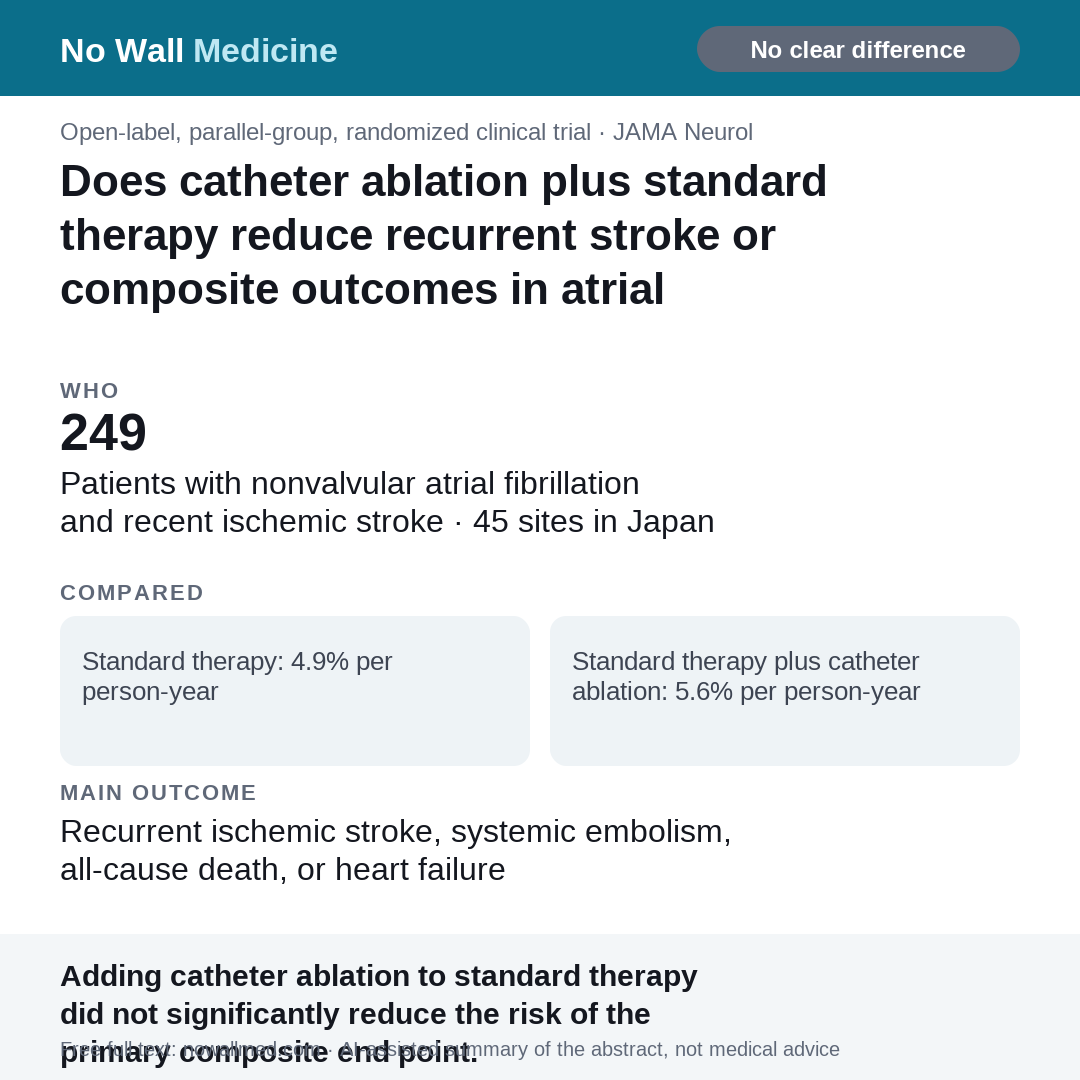
Catheter Ablation and Oral Anticoagulation for Secondary Stroke Prevention in Atrial Fibrillation: The STABLED Randomized Clinical Trial
Open-label, parallel-group, randomized clinical trialNo clear difference
Does catheter ablation plus standard therapy reduce recurrent stroke or composite outcomes in atrial fibrillation?
Who
249
Patients with nonvalvular atrial fibrillation and recent ischemic stroke · 45 sites in Japan
Compared
Standard therapy: 4.9% per person-year
Standard therapy plus catheter ablation: 5.6% per person-year
Main outcome
Recurrent ischemic stroke, systemic embolism, all-cause death, or heart failure hospitalization
Result: hazard ratio 1.11 (95% CI 0.62-2.01)
Bottom line: Adding catheter ablation to standard therapy did not significantly reduce the risk of the primary composite end point.
JAMA Neurol · 2026-03-02Download image
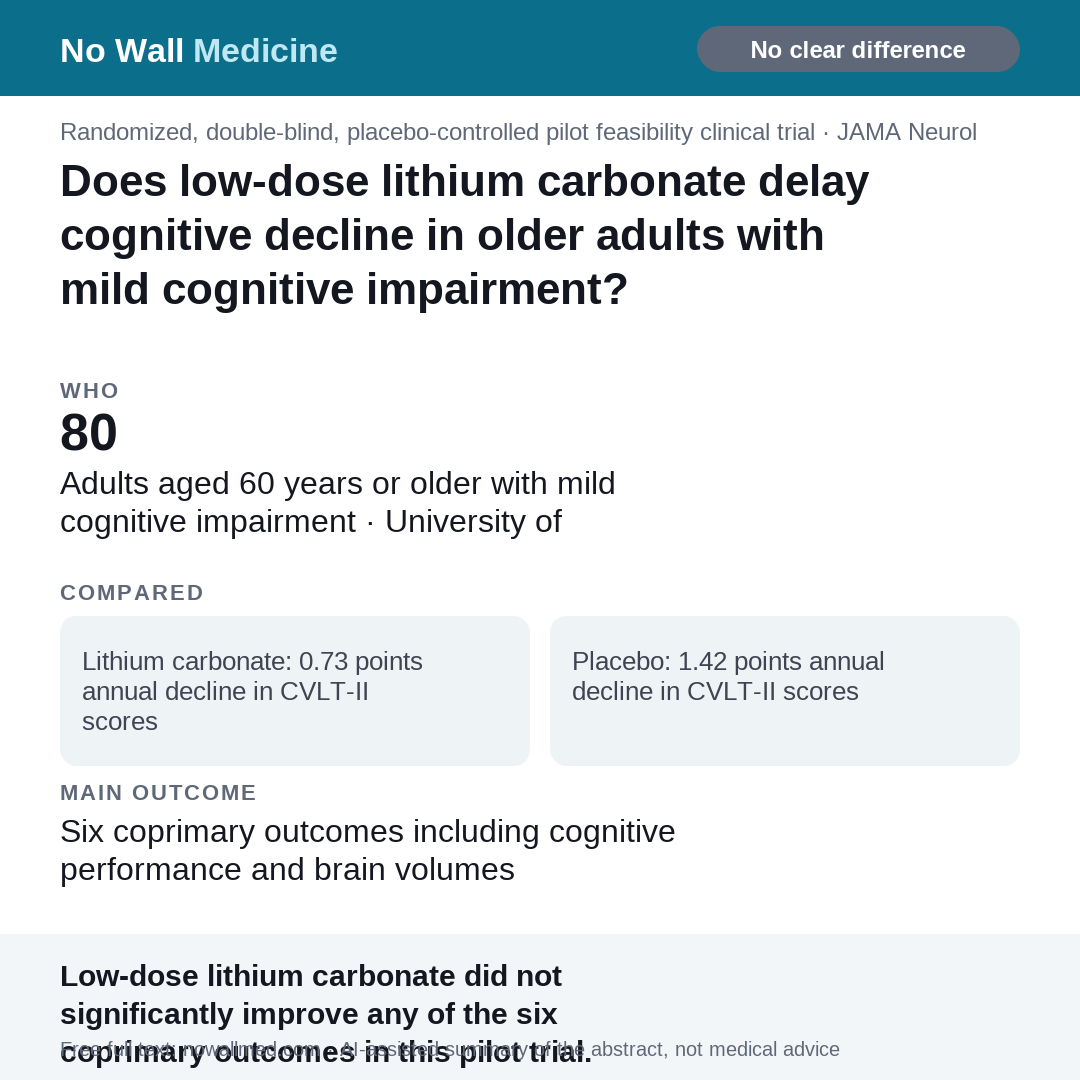
Low-Dose Lithium for Mild Cognitive Impairment: A Pilot Randomized Clinical Trial
Randomized, double-blind, placebo-controlled pilot feasibility clinical trialNo clear difference
Does low-dose lithium carbonate delay cognitive decline in older adults with mild cognitive impairment?
Who
80
Adults aged 60 years or older with mild cognitive impairment · University of Pittsburgh School of Medicine
Compared
Lithium carbonate: 0.73 points annual decline in CVLT-II scores
Placebo: 1.42 points annual decline in CVLT-II scores
Main outcome
Six coprimary outcomes including cognitive performance and brain volumes
Result: difference, 0.69 points per year; 95% CI, 0.01-1.37
Bottom line: Low-dose lithium carbonate did not significantly improve any of the six coprimary outcomes in this pilot trial.
JAMA Neurol · 2026-03-02Download image
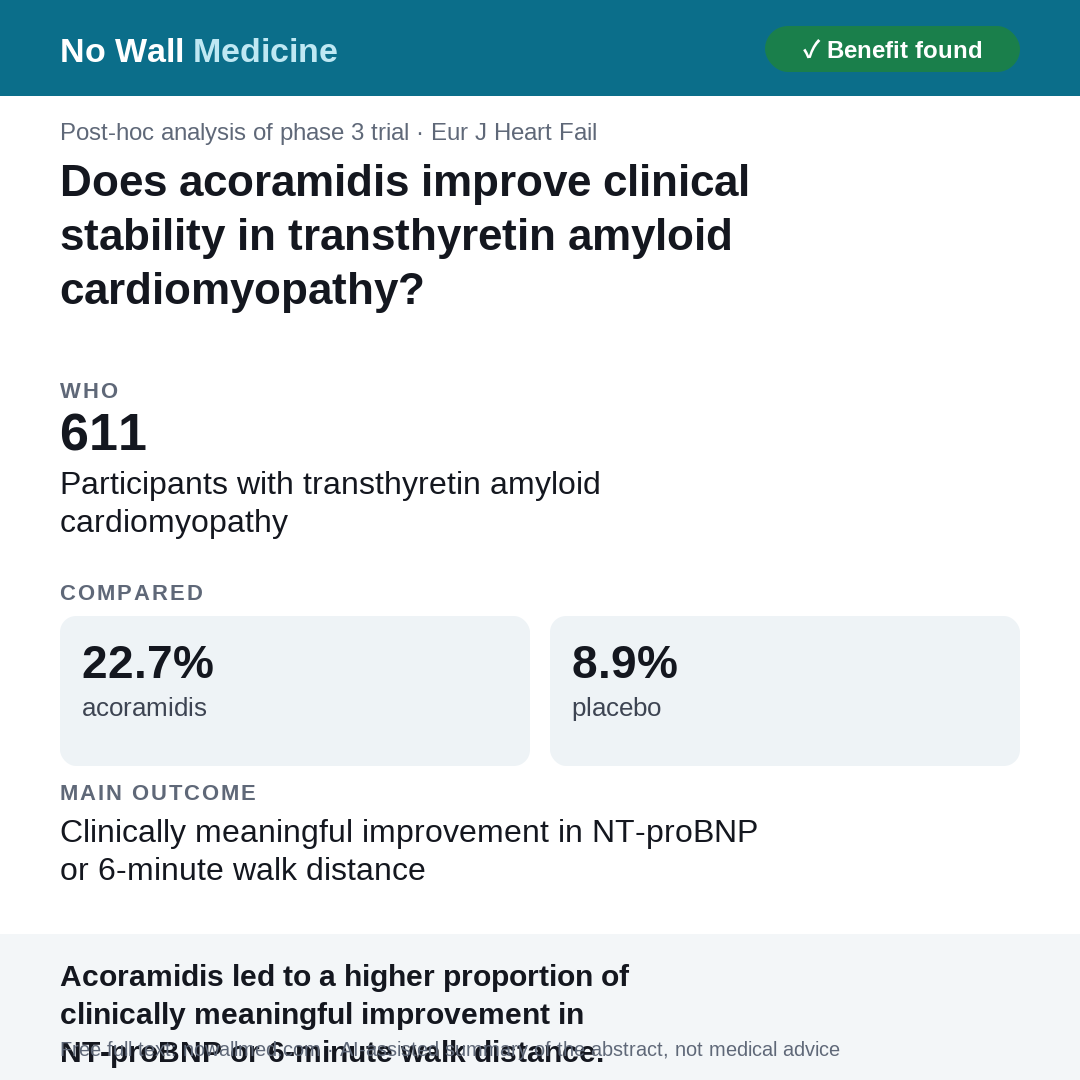
Impact of acoramidis on clinical stability in transthyretin amyloid cardiomyopathy: observations from ATTRibute-CM
Post-hoc analysis of phase 3 trialBenefit found
Does acoramidis improve clinical stability in transthyretin amyloid cardiomyopathy?
Who
611
Participants with transthyretin amyloid cardiomyopathy
Compared
22.7%acoramidis
8.9%placebo
Main outcome
Clinically meaningful improvement in NT-proBNP or 6-minute walk distance
Result: odds ratio 3.0 (95% CI 1.8-5.1)
Bottom line: Acoramidis led to a higher proportion of clinically meaningful improvement in NT-proBNP or 6-minute walk distance.
Eur J Heart Fail · 2026-03-02Download image
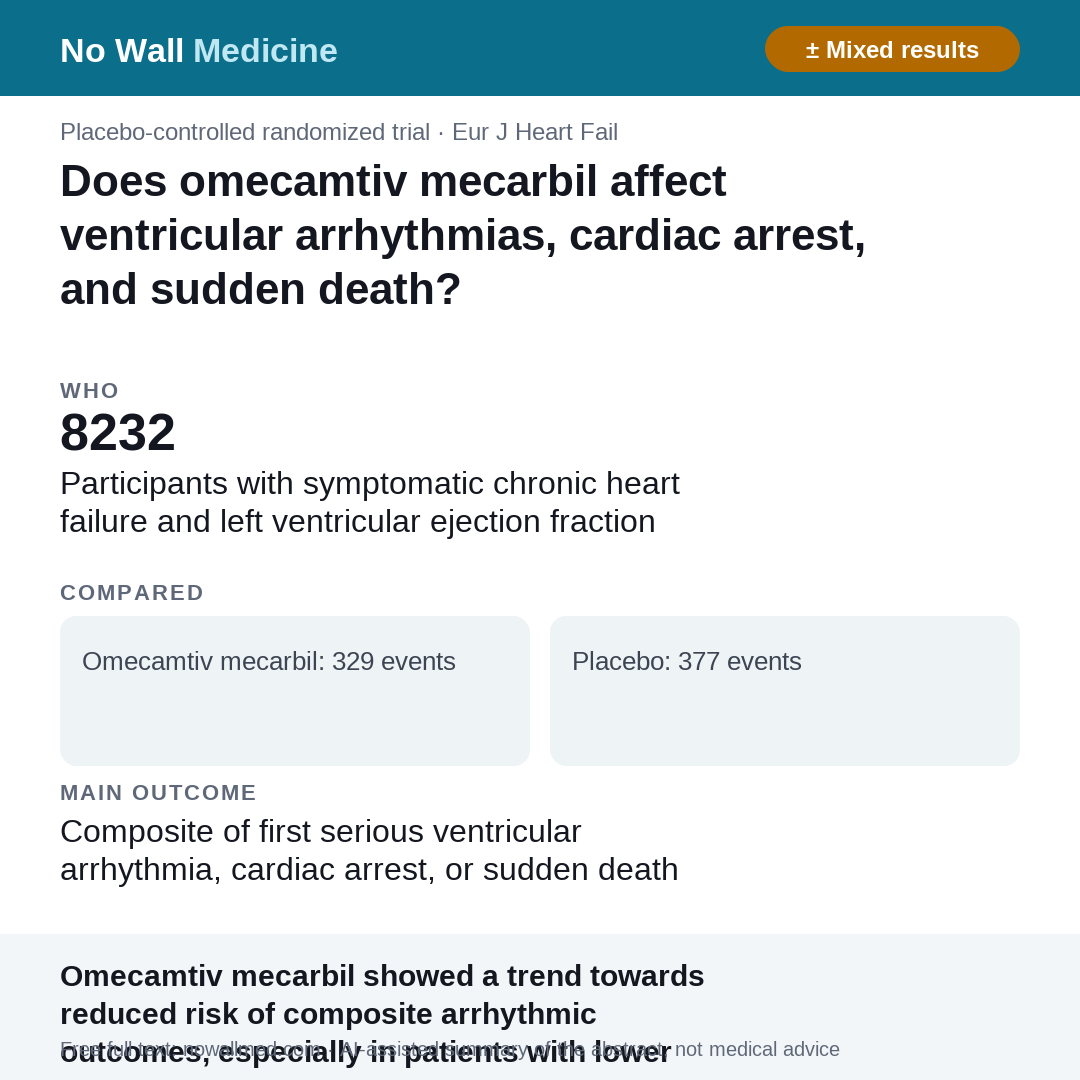
Effect of the cardiac myosin activator omecamtiv mecarbil on ventricular arrhythmias, cardiac arrest, and sudden death in heart failure with reduced ejection fraction: the GALACTIC-HF trial
Placebo-controlled randomized trialMixed results
Does omecamtiv mecarbil affect ventricular arrhythmias, cardiac arrest, and sudden death?
Who
8232
Participants with symptomatic chronic heart failure and left ventricular ejection fraction ≤35%
Compared
Omecamtiv mecarbil: 329 events
Placebo: 377 events
Main outcome
Composite of first serious ventricular arrhythmia, cardiac arrest, or sudden death
Result: hazard ratio 0.86 (95% CI 0.75 to 1.00)
Bottom line: Omecamtiv mecarbil showed a trend towards reduced risk of composite arrhythmic outcomes, especially in patients with lower ejection fraction.
Limitation: This was a post hoc analysis requiring prospective validation.
Eur J Heart Fail · 2026-03-02Download image
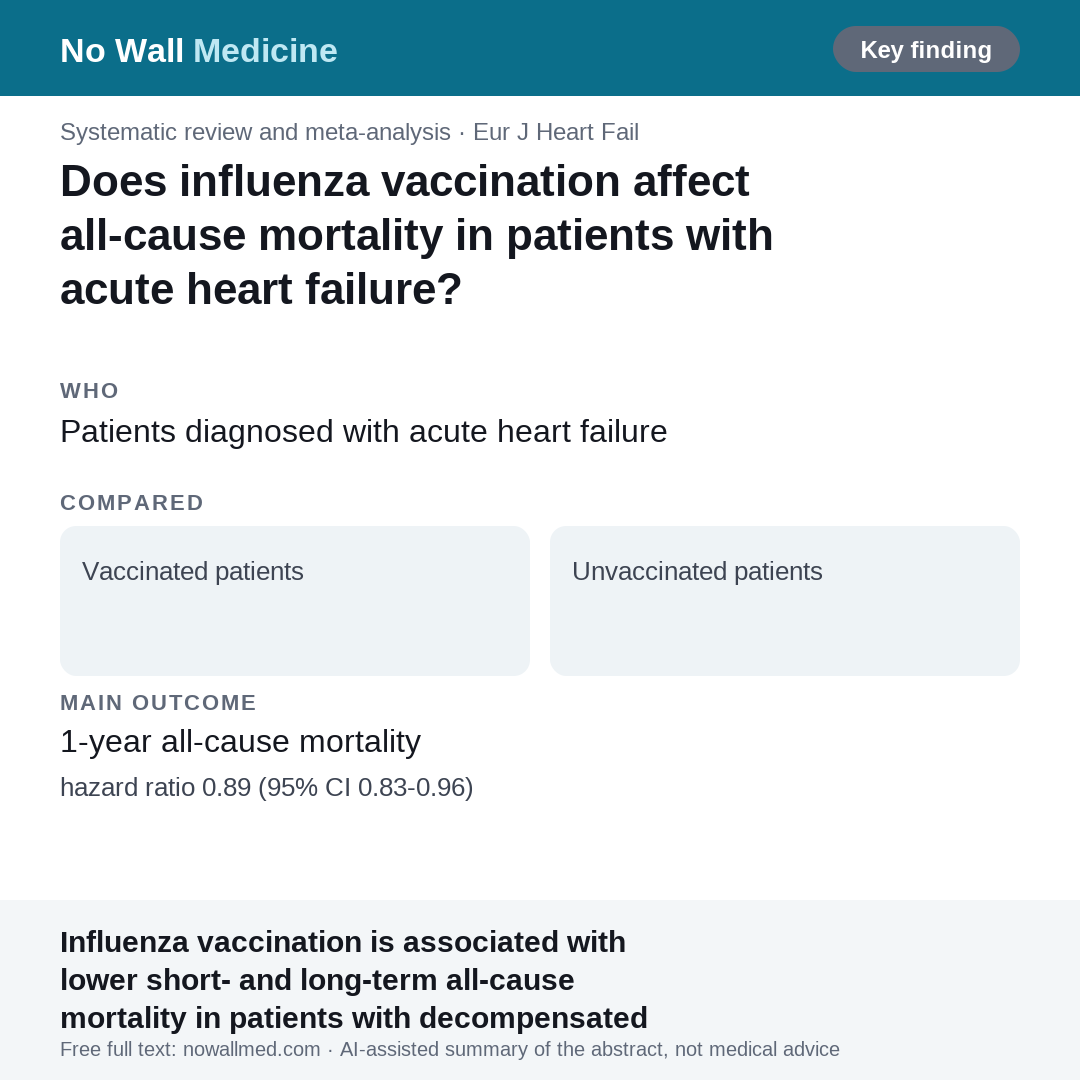
Effect of influenza vaccination in patients with decompensated heart failure: a systematic review and meta-analysis
Systematic review and meta-analysisBenefit found
Does influenza vaccination affect all-cause mortality in patients with acute heart failure?
Who
Patients diagnosed with acute heart failure
Compared
Vaccinated patients
Unvaccinated patients
Main outcome
1-year all-cause mortality
Result: hazard ratio 0.89 (95% CI 0.83-0.96)
Bottom line: Influenza vaccination is associated with lower short- and long-term all-cause mortality in patients with decompensated heart failure.
Limitation: All included studies were observational, so results could be subject to residual confounding.
Eur J Heart Fail · 2026-03-02Download image
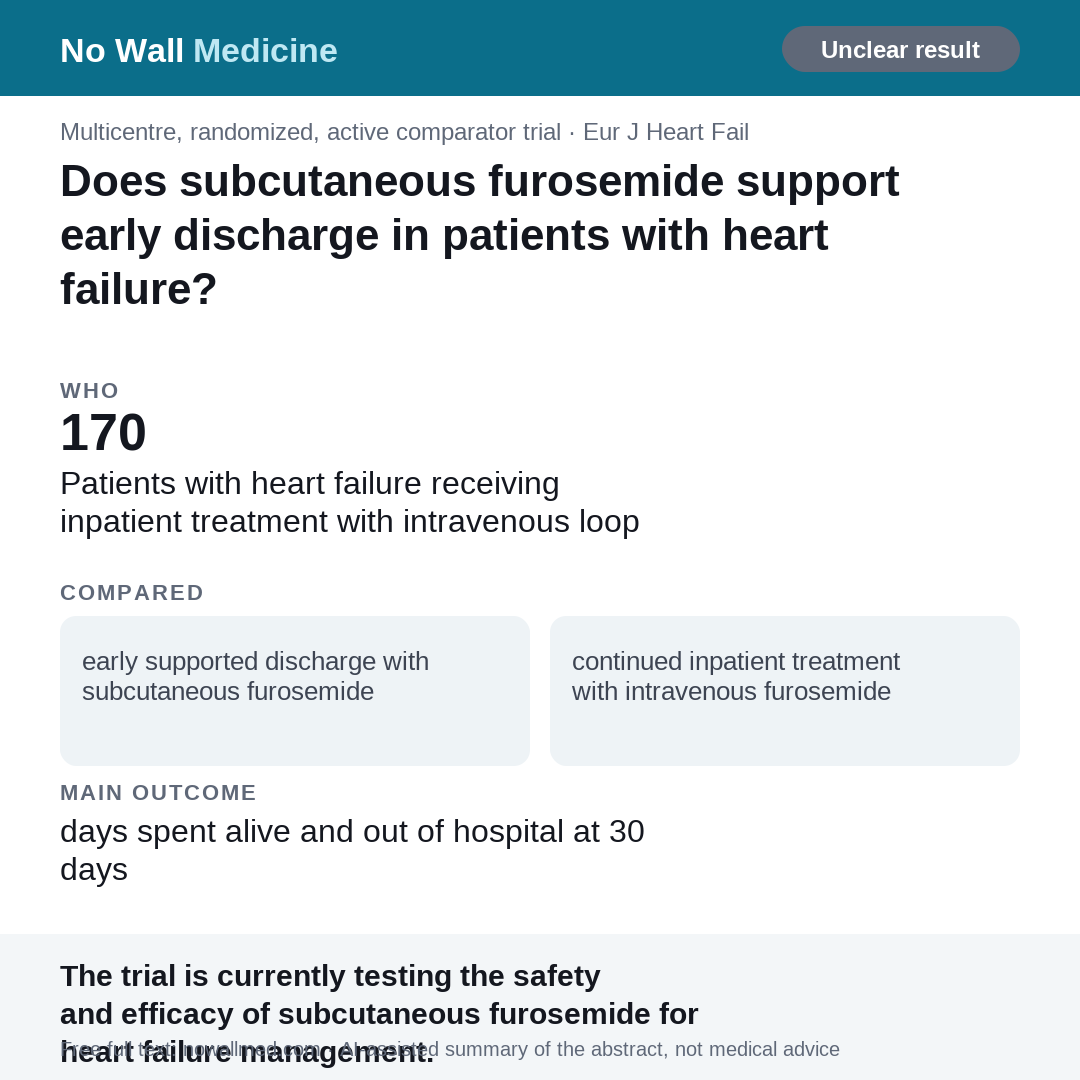
SUBCUT HF II: rationale and design of a multicentre randomized controlled trial of SUBCUTaneous furosemide to support early discharge in patients admitted to hospital due to Heart Failure
Multicentre, randomized, active comparator trialUnclear result
Does subcutaneous furosemide support early discharge in patients with heart failure?
Who
170
Patients with heart failure receiving inpatient treatment with intravenous loop diuretic · 20 hospitals in the United Kingdom
Compared
early supported discharge with subcutaneous furosemide
continued inpatient treatment with intravenous furosemide
Main outcome
days spent alive and out of hospital at 30 days
Bottom line: The trial is currently testing the safety and efficacy of subcutaneous furosemide for heart failure management.
Eur J Heart Fail · 2026-03-02Download image
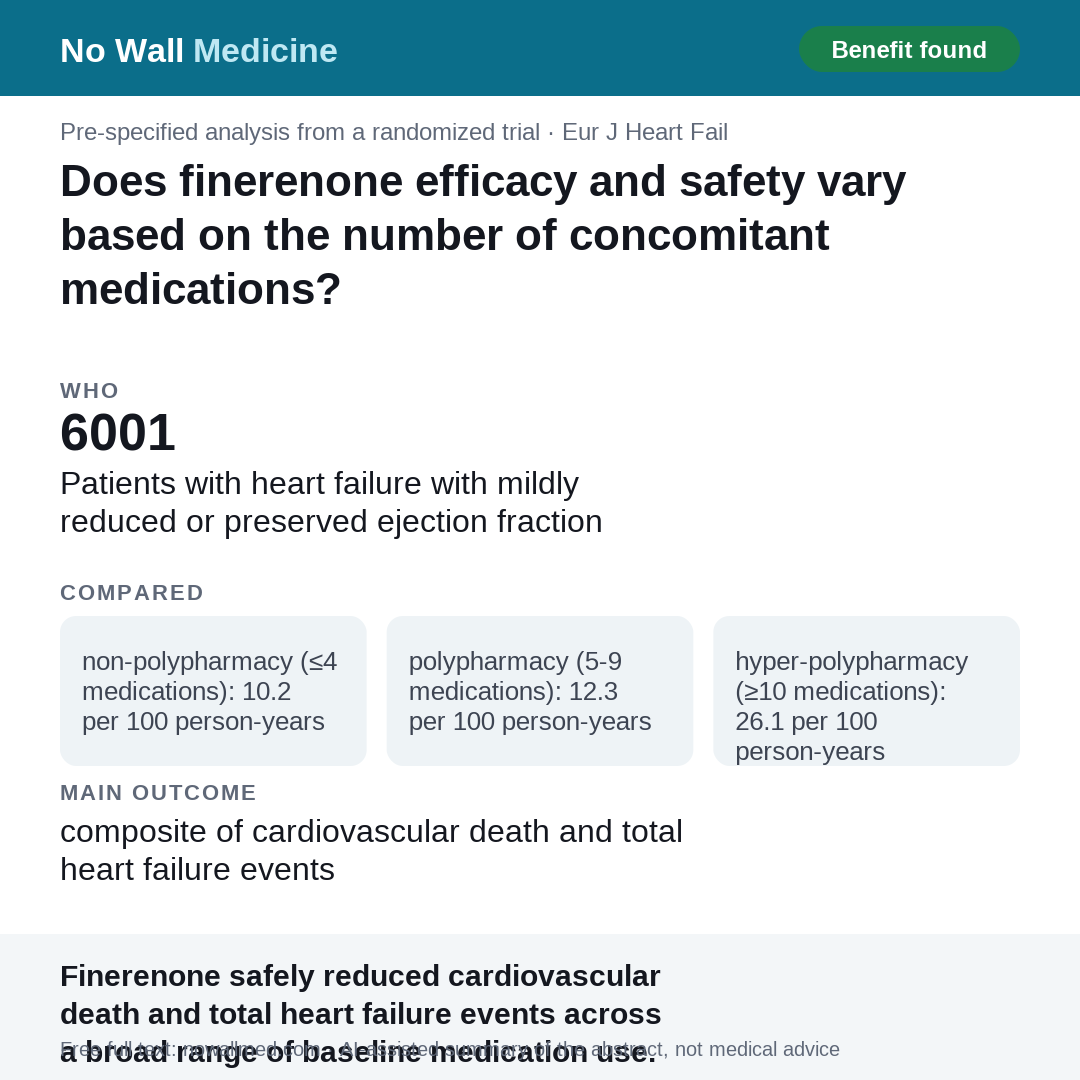
Finerenone, polypharmacy, and clinical outcomes in heart failure: pre-specified analysis from the FINEARTS-HF trial
Pre-specified analysis from a randomized trialBenefit found
Does finerenone efficacy and safety vary based on the number of concomitant medications?
Who
6001
Patients with heart failure with mildly reduced or preserved ejection fraction
Compared
non-polypharmacy (≤4 medications): 10.2 per 100 person-years
polypharmacy (5-9 medications): 12.3 per 100 person-years
hyper-polypharmacy (≥10 medications): 26.1 per 100 person-years
Main outcome
composite of cardiovascular death and total heart failure events
Bottom line: Finerenone safely reduced cardiovascular death and total heart failure events across a broad range of baseline medication use.
Eur J Heart Fail · 2026-03-02Download image
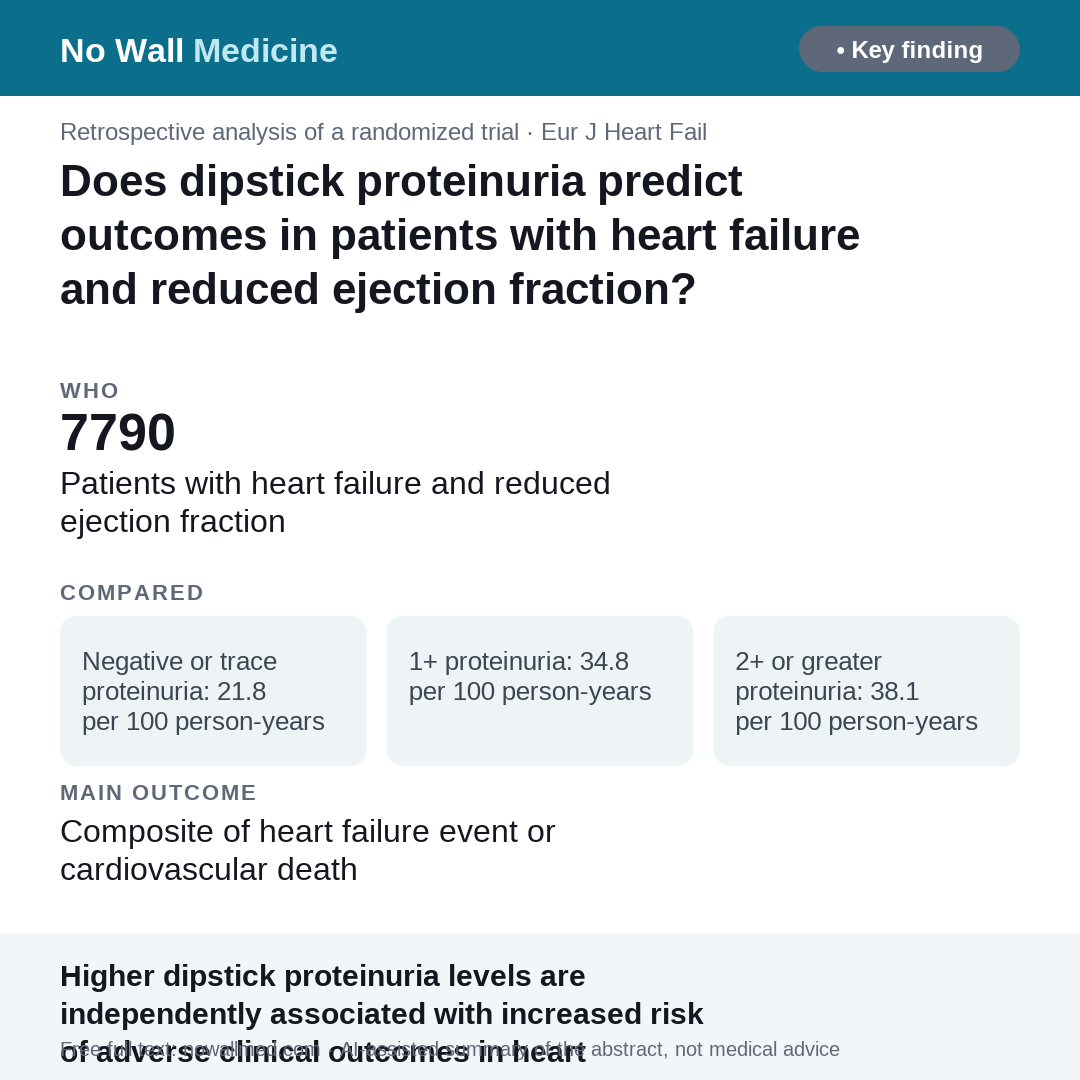
Dipstick proteinuria and outcomes in patients with heart failure and reduced ejection fraction: insights from GALACTIC-HF
Retrospective analysis of a randomized trialHarm found
Does dipstick proteinuria predict outcomes in patients with heart failure and reduced ejection fraction?
Who
7790
Patients with heart failure and reduced ejection fraction
Compared
Negative or trace proteinuria: 21.8 per 100 person-years
1+ proteinuria: 34.8 per 100 person-years
2+ or greater proteinuria: 38.1 per 100 person-years
Main outcome
Composite of heart failure event or cardiovascular death
Bottom line: Higher dipstick proteinuria levels are independently associated with increased risk of adverse clinical outcomes in heart failure patients.
Eur J Heart Fail · 2026-03-02Download image
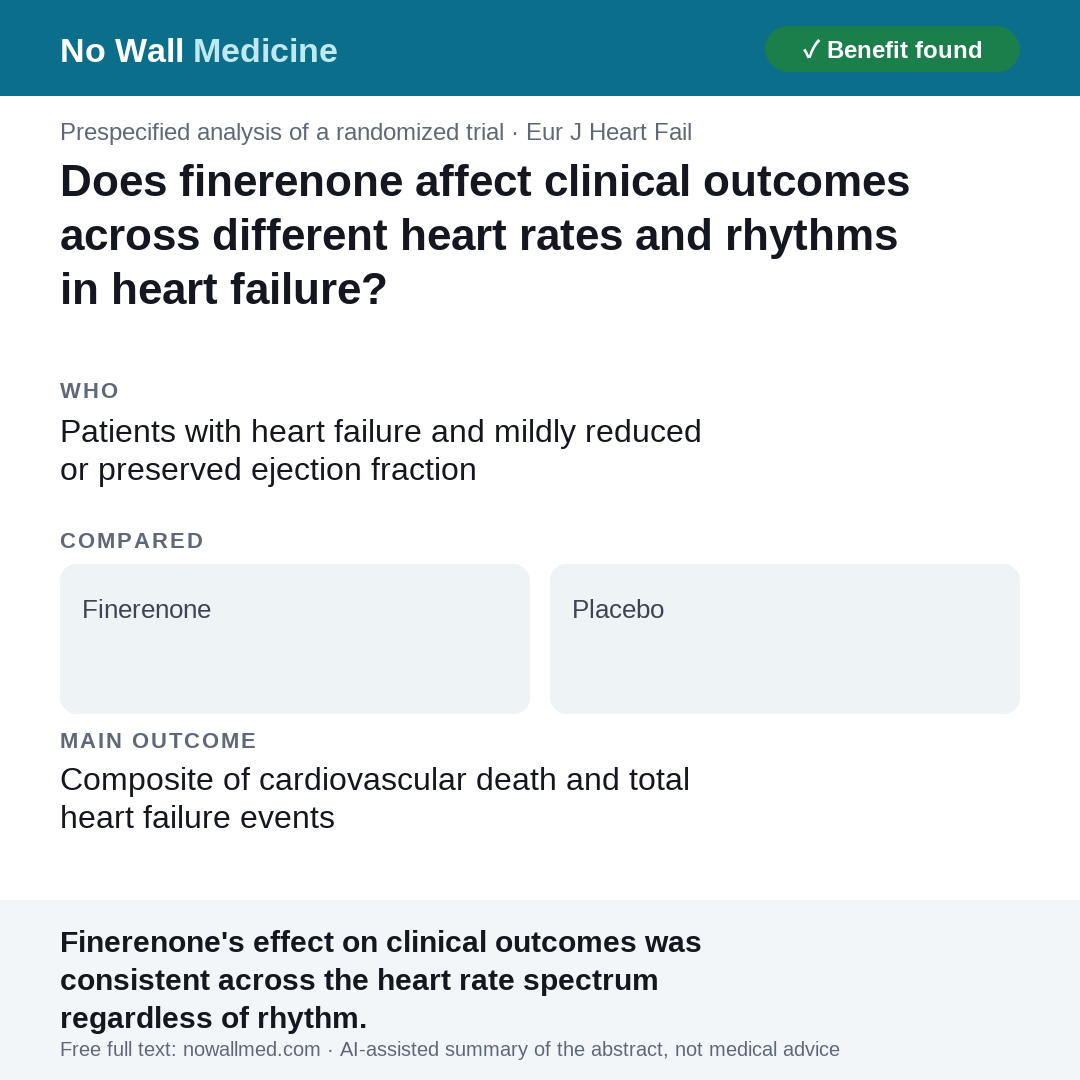
Efficacy of finerenone in patients with heart failure and mildly reduced or preserved ejection fraction: a prespecified analysis of heart rate and heart rhythm in the FINEARTS-HF trial
Prespecified analysis of a randomized trialBenefit found
Does finerenone affect clinical outcomes across different heart rates and rhythms in heart failure?
Who
Patients with heart failure and mildly reduced or preserved ejection fraction
Compared
Finerenone
Placebo
Main outcome
Composite of cardiovascular death and total heart failure events
Bottom line: Finerenone's effect on clinical outcomes was consistent across the heart rate spectrum regardless of rhythm.
Eur J Heart Fail · 2026-03-02Download image
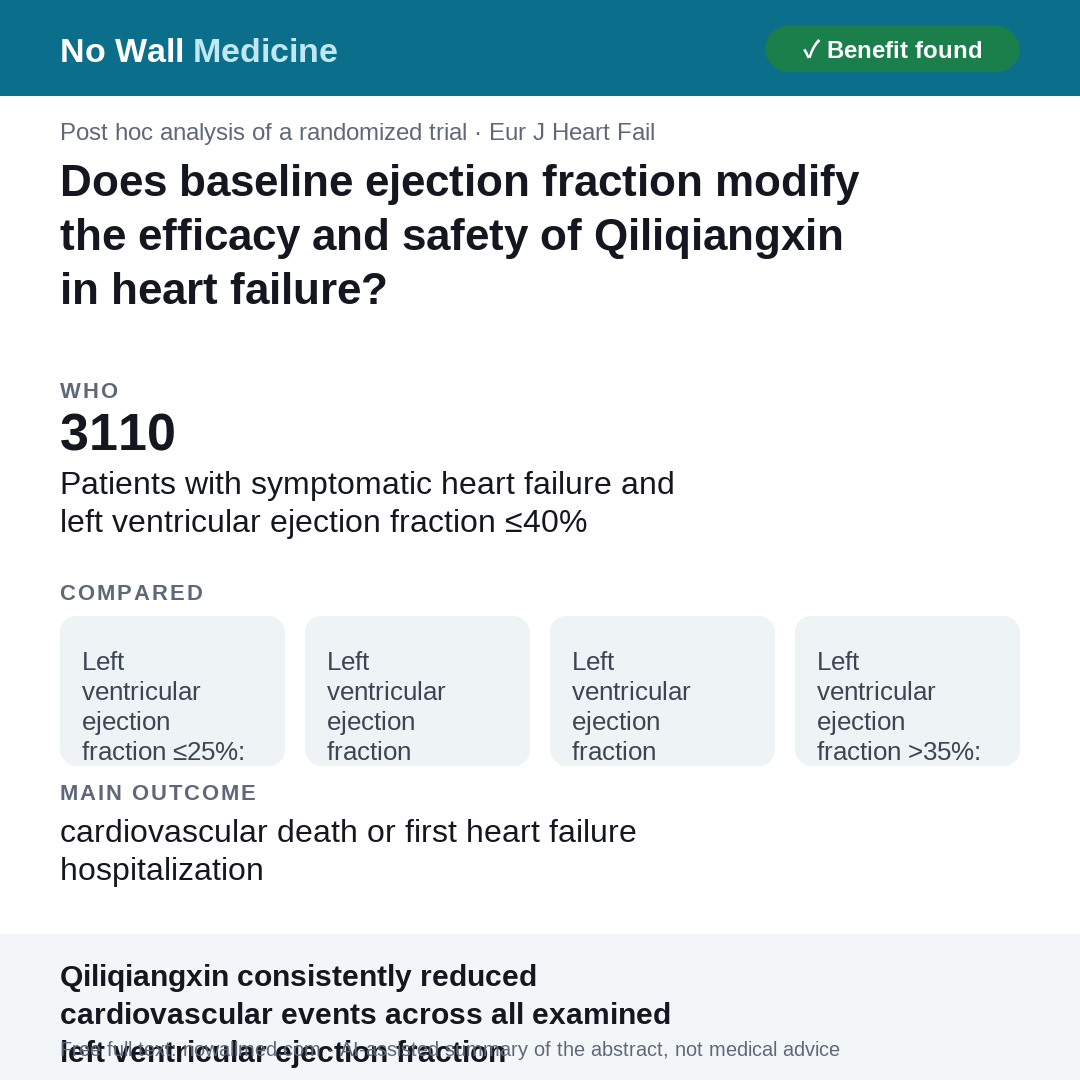
The efficacy and safety of qiliqiangxin according to baseline ejection fraction in patients with heart failure and reduced ejection fraction in QUEST
Post hoc analysis of a randomized trialBenefit found
Does baseline ejection fraction modify the efficacy and safety of Qiliqiangxin in heart failure?
Who
3110
Patients with symptomatic heart failure and left ventricular ejection fraction ≤40%
Compared
Left ventricular ejection fraction ≤25%: hazard ratio 0.91 (95% CI 0.64-1.30)
Left ventricular ejection fraction >25-30%: hazard ratio 0.65 (95% CI 0.47-0.89)
Left ventricular ejection fraction >30-35%: hazard ratio 0.94 (95% CI 0.71-1.26)
Left ventricular ejection fraction >35%: hazard ratio 0.71 (95% CI 0.55-0.91)
Main outcome
cardiovascular death or first heart failure hospitalization
Result: Pinteraction = .28
Bottom line: Qiliqiangxin consistently reduced cardiovascular events across all examined left ventricular ejection fraction categories in heart failure patients.
Limitation: limited use of sodium-glucose co-transporter 2 inhibitors
Eur J Heart Fail · 2026-03-02Download image