Visual abstracts
New randomized trials and meta-analyses from leading journals at a glance: who was studied, what was compared, and what was found. Every paper is free to read in full.
All specialtiesCardiology 4763Oncology 4043Gastroenterology & Hepatology 1903Infectious Disease 3756Neurology 1872Psychiatry & Mental Health 2216Pulmonology 2044Critical Care 1319Endocrinology & Diabetes 2544Pediatrics 2889Surgery 2480Orthopedics & Sports Medicine 917Neurosurgery 525Cardiothoracic & Vascular Surgery 656Plastic & Reconstructive Surgery 574Nephrology 1107Rheumatology 810Hematology 1090Dermatology 611Ophthalmology 532Obstetrics & Gynecology 1645Public & Global Health 1037Radiology & Imaging 619Anesthesiology 958Urology 745ENT (Otolaryngology) 494Emergency Medicine 481Allergy & Immunology 309Geriatrics 972Family Medicine & Primary Care 534Medical Genetics & Genomics 659Pathology & Laboratory Medicine 156Physical Medicine & Rehabilitation 734Palliative Care 421Nutrition 1560Digital Health & AI 2137General Medicine 318
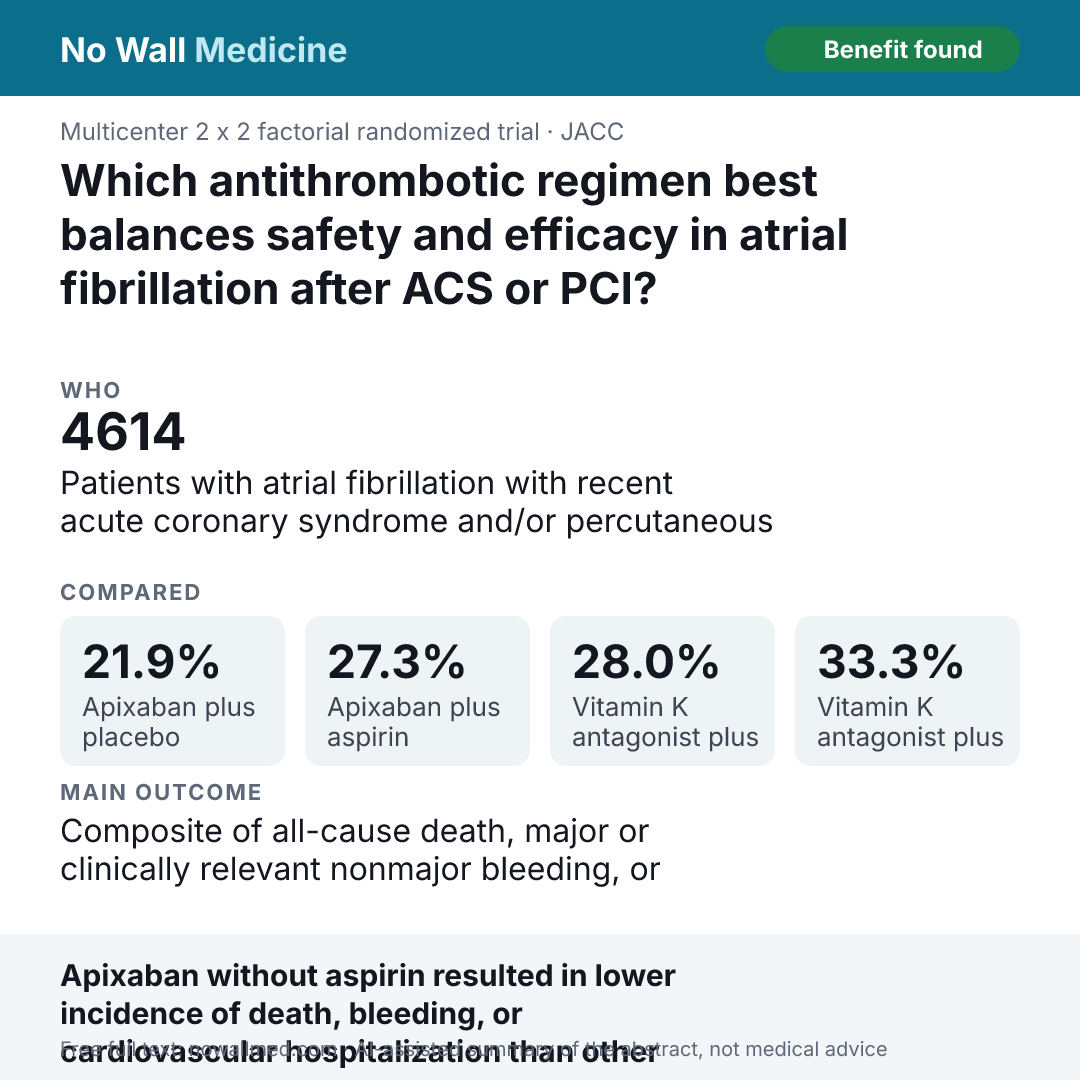
Antithrombotic Strategies in Atrial Fibrillation After ACS and/or PCI: A 4-Way Comparison From AUGUSTUS
Multicenter 2 x 2 factorial randomized trialBenefit found
Which antithrombotic regimen best balances safety and efficacy in atrial fibrillation after ACS or PCI?
Who
4614
Patients with atrial fibrillation with recent acute coronary syndrome and/or percutaneous coronary intervention · Multicenter
Compared
21.9%Apixaban plus placebo
27.3%Apixaban plus aspirin
28.0%Vitamin K antagonist plus placebo
33.3%Vitamin K antagonist plus aspirin
Main outcome
Composite of all-cause death, major or clinically relevant nonmajor bleeding, or cardiovascular hospitalization
Bottom line: Apixaban without aspirin resulted in lower incidence of death, bleeding, or cardiovascular hospitalization than other regimens.
JACC · 2024-08-31 · Save PNG
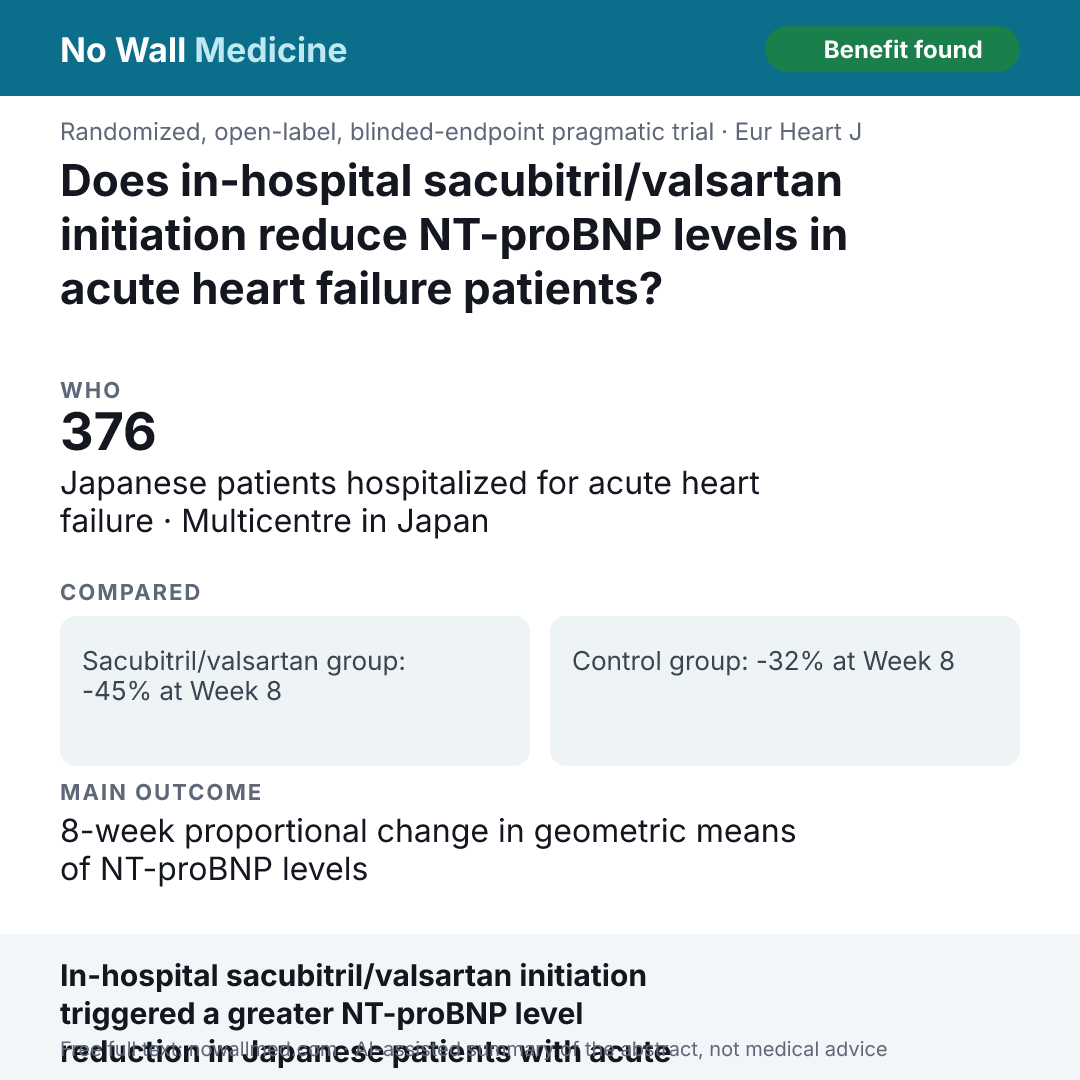
In-hospital initiation of angiotensin receptor-neprilysin inhibition in acute heart failure: the PREMIER trial
Randomized, open-label, blinded-endpoint pragmatic trialBenefit found
Does in-hospital sacubitril/valsartan initiation reduce NT-proBNP levels in acute heart failure patients?
Who
376
Japanese patients hospitalized for acute heart failure · Multicentre in Japan
Compared
Sacubitril/valsartan group: -45% at Week 8
Control group: -32% at Week 8
Main outcome
8-week proportional change in geometric means of NT-proBNP levels
Result: group ratio 0.81 (95% confidence interval 0.68-0.95)
Bottom line: In-hospital sacubitril/valsartan initiation triggered a greater NT-proBNP level reduction in Japanese patients with acute heart failure.
Eur Heart J · 2024-08-31 · Save PNG
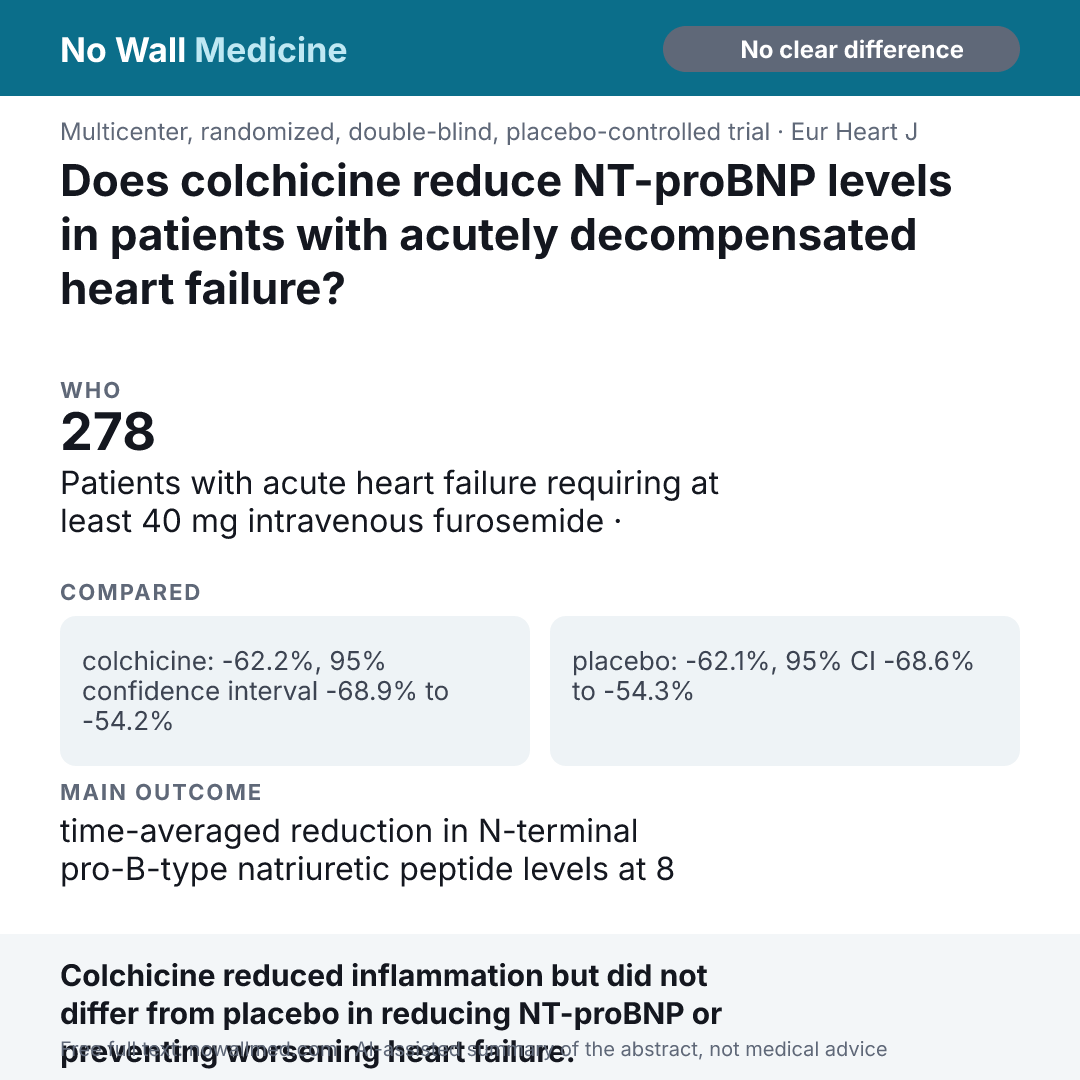
Colchicine in acutely decompensated heart failure: the COLICA trial
Multicenter, randomized, double-blind, placebo-controlled trialNo clear difference
Does colchicine reduce NT-proBNP levels in patients with acutely decompensated heart failure?
Who
278
Patients with acute heart failure requiring at least 40 mg intravenous furosemide · Multicenter
Compared
colchicine: -62.2%, 95% confidence interval -68.9% to -54.2%
placebo: -62.1%, 95% CI -68.6% to -54.3%
Main outcome
time-averaged reduction in N-terminal pro-B-type natriuretic peptide levels at 8 weeks
Result: ratio of change 1.0
Bottom line: Colchicine reduced inflammation but did not differ from placebo in reducing NT-proBNP or preventing worsening heart failure.
Eur Heart J · 2024-08-31 · Save PNG
Effect of Triple Therapy on Cardiovascular and Severe Cardiopulmonary Events in Chronic Obstructive Pulmonary Disease: A Post Hoc Analysis of a Randomized, Double-Blind, Phase 3 Clinical Trial (ETHOS)
Randomized, double-blind trialBenefit found
Does triple therapy reduce cardiovascular events?
Who
Patients with moderate to very severe COPD
Compared
BGF 320
GFF
Main outcome
Cardiovascular and severe cardiopulmonary events
Result: hazard ratio 0.63 (95% CI 0.48 to 0.82)
Bottom line: Triple therapy reduces cardiovascular events
AJRCCM · 2024-08-31 · Save PNG

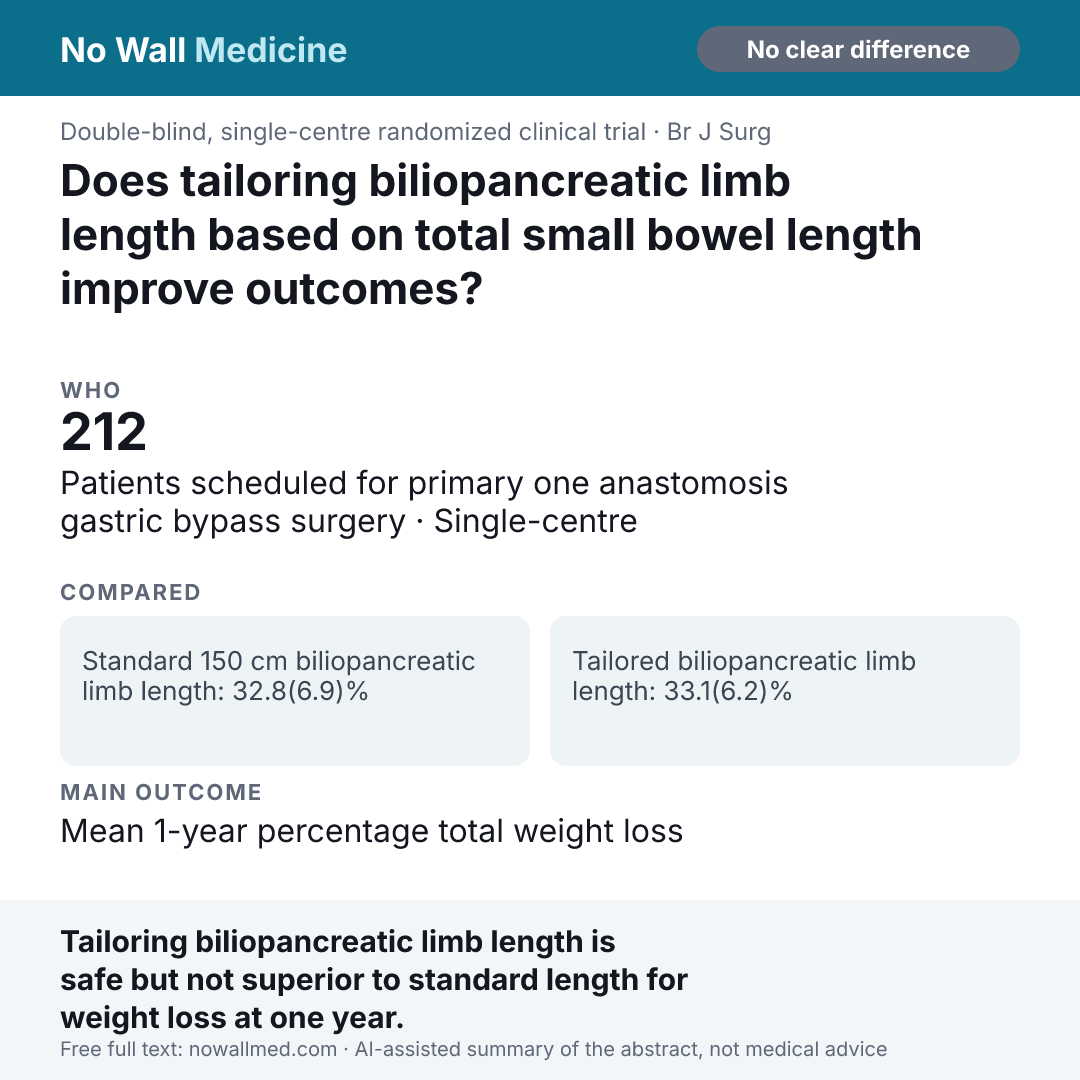
Effect of tailoring biliopancreatic limb length based on total small bowel length versus standard limb length in one anastomosis gastric bypass: 1-year outcomes of the TAILOR randomized clinical superiority trial
Double-blind, single-centre randomized clinical trialNo clear difference
Does tailoring biliopancreatic limb length based on total small bowel length improve outcomes?
Who
212
Patients scheduled for primary one anastomosis gastric bypass surgery · Single-centre
Compared
Standard 150 cm biliopancreatic limb length: 32.8(6.9)%
Tailored biliopancreatic limb length: 33.1(6.2)%
Main outcome
Mean 1-year percentage total weight loss
Result: P = 0.787
Bottom line: Tailoring biliopancreatic limb length is safe but not superior to standard length for weight loss at one year.
Br J Surg · 2024-08-31 · Save PNG
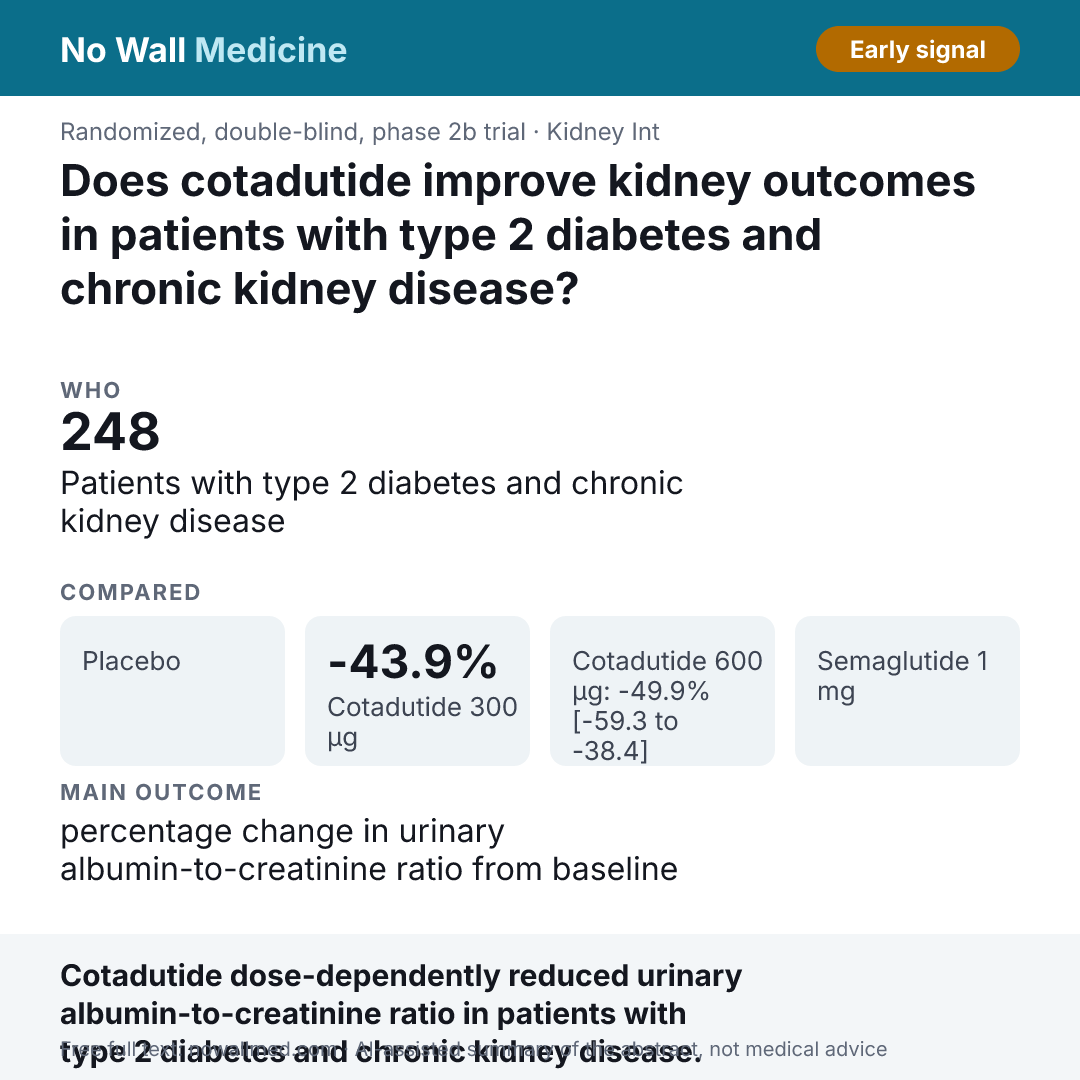
A randomized phase 2b trial examined the effects of the glucagon-like peptide-1 and glucagon receptor agonist cotadutide on kidney outcomes in patients with diabetic kidney disease
Randomized, double-blind, phase 2b trialEarly signal
Does cotadutide improve kidney outcomes in patients with type 2 diabetes and chronic kidney disease?
Who
248
Patients with type 2 diabetes and chronic kidney disease
Compared
Placebo
-43.9%Cotadutide 300 μg (95% confidence interval -54.7 to -30.6)
Cotadutide 600 μg: -49.9% [-59.3 to -38.4]
Semaglutide 1 mg
Main outcome
percentage change in urinary albumin-to-creatinine ratio from baseline
Bottom line: Cotadutide dose-dependently reduced urinary albumin-to-creatinine ratio in patients with type 2 diabetes and chronic kidney disease.
Kidney Int · 2024-08-31 · Save PNG
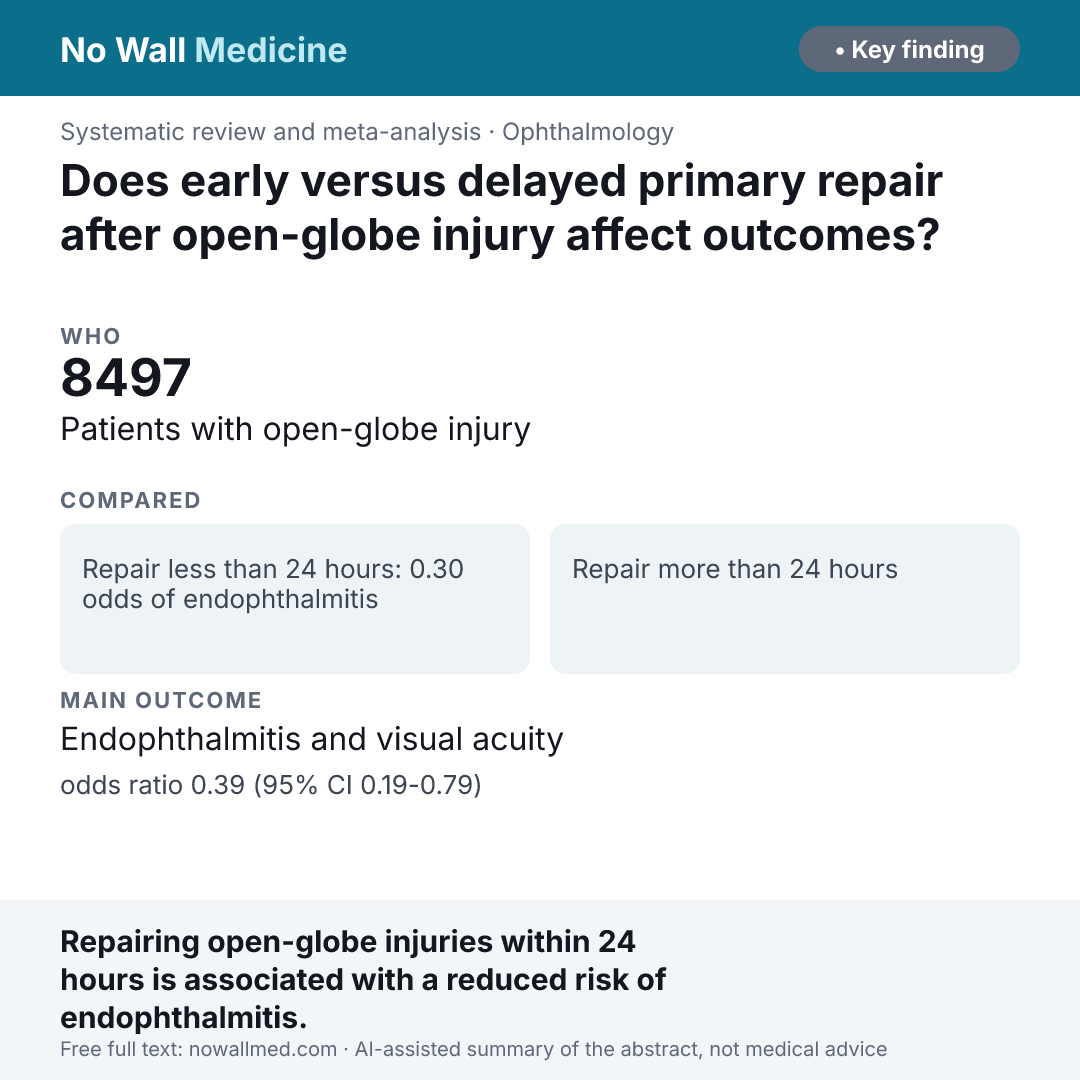
Early versus Delayed Timing of Primary Repair after Open-Globe Injury: A Systematic Review and Meta-analysis
Systematic review and meta-analysisKey finding
Does early versus delayed primary repair after open-globe injury affect outcomes?
Who
8497
Patients with open-globe injury
Compared
Repair less than 24 hours: 0.30 odds of endophthalmitis
Repair more than 24 hours
Main outcome
Endophthalmitis and visual acuity
Result: odds ratio 0.39 (95% CI 0.19-0.79)
Bottom line: Repairing open-globe injuries within 24 hours is associated with a reduced risk of endophthalmitis.
Limitation: All included studies were retrospective and nonrandomized, demonstrating low certainty of evidence.
Ophthalmology · 2024-08-31 · Save PNG
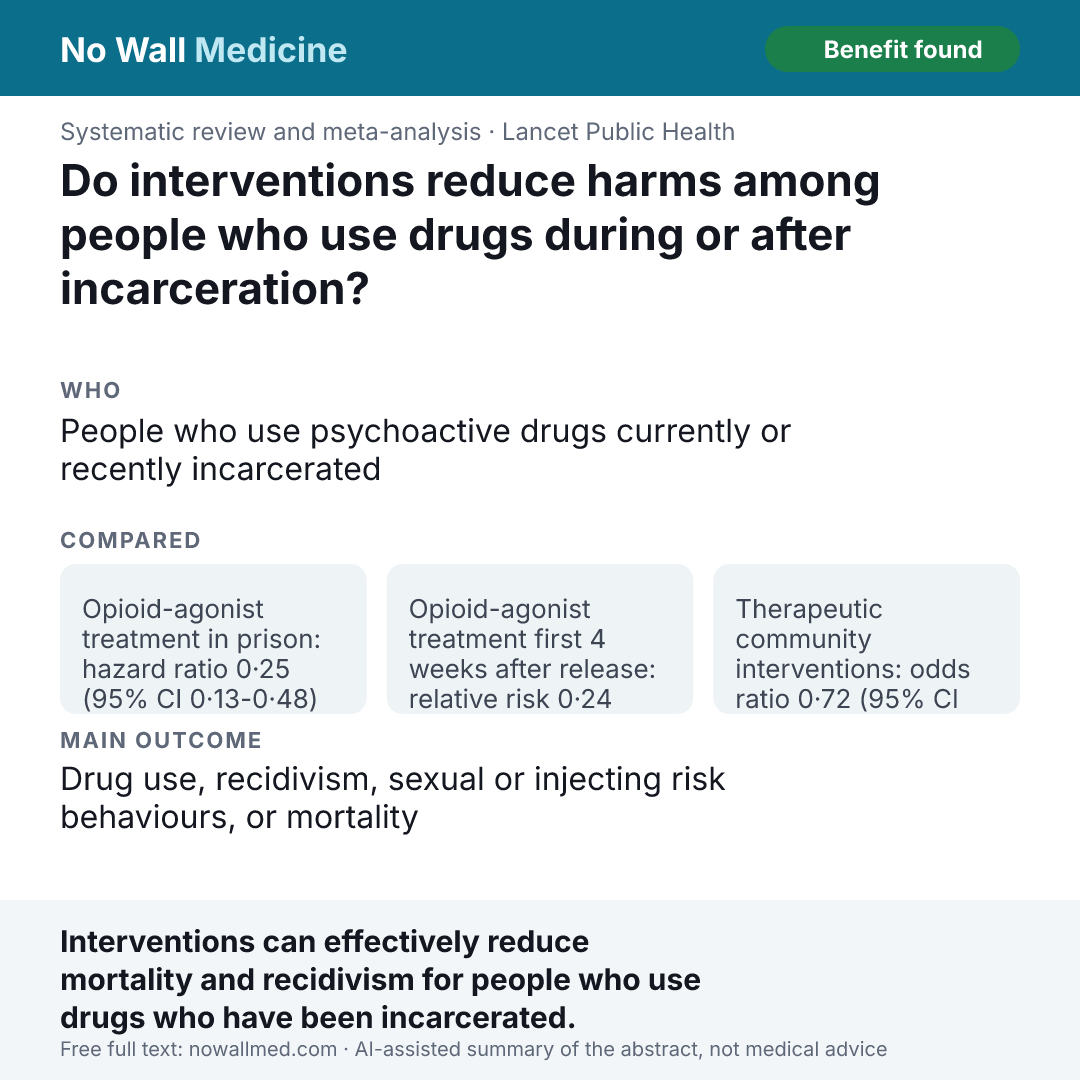
Interventions to reduce harms related to drug use among people who experience incarceration: systematic review and meta-analysis
Systematic review and meta-analysisBenefit found
Do interventions reduce harms among people who use drugs during or after incarceration?
Who
People who use psychoactive drugs currently or recently incarcerated
Compared
Opioid-agonist treatment in prison: hazard ratio 0·25 (95% CI 0·13-0·48)
Opioid-agonist treatment first 4 weeks after release: relative risk 0·24 (95% CI 0·15-0·37)
Therapeutic community interventions: odds ratio 0·72 (95% CI 0·55-0·95)
Main outcome
Drug use, recidivism, sexual or injecting risk behaviours, or mortality
Bottom line: Interventions can effectively reduce mortality and recidivism for people who use drugs who have been incarcerated.
Limitation: Substantial gaps in research examining risk behaviours and mortality during incarceration.
Funded by: Australian National Health and Medical Research Council
Lancet Public Health · 2024-08-31 · Save PNG
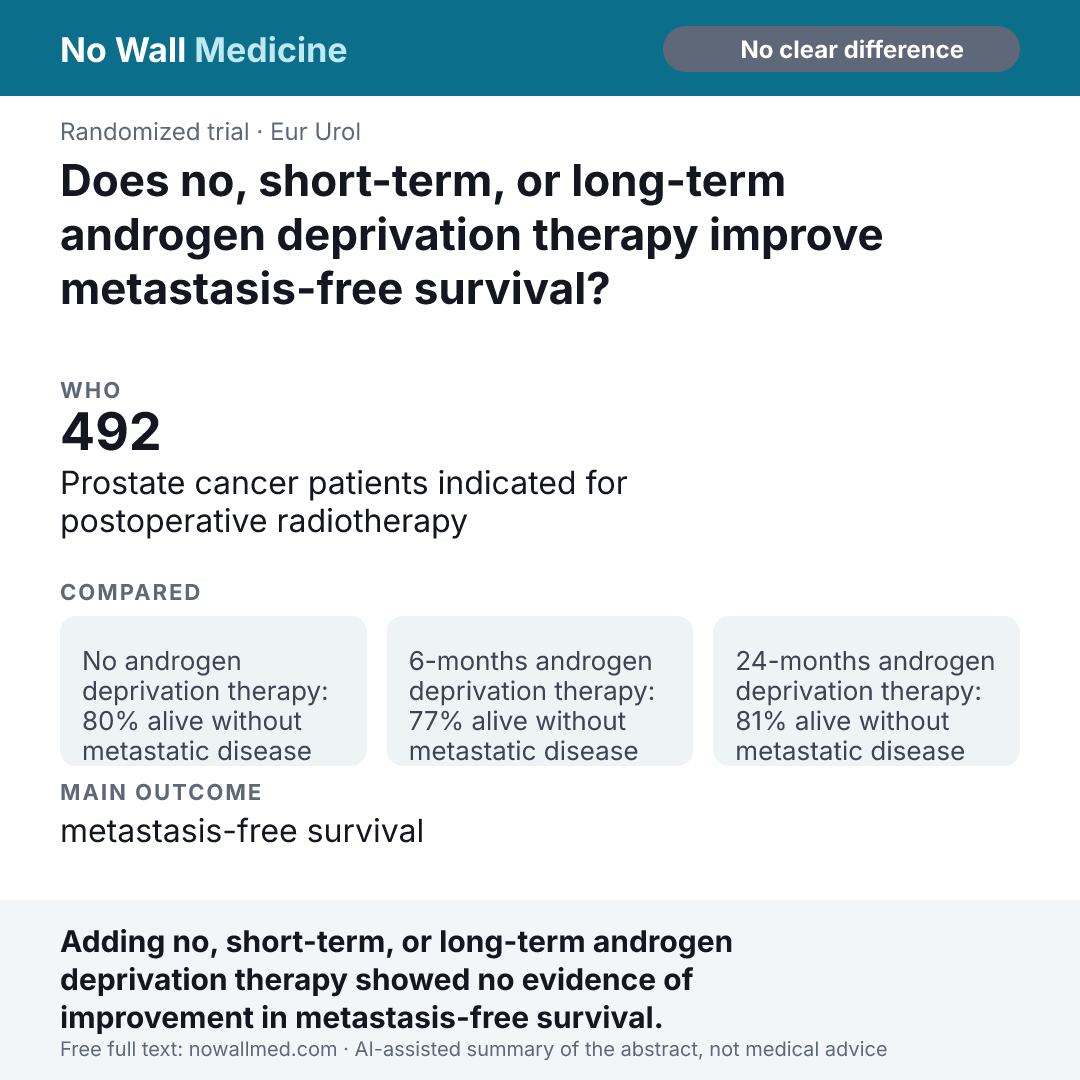
Randomised Trial of No, Short-term, or Long-term Androgen Deprivation Therapy with Postoperative Radiotherapy After Radical Prostatectomy: Results from the Three-way Comparison of RADICALS-HD (NCT00541047)
Randomized trialNo clear difference
Does no, short-term, or long-term androgen deprivation therapy improve metastasis-free survival?
Who
492
Prostate cancer patients indicated for postoperative radiotherapy
Compared
No androgen deprivation therapy: 80% alive without metastatic disease after 10 years
6-months androgen deprivation therapy: 77% alive without metastatic disease after 10 years
24-months androgen deprivation therapy: 81% alive without metastatic disease after 10 years
Main outcome
metastasis-free survival
Result: hazard ratio 0.948 (95% confidence interval 0.54-1.68)
Bottom line: Adding no, short-term, or long-term androgen deprivation therapy showed no evidence of improvement in metastasis-free survival.
Limitation: The three-way randomisation was not powered to conventional levels for assessment.
Eur Urol · 2024-08-31 · Save PNG
Radiotherapy vs Surgery for Survival and Locoregional Control of Head and Neck Extramedullary Plasmacytoma: A Systematic Review and Meta-Analysis
Systematic review and meta-analysisMixed results
Are radiotherapy or surgery better for head and neck extramedullary plasmacytoma?
Who
742
Patients with head and neck extramedullary plasmacytoma
Compared
radiotherapy only
surgery only
Main outcome
survival, tumor control, and progression to multiple myeloma
Result: odds ratio 0.4 (95% CI 0.1-0.9) for progression to multiple myeloma
Bottom line: Radiotherapy showed lower progression to multiple myeloma and better 5-year disease-free survival than surgery.
JAMA Otolaryngol · 2024-08-31 · Save PNG

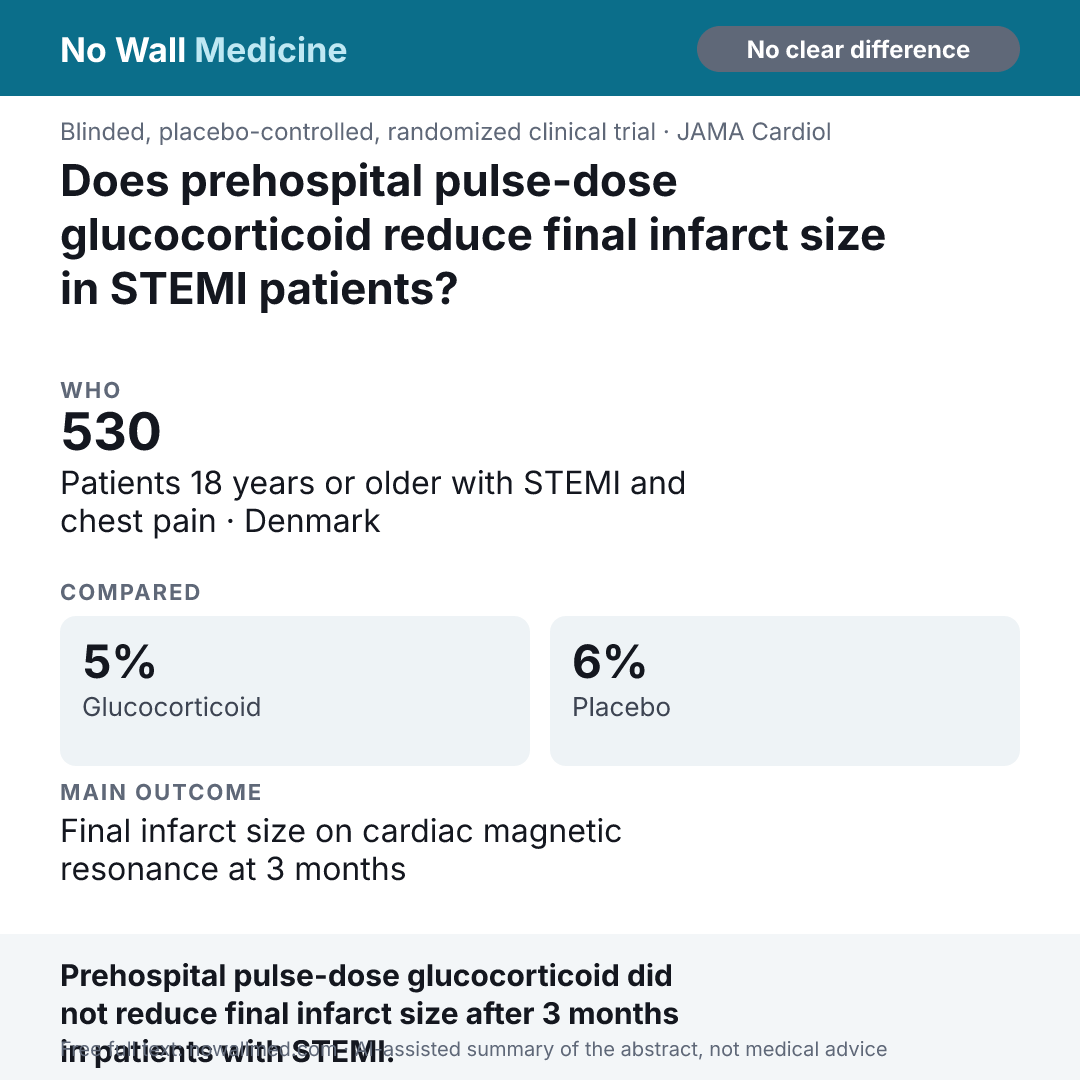
Prehospital Pulse-Dose Glucocorticoid in ST-Segment Elevation Myocardial Infarction: The PULSE-MI Randomized Clinical Trial
Blinded, placebo-controlled, randomized clinical trialNo clear difference
Does prehospital pulse-dose glucocorticoid reduce final infarct size in STEMI patients?
Who
530
Patients 18 years or older with STEMI and chest pain · Denmark
Compared
5%Glucocorticoid
6%Placebo
Main outcome
Final infarct size on cardiac magnetic resonance at 3 months
Bottom line: Prehospital pulse-dose glucocorticoid did not reduce final infarct size after 3 months in patients with STEMI.
Limitation: The trial was likely underpowered as the final infarct size was smaller than anticipated.
JAMA Cardiol · 2024-08-31 · Save PNG
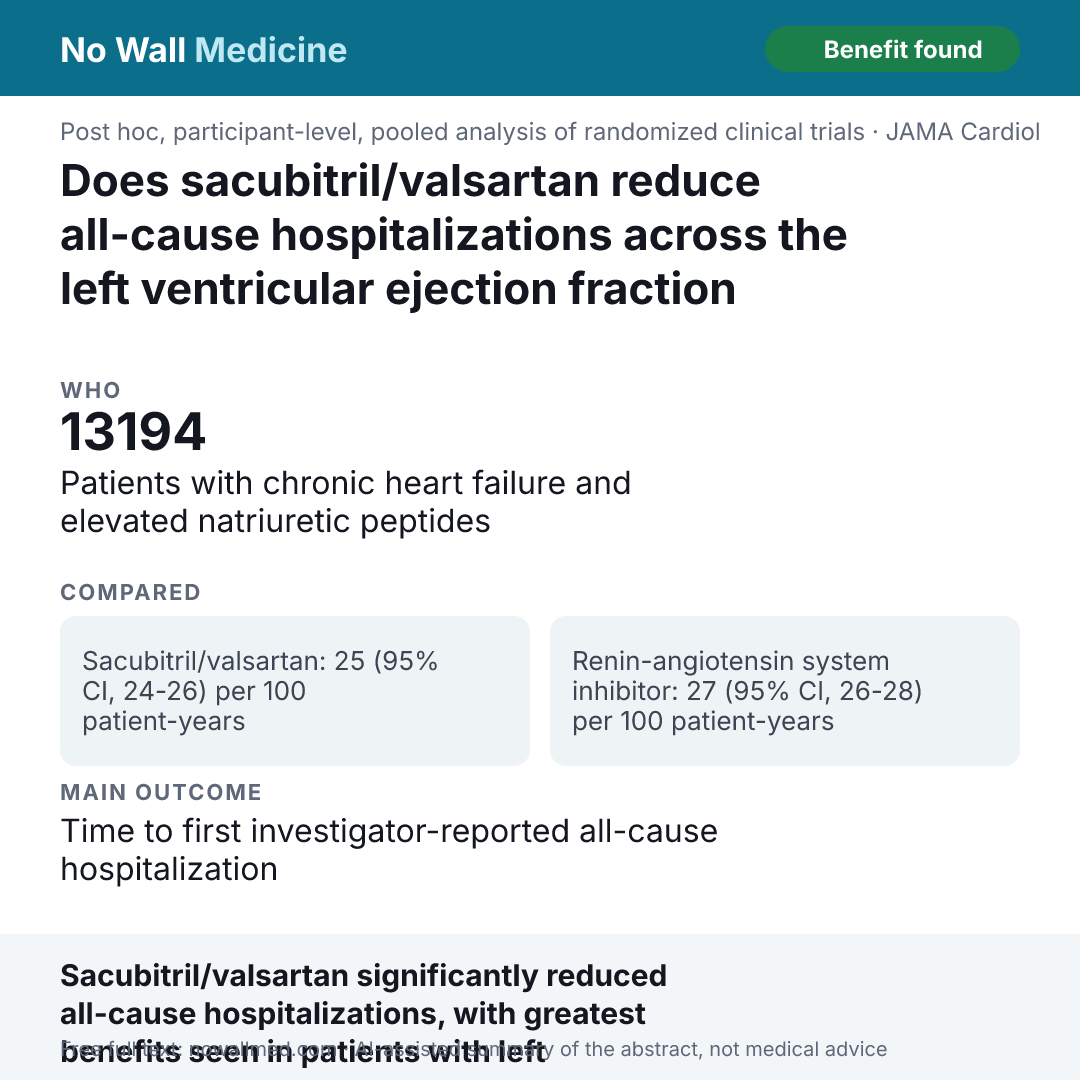
Effects of Sacubitril/Valsartan on All-Cause Hospitalizations in Heart Failure: Post Hoc Analysis of the PARADIGM-HF and PARAGON-HF Randomized Clinical Trials
Post hoc, participant-level, pooled analysis of randomized clinical trialsBenefit found
Does sacubitril/valsartan reduce all-cause hospitalizations across the left ventricular ejection fraction spectrum?
Who
13194
Patients with chronic heart failure and elevated natriuretic peptides
Compared
Sacubitril/valsartan: 25 (95% CI, 24-26) per 100 patient-years
Renin-angiotensin system inhibitor: 27 (95% CI, 26-28) per 100 patient-years
Main outcome
Time to first investigator-reported all-cause hospitalization
Result: hazard ratio 0.92 (95% CI, 0.88-0.97)
Bottom line: Sacubitril/valsartan significantly reduced all-cause hospitalizations, with greatest benefits seen in patients with left ventricular ejection fraction below 60%.
Limitation: This was a post hoc analysis of existing randomized clinical trials.
JAMA Cardiol · 2024-08-31 · Save PNG
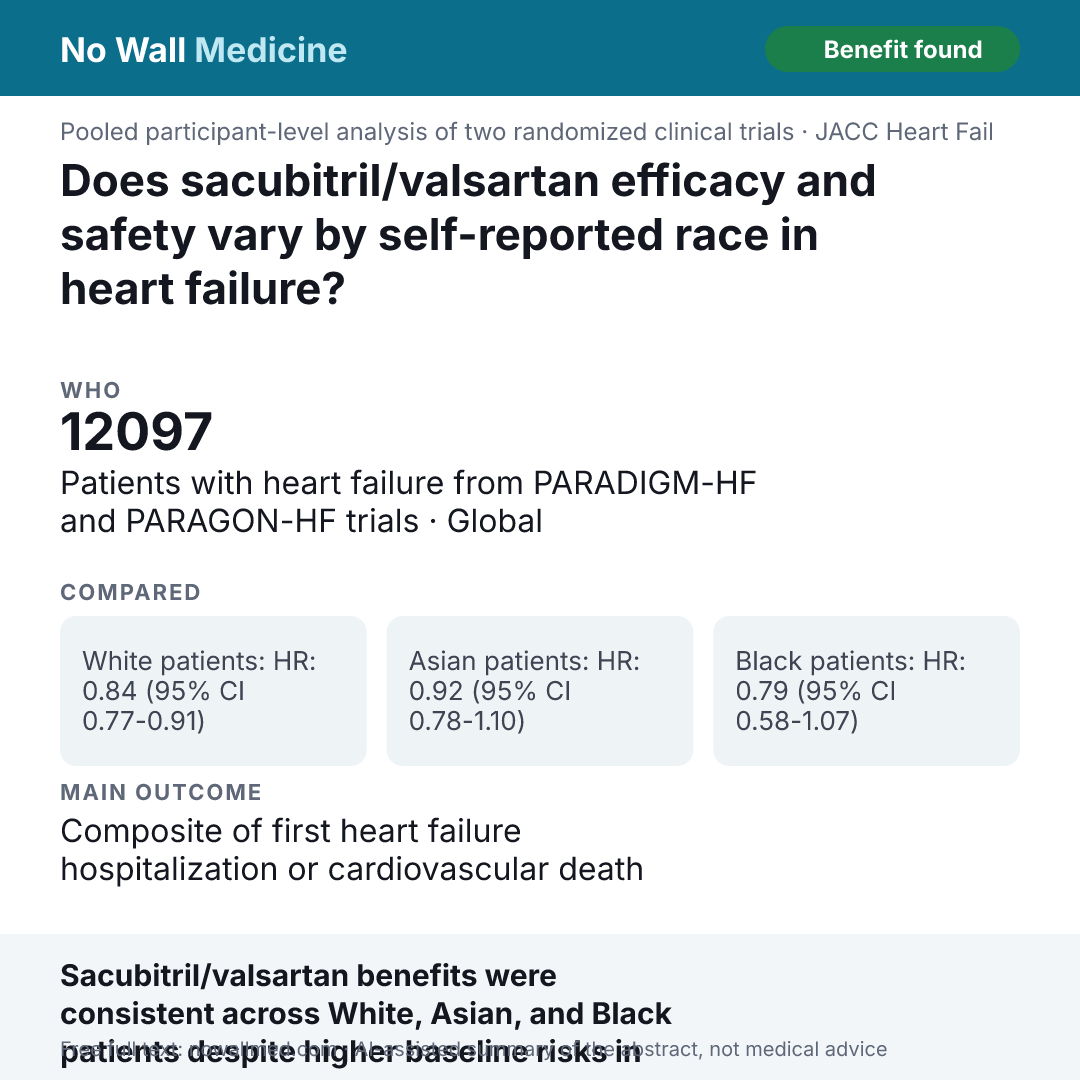
Race in Heart Failure: A Pooled Participant-Level Analysis of the Global PARADIGM-HF and PARAGON-HF Trials
Pooled participant-level analysis of two randomized clinical trialsBenefit found
Does sacubitril/valsartan efficacy and safety vary by self-reported race in heart failure?
Who
12097
Patients with heart failure from PARADIGM-HF and PARAGON-HF trials · Global
Compared
White patients: HR: 0.84 (95% CI 0.77-0.91)
Asian patients: HR: 0.92 (95% CI 0.78-1.10)
Black patients: HR: 0.79 (95% CI 0.58-1.07)
Main outcome
Composite of first heart failure hospitalization or cardiovascular death
Bottom line: Sacubitril/valsartan benefits were consistent across White, Asian, and Black patients despite higher baseline risks in Black and Asian populations.
JACC Heart Fail · 2024-08-31 · Save PNG
Population pharmacokinetics of oral fosfomycin calcium in healthy women
Randomized, open-label, bioavailability studyUnclear result
What is the population pharmacokinetic profile of oral fosfomycin calcium in healthy women?
Who
24
Healthy women volunteers · Araba University Hospital, Spain
Compared
Single and multiple doses of 1000 mg capsules
Single dose of 500 mg capsule
Single dose of 250 mg/5 mL suspension
Main outcome
Pharmacokinetics of fosfomycin in plasma
Bottom line: A population pharmacokinetic model was developed to characterize oral fosfomycin calcium in healthy women.
J Antimicrob Chemother · 2024-08-31 · Save PNG
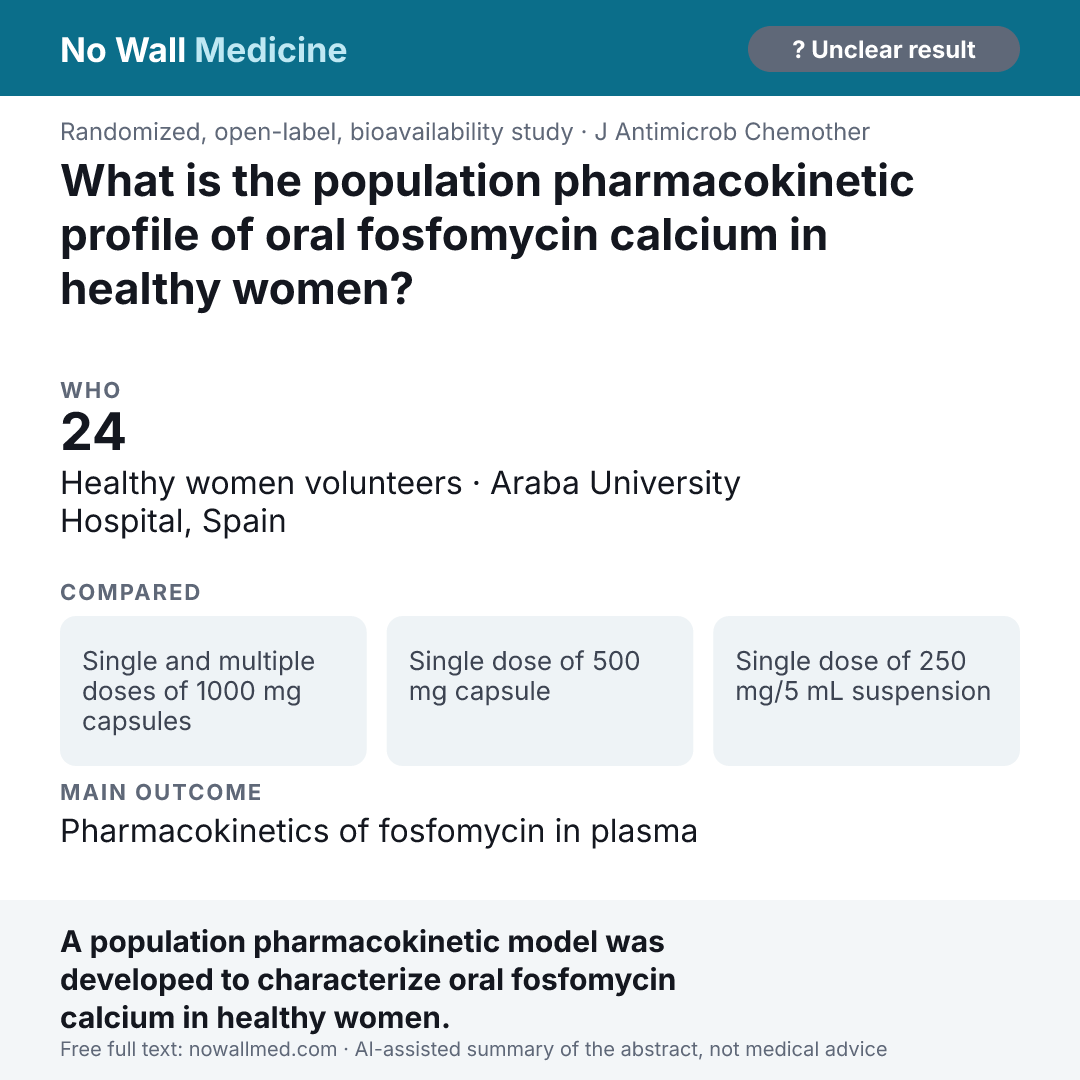
Metformin and small for gestational age babies: findings of a randomised placebo-controlled clinical trial of metformin in gestational diabetes (EMERGE)
Randomized, placebo-controlled clinical trialNo clear difference
Does metformin exposure increase the severity of small for gestational age phenotype?
Who
Women with gestational diabetes mellitus and live-born infants
Compared
Metformin: 20.0% preterm birth
Placebo: 14.3% preterm birth
Main outcome
Perinatal outcomes among small for gestational age infants
Bottom line: Metformin-exposed small for gestational age infants did not display a more severe phenotype than placebo infants.
Diabetologia · 2024-08-31 · Save PNG
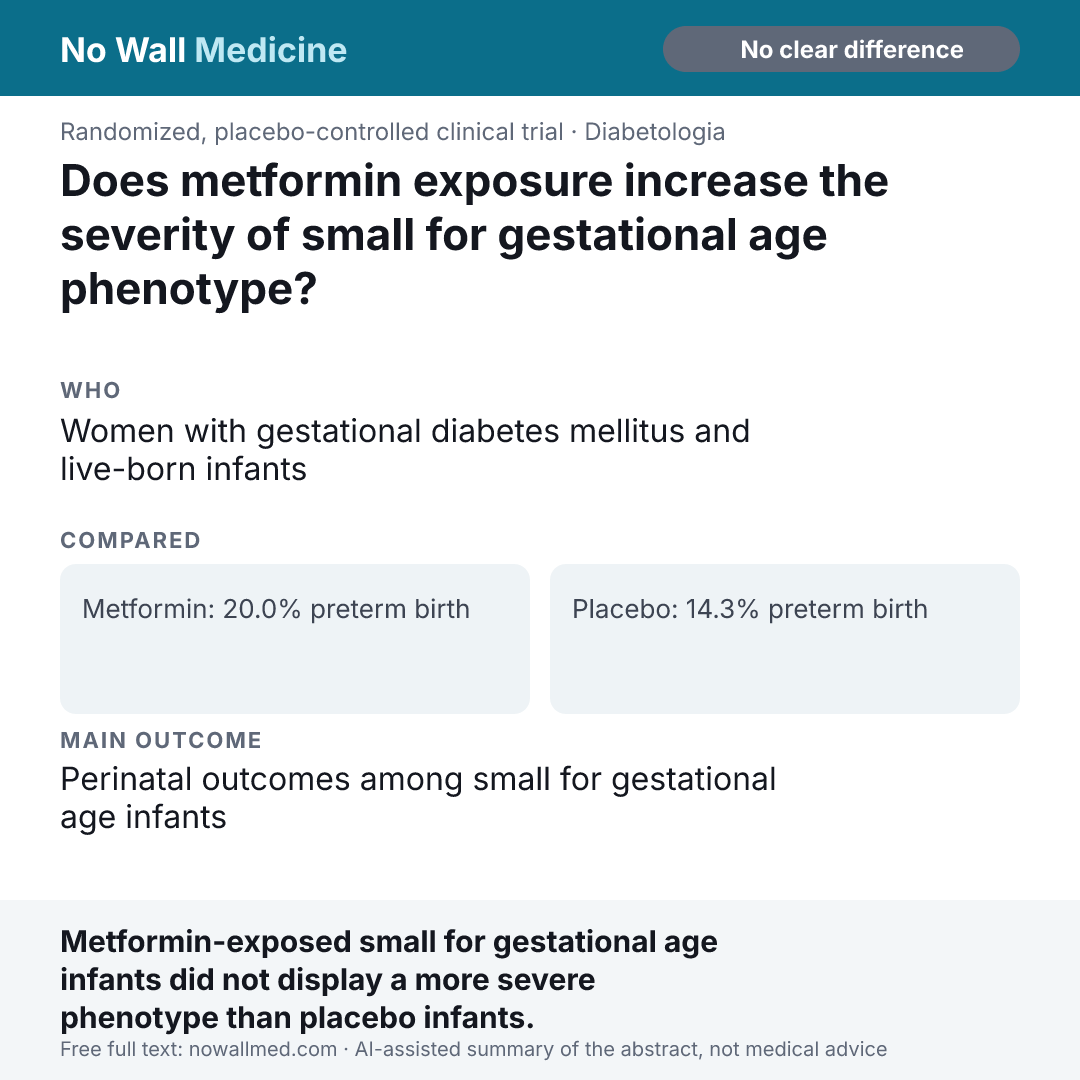
Low C-Reactive Protein Alleles in Hepatocyte Nuclear Factor 1A Are Associated With an Increased Risk of Cardiovascular Disease
Meta-analysisHarm found
Are low C-reactive protein alleles in HNF1A associated with cardiovascular disease risk?
Who
Individuals with common HNF1A coding variants
Compared
Low C-reactive protein alleles: increased risk of cardiovascular disease (OR 1.03; 95% CI, 1.03-1.04)
Control
Main outcome
Cardiovascular disease risk
Result: odds ratio 1.03 (95% CI 1.03-1.04)
Bottom line: Low C-reactive protein alleles in HNF1A are associated with an increased risk of cardiovascular disease.
J Clin Endocrinol Metab · 2024-08-31 · Save PNG
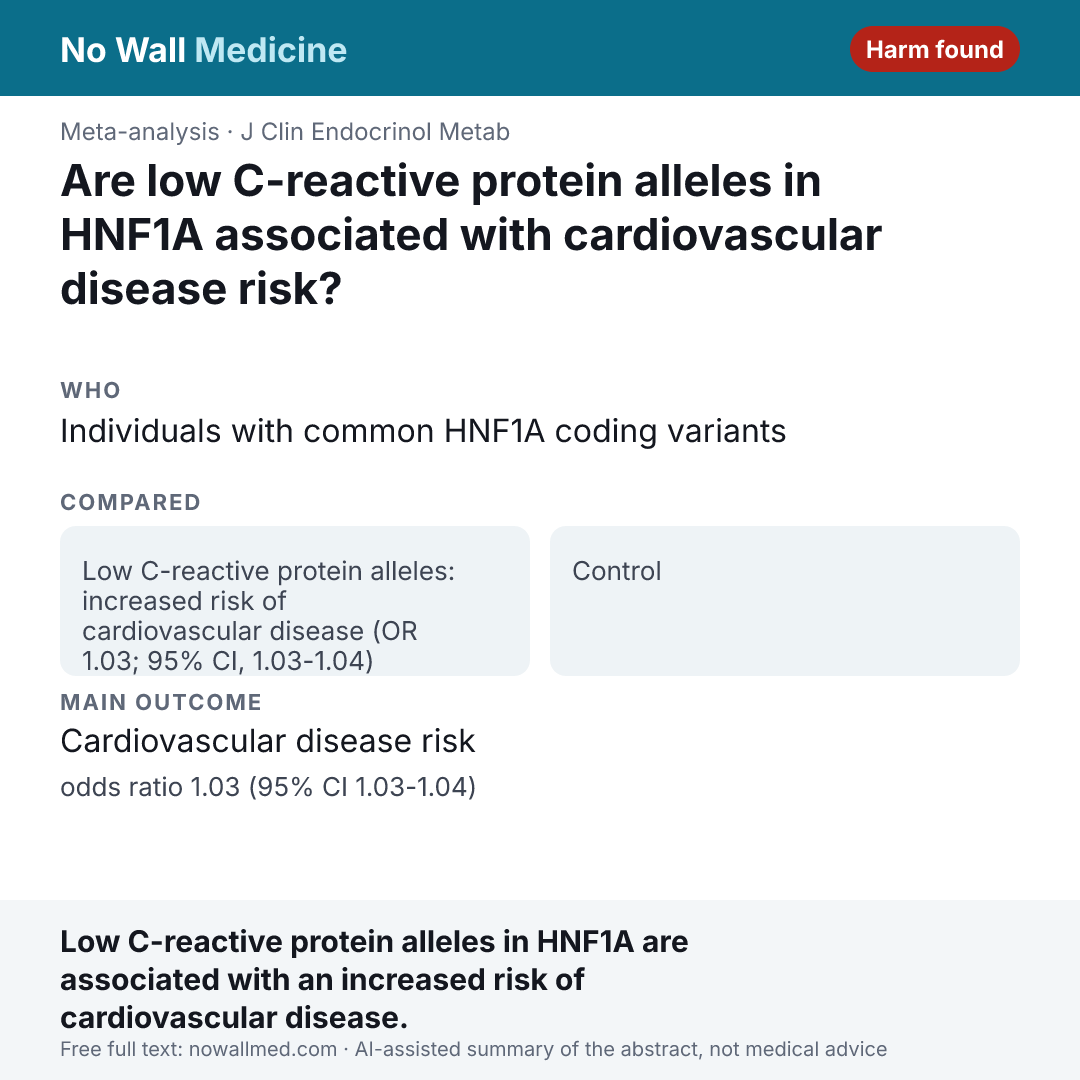
Development of 24-Hour Rhythms in Cortisol Secretion Across Infancy: A Systematic Review and Meta-Analysis of Individual Participant Data
Systematic review and individual participant data meta-analysisKey finding
How does salivary cortisol concentration variation change across the first year of life?
Who
1904
Healthy infants aged 0 to 1 year
Compared
1.7At birth (95% CI: 1.3-2.1)
3.7At 6 to 9 months (95% CI: 3.0-4.5)
Main outcome
Morning to evening salivary cortisol ratio
Bottom line: The early-morning cortisol peak gradually emerges from birth to form a stable rhythm by 6 to 9 months.
J Clin Endocrinol Metab · 2024-08-31 · Save PNG
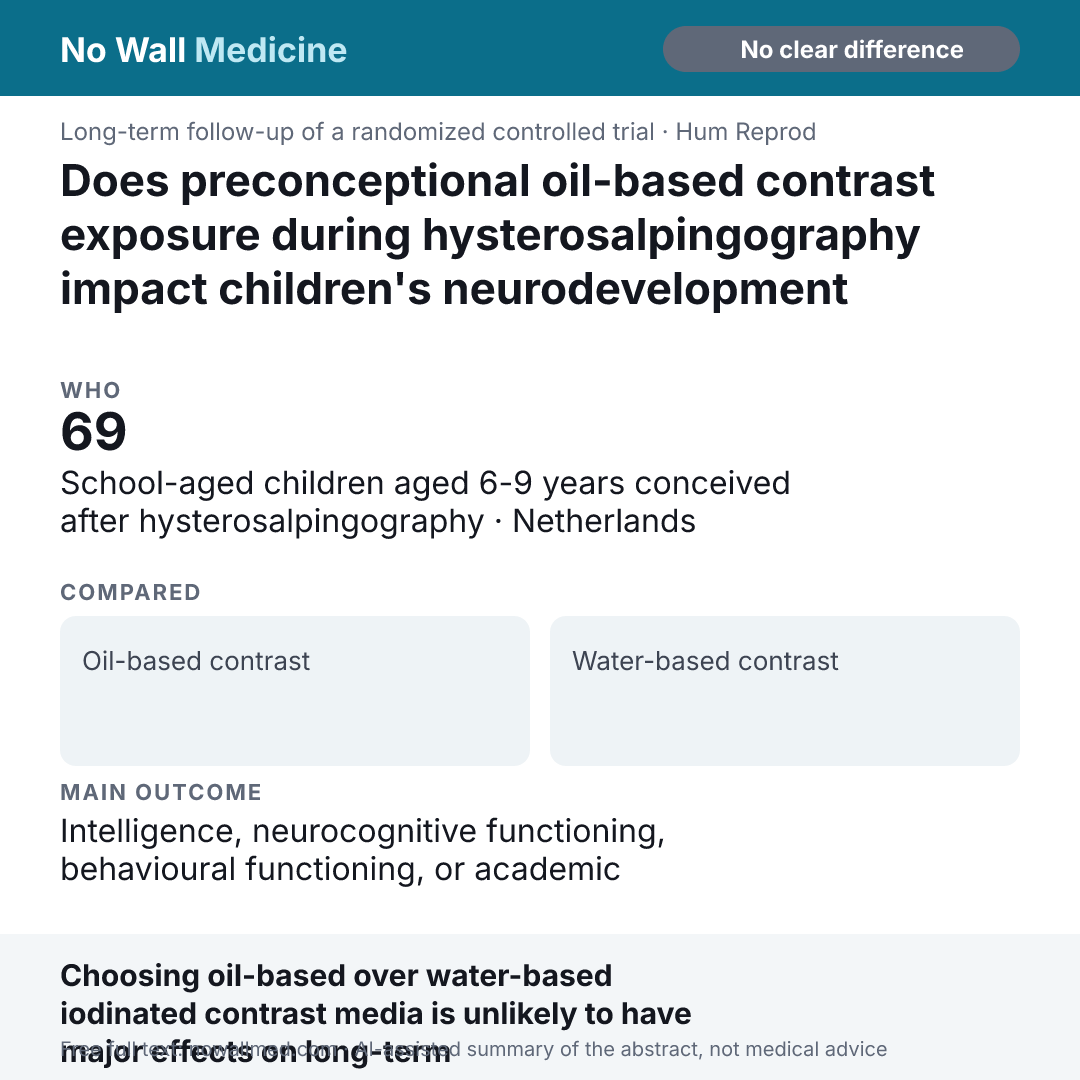
Neurodevelopmental outcomes of school-age children conceived after hysterosalpingography with oil-based or water-based iodinated contrast: long-term follow-up of a nationwide randomized controlled trial
Long-term follow-up of a randomized controlled trialNo clear difference
Does preconceptional oil-based contrast exposure during hysterosalpingography impact children's neurodevelopment compared to water-based alternatives?
Who
69
School-aged children aged 6-9 years conceived after hysterosalpingography · Netherlands
Compared
Oil-based contrast
Water-based contrast
Main outcome
Intelligence, neurocognitive functioning, behavioural functioning, or academic performance
Bottom line: Choosing oil-based over water-based iodinated contrast media is unlikely to have major effects on long-term neurodevelopmental outcomes.
Limitation: The small sample size of this follow-up study limited statistical power.
Funded by: Amsterdam University Medical Centre
Hum Reprod · 2024-08-31 · Save PNG
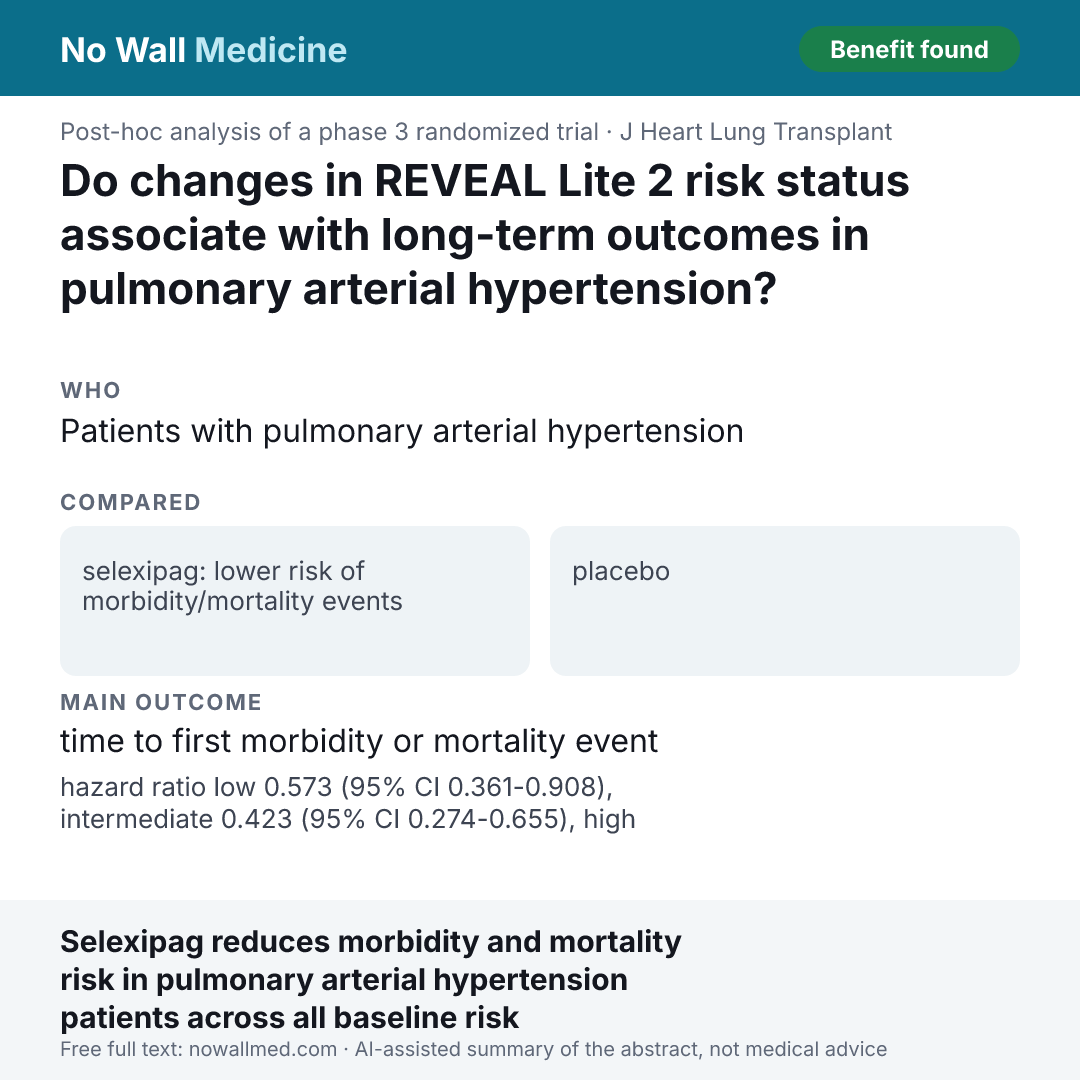
Changes in REVEAL Lite 2 risk status are associated with long-term outcomes in patients with pulmonary arterial hypertension: A post-hoc analysis of the GRIPHON study
Post-hoc analysis of a phase 3 randomized trialBenefit found
Do changes in REVEAL Lite 2 risk status associate with long-term outcomes in pulmonary arterial hypertension?
Who
Patients with pulmonary arterial hypertension
Compared
selexipag: lower risk of morbidity/mortality events
placebo
Main outcome
time to first morbidity or mortality event
Result: hazard ratio low 0.573 (95% CI 0.361-0.908), intermediate 0.423 (95% CI 0.274-0.655), high 0.711 (9% CI 0.520-0.972)
Bottom line: Selexipag reduces morbidity and mortality risk in pulmonary arterial hypertension patients across all baseline risk categories.
J Heart Lung Transplant · 2024-08-31 · Save PNG
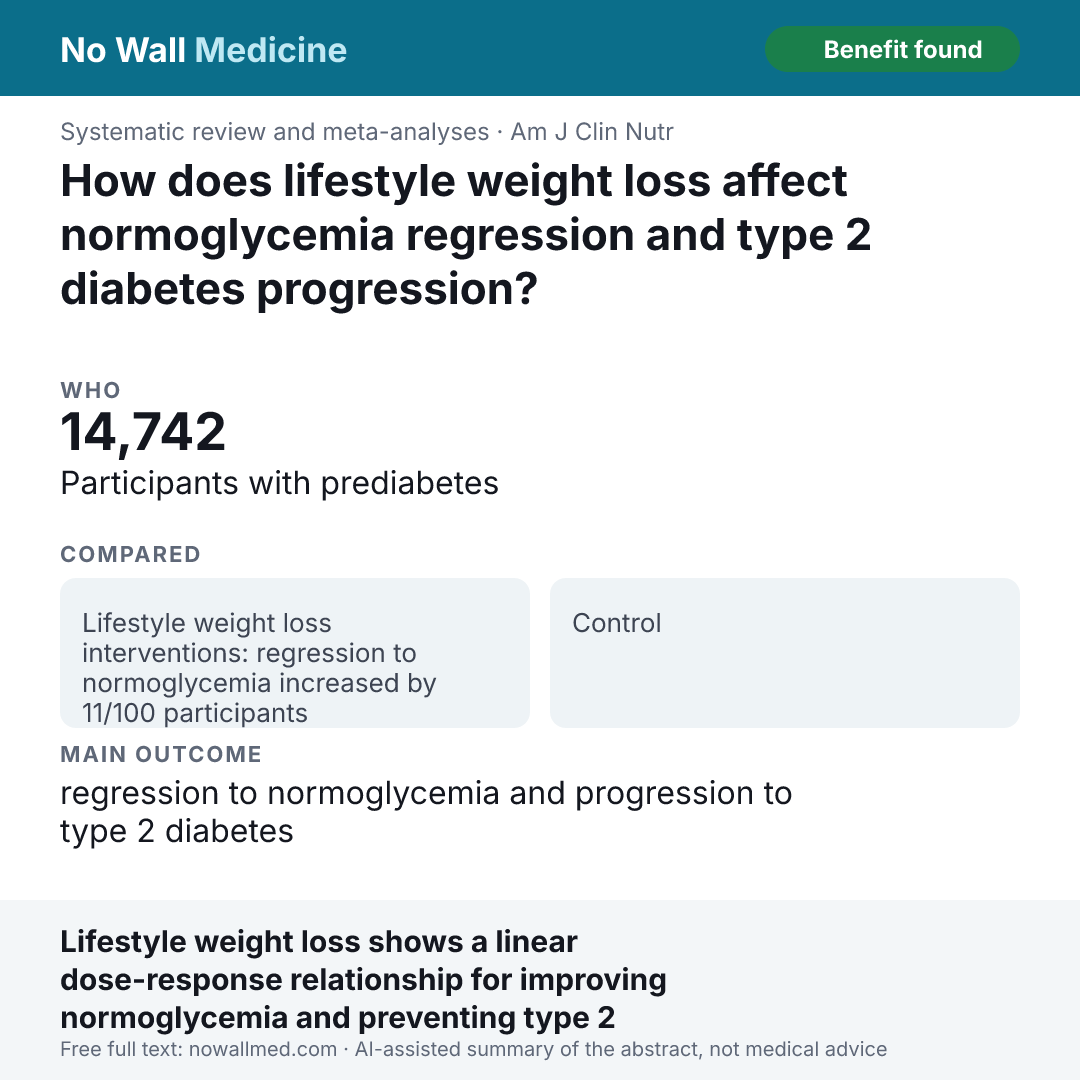
Efficacy of lifestyle weight loss interventions on regression to normoglycemia and progression to type 2 diabetes in individuals with prediabetes: a systematic review and pairwise and dose-response meta-analyses
Systematic review and meta-analysesBenefit found
How does lifestyle weight loss affect normoglycemia regression and type 2 diabetes progression?
Who
14,742
Participants with prediabetes
Compared
Lifestyle weight loss interventions: regression to normoglycemia increased by 11/100 participants
Control
Main outcome
regression to normoglycemia and progression to type 2 diabetes
Result: risk ratio 0.59 (95% CI 0.51, 0.67) for diabetes progression
Bottom line: Lifestyle weight loss shows a linear dose-response relationship for improving normoglycemia and preventing type 2 diabetes.
Am J Clin Nutr · 2024-08-31 · Save PNG