Visual abstracts
New randomized trials and meta-analyses from leading journals at a glance: who was studied, what was compared, and what was found. Every paper is free to read in full.
All specialtiesCardiology 2367Oncology 2022Gastroenterology & Hepatology 895Infectious Disease 1471Neurology 944Psychiatry & Mental Health 1115Pulmonology 988Critical Care 653Endocrinology & Diabetes 1238Pediatrics 1380Surgery 1195Orthopedics & Sports Medicine 426Neurosurgery 294Cardiothoracic & Vascular Surgery 257Plastic & Reconstructive Surgery 361Nephrology 494Rheumatology 334Hematology 505Dermatology 273Ophthalmology 274Obstetrics & Gynecology 772Public & Global Health 433Radiology & Imaging 325Anesthesiology 475Urology 396ENT (Otolaryngology) 303Emergency Medicine 266Allergy & Immunology 146Geriatrics 503Family Medicine & Primary Care 276Medical Genetics & Genomics 254Pathology & Laboratory Medicine 75Physical Medicine & Rehabilitation 400Palliative Care 201Nutrition 621Digital Health & AI 1171General Medicine 173
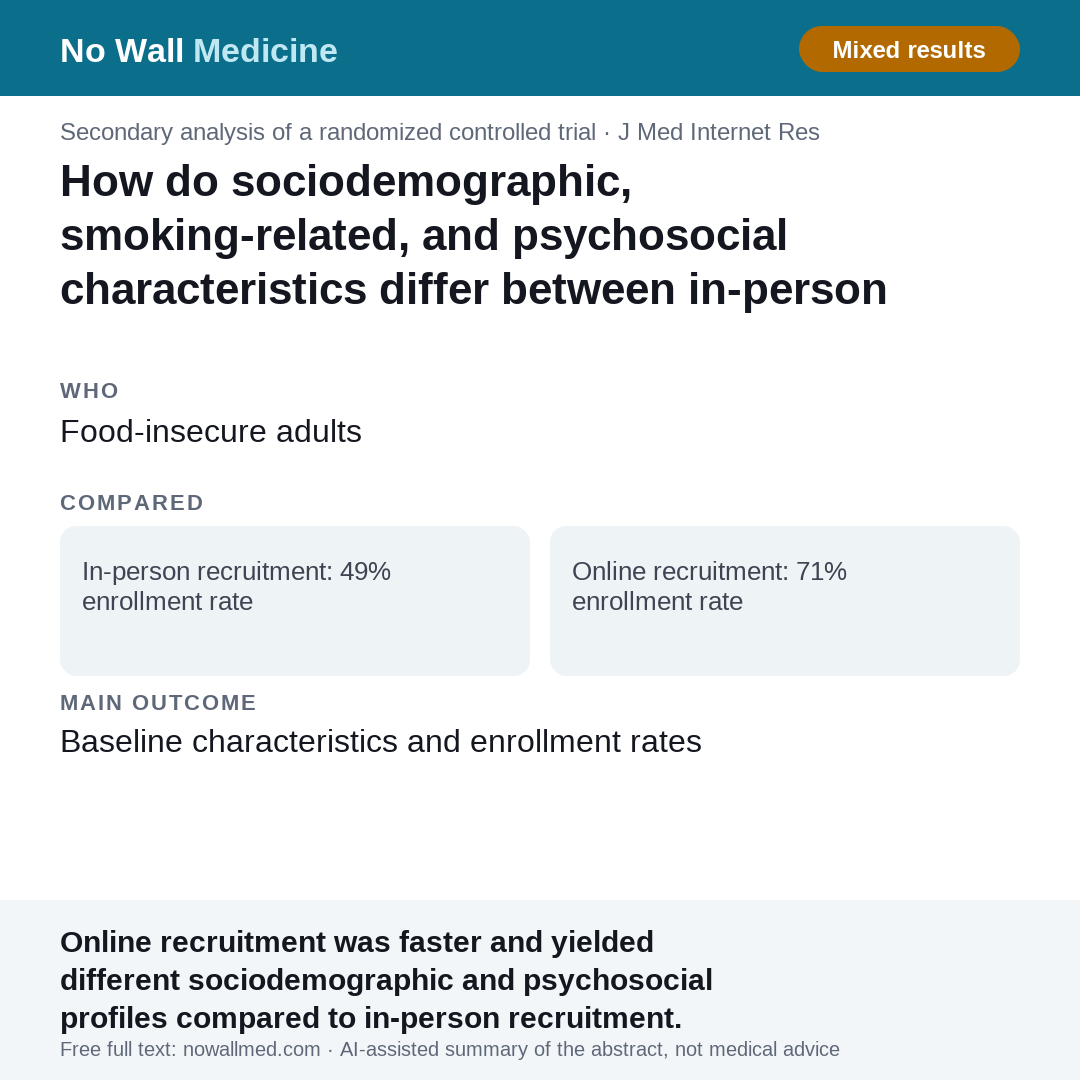
Sociodemographic Paradoxes and Enrollment Differences in In-Person Versus Online Recruitment to a Mobile Health Smoking Cessation Intervention for Food-Insecure Adults: Secondary Analysis of a Randomized Controlled Trial
Secondary analysis of a randomized controlled trialMixed results
How do sociodemographic, smoking-related, and psychosocial characteristics differ between in-person and online recruitment methods?
Who
Food-insecure adults
Compared
In-person recruitment: 49% enrollment rate
Online recruitment: 71% enrollment rate
Main outcome
Baseline characteristics and enrollment rates
Bottom line: Online recruitment was faster and yielded different sociodemographic and psychosocial profiles compared to in-person recruitment.
J Med Internet Res · 2026-06-11Download image
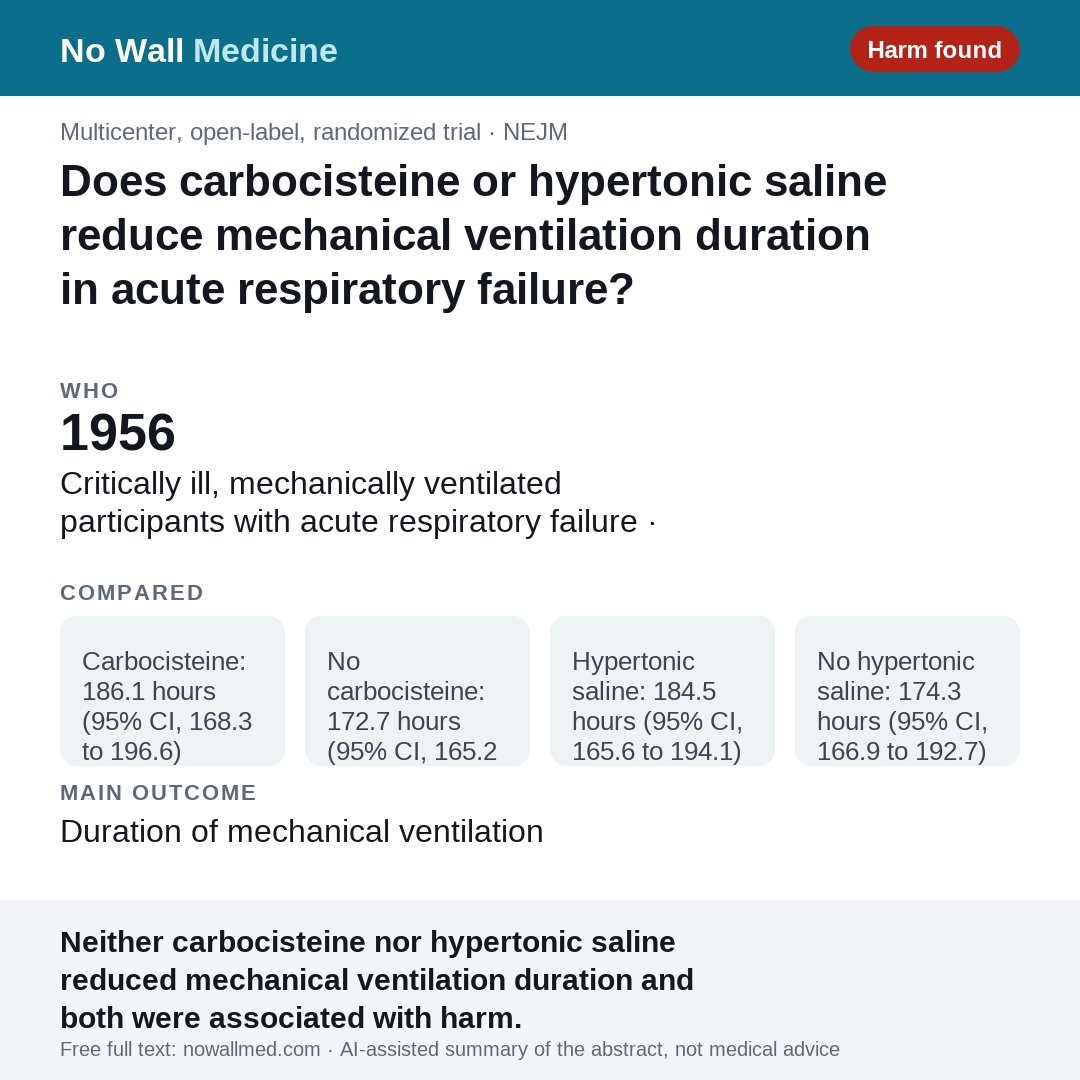
Carbocisteine or Hypertonic Saline for Acute Respiratory Failure
Multicenter, open-label, randomized trialHarm found
Does carbocisteine or hypertonic saline reduce mechanical ventilation duration in acute respiratory failure?
Who
1956
Critically ill, mechanically ventilated participants with acute respiratory failure · Multicenter
Compared
Carbocisteine: 186.1 hours (95% CI, 168.3 to 196.6)
No carbocisteine: 172.7 hours (95% CI, 165.2 to 190.4)
Hypertonic saline: 184.5 hours (95% CI, 165.6 to 194.1)
No hypertonic saline: 174.3 hours (95% CI, 166.9 to 192.7)
Main outcome
Duration of mechanical ventilation
Result: adjusted hazard ratio 0.96 (95% CI 0.87 to 1.05) for carbocisteine
Bottom line: Neither carbocisteine nor hypertonic saline reduced mechanical ventilation duration and both were associated with harm.
Funded by: NIHR Health Technology Assessment Programme and Belfast Health and Social Care Trust
NEJM · 2026-06-10Download image
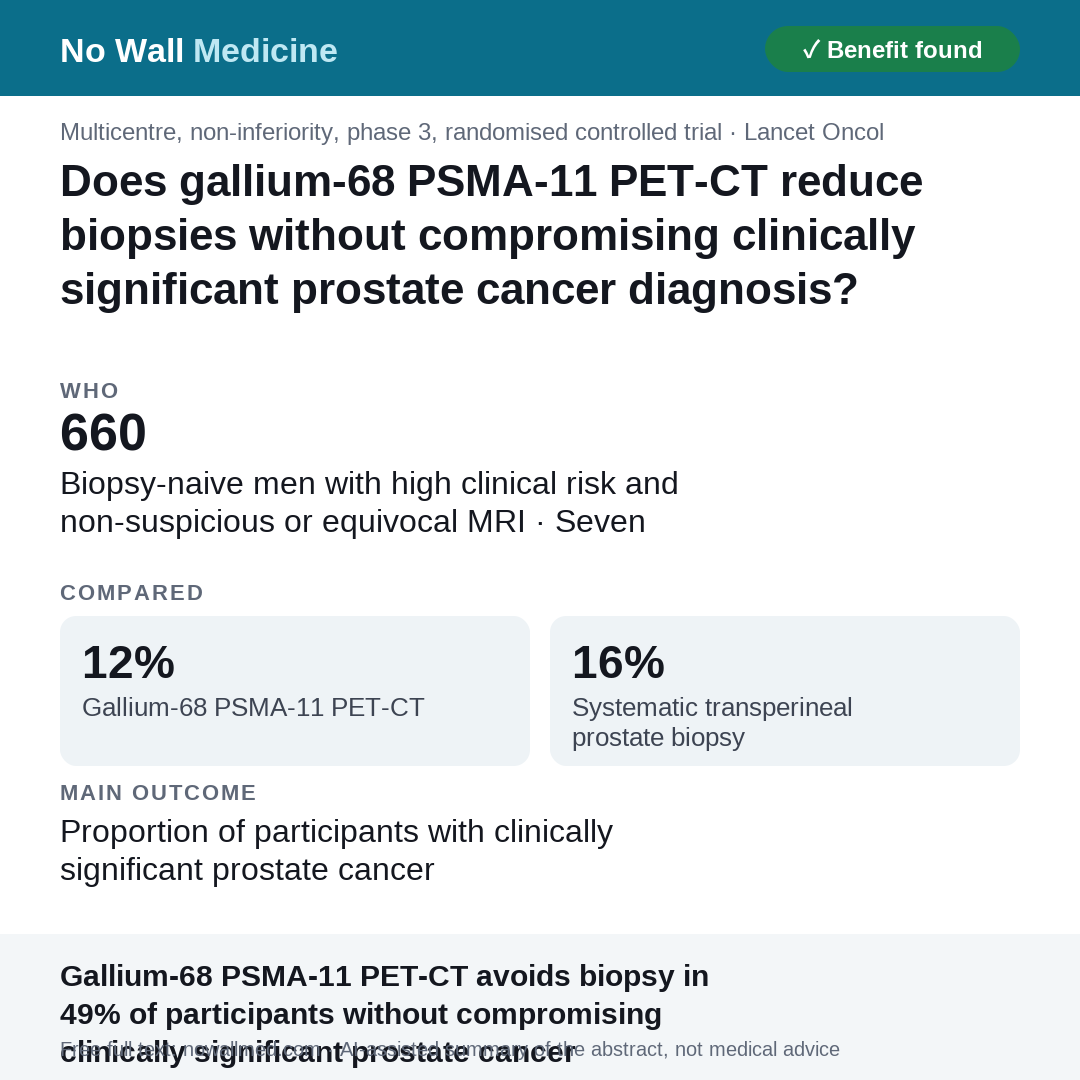
Effect of [68Ga]Ga-PSMA-11 PET-CT in the diagnosis of prostate cancer in men with equivocal or clinically high-risk non-suspicious findings on multiparametric MRI (PRIMARY2): a multicentre, non-inferiority, phase 3, randomised controlled trial
Multicentre, non-inferiority, phase 3, randomised controlled trialBenefit found
Does gallium-68 PSMA-11 PET-CT reduce biopsies without compromising clinically significant prostate cancer diagnosis?
Who
660
Biopsy-naive men with high clinical risk and non-suspicious or equivocal MRI · Seven Australian hospitals
Compared
12%Gallium-68 PSMA-11 PET-CT
16%Systematic transperineal prostate biopsy
Main outcome
Proportion of participants with clinically significant prostate cancer
Result: difference -3·7% (95% CI -8·9 to 1·5%)
Bottom line: Gallium-68 PSMA-11 PET-CT avoids biopsy in 49% of participants without compromising clinically significant prostate cancer diagnosis.
Lancet Oncol · 2026-06-10Download image
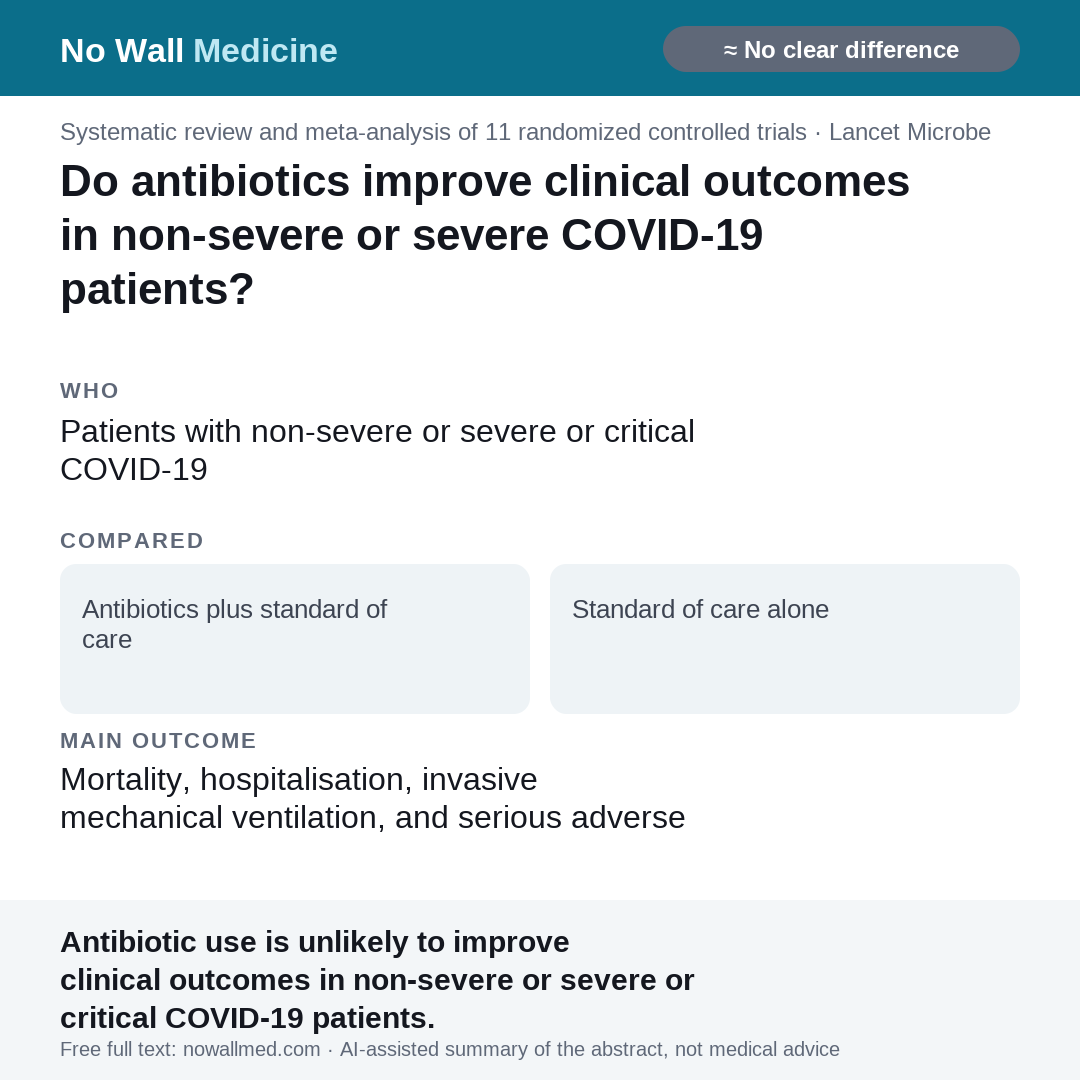
Effects of antibiotic treatment on clinical outcomes in patients with COVID-19: a systematic review and meta-analysis
Systematic review and meta-analysis of 11 randomized controlled trialsNo clear difference
Do antibiotics improve clinical outcomes in non-severe or severe COVID-19 patients?
Who
Patients with non-severe or severe or critical COVID-19
Compared
Antibiotics plus standard of care
Standard of care alone
Main outcome
Mortality, hospitalisation, invasive mechanical ventilation, and serious adverse events
Bottom line: Antibiotic use is unlikely to improve clinical outcomes in non-severe or severe or critical COVID-19 patients.
Limitation: Certainty of evidence was low for several key outcomes.
Lancet Microbe · 2026-06-10Download image
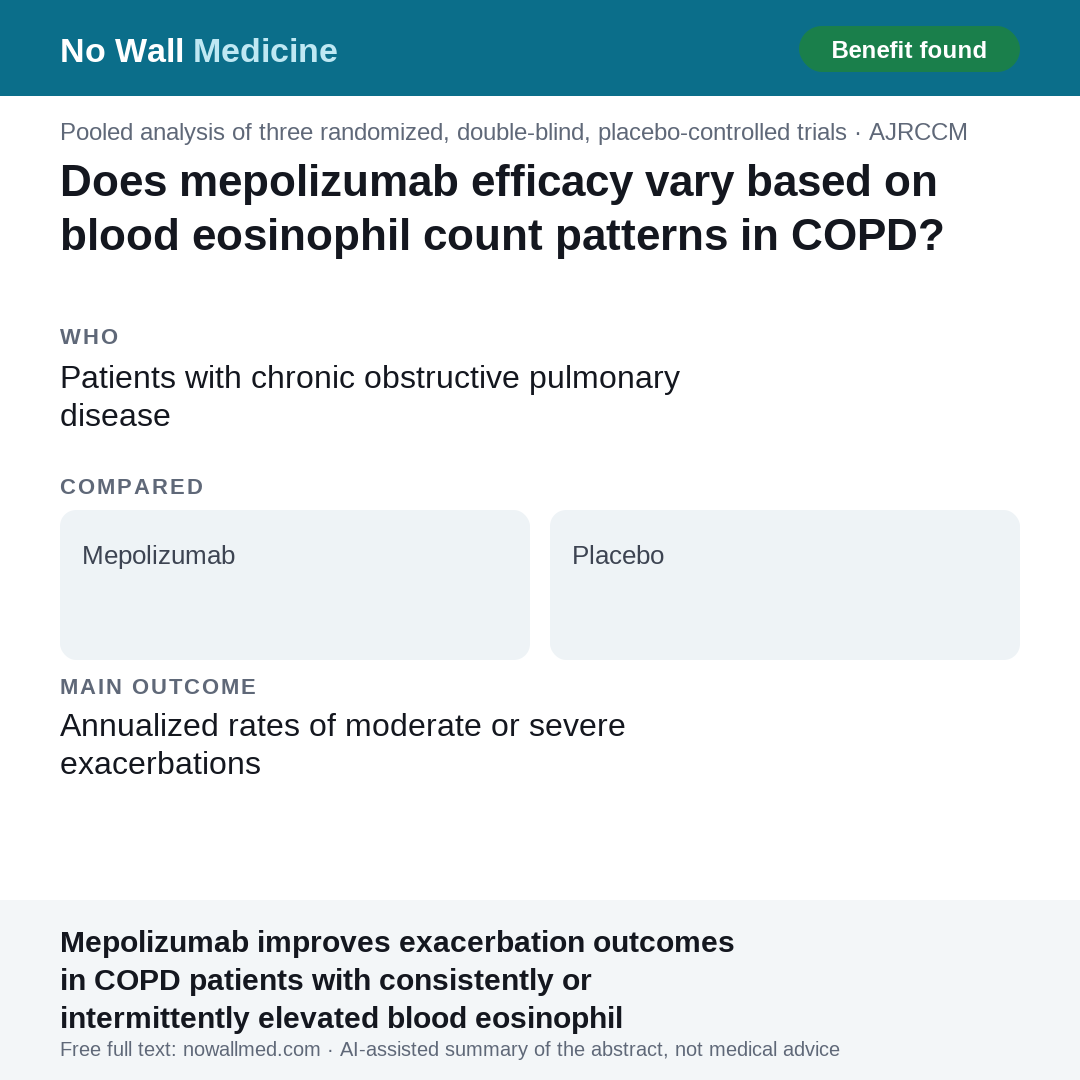
Mepolizumab efficacy in chronic obstructive pulmonary disease: insights from longitudinal patterns of blood eosinophil counts and their variability across 3 clinical trials
Pooled analysis of three randomized, double-blind, placebo-controlled trialsBenefit found
Does mepolizumab efficacy vary based on blood eosinophil count patterns in COPD?
Who
Patients with chronic obstructive pulmonary disease
Compared
Mepolizumab
Placebo
Main outcome
Annualized rates of moderate or severe exacerbations
Bottom line: Mepolizumab improves exacerbation outcomes in COPD patients with consistently or intermittently elevated blood eosinophil counts.
AJRCCM · 2026-06-10Download image
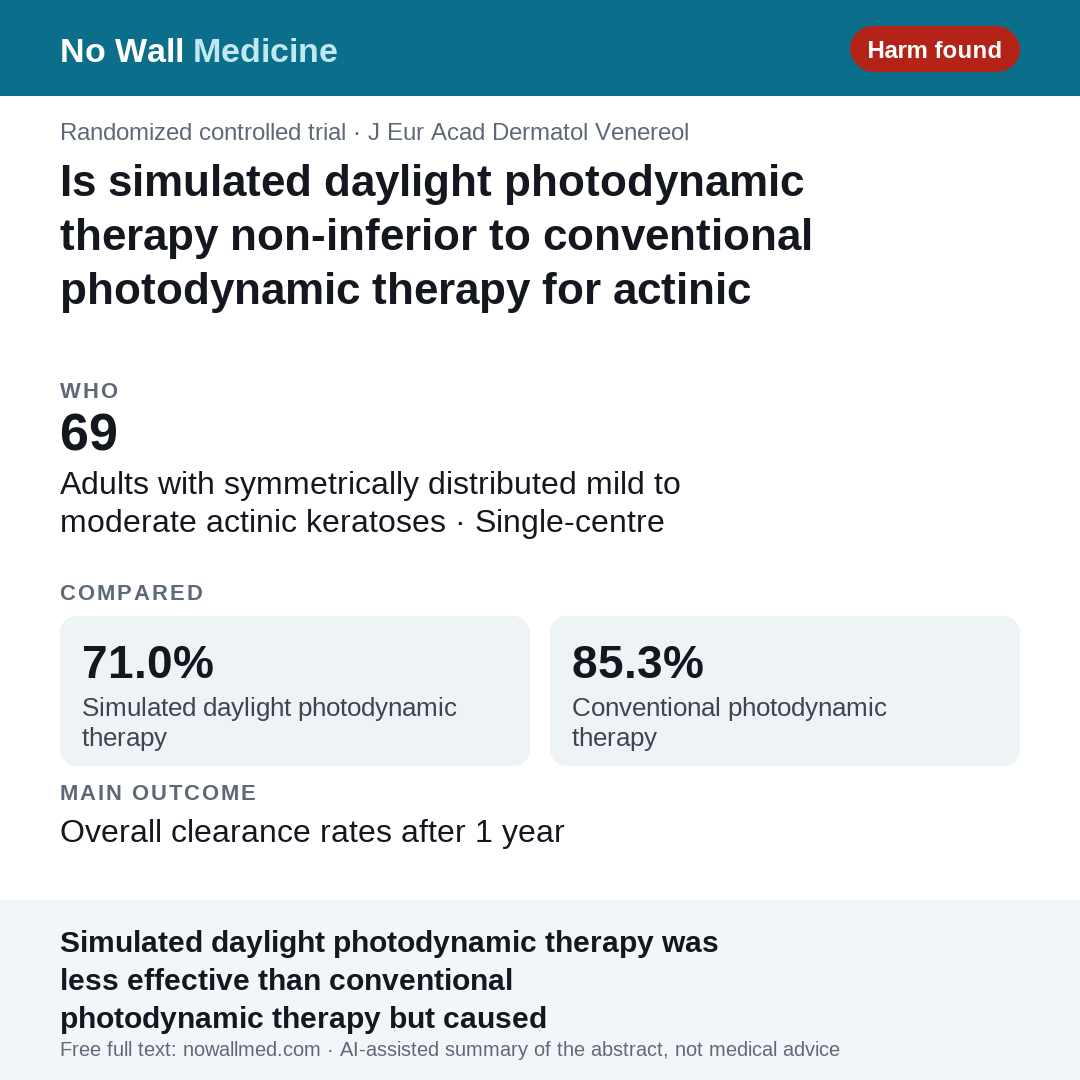
Simulated daylight versus conventional PDT for mild to moderate actinic keratoses: A randomized controlled trial
Randomized controlled trialHarm found
Is simulated daylight photodynamic therapy non-inferior to conventional photodynamic therapy for actinic keratoses?
Who
69
Adults with symmetrically distributed mild to moderate actinic keratoses · Single-centre
Compared
71.0%Simulated daylight photodynamic therapy
85.3%Conventional photodynamic therapy
Main outcome
Overall clearance rates after 1 year
Bottom line: Simulated daylight photodynamic therapy was less effective than conventional photodynamic therapy but caused significantly less pain.
J Eur Acad Dermatol Venereol · 2026-06-10Download image
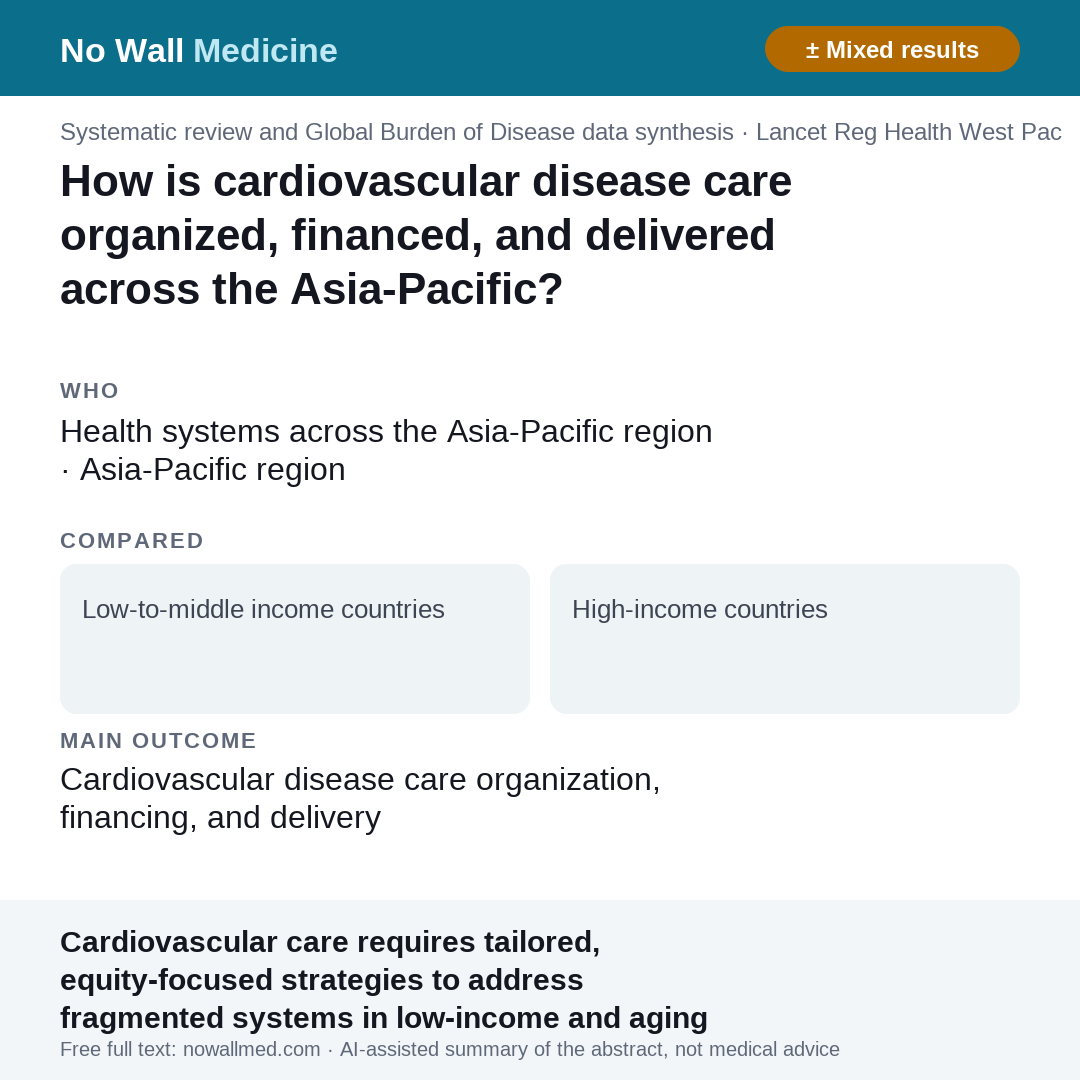
Systematic review of cardiovascular care delivery across health systems in the Asia-Pacific: a regional roadmap for strengthening cardiovascular care
Systematic review and Global Burden of Disease data synthesisMixed results
How is cardiovascular disease care organized, financed, and delivered across the Asia-Pacific?
Who
Health systems across the Asia-Pacific region · Asia-Pacific region
Compared
Low-to-middle income countries
High-income countries
Main outcome
Cardiovascular disease care organization, financing, and delivery
Bottom line: Cardiovascular care requires tailored, equity-focused strategies to address fragmented systems in low-income and aging populations in high-income countries.
Funded by: SingHealth Duke-NUS, National Medical Research Council, Stafford Fox Foundation
Lancet Reg Health West Pac · 2026-06-10Download image
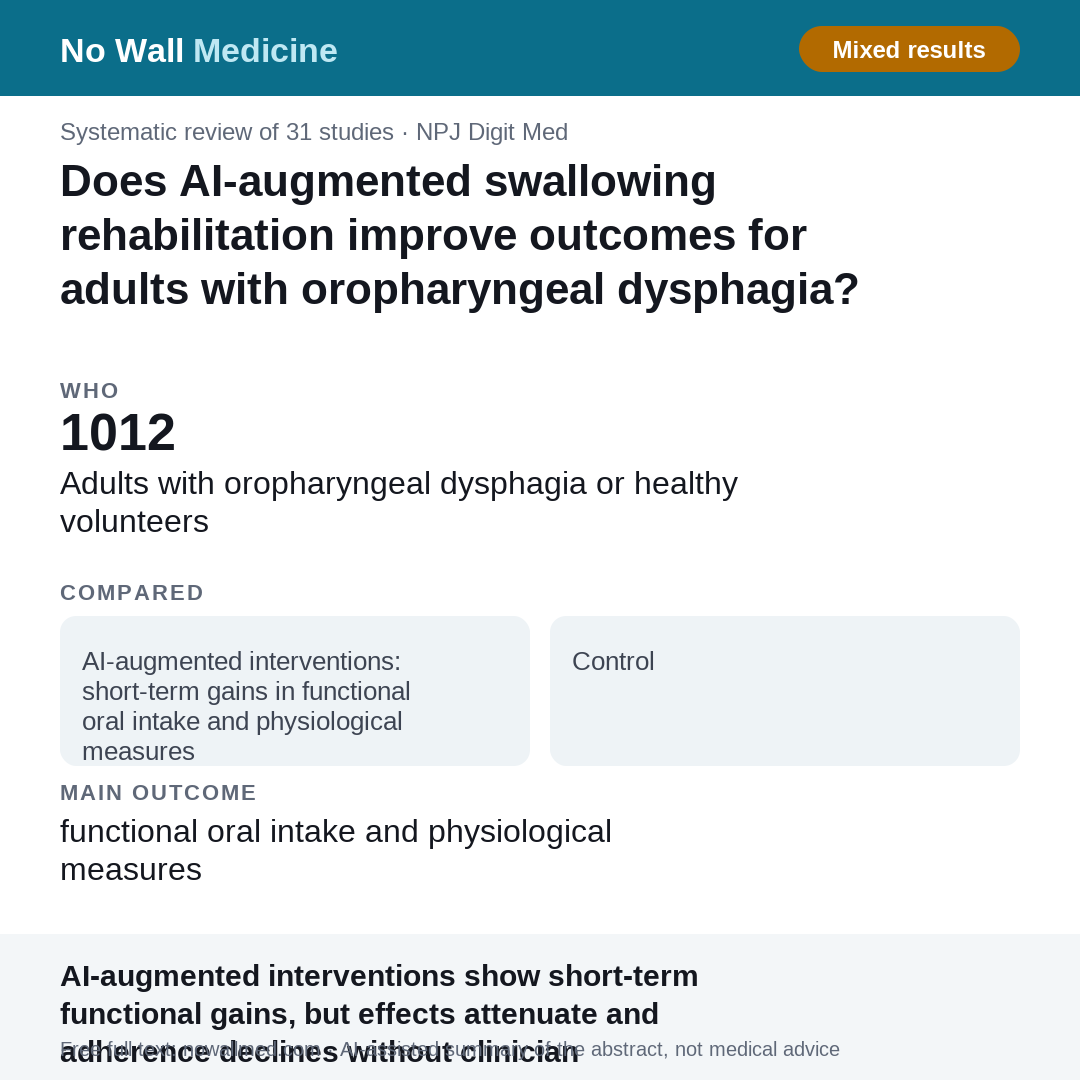
Human-AI collaboration for dysphagia rehabilitation from effectiveness to implementation complexity: a systematic review
Systematic review of 31 studiesMixed results
Does AI-augmented swallowing rehabilitation improve outcomes for adults with oropharyngeal dysphagia?
Who
1012
Adults with oropharyngeal dysphagia or healthy volunteers
Compared
AI-augmented interventions: short-term gains in functional oral intake and physiological measures
Control
Main outcome
functional oral intake and physiological measures
Bottom line: AI-augmented interventions show short-term functional gains, but effects attenuate and adherence declines without clinician supervision.
Limitation: AI algorithm performance is rated at very low certainty and validation is largely confined to healthy volunteers.
NPJ Digit Med · 2026-06-10Download image
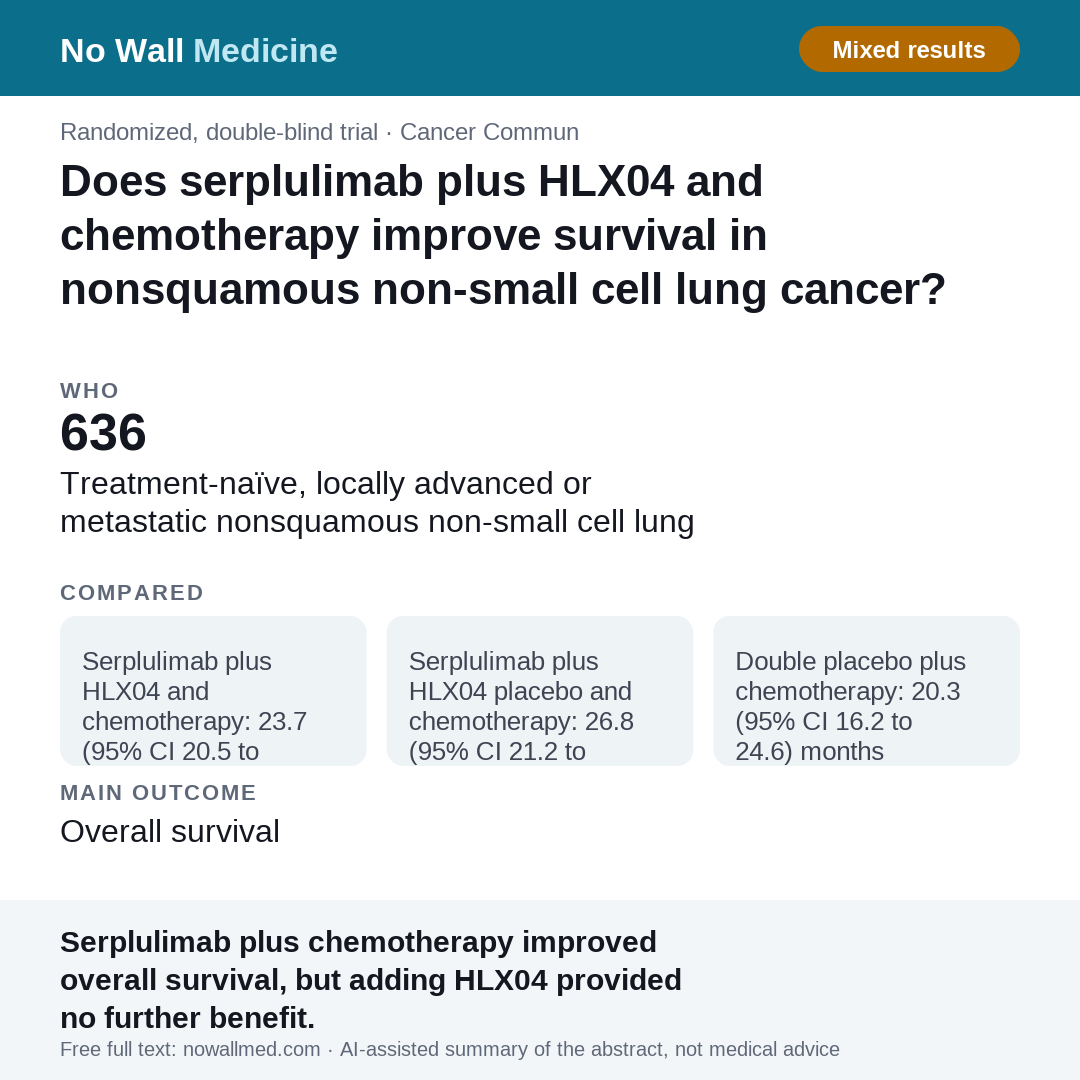
Serplulimab Plus Chemotherapy, with or without HLX04, versus Chemotherapy as First-Line Treatment for Nonsquamous NSCLC: Final Survival Analysis of the Phase III ASTRUM-002 Study
Randomized, double-blind trialMixed results
Does serplulimab plus HLX04 and chemotherapy improve survival in nonsquamous non-small cell lung cancer?
Who
636
Treatment-naïve, locally advanced or metastatic nonsquamous non-small cell lung cancer without EGFR or ALK/ROS1 alterations
Compared
Serplulimab plus HLX04 and chemotherapy: 23.7 (95% CI 20.5 to 27.5) months
Serplulimab plus HLX04 placebo and chemotherapy: 26.8 (95% CI 21.2 to 30.9) months
Double placebo plus chemotherapy: 20.3 (95% CI 16.2 to 24.6) months
Main outcome
Overall survival
Result: hazard ratio 0.66 (95% CI 0.52 to 0.83)
Bottom line: Serplulimab plus chemotherapy improved overall survival, but adding HLX04 provided no further benefit.
Cancer Commun · 2026-06-10Download image
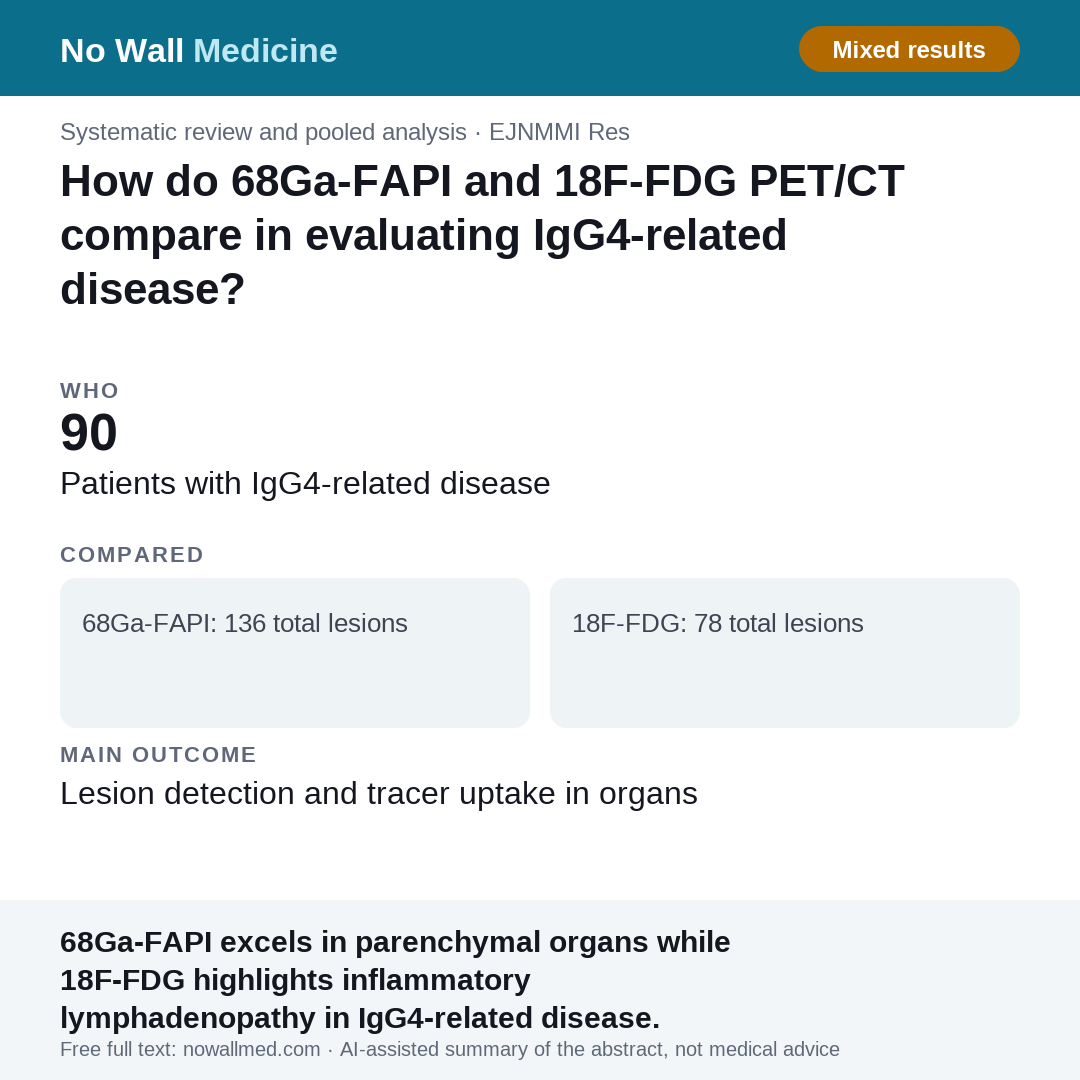
Complementary roles of 68Ga-FAPI and 18 F-FDG PET/CT in evaluating IgG4-related disease: a systematic review and pooled analysis
Systematic review and pooled analysisMixed results
How do 68Ga-FAPI and 18F-FDG PET/CT compare in evaluating IgG4-related disease?
Who
90
Patients with IgG4-related disease
Compared
68Ga-FAPI: 136 total lesions
18F-FDG: 78 total lesions
Main outcome
Lesion detection and tracer uptake in organs
Bottom line: 68Ga-FAPI excels in parenchymal organs while 18F-FDG highlights inflammatory lymphadenopathy in IgG4-related disease.
EJNMMI Res · 2026-06-10Download image
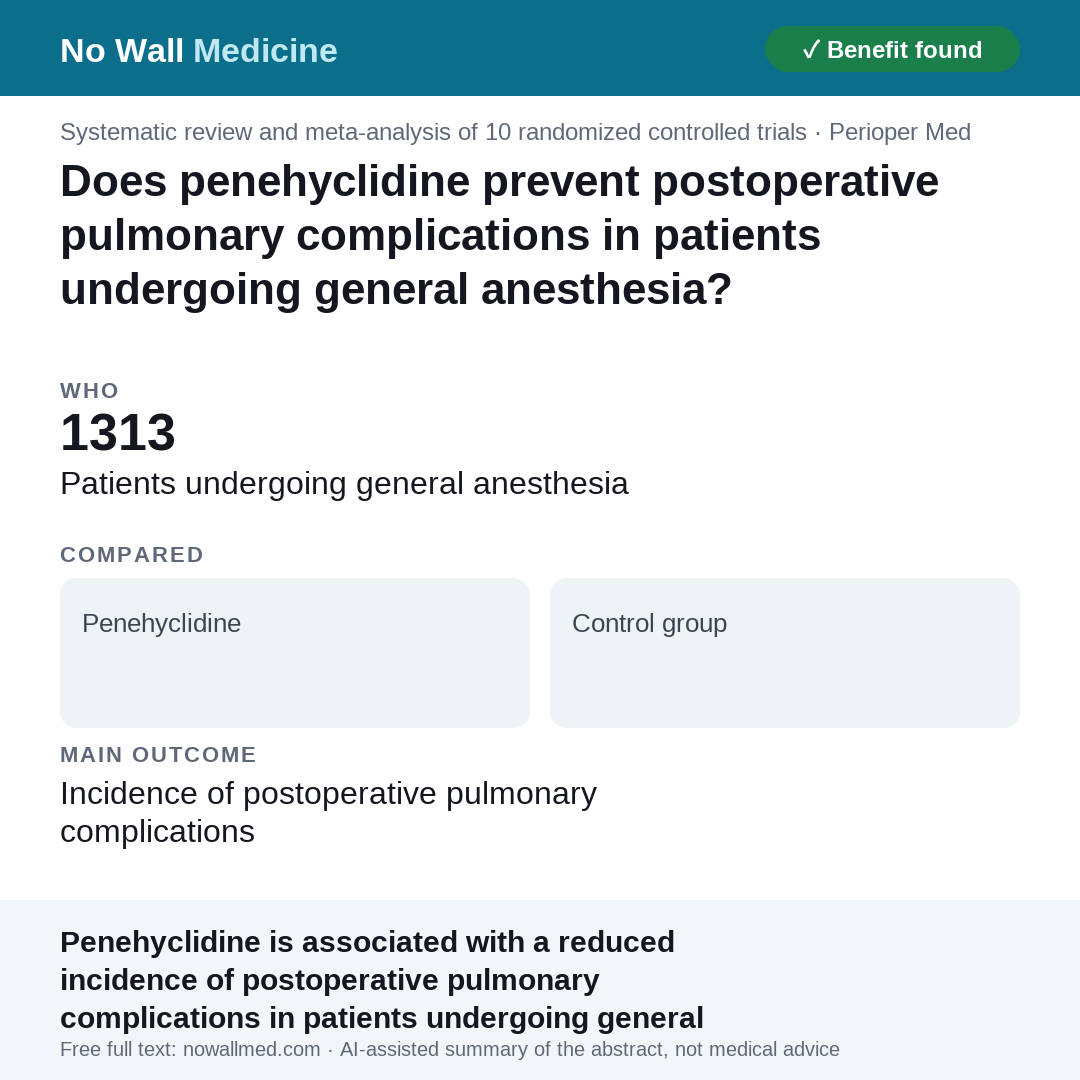
Penehyclidine in the prevention of postoperative pulmonary complications in patients after general anesthesia: a systematic review and meta-analysis
Systematic review and meta-analysis of 10 randomized controlled trialsBenefit found
Does penehyclidine prevent postoperative pulmonary complications in patients undergoing general anesthesia?
Who
1313
Patients undergoing general anesthesia
Compared
Penehyclidine
Control group
Main outcome
Incidence of postoperative pulmonary complications
Result: relative risk 0.59 (95% CI 0.44 to 0.78)
Bottom line: Penehyclidine is associated with a reduced incidence of postoperative pulmonary complications in patients undergoing general anesthesia.
Limitation: Large-scale randomized clinical trials are still required.
Perioper Med · 2026-06-10Download image
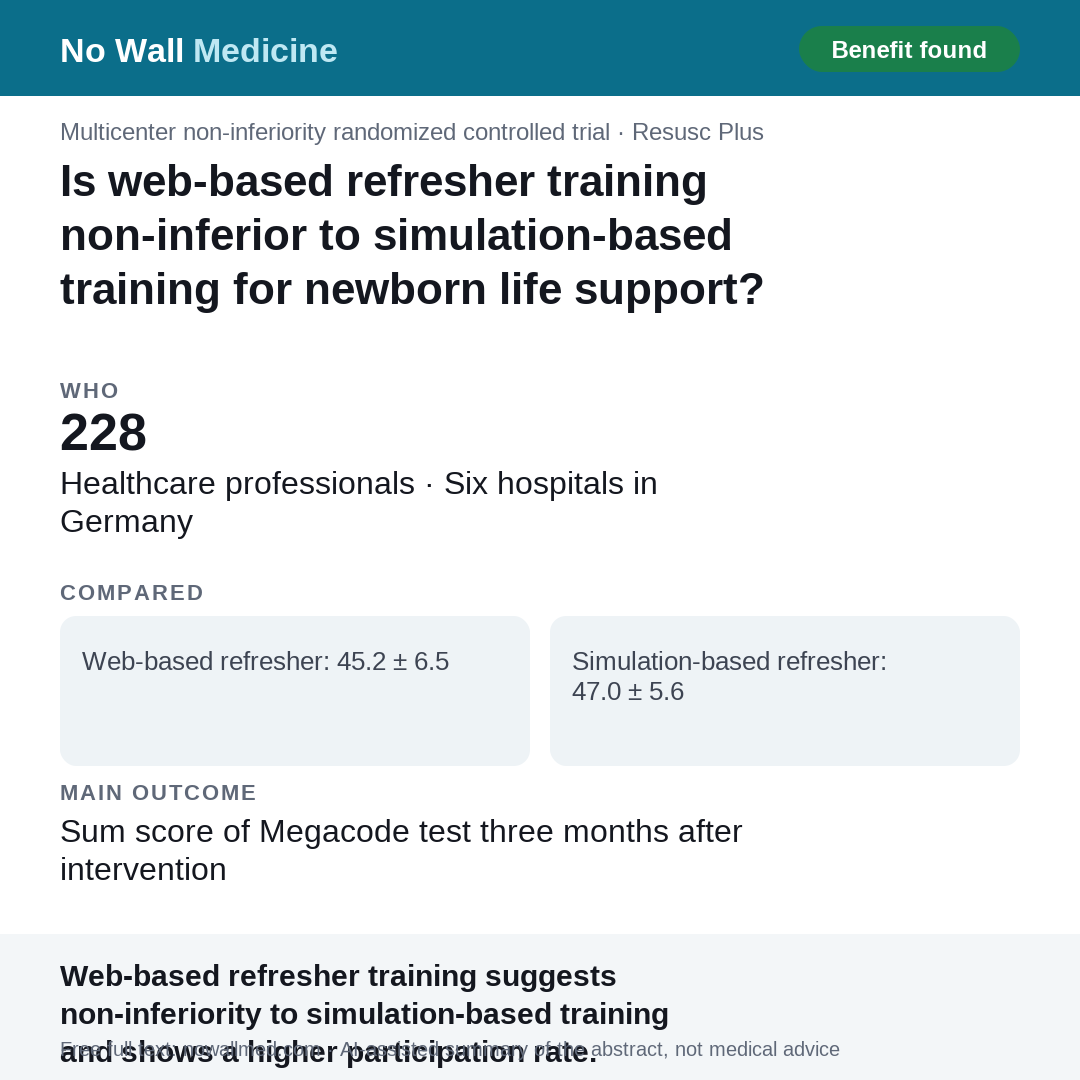
Web-based versus simulation-based refresher training in newborn life support: A randomized multicenter noninferiority controlled trial
Multicenter non-inferiority randomized controlled trialBenefit found
Is web-based refresher training non-inferior to simulation-based training for newborn life support?
Who
228
Healthcare professionals · Six hospitals in Germany
Compared
Web-based refresher: 45.2 ± 6.5
Simulation-based refresher: 47.0 ± 5.6
Main outcome
Sum score of Megacode test three months after intervention
Result: mean difference -1.7 ± 1.05 standard error (one-sided 95% CI = -3.45)
Bottom line: Web-based refresher training suggests non-inferiority to simulation-based training and shows a higher participation rate.
Resusc Plus · 2026-06-10Download image
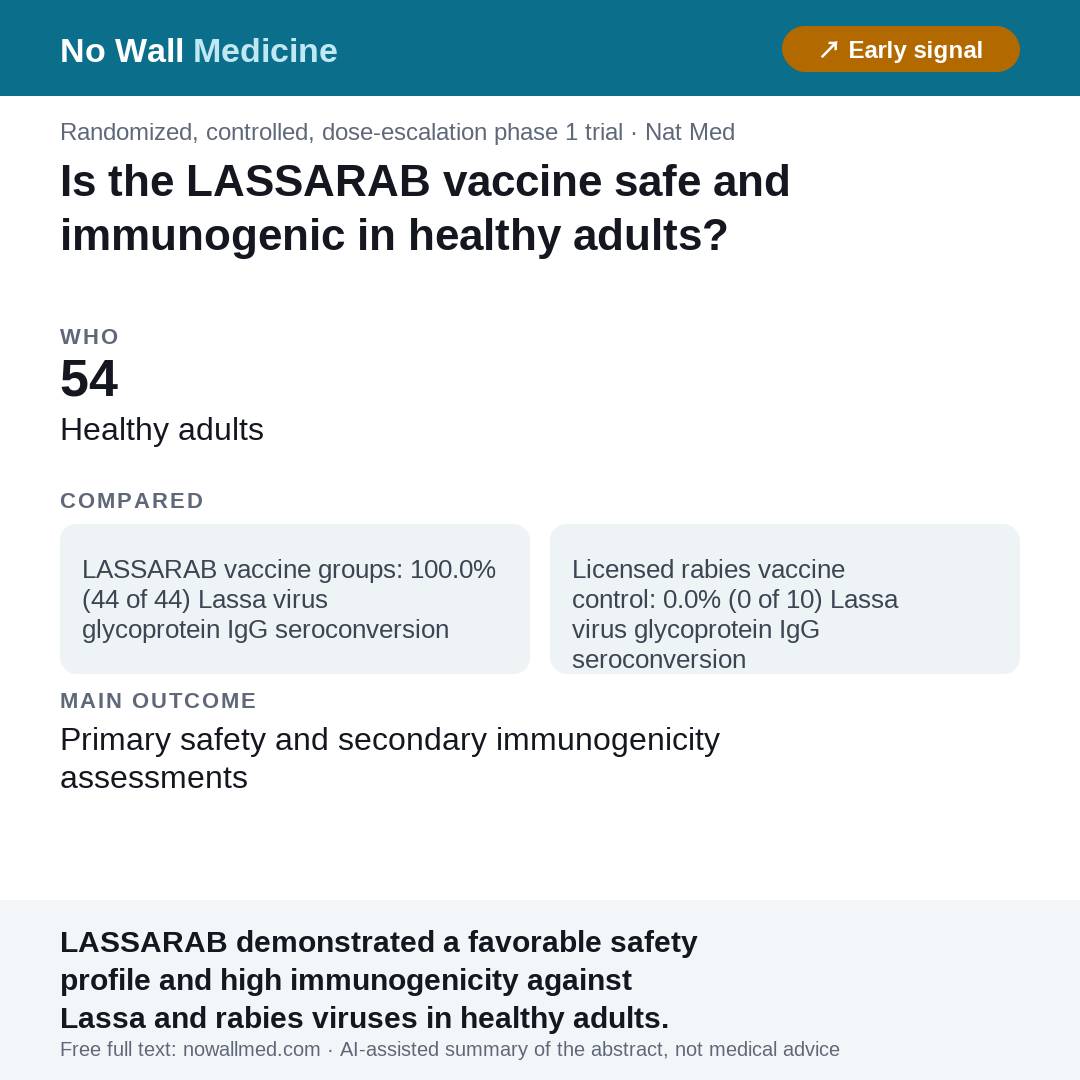
Adjuvanted inactivated rabies virus-vectored Lassa virus vaccine in healthy adults: a phase 1 trial
Randomized, controlled, dose-escalation phase 1 trialBenefit found
Is the LASSARAB vaccine safe and immunogenic in healthy adults?
Who
54
Healthy adults
Compared
LASSARAB vaccine groups: 100.0% (44 of 44) Lassa virus glycoprotein IgG seroconversion
Licensed rabies vaccine control: 0.0% (0 of 10) Lassa virus glycoprotein IgG seroconversion
Main outcome
Primary safety and secondary immunogenicity assessments
Bottom line: LASSARAB demonstrated a favorable safety profile and high immunogenicity against Lassa and rabies viruses in healthy adults.
Limitation: There were no prespecified hypotheses or formal power calculations.
Nat Med · 2026-06-09Download image
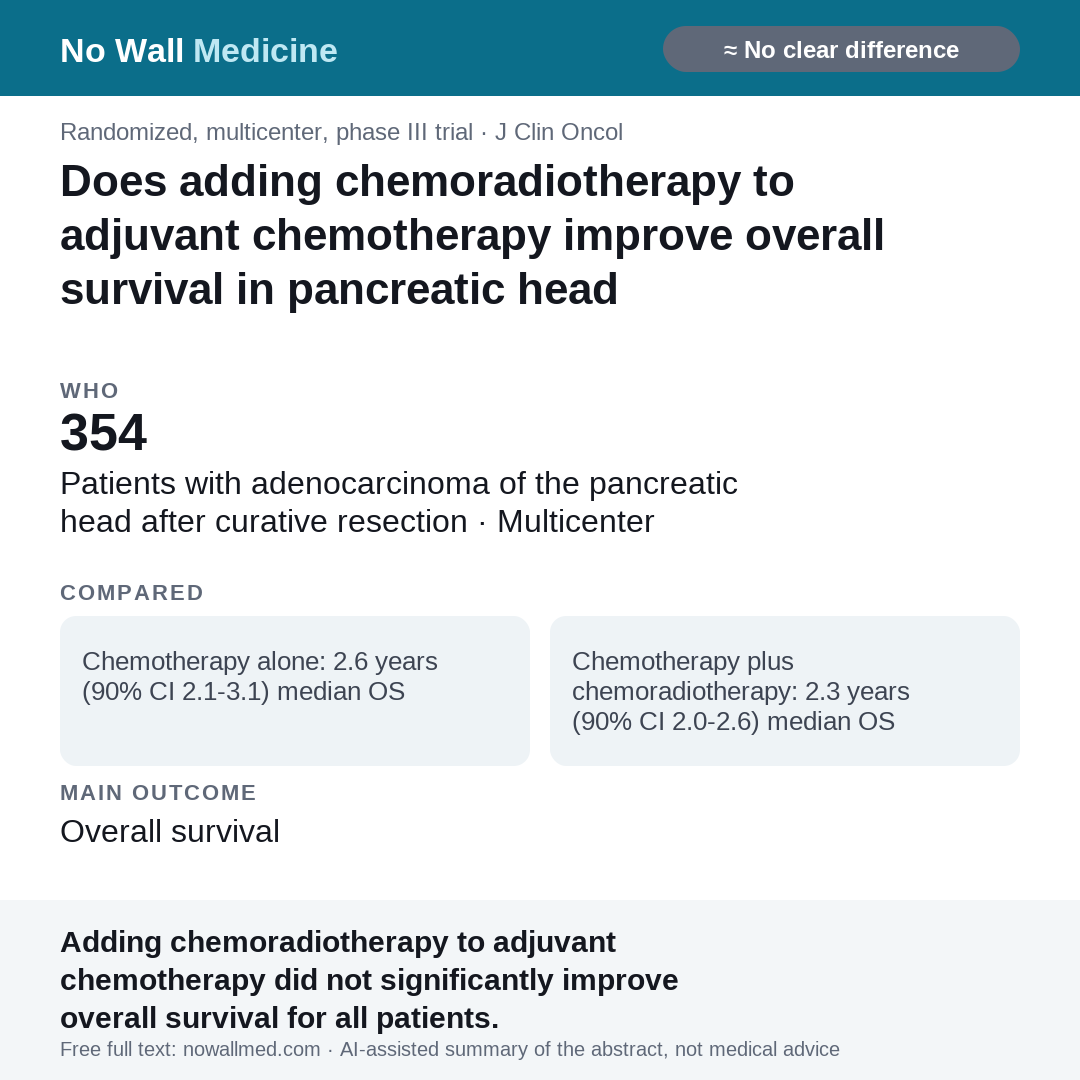
Adjuvant Chemotherapy ± Chemoradiotherapy for Adenocarcinoma of the Pancreatic Head: Results of the Radiotherapy Random Assignment of NRG Oncology/RTOG 0848
Randomized, multicenter, phase III trialNo clear difference
Does adding chemoradiotherapy to adjuvant chemotherapy improve overall survival in pancreatic head adenocarcinoma?
Who
354
Patients with adenocarcinoma of the pancreatic head after curative resection · Multicenter
Compared
Chemotherapy alone: 2.6 years (90% CI 2.1-3.1) median OS
Chemotherapy plus chemoradiotherapy: 2.3 years (90% CI 2.0-2.6) median OS
Main outcome
Overall survival
Result: hazard ratio 0.96 (90% CI 0.79 to 1.18)
Bottom line: Adding chemoradiotherapy to adjuvant chemotherapy did not significantly improve overall survival for all patients.
Limitation: The benefit of chemoradiotherapy was only observed in node-negative patients.
J Clin Oncol · 2026-06-09Download image
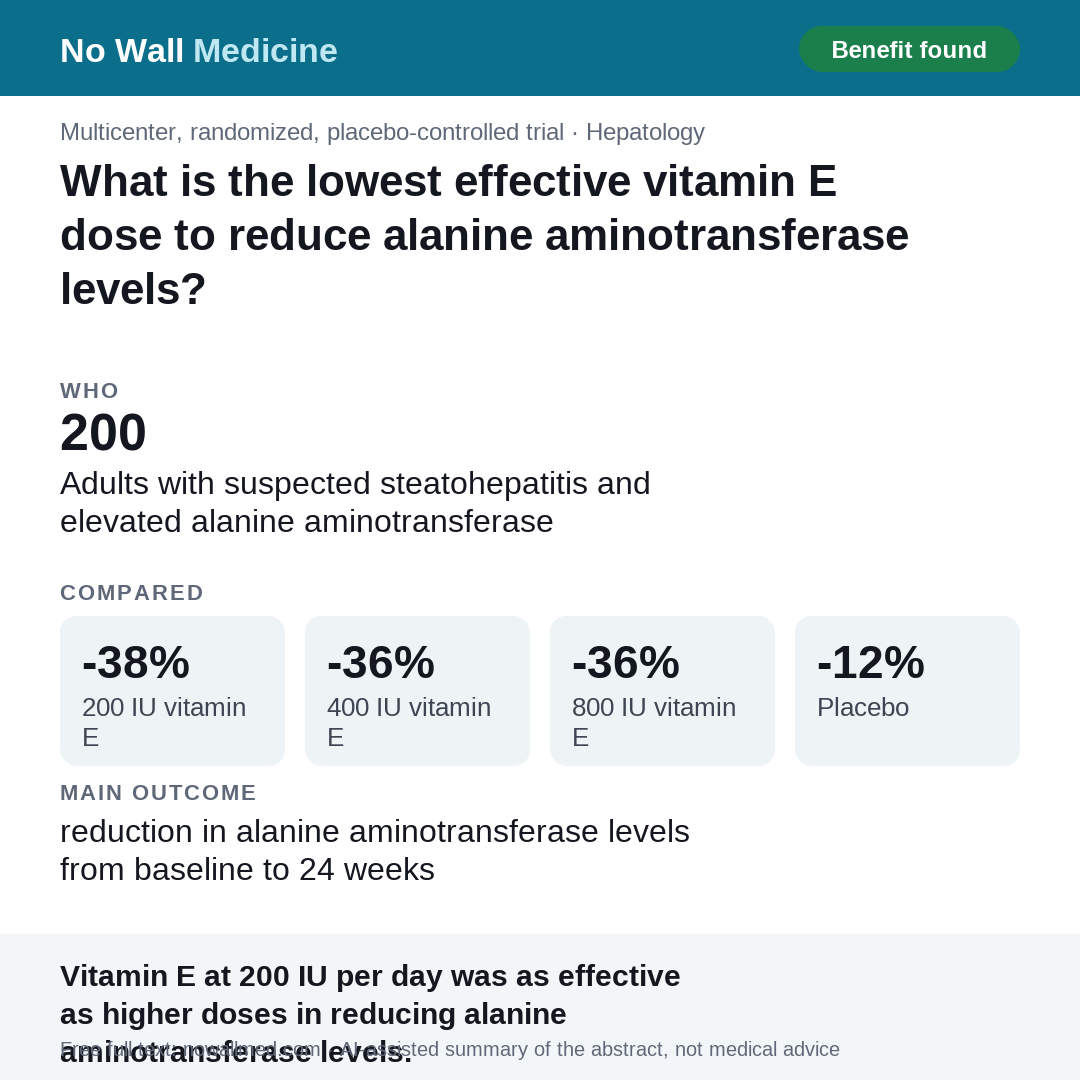
Vitamin E dosing study (VEDS) in patients with metabolic dysfunction-associated steatotic liver disease with elevated aminotransferases: A multicenter, randomized, placebo-controlled trial
Multicenter, randomized, placebo-controlled trialBenefit found
What is the lowest effective vitamin E dose to reduce alanine aminotransferase levels?
Who
200
Adults with suspected steatohepatitis and elevated alanine aminotransferase
Compared
-38%200 IU vitamin E
-36%400 IU vitamin E
-36%800 IU vitamin E
-12%Placebo
Main outcome
reduction in alanine aminotransferase levels from baseline to 24 weeks
Bottom line: Vitamin E at 200 IU per day was as effective as higher doses in reducing alanine aminotransferase levels.
Hepatology · 2026-06-09Download image
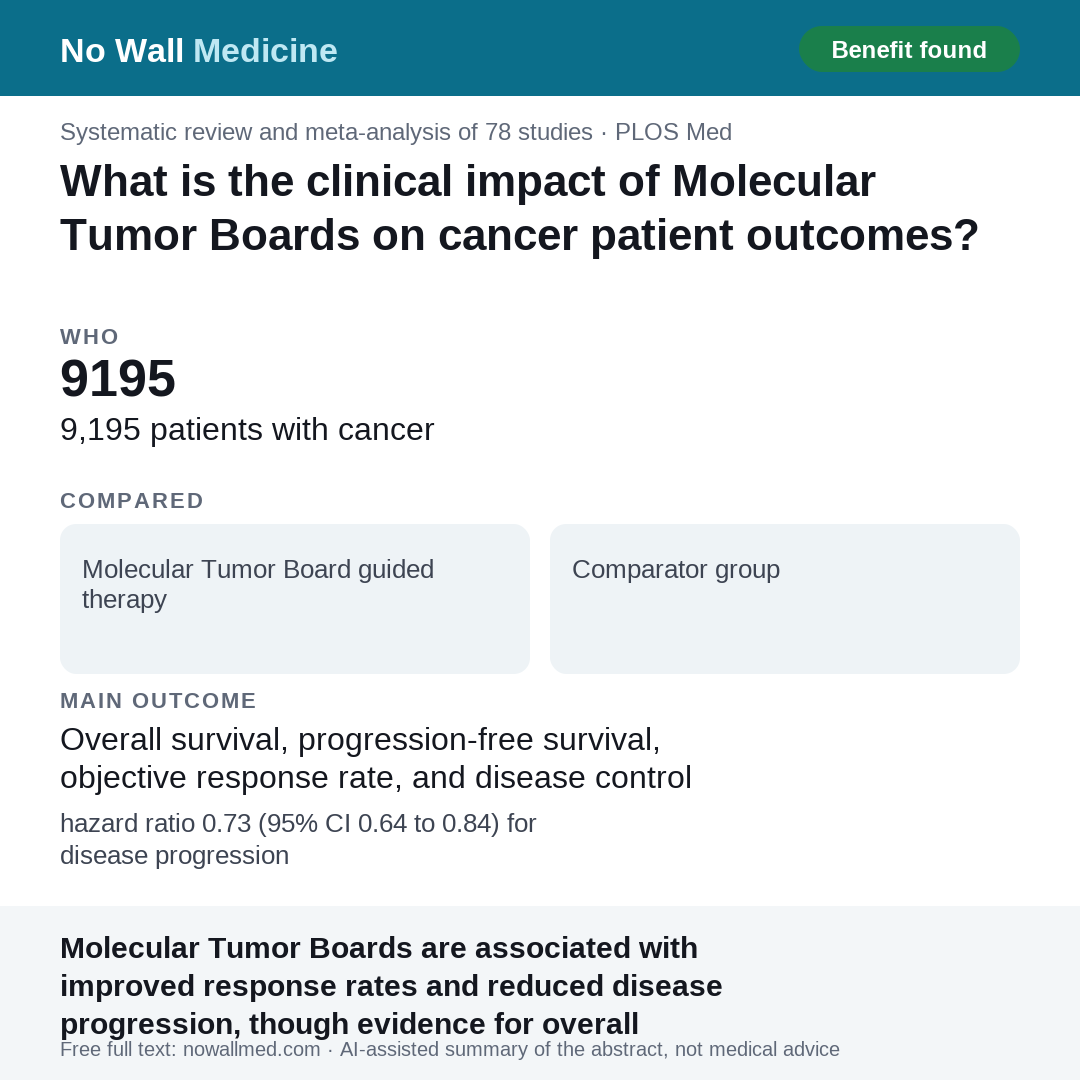
Molecular Tumor Boards clinical impact on patient care and structural features: A systematic review and meta-analysis
Systematic review and meta-analysis of 78 studiesBenefit found
What is the clinical impact of Molecular Tumor Boards on cancer patient outcomes?
Who
9195
9,195 patients with cancer
Compared
Molecular Tumor Board guided therapy
Comparator group
Main outcome
Overall survival, progression-free survival, objective response rate, and disease control rate
Result: hazard ratio 0.73 (95% CI 0.64 to 0.84) for disease progression
Bottom line: Molecular Tumor Boards are associated with improved response rates and reduced disease progression, though evidence for overall survival is limited.
Limitation: Substantial heterogeneity, predominance of non-randomized studies with serious risk of bias, and data reporting limitations.
PLOS Med · 2026-06-09Download image
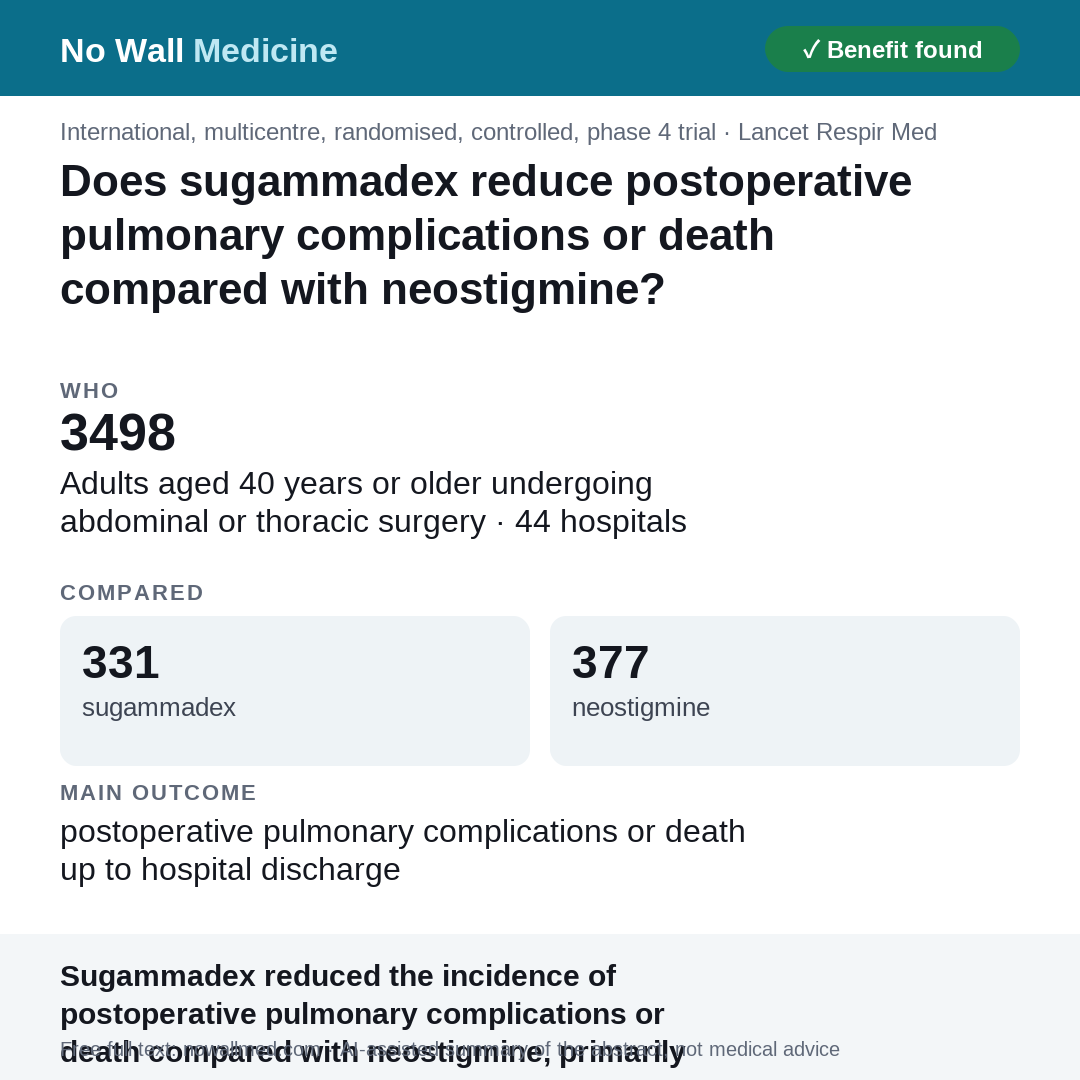
Sugammadex versus neostigmine for reversal of neuromuscular blockade and postoperative pulmonary complications (SNaPP): an international, randomised, controlled, phase 4 trial
International, multicentre, randomised, controlled, phase 4 trialBenefit found
Does sugammadex reduce postoperative pulmonary complications or death compared with neostigmine?
Who
3498
Adults aged 40 years or older undergoing abdominal or thoracic surgery · 44 hospitals in Australia, Aotearoa New Zealand, and Hong Kong
Compared
331sugammadex (19·0%)
377neostigmine (21·5%)
Main outcome
postoperative pulmonary complications or death up to hospital discharge
Result: risk ratio 0·88 (95% CI 0·77-1·00)
Bottom line: Sugammadex reduced the incidence of postoperative pulmonary complications or death compared with neostigmine, primarily driven by reduced atelectasis.
Funded by: Australian Medical Research Future Fund and Hong Kong Health and Medical Research Fund
Lancet Respir Med · 2026-06-09Download image
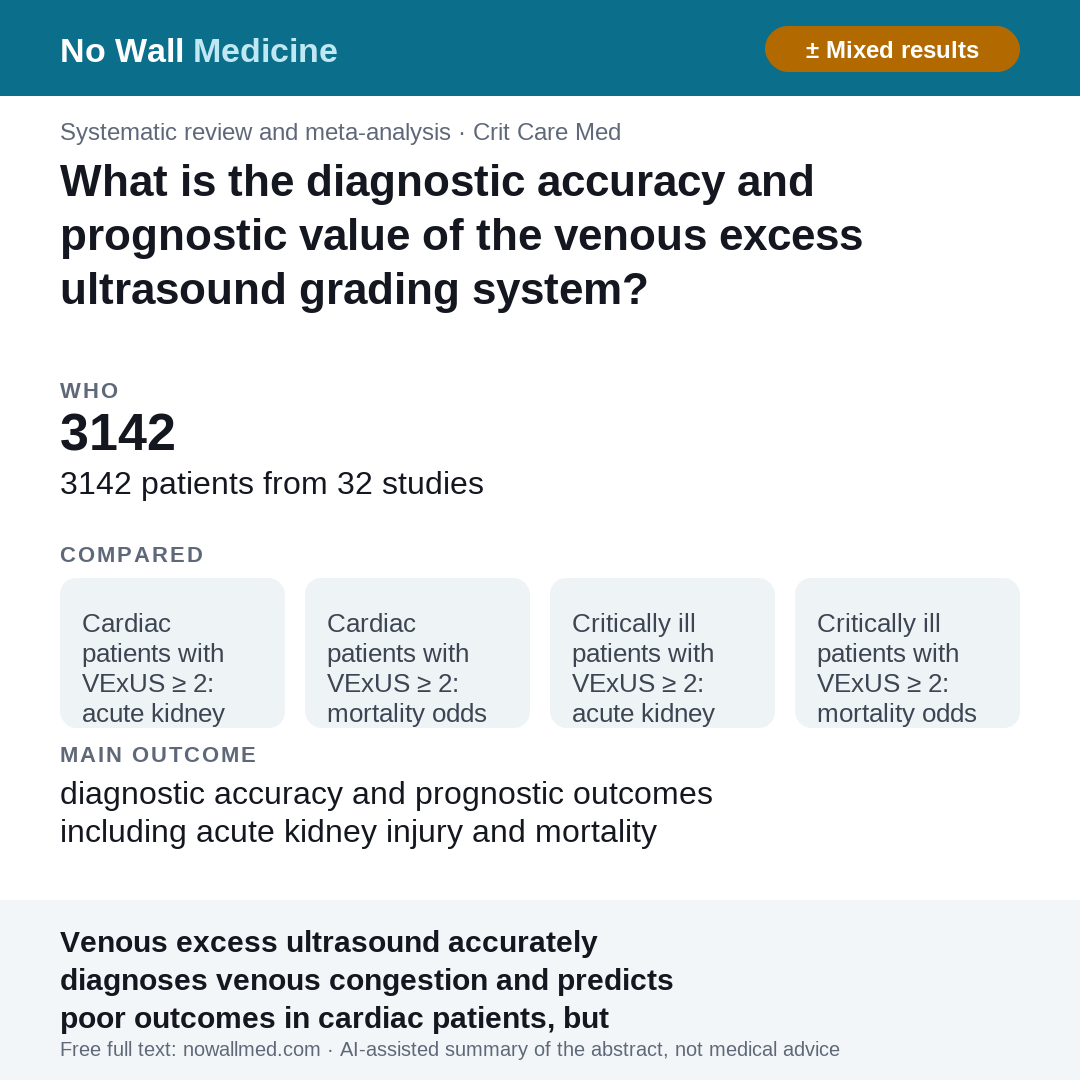
Diagnostic and Prognostic Value of the Venous Excess Ultrasound Grading System (VExUS): A Systematic Review and Meta-Analysis
Systematic review and meta-analysisMixed results
What is the diagnostic accuracy and prognostic value of the venous excess ultrasound grading system?
Who
3142
3142 patients from 32 studies
Compared
Cardiac patients with VExUS ≥ 2: acute kidney injury odds ratio 4.44 (95% CI 2.34-8.43)
Cardiac patients with VExUS ≥ 2: mortality odds ratio 3.17 (95% CI 1.30-7.75)
Critically ill patients with VExUS ≥ 2: acute kidney injury odds ratio 1.45 (95% CI 0.70-2.99)
Critically ill patients with VExUS ≥ 2: mortality odds ratio 1.25 (95% CI 0.77-2.03)
Main outcome
diagnostic accuracy and prognostic outcomes including acute kidney injury and mortality
Bottom line: Venous excess ultrasound accurately diagnoses venous congestion and predicts poor outcomes in cardiac patients, but results are unclear for critically ill patients.
Limitation: No meta-analysis could be performed for the diagnostic studies.
Crit Care Med · 2026-06-09Download image
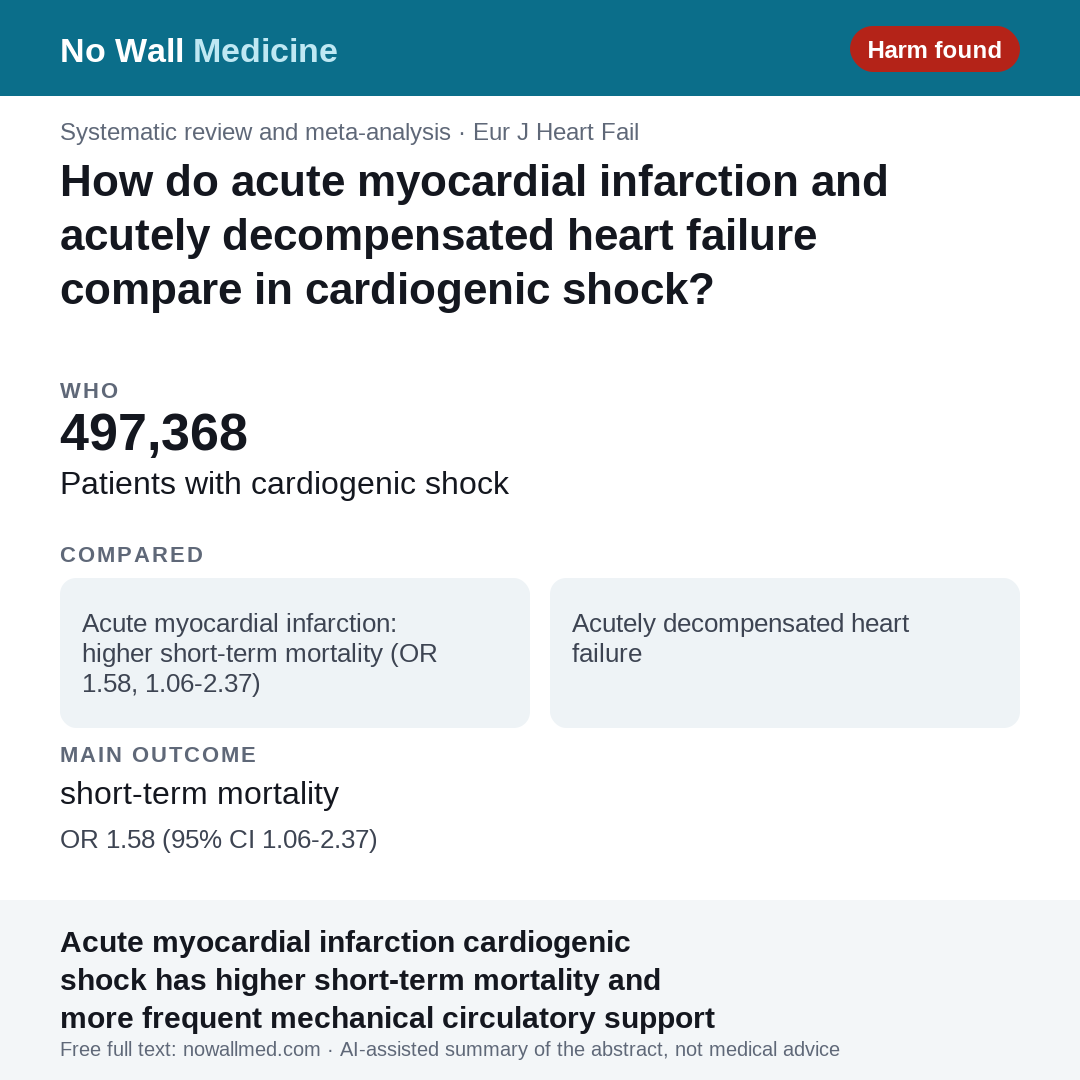
Acute Myocardial Infarction versus Acute Decompensated Heart Failure in Cardiogenic Shock: A Systematic Review and Meta-Analysis of Clinical Phenotypes and Mortality
Systematic review and meta-analysisHarm found
How do acute myocardial infarction and acutely decompensated heart failure compare in cardiogenic shock?
Who
497,368
Patients with cardiogenic shock
Compared
Acute myocardial infarction: higher short-term mortality (OR 1.58, 1.06-2.37)
Acutely decompensated heart failure
Main outcome
short-term mortality
Result: OR 1.58 (95% CI 1.06-2.37)
Bottom line: Acute myocardial infarction cardiogenic shock has higher short-term mortality and more frequent mechanical circulatory support than heart failure cardiogenic shock.
Limitation: Phenotype-defining variables were extractable in less than 1.1% of the pooled cohort.
Eur J Heart Fail · 2026-06-09Download image
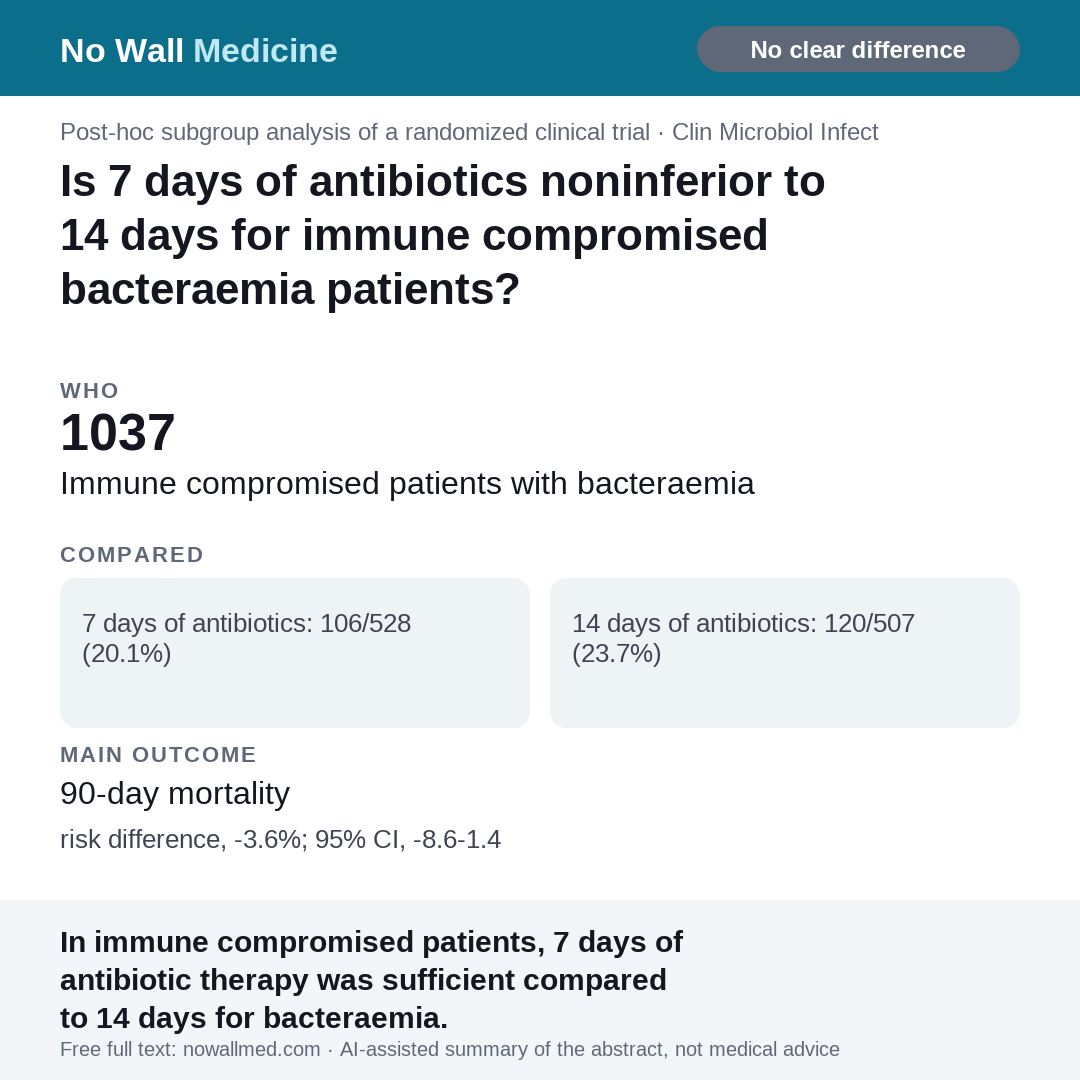
Duration of antibiotic therapy for bacteraemia in immune compromised hosts-a post-hoc subgroup analysis of the Bacteremia Antibiotic Length Actually Needed For Clinical Effectiveness (BALANCE) randomized clinical trial
Post-hoc subgroup analysis of a randomized clinical trialNo clear difference
Is 7 days of antibiotics noninferior to 14 days for immune compromised bacteraemia patients?
Who
1037
Immune compromised patients with bacteraemia
Compared
7 days of antibiotics: 106/528 (20.1%)
14 days of antibiotics: 120/507 (23.7%)
Main outcome
90-day mortality
Result: risk difference, -3.6%; 95% CI, -8.6-1.4
Bottom line: In immune compromised patients, 7 days of antibiotic therapy was sufficient compared to 14 days for bacteraemia.
Limitation: This was a post-hoc subgroup analysis.
Clin Microbiol Infect · 2026-06-09Download image