Visual abstracts
New randomized trials and meta-analyses from leading journals at a glance: who was studied, what was compared, and what was found. Every paper is free to read in full.
All specialtiesCardiology 4877Oncology 4138Gastroenterology & Hepatology 1942Infectious Disease 3837Neurology 1905Psychiatry & Mental Health 2273Pulmonology 2143Critical Care 1365Endocrinology & Diabetes 2580Pediatrics 2980Surgery 2559Orthopedics & Sports Medicine 931Neurosurgery 537Cardiothoracic & Vascular Surgery 674Plastic & Reconstructive Surgery 591Nephrology 1133Rheumatology 823Hematology 1109Dermatology 621Ophthalmology 543Obstetrics & Gynecology 1686Public & Global Health 1058Radiology & Imaging 648Anesthesiology 986Urology 764ENT (Otolaryngology) 503Emergency Medicine 511Allergy & Immunology 313Geriatrics 981Family Medicine & Primary Care 562Medical Genetics & Genomics 676Pathology & Laboratory Medicine 159Physical Medicine & Rehabilitation 757Palliative Care 444Nutrition 1588Digital Health & AI 2201General Medicine 321
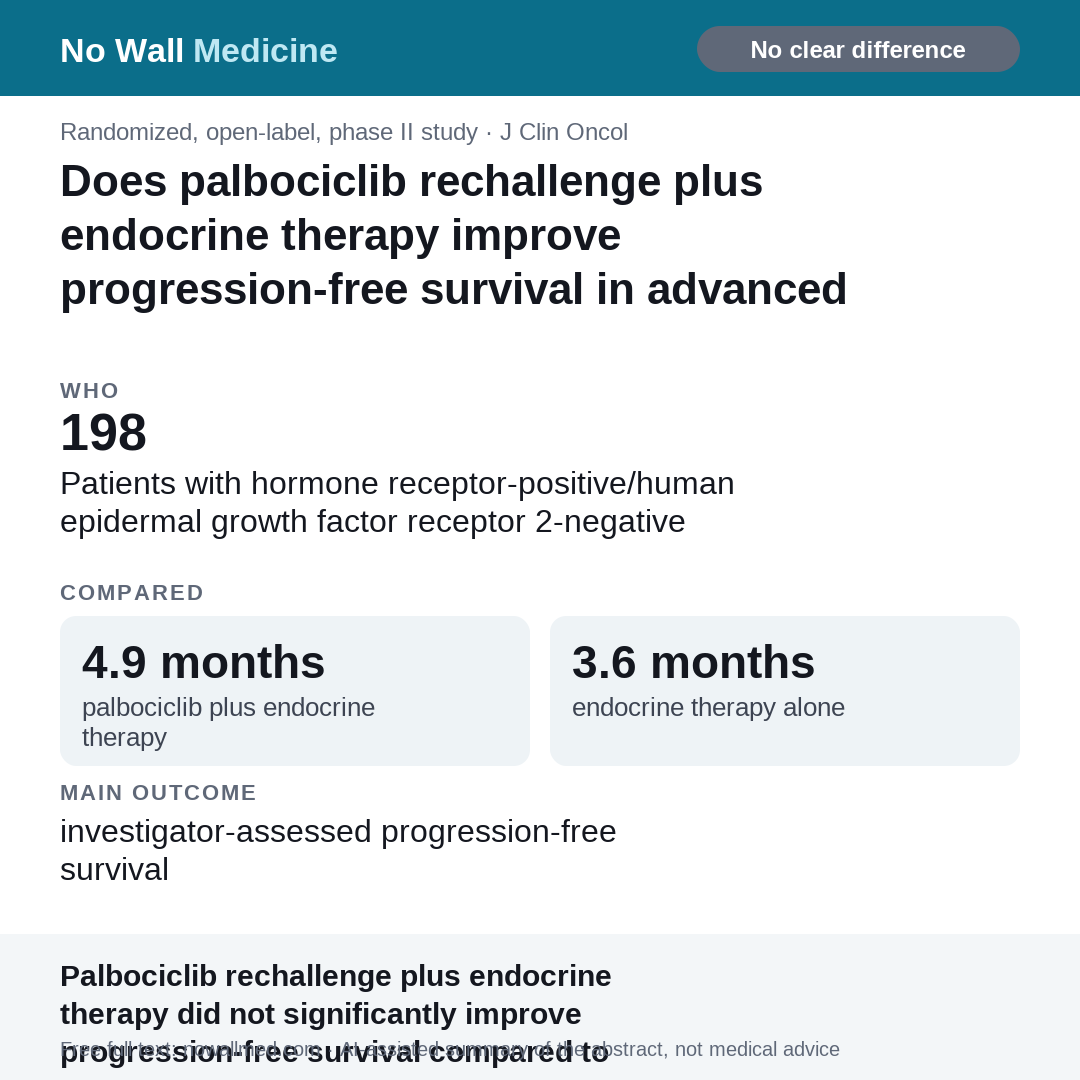
Second-Line Endocrine Therapy With or Without Palbociclib Rechallenge in Patients With Hormone Receptor-Positive/Human Epidermal Growth Factor Receptor 2-Negative Advanced Breast Cancer: PALMIRA Trial
Randomized, open-label, phase II studyNo clear difference
Does palbociclib rechallenge plus endocrine therapy improve progression-free survival in advanced breast cancer?
Who
198
Patients with hormone receptor-positive/human epidermal growth factor receptor 2-negative advanced breast cancer · International
Compared
4.9 monthspalbociclib plus endocrine therapy
3.6 monthsendocrine therapy alone
Main outcome
investigator-assessed progression-free survival
Result: hazard ratio 0.84 (95% CI 0.66 to 1.07)
Bottom line: Palbociclib rechallenge plus endocrine therapy did not significantly improve progression-free survival compared to endocrine therapy alone.
J Clin Oncol · 2025-04-28Download image
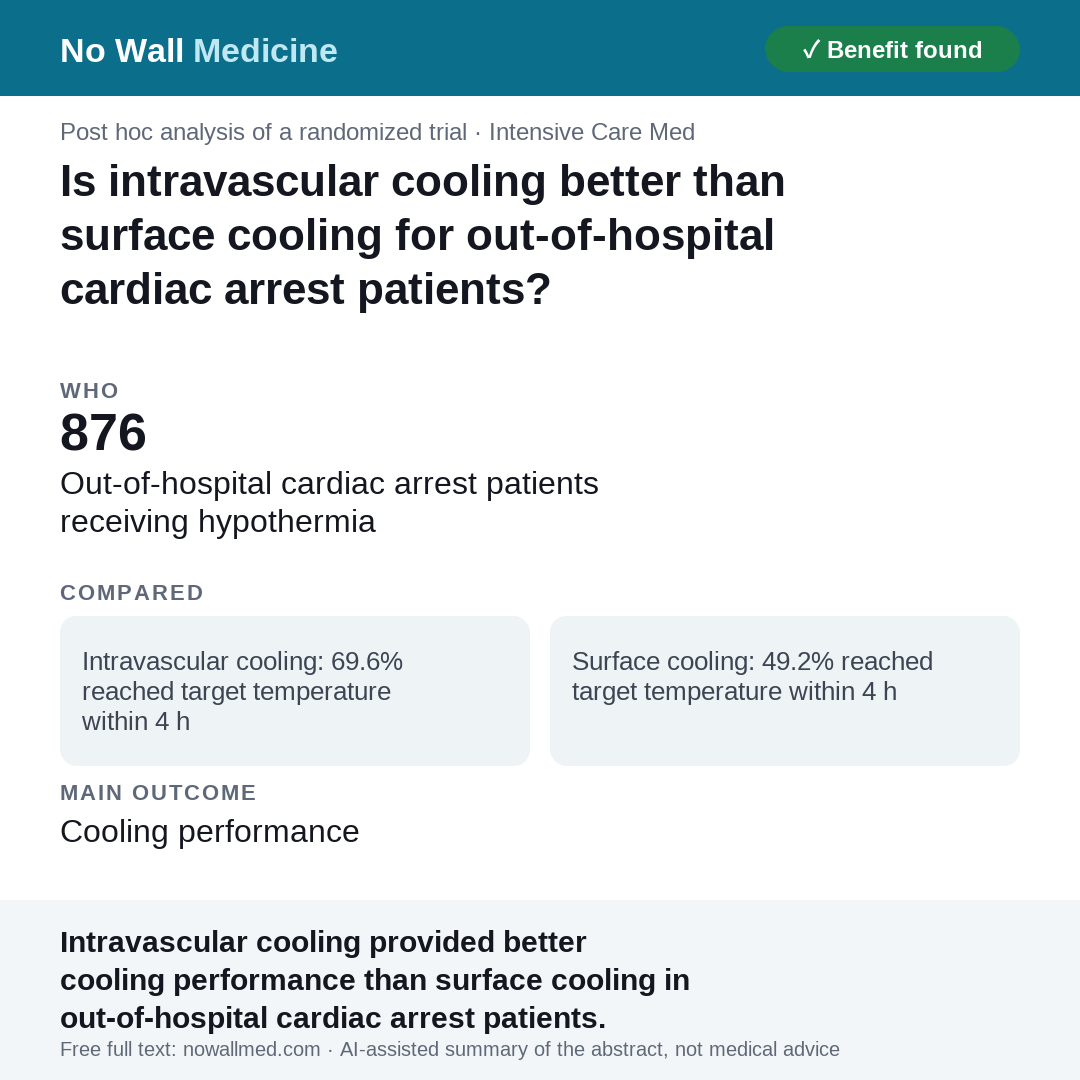
Intravascular vs. surface cooling in out-of-hospital cardiac arrest patients receiving hypothermia after hospital arrival: a post hoc analysis of the TTM2 trial
Post hoc analysis of a randomized trialBenefit found
Is intravascular cooling better than surface cooling for out-of-hospital cardiac arrest patients?
Who
876
Out-of-hospital cardiac arrest patients receiving hypothermia
Compared
Intravascular cooling: 69.6% reached target temperature within 4 h
Surface cooling: 49.2% reached target temperature within 4 h
Main outcome
Cooling performance
Bottom line: Intravascular cooling provided better cooling performance than surface cooling in out-of-hospital cardiac arrest patients.
Intensive Care Med · 2025-04-28Download image
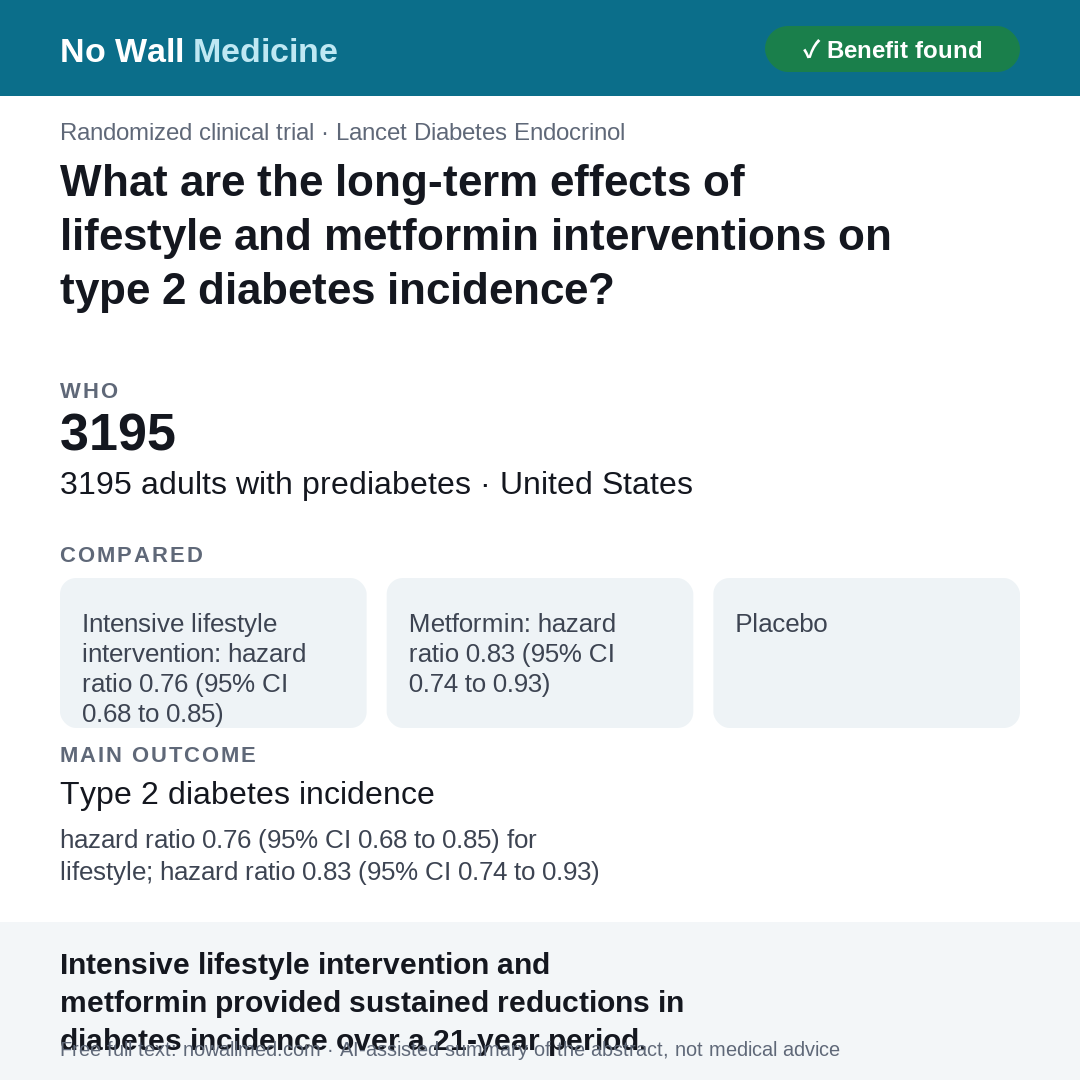
Long-term effects and effect heterogeneity of lifestyle and metformin interventions on type 2 diabetes incidence over 21 years in the US Diabetes Prevention Program randomised clinical trial
Randomized clinical trialBenefit found
What are the long-term effects of lifestyle and metformin interventions on type 2 diabetes incidence?
Who
3195
3195 adults with prediabetes · United States
Compared
Intensive lifestyle intervention: hazard ratio 0.76 (95% CI 0.68 to 0.85)
Metformin: hazard ratio 0.83 (95% CI 0.74 to 0.93)
Placebo
Main outcome
Type 2 diabetes incidence
Result: hazard ratio 0.76 (95% CI 0.68 to 0.85) for lifestyle; hazard ratio 0.83 (95% CI 0.74 to 0.93) for metformin
Bottom line: Intensive lifestyle intervention and metformin provided sustained reductions in diabetes incidence over a 21-year period.
Funded by: US National Institute of Diabetes and Digestive and Kidney Diseases
Lancet Diabetes Endocrinol · 2025-04-28Download image
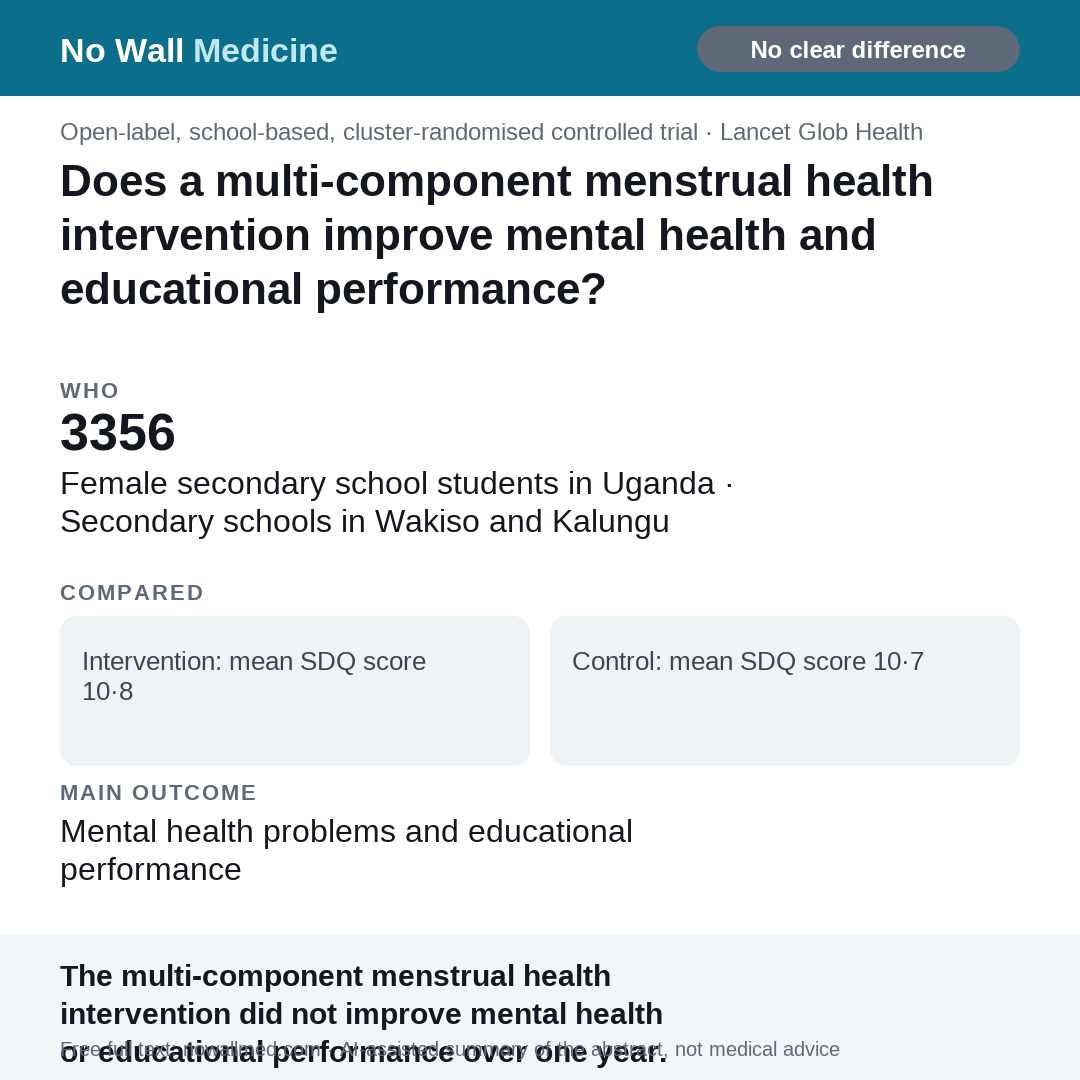
Effects and costs of a multi-component menstrual health intervention (MENISCUS) on mental health problems, educational performance, and menstrual health in Ugandan secondary schools: an open-label, school-based, cluster-randomised controlled trial
Open-label, school-based, cluster-randomised controlled trialNo clear difference
Does a multi-component menstrual health intervention improve mental health and educational performance?
Who
3356
Female secondary school students in Uganda · Secondary schools in Wakiso and Kalungu districts, Uganda
Compared
Intervention: mean SDQ score 10·8
Control: mean SDQ score 10·7
Main outcome
Mental health problems and educational performance
Result: adjusted mean difference 0·05 (95% CI -0·40 to 0·50) for mental health
Bottom line: The multi-component menstrual health intervention did not improve mental health or educational performance over one year.
Funded by: UK Foreign, Commonwealth and Development Office; Medical Research Council; DHSC; Wellcome
Lancet Glob Health · 2025-04-28Download image
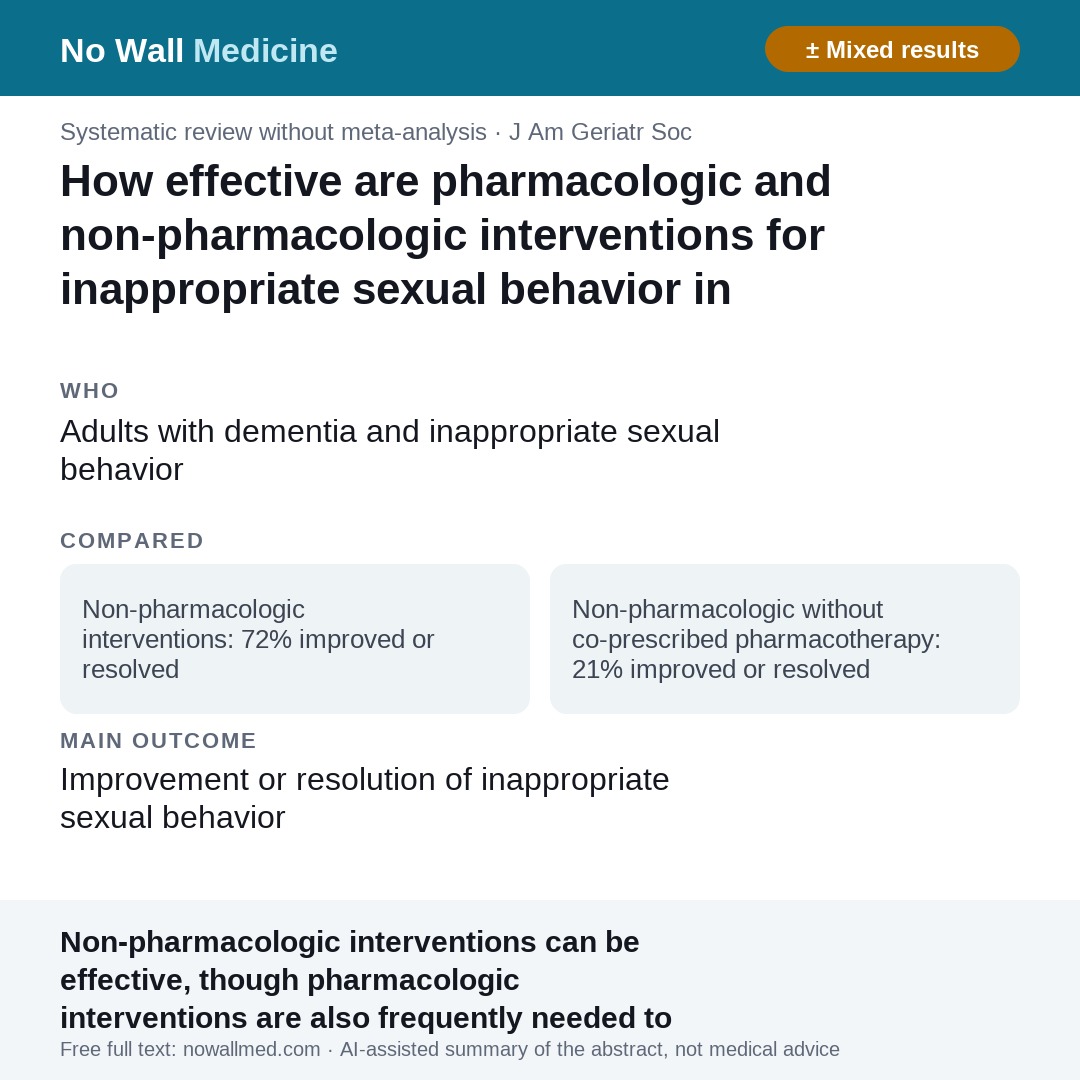
Treatment of Inappropriate Sexual Behavior in Persons With Dementia: A Systematic Review
Systematic review without meta-analysisMixed results
How effective are pharmacologic and non-pharmacologic interventions for inappropriate sexual behavior in dementia?
Who
Adults with dementia and inappropriate sexual behavior
Compared
Non-pharmacologic interventions: 72% improved or resolved
Non-pharmacologic without co-prescribed pharmacotherapy: 21% improved or resolved
Main outcome
Improvement or resolution of inappropriate sexual behavior
Bottom line: Non-pharmacologic interventions can be effective, though pharmacologic interventions are also frequently needed to manage inappropriate sexual behavior.
Limitation: Only one randomized controlled trial was included in the review.
J Am Geriatr Soc · 2025-04-28Download image
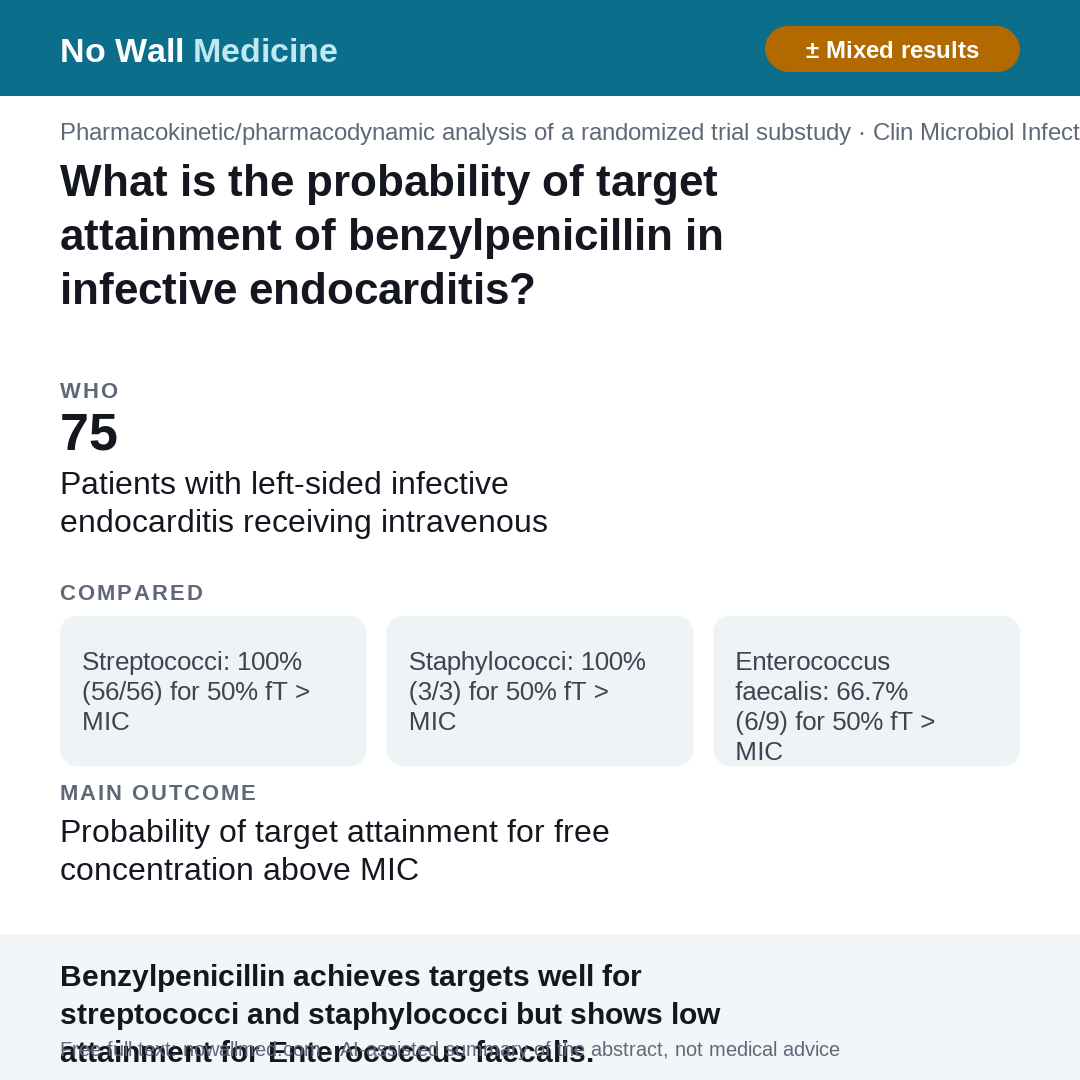
Target attainment of benzylpenicillin in patients with infective endocarditis
Pharmacokinetic/pharmacodynamic analysis of a randomized trial substudyMixed results
What is the probability of target attainment of benzylpenicillin in infective endocarditis?
Who
75
Patients with left-sided infective endocarditis receiving intravenous benzylpenicillin
Compared
Streptococci: 100% (56/56) for 50% fT > MIC
Staphylococci: 100% (3/3) for 50% fT > MIC
Enterococcus faecalis: 66.7% (6/9) for 50% fT > MIC
Main outcome
Probability of target attainment for free concentration above MIC
Bottom line: Benzylpenicillin achieves targets well for streptococci and staphylococci but shows low attainment for Enterococcus faecalis.
Limitation: Low individual target attainment in patients with Enterococcus faecalis.
Clin Microbiol Infect · 2025-04-28Download image
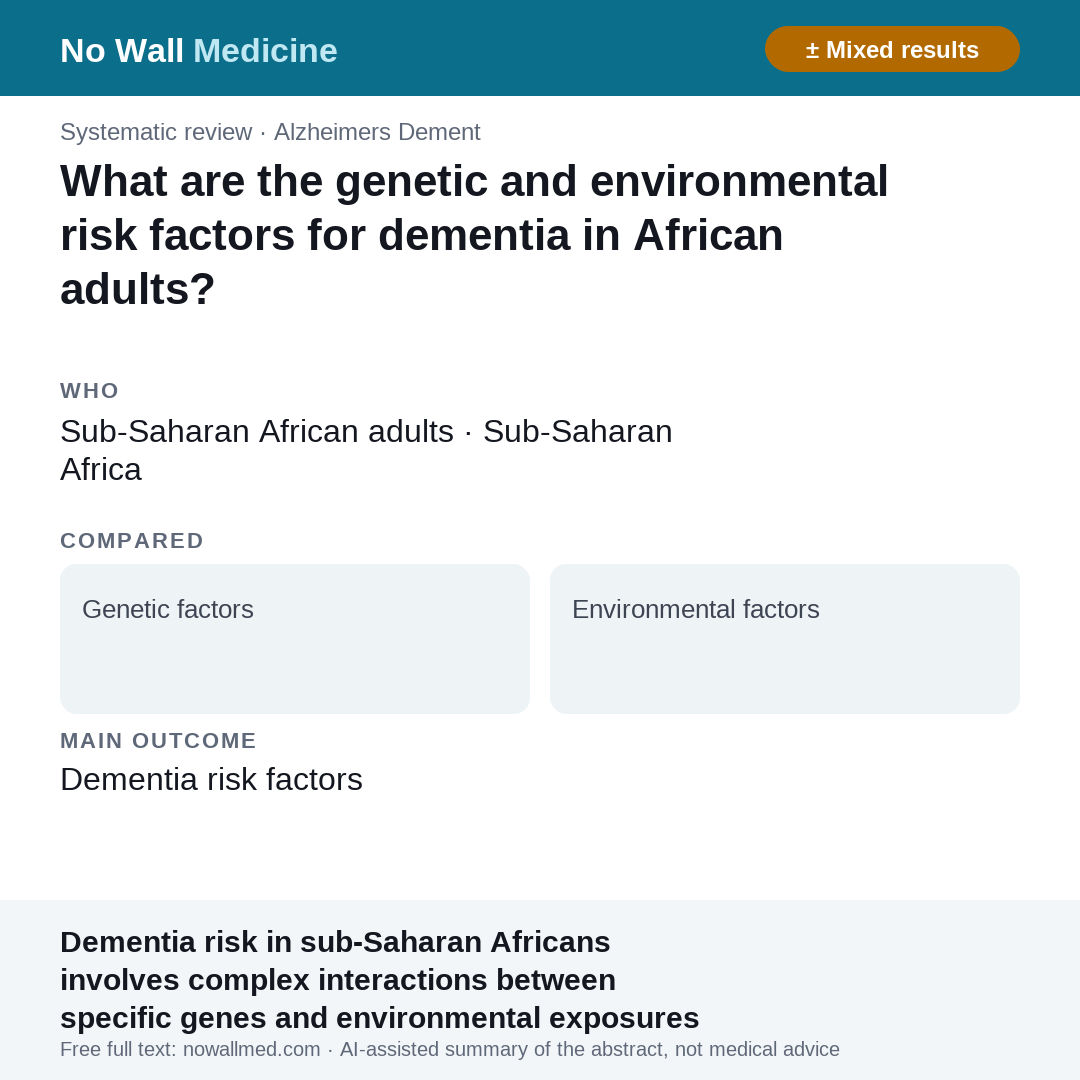
Genetic and environmental risk factors for dementia in African adults: A systematic review
Systematic reviewMixed results
What are the genetic and environmental risk factors for dementia in African adults?
Who
Sub-Saharan African adults · Sub-Saharan Africa
Compared
Genetic factors
Environmental factors
Main outcome
Dementia risk factors
Bottom line: Dementia risk in sub-Saharan Africans involves complex interactions between specific genes and environmental exposures like air pollution.
Alzheimers Dement · 2025-04-28Download image
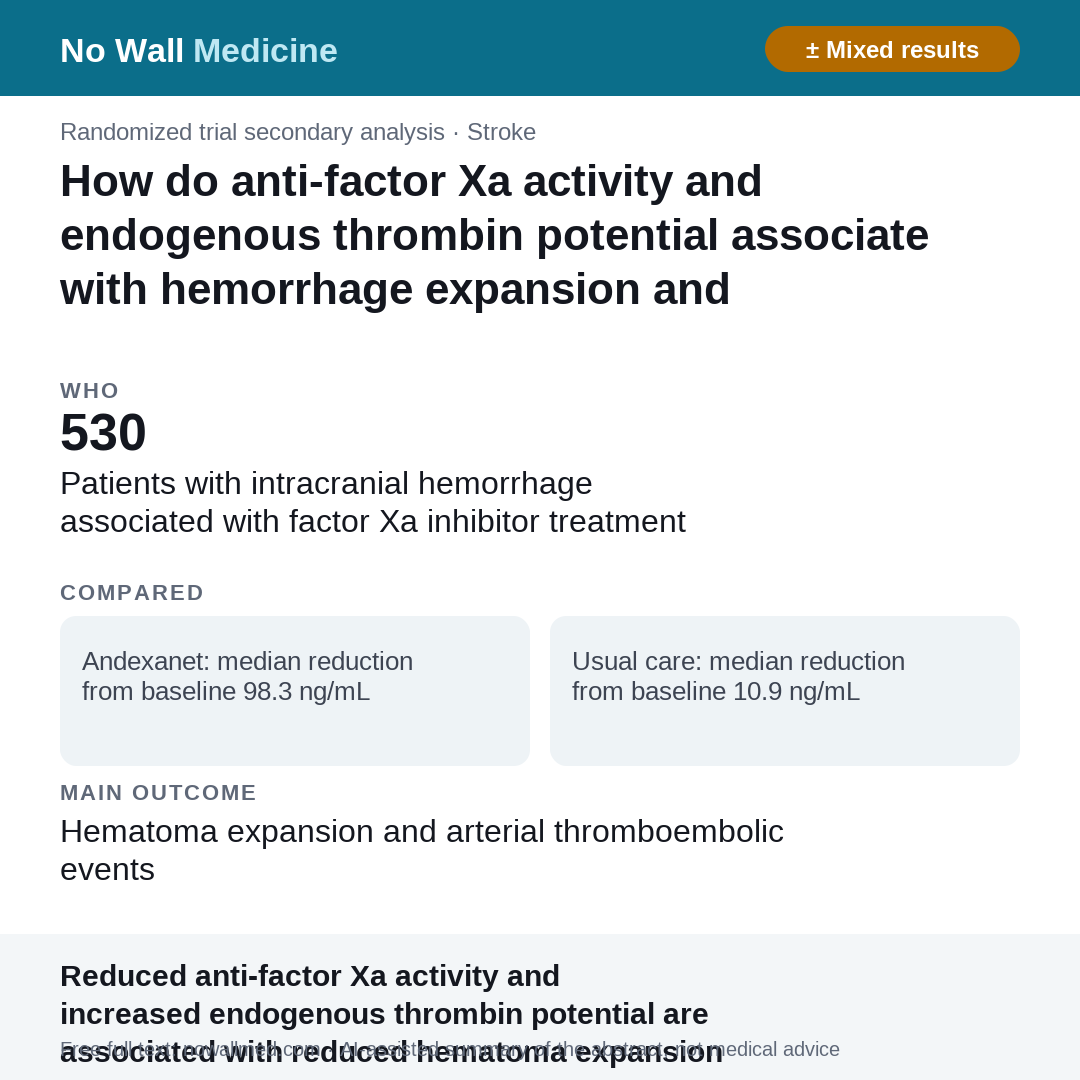
Association of Biomarkers With Intracerebral Hematoma Expansion and Arterial Thromboembolic Events in Patients With Acute Intracranial Hemorrhage: The ANNEXA-I Biomarker Substudy
Randomized trial secondary analysisMixed results
How do anti-factor Xa activity and endogenous thrombin potential associate with hemorrhage expansion and thromboembolic events?
Who
530
Patients with intracranial hemorrhage associated with factor Xa inhibitor treatment
Compared
Andexanet: median reduction from baseline 98.3 ng/mL
Usual care: median reduction from baseline 10.9 ng/mL
Main outcome
Hematoma expansion and arterial thromboembolic events
Result: odds ratio 0.69 (95% CI 0.53-0.92) for anti-FXa reduction
Bottom line: Reduced anti-factor Xa activity and increased endogenous thrombin potential are associated with reduced hematoma expansion but increased thromboembolic risk.
Stroke · 2025-04-28Download image
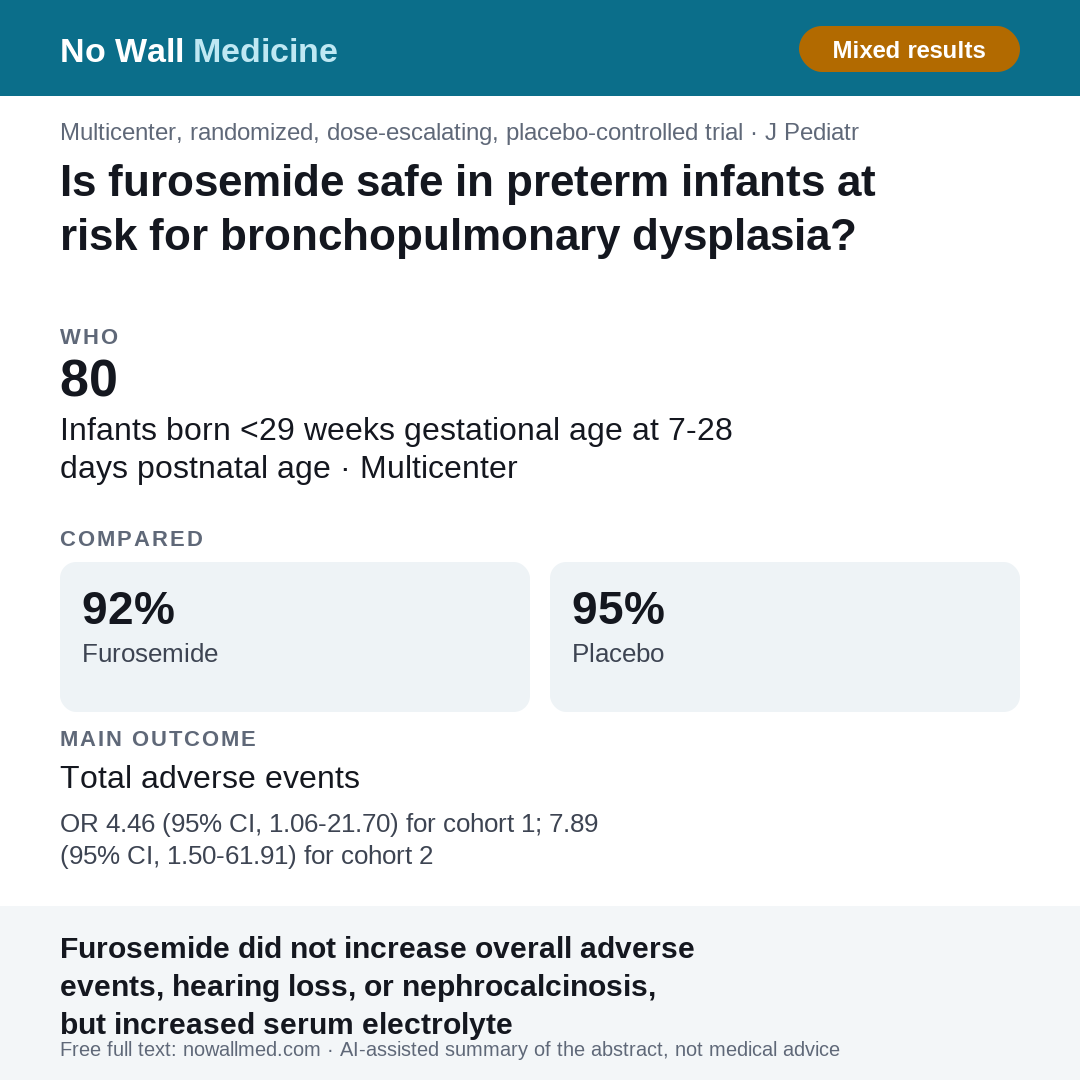
Furosemide Safety in Preterm Infants at Risk for Bronchopulmonary Dysplasia: A Randomized Clinical Trial
Multicenter, randomized, dose-escalating, placebo-controlled trialMixed results
Is furosemide safe in preterm infants at risk for bronchopulmonary dysplasia?
Who
80
Infants born <29 weeks gestational age at 7-28 days postnatal age · Multicenter
Compared
92%Furosemide (223 AEs among 56 of 61 infants)
95%Placebo (70 AEs among 18 of 19 infants)
Main outcome
Total adverse events
Result: OR 4.46 (95% CI, 1.06-21.70) for cohort 1; 7.89 (95% CI, 1.50-61.91) for cohort 2
Bottom line: Furosemide did not increase overall adverse events, hearing loss, or nephrocalcinosis, but increased serum electrolyte abnormalities.
J Pediatr · 2025-04-28Download image
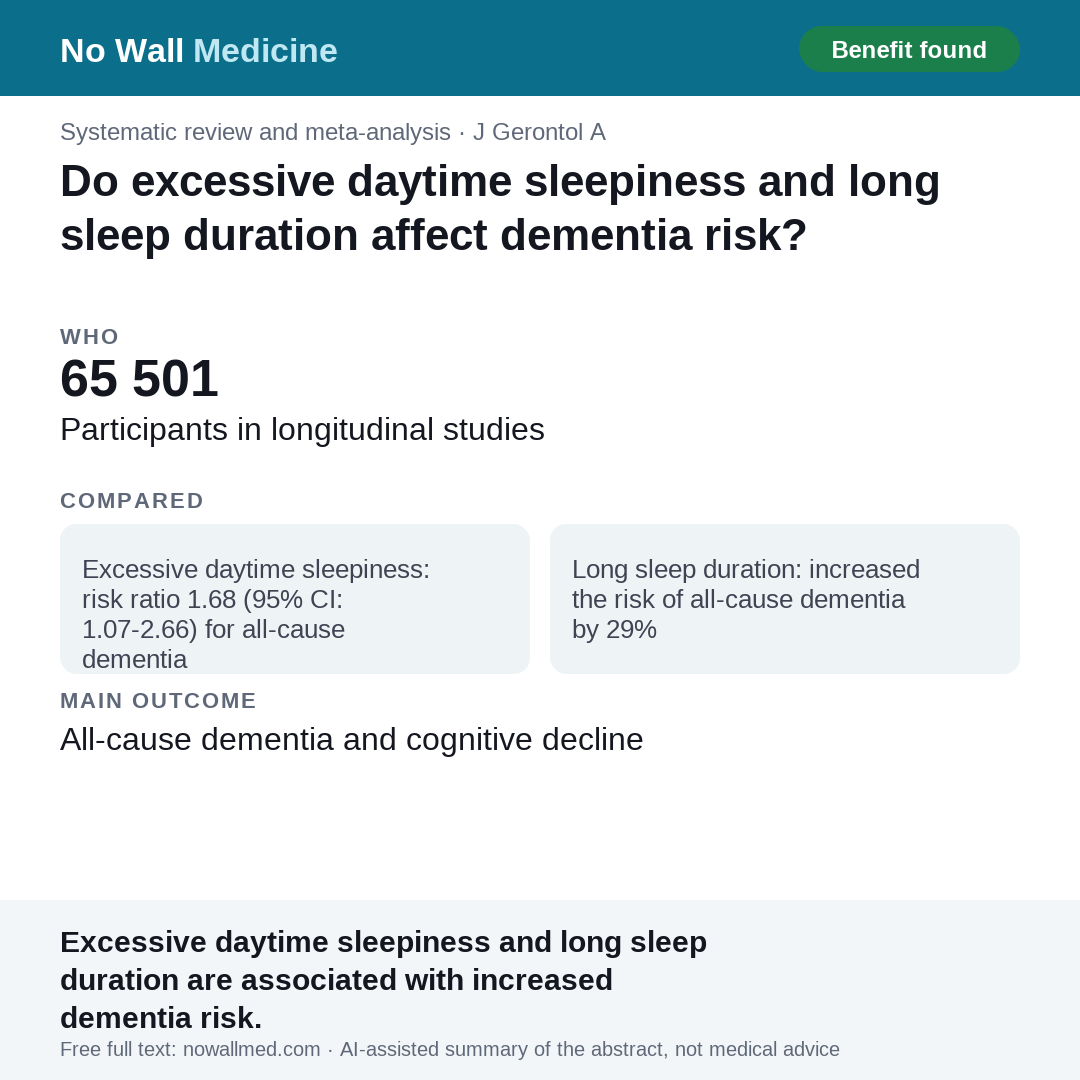
Effect of Excessive Daytime Sleepiness and Long Sleep Duration on All Cause Dementia: A Systematic Review and Meta-analysis
Systematic review and meta-analysisBenefit found
Do excessive daytime sleepiness and long sleep duration affect dementia risk?
Who
65 501
Participants in longitudinal studies
Compared
Excessive daytime sleepiness: risk ratio 1.68 (95% CI: 1.07-2.66) for all-cause dementia
Long sleep duration: increased the risk of all-cause dementia by 29%
Main outcome
All-cause dementia and cognitive decline
Bottom line: Excessive daytime sleepiness and long sleep duration are associated with increased dementia risk.
Limitation: It remains unclear whether these are independent risk factors or reflect the same underlying pathological process.
J Gerontol A · 2025-04-28Download image
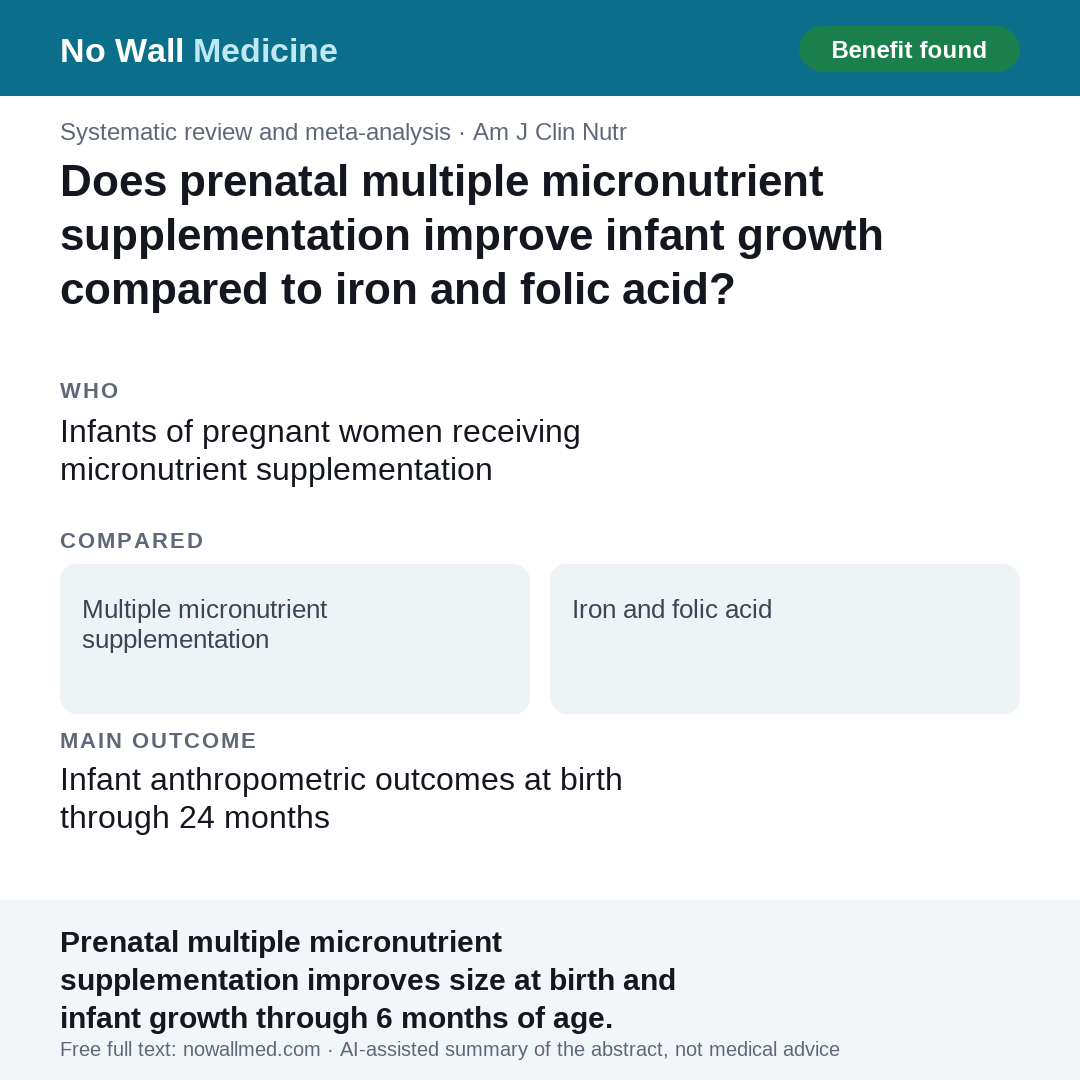
Effect of prenatal multiple micronutrient supplementation compared with iron and folic acid supplementation on size at birth and subsequent growth through 24 mo of age: a systematic review and meta-analysis
Systematic review and meta-analysisBenefit found
Does prenatal multiple micronutrient supplementation improve infant growth compared to iron and folic acid?
Who
Infants of pregnant women receiving micronutrient supplementation
Compared
Multiple micronutrient supplementation
Iron and folic acid
Main outcome
Infant anthropometric outcomes at birth through 24 months
Result: risk ratio 0.86 (95% CI: 0.82, 0.91) for stunting at 3 mo
Bottom line: Prenatal multiple micronutrient supplementation improves size at birth and infant growth through 6 months of age.
Am J Clin Nutr · 2025-04-28Download image
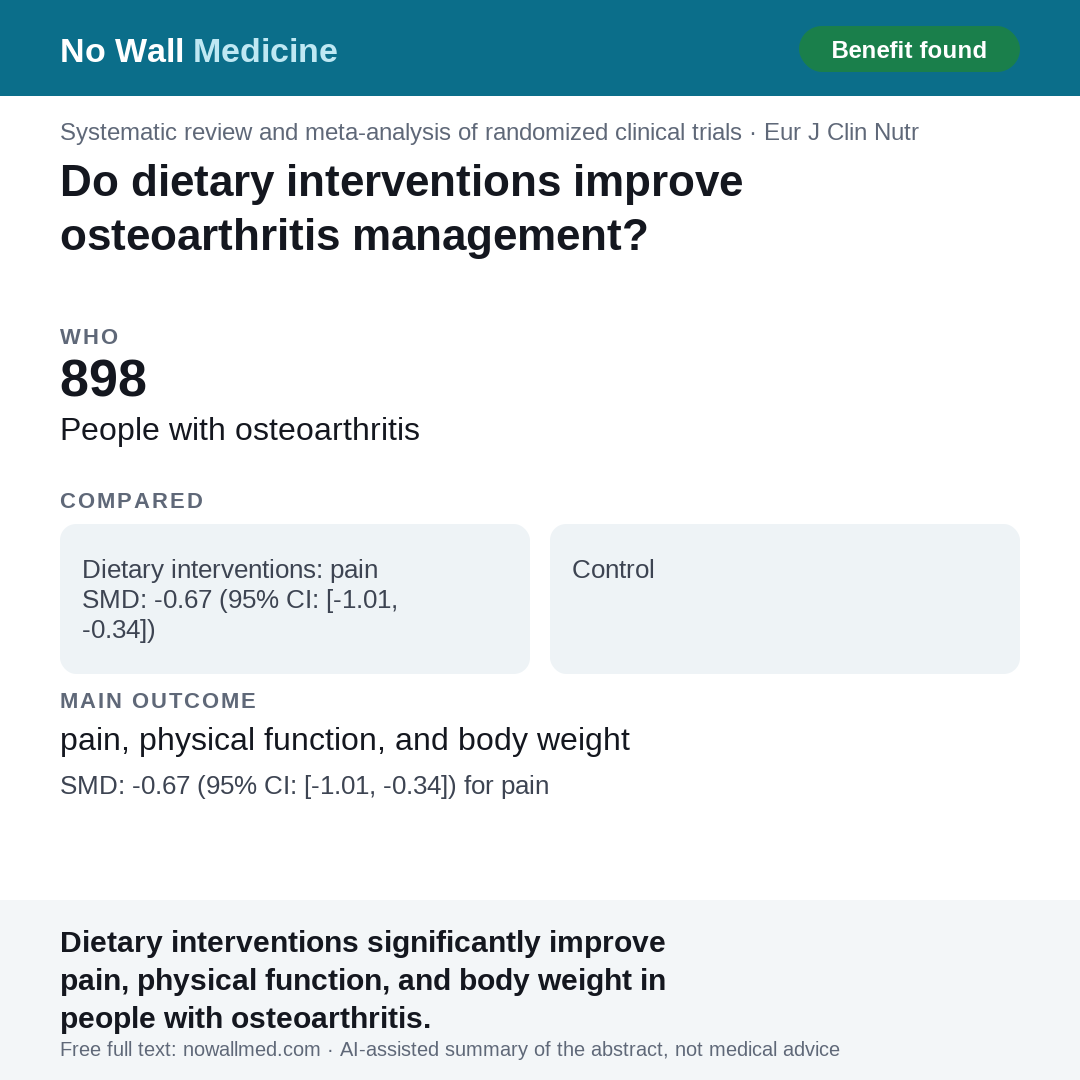
The effectiveness of dietary intervention in osteoarthritis management: a systematic review and meta-analysis of randomized clinical trials
Systematic review and meta-analysis of randomized clinical trialsBenefit found
Do dietary interventions improve osteoarthritis management?
Who
898
People with osteoarthritis
Compared
Dietary interventions: pain SMD: -0.67 (95% CI: [-1.01, -0.34])
Control
Main outcome
pain, physical function, and body weight
Result: SMD: -0.67 (95% CI: [-1.01, -0.34]) for pain
Bottom line: Dietary interventions significantly improve pain, physical function, and body weight in people with osteoarthritis.
Limitation: Specific dietary patterns require further investigation.
Eur J Clin Nutr · 2025-04-28Download image
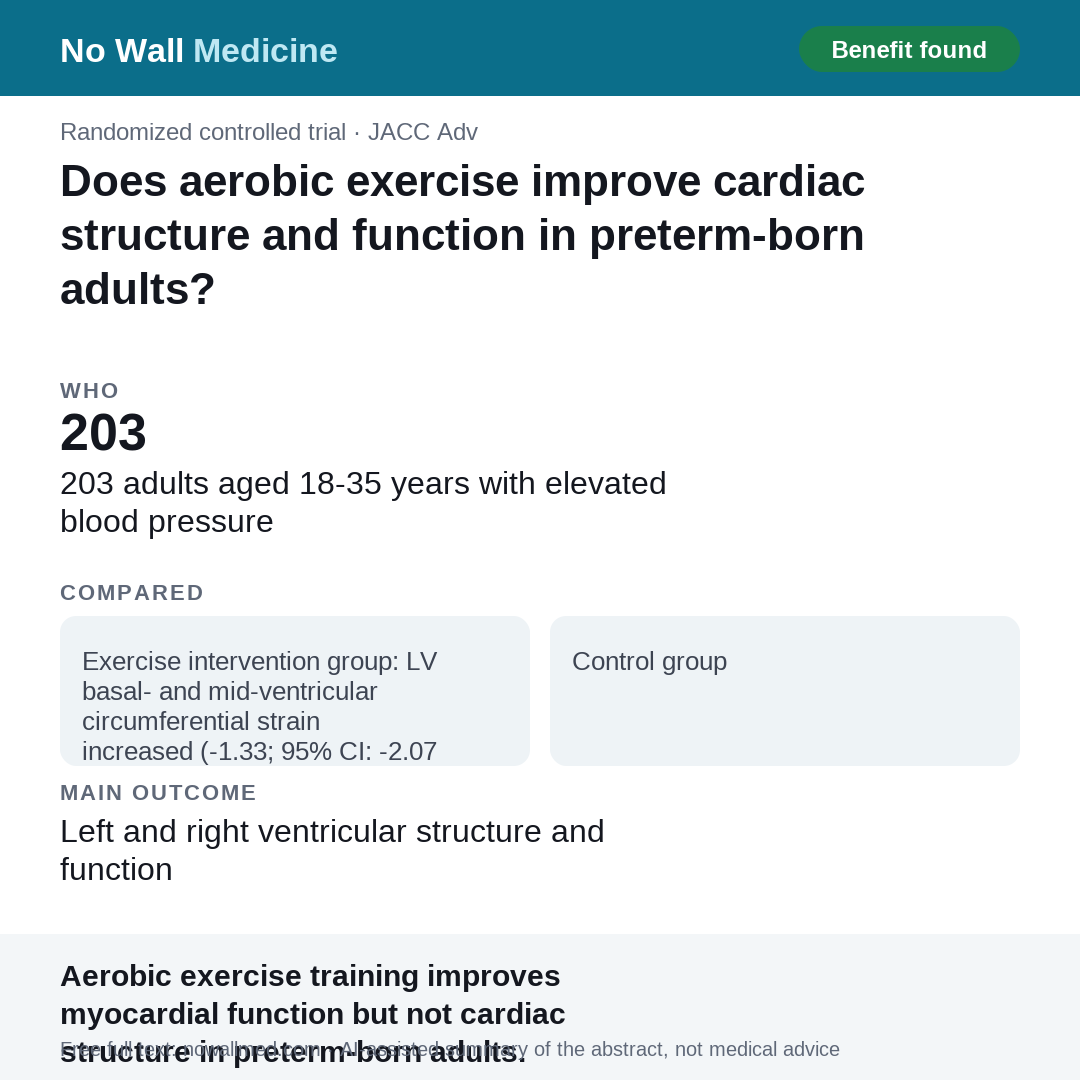
Exercise Improves Myocardial Deformation But Not Cardiac Structure in Preterm-Born Adults: A Randomized Clinical Trial
Randomized controlled trialBenefit found
Does aerobic exercise improve cardiac structure and function in preterm-born adults?
Who
203
203 adults aged 18-35 years with elevated blood pressure
Compared
Exercise intervention group: LV basal- and mid-ventricular circumferential strain increased (-1.33; 95% CI: -2.07 to -0.60 and -1.54; 95% CI: -2.46 to -0.63)
Control group
Main outcome
Left and right ventricular structure and function
Bottom line: Aerobic exercise training improves myocardial function but not cardiac structure in preterm-born adults.
JACC Adv · 2025-04-28Download image
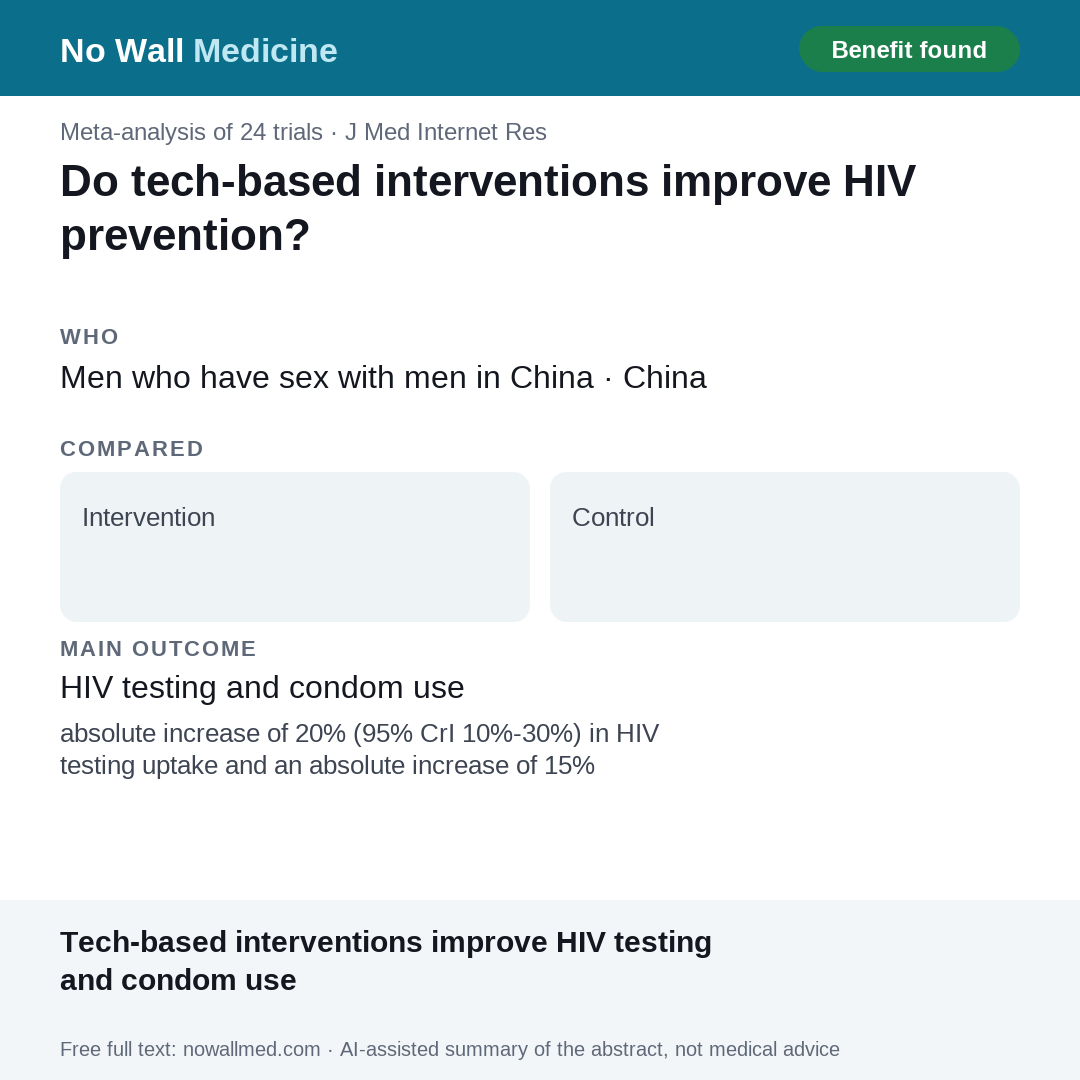
Technology-Based HIV Prevention Interventions for Men Who Have Sex With Men: Systematic Review and Meta-Analysis
Meta-analysis of 24 trialsBenefit found
Do tech-based interventions improve HIV prevention?
Who
Men who have sex with men in China · China
Compared
Intervention
Control
Main outcome
HIV testing and condom use
Result: absolute increase of 20% (95% CrI 10%-30%) in HIV testing uptake and an absolute increase of 15% (95% CrI 5%-26%) in consistent condom use
Bottom line: Tech-based interventions improve HIV testing and condom use
Limitation: Many studies lacked randomized designs or control groups
J Med Internet Res · 2025-04-28Download image
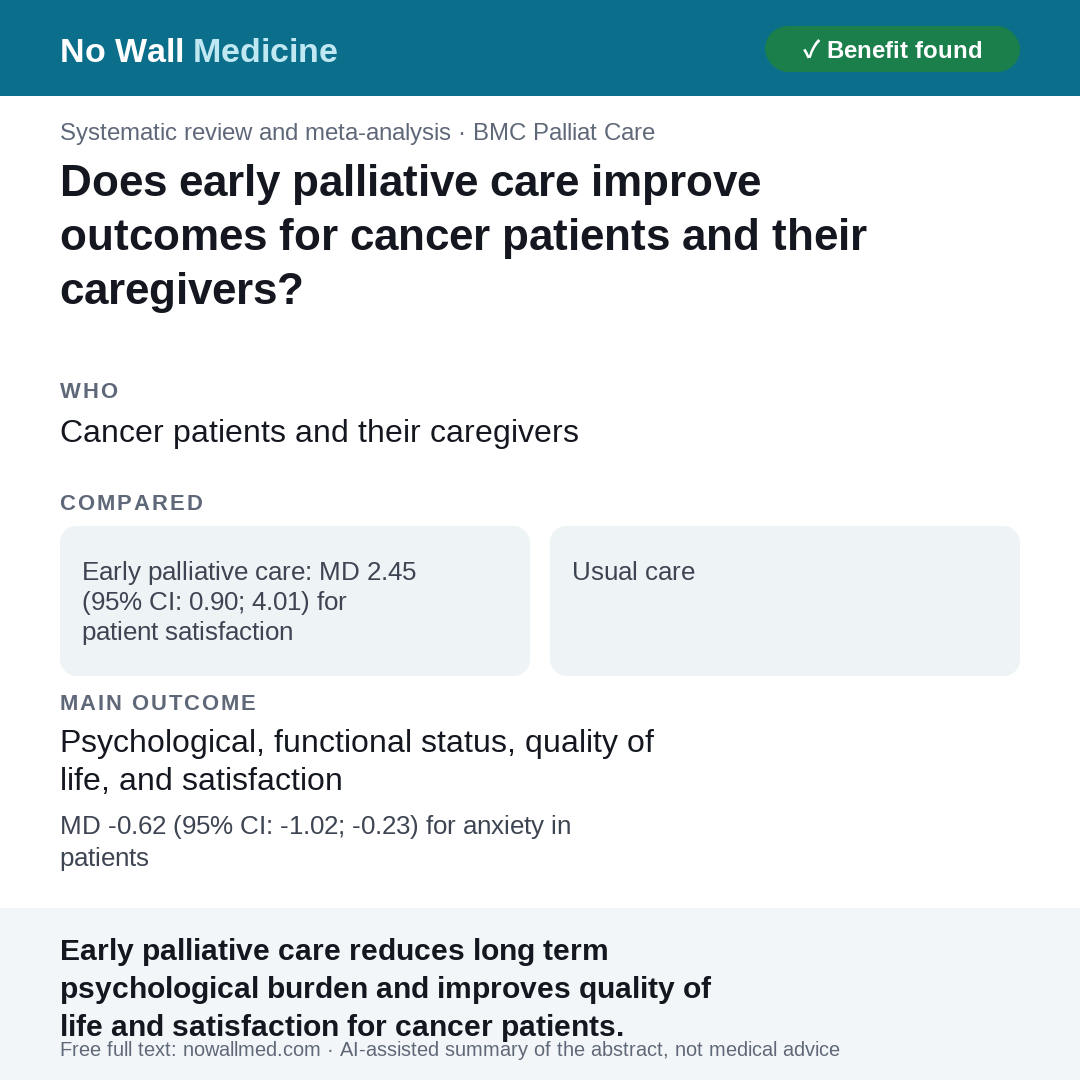
The benefits of early palliative care on psychological well-being, functional status, and health-related quality of life among cancer patients and their caregivers: a systematic review and meta-analysis
Systematic review and meta-analysisBenefit found
Does early palliative care improve outcomes for cancer patients and their caregivers?
Who
Cancer patients and their caregivers
Compared
Early palliative care: MD 2.45 (95% CI: 0.90; 4.01) for patient satisfaction
Usual care
Main outcome
Psychological, functional status, quality of life, and satisfaction
Result: MD -0.62 (95% CI: -1.02; -0.23) for anxiety in patients
Bottom line: Early palliative care reduces long term psychological burden and improves quality of life and satisfaction for cancer patients.
BMC Palliat Care · 2025-04-28Download image
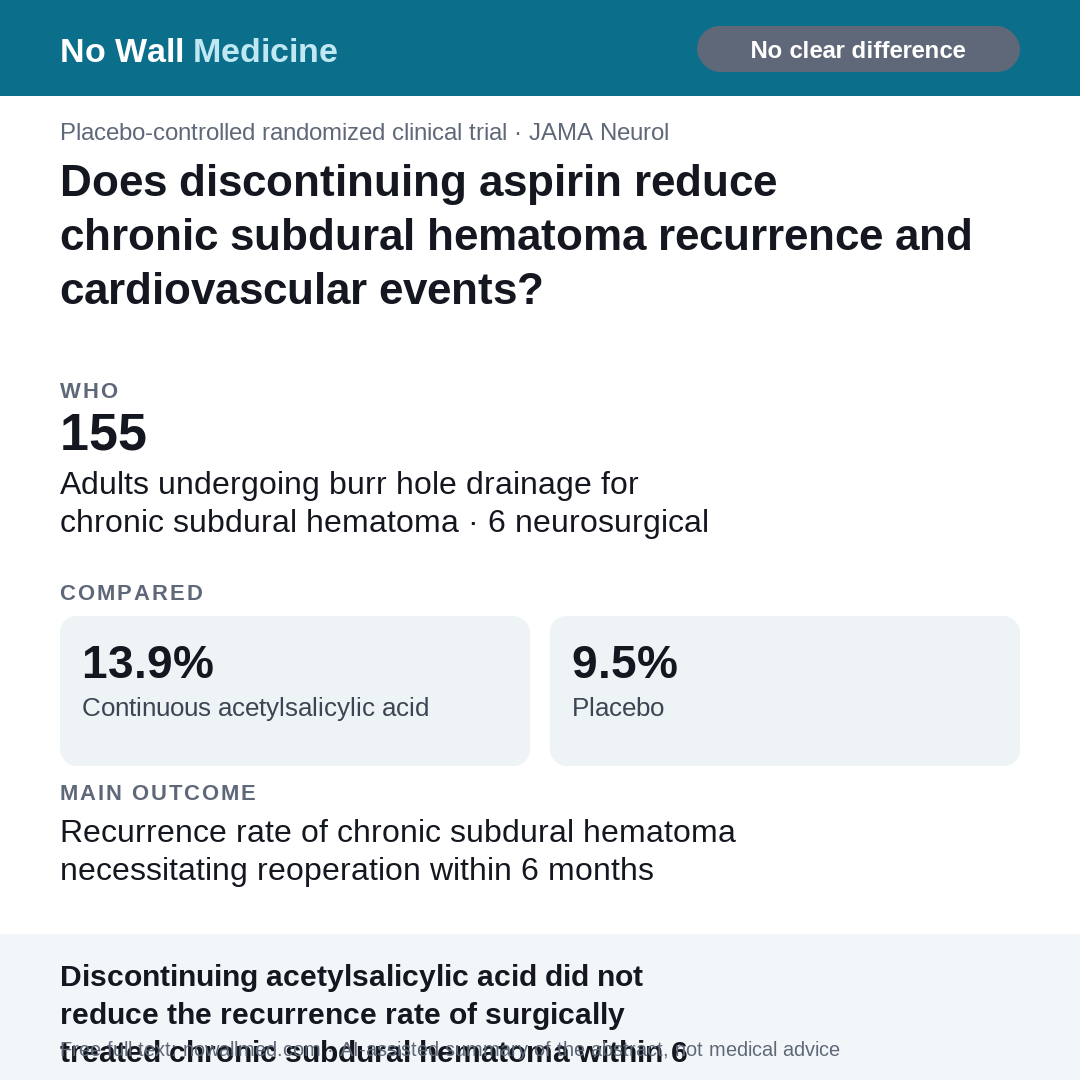
Aspirin Continuation or Discontinuation in Surgically Treated Chronic Subdural Hematoma: A Randomized Clinical Trial
Placebo-controlled randomized clinical trialNo clear difference
Does discontinuing aspirin reduce chronic subdural hematoma recurrence and cardiovascular events?
Who
155
Adults undergoing burr hole drainage for chronic subdural hematoma · 6 neurosurgical centers in Switzerland
Compared
13.9%Continuous acetylsalicylic acid
9.5%Placebo
Main outcome
Recurrence rate of chronic subdural hematoma necessitating reoperation within 6 months
Result: weighted risk difference 4.4% (95% CI, -7.2% to 15.9%)
Bottom line: Discontinuing acetylsalicylic acid did not reduce the recurrence rate of surgically treated chronic subdural hematoma within 6 months.
JAMA Neurol · 2025-04-27Download image
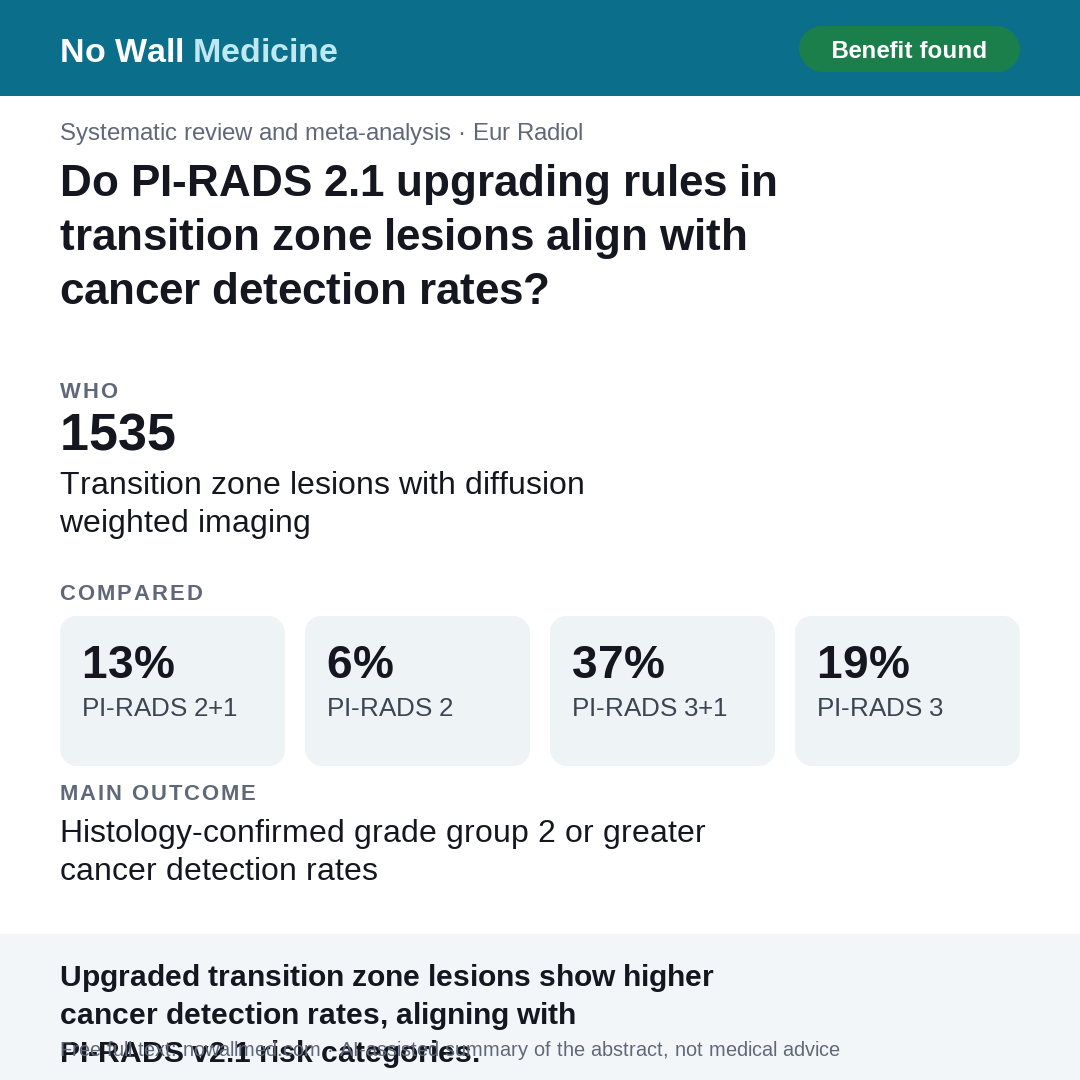
Detection rates for prostate cancer using PI-RADS 2.1 upgrading rules in transition zone lesions align with risk assessment categories: a systematic review and meta-analysis
Systematic review and meta-analysisBenefit found
Do PI-RADS 2.1 upgrading rules in transition zone lesions align with cancer detection rates?
Who
1535
Transition zone lesions with diffusion weighted imaging
Compared
13%PI-RADS 2+1 (6%-23%)
6%PI-RADS 2 (4%-10%)
37%PI-RADS 3+1 (24%-52%)
19%PI-RADS 3 (15%-25%)
Main outcome
Histology-confirmed grade group 2 or greater cancer detection rates
Result: OR 3.37 (1.53-7.44) for 2+1 vs 2; OR 2.67 (1.27-5.59) for 3+1 vs 3
Bottom line: Upgraded transition zone lesions show higher cancer detection rates, aligning with PI-RADS v2.1 risk categories.
Limitation: High rate of grade group 1 and benign findings emphasizes need to minimize overdiagnosis.
Eur Radiol · 2025-04-27Download image
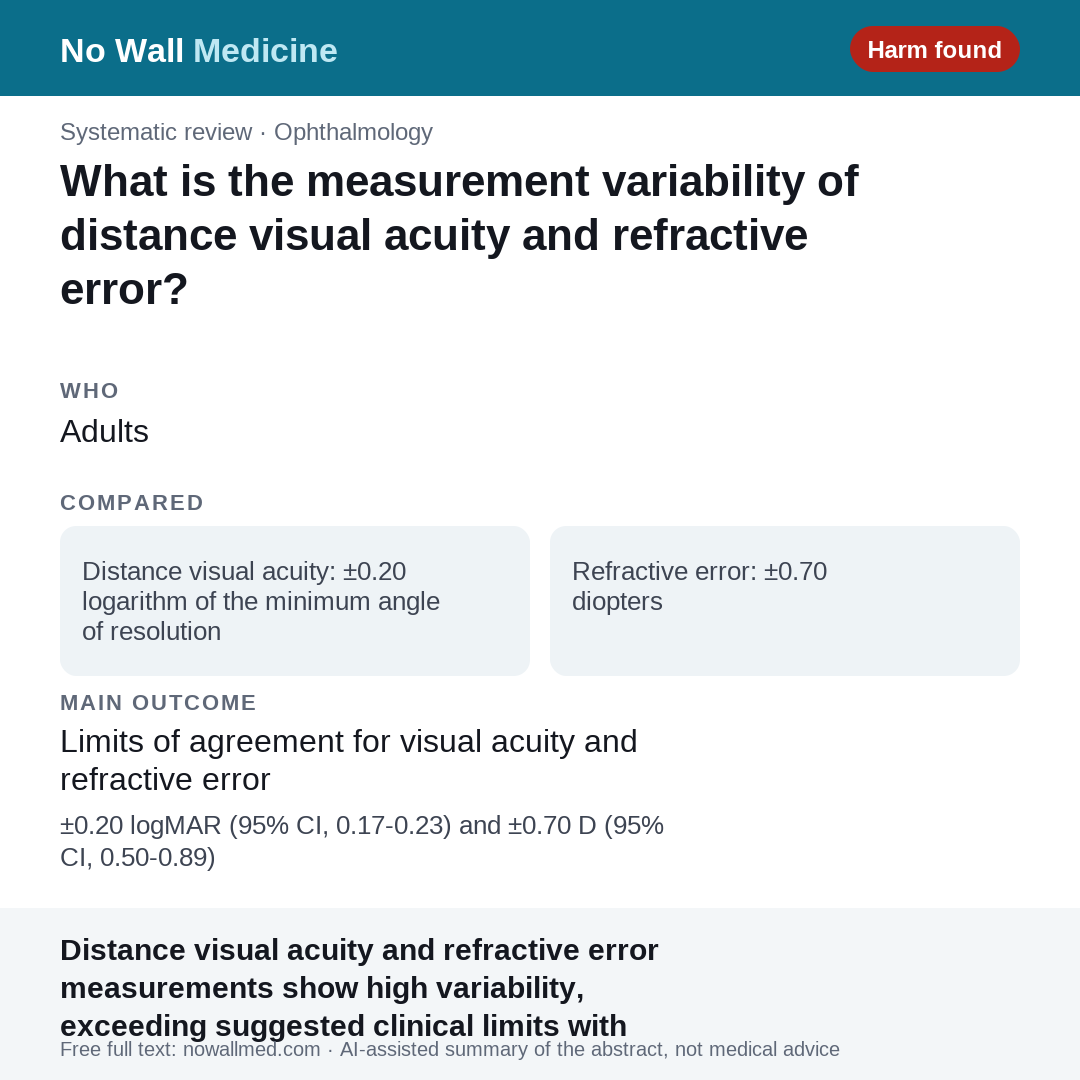
Determining the Variability Associated with Visual Acuity and Refractive Error Measurements: A Systematic Review
Systematic reviewHarm found
What is the measurement variability of distance visual acuity and refractive error?
Who
Adults
Compared
Distance visual acuity: ±0.20 logarithm of the minimum angle of resolution
Refractive error: ±0.70 diopters
Main outcome
Limits of agreement for visual acuity and refractive error
Result: ±0.20 logMAR (95% CI, 0.17-0.23) and ±0.70 D (95% CI, 0.50-0.89)
Bottom line: Distance visual acuity and refractive error measurements show high variability, exceeding suggested clinical limits with very low certainty of evidence.
Limitation: Most studies had high or unclear risk of bias and certainty of evidence was very low.
Ophthalmology · 2025-04-26Download image
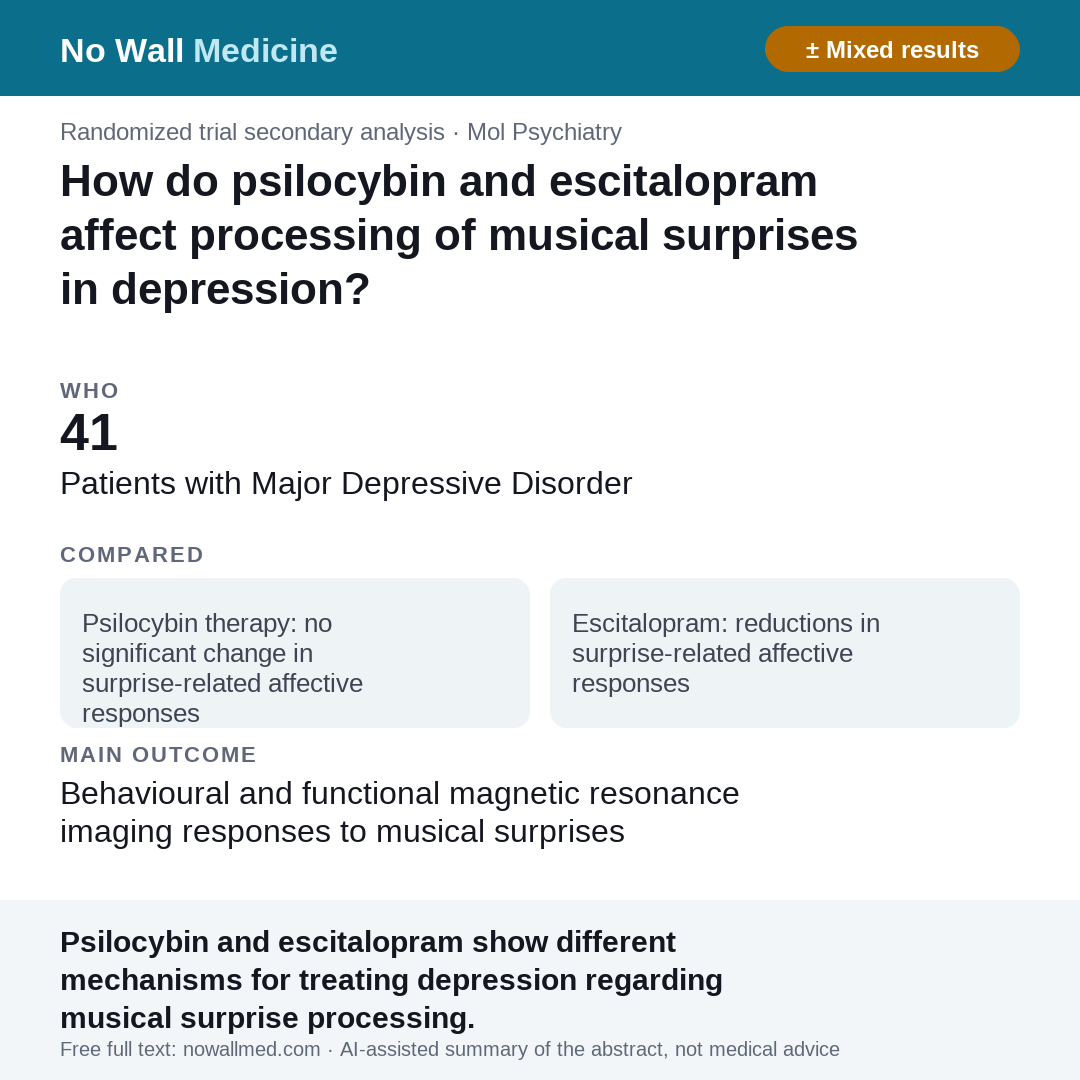
Dissociable effects of psilocybin and escitalopram for depression on processing of musical surprises
Randomized trial secondary analysisMixed results
How do psilocybin and escitalopram affect processing of musical surprises in depression?
Who
41
Patients with Major Depressive Disorder
Compared
Psilocybin therapy: no significant change in surprise-related affective responses
Escitalopram: reductions in surprise-related affective responses
Main outcome
Behavioural and functional magnetic resonance imaging responses to musical surprises
Bottom line: Psilocybin and escitalopram show different mechanisms for treating depression regarding musical surprise processing.
Mol Psychiatry · 2025-04-26Download image
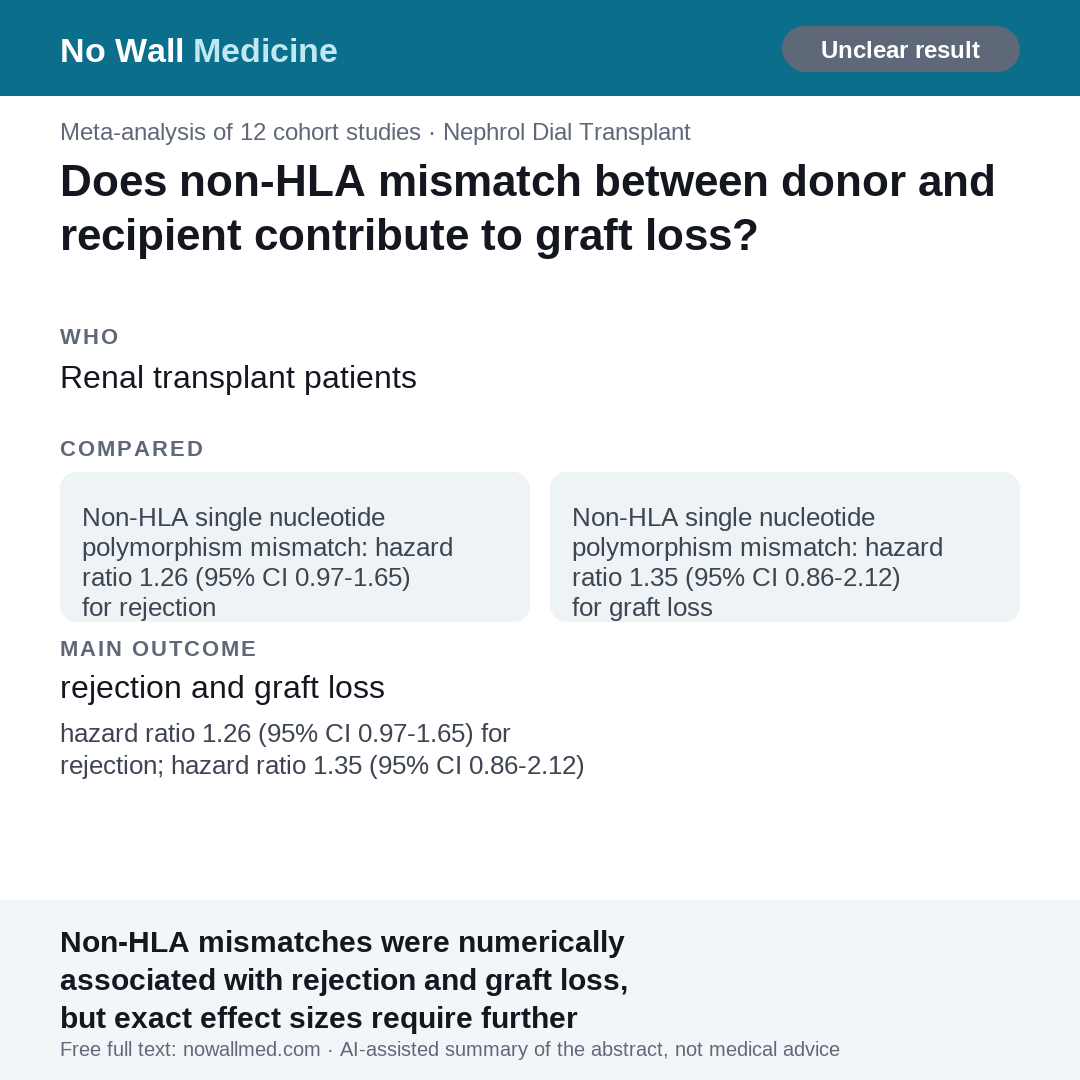
Genome-wide donor-recipient non-HLA mismatch and graft loss
Meta-analysis of 12 cohort studiesUnclear result
Does non-HLA mismatch between donor and recipient contribute to graft loss?
Who
Renal transplant patients
Compared
Non-HLA single nucleotide polymorphism mismatch: hazard ratio 1.26 (95% CI 0.97-1.65) for rejection
Non-HLA single nucleotide polymorphism mismatch: hazard ratio 1.35 (95% CI 0.86-2.12) for graft loss
Main outcome
rejection and graft loss
Result: hazard ratio 1.26 (95% CI 0.97-1.65) for rejection; hazard ratio 1.35 (95% CI 0.86-2.12) for graft loss
Bottom line: Non-HLA mismatches were numerically associated with rejection and graft loss, but exact effect sizes require further investigation.
Nephrol Dial Transplant · 2025-04-26Download image