Visual abstracts
New randomized trials and meta-analyses from leading journals at a glance: who was studied, what was compared, and what was found. Every paper is free to read in full.
All specialtiesCardiology 4877Oncology 4138Gastroenterology & Hepatology 1942Infectious Disease 3837Neurology 1905Psychiatry & Mental Health 2273Pulmonology 2143Critical Care 1365Endocrinology & Diabetes 2580Pediatrics 2980Surgery 2559Orthopedics & Sports Medicine 931Neurosurgery 537Cardiothoracic & Vascular Surgery 674Plastic & Reconstructive Surgery 591Nephrology 1133Rheumatology 823Hematology 1109Dermatology 621Ophthalmology 543Obstetrics & Gynecology 1686Public & Global Health 1058Radiology & Imaging 648Anesthesiology 986Urology 764ENT (Otolaryngology) 503Emergency Medicine 511Allergy & Immunology 313Geriatrics 981Family Medicine & Primary Care 562Medical Genetics & Genomics 676Pathology & Laboratory Medicine 159Physical Medicine & Rehabilitation 757Palliative Care 444Nutrition 1588Digital Health & AI 2201General Medicine 321
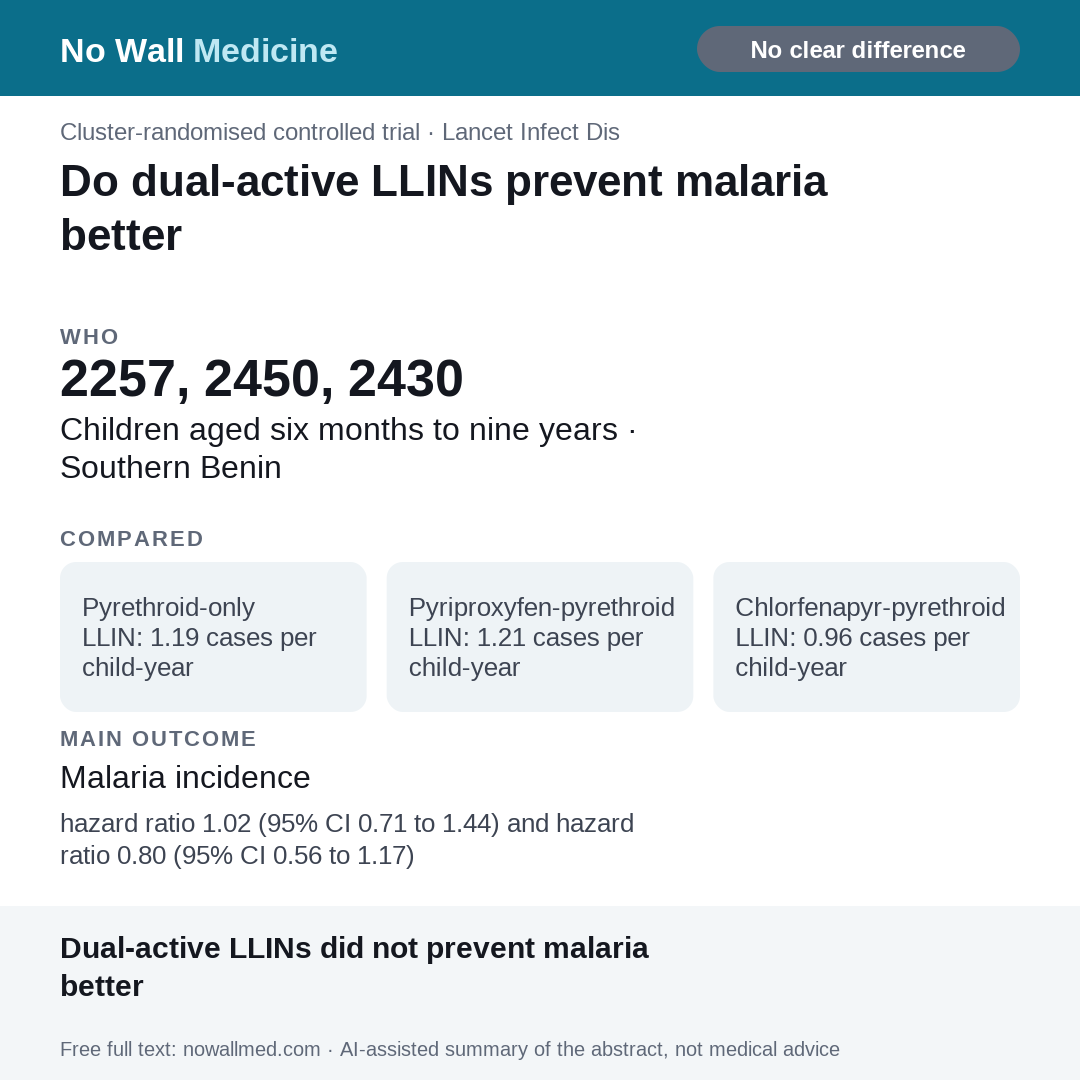
Effectiveness of pyriproxyfen-pyrethroid and chlorfenapyr-pyrethroid long-lasting insecticidal nets (LLINs) compared with pyrethroid-only LLINs for malaria control in the third year post-distribution: a secondary analysis of a cluster-randomised controlled trial in Benin
Cluster-randomised controlled trialNo clear difference
Do dual-active LLINs prevent malaria better
Who
2257, 2450, 2430
Children aged six months to nine years · Southern Benin
Compared
Pyrethroid-only LLIN: 1.19 cases per child-year
Pyriproxyfen-pyrethroid LLIN: 1.21 cases per child-year
Chlorfenapyr-pyrethroid LLIN: 0.96 cases per child-year
Main outcome
Malaria incidence
Result: hazard ratio 1.02 (95% CI 0.71 to 1.44) and hazard ratio 0.80 (95% CI 0.56 to 1.17)
Bottom line: Dual-active LLINs did not prevent malaria better
Limitation: lower study net use and declining insecticide concentration
Funded by: UNITAID, The Global Fund
Lancet Infect Dis · 2024-02-21Download image
Ethnoracial Risk Variation Across the Psychosis Continuum in the US: A Systematic Review and Meta-Analysis
Meta-analysis of 47 studiesMixed results
Ethnoracial risk variation in psychosis
Who
54929
people in the United States · United States
Compared
2.07Black vs White (schizophrenia)
0.15Latinx vs White (PSs/PEs)
1.81Other vs White (schizophrenia)
Main outcome
psychosis risk
Result: pooled odds ratio 2.07 (95% CI 1.64 to 2.61) for Black vs White
Bottom line: Ethnoracial disparities found in psychosis risk
Limitation: high heterogeneity and risk of bias
JAMA Psychiatry · 2024-02-21Download image

Acupuncture for Combat-Related Posttraumatic Stress Disorder: A Randomized Clinical Trial
Randomized clinical trialBenefit found
Acupuncture for posttraumatic stress disorder
Who
93
Combat veterans with posttraumatic stress disorder · Single site in California
Compared
7.1Verum acupuncture (11.8)
Sham acupuncture
Main outcome
Posttraumatic stress disorder symptom severity
Result: mean difference 7.1 (11.8), d 0.63
Bottom line: Acupuncture reduces posttraumatic stress disorder symptoms
Limitation: Single site
JAMA Psychiatry · 2024-02-21Download image

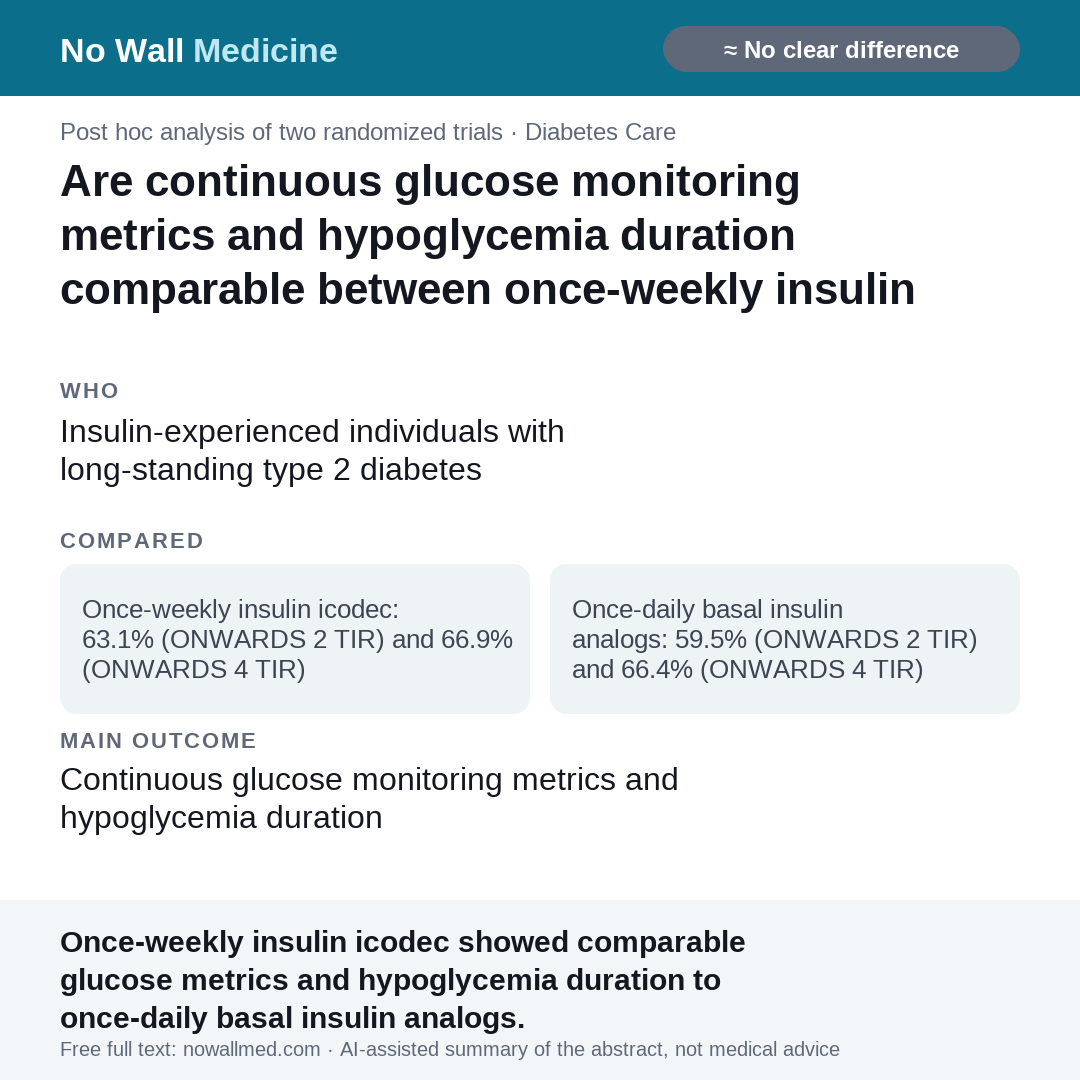
Continuous Glucose Monitoring-Based Metrics and Hypoglycemia Duration in Insulin-Experienced Individuals With Long-standing Type 2 Diabetes Switched From a Daily Basal Insulin to Once-Weekly Insulin Icodec: Post Hoc Analysis of ONWARDS 2 and ONWARDS 4
Post hoc analysis of two randomized trialsNo clear difference
Are continuous glucose monitoring metrics and hypoglycemia duration comparable between once-weekly insulin icodec and once-daily basal insulin?
Who
Insulin-experienced individuals with long-standing type 2 diabetes
Compared
Once-weekly insulin icodec: 63.1% (ONWARDS 2 TIR) and 66.9% (ONWARDS 4 TIR)
Once-daily basal insulin analogs: 59.5% (ONWARDS 2 TIR) and 66.4% (ONWARDS 4 TIR)
Main outcome
Continuous glucose monitoring metrics and hypoglycemia duration
Bottom line: Once-weekly insulin icodec showed comparable glucose metrics and hypoglycemia duration to once-daily basal insulin analogs.
Diabetes Care · 2024-02-21Download image
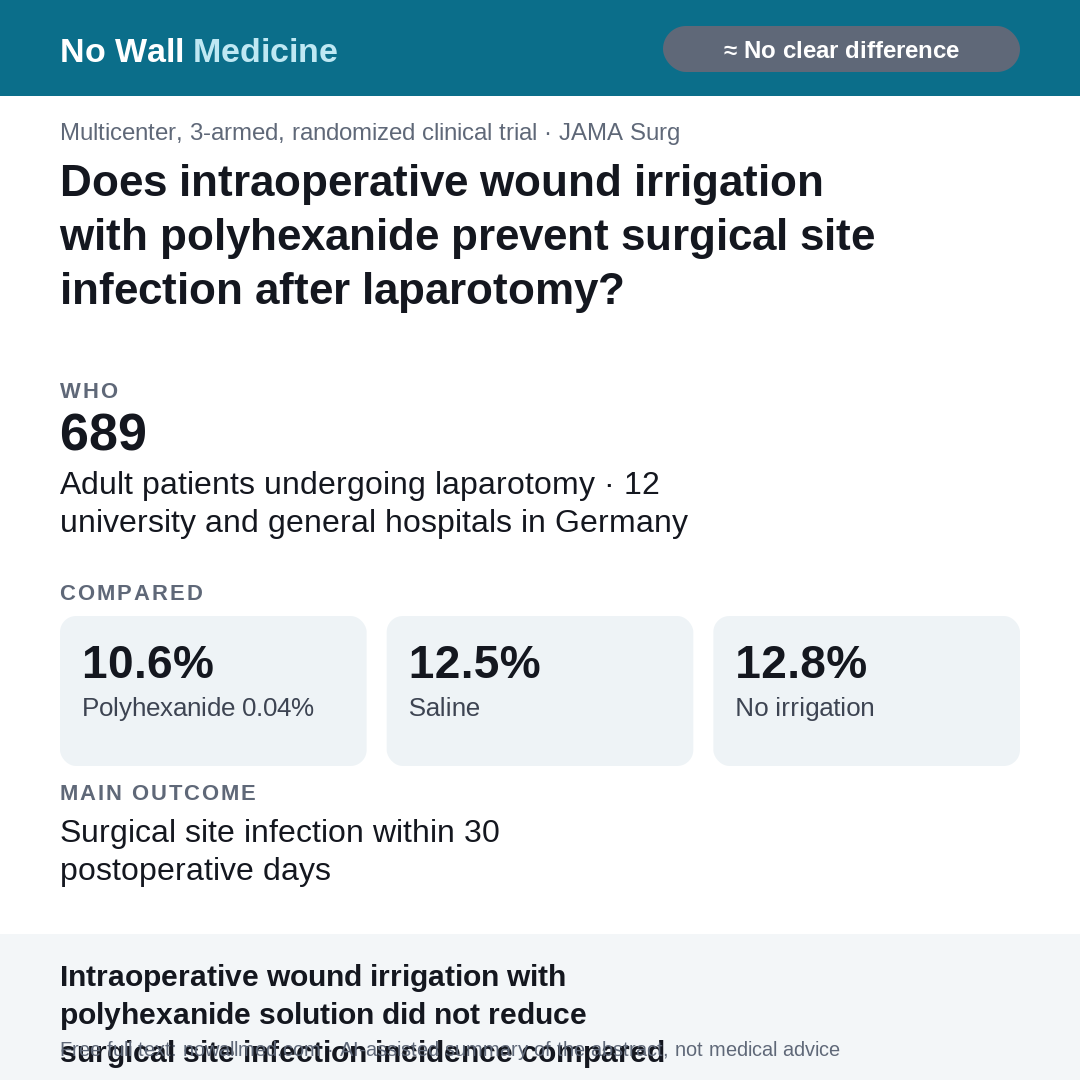
Intraoperative Wound Irrigation for the Prevention of Surgical Site Infection After Laparotomy: A Randomized Clinical Trial by CHIR-Net
Multicenter, 3-armed, randomized clinical trialNo clear difference
Does intraoperative wound irrigation with polyhexanide prevent surgical site infection after laparotomy?
Who
689
Adult patients undergoing laparotomy · 12 university and general hospitals in Germany
Compared
10.6%Polyhexanide 0.04% (31/292)
12.5%Saline (37/295)
12.8%No irrigation (13/102)
Main outcome
Surgical site infection within 30 postoperative days
Result: hazard ratio 1.23 (95% CI 0.64-2.36) vs HR 1.19 (95% CI 0.74-1.94)
Bottom line: Intraoperative wound irrigation with polyhexanide solution did not reduce surgical site infection incidence compared to saline or no irrigation.
JAMA Surg · 2024-02-21Download image
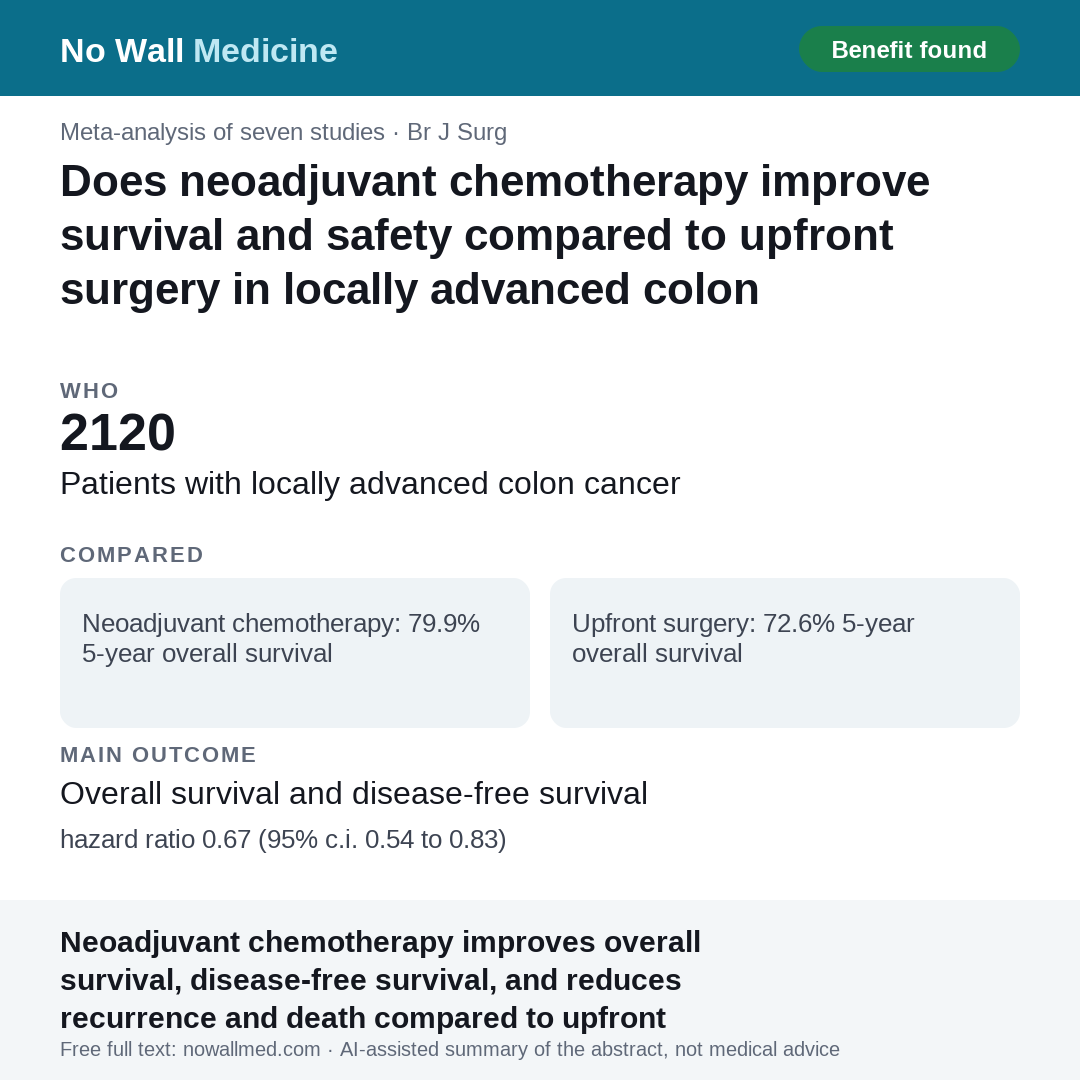
Survival and safety after neoadjuvant chemotherapy or upfront surgery for locally advanced colon cancer: meta-analysis
Meta-analysis of seven studiesBenefit found
Does neoadjuvant chemotherapy improve survival and safety compared to upfront surgery in locally advanced colon cancer?
Who
2120
Patients with locally advanced colon cancer
Compared
Neoadjuvant chemotherapy: 79.9% 5-year overall survival
Upfront surgery: 72.6% 5-year overall survival
Main outcome
Overall survival and disease-free survival
Result: hazard ratio 0.67 (95% c.i. 0.54 to 0.83)
Bottom line: Neoadjuvant chemotherapy improves overall survival, disease-free survival, and reduces recurrence and death compared to upfront surgery.
Br J Surg · 2024-02-21Download image
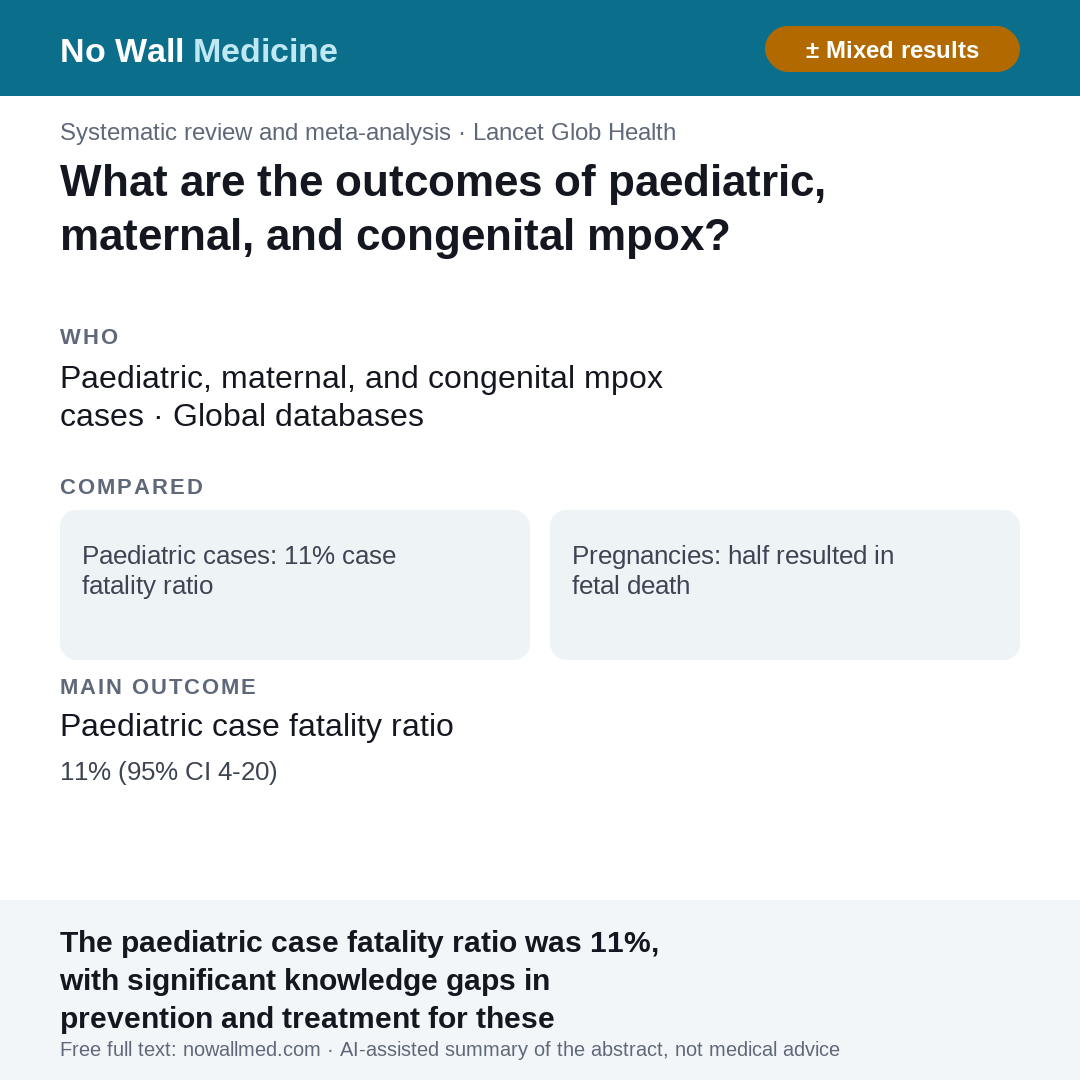
Paediatric, maternal, and congenital mpox: a systematic review and meta-analysis
Systematic review and meta-analysisMixed results
What are the outcomes of paediatric, maternal, and congenital mpox?
Who
Paediatric, maternal, and congenital mpox cases · Global databases
Compared
Paediatric cases: 11% case fatality ratio
Pregnancies: half resulted in fetal death
Main outcome
Paediatric case fatality ratio
Result: 11% (95% CI 4-20)
Bottom line: The paediatric case fatality ratio was 11%, with significant knowledge gaps in prevention and treatment for these populations.
Lancet Glob Health · 2024-02-21Download image
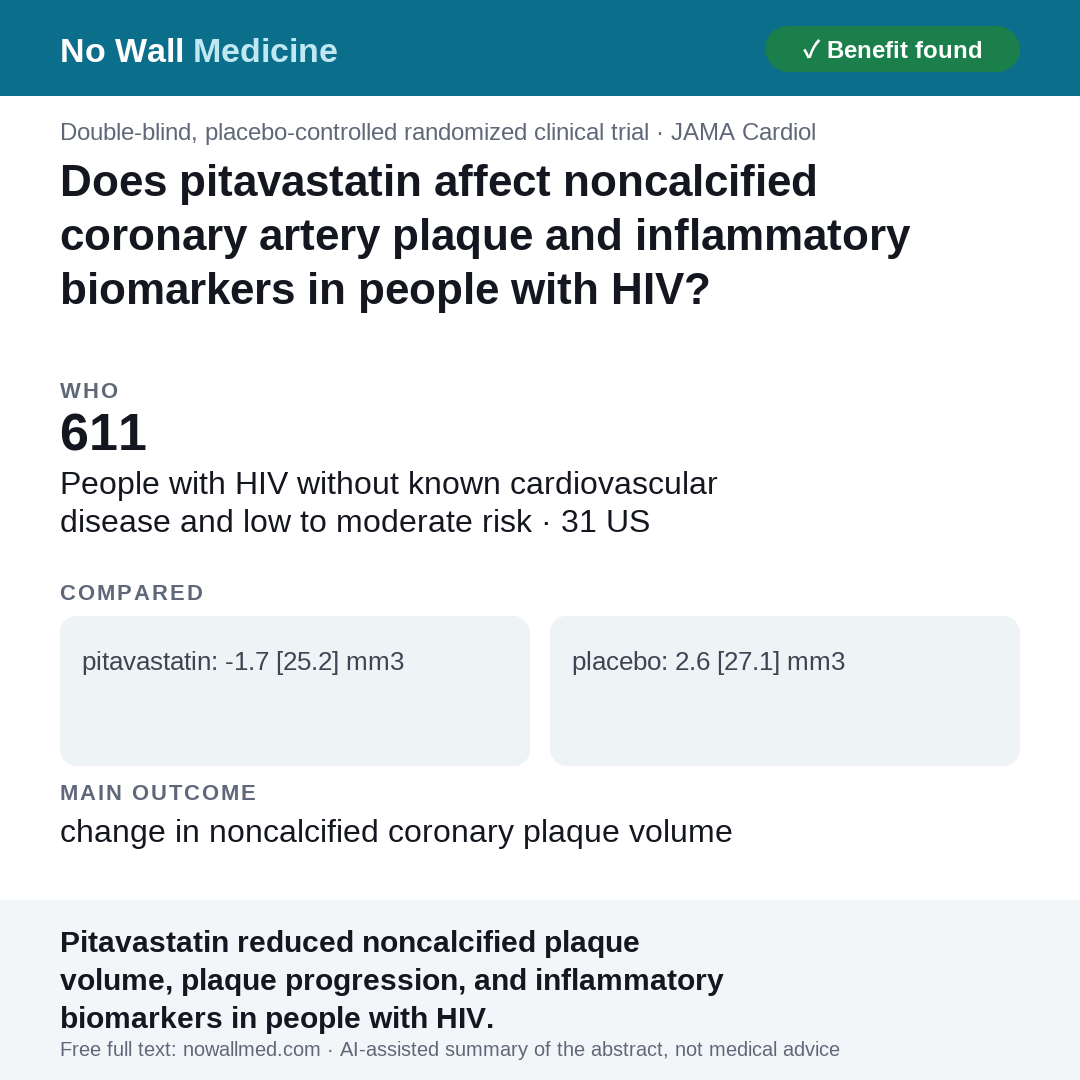
Effects of Pitavastatin on Coronary Artery Disease and Inflammatory Biomarkers in HIV: Mechanistic Substudy of the REPRIEVE Randomized Clinical Trial
Double-blind, placebo-controlled randomized clinical trialBenefit found
Does pitavastatin affect noncalcified coronary artery plaque and inflammatory biomarkers in people with HIV?
Who
611
People with HIV without known cardiovascular disease and low to moderate risk · 31 US clinical research sites
Compared
pitavastatin: -1.7 [25.2] mm3
placebo: 2.6 [27.1] mm3
Main outcome
change in noncalcified coronary plaque volume
Result: relative risk 0.67 (95% CI 0.52-0.88)
Bottom line: Pitavastatin reduced noncalcified plaque volume, plaque progression, and inflammatory biomarkers in people with HIV.
JAMA Cardiol · 2024-02-21Download image
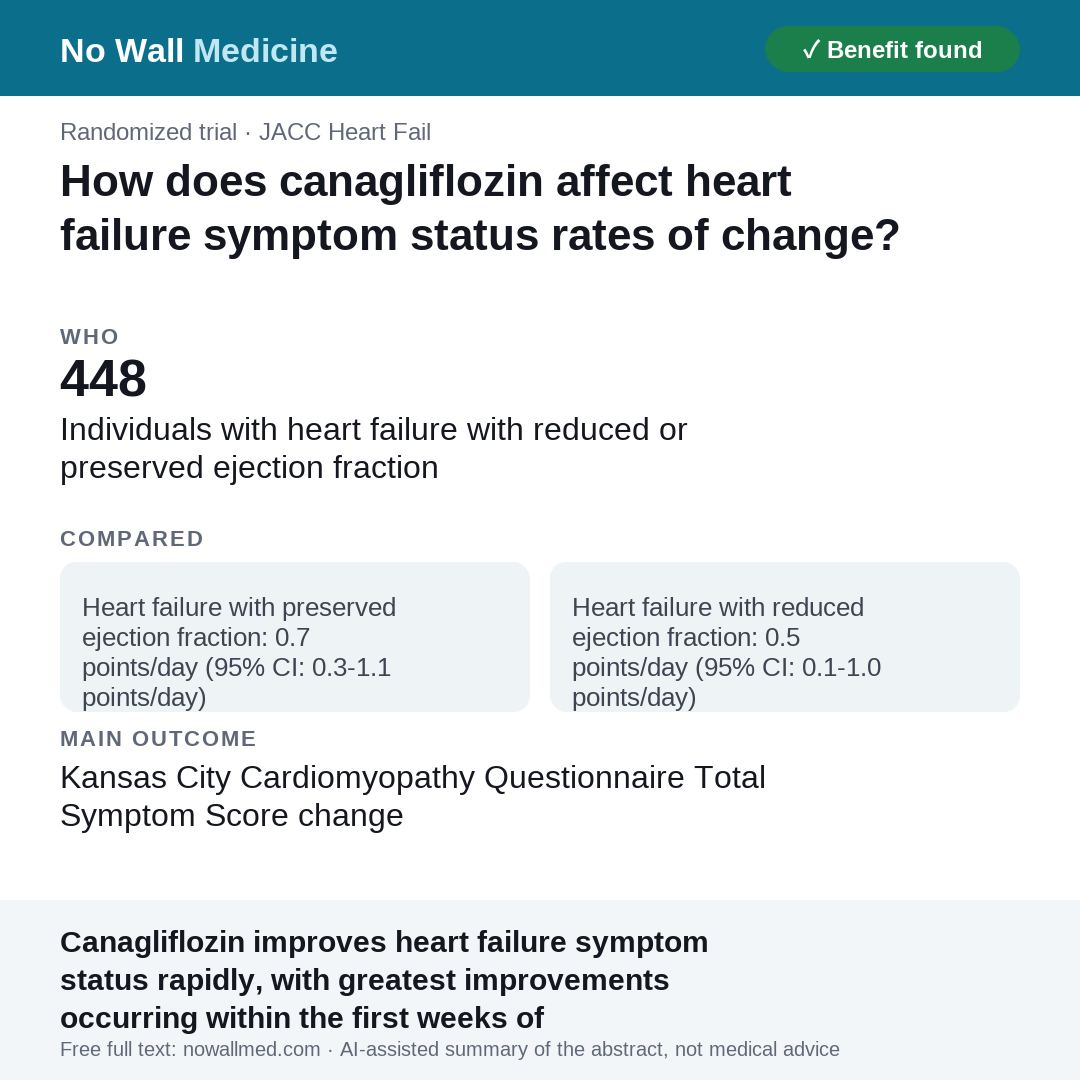
Early Longitudinal Change in Heart Failure Health Status Following Initiation of Canagliflozin
Randomized trialBenefit found
How does canagliflozin affect heart failure symptom status rates of change?
Who
448
Individuals with heart failure with reduced or preserved ejection fraction
Compared
Heart failure with preserved ejection fraction: 0.7 points/day (95% CI: 0.3-1.1 points/day)
Heart failure with reduced ejection fraction: 0.5 points/day (95% CI: 0.1-1.0 points/day)
Main outcome
Kansas City Cardiomyopathy Questionnaire Total Symptom Score change
Result: 0.2 points/day (95% CI: -0.4 to 0.7 points/day)
Bottom line: Canagliflozin improves heart failure symptom status rapidly, with greatest improvements occurring within the first weeks of treatment.
JACC Heart Fail · 2024-02-21Download image
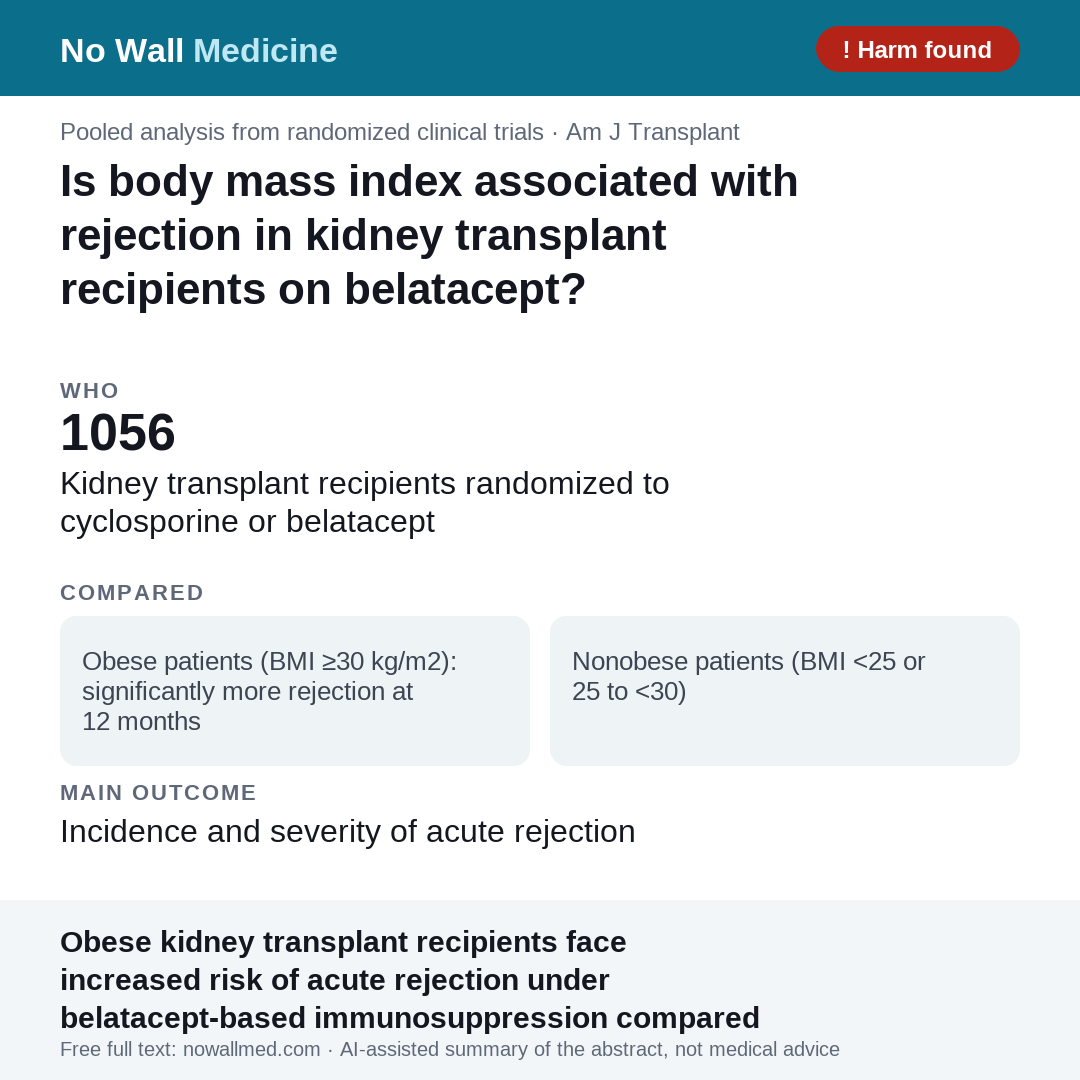
Obesity is associated with a higher incidence of rejection in patients on belatacept: A pooled analysis from the BENEFIT/BENEFIT-EXT clinical trials
Pooled analysis from randomized clinical trialsHarm found
Is body mass index associated with rejection in kidney transplant recipients on belatacept?
Who
1056
Kidney transplant recipients randomized to cyclosporine or belatacept
Compared
Obese patients (BMI ≥30 kg/m2): significantly more rejection at 12 months
Nonobese patients (BMI <25 or 25 to <30)
Main outcome
Incidence and severity of acute rejection
Bottom line: Obese kidney transplant recipients face increased risk of acute rejection under belatacept-based immunosuppression compared to nonobese patients.
Am J Transplant · 2024-02-21Download image
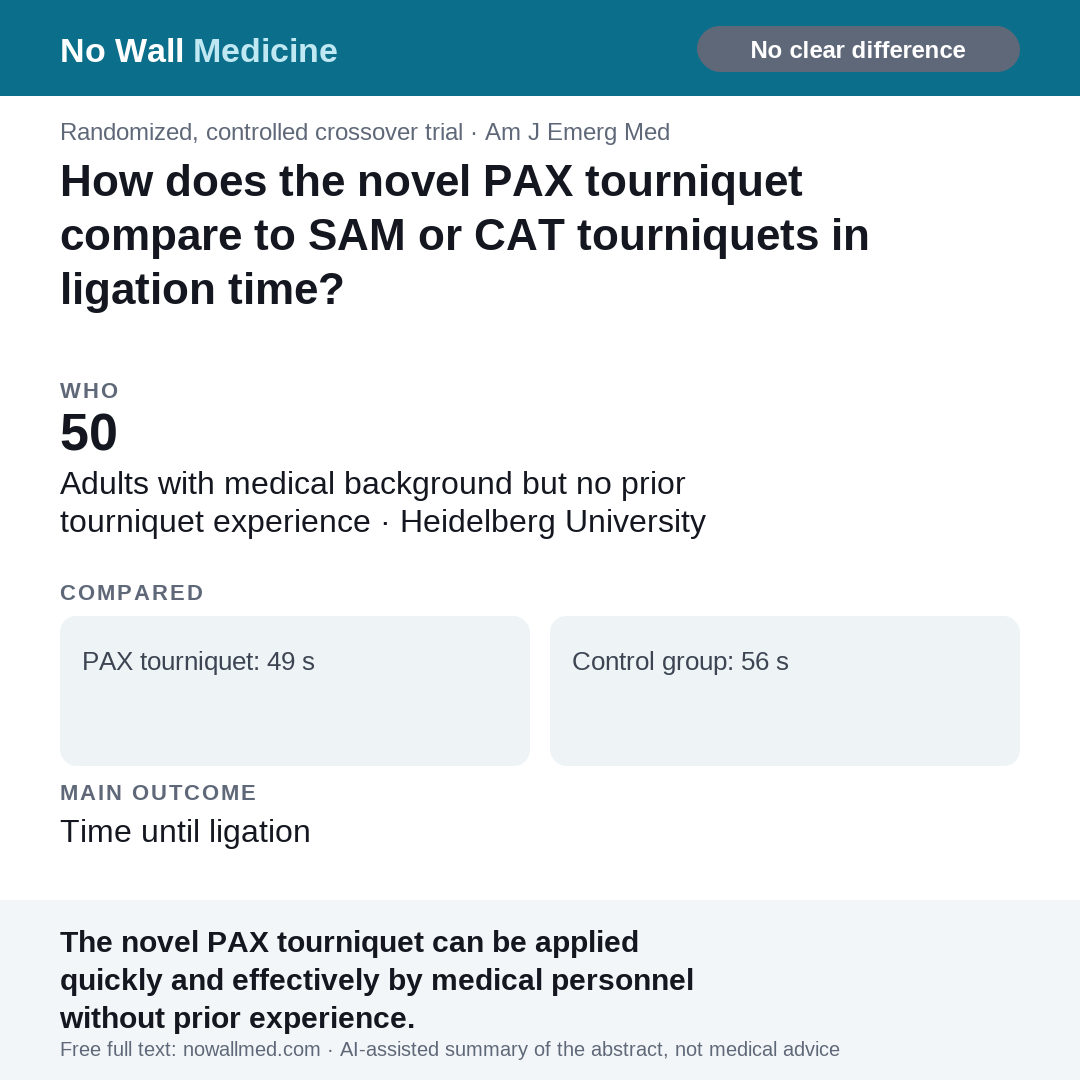
Evaluating time until ligation in a novel tourniquet - A crossover randomized-controlled trial
Randomized, controlled crossover trialNo clear difference
How does the novel PAX tourniquet compare to SAM or CAT tourniquets in ligation time?
Who
50
Adults with medical background but no prior tourniquet experience · Heidelberg University Hospital
Compared
PAX tourniquet: 49 s
Control group: 56 s
Main outcome
Time until ligation
Bottom line: The novel PAX tourniquet can be applied quickly and effectively by medical personnel without prior experience.
Am J Emerg Med · 2024-02-21Download image
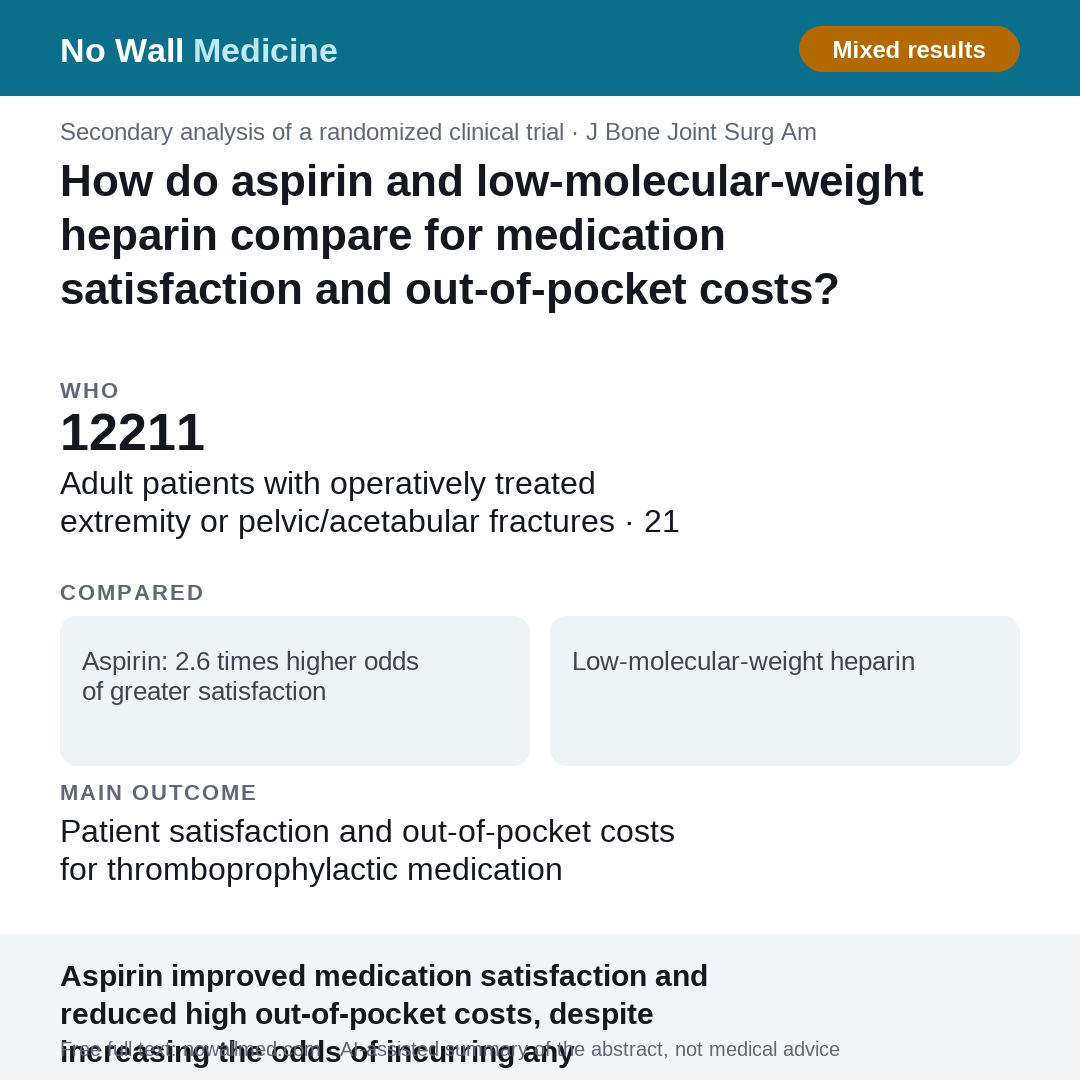
Effect of Aspirin Versus Low-Molecular-Weight Heparin Thromboprophylaxis on Medication Satisfaction and Out-of-Pocket Costs: A Secondary Analysis of a Randomized Clinical Trial
Secondary analysis of a randomized clinical trialMixed results
How do aspirin and low-molecular-weight heparin compare for medication satisfaction and out-of-pocket costs?
Who
12211
Adult patients with operatively treated extremity or pelvic/acetabular fractures · 21 trauma centers in the U.S. and Canada
Compared
Aspirin: 2.6 times higher odds of greater satisfaction
Low-molecular-weight heparin
Main outcome
Patient satisfaction and out-of-pocket costs for thromboprophylactic medication
Result: odds ratio 2.59 (95% CI 2.39 to 2.80) for satisfaction
Bottom line: Aspirin improved medication satisfaction and reduced high out-of-pocket costs, despite increasing the odds of incurring any out-of-pocket costs.
J Bone Joint Surg Am · 2024-02-21Download image
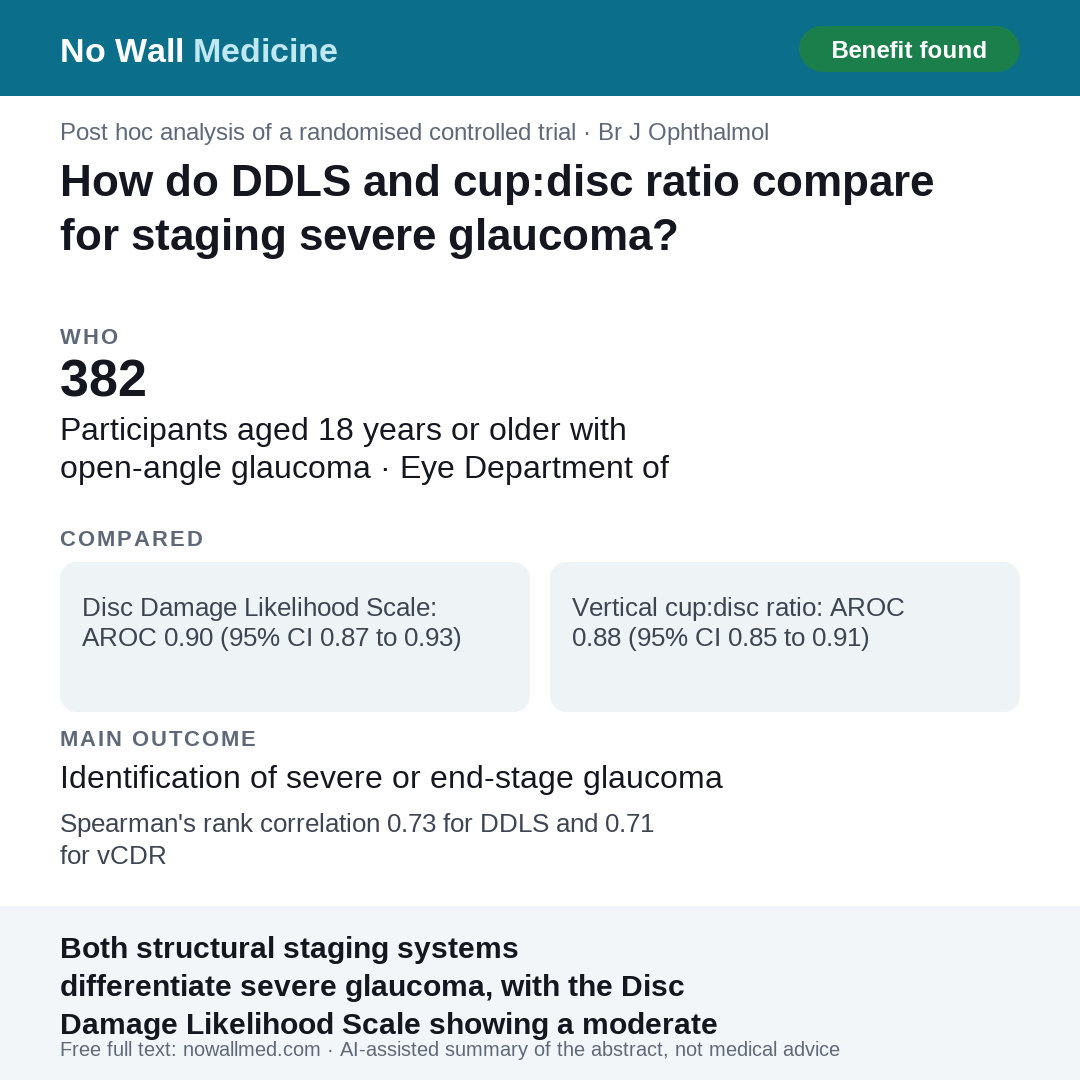
Differentiating stages of functional vision loss from glaucoma using the Disc Damage Likelihood Scale and cup:disc ratio
Post hoc analysis of a randomised controlled trialBenefit found
How do DDLS and cup:disc ratio compare for staging severe glaucoma?
Who
382
Participants aged 18 years or older with open-angle glaucoma · Eye Department of Kilimanjaro Christian Medical Centre, Tanzania
Compared
Disc Damage Likelihood Scale: AROC 0.90 (95% CI 0.87 to 0.93)
Vertical cup:disc ratio: AROC 0.88 (95% CI 0.85 to 0.91)
Main outcome
Identification of severe or end-stage glaucoma
Result: Spearman's rank correlation 0.73 for DDLS and 0.71 for vCDR
Bottom line: Both structural staging systems differentiate severe glaucoma, with the Disc Damage Likelihood Scale showing a moderate advantage over cup:disc ratio.
Br J Ophthalmol · 2024-02-21Download image
Clinical care of childhood sexual abuse: a systematic review and critical appraisal of guidelines from European countries
Systematic review and critical appraisalHarm found
What is the quality and reporting of national clinical practice guidelines for childhood sexual abuse in Europe?
Who
National clinical practice guidelines from 34 COST Action 19106 Network Countries · European countries
Compared
National clinical practice guidelines: lacked many components compared to WHO reference standards
WHO reference standards
Main outcome
Quality and reporting of clinical practice guidelines
Bottom line: Many European countries lack guidelines, and existing ones often fall short in safety, risk assessment, and mental health interventions.
Funded by: International Centre for Missing and Exploited Children
Lancet Reg Health Eur · 2024-02-21Download image

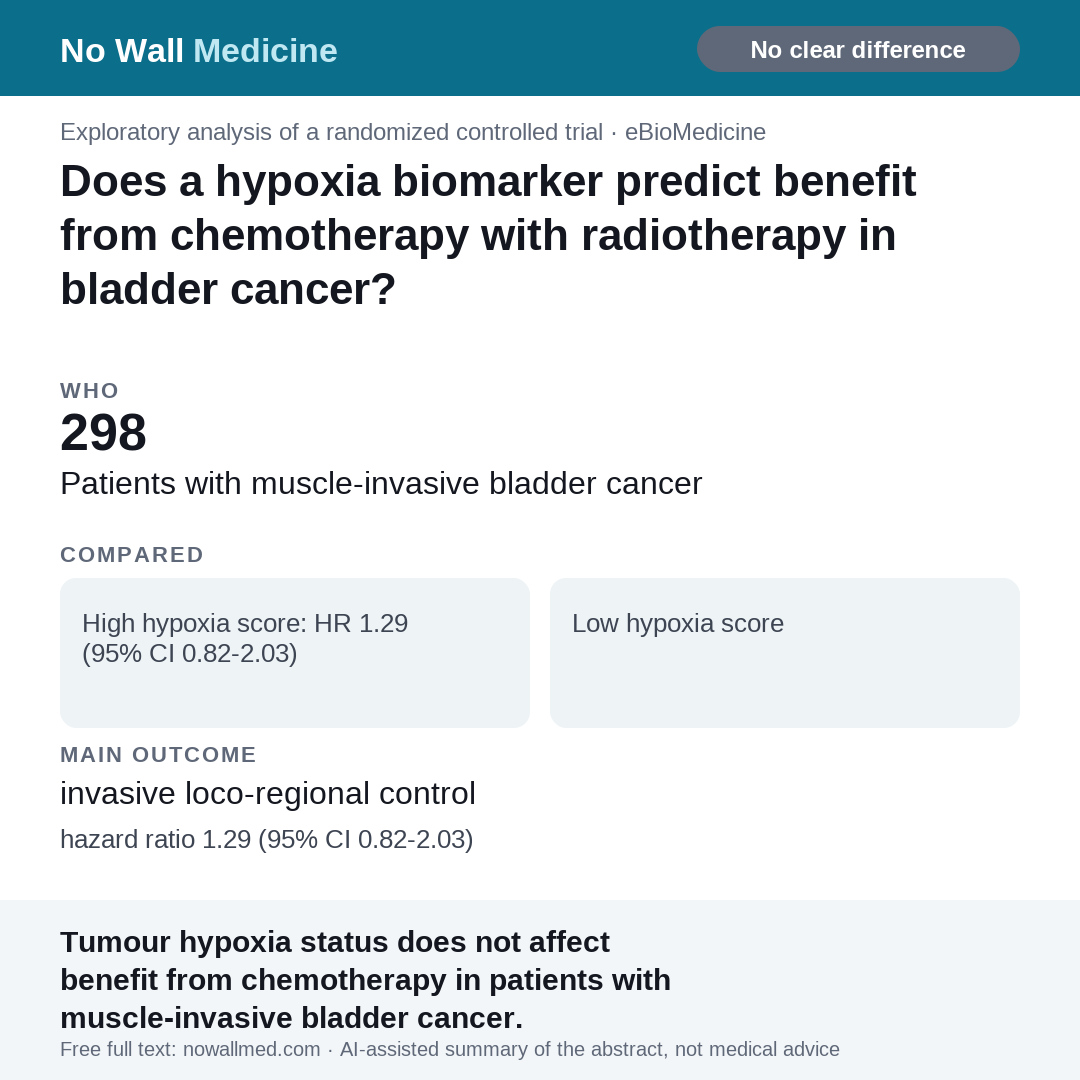
A hypoxia biomarker does not predict benefit from giving chemotherapy with radiotherapy in the BC2001 randomised controlled trial
Exploratory analysis of a randomized controlled trialNo clear difference
Does a hypoxia biomarker predict benefit from chemotherapy with radiotherapy in bladder cancer?
Who
298
Patients with muscle-invasive bladder cancer
Compared
High hypoxia score: HR 1.29 (95% CI 0.82-2.03)
Low hypoxia score
Main outcome
invasive loco-regional control
Result: hazard ratio 1.29 (95% CI 0.82-2.03)
Bottom line: Tumour hypoxia status does not affect benefit from chemotherapy in patients with muscle-invasive bladder cancer.
Funded by: Cancer Research UK, NIHR, MRC
eBioMedicine · 2024-02-21Download image
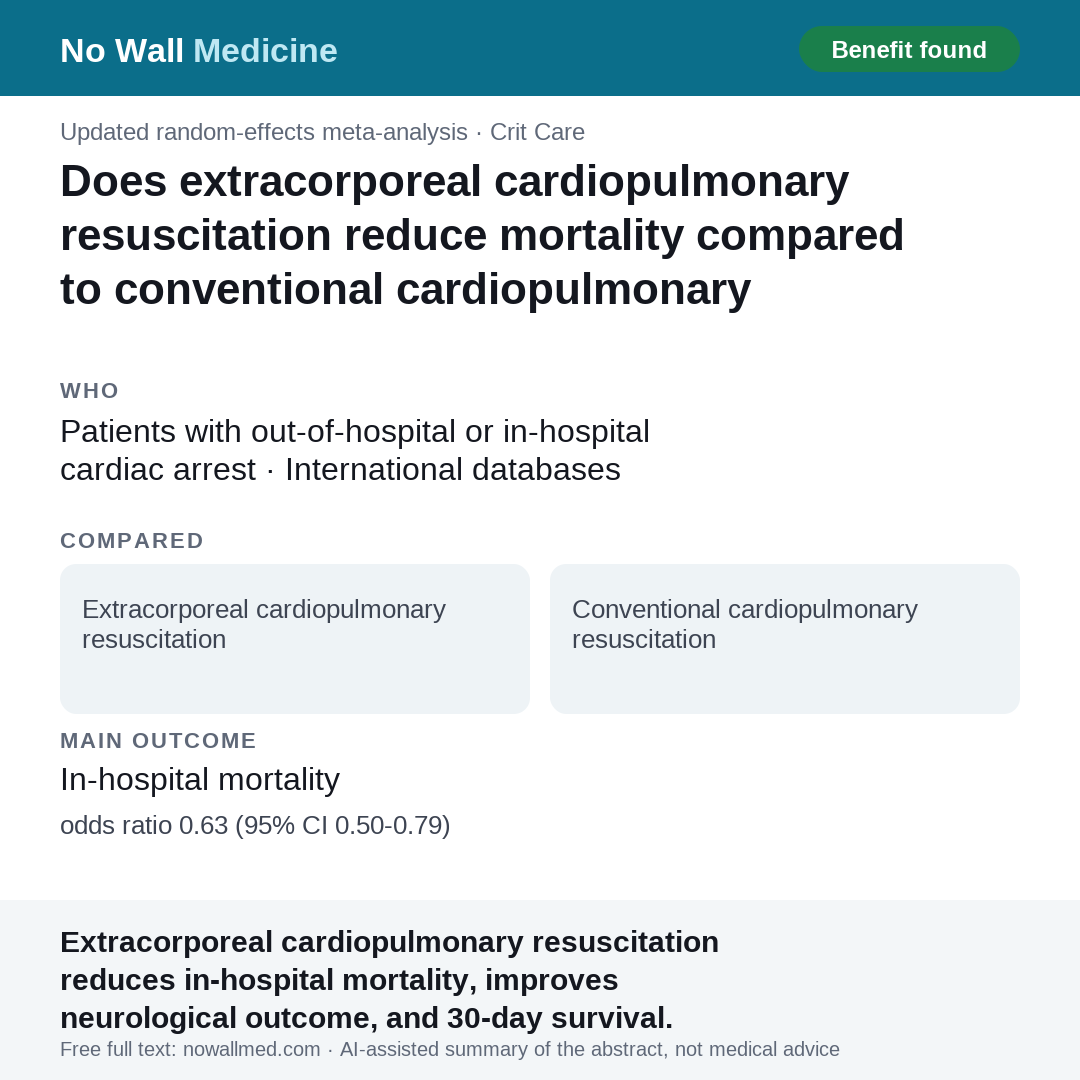
Extracorporeal cardiopulmonary resuscitation versus conventional CPR in cardiac arrest: an updated meta-analysis and trial sequential analysis
Updated random-effects meta-analysisBenefit found
Does extracorporeal cardiopulmonary resuscitation reduce mortality compared to conventional cardiopulmonary resuscitation?
Who
Patients with out-of-hospital or in-hospital cardiac arrest · International databases
Compared
Extracorporeal cardiopulmonary resuscitation
Conventional cardiopulmonary resuscitation
Main outcome
In-hospital mortality
Result: odds ratio 0.63 (95% CI 0.50-0.79)
Bottom line: Extracorporeal cardiopulmonary resuscitation reduces in-hospital mortality, improves neurological outcome, and 30-day survival.
Crit Care · 2024-02-21Download image
Novel subtypes of severe COVID-19 respiratory failure based on biological heterogeneity: a secondary analysis of a randomized controlled trial
Secondary analysis of a randomized controlled trialMixed results
Are there novel biological subtypes of severe COVID-19 respiratory failure with different outcomes?
Who
400
Adults with severe COVID-19 hypoxemic respiratory failure · Multi-institutional
Compared
Subtype 1
Subtype 2: twice the mortality rate compared with Subtype 1
Main outcome
28-day and 60-day mortality
Bottom line: Two novel biological subtypes of severe COVID-19 were identified with significantly different clinical outcomes.
Crit Care · 2024-02-21Download image

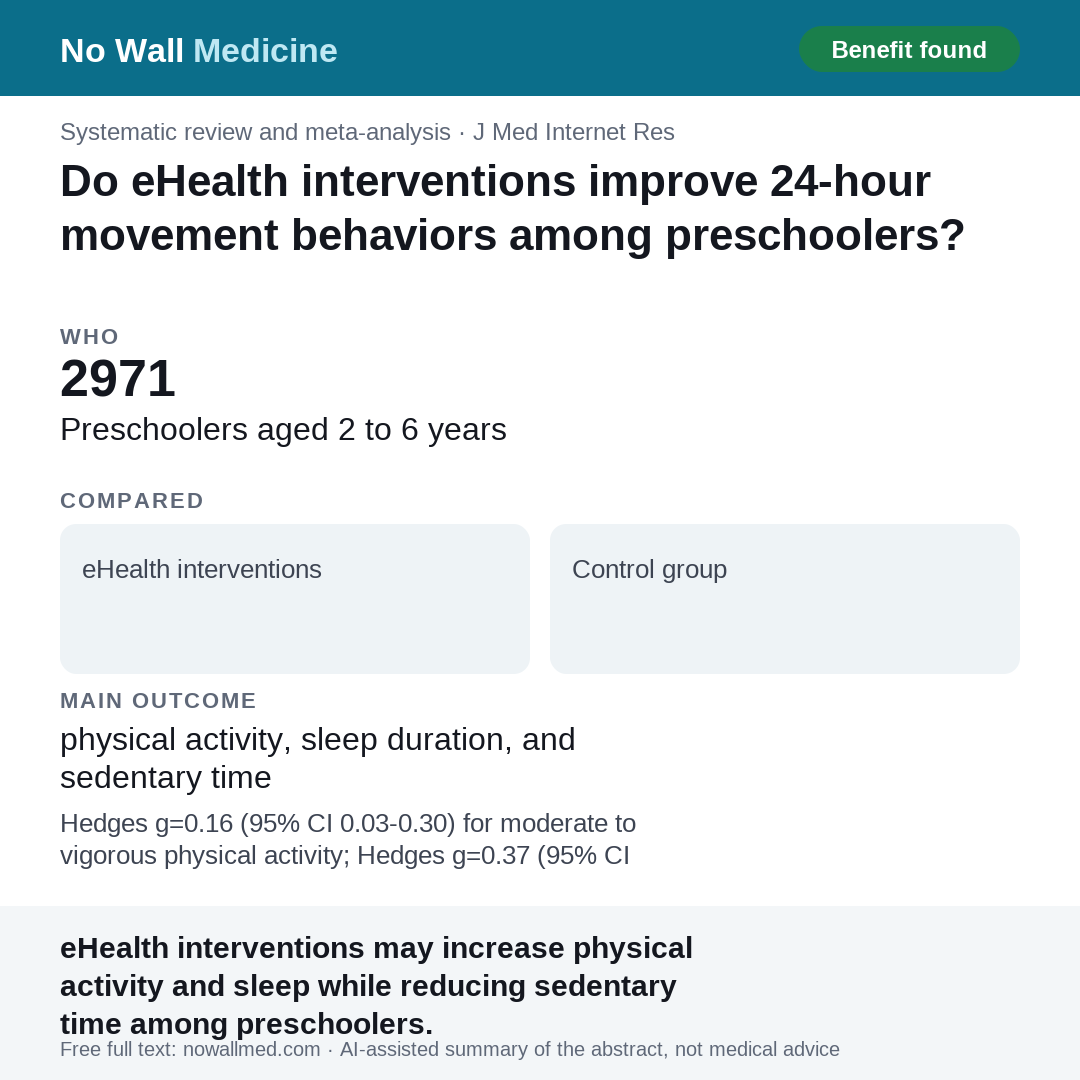
Effects of eHealth Interventions on 24-Hour Movement Behaviors Among Preschoolers: Systematic Review and Meta-Analysis
Systematic review and meta-analysisBenefit found
Do eHealth interventions improve 24-hour movement behaviors among preschoolers?
Who
2971
Preschoolers aged 2 to 6 years
Compared
eHealth interventions
Control group
Main outcome
physical activity, sleep duration, and sedentary time
Result: Hedges g=0.16 (95% CI 0.03-0.30) for moderate to vigorous physical activity; Hedges g=0.37 (95% CI 0.02-0.72) for total physical activity; Hedges g=-0.15 (95% CI -0.27 to -0.02) for sedentary time; Hedges g=0.47 (95% CI 0.18-0.75) for sleep duration
Bottom line: eHealth interventions may increase physical activity and sleep while reducing sedentary time among preschoolers.
Limitation: Need for larger sample sizes, more rigorous comparative trials, and exploration of long-term effects.
J Med Internet Res · 2024-02-21Download image
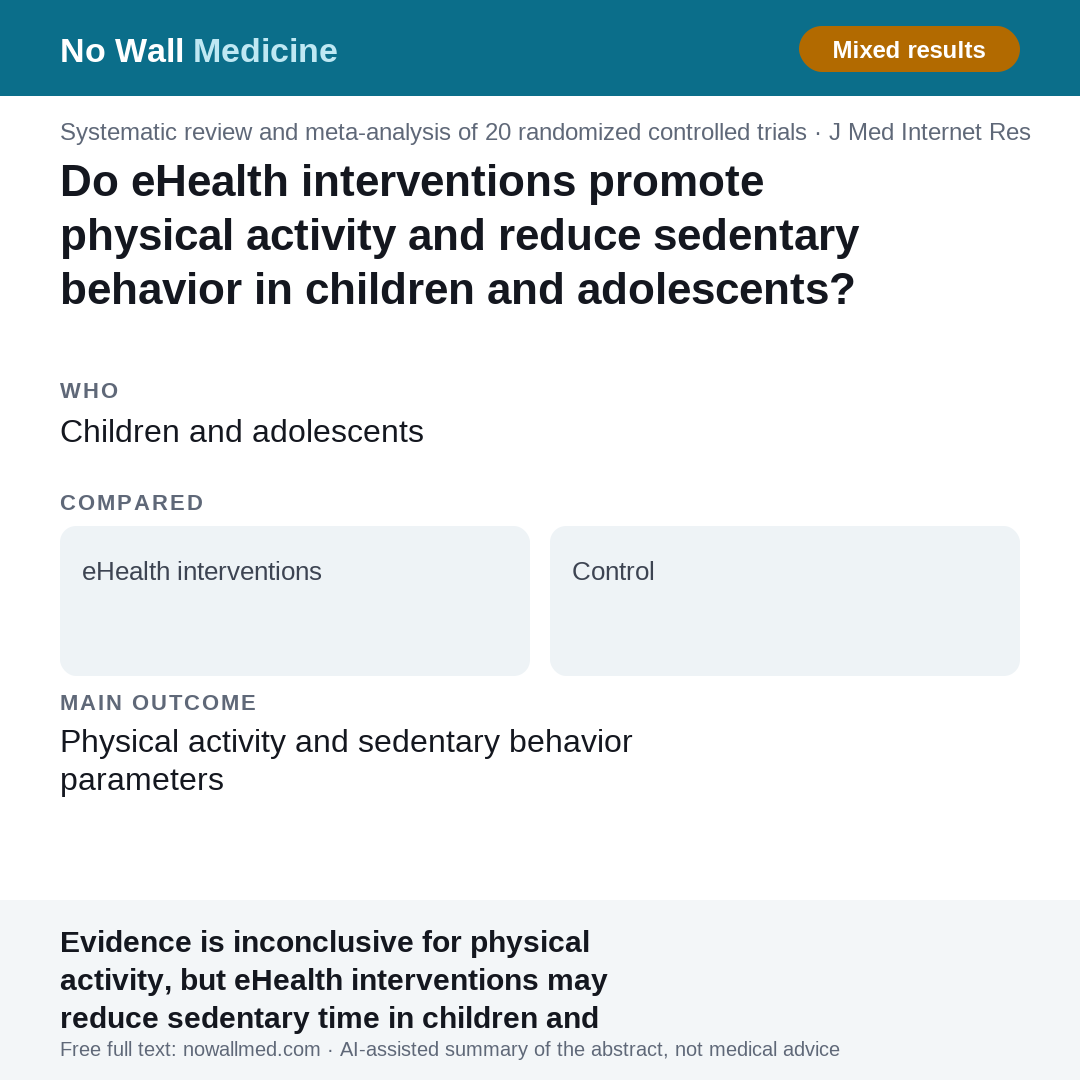
Effectiveness of eHealth Interventions Promoting Physical Activity in Children and Adolescents: Systematic Review and Meta-Analysis
Systematic review and meta-analysis of 20 randomized controlled trialsMixed results
Do eHealth interventions promote physical activity and reduce sedentary behavior in children and adolescents?
Who
Children and adolescents
Compared
eHealth interventions
Control
Main outcome
Physical activity and sedentary behavior parameters
Bottom line: Evidence is inconclusive for physical activity, but eHealth interventions may reduce sedentary time in children and adolescents.
Limitation: Scarcity of evidence, overall risk of bias, and low to very low certainty of evidence.
J Med Internet Res · 2024-02-21Download image
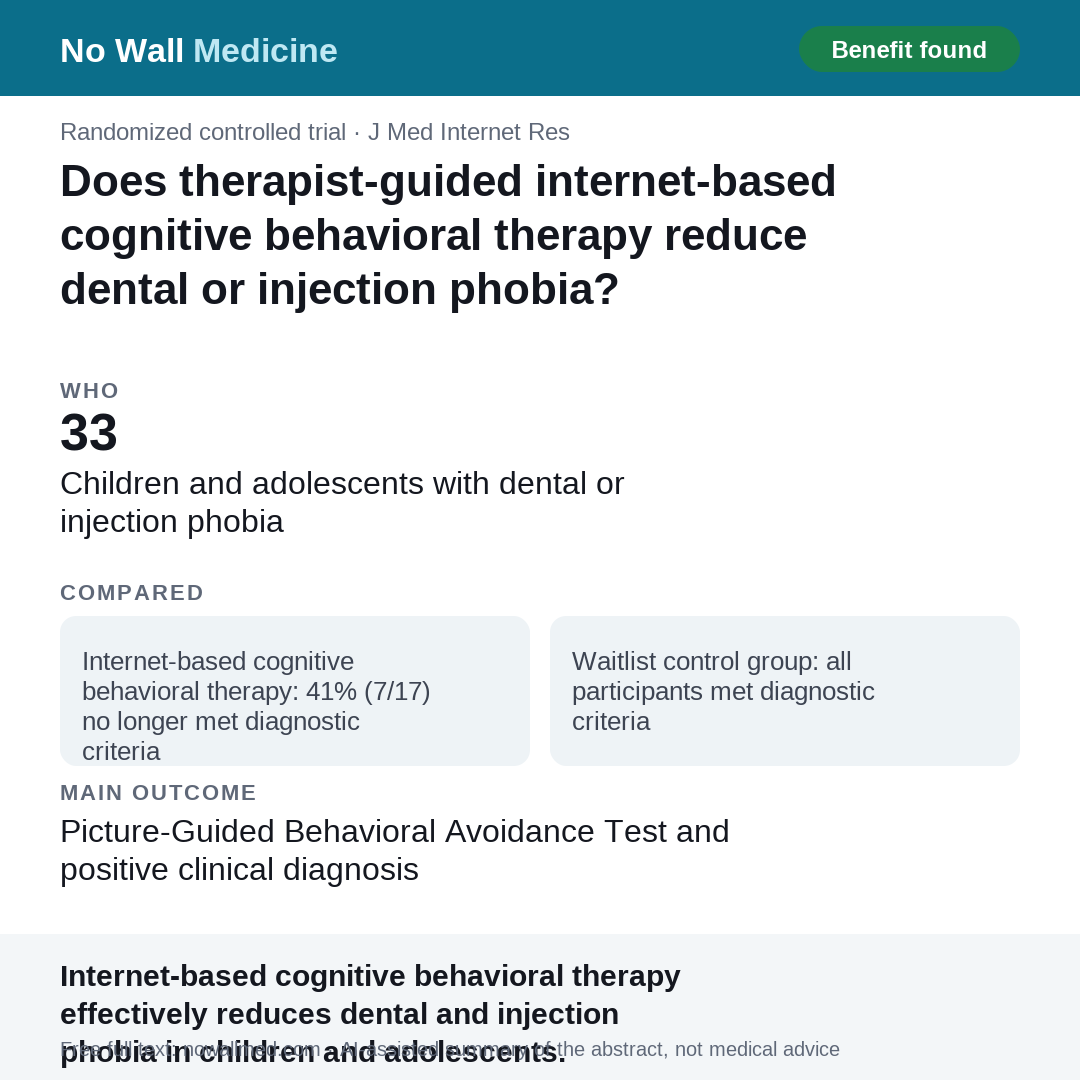
Internet-Based Cognitive Behavioral Therapy for Children and Adolescents With Dental or Injection Phobia: Randomized Controlled Trial
Randomized controlled trialBenefit found
Does therapist-guided internet-based cognitive behavioral therapy reduce dental or injection phobia?
Who
33
Children and adolescents with dental or injection phobia
Compared
Internet-based cognitive behavioral therapy: 41% (7/17) no longer met diagnostic criteria
Waitlist control group: all participants met diagnostic criteria
Main outcome
Picture-Guided Behavioral Avoidance Test and positive clinical diagnosis
Bottom line: Internet-based cognitive behavioral therapy effectively reduces dental and injection phobia in children and adolescents.
J Med Internet Res · 2024-02-21Download image