Visual abstracts
New randomized trials and meta-analyses from leading journals at a glance: who was studied, what was compared, and what was found. Every paper is free to read in full.
All specialtiesCardiology 4877Oncology 4138Gastroenterology & Hepatology 1942Infectious Disease 3837Neurology 1905Psychiatry & Mental Health 2273Pulmonology 2143Critical Care 1365Endocrinology & Diabetes 2580Pediatrics 2980Surgery 2559Orthopedics & Sports Medicine 931Neurosurgery 537Cardiothoracic & Vascular Surgery 674Plastic & Reconstructive Surgery 591Nephrology 1133Rheumatology 823Hematology 1109Dermatology 621Ophthalmology 543Obstetrics & Gynecology 1686Public & Global Health 1058Radiology & Imaging 648Anesthesiology 986Urology 764ENT (Otolaryngology) 503Emergency Medicine 511Allergy & Immunology 313Geriatrics 981Family Medicine & Primary Care 562Medical Genetics & Genomics 676Pathology & Laboratory Medicine 159Physical Medicine & Rehabilitation 757Palliative Care 444Nutrition 1588Digital Health & AI 2201General Medicine 321
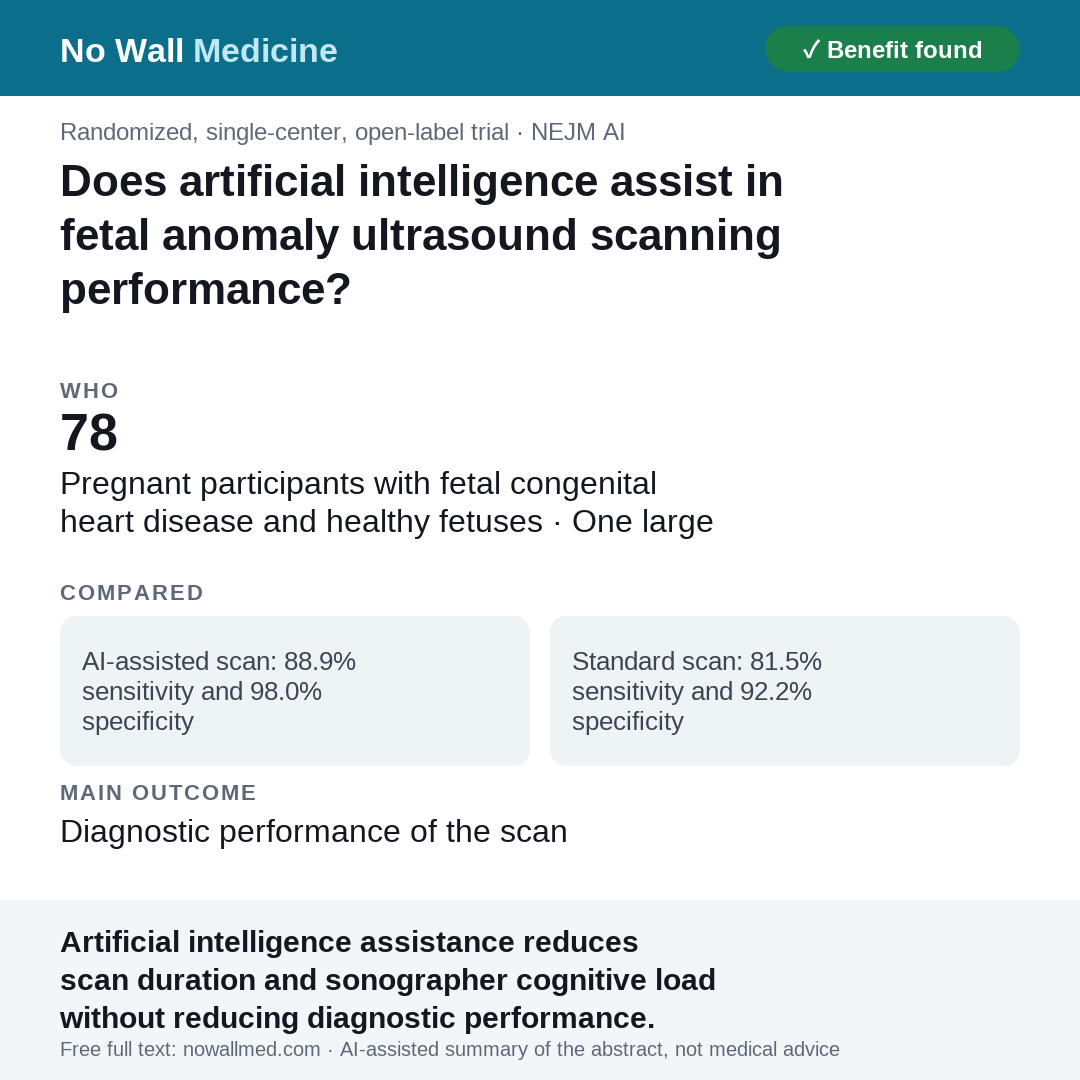
AI to Assist in the Fetal Anomaly Ultrasound Scan: A Randomized Controlled Trial
Randomized, single-center, open-label trialBenefit found
Does artificial intelligence assist in fetal anomaly ultrasound scanning performance?
Who
78
Pregnant participants with fetal congenital heart disease and healthy fetuses · One large teaching hospital
Compared
AI-assisted scan: 88.9% sensitivity and 98.0% specificity
Standard scan: 81.5% sensitivity and 92.2% specificity
Main outcome
Diagnostic performance of the scan
Result: difference in proportions 7.4% for sensitivity (97.5% CI, -15.9 to 30.7%)
Bottom line: Artificial intelligence assistance reduces scan duration and sonographer cognitive load without reducing diagnostic performance.
Funded by: NIHR doctoral fellowship and others
NEJM AI · 2025-03-27Download image
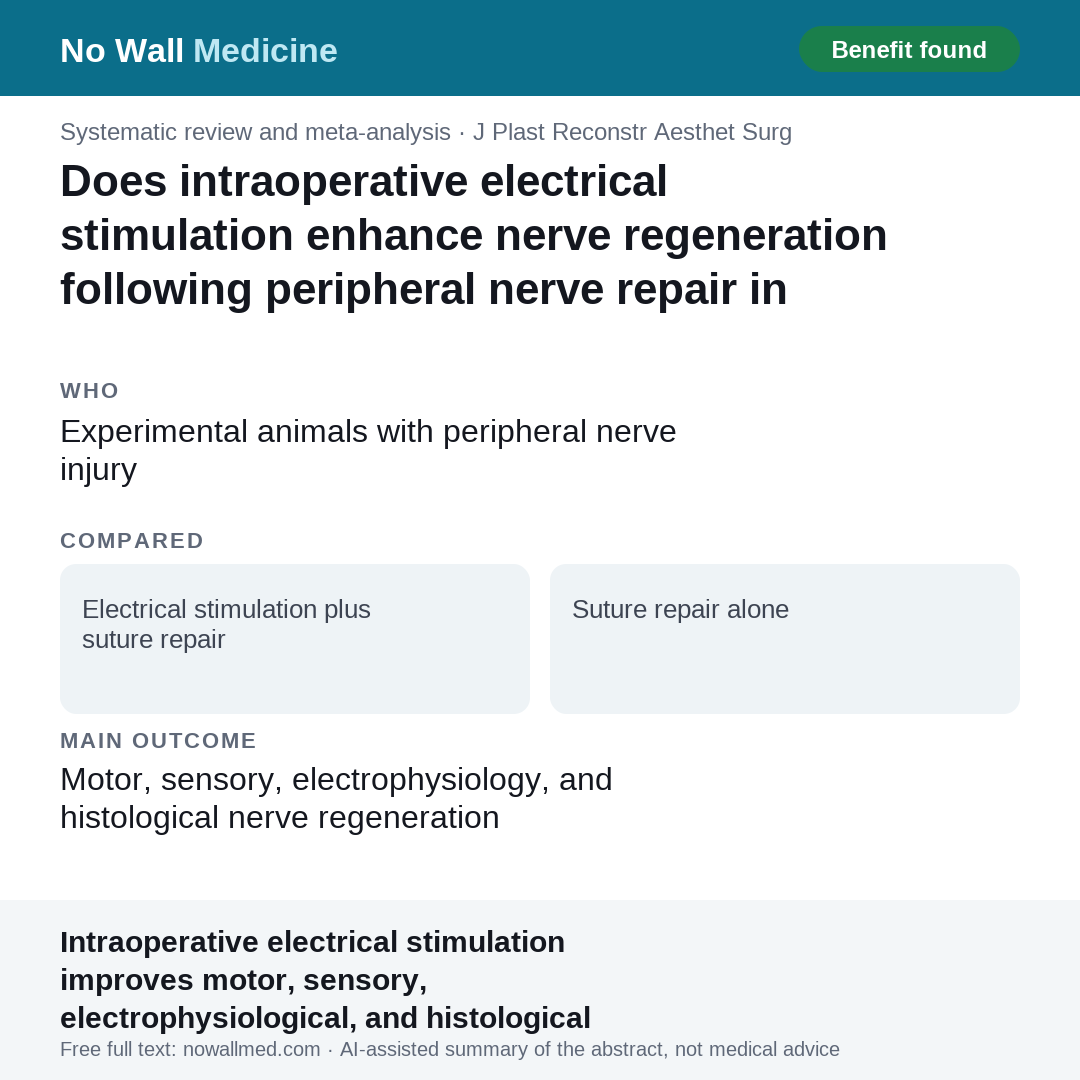
Does short-term intraoperative electrical stimulation enhance nerve regeneration following peripheral nerve repair? A systematic review and meta-analysis
Systematic review and meta-analysisBenefit found
Does intraoperative electrical stimulation enhance nerve regeneration following peripheral nerve repair in animals?
Who
Experimental animals with peripheral nerve injury
Compared
Electrical stimulation plus suture repair
Suture repair alone
Main outcome
Motor, sensory, electrophysiology, and histological nerve regeneration
Bottom line: Intraoperative electrical stimulation improves motor, sensory, electrophysiological, and histological outcomes following peripheral nerve repair in animals.
J Plast Reconstr Aesthet Surg · 2025-03-27Download image
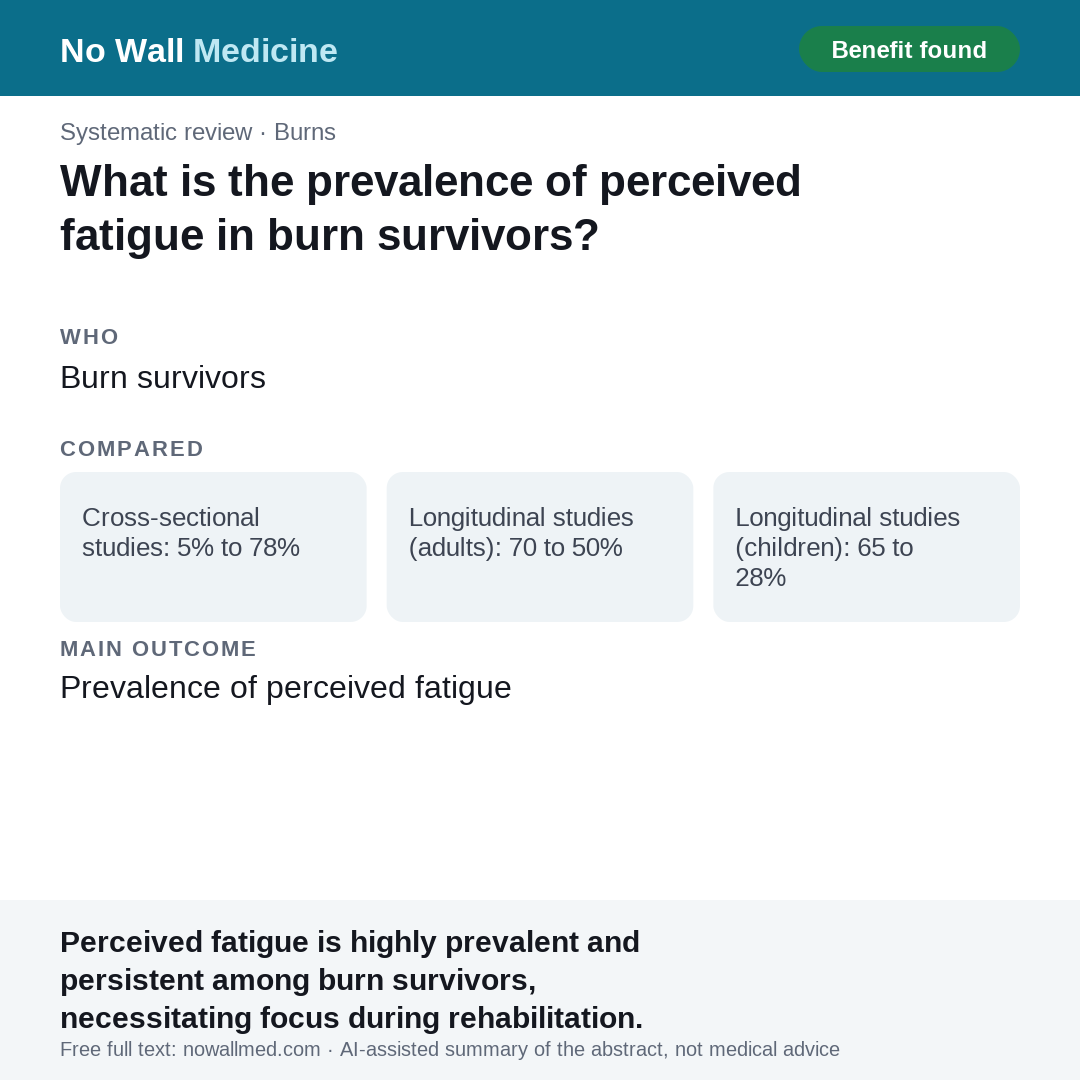
The prevalence of perceived fatigue in burn survivors: A systematic review of cross-sectional and longitudinal studies
Systematic reviewBenefit found
What is the prevalence of perceived fatigue in burn survivors?
Who
Burn survivors
Compared
Cross-sectional studies: 5% to 78%
Longitudinal studies (adults): 70 to 50%
Longitudinal studies (children): 65 to 28%
Main outcome
Prevalence of perceived fatigue
Bottom line: Perceived fatigue is highly prevalent and persistent among burn survivors, necessitating focus during rehabilitation.
Burns · 2025-03-27Download image
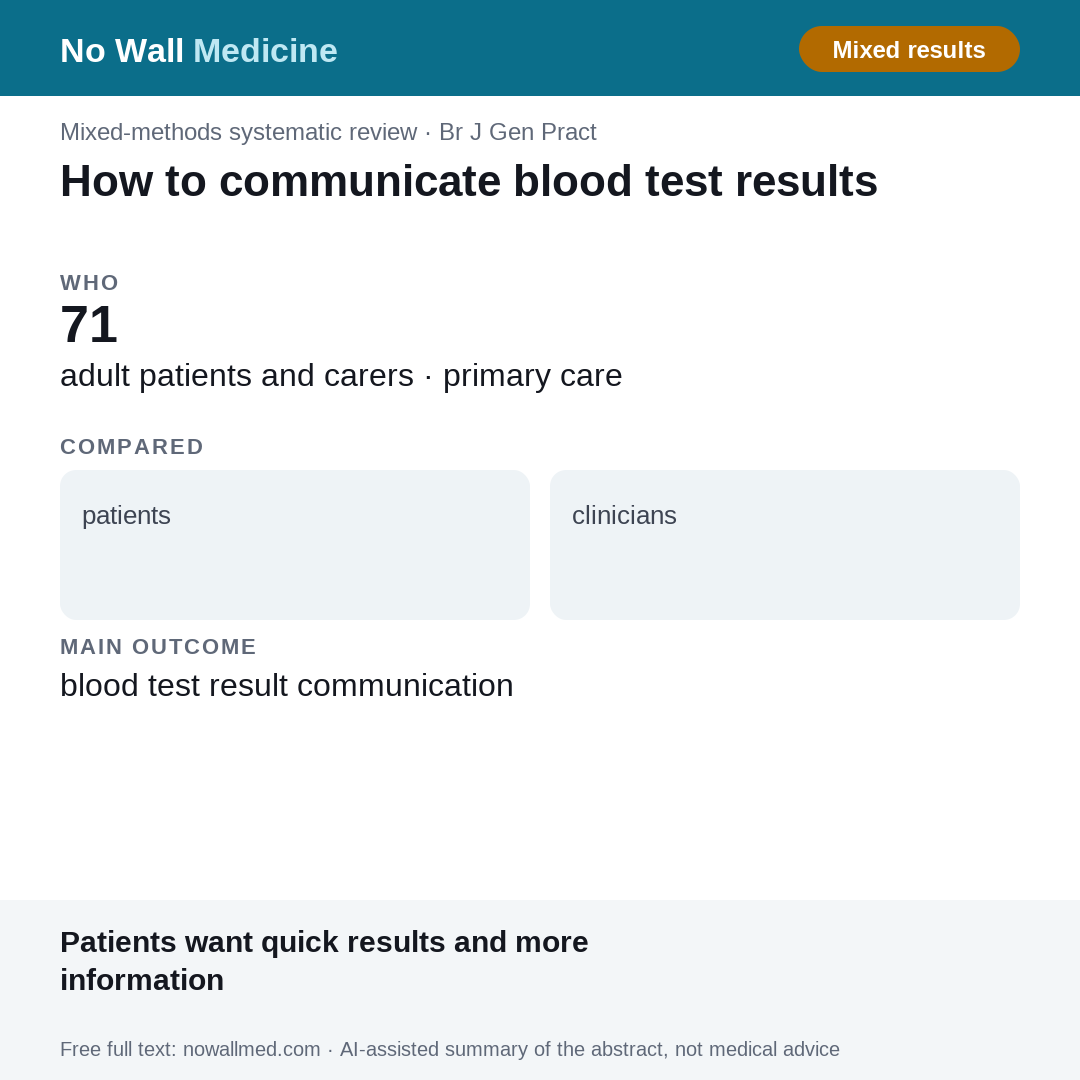
Communicating blood test results in primary care: a mixed-methods systematic review
Mixed-methods systematic reviewMixed results
How to communicate blood test results
Who
71
adult patients and carers · primary care
Compared
patients
clinicians
Main outcome
blood test result communication
Bottom line: Patients want quick results and more information
Limitation: poor study quality and high risk of bias
Br J Gen Pract · 2025-03-27Download image
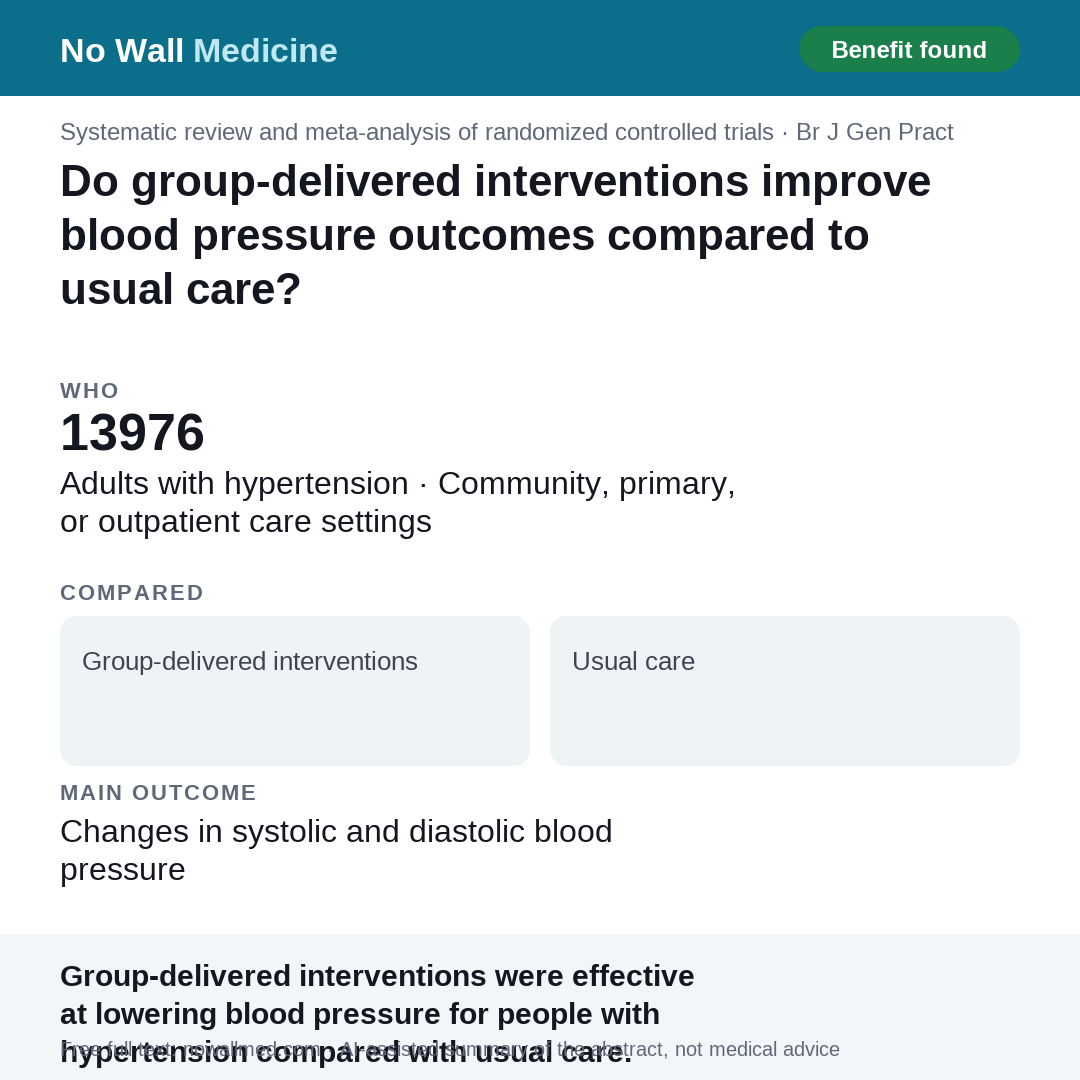
Group-delivered interventions for lowering blood pressure in hypertension: a systematic review and meta-analysis
Systematic review and meta-analysis of randomized controlled trialsBenefit found
Do group-delivered interventions improve blood pressure outcomes compared to usual care?
Who
13976
Adults with hypertension · Community, primary, or outpatient care settings
Compared
Group-delivered interventions
Usual care
Main outcome
Changes in systolic and diastolic blood pressure
Result: systolic BP reduced by 7.2 mmHg (95% CI 4.7 to 9.6)
Bottom line: Group-delivered interventions were effective at lowering blood pressure for people with hypertension compared with usual care.
Limitation: Feasibility and cost-effectiveness in primary care require further study.
Br J Gen Pract · 2025-03-27Download image
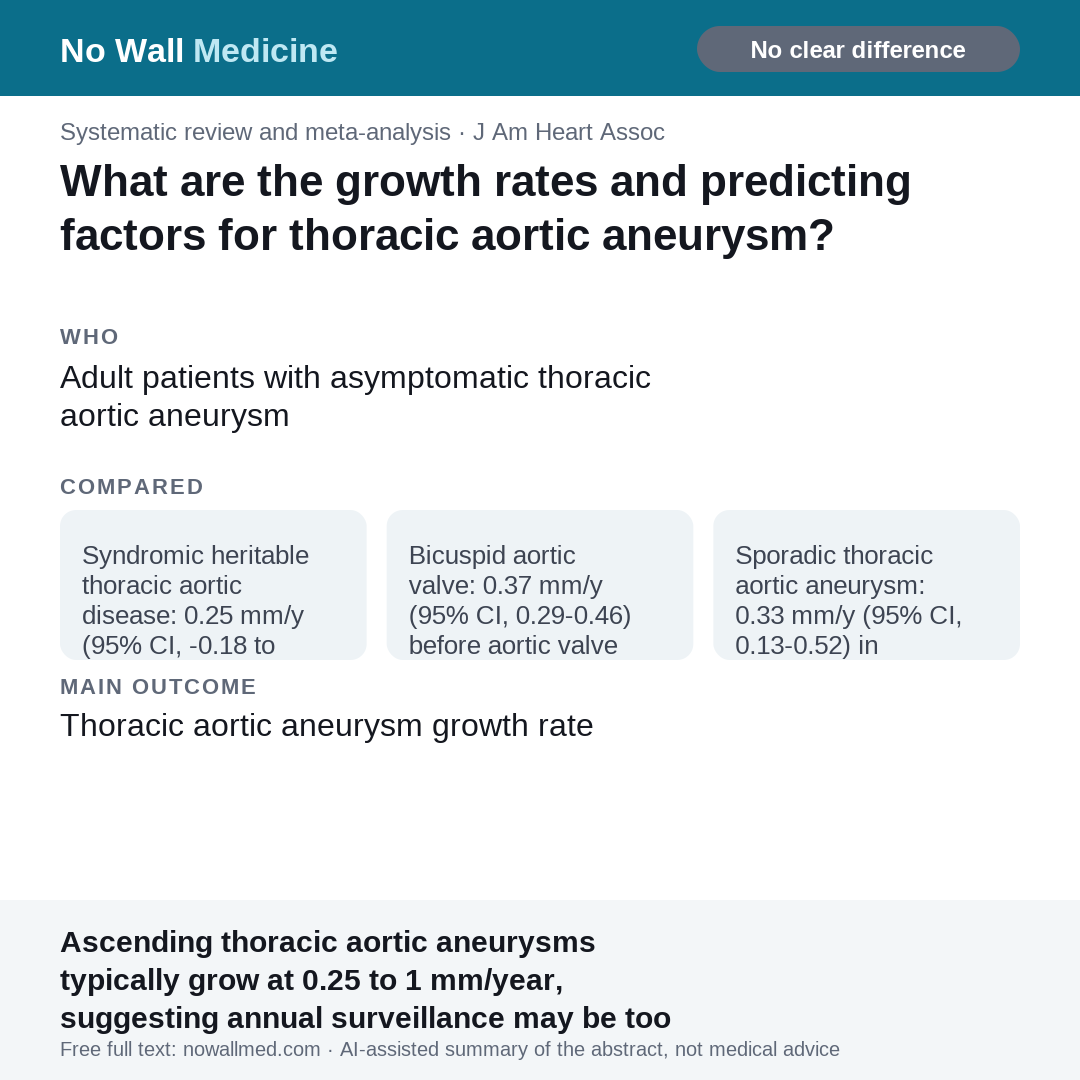
Thoracic Aortic Aneurysm Growth Rates and Predicting Factors: A Systematic Review and Meta-Analysis
Systematic review and meta-analysisNo clear difference
What are the growth rates and predicting factors for thoracic aortic aneurysm?
Who
Adult patients with asymptomatic thoracic aortic aneurysm
Compared
Syndromic heritable thoracic aortic disease: 0.25 mm/y (95% CI, -0.18 to 0.68) in Turner syndrome
Bicuspid aortic valve: 0.37 mm/y (95% CI, 0.29-0.46) before aortic valve surgery
Sporadic thoracic aortic aneurysm: 0.33 mm/y (95% CI, 0.13-0.52) in ascending TAA
Main outcome
Thoracic aortic aneurysm growth rate
Bottom line: Ascending thoracic aortic aneurysms typically grow at 0.25 to 1 mm/year, suggesting annual surveillance may be too frequent.
J Am Heart Assoc · 2025-03-27Download image
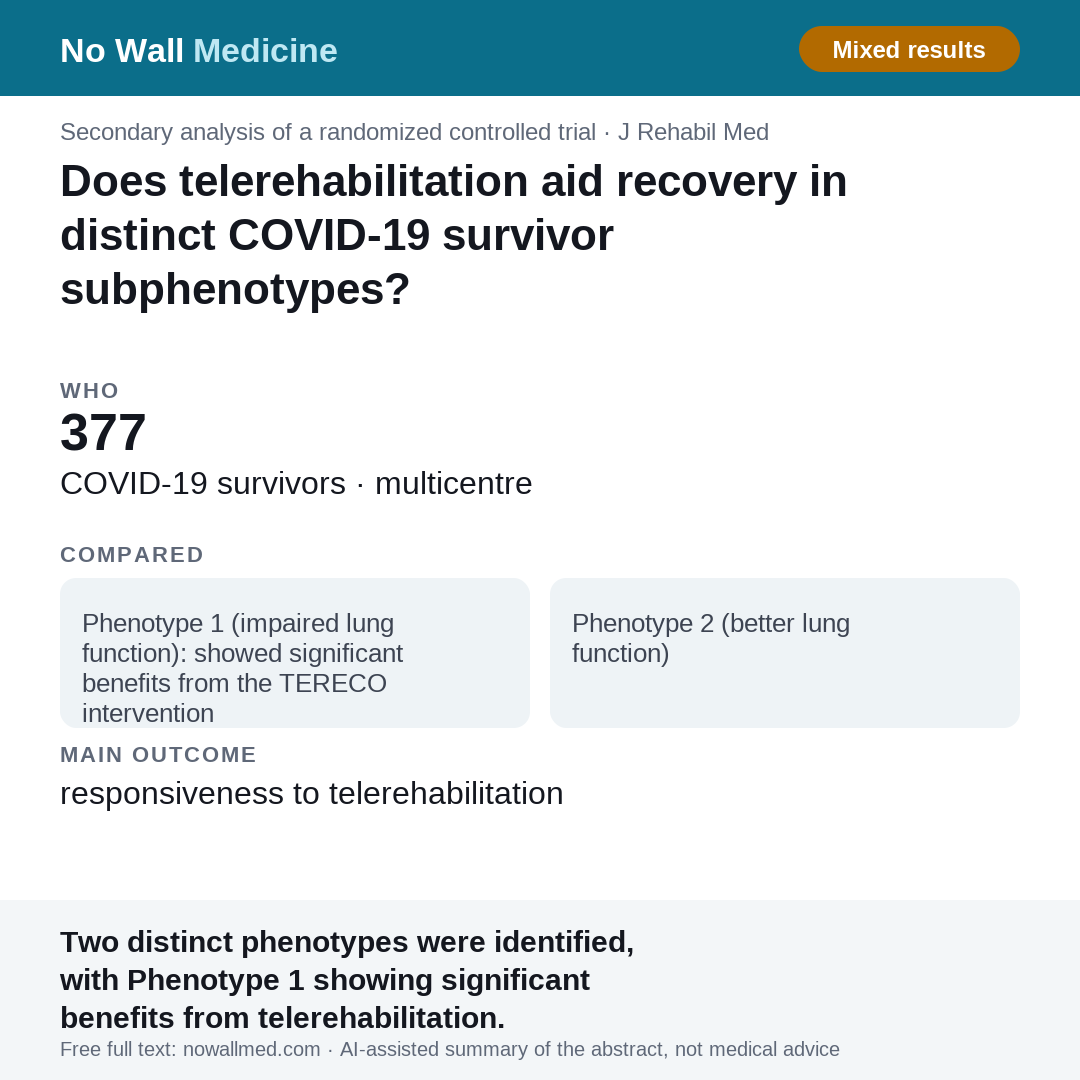
Subphenotypic classification of COVID-19 survivors and response to telerehabilitation: a latent class analysis
Secondary analysis of a randomized controlled trialMixed results
Does telerehabilitation aid recovery in distinct COVID-19 survivor subphenotypes?
Who
377
COVID-19 survivors · multicentre
Compared
Phenotype 1 (impaired lung function): showed significant benefits from the TERECO intervention
Phenotype 2 (better lung function)
Main outcome
responsiveness to telerehabilitation
Bottom line: Two distinct phenotypes were identified, with Phenotype 1 showing significant benefits from telerehabilitation.
J Rehabil Med · 2025-03-27Download image
Frequency-specific modulation of motor cortical excitability by transcranial alternating current stimulation
Randomized, sham-controlled, crossover studyBenefit found
How do different frequencies of transcranial alternating current stimulation affect motor cortical excitability?
Who
18
healthy young adults
Compared
gamma transcranial alternating current stimulation: larger motor evoked potential amplitudes
beta transcranial alternating current stimulation: no significant changes
sham stimulation: no significant changes
Main outcome
cortical excitability and neuroplasticity
Bottom line: Gamma frequency transcranial alternating current stimulation significantly enhances cortical excitability compared to beta or sham stimulation.
J Neuroeng Rehabil · 2025-03-27Download image
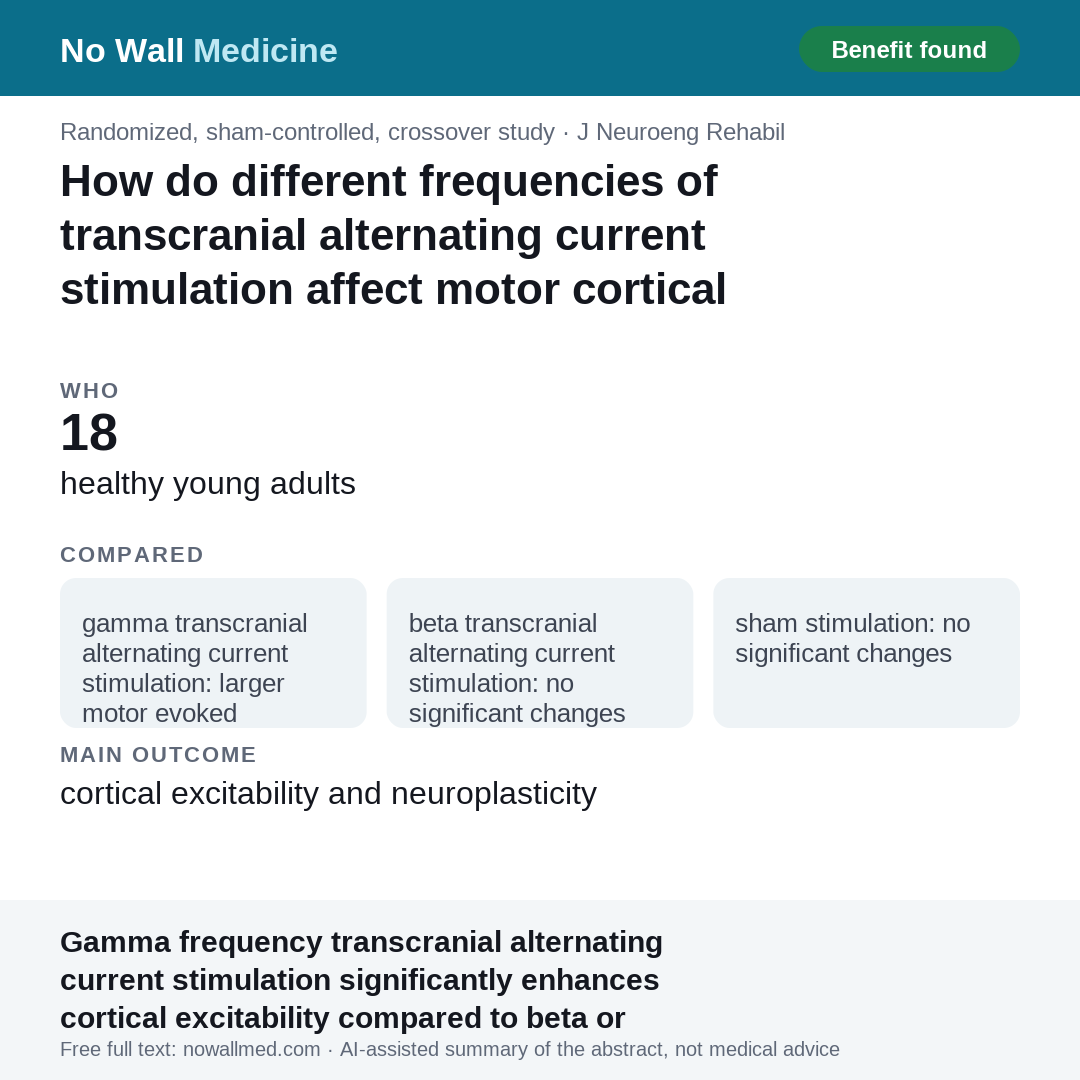
FirstCPR: A pragmatic community organisation-based cluster randomised trial to increase community training and preparedness to respond to out-of-hospital cardiac arrest
Cluster randomised controlled trialBenefit found
Does a community organisation-targeted basic life support education approach increase training and preparedness?
Who
924
Members of community organisations with 50 or more members · Community organisations
Compared
63.8%Intervention
46.9%Control
Main outcome
Being trained and willing to perform cardiopulmonary resuscitation on a stranger
Result: adjusted odds ratio 2.22 (95% confidence interval 1.50 to 3.30)
Bottom line: A community organisation-targeted approach increased members' willingness and training to perform cardiopulmonary resuscitation on strangers.
Limitation: The survey response rates were very low.
Resusc Plus · 2025-03-27Download image
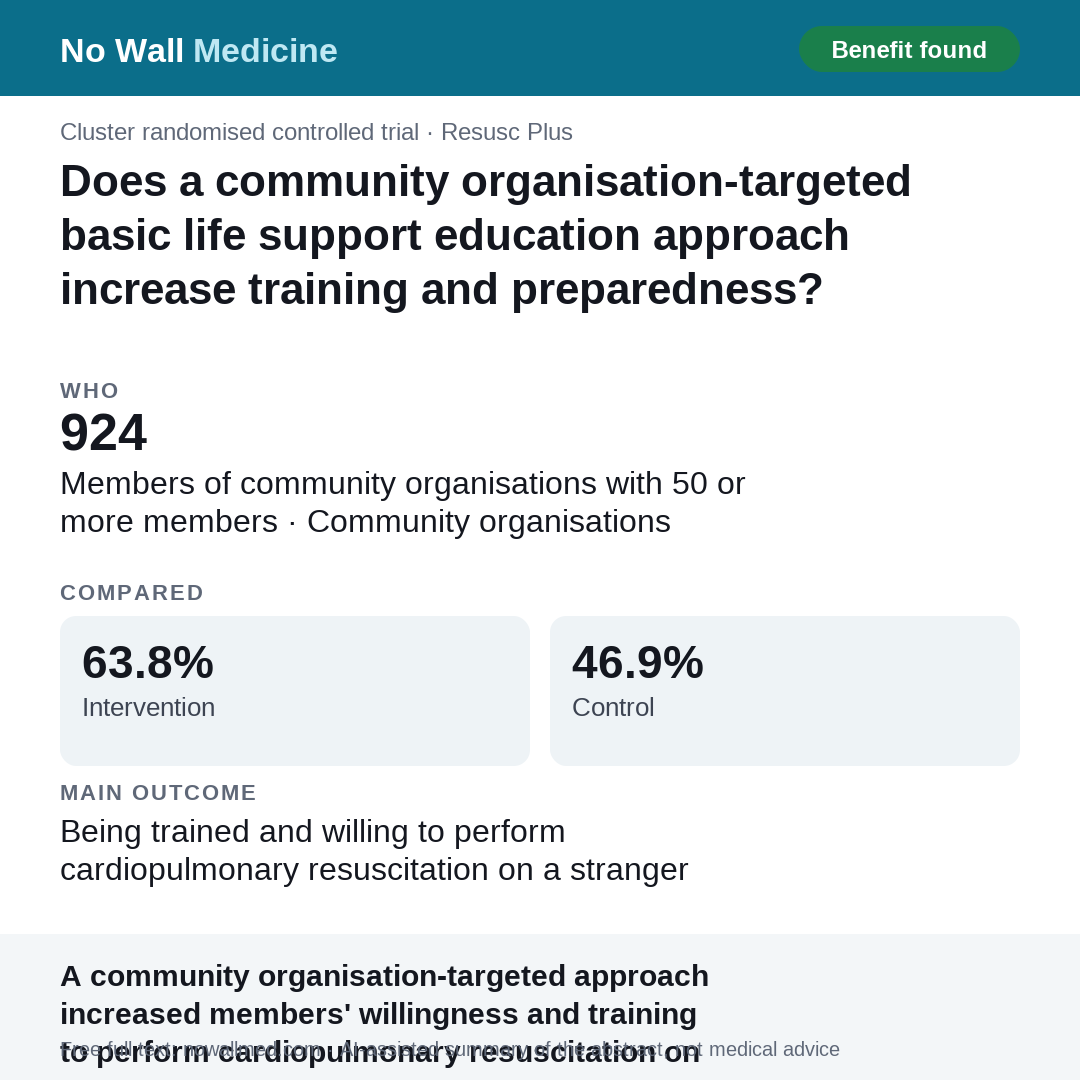
Long-Term Risk of Stroke After Transient Ischemic Attack or Minor Stroke: A Systematic Review and Meta-Analysis
Systematic review and meta-analysisHarm found
What is the long-term stroke risk after transient ischemic attack or minor stroke?
Who
171068
Patients with transient ischemic attack or minor stroke · Not specified
Compared
First year stroke rate: 5.94 events per 100 person-years
Second through fifth years annual rate: 1.80 events per 100 person-years
Sixth through tenth years annual rate: 1.72 events per 100 person-years
Main outcome
Any stroke
Result: 5-year cumulative incidence 12.5% (95% CI, 11.0%-14.1%)
Bottom line: Patients after transient ischemic attack or minor stroke face a persistently high risk of subsequent stroke for ten years.
JAMA · 2025-03-26Download image
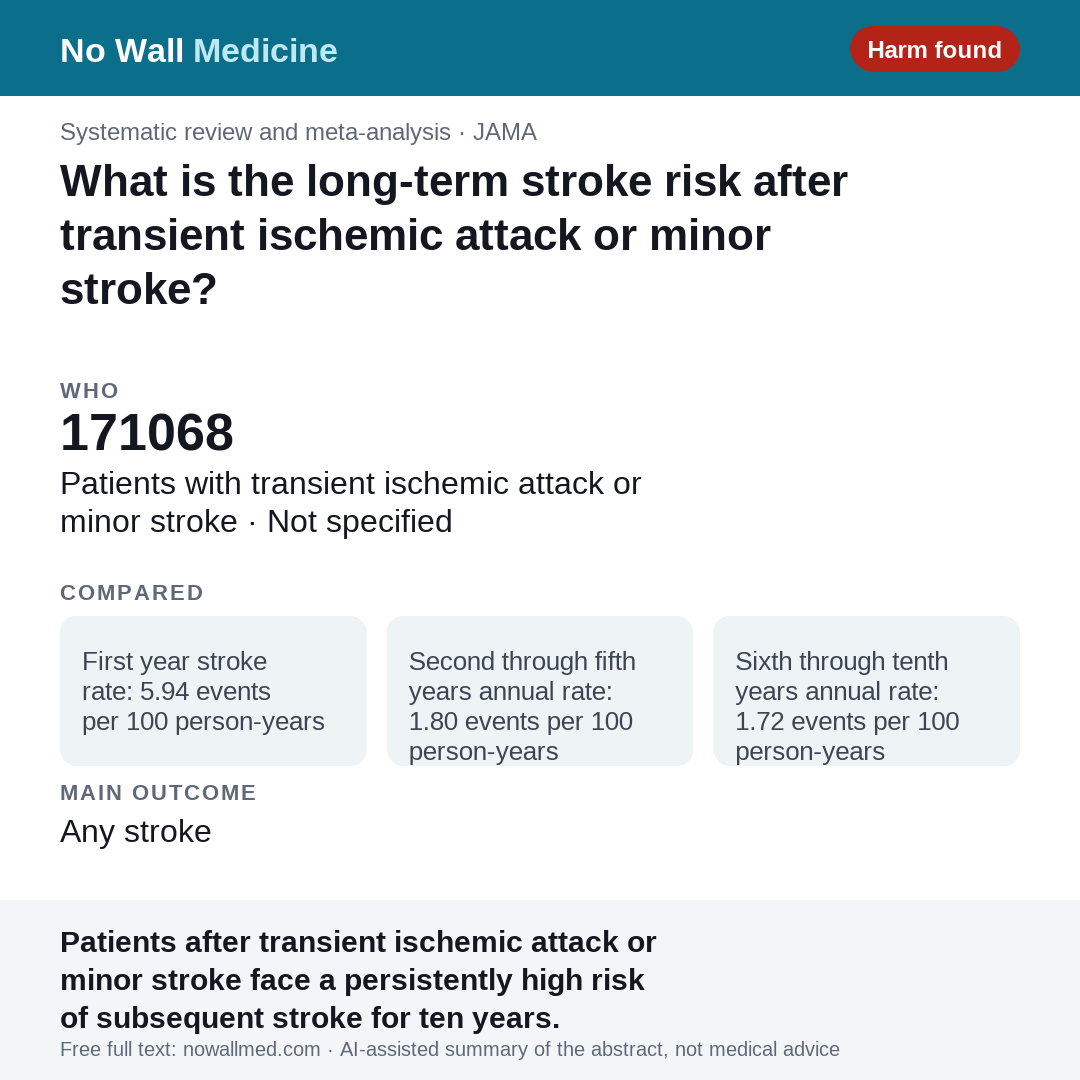
Safety and efficacy of transcranial direct current stimulation in addition to constraint-induced movement therapy for post-stroke motor recovery (TRANSPORT2): a phase 2, multicentre, randomised, sham-controlled triple-blind trial
Phase 2, multicentre, randomised, sham-controlled triple-blind trialNo clear difference
Does transcranial direct current stimulation plus modified constraint-induced movement therapy improve motor recovery after stroke?
Who
129
People with first ischaemic stroke 1-6 months preceding · 15 medical centres in the USA
Compared
4.91Sham plus modified constraint-induced movement therapy (3.00-6.82)
3.872 mA plus modified constraint-induced movement therapy (2.00-5.74)
5.534 mA plus modified constraint-induced movement therapy (3.64-7.42)
Main outcome
Change in Fugl-Meyer Upper-Extremity score from baseline to day 15
Result: p=0.39
Bottom line: Adding 2 mA or 4 mA transcranial direct current stimulation to modified constraint-induced movement therapy did not further reduce motor impairment.
Funded by: National Institute of Neurological Disorders and Stroke
Lancet Neurol · 2025-03-26Download image
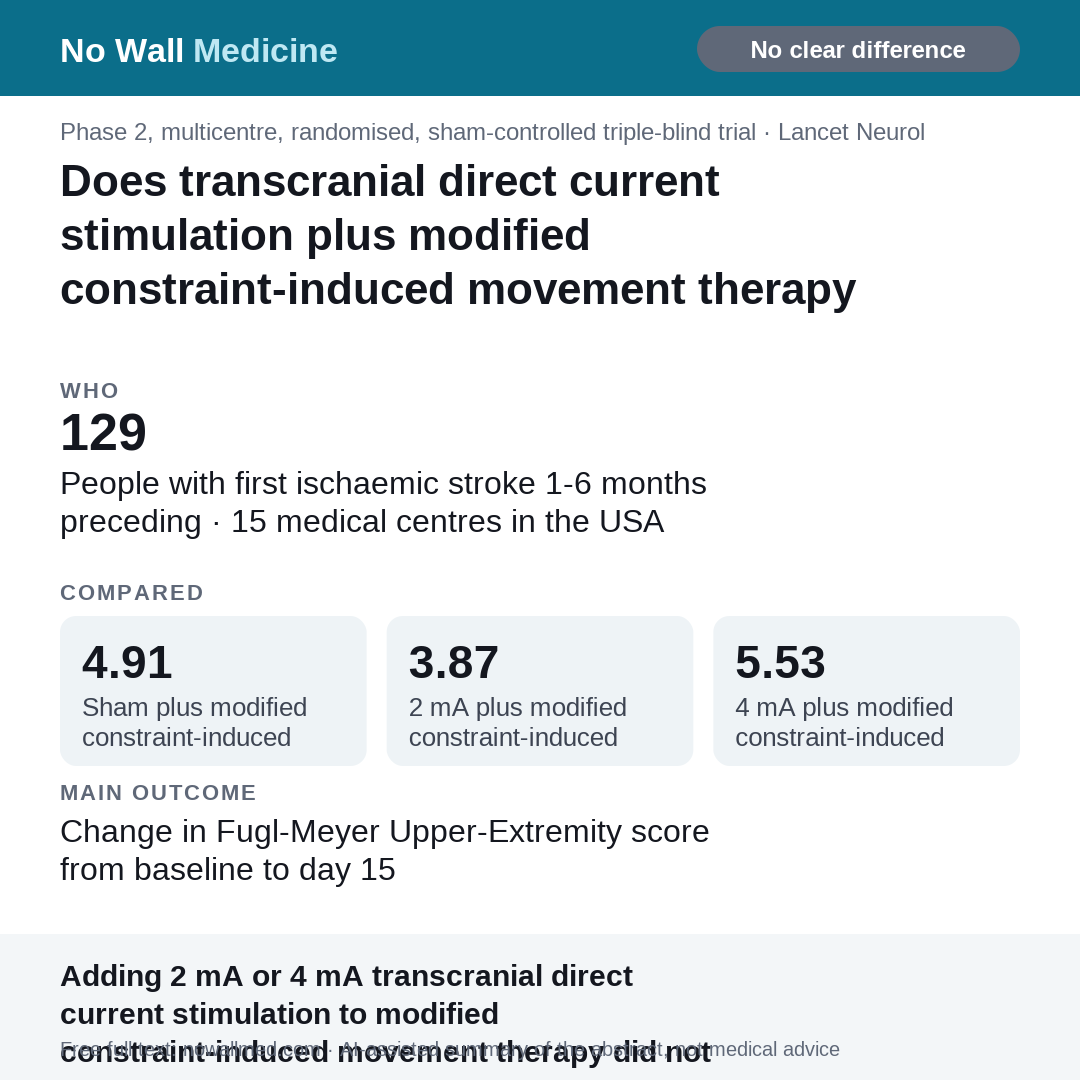
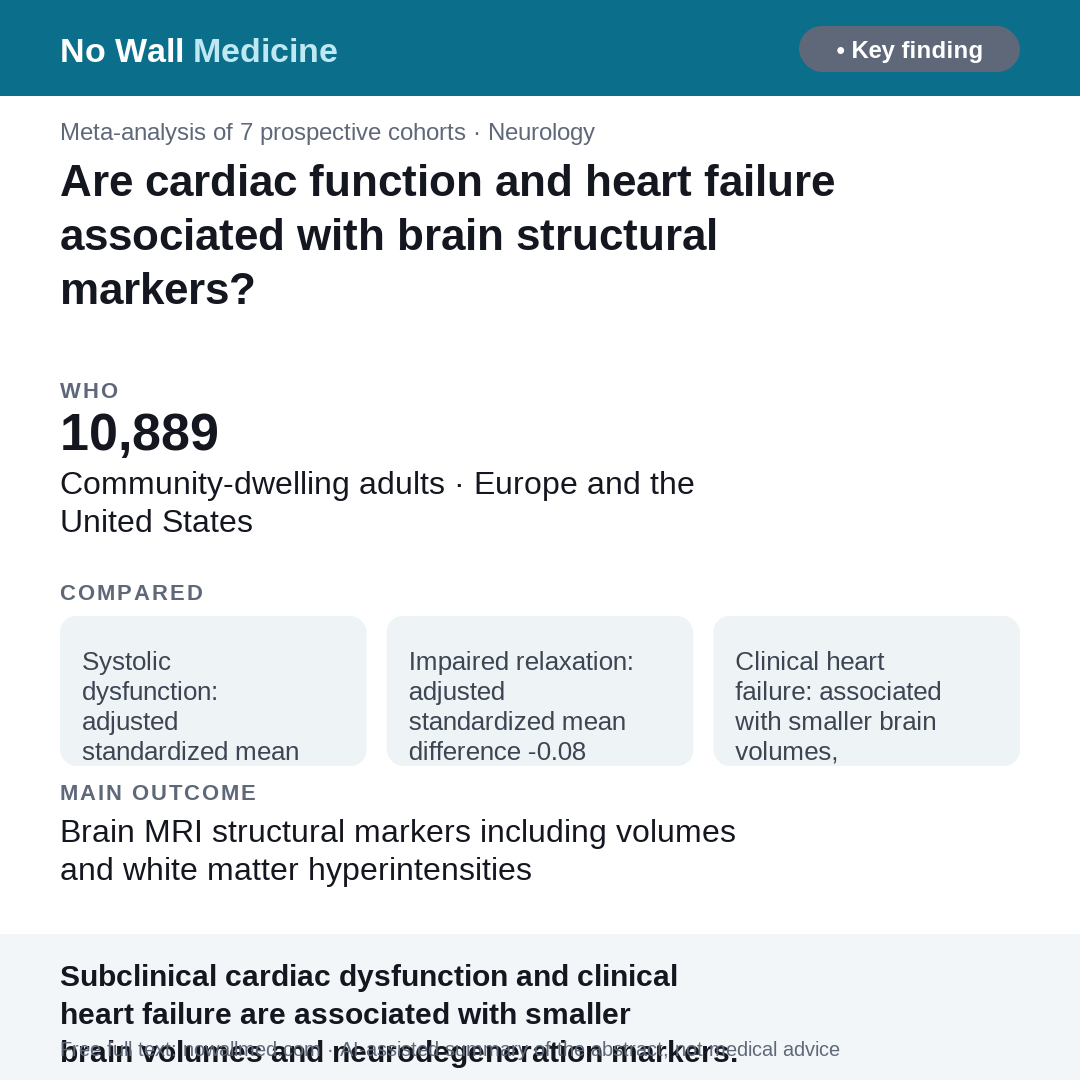
Clinical and Imaging Markers of Cardiac Function and Brain Health: A Meta-Analysis of Community-Based Studies
Meta-analysis of 7 prospective cohortsBenefit found
Are cardiac function and heart failure associated with brain structural markers?
Who
10,889
Community-dwelling adults · Europe and the United States
Compared
Systolic dysfunction: adjusted standardized mean difference -0.19 (95% CI -0.31 to -0.07)
Impaired relaxation: adjusted standardized mean difference -0.08 (95% CI -0.15 to -0.01)
Clinical heart failure: associated with smaller brain volumes, particularly in the hippocampus -0.13 (95% CI -0.23 to -0.02)
Main outcome
Brain MRI structural markers including volumes and white matter hyperintensities
Bottom line: Subclinical cardiac dysfunction and clinical heart failure are associated with smaller brain volumes and neurodegeneration markers.
Neurology · 2025-03-26Download image
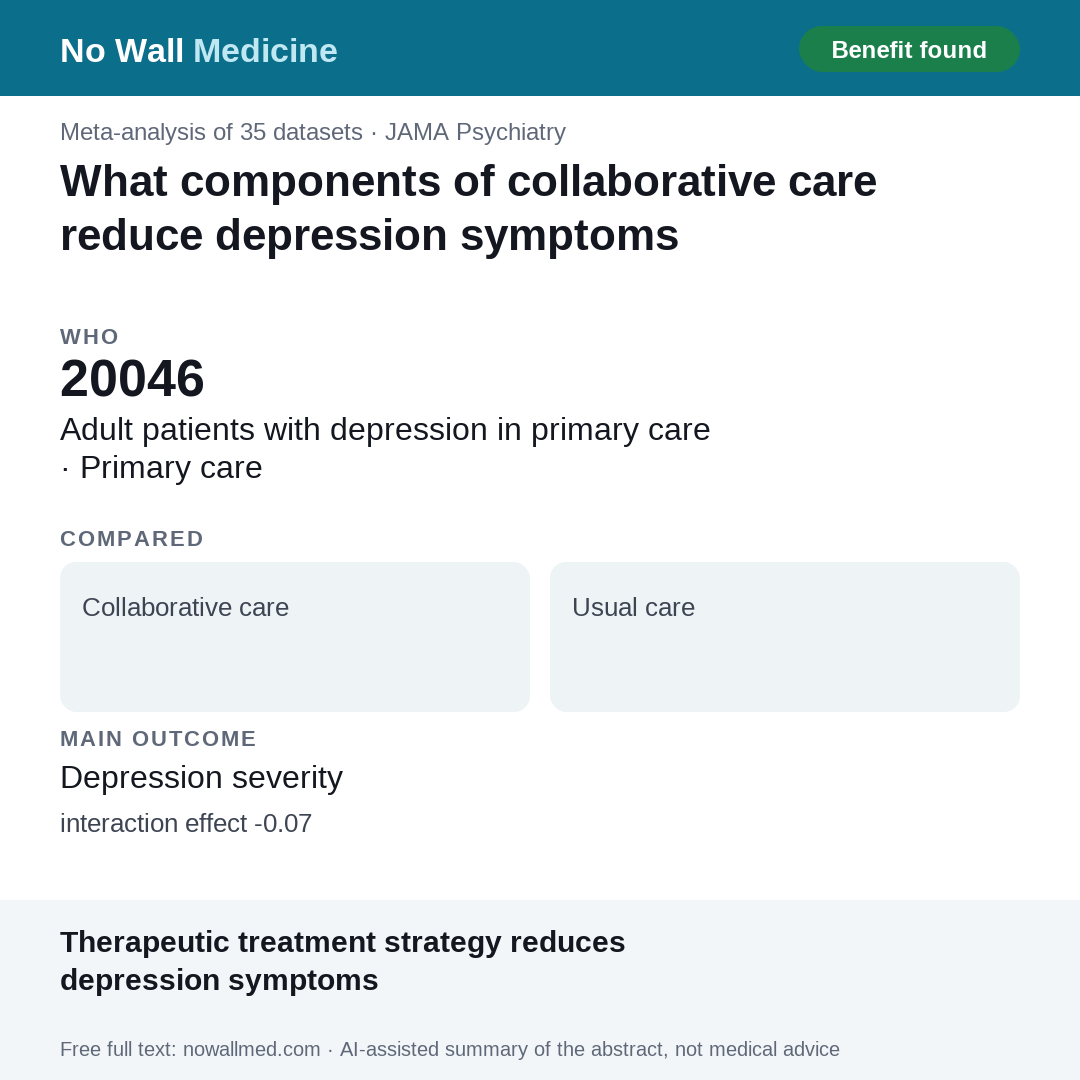
Effective Components of Collaborative Care for Depression in Primary Care: An Individual Participant Data Meta-Analysis
Meta-analysis of 35 datasetsBenefit found
What components of collaborative care reduce depression symptoms
Who
20046
Adult patients with depression in primary care · Primary care
Compared
Collaborative care
Usual care
Main outcome
Depression severity
Result: interaction effect -0.07
Bottom line: Therapeutic treatment strategy reduces depression symptoms
JAMA Psychiatry · 2025-03-26Download image
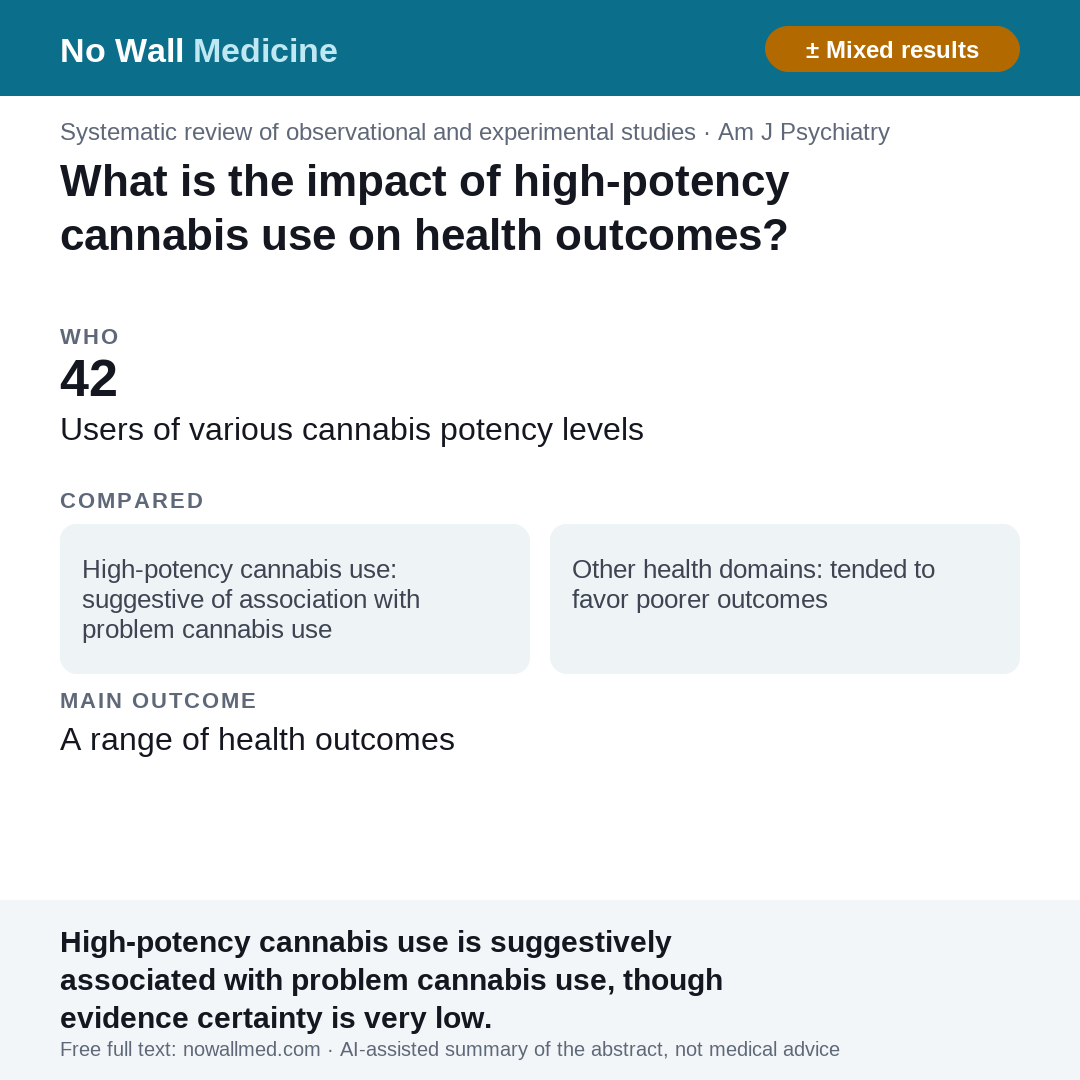
High-Potency Cannabis Use and Health: A Systematic Review of Observational and Experimental Studies
Systematic review of observational and experimental studiesMixed results
What is the impact of high-potency cannabis use on health outcomes?
Who
42
Users of various cannabis potency levels
Compared
High-potency cannabis use: suggestive of association with problem cannabis use
Other health domains: tended to favor poorer outcomes
Main outcome
A range of health outcomes
Bottom line: High-potency cannabis use is suggestively associated with problem cannabis use, though evidence certainty is very low.
Limitation: Research is largely limited to cross-sectional studies spanning few adverse health domains.
Am J Psychiatry · 2025-03-26Download image
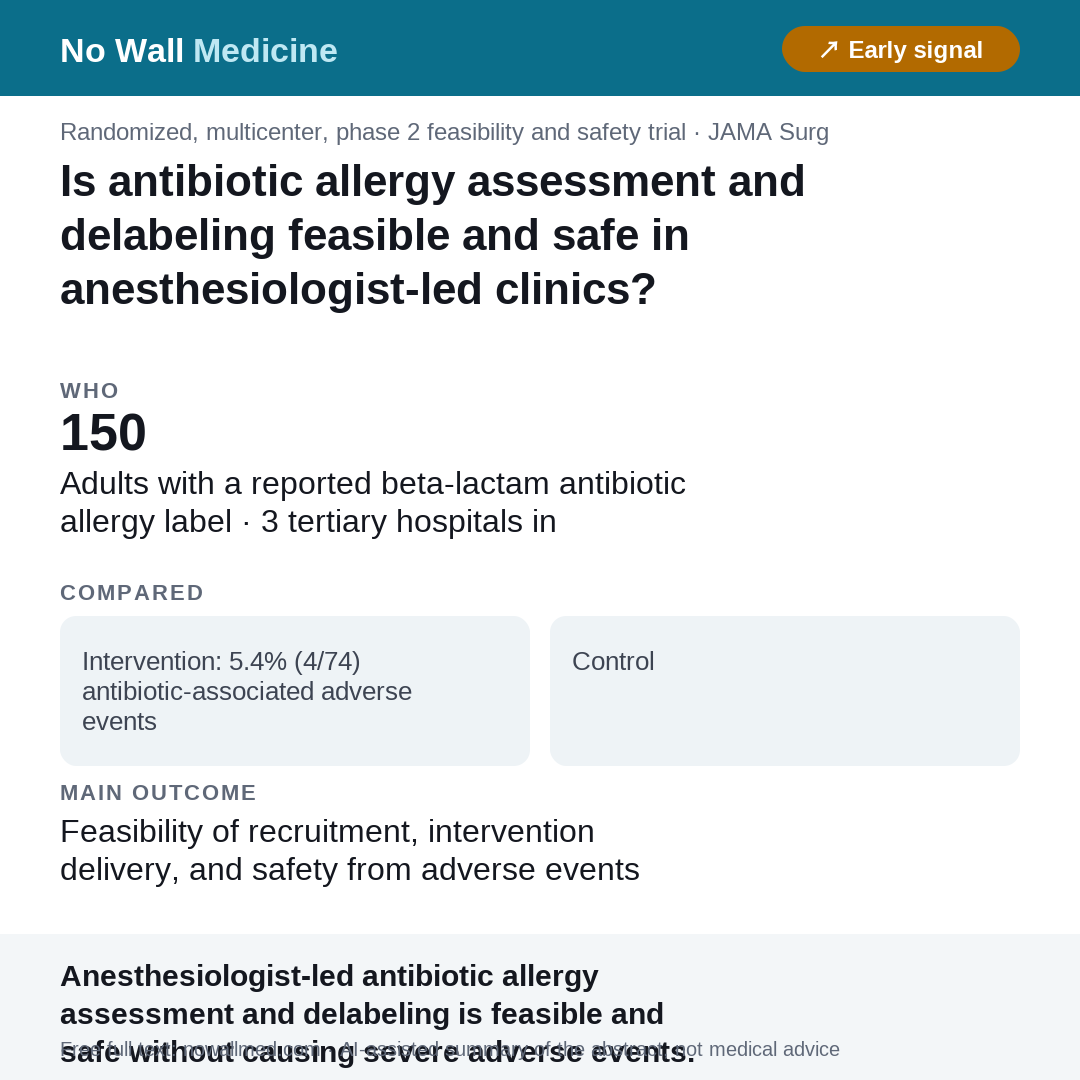
Perioperative Penicillin and Cephalosporin Antibiotic Allergy Assessment and Testing: The PREPARE Pilot Randomized Clinical Trial
Randomized, multicenter, phase 2 feasibility and safety trialEarly signal
Is antibiotic allergy assessment and delabeling feasible and safe in anesthesiologist-led clinics?
Who
150
Adults with a reported beta-lactam antibiotic allergy label · 3 tertiary hospitals in Melbourne, Australia
Compared
Intervention: 5.4% (4/74) antibiotic-associated adverse events
Control
Main outcome
Feasibility of recruitment, intervention delivery, and safety from adverse events
Bottom line: Anesthesiologist-led antibiotic allergy assessment and delabeling is feasible and safe without causing severe adverse events.
JAMA Surg · 2025-03-26Download image
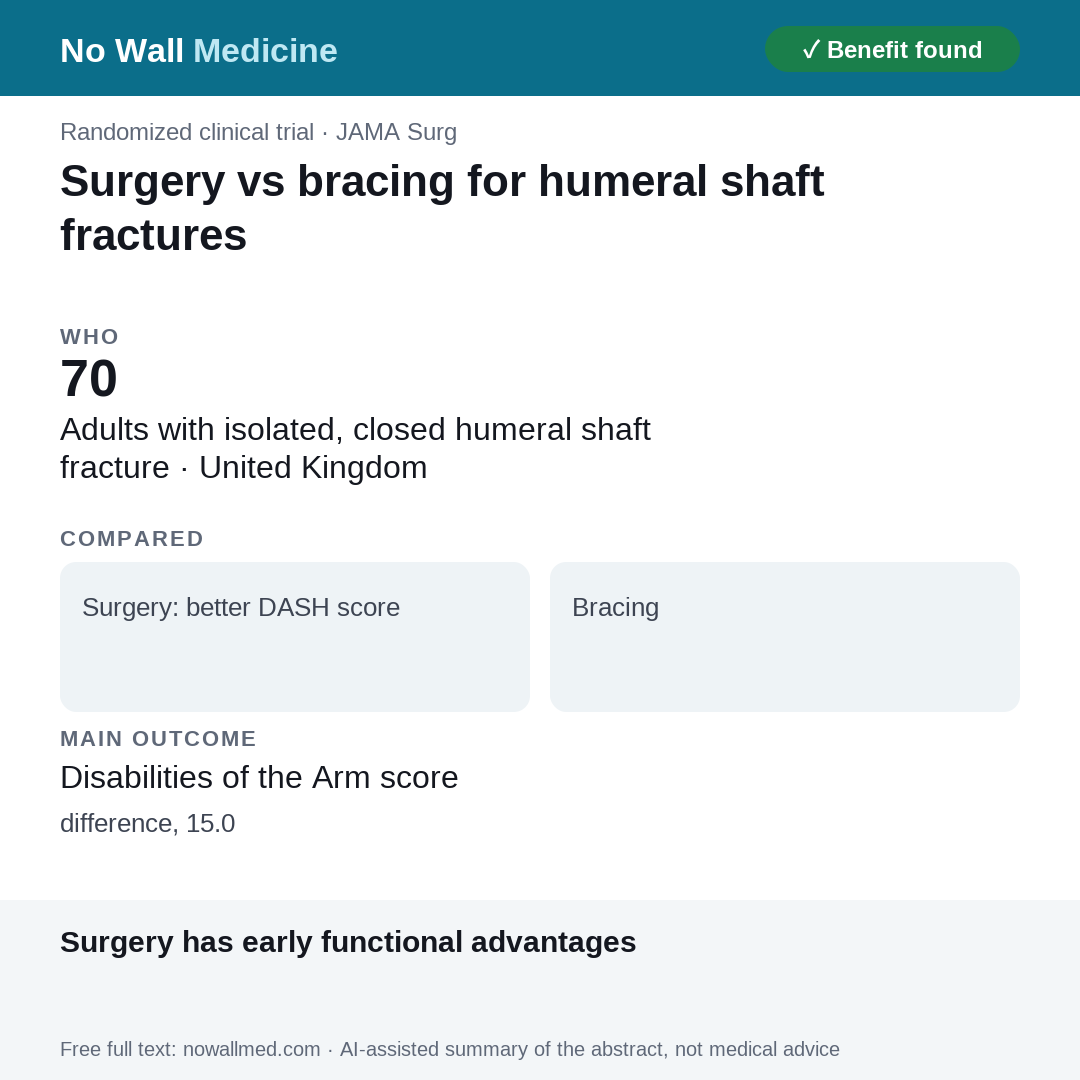
Operative vs Nonoperative Management of Fractures of the Humeral Diaphysis: The Humeral Shaft Fracture Fixation Randomized Clinical Trial
Randomized clinical trialBenefit found
Surgery vs bracing for humeral shaft fractures
Who
70
Adults with isolated, closed humeral shaft fracture · United Kingdom
Compared
Surgery: better DASH score
Bracing
Main outcome
Disabilities of the Arm score
Result: difference, 15.0
Bottom line: Surgery has early functional advantages
Limitation: potential operative risks
JAMA Surg · 2025-03-26Download image
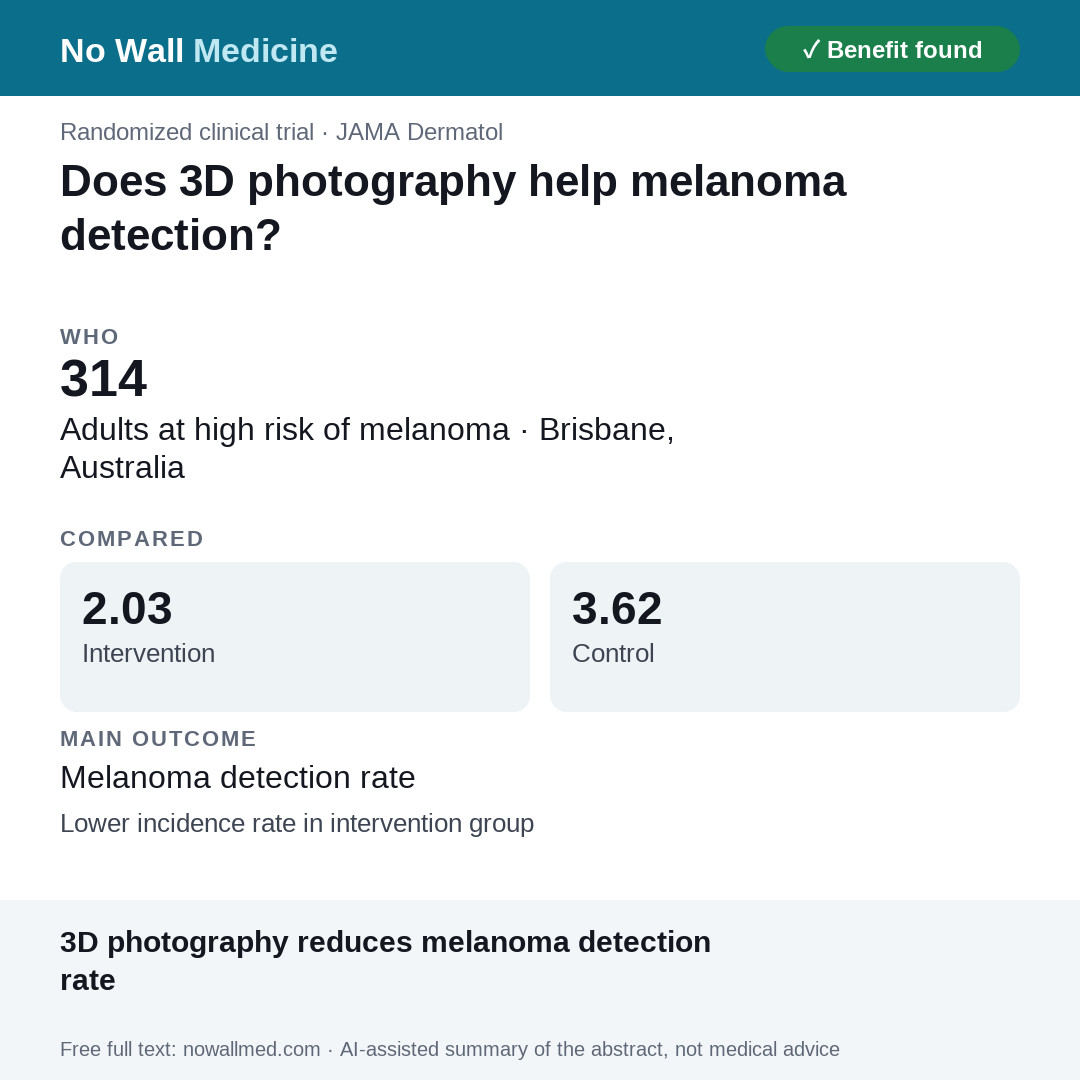
3D Total-Body Photography in Patients at High Risk for Melanoma: A Randomized Clinical Trial
Randomized clinical trialBenefit found
Does 3D photography help melanoma detection?
Who
314
Adults at high risk of melanoma · Brisbane, Australia
Compared
2.03Intervention (95% CI 1.30-3.02)
3.62Control (95% CI 2.62-4.88)
Main outcome
Melanoma detection rate
Result: Lower incidence rate in intervention group
Bottom line: 3D photography reduces melanoma detection rate
JAMA Dermatol · 2025-03-26Download image
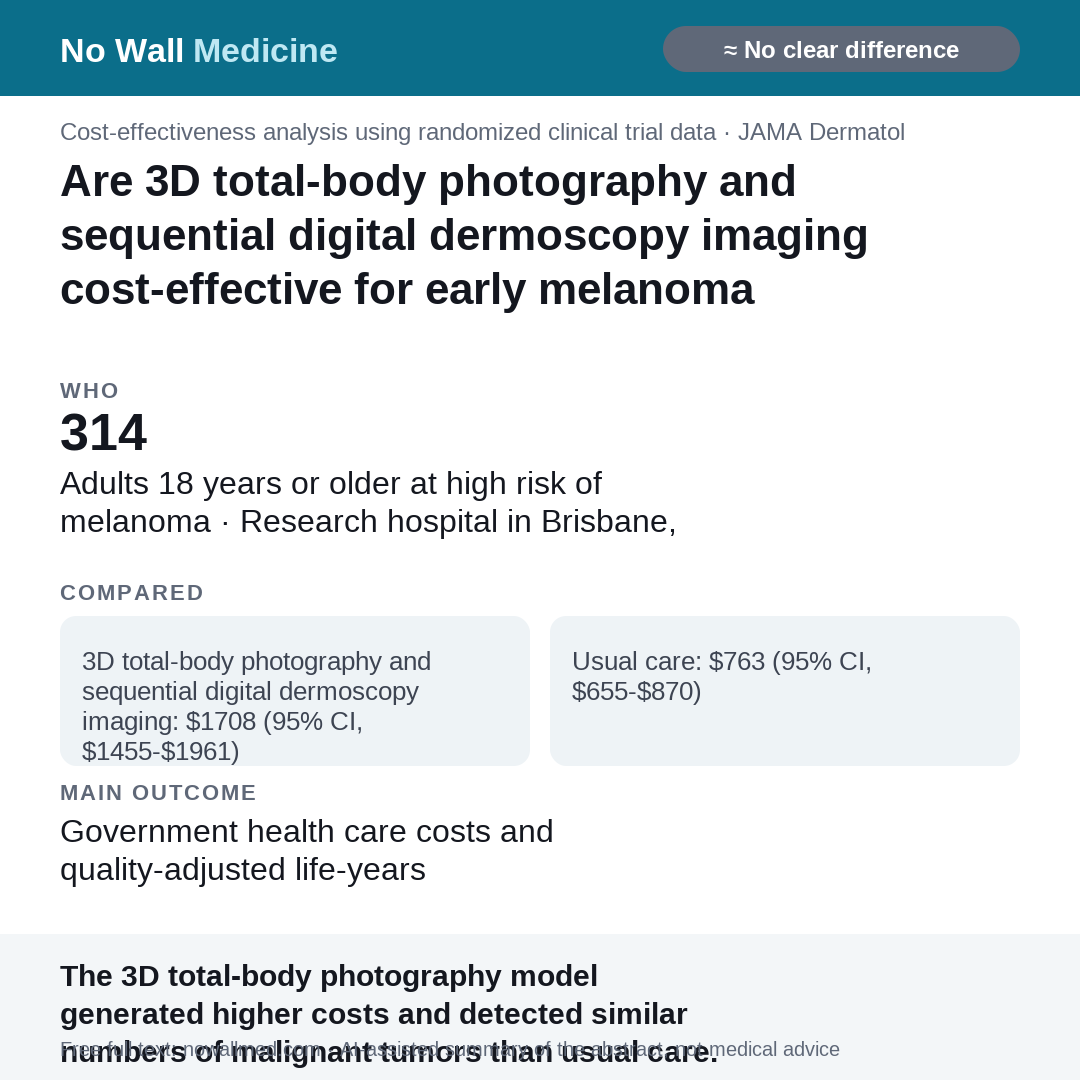
Cost-Effectiveness Analysis of 3D Total-Body Photography for People at High Risk of Melanoma
Cost-effectiveness analysis using randomized clinical trial dataNo clear difference
Are 3D total-body photography and sequential digital dermoscopy imaging cost-effective for early melanoma detection?
Who
314
Adults 18 years or older at high risk of melanoma · Research hospital in Brisbane, Australia
Compared
3D total-body photography and sequential digital dermoscopy imaging: $1708 (95% CI, $1455-$1961)
Usual care: $763 (95% CI, $655-$870)
Main outcome
Government health care costs and quality-adjusted life-years
Result: incremental cost of $945 (95% CI, $738-$1157)
Bottom line: The 3D total-body photography model generated higher costs and detected similar numbers of malignant tumors than usual care.
JAMA Dermatol · 2025-03-26Download image
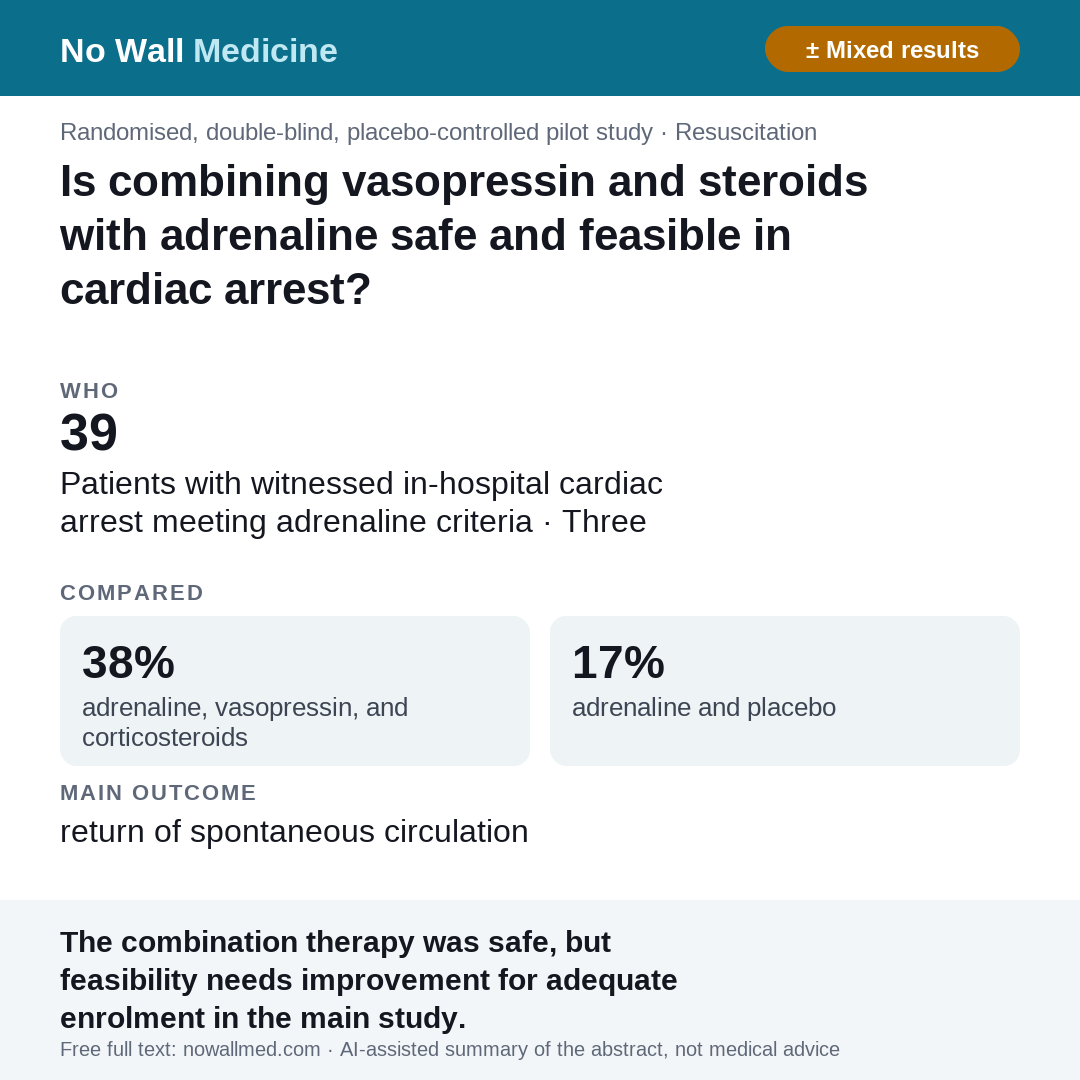
Vasopressin and steroids in addition to adrenaline in cardiac arrest (VAST-A) - A randomised pilot study
Randomised, double-blind, placebo-controlled pilot studyMixed results
Is combining vasopressin and steroids with adrenaline safe and feasible in cardiac arrest?
Who
39
Patients with witnessed in-hospital cardiac arrest meeting adrenaline criteria · Three Swedish hospitals
Compared
38%adrenaline, vasopressin, and corticosteroids (6/16)
17%adrenaline and placebo (4/23)
Main outcome
return of spontaneous circulation
Bottom line: The combination therapy was safe, but feasibility needs improvement for adequate enrolment in the main study.
Resuscitation · 2025-03-26Download image
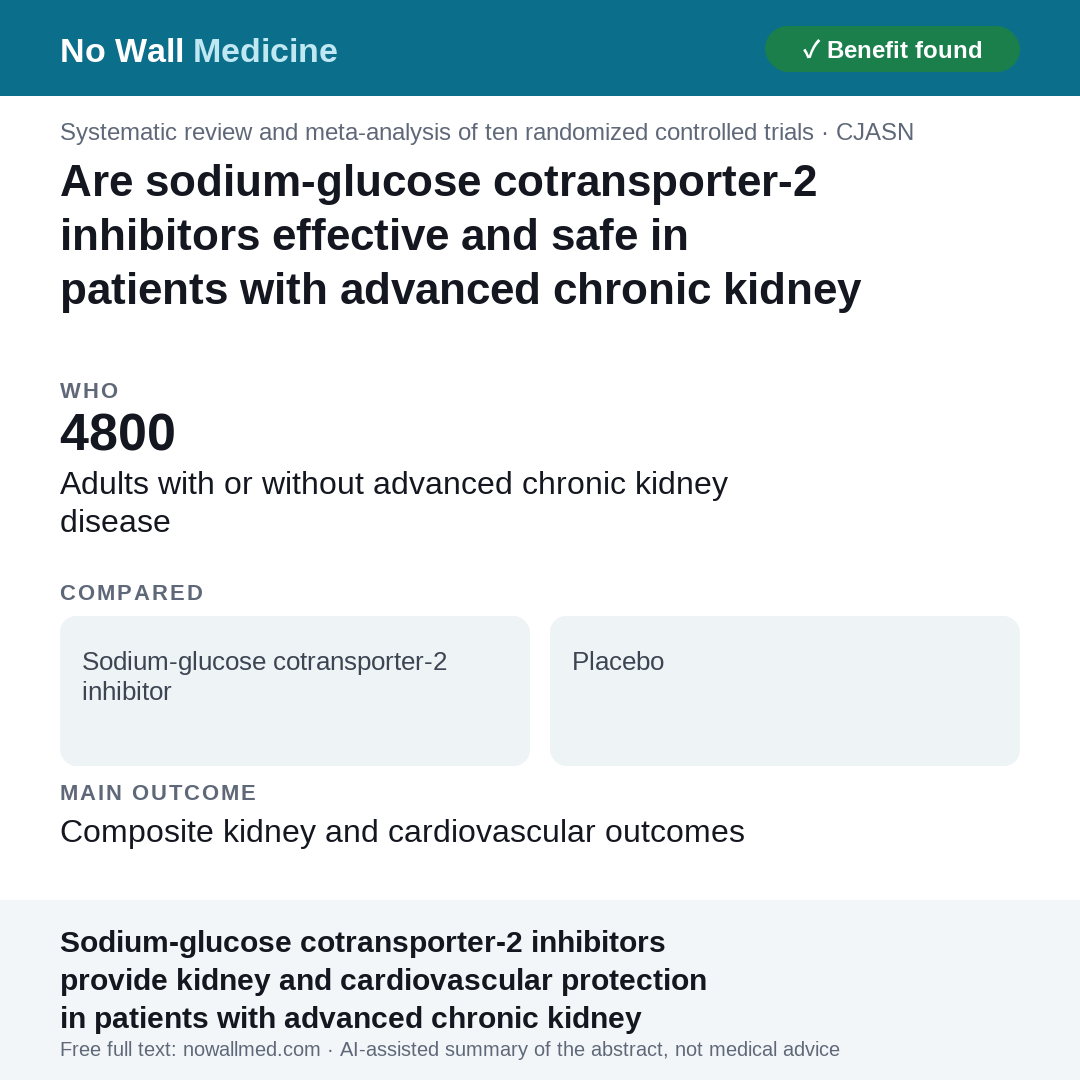
Efficacy and Safety of Sodium-Glucose Cotransporter-2 Inhibitors in Patients with and without Advanced CKD: Systematic Review and Meta-Analysis
Systematic review and meta-analysis of ten randomized controlled trialsBenefit found
Are sodium-glucose cotransporter-2 inhibitors effective and safe in patients with advanced chronic kidney disease?
Who
4800
Adults with or without advanced chronic kidney disease
Compared
Sodium-glucose cotransporter-2 inhibitor
Placebo
Main outcome
Composite kidney and cardiovascular outcomes
Result: risk ratio 0.79 (95% CI 0.70 to 0.89) for eGFR <30
Bottom line: Sodium-glucose cotransporter-2 inhibitors provide kidney and cardiovascular protection in patients with advanced chronic kidney disease.
CJASN · 2025-03-26Download image