Visual abstracts
New randomized trials and meta-analyses from leading journals at a glance: who was studied, what was compared, and what was found. Every paper is free to read in full.
All specialtiesCardiology 4877Oncology 4138Gastroenterology & Hepatology 1942Infectious Disease 3837Neurology 1905Psychiatry & Mental Health 2273Pulmonology 2143Critical Care 1365Endocrinology & Diabetes 2580Pediatrics 2980Surgery 2559Orthopedics & Sports Medicine 931Neurosurgery 537Cardiothoracic & Vascular Surgery 674Plastic & Reconstructive Surgery 591Nephrology 1133Rheumatology 823Hematology 1109Dermatology 621Ophthalmology 543Obstetrics & Gynecology 1686Public & Global Health 1058Radiology & Imaging 648Anesthesiology 986Urology 764ENT (Otolaryngology) 503Emergency Medicine 511Allergy & Immunology 313Geriatrics 981Family Medicine & Primary Care 562Medical Genetics & Genomics 676Pathology & Laboratory Medicine 159Physical Medicine & Rehabilitation 757Palliative Care 444Nutrition 1588Digital Health & AI 2201General Medicine 321
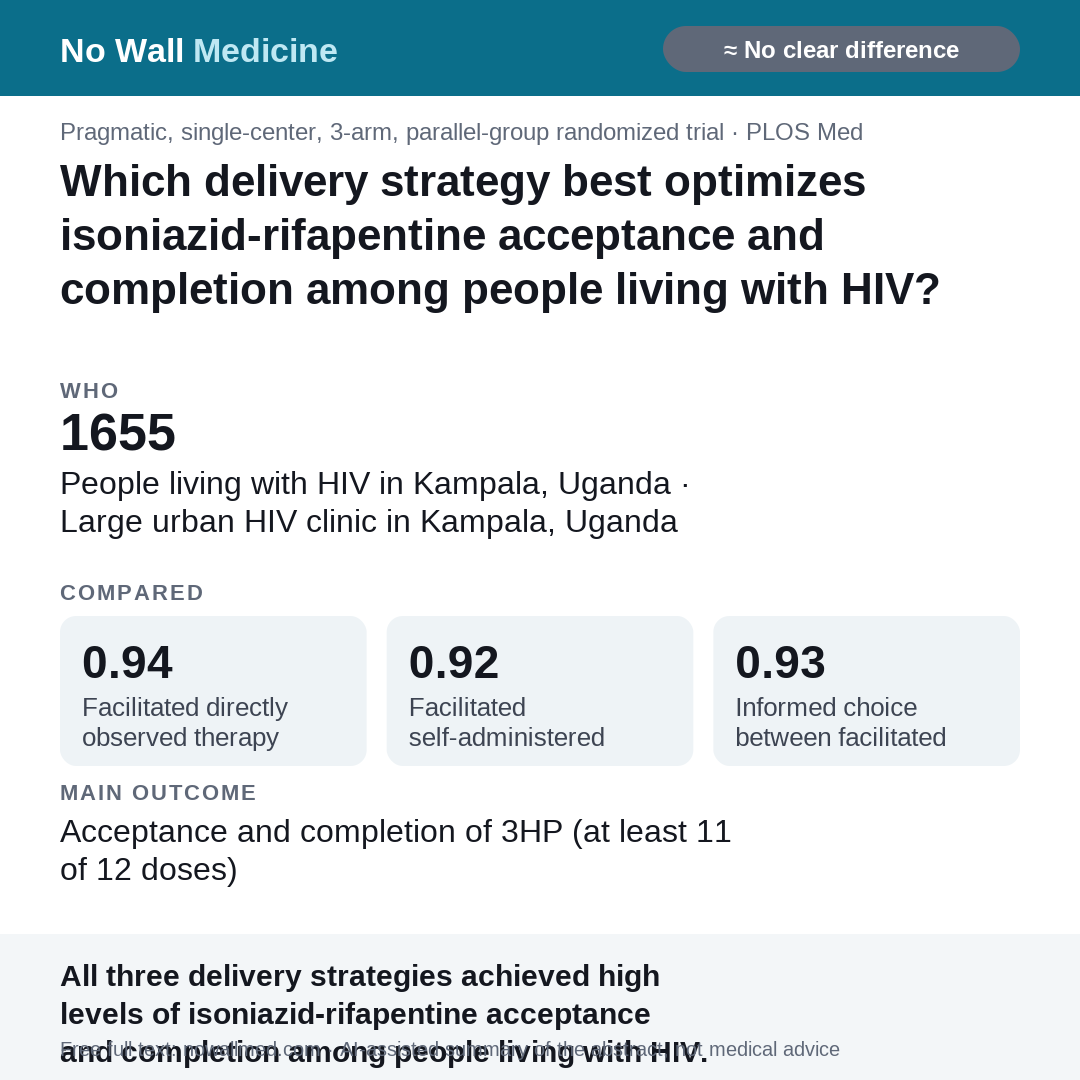
Comparison of 3 optimized delivery strategies for completion of isoniazid-rifapentine (3HP) for tuberculosis prevention among people living with HIV in Uganda: A single-center randomized trial
Pragmatic, single-center, 3-arm, parallel-group randomized trialNo clear difference
Which delivery strategy best optimizes isoniazid-rifapentine acceptance and completion among people living with HIV?
Who
1655
People living with HIV in Kampala, Uganda · Large urban HIV clinic in Kampala, Uganda
Compared
0.94Facilitated directly observed therapy
0.92Facilitated self-administered therapy
0.93Informed choice between facilitated DOT and SAT
Main outcome
Acceptance and completion of 3HP (at least 11 of 12 doses)
Bottom line: All three delivery strategies achieved high levels of isoniazid-rifapentine acceptance and completion among people living with HIV.
Limitation: The study was conducted in a single center.
PLOS Med · 2024-02-20Download image
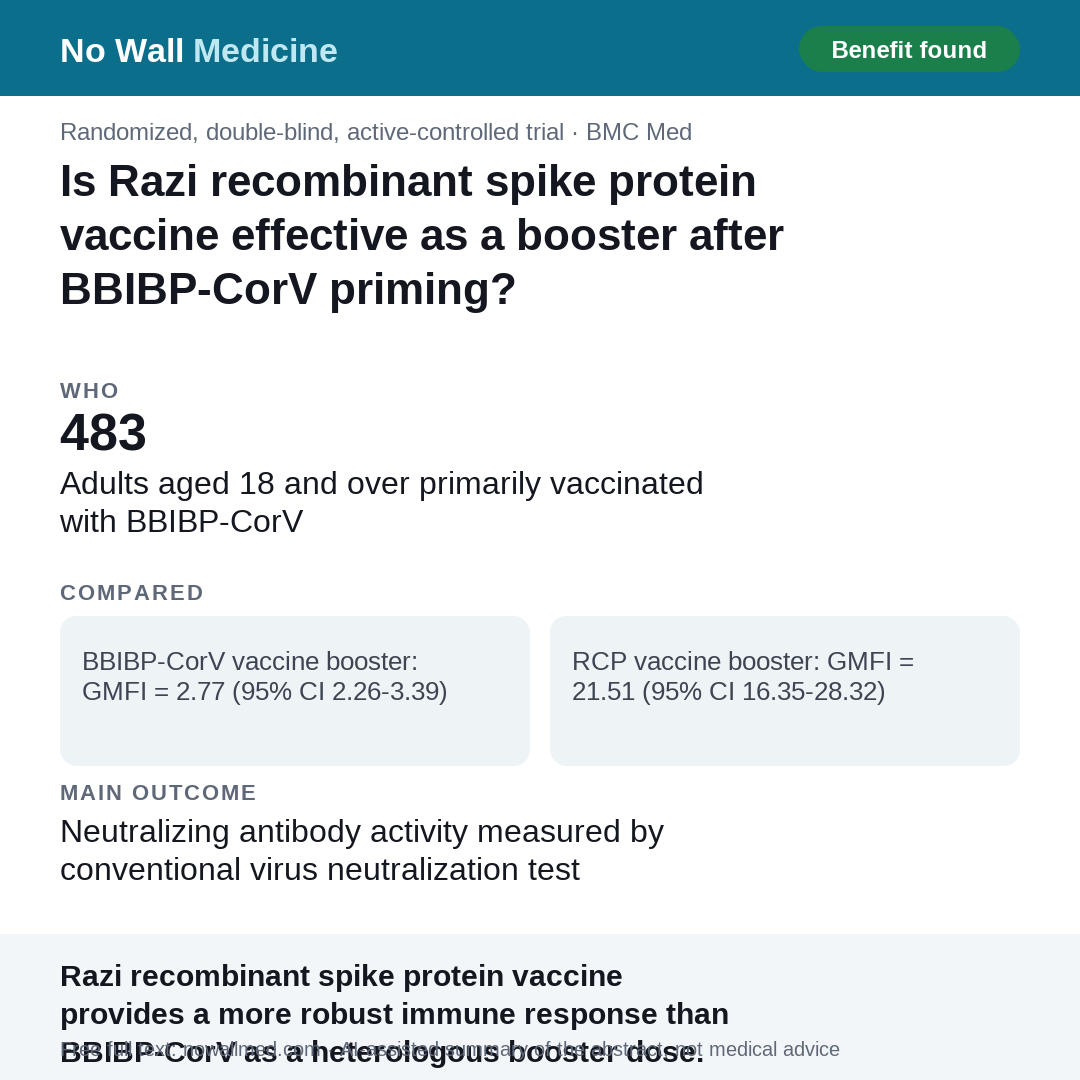
Immunogenicity and safety of RAZI recombinant spike protein vaccine (RCP) as a booster dose after priming with BBIBP-CorV: a parallel two groups, randomized, double blind trial
Randomized, double-blind, active-controlled trialBenefit found
Is Razi recombinant spike protein vaccine effective as a booster after BBIBP-CorV priming?
Who
483
Adults aged 18 and over primarily vaccinated with BBIBP-CorV
Compared
BBIBP-CorV vaccine booster: GMFI = 2.77 (95% CI 2.26-3.39)
RCP vaccine booster: GMFI = 21.51 (95% CI 16.35-28.32)
Main outcome
Neutralizing antibody activity measured by conventional virus neutralization test
Result: GMR 6.81 (5.32-8.72) on day 14, 1.77 (1.15-2.72) on day 90, and 2.37 (1.62-3.47) on day 180
Bottom line: Razi recombinant spike protein vaccine provides a more robust immune response than BBIBP-CorV as a heterologous booster dose.
BMC Med · 2024-02-20Download image
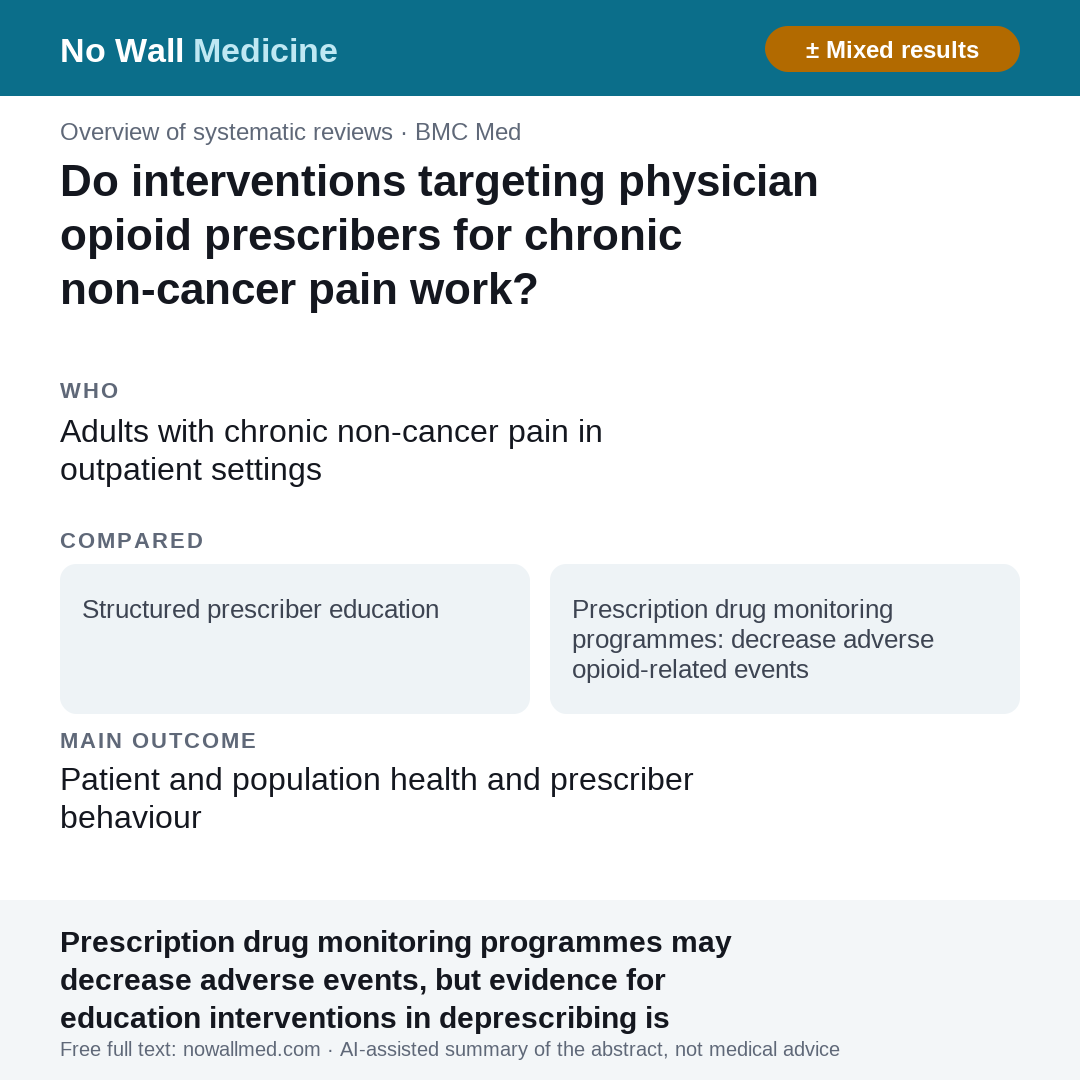
Efficacy of interventions targeted at physician prescribers of opioids for chronic non-cancer pain: an overview of systematic reviews
Overview of systematic reviewsMixed results
Do interventions targeting physician opioid prescribers for chronic non-cancer pain work?
Who
Adults with chronic non-cancer pain in outpatient settings
Compared
Structured prescriber education
Prescription drug monitoring programmes: decrease adverse opioid-related events
Main outcome
Patient and population health and prescriber behaviour
Bottom line: Prescription drug monitoring programmes may decrease adverse events, but evidence for education interventions in deprescribing is uncertain.
BMC Med · 2024-02-20Download image
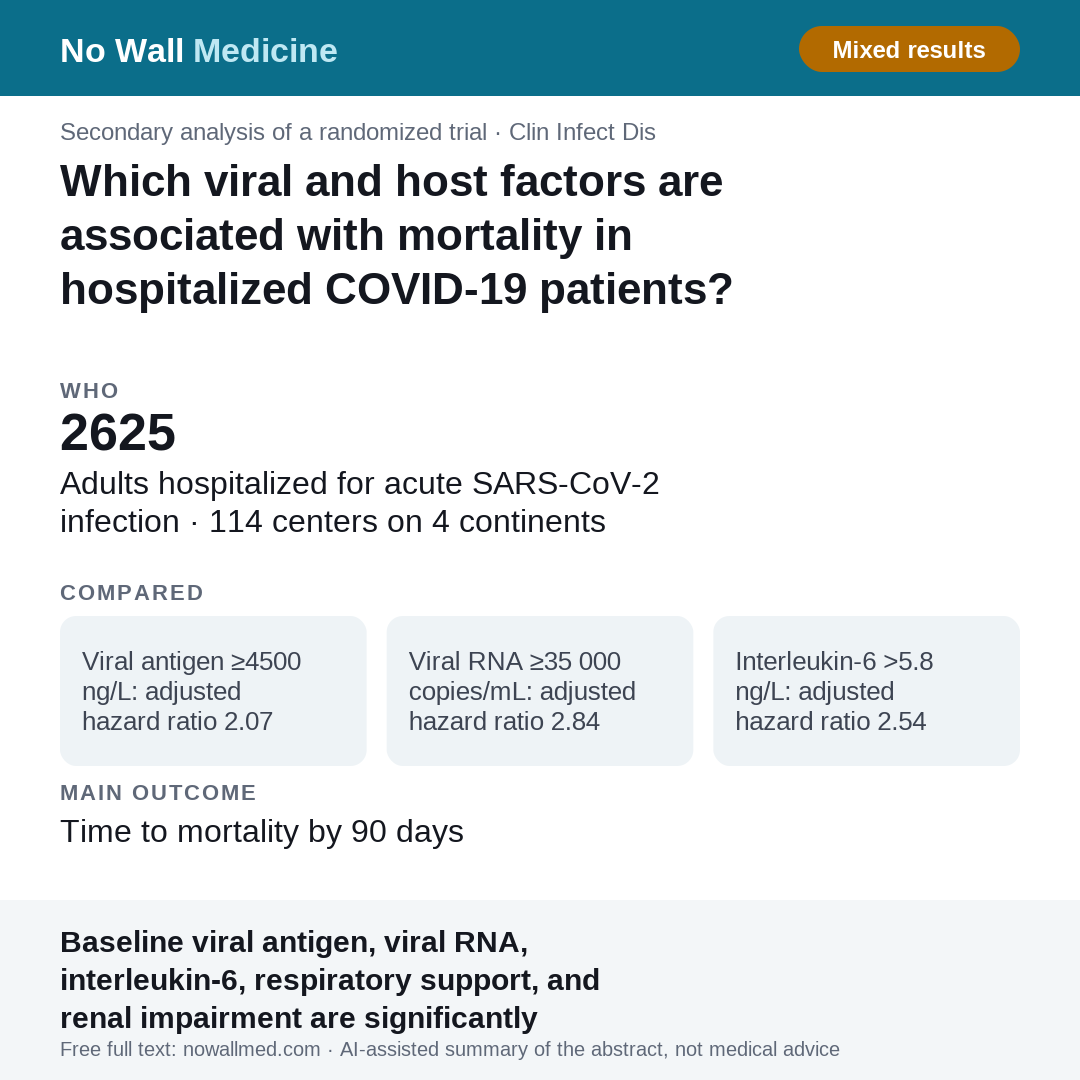
Viral and Host Factors Are Associated With Mortality in Hospitalized Patients With COVID-19
Secondary analysis of a randomized trialMixed results
Which viral and host factors are associated with mortality in hospitalized COVID-19 patients?
Who
2625
Adults hospitalized for acute SARS-CoV-2 infection · 114 centers on 4 continents
Compared
Viral antigen ≥4500 ng/L: adjusted hazard ratio 2.07
Viral RNA ≥35 000 copies/mL: adjusted hazard ratio 2.84
Interleukin-6 >5.8 ng/L: adjusted hazard ratio 2.54
Main outcome
Time to mortality by 90 days
Bottom line: Baseline viral antigen, viral RNA, interleukin-6, respiratory support, and renal impairment are significantly associated with COVID-19 mortality risk.
Clin Infect Dis · 2024-02-20Download image
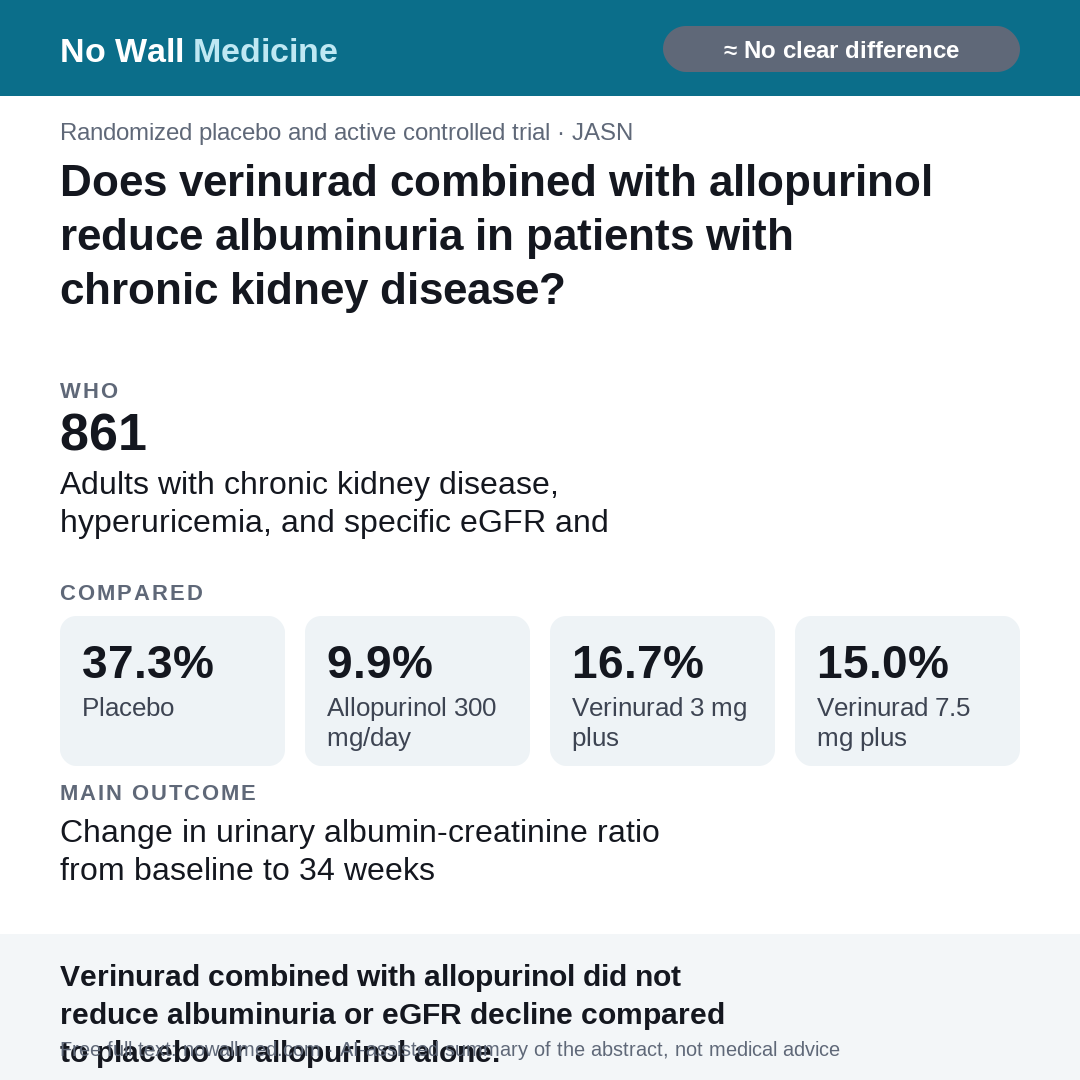
Combination Treatment with Verinurad and Allopurinol in CKD: A Randomized Placebo and Active Controlled Trial
Randomized placebo and active controlled trialNo clear difference
Does verinurad combined with allopurinol reduce albuminuria in patients with chronic kidney disease?
Who
861
Adults with chronic kidney disease, hyperuricemia, and specific eGFR and albuminuria levels
Compared
37.3%Placebo (95% CI, 16.6 to 61.8)
9.9%Allopurinol 300 mg/day (95% CI, -6.6 to 29.4)
16.7%Verinurad 3 mg plus allopurinol (95% CI, -0.6 to 37.1)
15.0%Verinurad 7.5 mg plus allopurinol (95% CI, -1.85 to 34.6)
Main outcome
Change in urinary albumin-creatinine ratio from baseline to 34 weeks
Bottom line: Verinurad combined with allopurinol did not reduce albuminuria or eGFR decline compared to placebo or allopurinol alone.
JASN · 2024-02-20Download image
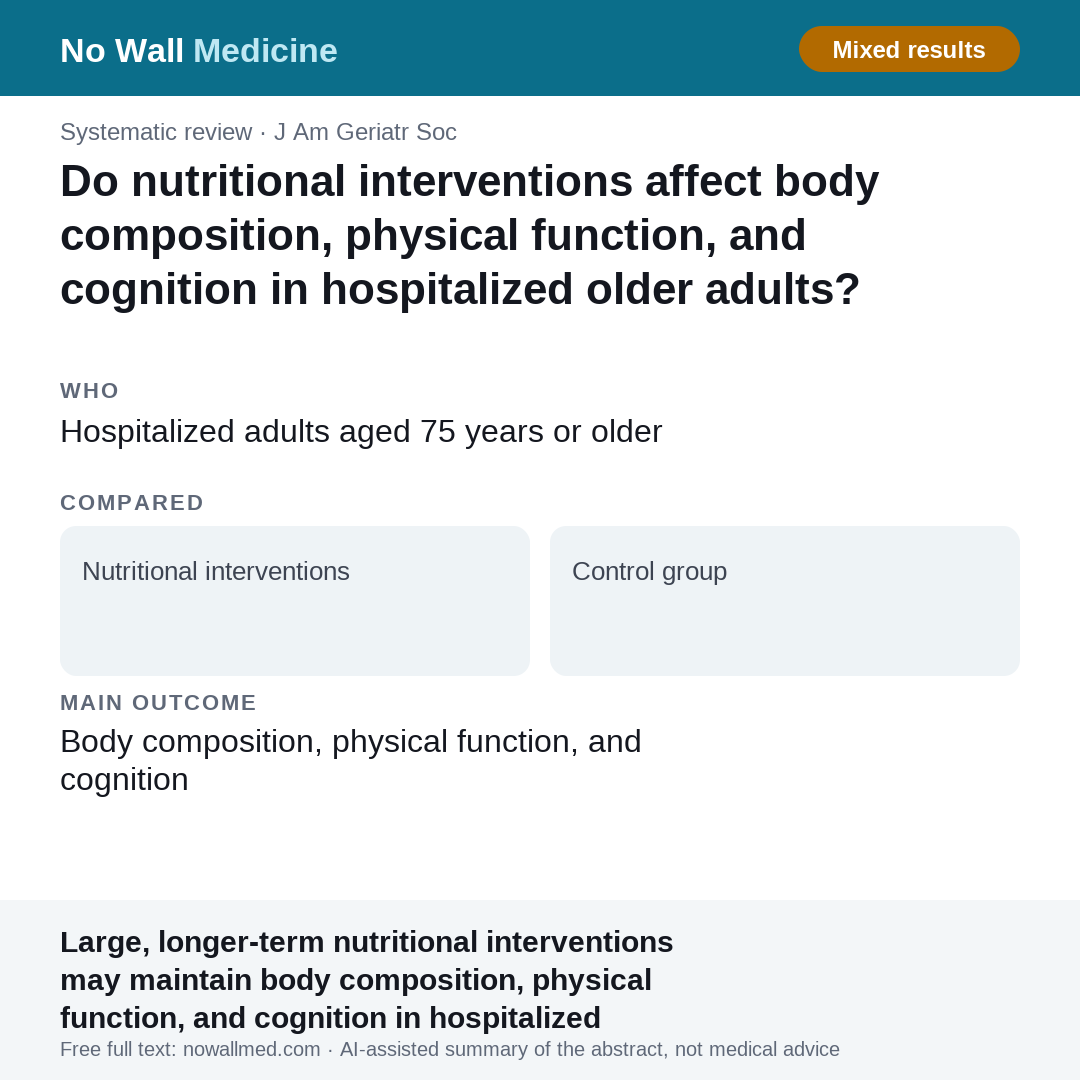
Nutrition interventions for body composition, physical function, cognition in hospitalized older adults: A systematic review of individuals 75 years and older
Systematic reviewMixed results
Do nutritional interventions affect body composition, physical function, and cognition in hospitalized older adults?
Who
Hospitalized adults aged 75 years or older
Compared
Nutritional interventions
Control group
Main outcome
Body composition, physical function, and cognition
Bottom line: Large, longer-term nutritional interventions may maintain body composition, physical function, and cognition in hospitalized adults aged 75 years and older.
J Am Geriatr Soc · 2024-02-20Download image
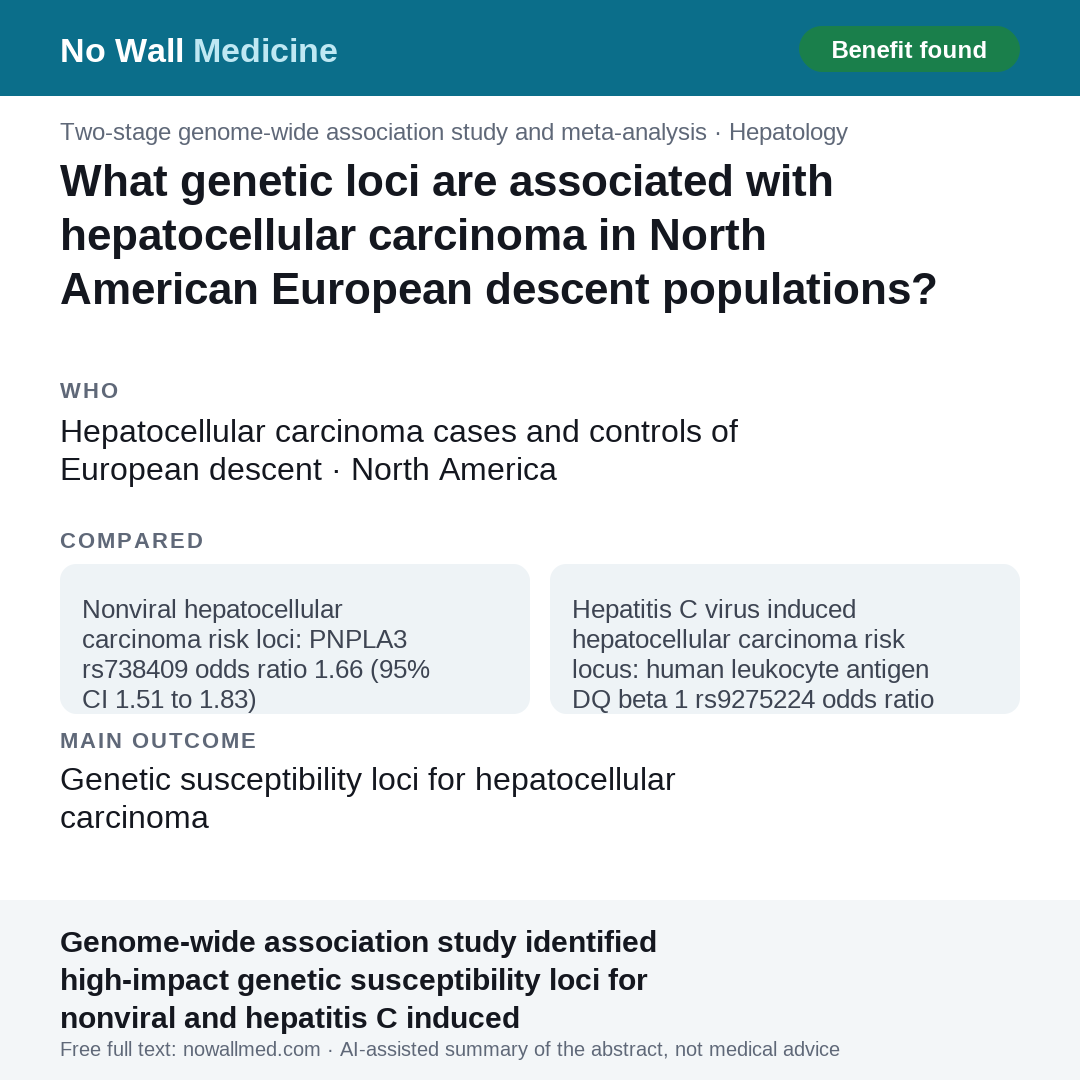
Genome-wide association study identifies high-impact susceptibility loci for HCC in North America
Two-stage genome-wide association study and meta-analysisBenefit found
What genetic loci are associated with hepatocellular carcinoma in North American European descent populations?
Who
Hepatocellular carcinoma cases and controls of European descent · North America
Compared
Nonviral hepatocellular carcinoma risk loci: PNPLA3 rs738409 odds ratio 1.66 (95% CI 1.51 to 1.83)
Hepatitis C virus induced hepatocellular carcinoma risk locus: human leukocyte antigen DQ beta 1 rs9275224 odds ratio 0.79 (95% CI 0.74 to 0.84)
Main outcome
Genetic susceptibility loci for hepatocellular carcinoma
Bottom line: Genome-wide association study identified high-impact genetic susceptibility loci for nonviral and hepatitis C induced hepatocellular carcinoma.
Hepatology · 2024-02-20Download image
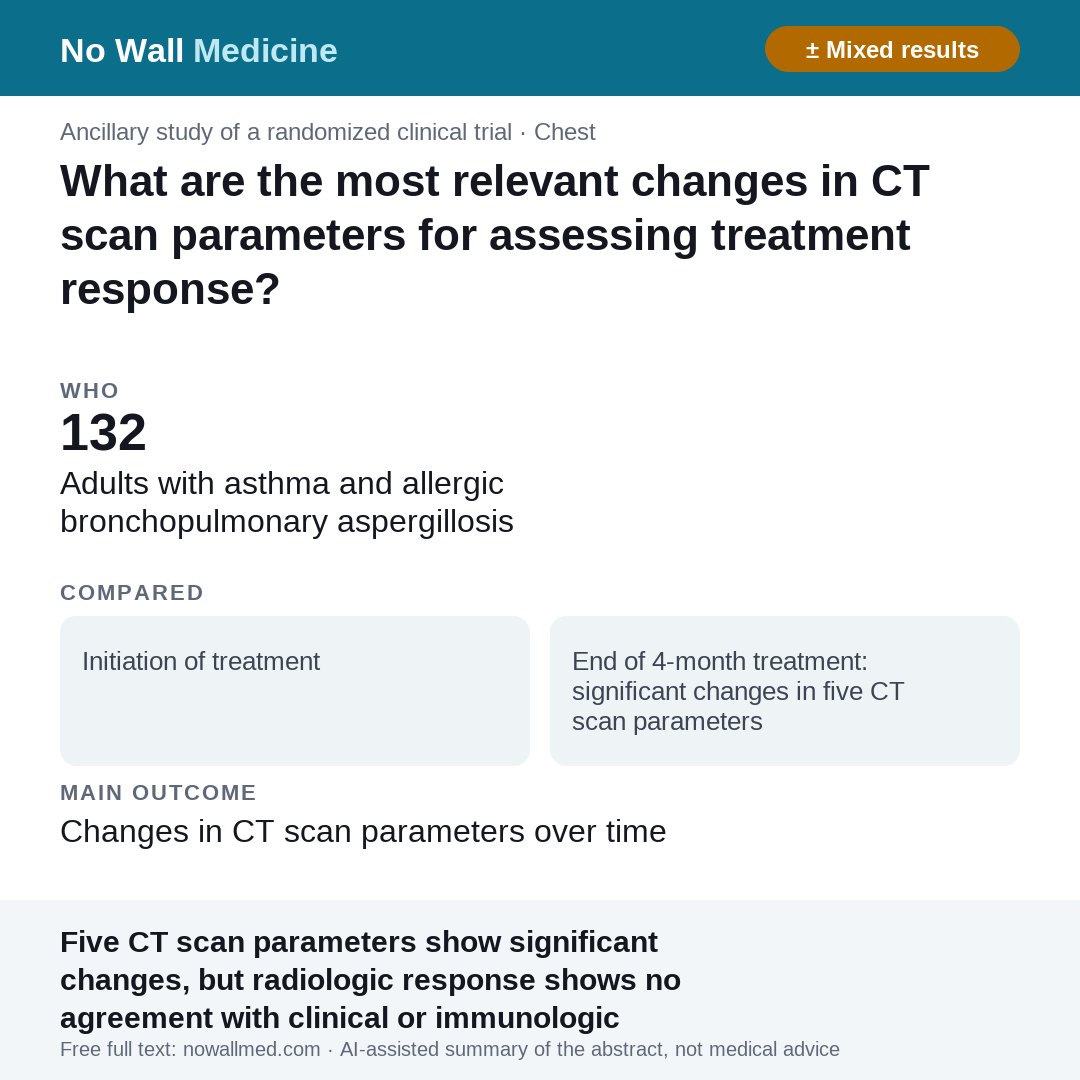
CT Imaging Assessment of Response to Treatment in Allergic Bronchopulmonary Aspergillosis in Adults With Bronchial Asthma
Ancillary study of a randomized clinical trialMixed results
What are the most relevant changes in CT scan parameters for assessing treatment response?
Who
132
Adults with asthma and allergic bronchopulmonary aspergillosis
Compared
Initiation of treatment
End of 4-month treatment: significant changes in five CT scan parameters
Main outcome
Changes in CT scan parameters over time
Bottom line: Five CT scan parameters show significant changes, but radiologic response shows no agreement with clinical or immunologic responses.
Chest · 2024-02-20Download image
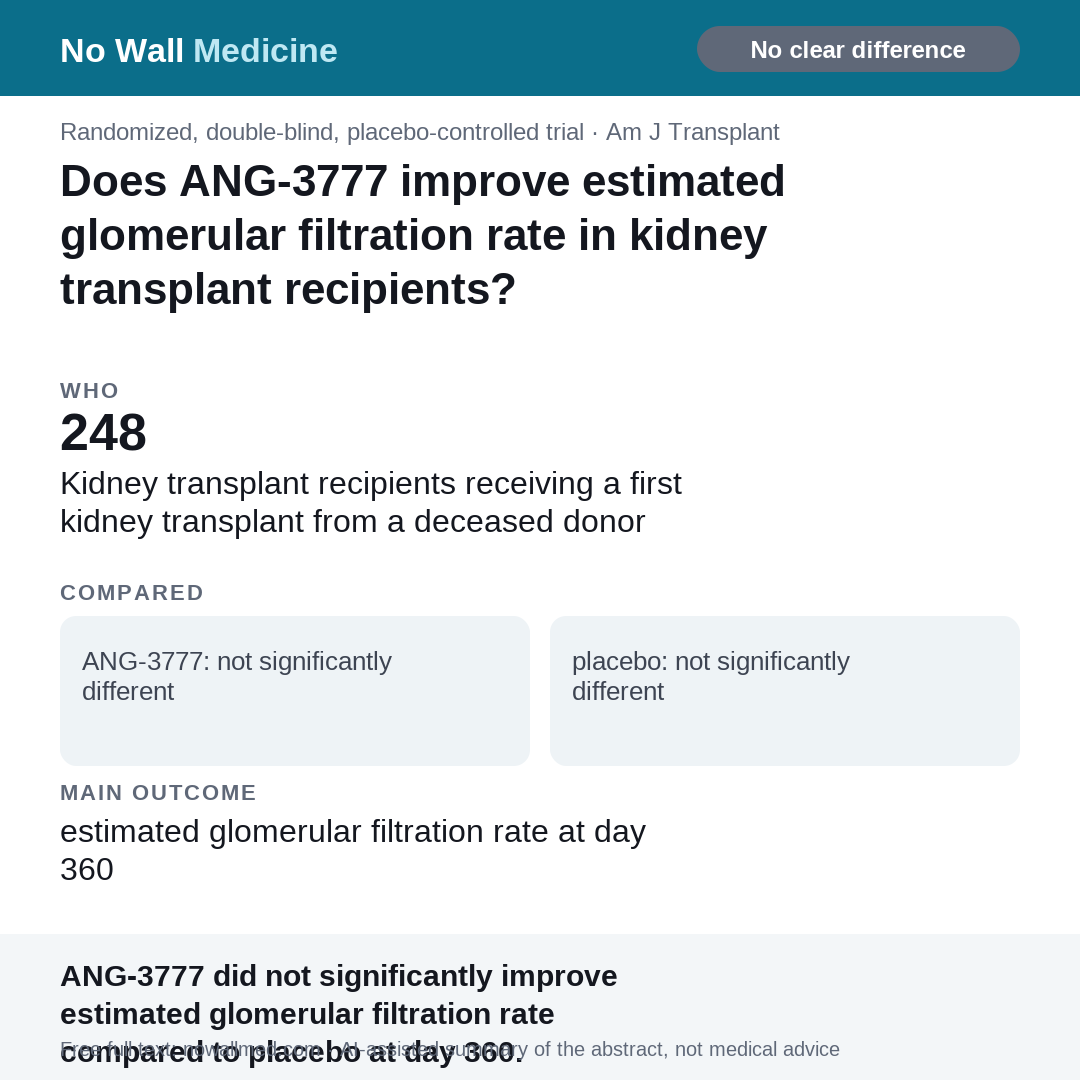
The hepatocyte growth factor mimetic, ANG-3777, in kidney transplant recipients with delayed graft function: Results from a randomized phase 3 trial
Randomized, double-blind, placebo-controlled trialNo clear difference
Does ANG-3777 improve estimated glomerular filtration rate in kidney transplant recipients?
Who
248
Kidney transplant recipients receiving a first kidney transplant from a deceased donor
Compared
ANG-3777: not significantly different
placebo: not significantly different
Main outcome
estimated glomerular filtration rate at day 360
Bottom line: ANG-3777 did not significantly improve estimated glomerular filtration rate compared to placebo at day 360.
Am J Transplant · 2024-02-20Download image
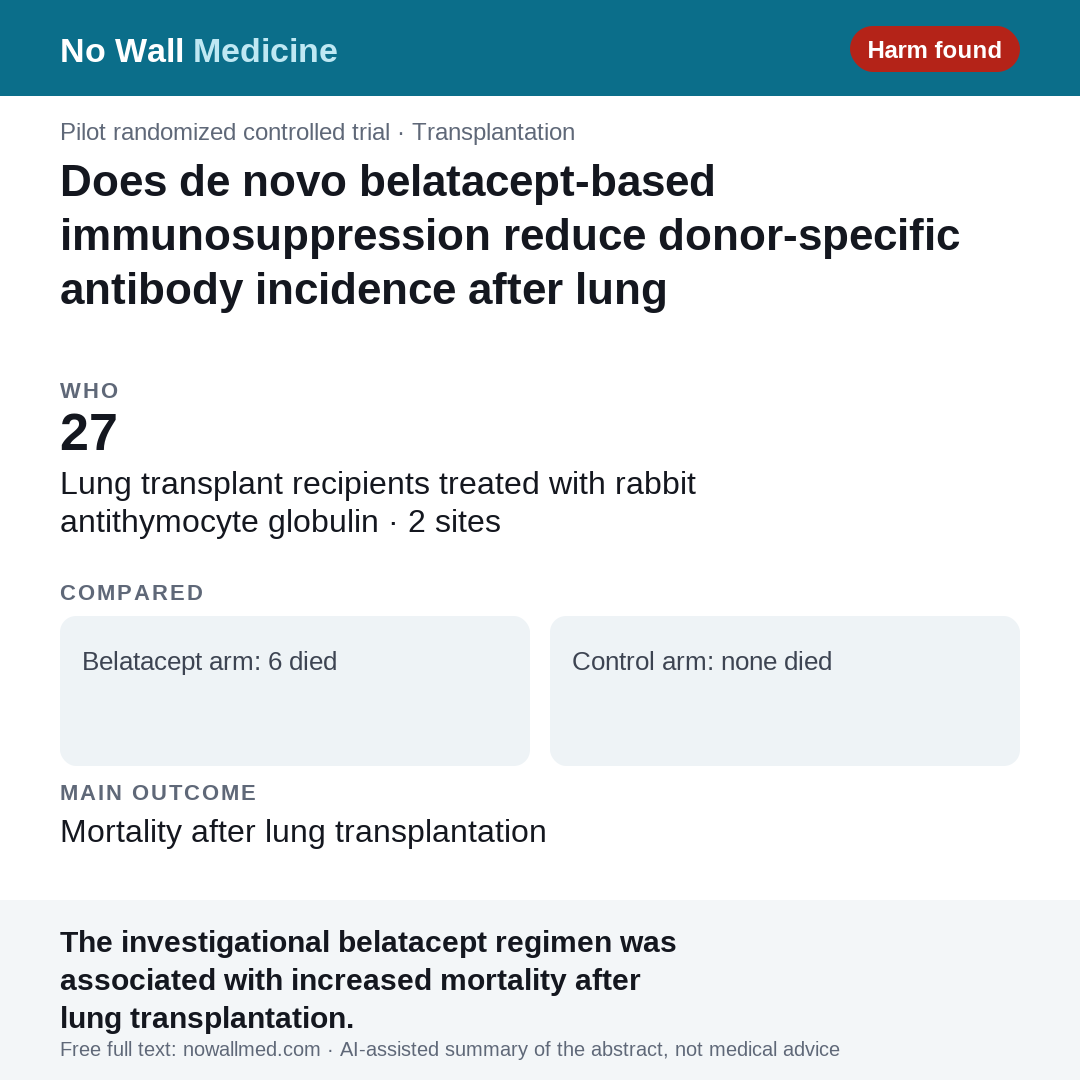
A Pilot Randomized Controlled Trial of De Novo Belatacept-based Immunosuppression After Lung Transplantation
Pilot randomized controlled trialHarm found
Does de novo belatacept-based immunosuppression reduce donor-specific antibody incidence after lung transplantation?
Who
27
Lung transplant recipients treated with rabbit antithymocyte globulin · 2 sites
Compared
Belatacept arm: 6 died
Control arm: none died
Main outcome
Mortality after lung transplantation
Result: log rank P = 0.008
Bottom line: The investigational belatacept regimen was associated with increased mortality after lung transplantation.
Transplantation · 2024-02-20Download image
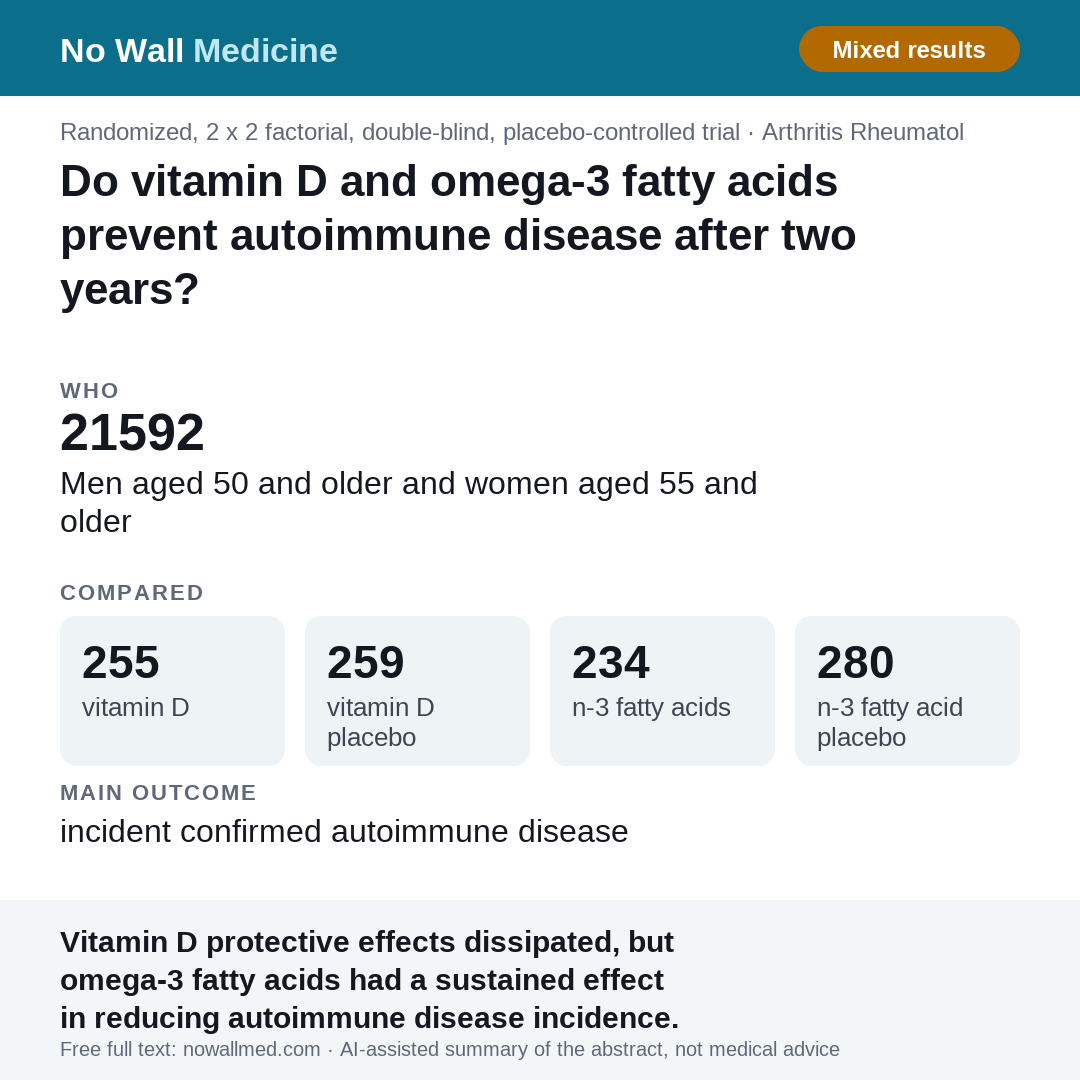
Vitamin D and Marine n-3 Fatty Acids for Autoimmune Disease Prevention: Outcomes Two Years After Completion of a Double-Blind, Placebo-Controlled Trial
Randomized, 2 x 2 factorial, double-blind, placebo-controlled trialMixed results
Do vitamin D and omega-3 fatty acids prevent autoimmune disease after two years?
Who
21592
Men aged 50 and older and women aged 55 and older
Compared
255vitamin D
259vitamin D placebo
234n-3 fatty acids
280n-3 fatty acid placebo
Main outcome
incident confirmed autoimmune disease
Result: hazard ratio 0.83 (95% CI 0.70-0.99) for n-3 fatty acids
Bottom line: Vitamin D protective effects dissipated, but omega-3 fatty acids had a sustained effect in reducing autoimmune disease incidence.
Arthritis Rheumatol · 2024-02-20Download image
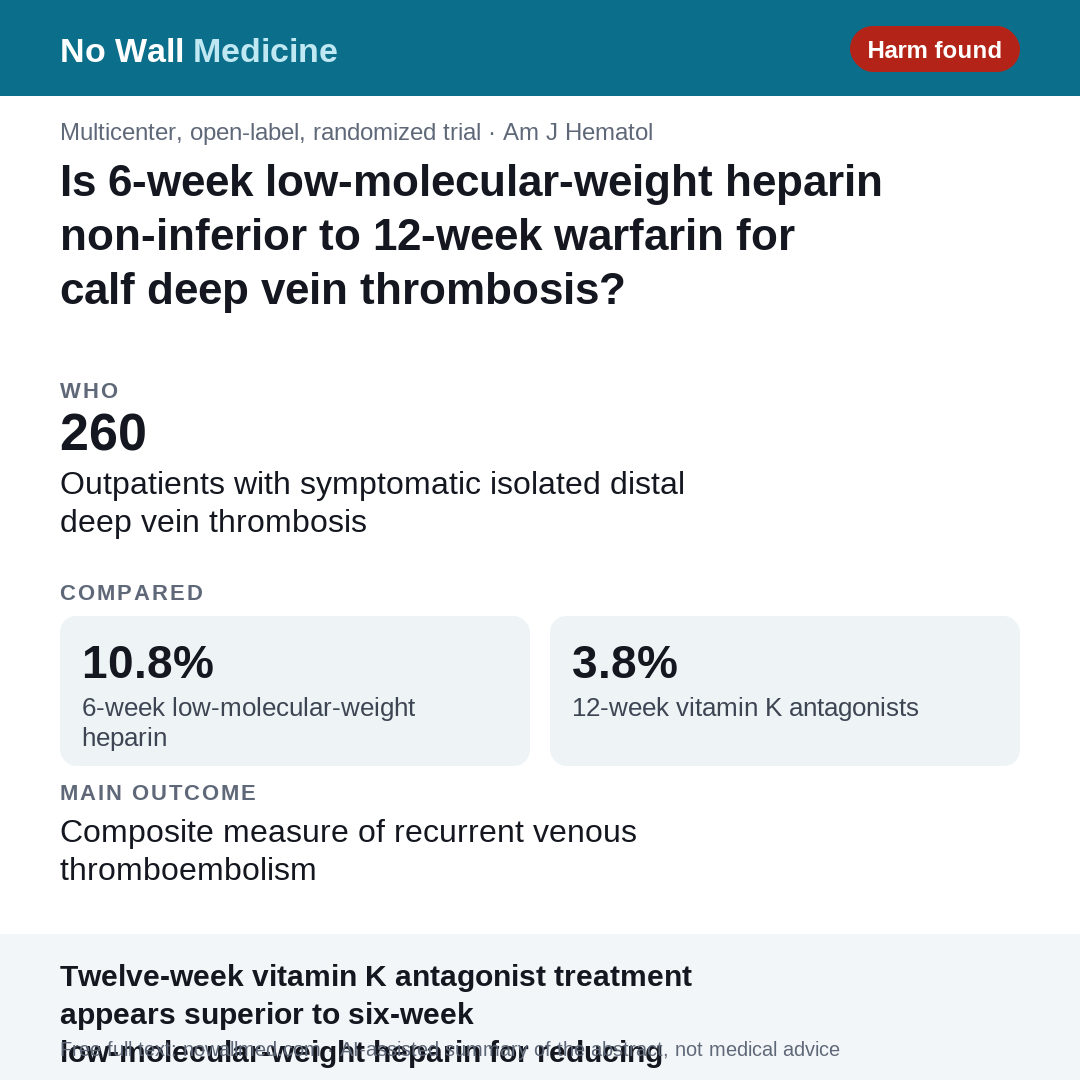
Six-week low-molecular-weight heparin versus 12-week warfarin for calf deep vein thrombosis: A randomized, prospective, open-label study
Multicenter, open-label, randomized trialHarm found
Is 6-week low-molecular-weight heparin non-inferior to 12-week warfarin for calf deep vein thrombosis?
Who
260
Outpatients with symptomatic isolated distal deep vein thrombosis
Compared
10.8%6-week low-molecular-weight heparin
3.8%12-week vitamin K antagonists
Main outcome
Composite measure of recurrent venous thromboembolism
Result: hazard ratio 2.8 (95% CI 1.04-7.55)
Bottom line: Twelve-week vitamin K antagonist treatment appears superior to six-week low-molecular-weight heparin for reducing recurrent venous thromboembolism.
Am J Hematol · 2024-02-20Download image
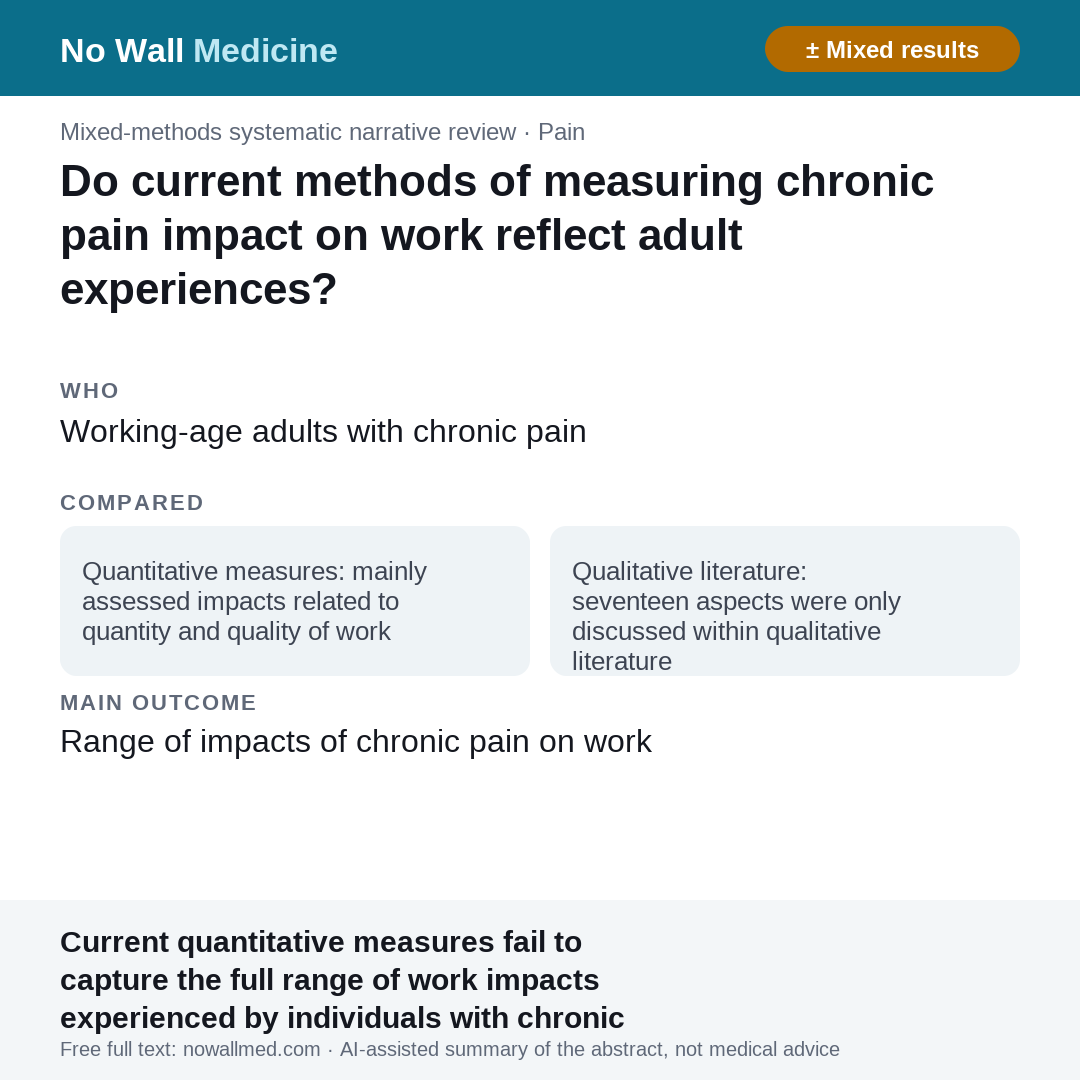
Do current methods of measuring the impact of chronic pain on work reflect the experience of working-age adults? An integrated mixed-methods systematic narrative review
Mixed-methods systematic narrative reviewMixed results
Do current methods of measuring chronic pain impact on work reflect adult experiences?
Who
Working-age adults with chronic pain
Compared
Quantitative measures: mainly assessed impacts related to quantity and quality of work
Qualitative literature: seventeen aspects were only discussed within qualitative literature
Main outcome
Range of impacts of chronic pain on work
Bottom line: Current quantitative measures fail to capture the full range of work impacts experienced by individuals with chronic pain.
Pain · 2024-02-20Download image
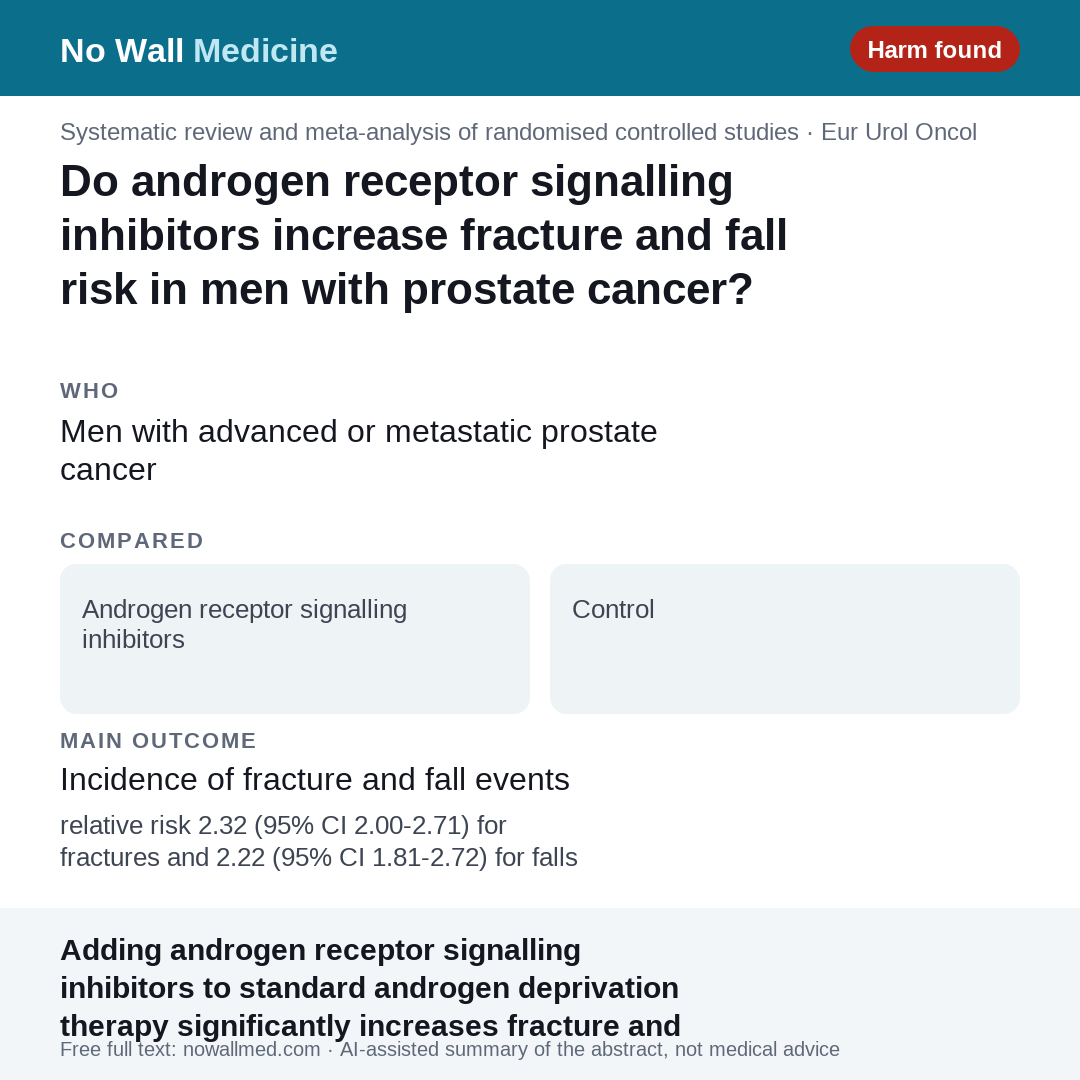
Risk of Fractures and Falls in Men with Advanced or Metastatic Prostate Cancer Receiving Androgen Deprivation Therapy and Treated with Novel Androgen Receptor Signalling Inhibitors: A Systematic Review and Meta-analysis of Randomised Controlled Trials
Systematic review and meta-analysis of randomised controlled trialsHarm found
Do androgen receptor signalling inhibitors increase fracture and fall risk in men with prostate cancer?
Who
Men with advanced or metastatic prostate cancer
Compared
Androgen receptor signalling inhibitors
Control
Main outcome
Incidence of fracture and fall events
Result: relative risk 2.32 (95% CI 2.00-2.71) for fractures and 2.22 (95% CI 1.81-2.72) for falls
Bottom line: Adding androgen receptor signalling inhibitors to standard androgen deprivation therapy significantly increases fracture and fall risk in men.
Limitation: Inability to distinguish fragility from pathological fractures and potential for a competing risk bias.
Eur Urol Oncol · 2024-02-20Download image
What is the power of a genomic multidisciplinary team approach? A systematic review of implementation and sustainability
Systematic review and narrative synthesisBenefit found
What is the effectiveness and implementation of the genomic multidisciplinary team approach?
Who
17
Studies involving genomic multidisciplinary teams for diagnosis and management · MEDLINE, Embase and PsycINFO databases
Compared
Genomic multidisciplinary team: 10-78% diagnostic yield
Increased yield attributed to multidisciplinary team: 6-25%
Main outcome
Effectiveness, adoption, efficiency, safety, and acceptability of genomic multidisciplinary teams
Bottom line: Genomic multidisciplinary teams increase diagnostic yield, improve management, and are efficient and acceptable for adoption.
Limitation: Lack of implementation science research addressing cost, sustainability, scale up, and equity of access.
Eur J Hum Genet · 2024-02-20Download image

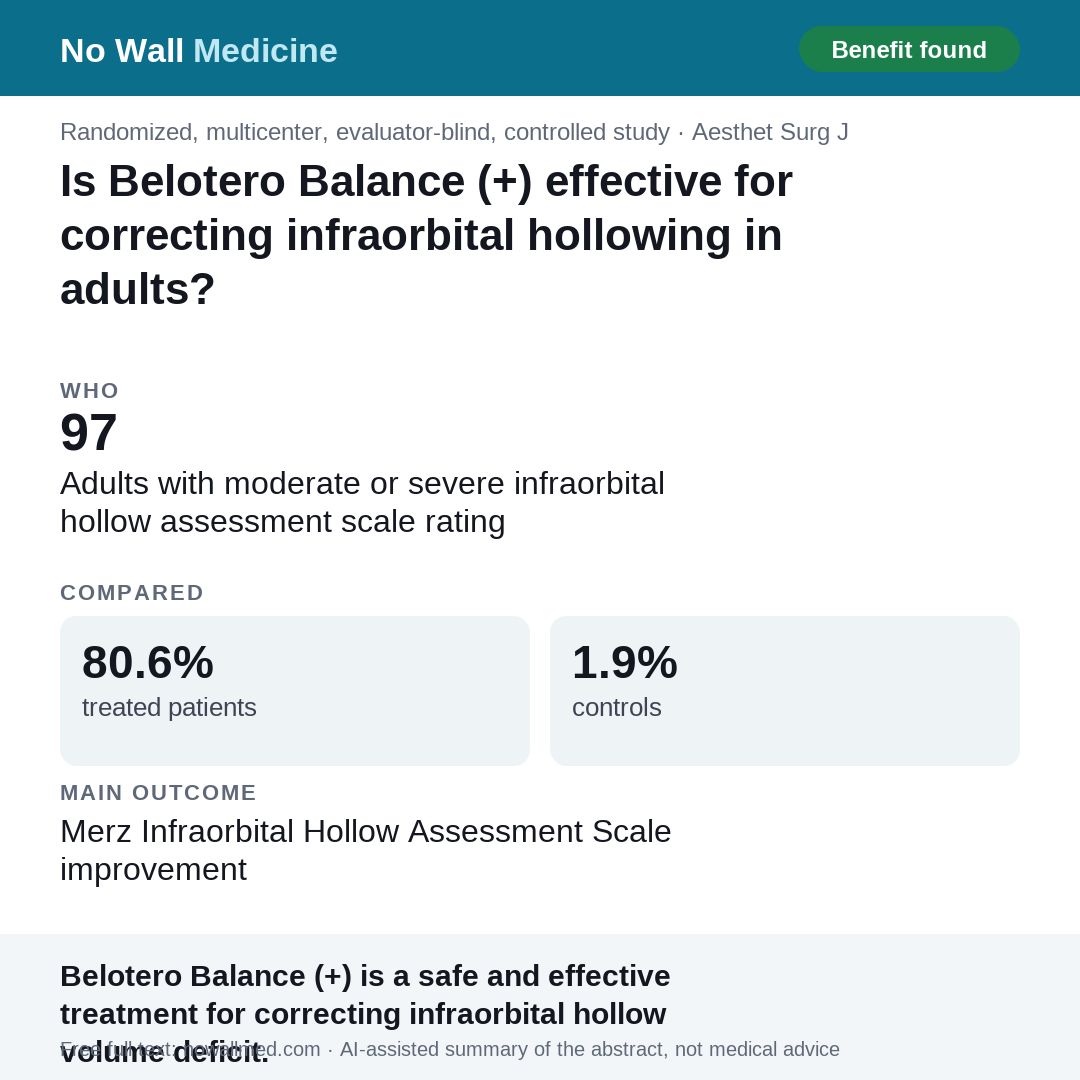
A Prospective, Multicenter, Evaluator-Blind, Randomized, Controlled Study of Belotero Balance (+), a Hyaluronic Acid Filler With Lidocaine, for Correction of Infraorbital Hollowing in Adults
Randomized, multicenter, evaluator-blind, controlled studyBenefit found
Is Belotero Balance (+) effective for correcting infraorbital hollowing in adults?
Who
97
Adults with moderate or severe infraorbital hollow assessment scale rating
Compared
80.6%treated patients (95% CI, 71.4-87.4)
1.9%controls (95% CI, 0.3-10.2)
Main outcome
Merz Infraorbital Hollow Assessment Scale improvement
Result: 78.7% (95% CI, 66.3-85.6)
Bottom line: Belotero Balance (+) is a safe and effective treatment for correcting infraorbital hollow volume deficit.
Aesthet Surg J · 2024-02-20Download image
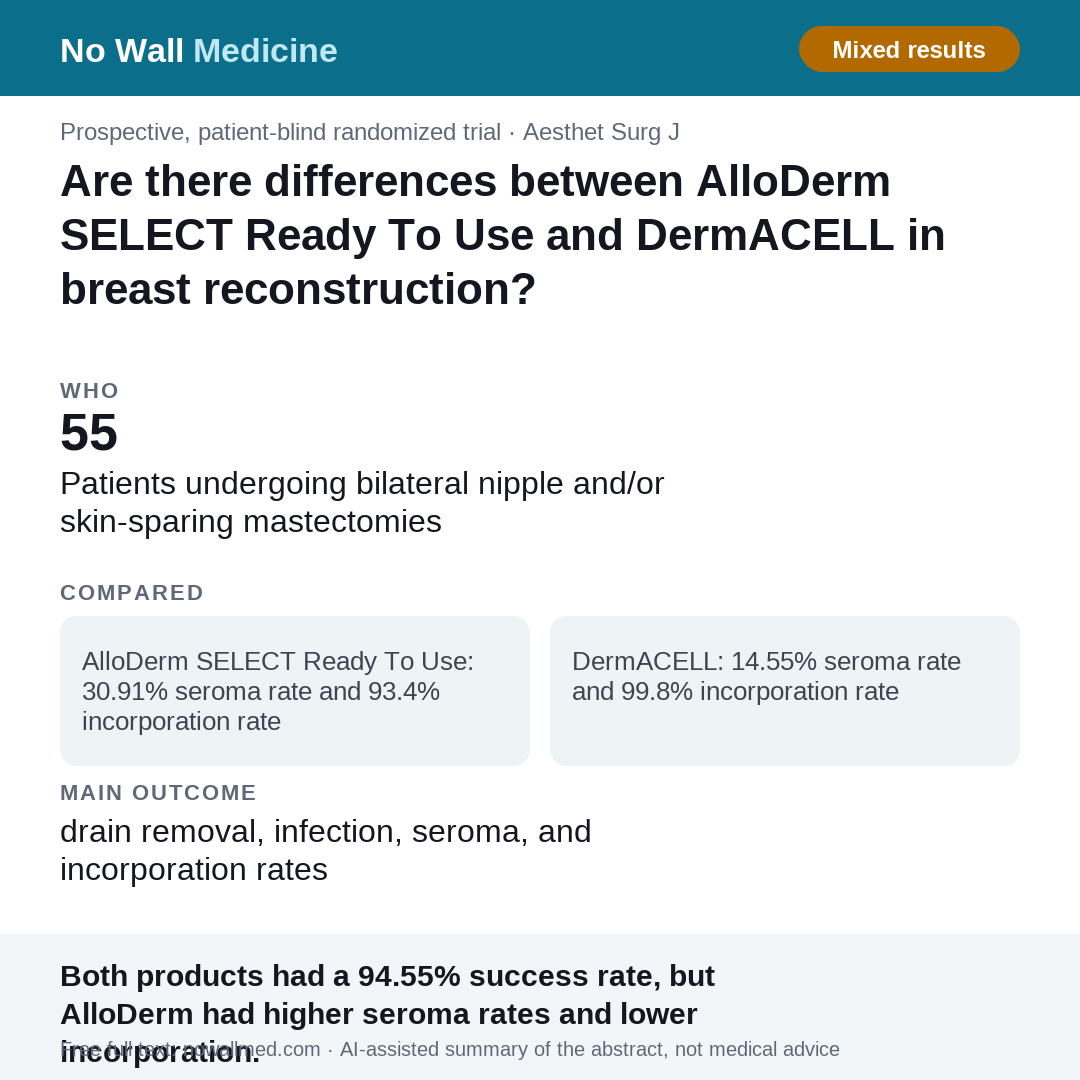
Comparison of Different Acellular Dermal Matrix in Breast Reconstruction: A Skin-to-Skin Study
Prospective, patient-blind randomized trialMixed results
Are there differences between AlloDerm SELECT Ready To Use and DermACELL in breast reconstruction?
Who
55
Patients undergoing bilateral nipple and/or skin-sparing mastectomies
Compared
AlloDerm SELECT Ready To Use: 30.91% seroma rate and 93.4% incorporation rate
DermACELL: 14.55% seroma rate and 99.8% incorporation rate
Main outcome
drain removal, infection, seroma, and incorporation rates
Bottom line: Both products had a 94.55% success rate, but AlloDerm had higher seroma rates and lower incorporation.
Aesthet Surg J · 2024-02-20Download image
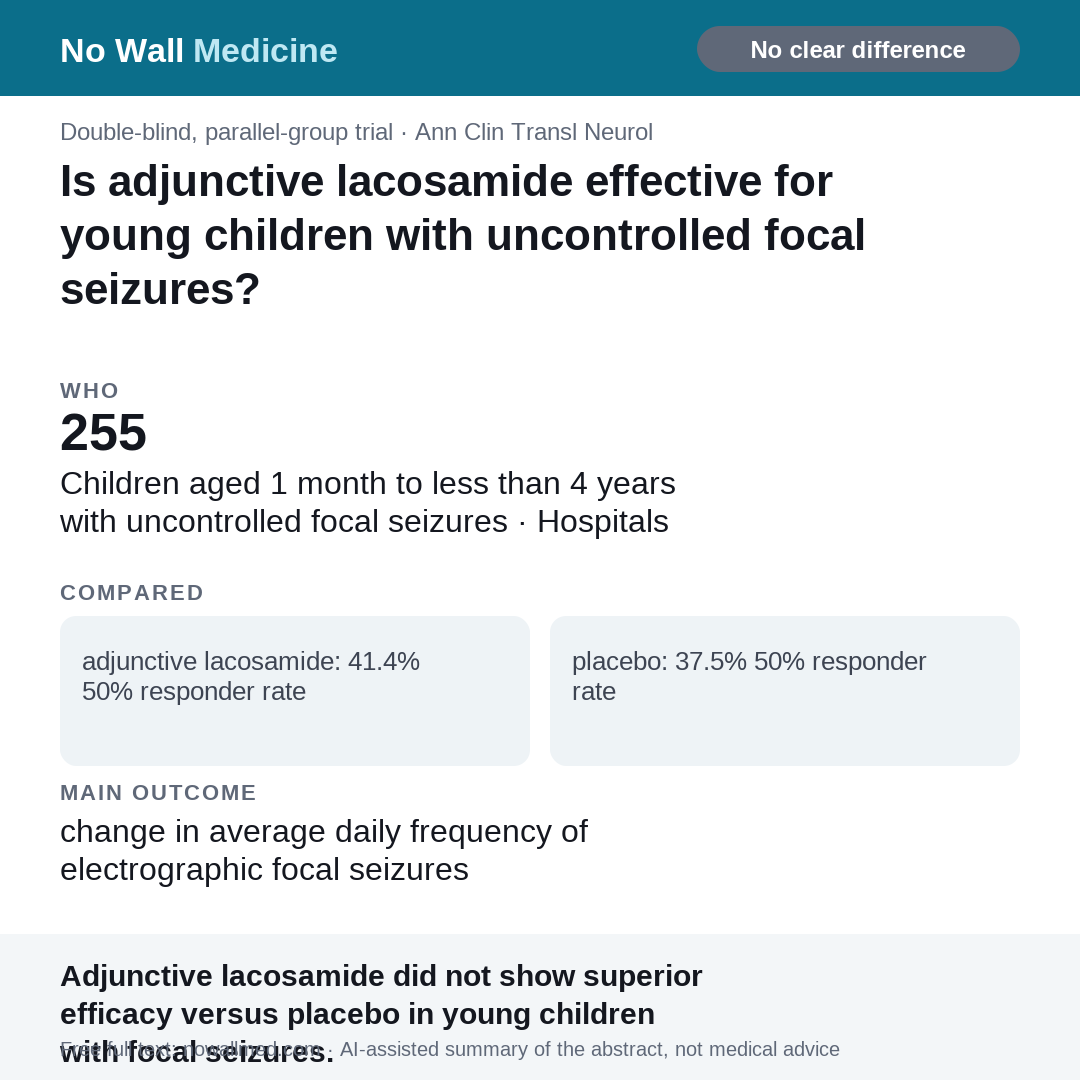
Efficacy and tolerability of adjunctive lacosamide in patients aged <4 years with focal seizures
Double-blind, parallel-group trialNo clear difference
Is adjunctive lacosamide effective for young children with uncontrolled focal seizures?
Who
255
Children aged 1 month to less than 4 years with uncontrolled focal seizures · Hospitals and clinics in 25 countries
Compared
adjunctive lacosamide: 41.4% 50% responder rate
placebo: 37.5% 50% responder rate
Main outcome
change in average daily frequency of electrographic focal seizures
Bottom line: Adjunctive lacosamide did not show superior efficacy versus placebo in young children with focal seizures.
Limitation: High variability and low reliability between readers in video-electroencephalogram interpretation.
Ann Clin Transl Neurol · 2024-02-20Download image
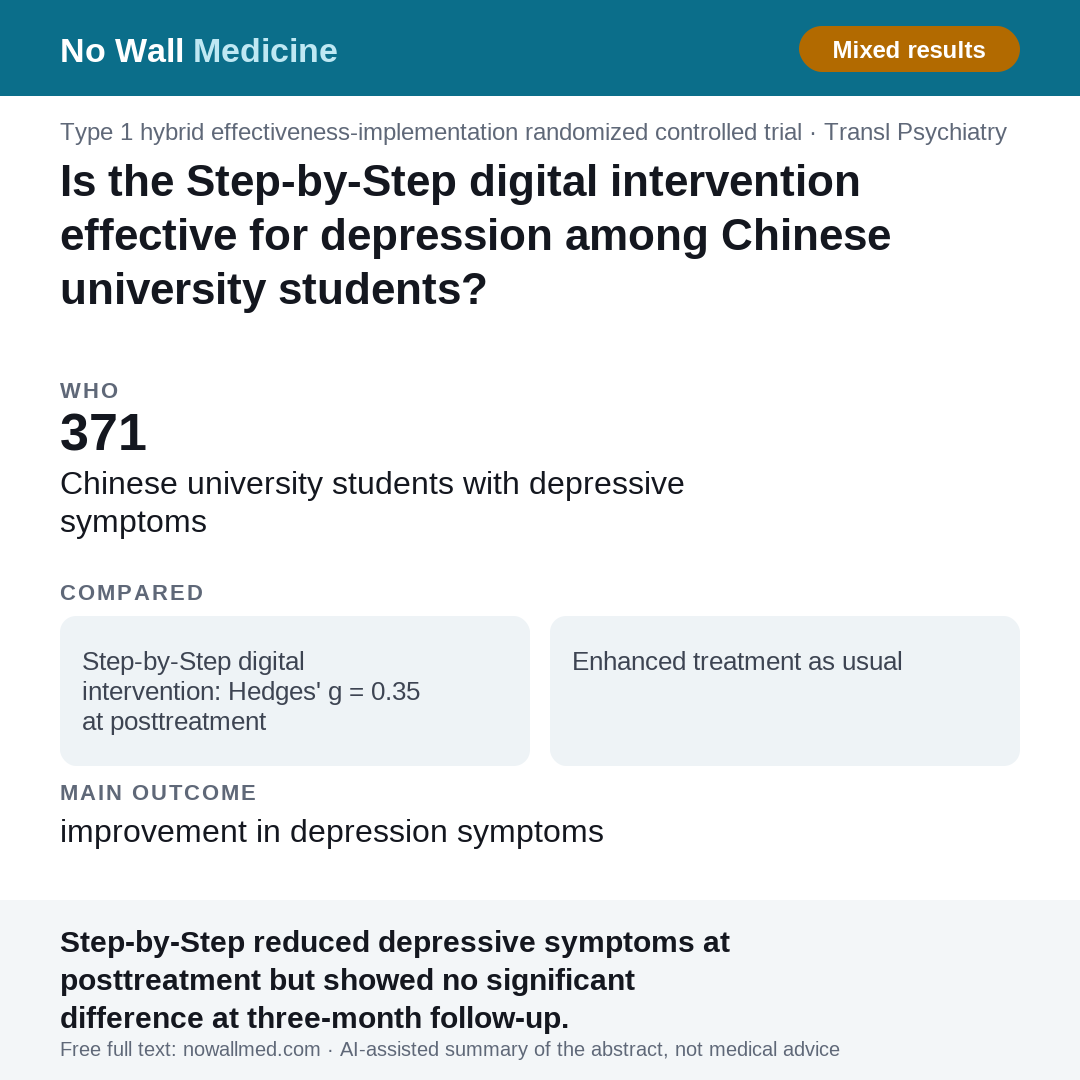
A WHO digital intervention to address depression among young Chinese adults: a type 1 effectiveness-implementation randomized controlled trial
Type 1 hybrid effectiveness-implementation randomized controlled trialMixed results
Is the Step-by-Step digital intervention effective for depression among Chinese university students?
Who
371
Chinese university students with depressive symptoms
Compared
Step-by-Step digital intervention: Hedges' g = 0.35 at posttreatment
Enhanced treatment as usual
Main outcome
improvement in depression symptoms
Result: Hedges' g = 0.35 (p = 0.004) at posttreatment
Bottom line: Step-by-Step reduced depressive symptoms at posttreatment but showed no significant difference at three-month follow-up.
Limitation: The sustained effect on depression needs further investigation.
Transl Psychiatry · 2024-02-20Download image
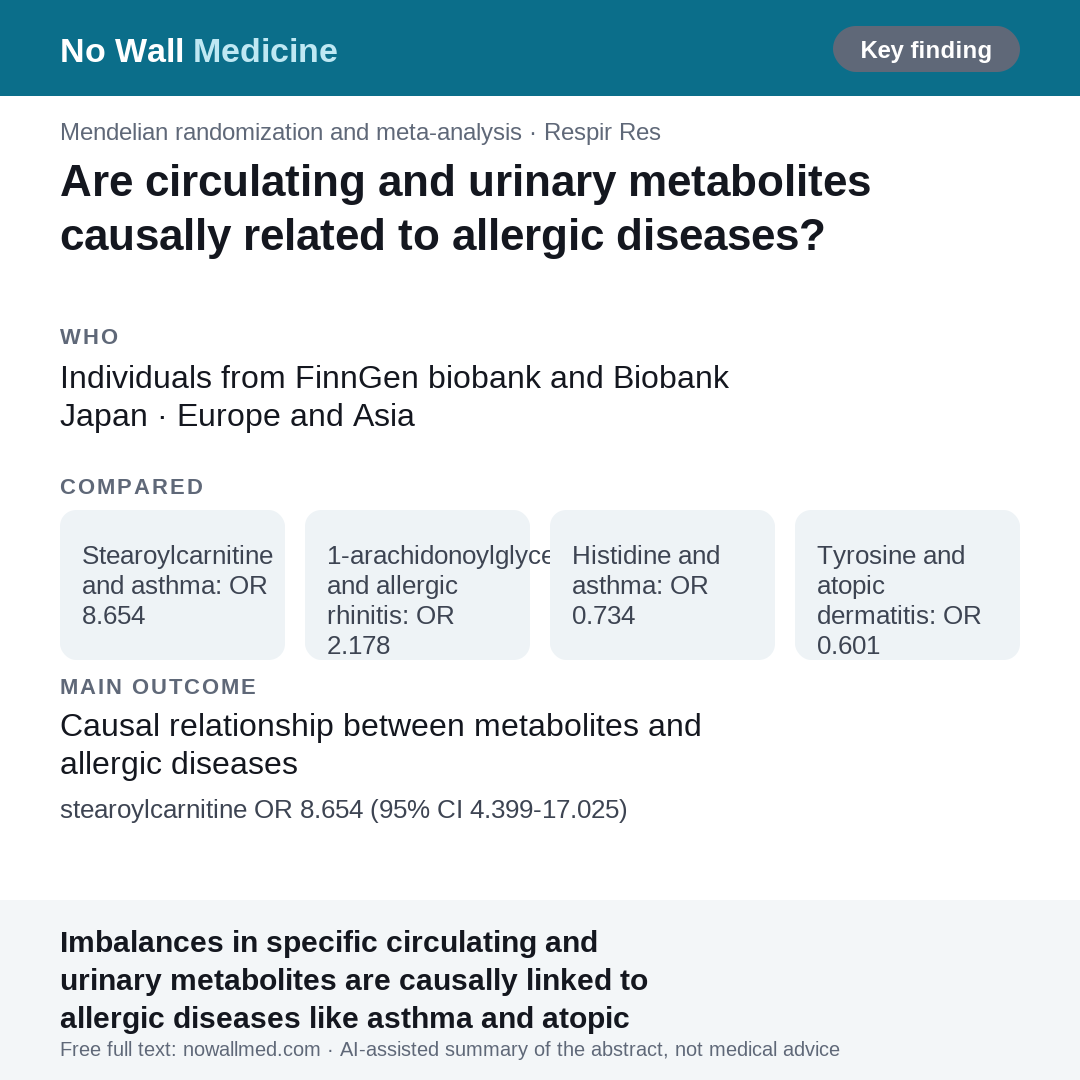
Causal relationships of metabolites with allergic diseases: a trans-ethnic Mendelian randomization study
Mendelian randomization and meta-analysisBenefit found
Are circulating and urinary metabolites causally related to allergic diseases?
Who
Individuals from FinnGen biobank and Biobank Japan · Europe and Asia
Compared
Stearoylcarnitine and asthma: OR 8.654
1-arachidonoylglycerophosphoinositol and allergic rhinitis: OR 2.178
Histidine and asthma: OR 0.734
Tyrosine and atopic dermatitis: OR 0.601
Main outcome
Causal relationship between metabolites and allergic diseases
Result: stearoylcarnitine OR 8.654 (95% CI 4.399-17.025)
Bottom line: Imbalances in specific circulating and urinary metabolites are causally linked to allergic diseases like asthma and atopic dermatitis.
Respir Res · 2024-02-20Download image