Visual abstracts
New randomized trials and meta-analyses from leading journals at a glance: who was studied, what was compared, and what was found. Every paper is free to read in full.
All specialtiesCardiology 1341Oncology 1205Gastroenterology & Hepatology 483Infectious Disease 880Neurology 556Psychiatry & Mental Health 671Pulmonology 578Critical Care 398Endocrinology & Diabetes 746Pediatrics 802Surgery 638Orthopedics & Sports Medicine 259Neurosurgery 182Cardiothoracic & Vascular Surgery 151Plastic & Reconstructive Surgery 212Nephrology 283Rheumatology 179Hematology 283Dermatology 142Ophthalmology 153Obstetrics & Gynecology 426Public & Global Health 261Radiology & Imaging 173Anesthesiology 257Urology 251ENT (Otolaryngology) 182Emergency Medicine 147Allergy & Immunology 90Geriatrics 281Family Medicine & Primary Care 171Medical Genetics & Genomics 144Pathology & Laboratory Medicine 41Physical Medicine & Rehabilitation 233Palliative Care 122Nutrition 353Digital Health & AI 696General Medicine 123
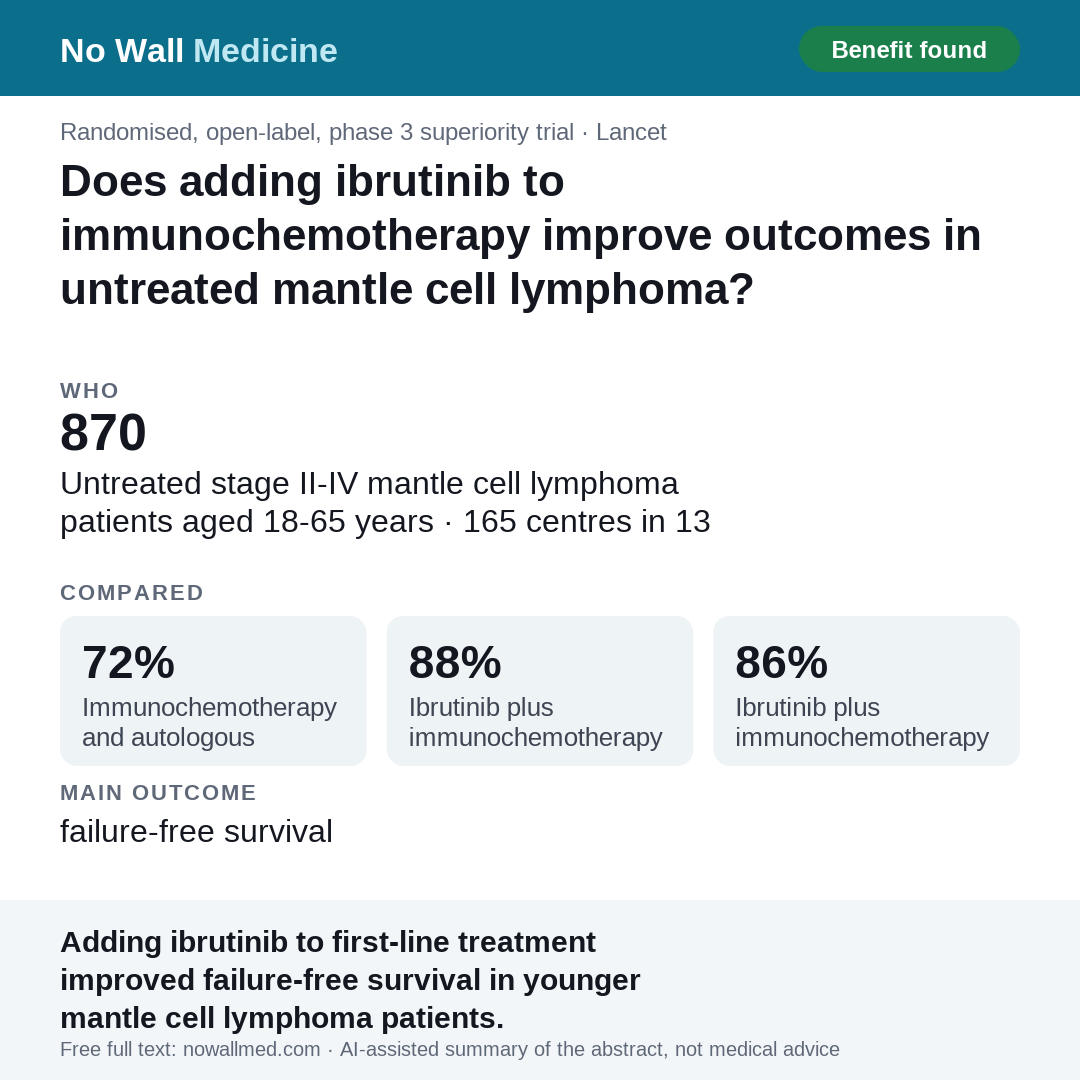
Ibrutinib combined with immunochemotherapy with or without autologous stem-cell transplantation versus immunochemotherapy and autologous stem-cell transplantation in previously untreated patients with mantle cell lymphoma (TRIANGLE): a three-arm, randomised, open-label, phase 3 superiority trial of the European Mantle Cell Lymphoma Network
Randomised, open-label, phase 3 superiority trialBenefit found
Does adding ibrutinib to immunochemotherapy improve outcomes in untreated mantle cell lymphoma?
Who
870
Untreated stage II-IV mantle cell lymphoma patients aged 18-65 years · 165 centres in 13 European countries and Israel
Compared
72%Immunochemotherapy and autologous stem-cell transplantation (95% CI 67-79)
88%Ibrutinib plus immunochemotherapy and autologous stem-cell transplantation (95% CI 84-92)
86%Ibrutinib plus immunochemotherapy without autologous stem-cell transplantation (82-91)
Main outcome
failure-free survival
Result: hazard ratio 0·52 (one-sided 98·3% CI 0-0·86)
Bottom line: Adding ibrutinib to first-line treatment improved failure-free survival in younger mantle cell lymphoma patients.
Funded by: Janssen and Leukemia & Lymphoma Society
Lancet · 2024-05-02Download image
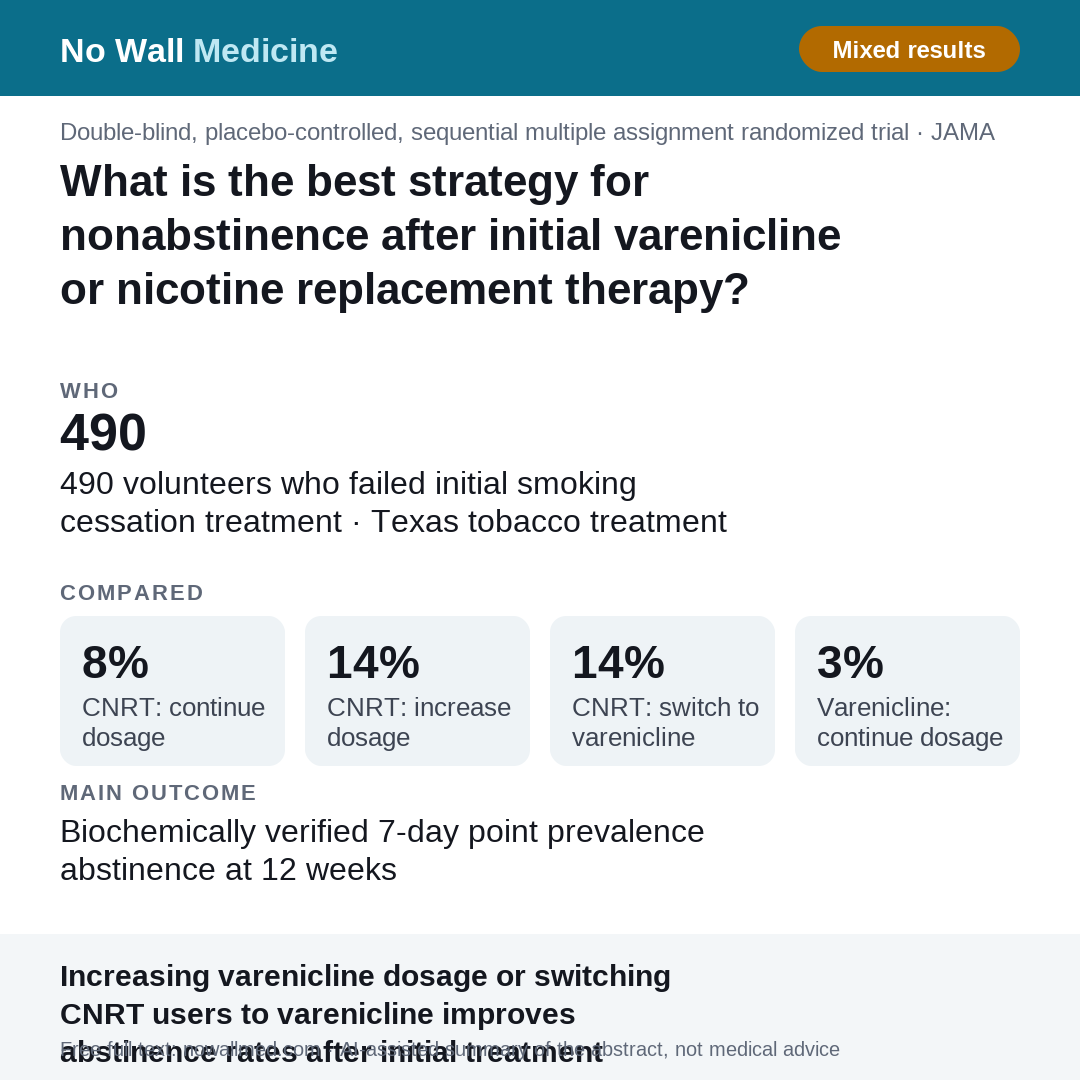
Smoking Cessation After Initial Treatment Failure With Varenicline or Nicotine Replacement: A Randomized Clinical Trial
Double-blind, placebo-controlled, sequential multiple assignment randomized trialMixed results
What is the best strategy for nonabstinence after initial varenicline or nicotine replacement therapy?
Who
490
490 volunteers who failed initial smoking cessation treatment · Texas tobacco treatment clinic
Compared
8%CNRT: continue dosage
14%CNRT: increase dosage
14%CNRT: switch to varenicline
3%Varenicline: continue dosage
Main outcome
Biochemically verified 7-day point prevalence abstinence at 12 weeks
Result: absolute risk difference 6% (95% CrI, 6% to 11%) for CNRT switch
Bottom line: Increasing varenicline dosage or switching CNRT users to varenicline improves abstinence rates after initial treatment failure.
JAMA · 2024-05-02Download image
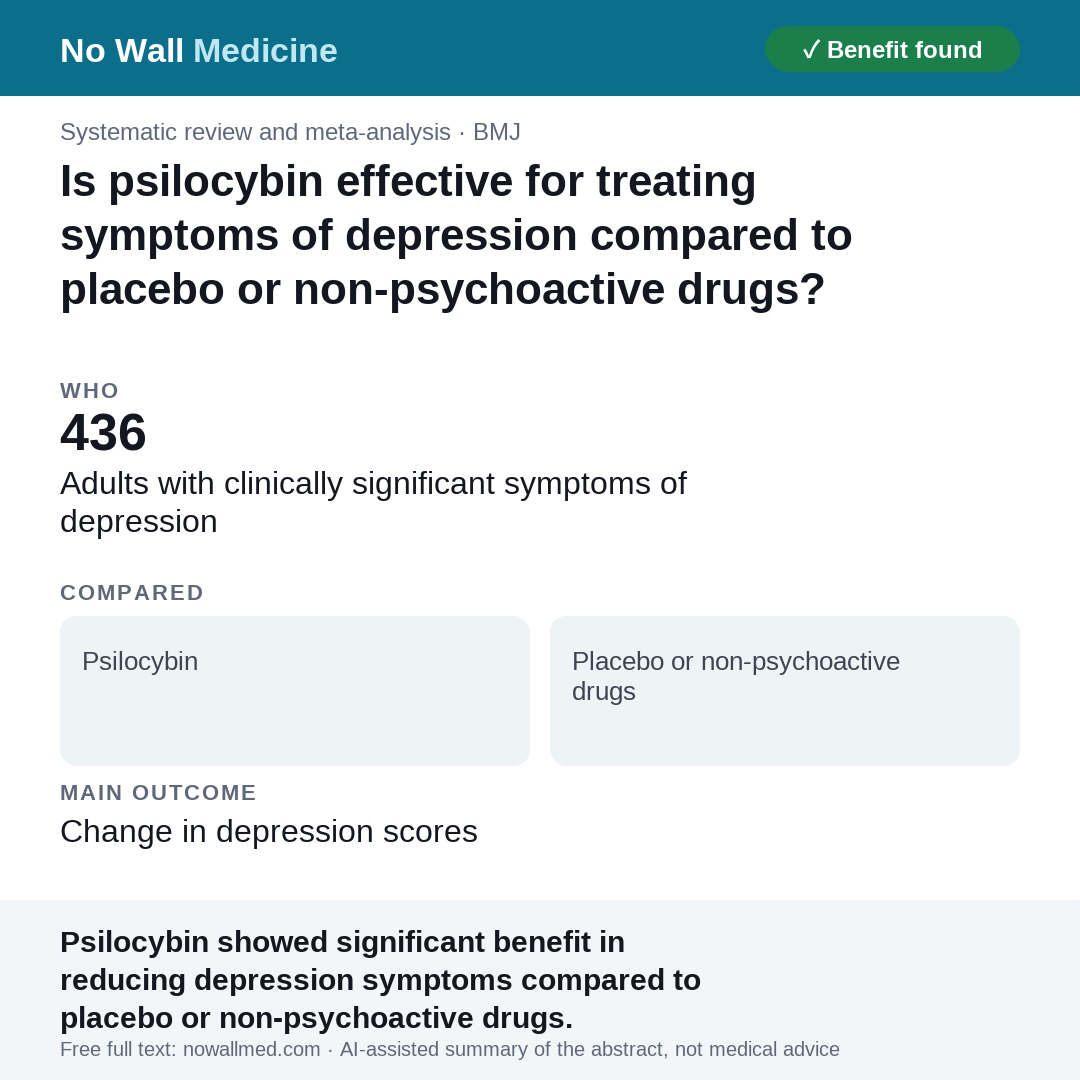
Efficacy of psilocybin for treating symptoms of depression: systematic review and meta-analysis
Systematic review and meta-analysisBenefit found
Is psilocybin effective for treating symptoms of depression compared to placebo or non-psychoactive drugs?
Who
436
Adults with clinically significant symptoms of depression
Compared
Psilocybin
Placebo or non-psychoactive drugs
Main outcome
Change in depression scores
Result: Hedges’ g=0.66 (95% CI 0.46 to 0.86)
Bottom line: Psilocybin showed significant benefit in reducing depression symptoms compared to placebo or non-psychoactive drugs.
Limitation: All studies had a moderate risk of bias.
BMJ · 2024-05-01Download image
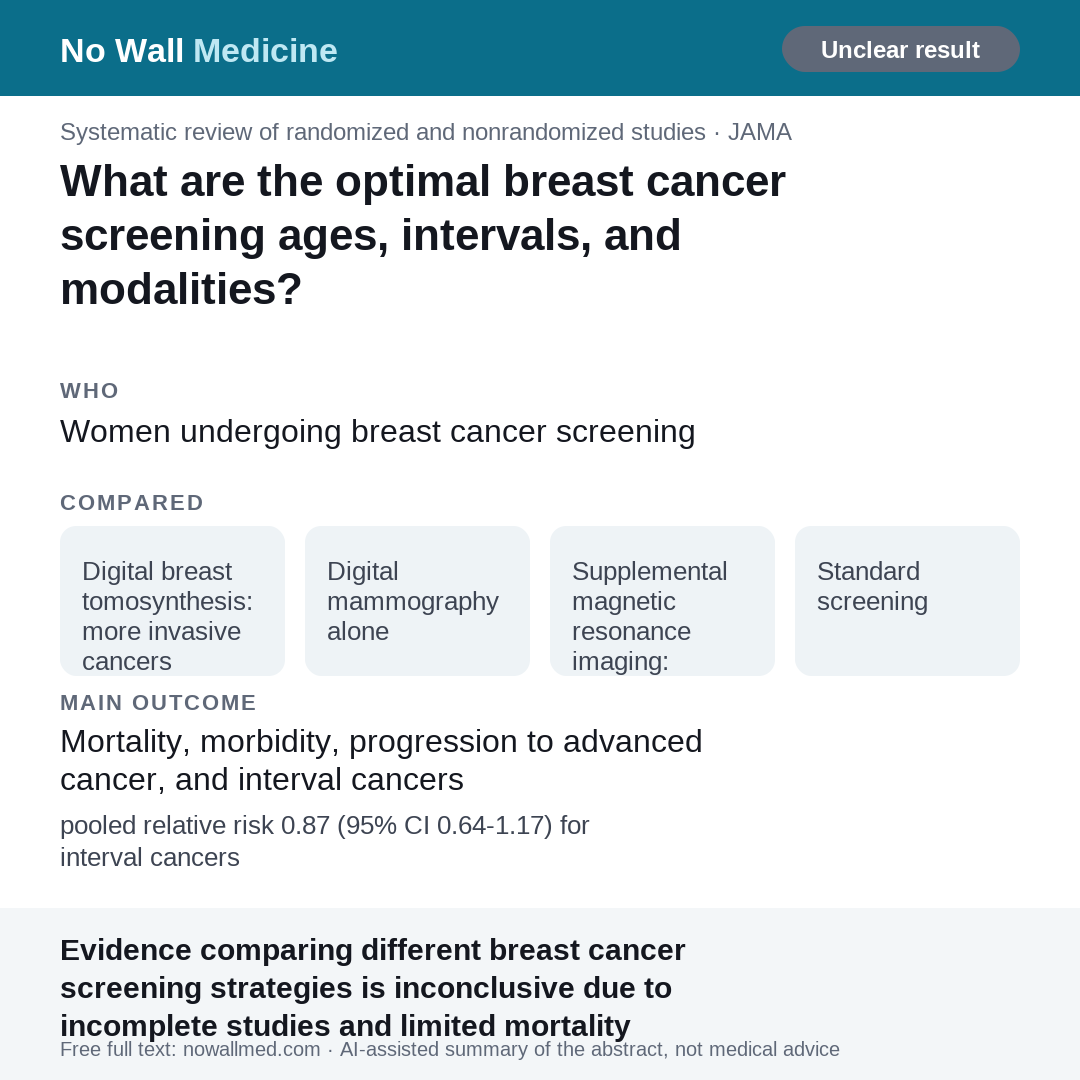
Screening for Breast Cancer: Evidence Report and Systematic Review for the US Preventive Services Task Force
Systematic review of randomized and nonrandomized studiesUnclear result
What are the optimal breast cancer screening ages, intervals, and modalities?
Who
Women undergoing breast cancer screening
Compared
Digital breast tomosynthesis: more invasive cancers detected at first round
Digital mammography alone
Supplemental magnetic resonance imaging: relative risk 0.47 (95% CI 0.29-0.77) for interval cancer
Standard screening
Main outcome
Mortality, morbidity, progression to advanced cancer, and interval cancers
Result: pooled relative risk 0.87 (95% CI 0.64-1.17) for interval cancers
Bottom line: Evidence comparing different breast cancer screening strategies is inconclusive due to incomplete studies and limited mortality outcome data.
Limitation: Key studies are not yet completed and few report stage shift or mortality outcomes.
JAMA · 2024-04-30Download image
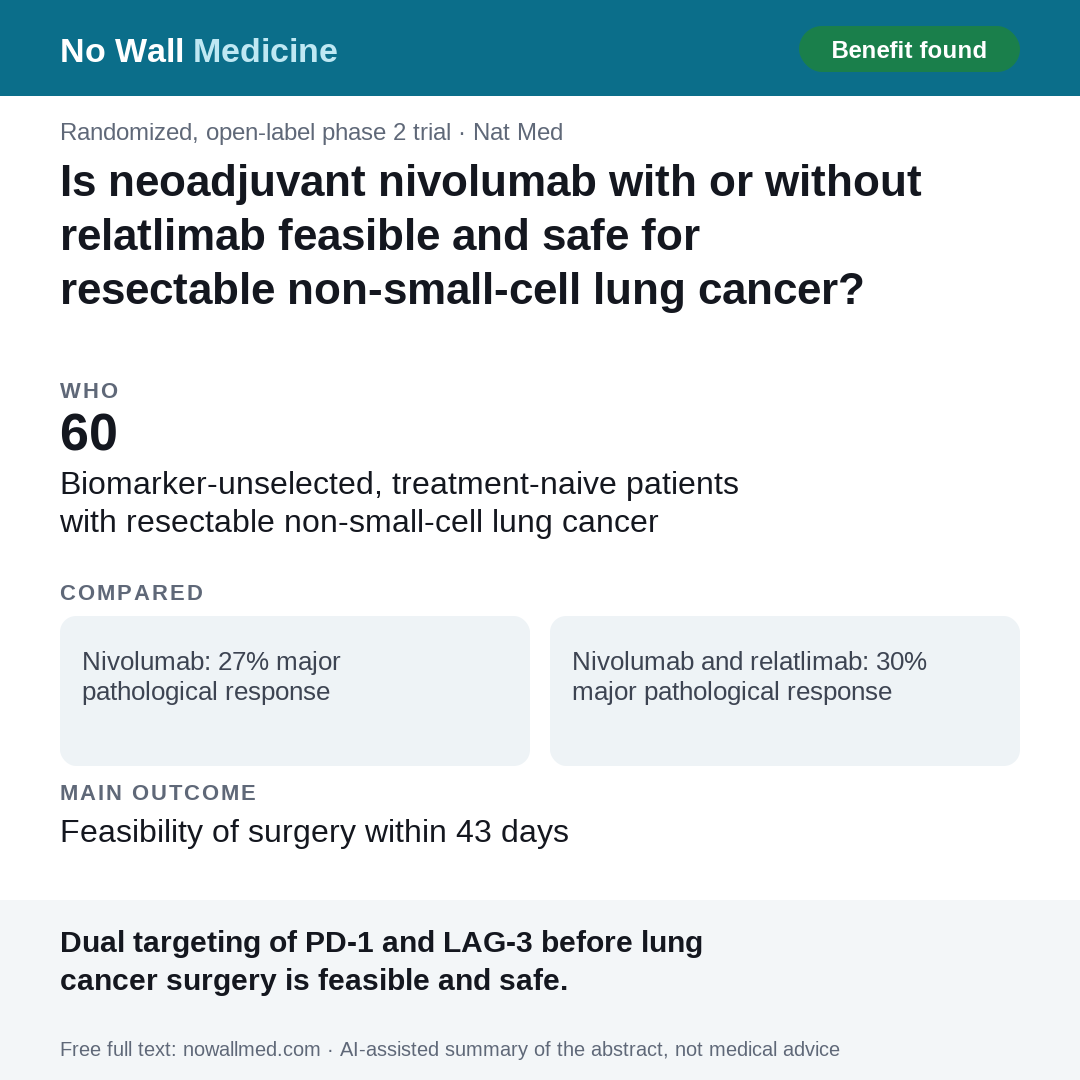
Neoadjuvant nivolumab with or without relatlimab in resectable non-small-cell lung cancer: a randomized phase 2 trial
Randomized, open-label phase 2 trialBenefit found
Is neoadjuvant nivolumab with or without relatlimab feasible and safe for resectable non-small-cell lung cancer?
Who
60
Biomarker-unselected, treatment-naive patients with resectable non-small-cell lung cancer
Compared
Nivolumab: 27% major pathological response
Nivolumab and relatlimab: 30% major pathological response
Main outcome
Feasibility of surgery within 43 days
Bottom line: Dual targeting of PD-1 and LAG-3 before lung cancer surgery is feasible and safe.
Nat Med · 2024-04-30Download image
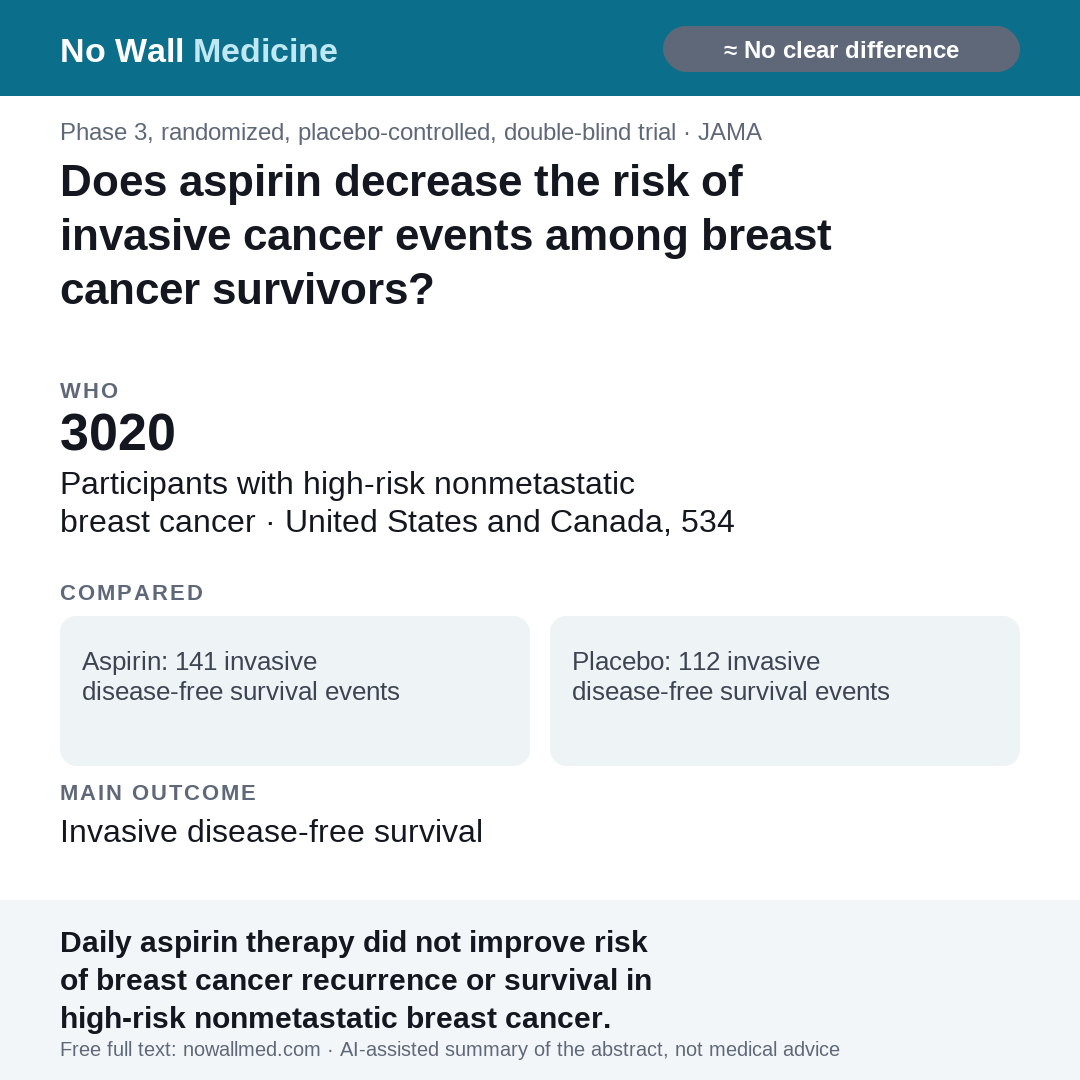
Aspirin vs Placebo as Adjuvant Therapy for Breast Cancer: The Alliance A011502 Randomized Trial
Phase 3, randomized, placebo-controlled, double-blind trialNo clear difference
Does aspirin decrease the risk of invasive cancer events among breast cancer survivors?
Who
3020
Participants with high-risk nonmetastatic breast cancer · United States and Canada, 534 sites
Compared
Aspirin: 141 invasive disease-free survival events
Placebo: 112 invasive disease-free survival events
Main outcome
Invasive disease-free survival
Result: hazard ratio 1.27 (95% CI, 0.99-1.63)
Bottom line: Daily aspirin therapy did not improve risk of breast cancer recurrence or survival in high-risk nonmetastatic breast cancer.
JAMA · 2024-04-29Download image
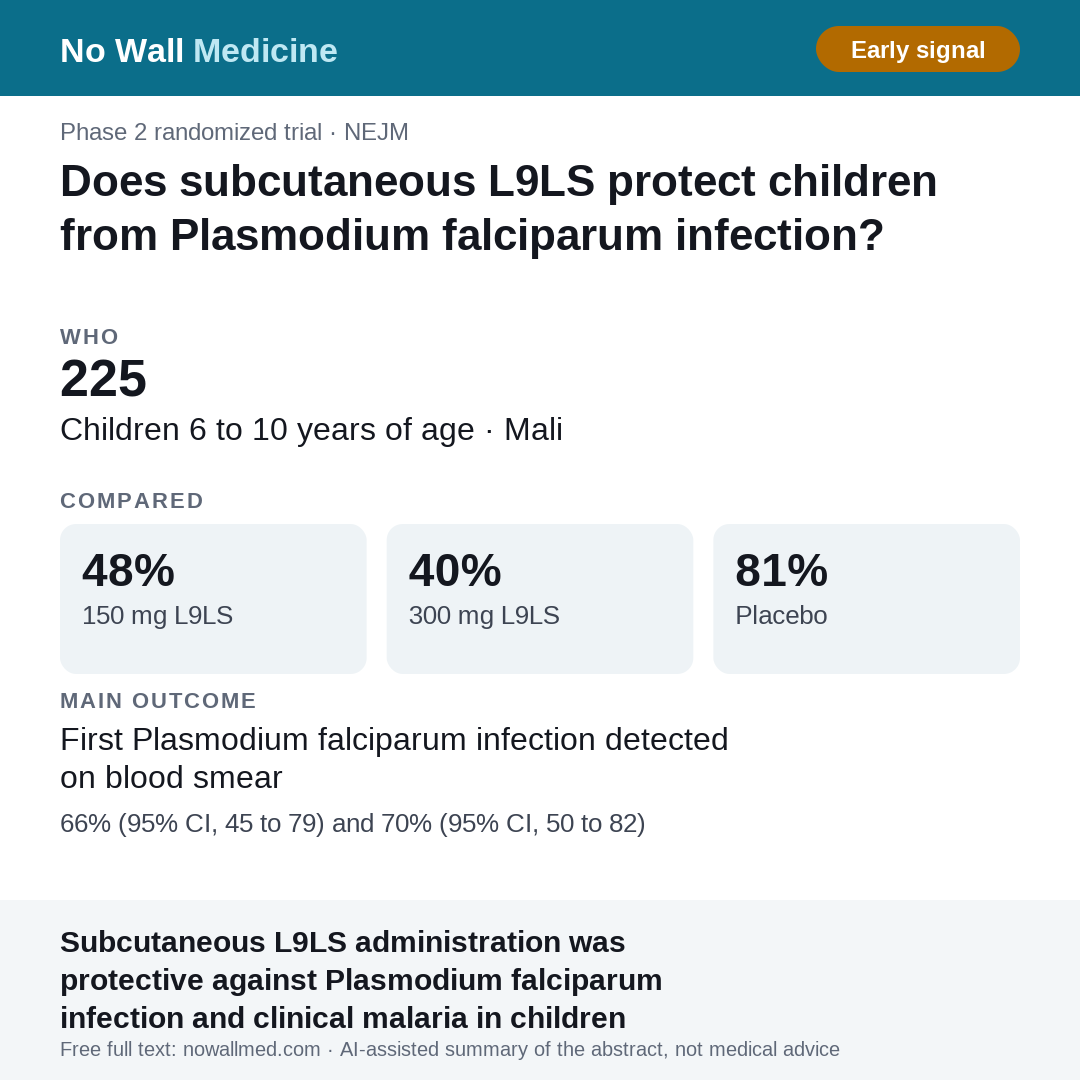
Subcutaneous Administration of a Monoclonal Antibody to Prevent Malaria
Phase 2 randomized trialBenefit found
Does subcutaneous L9LS protect children from Plasmodium falciparum infection?
Who
225
Children 6 to 10 years of age · Mali
Compared
48%150 mg L9LS
40%300 mg L9LS
81%Placebo
Main outcome
First Plasmodium falciparum infection detected on blood smear
Result: 66% (95% CI, 45 to 79) and 70% (95% CI, 50 to 82)
Bottom line: Subcutaneous L9LS administration was protective against Plasmodium falciparum infection and clinical malaria in children over 6 months.
Funded by: National Institute of Allergy and Infectious Diseases
NEJM · 2024-04-26Download image
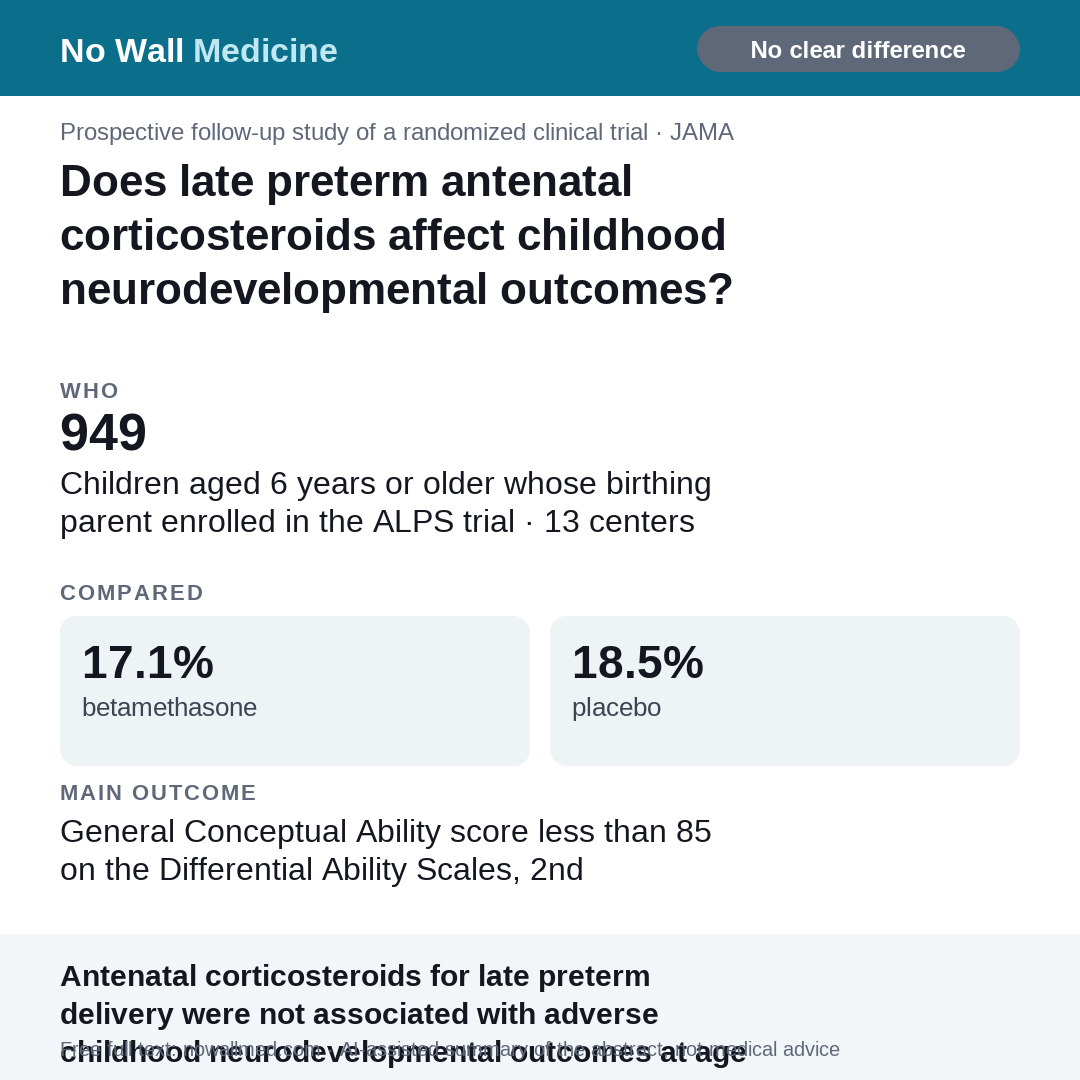
Neurodevelopmental Outcomes After Late Preterm Antenatal Corticosteroids: The ALPS Follow-Up Study
Prospective follow-up study of a randomized clinical trialNo clear difference
Does late preterm antenatal corticosteroids affect childhood neurodevelopmental outcomes?
Who
949
Children aged 6 years or older whose birthing parent enrolled in the ALPS trial · 13 centers in the Maternal-Fetal Medicine Units Network
Compared
17.1%betamethasone (82/479)
18.5%placebo (87/470)
Main outcome
General Conceptual Ability score less than 85 on the Differential Ability Scales, 2nd Edition
Result: adjusted relative risk 0.94 (95% CI 0.73-1.22)
Bottom line: Antenatal corticosteroids for late preterm delivery were not associated with adverse childhood neurodevelopmental outcomes at age 6 years or older.
JAMA · 2024-04-24Download image
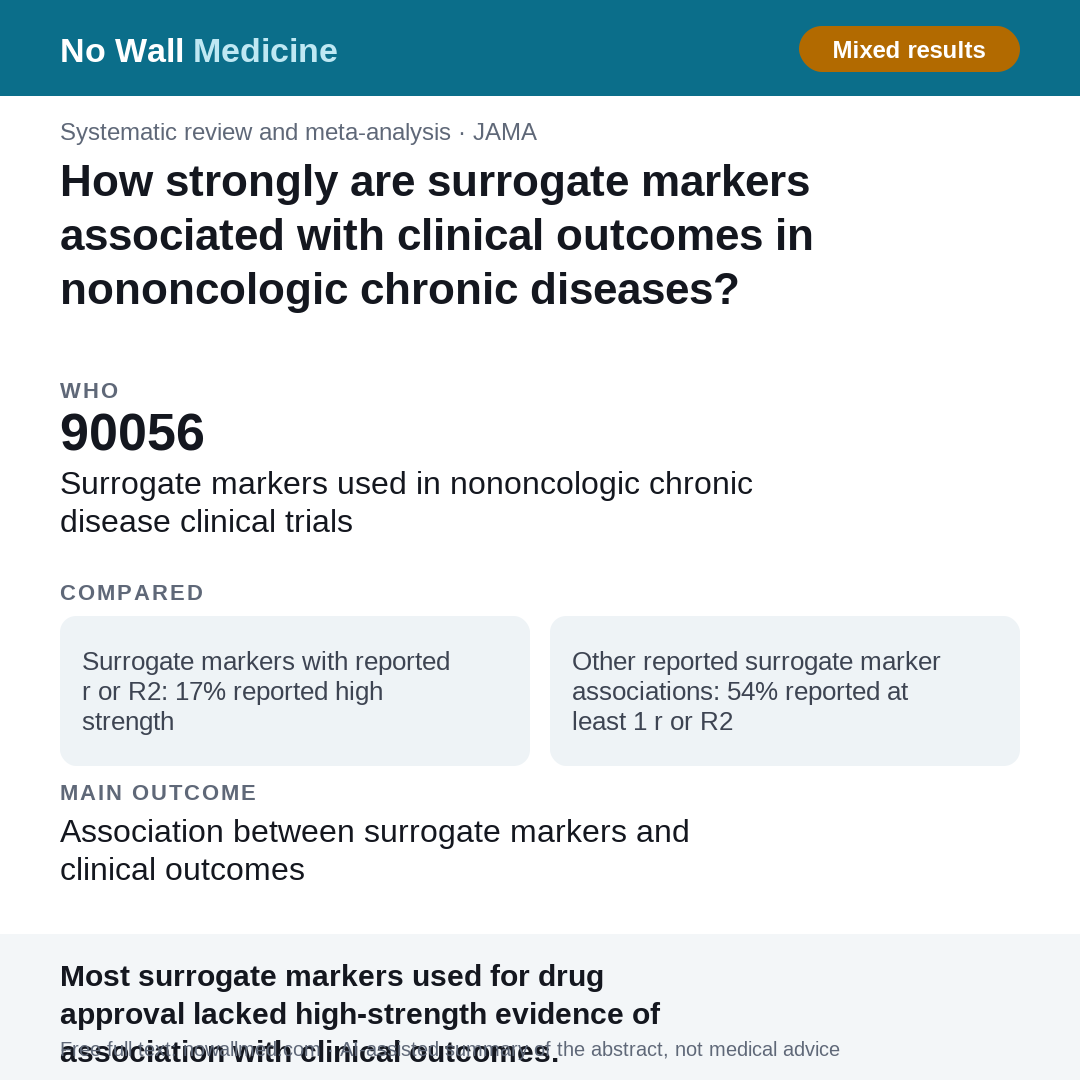
Associations Between Surrogate Markers and Clinical Outcomes for Nononcologic Chronic Disease Treatments
Systematic review and meta-analysisMixed results
How strongly are surrogate markers associated with clinical outcomes in nononcologic chronic diseases?
Who
90056
Surrogate markers used in nononcologic chronic disease clinical trials
Compared
Surrogate markers with reported r or R2: 17% reported high strength
Other reported surrogate marker associations: 54% reported at least 1 r or R2
Main outcome
Association between surrogate markers and clinical outcomes
Bottom line: Most surrogate markers used for drug approval lacked high-strength evidence of association with clinical outcomes.
JAMA · 2024-04-22Download image
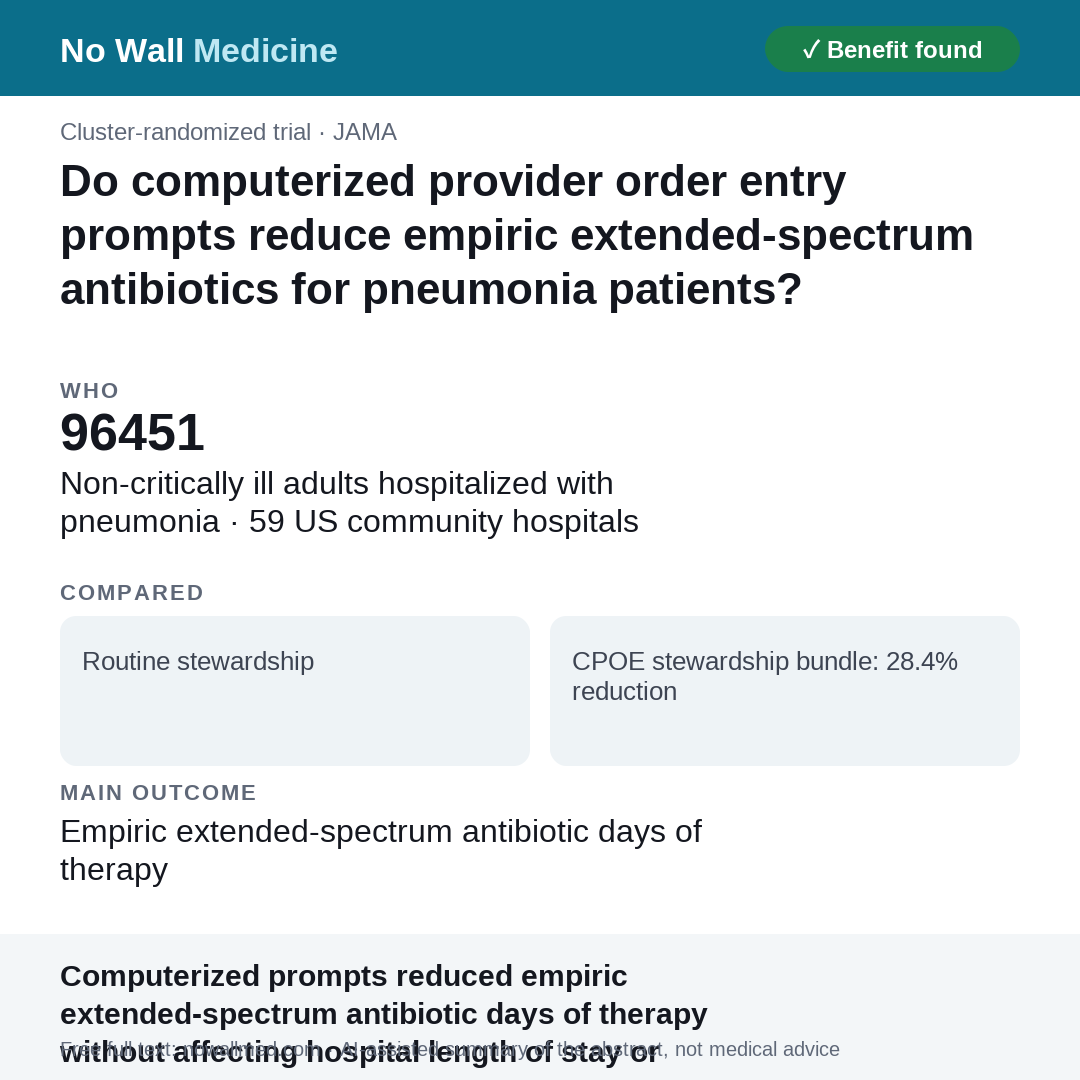
Stewardship Prompts to Improve Antibiotic Selection for Pneumonia: The INSPIRE Randomized Clinical Trial
Cluster-randomized trialBenefit found
Do computerized provider order entry prompts reduce empiric extended-spectrum antibiotics for pneumonia patients?
Who
96451
Non-critically ill adults hospitalized with pneumonia · 59 US community hospitals
Compared
Routine stewardship
CPOE stewardship bundle: 28.4% reduction
Main outcome
Empiric extended-spectrum antibiotic days of therapy
Result: rate ratio, 0.72 (95% CI, 0.66-0.78)
Bottom line: Computerized prompts reduced empiric extended-spectrum antibiotic days of therapy without affecting hospital length of stay or intensive care unit transfer.
JAMA · 2024-04-19Download image
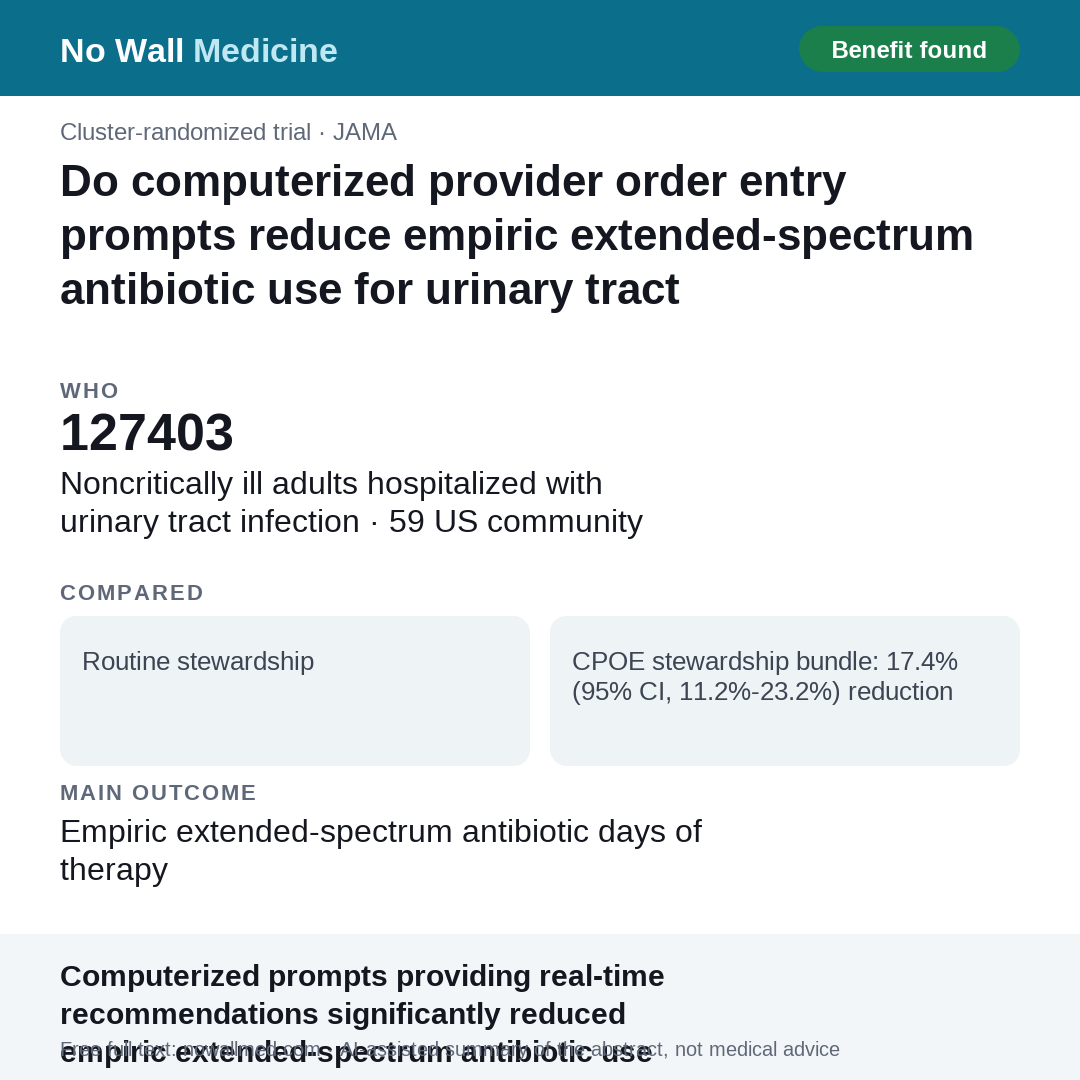
Stewardship Prompts to Improve Antibiotic Selection for Urinary Tract Infection: The INSPIRE Randomized Clinical Trial
Cluster-randomized trialBenefit found
Do computerized provider order entry prompts reduce empiric extended-spectrum antibiotic use for urinary tract infection?
Who
127403
Noncritically ill adults hospitalized with urinary tract infection · 59 US community hospitals
Compared
Routine stewardship
CPOE stewardship bundle: 17.4% (95% CI, 11.2%-23.2%) reduction
Main outcome
Empiric extended-spectrum antibiotic days of therapy
Result: rate ratio, 0.83 (95% CI, 0.77-0.89)
Bottom line: Computerized prompts providing real-time recommendations significantly reduced empiric extended-spectrum antibiotic use without affecting hospital length of stay.
JAMA · 2024-04-19Download image
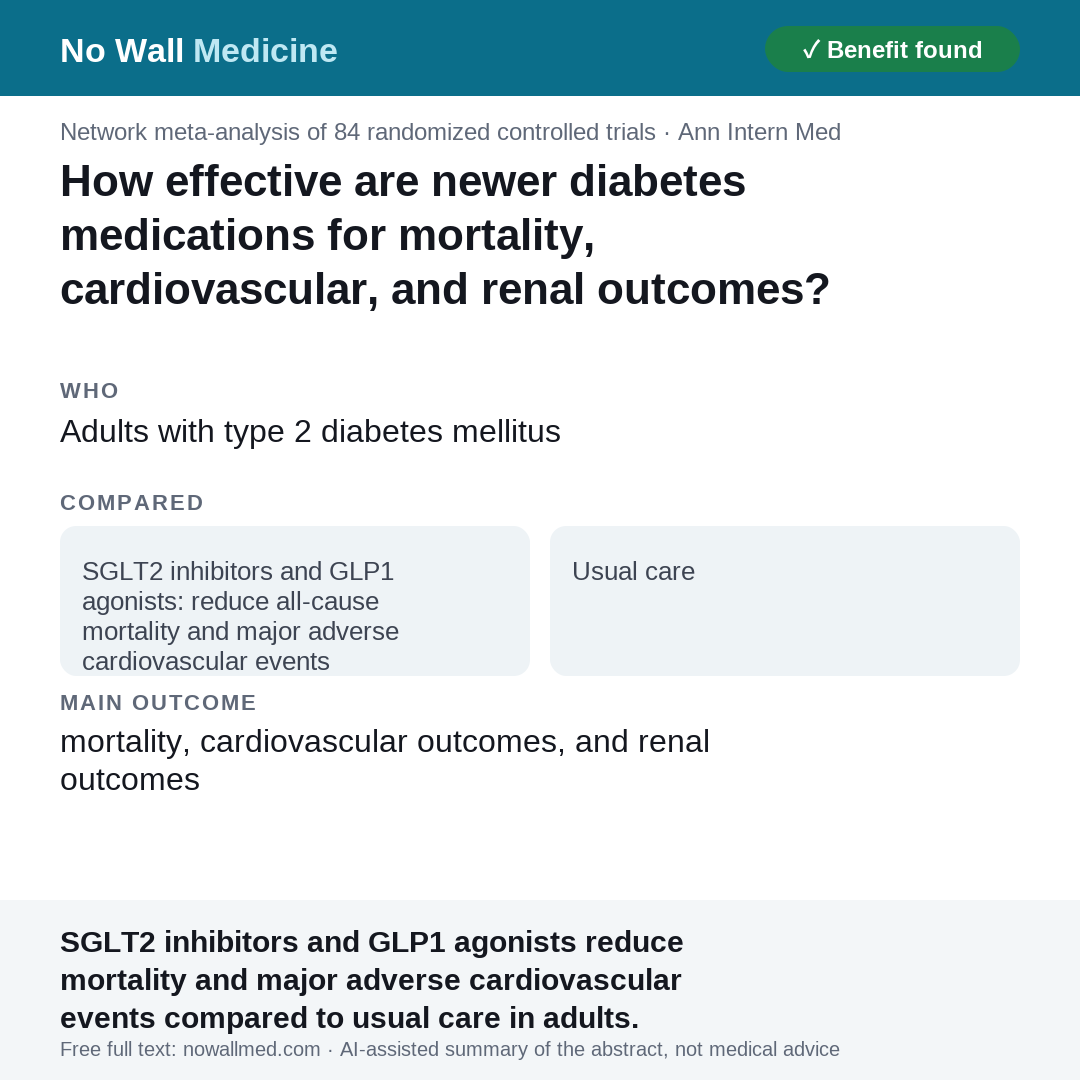
Newer Pharmacologic Treatments in Adults With Type 2 Diabetes: A Systematic Review and Network Meta-analysis for the American College of Physicians
Network meta-analysis of 84 randomized controlled trialsBenefit found
How effective are newer diabetes medications for mortality, cardiovascular, and renal outcomes?
Who
Adults with type 2 diabetes mellitus
Compared
SGLT2 inhibitors and GLP1 agonists: reduce all-cause mortality and major adverse cardiovascular events
Usual care
Main outcome
mortality, cardiovascular outcomes, and renal outcomes
Bottom line: SGLT2 inhibitors and GLP1 agonists reduce mortality and major adverse cardiovascular events compared to usual care in adults.
Limitation: Infrequent direct comparisons, sparse data, and insufficient data on predefined subgroups.
Funded by: American College of Physicians
Ann Intern Med · 2024-04-19Download image
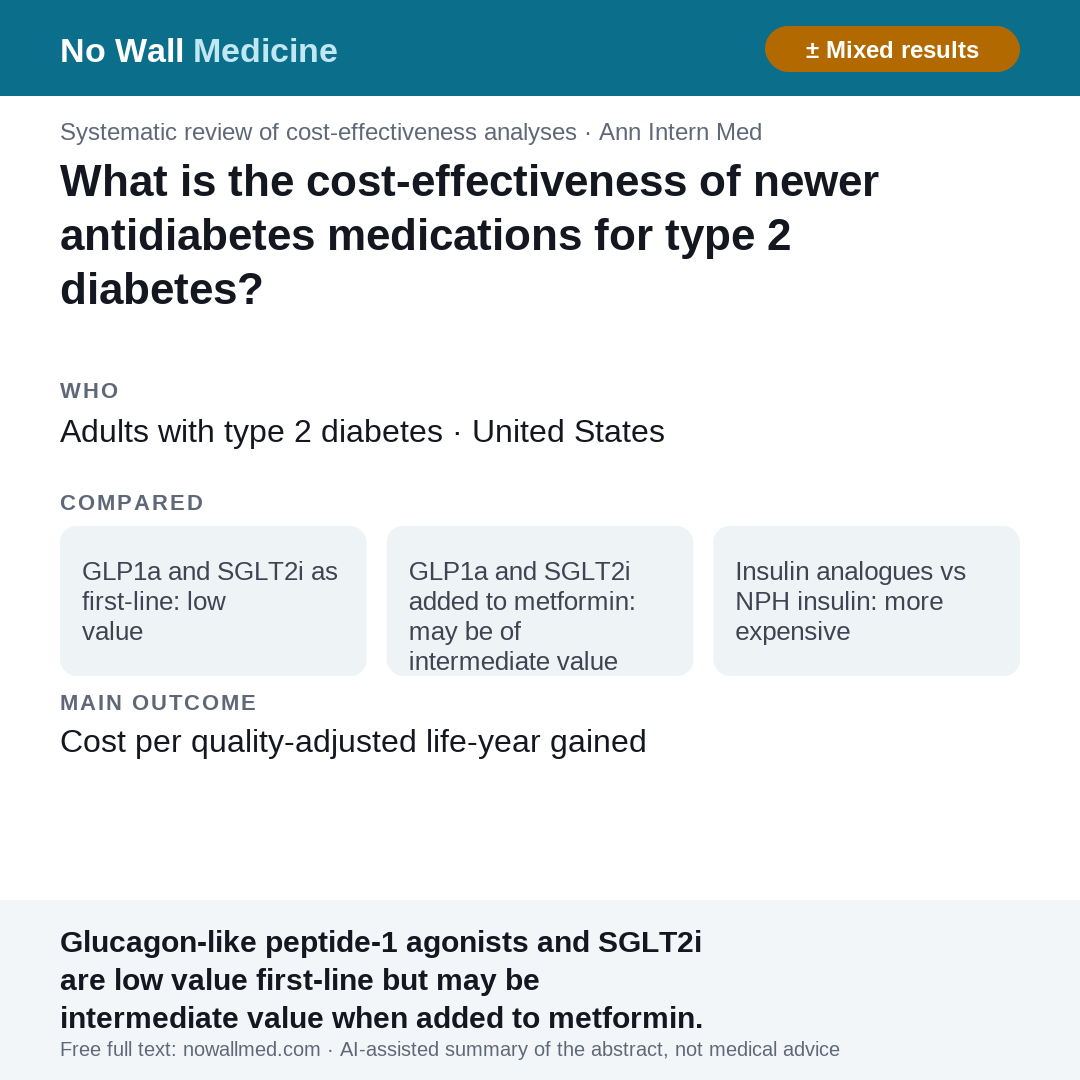
Cost-Effectiveness of Newer Pharmacologic Treatments in Adults With Type 2 Diabetes: A Systematic Review of Cost-Effectiveness Studies for the American College of Physicians
Systematic review of cost-effectiveness analysesMixed results
What is the cost-effectiveness of newer antidiabetes medications for type 2 diabetes?
Who
Adults with type 2 diabetes · United States
Compared
GLP1a and SGLT2i as first-line: low value
GLP1a and SGLT2i added to metformin: may be of intermediate value
Insulin analogues vs NPH insulin: more expensive
Main outcome
Cost per quality-adjusted life-year gained
Bottom line: Glucagon-like peptide-1 agonists and SGLT2i are low value first-line but may be intermediate value when added to metformin.
Limitation: Cost-effectiveness analyses varied in methodological approach, assumptions, and drug comparisons.
Funded by: American College of Physicians
Ann Intern Med · 2024-04-19Download image
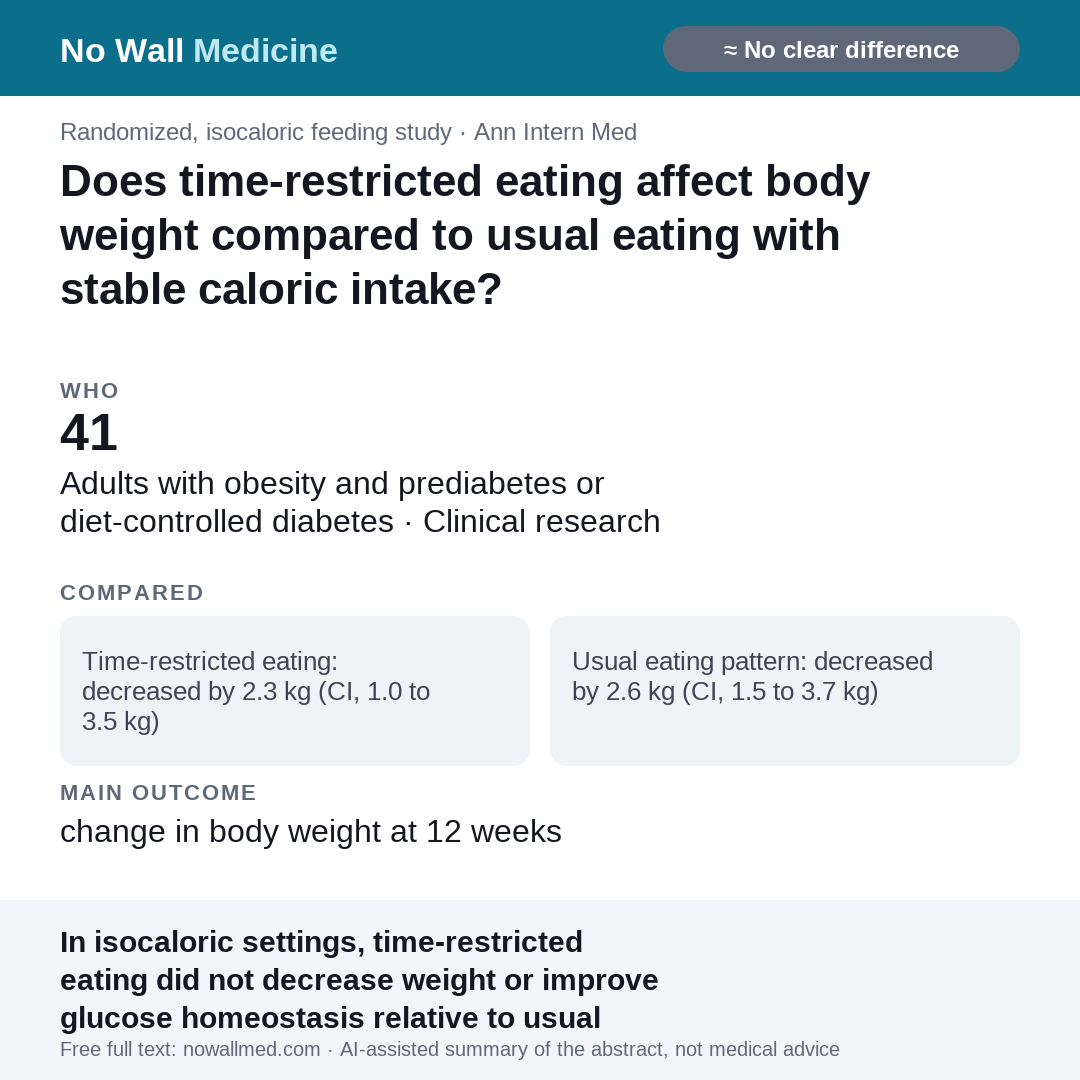
Effect of Isocaloric, Time-Restricted Eating on Body Weight in Adults With Obesity : A Randomized Controlled Trial
Randomized, isocaloric feeding studyNo clear difference
Does time-restricted eating affect body weight compared to usual eating with stable caloric intake?
Who
41
Adults with obesity and prediabetes or diet-controlled diabetes · Clinical research unit
Compared
Time-restricted eating: decreased by 2.3 kg (CI, 1.0 to 3.5 kg)
Usual eating pattern: decreased by 2.6 kg (CI, 1.5 to 3.7 kg)
Main outcome
change in body weight at 12 weeks
Result: average difference 0.3 kg (CI, -1.2 to 1.9 kg)
Bottom line: In isocaloric settings, time-restricted eating did not decrease weight or improve glucose homeostasis relative to usual eating.
Limitation: Small, single-site study; baseline differences in weight by group.
Funded by: American Heart Association
Ann Intern Med · 2024-04-19Download image
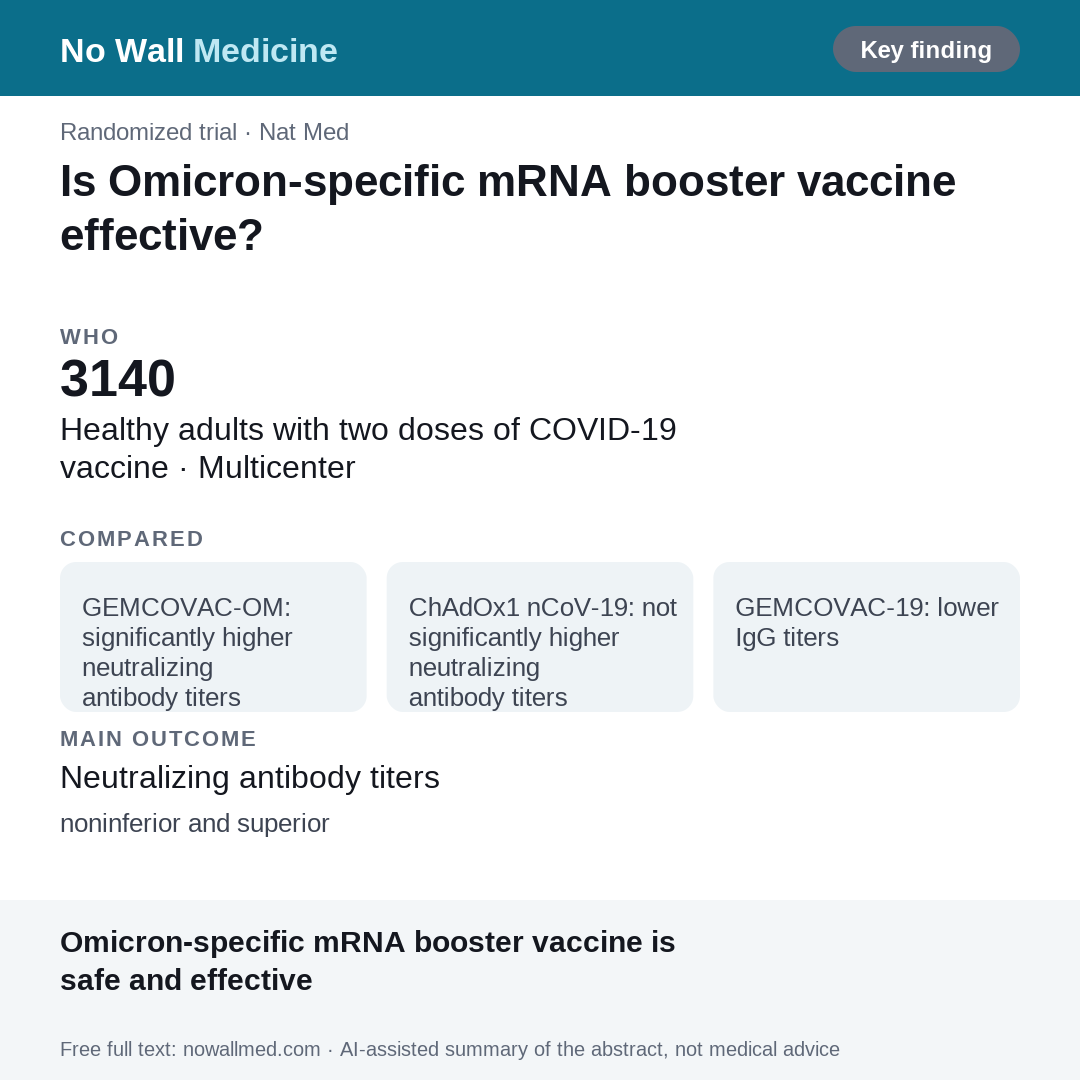
An Omicron-specific, self-amplifying mRNA booster vaccine for COVID-19: a phase 2/3 randomized trial
Randomized trialBenefit found
Is Omicron-specific mRNA booster vaccine effective?
Who
3140
Healthy adults with two doses of COVID-19 vaccine · Multicenter
Compared
GEMCOVAC-OM: significantly higher neutralizing antibody titers
ChAdOx1 nCoV-19: not significantly higher neutralizing antibody titers
GEMCOVAC-19: lower IgG titers
Main outcome
Neutralizing antibody titers
Result: noninferior and superior
Bottom line: Omicron-specific mRNA booster vaccine is safe and effective
Nat Med · 2024-04-18Download image
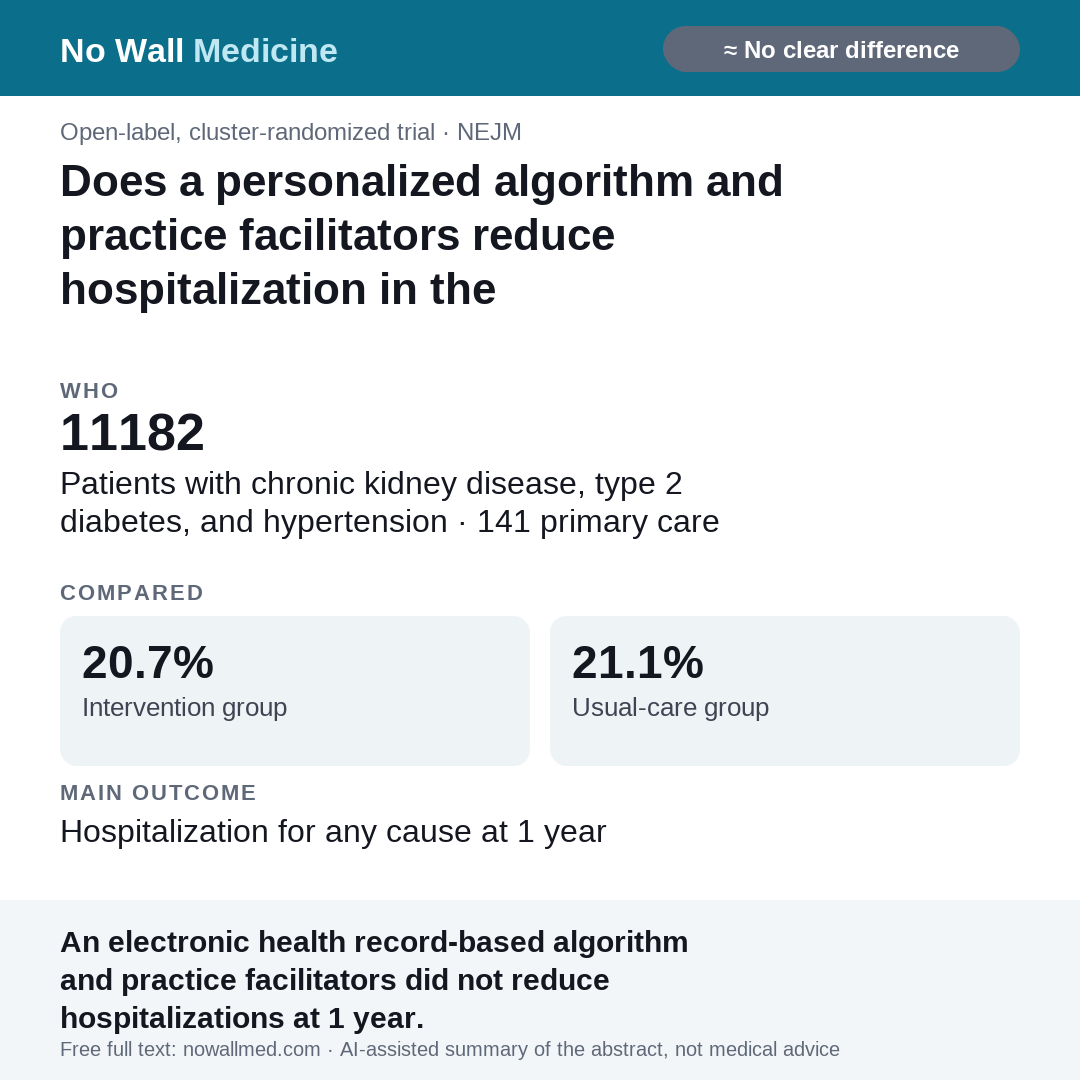
Pragmatic Trial of Hospitalization Rate in Chronic Kidney Disease
Open-label, cluster-randomized trialNo clear difference
Does a personalized algorithm and practice facilitators reduce hospitalization in the kidney-dysfunction triad?
Who
11182
Patients with chronic kidney disease, type 2 diabetes, and hypertension · 141 primary care clinics
Compared
20.7%Intervention group (95% confidence interval, 19.7 to 21.8)
21.1%Usual-care group (95% confidence interval, 20.1 to 22.2)
Main outcome
Hospitalization for any cause at 1 year
Result: between-group difference, 0.4 percentage points; P = 0.58
Bottom line: An electronic health record-based algorithm and practice facilitators did not reduce hospitalizations at 1 year.
Funded by: National Institutes of Health and others
NEJM · 2024-04-10Download image
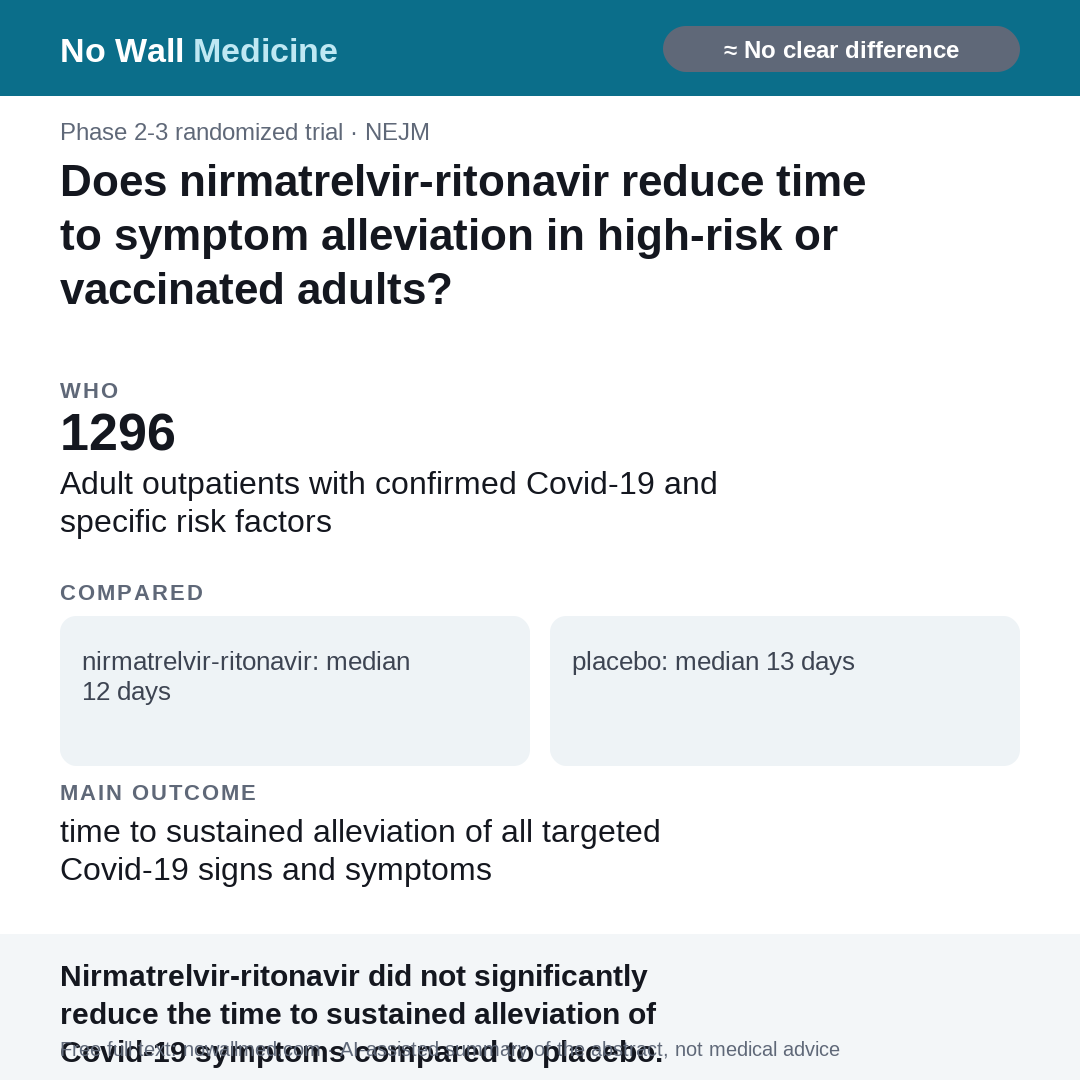
Nirmatrelvir for Vaccinated or Unvaccinated Adult Outpatients with Covid-19
Phase 2-3 randomized trialNo clear difference
Does nirmatrelvir-ritonavir reduce time to symptom alleviation in high-risk or vaccinated adults?
Who
1296
Adult outpatients with confirmed Covid-19 and specific risk factors
Compared
nirmatrelvir-ritonavir: median 12 days
placebo: median 13 days
Main outcome
time to sustained alleviation of all targeted Covid-19 signs and symptoms
Result: difference, -0.8 percentage points; 95% confidence interval, -2.0 to 0.4
Bottom line: Nirmatrelvir-ritonavir did not significantly reduce the time to sustained alleviation of Covid-19 symptoms compared to placebo.
Funded by: Pfizer
NEJM · 2024-04-10Download image
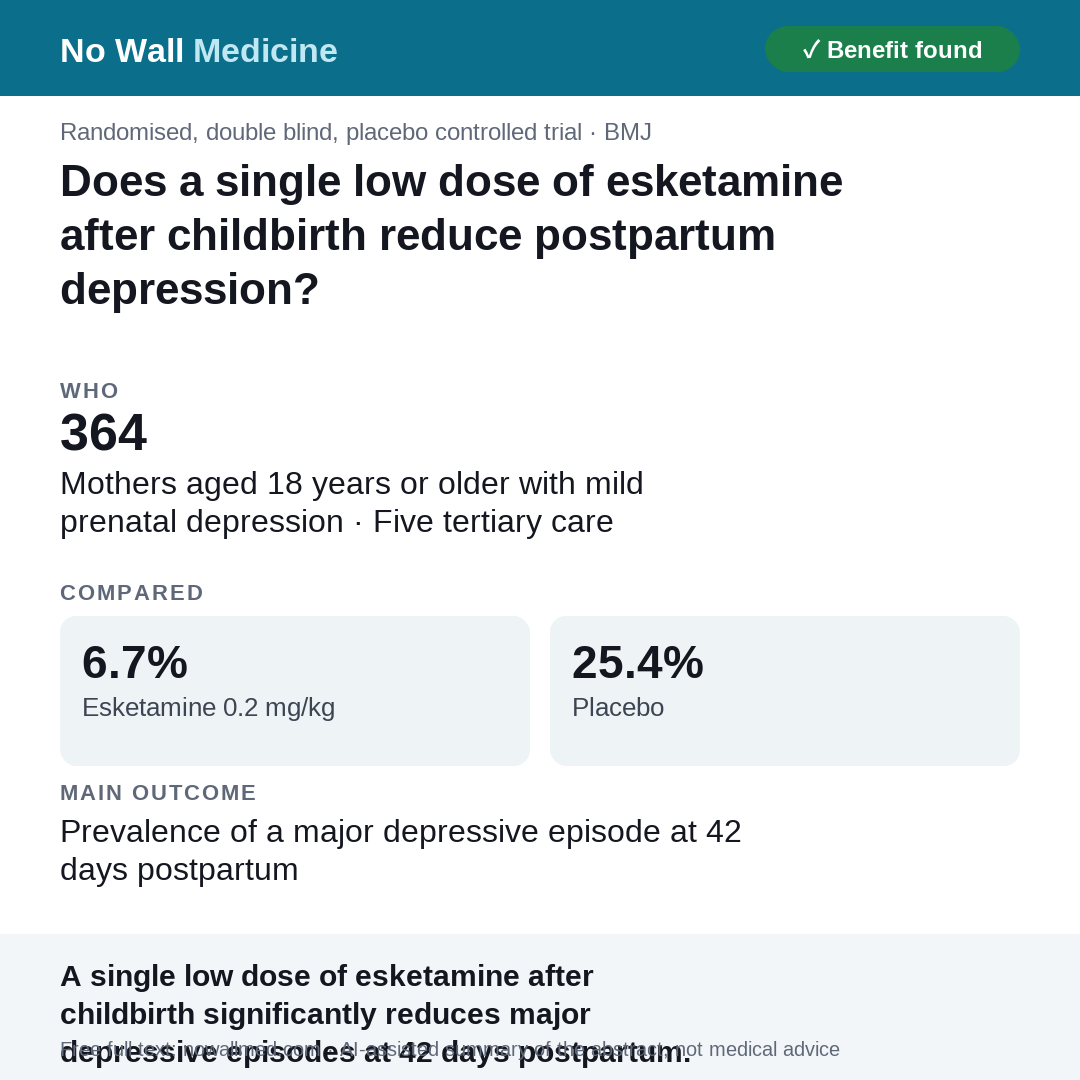
Efficacy of a single low dose of esketamine after childbirth for mothers with symptoms of prenatal depression: randomised clinical trial
Randomised, double blind, placebo controlled trialBenefit found
Does a single low dose of esketamine after childbirth reduce postpartum depression?
Who
364
Mothers aged 18 years or older with mild prenatal depression · Five tertiary care hospitals in China
Compared
6.7%Esketamine 0.2 mg/kg (12/180)
25.4%Placebo (46/181)
Main outcome
Prevalence of a major depressive episode at 42 days postpartum
Result: relative risk 0.26 (95% CI 0.14 to 0.48)
Bottom line: A single low dose of esketamine after childbirth significantly reduces major depressive episodes at 42 days postpartum.
BMJ · 2024-04-10Download image
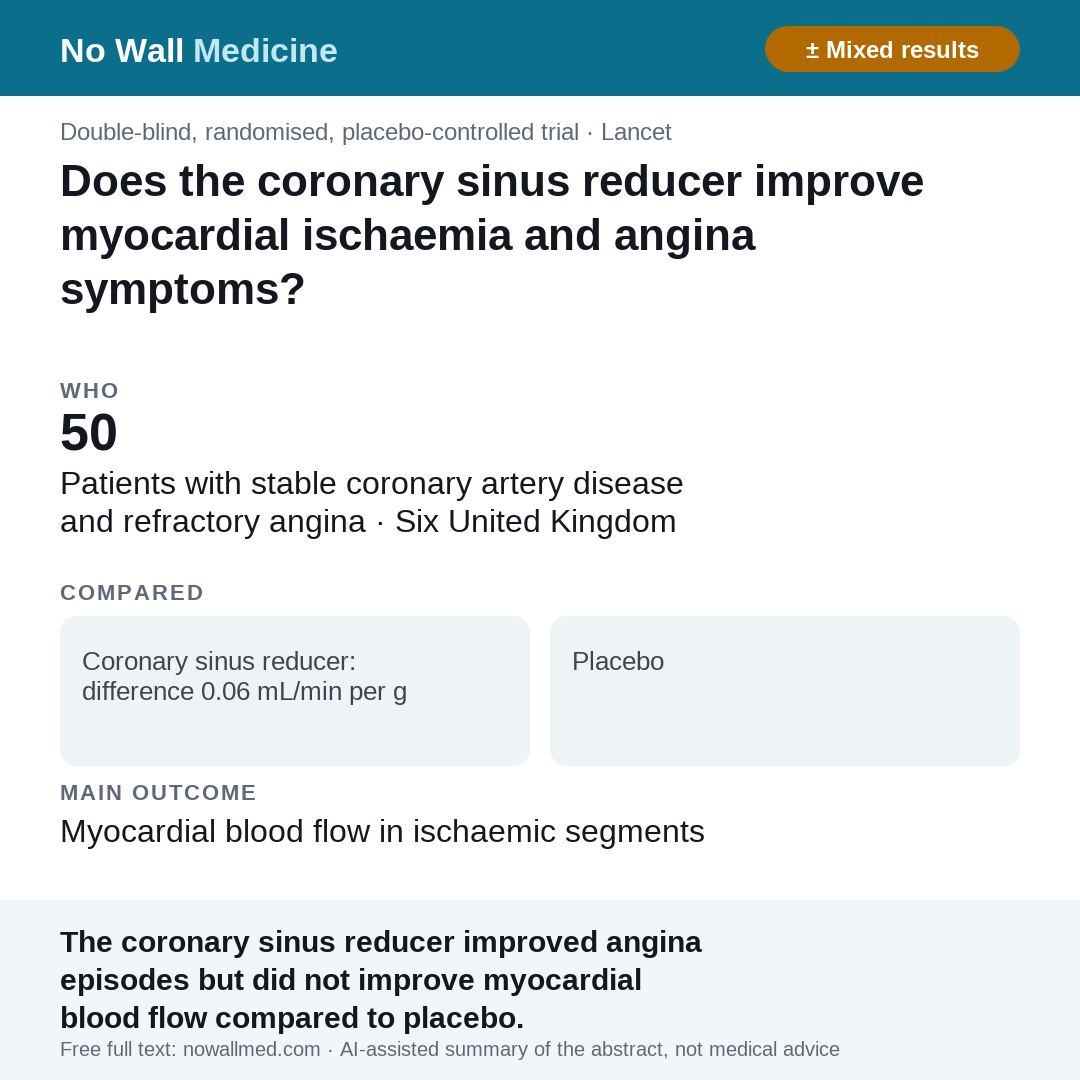
Coronary sinus reducer for the treatment of refractory angina (ORBITA-COSMIC): a randomised, placebo-controlled trial
Double-blind, randomised, placebo-controlled trialMixed results
Does the coronary sinus reducer improve myocardial ischaemia and angina symptoms?
Who
50
Patients with stable coronary artery disease and refractory angina · Six United Kingdom hospitals
Compared
Coronary sinus reducer: difference 0.06 mL/min per g
Placebo
Main outcome
Myocardial blood flow in ischaemic segments
Result: difference 0.06 mL/min per g (95% CrI -0.09 to 0.20)
Bottom line: The coronary sinus reducer improved angina episodes but did not improve myocardial blood flow compared to placebo.
Funded by: Medical Research Council and others
Lancet · 2024-04-08Download image
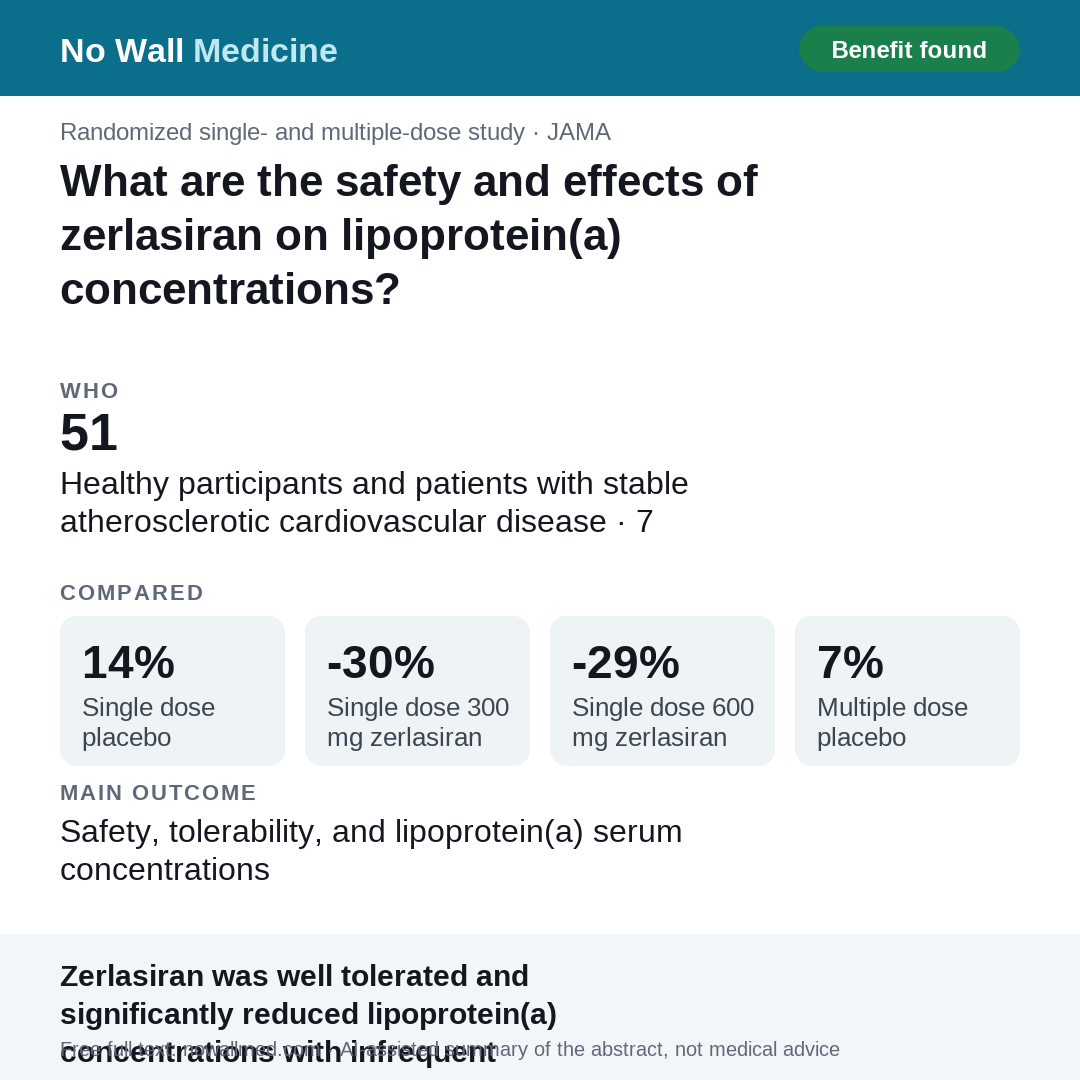
Single Ascending and Multiple-Dose Trial of Zerlasiran, a Short Interfering RNA Targeting Lipoprotein(a): A Randomized Clinical Trial
Randomized single- and multiple-dose studyBenefit found
What are the safety and effects of zerlasiran on lipoprotein(a) concentrations?
Who
51
Healthy participants and patients with stable atherosclerotic cardiovascular disease · 7 research sites in US, Netherlands, UK, and Australia
Compared
14%Single dose placebo (IQR, 13% to 15%)
-30%Single dose 300 mg zerlasiran (IQR, -51% to -18%)
-29%Single dose 600 mg zerlasiran (IQR, -39% to -7%)
7%Multiple dose placebo (IQR, -4% to 21%)
Main outcome
Safety, tolerability, and lipoprotein(a) serum concentrations
Bottom line: Zerlasiran was well tolerated and significantly reduced lipoprotein(a) concentrations with infrequent administration.
JAMA · 2024-04-08Download image