Visual abstracts
New randomized trials and meta-analyses from leading journals at a glance: who was studied, what was compared, and what was found. Every paper is free to read in full.
All specialtiesCardiology 4877Oncology 4138Gastroenterology & Hepatology 1942Infectious Disease 3837Neurology 1905Psychiatry & Mental Health 2273Pulmonology 2143Critical Care 1365Endocrinology & Diabetes 2580Pediatrics 2980Surgery 2559Orthopedics & Sports Medicine 931Neurosurgery 537Cardiothoracic & Vascular Surgery 674Plastic & Reconstructive Surgery 591Nephrology 1133Rheumatology 823Hematology 1109Dermatology 621Ophthalmology 543Obstetrics & Gynecology 1686Public & Global Health 1058Radiology & Imaging 648Anesthesiology 986Urology 764ENT (Otolaryngology) 503Emergency Medicine 511Allergy & Immunology 313Geriatrics 981Family Medicine & Primary Care 562Medical Genetics & Genomics 676Pathology & Laboratory Medicine 159Physical Medicine & Rehabilitation 757Palliative Care 444Nutrition 1588Digital Health & AI 2201General Medicine 321
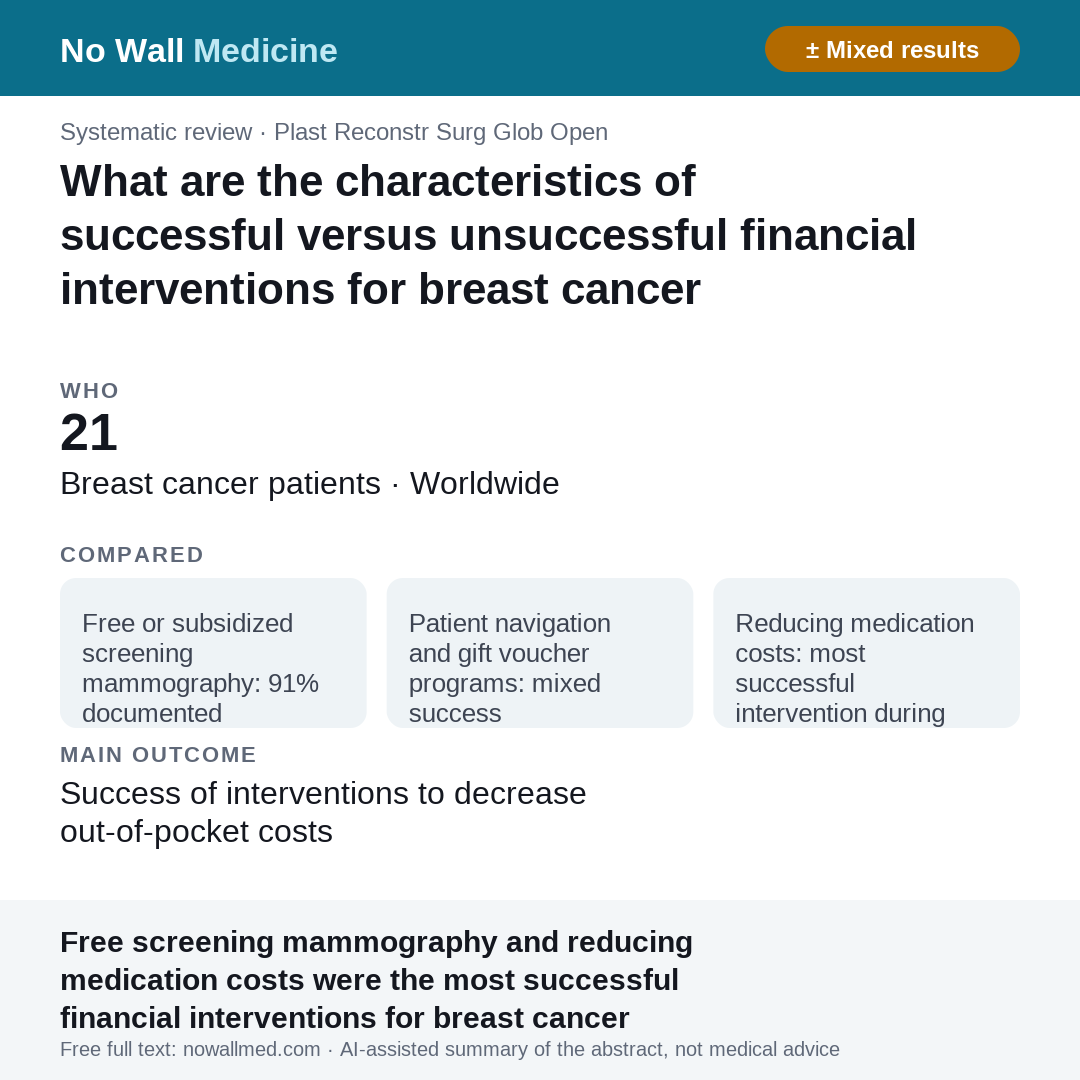
Evaluation of Financial Interventions in Breast Cancer Care Worldwide: A Systematic Review
Systematic reviewMixed results
What are the characteristics of successful versus unsuccessful financial interventions for breast cancer patients?
Who
21
Breast cancer patients · Worldwide
Compared
Free or subsidized screening mammography: 91% documented successful outcomes
Patient navigation and gift voucher programs: mixed success
Reducing medication costs: most successful intervention during diagnosis/treatment
Main outcome
Success of interventions to decrease out-of-pocket costs
Bottom line: Free screening mammography and reducing medication costs were the most successful financial interventions for breast cancer patients.
Limitation: lack of standardization in outcome metrics across studies
Plast Reconstr Surg Glob Open · 2024-05-23Download image
Microsurgical and endovascular treatment of large and giant aneurysms of the anterior circulation: A systematic review
Systematic review of 44 observational cohort studiesMixed results
What are the outcomes of microsurgical versus endovascular treatment for large and giant anterior circulation aneurysms?
Who
2923
Large and giant intracranial aneurysms of the anterior circulation
Compared
Endovascular treatment: 67% occlusion rate
Microsurgical treatment: 85% occlusion rate
Main outcome
occlusion rates, clinical outcomes, complications, and mortality
Result: occlusion rates 85% (microsurgical) vs 67% (endovascular)
Bottom line: Microsurgical treatment shows higher occlusion rates, but endovascular treatment has slightly more frequent good clinical outcomes.
Brain Spine · 2024-05-23Download image

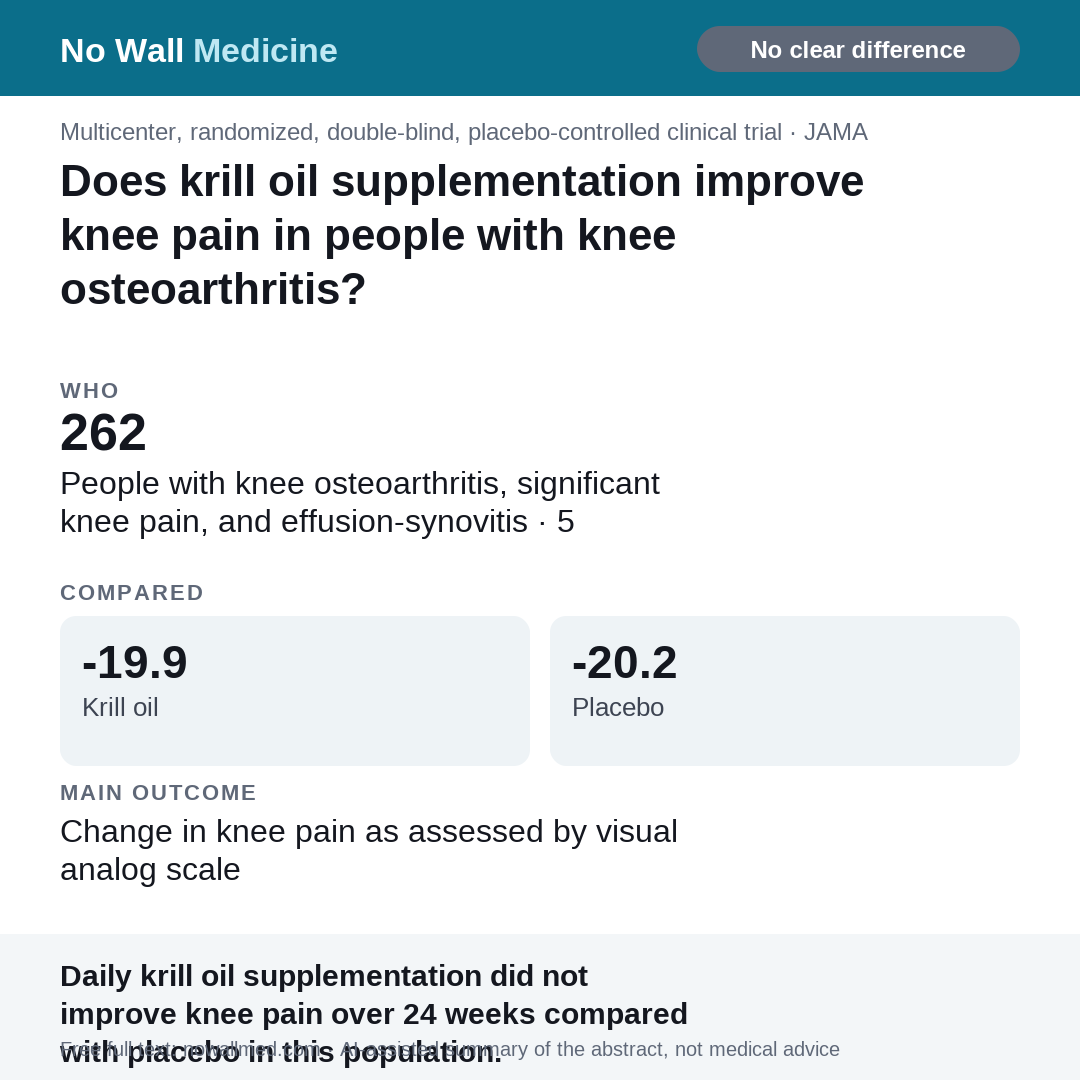
Krill Oil for Knee Osteoarthritis: A Randomized Clinical Trial
Multicenter, randomized, double-blind, placebo-controlled clinical trialNo clear difference
Does krill oil supplementation improve knee pain in people with knee osteoarthritis?
Who
262
People with knee osteoarthritis, significant knee pain, and effusion-synovitis · 5 Australian cities
Compared
-19.9Krill oil
-20.2Placebo
Main outcome
Change in knee pain as assessed by visual analog scale
Result: between-group mean difference, -0.3; 95% CI, -6.9 to 6.4
Bottom line: Daily krill oil supplementation did not improve knee pain over 24 weeks compared with placebo in this population.
JAMA · 2024-05-22Download image
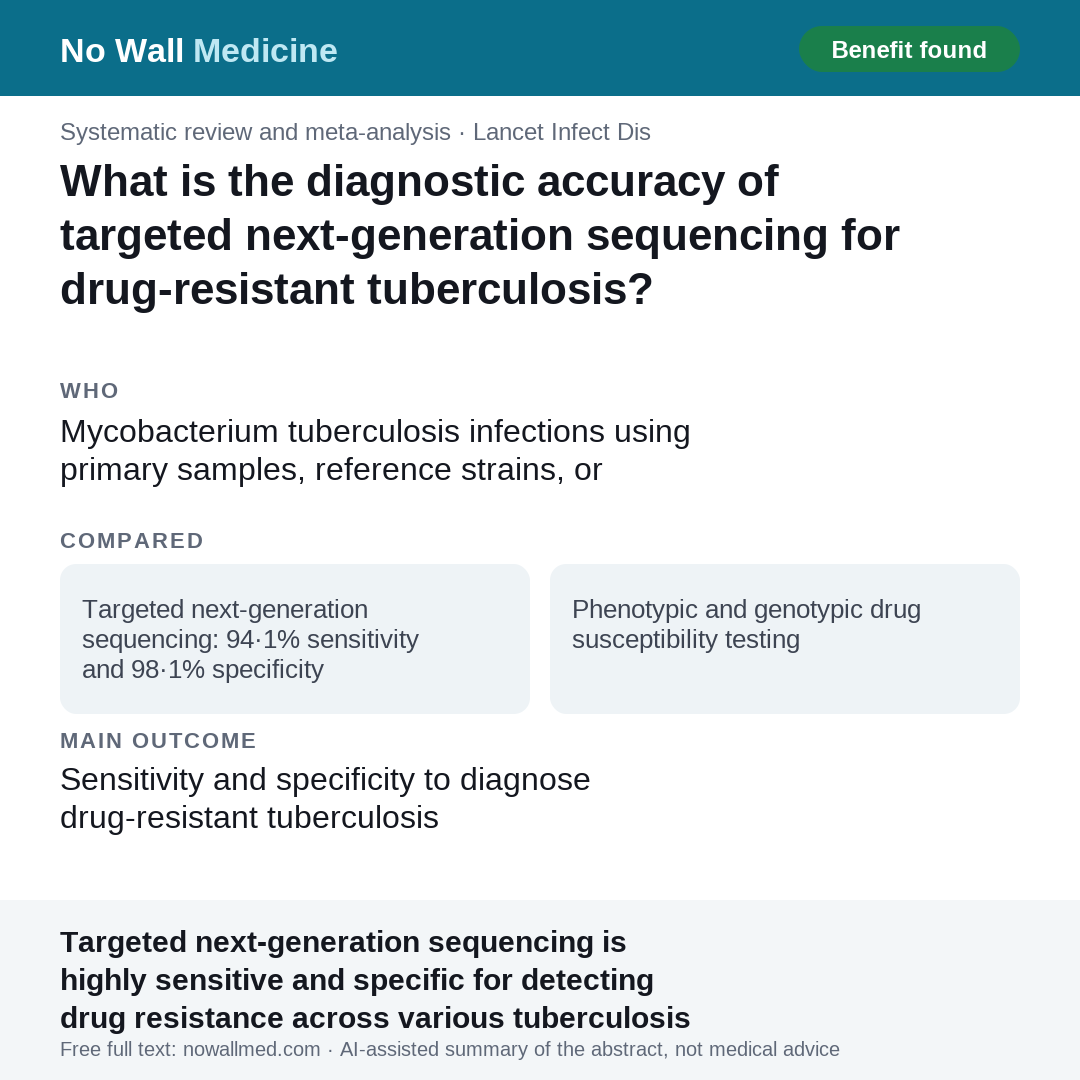
Targeted next-generation sequencing to diagnose drug-resistant tuberculosis: a systematic review and meta-analysis
Systematic review and meta-analysisBenefit found
What is the diagnostic accuracy of targeted next-generation sequencing for drug-resistant tuberculosis?
Who
Mycobacterium tuberculosis infections using primary samples, reference strains, or cultured isolates · USA, western Europe, India, and China
Compared
Targeted next-generation sequencing: 94·1% sensitivity and 98·1% specificity
Phenotypic and genotypic drug susceptibility testing
Main outcome
Sensitivity and specificity to diagnose drug-resistant tuberculosis
Result: sensitivity 94·1% (95% credible interval [CrI] 90·9-96·3) and specificity 98·1% (97·0-98·9)
Bottom line: Targeted next-generation sequencing is highly sensitive and specific for detecting drug resistance across various tuberculosis drugs.
Limitation: There is a paucity of data on performance for some currently recommended drugs.
Funded by: National Institutes of Allergy and Infectious Diseases and Swiss National Science Foundation
Lancet Infect Dis · 2024-05-22Download image
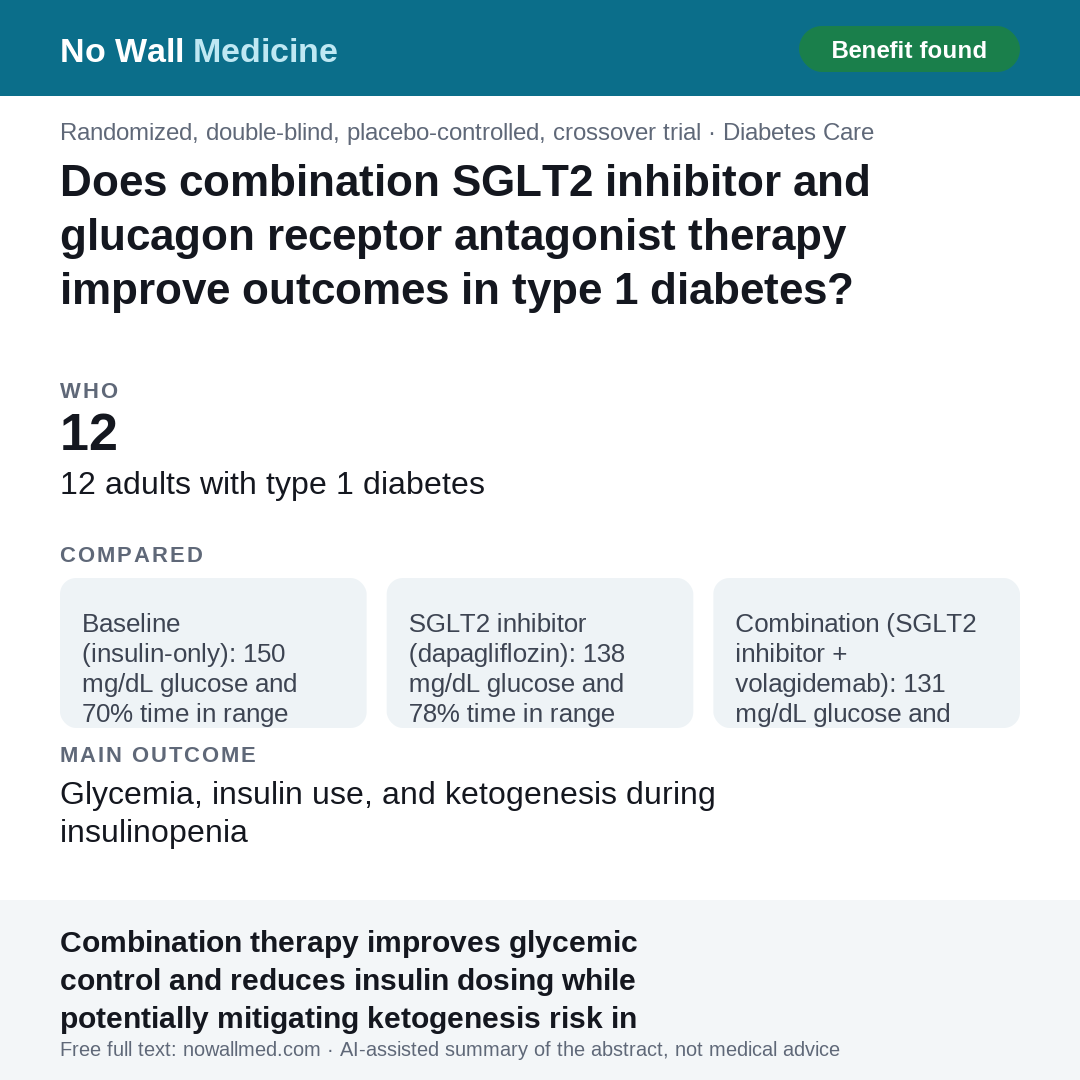
Combination SGLT2 Inhibitor and Glucagon Receptor Antagonist Therapy in Type 1 Diabetes: A Randomized Clinical Trial
Randomized, double-blind, placebo-controlled, crossover trialBenefit found
Does combination SGLT2 inhibitor and glucagon receptor antagonist therapy improve outcomes in type 1 diabetes?
Who
12
12 adults with type 1 diabetes
Compared
Baseline (insulin-only): 150 mg/dL glucose and 70% time in range
SGLT2 inhibitor (dapagliflozin): 138 mg/dL glucose and 78% time in range
Combination (SGLT2 inhibitor + volagidemab): 131 mg/dL glucose and 86% time in range
Main outcome
Glycemia, insulin use, and ketogenesis during insulinopenia
Bottom line: Combination therapy improves glycemic control and reduces insulin dosing while potentially mitigating ketogenesis risk in type 1 diabetes.
Diabetes Care · 2024-05-22Download image
Apical Suspension Repair for Vaginal Vault Prolapse: A Randomized Clinical Trial
Multisite, 3-arm, superiority and noninferiority randomized clinical trialBenefit found
Which surgical approach is most effective for vaginal vault prolapse after hysterectomy?
Who
376
Women with symptomatic vaginal vault prolapse after hysterectomy · 9 clinical sites in the US National Institute of Child Health and Human Development Pelvic Floor Disorders Network
Compared
28%Sacrocolpopexy (95% CI, 20%-37%)
29%Transvaginal mesh (95% CI, 21%-38%)
43%Native tissue repair (95% CI, 35%-53%)
Main outcome
Time until composite treatment failure
Result: adjusted hazard ratio 0.57 (99% CI, 0.33-0.98)
Bottom line: Sacrocolpopexy and transvaginal mesh had lower failure rates than native tissue repair for vaginal vault prolapse.
JAMA Surg · 2024-05-22Download image

Changes in the Term Neonatal Electroencephalogram with General Anesthesia: A Systematic Review with Narrative Synthesis
Systematic review with narrative synthesisMixed results
How does general anesthesia affect electroencephalography in term neonates?
Who
140
Term neonates (37 to 44 weeks postmenstrual age)
Compared
General anesthesia: 94 of 119 neonates
Hypothermia: 23 of 23 neonates
Main outcome
Occurrence of discontinuity in electroencephalography
Bottom line: Increasing sevoflurane concentration and decreasing temperature are associated with increasing electroencephalography discontinuity in term neonates.
Limitation: Data were limited and study quality was very low.
Anesthesiology · 2024-05-22Download image

An Adaptive Pragmatic Randomized Controlled Trial of Emergency Department Acupuncture for Acute Musculoskeletal Pain Management
Two-stage adaptive open-label randomized clinical trialBenefit found
Is adding emergency department acupuncture effective for acute musculoskeletal pain management?
Who
236
Emergency department patients with acute musculoskeletal pain · Emergency department
Compared
Auricular acupuncture plus usual care: 1.6 (95% confidence interval [CI]: 0.7 to 2.6) points greater
Peripheral acupuncture plus usual care: 1.2 (95% CI: 0.3 to 2.1) points greater
Usual care only
Main outcome
One-hour change in 11-point pain numeric rating scale
Bottom line: Adding auricular or peripheral acupuncture to usual care reduces acute musculoskeletal pain in the emergency department.
Ann Emerg Med · 2024-05-22Download image

Dual vs Single Cardioversion of Atrial Fibrillation in Patients With Obesity: A Randomized Clinical Trial
Prospective, patient-blinded, randomized clinical trialBenefit found
Is dual direct-current cardioversion more effective than single cardioversion in patients with obesity?
Who
200
Patients with obesity and atrial fibrillation · 3 sites in Louisiana
Compared
98%Dual direct-current cardioversion (97 of 99 patients)
86%Single direct-current cardioversion (87 of 101 patients)
Main outcome
Return to sinus rhythm after the first cardioversion attempt
Result: odds ratio 6.7 (95% CI 3.3-13.6)
Bottom line: Dual direct-current cardioversion results in greater success than single cardioversion in patients with obesity without increasing complications.
JAMA Cardiol · 2024-05-22Download image
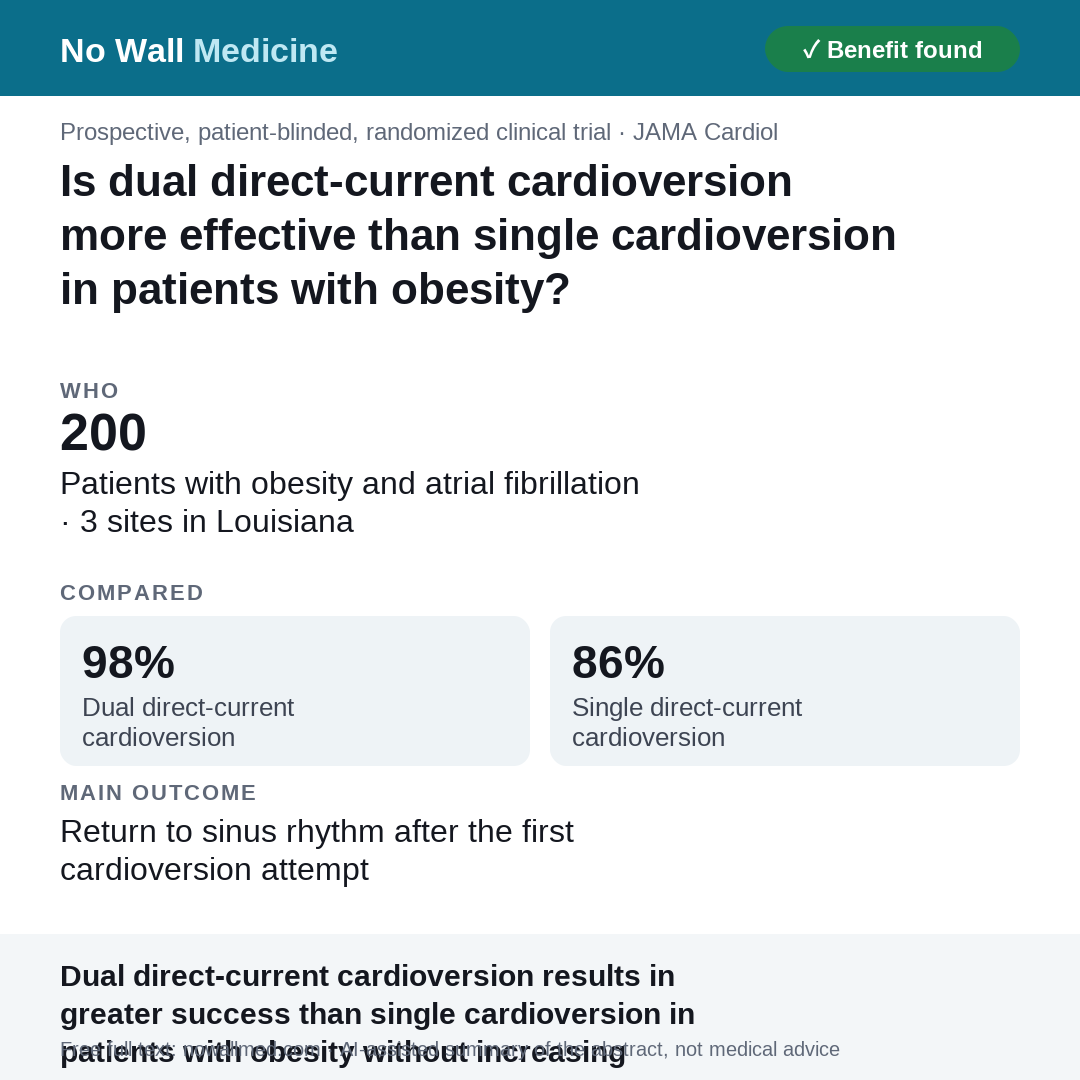
Nivolumab plus ipilimumab combination therapy in patients with advanced hepatocellular carcinoma previously treated with sorafenib: 5-year results from CheckMate 040
Randomized trialBenefit found
What are the 5-year results of nivolumab plus ipilimumab in advanced hepatocellular carcinoma?
Who
148
Patients with advanced hepatocellular carcinoma previously treated with sorafenib
Compared
34%Arm A (n = 17)
27%Arm B (n = 13)
29%Arm C (n = 14)
Main outcome
objective response rate and overall survival
Bottom line: Arm A regimen of nivolumab plus ipilimumab demonstrated clinically meaningful responses and long-term survival benefit in advanced hepatocellular carcinoma.
Ann Oncol · 2024-05-22Download image
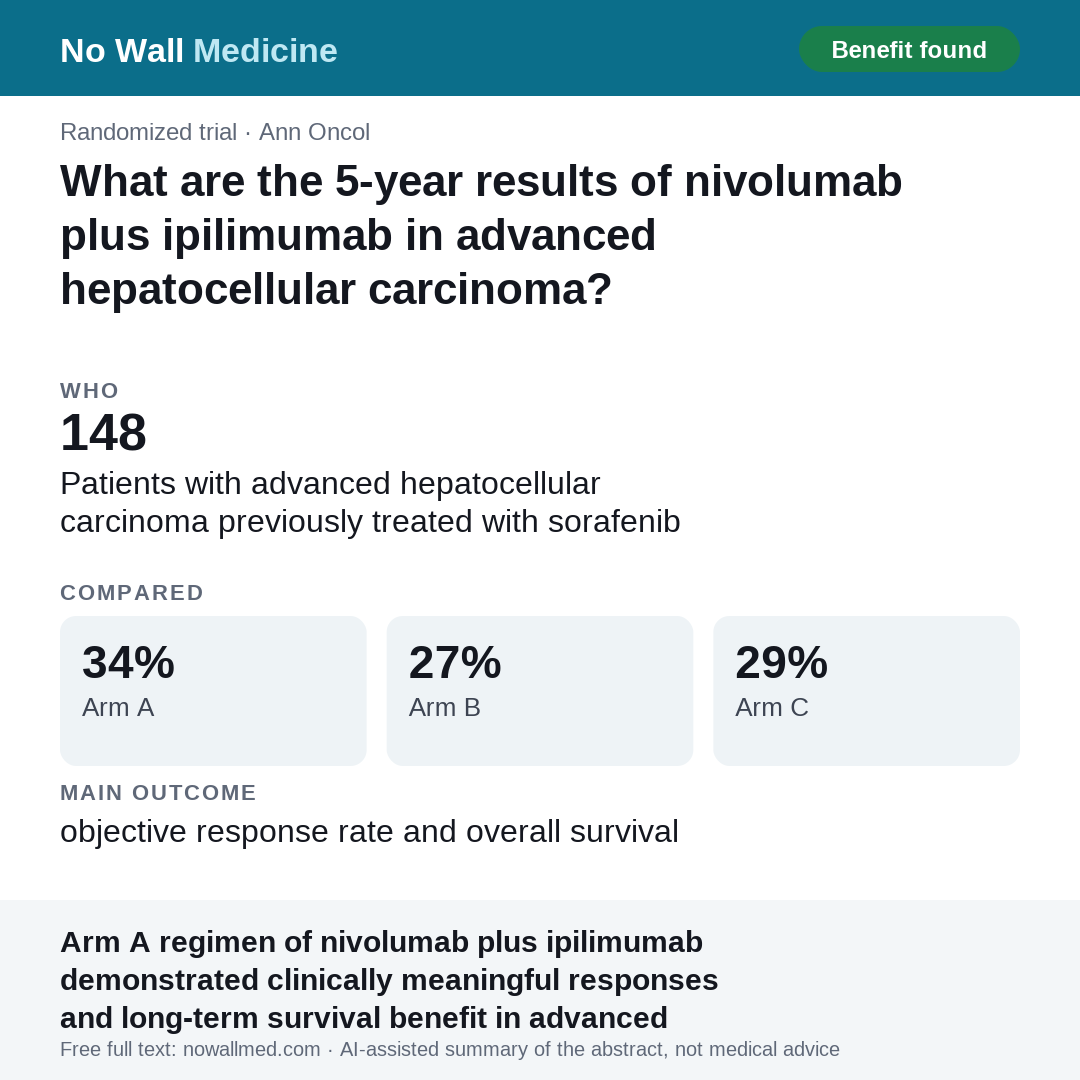
Combining antivascular endothelial growth factor and anti-epidermal growth factor receptor antibodies: randomized phase II study of irinotecan and cetuximab with/without ramucirumab in second-line colorectal cancer (ECOG-ACRIN E7208)
Randomized trialBenefit found
Irinotecan and cetuximab with or without ramucirumab
Who
102
Patients with KRAS wild-type colorectal cancer · Multicenter
Compared
6.0 monthsIrinotecan-cetuximab
9.2 monthsIrinotecan-cetuximab-ramucirumab
Main outcome
Progression-free survival
Result: hazard ratio = 0.75
Bottom line: Adding ramucirumab improved progression-free survival
J Natl Cancer Inst · 2024-05-22Download image
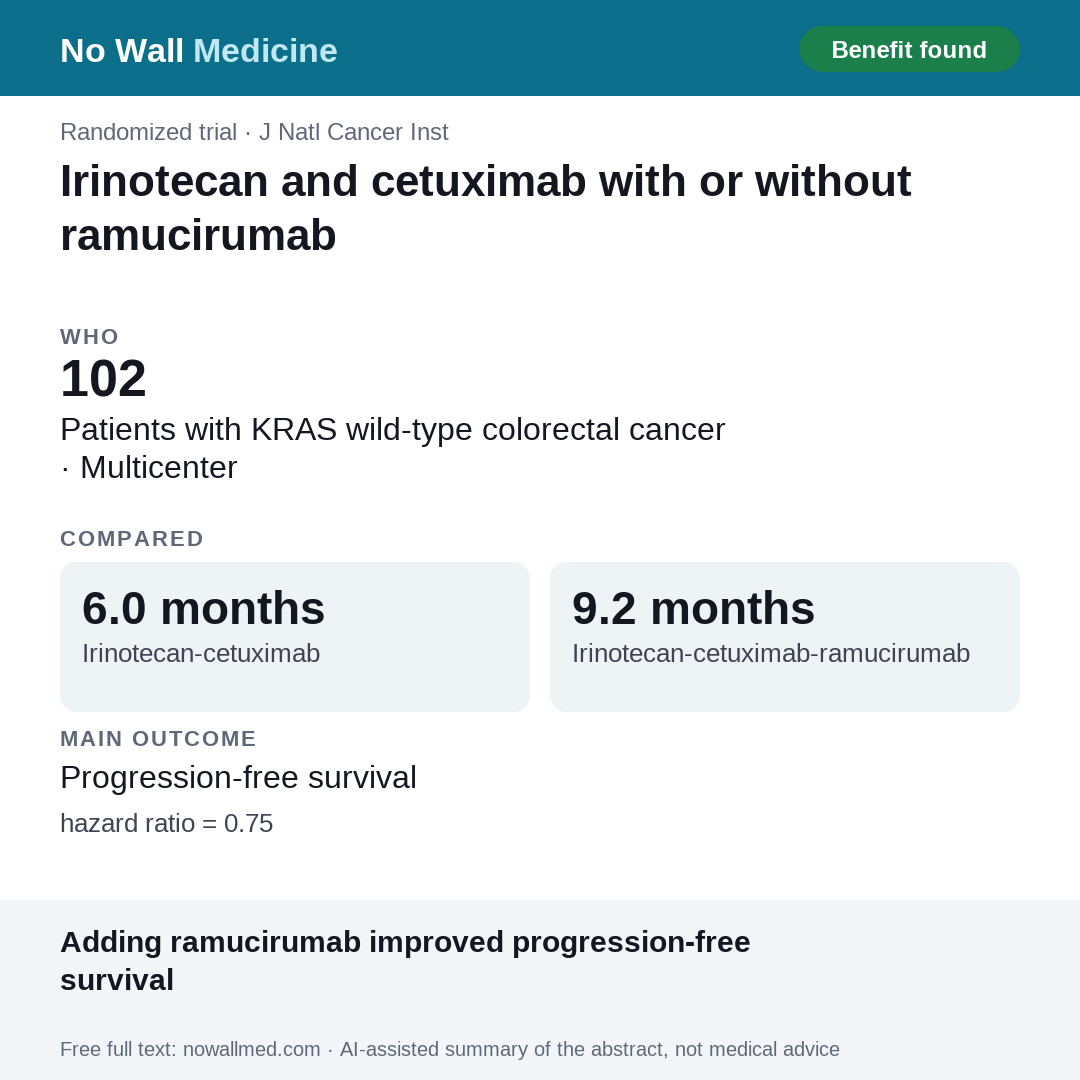
Pharmacoeconomic study of anti-influenza virus drugs in Japan based on a network meta-analysis
Network meta-analysis and decision tree modelBenefit found
Which neuraminidase inhibitor is most cost-effective for treating influenza in Japan?
Who
Adult patients with a history of influenza virus infections · Japan
Compared
Oseltamivir: most cost-effective
Laninamivir, zanamivir and peramivir: outperformed by oseltamivir
Main outcome
Cost-effectiveness based on medical costs and drug prices
Bottom line: Oseltamivir is the most cost-effective neuraminidase inhibitor for treating influenza in Japan.
Limitation: The study reanalysed findings from a previous study with specific limitations.
J Antimicrob Chemother · 2024-05-22Download image

Efficacy and safety of biologic drugs in Still's disease: a systematic review and network meta-analysis of randomized controlled trials
Systematic review and network meta-analysisBenefit found
Are biologic drugs effective and safe for Still's disease management?
Who
430
Patients with systemic juvenile idiopathic arthritis or adult-onset Still's disease
Compared
Biologic drugs: greater odds of ACR50 response
Placebo
Main outcome
Achievement of ACR50 response and serious adverse events
Bottom line: Biologic drugs are effective in achieving ACR50 response and have a low serious adverse event profile.
Rheumatology · 2024-05-22Download image

Disruption of memory B-cell trafficking by belimumab in patients with systemic lupus erythematosus
Retrospective meta-analysis of four randomized trialsMixed results
How does belimumab impact circulating memory B cells in systemic lupus erythematosus patients?
Who
1245
Patients with systemic lupus erythematosus
Compared
Belimumab: significant increase in circulating memory B cells at week 2
Placebo
Main outcome
Circulating memory B cell compartment and phenotype
Bottom line: Belimumab increases circulating memory B cells that are de-activated, non-proliferative, and show disrupted lymphocyte trafficking.
Rheumatology · 2024-05-22Download image
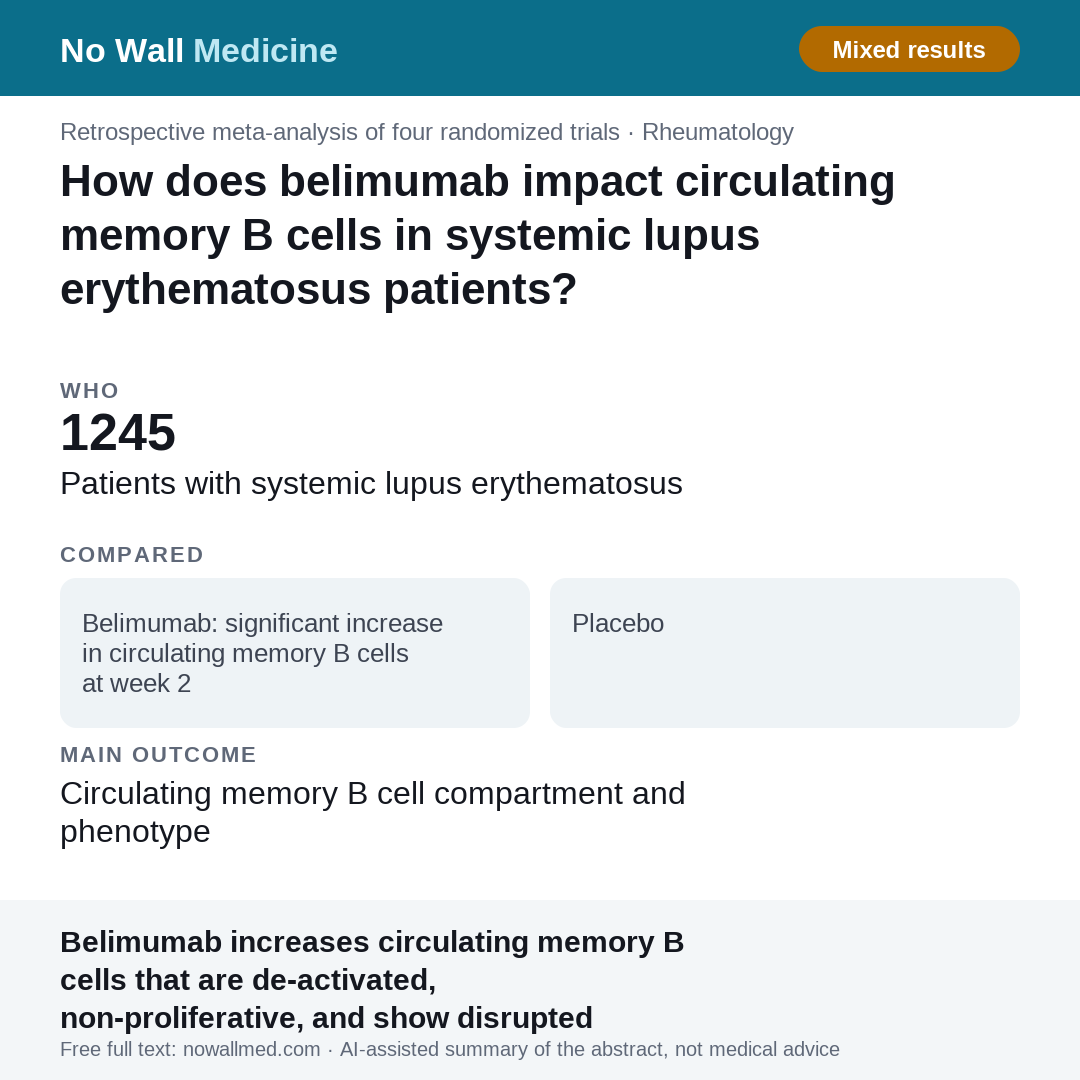
Standalone deep learning versus experts for diagnosis lung cancer on chest computed tomography: a systematic review
Systematic reviewBenefit found
How do deep learning algorithms compare to experts for lung cancer diagnosis on chest computed tomography?
Who
20
Adult lung cancer patients
Compared
Deep learning algorithms: sensitivity 82% and specificity 75%
Human experts: sensitivity 81% and specificity 69%
Main outcome
Diagnostic performance in malignancy and invasiveness classification
Bottom line: Deep learning algorithms showed improved accuracy over human experts, specifically matching sensitivity and surpassing specificity in lung cancer diagnosis.
Limitation: Performance varies across different imaging modalities, requiring tailored optimization.
Eur Radiol · 2024-05-22Download image

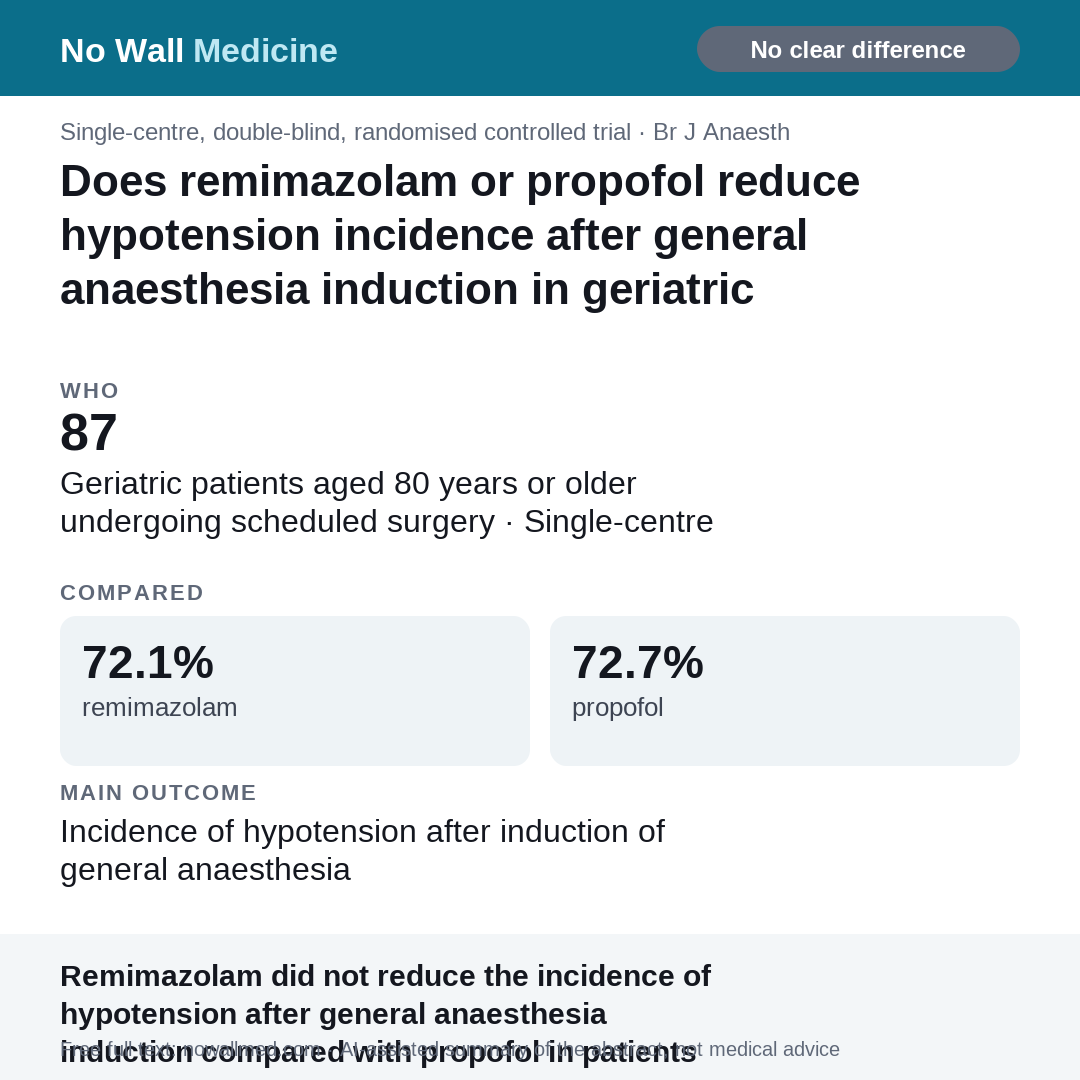
Hypotension after general anaesthesia induction using remimazolam or propofol in geriatric patients undergoing sevoflurane anaesthesia with remifentanil: a single-centre, double-blind, randomised controlled trial
Single-centre, double-blind, randomised controlled trialNo clear difference
Does remimazolam or propofol reduce hypotension incidence after general anaesthesia induction in geriatric patients?
Who
87
Geriatric patients aged 80 years or older undergoing scheduled surgery · Single-centre
Compared
72.1%remimazolam (31/43)
72.7%propofol (32/44)
Main outcome
Incidence of hypotension after induction of general anaesthesia
Result: adjusted odds ratio 0.96 (95% confidence interval 0.37-2.46)
Bottom line: Remimazolam did not reduce the incidence of hypotension after general anaesthesia induction compared with propofol in patients aged 80 years or older.
Br J Anaesth · 2024-05-22Download image
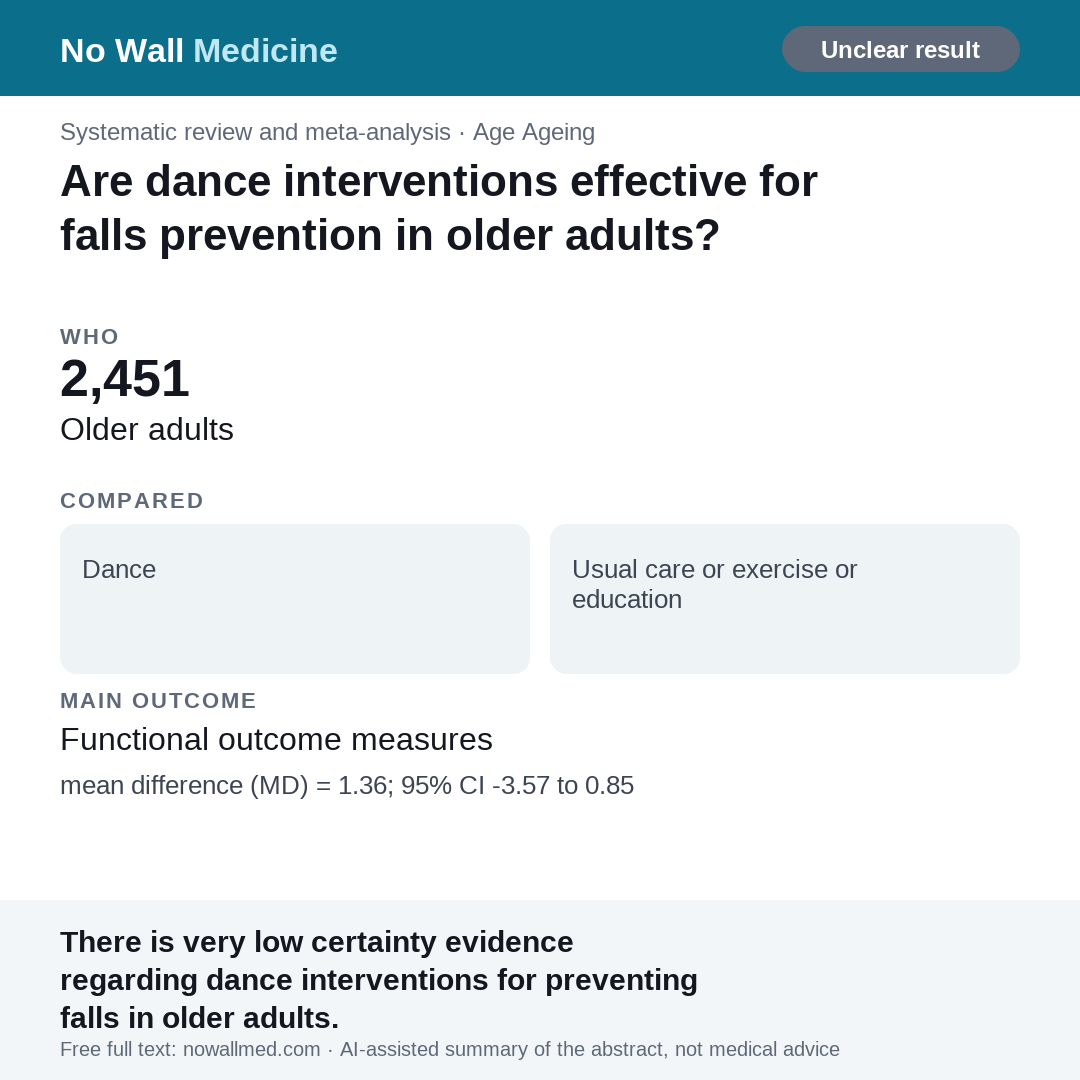
Effectiveness of dance interventions for falls prevention in older adults: systematic review and meta-analysis
Systematic review and meta-analysisUnclear result
Are dance interventions effective for falls prevention in older adults?
Who
2,451
Older adults
Compared
Dance
Usual care or exercise or education
Main outcome
Functional outcome measures
Result: mean difference (MD) = 1.36; 95% CI -3.57 to 0.85
Bottom line: There is very low certainty evidence regarding dance interventions for preventing falls in older adults.
Limitation: Overall certainty of evidence was very low and there was unexplained variance in effects.
Age Ageing · 2024-05-22Download image
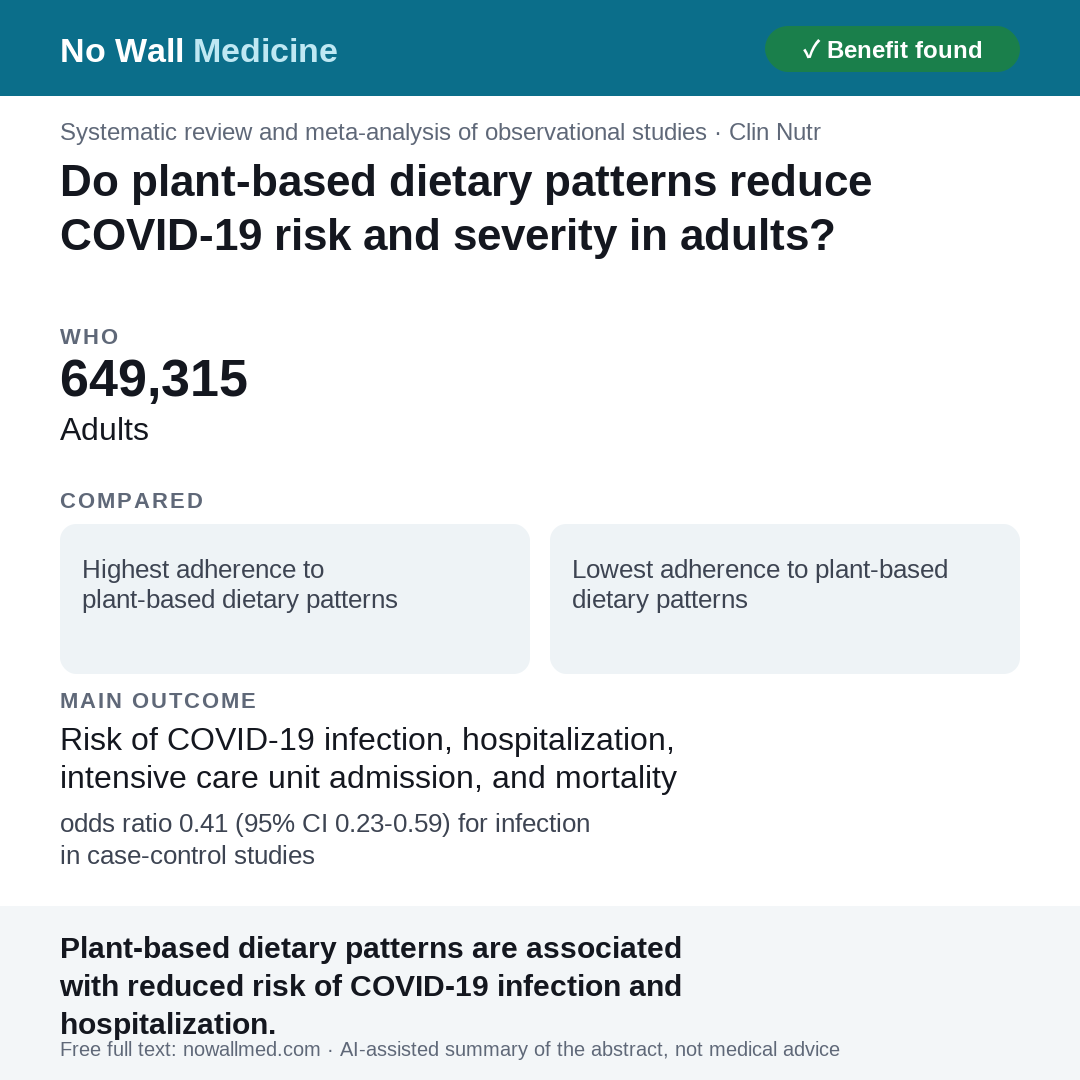
The role of plant-based dietary patterns in reducing COVID-19 risk and/or severity in adults: A systematic review and meta-analysis of observational studies
Systematic review and meta-analysis of observational studiesBenefit found
Do plant-based dietary patterns reduce COVID-19 risk and severity in adults?
Who
649,315
Adults
Compared
Highest adherence to plant-based dietary patterns
Lowest adherence to plant-based dietary patterns
Main outcome
Risk of COVID-19 infection, hospitalization, intensive care unit admission, and mortality
Result: odds ratio 0.41 (95% CI 0.23-0.59) for infection in case-control studies
Bottom line: Plant-based dietary patterns are associated with reduced risk of COVID-19 infection and hospitalization.
Limitation: More studies are needed to establish association with intensive care unit admission and mortality.
Clin Nutr · 2024-05-22Download image
Cardiac Damage Staging Predicts Outcomes in Aortic Valve Stenosis After Aortic Valve Replacement: Meta-Analysis
Meta-analysis of 16 studiesBenefit found
Does cardiac damage staging predict mortality after aortic valve replacement?
Who
14499
Patients with symptomatic or asymptomatic moderate to severe aortic stenosis
Compared
Cardiac damage stage 0: 24.0% (symptomatic) or 19.3% (asymptomatic)
Higher cardiac damage stages: up to 57.3% (symptomatic) or 67.8% (asymptomatic)
Main outcome
All-cause mortality
Result: hazard ratio 3.51 (95% CI 2.79 to 4.41) for stage 4
Bottom line: Higher baseline cardiac damage staging predicts increased mortality after aortic valve replacement in patients with aortic stenosis.
JACC Adv · 2024-05-22Download image

Assessing the impact of early progressive mobilization on moderate-to-severe traumatic brain injury: a randomized controlled trial
Randomized controlled trialBenefit found
Does early progressive mobilization improve functional outcomes in moderate-to-severe traumatic brain injury?
Who
65
Intensive care unit admitted patients with moderate to severe traumatic brain injury · Trauma intensive care unit of a medical center
Compared
Early progressive mobilization: significantly outperformed the early progressive upright positioning group
Early progressive upright positioning
Main outcome
Perme ICU Mobility Score
Bottom line: Early progressive out-of-bed mobilization enhances mobility, functional outcomes, and shortens intensive care unit stay and ventilation duration.
Limitation: Results support further investigation through larger, randomized clinical trials.
Crit Care · 2024-05-22Download image