Visual abstracts
New randomized trials and meta-analyses from leading journals at a glance: who was studied, what was compared, and what was found. Every paper is free to read in full.
All specialtiesCardiology 857Oncology 770Gastroenterology & Hepatology 311Infectious Disease 626Neurology 354Psychiatry & Mental Health 430Pulmonology 370Critical Care 260Endocrinology & Diabetes 484Pediatrics 542Surgery 351Orthopedics & Sports Medicine 166Neurosurgery 115Cardiothoracic & Vascular Surgery 87Plastic & Reconstructive Surgery 144Nephrology 197Rheumatology 108Hematology 183Dermatology 82Ophthalmology 97Obstetrics & Gynecology 266Public & Global Health 168Radiology & Imaging 105Anesthesiology 130Urology 162ENT (Otolaryngology) 115Emergency Medicine 103Allergy & Immunology 58Geriatrics 160Family Medicine & Primary Care 111Medical Genetics & Genomics 91Pathology & Laboratory Medicine 27Physical Medicine & Rehabilitation 149Palliative Care 81Nutrition 223Digital Health & AI 462General Medicine 101
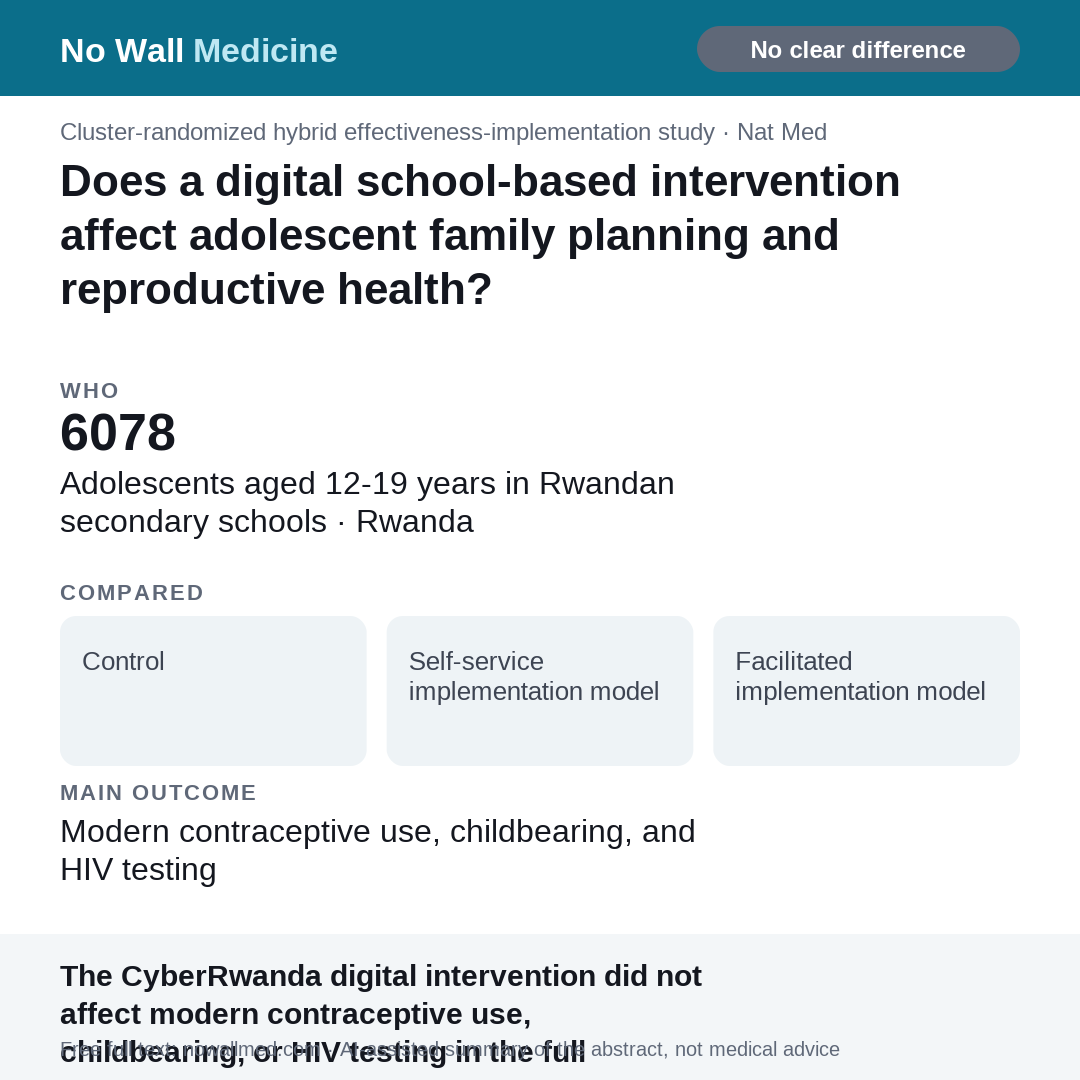
Effect of a digital school-based intervention on adolescent family planning and reproductive health in Rwanda: a cluster-randomized trial
Cluster-randomized hybrid effectiveness-implementation studyNo clear difference
Does a digital school-based intervention affect adolescent family planning and reproductive health?
Who
6078
Adolescents aged 12-19 years in Rwandan secondary schools · Rwanda
Compared
Control
Self-service implementation model
Facilitated implementation model
Main outcome
Modern contraceptive use, childbearing, and HIV testing
Result: prevalence ratio 1.04 (95% CI 0.76, 1.42)
Bottom line: The CyberRwanda digital intervention did not affect modern contraceptive use, childbearing, or HIV testing in the full sample.
Nat Med · 2024-08-23Download image
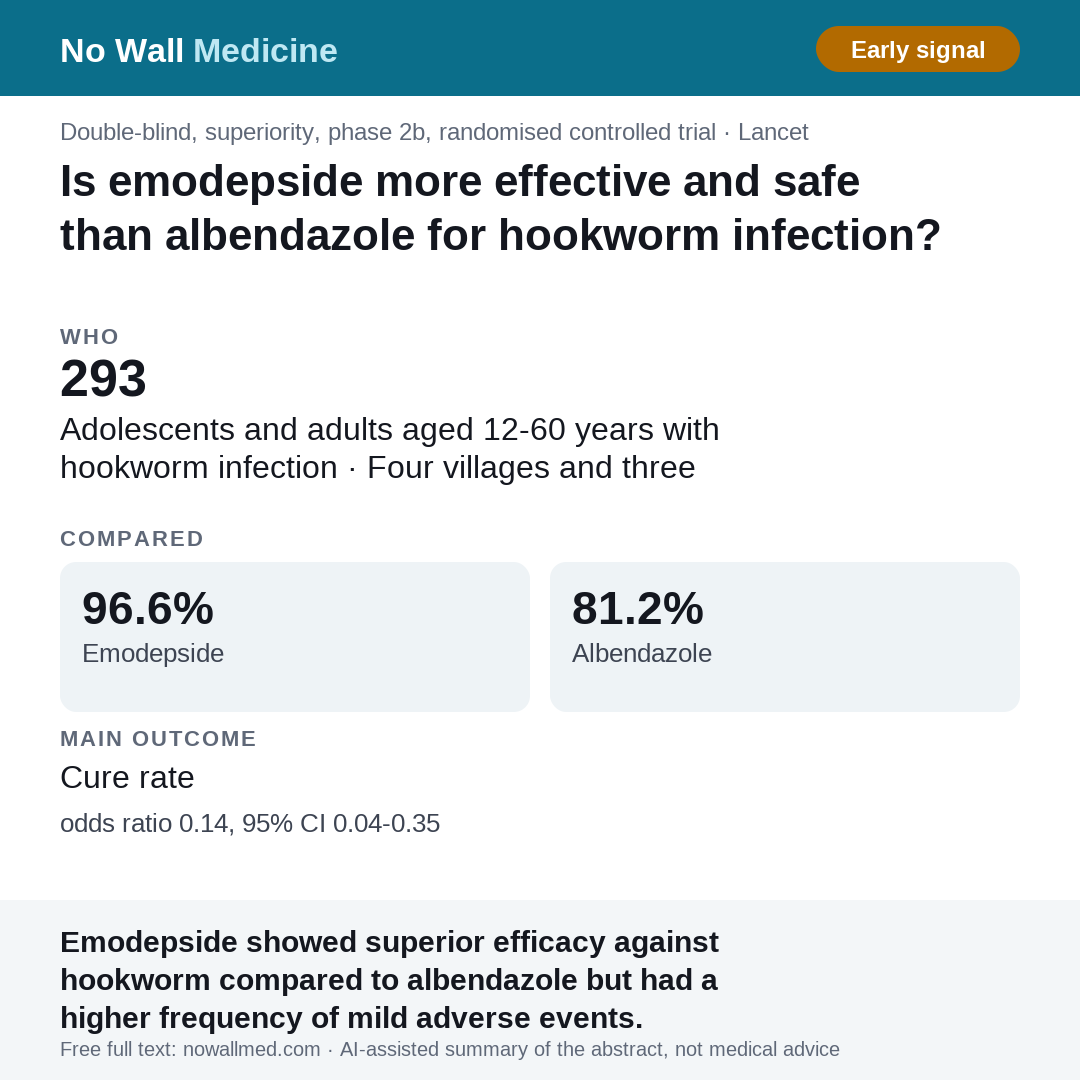
Efficacy and safety of emodepside compared with albendazole in adolescents and adults with hookworm infection in Pemba Island, Tanzania: a double-blind, superiority, phase 2b, randomised controlled trial
Double-blind, superiority, phase 2b, randomised controlled trialBenefit found
Is emodepside more effective and safe than albendazole for hookworm infection?
Who
293
Adolescents and adults aged 12-60 years with hookworm infection · Four villages and three schools, Pemba Island, Tanzania
Compared
96.6%Emodepside
81.2%Albendazole
Main outcome
Cure rate
Result: odds ratio 0.14, 95% CI 0.04-0.35
Bottom line: Emodepside showed superior efficacy against hookworm compared to albendazole but had a higher frequency of mild adverse events.
Limitation: Increased frequency of adverse events compared with albendazole must be balanced against efficacy.
Funded by: European Research Council
Lancet · 2024-08-18Download image
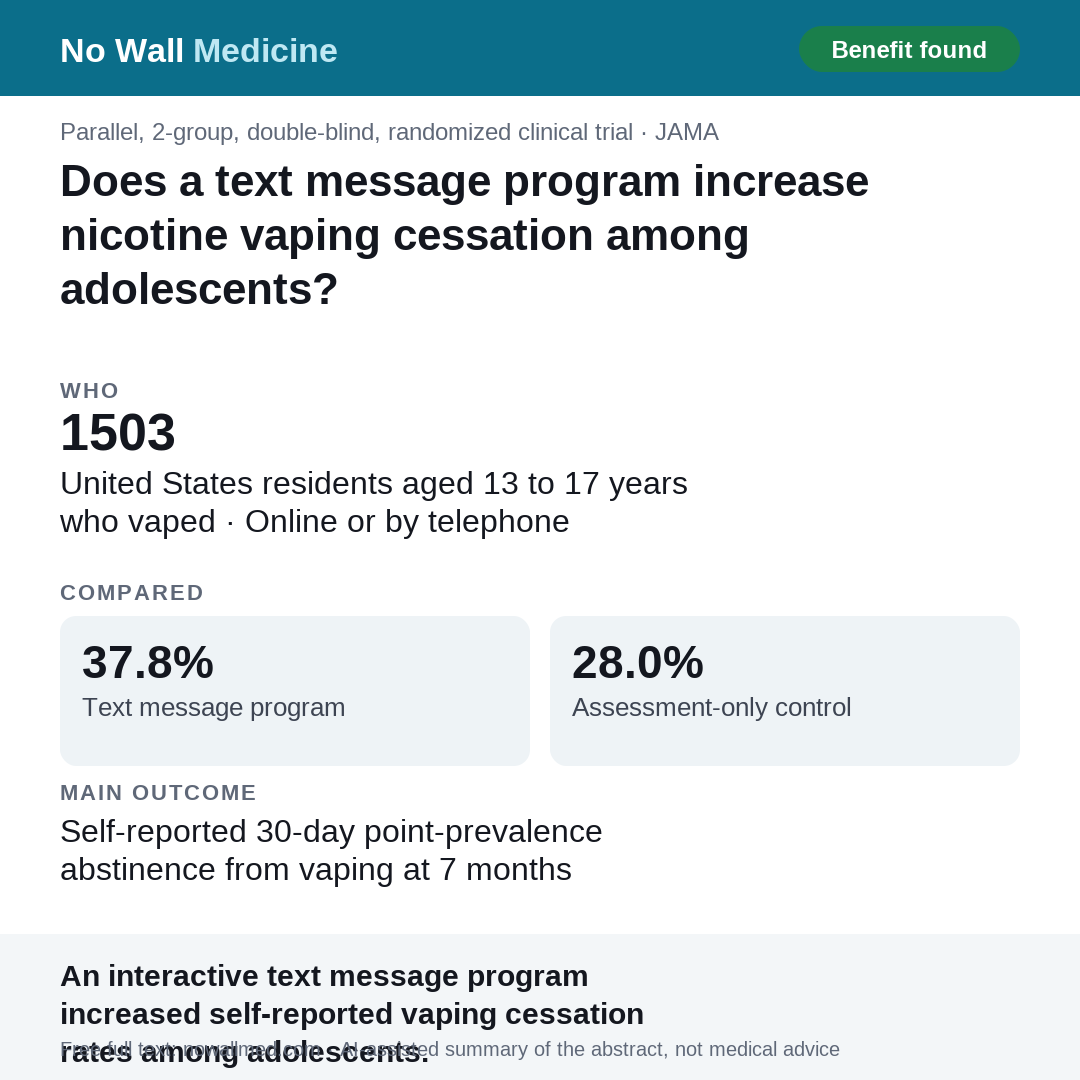
A Vaping Cessation Text Message Program for Adolescent E-Cigarette Users: A Randomized Clinical Trial
Parallel, 2-group, double-blind, randomized clinical trialBenefit found
Does a text message program increase nicotine vaping cessation among adolescents?
Who
1503
United States residents aged 13 to 17 years who vaped · Online or by telephone
Compared
37.8%Text message program (95% CI, 34.4%-41.3%)
28.0%Assessment-only control (95% CI, 24.9%-31.3%)
Main outcome
Self-reported 30-day point-prevalence abstinence from vaping at 7 months
Result: relative risk, 1.35 (95% CI, 1.17-1.57)
Bottom line: An interactive text message program increased self-reported vaping cessation rates among adolescents.
JAMA · 2024-08-07Download image
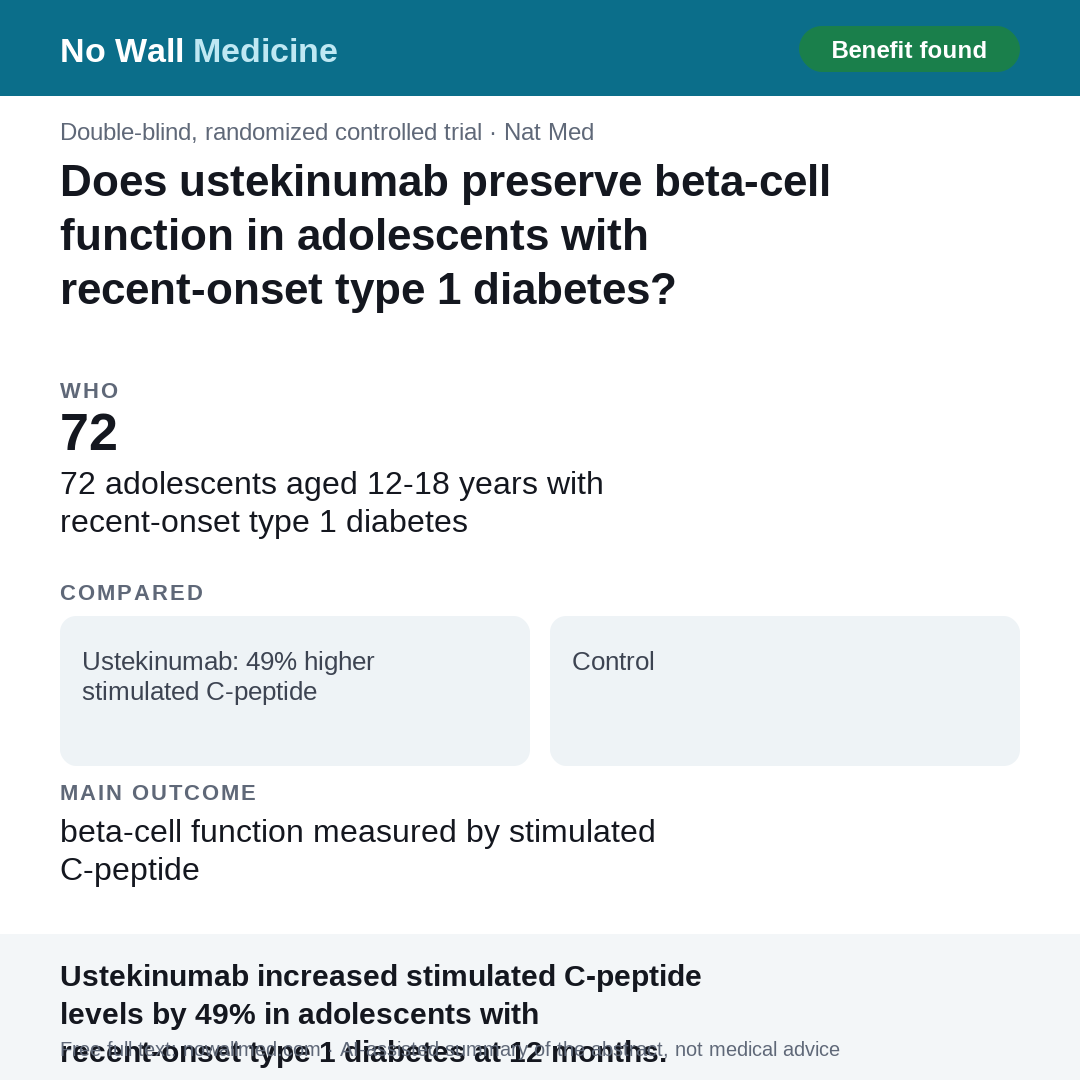
Ustekinumab for type 1 diabetes in adolescents: a multicenter, double-blind, randomized phase 2 trial
Double-blind, randomized controlled trialBenefit found
Does ustekinumab preserve beta-cell function in adolescents with recent-onset type 1 diabetes?
Who
72
72 adolescents aged 12-18 years with recent-onset type 1 diabetes
Compared
Ustekinumab: 49% higher stimulated C-peptide
Control
Main outcome
beta-cell function measured by stimulated C-peptide
Bottom line: Ustekinumab increased stimulated C-peptide levels by 49% in adolescents with recent-onset type 1 diabetes at 12 months.
Nat Med · 2024-07-30Download image
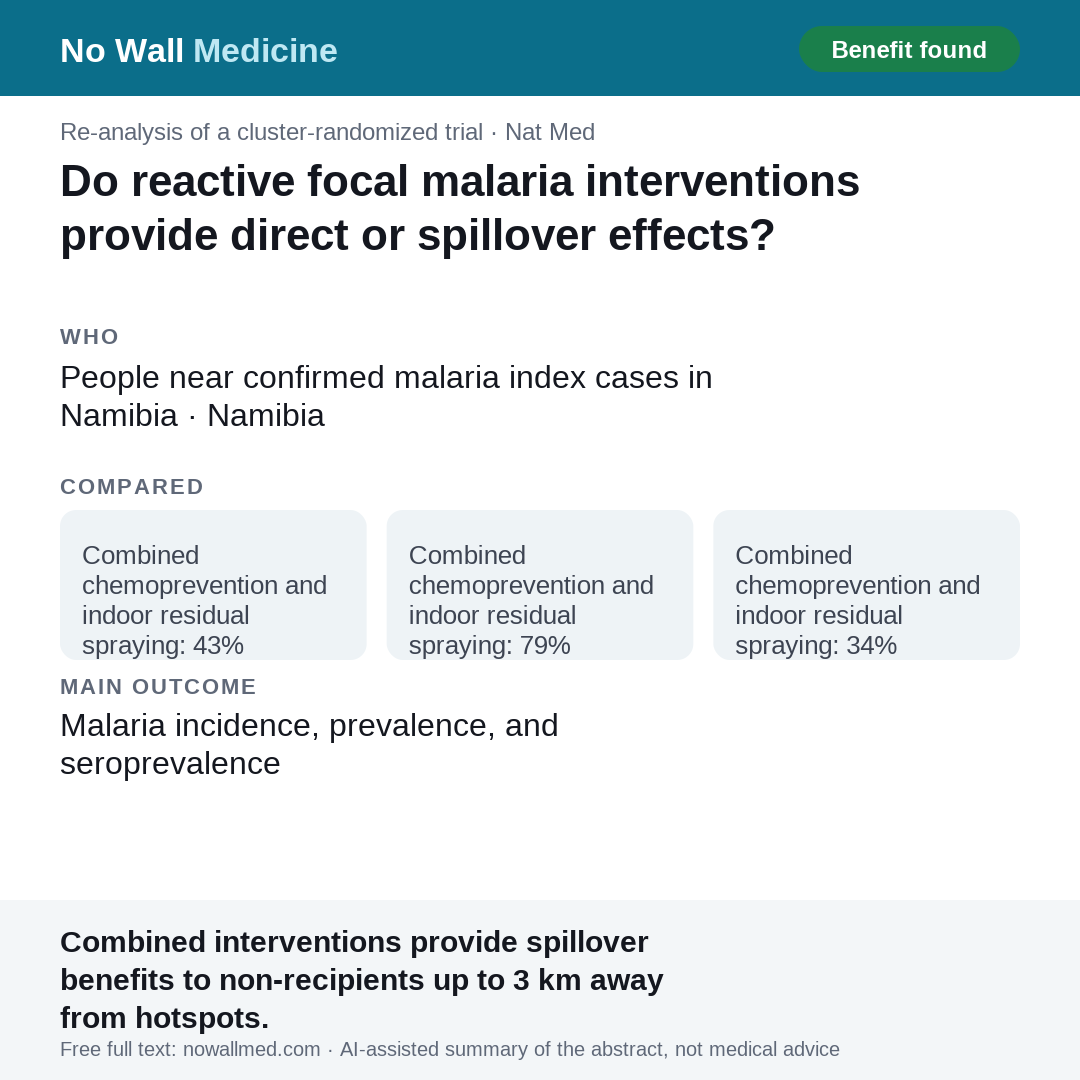
Extension of efficacy range for targeted malaria-elimination interventions due to spillover effects
Re-analysis of a cluster-randomized trialBenefit found
Do reactive focal malaria interventions provide direct or spillover effects?
Who
People near confirmed malaria index cases in Namibia · Namibia
Compared
Combined chemoprevention and indoor residual spraying: 43% reduction in incidence among non-recipients within 1 km
Combined chemoprevention and indoor residual spraying: 79% reduction in infection prevalence among non-recipients within 3 km
Combined chemoprevention and indoor residual spraying: 34% reduction in seroprevalence among non-recipients within 3 km
Main outcome
Malaria incidence, prevalence, and seroprevalence
Bottom line: Combined interventions provide spillover benefits to non-recipients up to 3 km away from hotspots.
Nat Med · 2024-07-04Download image
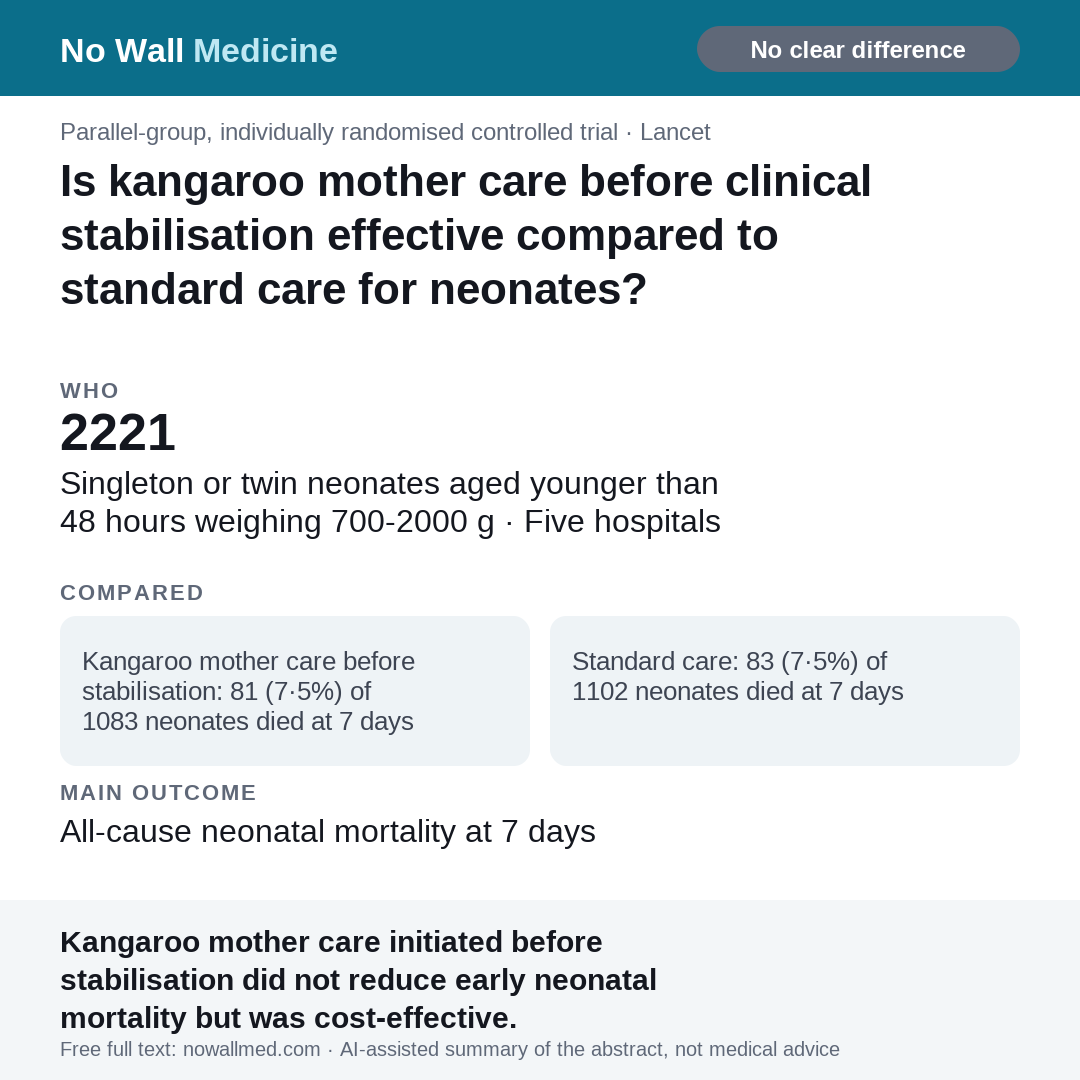
Effectiveness of kangaroo mother care before clinical stabilisation versus standard care among neonates at five hospitals in Uganda (OMWaNA): a parallel-group, individually randomised controlled trial and economic evaluation
Parallel-group, individually randomised controlled trialNo clear difference
Is kangaroo mother care before clinical stabilisation effective compared to standard care for neonates?
Who
2221
Singleton or twin neonates aged younger than 48 hours weighing 700-2000 g · Five hospitals in Uganda
Compared
Kangaroo mother care before stabilisation: 81 (7·5%) of 1083 neonates died at 7 days
Standard care: 83 (7·5%) of 1102 neonates died at 7 days
Main outcome
All-cause neonatal mortality at 7 days
Result: relative risk 0·97 (95% CI 0·74-1·28)
Bottom line: Kangaroo mother care initiated before stabilisation did not reduce early neonatal mortality but was cost-effective.
Funded by: Joint Global Health Trials scheme, UKRI Medical Research Council, Wellcome Trust, and NIH
Lancet · 2024-05-13Download image
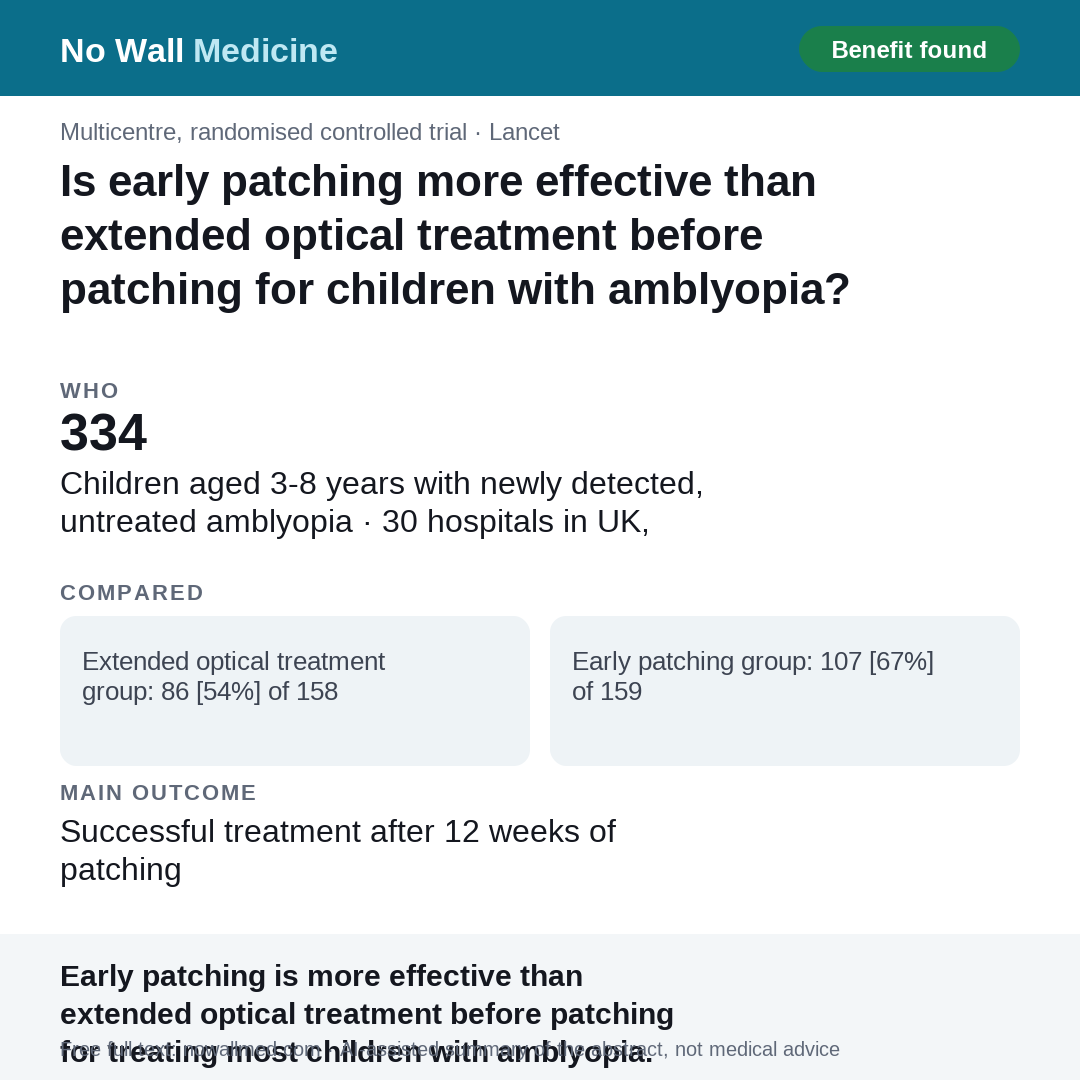
Extended optical treatment versus early patching with an intensive patching regimen in children with amblyopia in Europe (EuPatch): a multicentre, randomised controlled trial
Multicentre, randomised controlled trialBenefit found
Is early patching more effective than extended optical treatment before patching for children with amblyopia?
Who
334
Children aged 3-8 years with newly detected, untreated amblyopia · 30 hospitals in UK, Greece, Austria, Germany, and Switzerland
Compared
Extended optical treatment group: 86 [54%] of 158
Early patching group: 107 [67%] of 159
Main outcome
Successful treatment after 12 weeks of patching
Result: 13% difference; p=0·019
Bottom line: Early patching is more effective than extended optical treatment before patching for treating most children with amblyopia.
Funded by: Action Medical Research, NIHR Clinical Research Network, and Ulverscroft Foundation
Lancet · 2024-05-05Download image
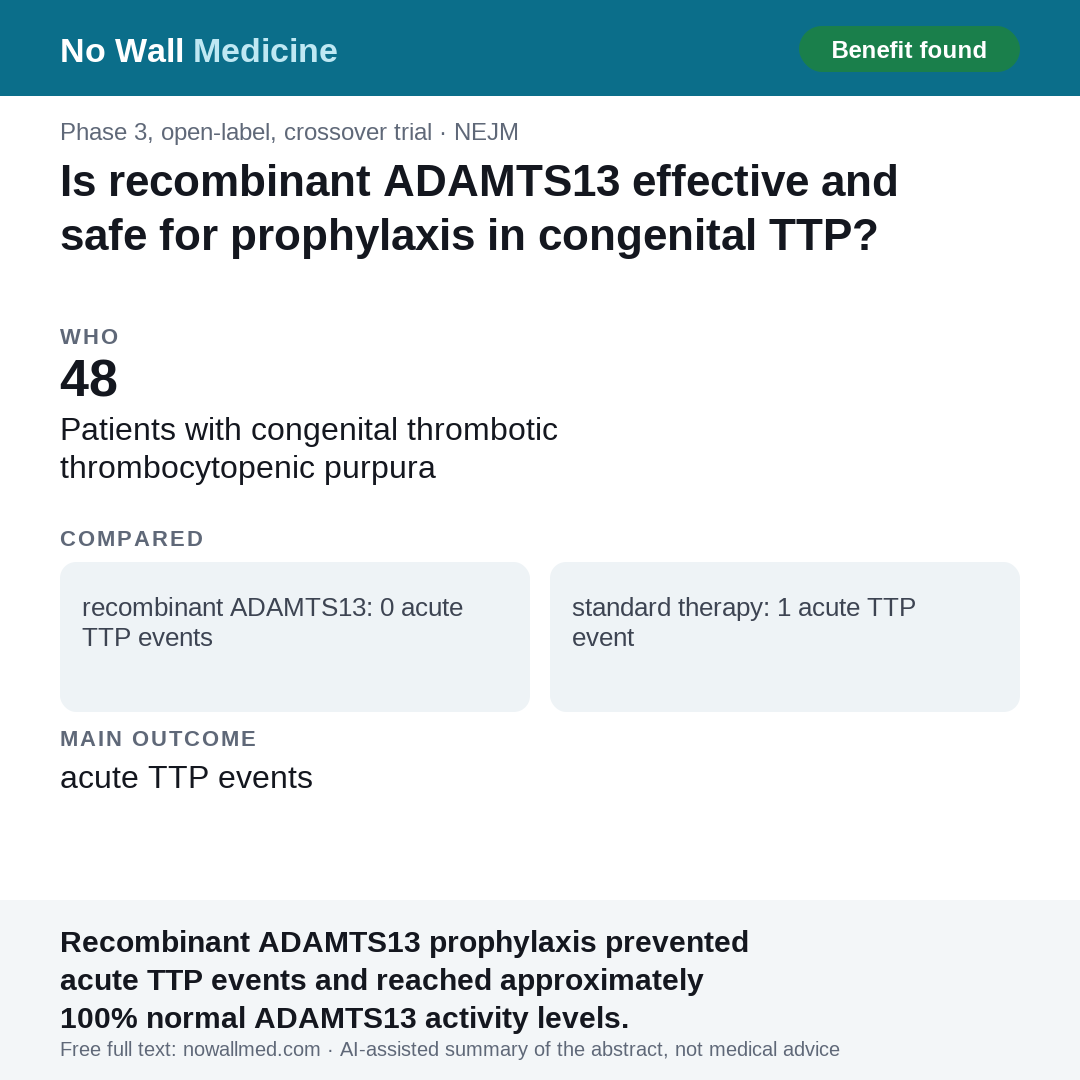
Recombinant ADAMTS13 in Congenital Thrombotic Thrombocytopenic Purpura
Phase 3, open-label, crossover trialBenefit found
Is recombinant ADAMTS13 effective and safe for prophylaxis in congenital TTP?
Who
48
Patients with congenital thrombotic thrombocytopenic purpura
Compared
recombinant ADAMTS13: 0 acute TTP events
standard therapy: 1 acute TTP event
Main outcome
acute TTP events
Bottom line: Recombinant ADAMTS13 prophylaxis prevented acute TTP events and reached approximately 100% normal ADAMTS13 activity levels.
Funded by: Takeda Development Center Americas and Baxalta Innovations
NEJM · 2024-05-02Download image
Subcutaneous Administration of a Monoclonal Antibody to Prevent Malaria
Phase 2 randomized trialBenefit found
Does subcutaneous L9LS protect children from Plasmodium falciparum infection?
Who
225
Children 6 to 10 years of age · Mali
Compared
48%150 mg L9LS
40%300 mg L9LS
81%Placebo
Main outcome
First Plasmodium falciparum infection detected on blood smear
Result: 66% (95% CI, 45 to 79) and 70% (95% CI, 50 to 82)
Bottom line: Subcutaneous L9LS administration was protective against Plasmodium falciparum infection and clinical malaria in children over 6 months.
Funded by: National Institute of Allergy and Infectious Diseases
NEJM · 2024-04-26Download image

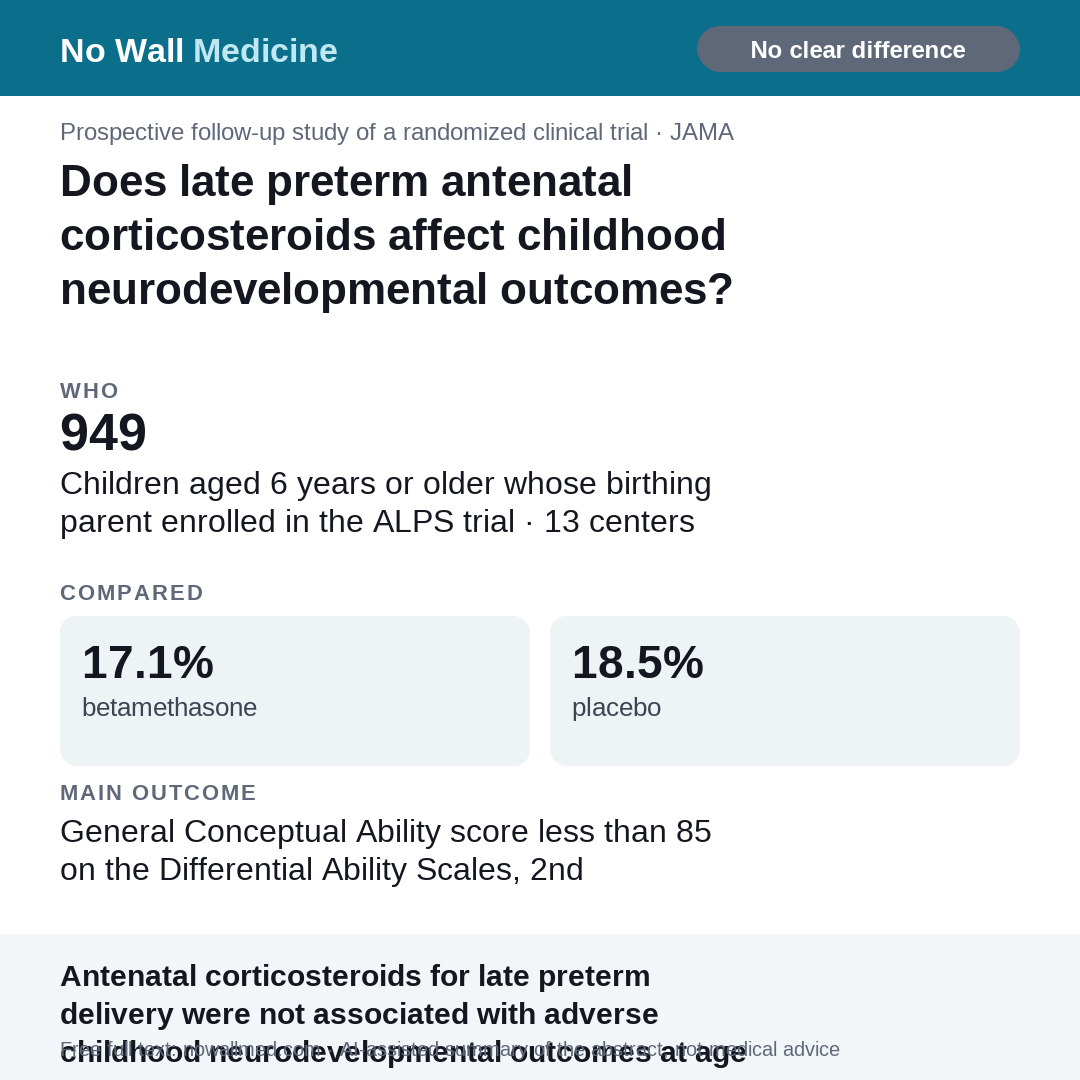
Neurodevelopmental Outcomes After Late Preterm Antenatal Corticosteroids: The ALPS Follow-Up Study
Prospective follow-up study of a randomized clinical trialNo clear difference
Does late preterm antenatal corticosteroids affect childhood neurodevelopmental outcomes?
Who
949
Children aged 6 years or older whose birthing parent enrolled in the ALPS trial · 13 centers in the Maternal-Fetal Medicine Units Network
Compared
17.1%betamethasone (82/479)
18.5%placebo (87/470)
Main outcome
General Conceptual Ability score less than 85 on the Differential Ability Scales, 2nd Edition
Result: adjusted relative risk 0.94 (95% CI 0.73-1.22)
Bottom line: Antenatal corticosteroids for late preterm delivery were not associated with adverse childhood neurodevelopmental outcomes at age 6 years or older.
JAMA · 2024-04-24Download image
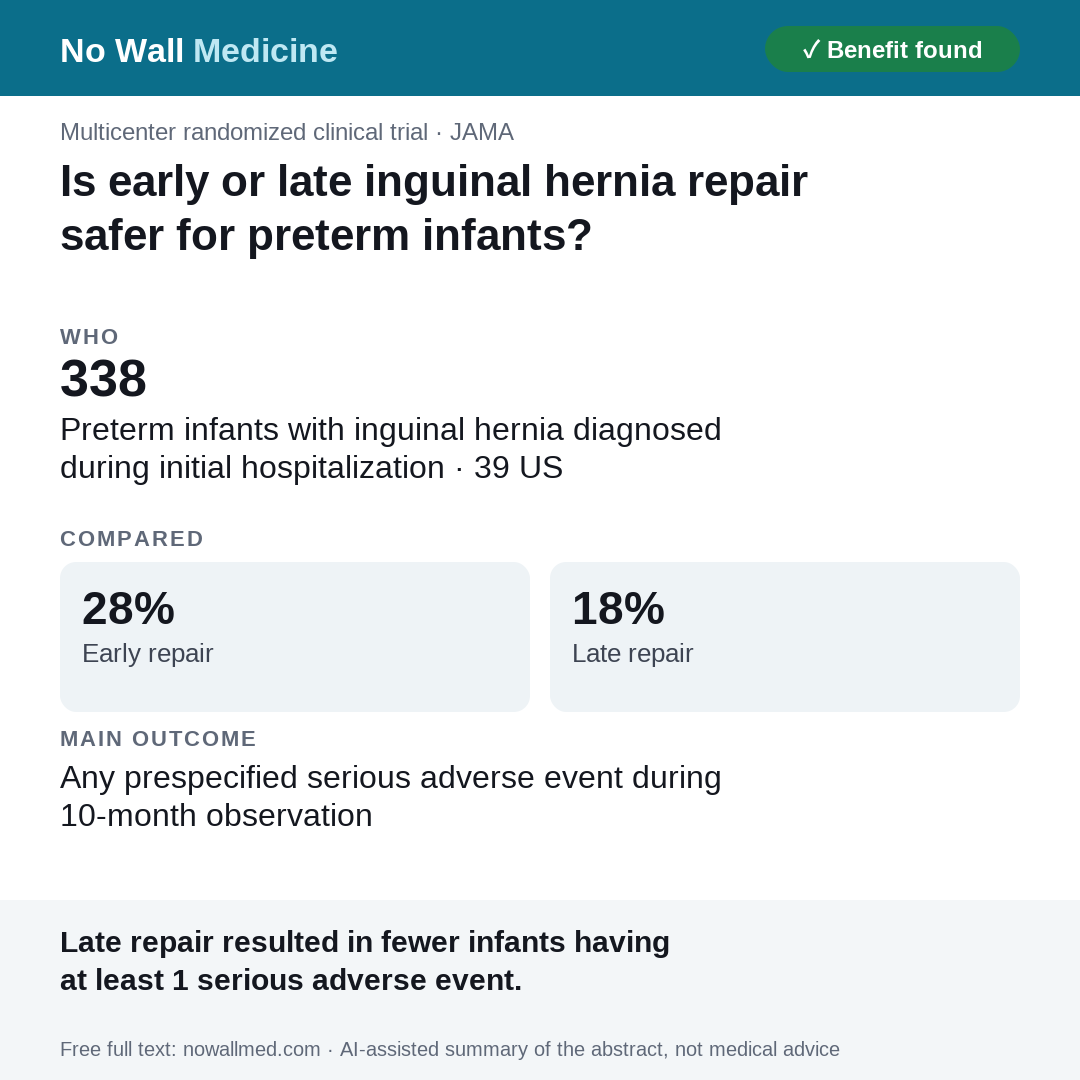
Effect of Early vs Late Inguinal Hernia Repair on Serious Adverse Event Rates in Preterm Infants: A Randomized Clinical Trial
Multicenter randomized clinical trialBenefit found
Is early or late inguinal hernia repair safer for preterm infants?
Who
338
Preterm infants with inguinal hernia diagnosed during initial hospitalization · 39 US hospitals
Compared
28%Early repair (159/149)
18%Late repair (149/149)
Main outcome
Occurrence of any prespecified serious adverse event
Result: risk difference, -7.9% (95% credible interval, -16.9% to 0%)
Bottom line: Late inguinal hernia repair resulted in fewer serious adverse events among preterm infants compared to early repair.
JAMA · 2024-03-26Download image
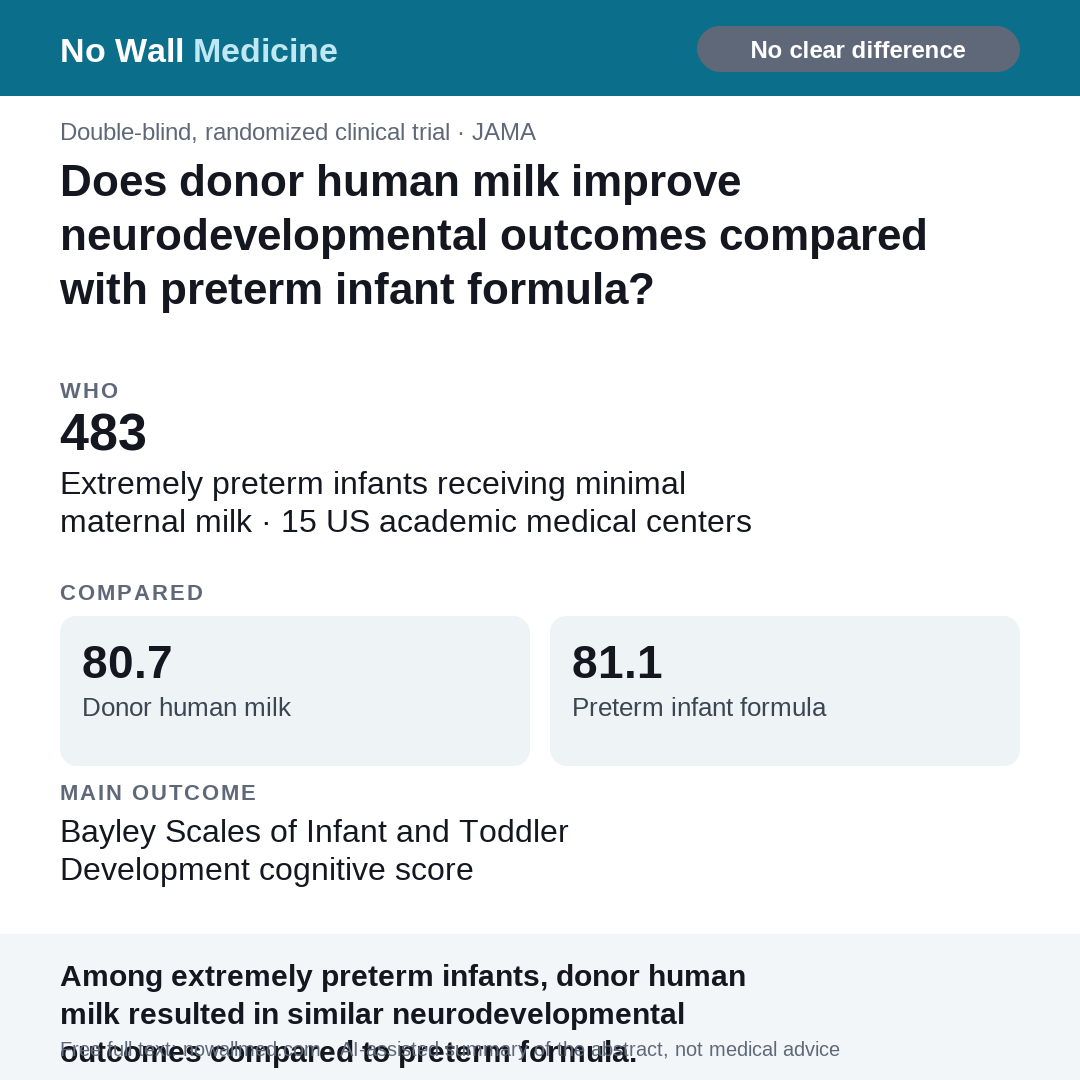
Neurodevelopmental Outcomes of Extremely Preterm Infants Fed Donor Milk or Preterm Infant Formula: A Randomized Clinical Trial
Double-blind, randomized clinical trialNo clear difference
Does donor human milk improve neurodevelopmental outcomes compared with preterm infant formula?
Who
483
Extremely preterm infants receiving minimal maternal milk · 15 US academic medical centers
Compared
80.7Donor human milk (SD, 17.4)
81.1Preterm infant formula (SD, 16.7)
Main outcome
Bayley Scales of Infant and Toddler Development cognitive score
Result: adjusted mean difference, -0.77 (95% CI, -3.93 to 2.39)
Bottom line: Among extremely preterm infants, donor human milk resulted in similar neurodevelopmental outcomes compared to preterm formula.
JAMA · 2024-03-18Download image
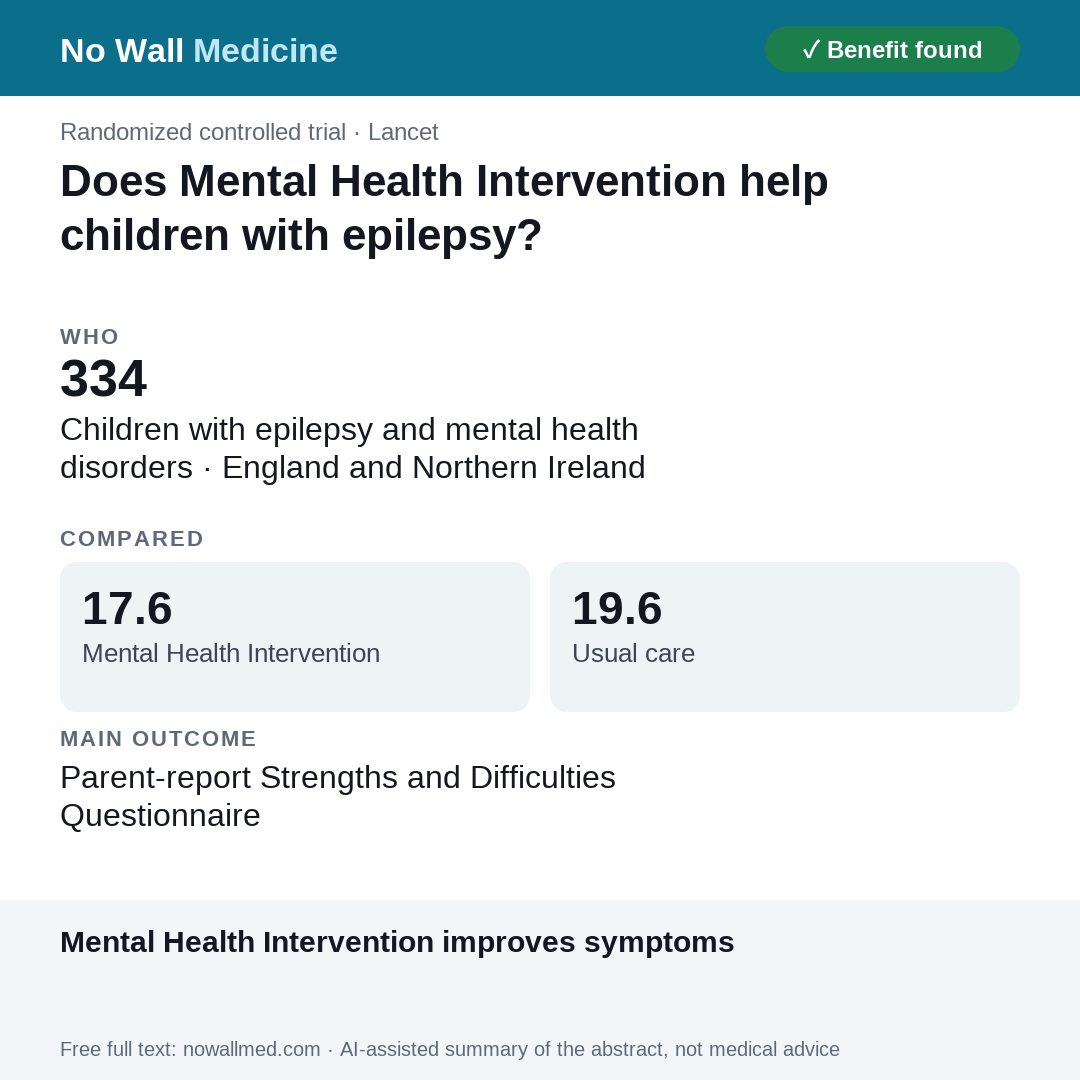
Clinical effectiveness of the psychological therapy Mental Health Intervention for Children with Epilepsy in addition to usual care compared with assessment-enhanced usual care alone: a multicentre, randomised controlled clinical trial in the UK
Randomized controlled trialBenefit found
Does Mental Health Intervention help children with epilepsy?
Who
334
Children with epilepsy and mental health disorders · England and Northern Ireland
Compared
17.6Mental Health Intervention (SD 6.3)
19.6Usual care (6.1)
Main outcome
Parent-report Strengths and Difficulties Questionnaire
Result: adjusted effect -1.7 (95% CI -2.8 to -0.5)
Bottom line: Mental Health Intervention improves symptoms
Funded by: UK National Institute for Health Research
Lancet · 2024-03-07Download image
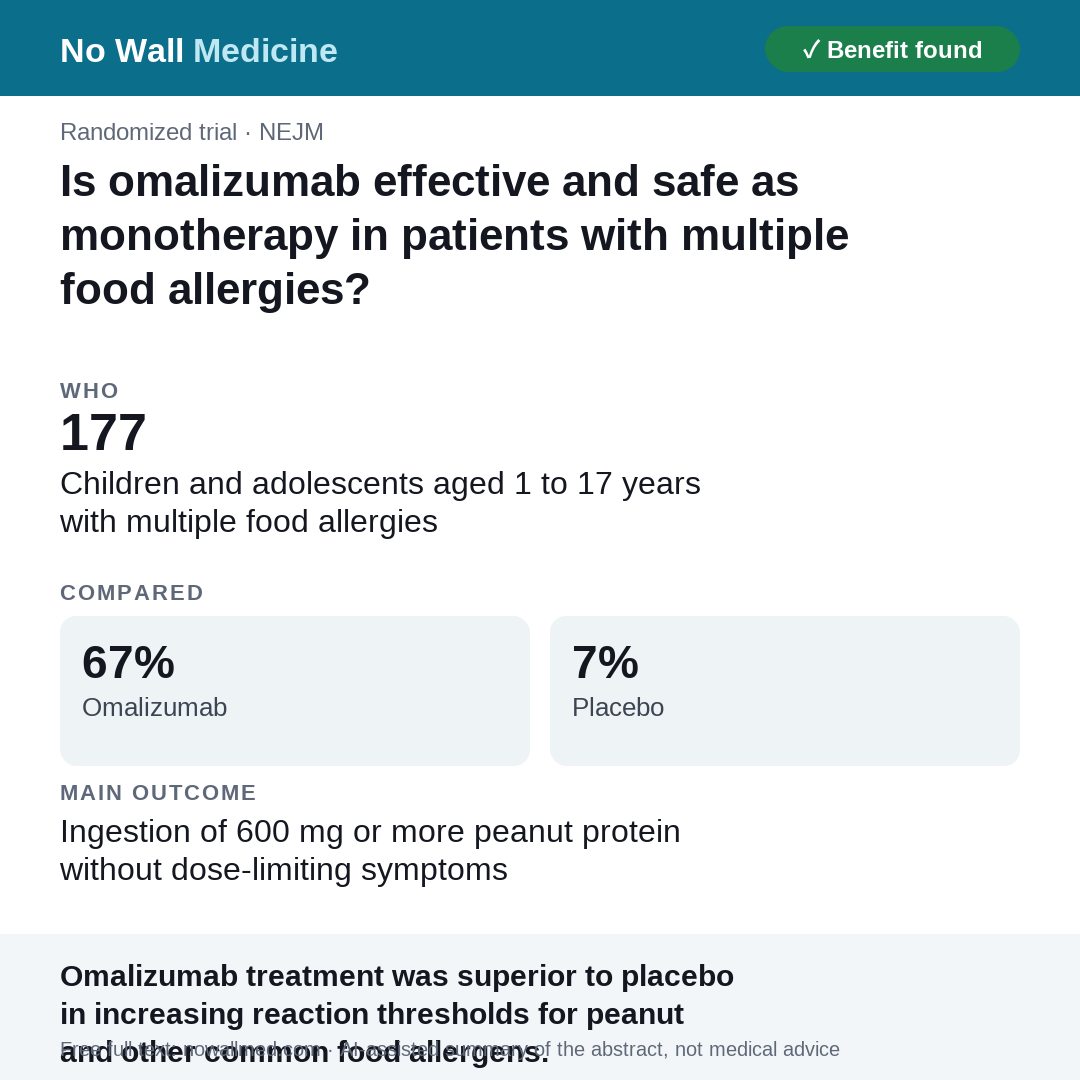
Omalizumab for the Treatment of Multiple Food Allergies
Randomized trialBenefit found
Is omalizumab effective and safe as monotherapy in patients with multiple food allergies?
Who
177
Children and adolescents aged 1 to 17 years with multiple food allergies
Compared
67%Omalizumab (79/118)
7%Placebo (4/59)
Main outcome
Ingestion of 600 mg or more peanut protein without dose-limiting symptoms
Bottom line: Omalizumab treatment was superior to placebo in increasing reaction thresholds for peanut and other common food allergens.
Funded by: National Institute of Allergy and Infectious Diseases and others
NEJM · 2024-02-25Download image
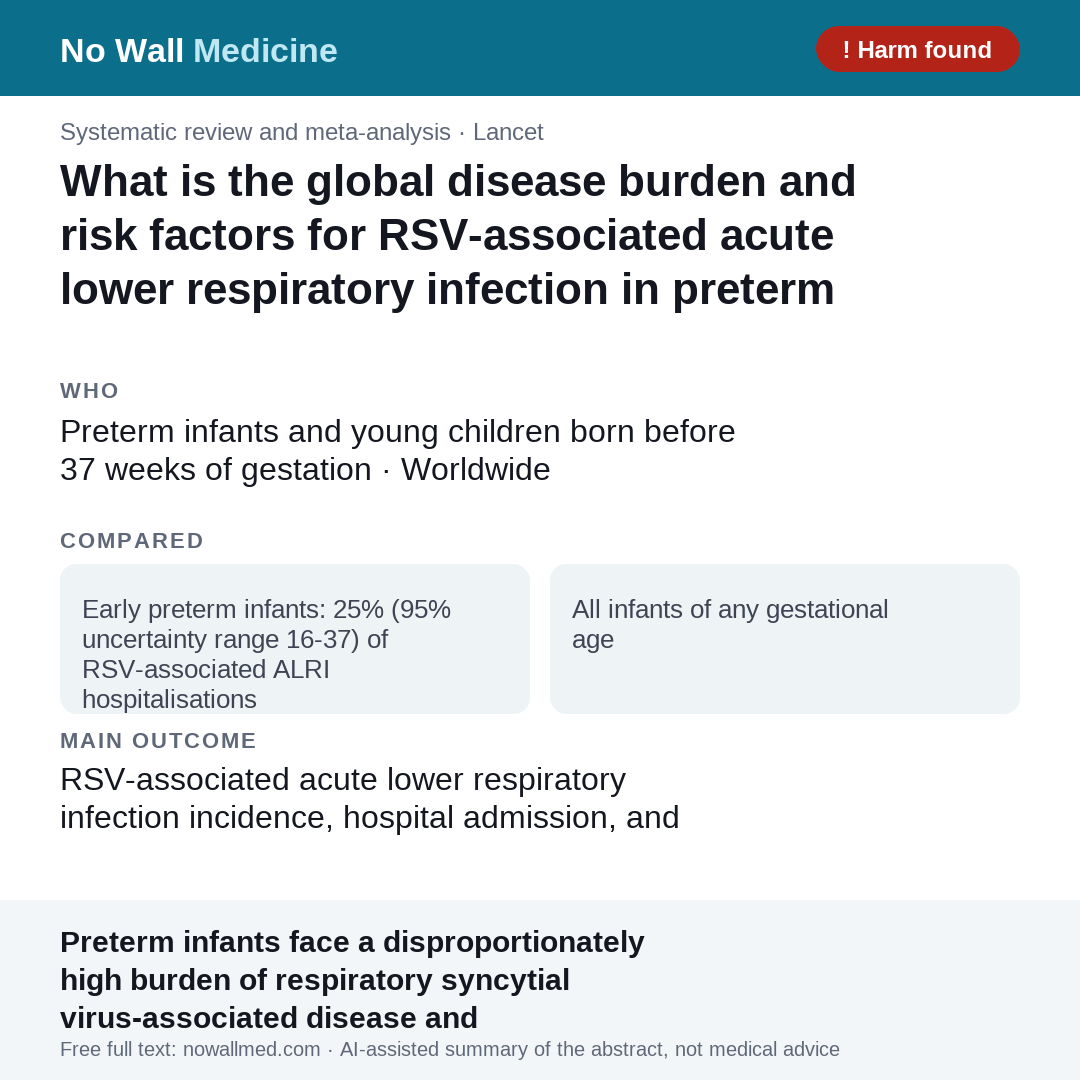
Global disease burden of and risk factors for acute lower respiratory infections caused by respiratory syncytial virus in preterm infants and young children in 2019: a systematic review and meta-analysis of aggregated and individual participant data
Systematic review and meta-analysisHarm found
What is the global disease burden and risk factors for RSV-associated acute lower respiratory infection in preterm infants?
Who
Preterm infants and young children born before 37 weeks of gestation · Worldwide
Compared
Early preterm infants: 25% (95% uncertainty range 16-37) of RSV-associated ALRI hospitalisations
All infants of any gestational age
Main outcome
RSV-associated acute lower respiratory infection incidence, hospital admission, and mortality
Result: rate ratio 2.26 (95% uncertainty range 1.27-3.98)
Bottom line: Preterm infants face a disproportionately high burden of respiratory syncytial virus-associated disease and hospitalisations worldwide.
Funded by: EU Innovative Medicines Initiative Respiratory Syncytial Virus Consortium in Europe
Lancet · 2024-02-14Download image
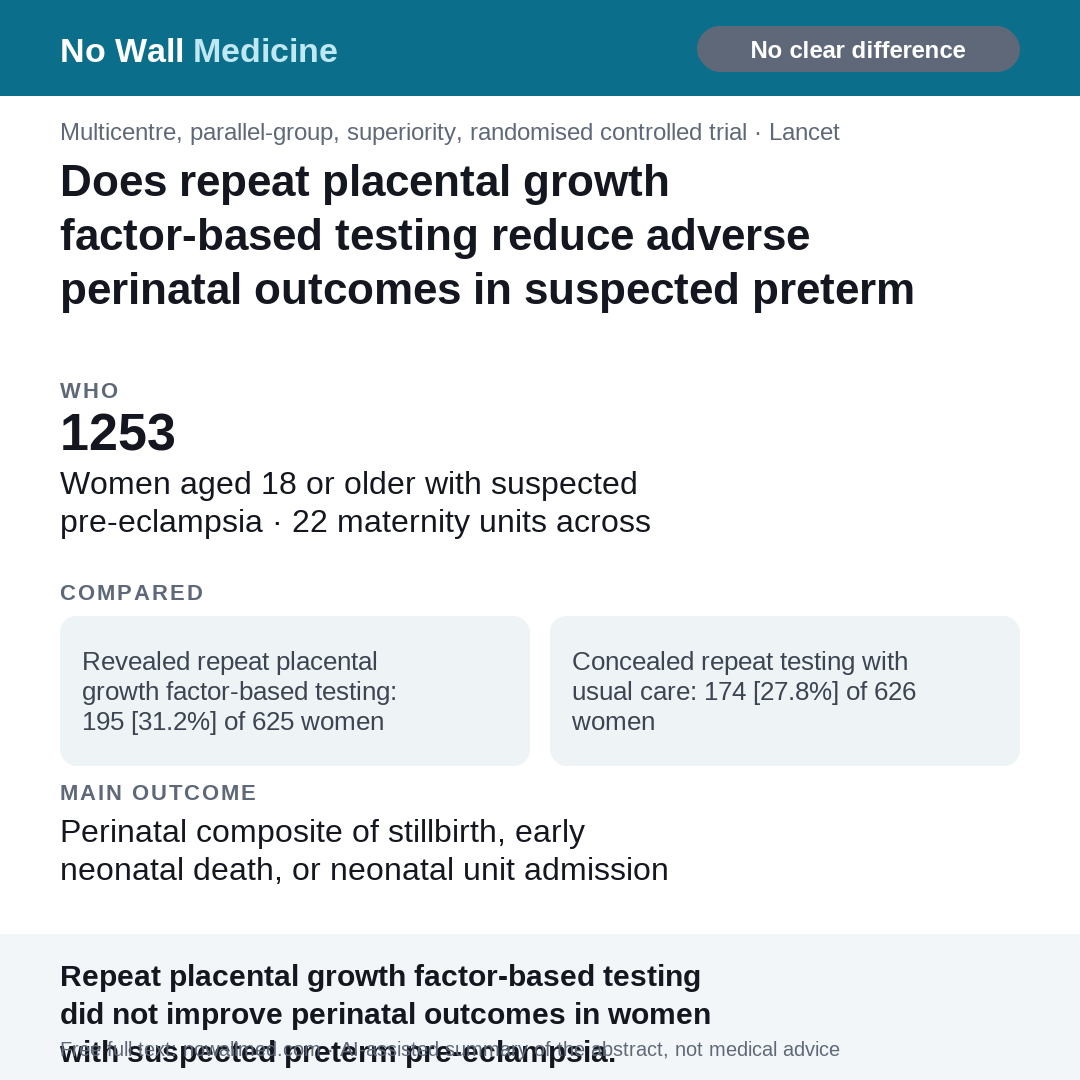
Repeat placental growth factor-based testing in women with suspected preterm pre-eclampsia (PARROT-2): a multicentre, parallel-group, superiority, randomised controlled trial
Multicentre, parallel-group, superiority, randomised controlled trialNo clear difference
Does repeat placental growth factor-based testing reduce adverse perinatal outcomes in suspected preterm pre-eclampsia?
Who
1253
Women aged 18 or older with suspected pre-eclampsia · 22 maternity units across England, Scotland, and Wales
Compared
Revealed repeat placental growth factor-based testing: 195 [31.2%] of 625 women
Concealed repeat testing with usual care: 174 [27.8%] of 626 women
Main outcome
Perinatal composite of stillbirth, early neonatal death, or neonatal unit admission
Result: relative risk 1.21 (95% CI 0.95-1.33)
Bottom line: Repeat placental growth factor-based testing did not improve perinatal outcomes in women with suspected preterm pre-eclampsia.
Funded by: Tommy's Charity, Jon Moulton Charitable Trust, and NIHR
Lancet · 2024-02-08Download image
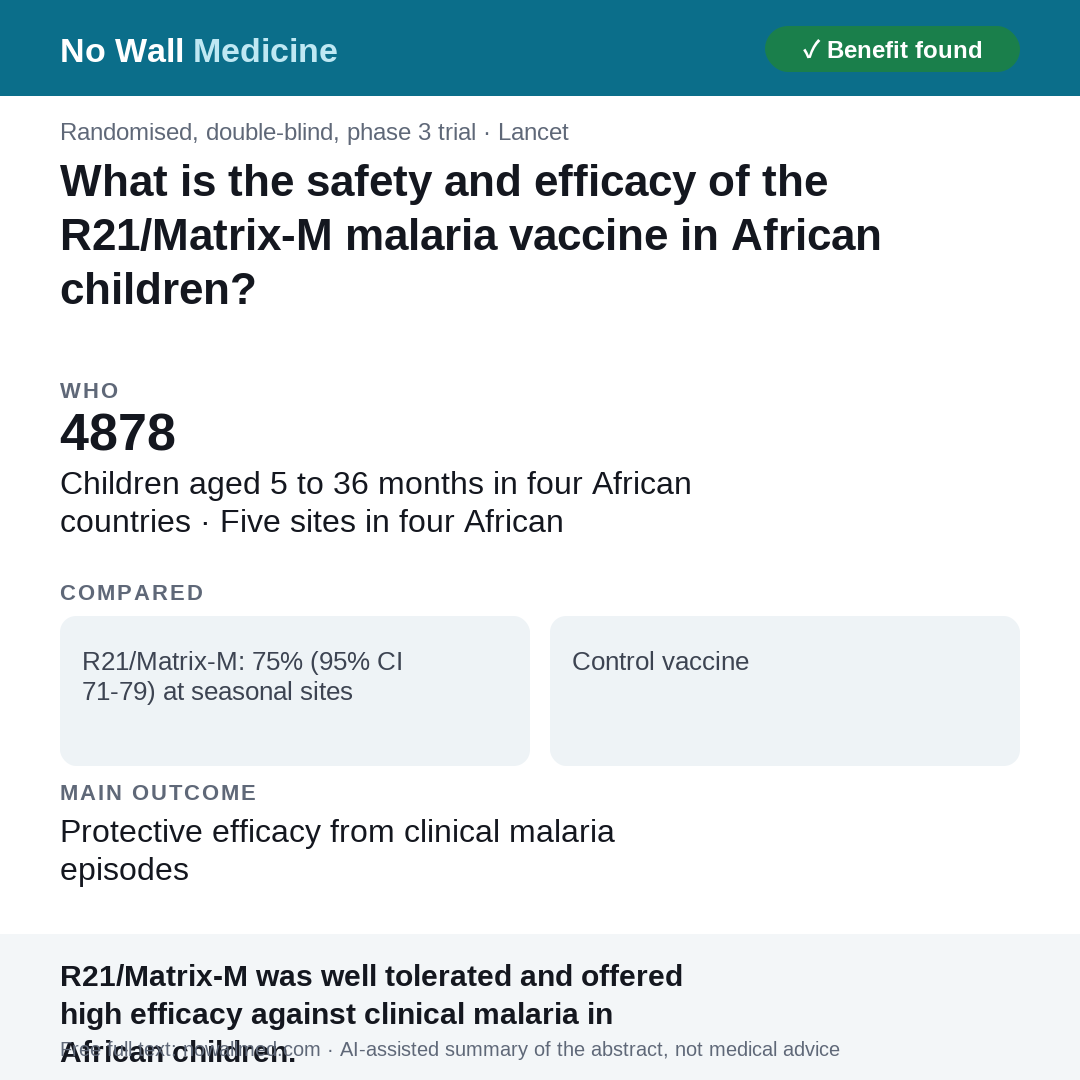
Safety and efficacy of malaria vaccine candidate R21/Matrix-M in African children: a multicentre, double-blind, randomised, phase 3 trial
Randomised, double-blind, phase 3 trialBenefit found
What is the safety and efficacy of the R21/Matrix-M malaria vaccine in African children?
Who
4878
Children aged 5 to 36 months in four African countries · Five sites in four African countries
Compared
R21/Matrix-M: 75% (95% CI 71-79) at seasonal sites
Control vaccine
Main outcome
Protective efficacy from clinical malaria episodes
Result: 75% (95% CI 71-79) at seasonal sites and 68% (61-74) at standard sites
Bottom line: R21/Matrix-M was well tolerated and offered high efficacy against clinical malaria in African children.
Funded by: Serum Institute of India, Wellcome Trust, UK NIHR, Open Philanthropy
Lancet · 2024-02-01Download image
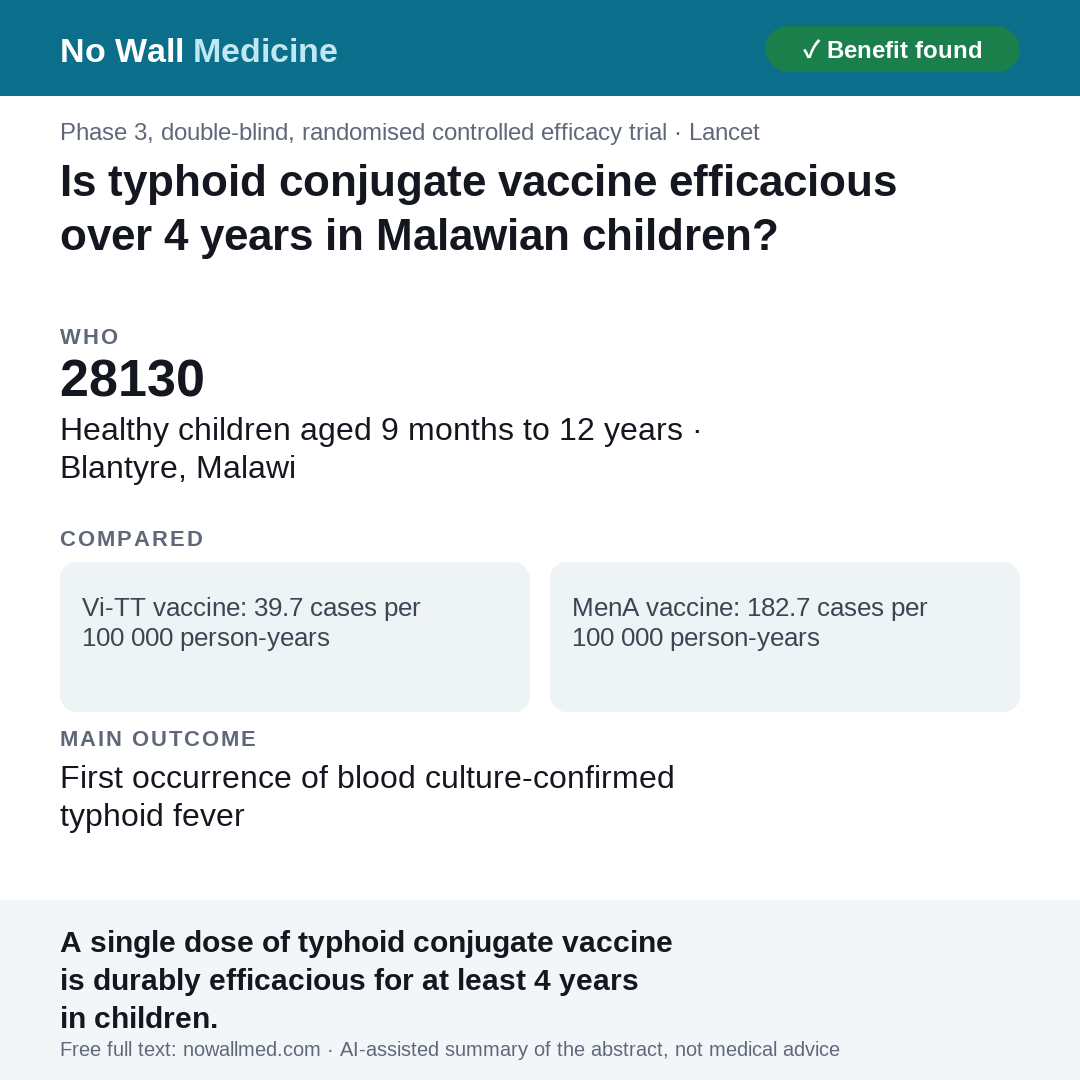
Efficacy of typhoid conjugate vaccine: final analysis of a 4-year, phase 3, randomised controlled trial in Malawian children
Phase 3, double-blind, randomised controlled efficacy trialBenefit found
Is typhoid conjugate vaccine efficacious over 4 years in Malawian children?
Who
28130
Healthy children aged 9 months to 12 years · Blantyre, Malawi
Compared
Vi-TT vaccine: 39.7 cases per 100 000 person-years
MenA vaccine: 182.7 cases per 100 000 person-years
Main outcome
First occurrence of blood culture-confirmed typhoid fever
Result: efficacy of Vi-TT was 78.3% (95% CI 66.3-86.1)
Bottom line: A single dose of typhoid conjugate vaccine is durably efficacious for at least 4 years in children.
Funded by: Bill & Melinda Gates Foundation
Lancet · 2024-01-25Download image
Undervaccination and severe COVID-19 outcomes: meta-analysis of national cohort studies in England, Northern Ireland, Scotland, and Wales
Meta-analysis of cohort studiesHarm found
Undervaccination risk for severe COVID-19
Who
people at least five years old in UK · England, Northern Ireland, Scotland, Wales
Compared
Fully vaccinated
Undervaccinated
Main outcome
severe COVID-19 outcomes
Result: hazard ratio 2.70 (95% CI 2.61 to 2.78) for one dose fewer
Bottom line: Undervaccination increases severe COVID-19 risk
Funded by: UK Research and Innovation
Lancet · 2024-01-15Download image

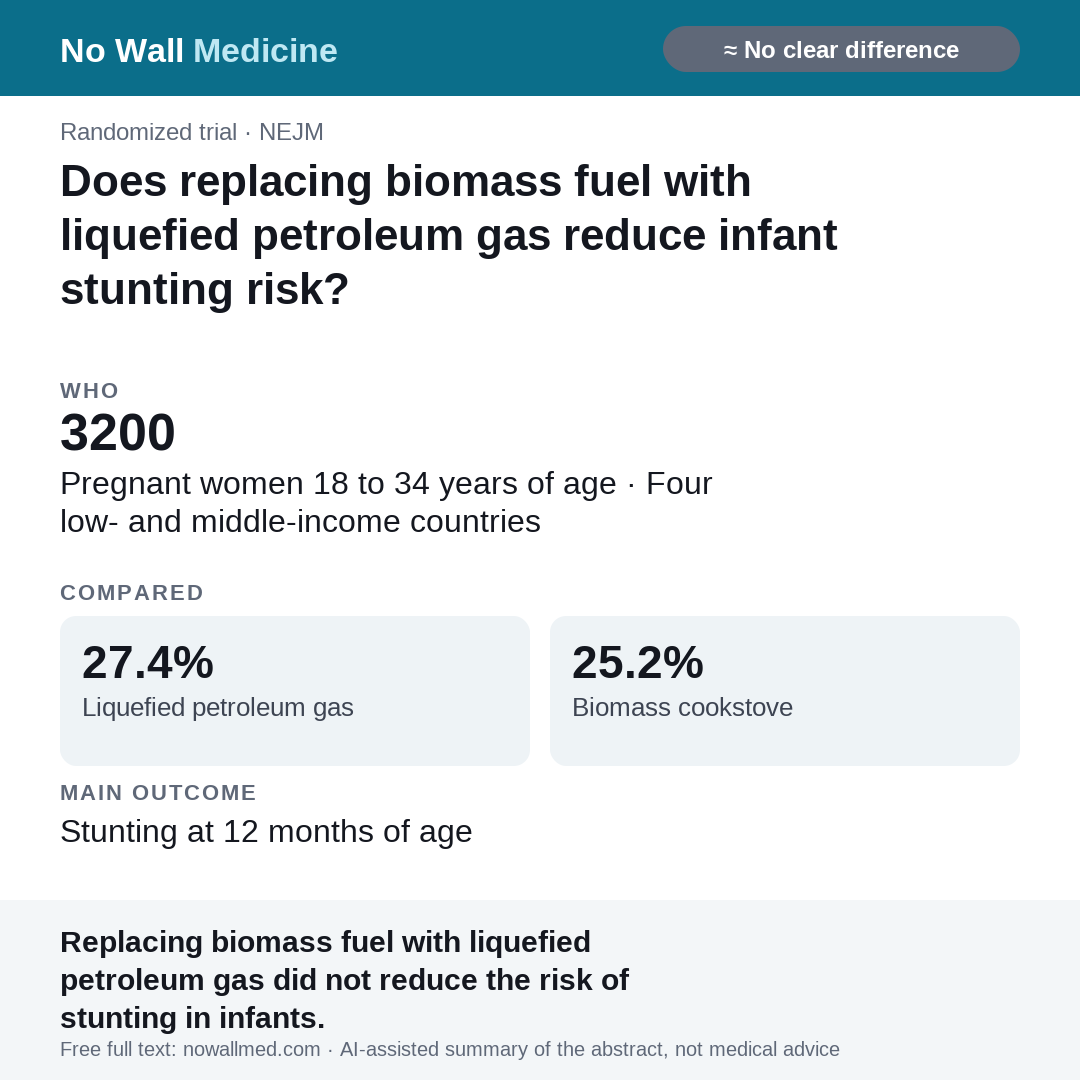
Effects of Cooking with Liquefied Petroleum Gas or Biomass on Stunting in Infants
Randomized trialNo clear difference
Does replacing biomass fuel with liquefied petroleum gas reduce infant stunting risk?
Who
3200
Pregnant women 18 to 34 years of age · Four low- and middle-income countries
Compared
27.4%Liquefied petroleum gas
25.2%Biomass cookstove
Main outcome
Stunting at 12 months of age
Result: relative risk 1.10 (98.75% confidence interval 0.94 to 1.29)
Bottom line: Replacing biomass fuel with liquefied petroleum gas did not reduce the risk of stunting in infants.
Funded by: National Institutes of Health and Bill and Melinda Gates Foundation
NEJM · 2024-01-04Download image