Visual abstracts
New randomized trials and meta-analyses from leading journals at a glance: who was studied, what was compared, and what was found. Every paper is free to read in full.
All specialtiesCardiology 4877Oncology 4138Gastroenterology & Hepatology 1942Infectious Disease 3837Neurology 1905Psychiatry & Mental Health 2273Pulmonology 2143Critical Care 1365Endocrinology & Diabetes 2580Pediatrics 2980Surgery 2559Orthopedics & Sports Medicine 931Neurosurgery 537Cardiothoracic & Vascular Surgery 674Plastic & Reconstructive Surgery 591Nephrology 1133Rheumatology 823Hematology 1109Dermatology 621Ophthalmology 543Obstetrics & Gynecology 1686Public & Global Health 1058Radiology & Imaging 648Anesthesiology 986Urology 764ENT (Otolaryngology) 503Emergency Medicine 511Allergy & Immunology 313Geriatrics 981Family Medicine & Primary Care 562Medical Genetics & Genomics 676Pathology & Laboratory Medicine 159Physical Medicine & Rehabilitation 757Palliative Care 444Nutrition 1588Digital Health & AI 2201General Medicine 321
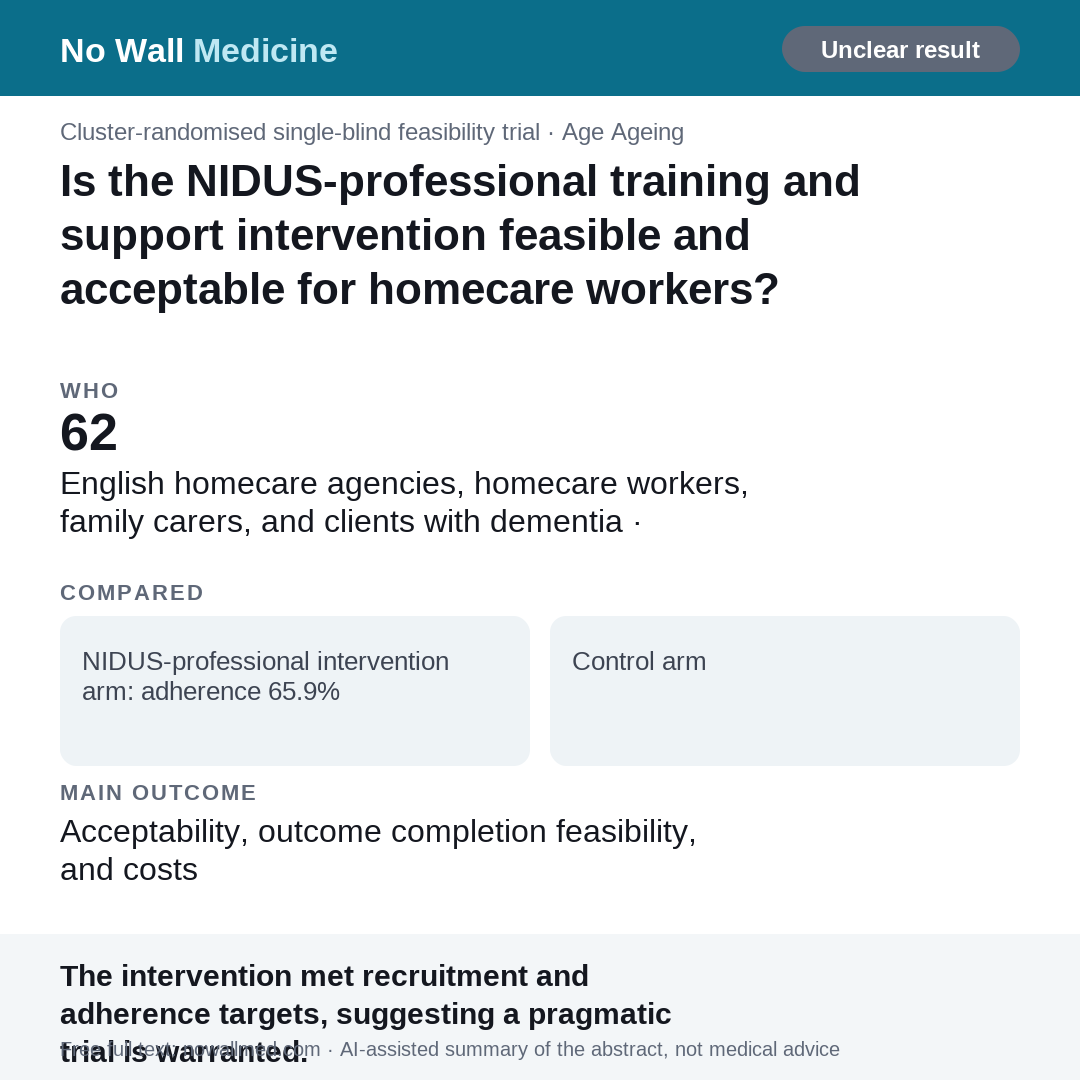
Feasibility and acceptability of NIDUS-professional, a training and support intervention for homecare workers caring for clients living with dementia: a cluster-randomised feasibility trial
Cluster-randomised single-blind feasibility trialUnclear result
Is the NIDUS-professional training and support intervention feasible and acceptable for homecare workers?
Who
62
English homecare agencies, homecare workers, family carers, and clients with dementia · English homecare agencies
Compared
NIDUS-professional intervention arm: adherence 65.9%
Control arm
Main outcome
Acceptability, outcome completion feasibility, and costs
Bottom line: The intervention met recruitment and adherence targets, suggesting a pragmatic trial is warranted.
Age Ageing · 2024-04-21Download image
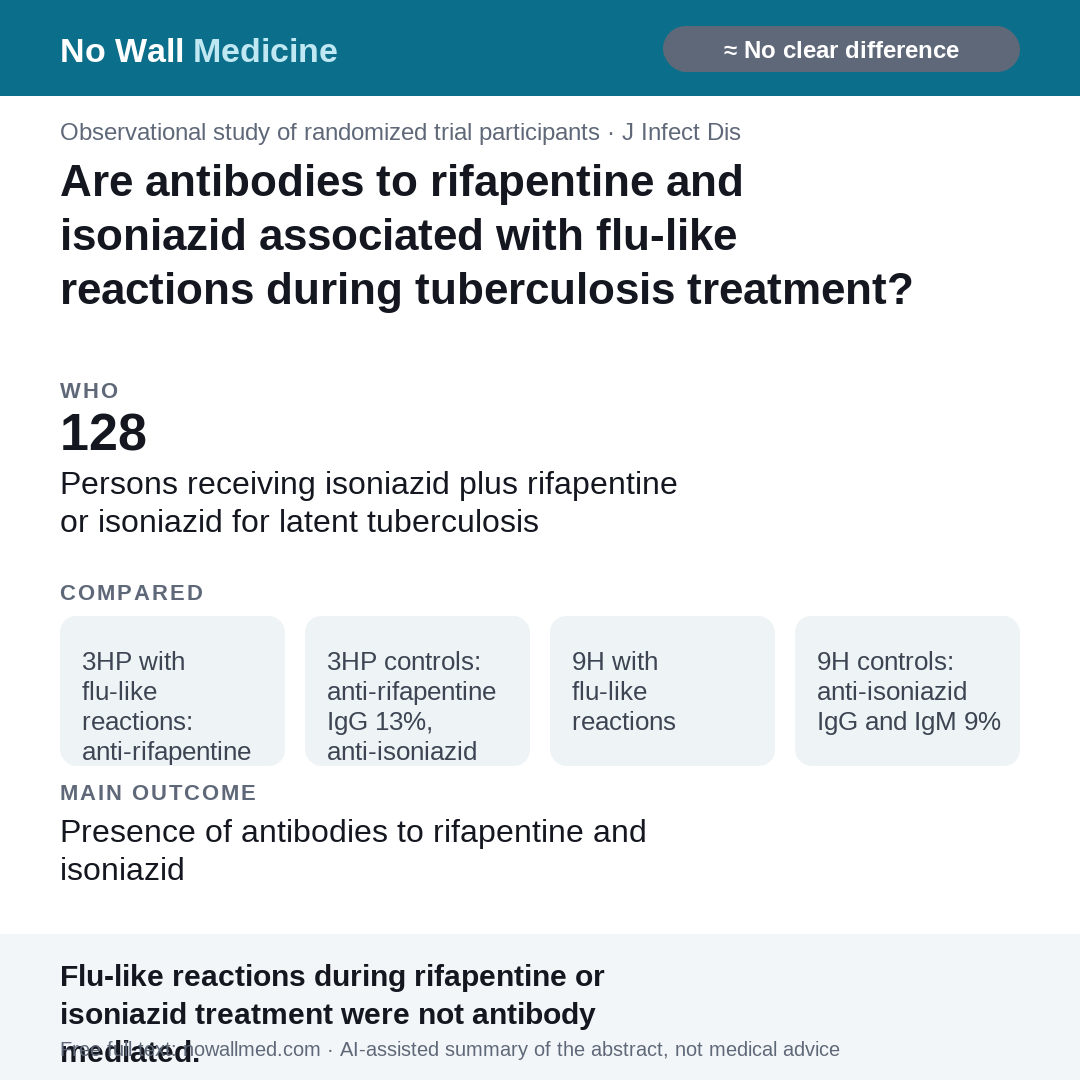
Assessment for Antibodies to Rifapentine and Isoniazid in Persons Developing Flu-Like Reactions During Treatment of Latent Tuberculosis Infection
Observational study of randomized trial participantsNo clear difference
Are antibodies to rifapentine and isoniazid associated with flu-like reactions during tuberculosis treatment?
Who
128
Persons receiving isoniazid plus rifapentine or isoniazid for latent tuberculosis
Compared
3HP with flu-like reactions: anti-rifapentine IgG 9%, anti-isoniazid IgG 9%
3HP controls: anti-rifapentine IgG 13%, anti-isoniazid IgG 9%
9H with flu-like reactions
9H controls: anti-isoniazid IgG and IgM 9%
Main outcome
Presence of antibodies to rifapentine and isoniazid
Bottom line: Flu-like reactions during rifapentine or isoniazid treatment were not antibody mediated.
J Infect Dis · 2024-04-20Download image
Efficacy and safety of withholding antimicrobial therapy in children with cancer, fever, and neutropenia, with a demonstrated viral respiratory infection: a randomized clinical trial
Prospective, multicenter, noninferiority, randomized studyBenefit found
Is withholding antimicrobial therapy safe and effective in children with febrile neutropenia and viral respiratory infection?
Who
139
Children with cancer and febrile neutropenia with a demonstrated viral respiratory infection · Seven hospitals in Chile
Compared
Maintain antimicrobial therapy: 66/70 (94%)
Withdraw antimicrobial therapy: 66/69 (96%)
Main outcome
Percentage of episodes with an uneventful resolution
Result: relative risk 1.01 (95% CI 0.93 to 1.09)
Bottom line: Withholding antimicrobial therapy is noninferior to maintaining it in children with febrile neutropenia and viral respiratory infection.
Clin Microbiol Infect · 2024-04-20Download image

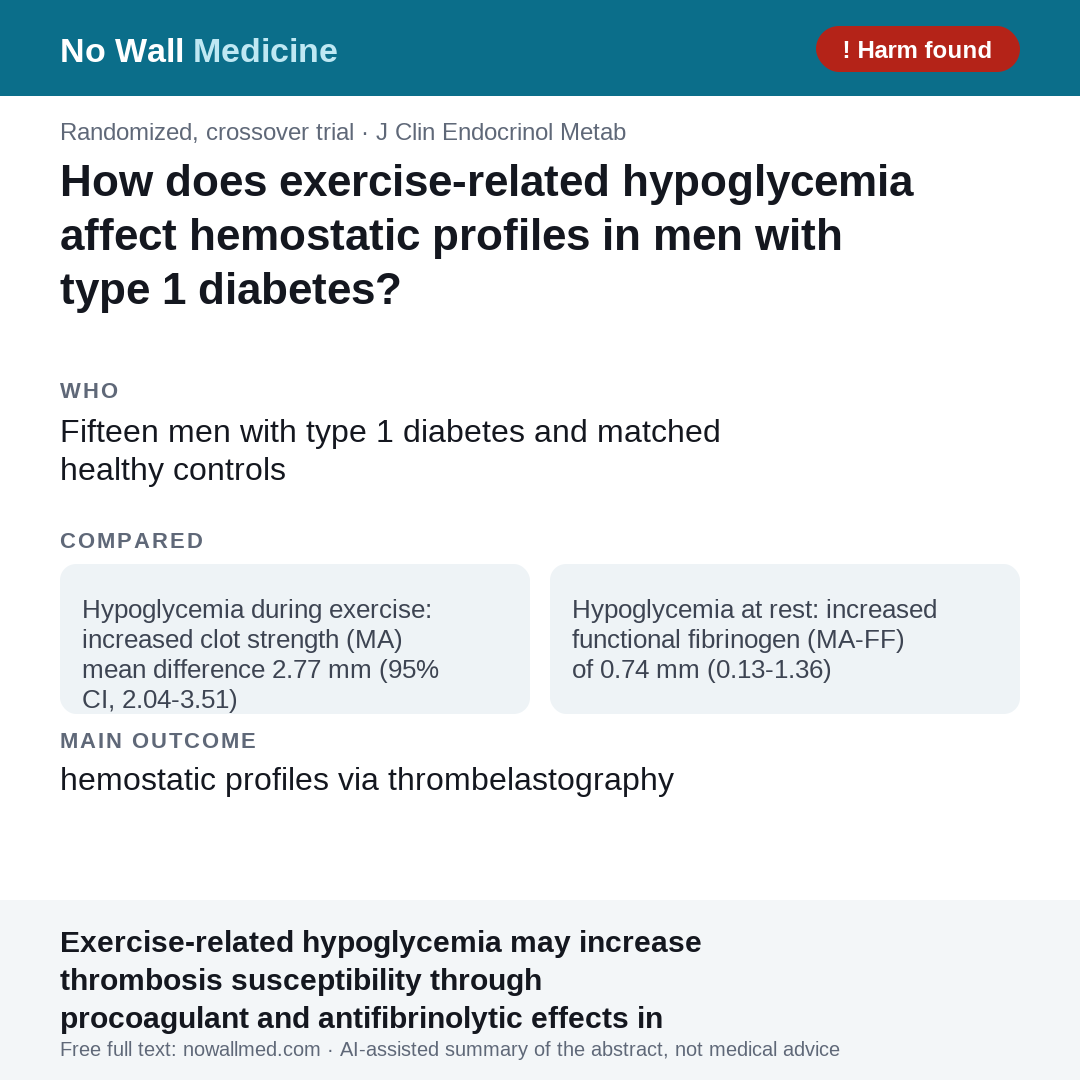
Hemostatic Effects of Exercise-related Hypoglycemia in Male Persons With Type 1 Diabetes
Randomized, crossover trialHarm found
How does exercise-related hypoglycemia affect hemostatic profiles in men with type 1 diabetes?
Who
Fifteen men with type 1 diabetes and matched healthy controls
Compared
Hypoglycemia during exercise: increased clot strength (MA) mean difference 2.77 mm (95% CI, 2.04-3.51)
Hypoglycemia at rest: increased functional fibrinogen (MA-FF) of 0.74 mm (0.13-1.36)
Main outcome
hemostatic profiles via thrombelastography
Bottom line: Exercise-related hypoglycemia may increase thrombosis susceptibility through procoagulant and antifibrinolytic effects in men with type 1 diabetes.
J Clin Endocrinol Metab · 2024-04-20Download image
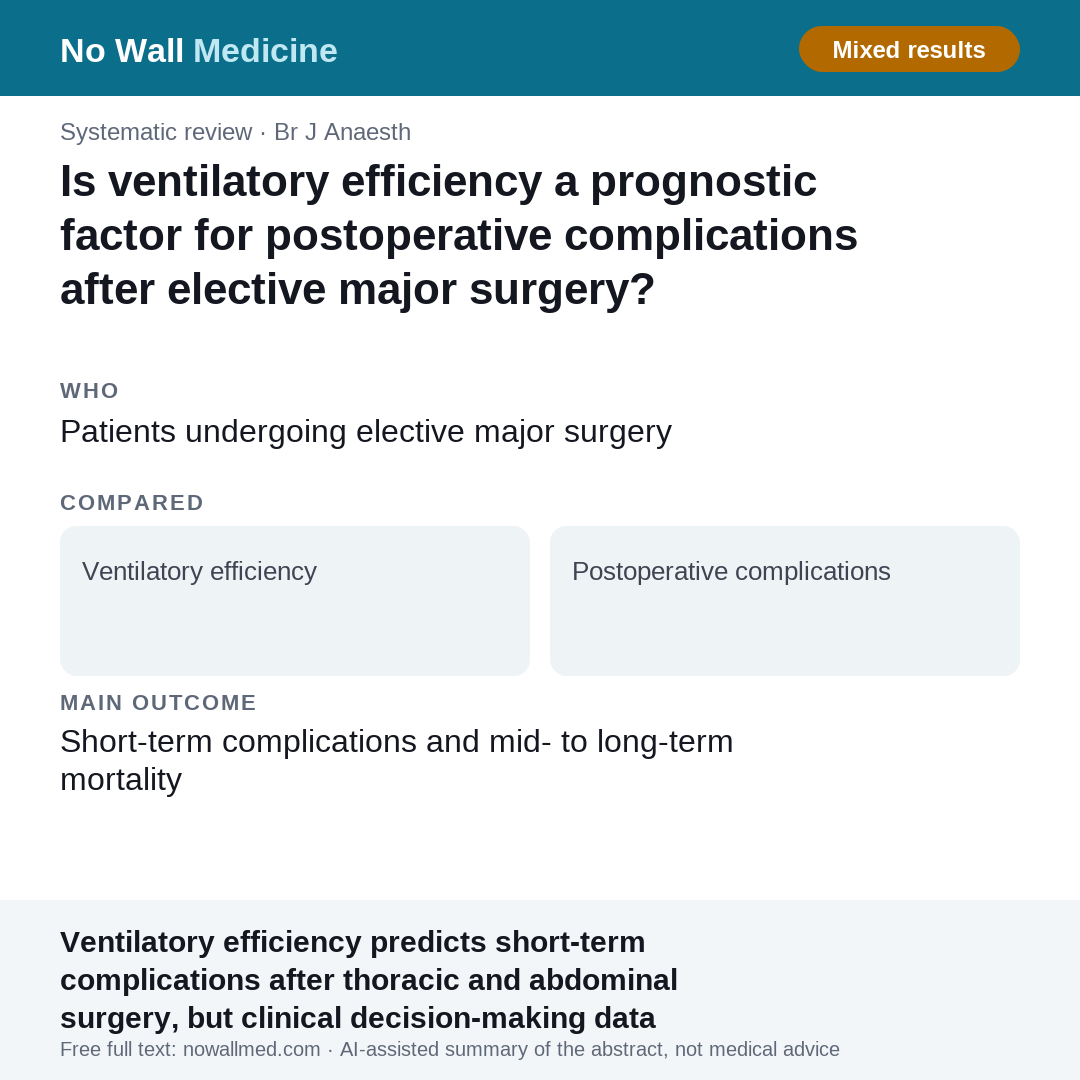
Ventilatory efficiency as a prognostic factor for postoperative complications in patients undergoing elective major surgery: a systematic review
Systematic reviewMixed results
Is ventilatory efficiency a prognostic factor for postoperative complications after elective major surgery?
Who
Patients undergoing elective major surgery
Compared
Ventilatory efficiency
Postoperative complications
Main outcome
Short-term complications and mid- to long-term mortality
Bottom line: Ventilatory efficiency predicts short-term complications after thoracic and abdominal surgery, but clinical decision-making data are lacking.
Limitation: Risk of bias in study confounding and statistical analysis; data-driven covariable selection.
Br J Anaesth · 2024-04-20Download image
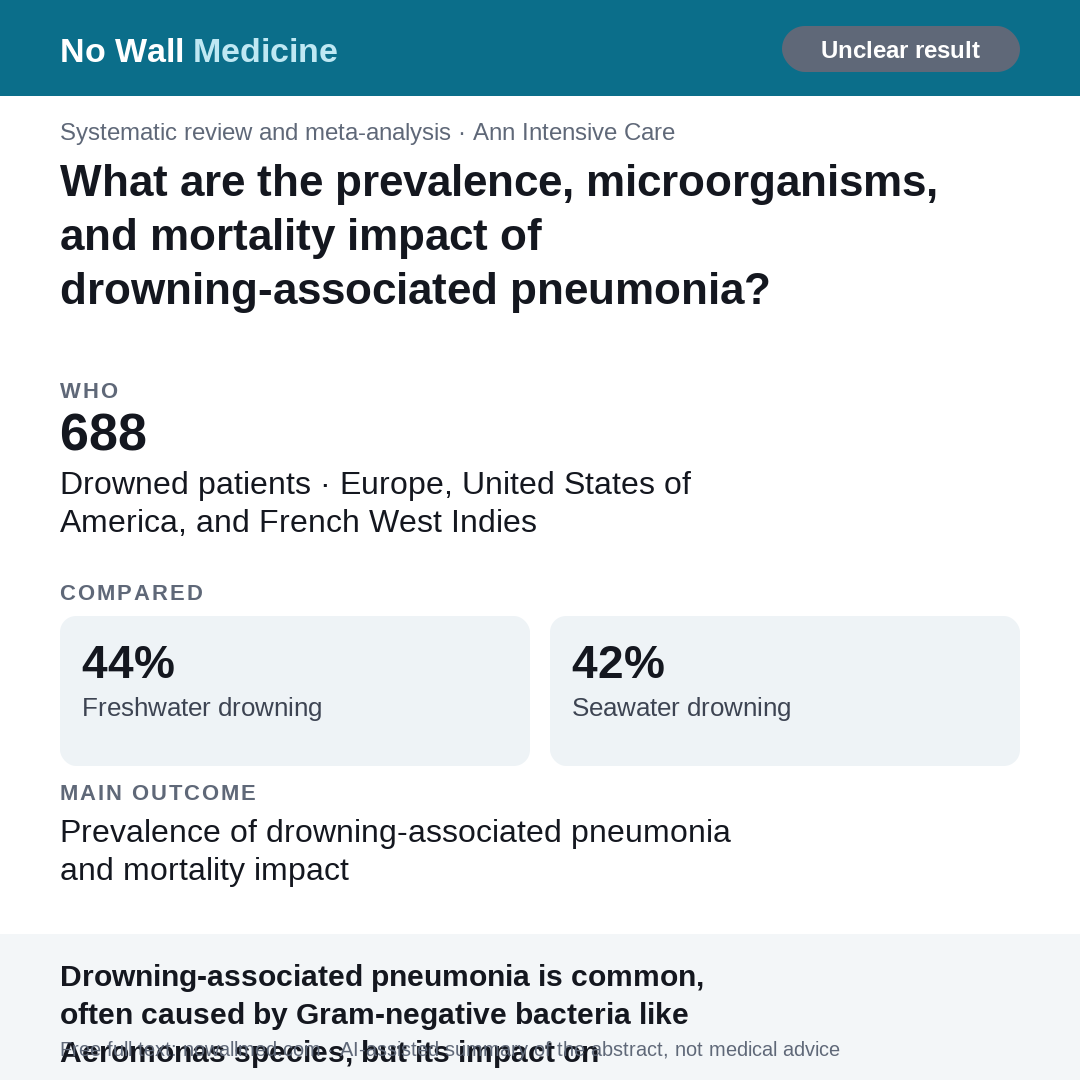
Microbiological features of drowning-associated pneumonia: a systematic review and meta-analysis
Systematic review and meta-analysisUnclear result
What are the prevalence, microorganisms, and mortality impact of drowning-associated pneumonia?
Who
688
Drowned patients · Europe, United States of America, and French West Indies
Compared
44%Freshwater drowning (95%CI 36-52)
42%Seawater drowning (95%CI 32-53)
Main outcome
Prevalence of drowning-associated pneumonia and mortality impact
Result: pooled odds ratio 1.43 (95%CI 0.56-3.67)
Bottom line: Drowning-associated pneumonia is common, often caused by Gram-negative bacteria like Aeromonas species, but its impact on mortality is unclear.
Limitation: The mortality impact estimation was based on two studies only.
Ann Intensive Care · 2024-04-20Download image
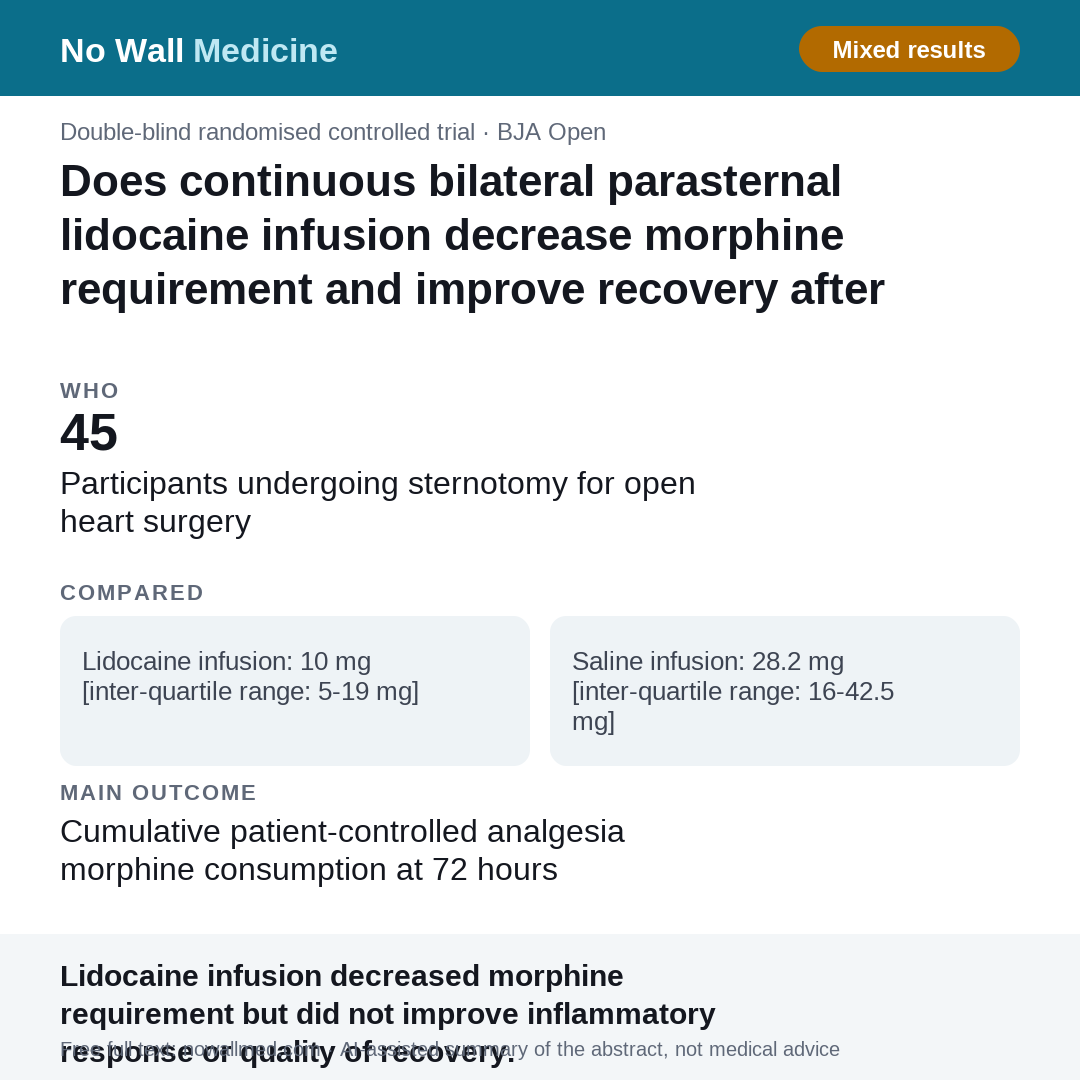
The effect of continuous bilateral parasternal block with lidocaine on patient-controlled analgesia opioid requirement and recovery after open heart surgery: a double-blind randomised controlled trial
Double-blind randomised controlled trialMixed results
Does continuous bilateral parasternal lidocaine infusion decrease morphine requirement and improve recovery after open heart surgery?
Who
45
Participants undergoing sternotomy for open heart surgery
Compared
Lidocaine infusion: 10 mg [inter-quartile range: 5-19 mg]
Saline infusion: 28.2 mg [inter-quartile range: 16-42.5 mg]
Main outcome
Cumulative patient-controlled analgesia morphine consumption at 72 hours
Bottom line: Lidocaine infusion decreased morphine requirement but did not improve inflammatory response or quality of recovery.
BJA Open · 2024-04-20Download image
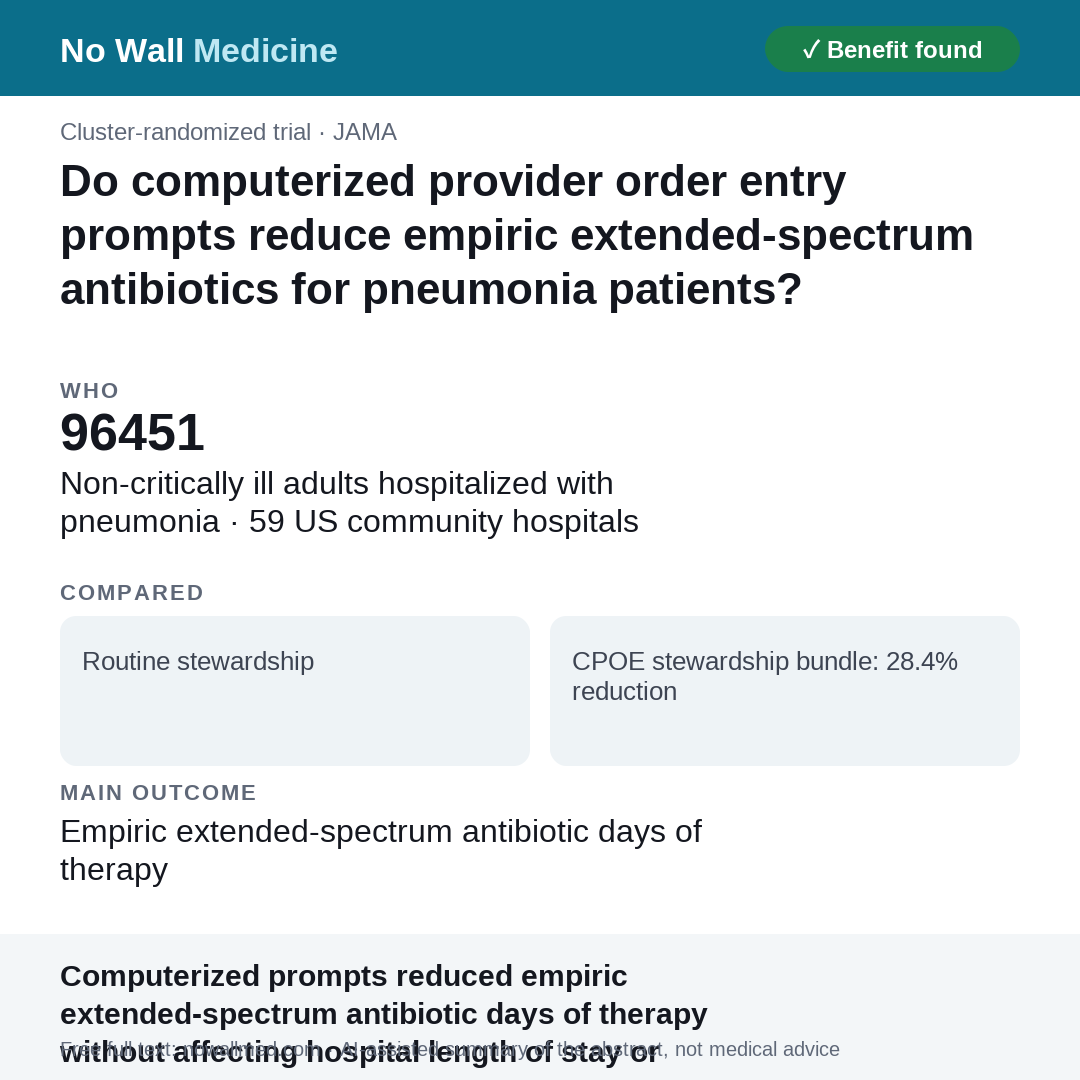
Stewardship Prompts to Improve Antibiotic Selection for Pneumonia: The INSPIRE Randomized Clinical Trial
Cluster-randomized trialBenefit found
Do computerized provider order entry prompts reduce empiric extended-spectrum antibiotics for pneumonia patients?
Who
96451
Non-critically ill adults hospitalized with pneumonia · 59 US community hospitals
Compared
Routine stewardship
CPOE stewardship bundle: 28.4% reduction
Main outcome
Empiric extended-spectrum antibiotic days of therapy
Result: rate ratio, 0.72 (95% CI, 0.66-0.78)
Bottom line: Computerized prompts reduced empiric extended-spectrum antibiotic days of therapy without affecting hospital length of stay or intensive care unit transfer.
JAMA · 2024-04-19Download image
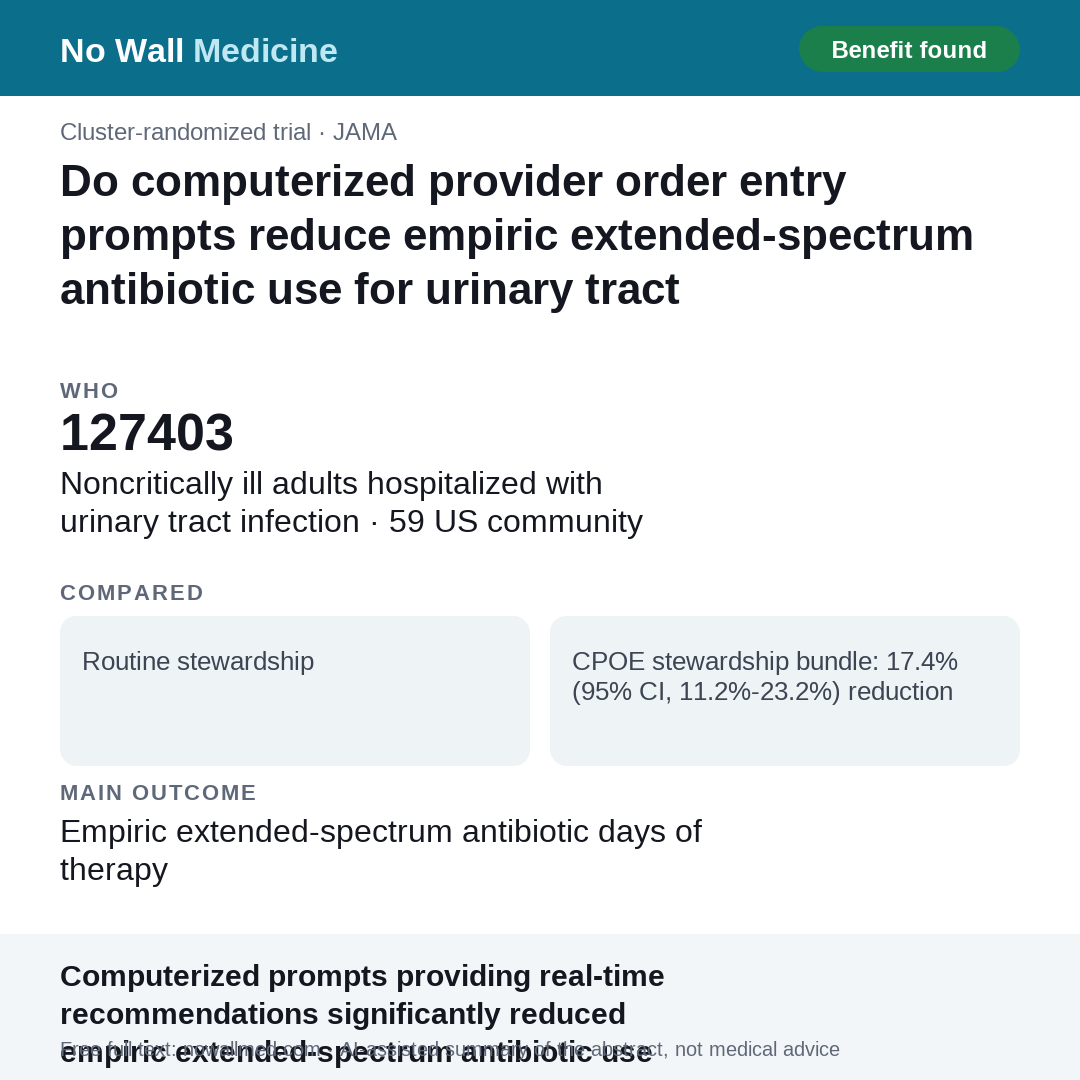
Stewardship Prompts to Improve Antibiotic Selection for Urinary Tract Infection: The INSPIRE Randomized Clinical Trial
Cluster-randomized trialBenefit found
Do computerized provider order entry prompts reduce empiric extended-spectrum antibiotic use for urinary tract infection?
Who
127403
Noncritically ill adults hospitalized with urinary tract infection · 59 US community hospitals
Compared
Routine stewardship
CPOE stewardship bundle: 17.4% (95% CI, 11.2%-23.2%) reduction
Main outcome
Empiric extended-spectrum antibiotic days of therapy
Result: rate ratio, 0.83 (95% CI, 0.77-0.89)
Bottom line: Computerized prompts providing real-time recommendations significantly reduced empiric extended-spectrum antibiotic use without affecting hospital length of stay.
JAMA · 2024-04-19Download image
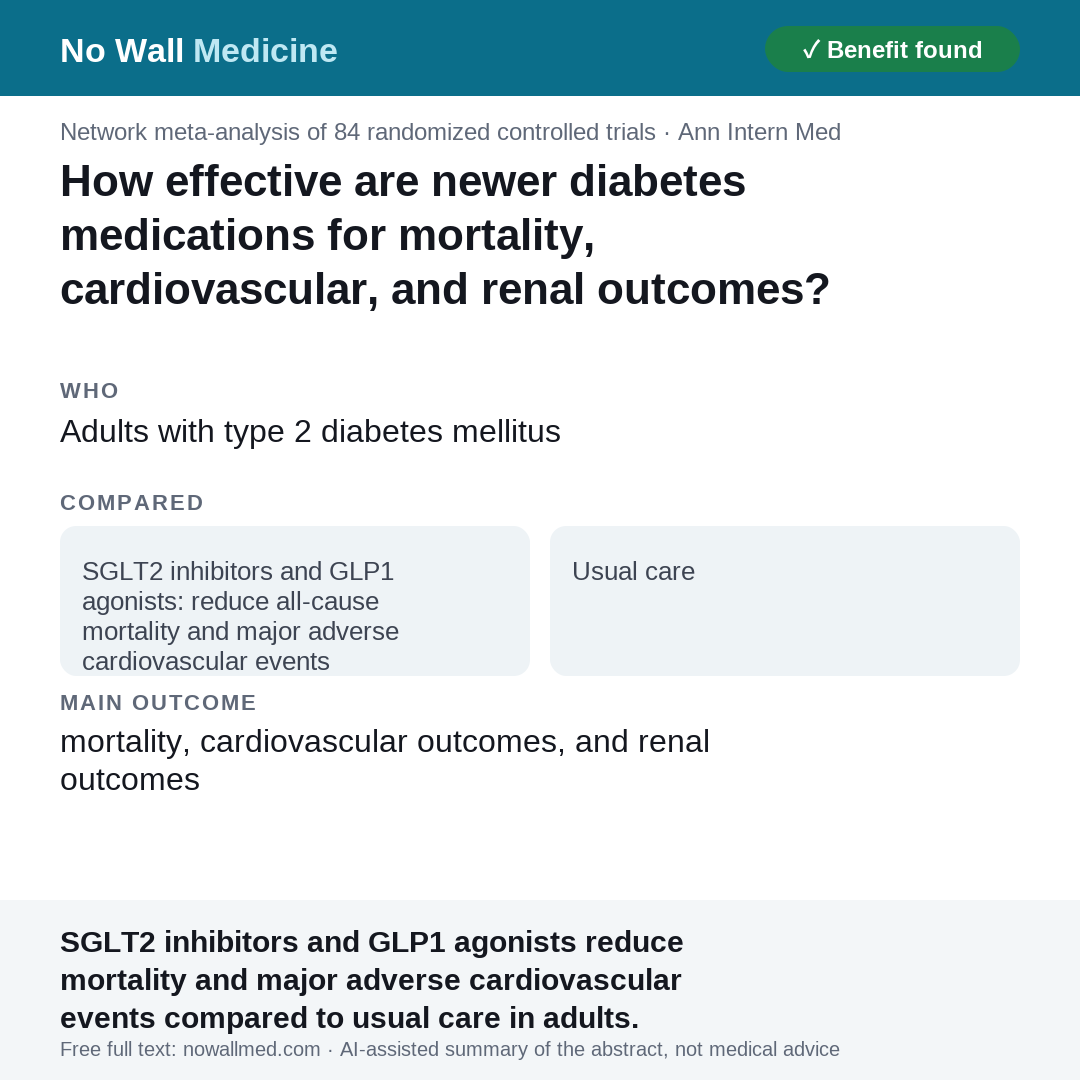
Newer Pharmacologic Treatments in Adults With Type 2 Diabetes: A Systematic Review and Network Meta-analysis for the American College of Physicians
Network meta-analysis of 84 randomized controlled trialsBenefit found
How effective are newer diabetes medications for mortality, cardiovascular, and renal outcomes?
Who
Adults with type 2 diabetes mellitus
Compared
SGLT2 inhibitors and GLP1 agonists: reduce all-cause mortality and major adverse cardiovascular events
Usual care
Main outcome
mortality, cardiovascular outcomes, and renal outcomes
Bottom line: SGLT2 inhibitors and GLP1 agonists reduce mortality and major adverse cardiovascular events compared to usual care in adults.
Limitation: Infrequent direct comparisons, sparse data, and insufficient data on predefined subgroups.
Funded by: American College of Physicians
Ann Intern Med · 2024-04-19Download image
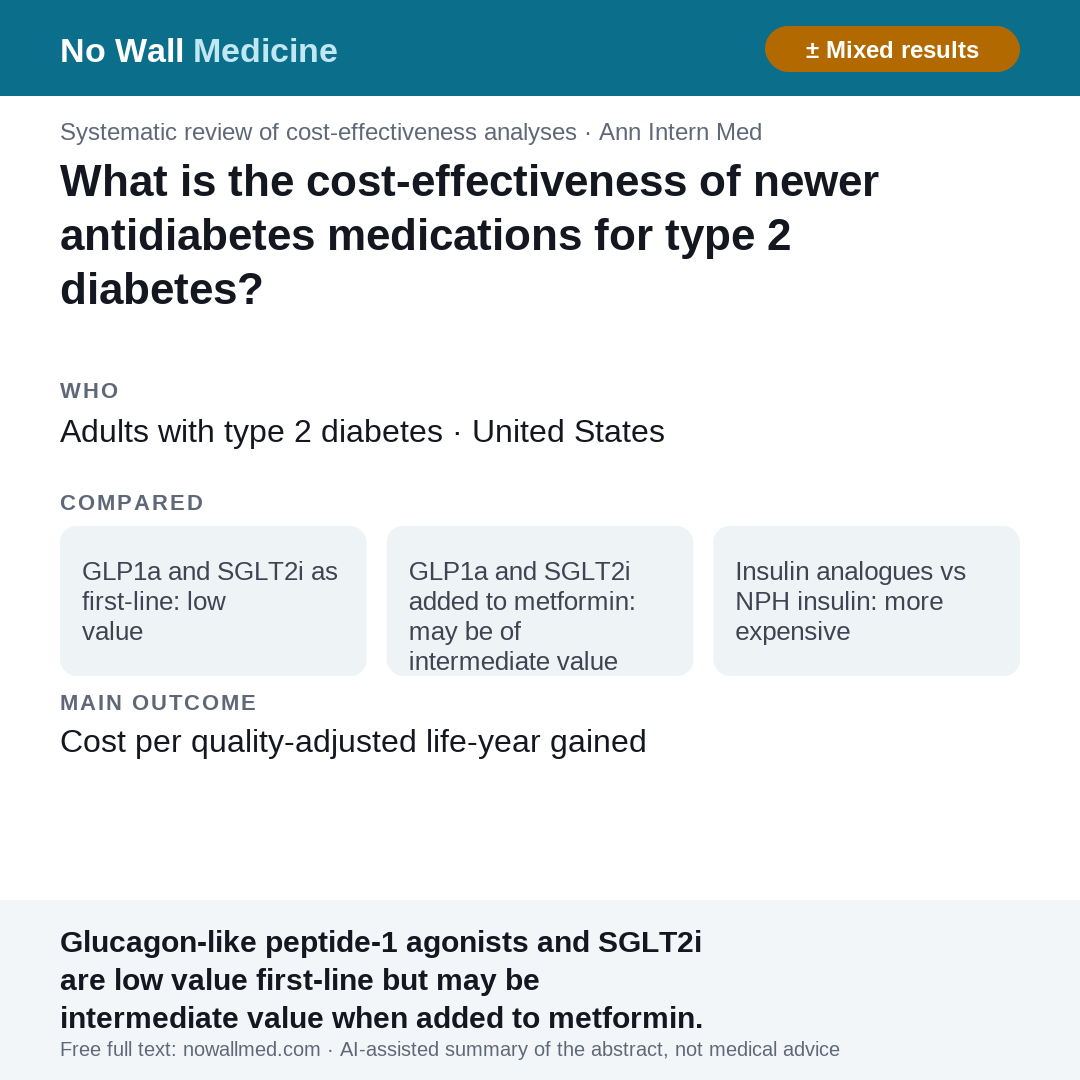
Cost-Effectiveness of Newer Pharmacologic Treatments in Adults With Type 2 Diabetes: A Systematic Review of Cost-Effectiveness Studies for the American College of Physicians
Systematic review of cost-effectiveness analysesMixed results
What is the cost-effectiveness of newer antidiabetes medications for type 2 diabetes?
Who
Adults with type 2 diabetes · United States
Compared
GLP1a and SGLT2i as first-line: low value
GLP1a and SGLT2i added to metformin: may be of intermediate value
Insulin analogues vs NPH insulin: more expensive
Main outcome
Cost per quality-adjusted life-year gained
Bottom line: Glucagon-like peptide-1 agonists and SGLT2i are low value first-line but may be intermediate value when added to metformin.
Limitation: Cost-effectiveness analyses varied in methodological approach, assumptions, and drug comparisons.
Funded by: American College of Physicians
Ann Intern Med · 2024-04-19Download image
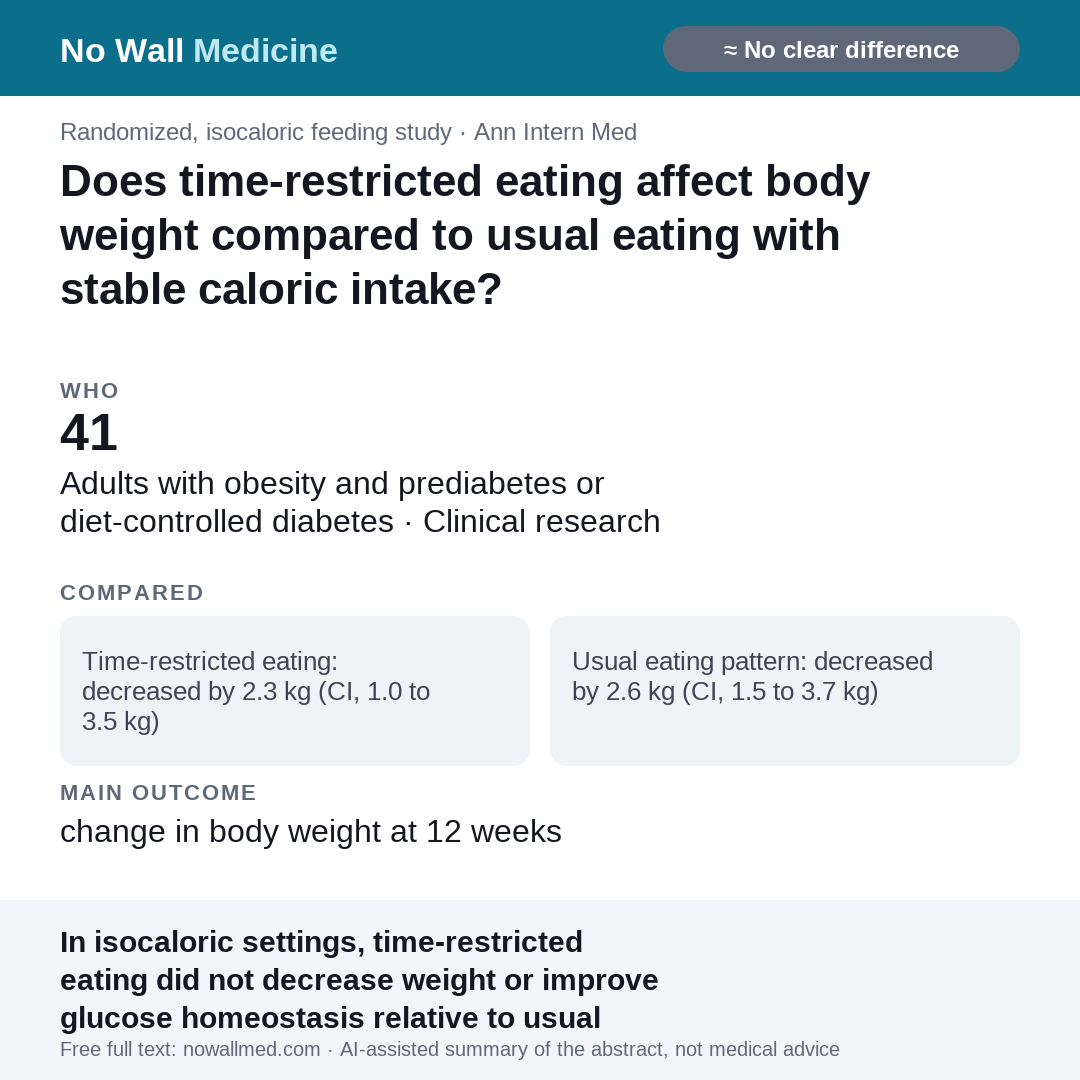
Effect of Isocaloric, Time-Restricted Eating on Body Weight in Adults With Obesity : A Randomized Controlled Trial
Randomized, isocaloric feeding studyNo clear difference
Does time-restricted eating affect body weight compared to usual eating with stable caloric intake?
Who
41
Adults with obesity and prediabetes or diet-controlled diabetes · Clinical research unit
Compared
Time-restricted eating: decreased by 2.3 kg (CI, 1.0 to 3.5 kg)
Usual eating pattern: decreased by 2.6 kg (CI, 1.5 to 3.7 kg)
Main outcome
change in body weight at 12 weeks
Result: average difference 0.3 kg (CI, -1.2 to 1.9 kg)
Bottom line: In isocaloric settings, time-restricted eating did not decrease weight or improve glucose homeostasis relative to usual eating.
Limitation: Small, single-site study; baseline differences in weight by group.
Funded by: American Heart Association
Ann Intern Med · 2024-04-19Download image
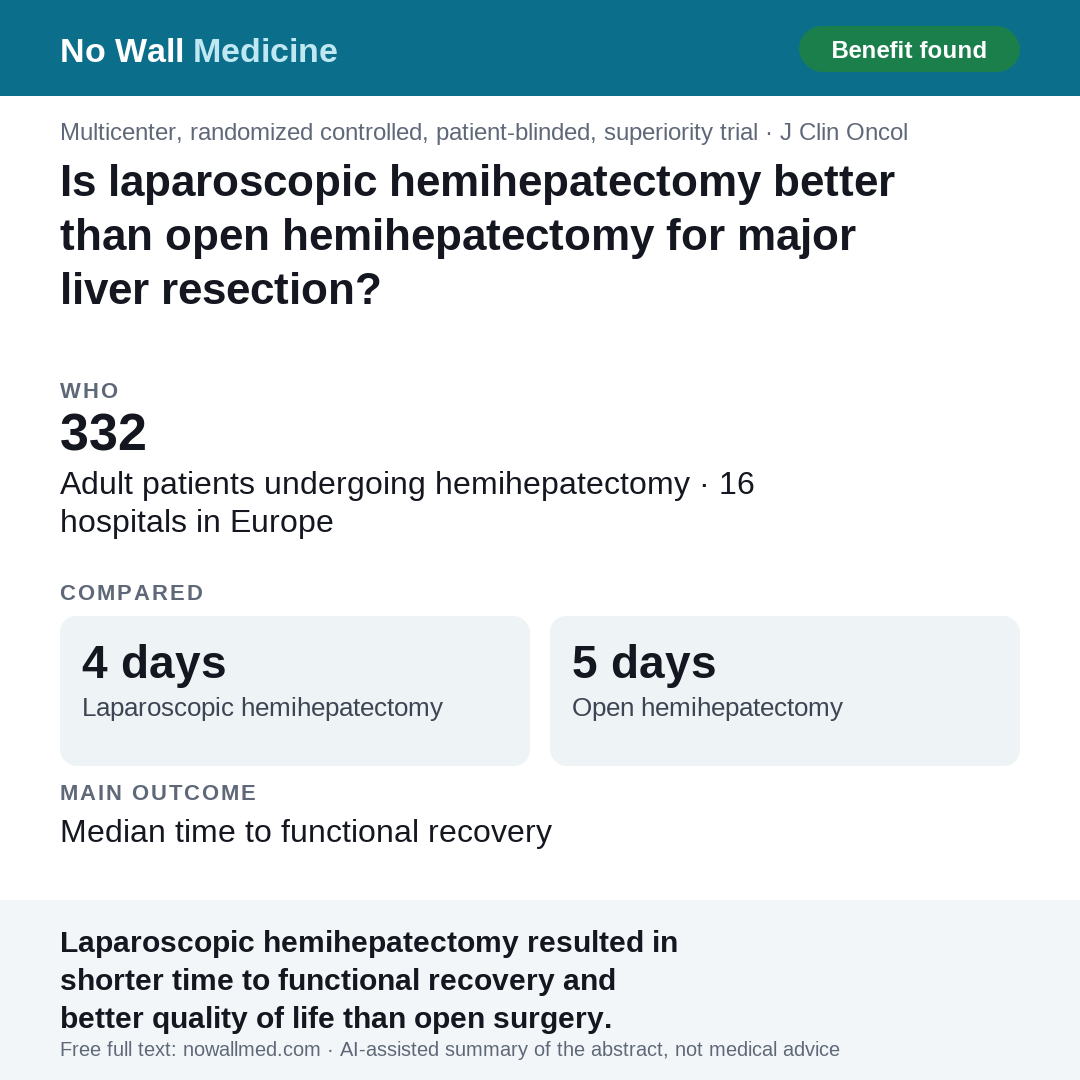
Laparoscopic Versus Open Hemihepatectomy: The ORANGE II PLUS Multicenter Randomized Controlled Trial
Multicenter, randomized controlled, patient-blinded, superiority trialBenefit found
Is laparoscopic hemihepatectomy better than open hemihepatectomy for major liver resection?
Who
332
Adult patients undergoing hemihepatectomy · 16 hospitals in Europe
Compared
4 daysLaparoscopic hemihepatectomy
5 daysOpen hemihepatectomy
Main outcome
Median time to functional recovery
Result: difference, -17.5% (96% CI, -25.6 to -8.4)
Bottom line: Laparoscopic hemihepatectomy resulted in shorter time to functional recovery and better quality of life than open surgery.
J Clin Oncol · 2024-04-19Download image
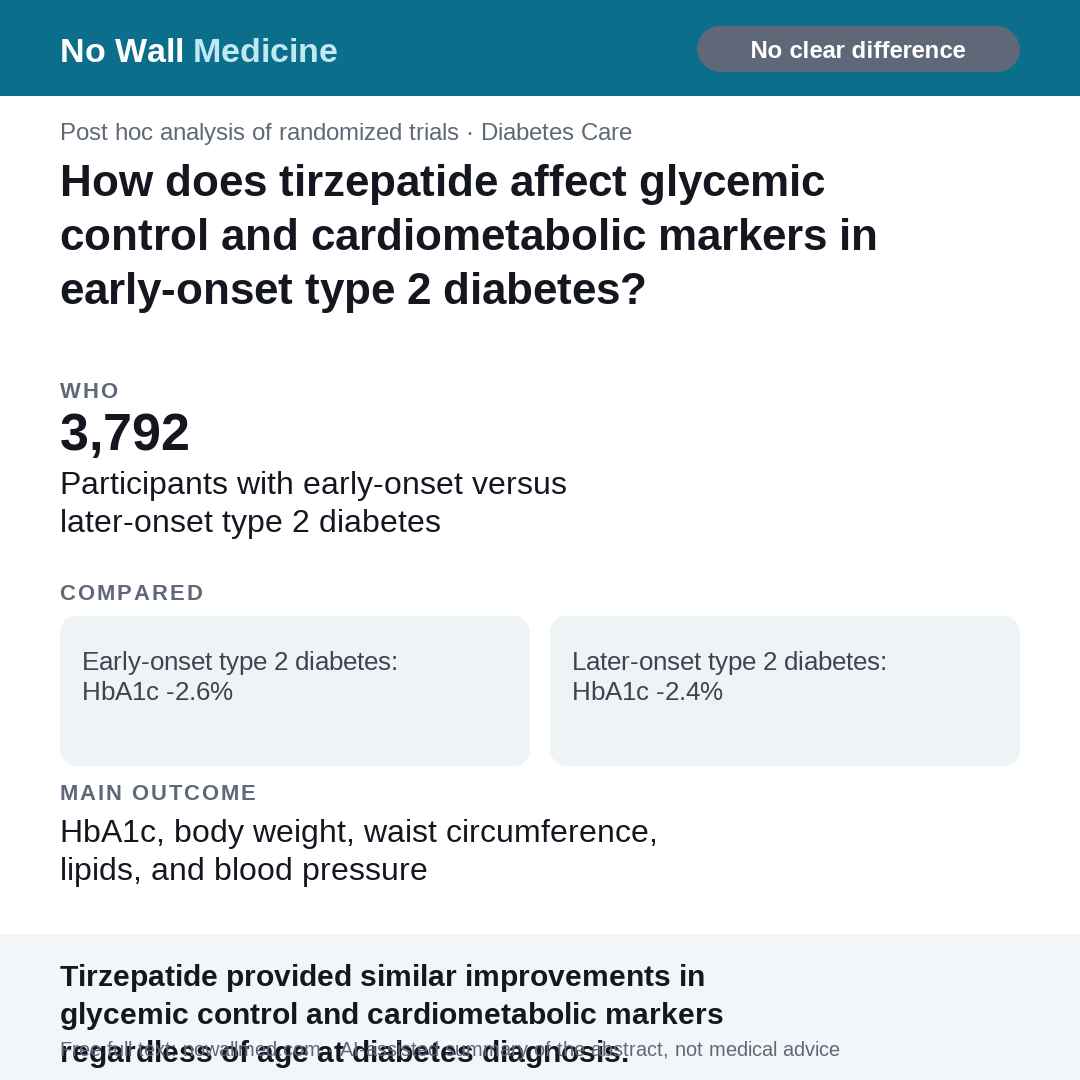
Early-Onset Type 2 Diabetes and Tirzepatide Treatment: A Post Hoc Analysis From the SURPASS Clinical Trial Program
Post hoc analysis of randomized trialsNo clear difference
How does tirzepatide affect glycemic control and cardiometabolic markers in early-onset type 2 diabetes?
Who
3,792
Participants with early-onset versus later-onset type 2 diabetes
Compared
Early-onset type 2 diabetes: HbA1c -2.6%
Later-onset type 2 diabetes: HbA1c -2.4%
Main outcome
HbA1c, body weight, waist circumference, lipids, and blood pressure
Bottom line: Tirzepatide provided similar improvements in glycemic control and cardiometabolic markers regardless of age at diabetes diagnosis.
Diabetes Care · 2024-04-19Download image
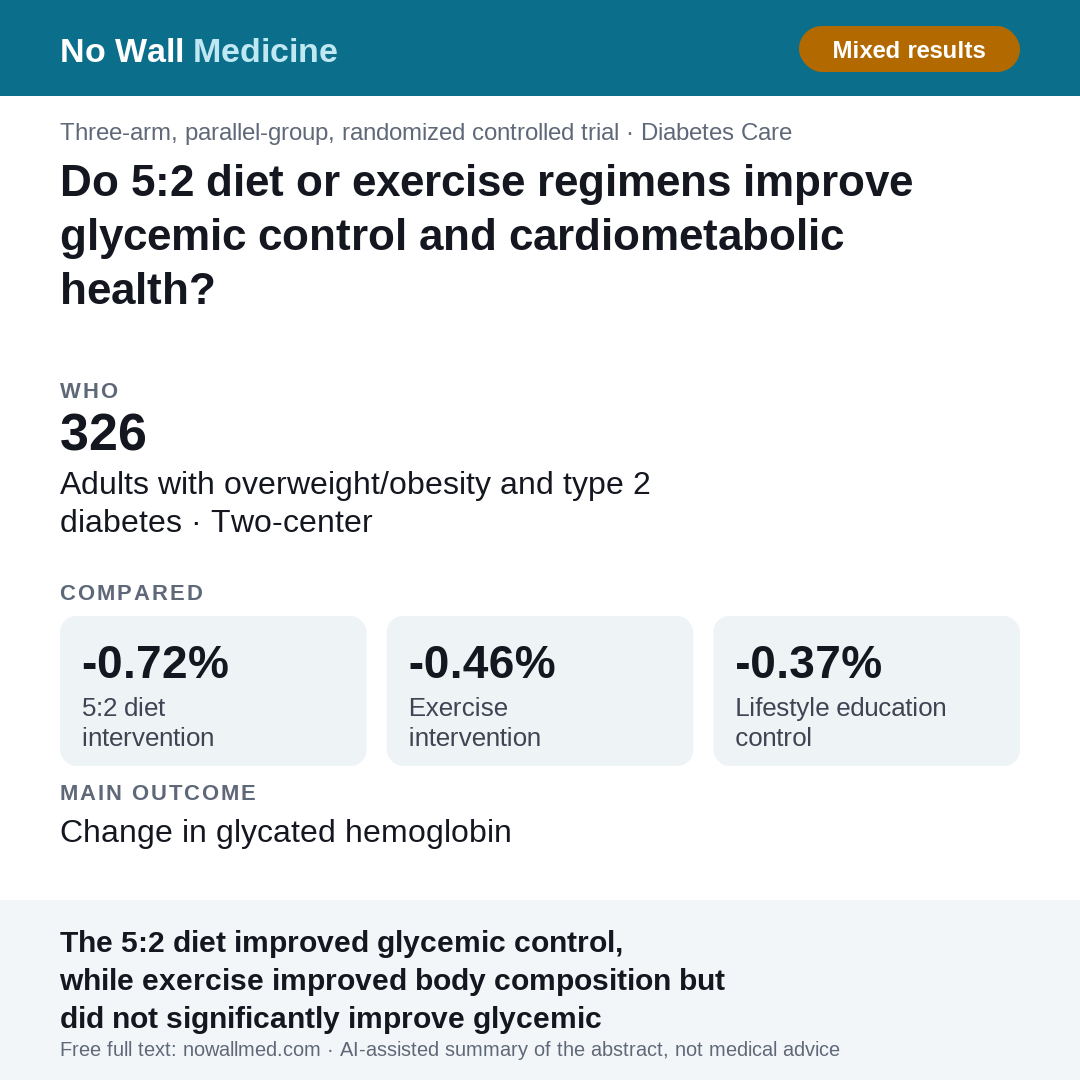
Effect of 5:2 Regimens: Energy-Restricted Diet or Low-Volume High-Intensity Interval Training Combined With Resistance Exercise on Glycemic Control and Cardiometabolic Health in Adults With Overweight/Obesity and Type 2 Diabetes: A Three-Arm Randomized Controlled Trial
Three-arm, parallel-group, randomized controlled trialMixed results
Do 5:2 diet or exercise regimens improve glycemic control and cardiometabolic health?
Who
326
Adults with overweight/obesity and type 2 diabetes · Two-center
Compared
-0.72%5:2 diet intervention (95% CI -0.95 to -0.48)
-0.46%Exercise intervention (95% CI -0.70 to -0.23)
-0.37%Lifestyle education control (95% CI -0.60 to -0.15)
Main outcome
Change in glycated hemoglobin
Result: diet vs. control -0.34 (95% CI -0.58 to -0.11)
Bottom line: The 5:2 diet improved glycemic control, while exercise improved body composition but did not significantly improve glycemic control.
Diabetes Care · 2024-04-19Download image
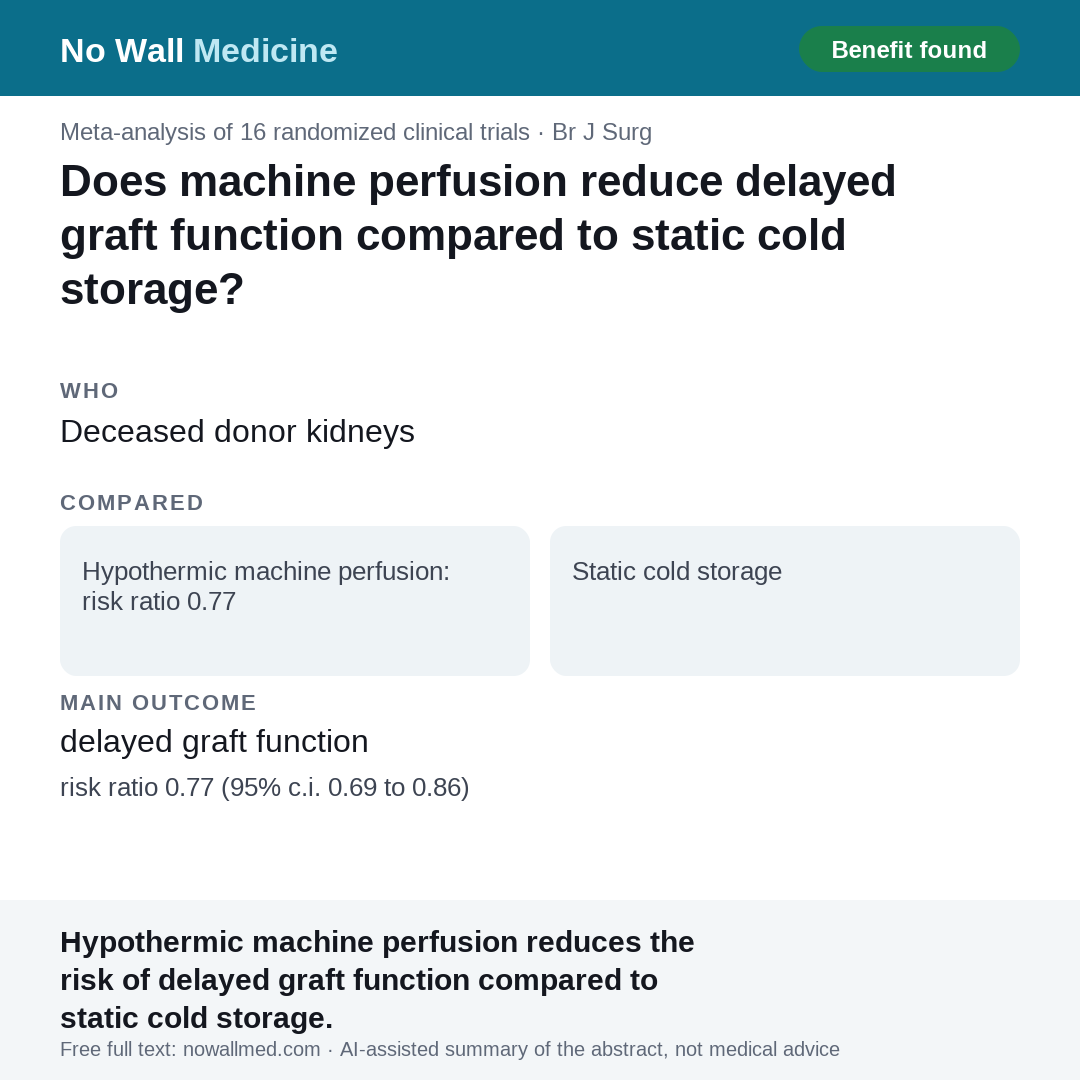
Ex vivo kidney machine perfusion: meta-analysis of randomized clinical trials
Meta-analysis of 16 randomized clinical trialsBenefit found
Does machine perfusion reduce delayed graft function compared to static cold storage?
Who
Deceased donor kidneys
Compared
Hypothermic machine perfusion: risk ratio 0.77
Static cold storage
Main outcome
delayed graft function
Result: risk ratio 0.77 (95% c.i. 0.69 to 0.86)
Bottom line: Hypothermic machine perfusion reduces the risk of delayed graft function compared to static cold storage.
Br J Surg · 2024-04-19Download image
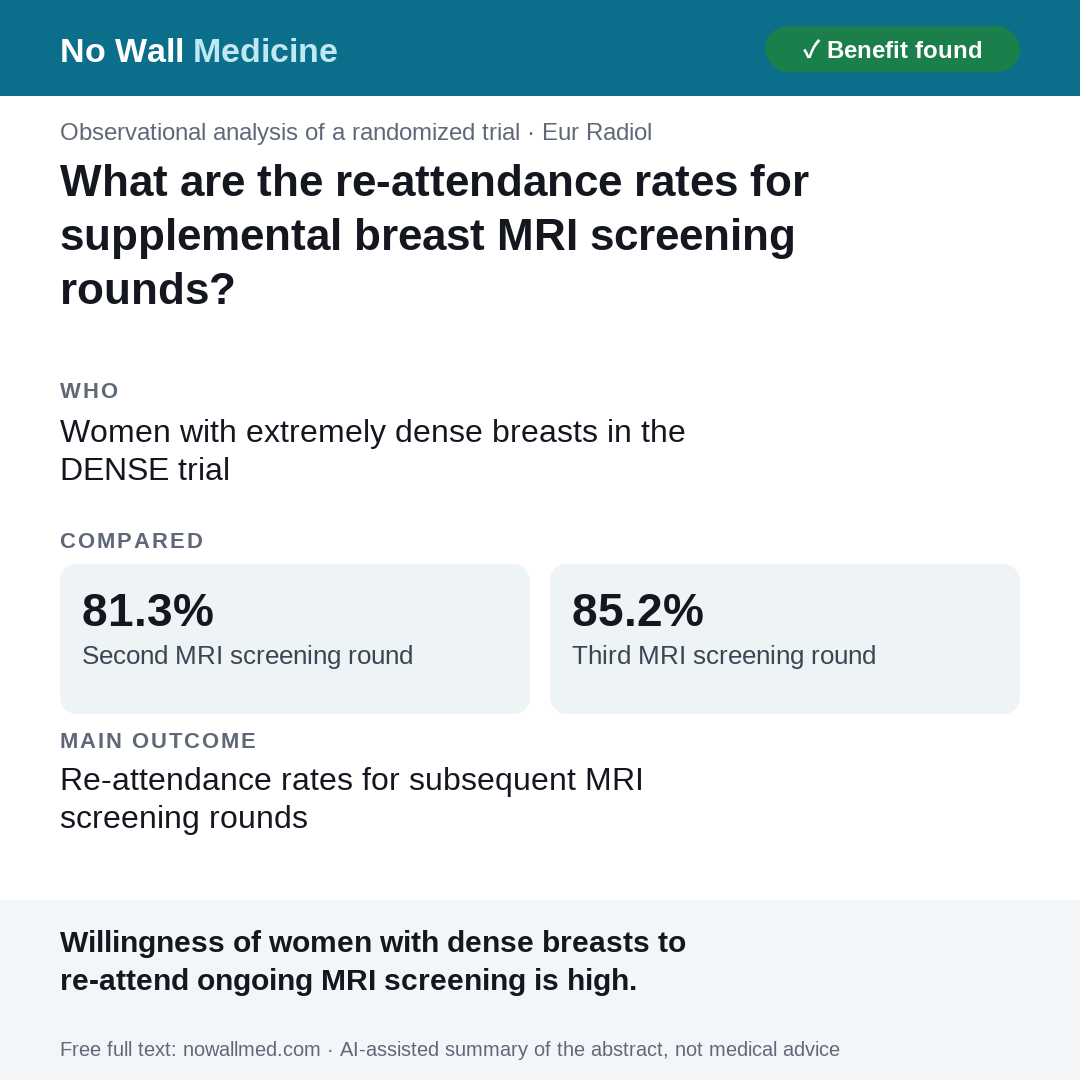
Re-attendance in supplemental breast MRI screening rounds of the DENSE trial for women with extremely dense breasts
Observational analysis of a randomized trialBenefit found
What are the re-attendance rates for supplemental breast MRI screening rounds?
Who
Women with extremely dense breasts in the DENSE trial
Compared
81.3%Second MRI screening round (3458/4252)
85.2%Third MRI screening round (2693/3160)
Main outcome
Re-attendance rates for subsequent MRI screening rounds
Bottom line: Willingness of women with dense breasts to re-attend ongoing MRI screening is high.
Eur Radiol · 2024-04-19Download image
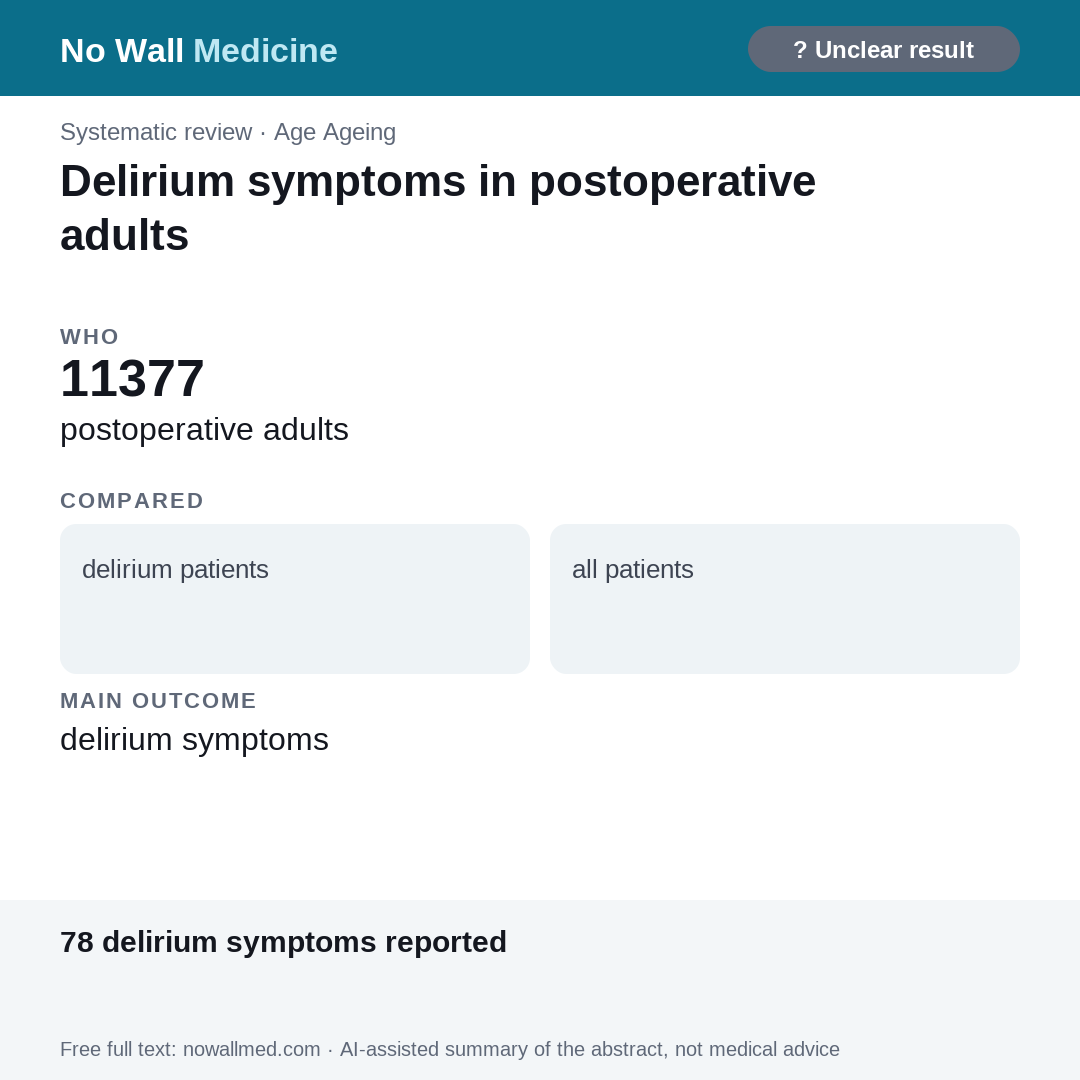
Assessment and report of individual symptoms in studies of delirium in postoperative populations: a systematic review
Systematic reviewUnclear result
Delirium symptoms in postoperative adults
Who
11377
postoperative adults
Compared
delirium patients
all patients
Main outcome
delirium symptoms
Bottom line: 78 delirium symptoms reported
Age Ageing · 2024-04-19Download image
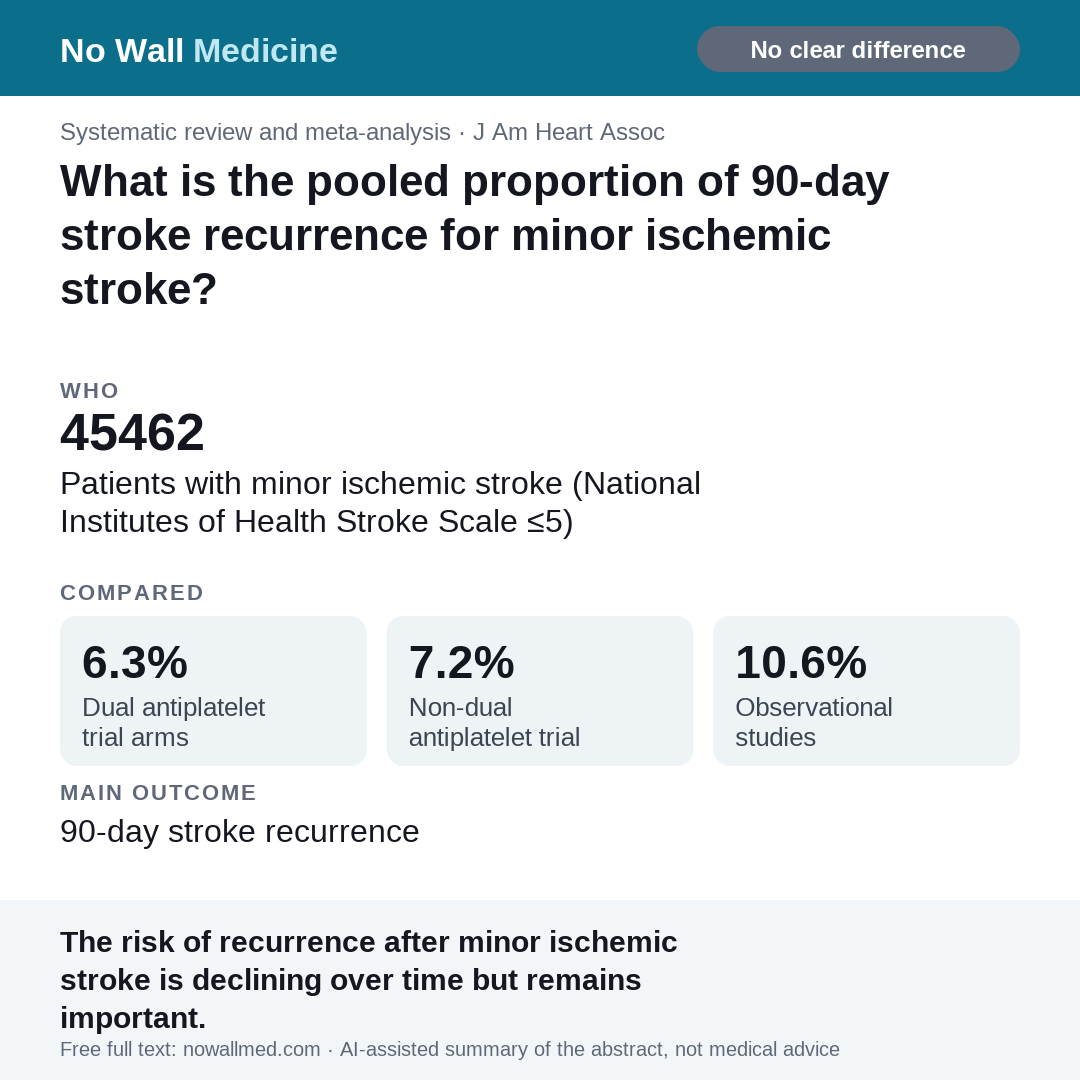
Ninety-Day Stroke Recurrence in Minor Stroke: Systematic Review and Meta-Analysis of Trials and Observational Studies
Systematic review and meta-analysisNo clear difference
What is the pooled proportion of 90-day stroke recurrence for minor ischemic stroke?
Who
45462
Patients with minor ischemic stroke (National Institutes of Health Stroke Scale ≤5)
Compared
6.3%Dual antiplatelet trial arms (95% CI, 4.5-8.0)
7.2%Non-dual antiplatelet trial arms (95% CI, 4.7-9.6)
10.6%Observational studies (95% CI, 7.0-14.2)
Main outcome
90-day stroke recurrence
Result: 8.6% (95% CI, 6.5-10.7)
Bottom line: The risk of recurrence after minor ischemic stroke is declining over time but remains important.
J Am Heart Assoc · 2024-04-19Download image
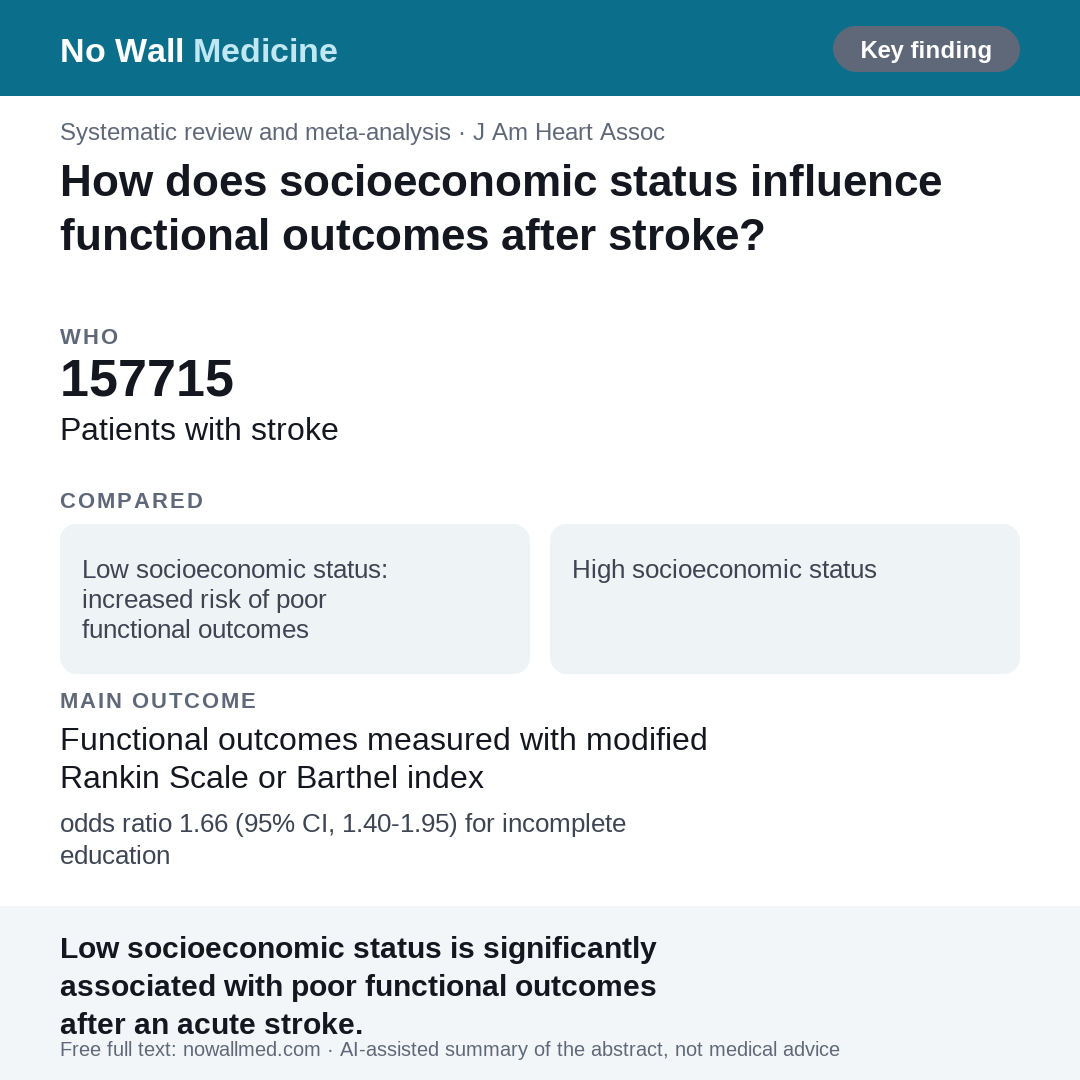
Influence of Socioeconomic Status on Functional Outcomes After Stroke: A Systematic Review and Meta-Analysis
Systematic review and meta-analysisHarm found
How does socioeconomic status influence functional outcomes after stroke?
Who
157715
Patients with stroke
Compared
Low socioeconomic status: increased risk of poor functional outcomes
High socioeconomic status
Main outcome
Functional outcomes measured with modified Rankin Scale or Barthel index
Result: odds ratio 1.66 (95% CI, 1.40-1.95) for incomplete education
Bottom line: Low socioeconomic status is significantly associated with poor functional outcomes after an acute stroke.
Limitation: Further research is needed to understand causal mechanisms and disparities.
J Am Heart Assoc · 2024-04-19Download image