Visual abstracts
New randomized trials and meta-analyses from leading journals at a glance: who was studied, what was compared, and what was found. Every paper is free to read in full.
All specialtiesCardiology 4787Oncology 4078Gastroenterology & Hepatology 1913Infectious Disease 3776Neurology 1882Psychiatry & Mental Health 2240Pulmonology 2058Critical Care 1331Endocrinology & Diabetes 2548Pediatrics 2911Surgery 2498Orthopedics & Sports Medicine 921Neurosurgery 531Cardiothoracic & Vascular Surgery 662Plastic & Reconstructive Surgery 584Nephrology 1111Rheumatology 812Hematology 1095Dermatology 618Ophthalmology 538Obstetrics & Gynecology 1659Public & Global Health 1039Radiology & Imaging 636Anesthesiology 958Urology 750ENT (Otolaryngology) 495Emergency Medicine 482Allergy & Immunology 310Geriatrics 973Family Medicine & Primary Care 538Medical Genetics & Genomics 661Pathology & Laboratory Medicine 156Physical Medicine & Rehabilitation 744Palliative Care 422Nutrition 1556Digital Health & AI 2186General Medicine 319
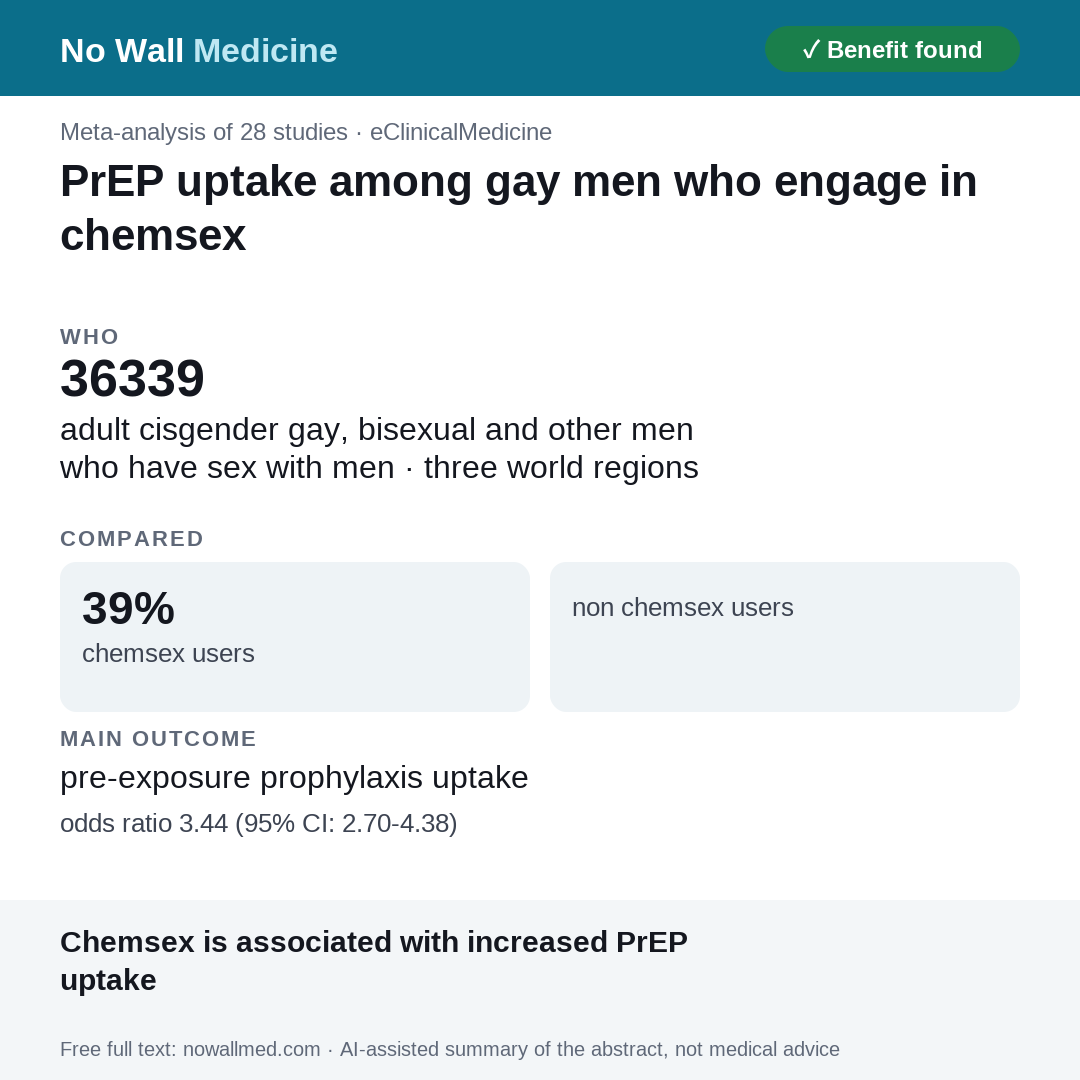
Chemsex and uptake of HIV pre-exposure prophylaxis among adult cisgender gay, bisexual and other men who have sex with men worldwide: a systematic review with meta-analysis
Meta-analysis of 28 studiesBenefit found
PrEP uptake among gay men who engage in chemsex
Who
36339
adult cisgender gay, bisexual and other men who have sex with men · three world regions
Compared
39%chemsex users (95% CI: 29-49%)
non chemsex users
Main outcome
pre-exposure prophylaxis uptake
Result: odds ratio 3.44 (95% CI: 2.70-4.38)
Bottom line: Chemsex is associated with increased PrEP uptake
Limitation: high heterogeneity and lack of standardized definitions
Funded by: Research Group of the HIV Unit
eClinicalMedicine · 2026-03-05Download image
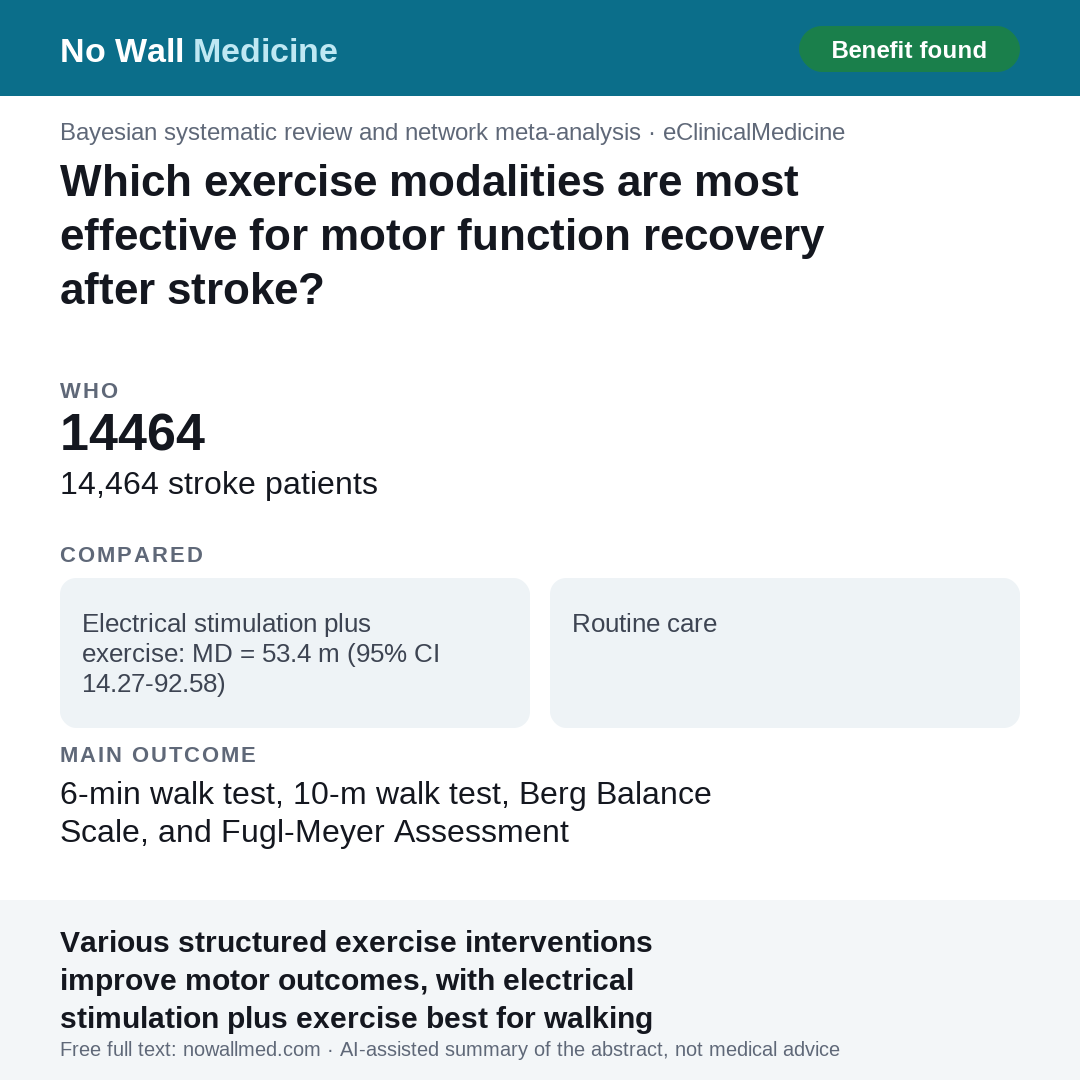
Optimal exercise modalities for enhancing motor function recovery after stroke: a Bayesian systematic review with pairwise and network meta-analyses
Bayesian systematic review and network meta-analysisBenefit found
Which exercise modalities are most effective for motor function recovery after stroke?
Who
14464
14,464 stroke patients
Compared
Electrical stimulation plus exercise: MD = 53.4 m (95% CI 14.27-92.58)
Routine care
Main outcome
6-min walk test, 10-m walk test, Berg Balance Scale, and Fugl-Meyer Assessment
Result: MD = 53.4 m, 95% CI 14.27-92.58
Bottom line: Various structured exercise interventions improve motor outcomes, with electrical stimulation plus exercise best for walking endurance.
Limitation: Substantial heterogeneity was observed in several pooled comparisons.
eClinicalMedicine · 2026-03-05Download image
Availability and effectiveness of multicomponent interventions for early psychosis in 20 low-income and middle-income countries: a systematic review
Systematic reviewBenefit found
What are the types and effectiveness of multicomponent interventions for early psychosis in low-income and middle-income countries?
Who
152
Individuals with first-episode psychosis or clinical high-risk for psychosis · 20 low-income and middle-income countries
Compared
First-episode psychosis with psychological or psychosocial components: improved outcomes
First-episode psychosis with medication alone
Main outcome
Effectiveness across 15 pre-defined outcomes
Bottom line: Adding psychological or psychosocial components to medication improves outcomes for first-episode psychosis in low-income and middle-income countries.
Limitation: Limited and moderate-quality evidence and scarce psychological and psychosocial components.
Funded by: Canadian Institutes of Health Research
eClinicalMedicine · 2026-03-05Download image

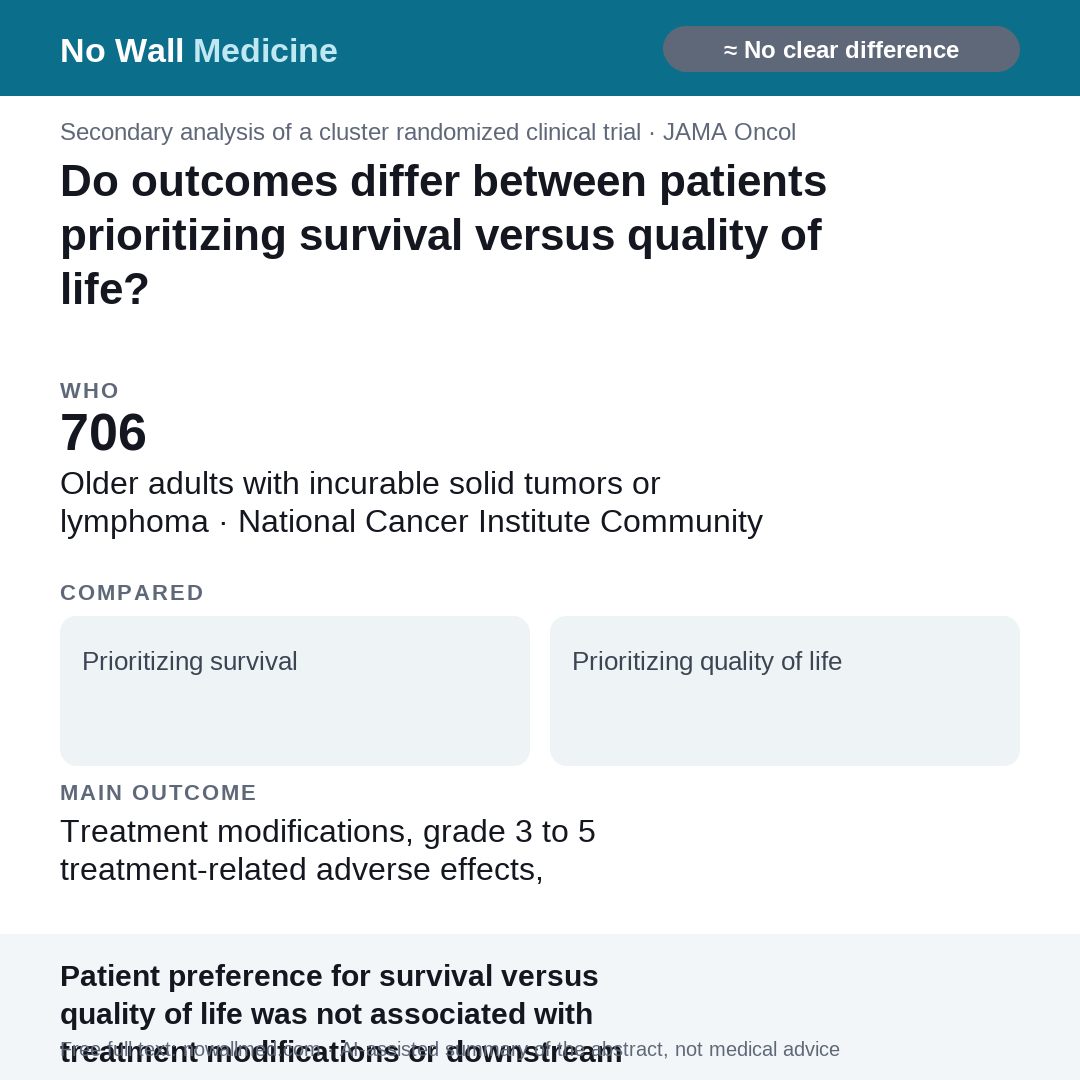
Outcomes of Older Adults With Advanced Cancer Who Prefer Quality of Life vs Prolonging Survival: A Secondary Analysis of the GAP70+ Cluster Randomized Clinical Trial
Secondary analysis of a cluster randomized clinical trialNo clear difference
Do outcomes differ between patients prioritizing survival versus quality of life?
Who
706
Older adults with incurable solid tumors or lymphoma · National Cancer Institute Community Oncology Research Program centers
Compared
Prioritizing survival
Prioritizing quality of life
Main outcome
Treatment modifications, grade 3 to 5 treatment-related adverse effects, hospitalization, and survival
Result: no significant associations identified
Bottom line: Patient preference for survival versus quality of life was not associated with treatment modifications or downstream clinical outcomes.
JAMA Oncol · 2026-03-05Download image
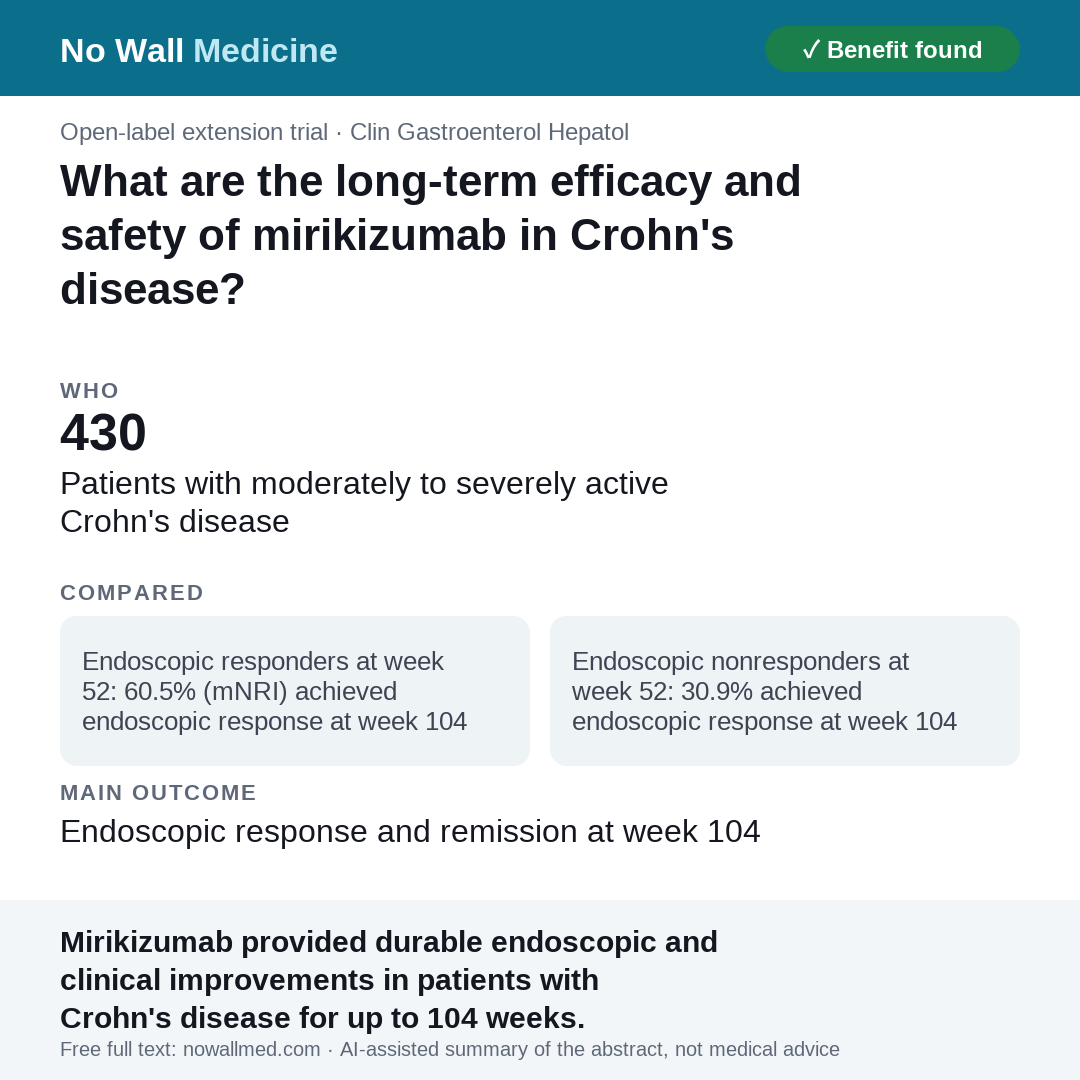
Mirikizumab Long-Term Efficacy and Safety in Patients With Crohn's Disease: Results From the VIVID-2 Open-Label Extension Trial
Open-label extension trialBenefit found
What are the long-term efficacy and safety of mirikizumab in Crohn's disease?
Who
430
Patients with moderately to severely active Crohn's disease
Compared
Endoscopic responders at week 52: 60.5% (mNRI) achieved endoscopic response at week 104
Endoscopic nonresponders at week 52: 30.9% achieved endoscopic response at week 104
Main outcome
Endoscopic response and remission at week 104
Bottom line: Mirikizumab provided durable endoscopic and clinical improvements in patients with Crohn's disease for up to 104 weeks.
Clin Gastroenterol Hepatol · 2026-03-05Download image
Childhood Maltreatment and Deviations From Normative Brain Structure: A Mega-Analysis of 3711 Individuals From the ENIGMA Major Depressive Disorder and ENIGMA Posttraumatic Stress Disorder Working Groups
Mega-analysis of 3711 individualsMixed results
How does childhood maltreatment affect brain structure in major depressive disorder and posttraumatic stress disorder?
Who
3711
Participants from ENIGMA major depressive disorder and posttraumatic stress disorder working groups · 25 sites
Compared
Young adults (ages 18-35) with abuse: larger thalamus and pallidum volumes, thinner isthmus cingulate and middle frontal regions
Young female adults with abuse and neglect: smaller hippocampus and putamen volumes, thinner entorhinal cortex
Main outcome
Brain morphometry deviation z scores
Bottom line: Childhood maltreatment effects on brain structure are age- and sex-specific, particularly in young adults.
Biol Psychiatry · 2026-03-05Download image

Systematic Review and Meta-Analysis of Allergic Contact Dermatitis from 2-Octyl Cyanoacrylate Adhesives
Systematic review and meta-analysisBenefit found
What is the incidence and risk factors for allergic contact dermatitis from 2-octyl cyanoacrylate adhesives?
Who
26330
Exposed patients undergoing human wound closure
Compared
4%All patients (95% CI 3% to 5%)
4%Orthopaedic cohorts
8%Plastic surgery cohorts
Main outcome
Incidence of allergic contact dermatitis
Result: 4% (95% CI 3% to 5%)
Bottom line: The pooled incidence of allergic contact dermatitis from 2-octyl cyanoacrylate is 4%, with increased risk upon reexposure.
Limitation: Substantial heterogeneity (I2 = 94.5%)
J Am Coll Surg · 2026-03-05Download image

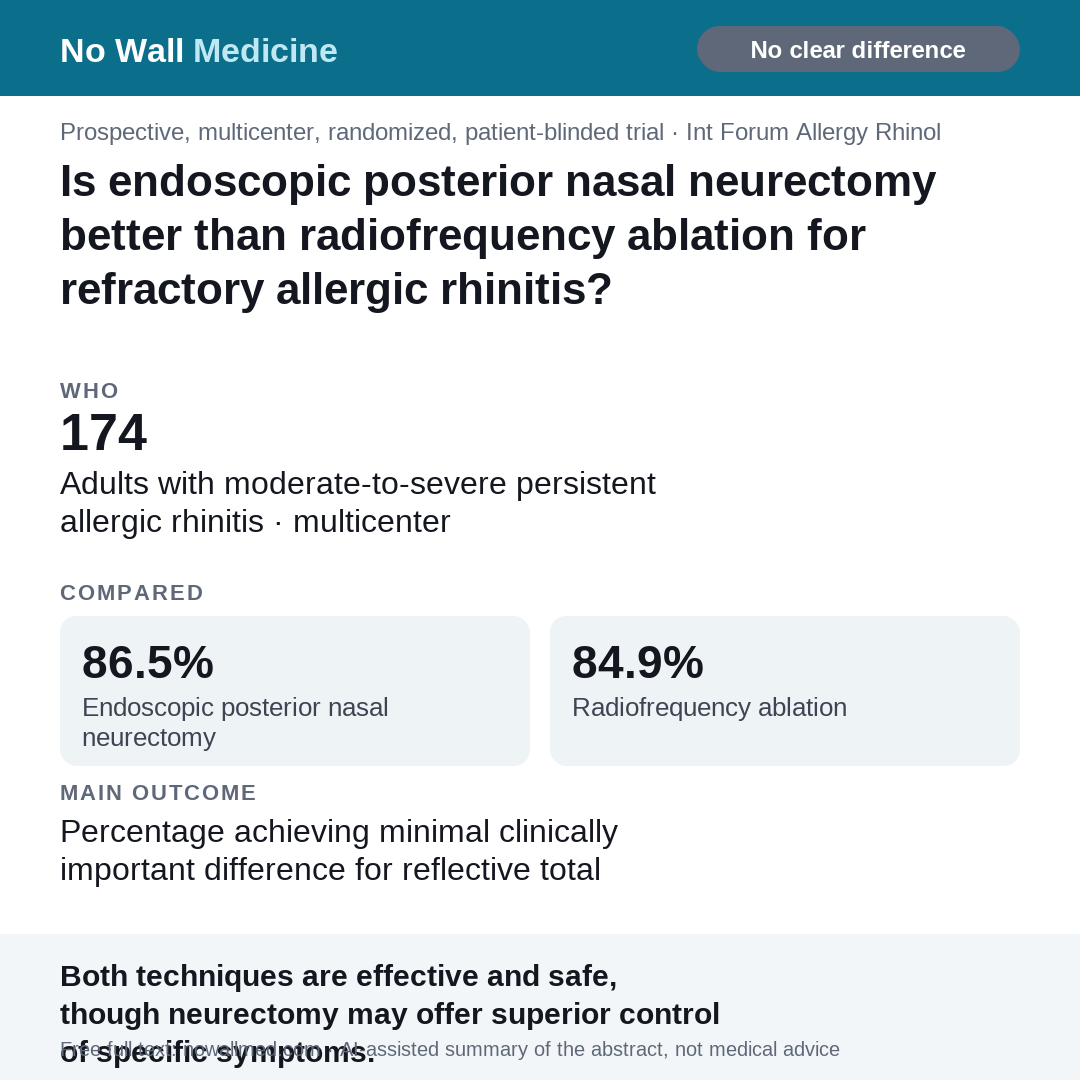
Endoscopic Posterior Nasal Neurectomy Versus Radiofrequency Ablation in Refractory Allergic Rhinitis: A 2-Year Randomized Controlled Trial of Clinical Outcomes and Immunomodulatory Responses
Prospective, multicenter, randomized, patient-blinded trialNo clear difference
Is endoscopic posterior nasal neurectomy better than radiofrequency ablation for refractory allergic rhinitis?
Who
174
Adults with moderate-to-severe persistent allergic rhinitis · multicenter
Compared
86.5%Endoscopic posterior nasal neurectomy (95% CI, 80.0-95.0%)
84.9%Radiofrequency ablation (95% CI, 78.0-94.0%)
Main outcome
Percentage achieving minimal clinically important difference for reflective total nasal symptom score
Bottom line: Both techniques are effective and safe, though neurectomy may offer superior control of specific symptoms.
Int Forum Allergy Rhinol · 2026-03-05Download image
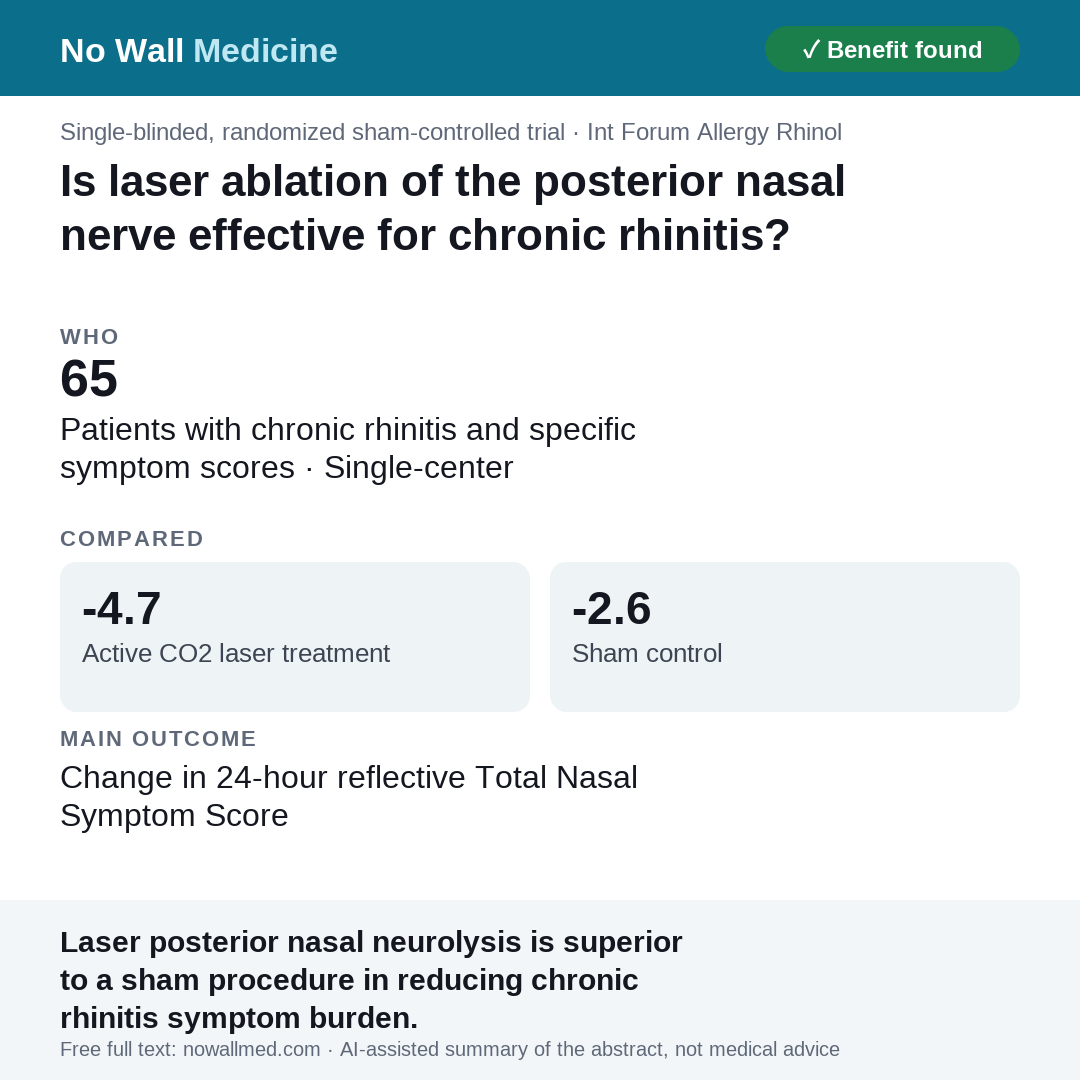
Effect of Laser Posterior Nasal Neurolysis for the Treatment of Chronic Rhinitis: A Randomized Controlled Trial
Single-blinded, randomized sham-controlled trialBenefit found
Is laser ablation of the posterior nasal nerve effective for chronic rhinitis?
Who
65
Patients with chronic rhinitis and specific symptom scores · Single-center
Compared
-4.7Active CO2 laser treatment (95% CI, -5.5 to -3.9)
-2.6Sham control (95% CI, -3.4 to -1.8)
Main outcome
Change in 24-hour reflective Total Nasal Symptom Score
Bottom line: Laser posterior nasal neurolysis is superior to a sham procedure in reducing chronic rhinitis symptom burden.
Int Forum Allergy Rhinol · 2026-03-05Download image
Impact of Oral Sebetralstat on Anxiety Associated With Hereditary Angioedema Attacks
Randomised, double-blind, phase 3 trialBenefit found
Does oral sebetralstat reduce anxiety associated with hereditary angioedema attacks?
Who
People with hereditary angioedema
Compared
Sebetralstat 300 mg or 600 mg
Placebo
Main outcome
Anxiety measured by 11-point modified General Anxiety Numeric Rating Scale
Bottom line: Reduction in cumulative anxiety after sebetralstat use was significantly greater versus placebo.
Funded by: KalVista Pharmaceuticals
Clin Exp Allergy · 2026-03-05Download image

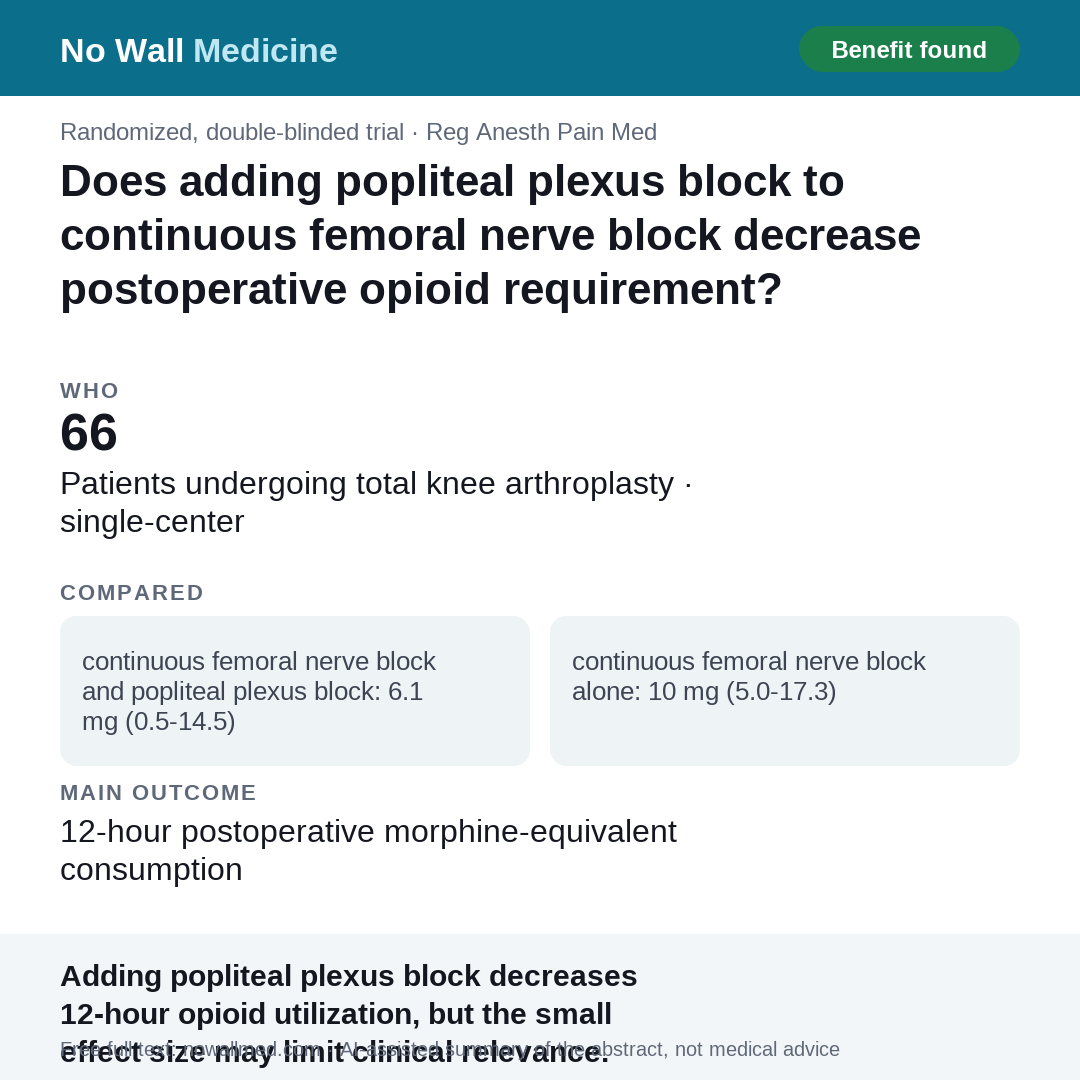
Popliteal plexus block in total knee arthroplasty: a single-center randomized controlled double-blinded trial
Randomized, double-blinded trialBenefit found
Does adding popliteal plexus block to continuous femoral nerve block decrease postoperative opioid requirement?
Who
66
Patients undergoing total knee arthroplasty · single-center
Compared
continuous femoral nerve block and popliteal plexus block: 6.1 mg (0.5-14.5)
continuous femoral nerve block alone: 10 mg (5.0-17.3)
Main outcome
12-hour postoperative morphine-equivalent consumption
Bottom line: Adding popliteal plexus block decreases 12-hour opioid utilization, but the small effect size may limit clinical relevance.
Reg Anesth Pain Med · 2026-03-05Download image
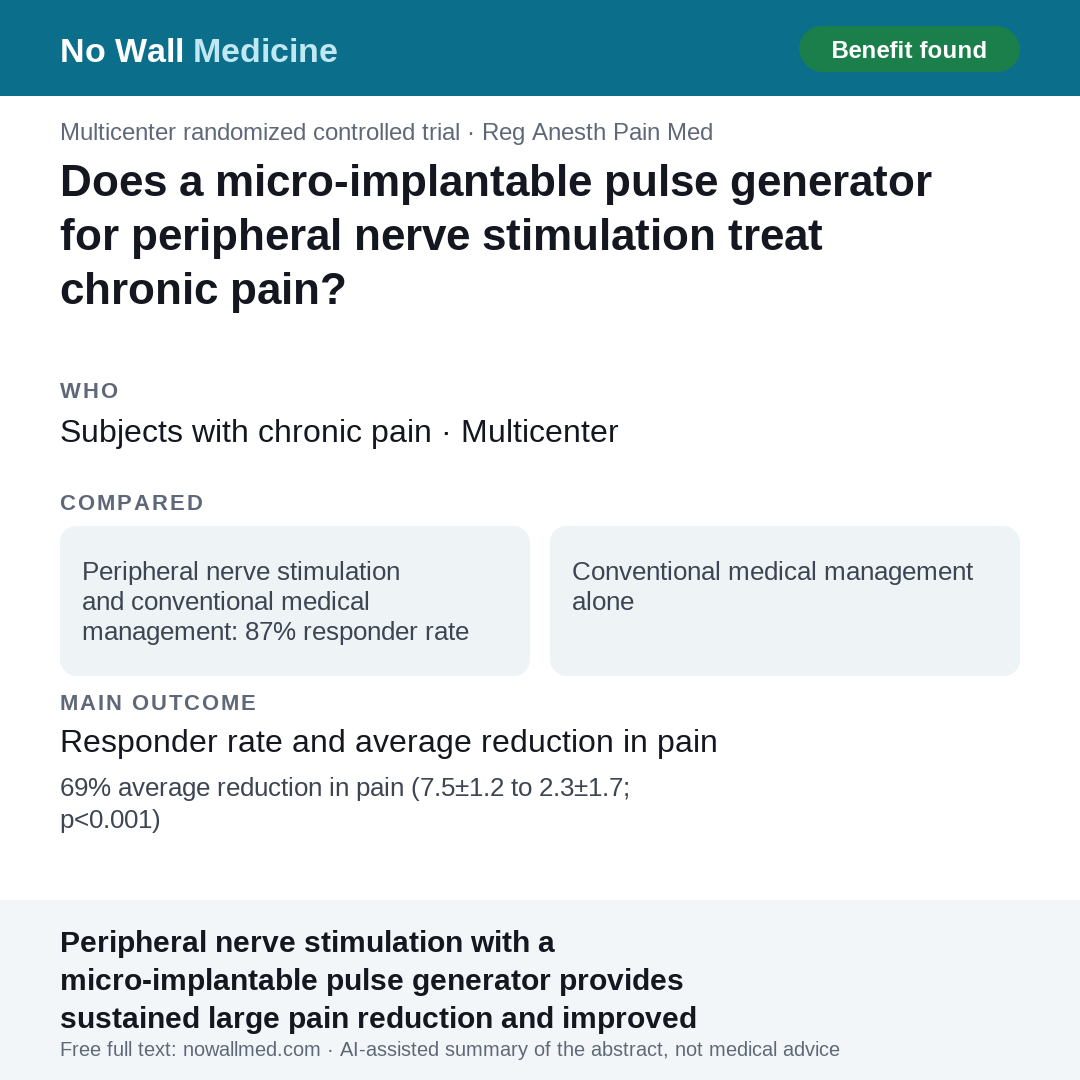
Clinical study of a micro-implantable pulse generator for the treatment of peripheral neuropathic pain: 12-month results from the COMFORT-randomized controlled trial
Multicenter randomized controlled trialBenefit found
Does a micro-implantable pulse generator for peripheral nerve stimulation treat chronic pain?
Who
Subjects with chronic pain · Multicenter
Compared
Peripheral nerve stimulation and conventional medical management: 87% responder rate
Conventional medical management alone
Main outcome
Responder rate and average reduction in pain
Result: 69% average reduction in pain (7.5±1.2 to 2.3±1.7; p<0.001)
Bottom line: Peripheral nerve stimulation with a micro-implantable pulse generator provides sustained large pain reduction and improved patient-reported outcomes.
Reg Anesth Pain Med · 2026-03-05Download image
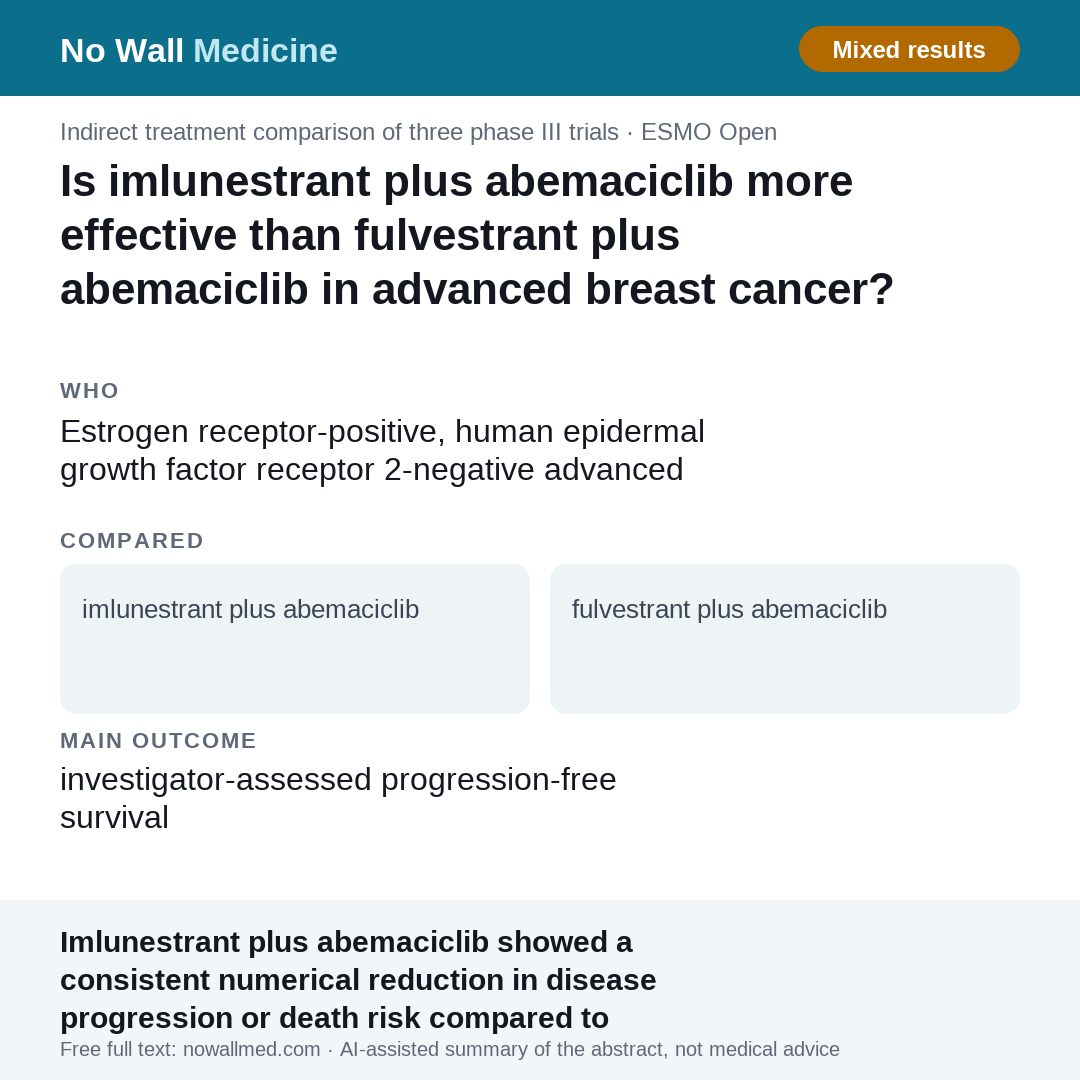
Imlunestrant plus abemaciclib versus fulvestrant plus abemaciclib in ER-positive, HER2-negative advanced breast cancer: an indirect treatment comparison of three phase III trials
Indirect treatment comparison of three phase III trialsMixed results
Is imlunestrant plus abemaciclib more effective than fulvestrant plus abemaciclib in advanced breast cancer?
Who
Estrogen receptor-positive, human epidermal growth factor receptor 2-negative advanced breast cancer patients
Compared
imlunestrant plus abemaciclib
fulvestrant plus abemaciclib
Main outcome
investigator-assessed progression-free survival
Result: hazard ratio 0.77 (95% CI 0.58-1.04), 0.77 (95% CI 0.55-1.06), and 0.83 (95% CI 0.56-1.22)
Bottom line: Imlunestrant plus abemaciclib showed a consistent numerical reduction in disease progression or death risk compared to fulvestrant plus abemaciclib.
ESMO Open · 2026-03-05Download image
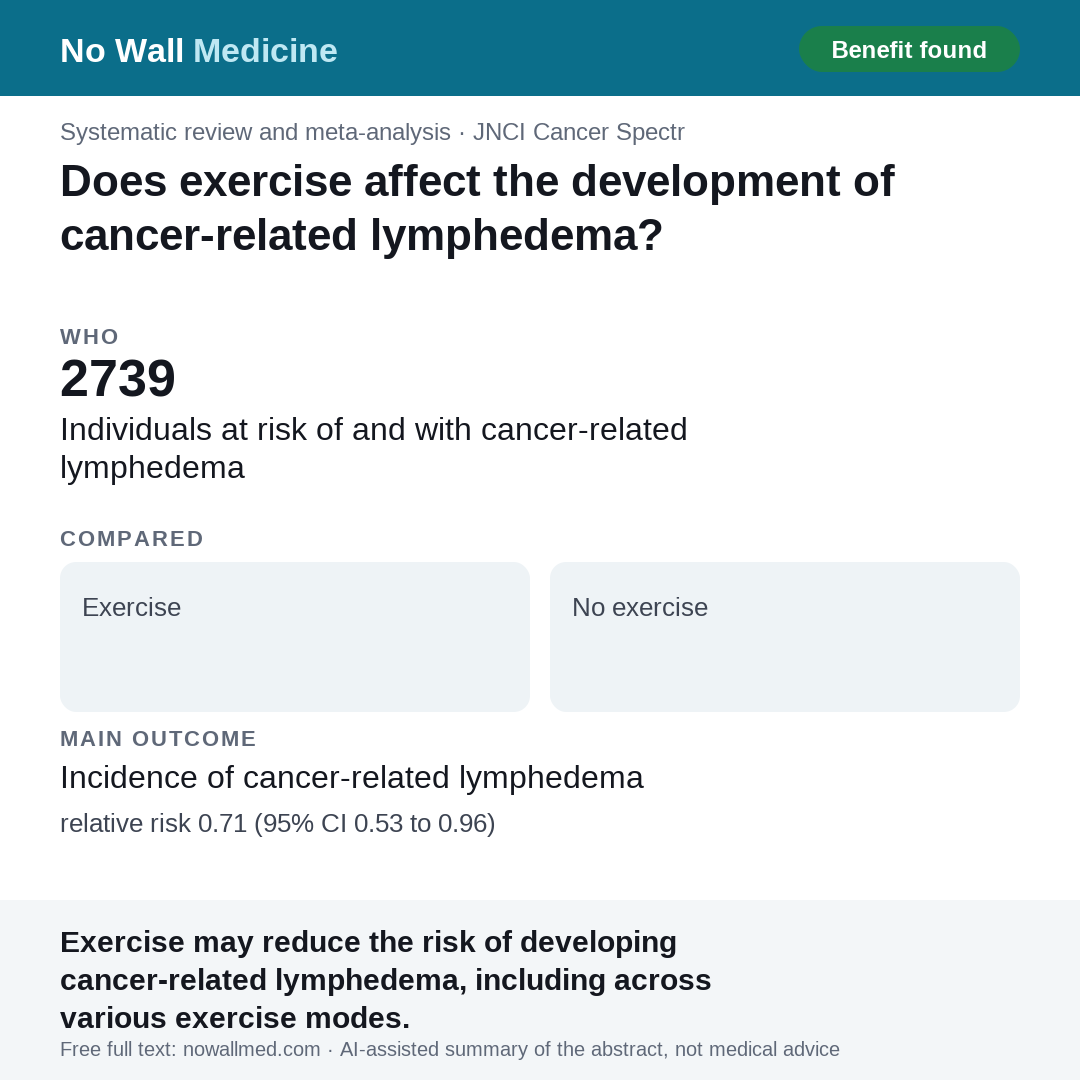
A systematic review and meta-analysis evaluating the effect of exercise on the development of cancer-related lymphedema
Systematic review and meta-analysisBenefit found
Does exercise affect the development of cancer-related lymphedema?
Who
2739
Individuals at risk of and with cancer-related lymphedema
Compared
Exercise
No exercise
Main outcome
Incidence of cancer-related lymphedema
Result: relative risk 0.71 (95% CI 0.53 to 0.96)
Bottom line: Exercise may reduce the risk of developing cancer-related lymphedema, including across various exercise modes.
JNCI Cancer Spectr · 2026-03-05Download image
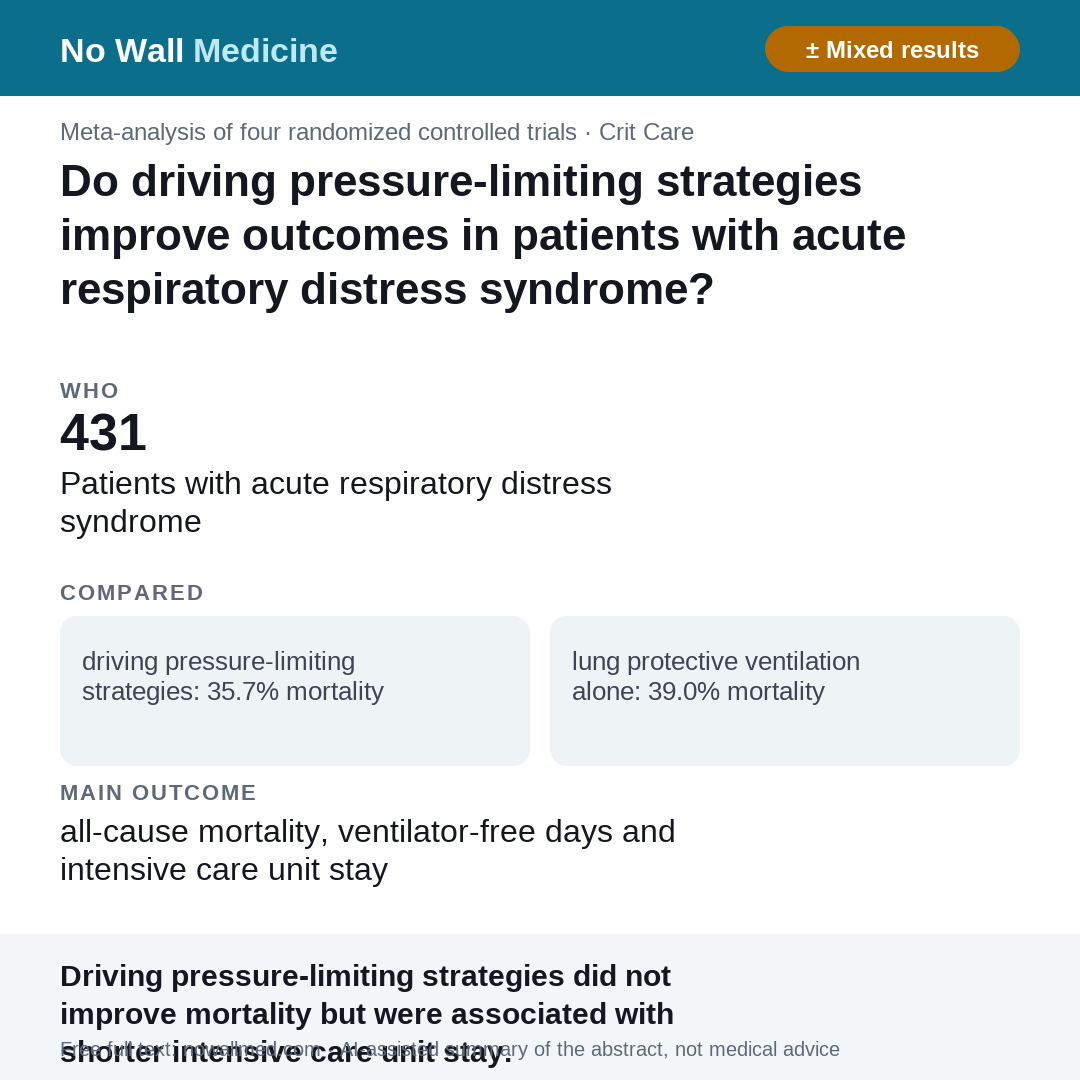
Effect of driving pressure-limiting strategies on outcomes of patients with ARDS: a meta-analysis of randomized controlled trials
Meta-analysis of four randomized controlled trialsMixed results
Do driving pressure-limiting strategies improve outcomes in patients with acute respiratory distress syndrome?
Who
431
Patients with acute respiratory distress syndrome
Compared
driving pressure-limiting strategies: 35.7% mortality
lung protective ventilation alone: 39.0% mortality
Main outcome
all-cause mortality, ventilator-free days and intensive care unit stay
Result: relative risk 0.63 (95% CI 0.20 to 1.94)
Bottom line: Driving pressure-limiting strategies did not improve mortality but were associated with shorter intensive care unit stay.
Limitation: Inability to meaningfully limit driving pressure might explain the neutral effect on mortality.
Crit Care · 2026-03-05Download image
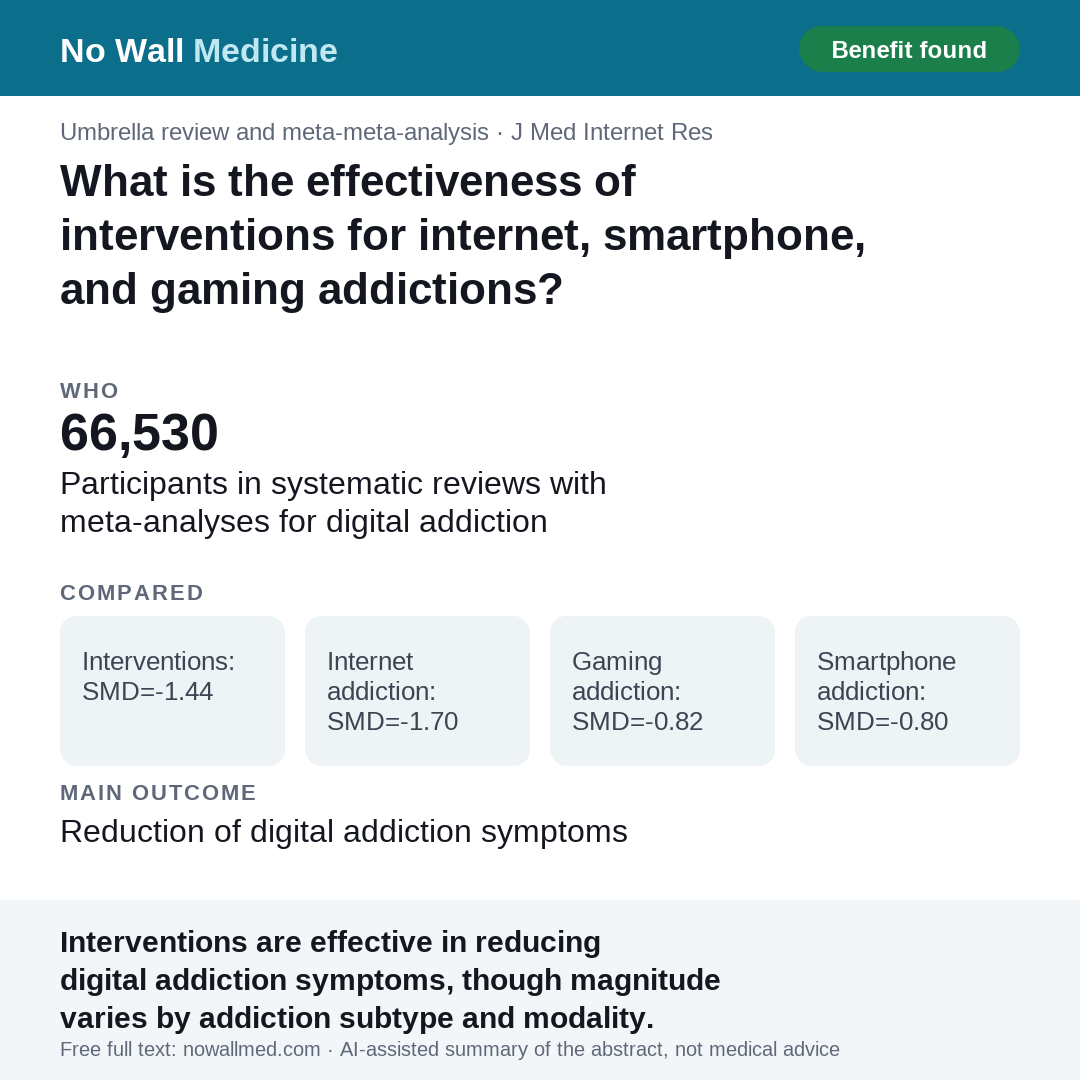
Effectiveness of Interventions for Internet, Smartphone, and Gaming Addictions: Umbrella Review and Meta-Meta-Analysis
Umbrella review and meta-meta-analysisBenefit found
What is the effectiveness of interventions for internet, smartphone, and gaming addictions?
Who
66,530
Participants in systematic reviews with meta-analyses for digital addiction
Compared
Interventions: SMD=-1.44
Internet addiction: SMD=-1.70
Gaming addiction: SMD=-0.82
Smartphone addiction: SMD=-0.80
Main outcome
Reduction of digital addiction symptoms
Result: SMD=-1.44 (95% CI -1.67 to -1.21)
Bottom line: Interventions are effective in reducing digital addiction symptoms, though magnitude varies by addiction subtype and modality.
Limitation: The certainty of evidence was generally low.
J Med Internet Res · 2026-03-05Download image
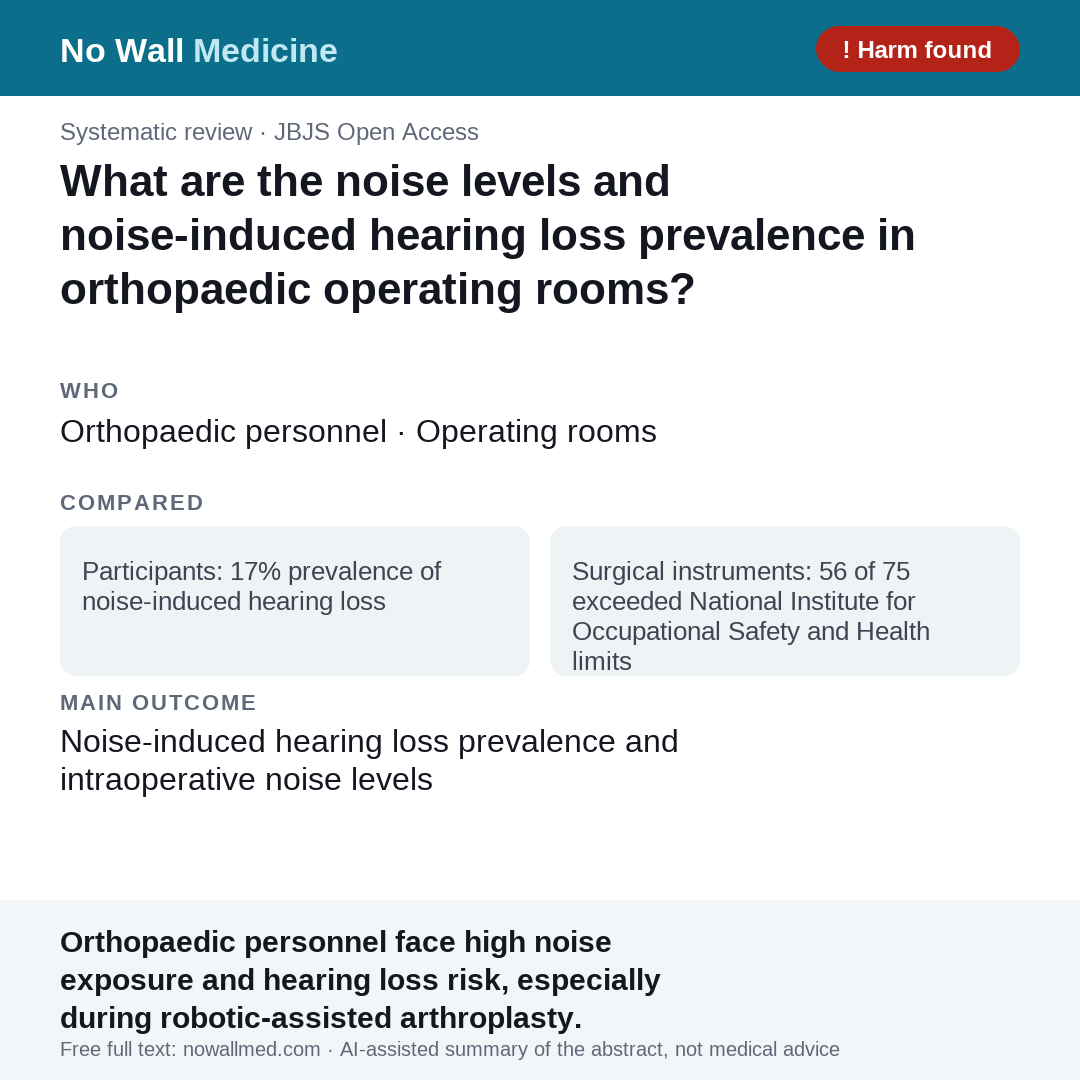
Noise Levels and Noise-Induced Hearing Loss in the Orthopaedic Operating Room: A Systematic Review
Systematic reviewHarm found
What are the noise levels and noise-induced hearing loss prevalence in orthopaedic operating rooms?
Who
Orthopaedic personnel · Operating rooms
Compared
Participants: 17% prevalence of noise-induced hearing loss
Surgical instruments: 56 of 75 exceeded National Institute for Occupational Safety and Health limits
Main outcome
Noise-induced hearing loss prevalence and intraoperative noise levels
Bottom line: Orthopaedic personnel face high noise exposure and hearing loss risk, especially during robotic-assisted arthroplasty.
JBJS Open Access · 2026-03-05Download image
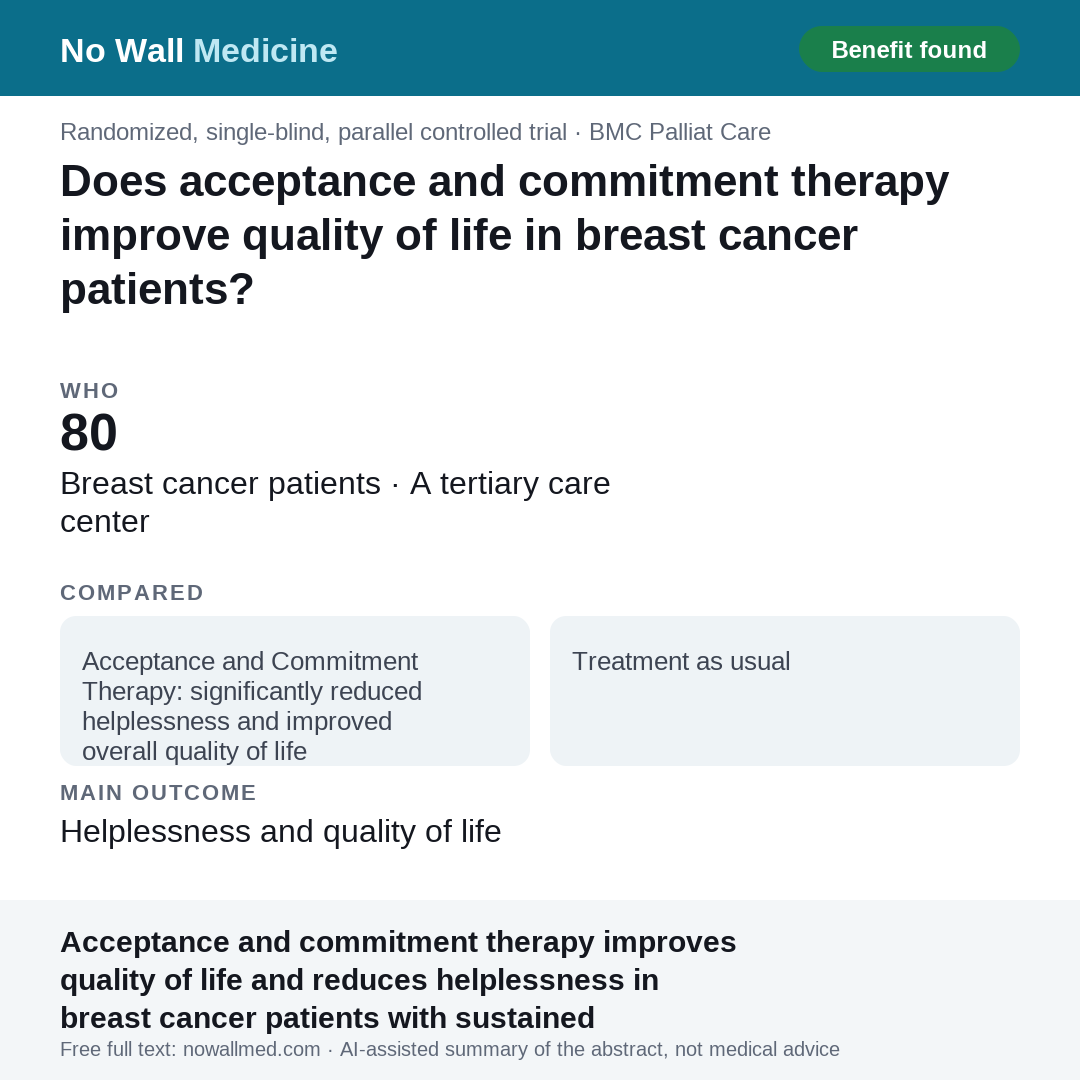
Acceptance and commitment therapy improves the quality of life of breast cancer patients by reducing helplessness: a randomized controlled trial
Randomized, single-blind, parallel controlled trialBenefit found
Does acceptance and commitment therapy improve quality of life in breast cancer patients?
Who
80
Breast cancer patients · A tertiary care center
Compared
Acceptance and Commitment Therapy: significantly reduced helplessness and improved overall quality of life
Treatment as usual
Main outcome
Helplessness and quality of life
Bottom line: Acceptance and commitment therapy improves quality of life and reduces helplessness in breast cancer patients with sustained effects.
BMC Palliat Care · 2026-03-05Download image
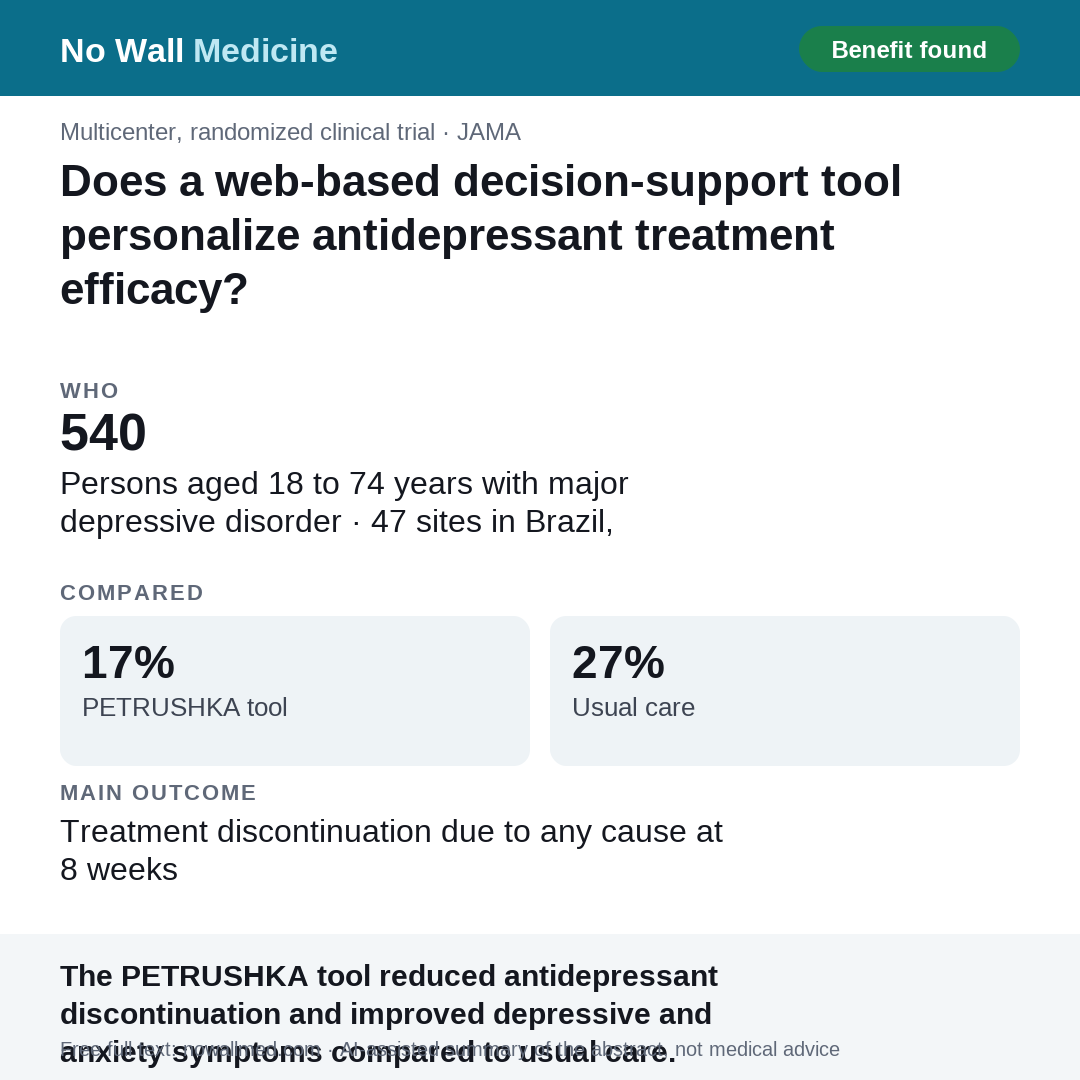
A Decision-Support System to Personalize Antidepressant Treatment in Major Depressive Disorder: A Randomized Clinical Trial
Multicenter, randomized clinical trialBenefit found
Does a web-based decision-support tool personalize antidepressant treatment efficacy?
Who
540
Persons aged 18 to 74 years with major depressive disorder · 47 sites in Brazil, Canada, and the UK
Compared
17%PETRUSHKA tool (41/241)
27%Usual care (69/252)
Main outcome
Treatment discontinuation due to any cause at 8 weeks
Result: adjusted relative risk 0.62 (95% CI 0.44 to 0.88)
Bottom line: The PETRUSHKA tool reduced antidepressant discontinuation and improved depressive and anxiety symptoms compared to usual care.
Limitation: Lack of a double-blind design and the large amount of missing data
JAMA · 2026-03-04Download image
Trajectory of weight regain after cessation of GLP-1 receptor agonists: a systematic review and nonlinear meta-regression
Systematic review and nonlinear meta-regressionHarm found
What is the trajectory of weight regain after stopping glucagon-like peptide 1 receptor agonists?
Who
3236
Adults with overweight or obesity
Compared
1 year post-cessation: 60% of weight lost was regained
Plateau beyond 52 weeks: 75.3% (95% CI 68.9-81.6) of weight lost
Main outcome
Weight regain after cessation of glucagon-like peptide 1 receptor agonists
Result: 75.3% (95% CI 68.9-81.6) plateau of weight lost
Bottom line: Weight regain after stopping glucagon-like peptide 1 receptor agonists follows a predictable pattern, plateauing at approximately 75.3% of weight lost.
Limitation: Most studies were assessed to have a moderate risk of bias.
eClinicalMedicine · 2026-03-04Download image