Visual abstracts
New randomized trials and meta-analyses from leading journals at a glance: who was studied, what was compared, and what was found. Every paper is free to read in full.
All specialtiesCardiology 2449Oncology 2082Gastroenterology & Hepatology 933Infectious Disease 1520Neurology 979Psychiatry & Mental Health 1142Pulmonology 1021Critical Care 678Endocrinology & Diabetes 1267Pediatrics 1429Surgery 1244Orthopedics & Sports Medicine 446Neurosurgery 299Cardiothoracic & Vascular Surgery 269Plastic & Reconstructive Surgery 366Nephrology 509Rheumatology 345Hematology 528Dermatology 280Ophthalmology 287Obstetrics & Gynecology 796Public & Global Health 445Radiology & Imaging 333Anesthesiology 490Urology 412ENT (Otolaryngology) 306Emergency Medicine 277Allergy & Immunology 152Geriatrics 514Family Medicine & Primary Care 282Medical Genetics & Genomics 262Pathology & Laboratory Medicine 77Physical Medicine & Rehabilitation 408Palliative Care 206Nutrition 636Digital Health & AI 1197General Medicine 177
Models, components and outcomes of palliative and end-of-life care provided to adults living at home: A systematic umbrella review of reviews
Systematic umbrella review of reviewsBenefit found
What are the models, components, and outcomes of home-based palliative and end-of-life care?
Who
66
Adults living at home
Compared
In-home palliative care: positive benefit
Specialist and integrated models: improved patient and service utilisation outcomes
Main outcome
Patient, family, professional, and service utilisation/cost outcomes
Bottom line: In-home palliative care shows positive benefits for patients, with evidence supporting specialist and integrated care models.
Palliat Med · 2025-09-04Download image

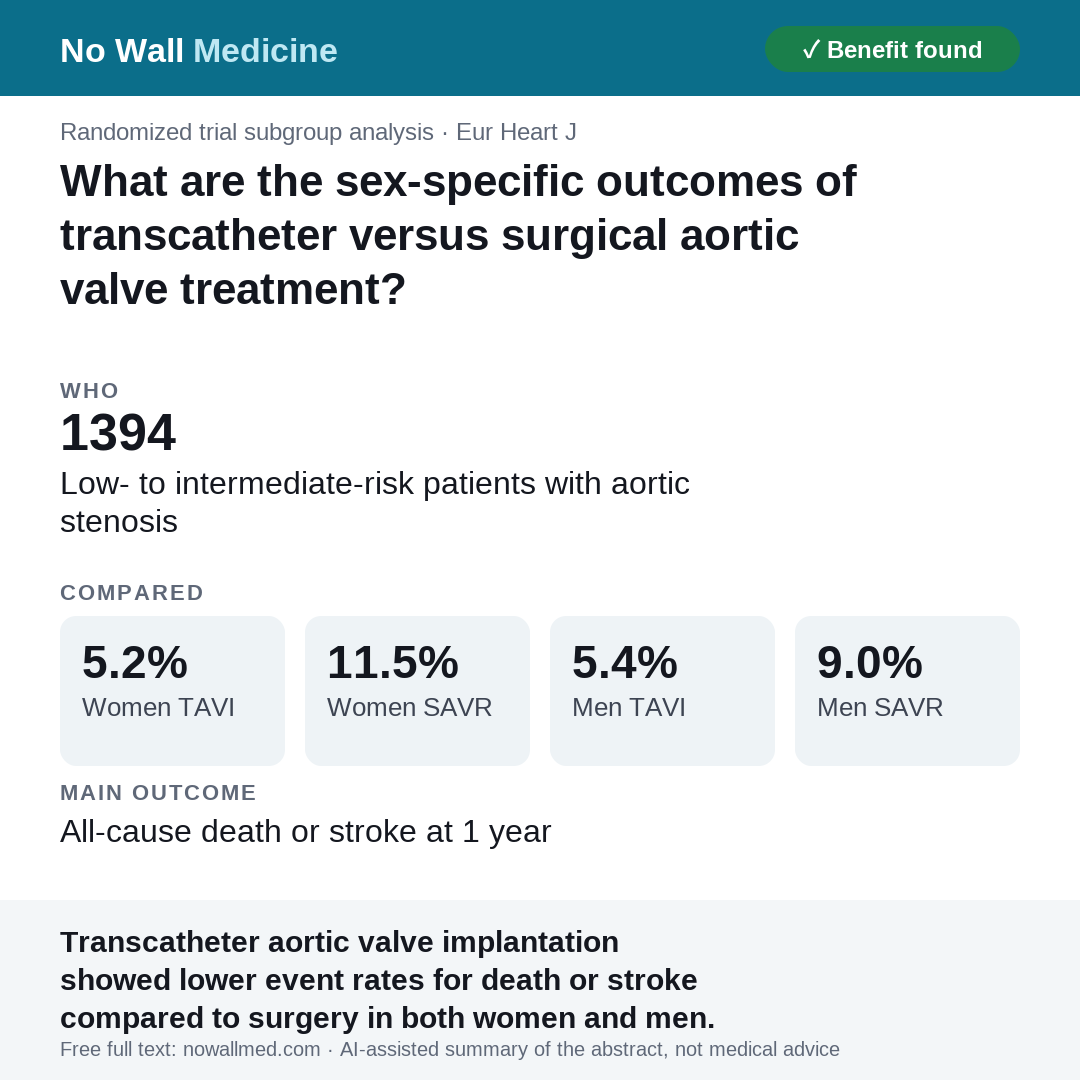
Sex-specific outcomes after transcatheter or surgical treatment of aortic valve stenosis: the DEDICATE-DZHK6 trial
Randomized trial subgroup analysisBenefit found
What are the sex-specific outcomes of transcatheter versus surgical aortic valve treatment?
Who
1394
Low- to intermediate-risk patients with aortic stenosis
Compared
5.2%Women TAVI
11.5%Women SAVR
5.4%Men TAVI
9.0%Men SAVR
Main outcome
All-cause death or stroke at 1 year
Result: hazard ratio 0.46 (95% CI 0.25-0.82) in women; hazard ratio 0.61 (95% CI 0.35-1.03) in men
Bottom line: Transcatheter aortic valve implantation showed lower event rates for death or stroke compared to surgery in both women and men.
Eur Heart J · 2025-09-03Download image
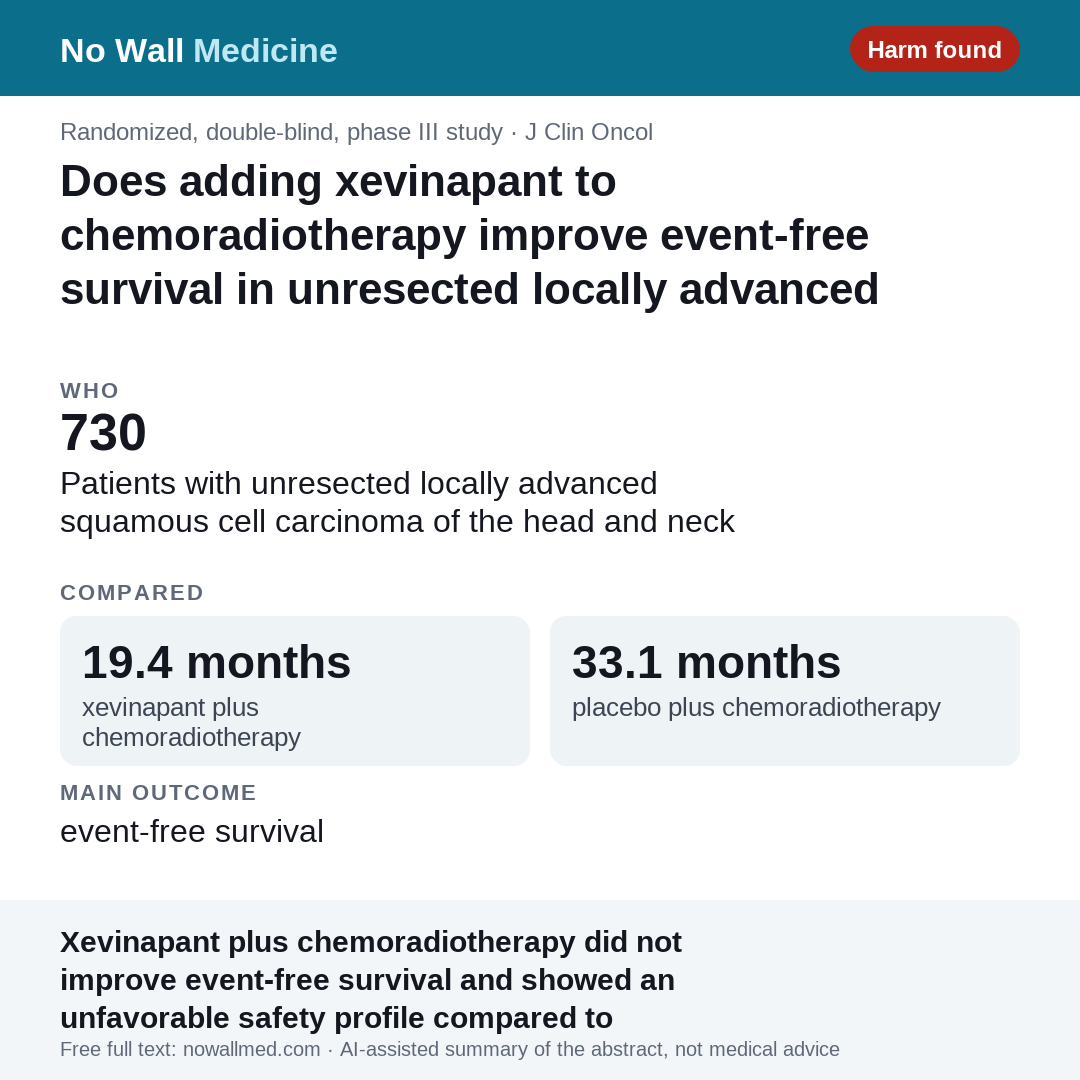
Xevinapant or Placebo Plus Platinum-Based Chemoradiotherapy in Unresected Locally Advanced Squamous Cell Carcinoma of the Head and Neck (TrilynX): A Randomized, Phase III Study
Randomized, double-blind, phase III studyHarm found
Does adding xevinapant to chemoradiotherapy improve event-free survival in unresected locally advanced squamous cell carcinoma?
Who
730
Patients with unresected locally advanced squamous cell carcinoma of the head and neck
Compared
19.4 monthsxevinapant plus chemoradiotherapy (95% CI 14.5 to not estimable)
33.1 monthsplacebo plus chemoradiotherapy (95% CI 21.0 to not estimable)
Main outcome
event-free survival
Result: hazard ratio 1.33 (95% CI 1.05 to 1.67)
Bottom line: Xevinapant plus chemoradiotherapy did not improve event-free survival and showed an unfavorable safety profile compared to placebo.
J Clin Oncol · 2025-09-03Download image
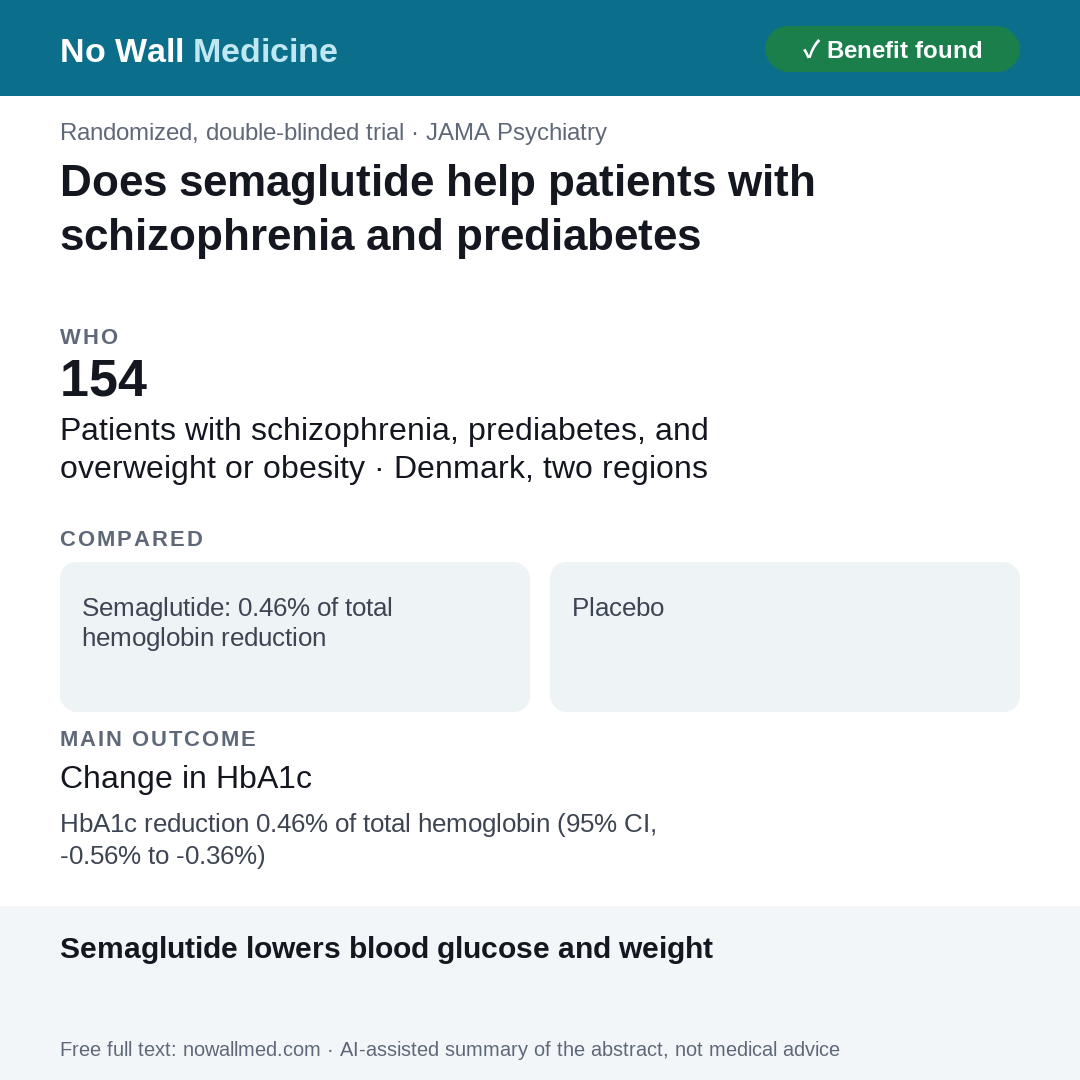
Semaglutide Treatment of Antipsychotic-Treated Patients With Schizophrenia, Prediabetes, and Obesity: The HISTORI Randomized Clinical Trial
Randomized, double-blinded trialBenefit found
Does semaglutide help patients with schizophrenia and prediabetes
Who
154
Patients with schizophrenia, prediabetes, and overweight or obesity · Denmark, two regions
Compared
Semaglutide: 0.46% of total hemoglobin reduction
Placebo
Main outcome
Change in HbA1c
Result: HbA1c reduction 0.46% of total hemoglobin (95% CI, -0.56% to -0.36%)
Bottom line: Semaglutide lowers blood glucose and weight
JAMA Psychiatry · 2025-09-03Download image
Occurrence of Psychosis and Bipolar Disorder in Individuals With Attention-Deficit/Hyperactivity Disorder Treated With Stimulants: A Systematic Review and Meta-Analysis
Systematic review and meta-analysisMixed results
What is the occurrence of psychosis and bipolar disorder in individuals with ADHD treated with stimulants?
Who
391043
Individuals with attention-deficit/hyperactivity disorder prescribed stimulants
Compared
2.76%Psychotic symptoms (95% CI, 0.73-9.88)
2.29%Psychotic disorder (95% CI, 1.52-3.40)
3.72%Bipolar disorder (95% CI, 0.77-16.05)
Main outcome
Proportion of individuals developing psychotic symptoms, psychotic disorders, and bipolar disorder
Result: odds ratio 1.57 (95% CI, 1.15-2.16) for amphetamines versus methylphenidate
Bottom line: Stimulant treatment in ADHD is associated with a nonnegligible occurrence of psychotic symptoms, psychotic disorders, or bipolar disorder.
Limitation: The included studies cannot establish causality.
JAMA Psychiatry · 2025-09-03Download image

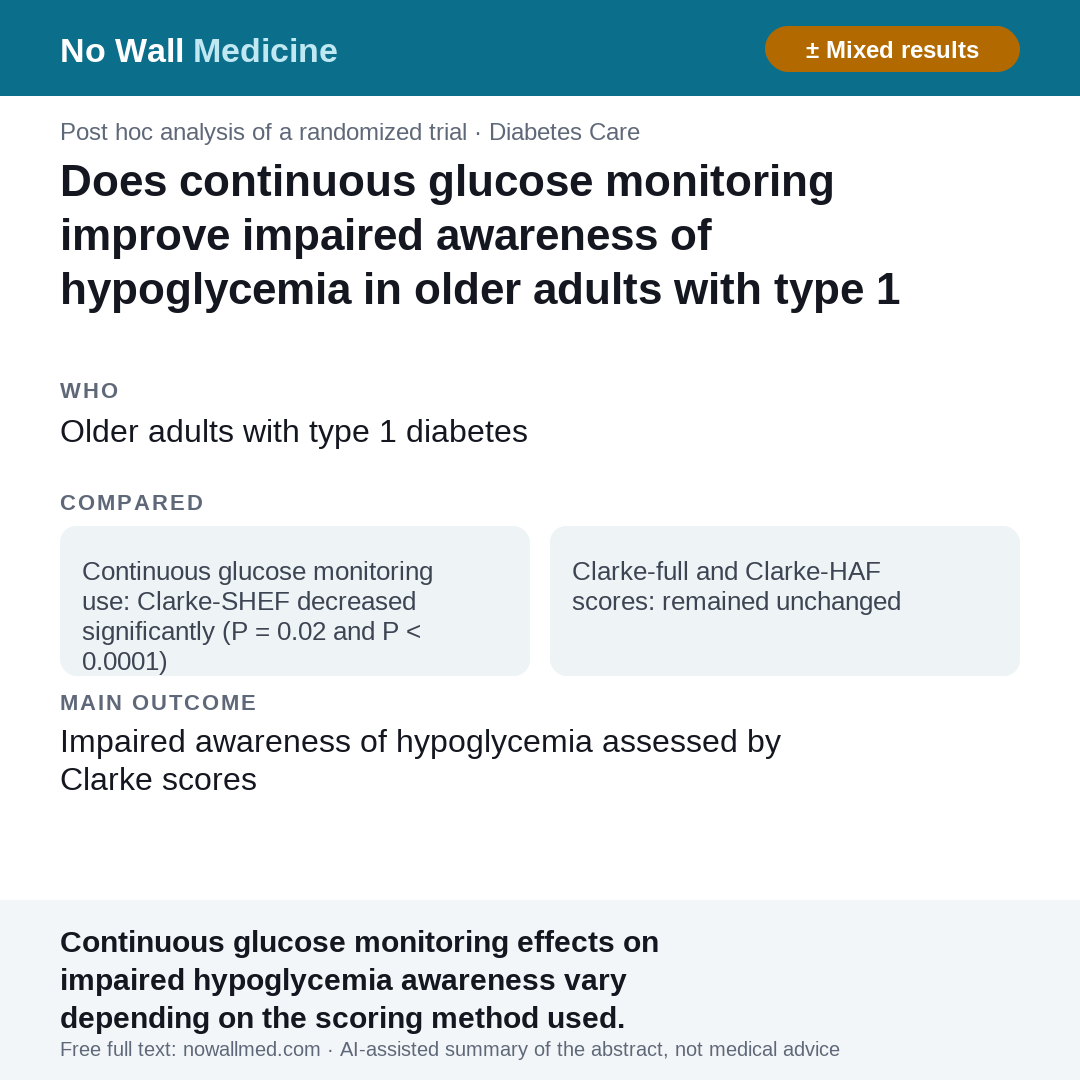
Effects of Continuous Glucose Monitoring on Impaired Awareness of Hypoglycemia in Older Adults With Type 1 Diabetes: A Post Hoc Analysis of the WISDM Study
Post hoc analysis of a randomized trialMixed results
Does continuous glucose monitoring improve impaired awareness of hypoglycemia in older adults with type 1 diabetes?
Who
Older adults with type 1 diabetes
Compared
Continuous glucose monitoring use: Clarke-SHEF decreased significantly (P = 0.02 and P < 0.0001)
Clarke-full and Clarke-HAF scores: remained unchanged
Main outcome
Impaired awareness of hypoglycemia assessed by Clarke scores
Bottom line: Continuous glucose monitoring effects on impaired hypoglycemia awareness vary depending on the scoring method used.
Limitation: The study highlights the limitations of the Clarke score.
Diabetes Care · 2025-09-03Download image
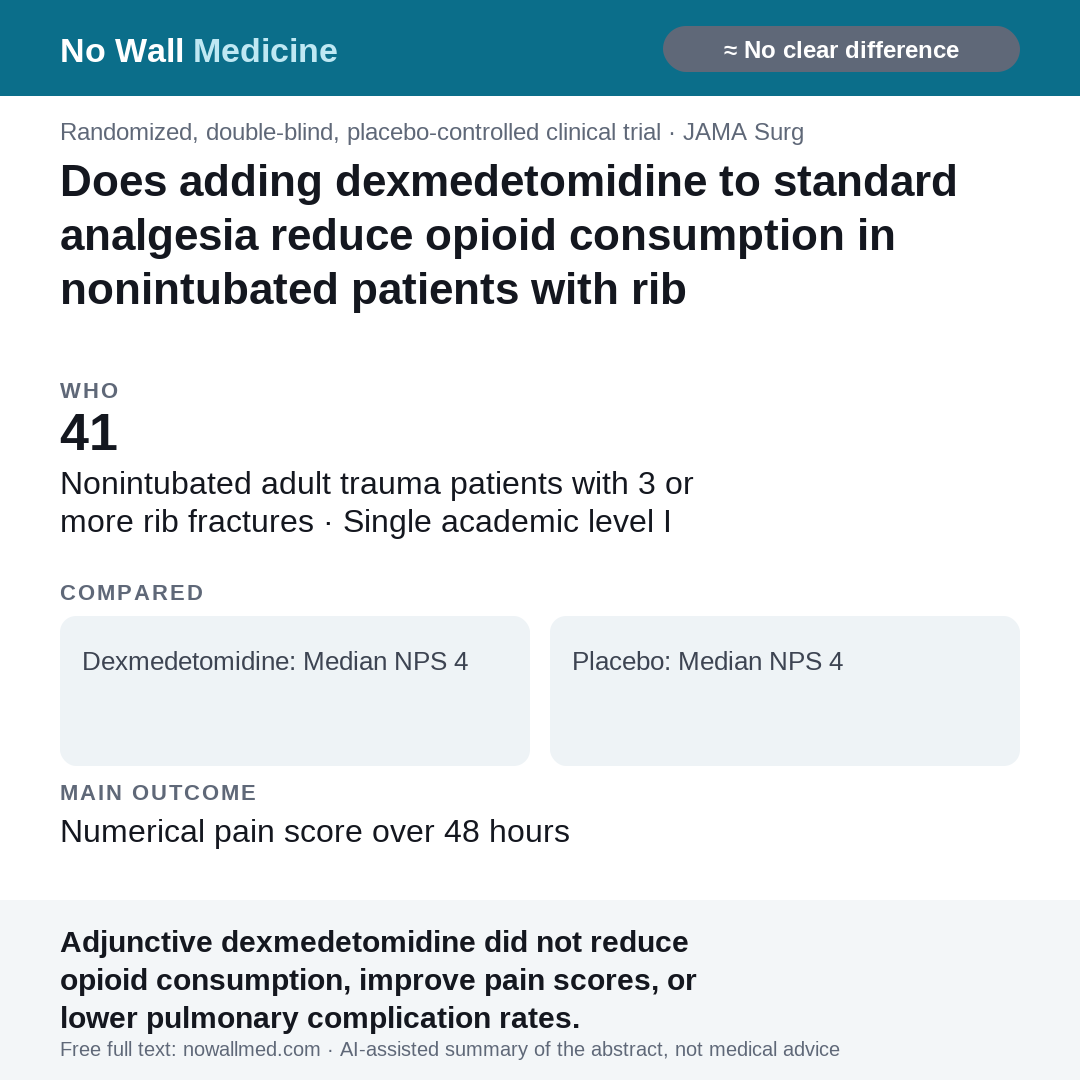
Dexmedetomidine for Analgesia in Nonintubated Patients With Traumatic Rib Fractures: A Randomized Clinical Trial
Randomized, double-blind, placebo-controlled clinical trialNo clear difference
Does adding dexmedetomidine to standard analgesia reduce opioid consumption in nonintubated patients with rib fractures?
Who
41
Nonintubated adult trauma patients with 3 or more rib fractures · Single academic level I trauma center intensive care unit
Compared
Dexmedetomidine: Median NPS 4
Placebo: Median NPS 4
Main outcome
Numerical pain score over 48 hours
Bottom line: Adjunctive dexmedetomidine did not reduce opioid consumption, improve pain scores, or lower pulmonary complication rates.
JAMA Surg · 2025-09-03Download image
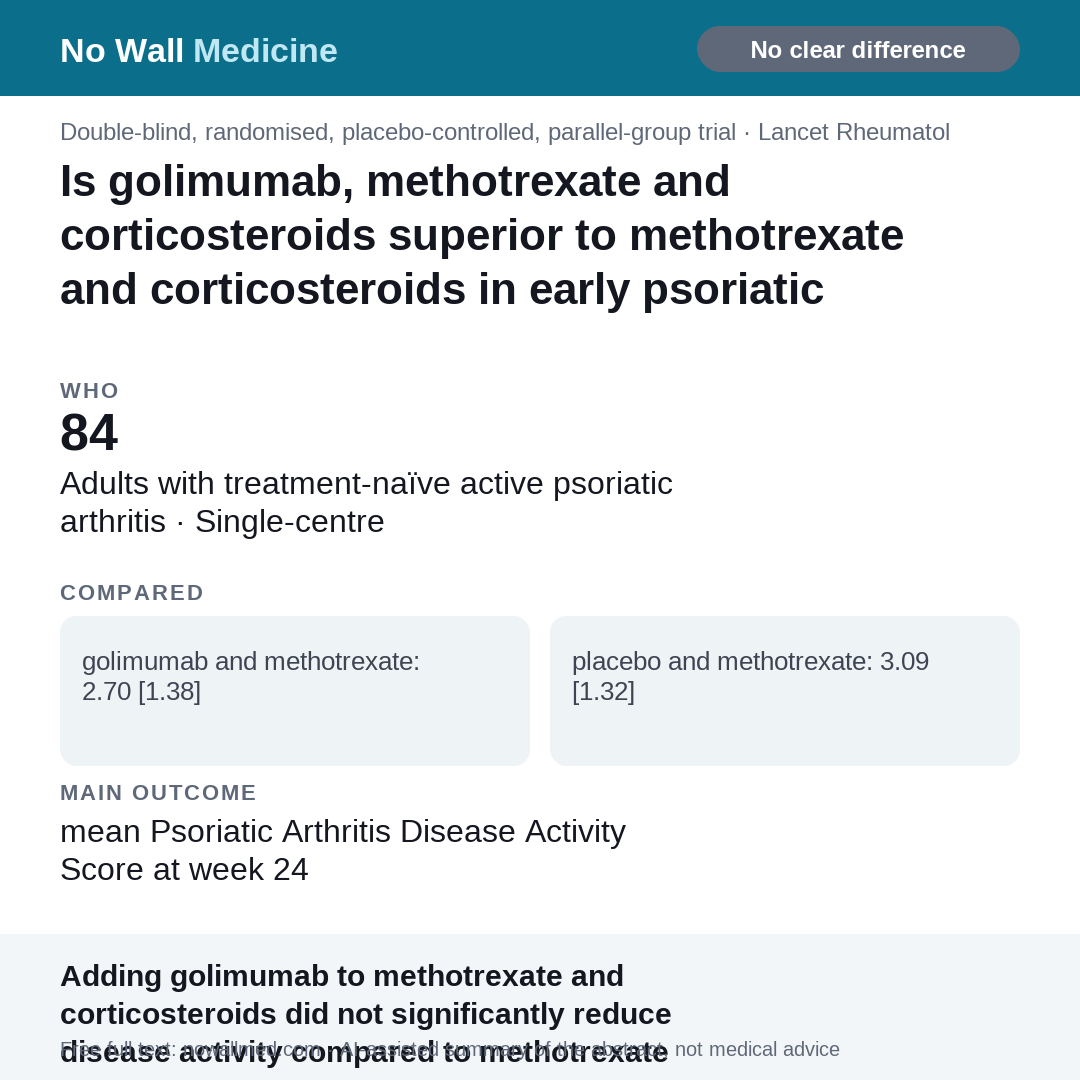
Effect of a treatment strategy utilising golimumab, methotrexate and corticosteroids versus methotrexate and corticosteroids in early, untreated psoriatic arthritis (GOLMePsA): a single-centre, double-blind, parallel-group, randomised controlled trial
Double-blind, randomised, placebo-controlled, parallel-group trialNo clear difference
Is golimumab, methotrexate and corticosteroids superior to methotrexate and corticosteroids in early psoriatic arthritis?
Who
84
Adults with treatment-naïve active psoriatic arthritis · Single-centre
Compared
golimumab and methotrexate: 2.70 [1.38]
placebo and methotrexate: 3.09 [1.32]
Main outcome
mean Psoriatic Arthritis Disease Activity Score at week 24
Result: adjusted difference -0.55 (95% CI -1.12 to 0.03)
Bottom line: Adding golimumab to methotrexate and corticosteroids did not significantly reduce disease activity compared to methotrexate and corticosteroids alone.
Funded by: Janssen Biologics BV
Lancet Rheumatol · 2025-09-03Download image
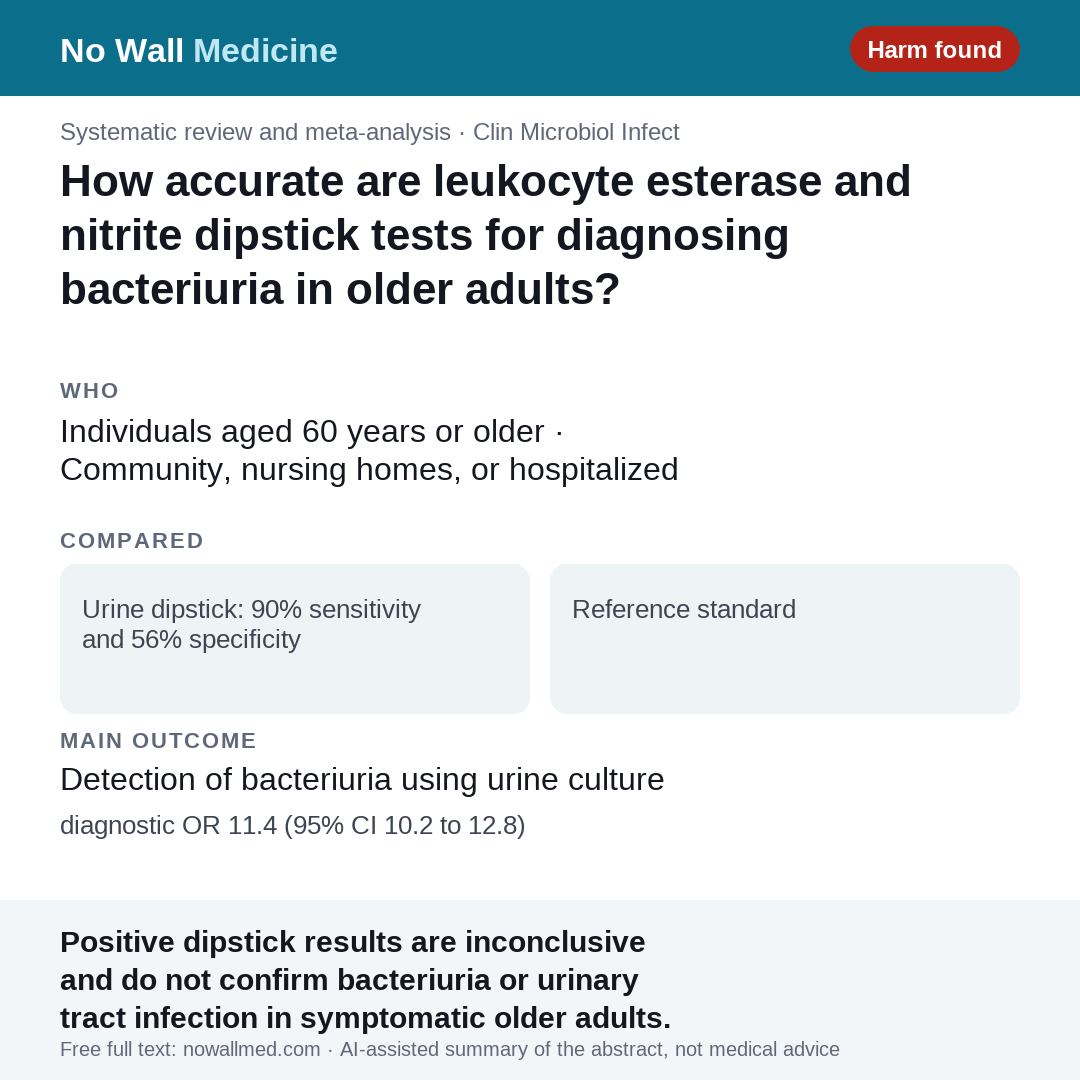
Accuracy of leukocyte esterase and nitrite tests for diagnosing bacteriuria in older adults: a systematic review and meta-analysis
Systematic review and meta-analysisHarm found
How accurate are leukocyte esterase and nitrite dipstick tests for diagnosing bacteriuria in older adults?
Who
Individuals aged 60 years or older · Community, nursing homes, or hospitalized
Compared
Urine dipstick: 90% sensitivity and 56% specificity
Reference standard
Main outcome
Detection of bacteriuria using urine culture
Result: diagnostic OR 11.4 (95% CI 10.2 to 12.8)
Bottom line: Positive dipstick results are inconclusive and do not confirm bacteriuria or urinary tract infection in symptomatic older adults.
Limitation: Included studies had a moderate risk of bias
Clin Microbiol Infect · 2025-09-03Download image
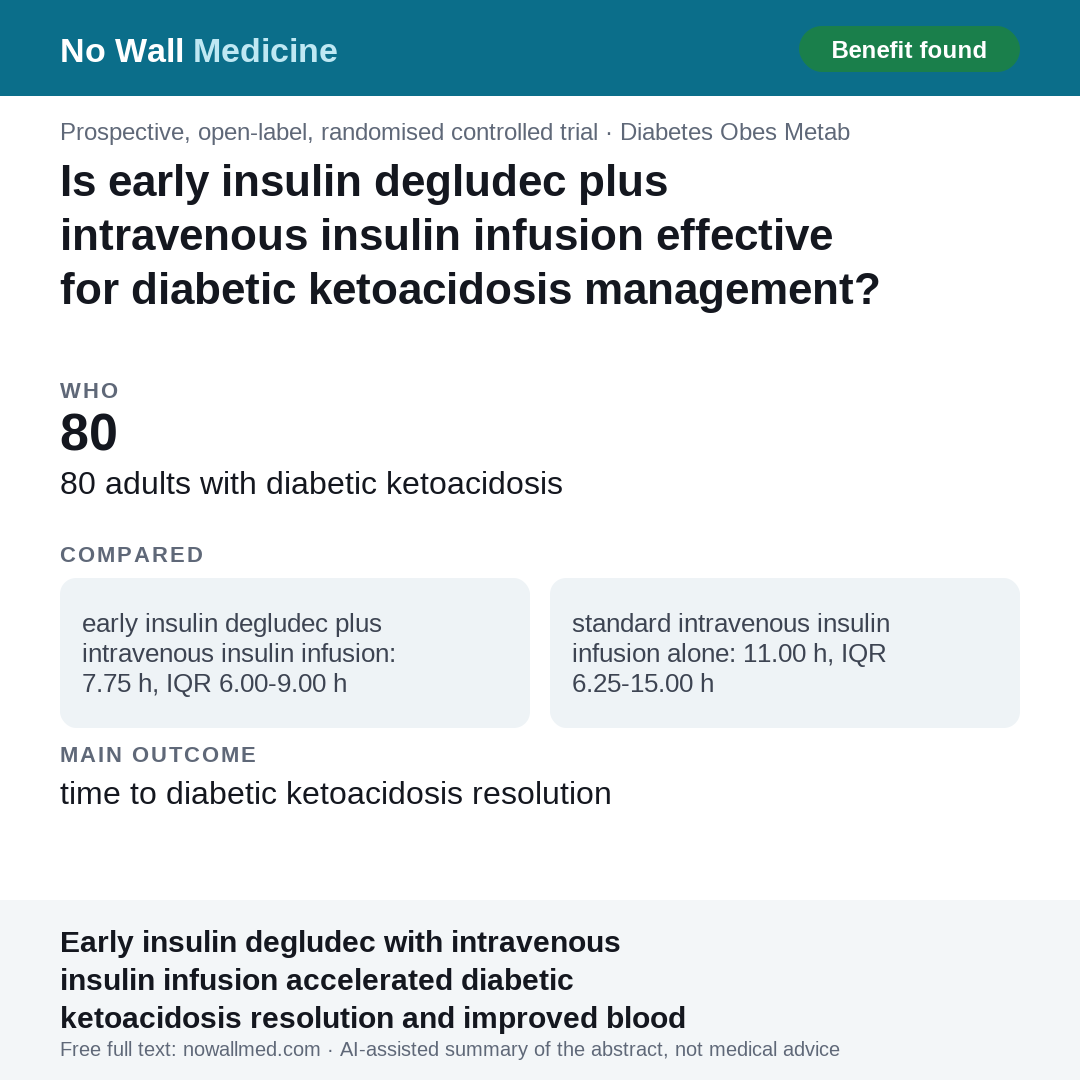
Early insulin degludec with continuous intravenous insulin infusion in the management of diabetic ketoacidosis: A randomized controlled trial
Prospective, open-label, randomised controlled trialBenefit found
Is early insulin degludec plus intravenous insulin infusion effective for diabetic ketoacidosis management?
Who
80
80 adults with diabetic ketoacidosis
Compared
early insulin degludec plus intravenous insulin infusion: 7.75 h, IQR 6.00-9.00 h
standard intravenous insulin infusion alone: 11.00 h, IQR 6.25-15.00 h
Main outcome
time to diabetic ketoacidosis resolution
Bottom line: Early insulin degludec with intravenous insulin infusion accelerated diabetic ketoacidosis resolution and improved blood glucose levels.
Diabetes Obes Metab · 2025-09-03Download image
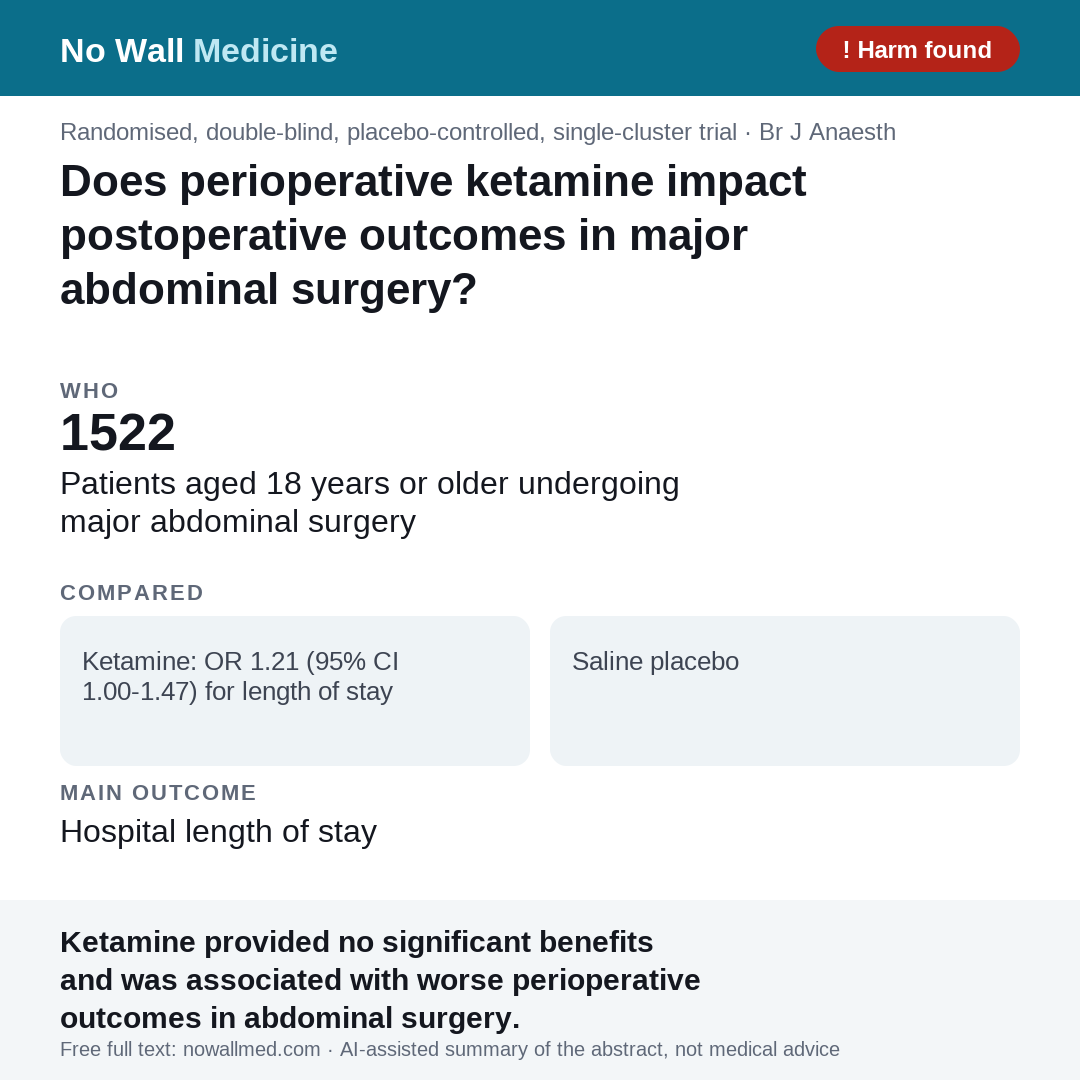
IMpact of PerioperAtive KeTamine on Enhanced Recovery After abdominal Surgery (IMPAKT ERAS): a pragmatic randomised single-cluster trial
Randomised, double-blind, placebo-controlled, single-cluster trialHarm found
Does perioperative ketamine impact postoperative outcomes in major abdominal surgery?
Who
1522
Patients aged 18 years or older undergoing major abdominal surgery
Compared
Ketamine: OR 1.21 (95% CI 1.00-1.47) for length of stay
Saline placebo
Main outcome
Hospital length of stay
Result: odds ratio 1.21 (95% CI 1.00-1.47)
Bottom line: Ketamine provided no significant benefits and was associated with worse perioperative outcomes in abdominal surgery.
Br J Anaesth · 2025-09-03Download image
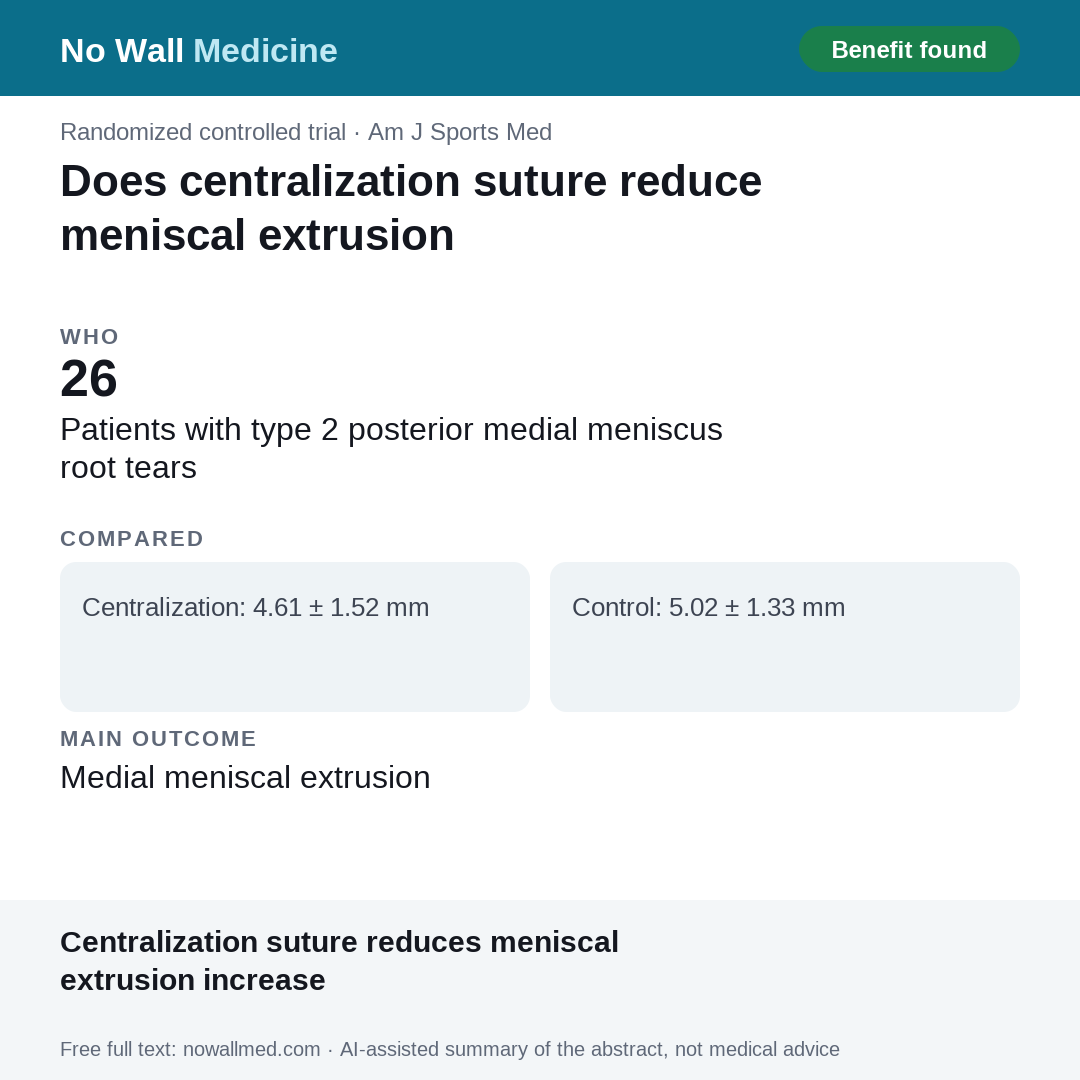
Medial Meniscal Extrusion Increased on 6-Month Magnetic Resonance Imaging, Despite Successful Posterior Root Repair With or Without a Centralization Suture: A Randomized Controlled Clinical Trial
Randomized controlled trialBenefit found
Does centralization suture reduce meniscal extrusion
Who
26
Patients with type 2 posterior medial meniscus root tears
Compared
Centralization: 4.61 ± 1.52 mm
Control: 5.02 ± 1.33 mm
Main outcome
Medial meniscal extrusion
Bottom line: Centralization suture reduces meniscal extrusion increase
Am J Sports Med · 2025-09-03Download image
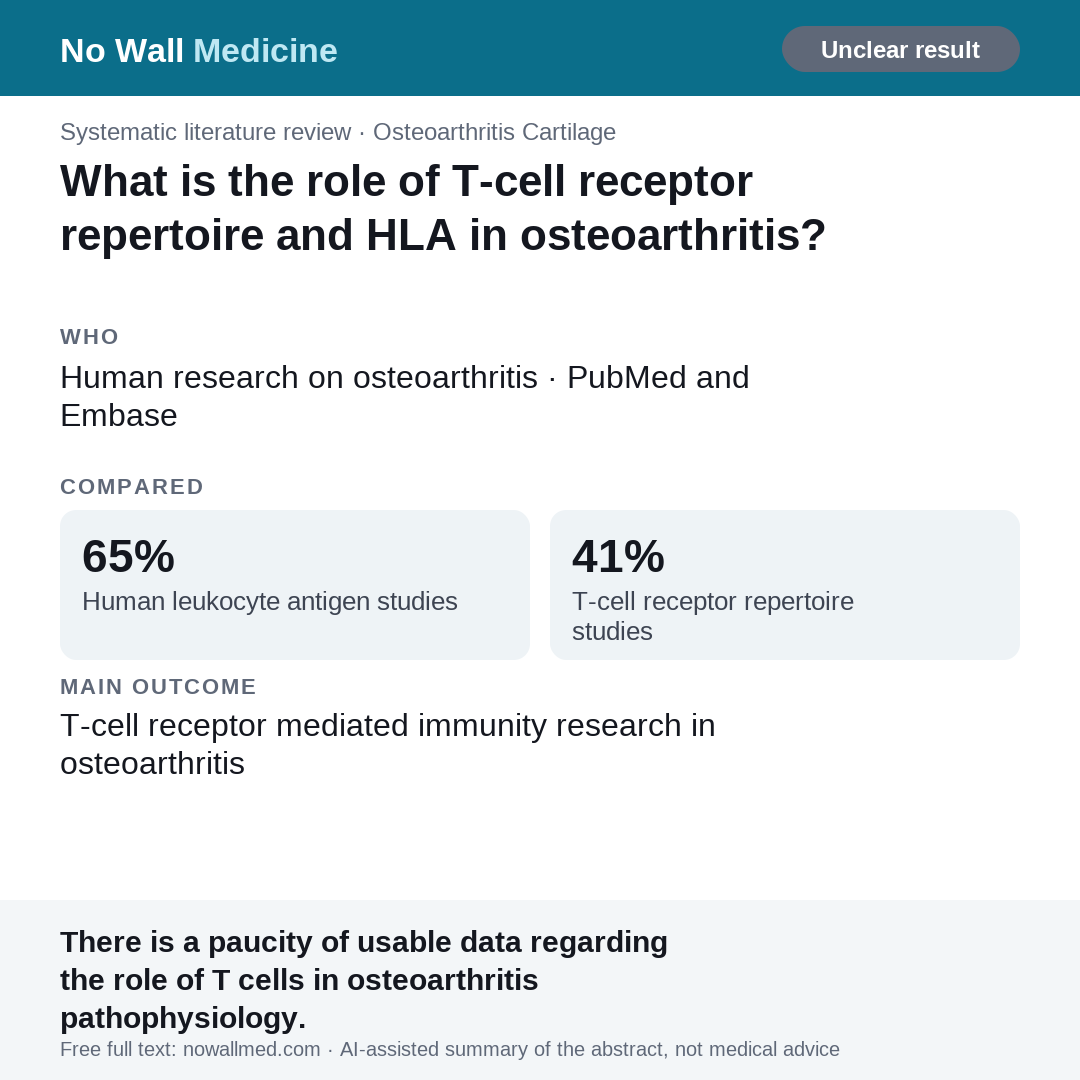
T-cell receptor repertoire and HLA in osteoarthritis: A systematic literature review
Systematic literature reviewUnclear result
What is the role of T-cell receptor repertoire and HLA in osteoarthritis?
Who
Human research on osteoarthritis · PubMed and Embase
Compared
65%Human leukocyte antigen studies (N=11)
41%T-cell receptor repertoire studies (N=7)
Main outcome
T-cell receptor mediated immunity research in osteoarthritis
Bottom line: There is a paucity of usable data regarding the role of T cells in osteoarthritis pathophysiology.
Limitation: Low patient numbers, low throughput technology, and lack of patient descriptions in TCR studies.
Osteoarthritis Cartilage · 2025-09-03Download image
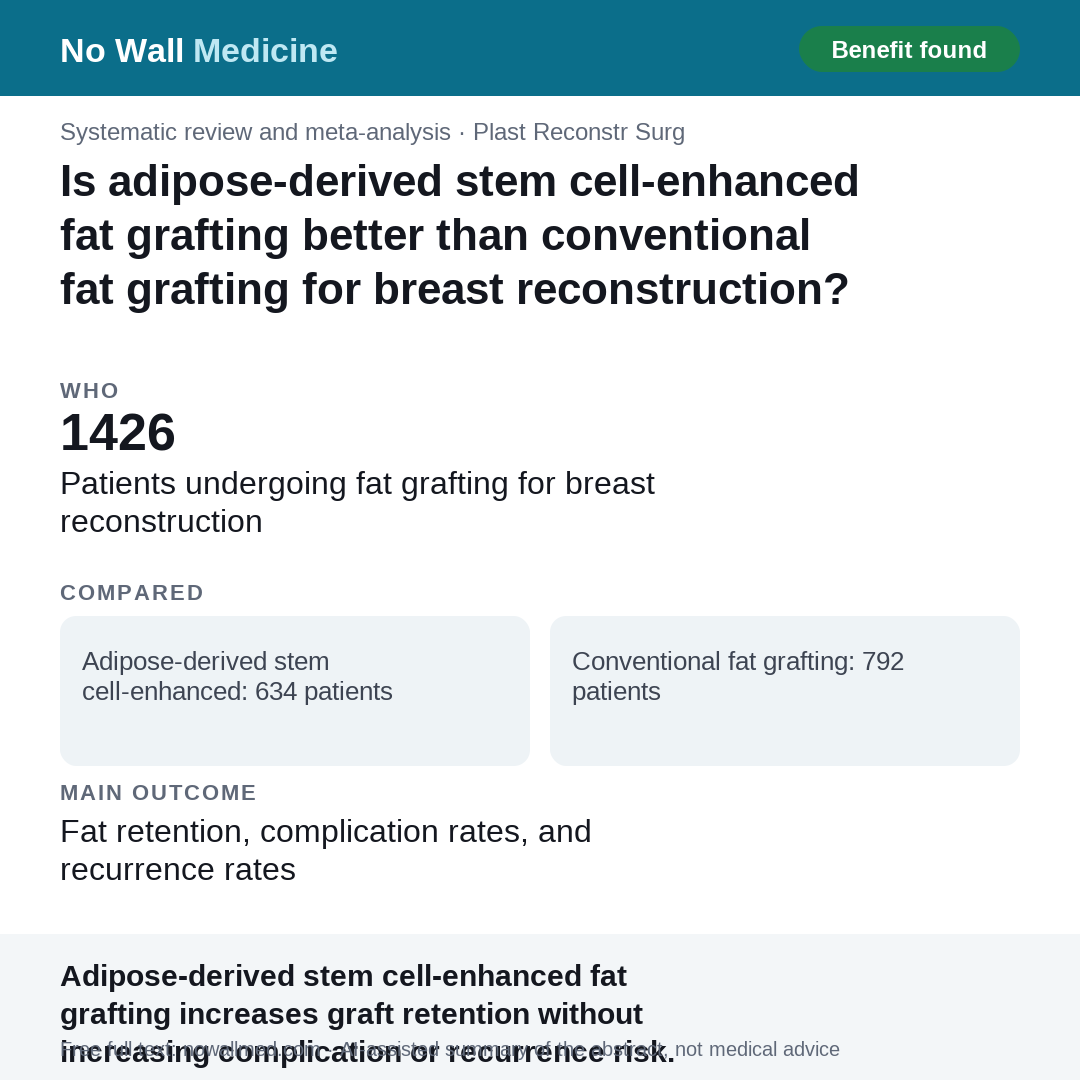
Adipose-Derived Stem Cell-Enhanced versus Conventional Fat Grafting for Breast Reconstruction: A Systematic Review and Meta-Analysis
Systematic review and meta-analysisBenefit found
Is adipose-derived stem cell-enhanced fat grafting better than conventional fat grafting for breast reconstruction?
Who
1426
Patients undergoing fat grafting for breast reconstruction
Compared
Adipose-derived stem cell-enhanced: 634 patients
Conventional fat grafting: 792 patients
Main outcome
Fat retention, complication rates, and recurrence rates
Result: mean difference 26.8% (95% CI 18.2 to 35.5) for fat retention
Bottom line: Adipose-derived stem cell-enhanced fat grafting increases graft retention without increasing complication or recurrence risk.
Plast Reconstr Surg · 2025-09-03Download image
Safety and immunogenicity of the invasive non-typhoidal Salmonella (iNTS)-GMMA vaccine: a first-in-human, randomised, dose escalation trial
Randomised, dose escalation, single-blind, placebo-controlled trialBenefit found
What are the safety and immunogenicity of the iNTS-GMMA vaccine?
Who
31
Healthy people aged 18-55 · University of Oxford
Compared
iNTS-GMMA vaccine: 100% reported at least one solicited adverse events
Placebo
Main outcome
Safety and serovar-specific OAg IgG levels
Result: SEn: GMC 865.4 [95% CI 404.9, 1849.6]; STm: 833.2 [401.8, 1727.9]
Bottom line: The iNTS-GMMA vaccine was immunogenic and safe, supporting further clinical trials.
Funded by: EU Framework Programme for Research and Innovation, Horizon 2020
eBioMedicine · 2025-09-03Download image

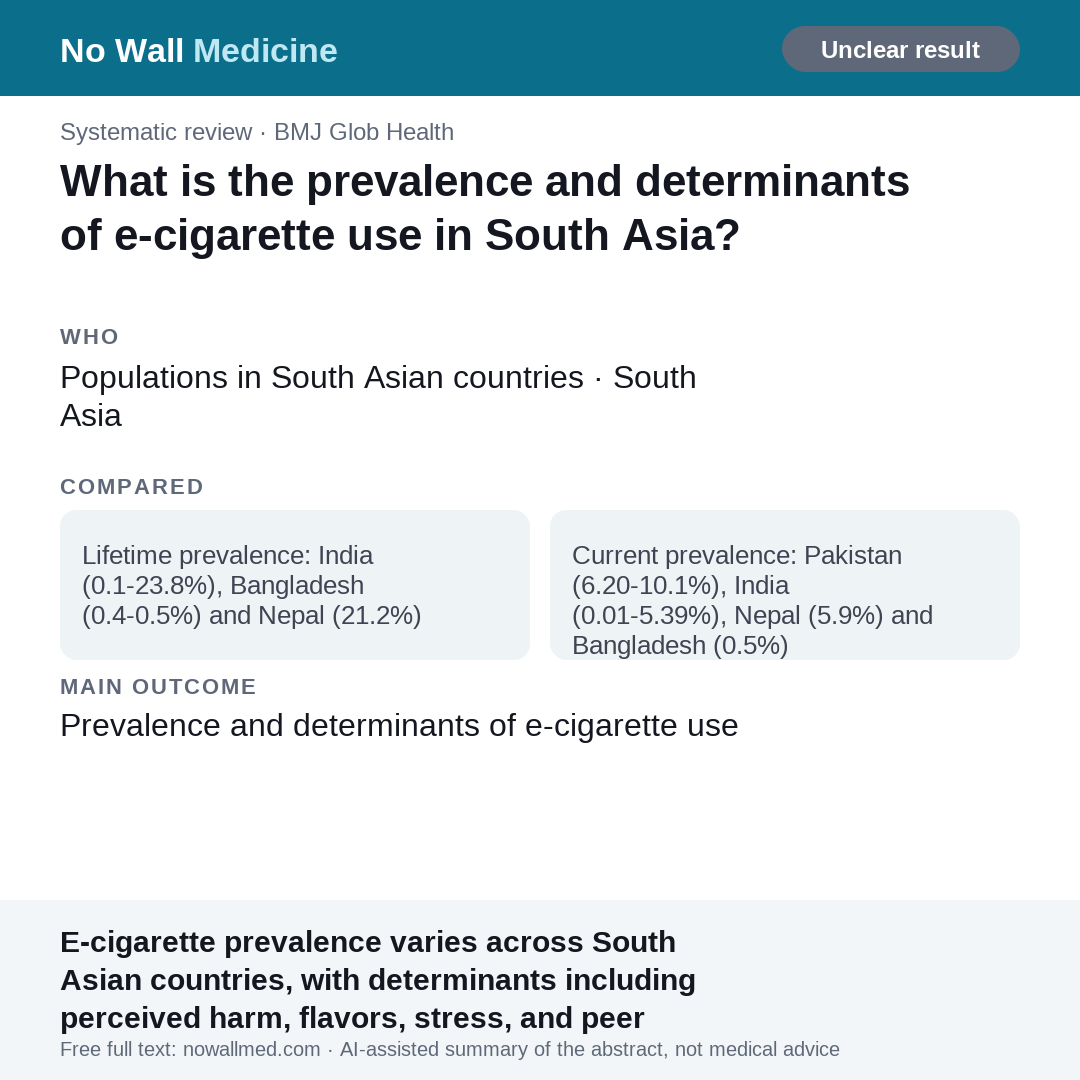
Prevalence and determinants of e-cigarette use in South Asia: a systematic review
Systematic reviewUnclear result
What is the prevalence and determinants of e-cigarette use in South Asia?
Who
Populations in South Asian countries · South Asia
Compared
Lifetime prevalence: India (0.1-23.8%), Bangladesh (0.4-0.5%) and Nepal (21.2%)
Current prevalence: Pakistan (6.20-10.1%), India (0.01-5.39%), Nepal (5.9%) and Bangladesh (0.5%)
Main outcome
Prevalence and determinants of e-cigarette use
Bottom line: E-cigarette prevalence varies across South Asian countries, with determinants including perceived harm, flavors, stress, and peer influence.
Limitation: Empirical evidence is limited to specific sociodemographic, socioeconomic and geographical regions in South Asia.
BMJ Glob Health · 2025-09-03Download image
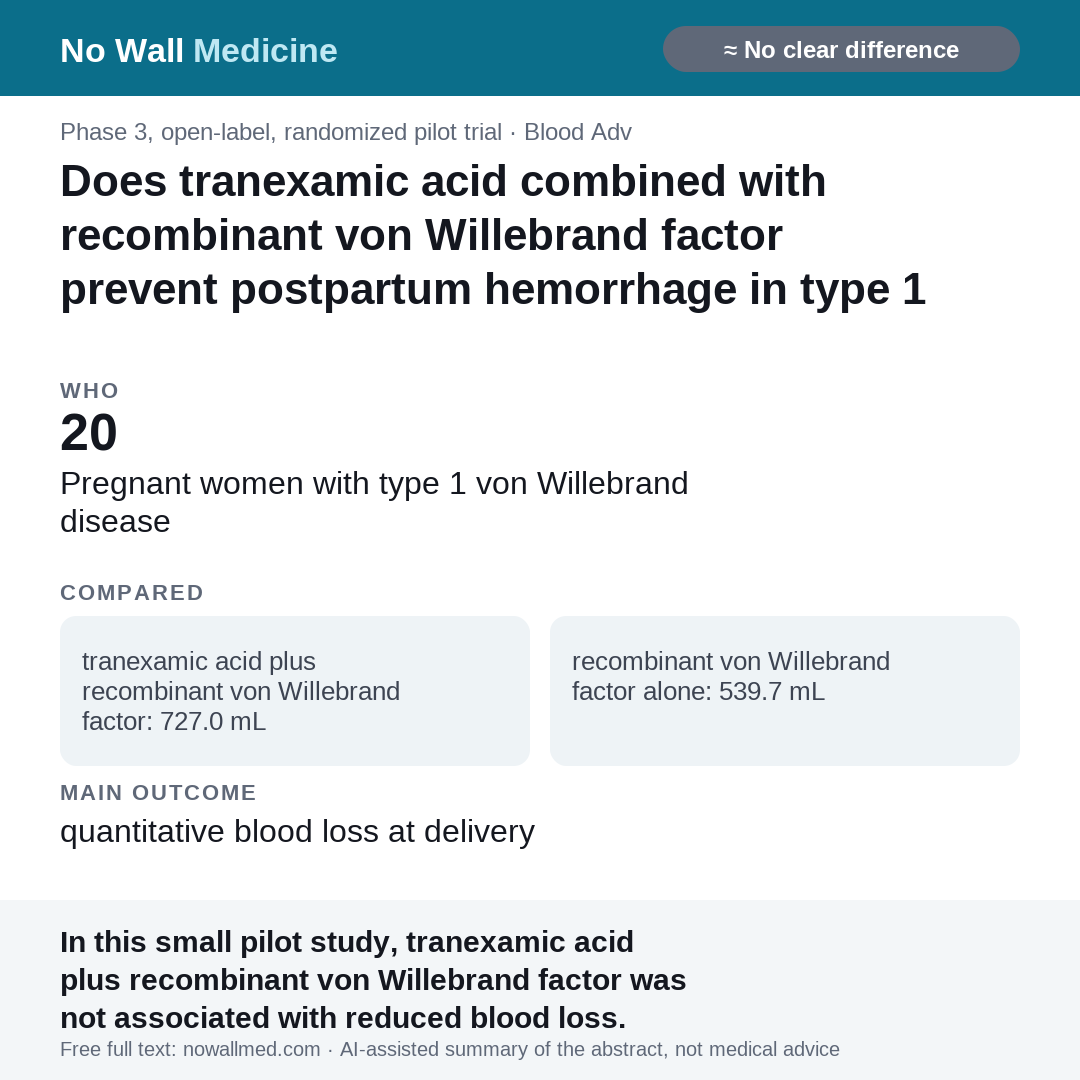
Impact of tranexamic acid on postpartum hemorrhage in type 1 von Willebrand disease treated with recombinant VWF
Phase 3, open-label, randomized pilot trialNo clear difference
Does tranexamic acid combined with recombinant von Willebrand factor prevent postpartum hemorrhage in type 1 von Willebrand disease?
Who
20
Pregnant women with type 1 von Willebrand disease
Compared
tranexamic acid plus recombinant von Willebrand factor: 727.0 mL
recombinant von Willebrand factor alone: 539.7 mL
Main outcome
quantitative blood loss at delivery
Bottom line: In this small pilot study, tranexamic acid plus recombinant von Willebrand factor was not associated with reduced blood loss.
Blood Adv · 2025-09-03Download image
Identification of 4 autophagy-related genetic variants as risk factors for chronic lymphocytic leukemia
Meta-analysis of 4 populationsMixed results
Autophagy genes linked to leukemia risk
Who
5472
chronic lymphocytic leukemia cases and controls
Compared
autophagy variants
controls
Main outcome
chronic lymphocytic leukemia risk
Bottom line: Autophagy genes linked to leukemia risk
Blood Adv · 2025-09-03Download image

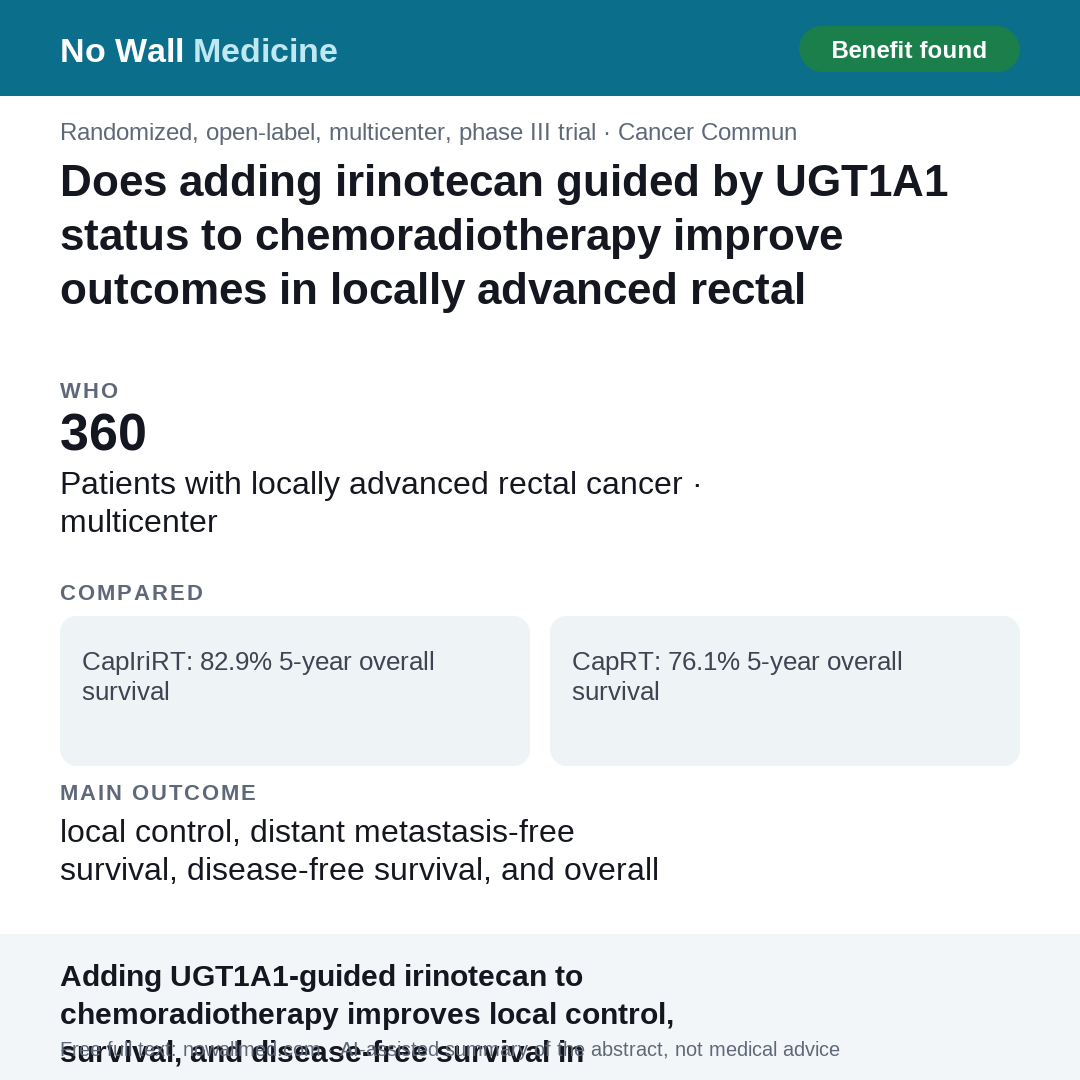
Neoadjuvant chemoradiotherapy with capecitabine and irinotecan guided by UGT1A1 status in patients with locally advanced rectal cancer: 5-year update of the CinClare trial
Randomized, open-label, multicenter, phase III trialBenefit found
Does adding irinotecan guided by UGT1A1 status to chemoradiotherapy improve outcomes in locally advanced rectal cancer?
Who
360
Patients with locally advanced rectal cancer · multicenter
Compared
CapIriRT: 82.9% 5-year overall survival
CapRT: 76.1% 5-year overall survival
Main outcome
local control, distant metastasis-free survival, disease-free survival, and overall survival
Bottom line: Adding UGT1A1-guided irinotecan to chemoradiotherapy improves local control, survival, and disease-free survival in locally advanced rectal cancer.
Cancer Commun · 2025-09-03Download image
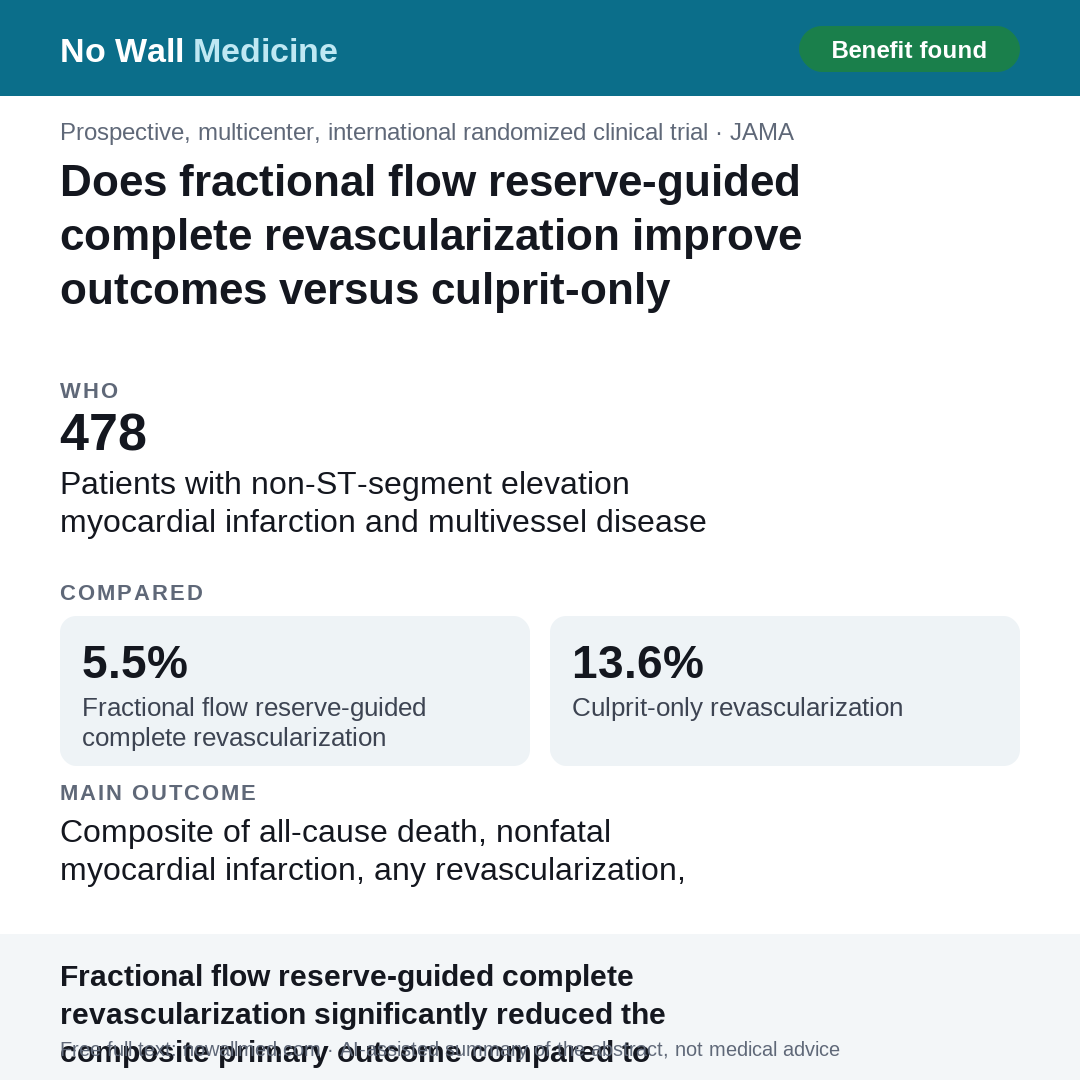
Fractional Flow Reserve-Guided Complete vs Culprit-Only Revascularization in Non-ST-Elevation Myocardial Infarction and Multivessel Disease: The SLIM Randomized Clinical Trial
Prospective, multicenter, international randomized clinical trialBenefit found
Does fractional flow reserve-guided complete revascularization improve outcomes versus culprit-only revascularization in NSTEMI patients?
Who
478
Patients with non-ST-segment elevation myocardial infarction and multivessel disease · 9 hospitals in Europe
Compared
5.5%Fractional flow reserve-guided complete revascularization
13.6%Culprit-only revascularization
Main outcome
Composite of all-cause death, nonfatal myocardial infarction, any revascularization, and stroke
Result: hazard ratio 0.38 (95% CI 0.20-0.72)
Bottom line: Fractional flow reserve-guided complete revascularization significantly reduced the composite primary outcome compared to culprit-only revascularization at 1 year.
JAMA · 2025-09-02Download image