Visual abstracts
New randomized trials and meta-analyses from leading journals at a glance: who was studied, what was compared, and what was found. Every paper is free to read in full.
All specialtiesCardiology 4877Oncology 4138Gastroenterology & Hepatology 1942Infectious Disease 3837Neurology 1905Psychiatry & Mental Health 2273Pulmonology 2143Critical Care 1365Endocrinology & Diabetes 2580Pediatrics 2980Surgery 2559Orthopedics & Sports Medicine 931Neurosurgery 537Cardiothoracic & Vascular Surgery 674Plastic & Reconstructive Surgery 591Nephrology 1133Rheumatology 823Hematology 1109Dermatology 621Ophthalmology 543Obstetrics & Gynecology 1686Public & Global Health 1058Radiology & Imaging 648Anesthesiology 986Urology 764ENT (Otolaryngology) 503Emergency Medicine 511Allergy & Immunology 313Geriatrics 981Family Medicine & Primary Care 562Medical Genetics & Genomics 676Pathology & Laboratory Medicine 159Physical Medicine & Rehabilitation 757Palliative Care 444Nutrition 1588Digital Health & AI 2201General Medicine 321
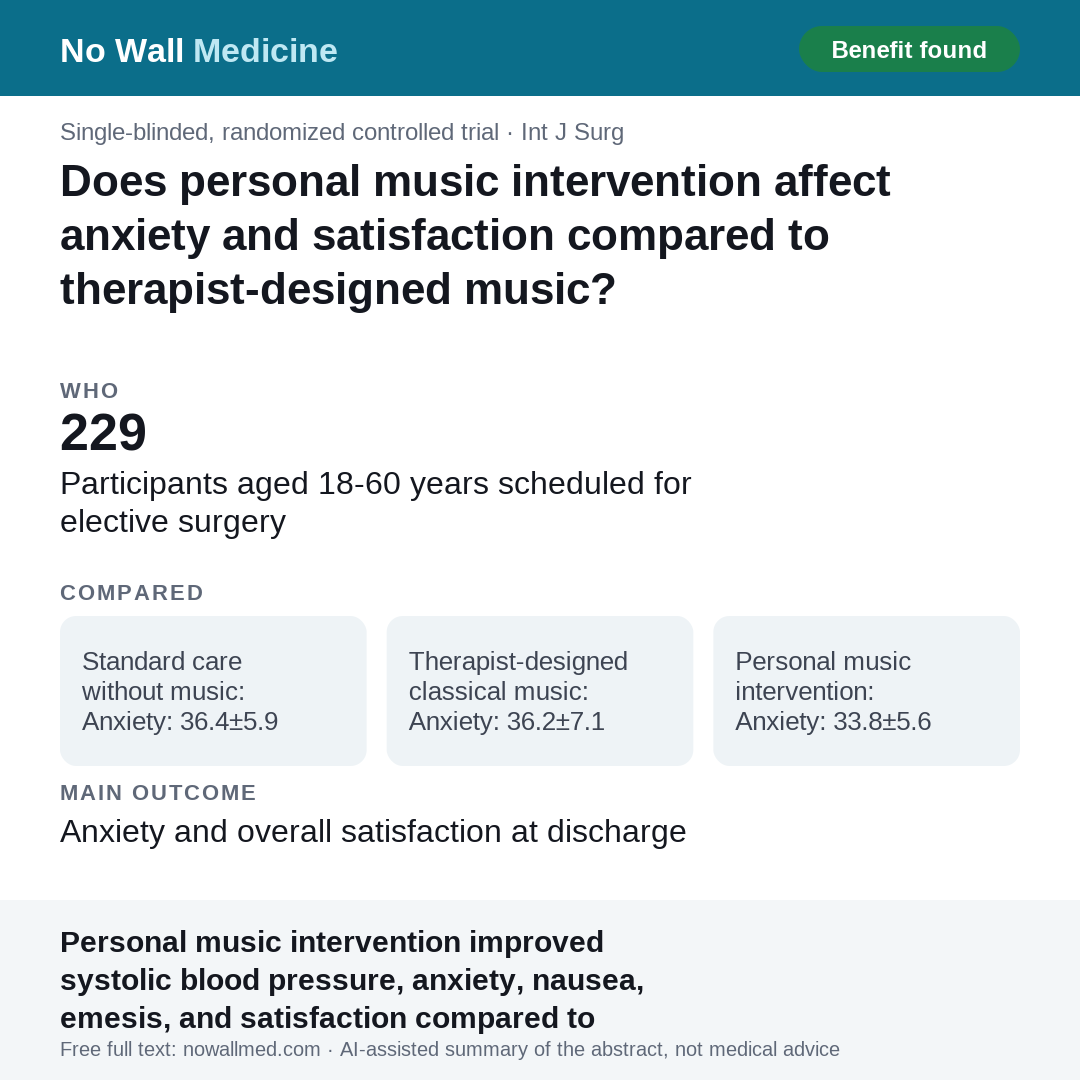
Personal versus therapist perioperative music intervention: a randomized controlled trial
Single-blinded, randomized controlled trialBenefit found
Does personal music intervention affect anxiety and satisfaction compared to therapist-designed music?
Who
229
Participants aged 18-60 years scheduled for elective surgery
Compared
Standard care without music: Anxiety: 36.4±5.9
Therapist-designed classical music: Anxiety: 36.2±7.1
Personal music intervention: Anxiety: 33.8±5.6
Main outcome
Anxiety and overall satisfaction at discharge
Bottom line: Personal music intervention improved systolic blood pressure, anxiety, nausea, emesis, and satisfaction compared to therapist-designed music.
Int J Surg · 2024-07-01Download image
Perioperative outcomes and long-term survival of cryosurgery on unresectable pancreatic cancer: a systematic review and meta-analysis
Meta-analysis of 9 studiesBenefit found
Cryosurgery for unresectable pancreatic cancer
Who
368
Patients with locally advanced or metastatic pancreatic cancer
Compared
Cryosurgery
Control
Main outcome
Perioperative outcomes and survival
Bottom line: Cryosurgery is a promising treatment for unresectable pancreatic cancer
Limitation: Retrospective studies with small sample sizes
Int J Surg · 2024-07-01Download image

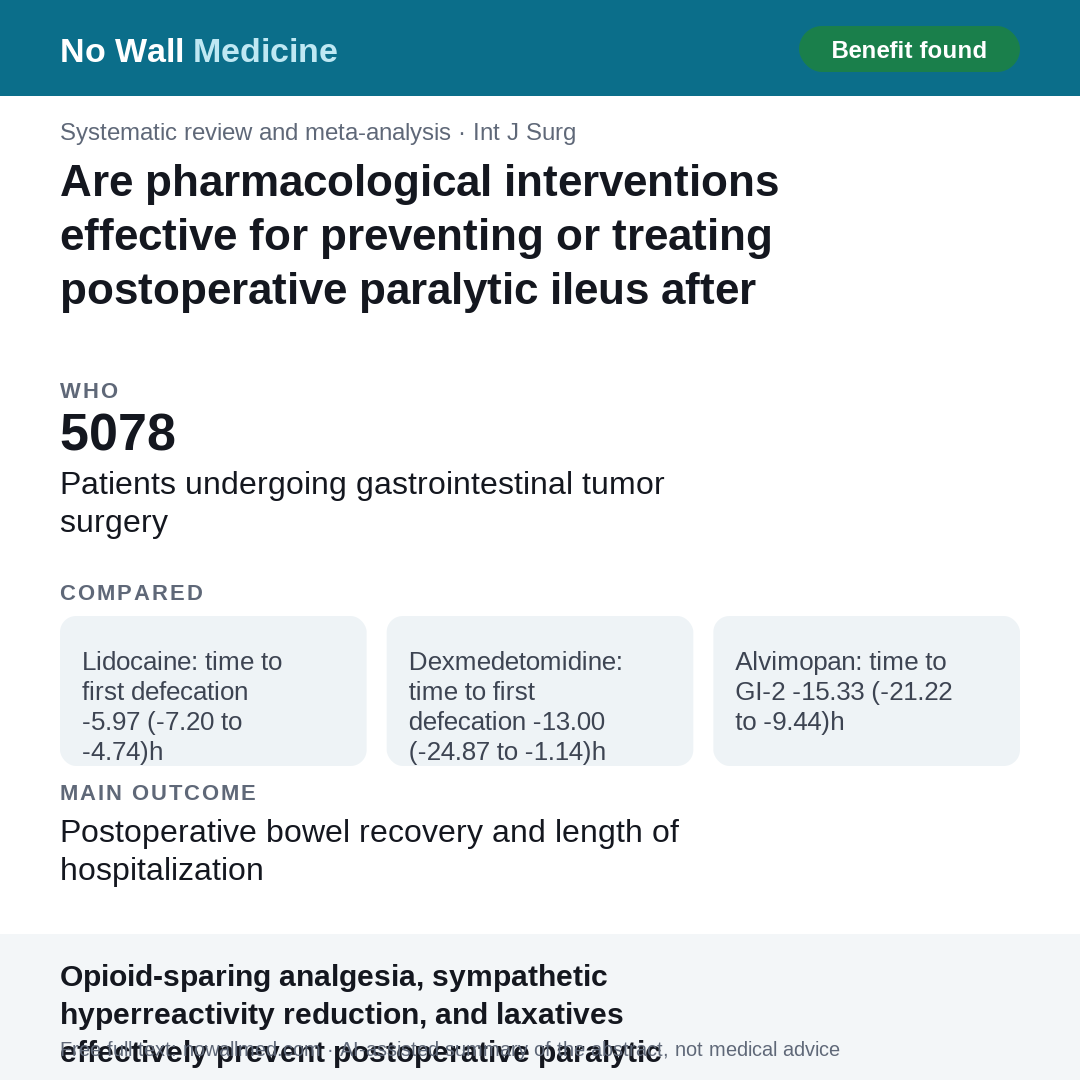
Pharmacologic prevention and therapy of postoperative paralytic ileus after gastrointestinal cancer surgery: systematic review and meta-analysis
Systematic review and meta-analysisBenefit found
Are pharmacological interventions effective for preventing or treating postoperative paralytic ileus after gastrointestinal cancer surgery?
Who
5078
Patients undergoing gastrointestinal tumor surgery
Compared
Lidocaine: time to first defecation -5.97 (-7.20 to -4.74)h
Dexmedetomidine: time to first defecation -13.00 (-24.87 to -1.14)h
Alvimopan: time to GI-2 -15.33 (-21.22 to -9.44)h
Main outcome
Postoperative bowel recovery and length of hospitalization
Bottom line: Opioid-sparing analgesia, sympathetic hyperreactivity reduction, and laxatives effectively prevent postoperative paralytic ileus after gastrointestinal cancer surgery.
Limitation: Evidence supporting pharmacological treatment for clinically evident postoperative paralytic ileus is limited.
Int J Surg · 2024-07-01Download image
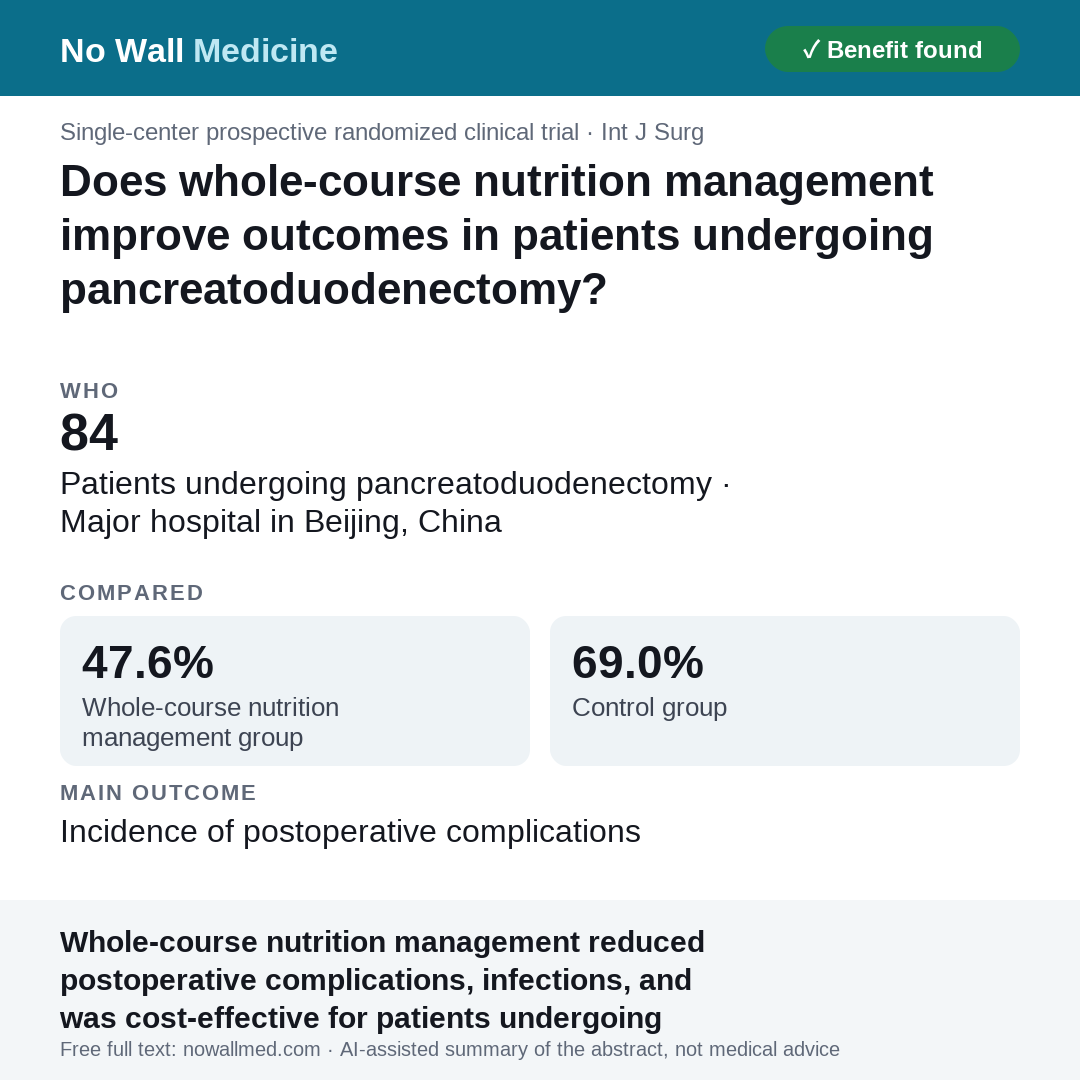
Perioperative and post-hospital whole-course nutrition management in patients with pancreatoduodenectomy - a single-center prospective randomized controlled trial
Single-center prospective randomized clinical trialBenefit found
Does whole-course nutrition management improve outcomes in patients undergoing pancreatoduodenectomy?
Who
84
Patients undergoing pancreatoduodenectomy · Major hospital in Beijing, China
Compared
47.6%Whole-course nutrition management group
69.0%Control group
Main outcome
Incidence of postoperative complications
Bottom line: Whole-course nutrition management reduced postoperative complications, infections, and was cost-effective for patients undergoing pancreatoduodenectomy.
Int J Surg · 2024-07-01Download image
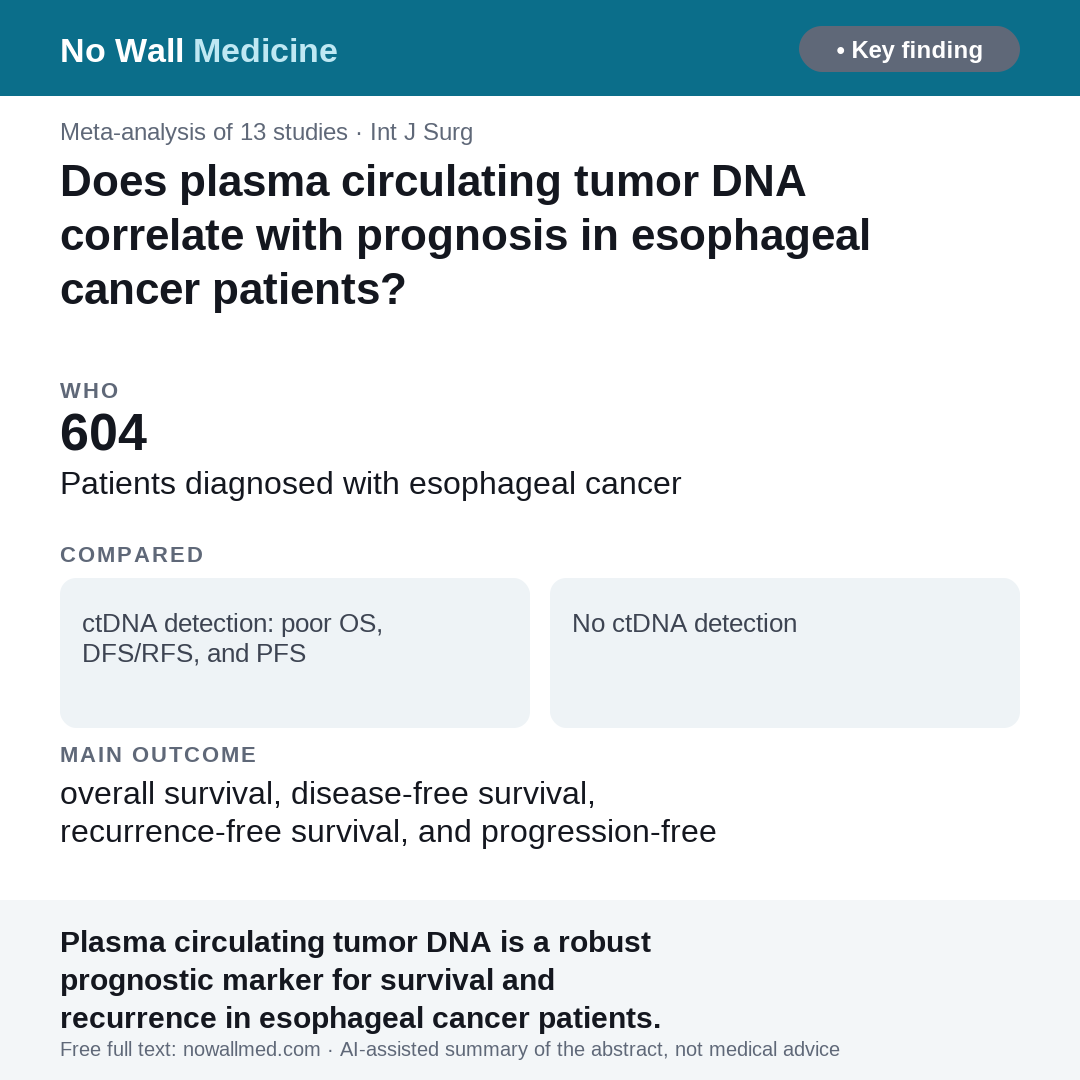
Association between plasma circulating tumor DNA and the prognosis of esophageal cancer patients: a meta-analysis
Meta-analysis of 13 studiesBenefit found
Does plasma circulating tumor DNA correlate with prognosis in esophageal cancer patients?
Who
604
Patients diagnosed with esophageal cancer
Compared
ctDNA detection: poor OS, DFS/RFS, and PFS
No ctDNA detection
Main outcome
overall survival, disease-free survival, recurrence-free survival, and progression-free survival
Result: HR 3.65 (95% CI 1.97-6.75) for overall survival
Bottom line: Plasma circulating tumor DNA is a robust prognostic marker for survival and recurrence in esophageal cancer patients.
Int J Surg · 2024-07-01Download image
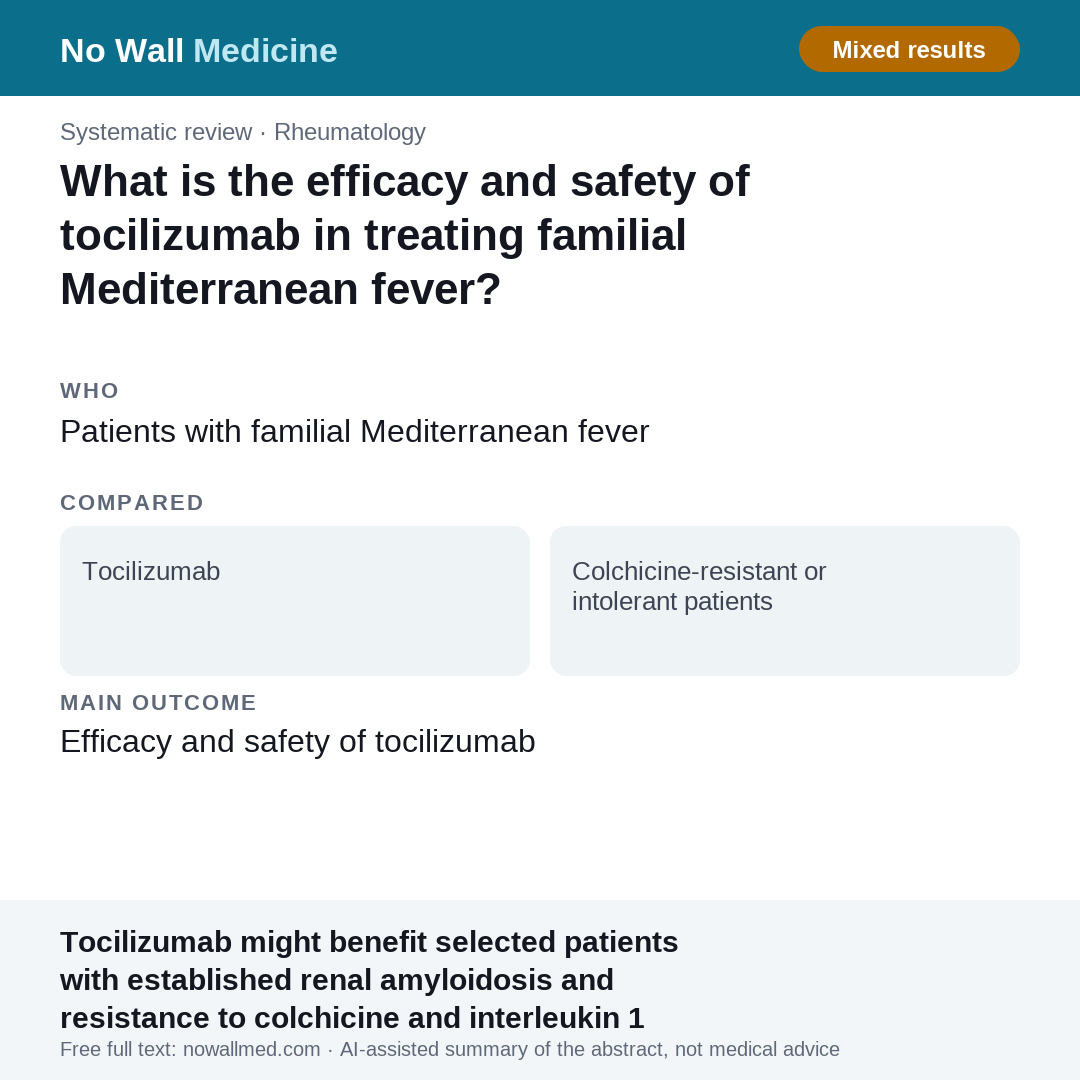
Could tocilizumab be used in familial Mediterranean fever? A systematic review
Systematic reviewMixed results
What is the efficacy and safety of tocilizumab in treating familial Mediterranean fever?
Who
Patients with familial Mediterranean fever
Compared
Tocilizumab
Colchicine-resistant or intolerant patients
Main outcome
Efficacy and safety of tocilizumab
Bottom line: Tocilizumab might benefit selected patients with established renal amyloidosis and resistance to colchicine and interleukin 1 inhibitors.
Limitation: Genetic and classification heterogeneity, possible misdiagnosed patients, and lack of paediatric data.
Rheumatology · 2024-07-01Download image
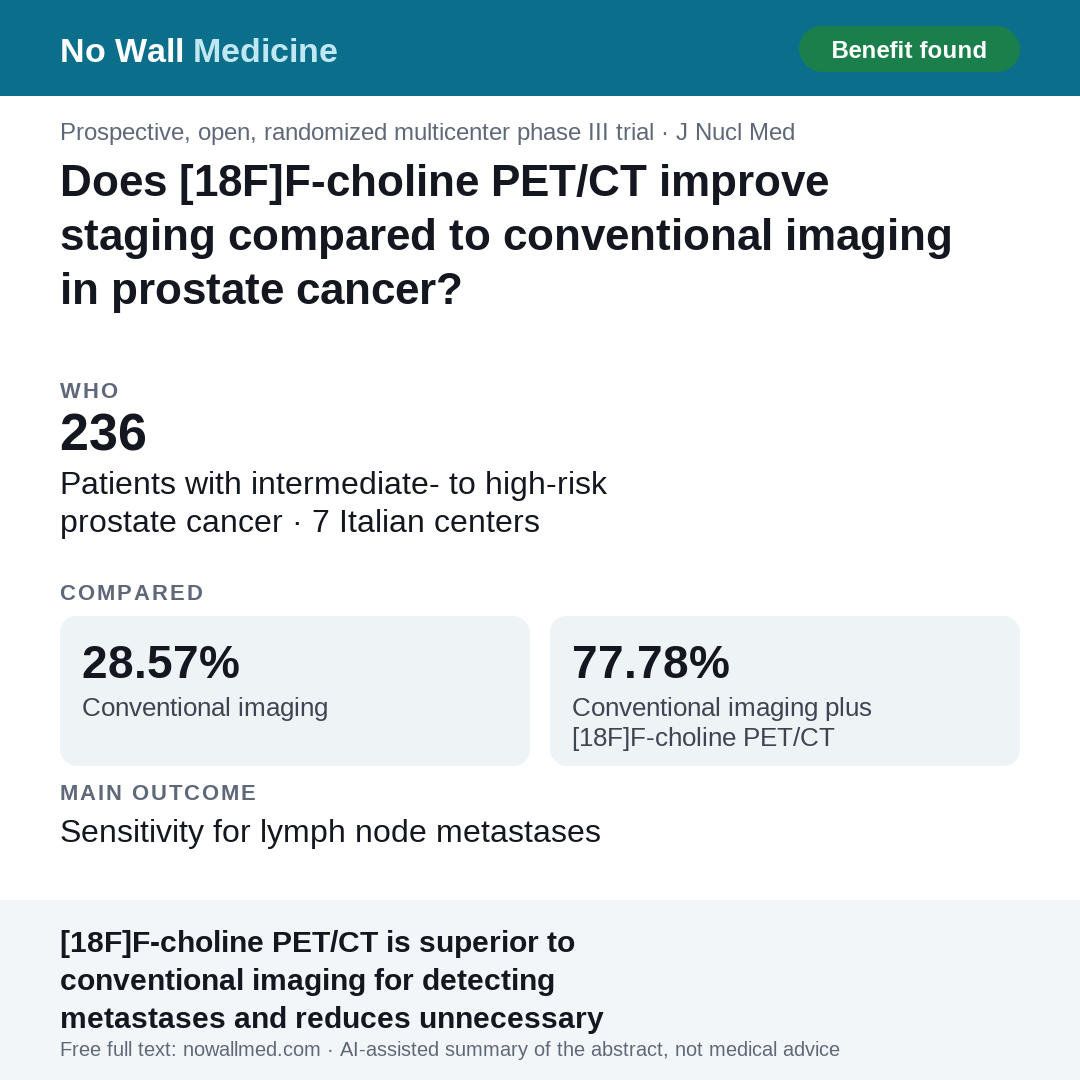
A Prospective Randomized Multicenter Study on the Impact of [18F]F-Choline PET/CT Versus Conventional Imaging for Staging Intermediate- to High-Risk Prostate Cancer
Prospective, open, randomized multicenter phase III trialBenefit found
Does [18F]F-choline PET/CT improve staging compared to conventional imaging in prostate cancer?
Who
236
Patients with intermediate- to high-risk prostate cancer · 7 Italian centers
Compared
28.57%Conventional imaging
77.78%Conventional imaging plus [18F]F-choline PET/CT
Main outcome
Sensitivity for lymph node metastases
Bottom line: [18F]F-choline PET/CT is superior to conventional imaging for detecting metastases and reduces unnecessary lymphadenectomy.
Limitation: The study was terminated prematurely.
J Nucl Med · 2024-07-01Download image
Utility of PSMA PET/CT in Staging and Restaging of Renal Cell Carcinoma: A Systematic Review and Metaanalysis
Systematic review and meta-analysisBenefit found
What is the utility and detection rate of PSMA PET/CT in renal cell carcinoma?
Who
152
Patients with primary, metastatic, or recurrent renal cell carcinoma
Compared
0.74Staging or evaluation of primary RCC (95% CI, 0.57-0.86)
0.87Restaging of metastatic or recurrent RCC (95% CI, 0.73-0.95)
Main outcome
Pooled detection rate of PSMA PET/CT
Result: 0.83 (95% CI, 0.67-0.92)
Bottom line: PSMA PET/CT is a promising imaging modality for evaluating renal cell carcinoma, especially metastatic clear cell renal cell carcinoma.
J Nucl Med · 2024-07-01Download image

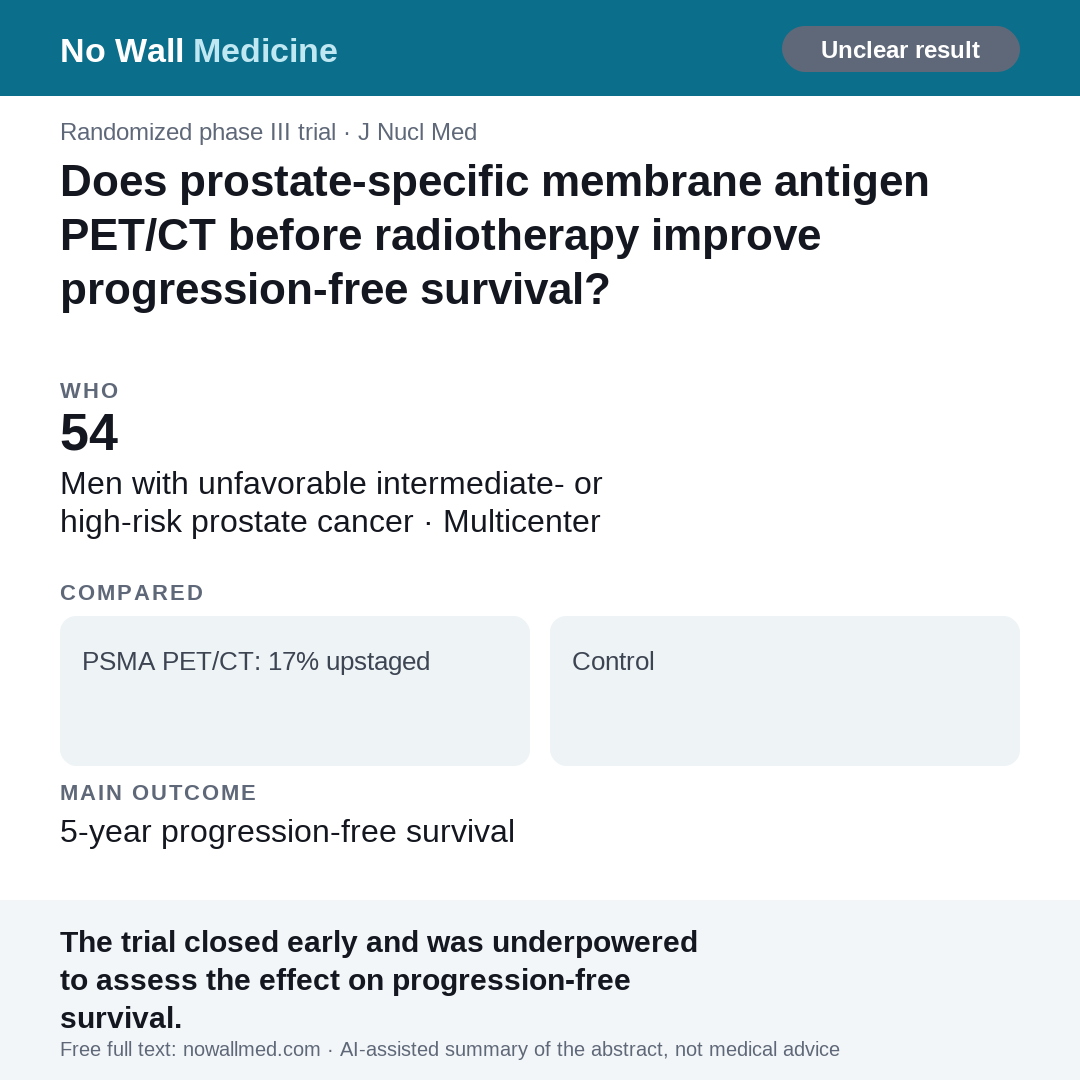
Randomized Trial of Prostate-Specific Membrane Antigen PET/CT Before Definitive Radiotherapy for Unfavorable Intermediate- and High-Risk Prostate Cancer (PSMA-dRT Trial)
Randomized phase III trialUnclear result
Does prostate-specific membrane antigen PET/CT before radiotherapy improve progression-free survival?
Who
54
Men with unfavorable intermediate- or high-risk prostate cancer · Multicenter
Compared
PSMA PET/CT: 17% upstaged
Control
Main outcome
5-year progression-free survival
Bottom line: The trial closed early and was underpowered to assess the effect on progression-free survival.
J Nucl Med · 2024-07-01Download image
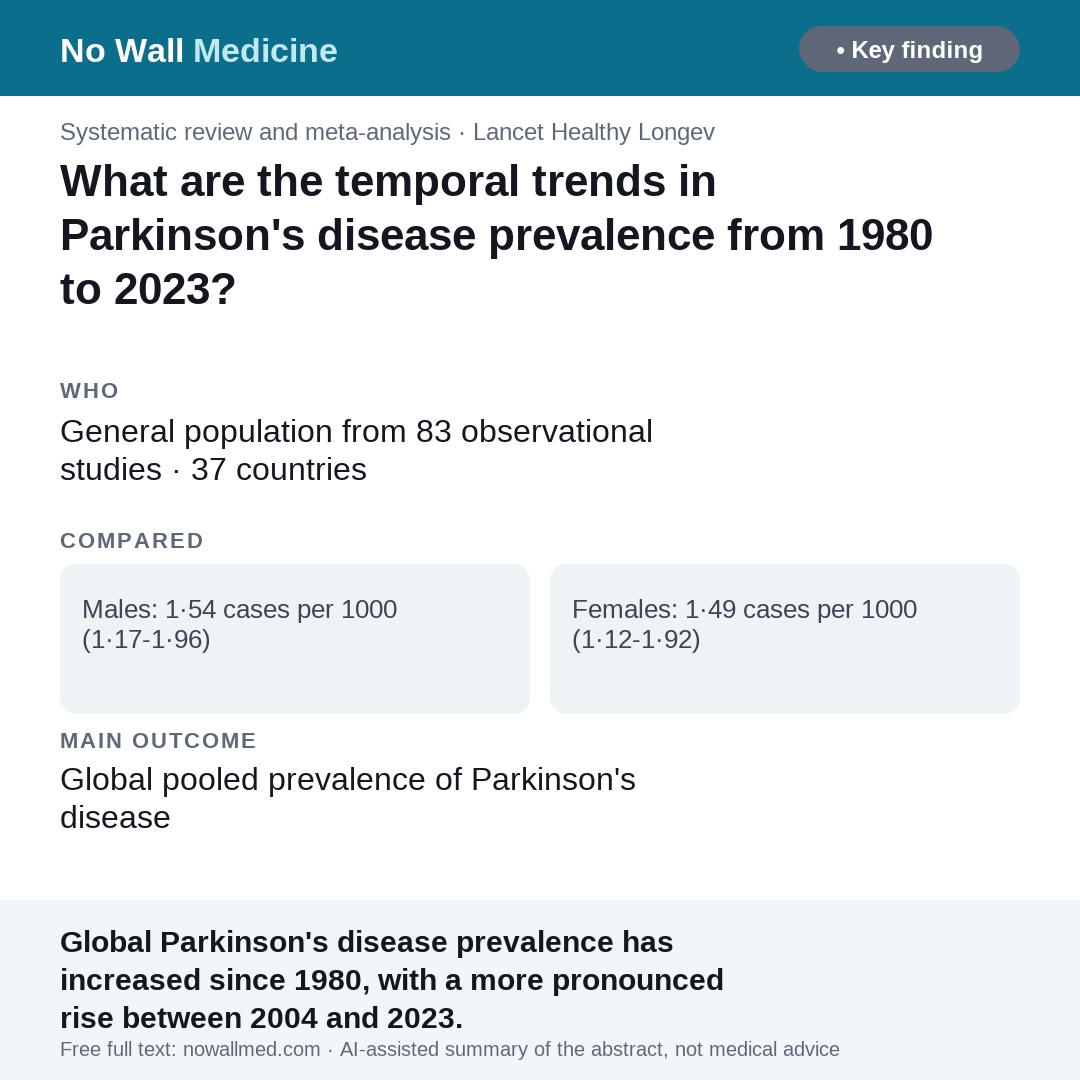
Temporal trends in the prevalence of Parkinson's disease from 1980 to 2023: a systematic review and meta-analysis
Systematic review and meta-analysisBenefit found
What are the temporal trends in Parkinson's disease prevalence from 1980 to 2023?
Who
General population from 83 observational studies · 37 countries
Compared
Males: 1·54 cases per 1000 (1·17-1·96)
Females: 1·49 cases per 1000 (1·12-1·92)
Main outcome
Global pooled prevalence of Parkinson's disease
Result: EAPC 16·32% (95% CI 6·07-26·58) for 2004-23
Bottom line: Global Parkinson's disease prevalence has increased since 1980, with a more pronounced rise between 2004 and 2023.
Funded by: National Nature Science Foundation of China
Lancet Healthy Longev · 2024-07-01Download image
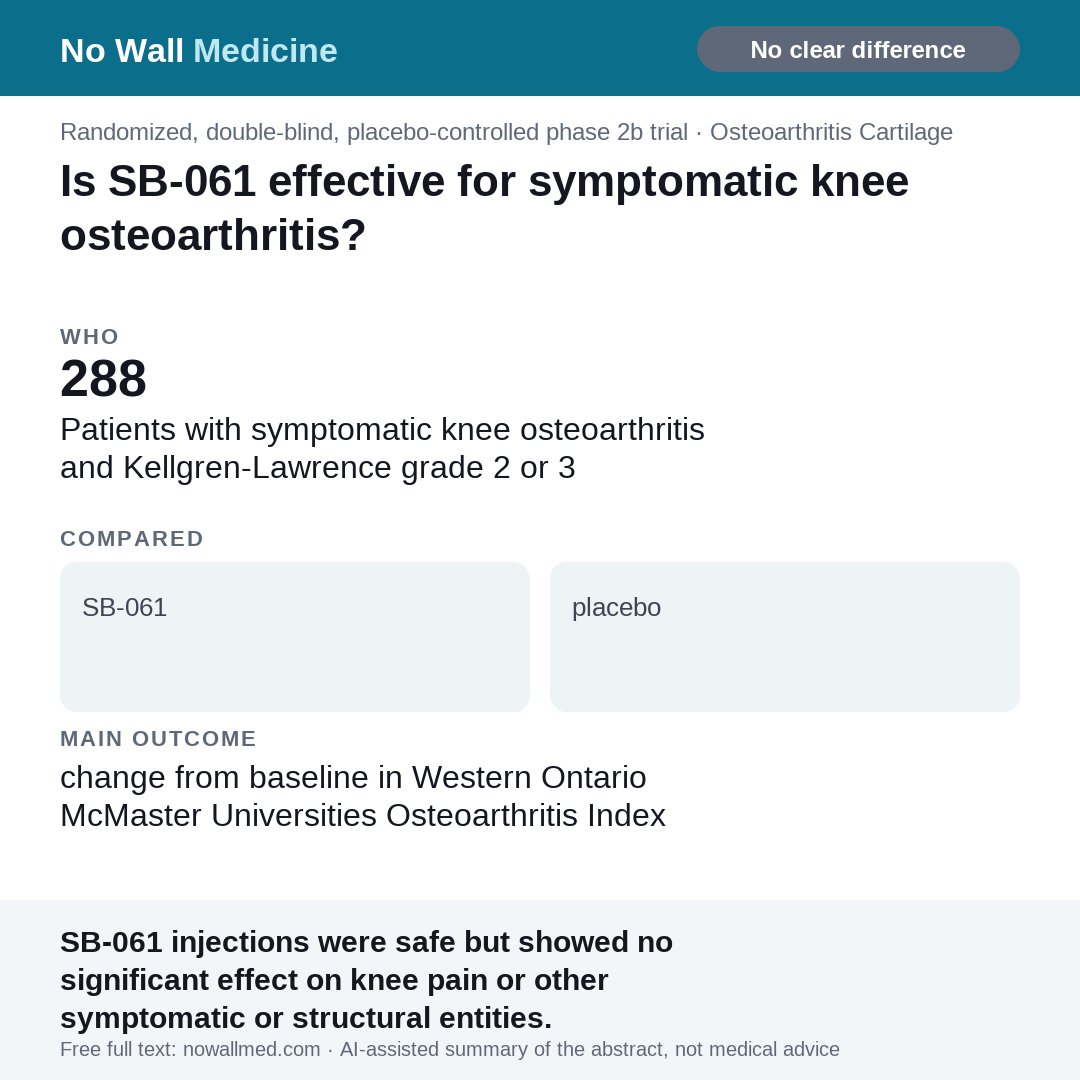
A phase 2b double-blind placebo-controlled randomized clinical trial of SB-061, an aggrecan mimetic, in patients with symptomatic knee osteoarthritis
Randomized, double-blind, placebo-controlled phase 2b trialNo clear difference
Is SB-061 effective for symptomatic knee osteoarthritis?
Who
288
Patients with symptomatic knee osteoarthritis and Kellgren-Lawrence grade 2 or 3
Compared
SB-061
placebo
Main outcome
change from baseline in Western Ontario McMaster Universities Osteoarthritis Index pain
Bottom line: SB-061 injections were safe but showed no significant effect on knee pain or other symptomatic or structural entities.
Osteoarthritis Cartilage · 2024-07-01Download image
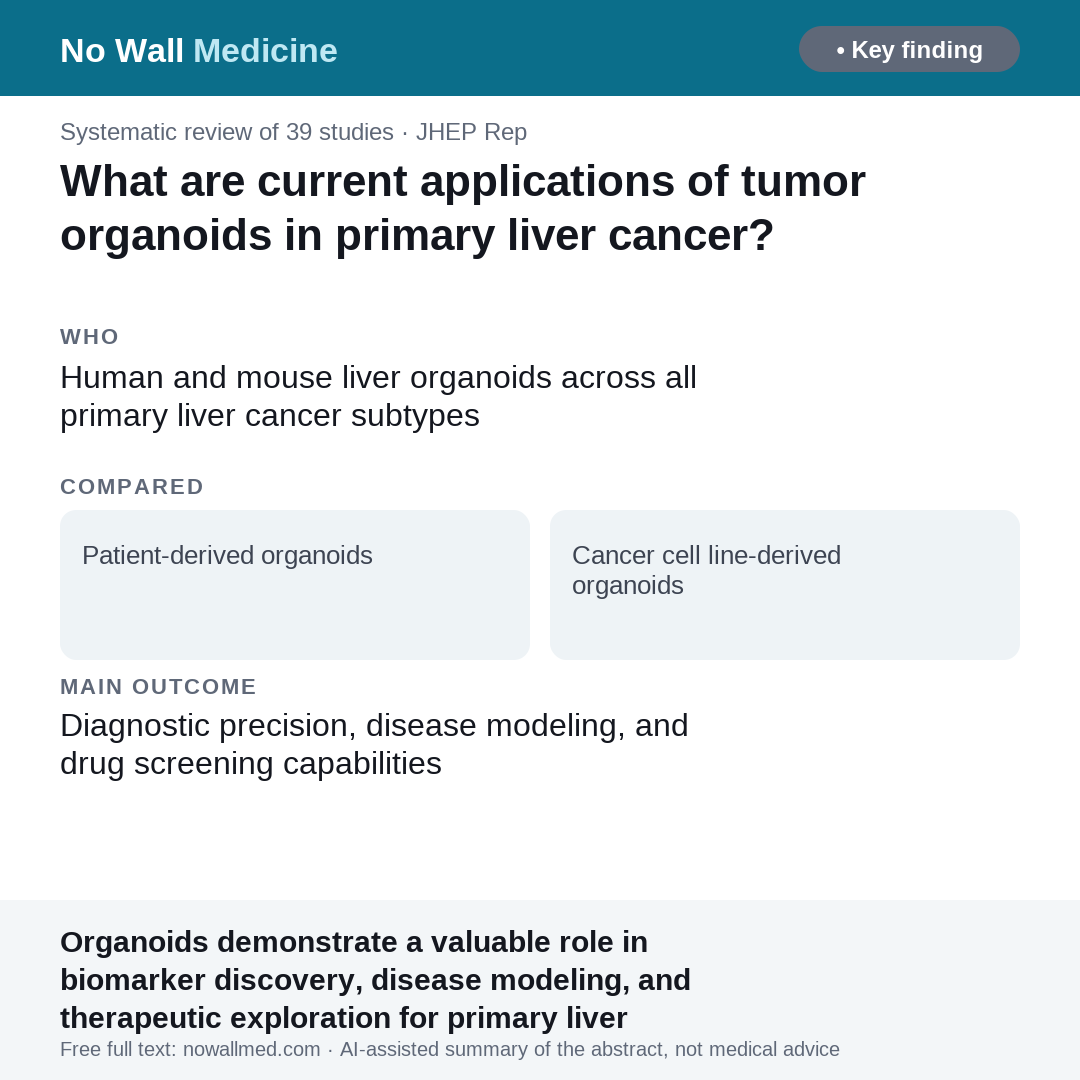
Tumor organoids for primary liver cancers: A systematic review of current applications in diagnostics, disease modeling, and drug screening
Systematic reviewBenefit found
Tumor organoids for liver cancer
Who
patients with primary liver cancer
Compared
patient-derived
cancer cell line-derived
Main outcome
diagnostic precision and disease modeling
Bottom line: Organoids show promise for liver cancer treatment
Limitation: standardizing protocols
JHEP Rep · 2024-07-01Download image
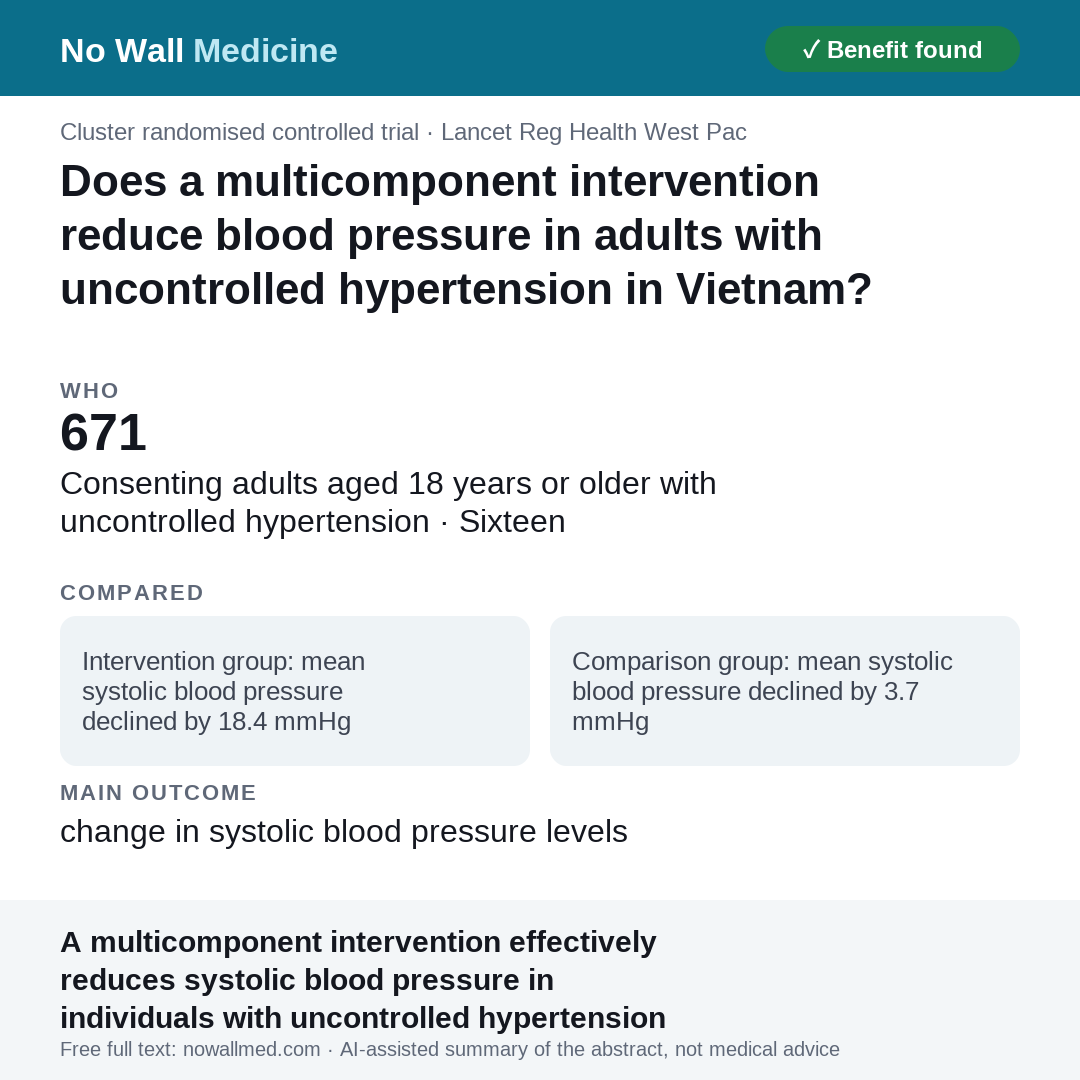
Conquering hypertension in Vietnam: 12- month follow up results from a cluster-randomised controlled trial
Cluster randomised controlled trialBenefit found
Does a multicomponent intervention reduce blood pressure in adults with uncontrolled hypertension in Vietnam?
Who
671
Consenting adults aged 18 years or older with uncontrolled hypertension · Sixteen communities in a rural setting in Vietnam
Compared
Intervention group: mean systolic blood pressure declined by 18.4 mmHg
Comparison group: mean systolic blood pressure declined by 3.7 mmHg
Main outcome
change in systolic blood pressure levels
Result: differential decline of 14.7 mmHg (95% CI: 11.8-17.6)
Bottom line: A multicomponent intervention effectively reduces systolic blood pressure in individuals with uncontrolled hypertension in rural Vietnam.
Funded by: National Heart, Lung, and Blood Institute
Lancet Reg Health West Pac · 2024-07-01Download image
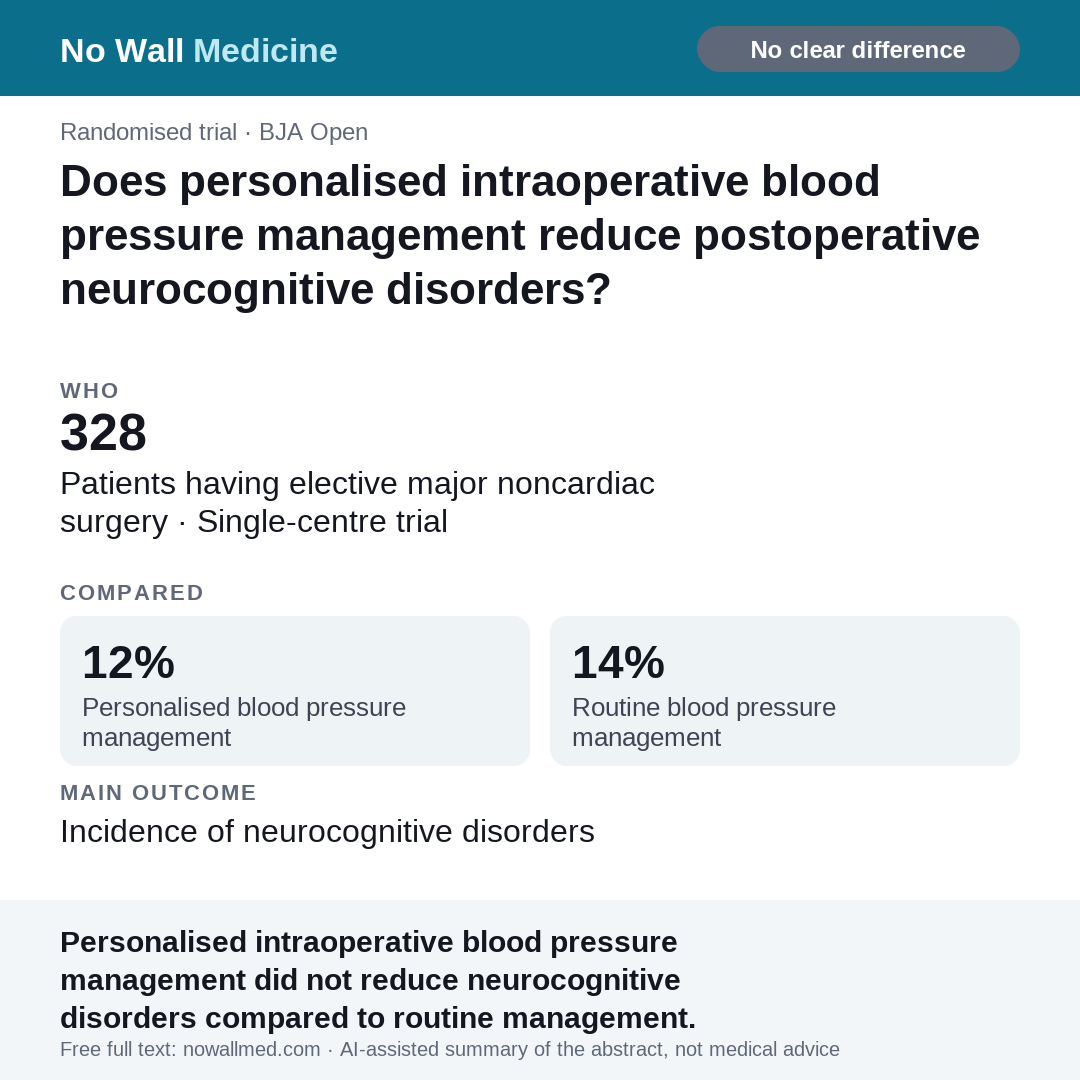
Integrating depression and acute coronary syndrome care in low resource hospitals in China: the I-CARE randomised clinical trial
Multicentre, randomised controlled trialNo clear difference
Does integrative care improve depression symptoms and health outcomes in acute coronary syndrome patients?
Who
4041
Acute coronary syndrome patients aged 21 years and older · Sixteen rural county hospitals in China
Compared
Integrative care: not lower in IC compared to UC at 6 months (mean difference (MD): -0.04, 95% confidence interval (CI): -0.20, 0.11)
Usual care: not lower in IC compared to UC at 12 months (MD: -0.06, 95% CI: -0.21, 0.09)
Main outcome
Change in Patient Health Questionnaire-9 from baseline to 6 and 12 months
Result: mean difference (MD): -0.06, 95% CI: -0.21, 0.09
Bottom line: Integrative care did not improve depression symptoms in all patients discharged with acute coronary syndrome compared to usual care.
Funded by: National Institute of Mental Health
Lancet Reg Health West Pac · 2024-07-01Download image
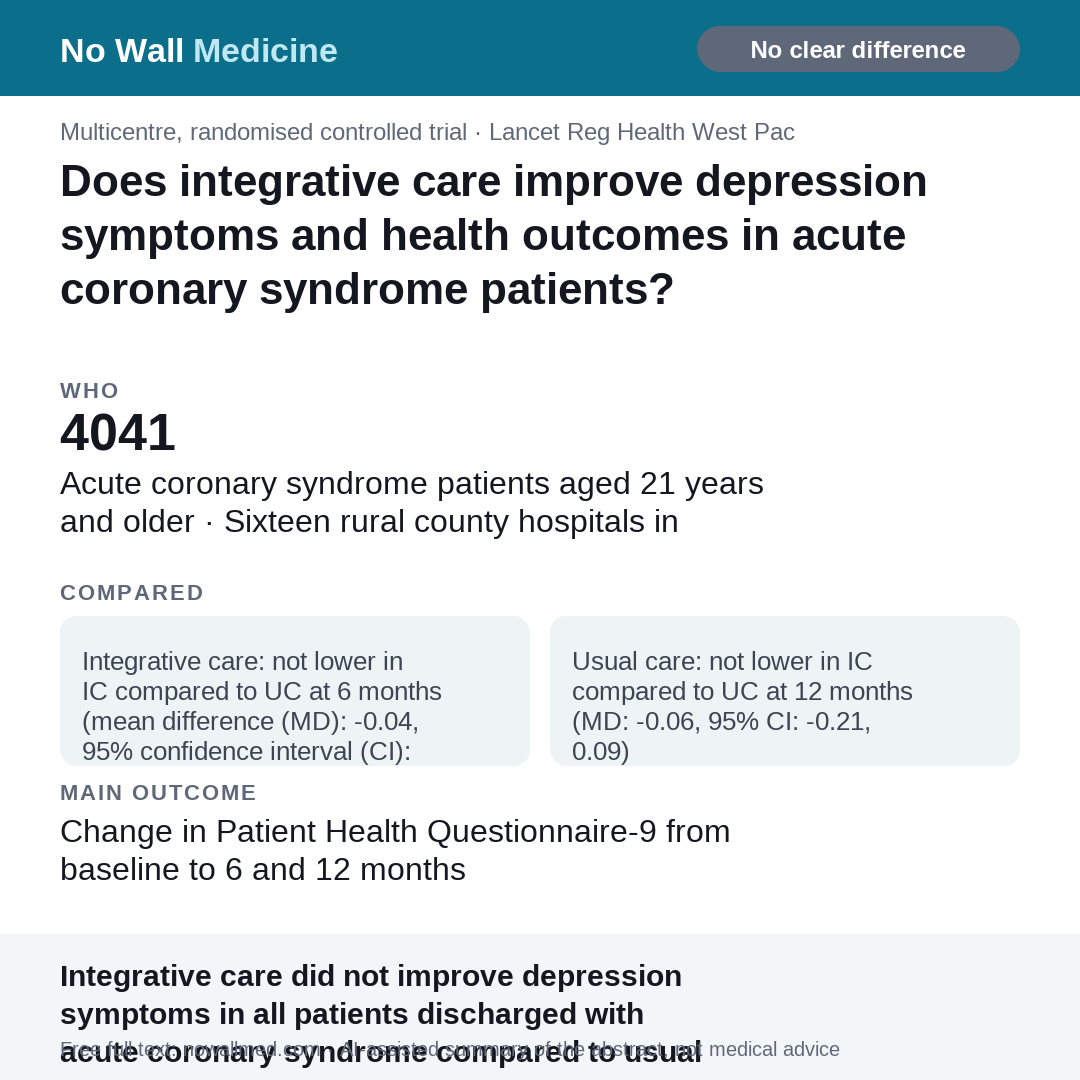
Nonpharmacological interventions on glycated haemoglobin in youth with type 1 diabetes: a Bayesian network meta-analysis
Bayesian network meta-analysisBenefit found
Which nonpharmacological interventions optimize glycated haemoglobin in youth with type 1 diabetes?
Who
6,815
Children and adolescents with type 1 diabetes
Compared
Multicomponent exercise: standardised mean difference -0.63
Nutritional supplements: standardised mean difference -0.49
Standard care
Main outcome
change in glycated haemoglobin levels
Result: standardised mean difference -0.63 (95% credible interval -1.09 to -0.16)
Bottom line: Multicomponent exercise and nutritional supplements may significantly improve glycated haemoglobin in youth with type 1 diabetes.
Limitation: additional research to confirm their efficacy is required
Cardiovasc Diabetol · 2024-07-01Download image
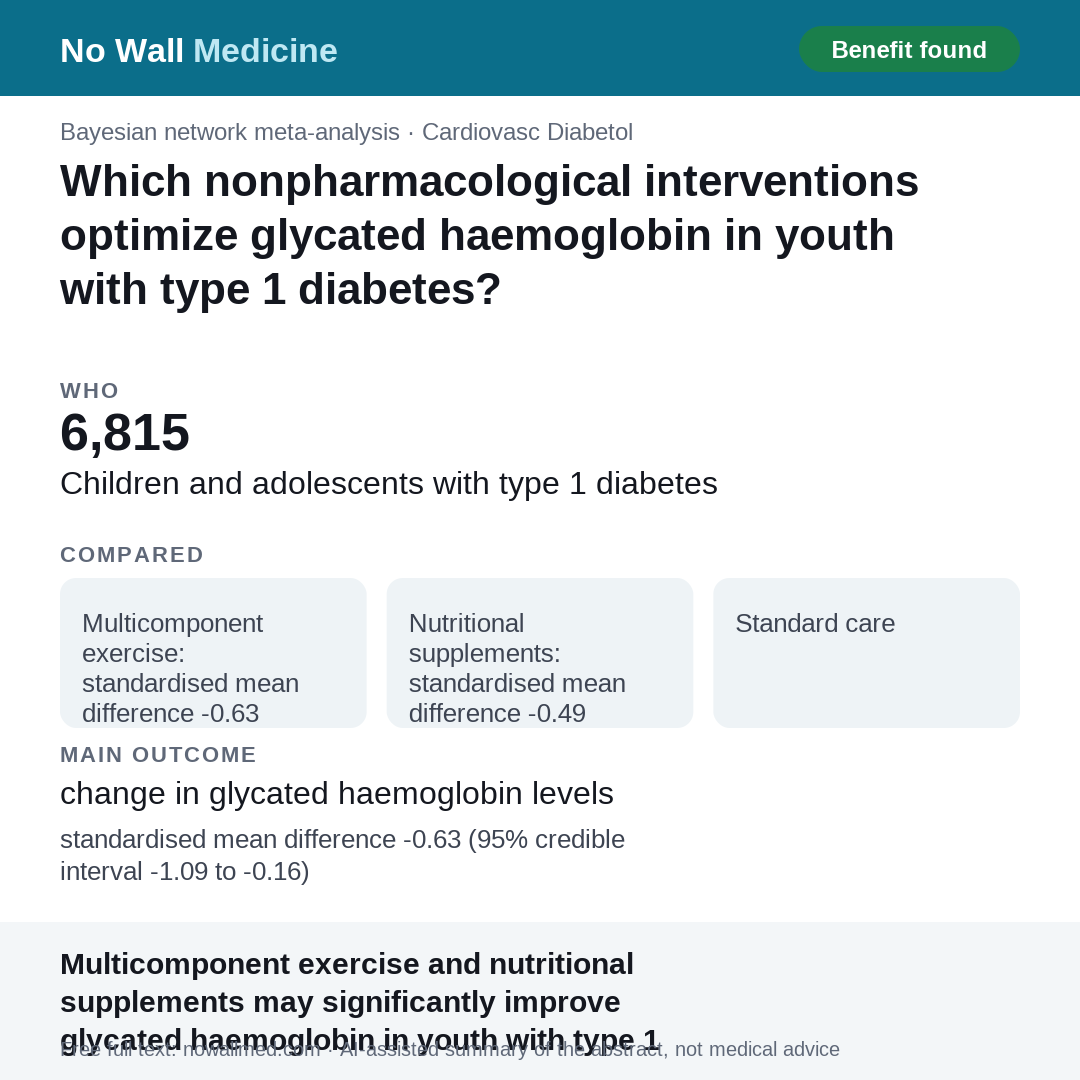
Isatuximab-pomalidomide-dexamethasone versus pomalidomide-dexamethasone in patients with relapsed and refractory multiple myeloma: final overall survival analysis
Randomized, open-label, phase III trialBenefit found
Does adding isatuximab to pomalidomide-dexamethasone improve overall survival in relapsed/refractory multiple myeloma?
Who
307
Patients with relapsed/refractory multiple myeloma failed ≥2 previous therapies · Multicenter
Compared
24.6 monthsisatuximab-pomalidomide-dexamethasone (95% CI: 20.3-31.3)
17.7 monthspomalidomide-dexamethasone (95% CI: 14.4- 26.2)
Main outcome
overall survival
Result: hazard ratio=0.78; 95% CI: 0.59-1.02
Bottom line: Adding isatuximab to pomalidomide-dexamethasone provided a 6.9-month improvement in median overall survival.
Haematologica · 2024-07-01Download image
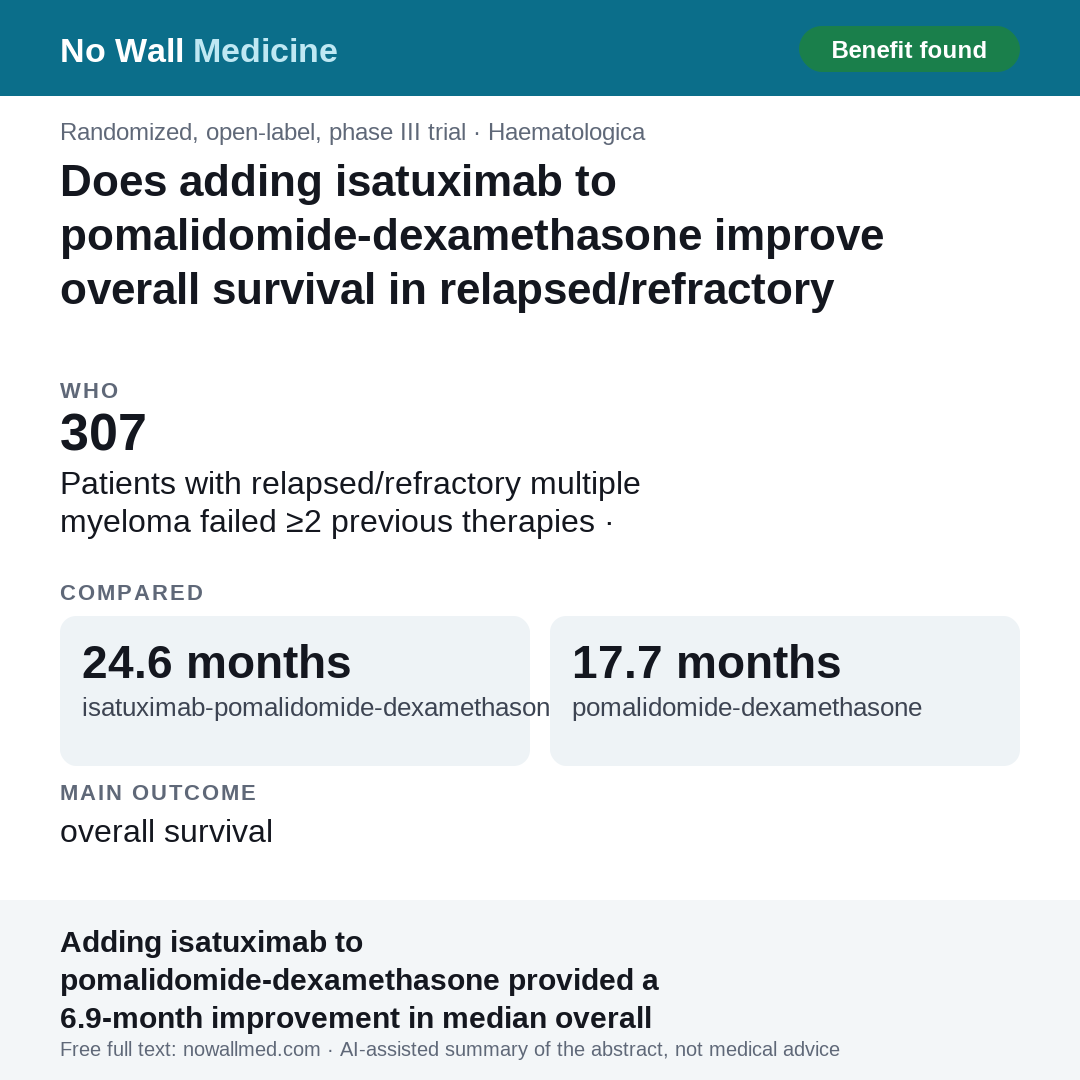
Personalised blood pressure management during major noncardiac surgery and postoperative neurocognitive disorders: a randomised trial
Randomised trialNo clear difference
Does personalised intraoperative blood pressure management reduce postoperative neurocognitive disorders?
Who
328
Patients having elective major noncardiac surgery · Single-centre trial
Compared
12%Personalised blood pressure management
14%Routine blood pressure management
Main outcome
Incidence of neurocognitive disorders
Result: odds ratio 0.84 (95% CI 0.40-1.75)
Bottom line: Personalised intraoperative blood pressure management did not reduce neurocognitive disorders compared to routine management.
BJA Open · 2024-07-01Download image
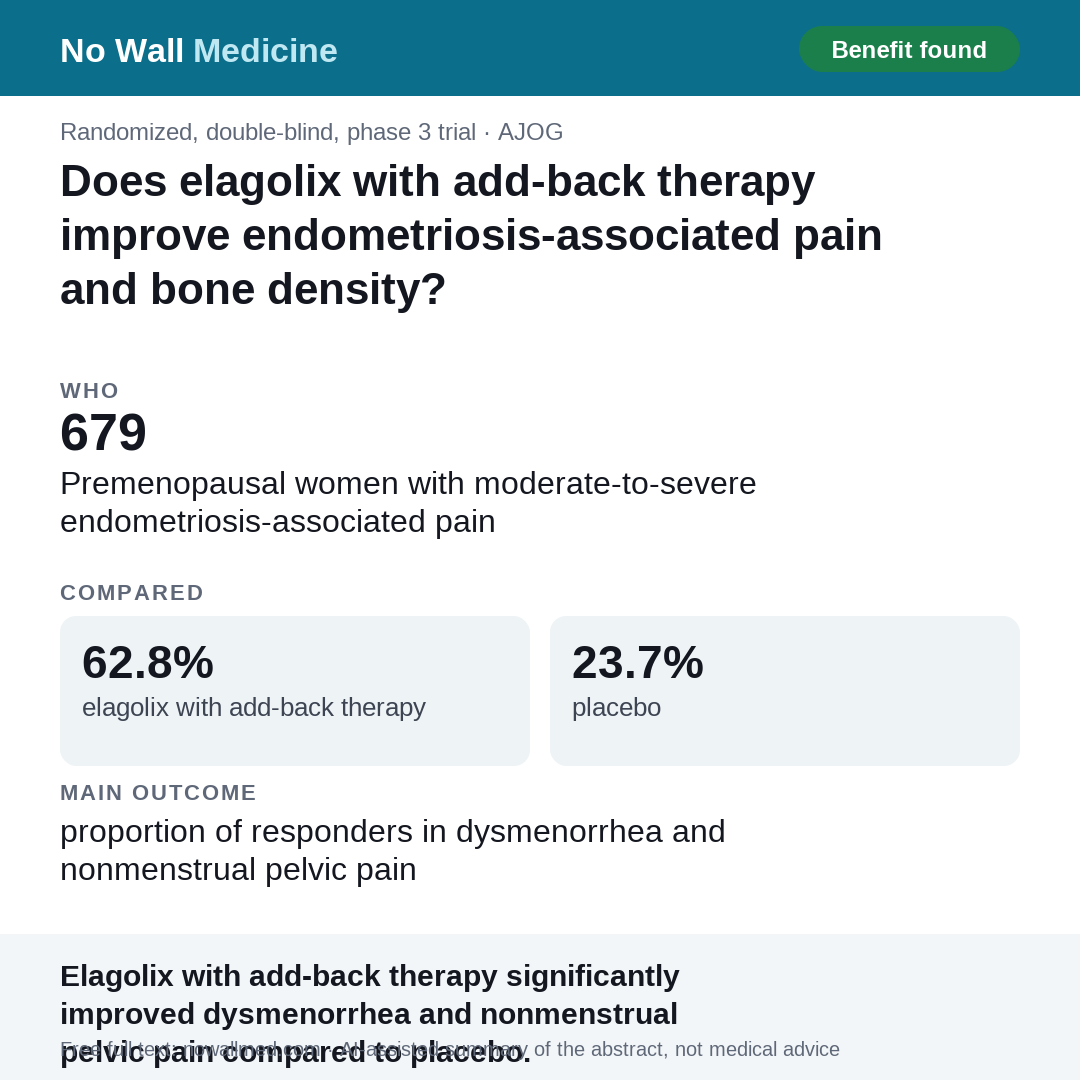
Efficacy, tolerability, and bone density outcomes of elagolix with add-back therapy for endometriosis-associated pain: twelve months of an ongoing randomized phase 3 trial
Randomized, double-blind, phase 3 trialBenefit found
Does elagolix with add-back therapy improve endometriosis-associated pain and bone density?
Who
679
Premenopausal women with moderate-to-severe endometriosis-associated pain
Compared
62.8%elagolix with add-back therapy (dysmenorrhea responders)
23.7%placebo (dysmenorrhea responders)
Main outcome
proportion of responders in dysmenorrhea and nonmenstrual pelvic pain
Bottom line: Elagolix with add-back therapy significantly improved dysmenorrhea and nonmenstrual pelvic pain compared to placebo.
AJOG · 2024-06-30Download image
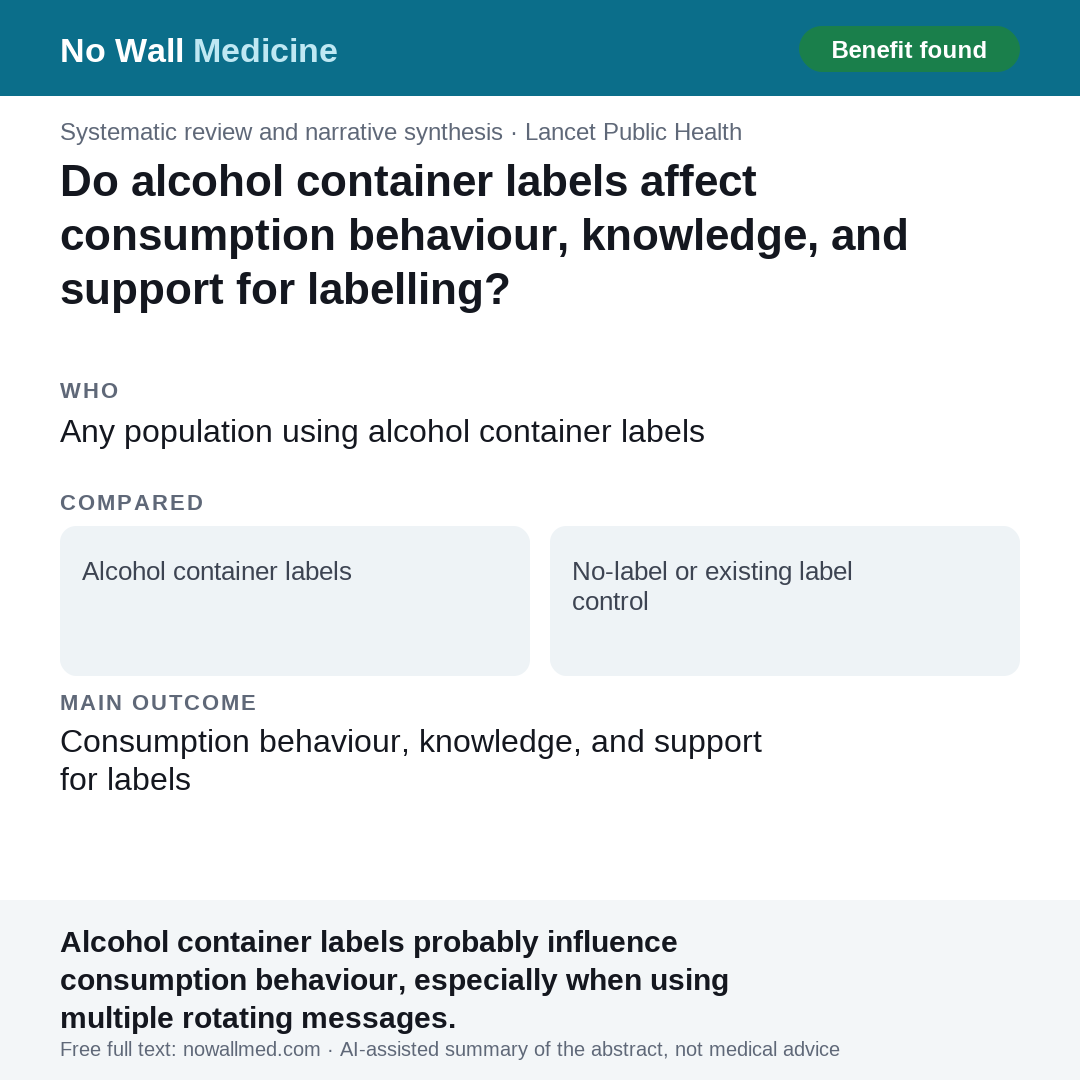
The effects of alcohol container labels on consumption behaviour, knowledge, and support for labelling: a systematic review
Systematic review and narrative synthesisBenefit found
Do alcohol container labels affect consumption behaviour, knowledge, and support for labelling?
Who
Any population using alcohol container labels
Compared
Alcohol container labels
No-label or existing label control
Main outcome
Consumption behaviour, knowledge, and support for labels
Bottom line: Alcohol container labels probably influence consumption behaviour, especially when using multiple rotating messages.
Limitation: Heterogeneity in label designs and outcome measurements.
Lancet Public Health · 2024-06-29Download image
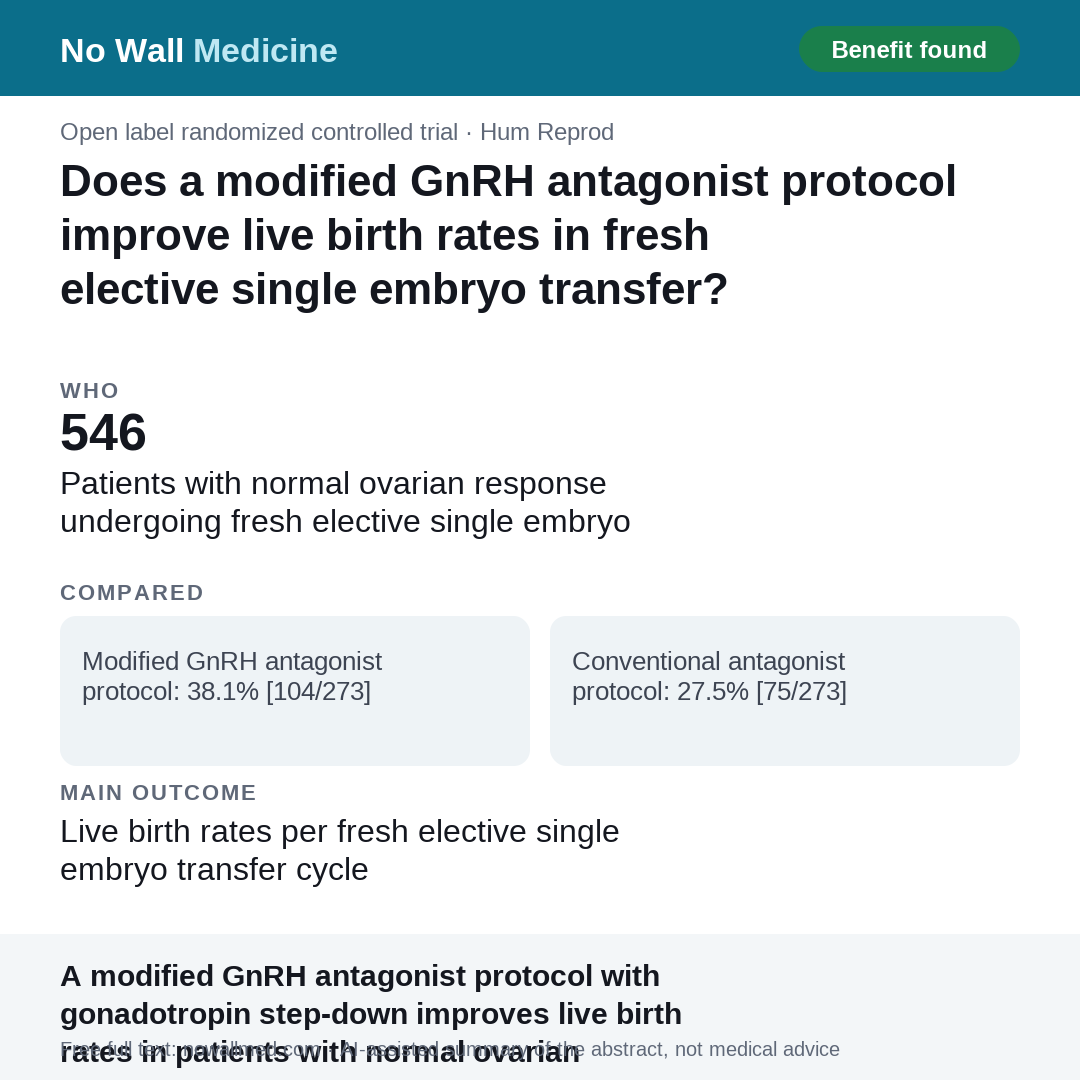
A modified flexible GnRH antagonist protocol using antagonist early cessation and a gonadotropin step-down approach improves live birth rates in fresh cycles: a randomized controlled trial
Open label randomized controlled trialBenefit found
Does a modified GnRH antagonist protocol improve live birth rates in fresh elective single embryo transfer?
Who
546
Patients with normal ovarian response undergoing fresh elective single embryo transfer
Compared
Modified GnRH antagonist protocol: 38.1% [104/273]
Conventional antagonist protocol: 27.5% [75/273]
Main outcome
Live birth rates per fresh elective single embryo transfer cycle
Result: relative risk 1.39 (95% CI 1.09-1.77)
Bottom line: A modified GnRH antagonist protocol with gonadotropin step-down improves live birth rates in patients with normal ovarian response.
Limitation: Subjects were not blinded to treatment allocation and results may not apply to older patients.
Funded by: National Key Research & Development Program of China and Beijing Health Promotion Association
Hum Reprod · 2024-06-29Download image