Visual abstracts
New randomized trials and meta-analyses from leading journals at a glance: who was studied, what was compared, and what was found. Every paper is free to read in full.
All specialtiesCardiology 840Oncology 760Gastroenterology & Hepatology 306Infectious Disease 626Neurology 350Psychiatry & Mental Health 430Pulmonology 365Critical Care 243Endocrinology & Diabetes 480Pediatrics 534Surgery 319Orthopedics & Sports Medicine 161Neurosurgery 89Cardiothoracic & Vascular Surgery 87Plastic & Reconstructive Surgery 118Nephrology 197Rheumatology 108Hematology 181Dermatology 78Ophthalmology 97Obstetrics & Gynecology 261Public & Global Health 167Radiology & Imaging 96Anesthesiology 107Urology 162ENT (Otolaryngology) 86Emergency Medicine 68Allergy & Immunology 58Geriatrics 160Family Medicine & Primary Care 111Medical Genetics & Genomics 91Pathology & Laboratory Medicine 24Physical Medicine & Rehabilitation 148Palliative Care 81Nutrition 223Digital Health & AI 460General Medicine 101
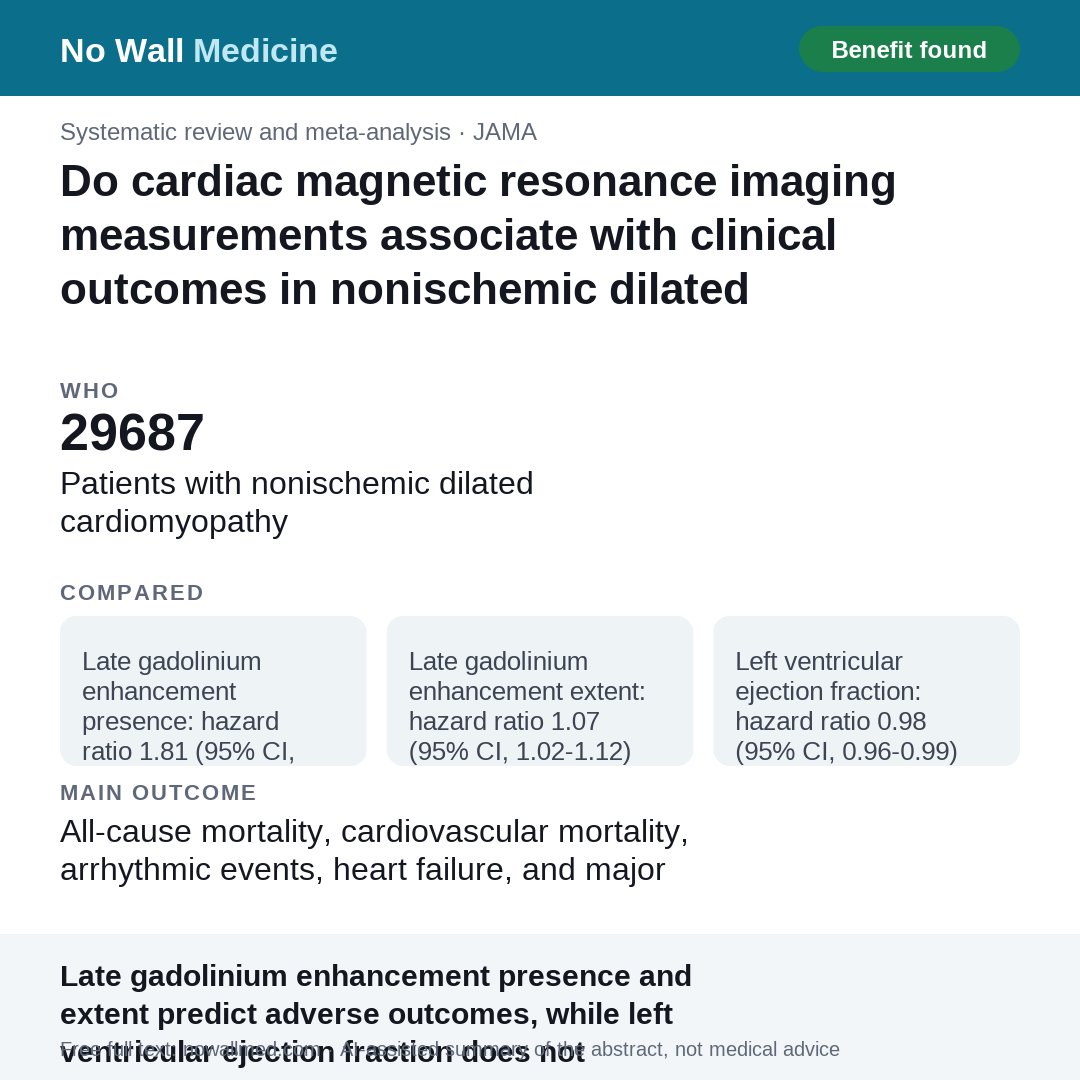
Risk Stratification in Nonischemic Dilated Cardiomyopathy Using CMR Imaging: A Systematic Review and Meta-Analysis
Systematic review and meta-analysisBenefit found
Do cardiac magnetic resonance imaging measurements associate with clinical outcomes in nonischemic dilated cardiomyopathy?
Who
29687
Patients with nonischemic dilated cardiomyopathy
Compared
Late gadolinium enhancement presence: hazard ratio 1.81 (95% CI, 1.60-2.04) for all-cause mortality
Late gadolinium enhancement extent: hazard ratio 1.07 (95% CI, 1.02-1.12) for all-cause mortality
Left ventricular ejection fraction: hazard ratio 0.98 (95% CI, 0.96-0.99) for major adverse cardiac events
Main outcome
All-cause mortality, cardiovascular mortality, arrhythmic events, heart failure, and major adverse cardiac events
Bottom line: Late gadolinium enhancement presence and extent predict adverse outcomes, while left ventricular ejection fraction does not predict mortality.
Limitation: Limited data precluded definitive analysis for native T1 relaxation times, global longitudinal strain, and extracellular volume fraction mortality.
JAMA · 2024-09-19Download image
Comparative effects of drug interventions for the acute management of migraine episodes in adults: systematic review and network meta-analysis
Systematic review and network meta-analysisBenefit found
Which oral monotherapies are most effective for acute migraine management in adults?
Who
89445
Adults with a diagnosis of migraine
Compared
Active interventions
Placebo
Main outcome
Pain freedom at two hours and sustained pain freedom to 24 hours
Result: odds ratios from 1.73 (95% CI 1.27 to 2.34) to 5.19 (4.25 to 6.33)
Bottom line: Eletriptan, rizatriptan, sumatriptan, and zolmitriptan were most effective for acute migraine treatment.
Limitation: Confidence in accordance with CINeMA ranged from high to very low.
BMJ · 2024-09-18Download image

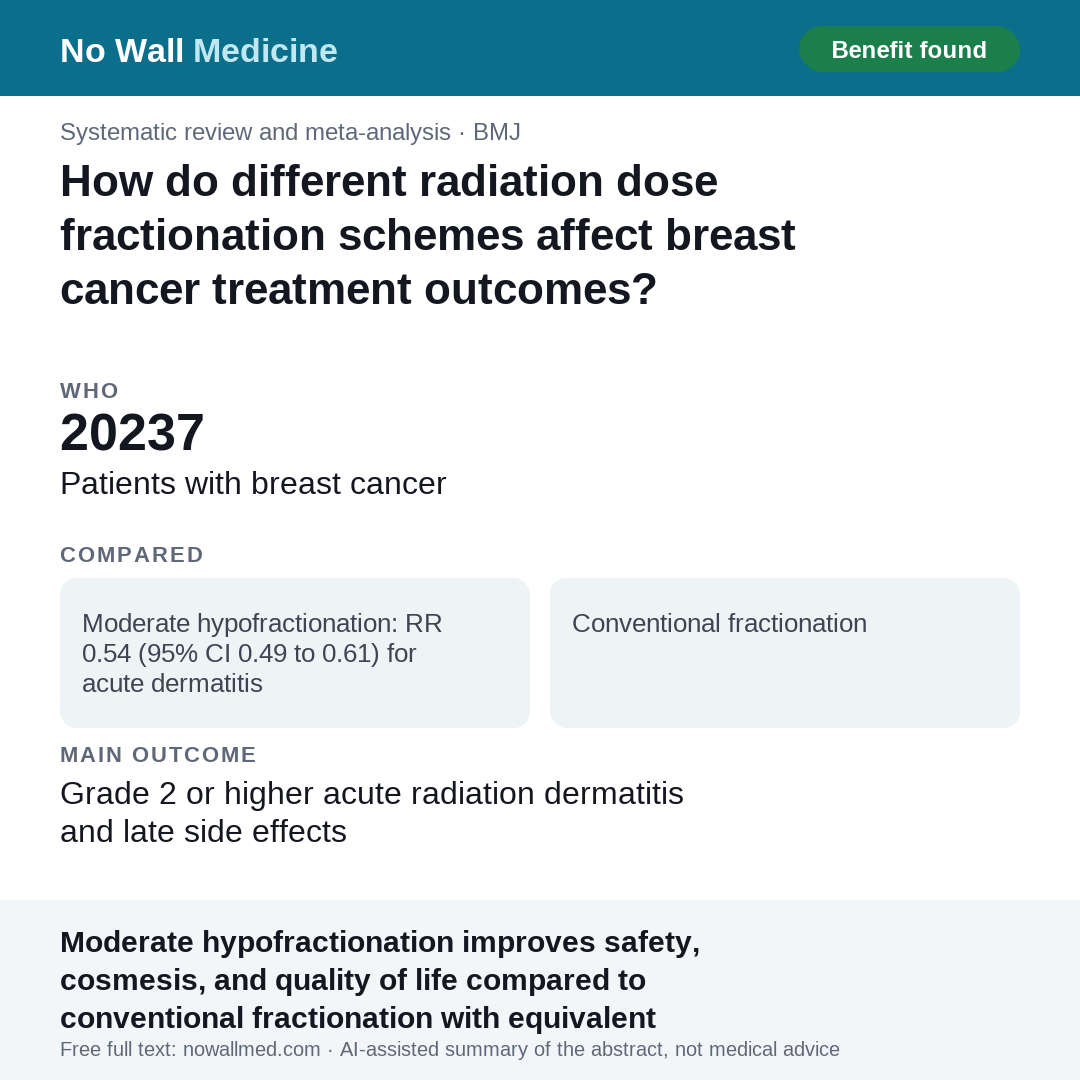
Randomised controlled trials on radiation dose fractionation in breast cancer: systematic review and meta-analysis with emphasis on side effects and cosmesis
Systematic review and meta-analysisBenefit found
How do different radiation dose fractionation schemes affect breast cancer treatment outcomes?
Who
20237
Patients with breast cancer
Compared
Moderate hypofractionation: RR 0.54 (95% CI 0.49 to 0.61) for acute dermatitis
Conventional fractionation
Main outcome
Grade 2 or higher acute radiation dermatitis and late side effects
Result: RR 0.54 (95% CI 0.49 to 0.61)
Bottom line: Moderate hypofractionation improves safety, cosmesis, and quality of life compared to conventional fractionation with equivalent oncological outcomes.
Limitation: 78.4% of outcomes had some concerns or high risk of bias.
BMJ · 2024-09-11Download image
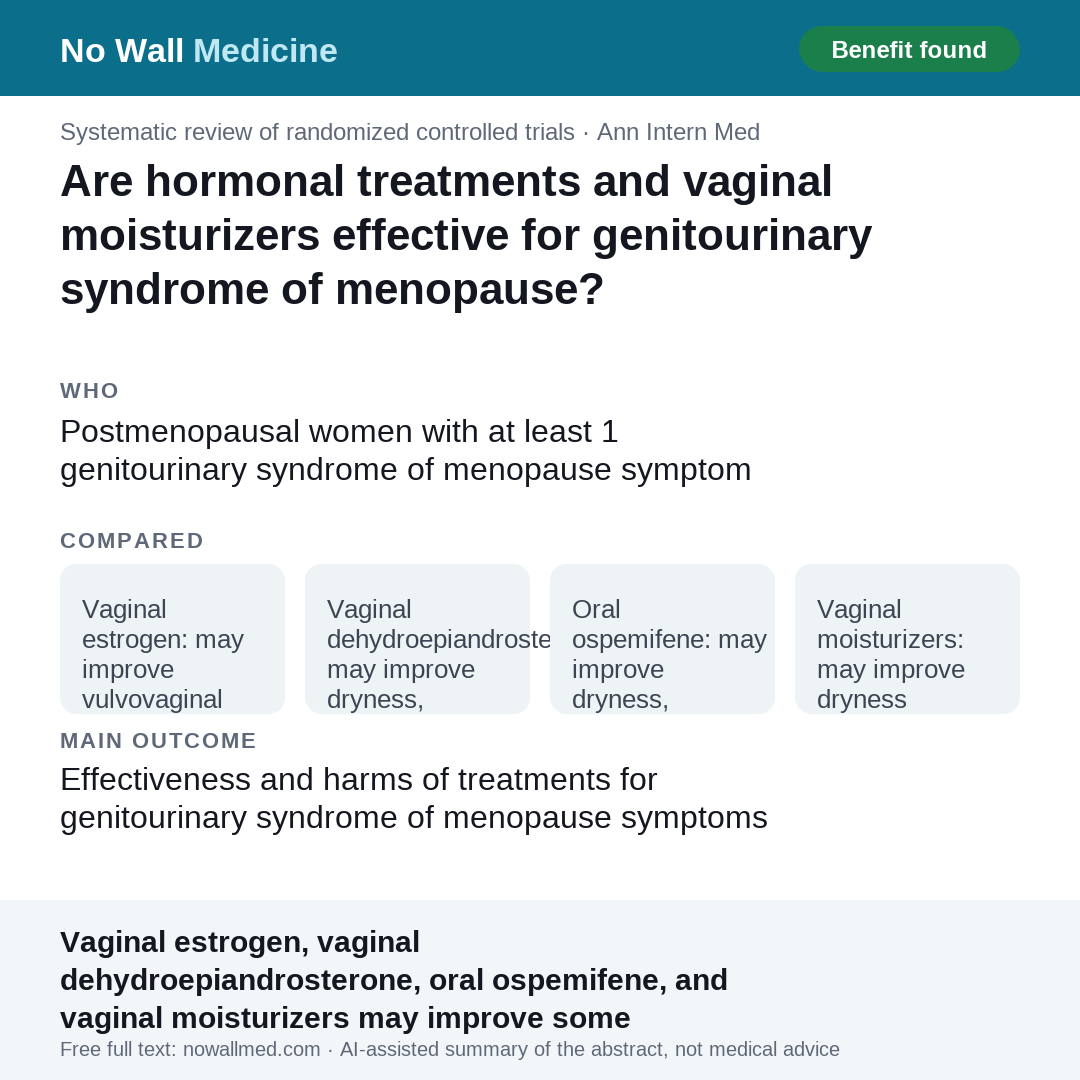
Hormonal Treatments and Vaginal Moisturizers for Genitourinary Syndrome of Menopause : A Systematic Review
Systematic review of randomized controlled trialsBenefit found
Are hormonal treatments and vaginal moisturizers effective for genitourinary syndrome of menopause?
Who
Postmenopausal women with at least 1 genitourinary syndrome of menopause symptom
Compared
Vaginal estrogen: may improve vulvovaginal dryness, dyspareunia, most bothersome symptom, and treatment satisfaction
Vaginal dehydroepiandrosterone: may improve dryness, dyspareunia, and distress, bother, or interference
Oral ospemifene: may improve dryness, dyspareunia, and treatment satisfaction
Vaginal moisturizers: may improve dryness
Main outcome
Effectiveness and harms of treatments for genitourinary syndrome of menopause symptoms
Bottom line: Vaginal estrogen, vaginal dehydroepiandrosterone, oral ospemifene, and vaginal moisturizers may improve some symptoms in the short term.
Limitation: Short-duration studies, heterogeneous diagnostic criteria, and few women with a history of cancer.
Funded by: Agency for Healthcare Research and Quality and Patient-Centered Outcomes Research Institute
Ann Intern Med · 2024-09-10Download image
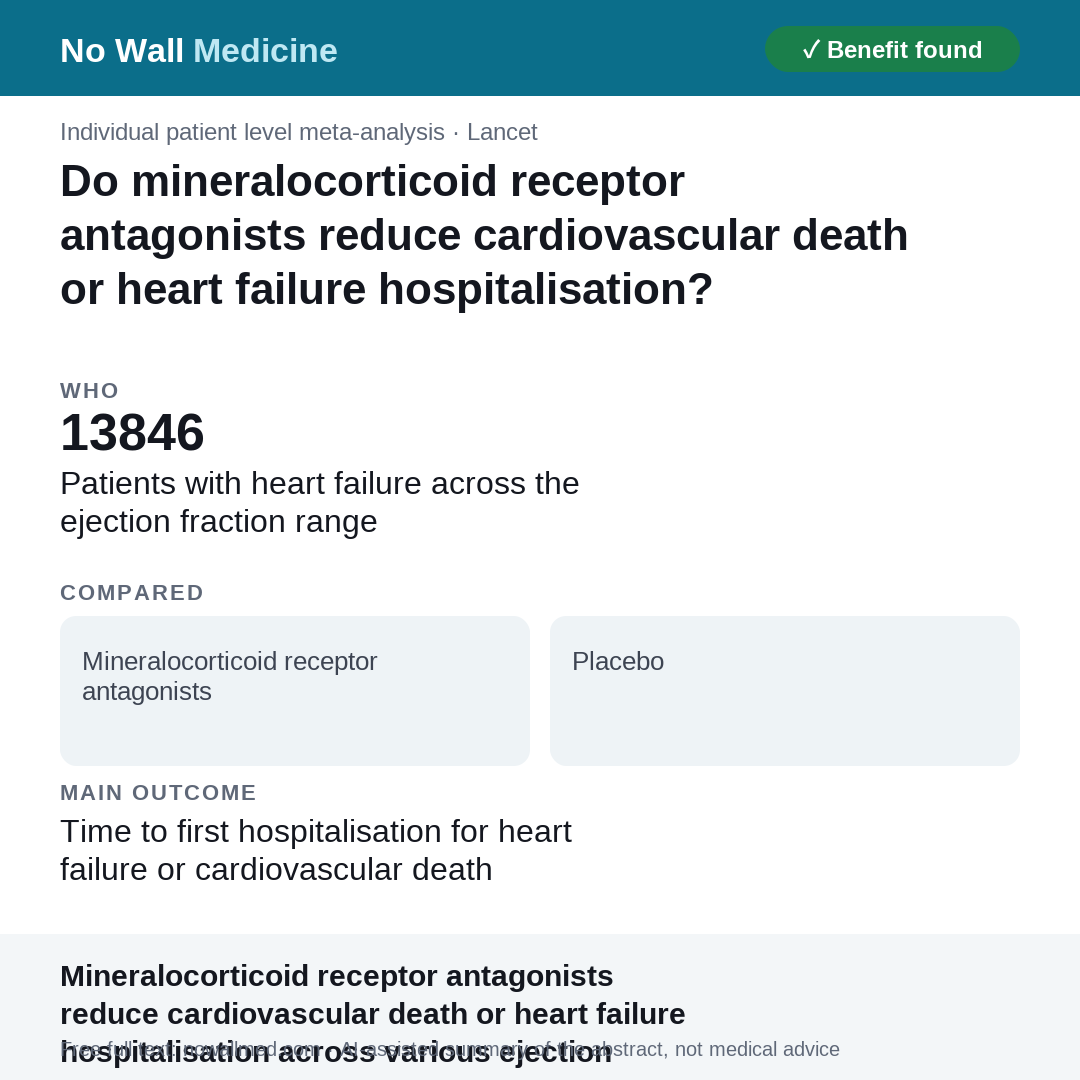
Mineralocorticoid receptor antagonists in heart failure: an individual patient level meta-analysis
Individual patient level meta-analysisBenefit found
Do mineralocorticoid receptor antagonists reduce cardiovascular death or heart failure hospitalisation?
Who
13846
Patients with heart failure across the ejection fraction range
Compared
Mineralocorticoid receptor antagonists
Placebo
Main outcome
Time to first hospitalisation for heart failure or cardiovascular death
Result: hazard ratio 0·77 (95% CI 0·72-0·83)
Bottom line: Mineralocorticoid receptor antagonists reduce cardiovascular death or heart failure hospitalisation across various ejection fraction levels.
Lancet · 2024-09-01Download image
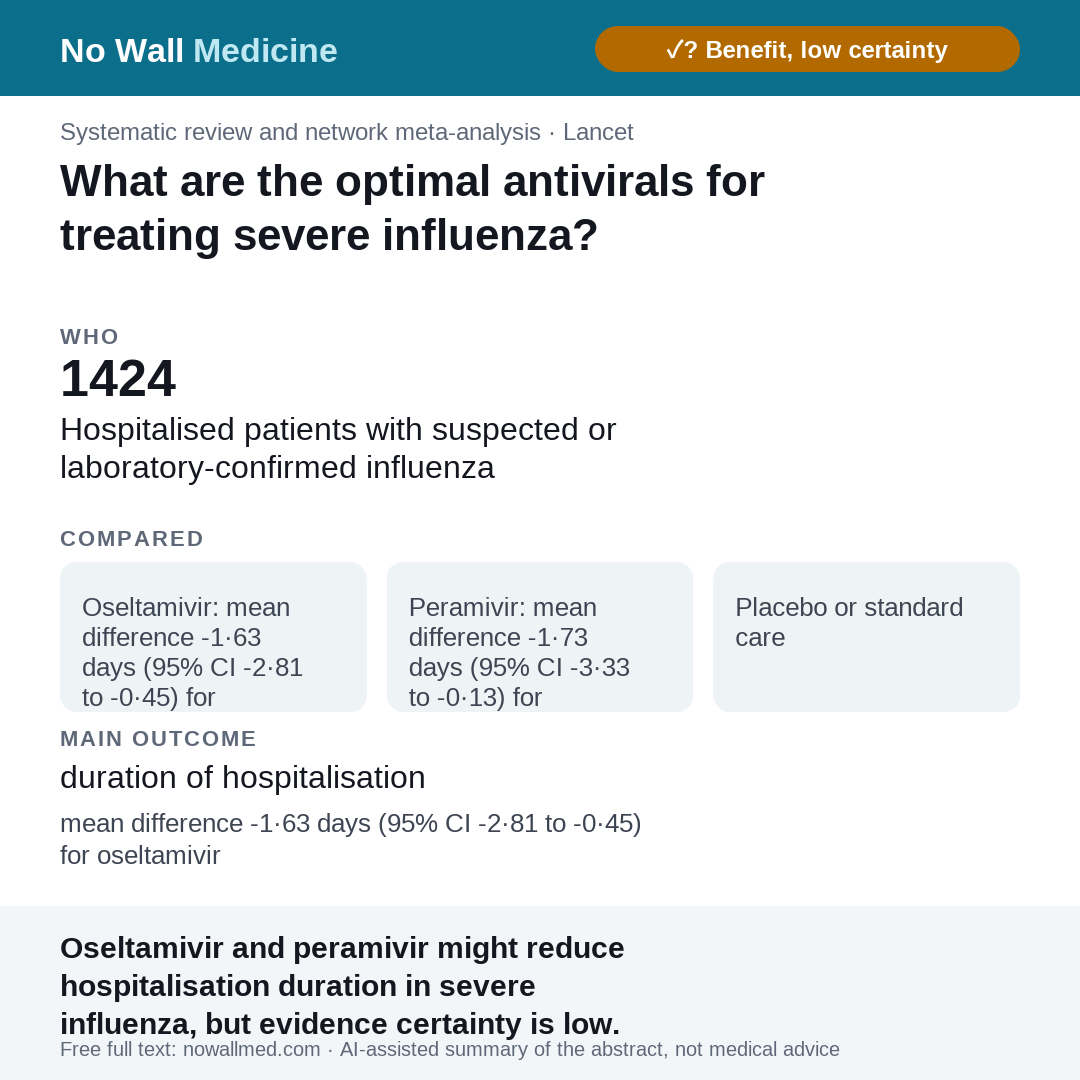
Antivirals for treatment of severe influenza: a systematic review and network meta-analysis of randomised controlled trials
Systematic review and network meta-analysisBenefit found
What are the optimal antivirals for treating severe influenza?
Who
1424
Hospitalised patients with suspected or laboratory-confirmed influenza
Compared
Oseltamivir: mean difference -1·63 days (95% CI -2·81 to -0·45) for hospitalisation
Peramivir: mean difference -1·73 days (95% CI -3·33 to -0·13) for hospitalisation
Placebo or standard care
Main outcome
duration of hospitalisation
Result: mean difference -1·63 days (95% CI -2·81 to -0·45) for oseltamivir
Bottom line: Oseltamivir and peramivir might reduce hospitalisation duration in severe influenza, but evidence certainty is low.
Limitation: Small number of eligible trials prevented testing for publication bias.
Funded by: World Health Organization
Lancet · 2024-08-26Download image
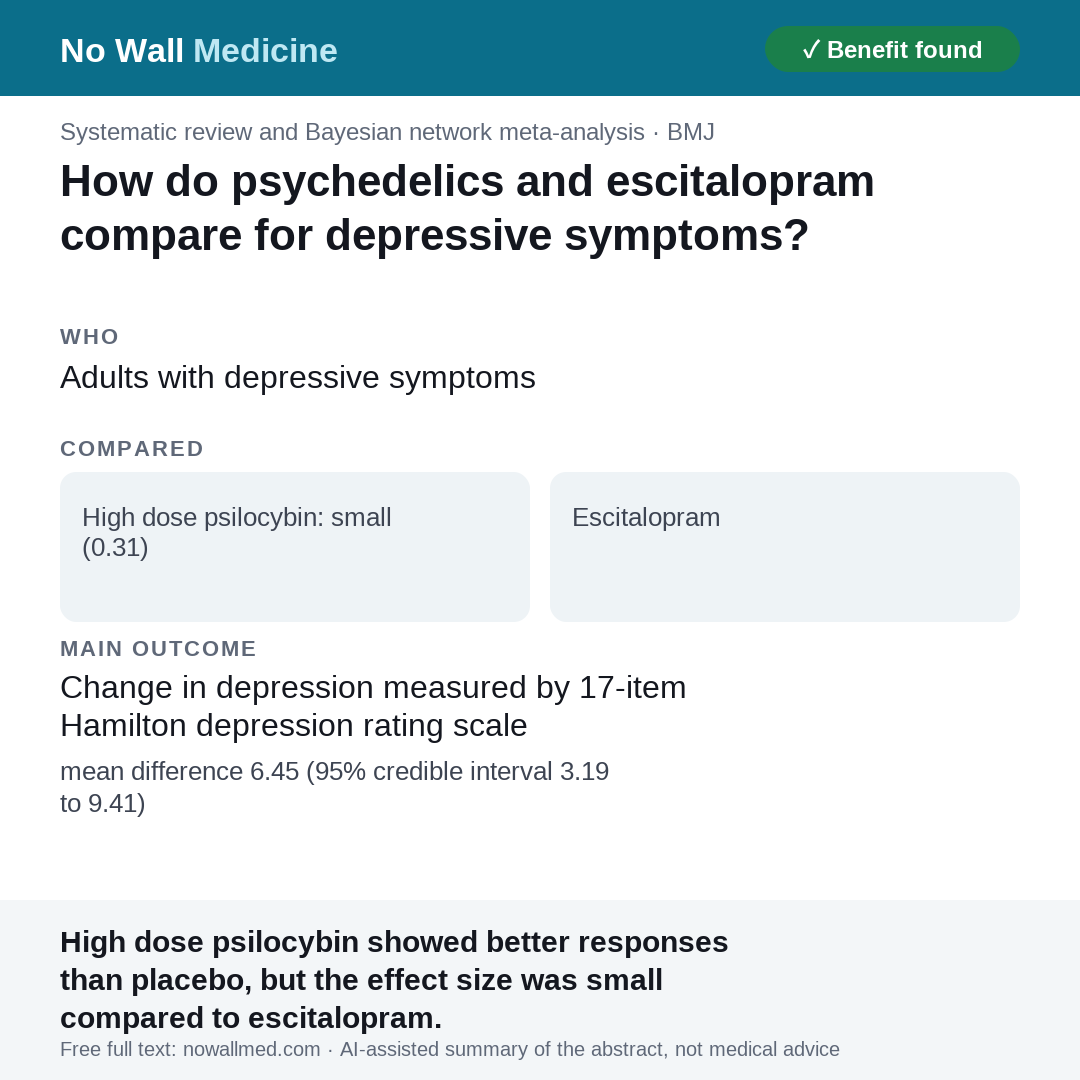
Comparative oral monotherapy of psilocybin, lysergic acid diethylamide, 3,4-methylenedioxymethamphetamine, ayahuasca, and escitalopram for depressive symptoms: systematic review and Bayesian network meta-analysis
Systematic review and Bayesian network meta-analysisBenefit found
How do psychedelics and escitalopram compare for depressive symptoms?
Who
Adults with depressive symptoms
Compared
High dose psilocybin: small (0.31)
Escitalopram
Main outcome
Change in depression measured by 17-item Hamilton depression rating scale
Result: mean difference 6.45 (95% credible interval 3.19 to 9.41)
Bottom line: High dose psilocybin showed better responses than placebo, but the effect size was small compared to escitalopram.
Limitation: Potential for overestimated effectiveness due to unsuccessful blinding.
BMJ · 2024-08-21Download image
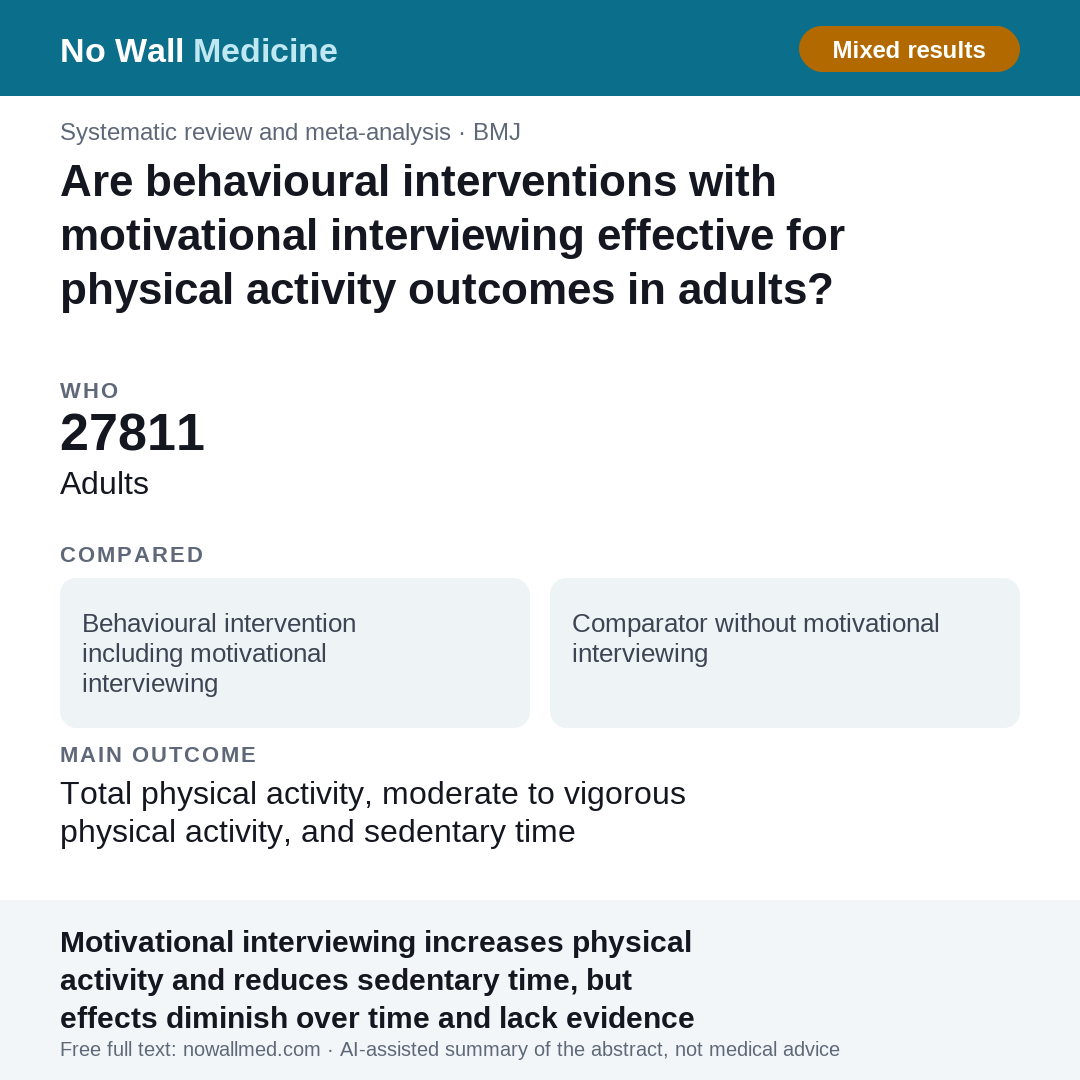
Effectiveness of behavioural interventions with motivational interviewing on physical activity outcomes in adults: systematic review and meta-analysis
Systematic review and meta-analysisMixed results
Are behavioural interventions with motivational interviewing effective for physical activity outcomes in adults?
Who
27811
Adults
Compared
Behavioural intervention including motivational interviewing
Comparator without motivational interviewing
Main outcome
Total physical activity, moderate to vigorous physical activity, and sedentary time
Result: SMD 0.45 (95% CI 0.33 to 0.65) for total physical activity
Bottom line: Motivational interviewing increases physical activity and reduces sedentary time, but effects diminish over time and lack evidence beyond one year.
Limitation: Effectiveness waned over time and evidence of benefit beyond one year was lacking.
BMJ · 2024-07-10Download image
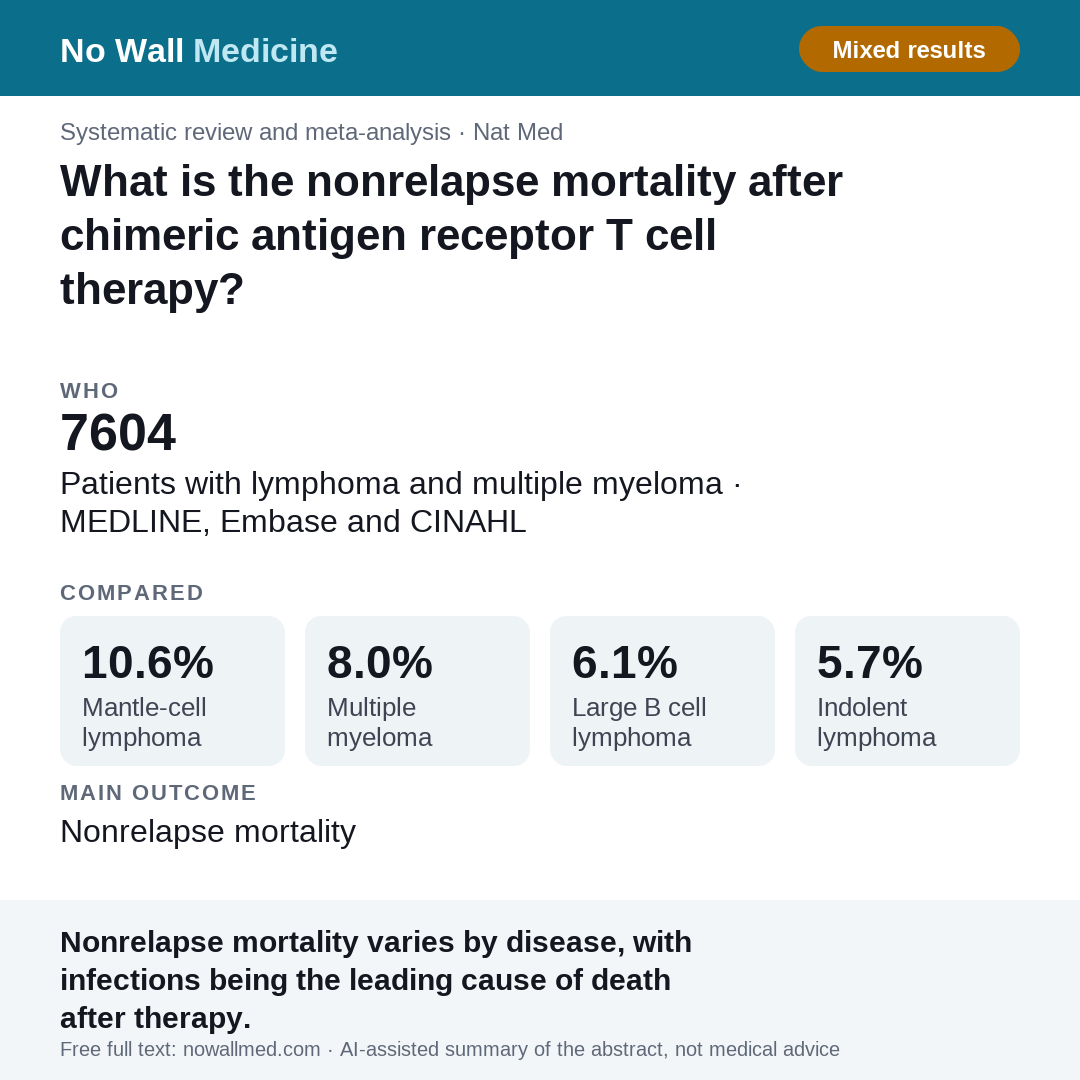
A systematic review and meta-analysis of nonrelapse mortality after CAR T cell therapy
Systematic review and meta-analysisMixed results
What is the nonrelapse mortality after chimeric antigen receptor T cell therapy?
Who
7604
Patients with lymphoma and multiple myeloma · MEDLINE, Embase and CINAHL
Compared
10.6%Mantle-cell lymphoma
8.0%Multiple myeloma
6.1%Large B cell lymphoma
5.7%Indolent lymphoma
Main outcome
Nonrelapse mortality
Bottom line: Nonrelapse mortality varies by disease, with infections being the leading cause of death after therapy.
Nat Med · 2024-07-08Download image
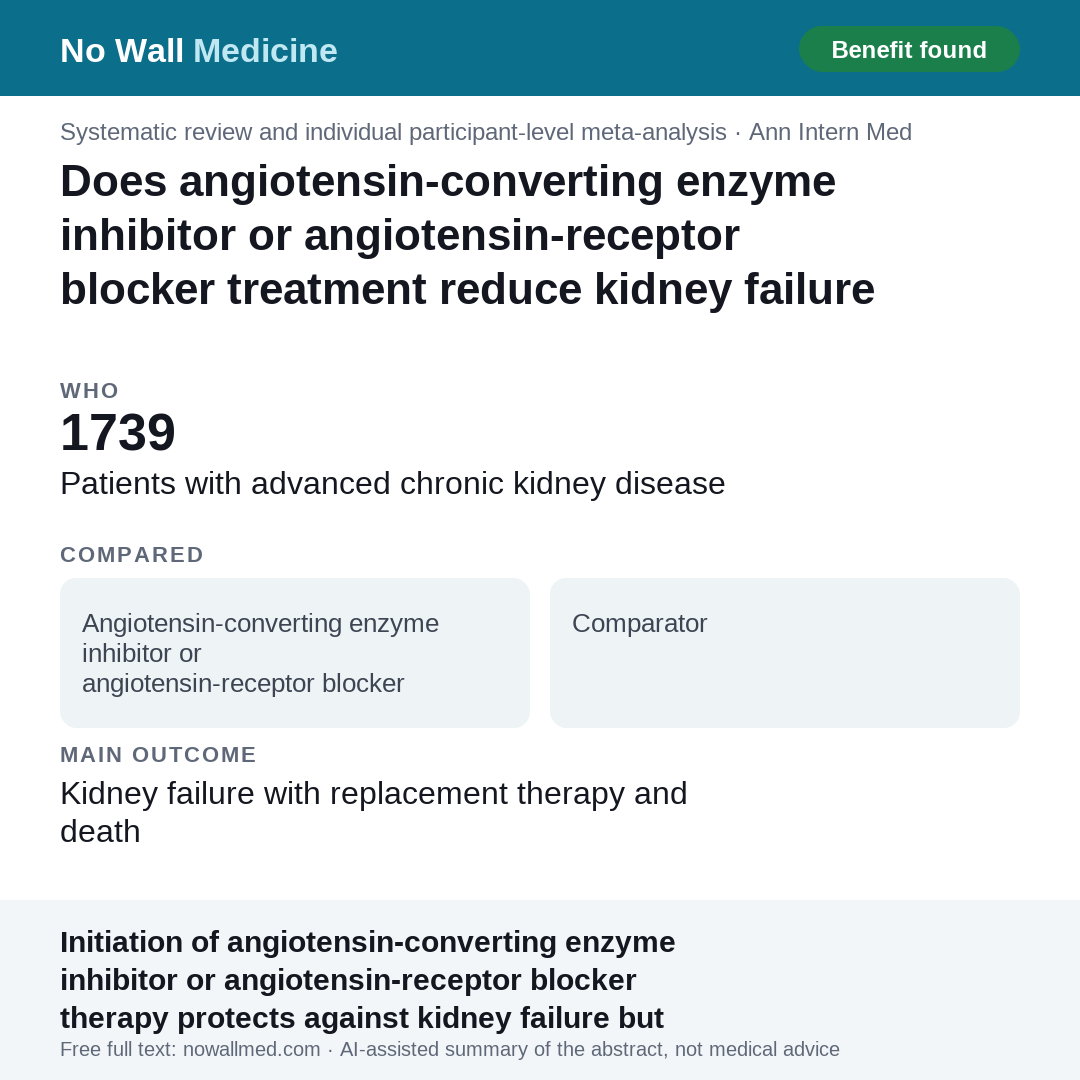
Angiotensin-Converting Enzyme Inhibitors or Angiotensin-Receptor Blockers for Advanced Chronic Kidney Disease : A Systematic Review and Retrospective Individual Participant-Level Meta-analysis of Clinical Trials
Systematic review and individual participant-level meta-analysisBenefit found
Does angiotensin-converting enzyme inhibitor or angiotensin-receptor blocker treatment reduce kidney failure or death?
Who
1739
Patients with advanced chronic kidney disease
Compared
Angiotensin-converting enzyme inhibitor or angiotensin-receptor blocker
Comparator
Main outcome
Kidney failure with replacement therapy and death
Result: adjusted hazard ratio 0.66 (95% CI 0.55 to 0.79) for kidney failure
Bottom line: Initiation of angiotensin-converting enzyme inhibitor or angiotensin-receptor blocker therapy protects against kidney failure but not death in advanced chronic kidney disease.
Limitation: Individual participant-level data for hyperkalemia or acute kidney injury were not available.
Funded by: National Institutes of Health
Ann Intern Med · 2024-07-02Download image
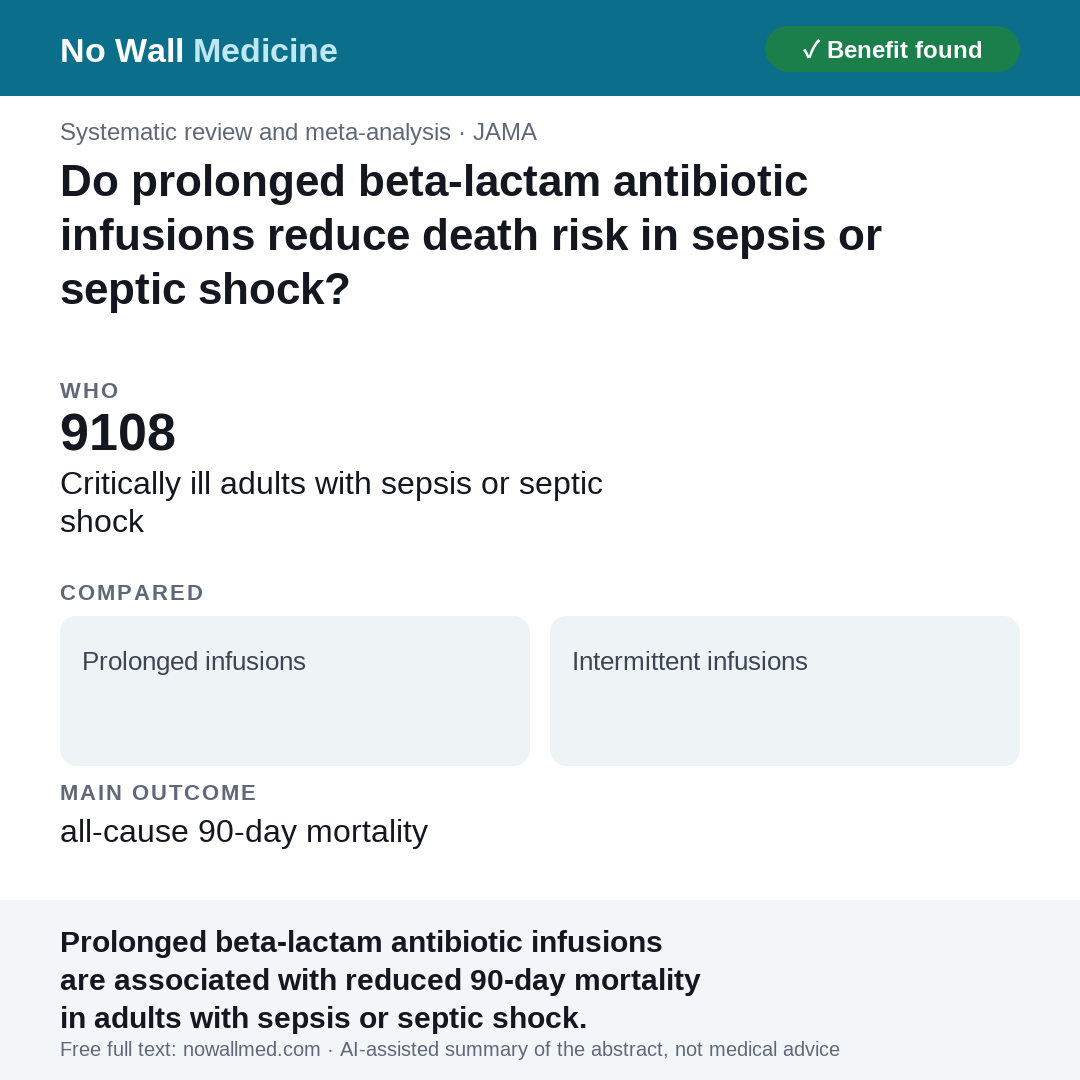
Prolonged vs Intermittent Infusions of β-Lactam Antibiotics in Adults With Sepsis or Septic Shock: A Systematic Review and Meta-Analysis
Systematic review and meta-analysisBenefit found
Do prolonged beta-lactam antibiotic infusions reduce death risk in sepsis or septic shock?
Who
9108
Critically ill adults with sepsis or septic shock
Compared
Prolonged infusions
Intermittent infusions
Main outcome
all-cause 90-day mortality
Result: risk ratio 0.86 (95% credible interval, 0.72-0.98)
Bottom line: Prolonged beta-lactam antibiotic infusions are associated with reduced 90-day mortality in adults with sepsis or septic shock.
JAMA · 2024-06-12Download image
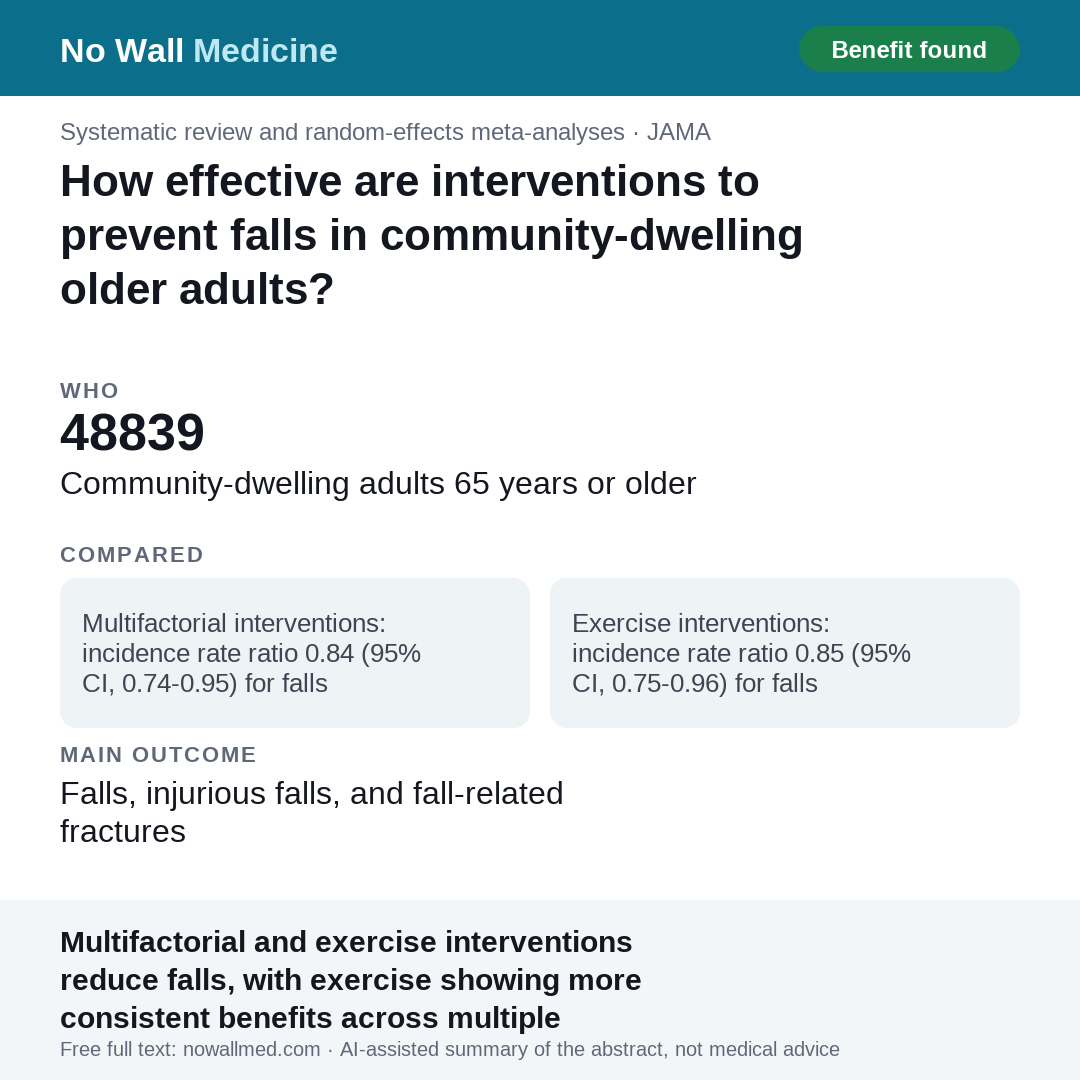
Interventions to Prevent Falls in Older Adults: Updated Evidence Report and Systematic Review for the US Preventive Services Task Force
Systematic review and random-effects meta-analysesBenefit found
How effective are interventions to prevent falls in community-dwelling older adults?
Who
48839
Community-dwelling adults 65 years or older
Compared
Multifactorial interventions: incidence rate ratio 0.84 (95% CI, 0.74-0.95) for falls
Exercise interventions: incidence rate ratio 0.85 (95% CI, 0.75-0.96) for falls
Main outcome
Falls, injurious falls, and fall-related fractures
Bottom line: Multifactorial and exercise interventions reduce falls, with exercise showing more consistent benefits across multiple outcomes.
JAMA · 2024-06-04Download image
Revisiting Race and the Benefit of RAS Blockade in Heart Failure: A Meta-Analysis of Randomized Clinical Trials
Meta-analysis of randomized clinical trialsBenefit found
Do renin-angiotensin system blockers benefit Black versus non-Black patients with heart failure?
Who
8825
Adults with heart failure and reduced ejection fraction
Compared
Black patients: hazard ratio 0.84 (95% CI, 0.69-1.03)
non-Black patients: hazard ratio 0.73 (95% CI, 0.67-0.79)
Main outcome
first hospitalization for heart failure or cardiovascular death
Result: hazard ratio 0.84 (95% CI, 0.69-1.03) in Black patients and 0.73 (95% CI, 0.67-0.79) in non-Black patients
Bottom line: Renin-angiotensin system blockade provides similar mortality benefits for both Black and non-Black patients with heart failure.
JAMA · 2024-05-29Download image

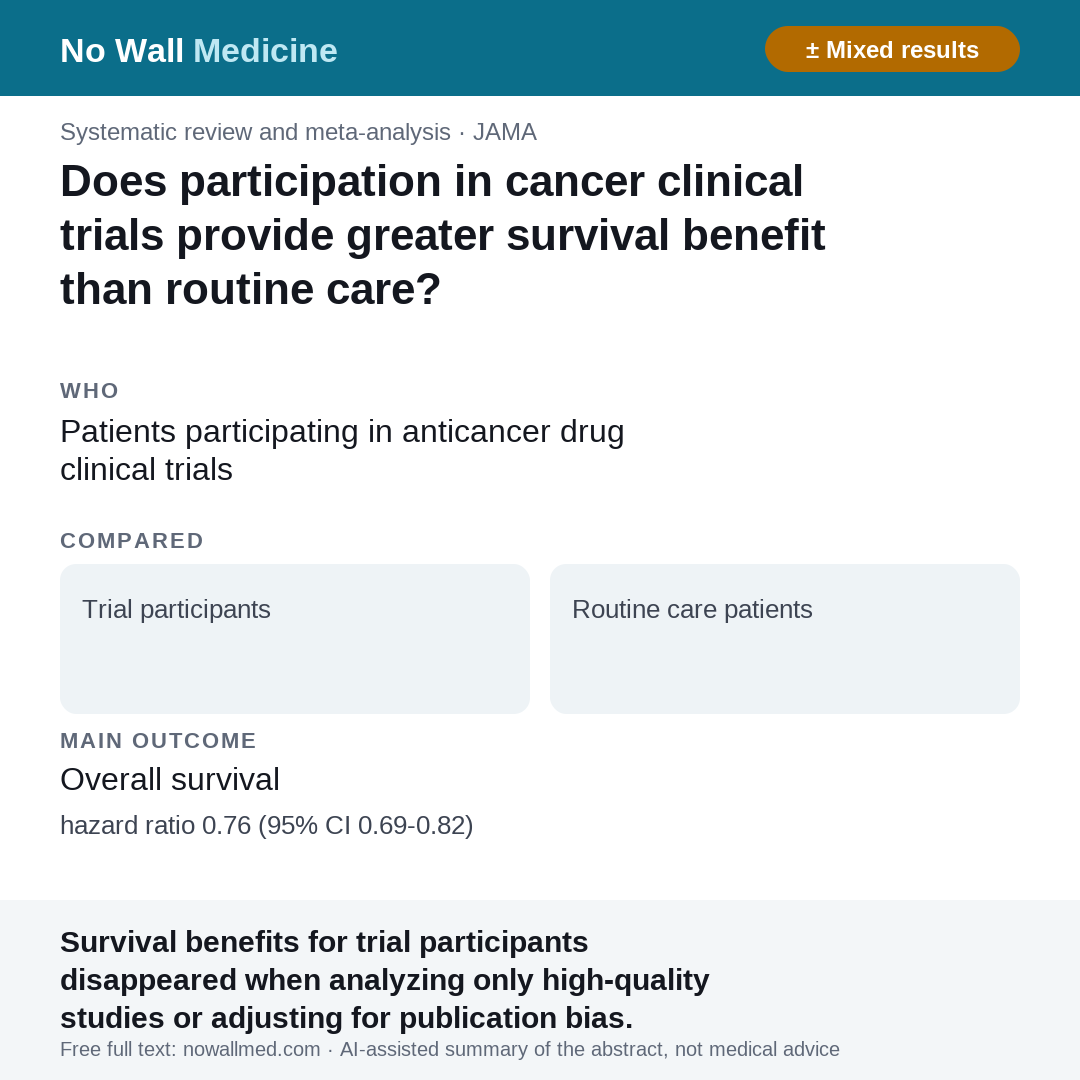
Survival Benefit Associated With Participation in Clinical Trials of Anticancer Drugs: A Systematic Review and Meta-Analysis
Systematic review and meta-analysisMixed results
Does participation in cancer clinical trials provide greater survival benefit than routine care?
Who
Patients participating in anticancer drug clinical trials
Compared
Trial participants
Routine care patients
Main outcome
Overall survival
Result: hazard ratio 0.76 (95% CI 0.69-0.82)
Bottom line: Survival benefits for trial participants disappeared when analyzing only high-quality studies or adjusting for publication bias.
Limitation: Benefits were not detected in studies addressing important sources of bias and confounding.
JAMA · 2024-05-20Download image
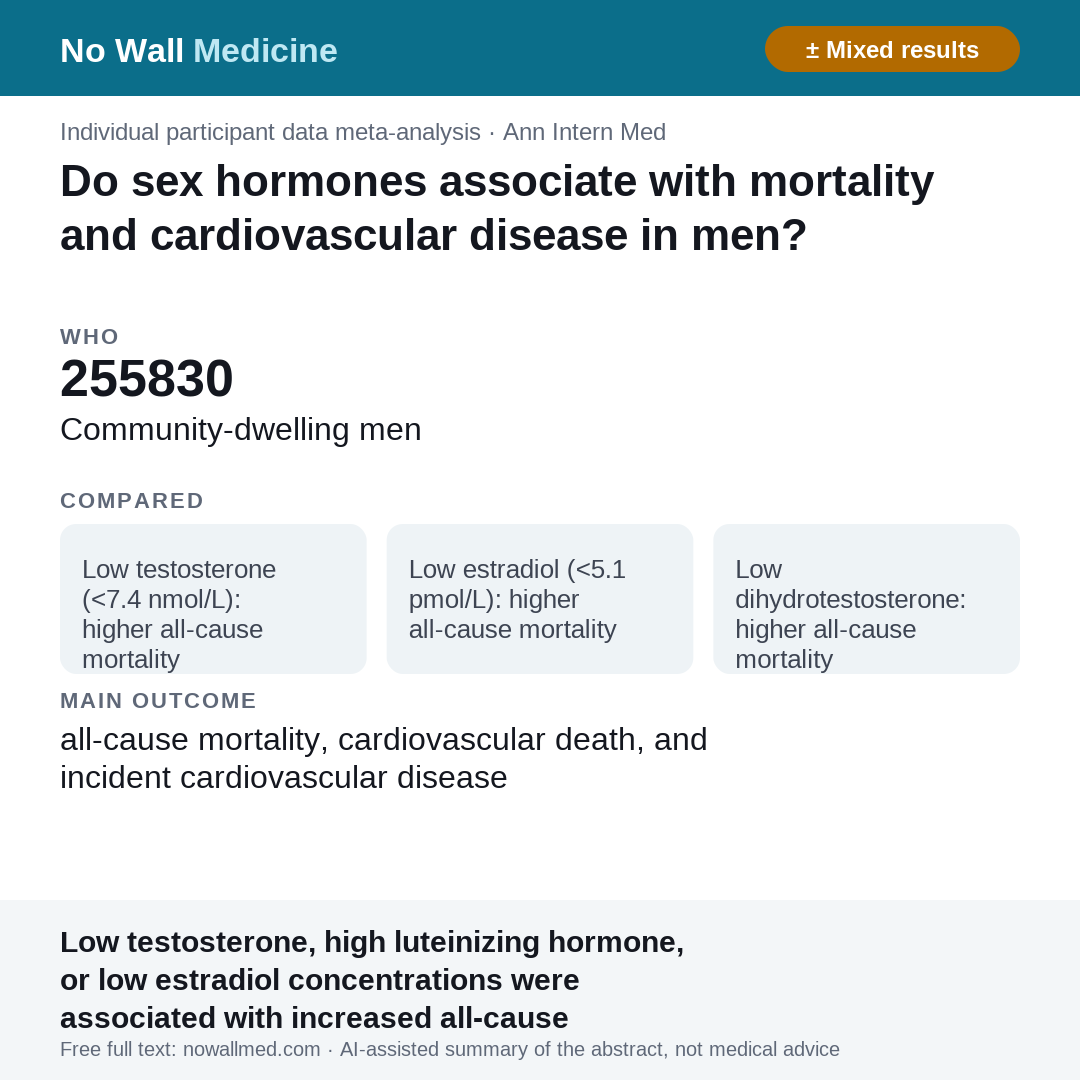
Associations of Testosterone and Related Hormones With All-Cause and Cardiovascular Mortality and Incident Cardiovascular Disease in Men : Individual Participant Data Meta-analyses
Individual participant data meta-analysisMixed results
Do sex hormones associate with mortality and cardiovascular disease in men?
Who
255830
Community-dwelling men
Compared
Low testosterone (<7.4 nmol/L): higher all-cause mortality
Low estradiol (<5.1 pmol/L): higher all-cause mortality
Low dihydrotestosterone: higher all-cause mortality
Main outcome
all-cause mortality, cardiovascular death, and incident cardiovascular disease
Bottom line: Low testosterone, high luteinizing hormone, or low estradiol concentrations were associated with increased all-cause mortality in men.
Limitation: Observational study design, heterogeneity among studies, and imputation of missing data.
Funded by: Medical Research Future Fund, Government of Western Australia, Lawley Pharmaceuticals
Ann Intern Med · 2024-05-14Download image
Efficacy of psilocybin for treating symptoms of depression: systematic review and meta-analysis
Systematic review and meta-analysisBenefit found
Is psilocybin effective for treating symptoms of depression compared to placebo or non-psychoactive drugs?
Who
436
Adults with clinically significant symptoms of depression
Compared
Psilocybin
Placebo or non-psychoactive drugs
Main outcome
Change in depression scores
Result: Hedges’ g=0.66 (95% CI 0.46 to 0.86)
Bottom line: Psilocybin showed significant benefit in reducing depression symptoms compared to placebo or non-psychoactive drugs.
Limitation: All studies had a moderate risk of bias.
BMJ · 2024-05-01Download image

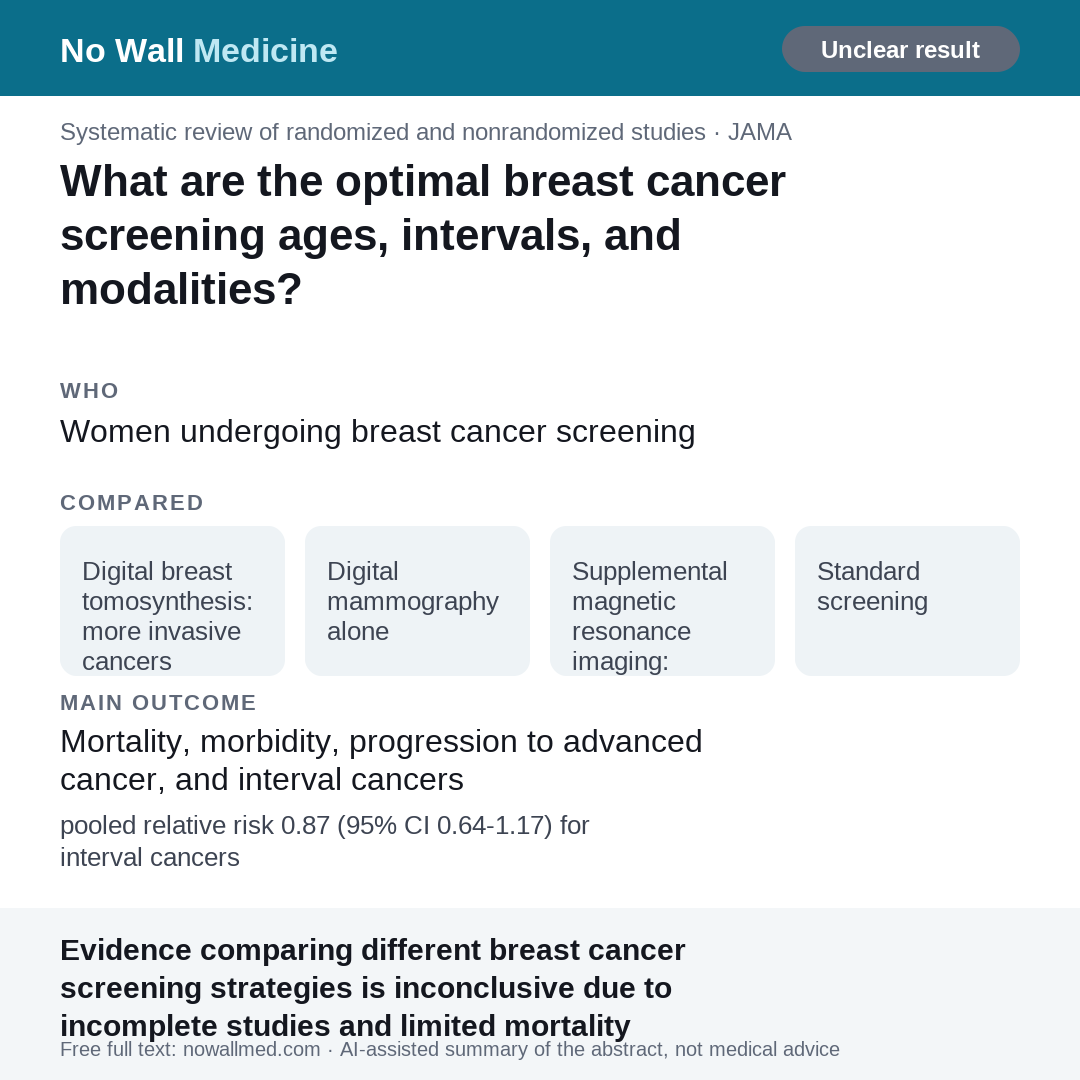
Screening for Breast Cancer: Evidence Report and Systematic Review for the US Preventive Services Task Force
Systematic review of randomized and nonrandomized studiesUnclear result
What are the optimal breast cancer screening ages, intervals, and modalities?
Who
Women undergoing breast cancer screening
Compared
Digital breast tomosynthesis: more invasive cancers detected at first round
Digital mammography alone
Supplemental magnetic resonance imaging: relative risk 0.47 (95% CI 0.29-0.77) for interval cancer
Standard screening
Main outcome
Mortality, morbidity, progression to advanced cancer, and interval cancers
Result: pooled relative risk 0.87 (95% CI 0.64-1.17) for interval cancers
Bottom line: Evidence comparing different breast cancer screening strategies is inconclusive due to incomplete studies and limited mortality outcome data.
Limitation: Key studies are not yet completed and few report stage shift or mortality outcomes.
JAMA · 2024-04-30Download image
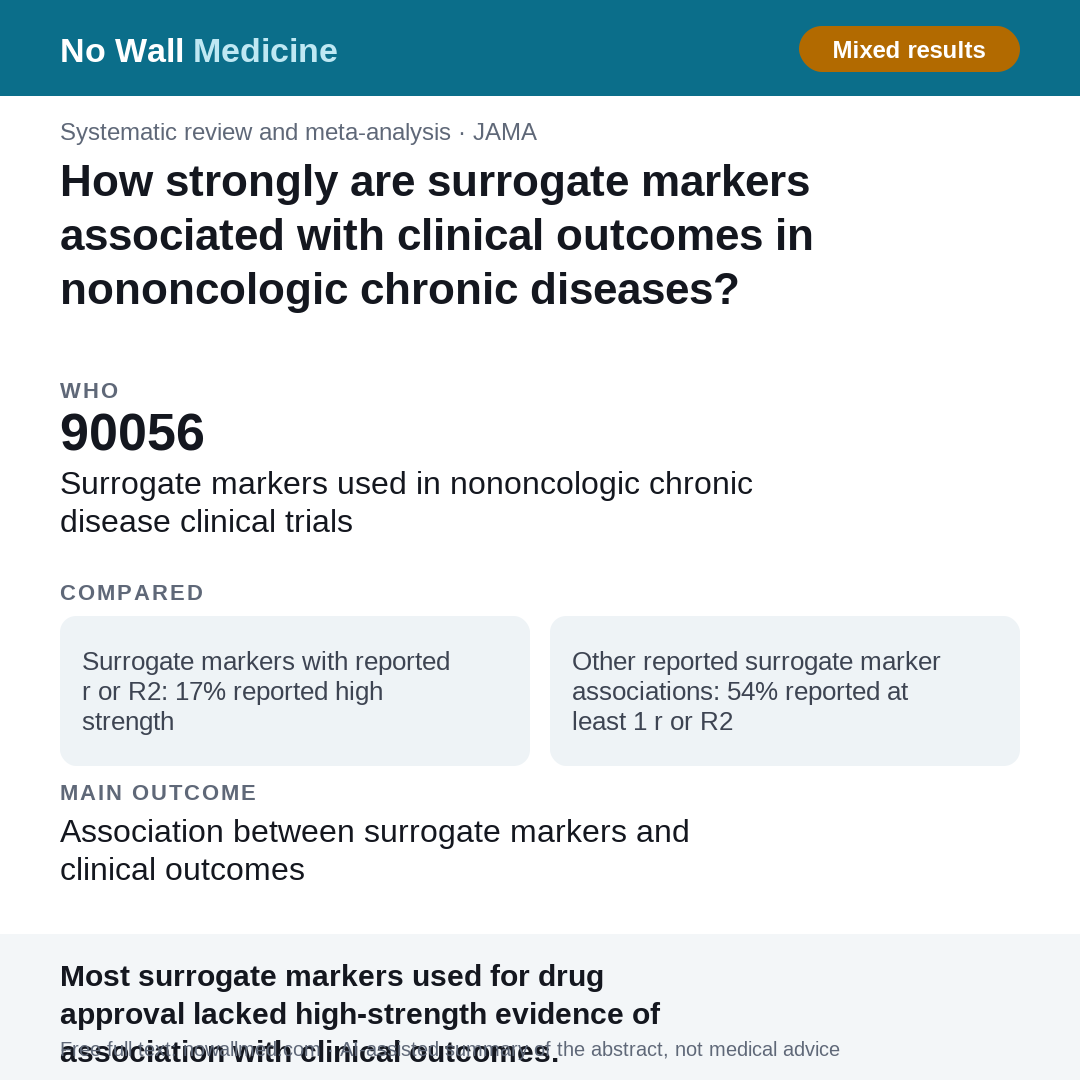
Associations Between Surrogate Markers and Clinical Outcomes for Nononcologic Chronic Disease Treatments
Systematic review and meta-analysisMixed results
How strongly are surrogate markers associated with clinical outcomes in nononcologic chronic diseases?
Who
90056
Surrogate markers used in nononcologic chronic disease clinical trials
Compared
Surrogate markers with reported r or R2: 17% reported high strength
Other reported surrogate marker associations: 54% reported at least 1 r or R2
Main outcome
Association between surrogate markers and clinical outcomes
Bottom line: Most surrogate markers used for drug approval lacked high-strength evidence of association with clinical outcomes.
JAMA · 2024-04-22Download image
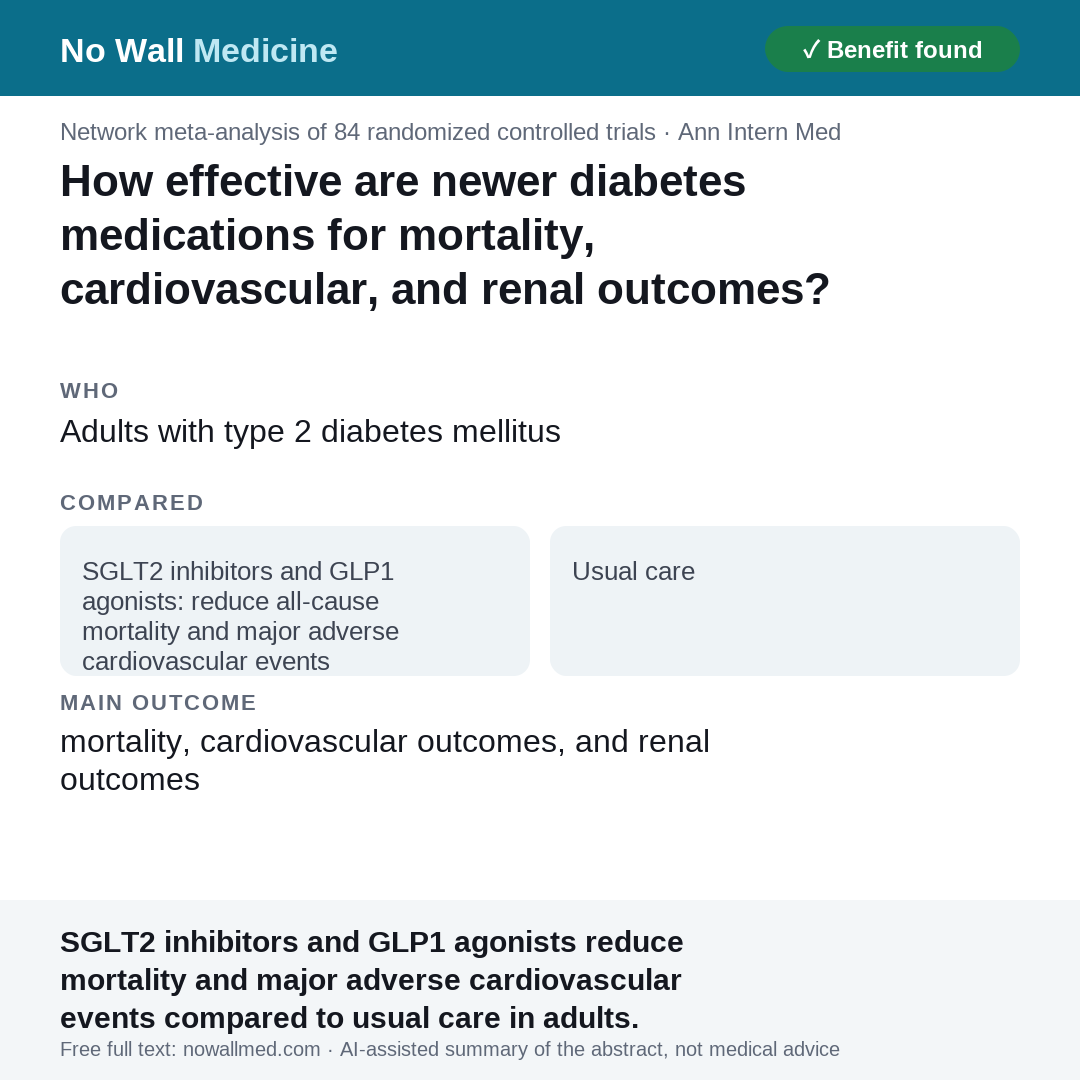
Newer Pharmacologic Treatments in Adults With Type 2 Diabetes: A Systematic Review and Network Meta-analysis for the American College of Physicians
Network meta-analysis of 84 randomized controlled trialsBenefit found
How effective are newer diabetes medications for mortality, cardiovascular, and renal outcomes?
Who
Adults with type 2 diabetes mellitus
Compared
SGLT2 inhibitors and GLP1 agonists: reduce all-cause mortality and major adverse cardiovascular events
Usual care
Main outcome
mortality, cardiovascular outcomes, and renal outcomes
Bottom line: SGLT2 inhibitors and GLP1 agonists reduce mortality and major adverse cardiovascular events compared to usual care in adults.
Limitation: Infrequent direct comparisons, sparse data, and insufficient data on predefined subgroups.
Funded by: American College of Physicians
Ann Intern Med · 2024-04-19Download image
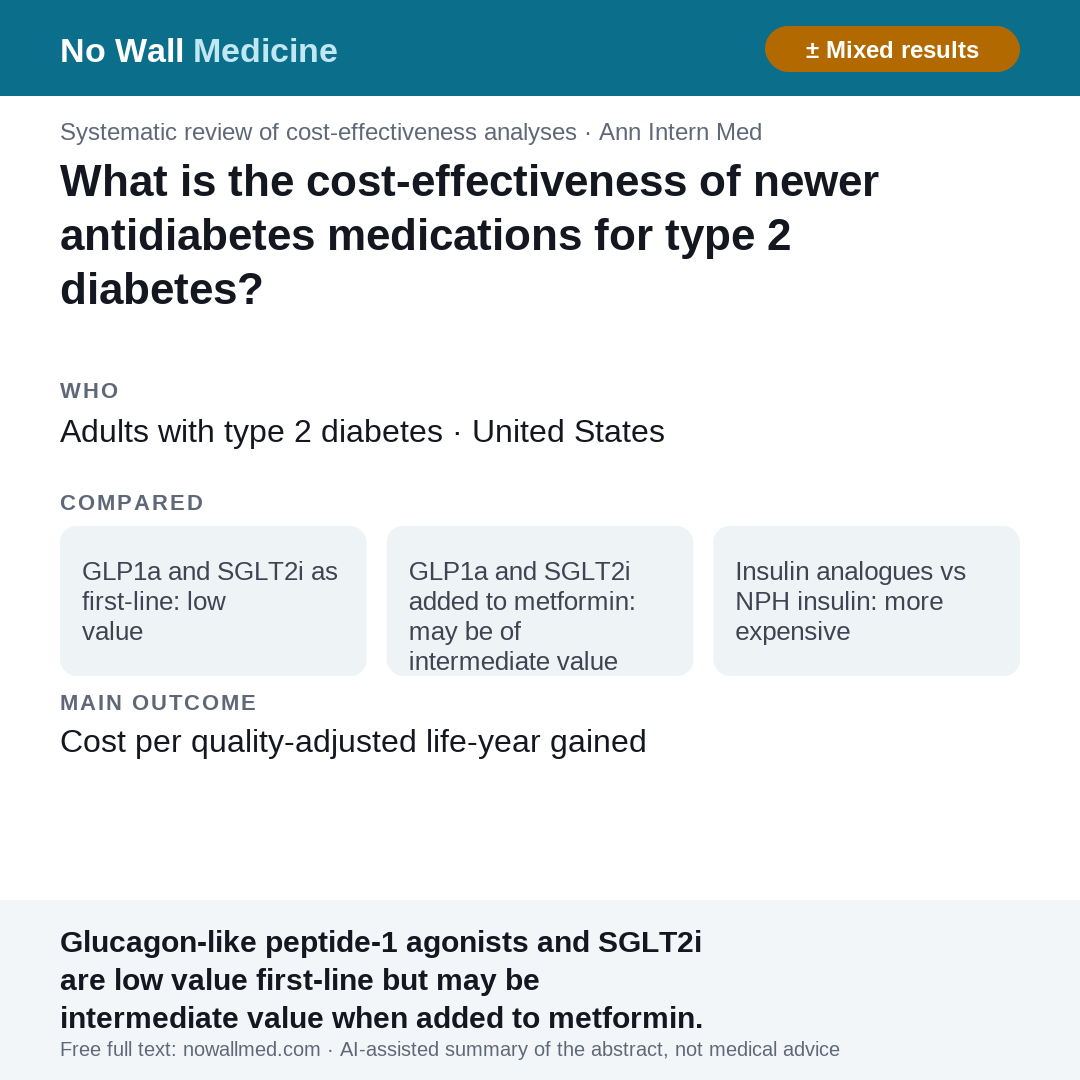
Cost-Effectiveness of Newer Pharmacologic Treatments in Adults With Type 2 Diabetes: A Systematic Review of Cost-Effectiveness Studies for the American College of Physicians
Systematic review of cost-effectiveness analysesMixed results
What is the cost-effectiveness of newer antidiabetes medications for type 2 diabetes?
Who
Adults with type 2 diabetes · United States
Compared
GLP1a and SGLT2i as first-line: low value
GLP1a and SGLT2i added to metformin: may be of intermediate value
Insulin analogues vs NPH insulin: more expensive
Main outcome
Cost per quality-adjusted life-year gained
Bottom line: Glucagon-like peptide-1 agonists and SGLT2i are low value first-line but may be intermediate value when added to metformin.
Limitation: Cost-effectiveness analyses varied in methodological approach, assumptions, and drug comparisons.
Funded by: American College of Physicians
Ann Intern Med · 2024-04-19Download image