Visual abstracts
New randomized trials and meta-analyses from leading journals at a glance: who was studied, what was compared, and what was found. Every paper is free to read in full.
All specialtiesCardiology 189Oncology 153Gastroenterology & Hepatology 87Infectious Disease 155Neurology 85Psychiatry & Mental Health 124Pulmonology 92Critical Care 52Endocrinology & Diabetes 118Pediatrics 79Surgery 59Orthopedics & Sports Medicine 38Neurosurgery 6Cardiothoracic & Vascular Surgery 17Plastic & Reconstructive Surgery 44Nephrology 37Rheumatology 38Hematology 49Dermatology 19Ophthalmology 33Obstetrics & Gynecology 50Public & Global Health 55Radiology & Imaging 15Anesthesiology 30Urology 45ENT (Otolaryngology) 24Emergency Medicine 18Allergy & Immunology 15Geriatrics 58Family Medicine & Primary Care 22Medical Genetics & Genomics 19Pathology & Laboratory Medicine 5Physical Medicine & Rehabilitation 48Palliative Care 24Nutrition 63Digital Health & AI 172General Medicine 27
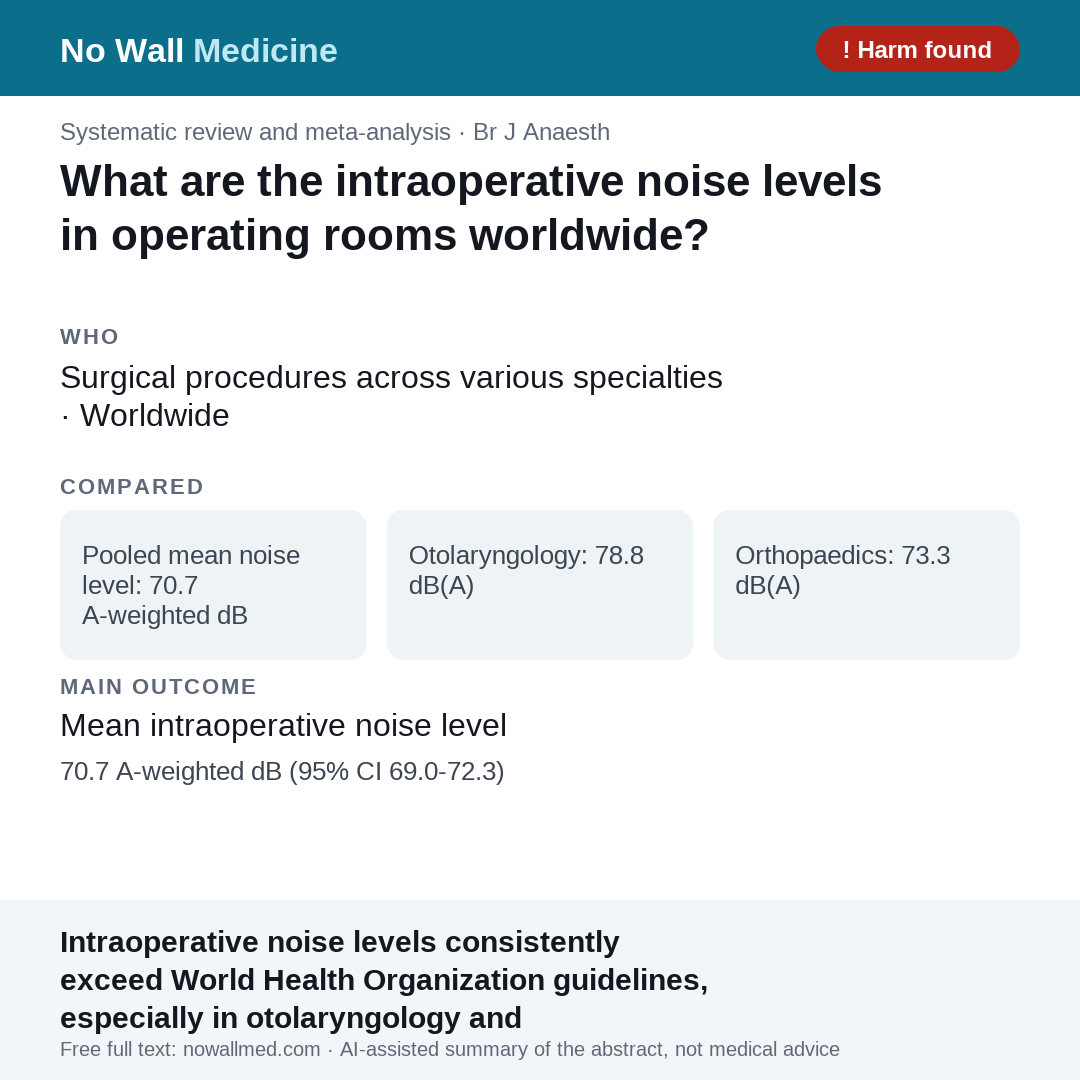
Operating room noise levels in anaesthesia a systematic review and meta-analysis
Systematic review and meta-analysisHarm found
What are the intraoperative noise levels in operating rooms worldwide?
Who
Surgical procedures across various specialties · Worldwide
Compared
Pooled mean noise level: 70.7 A-weighted dB
Otolaryngology: 78.8 dB(A)
Orthopaedics: 73.3 dB(A)
Main outcome
Mean intraoperative noise level
Result: 70.7 A-weighted dB (95% CI 69.0-72.3)
Bottom line: Intraoperative noise levels consistently exceed World Health Organization guidelines, especially in otolaryngology and orthopaedics.
Br J Anaesth · 2026-09-22Download image
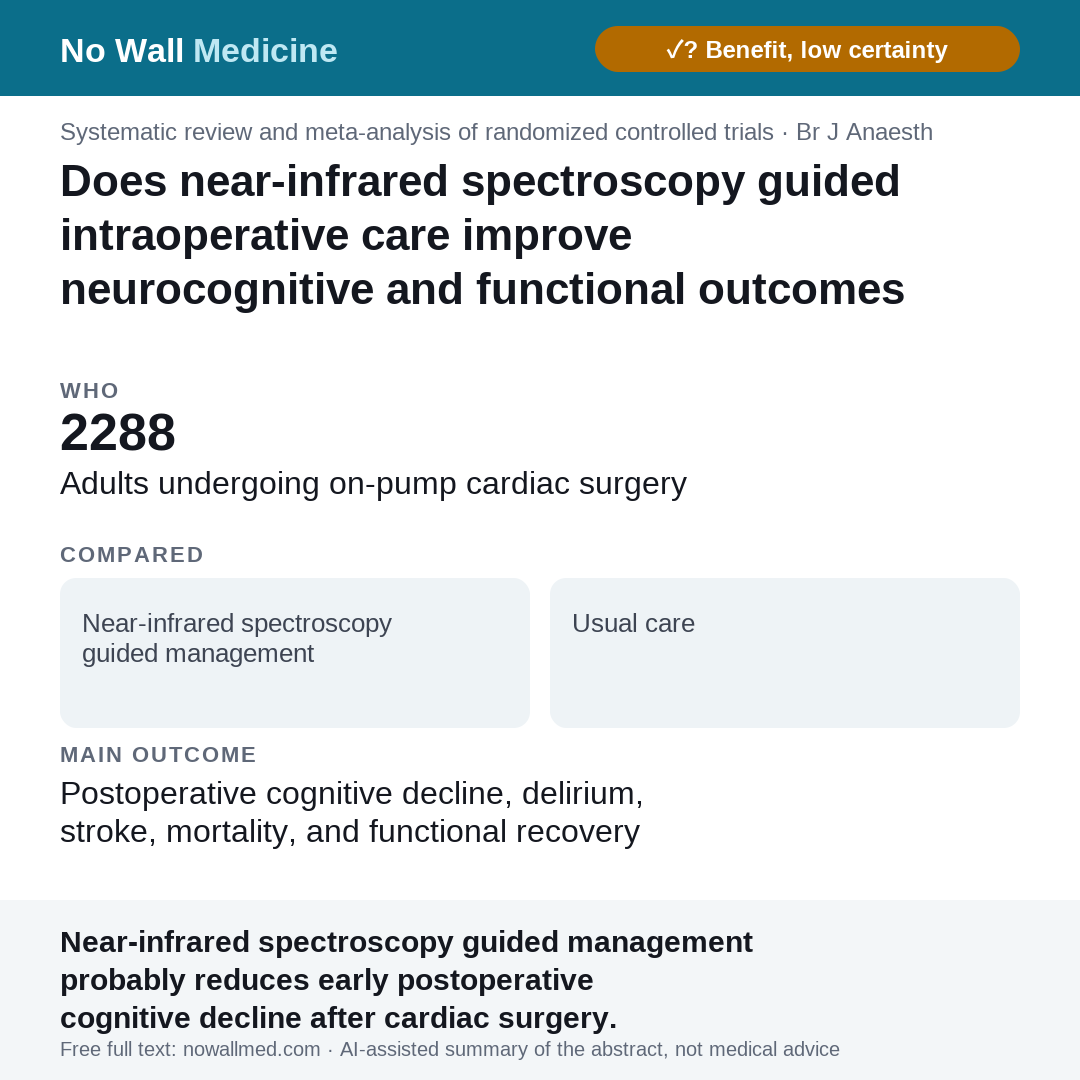
The effect of near-infrared spectroscopy guided intraoperative care on neurocognitive and functional outcomes after cardiac surgery: a systematic review and meta-analysis of randomised controlled trials
Systematic review and meta-analysis of randomized controlled trialsBenefit found
Does near-infrared spectroscopy guided intraoperative care improve neurocognitive and functional outcomes after cardiac surgery?
Who
2288
Adults undergoing on-pump cardiac surgery
Compared
Near-infrared spectroscopy guided management
Usual care
Main outcome
Postoperative cognitive decline, delirium, stroke, mortality, and functional recovery
Result: risk ratio 0.65 (95% CI 0.42-0.99) for early postoperative cognitive decline
Bottom line: Near-infrared spectroscopy guided management probably reduces early postoperative cognitive decline after cardiac surgery.
Limitation: Findings derived from small, single-centre trials with heterogeneous thresholds and intervention algorithms.
Br J Anaesth · 2026-09-22Download image
Childhood socioeconomic circumstances and adult mortality: a systematic review and meta-analysis
Systematic review and meta-analysisHarm found
Do childhood socioeconomic circumstances associate with adult all-cause and cause-specific mortality?
Who
8
Adults aged 18 years or older · 24 countries
Compared
Disadvantaged socioeconomic circumstances: higher adult mortality
All exposure types: harmful associations in 390 of 474 estimates (82%; 95% CI 79-86)
Main outcome
Adult all-cause and cause-specific mortality
Bottom line: Disadvantaged childhood socioeconomic circumstances are associated with increased adult mortality across diverse measures of disadvantage and causes of death.
Limitation: All included studies were observational longitudinal studies
Lancet Public Health · 2026-09-22Download image

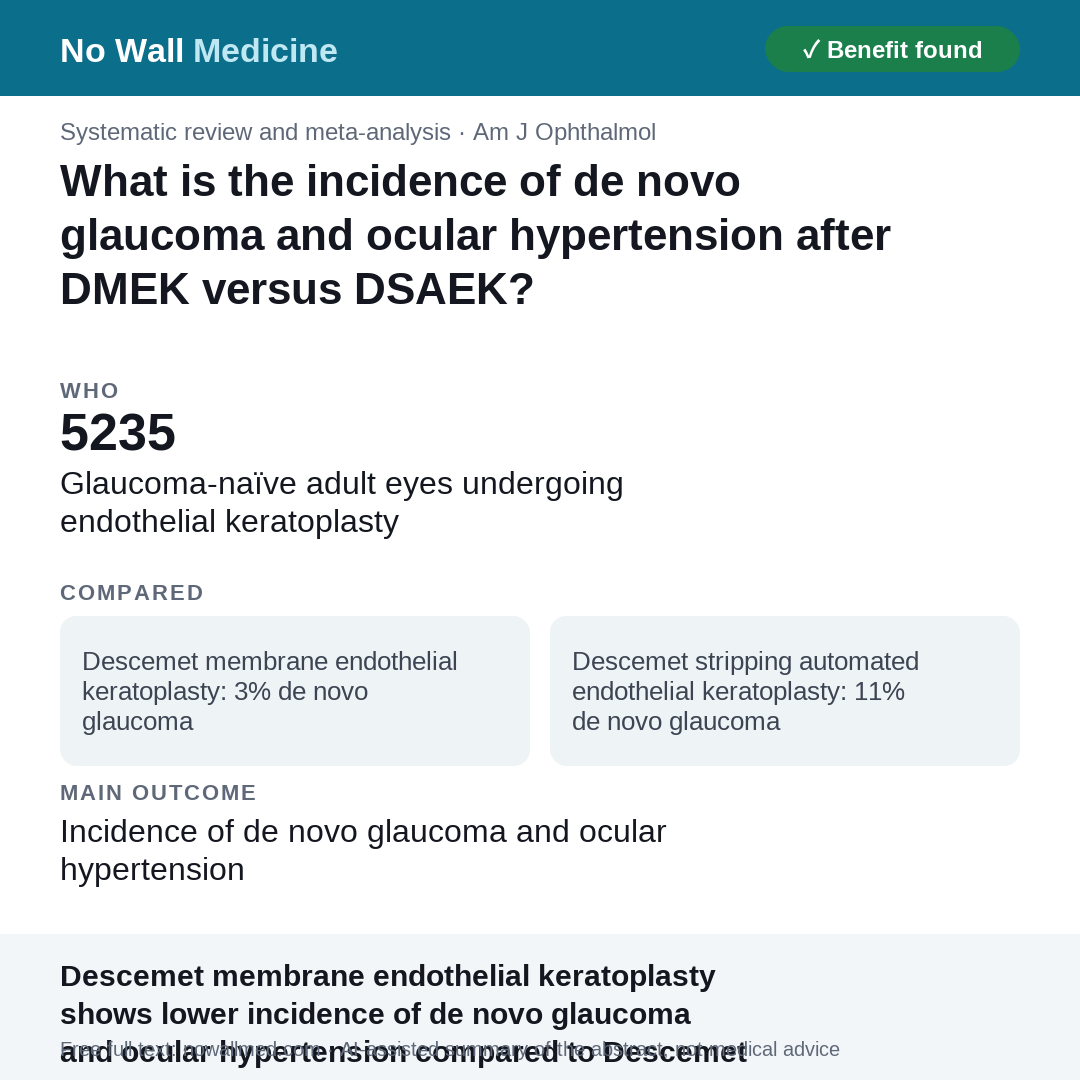
Incidence of De Novo Glaucoma and Ocular Hypertension After DMEK Versus DSAEK: A Systematic Review and Meta-Analysis
Systematic review and meta-analysisBenefit found
What is the incidence of de novo glaucoma and ocular hypertension after DMEK versus DSAEK?
Who
5235
Glaucoma-naïve adult eyes undergoing endothelial keratoplasty
Compared
Descemet membrane endothelial keratoplasty: 3% de novo glaucoma
Descemet stripping automated endothelial keratoplasty: 11% de novo glaucoma
Main outcome
Incidence of de novo glaucoma and ocular hypertension
Result: OR 0.51, 0.22-1.21
Bottom line: Descemet membrane endothelial keratoplasty shows lower incidence of de novo glaucoma and ocular hypertension compared to Descemet stripping automated endothelial keratoplasty.
Limitation: Variable glaucoma definitions, confounding by steroid exposure, and limited randomized evidence.
Am J Ophthalmol · 2026-09-22Download image
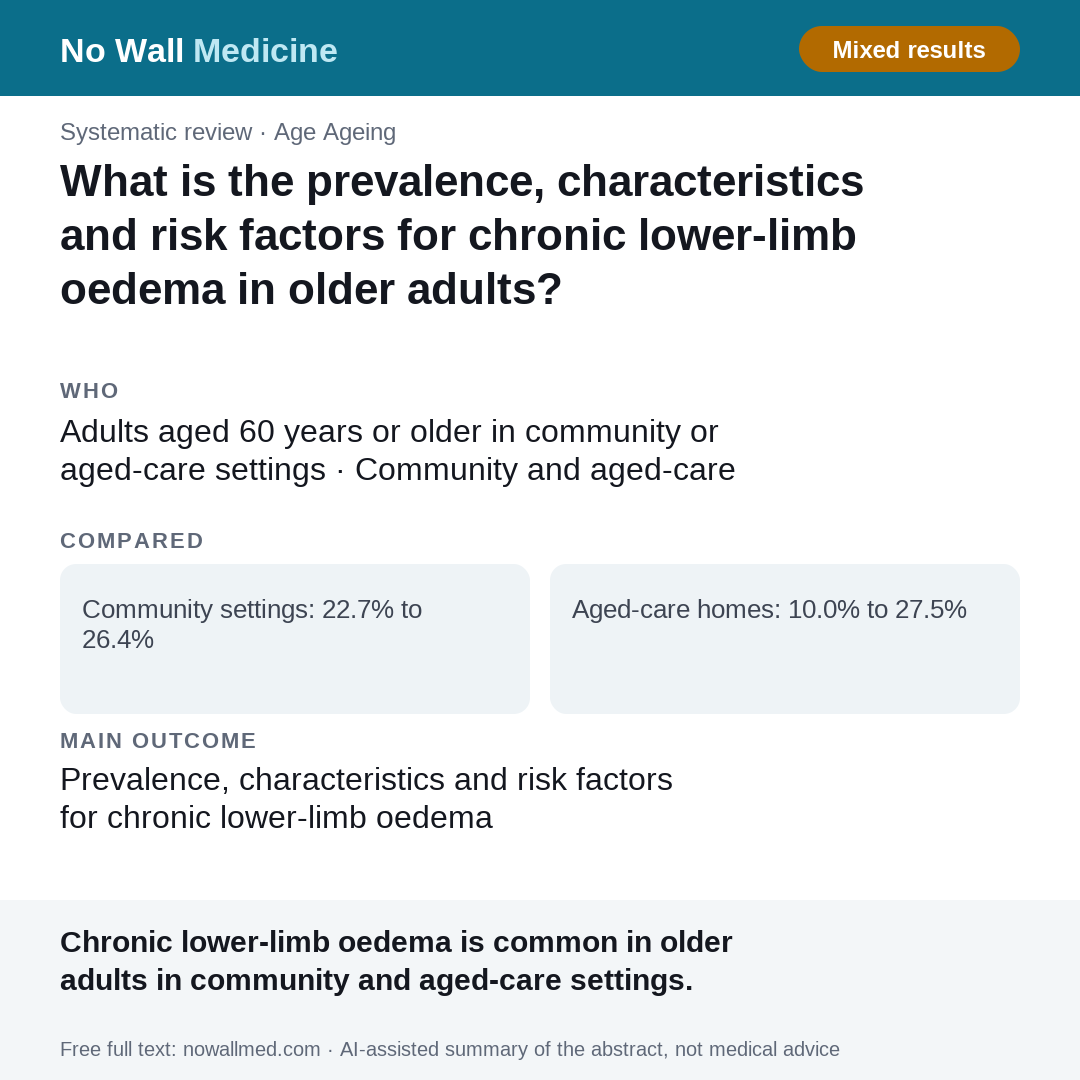
Prevalence, characteristics and risk factors for chronic lower-limb oedema in the older population living in the community or in an aged-care home: a systematic review
Systematic reviewMixed results
What is the prevalence, characteristics and risk factors for chronic lower-limb oedema in older adults?
Who
Adults aged 60 years or older in community or aged-care settings · Community and aged-care homes
Compared
Community settings: 22.7% to 26.4%
Aged-care homes: 10.0% to 27.5%
Main outcome
Prevalence, characteristics and risk factors for chronic lower-limb oedema
Bottom line: Chronic lower-limb oedema is common in older adults in community and aged-care settings.
Limitation: Substantial heterogeneity in study populations, sampling strategies and assessment methods limiting generalisability.
Age Ageing · 2026-09-22Download image
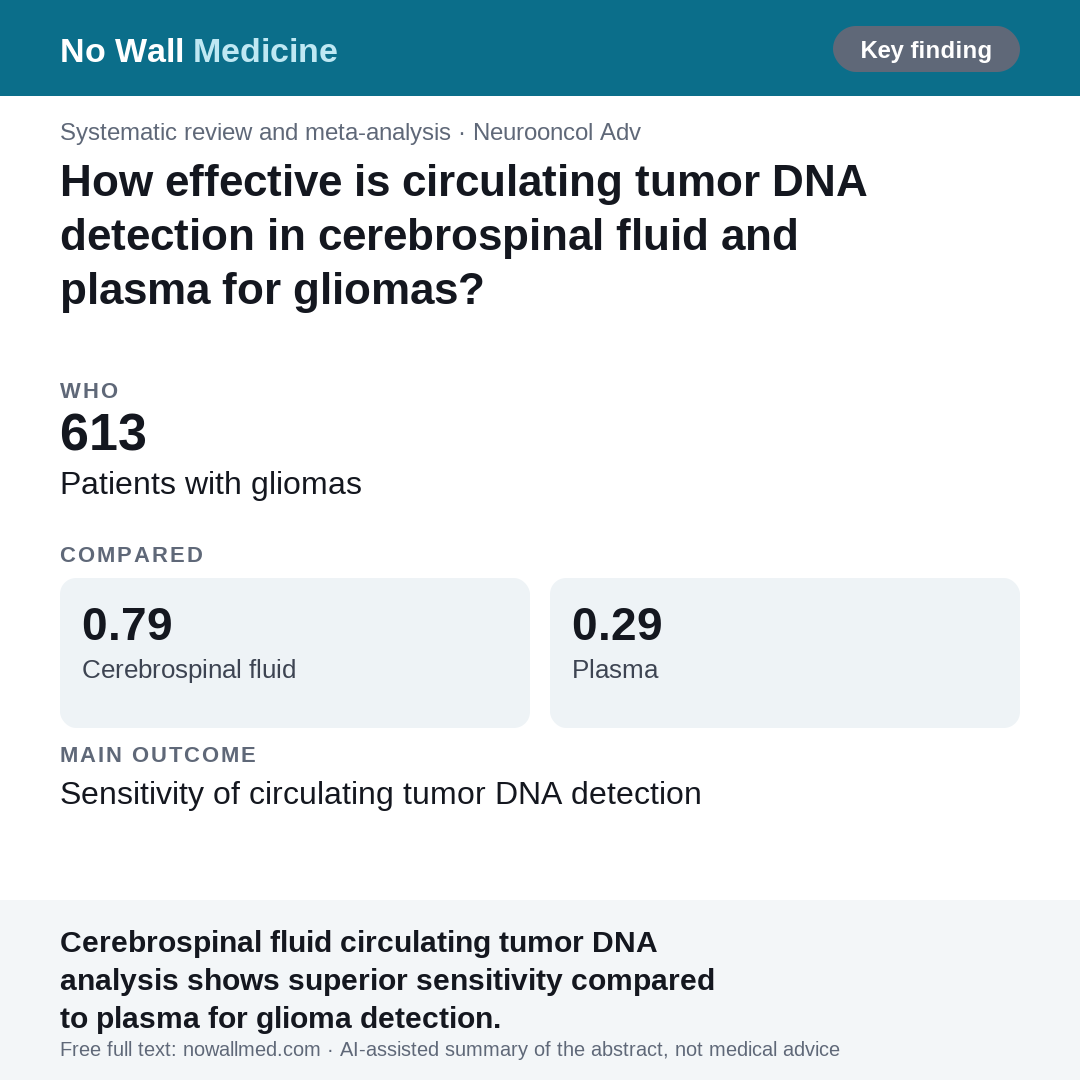
Circulating tumor DNA as a liquid biopsy for glioma detection in cerebrospinal fluid and plasma: A systematic review and meta-analysis
Systematic review and meta-analysisBenefit found
How effective is circulating tumor DNA detection in cerebrospinal fluid versus plasma for glioma?
Who
613
Patients with gliomas
Compared
0.79Cerebrospinal fluid (95% CI, 0.69-0.85)
0.29Plasma (95% CI, 0.15-0.47)
Main outcome
Sensitivity for circulating tumor DNA detection
Result: Area under the curve 0.95 for cerebrospinal fluid
Bottom line: Cerebrospinal fluid circulating tumor DNA analysis shows superior sensitivity compared to plasma for glioma detection.
Neurooncol Adv · 2026-09-22Download image
Cataract GWAS meta-analysis and multi-omics Mendelian randomisation inform disease mechanisms and candidate target prioritisation
Genome-wide association study meta-analysis and Mendelian randomisationBenefit found
What are the genetic architecture and candidate targets for senile cataract?
Who
European-ancestry and East Asian-ancestry individuals · All of Us, UK Biobank, deCODE, and China Kadoorie Biobank
Compared
European-ancestry: 78 independent loci
East Asian-ancestry: 4 independent loci
Main outcome
Identification of cataract risk loci and candidate genetic targets
Bottom line: Meta-analysis and multi-omics integration identified new genetic loci and prioritised candidate genes for senile cataract.
Funded by: Joint Funds for the Innovation of Science and Technology
eBioMedicine · 2026-09-22Download image

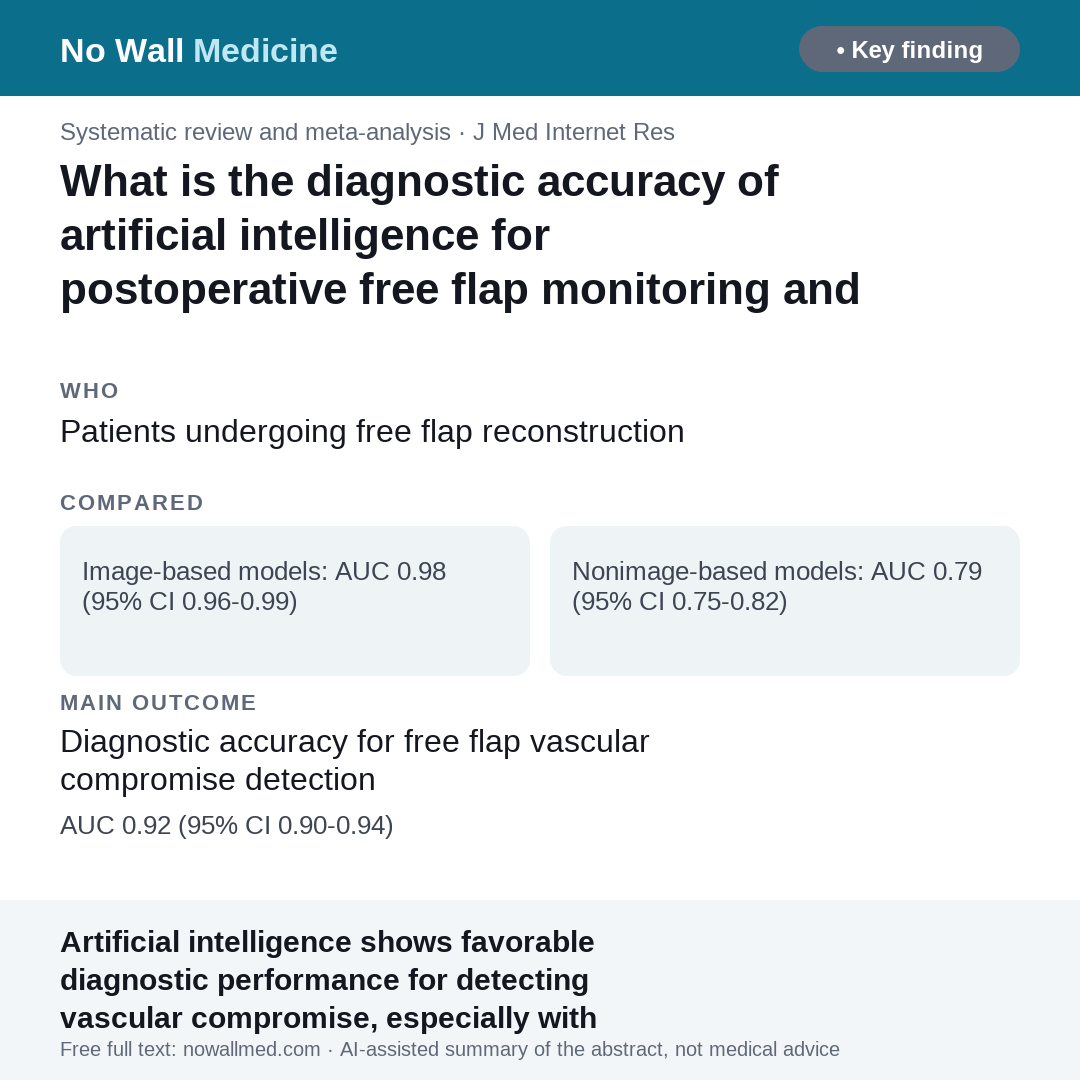
Diagnostic Accuracy of AI in Prediction and Assessment of Compromised Free Flaps: Systematic Review and Meta-Analysis
Systematic review and meta-analysisBenefit found
What is the diagnostic accuracy of artificial intelligence for postoperative free flap monitoring and compromise detection?
Who
Patients undergoing free flap reconstruction
Compared
Image-based models: AUC 0.98 (95% CI 0.96-0.99)
Nonimage-based models: AUC 0.79 (95% CI 0.75-0.82)
Main outcome
Diagnostic accuracy for free flap vascular compromise detection
Result: AUC 0.92 (95% CI 0.90-0.94)
Bottom line: Artificial intelligence shows favorable diagnostic performance for detecting vascular compromise, especially with image-based models, but evidence certainty is low.
Limitation: Low certainty of evidence, substantial heterogeneity, and limited external validation.
J Med Internet Res · 2026-09-22Download image
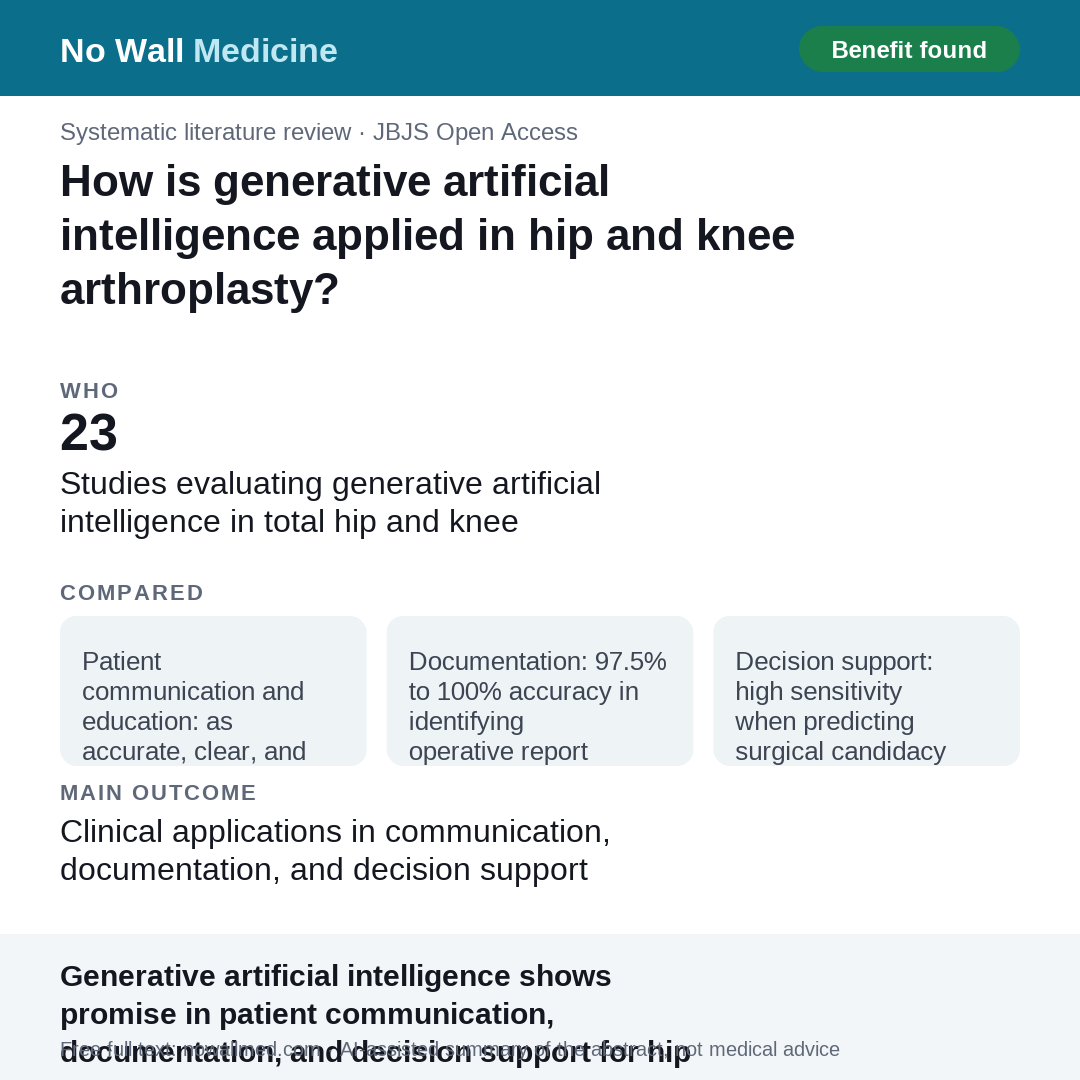
Generative Artificial Intelligence in Hip and Knee Arthroplasty: A Systematic Review of Emerging Clinical Applications in Patient Communication and Education, Documentation, and Decision Support
Systematic literature reviewBenefit found
How is generative artificial intelligence applied in hip and knee arthroplasty?
Who
23
Studies evaluating generative artificial intelligence in total hip and knee arthroplasty
Compared
Patient communication and education: as accurate, clear, and complete as surgeon-written responses
Documentation: 97.5% to 100% accuracy in identifying operative report information
Decision support: high sensitivity when predicting surgical candidacy but low specificity
Main outcome
Clinical applications in communication, documentation, and decision support
Bottom line: Generative artificial intelligence shows promise in patient communication, documentation, and decision support for hip and knee arthroplasty.
Limitation: The heterogeneity of the included studies led to a narrative synthesis.
JBJS Open Access · 2026-09-22Download image
Nanofat in Plastic Surgery: A Systematic Review of Clinical Outcomes, Safety, and Emerging Applications
Systematic literature reviewBenefit found
What are the clinical outcomes, safety, and applications of nanofat in plastic surgery?
Who
768
Patients undergoing plastic surgery procedures
Compared
Nanofat application: most patients reporting above-average satisfaction
Scar assessment: significant improvements in scar characteristics
Main outcome
clinical outcomes, safety, and emerging applications
Bottom line: Nanofat is a promising, well-tolerated regenerative therapy for aesthetic and reconstructive plastic surgery.
Plast Reconstr Surg Glob Open · 2026-09-22Download image

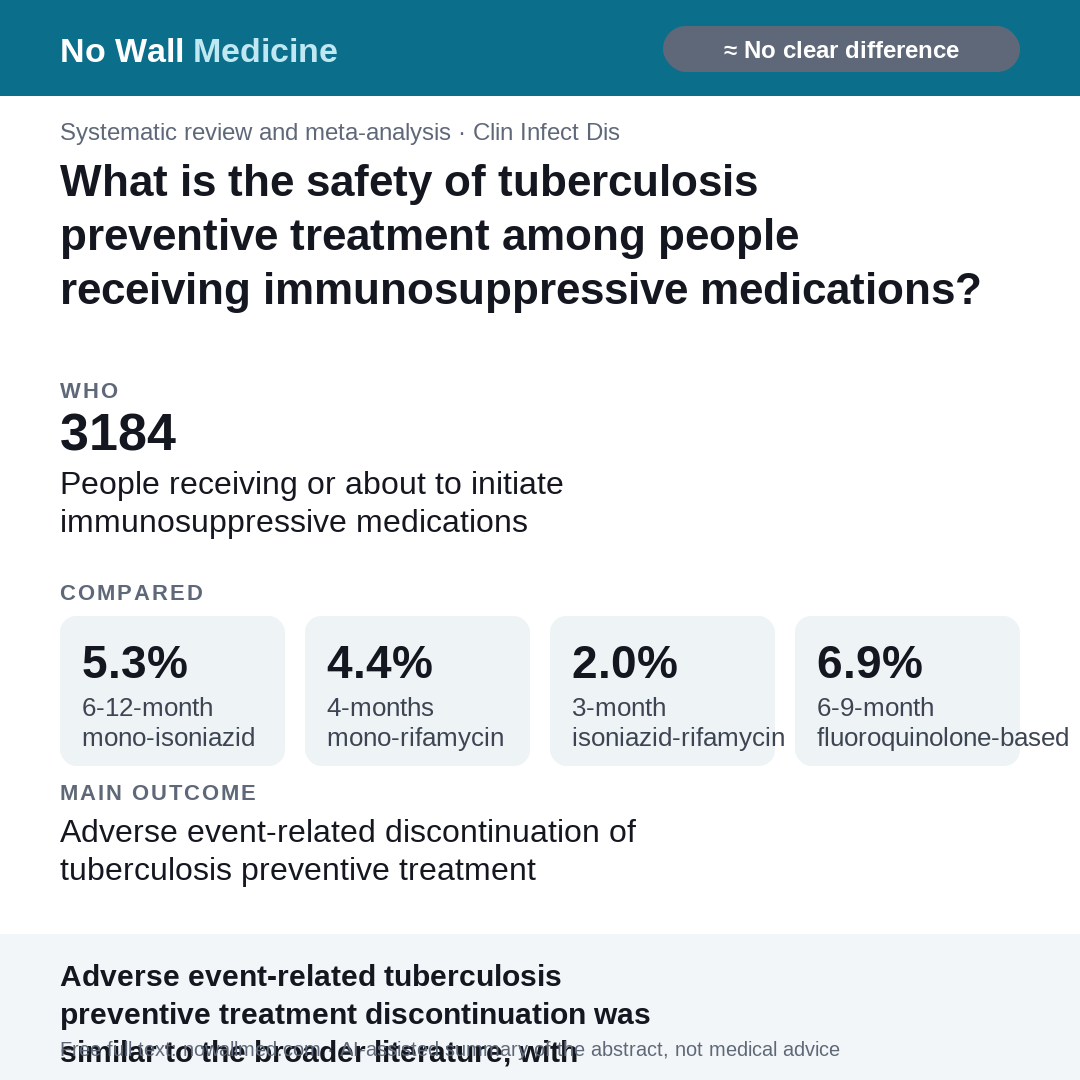
Safety of tuberculosis preventive treatment among people receiving or about to initiate immunosuppressive medications: a systematic review and meta-analysis
Systematic review and meta-analysisNo clear difference
What is the safety of tuberculosis preventive treatment among people receiving immunosuppressive medications?
Who
3184
People receiving or about to initiate immunosuppressive medications
Compared
5.3%6-12-month mono-isoniazid regimens (95% CI: 3.1-8.9%)
4.4%4-months mono-rifamycin regimens (95% CI: 0.1-75.4%)
2.0%3-month isoniazid-rifamycin combination regimens (1.0-4.1%)
6.9%6-9-month fluoroquinolone-based regimens (95% CI: 0-92.3%)
Main outcome
Adverse event-related discontinuation of tuberculosis preventive treatment
Bottom line: Adverse event-related tuberculosis preventive treatment discontinuation was similar to the broader literature, with rifamycin-containing regimens showing the lowest rates.
Limitation: Data on the safety of non-isoniazid regimens among people receiving immunosuppressives are needed.
Clin Infect Dis · 2026-09-21Download image
Safety of the M72/AS01 Tuberculosis Vaccine in People Living With HIV: A Systematic Review and Meta-Analysis
Systematic review and meta-analysis of 3 randomized controlled trialsBenefit found
Is the M72/AS01 tuberculosis vaccine safe in people living with HIV?
Who
510
People living with HIV receiving antiretroviral therapy
Compared
M72/AS01
placebo
Main outcome
Risks of solicited local and systemic adverse events
Result: pain RR 3.24 (95% CI 1.87-5.62), swelling RR 4.64 (95% CI 2.93-7.34), headache RR 1.83 (95% CI 1.52-2.20), myalgia RR 2.36 (95% CI 1.80-3.10), fever RR 1.95 (95% CI 1.45-2.63)
Bottom line: M72/AS01 has a favorable safety profile in adults living with HIV with no serious adverse events reported.
Limitation: Certainty of evidence ranged from high to low due to imprecision for rare grade 3 adverse events.
Open Forum Infect Dis · 2026-09-21Download image

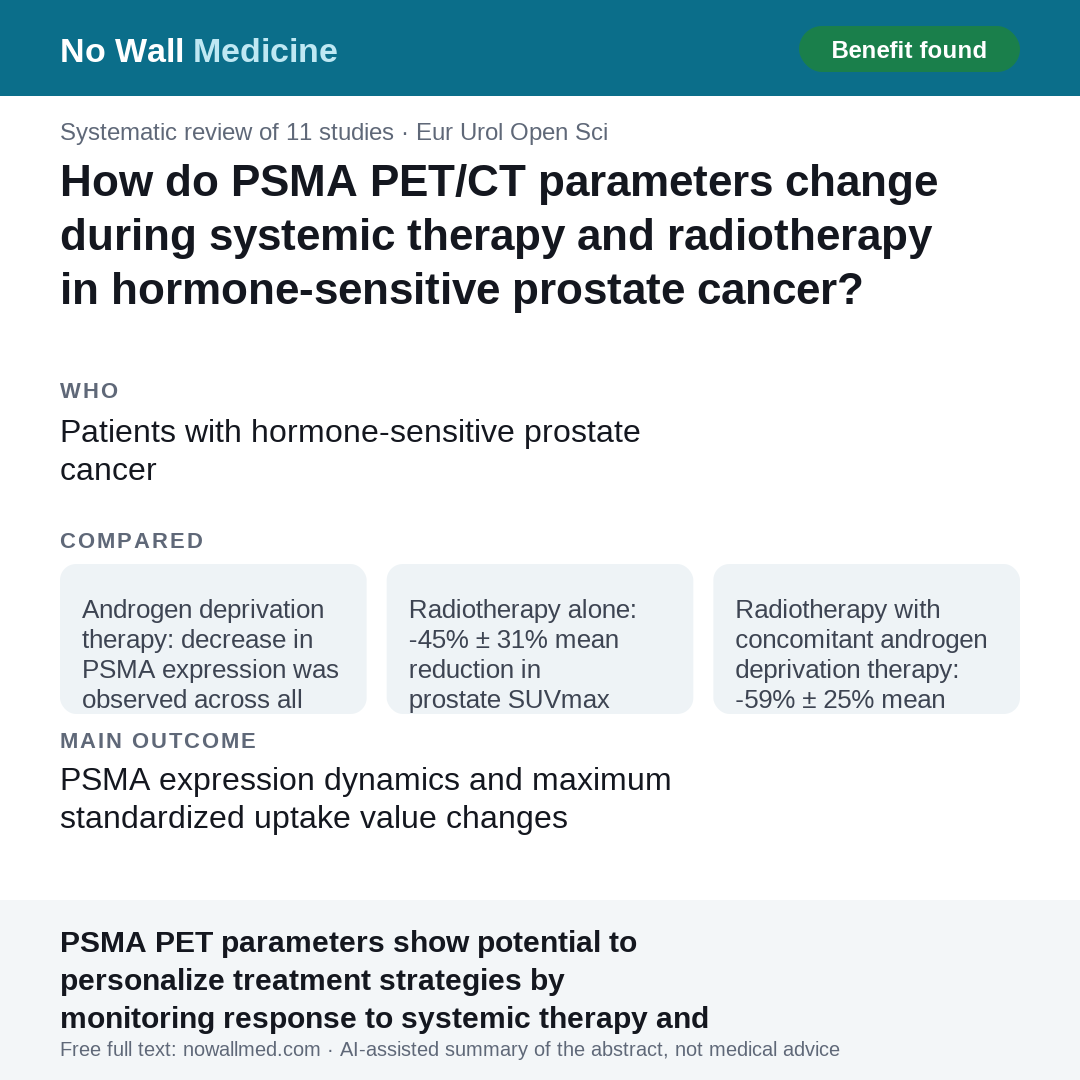
PSMA PET/CT Kinetics During Systemic Therapy and Radiotherapy in Hormone-sensitive Prostate Cancer: A Systematic Review
Systematic review of 11 studiesBenefit found
How do PSMA PET/CT parameters change during systemic therapy and radiotherapy in hormone-sensitive prostate cancer?
Who
Patients with hormone-sensitive prostate cancer
Compared
Androgen deprivation therapy: decrease in PSMA expression was observed across all disease sites
Radiotherapy alone: -45% ± 31% mean reduction in prostate SUVmax
Radiotherapy with concomitant androgen deprivation therapy: -59% ± 25% mean reduction in prostate SUVmax
Main outcome
PSMA expression dynamics and maximum standardized uptake value changes
Bottom line: PSMA PET parameters show potential to personalize treatment strategies by monitoring response to systemic therapy and radiotherapy.
Eur Urol Open Sci · 2026-09-21Download image
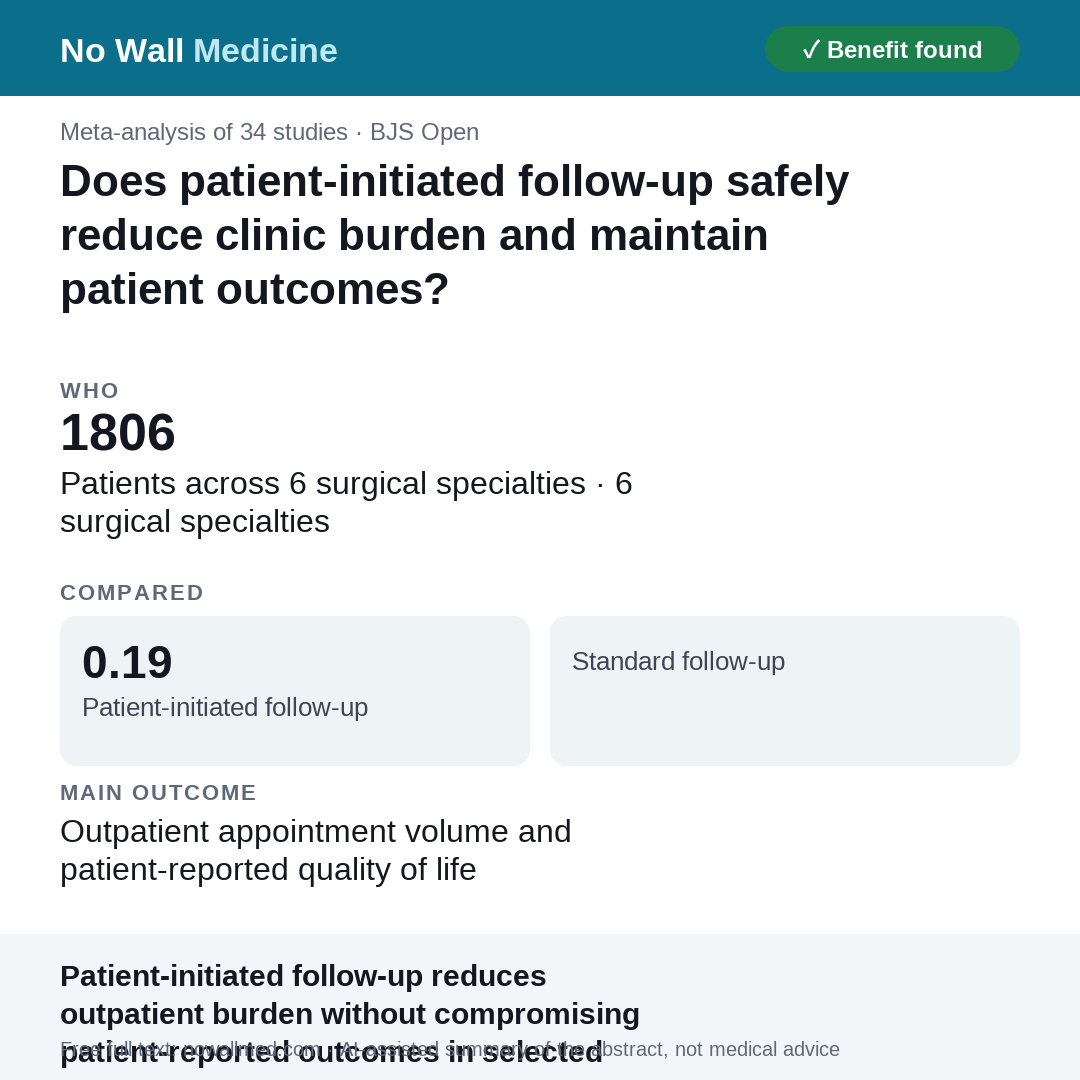
Patient-initiated follow-up in surgical specialties: meta-analysis and meta-regression
Meta-analysis of 34 studiesBenefit found
Does patient-initiated follow-up safely reduce clinic burden and maintain patient outcomes?
Who
Patients across 6 surgical specialties · 6 surgical specialties
Compared
Patient-initiated follow-up: reduction from 45·0% to 6·0% in colorectal surgery
Routine outpatient attendance
Main outcome
Outpatient appointment volume and patient-reported quality of life
Bottom line: Patient-initiated follow-up reduces outpatient burden without compromising patient-reported outcomes in selected surgical populations.
Limitation: Further high-quality trials and robust economic evaluations are required.
BJS Open · 2026-09-21Download image
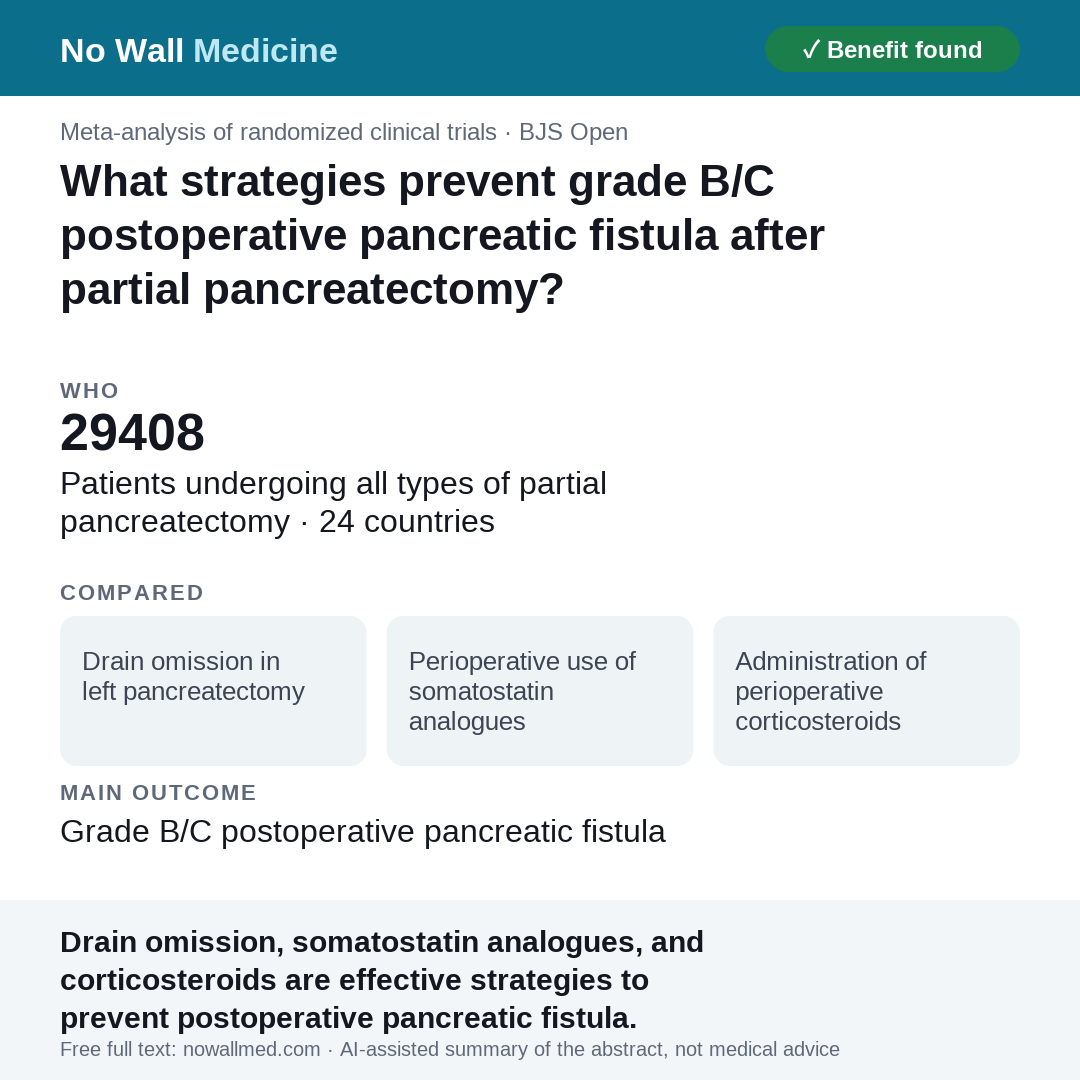
Preventing pancreatic fistula following pancreatectomy: meta-analysis of randomized clinical trials
Meta-analysis of randomized clinical trialsBenefit found
What strategies prevent grade B/C postoperative pancreatic fistula after partial pancreatectomy?
Who
29408
Patients undergoing all types of partial pancreatectomy · 24 countries
Compared
Drain omission in left pancreatectomy
Perioperative use of somatostatin analogues
Administration of perioperative corticosteroids
Main outcome
Grade B/C postoperative pancreatic fistula
Bottom line: Drain omission, somatostatin analogues, and corticosteroids are effective strategies to prevent postoperative pancreatic fistula.
Limitation: Current evidence remains immature and further randomized clinical trials are warranted.
BJS Open · 2026-09-21Download image
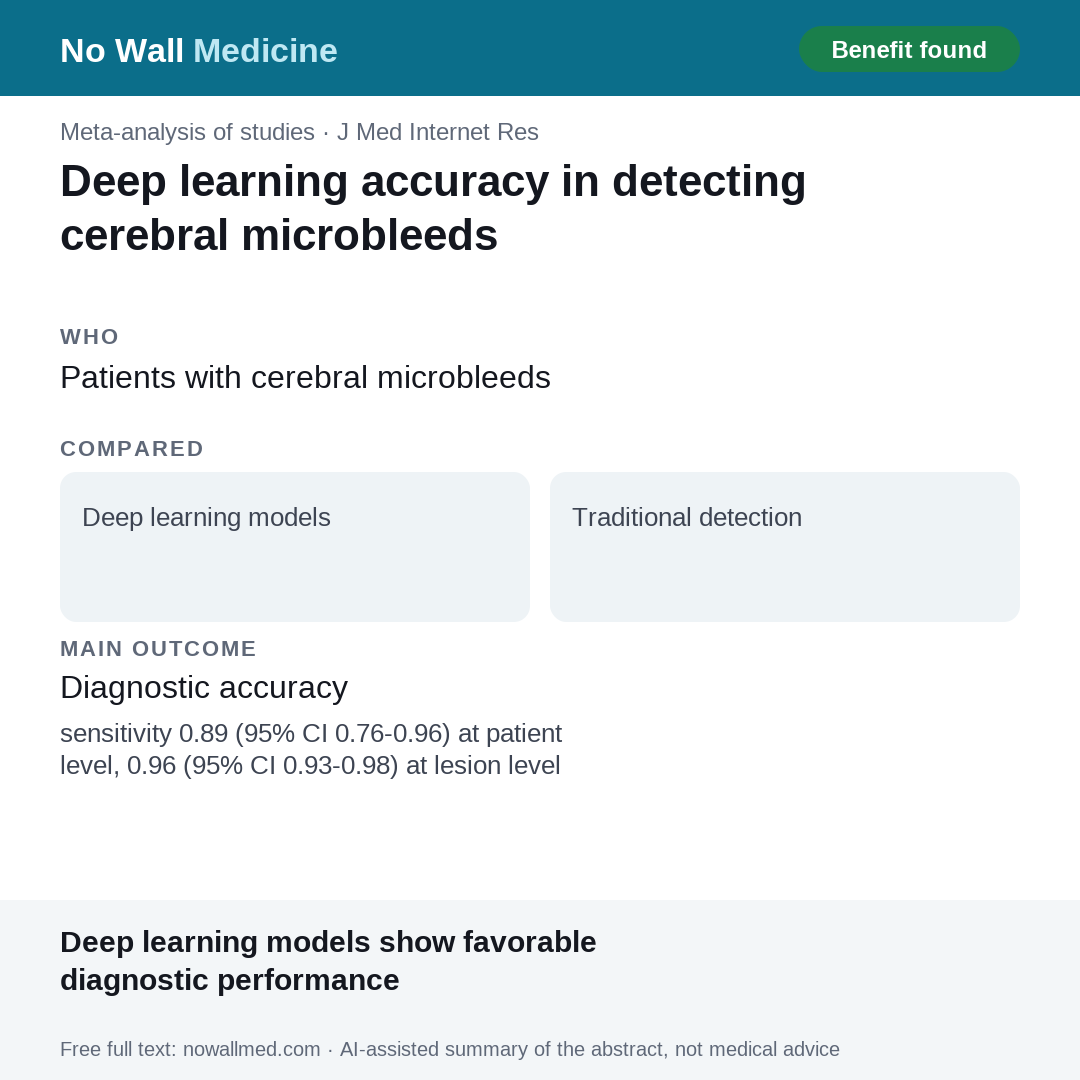
Accuracy of Deep Learning in Detecting Cerebral Microbleeds: Systematic Review and Meta-Analysis
Meta-analysis of studiesBenefit found
Deep learning accuracy in detecting cerebral microbleeds
Who
Patients with cerebral microbleeds
Compared
Deep learning models
Traditional detection
Main outcome
Diagnostic accuracy
Result: sensitivity 0.89 (95% CI 0.76-0.96) at patient level, 0.96 (95% CI 0.93-0.98) at lesion level
Bottom line: Deep learning models show favorable diagnostic performance
Limitation: small number of included studies
J Med Internet Res · 2026-09-21Download image
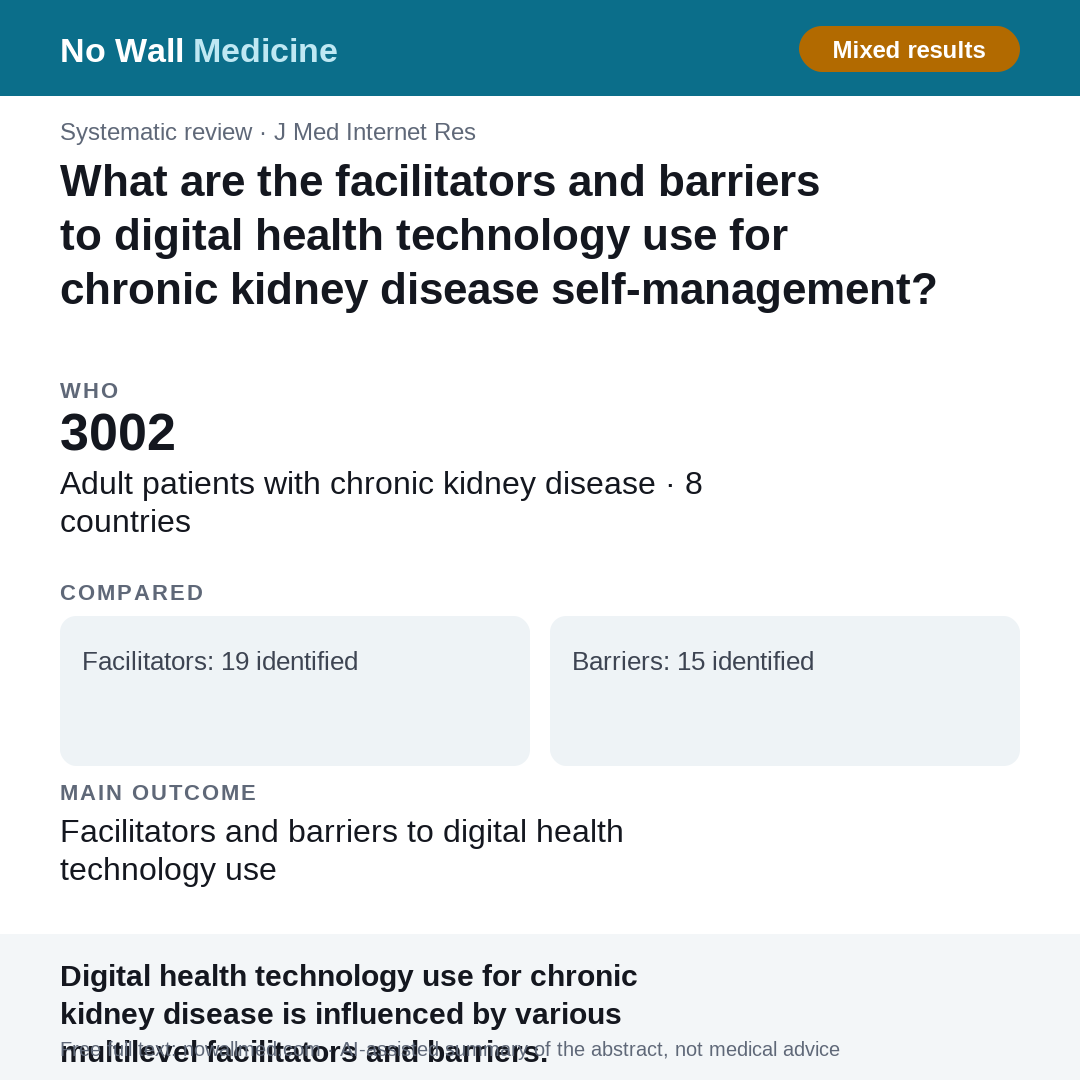
Facilitators and Barriers to Digital Health Technologies for Self-Management in Patients With Chronic Kidney Disease: Systematic Review Based on the Updated CFIR 2.0 Framework
Systematic reviewMixed results
What are the facilitators and barriers to digital health technology use for chronic kidney disease self-management?
Who
3002
Adult patients with chronic kidney disease · 8 countries
Compared
Facilitators: 19 identified
Barriers: 15 identified
Main outcome
Facilitators and barriers to digital health technology use
Bottom line: Digital health technology use for chronic kidney disease is influenced by various multilevel facilitators and barriers.
Limitation: Predominance of mixed methods, lack of longitudinal studies, and concentration in high-income countries.
J Med Internet Res · 2026-09-21Download image
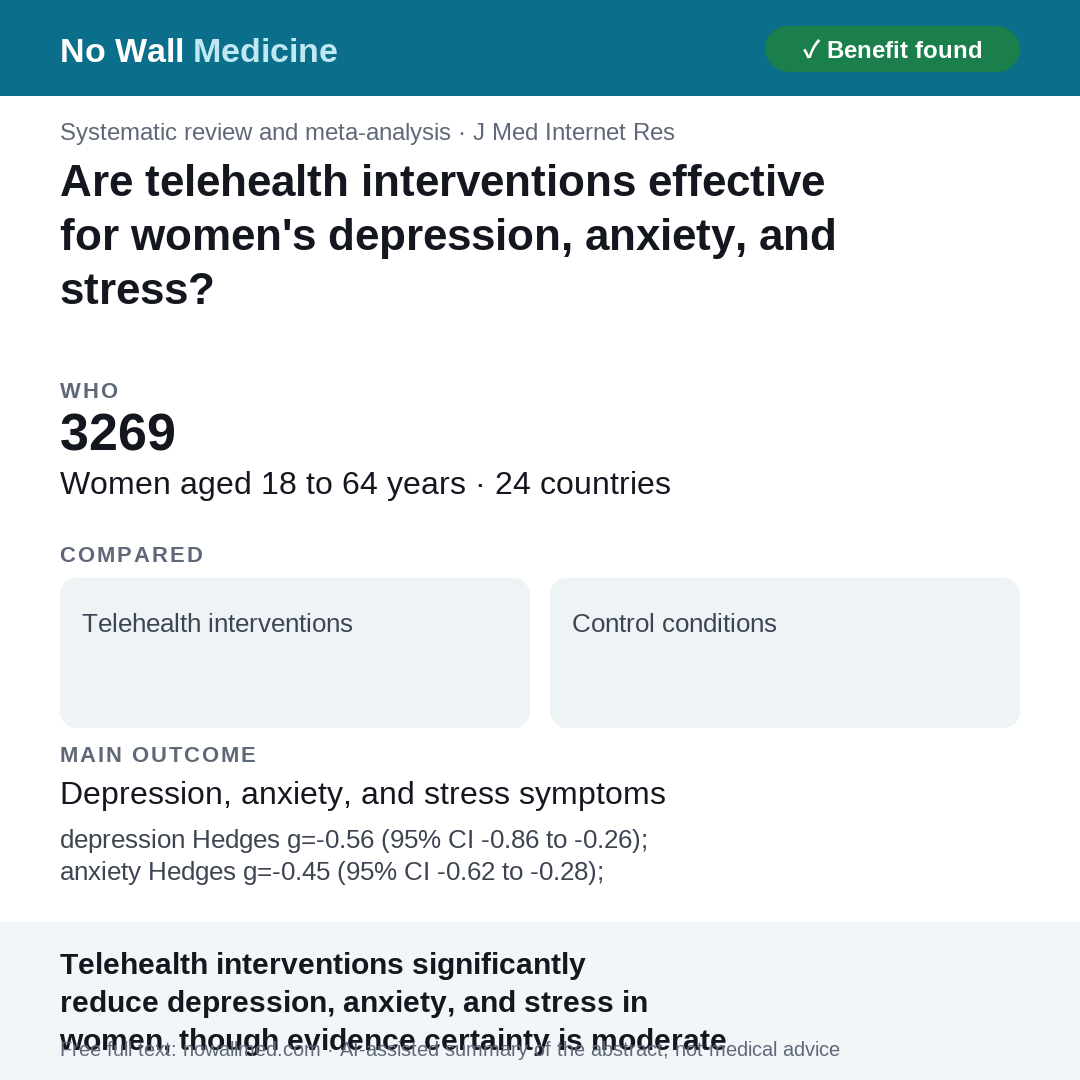
Effectiveness of Telehealth Care Interventions for Women's Mental Health During and After the COVID-19 Pandemic: Systematic Review and Meta-Analysis
Systematic review and meta-analysisBenefit found
Are telehealth interventions effective for women's depression, anxiety, and stress?
Who
13457
Women aged 18 to 64 years · 24 countries
Compared
Telehealth interventions
Control conditions
Main outcome
Depression, anxiety, and stress symptoms
Result: Hedges g=-0.56 (95% CI -0.86 to -0.26) for depression
Bottom line: Telehealth interventions provide moderate, small to moderate, and modest reductions in depression, anxiety, and stress for women.
Limitation: Moderate to high heterogeneity and risk of bias resulted in moderate certainty of evidence.
J Med Internet Res · 2026-09-21Download image
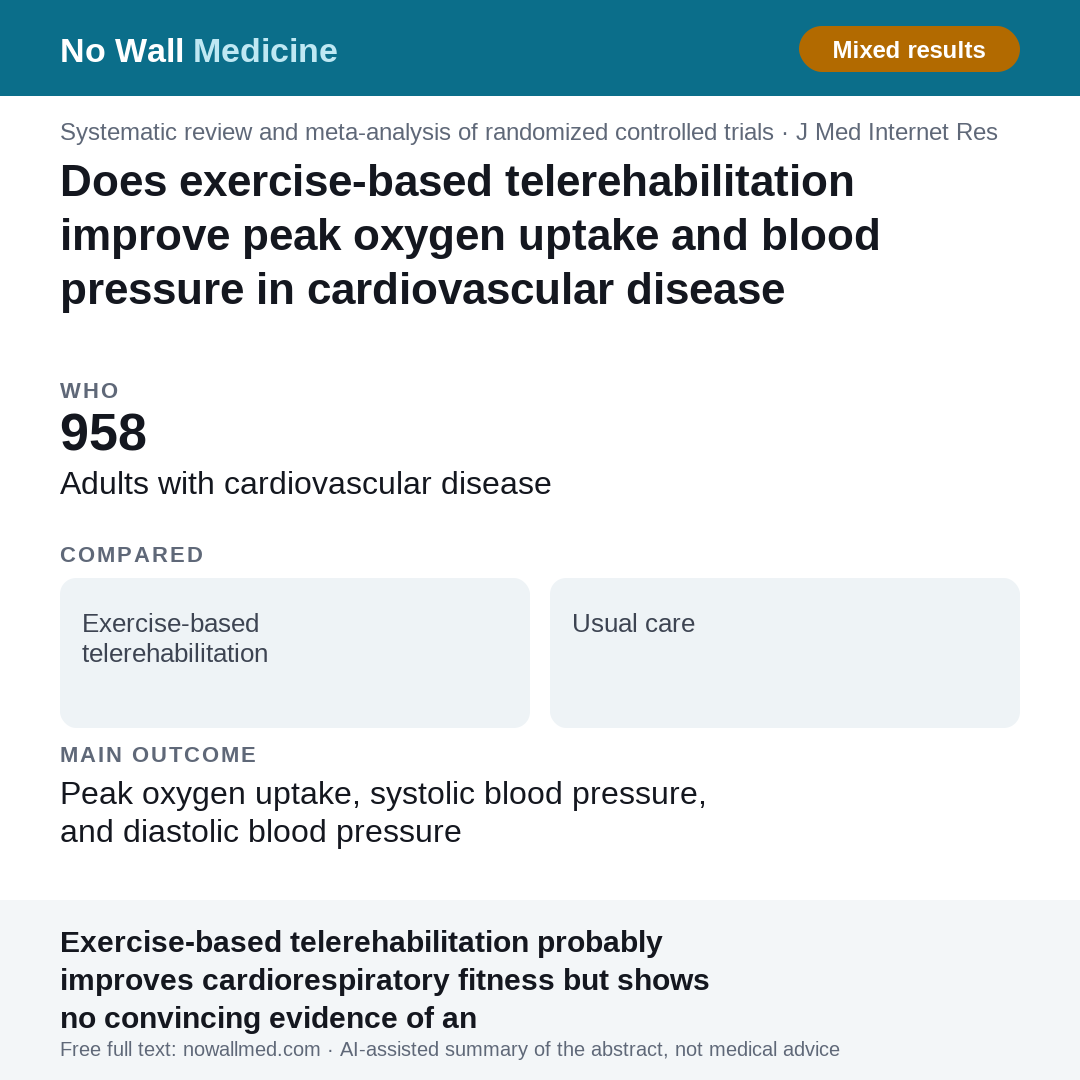
Effects of Telerehabilitation With Exercise as the Core Component on Peak Oxygen Uptake and Blood Pressure in Patients With Cardiovascular Disease: Systematic Review and Meta-Analysis
Systematic review and meta-analysis of randomized controlled trialsMixed results
Does exercise-based telerehabilitation improve peak oxygen uptake and blood pressure in cardiovascular disease patients?
Who
958
Adults with cardiovascular disease
Compared
Exercise-based telerehabilitation
Usual care
Main outcome
Peak oxygen uptake, systolic blood pressure, and diastolic blood pressure
Result: mean difference 2.58 mL/kg/min (95% CI 1.16 to 4.00) for peak oxygen uptake
Bottom line: Exercise-based telerehabilitation probably improves cardiorespiratory fitness but shows no convincing evidence of an antihypertensive effect.
Limitation: GRADE certainty was very low across all outcomes and possible small-study effects were detected.
J Med Internet Res · 2026-09-21Download image
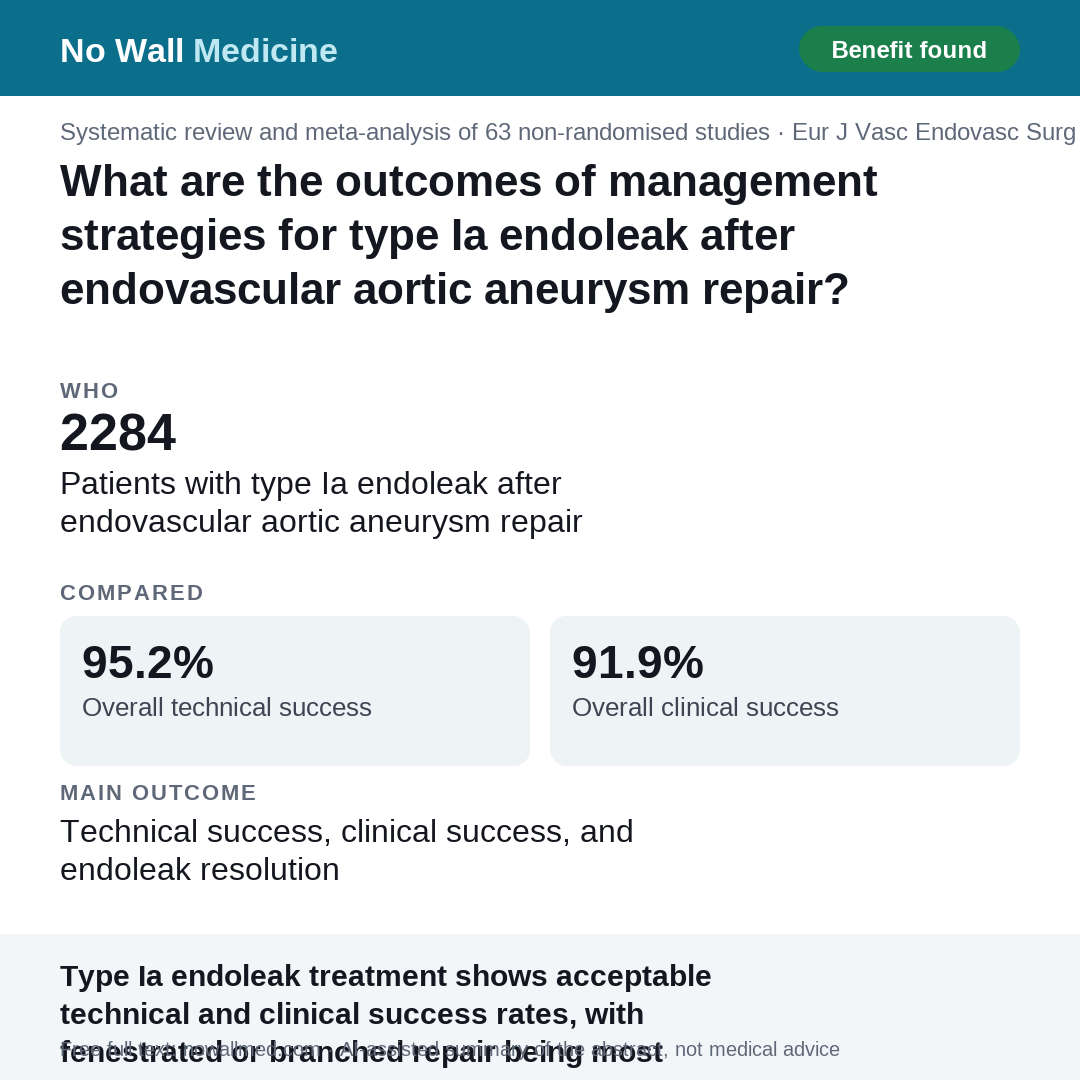
Type Ia Endoleak Management Strategy Outcomes after Endovascular Abdominal Aortic Aneurysm Repair: A Systematic Review and Meta-analysis
Systematic review and meta-analysis of 63 non-randomised studiesBenefit found
What are the outcomes of management strategies for type Ia endoleak after endovascular aortic aneurysm repair?
Who
2284
Patients with type Ia endoleak after endovascular aortic aneurysm repair
Compared
95.2%Overall technical success (95% CI 93.9 - 96.4%)
91.9%Overall clinical success (95% CI 90.0 - 93.8%)
Main outcome
Technical success, clinical success, and endoleak resolution
Bottom line: Type Ia endoleak treatment shows acceptable technical and clinical success rates, with fenestrated or branched repair being most frequent.
Limitation: The overall quality of evidence for all outcomes was very low.
Eur J Vasc Endovasc Surg · 2026-09-20Download image