Visual abstracts
New randomized trials and meta-analyses from leading journals at a glance: who was studied, what was compared, and what was found. Every paper is free to read in full.
All specialtiesCardiology 4763Oncology 4042Gastroenterology & Hepatology 1902Infectious Disease 3756Neurology 1872Psychiatry & Mental Health 2214Pulmonology 2042Critical Care 1319Endocrinology & Diabetes 2544Pediatrics 2889Surgery 2479Orthopedics & Sports Medicine 917Neurosurgery 525Cardiothoracic & Vascular Surgery 656Plastic & Reconstructive Surgery 574Nephrology 1107Rheumatology 810Hematology 1090Dermatology 611Ophthalmology 532Obstetrics & Gynecology 1645Public & Global Health 1037Radiology & Imaging 617Anesthesiology 957Urology 745ENT (Otolaryngology) 494Emergency Medicine 481Allergy & Immunology 309Geriatrics 972Family Medicine & Primary Care 533Medical Genetics & Genomics 659Pathology & Laboratory Medicine 156Physical Medicine & Rehabilitation 734Palliative Care 421Nutrition 1560Digital Health & AI 2133General Medicine 318
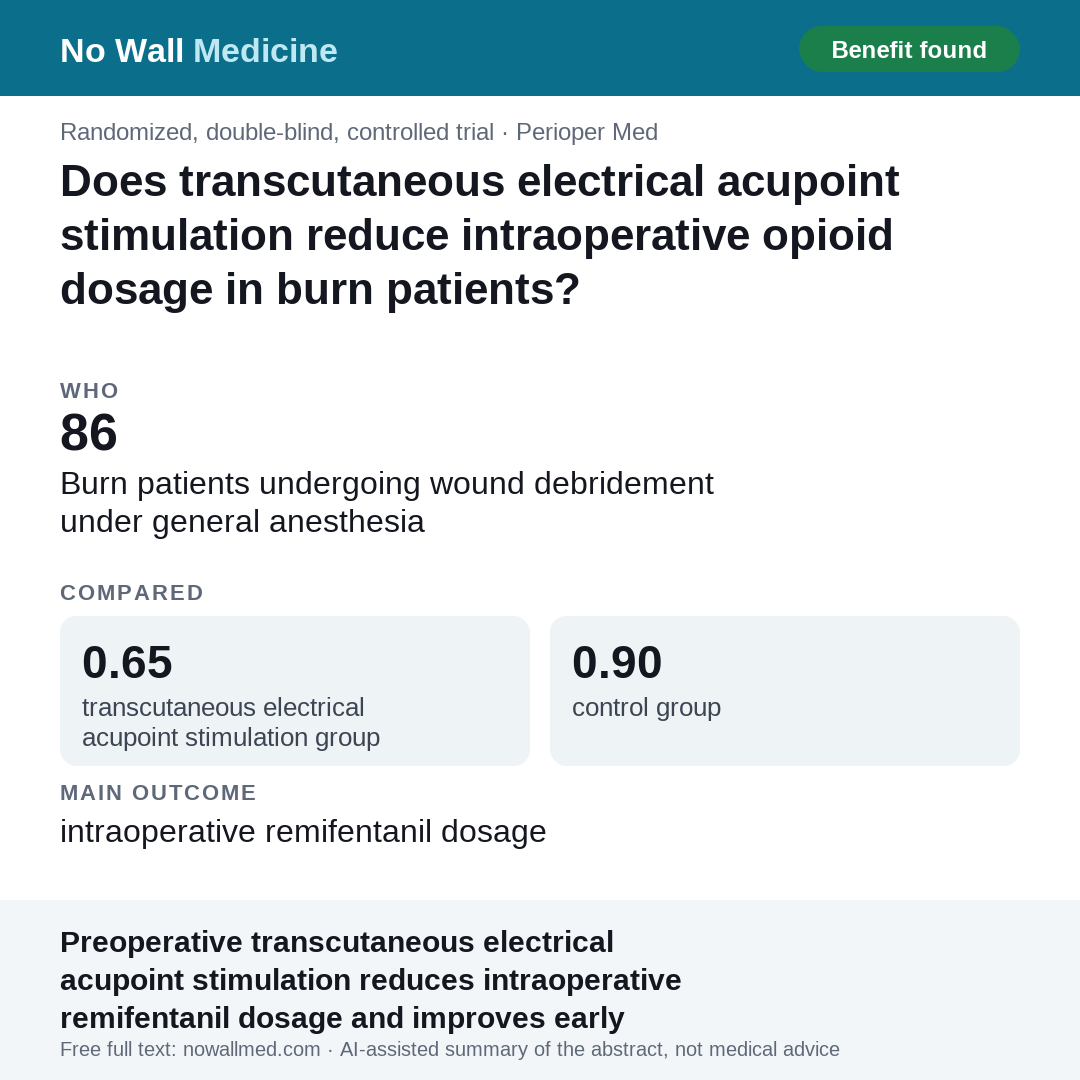
Effect of transcutaneous electrical acupoint stimulation for preemptive analgesia on intraoperative opioid dosage in burn patients: a randomized, double-blind, controlled trial
Randomized, double-blind, controlled trialBenefit found
Does transcutaneous electrical acupoint stimulation reduce intraoperative opioid dosage in burn patients?
Who
86
Burn patients undergoing wound debridement under general anesthesia
Compared
0.65transcutaneous electrical acupoint stimulation group (0.45,1.00)
0.90control group (0.67,1.23)
Main outcome
intraoperative remifentanil dosage
Bottom line: Preoperative transcutaneous electrical acupoint stimulation reduces intraoperative remifentanil dosage and improves early postoperative analgesia and gastrointestinal adverse reactions.
Perioper Med · 2026-02-13Download image
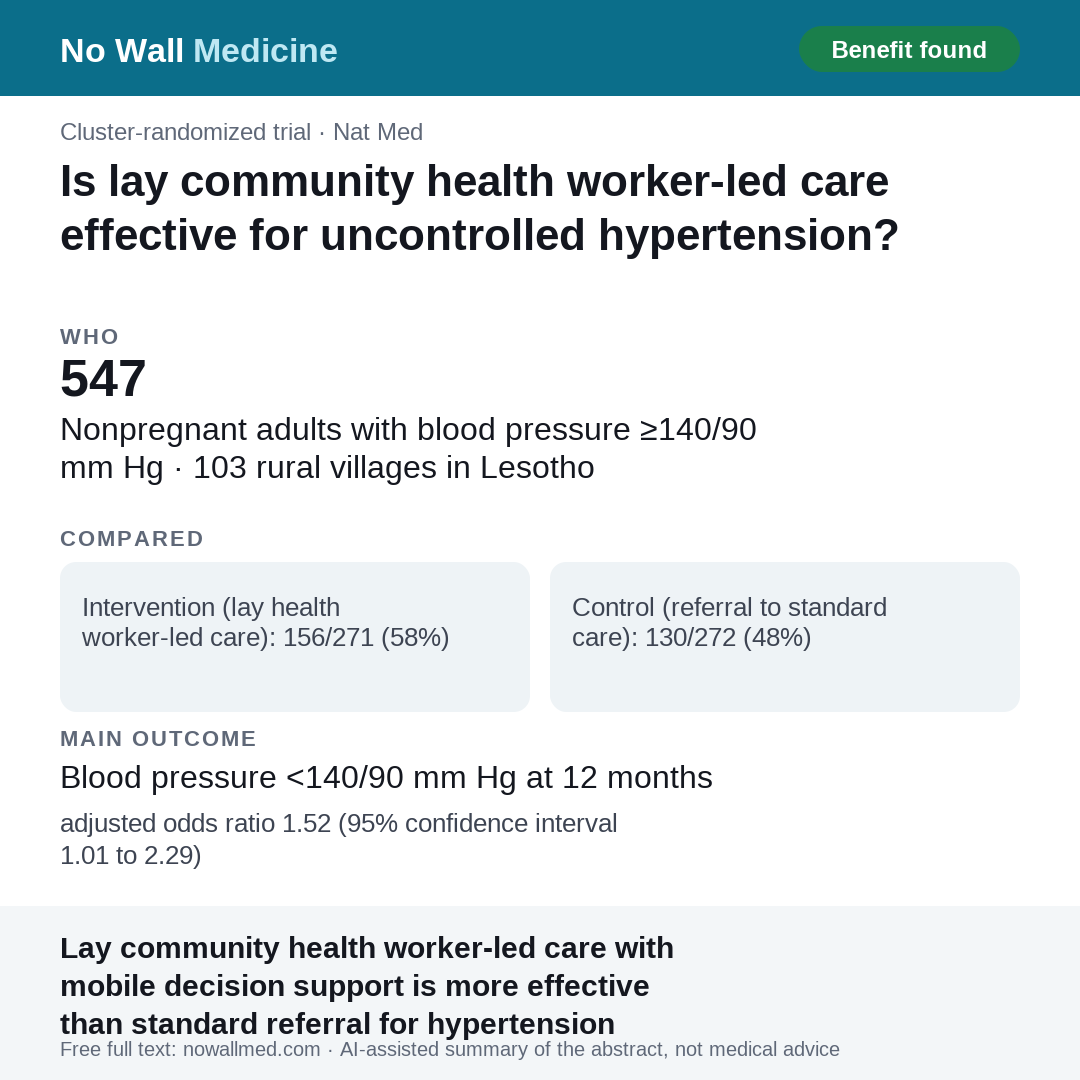
Lay community health worker-led care with mobile decision support for uncontrolled hypertension: a cluster-randomized trial
Cluster-randomized trialBenefit found
Is lay community health worker-led care effective for uncontrolled hypertension?
Who
547
Nonpregnant adults with blood pressure ≥140/90 mm Hg · 103 rural villages in Lesotho
Compared
Intervention (lay health worker-led care): 156/271 (58%)
Control (referral to standard care): 130/272 (48%)
Main outcome
Blood pressure <140/90 mm Hg at 12 months
Result: adjusted odds ratio 1.52 (95% confidence interval 1.01 to 2.29)
Bottom line: Lay community health worker-led care with mobile decision support is more effective than standard referral for hypertension control.
Nat Med · 2026-02-12Download image
Brief individual psychological intervention for people with probable personality disorder: a multicentre, researcher-masked, randomised, controlled superiority trial in England
Multicentre, researcher-masked, randomised, controlled superiority trialNo clear difference
Is a brief individual psychological intervention effective for people with probable personality disorder?
Who
336
Adults with probable personality disorder · Seven mental health Trusts in England
Compared
Structured Psychological Support plus treatment-as-usual: standardised coefficient 0·12
Treatment-as-usual
Main outcome
Social functioning at 12 months measured by Work and Social Adjustment Scale
Result: standardised coefficient 0·12 (95% CI -2·14 to 2·38)
Bottom line: A brief individual psychological intervention showed no difference in social functioning compared to treatment-as-usual over 12 months.
Lancet Psychiatry · 2026-02-12Download image

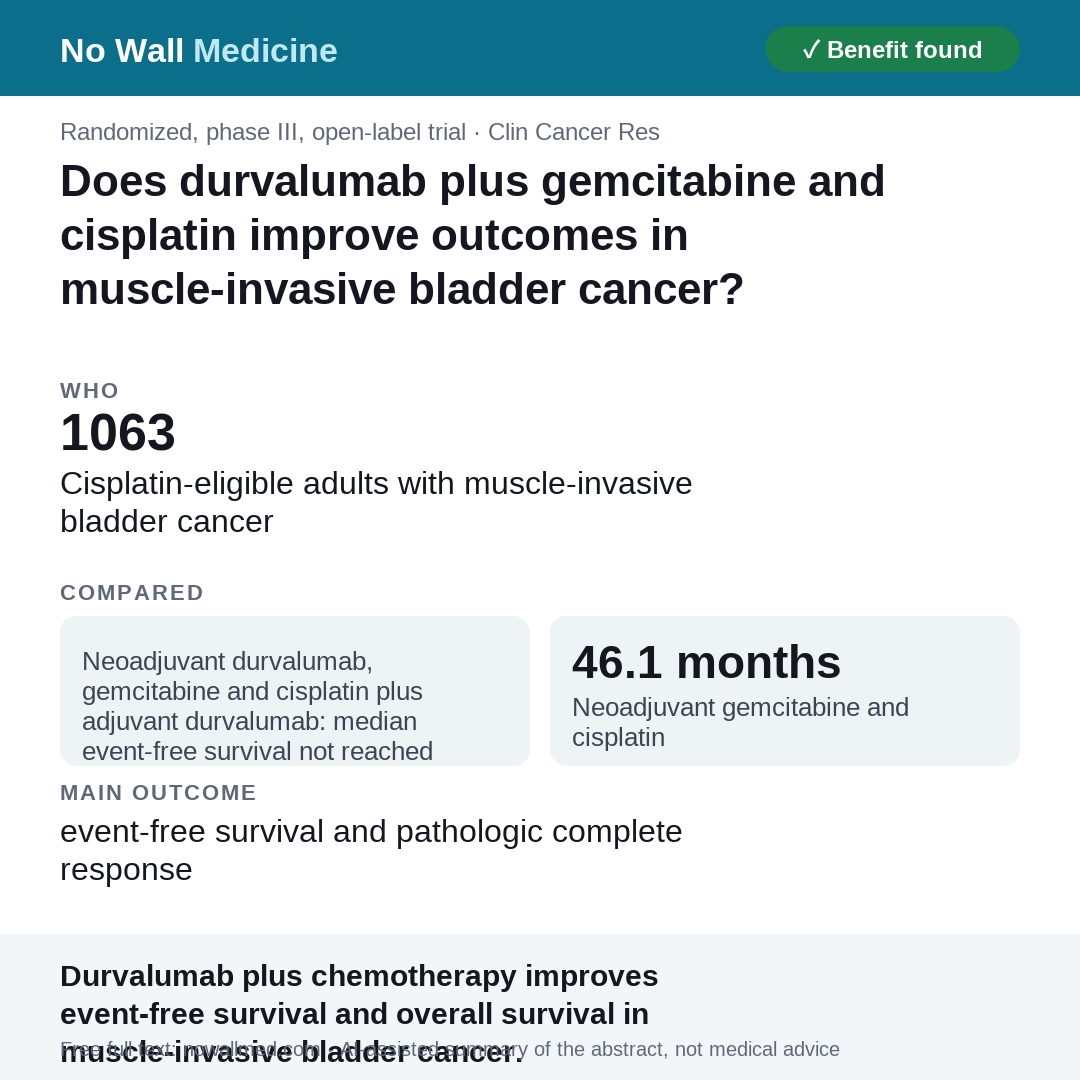
FDA Approval Summary: Durvalumab for the Treatment of Adult Patients with Muscle-Invasive Bladder Cancer
Randomized, phase III, open-label trialBenefit found
Does durvalumab plus gemcitabine and cisplatin improve outcomes in muscle-invasive bladder cancer?
Who
1063
Cisplatin-eligible adults with muscle-invasive bladder cancer
Compared
Neoadjuvant durvalumab, gemcitabine and cisplatin plus adjuvant durvalumab: median event-free survival not reached
46.1 monthsNeoadjuvant gemcitabine and cisplatin (95% CI 32.3-NR)
Main outcome
event-free survival and pathologic complete response
Result: hazard ratio 0.68 (95% CI 0.56-0.82)
Bottom line: Durvalumab plus chemotherapy improves event-free survival and overall survival in muscle-invasive bladder cancer.
Clin Cancer Res · 2026-02-12Download image
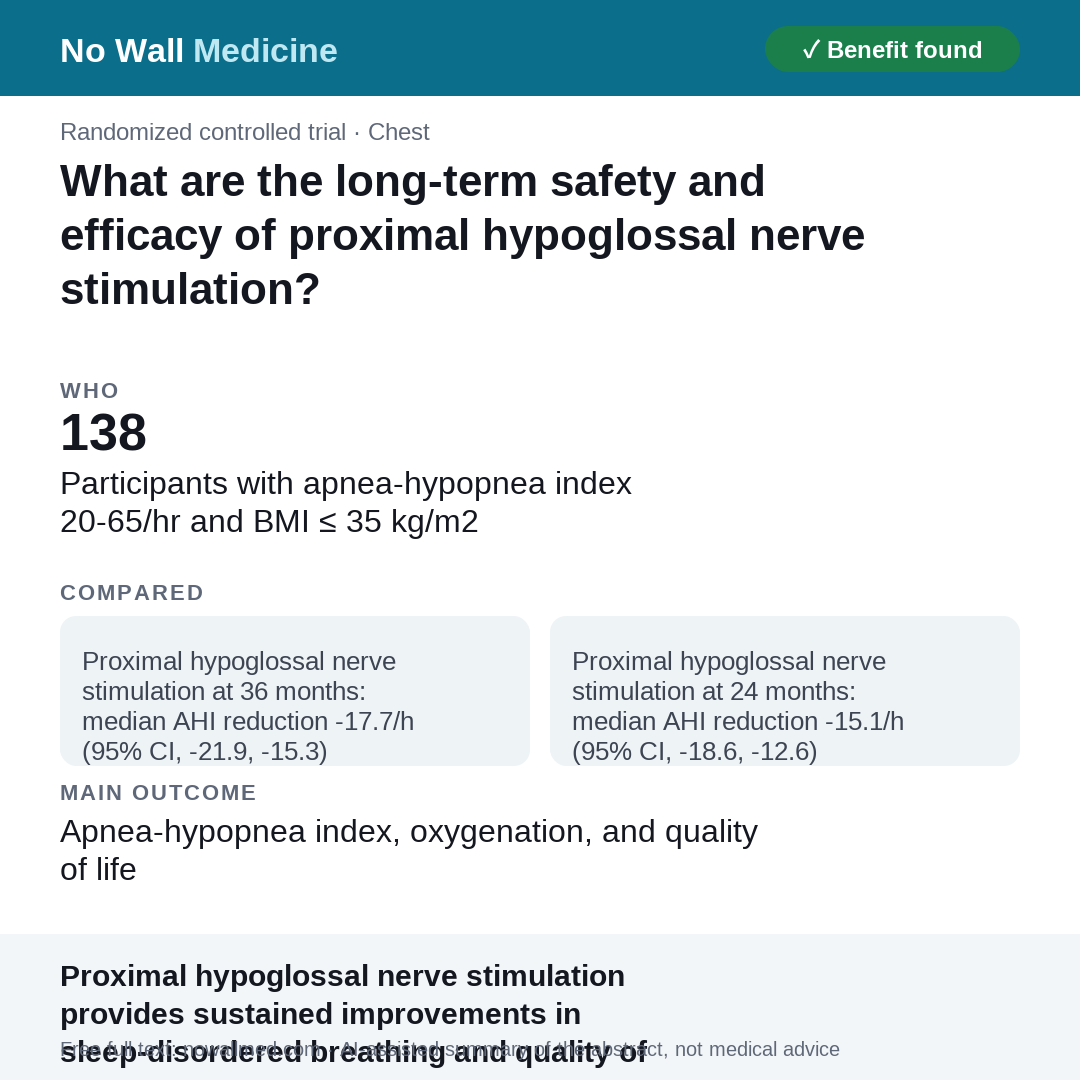
Three-Year Outcomes of Proximal Hypoglossal Nerve Stimulation in OSA
Randomized controlled trialBenefit found
What are the long-term safety and efficacy of proximal hypoglossal nerve stimulation?
Who
138
Participants with apnea-hypopnea index 20-65/hr and BMI ≤ 35 kg/m2
Compared
Proximal hypoglossal nerve stimulation at 36 months: median AHI reduction -17.7/h (95% CI, -21.9, -15.3)
Proximal hypoglossal nerve stimulation at 24 months: median AHI reduction -15.1/h (95% CI, -18.6, -12.6)
Main outcome
Apnea-hypopnea index, oxygenation, and quality of life
Bottom line: Proximal hypoglossal nerve stimulation provides sustained improvements in sleep-disordered breathing and quality of life through 3 years.
Chest · 2026-02-12Download image
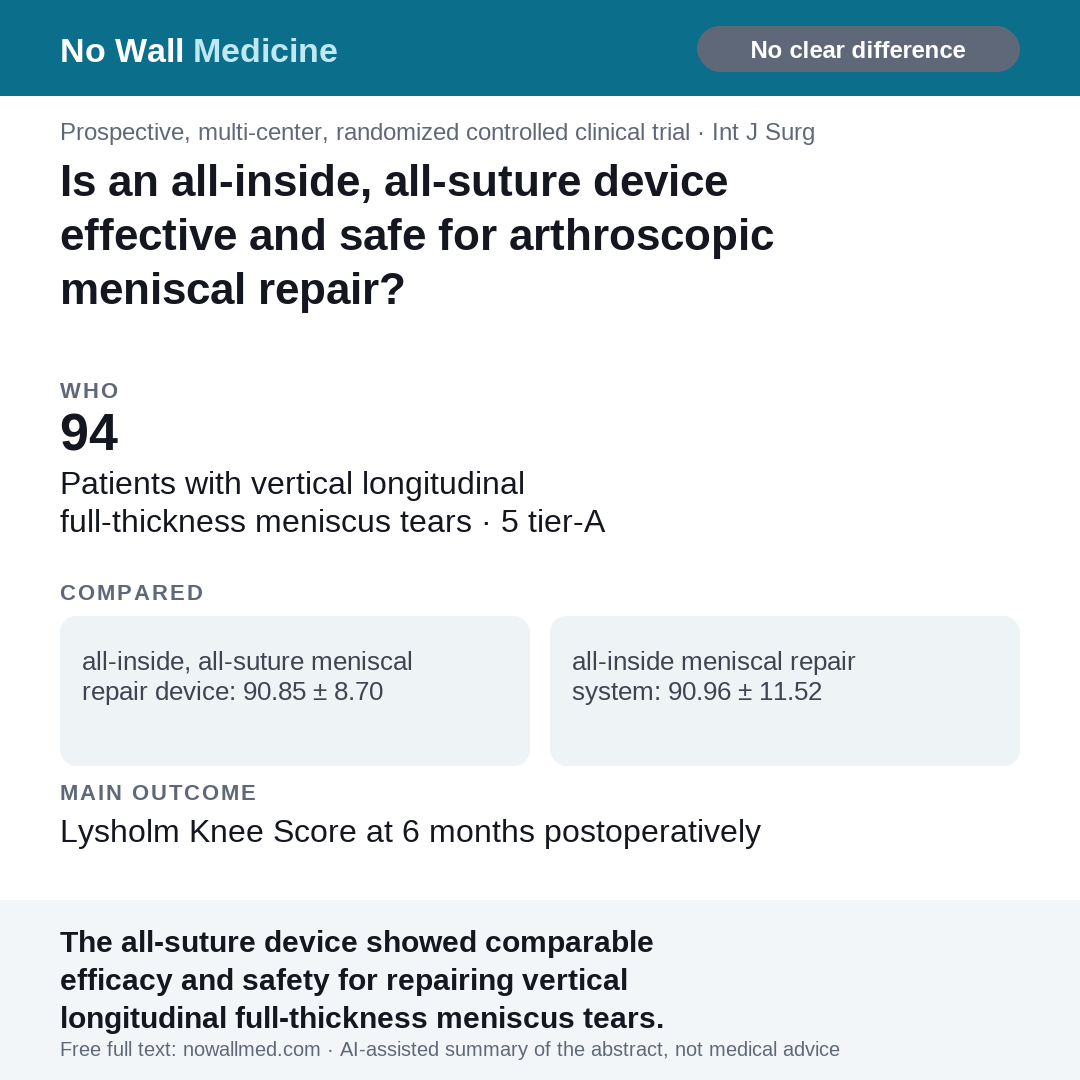
Evaluating the efficacy and safety of an all-inside, all-suture meniscal repair device on arthroscopic meniscal repair: a prospective, multi-center, randomized controlled clinical trial
Prospective, multi-center, randomized controlled clinical trialNo clear difference
Is an all-inside, all-suture device effective and safe for arthroscopic meniscal repair?
Who
94
Patients with vertical longitudinal full-thickness meniscus tears · 5 tier-A centers in China
Compared
all-inside, all-suture meniscal repair device: 90.85 ± 8.70
all-inside meniscal repair system: 90.96 ± 11.52
Main outcome
Lysholm Knee Score at 6 months postoperatively
Bottom line: The all-suture device showed comparable efficacy and safety for repairing vertical longitudinal full-thickness meniscus tears.
Int J Surg · 2026-02-12Download image
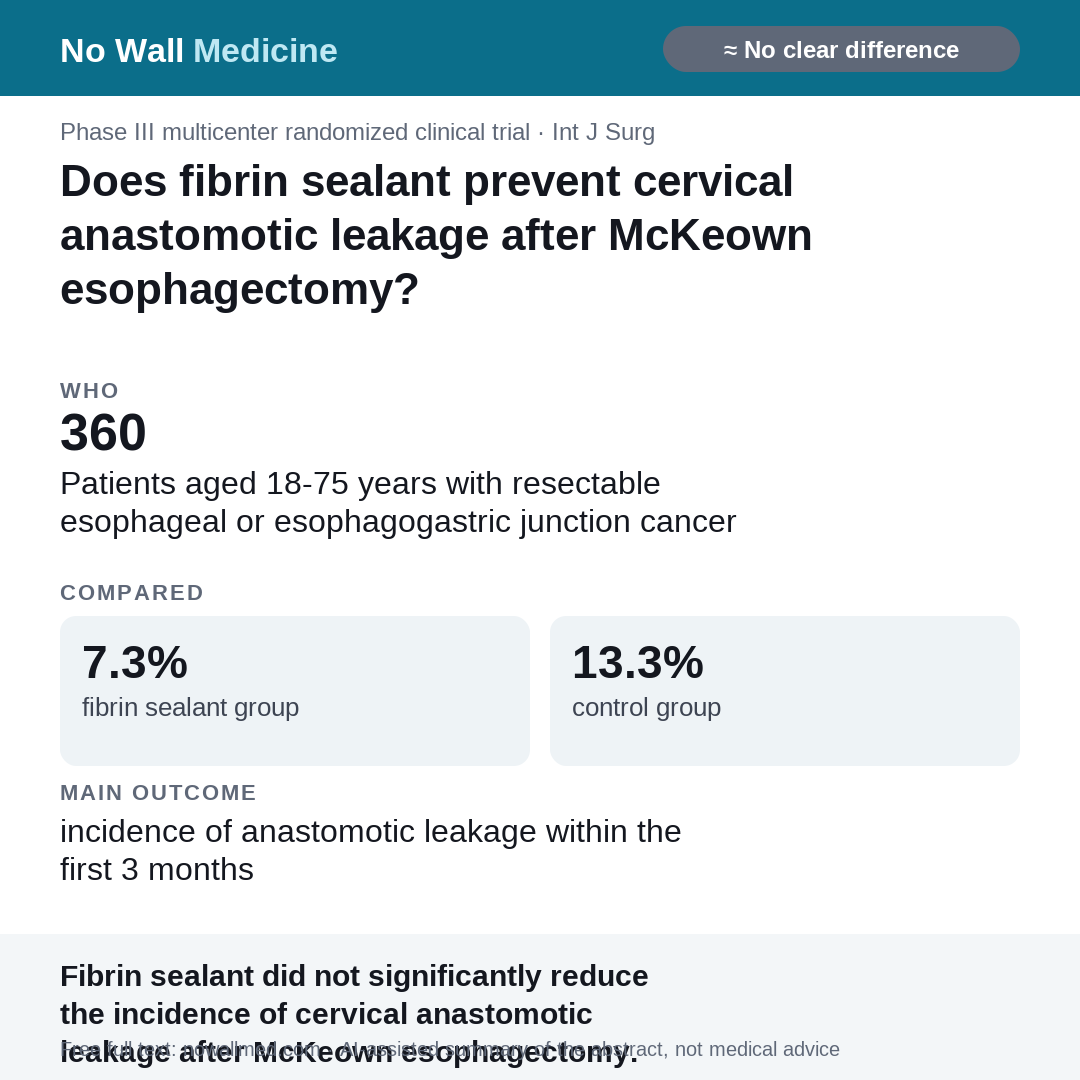
Fibrin sealant for prophylaxis of cervical anastomotic leakage after McKeown esophagectomy for esophageal or esophagogastric junction cancer (PLACE030): a Phase III multicenter randomized clinical trial
Phase III multicenter randomized clinical trialNo clear difference
Does fibrin sealant prevent cervical anastomotic leakage after McKeown esophagectomy?
Who
360
Patients aged 18-75 years with resectable esophageal or esophagogastric junction cancer · six centers in China
Compared
7.3%fibrin sealant group
13.3%control group
Main outcome
incidence of anastomotic leakage within the first 3 months
Bottom line: Fibrin sealant did not significantly reduce the incidence of cervical anastomotic leakage after McKeown esophagectomy.
Int J Surg · 2026-02-12Download image
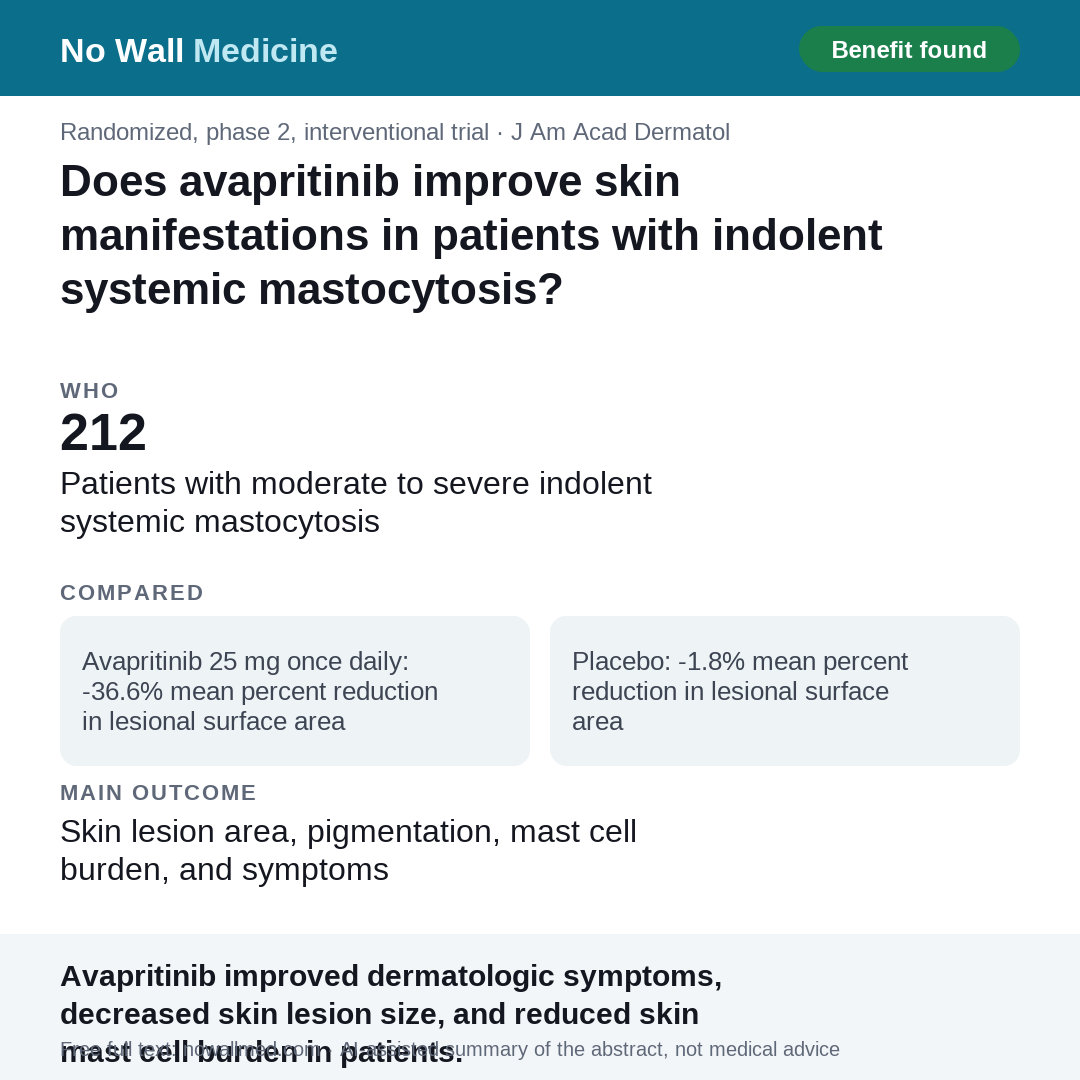
Avapritinib improves cutaneous involvement in patients with indolent systemic mastocytosis: Results from the randomized, phase 2, interventional PIONEER study
Randomized, phase 2, interventional trialBenefit found
Does avapritinib improve skin manifestations in patients with indolent systemic mastocytosis?
Who
212
Patients with moderate to severe indolent systemic mastocytosis
Compared
Avapritinib 25 mg once daily: -36.6% mean percent reduction in lesional surface area
Placebo: -1.8% mean percent reduction in lesional surface area
Main outcome
Skin lesion area, pigmentation, mast cell burden, and symptoms
Bottom line: Avapritinib improved dermatologic symptoms, decreased skin lesion size, and reduced skin mast cell burden in patients.
Limitation: Photography was optional, so analysis population for lesion area and color were smaller.
J Am Acad Dermatol · 2026-02-12Download image
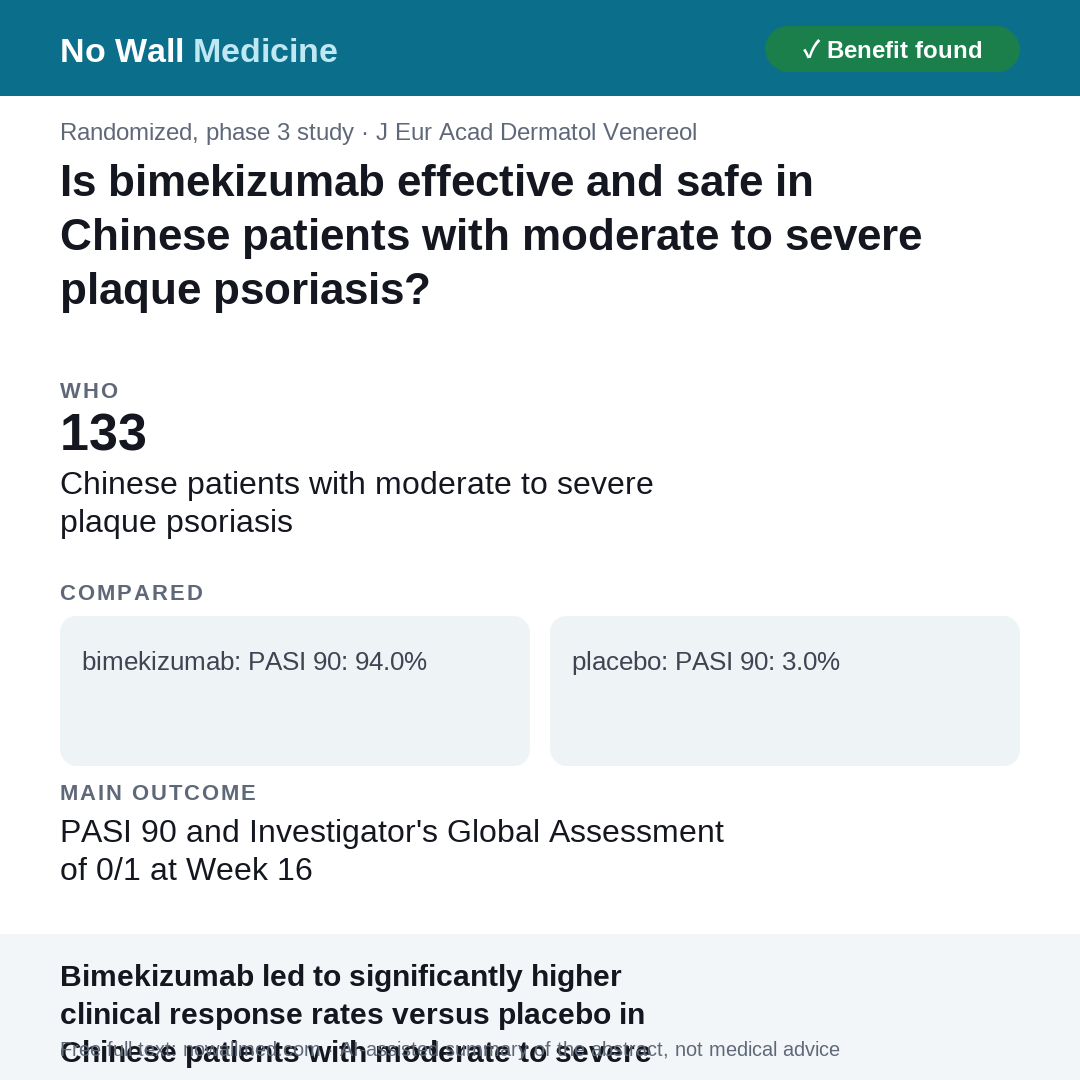
Bimekizumab efficacy and safety in Chinese patients with psoriasis in the BE SHINING Phase 3 study
Randomized, phase 3 studyBenefit found
Is bimekizumab effective and safe in Chinese patients with moderate to severe plaque psoriasis?
Who
133
Chinese patients with moderate to severe plaque psoriasis
Compared
bimekizumab: PASI 90: 94.0%
placebo: PASI 90: 3.0%
Main outcome
PASI 90 and Investigator's Global Assessment of 0/1 at Week 16
Bottom line: Bimekizumab led to significantly higher clinical response rates versus placebo in Chinese patients with moderate to severe psoriasis.
J Eur Acad Dermatol Venereol · 2026-02-12Download image
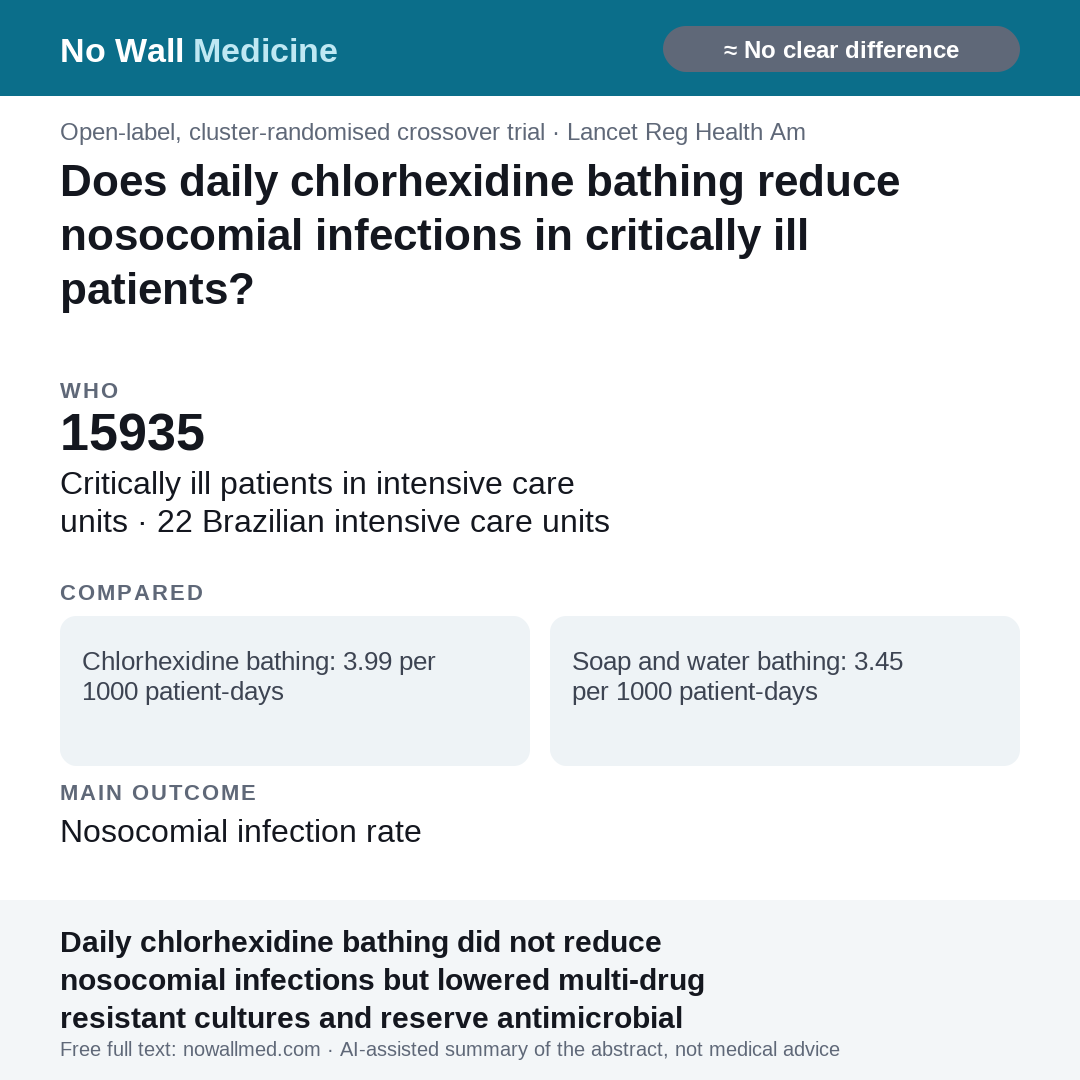
Daily Chlorhexidine Bathing for the Prevention of Nosocomial Infections in Critically Ill Patients (CLEAN-IT): a multicentre, cluster-randomised, crossover trial
Open-label, cluster-randomised crossover trialNo clear difference
Does daily chlorhexidine bathing reduce nosocomial infections in critically ill patients?
Who
15935
Critically ill patients in intensive care units · 22 Brazilian intensive care units
Compared
Chlorhexidine bathing: 3.99 per 1000 patient-days
Soap and water bathing: 3.45 per 1000 patient-days
Main outcome
Nosocomial infection rate
Result: rate-ratio, 1.09 (95% CI 0.95-1.25)
Bottom line: Daily chlorhexidine bathing did not reduce nosocomial infections but lowered multi-drug resistant cultures and reserve antimicrobial use.
Funded by: Brazilian Health Ministry through PROADI-SUS
Lancet Reg Health Am · 2026-02-12Download image
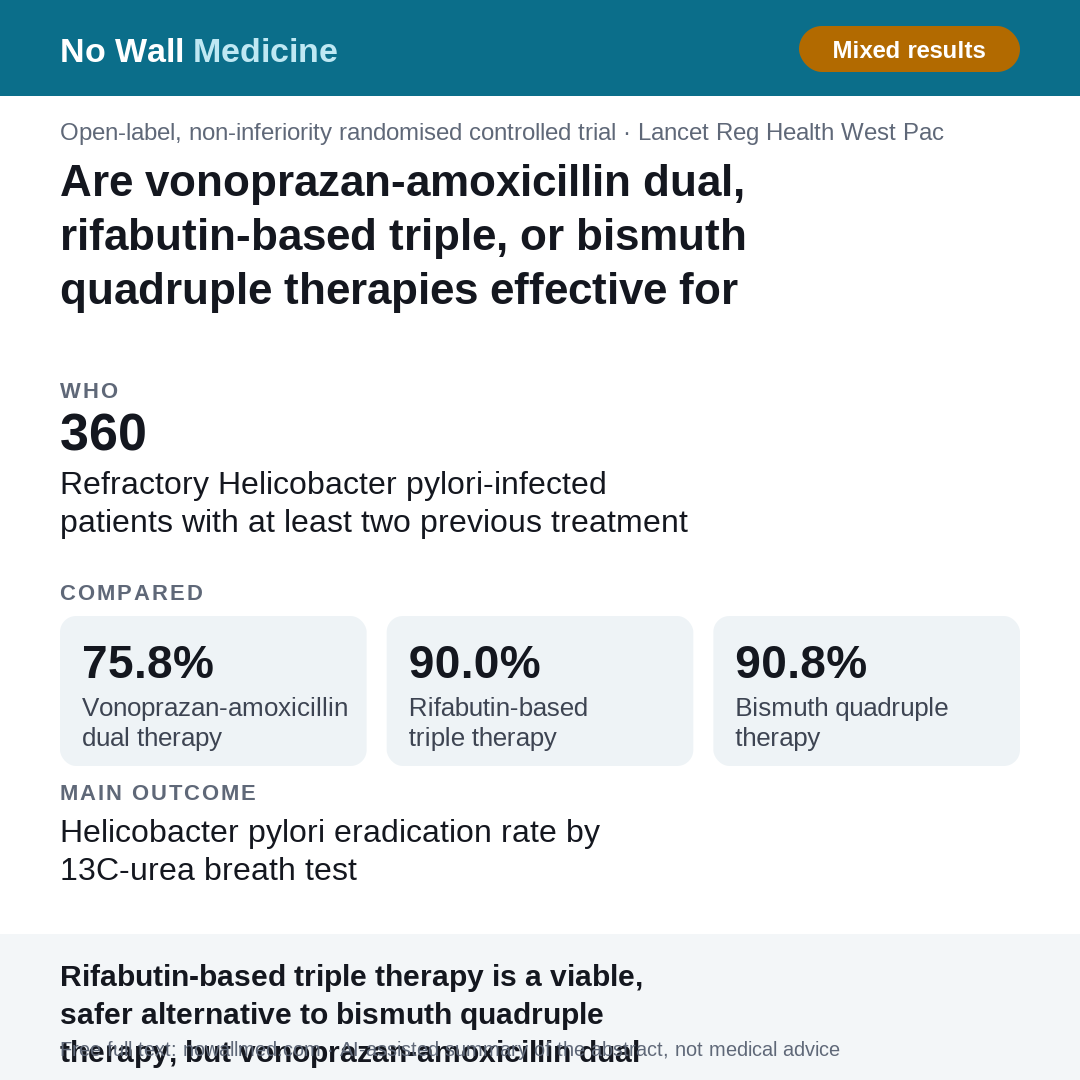
Vonoprazan-amoxicillin dual, rifabutin-based triple, and bismuth quadruple therapies for Helicobacter pylori rescue treatment: a multicentre, open-label, non-inferiority randomised trial
Open-label, non-inferiority randomised controlled trialMixed results
Are vonoprazan-amoxicillin dual, rifabutin-based triple, or bismuth quadruple therapies effective for Helicobacter pylori rescue treatment?
Who
360
Refractory Helicobacter pylori-infected patients with at least two previous treatment failures · Three hospitals in China
Compared
75.8%Vonoprazan-amoxicillin dual therapy (91/120)
90.0%Rifabutin-based triple therapy (108/120)
90.8%Bismuth quadruple therapy (109/120)
Main outcome
Helicobacter pylori eradication rate by 13C-urea breath test
Result: difference -0.8% (95% CI -8.3 to 6.6) for VRA vs BQT
Bottom line: Rifabutin-based triple therapy is a viable, safer alternative to bismuth quadruple therapy, but vonoprazan-amoxicillin dual therapy showed unacceptable efficacy.
Funded by: National Natural Science Foundation of China, and Xinyi Digestive Disease Fund Project
Lancet Reg Health West Pac · 2026-02-12Download image
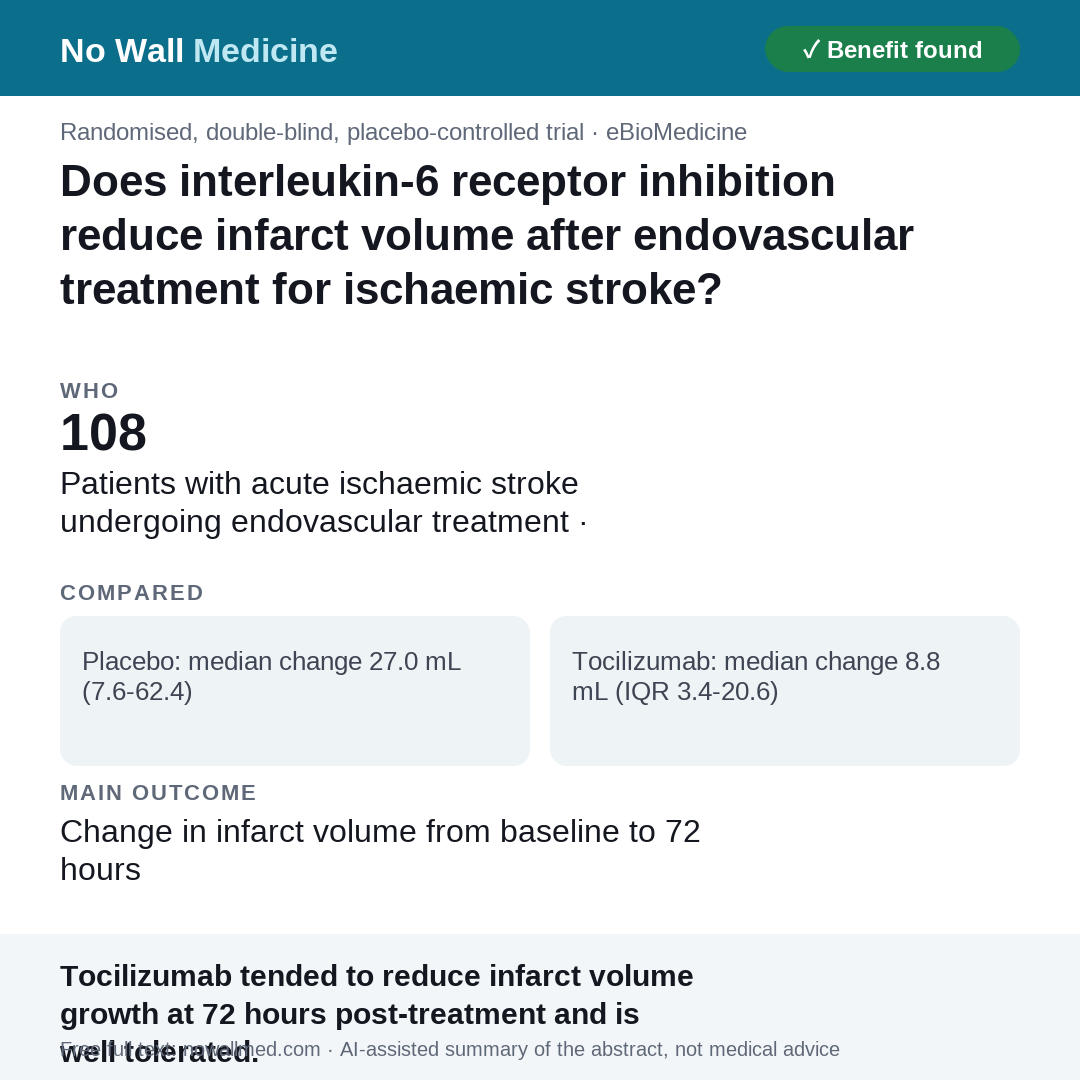
Effect of IL-6 receptor inhibition on infarct volume after endovascular treatment for ischaemic stroke: a phase 2, randomised, placebo-controlled trial
Randomised, double-blind, placebo-controlled trialBenefit found
Does interleukin-6 receptor inhibition reduce infarct volume after endovascular treatment for ischaemic stroke?
Who
108
Patients with acute ischaemic stroke undergoing endovascular treatment · Multicentre
Compared
Placebo: median change 27.0 mL (7.6-62.4)
Tocilizumab: median change 8.8 mL (IQR 3.4-20.6)
Main outcome
Change in infarct volume from baseline to 72 hours
Result: adjusted mean difference in cubic root volume -0.41 (95% CI -0.79 to -0.03)
Bottom line: Tocilizumab tended to reduce infarct volume growth at 72 hours post-treatment and is well tolerated.
Funded by: National Natural Science Foundation of China and others
eBioMedicine · 2026-02-12Download image
NALIRIFOX versus nab-paclitaxel and gemcitabine in older patients with treatment-naive metastatic pancreatic cancer: a subgroup analysis of the pivotal NAPOLI 3 trial
Post hoc subgroup analysis of a phase III trialBenefit found
Does age impact the efficacy and safety of NALIRIFOX versus gemcitabine and nab-paclitaxel?
Who
770
Adults with previously untreated metastatic pancreatic ductal adenocarcinoma
Compared
NALIRIFOX patients aged <70 years: median overall survival 11.7 months
NALIRIFOX patients aged ≥70 years: median overall survival 10.0 months
Main outcome
overall survival and progression-free survival
Bottom line: NALIRIFOX improved survival versus gemcitabine and nab-paclitaxel regardless of patient age with no increased toxicity.
ESMO Open · 2026-02-12Download image
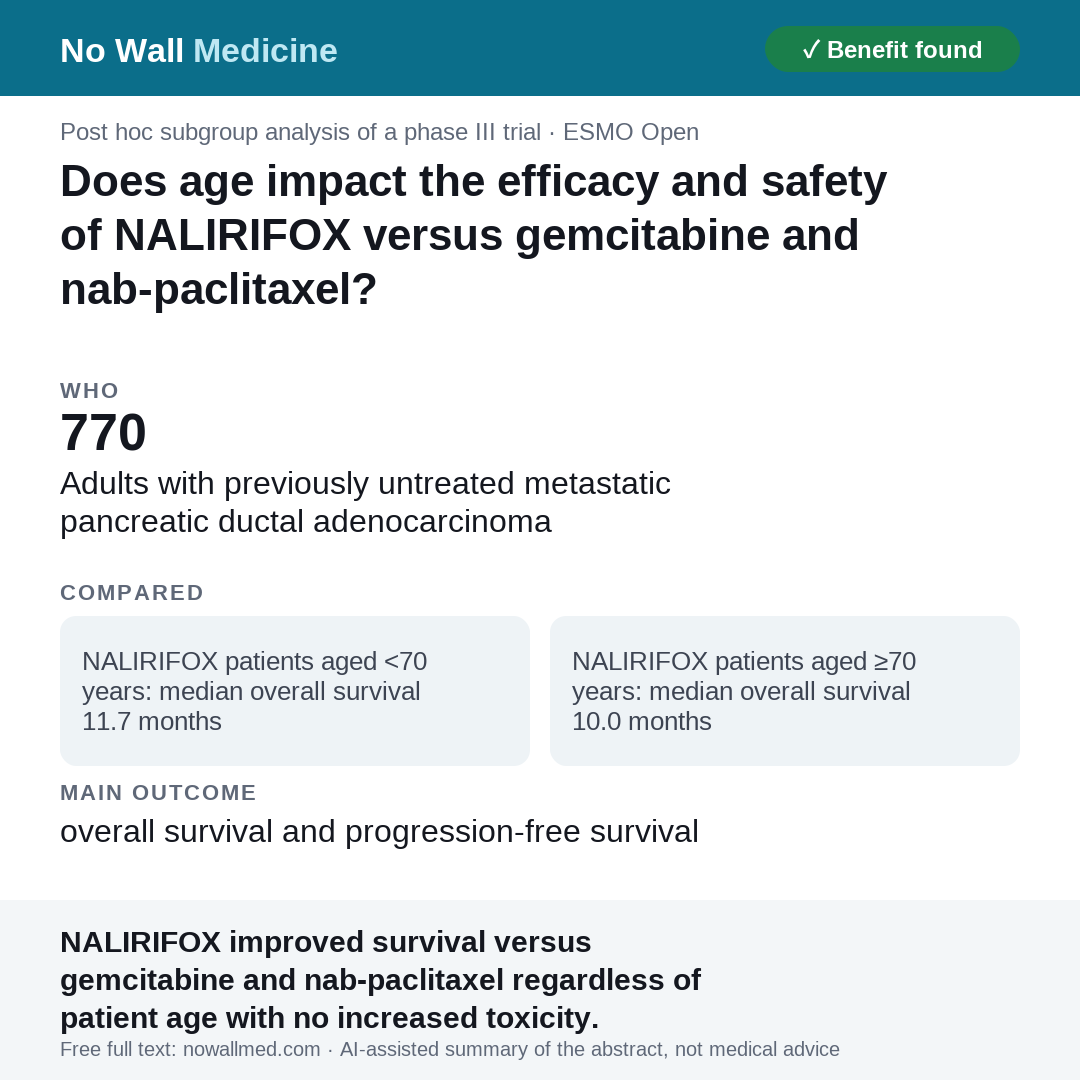
On-scene selective brain cooling in ventricular fibrillation cardiac arrest: pilot results from the PRINCESS2 randomised trial
Randomized pilot trialNo clear difference
Is on-scene trans-nasal cooling safe and feasible in ventricular fibrillation cardiac arrest?
Who
100
Out-of-hospital cardiac arrest patients with initial shockable rhythms · European multicentre trial
Compared
Intervention (trans-nasal cooling): 64% (32/50) 72-hour survival
Control (normothermia): 63% (31/49) 72-hour survival
Main outcome
Protocol adherence and safety aspects
Bottom line: On-scene trans-nasal cooling was performed with high protocol adherence without safety concerns in this pilot phase.
Crit Care · 2026-02-12Download image
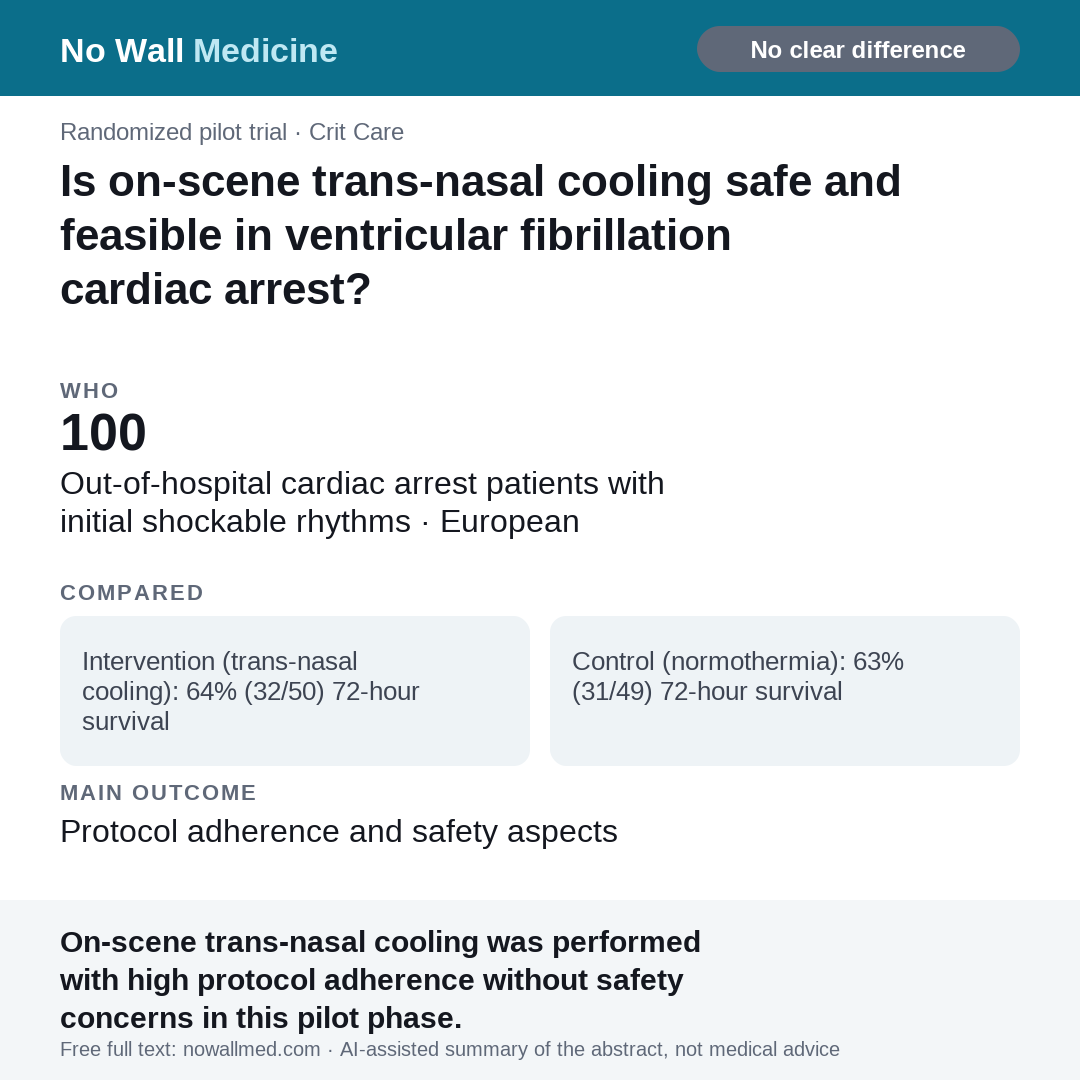
Applying randomized control trial criteria to an ECPR cohort
Single-center retrospective cohort studyNo clear difference
How do randomized controlled trial inclusion criteria apply to a cannulated ECPR cohort?
Who
66
Adults undergoing extracorporeal cardiopulmonary resuscitation for out of hospital cardiac arrest · Single 1,000-bed tertiary medical center
Compared
14%Overall cohort (9/66; 95% CI 6.4-24.3%)
Meeting trial inclusion criteria: numerically higher
Main outcome
Survival to hospital discharge
Bottom line: Trial inclusion criteria did not clearly distinguish survivors from non-survivors in this cannulated extracorporeal cardiopulmonary resuscitation cohort.
Resusc Plus · 2026-02-12Download image
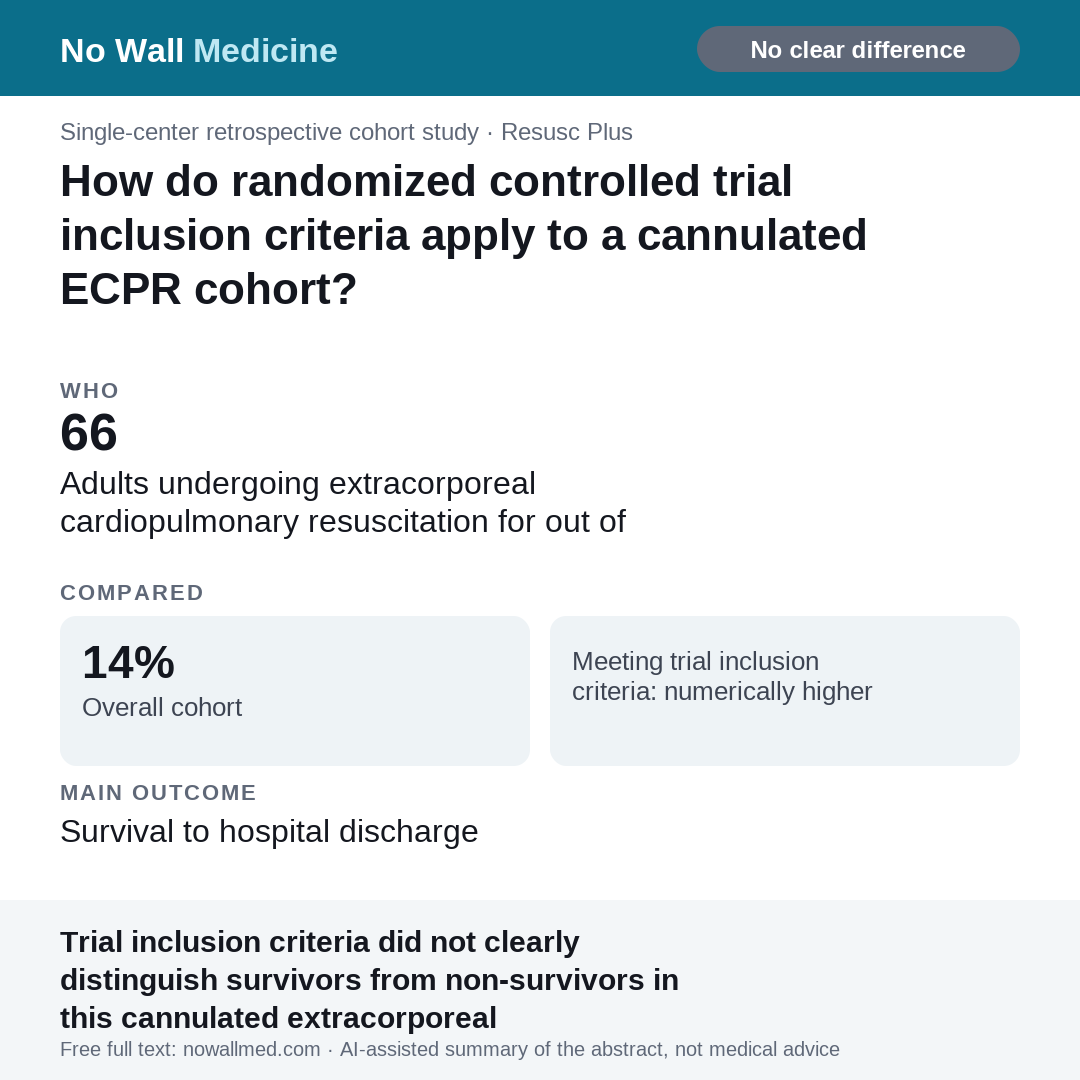
Emergency Department-Initiated Buprenorphine for Opioid Use Disorder: A Randomized Clinical Trial
Multicenter randomized clinical trialNo clear difference
Does emergency department-initiated extended-release injectable buprenorphine improve treatment engagement compared to sublingual buprenorphine?
Who
2000
Adult patients with untreated opioid use disorder and Clinical Opiate Withdrawal Scale score ≥4 · 29 emergency departments in the United States
Compared
40.5%Extended-release injectable buprenorphine
38.5%Sublingual buprenorphine
Main outcome
Engagement in opioid use disorder treatment on day 7
Result: adjusted difference, 1.6%; 95% CI, -2.8% to 6.0%
Bottom line: Emergency department-initiated extended-release injectable buprenorphine showed no difference in treatment engagement at 7 days compared to sublingual buprenorphine.
JAMA · 2026-02-11Download image
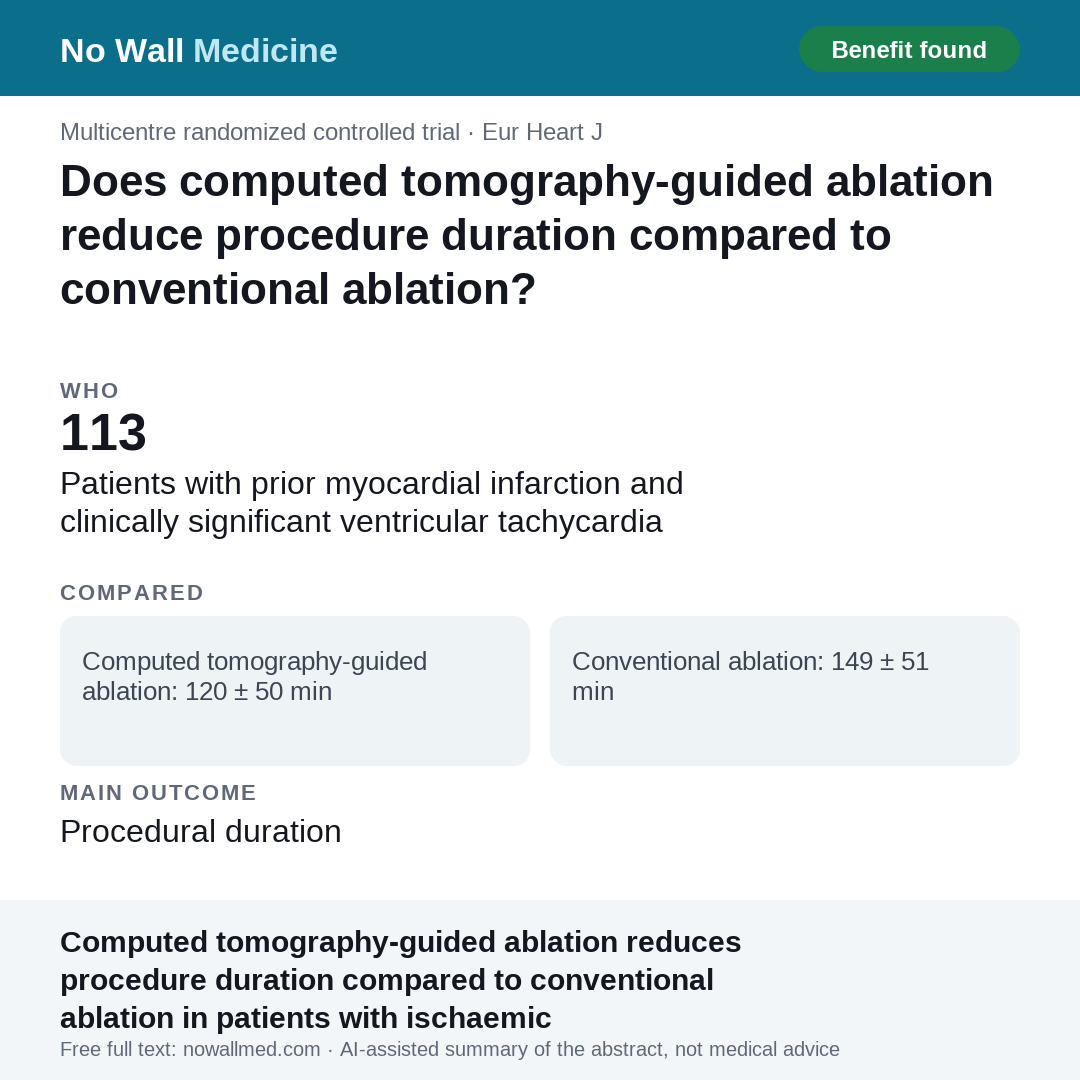
Computed tomography-guided vs conventional catheter ablation for ventricular tachycardia: the InEurHeart trial
Multicentre randomized controlled trialBenefit found
Does computed tomography-guided ablation reduce procedure duration compared to conventional ablation?
Who
113
Patients with prior myocardial infarction and clinically significant ventricular tachycardia · 14 European centres
Compared
Computed tomography-guided ablation: 120 ± 50 min
Conventional ablation: 149 ± 51 min
Main outcome
Procedural duration
Result: -19% [95% confidence interval (CI) -32; -7]
Bottom line: Computed tomography-guided ablation reduces procedure duration compared to conventional ablation in patients with ischaemic cardiomyopathy.
Eur Heart J · 2026-02-11Download image
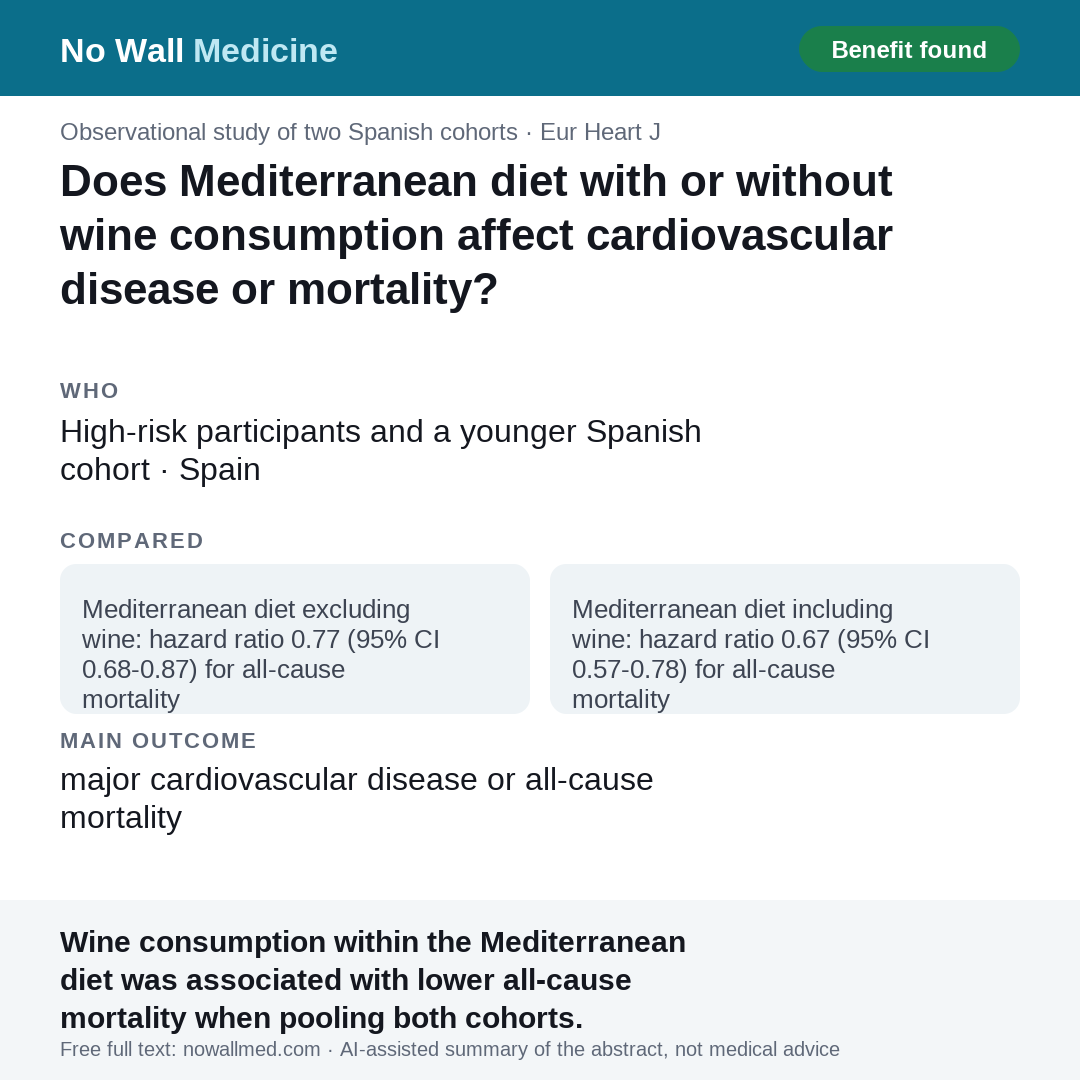
Wine consumption, Mediterranean diet, and cardiovascular risk in two Spanish cohorts
Observational study of two Spanish cohortsKey finding
Does Mediterranean diet with or without wine consumption affect cardiovascular disease or mortality?
Who
High-risk participants and a younger Spanish cohort · Spain
Compared
Mediterranean diet excluding wine: hazard ratio 0.77 (95% CI 0.68-0.87) for all-cause mortality
Mediterranean diet including wine: hazard ratio 0.67 (95% CI 0.57-0.78) for all-cause mortality
Main outcome
major cardiovascular disease or all-cause mortality
Result: hazard ratio 0.67 (95% CI 0.57-0.78) for all-cause mortality
Bottom line: Wine consumption within the Mediterranean diet was associated with lower all-cause mortality when pooling both cohorts.
Limitation: Non-significant associations and interactions advise caution in interpretation of these findings.
Eur Heart J · 2026-02-11Download image
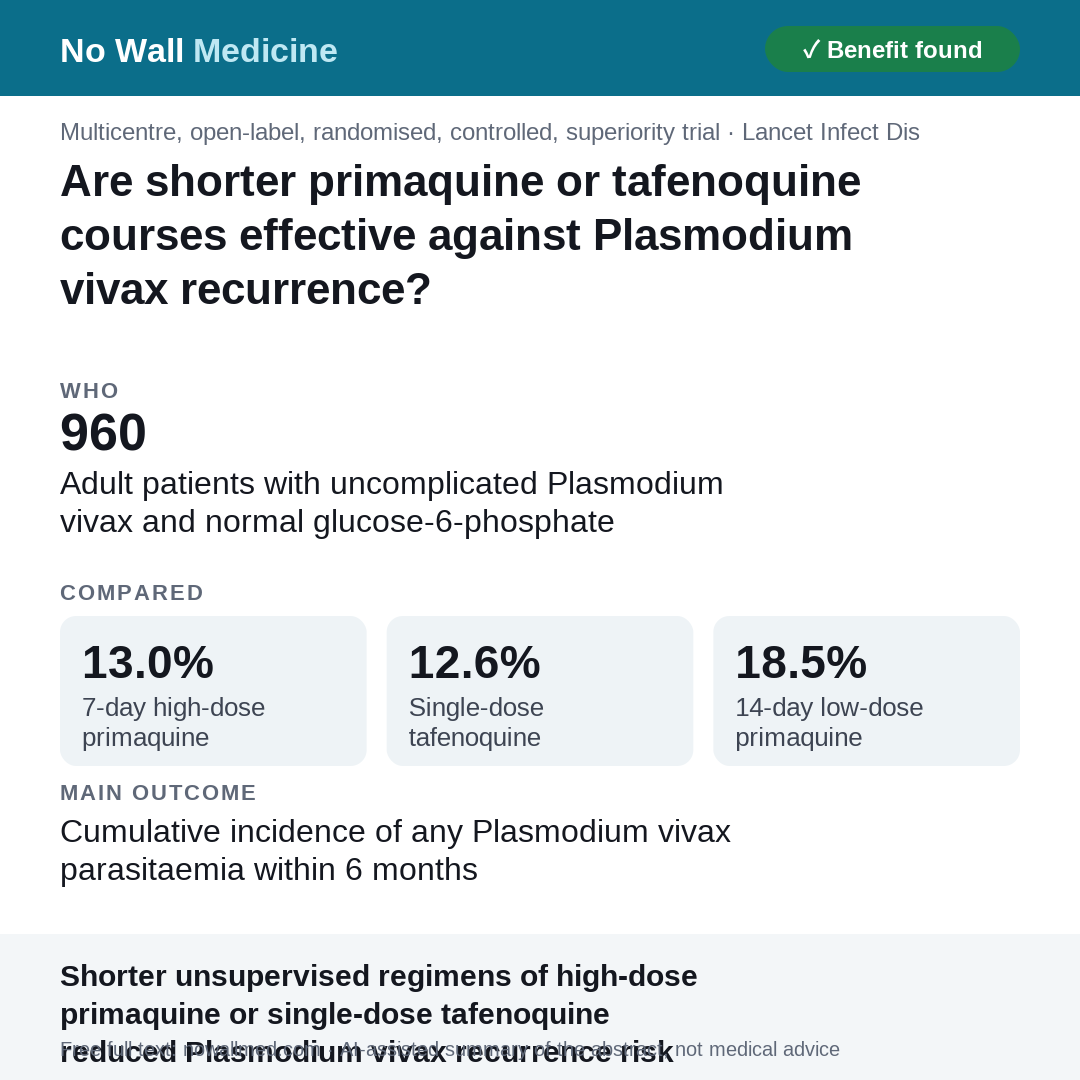
Effectiveness and safety of 7-day high-dose primaquine and single-dose tafenoquine versus 14-day low-dose primaquine in patients with Plasmodium vivax malaria (EFFORT): a multicentre, open-label, randomised, controlled, superiority trial
Multicentre, open-label, randomised, controlled, superiority trialBenefit found
Are shorter primaquine or tafenoquine courses effective against Plasmodium vivax recurrence?
Who
960
Adult patients with uncomplicated Plasmodium vivax and normal glucose-6-phosphate dehydrogenase activity · Ethiopia, Pakistan, Indonesia, and Cambodia
Compared
13.0%7-day high-dose primaquine (97.55% CI 9.0-18.5)
12.6%Single-dose tafenoquine (97.55% CI 8.8-18.0)
18.5%14-day low-dose primaquine (13.8-24.6)
Main outcome
Cumulative incidence of any Plasmodium vivax parasitaemia within 6 months
Result: hazard ratio 0.64 (97.55% CI 0.39-1.05)
Bottom line: Shorter unsupervised regimens of high-dose primaquine or single-dose tafenoquine reduced Plasmodium vivax recurrence risk compared to 14-day low-dose primaquine.
Funded by: National Health and Medical Research Council of Australia and Bill and Melinda Gates Foundation
Lancet Infect Dis · 2026-02-11Download image
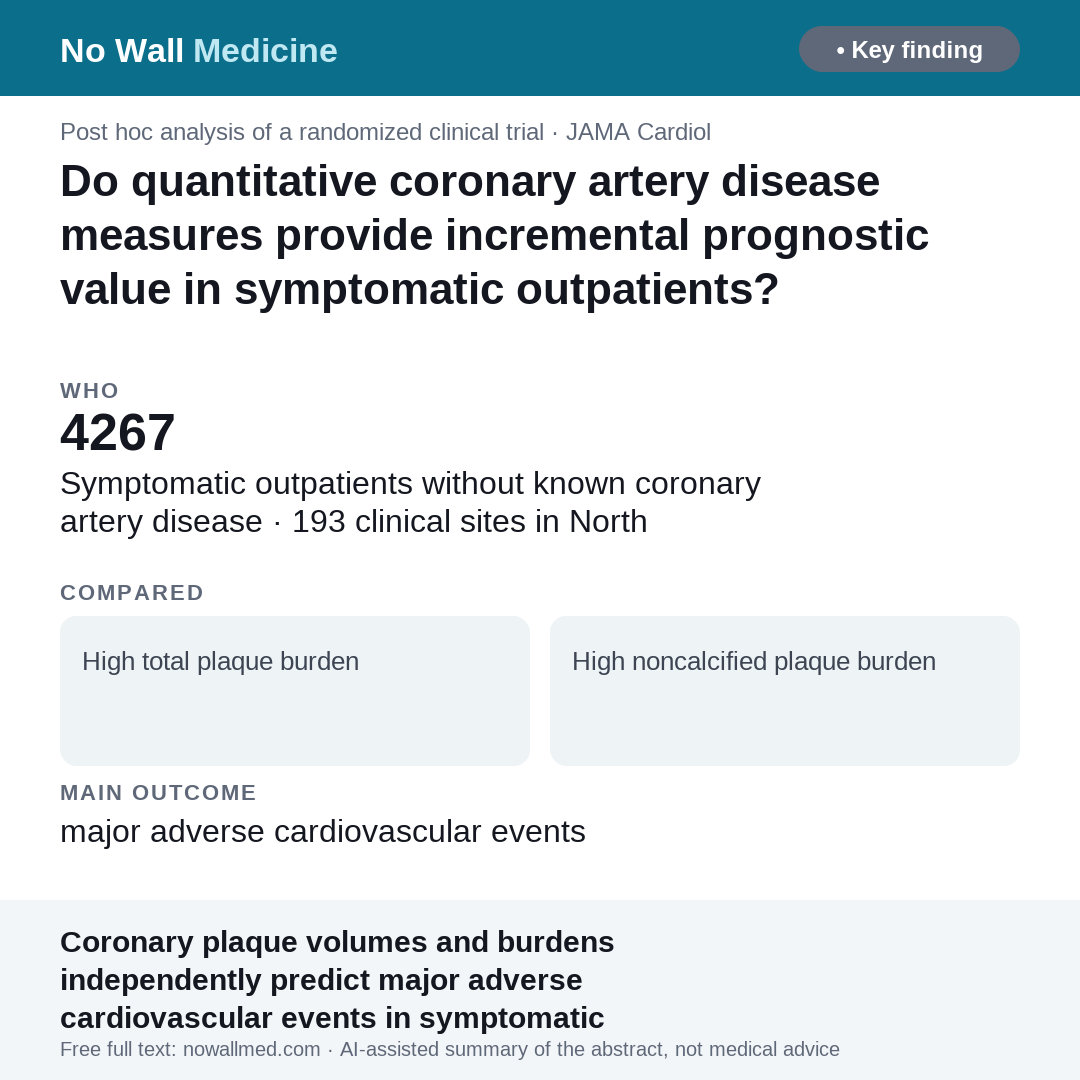
Prognostic Value of Plaque Volume in Patients With First Diagnosis of Coronary Artery Disease: A Substudy of the PROMISE Randomized Clinical Trial
Post hoc analysis of a randomized clinical trialKey finding
Do quantitative coronary artery disease measures provide incremental prognostic value in symptomatic outpatients?
Who
4267
Symptomatic outpatients without known coronary artery disease · 193 clinical sites in North America
Compared
High total plaque burden
High noncalcified plaque burden
Main outcome
major adverse cardiovascular events
Result: TPB: adjusted HR 1.18 (95% CI 1.05-1.34); NCPB: adjusted HR 1.20 (95% CI 1.05-1.37)
Bottom line: Coronary plaque volumes and burdens independently predict major adverse cardiovascular events in symptomatic patients without known disease.
JAMA Cardiol · 2026-02-11Download image