Visual abstracts
New randomized trials and meta-analyses from leading journals at a glance: who was studied, what was compared, and what was found. Every paper is free to read in full.
All specialtiesCardiology 449Oncology 376Gastroenterology & Hepatology 180Infectious Disease 365Neurology 208Psychiatry & Mental Health 312Pulmonology 209Critical Care 146Endocrinology & Diabetes 286Pediatrics 221Surgery 159Orthopedics & Sports Medicine 93Neurosurgery 28Cardiothoracic & Vascular Surgery 54Plastic & Reconstructive Surgery 93Nephrology 88Rheumatology 93Hematology 111Dermatology 50Ophthalmology 83Obstetrics & Gynecology 140Public & Global Health 141Radiology & Imaging 42Anesthesiology 91Urology 105ENT (Otolaryngology) 60Emergency Medicine 45Allergy & Immunology 53Geriatrics 129Family Medicine & Primary Care 81Medical Genetics & Genomics 45Pathology & Laboratory Medicine 8Physical Medicine & Rehabilitation 122Palliative Care 71Nutrition 160Digital Health & AI 407General Medicine 56
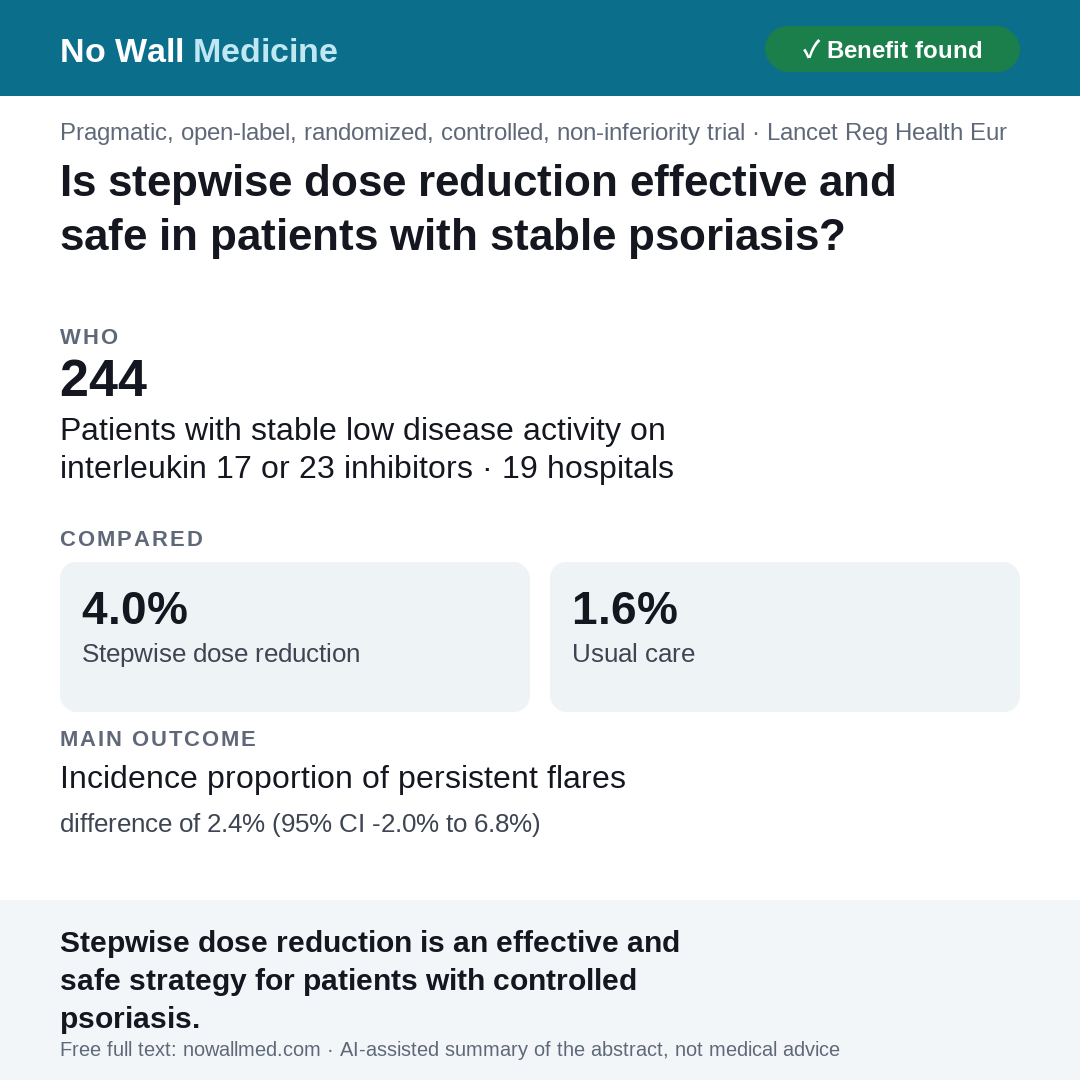
Dose Reduction of IL17 and IL23 Inhibitors in Psoriasis (BeNeBio study): An International, Pragmatic, Multicentre, Randomised, Controlled, Non-Inferiority Trial
Pragmatic, open-label, randomized, controlled, non-inferiority trialBenefit found
Is stepwise dose reduction effective and safe in patients with stable psoriasis?
Who
244
Patients with stable low disease activity on interleukin 17 or 23 inhibitors · 19 hospitals in the Netherlands and Belgium
Compared
4.0%Stepwise dose reduction
1.6%Usual care
Main outcome
Incidence proportion of persistent flares
Result: difference of 2.4% (95% CI -2.0% to 6.8%)
Bottom line: Stepwise dose reduction is an effective and safe strategy for patients with controlled psoriasis.
Funded by: ZonMw and KCE Trials
Lancet Reg Health Eur · 2026-06-01Download image
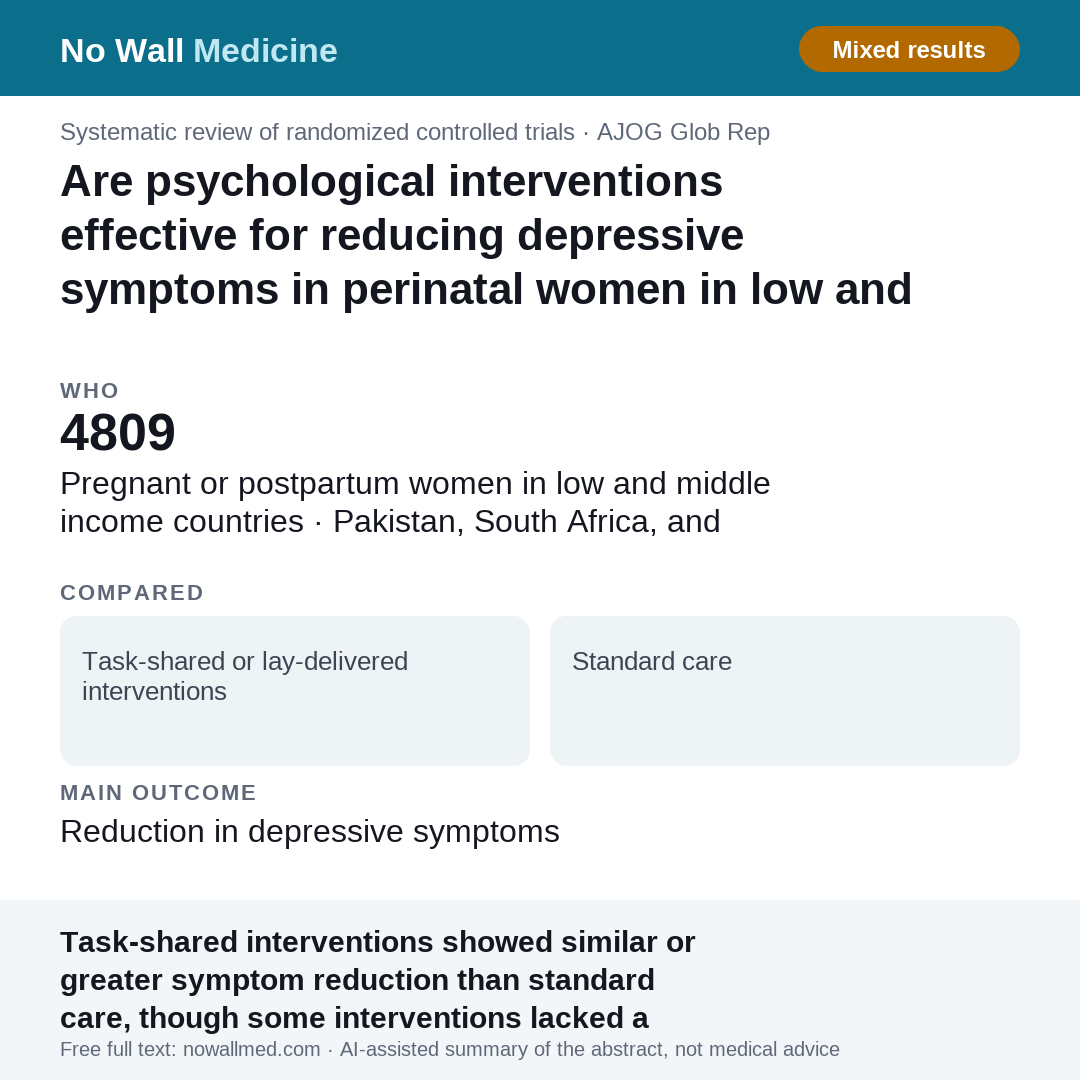
Effectiveness of psychological interventions for reducing depressive symptoms among women experiencing perinatal depression: a systematic review
Systematic review of randomized controlled trialsMixed results
Are psychological interventions effective for reducing depressive symptoms in perinatal women in low and middle income countries?
Who
4809
Pregnant or postpartum women in low and middle income countries · Pakistan, South Africa, and Tanzania
Compared
Task-shared or lay-delivered interventions
Standard care
Main outcome
Reduction in depressive symptoms
Bottom line: Task-shared interventions showed similar or greater symptom reduction than standard care, though some interventions lacked a statistically meaningful advantage.
Limitation: Substantial heterogeneity in intervention content, delivery modes, settings, and outcome measures.
AJOG Glob Rep · 2026-06-01Download image
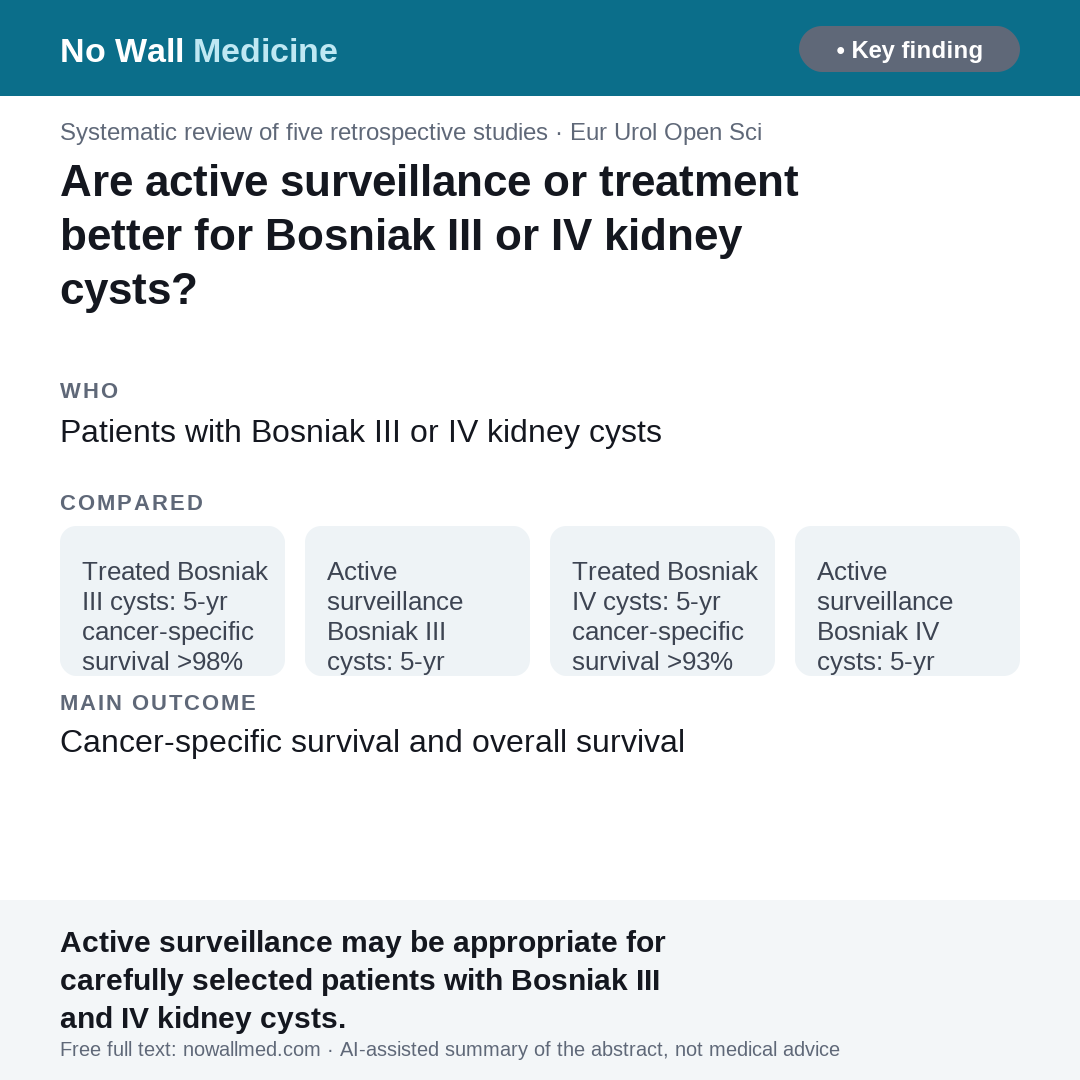
Survival Outcomes of Patients with Treated vs Actively Surveilled Bosniak III or IV Kidney Cysts: A Systematic Review
Systematic review of five retrospective studiesBenefit found
Are active surveillance or treatment better for Bosniak III or IV kidney cysts?
Who
Patients with Bosniak III or IV kidney cysts
Compared
Treated Bosniak III cysts: 5-yr cancer-specific survival >98%
Active surveillance Bosniak III cysts: 5-yr cancer-specific survival >98%
Treated Bosniak IV cysts: 5-yr cancer-specific survival >93%
Active surveillance Bosniak IV cysts: 5-yr cancer-specific survival >93%
Main outcome
Cancer-specific survival and overall survival
Bottom line: Active surveillance may be appropriate for carefully selected patients with Bosniak III and IV kidney cysts.
Limitation: All studies were retrospective and nonrandomized, with moderate to high selection bias and confounding.
Eur Urol Open Sci · 2026-06-01Download image
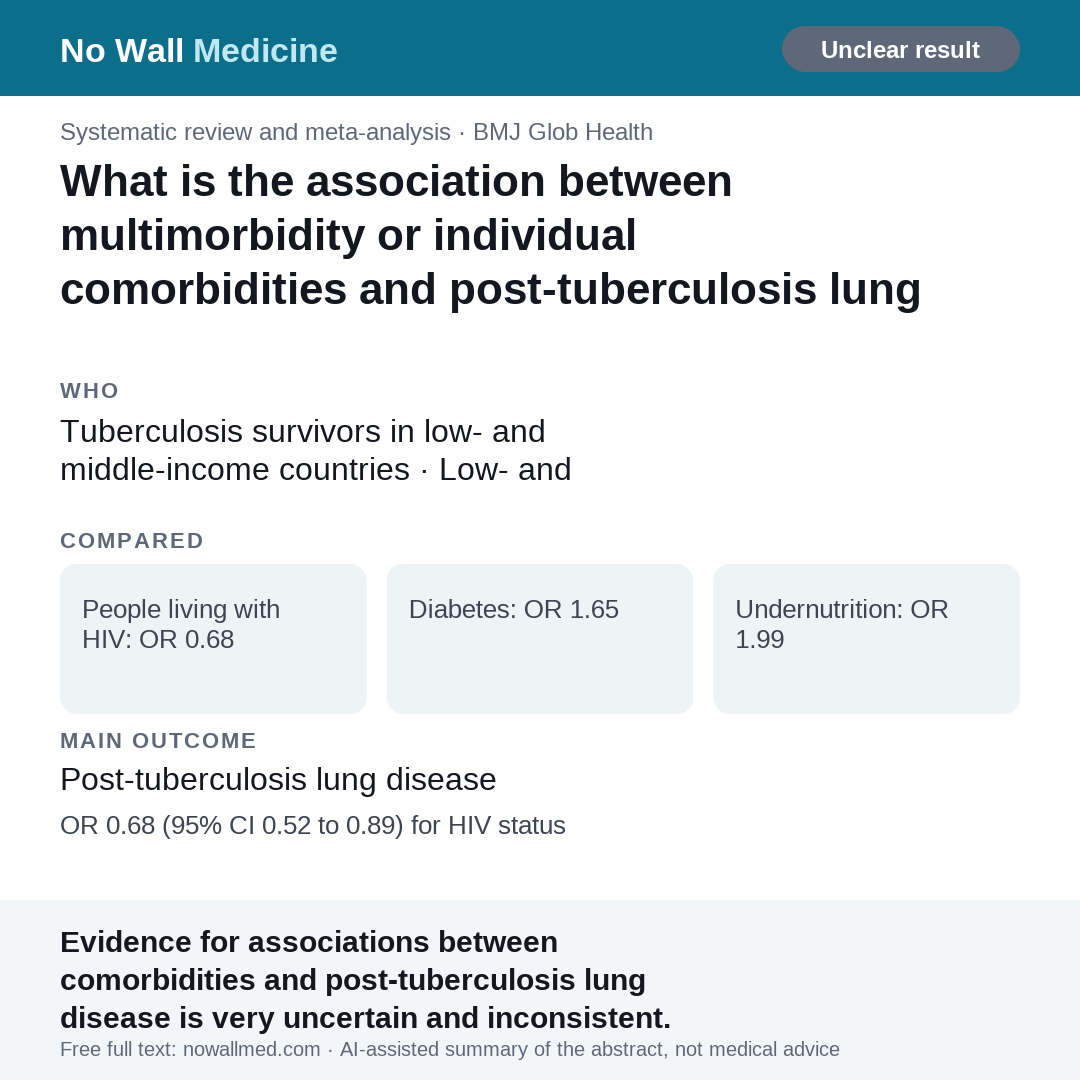
Multimorbidity and the risk of post-tuberculosis lung disease: a systematic review and meta-analysis
Systematic review and meta-analysisUnclear result
What is the association between multimorbidity or individual comorbidities and post-tuberculosis lung disease?
Who
Tuberculosis survivors in low- and middle-income countries · Low- and middle-income countries
Compared
People living with HIV: OR 0.68
Diabetes: OR 1.65
Undernutrition: OR 1.99
Main outcome
Post-tuberculosis lung disease
Result: OR 0.68 (95% CI 0.52 to 0.89) for HIV status
Bottom line: Evidence for associations between comorbidities and post-tuberculosis lung disease is very uncertain and inconsistent.
Limitation: High risk of bias in studies and very low certainty of evidence.
BMJ Glob Health · 2026-06-01Download image
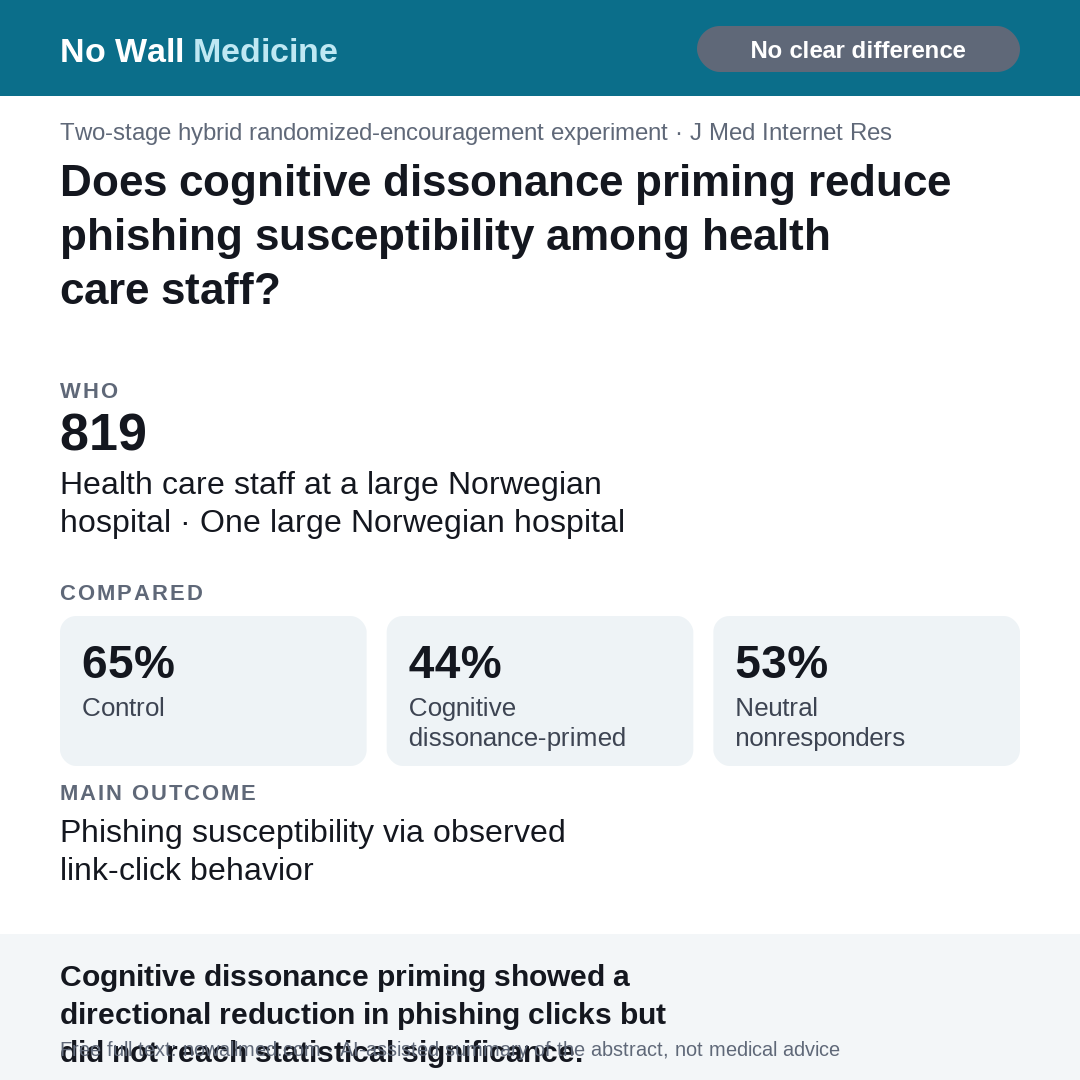
Cognitive Dissonance-Based Priming Intervention: Randomized Encouragement With in-the-Wild Phishing Simulation Attack in Health Care
Two-stage hybrid randomized-encouragement experimentNo clear difference
Does cognitive dissonance priming reduce phishing susceptibility among health care staff?
Who
819
Health care staff at a large Norwegian hospital · One large Norwegian hospital
Compared
65%Control (22/34)
44%Cognitive dissonance-primed (14/32)
53%Neutral nonresponders (396/753)
Main outcome
Phishing susceptibility via observed link-click behavior
Result: chi-square 3.00 (P=.22)
Bottom line: Cognitive dissonance priming showed a directional reduction in phishing clicks but did not reach statistical significance.
Limitation: Small sample size for survey analyses and imprecise effect estimates with wide confidence intervals.
J Med Internet Res · 2026-06-01Download image
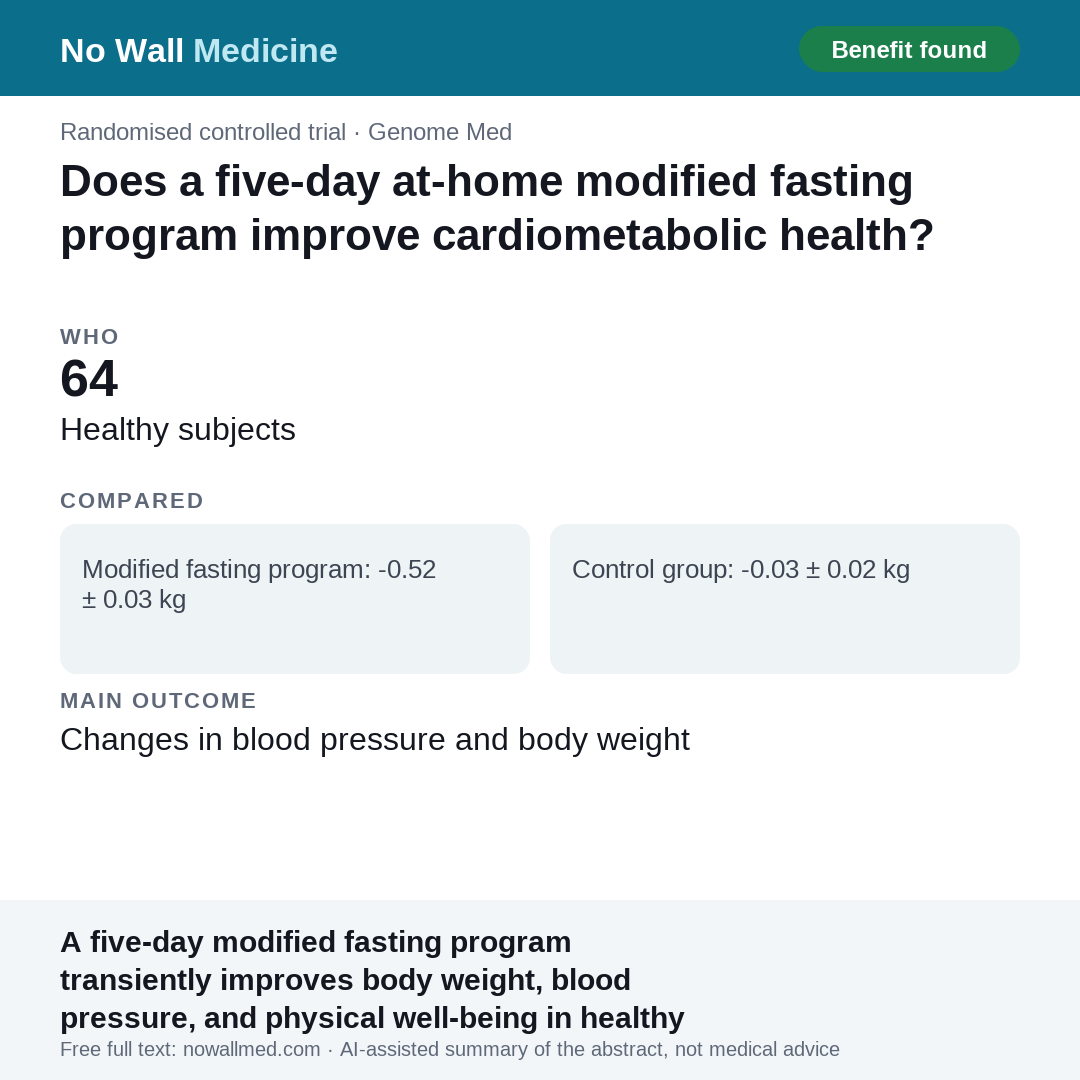
Health benefits of a five-day at-home modified fasting program: a randomised controlled trial
Randomised controlled trialBenefit found
Does a five-day at-home modified fasting program improve cardiometabolic health?
Who
64
Healthy subjects
Compared
Modified fasting program: -0.52 ± 0.03 kg
Control group: -0.03 ± 0.02 kg
Main outcome
Changes in blood pressure and body weight
Bottom line: A five-day modified fasting program transiently improves body weight, blood pressure, and physical well-being in healthy individuals.
Genome Med · 2026-06-01Download image
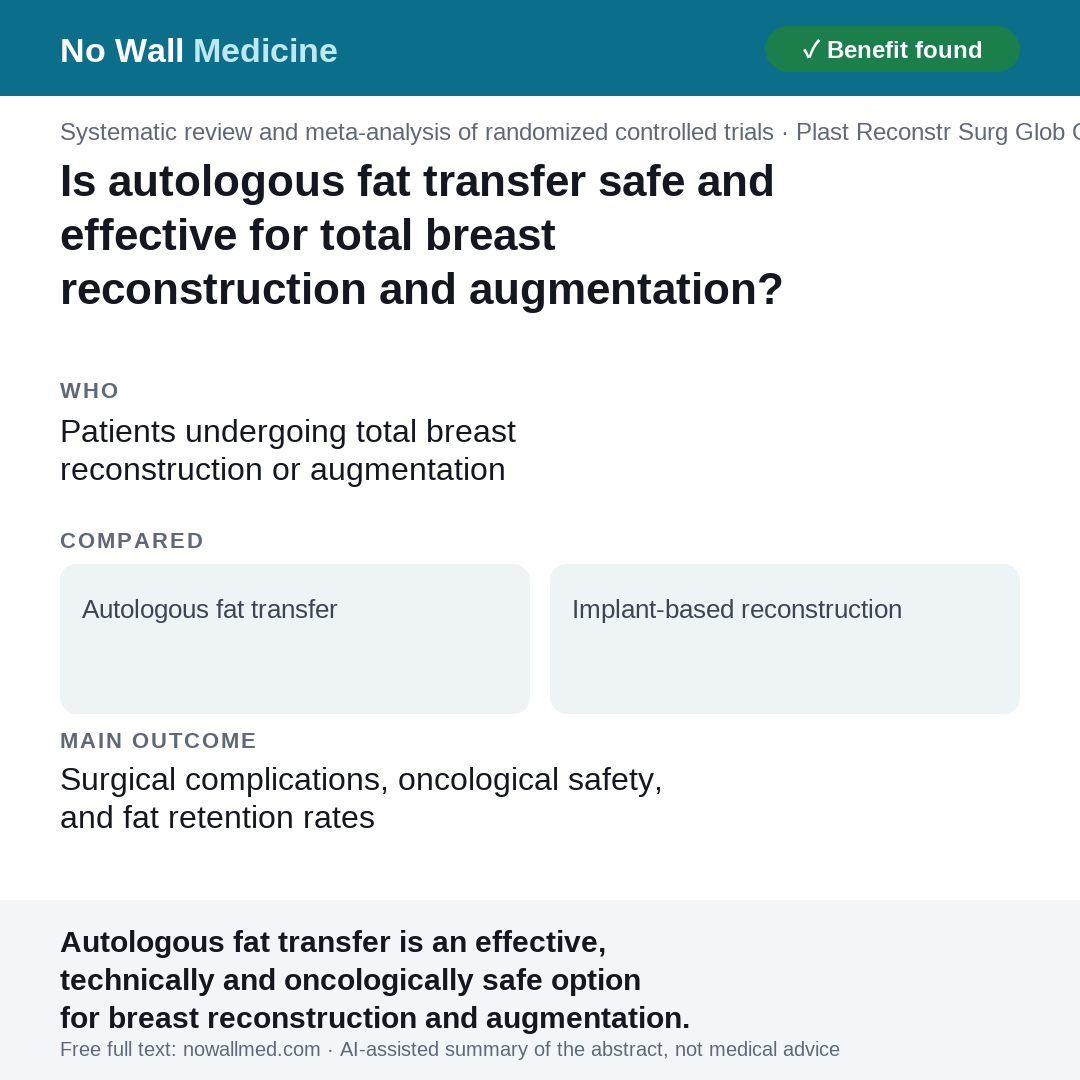
Outcomes and Complications of Autologous Fat Transfer for Total Breast Reconstruction and Augmentation: Systematic Review and Meta-analysis of Randomized Controlled Trials
Systematic review and meta-analysis of randomized controlled trialsBenefit found
Is autologous fat transfer safe and effective for total breast reconstruction and augmentation?
Who
Patients undergoing total breast reconstruction or augmentation
Compared
Autologous fat transfer
Implant-based reconstruction
Main outcome
Surgical complications, oncological safety, and fat retention rates
Bottom line: Autologous fat transfer is an effective, technically and oncologically safe option for breast reconstruction and augmentation.
Limitation: Limited follow-up duration prevents definitive conclusions on long-term oncological outcomes.
Plast Reconstr Surg Glob Open · 2026-06-01Download image
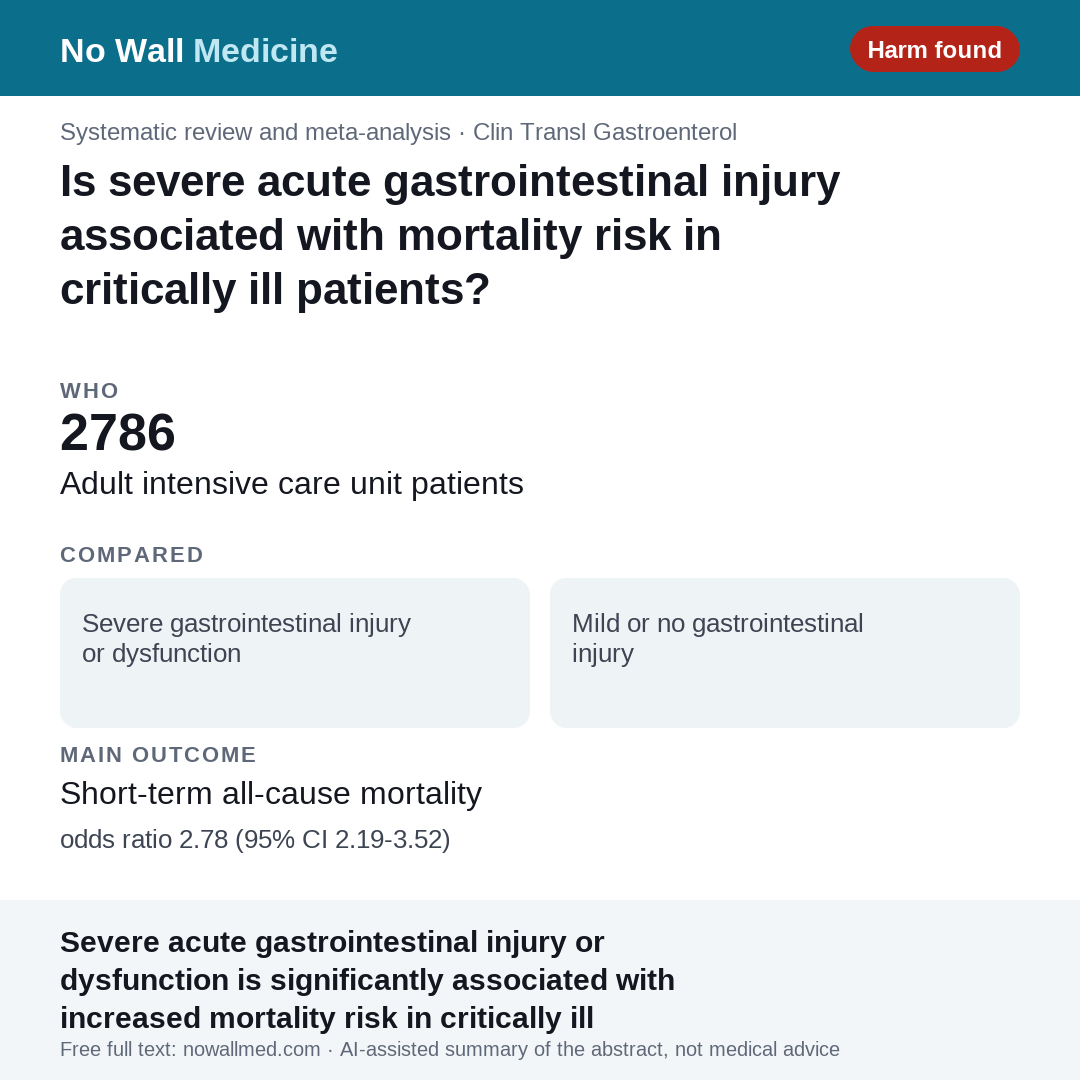
Association Between Acute Gastrointestinal Injury and Mortality Risk in Critically Ill Patients: A Systematic Review and Meta-Analysis
Systematic review and meta-analysisHarm found
Is severe acute gastrointestinal injury associated with mortality risk in critically ill patients?
Who
2786
Adult intensive care unit patients
Compared
Severe gastrointestinal injury or dysfunction
Mild or no gastrointestinal injury
Main outcome
Short-term all-cause mortality
Result: odds ratio 2.78 (95% CI 2.19-3.52)
Bottom line: Severe acute gastrointestinal injury or dysfunction is significantly associated with increased mortality risk in critically ill patients.
Clin Transl Gastroenterol · 2026-06-01Download image
Global Prevalence of Functional Constipation Across All Age Groups According to Rome II-IV Criteria, 1999-2025: A Systematic Review and Meta-Analysis
Systematic review and meta-analysisNo clear difference
What is the global prevalence of functional constipation across all age groups?
Who
459,061
Children, adults, or older population · 44 countries
Compared
Female patients: 14.60% [12.50-17.04]
Male patients: 10.62% [8.84-12.75]
Main outcome
Pooled prevalence of functional constipation
Result: 12.14% (95% CI, 11.14-13.23)
Bottom line: The global pooled prevalence of functional constipation is 12.14% across all age groups.
Clin Transl Gastroenterol · 2026-06-01Download image

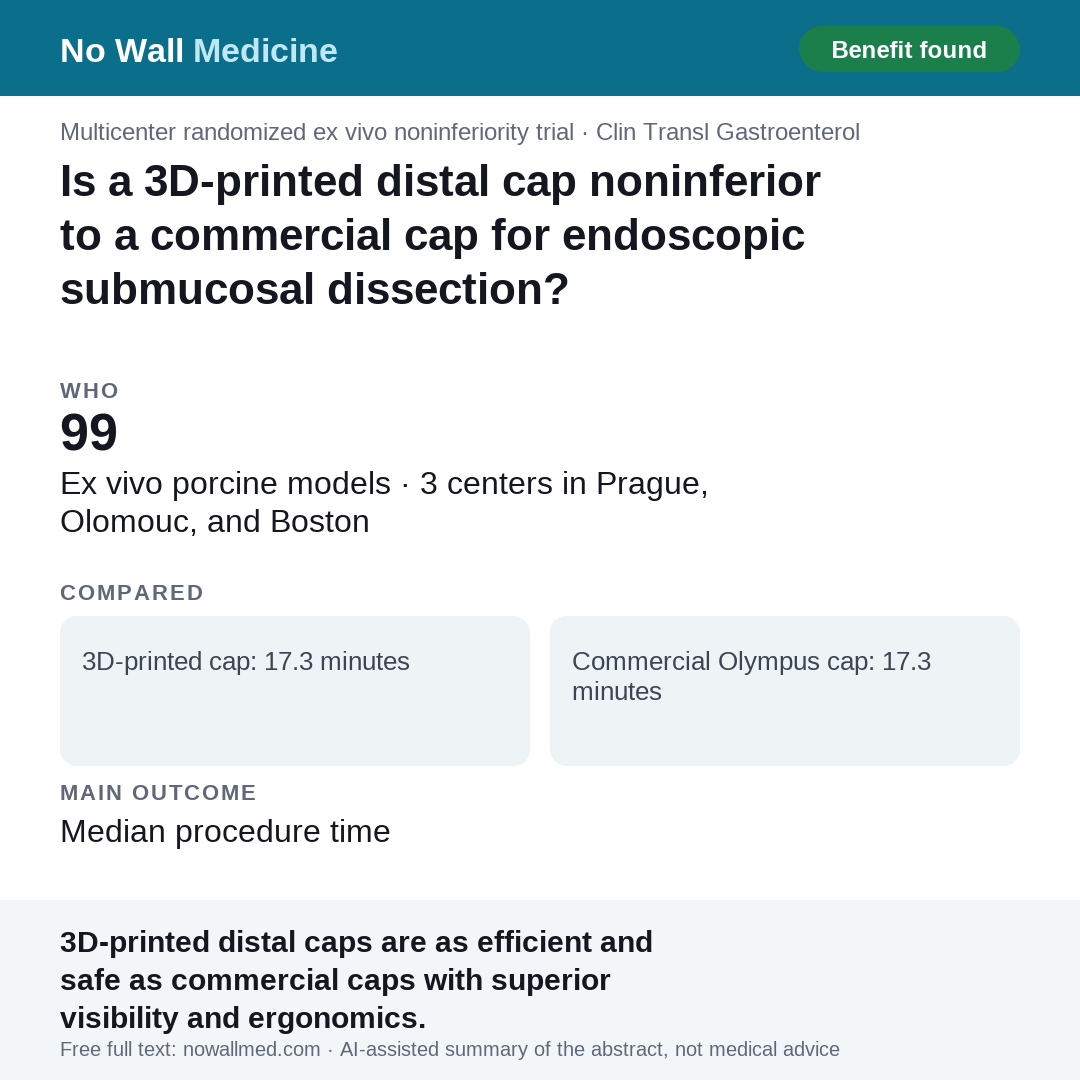
3D-Printed vs Commercial Distal Caps for ESD: Multicenter Randomized Ex Vivo Noninferiority Trial (ENDOPRINT Trial)
Multicenter randomized ex vivo noninferiority trialBenefit found
Is a 3D-printed distal cap noninferior to a commercial cap for endoscopic submucosal dissection?
Who
99
Ex vivo porcine models · 3 centers in Prague, Olomouc, and Boston
Compared
3D-printed cap: 17.3 minutes
Commercial Olympus cap: 17.3 minutes
Main outcome
Median procedure time
Bottom line: 3D-printed distal caps are as efficient and safe as commercial caps with superior visibility and ergonomics.
Clin Transl Gastroenterol · 2026-06-01Download image
Efficacy of 1 L PEG Ascorbate vs Sodium Picosulfate With Magnesium Citrate Bowel Preparations for Capsule Colonoscopy and Pan-Intestinal Capsule Endoscopy: A Prospective Study
Prospective, single-center, researcher-blinded, randomized trialBenefit found
Is 1 L polyethylene glycol with ascorbic acid more effective than sodium picosulfate with magnesium citrate?
Who
220
Adult outpatients referred for capsule colonoscopy or pan-intestinal capsule endoscopy · Single-center
Compared
1 L polyethylene glycol with ascorbic acid: 70.0% adequate bowel cleansing
Sodium picosulfate with magnesium citrate: 47.1% adequate bowel cleansing
Main outcome
Adequate bowel cleansing and procedure completion
Bottom line: Polyethylene glycol with ascorbic acid provides superior bowel cleansing compared to sodium picosulfate with magnesium citrate.
Clin Transl Gastroenterol · 2026-06-01Download image

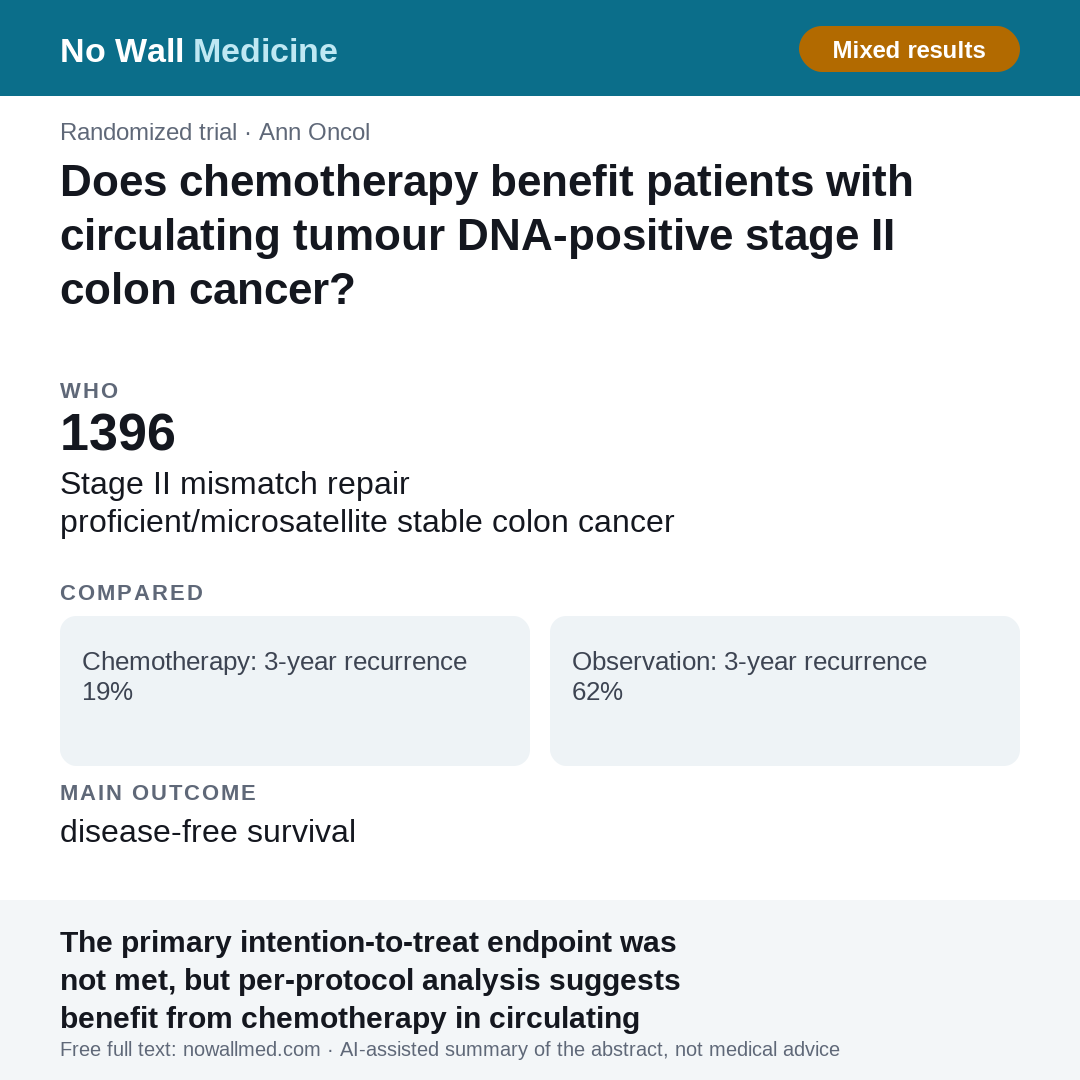
Chemotherapy for patients with circulating tumour DNA-positive, stage II colon cancer (CIRCULATE)-an AIO/ABCSG trial
Randomized trialMixed results
Does chemotherapy benefit patients with circulating tumour DNA-positive stage II colon cancer?
Who
1396
Stage II mismatch repair proficient/microsatellite stable colon cancer patients · Germany and Austria
Compared
Chemotherapy: 3-year recurrence 19%
Observation: 3-year recurrence 62%
Main outcome
disease-free survival
Result: hazard ratio 0.55 (95% CI 0.21 to 1.48)
Bottom line: The primary intention-to-treat endpoint was not met, but per-protocol analysis suggests benefit from chemotherapy in circulating tumour DNA-positive patients.
Limitation: The trial ended early due to funding expiry, potentially reducing statistical power.
Ann Oncol · 2026-05-31Download image
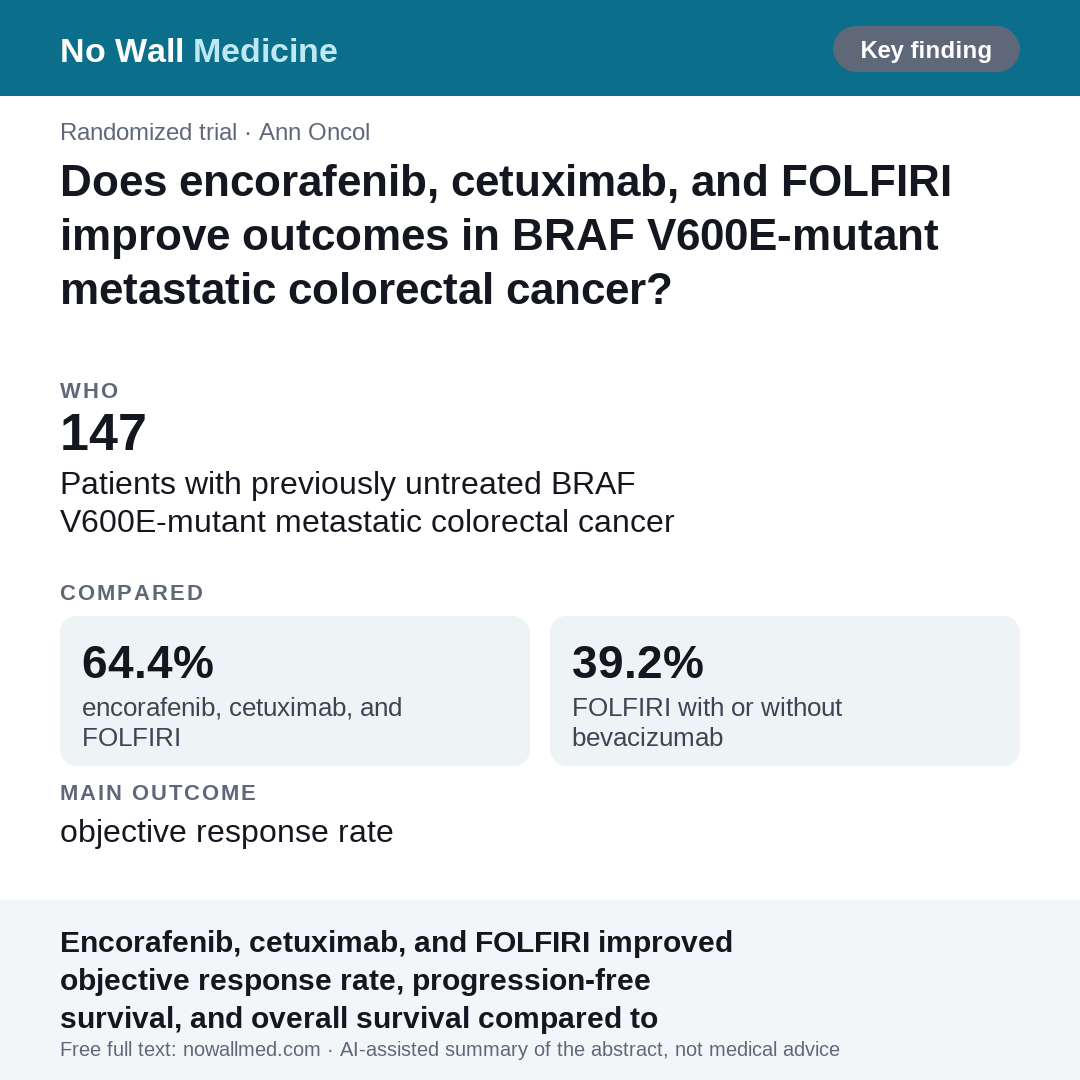
A randomised study of encorafenib, cetuximab, and FOLFIRI versus FOLFIRI with or without bevacizumab in BRAF V600E-mutant colorectal cancer: BREAKWATER Cohort 3
Randomized trialBenefit found
Does encorafenib, cetuximab, and FOLFIRI improve outcomes in BRAF V600E-mutant metastatic colorectal cancer?
Who
147
Patients with previously untreated BRAF V600E-mutant metastatic colorectal cancer
Compared
64.4%encorafenib, cetuximab, and FOLFIRI
39.2%FOLFIRI with or without bevacizumab
Main outcome
objective response rate
Result: hazard ratio 0.44 (95% CI 0.27-0.70)
Bottom line: Encorafenib, cetuximab, and FOLFIRI improved objective response rate, progression-free survival, and overall survival compared to control.
Ann Oncol · 2026-05-31Download image
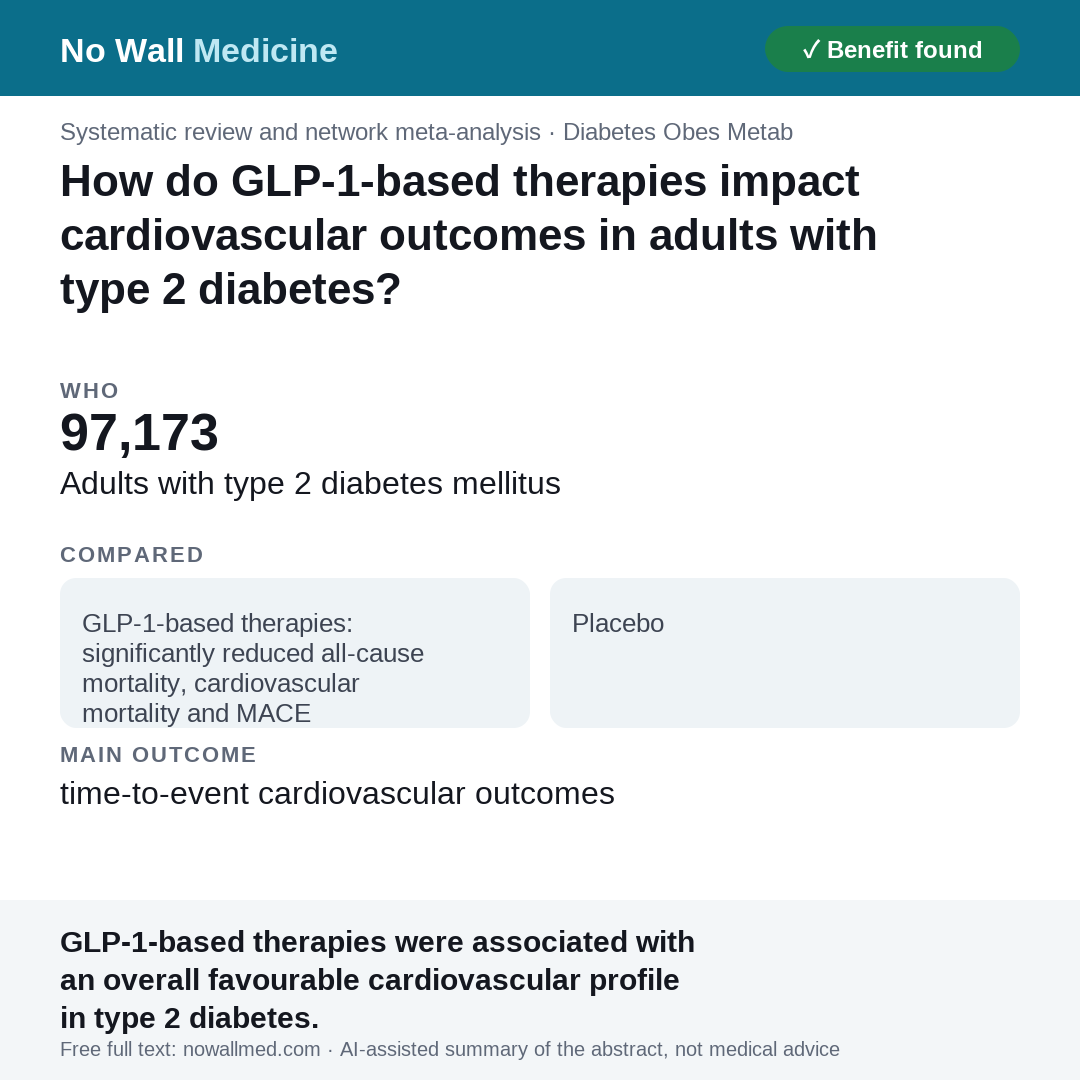
The Impact of GLP-1-Based Therapies on Cardiovascular Outcomes in Type 2 Diabetes: A Comprehensive Systematic Review and Network Meta-Analysis
Systematic review and network meta-analysisBenefit found
How do GLP-1-based therapies impact cardiovascular outcomes in adults with type 2 diabetes?
Who
97,173
Adults with type 2 diabetes mellitus
Compared
GLP-1-based therapies: significantly reduced all-cause mortality, cardiovascular mortality and MACE
Placebo
Main outcome
time-to-event cardiovascular outcomes
Bottom line: GLP-1-based therapies were associated with an overall favourable cardiovascular profile in type 2 diabetes.
Diabetes Obes Metab · 2026-05-31Download image
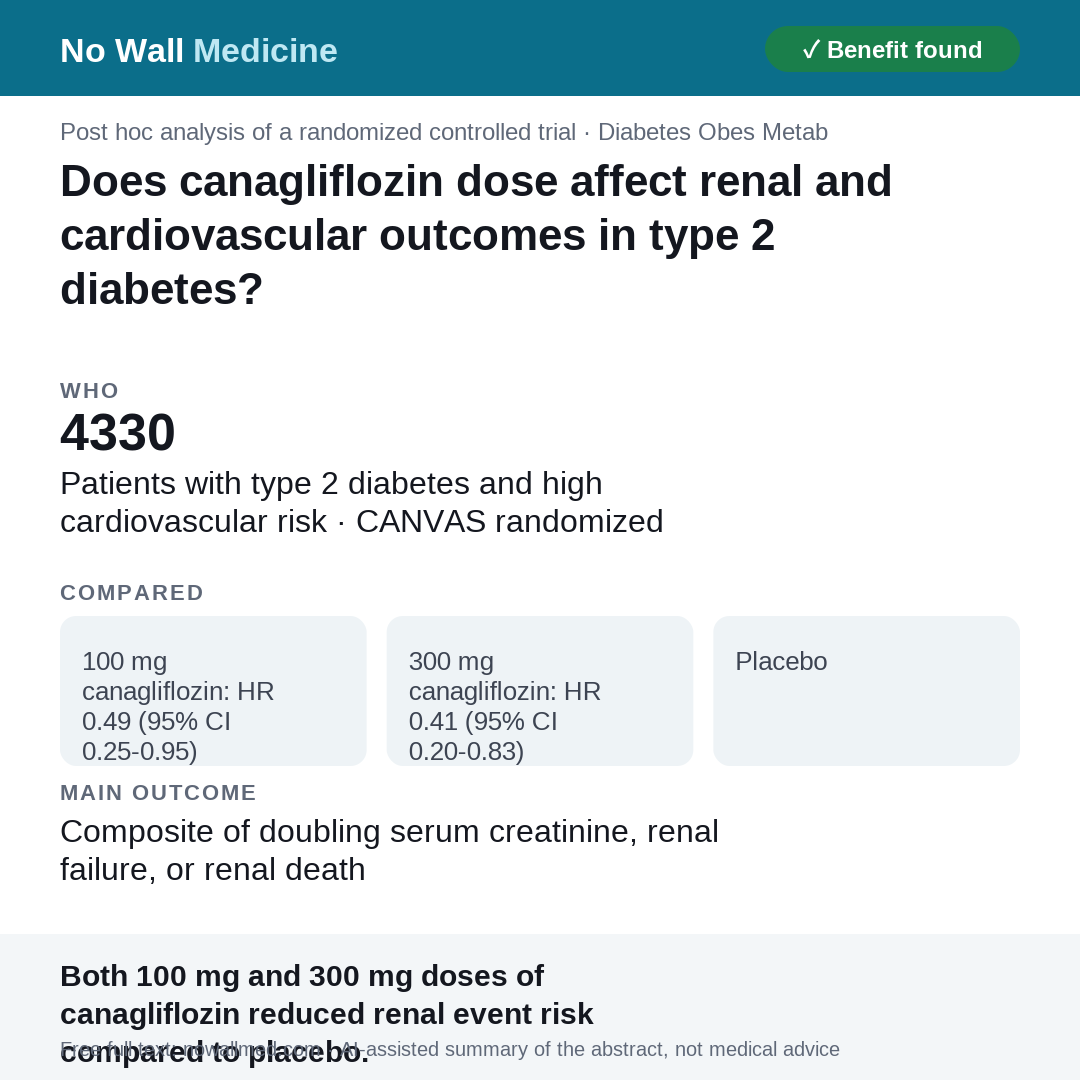
The Effect of Canagliflozin Dose on Renal and Cardiovascular Outcomes in Type 2 Diabetes and High Cardiovascular Risk
Post hoc analysis of a randomized controlled trialBenefit found
Does canagliflozin dose affect renal and cardiovascular outcomes in type 2 diabetes?
Who
4330
Patients with type 2 diabetes and high cardiovascular risk · CANVAS randomized controlled trial
Compared
100 mg canagliflozin: HR 0.49 (95% CI 0.25-0.95)
300 mg canagliflozin: HR 0.41 (95% CI 0.20-0.83)
Placebo
Main outcome
Composite of doubling serum creatinine, renal failure, or renal death
Result: hazard ratio 0.85; 95% confidence interval 0.38-1.89
Bottom line: Both 100 mg and 300 mg doses of canagliflozin reduced renal event risk compared to placebo.
Limitation: This was a post hoc analysis
Diabetes Obes Metab · 2026-05-31Download image
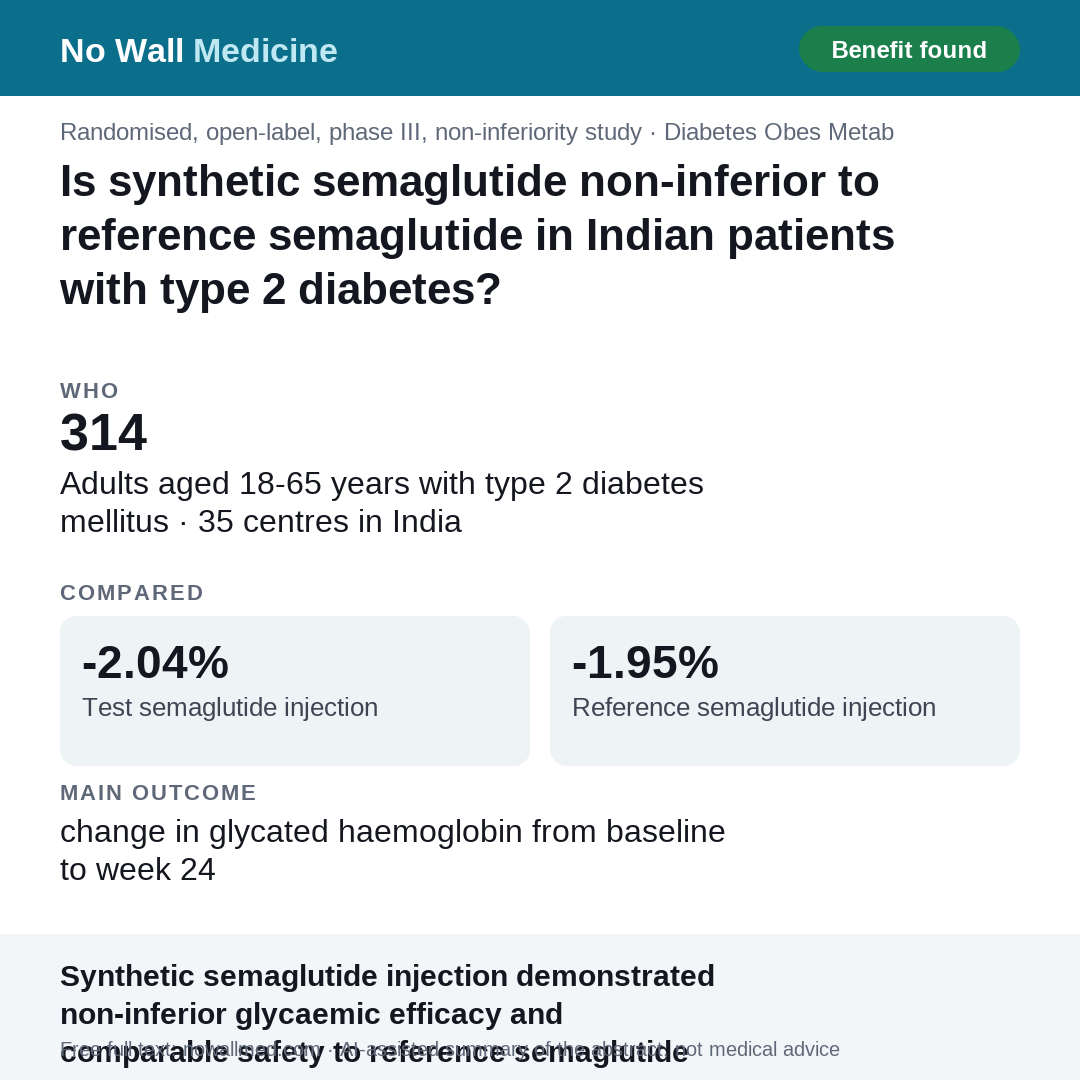
Semaglutide Injection in Indian Patients With Type 2 Diabetes Mellitus: A Randomised, Phase III, Active-Controlled Study
Randomised, open-label, phase III, non-inferiority studyBenefit found
Is synthetic semaglutide non-inferior to reference semaglutide in Indian patients with type 2 diabetes?
Who
314
Adults aged 18-65 years with type 2 diabetes mellitus · 35 centres in India
Compared
-2.04%Test semaglutide injection
-1.95%Reference semaglutide injection
Main outcome
change in glycated haemoglobin from baseline to week 24
Result: -0.09% (95% CI: -0.26 to 0.09)
Bottom line: Synthetic semaglutide injection demonstrated non-inferior glycaemic efficacy and comparable safety to reference semaglutide in Indian patients.
Diabetes Obes Metab · 2026-05-31Download image
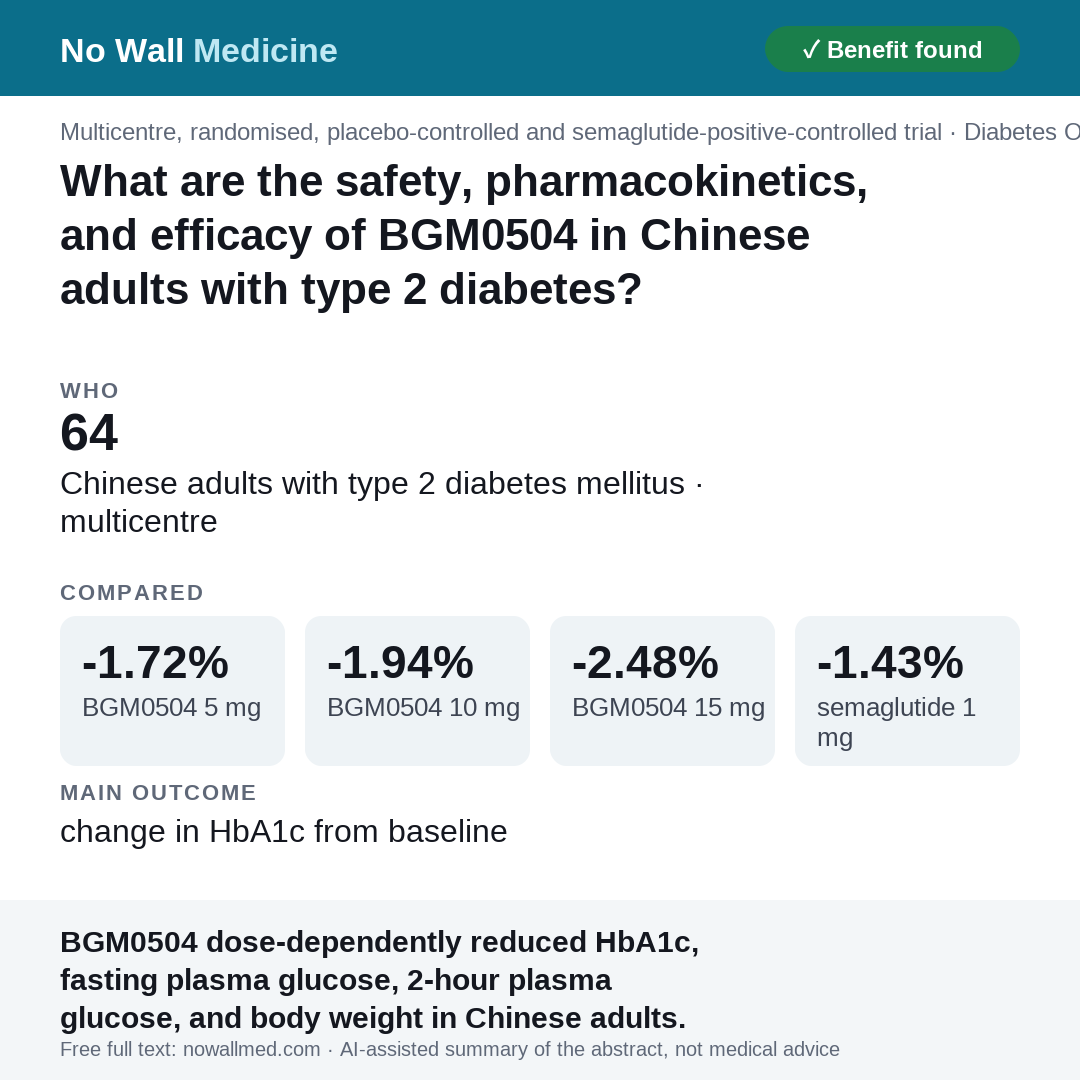
Evaluation of the Safety, Efficacy and Pharmacokinetics of BGM0504 in Chinese Adults With Type 2 Diabetes: A Multicentre, Randomised, Controlled and Double-Blind Phase II Trial
Multicentre, randomised, placebo-controlled and semaglutide-positive-controlled trialBenefit found
What are the safety, pharmacokinetics, and efficacy of BGM0504 in Chinese adults with type 2 diabetes?
Who
64
Chinese adults with type 2 diabetes mellitus · multicentre
Compared
-1.72%BGM0504 5 mg
-1.94%BGM0504 10 mg
-2.48%BGM0504 15 mg
-1.43%semaglutide 1 mg
Main outcome
change in HbA1c from baseline
Result: treatment differences versus placebo (LSM) ranging from -1.82% to -2.56%
Bottom line: BGM0504 dose-dependently reduced HbA1c, fasting plasma glucose, 2-hour plasma glucose, and body weight in Chinese adults.
Diabetes Obes Metab · 2026-05-31Download image
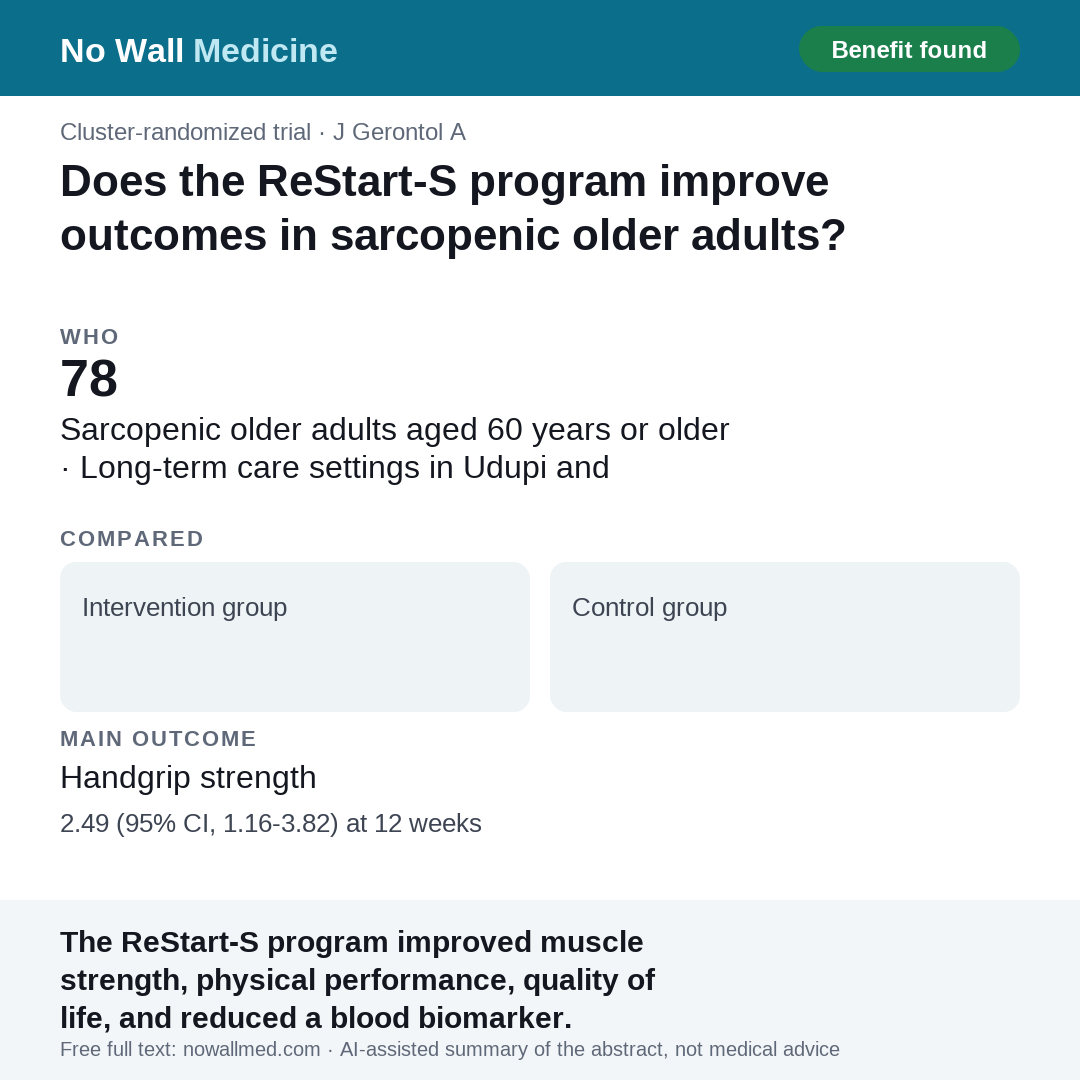
Cluster randomized trial of reablement strategies targeting sarcopenia (ReStart-S) in long-term care settings
Cluster-randomized trialBenefit found
Does the ReStart-S program improve outcomes in sarcopenic older adults?
Who
78
Sarcopenic older adults aged 60 years or older · Long-term care settings in Udupi and neighboring districts
Compared
Intervention group
Control group
Main outcome
Handgrip strength
Result: 2.49 (95% CI, 1.16-3.82) at 12 weeks
Bottom line: The ReStart-S program improved muscle strength, physical performance, quality of life, and reduced a blood biomarker.
J Gerontol A · 2026-05-31Download image
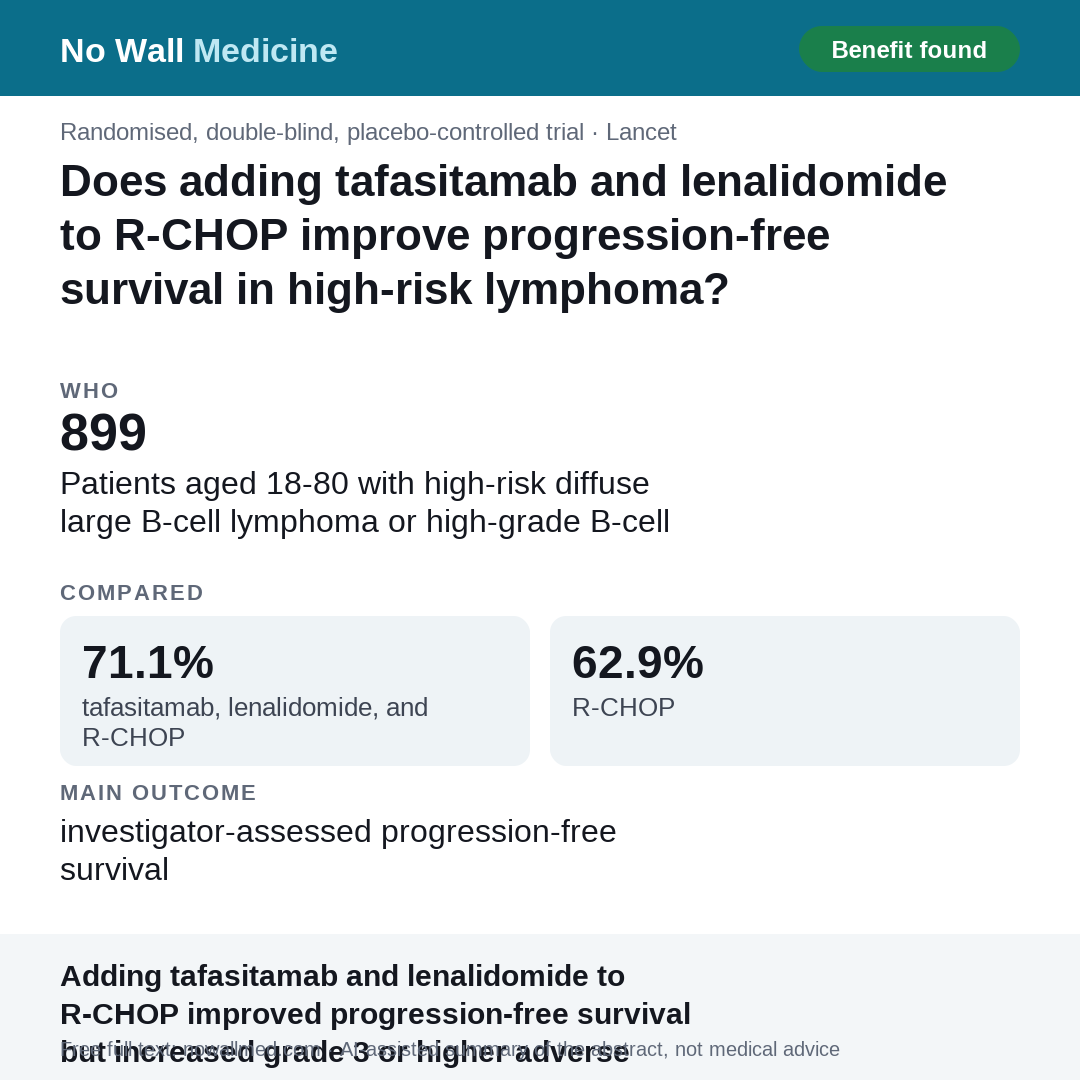
Tafasitamab plus lenalidomide and R-CHOP versus R-CHOP for first-line treatment of patients with high-risk diffuse large B-cell lymphoma (frontMIND): a global, phase 3, randomised, double-blind, placebo-controlled trial
Randomised, double-blind, placebo-controlled trialBenefit found
Does adding tafasitamab and lenalidomide to R-CHOP improve progression-free survival in high-risk lymphoma?
Who
899
Patients aged 18-80 with high-risk diffuse large B-cell lymphoma or high-grade B-cell lymphoma · 298 centres in North America, South America, Europe, and Asia-Pacific
Compared
71.1%tafasitamab, lenalidomide, and R-CHOP (66.3-75.4%)
62.9%R-CHOP (57.9-67.5%)
Main outcome
investigator-assessed progression-free survival
Result: hazard ratio 0.75 (95% CI 0.59 to 0.96)
Bottom line: Adding tafasitamab and lenalidomide to R-CHOP improved progression-free survival but increased grade 3 or higher adverse events.
Limitation: Overall survival data are immature; follow-up is ongoing.
Funded by: Incyte Corporation
Lancet · 2026-05-30Download image
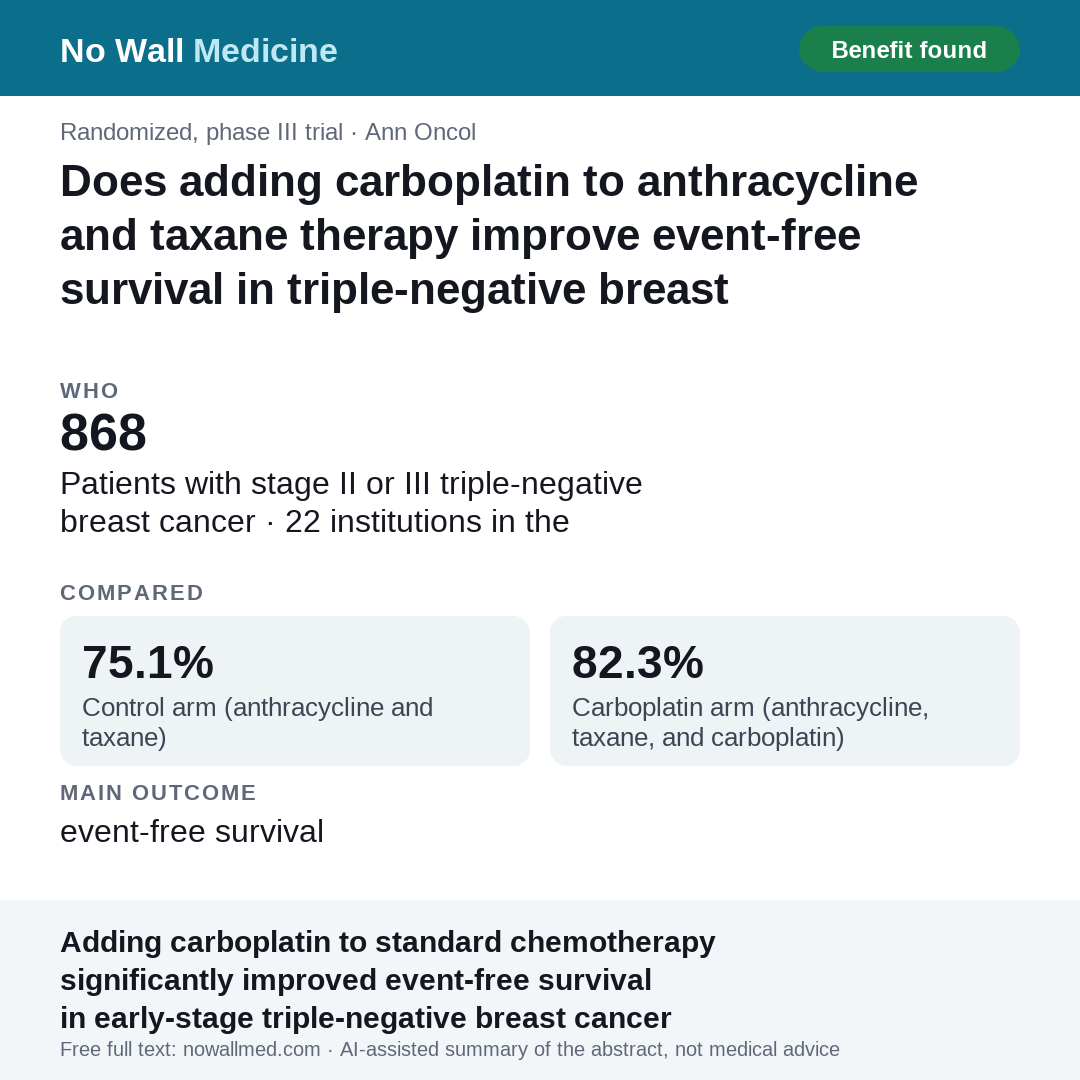
A randomized phase III trial of anthracyclines followed by taxane versus taxane plus carboplatin as (neo)adjuvant therapy in patients with triple-negative breast cancer: KCSG BR 15-1 PEARLY trial
Randomized, phase III trialBenefit found
Does adding carboplatin to anthracycline and taxane therapy improve event-free survival in triple-negative breast cancer?
Who
868
Patients with stage II or III triple-negative breast cancer · 22 institutions in the Republic of Korea
Compared
75.1%Control arm (anthracycline and taxane)
82.3%Carboplatin arm (anthracycline, taxane, and carboplatin)
Main outcome
event-free survival
Result: hazard ratio 0.67 (95% CI 0.49-0.92)
Bottom line: Adding carboplatin to standard chemotherapy significantly improved event-free survival in early-stage triple-negative breast cancer patients.
Ann Oncol · 2026-05-30Download image