Visual abstracts
New randomized trials and meta-analyses from leading journals at a glance: who was studied, what was compared, and what was found. Every paper is free to read in full.
All specialtiesCardiology 855Oncology 770Gastroenterology & Hepatology 311Infectious Disease 626Neurology 354Psychiatry & Mental Health 430Pulmonology 370Critical Care 259Endocrinology & Diabetes 484Pediatrics 542Surgery 349Orthopedics & Sports Medicine 166Neurosurgery 115Cardiothoracic & Vascular Surgery 87Plastic & Reconstructive Surgery 144Nephrology 197Rheumatology 108Hematology 183Dermatology 81Ophthalmology 97Obstetrics & Gynecology 266Public & Global Health 168Radiology & Imaging 104Anesthesiology 128Urology 162ENT (Otolaryngology) 114Emergency Medicine 103Allergy & Immunology 58Geriatrics 160Family Medicine & Primary Care 111Medical Genetics & Genomics 91Pathology & Laboratory Medicine 27Physical Medicine & Rehabilitation 149Palliative Care 81Nutrition 223Digital Health & AI 462General Medicine 101
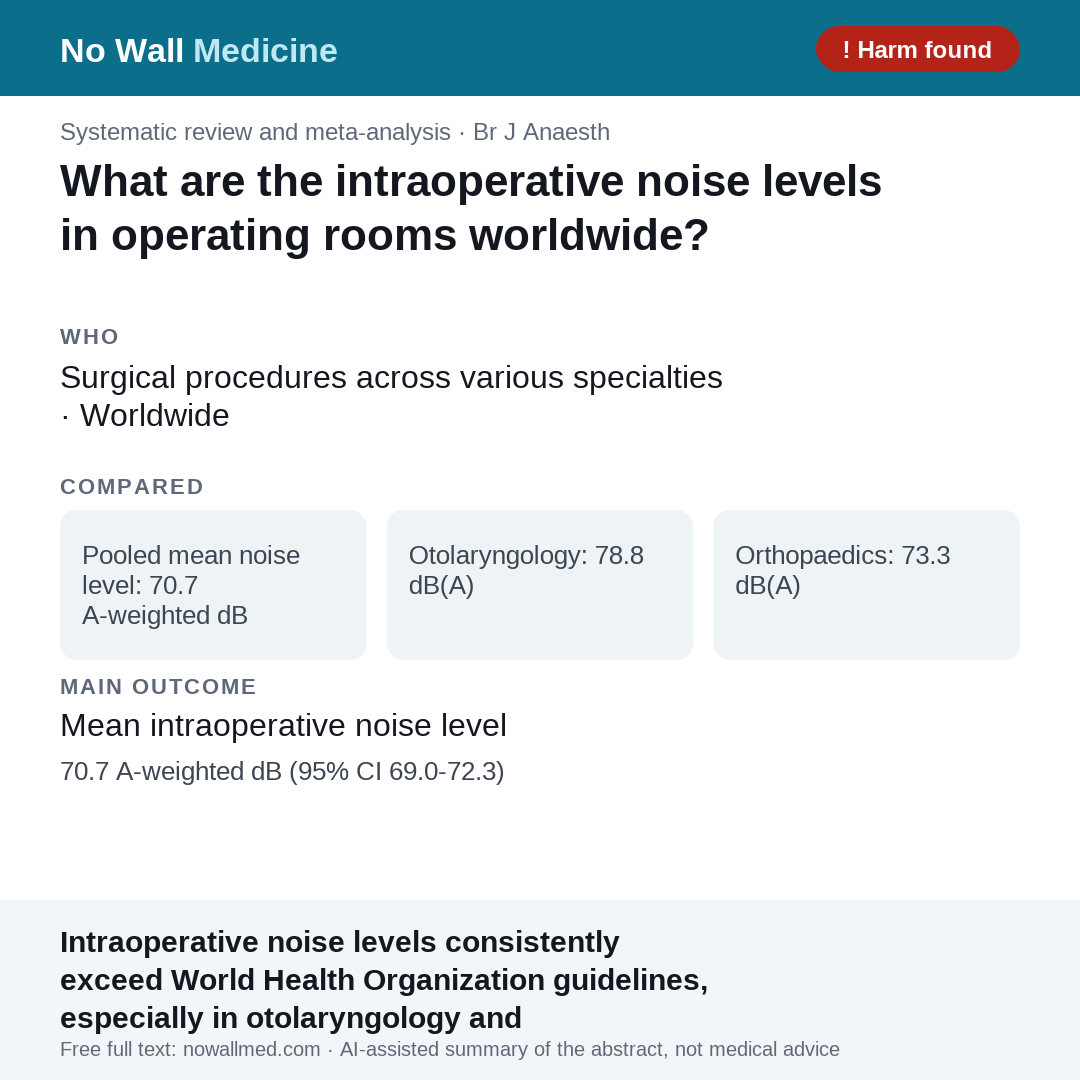
Operating room noise levels in anaesthesia a systematic review and meta-analysis
Systematic review and meta-analysisHarm found
What are the intraoperative noise levels in operating rooms worldwide?
Who
Surgical procedures across various specialties · Worldwide
Compared
Pooled mean noise level: 70.7 A-weighted dB
Otolaryngology: 78.8 dB(A)
Orthopaedics: 73.3 dB(A)
Main outcome
Mean intraoperative noise level
Result: 70.7 A-weighted dB (95% CI 69.0-72.3)
Bottom line: Intraoperative noise levels consistently exceed World Health Organization guidelines, especially in otolaryngology and orthopaedics.
Br J Anaesth · 2026-09-22Download image
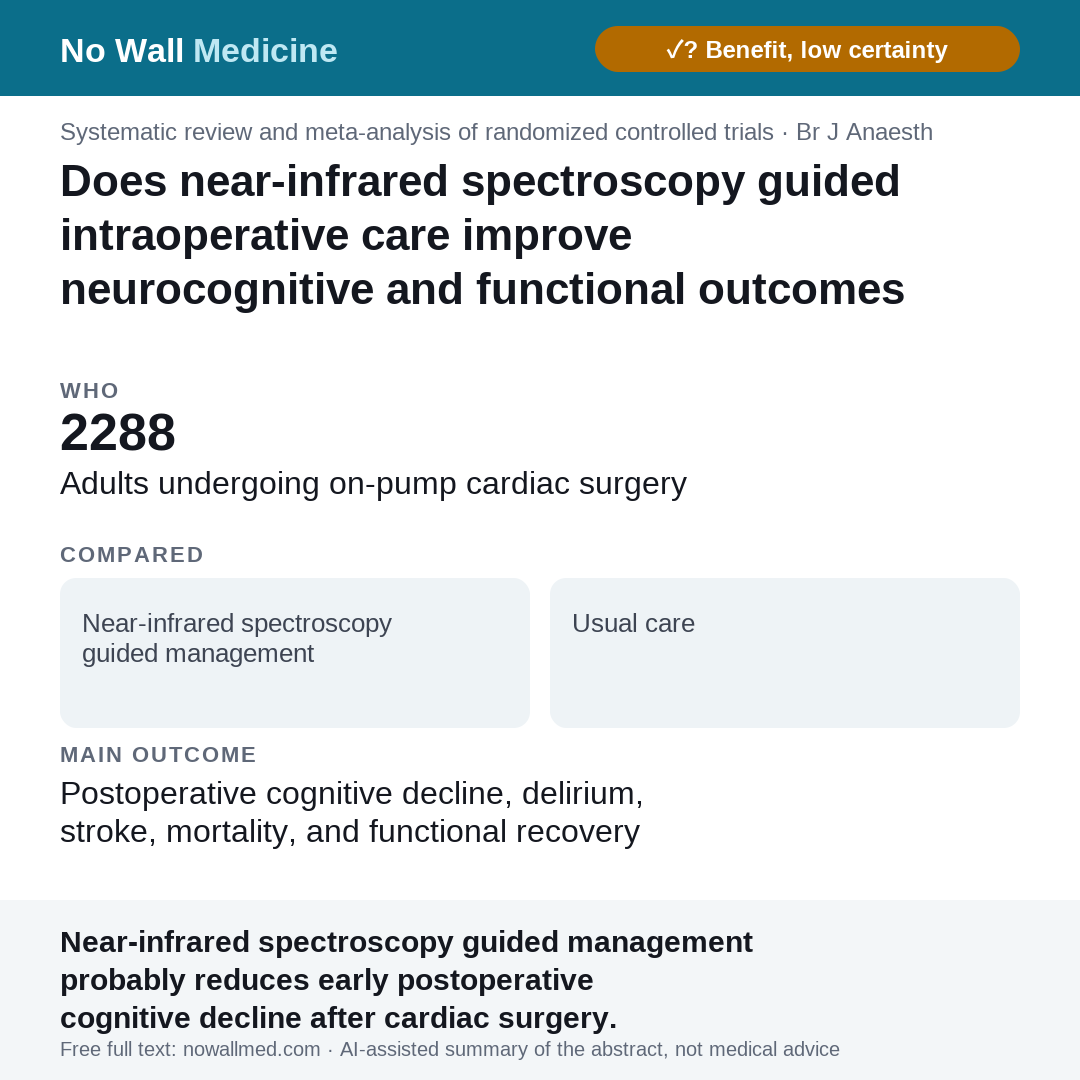
The effect of near-infrared spectroscopy guided intraoperative care on neurocognitive and functional outcomes after cardiac surgery: a systematic review and meta-analysis of randomised controlled trials
Systematic review and meta-analysis of randomized controlled trialsBenefit found
Does near-infrared spectroscopy guided intraoperative care improve neurocognitive and functional outcomes after cardiac surgery?
Who
2288
Adults undergoing on-pump cardiac surgery
Compared
Near-infrared spectroscopy guided management
Usual care
Main outcome
Postoperative cognitive decline, delirium, stroke, mortality, and functional recovery
Result: risk ratio 0.65 (95% CI 0.42-0.99) for early postoperative cognitive decline
Bottom line: Near-infrared spectroscopy guided management probably reduces early postoperative cognitive decline after cardiac surgery.
Limitation: Findings derived from small, single-centre trials with heterogeneous thresholds and intervention algorithms.
Br J Anaesth · 2026-09-22Download image
Childhood socioeconomic circumstances and adult mortality: a systematic review and meta-analysis
Systematic review and meta-analysisHarm found
Are childhood socioeconomic circumstances associated with adult all-cause and cause-specific mortality?
Who
8
Adults aged 18 years or older · 24 countries
Compared
Disadvantaged socioeconomic circumstances: higher adult mortality
Advantaged socioeconomic circumstances
Main outcome
Adult all-cause and cause-specific mortality
Result: hazard ratio 1.26 (95% CI 1.18-1.35) for father's occupation
Bottom line: Disadvantaged childhood socioeconomic circumstances are associated with increased adult mortality across diverse measures of disadvantage and causes of death.
Limitation: Half of included studies were at high or very high risk of bias due to inadequate confounding control.
Lancet Public Health · 2026-09-22Download image

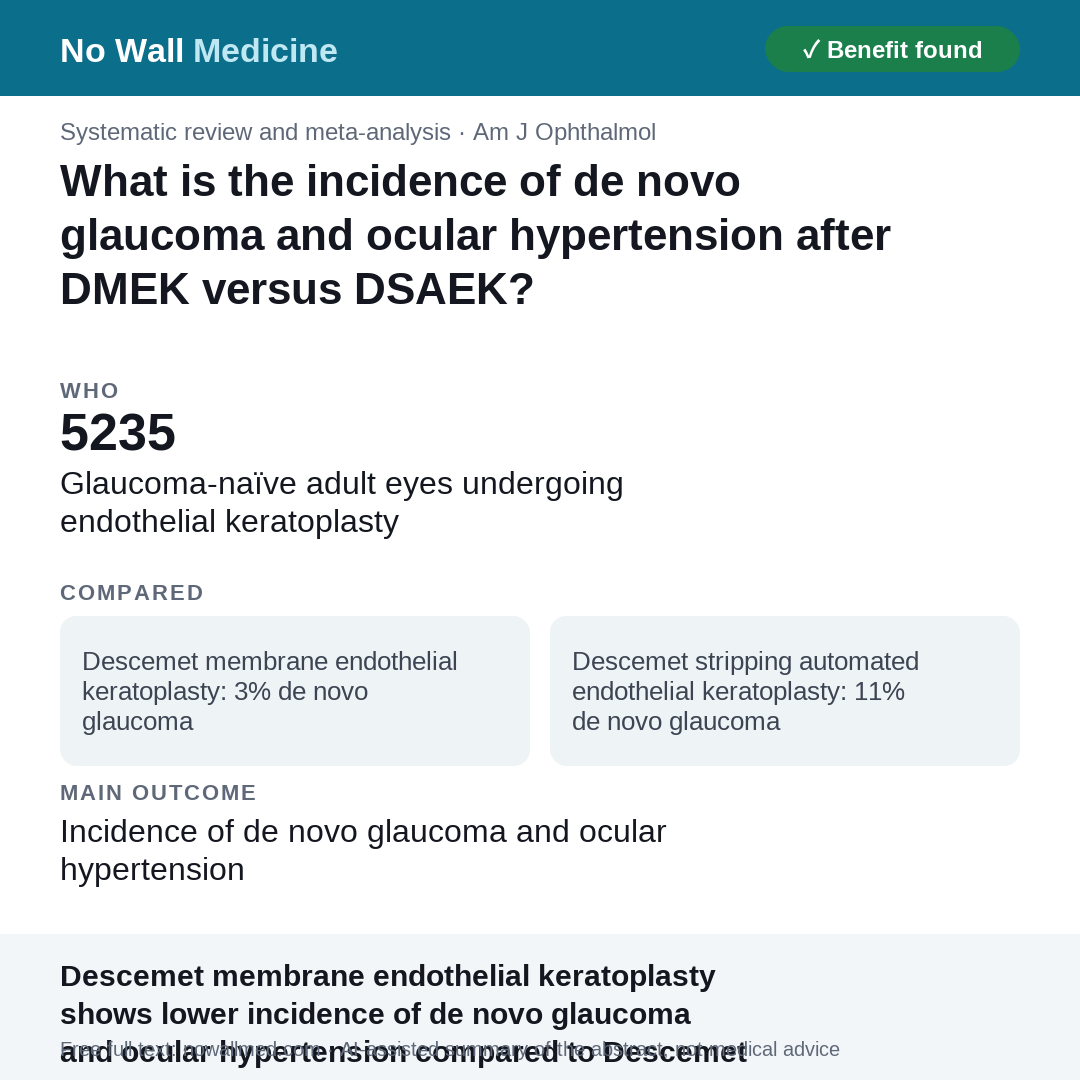
Incidence of De Novo Glaucoma and Ocular Hypertension After DMEK Versus DSAEK: A Systematic Review and Meta-Analysis
Systematic review and meta-analysisBenefit found
What is the incidence of de novo glaucoma and ocular hypertension after DMEK versus DSAEK?
Who
5235
Glaucoma-naïve adult eyes undergoing endothelial keratoplasty
Compared
Descemet membrane endothelial keratoplasty: 3% de novo glaucoma
Descemet stripping automated endothelial keratoplasty: 11% de novo glaucoma
Main outcome
Incidence of de novo glaucoma and ocular hypertension
Result: OR 0.51, 0.22-1.21
Bottom line: Descemet membrane endothelial keratoplasty shows lower incidence of de novo glaucoma and ocular hypertension compared to Descemet stripping automated endothelial keratoplasty.
Limitation: Variable glaucoma definitions, confounding by steroid exposure, and limited randomized evidence.
Am J Ophthalmol · 2026-09-22Download image
Prevalence, characteristics and risk factors for chronic lower-limb oedema in the older population living in the community or in an aged-care home: a systematic review
Systematic reviewMixed results
What is the prevalence, characteristics and risk factors for chronic lower-limb oedema in older adults?
Who
Adults aged 60 years or older in community or aged-care settings · Community and aged-care homes
Compared
Community settings: 22.7% to 26.4%
Aged-care homes: 10.0% to 27.5%
Main outcome
Prevalence, characteristics and risk factors for chronic lower-limb oedema
Bottom line: Chronic lower-limb oedema is common in older adults in community and aged-care settings.
Limitation: Substantial heterogeneity in study populations, sampling strategies and assessment methods limiting generalisability.
Age Ageing · 2026-09-22Download image

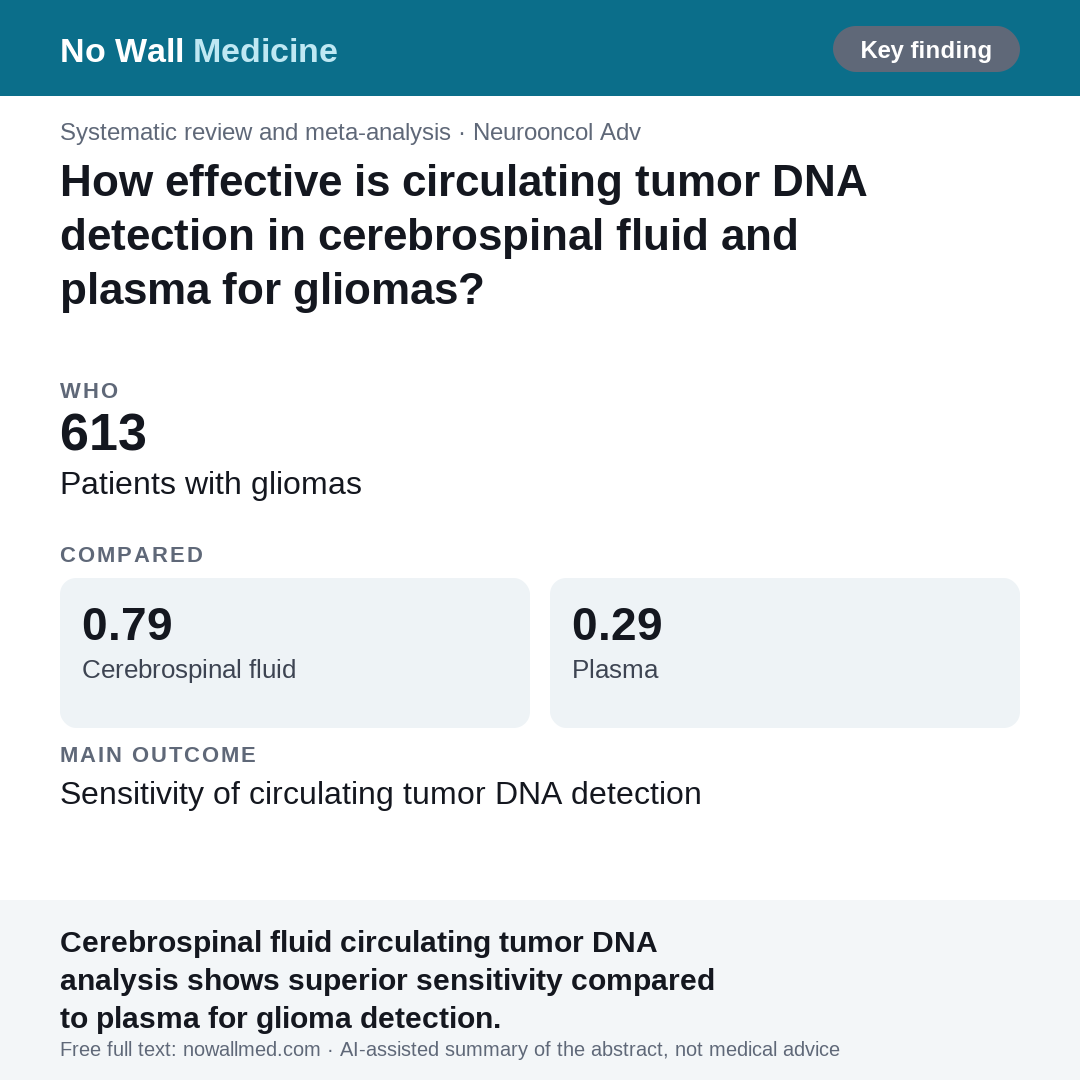
Circulating tumor DNA as a liquid biopsy for glioma detection in cerebrospinal fluid and plasma: A systematic review and meta-analysis
Systematic review and meta-analysisBenefit found
How effective is circulating tumor DNA detection in cerebrospinal fluid and plasma for gliomas?
Who
613
Patients with gliomas
Compared
0.79Cerebrospinal fluid (95% CI, 0.69-0.85)
0.29Plasma (95% CI, 0.15-0.47)
Main outcome
Sensitivity of circulating tumor DNA detection
Bottom line: Cerebrospinal fluid circulating tumor DNA analysis shows superior sensitivity compared to plasma for glioma detection.
Neurooncol Adv · 2026-09-22Download image
Cataract GWAS meta-analysis and multi-omics Mendelian randomisation inform disease mechanisms and candidate target prioritisation
Genome-wide association study meta-analysis and Mendelian randomisationBenefit found
What are the genetic architecture and candidate targets for senile cataract?
Who
European-ancestry and East Asian-ancestry individuals · All of Us, UK Biobank, deCODE, and China Kadoorie Biobank
Compared
European-ancestry: 78 independent loci
East Asian-ancestry: 4 independent loci
Main outcome
Identification of cataract risk loci and candidate genetic targets
Bottom line: Meta-analysis and multi-omics integration identified new genetic loci and prioritised candidate genes for senile cataract.
Funded by: Joint Funds for the Innovation of Science and Technology
eBioMedicine · 2026-09-22Download image

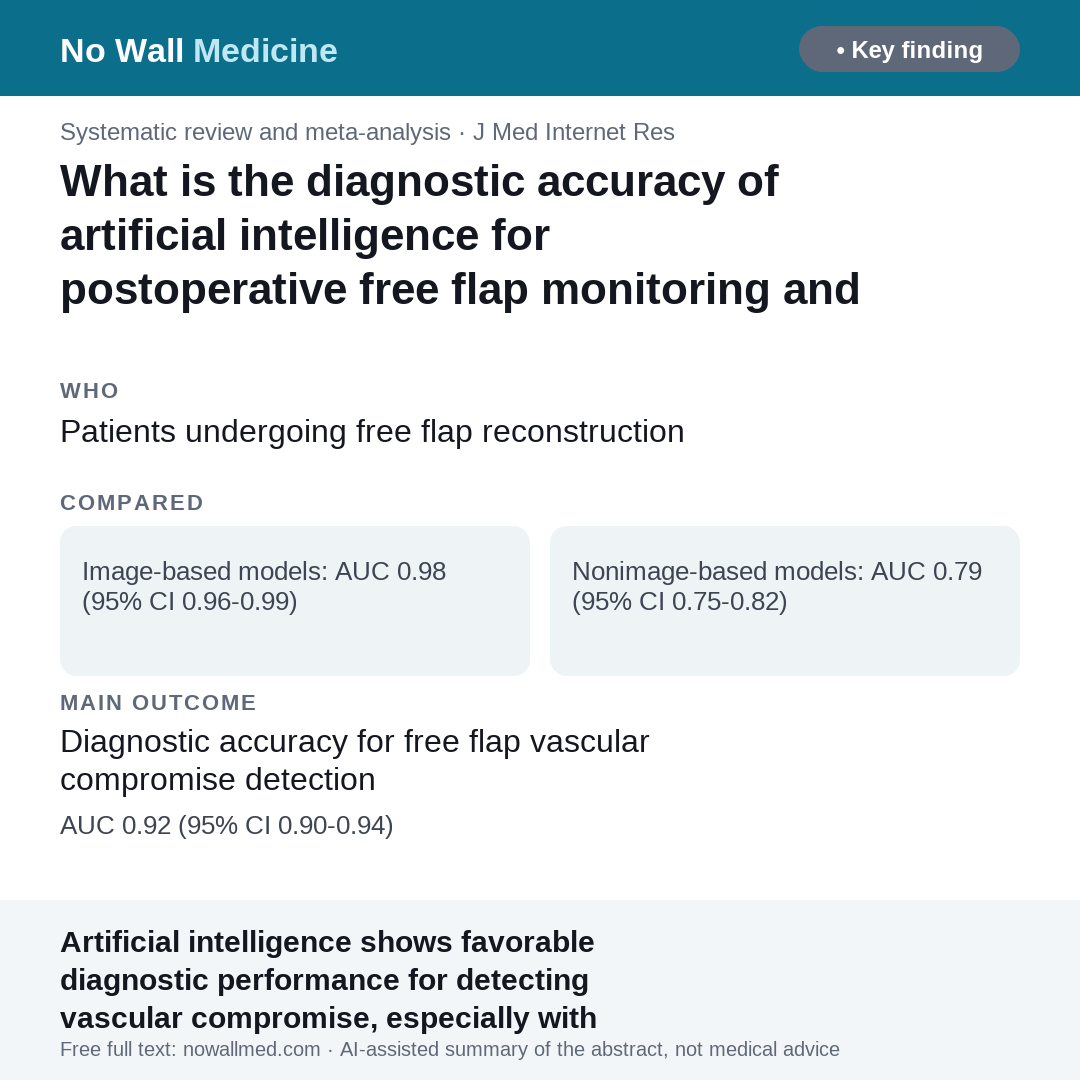
Diagnostic Accuracy of AI in Prediction and Assessment of Compromised Free Flaps: Systematic Review and Meta-Analysis
Systematic review and meta-analysisBenefit found
What is the diagnostic accuracy of artificial intelligence for postoperative free flap monitoring and compromise detection?
Who
Patients undergoing free flap reconstruction
Compared
Image-based models: AUC 0.98 (95% CI 0.96-0.99)
Nonimage-based models: AUC 0.79 (95% CI 0.75-0.82)
Main outcome
Diagnostic accuracy for free flap vascular compromise detection
Result: AUC 0.92 (95% CI 0.90-0.94)
Bottom line: Artificial intelligence shows favorable diagnostic performance for detecting vascular compromise, especially with image-based models, but evidence certainty is low.
Limitation: Low certainty of evidence, substantial heterogeneity, and limited external validation.
J Med Internet Res · 2026-09-22Download image
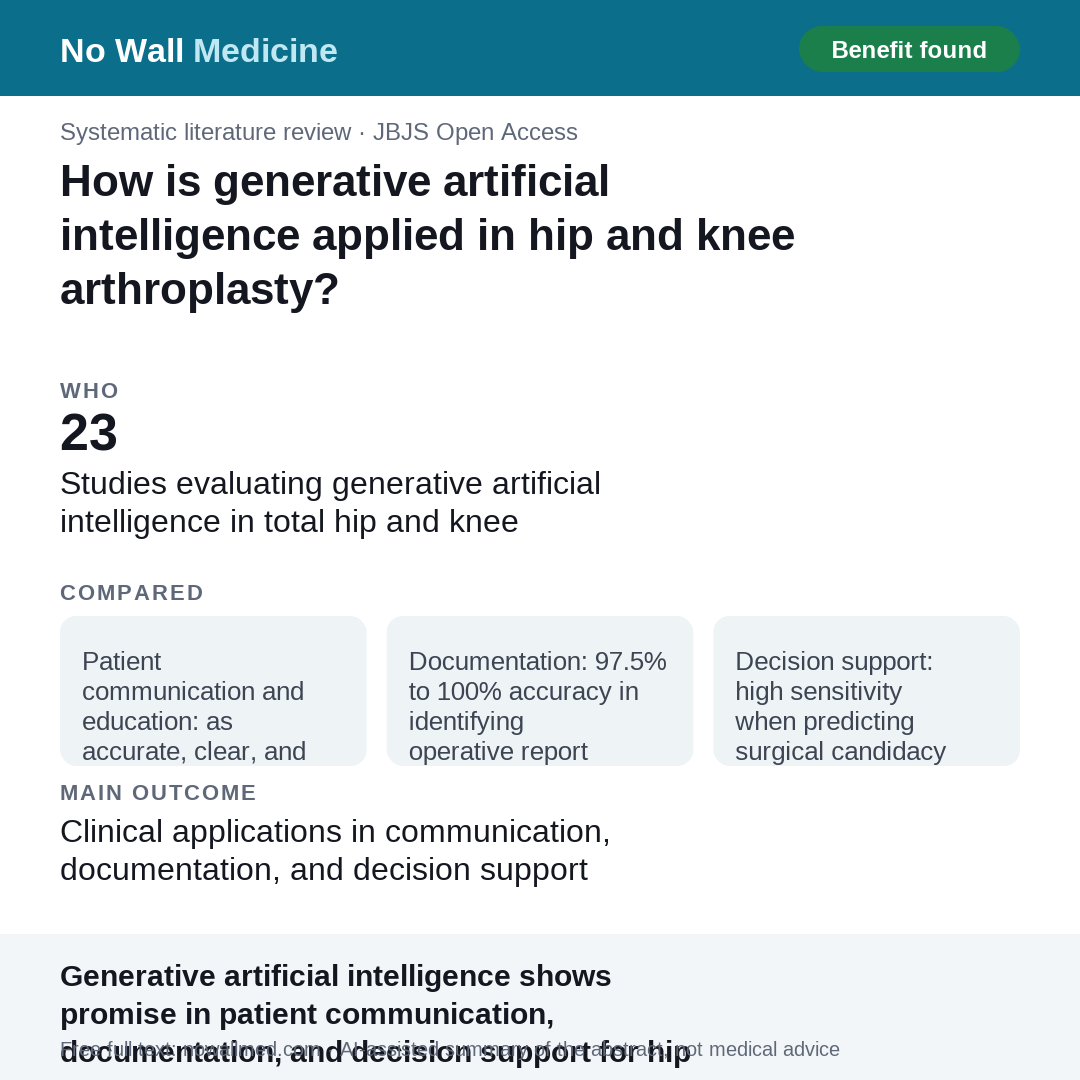
Generative Artificial Intelligence in Hip and Knee Arthroplasty: A Systematic Review of Emerging Clinical Applications in Patient Communication and Education, Documentation, and Decision Support
Systematic literature reviewBenefit found
How is generative artificial intelligence applied in hip and knee arthroplasty?
Who
23
Studies evaluating generative artificial intelligence in total hip and knee arthroplasty
Compared
Patient communication and education: as accurate, clear, and complete as surgeon-written responses
Documentation: 97.5% to 100% accuracy in identifying operative report information
Decision support: high sensitivity when predicting surgical candidacy but low specificity
Main outcome
Clinical applications in communication, documentation, and decision support
Bottom line: Generative artificial intelligence shows promise in patient communication, documentation, and decision support for hip and knee arthroplasty.
Limitation: The heterogeneity of the included studies led to a narrative synthesis.
JBJS Open Access · 2026-09-22Download image
Nanofat in Plastic Surgery: A Systematic Review of Clinical Outcomes, Safety, and Emerging Applications
Systematic literature reviewBenefit found
What are the clinical outcomes, safety, and applications of nanofat in plastic surgery?
Who
768
Patients undergoing plastic surgery procedures
Compared
Nanofat application: most patients reporting above-average satisfaction
Scar assessment: significant improvements in scar characteristics
Main outcome
clinical outcomes, safety, and emerging applications
Bottom line: Nanofat is a promising, well-tolerated regenerative therapy for aesthetic and reconstructive plastic surgery.
Plast Reconstr Surg Glob Open · 2026-09-22Download image

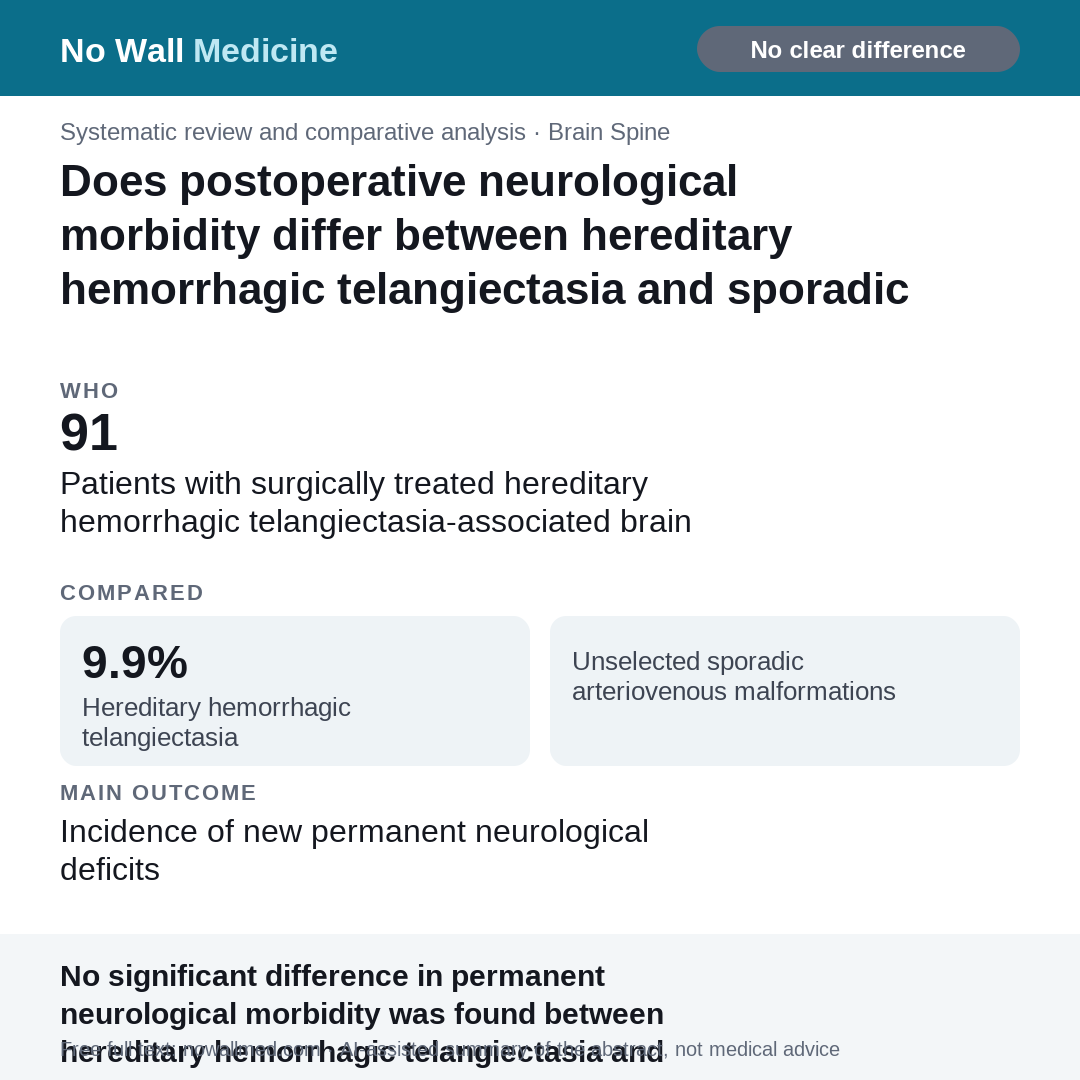
Permanent neurological morbidity after microsurgical resection of hereditary hemorrhagic telangiectasia-associated brain arteriovenous malformations: a systematic review and illustrative case
Systematic review and comparative analysisNo clear difference
Does postoperative neurological morbidity differ between hereditary hemorrhagic telangiectasia and sporadic brain arteriovenous malformations?
Who
91
Patients with surgically treated hereditary hemorrhagic telangiectasia-associated brain arteriovenous malformations
Compared
9.9%Hereditary hemorrhagic telangiectasia (95% CI: 4.6-18.0%)
Unselected sporadic arteriovenous malformations
Main outcome
Incidence of new permanent neurological deficits
Bottom line: No significant difference in permanent neurological morbidity was found between hereditary hemorrhagic telangiectasia and sporadic brain arteriovenous malformation resections.
Limitation: The small sample size precludes definitive conclusions.
Brain Spine · 2026-09-22Download image
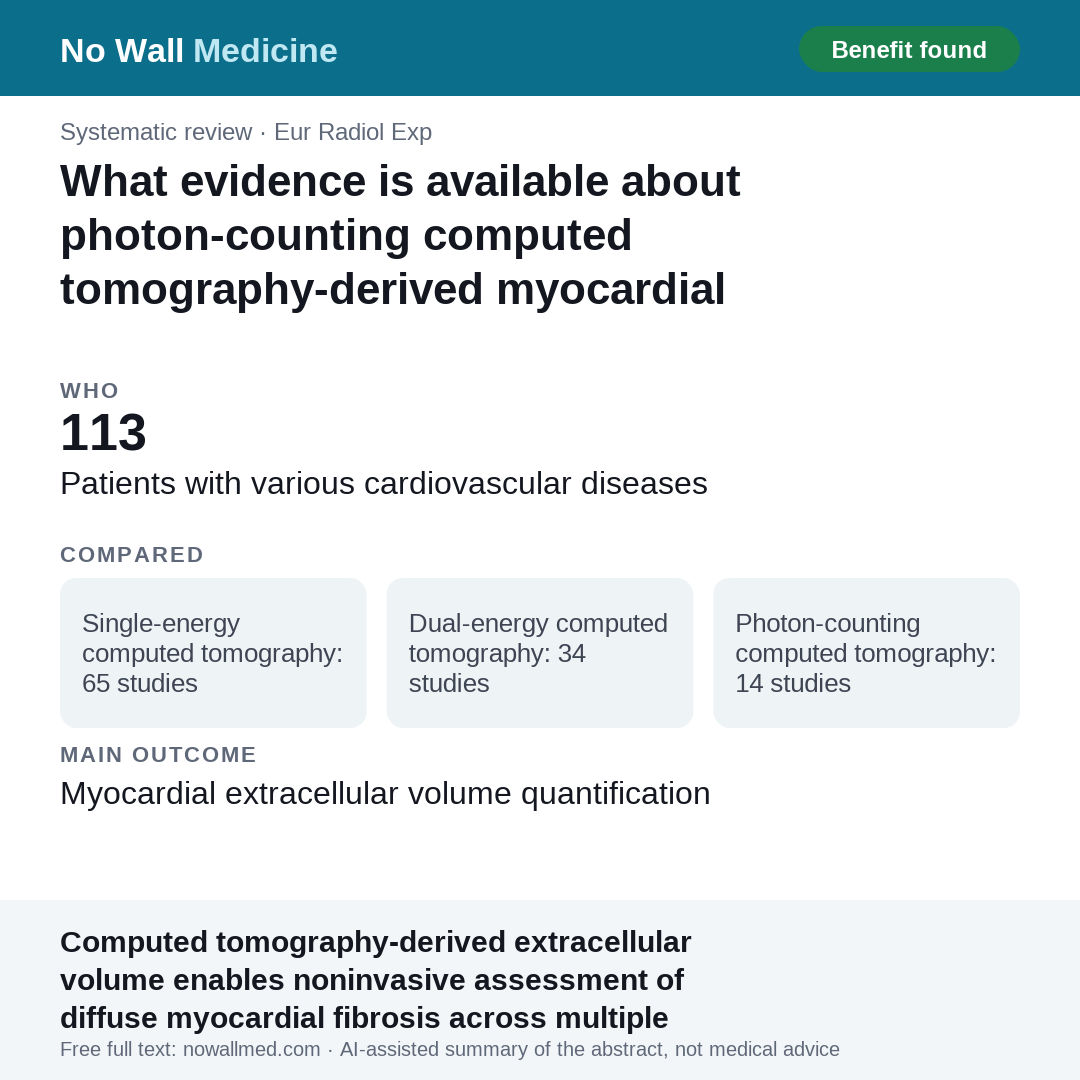
CT-derived myocardial extracellular volume: current evidence, clinical utility, and the emerging role of photon-counting CT-a systematic review
Systematic reviewBenefit found
What evidence is available about photon-counting computed tomography-derived myocardial extracellular volume quantification?
Who
113
Patients with various cardiovascular diseases
Compared
Single-energy computed tomography: 65 studies
Dual-energy computed tomography: 34 studies
Photon-counting computed tomography: 14 studies
Main outcome
Myocardial extracellular volume quantification
Bottom line: Computed tomography-derived extracellular volume enables noninvasive assessment of diffuse myocardial fibrosis across multiple cardiovascular diseases.
Eur Radiol Exp · 2026-09-22Download image
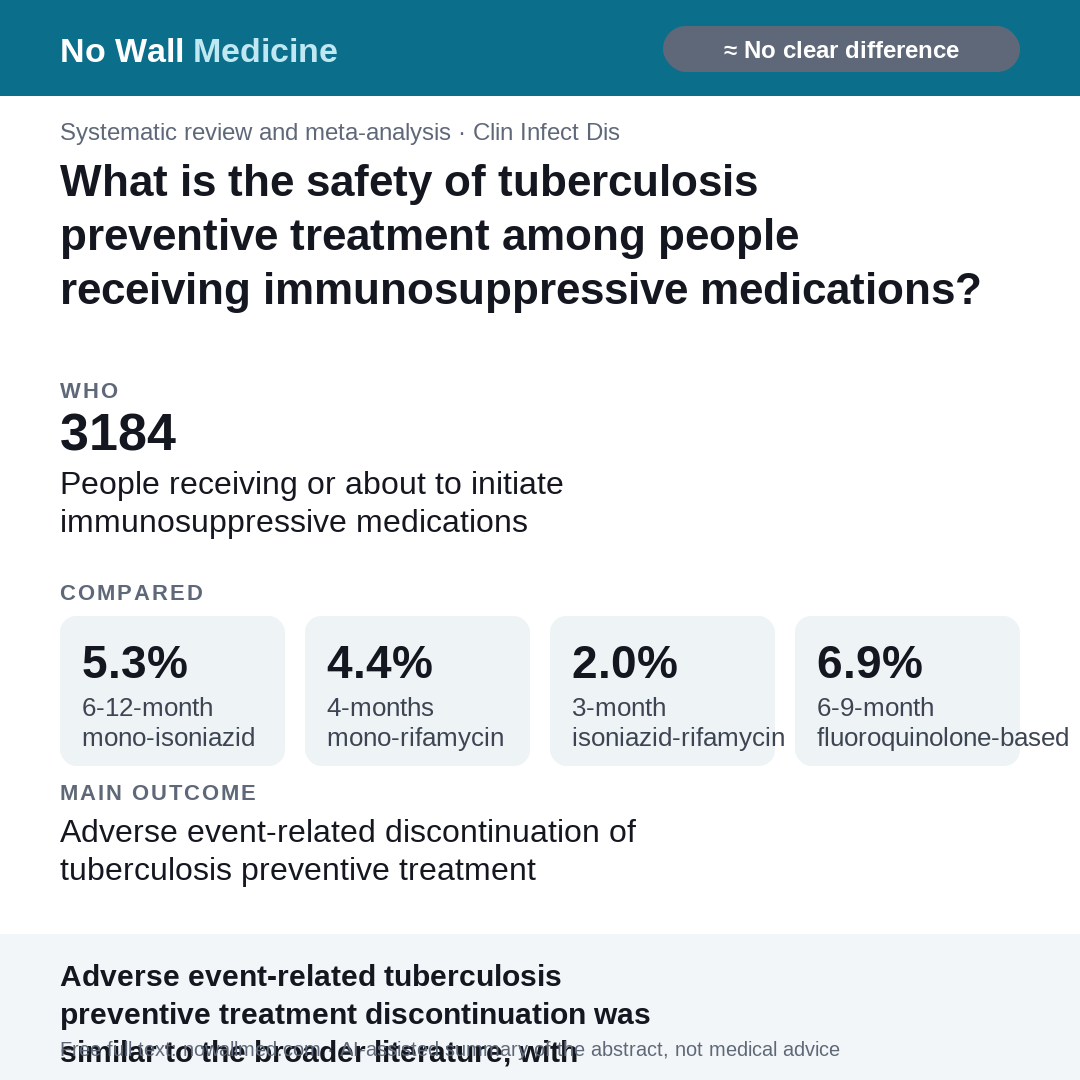
Safety of tuberculosis preventive treatment among people receiving or about to initiate immunosuppressive medications: a systematic review and meta-analysis
Systematic review and meta-analysisNo clear difference
What is the safety of tuberculosis preventive treatment among people receiving immunosuppressive medications?
Who
3184
People receiving or about to initiate immunosuppressive medications
Compared
5.3%6-12-month mono-isoniazid regimens (95% CI: 3.1-8.9%)
4.4%4-months mono-rifamycin regimens (95% CI: 0.1-75.4%)
2.0%3-month isoniazid-rifamycin combination regimens (1.0-4.1%)
6.9%6-9-month fluoroquinolone-based regimens (95% CI: 0-92.3%)
Main outcome
Adverse event-related discontinuation of tuberculosis preventive treatment
Bottom line: Adverse event-related tuberculosis preventive treatment discontinuation was similar to the broader literature, with rifamycin-containing regimens showing the lowest rates.
Limitation: Data on the safety of non-isoniazid regimens among people receiving immunosuppressives are needed.
Clin Infect Dis · 2026-09-21Download image
Safety of the M72/AS01 Tuberculosis Vaccine in People Living With HIV: A Systematic Review and Meta-Analysis
Systematic review and meta-analysis of 3 randomized controlled trialsBenefit found
Is the M72/AS01 tuberculosis vaccine safe in people living with HIV?
Who
510
People living with HIV receiving antiretroviral therapy
Compared
M72/AS01
placebo
Main outcome
Risks of solicited local and systemic adverse events
Result: pain RR 3.24 (95% CI 1.87-5.62), swelling RR 4.64 (95% CI 2.93-7.34), headache RR 1.83 (95% CI 1.52-2.20), myalgia RR 2.36 (95% CI 1.80-3.10), fever RR 1.95 (95% CI 1.45-2.63)
Bottom line: M72/AS01 has a favorable safety profile in adults living with HIV with no serious adverse events reported.
Limitation: Certainty of evidence ranged from high to low due to imprecision for rare grade 3 adverse events.
Open Forum Infect Dis · 2026-09-21Download image

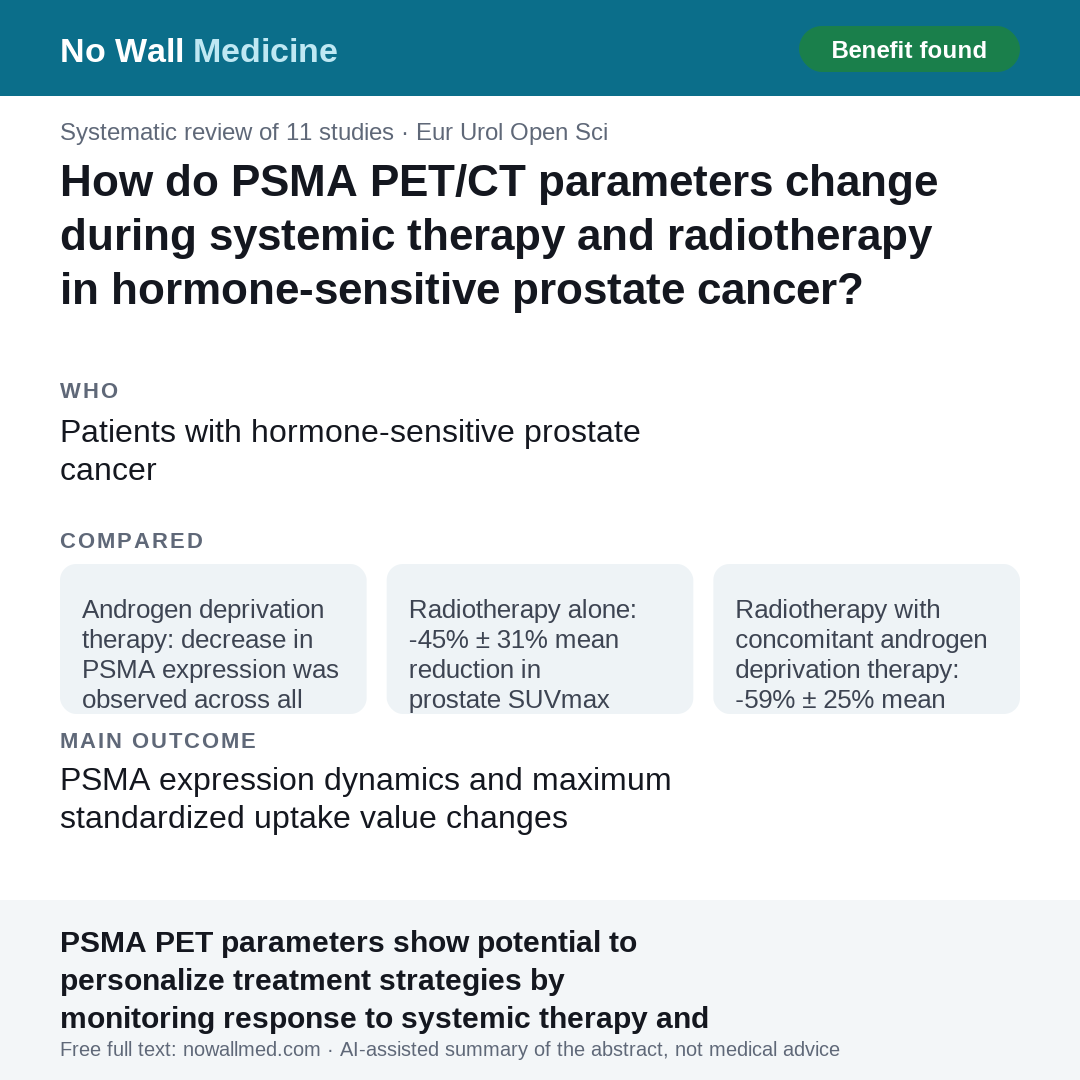
PSMA PET/CT Kinetics During Systemic Therapy and Radiotherapy in Hormone-sensitive Prostate Cancer: A Systematic Review
Systematic review of 11 studiesBenefit found
How do PSMA PET/CT parameters change during systemic therapy and radiotherapy in hormone-sensitive prostate cancer?
Who
Patients with hormone-sensitive prostate cancer
Compared
Androgen deprivation therapy: decrease in PSMA expression was observed across all disease sites
Radiotherapy alone: -45% ± 31% mean reduction in prostate SUVmax
Radiotherapy with concomitant androgen deprivation therapy: -59% ± 25% mean reduction in prostate SUVmax
Main outcome
PSMA expression dynamics and maximum standardized uptake value changes
Bottom line: PSMA PET parameters show potential to personalize treatment strategies by monitoring response to systemic therapy and radiotherapy.
Eur Urol Open Sci · 2026-09-21Download image
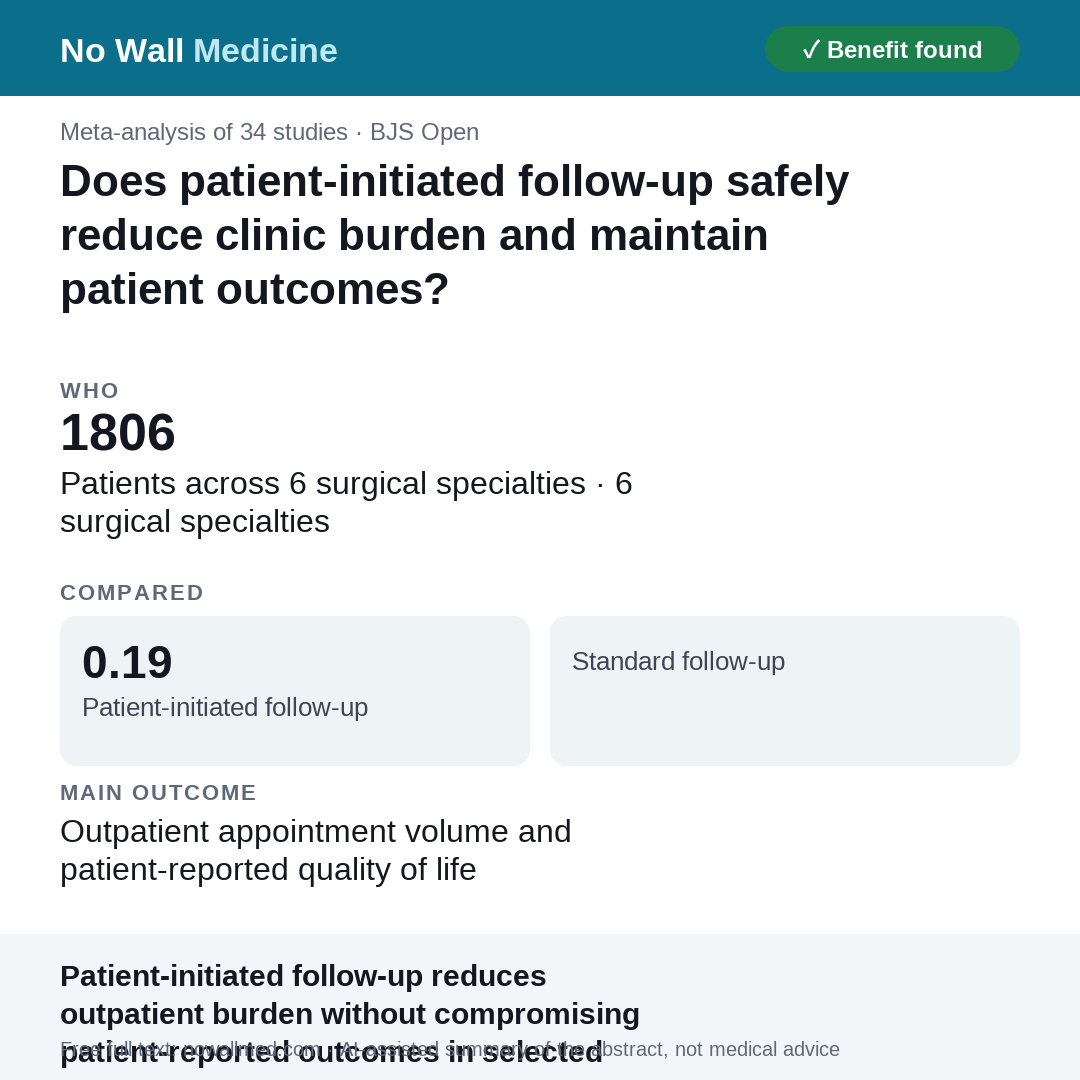
Patient-initiated follow-up in surgical specialties: meta-analysis and meta-regression
Meta-analysis of 34 studiesBenefit found
Does patient-initiated follow-up safely reduce clinic burden and maintain patient outcomes?
Who
1806
Patients across 6 surgical specialties · 6 surgical specialties
Compared
0.19Patient-initiated follow-up (95% confidence interval 0.09 to 0.36)
Standard follow-up
Main outcome
Outpatient appointment volume and patient-reported quality of life
Result: 0.19 (95% confidence interval 0.09 to 0.36)
Bottom line: Patient-initiated follow-up reduces outpatient burden without compromising patient-reported outcomes in selected surgical populations.
Limitation: Effects are dependent on the clinical context and pathway design.
BJS Open · 2026-09-21Download image
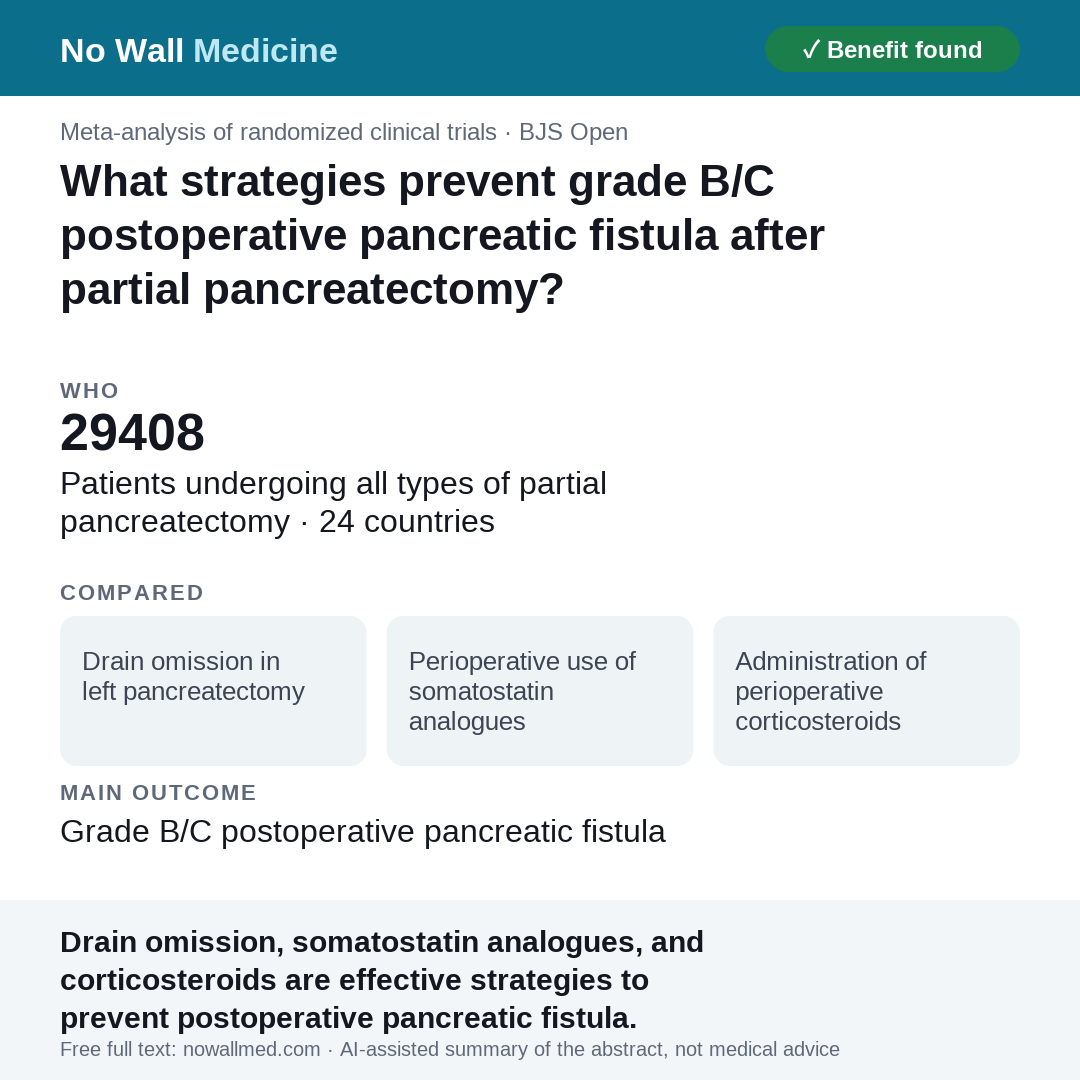
Preventing pancreatic fistula following pancreatectomy: meta-analysis of randomized clinical trials
Meta-analysis of randomized clinical trialsBenefit found
What strategies prevent grade B/C postoperative pancreatic fistula after partial pancreatectomy?
Who
29408
Patients undergoing all types of partial pancreatectomy · 24 countries
Compared
Drain omission in left pancreatectomy
Perioperative use of somatostatin analogues
Administration of perioperative corticosteroids
Main outcome
Grade B/C postoperative pancreatic fistula
Bottom line: Drain omission, somatostatin analogues, and corticosteroids are effective strategies to prevent postoperative pancreatic fistula.
Limitation: Current evidence remains immature and further randomized clinical trials are warranted.
BJS Open · 2026-09-21Download image
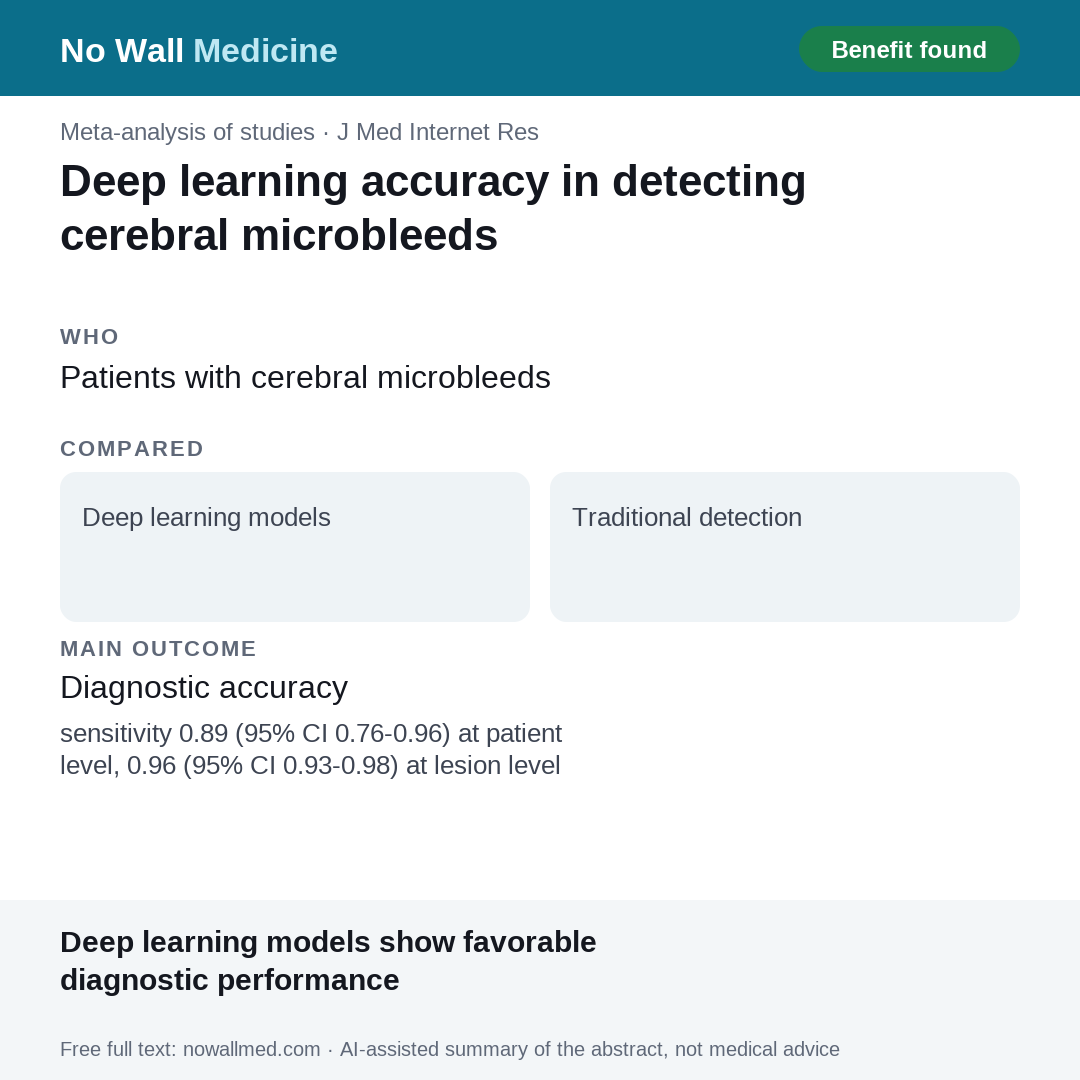
Accuracy of Deep Learning in Detecting Cerebral Microbleeds: Systematic Review and Meta-Analysis
Meta-analysis of studiesBenefit found
Deep learning accuracy in detecting cerebral microbleeds
Who
Patients with cerebral microbleeds
Compared
Deep learning models
Traditional detection
Main outcome
Diagnostic accuracy
Result: sensitivity 0.89 (95% CI 0.76-0.96) at patient level, 0.96 (95% CI 0.93-0.98) at lesion level
Bottom line: Deep learning models show favorable diagnostic performance
Limitation: small number of included studies
J Med Internet Res · 2026-09-21Download image
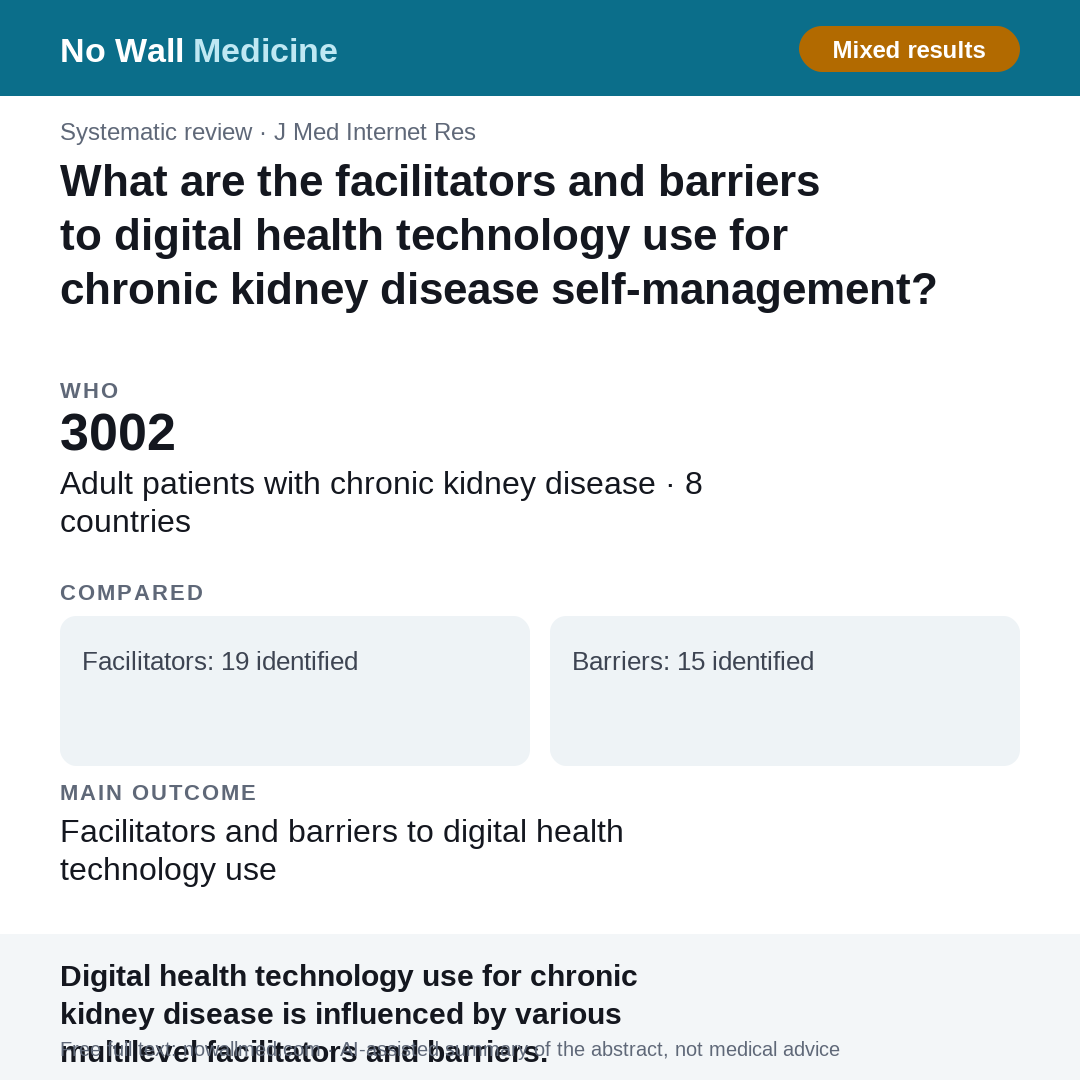
Facilitators and Barriers to Digital Health Technologies for Self-Management in Patients With Chronic Kidney Disease: Systematic Review Based on the Updated CFIR 2.0 Framework
Systematic reviewMixed results
What are the facilitators and barriers to digital health technology use for chronic kidney disease self-management?
Who
3002
Adult patients with chronic kidney disease · 8 countries
Compared
Facilitators: 19 identified
Barriers: 15 identified
Main outcome
Facilitators and barriers to digital health technology use
Bottom line: Digital health technology use for chronic kidney disease is influenced by various multilevel facilitators and barriers.
Limitation: Predominance of mixed methods, lack of longitudinal studies, and concentration in high-income countries.
J Med Internet Res · 2026-09-21Download image
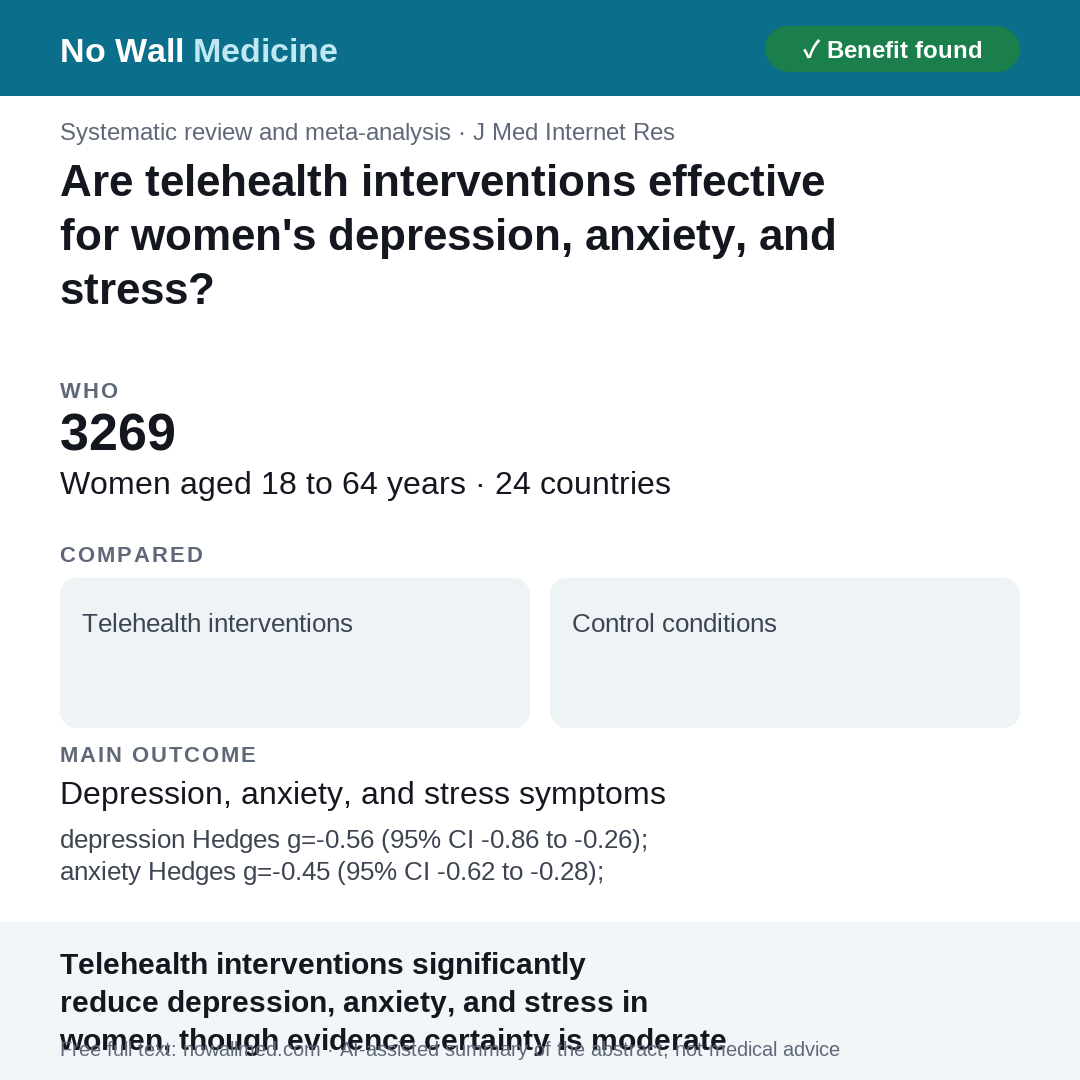
Effectiveness of Telehealth Care Interventions for Women's Mental Health During and After the COVID-19 Pandemic: Systematic Review and Meta-Analysis
Systematic review and meta-analysisBenefit found
Are telehealth interventions effective for women's depression, anxiety, and stress?
Who
3269
Women aged 18 to 64 years · 24 countries
Compared
Telehealth interventions
Control conditions
Main outcome
Depression, anxiety, and stress symptoms
Result: depression Hedges g=-0.56 (95% CI -0.86 to -0.26); anxiety Hedges g=-0.45 (95% CI -0.62 to -0.28); stress Hedges g=-0.25 (95% CI -0.47 to -0.04)
Bottom line: Telehealth interventions significantly reduce depression, anxiety, and stress in women, though evidence certainty is moderate due to heterogeneity.
Limitation: Evidence certainty was downgraded due to heterogeneity, risk of bias, and methodological limitations.
J Med Internet Res · 2026-09-21Download image