Visual abstracts
New randomized trials and meta-analyses from leading journals at a glance: who was studied, what was compared, and what was found. Every paper is free to read in full.
All specialtiesCardiology 856Oncology 770Gastroenterology & Hepatology 311Infectious Disease 626Neurology 353Psychiatry & Mental Health 431Pulmonology 372Critical Care 262Endocrinology & Diabetes 483Pediatrics 544Surgery 353Orthopedics & Sports Medicine 166Neurosurgery 115Cardiothoracic & Vascular Surgery 87Plastic & Reconstructive Surgery 144Nephrology 198Rheumatology 108Hematology 186Dermatology 82Ophthalmology 97Obstetrics & Gynecology 268Public & Global Health 168Radiology & Imaging 105Anesthesiology 131Urology 164ENT (Otolaryngology) 115Emergency Medicine 102Allergy & Immunology 58Geriatrics 160Family Medicine & Primary Care 111Medical Genetics & Genomics 91Pathology & Laboratory Medicine 27Physical Medicine & Rehabilitation 149Palliative Care 81Nutrition 223Digital Health & AI 462General Medicine 100
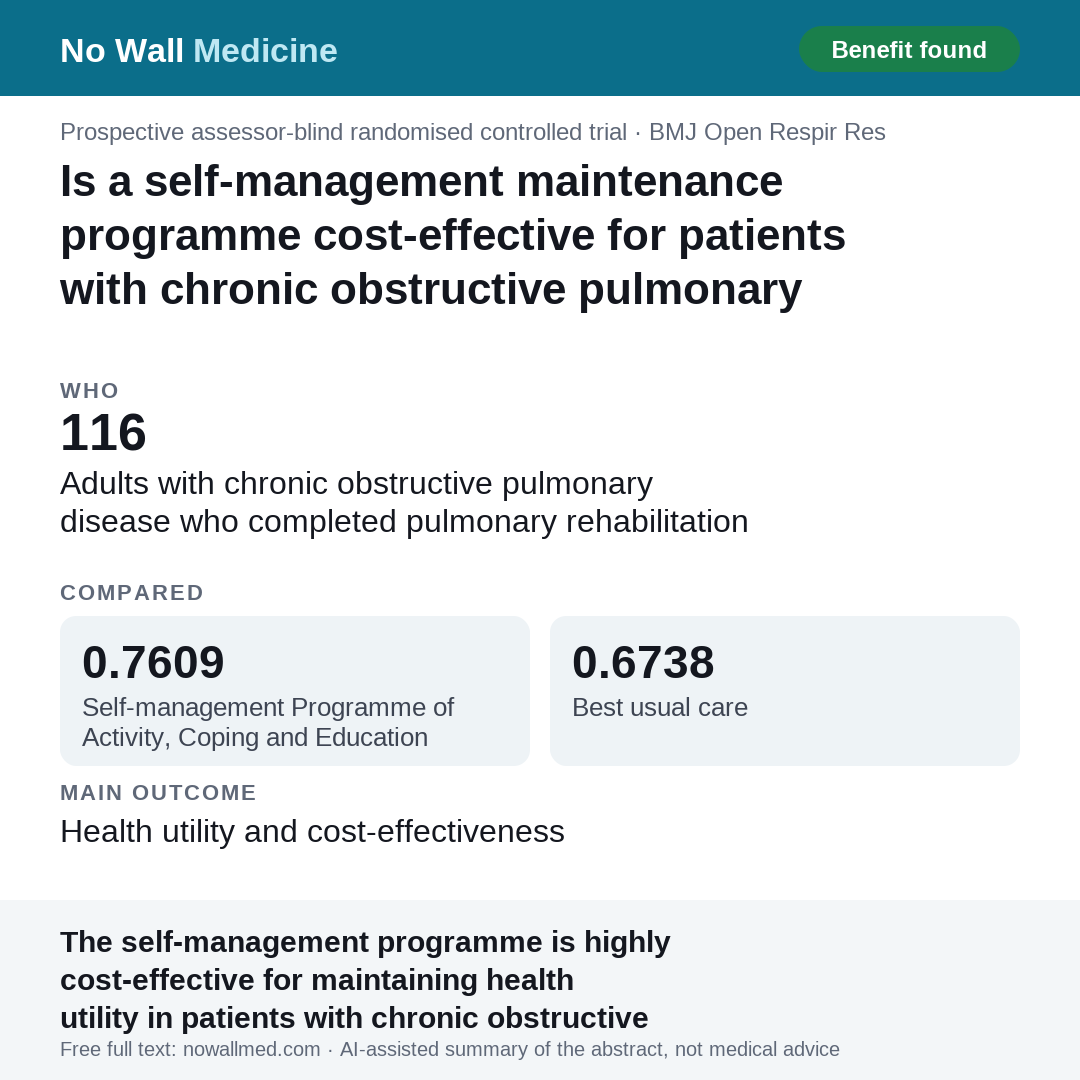
Cost-effectiveness of a self-management maintenance programme following pulmonary rehabilitation: a UK randomised controlled trial for patients with chronic obstructive pulmonary disease
Prospective assessor-blind randomised controlled trialBenefit found
Is a self-management maintenance programme cost-effective for patients with chronic obstructive pulmonary disease?
Who
116
Adults with chronic obstructive pulmonary disease who completed pulmonary rehabilitation · United Kingdom
Compared
0.7609Self-management Programme of Activity, Coping and Education (SE=0.0238)
0.6738Best usual care (SE=0.0348)
Main outcome
Health utility and cost-effectiveness
Result: 0.1178 advantage in mean quality-adjusted life-year values
Bottom line: The self-management programme is highly cost-effective for maintaining health utility in patients with chronic obstructive pulmonary disease.
Limitation: Future research should consider telerehabilitation and tailored digital support beyond 12 months.
BMJ Open Respir Res · 2025-12-04Download image
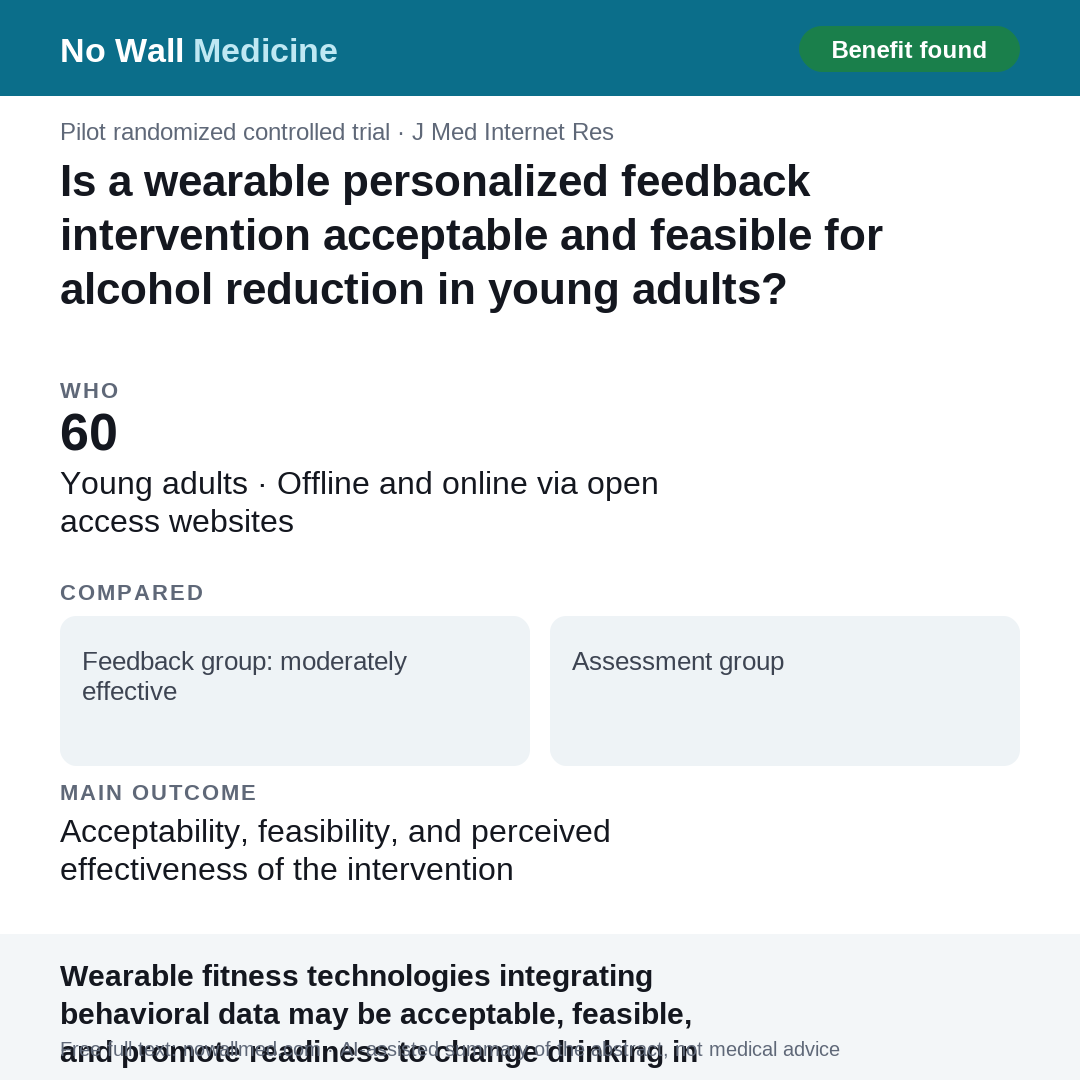
Oura Ring Behavioral Feedback Intervention for Alcohol Reduction in Young Adults: User Experience Evaluation of a Pilot Randomized Trial
Pilot randomized controlled trialBenefit found
Is a wearable personalized feedback intervention acceptable and feasible for alcohol reduction in young adults?
Who
60
Young adults · Offline and online via open access websites
Compared
Feedback group: moderately effective
Assessment group
Main outcome
Acceptability, feasibility, and perceived effectiveness of the intervention
Bottom line: Wearable fitness technologies integrating behavioral data may be acceptable, feasible, and promote readiness to change drinking in young adults.
J Med Internet Res · 2025-12-04Download image
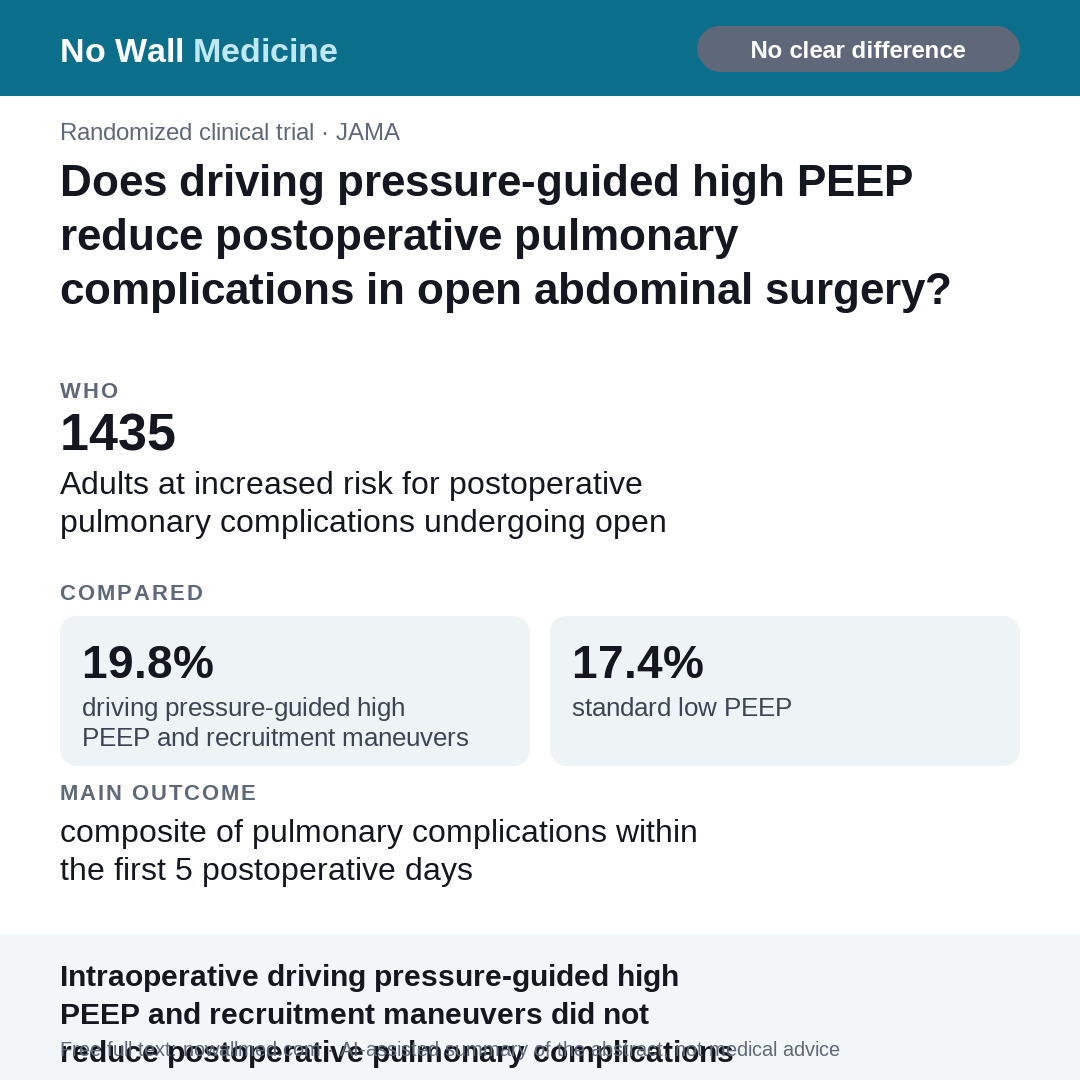
Intraoperative Driving Pressure-Guided High PEEP vs Standard Low PEEP for Postoperative Pulmonary Complications
Randomized clinical trialNo clear difference
Does driving pressure-guided high PEEP reduce postoperative pulmonary complications in open abdominal surgery?
Who
1435
Adults at increased risk for postoperative pulmonary complications undergoing open abdominal surgery · 29 sites in 5 countries across Europe
Compared
19.8%driving pressure-guided high PEEP and recruitment maneuvers (142/718)
17.4%standard low PEEP (125/717)
Main outcome
composite of pulmonary complications within the first 5 postoperative days
Result: absolute difference, 2.5% (95% CI, -1.5% to 6.4%)
Bottom line: Intraoperative driving pressure-guided high PEEP and recruitment maneuvers did not reduce postoperative pulmonary complications compared to standard low PEEP.
JAMA · 2025-12-03Download image
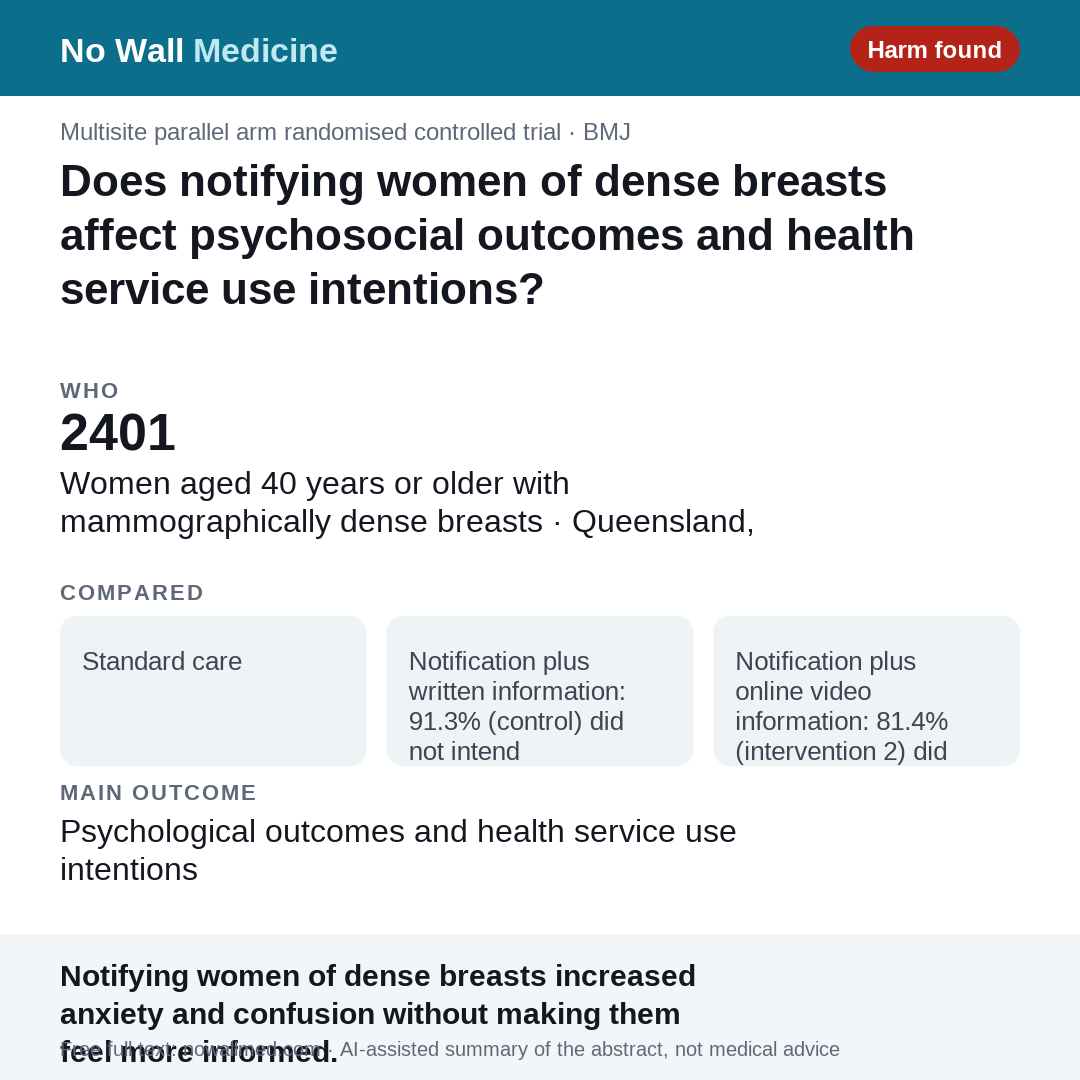
Impact of population based breast density notification: multisite parallel arm randomised controlled trial in BreastScreen
Multisite parallel arm randomised controlled trialHarm found
Does notifying women of dense breasts affect psychosocial outcomes and health service use intentions?
Who
2401
Women aged 40 years or older with mammographically dense breasts · Queensland, Australia
Compared
Standard care
Notification plus written information: 91.3% (control) did not intend supplemental screening
Notification plus online video information: 81.4% (intervention 2) did not intend supplemental screening
Main outcome
Psychological outcomes and health service use intentions
Bottom line: Notifying women of dense breasts increased anxiety and confusion without making them feel more informed.
BMJ · 2025-12-03Download image
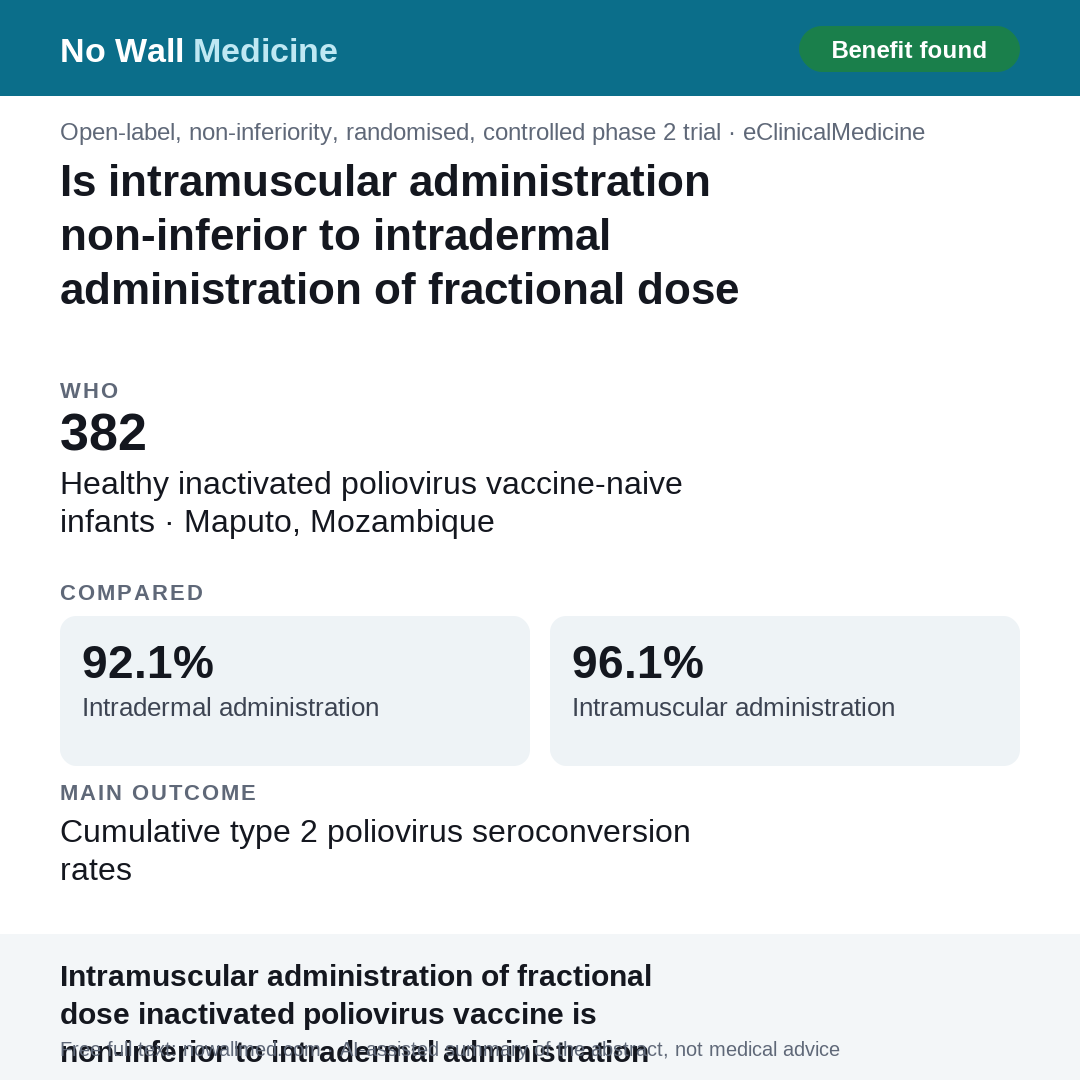
Intramuscular versus intradermal administration of fractional dose inactivated poliovirus vaccine in Mozambique, 2020-2022: an, open-label, non-inferiority, randomised, controlled phase 2 trial
Open-label, non-inferiority, randomised, controlled phase 2 trialBenefit found
Is intramuscular administration non-inferior to intradermal administration of fractional dose inactivated poliovirus vaccine?
Who
382
Healthy inactivated poliovirus vaccine-naive infants · Maputo, Mozambique
Compared
92.1%Intradermal administration (139/151, 95% CI 86.5-95.8)
96.1%Intramuscular administration (148/154, 95% CI 91.7-98.6)
Main outcome
Cumulative type 2 poliovirus seroconversion rates
Bottom line: Intramuscular administration of fractional dose inactivated poliovirus vaccine is non-inferior to intradermal administration in young infants.
Funded by: World Health Organization
eClinicalMedicine · 2025-12-03Download image
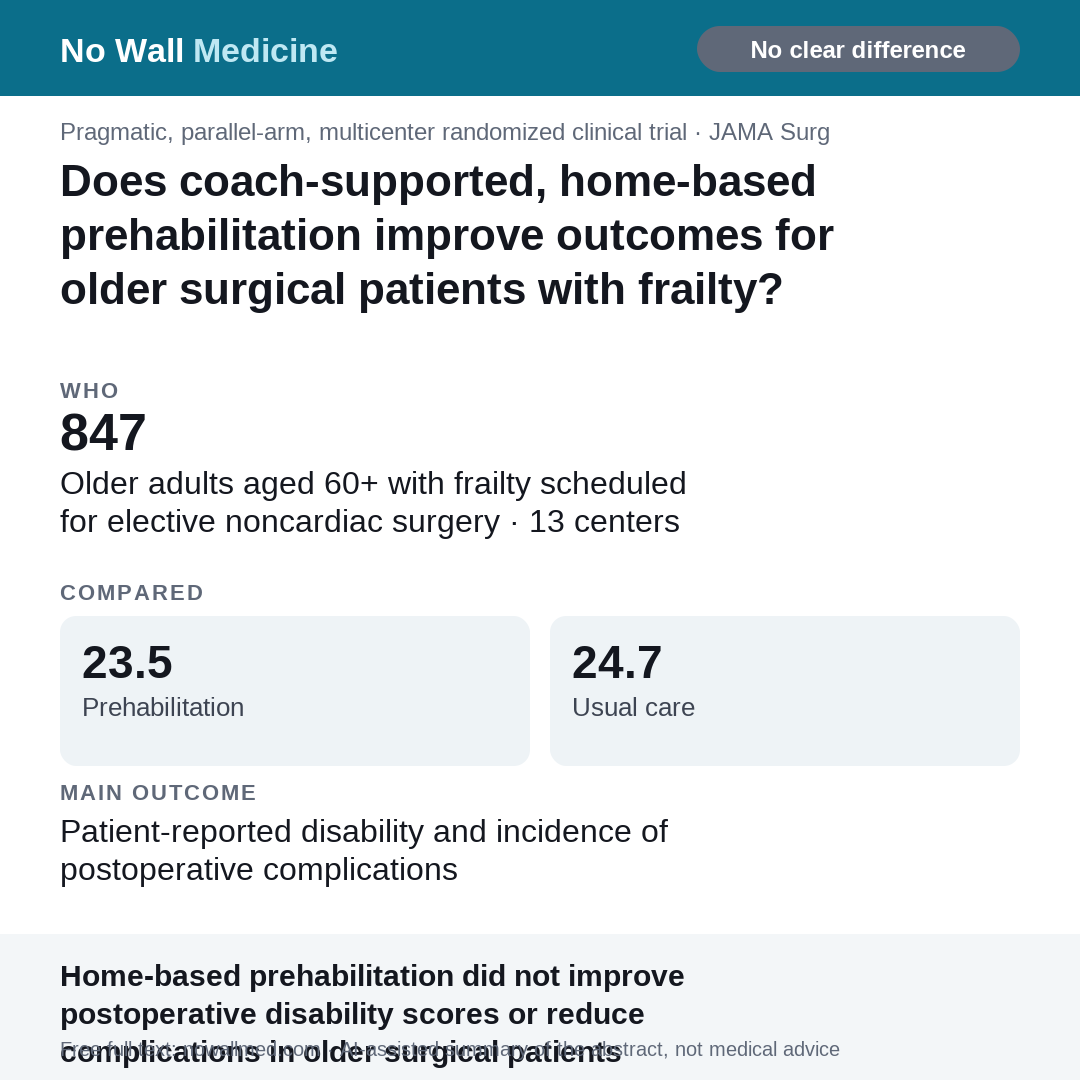
Home-Based Prehabilitation for Older Surgical Patients With Frailty: A Randomized Clinical Trial
Pragmatic, parallel-arm, multicenter randomized clinical trialNo clear difference
Does coach-supported, home-based prehabilitation improve outcomes for older surgical patients with frailty?
Who
847
Older adults aged 60+ with frailty scheduled for elective noncardiac surgery · 13 centers in Canada
Compared
23.5Prehabilitation (21.8)
24.7Usual care (23.8)
Main outcome
Patient-reported disability and incidence of postoperative complications
Result: adjusted mean difference, -1.4; 97.5% CI, -4.9 to 2.0
Bottom line: Home-based prehabilitation did not improve postoperative disability scores or reduce complications in older surgical patients with frailty.
JAMA Surg · 2025-12-03Download image
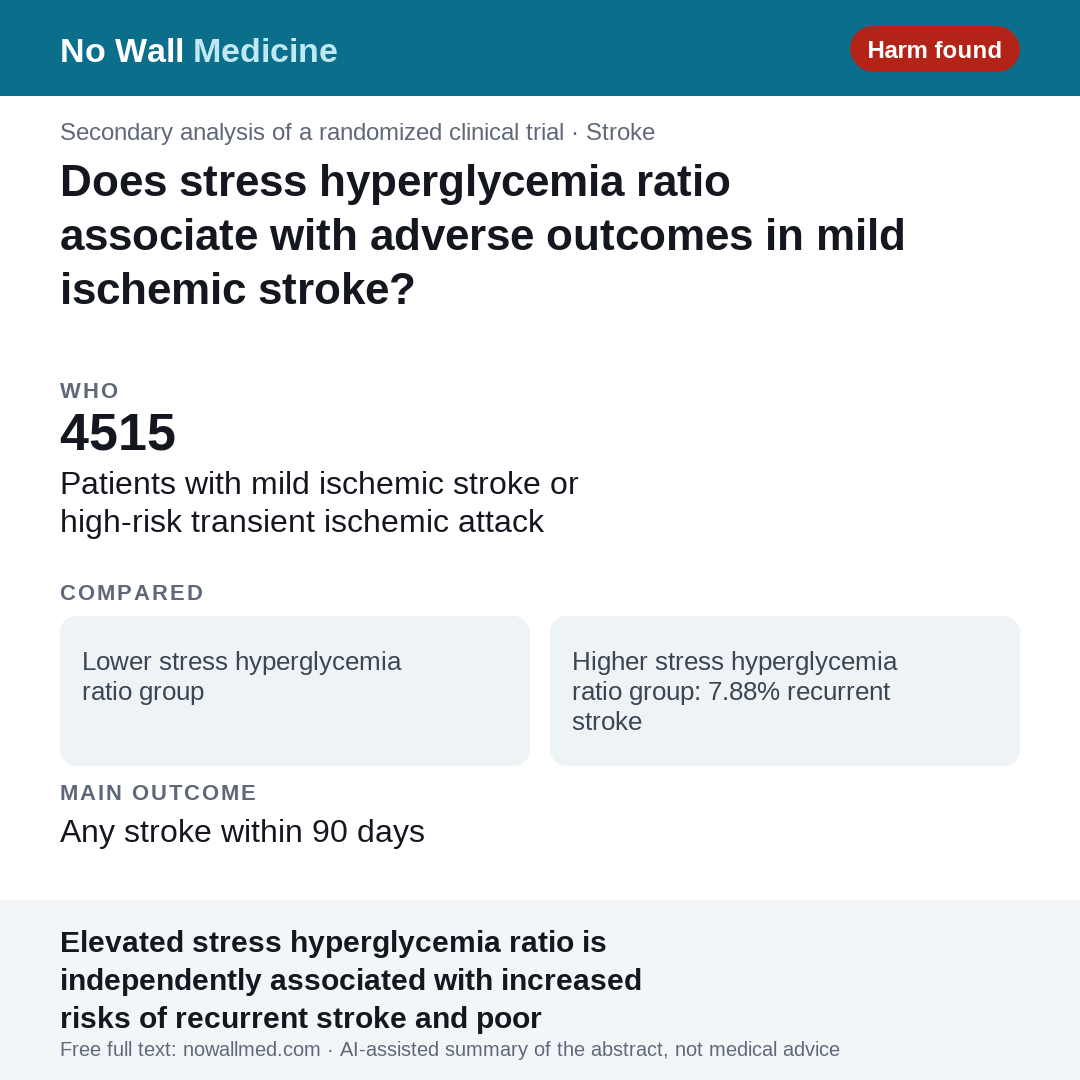
Stress Hyperglycemia Ratio and Adverse Outcomes in Acute Mild Ischemic Stroke or High-Risk Transient Ischemic Attack: A Secondary Analysis of the INSPIRES Trial
Secondary analysis of a randomized clinical trialHarm found
Does stress hyperglycemia ratio associate with adverse outcomes in mild ischemic stroke?
Who
4515
Patients with mild ischemic stroke or high-risk transient ischemic attack
Compared
Lower stress hyperglycemia ratio group
Higher stress hyperglycemia ratio group: 7.88% recurrent stroke
Main outcome
Any stroke within 90 days
Result: hazard ratio 1.84 (95% CI 1.30-2.61)
Bottom line: Elevated stress hyperglycemia ratio is independently associated with increased risks of recurrent stroke and poor functional outcomes.
Stroke · 2025-12-03Download image
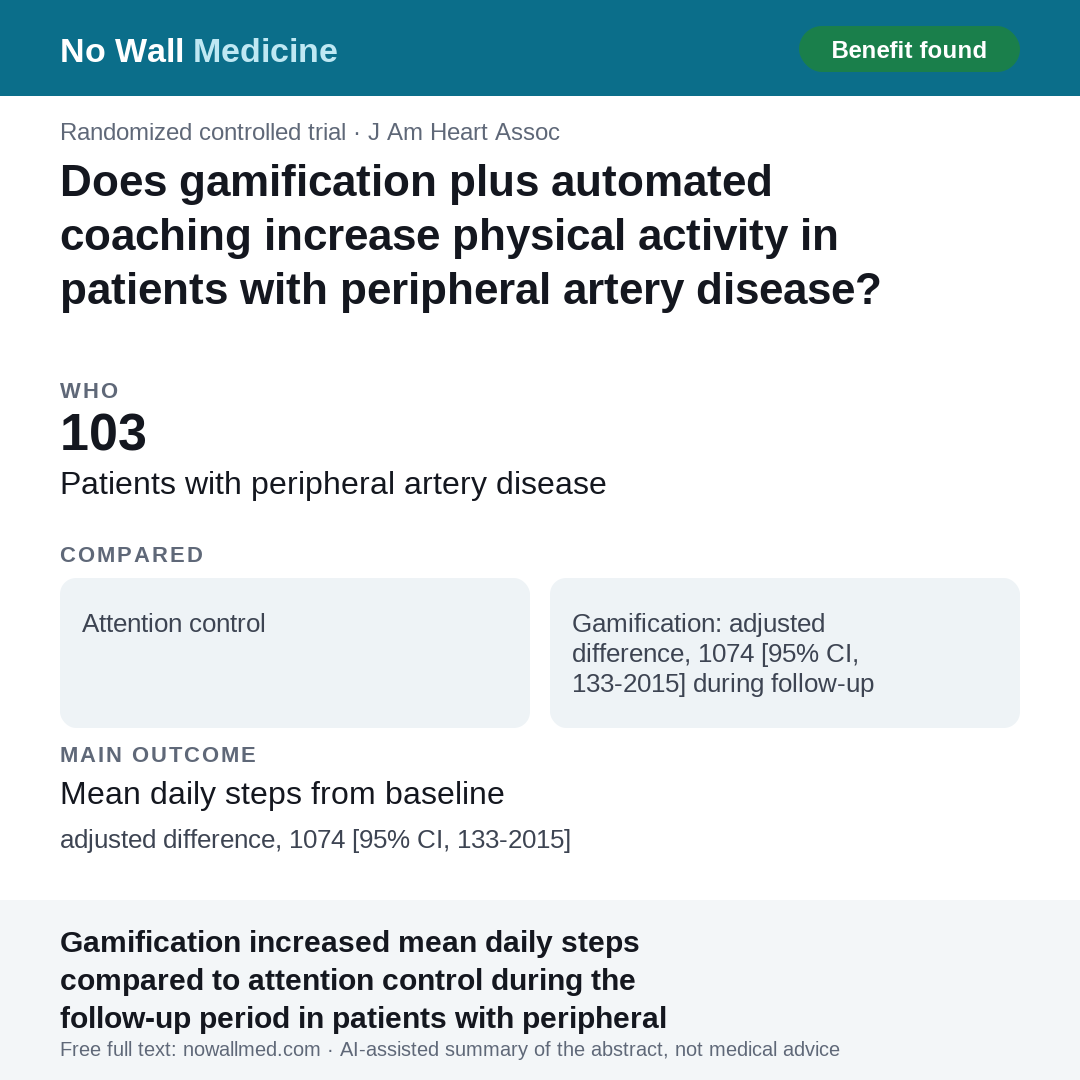
Effect of Gamification Plus Automated Coaching to Increase Physical Activity Among Patients With Peripheral Artery Disease: The GAMEPAD Randomized Controlled Trial
Randomized controlled trialBenefit found
Does gamification plus automated coaching increase physical activity in patients with peripheral artery disease?
Who
103
Patients with peripheral artery disease
Compared
Attention control
Gamification: adjusted difference, 1074 [95% CI, 133-2015] during follow-up
Main outcome
Mean daily steps from baseline
Result: adjusted difference, 1074 [95% CI, 133-2015]
Bottom line: Gamification increased mean daily steps compared to attention control during the follow-up period in patients with peripheral artery disease.
J Am Heart Assoc · 2025-12-03Download image
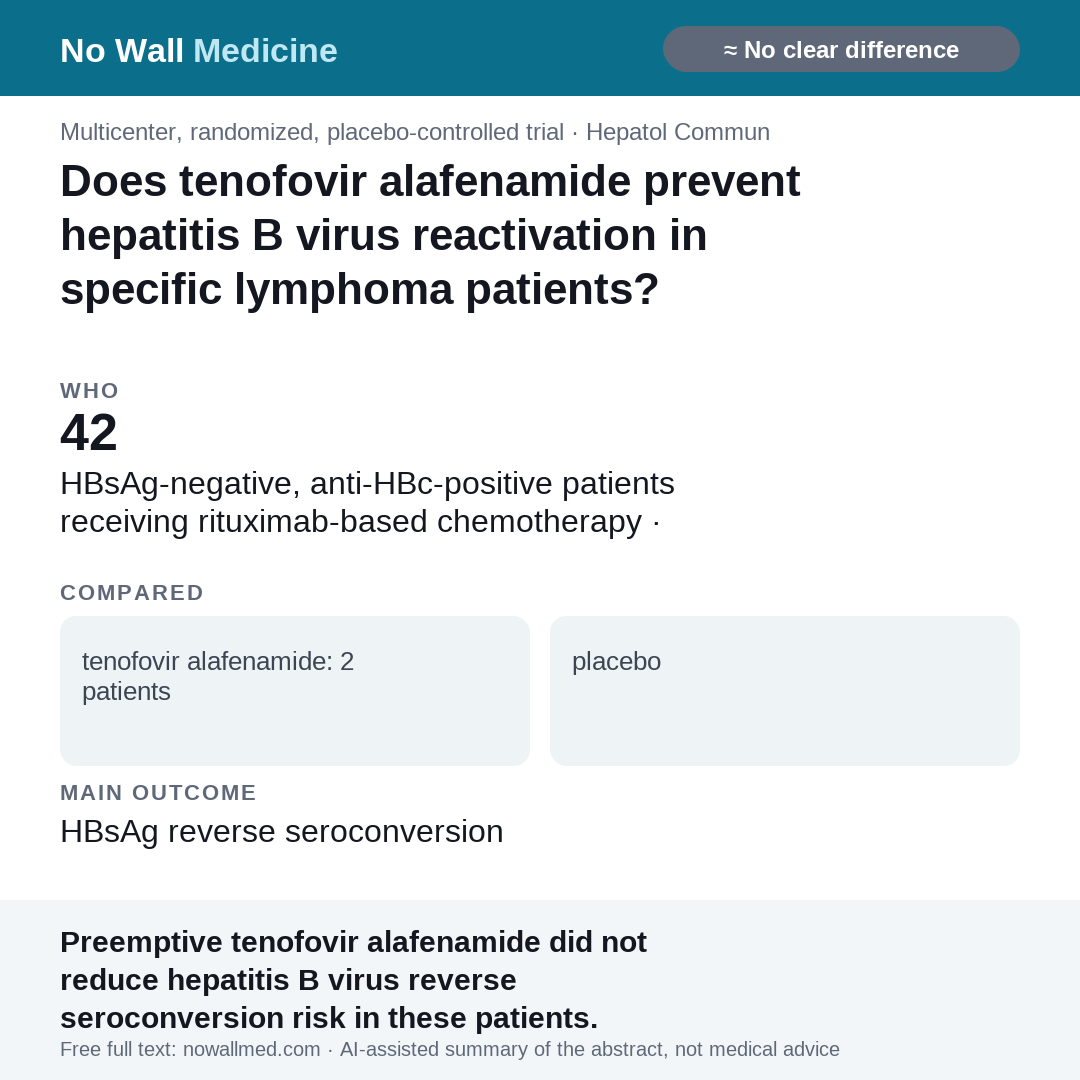
Tenofovir alafenamide for prevention of HBV reactivation in HBsAg-negative, anti-HBc-positive patients undergoing rituximab-based chemotherapy: A multicenter randomized controlled trial
Multicenter, randomized, placebo-controlled trialNo clear difference
Does tenofovir alafenamide prevent hepatitis B virus reactivation in specific lymphoma patients?
Who
42
HBsAg-negative, anti-HBc-positive patients receiving rituximab-based chemotherapy · multicenter
Compared
tenofovir alafenamide: 2 patients
placebo
Main outcome
HBsAg reverse seroconversion
Bottom line: Preemptive tenofovir alafenamide did not reduce hepatitis B virus reverse seroconversion risk in these patients.
Limitation: The study was underpowered due to slow enrolment leading to early termination.
Hepatol Commun · 2025-12-03Download image
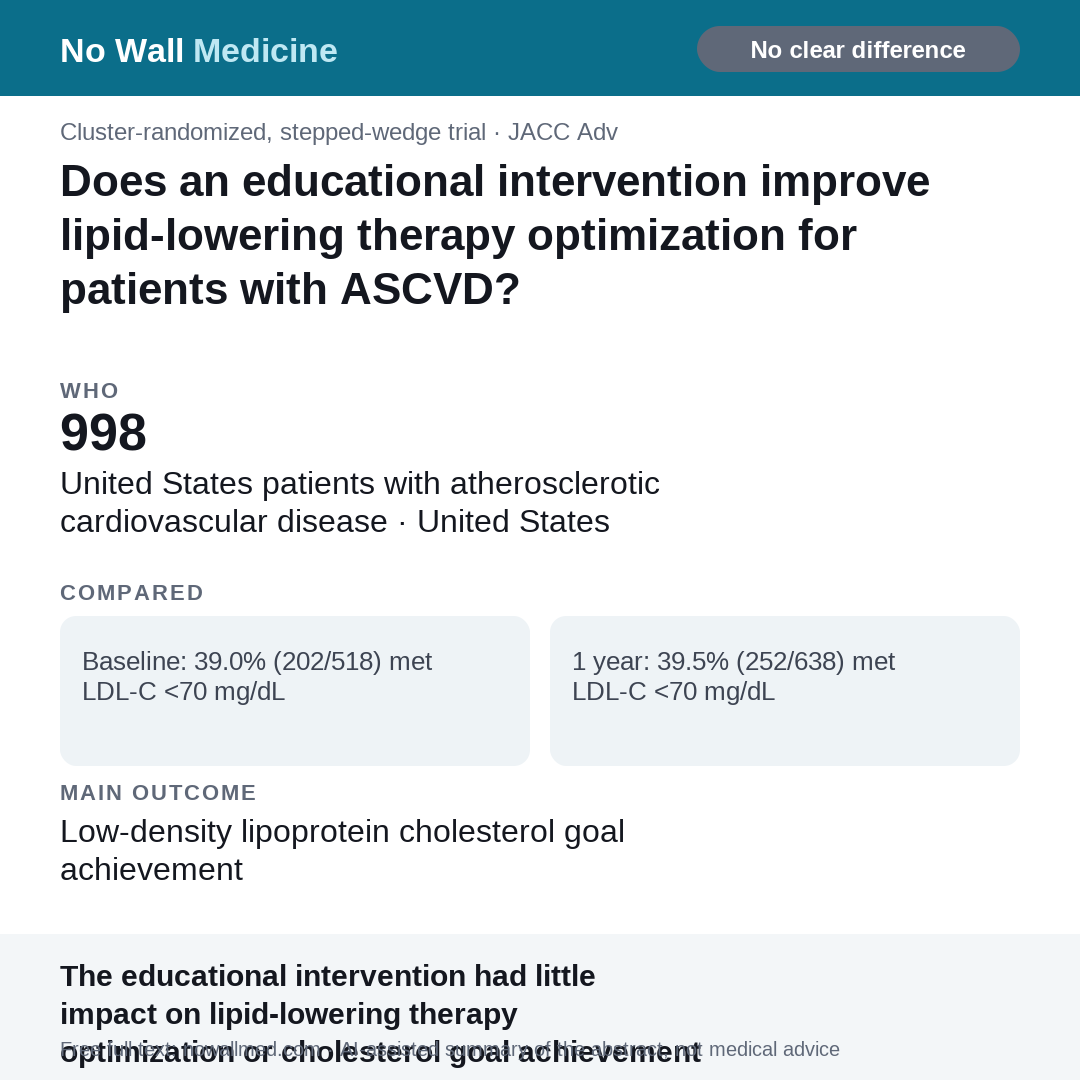
GOULD EDU: Cluster-Randomized Trial of an Educational Intervention to Improve Lipid-Lowering Guideline Adherence
Cluster-randomized, stepped-wedge trialNo clear difference
Does an educational intervention improve lipid-lowering therapy optimization for patients with ASCVD?
Who
998
United States patients with atherosclerotic cardiovascular disease · United States
Compared
Baseline: 39.0% (202/518) met LDL-C <70 mg/dL
1 year: 39.5% (252/638) met LDL-C <70 mg/dL
Main outcome
Low-density lipoprotein cholesterol goal achievement
Bottom line: The educational intervention had little impact on lipid-lowering therapy optimization or cholesterol goal achievement over one year.
JACC Adv · 2025-12-03Download image
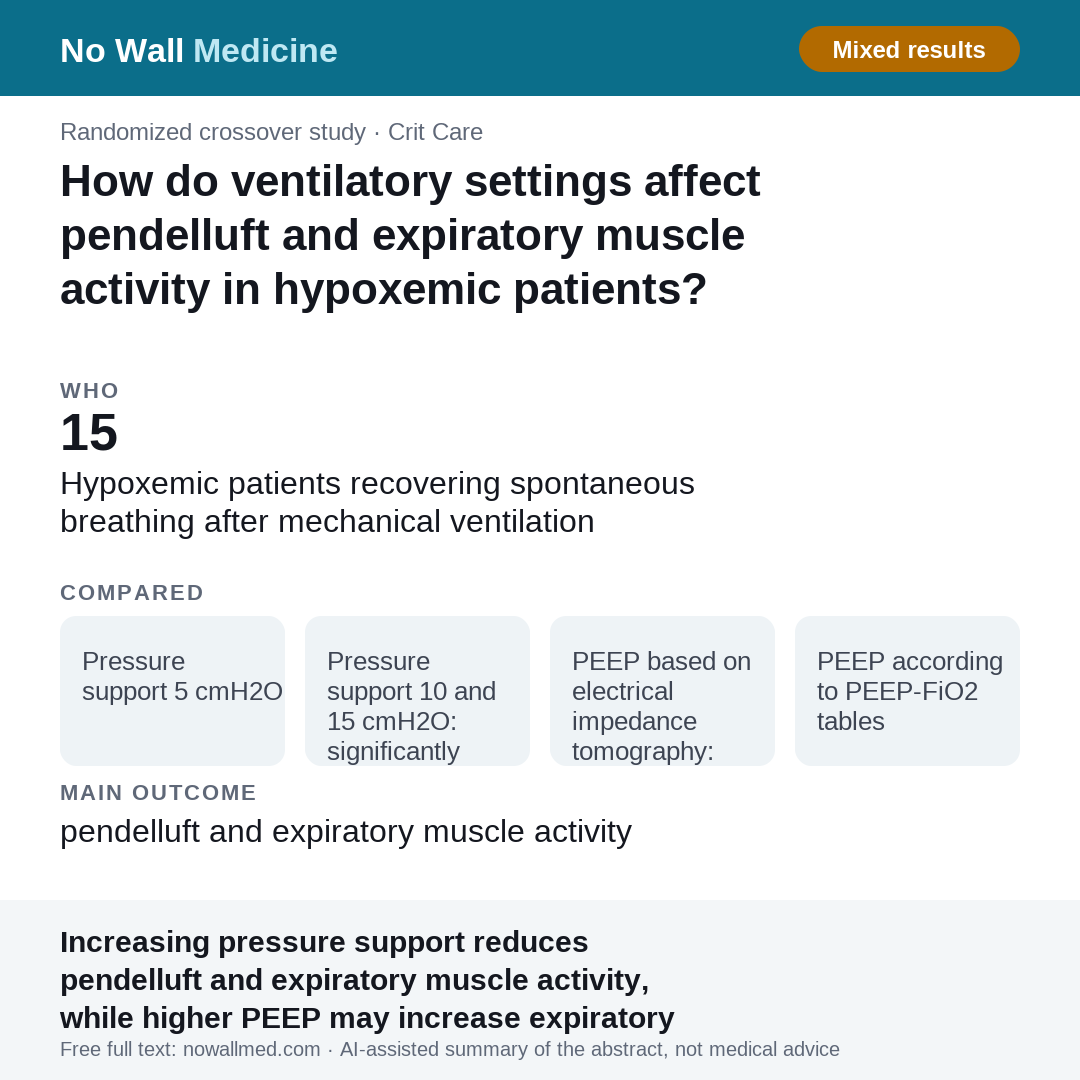
Influence of ventilatory settings on pendelluft and expiratory muscle activity in hypoxemic patients resuming spontaneous breathing
Randomized crossover studyMixed results
How do ventilatory settings affect pendelluft and expiratory muscle activity in hypoxemic patients?
Who
15
Hypoxemic patients recovering spontaneous breathing after mechanical ventilation
Compared
Pressure support 5 cmH2O
Pressure support 10 and 15 cmH2O: significantly reduced both pendelluft and ΔPgaEXP
PEEP based on electrical impedance tomography: slight reduction in pendelluft and increase in ΔPgaEXP
PEEP according to PEEP-FiO2 tables
Main outcome
pendelluft and expiratory muscle activity
Bottom line: Increasing pressure support reduces pendelluft and expiratory muscle activity, while higher PEEP may increase expiratory activity.
Crit Care · 2025-12-03Download image
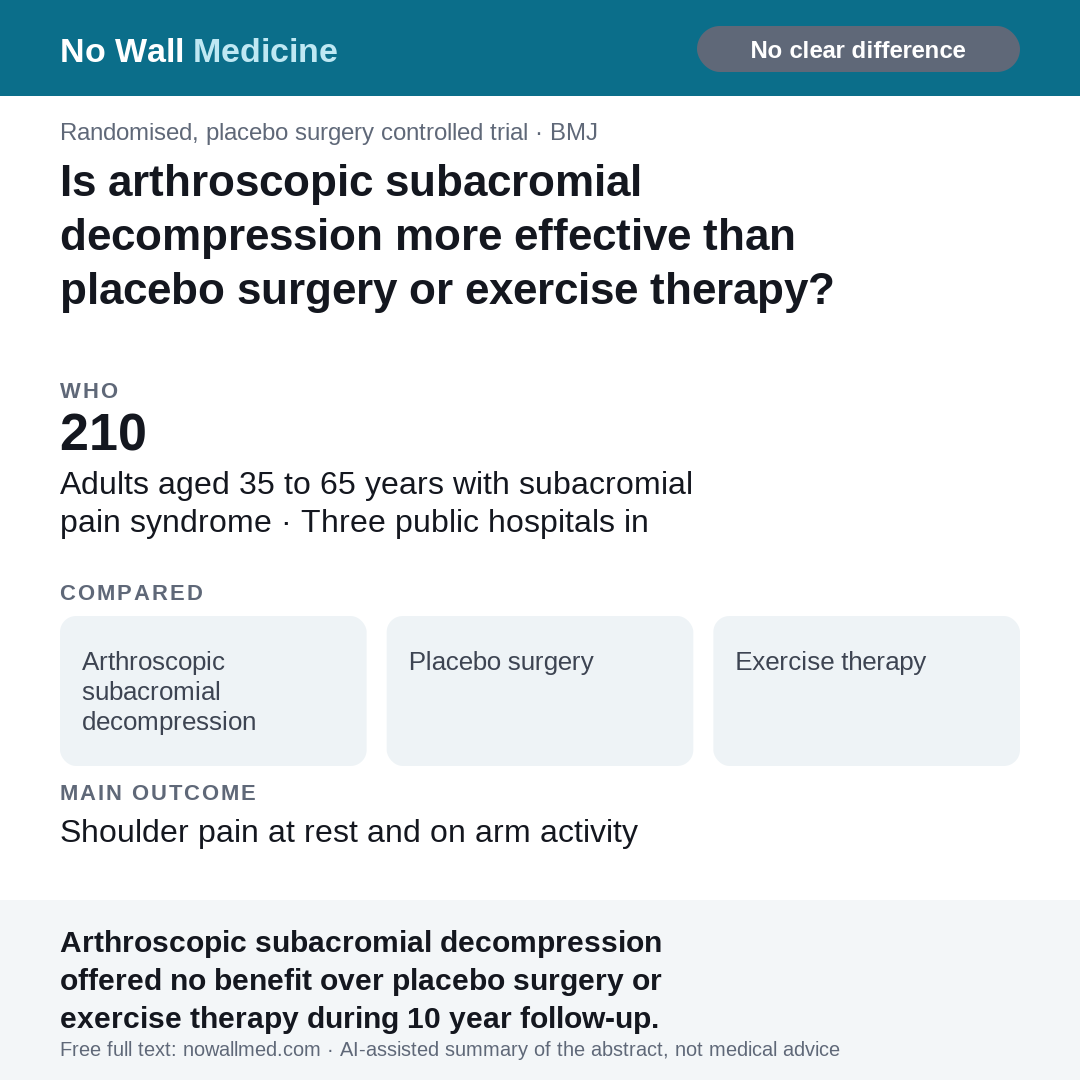
Arthroscopic subacromial decompression versus placebo surgery for subacromial pain syndrome: 10 year follow-up of the FIMPACT randomised, placebo surgery controlled trial
Randomised, placebo surgery controlled trialNo clear difference
Is arthroscopic subacromial decompression more effective than placebo surgery or exercise therapy?
Who
210
Adults aged 35 to 65 years with subacromial pain syndrome · Three public hospitals in Finland
Compared
Arthroscopic subacromial decompression
Placebo surgery
Exercise therapy
Main outcome
Shoulder pain at rest and on arm activity
Result: -1.5 points (95% CI -8.6 to 5.6) for rest pain
Bottom line: Arthroscopic subacromial decompression offered no benefit over placebo surgery or exercise therapy during 10 year follow-up.
BMJ · 2025-12-02Download image
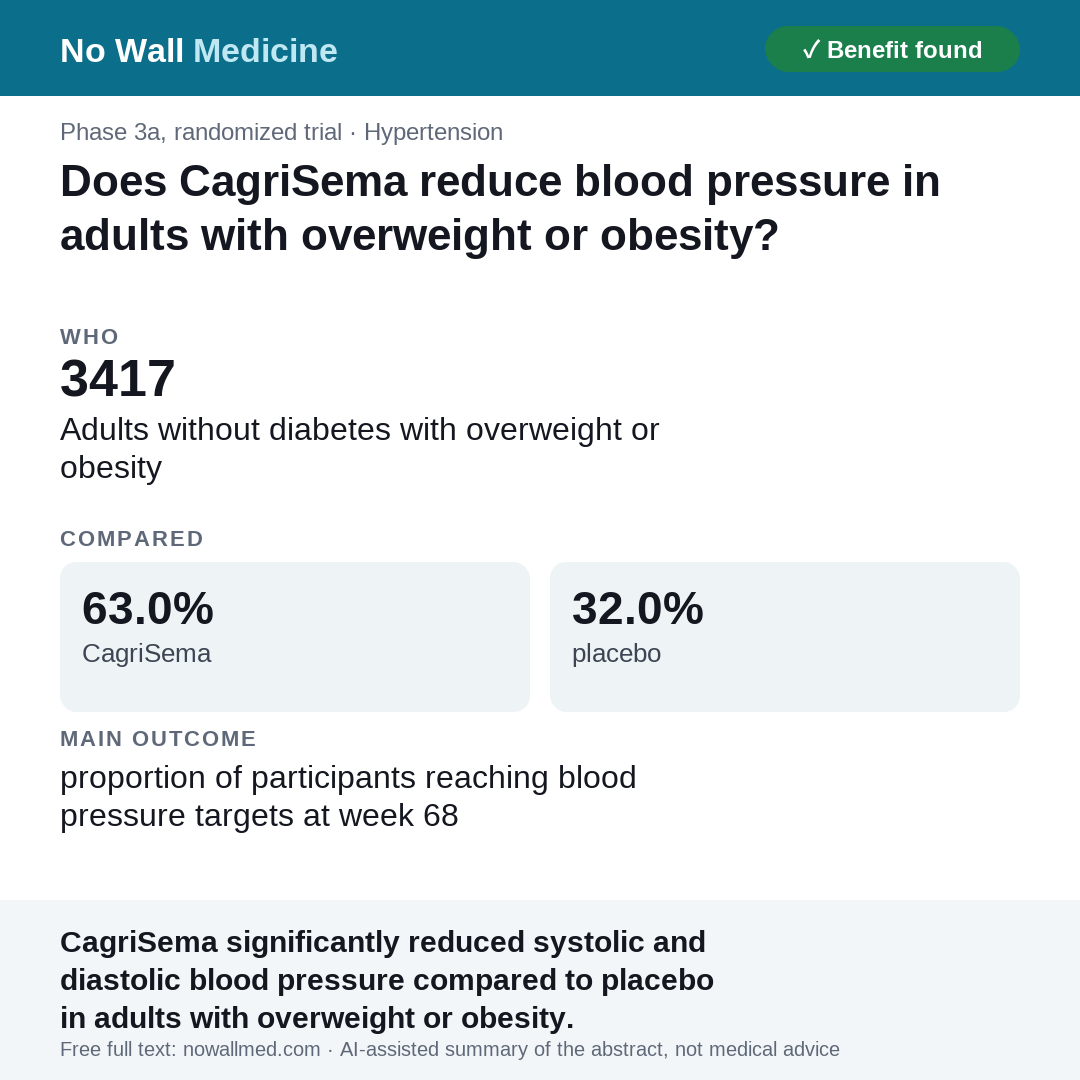
CagriSema Reduces Blood Pressure in Adults With Overweight or Obesity: REDEFINE 1
Phase 3a, randomized trialBenefit found
Does CagriSema reduce blood pressure in adults with overweight or obesity?
Who
3417
Adults without diabetes with overweight or obesity
Compared
63.0%CagriSema
32.0%placebo
Main outcome
proportion of participants reaching blood pressure targets at week 68
Result: odds ratio, 1.7 (95% CI, 0.7-4.4)
Bottom line: CagriSema significantly reduced systolic and diastolic blood pressure compared to placebo in adults with overweight or obesity.
Hypertension · 2025-12-02Download image
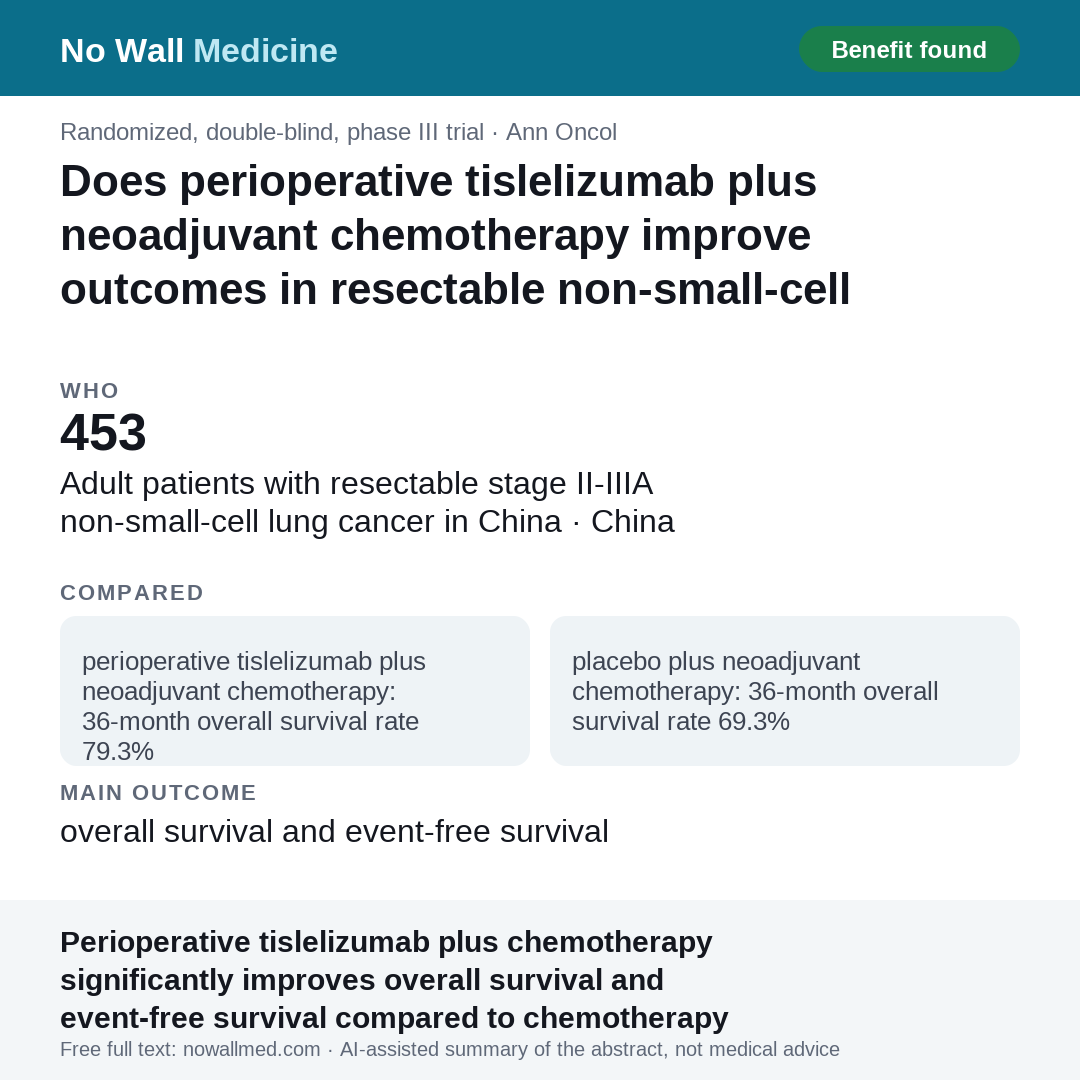
Perioperative tislelizumab plus neoadjuvant chemotherapy for patients with resectable non-small-cell lung cancer: final analysis of the randomized RATIONALE-315 trial
Randomized, double-blind, phase III trialBenefit found
Does perioperative tislelizumab plus neoadjuvant chemotherapy improve outcomes in resectable non-small-cell lung cancer?
Who
453
Adult patients with resectable stage II-IIIA non-small-cell lung cancer in China · China
Compared
perioperative tislelizumab plus neoadjuvant chemotherapy: 36-month overall survival rate 79.3%
placebo plus neoadjuvant chemotherapy: 36-month overall survival rate 69.3%
Main outcome
overall survival and event-free survival
Result: hazard ratio 0.65 (95% CI 0.45-0.93)
Bottom line: Perioperative tislelizumab plus chemotherapy significantly improves overall survival and event-free survival compared to chemotherapy alone.
Ann Oncol · 2025-12-02Download image
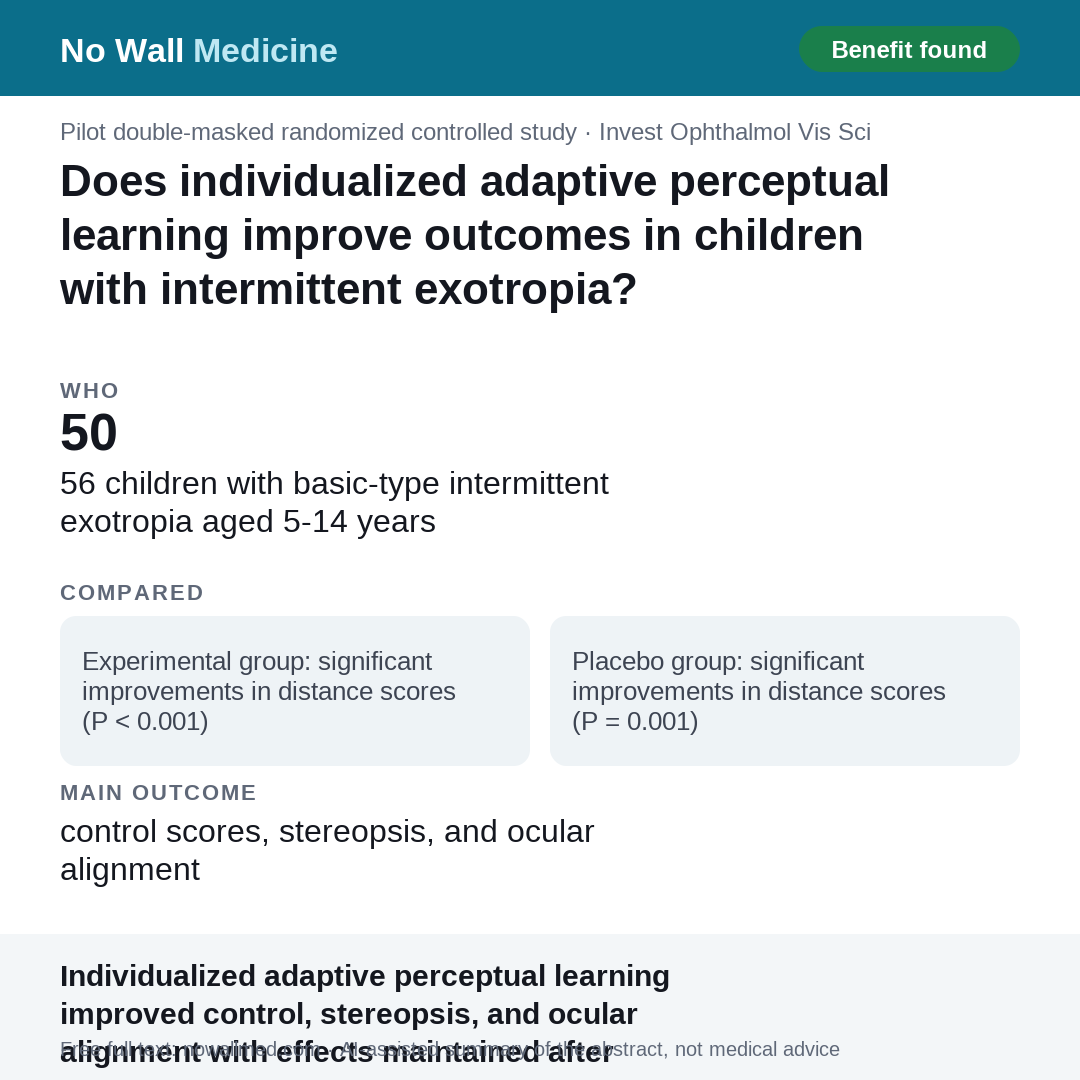
Perceptual Learning Based on Adaptive Contrast Detection Training for Intermittent Exotropia: A Pilot Double-Masked Randomized Controlled Study
Pilot double-masked randomized controlled studyBenefit found
Does individualized adaptive perceptual learning improve outcomes in children with intermittent exotropia?
Who
50
56 children with basic-type intermittent exotropia aged 5-14 years
Compared
Experimental group: significant improvements in distance scores (P < 0.001)
Placebo group: significant improvements in distance scores (P = 0.001)
Main outcome
control scores, stereopsis, and ocular alignment
Bottom line: Individualized adaptive perceptual learning improved control, stereopsis, and ocular alignment with effects maintained after treatment cessation.
Invest Ophthalmol Vis Sci · 2025-12-02Download image
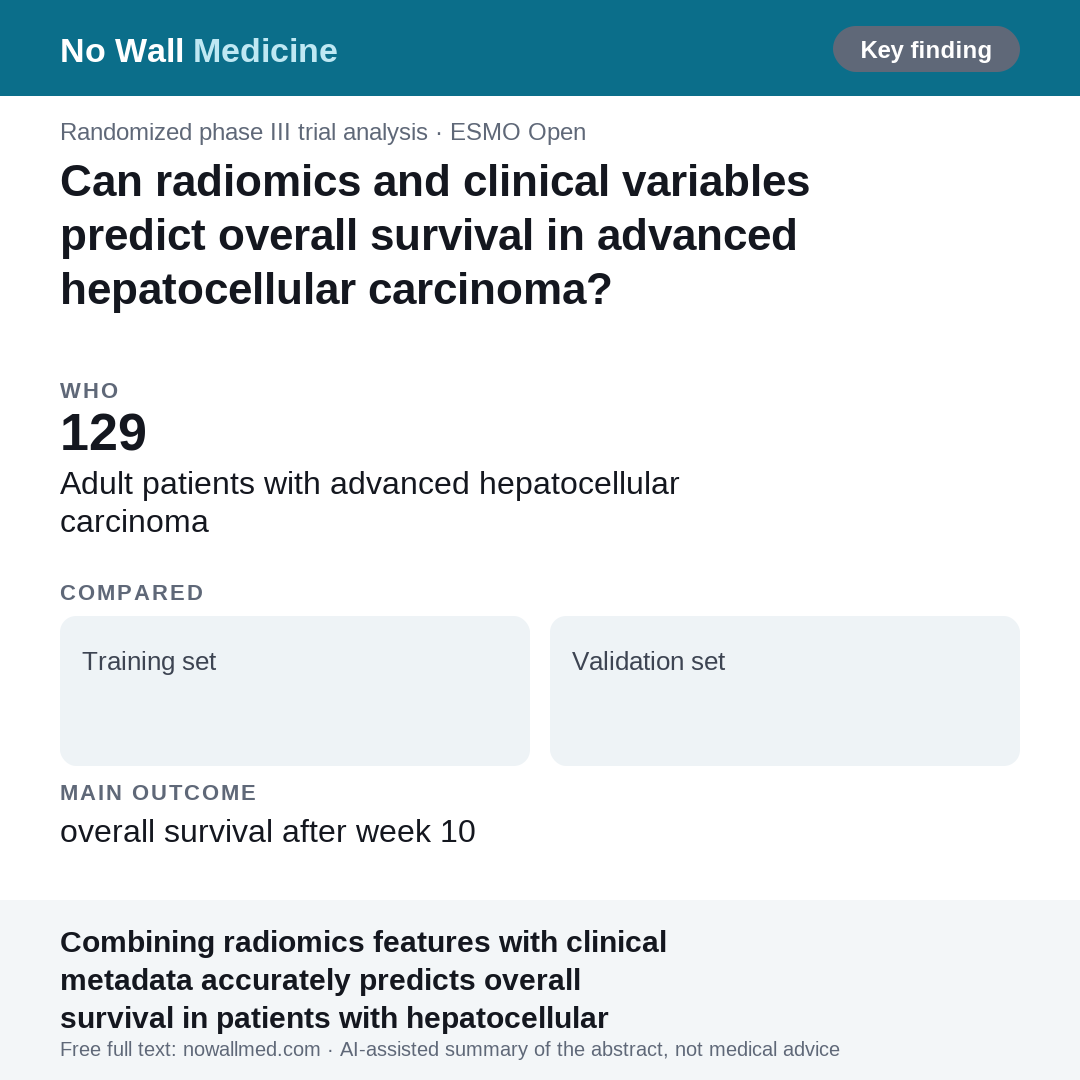
Radiomic signatures to estimate survival in patients with advanced hepatocellular carcinoma treated with sorafenib: Cancer and Leukemia Group B 80802 (Alliance)
Randomized phase III trial analysisBenefit found
Can radiomics and clinical variables predict overall survival in advanced hepatocellular carcinoma?
Who
129
Adult patients with advanced hepatocellular carcinoma
Compared
Training set
Validation set
Main outcome
overall survival after week 10
Result: hazard ratio 2398 (95% confidence interval 121-47 371)
Bottom line: Combining radiomics features with clinical metadata accurately predicts overall survival in patients with hepatocellular carcinoma receiving sorafenib.
ESMO Open · 2025-12-02Download image
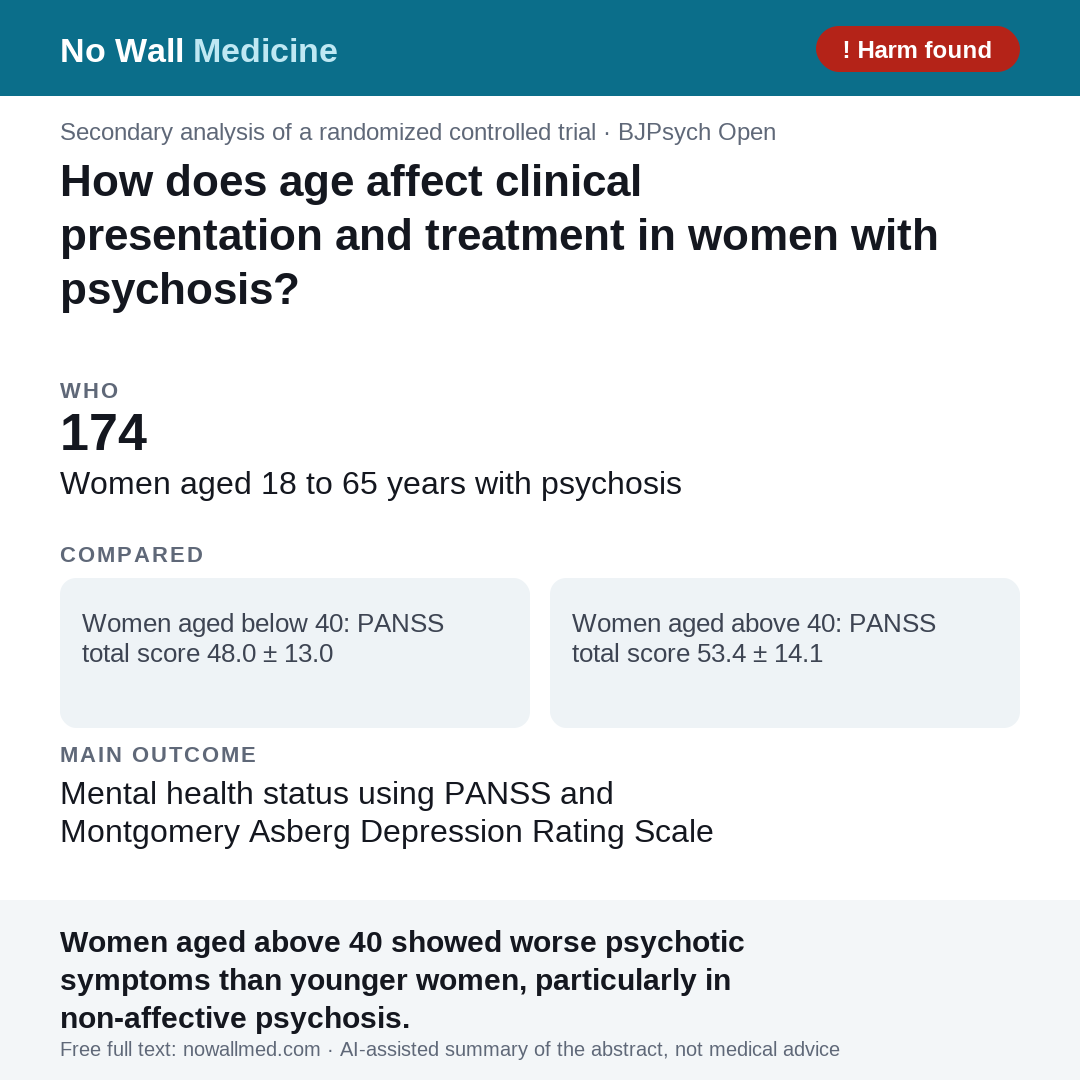
The effect of age on the clinical presentation and treatment of women with psychosis: secondary analysis of the IMPaCT Randomised Clinical Trial
Secondary analysis of a randomized controlled trialHarm found
How does age affect clinical presentation and treatment in women with psychosis?
Who
174
Women aged 18 to 65 years with psychosis
Compared
Women aged below 40: PANSS total score 48.0 ± 13.0
Women aged above 40: PANSS total score 53.4 ± 14.1
Main outcome
Mental health status using PANSS and Montgomery Asberg Depression Rating Scale
Bottom line: Women aged above 40 showed worse psychotic symptoms than younger women, particularly in non-affective psychosis.
BJPsych Open · 2025-12-02Download image
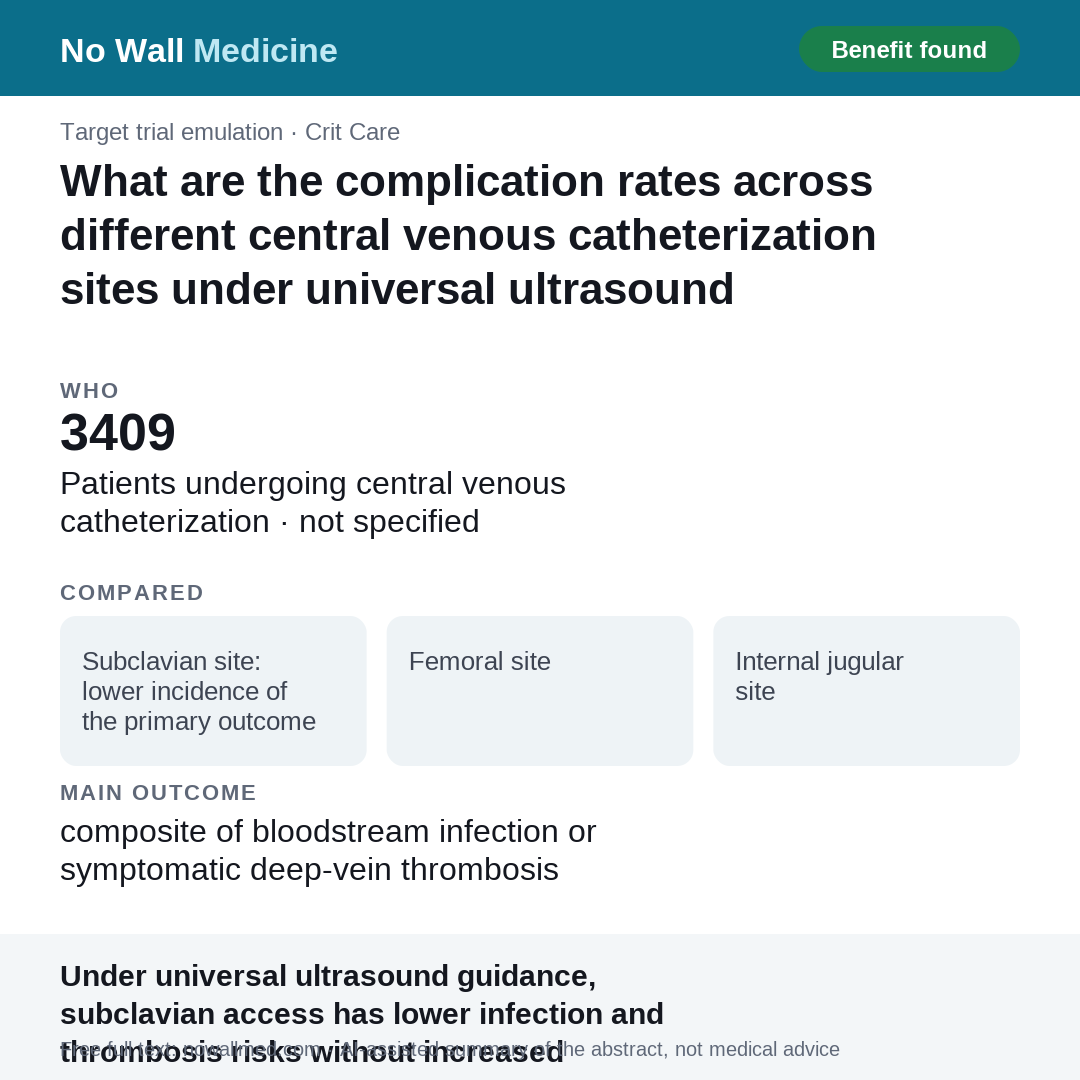
Site-specific complications of central venous catheterization under systematic ultrasound guidance: a target trial emulation revisiting the 3SITES study
Target trial emulationBenefit found
What are the complication rates across different central venous catheterization sites under universal ultrasound guidance?
Who
3409
Patients undergoing central venous catheterization · not specified
Compared
Subclavian site: lower incidence of the primary outcome
Femoral site
Internal jugular site
Main outcome
composite of bloodstream infection or symptomatic deep-vein thrombosis
Bottom line: Under universal ultrasound guidance, subclavian access has lower infection and thrombosis risks without increased mechanical complications.
Limitation: The study is a target trial emulation of the 3SITES dataset.
Crit Care · 2025-12-02Download image
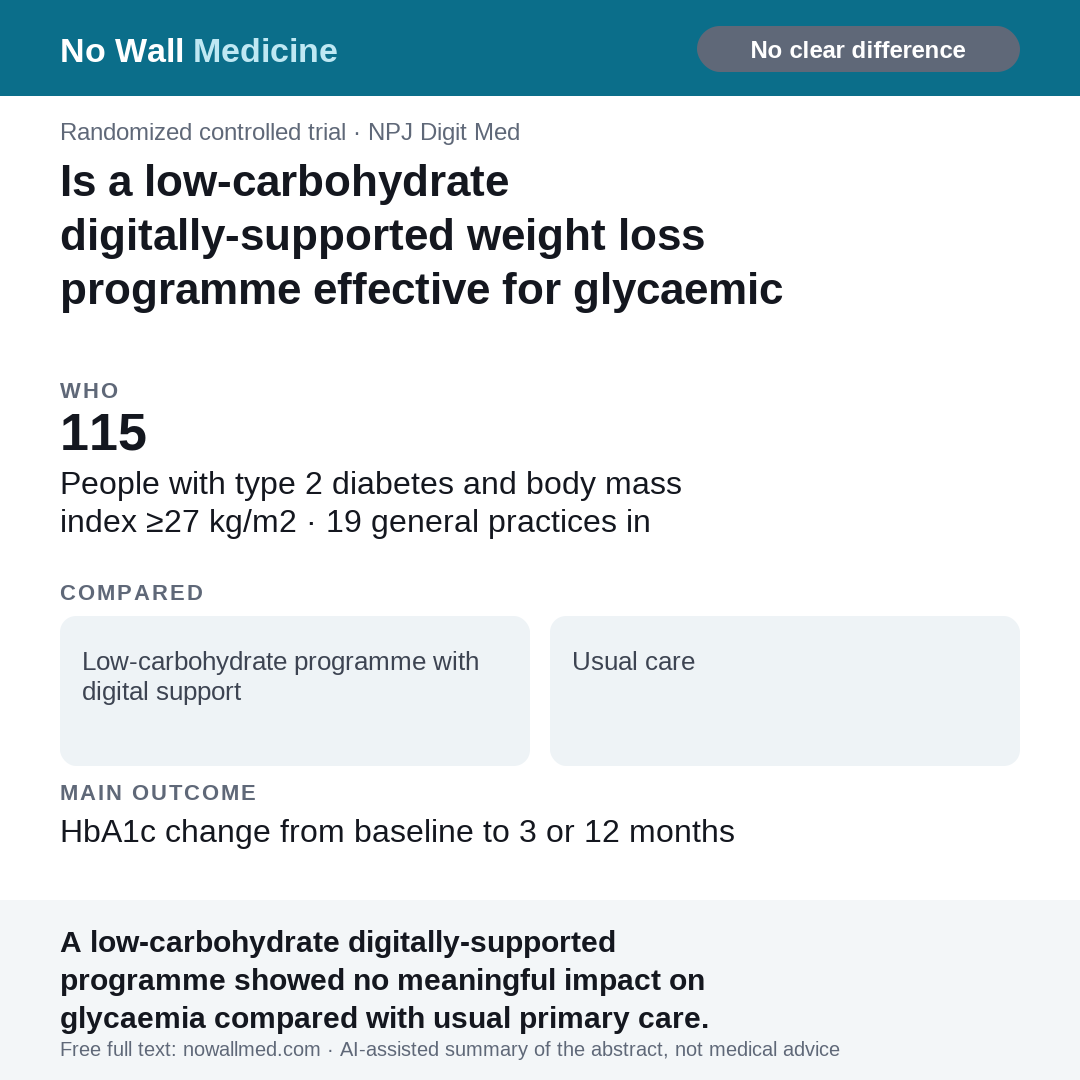
A randomised controlled trial of a low-carbohydrate digitally-supported weight loss programme for type 2 diabetes
Randomized controlled trialNo clear difference
Is a low-carbohydrate digitally-supported weight loss programme effective for glycaemic control?
Who
115
People with type 2 diabetes and body mass index ≥27 kg/m2 · 19 general practices in England
Compared
Low-carbohydrate programme with digital support
Usual care
Main outcome
HbA1c change from baseline to 3 or 12 months
Result: estimated mean difference (95% CI) -0.7 mmol/mol (-5.0 to 3.6), and -1.5 (-5.7 to 2.8)
Bottom line: A low-carbohydrate digitally-supported programme showed no meaningful impact on glycaemia compared with usual primary care.
NPJ Digit Med · 2025-12-02Download image
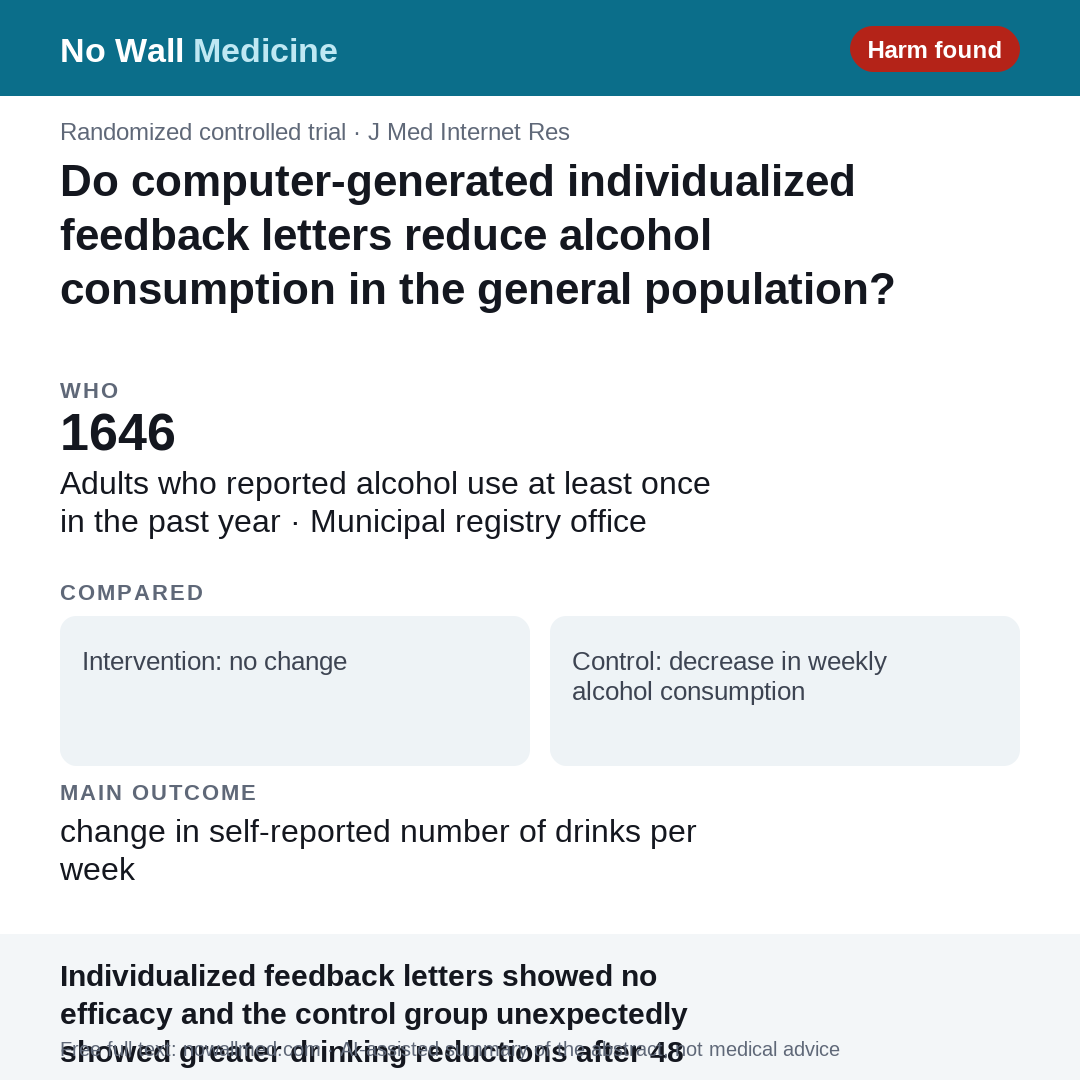
Four-Year Effects of a Computer-Based Brief Alcohol Intervention Targeting Alcohol Users in the General Population: Randomized Controlled Trial
Randomized controlled trialHarm found
Do computer-generated individualized feedback letters reduce alcohol consumption in the general population?
Who
1646
Adults who reported alcohol use at least once in the past year · Municipal registry office in Germany
Compared
Intervention: no change
Control: decrease in weekly alcohol consumption
Main outcome
change in self-reported number of drinks per week
Result: incidence rate ratio 1.29 (95% CI 1.05-1.57)
Bottom line: Individualized feedback letters showed no efficacy and the control group unexpectedly showed greater drinking reductions after 48 months.
J Med Internet Res · 2025-12-02Download image