Visual abstracts
New randomized trials and meta-analyses from leading journals at a glance: who was studied, what was compared, and what was found. Every paper is free to read in full.
All specialtiesCardiology 856Oncology 770Gastroenterology & Hepatology 311Infectious Disease 626Neurology 353Psychiatry & Mental Health 431Pulmonology 372Critical Care 262Endocrinology & Diabetes 483Pediatrics 544Surgery 353Orthopedics & Sports Medicine 166Neurosurgery 115Cardiothoracic & Vascular Surgery 87Plastic & Reconstructive Surgery 144Nephrology 198Rheumatology 108Hematology 186Dermatology 82Ophthalmology 97Obstetrics & Gynecology 268Public & Global Health 168Radiology & Imaging 105Anesthesiology 131Urology 164ENT (Otolaryngology) 115Emergency Medicine 102Allergy & Immunology 58Geriatrics 160Family Medicine & Primary Care 111Medical Genetics & Genomics 91Pathology & Laboratory Medicine 27Physical Medicine & Rehabilitation 149Palliative Care 81Nutrition 223Digital Health & AI 462General Medicine 100
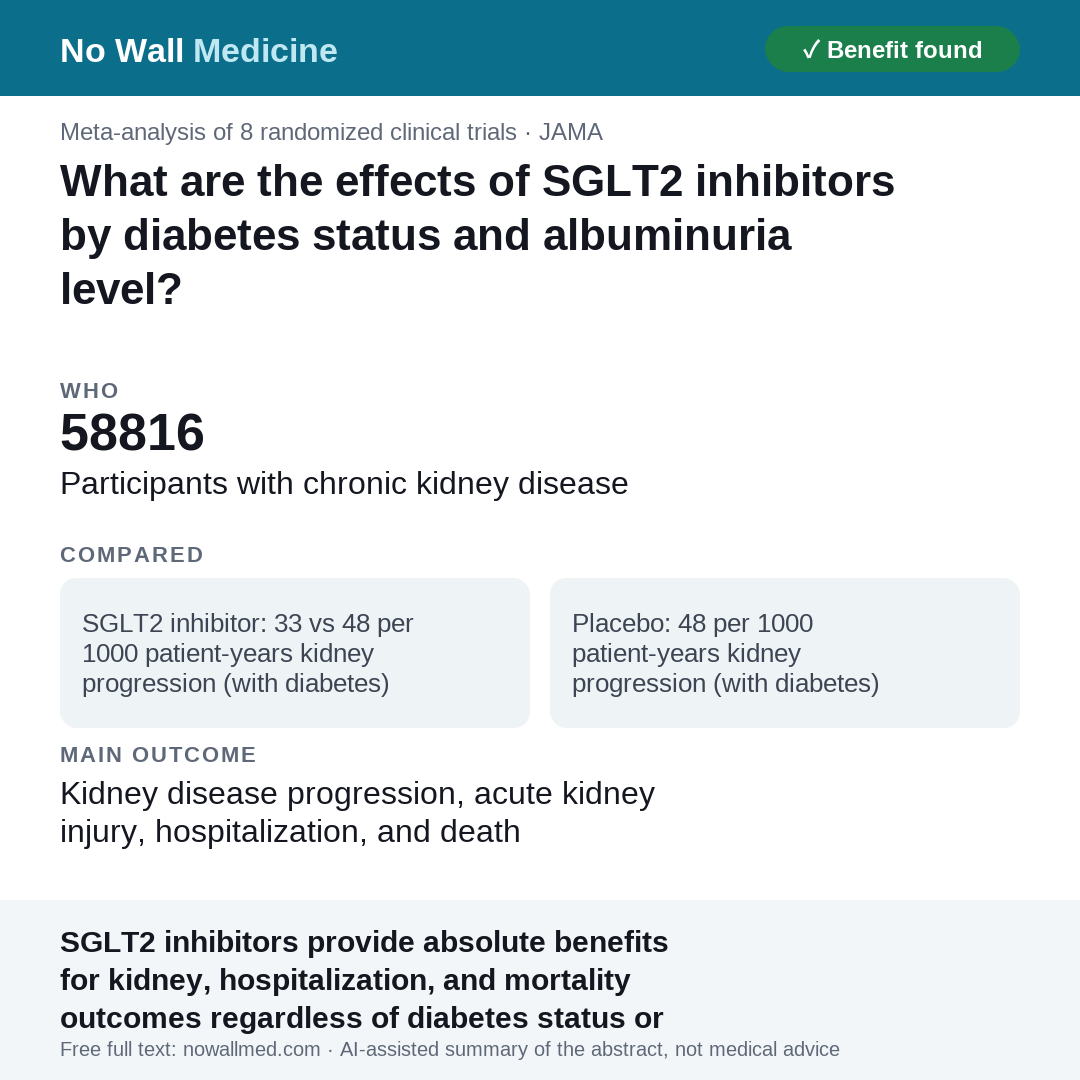
Effects of Sodium Glucose Cotransporter 2 Inhibitors by Diabetes Status and Level of Albuminuria: A Meta-Analysis
Meta-analysis of 8 randomized clinical trialsBenefit found
What are the effects of SGLT2 inhibitors by diabetes status and albuminuria level?
Who
58816
Participants with chronic kidney disease
Compared
SGLT2 inhibitor: 33 vs 48 per 1000 patient-years kidney progression (with diabetes)
Placebo: 48 per 1000 patient-years kidney progression (with diabetes)
Main outcome
Kidney disease progression, acute kidney injury, hospitalization, and death
Result: hazard ratio 0.65 (95% CI, 0.60-0.70) in those with diabetes
Bottom line: SGLT2 inhibitors provide absolute benefits for kidney, hospitalization, and mortality outcomes regardless of diabetes status or albuminuria levels.
JAMA · 2025-11-07Download image
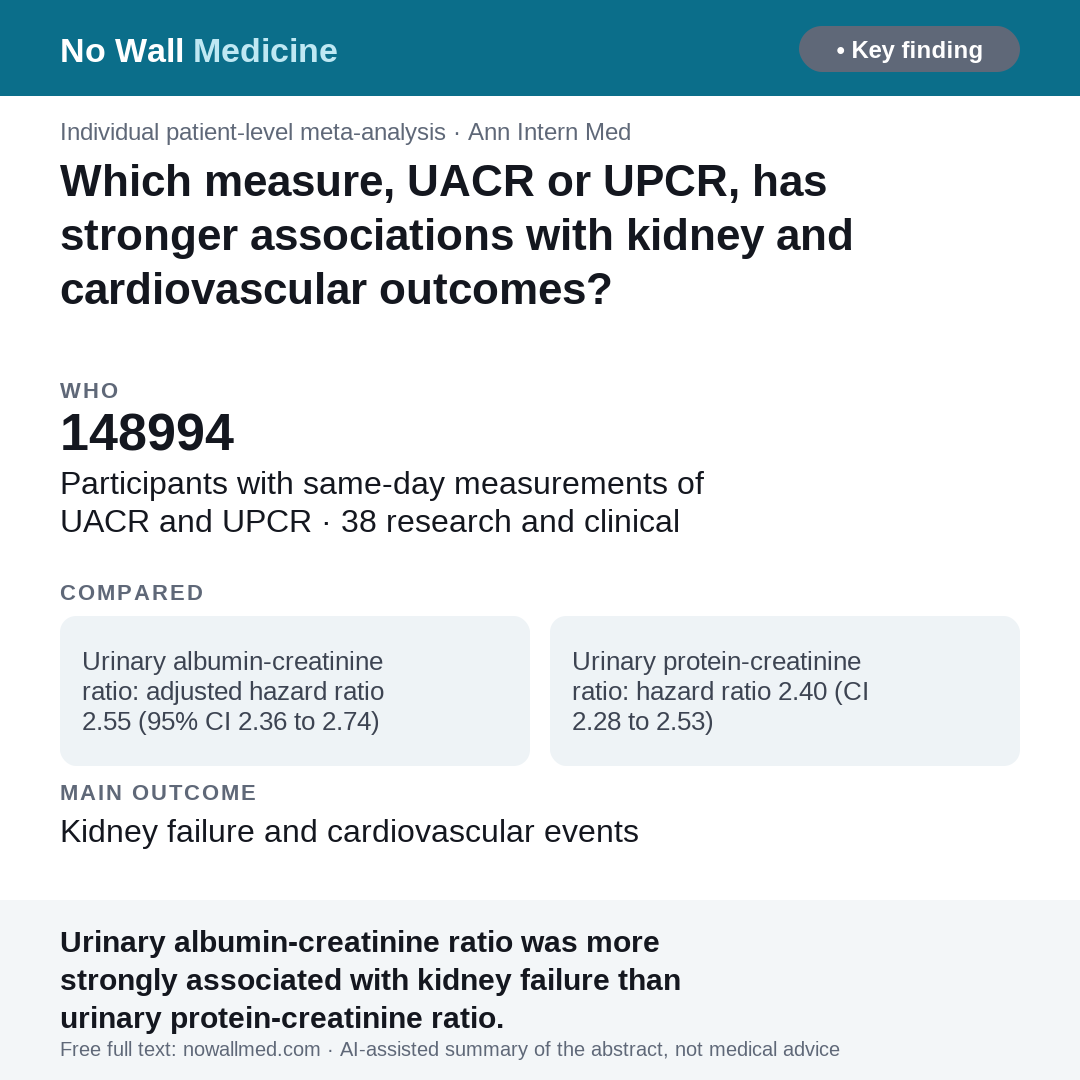
Proteinuria or Albuminuria as Markers of Kidney and Cardiovascular Disease Risk : An Individual Patient-Level Meta-analysis
Individual patient-level meta-analysisBenefit found
Which measure, UACR or UPCR, has stronger associations with kidney and cardiovascular outcomes?
Who
148994
Participants with same-day measurements of UACR and UPCR · 38 research and clinical cohorts
Compared
Urinary albumin-creatinine ratio: adjusted hazard ratio 2.55 (95% CI 2.36 to 2.74)
Urinary protein-creatinine ratio: hazard ratio 2.40 (CI 2.28 to 2.53)
Main outcome
Kidney failure and cardiovascular events
Result: adjusted hazard ratio 2.55 (95% CI 2.36 to 2.74) vs 2.40 (CI 2.28 to 2.53)
Bottom line: Urinary albumin-creatinine ratio was more strongly associated with kidney failure than urinary protein-creatinine ratio.
Limitation: Assessment of UACR and UPCR in spot urine samples.
Funded by: National Kidney Foundation and National Institute of Diabetes and Digestive and Kidney Diseases
Ann Intern Med · 2025-11-04Download image
Application of Lean Methodologies in Plastic Surgery: A Systematic Review
Systematic reviewBenefit found
Does lean management improve efficiency and reduce waste in plastic surgery departments?
Who
3208
Patients in plastic surgery departments · United States
Compared
Lean management: All studies showed improvement in outcomes
Control
Main outcome
Efficiency, waste reduction, and patient/staff satisfaction
Bottom line: Lean management provides an effective framework to optimize efficiency and improve satisfaction in plastic surgery departments.
Plast Reconstr Surg Glob Open · 2025-11-04Download image

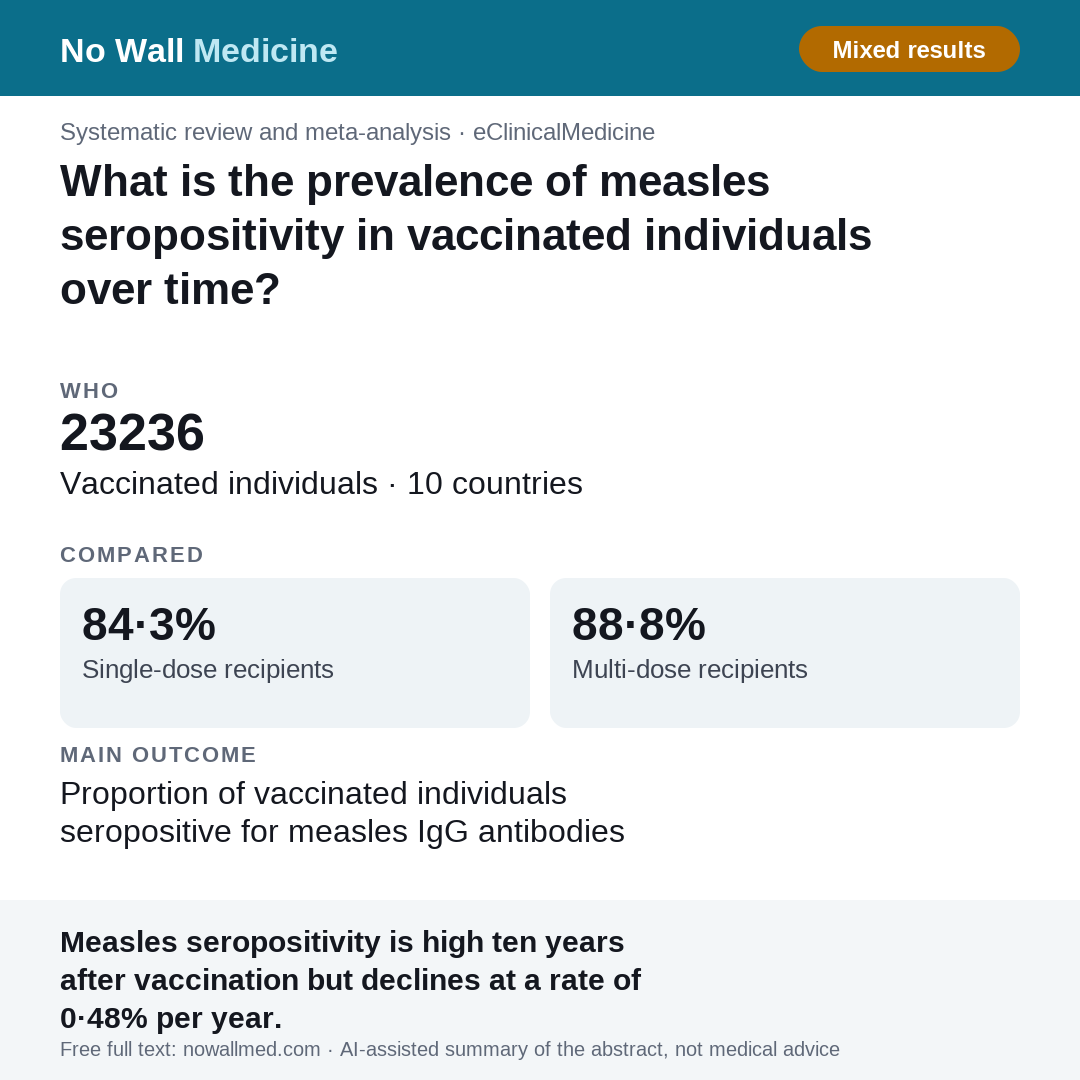
Measles seropositivity in previously vaccinated individuals: a systematic review and meta-analysis
Systematic review and meta-analysisMixed results
What is the prevalence of measles seropositivity in vaccinated individuals over time?
Who
23236
Vaccinated individuals · 10 countries
Compared
84·3%Single-dose recipients (95% CI, 71·6-93·9)
88·8%Multi-dose recipients (95% CI, 84·4-92·6)
Main outcome
Proportion of vaccinated individuals seropositive for measles IgG antibodies
Result: 87·8% (95% Confidence Interval [CI] 83·9%-91·2%)
Bottom line: Measles seropositivity is high ten years after vaccination but declines at a rate of 0·48% per year.
Limitation: Unable to assess the relationship between seropositivity and measles infection rates.
eClinicalMedicine · 2025-11-03Download image
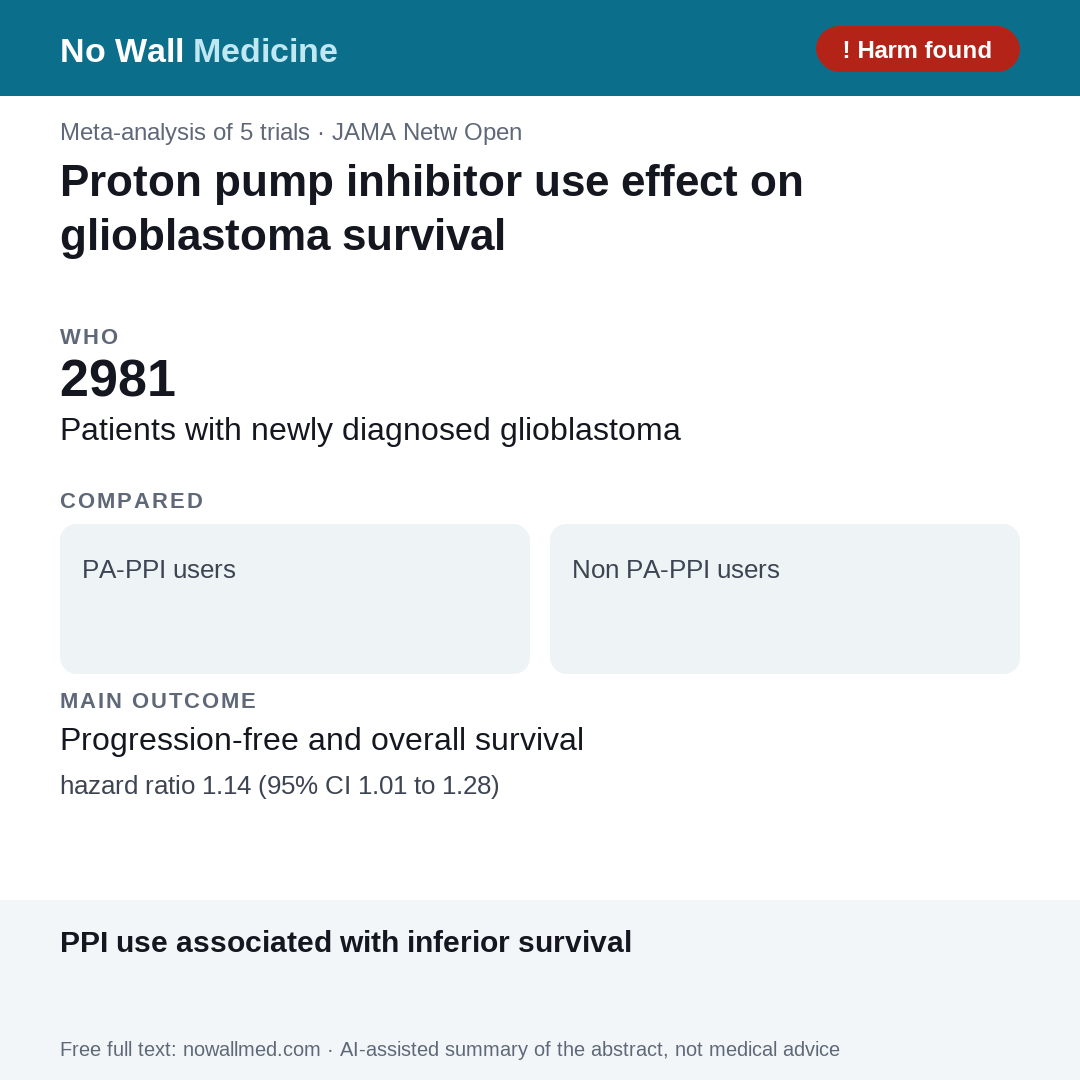
Proton Pump Inhibitor Use and Survival in Patients With Newly Diagnosed Glioblastoma
Meta-analysis of 5 trialsHarm found
Proton pump inhibitor use effect on glioblastoma survival
Who
2981
Patients with newly diagnosed glioblastoma
Compared
PA-PPI users
Non PA-PPI users
Main outcome
Progression-free and overall survival
Result: hazard ratio 1.14 (95% CI 1.01 to 1.28)
Bottom line: PPI use associated with inferior survival
JAMA Netw Open · 2025-11-03Download image
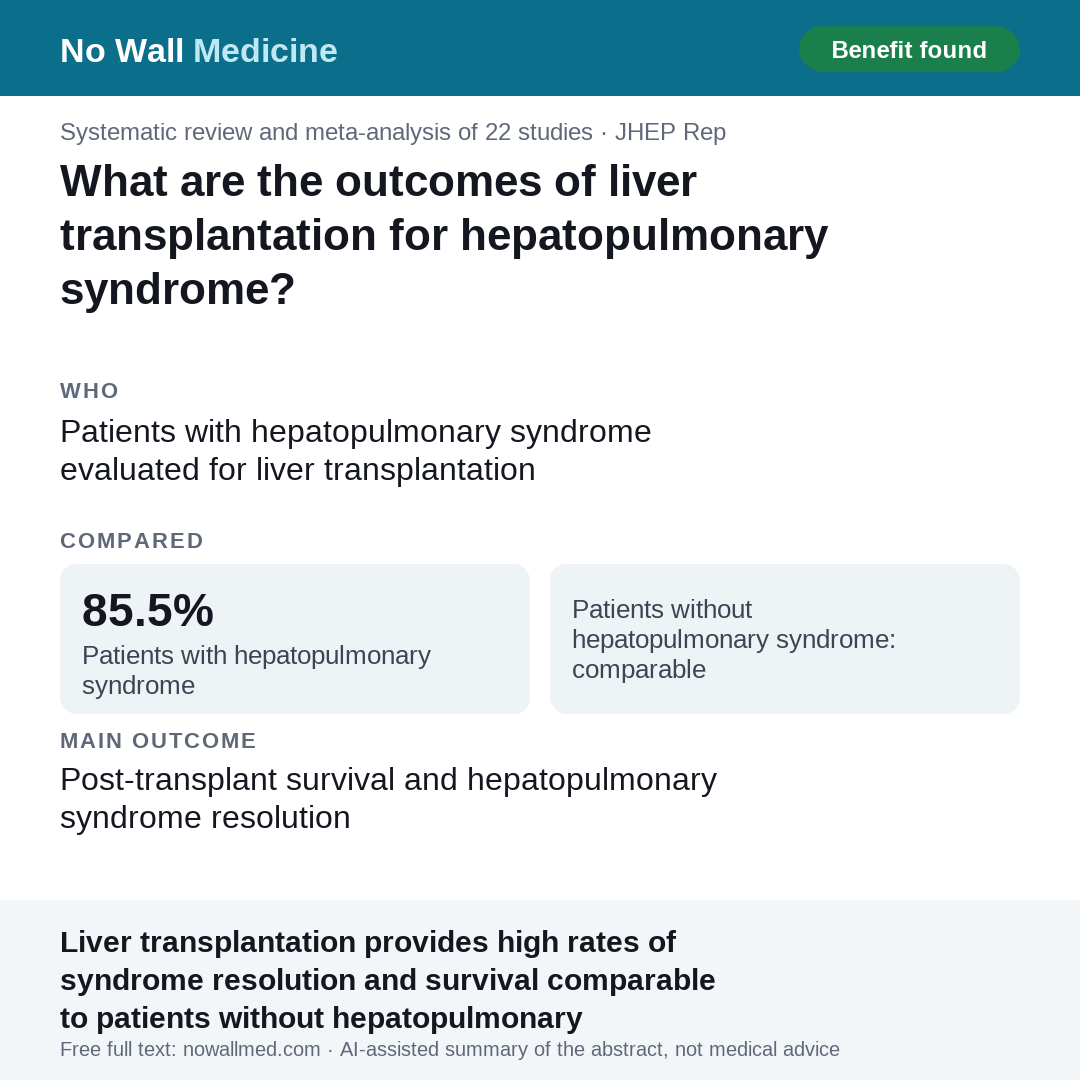
Liver transplantation for hepatopulmonary syndrome: A systematic review and meta-analysis
Systematic review and meta-analysis of 22 studiesBenefit found
What are the outcomes of liver transplantation for hepatopulmonary syndrome?
Who
Patients with hepatopulmonary syndrome evaluated for liver transplantation
Compared
85.5%Patients with hepatopulmonary syndrome (pre- and post-MELD era 1-year survival)
Patients without hepatopulmonary syndrome: comparable
Main outcome
Post-transplant survival and hepatopulmonary syndrome resolution
Bottom line: Liver transplantation provides high rates of syndrome resolution and survival comparable to patients without hepatopulmonary syndrome.
JHEP Rep · 2025-10-31Download image
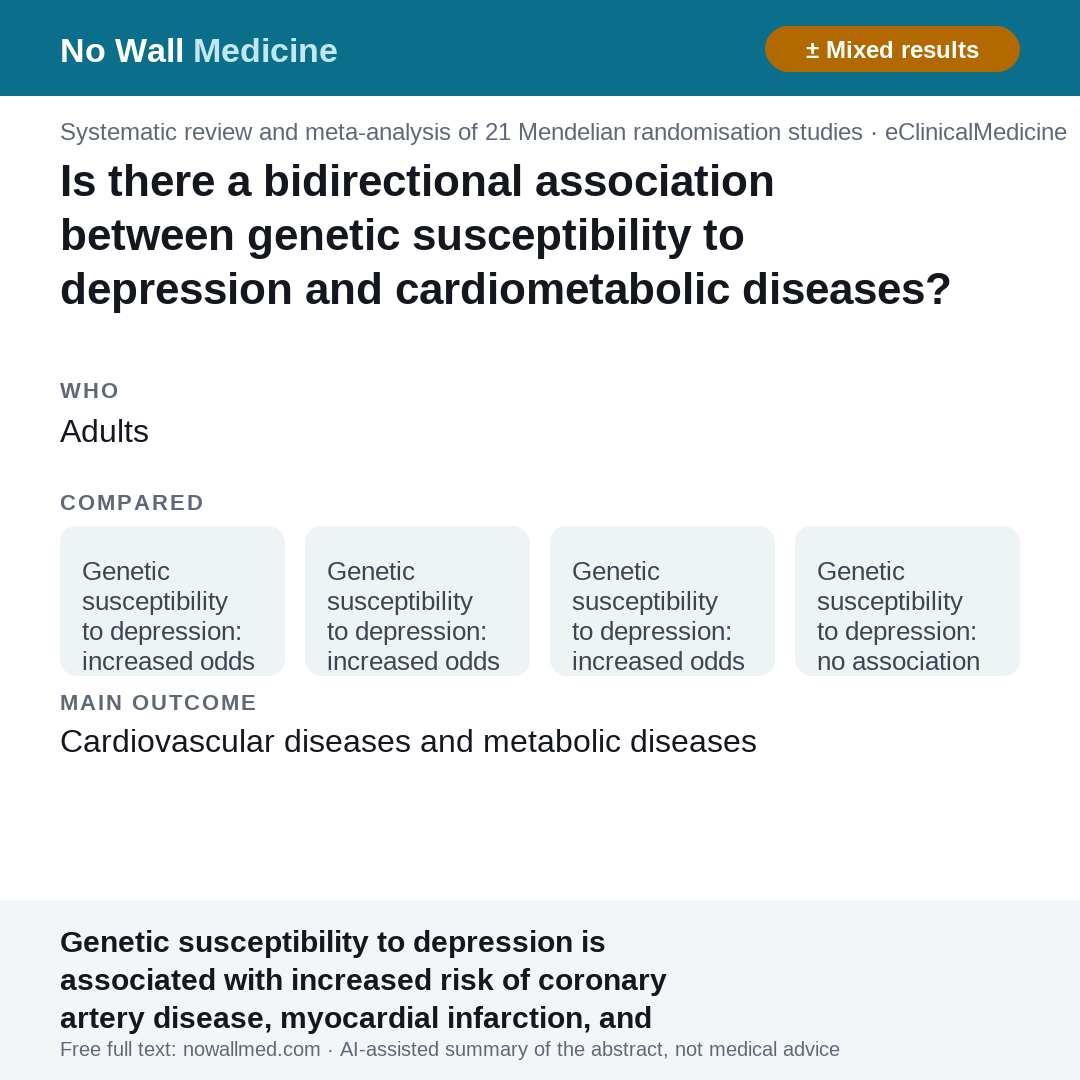
Genetic susceptibility to depression and risk of cardiometabolic diseases: a systematic review and meta-analysis of 21 Mendelian randomisation studies
Systematic review and meta-analysis of 21 Mendelian randomisation studiesMixed results
Is there a bidirectional association between genetic susceptibility to depression and cardiometabolic diseases?
Who
Adults
Compared
Genetic susceptibility to depression: increased odds of coronary artery disease (odds ratio 1.12, 95% CI 1.05-1.19)
Genetic susceptibility to depression: increased odds of myocardial infarction (1.13, 1.10-1.17)
Genetic susceptibility to depression: increased odds of elevated triglycerides (1.10, 1.06-1.14)
Genetic susceptibility to depression: no association with diabetes (1.08, 0.96-1.21)
Main outcome
Cardiovascular diseases and metabolic diseases
Bottom line: Genetic susceptibility to depression is associated with increased risk of coronary artery disease, myocardial infarction, and elevated triglycerides.
Limitation: High heterogeneity warrants cautious interpretation of our findings.
eClinicalMedicine · 2025-10-29Download image
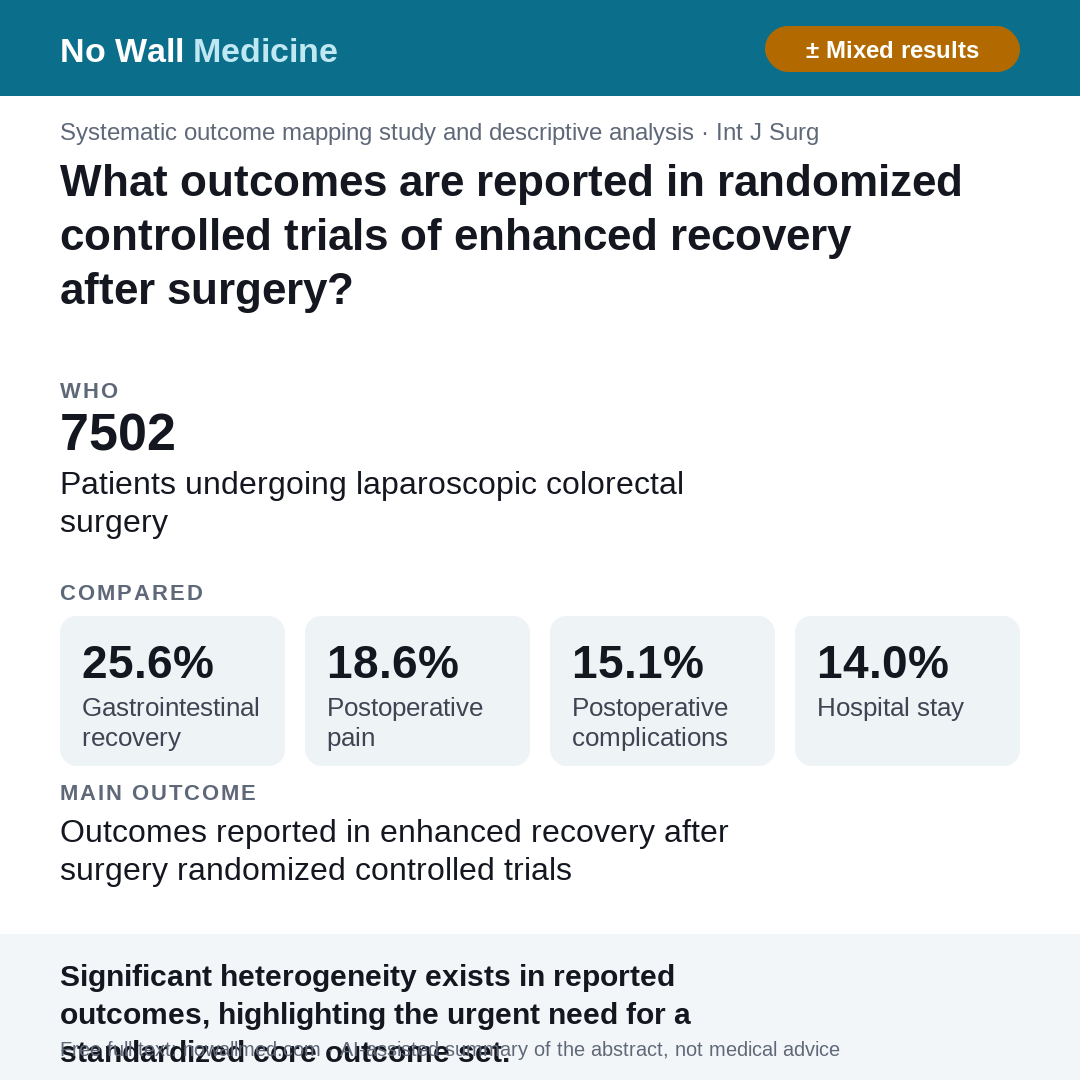
Outcomes of enhanced recovery after surgery in laparoscopic colorectal surgery: a systematic outcome mapping study and descriptive analysis to inform a core outcome set
Systematic outcome mapping study and descriptive analysisMixed results
What outcomes are reported in randomized controlled trials of enhanced recovery after surgery?
Who
7502
Patients undergoing laparoscopic colorectal surgery
Compared
25.6%Gastrointestinal recovery
18.6%Postoperative pain
15.1%Postoperative complications
14.0%Hospital stay
Main outcome
Outcomes reported in enhanced recovery after surgery randomized controlled trials
Bottom line: Significant heterogeneity exists in reported outcomes, highlighting the urgent need for a standardized core outcome set.
Limitation: Outcome definitions and measurement tools varied widely with no consistent standardization.
Int J Surg · 2025-10-28Download image
Combined subtotal resection and stereotactic radiosurgery for large vestibular schwannomas: A systematic review and meta-analysis
Systematic review and meta-analysisBenefit found
What are the outcomes of subtotal resection followed by stereotactic radiosurgery for large vestibular schwannomas?
Who
934
Patients with large vestibular schwannomas
Compared
Subtotal or near-total resection plus stereotactic radiosurgery: 80% tumor control rate
Subtotal or near-total resection plus stereotactic radiosurgery: 85% facial nerve function preserved
Subtotal or near-total resection plus stereotactic radiosurgery: 43% serviceable hearing
Main outcome
Tumor control, facial nerve preservation, and hearing preservation
Bottom line: Combined subtotal resection and stereotactic radiosurgery effectively controls tumors while enhancing nerve and hearing preservation.
Limitation: Cystic tumor morphology correlated with reduced tumor control following stereotactic radiosurgery.
Neurooncol Adv · 2025-10-25Download image

Association between hair dye use and human cancers: A systematic review
Systematic reviewMixed results
Is there an association between hair dye use and human cancer risk?
Who
Adults, children, and offspring of mothers using hair dye
Compared
Frequent hair dye users
Non-users
Main outcome
Cancer risk
Bottom line: Frequent, long-term hair dye use may increase cancer risks in specific populations.
Limitation: Elements of study design, study populations, and confounders.
JAAD Int · 2025-10-25Download image

Inequalities in all-cause mortality by ethnicity in the United Kingdom: a systematic review and meta-analysis
Systematic review and meta-analysisMixed results
What are the ethnic inequalities in all-cause mortality in the United Kingdom?
Who
UK populations of various ethnic groups · United Kingdom
Compared
Non-white ethnic groups: lower mortality than White British
White Irish and White Scottish: higher mortality than other White British
Main outcome
Age-adjusted all-cause mortality
Bottom line: Non-white ethnic groups had consistently lower all-cause mortality than White British individuals in the United Kingdom.
Limitation: Evidence on socioeconomic position was inconclusive due to methodological heterogeneity.
Funded by: Australian Research Council Centre of Excellence in Population Ageing Research
Lancet Reg Health Eur · 2025-10-21Download image

Glucagon-like peptide-1 receptor agonist treatment reduces body weight and improves glycaemic outcomes in patients with concurrent overweight/obesity and type 1 diabetes: A systematic review and meta-analysis
Systematic review and meta-analysisBenefit found
Do glucagon-like peptide-1 receptor agonists improve weight and glycaemic outcomes in type 1 diabetes?
Who
Adults with type 1 diabetes and body mass index ≥25 kg/m2
Compared
Glucagon-like peptide-1 receptor agonist
Control
Main outcome
Body weight, HbA1c, and insulin dose
Result: body weight reduction 4.31 kg (95% CI: 3.61-5.00 kg)
Bottom line: Glucagon-like peptide-1 receptor agonists reduce body weight, HbA1c, and insulin dose in type 1 diabetes.
Diabetes Obes Metab · 2025-10-20Download image

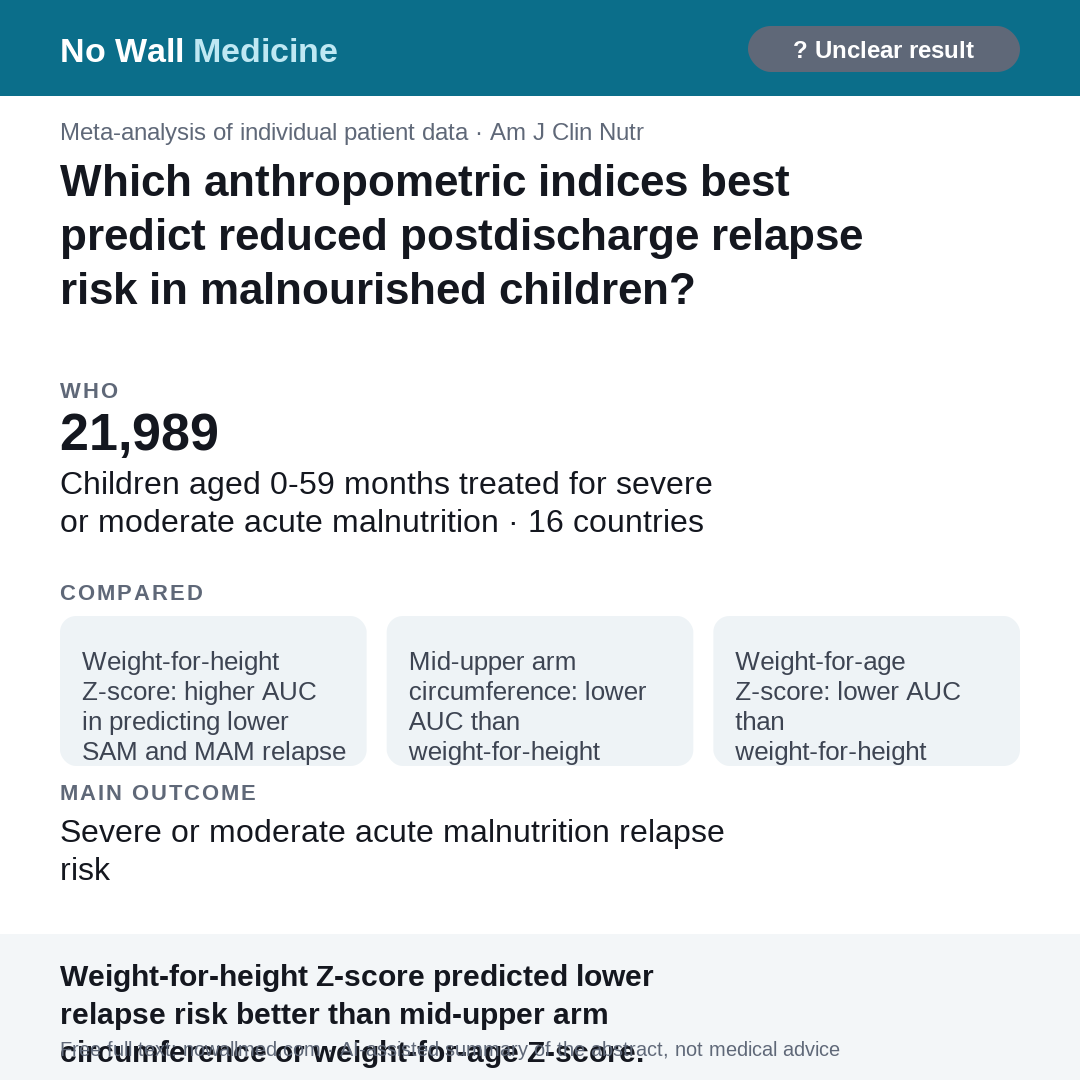
Optimal anthropometric discharge criteria from treatment of wasting: meta-analysis of individual patient data from 34 studies
Meta-analysis of individual patient dataUnclear result
Which anthropometric indices best predict reduced postdischarge relapse risk in malnourished children?
Who
21,989
Children aged 0-59 months treated for severe or moderate acute malnutrition · 16 countries
Compared
Weight-for-height Z-score: higher AUC in predicting lower SAM and MAM relapse risk
Mid-upper arm circumference: lower AUC than weight-for-height Z-score
Weight-for-age Z-score: lower AUC than weight-for-height Z-score
Main outcome
Severe or moderate acute malnutrition relapse risk
Bottom line: Weight-for-height Z-score predicted lower relapse risk better than mid-upper arm circumference or weight-for-age Z-score.
Am J Clin Nutr · 2025-10-20Download image
Comparative efficacy and safety of exercise modalities in knee osteoarthritis: systematic review and network meta-analysis
Systematic review with network meta-analysisBenefit found
Which exercise modalities are most effective for managing knee osteoarthritis?
Who
15684
Patients with knee osteoarthritis
Compared
Aerobic exercise: large improvements in pain at short term (standardised mean difference -1.10)
Control group
Main outcome
Pain, function, gait performance, and quality of life
Bottom line: Aerobic exercise is likely the most beneficial modality for improving pain, function, gait, and quality of life.
BMJ · 2025-10-15Download image

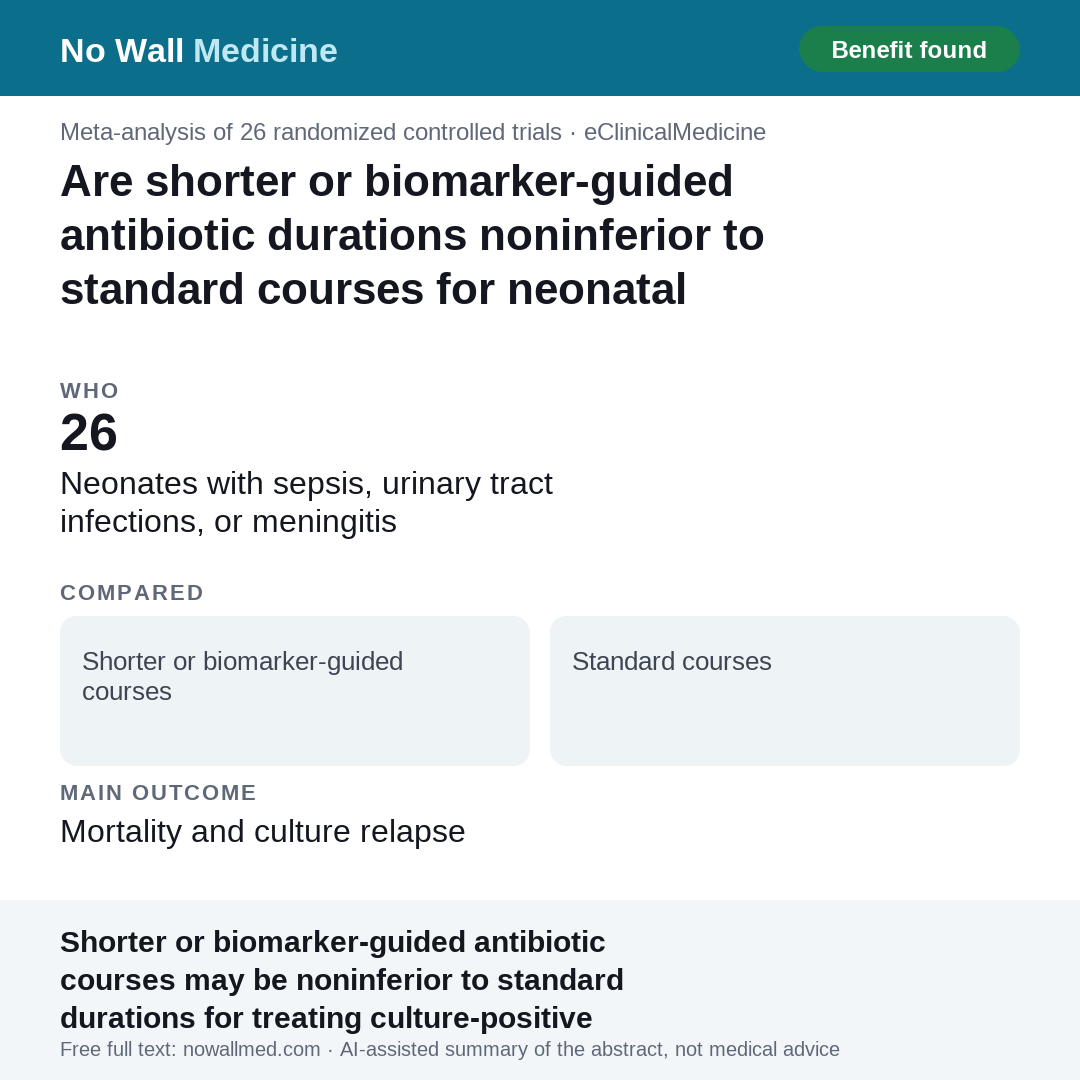
Shorter or biomarker-guided antibiotic durations for common serious neonatal infections: a collection of non-inferiority meta-analyses
Meta-analysis of 26 randomized controlled trialsBenefit found
Are shorter or biomarker-guided antibiotic durations noninferior to standard courses for neonatal infections?
Who
26
Neonates with sepsis, urinary tract infections, or meningitis
Compared
Shorter or biomarker-guided courses
Standard courses
Main outcome
Mortality and culture relapse
Bottom line: Shorter or biomarker-guided antibiotic courses may be noninferior to standard durations for treating culture-positive neonatal sepsis.
Limitation: Low to very low certainty of evidence across most outcomes.
eClinicalMedicine · 2025-10-14Download image
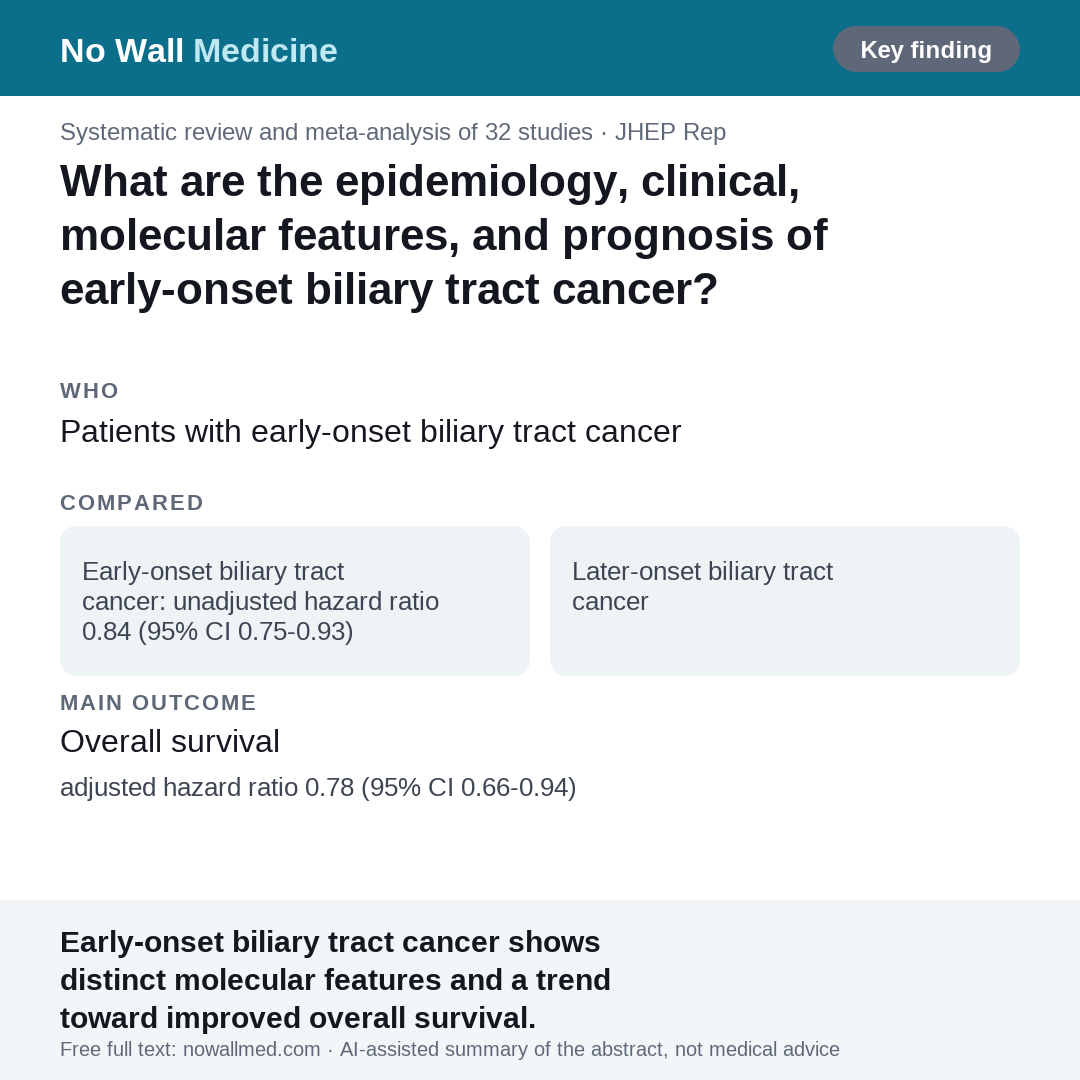
Epidemiology, clinical, molecular features, and prognosis of early-onset biliary tract cancer: A systematic review and meta-analysis
Systematic review and meta-analysis of 32 studiesBenefit found
What are the epidemiology, clinical, molecular features, and prognosis of early-onset biliary tract cancer?
Who
Patients with early-onset biliary tract cancer
Compared
Early-onset biliary tract cancer: unadjusted hazard ratio 0.84 (95% CI 0.75-0.93)
Later-onset biliary tract cancer
Main outcome
Overall survival
Result: adjusted hazard ratio 0.78 (95% CI 0.66-0.94)
Bottom line: Early-onset biliary tract cancer shows distinct molecular features and a trend toward improved overall survival.
Limitation: Prognostic data were heterogeneous.
JHEP Rep · 2025-10-09Download image
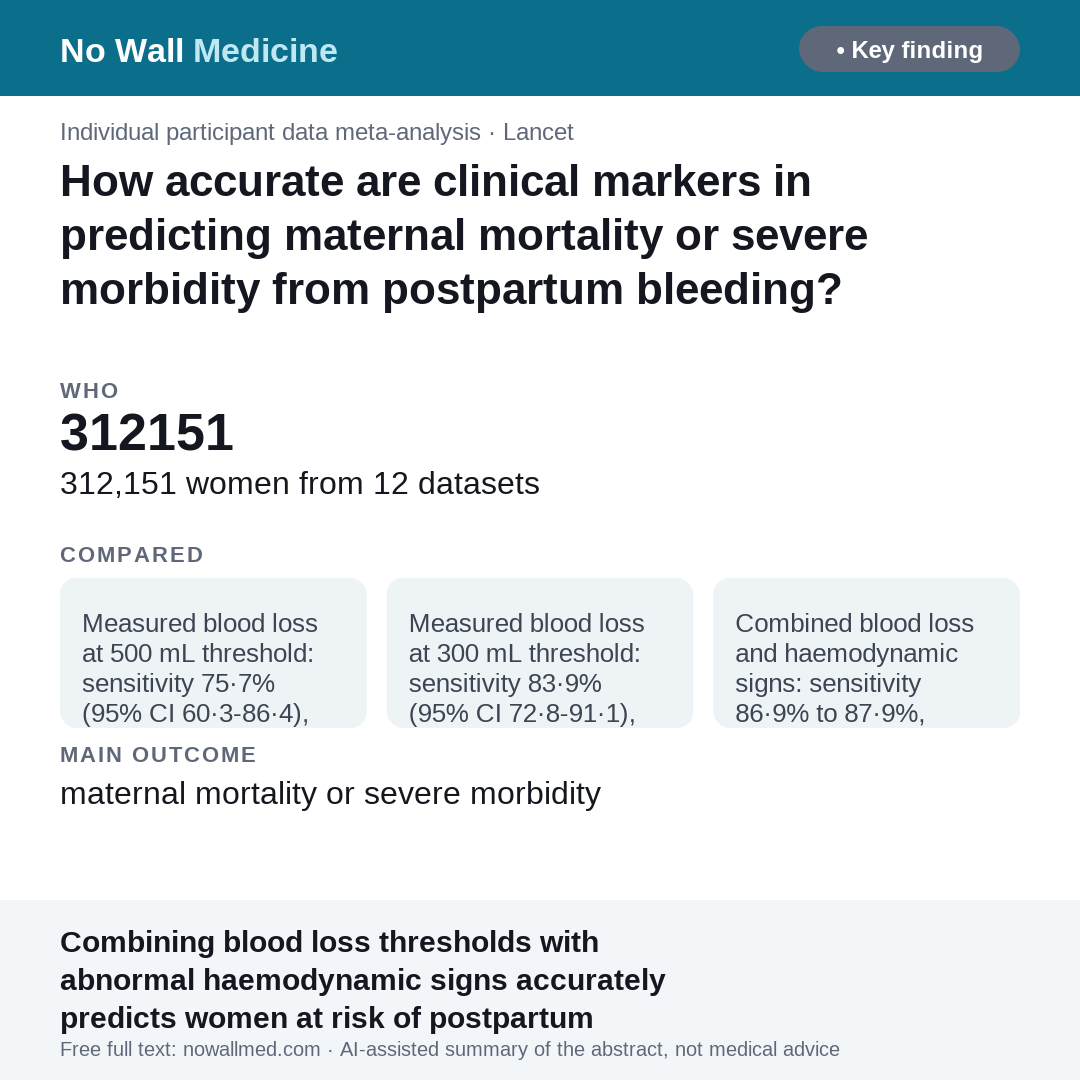
Prognostic accuracy of clinical markers of postpartum bleeding in predicting maternal mortality or severe morbidity: a WHO individual participant data meta-analysis
Individual participant data meta-analysisBenefit found
How accurate are clinical markers in predicting maternal mortality or severe morbidity from postpartum bleeding?
Who
312151
312,151 women from 12 datasets
Compared
Measured blood loss at 500 mL threshold: sensitivity 75·7% (95% CI 60·3-86·4), specificity 81·4% (95% CI 70·7-88·8)
Measured blood loss at 300 mL threshold: sensitivity 83·9% (95% CI 72·8-91·1), specificity 54·8% (95% CI 38·0-70·5)
Combined blood loss and haemodynamic signs: sensitivity 86·9% to 87·9%, specificity 66·6% to 76·1%
Main outcome
maternal mortality or severe morbidity
Bottom line: Combining blood loss thresholds with abnormal haemodynamic signs accurately predicts women at risk of postpartum bleeding complications.
Funded by: Gates Foundation and WHO Special Programme
Lancet · 2025-10-04Download image
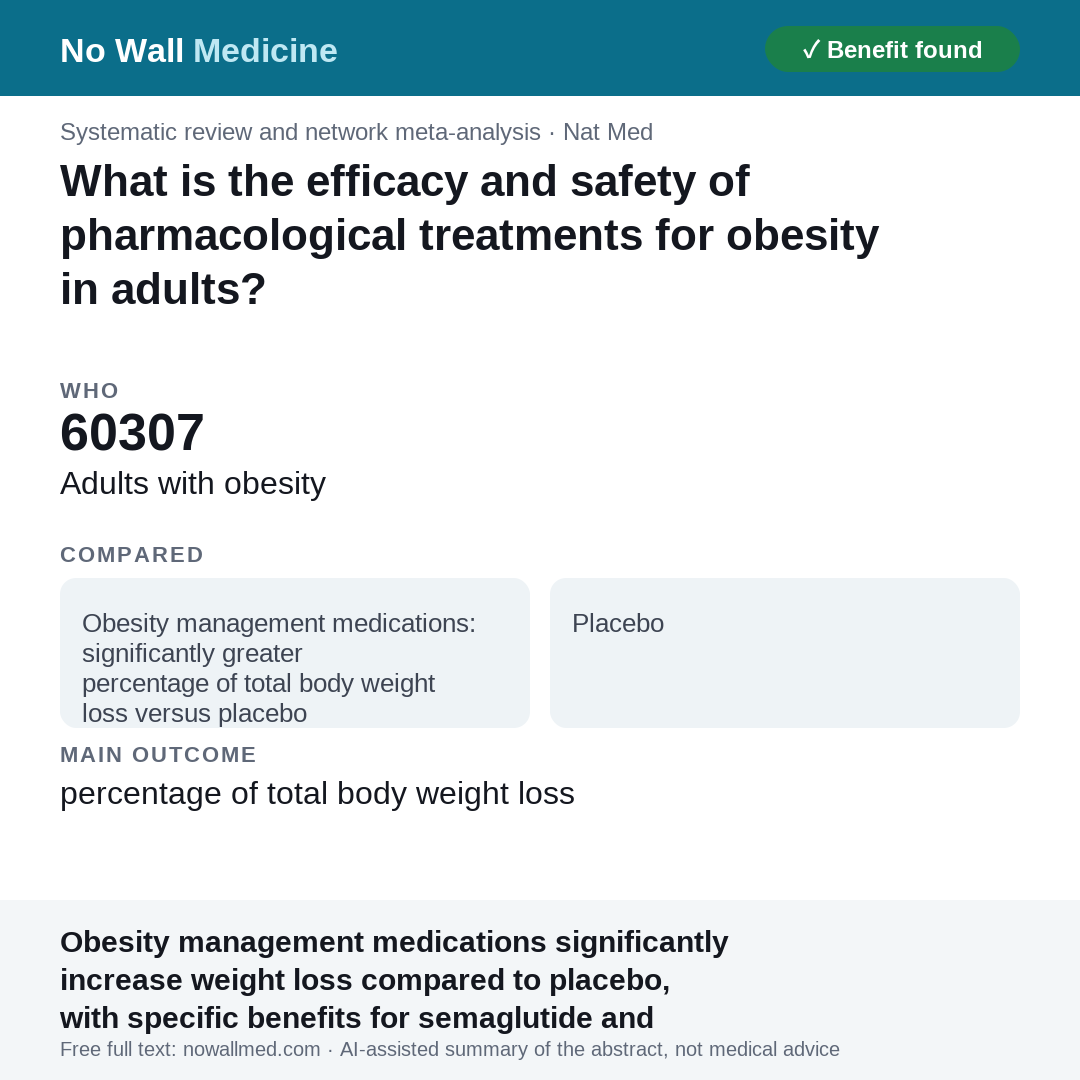
A systematic review and meta-analysis of the efficacy and safety of pharmacological treatments for obesity in adults
Systematic review and network meta-analysisBenefit found
What is the efficacy and safety of pharmacological treatments for obesity in adults?
Who
60307
Adults with obesity
Compared
Obesity management medications: significantly greater percentage of total body weight loss versus placebo
Placebo
Main outcome
percentage of total body weight loss
Bottom line: Obesity management medications significantly increase weight loss compared to placebo, with specific benefits for semaglutide and tirzepatide.
Nat Med · 2025-10-02Download image
Insights and contrasts between Western and Eastern practices of surgical management of lower limb lymphedema: A systematic review and narrative synthesis
Systematic review and narrative synthesisMixed results
What are the differences between Western and Eastern surgical management of lower limb lymphedema?
Who
58
Patients with lower limb lymphedema
Compared
Western practices
Eastern practices
Main outcome
Epidemiology, diagnosis, treatment, and postoperative management strategies
Bottom line: Western and Eastern practices differ in etiology and technique but are increasingly converging toward hybrid models.
JPRAS Open · 2025-09-27Download image

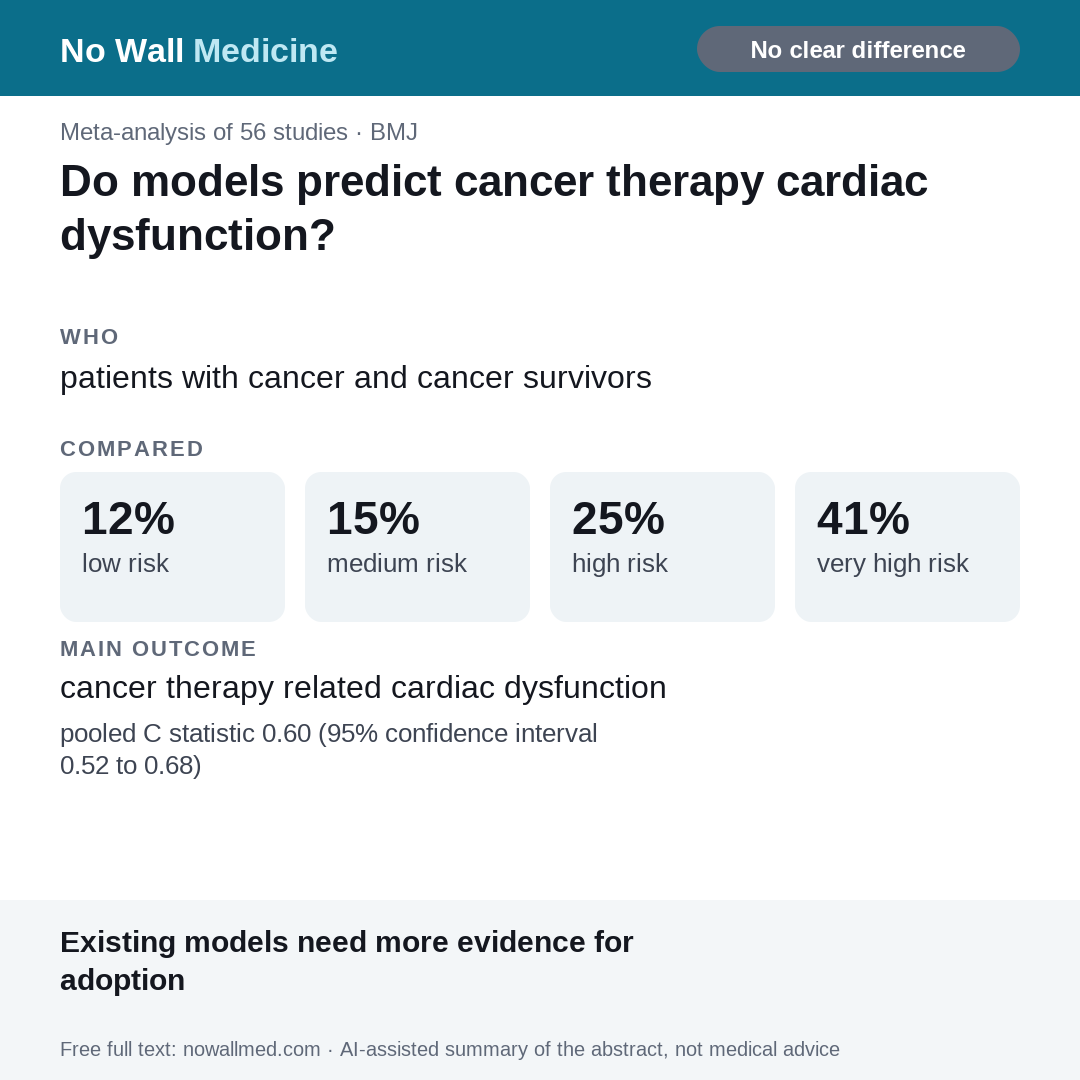
Risk prediction models for cancer therapy related cardiac dysfunction in patients with cancer and cancer survivors: systematic review and meta-analysis
Meta-analysis of 56 studiesNo clear difference
Do models predict cancer therapy cardiac dysfunction?
Who
patients with cancer and cancer survivors
Compared
12%low risk
15%medium risk
25%high risk
41%very high risk
Main outcome
cancer therapy related cardiac dysfunction
Result: pooled C statistic 0.60 (95% confidence interval 0.52 to 0.68)
Bottom line: Existing models need more evidence for adoption
Limitation: poor reporting and limited validation
BMJ · 2025-09-23Download image