Visual abstracts
New randomized trials and meta-analyses from leading journals at a glance: who was studied, what was compared, and what was found. Every paper is free to read in full.
All specialtiesCardiology 4877Oncology 4138Gastroenterology & Hepatology 1942Infectious Disease 3837Neurology 1905Psychiatry & Mental Health 2273Pulmonology 2143Critical Care 1365Endocrinology & Diabetes 2580Pediatrics 2980Surgery 2559Orthopedics & Sports Medicine 931Neurosurgery 537Cardiothoracic & Vascular Surgery 674Plastic & Reconstructive Surgery 591Nephrology 1133Rheumatology 823Hematology 1109Dermatology 621Ophthalmology 543Obstetrics & Gynecology 1686Public & Global Health 1058Radiology & Imaging 648Anesthesiology 986Urology 764ENT (Otolaryngology) 503Emergency Medicine 511Allergy & Immunology 313Geriatrics 981Family Medicine & Primary Care 562Medical Genetics & Genomics 676Pathology & Laboratory Medicine 159Physical Medicine & Rehabilitation 757Palliative Care 444Nutrition 1588Digital Health & AI 2201General Medicine 321
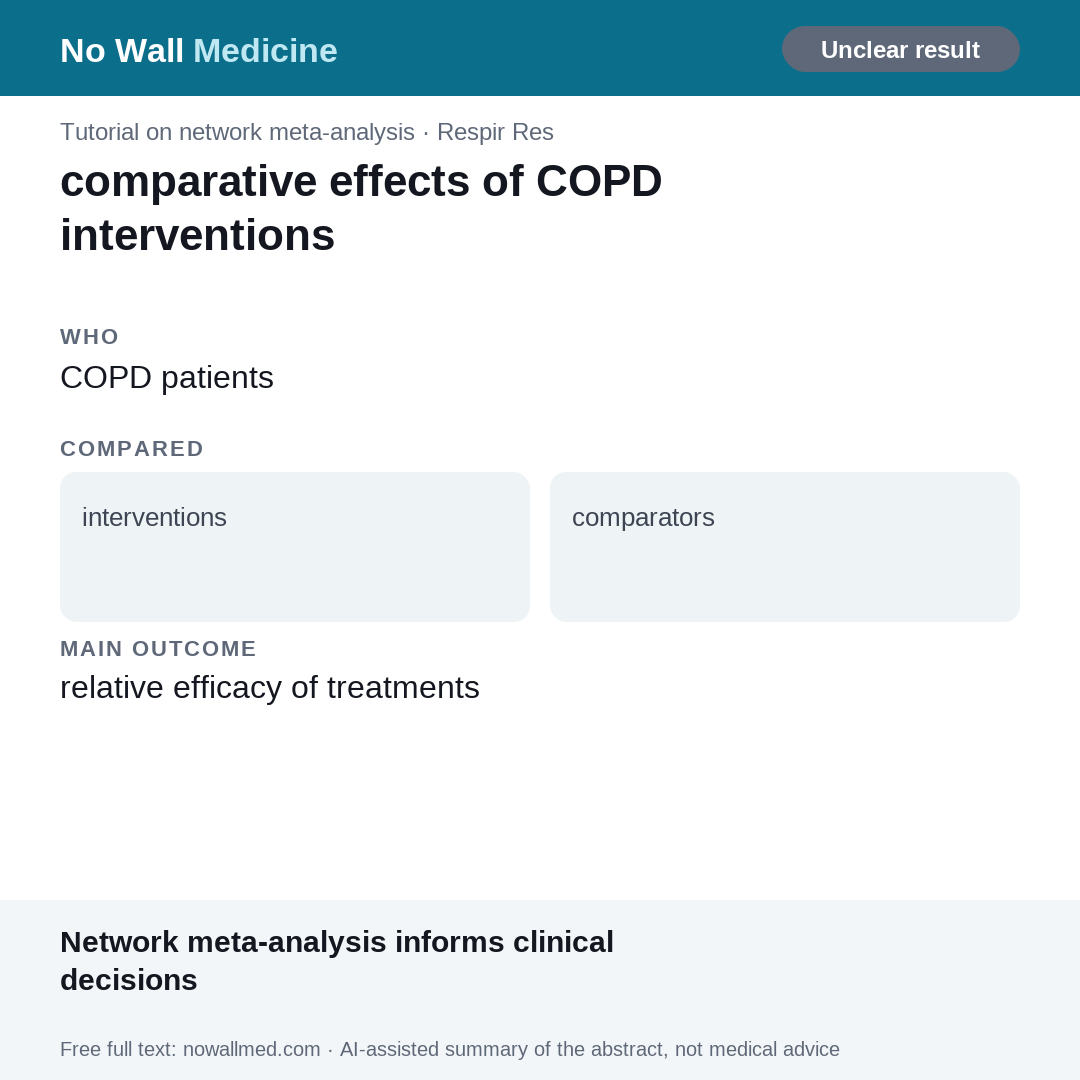
Assessing the comparative effects of interventions in COPD: a tutorial on network meta-analysis for clinicians
Tutorial on network meta-analysisUnclear result
comparative effects of COPD interventions
Who
COPD patients
Compared
interventions
comparators
Main outcome
relative efficacy of treatments
Bottom line: Network meta-analysis informs clinical decisions
Limitation: incorrect method choice
Respir Res · 2024-12-21Download image
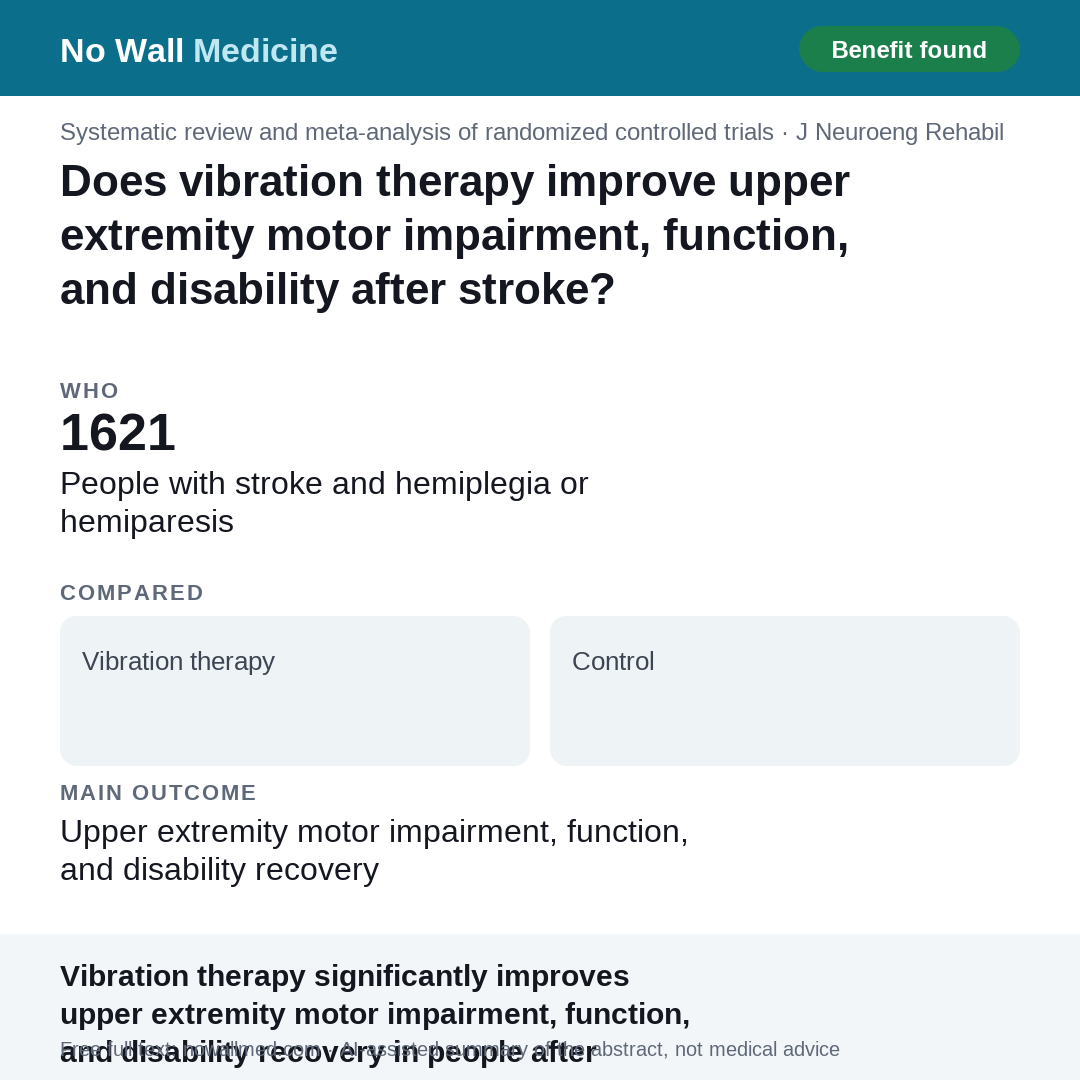
Upper extremity function and disability recovery with vibration therapy after stroke: a systematic review and meta-analysis of RCTs
Systematic review and meta-analysis of randomized controlled trialsBenefit found
Does vibration therapy improve upper extremity motor impairment, function, and disability after stroke?
Who
1621
People with stroke and hemiplegia or hemiparesis
Compared
Vibration therapy
Control
Main outcome
Upper extremity motor impairment, function, and disability recovery
Result: SMD 1.19 for impairment, 0.62 for function, 1.01 for disability
Bottom line: Vibration therapy significantly improves upper extremity motor impairment, function, and disability recovery in people after stroke.
J Neuroeng Rehabil · 2024-12-21Download image
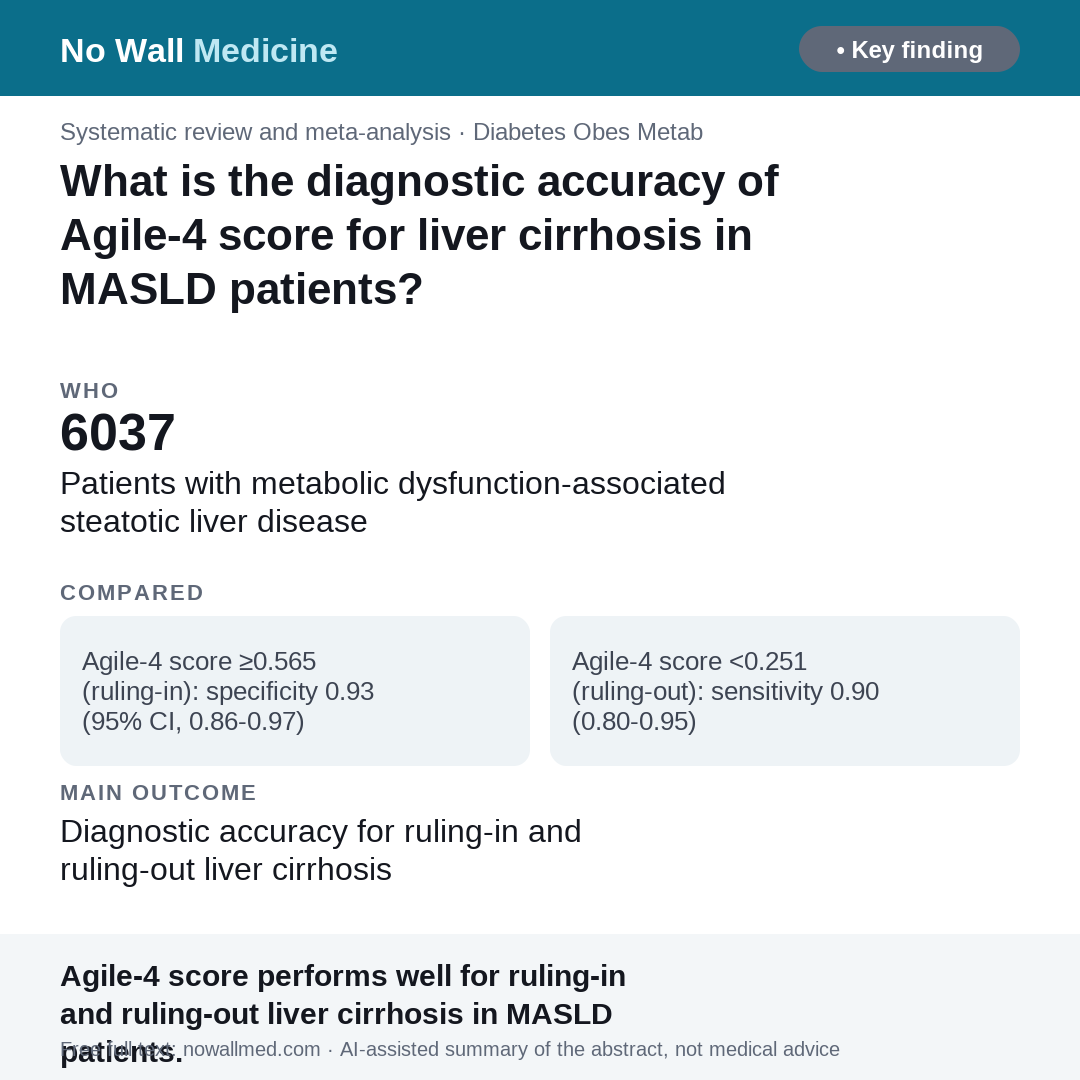
Diagnostic accuracy of Agile-4 score for liver cirrhosis in patients with metabolic dysfunction-associated steatotic liver disease. A systematic review and meta-analysis of diagnostic test accuracy studies
Systematic review and meta-analysisBenefit found
What is the diagnostic accuracy of Agile-4 score for liver cirrhosis in MASLD patients?
Who
6037
Patients with metabolic dysfunction-associated steatotic liver disease
Compared
Agile-4 score ≥0.565 (ruling-in): specificity 0.93 (95% CI, 0.86-0.97)
Agile-4 score <0.251 (ruling-out): sensitivity 0.90 (0.80-0.95)
Main outcome
Diagnostic accuracy for ruling-in and ruling-out liver cirrhosis
Bottom line: Agile-4 score performs well for ruling-in and ruling-out liver cirrhosis in MASLD patients.
Limitation: High or unclear risk for bias due to patient selection and blinding concerns.
Diabetes Obes Metab · 2024-12-20Download image
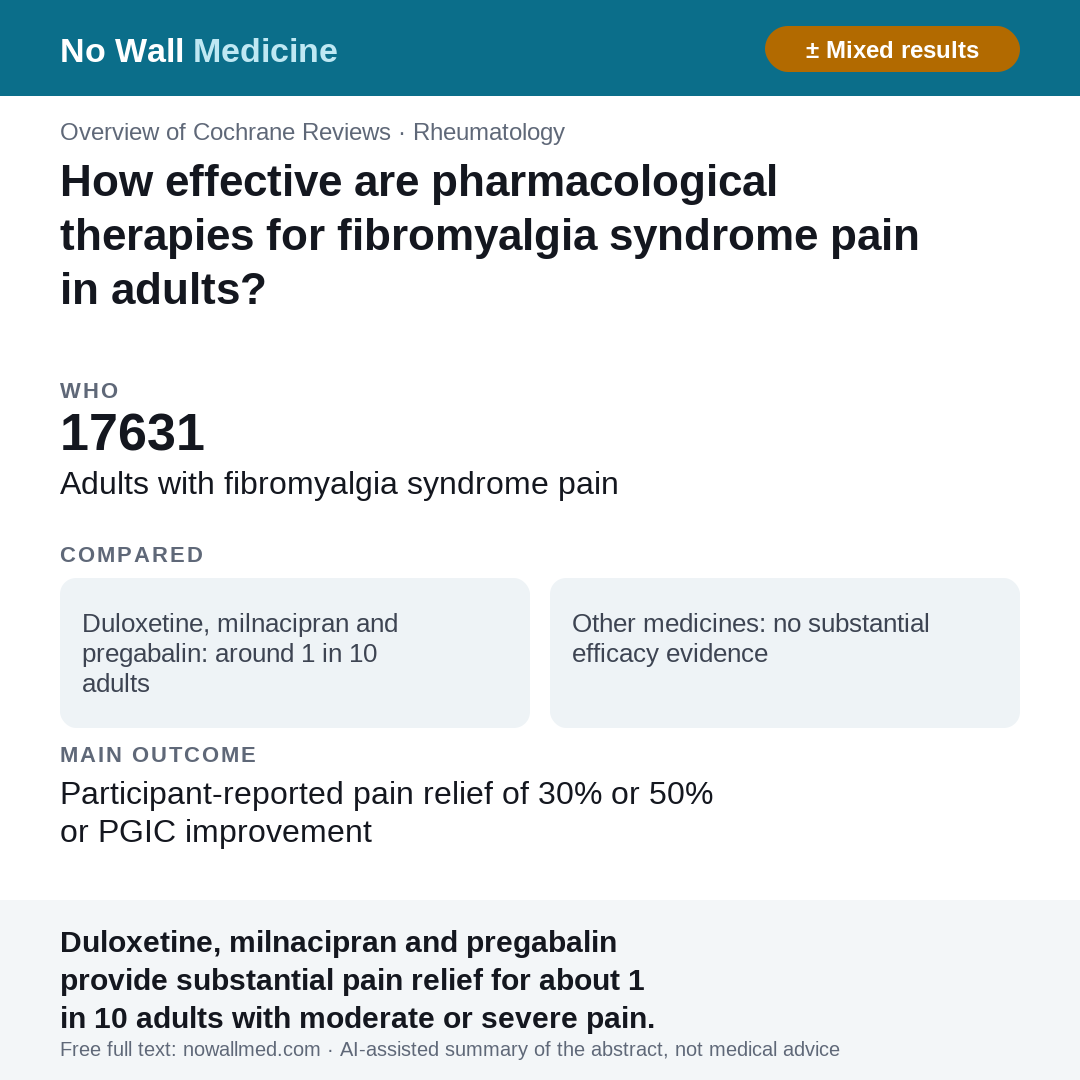
Effectiveness of pharmacological therapies for fibromyalgia syndrome in adults: an overview of Cochrane Reviews
Overview of Cochrane ReviewsMixed results
How effective are pharmacological therapies for fibromyalgia syndrome pain in adults?
Who
17631
Adults with fibromyalgia syndrome pain
Compared
Duloxetine, milnacipran and pregabalin: around 1 in 10 adults
Other medicines: no substantial efficacy evidence
Main outcome
Participant-reported pain relief of 30% or 50% or PGIC improvement
Bottom line: Duloxetine, milnacipran and pregabalin provide substantial pain relief for about 1 in 10 adults with moderate or severe pain.
Limitation: No evidence about who might benefit or experience adverse events.
Rheumatology · 2024-12-20Download image
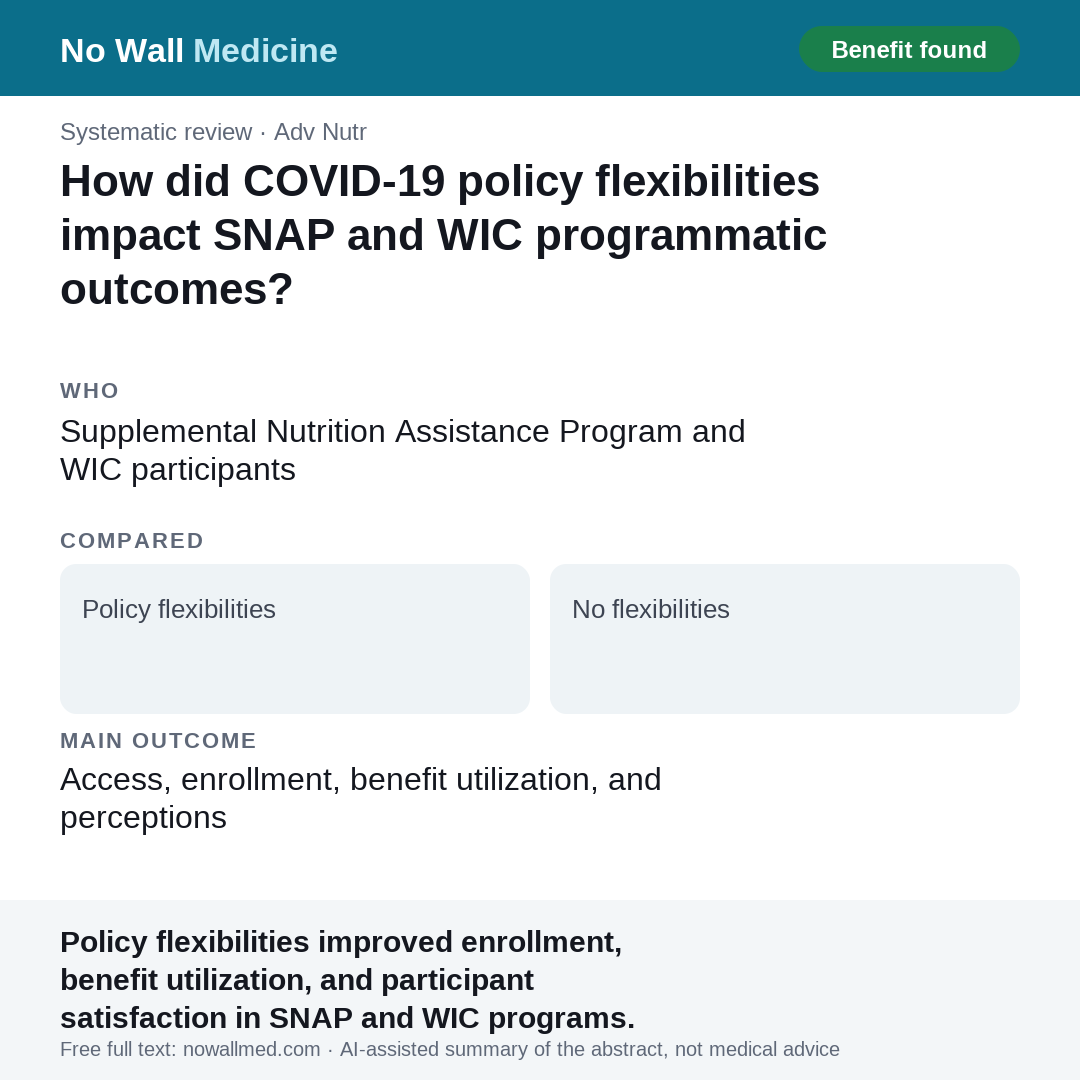
A Systematic Review: The Impact of COVID-19 Policy Flexibilities on SNAP and WIC Programmatic Outcomes
Systematic reviewBenefit found
How did COVID-19 policy flexibilities impact SNAP and WIC programmatic outcomes?
Who
37
Supplemental Nutrition Assistance Program and WIC participants
Compared
Policy flexibilities
No flexibilities
Main outcome
Access, enrollment, benefit utilization, and perceptions
Bottom line: Policy flexibilities improved enrollment, benefit utilization, and participant satisfaction in SNAP and WIC programs.
Limitation: Potential risks of bias including selection bias and confounding bias.
Adv Nutr · 2024-12-20Download image
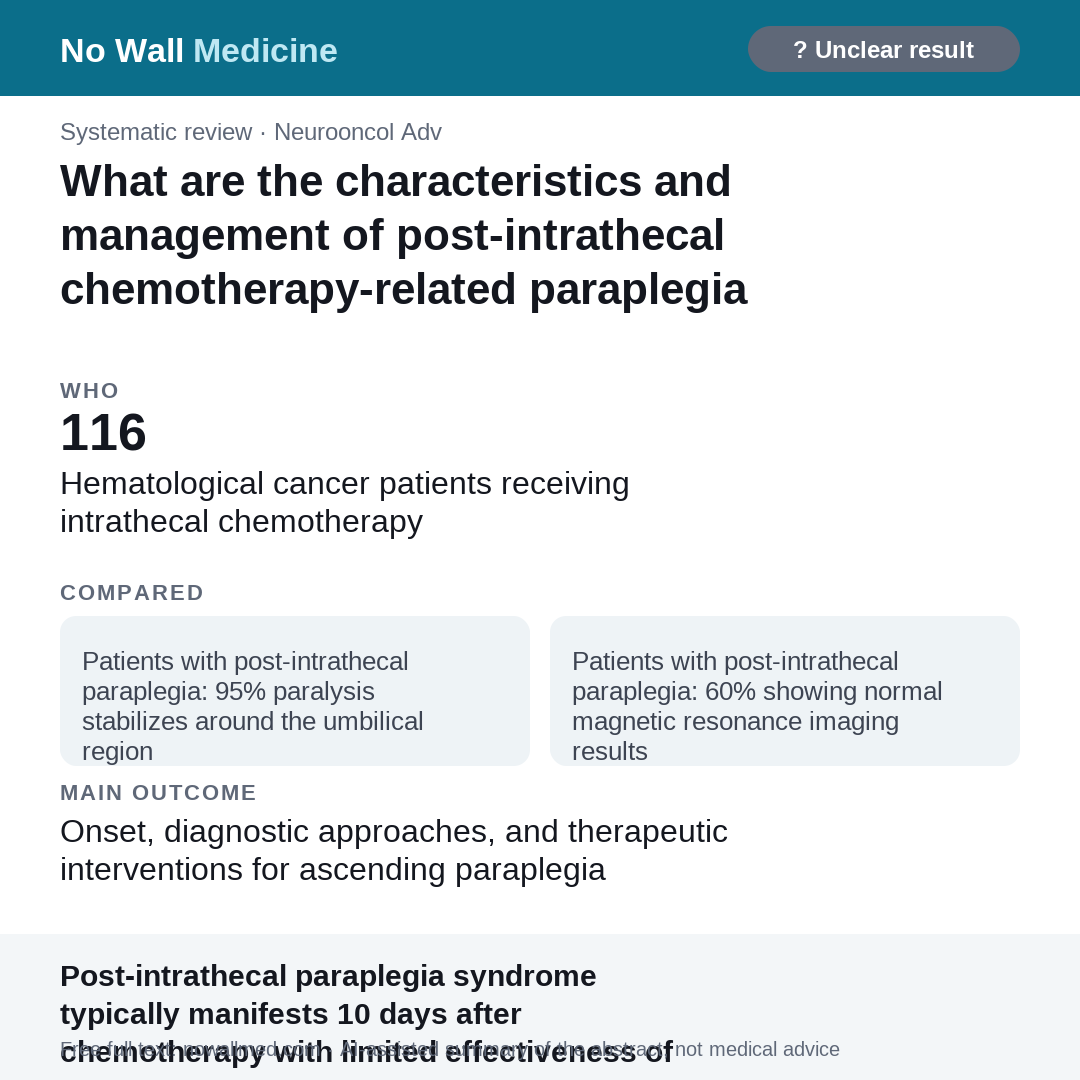
Post-intrathecal chemotherapy-related paraplegia syndrome in hematological cancer patients: A systematic review
Systematic reviewUnclear result
What are the characteristics and management of post-intrathecal chemotherapy-related paraplegia syndrome?
Who
116
Hematological cancer patients receiving intrathecal chemotherapy
Compared
Patients with post-intrathecal paraplegia: 95% paralysis stabilizes around the umbilical region
Patients with post-intrathecal paraplegia: 60% showing normal magnetic resonance imaging results
Main outcome
Onset, diagnostic approaches, and therapeutic interventions for ascending paraplegia
Bottom line: Post-intrathecal paraplegia syndrome typically manifests 10 days after chemotherapy with limited effectiveness of common treatments.
Neurooncol Adv · 2024-12-20Download image
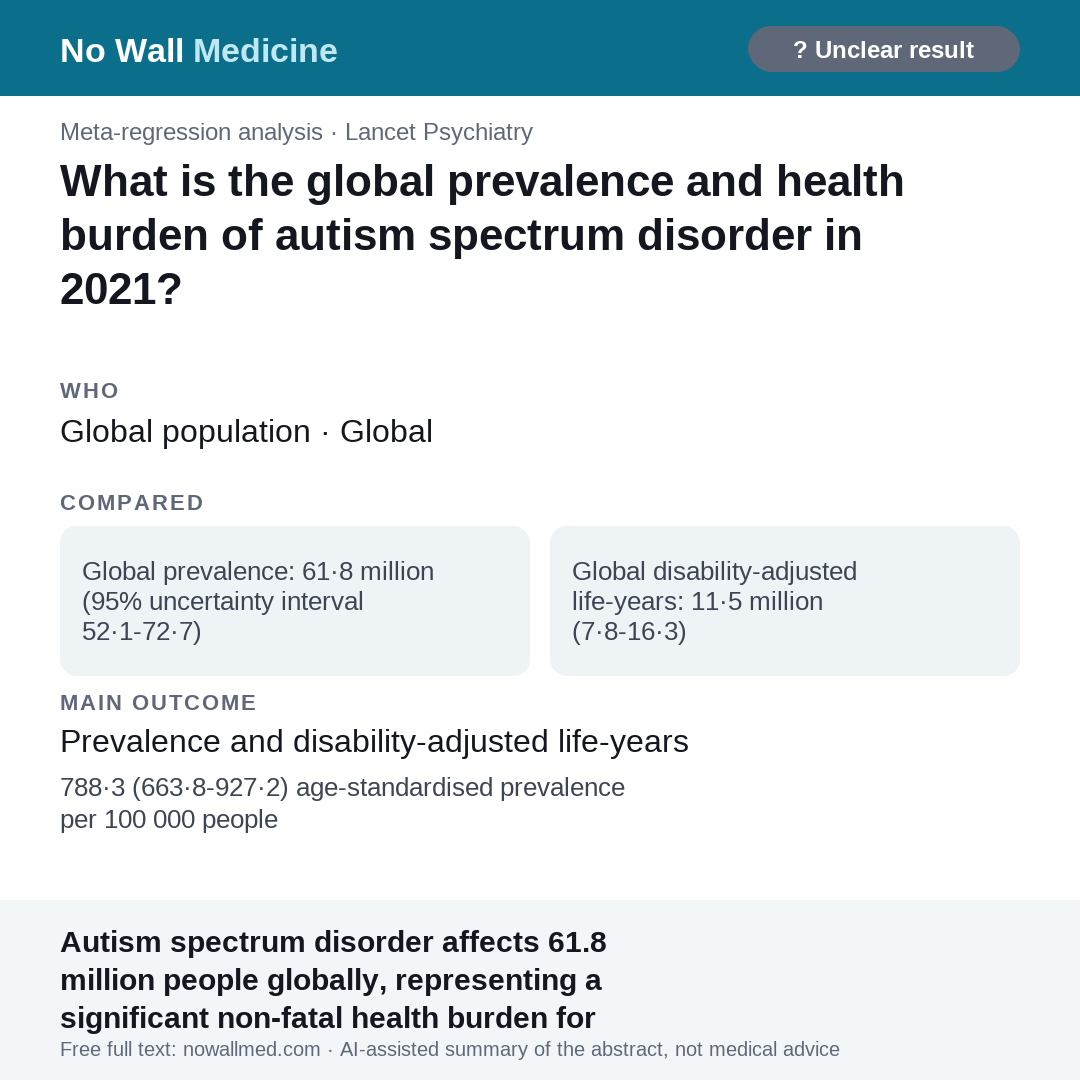
The global epidemiology and health burden of the autism spectrum: findings from the Global Burden of Disease Study 2021
Meta-regression analysisUnclear result
What is the global prevalence and health burden of autism spectrum disorder in 2021?
Who
Global population · Global
Compared
Global prevalence: 61·8 million (95% uncertainty interval 52·1-72·7)
Global disability-adjusted life-years: 11·5 million (7·8-16·3)
Main outcome
Prevalence and disability-adjusted life-years
Result: 788·3 (663·8-927·2) age-standardised prevalence per 100 000 people
Bottom line: Autism spectrum disorder affects 61.8 million people globally, representing a significant non-fatal health burden for those under 20.
Funded by: Queensland Health and the Bill & Melinda Gates Foundation
Lancet Psychiatry · 2024-12-19Download image
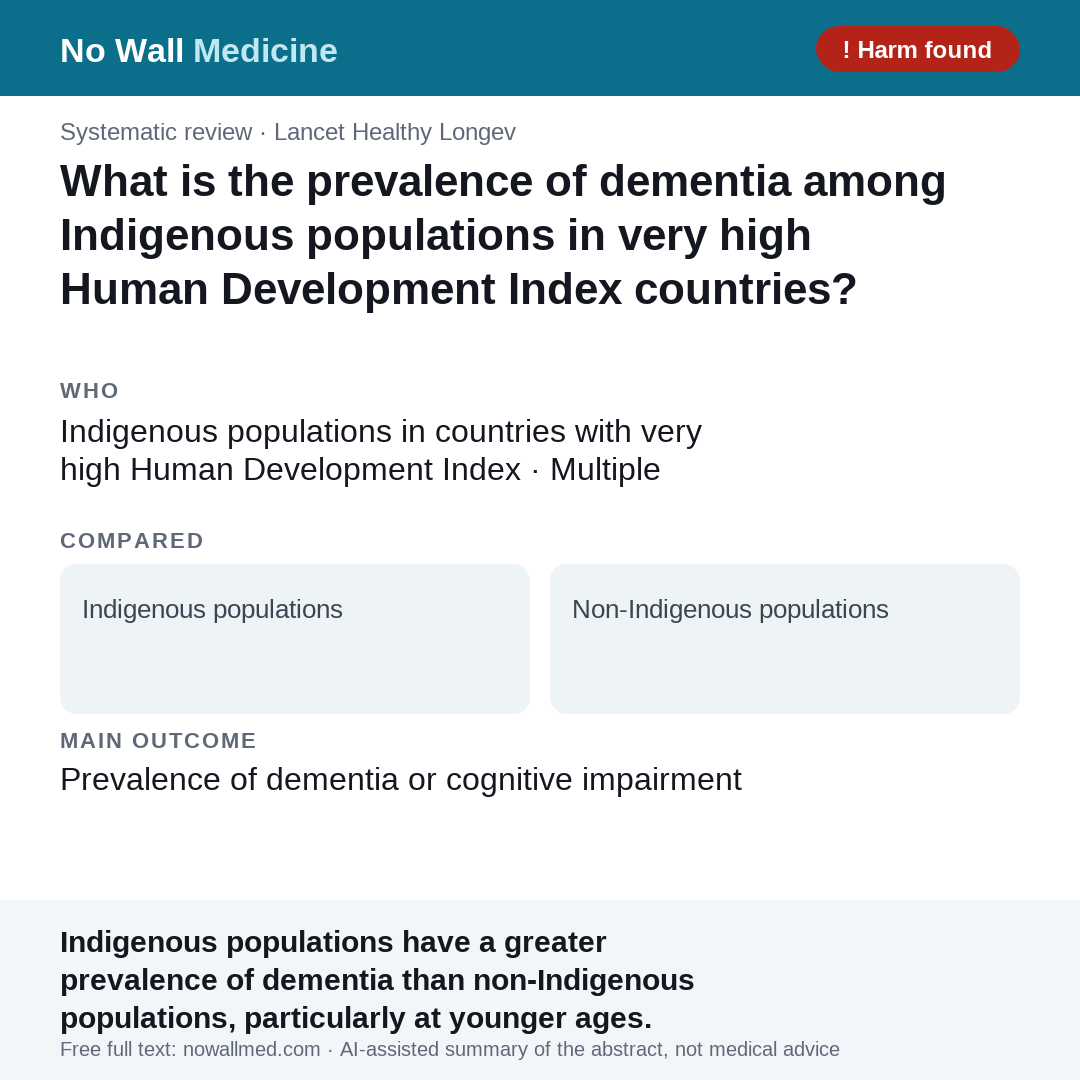
Prevalence of dementia among Indigenous populations of countries with a very high Human Development Index: a systematic review
Systematic reviewHarm found
What is the prevalence of dementia among Indigenous populations in very high Human Development Index countries?
Who
Indigenous populations in countries with very high Human Development Index · Multiple countries with very high Human Development Index
Compared
Indigenous populations
Non-Indigenous populations
Main outcome
Prevalence of dementia or cognitive impairment
Bottom line: Indigenous populations have a greater prevalence of dementia than non-Indigenous populations, particularly at younger ages.
Limitation: Fourteen studies presented a moderate risk of bias and few studies reported Indigenous involvement.
Lancet Healthy Longev · 2024-12-19Download image
3D printing in palliative medicine: systematic review
Systematic reviewBenefit found
Is 3D printing useful in palliative medicine
Who
Palliative care patients
Compared
3D printing
Conventional approaches
Main outcome
Clinical outcomes
Bottom line: 3D printing is useful in palliative medicine
BMJ Support Palliat Care · 2024-12-19Download image
Destitute and dying: interventions and models of palliative and end of life care for homeless adults - a systematic review
Systematic reviewUnclear result
Palliative care for homeless adults
Who
homeless adults with life-limiting illness
Compared
interventions
models of care
Main outcome
palliative and end of life care
Bottom line: Key components of care identified
BMJ Support Palliat Care · 2024-12-19Download image
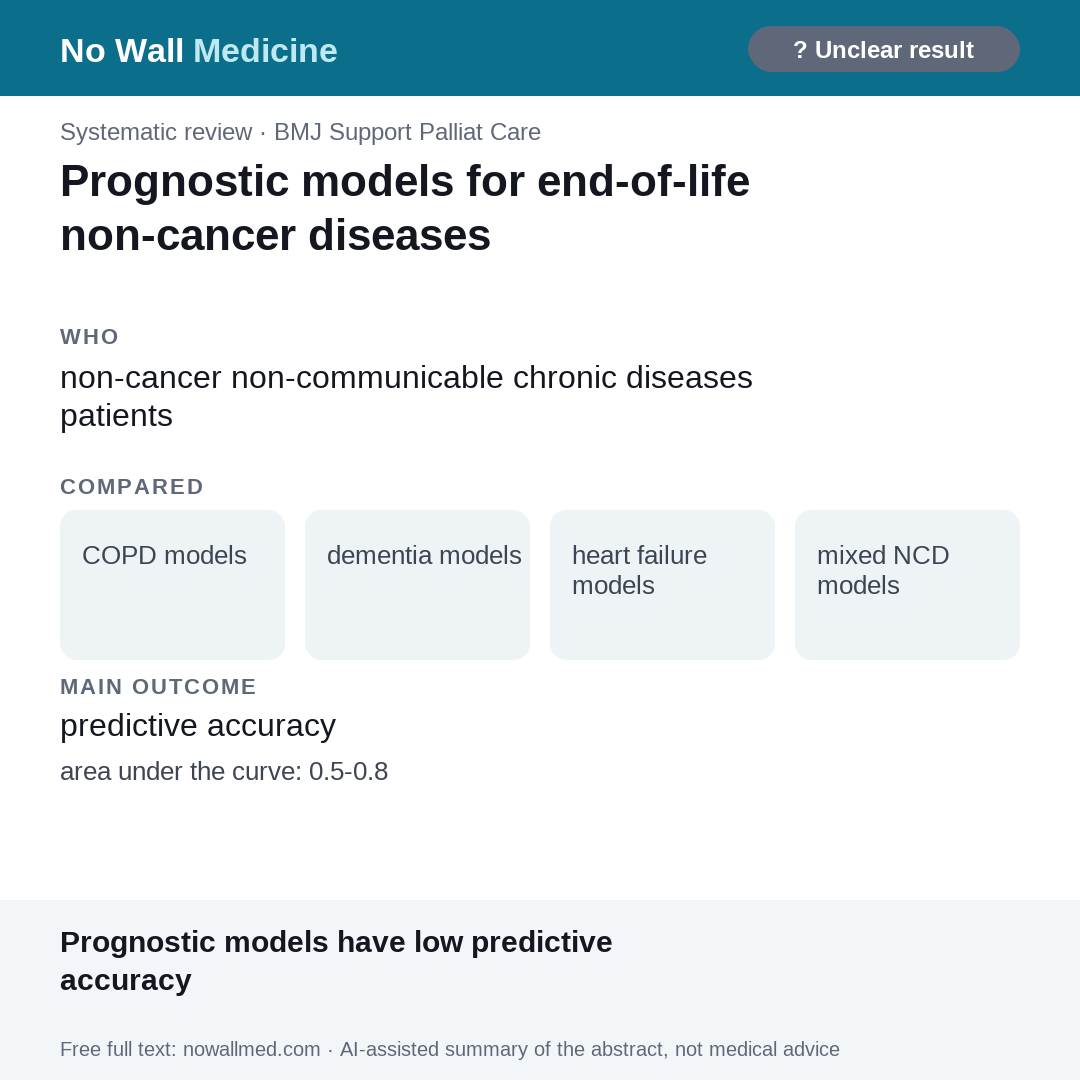
Prognostic models and factors identifying end-of-life in non-cancer chronic diseases: a systematic review
Systematic reviewUnclear result
Prognostic models for end-of-life non-cancer diseases
Who
41
non-cancer non-communicable chronic diseases patients
Compared
COPD models
dementia models
heart failure models
mixed NCD models
Main outcome
predictive accuracy
Result: area under the curve: 0.5-0.8
Bottom line: Prognostic models have low predictive accuracy
Limitation: lacked independent external validation
BMJ Support Palliat Care · 2024-12-19Download image
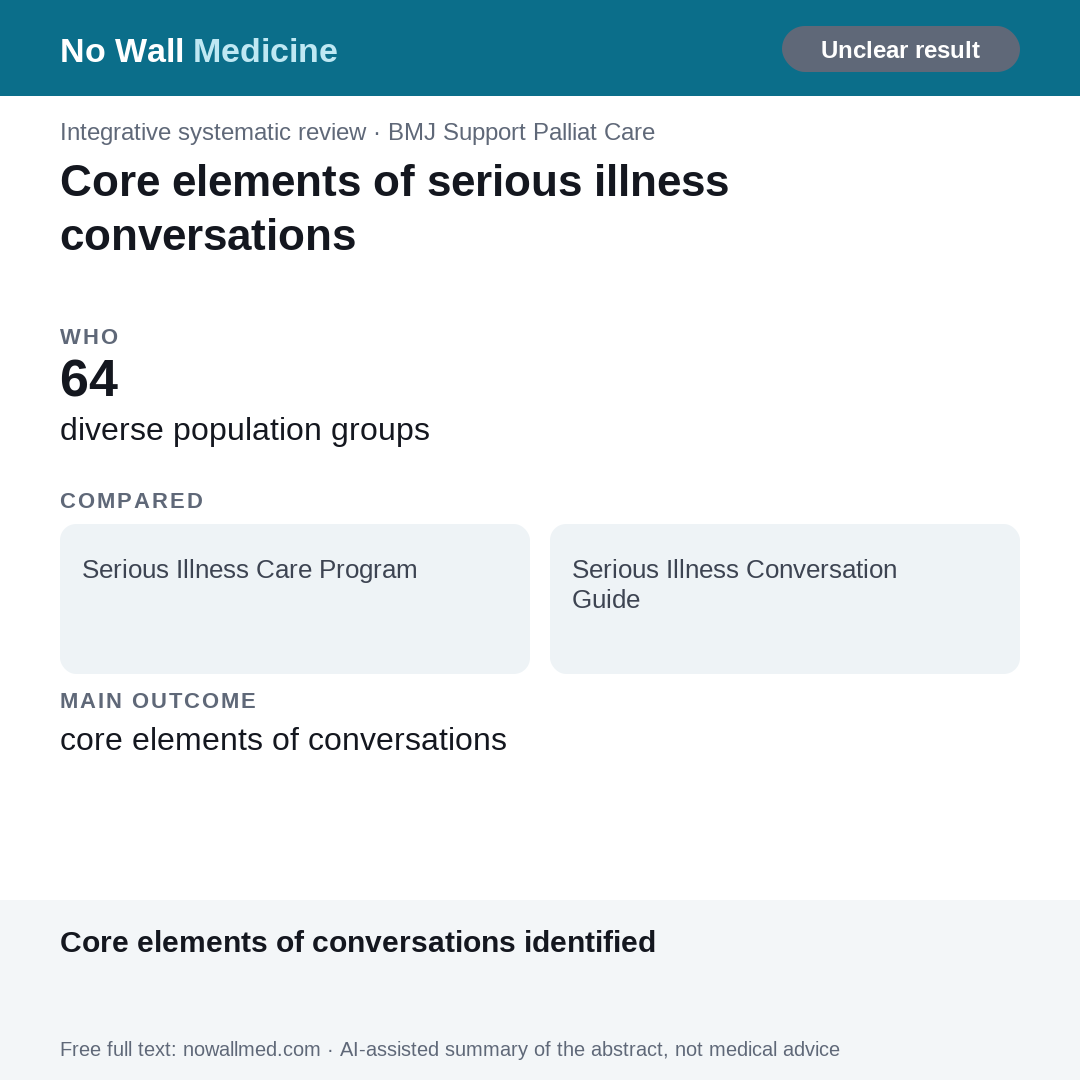
Core elements of serious illness conversations: an integrative systematic review
Integrative systematic reviewUnclear result
Core elements of serious illness conversations
Who
64
diverse population groups
Compared
Serious Illness Care Program
Serious Illness Conversation Guide
Main outcome
core elements of conversations
Bottom line: Core elements of conversations identified
BMJ Support Palliat Care · 2024-12-19Download image
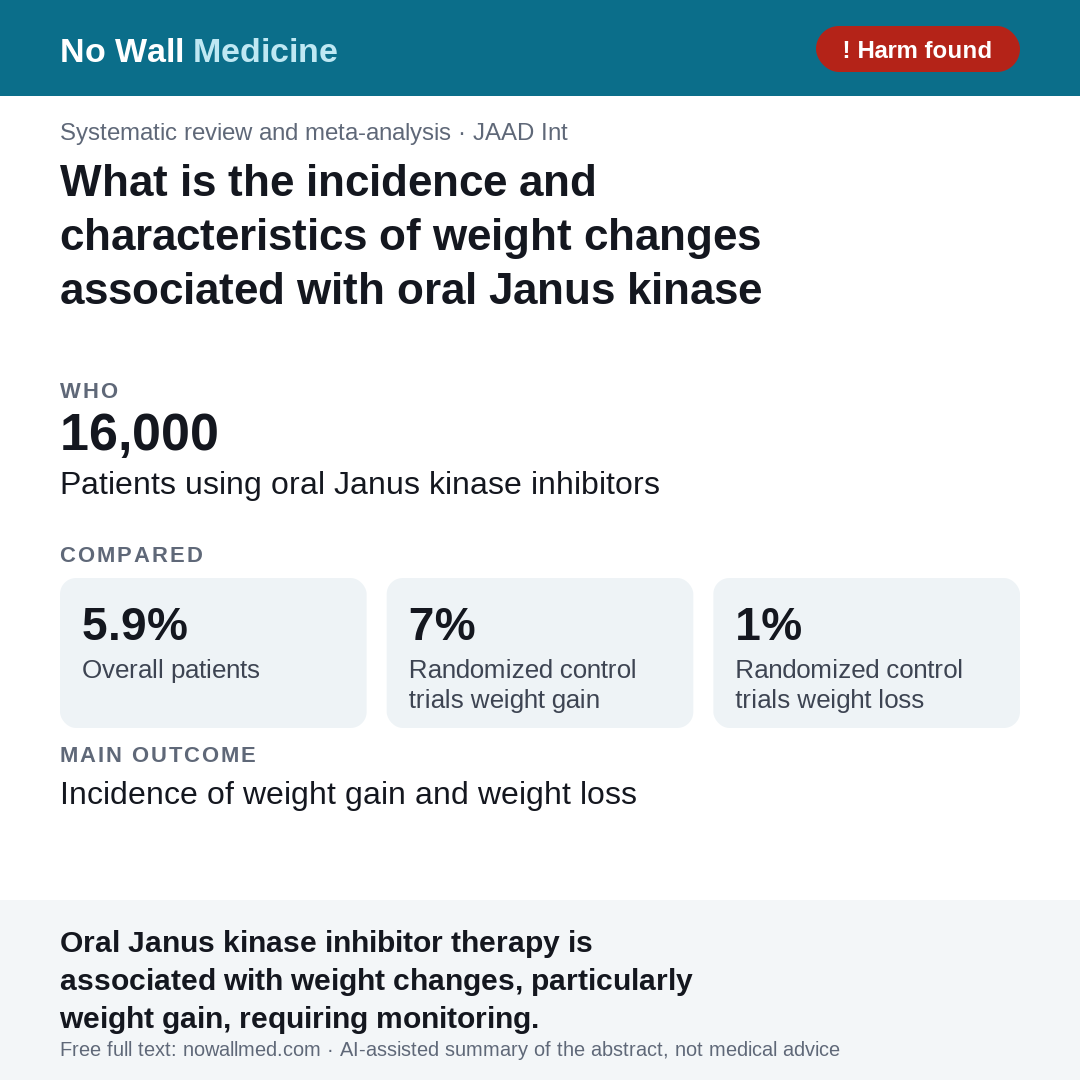
Weight gain secondary to the use of oral Janus kinase inhibitors: A systematic review and meta-analysis
Systematic review and meta-analysisHarm found
What is the incidence and characteristics of weight changes associated with oral Janus kinase inhibitors?
Who
16,000
Patients using oral Janus kinase inhibitors
Compared
5.9%Overall patients (947/16,000)
7%Randomized control trials weight gain (95% CI: 0.04; 0.09)
1%Randomized control trials weight loss (95% CI: 0.00; 0.03)
Main outcome
Incidence of weight gain and weight loss
Bottom line: Oral Janus kinase inhibitor therapy is associated with weight changes, particularly weight gain, requiring monitoring.
JAAD Int · 2024-12-19Download image
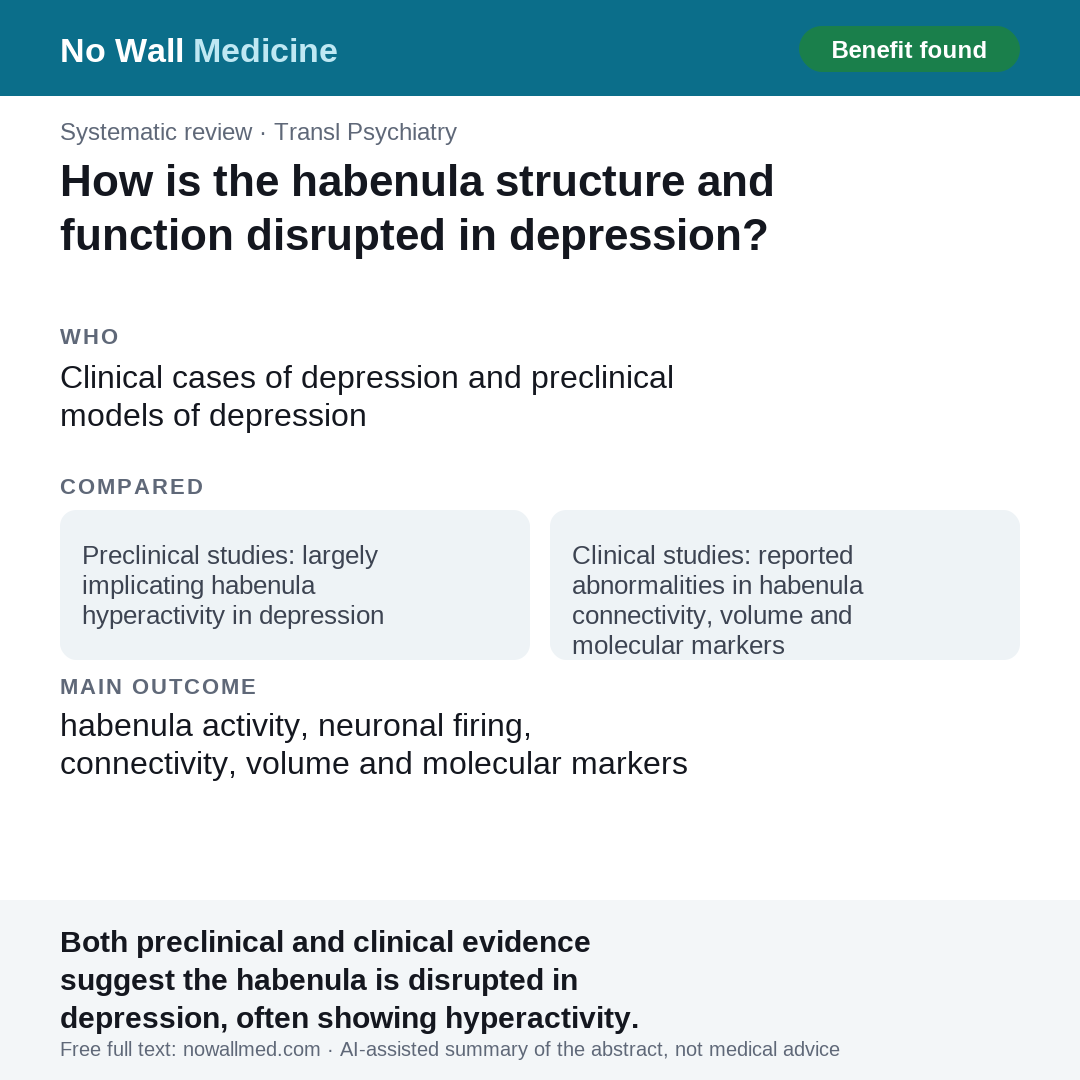
The disappointment centre of the brain gets exciting: a systematic review of habenula dysfunction in depression
Systematic reviewBenefit found
How is the habenula structure and function disrupted in depression?
Who
Clinical cases of depression and preclinical models of depression
Compared
Preclinical studies: largely implicating habenula hyperactivity in depression
Clinical studies: reported abnormalities in habenula connectivity, volume and molecular markers
Main outcome
habenula activity, neuronal firing, connectivity, volume and molecular markers
Bottom line: Both preclinical and clinical evidence suggest the habenula is disrupted in depression, often showing hyperactivity.
Limitation: progress is limited by a lack of detailed molecular analyses and limited imaging resolution
Transl Psychiatry · 2024-12-19Download image
AI technology to support adaptive functioning in neurodevelopmental conditions in everyday environments: a systematic review
Systematic reviewUnclear result
Does artificial intelligence technology support adaptive functioning in neurodevelopmental conditions in everyday environments?
Who
People with neurodevelopmental conditions · Everyday environments
Compared
Artificial intelligence assistive technologies
Existing evidence
Main outcome
Adaptive functioning in neurodevelopmental conditions
Bottom line: Artificial intelligence holds enormous potential to support adaptive functioning for people with neurodevelopmental conditions.
NPJ Digit Med · 2024-12-19Download image

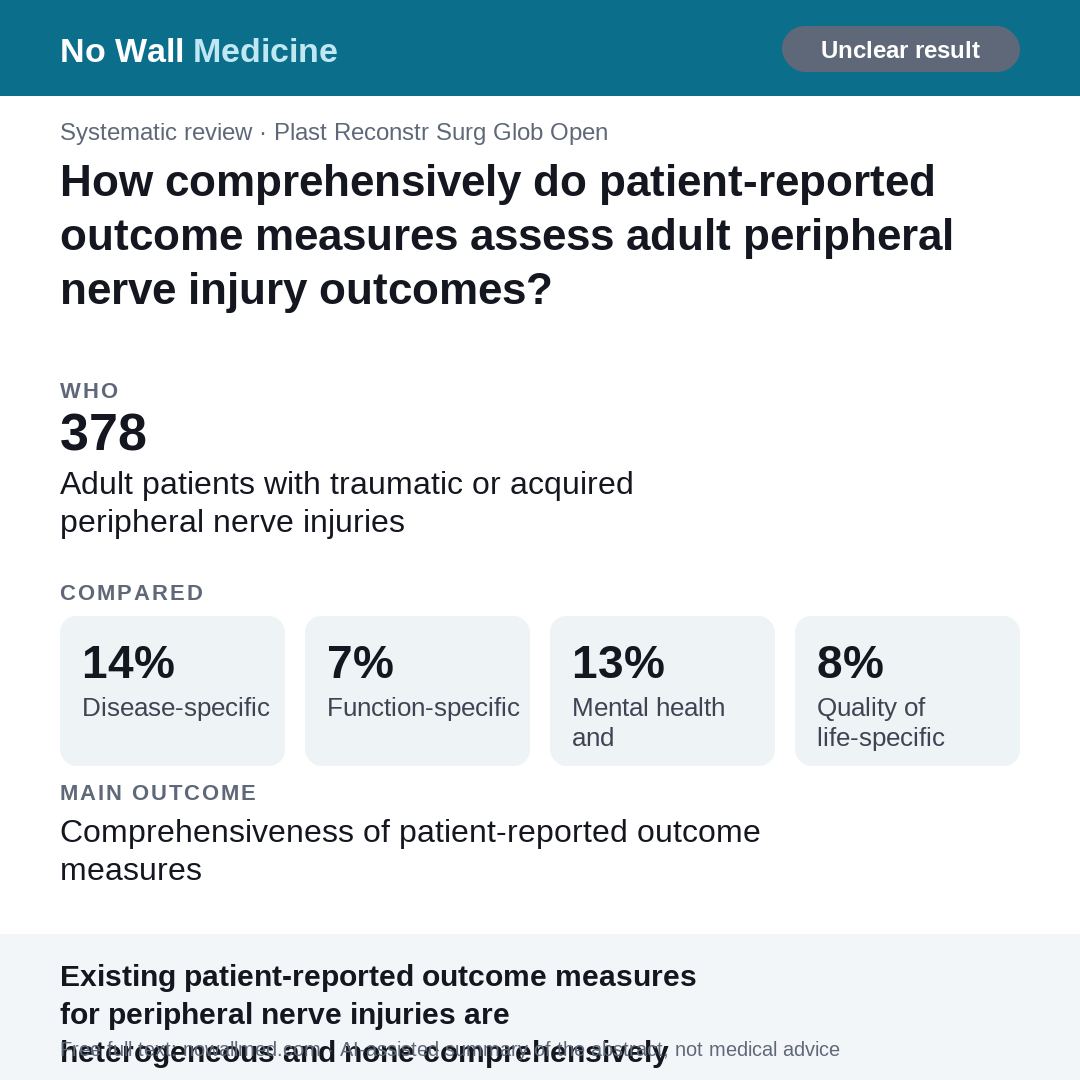
Patient-reported Outcome Measures for Peripheral Nerve Injuries: A Systematic Review
Systematic reviewUnclear result
How comprehensively do patient-reported outcome measures assess adult peripheral nerve injury outcomes?
Who
378
Adult patients with traumatic or acquired peripheral nerve injuries
Compared
14%Disease-specific
7%Function-specific
13%Mental health and well-being-specific
8%Quality of life-specific
Main outcome
Comprehensiveness of patient-reported outcome measures
Bottom line: Existing patient-reported outcome measures for peripheral nerve injuries are heterogeneous and none comprehensively assess this patient population.
Plast Reconstr Surg Glob Open · 2024-12-19Download image
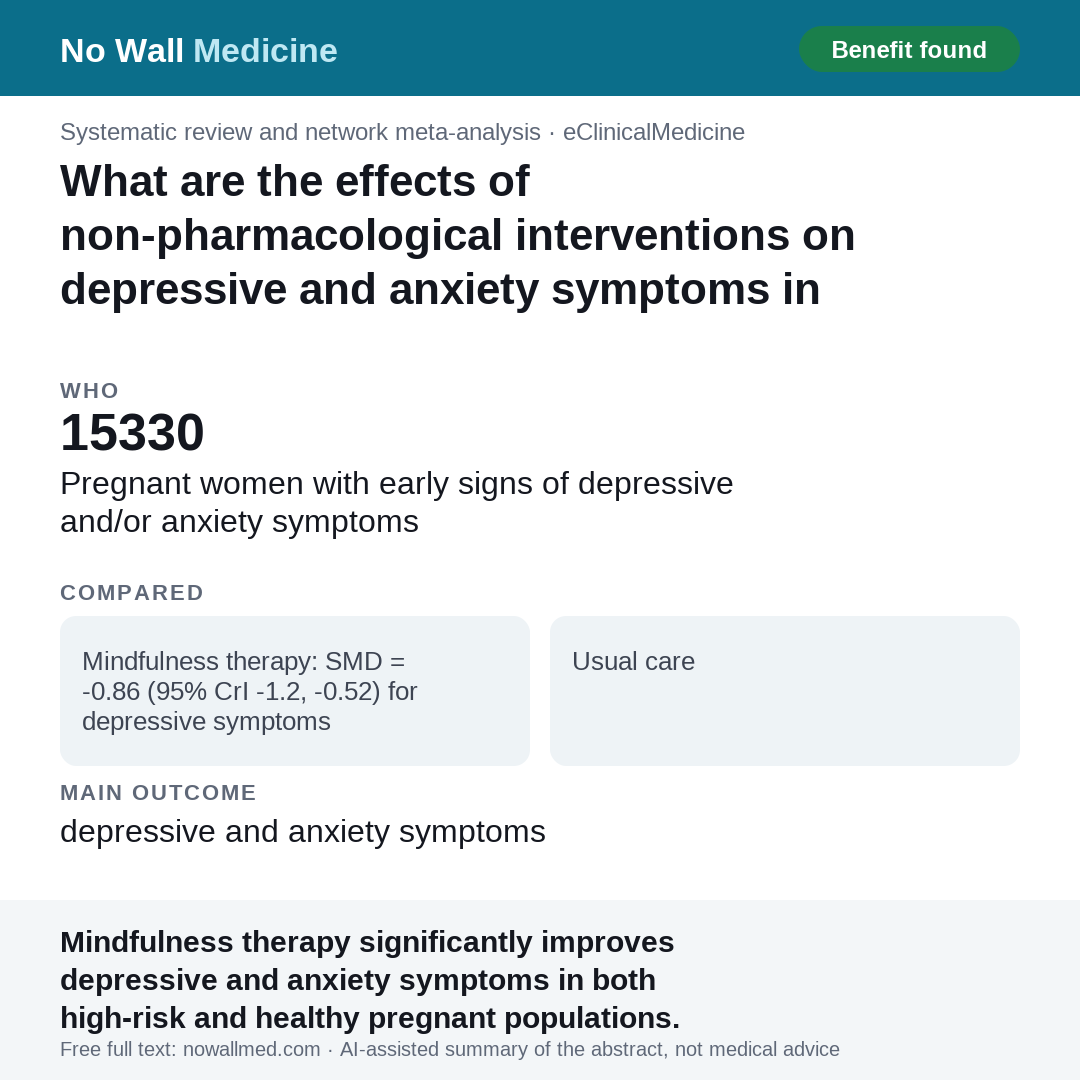
Effects of non-pharmacological interventions on depressive and anxiety symptoms in pregnant women: a systematic review and network meta-analysis
Systematic review and network meta-analysisBenefit found
What are the effects of non-pharmacological interventions on depressive and anxiety symptoms in pregnant women?
Who
15330
Pregnant women with early signs of depressive and/or anxiety symptoms
Compared
Mindfulness therapy: SMD = -0.86 (95% CrI -1.2, -0.52) for depressive symptoms
Usual care
Main outcome
depressive and anxiety symptoms
Result: SMD = -0.86, 95% CrI = -1.2, -0.52
Bottom line: Mindfulness therapy significantly improves depressive and anxiety symptoms in both high-risk and healthy pregnant populations.
Limitation: 19 studies demonstrated a high risk of bias
eClinicalMedicine · 2024-12-18Download image
A systematic review and individual bacterial species level meta-analysis of in vitro studies on the efficacy of ceftazidime/avibactam combined with other antimicrobials against carbapenem-resistant Gram-negative bacteria
Systematic review and meta-analysis of in vitro studiesBenefit found
What is the in vitro efficacy of ceftazidime/avibactam combined with other antimicrobials against carbapenem-resistant Gram-negative bacteria?
Who
734
Carbapenem-resistant Gram-negative bacteria isolates
Compared
Ceftazidime/avibactam alone: 31% bactericidal rate for K. pneumoniae
Ceftazidime/avibactam with other antimicrobials: 57% bactericidal rate for K. pneumoniae
Main outcome
Proportion of isolates exhibiting synergy and bactericidal rate
Bottom line: Ceftazidime/avibactam frequently demonstrates synergistic bactericidal activity when combined with various antimicrobials against carbapenem-resistant Gram-negative bacteria in vitro.
J Antimicrob Chemother · 2024-12-18Download image

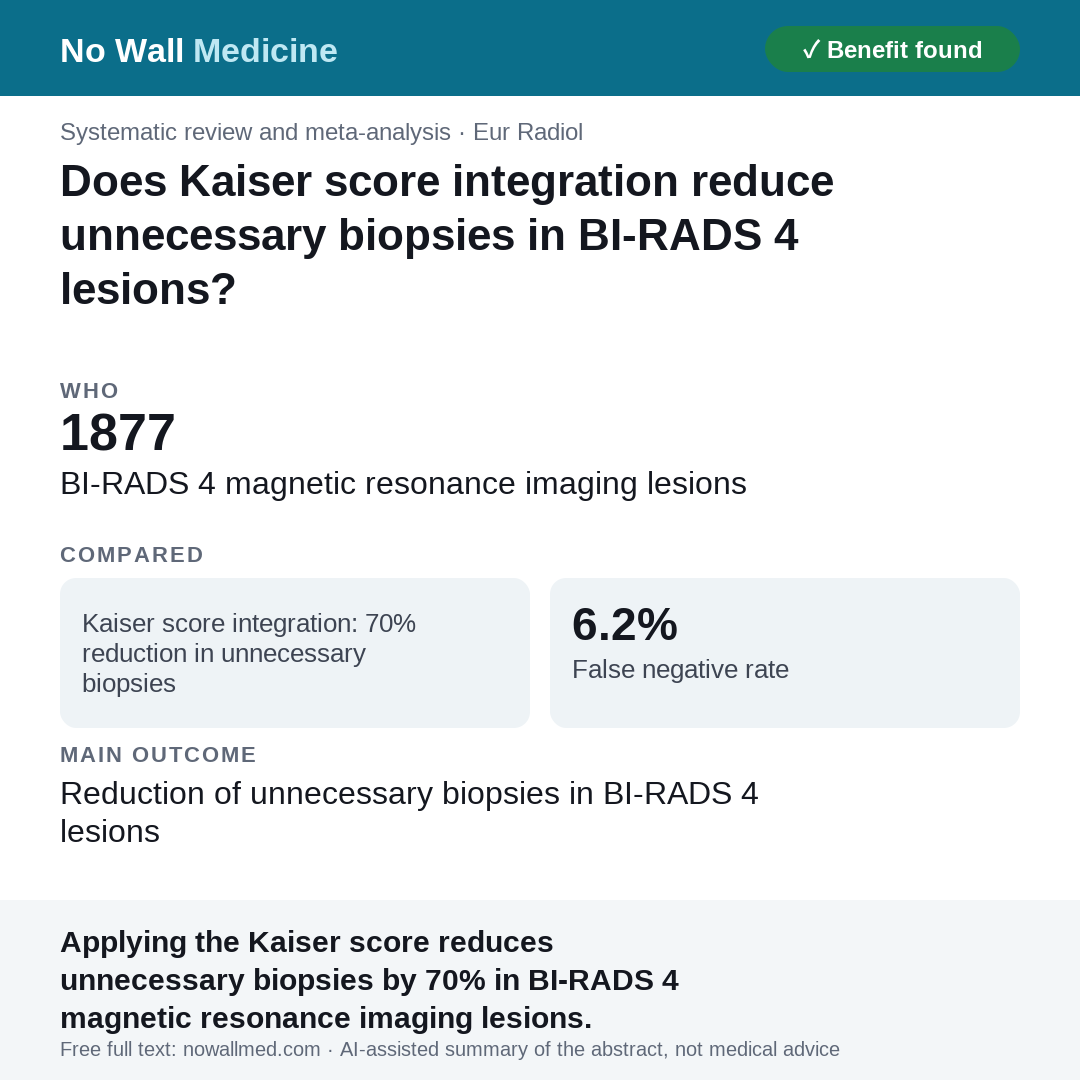
Can structured integration of BI-RADS criteria by a clinical decision rule reduce the number of unnecessary biopsies in BI-RADS 4 lesions? A systematic review and meta-analysis
Systematic review and meta-analysisBenefit found
Does Kaiser score integration reduce unnecessary biopsies in BI-RADS 4 lesions?
Who
1877
BI-RADS 4 magnetic resonance imaging lesions
Compared
Kaiser score integration: 70% reduction in unnecessary biopsies
6.2%False negative rate
Main outcome
Reduction of unnecessary biopsies in BI-RADS 4 lesions
Result: sensitivity 94.3% (95%-CI 88.9%-97.1%), specificity 68.1% (95%-CI 56.6%-77.7%)
Bottom line: Applying the Kaiser score reduces unnecessary biopsies by 70% in BI-RADS 4 magnetic resonance imaging lesions.
Eur Radiol · 2024-12-18Download image
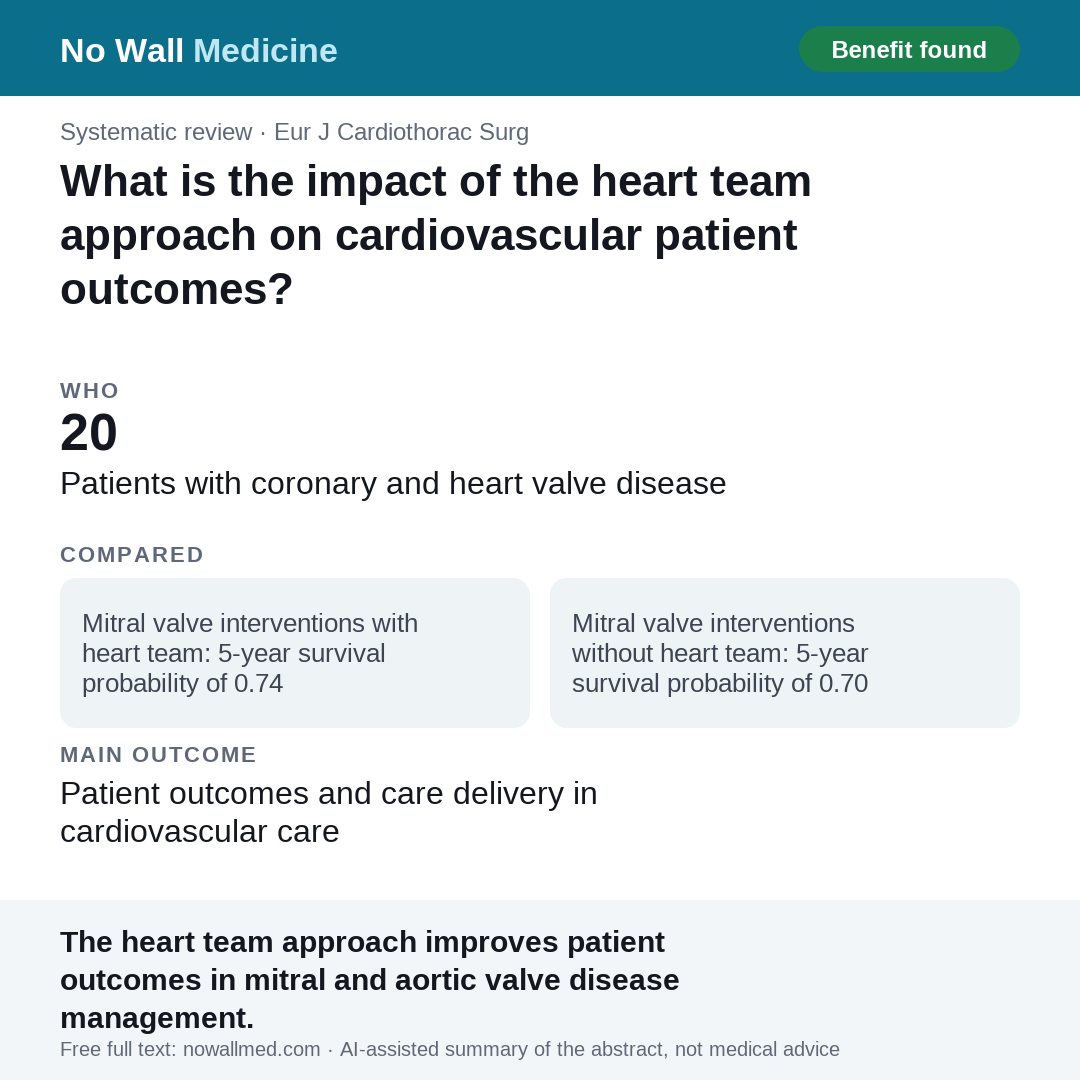
The current state of the multidisciplinary heart team approach: a systematic review
Systematic reviewBenefit found
What is the impact of the heart team approach on cardiovascular patient outcomes?
Who
20
Patients with coronary and heart valve disease
Compared
Mitral valve interventions with heart team: 5-year survival probability of 0.74
Mitral valve interventions without heart team: 5-year survival probability of 0.70
Main outcome
Patient outcomes and care delivery in cardiovascular care
Result: P = 0.04
Bottom line: The heart team approach improves patient outcomes in mitral and aortic valve disease management.
Eur J Cardiothorac Surg · 2024-12-18Download image