Visual abstracts
New randomized trials and meta-analyses from leading journals at a glance: who was studied, what was compared, and what was found. Every paper is free to read in full.
All specialtiesCardiology 4877Oncology 4138Gastroenterology & Hepatology 1942Infectious Disease 3837Neurology 1905Psychiatry & Mental Health 2273Pulmonology 2143Critical Care 1365Endocrinology & Diabetes 2580Pediatrics 2980Surgery 2559Orthopedics & Sports Medicine 931Neurosurgery 537Cardiothoracic & Vascular Surgery 674Plastic & Reconstructive Surgery 591Nephrology 1133Rheumatology 823Hematology 1109Dermatology 621Ophthalmology 543Obstetrics & Gynecology 1686Public & Global Health 1058Radiology & Imaging 648Anesthesiology 986Urology 764ENT (Otolaryngology) 503Emergency Medicine 511Allergy & Immunology 313Geriatrics 981Family Medicine & Primary Care 562Medical Genetics & Genomics 676Pathology & Laboratory Medicine 159Physical Medicine & Rehabilitation 757Palliative Care 444Nutrition 1588Digital Health & AI 2201General Medicine 321
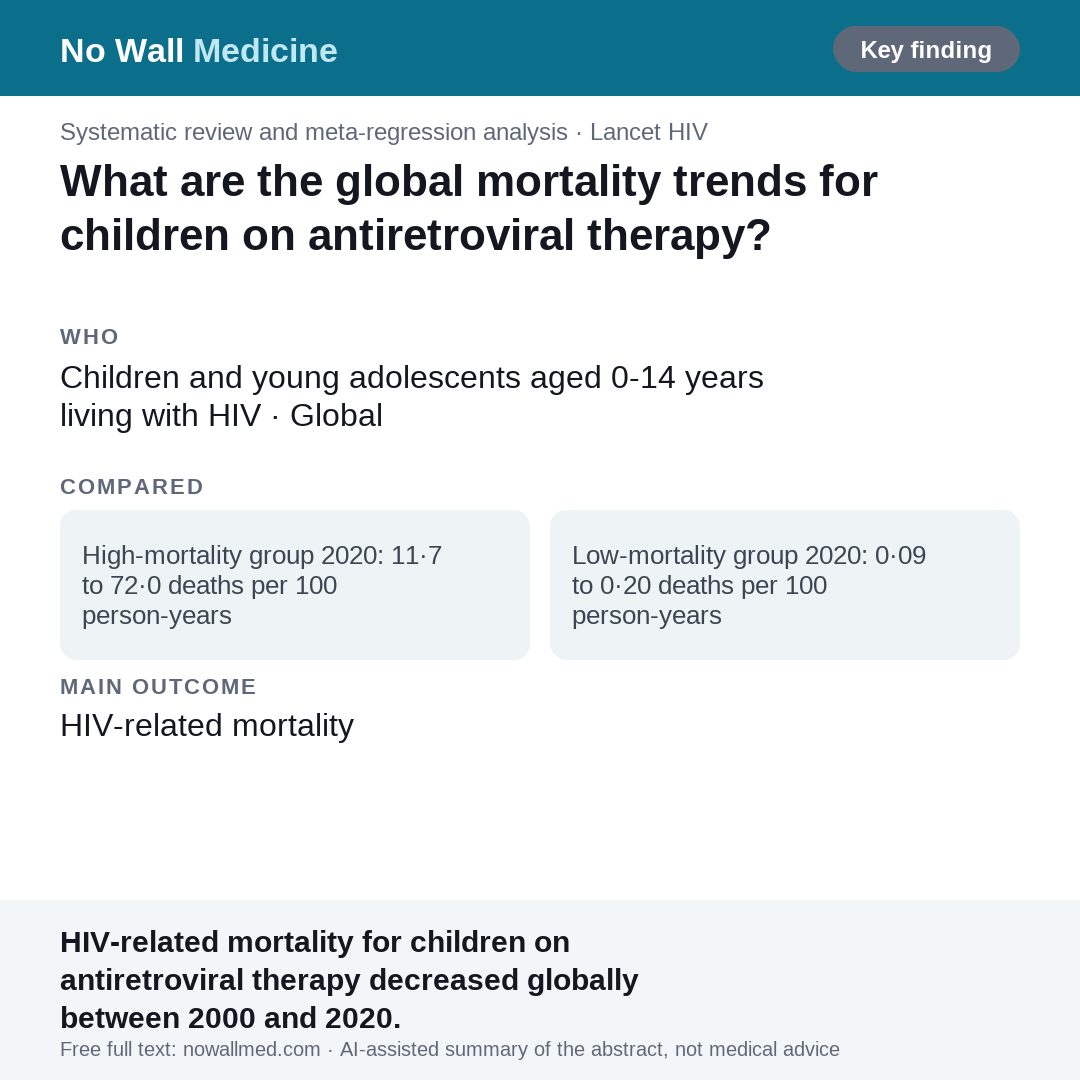
HIV-related mortality time trends among children and young adolescents on antiretroviral therapy by age, treatment duration, and region: a systematic review and meta-regression analysis
Systematic review and meta-regression analysisBenefit found
What are the global mortality trends for children on antiretroviral therapy?
Who
Children and young adolescents aged 0-14 years living with HIV · Global
Compared
High-mortality group 2020: 11·7 to 72·0 deaths per 100 person-years
Low-mortality group 2020: 0·09 to 0·20 deaths per 100 person-years
Main outcome
HIV-related mortality
Bottom line: HIV-related mortality for children on antiretroviral therapy decreased globally between 2000 and 2020.
Funded by: National Institute of Allergy and Infectious Diseases and National Institutes of Health
Lancet HIV · 2025-09-02Download image
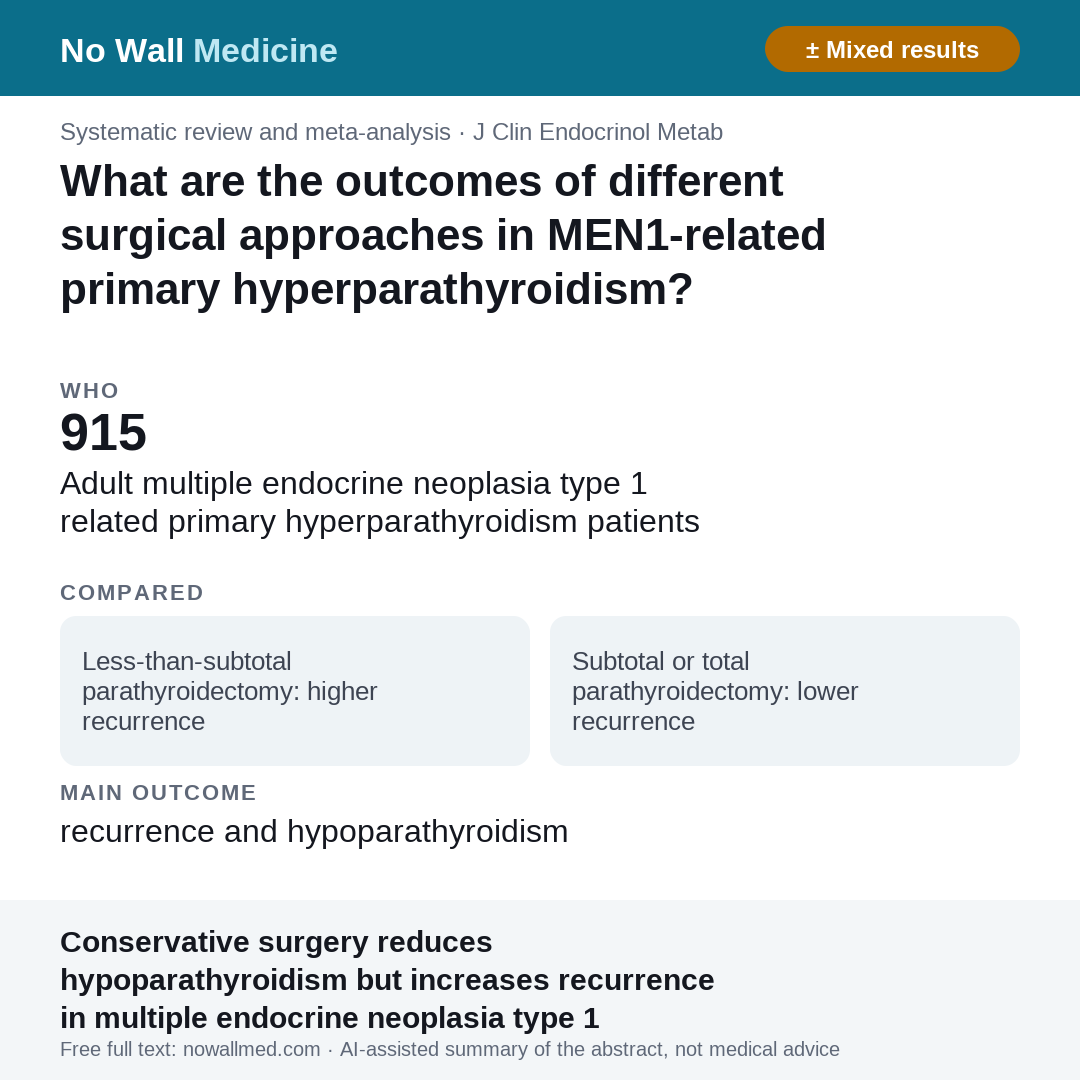
Extent of Surgical Resection and Predictors of Outcomes in MEN1-related Hyperparathyroidism: A Systematic Review and Meta-analysis
Systematic review and meta-analysisMixed results
What are the outcomes of different surgical approaches in MEN1-related primary hyperparathyroidism?
Who
915
Adult multiple endocrine neoplasia type 1 related primary hyperparathyroidism patients
Compared
Less-than-subtotal parathyroidectomy: higher recurrence
Subtotal or total parathyroidectomy: lower recurrence
Main outcome
recurrence and hypoparathyroidism
Result: RR = 1.23 (95% CI 1.03 to 1.46) for recurrence
Bottom line: Conservative surgery reduces hypoparathyroidism but increases recurrence in multiple endocrine neoplasia type 1 related primary hyperparathyroidism.
J Clin Endocrinol Metab · 2025-09-02Download image
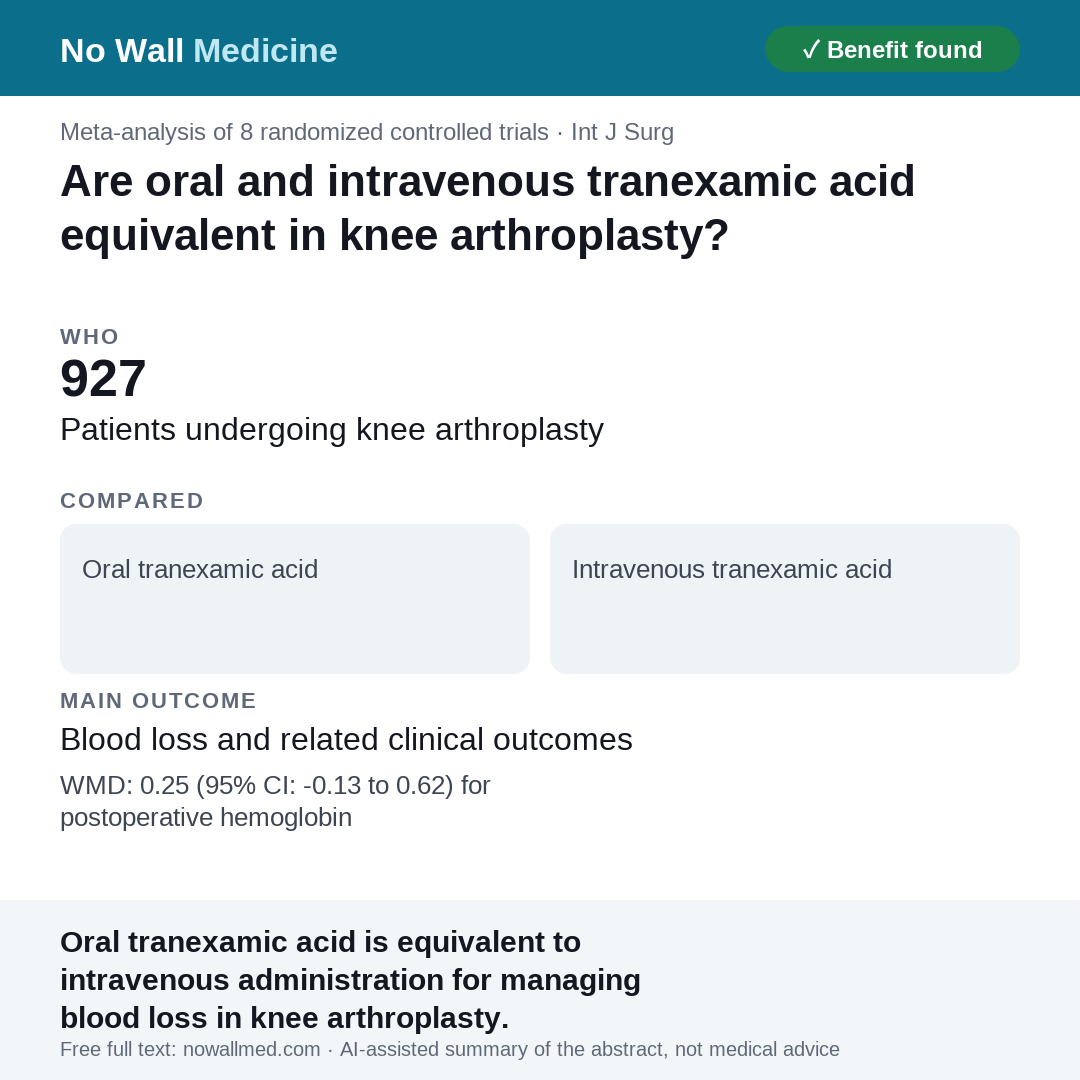
Equivalence of oral and intravenous tranexamic acid in knee arthroplasty: a systematic review and meta-analysis of randomized clinical trials
Meta-analysis of 8 randomized controlled trialsBenefit found
Are oral and intravenous tranexamic acid equivalent in knee arthroplasty?
Who
927
Patients undergoing knee arthroplasty
Compared
Oral tranexamic acid
Intravenous tranexamic acid
Main outcome
Blood loss and related clinical outcomes
Result: WMD: 0.25 (95% CI: -0.13 to 0.62) for postoperative hemoglobin
Bottom line: Oral tranexamic acid is equivalent to intravenous administration for managing blood loss in knee arthroplasty.
Int J Surg · 2025-09-02Download image
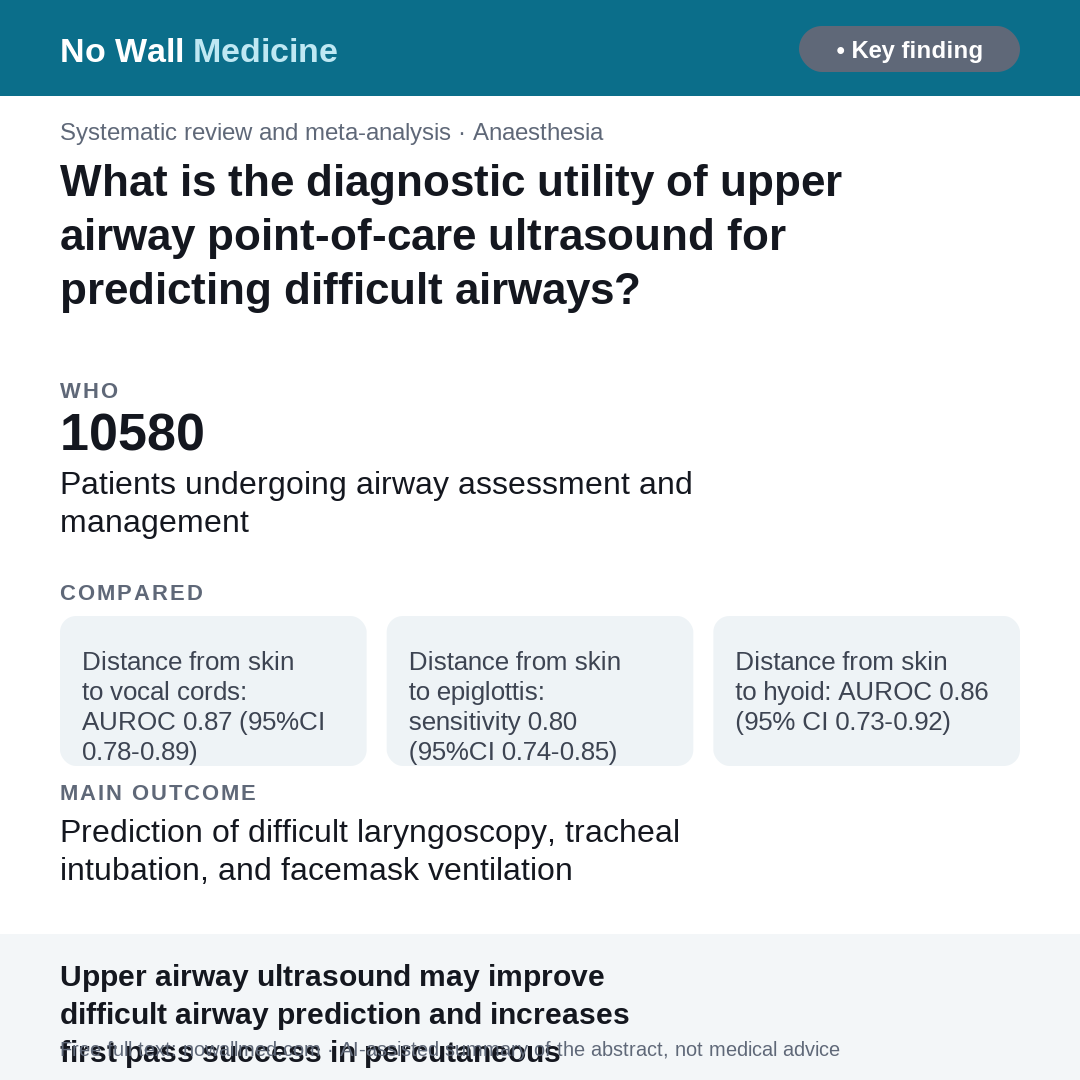
Point-of-care ultrasound of the upper airway in difficult airway management: a systematic review and meta-analysis
Systematic review and meta-analysisBenefit found
What is the diagnostic utility of upper airway point-of-care ultrasound for predicting difficult airways?
Who
10580
Patients undergoing airway assessment and management
Compared
Distance from skin to vocal cords: AUROC 0.87 (95%CI 0.78-0.89)
Distance from skin to epiglottis: sensitivity 0.80 (95%CI 0.74-0.85)
Distance from skin to hyoid: AUROC 0.86 (95% CI 0.73-0.92)
Main outcome
Prediction of difficult laryngoscopy, tracheal intubation, and facemask ventilation
Bottom line: Upper airway ultrasound may improve difficult airway prediction and increases first pass success in percutaneous tracheostomy.
Limitation: Future research should evaluate use in combination with history and standard bedside examination tests.
Anaesthesia · 2025-09-02Download image
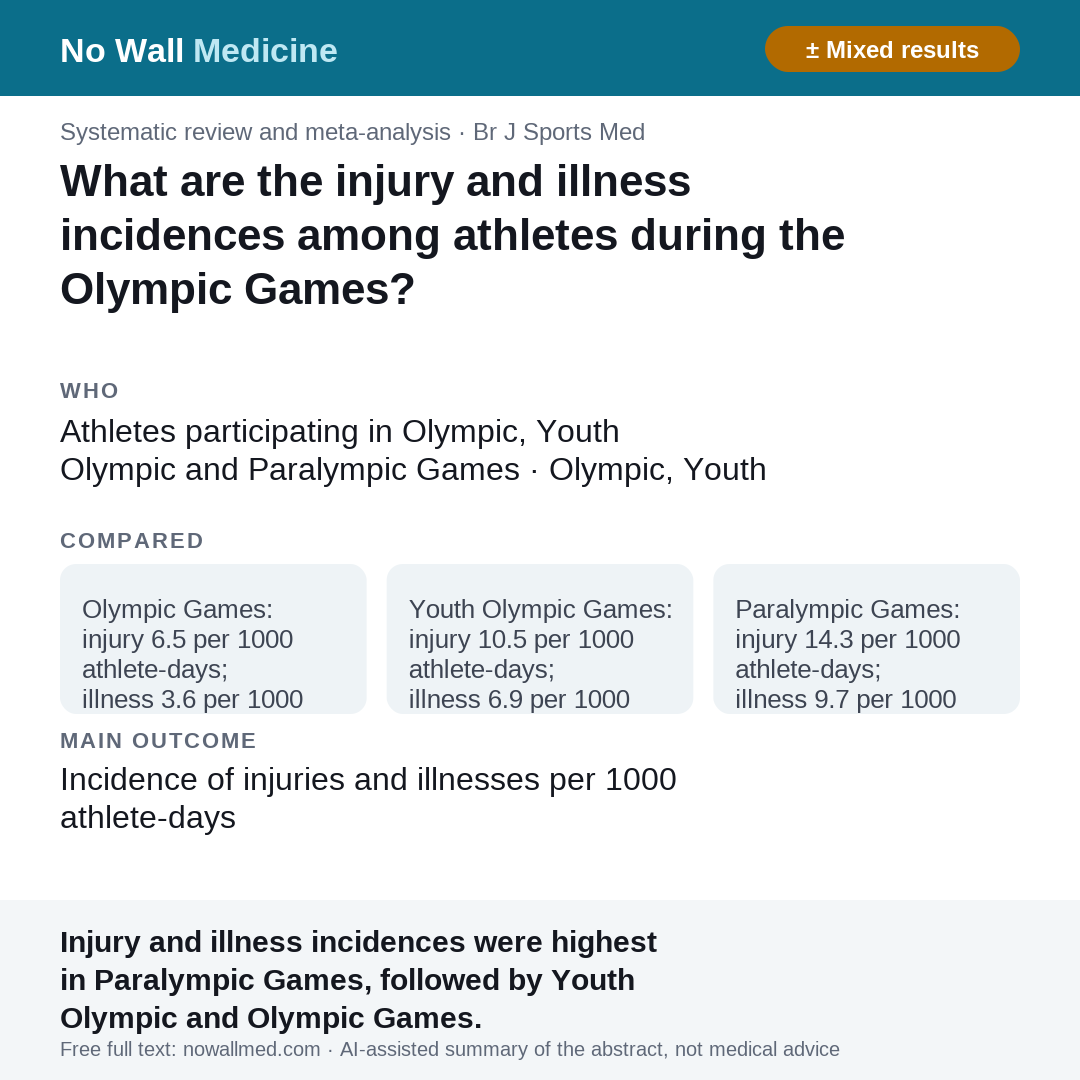
Injury and illness epidemiology in elite athletes during the Olympic, Youth Olympic and Paralympic Games: a systematic review and meta-analysis
Systematic review and meta-analysisMixed results
What are the injury and illness incidences among athletes during the Olympic Games?
Who
Athletes participating in Olympic, Youth Olympic and Paralympic Games · Olympic, Youth Olympic and Paralympic Games
Compared
Olympic Games: injury 6.5 per 1000 athlete-days; illness 3.6 per 1000 athlete-days
Youth Olympic Games: injury 10.5 per 1000 athlete-days; illness 6.9 per 1000 athlete-days
Paralympic Games: injury 14.3 per 1000 athlete-days; illness 9.7 per 1000 athlete-days
Main outcome
Incidence of injuries and illnesses per 1000 athlete-days
Bottom line: Injury and illness incidences were highest in Paralympic Games, followed by Youth Olympic and Olympic Games.
Limitation: Certainty of evidence was low for Paralympic Games.
Br J Sports Med · 2025-09-02Download image
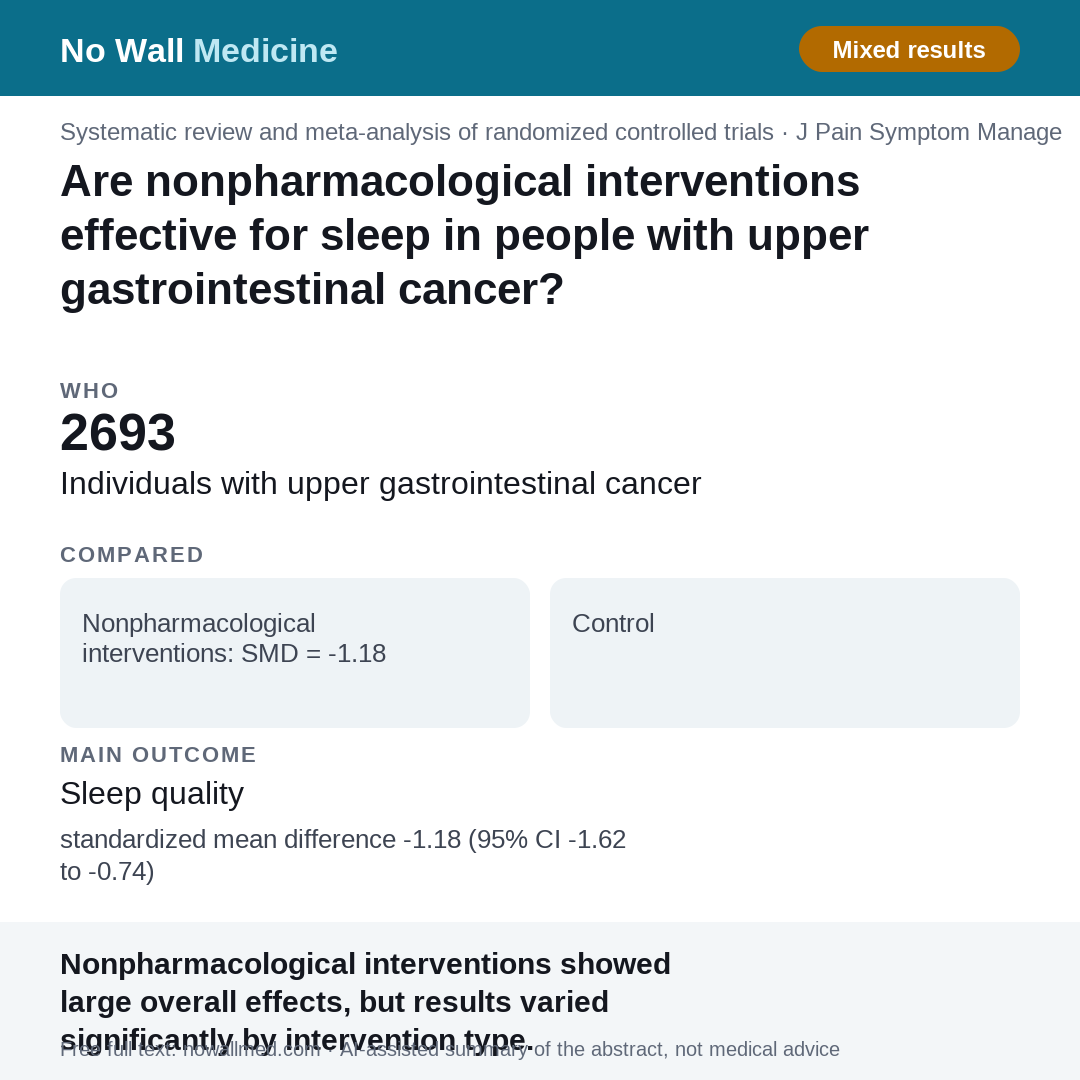
Nonpharmacological Interventions for Sleep in People With Upper Gastrointestinal Cancer: A Systematic Review and Meta-Analysis
Systematic review and meta-analysis of randomized controlled trialsMixed results
Are nonpharmacological interventions effective for sleep in people with upper gastrointestinal cancer?
Who
2693
Individuals with upper gastrointestinal cancer
Compared
Nonpharmacological interventions: SMD = -1.18
Control
Main outcome
Sleep quality
Result: standardized mean difference -1.18 (95% CI -1.62 to -0.74)
Bottom line: Nonpharmacological interventions showed large overall effects, but results varied significantly by intervention type.
Limitation: High heterogeneity and limited number of trials prevent definitive recommendations.
J Pain Symptom Manage · 2025-09-02Download image
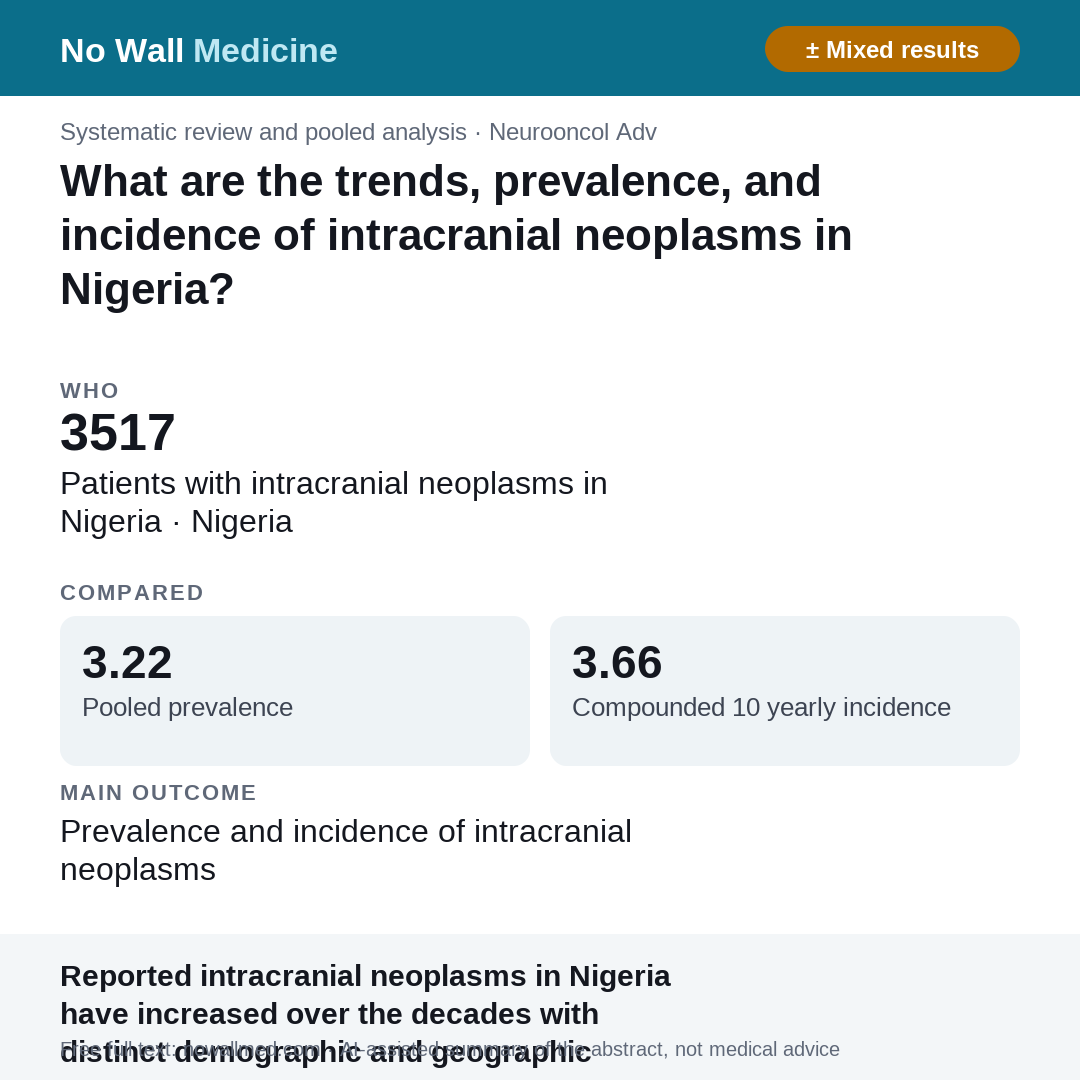
Trends of hospital-based reporting of intracranial neoplasms in Nigeria from 1960 to 2024: A systematic review and pooled analysis of literatures
Systematic review and pooled analysisMixed results
What are the trends, prevalence, and incidence of intracranial neoplasms in Nigeria?
Who
3517
Patients with intracranial neoplasms in Nigeria · Nigeria
Compared
3.22Pooled prevalence (95% CI: 1.66-5.22)
3.66Compounded 10 yearly incidence (95% CI: 1.67-6.32)
Main outcome
Prevalence and incidence of intracranial neoplasms
Bottom line: Reported intracranial neoplasms in Nigeria have increased over the decades with distinct demographic and geographic patterns.
Neurooncol Adv · 2025-09-02Download image
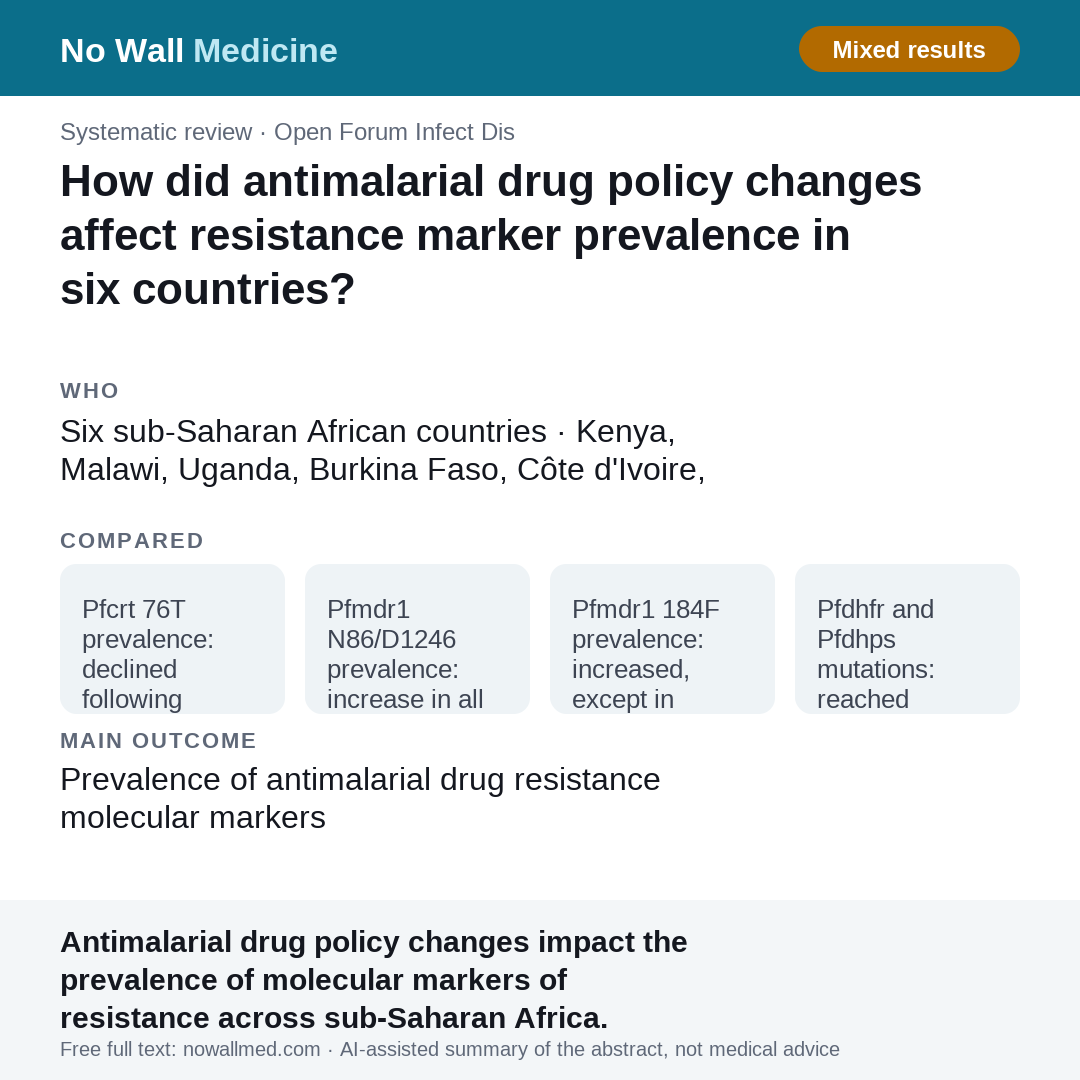
Changes in the Prevalence of Antimalarial Partner Drug Resistance Markers and Policy in 6 Sub-Saharan African Countries From 2000 to 2021: A Systematic Review
Systematic reviewMixed results
How did antimalarial drug policy changes affect resistance marker prevalence in six countries?
Who
Six sub-Saharan African countries · Kenya, Malawi, Uganda, Burkina Faso, Côte d'Ivoire, and Nigeria
Compared
Pfcrt 76T prevalence: declined following cessation of chloroquine
Pfmdr1 N86/D1246 prevalence: increase in all countries
Pfmdr1 184F prevalence: increased, except in Burkina Faso
Pfdhfr and Pfdhps mutations: reached fixation levels in most countries
Main outcome
Prevalence of antimalarial drug resistance molecular markers
Bottom line: Antimalarial drug policy changes impact the prevalence of molecular markers of resistance across sub-Saharan Africa.
Open Forum Infect Dis · 2025-09-02Download image
Assessing Treatment Efficacy for Dermatologic Immune-Related Adverse Events: A Systematic Review
Systematic reviewUnclear result
What is the level of evidence for reported dermatologic immune-related adverse event treatments?
Who
Patients with dermatologic immune-related adverse events
Compared
Topical and oral corticosteroids and apremilast: strongest evidence rating (3B)
Other treatments
Main outcome
Level of evidence for reported dermatologic immune-related adverse event treatments
Bottom line: Corticosteroids and apremilast have the strongest evidence, but most treatments lack robust validation.
Limitation: Lack of randomized control trials and prospective cohort studies
JID Innov · 2025-09-02Download image

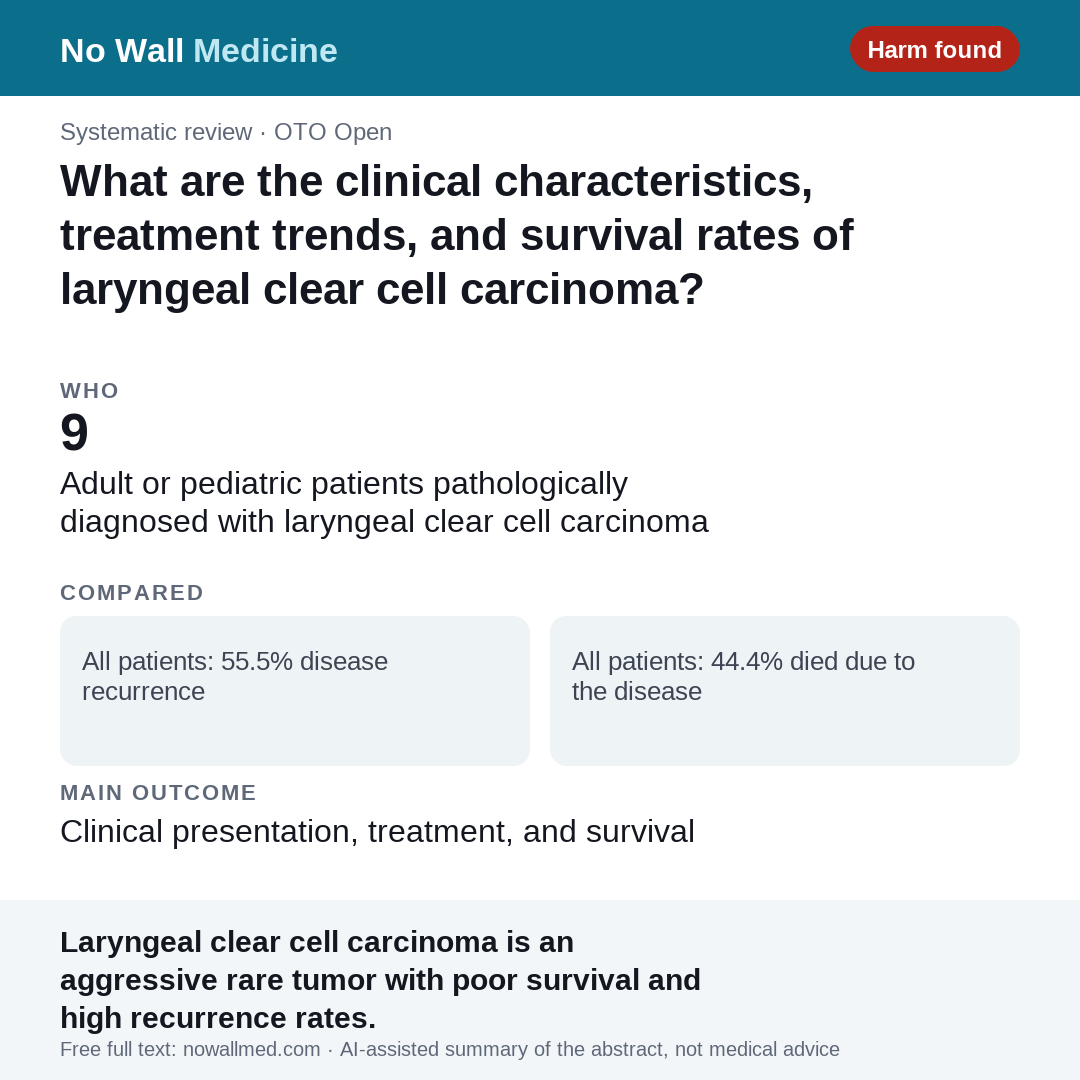
Laryngeal Clear Cell Carcinoma: A Systematic Review
Systematic reviewHarm found
What are the clinical characteristics, treatment trends, and survival rates of laryngeal clear cell carcinoma?
Who
9
Adult or pediatric patients pathologically diagnosed with laryngeal clear cell carcinoma
Compared
All patients: 55.5% disease recurrence
All patients: 44.4% died due to the disease
Main outcome
Clinical presentation, treatment, and survival
Bottom line: Laryngeal clear cell carcinoma is an aggressive rare tumor with poor survival and high recurrence rates.
Limitation: Current literature is limited to case reports with little comprehensive data available.
OTO Open · 2025-09-02Download image
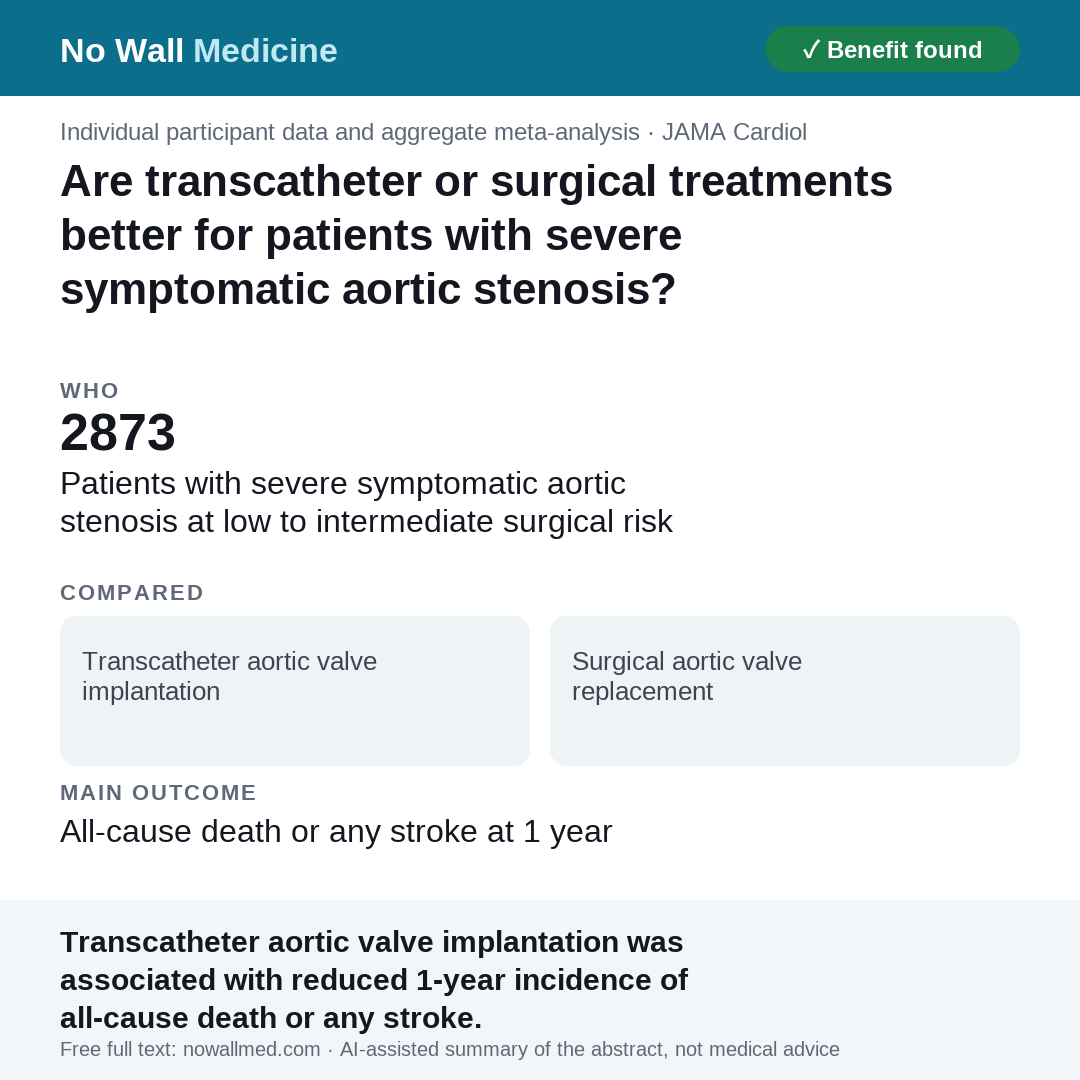
Transcatheter or Surgical Treatment of Patients With Aortic Stenosis at Low to Intermediate Risk: An Individual Participant Data Meta-Analysis
Individual participant data and aggregate meta-analysisBenefit found
Are transcatheter or surgical treatments better for patients with severe symptomatic aortic stenosis?
Who
2873
Patients with severe symptomatic aortic stenosis at low to intermediate surgical risk
Compared
Transcatheter aortic valve implantation
Surgical aortic valve replacement
Main outcome
All-cause death or any stroke at 1 year
Result: hazard ratio 0.76 (95% CI, 0.60-0.97)
Bottom line: Transcatheter aortic valve implantation was associated with reduced 1-year incidence of all-cause death or any stroke.
Limitation: Long-term follow-up is warranted to evaluate sustainability of these findings.
JAMA Cardiol · 2025-09-01Download image
Multi-ancestry meta-analysis identifies genetic modifiers of age-at-onset of Alzheimer's disease at known and novel loci
Meta-analysisUnclear result
Genetic modifiers of Alzheimer's age-at-onset
Who
people with diverse ancestry
Compared
with APOE adjustment
without APOE adjustment
Main outcome
age at onset of Alzheimer's
Bottom line: Genetic modifiers of Alzheimer's found
Limitation: relatively small sample
Alzheimers Dement · 2025-09-01Download image

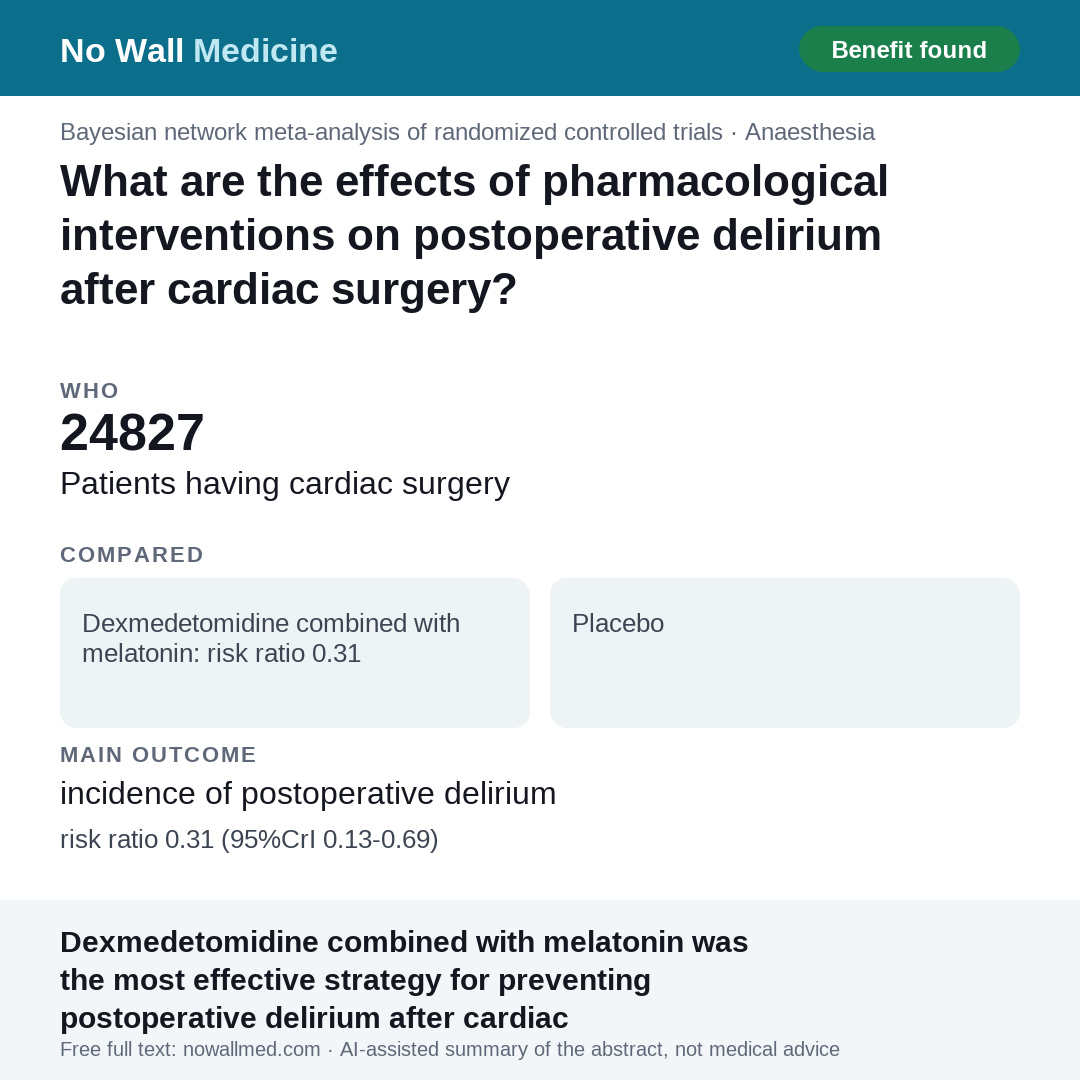
Effect of peri-operative pharmacological interventions on postoperative delirium in patients having cardiac surgery: a systematic review and Bayesian network meta-analysis
Bayesian network meta-analysis of randomized controlled trialsBenefit found
What are the effects of pharmacological interventions on postoperative delirium after cardiac surgery?
Who
24827
Patients having cardiac surgery
Compared
Dexmedetomidine combined with melatonin: risk ratio 0.31
Placebo
Main outcome
incidence of postoperative delirium
Result: risk ratio 0.31 (95%CrI 0.13-0.69)
Bottom line: Dexmedetomidine combined with melatonin was the most effective strategy for preventing postoperative delirium after cardiac surgery.
Anaesthesia · 2025-09-01Download image
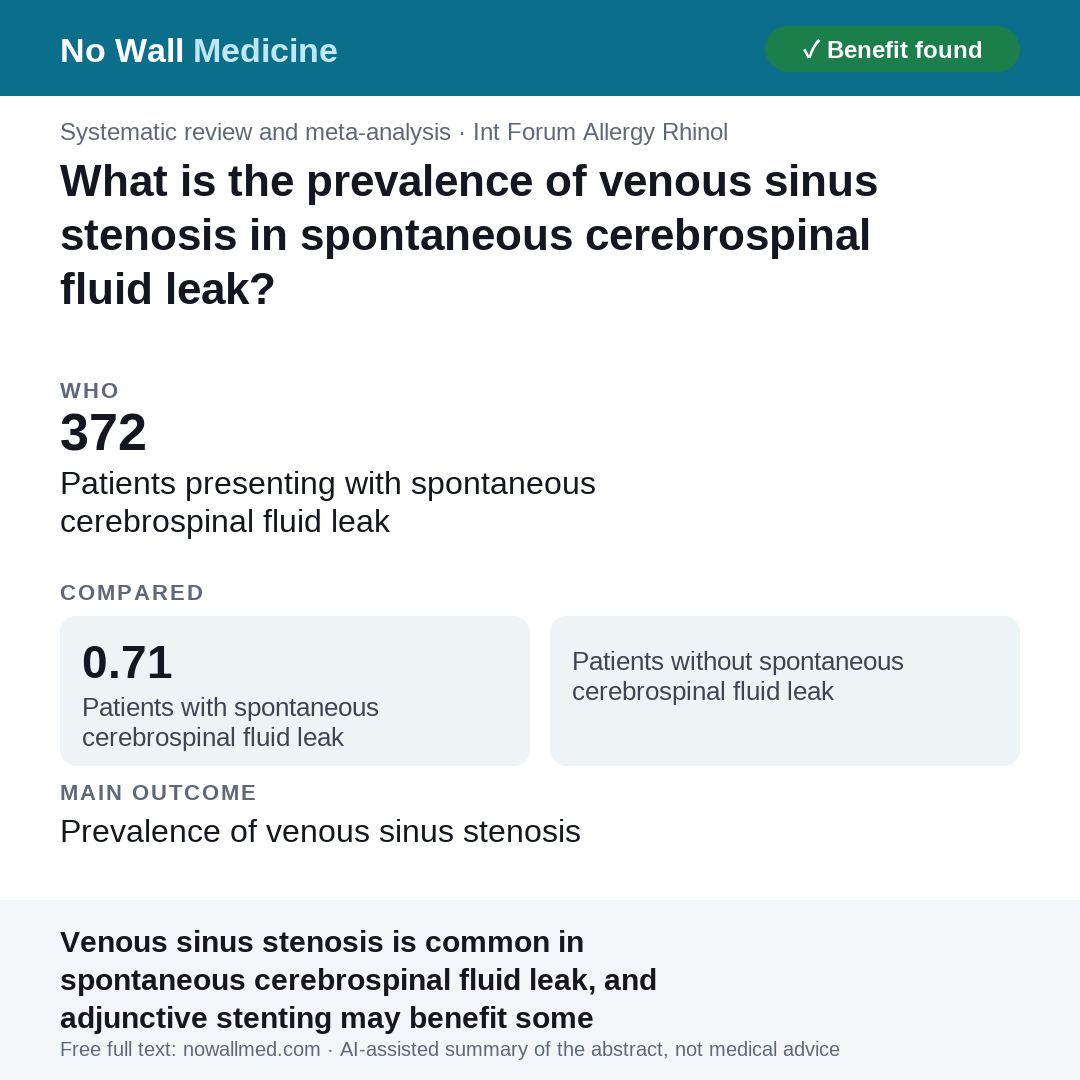
Prevalence of Venous Sinus Stenosis in Spontaneous Cerebrospinal Fluid Leak and the Role for Venous Sinus Stenting: A Systematic Review and Meta-Analysis
Systematic review and meta-analysisBenefit found
What is the prevalence of venous sinus stenosis in spontaneous cerebrospinal fluid leak?
Who
372
Patients presenting with spontaneous cerebrospinal fluid leak
Compared
0.71Patients with spontaneous cerebrospinal fluid leak (95% CI: 0.56-0.83)
Patients without spontaneous cerebrospinal fluid leak
Main outcome
Prevalence of venous sinus stenosis
Result: relative risk 3.11 (95% CI: 0.64-15.27)
Bottom line: Venous sinus stenosis is common in spontaneous cerebrospinal fluid leak, and adjunctive stenting may benefit some patients.
Int Forum Allergy Rhinol · 2025-09-01Download image
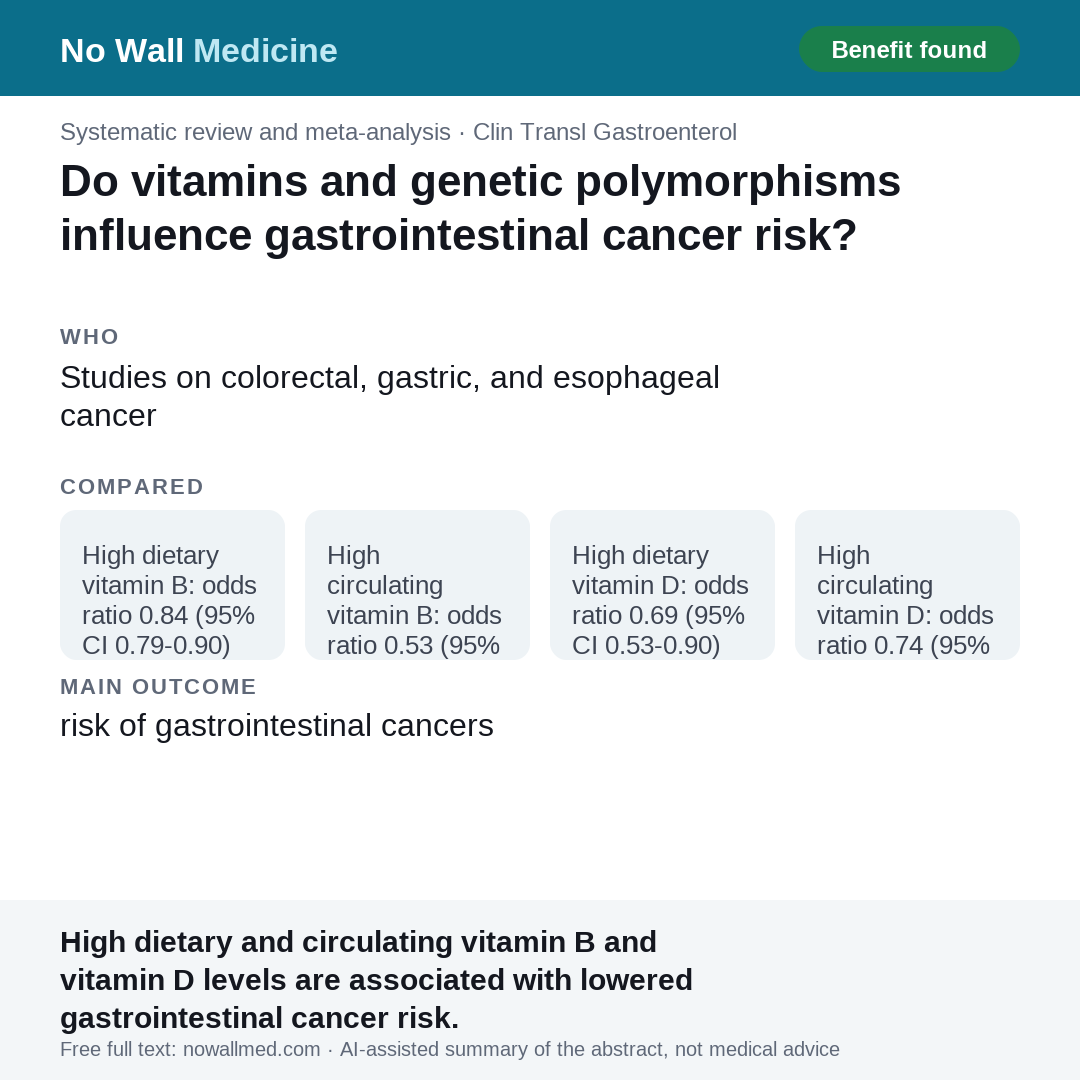
Dietary and Circulating Vitamins, Polymorphisms of Vitamin Metabolism Genes, and the Risk of Gastrointestinal Cancers: A Systematic Review and Meta-Analysis
Systematic review and meta-analysisBenefit found
Do vitamins and genetic polymorphisms influence gastrointestinal cancer risk?
Who
Studies on colorectal, gastric, and esophageal cancer
Compared
High dietary vitamin B: odds ratio 0.84 (95% CI 0.79-0.90)
High circulating vitamin B: odds ratio 0.53 (95% CI 0.36-0.78)
High dietary vitamin D: odds ratio 0.69 (95% CI 0.53-0.90)
High circulating vitamin D: odds ratio 0.74 (95% CI 0.59-0.94)
Main outcome
risk of gastrointestinal cancers
Bottom line: High dietary and circulating vitamin B and vitamin D levels are associated with lowered gastrointestinal cancer risk.
Clin Transl Gastroenterol · 2025-09-01Download image
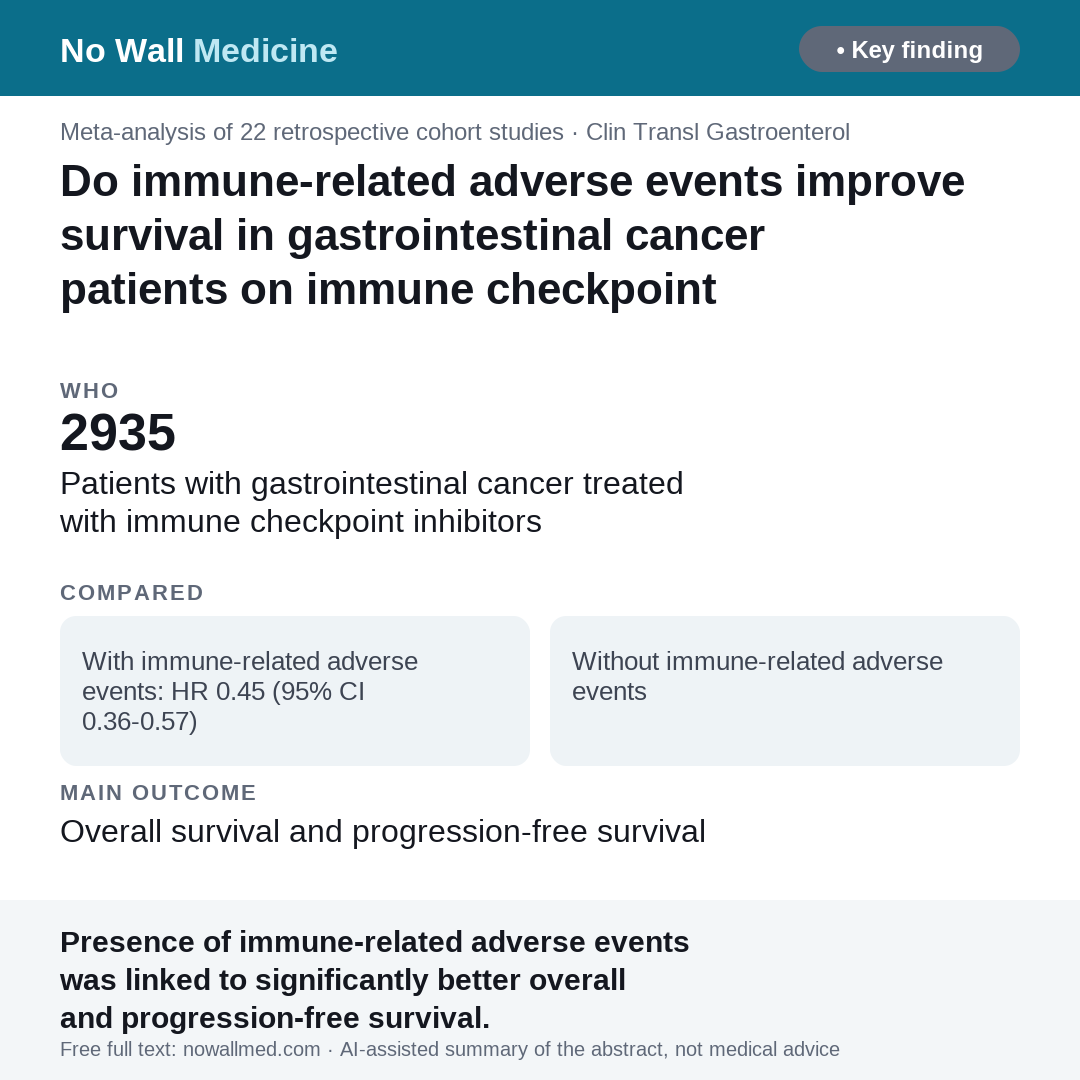
Impact of Immune-Related Adverse Events on Survival in Patients With Gastrointestinal Cancer Treated With Immune Checkpoint Inhibitors: A Meta-Analysis
Meta-analysis of 22 retrospective cohort studiesBenefit found
Do immune-related adverse events affect survival in gastrointestinal cancer patients treated with immune checkpoint inhibitors?
Who
2935
Patients with gastrointestinal cancer treated with immune checkpoint inhibitors
Compared
Patients with immune-related adverse events
Patients without immune-related adverse events
Main outcome
Overall survival and progression-free survival
Result: hazard ratio 0.45 (95% CI 0.36-0.57) for overall survival
Bottom line: Immune-related adverse events correlate with significantly improved overall survival and progression-free survival in gastrointestinal cancer patients.
Clin Transl Gastroenterol · 2025-09-01Download image
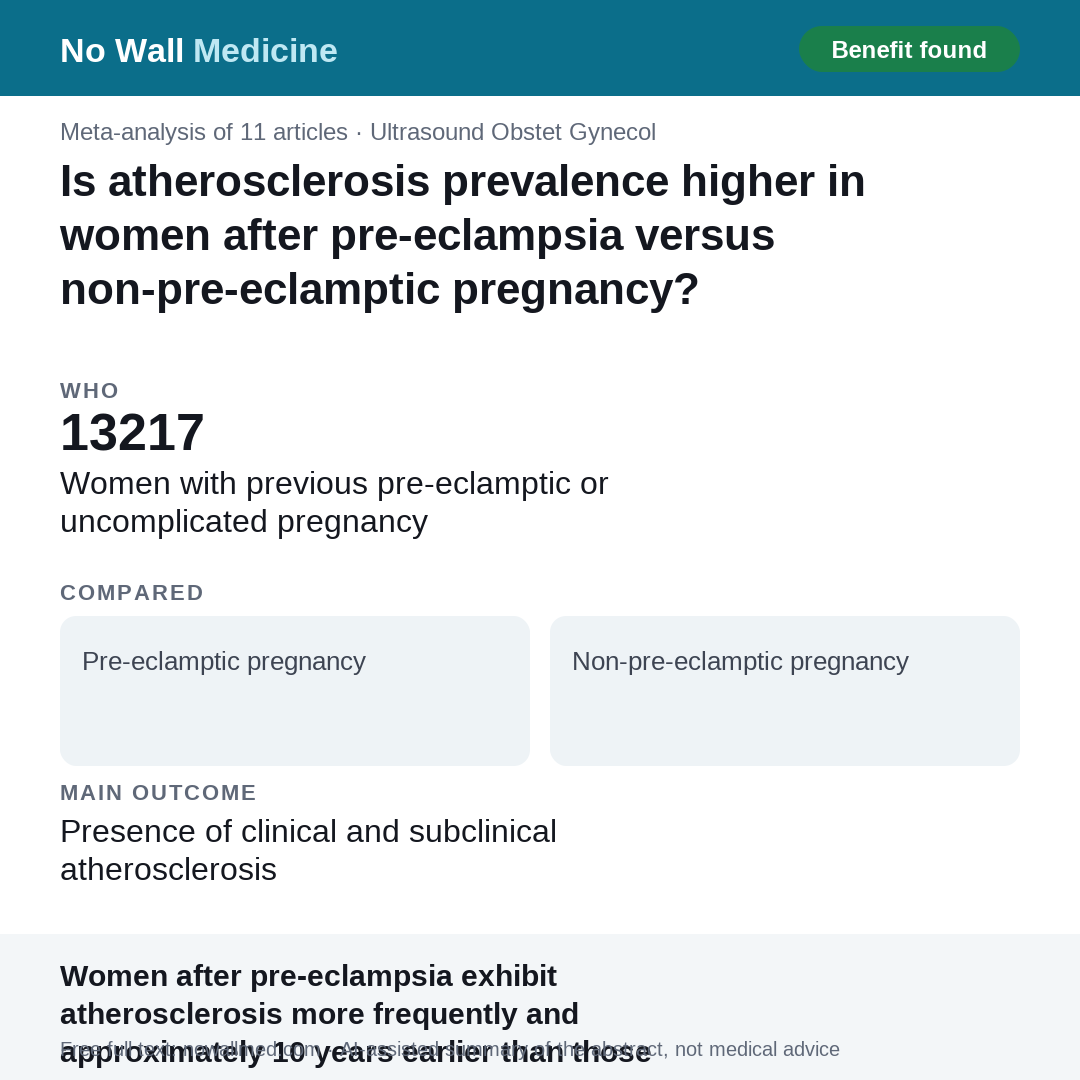
Atherosclerosis after pre-eclampsia: systematic review and meta-analysis
Meta-analysis of 11 articlesBenefit found
Is atherosclerosis prevalence higher in women after pre-eclampsia versus non-pre-eclamptic pregnancy?
Who
13217
Women with previous pre-eclamptic or uncomplicated pregnancy
Compared
Pre-eclamptic pregnancy
Non-pre-eclamptic pregnancy
Main outcome
Presence of clinical and subclinical atherosclerosis
Result: odds ratio 1.57 (95% CI 1.39-1.78)
Bottom line: Women after pre-eclampsia exhibit atherosclerosis more frequently and approximately 10 years earlier than those with uncomplicated pregnancies.
Ultrasound Obstet Gynecol · 2025-08-31Download image
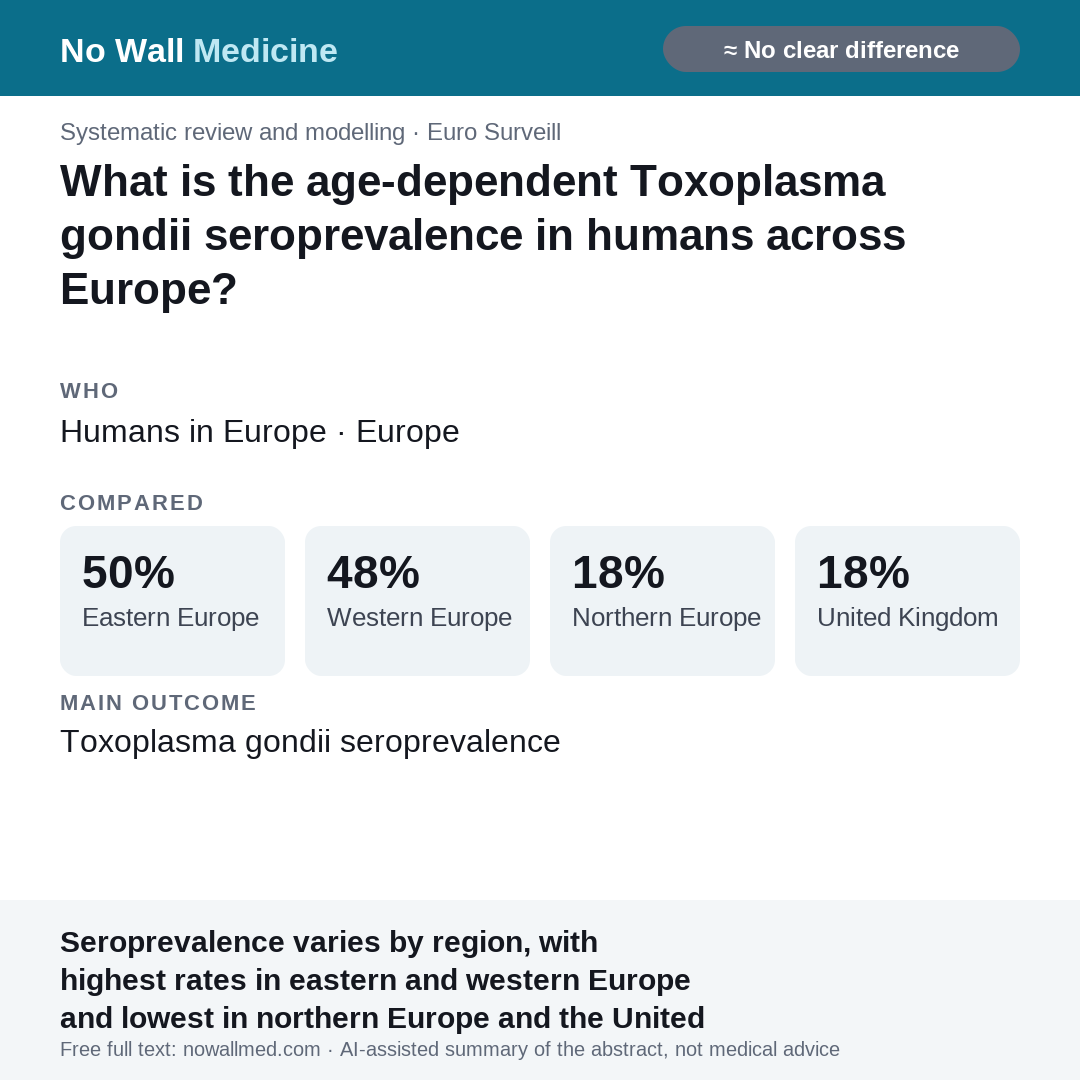
Systematic review and modelling of Toxoplasma gondii seroprevalence in humans, Europe, 2000 to 2021
Systematic review and modellingNo clear difference
What is the age-dependent Toxoplasma gondii seroprevalence in humans across Europe?
Who
Humans in Europe · Europe
Compared
50%Eastern Europe
48%Western Europe
18%Northern Europe
18%United Kingdom
Main outcome
Toxoplasma gondii seroprevalence
Bottom line: Seroprevalence varies by region, with highest rates in eastern and western Europe and lowest in northern Europe and the United Kingdom.
Euro Surveill · 2025-08-31Download image
Trial-based economic evaluations of non-drug interventions in the Royal Australian College of General Practitioners (RACGP) Handbook of Non-Drug Interventions in primary care: a systemic review
Systematic review of randomized controlled trialsBenefit found
Are non-drug interventions in the HANDI handbook cost-effective?
Who
66926
Participants in trials of non-drug interventions
Compared
Non-drug interventions: 70% considered cost effective
Usual care or waiting list
Main outcome
Incremental cost-utility ratio
Result: median £2400/QALY (IQR -18 986 to 20 027)
Bottom line: Most non-drug interventions in the HANDI handbook are cost-effective compared to usual care or waiting lists.
Fam Med Community Health · 2025-08-31Download image

Provision of gender-affirming hormones for trans and gender-diverse adults: a systematic review of health and quality of life outcomes, values and preferences, and costs
Systematic reviewBenefit found
What are the health, quality of life, values, preferences, and cost outcomes of gender-affirming hormones?
Who
Transgender and gender-diverse adults
Compared
Received gender-affirming hormones
Did not receive gender-affirming hormones
Main outcome
Health, quality of life, values, preferences, and costs
Bottom line: Gender-affirming hormones may improve mental health and quality of life with no evidence of substantive harms.
Limitation: Uncontrolled longitudinal studies had serious to critical risk of bias.
Funded by: World Health Organization, Elton John AIDS Foundation, Bill and Melinda Gates Foundation
eClinicalMedicine · 2025-08-30Download image