Visual abstracts
New randomized trials and meta-analyses from leading journals at a glance: who was studied, what was compared, and what was found. Every paper is free to read in full.
All specialtiesCardiology 4877Oncology 4138Gastroenterology & Hepatology 1942Infectious Disease 3837Neurology 1905Psychiatry & Mental Health 2273Pulmonology 2143Critical Care 1365Endocrinology & Diabetes 2580Pediatrics 2980Surgery 2559Orthopedics & Sports Medicine 931Neurosurgery 537Cardiothoracic & Vascular Surgery 674Plastic & Reconstructive Surgery 591Nephrology 1133Rheumatology 823Hematology 1109Dermatology 621Ophthalmology 543Obstetrics & Gynecology 1686Public & Global Health 1058Radiology & Imaging 648Anesthesiology 986Urology 764ENT (Otolaryngology) 503Emergency Medicine 511Allergy & Immunology 313Geriatrics 981Family Medicine & Primary Care 562Medical Genetics & Genomics 676Pathology & Laboratory Medicine 159Physical Medicine & Rehabilitation 757Palliative Care 444Nutrition 1588Digital Health & AI 2201General Medicine 321
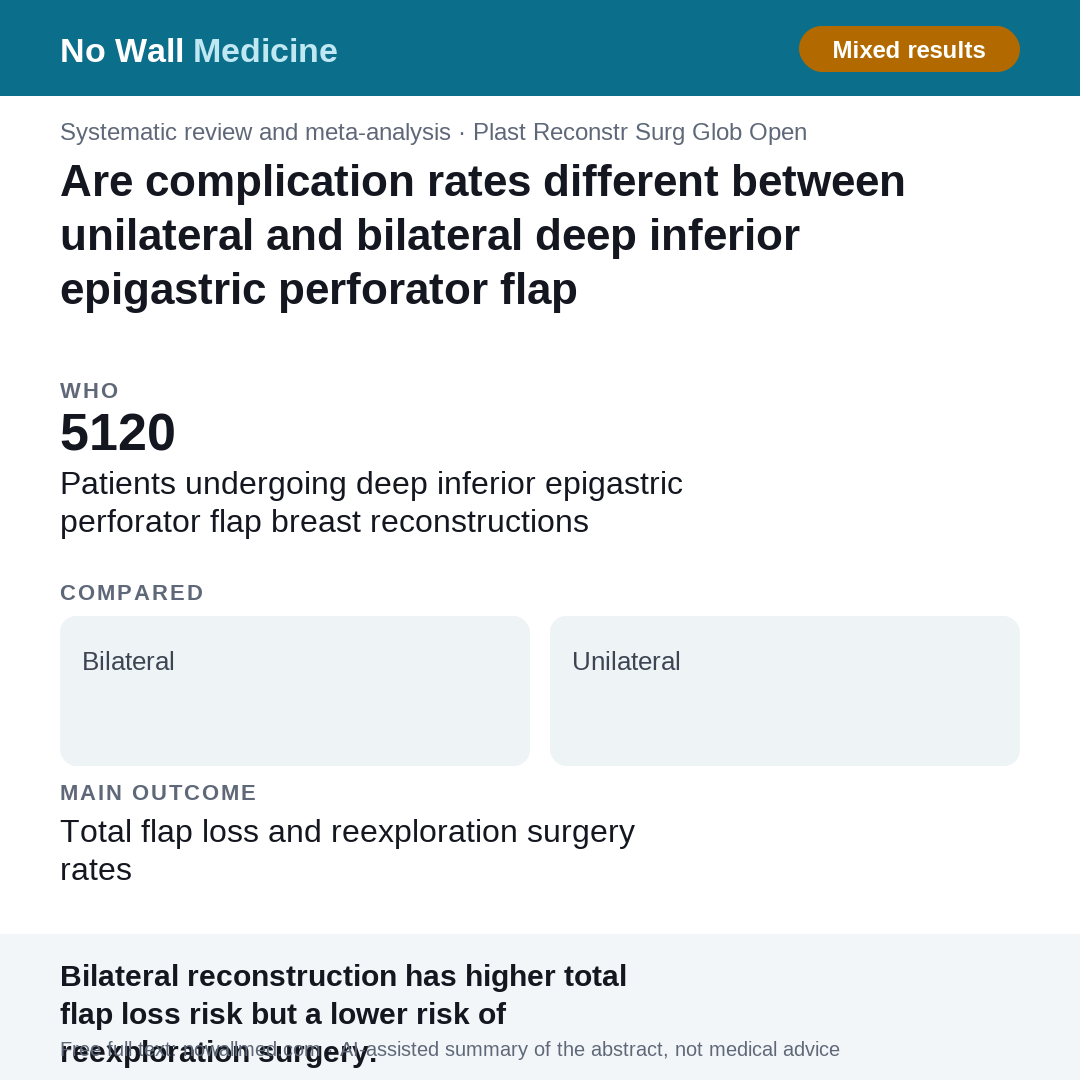
Unilateral Versus Bilateral Deep Inferior Epigastric Perforator Flap Breast Reconstruction: A Systematic Review and Meta-analysis
Systematic review and meta-analysisMixed results
Are complication rates different between unilateral and bilateral deep inferior epigastric perforator flap reconstructions?
Who
5120
Patients undergoing deep inferior epigastric perforator flap breast reconstructions
Compared
Bilateral
Unilateral
Main outcome
Total flap loss and reexploration surgery rates
Result: odds ratio 1.48 (95% CI, 1.02-2.14) for total flap loss
Bottom line: Bilateral reconstruction has higher total flap loss risk but a lower risk of reexploration surgery.
Plast Reconstr Surg Glob Open · 2024-12-05Download image
Psychological Interventions for Pediatric Posttraumatic Stress Disorder: A Systematic Review and Network Meta-Analysis
Systematic review and network meta-analysisBenefit found
What are the most effective psychological interventions for pediatric posttraumatic stress disorder?
Who
5528
Children and adolescents 19 years and younger with PTSD
Compared
Trauma-focused cognitive behavior therapies: g, 1.06 (95% CI, 0.86-1.26)
Eye movement desensitization and reprocessing: g, 0.86 (95% CI, 0.54-1.18)
Multidisciplinary treatments: g, 0.88 (95% CI, 0.53-1.23)
Non-trauma-focused interventions: g, 0.95 (95% CI, 0.62-1.28)
Main outcome
Standardized mean differences in posttraumatic stress disorder severity
Bottom line: Trauma-focused cognitive behavior therapies provided the largest reductions in pediatric posttraumatic stress disorder severity.
Limitation: More long-term data are needed for eye movement desensitization and reprocessing, multidisciplinary treatments, and non-trauma-focused interventions.
JAMA Psychiatry · 2024-12-04Download image

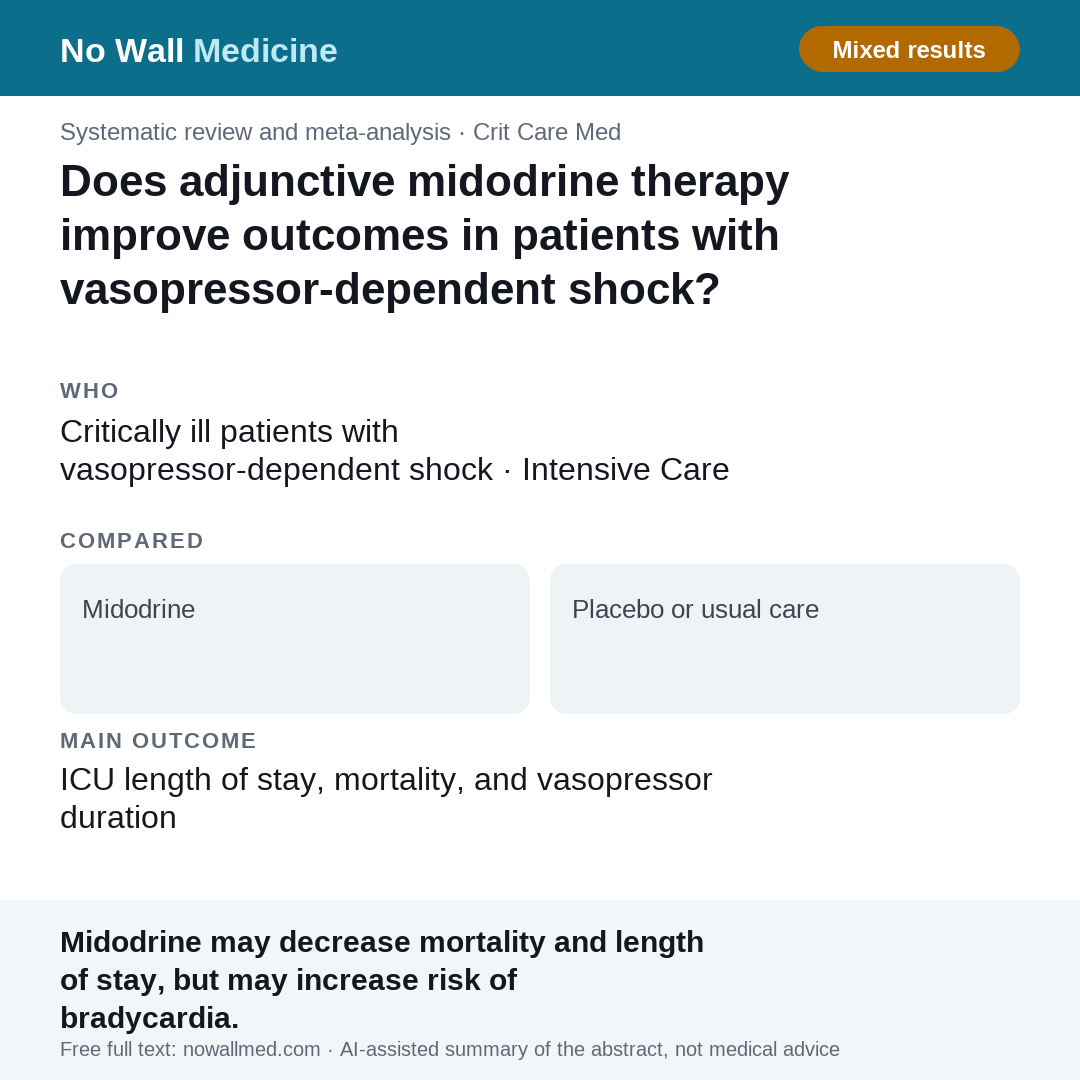
Adjunctive Midodrine Therapy for Vasopressor-Dependent Shock in the ICU: A Systematic Review and Meta-Analysis
Systematic review and meta-analysisMixed results
Does adjunctive midodrine therapy improve outcomes in patients with vasopressor-dependent shock?
Who
Critically ill patients with vasopressor-dependent shock · Intensive Care Unit
Compared
Midodrine
Placebo or usual care
Main outcome
ICU length of stay, mortality, and vasopressor duration
Bottom line: Midodrine may decrease mortality and length of stay, but may increase risk of bradycardia.
Limitation: Required sample sizes were not met for ICU length of stay or vasopressor duration.
Crit Care Med · 2024-12-04Download image
Synergistic, multi-level understanding of psychedelics: three systematic reviews and meta-analyses of their pharmacology, neuroimaging and phenomenology
Three systematic reviews and meta-analysesMixed results
What are the pharmacological, neuroimaging, and phenomenological characteristics of serotonergic psychedelics?
Who
Serotonergic psychedelics including LSD, psilocybin, DMT, and psilocin
Compared
LSD (medium and high doses): significantly higher ratings of visionary restructuralisation than psilocybin
Psilocybin
LSD vs DMT and psilocin: significantly more inositol phosphate formation at the 5-HT2A receptor
Main outcome
phenomenology, neuroimaging, and molecular pharmacology of psychedelics
Bottom line: Psychedelics show distinct neural fingerprints and subjective experiences across pharmacological, neuroimaging, and phenomenological levels.
Limitation: high heterogeneity and risk of bias in the literature
Transl Psychiatry · 2024-12-04Download image

Revisiting mutational resistance to ampicillin and cefotaxime in Haemophilus influenzae
Systematic meta-analysisBenefit found
What is the association of PBP3 substitution patterns with ampicillin and cefotaxime resistance?
Who
291
Haemophilus influenzae isolates
Compared
PBP3 group II and III: significantly associated with phenotypic resistance to ampicillin (p < 0.001)
PBP3 group III: associated with resistance to cefotaxime (p = 0.02)
Main outcome
phenotypic resistance to ampicillin and cefotaxime
Bottom line: Genotypic PBP3 resistance groups should be prioritized over susceptible phenotypic results for ampicillin treatment.
Limitation: Implications on treatment outcome and bacterial fitness need to be determined.
Genome Med · 2024-12-04Download image

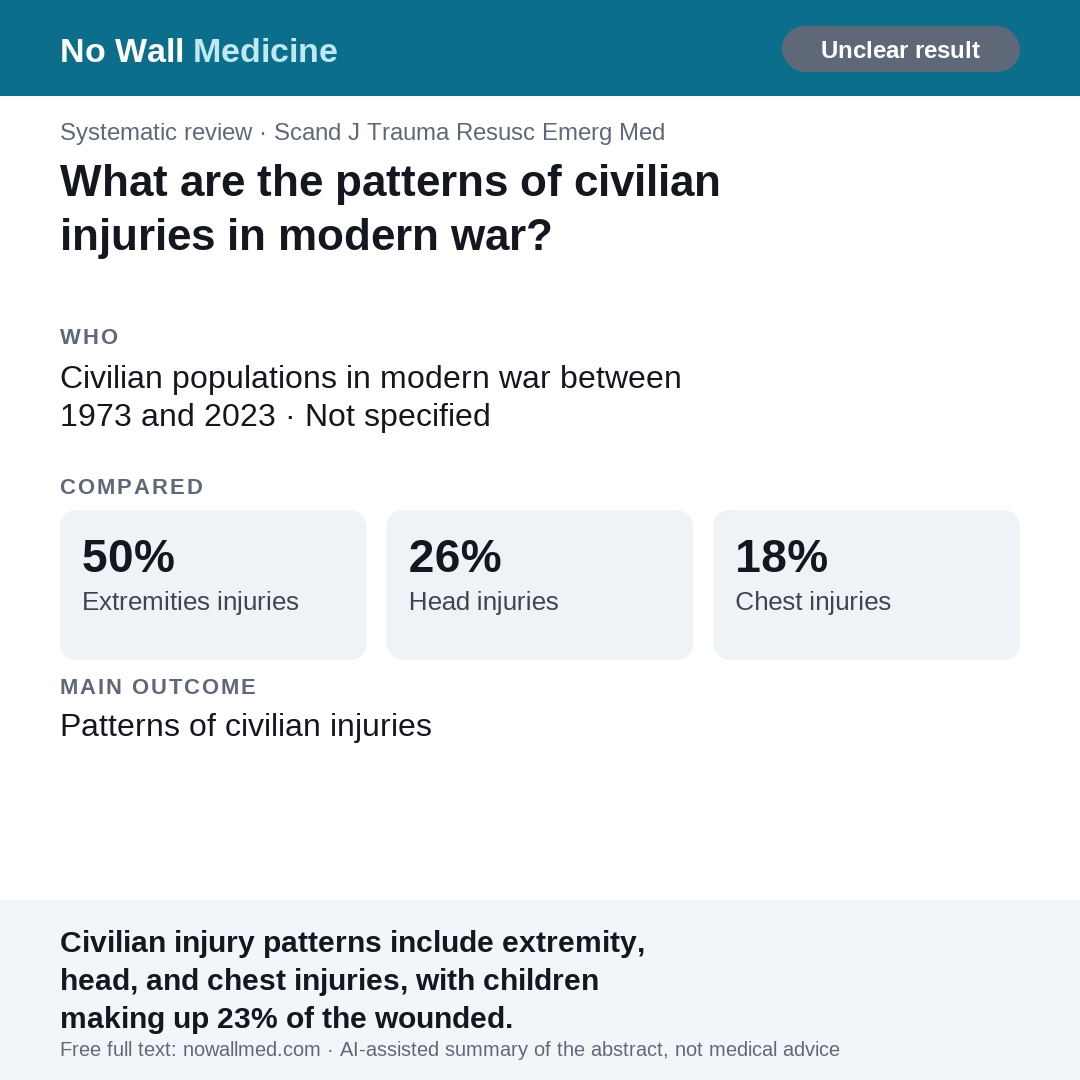
Civilian pattern of injuries in armed conflicts - a systematic review
Systematic reviewUnclear result
What are the patterns of civilian injuries in modern war?
Who
Civilian populations in modern war between 1973 and 2023 · Not specified
Compared
50%Extremities injuries
26%Head injuries
18%Chest injuries
Main outcome
Patterns of civilian injuries
Bottom line: Civilian injury patterns include extremity, head, and chest injuries, with children making up 23% of the wounded.
Scand J Trauma Resusc Emerg Med · 2024-12-04Download image
The efficacy of psychological treatments on body dysmorphic disorder: a meta-analysis and trial sequential analysis of randomized controlled trials
Meta-analysis and trial sequential analysisBenefit found
Are psychological treatments effective for body dysmorphic disorder?
Who
905
Participants with body dysmorphic disorder
Compared
Psychological treatment: g = -0.97 for body dysmorphic disorder symptoms
Control
Main outcome
Body dysmorphic disorder symptoms and related outcomes
Bottom line: Psychological treatments effectively reduce body dysmorphic disorder symptoms and improve related outcomes.
Limitation: Remaining outcome variables did not meet the desired level of evidence in trial sequential analysis.
Psychol Med · 2024-12-03Download image

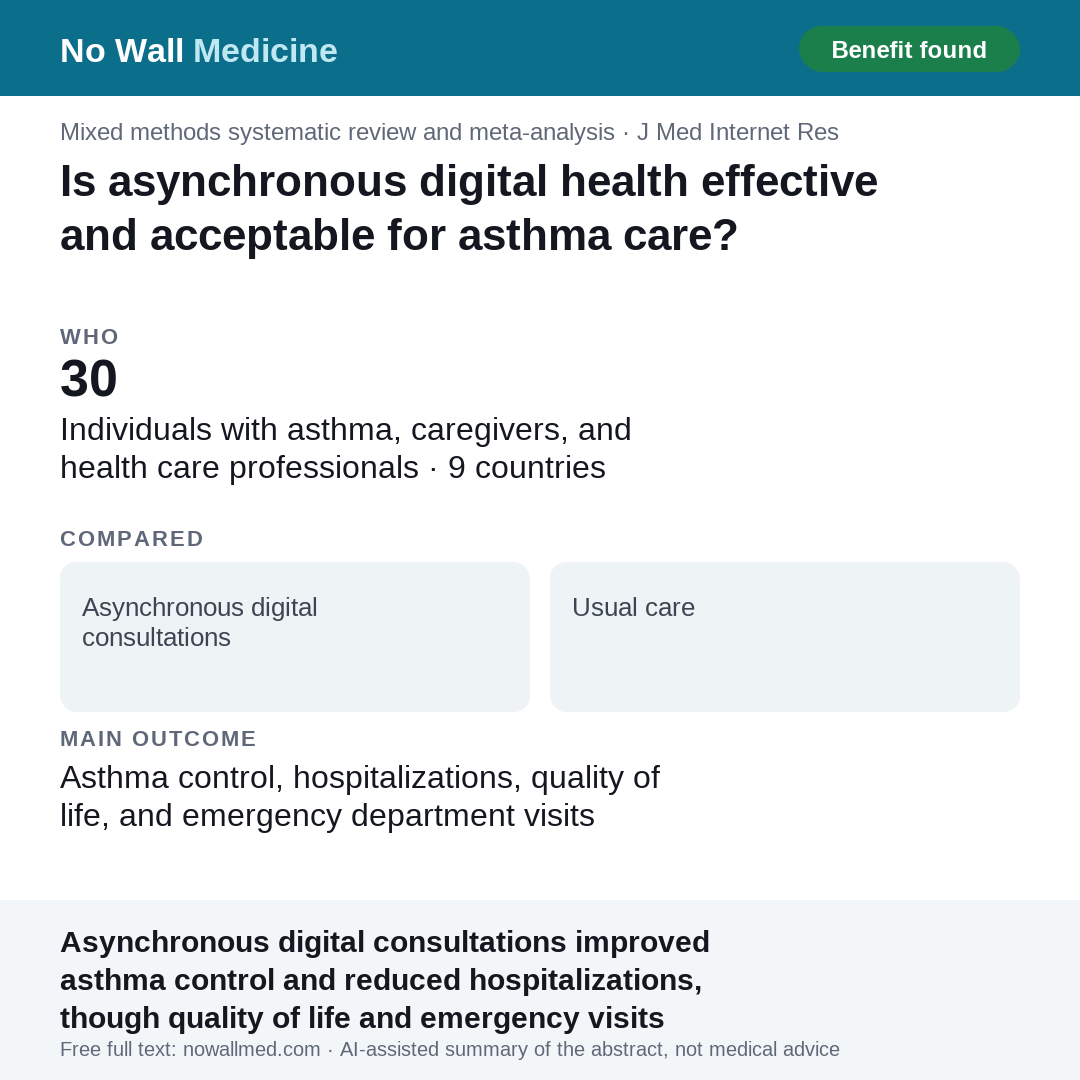
Effectiveness and Acceptability of Asynchronous Digital Health in Asthma Care: Mixed Methods Systematic Review
Mixed methods systematic review and meta-analysisBenefit found
Is asynchronous digital health effective and acceptable for asthma care?
Who
30
Individuals with asthma, caregivers, and health care professionals · 9 countries
Compared
Asynchronous digital consultations
Usual care
Main outcome
Asthma control, hospitalizations, quality of life, and emergency department visits
Result: standardized mean difference 0.32 (95% CI 0.02-0.63) for asthma control
Bottom line: Asynchronous digital consultations improved asthma control and reduced hospitalizations, though quality of life and emergency visits showed no significant difference.
Limitation: low confidence in evidence
J Med Internet Res · 2024-12-03Download image
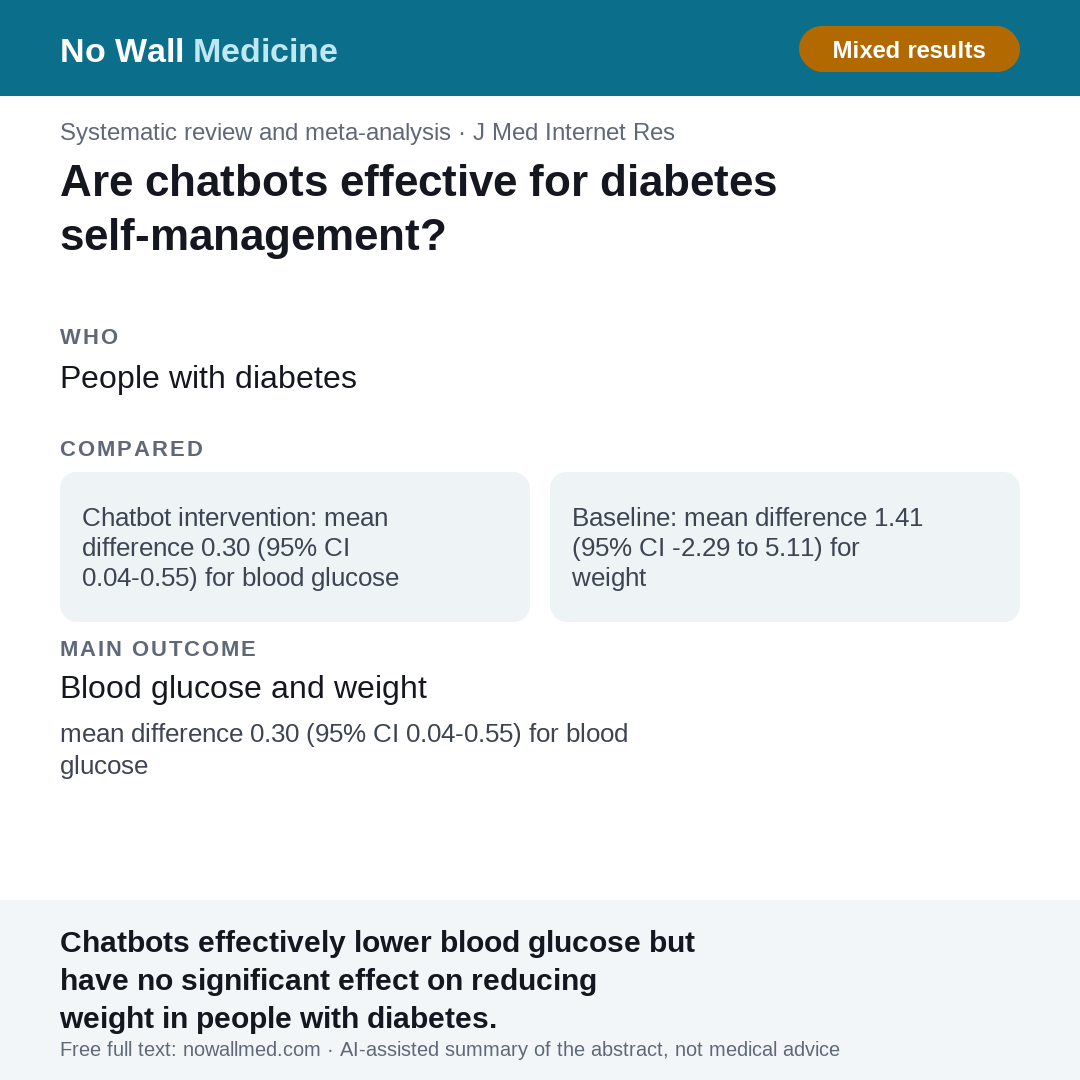
Application of Chatbots to Help Patients Self-Manage Diabetes: Systematic Review and Meta-Analysis
Systematic review and meta-analysisMixed results
Are chatbots effective for diabetes self-management?
Who
People with diabetes
Compared
Chatbot intervention: mean difference 0.30 (95% CI 0.04-0.55) for blood glucose
Baseline: mean difference 1.41 (95% CI -2.29 to 5.11) for weight
Main outcome
Blood glucose and weight
Result: mean difference 0.30 (95% CI 0.04-0.55) for blood glucose
Bottom line: Chatbots effectively lower blood glucose but have no significant effect on reducing weight in people with diabetes.
Limitation: The evidence level of current research is low, with few randomized controlled trials.
J Med Internet Res · 2024-12-03Download image
A 15-Year Bibliometric Analysis of Sports Medicine Studies in The Journal of Bone and Joint Surgery: A Systematic Review
Systematic review and bibliometric analysisMixed results
What are the trends in sports medicine research in The Journal of Bone and Joint Surgery?
Who
513
Sports medicine studies in The Journal of Bone and Joint Surgery-American Volume · The Journal of Bone and Joint Surgery-American Volume
Compared
Clinical prognostic studies: 17%-25%
Use of patient-reported outcomes: 13%-47%
Main outcome
Publishing characteristics, quality, and gender diversity trends
Bottom line: Research quality improved through increased patient-reported outcomes, but gender diversity in authorship remained stagnant.
JBJS Open Access · 2024-12-03Download image

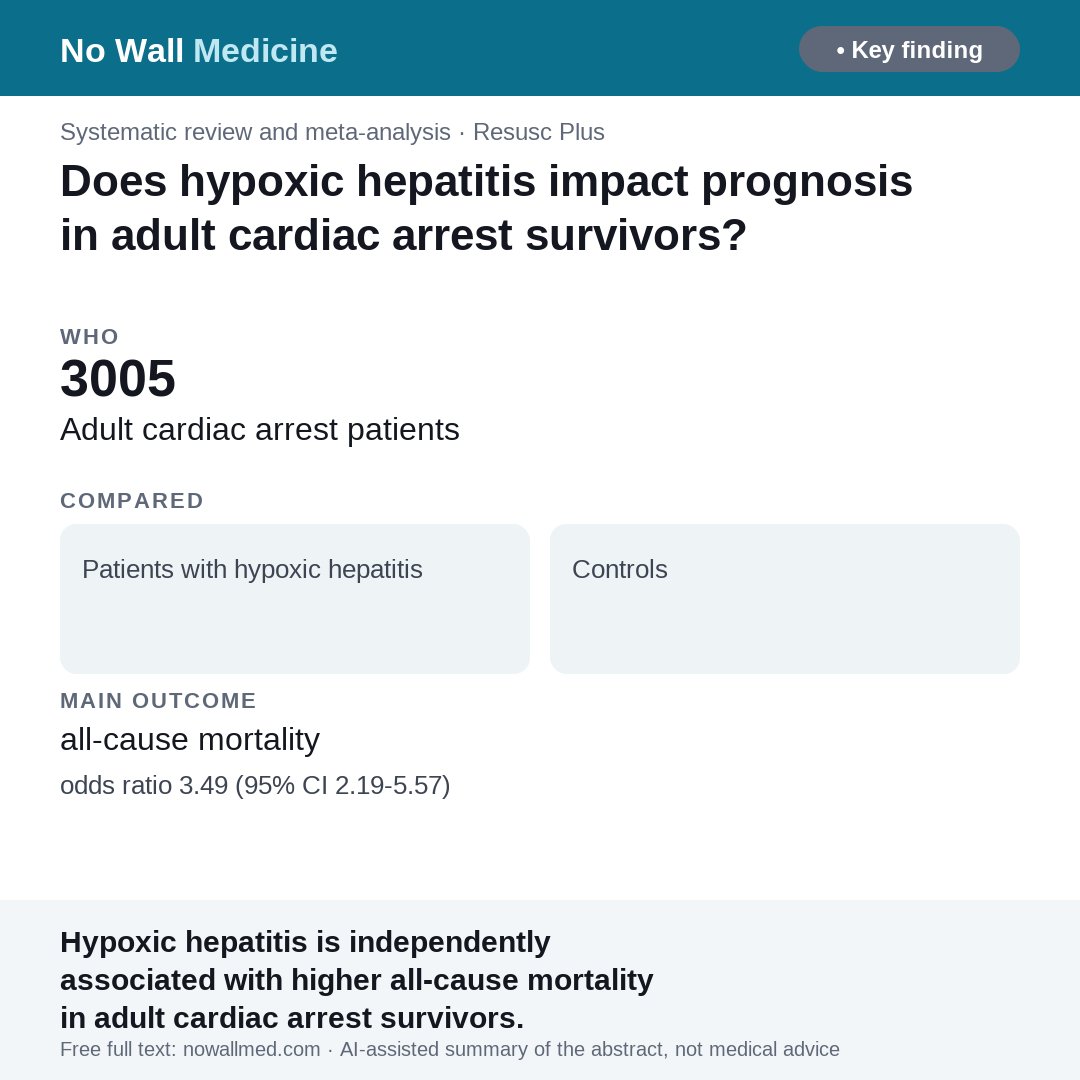
Hypoxic hepatitis in survivors of cardiac arrest: A systematic review and meta-analysis
Systematic review and meta-analysisHarm found
Does hypoxic hepatitis impact prognosis in adult cardiac arrest survivors?
Who
3005
Adult cardiac arrest patients
Compared
Patients with hypoxic hepatitis
Controls
Main outcome
all-cause mortality
Result: odds ratio 3.49 (95% CI 2.19-5.57)
Bottom line: Hypoxic hepatitis is independently associated with higher all-cause mortality in adult cardiac arrest survivors.
Limitation: Further prospective, well-designed studies are needed to validate findings.
Resusc Plus · 2024-12-03Download image
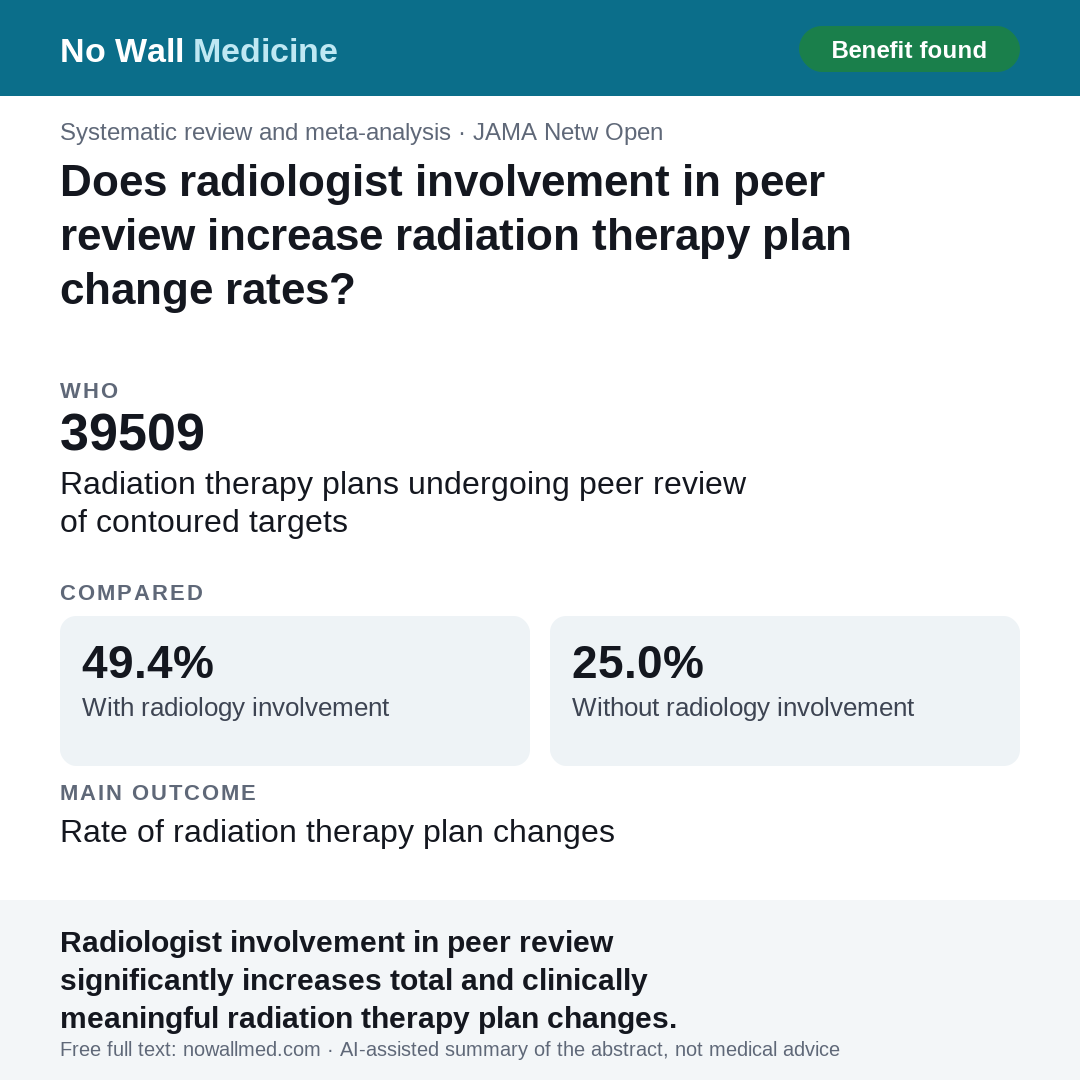
Radiologist Involvement in Radiation Oncology Peer Review: A Systematic Review and Meta-Analysis
Systematic review and meta-analysisBenefit found
Does radiologist involvement in peer review increase radiation therapy plan change rates?
Who
39509
Radiation therapy plans undergoing peer review of contoured targets
Compared
49.4%With radiology involvement (95% CI, 28.6%-70.1%)
25.0%Without radiology involvement (95% CI, 17.0%-33.1%)
Main outcome
Rate of radiation therapy plan changes
Result: 49.4% (95% CI, 28.6%-70.1%) vs 25.0% (95% CI, 17.0%-33.1%)
Bottom line: Radiologist involvement in peer review significantly increases total and clinically meaningful radiation therapy plan changes.
JAMA Netw Open · 2024-12-02Download image
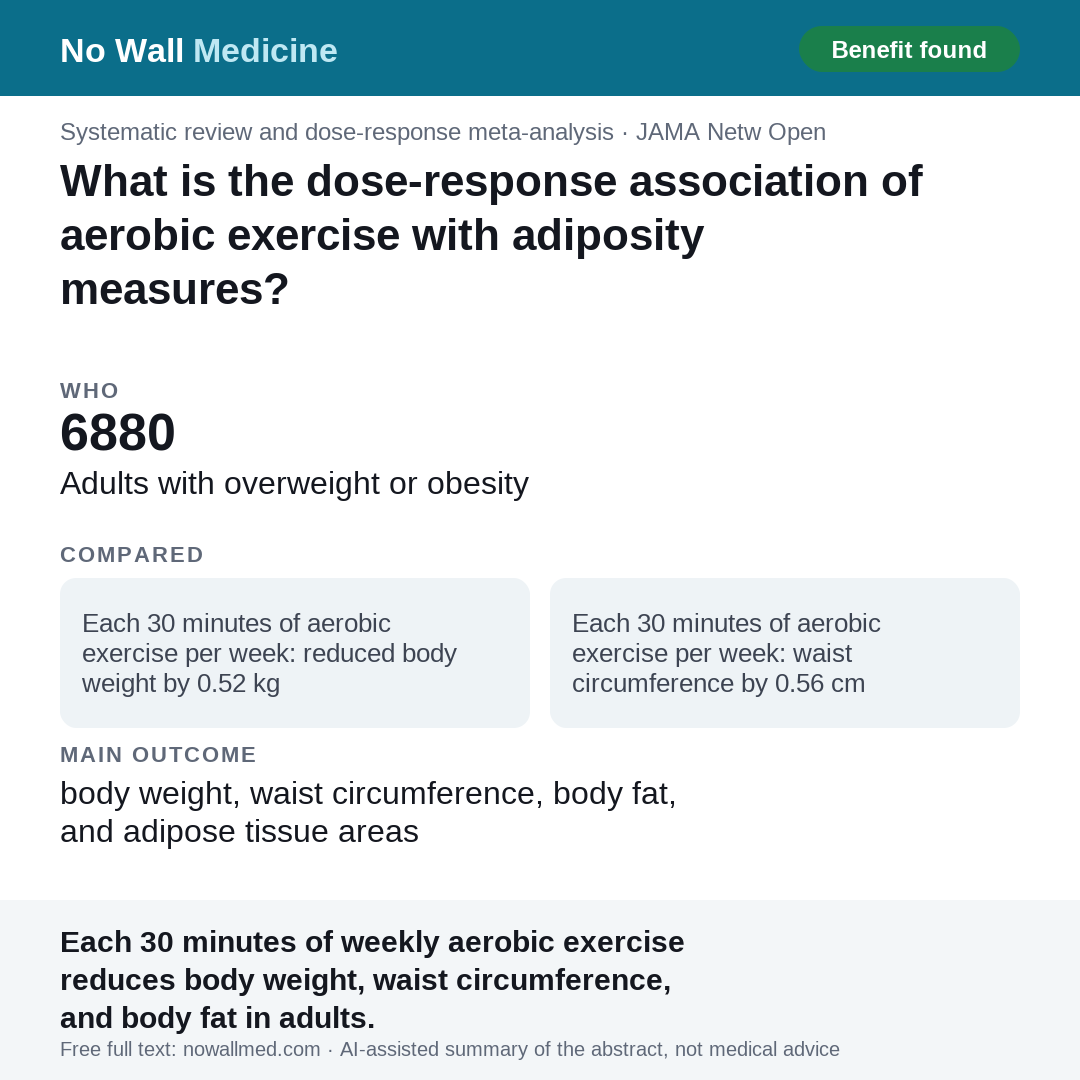
Aerobic Exercise and Weight Loss in Adults: A Systematic Review and Dose-Response Meta-Analysis
Systematic review and dose-response meta-analysisBenefit found
What is the dose-response association of aerobic exercise with adiposity measures?
Who
6880
Adults with overweight or obesity
Compared
Each 30 minutes of aerobic exercise per week: reduced body weight by 0.52 kg
Each 30 minutes of aerobic exercise per week: waist circumference by 0.56 cm
Main outcome
body weight, waist circumference, body fat, and adipose tissue areas
Result: mean difference -0.52 kg (95% CI, -0.61 to -0.44 kg) per 30 minutes
Bottom line: Each 30 minutes of weekly aerobic exercise reduces body weight, waist circumference, and body fat in adults.
JAMA Netw Open · 2024-12-02Download image
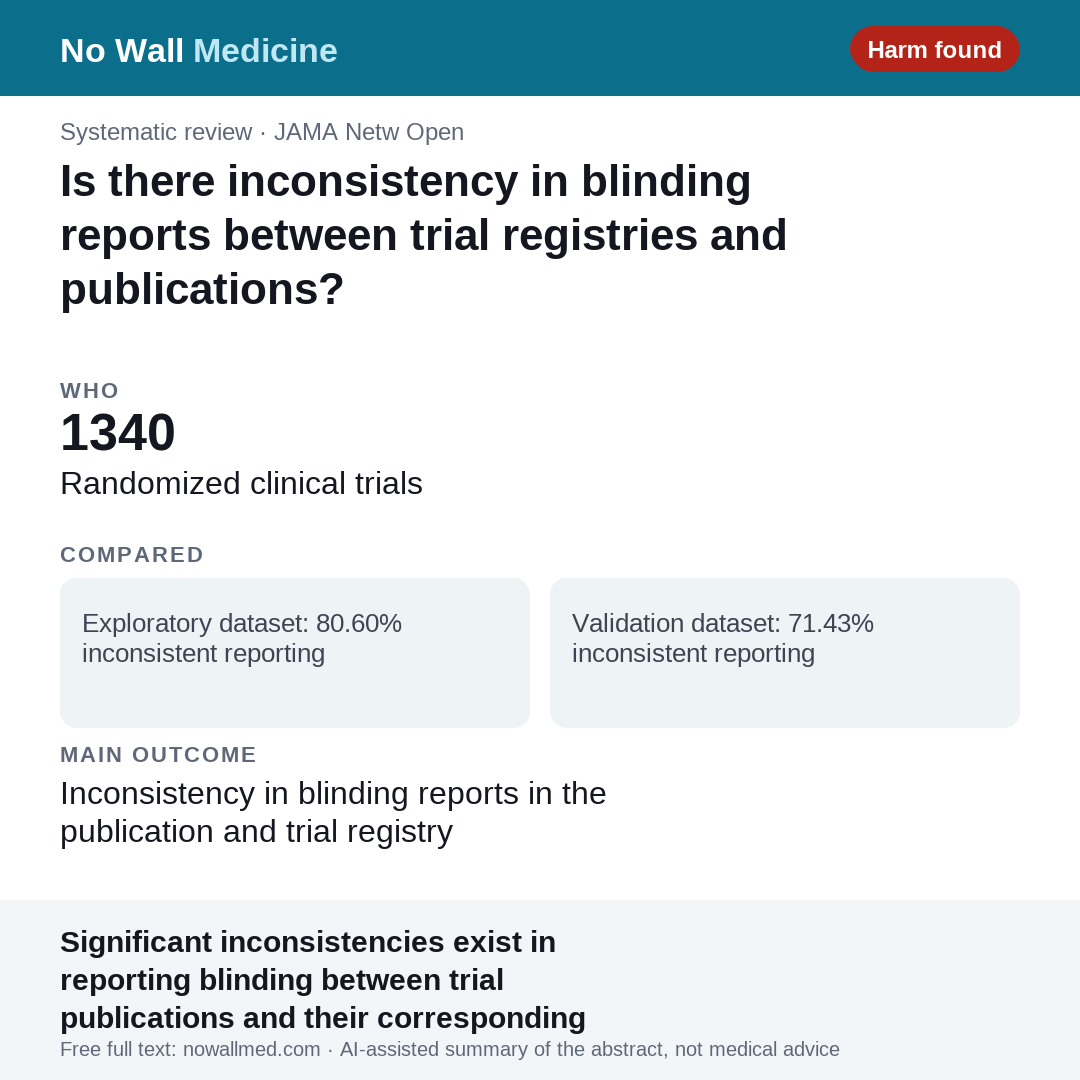
Discordant Information on Blinding in Trial Registries and Published Research: A Systematic Review
Systematic reviewHarm found
Is there inconsistency in blinding reports between trial registries and publications?
Who
1340
Randomized clinical trials
Compared
Exploratory dataset: 80.60% inconsistent reporting
Validation dataset: 71.43% inconsistent reporting
Main outcome
Inconsistency in blinding reports in the publication and trial registry
Bottom line: Significant inconsistencies exist in reporting blinding between trial publications and their corresponding registries, potentially reintroducing bias.
JAMA Netw Open · 2024-12-02Download image
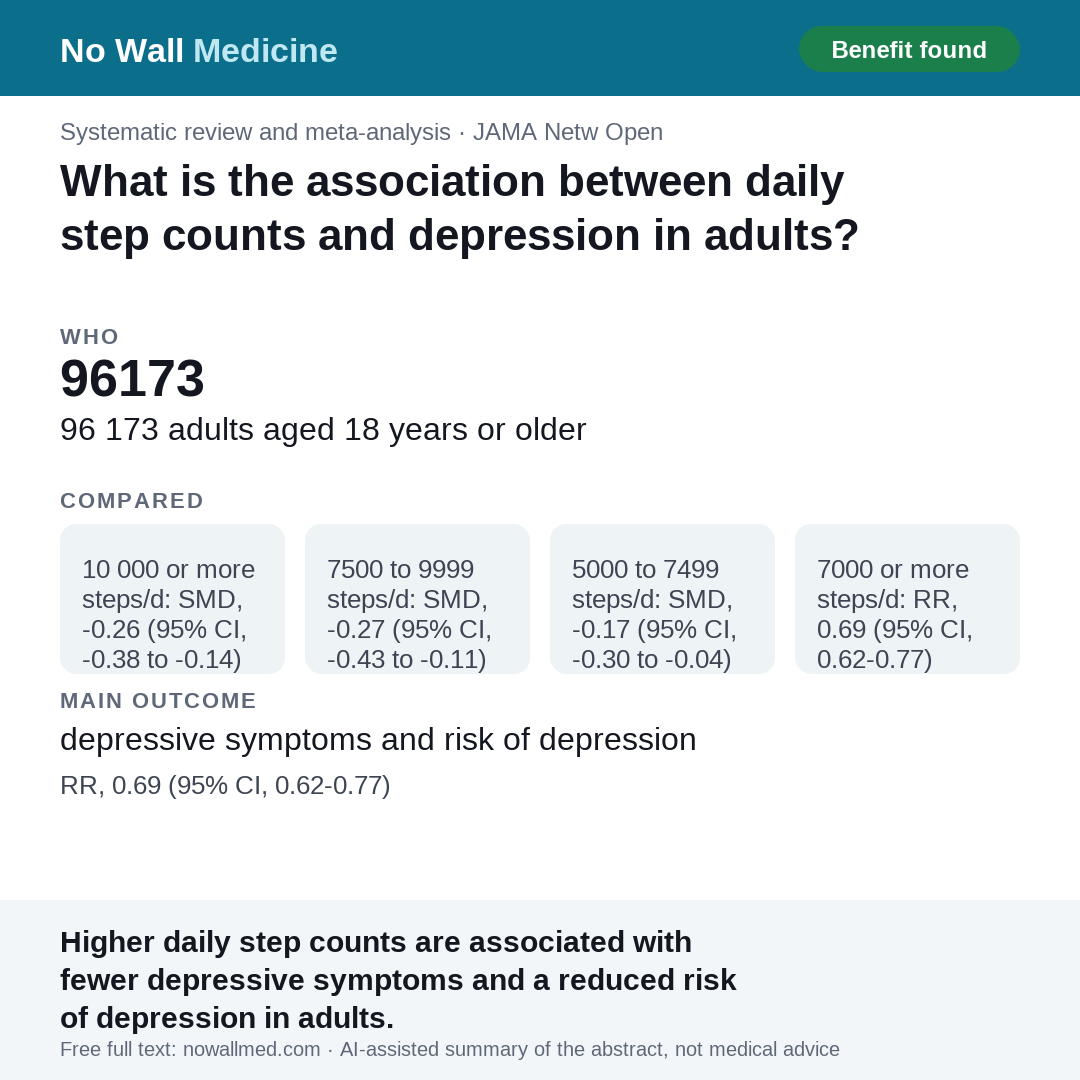
Daily Step Count and Depression in Adults: A Systematic Review and Meta-Analysis
Systematic review and meta-analysisBenefit found
What is the association between daily step counts and depression in adults?
Who
96173
96 173 adults aged 18 years or older
Compared
10 000 or more steps/d: SMD, -0.26 (95% CI, -0.38 to -0.14)
7500 to 9999 steps/d: SMD, -0.27 (95% CI, -0.43 to -0.11)
5000 to 7499 steps/d: SMD, -0.17 (95% CI, -0.30 to -0.04)
7000 or more steps/d: RR, 0.69 (95% CI, 0.62-0.77)
Main outcome
depressive symptoms and risk of depression
Result: RR, 0.69 (95% CI, 0.62-0.77)
Bottom line: Higher daily step counts are associated with fewer depressive symptoms and a reduced risk of depression in adults.
Limitation: Further prospective cohort studies are needed to clarify the potential protective role.
JAMA Netw Open · 2024-12-02Download image
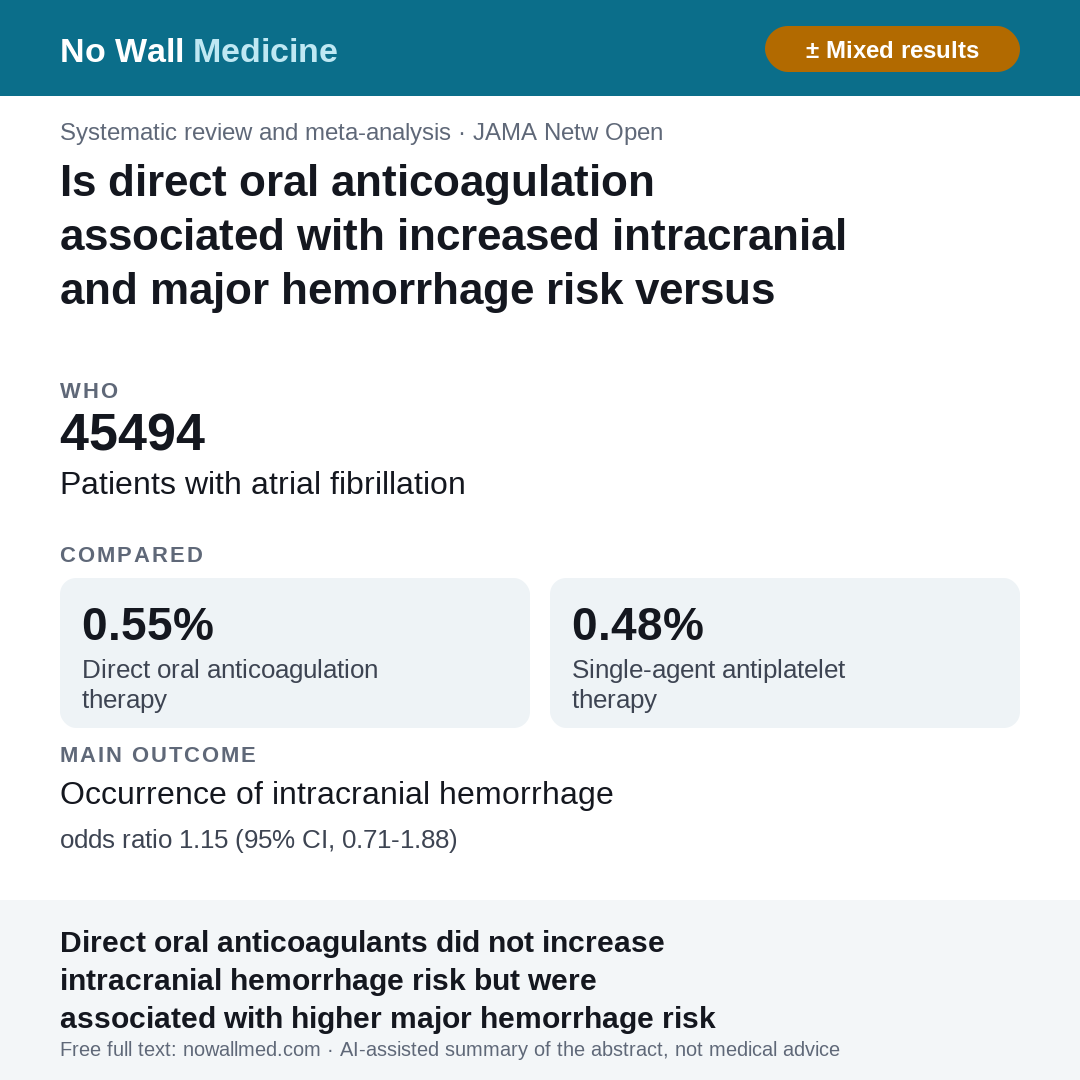
Risk of Intracranial Hemorrhage Associated With Direct Oral Anticoagulation vs Antiplatelet Therapy: A Systematic Review and Meta-Analysis
Systematic review and meta-analysisMixed results
Is direct oral anticoagulation associated with increased intracranial and major hemorrhage risk versus antiplatelet therapy?
Who
45494
Patients with atrial fibrillation
Compared
0.55%Direct oral anticoagulation therapy
0.48%Single-agent antiplatelet therapy
Main outcome
Occurrence of intracranial hemorrhage
Result: odds ratio 1.15 (95% CI, 0.71-1.88)
Bottom line: Direct oral anticoagulants did not increase intracranial hemorrhage risk but were associated with higher major hemorrhage risk than antiplatelet therapy.
JAMA Netw Open · 2024-12-02Download image
Investigating pain-related medication use and contribution to polypharmacy in adults with intellectual disabilities: a systematic review
Systematic reviewHarm found
Is there an association between pain medication use and polypharmacy in adults with intellectual disabilities?
Who
Adults with intellectual disability
Compared
Adults with intellectual disability: more likely to have simple analgesic medication
General population
Main outcome
Medication use for pain and painful conditions
Bottom line: Adults with intellectual disability may receive less pharmacological pain management despite high polypharmacy, suggesting pain is under-treated.
BMC Med · 2024-12-02Download image

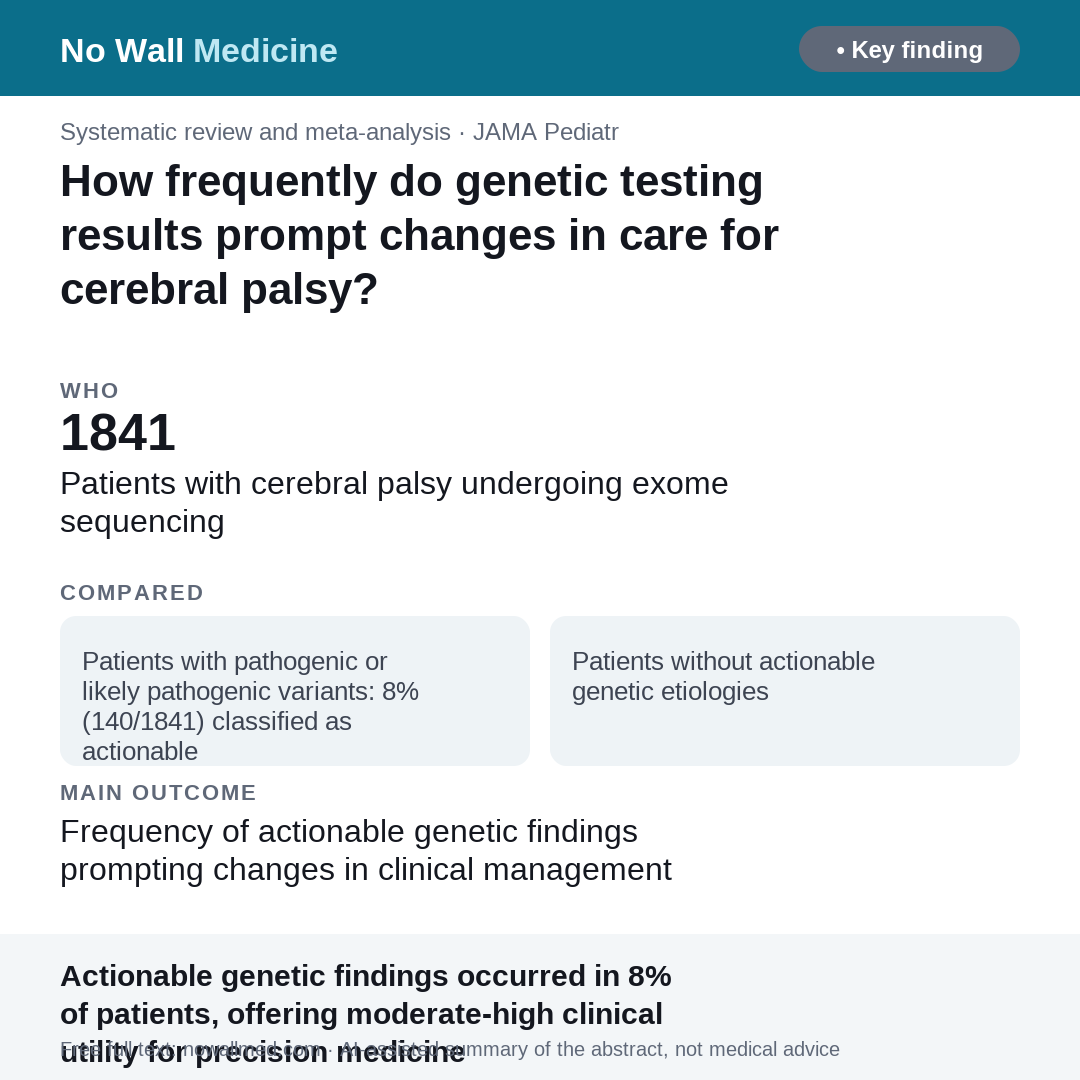
Clinical Actionability of Genetic Findings in Cerebral Palsy: A Systematic Review and Meta-Analysis
Systematic review and meta-analysisBenefit found
How frequently do genetic testing results prompt changes in care for cerebral palsy?
Who
1841
Patients with cerebral palsy undergoing exome sequencing
Compared
Patients with pathogenic or likely pathogenic variants: 8% (140/1841) classified as actionable
Patients without actionable genetic etiologies
Main outcome
Frequency of actionable genetic findings prompting changes in clinical management
Bottom line: Actionable genetic findings occurred in 8% of patients, offering moderate-high clinical utility for precision medicine interventions.
Limitation: The relatively limited evidence base underscores the need for additional research.
JAMA Pediatr · 2024-12-02Download image
Associations of cannabis use, tobacco use, and incident anxiety, mood, and psychotic disorders: a systematic review and meta-analysis
Systematic review and meta-analysisMixed results
Do cannabis and tobacco use associate with incident anxiety, mood, and psychotic disorders?
Who
General population samples in longitudinal studies
Compared
Tobacco use and mood disorders: risk ratio 1.39 (95% confidence interval 1.30-1.47)
Tobacco use and anxiety disorders: risk ratio 1.21 (95% confidence interval 0.87-1.68)
Cannabis use and psychotic disorders: risk ratio 3.19 (95% confidence interval 2.07-4.90)
Cannabis use and mood disorders: risk ratio 1.31 (95% confidence interval 0.92-1.86)
Main outcome
Incident anxiety, mood, and psychotic disorders
Bottom line: Tobacco use associates with mood disorders and cannabis use associates with psychotic disorders, but other associations were unclear.
Limitation: Only 27% of studies were high quality and potential overestimation of effects was suggested.
Psychol Med · 2024-12-02Download image

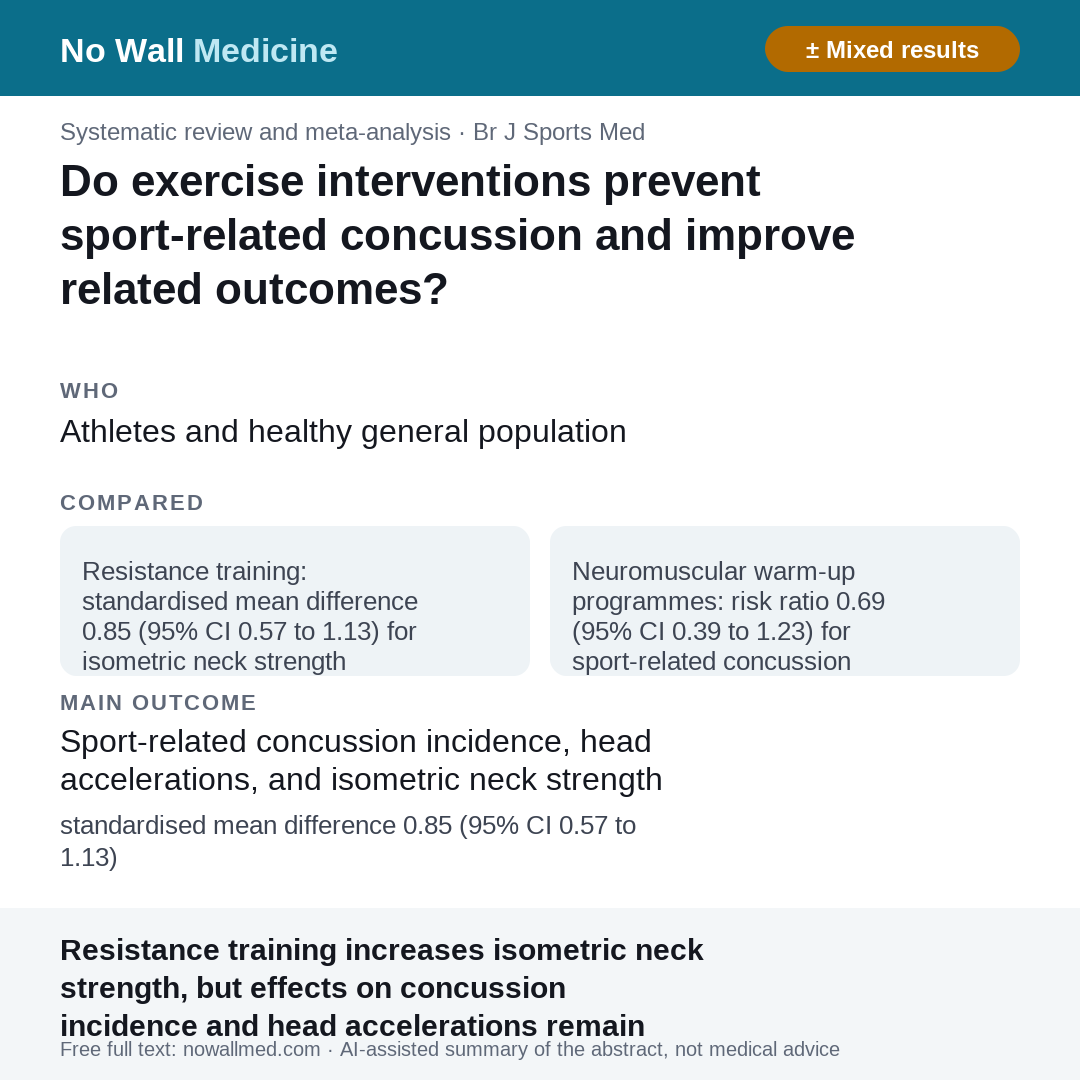
Efficacy of exercise interventions on prevention of sport-related concussion and related outcomes: a systematic review and meta-analysis
Systematic review and meta-analysisMixed results
Do exercise interventions prevent sport-related concussion and improve related outcomes?
Who
26
Athletes and healthy general population
Compared
Resistance training: standardised mean difference 0.85 (95% CI 0.57 to 1.13) for isometric neck strength
Neuromuscular warm-up programmes: risk ratio 0.69 (95% CI 0.39 to 1.23) for sport-related concussion incidence
Main outcome
Sport-related concussion incidence, head accelerations, and isometric neck strength
Result: standardised mean difference 0.85 (95% CI 0.57 to 1.13)
Bottom line: Resistance training increases isometric neck strength, but effects on concussion incidence and head accelerations remain unproven.
Br J Sports Med · 2024-12-02Download image