Visual abstracts
New randomized trials and meta-analyses from leading journals at a glance: who was studied, what was compared, and what was found. Every paper is free to read in full.
All specialtiesCardiology 4763Oncology 4042Gastroenterology & Hepatology 1902Infectious Disease 3756Neurology 1872Psychiatry & Mental Health 2214Pulmonology 2042Critical Care 1319Endocrinology & Diabetes 2544Pediatrics 2889Surgery 2479Orthopedics & Sports Medicine 917Neurosurgery 525Cardiothoracic & Vascular Surgery 656Plastic & Reconstructive Surgery 574Nephrology 1107Rheumatology 810Hematology 1090Dermatology 611Ophthalmology 532Obstetrics & Gynecology 1645Public & Global Health 1037Radiology & Imaging 617Anesthesiology 957Urology 745ENT (Otolaryngology) 494Emergency Medicine 481Allergy & Immunology 309Geriatrics 972Family Medicine & Primary Care 533Medical Genetics & Genomics 659Pathology & Laboratory Medicine 156Physical Medicine & Rehabilitation 734Palliative Care 421Nutrition 1560Digital Health & AI 2133General Medicine 318
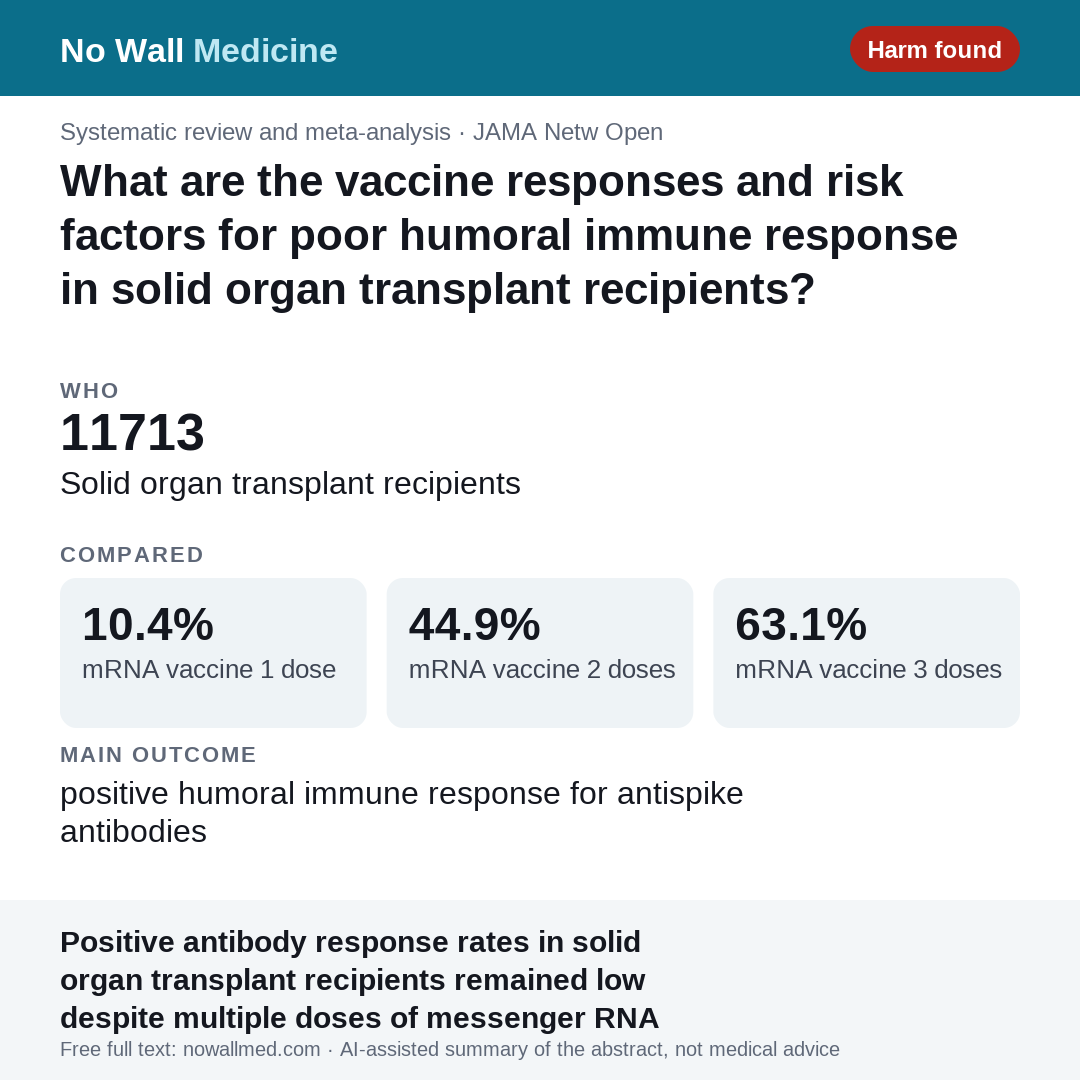
Immunogenicity and Risk Factors Associated With Poor Humoral Immune Response of SARS-CoV-2 Vaccines in Recipients of Solid Organ Transplant: A Systematic Review and Meta-Analysis
Systematic review and meta-analysisHarm found
What are the vaccine responses and risk factors for poor humoral immune response in solid organ transplant recipients?
Who
11713
Solid organ transplant recipients
Compared
10.4%mRNA vaccine 1 dose (0%-37.9%)
44.9%mRNA vaccine 2 doses (0%-79.1%)
63.1%mRNA vaccine 3 doses (49.1%-69.1%)
Main outcome
positive humoral immune response for antispike antibodies
Bottom line: Positive antibody response rates in solid organ transplant recipients remained low despite multiple doses of messenger RNA vaccines.
JAMA Netw Open · 2022-04-01Download image
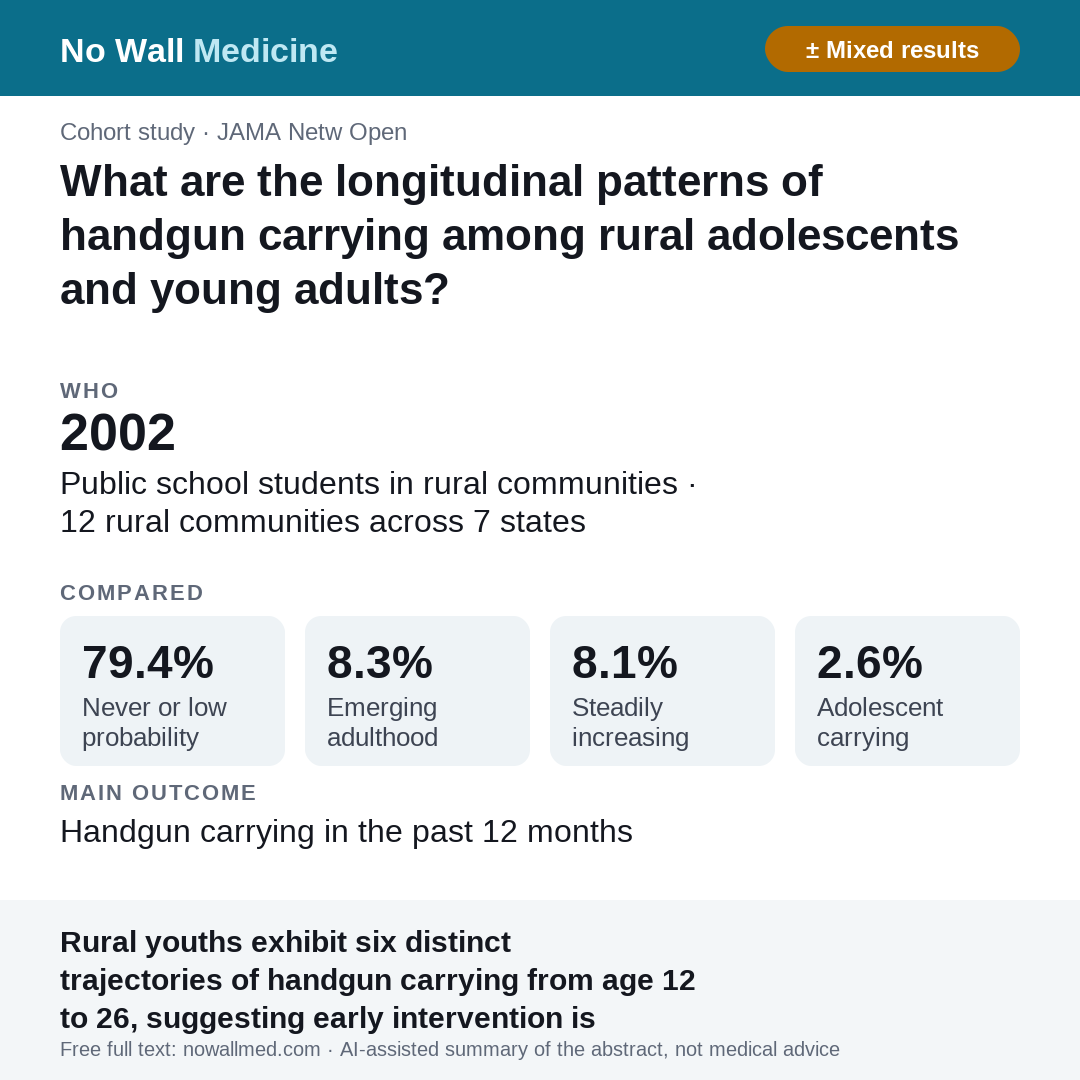
Trajectories of Handgun Carrying in Rural Communities From Early Adolescence to Young Adulthood
Cohort studyMixed results
What are the longitudinal patterns of handgun carrying among rural adolescents and young adults?
Who
2002
Public school students in rural communities · 12 rural communities across 7 states
Compared
79.4%Never or low probability
8.3%Emerging adulthood carrying
8.1%Steadily increasing carrying
2.6%Adolescent carrying
Main outcome
Handgun carrying in the past 12 months
Bottom line: Rural youths exhibit six distinct trajectories of handgun carrying from age 12 to 26, suggesting early intervention is needed.
JAMA Netw Open · 2022-04-01Download image
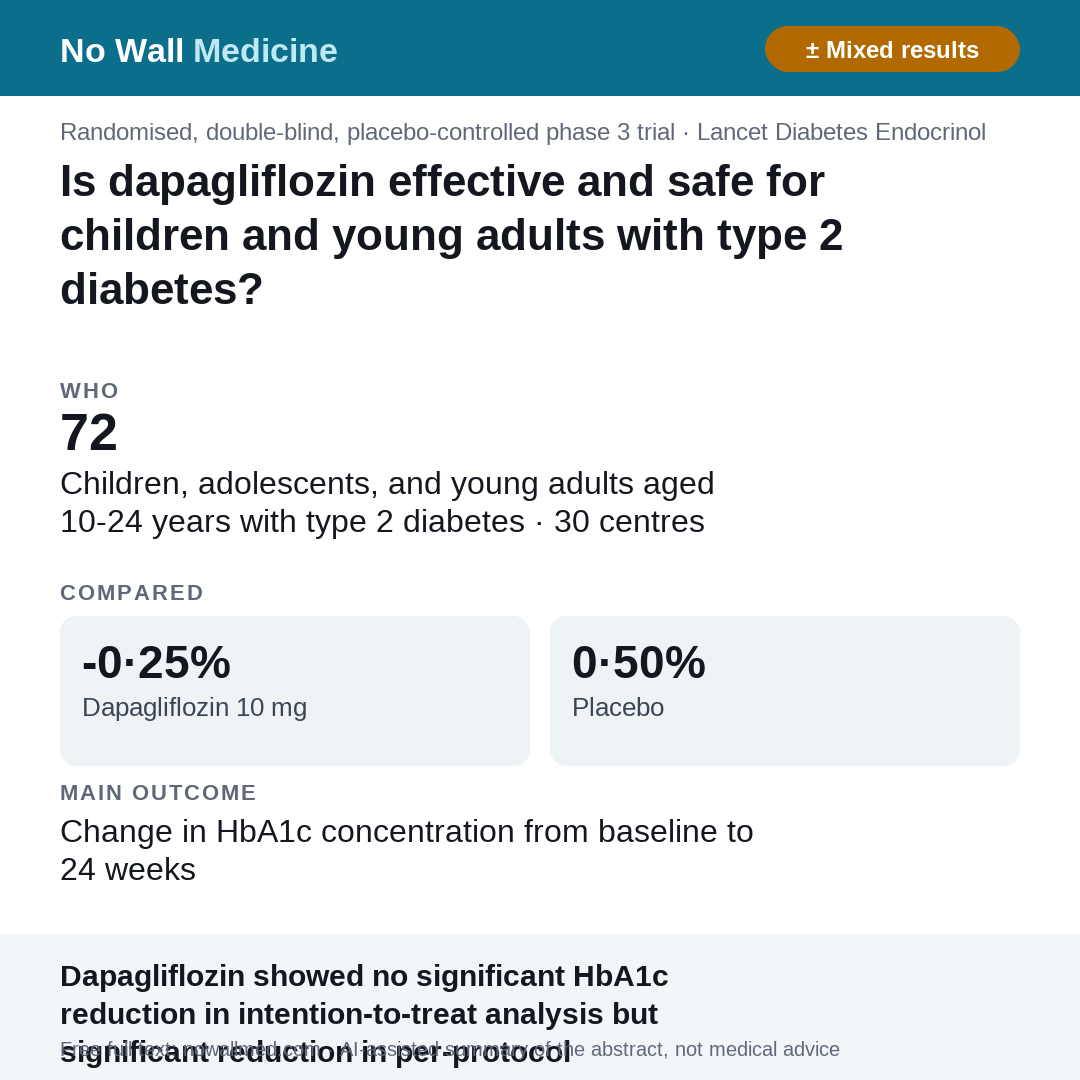
Efficacy and safety of dapagliflozin in children and young adults with type 2 diabetes: a prospective, multicentre, randomised, parallel group, phase 3 study
Randomised, double-blind, placebo-controlled phase 3 trialMixed results
Is dapagliflozin effective and safe for children and young adults with type 2 diabetes?
Who
72
Children, adolescents, and young adults aged 10-24 years with type 2 diabetes · 30 centres in five countries
Compared
-0·25%Dapagliflozin 10 mg (95% CI -0·85 to 0·34)
0·50%Placebo (-0·18 to 1·17)
Main outcome
Change in HbA1c concentration from baseline to 24 weeks
Result: -0·75% (95% CI -1·65 to 0·15)
Bottom line: Dapagliflozin showed no significant HbA1c reduction in intention-to-treat analysis but significant reduction in per-protocol analysis.
Funded by: AstraZeneca
Lancet Diabetes Endocrinol · 2022-04-01Download image
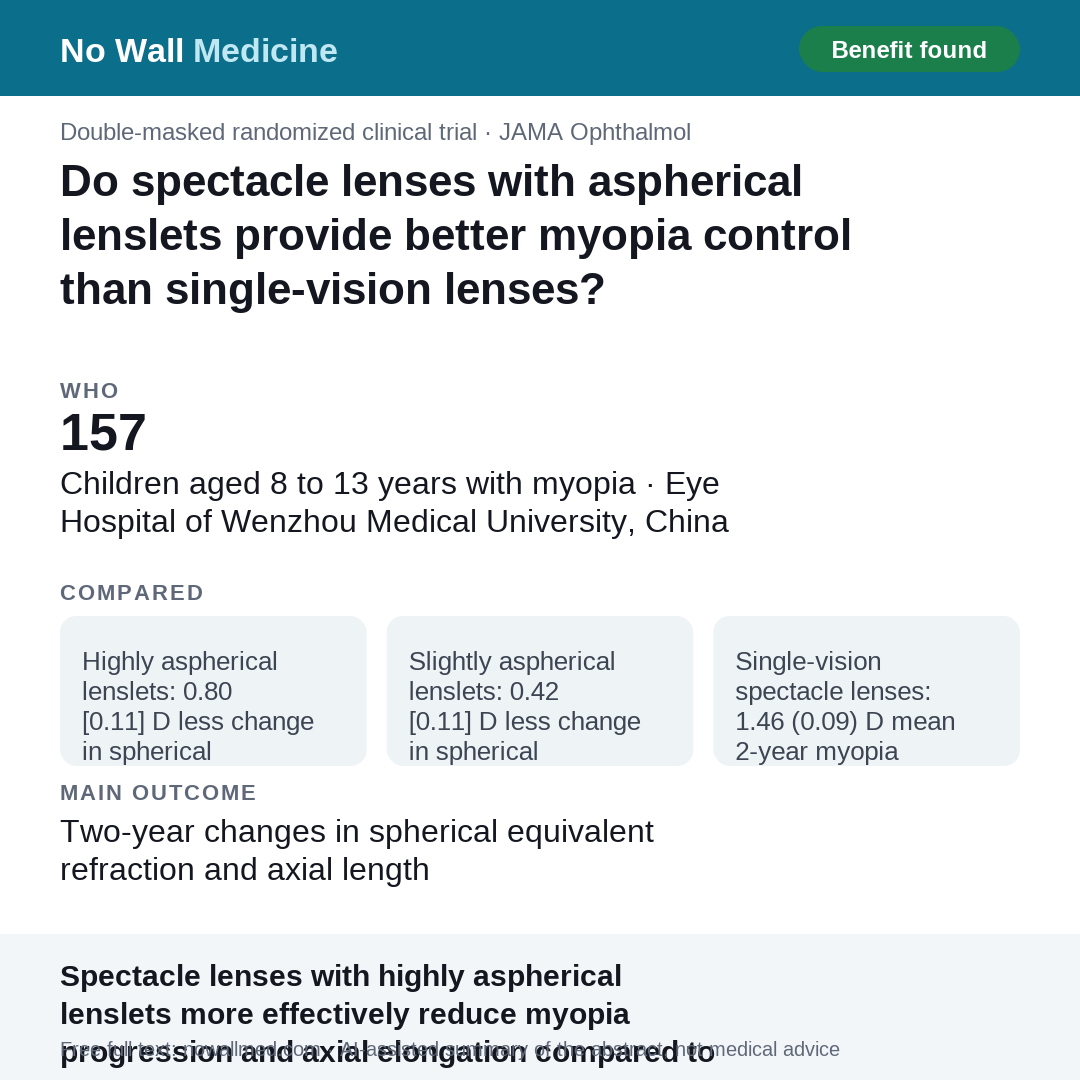
Spectacle Lenses With Aspherical Lenslets for Myopia Control vs Single-Vision Spectacle Lenses: A Randomized Clinical Trial
Double-masked randomized clinical trialBenefit found
Do spectacle lenses with aspherical lenslets provide better myopia control than single-vision lenses?
Who
157
Children aged 8 to 13 years with myopia · Eye Hospital of Wenzhou Medical University, China
Compared
Highly aspherical lenslets: 0.80 [0.11] D less change in spherical equivalent refraction
Slightly aspherical lenslets: 0.42 [0.11] D less change in spherical equivalent refraction
Single-vision spectacle lenses: 1.46 (0.09) D mean 2-year myopia progression
Main outcome
Two-year changes in spherical equivalent refraction and axial length
Bottom line: Spectacle lenses with highly aspherical lenslets more effectively reduce myopia progression and axial elongation compared to single-vision lenses.
JAMA Ophthalmol · 2022-04-01Download image
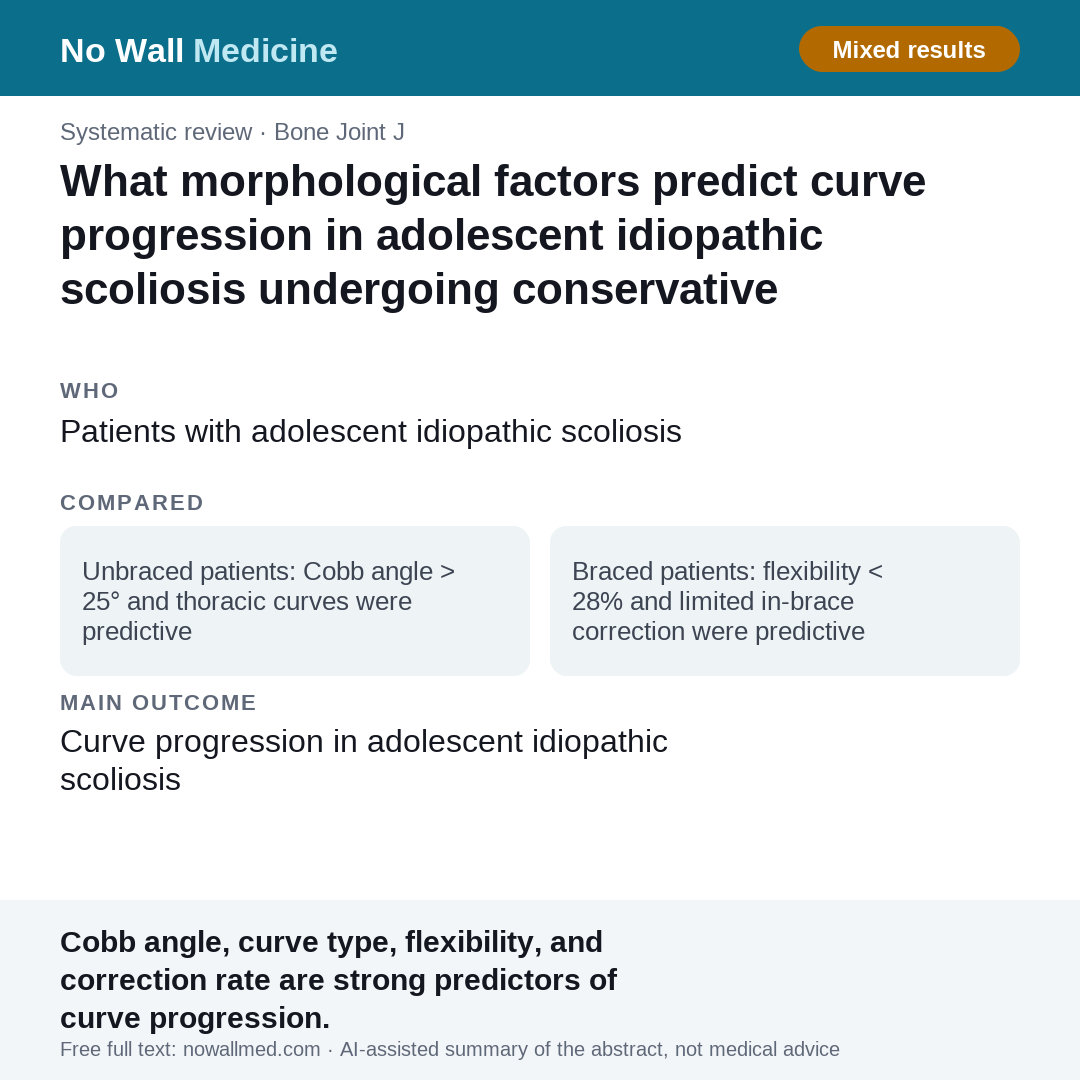
Curve type, flexibility, correction, and rotation are predictors of curve progression in patients with adolescent idiopathic scoliosis undergoing conservative treatment : a systematic review
Systematic reviewMixed results
What morphological factors predict curve progression in adolescent idiopathic scoliosis undergoing conservative treatment?
Who
Patients with adolescent idiopathic scoliosis
Compared
Unbraced patients: Cobb angle > 25° and thoracic curves were predictive
Braced patients: flexibility < 28% and limited in-brace correction were predictive
Main outcome
Curve progression in adolescent idiopathic scoliosis
Bottom line: Cobb angle, curve type, flexibility, and correction rate are strong predictors of curve progression.
Limitation: Some predictors like apical vertebral rotation and pelvic tilt have low evidence.
Bone Joint J · 2022-04-01Download image
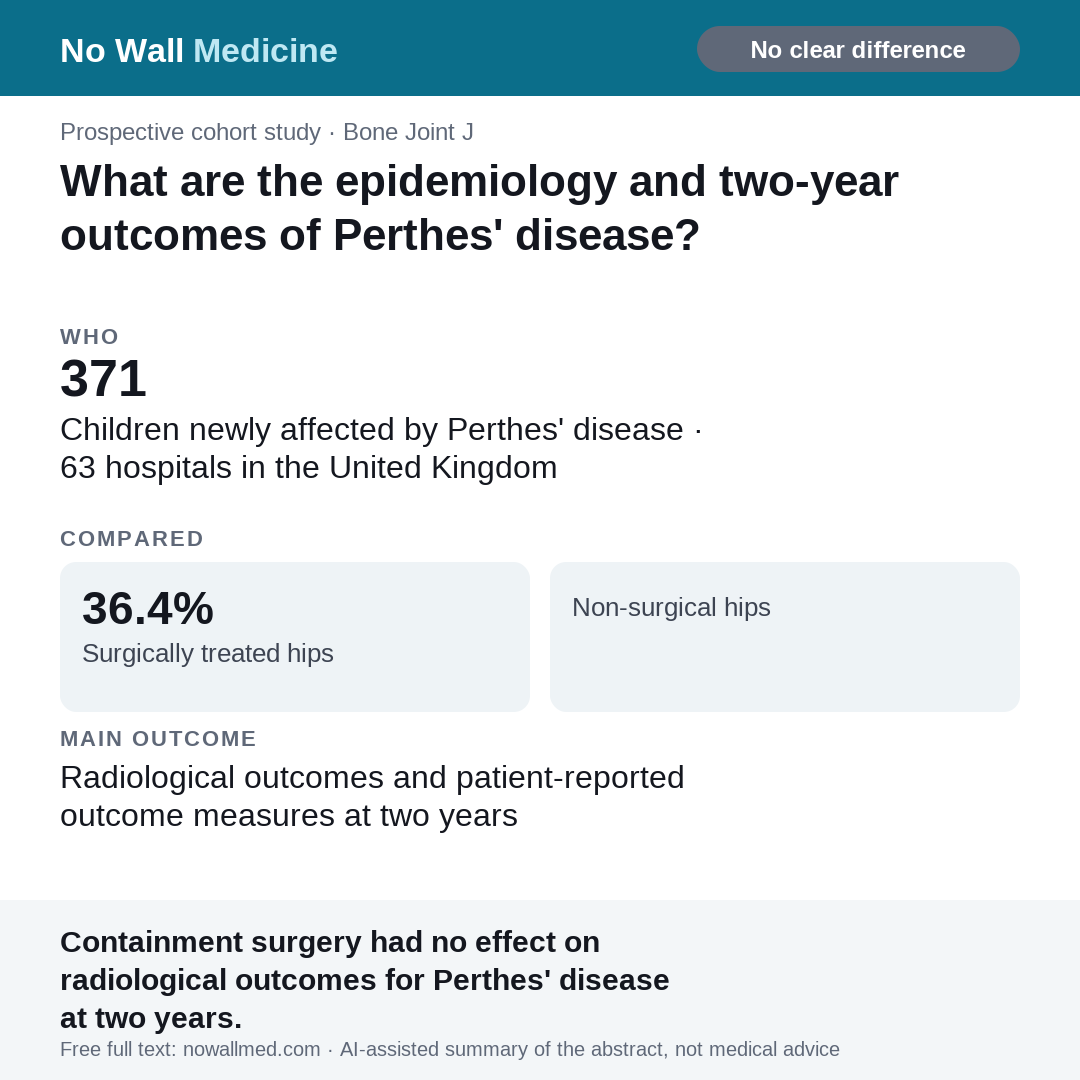
The British Orthopaedic Surgery Surveillance study: Perthes' disease: the epidemiology and two-year outcomes from a prospective cohort in Great Britain
Prospective cohort studyNo clear difference
What are the epidemiology and two-year outcomes of Perthes' disease?
Who
371
Children newly affected by Perthes' disease · 63 hospitals in the United Kingdom
Compared
36.4%Surgically treated hips
Non-surgical hips
Main outcome
Radiological outcomes and patient-reported outcome measures at two years
Result: odds ratio 1.03 (95% CI 0.55 to 1.96) for surgery effect
Bottom line: Containment surgery had no effect on radiological outcomes for Perthes' disease at two years.
Bone Joint J · 2022-04-01Download image
Long-term health outcomes of children born to mothers with hyperemesis gravidarum: a systematic review and meta-analysis
Systematic review and meta-analysisHarm found
Does maternal hyperemesis gravidarum affect long-term offspring health outcomes?
Who
1,814,785
Offspring of mothers with hyperemesis gravidarum
Compared
Hyperemesis gravidarum offspring
Unaffected mothers offspring
Main outcome
Long-term health outcomes in offspring
Result: anxiety disorder odds ratio 1.74 (95% confidence interval 1.04-2.91); sleep problems odds ratio 2.94 (95% confidence interval 1.25-6.93); testicular cancer odds ratio 1.60 (95% confidence interval 1.07-2.39)
Bottom line: Maternal hyperemesis gravidarum is associated with increased risks of neurodevelopmental, mental health, and possibly testicular cancer in offspring.
Limitation: Evidence is based on few studies of low quality.
AJOG · 2022-03-30Download image

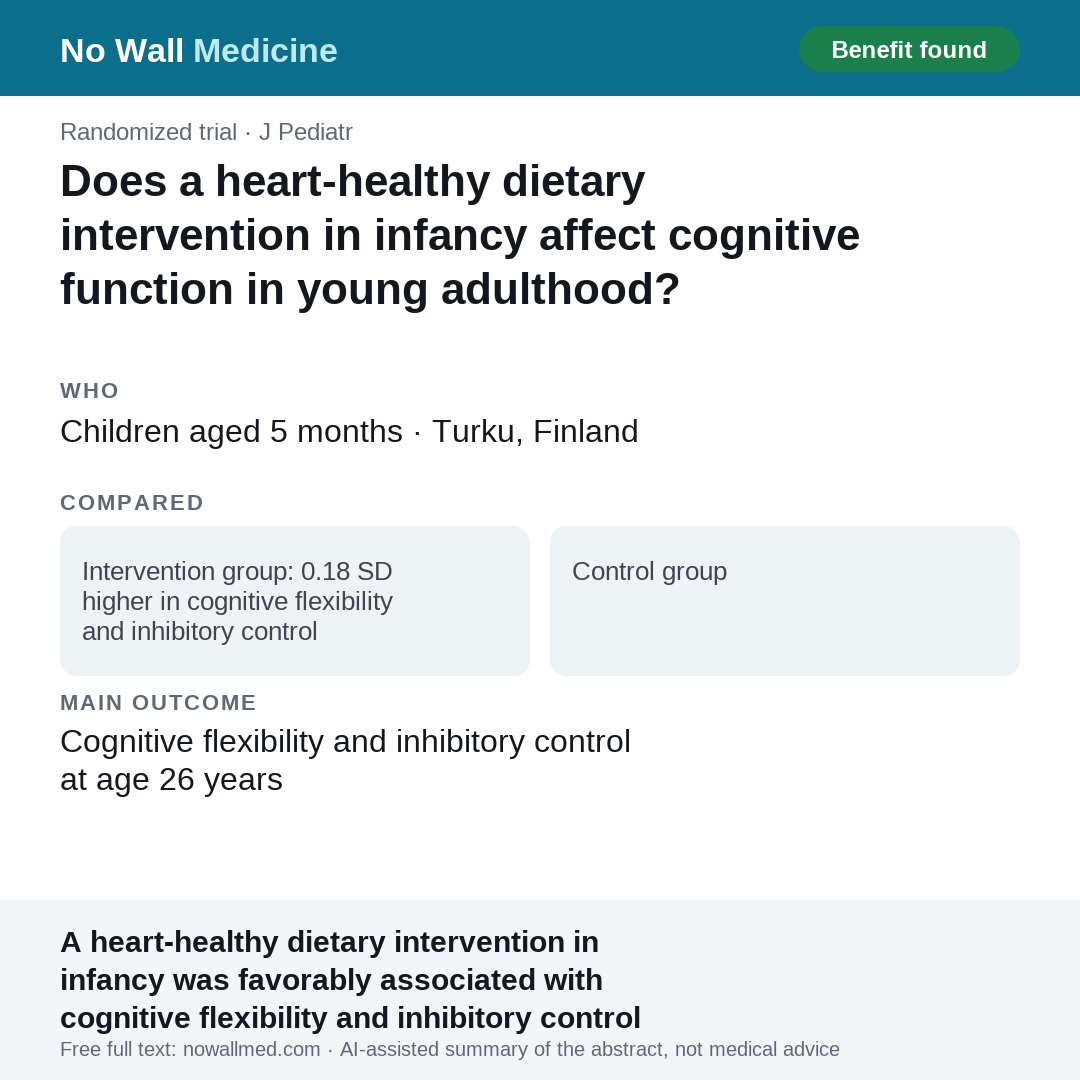
Dietary Intervention in Infancy and Cognitive Function in Young Adulthood: The Special Turku Coronary Risk Factor Intervention Project
Randomized trialBenefit found
Does a heart-healthy dietary intervention in infancy affect cognitive function in young adulthood?
Who
Children aged 5 months · Turku, Finland
Compared
Intervention group: 0.18 SD higher in cognitive flexibility and inhibitory control
Control group
Main outcome
Cognitive flexibility and inhibitory control at age 26 years
Bottom line: A heart-healthy dietary intervention in infancy was favorably associated with cognitive flexibility and inhibitory control at age 26.
J Pediatr · 2022-03-30Download image
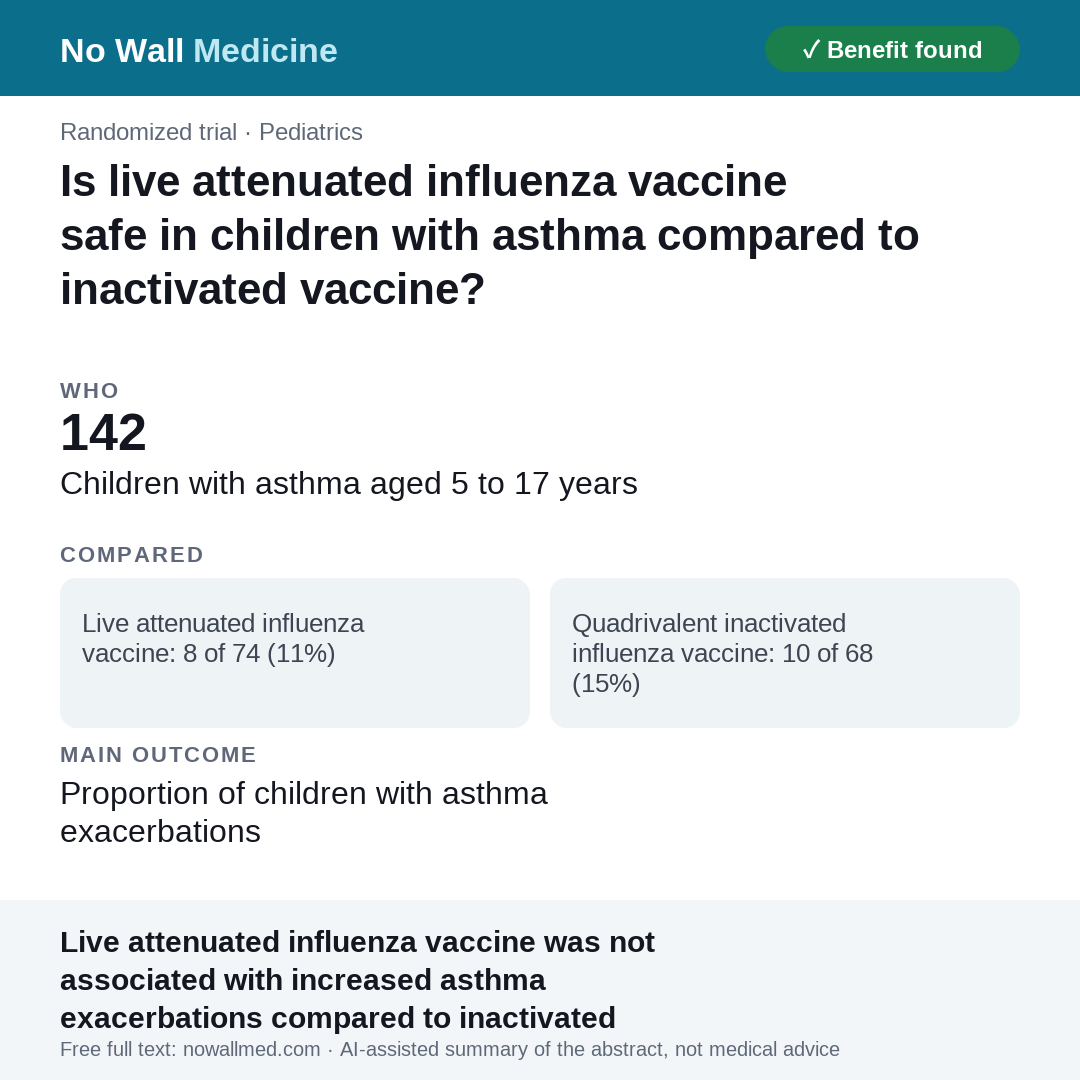
Safety of Live Attenuated Influenza Vaccine in Children With Asthma
Randomized trialBenefit found
Is live attenuated influenza vaccine safe in children with asthma compared to inactivated vaccine?
Who
142
Children with asthma aged 5 to 17 years
Compared
Live attenuated influenza vaccine: 8 of 74 (11%)
Quadrivalent inactivated influenza vaccine: 10 of 68 (15%)
Main outcome
Proportion of children with asthma exacerbations
Result: -0.0390 (90% confidence interval -0.1453 to 0.0674)
Bottom line: Live attenuated influenza vaccine was not associated with increased asthma exacerbations compared to inactivated influenza vaccine in children.
Pediatrics · 2022-03-29Download image
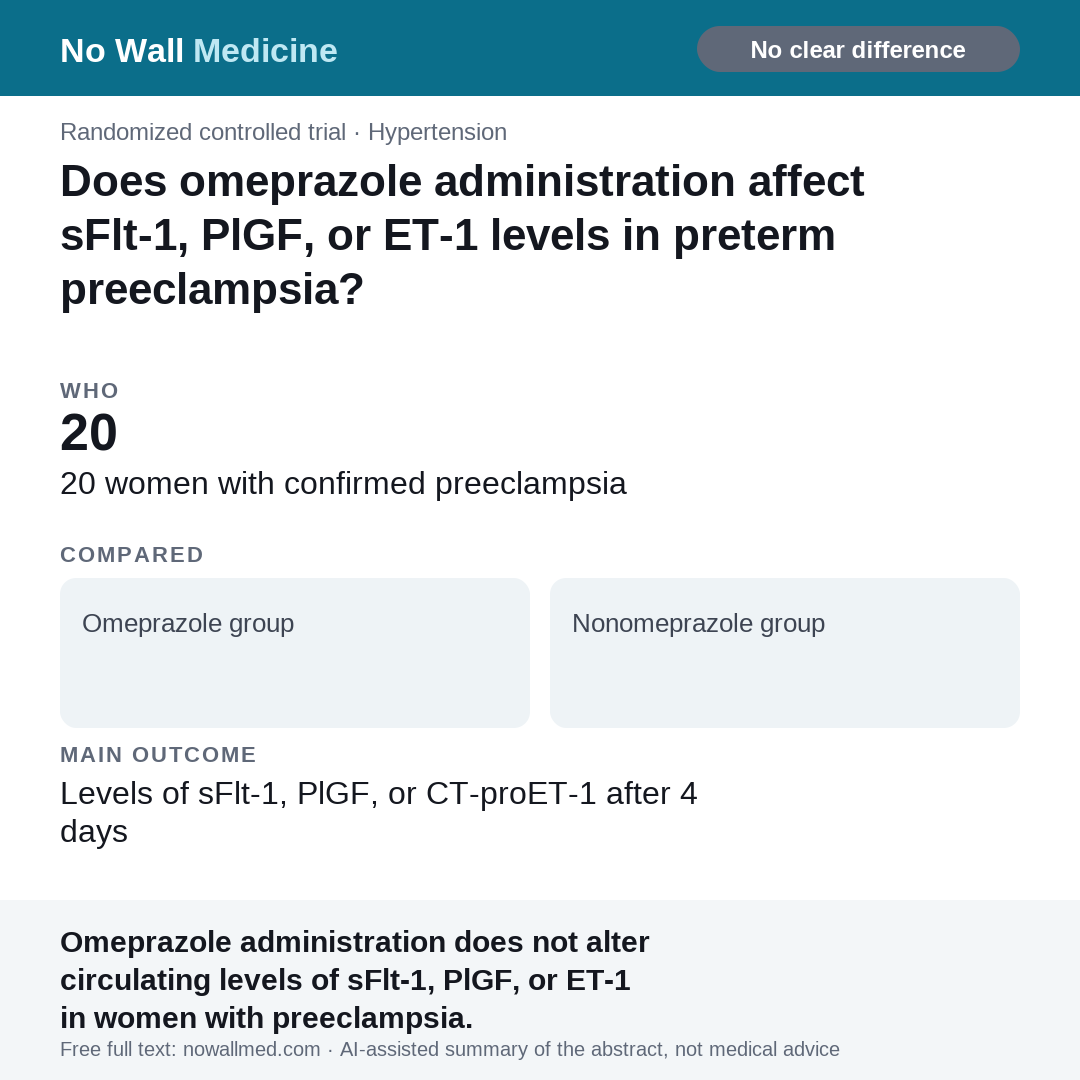
Omeprazole Administration in Preterm Preeclampsia: a Randomized Controlled Trial to Study Its Effect on sFlt-1 (Soluble Fms-Like Tyrosine Kinase-1), PlGF (Placental Growth Factor), and ET-1 (Endothelin-1)
Randomized controlled trialNo clear difference
Does omeprazole administration affect sFlt-1, PlGF, or ET-1 levels in preterm preeclampsia?
Who
20
20 women with confirmed preeclampsia
Compared
Omeprazole group
Nonomeprazole group
Main outcome
Levels of sFlt-1, PlGF, or CT-proET-1 after 4 days
Bottom line: Omeprazole administration does not alter circulating levels of sFlt-1, PlGF, or ET-1 in women with preeclampsia.
Hypertension · 2022-03-28Download image
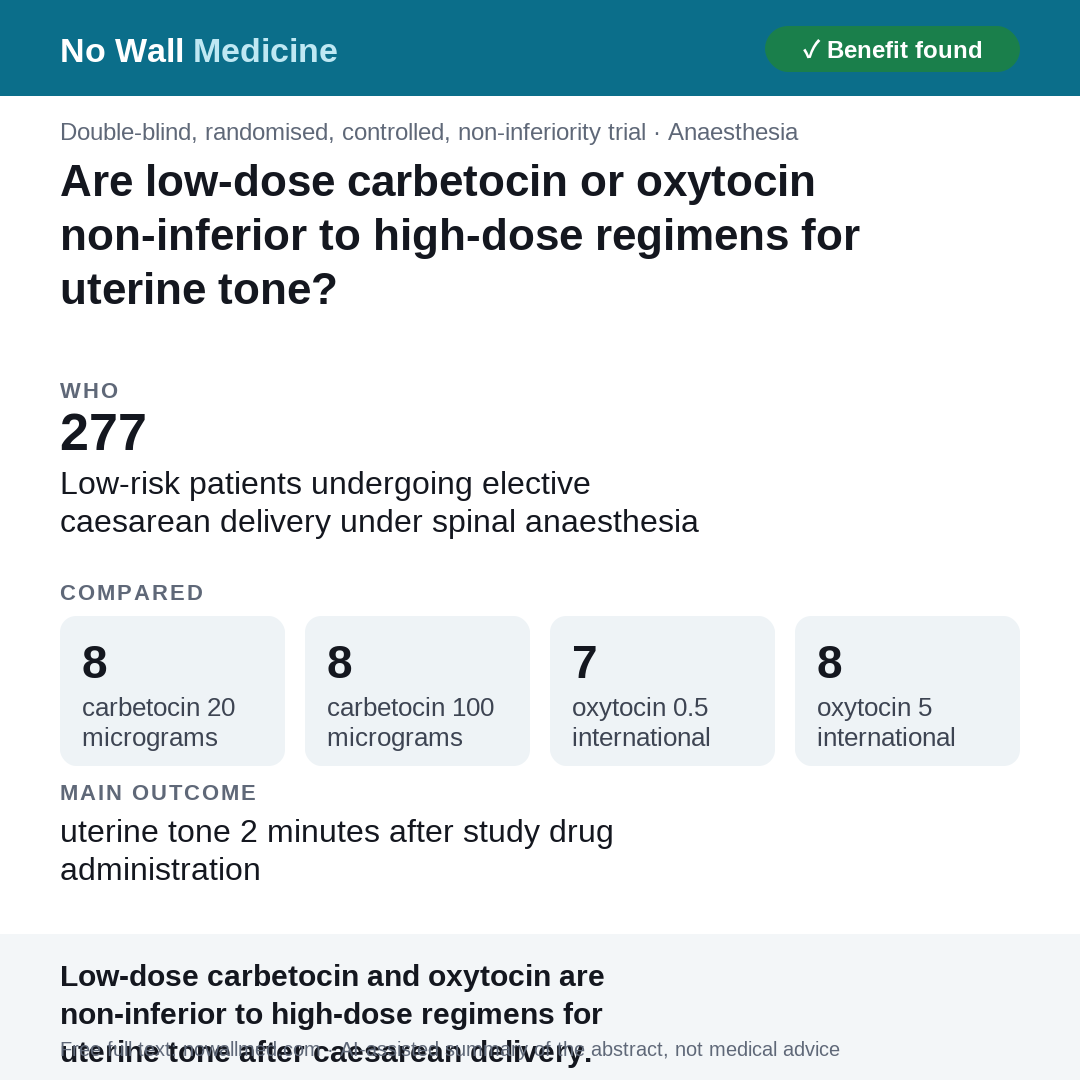
Carbetocin vs. oxytocin at elective caesarean delivery: a double-blind, randomised, controlled, non-inferiority trial of low- and high-dose regimens
Double-blind, randomised, controlled, non-inferiority trialBenefit found
Are low-dose carbetocin or oxytocin non-inferior to high-dose regimens for uterine tone?
Who
277
Low-risk patients undergoing elective caesarean delivery under spinal anaesthesia
Compared
8carbetocin 20 micrograms (7-8 [1-10])
8carbetocin 100 micrograms (7-9 [3-10])
7oxytocin 0.5 international units (6-8 [3-10])
8oxytocin 5 international units (6-8 [2-10])
Main outcome
uterine tone 2 minutes after study drug administration
Result: median (95%CI) difference 0 (-0.44-0.44)
Bottom line: Low-dose carbetocin and oxytocin are non-inferior to high-dose regimens for uterine tone after caesarean delivery.
Anaesthesia · 2022-03-28Download image
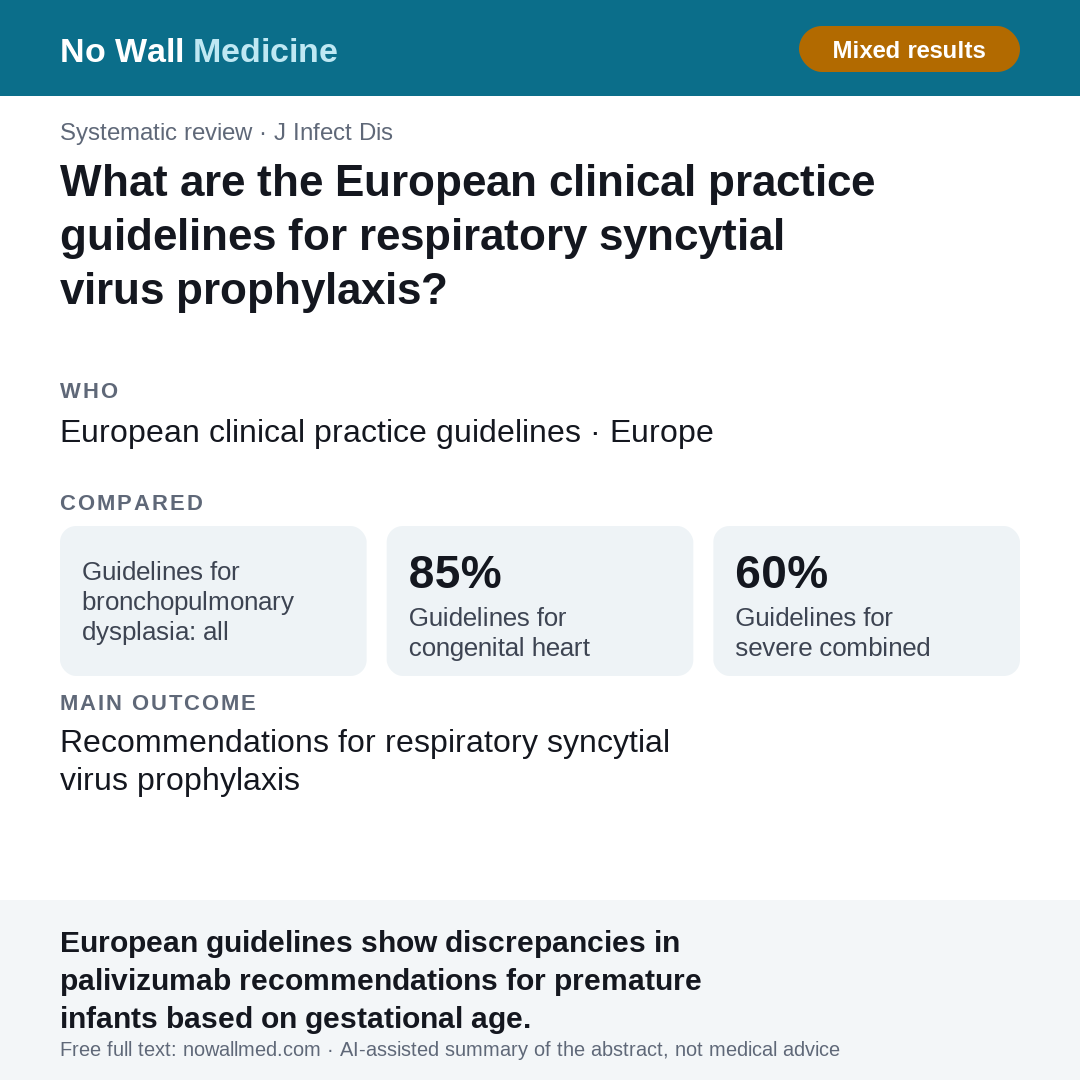
A Systematic Review of European Clinical Practice Guidelines for Respiratory Syncytial Virus Prophylaxis
Systematic reviewMixed results
What are the European clinical practice guidelines for respiratory syncytial virus prophylaxis?
Who
European clinical practice guidelines · Europe
Compared
Guidelines for bronchopulmonary dysplasia: all
85%Guidelines for congenital heart disease (n = 17)
60%Guidelines for severe combined immunodeficiency (n = 12)
Main outcome
Recommendations for respiratory syncytial virus prophylaxis
Bottom line: European guidelines show discrepancies in palivizumab recommendations for premature infants based on gestational age.
J Infect Dis · 2022-03-26Download image
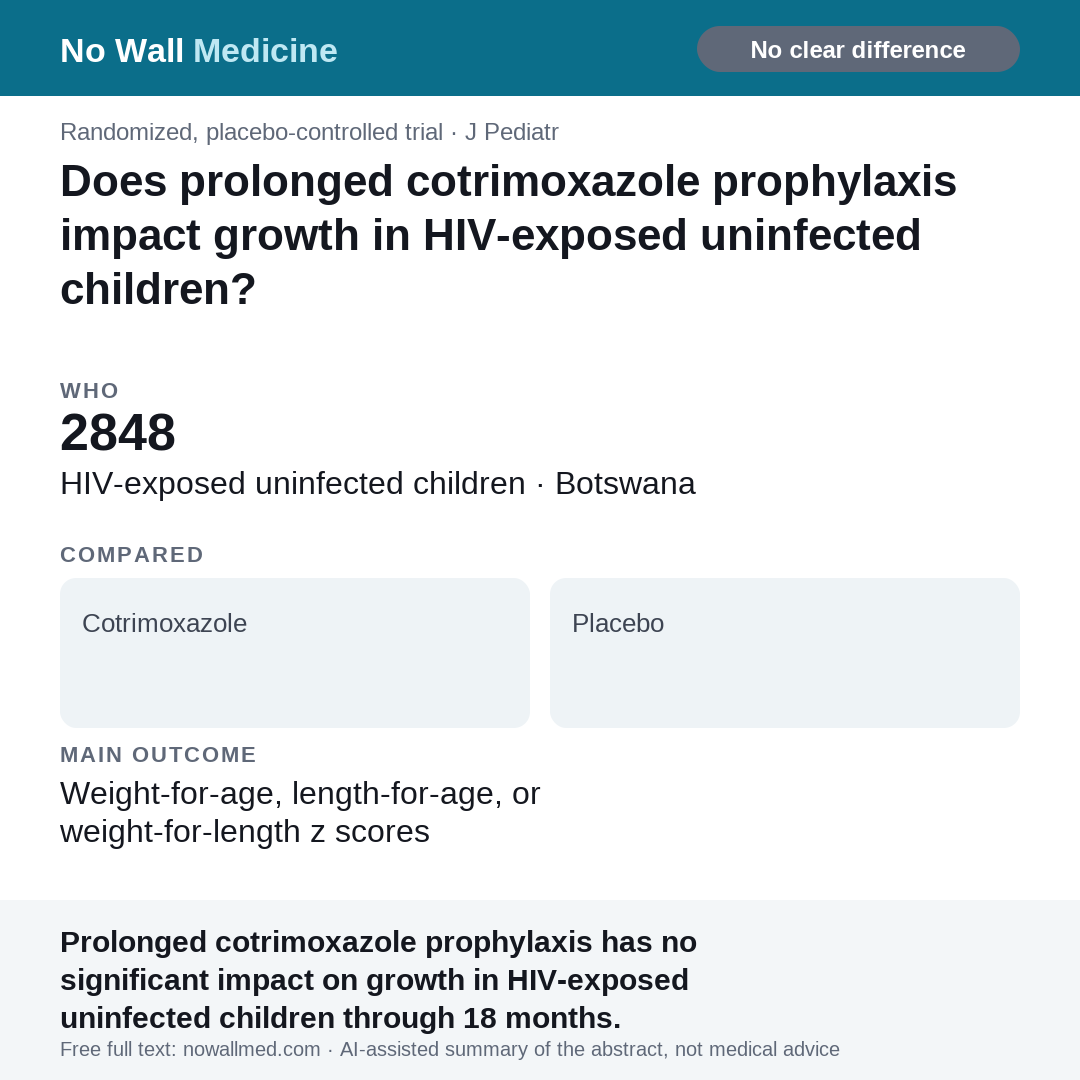
Prolonged Cotrimoxazole Prophylaxis Has No Impact on Child Growth in the First Two Years of Life: Findings from a Randomized Controlled Trial in Botswana
Randomized, placebo-controlled trialNo clear difference
Does prolonged cotrimoxazole prophylaxis impact growth in HIV-exposed uninfected children?
Who
2848
HIV-exposed uninfected children · Botswana
Compared
Cotrimoxazole
Placebo
Main outcome
Weight-for-age, length-for-age, or weight-for-length z scores
Bottom line: Prolonged cotrimoxazole prophylaxis has no significant impact on growth in HIV-exposed uninfected children through 18 months.
J Pediatr · 2022-03-26Download image
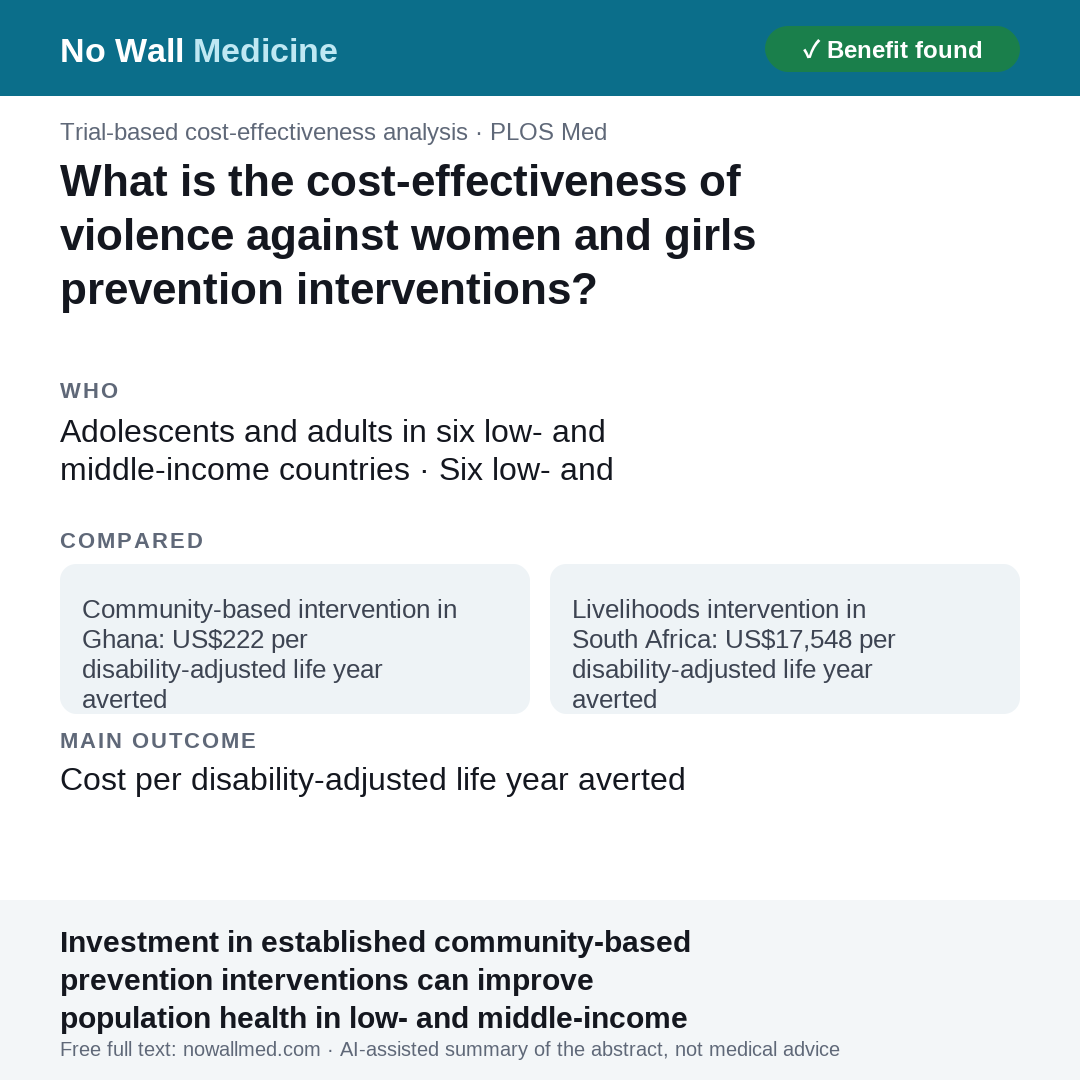
Prevention of violence against women and girls: A cost-effectiveness study across 6 low- and middle-income countries
Trial-based cost-effectiveness analysisBenefit found
What is the cost-effectiveness of violence against women and girls prevention interventions?
Who
Adolescents and adults in six low- and middle-income countries · Six low- and middle-income countries in sub-Saharan Africa and South Asia
Compared
Community-based intervention in Ghana: US$222 per disability-adjusted life year averted
Livelihoods intervention in South Africa: US$17,548 per disability-adjusted life year averted
Main outcome
Cost per disability-adjusted life year averted
Bottom line: Investment in established community-based prevention interventions can improve population health in low- and middle-income countries.
Limitation: May underestimate overall health impact and does not report participants' health costs.
PLOS Med · 2022-03-24Download image
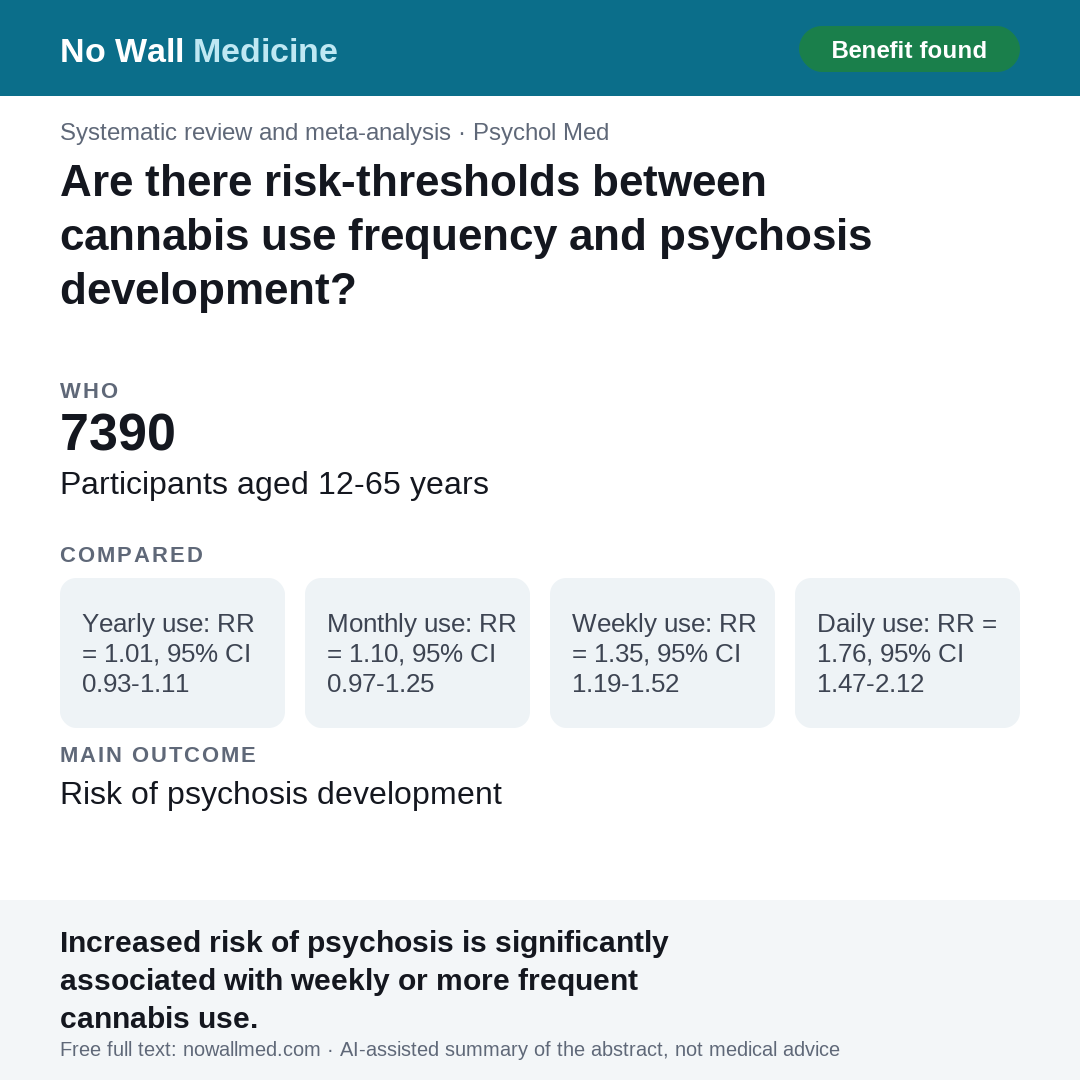
Risk-thresholds for the association between frequency of cannabis use and the development of psychosis: a systematic review and meta-analysis
Systematic review and meta-analysisKey finding
Are there risk-thresholds between cannabis use frequency and psychosis development?
Who
7390
Participants aged 12-65 years
Compared
Yearly use: RR = 1.01, 95% CI 0.93-1.11
Monthly use: RR = 1.10, 95% CI 0.97-1.25
Weekly use: RR = 1.35, 95% CI 1.19-1.52
Daily use: RR = 1.76, 95% CI 1.47-2.12
Main outcome
Risk of psychosis development
Bottom line: Increased risk of psychosis is significantly associated with weekly or more frequent cannabis use.
Limitation: Risk-thresholds should be refined through further work.
Psychol Med · 2022-03-24Download image
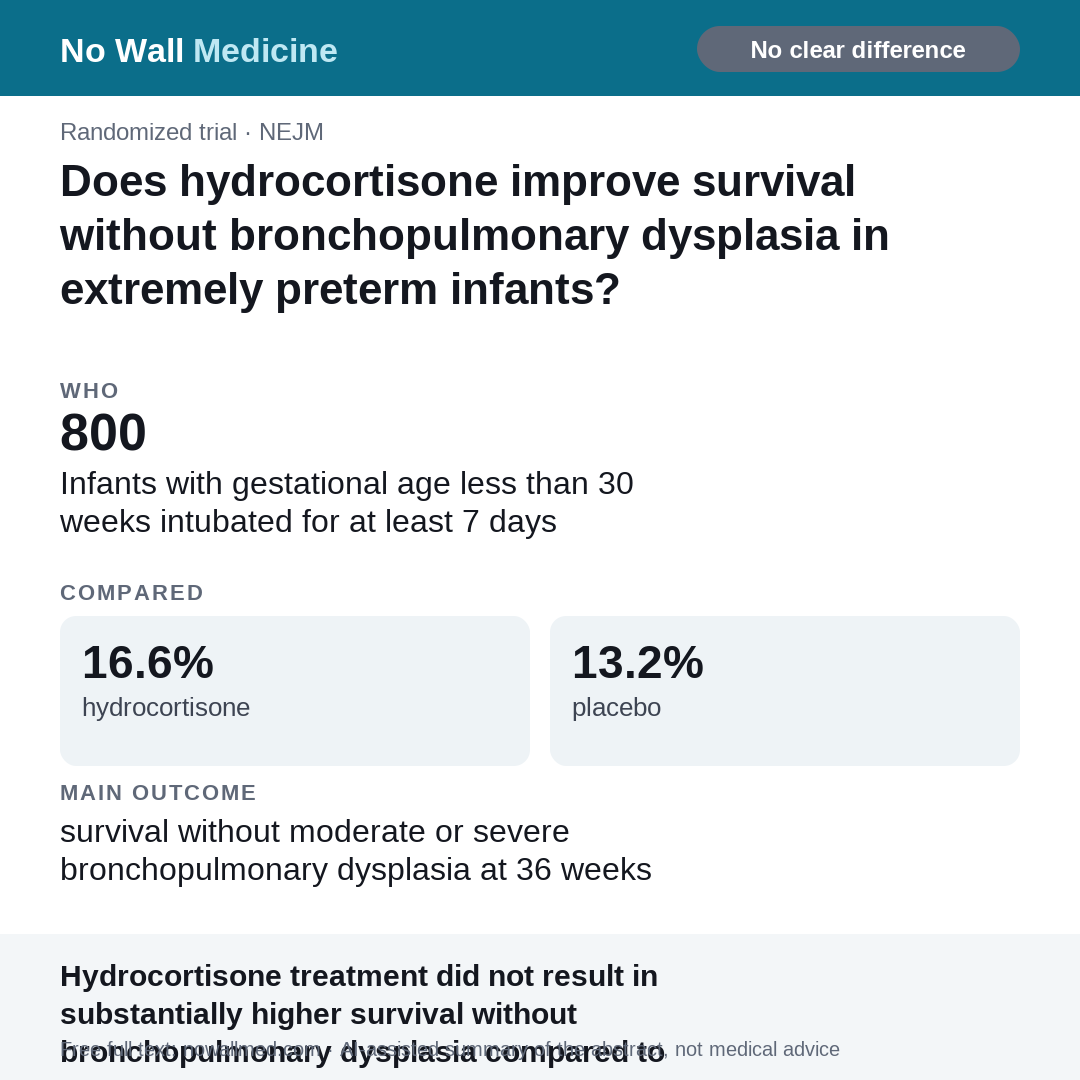
Hydrocortisone to Improve Survival without Bronchopulmonary Dysplasia
Randomized trialNo clear difference
Does hydrocortisone improve survival without bronchopulmonary dysplasia in extremely preterm infants?
Who
800
Infants with gestational age less than 30 weeks intubated for at least 7 days
Compared
16.6%hydrocortisone (66/398)
13.2%placebo (53/402)
Main outcome
survival without moderate or severe bronchopulmonary dysplasia at 36 weeks
Result: adjusted rate ratio 1.27 (95% CI 0.93 to 1.74)
Bottom line: Hydrocortisone treatment did not result in substantially higher survival without bronchopulmonary dysplasia compared to placebo in preterm infants.
Funded by: National Institutes of Health
NEJM · 2022-03-23Download image
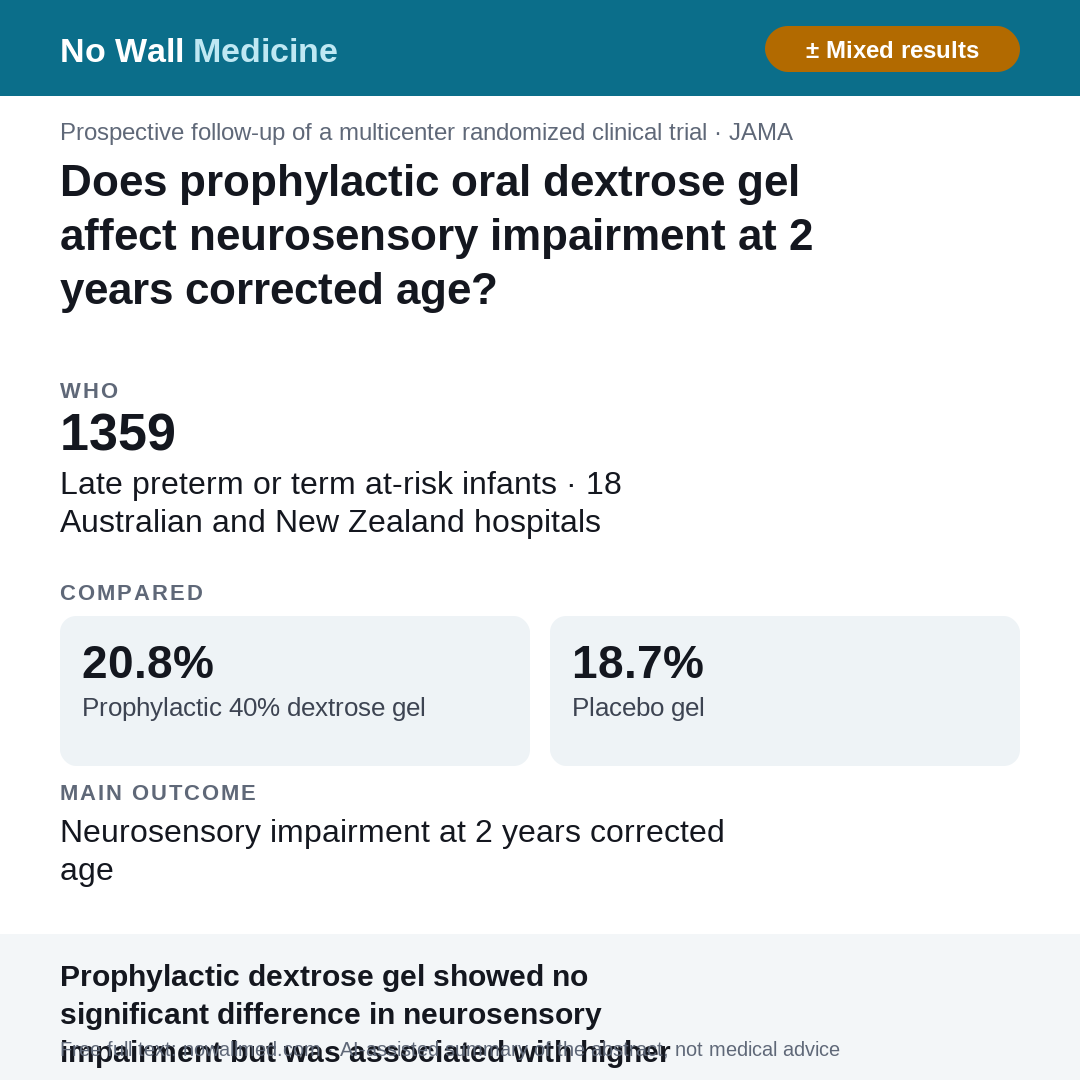
Prophylactic Oral Dextrose Gel and Neurosensory Impairment at 2-Year Follow-up of Participants in the hPOD Randomized Trial
Prospective follow-up of a multicenter randomized clinical trialMixed results
Does prophylactic oral dextrose gel affect neurosensory impairment at 2 years corrected age?
Who
1359
Late preterm or term at-risk infants · 18 Australian and New Zealand hospitals
Compared
20.8%Prophylactic 40% dextrose gel
18.7%Placebo gel
Main outcome
Neurosensory impairment at 2 years corrected age
Result: adjusted risk ratio 1.13 (95% CI 0.90 to 1.41)
Bottom line: Prophylactic dextrose gel showed no significant difference in neurosensory impairment but was associated with higher motor delay risk.
Limitation: The study may have been underpowered to detect a small but potentially clinically important increase in risk.
JAMA · 2022-03-22Download image
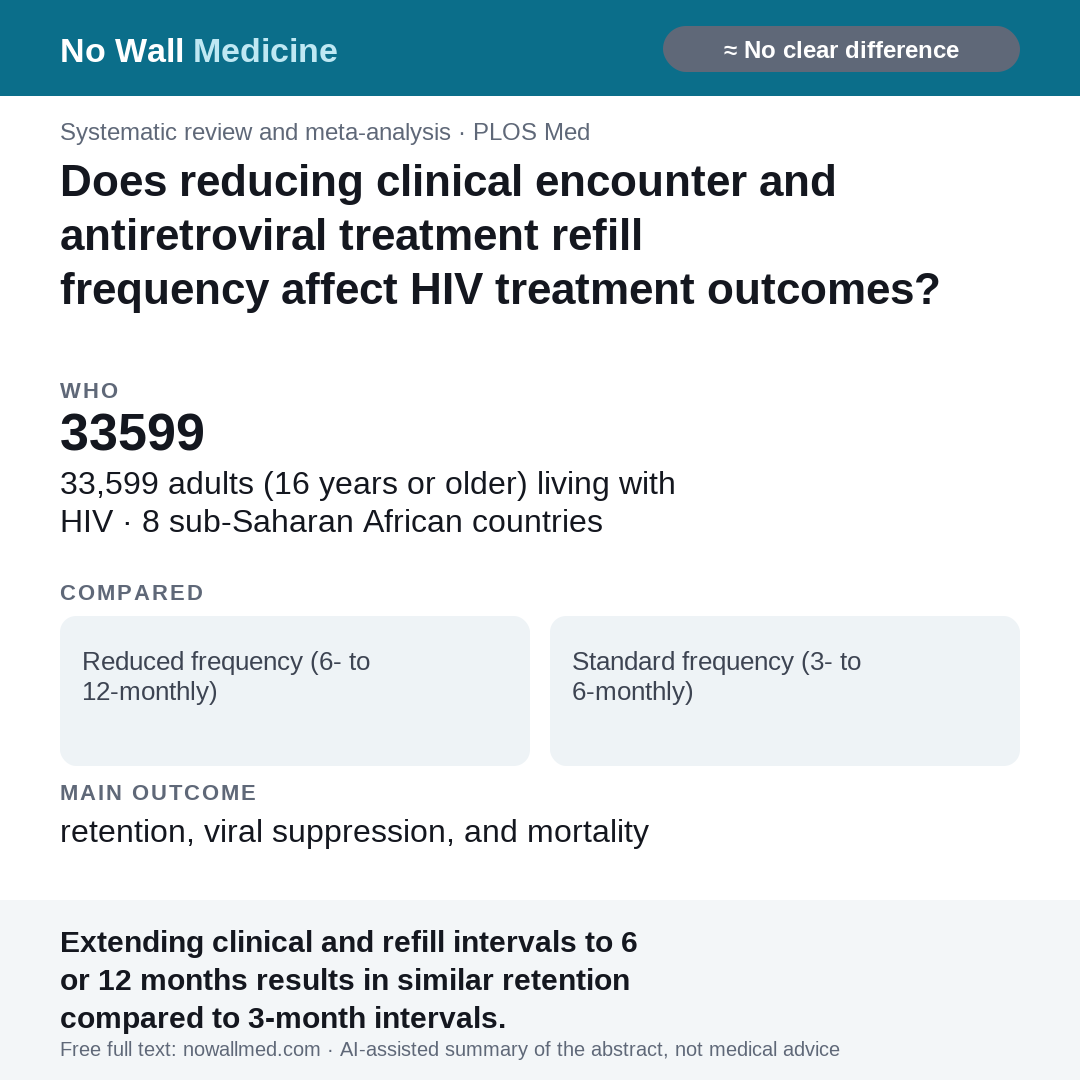
Evaluation of HIV treatment outcomes with reduced frequency of clinical encounters and antiretroviral treatment refills: A systematic review and meta-analysis
Systematic review and meta-analysisNo clear difference
Does reducing clinical encounter and antiretroviral treatment refill frequency affect HIV treatment outcomes?
Who
33599
33,599 adults (16 years or older) living with HIV · 8 sub-Saharan African countries
Compared
Reduced frequency (6- to 12-monthly)
Standard frequency (3- to 6-monthly)
Main outcome
retention, viral suppression, and mortality
Result: RR 1.01 (95% CI 0.97-1.04) for retention
Bottom line: Extending clinical and refill intervals to 6 or 12 months results in similar retention compared to 3-month intervals.
Limitation: Small number of studies comparing 12 versus 6-monthly consultations and lack of evidence for non-sub-Saharan African countries.
PLOS Med · 2022-03-22Download image
Paediatric brain MRI findings following congenital heart surgery: a systematic review
Systematic reviewHarm found
What is the incidence of new postoperative brain MRI findings following paediatric congenital cardiac surgery?
Who
Neonates undergoing paediatric congenital cardiac surgery
Compared
43%Pre-existing brain MRI findings (513/1205)
51%New postoperative brain MRI findings (550/1075)
Main outcome
Incidence of new postoperative brain magnetic resonance imaging findings
Bottom line: Surgery approximately doubles the number of patients with new brain lesions following congenital cardiac surgery.
Arch Dis Child · 2022-03-22Download image

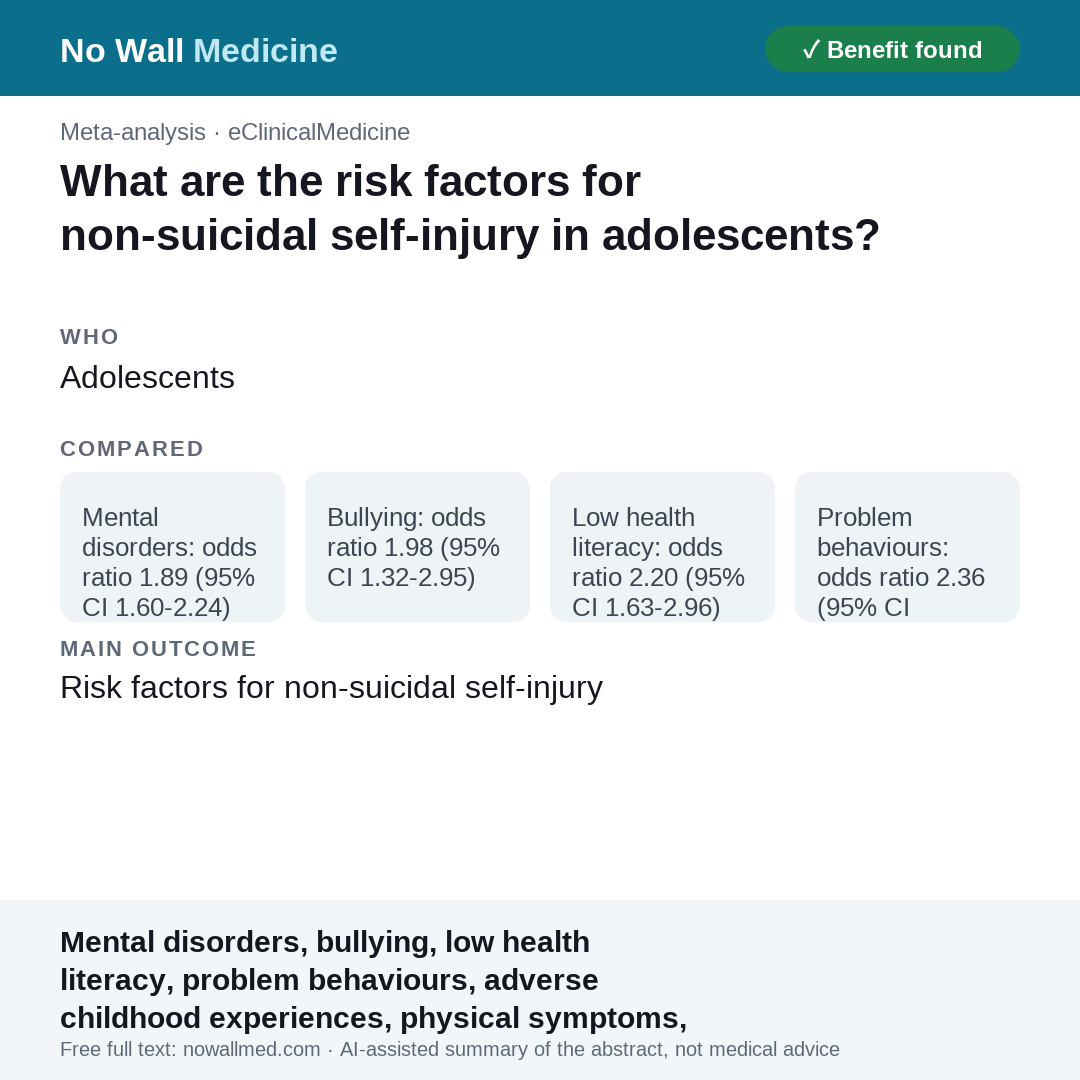
Risk factors for non-suicidal self-injury (NSSI) in adolescents: A meta-analysis
Meta-analysisBenefit found
What are the risk factors for non-suicidal self-injury in adolescents?
Who
Adolescents
Compared
Mental disorders: odds ratio 1.89 (95% CI 1.60-2.24)
Bullying: odds ratio 1.98 (95% CI 1.32-2.95)
Low health literacy: odds ratio 2.20 (95% CI 1.63-2.96)
Problem behaviours: odds ratio 2.36 (95% CI 2.00-2.77)
Main outcome
Risk factors for non-suicidal self-injury
Bottom line: Mental disorders, bullying, low health literacy, problem behaviours, adverse childhood experiences, physical symptoms, and female gender are risk factors.
Limitation: The range of heterogeneity was from 20.3% to 99.2%.
eClinicalMedicine · 2022-03-21Download image