Visual abstracts
New randomized trials and meta-analyses from leading journals at a glance: who was studied, what was compared, and what was found. Every paper is free to read in full.
All specialtiesCardiology 4765Oncology 4051Gastroenterology & Hepatology 1906Infectious Disease 3761Neurology 1874Psychiatry & Mental Health 2217Pulmonology 2046Critical Care 1320Endocrinology & Diabetes 2546Pediatrics 2893Surgery 2486Orthopedics & Sports Medicine 920Neurosurgery 526Cardiothoracic & Vascular Surgery 657Plastic & Reconstructive Surgery 581Nephrology 1107Rheumatology 811Hematology 1093Dermatology 613Ophthalmology 532Obstetrics & Gynecology 1648Public & Global Health 1037Radiology & Imaging 620Anesthesiology 957Urology 745ENT (Otolaryngology) 494Emergency Medicine 481Allergy & Immunology 308Geriatrics 972Family Medicine & Primary Care 533Medical Genetics & Genomics 659Pathology & Laboratory Medicine 156Physical Medicine & Rehabilitation 735Palliative Care 421Nutrition 1562Digital Health & AI 2150General Medicine 318
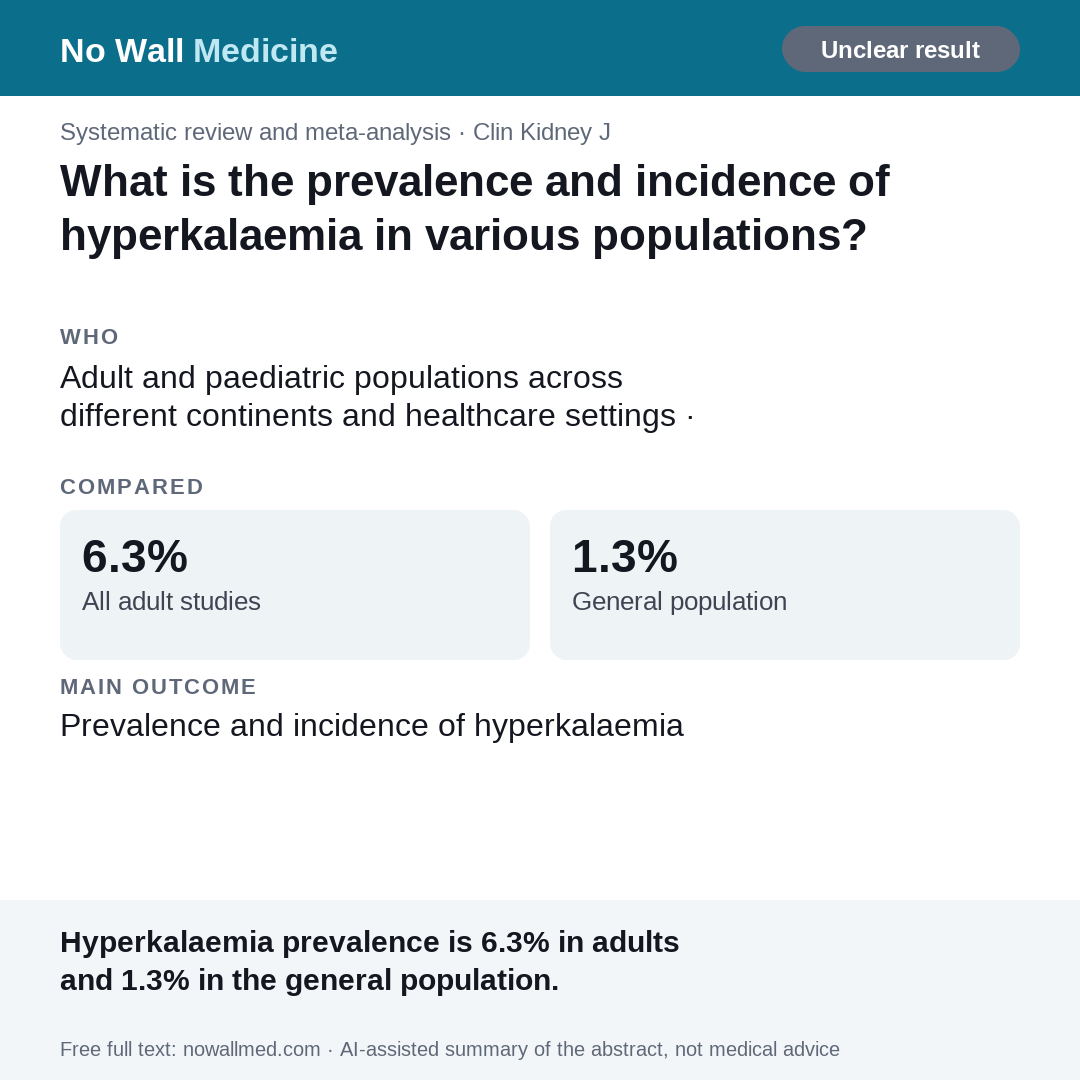
How common is hyperkalaemia? A systematic review and meta-analysis of the prevalence and incidence of hyperkalaemia reported in observational studies
Systematic review and meta-analysisUnclear result
What is the prevalence and incidence of hyperkalaemia in various populations?
Who
Adult and paediatric populations across different continents and healthcare settings · Global
Compared
6.3%All adult studies (95% CI 5.8-6.8%)
1.3%General population (1.0-1.8%)
Main outcome
Prevalence and incidence of hyperkalaemia
Bottom line: Hyperkalaemia prevalence is 6.3% in adults and 1.3% in the general population.
Clin Kidney J · 2021-12-02Download image
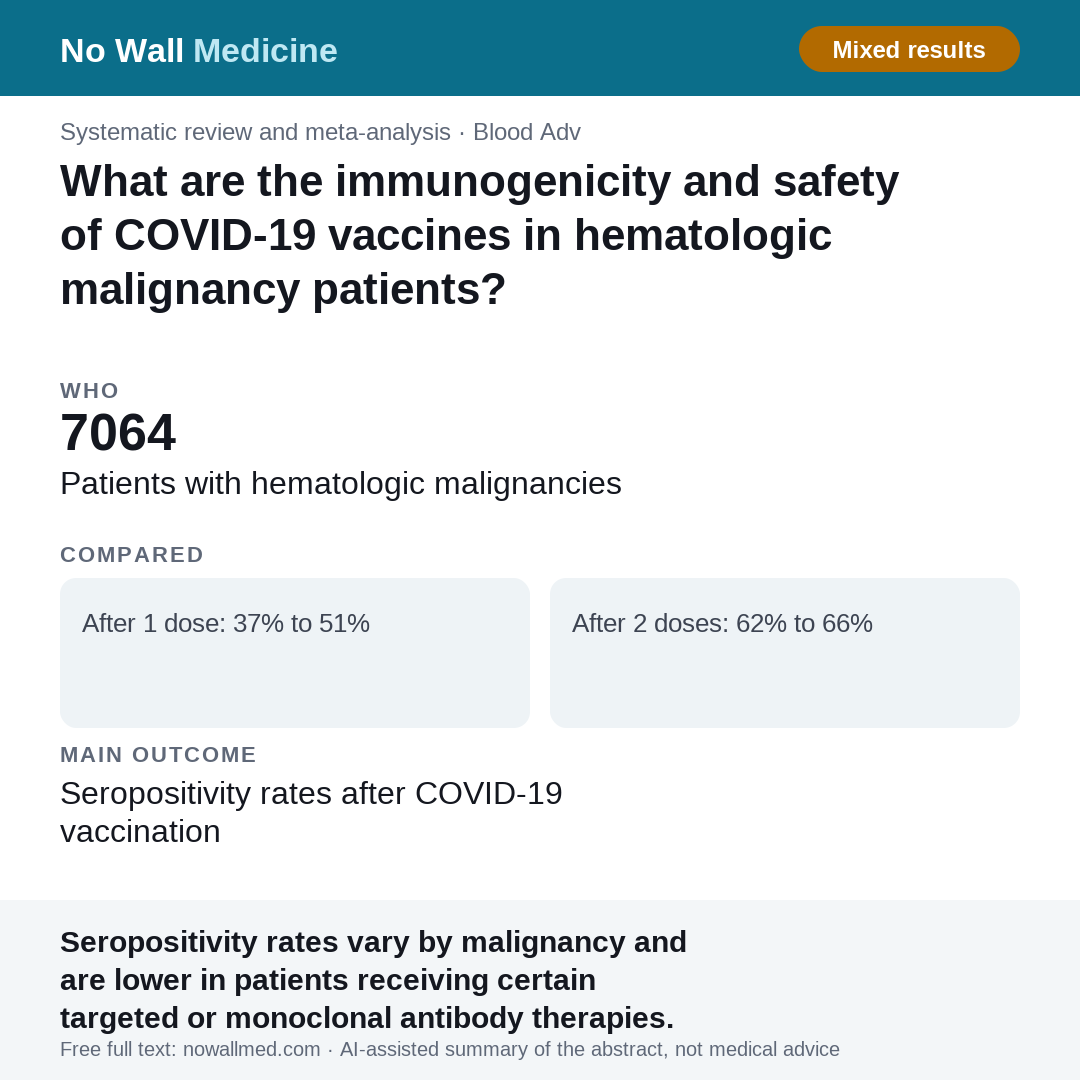
Immunogenicity of COVID-19 vaccines in patients with hematologic malignancies: a systematic review and meta-analysis
Systematic review and meta-analysisMixed results
What are the immunogenicity and safety of COVID-19 vaccines in hematologic malignancy patients?
Who
7064
Patients with hematologic malignancies
Compared
After 1 dose: 37% to 51%
After 2 doses: 62% to 66%
Main outcome
Seropositivity rates after COVID-19 vaccination
Bottom line: Seropositivity rates vary by malignancy and are lower in patients receiving certain targeted or monoclonal antibody therapies.
Blood Adv · 2021-12-02Download image
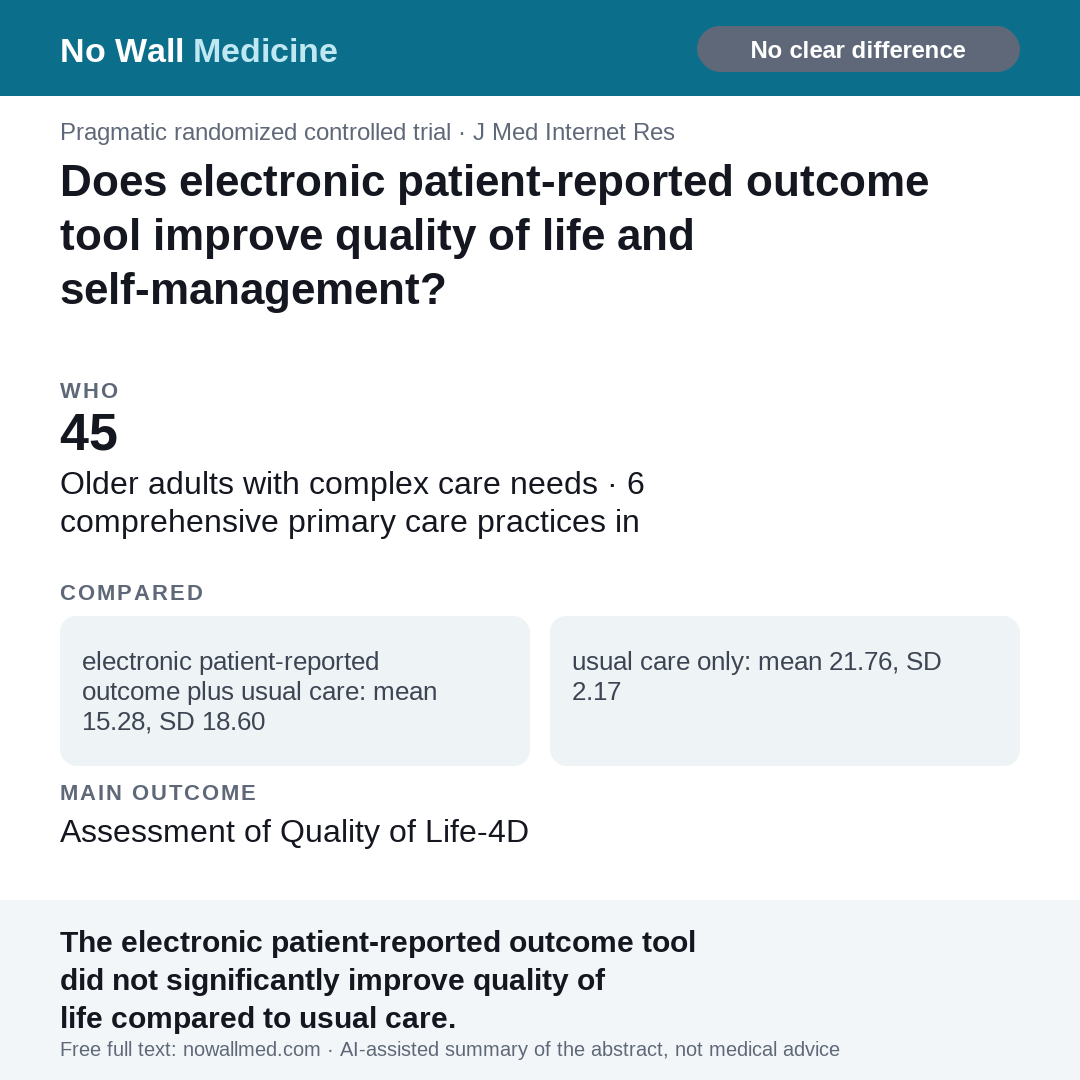
Assessing the Implementation and Effectiveness of the Electronic Patient-Reported Outcome Tool for Older Adults With Complex Care Needs: Mixed Methods Study
Pragmatic randomized controlled trialNo clear difference
Does electronic patient-reported outcome tool improve quality of life and self-management?
Who
45
Older adults with complex care needs · 6 comprehensive primary care practices in Ontario
Compared
electronic patient-reported outcome plus usual care: mean 15.28, SD 18.60
usual care only: mean 21.76, SD 2.17
Main outcome
Assessment of Quality of Life-4D
Bottom line: The electronic patient-reported outcome tool did not significantly improve quality of life compared to usual care.
Limitation: Recruitment challenges and underpowering meant the impact on quality of life could not be definitively assessed.
J Med Internet Res · 2021-12-02Download image
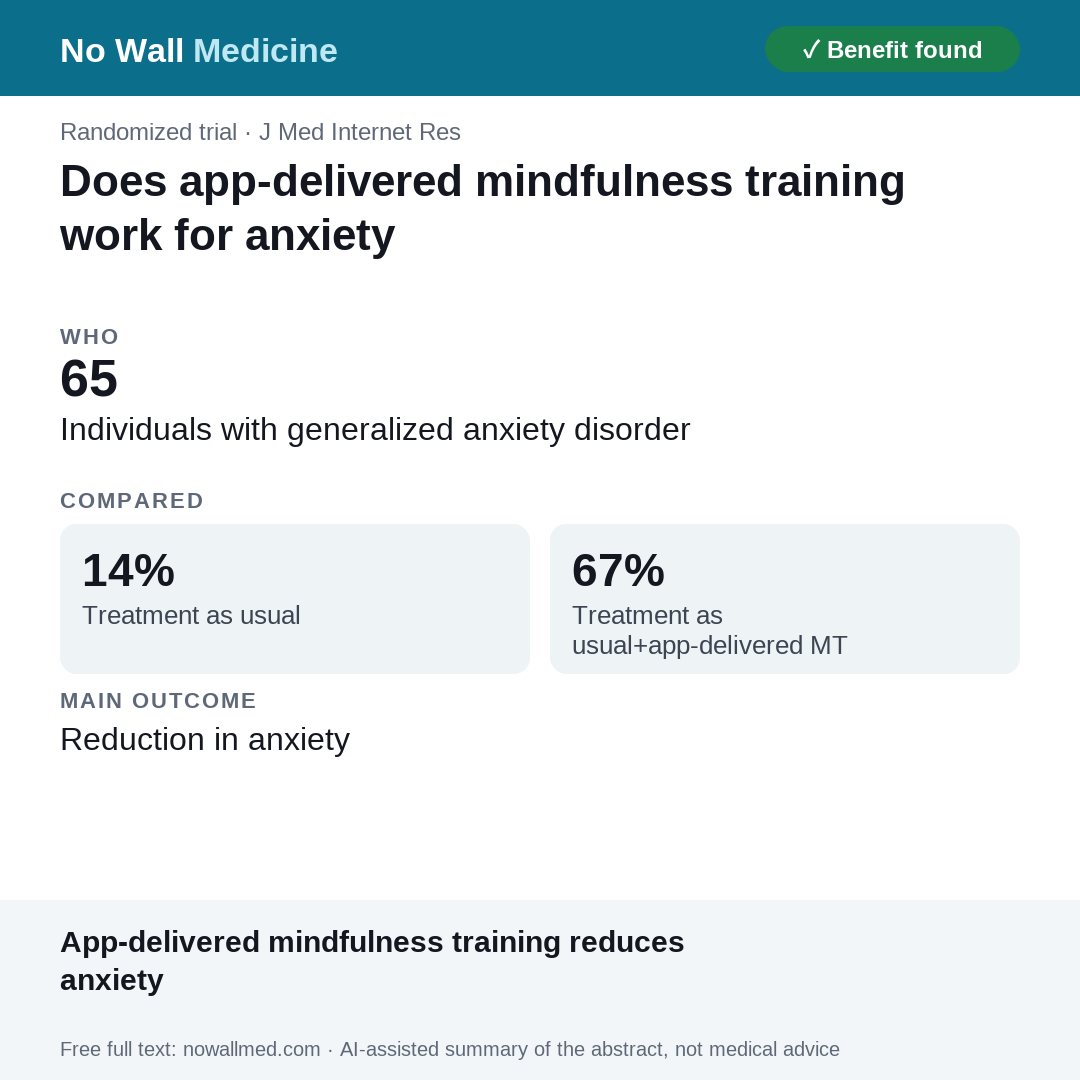
Clinical Efficacy and Psychological Mechanisms of an App-Based Digital Therapeutic for Generalized Anxiety Disorder: Randomized Controlled Trial
Randomized trialBenefit found
Does app-delivered mindfulness training work for anxiety
Who
65
Individuals with generalized anxiety disorder
Compared
14%Treatment as usual
67%Treatment as usual+app-delivered MT
Main outcome
Reduction in anxiety
Bottom line: App-delivered mindfulness training reduces anxiety
J Med Internet Res · 2021-12-02Download image
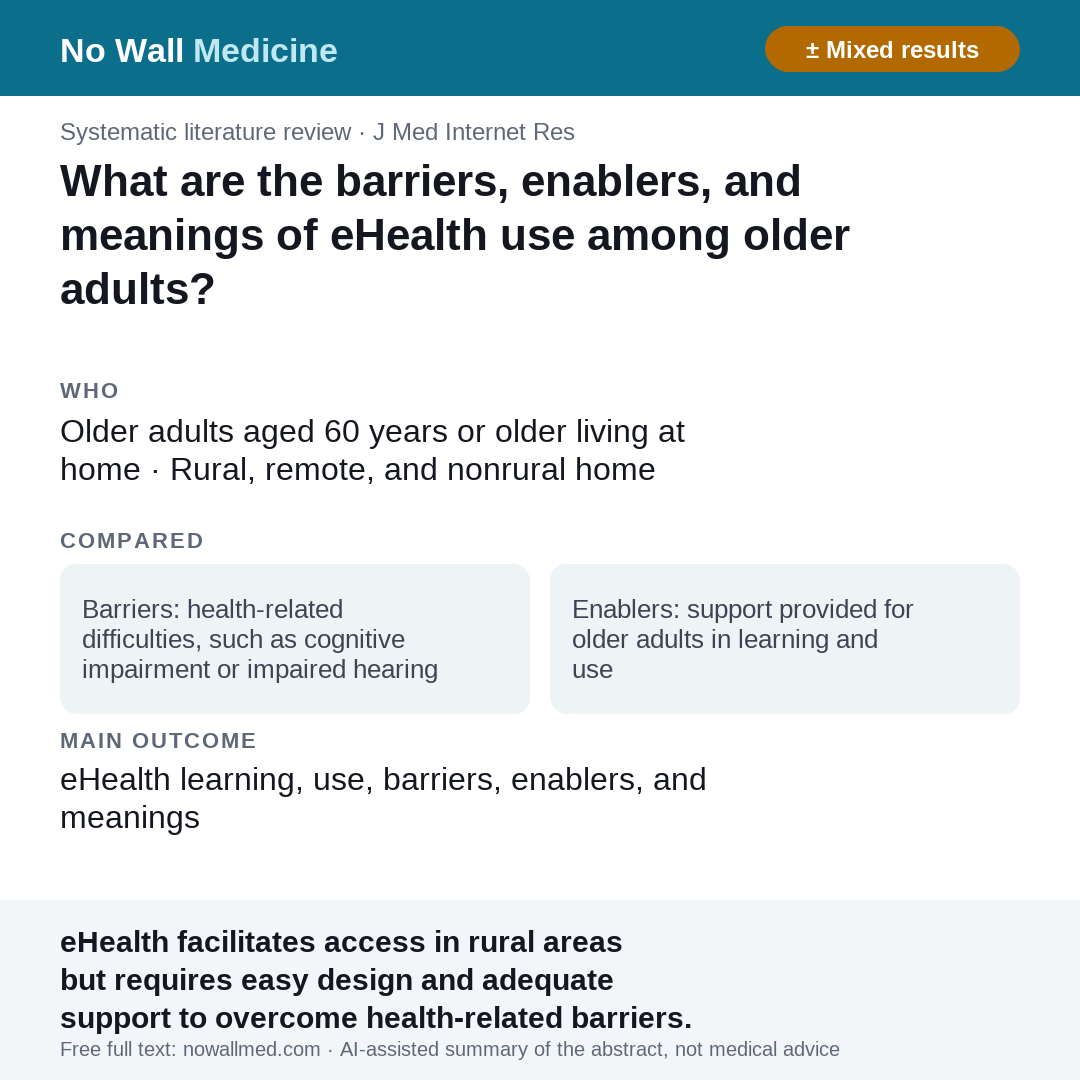
Learning and Use of eHealth Among Older Adults Living at Home in Rural and Nonrural Settings: Systematic Review
Systematic literature reviewMixed results
What are the barriers, enablers, and meanings of eHealth use among older adults?
Who
Older adults aged 60 years or older living at home · Rural, remote, and nonrural home settings
Compared
Barriers: health-related difficulties, such as cognitive impairment or impaired hearing
Enablers: support provided for older adults in learning and use
Main outcome
eHealth learning, use, barriers, enablers, and meanings
Bottom line: eHealth facilitates access in rural areas but requires easy design and adequate support to overcome health-related barriers.
J Med Internet Res · 2021-12-02Download image
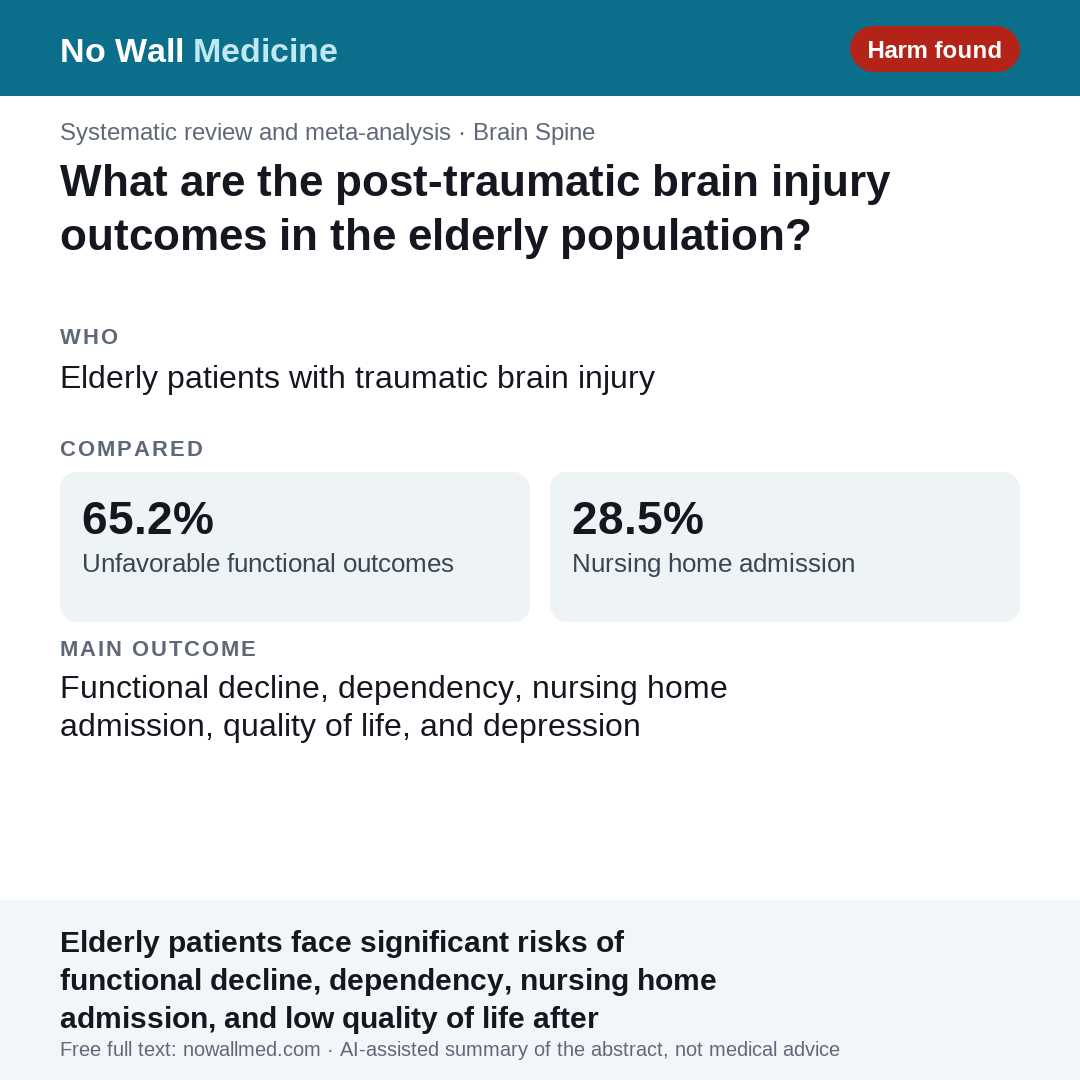
Functional outcome, dependency and well-being after traumatic brain injury in the elderly population: A systematic review and meta-analysis
Systematic review and meta-analysisHarm found
What are the post-traumatic brain injury outcomes in the elderly population?
Who
Elderly patients with traumatic brain injury
Compared
65.2%Unfavorable functional outcomes (95% CI: 51.1-78.0)
28.5%Nursing home admission (95% CI: 17.1-41.6)
Main outcome
Functional decline, dependency, nursing home admission, quality of life, and depression
Bottom line: Elderly patients face significant risks of functional decline, dependency, nursing home admission, and low quality of life after traumatic brain injury.
Limitation: A large heterogeneity was found among studies for functional outcomes and discharge destination.
Brain Spine · 2021-12-02Download image
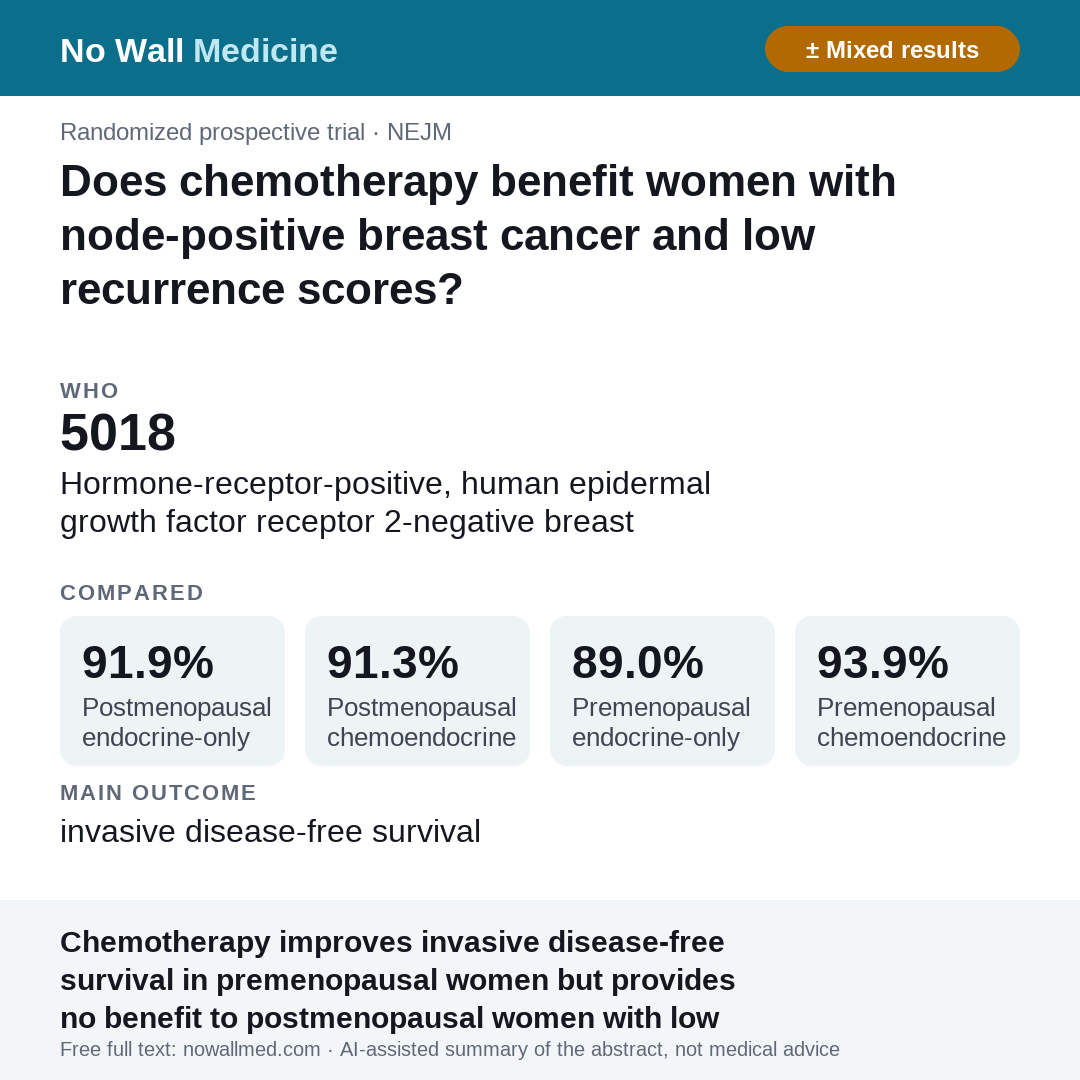
21-Gene Assay to Inform Chemotherapy Benefit in Node-Positive Breast Cancer
Randomized prospective trialMixed results
Does chemotherapy benefit women with node-positive breast cancer and low recurrence scores?
Who
5018
Hormone-receptor-positive, human epidermal growth factor receptor 2-negative breast cancer women
Compared
91.9%Postmenopausal endocrine-only
91.3%Postmenopausal chemoendocrine
89.0%Premenopausal endocrine-only
93.9%Premenopausal chemoendocrine
Main outcome
invasive disease-free survival
Result: hazard ratio 0.60 (95% CI 0.43 to 0.83) for premenopausal women
Bottom line: Chemotherapy improves invasive disease-free survival in premenopausal women but provides no benefit to postmenopausal women with low recurrence scores.
Funded by: National Cancer Institute and others
NEJM · 2021-12-01Download image
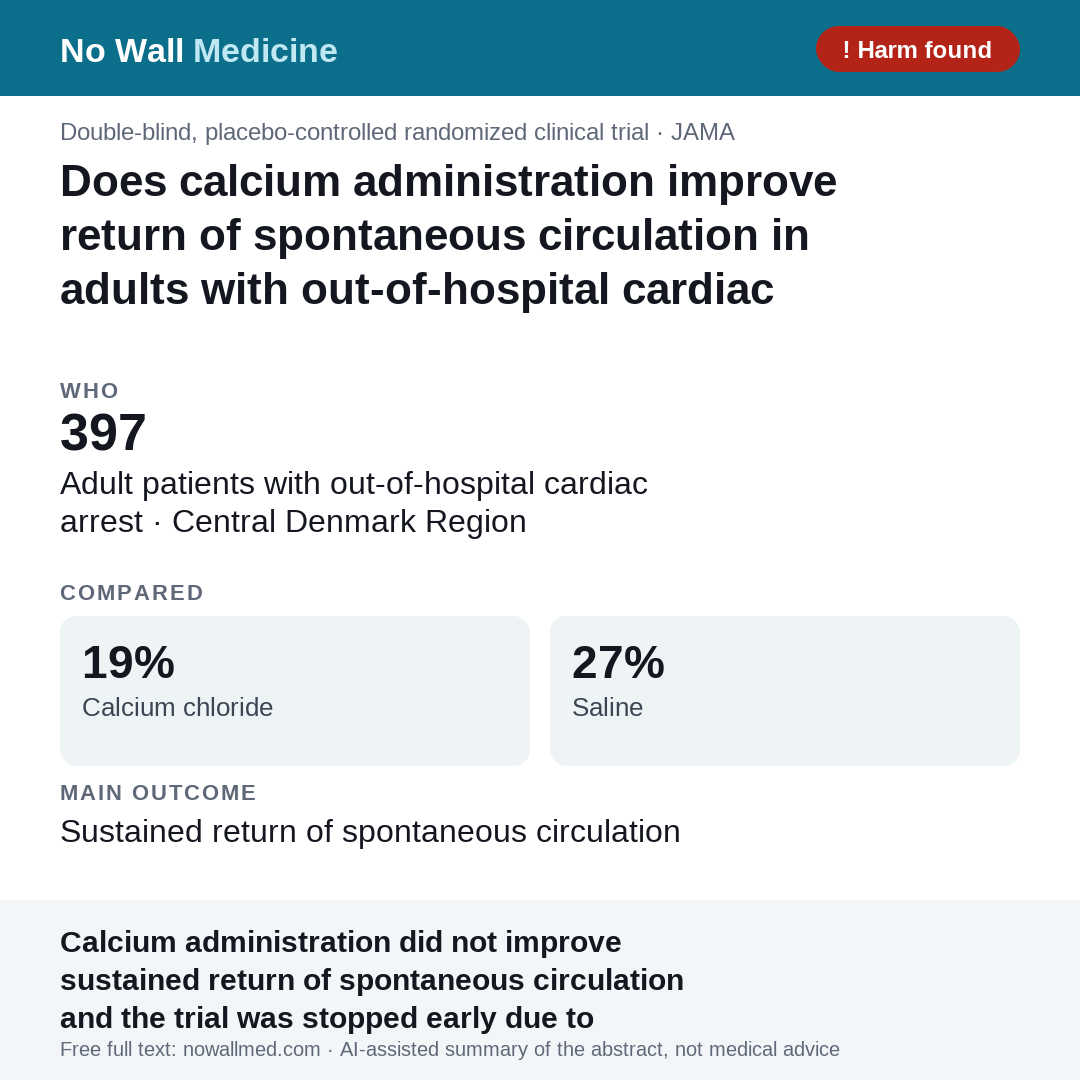
Effect of Intravenous or Intraosseous Calcium vs Saline on Return of Spontaneous Circulation in Adults With Out-of-Hospital Cardiac Arrest: A Randomized Clinical Trial
Double-blind, placebo-controlled randomized clinical trialHarm found
Does calcium administration improve return of spontaneous circulation in adults with out-of-hospital cardiac arrest?
Who
397
Adult patients with out-of-hospital cardiac arrest · Central Denmark Region
Compared
19%Calcium chloride
27%Saline
Main outcome
Sustained return of spontaneous circulation
Result: risk ratio 0.72 (95% CI 0.49 to 1.03)
Bottom line: Calcium administration did not improve sustained return of spontaneous circulation and the trial was stopped early due to concerns about harm.
JAMA · 2021-12-01Download image
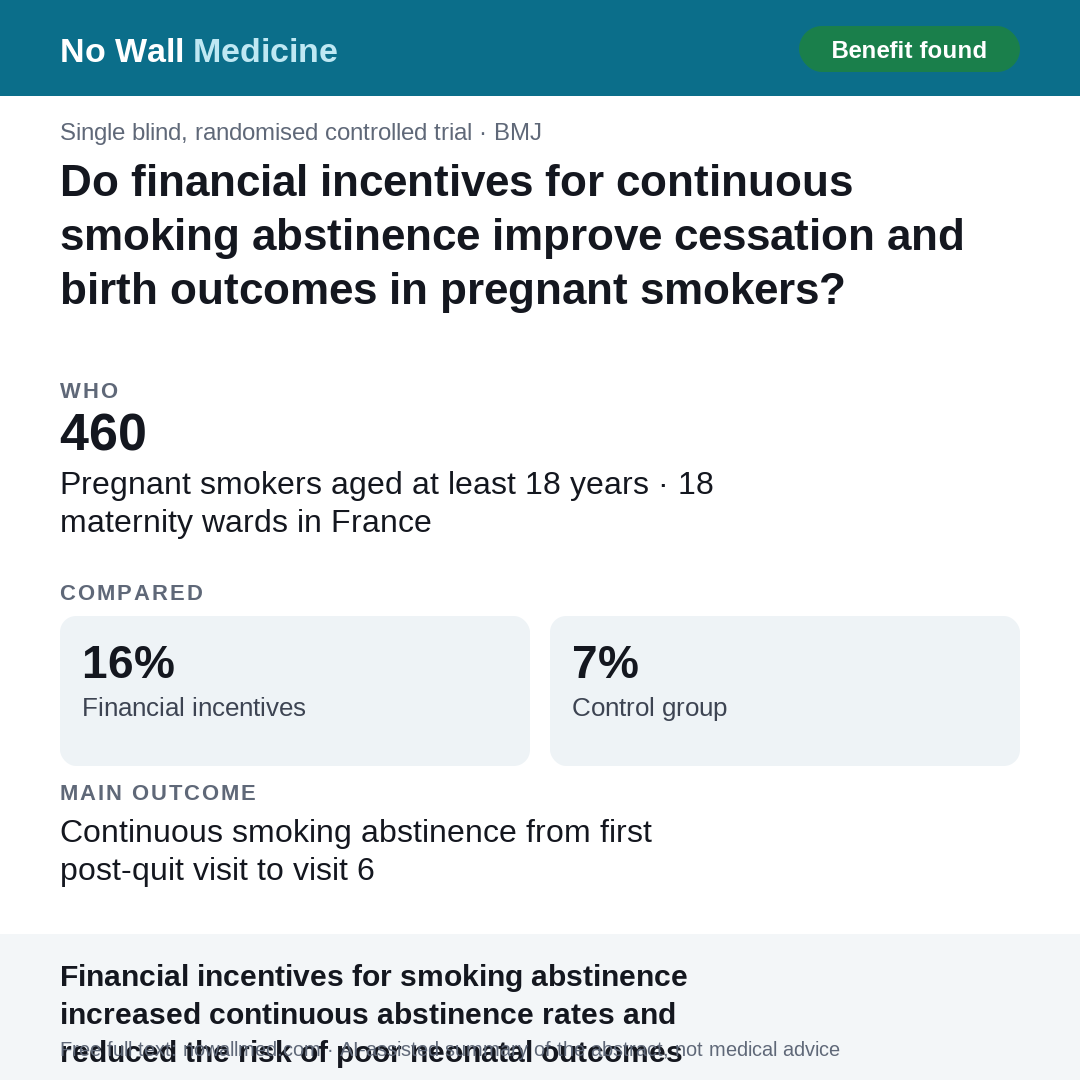
Financial incentives for smoking cessation in pregnancy: multicentre randomised controlled trial
Single blind, randomised controlled trialBenefit found
Do financial incentives for continuous smoking abstinence improve cessation and birth outcomes in pregnant smokers?
Who
460
Pregnant smokers aged at least 18 years · 18 maternity wards in France
Compared
16%Financial incentives (38/231)
7%Control group (17/229)
Main outcome
Continuous smoking abstinence from first post-quit visit to visit 6
Result: odds ratio 2.45 (95% confidence interval 1.34 to 4.49)
Bottom line: Financial incentives for smoking abstinence increased continuous abstinence rates and reduced the risk of poor neonatal outcomes in pregnant smokers.
Limitation: Post hoc analyses regarding birth weights should be interpreted with caution.
BMJ · 2021-12-01Download image
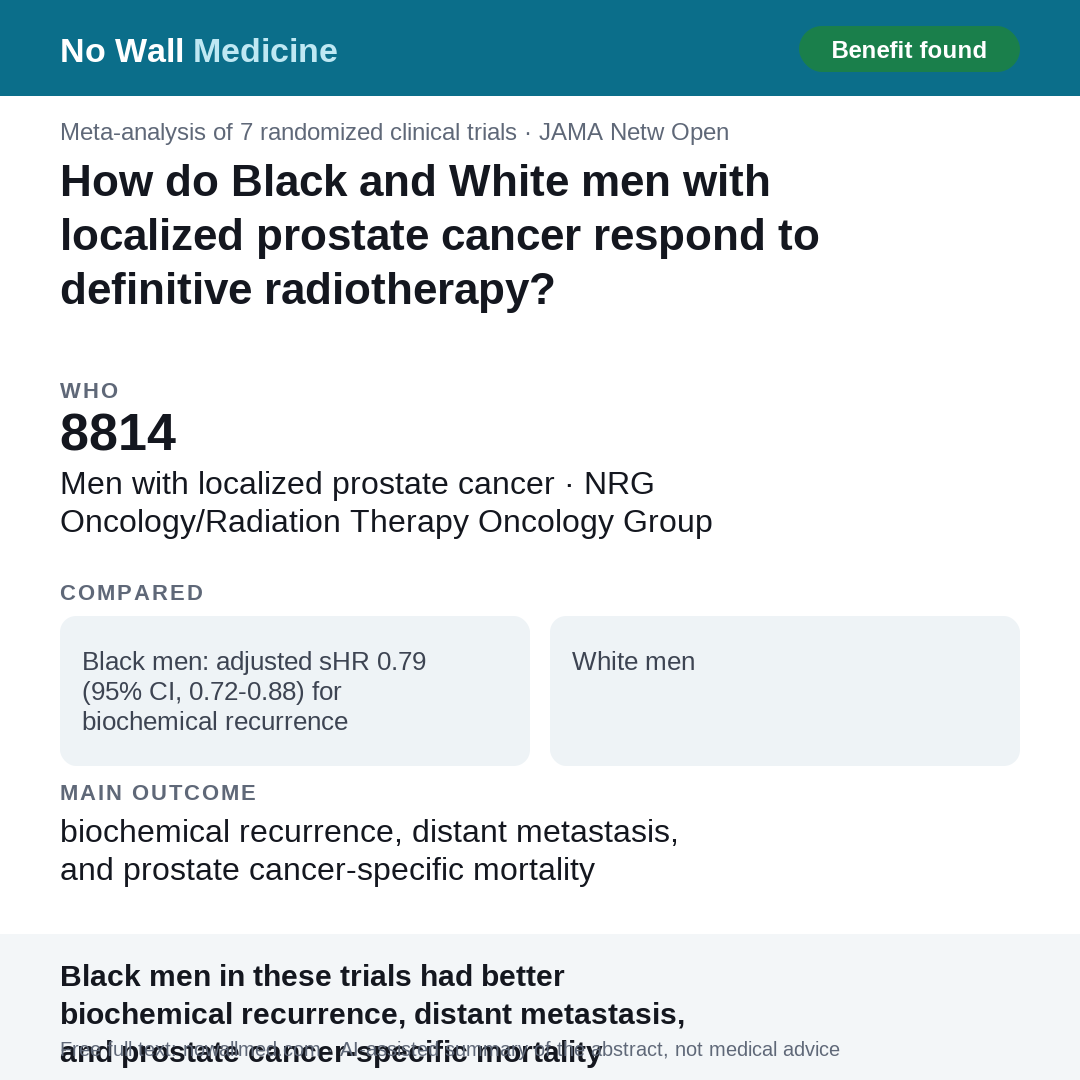
Comparison of Response to Definitive Radiotherapy for Localized Prostate Cancer in Black and White Men: A Meta-analysis
Meta-analysis of 7 randomized clinical trialsBenefit found
How do Black and White men with localized prostate cancer respond to definitive radiotherapy?
Who
8814
Men with localized prostate cancer · NRG Oncology/Radiation Therapy Oncology Group sites
Compared
Black men: adjusted sHR 0.79 (95% CI, 0.72-0.88) for biochemical recurrence
White men
Main outcome
biochemical recurrence, distant metastasis, and prostate cancer-specific mortality
Result: adjusted sHR 0.79 (95% CI, 0.72-0.88) for biochemical recurrence
Bottom line: Black men in these trials had better biochemical recurrence, distant metastasis, and prostate cancer-specific mortality outcomes than White men.
JAMA Netw Open · 2021-12-01Download image
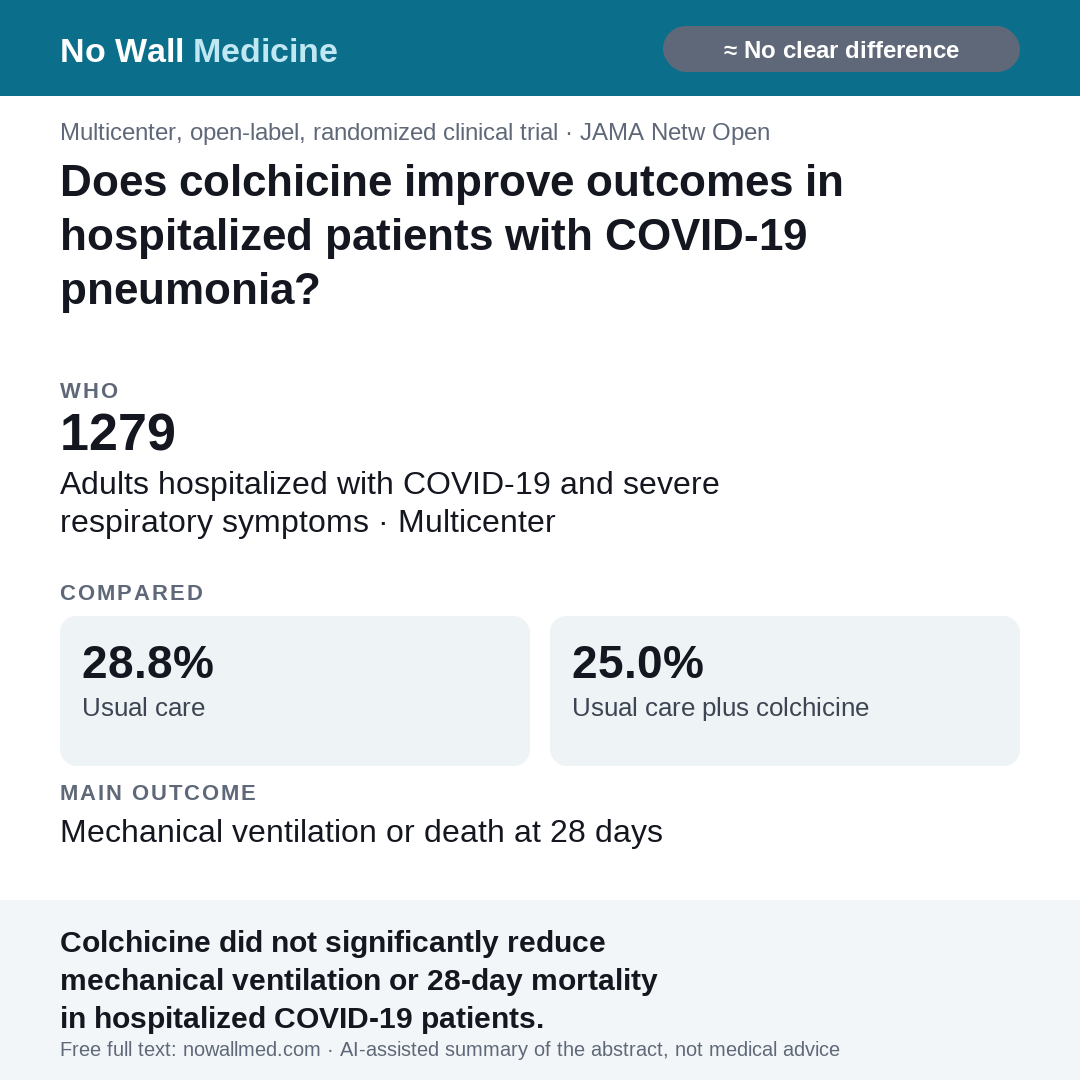
Effect of Colchicine vs Usual Care Alone on Intubation and 28-Day Mortality in Patients Hospitalized With COVID-19: A Randomized Clinical Trial
Multicenter, open-label, randomized clinical trialNo clear difference
Does colchicine improve outcomes in hospitalized patients with COVID-19 pneumonia?
Who
1279
Adults hospitalized with COVID-19 and severe respiratory symptoms · Multicenter
Compared
28.8%Usual care
25.0%Usual care plus colchicine
Main outcome
Mechanical ventilation or death at 28 days
Result: hazard ratio 0.83 (95% CI, 0.67-1.02)
Bottom line: Colchicine did not significantly reduce mechanical ventilation or 28-day mortality in hospitalized COVID-19 patients.
JAMA Netw Open · 2021-12-01Download image
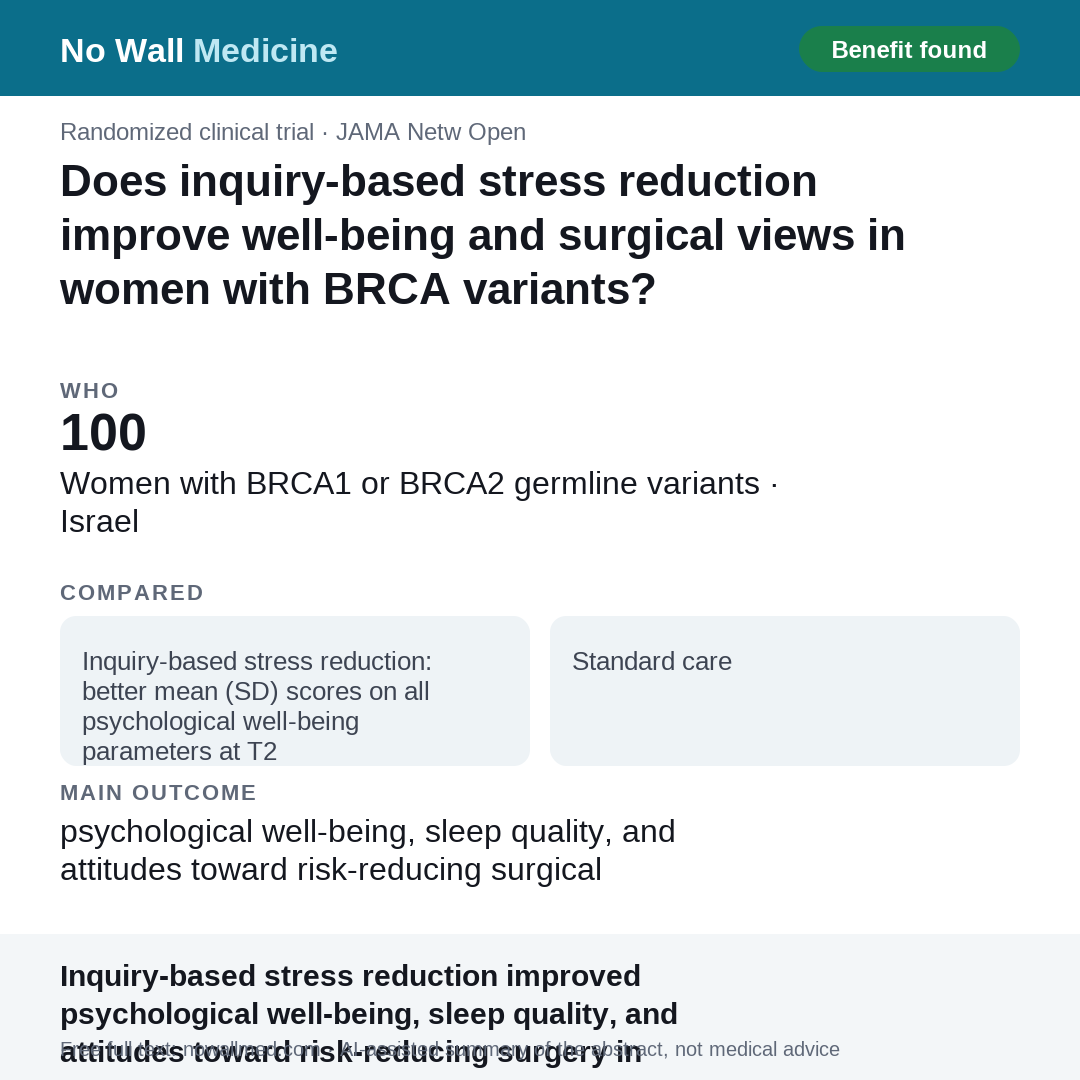
Effect of Inquiry-Based Stress Reduction on Well-being and Views on Risk-Reducing Surgery Among Women With BRCA Variants in Israel: A Randomized Clinical Trial
Randomized clinical trialBenefit found
Does inquiry-based stress reduction improve well-being and surgical views in women with BRCA variants?
Who
100
Women with BRCA1 or BRCA2 germline variants · Israel
Compared
Inquiry-based stress reduction: better mean (SD) scores on all psychological well-being parameters at T2
Standard care
Main outcome
psychological well-being, sleep quality, and attitudes toward risk-reducing surgical procedures
Bottom line: Inquiry-based stress reduction improved psychological well-being, sleep quality, and attitudes toward risk-reducing surgery in women with BRCA variants.
JAMA Netw Open · 2021-12-01Download image
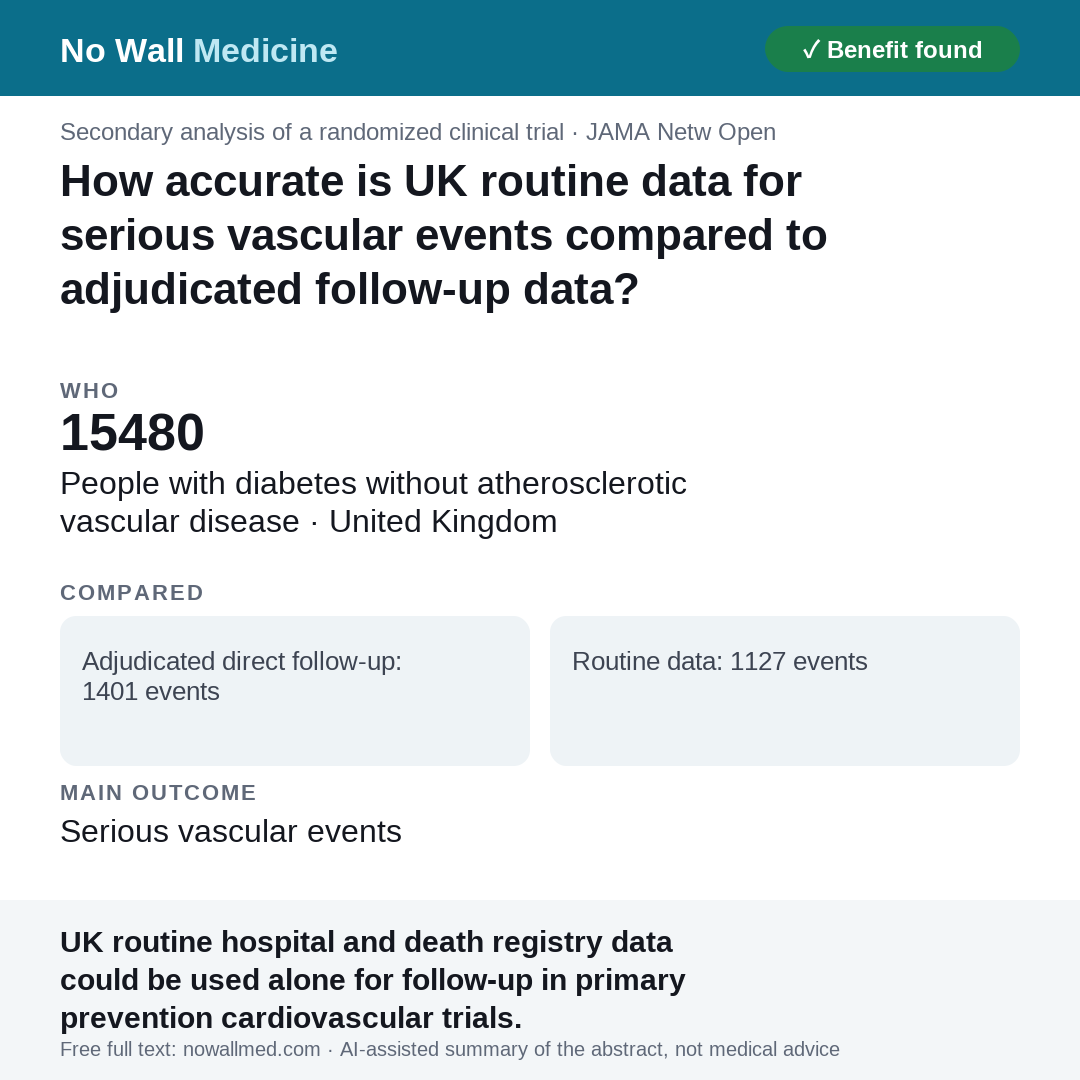
Comparison of the Accuracy and Completeness of Records of Serious Vascular Events in Routinely Collected Data vs Clinical Trial-Adjudicated Direct Follow-up Data in the UK: Secondary Analysis of the ASCEND Randomized Clinical Trial
Secondary analysis of a randomized clinical trialBenefit found
How accurate is UK routine data for serious vascular events compared to adjudicated follow-up data?
Who
15480
People with diabetes without atherosclerotic vascular disease · United Kingdom
Compared
Adjudicated direct follow-up: 1401 events
Routine data: 1127 events
Main outcome
Serious vascular events
Result: sensitivity 72.0% (95% CI 69.7%-74.4%)
Bottom line: UK routine hospital and death registry data could be used alone for follow-up in primary prevention cardiovascular trials.
JAMA Netw Open · 2021-12-01Download image
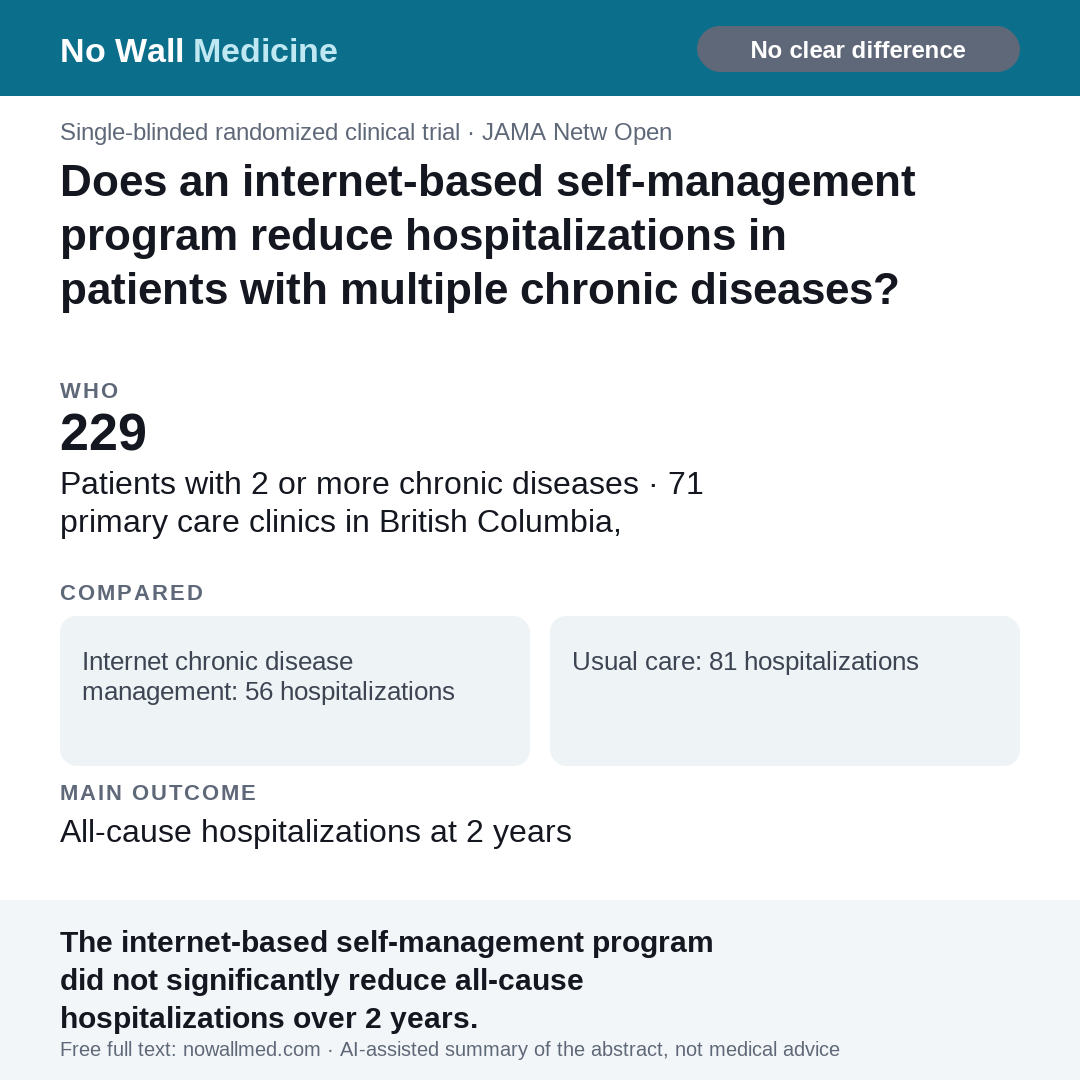
Assessment of an Interactive Digital Health-Based Self-management Program to Reduce Hospitalizations Among Patients With Multiple Chronic Diseases: A Randomized Clinical Trial
Single-blinded randomized clinical trialNo clear difference
Does an internet-based self-management program reduce hospitalizations in patients with multiple chronic diseases?
Who
229
Patients with 2 or more chronic diseases · 71 primary care clinics in British Columbia, Canada
Compared
Internet chronic disease management: 56 hospitalizations
Usual care: 81 hospitalizations
Main outcome
All-cause hospitalizations at 2 years
Result: relative risk 0.68 (95% CI 0.43-1.10)
Bottom line: The internet-based self-management program did not significantly reduce all-cause hospitalizations over 2 years.
Limitation: Data on race and ethnicity were not collected.
JAMA Netw Open · 2021-12-01Download image
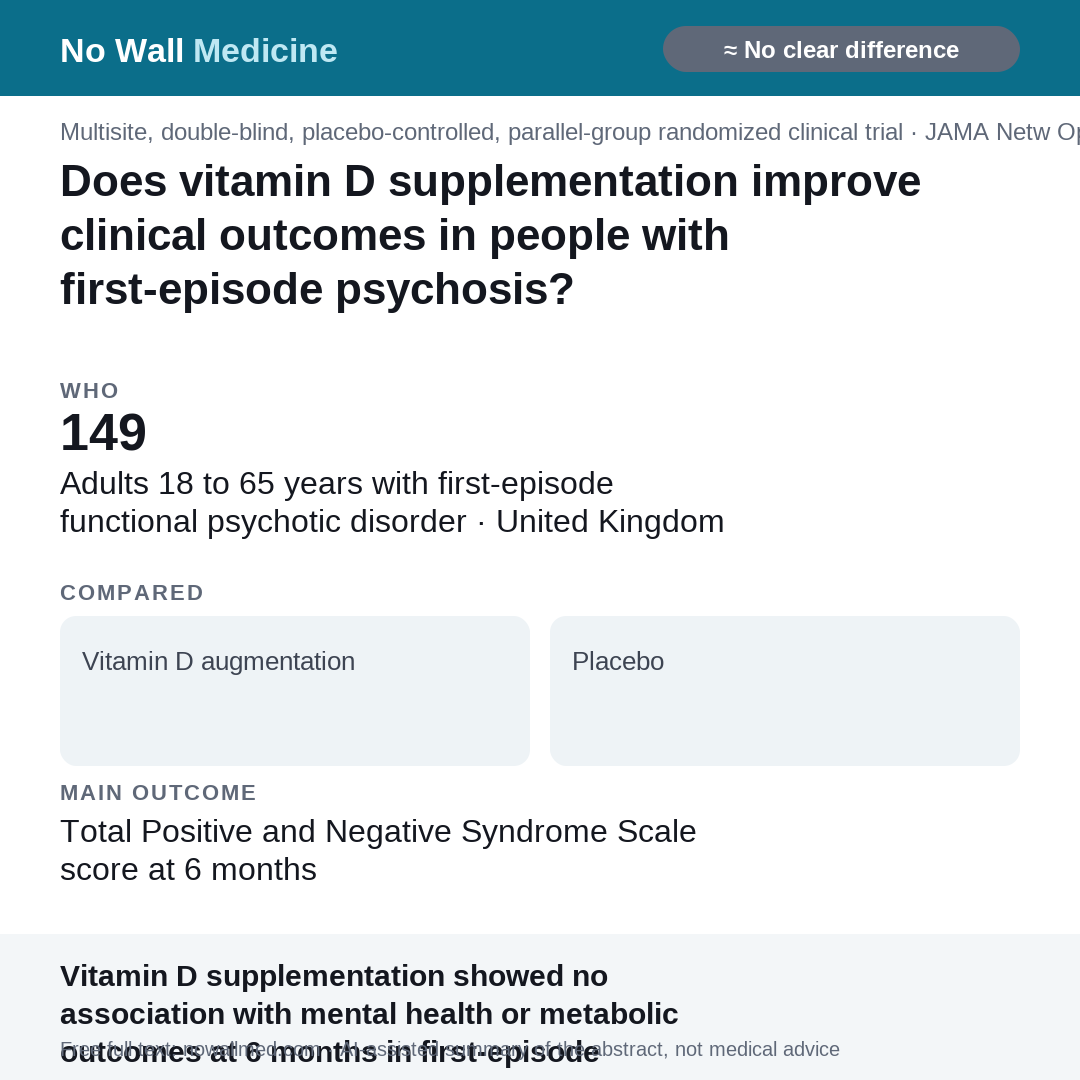
Effect of Vitamin D Supplementation on Outcomes in People With Early Psychosis: The DFEND Randomized Clinical Trial
Multisite, double-blind, placebo-controlled, parallel-group randomized clinical trialNo clear difference
Does vitamin D supplementation improve clinical outcomes in people with first-episode psychosis?
Who
149
Adults 18 to 65 years with first-episode functional psychotic disorder · United Kingdom
Compared
Vitamin D augmentation
Placebo
Main outcome
Total Positive and Negative Syndrome Scale score at 6 months
Result: mean difference, 3.57; 95% CI, -1.11 to 8.25
Bottom line: Vitamin D supplementation showed no association with mental health or metabolic outcomes at 6 months in first-episode psychosis.
JAMA Netw Open · 2021-12-01Download image
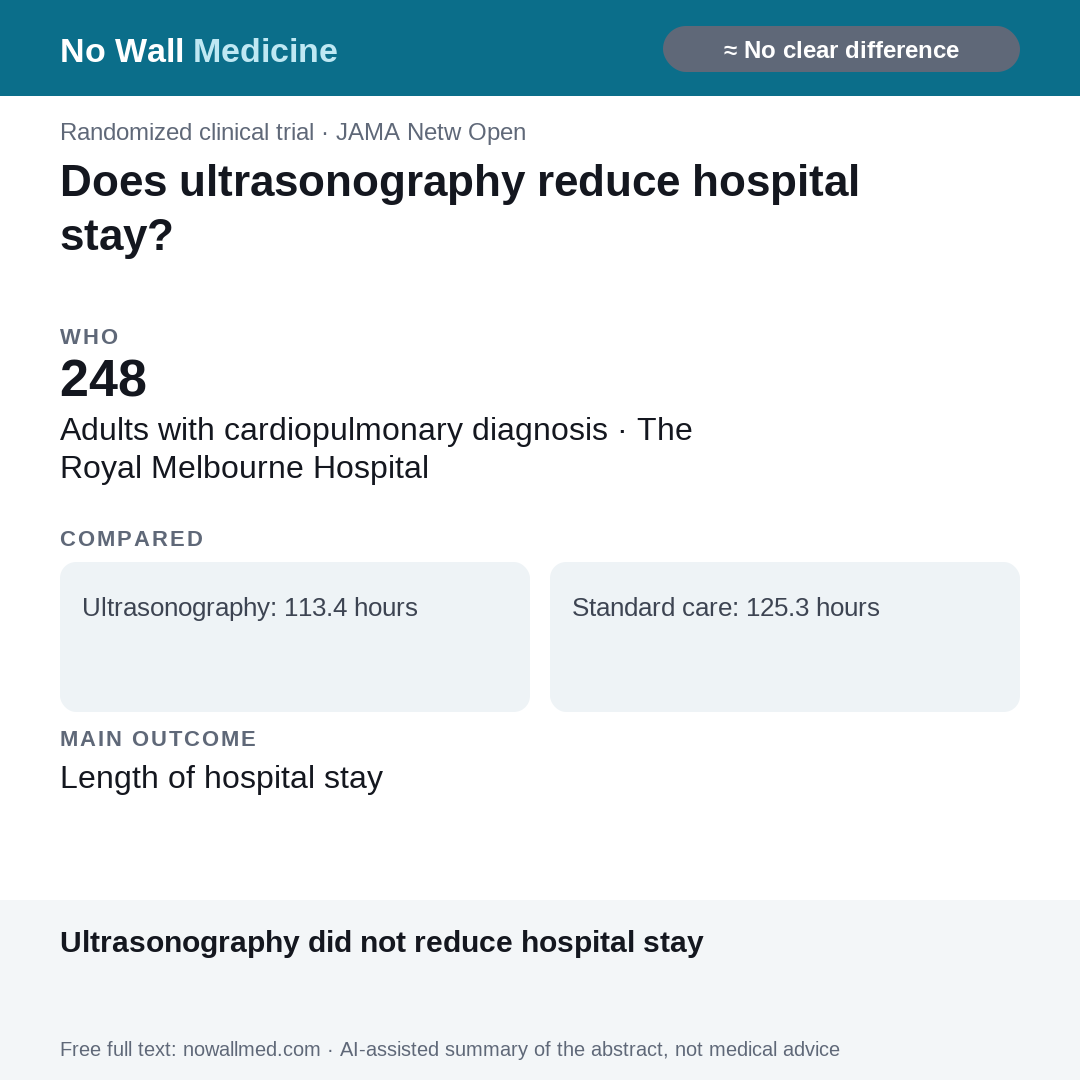
Effect of a Multiorgan Focused Clinical Ultrasonography on Length of Stay in Patients Admitted With a Cardiopulmonary Diagnosis: A Randomized Clinical Trial
Randomized clinical trialNo clear difference
Does ultrasonography reduce hospital stay?
Who
248
Adults with cardiopulmonary diagnosis · The Royal Melbourne Hospital
Compared
Ultrasonography: 113.4 hours
Standard care: 125.3 hours
Main outcome
Length of hospital stay
Bottom line: Ultrasonography did not reduce hospital stay
JAMA Netw Open · 2021-12-01Download image
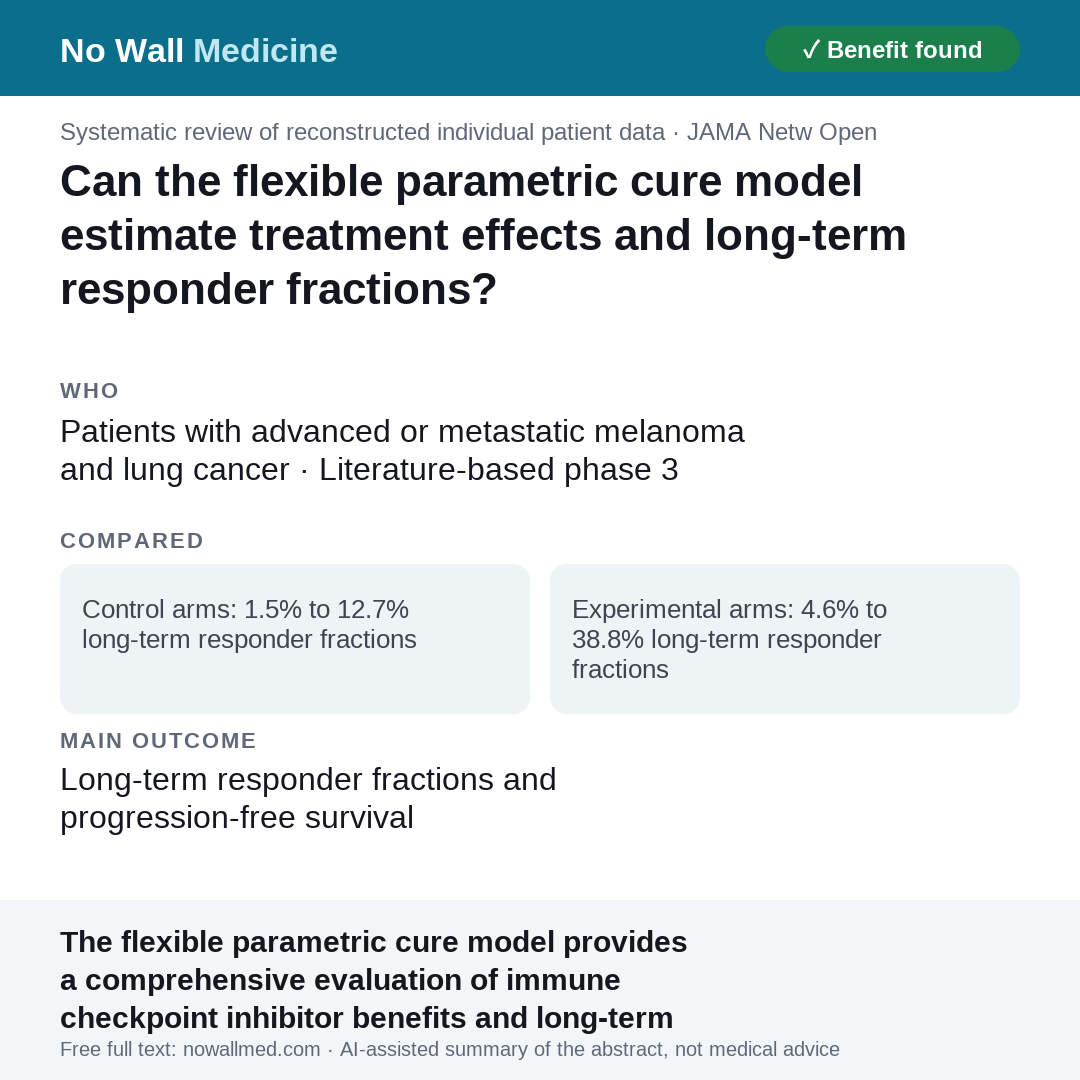
Assessment of Treatment Effects and Long-term Benefits in Immune Checkpoint Inhibitor Trials Using the Flexible Parametric Cure Model: A Systematic Review
Systematic review of reconstructed individual patient dataBenefit found
Can the flexible parametric cure model estimate treatment effects and long-term responder fractions?
Who
Patients with advanced or metastatic melanoma and lung cancer · Literature-based phase 3 trials
Compared
Control arms: 1.5% to 12.7% long-term responder fractions
Experimental arms: 4.6% to 38.8% long-term responder fractions
Main outcome
Long-term responder fractions and progression-free survival
Bottom line: The flexible parametric cure model provides a comprehensive evaluation of immune checkpoint inhibitor benefits and long-term responder fractions.
JAMA Netw Open · 2021-12-01Download image
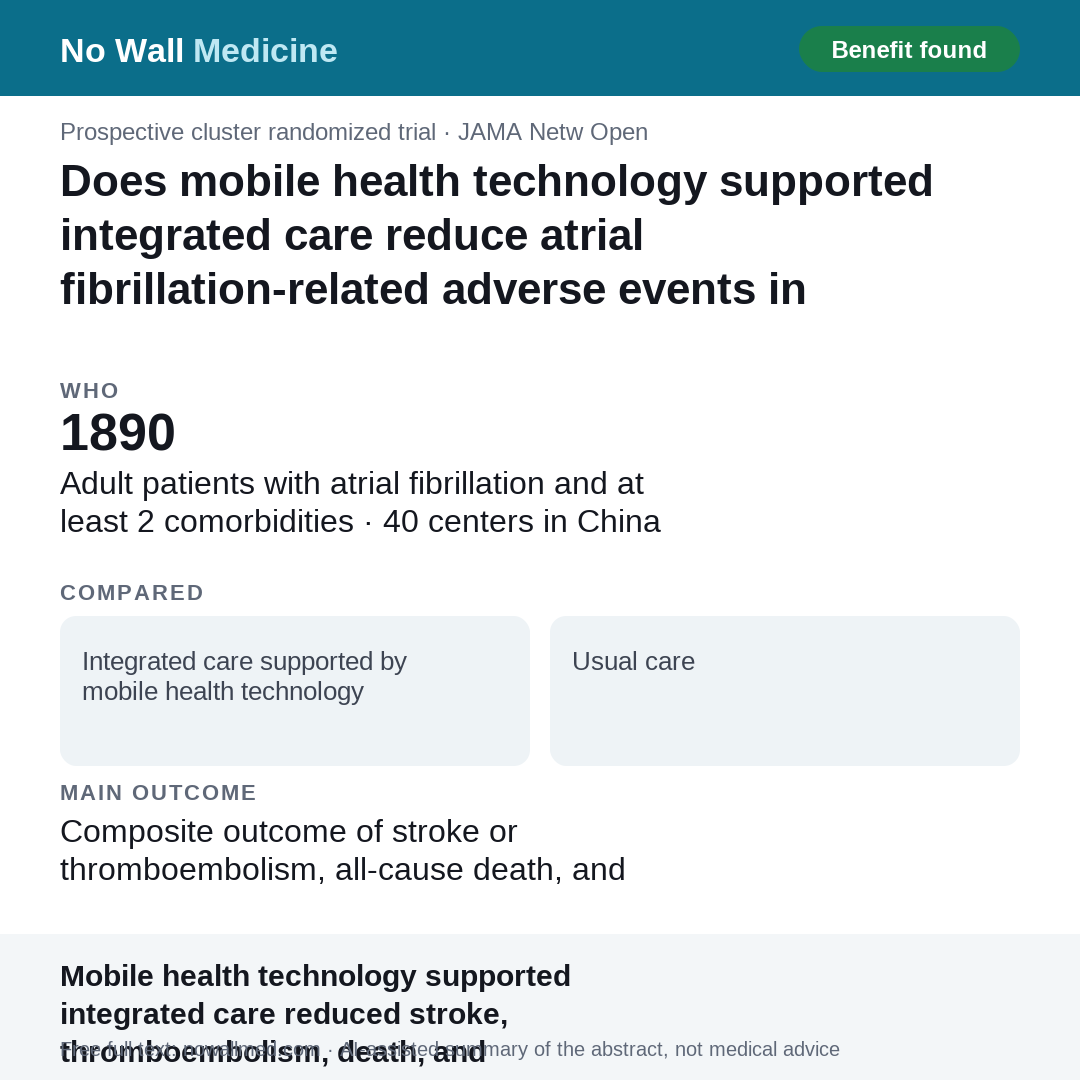
The Effects of Implementing a Mobile Health-Technology Supported Pathway on Atrial Fibrillation-Related Adverse Events Among Patients With Multimorbidity: The mAFA-II Randomized Clinical Trial
Prospective cluster randomized trialBenefit found
Does mobile health technology supported integrated care reduce atrial fibrillation-related adverse events in patients with multimorbidity?
Who
1890
Adult patients with atrial fibrillation and at least 2 comorbidities · 40 centers in China
Compared
Integrated care supported by mobile health technology
Usual care
Main outcome
Composite outcome of stroke or thromboembolism, all-cause death, and rehospitalization
Result: hazard ratio 0.37 (95% CI 0.26-0.53)
Bottom line: Mobile health technology supported integrated care reduced stroke, thromboembolism, death, and rehospitalization in patients with atrial fibrillation and multimorbidity.
JAMA Netw Open · 2021-12-01Download image
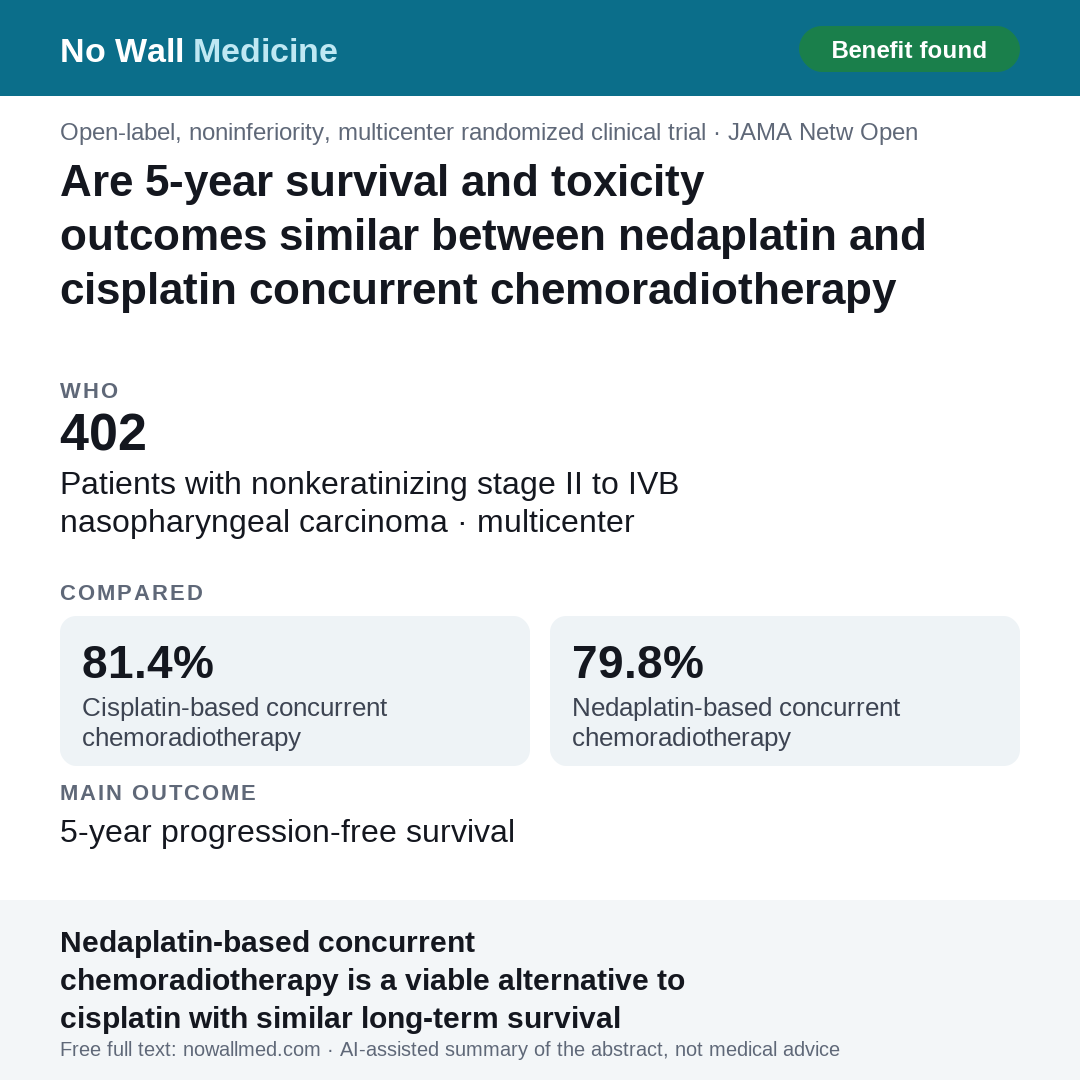
Effect of Concurrent Chemoradiotherapy With Nedaplatin vs Cisplatin on the Long-term Outcomes of Survival and Toxic Effects Among Patients With Stage II to IVB Nasopharyngeal Carcinoma: A 5-Year Follow-up Secondary Analysis of a Randomized Clinical Trial
Open-label, noninferiority, multicenter randomized clinical trialBenefit found
Are 5-year survival and toxicity outcomes similar between nedaplatin and cisplatin concurrent chemoradiotherapy in nasopharyngeal carcinoma?
Who
402
Patients with nonkeratinizing stage II to IVB nasopharyngeal carcinoma · multicenter
Compared
81.4%Cisplatin-based concurrent chemoradiotherapy (95% CI, 75.9%-86.9%)
79.8%Nedaplatin-based concurrent chemoradiotherapy (95% CI, 74.1%-85.5%)
Main outcome
5-year progression-free survival
Result: difference of 1.6% (95% CI, -6.3% to 9.5%)
Bottom line: Nedaplatin-based concurrent chemoradiotherapy is a viable alternative to cisplatin with similar long-term survival and fewer grade 3 or 4 auditory toxicities.
JAMA Netw Open · 2021-12-01Download image
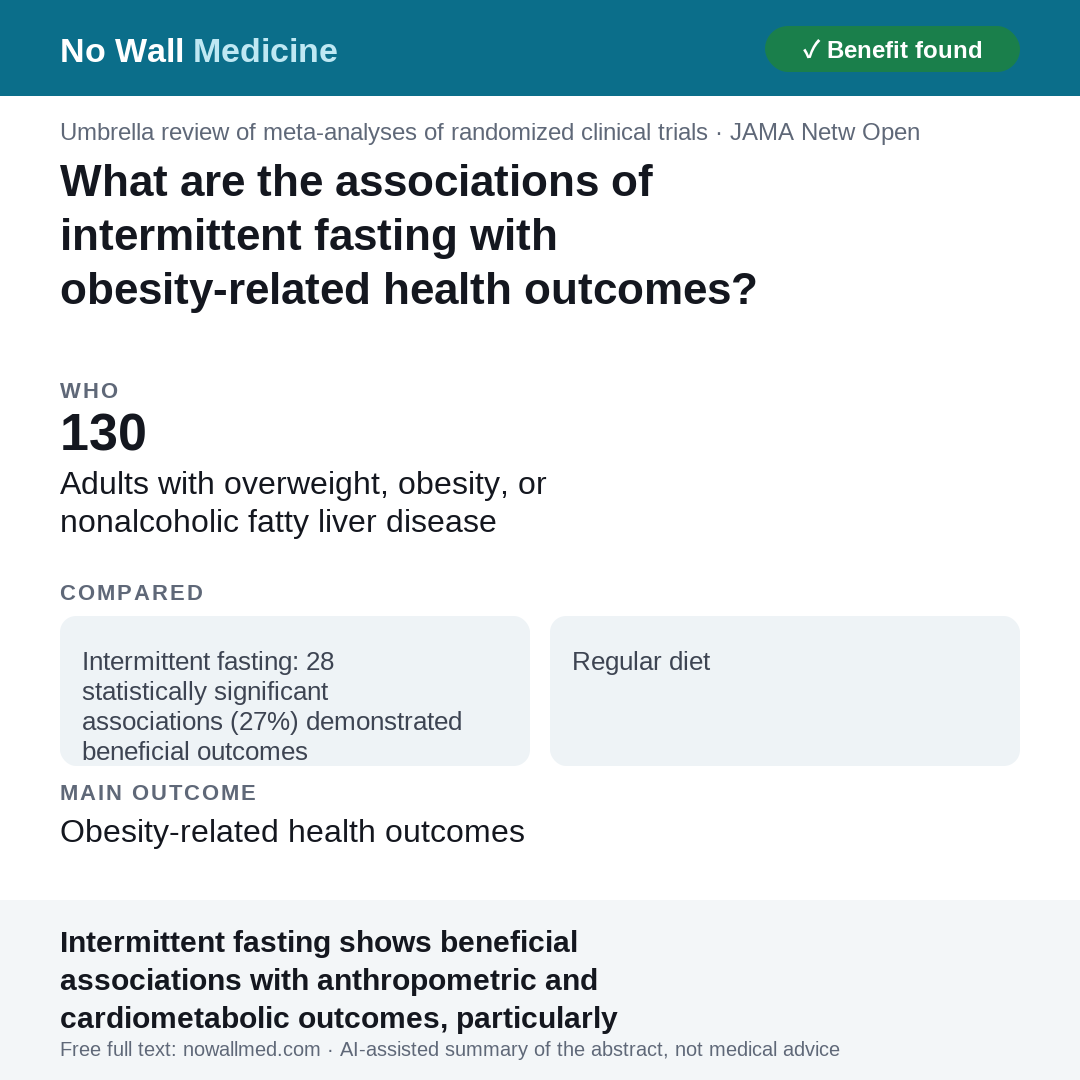
Intermittent Fasting and Obesity-Related Health Outcomes: An Umbrella Review of Meta-analyses of Randomized Clinical Trials
Umbrella review of meta-analyses of randomized clinical trialsBenefit found
What are the associations of intermittent fasting with obesity-related health outcomes?
Who
130
Adults with overweight, obesity, or nonalcoholic fatty liver disease
Compared
Intermittent fasting: 28 statistically significant associations (27%) demonstrated beneficial outcomes
Regular diet
Main outcome
Obesity-related health outcomes
Bottom line: Intermittent fasting shows beneficial associations with anthropometric and cardiometabolic outcomes, particularly modified alternate-day fasting.
Limitation: More clinical trials with long-term follow-up are needed for clinical outcomes.
JAMA Netw Open · 2021-12-01Download image