Visual abstracts
New randomized trials and meta-analyses from leading journals at a glance: who was studied, what was compared, and what was found. Every paper is free to read in full.
All specialtiesCardiology 4760Oncology 4041Gastroenterology & Hepatology 1904Infectious Disease 3757Neurology 1871Psychiatry & Mental Health 2212Pulmonology 2044Critical Care 1319Endocrinology & Diabetes 2543Pediatrics 2888Surgery 2483Orthopedics & Sports Medicine 918Neurosurgery 525Cardiothoracic & Vascular Surgery 657Plastic & Reconstructive Surgery 581Nephrology 1105Rheumatology 810Hematology 1093Dermatology 613Ophthalmology 532Obstetrics & Gynecology 1645Public & Global Health 1037Radiology & Imaging 617Anesthesiology 956Urology 743ENT (Otolaryngology) 491Emergency Medicine 480Allergy & Immunology 308Geriatrics 970Family Medicine & Primary Care 532Medical Genetics & Genomics 658Pathology & Laboratory Medicine 156Physical Medicine & Rehabilitation 734Palliative Care 421Nutrition 1558Digital Health & AI 2137General Medicine 318
Analgesic effectiveness of methoxyflurane inhaler during genicular nerve block in knee osteoarthritis: a randomized controlled trial
Randomized controlled trialKey finding
Is methoxyflurane inhaler effective for pain during genicular nerve block in knee osteoarthritis?
Who
42
42 adults with refractory knee osteoarthritis
Compared
Methoxyflurane inhaler with local anesthesia: 2 (1, 4) VNRS pain reduction
Local anesthesia only: -1 (-2, 0) VNRS pain reduction
Main outcome
Pain score on a 0-10 verbal numerical rating scale
Bottom line: Methoxyflurane inhaler combined with local anesthesia provided better procedural pain control than local anesthesia alone.
Reg Anesth Pain Med · 2025-12-05Download image

Prescription Drug Monitoring Program Reminder Emails, Program Use, and Prescribing: A Randomized Clinical Trial
Randomized clinical trialMixed results
Can email communications increase Prescription Drug Monitoring Program use and reduce guideline-discordant prescribing?
Who
7872
Clinicians prescribing controlled substances with low Prescription Drug Monitoring Program engagement · Minnesota, United States
Compared
11.8%Usual care (309 clinicians)
Legal requirement emails: 26.5 (95% CI, 24.3-28.7) percentage points
Clinical benefit emails: 14.2 (95% CI, 12.0-16.3) percentage points
Main outcome
Prescription Drug Monitoring Program engagement and guideline-discordant opioid prescribing
Bottom line: Email reminders increased Prescription Drug Monitoring Program engagement but did not significantly change guideline-discordant opioid prescribing.
Limitation: Emails did not trigger large-scale changes in prescribing.
JAMA Health Forum · 2025-12-05Download image

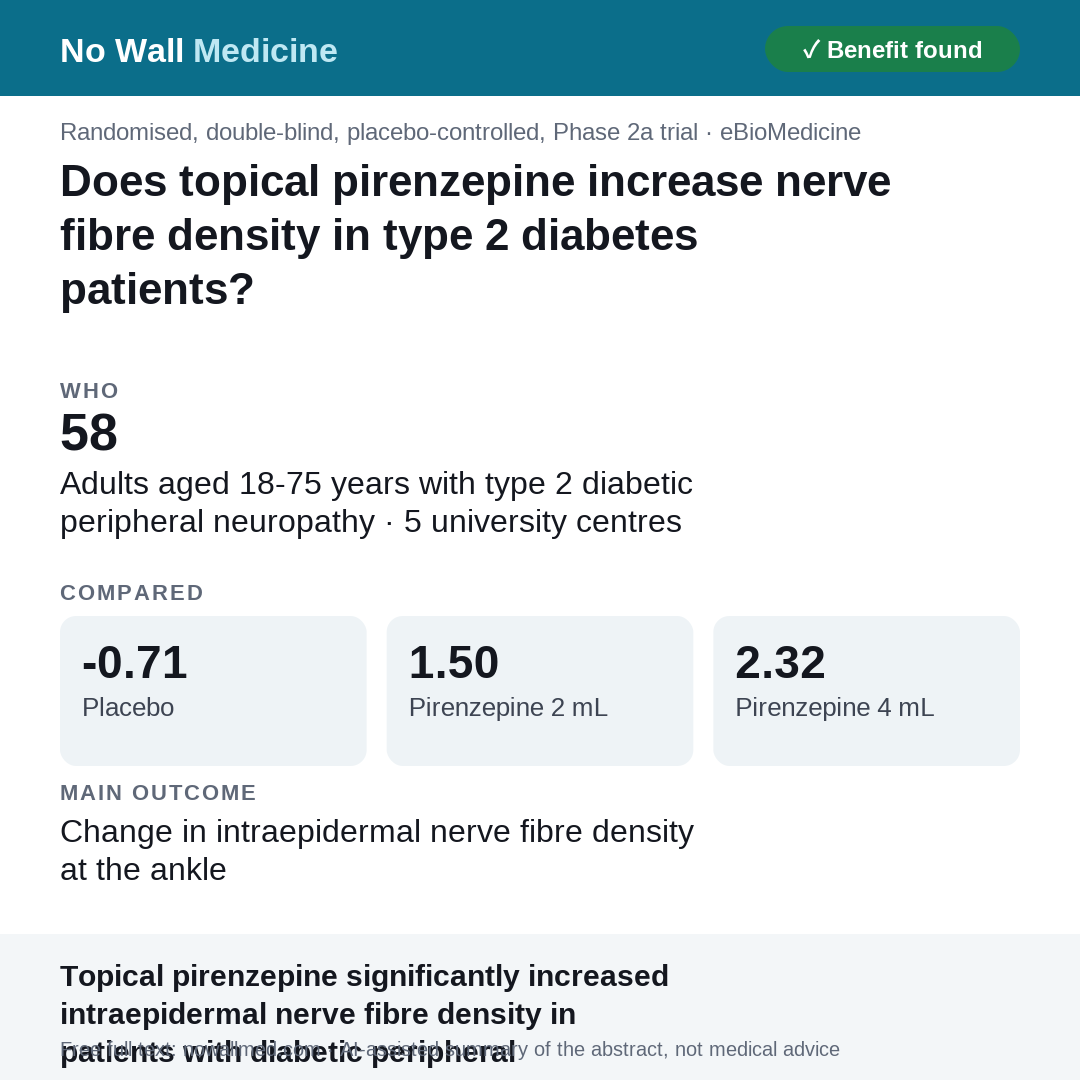
Topical application of the antimuscarinic pirenzepine increased lower limb nerve fibre density in a phase 2a study in type 2 patients with diabetes with peripheral neuropathy
Randomised, double-blind, placebo-controlled, Phase 2a trialBenefit found
Does topical pirenzepine increase nerve fibre density in type 2 diabetes patients?
Who
58
Adults aged 18-75 years with type 2 diabetic peripheral neuropathy · 5 university centres in Canada
Compared
-0.71Placebo (p = 0.39)
1.50Pirenzepine 2 mL (p = 0.048)
2.32Pirenzepine 4 mL (p = 0.006)
Main outcome
Change in intraepidermal nerve fibre density at the ankle
Bottom line: Topical pirenzepine significantly increased intraepidermal nerve fibre density in patients with diabetic peripheral neuropathy.
Limitation: Potential bias in per protocol analysis for quality of life scores.
eBioMedicine · 2025-12-05Download image
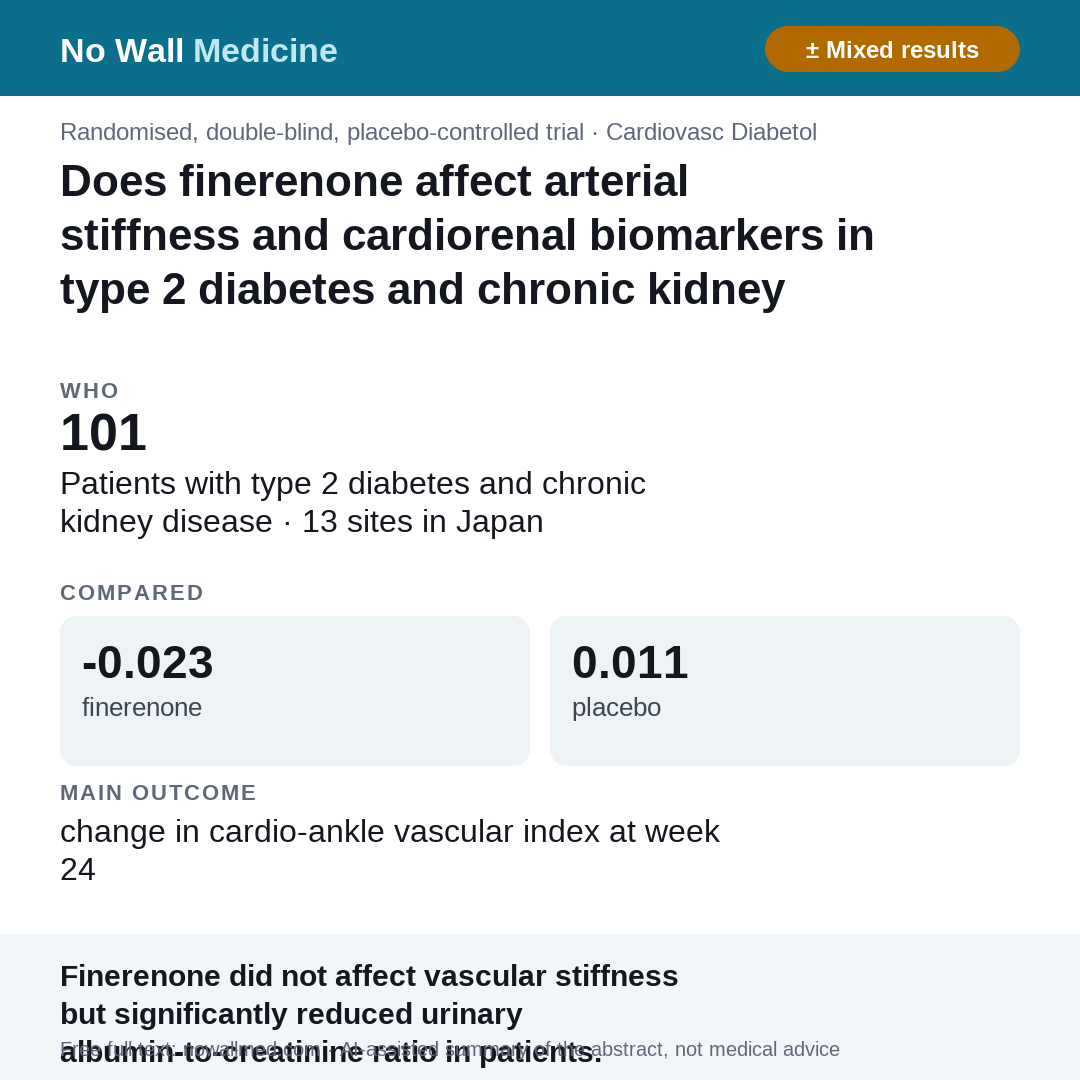
Effects of finerenone on arterial stiffness and cardiorenal biomarkers in patients with type 2 diabetes and chronic kidney disease: a randomised placebo-controlled mechanistic trial (FIVE-STAR)
Randomised, double-blind, placebo-controlled trialMixed results
Does finerenone affect arterial stiffness and cardiorenal biomarkers in type 2 diabetes and chronic kidney disease?
Who
101
Patients with type 2 diabetes and chronic kidney disease · 13 sites in Japan
Compared
-0.023finerenone (95% CI, -0.299 to 0.254)
0.011placebo (95% CI, -0.245 to 0.267)
Main outcome
change in cardio-ankle vascular index at week 24
Result: -0.057 (95% CI, -0.428 to 0.314)
Bottom line: Finerenone did not affect vascular stiffness but significantly reduced urinary albumin-to-creatinine ratio in patients.
Cardiovasc Diabetol · 2025-12-05Download image
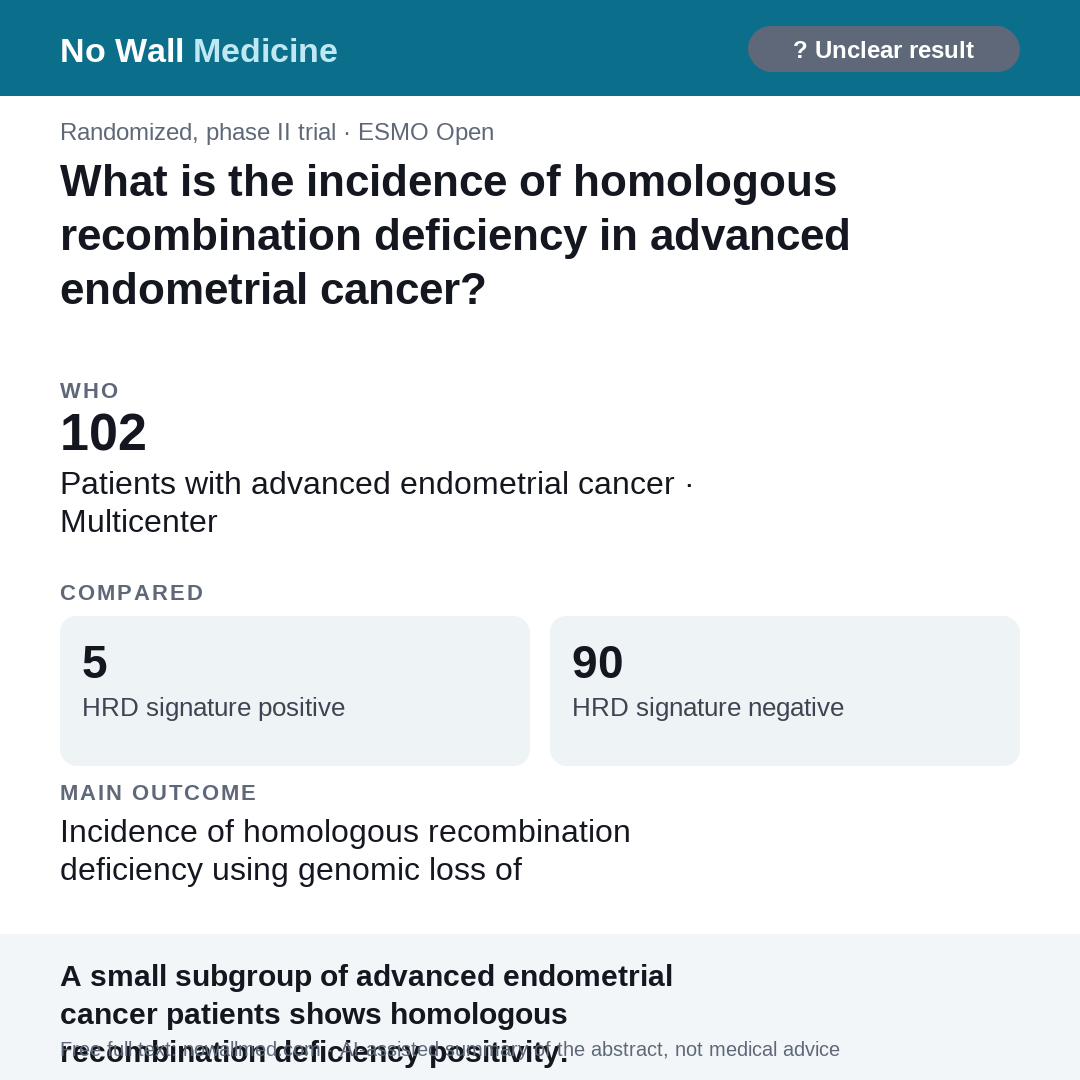
Homologous recombination repair status in advanced endometrial cancer: an exploratory biomarker analysis from the randomized, phase II MITOEND 3 trial
Randomized, phase II trialUnclear result
What is the incidence of homologous recombination deficiency in advanced endometrial cancer?
Who
102
Patients with advanced endometrial cancer · Multicenter
Compared
5HRD signature positive
90HRD signature negative
Main outcome
Incidence of homologous recombination deficiency using genomic loss of heterozygosity and signature
Bottom line: A small subgroup of advanced endometrial cancer patients shows homologous recombination deficiency positivity.
ESMO Open · 2025-12-05Download image
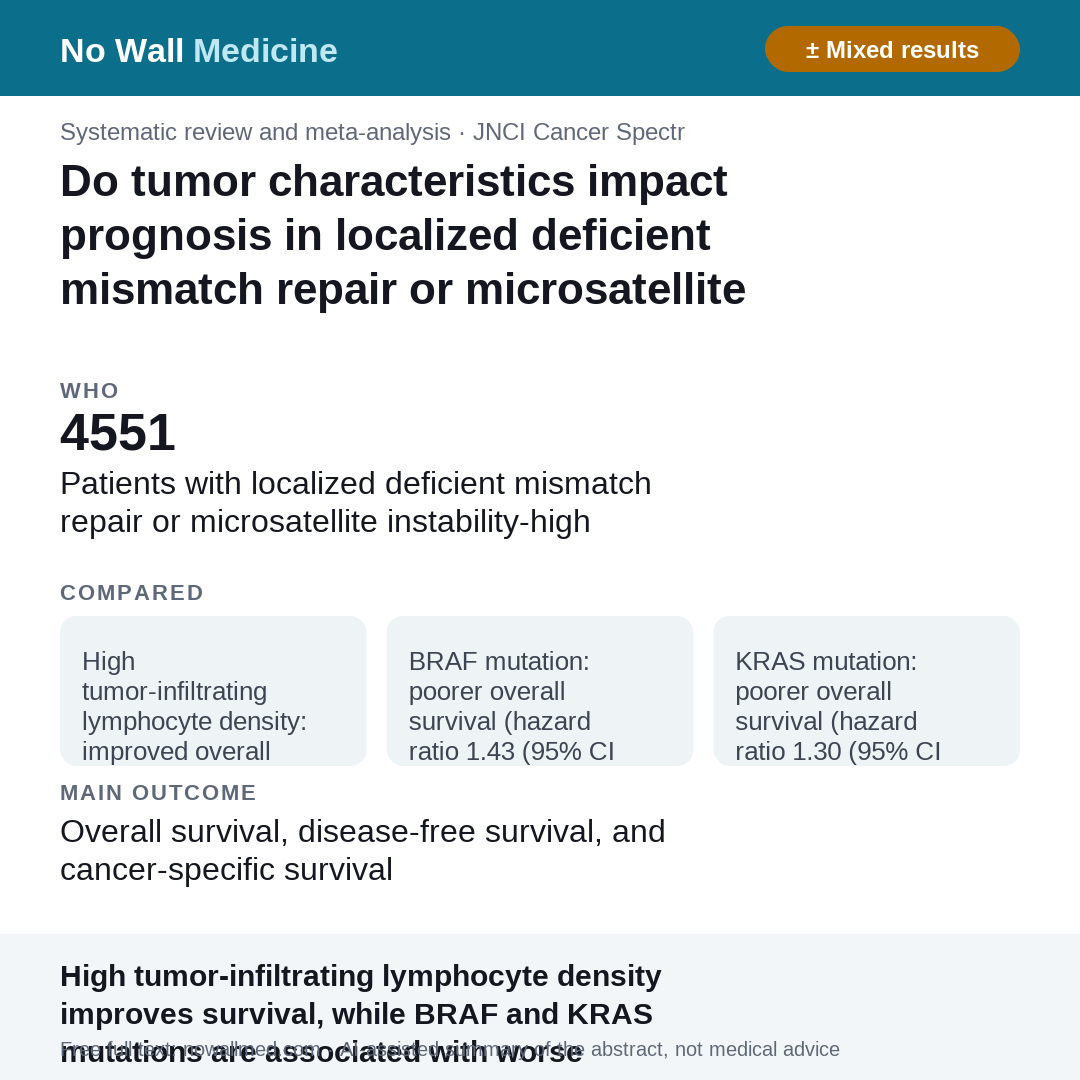
Tumor characteristics impact prognosis in deficient mismatch repair/microsatellite instability-high localized colorectal cancer-a systematic review and meta-analysis
Systematic review and meta-analysisMixed results
Do tumor characteristics impact prognosis in localized deficient mismatch repair or microsatellite instability-high colorectal cancer?
Who
4551
Patients with localized deficient mismatch repair or microsatellite instability-high colorectal cancer
Compared
High tumor-infiltrating lymphocyte density: improved overall survival (hazard ratio 0.39 (95% CI 0.17 to 0.89))
BRAF mutation: poorer overall survival (hazard ratio 1.43 (95% CI 1.13 to 1.80))
KRAS mutation: poorer overall survival (hazard ratio 1.30 (95% CI 1.09 to 1.54))
Main outcome
Overall survival, disease-free survival, and cancer-specific survival
Result: hazard ratio 0.39 (95% CI 0.17 to 0.89) for high lymphocyte density
Bottom line: High tumor-infiltrating lymphocyte density improves survival, while BRAF and KRAS mutations are associated with worse outcomes.
JNCI Cancer Spectr · 2025-12-05Download image
Effectiveness and Safety of Nusinersen and Risdiplam in Spinal Muscular Atrophy: A Systematic Review
Systematic reviewMixed results
What are the safety and effectiveness of nusinersen and risdiplam for treating spinal muscular atrophy?
Who
Patients with spinal muscular atrophy types 1 to 4
Compared
Nusinersen
Risdiplam
Main outcome
Motor function, milestones, survival, and safety
Bottom line: Nusinersen and risdiplam improve motor function and survival, but outcomes for respiratory function and safety vary.
Limitation: Variability in outcomes and limited comparative data introduce uncertainty.
Ann Clin Transl Neurol · 2025-12-05Download image

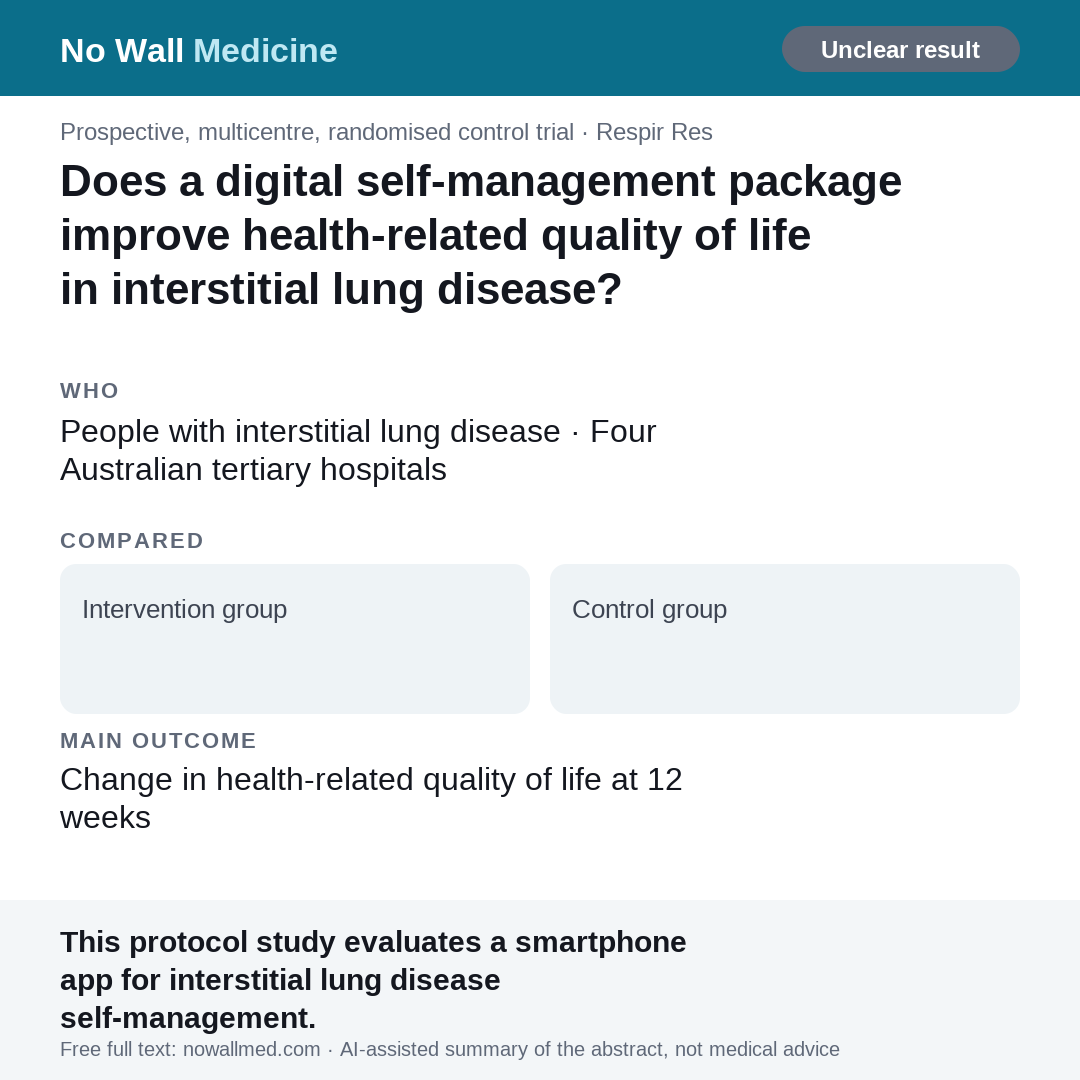
A randomised clinical trial of a digital self-management package for people with interstitial lung disease: the REBUILD-SM protocol
Prospective, multicentre, randomised control trialUnclear result
Does a digital self-management package improve health-related quality of life in interstitial lung disease?
Who
People with interstitial lung disease · Four Australian tertiary hospitals
Compared
Intervention group
Control group
Main outcome
Change in health-related quality of life at 12 weeks
Bottom line: This protocol study evaluates a smartphone app for interstitial lung disease self-management.
Respir Res · 2025-12-05Download image
Prediction models for functional outcomes in prolonged disorders of consciousness: a systematic review and meta-analysis
Systematic review and meta-analysisKey finding
How well do prediction models forecast functional outcomes in prolonged disorders of consciousness?
Who
54
Individuals with prolonged disorders of consciousness
Compared
Neurophysiological models: higher sensitivity
Demographic & clinical models
Main outcome
Functional outcomes in prolonged disorders of consciousness
Result: SROC-AUC 0.875 (95% CI: 0.842-0.911)
Bottom line: Neurophysiological factors improve prognostic sensitivity, but models' clinical impact remains limited without external validation.
Limitation: None of the included studies were assessed as having a low risk of bias.
J Neuroeng Rehabil · 2025-12-05Download image

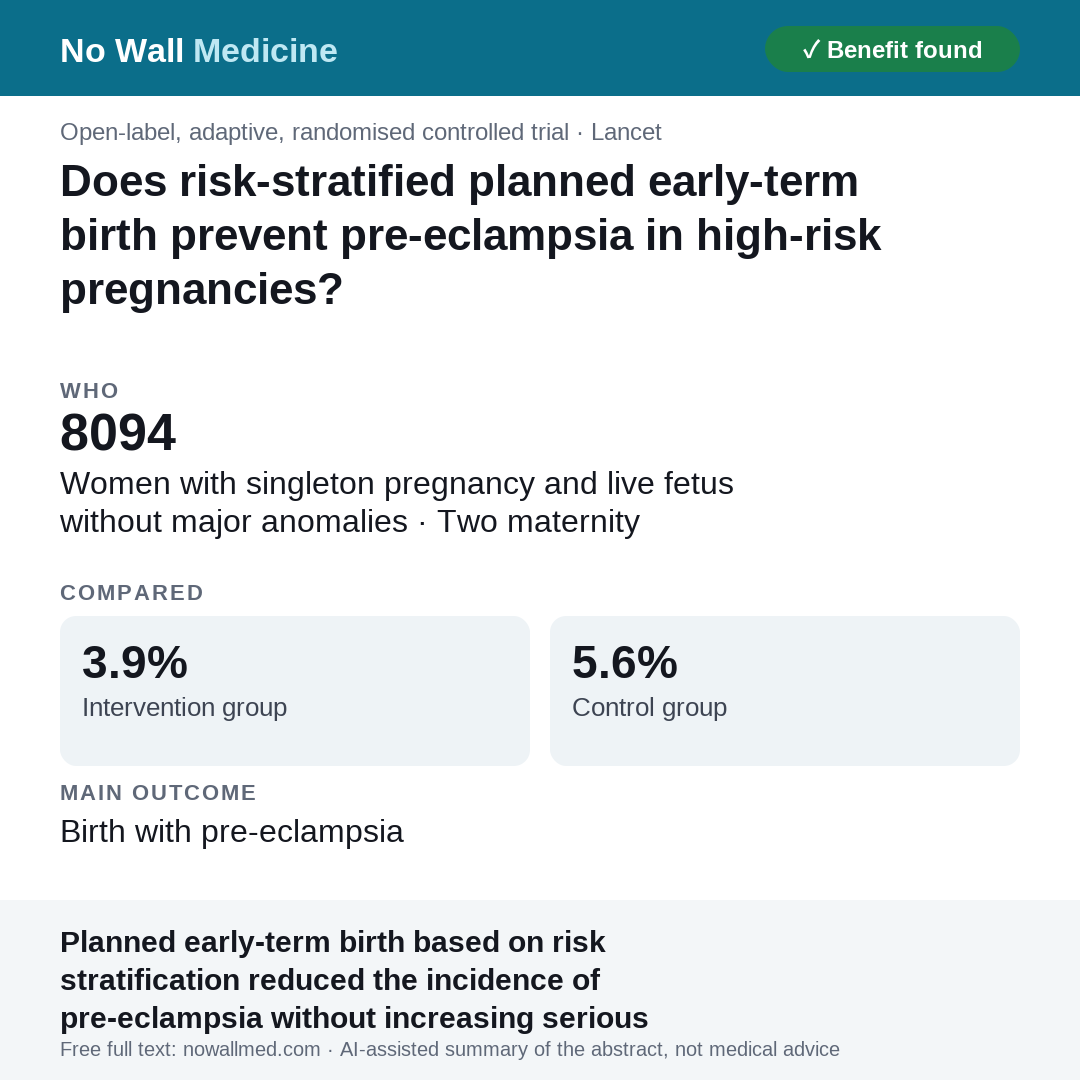
Scheduled birth at term for the prevention of pre-eclampsia (PREVENT-PE): an open-label randomised controlled trial
Open-label, adaptive, randomised controlled trialBenefit found
Does risk-stratified planned early-term birth prevent pre-eclampsia in high-risk pregnancies?
Who
8094
Women with singleton pregnancy and live fetus without major anomalies · Two maternity hospitals in the United Kingdom
Compared
3.9%Intervention group
5.6%Control group
Main outcome
Birth with pre-eclampsia
Result: adjusted risk ratio 0.70 (95% CI 0.58-0.86)
Bottom line: Planned early-term birth based on risk stratification reduced the incidence of pre-eclampsia without increasing serious adverse events.
Funded by: Fetal Medicine Foundation
Lancet · 2025-12-04Download image
Diet, body composition and metabolic and hormonal profile in women at high risk of breast cancer recurrence: A secondary mediation analysis of the DIANA-5 trial
Randomized controlled trial secondary mediation analysisBenefit found
Do dietary and body composition changes mediate lifestyle intervention benefits in breast cancer survivors?
Who
1542
Women with early-stage breast cancer and endocrine or metabolic risk factors
Compared
Intensive support
Standard healthy lifestyle recommendations
Main outcome
Anthropometric, metabolic, and hormonal measures
Bottom line: Lifestyle intervention benefits were mostly mediated by dietary adherence and reductions in waist circumference and fat mass/fat-free mass ratio.
Clin Nutr · 2025-12-04Download image

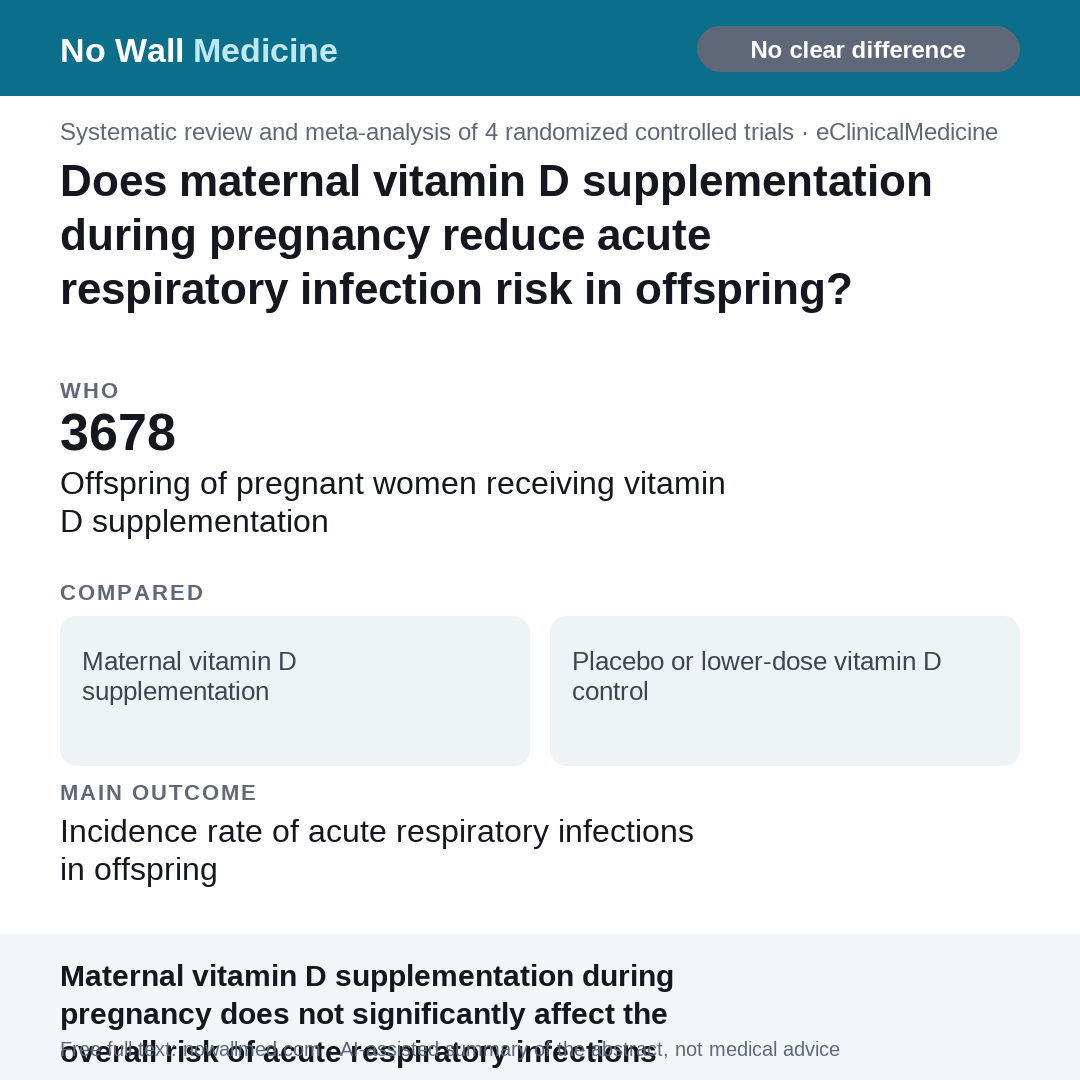
Association between maternal vitamin D supplementation during pregnancy and the risk of acute respiratory infections in offspring: a systematic review and meta-analysis
Systematic review and meta-analysis of 4 randomized controlled trialsNo clear difference
Does maternal vitamin D supplementation during pregnancy reduce acute respiratory infection risk in offspring?
Who
3678
Offspring of pregnant women receiving vitamin D supplementation
Compared
Maternal vitamin D supplementation
Placebo or lower-dose vitamin D control
Main outcome
Incidence rate of acute respiratory infections in offspring
Result: incidence rate ratio 1.01 (95% CI 0.98-1.03)
Bottom line: Maternal vitamin D supplementation during pregnancy does not significantly affect the overall risk of acute respiratory infections in offspring.
Limitation: Low dose vitamin D standard-of-care and heterogeneity in acute respiratory infection case definitions.
eClinicalMedicine · 2025-12-04Download image
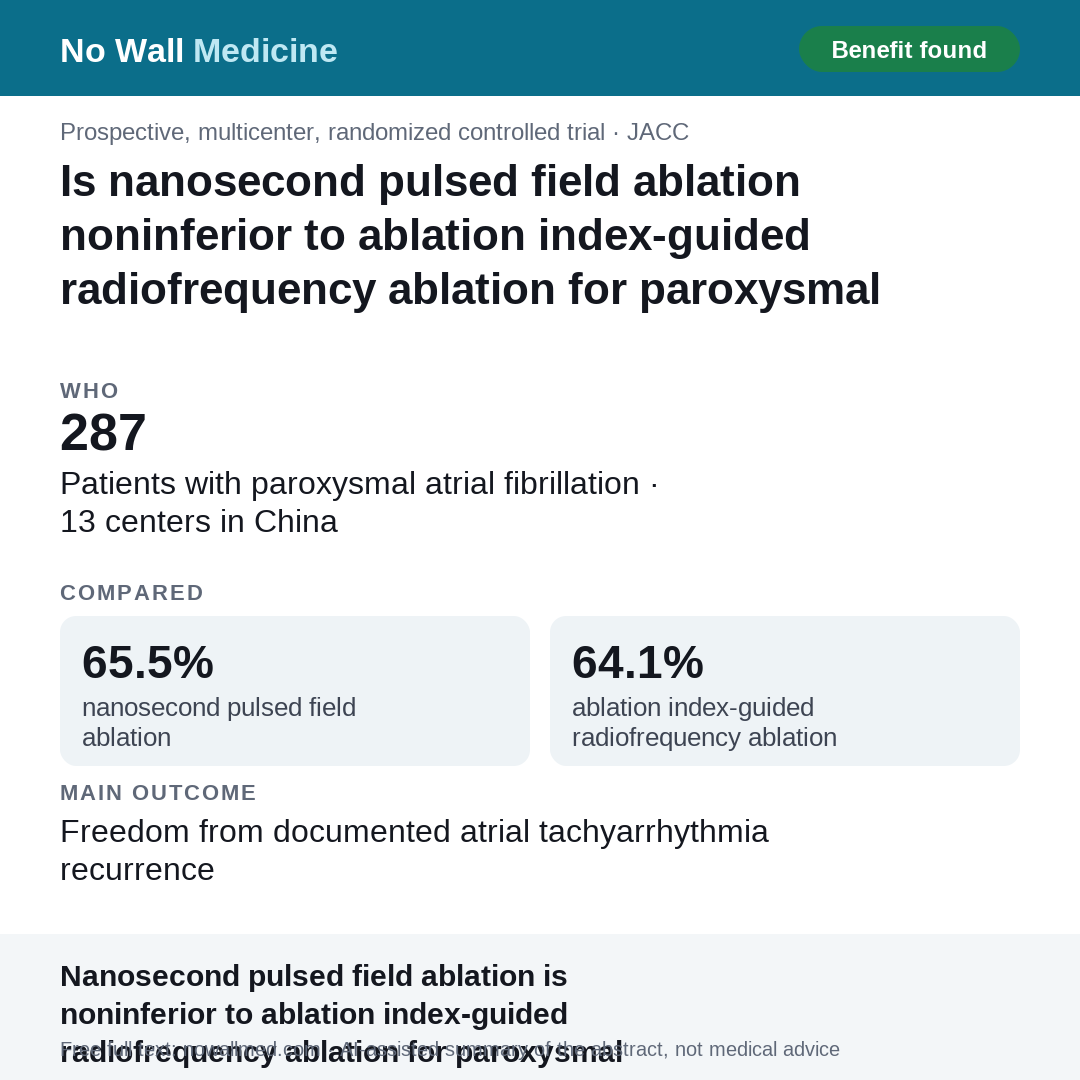
Pulsed Field Ablation Using a Novel Biphasic Catheter vs Thermal Ablation for Paroxysmal Atrial Fibrillation: InsightPFA Trial
Prospective, multicenter, randomized controlled trialBenefit found
Is nanosecond pulsed field ablation noninferior to ablation index-guided radiofrequency ablation for paroxysmal atrial fibrillation?
Who
287
Patients with paroxysmal atrial fibrillation · 13 centers in China
Compared
65.5%nanosecond pulsed field ablation
64.1%ablation index-guided radiofrequency ablation
Main outcome
Freedom from documented atrial tachyarrhythmia recurrence
Result: adjusted rate difference: 2.0%; 95% CI: -8.7% to 12.8%
Bottom line: Nanosecond pulsed field ablation is noninferior to ablation index-guided radiofrequency ablation for paroxysmal atrial fibrillation.
JACC · 2025-12-04Download image
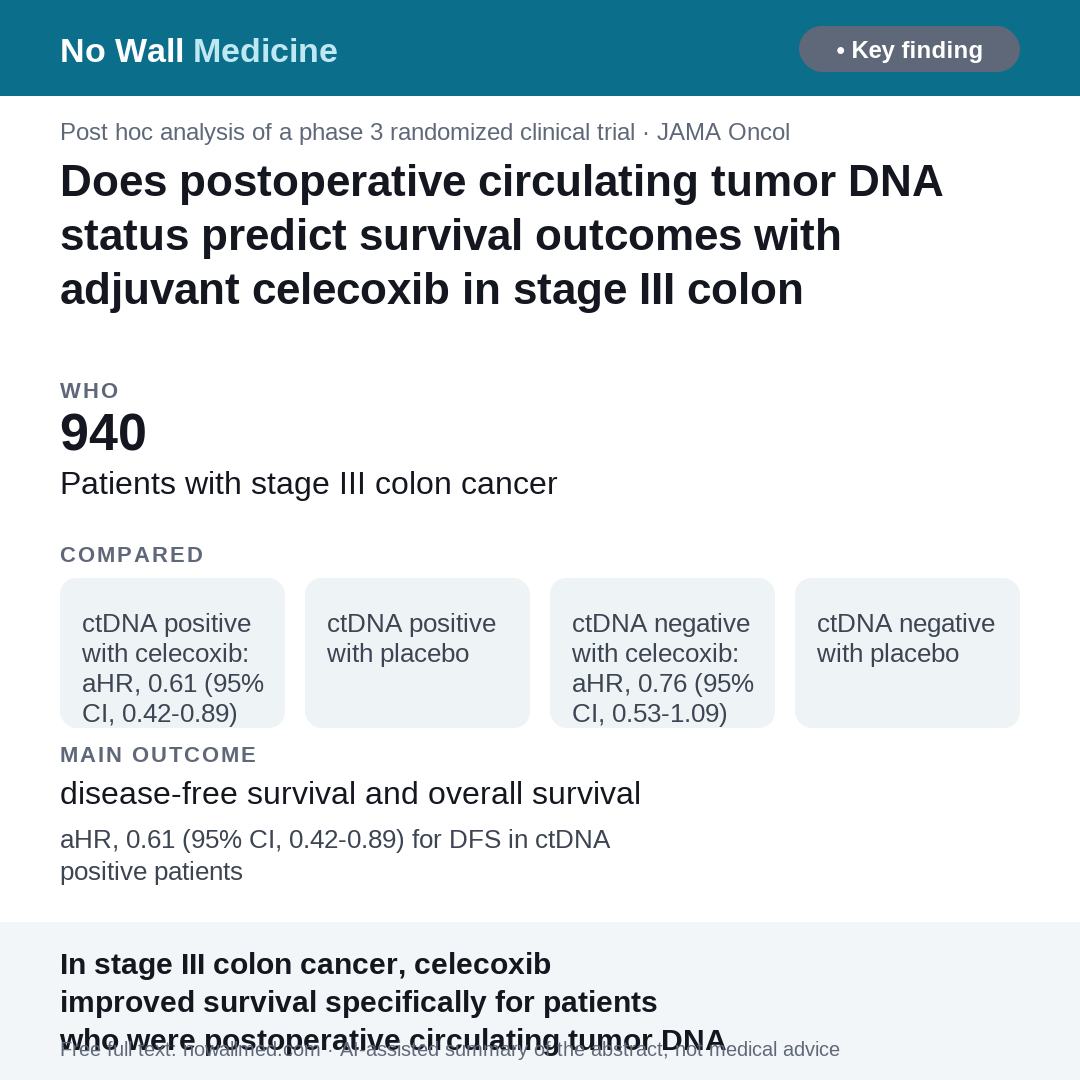
Predictive Role of Circulating Tumor DNA in Stage III Colon Cancer Treated With Celecoxib: A Post Hoc Analysis of the CALGB (Alliance)/SWOG 80702 Phase 3 Randomized Clinical Trial
Post hoc analysis of a phase 3 randomized clinical trialKey finding
Does postoperative circulating tumor DNA status predict survival outcomes with adjuvant celecoxib in stage III colon cancer?
Who
940
Patients with stage III colon cancer
Compared
ctDNA positive with celecoxib: aHR, 0.61 (95% CI, 0.42-0.89) for DFS
ctDNA positive with placebo
ctDNA negative with celecoxib: aHR, 0.76 (95% CI, 0.53-1.09) for DFS
ctDNA negative with placebo
Main outcome
disease-free survival and overall survival
Result: aHR, 0.61 (95% CI, 0.42-0.89) for DFS in ctDNA positive patients
Bottom line: In stage III colon cancer, celecoxib improved survival specifically for patients who were postoperative circulating tumor DNA positive.
JAMA Oncol · 2025-12-04Download image
2025 Clinical Practice Guideline Update by the Infectious Diseases Society of America on Group A Streptococcal Pharyngitis: Risk Assessment Using Clinical Scoring Systems in Children and Adults
Systematic review of randomized and nonrandomized studiesBenefit found
Should a clinical scoring system be used to decide which patients need diagnostic testing?
Who
Children and adults with sore throat
Compared
Clinical scoring system
Clinician judgment alone
Main outcome
Diagnostic accuracy in predicting positive throat culture
Bottom line: Clinical scoring systems are comparable to or slightly better than clinician judgment for identifying low risk patients.
Limitation: Small study size, lack of uniformity in outcome measures, and incomplete data.
Clin Infect Dis · 2025-12-04Download image

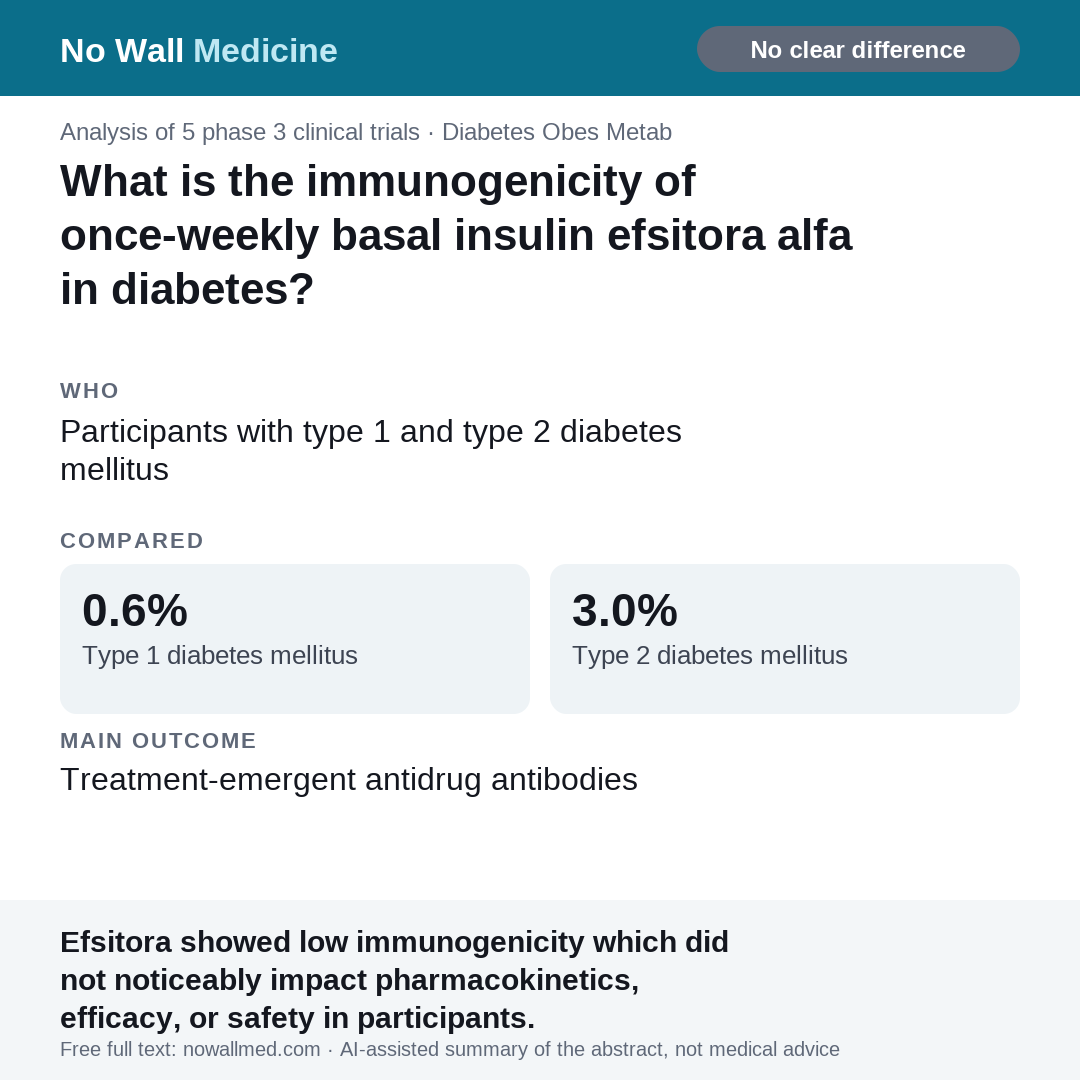
Low immunogenicity of insulin efsitora alfa in participants with type 1 and type 2 diabetes mellitus
Analysis of 5 phase 3 clinical trialsNo clear difference
What is the immunogenicity of once-weekly basal insulin efsitora alfa in diabetes?
Who
Participants with type 1 and type 2 diabetes mellitus
Compared
0.6%Type 1 diabetes mellitus
3.0%Type 2 diabetes mellitus
Main outcome
Treatment-emergent antidrug antibodies
Bottom line: Efsitora showed low immunogenicity which did not noticeably impact pharmacokinetics, efficacy, or safety in participants.
Diabetes Obes Metab · 2025-12-04Download image
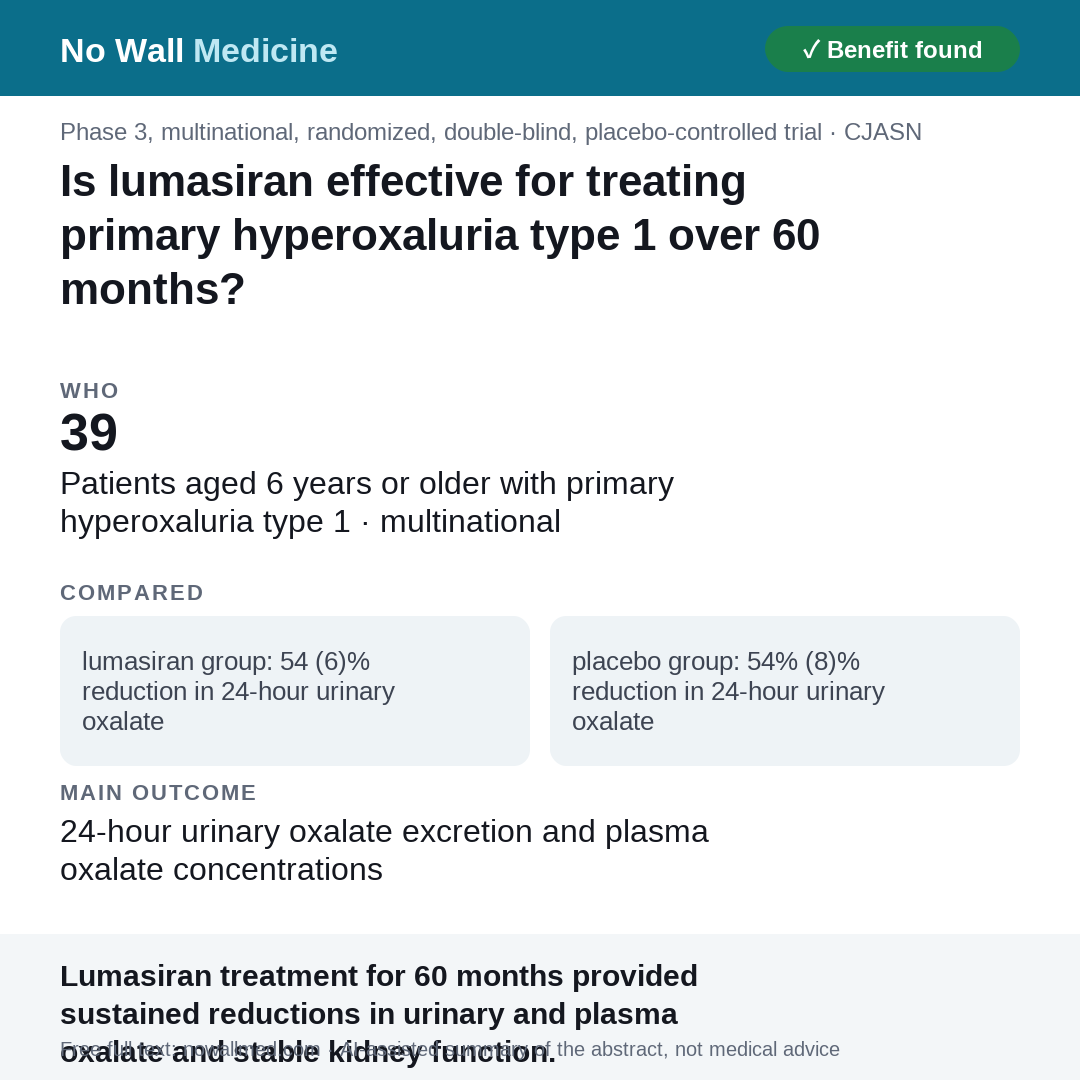
Final Results of the ILLUMINATE-A Phase 3 Clinical Trial of Lumasiran for Primary Hyperoxaluria 1
Phase 3, multinational, randomized, double-blind, placebo-controlled trialBenefit found
Is lumasiran effective for treating primary hyperoxaluria type 1 over 60 months?
Who
39
Patients aged 6 years or older with primary hyperoxaluria type 1 · multinational
Compared
lumasiran group: 54 (6)% reduction in 24-hour urinary oxalate
placebo group: 54% (8)% reduction in 24-hour urinary oxalate
Main outcome
24-hour urinary oxalate excretion and plasma oxalate concentrations
Bottom line: Lumasiran treatment for 60 months provided sustained reductions in urinary and plasma oxalate and stable kidney function.
CJASN · 2025-12-04Download image
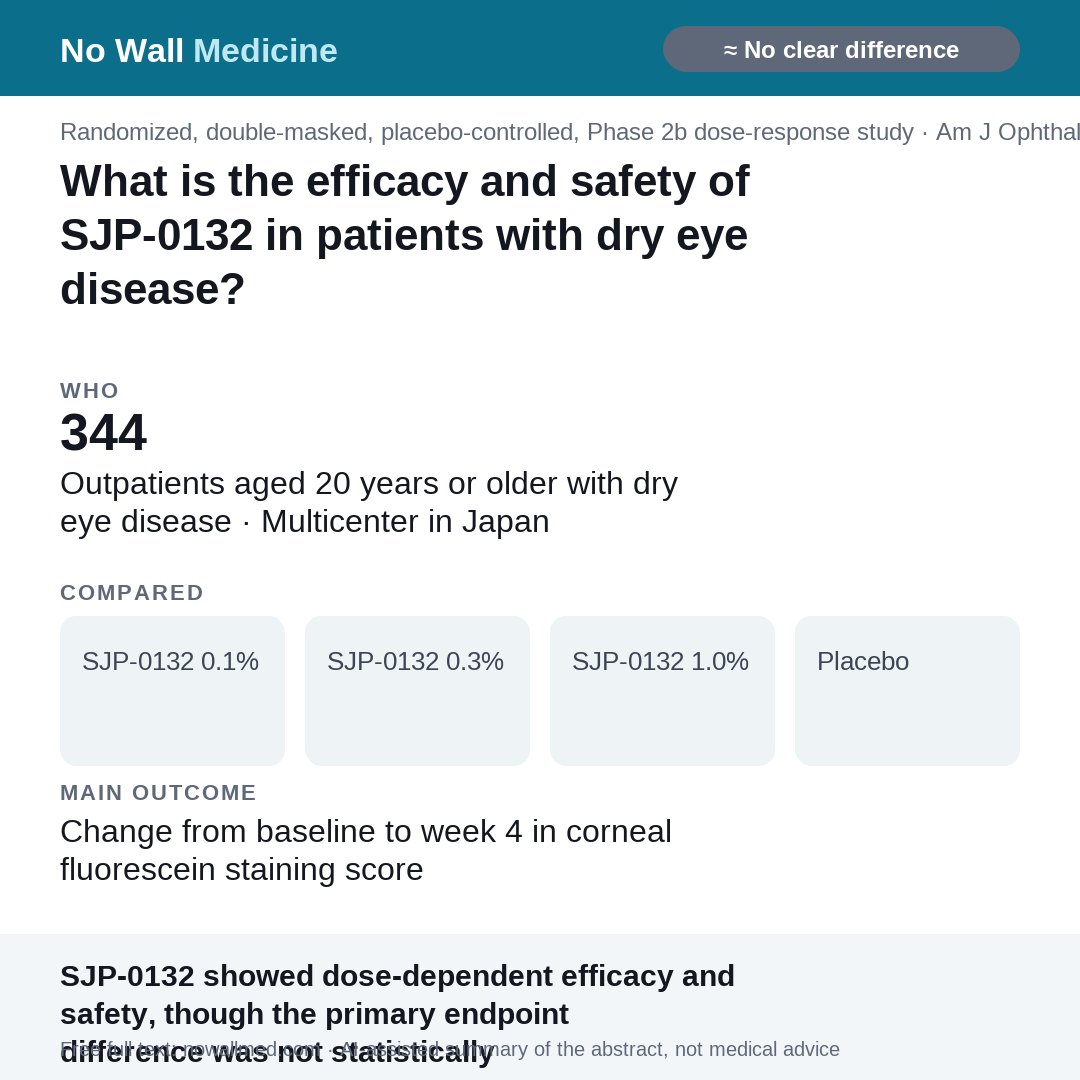
Efficacy and Safety of SJP-0132 in Patients With Dry Eye Disease: A Phase 2b Randomized, Double-Masked, Dose-Finding Study
Randomized, double-masked, placebo-controlled, Phase 2b dose-response studyNo clear difference
What is the efficacy and safety of SJP-0132 in patients with dry eye disease?
Who
344
Outpatients aged 20 years or older with dry eye disease · Multicenter in Japan
Compared
SJP-0132 0.1%
SJP-0132 0.3%
SJP-0132 1.0%
Placebo
Main outcome
Change from baseline to week 4 in corneal fluorescein staining score
Result: between-group difference -0.8; 95% CI -1.7, 0.2
Bottom line: SJP-0132 showed dose-dependent efficacy and safety, though the primary endpoint difference was not statistically significant.
Am J Ophthalmol · 2025-12-04Download image
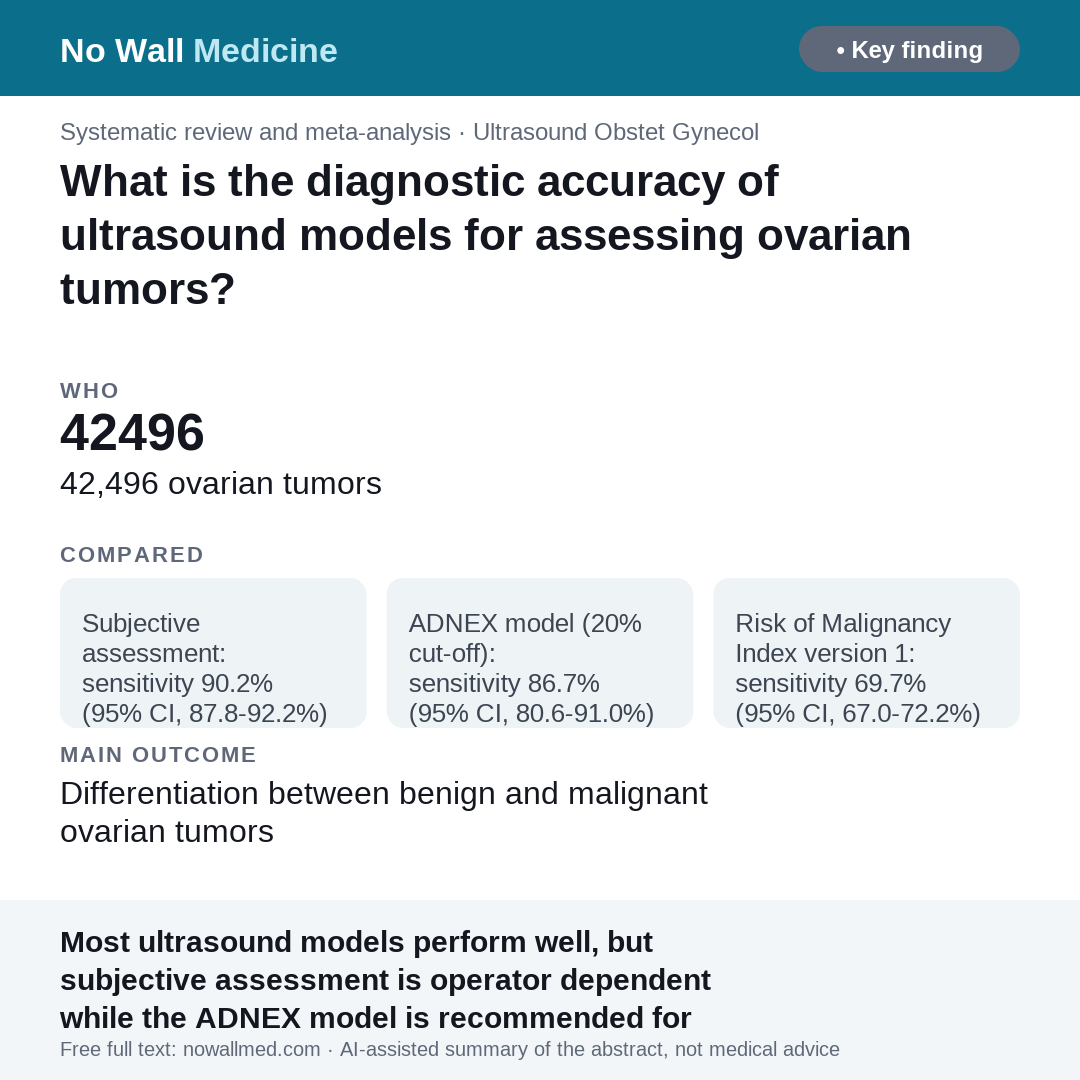
Diagnostic accuracy of ultrasound models for assessment of ovarian tumors: systematic review and meta-analysis
Systematic review and meta-analysisKey finding
What is the diagnostic accuracy of ultrasound models for assessing ovarian tumors?
Who
42496
42,496 ovarian tumors
Compared
Subjective assessment: sensitivity 90.2% (95% CI, 87.8-92.2%) and specificity 91.4% (95% CI, 89.3-93.2%)
ADNEX model (20% cut-off): sensitivity 86.7% (95% CI, 80.6-91.0%) and specificity 87.9% (95% CI, 80.1-92.9%)
Risk of Malignancy Index version 1: sensitivity 69.7% (95% CI, 67.0-72.2%) and specificity 90.5% (95% CI, 88.3-92.4%)
Main outcome
Differentiation between benign and malignant ovarian tumors
Bottom line: Most ultrasound models perform well, but subjective assessment is operator dependent while the ADNEX model is recommended for independence.
Limitation: Subjective assessment performance is dependent on operator expertise.
Ultrasound Obstet Gynecol · 2025-12-04Download image
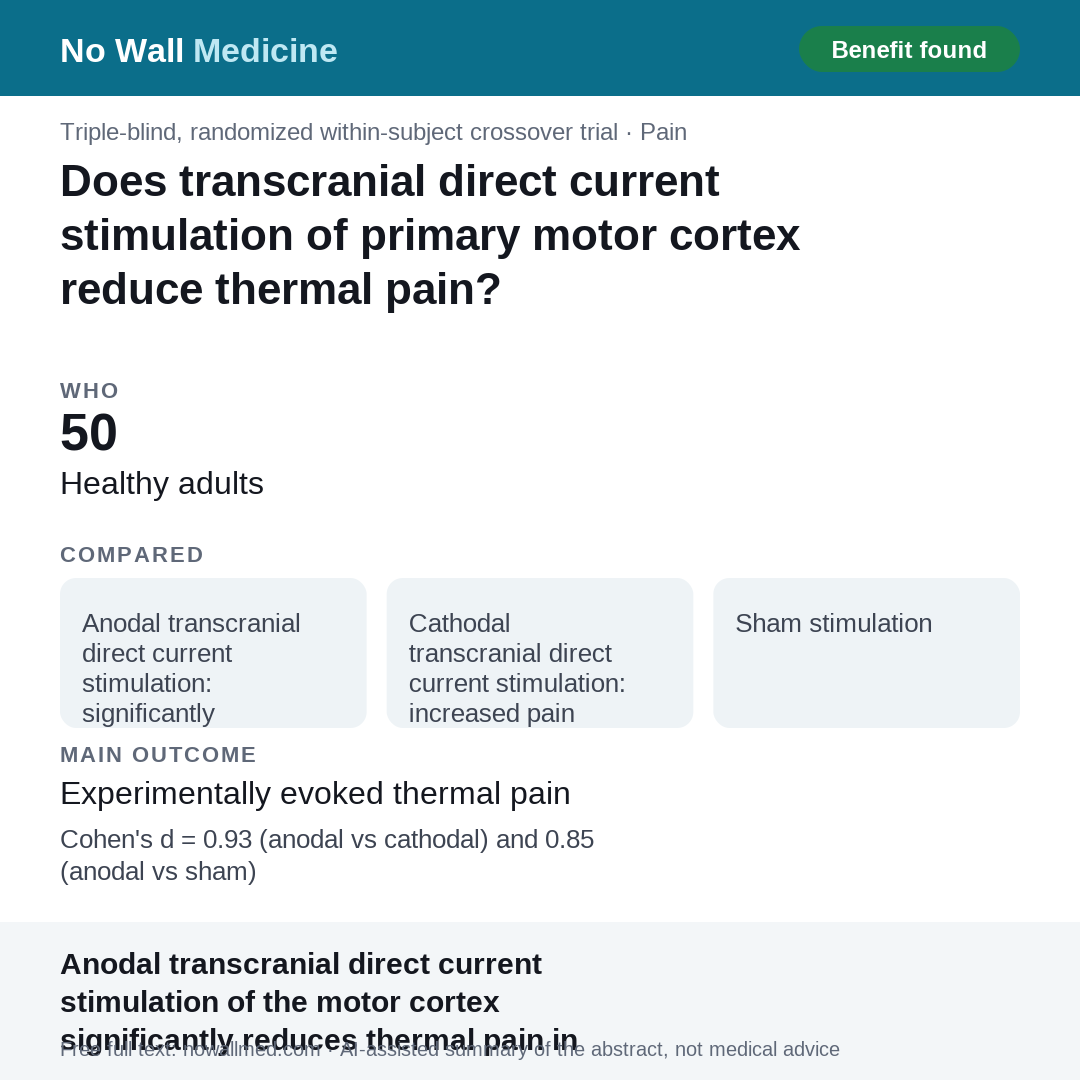
Transcranial direct current stimulation of primary motor cortex reduces thermal pain
Triple-blind, randomized within-subject crossover trialBenefit found
Does transcranial direct current stimulation of primary motor cortex reduce thermal pain?
Who
50
Healthy adults
Compared
Anodal transcranial direct current stimulation: significantly reduced pain
Cathodal transcranial direct current stimulation: increased pain relative to sham
Sham stimulation
Main outcome
Experimentally evoked thermal pain
Result: Cohen's d = 0.93 (anodal vs cathodal) and 0.85 (anodal vs sham)
Bottom line: Anodal transcranial direct current stimulation of the motor cortex significantly reduces thermal pain in healthy adults.
Pain · 2025-12-04Download image