Visual abstracts
New randomized trials and meta-analyses from leading journals at a glance: who was studied, what was compared, and what was found. Every paper is free to read in full.
All specialtiesCardiology 4877Oncology 4138Gastroenterology & Hepatology 1942Infectious Disease 3837Neurology 1905Psychiatry & Mental Health 2273Pulmonology 2143Critical Care 1365Endocrinology & Diabetes 2580Pediatrics 2980Surgery 2559Orthopedics & Sports Medicine 931Neurosurgery 537Cardiothoracic & Vascular Surgery 674Plastic & Reconstructive Surgery 591Nephrology 1133Rheumatology 823Hematology 1109Dermatology 621Ophthalmology 543Obstetrics & Gynecology 1686Public & Global Health 1058Radiology & Imaging 648Anesthesiology 986Urology 764ENT (Otolaryngology) 503Emergency Medicine 511Allergy & Immunology 313Geriatrics 981Family Medicine & Primary Care 562Medical Genetics & Genomics 676Pathology & Laboratory Medicine 159Physical Medicine & Rehabilitation 757Palliative Care 444Nutrition 1588Digital Health & AI 2201General Medicine 321
Preventive Medications in Pediatric Migraine: A Network Meta-Analysis
Network meta-analysis of 45 trialsBenefit found
What is the efficacy and safety of oral pharmacological interventions for pediatric migraine prophylaxis?
Who
3771
Pediatric patients with a migraine diagnosis
Compared
Oral pharmacological interventions
Placebo
Main outcome
Migraine frequency (number of attacks per month)
Result: pregabalin ratio of means 0.38 (95% CI, 0.18-0.79)
Bottom line: Several oral medications reduce migraine frequency and intensity, but none improved quality of life or attack duration.
Limitation: More studies are required for a robust conclusion regarding some drugs.
JAMA Netw Open · 2024-10-01Download image

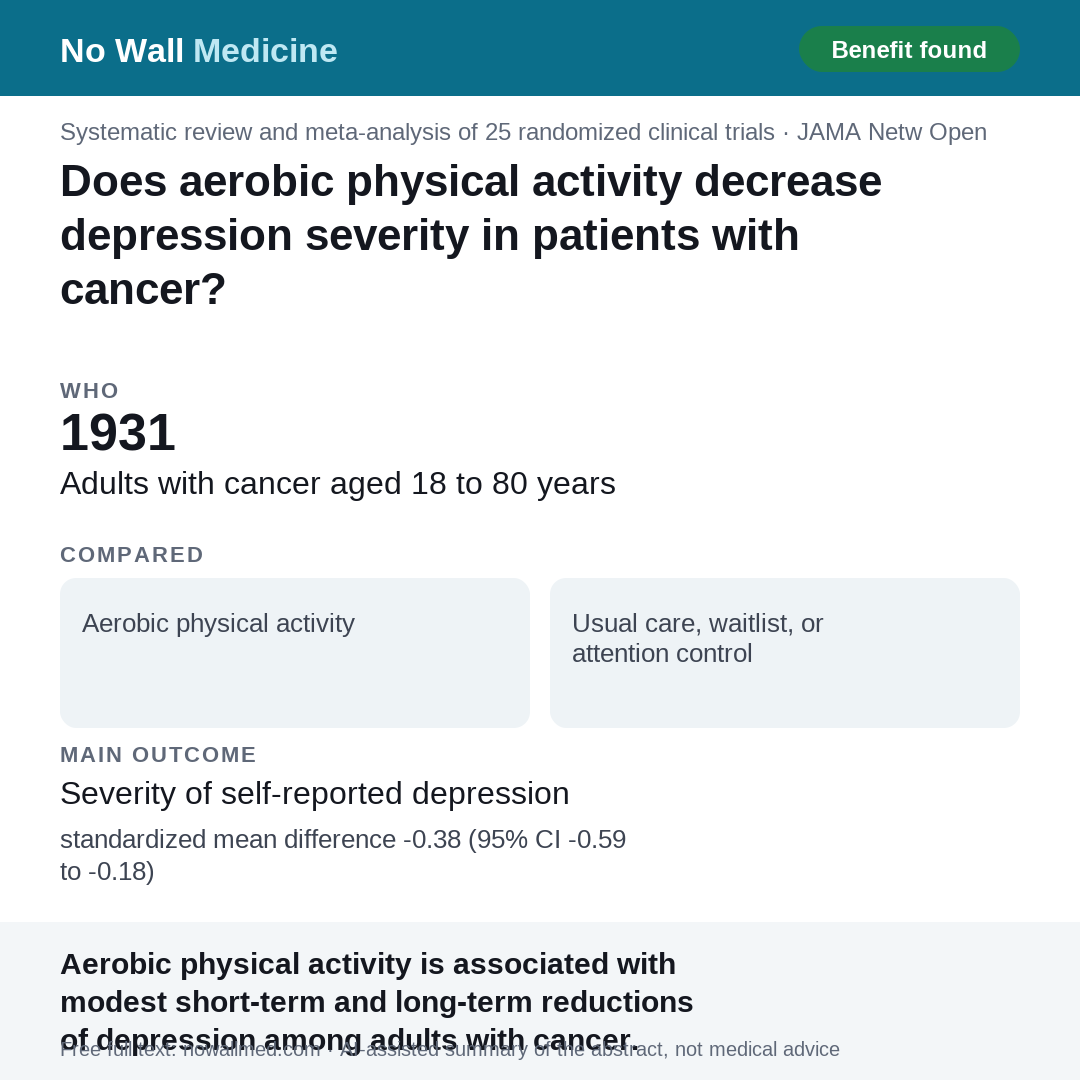
Aerobic Physical Activity and Depression Among Patients With Cancer: A Systematic Review and Meta-Analysis
Systematic review and meta-analysis of 25 randomized clinical trialsBenefit found
Does aerobic physical activity decrease depression severity in patients with cancer?
Who
1931
Adults with cancer aged 18 to 80 years
Compared
Aerobic physical activity
Usual care, waitlist, or attention control
Main outcome
Severity of self-reported depression
Result: standardized mean difference -0.38 (95% CI -0.59 to -0.18)
Bottom line: Aerobic physical activity is associated with modest short-term and long-term reductions of depression among adults with cancer.
JAMA Netw Open · 2024-10-01Download image
Cardiovascular Events After Chimeric Antigen Receptor T-Cell Therapy for Advanced Hematologic Malignant Neoplasms: A Meta-Analysis
Meta-analysis of thirteen observational studiesMixed results
What is the prevalence of adverse cardiovascular events among adults receiving CAR T-cell therapies?
Who
1528
Adults with advanced hematologic malignant neoplasms receiving chimeric antigen receptor T-cell therapies
Compared
0.66%Ventricular arrhythmia (95% CI, 0.00%-2.28%)
7.79%Supraventricular arrhythmia (95% CI, 4.87%-11.27%)
8.68%Left ventricular dysfunction (95% CI, 2.26%-17.97%)
3.87%Heart failure events (95% CI, 1.77%-6.62%)
Main outcome
Prevalence of adverse cardiovascular events
Bottom line: CAR T-cell therapy shows low prevalence of ventricular arrhythmia and myocardial infarction, but higher rates of supraventricular arrhythmia and left ventricular dysfunction.
JAMA Netw Open · 2024-10-01Download image

Pubertal hormones and mental health problems in children and adolescents: a systematic review of population-based studies
Systematic review of 55 papersUnclear result
Do pubertal hormones affect the risk for mental health problems in children and adolescents?
Who
Children and adolescents
Compared
testosterone and estradiol: suggested associations with certain types of mental health problems
DHEA and DHEA-S: inconsistencies
Main outcome
risk for mental health problems
Bottom line: Associations exist for testosterone and estradiol, but evidence for causal effects remains weak due to potential biases.
Limitation: Weak evidence for causal effects due to confounding, measurement error, selection bias, and missingness.
eClinicalMedicine · 2024-10-01Download image

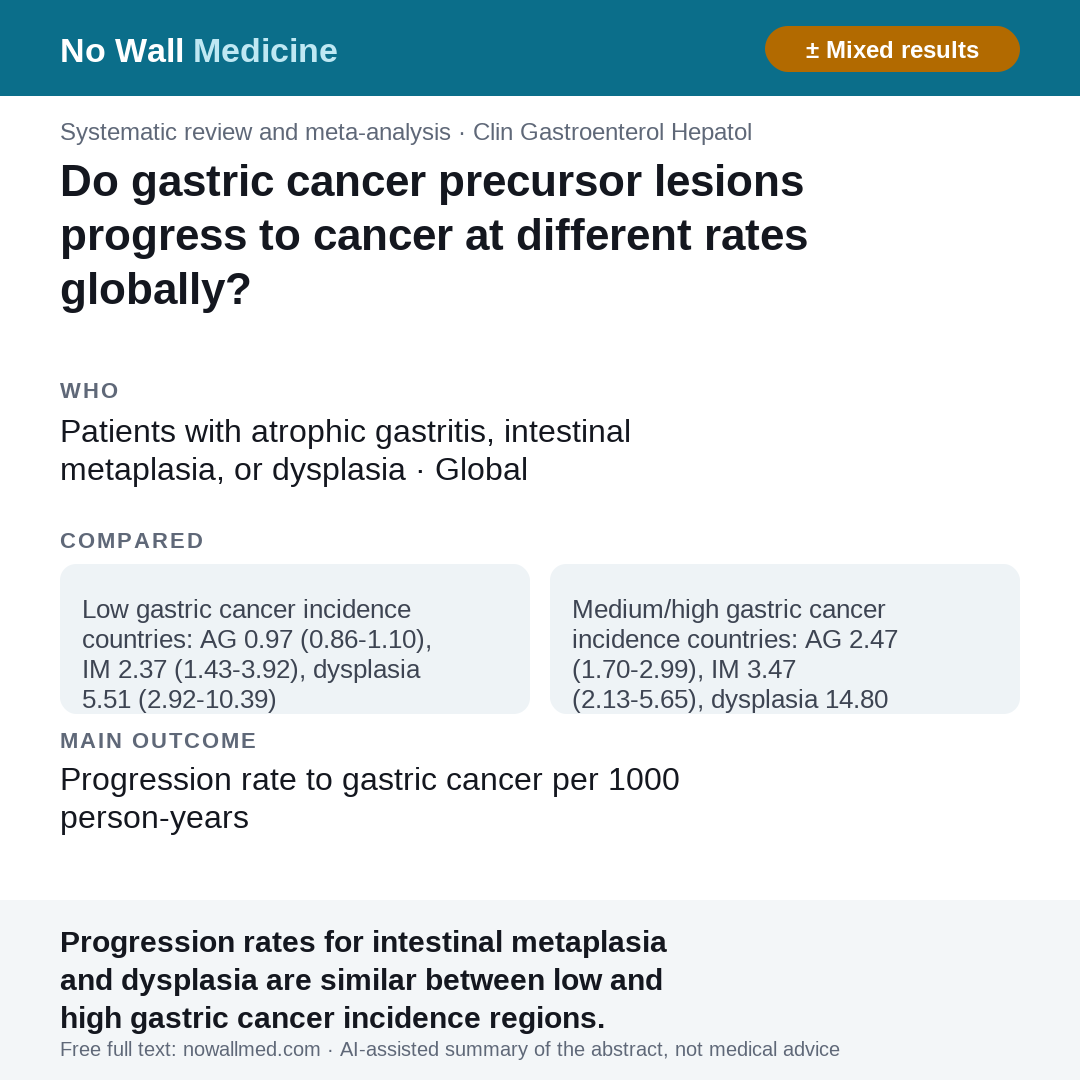
Global Progression Rates of Precursor Lesions for Gastric Cancer: A Systematic Review and Meta-Analysis
Systematic review and meta-analysisMixed results
Do gastric cancer precursor lesions progress to cancer at different rates globally?
Who
Patients with atrophic gastritis, intestinal metaplasia, or dysplasia · Global
Compared
Low gastric cancer incidence countries: AG 0.97 (0.86-1.10), IM 2.37 (1.43-3.92), dysplasia 5.51 (2.92-10.39)
Medium/high gastric cancer incidence countries: AG 2.47 (1.70-2.99), IM 3.47 (2.13-5.65), dysplasia 14.80 (5.87-37.28)
Main outcome
Progression rate to gastric cancer per 1000 person-years
Bottom line: Progression rates for intestinal metaplasia and dysplasia are similar between low and high gastric cancer incidence regions.
Clin Gastroenterol Hepatol · 2024-10-01Download image
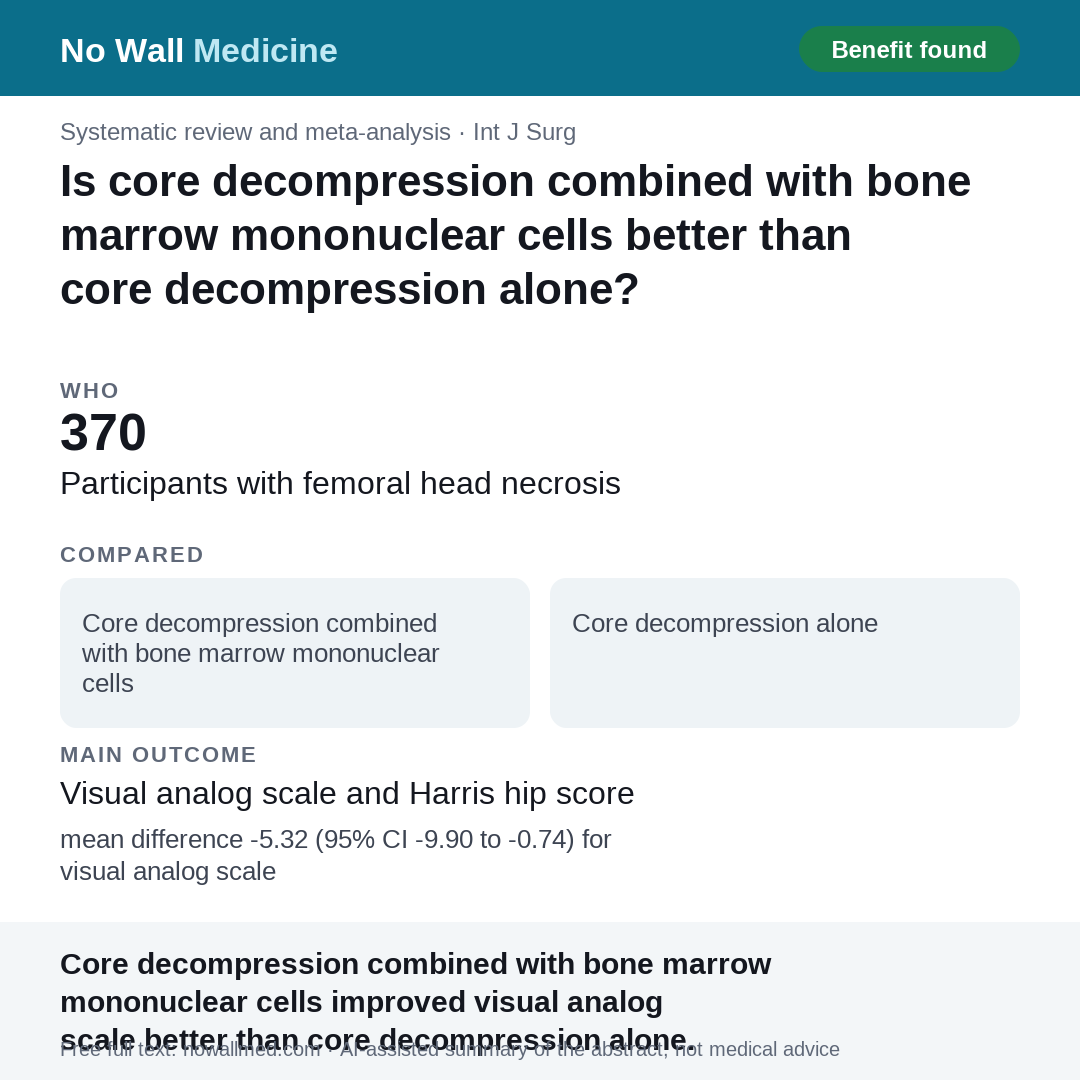
Core decompression combined with bone marrow mononuclear cells in the treatment of femoral head necrosis: a systematic review and meta-analysis
Systematic review and meta-analysisBenefit found
Is core decompression combined with bone marrow mononuclear cells better than core decompression alone?
Who
370
Participants with femoral head necrosis
Compared
Core decompression combined with bone marrow mononuclear cells
Core decompression alone
Main outcome
Visual analog scale and Harris hip score
Result: mean difference -5.32 (95% CI -9.90 to -0.74) for visual analog scale
Bottom line: Core decompression combined with bone marrow mononuclear cells improved visual analog scale better than core decompression alone.
Int J Surg · 2024-10-01Download image
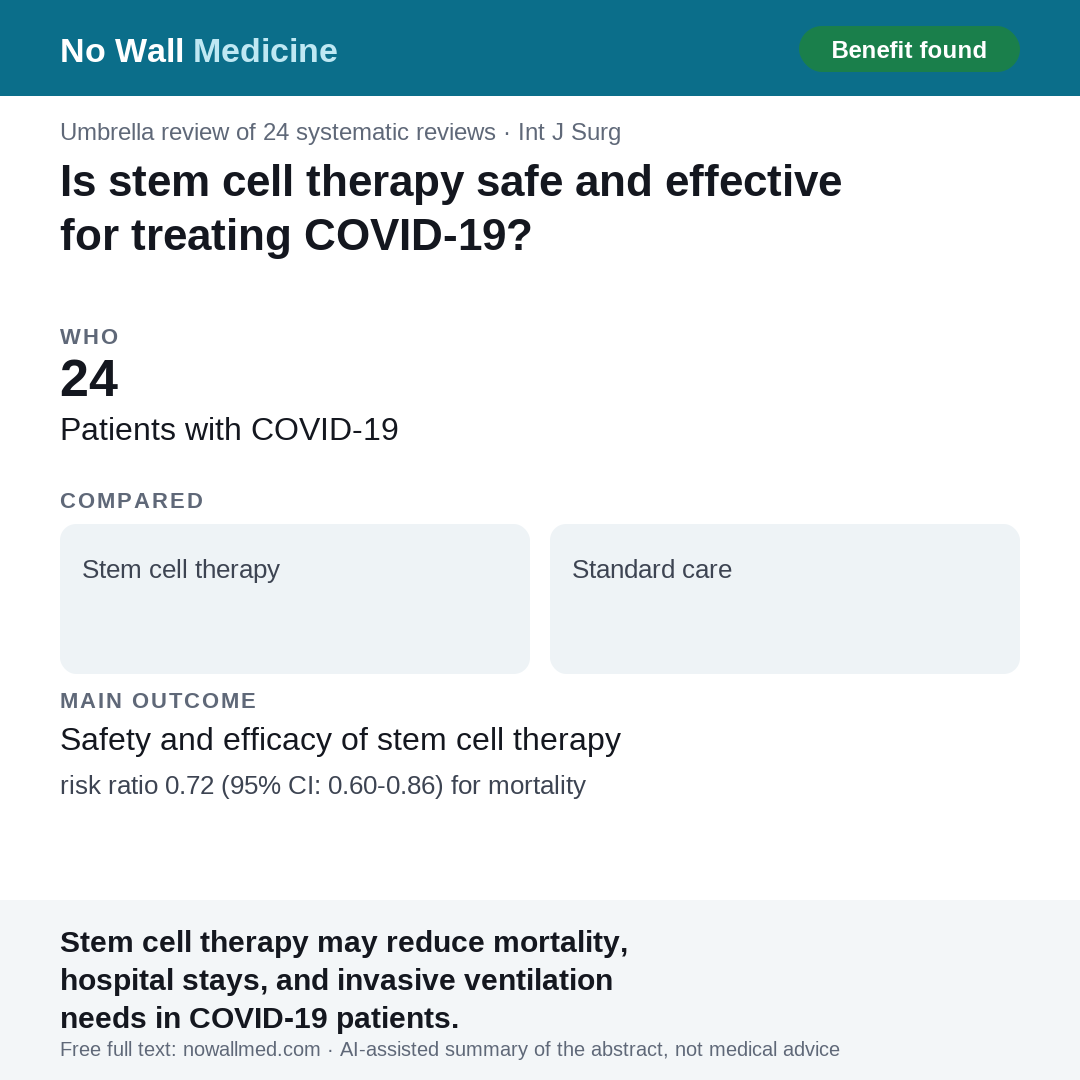
Stem cell therapy for COVID-19 treatment: an umbrella review
Umbrella review of 24 systematic reviewsBenefit found
Is stem cell therapy safe and effective for treating COVID-19?
Who
24
Patients with COVID-19
Compared
Stem cell therapy
Standard care
Main outcome
Safety and efficacy of stem cell therapy
Result: risk ratio 0.72 (95% CI: 0.60-0.86) for mortality
Bottom line: Stem cell therapy may reduce mortality, hospital stays, and invasive ventilation needs in COVID-19 patients.
Int J Surg · 2024-10-01Download image
The microbial composition of pancreatic ductal adenocarcinoma: a systematic review of 16S rRNA gene sequencing
Systematic reviewUnclear result
What is the microbial composition of pancreatic ductal adenocarcinoma using 16S rRNA gene sequencing?
Who
Pancreatic ductal adenocarcinoma studies
Compared
Pancreatic ductal adenocarcinoma
Healthy tissue
Main outcome
16S rRNA gene microbial signatures
Bottom line: A universal microbial signature for pancreatic ductal adenocarcinoma screening cannot be established due to study heterogeneity.
Limitation: Heterogeneity of results, lack of available datasets, and intrinsic selection bias between studies.
Int J Surg · 2024-10-01Download image

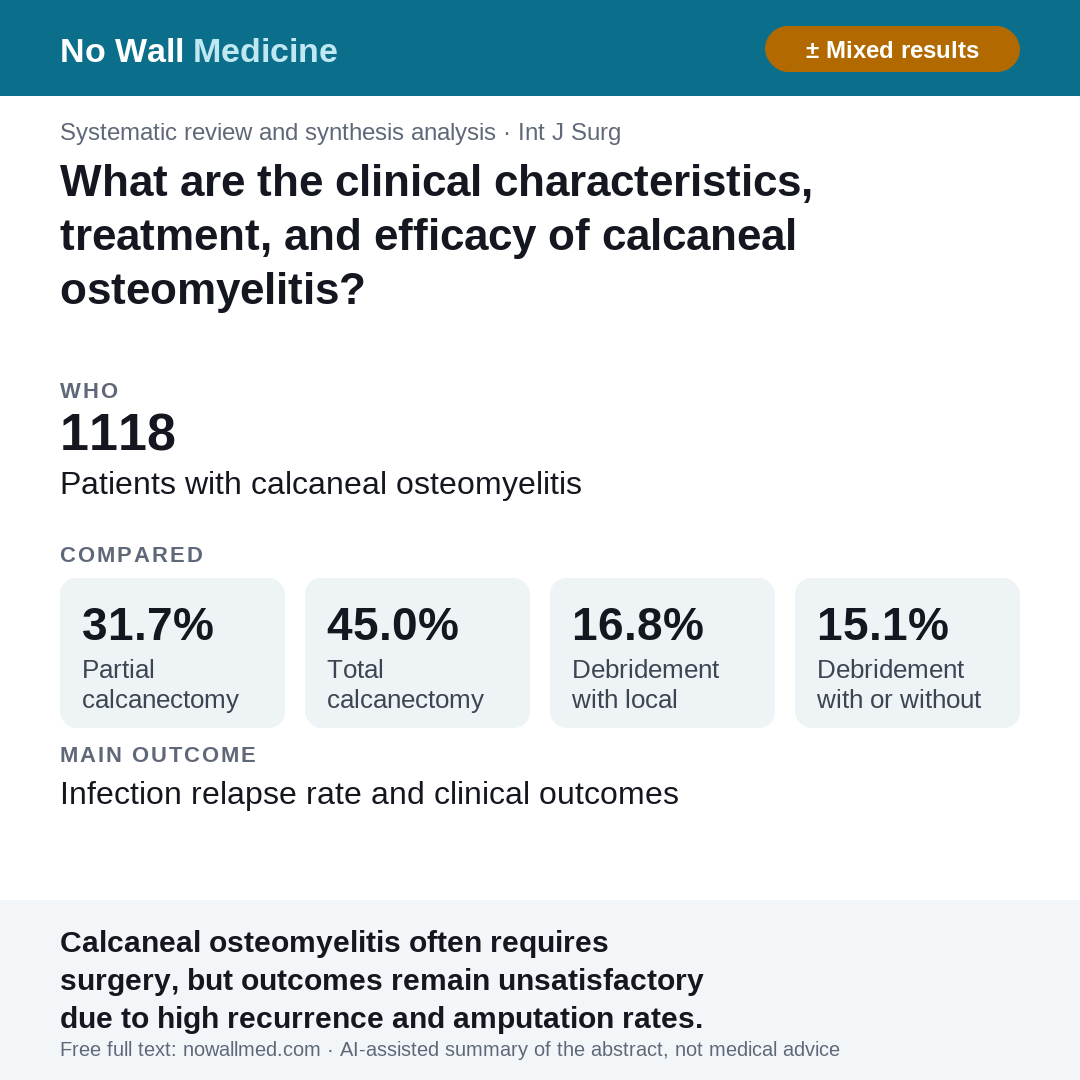
Clinical characteristics, treatment and efficacy of calcaneal osteomyelitis: a systematic review with synthesis analysis of 1118 reported cases
Systematic review and synthesis analysisMixed results
What are the clinical characteristics, treatment, and efficacy of calcaneal osteomyelitis?
Who
1118
Patients with calcaneal osteomyelitis
Compared
31.7%Partial calcanectomy
45.0%Total calcanectomy
16.8%Debridement with local antibiotic implantation
15.1%Debridement with or without flap or skin coverage
Main outcome
Infection relapse rate and clinical outcomes
Bottom line: Calcaneal osteomyelitis often requires surgery, but outcomes remain unsatisfactory due to high recurrence and amputation rates.
Int J Surg · 2024-10-01Download image
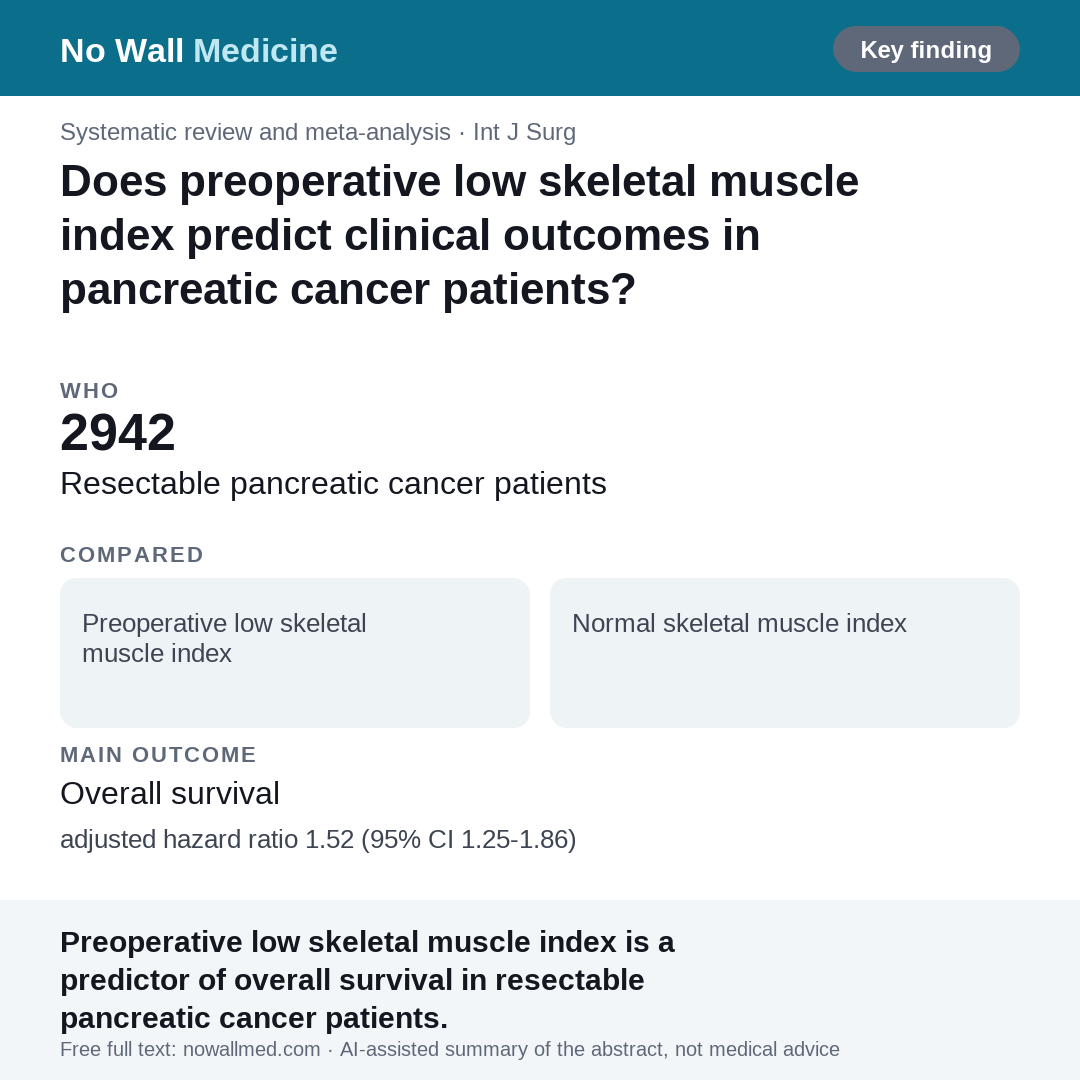
Preoperative low skeletal muscle mass index assessed using L3-CT as a prognostic marker of clinical outcomes in pancreatic cancer patients undergoing surgery: a systematic review and meta-analysis
Systematic review and meta-analysisBenefit found
Does preoperative low skeletal muscle index predict clinical outcomes in pancreatic cancer patients?
Who
2942
Resectable pancreatic cancer patients
Compared
Preoperative low skeletal muscle index
Normal skeletal muscle index
Main outcome
Overall survival
Result: adjusted hazard ratio 1.52 (95% CI 1.25-1.86)
Bottom line: Preoperative low skeletal muscle index is a predictor of overall survival in resectable pancreatic cancer patients.
Limitation: Studies assessing nutritional protocols for maintaining or increasing muscle mass are required.
Int J Surg · 2024-10-01Download image
Magnetic sphincter augmentation in the management of gastro-esophageal reflux disease: a systematic review and meta-analysis
Systematic review and meta-analysisBenefit found
Is magnetic sphincter augmentation effective and safe compared to fundoplication for gastro-esophageal reflux disease?
Who
8075
Patients with gastro-esophageal reflux disease
Compared
Magnetic sphincter augmentation
Laparoscopic fundoplication
Main outcome
Efficacy, quality of life, and safety
Result: WMD 0.83 (95% CI: 0.72-0.93) for proton-pump inhibitor discontinuation
Bottom line: Magnetic sphincter augmentation improves proton-pump inhibitor discontinuation, satisfaction, and functional outcomes compared to fundoplication, but has higher dysphagia rates.
Limitation: Randomized controlled trials directly comparing magnetic sphincter augmentation with fundoplication are necessary.
Int J Surg · 2024-10-01Download image

Surgical interventions for intractable migraine: a systematic review and meta-analysis
Systematic review and meta-analysisBenefit found
Are surgical interventions effective for managing intractable or refractory migraines?
Who
95
Patients with refractory or intractable migraines
Compared
-2.27Occipital nerve stimulation (95% CI: -3.92 to -0.63)
Nerve decompression surgery: average migraine intensity decreased from 8.31 down to 4.06
Main outcome
reduction in migraine intensity, MIDAS scores, and MHI reduction
Bottom line: Surgical interventions show potential advantages for managing intractable or refractory migraines, particularly in reducing migraine intensity.
Limitation: robust and comprehensive research is crucial to refine and solidify efficacy
Int J Surg · 2024-10-01Download image

The role of robotic-assisted surgery in the management of rectal cancer: a systematic review and meta-analysis
Meta-analysis of 56 studiesBenefit found
Does robotic-assisted surgery improve outcomes for rectal cancer compared to laparoscopic or open surgery?
Who
25 458
Rectal cancer patients
Compared
Robotic-assisted surgery
Laparoscopic or open surgery
Main outcome
Intraoperative, postoperative, and safety outcomes
Bottom line: Robotic-assisted surgery shows decreased blood loss, conversion rates, hospital stay, and urinary retention in rectal cancer patients.
Int J Surg · 2024-10-01Download image

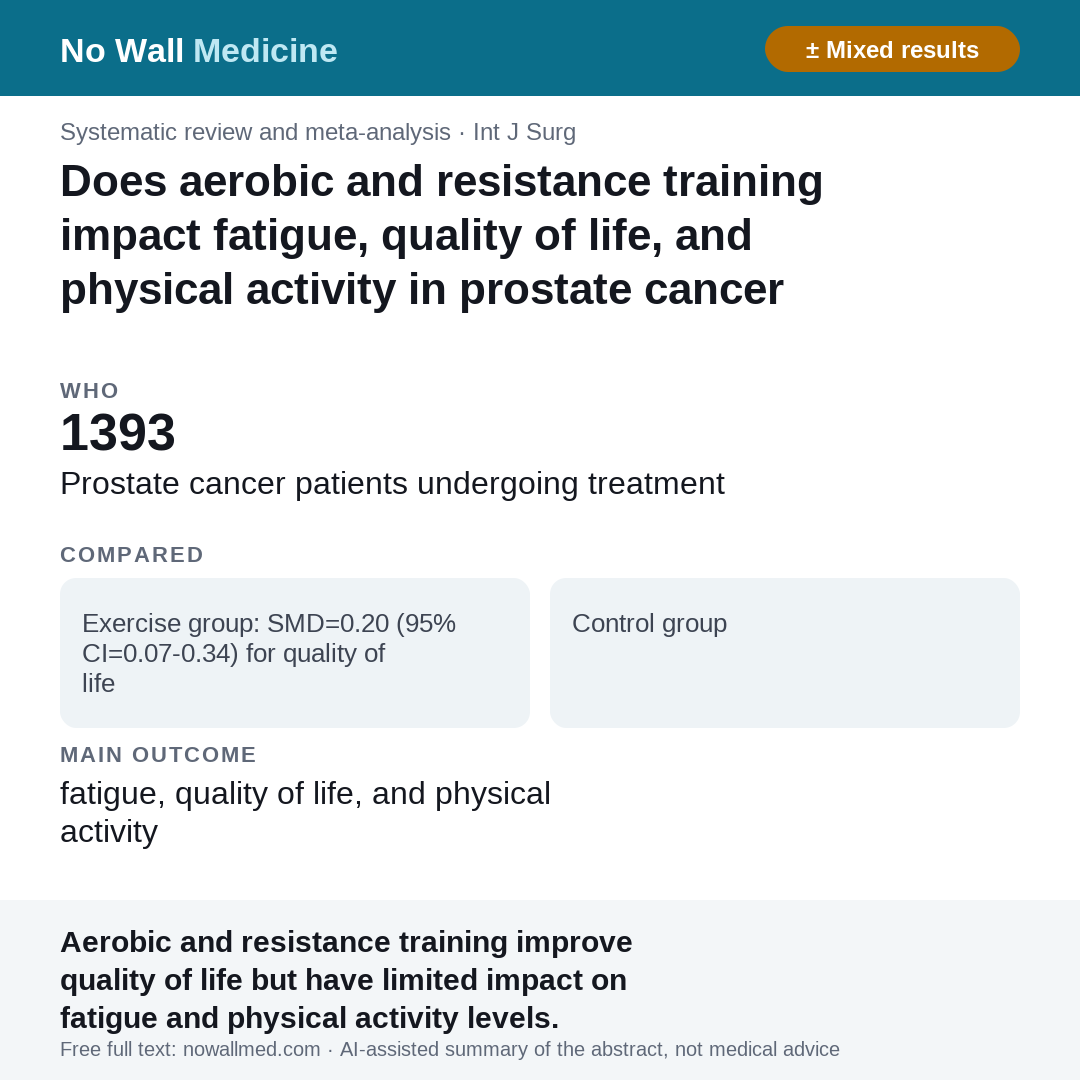
Impact of aerobic and resistance training on fatigue, quality of life, and physical activity in prostate cancer patients: a systematic review and meta-analysis
Systematic review and meta-analysisMixed results
Does aerobic and resistance training impact fatigue, quality of life, and physical activity in prostate cancer patients?
Who
1393
Prostate cancer patients undergoing treatment
Compared
Exercise group: SMD=0.20 (95% CI=0.07-0.34) for quality of life
Control group
Main outcome
fatigue, quality of life, and physical activity
Result: SMD=0.20 (95% CI=0.07-0.34) for quality of life
Bottom line: Aerobic and resistance training improve quality of life but have limited impact on fatigue and physical activity levels.
Limitation: There is an evident need for further research to develop holistic exercise interventions.
Int J Surg · 2024-10-01Download image
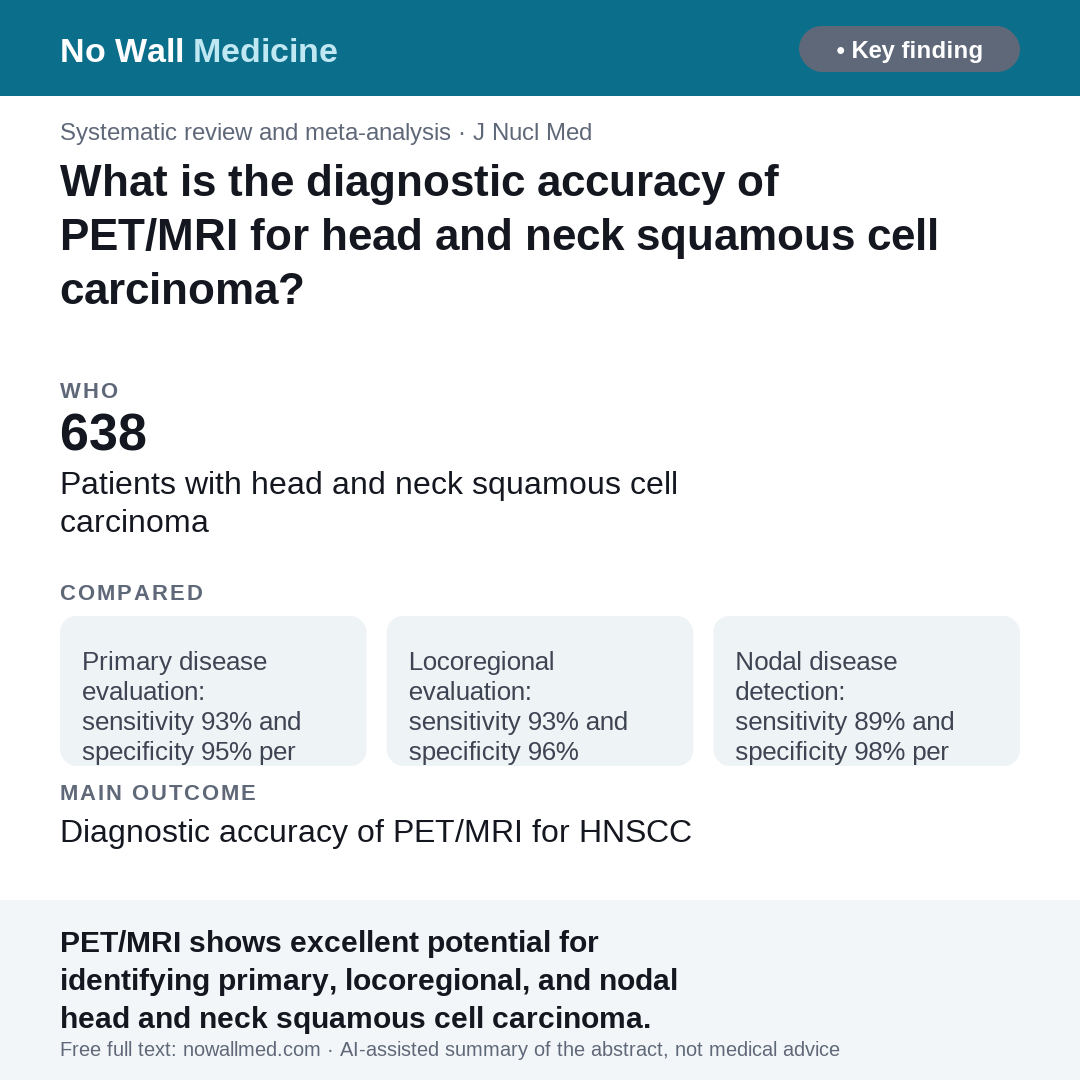
Diagnostic Accuracy of [18F]FDG PET/MRI in Head and Neck Squamous Cell Carcinoma: A Systematic Review and Metaanalysis
Systematic review and meta-analysisBenefit found
What is the diagnostic accuracy of PET/MRI for head and neck squamous cell carcinoma?
Who
638
Patients with head and neck squamous cell carcinoma
Compared
Primary disease evaluation: sensitivity 93% and specificity 95% per patient
Locoregional evaluation: sensitivity 93% and specificity 96%
Nodal disease detection: sensitivity 89% and specificity 98% per lesion
Main outcome
Diagnostic accuracy of PET/MRI for HNSCC
Bottom line: PET/MRI shows excellent potential for identifying primary, locoregional, and nodal head and neck squamous cell carcinoma.
Limitation: Difference in accuracy compared to PET/CT or MRI alone was not statistically significant.
J Nucl Med · 2024-10-01Download image
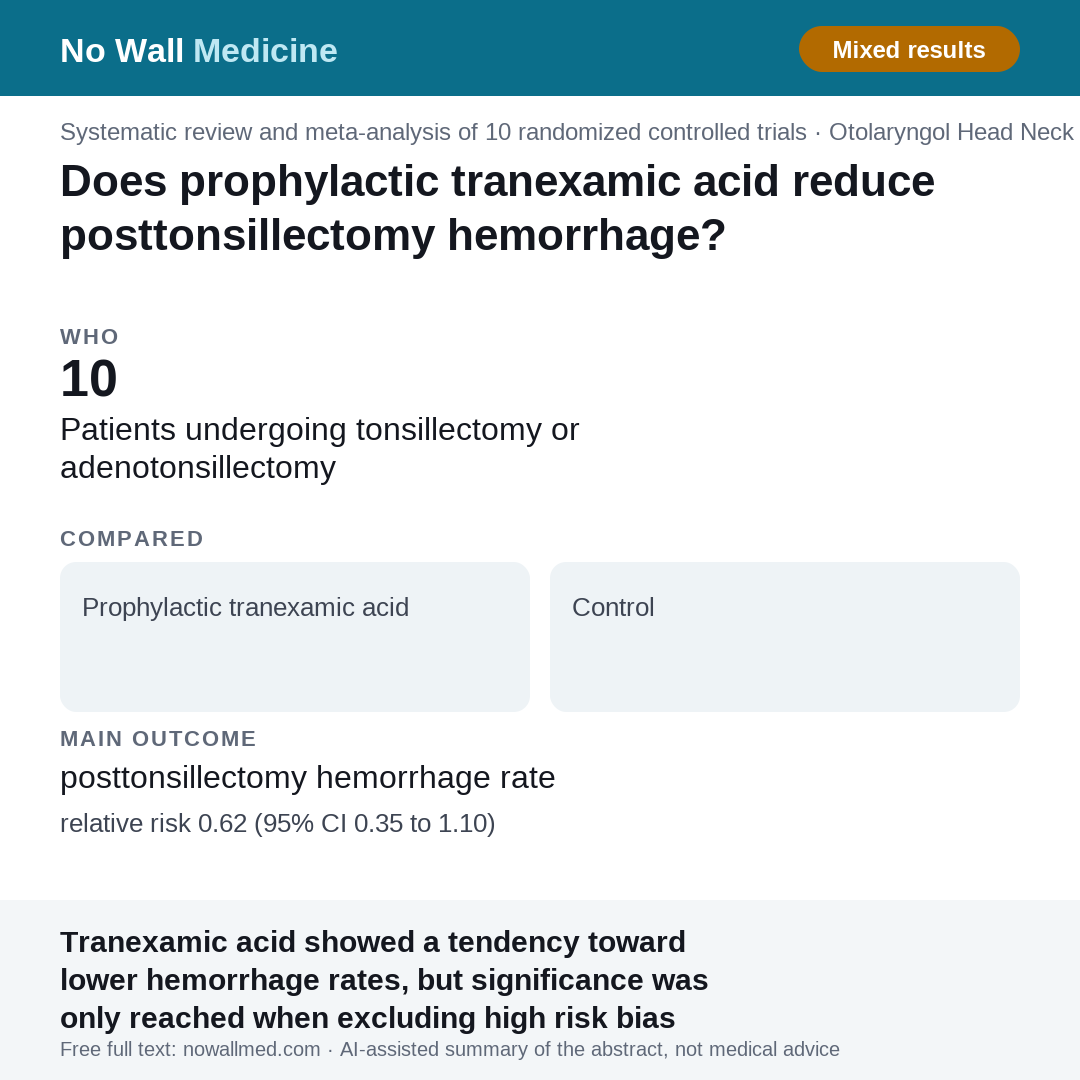
The Utility and Safety of Prophylactic Tranexamic Acid in Tonsillectomy: A Systematic Review and Meta-analysis
Systematic review and meta-analysis of 10 randomized controlled trialsMixed results
Does prophylactic tranexamic acid reduce posttonsillectomy hemorrhage?
Who
10
Patients undergoing tonsillectomy or adenotonsillectomy
Compared
Prophylactic tranexamic acid
Control
Main outcome
posttonsillectomy hemorrhage rate
Result: relative risk 0.62 (95% CI 0.35 to 1.10)
Bottom line: Tranexamic acid showed a tendency toward lower hemorrhage rates, but significance was only reached when excluding high risk bias studies.
Limitation: Well-designed trials are still needed to support these observations.
Otolaryngol Head Neck Surg · 2024-10-01Download image
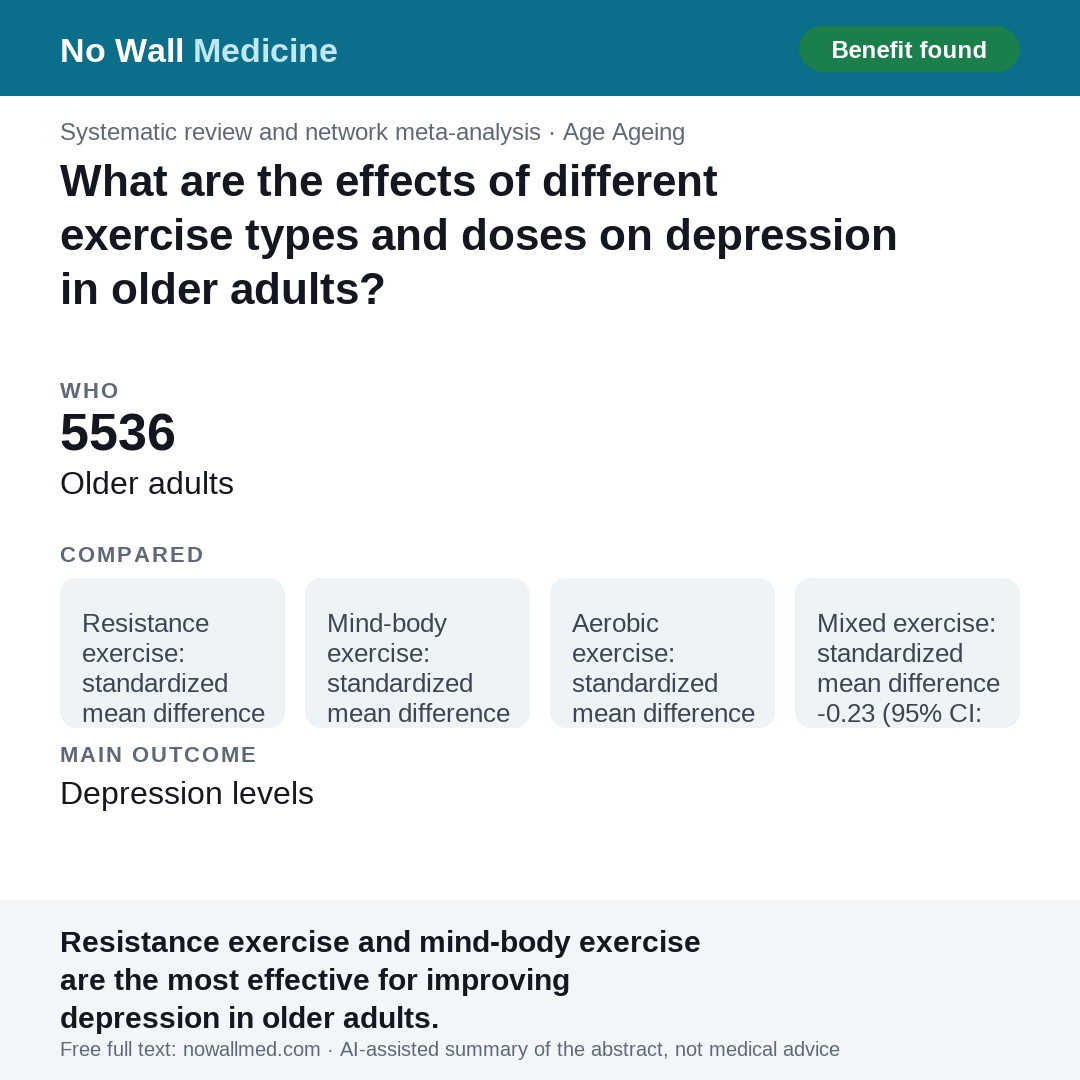
Comparative efficacy of various exercise types and doses for depression in older adults: a systematic review of paired, network and dose-response meta-analyses
Systematic review and network meta-analysisBenefit found
What are the effects of different exercise types and doses on depression in older adults?
Who
5536
Older adults
Compared
Resistance exercise: standardized mean difference -0.68 (95% CI: -0.90, -0.46)
Mind-body exercise: standardized mean difference -0.54 (95% CI: -0.72, -0.37)
Aerobic exercise: standardized mean difference -0.31 (95% CI: -0.50, -0.13)
Mixed exercise: standardized mean difference -0.23 (95% CI: -44, -0.01)
Main outcome
Depression levels
Bottom line: Resistance exercise and mind-body exercise are the most effective for improving depression in older adults.
Age Ageing · 2024-10-01Download image
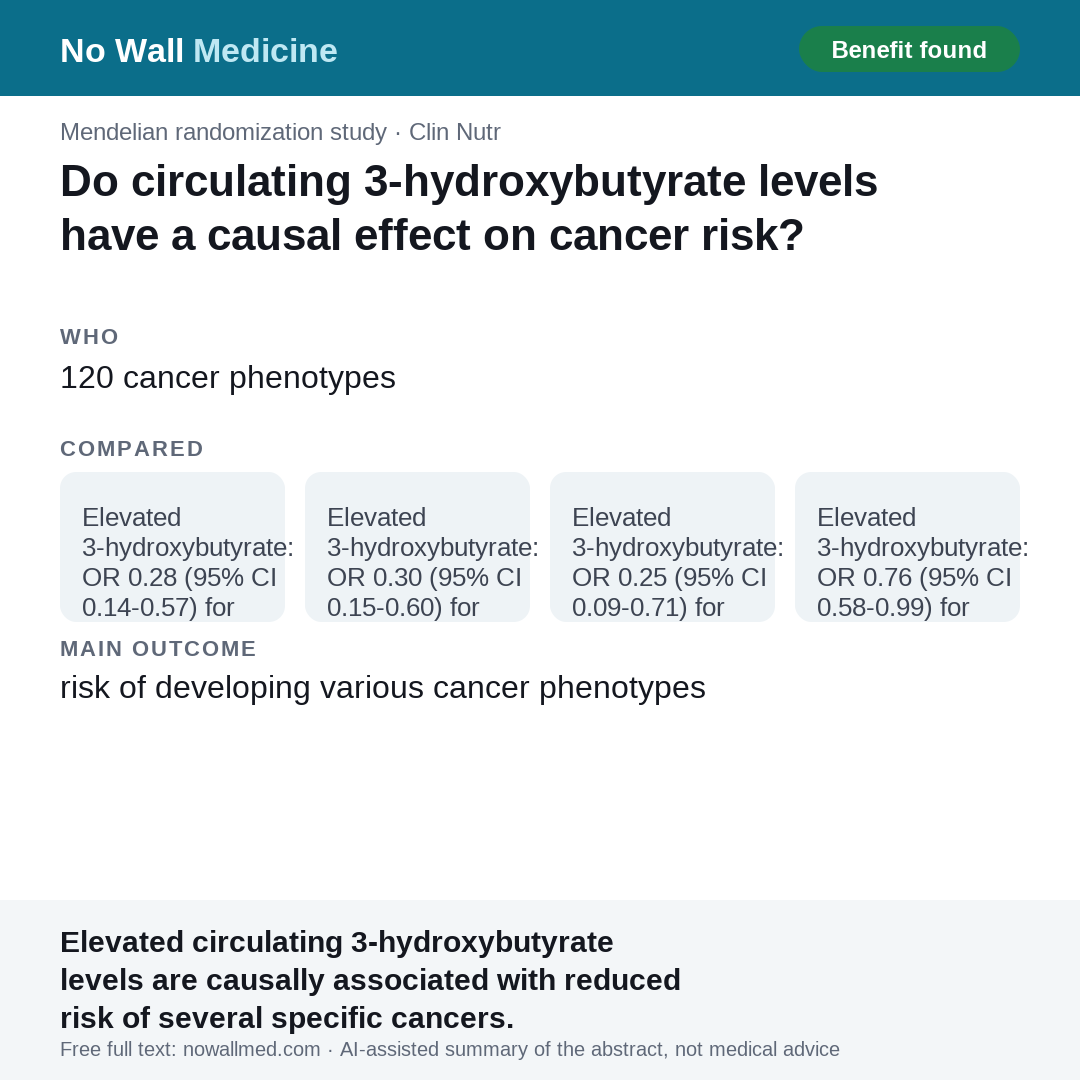
The genetically predicted causal associations between circulating 3-hydroxybutyrate levels and malignant neoplasms: A pan-cancer Mendelian randomization study
Mendelian randomization studyBenefit found
Do circulating 3-hydroxybutyrate levels have a causal effect on cancer risk?
Who
120 cancer phenotypes
Compared
Elevated 3-hydroxybutyrate: OR 0.28 (95% CI 0.14-0.57) for diffuse large B-cell lymphoma
Elevated 3-hydroxybutyrate: OR 0.30 (95% CI 0.15-0.60) for biliary malignancies
Elevated 3-hydroxybutyrate: OR 0.25 (95% CI 0.09-0.71) for hepatocellular carcinoma
Elevated 3-hydroxybutyrate: OR 0.76 (95% CI 0.58-0.99) for primary lymphoid and hematopoietic malignancies
Main outcome
risk of developing various cancer phenotypes
Bottom line: Elevated circulating 3-hydroxybutyrate levels are causally associated with reduced risk of several specific cancers.
Clin Nutr · 2024-10-01Download image
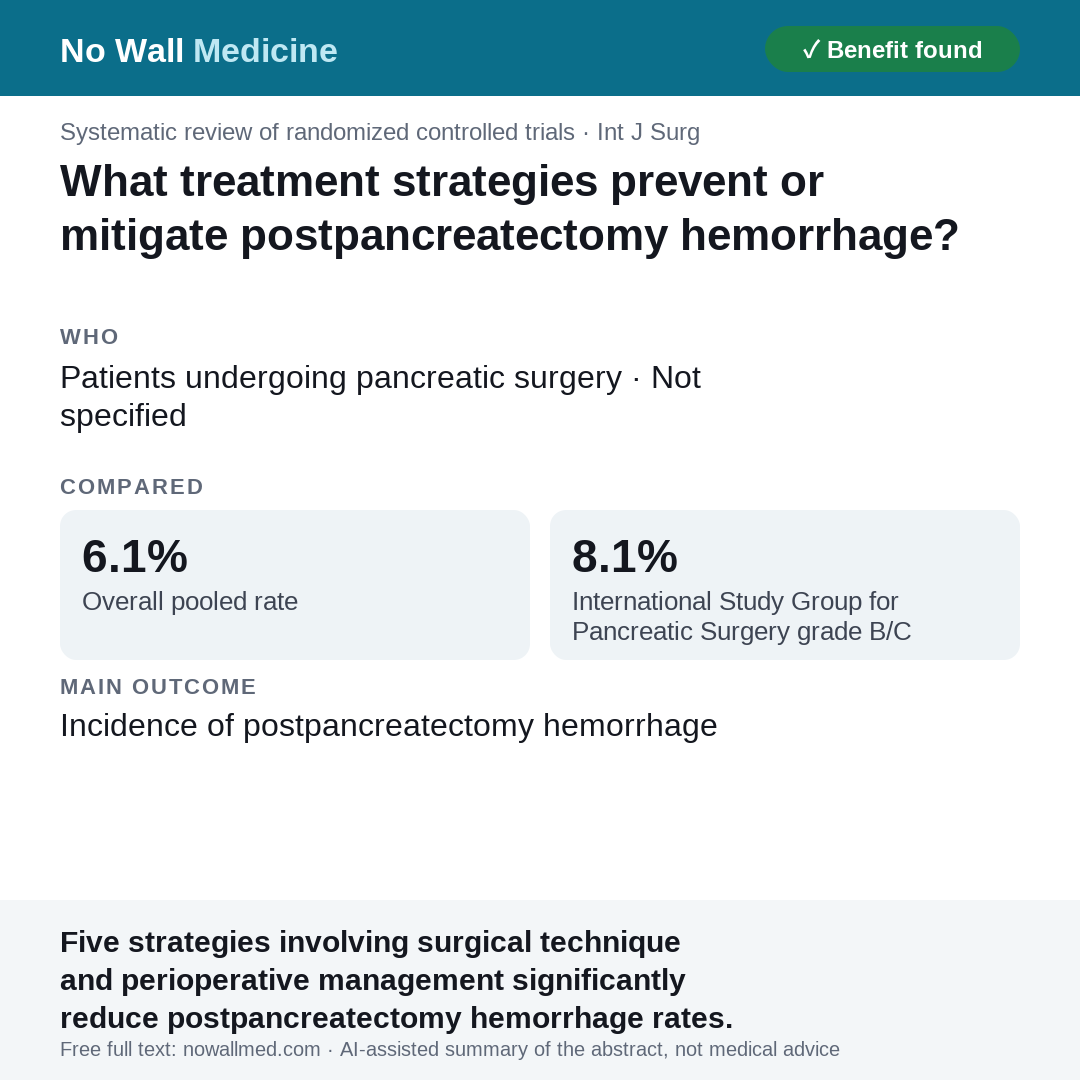
Treatment strategies to prevent or mitigate the outcome of postpancreatectomy hemorrhage: a review of randomized trials
Systematic review of randomized controlled trialsBenefit found
What treatment strategies prevent or mitigate postpancreatectomy hemorrhage?
Who
Patients undergoing pancreatic surgery · Not specified
Compared
6.1%Overall pooled rate
8.1%International Study Group for Pancreatic Surgery grade B/C
Main outcome
Incidence of postpancreatectomy hemorrhage
Bottom line: Five strategies involving surgical technique and perioperative management significantly reduce postpancreatectomy hemorrhage rates.
Limitation: No single randomized controlled trial specifically focused on the treatment of patients with postpancreatectomy hemorrhage.
Int J Surg · 2024-10-01Download image
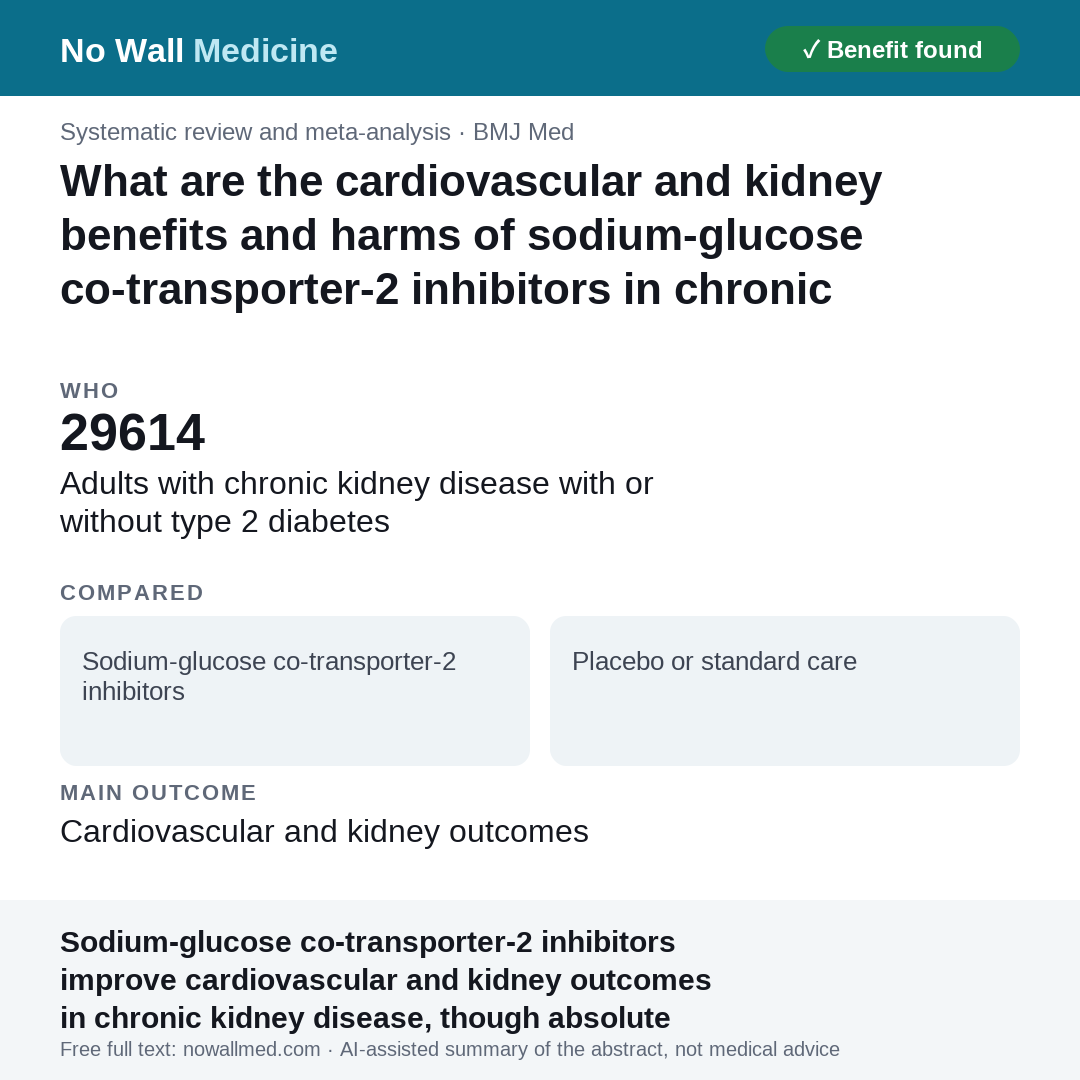
Sodium-glucose co-transporter-2 inhibitors in patients with chronic kidney disease with or without type 2 diabetes: systematic review and meta-analysis
Systematic review and meta-analysisBenefit found
What are the cardiovascular and kidney benefits and harms of sodium-glucose co-transporter-2 inhibitors in chronic kidney disease?
Who
29614
Adults with chronic kidney disease with or without type 2 diabetes
Compared
Sodium-glucose co-transporter-2 inhibitors
Placebo or standard care
Main outcome
Cardiovascular and kidney outcomes
Result: risk ratio 0.85 (95% CI 0.74 to 0.98) for all cause death
Bottom line: Sodium-glucose co-transporter-2 inhibitors improve cardiovascular and kidney outcomes in chronic kidney disease, though absolute benefits vary by risk.
BMJ Med · 2024-10-01Download image