Visual abstracts
New randomized trials and meta-analyses from leading journals at a glance: who was studied, what was compared, and what was found. Every paper is free to read in full.
All specialtiesCardiology 4877Oncology 4138Gastroenterology & Hepatology 1942Infectious Disease 3837Neurology 1905Psychiatry & Mental Health 2273Pulmonology 2143Critical Care 1365Endocrinology & Diabetes 2580Pediatrics 2980Surgery 2559Orthopedics & Sports Medicine 931Neurosurgery 537Cardiothoracic & Vascular Surgery 674Plastic & Reconstructive Surgery 591Nephrology 1133Rheumatology 823Hematology 1109Dermatology 621Ophthalmology 543Obstetrics & Gynecology 1686Public & Global Health 1058Radiology & Imaging 648Anesthesiology 986Urology 764ENT (Otolaryngology) 503Emergency Medicine 511Allergy & Immunology 313Geriatrics 981Family Medicine & Primary Care 562Medical Genetics & Genomics 676Pathology & Laboratory Medicine 159Physical Medicine & Rehabilitation 757Palliative Care 444Nutrition 1588Digital Health & AI 2201General Medicine 321
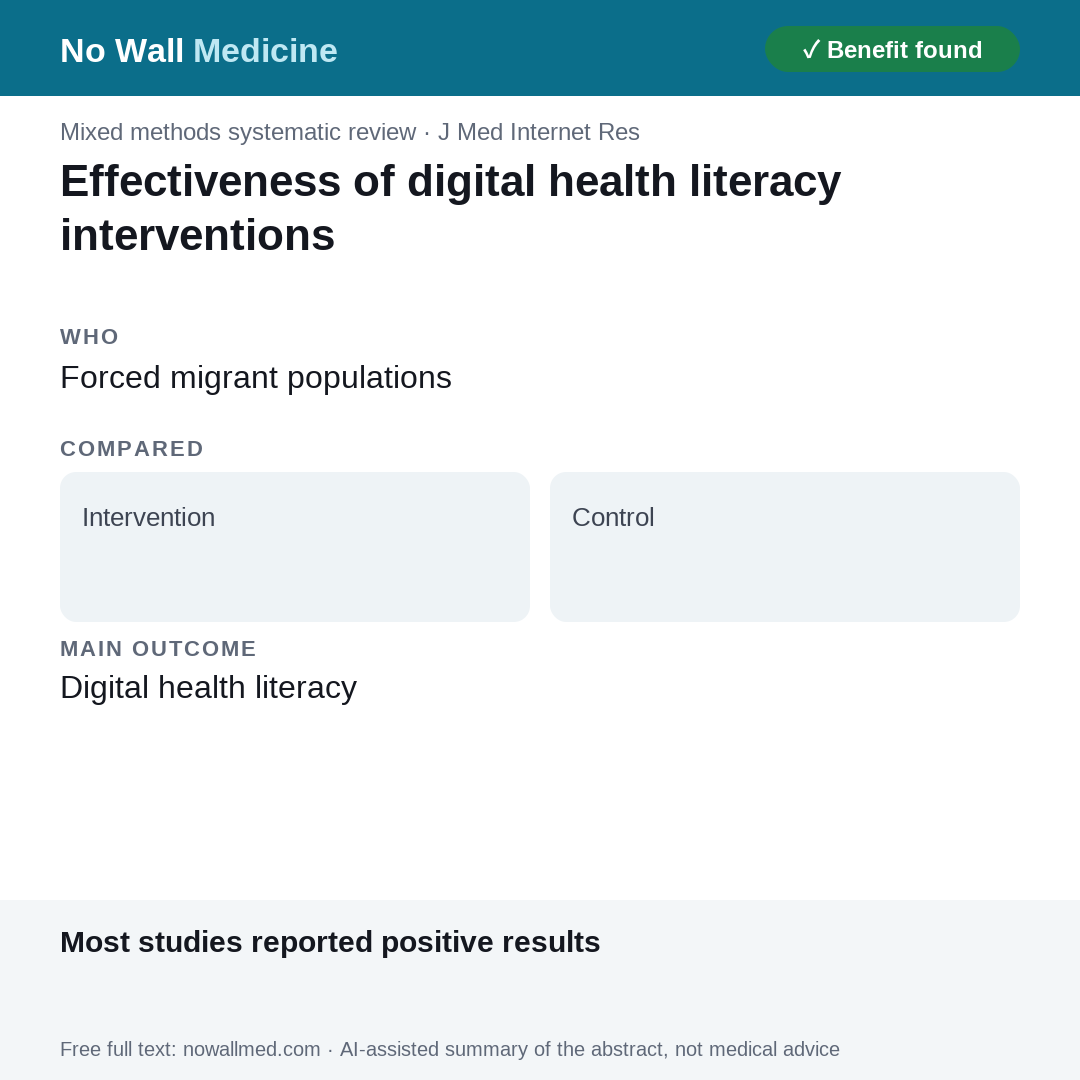
Effectiveness of Interventions to Improve Digital Health Literacy in Forced Migrant Populations: Mixed Methods Systematic Review
Mixed methods systematic reviewBenefit found
Effectiveness of digital health literacy interventions
Who
Forced migrant populations
Compared
Intervention
Control
Main outcome
Digital health literacy
Bottom line: Most studies reported positive results
J Med Internet Res · 2025-06-25Download image
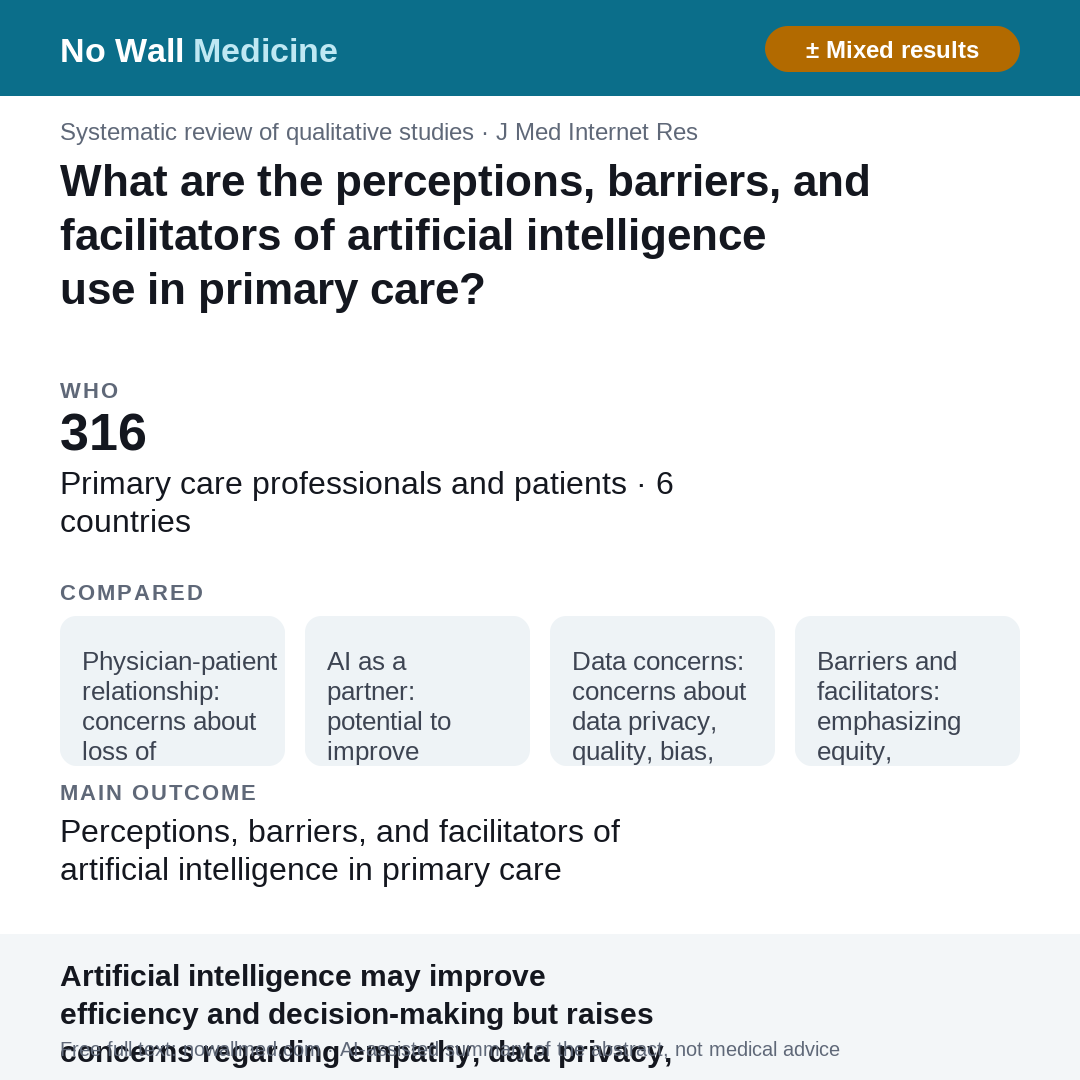
Perceptions of, Barriers to, and Facilitators of the Use of AI in Primary Care: Systematic Review of Qualitative Studies
Systematic review of qualitative studiesMixed results
What are the perceptions, barriers, and facilitators of artificial intelligence use in primary care?
Who
316
Primary care professionals and patients · 6 countries
Compared
Physician-patient relationship: concerns about loss of empathy, connection, and trust
AI as a partner: potential to improve workflow and decision-making
Data concerns: concerns about data privacy, quality, bias, and corporate responsibility
Barriers and facilitators: emphasizing equity, accessibility, and stakeholder co-design
Main outcome
Perceptions, barriers, and facilitators of artificial intelligence in primary care
Bottom line: Artificial intelligence may improve efficiency and decision-making but raises concerns regarding empathy, data privacy, and bias.
Limitation: Heterogeneity in methods and sampling strategies; lack of perspectives from other professionals.
J Med Internet Res · 2025-06-25Download image
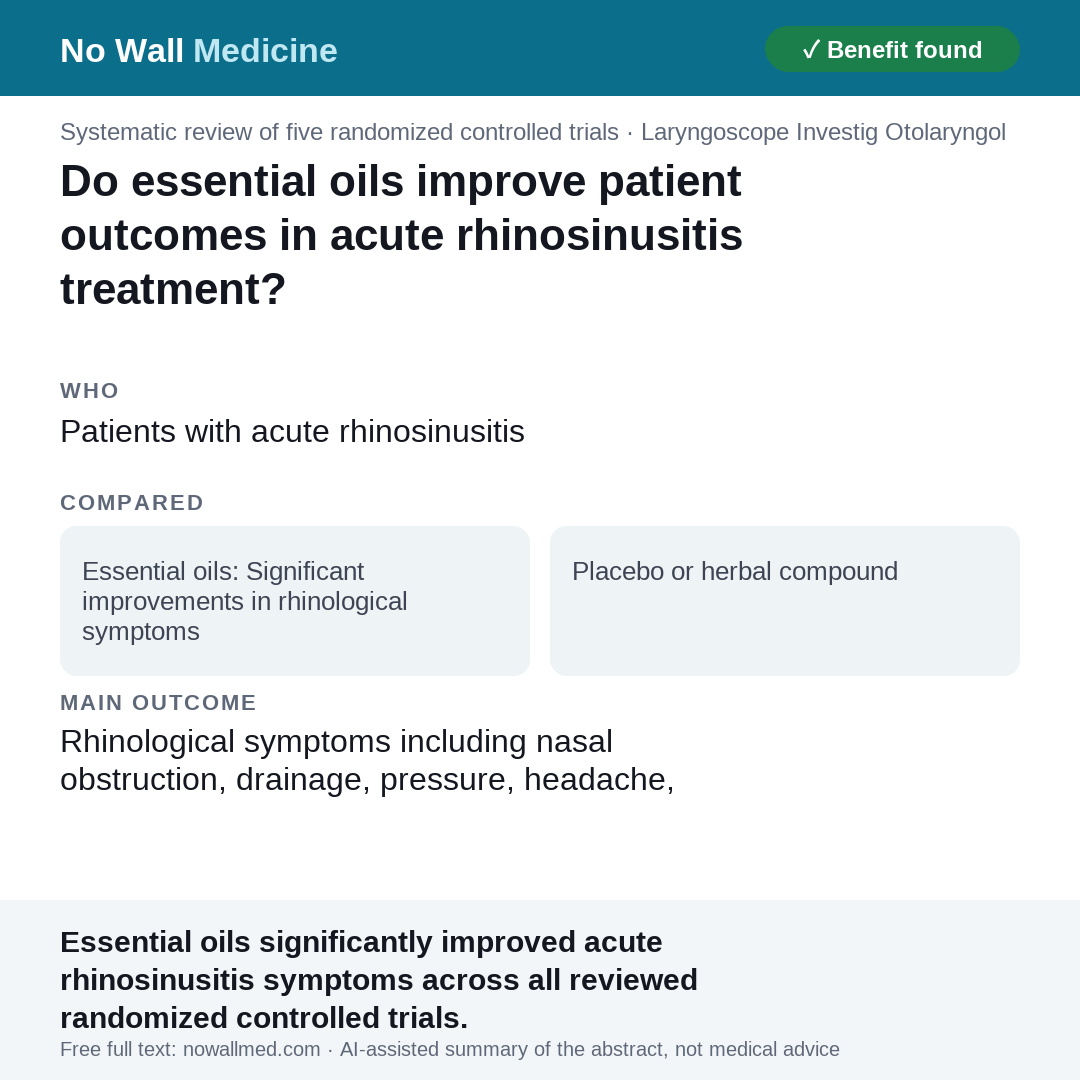
Effects of Essential Oils in the Treatment of Acute Rhinosinusitis: A Systematic Review
Systematic review of five randomized controlled trialsBenefit found
Do essential oils improve patient outcomes in acute rhinosinusitis treatment?
Who
Patients with acute rhinosinusitis
Compared
Essential oils: Significant improvements in rhinological symptoms
Placebo or herbal compound
Main outcome
Rhinological symptoms including nasal obstruction, drainage, pressure, headache, fatigue, and fever
Bottom line: Essential oils significantly improved acute rhinosinusitis symptoms across all reviewed randomized controlled trials.
Limitation: Clinical studies examining the effect of essential oils on patient outcomes are limited.
Laryngoscope Investig Otolaryngol · 2025-06-25Download image
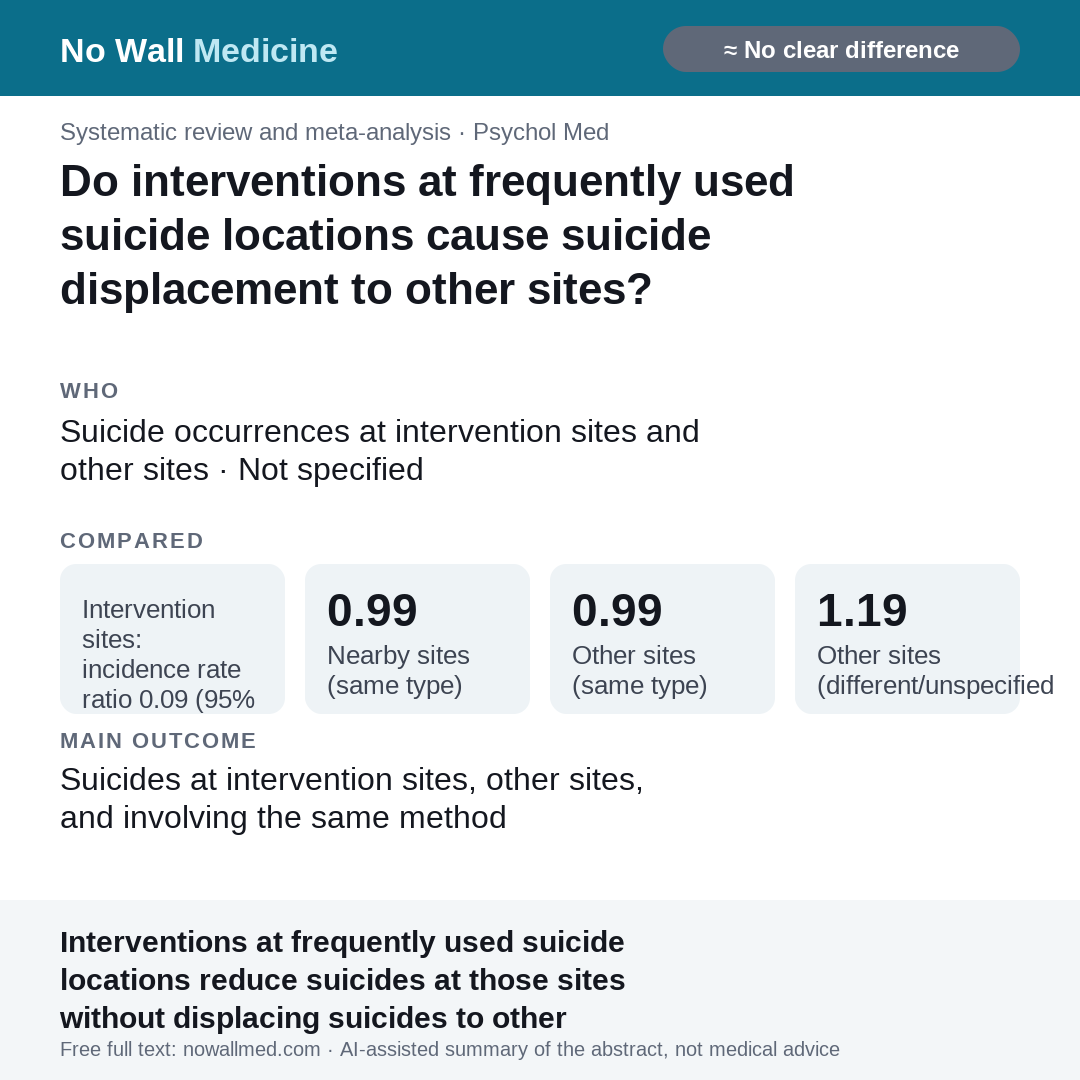
Impact of interventions at frequently used suicide locations on occurrence of suicides at other sites: a systematic review and meta-analysis
Systematic review and meta-analysisNo clear difference
Do interventions at frequently used suicide locations cause suicide displacement to other sites?
Who
Suicide occurrences at intervention sites and other sites · Not specified
Compared
Intervention sites: incidence rate ratio 0.09 (95% CI 0.04-0.21)
0.99Nearby sites (same type) (95% CI 0.72-1.38)
0.99Other sites (same type) (95% CI 0.76-1.29)
1.19Other sites (different/unspecified type) (95% CI 0.90-1.58)
Main outcome
Suicides at intervention sites, other sites, and involving the same method
Result: overall reduction in suicides involving the same method (IRR 0.77, 95% CI 0.65-0.92)
Bottom line: Interventions at frequently used suicide locations reduce suicides at those sites without displacing suicides to other locations.
Psychol Med · 2025-06-24Download image
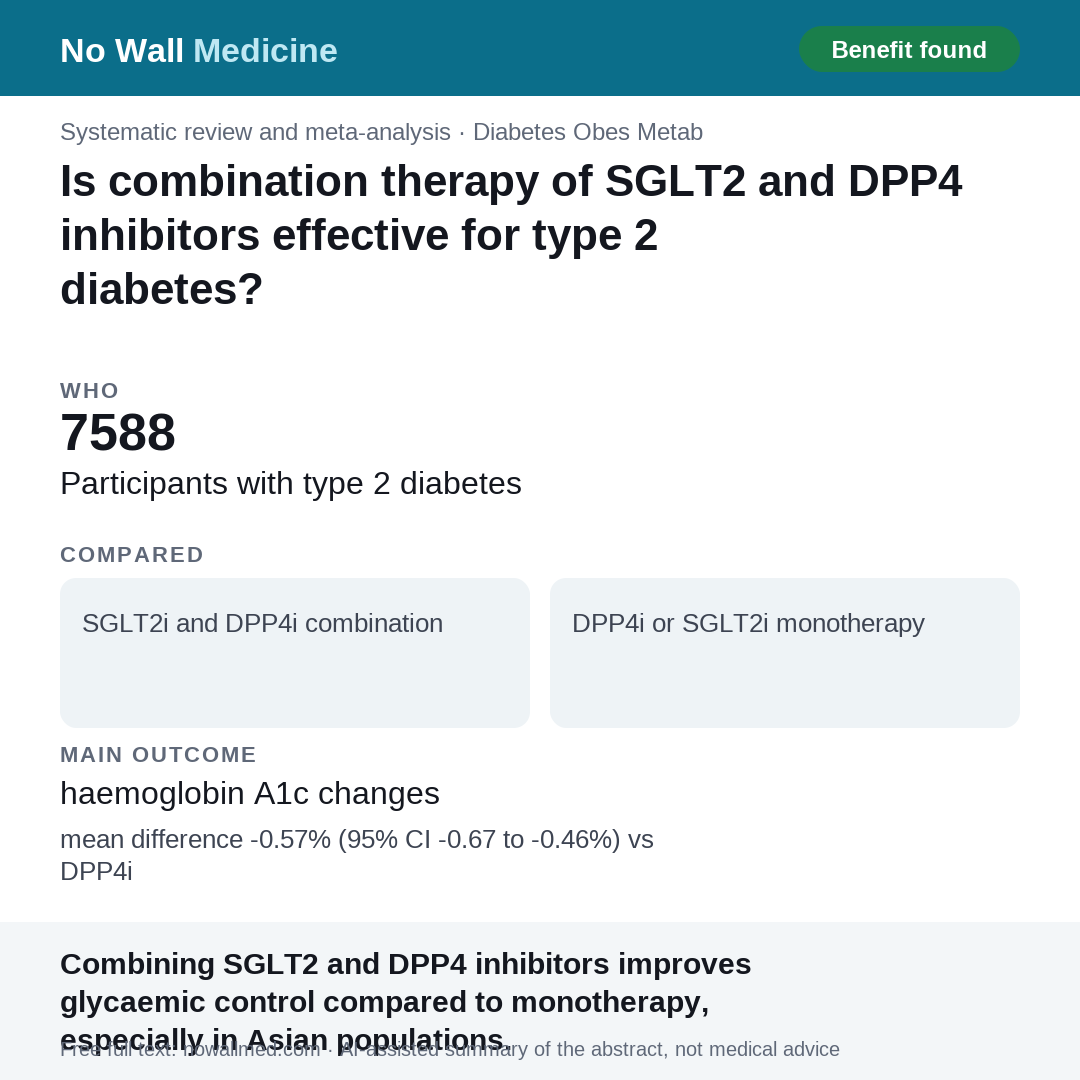
Efficacy and safety of combination therapy using SGLT2 and DPP4 inhibitors to treat type 2 diabetes: An updated systematic review and meta-analysis with focus on an Asian subpopulation
Systematic review and meta-analysisBenefit found
Is combination therapy of SGLT2 and DPP4 inhibitors effective for type 2 diabetes?
Who
7588
Participants with type 2 diabetes
Compared
SGLT2i and DPP4i combination
DPP4i or SGLT2i monotherapy
Main outcome
haemoglobin A1c changes
Result: mean difference -0.57% (95% CI -0.67 to -0.46%) vs DPP4i
Bottom line: Combining SGLT2 and DPP4 inhibitors improves glycaemic control compared to monotherapy, especially in Asian populations.
Diabetes Obes Metab · 2025-06-24Download image
Bioartificial Hearts, Assist Devices, and Myocardium: New Developments
Systematic reviewUnclear result
What are the developments and clinical readiness of bioartificial hearts and engineered myocardium?
Who
Bioartificial hearts, engineered myocardium, and biohybrid ventricular assist devices
Compared
Bioartificial hearts and larger constructs: remains in preclinical stages
Cardiac patches: 2 approved for clinical use
Main outcome
clinical readiness and outcomes of bioengineered cardiac solutions
Bottom line: Bioartificial hearts remain preclinical, and cardiac patch clinical benefits or safety cannot yet be concluded.
Limitation: Significant variability in study designs and outcomes and very little clinical experience.
Transplantation · 2025-06-24Download image

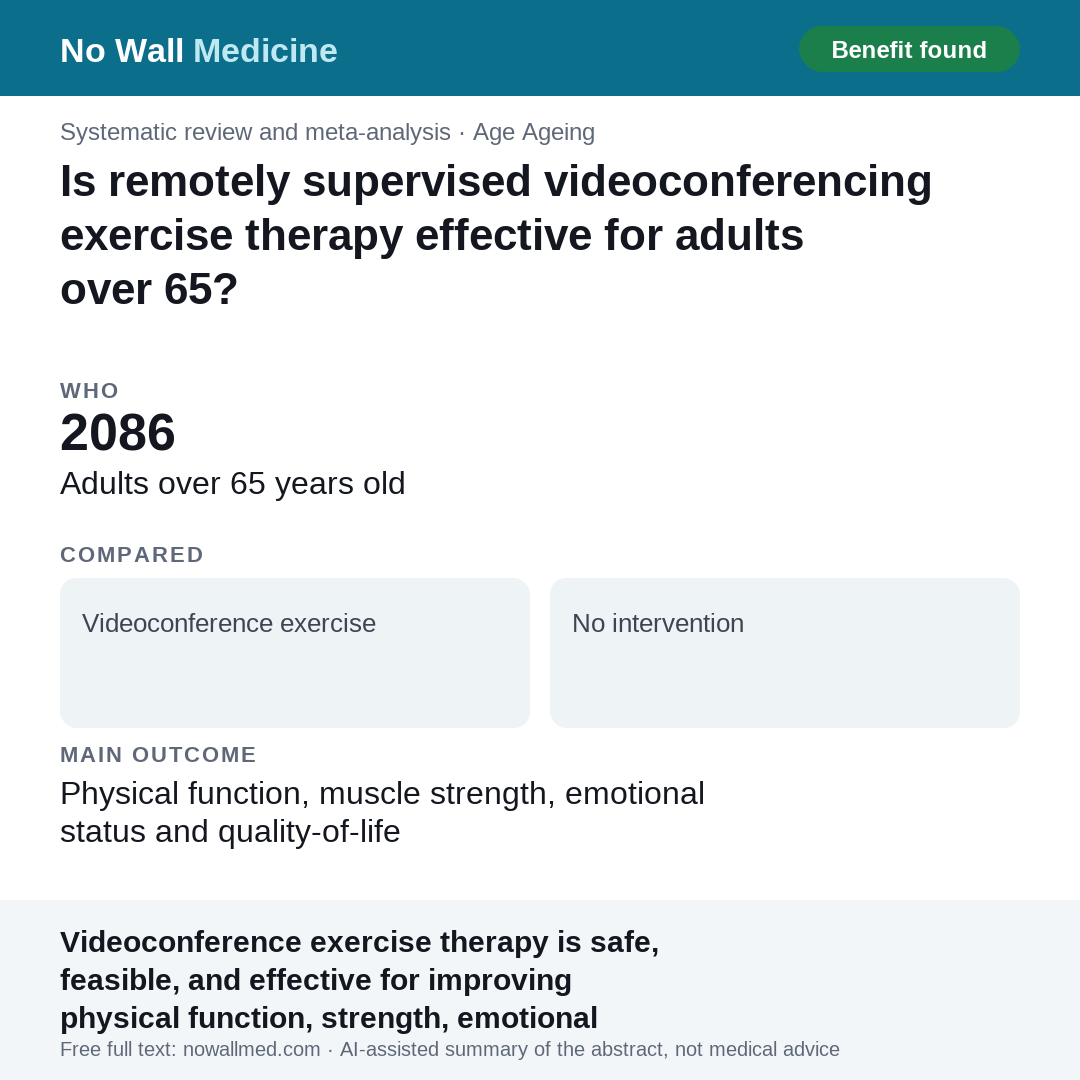
Feasibility and effectiveness of physical exercise for older adults delivered remotely via videoconferencing-systematic review and meta analysis
Systematic review and meta-analysisBenefit found
Is remotely supervised videoconferencing exercise therapy effective for adults over 65?
Who
2086
Adults over 65 years old
Compared
Videoconference exercise
No intervention
Main outcome
Physical function, muscle strength, emotional status and quality-of-life
Result: physical function SMD 0.82 (95% CI 0.46-1.19); muscle strength SMD 0.86 (95% CI 0.46-1.26); emotional status SMD 0.72 (95% CI 0.35-1.09); quality-of-life SMD 0.61 (95% CI 0.19-1.03)
Bottom line: Videoconference exercise therapy is safe, feasible, and effective for improving physical function, strength, emotional status, and quality-of-life.
Limitation: High heterogeneity in outcome measures and small sample sizes may affect generalizability.
Age Ageing · 2025-06-24Download image
From suspicion of cognitive decline to dementia diagnosis: a systematic review of healthcare professionals' considerations and attitudes
Systematic reviewUnclear result
Healthcare professionals' considerations for dementia diagnosis
Who
Healthcare professionals, primary care physicians, nurses
Compared
Primary care physicians
Primary care nurses
Main outcome
Dementia diagnosis process
Bottom line: Dementia diagnosis is a delicate process
Age Ageing · 2025-06-24Download image

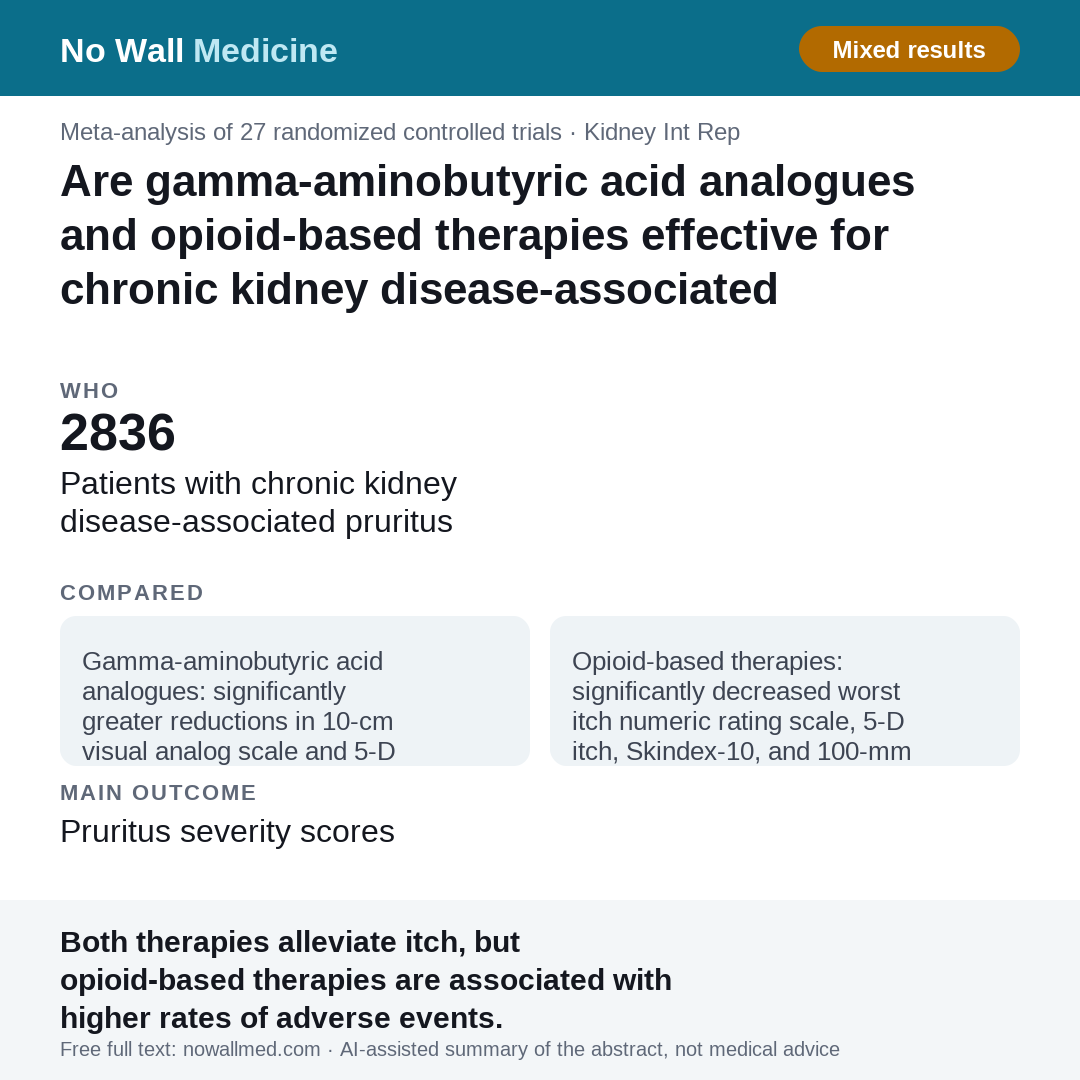
Meta-Analysis of Randomized Controlled Trials on Gamma-Aminobutyric Acid Analogues and Opioid-Based Therapies for CKD-Associated Pruritus
Meta-analysis of 27 randomized controlled trialsMixed results
Are gamma-aminobutyric acid analogues and opioid-based therapies effective for chronic kidney disease-associated pruritus?
Who
2836
Patients with chronic kidney disease-associated pruritus
Compared
Gamma-aminobutyric acid analogues: significantly greater reductions in 10-cm visual analog scale and 5-D itch scores
Opioid-based therapies: significantly decreased worst itch numeric rating scale, 5-D itch, Skindex-10, and 100-mm visual analog scale
Main outcome
Pruritus severity scores
Bottom line: Both therapies alleviate itch, but opioid-based therapies are associated with higher rates of adverse events.
Limitation: Substantial heterogeneity observed in most of the results.
Kidney Int Rep · 2025-06-24Download image
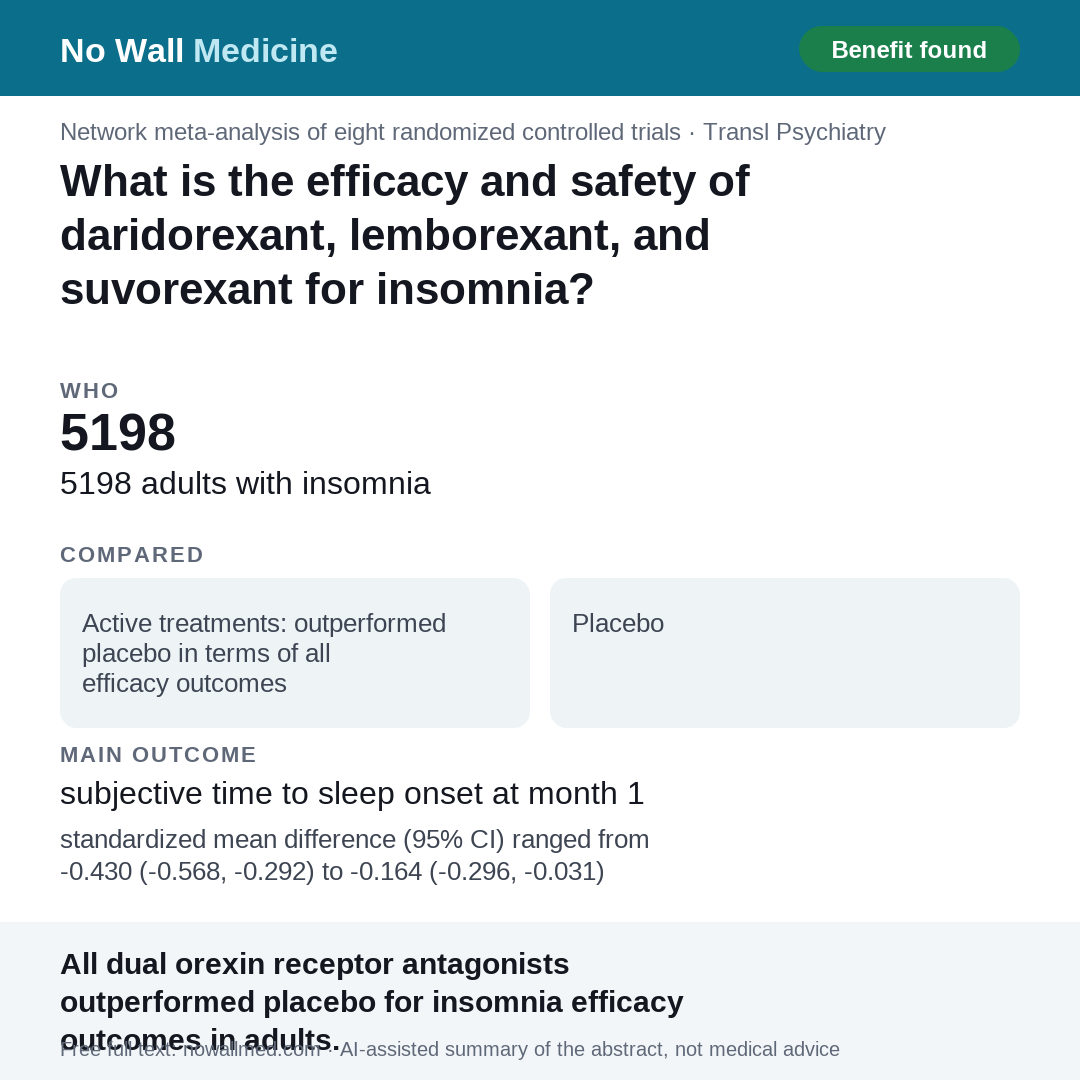
Comparative efficacy and safety of daridorexant, lemborexant, and suvorexant for insomnia: a systematic review and network meta-analysis
Network meta-analysis of eight randomized controlled trialsBenefit found
What is the efficacy and safety of daridorexant, lemborexant, and suvorexant for insomnia?
Who
5198
5198 adults with insomnia
Compared
Active treatments: outperformed placebo in terms of all efficacy outcomes
Placebo
Main outcome
subjective time to sleep onset at month 1
Result: standardized mean difference (95% CI) ranged from -0.430 (-0.568, -0.292) to -0.164 (-0.296, -0.031)
Bottom line: All dual orexin receptor antagonists outperformed placebo for insomnia efficacy outcomes in adults.
Transl Psychiatry · 2025-06-24Download image
Optimizing Costs in Plastic Surgery: A Systematic Review of Time-driven Activity-based Costing Applications
Systematic reviewBenefit found
Cost optimization in plastic surgery
Who
plastic surgery patients
Compared
TDABC
traditional costing
Main outcome
cost optimization
Bottom line: TDABC optimizes costs in plastic surgery
Plast Reconstr Surg Glob Open · 2025-06-24Download image
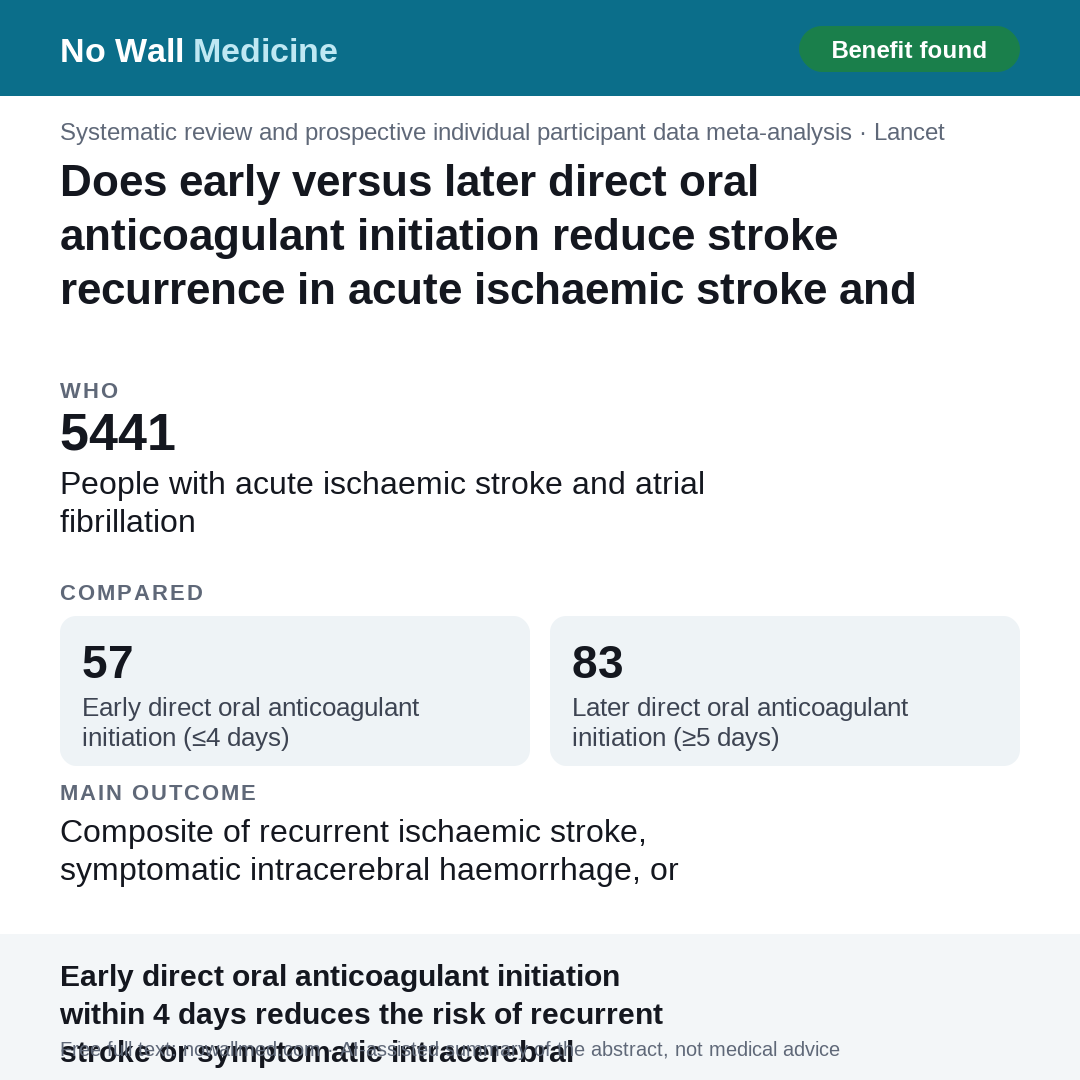
Collaboration on the optimal timing of anticoagulation after ischaemic stroke and atrial fibrillation: a systematic review and prospective individual participant data meta-analysis of randomised controlled trials (CATALYST)
Systematic review and prospective individual participant data meta-analysisBenefit found
Does early versus later direct oral anticoagulant initiation reduce stroke recurrence in acute ischaemic stroke and atrial fibrillation?
Who
5441
People with acute ischaemic stroke and atrial fibrillation
Compared
57Early direct oral anticoagulant initiation (≤4 days) (2·1%)
83Later direct oral anticoagulant initiation (≥5 days) (3·0%)
Main outcome
Composite of recurrent ischaemic stroke, symptomatic intracerebral haemorrhage, or unclassified stroke within 30 days
Result: odds ratio 0·70 (95% CI 0·50-0·98)
Bottom line: Early direct oral anticoagulant initiation within 4 days reduces the risk of recurrent stroke or symptomatic intracerebral haemorrhage.
Funded by: British Heart Foundation, National Institute for Health and Care Research, Swiss National Science Foundation
Lancet · 2025-06-23Download image
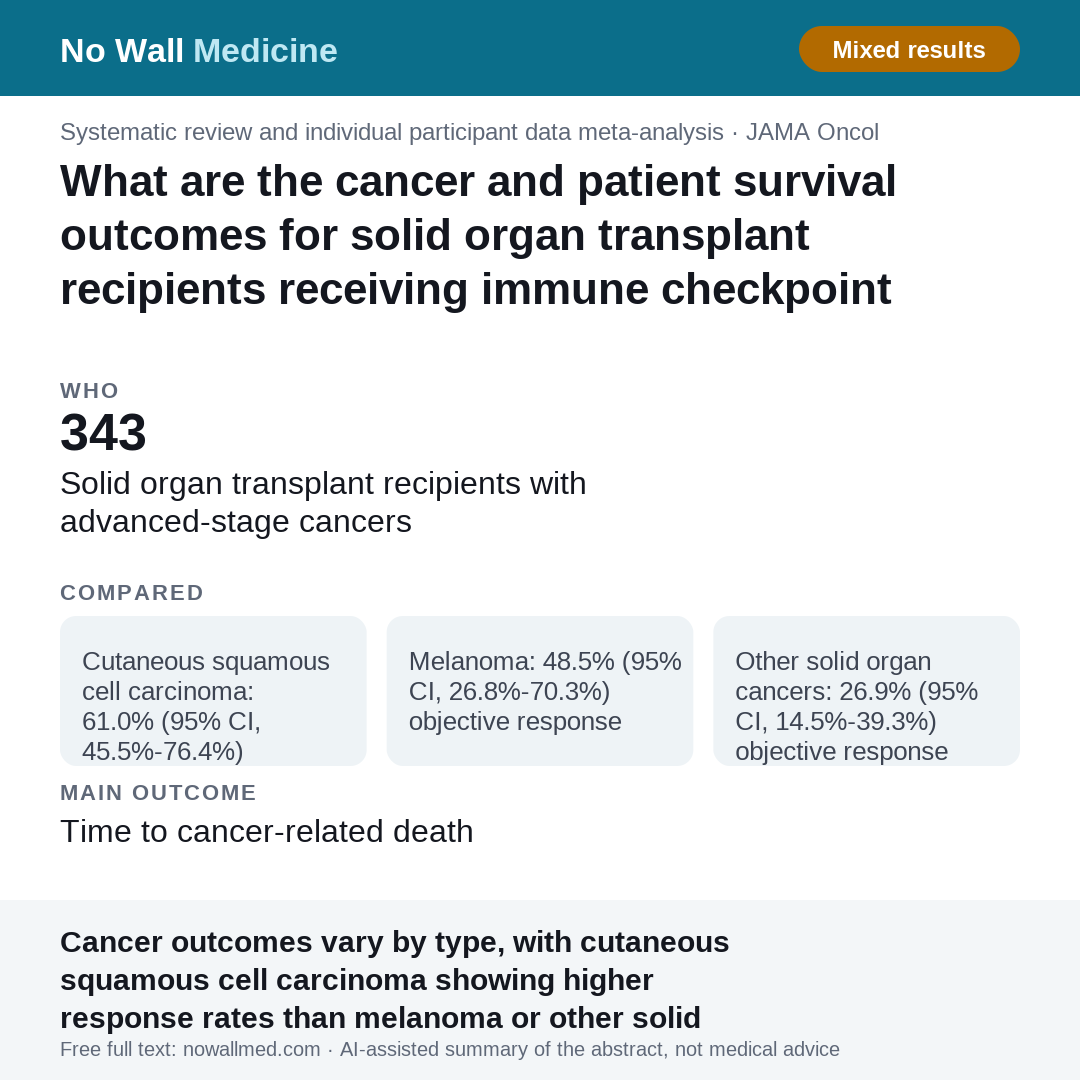
Outcomes of Solid Organ Transplant Recipients With Advanced Cancers Receiving Immune Checkpoint Inhibitors: A Systematic Review and Individual Participant Data Meta-Analysis
Systematic review and individual participant data meta-analysisMixed results
What are the cancer and patient survival outcomes for solid organ transplant recipients receiving immune checkpoint inhibitors?
Who
343
Solid organ transplant recipients with advanced-stage cancers
Compared
Cutaneous squamous cell carcinoma: 61.0% (95% CI, 45.5%-76.4%) objective response
Melanoma: 48.5% (95% CI, 26.8%-70.3%) objective response
Other solid organ cancers: 26.9% (95% CI, 14.5%-39.3%) objective response
Main outcome
Time to cancer-related death
Result: 52.8% (95% CI, 43.9%-61.6%) died of cancers within 3 years
Bottom line: Cancer outcomes vary by type, with cutaneous squamous cell carcinoma showing higher response rates than melanoma or other solid organ cancers.
JAMA Oncol · 2025-06-23Download image
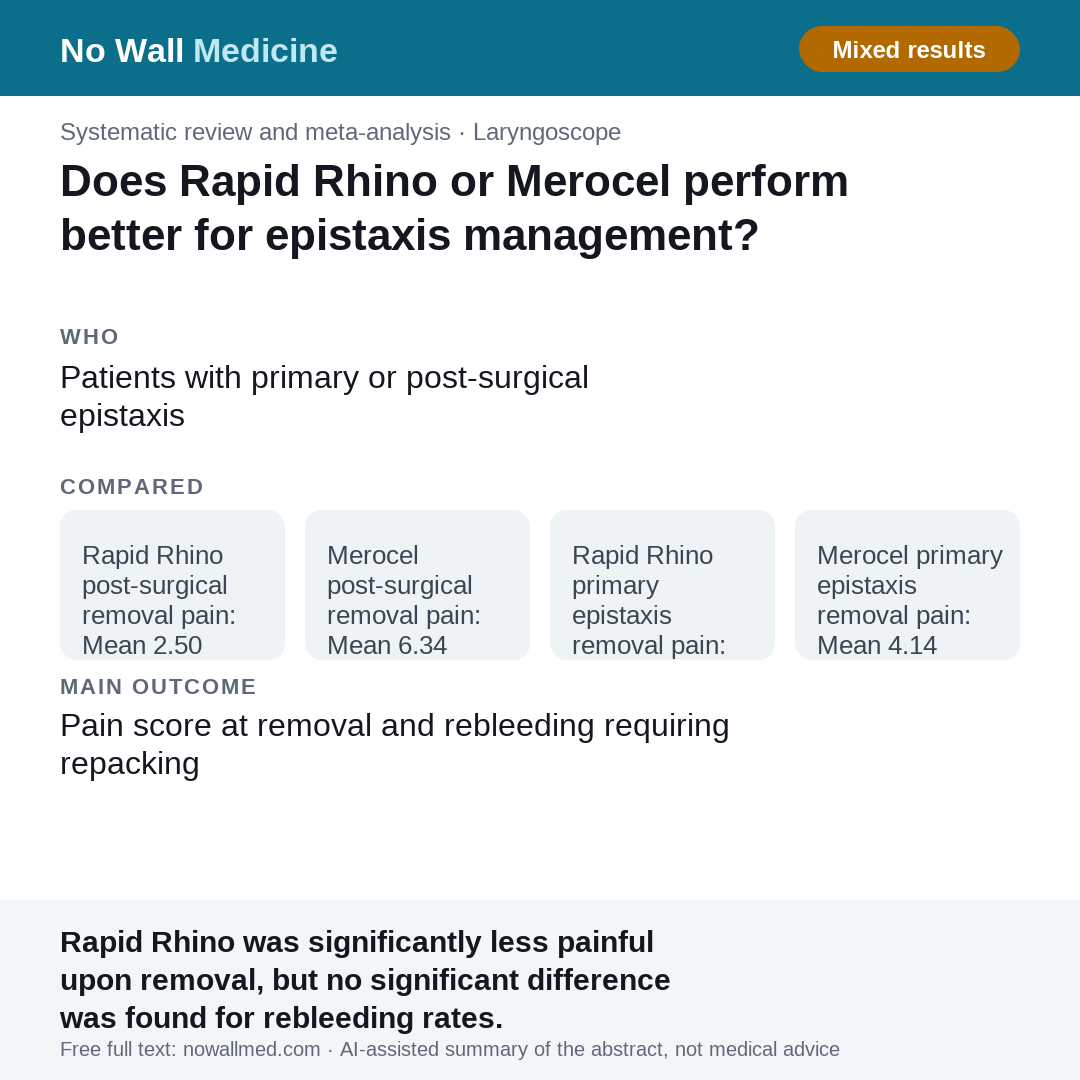
Does Choice of Nasal Pack Matter? A Systematic Review and Meta-Analysis of Merocel and Rapid Rhino
Systematic review and meta-analysisMixed results
Does Rapid Rhino or Merocel perform better for epistaxis management?
Who
Patients with primary or post-surgical epistaxis
Compared
Rapid Rhino post-surgical removal pain: Mean 2.50 [1.72, 3.28]
Merocel post-surgical removal pain: Mean 6.34 [5.58, 7.10]
Rapid Rhino primary epistaxis removal pain: Mean 2.28 [0.95, 3.61]
Merocel primary epistaxis removal pain: Mean 4.14 [3.31, 4.97]
Main outcome
Pain score at removal and rebleeding requiring repacking
Bottom line: Rapid Rhino was significantly less painful upon removal, but no significant difference was found for rebleeding rates.
Laryngoscope · 2025-06-23Download image
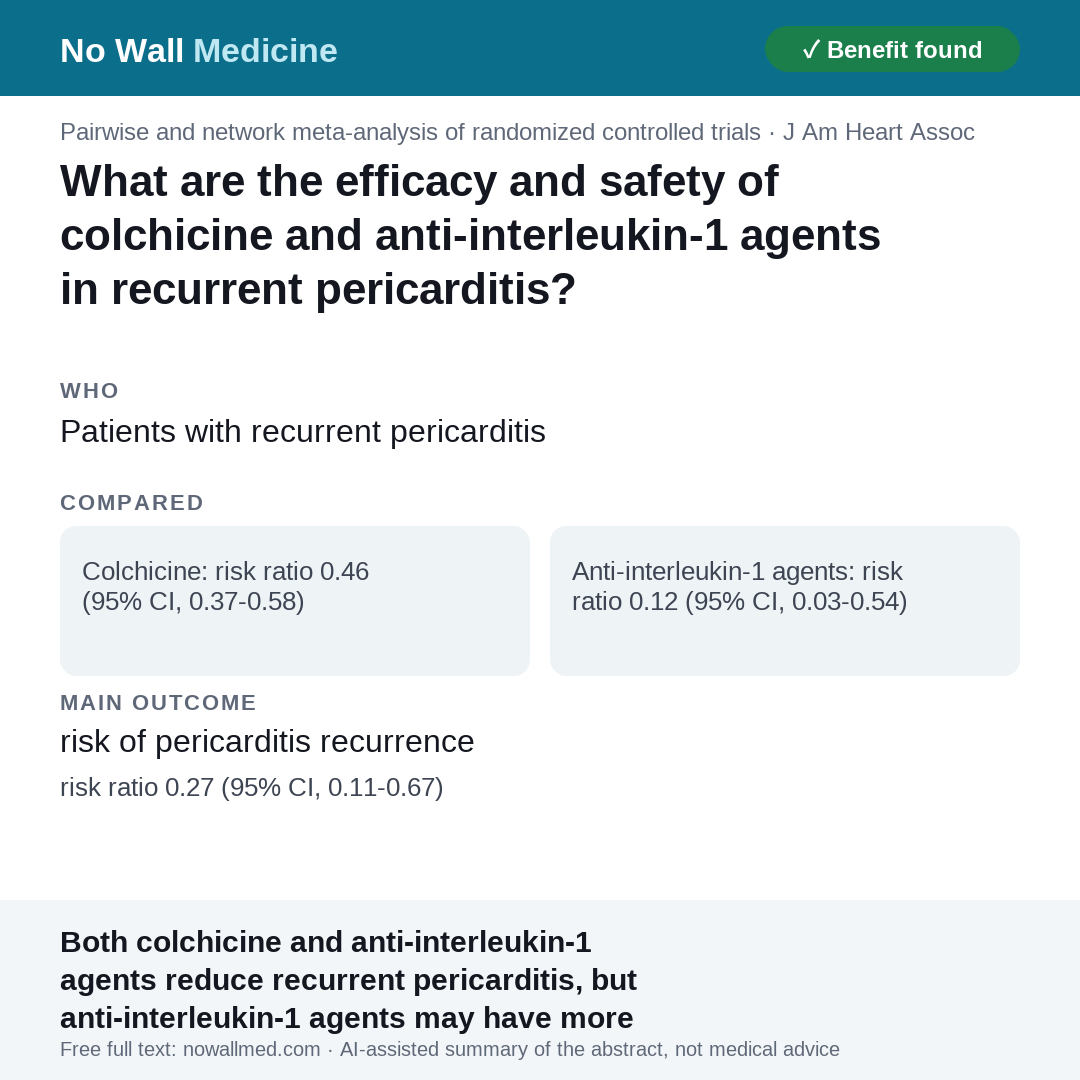
Comparative Efficacy and Safety of Colchicine and Anti-Interleukin-1 Agents in Recurrent Pericarditis: A Pairwise and Network Meta-Analysis of Randomized Controlled Trials
Pairwise and network meta-analysis of randomized controlled trialsBenefit found
What are the efficacy and safety of colchicine and anti-interleukin-1 agents in recurrent pericarditis?
Who
6
Patients with recurrent pericarditis
Compared
Colchicine: risk ratio 0.46 (95% CI, 0.37-0.58)
Anti-interleukin-1 agents: risk ratio 0.12 (95% CI, 0.03-0.54)
Main outcome
risk of pericarditis recurrence
Result: risk ratio 0.27 (95% CI, 0.11-0.67)
Bottom line: Both colchicine and anti-interleukin-1 agents reduce recurrent pericarditis, but anti-interleukin-1 agents may have more frequent adverse events.
Limitation: evidence on serious adverse events remains inconclusive
J Am Heart Assoc · 2025-06-23Download image
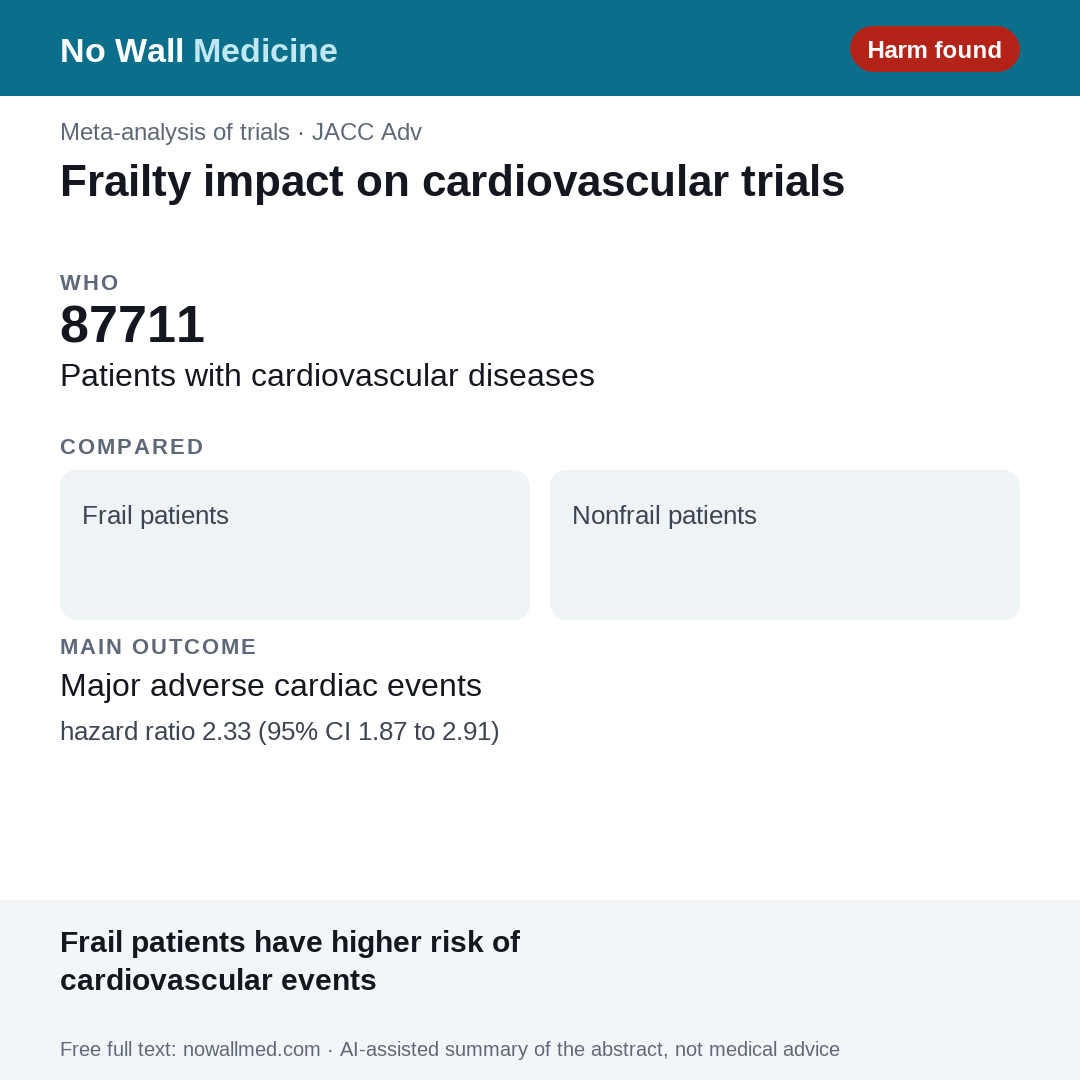
Effect of Frailty on Cardiovascular Clinical Trials: A Systematic Review and Meta-Analysis
Meta-analysis of trialsHarm found
Frailty impact on cardiovascular trials
Who
87711
Patients with cardiovascular diseases
Compared
Frail patients
Nonfrail patients
Main outcome
Major adverse cardiac events
Result: hazard ratio 2.33 (95% CI 1.87 to 2.91)
Bottom line: Frail patients have higher risk of cardiovascular events
JACC Adv · 2025-06-23Download image
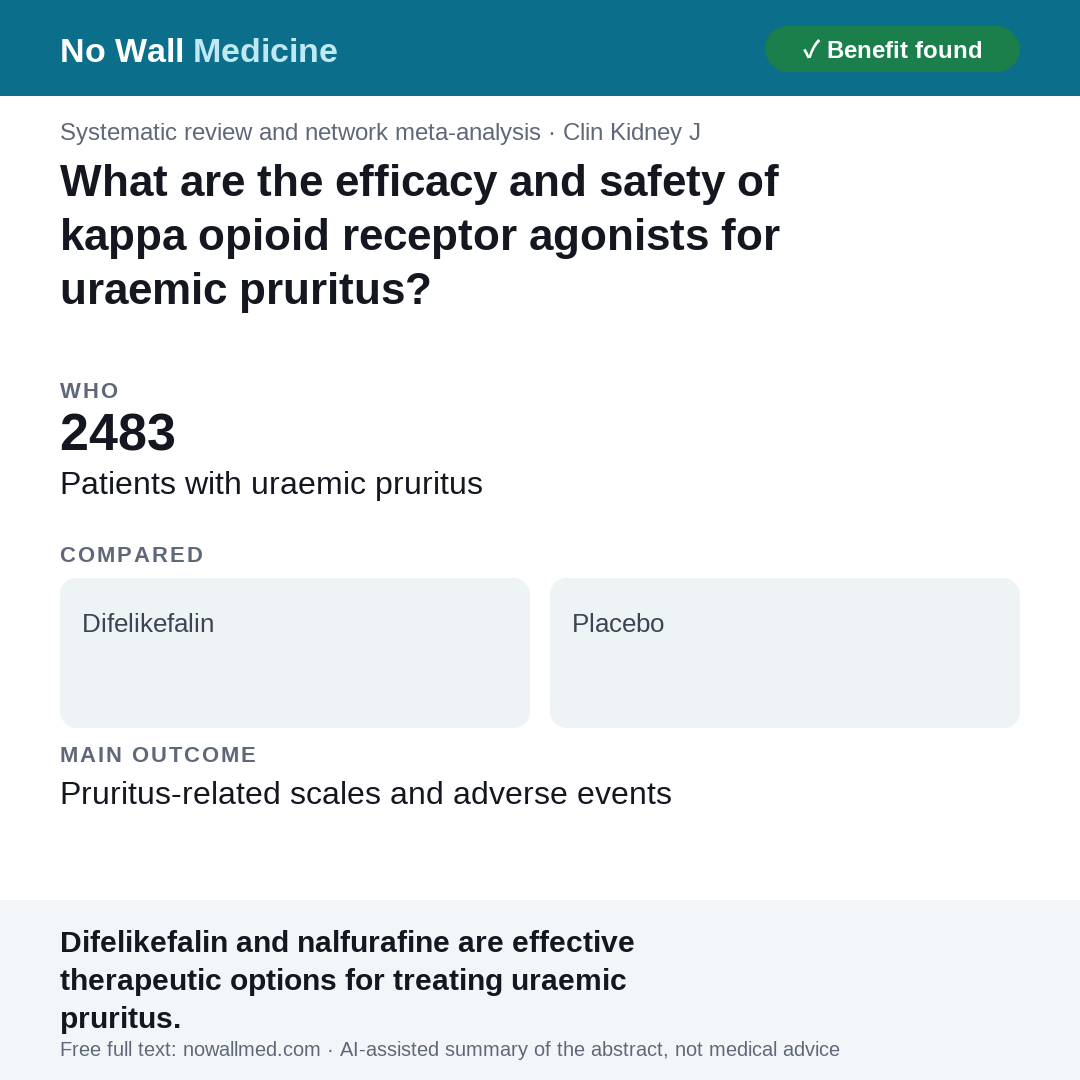
The efficacy and safety of kappa opioid receptor (KOR) agonists in patients with uraemic pruritus: a systematic review and network meta-analysis
Systematic review and network meta-analysisBenefit found
What are the efficacy and safety of kappa opioid receptor agonists for uraemic pruritus?
Who
2483
Patients with uraemic pruritus
Compared
Difelikefalin
Placebo
Main outcome
Pruritus-related scales and adverse events
Bottom line: Difelikefalin and nalfurafine are effective therapeutic options for treating uraemic pruritus.
Clin Kidney J · 2025-06-23Download image
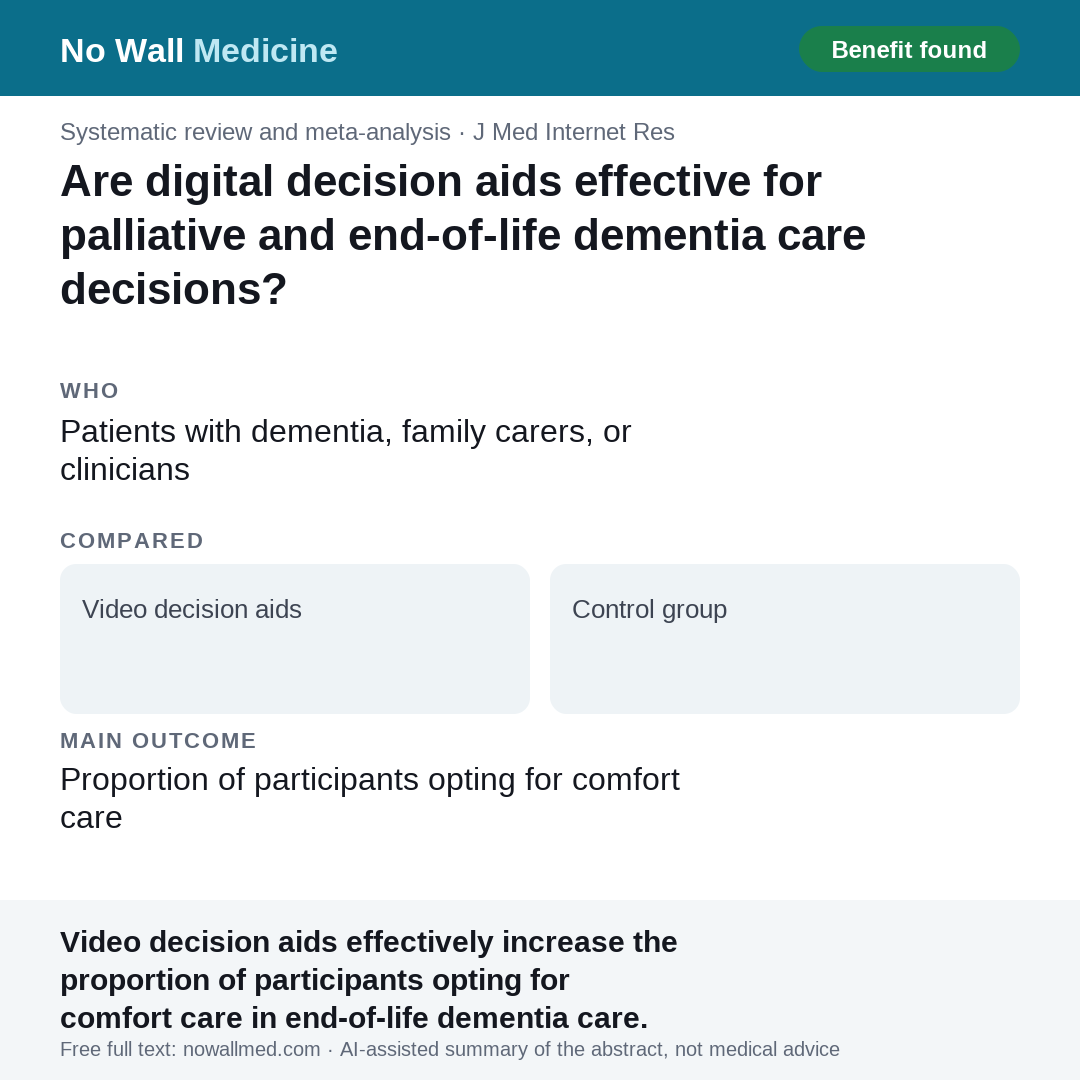
Digital Decision Aids to Support Decision-Making in Palliative and End-of-Life Dementia Care: Systematic Review and Meta-Analysis
Systematic review and meta-analysisBenefit found
Are digital decision aids effective for palliative and end-of-life dementia care decisions?
Who
Patients with dementia, family carers, or clinicians
Compared
Video decision aids
Control group
Main outcome
Proportion of participants opting for comfort care
Result: odds ratio 3.81, 95% CI 1.92-7.56
Bottom line: Video decision aids effectively increase the proportion of participants opting for comfort care in end-of-life dementia care.
Limitation: More large-scale randomized controlled trials and consistent outcome measures are needed.
J Med Internet Res · 2025-06-23Download image
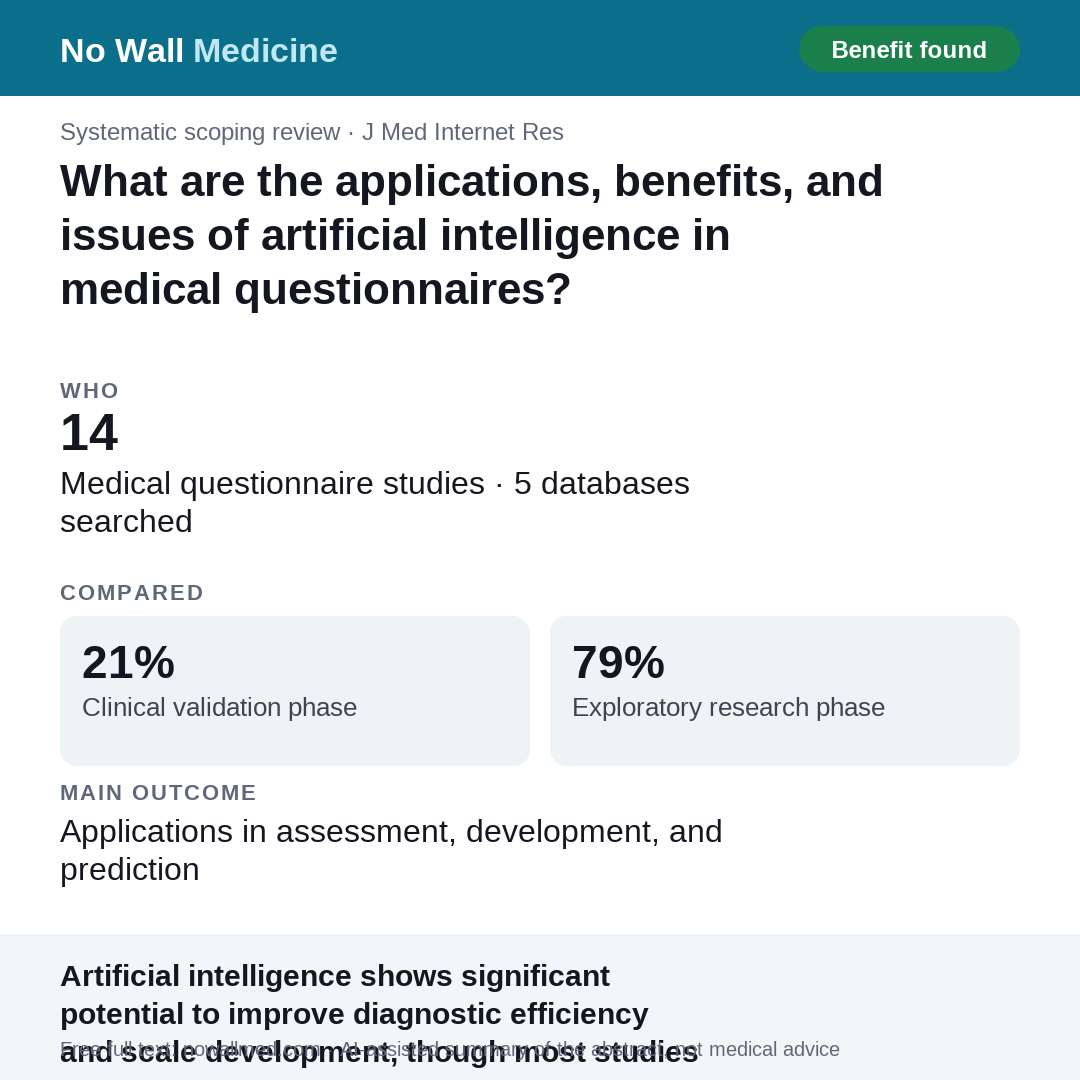
AI in Medical Questionnaires: Scoping Review
Systematic scoping reviewBenefit found
What are the applications, benefits, and issues of artificial intelligence in medical questionnaires?
Who
14
Medical questionnaire studies · 5 databases searched
Compared
21%Clinical validation phase (3/14)
79%Exploratory research phase (11/14)
Main outcome
Applications in assessment, development, and prediction
Bottom line: Artificial intelligence shows significant potential to improve diagnostic efficiency and scale development, though most studies remain in the exploratory phase.
Limitation: Lack of control groups, incomplete follow-up data, and inadequate validation systems.
J Med Internet Res · 2025-06-23Download image
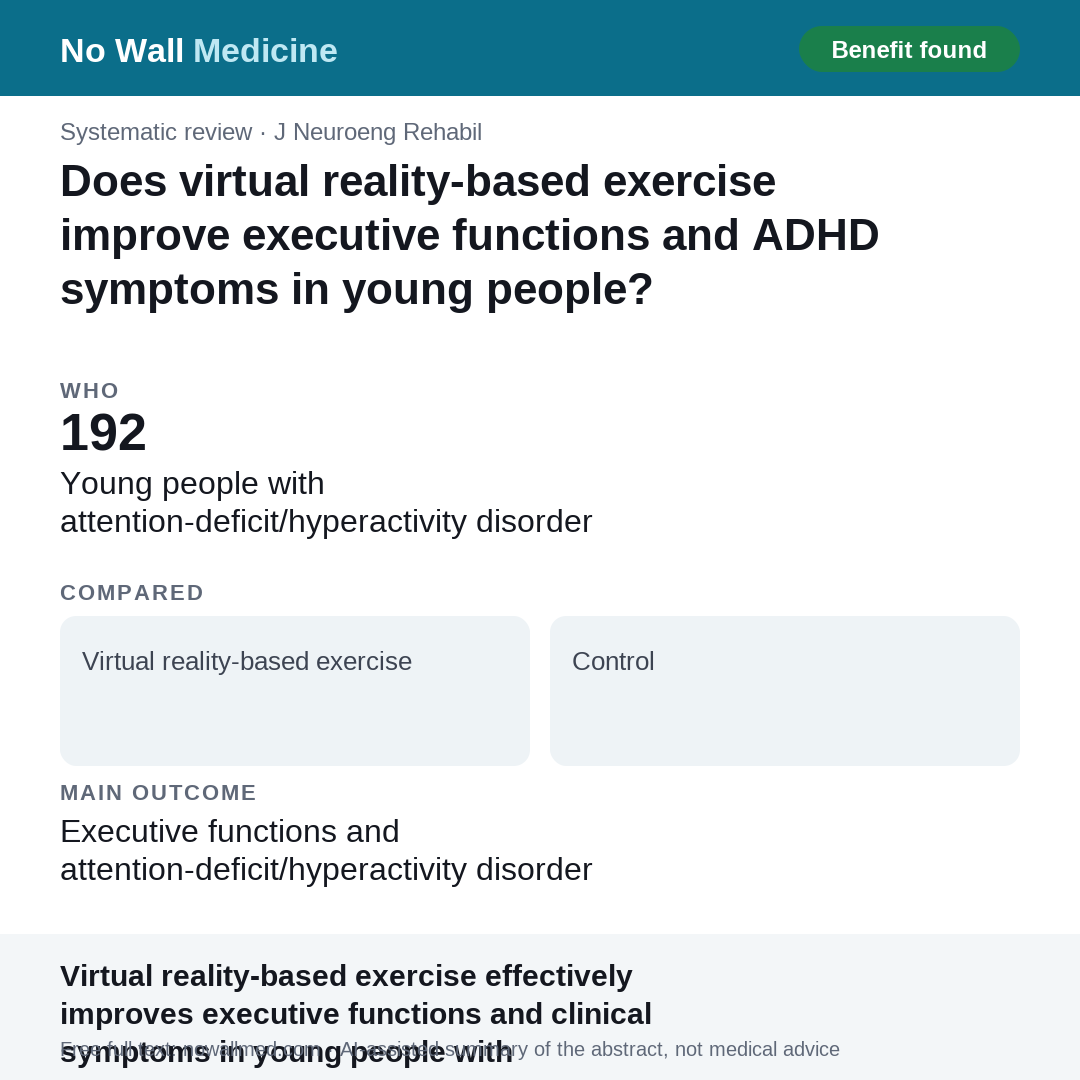
Effects of virtual reality-based exercise intervention in young people with attention-deficit/ hyperactivity disorder: a systematic review
Systematic reviewBenefit found
Does virtual reality-based exercise improve executive functions and ADHD symptoms in young people?
Who
192
Young people with attention-deficit/hyperactivity disorder
Compared
Virtual reality-based exercise
Control
Main outcome
Executive functions and attention-deficit/hyperactivity disorder symptoms
Bottom line: Virtual reality-based exercise effectively improves executive functions and clinical symptoms in young people with attention-deficit/hyperactivity disorder.
Limitation: More evidence is essential comparing effects to other intervention types and more rigorous experimental designs.
Funded by: National Science and Technology Council, R.O.C.
J Neuroeng Rehabil · 2025-06-23Download image