Visual abstracts
New randomized trials and meta-analyses from leading journals at a glance: who was studied, what was compared, and what was found. Every paper is free to read in full.
All specialtiesCardiology 2425Oncology 2073Gastroenterology & Hepatology 926Infectious Disease 1508Neurology 972Psychiatry & Mental Health 1139Pulmonology 1017Critical Care 677Endocrinology & Diabetes 1264Pediatrics 1423Surgery 1237Orthopedics & Sports Medicine 444Neurosurgery 299Cardiothoracic & Vascular Surgery 267Plastic & Reconstructive Surgery 365Nephrology 505Rheumatology 344Hematology 526Dermatology 277Ophthalmology 286Obstetrics & Gynecology 795Public & Global Health 443Radiology & Imaging 331Anesthesiology 489Urology 408ENT (Otolaryngology) 306Emergency Medicine 277Allergy & Immunology 151Geriatrics 513Family Medicine & Primary Care 282Medical Genetics & Genomics 262Pathology & Laboratory Medicine 77Physical Medicine & Rehabilitation 405Palliative Care 205Nutrition 632Digital Health & AI 1196General Medicine 177
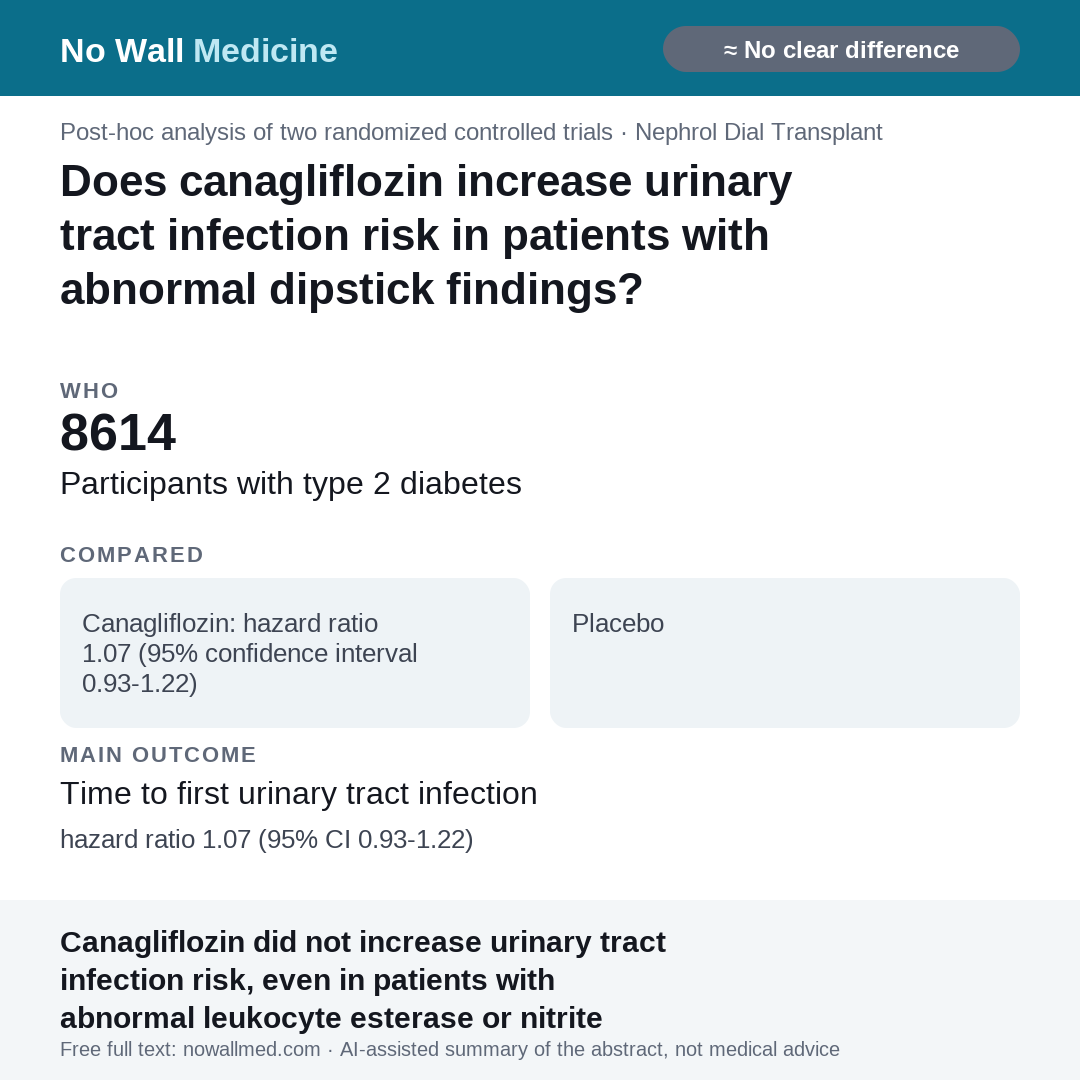
Urinary dipstick findings and UTI risk with SGLT2 inhibitors: a post-hoc analysis of the CANVAS and CREDENCE trials
Post-hoc analysis of two randomized controlled trialsNo clear difference
Does canagliflozin increase urinary tract infection risk in patients with abnormal dipstick findings?
Who
8614
Participants with type 2 diabetes
Compared
Canagliflozin: hazard ratio 1.07 (95% confidence interval 0.93-1.22)
Placebo
Main outcome
Time to first urinary tract infection
Result: hazard ratio 1.07 (95% CI 0.93-1.22)
Bottom line: Canagliflozin did not increase urinary tract infection risk, even in patients with abnormal leukocyte esterase or nitrite findings.
Nephrol Dial Transplant · 2026-03-16Download image
Bimekizumab safety and efficacy in patients with psoriatic arthritis: 3-year results from two phase 3 studies
Two phase 3 studies and an open-label extensionBenefit found
What are the 3-year safety and efficacy of bimekizumab in psoriatic arthritis patients?
Who
Biologic disease-modifying antirheumatic drug-naïve and TNF inhibitor-inadequate responder patients
Compared
Biologic disease-modifying antirheumatic drug-naïve: 53.2% achieved ACR50 at year 3
TNF inhibitor-inadequate responder: 55.2% achieved ACR50 at year 3
Main outcome
Safety and efficacy including ACR50 and swollen joint count resolution
Bottom line: Bimekizumab demonstrated sustained high levels of efficacy and tolerability up to 3 years in patients with psoriatic arthritis.
Rheumatology · 2026-03-16Download image

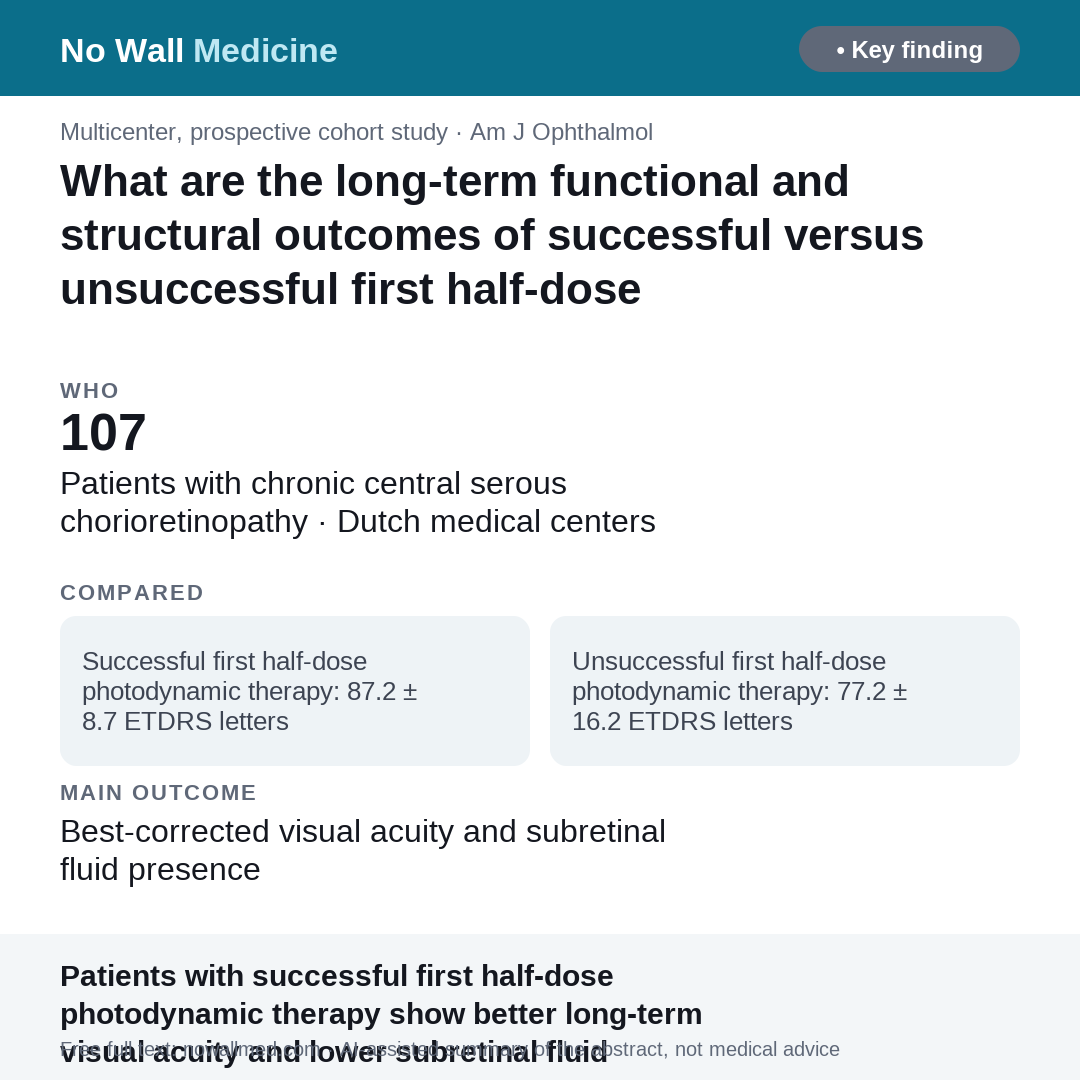
Long-Term Follow-Up of PLACE and SPECTRA Trials: Outcomes After Successful and Unsuccessful Half-Dose Photodynamic Therapy for Chronic Central Serous Chorioretinopathy
Multicenter, prospective cohort studyBenefit found
What are the long-term functional and structural outcomes of successful versus unsuccessful first half-dose photodynamic therapy?
Who
107
Patients with chronic central serous chorioretinopathy · Dutch medical centers
Compared
Successful first half-dose photodynamic therapy: 87.2 ± 8.7 ETDRS letters
Unsuccessful first half-dose photodynamic therapy: 77.2 ± 16.2 ETDRS letters
Main outcome
Best-corrected visual acuity and subretinal fluid presence
Bottom line: Patients with successful first half-dose photodynamic therapy show better long-term visual acuity and lower subretinal fluid rates.
Am J Ophthalmol · 2026-03-16Download image
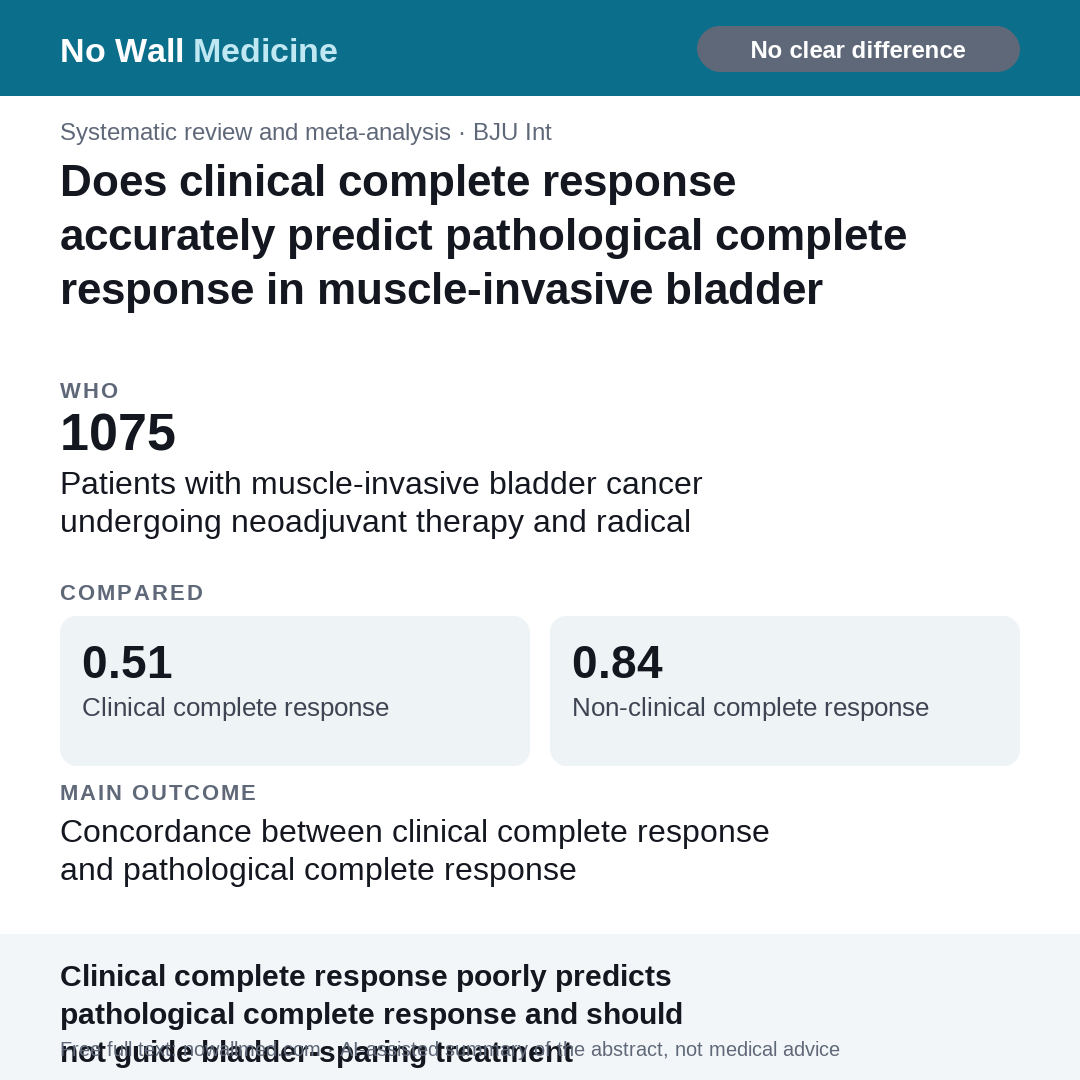
Clinical complete response as a surrogate for pathological response in bladder cancer: a systematic review and meta-analysis
Systematic review and meta-analysisNo clear difference
Does clinical complete response accurately predict pathological complete response in muscle-invasive bladder cancer?
Who
1075
Patients with muscle-invasive bladder cancer undergoing neoadjuvant therapy and radical cystectomy
Compared
0.51Clinical complete response (95% CI 0.42-0.60)
0.84Non-clinical complete response (95% CI 0.70-0.92)
Main outcome
Concordance between clinical complete response and pathological complete response
Result: 0.51 (95% CI 0.42-0.60)
Bottom line: Clinical complete response poorly predicts pathological complete response and should not guide bladder-sparing treatment decisions alone.
Limitation: Moderate concerns regarding bias and examiner-dependent bias of cystoscopy-based assessment.
BJU Int · 2026-03-16Download image
Risk Factors for Relapse in Antineutrophil Cytoplasmic Antibody-Associated Vasculitis Among Patients With Relapse After Induction of Remission With Rituximab
Post hoc analysisMixed results
Risk factors for relapse in AAV
Who
170
Patients with antineutrophil cytoplasmic antibody-associated vasculitis
Compared
Rituximab
Azathioprine
Main outcome
Relapse of vasculitis
Bottom line: Risk factors vary by treatment phase
Arthritis Rheumatol · 2026-03-16Download image

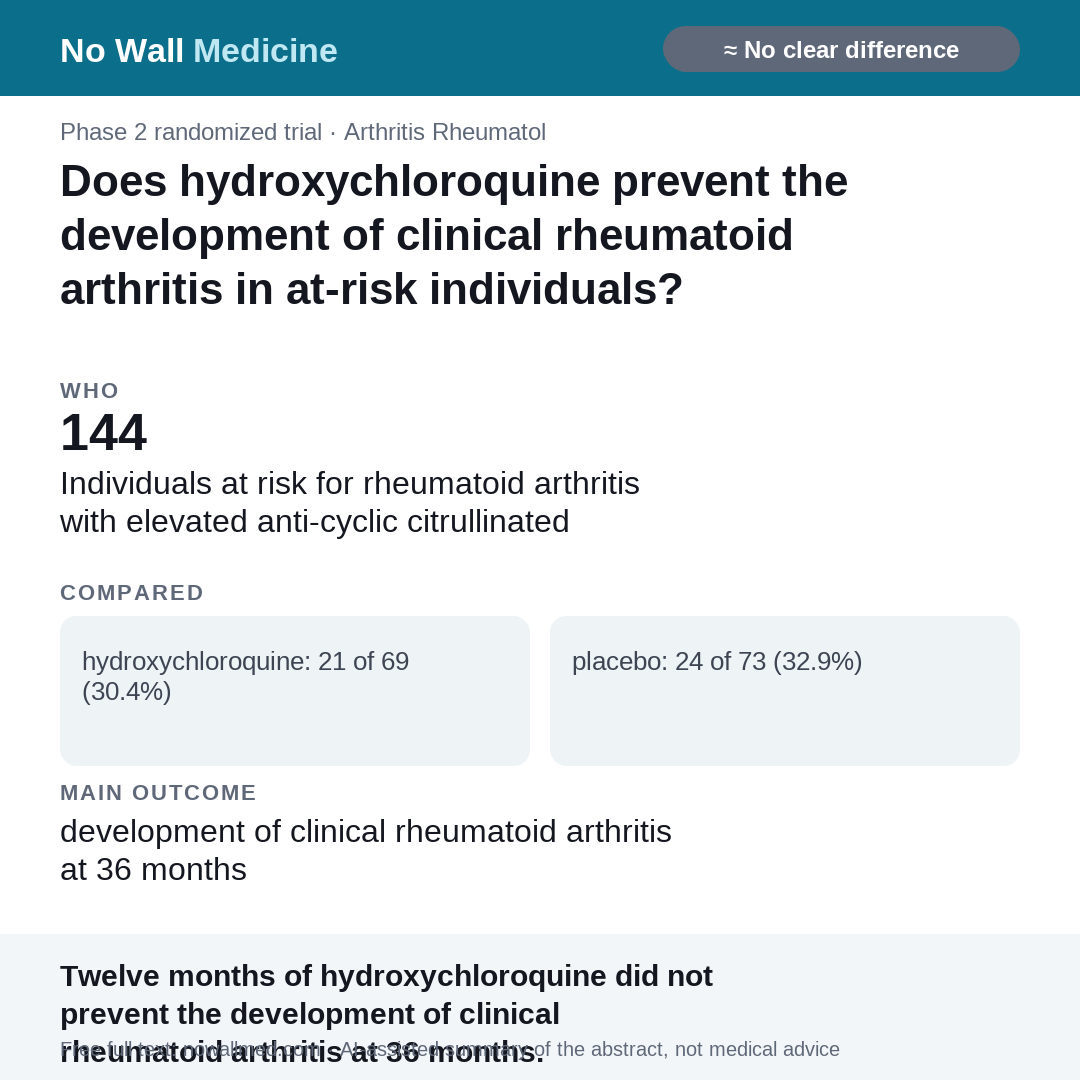
A Phase 2 Trial of Hydroxychloroquine in Individuals at Risk for Rheumatoid Arthritis
Phase 2 randomized trialNo clear difference
Does hydroxychloroquine prevent the development of clinical rheumatoid arthritis in at-risk individuals?
Who
144
Individuals at risk for rheumatoid arthritis with elevated anti-cyclic citrullinated peptide antibodies
Compared
hydroxychloroquine: 21 of 69 (30.4%)
placebo: 24 of 73 (32.9%)
Main outcome
development of clinical rheumatoid arthritis at 36 months
Result: difference -0.058 (95% confidence interval -0.336 to 0.220)
Bottom line: Twelve months of hydroxychloroquine did not prevent the development of clinical rheumatoid arthritis at 36 months.
Arthritis Rheumatol · 2026-03-16Download image
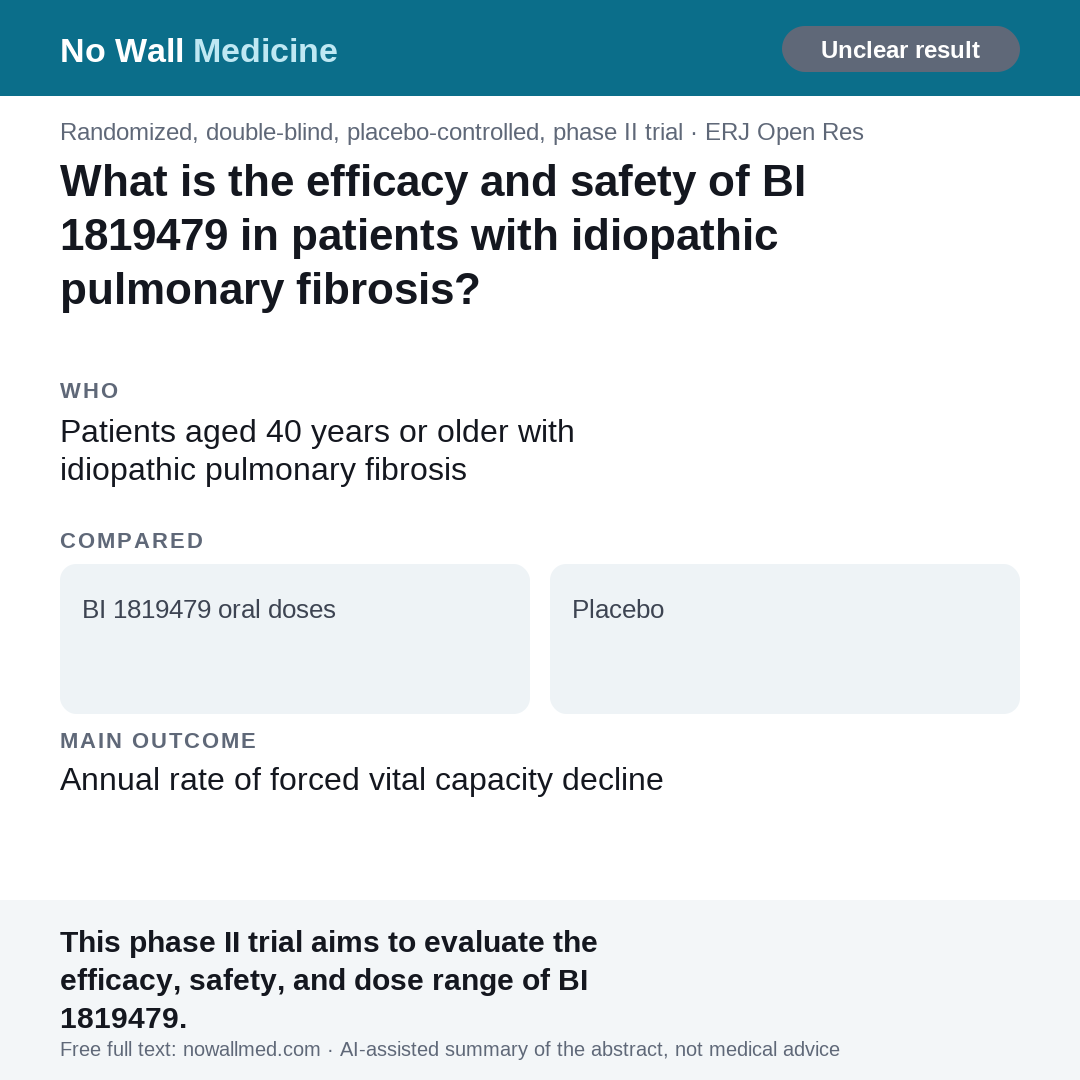
Design of a phase II randomised, double-blind, placebo-controlled, dose-finding trial of BI 1819479 in patients with idiopathic pulmonary fibrosis
Randomized, double-blind, placebo-controlled, phase II trialUnclear result
What is the efficacy and safety of BI 1819479 in patients with idiopathic pulmonary fibrosis?
Who
Patients aged 40 years or older with idiopathic pulmonary fibrosis
Compared
BI 1819479 oral doses
Placebo
Main outcome
Annual rate of forced vital capacity decline
Bottom line: This phase II trial aims to evaluate the efficacy, safety, and dose range of BI 1819479.
ERJ Open Res · 2026-03-16Download image
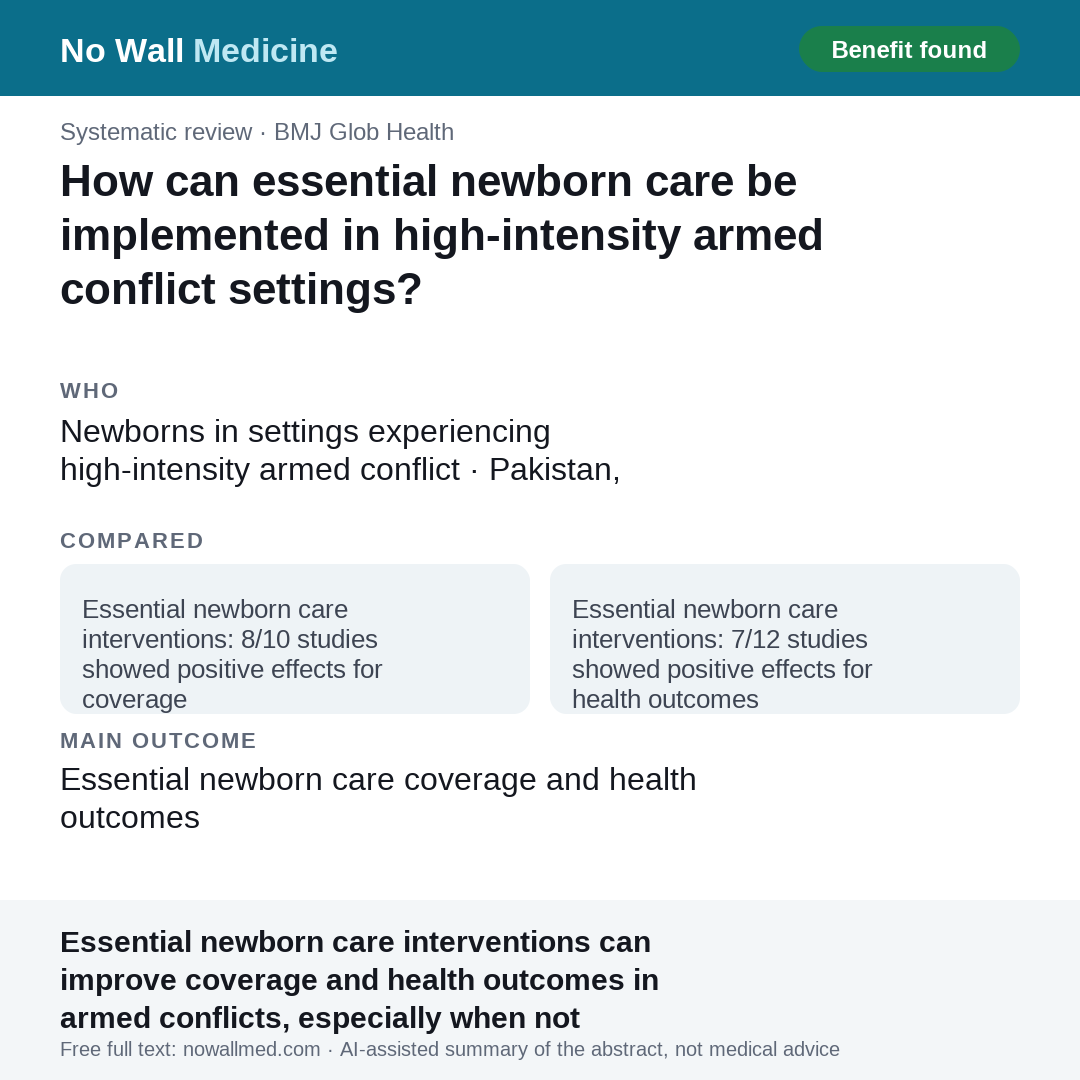
Implementation of essential newborn care in settings of high-intensity armed conflict: a systematic review
Systematic reviewBenefit found
How can essential newborn care be implemented in high-intensity armed conflict settings?
Who
32
Newborns in settings experiencing high-intensity armed conflict · Pakistan, South Sudan, and other high-intensity armed conflict settings
Compared
Essential newborn care interventions: 8/10 studies showed positive effects for coverage
Essential newborn care interventions: 7/12 studies showed positive effects for health outcomes
Main outcome
Essential newborn care coverage and health outcomes
Bottom line: Essential newborn care interventions can improve coverage and health outcomes in armed conflicts, especially when not dependent on functional health facilities.
Limitation: Lack of grey and non-English literature and studies on sick newborns or comprehensive care packages.
BMJ Glob Health · 2026-03-16Download image
Racial Disparities in U.S. Peripartum Cardiomyopathy: Systematic Review and Meta-Analysis of Risk Factors and Outcomes
Systematic review and meta-analysisHarm found
What are the differences in risk factors and outcomes between Black and White women with peripartum cardiomyopathy?
Who
Black and White women in the United States with peripartum cardiomyopathy · United States
Compared
Black women: 8% mortality
White women: 2% mortality
Main outcome
mortality, major adverse cardiac events, and ejection fraction recovery
Bottom line: Black women with peripartum cardiomyopathy experienced higher mortality and lower ejection fraction recovery compared to White women.
JACC Adv · 2026-03-16Download image

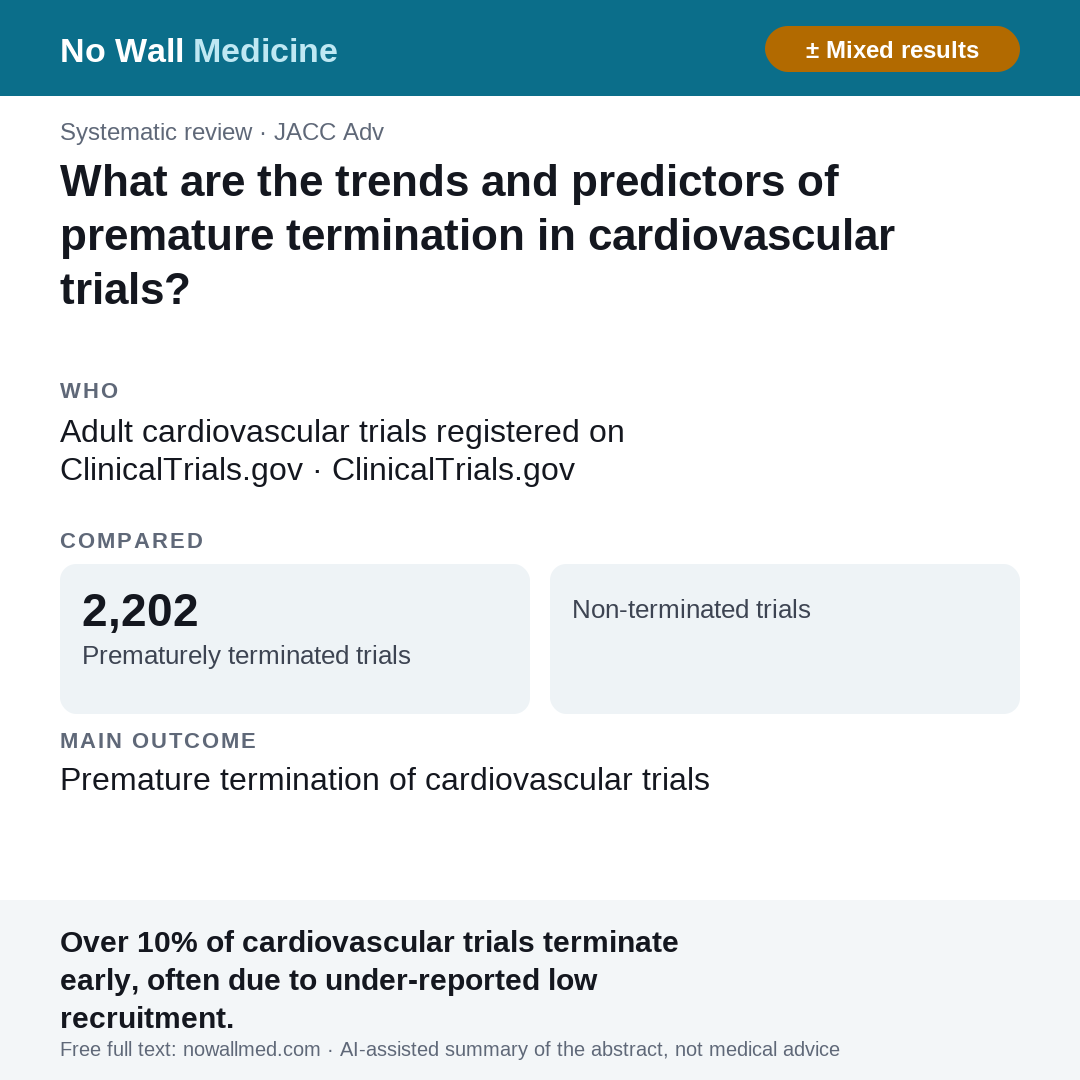
Trends and Predictors of Premature Termination of Cardiovascular Trials: A Systematic Review
Systematic reviewMixed results
What are the trends and predictors of premature termination in cardiovascular trials?
Who
19191
Adult cardiovascular trials registered on ClinicalTrials.gov · ClinicalTrials.gov
Compared
2,202Prematurely terminated trials (11.5%)
Non-terminated trials
Main outcome
Premature termination of cardiovascular trials
Bottom line: Over 10% of cardiovascular trials terminate early, often due to under-reported low recruitment.
JACC Adv · 2026-03-16Download image
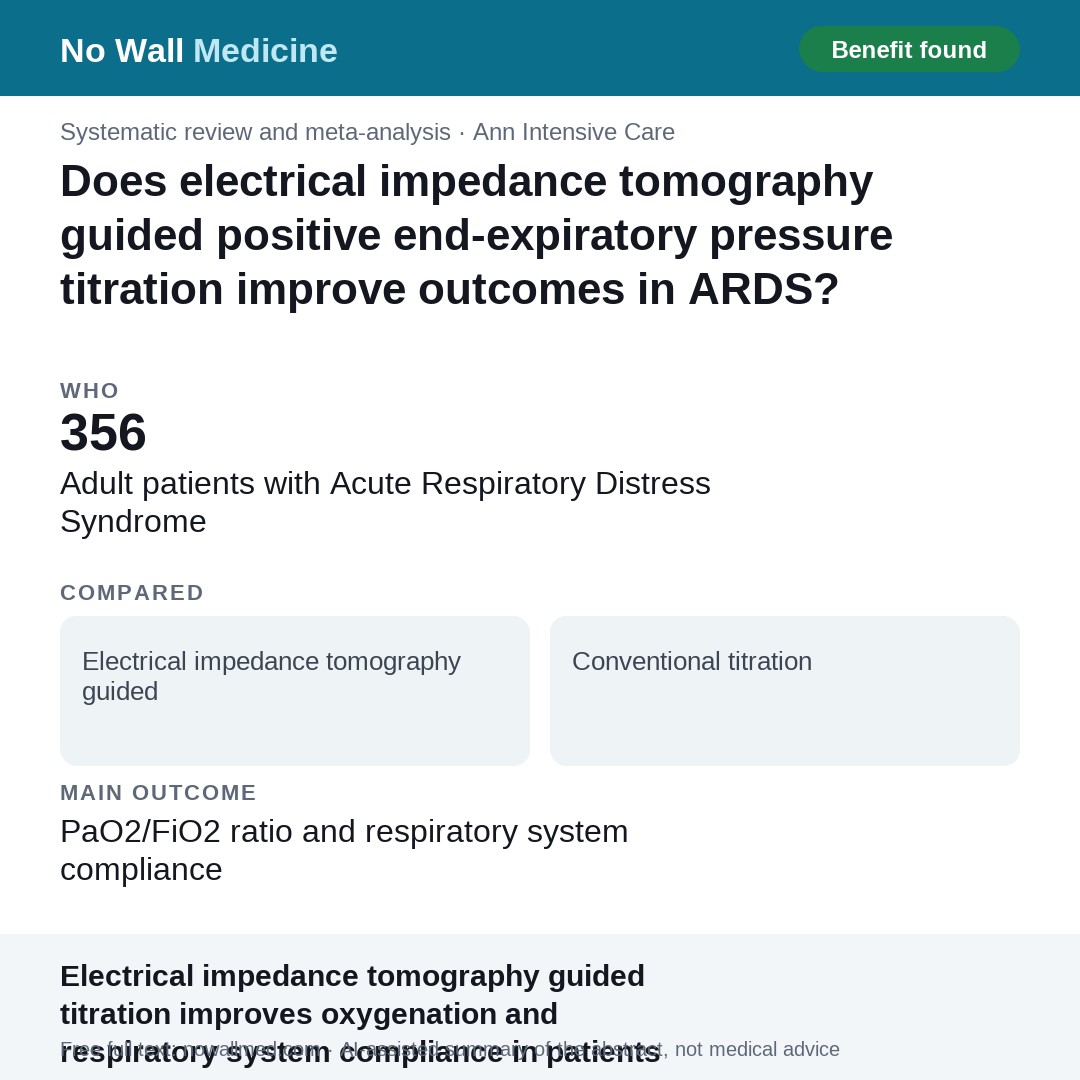
Personalized positive-end expiratory pressure using electrical impedance tomography in ARDS patients: a systematic review and meta-analysis
Systematic review and meta-analysisBenefit found
Does electrical impedance tomography guided positive end-expiratory pressure titration improve outcomes in ARDS?
Who
356
Adult patients with Acute Respiratory Distress Syndrome
Compared
Electrical impedance tomography guided
Conventional titration
Main outcome
PaO2/FiO2 ratio and respiratory system compliance
Result: PaO2/FiO2 ratio MD + 60.81 (95% CI 30.37-91.25)
Bottom line: Electrical impedance tomography guided titration improves oxygenation and respiratory system compliance in patients with Acute Respiratory Distress Syndrome.
Limitation: Further evidence is needed to determine if physiological improvements translate into better clinical outcomes.
Ann Intensive Care · 2026-03-16Download image
Coronary artery disease diagnosis with signal processing and machine learning of heart sound signals: a systematic review
Systematic reviewBenefit found
What is the diagnostic performance of heart sound analysis for identifying coronary artery disease?
Who
13,814
Participants with coronary artery disease
Compared
Signal processing methods: accuracy below 75%
Machine learning-based methods: accuracy, sensitivity, and specificity consistently above 80%
Main outcome
Diagnostic performance for identifying coronary artery disease
Bottom line: Machine learning-based heart sound analysis may have diagnostic value for coronary artery disease.
Limitation: Majority of signal processing studies lacked validation on independent datasets.
NPJ Digit Med · 2026-03-16Download image

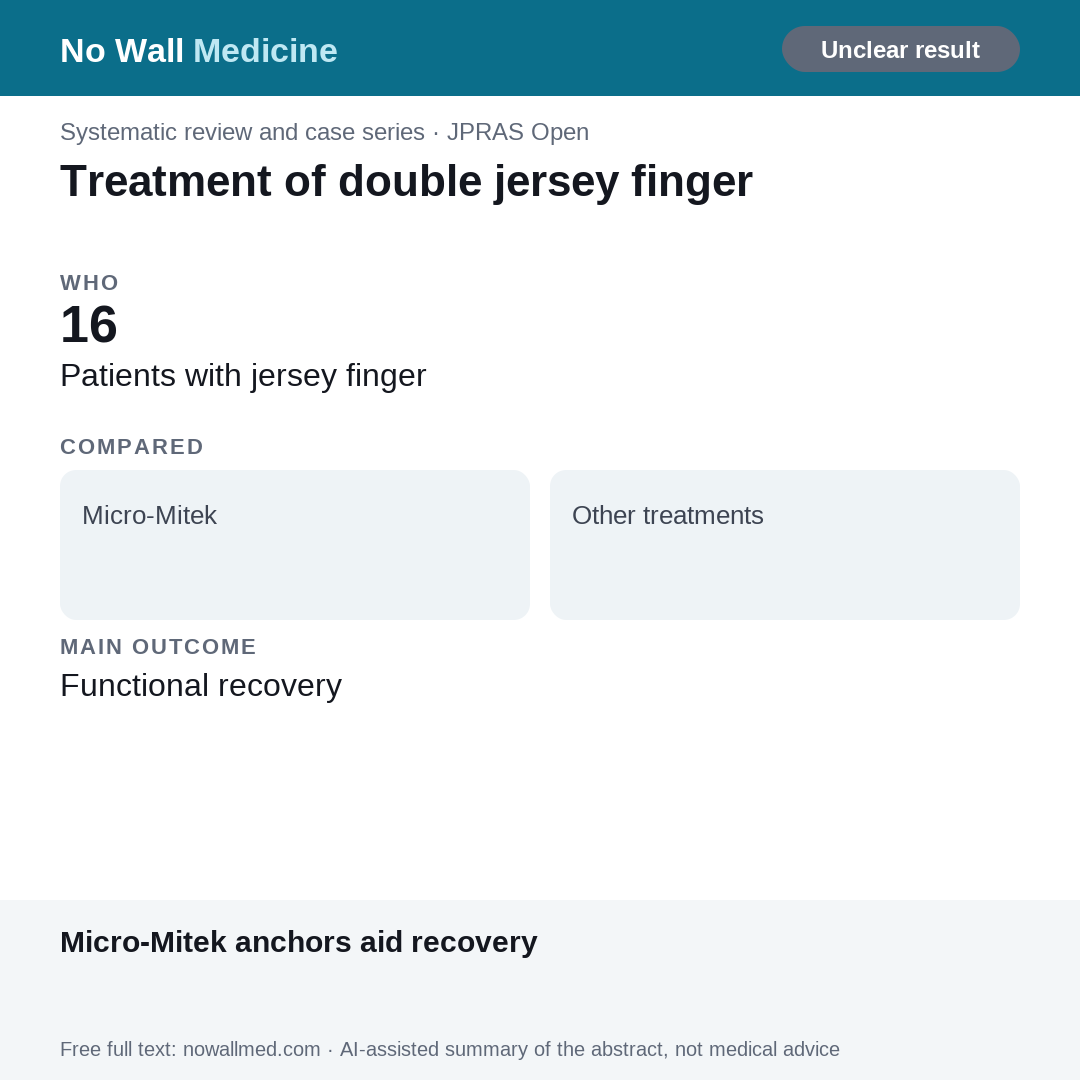
Double jersey finger: A systematic review and case series
Systematic review and case seriesUnclear result
Treatment of double jersey finger
Who
16
Patients with jersey finger
Compared
Micro-Mitek
Other treatments
Main outcome
Functional recovery
Bottom line: Micro-Mitek anchors aid recovery
JPRAS Open · 2026-03-16Download image
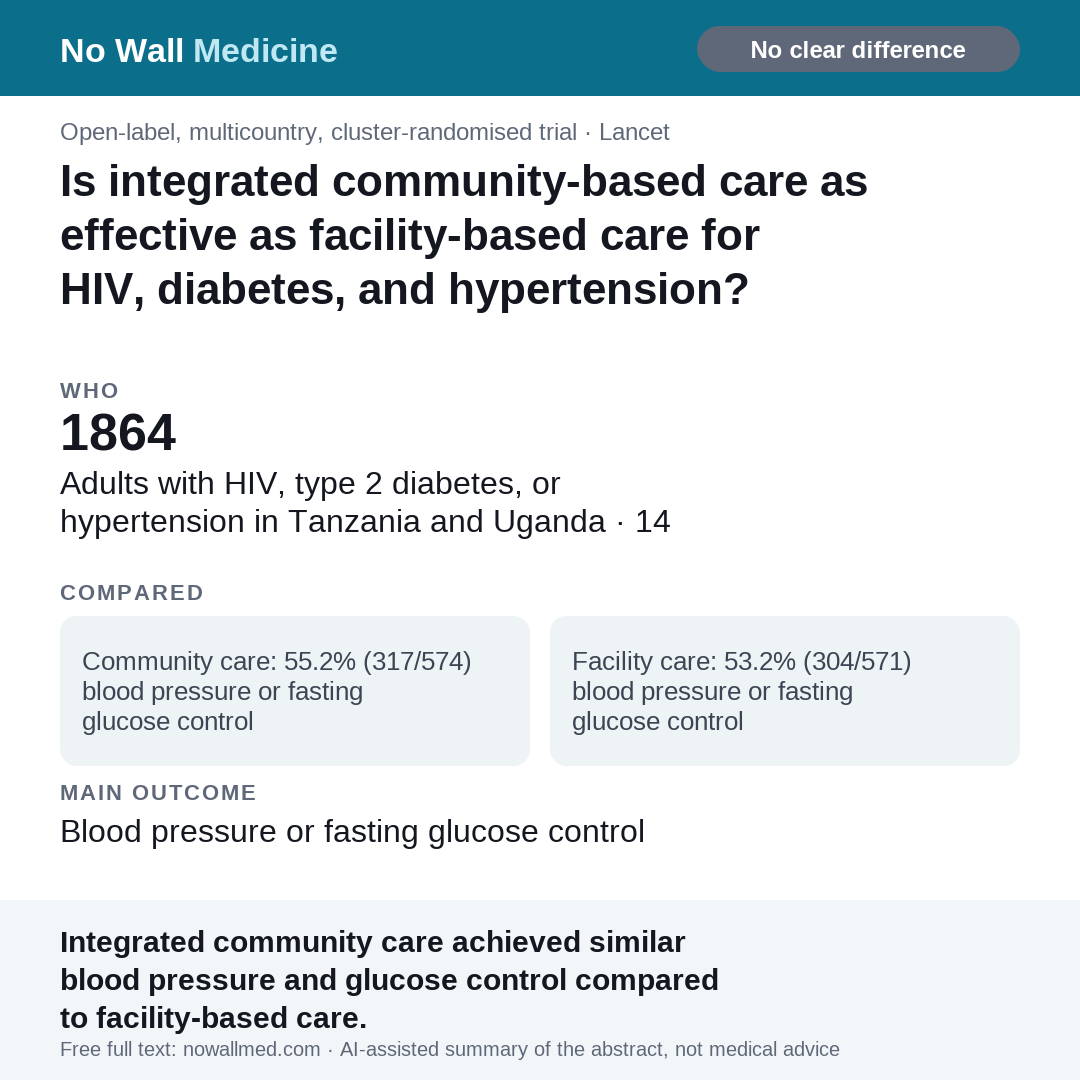
Integrated community-based versus facility-based care for people with HIV, diabetes, and hypertension in sub-Saharan Africa (INTE-COMM): an open-label, multicountry, cluster-randomised trial
Open-label, multicountry, cluster-randomised trialNo clear difference
Is integrated community-based care as effective as facility-based care for HIV, diabetes, and hypertension?
Who
1864
Adults with HIV, type 2 diabetes, or hypertension in Tanzania and Uganda · 14 primary care facilities in Tanzania and Uganda
Compared
Community care: 55.2% (317/574) blood pressure or fasting glucose control
Facility care: 53.2% (304/571) blood pressure or fasting glucose control
Main outcome
Blood pressure or fasting glucose control
Result: adjusted risk difference 1.80 (95% CI -4.52 to 8.12)
Bottom line: Integrated community care achieved similar blood pressure and glucose control compared to facility-based care.
Funded by: National Institute for Health and Care Research
Lancet · 2026-03-15Download image
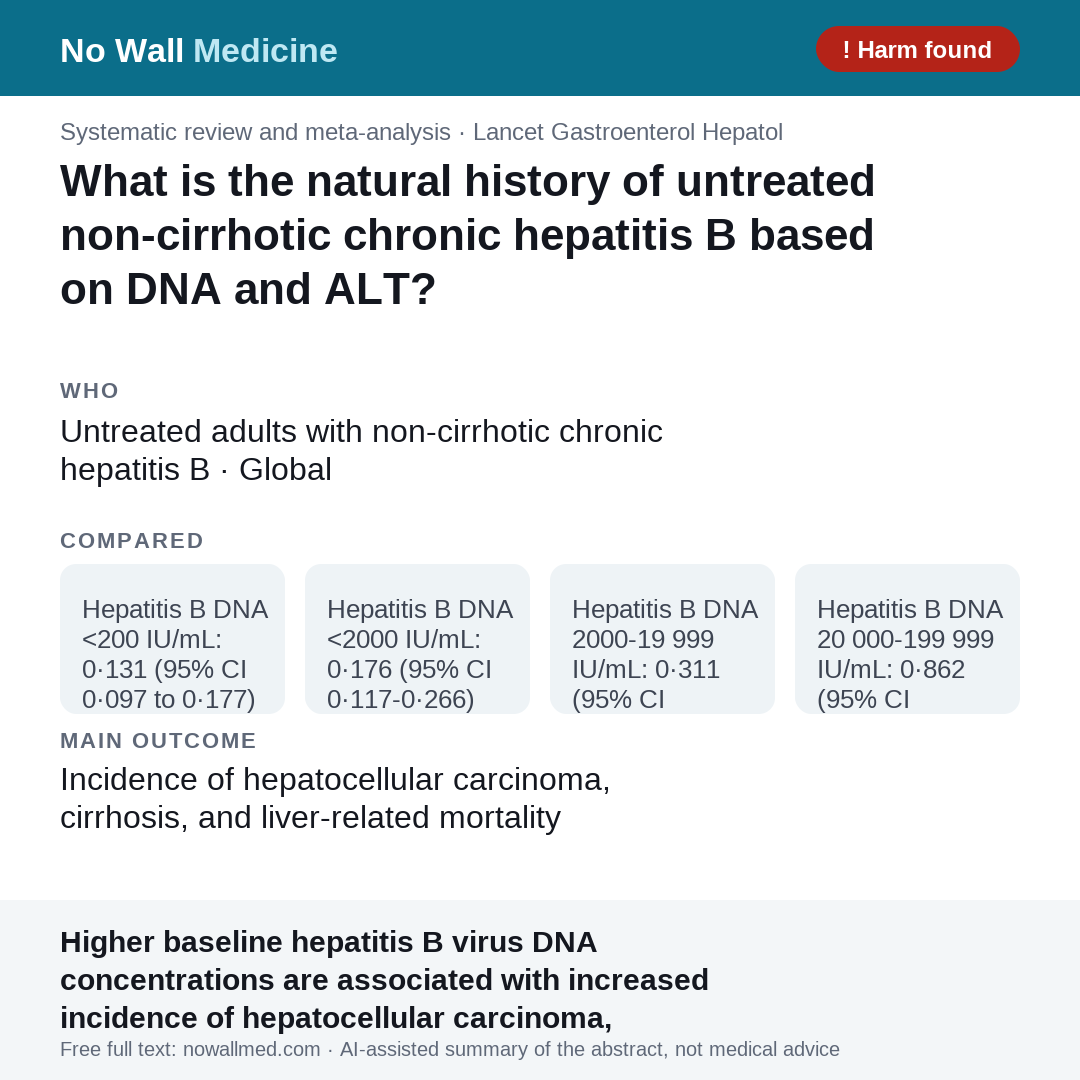
Natural history of chronic hepatitis B in untreated adults without cirrhosis according to baseline hepatitis B virus DNA and alanine aminotransferase concentrations: a systematic review and meta-analysis
Systematic review and meta-analysisHarm found
What is the natural history of untreated non-cirrhotic chronic hepatitis B based on DNA and ALT?
Who
Untreated adults with non-cirrhotic chronic hepatitis B · Global
Compared
Hepatitis B DNA <200 IU/mL: 0·131 (95% CI 0·097 to 0·177) hepatocellular carcinoma incidence per 100 person-years
Hepatitis B DNA <2000 IU/mL: 0·176 (95% CI 0·117-0·266) hepatocellular carcinoma incidence per 100 person-years
Hepatitis B DNA 2000-19 999 IU/mL: 0·311 (95% CI 0·245-0·393) hepatocellular carcinoma incidence per 100 person-years
Hepatitis B DNA 20 000-199 999 IU/mL: 0·862 (95% CI 0·725-1·026) hepatocellular carcinoma incidence per 100 person-years
Main outcome
Incidence of hepatocellular carcinoma, cirrhosis, and liver-related mortality
Result: p<0·0001 for between-group difference in hepatocellular carcinoma
Bottom line: Higher baseline hepatitis B virus DNA concentrations are associated with increased incidence of hepatocellular carcinoma, cirrhosis, and liver-related mortality.
Limitation: No concentration-response relationship was observed for all-cause mortality or liver decompensation.
Lancet Gastroenterol Hepatol · 2026-03-14Download image
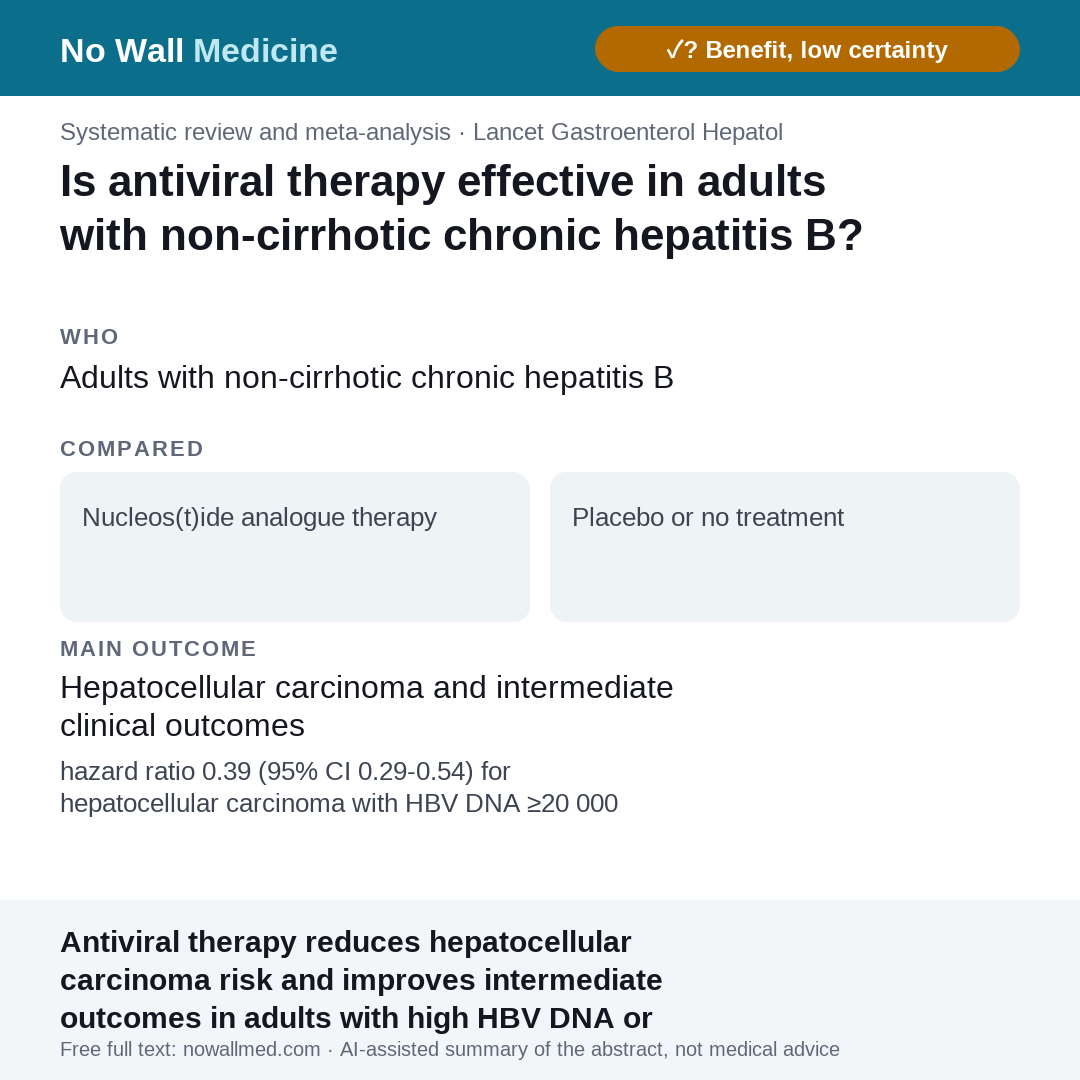
Efficacy of antiviral therapy in adults with chronic hepatitis B according to baseline hepatitis B virus DNA and alanine aminotransferase concentrations: a systematic review and meta-analysis
Systematic review and meta-analysisBenefit found
Is antiviral therapy effective in adults with non-cirrhotic chronic hepatitis B?
Who
Adults with non-cirrhotic chronic hepatitis B
Compared
Nucleos(t)ide analogue therapy
Placebo or no treatment
Main outcome
Hepatocellular carcinoma and intermediate clinical outcomes
Result: hazard ratio 0.39 (95% CI 0.29-0.54) for hepatocellular carcinoma with HBV DNA ≥20 000 IU/mL
Bottom line: Antiviral therapy reduces hepatocellular carcinoma risk and improves intermediate outcomes in adults with high HBV DNA or elevated ALT.
Limitation: Certainty of evidence ranged from very low to high.
Lancet Gastroenterol Hepatol · 2026-03-14Download image
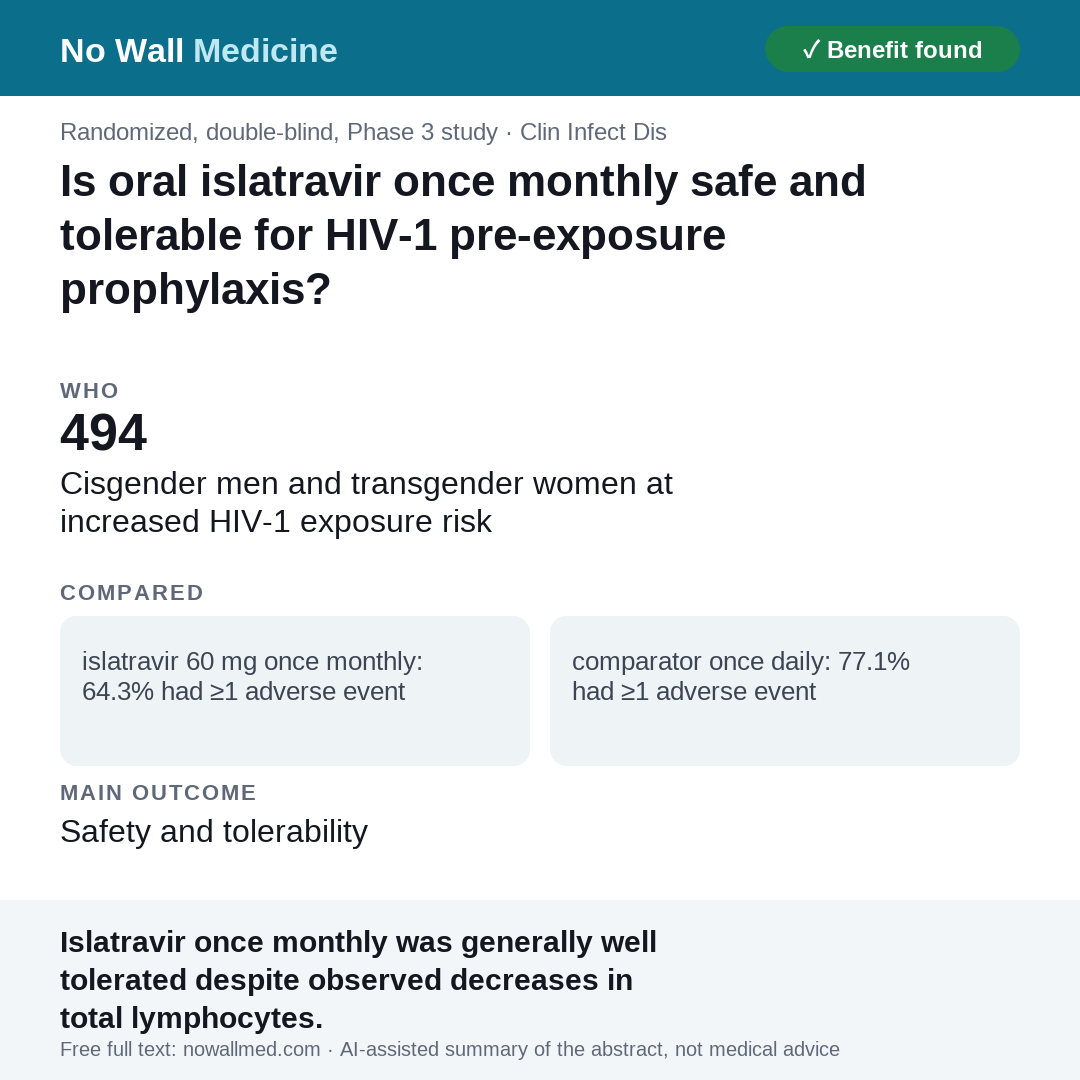
Safety and Tolerability of Oral Islatravir Once Monthly as Pre-exposure Prophylaxis in Cisgender Men and Transgender Women Who Have an Elevated Likelihood of HIV-1 Exposure: Results From the IMPOWER-24 Randomized Phase 3 Study
Randomized, double-blind, Phase 3 studyBenefit found
Is oral islatravir once monthly safe and tolerable for HIV-1 pre-exposure prophylaxis?
Who
494
Cisgender men and transgender women at increased HIV-1 exposure risk
Compared
islatravir 60 mg once monthly: 64.3% had ≥1 adverse event
comparator once daily: 77.1% had ≥1 adverse event
Main outcome
Safety and tolerability
Bottom line: Islatravir once monthly was generally well tolerated despite observed decreases in total lymphocytes.
Clin Infect Dis · 2026-03-14Download image
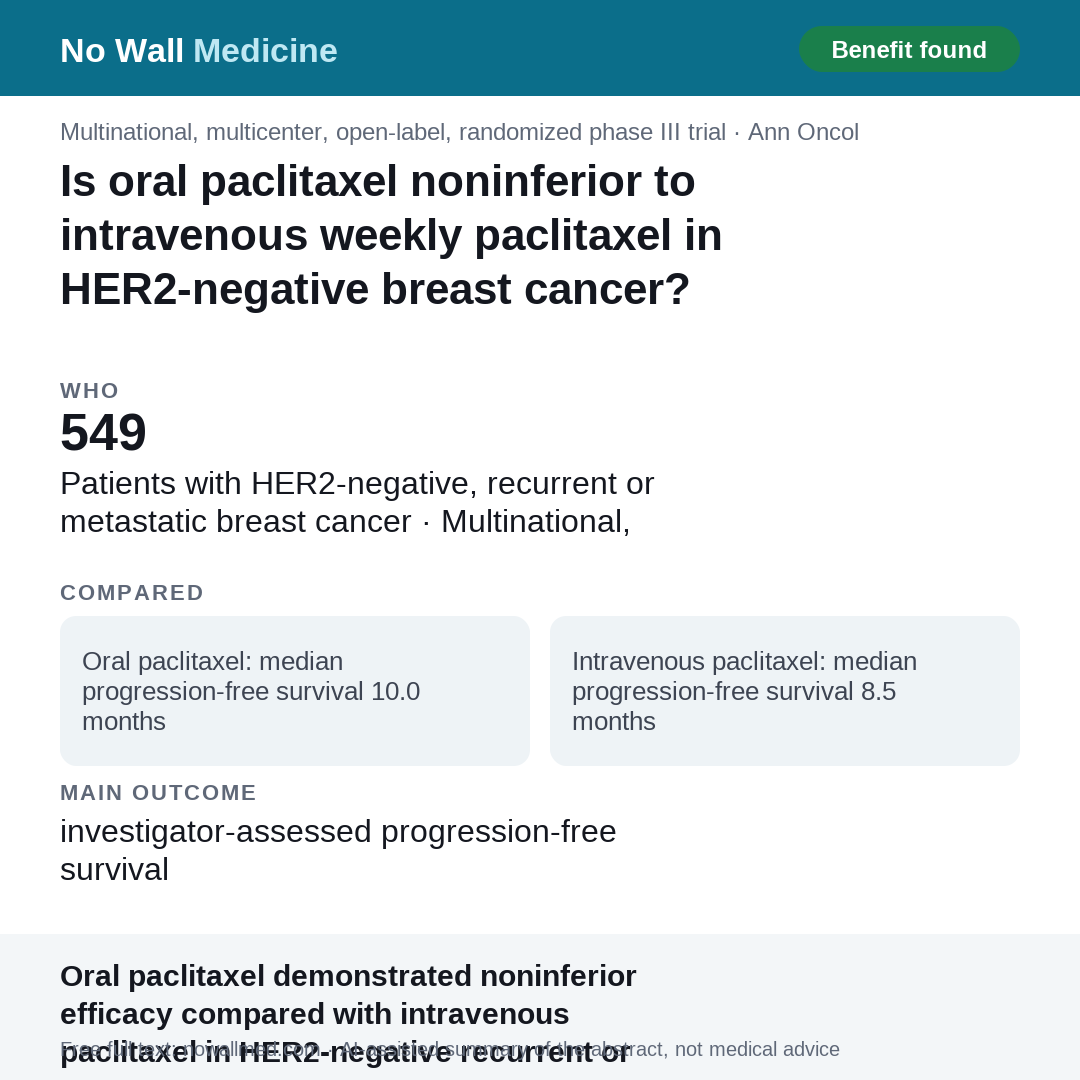
OPTIMAL: a multinational phase III study of oral paclitaxel (DHP107) versus intravenous weekly paclitaxel in HER2-negative recurrent or metastatic breast cancer
Multinational, multicenter, open-label, randomized phase III trialBenefit found
Is oral paclitaxel noninferior to intravenous weekly paclitaxel in HER2-negative breast cancer?
Who
549
Patients with HER2-negative, recurrent or metastatic breast cancer · Multinational, multicenter
Compared
Oral paclitaxel: median progression-free survival 10.0 months
Intravenous paclitaxel: median progression-free survival 8.5 months
Main outcome
investigator-assessed progression-free survival
Result: hazard ratio 0.869 (95% CI 0.707-1.068)
Bottom line: Oral paclitaxel demonstrated noninferior efficacy compared with intravenous paclitaxel in HER2-negative recurrent or metastatic breast cancer.
Ann Oncol · 2026-03-14Download image
Lens Color and Macular Pigment Density after Cataract Surgery: A Randomized Clinical Trial
Randomized clinical trial subanalysisBenefit found
Does intraocular lens color affect macular pigment optical density after cataract surgery?
Who
155
Patients undergoing cataract surgery with measurable macular pigment optical density · Single-center hospital
Compared
0.63clear lens
0.44yellow-tinted lens
Main outcome
time-averaged difference in macular pigment optical density
Result: adjusted difference: 0.14 (95% confidence intervals, 0.10-0.18)
Bottom line: Clear intraocular lenses were associated with higher macular pigment optical density than yellow-tinted lenses over three years.
Ophthalmol Sci · 2026-03-14Download image

Systematic literature review of economic studies on nature-based social prescribing for health improvement
Systematic literature reviewBenefit found
What is the health-economic impact of nature-based social prescribing programs?
Who
Adults with mild mental and/or physical health issues · United Kingdom
Compared
Social return on investment studies: 2.6 to 5.1 British pounds per British pound invested
Cost-benefit study: 6,000–14,000 British pounds per person after one year
Cost-utility analysis: 8,600 British pounds per quality-adjusted life year gained
Main outcome
Health-economic impact of nature-based social prescribing
Bottom line: Five studies in the United Kingdom generally reported favorable health and economic findings for nature-based social prescribing.
Limitation: Small number of studies, methodological limitations, and exclusive United Kingdom focus constrain generalizability.
BMC Prim Care · 2026-03-14Download image