Visual abstracts
New randomized trials and meta-analyses from leading journals at a glance: who was studied, what was compared, and what was found. Every paper is free to read in full.
All specialtiesCardiology 4877Oncology 4138Gastroenterology & Hepatology 1942Infectious Disease 3837Neurology 1905Psychiatry & Mental Health 2273Pulmonology 2143Critical Care 1365Endocrinology & Diabetes 2580Pediatrics 2980Surgery 2559Orthopedics & Sports Medicine 931Neurosurgery 537Cardiothoracic & Vascular Surgery 674Plastic & Reconstructive Surgery 591Nephrology 1133Rheumatology 823Hematology 1109Dermatology 621Ophthalmology 543Obstetrics & Gynecology 1686Public & Global Health 1058Radiology & Imaging 648Anesthesiology 986Urology 764ENT (Otolaryngology) 503Emergency Medicine 511Allergy & Immunology 313Geriatrics 981Family Medicine & Primary Care 562Medical Genetics & Genomics 676Pathology & Laboratory Medicine 159Physical Medicine & Rehabilitation 757Palliative Care 444Nutrition 1588Digital Health & AI 2201General Medicine 321
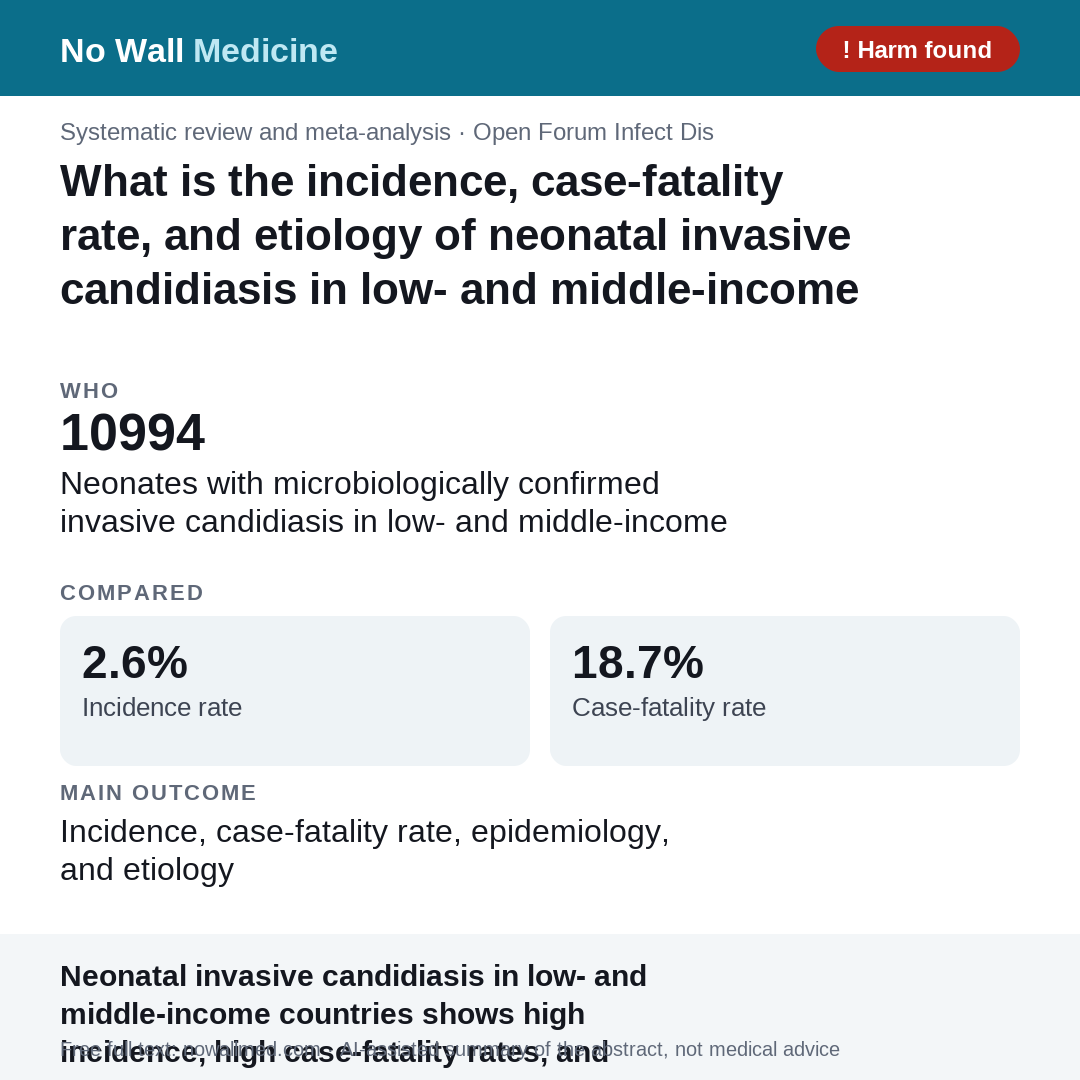
The Burden of Neonatal Invasive Candidiasis in Low- and Middle-income Countries: A Systematic Review and Meta-analysis
Systematic review and meta-analysisHarm found
What is the incidence, case-fatality rate, and etiology of neonatal invasive candidiasis in low- and middle-income countries?
Who
10994
Neonates with microbiologically confirmed invasive candidiasis in low- and middle-income countries · 27 low- and middle-income countries
Compared
2.6%Incidence rate (95% CI, 2.2-3.0)
18.7%Case-fatality rate (95% CI, 15.5-22.1)
Main outcome
Incidence, case-fatality rate, epidemiology, and etiology
Bottom line: Neonatal invasive candidiasis in low- and middle-income countries shows high incidence, high case-fatality rates, and significant fluconazole resistance.
Open Forum Infect Dis · 2025-06-11Download image
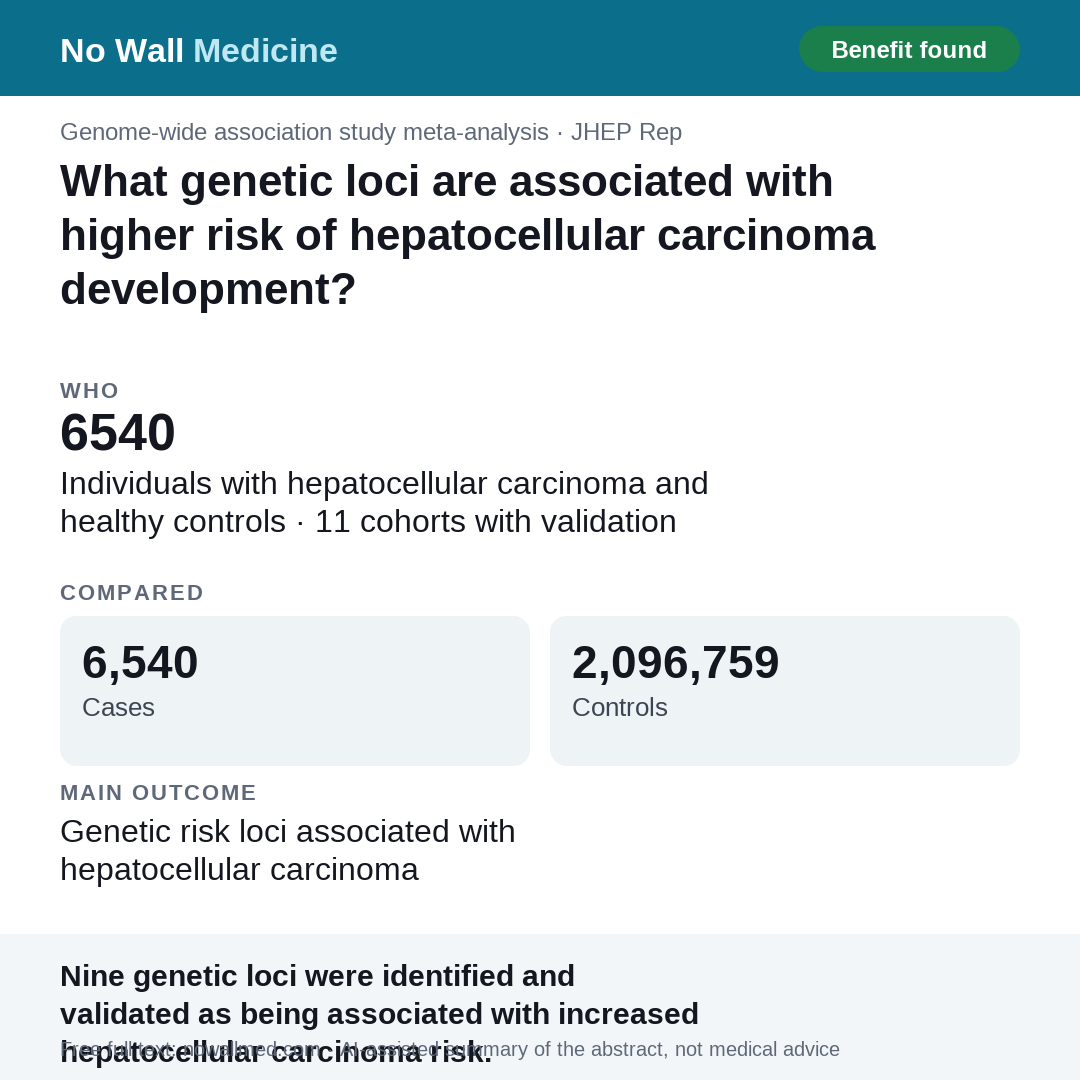
Genome-wide meta-analysis identifies nine loci associated with higher risk of hepatocellular carcinoma development
Genome-wide association study meta-analysisBenefit found
What genetic loci are associated with higher risk of hepatocellular carcinoma development?
Who
6540
Individuals with hepatocellular carcinoma and healthy controls · 11 cohorts with validation in two independent cohorts
Compared
6,540Cases
2,096,759Controls
Main outcome
Genetic risk loci associated with hepatocellular carcinoma
Bottom line: Nine genetic loci were identified and validated as being associated with increased hepatocellular carcinoma risk.
JHEP Rep · 2025-06-11Download image
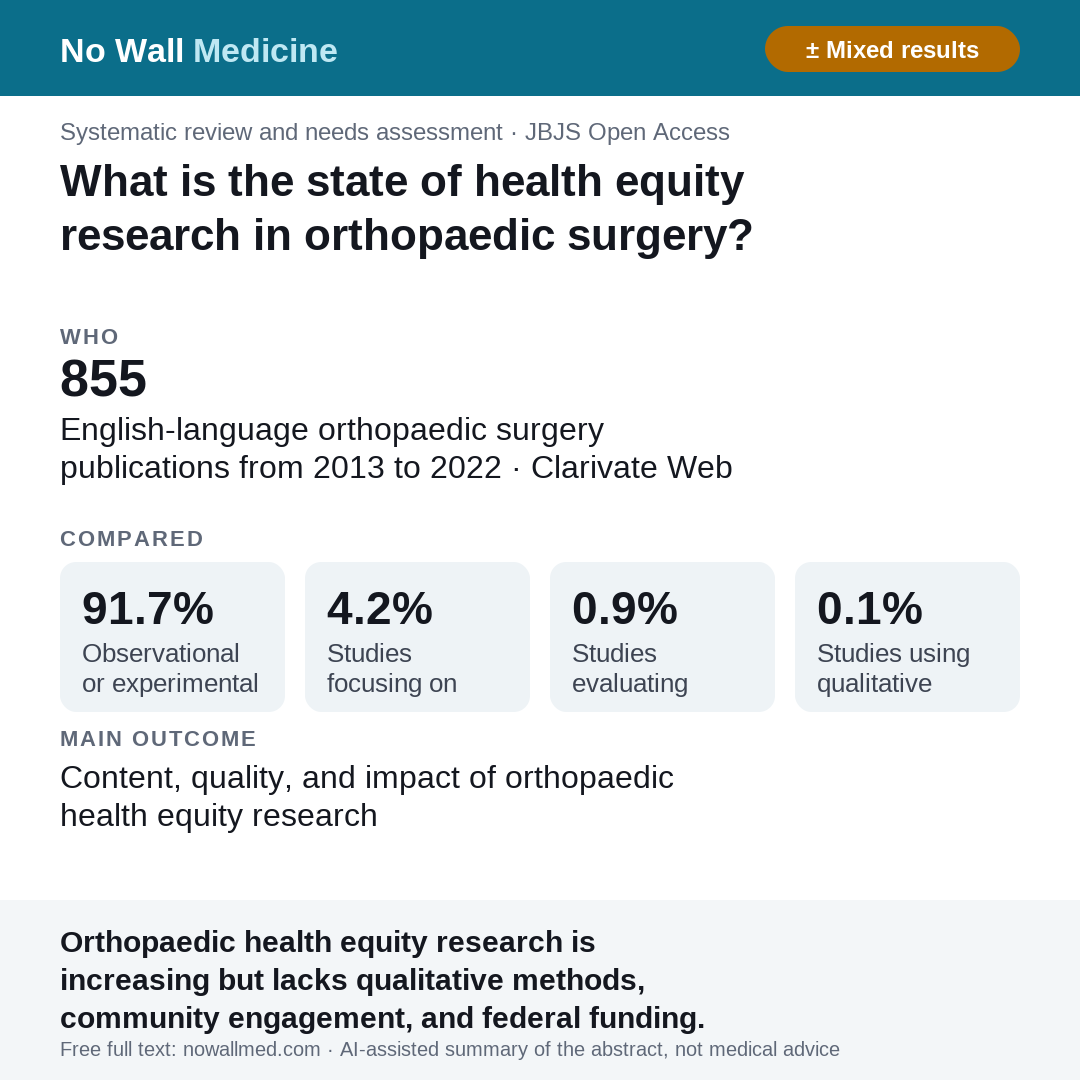
Health Equity Research in Orthopaedic Surgery: A Systematic Review and Needs Assessment
Systematic review and needs assessmentMixed results
What is the state of health equity research in orthopaedic surgery?
Who
855
English-language orthopaedic surgery publications from 2013 to 2022 · Clarivate Web of Science platform
Compared
91.7%Observational or experimental research studies
4.2%Studies focusing on interventions
0.9%Studies evaluating original interventions
0.1%Studies using qualitative methods
Main outcome
Content, quality, and impact of orthopaedic health equity research
Bottom line: Orthopaedic health equity research is increasing but lacks qualitative methods, community engagement, and federal funding.
JBJS Open Access · 2025-06-11Download image
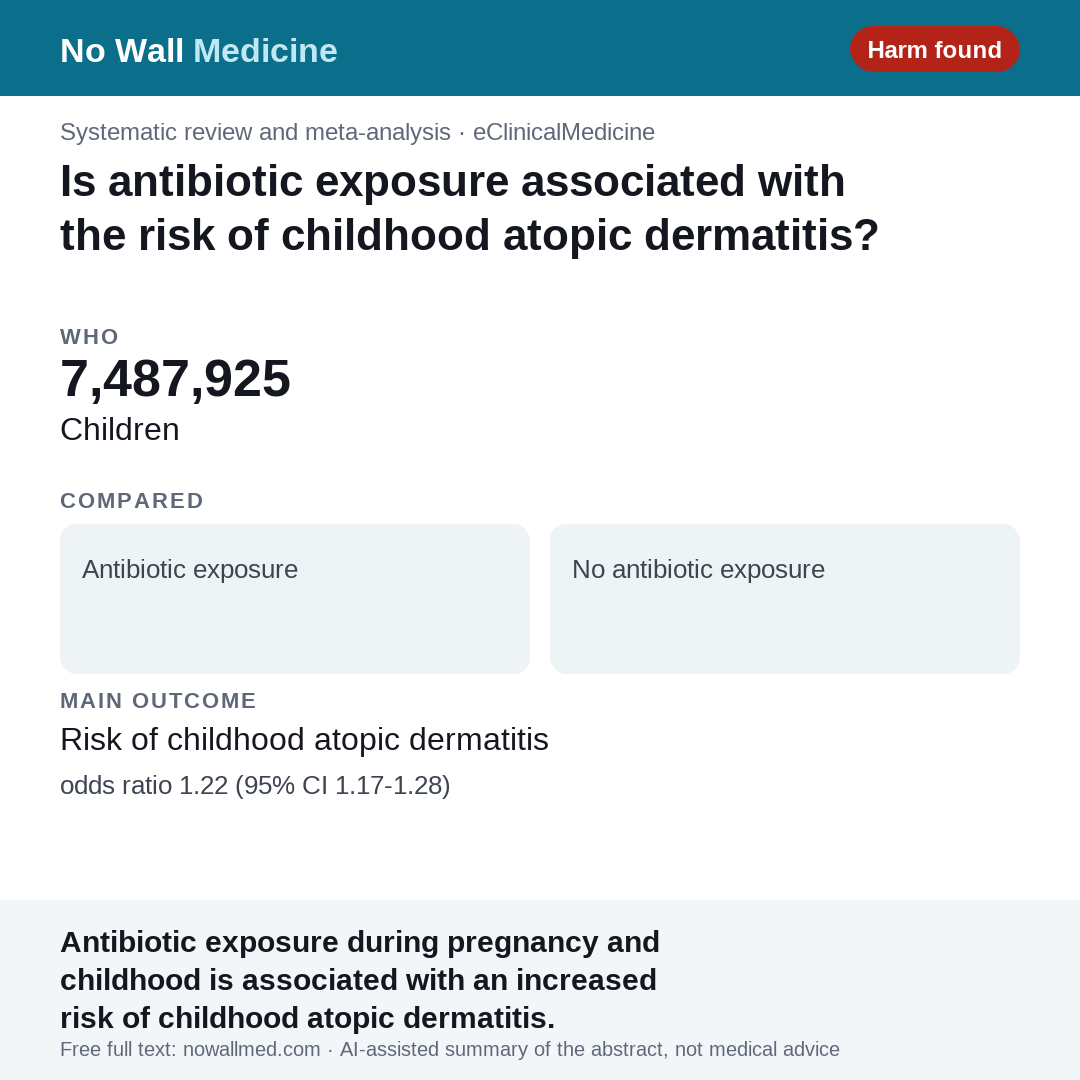
Association between antibiotic exposure and childhood atopic dermatitis: a systematic review and meta-analysis
Systematic review and meta-analysisHarm found
Is antibiotic exposure associated with the risk of childhood atopic dermatitis?
Who
7,487,925
Children
Compared
Antibiotic exposure
No antibiotic exposure
Main outcome
Risk of childhood atopic dermatitis
Result: odds ratio 1.22 (95% CI 1.17-1.28)
Bottom line: Antibiotic exposure during pregnancy and childhood is associated with an increased risk of childhood atopic dermatitis.
Funded by: Natural Science Foundation of Zhejiang and others
eClinicalMedicine · 2025-06-10Download image
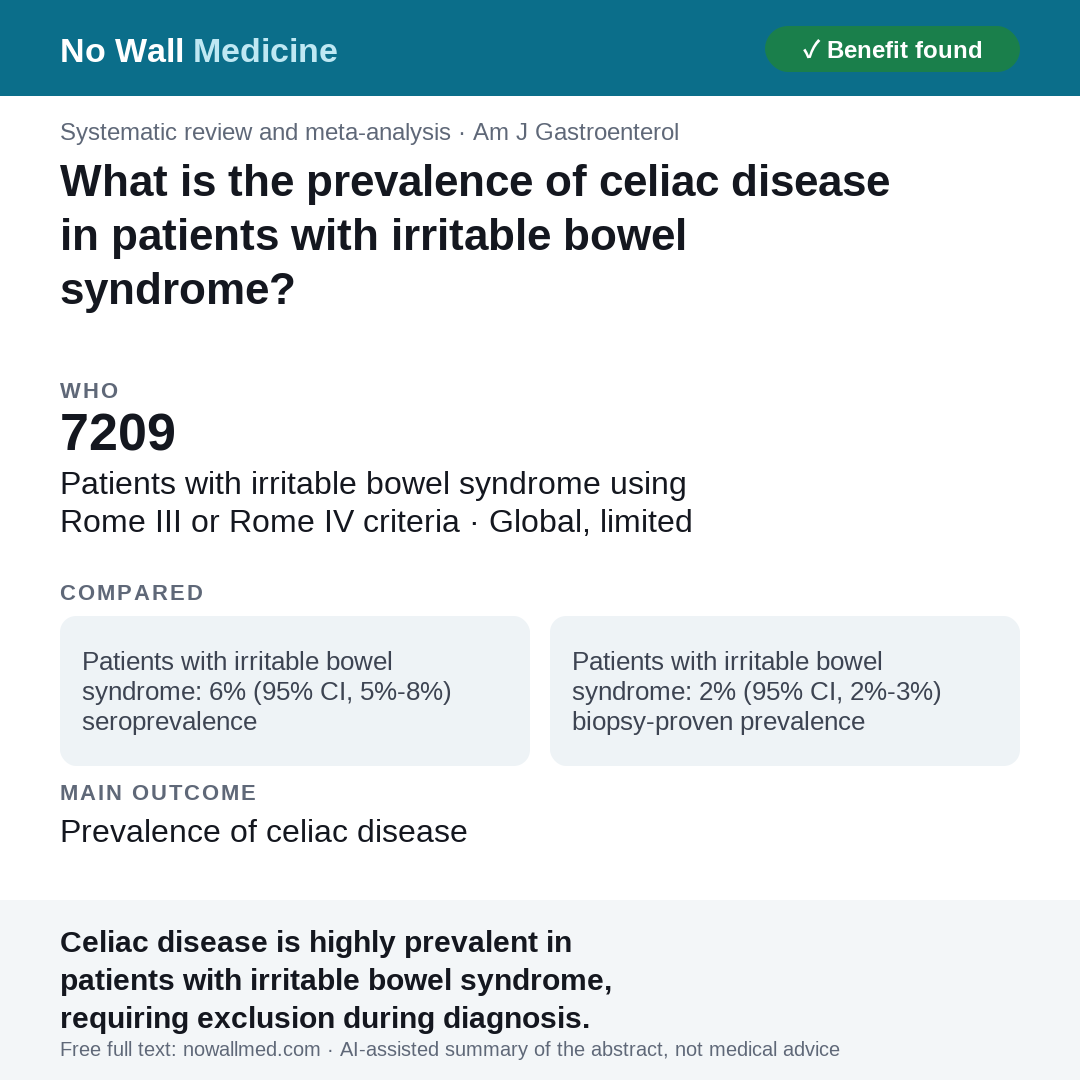
Global Prevalence of Celiac Disease in Patients With Rome III and Rome IV Irritable Bowel Syndrome: A Systematic Review and Meta-Analysis
Systematic review and meta-analysisBenefit found
What is the prevalence of celiac disease in patients with irritable bowel syndrome?
Who
7209
Patients with irritable bowel syndrome using Rome III or Rome IV criteria · Global, limited studies from Europe and no studies from United States
Compared
Patients with irritable bowel syndrome: 6% (95% CI, 5%-8%) seroprevalence
Patients with irritable bowel syndrome: 2% (95% CI, 2%-3%) biopsy-proven prevalence
Main outcome
Prevalence of celiac disease
Result: odds ratio 4.42 (95% CI, 2.82-6.92)
Bottom line: Celiac disease is highly prevalent in patients with irritable bowel syndrome, requiring exclusion during diagnosis.
Limitation: Limited number of studies from Europe and no studies from the United States.
Am J Gastroenterol · 2025-06-10Download image
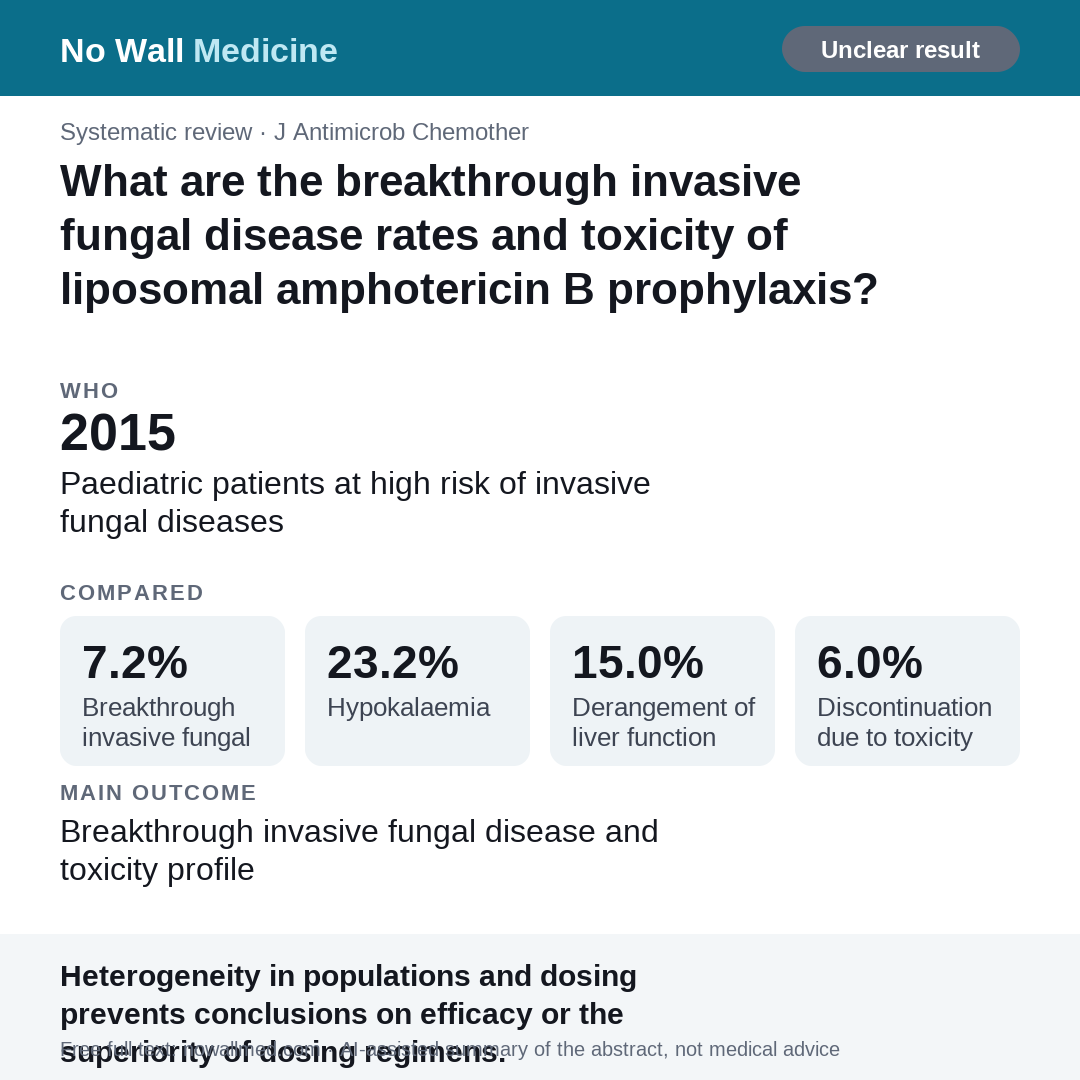
Liposomal amphotericin B prophylaxis in paediatrics: a systematic review
Systematic reviewUnclear result
What are the breakthrough invasive fungal disease rates and toxicity of liposomal amphotericin B prophylaxis?
Who
2015
Paediatric patients at high risk of invasive fungal diseases
Compared
7.2%Breakthrough invasive fungal disease (49/676)
23.2%Hypokalaemia (125/538)
15.0%Derangement of liver function tests (49/327)
6.0%Discontinuation due to toxicity (30/503)
Main outcome
Breakthrough invasive fungal disease and toxicity profile
Bottom line: Heterogeneity in populations and dosing prevents conclusions on efficacy or the superiority of dosing regimens.
J Antimicrob Chemother · 2025-06-10Download image
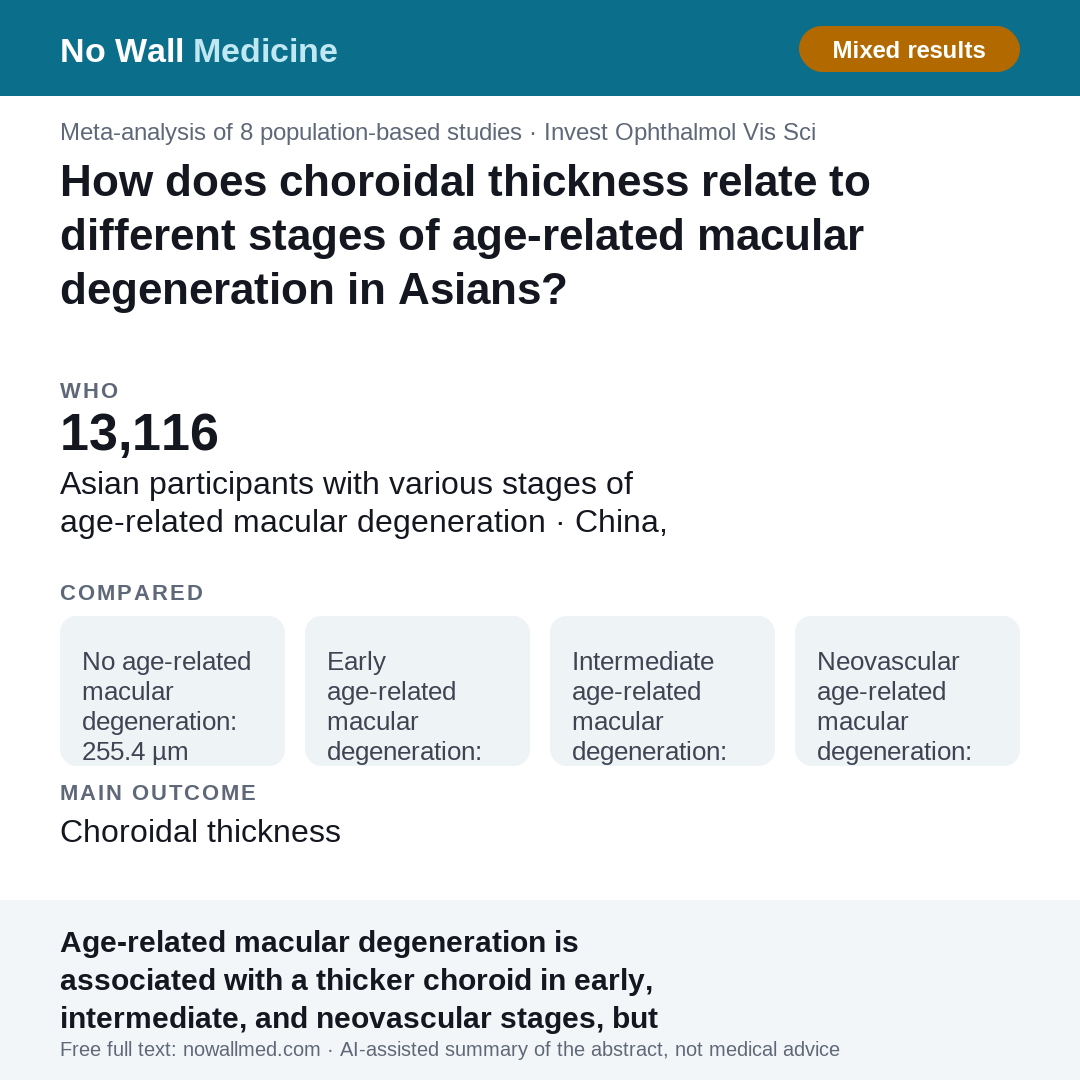
Relationship of Choroidal Thickness With Age-Related Macular Degeneration in Asians: An Asian Eye Epidemiology Consortium Meta-Analysis
Meta-analysis of 8 population-based studiesMixed results
How does choroidal thickness relate to different stages of age-related macular degeneration in Asians?
Who
13,116
Asian participants with various stages of age-related macular degeneration · China, Iran, Japan, and Singapore
Compared
No age-related macular degeneration: 255.4 µm
Early age-related macular degeneration: 263.59 µm
Intermediate age-related macular degeneration: 270.64 µm
Neovascular age-related macular degeneration: 273.32 µm
Main outcome
Choroidal thickness
Result: β = 11.51; 95% confidence interval 4.10-18.92
Bottom line: Age-related macular degeneration is associated with a thicker choroid in early, intermediate, and neovascular stages, but not geographic atrophy.
Invest Ophthalmol Vis Sci · 2025-06-10Download image
Benefits and complications of fetal and postnatal surgery for open spina bifida: systematic review and proportional meta-analysis
Systematic review and proportional meta-analysisMixed results
What are the maternal, fetal, and pediatric outcomes of prenatal versus postnatal surgery for open spina bifida?
Who
Patients undergoing pre- or postnatal surgery for open spina bifida
Compared
Prenatal surgery (open classical hysterotomy): 72% walking at 30 months
Prenatal surgery (open minihysterotomy): 66% walking at 30 months
Prenatal surgery (percutaneous fetoscopy): 81% walking at 30 months
Postnatal surgery: 57% walking at 30 months
Main outcome
maternal, fetal and pediatric outcomes up to 30 months
Bottom line: Prenatal surgery approaches offer varying benefits and complications compared to postnatal surgery for open spina bifida repair.
Ultrasound Obstet Gynecol · 2025-06-10Download image

Adverse Outcomes Associated With Short-Acting Beta-Agonist Overuse in Asthma: A Systematic Review and Meta-Analysis
Systematic review and meta-analysisHarm found
Are short-acting beta-agonist overuse and asthma associated with adverse outcomes?
Who
Patients with asthma
Compared
Short-acting beta-agonist overuse: 2743 of 130,629 mortality; 60,320 of 165,271 exacerbations
Controls: 3534 of 300,451 mortality; 84,439 of 376,845 exacerbations
Main outcome
All-cause mortality and acute exacerbations
Result: RR 2.04 (95% CI 1.37-3.04) for mortality; RR 1.93 (95% CI 1.24-3.03) for exacerbations
Bottom line: Short-acting beta-agonist overuse is associated with increased mortality and acute exacerbations in patients with asthma.
Allergy · 2025-06-10Download image

FDA and EMA-approved noninvasive imaging techniques for basal cell carcinoma subtyping: A systematic review
Systematic reviewBenefit found
What is the diagnostic accuracy of approved noninvasive imaging for basal cell carcinoma subtyping?
Who
2650
2650 basal cell carcinoma lesions
Compared
Dermoscopy: 81.9% sensitivity, 81.8% specificity for superficial basal cell carcinoma
Dermoscopy-guided high-frequency ultrasound: 82.4% sensitivity, 91.3% specificity
Line-field confocal optical coherence tomography: 100% sensitivity for infiltrative basal cell carcinoma
High-definition optical coherence tomography: 100% sensitivity for superficial basal cell carcinoma
Main outcome
Diagnostic accuracy of noninvasive imaging techniques
Bottom line: Line-field confocal optical coherence tomography and high-definition optical coherence tomography offer the highest accuracy for subtyping.
Limitation: Study heterogeneity and inconsistent protocols limit comparability.
JAAD Int · 2025-06-10Download image

Preoperative Risk Factors for Failure After Fixed Sling Implantation for Postprostatectomy Stress Urinary Incontinence (FORESEE): A Systematic Review and Meta-analysis
Systematic review and meta-analysisMixed results
What are the preoperative risk factors for failure after fixed sling implantation?
Who
5696
Patients undergoing fixed sling implantation for postprostatectomy stress urinary incontinence
Compared
High certainty risk factors: pelvic irradiation, 24-h pad use, and 24-h urine loss
Moderate certainty risk factors: urethral stricture, previous incontinence therapy, detrusor overactivity, higher Male Stress Incontinence Grading Scale score, and unfavourable repositioning test
Main outcome
failure after fixed sling implantation
Bottom line: Several preoperative risk factors, including pelvic irradiation and urine loss, are associated with fixed sling failure.
Limitation: Heterogeneity and suboptimal study quality are the main limitations.
Eur Urol Open Sci · 2025-06-10Download image

Music therapy for the treatment of anxiety: a systematic review with multilevel meta-analyses
Meta-analysis of 51 trialsBenefit found
Music therapy for anxiety treatment
Who
10210
patients with anxiety · multiple settings
Compared
Music therapy: g = 0.357
Control
Main outcome
anxiety symptoms
Result: g = 0.357 (0.201 to 0.514)
Bottom line: Music therapy reduces anxiety symptoms
Funded by: University of Melbourne and NHL Stenden
eClinicalMedicine · 2025-06-09Download image

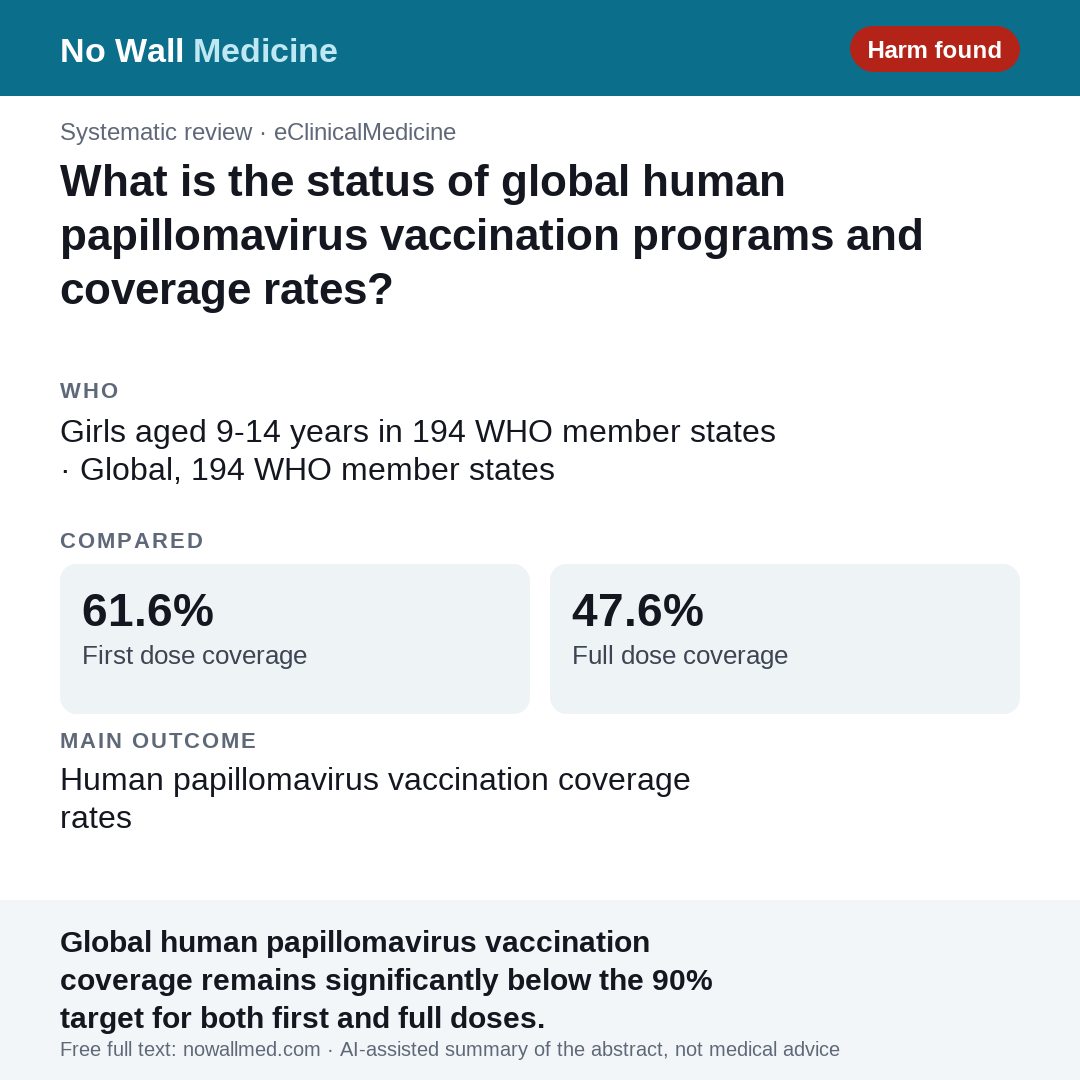
Global HPV vaccination programs and coverage rates: a systematic review
Systematic reviewHarm found
What is the status of global human papillomavirus vaccination programs and coverage rates?
Who
Girls aged 9-14 years in 194 WHO member states · Global, 194 WHO member states
Compared
61.6%First dose coverage (95% CI: 50.9%-71.8%)
47.6%Full dose coverage (39.7%-57.4%)
Main outcome
Human papillomavirus vaccination coverage rates
Bottom line: Global human papillomavirus vaccination coverage remains significantly below the 90% target for both first and full doses.
Funded by: CAMS Innovation Fund; National High Level Hospital Clinical Research Funding; Sanming Project
eClinicalMedicine · 2025-06-09Download image
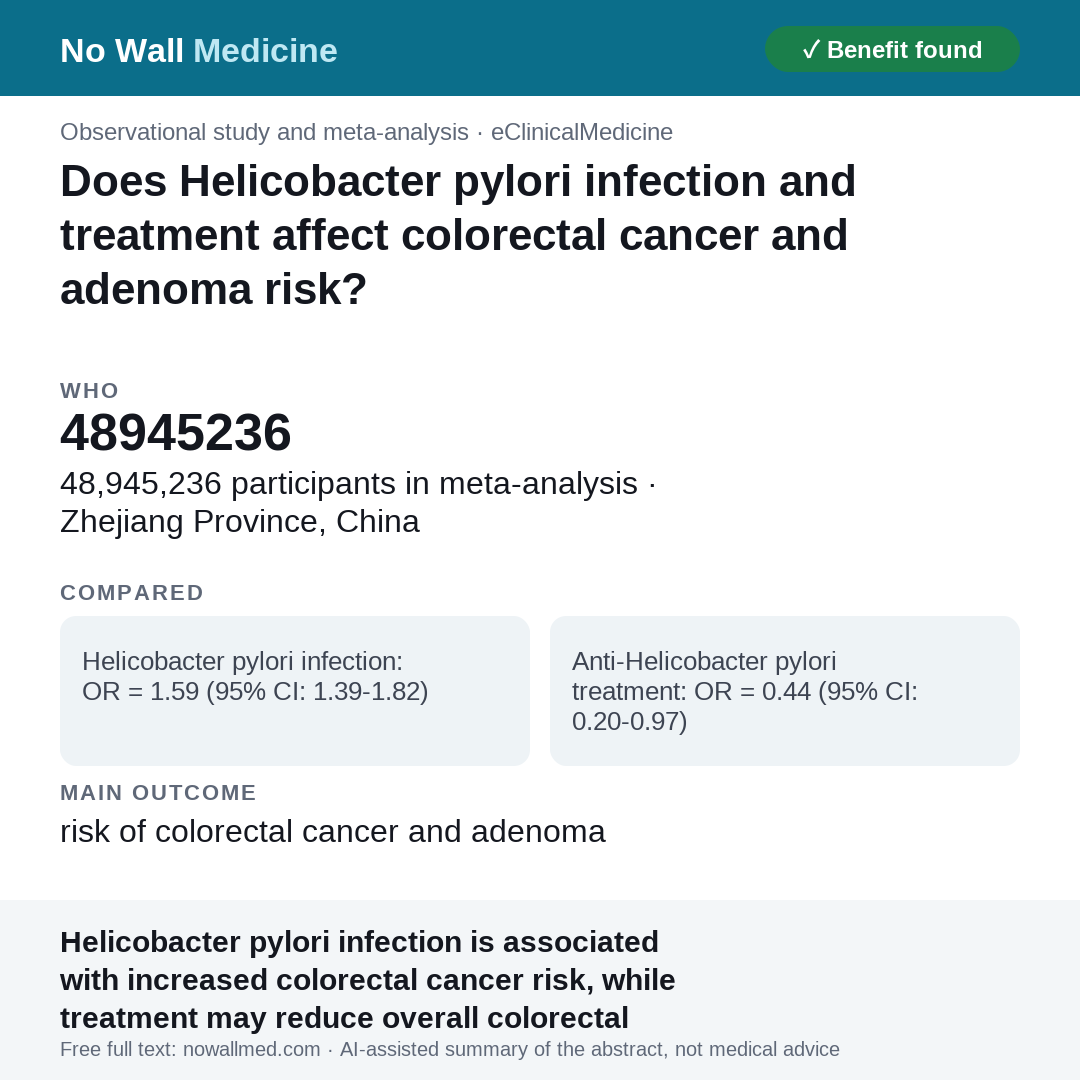
Helicobacter pylori infection, anti-Helicobacter pylori treatment and risk of colorectal cancer and adenoma: an observational study and a meta-analysis
Observational study and meta-analysisBenefit found
Does Helicobacter pylori infection and treatment affect colorectal cancer and adenoma risk?
Who
48945236
48,945,236 participants in meta-analysis · Zhejiang Province, China
Compared
Helicobacter pylori infection: OR = 1.59 (95% CI: 1.39-1.82)
Anti-Helicobacter pylori treatment: OR = 0.44 (95% CI: 0.20-0.97)
Main outcome
risk of colorectal cancer and adenoma
Result: OR = 1.49 (95% CI: 1.39-1.60) for overall colorectal neoplasia
Bottom line: Helicobacter pylori infection is associated with increased colorectal cancer risk, while treatment may reduce overall colorectal neoplasia risk.
Limitation: Effect of treatment necessitates further investigation through large-scale, randomized controlled trials with prolonged follow-up.
Funded by: National Natural Science Foundation of China and others
eClinicalMedicine · 2025-06-09Download image
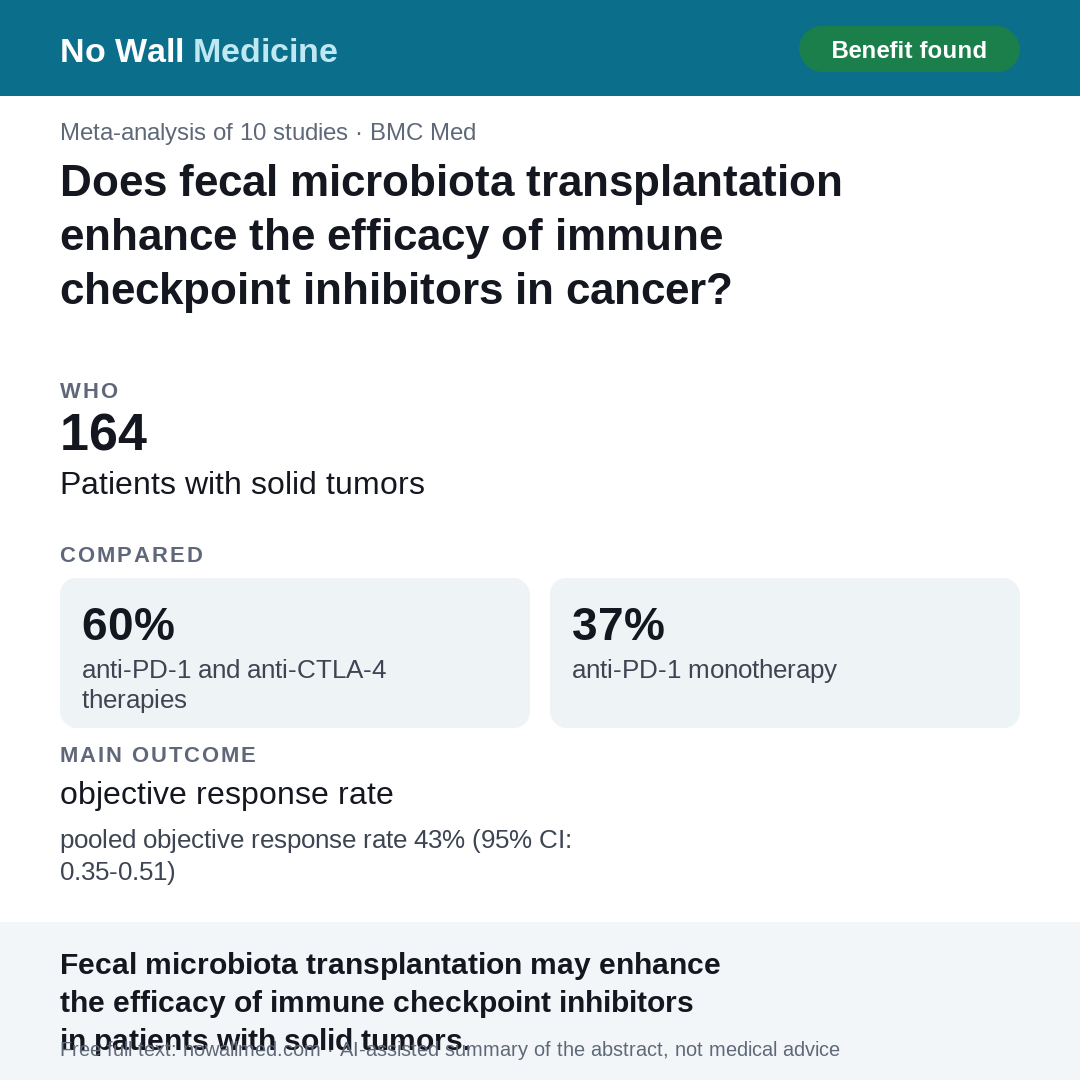
Microbiota boost immunotherapy? A meta-analysis dives into fecal microbiota transplantation and immune checkpoint inhibitors
Meta-analysis of 10 studiesBenefit found
Does fecal microbiota transplantation enhance the efficacy of immune checkpoint inhibitors in cancer?
Who
164
Patients with solid tumors
Compared
60%anti-PD-1 and anti-CTLA-4 therapies
37%anti-PD-1 monotherapy
Main outcome
objective response rate
Result: pooled objective response rate 43% (95% CI: 0.35-0.51)
Bottom line: Fecal microbiota transplantation may enhance the efficacy of immune checkpoint inhibitors in patients with solid tumors.
Limitation: larger-scale randomized controlled trials with long-term follow-up are required
BMC Med · 2025-06-09Download image
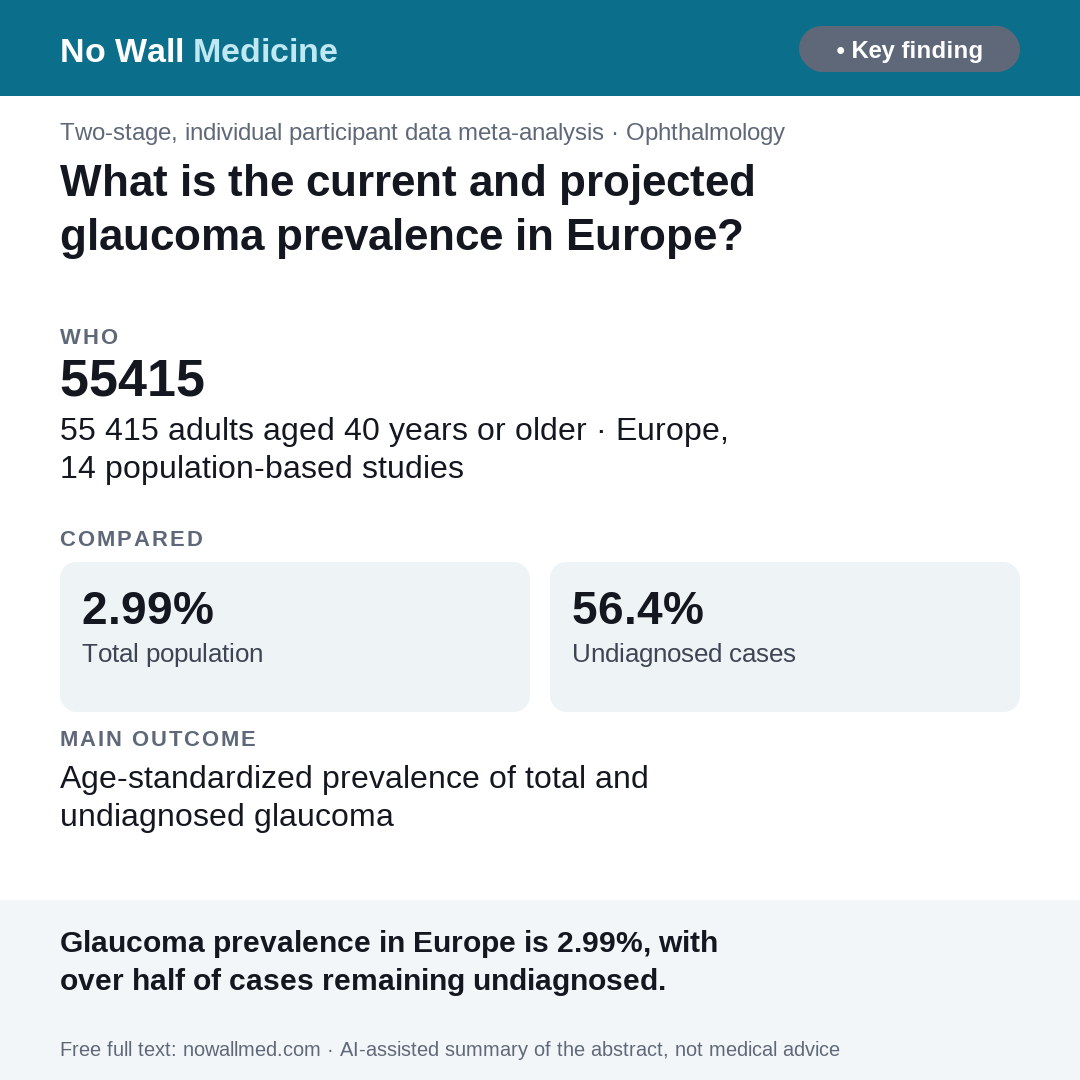
Prevalence of Glaucoma in Europe and Projections to 2050: Findings from the European Eye Epidemiology Consortium
Two-stage, individual participant data meta-analysisHarm found
What is the current and projected glaucoma prevalence in Europe?
Who
55415
55 415 adults aged 40 years or older · Europe, 14 population-based studies
Compared
2.99%Total population (95% CI 2.86%-3.12%)
56.4%Undiagnosed cases
Main outcome
Age-standardized prevalence of total and undiagnosed glaucoma
Bottom line: Glaucoma prevalence in Europe is 2.99%, with over half of cases remaining undiagnosed.
Ophthalmology · 2025-06-09Download image
Long-term functional outcomes and health-related quality of life following in-hospital cardiac arrest (IHCA): A systematic review
Systematic review and meta-analysisMixed results
What are the long-term functional outcomes following in-hospital cardiac arrest?
Who
16
Adults receiving conventional cardiopulmonary resuscitation for in-hospital cardiac arrest · 21 countries
Compared
Full cohort: 78.9% (95% CI 73.5-83.4%) poor neurological outcome
Survivors: 9.9% (95% CI 5.8-16.3%) poor neurological outcome
Main outcome
Neurological, cognitive, psychological, or health-related quality of life outcomes
Bottom line: Many in-hospital cardiac arrest survivors experience persistent neurological, psychological, and health-related quality of life impairments.
Limitation: Wide variation in outcome measures, follow-up duration, and reporting methods limited synthesis.
Resuscitation · 2025-06-09Download image

Glucose Parameters, Inflammation Markers, and Gut Microbiota Changes of Gut Microbiome-Targeted Therapies in Type 2 Diabetes Mellitus: A Systematic Review and Meta-Analysis of Randomized Controlled Trials
Systematic review and meta-analysis of randomized controlled trialsBenefit found
Do gut microbiome-targeted therapies affect glucose, inflammation, and gut microbiota in type 2 diabetes?
Who
3390
Patients with type 2 diabetes mellitus
Compared
Gut microbiome-targeted therapies
Control
Main outcome
Glucometabolic, inflammatory factors and gut microbiota
Result: HbA1c MD -0.28% (95% CI -0.39, -0.17)
Bottom line: Gut microbiome-targeted therapies modestly improve glucose parameters, reduce inflammation, and enrich beneficial microbes in type 2 diabetes patients.
Limitation: Heterogeneity and limited long-term data
J Clin Endocrinol Metab · 2025-06-09Download image

The State of the Art of Telemedicine Implementation Architecture: Rapid Umbrella Review of Systematic Reviews
Rapid umbrella review of systematic reviewsBenefit found
What are the essential building blocks for telemedicine implementation?
Who
973
Telemedicine implementation frameworks, models, and tools · 63 countries across multiple continents
Compared
Process dimensions: readiness, planning, managing change, implementing, and continuous improvement
Thematic dimensions: human, organization, communication, policy, clinical, and wider context
Main outcome
Essential requirements for a national telemedicine implementation ecosystem
Bottom line: Telemedicine implementation requires addressing specific process and thematic dimensions to ensure sustainable and scalable systems.
Limitation: Future research should focus on field-testing tools to evaluate usability and adaptability.
J Med Internet Res · 2025-06-09Download image

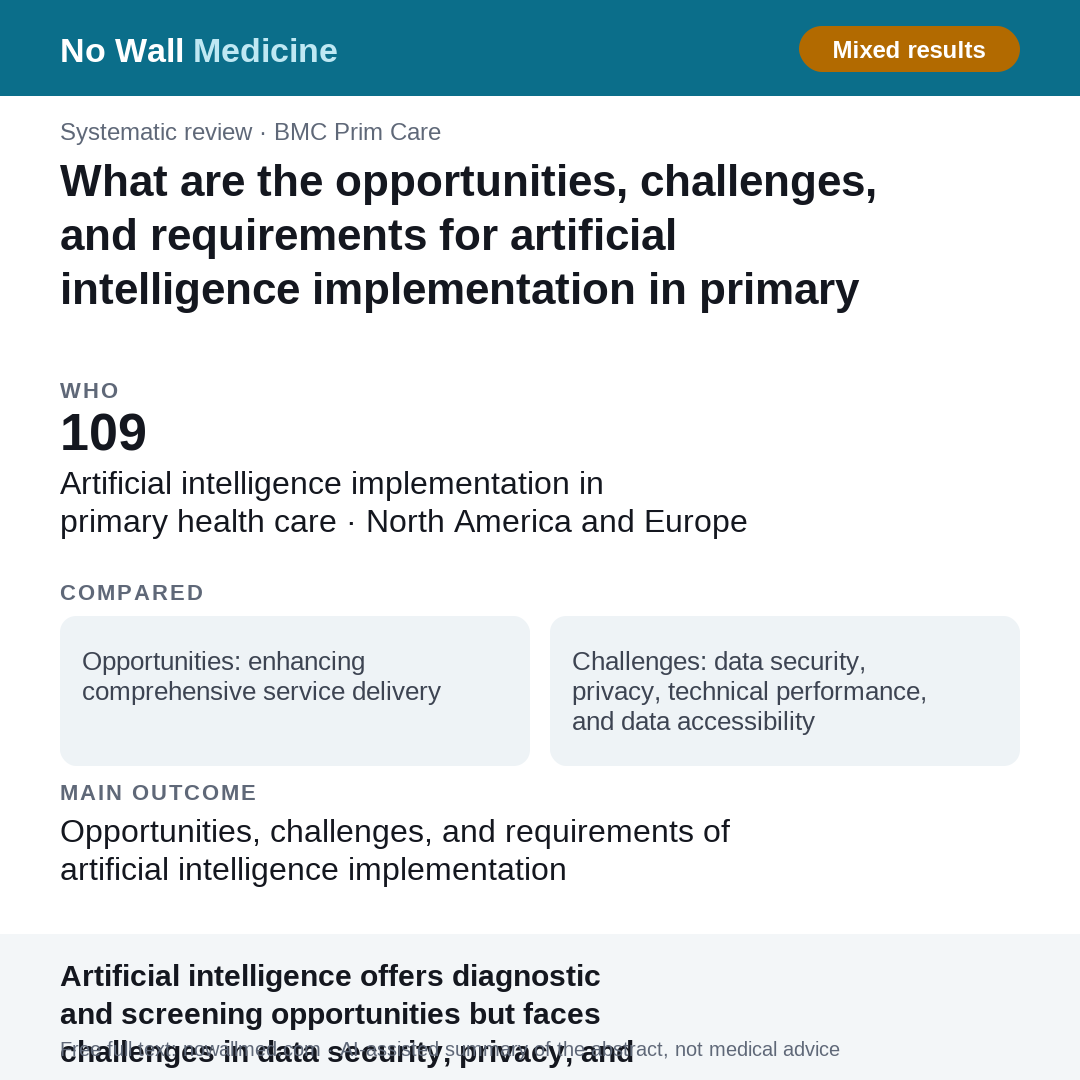
Opportunities, challenges, and requirements for Artificial Intelligence (AI) implementation in Primary Health Care (PHC): a systematic review
Systematic reviewMixed results
What are the opportunities, challenges, and requirements for artificial intelligence implementation in primary health care?
Who
109
Artificial intelligence implementation in primary health care · North America and Europe
Compared
Opportunities: enhancing comprehensive service delivery
Challenges: data security, privacy, technical performance, and data accessibility
Main outcome
Opportunities, challenges, and requirements of artificial intelligence implementation
Bottom line: Artificial intelligence offers diagnostic and screening opportunities but faces challenges in data security, privacy, and technical performance.
BMC Prim Care · 2025-06-09Download image