Visual abstracts
New randomized trials and meta-analyses from leading journals at a glance: who was studied, what was compared, and what was found. Every paper is free to read in full.
All specialtiesCardiology 4763Oncology 4042Gastroenterology & Hepatology 1902Infectious Disease 3756Neurology 1872Psychiatry & Mental Health 2214Pulmonology 2042Critical Care 1319Endocrinology & Diabetes 2544Pediatrics 2889Surgery 2479Orthopedics & Sports Medicine 917Neurosurgery 525Cardiothoracic & Vascular Surgery 656Plastic & Reconstructive Surgery 574Nephrology 1107Rheumatology 810Hematology 1090Dermatology 611Ophthalmology 532Obstetrics & Gynecology 1645Public & Global Health 1037Radiology & Imaging 617Anesthesiology 957Urology 745ENT (Otolaryngology) 494Emergency Medicine 481Allergy & Immunology 309Geriatrics 972Family Medicine & Primary Care 533Medical Genetics & Genomics 659Pathology & Laboratory Medicine 156Physical Medicine & Rehabilitation 734Palliative Care 421Nutrition 1560Digital Health & AI 2133General Medicine 318
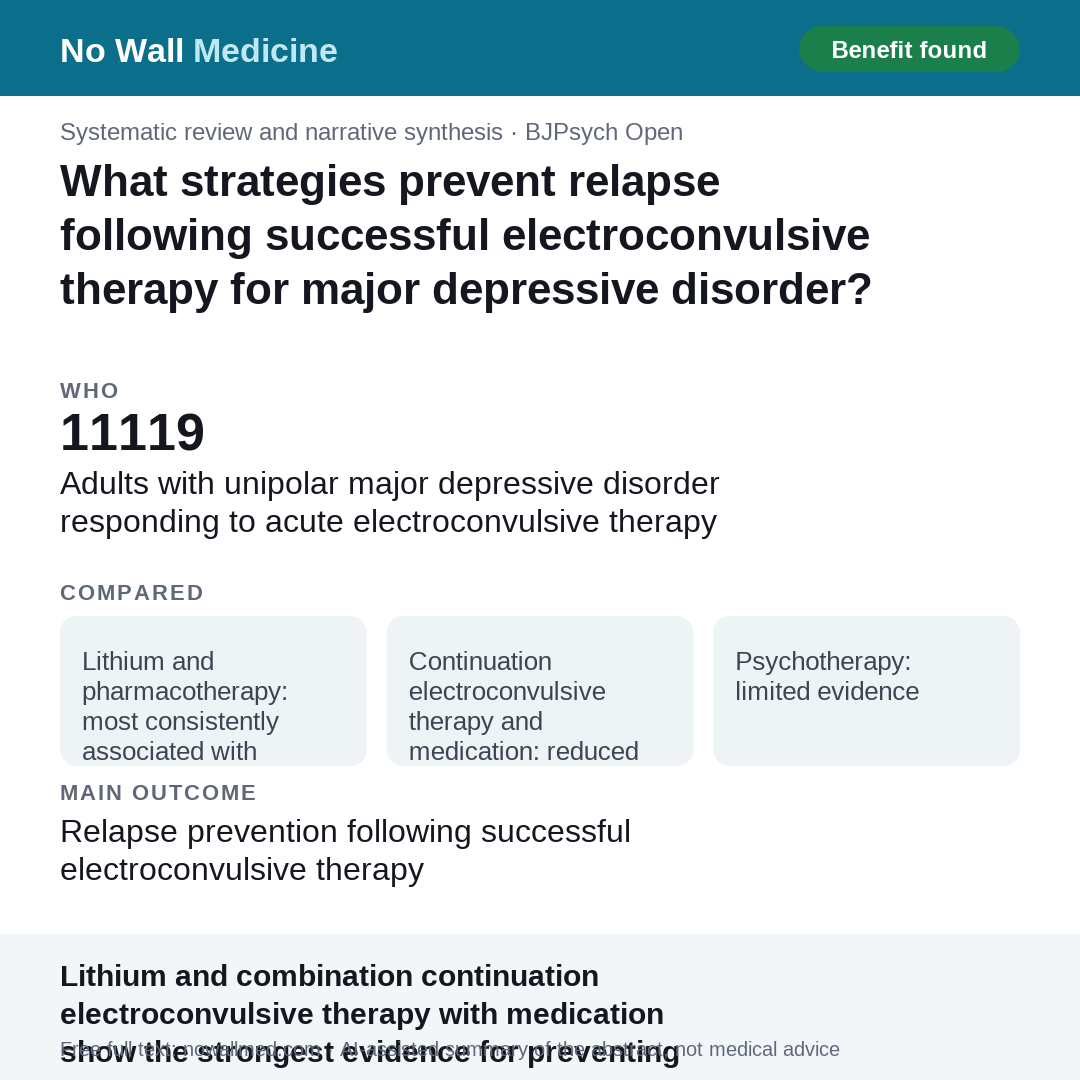
Systematic review on relapse-prevention strategies following successful electroconvulsive therapy for major depressive disorder
Systematic review and narrative synthesisBenefit found
What strategies prevent relapse following successful electroconvulsive therapy for major depressive disorder?
Who
11119
Adults with unipolar major depressive disorder responding to acute electroconvulsive therapy
Compared
Lithium and pharmacotherapy: most consistently associated with reduced relapse
Continuation electroconvulsive therapy and medication: reduced relapse
Psychotherapy: limited evidence
Main outcome
Relapse prevention following successful electroconvulsive therapy
Bottom line: Lithium and combination continuation electroconvulsive therapy with medication show the strongest evidence for preventing relapse.
Limitation: Heterogeneity, small sample sizes, and inconsistent definitions of relapse.
BJPsych Open · 2026-01-14Download image
Accuracy of Deep Learning in Diagnosing Chronic Obstructive Pulmonary Disease: Systematic Review and Meta-Analysis
Systematic review and meta-analysis of 56 studiesMixed results
What is the accuracy of deep learning for diagnosing and grading chronic obstructive pulmonary disease?
Who
886753
886,753 participants across various imaging and audio modalities
Compared
Binary COPD classification: AUC 0.93
Multiclass GOLD staging: limited accuracy
Main outcome
diagnostic accuracy for COPD detection and severity grading
Result: sensitivity 0.87 (95% CI 0.85-0.90), specificity 0.88 (95% CI 0.84-0.92)
Bottom line: Deep learning shows high accuracy for binary COPD detection but limited accuracy for grading disease severity stages.
Limitation: substantial heterogeneity and limited external validation
J Med Internet Res · 2026-01-14Download image

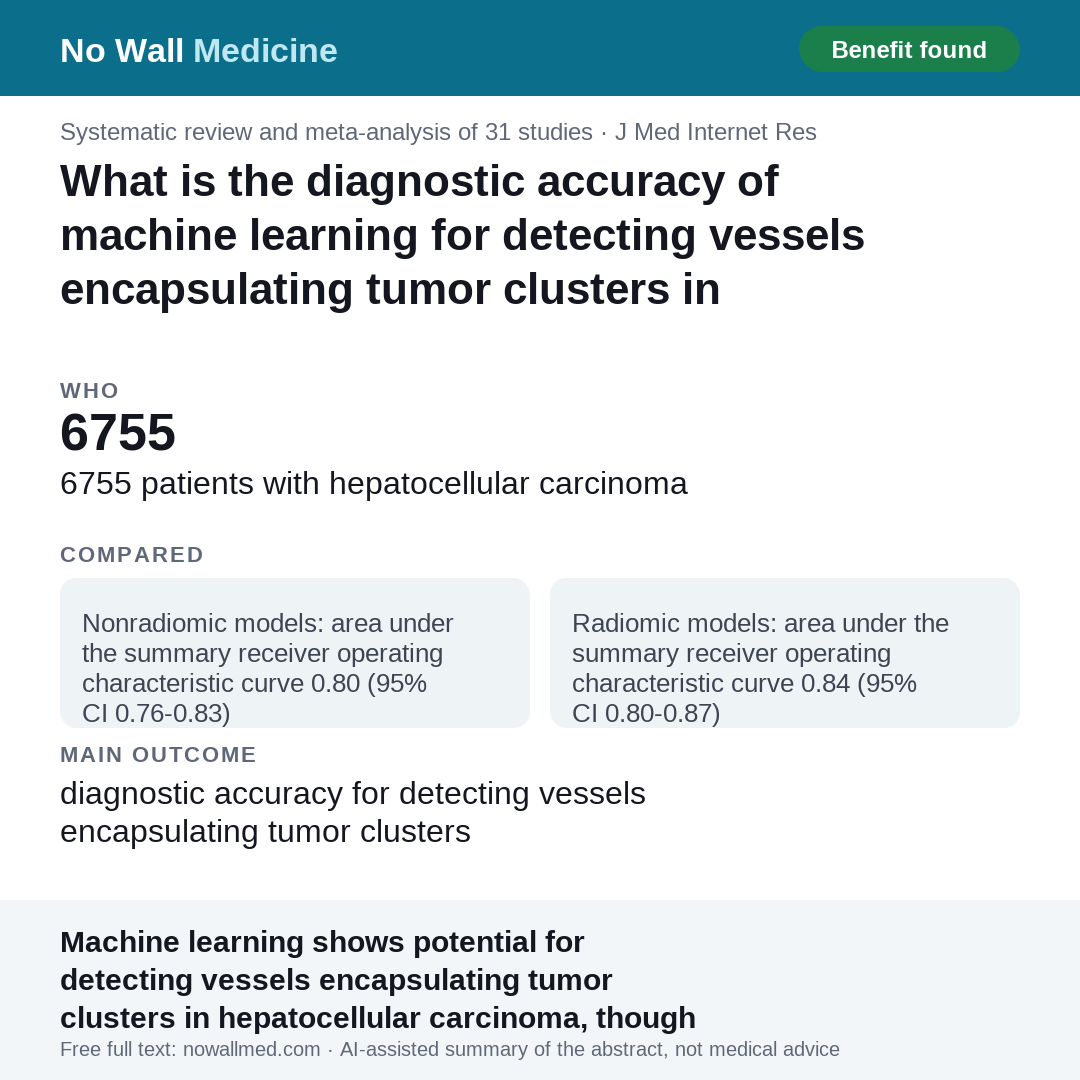
Effectiveness of Machine Learning in Detecting Vessels Encapsulating Tumor Clusters in Hepatocellular Carcinoma: Systematic Review and Meta-Analysis
Systematic review and meta-analysis of 31 studiesKey finding
What is the diagnostic accuracy of machine learning for detecting vessels encapsulating tumor clusters in hepatocellular carcinoma?
Who
6755
6755 patients with hepatocellular carcinoma
Compared
Nonradiomic models: area under the summary receiver operating characteristic curve 0.80 (95% CI 0.76-0.83)
Radiomic models: area under the summary receiver operating characteristic curve 0.84 (95% CI 0.80-0.87)
Main outcome
diagnostic accuracy for detecting vessels encapsulating tumor clusters
Bottom line: Machine learning shows potential for detecting vessels encapsulating tumor clusters in hepatocellular carcinoma, though clinical translation requires more research.
Limitation: Methodological heterogeneity, limited validation, and a high risk of bias.
J Med Internet Res · 2026-01-14Download image
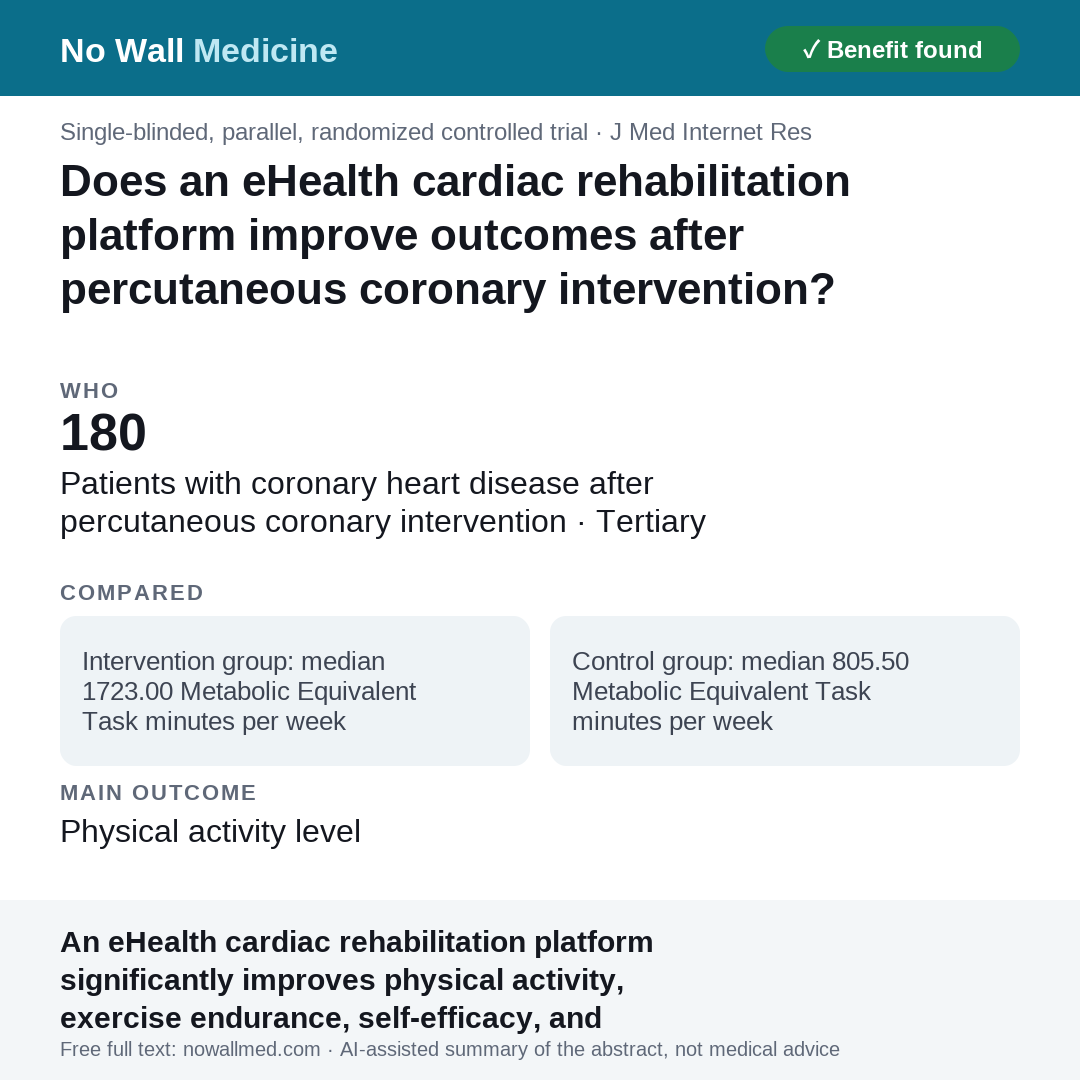
Effects of an eHealth Cardiac Exercise Rehabilitation Platform for Patients After Percutaneous Coronary Intervention Based on the Persuasive Systems Design Model: Randomized Controlled Trial
Single-blinded, parallel, randomized controlled trialBenefit found
Does an eHealth cardiac rehabilitation platform improve outcomes after percutaneous coronary intervention?
Who
180
Patients with coronary heart disease after percutaneous coronary intervention · Tertiary hospital in Hangzhou, China
Compared
Intervention group: median 1723.00 Metabolic Equivalent Task minutes per week
Control group: median 805.50 Metabolic Equivalent Task minutes per week
Main outcome
Physical activity level
Result: β coefficient=937.29, 95% CI 867.61-1006.97
Bottom line: An eHealth cardiac rehabilitation platform significantly improves physical activity, exercise endurance, self-efficacy, and quality of life.
J Med Internet Res · 2026-01-14Download image
Psychosocial Factors Surrounding Aesthetic Rhinoplasty: A Systematic Review
Systematic reviewMixed results
How do psychosocial factors influence aesthetic rhinoplasty outcomes and patient satisfaction?
Who
Patients undergoing aesthetic rhinoplasty
Compared
Patients with preexisting mental health conditions: lower postoperative satisfaction
Patients with psychological readiness: significantly influenced perceived outcomes
Main outcome
Postoperative satisfaction and perceived surgical outcomes
Bottom line: Preexisting mental health conditions like depression and anxiety are associated with lower postoperative satisfaction despite successful surgery.
Plast Reconstr Surg Glob Open · 2026-01-14Download image

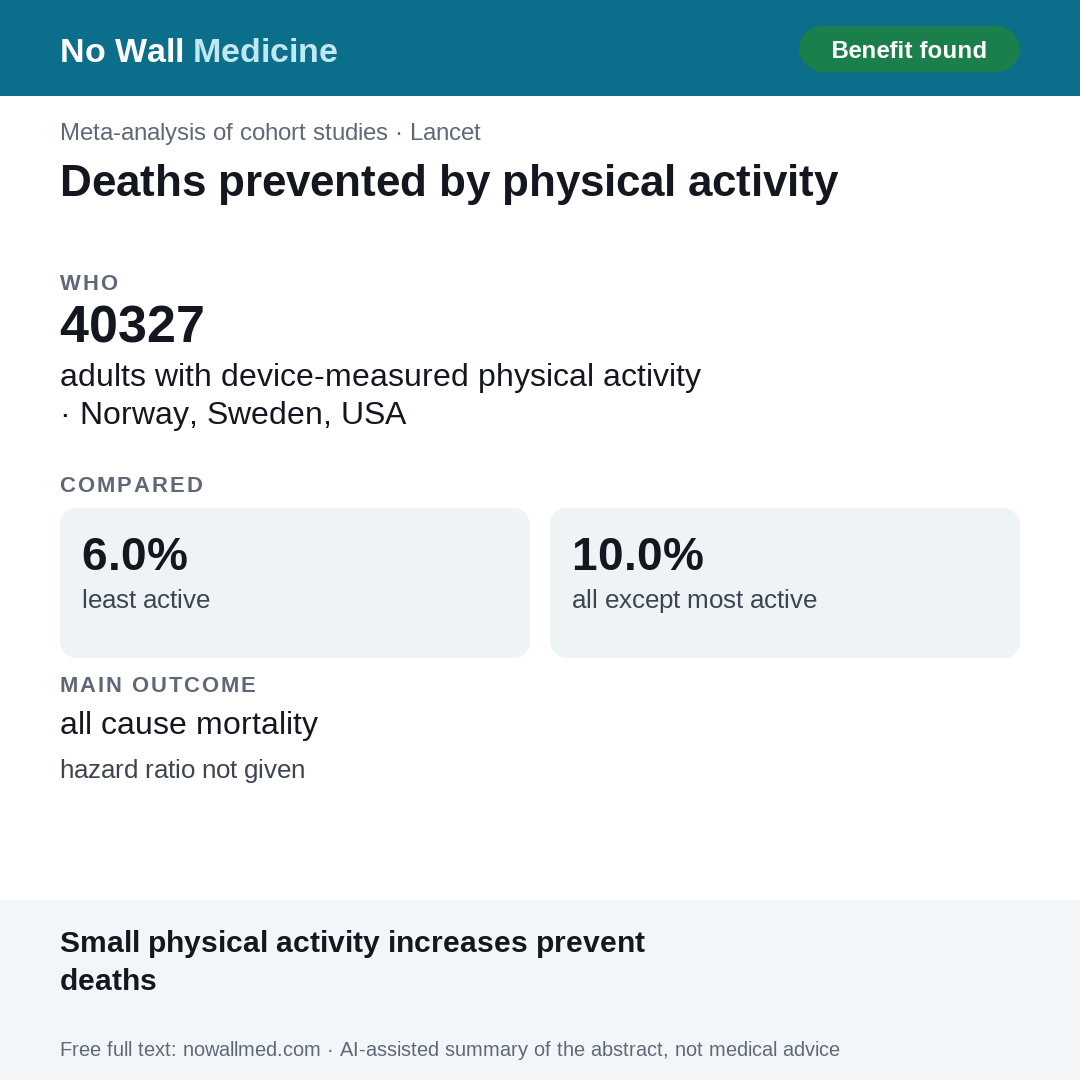
Deaths potentially averted by small changes in physical activity and sedentary time: an individual participant data meta-analysis of prospective cohort studies
Individual participant data meta-analysis of prospective cohortsKey finding
Mortality impact of small changes in physical activity and sedentary time
Who
40327
Participants in seven cohorts and UK Biobank · Norway, Sweden, USA, and UK
Compared
6.0%5-min MVPA increase (high-risk) (95% CI 4.3-7.4)
10.0%5-min MVPA increase (population) (6.3-13.4)
3.0%30-min sedentary reduction (high-risk) (2.0-4.1)
7.3%30-min sedentary reduction (population) (4.8-9.6)
Main outcome
Proportion of deaths prevented
Result: 5-min MVPA increase: 6.0% (95% CI 4.3-7.4) high-risk; 10.0% (6.3-13.4) population
Bottom line: Small increases in activity and reductions in sedentary time might prevent a meaningful proportion of deaths.
Lancet · 2026-01-13Download image
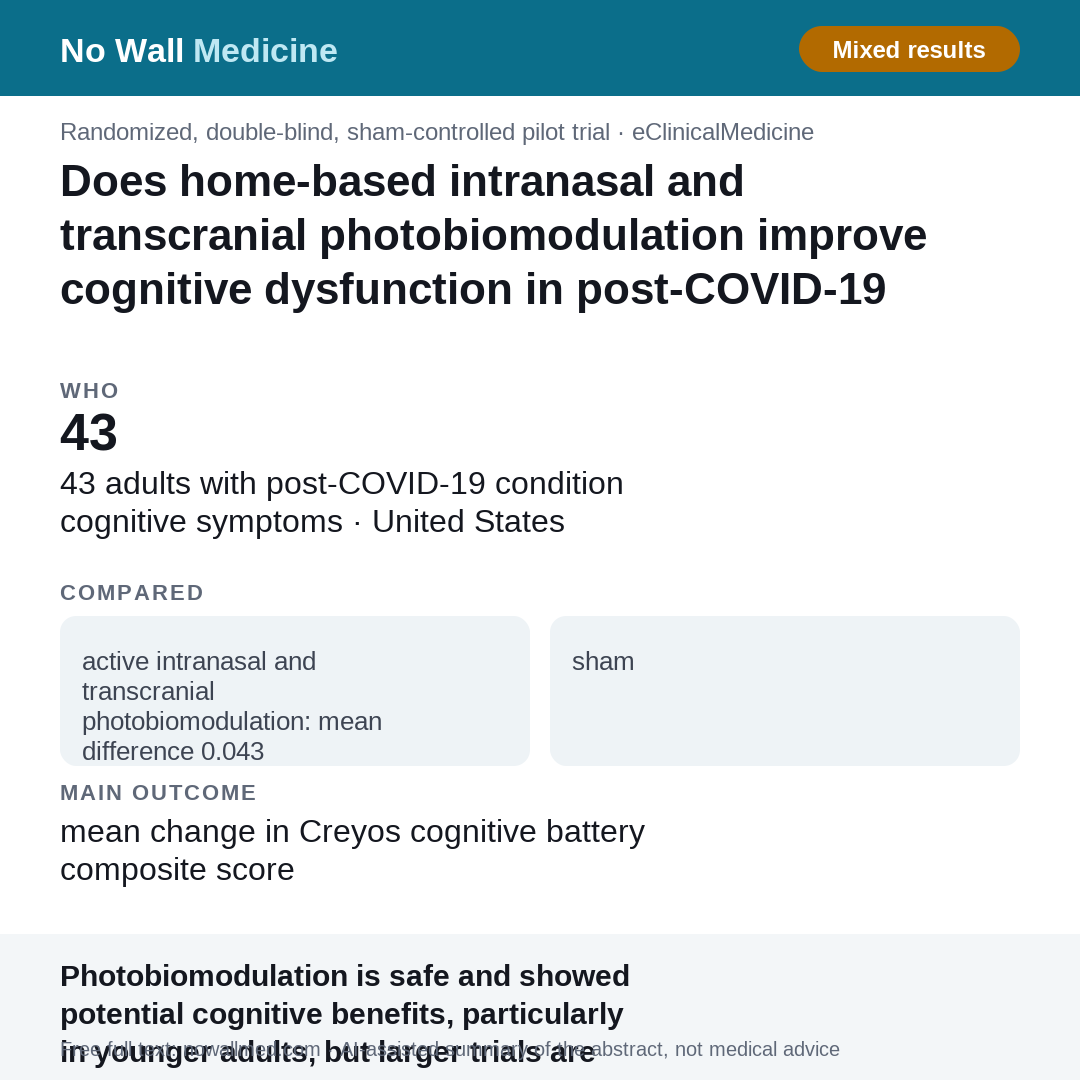
Photobiomodulation for cognitive dysfunction (Brain Fog) in post-COVID-19 condition: a randomized double-blind sham-controlled pilot trial
Randomized, double-blind, sham-controlled pilot trialMixed results
Does home-based intranasal and transcranial photobiomodulation improve cognitive dysfunction in post-COVID-19 condition?
Who
43
43 adults with post-COVID-19 condition cognitive symptoms · United States
Compared
active intranasal and transcranial photobiomodulation: mean difference 0.043
sham
Main outcome
mean change in Creyos cognitive battery composite score
Result: mean difference 0.043 (95% CI -0.007 to 0.092)
Bottom line: Photobiomodulation is safe and showed potential cognitive benefits, particularly in younger adults, but larger trials are needed.
Funded by: Vielight Inc.
eClinicalMedicine · 2026-01-13Download image
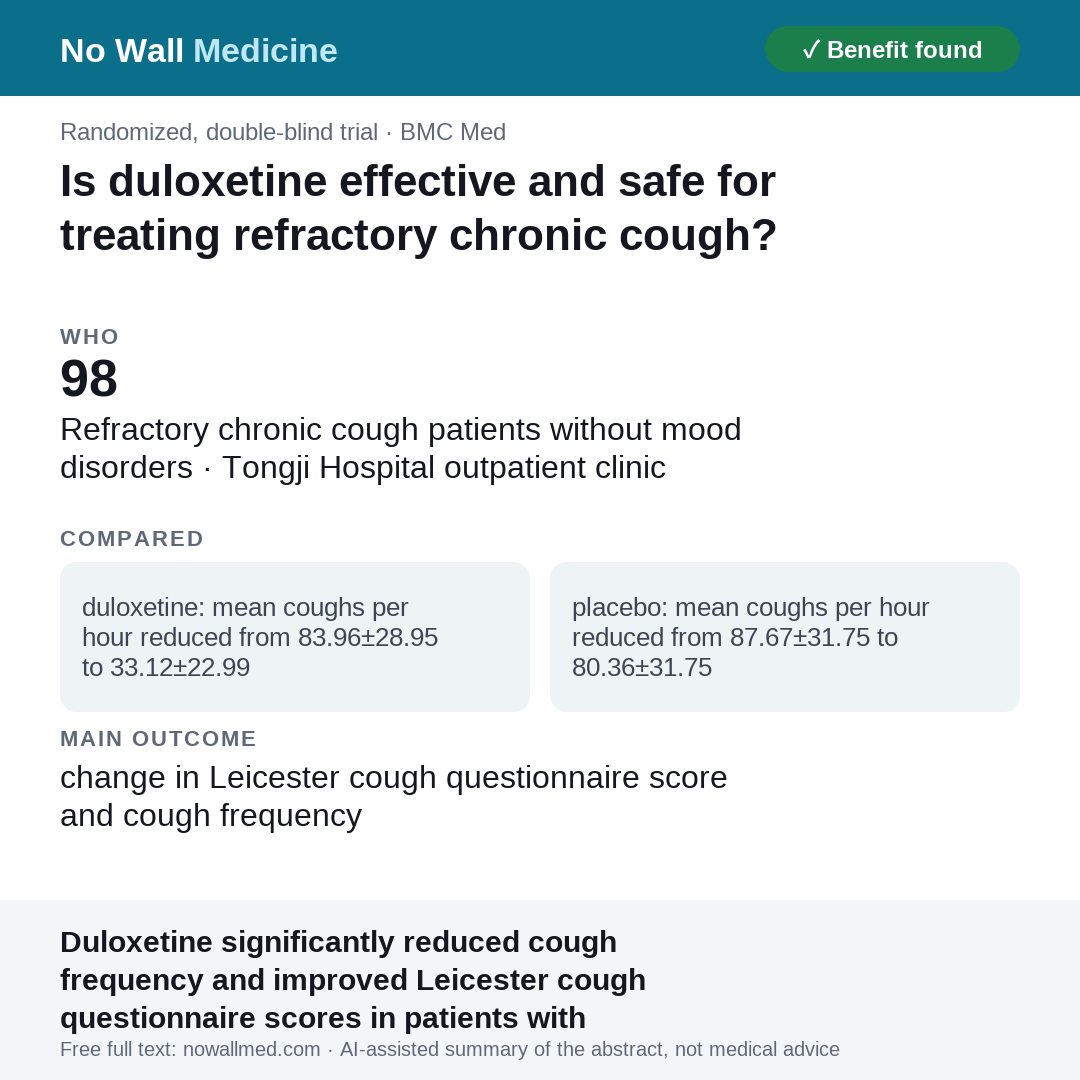
The efficacy and safety of duloxetine in treating refractory chronic cough: a randomized clinical trial
Randomized, double-blind trialBenefit found
Is duloxetine effective and safe for treating refractory chronic cough?
Who
98
Refractory chronic cough patients without mood disorders · Tongji Hospital outpatient clinic
Compared
duloxetine: mean coughs per hour reduced from 83.96±28.95 to 33.12±22.99
placebo: mean coughs per hour reduced from 87.67±31.75 to 80.36±31.75
Main outcome
change in Leicester cough questionnaire score and cough frequency
Bottom line: Duloxetine significantly reduced cough frequency and improved Leicester cough questionnaire scores in patients with refractory chronic cough.
BMC Med · 2026-01-13Download image
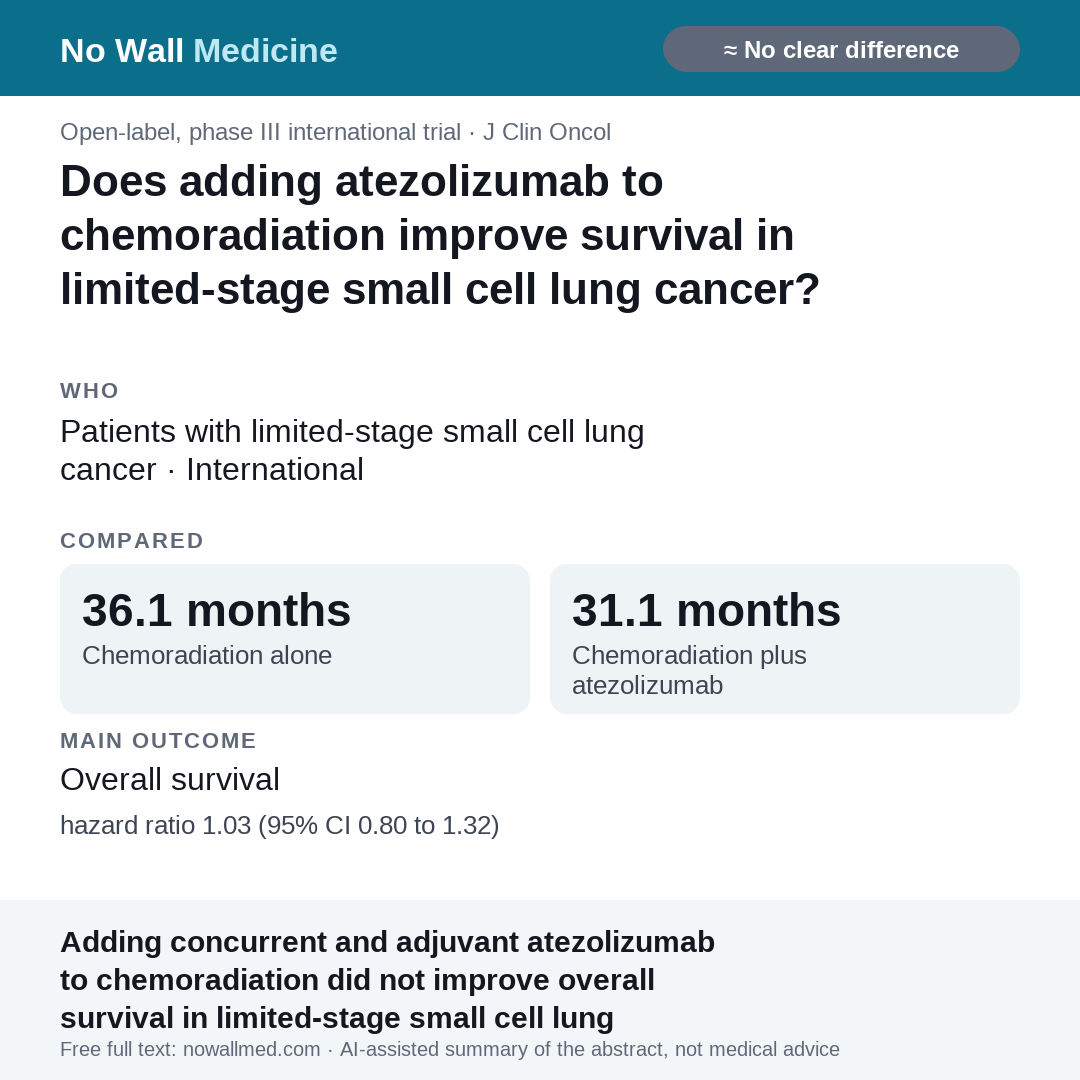
Chemoradiation ± Atezolizumab in Limited-Stage Small Cell Lung Cancer: Results of NRG Oncology/Alliance LU005
Open-label, phase III international trialNo clear difference
Does adding atezolizumab to chemoradiation improve survival in limited-stage small cell lung cancer?
Who
Patients with limited-stage small cell lung cancer · International
Compared
36.1 monthsChemoradiation alone (95% CI, 28.1 to 42.5)
31.1 monthsChemoradiation plus atezolizumab (95% CI, 28.5 to 44.7)
Main outcome
Overall survival
Result: hazard ratio 1.03 (95% CI 0.80 to 1.32)
Bottom line: Adding concurrent and adjuvant atezolizumab to chemoradiation did not improve overall survival in limited-stage small cell lung cancer.
J Clin Oncol · 2026-01-13Download image
The Effect of Vitamin D3 Supplementation on the Risk of Falls in a General Population-The Finnish Vitamin D Trial
Double-blind, placebo-controlled randomized trialNo clear difference
Does vitamin D3 supplementation affect the risk of falls and fall-related injuries?
Who
2495
Healthy, community-dwelling men and women in Finland · Finland
Compared
Placebo: 55% fall risk
1600 IU/day vitamin D3: 55% fall risk
3200 IU/day vitamin D3: 55% fall risk
Main outcome
Risk of falls and fall-related injuries
Bottom line: Five years of vitamin D3 supplementation did not affect the risk of falls or fall injuries in this population.
J Am Geriatr Soc · 2026-01-13Download image

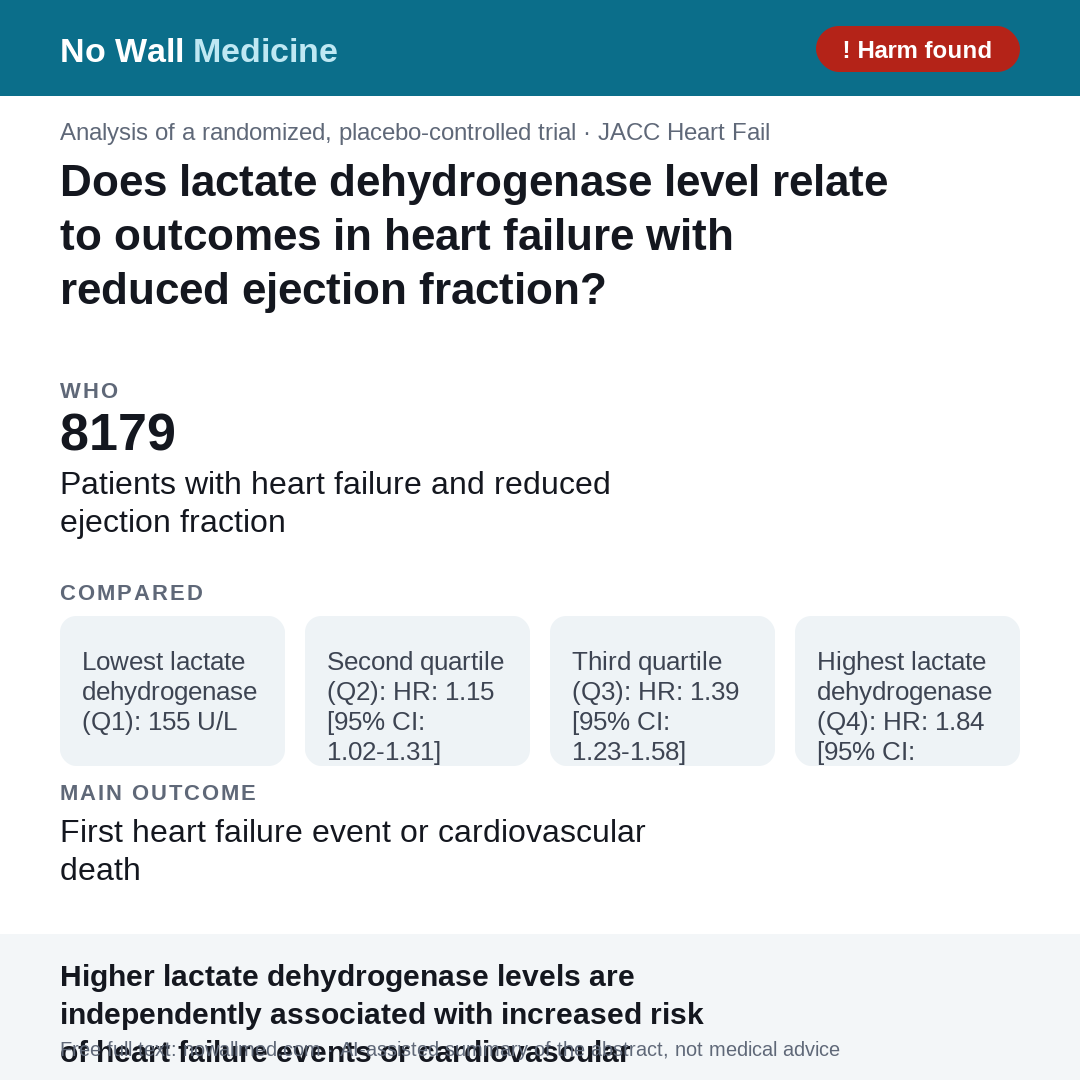
Lactate Dehydrogenase and Outcomes in Patients With HF and Reduced Ejection Fraction: Insights From GALACTIC-HF
Analysis of a randomized, placebo-controlled trialHarm found
Does lactate dehydrogenase level relate to outcomes in heart failure with reduced ejection fraction?
Who
8179
Patients with heart failure and reduced ejection fraction
Compared
Lowest lactate dehydrogenase (Q1): 155 U/L
Second quartile (Q2): HR: 1.15 [95% CI: 1.02-1.31]
Third quartile (Q3): HR: 1.39 [95% CI: 1.23-1.58]
Highest lactate dehydrogenase (Q4): HR: 1.84 [95% CI: 1.62-2.08]
Main outcome
First heart failure event or cardiovascular death
Bottom line: Higher lactate dehydrogenase levels are independently associated with increased risk of heart failure events or cardiovascular death.
JACC Heart Fail · 2026-01-13Download image
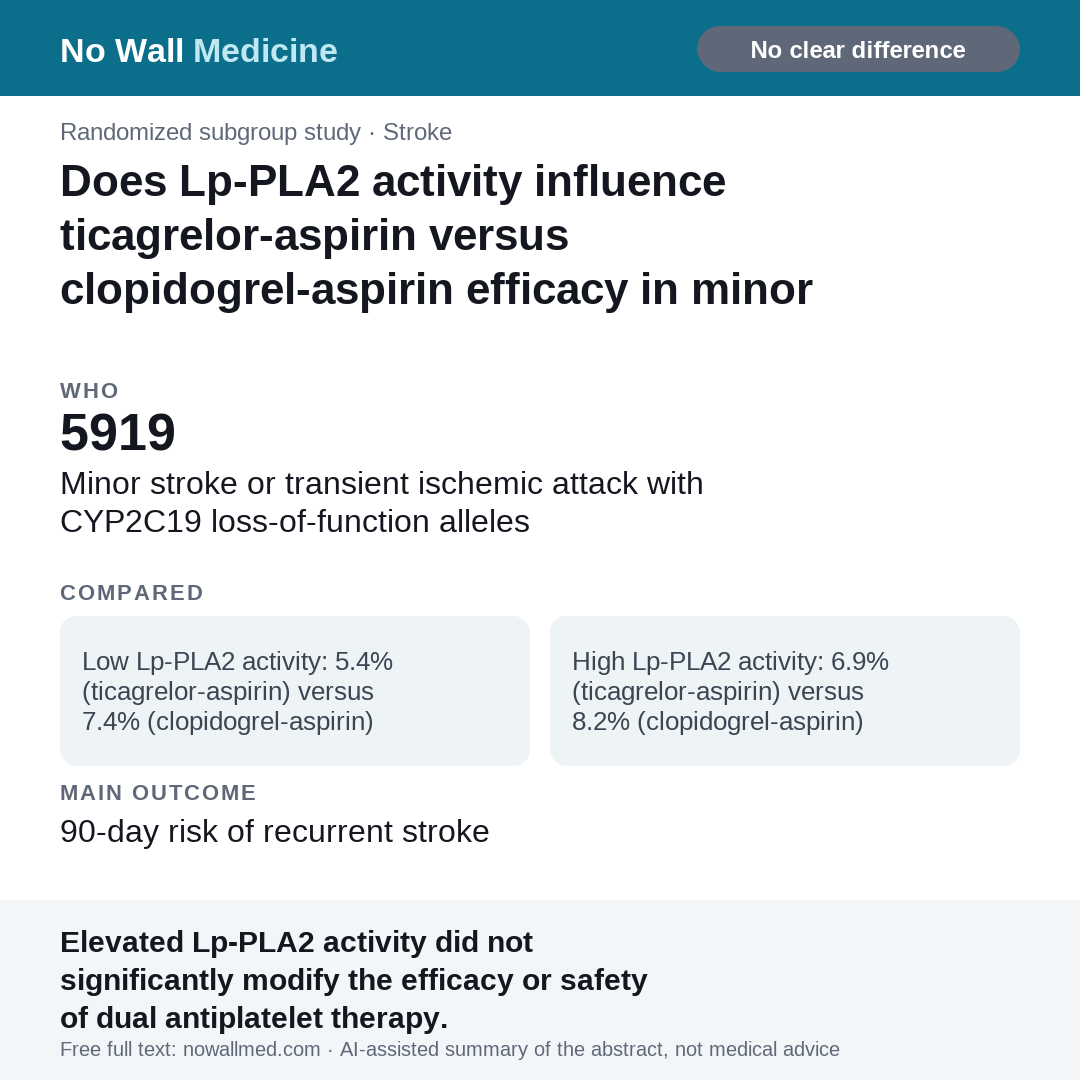
Lp-PLA2 Activity and Genotype-Guided Dual Antiplatelet Therapy in Minor Stroke or Transient Ischemic Attack
Randomized subgroup studyNo clear difference
Does Lp-PLA2 activity influence ticagrelor-aspirin versus clopidogrel-aspirin efficacy in minor stroke?
Who
5919
Minor stroke or transient ischemic attack with CYP2C19 loss-of-function alleles
Compared
Low Lp-PLA2 activity: 5.4% (ticagrelor-aspirin) versus 7.4% (clopidogrel-aspirin)
High Lp-PLA2 activity: 6.9% (ticagrelor-aspirin) versus 8.2% (clopidogrel-aspirin)
Main outcome
90-day risk of recurrent stroke
Result: adjusted hazard ratio 0.72 (95% CI 0.54-0.97) for low activity
Bottom line: Elevated Lp-PLA2 activity did not significantly modify the efficacy or safety of dual antiplatelet therapy.
Stroke · 2026-01-13Download image
Genomic Studies of Suicidal Thoughts and Behaviors in Latin American Populations: A Systematic Review
Systematic reviewUnclear result
Genomic basis of suicidality in Latin America
Who
Latin American or Hispanic/Latinx individuals
Compared
Genetic studies
Transcriptomic studies
Main outcome
Suicidal thoughts and behaviors
Bottom line: Genomic research is growing but remains fragmented
Limitation: small samples and limited resources
Biol Psychiatry · 2026-01-13Download image

Pharmacological therapy for preventing esophageal stricture after endoscopic submucosal dissection: a systematic review and network meta-analysis
Network meta-analysisBenefit found
Which pharmacological therapies best prevent esophageal stricture after endoscopic submucosal dissection?
Who
3085
Patients who underwent endoscopic submucosal dissection
Compared
Oral hydrocortisone sodium succinate and aluminum phosphate gel: RR = 0.075 (95% CrI: 0.017, 0.24)
Standard care
Main outcome
Incidence of esophageal stricture
Result: RR = 0.075 (95% CrI: 0.017, 0.24)
Bottom line: Oral hydrocortisone sodium succinate combined with aluminum phosphate gel most effectively reduces esophageal stricture incidence after endoscopic submucosal dissection.
Int J Surg · 2026-01-13Download image

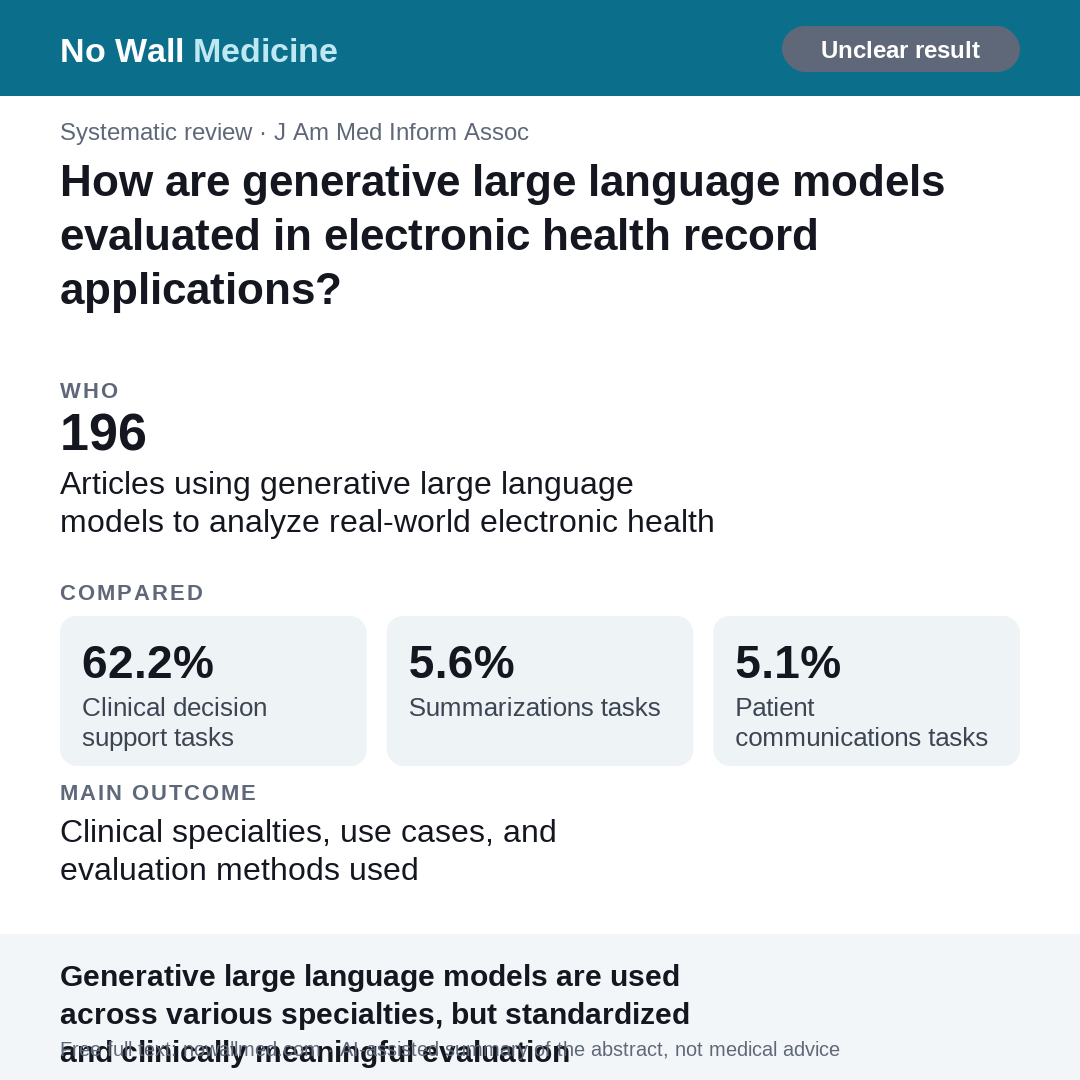
Testing and evaluation of generative large language models in electronic health record applications: a systematic review
Systematic reviewUnclear result
How are generative large language models evaluated in electronic health record applications?
Who
196
Articles using generative large language models to analyze real-world electronic health record data · PubMed and Web of Science
Compared
62.2%Clinical decision support tasks
5.6%Summarizations tasks
5.1%Patient communications tasks
Main outcome
Clinical specialties, use cases, and evaluation methods used
Bottom line: Generative large language models are used across various specialties, but standardized and clinically meaningful evaluation frameworks are urgently needed.
J Am Med Inform Assoc · 2026-01-13Download image
Preoperative Nonopioid Analgesia Reduces Postoperative Opioid Consumption After Arthroscopic Surgery: A Systematic Review and Meta-analysis of Randomized Controlled Trials
Systematic review and meta-analysisBenefit found
Does preoperative nonopioid analgesia reduce postoperative opioid consumption after arthroscopic surgery?
Who
Patients undergoing arthroscopic surgery
Compared
Preoperative nonopioid medication: 4.3 mg reduction in oral morphine equivalents
Control
Main outcome
Postoperative opioid consumption in oral morphine equivalents
Result: mean reduction 4.3 mg of oral morphine equivalents (95% CI, -6.1 to -2.5)
Bottom line: Preoperative nonopioid medications reduce postoperative opioid consumption after arthroscopic surgery, though improvements may not be clinically meaningful.
Limitation: The current available literature is highly heterogeneous.
Am J Sports Med · 2026-01-13Download image

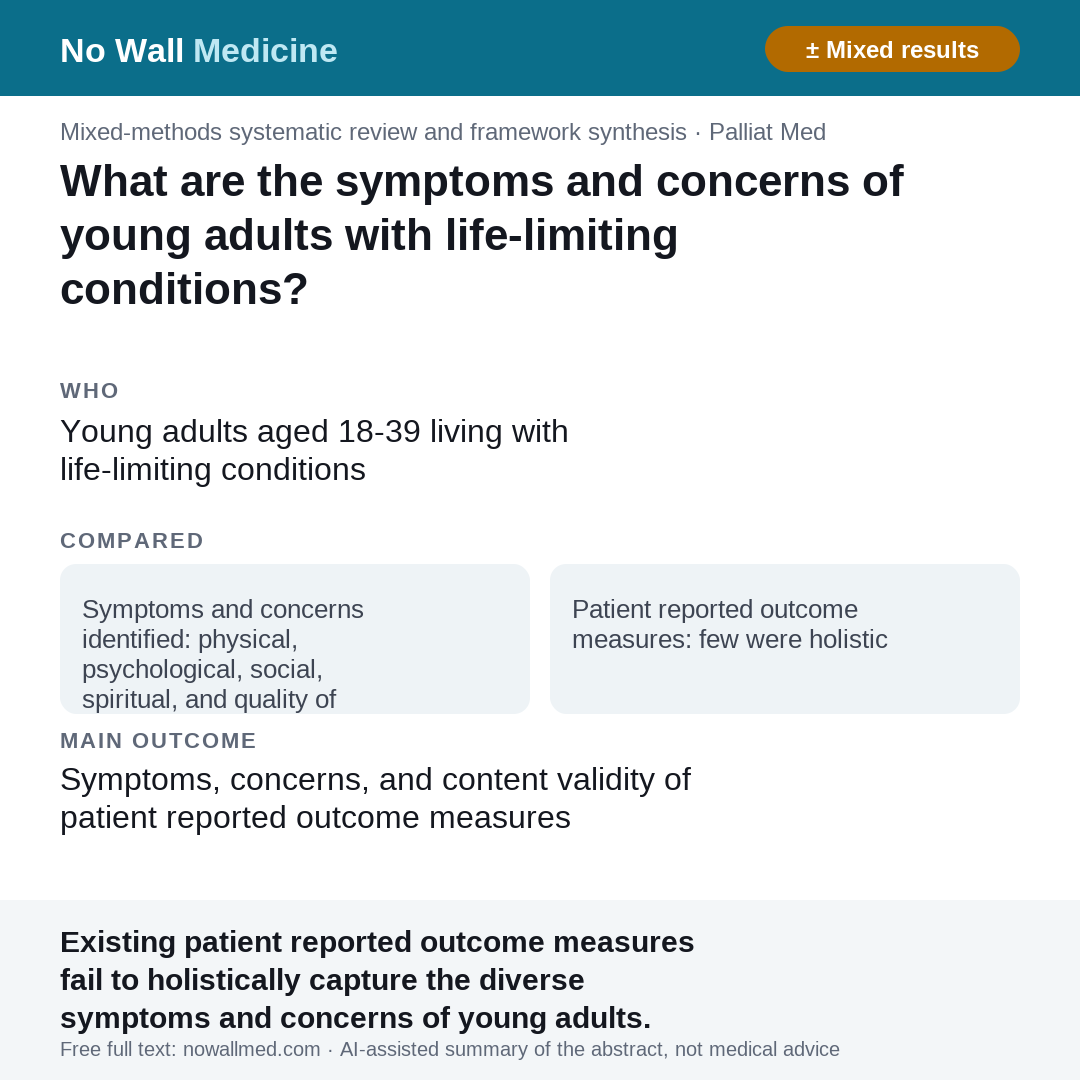
What are the symptoms and concerns of young adults living with life-limiting conditions and how well are they captured by patient reported outcome measures? A mixed-methods systematic review and framework synthesis
Mixed-methods systematic review and framework synthesisMixed results
What are the symptoms and concerns of young adults with life-limiting conditions?
Who
Young adults aged 18-39 living with life-limiting conditions
Compared
Symptoms and concerns identified: physical, psychological, social, spiritual, and quality of healthcare concerns
Patient reported outcome measures: few were holistic
Main outcome
Symptoms, concerns, and content validity of patient reported outcome measures
Bottom line: Existing patient reported outcome measures fail to holistically capture the diverse symptoms and concerns of young adults.
Palliat Med · 2026-01-13Download image
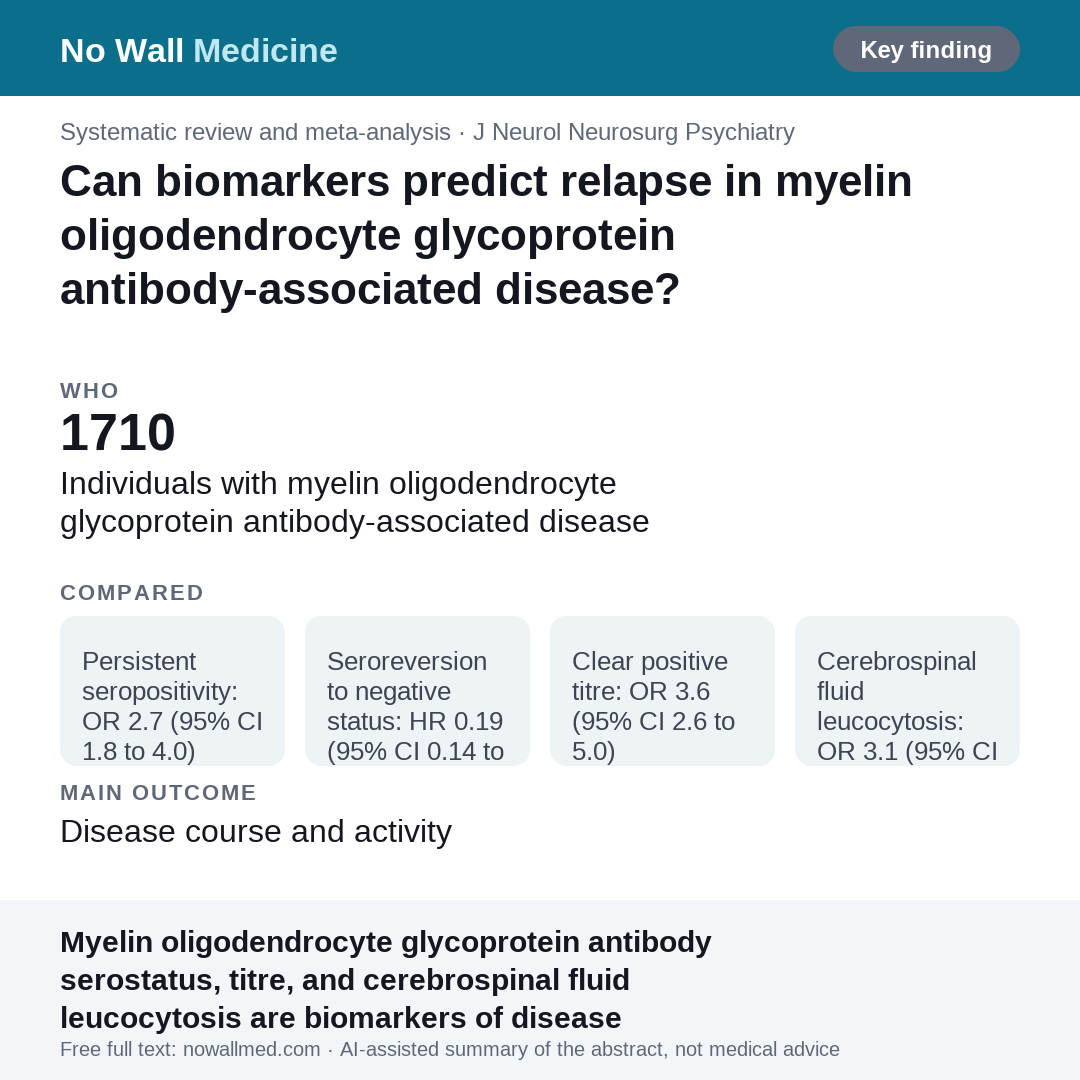
Biomarkers to predict relapse in myelin oligodendrocyte glycoprotein antibody-associated disease: a systematic review and meta-analysis
Systematic review and meta-analysisKey finding
Can biomarkers predict relapse in myelin oligodendrocyte glycoprotein antibody-associated disease?
Who
1710
Individuals with myelin oligodendrocyte glycoprotein antibody-associated disease
Compared
Persistent seropositivity: OR 2.7 (95% CI 1.8 to 4.0)
Seroreversion to negative status: HR 0.19 (95% CI 0.14 to 0.26)
Clear positive titre: OR 3.6 (95% CI 2.6 to 5.0)
Cerebrospinal fluid leucocytosis: OR 3.1 (95% CI 1.7 to 5.9)
Main outcome
Disease course and activity
Bottom line: Myelin oligodendrocyte glycoprotein antibody serostatus, titre, and cerebrospinal fluid leucocytosis are biomarkers of disease course and activity.
J Neurol Neurosurg Psychiatry · 2026-01-13Download image
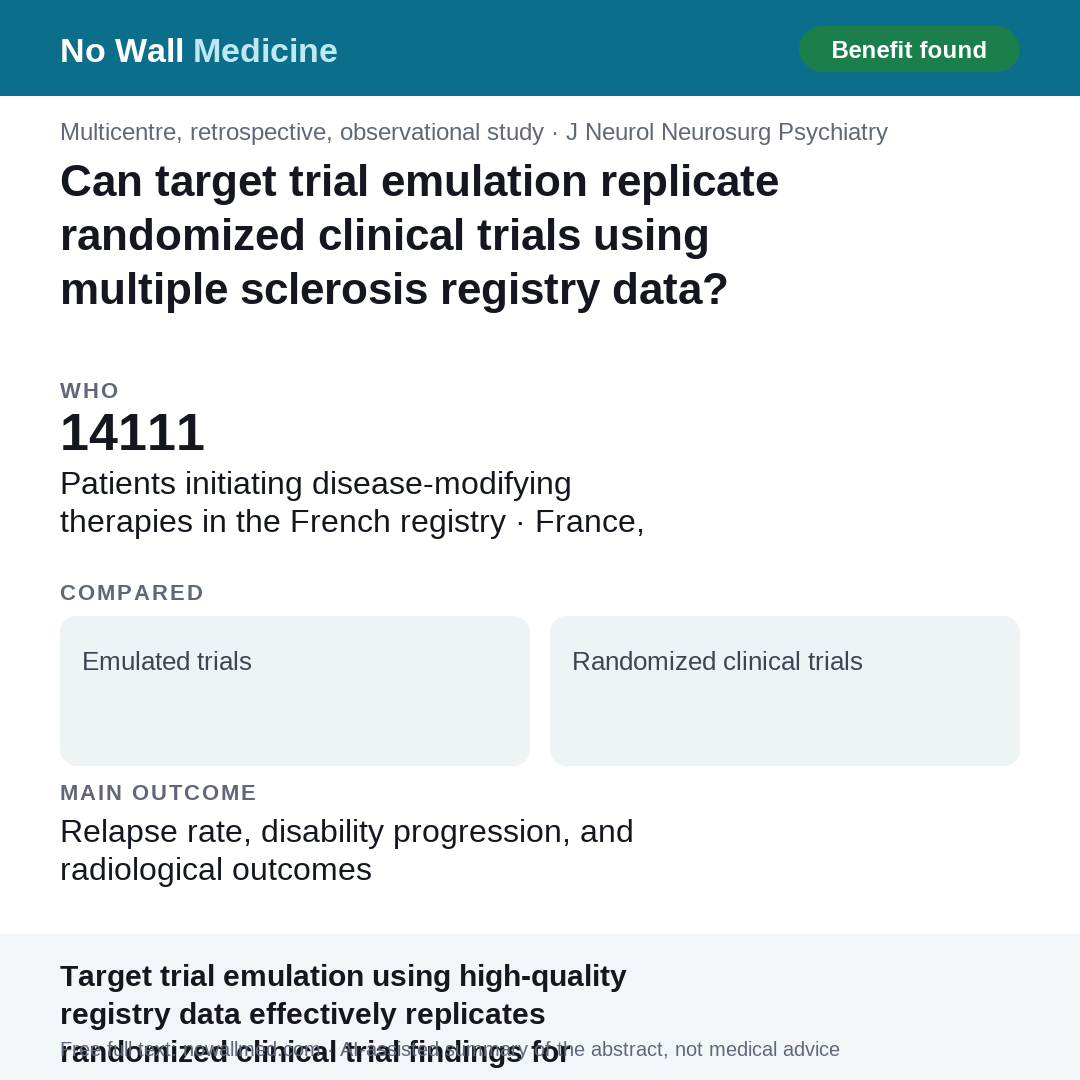
Target trial emulation to replicate randomised clinical trials using registry data in multiple sclerosis
Multicentre, retrospective, observational studyBenefit found
Can target trial emulation replicate randomized clinical trials using multiple sclerosis registry data?
Who
14111
Patients initiating disease-modifying therapies in the French registry · France, Observatoire Français de la Sclérose en Plaques database
Compared
Emulated trials
Randomized clinical trials
Main outcome
Relapse rate, disability progression, and radiological outcomes
Bottom line: Target trial emulation using high-quality registry data effectively replicates randomized clinical trial findings for multiple sclerosis treatments.
Limitation: Radiological outcomes were more challenging to replicate than clinical outcomes.
J Neurol Neurosurg Psychiatry · 2026-01-13Download image
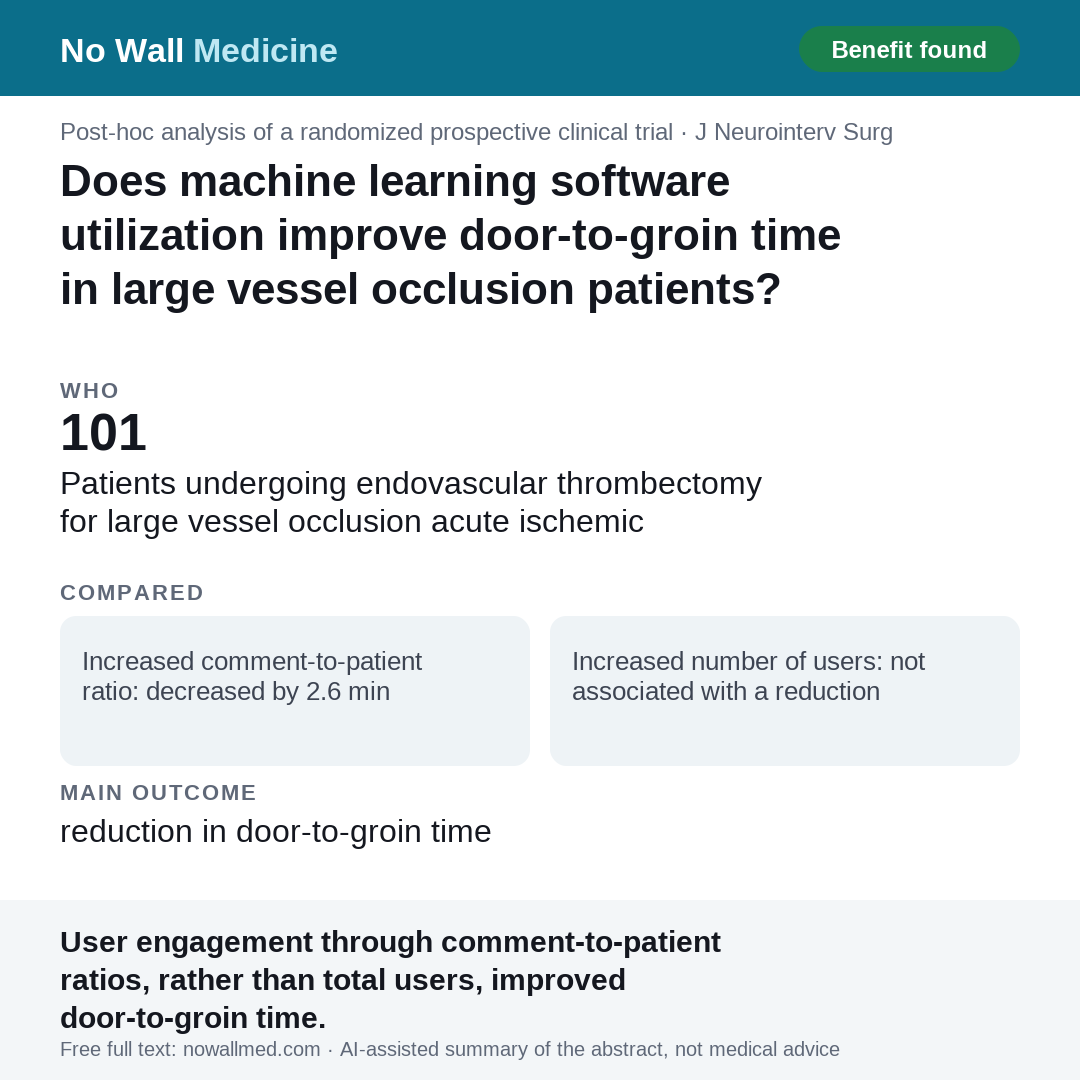
Workflow improvements from automated large vessel occlusion detection algorithms are dependent on care team engagement
Post-hoc analysis of a randomized prospective clinical trialKey finding
Does machine learning software utilization improve door-to-groin time in large vessel occlusion patients?
Who
101
Patients undergoing endovascular thrombectomy for large vessel occlusion acute ischemic stroke · Four comprehensive stroke centers
Compared
Increased comment-to-patient ratio: decreased by 2.6 min
Increased number of users: not associated with a reduction
Main outcome
reduction in door-to-groin time
Result: 2.6 (95% CI -5.09 to -0.13) min
Bottom line: User engagement through comment-to-patient ratios, rather than total users, improved door-to-groin time.
J Neurointerv Surg · 2026-01-13Download image