Visual abstracts
New randomized trials and meta-analyses from leading journals at a glance: who was studied, what was compared, and what was found. Every paper is free to read in full.
All specialtiesCardiology 4763Oncology 4042Gastroenterology & Hepatology 1902Infectious Disease 3756Neurology 1872Psychiatry & Mental Health 2214Pulmonology 2042Critical Care 1319Endocrinology & Diabetes 2544Pediatrics 2889Surgery 2479Orthopedics & Sports Medicine 917Neurosurgery 525Cardiothoracic & Vascular Surgery 656Plastic & Reconstructive Surgery 574Nephrology 1107Rheumatology 810Hematology 1090Dermatology 611Ophthalmology 532Obstetrics & Gynecology 1645Public & Global Health 1037Radiology & Imaging 617Anesthesiology 957Urology 745ENT (Otolaryngology) 494Emergency Medicine 481Allergy & Immunology 309Geriatrics 972Family Medicine & Primary Care 533Medical Genetics & Genomics 659Pathology & Laboratory Medicine 156Physical Medicine & Rehabilitation 734Palliative Care 421Nutrition 1560Digital Health & AI 2133General Medicine 318
Type 1 Diabetes: Management in Women From Preconception to Postpartum
Systematic reviewBenefit found
Type 1 diabetes management in women
Who
Women with type 1 diabetes
Compared
Preconception planning
Optimal glycemic control
Main outcome
Maternal and neonatal outcomes
Bottom line: Preconception planning helps women with type 1 diabetes
J Clin Endocrinol Metab · 2020-12-18Download image

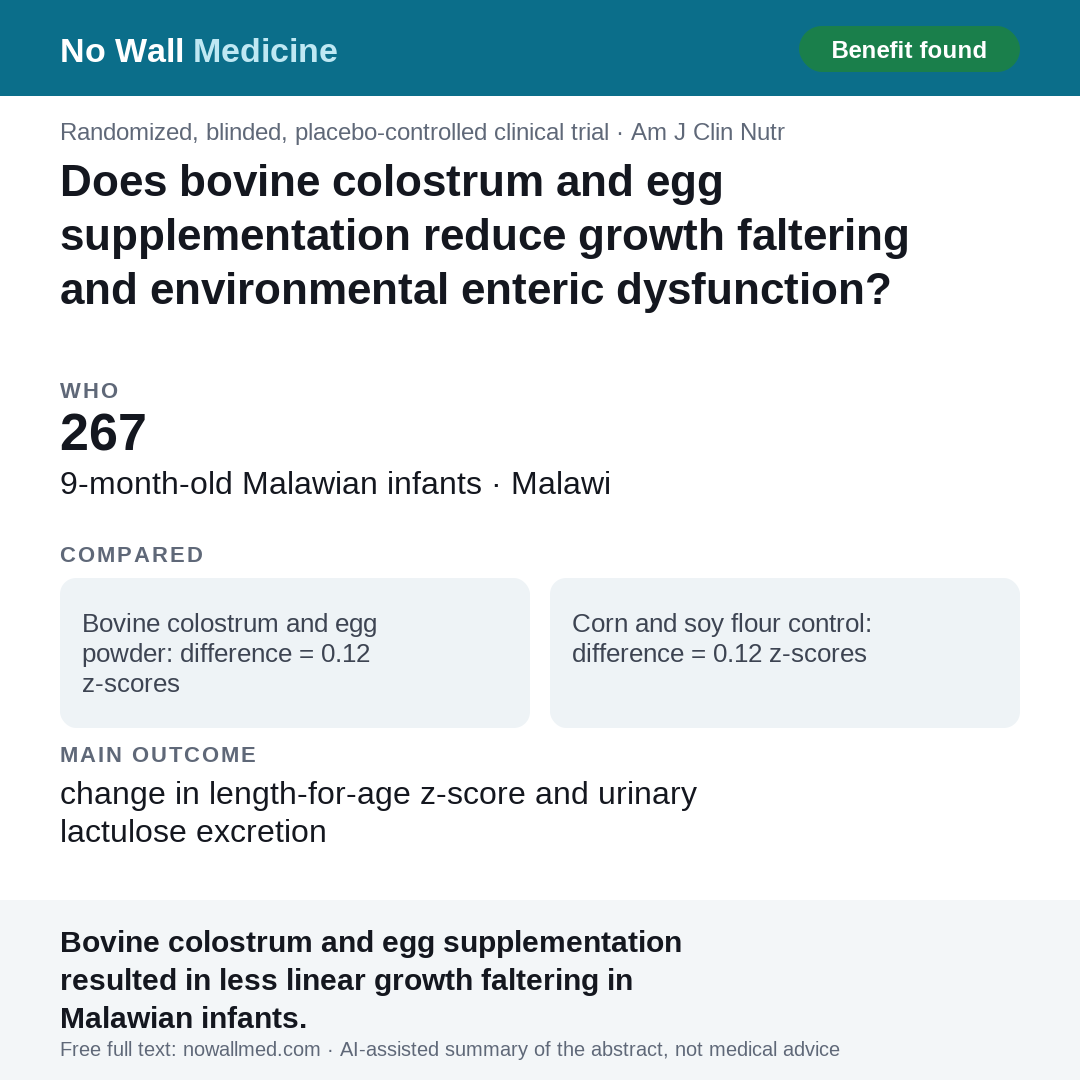
The effect of bovine colostrum/egg supplementation compared with corn/soy flour in young Malawian children: a randomized, controlled clinical trial
Randomized, blinded, placebo-controlled clinical trialBenefit found
Does bovine colostrum and egg supplementation reduce growth faltering and environmental enteric dysfunction?
Who
267
9-month-old Malawian infants · Malawi
Compared
Bovine colostrum and egg powder: difference = 0.12 z-scores
Corn and soy flour control: difference = 0.12 z-scores
Main outcome
change in length-for-age z-score and urinary lactulose excretion
Result: RR = 0.70 (95% CI: 0.52, 0.94) for stunting
Bottom line: Bovine colostrum and egg supplementation resulted in less linear growth faltering in Malawian infants.
Am J Clin Nutr · 2020-12-18Download image
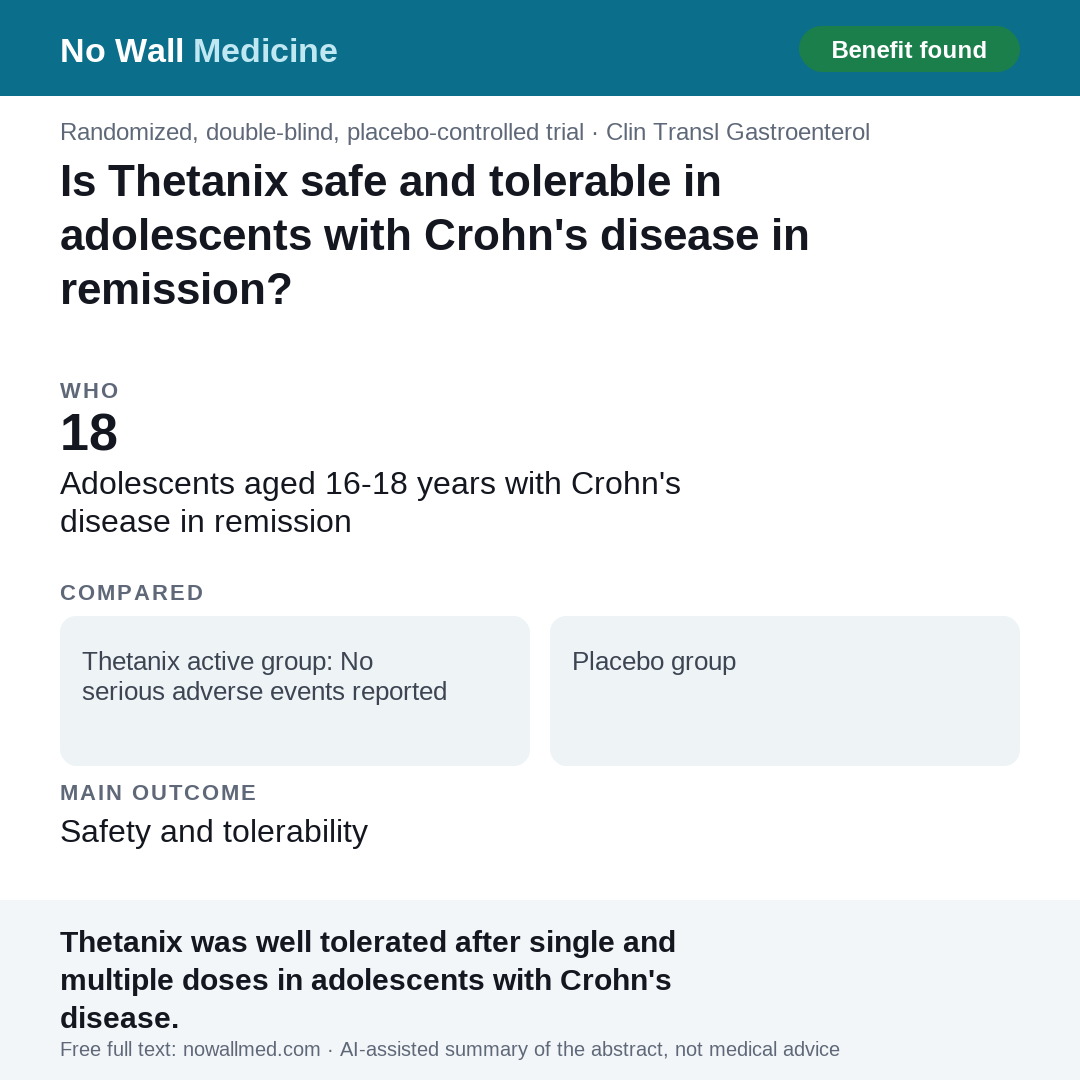
A Double-Blind, Placebo-Controlled Trial to Assess Safety and Tolerability of (Thetanix) Bacteroides thetaiotaomicron in Adolescent Crohn's Disease
Randomized, double-blind, placebo-controlled trialBenefit found
Is Thetanix safe and tolerable in adolescents with Crohn's disease in remission?
Who
18
Adolescents aged 16-18 years with Crohn's disease in remission
Compared
Thetanix active group: No serious adverse events reported
Placebo group
Main outcome
Safety and tolerability
Bottom line: Thetanix was well tolerated after single and multiple doses in adolescents with Crohn's disease.
Clin Transl Gastroenterol · 2020-12-18Download image
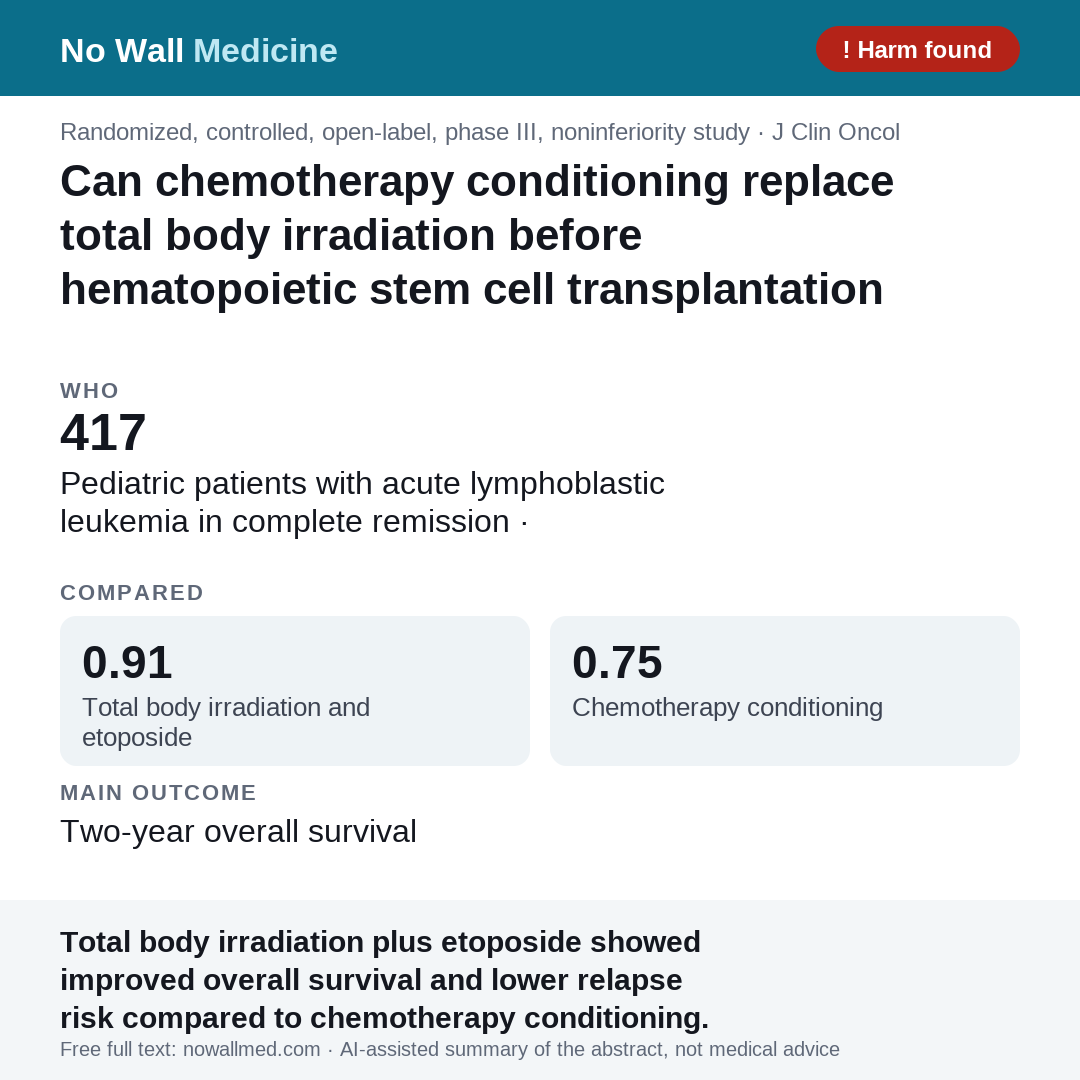
Total Body Irradiation or Chemotherapy Conditioning in Childhood ALL: A Multinational, Randomized, Noninferiority Phase III Study
Randomized, controlled, open-label, phase III, noninferiority studyHarm found
Can chemotherapy conditioning replace total body irradiation before hematopoietic stem cell transplantation in childhood acute lymphoblastic leukemia?
Who
417
Pediatric patients with acute lymphoblastic leukemia in complete remission · International, multicenter
Compared
0.91Total body irradiation and etoposide (95% CI, 0.86 to 0.95)
0.75Chemotherapy conditioning (95% CI, 0.67 to 0.81)
Main outcome
Two-year overall survival
Bottom line: Total body irradiation plus etoposide showed improved overall survival and lower relapse risk compared to chemotherapy conditioning.
J Clin Oncol · 2020-12-17Download image
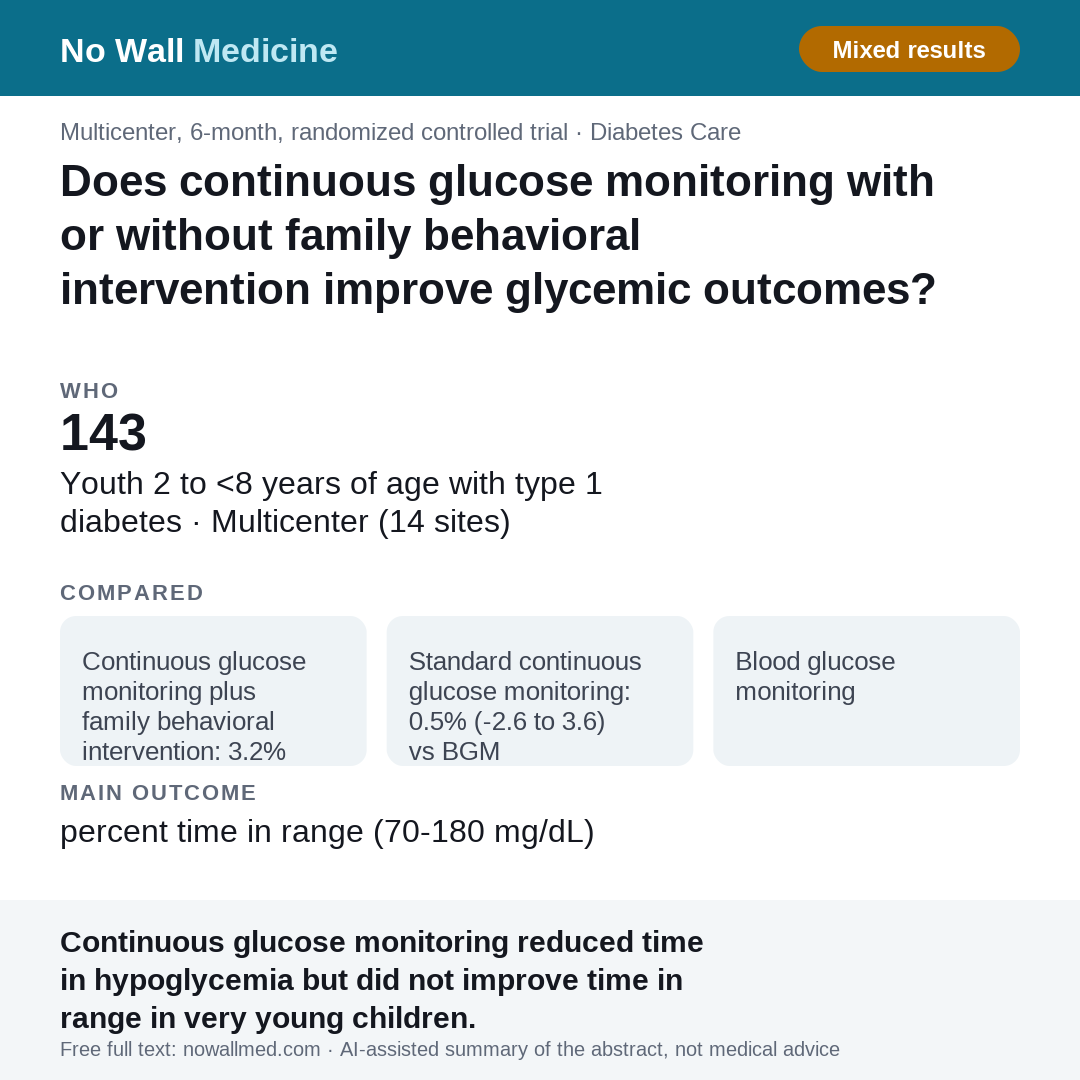
A Randomized Clinical Trial Assessing Continuous Glucose Monitoring (CGM) Use With Standardized Education With or Without a Family Behavioral Intervention Compared With Fingerstick Blood Glucose Monitoring in Very Young Children With Type 1 Diabetes
Multicenter, 6-month, randomized controlled trialMixed results
Does continuous glucose monitoring with or without family behavioral intervention improve glycemic outcomes?
Who
143
Youth 2 to <8 years of age with type 1 diabetes · Multicenter (14 sites)
Compared
Continuous glucose monitoring plus family behavioral intervention: 3.2% (95% CI -0.5, 7.0) vs BGM
Standard continuous glucose monitoring: 0.5% (-2.6 to 3.6) vs BGM
Blood glucose monitoring
Main outcome
percent time in range (70-180 mg/dL)
Result: 3.2% (95% CI -0.5, 7.0)
Bottom line: Continuous glucose monitoring reduced time in hypoglycemia but did not improve time in range in very young children.
Diabetes Care · 2020-12-17Download image
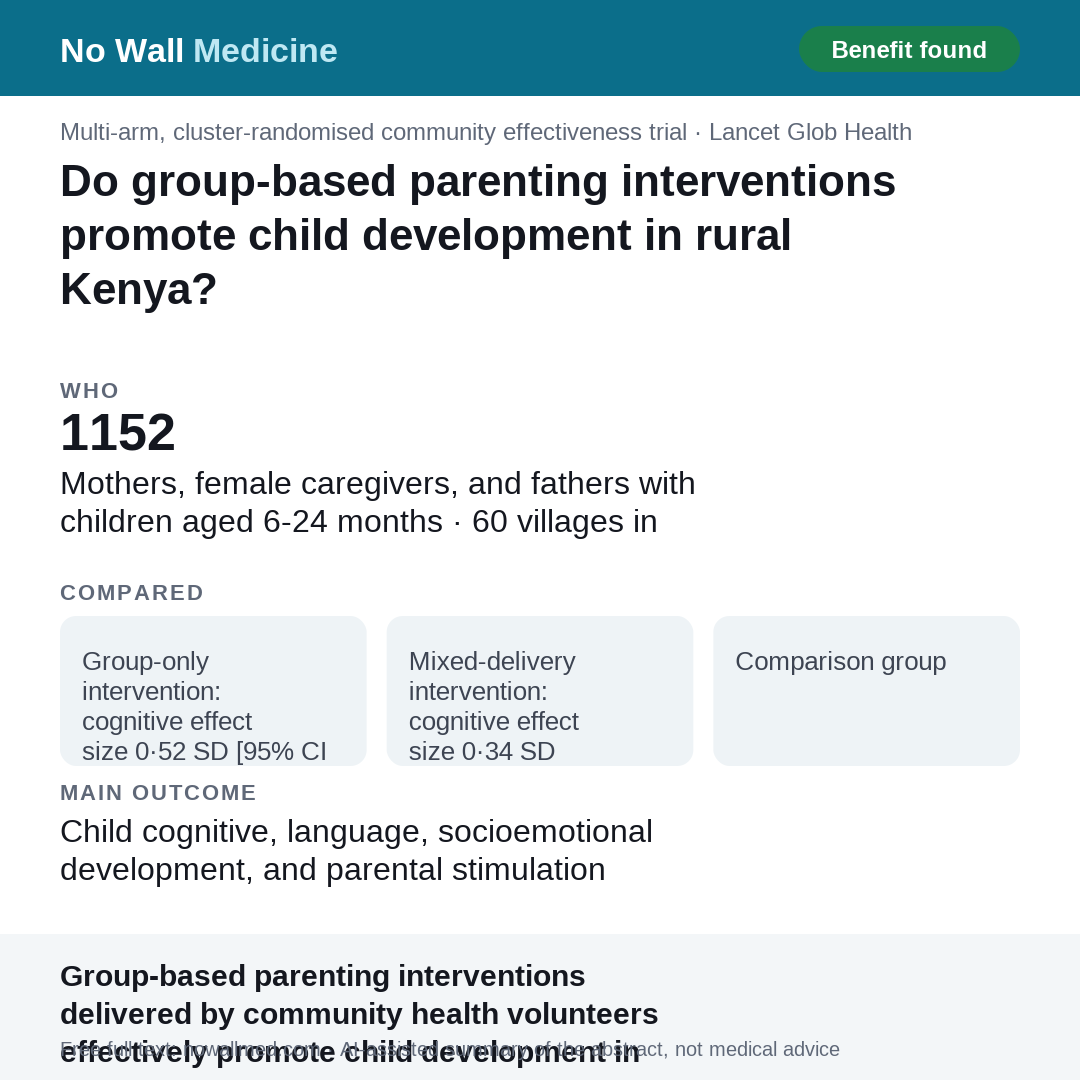
Group-based parenting interventions to promote child development in rural Kenya: a multi-arm, cluster-randomised community effectiveness trial
Multi-arm, cluster-randomised community effectiveness trialBenefit found
Do group-based parenting interventions promote child development in rural Kenya?
Who
1152
Mothers, female caregivers, and fathers with children aged 6-24 months · 60 villages in three rural subcounties, western Kenya
Compared
Group-only intervention: cognitive effect size 0·52 SD [95% CI 0·21-0·83]
Mixed-delivery intervention: cognitive effect size 0·34 SD [0·05-0·62]
Comparison group
Main outcome
Child cognitive, language, socioemotional development, and parental stimulation
Result: cognitive effect size 0·52 SD [95% CI 0·21-0·83]
Bottom line: Group-based parenting interventions delivered by community health volunteers effectively promote child development in low-resource settings.
Funded by: Eunice Kennedy Shriver National Institute of Child Health and Human Development
Lancet Glob Health · 2020-12-17Download image
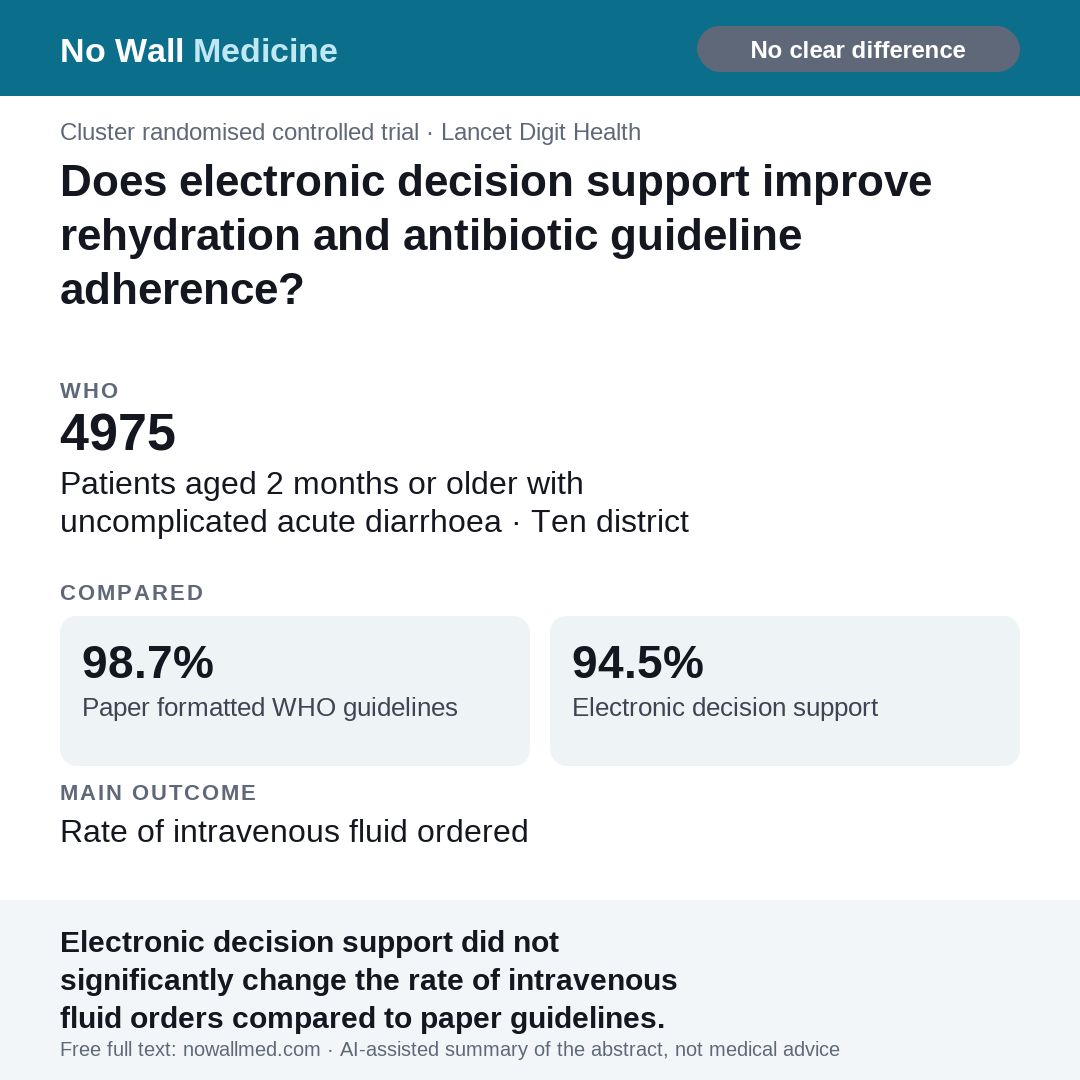
Electronic decision support and diarrhoeal disease guideline adherence (mHDM): a cluster randomised controlled trial
Cluster randomised controlled trialNo clear difference
Does electronic decision support improve rehydration and antibiotic guideline adherence?
Who
4975
Patients aged 2 months or older with uncomplicated acute diarrhoea · Ten district hospitals in Bangladesh
Compared
98.7%Paper formatted WHO guidelines (95% CI 91.8-99.8)
94.5%Electronic decision support (72.2-99.1)
Main outcome
Rate of intravenous fluid ordered
Result: 4.2-point difference (pinteraction=0.31)
Bottom line: Electronic decision support did not significantly change the rate of intravenous fluid orders compared to paper guidelines.
Limitation: Adverse events such as complications and mortality events could not be statistically estimated.
Funded by: US National Institutes of Health
Lancet Digit Health · 2020-12-17Download image
Mortality in congenital hemophilia A - a systematic literature review
Systematic literature review of observational studiesKey finding
What is the mortality and causes of death in people with congenital hemophilia A?
Who
People with congenital hemophilia A · Not specified
Compared
People with hemophilia
General population
Main outcome
Mortality and causes of death
Bottom line: People with hemophilia have a raised mortality risk compared with the general population, especially with severe hemophilia or viral infections.
Limitation: Incomplete and heterogeneous reporting limits evidence.
J Thromb Haemost · 2020-12-17Download image

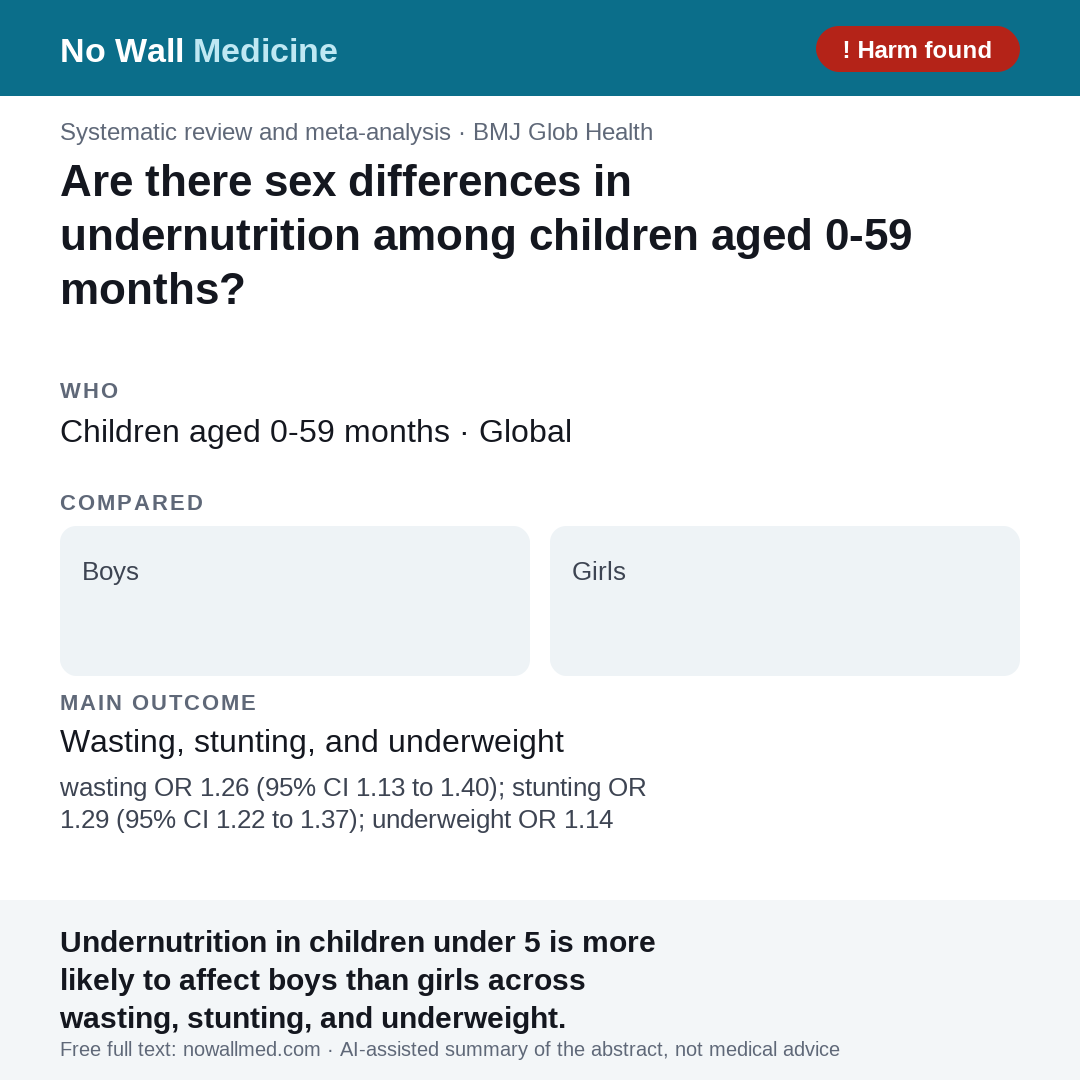
Boys are more likely to be undernourished than girls: a systematic review and meta-analysis of sex differences in undernutrition
Systematic review and meta-analysisHarm found
Are there sex differences in undernutrition among children aged 0-59 months?
Who
Children aged 0-59 months · Global
Compared
Boys
Girls
Main outcome
Wasting, stunting, and underweight
Result: wasting OR 1.26 (95% CI 1.13 to 1.40); stunting OR 1.29 (95% CI 1.22 to 1.37); underweight OR 1.14 (95% CI 1.02 to 1.26)
Bottom line: Undernutrition in children under 5 is more likely to affect boys than girls across wasting, stunting, and underweight.
Limitation: The magnitude of differences varies and is more pronounced in some contexts than others.
BMJ Glob Health · 2020-12-17Download image
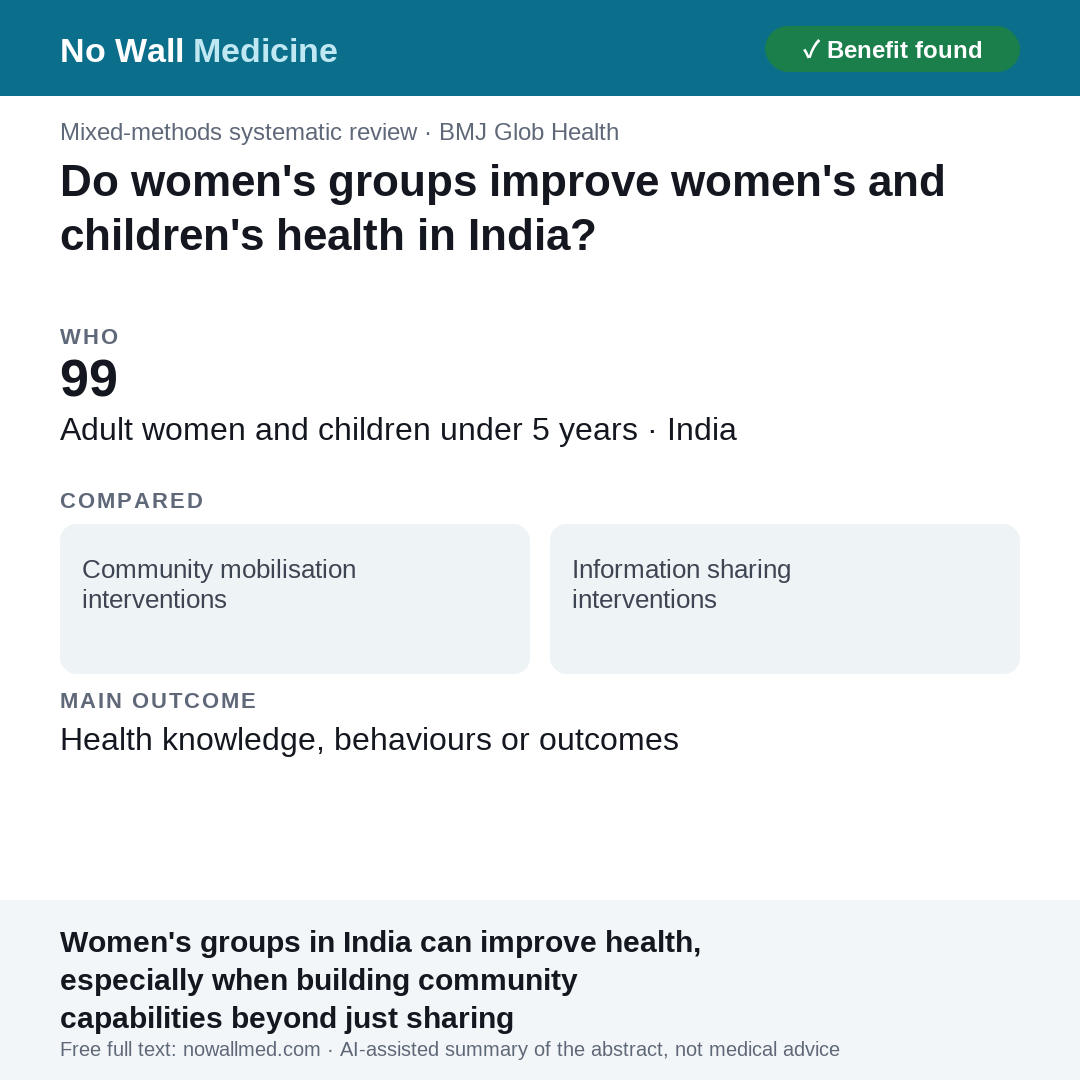
Community interventions with women's groups to improve women's and children's health in India: a mixed-methods systematic review of effects, enablers and barriers
Mixed-methods systematic reviewBenefit found
Do women's groups improve women's and children's health in India?
Who
99
Adult women and children under 5 years · India
Compared
Community mobilisation interventions
Information sharing interventions
Main outcome
Health knowledge, behaviours or outcomes
Bottom line: Women's groups in India can improve health, especially when building community capabilities beyond just sharing information.
Limitation: Barriers included limited time, irrelevant outcomes, and health system constraints.
BMJ Glob Health · 2020-12-17Download image
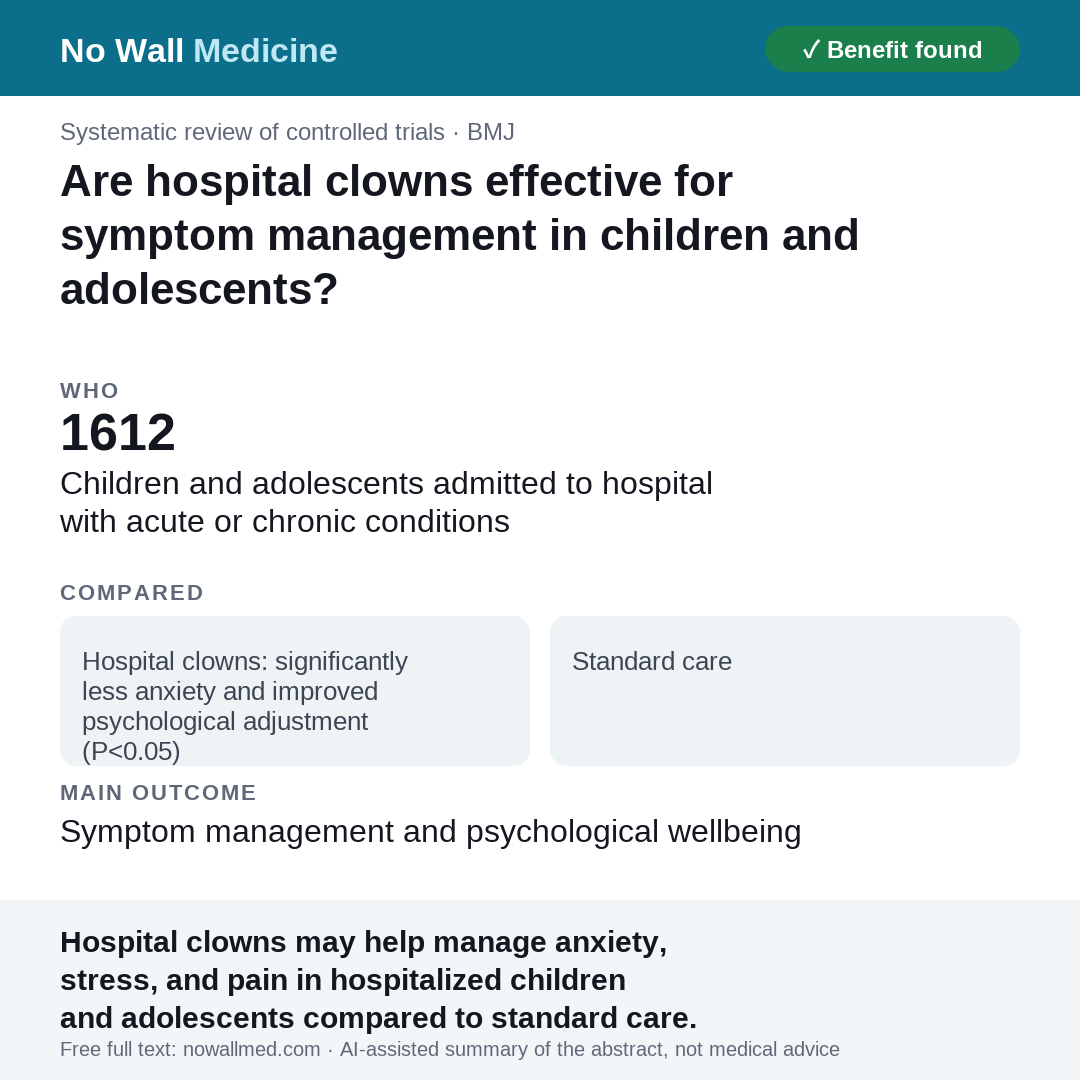
Effectiveness of hospital clowns for symptom management in paediatrics: systematic review of randomised and non-randomised controlled trials
Systematic review of controlled trialsBenefit found
Are hospital clowns effective for symptom management in children and adolescents?
Who
1612
Children and adolescents admitted to hospital with acute or chronic conditions
Compared
Hospital clowns: significantly less anxiety and improved psychological adjustment (P<0.05)
Standard care
Main outcome
Symptom management and psychological wellbeing
Bottom line: Hospital clowns may help manage anxiety, stress, and pain in hospitalized children and adolescents compared to standard care.
Limitation: Most randomised controlled trials were rated as showing some concerns or high risk of bias.
BMJ · 2020-12-16Download image
Adverse Childhood Experiences and Justice System Contact: A Systematic Review
Systematic reviewKey finding
ACEs and justice contact link
Who
United States populations · United States
Compared
Higher ACEs
Lower ACEs
Main outcome
justice system contact
Result: adjusted odds ratio 0.91 to 1.68
Bottom line: ACEs linked to justice contact
Limitation: limited follow-up
Pediatrics · 2020-12-16Download image

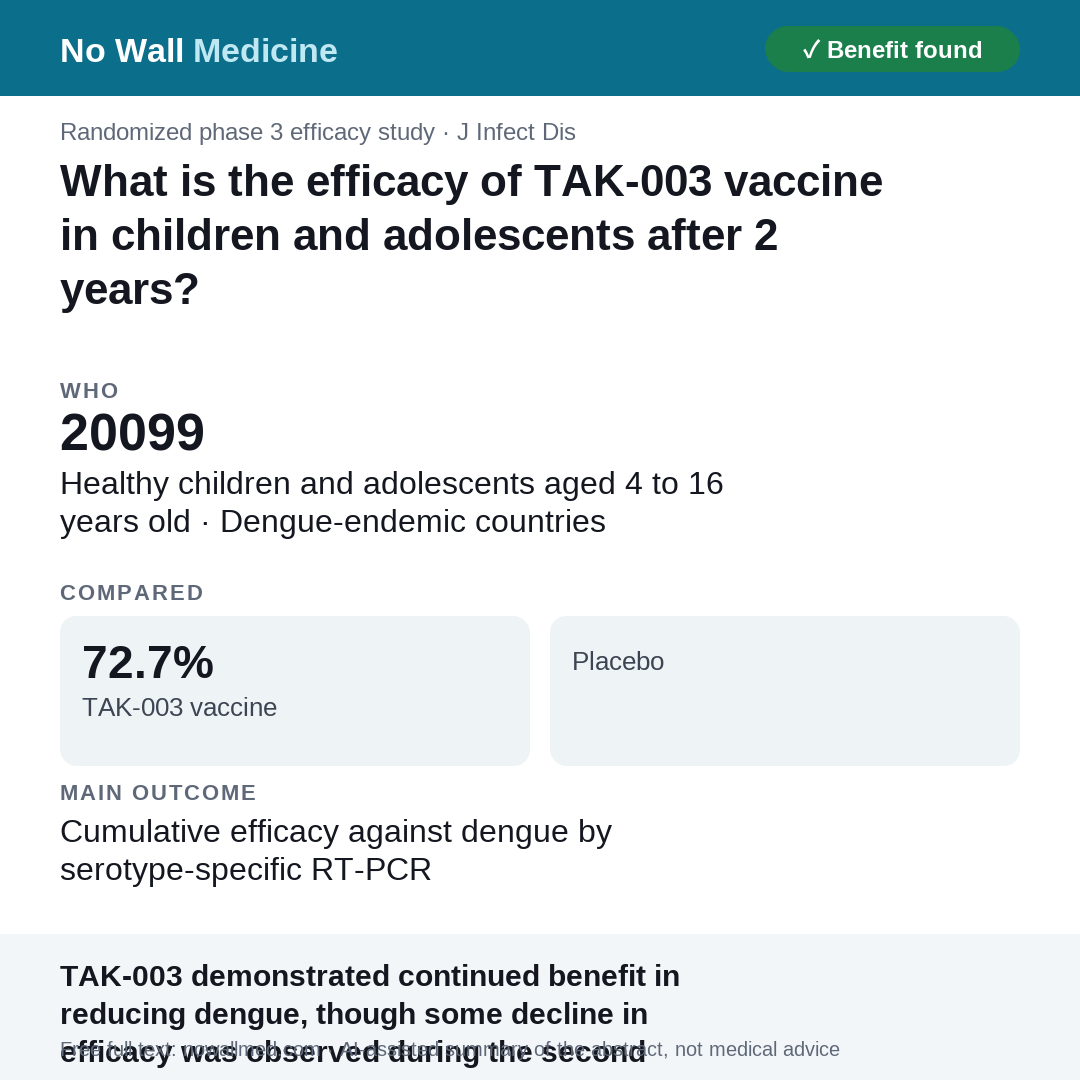
Efficacy of a Dengue Vaccine Candidate (TAK-003) in Healthy Children and Adolescents 2 Years after Vaccination
Randomized phase 3 efficacy studyBenefit found
What is the efficacy of TAK-003 vaccine in children and adolescents after 2 years?
Who
20099
Healthy children and adolescents aged 4 to 16 years old · Dengue-endemic countries
Compared
72.7%TAK-003 vaccine (95% CI, 67.1%-77.3%)
Placebo
Main outcome
Cumulative efficacy against dengue by serotype-specific RT-PCR
Result: 72.7% (95% CI, 67.1%-77.3%)
Bottom line: TAK-003 demonstrated continued benefit in reducing dengue, though some decline in efficacy was observed during the second year.
J Infect Dis · 2020-12-16Download image
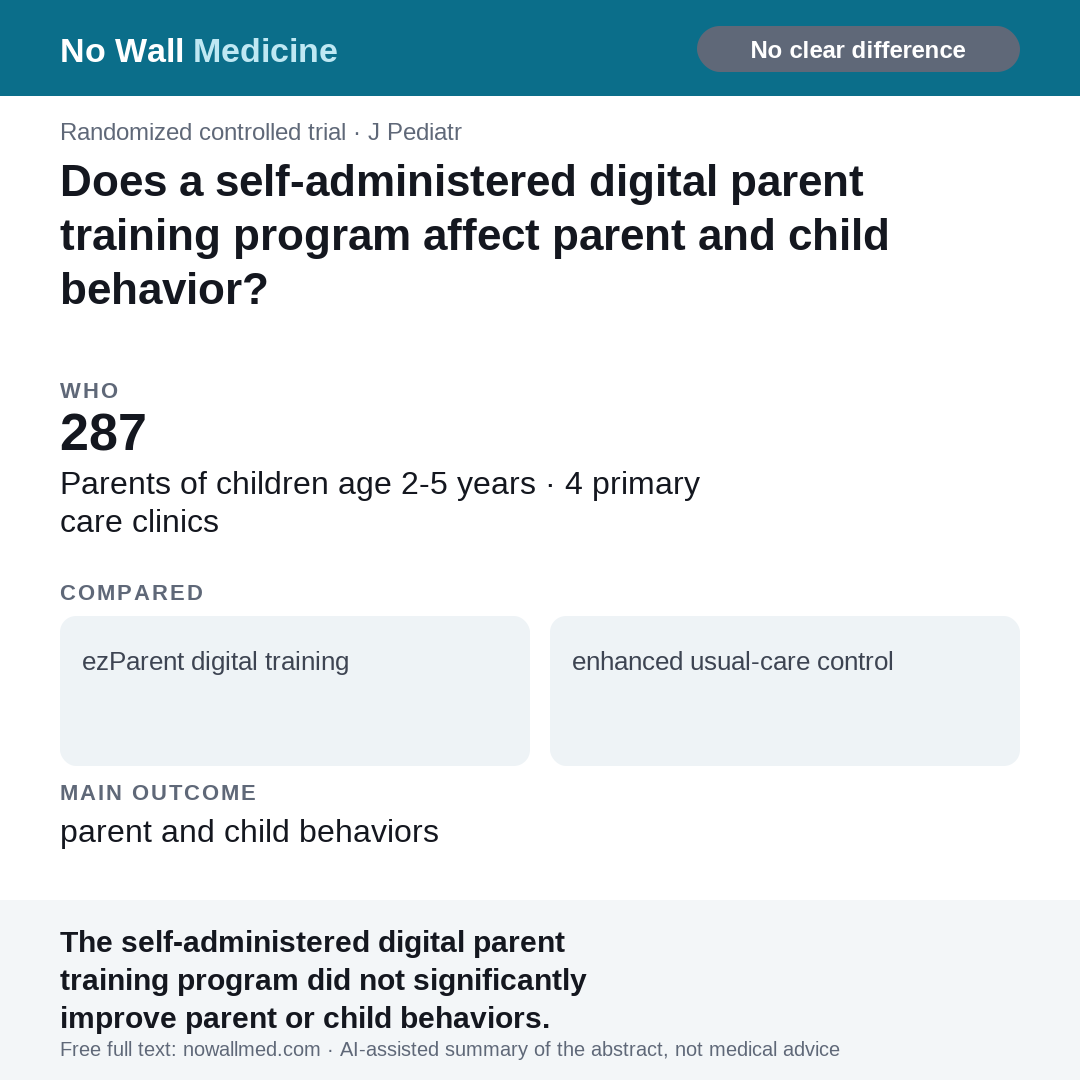
A Randomized Trial of Digitally Delivered, Self-Administered Parent Training in Primary Care: Effects on Parenting and Child Behavior
Randomized controlled trialNo clear difference
Does a self-administered digital parent training program affect parent and child behavior?
Who
287
Parents of children age 2-5 years · 4 primary care clinics
Compared
ezParent digital training
enhanced usual-care control
Main outcome
parent and child behaviors
Bottom line: The self-administered digital parent training program did not significantly improve parent or child behaviors.
J Pediatr · 2020-12-16Download image
Reproductive performance of women with and without intrauterine adhesions following recurrent dilatation and curettage for miscarriage: long-term follow-up of a randomized controlled trial
Multicenter randomized controlled trial follow-upHarm found
Are long-term reproductive outcomes comparable in women with and without treated intrauterine adhesions?
Who
152
Women with first-trimester miscarriage and at least one previous dilatation and curettage · Multicenter
Compared
Women with identified and treated intrauterine adhesions: 14/24 (58%) ongoing pregnancies
Women without intrauterine adhesions: 80/89 (90%) ongoing pregnancies
Main outcome
Ongoing pregnancy
Result: odds ratio 0.18 (95% CI 0.06 to 0.50)
Bottom line: Women with treated intrauterine adhesions had fewer ongoing pregnancies and live births compared to women without adhesions.
Limitation: Comparing women with and without adhesions is not in line with randomization, so confounding cannot be excluded.
Hum Reprod · 2020-12-16Download image

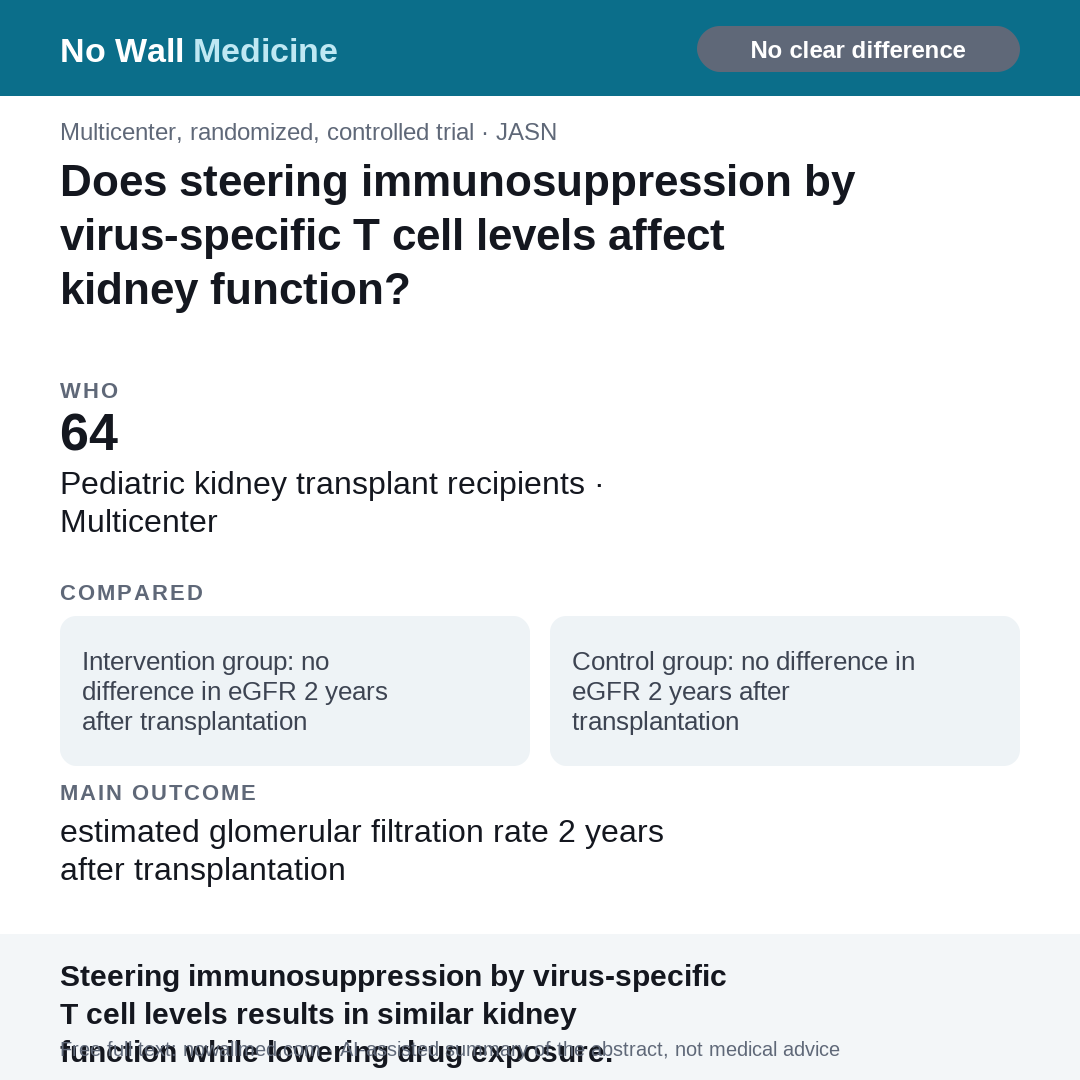
Steering Transplant Immunosuppression by Measuring Virus-Specific T Cell Levels: The Randomized, Controlled IVIST Trial
Multicenter, randomized, controlled trialNo clear difference
Does steering immunosuppression by virus-specific T cell levels affect kidney function?
Who
64
Pediatric kidney transplant recipients · Multicenter
Compared
Intervention group: no difference in eGFR 2 years after transplantation
Control group: no difference in eGFR 2 years after transplantation
Main outcome
estimated glomerular filtration rate 2 years after transplantation
Bottom line: Steering immunosuppression by virus-specific T cell levels results in similar kidney function while lowering drug exposure.
JASN · 2020-12-15Download image
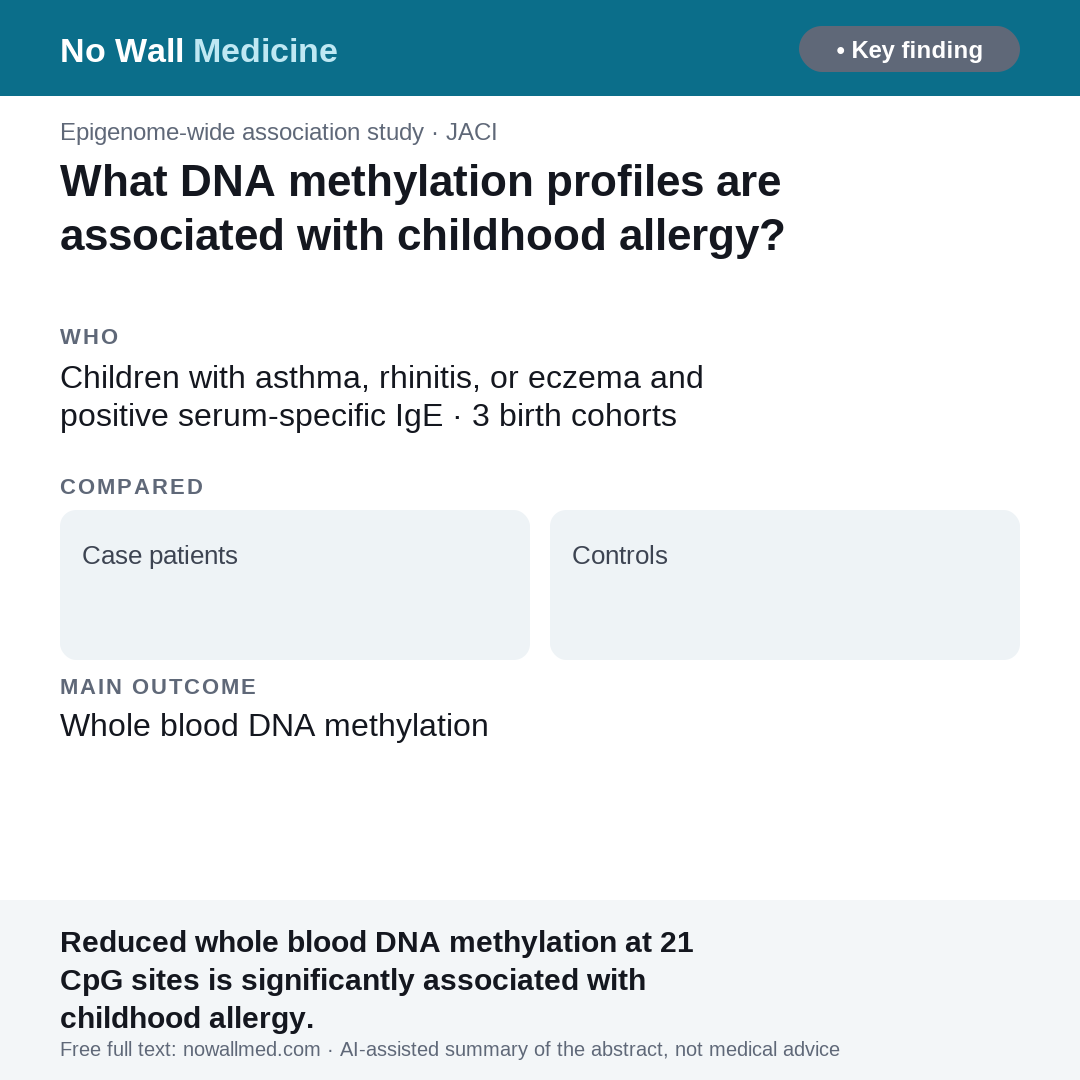
Shared DNA methylation signatures in childhood allergy: The MeDALL study
Epigenome-wide association studyKey finding
What DNA methylation profiles are associated with childhood allergy?
Who
Children with asthma, rhinitis, or eczema and positive serum-specific IgE · 3 birth cohorts
Compared
Case patients
Controls
Main outcome
Whole blood DNA methylation
Bottom line: Reduced whole blood DNA methylation at 21 CpG sites is significantly associated with childhood allergy.
JACI · 2020-12-15Download image
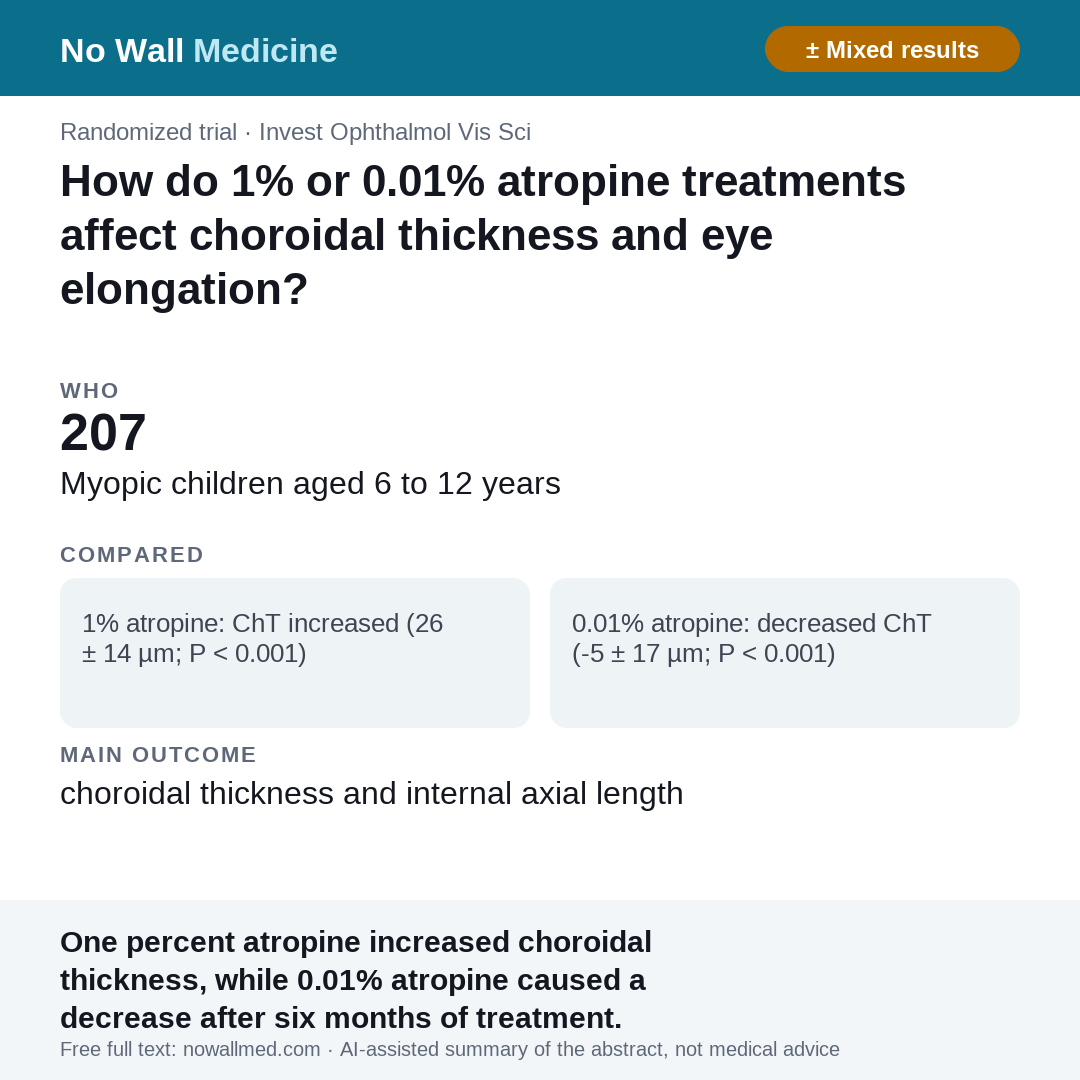
Effects of Atropine Treatment on Choroidal Thickness in Myopic Children
Randomized trialMixed results
How do 1% or 0.01% atropine treatments affect choroidal thickness and eye elongation?
Who
207
Myopic children aged 6 to 12 years
Compared
1% atropine: ChT increased (26 ± 14 µm; P < 0.001)
0.01% atropine: decreased ChT (-5 ± 17 µm; P < 0.001)
Main outcome
choroidal thickness and internal axial length
Bottom line: One percent atropine increased choroidal thickness, while 0.01% atropine caused a decrease after six months of treatment.
Invest Ophthalmol Vis Sci · 2020-12-15Download image
Fructan-sensitive children with irritable bowel syndrome have distinct gut microbiome signatures
Observational analysis of a randomized crossover trialBenefit found
Are gut microbiome composition and function associated with childhood irritable bowel syndrome fructan-induced symptoms?
Who
38
Children aged 7-17 years with paediatric Rome III irritable bowel syndrome
Compared
fructan-sensitive: lower alpha diversity
fructan-tolerant: enriched in 14 genera from the class Clostridia
Main outcome
gut microbial composition and function
Bottom line: Fructan-sensitive children with irritable bowel syndrome have distinct gut microbiome signatures at baseline and during fructan challenge.
Aliment Pharmacol Ther · 2020-12-13Download image

Reducing Adolescent Psychopathology in Socioeconomically Disadvantaged Children With a Preschool Intervention: A Randomized Controlled Trial
Randomized controlled trialBenefit found
Does a preschool enrichment program reduce adolescent psychopathology in disadvantaged children?
Who
356
356 4-year-olds from low-income families
Compared
Intervention group: reduced conduct problems and emotional symptoms
Usual practice group
Main outcome
teacher-rated psychopathology symptoms
Bottom line: Preschool social-emotional learning and interactive reading enrichment substantially improved later adolescent emotional and behavioral health.
Am J Psychiatry · 2020-12-10Download image