Visual abstracts
New randomized trials and meta-analyses from leading journals at a glance: who was studied, what was compared, and what was found. Every paper is free to read in full.
All specialtiesCardiology 4763Oncology 4043Gastroenterology & Hepatology 1903Infectious Disease 3756Neurology 1872Psychiatry & Mental Health 2216Pulmonology 2044Critical Care 1319Endocrinology & Diabetes 2544Pediatrics 2889Surgery 2480Orthopedics & Sports Medicine 917Neurosurgery 525Cardiothoracic & Vascular Surgery 656Plastic & Reconstructive Surgery 574Nephrology 1107Rheumatology 810Hematology 1090Dermatology 611Ophthalmology 532Obstetrics & Gynecology 1645Public & Global Health 1037Radiology & Imaging 619Anesthesiology 958Urology 745ENT (Otolaryngology) 494Emergency Medicine 481Allergy & Immunology 309Geriatrics 972Family Medicine & Primary Care 534Medical Genetics & Genomics 659Pathology & Laboratory Medicine 156Physical Medicine & Rehabilitation 734Palliative Care 421Nutrition 1560Digital Health & AI 2137General Medicine 318
Associations of cannabis use, tobacco use, and incident anxiety, mood, and psychotic disorders: a systematic review and meta-analysis
Systematic review and meta-analysisMixed results
Do cannabis and tobacco use associate with incident anxiety, mood, and psychotic disorders?
Who
General population samples in longitudinal studies
Compared
Tobacco use and mood disorders: risk ratio 1.39 (95% confidence interval 1.30-1.47)
Tobacco use and anxiety disorders: risk ratio 1.21 (95% confidence interval 0.87-1.68)
Cannabis use and psychotic disorders: risk ratio 3.19 (95% confidence interval 2.07-4.90)
Cannabis use and mood disorders: risk ratio 1.31 (95% confidence interval 0.92-1.86)
Main outcome
Incident anxiety, mood, and psychotic disorders
Bottom line: Tobacco use associates with mood disorders and cannabis use associates with psychotic disorders, but other associations were unclear.
Limitation: Only 27% of studies were high quality and potential overestimation of effects was suggested.
Psychol Med · 2024-12-02 · Save PNG

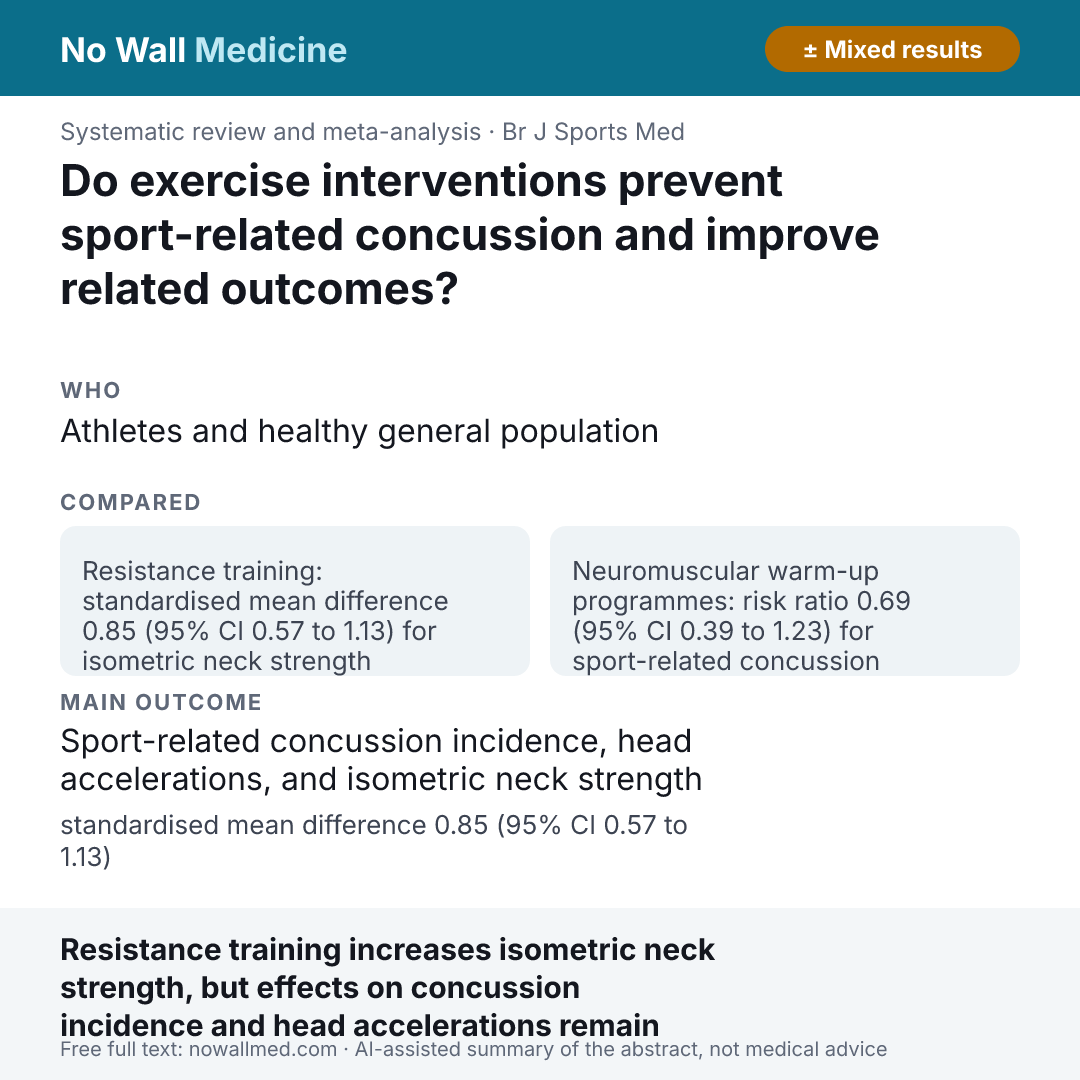
Efficacy of exercise interventions on prevention of sport-related concussion and related outcomes: a systematic review and meta-analysis
Systematic review and meta-analysisMixed results
Do exercise interventions prevent sport-related concussion and improve related outcomes?
Who
Athletes and healthy general population
Compared
Resistance training: standardised mean difference 0.85 (95% CI 0.57 to 1.13) for isometric neck strength
Neuromuscular warm-up programmes: risk ratio 0.69 (95% CI 0.39 to 1.23) for sport-related concussion incidence
Main outcome
Sport-related concussion incidence, head accelerations, and isometric neck strength
Result: standardised mean difference 0.85 (95% CI 0.57 to 1.13)
Bottom line: Resistance training increases isometric neck strength, but effects on concussion incidence and head accelerations remain unproven.
Br J Sports Med · 2024-12-02 · Save PNG
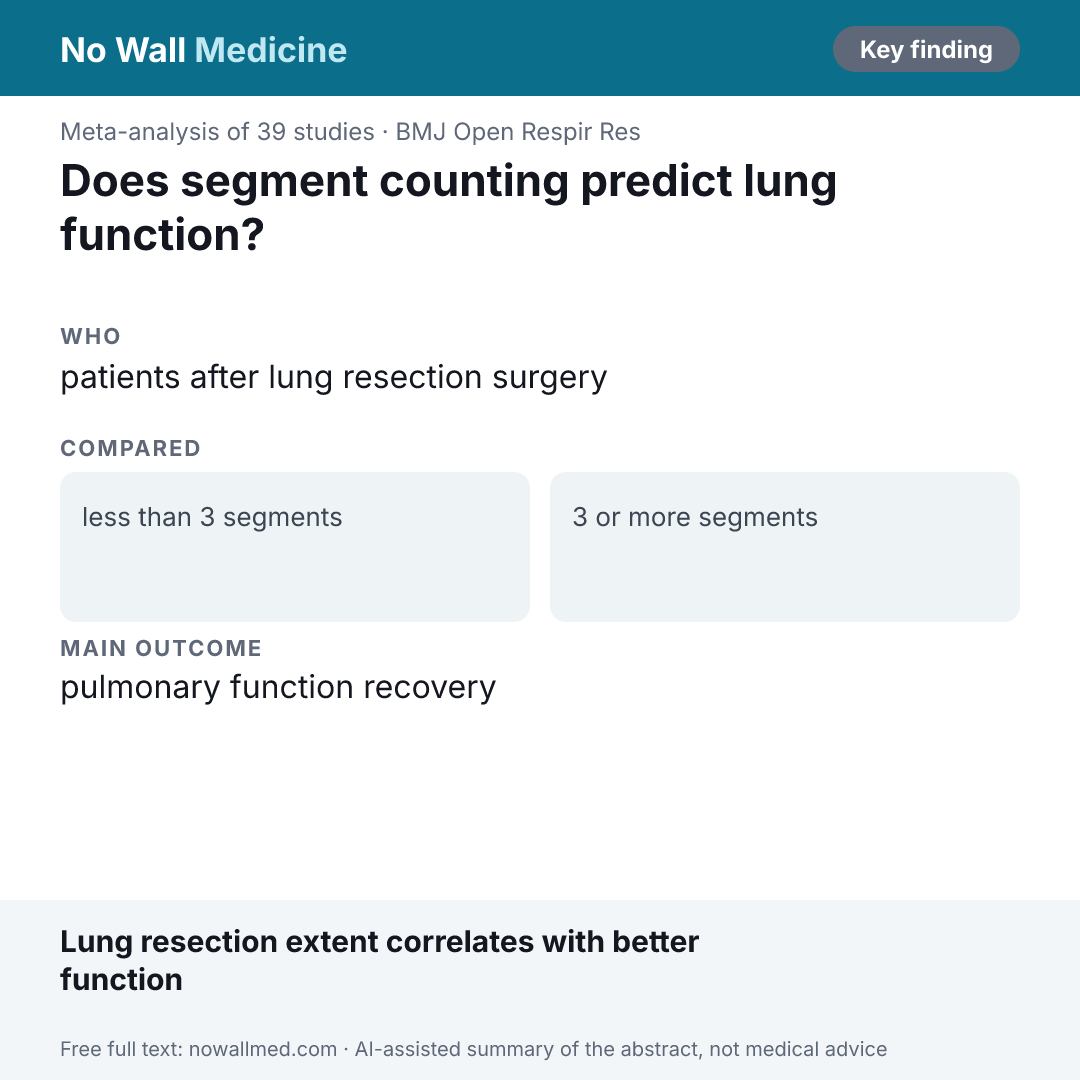
Compensatory function change by segment-counting method in predicted postoperative pulmonary function at 1 year after surgery: systematic review and meta-analysis
Meta-analysis of 39 studiesKey finding
Does segment counting predict lung function?
Who
patients after lung resection surgery
Compared
less than 3 segments
3 or more segments
Main outcome
pulmonary function recovery
Bottom line: Lung resection extent correlates with better function
Limitation: moderate heterogeneity and selection bias
BMJ Open Respir Res · 2024-12-02 · Save PNG
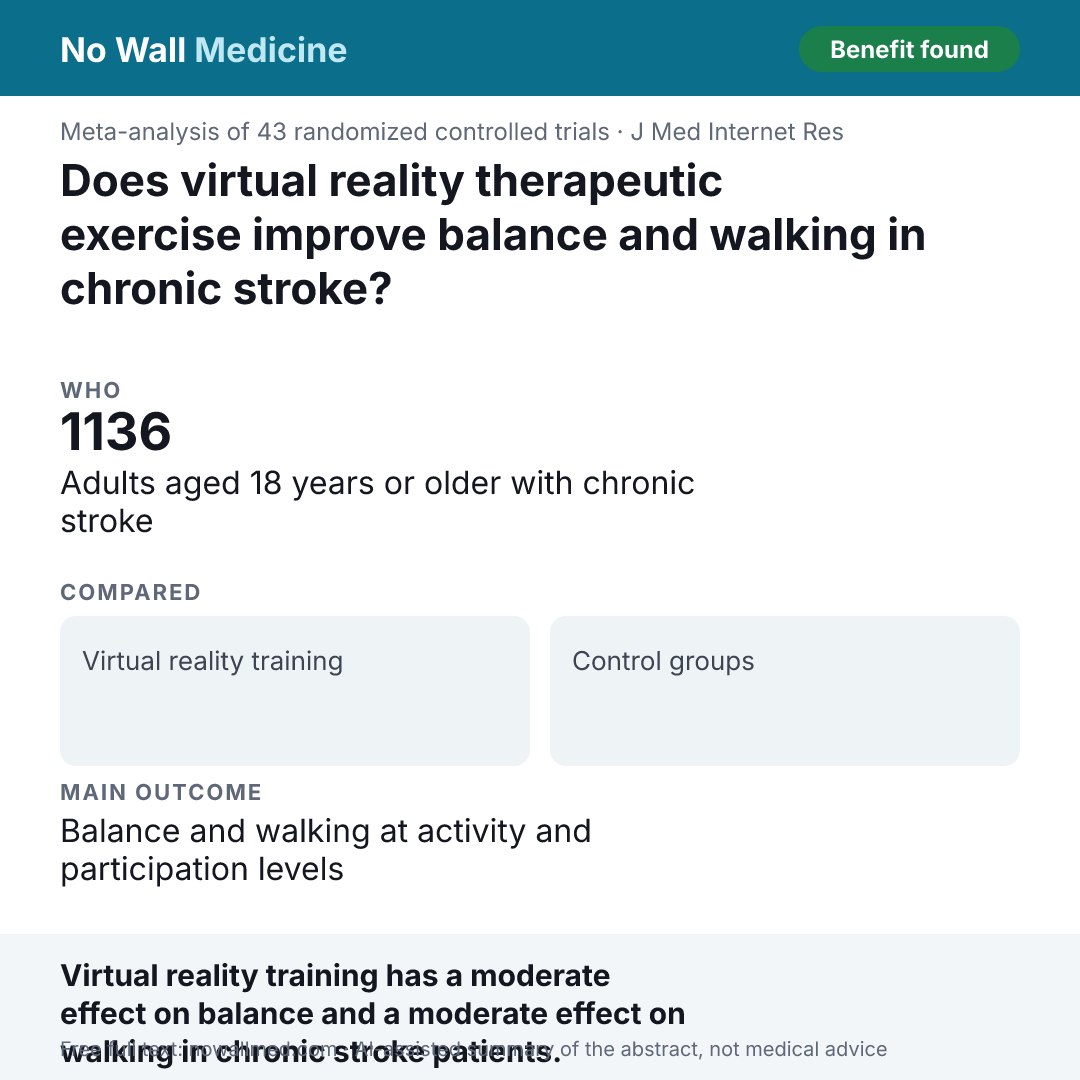
The Effectiveness of Therapeutic Exercise Interventions With Virtual Reality on Balance and Walking Among Persons With Chronic Stroke: Systematic Review, Meta-Analysis, and Meta-Regression of Randomized Controlled Trials
Meta-analysis of 43 randomized controlled trialsBenefit found
Does virtual reality therapeutic exercise improve balance and walking in chronic stroke?
Who
1136
Adults aged 18 years or older with chronic stroke
Compared
Virtual reality training
Control groups
Main outcome
Balance and walking at activity and participation levels
Result: standardized mean difference 0.51 (95% CI 0.29-0.72) for balance; standardized mean difference 0.31 (95% CI 0.09-0.53) for walking
Bottom line: Virtual reality training has a moderate effect on balance and a moderate effect on walking in chronic stroke patients.
J Med Internet Res · 2024-12-02 · Save PNG
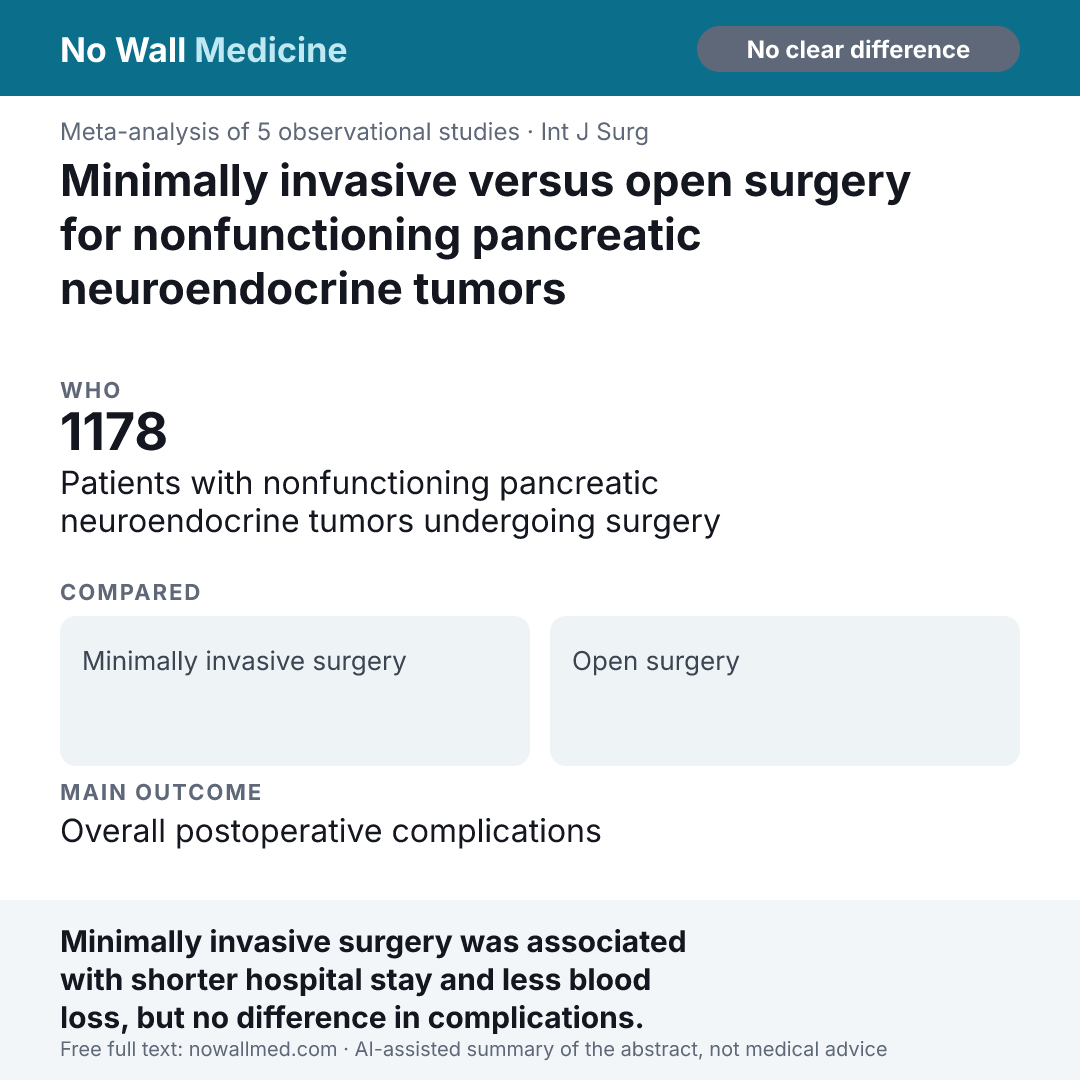
Minimally invasive versus open surgery for nonfunctioning pancreatic neuroendocrine tumors: a systematic review and meta-analysis
Meta-analysis of 5 observational studiesNo clear difference
Minimally invasive versus open surgery for nonfunctioning pancreatic neuroendocrine tumors
Who
1178
Patients with nonfunctioning pancreatic neuroendocrine tumors undergoing surgery
Compared
Minimally invasive surgery
Open surgery
Main outcome
Overall postoperative complications
Result: OR=0.78, 95% CI [0.59-1.03]
Bottom line: Minimally invasive surgery was associated with shorter hospital stay and less blood loss, but no difference in complications.
Int J Surg · 2024-12-01 · Save PNG
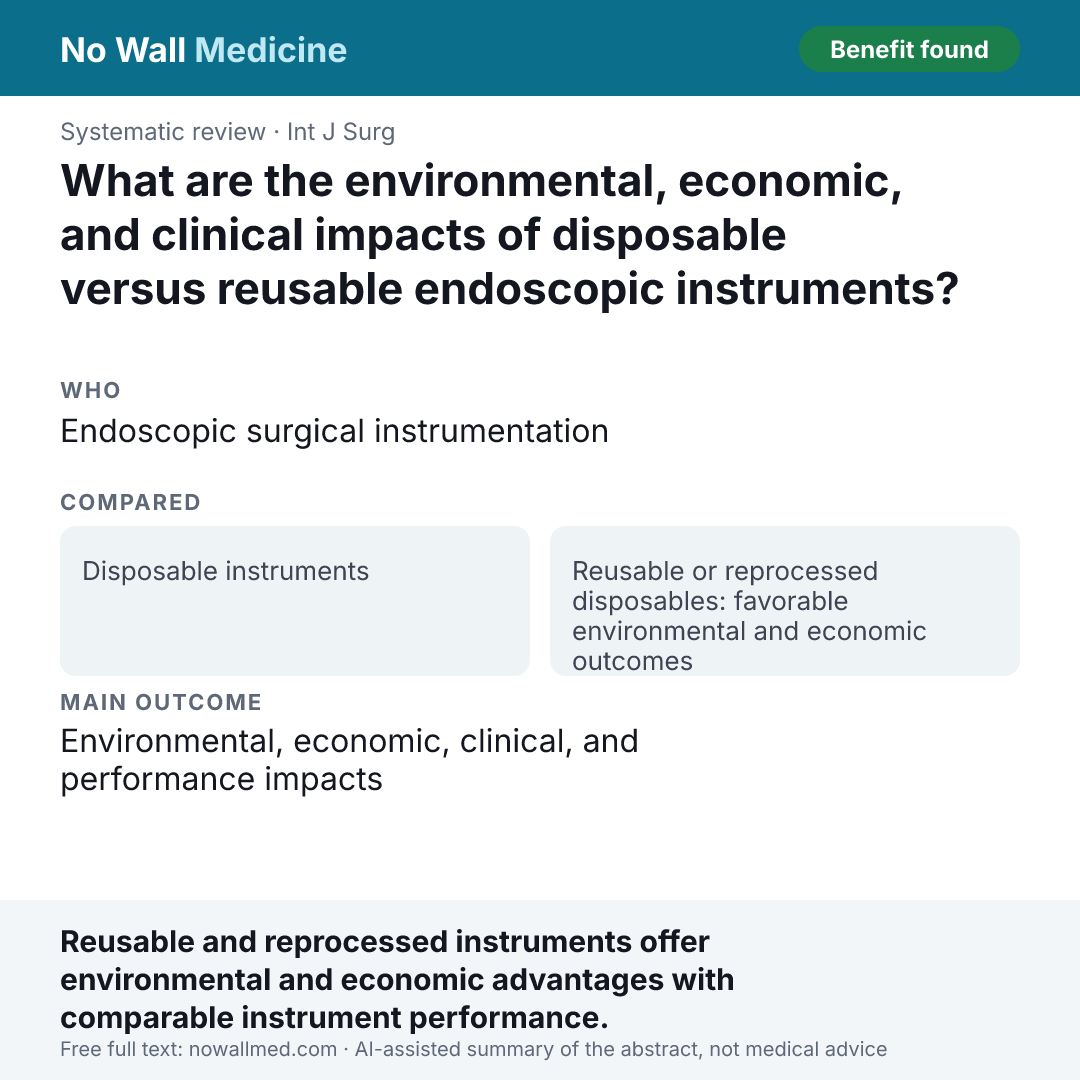
Beyond single-use: a systematic review of environmental, economic, and clinical impacts of endoscopic surgical instrumentation
Systematic reviewBenefit found
What are the environmental, economic, and clinical impacts of disposable versus reusable endoscopic instruments?
Who
Endoscopic surgical instrumentation
Compared
Disposable instruments
Reusable or reprocessed disposables: favorable environmental and economic outcomes
Main outcome
Environmental, economic, clinical, and performance impacts
Bottom line: Reusable and reprocessed instruments offer environmental and economic advantages with comparable instrument performance.
Int J Surg · 2024-12-01 · Save PNG
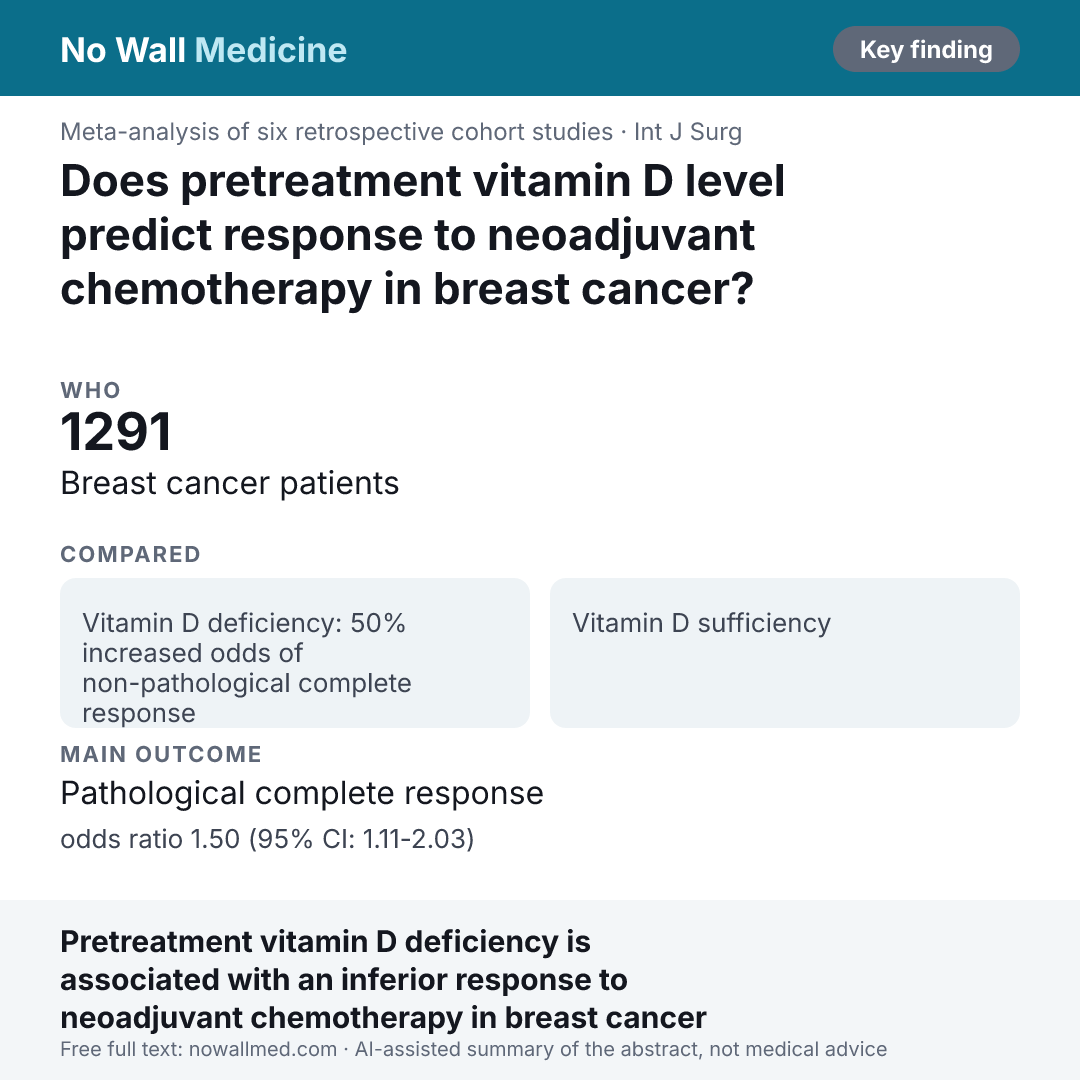
Pretreatment plasma vitamin D and response to neoadjuvant chemotherapy in breast cancer: evidence from pooled analysis of cohort studies
Meta-analysis of six retrospective cohort studiesKey finding
Does pretreatment vitamin D level predict response to neoadjuvant chemotherapy in breast cancer?
Who
1291
Breast cancer patients
Compared
Vitamin D deficiency: 50% increased odds of non-pathological complete response
Vitamin D sufficiency
Main outcome
Pathological complete response
Result: odds ratio 1.50 (95% CI: 1.11-2.03)
Bottom line: Pretreatment vitamin D deficiency is associated with an inferior response to neoadjuvant chemotherapy in breast cancer patients.
Int J Surg · 2024-12-01 · Save PNG
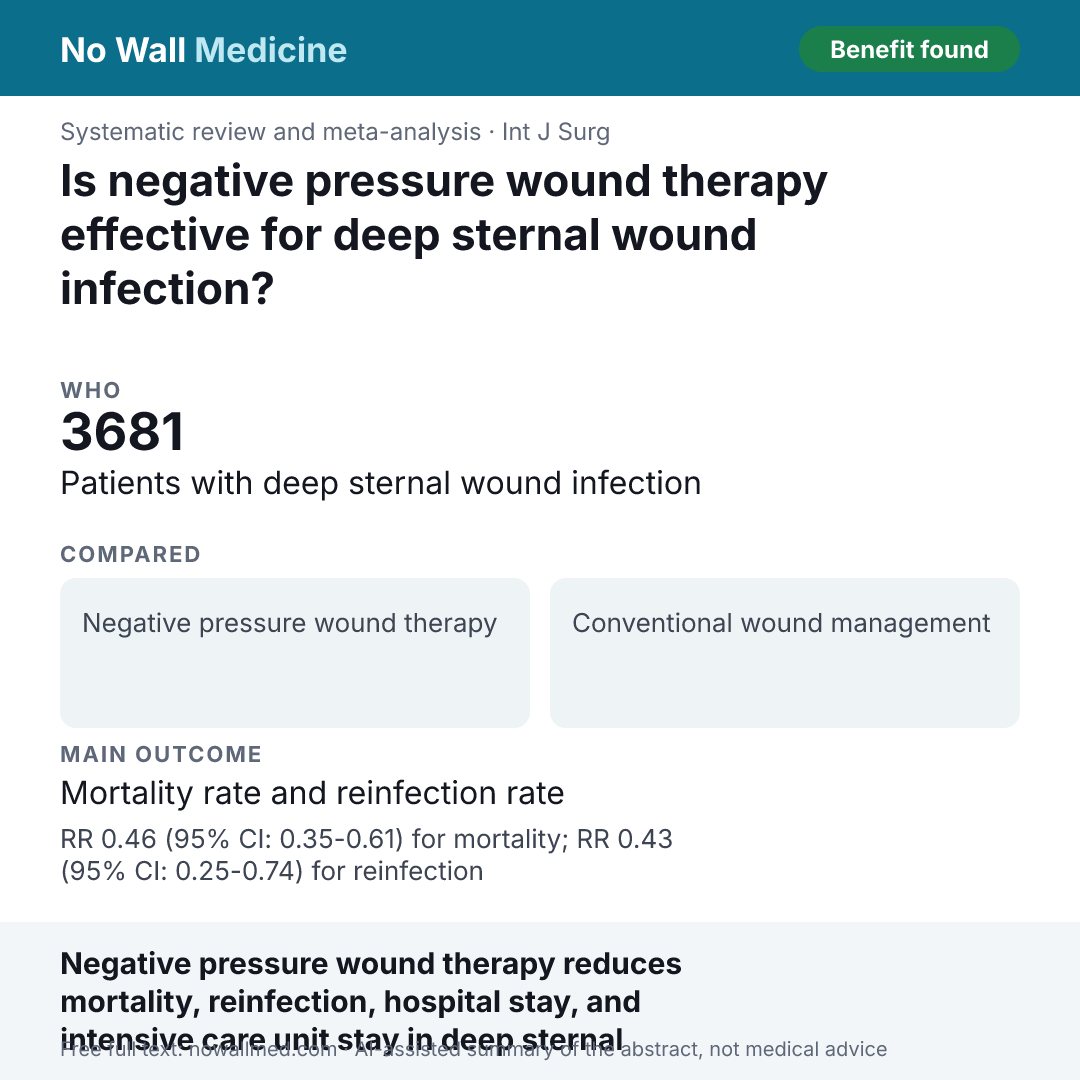
Effectiveness and safety of negative pressure wound therapy in patients with deep sternal wound infection: a systematic review and meta-analysis
Systematic review and meta-analysisBenefit found
Is negative pressure wound therapy effective for deep sternal wound infection?
Who
3681
Patients with deep sternal wound infection
Compared
Negative pressure wound therapy
Conventional wound management
Main outcome
Mortality rate and reinfection rate
Result: RR 0.46 (95% CI: 0.35-0.61) for mortality; RR 0.43 (95% CI: 0.25-0.74) for reinfection
Bottom line: Negative pressure wound therapy reduces mortality, reinfection, hospital stay, and intensive care unit stay in deep sternal wound infection.
Int J Surg · 2024-12-01 · Save PNG
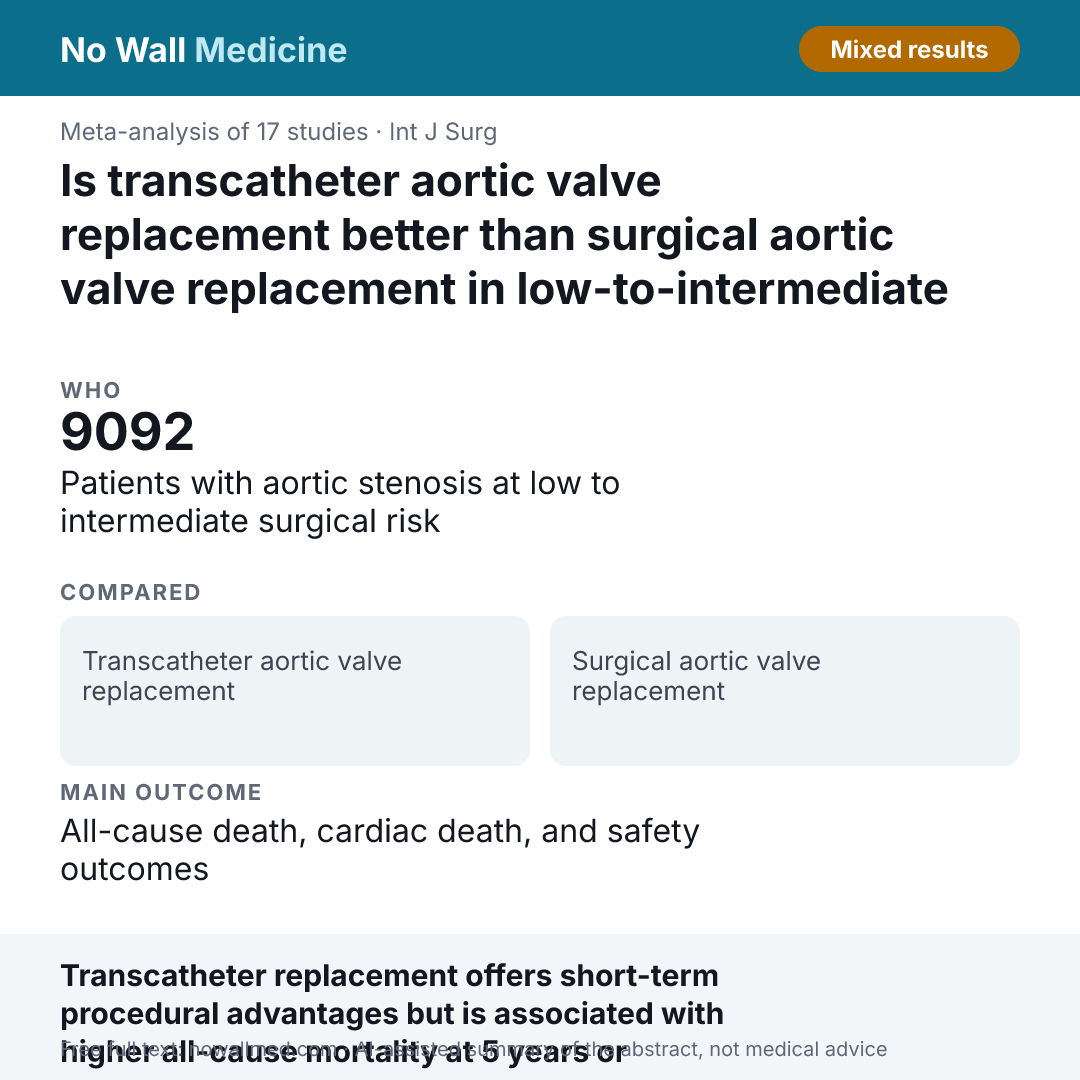
Meta-analysis of longitudinal comparison of transcatheter versus surgical aortic valve replacement in patients at low to intermediate surgical risk
Meta-analysis of 17 studiesMixed results
Is transcatheter aortic valve replacement better than surgical aortic valve replacement in low-to-intermediate risk patients?
Who
9092
Patients with aortic stenosis at low to intermediate surgical risk
Compared
Transcatheter aortic valve replacement
Surgical aortic valve replacement
Main outcome
All-cause death, cardiac death, and safety outcomes
Result: RR 1.13 (95% CI 1.03-1.23) for all-cause death at 5 years or longer
Bottom line: Transcatheter replacement offers short-term procedural advantages but is associated with higher all-cause mortality at 5 years or longer.
Int J Surg · 2024-12-01 · Save PNG
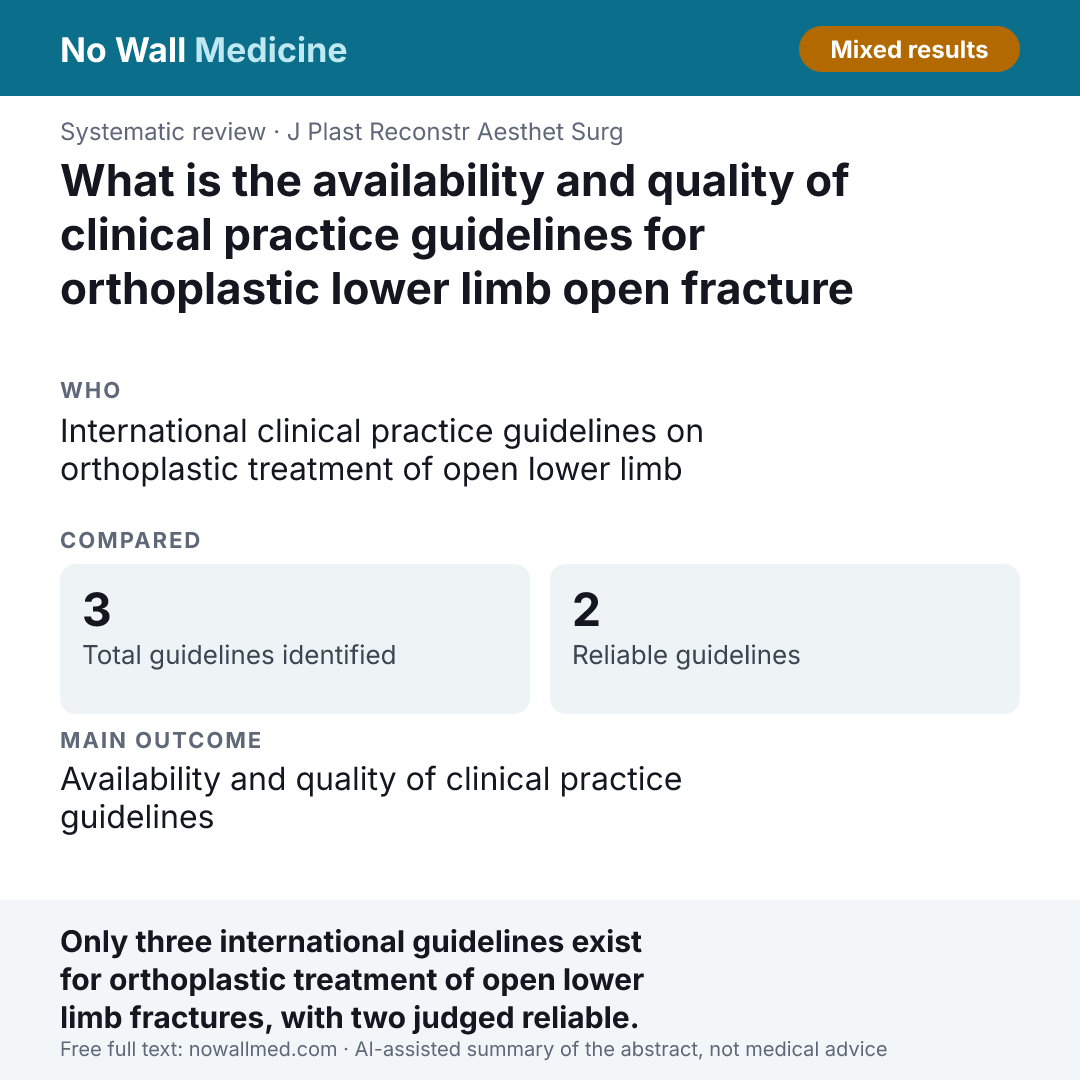
Availability and quality assessment of Clinical Practice Guidelines on orthoplastic surgery treatment of open fractures of the lower limb using AGREE II tool: A systematic review
Systematic reviewMixed results
What is the availability and quality of clinical practice guidelines for orthoplastic lower limb open fracture treatment?
Who
International clinical practice guidelines on orthoplastic treatment of open lower limb fractures · Major medical databases and gray literature
Compared
3Total guidelines identified
2Reliable guidelines
Main outcome
Availability and quality of clinical practice guidelines
Bottom line: Only three international guidelines exist for orthoplastic treatment of open lower limb fractures, with two judged reliable.
J Plast Reconstr Aesthet Surg · 2024-12-01 · Save PNG
Safety and efficacy of stem cell therapy for Crohn's disease: an umbrella review of systematic reviews
Umbrella review of systematic reviewsBenefit found
What are the efficacy and safety of stem cell therapies for Crohn's disease?
Who
Patients with Crohn's disease
Compared
Stem cell therapy
Controls
Main outcome
Clinical remission, perianal healing, fistula closure, and safety
Result: risk ratio 1.299 (95% CI: 1.192-1.420) for clinical remission
Bottom line: Stem cell therapy improves clinical remission and fistula closure rates with a safety profile comparable to conventional therapies.
Int J Surg · 2024-12-01 · Save PNG

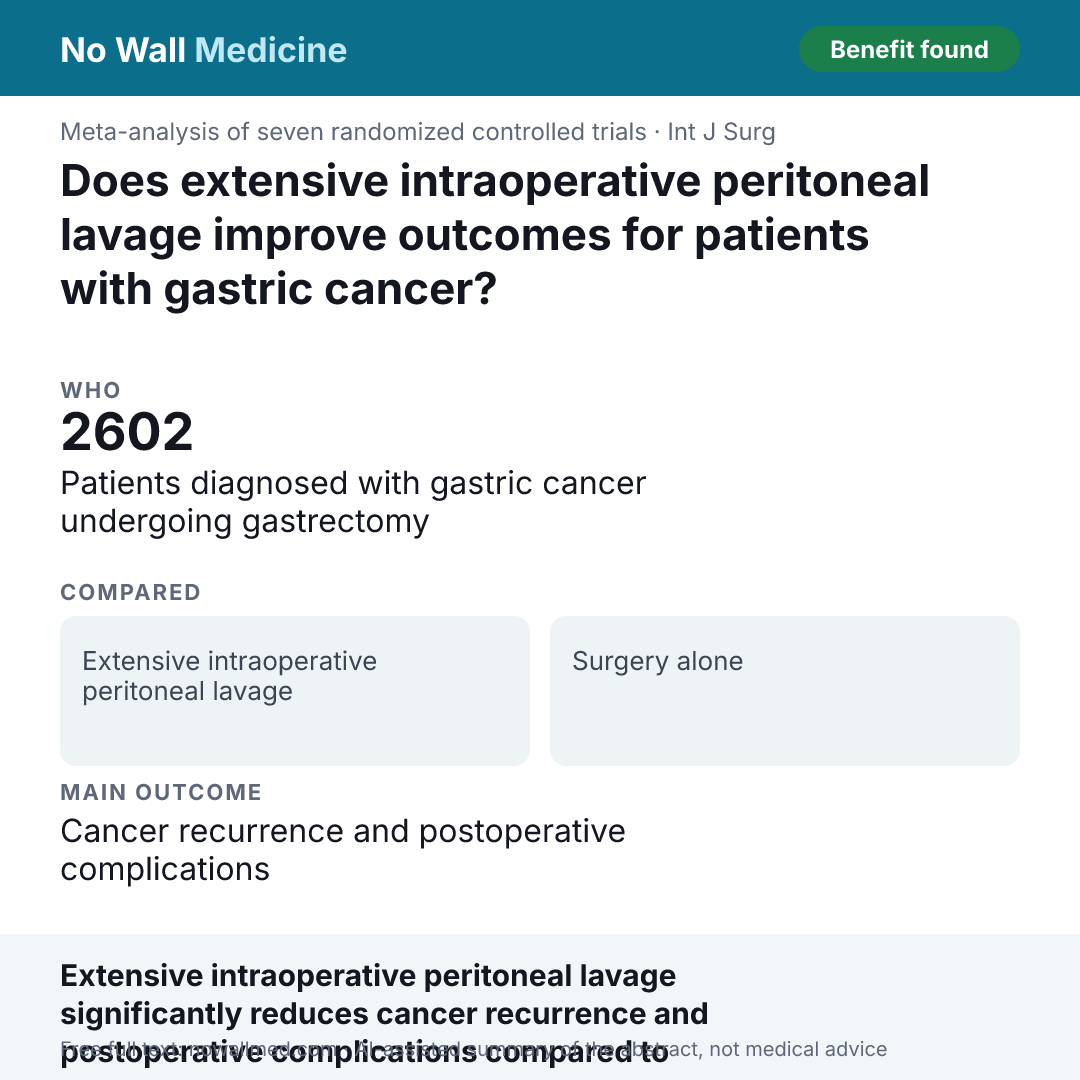
Extensive intraoperative peritoneal lavage with surgery, compared to surgery alone, for patients diagnosed with gastric cancer: a systematic review and meta-analysis of randomized controlled trials
Meta-analysis of seven randomized controlled trialsBenefit found
Does extensive intraoperative peritoneal lavage improve outcomes for patients with gastric cancer?
Who
2602
Patients diagnosed with gastric cancer undergoing gastrectomy
Compared
Extensive intraoperative peritoneal lavage
Surgery alone
Main outcome
Cancer recurrence and postoperative complications
Result: RR=0.73 (95% CI: 0.65-0.83) for recurrence
Bottom line: Extensive intraoperative peritoneal lavage significantly reduces cancer recurrence and postoperative complications compared to surgery alone.
Int J Surg · 2024-12-01 · Save PNG
Benefits and harms associated with the use of AI-related algorithmic decision-making systems by healthcare professionals: a systematic review
Systematic review of 18 randomized controlled trials and one cohort studyMixed results
What are the benefits and harms of artificial intelligence algorithmic decision-making systems compared to standard care?
Who
243
Human patients across psychiatry, oncology, and internal medicine
Compared
Algorithmic decision-making systems
Standard care
Main outcome
Patient-relevant benefits and harms affecting health and quality of life
Bottom line: Artificial intelligence systems showed potential benefits in mortality and length of stay, but harms were frequently underreported.
Limitation: Harms were frequently underreported, with only eight studies documenting adverse events.
Lancet Reg Health Eur · 2024-12-01 · Save PNG

Clinical impact of clonal hematopoiesis in hematopoietic cell transplantation: a review, meta-analysis, and call to action
Review and meta-analysisMixed results
What is the clinical impact of clonal hematopoiesis in hematopoietic cell transplantation?
Who
Patients undergoing autologous and allogeneic hematopoietic cell transplantation
Compared
Autologous HCT: therapy-related myeloid neoplasms: odds ratio =3.65 (95% CI 2.18-6.10)
Autologous HCT: overall survival: hazard ratio =1.38 (95% CI 1.20-1.58)
Allogeneic HCT: relapse: hazard ratio =0.80 (95% CI 0.68-0.94)
Main outcome
Clinical outcomes including myeloid neoplasms, survival, and relapse
Bottom line: Clonal hematopoiesis is associated with increased myeloid neoplasms and mortality in autologous transplantation, but decreased relapse in allogeneic transplantation.
Limitation: Heterogeneity, biases, and limitations in the literature provide challenges for clinical decision-making.
Haematologica · 2024-12-01 · Save PNG

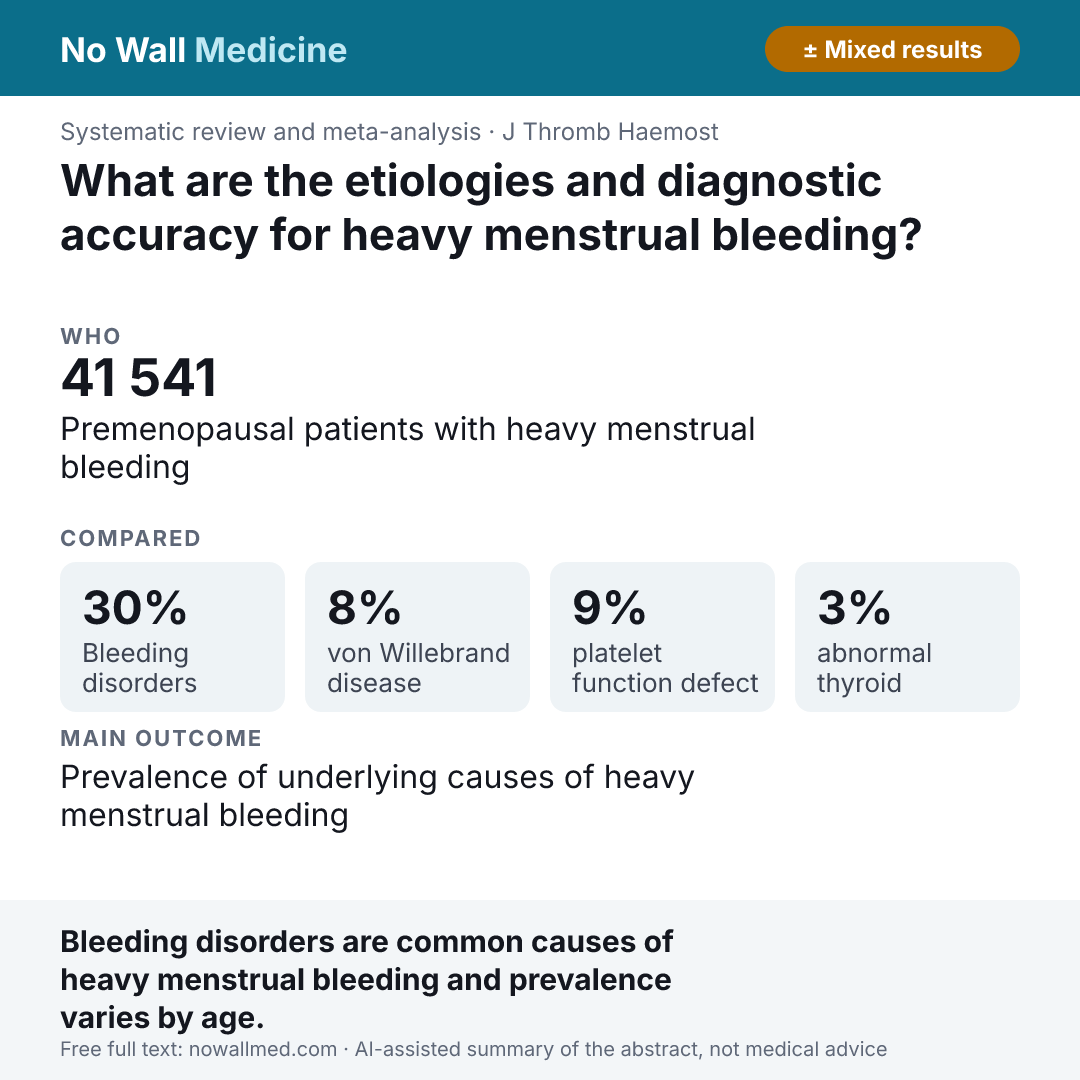
Etiology and diagnosis of heavy menstrual bleeding among adolescent and adult patients: a systematic review and meta-analysis of the literature
Systematic review and meta-analysisMixed results
What are the etiologies and diagnostic accuracy for heavy menstrual bleeding?
Who
41 541
Premenopausal patients with heavy menstrual bleeding
Compared
30%Bleeding disorders overall (95% CI, 14-46)
8%von Willebrand disease (95% CI, 7-10)
9%platelet function defect (95% CI, 7-12)
3%abnormal thyroid (95% CI, 0-6)
Main outcome
Prevalence of underlying causes of heavy menstrual bleeding
Bottom line: Bleeding disorders are common causes of heavy menstrual bleeding and prevalence varies by age.
J Thromb Haemost · 2024-11-30 · Save PNG
Recent advances in systemic therapy for advanced biliary tract cancer: A systematic review and meta-analysis using reconstructed RCT survival data
Meta-analysis of 17 randomized clinical trialsBenefit found
How do first-line therapies compare for efficacy in advanced biliary tract cancer?
Who
4584
Treatment-naive adults with advanced biliary tract cancers
Compared
11.6 monthsGemcitabine/cisplatin alone
Gemcitabine/cisplatin plus immune checkpoint inhibitors: superior overall survival
Main outcome
overall survival and progression-free survival
Result: hazard ratio 0.99 (95% CI 0.98-0.99) for GemCis plus pembrolizumab
Bottom line: Gemcitabine/cisplatin combined with immune checkpoint inhibitors or other agents provides modest survival benefits in advanced biliary tract cancer.
Limitation: Further improvements may require biomarker identification to optimize patient selection.
JHEP Rep · 2024-11-30 · Save PNG

Examining the effectiveness of motor imagery combined with non-invasive brain stimulation for upper limb recovery in stroke patients: a systematic review and meta-analysis of randomized clinical trials
Meta-analysis of 14 randomized clinical trialsBenefit found
Is combining motor imagery with non-invasive brain stimulation superior to either alone for stroke recovery?
Who
886
Stroke patients
Compared
Motor imagery combined with non-invasive brain stimulation
Motor imagery or non-invasive brain stimulation alone
Main outcome
Fugl-Meyer assessment of the upper extremity and modified Barthel Index
Result: MD = 5.43 (95% CI 4.34-6.53) for Fugl-Meyer assessment of the upper extremity; MD = 11.07 (95% CI 6.33-15.80) for modified Barthel Index
Bottom line: Combining motor imagery with non-invasive brain stimulation improves upper limb motor function and activities of daily living after stroke.
J Neuroeng Rehabil · 2024-11-30 · Save PNG

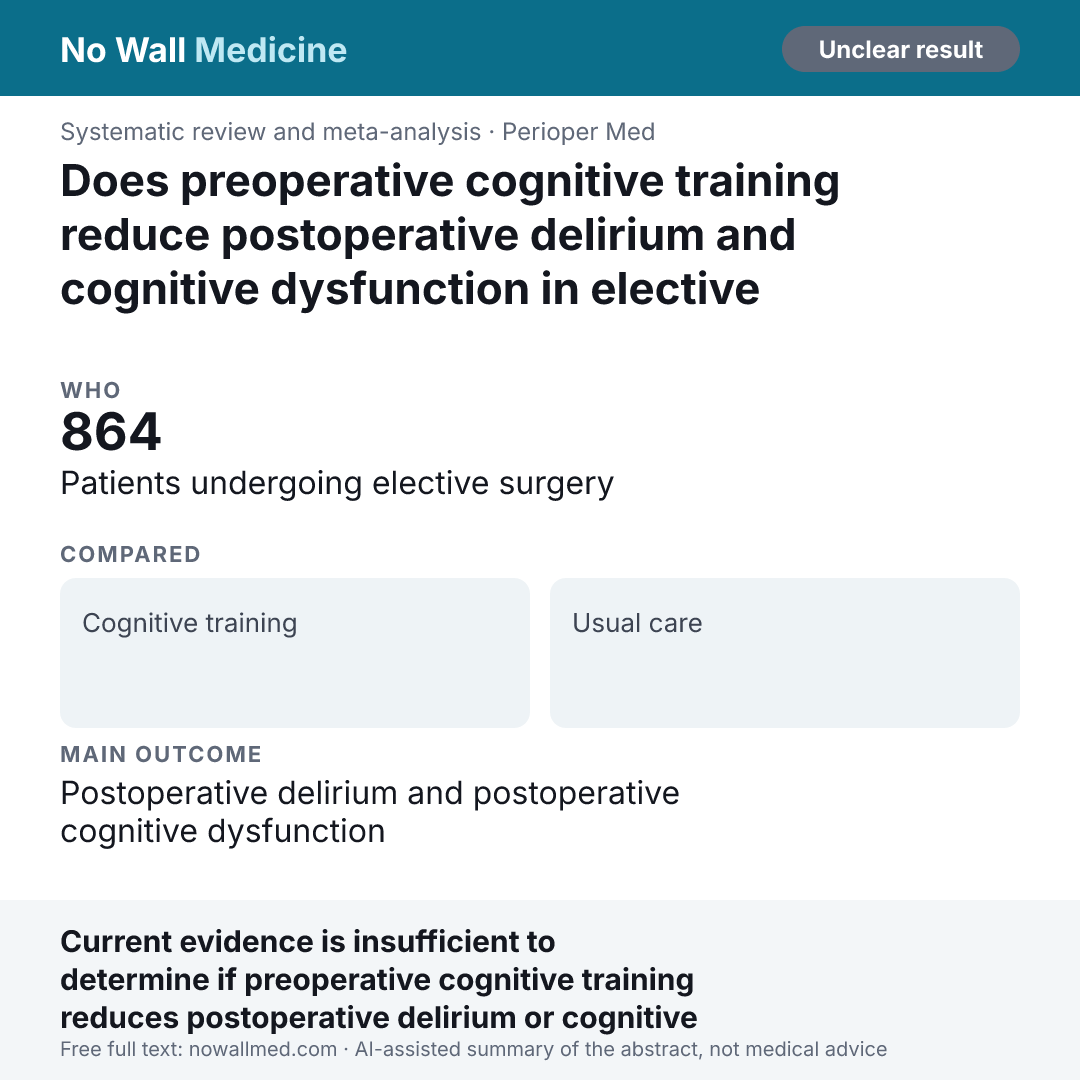
Preoperative cognitive training for the prevention of postoperative delirium and cognitive dysfunction: a systematic review and meta-analysis
Systematic review and meta-analysisUnclear result
Does preoperative cognitive training reduce postoperative delirium and cognitive dysfunction in elective surgery patients?
Who
864
Patients undergoing elective surgery
Compared
Cognitive training
Usual care
Main outcome
Postoperative delirium and postoperative cognitive dysfunction
Result: risk ratio 0.82 (95% CI 0.57-1.18) for delirium; risk ratio 0.93 (95% CI 0.58-1.49) for cognitive dysfunction
Bottom line: Current evidence is insufficient to determine if preoperative cognitive training reduces postoperative delirium or cognitive dysfunction.
Limitation: Sample sizes were insufficient to exclude effectiveness and compliance was mostly below 70%.
Perioper Med · 2024-11-30 · Save PNG
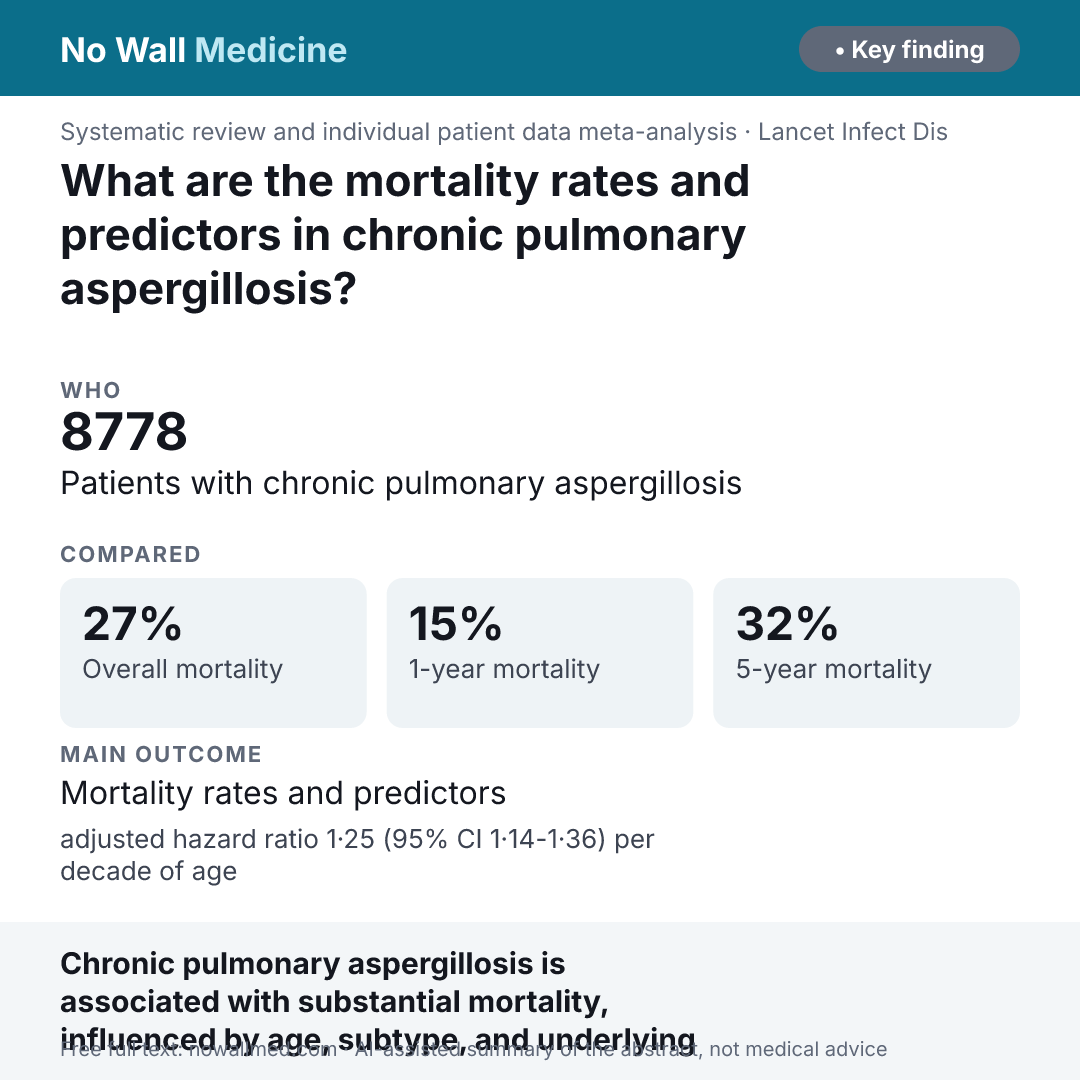
Mortality in chronic pulmonary aspergillosis: a systematic review and individual patient data meta-analysis
Systematic review and individual patient data meta-analysisKey finding
What are the mortality rates and predictors in chronic pulmonary aspergillosis?
Who
8778
Patients with chronic pulmonary aspergillosis
Compared
27%Overall mortality (95% CI 22-32)
15%1-year mortality (11-19)
32%5-year mortality (25-39)
Main outcome
Mortality rates and predictors
Result: adjusted hazard ratio 1·25 (95% CI 1·14-1·36) per decade of age
Bottom line: Chronic pulmonary aspergillosis is associated with substantial mortality, influenced by age, subtype, and underlying comorbidities.
Lancet Infect Dis · 2024-11-29 · Save PNG
Effects of psychoplastogens on blood levels of brain-derived neurotrophic factor (BDNF) in humans: a systematic review and meta-analysis
Systematic review and meta-analysisNo clear difference
Do psychoplastogens change peripheral brain-derived neurotrophic factor levels in humans?
Who
Humans exposed to psychoplastogens
Compared
Psychoplastogens
Control
Main outcome
Peripheral brain-derived neurotrophic factor levels
Result: standardized mean difference 0.024 (p = 0.64)
Bottom line: Psychoplastogens do not appear to elevate peripheral brain-derived neurotrophic factor levels in humans.
Limitation: Reliability and validity of brain-derived neurotrophic factor measurement and low variation in some moderators.
Funded by: University of Fribourg
Mol Psychiatry · 2024-11-29 · Save PNG