Visual abstracts
New randomized trials and meta-analyses from leading journals at a glance: who was studied, what was compared, and what was found. Every paper is free to read in full.
All specialtiesCardiology 4763Oncology 4043Gastroenterology & Hepatology 1903Infectious Disease 3756Neurology 1872Psychiatry & Mental Health 2216Pulmonology 2044Critical Care 1319Endocrinology & Diabetes 2544Pediatrics 2889Surgery 2480Orthopedics & Sports Medicine 917Neurosurgery 525Cardiothoracic & Vascular Surgery 656Plastic & Reconstructive Surgery 574Nephrology 1107Rheumatology 810Hematology 1090Dermatology 611Ophthalmology 532Obstetrics & Gynecology 1645Public & Global Health 1037Radiology & Imaging 619Anesthesiology 958Urology 745ENT (Otolaryngology) 494Emergency Medicine 481Allergy & Immunology 309Geriatrics 972Family Medicine & Primary Care 534Medical Genetics & Genomics 659Pathology & Laboratory Medicine 156Physical Medicine & Rehabilitation 734Palliative Care 421Nutrition 1560Digital Health & AI 2137General Medicine 318
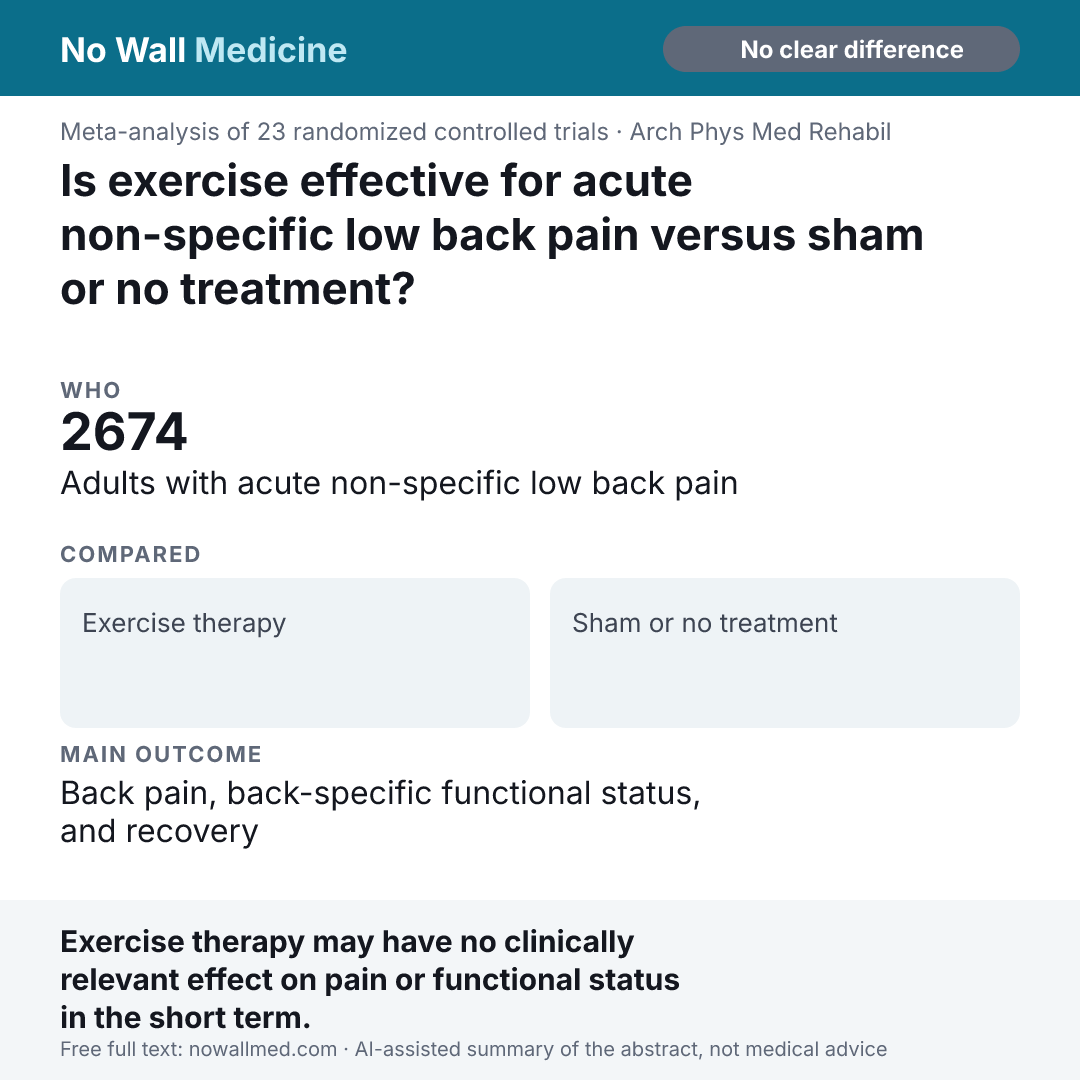
Exercise Therapy for Treatment of Acute Non-specific Low Back Pain: A Cochrane Systematic Review and Meta-analysis of Randomized Controlled Trials
Meta-analysis of 23 randomized controlled trialsNo clear difference
Is exercise effective for acute non-specific low back pain versus sham or no treatment?
Who
2674
Adults with acute non-specific low back pain
Compared
Exercise therapy
Sham or no treatment
Main outcome
Back pain, back-specific functional status, and recovery
Result: mean difference -0.80 (95% CI -5.79 to 4.19)
Bottom line: Exercise therapy may have no clinically relevant effect on pain or functional status in the short term.
Limitation: Very low-certainty evidence due to high risk of bias, small study size, and substantial heterogeneity.
Arch Phys Med Rehabil · 2024-03-20 · Save PNG
Probiotics and synbiotics for glycemic control in diabetes: A systematic review and meta-analysis of randomized controlled trials
Meta-analysis of 41 randomized controlled trialsBenefit found
Do probiotics and synbiotics improve glycemic control in patients with diabetes?
Who
2991
Adults with Type 1 or Type 2 diabetes mellitus
Compared
Probiotics and synbiotics
Comparators
Main outcome
Glycated hemoglobin, fasting plasma glucose, and insulin levels
Result: HbA1c SMD -0.282 (95% CI -0.37 to -0.19)
Bottom line: Probiotics and synbiotics may effectively improve glycemic control in patients with diabetes.
Limitation: Efficacy varied based on the type of strains used and the country.
Clin Nutr · 2024-03-20 · Save PNG

Cytoreductive therapy in younger adults with polycythemia vera: a meta-analysis of safety and outcomes
Meta-analysis of 14 studiesBenefit found
What are the safety and outcomes of cytoreductive therapy in younger adults with polycythemia vera?
Who
Patients with polycythemia vera aged under 60 years
Compared
interferon alfa: 62% complete hematologic response
hydroxyurea: 52% complete hematologic response
Main outcome
toxicity and disease-related complications
Bottom line: Cytoreductive treatment, particularly with interferon alfa, may benefit younger patients with polycythemia vera with acceptable nonfatal toxicity rates.
Limitation: Future randomized trials prioritizing inclusion of patients under 60 are needed.
Blood Adv · 2024-03-20 · Save PNG

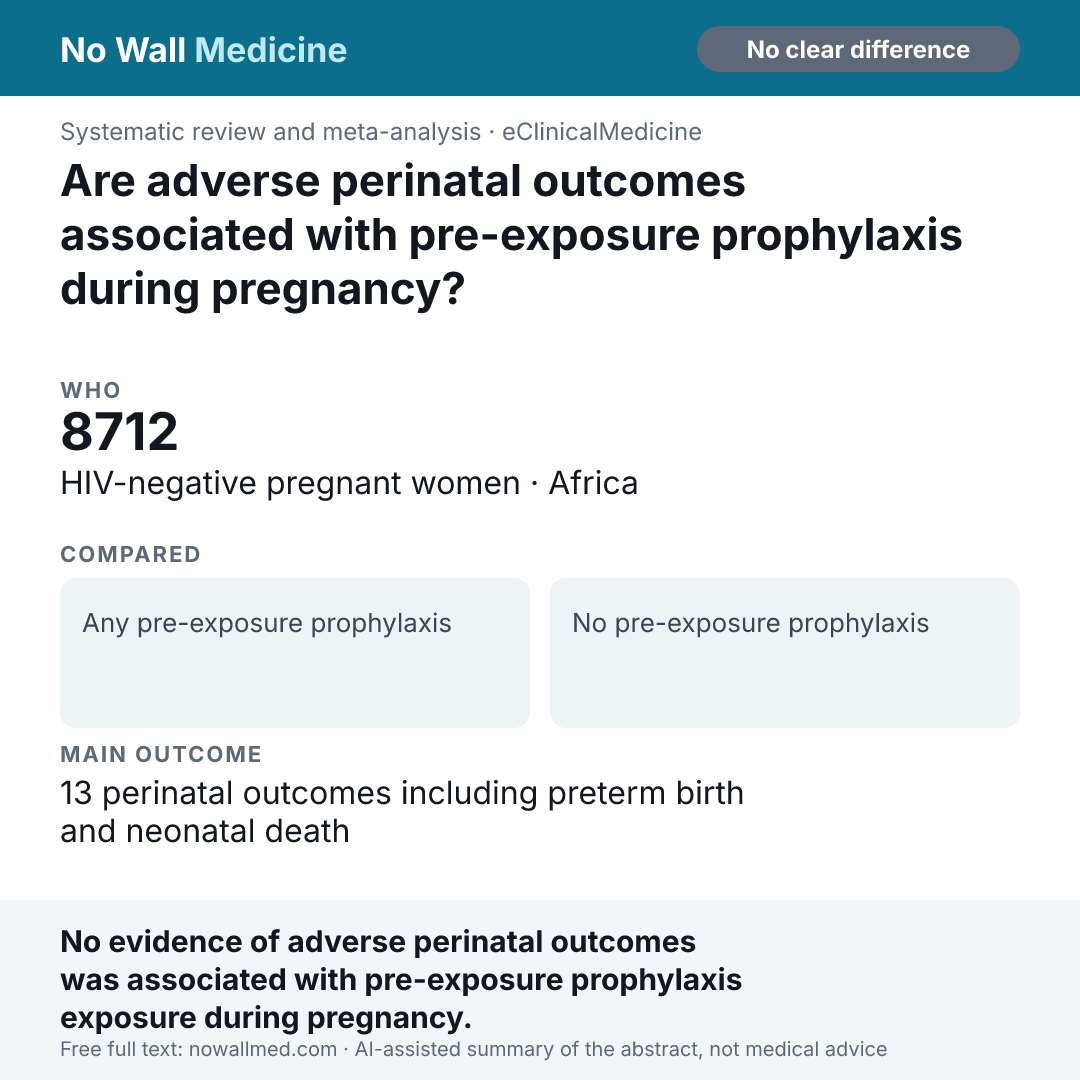
Perinatal outcomes associated with pre-exposure prophylaxis for HIV prevention during pregnancy: a systematic review and meta-analysis
Systematic review and meta-analysisNo clear difference
Are adverse perinatal outcomes associated with pre-exposure prophylaxis during pregnancy?
Who
8712
HIV-negative pregnant women · Africa
Compared
Any pre-exposure prophylaxis
No pre-exposure prophylaxis
Main outcome
13 perinatal outcomes including preterm birth and neonatal death
Bottom line: No evidence of adverse perinatal outcomes was associated with pre-exposure prophylaxis exposure during pregnancy.
eClinicalMedicine · 2024-03-19 · Save PNG
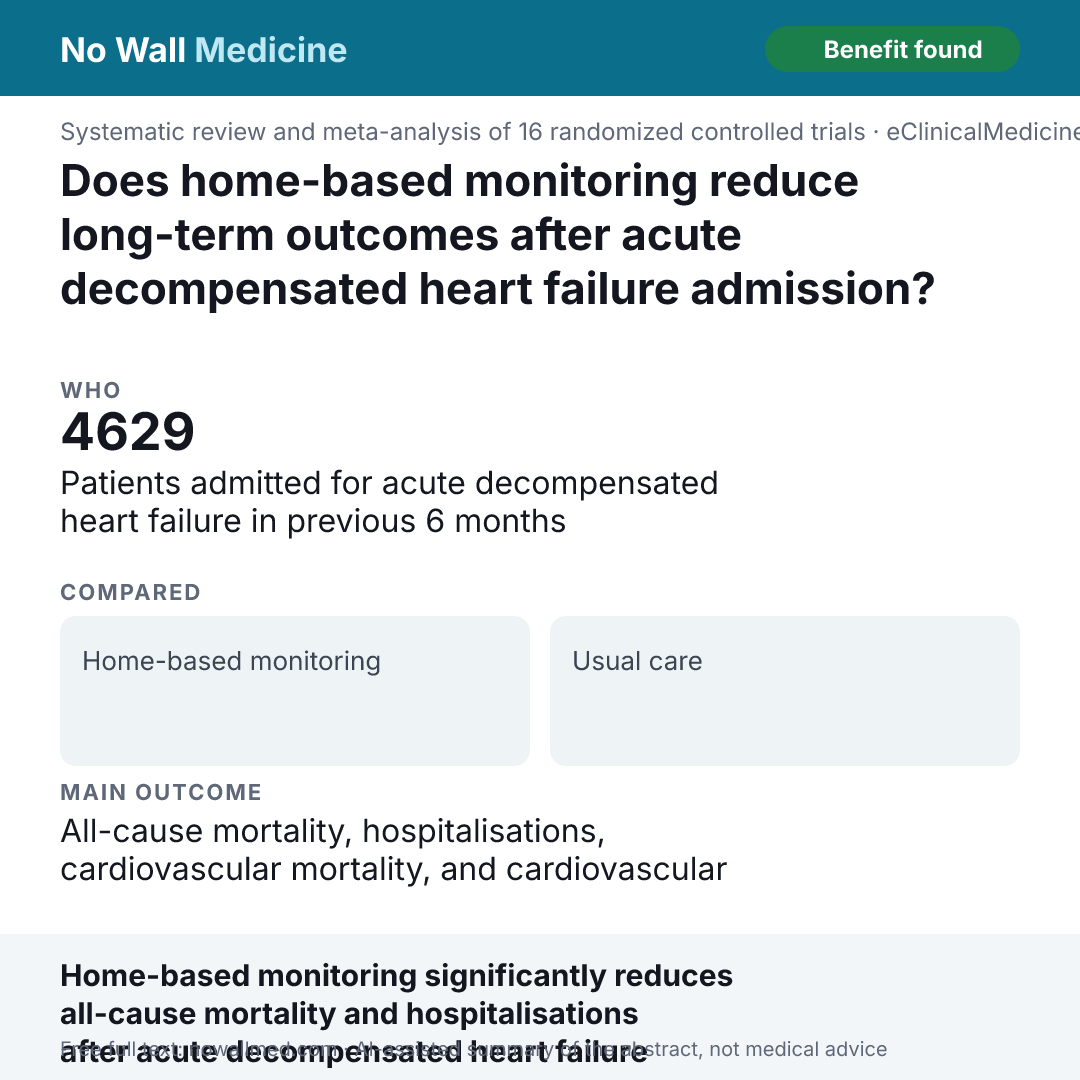
Long-term impact of home-based monitoring after an admission for acute decompensated heart failure: a systematic review and meta-analysis of randomised controlled trials
Systematic review and meta-analysis of 16 randomized controlled trialsBenefit found
Does home-based monitoring reduce long-term outcomes after acute decompensated heart failure admission?
Who
4629
Patients admitted for acute decompensated heart failure in previous 6 months
Compared
Home-based monitoring
Usual care
Main outcome
All-cause mortality, hospitalisations, cardiovascular mortality, and cardiovascular hospitalisations
Result: risk ratio 0.75 (95% CI 0.61, 0.91) for all-cause mortality
Bottom line: Home-based monitoring significantly reduces all-cause mortality and hospitalisations after acute decompensated heart failure admission.
Limitation: Future studies are warranted to evaluate efficacy and safety in real-world settings.
eClinicalMedicine · 2024-03-19 · Save PNG
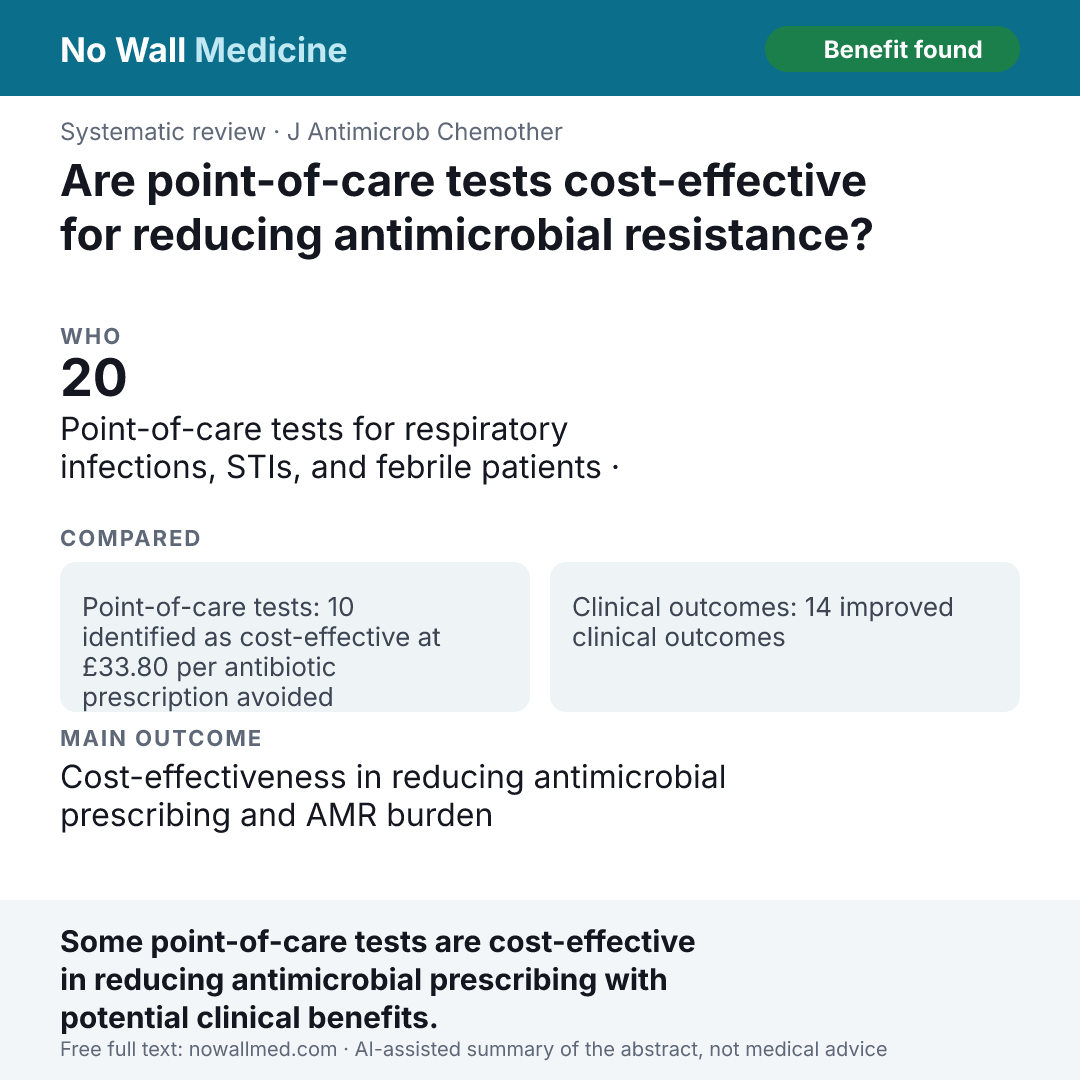
Cost-effectiveness of point-of-care diagnostics for AMR: a systematic review
Systematic reviewBenefit found
Are point-of-care tests cost-effective for reducing antimicrobial resistance?
Who
20
Point-of-care tests for respiratory infections, STIs, and febrile patients · Global primary and secondary healthcare
Compared
Point-of-care tests: 10 identified as cost-effective at £33.80 per antibiotic prescription avoided
Clinical outcomes: 14 improved clinical outcomes
Main outcome
Cost-effectiveness in reducing antimicrobial prescribing and AMR burden
Bottom line: Some point-of-care tests are cost-effective in reducing antimicrobial prescribing with potential clinical benefits.
J Antimicrob Chemother · 2024-03-19 · Save PNG
Global epidemiology of asymptomatic colonisation of methicillin-resistant Staphylococcus aureus in the upper respiratory tract of young children: a systematic review and meta-analysis
Systematic review and meta-analysisKey finding
What is the global prevalence of asymptomatic Staphylococcus aureus and MRSA colonisation in young children?
Who
21416
Young children without respiratory or Staphylococcal infection · Community, children's institutions, and healthcare centre visits
Compared
25.1%Asymptomatic Staphylococcus aureus colonisation (95% CI 21.4 to 28.8)
3.4%Asymptomatic methicillin-resistant Staphylococcus aureus colonisation (95% CI 2.8 to 4.1)
Main outcome
Pooled global prevalence of asymptomatic colonisation
Bottom line: Global prevalence of asymptomatic Staphylococcus aureus is 25.1% and methicillin-resistant Staphylococcus aureus is 3.4% in young children.
Arch Dis Child · 2024-03-19 · Save PNG

Air pollution and childhood respiratory consultations in primary care: a systematic review
Systematic review of 14 observational studiesMixed results
Is short-term air pollution linked to childhood respiratory consultations?
Who
Children in primary care settings
Compared
Air pollutants (CO, SO2, NO2, PM10): associated with increased consultations
Ozone: associated with a reduction in consultations
Main outcome
Childhood respiratory consultations in primary care
Bottom line: Short-term exposure to CO, SO2, NO2, and PM10 was linked to increased respiratory consultations.
Limitation: Heterogeneity in exposure and health outcome prevented meta-analysis.
Arch Dis Child · 2024-03-19 · Save PNG

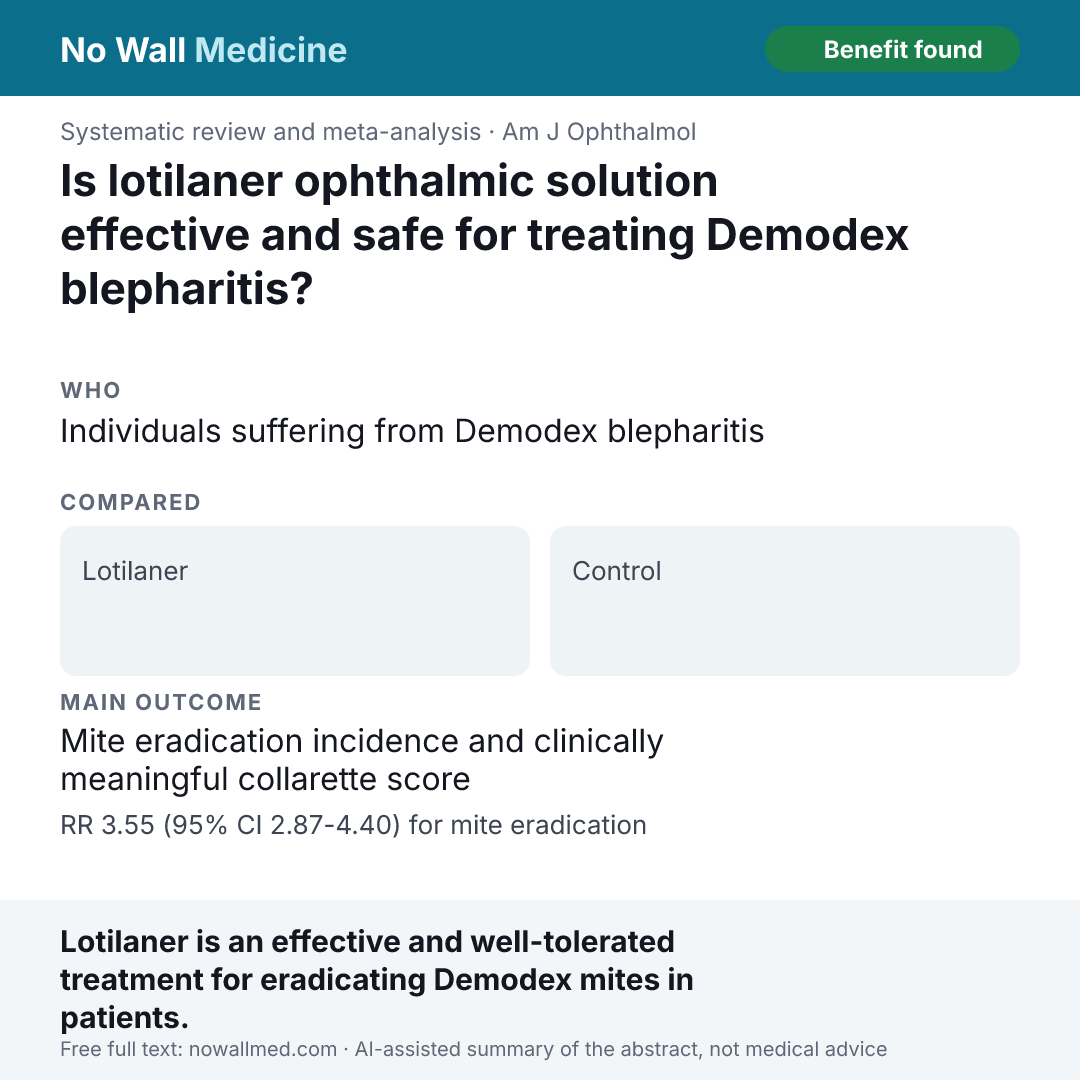
Efficacy and Safety of Lotilaner Ophthalmic Solution (0.25%) for the Treatment of Demodex Blepharitis: A GRADE Assessed Systematic Review and Meta-Analysis of Observational & Experimental Studies
Systematic review and meta-analysisBenefit found
Is lotilaner ophthalmic solution effective and safe for treating Demodex blepharitis?
Who
Individuals suffering from Demodex blepharitis
Compared
Lotilaner
Control
Main outcome
Mite eradication incidence and clinically meaningful collarette score
Result: RR 3.55 (95% CI 2.87-4.40) for mite eradication
Bottom line: Lotilaner is an effective and well-tolerated treatment for eradicating Demodex mites in patients.
Am J Ophthalmol · 2024-03-19 · Save PNG
Predictive and protective factors for failing first pass intubation in prehospital rapid sequence intubation: an aetiology and risk systematic review with meta-analysis
Systematic review and meta-analysisMixed results
What factors are associated with success or failure at first attempt laryngoscopy in prehospital rapid sequence intubation?
Who
Prehospital live patients undergoing rapid sequence intubation · Prehospital settings
Compared
Predictive factors for failure
Protective factors for success
Main outcome
First pass success rates for rapid sequence intubation
Bottom line: Factors like airway blood, patient positioning, videolaryngoscopes, bougies, and training influence first pass intubation success.
Br J Anaesth · 2024-03-19 · Save PNG

Systematic Review of Kidney Injury Biomarkers for the Evaluation of CKD of Uncertain Etiology
Systematic reviewUnclear result
What are the urinary and plasma kidney injury biomarkers for chronic kidney disease of uncertain etiology?
Who
Individuals with chronic kidney disease of uncertain etiology · Central America and South Asia
Compared
Urinary kidney injury molecule-1
Urinary neutrophil gelatinase-associated lipocalin
Main outcome
Urinary and plasma kidney injury biomarkers
Bottom line: Biomarkers like kidney injury molecule-1 and neutrophil gelatinase-associated lipocalin are frequently measured in chronic kidney disease of uncertain etiology.
Limitation: Small sample sizes and methodological limitations in the included literature.
Kidney Int Rep · 2024-03-19 · Save PNG

Policy strategies for capacity building and scale up of the workforce for comprehensive cancer care: a systematic review
Systematic reviewMixed results
What are the policy strategies for capacity building and scale up of the cancer workforce?
Who
Cancer workforce in low- and middle-income countries · African and American Regions and high-income countries
Compared
Quantitative strategies
Quality, organizational, and managerial solutions
Main outcome
Availability, accessibility, acceptability, and quality of the workforce
Bottom line: Capacity building requires both increasing provider numbers and implementing quality-oriented, organizational, and managerial human resource solutions.
Limitation: Literature on retaining the workforce and reducing brain drain was commonly limited.
ESMO Open · 2024-03-19 · Save PNG

The Use of Mobile Technologies to Promote Physical Activity and Reduce Sedentary Behaviors in the Middle East and North Africa Region: Systematic Review and Meta-Analysis
Systematic review and meta-analysis of randomized controlled trialsBenefit found
Are mobile interventions effective for physical activity and sedentary behaviors in the MENA region?
Who
6141
Participants of all ages in the Middle East and North Africa region · Middle East and North Africa region
Compared
Mobile interventions
Control
Main outcome
Physical activity outcomes
Result: standardized mean difference 0.45 (95% CI 0.17 to 0.73)
Bottom line: Mobile interventions show a positive effect on physical activity outcomes in the Middle East and North Africa region.
Limitation: Possible publication bias and poor reporting of engagement and cultural fit.
J Med Internet Res · 2024-03-19 · Save PNG

The outcomes measured and reported in observational studies of incidental and untreated intracranial meningioma: A systematic review
Systematic reviewMixed results
What outcomes are measured and reported in observational studies of incidental and untreated intracranial meningioma?
Who
Adult cohorts with incidental and untreated intracranial meningioma
Compared
27Retrospective studies
5Prospective studies
Main outcome
Outcomes measured and reported in observational studies
Bottom line: Outcome measurement across observational studies of incidental and untreated intracranial meningioma is heterogeneous.
Neurooncol Adv · 2024-03-19 · Save PNG

Health data sharing attitudes towards primary and secondary use of data: a systematic review
Systematic review and qualitative synthesisMixed results
What are people's attitudes towards primary and secondary health data sharing?
Who
228501
228,501 participants across 116 studies
Compared
Primary purpose sharing: high
Secondary purpose sharing: variable
Main outcome
Attitudes towards sharing health data
Bottom line: Sharing intentions for primary purposes are high, while secondary purpose intentions vary significantly based on data type and recipient.
Limitation: Most findings were derived from single studies and warrant confirmation from additional studies.
eClinicalMedicine · 2024-03-18 · Save PNG

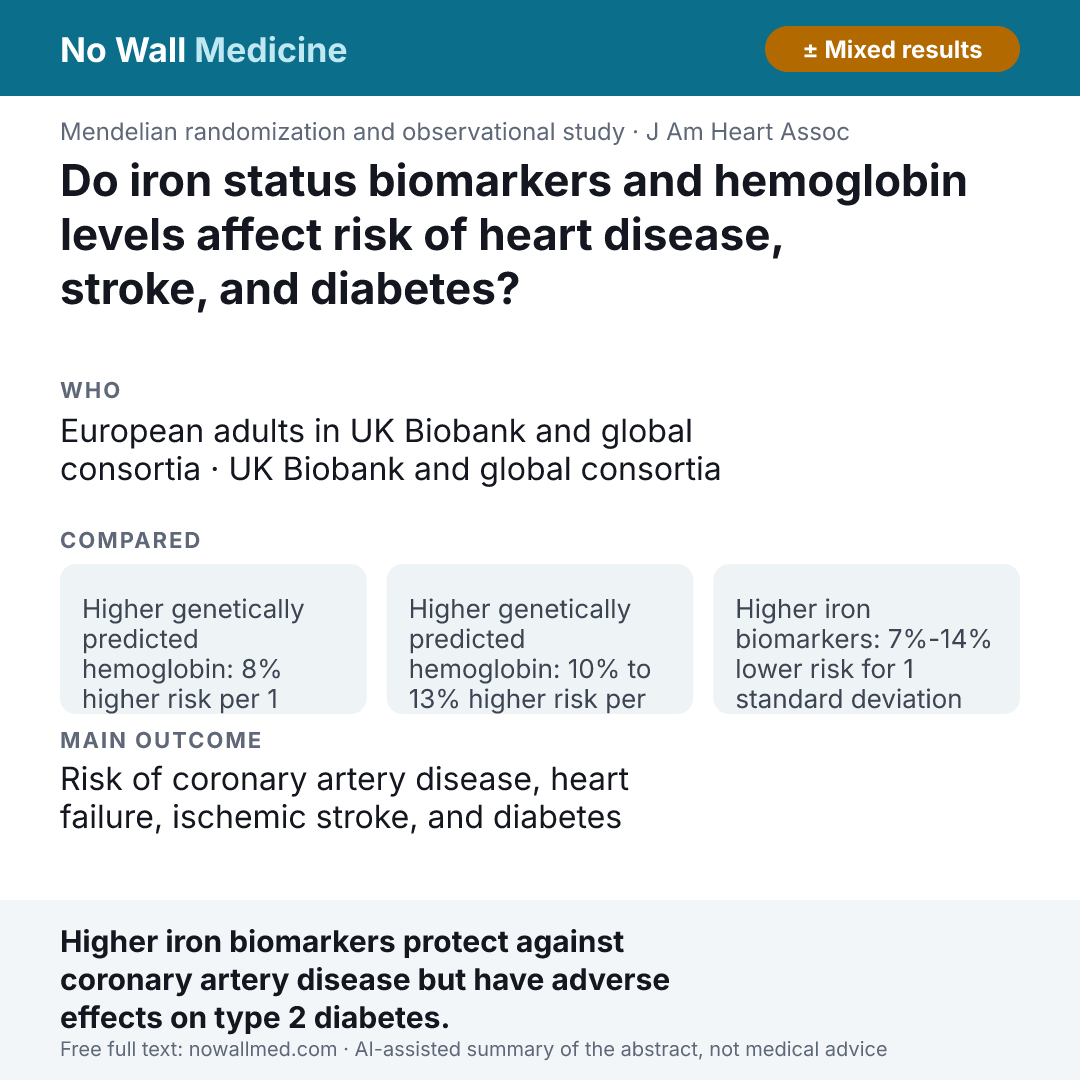
Iron Status and Risk of Heart Disease, Stroke, and Diabetes: A Mendelian Randomization Study in European Adults
Mendelian randomization and observational studyMixed results
Do iron status biomarkers and hemoglobin levels affect risk of heart disease, stroke, and diabetes?
Who
European adults in UK Biobank and global consortia · UK Biobank and global consortia
Compared
Higher genetically predicted hemoglobin: 8% higher risk per 1 standard deviation for coronary artery disease
Higher genetically predicted hemoglobin: 10% to 13% higher risk per 1 standard deviation for diabetes
Higher iron biomarkers: 7%-14% lower risk for 1 standard deviation higher levels for coronary artery disease
Main outcome
Risk of coronary artery disease, heart failure, ischemic stroke, and diabetes
Bottom line: Higher iron biomarkers protect against coronary artery disease but have adverse effects on type 2 diabetes.
J Am Heart Assoc · 2024-03-18 · Save PNG
Impact of Secondary Amenorrhea on Cardiovascular Disease Risk in Physically Active Women: A Systematic Review and Meta-Analysis
Systematic review and meta-analysisMixed results
Does secondary amenorrhea affect cardiovascular disease risk in physically active women?
Who
Physically active women aged 18 to 35 years · 3 countries
Compared
Physically active women with secondary amenorrhea: lower estradiol, flow-mediated dilation, resting heart rate, systolic blood pressure, and diastolic blood pressure; higher total cholesterol, triglycerides, high-density lipoprotein, and low-density lipoprotein cholesterol
Physically active women with eumenorrhea
Main outcome
Cardiovascular disease evidence, physiology alterations, or risk factors
Bottom line: Secondary amenorrhea in active women may impact cardiovascular physiology and certain cardiovascular disease risk factors.
Limitation: The research in this area is observational; therefore, findings should be interpreted cautiously.
J Am Heart Assoc · 2024-03-18 · Save PNG

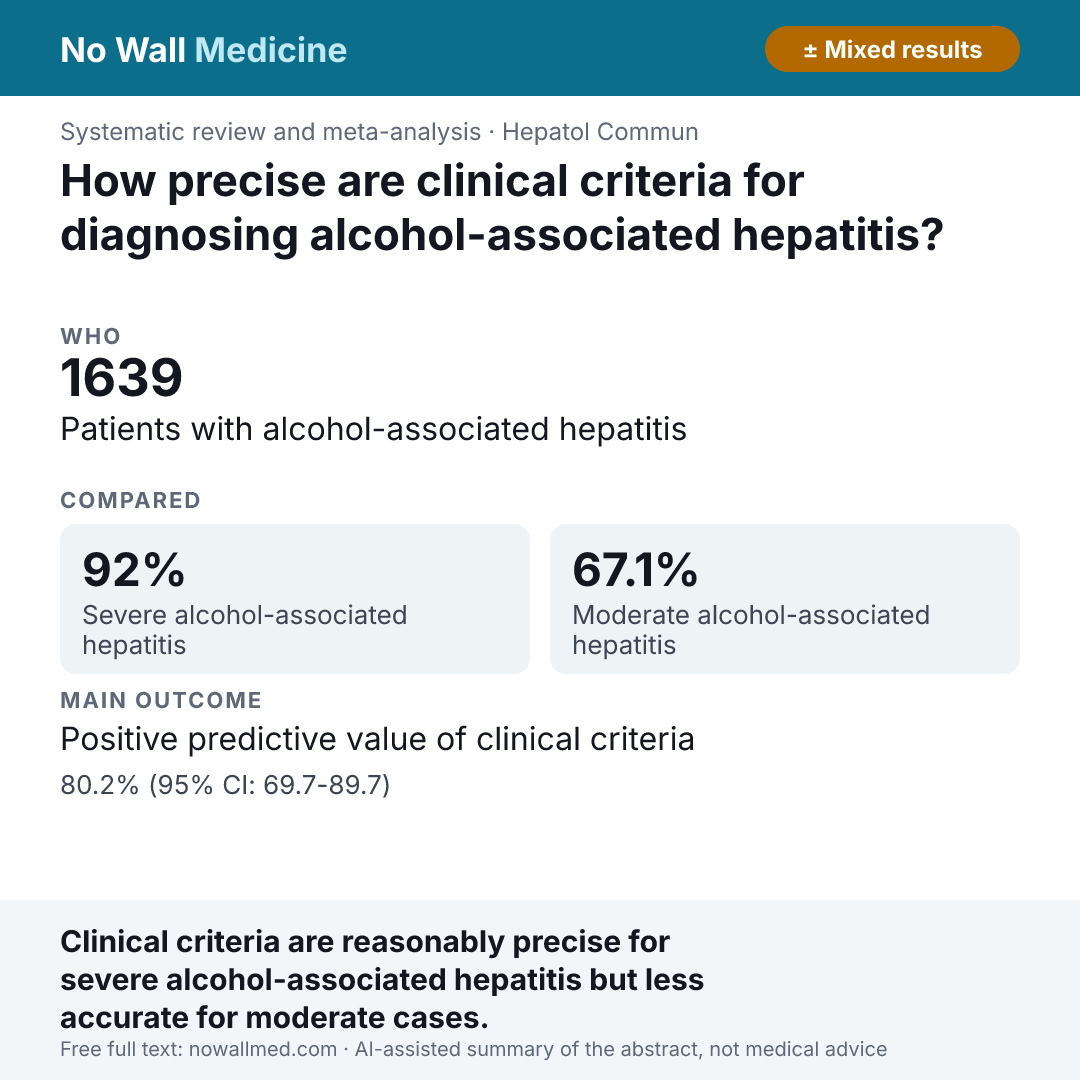
Clinical criteria accurately diagnose severe but not moderate alcohol-associated hepatitis: A systematic review and meta-analysis
Systematic review and meta-analysisMixed results
How precise are clinical criteria for diagnosing alcohol-associated hepatitis?
Who
1639
Patients with alcohol-associated hepatitis
Compared
92%Severe alcohol-associated hepatitis
67.1%Moderate alcohol-associated hepatitis
Main outcome
Positive predictive value of clinical criteria
Result: 80.2% (95% CI: 69.7-89.7)
Bottom line: Clinical criteria are reasonably precise for severe alcohol-associated hepatitis but less accurate for moderate cases.
Limitation: The net inter-pathologist agreement for histologic findings of alcohol-associated hepatitis was variable.
Hepatol Commun · 2024-03-18 · Save PNG
Racial and ethnic disparities in alcohol-associated liver disease in the United States: A systematic review and meta-analysis
Systematic review and meta-analysisMixed results
What are the racial and ethnic disparities in alcohol-associated liver disease in the United States?
Who
76,867,544
Patients in the United States stratified by race and ethnicity · United States
Compared
Hispanic individuals: 4.5% prevalence
White individuals: 3.1% prevalence
Black individuals: 1.4% prevalence
Main outcome
Alcohol-associated liver disease prevalence, incidence, and mortality
Result: risk ratios of ALD prevalence were 1.64 (95% CI: 1.12-2.39) for Hispanic and 0.59 (95% CI: 0.35-0.87) for Black
Bottom line: Hispanic individuals had higher alcohol-associated liver disease prevalence, while Black individuals had lower prevalence compared to White individuals.
Limitation: Most data were cross-sectional and assessed to be of poor or fair quality.
Hepatol Commun · 2024-03-18 · Save PNG

Effectiveness and safety of the combination of sodium-glucose transport protein 2 inhibitors and glucagon-like peptide-1 receptor agonists in patients with type 2 diabetes mellitus: a systematic review and meta-analysis of observational studies
Meta-analysis of 13 observational studiesBenefit found
Is combining SGLT2 inhibitors and GLP-1 receptor agonists effective and safe for type 2 diabetes?
Who
Patients with type 2 diabetes mellitus · Real-world setting
Compared
SGLT2 inhibitors plus GLP-1 receptor agonists: lower all-cause mortality
Individual therapies
Main outcome
all-cause mortality and glycemic, cardiovascular, and renal measurements
Result: odds ratio 0.49 (95% CI 0.49 [0.41, 0.60])
Bottom line: Combining SGLT2 inhibitors and GLP-1 receptor agonists reduces all-cause mortality and improves glycemic, blood pressure, and body mass index.
Limitation: The study is a meta-analysis of observational studies
Cardiovasc Diabetol · 2024-03-18 · Save PNG