Visual abstracts
New randomized trials and meta-analyses from leading journals at a glance: who was studied, what was compared, and what was found. Every paper is free to read in full.
All specialtiesCardiology 4763Oncology 4043Gastroenterology & Hepatology 1903Infectious Disease 3756Neurology 1872Psychiatry & Mental Health 2216Pulmonology 2044Critical Care 1319Endocrinology & Diabetes 2544Pediatrics 2889Surgery 2480Orthopedics & Sports Medicine 917Neurosurgery 525Cardiothoracic & Vascular Surgery 656Plastic & Reconstructive Surgery 574Nephrology 1107Rheumatology 810Hematology 1090Dermatology 611Ophthalmology 532Obstetrics & Gynecology 1645Public & Global Health 1037Radiology & Imaging 619Anesthesiology 958Urology 745ENT (Otolaryngology) 494Emergency Medicine 481Allergy & Immunology 309Geriatrics 972Family Medicine & Primary Care 534Medical Genetics & Genomics 659Pathology & Laboratory Medicine 156Physical Medicine & Rehabilitation 734Palliative Care 421Nutrition 1560Digital Health & AI 2137General Medicine 318
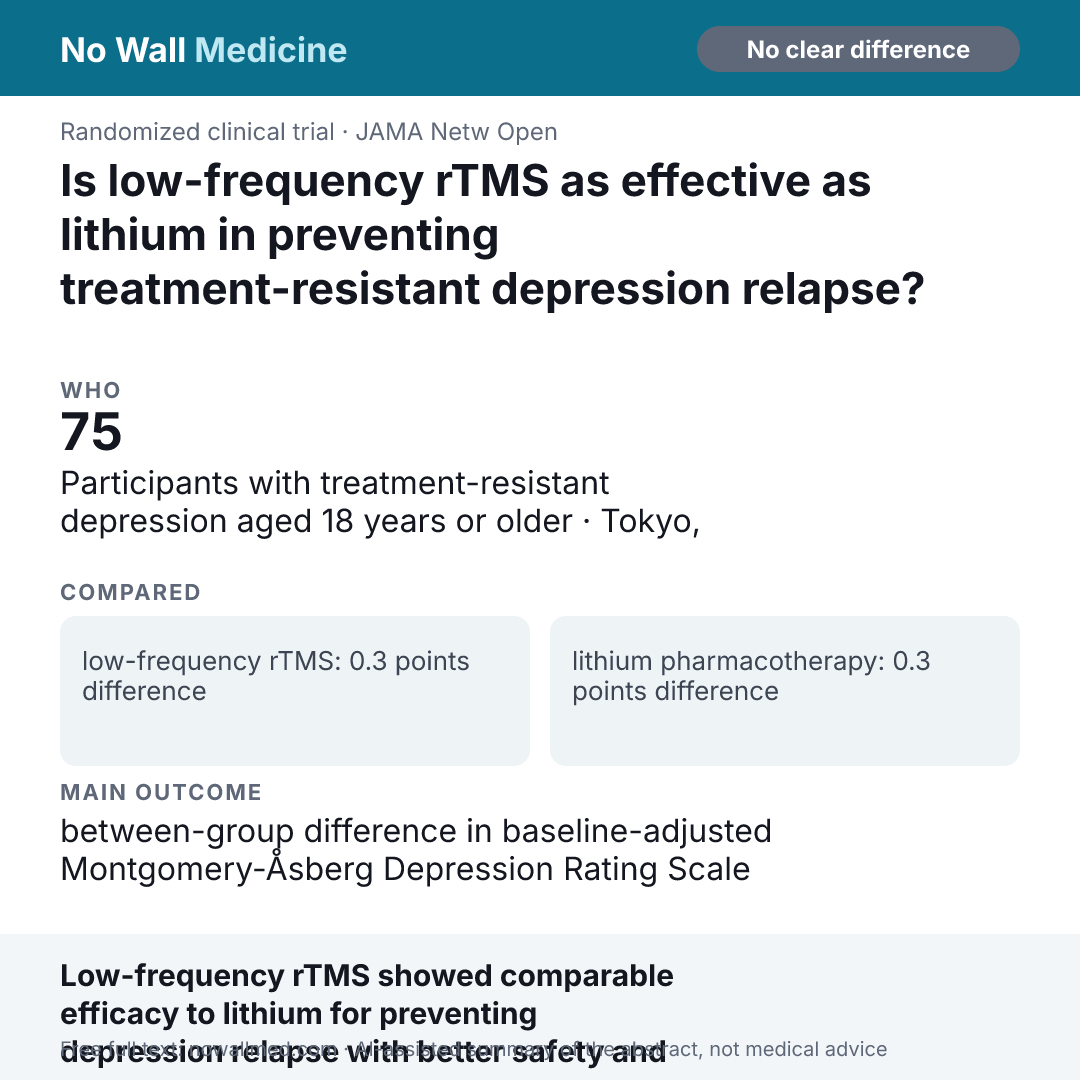
Repetitive Transcranial Magnetic Stimulation as Maintenance Treatment of Depression: The MAINT-R Randomized Clinical Trial
Randomized clinical trialNo clear difference
Is low-frequency rTMS as effective as lithium in preventing treatment-resistant depression relapse?
Who
75
Participants with treatment-resistant depression aged 18 years or older · Tokyo, Japan
Compared
low-frequency rTMS: 0.3 points difference
lithium pharmacotherapy: 0.3 points difference
Main outcome
between-group difference in baseline-adjusted Montgomery-Åsberg Depression Rating Scale scores
Result: 0.3 points (95% CI, -2.7 to 3.3 points)
Bottom line: Low-frequency rTMS showed comparable efficacy to lithium for preventing depression relapse with better safety and tolerance.
JAMA Netw Open · 2025-06-02 · Save PNG
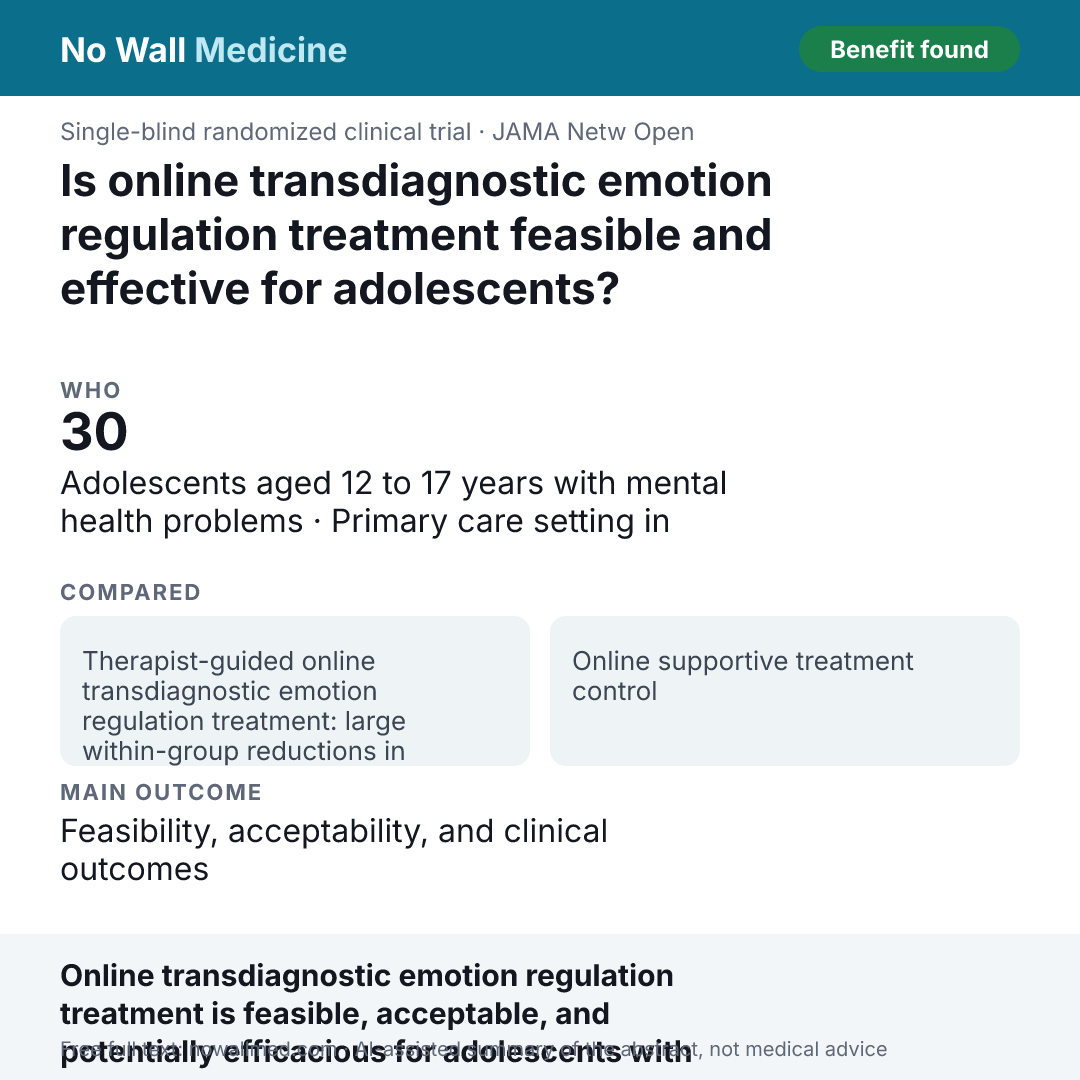
Online Transdiagnostic Emotion Regulation Treatment for Adolescents With Mental Health Problems: A Randomized Clinical Trial
Single-blind randomized clinical trialBenefit found
Is online transdiagnostic emotion regulation treatment feasible and effective for adolescents?
Who
30
Adolescents aged 12 to 17 years with mental health problems · Primary care setting in Sweden
Compared
Therapist-guided online transdiagnostic emotion regulation treatment: large within-group reductions in symptom severity (effect size, 1.30; 95% CI, 0.73-1.86)
Online supportive treatment control
Main outcome
Feasibility, acceptability, and clinical outcomes
Result: effect size 1.30 (95% CI 0.73-1.86)
Bottom line: Online transdiagnostic emotion regulation treatment is feasible, acceptable, and potentially efficacious for adolescents with mental health problems.
JAMA Netw Open · 2025-06-02 · Save PNG
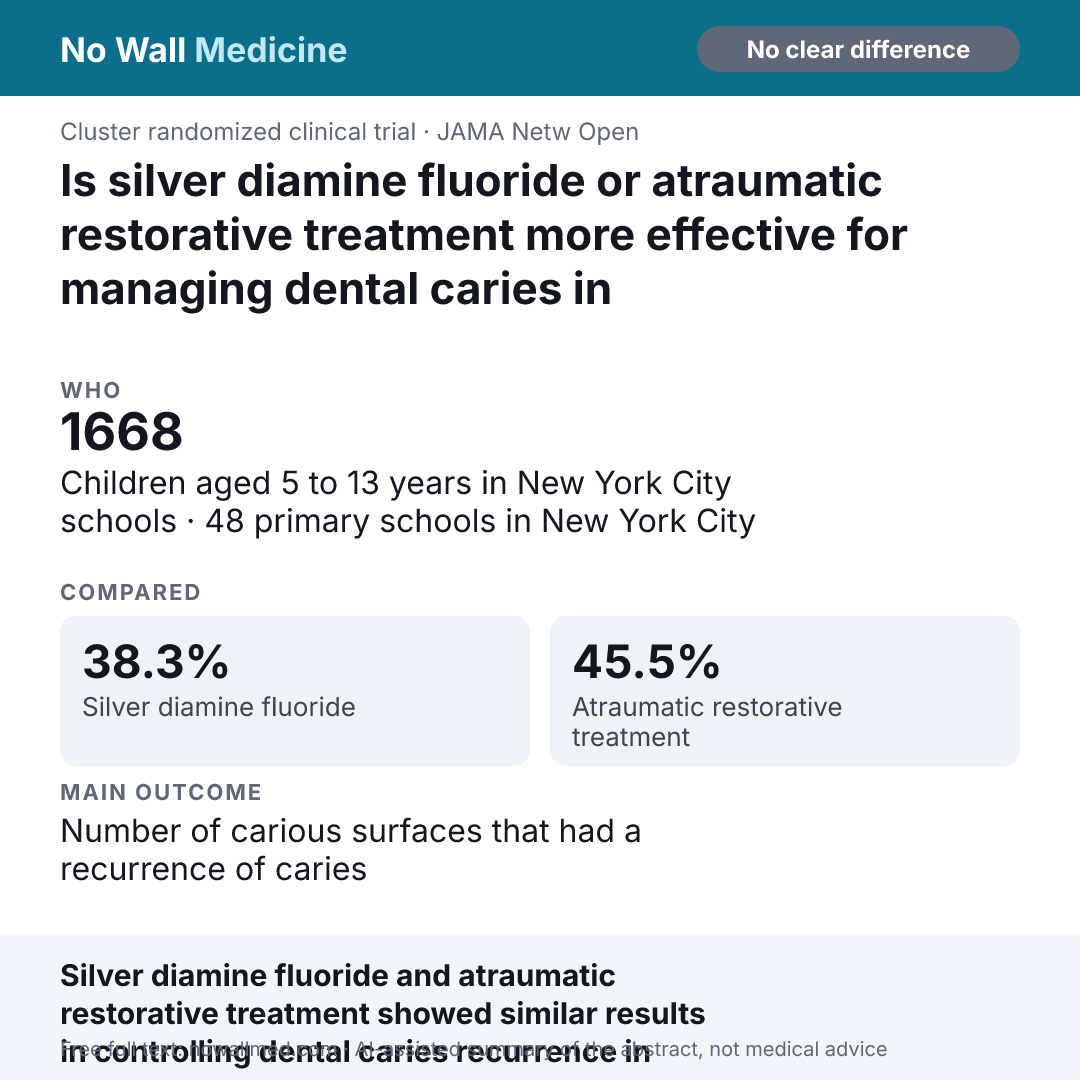
Silver Diamine Fluoride vs Atraumatic Restoration for Managing Dental Caries in Schools: A Cluster Randomized Clinical Trial
Cluster randomized clinical trialNo clear difference
Is silver diamine fluoride or atraumatic restorative treatment more effective for managing dental caries in schoolchildren?
Who
1668
Children aged 5 to 13 years in New York City schools · 48 primary schools in New York City
Compared
38.3%Silver diamine fluoride (2167 of 5651 carious surfaces)
45.5%Atraumatic restorative treatment (2116 of 4647)
Main outcome
Number of carious surfaces that had a recurrence of caries
Result: hazard ratio 0.92 (95% CI 0.82 to 1.04)
Bottom line: Silver diamine fluoride and atraumatic restorative treatment showed similar results in controlling dental caries recurrence in schoolchildren.
JAMA Netw Open · 2025-06-02 · Save PNG
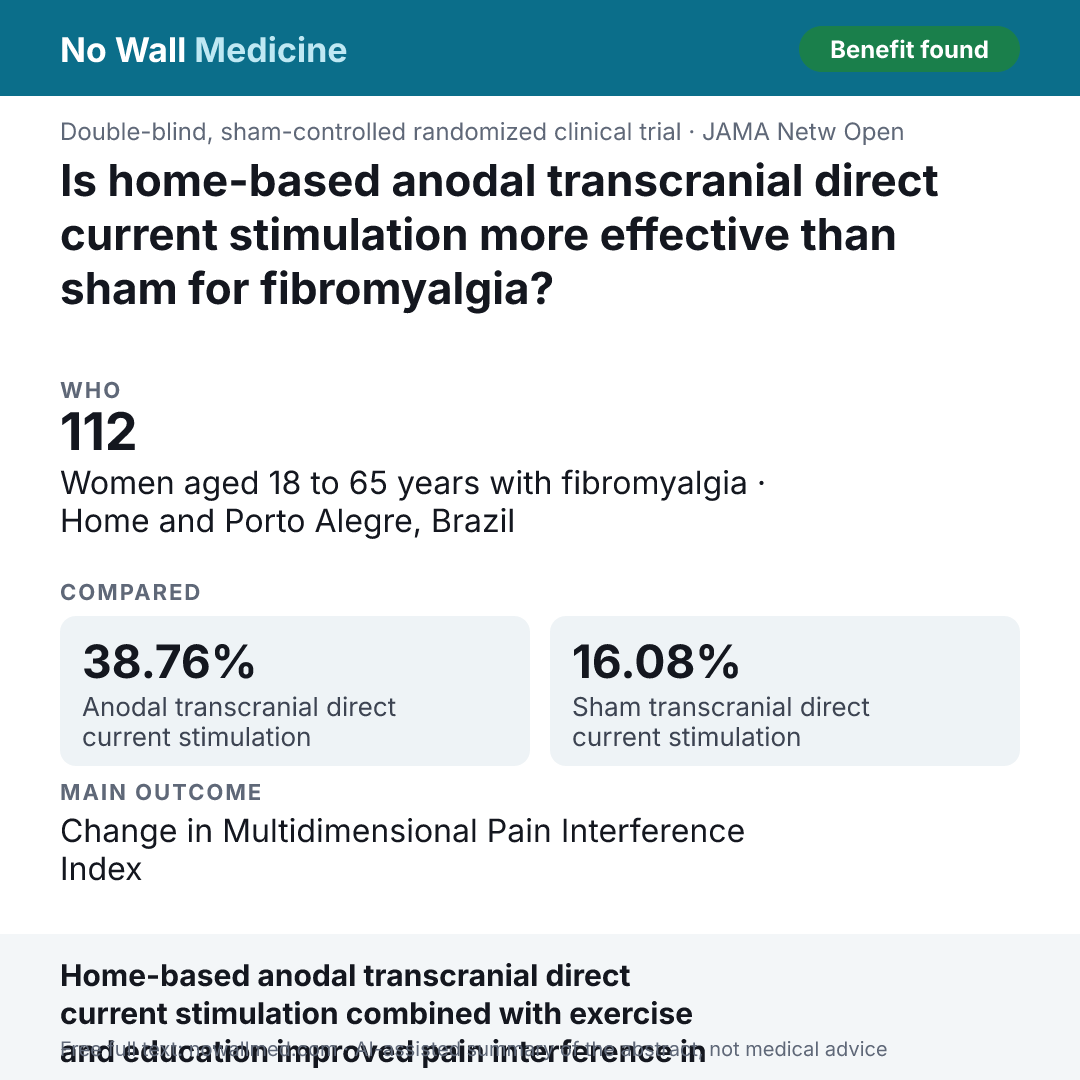
Home-Based Transcranial Direct Current Stimulation vs Placebo for Fibromyalgia: A Randomized Clinical Trial
Double-blind, sham-controlled randomized clinical trialBenefit found
Is home-based anodal transcranial direct current stimulation more effective than sham for fibromyalgia?
Who
112
Women aged 18 to 65 years with fibromyalgia · Home and Porto Alegre, Brazil
Compared
38.76%Anodal transcranial direct current stimulation (95% CI, -41.90% to -30.92%)
16.08%Sham transcranial direct current stimulation (95% CI, -21.42% to -10.41%)
Main outcome
Change in Multidimensional Pain Interference Index
Result: mean difference 22.68%; 95% CI, 12.79%-40.00%
Bottom line: Home-based anodal transcranial direct current stimulation combined with exercise and education improved pain interference in fibromyalgia patients.
JAMA Netw Open · 2025-06-02 · Save PNG
An Educational Video Game in Trauma Triage at Nontrauma Centers: A Secondary Analysis of a Randomized Clinical Trial
Process evaluation of a randomized clinical trialBenefit found
Does a customized video game improve trauma triage performance in physicians?
Who
800
Physicians responsible for trauma triage at various emergency departments · United States
Compared
22%Customized video game
38%Usual education
Main outcome
Undertriage rate
Result: percentage point difference, 16 (95% CI, 15-18)
Bottom line: A customized video game was associated with a reduction in undertriage among physicians performing trauma triage.
JAMA Netw Open · 2025-06-02 · Save PNG

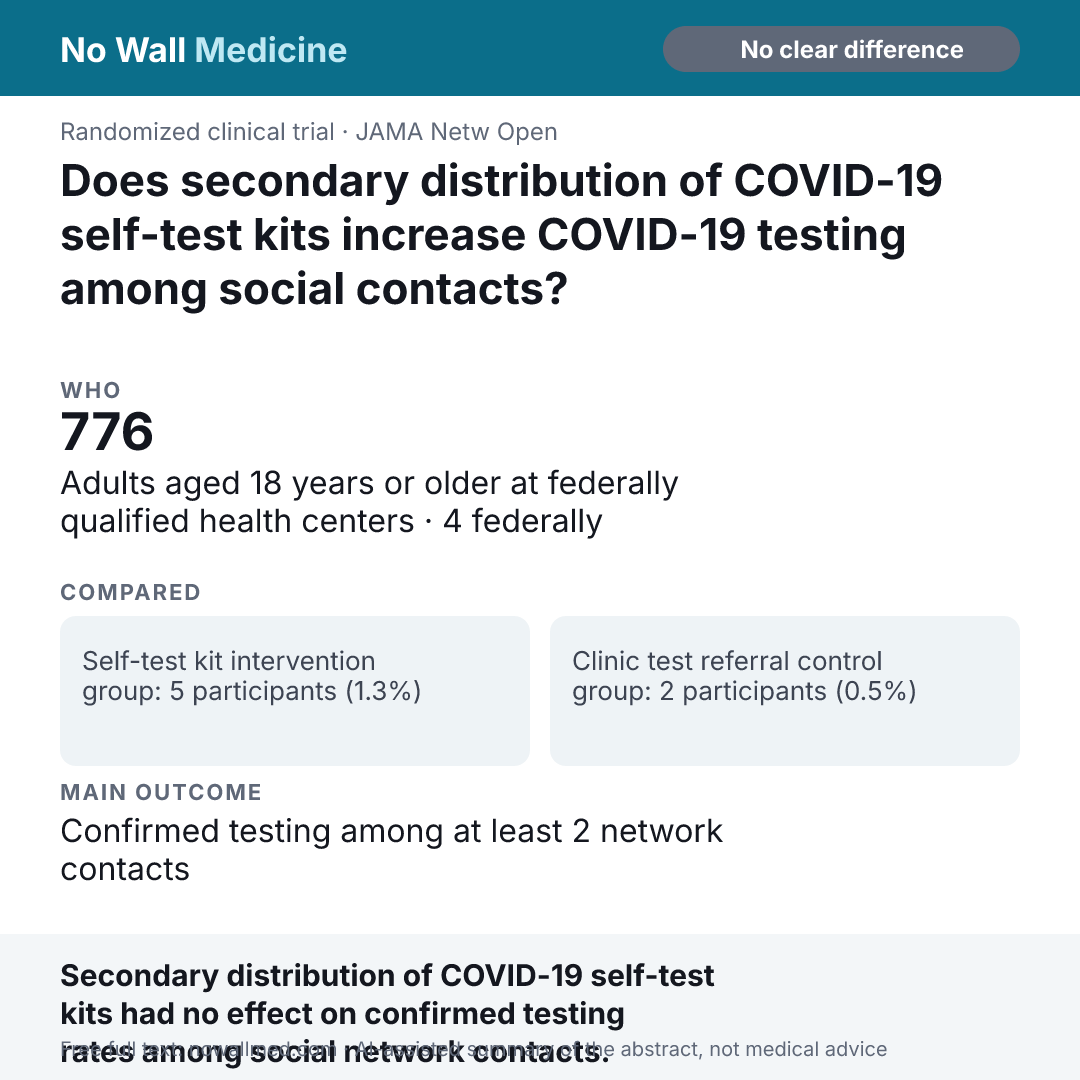
Provision of COVID-19 Self-Test Kits to Patients for Distribution to Social Contacts: A Randomized Clinical Trial
Randomized clinical trialNo clear difference
Does secondary distribution of COVID-19 self-test kits increase COVID-19 testing among social contacts?
Who
776
Adults aged 18 years or older at federally qualified health centers · 4 federally qualified health centers in Philadelphia, Pennsylvania
Compared
Self-test kit intervention group: 5 participants (1.3%)
Clinic test referral control group: 2 participants (0.5%)
Main outcome
Confirmed testing among at least 2 network contacts
Result: risk difference, 0.0077 (95% CI -0.0056 to 0.0210)
Bottom line: Secondary distribution of COVID-19 self-test kits had no effect on confirmed testing rates among social network contacts.
JAMA Netw Open · 2025-06-02 · Save PNG
Three-Dimensional-Printed Models and Shared Decision-Making: A Cluster Randomized Clinical Trial
Single-center cluster randomized clinical trialBenefit found
Do 3D-printed models improve shared decision-making and reduce anxiety in colorectal surgery patients?
Who
51
Adult patients scheduled for colon or rectal resection · Colorectal surgery clinic at an academic medical institution
Compared
3D-printed model: 89.5 [17.6]
Usual care: 80.5 [14.4]
Main outcome
Patient perception of involvement in decision-making
Bottom line: Using 3D-printed models during preoperative visits improved shared decision-making and reduced patient anxiety levels.
JAMA Netw Open · 2025-06-02 · Save PNG

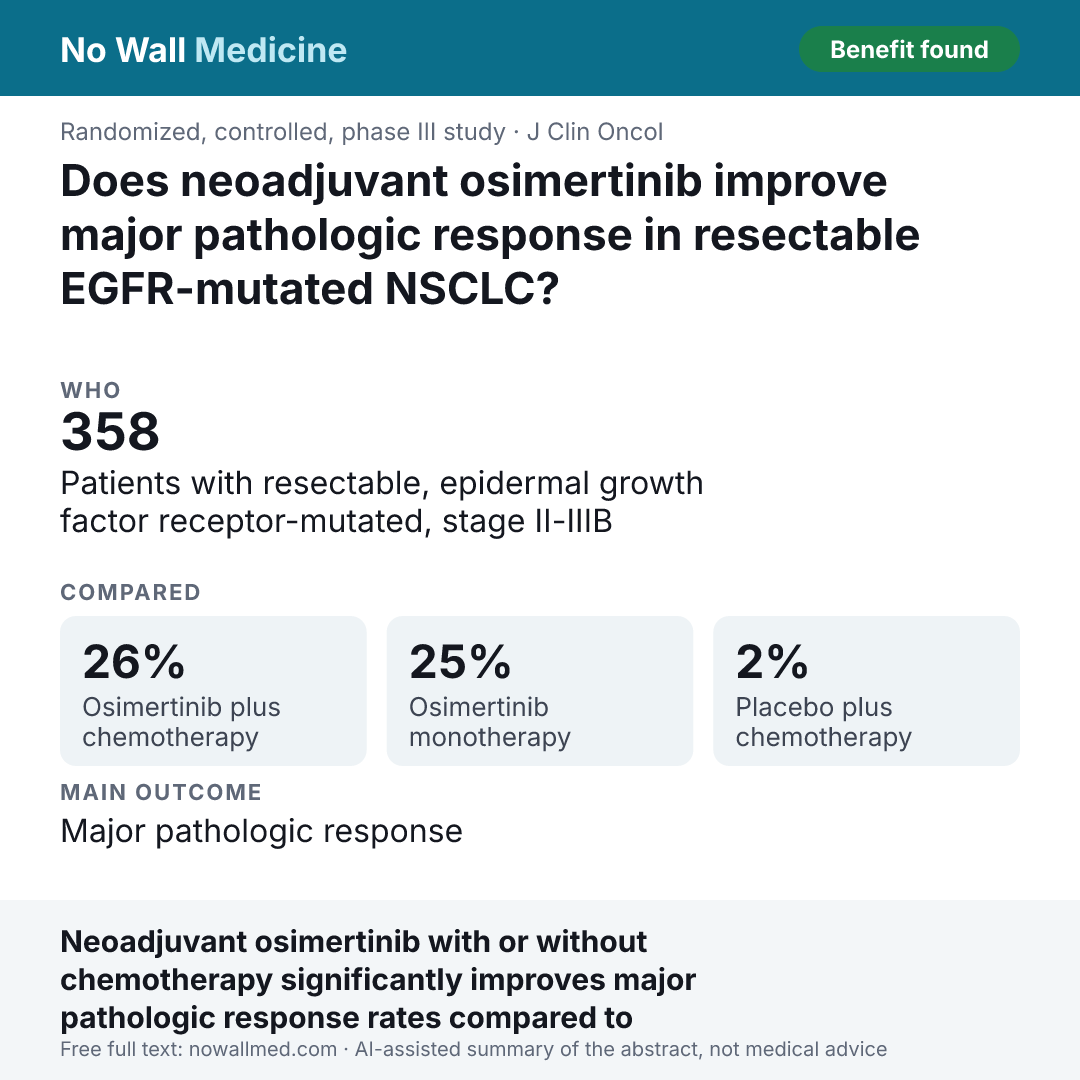
Neoadjuvant Osimertinib for Resectable EGFR-Mutated Non-Small Cell Lung Cancer
Randomized, controlled, phase III studyBenefit found
Does neoadjuvant osimertinib improve major pathologic response in resectable EGFR-mutated NSCLC?
Who
358
Patients with resectable, epidermal growth factor receptor-mutated, stage II-IIIB non-small cell lung cancer
Compared
26%Osimertinib plus chemotherapy
25%Osimertinib monotherapy
2%Placebo plus chemotherapy
Main outcome
Major pathologic response
Result: odds ratio 19.82 (95.002% CI, 4.60 to 85.33); odds ratio 19.28 (99.9% CI, 1.71 to 217.39)
Bottom line: Neoadjuvant osimertinib with or without chemotherapy significantly improves major pathologic response rates compared to chemotherapy alone.
J Clin Oncol · 2025-06-02 · Save PNG
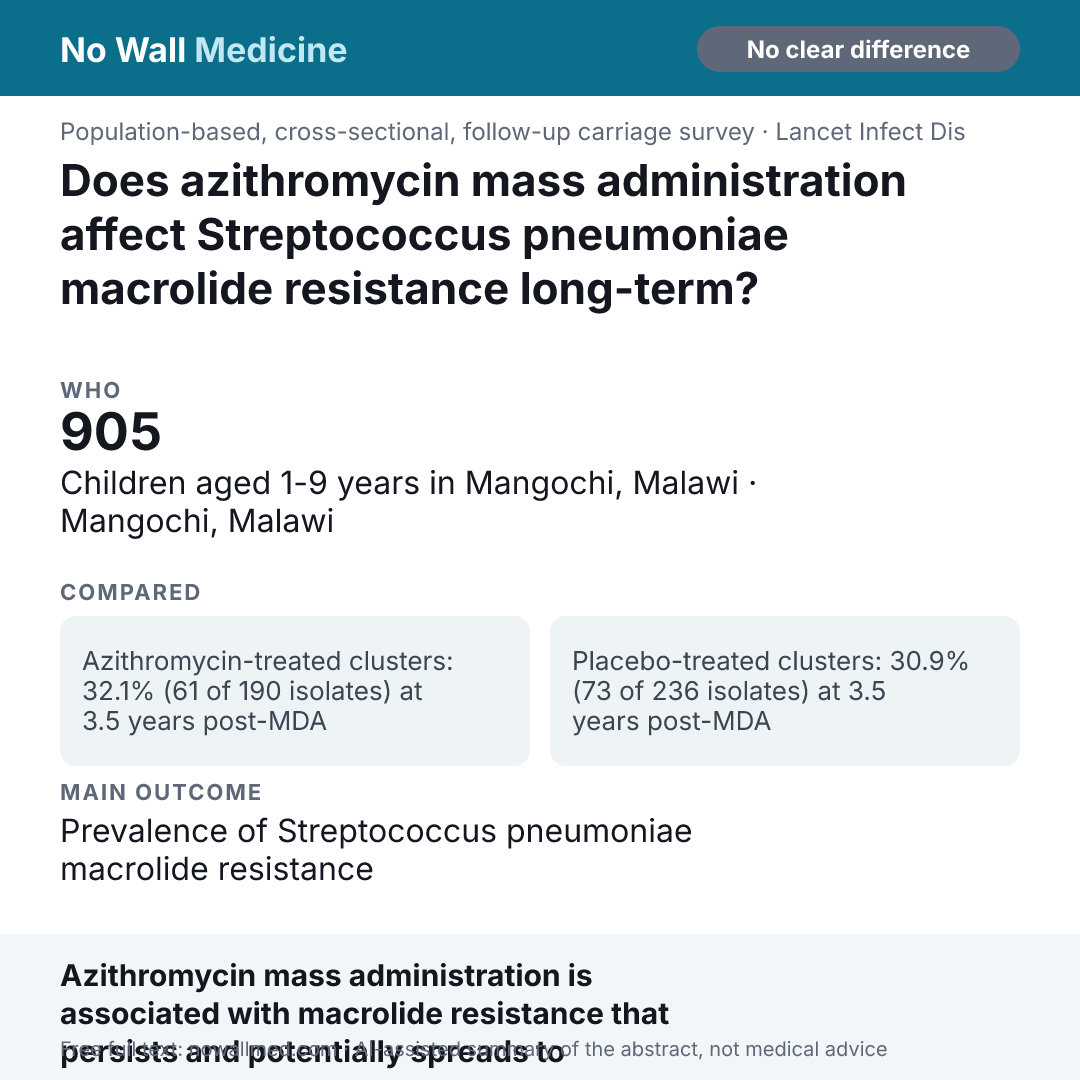
Long-term effects of azithromycin mass administration to reduce childhood mortality on Streptococcus pneumoniae antimicrobial resistance: a population-based, cross-sectional, follow-up carriage survey
Population-based, cross-sectional, follow-up carriage surveyNo clear difference
Does azithromycin mass administration affect Streptococcus pneumoniae macrolide resistance long-term?
Who
905
Children aged 1-9 years in Mangochi, Malawi · Mangochi, Malawi
Compared
Azithromycin-treated clusters: 32.1% (61 of 190 isolates) at 3.5 years post-MDA
Placebo-treated clusters: 30.9% (73 of 236 isolates) at 3.5 years post-MDA
Main outcome
Prevalence of Streptococcus pneumoniae macrolide resistance
Result: odds ratio 1.12 (95% CI 0.66 to 1.91) at 3.5 years
Bottom line: Azithromycin mass administration is associated with macrolide resistance that persists and potentially spreads to untreated populations.
Funded by: Gates Foundation, National Institute for Health and Care Research, Wellcome Trust
Lancet Infect Dis · 2025-06-02 · Save PNG
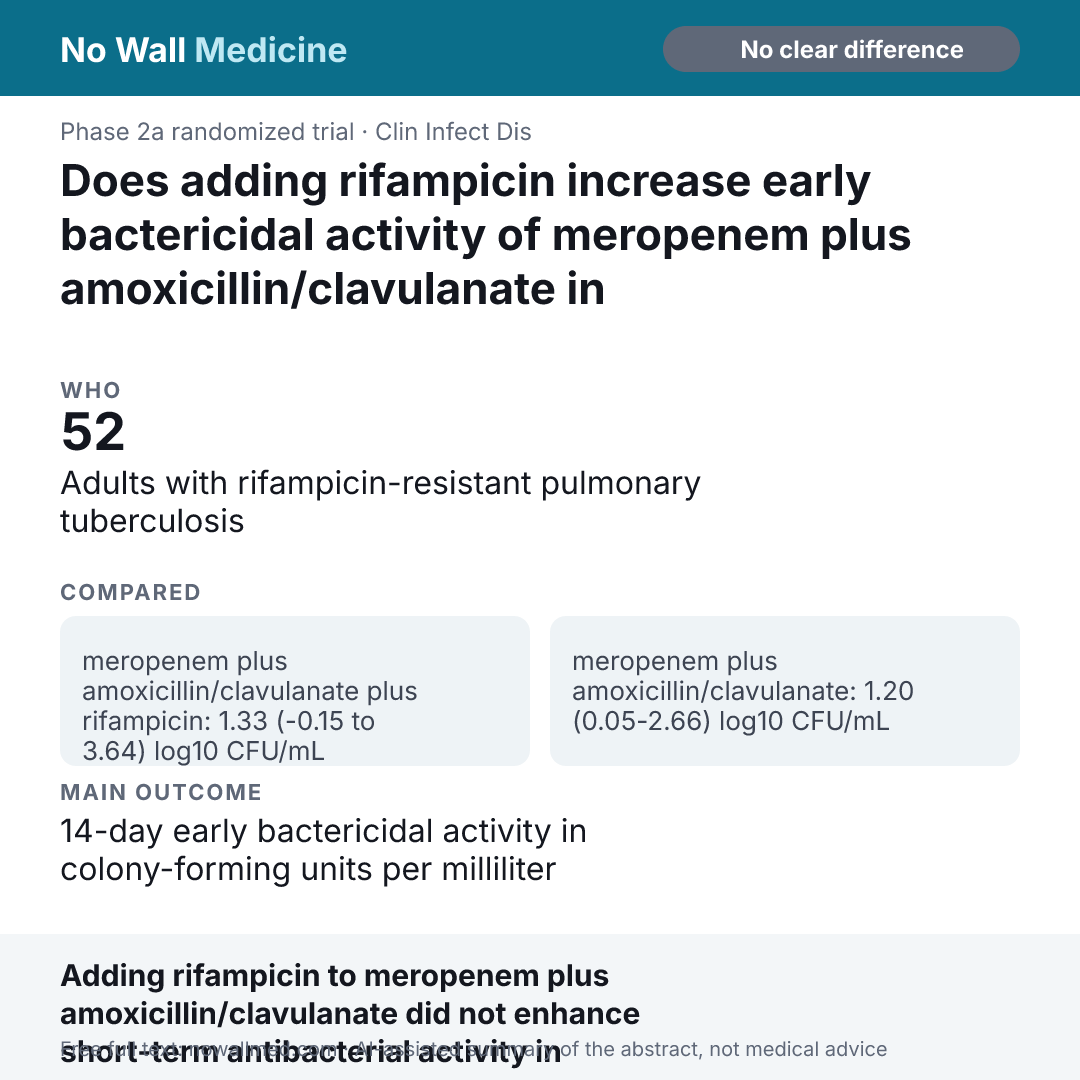
A Phase 2a Study of the Early Bactericidal Activity of Rifampicin in Combination With Meropenem Plus Amoxicillin/Clavulanate Among Adults With Rifampicin-Resistant Pulmonary Tuberculosis
Phase 2a randomized trialNo clear difference
Does adding rifampicin increase early bactericidal activity of meropenem plus amoxicillin/clavulanate in rifampicin-resistant tuberculosis?
Who
52
Adults with rifampicin-resistant pulmonary tuberculosis
Compared
meropenem plus amoxicillin/clavulanate plus rifampicin: 1.33 (-0.15 to 3.64) log10 CFU/mL
meropenem plus amoxicillin/clavulanate: 1.20 (0.05-2.66) log10 CFU/mL
Main outcome
14-day early bactericidal activity in colony-forming units per milliliter
Bottom line: Adding rifampicin to meropenem plus amoxicillin/clavulanate did not enhance short-term antibacterial activity in rifampicin-resistant tuberculosis patients.
Clin Infect Dis · 2025-06-02 · Save PNG
Acceptance and Commitment Therapy-Based Parenting Program in Children With Co-Occurring Asthma and ADHD: A Randomized Clinical Trial
Randomized clinical trialBenefit found
Does ACT-PAM help children with asthma and ADHD?
Who
118
Children with asthma and ADHD and their parents · Hong Kong public hospital
Compared
ACT-PAM plus TAU: -0.8 visits
TAU alone
Main outcome
Unscheduled health care visits
Result: adjusted mean difference -0.8 visits; 95% CI, -1.6 to -0.1
Bottom line: ACT-PAM reduces health care use and improves asthma control
JAMA Pediatr · 2025-06-02 · Save PNG

Feasibility and Acceptability of Recommending HPV Vaccine at Ages 9-10 Years
Explanatory sequential mixed-methods studyBenefit found
Is recommending human papillomavirus vaccine at ages 9-10 years feasible and acceptable?
Who
Primary care clinicians and staff · 17 practices in Colorado and California
Compared
Colorado clinicians: 59 (90%) routinely initiating vaccines at age 9 or 10 years
California clinicians: 30 (77%) routinely initiating vaccines at age 9 or 10 years
Main outcome
Feasibility and acceptability of initiating vaccination at ages 9-10 years
Bottom line: Recommending human papillomavirus vaccine at ages 9-10 years is feasible, compatible with workflows, and generally acceptable to parents.
Pediatrics · 2025-06-02 · Save PNG

Prostate Cancer Detection in Younger Men: A Comparative Analysis of Systematic and Magnetic Resonance Imaging-targeted Biopsy in the PROBASE Trial
Prospective, randomized trialHarm found
Is magnetic resonance imaging-targeted biopsy or systematic biopsy better for detecting clinically significant prostate cancer?
Who
525
Men aged 45-50 years with elevated prostate-specific antigen
Compared
Systematic biopsy: 94% of clinically significant prostate cancer cases
Magnetic resonance imaging-targeted biopsy: 74% of clinically significant prostate cancer cases
Main outcome
Detection of clinically significant prostate cancer
Bottom line: Combining systematic biopsy with magnetic resonance imaging-targeted biopsy is the most effective strategy for detecting prostate cancer.
Eur Urol · 2025-06-02 · Save PNG

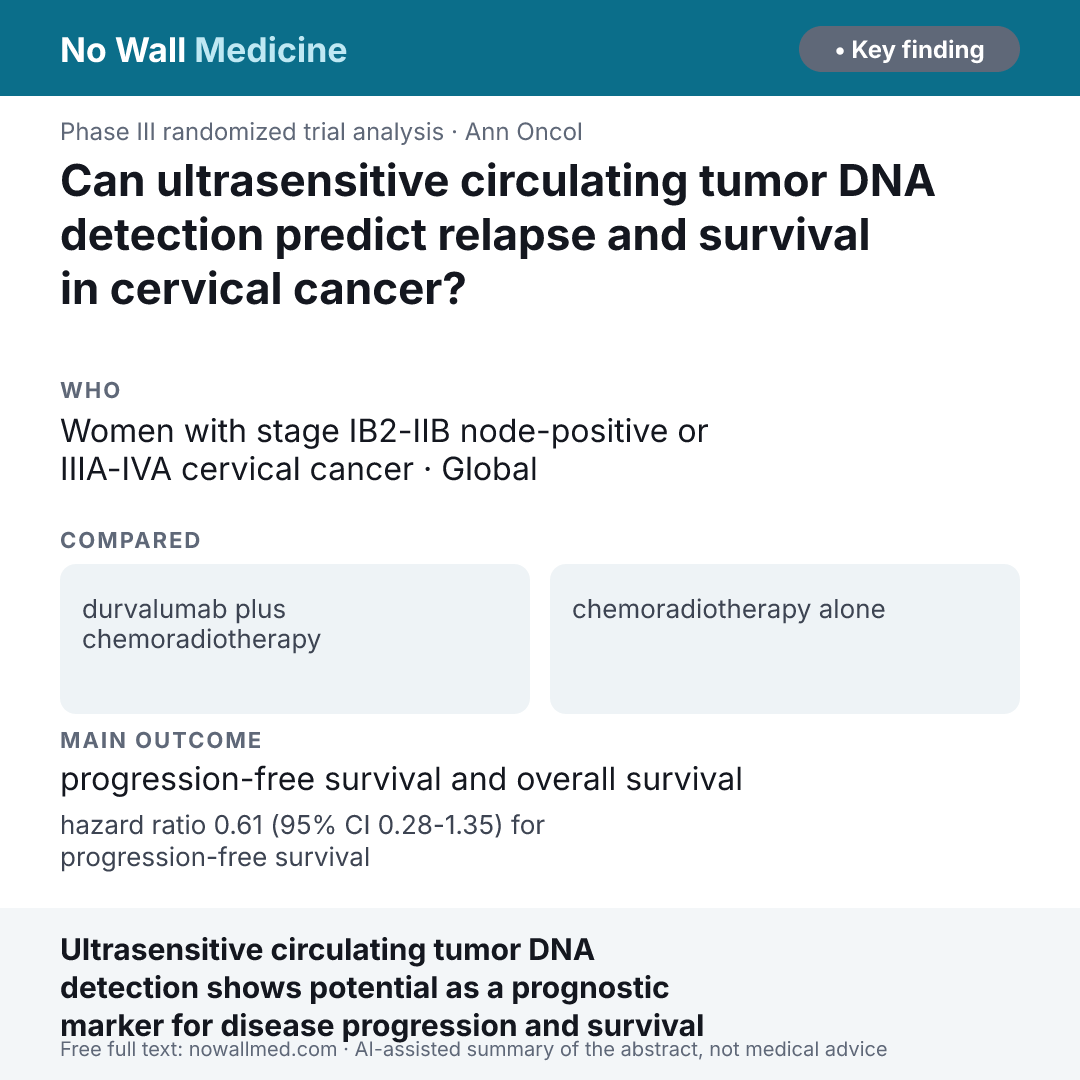
Ultrasensitive detection and tracking of circulating tumor DNA to predict relapse and survival in patients with locally advanced cervical cancer: phase III CALLA trial analyses
Phase III randomized trial analysisKey finding
Can ultrasensitive circulating tumor DNA detection predict relapse and survival in cervical cancer?
Who
Women with stage IB2-IIB node-positive or IIIA-IVA cervical cancer · Global
Compared
durvalumab plus chemoradiotherapy
chemoradiotherapy alone
Main outcome
progression-free survival and overall survival
Result: hazard ratio 0.61 (95% CI 0.28-1.35) for progression-free survival
Bottom line: Ultrasensitive circulating tumor DNA detection shows potential as a prognostic marker for disease progression and survival in cervical cancer.
Ann Oncol · 2025-06-02 · Save PNG
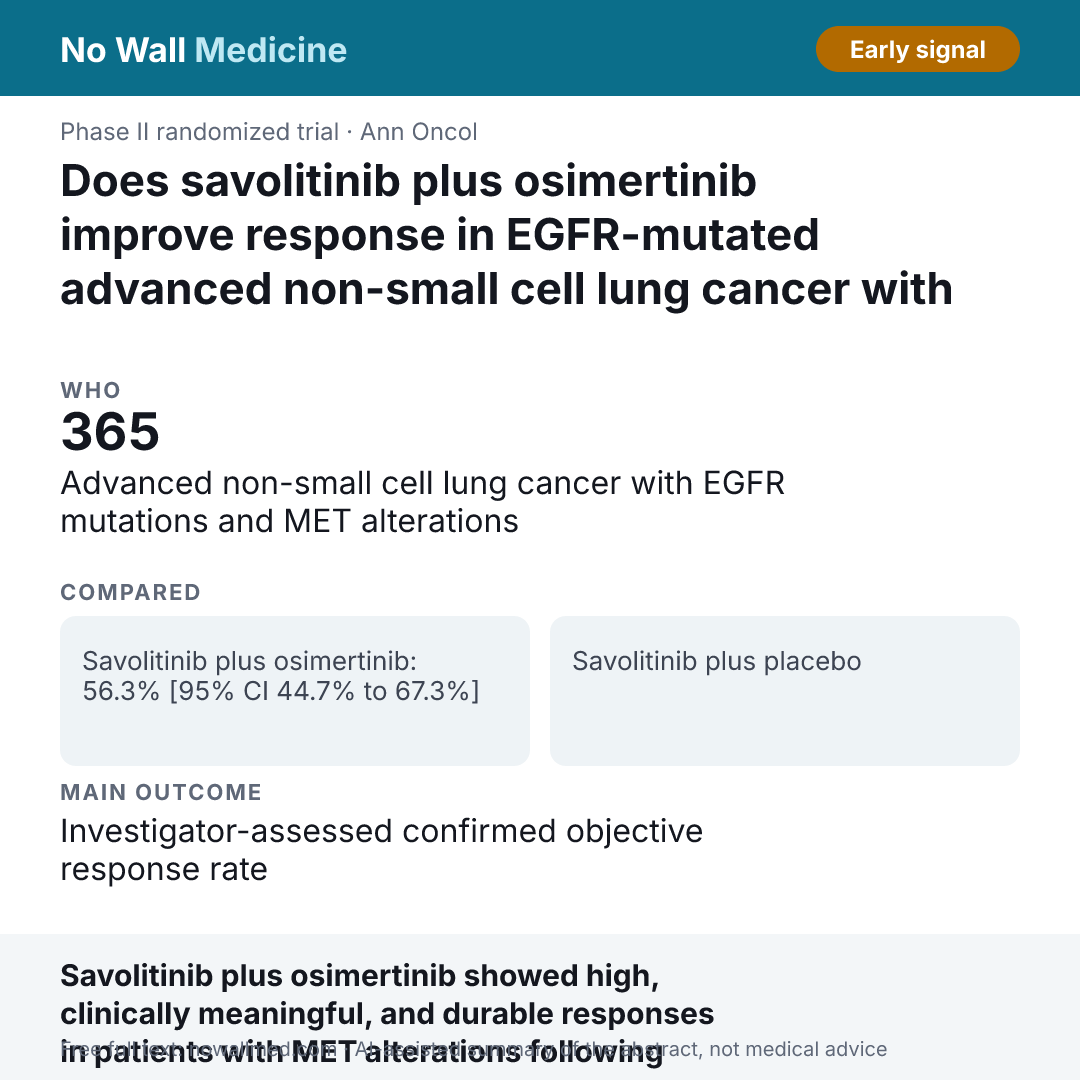
Savolitinib plus osimertinib in epidermal growth factor receptor (EGFR)-mutated advanced non-small cell lung cancer with MET overexpression and/or amplification following disease progression on osimertinib: primary results from the phase II SAVANNAH study
Phase II randomized trialEarly signal
Does savolitinib plus osimertinib improve response in EGFR-mutated advanced non-small cell lung cancer with MET alterations?
Who
365
Advanced non-small cell lung cancer with EGFR mutations and MET alterations
Compared
Savolitinib plus osimertinib: 56.3% [95% CI 44.7% to 67.3%]
Savolitinib plus placebo
Main outcome
Investigator-assessed confirmed objective response rate
Result: 56.3% [95% CI 44.7% to 67.3%]
Bottom line: Savolitinib plus osimertinib showed high, clinically meaningful, and durable responses in patients with MET alterations following osimertinib progression.
Ann Oncol · 2025-06-02 · Save PNG
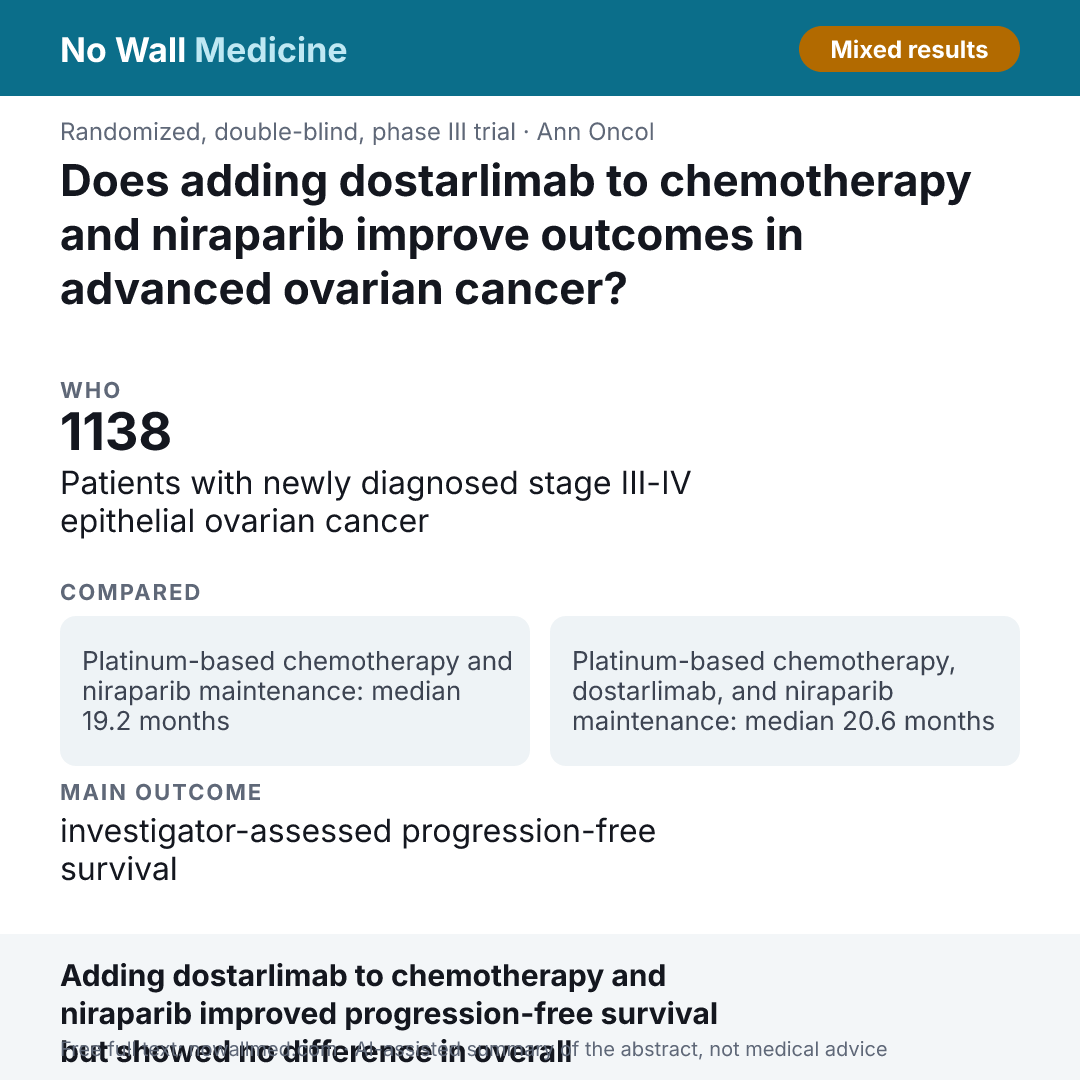
Dostarlimab and niraparib in primary advanced ovarian cancer
Randomized, double-blind, phase III trialMixed results
Does adding dostarlimab to chemotherapy and niraparib improve outcomes in advanced ovarian cancer?
Who
1138
Patients with newly diagnosed stage III-IV epithelial ovarian cancer
Compared
Platinum-based chemotherapy and niraparib maintenance: median 19.2 months
Platinum-based chemotherapy, dostarlimab, and niraparib maintenance: median 20.6 months
Main outcome
investigator-assessed progression-free survival
Result: hazard ratio 0.85 (95% CI 0.73-0.99)
Bottom line: Adding dostarlimab to chemotherapy and niraparib improved progression-free survival but showed no difference in overall survival.
Ann Oncol · 2025-06-02 · Save PNG
Aspirin delays preterm birth in pregnancies at high risk for preterm pre-eclampsia: evidence from randomized clinical trial in Asia
Multicenter stepped-wedge cluster randomized trialBenefit found
Does aspirin administration reduce early preterm birth in high risk pregnancies?
Who
4688
Women at high risk for preterm pre-eclampsia · 18 maternity/diagnostic units in 10 regions across Asia
Compared
Aspirin group: 42% reduction in early preterm birth
Non-aspirin group
Main outcome
Incidence of early and late preterm birth
Result: adjusted relative risk 0.577 (95% CI 0.380-0.852)
Bottom line: Aspirin reduces the risk of early preterm birth and delays delivery timing in women at high risk for preterm pre-eclampsia.
Ultrasound Obstet Gynecol · 2025-06-02 · Save PNG

Efficacy and safety of adamgammadex for reversing rocuronium-induced deep neuromuscular block: a multicentre, randomised, double-blind, positive-controlled phase III trial
Randomised, double-blind, positive-controlled phase III trialBenefit found
Is adamgammadex noninferior to sugammadex for reversing deep rocuronium-induced neuromuscular block?
Who
321
Patients with deep rocuronium-induced neuromuscular block · multicentre
Compared
98.7%adamgammadex 8 mg kg-1
100%sugammadex 4 mg kg-1
Main outcome
success rate of antagonism (train-of-four ratio to 0.9 within 10 min)
Result: observed difference -1.3% (95% CI -4.6%, 1.2%)
Bottom line: Adamgammadex was noninferior to sugammadex in reversing deep neuromuscular block from rocuronium.
Br J Anaesth · 2025-06-02 · Save PNG

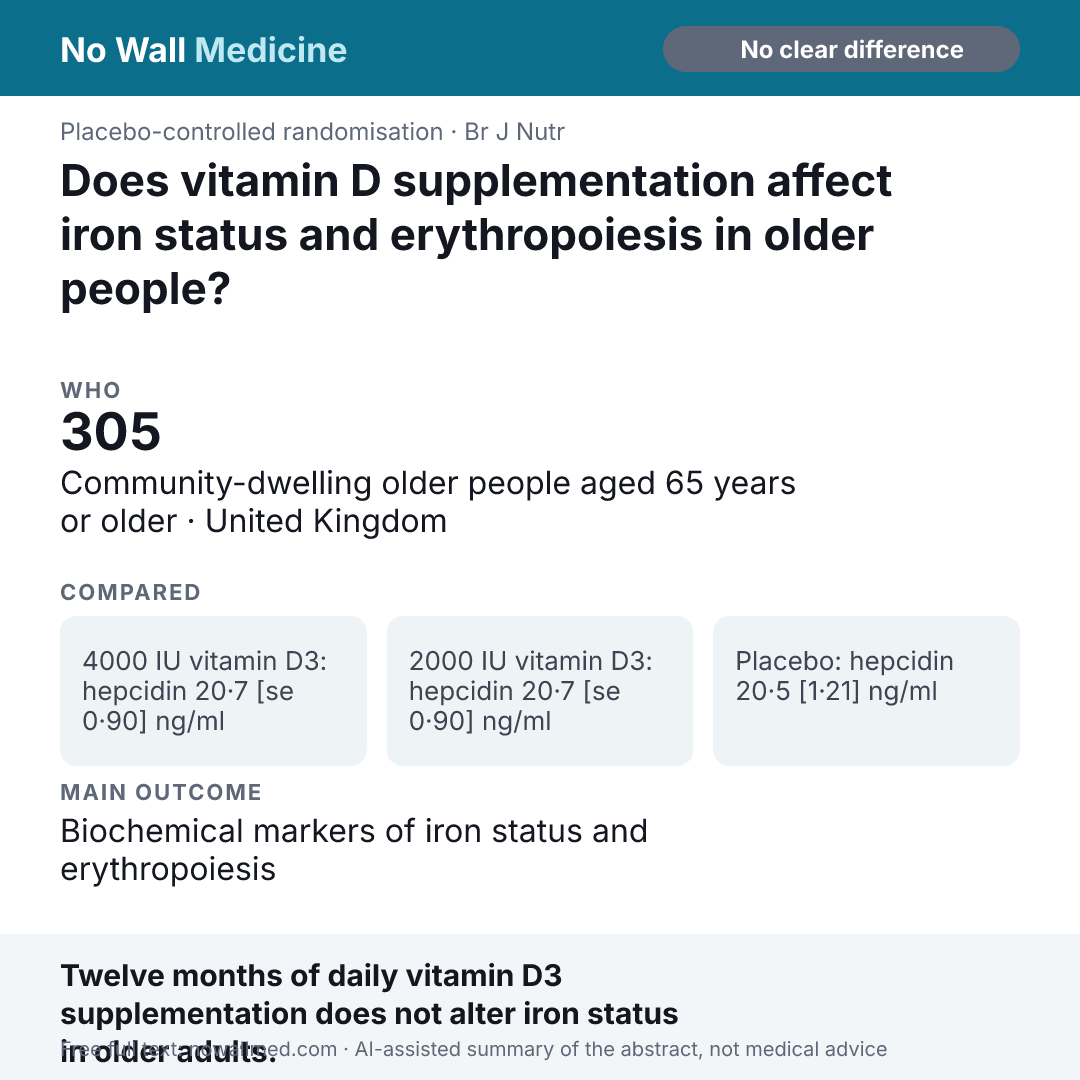
Effect of supplementation with vitamin D on biochemical markers of iron status and erythropoiesis in older people: BEST-D trial
Placebo-controlled randomisationNo clear difference
Does vitamin D supplementation affect iron status and erythropoiesis in older people?
Who
305
Community-dwelling older people aged 65 years or older · United Kingdom
Compared
4000 IU vitamin D3: hepcidin 20·7 [se 0·90] ng/ml
2000 IU vitamin D3: hepcidin 20·7 [se 0·90] ng/ml
Placebo: hepcidin 20·5 [1·21] ng/ml
Main outcome
Biochemical markers of iron status and erythropoiesis
Bottom line: Twelve months of daily vitamin D3 supplementation does not alter iron status in older adults.
Br J Nutr · 2025-06-02 · Save PNG
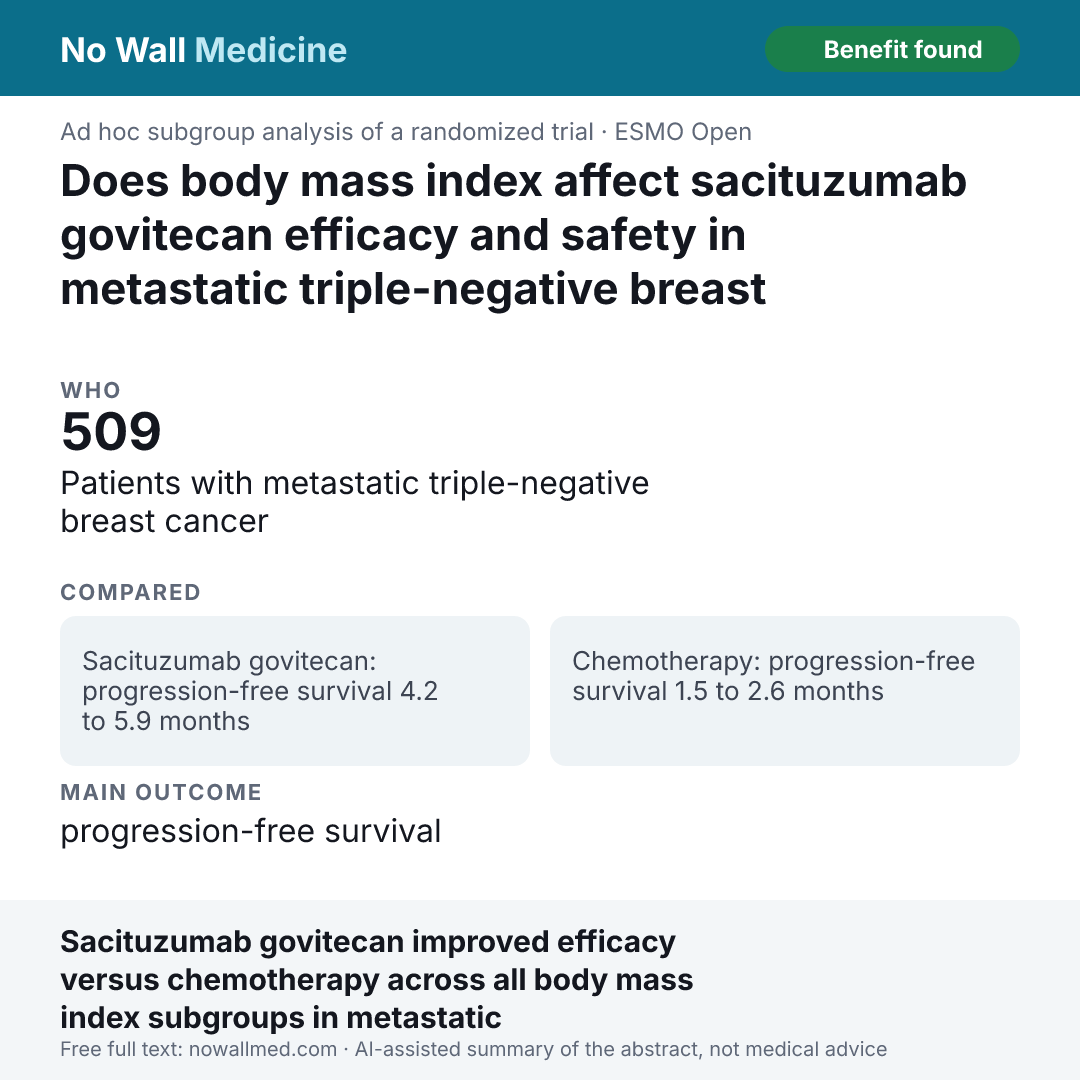
The association of high body mass index with the safety and efficacy of sacituzumab govitecan in patients with metastatic triple-negative breast cancer from the ASCENT study
Ad hoc subgroup analysis of a randomized trialBenefit found
Does body mass index affect sacituzumab govitecan efficacy and safety in metastatic triple-negative breast cancer?
Who
509
Patients with metastatic triple-negative breast cancer
Compared
Sacituzumab govitecan: progression-free survival 4.2 to 5.9 months
Chemotherapy: progression-free survival 1.5 to 2.6 months
Main outcome
progression-free survival
Result: hazard ratio 0.31 to 0.48
Bottom line: Sacituzumab govitecan improved efficacy versus chemotherapy across all body mass index subgroups in metastatic triple-negative breast cancer.
ESMO Open · 2025-06-02 · Save PNG