Visual abstracts
New randomized trials and meta-analyses from leading journals at a glance: who was studied, what was compared, and what was found. Every paper is free to read in full.
All specialtiesCardiology 4763Oncology 4043Gastroenterology & Hepatology 1903Infectious Disease 3756Neurology 1872Psychiatry & Mental Health 2216Pulmonology 2044Critical Care 1319Endocrinology & Diabetes 2544Pediatrics 2889Surgery 2480Orthopedics & Sports Medicine 917Neurosurgery 525Cardiothoracic & Vascular Surgery 656Plastic & Reconstructive Surgery 574Nephrology 1107Rheumatology 810Hematology 1090Dermatology 611Ophthalmology 532Obstetrics & Gynecology 1645Public & Global Health 1037Radiology & Imaging 619Anesthesiology 958Urology 745ENT (Otolaryngology) 494Emergency Medicine 481Allergy & Immunology 309Geriatrics 972Family Medicine & Primary Care 534Medical Genetics & Genomics 659Pathology & Laboratory Medicine 156Physical Medicine & Rehabilitation 734Palliative Care 421Nutrition 1560Digital Health & AI 2137General Medicine 318
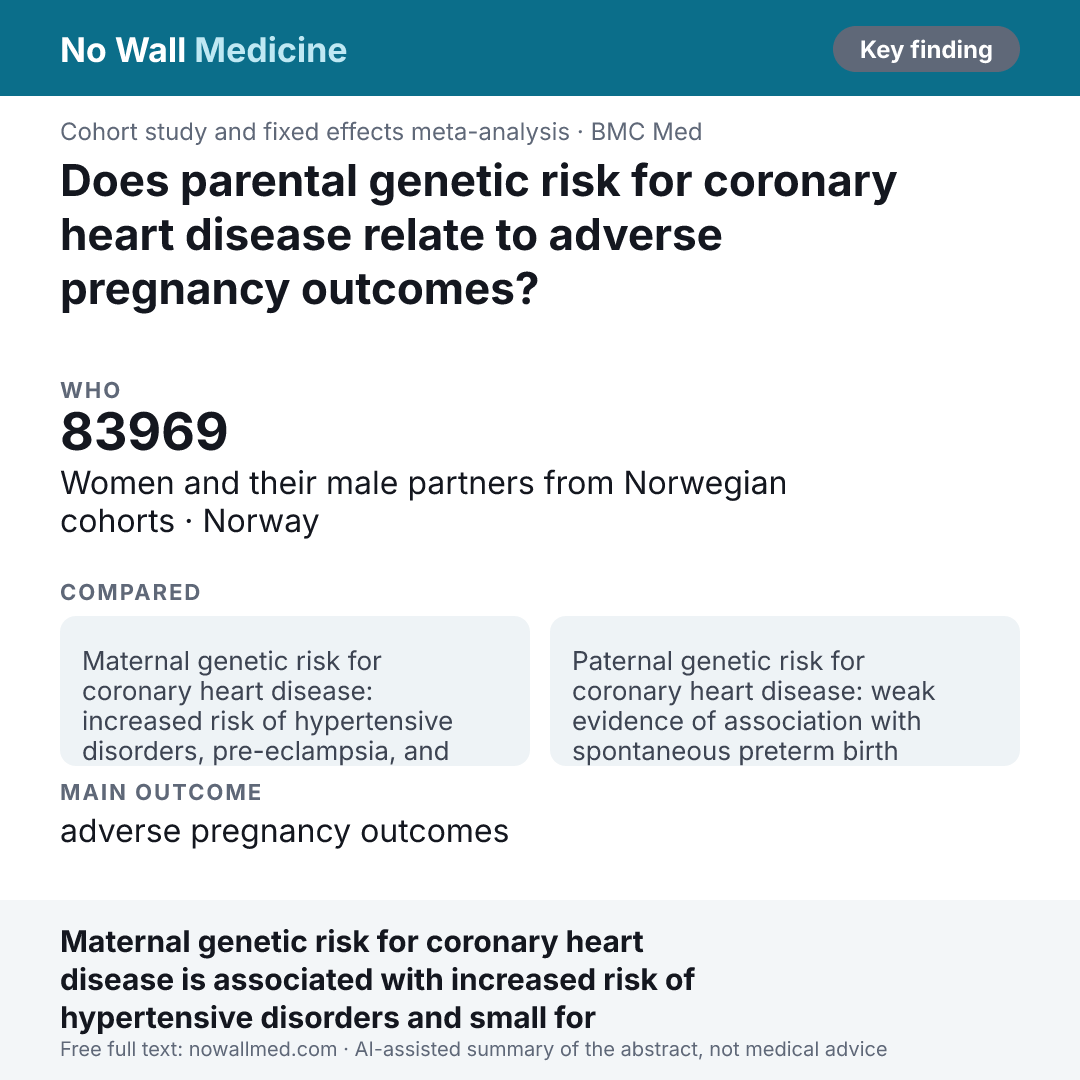
Parental genetically predicted liability for coronary heart disease and risk of adverse pregnancy outcomes: a cohort study
Cohort study and fixed effects meta-analysisKey finding
Does parental genetic risk for coronary heart disease relate to adverse pregnancy outcomes?
Who
83969
Women and their male partners from Norwegian cohorts · Norway
Compared
Maternal genetic risk for coronary heart disease: increased risk of hypertensive disorders, pre-eclampsia, and small for gestational age
Paternal genetic risk for coronary heart disease: weak evidence of association with spontaneous preterm birth
Main outcome
adverse pregnancy outcomes
Bottom line: Maternal genetic risk for coronary heart disease is associated with increased risk of hypertensive disorders and small for gestational age.
BMC Med · 2024-01-25 · Save PNG
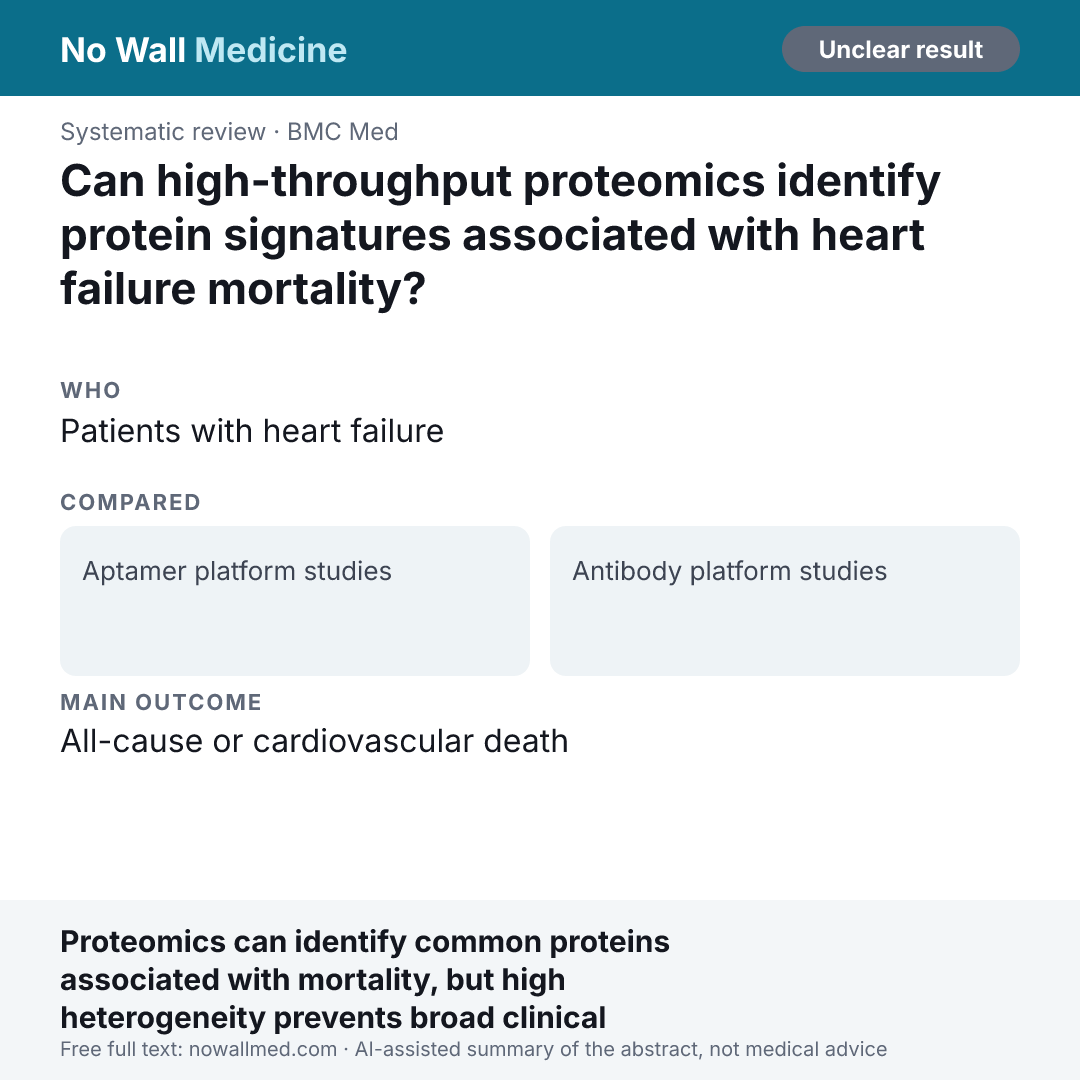
Proteomics for heart failure risk stratification: a systematic review
Systematic reviewUnclear result
Can high-throughput proteomics identify protein signatures associated with heart failure mortality?
Who
Patients with heart failure
Compared
Aptamer platform studies
Antibody platform studies
Main outcome
All-cause or cardiovascular death
Bottom line: Proteomics can identify common proteins associated with mortality, but high heterogeneity prevents broad clinical inferences.
Limitation: Considerable heterogeneity in measurement panels, heart failure definitions, and follow-up duration.
BMC Med · 2024-01-25 · Save PNG
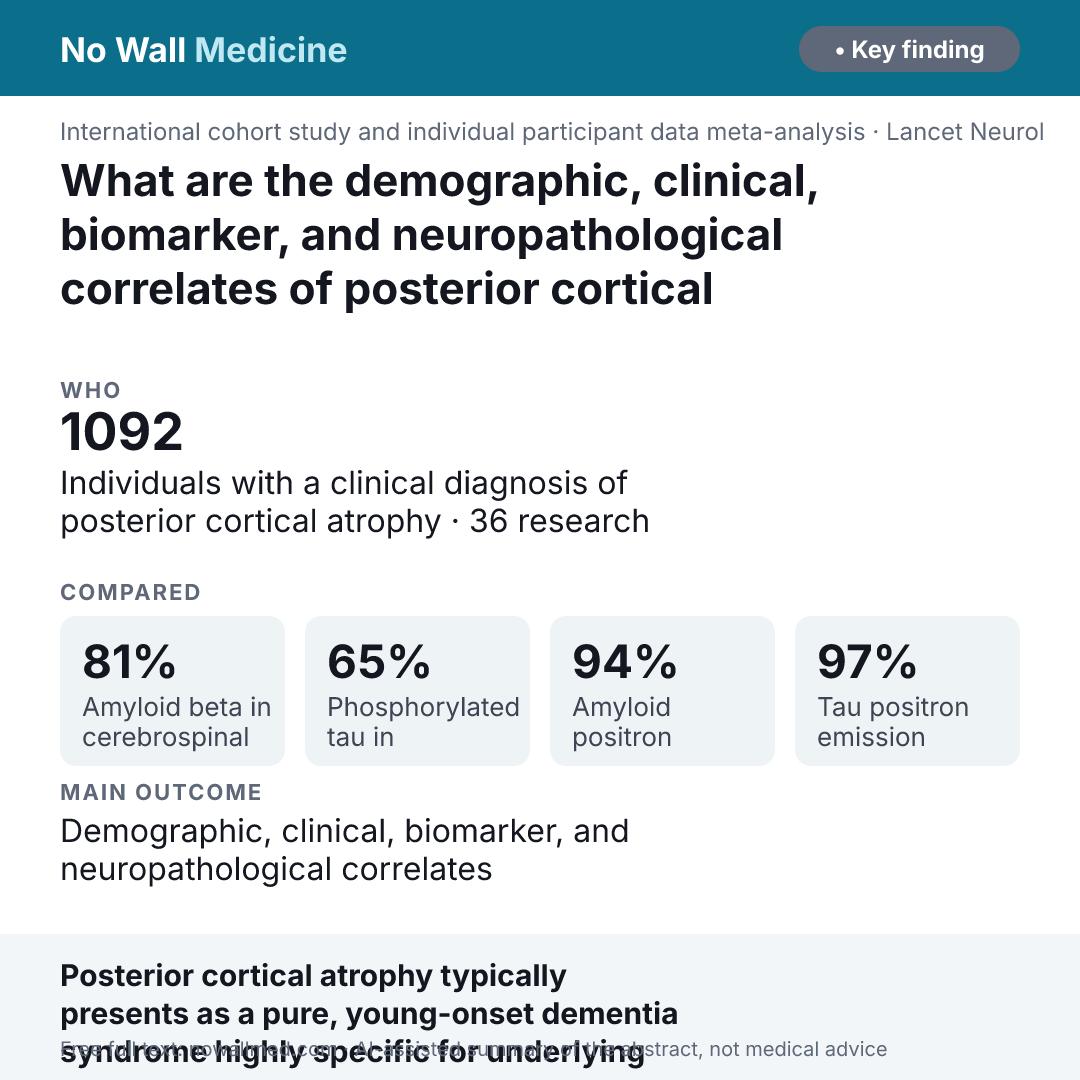
Demographic, clinical, biomarker, and neuropathological correlates of posterior cortical atrophy: an international cohort study and individual participant data meta-analysis
International cohort study and individual participant data meta-analysisKey finding
What are the demographic, clinical, biomarker, and neuropathological correlates of posterior cortical atrophy?
Who
1092
Individuals with a clinical diagnosis of posterior cortical atrophy · 36 research centres in 16 countries
Compared
81%Amyloid beta in cerebrospinal fluid (95% CI 75-87)
65%Phosphorylated tau in cerebrospinal fluid (56-75)
94%Amyloid positron emission tomography (95% CI 90-97)
97%Tau positron emission tomography (93-100)
Main outcome
Demographic, clinical, biomarker, and neuropathological correlates
Bottom line: Posterior cortical atrophy typically presents as a pure, young-onset dementia syndrome highly specific for underlying Alzheimer's disease pathology.
Lancet Neurol · 2024-01-25 · Save PNG
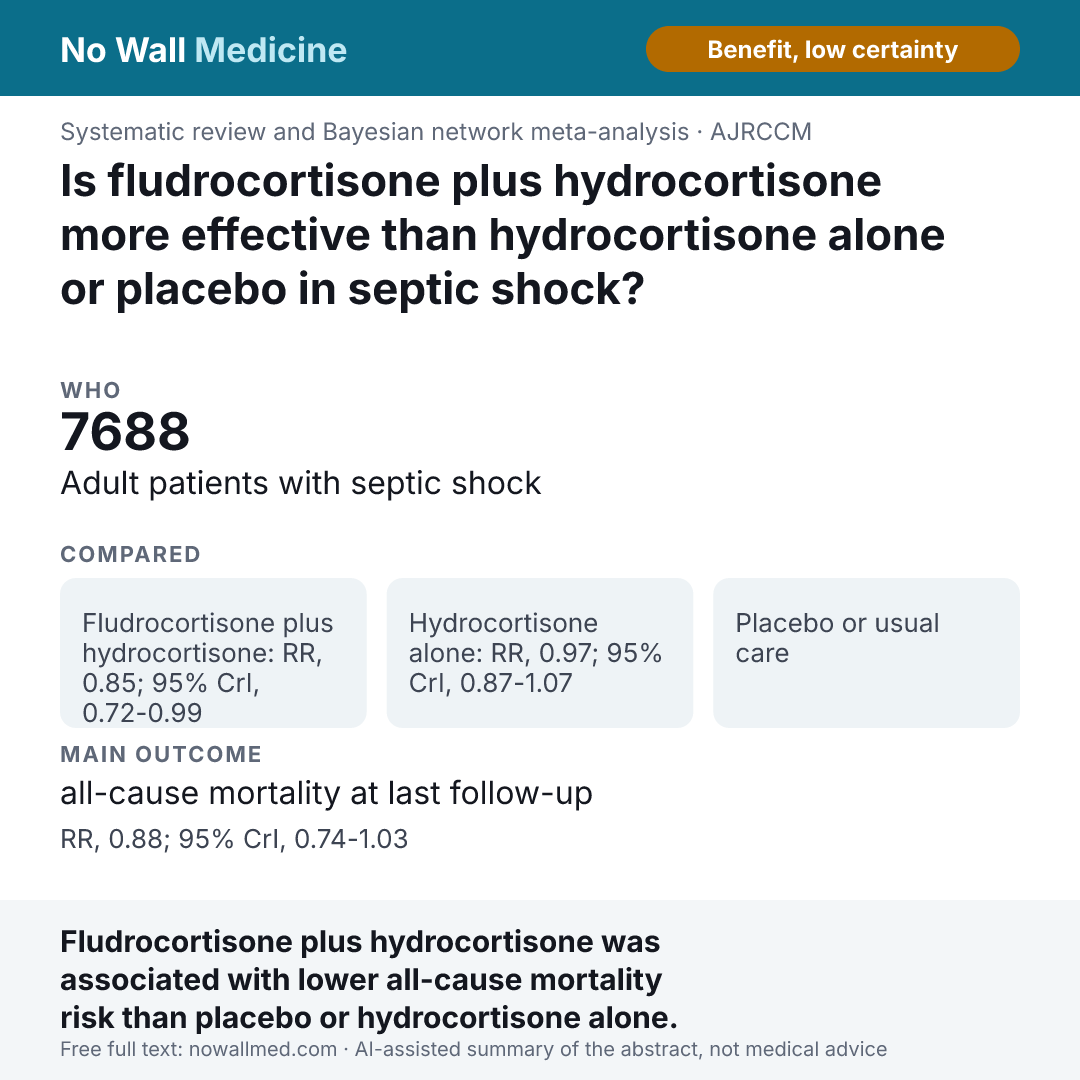
Effectiveness of Fludrocortisone Plus Hydrocortisone versus Hydrocortisone Alone in Septic Shock: A Systematic Review and Network Meta-Analysis of Randomized Controlled Trials
Systematic review and Bayesian network meta-analysisBenefit, low certainty
Is fludrocortisone plus hydrocortisone more effective than hydrocortisone alone or placebo in septic shock?
Who
7688
Adult patients with septic shock
Compared
Fludrocortisone plus hydrocortisone: RR, 0.85; 95% CrI, 0.72-0.99
Hydrocortisone alone: RR, 0.97; 95% CrI, 0.87-1.07
Placebo or usual care
Main outcome
all-cause mortality at last follow-up
Result: RR, 0.88; 95% CrI, 0.74-1.03
Bottom line: Fludrocortisone plus hydrocortisone was associated with lower all-cause mortality risk than placebo or hydrocortisone alone.
AJRCCM · 2024-01-25 · Save PNG
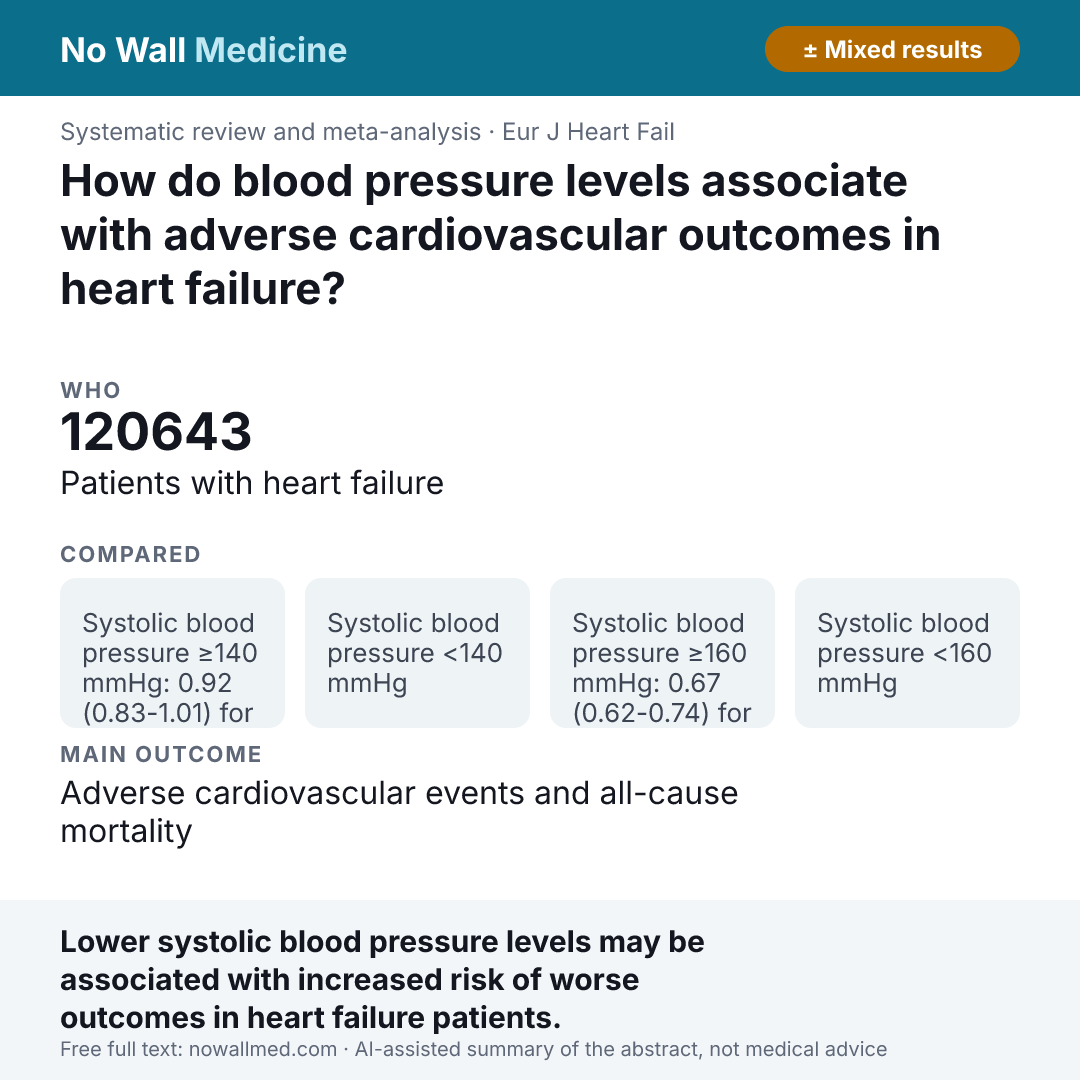
Blood pressure levels and adverse cardiovascular outcomes in heart failure: A systematic review and meta-analysis
Systematic review and meta-analysisMixed results
How do blood pressure levels associate with adverse cardiovascular outcomes in heart failure?
Who
120643
Patients with heart failure
Compared
Systolic blood pressure ≥140 mmHg: 0.92 (0.83-1.01) for all-cause mortality
Systolic blood pressure <140 mmHg
Systolic blood pressure ≥160 mmHg: 0.67 (0.62-0.74) for all-cause mortality
Systolic blood pressure <160 mmHg
Main outcome
Adverse cardiovascular events and all-cause mortality
Result: relative risk 0.67 (95% CI 0.62-0.74) for SBP ≥160 mmHg vs <160 mmHg
Bottom line: Lower systolic blood pressure levels may be associated with increased risk of worse outcomes in heart failure patients.
Eur J Heart Fail · 2024-01-25 · Save PNG
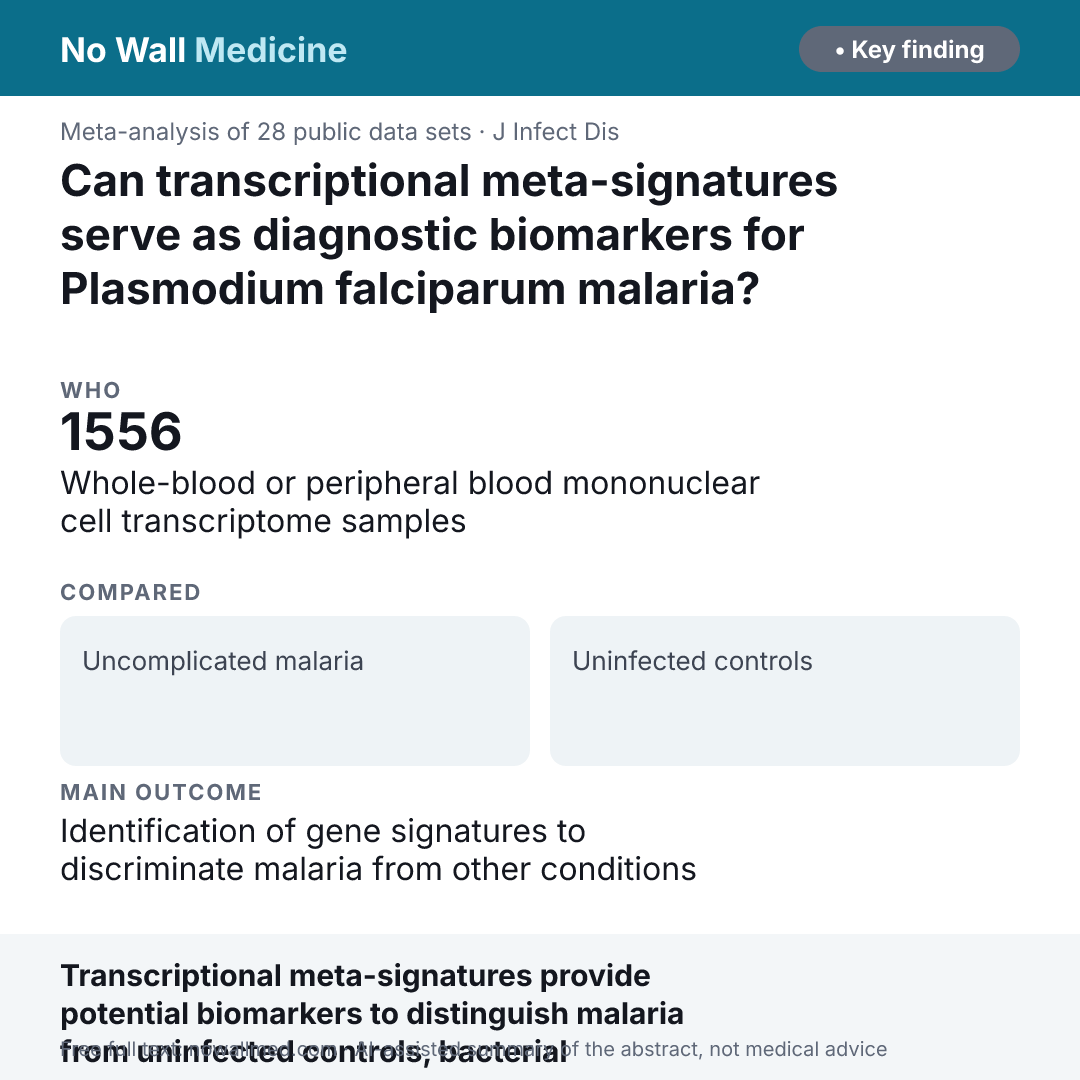
Host Transcriptional Meta-signatures Reveal Diagnostic Biomarkers for Plasmodium falciparum Malaria
Meta-analysis of 28 public data setsKey finding
Can transcriptional meta-signatures serve as diagnostic biomarkers for Plasmodium falciparum malaria?
Who
1556
Whole-blood or peripheral blood mononuclear cell transcriptome samples
Compared
Uncomplicated malaria
Uninfected controls
Main outcome
Identification of gene signatures to discriminate malaria from other conditions
Bottom line: Transcriptional meta-signatures provide potential biomarkers to distinguish malaria from uninfected controls, bacterial infections, or cerebral malaria.
Limitation: High heterogeneity of cohorts and poor generalization of previously reported transcriptional signatures.
J Infect Dis · 2024-01-25 · Save PNG
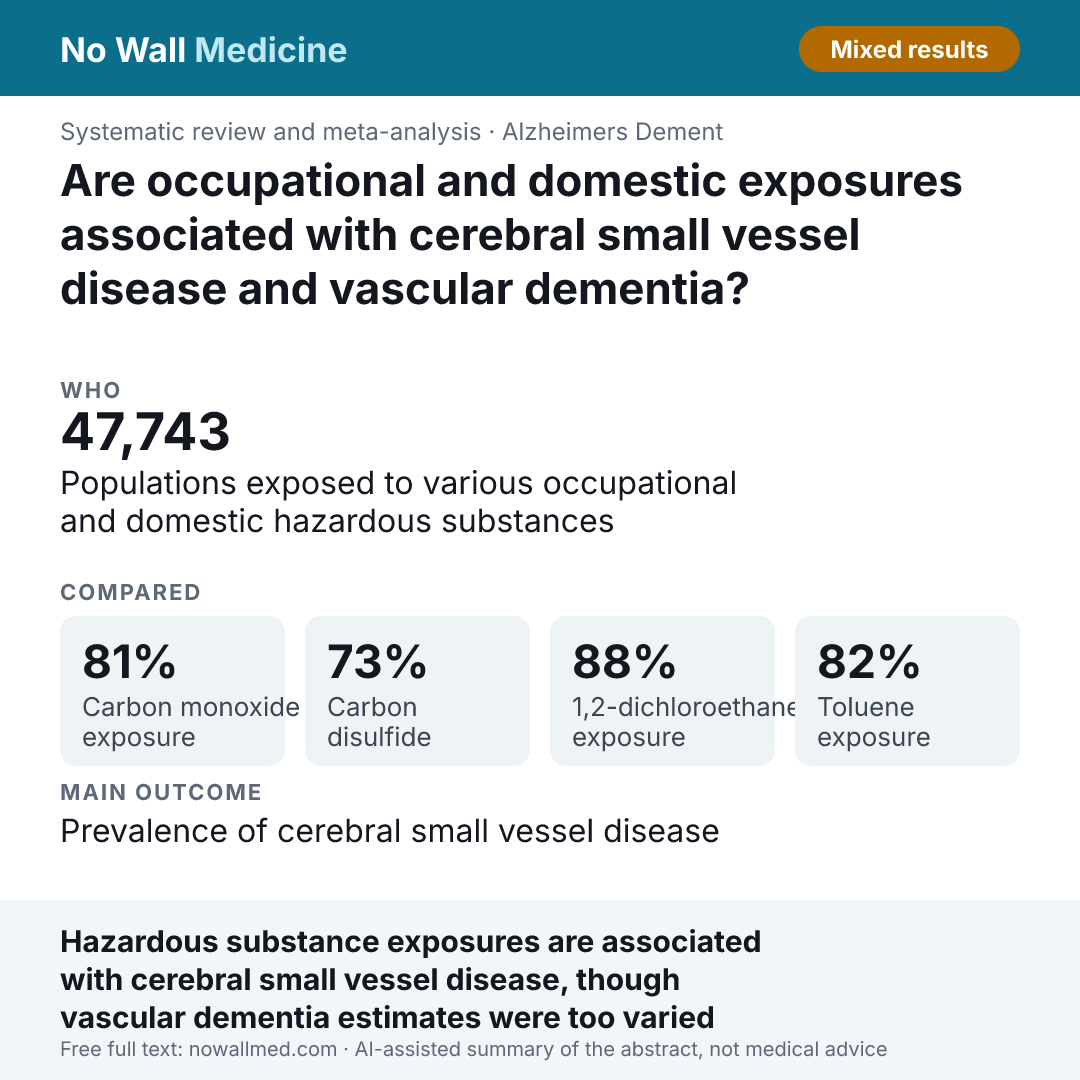
Occupational and domestic exposure associations with cerebral small vessel disease and vascular dementia: A systematic review and meta-analysis
Systematic review and meta-analysisMixed results
Are occupational and domestic exposures associated with cerebral small vessel disease and vascular dementia?
Who
47,743
Populations exposed to various occupational and domestic hazardous substances
Compared
81%Carbon monoxide exposure (95% CI = 60-93%)
73%Carbon disulfide exposure (95% CI = 54-87%)
88%1,2-dichloroethane exposure (95% CI = 4-100%)
82%Toluene exposure (95% CI = 3-100%)
Main outcome
Prevalence of cerebral small vessel disease
Bottom line: Hazardous substance exposures are associated with cerebral small vessel disease, though vascular dementia estimates were too varied to pool.
Alzheimers Dement · 2024-01-25 · Save PNG
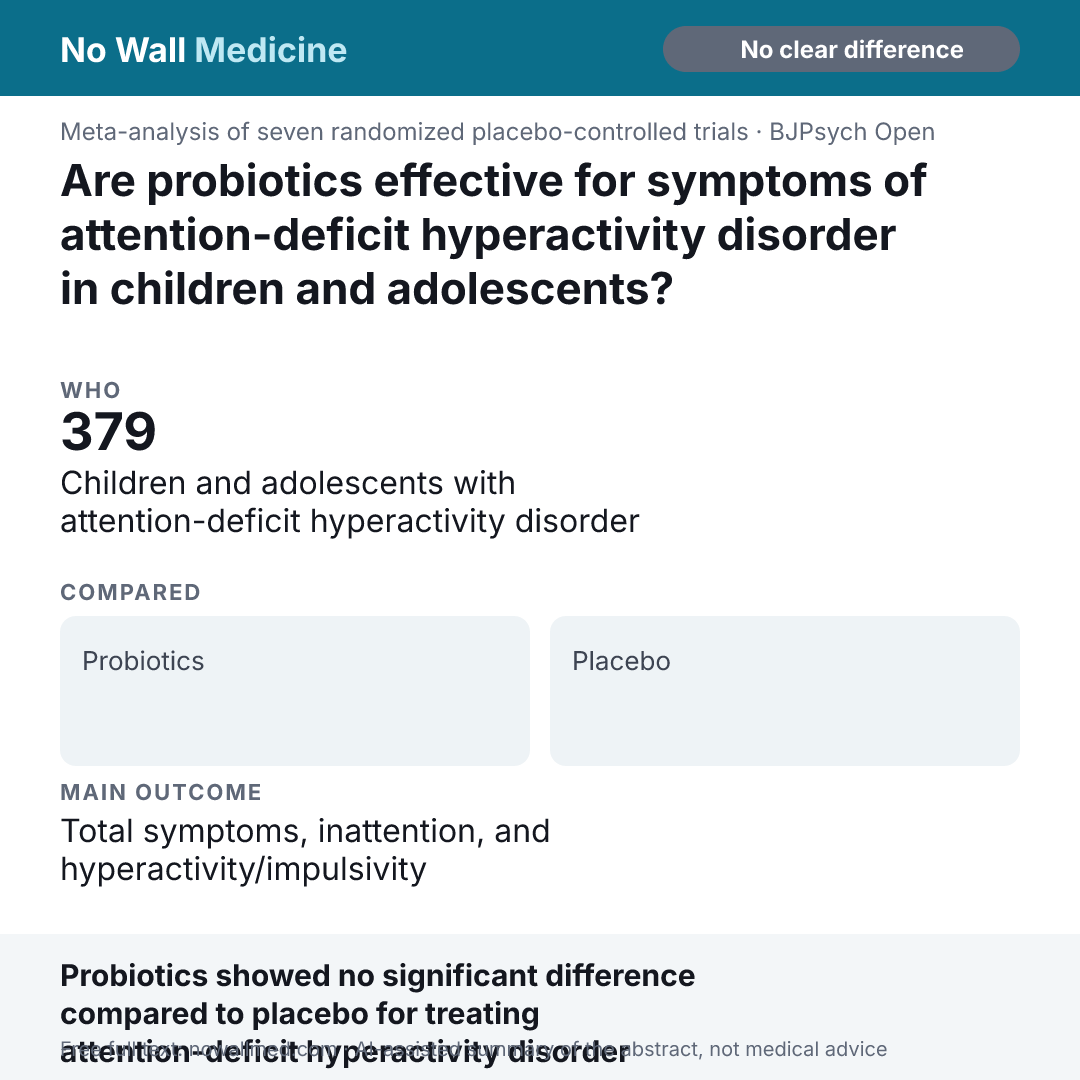
Therapeutic efficacy of probiotics for symptoms of attention-deficit hyperactivity disorder in children and adolescents: meta-analysis
Meta-analysis of seven randomized placebo-controlled trialsNo clear difference
Are probiotics effective for symptoms of attention-deficit hyperactivity disorder in children and adolescents?
Who
379
Children and adolescents with attention-deficit hyperactivity disorder
Compared
Probiotics
Placebo
Main outcome
Total symptoms, inattention, and hyperactivity/impulsivity
Result: standardised mean difference 0.25 (95% CI not reported; P = 0.12)
Bottom line: Probiotics showed no significant difference compared to placebo for treating attention-deficit hyperactivity disorder symptoms.
BJPsych Open · 2024-01-25 · Save PNG
Major depressive disorder associated alterations in the effective connectivity of the face processing network: a systematic review
Systematic reviewMixed results
How does major depressive disorder affect effective connectivity during emotional face processing?
Who
Participants with major depressive disorder and healthy controls
Compared
Major depressive disorder: reduced connectivity from dorsolateral prefrontal cortex to amygdala (negative expressions)
Healthy controls
Main outcome
Effective connectivity during processing of emotional facial expressions
Bottom line: Major depressive disorder shows altered connectivity in face processing, but results for some brain regions remain inconsistent.
Limitation: Methodological heterogeneity and inconsistent connectivity differences in the amygdala and anterior cingulate cortex.
Transl Psychiatry · 2024-01-25 · Save PNG

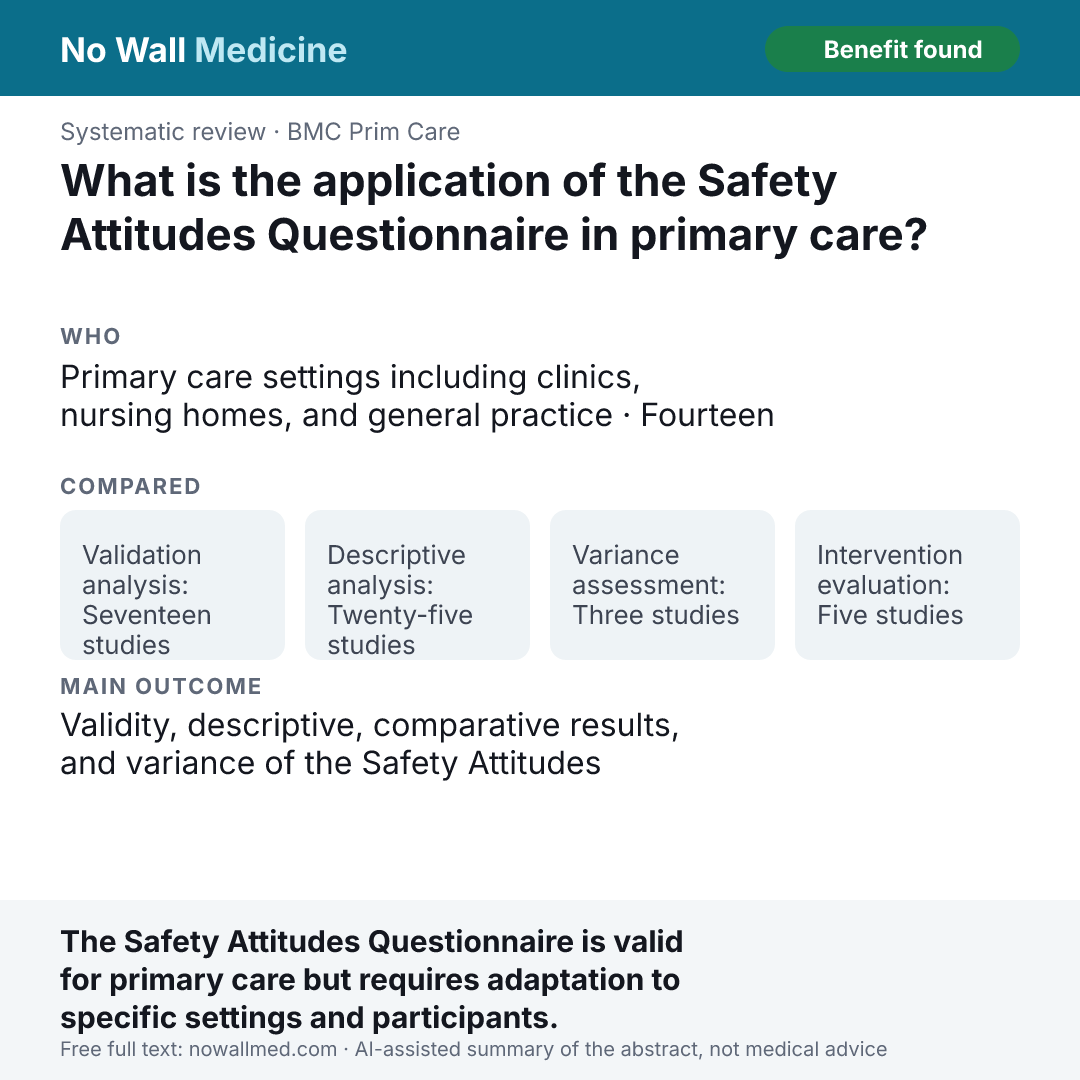
Review: application of the Safety Attitudes Questionnaire (SAQ) in primary care - a systematic synthesis on validity, descriptive and comparative results, and variance across organisational units
Systematic reviewBenefit found
What is the application of the Safety Attitudes Questionnaire in primary care?
Who
Primary care settings including clinics, nursing homes, and general practice · Fourteen different countries
Compared
Validation analysis: Seventeen studies
Descriptive analysis: Twenty-five studies
Variance assessment: Three studies
Intervention evaluation: Five studies
Main outcome
Validity, descriptive, comparative results, and variance of the Safety Attitudes Questionnaire
Bottom line: The Safety Attitudes Questionnaire is valid for primary care but requires adaptation to specific settings and participants.
BMC Prim Care · 2024-01-25 · Save PNG
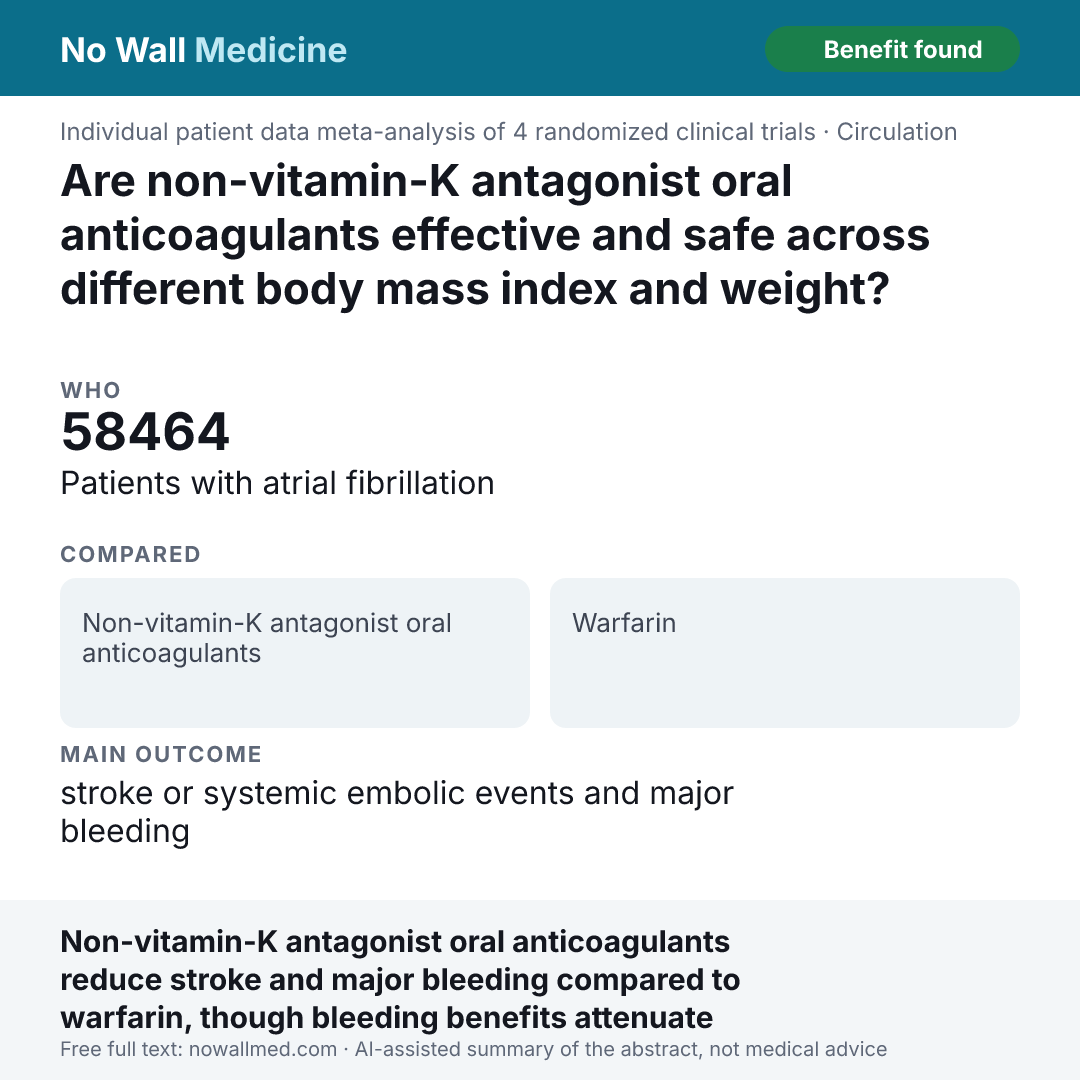
Efficacy and Safety of Non-Vitamin-K Antagonist Oral Anticoagulants Versus Warfarin Across the Spectrum of Body Mass Index and Body Weight: An Individual Patient Data Meta-Analysis of 4 Randomized Clinical Trials of Patients With Atrial Fibrillation
Individual patient data meta-analysis of 4 randomized clinical trialsBenefit found
Are non-vitamin-K antagonist oral anticoagulants effective and safe across different body mass index and weight?
Who
58464
Patients with atrial fibrillation
Compared
Non-vitamin-K antagonist oral anticoagulants
Warfarin
Main outcome
stroke or systemic embolic events and major bleeding
Result: stroke/SEE adjusted hazard ratio 0.80 (95% CI 0.73-0.88); major bleeding adjusted hazard ratio 0.88 (95% CI 0.82-0.94)
Bottom line: Non-vitamin-K antagonist oral anticoagulants reduce stroke and major bleeding compared to warfarin, though bleeding benefits attenuate at higher BMI.
Circulation · 2024-01-24 · Save PNG
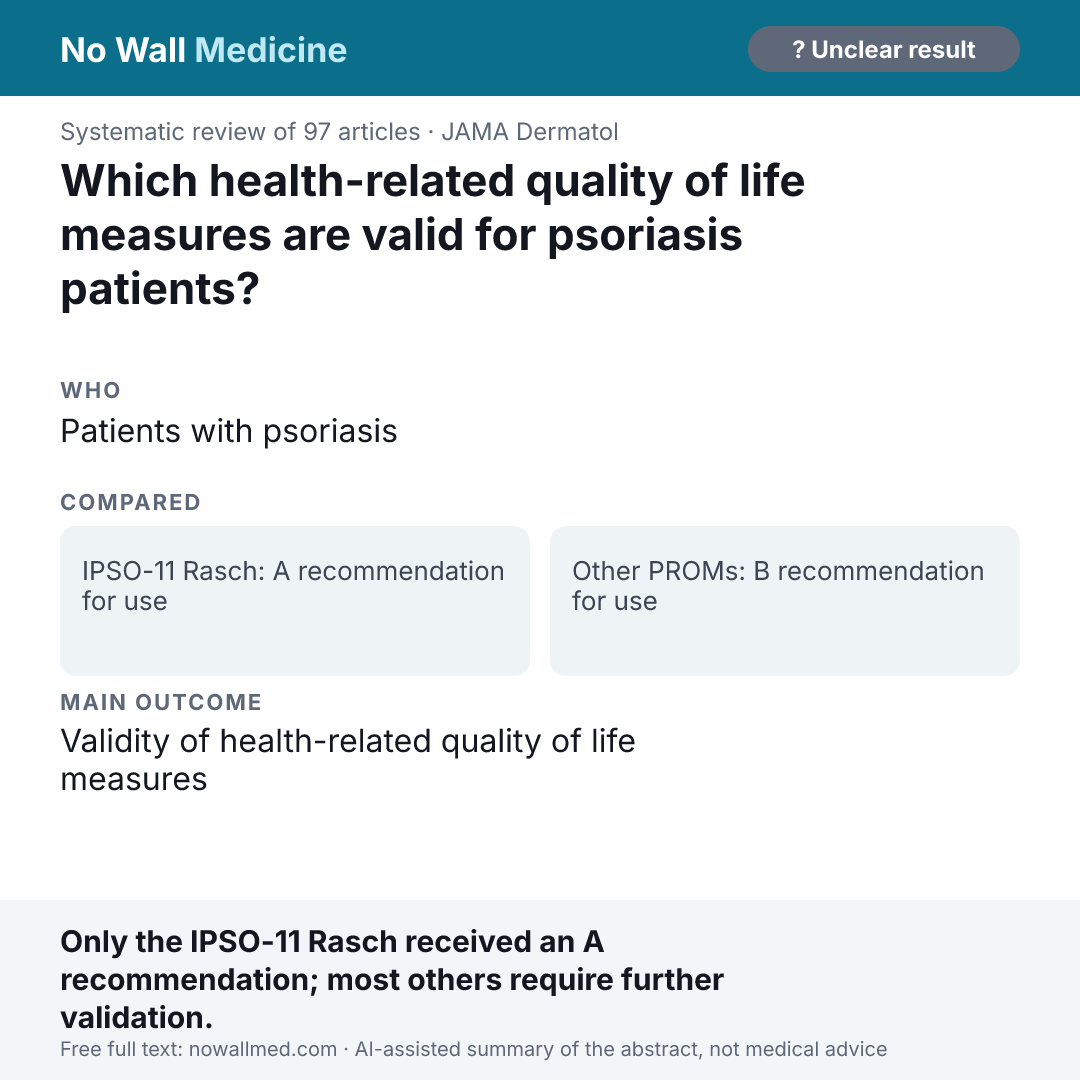
Patient-Reported Outcome Measures for Health-Related Quality of Life in Patients With Psoriasis: A Systematic Review
Systematic review of 97 articlesUnclear result
Which health-related quality of life measures are valid for psoriasis patients?
Who
Patients with psoriasis
Compared
IPSO-11 Rasch: A recommendation for use
Other PROMs: B recommendation for use
Main outcome
Validity of health-related quality of life measures
Bottom line: Only the IPSO-11 Rasch received an A recommendation; most others require further validation.
JAMA Dermatol · 2024-01-24 · Save PNG
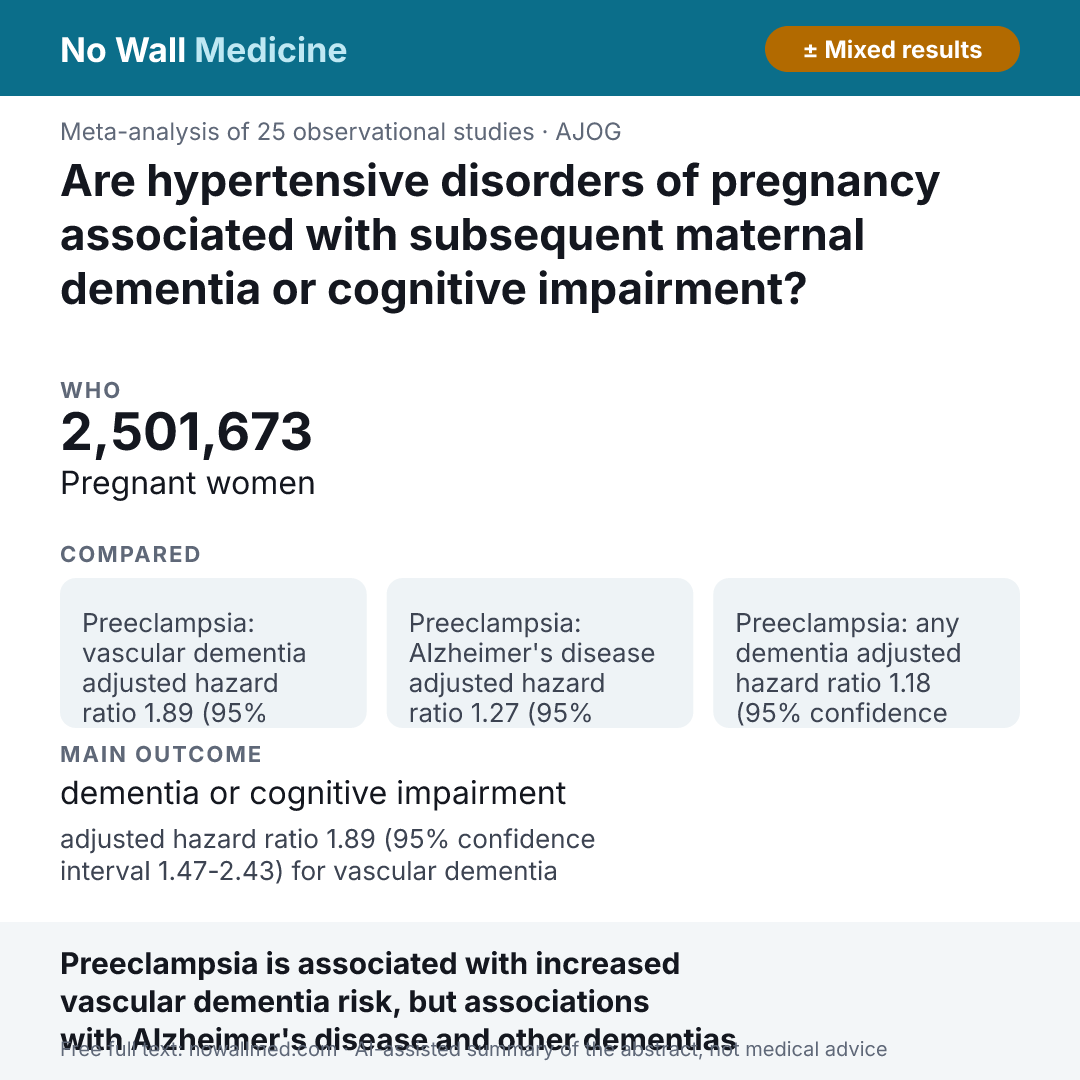
Hypertensive disorders of pregnancy and the risk of maternal dementia: a systematic review and meta-analysis
Meta-analysis of 25 observational studiesMixed results
Are hypertensive disorders of pregnancy associated with subsequent maternal dementia or cognitive impairment?
Who
2,501,673
Pregnant women
Compared
Preeclampsia: vascular dementia adjusted hazard ratio 1.89 (95% confidence interval 1.47-2.43)
Preeclampsia: Alzheimer's disease adjusted hazard ratio 1.27 (95% confidence interval 0.95-1.70)
Preeclampsia: any dementia adjusted hazard ratio 1.18 (95% confidence interval 0.95-1.47)
Main outcome
dementia or cognitive impairment
Result: adjusted hazard ratio 1.89 (95% confidence interval 1.47-2.43) for vascular dementia
Bottom line: Preeclampsia is associated with increased vascular dementia risk, but associations with Alzheimer's disease and other dementias are less clear.
AJOG · 2024-01-24 · Save PNG
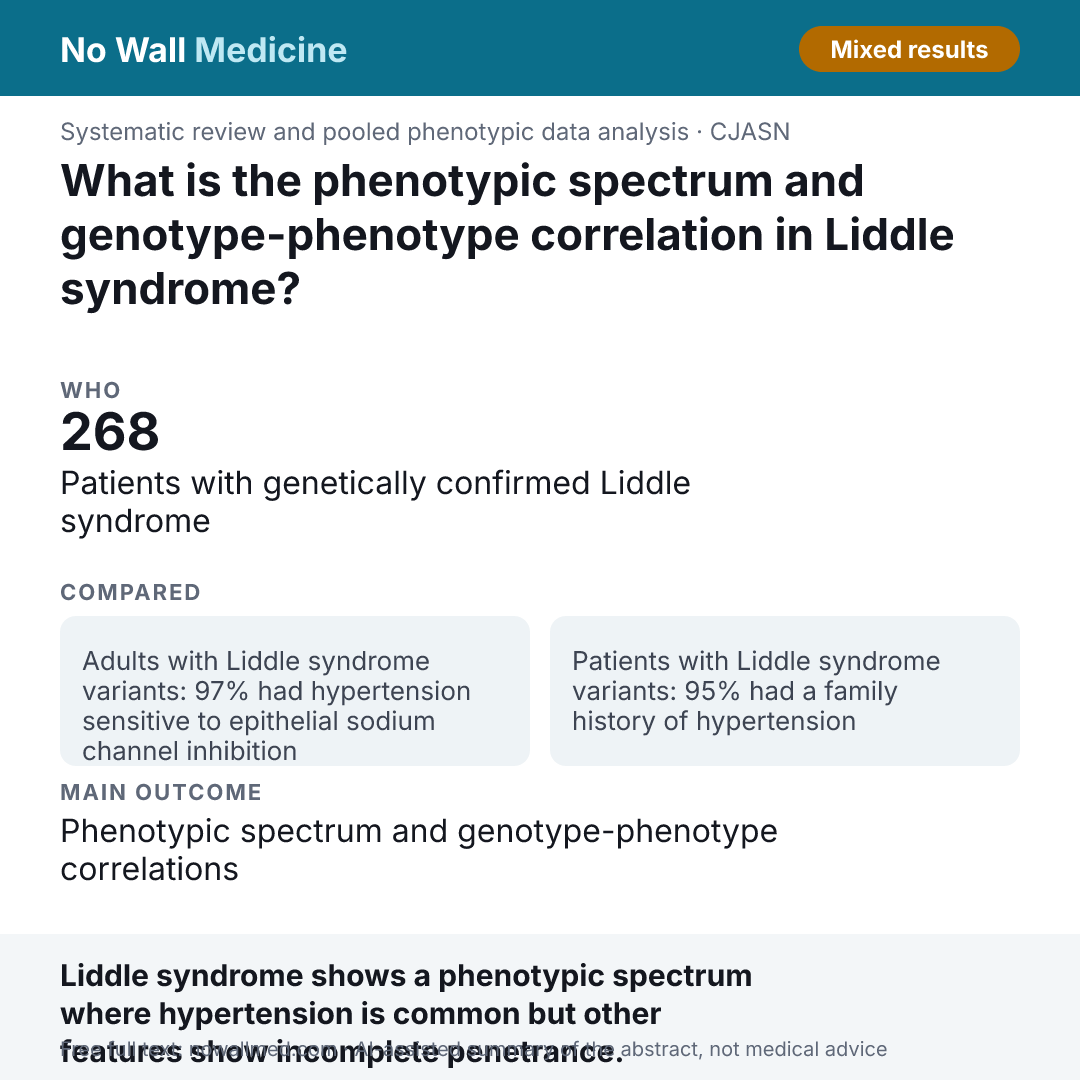
Reverse Phenotypes of Patients with Genetically Confirmed Liddle Syndrome
Systematic review and pooled phenotypic data analysisMixed results
What is the phenotypic spectrum and genotype-phenotype correlation in Liddle syndrome?
Who
268
Patients with genetically confirmed Liddle syndrome
Compared
Adults with Liddle syndrome variants: 97% had hypertension sensitive to epithelial sodium channel inhibition
Patients with Liddle syndrome variants: 95% had a family history of hypertension
Main outcome
Phenotypic spectrum and genotype-phenotype correlations
Bottom line: Liddle syndrome shows a phenotypic spectrum where hypertension is common but other features show incomplete penetrance.
Limitation: Probands compared with relatives showed significant phenotypic discrepancies consistent with selection bias.
CJASN · 2024-01-24 · Save PNG
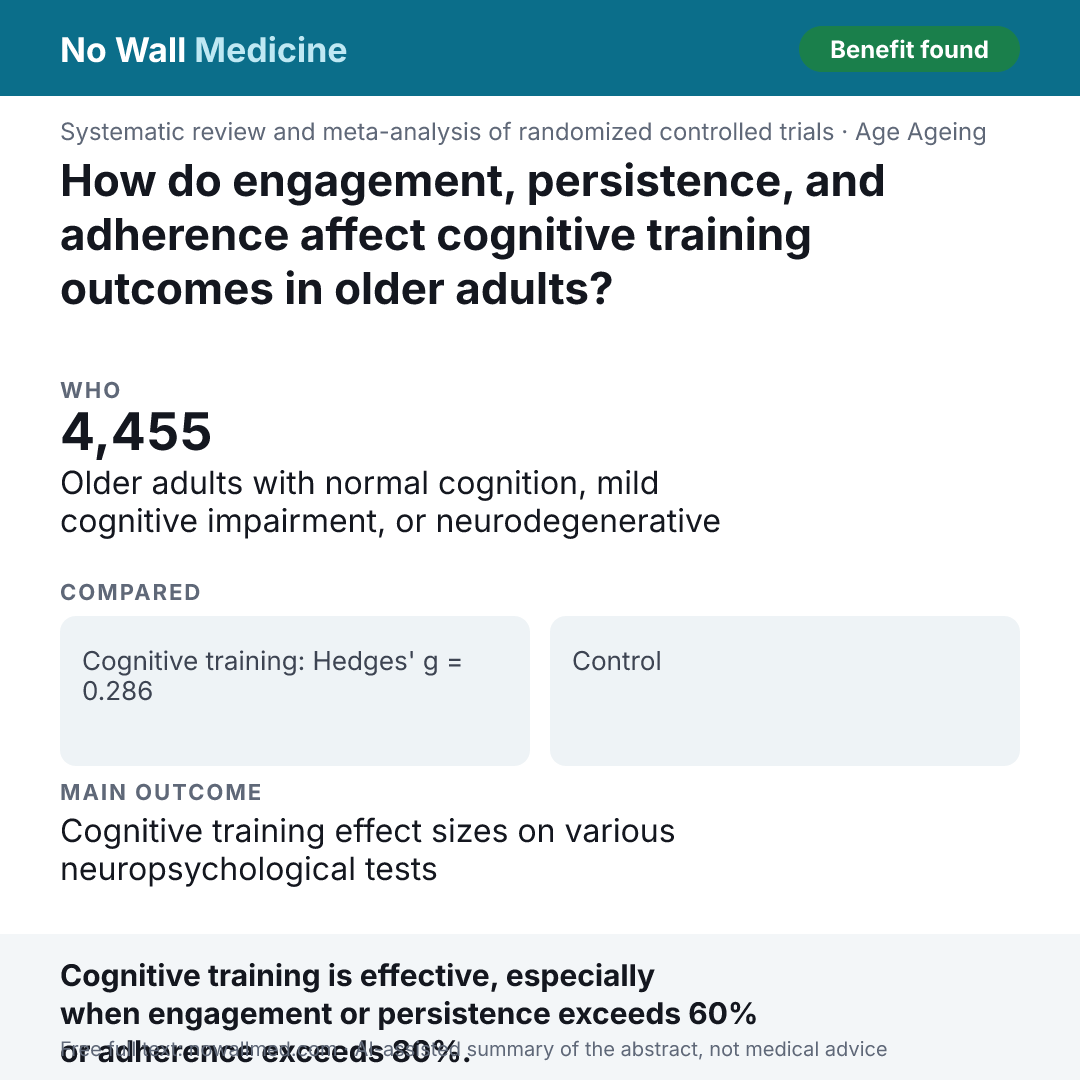
Effects of engagement, persistence and adherence on cognitive training outcomes in older adults with and without cognitive impairment: a systematic review and meta-analysis of randomised controlled trials
Systematic review and meta-analysis of randomized controlled trialsBenefit found
How do engagement, persistence, and adherence affect cognitive training outcomes in older adults?
Who
4,455
Older adults with normal cognition, mild cognitive impairment, or neurodegenerative dementia
Compared
Cognitive training: Hedges' g = 0.286
Control
Main outcome
Cognitive training effect sizes on various neuropsychological tests
Result: Hedges' g = 0.286 (95% CI: 0.224-0.348)
Bottom line: Cognitive training is effective, especially when engagement or persistence exceeds 60% or adherence exceeds 80%.
Age Ageing · 2024-01-24 · Save PNG
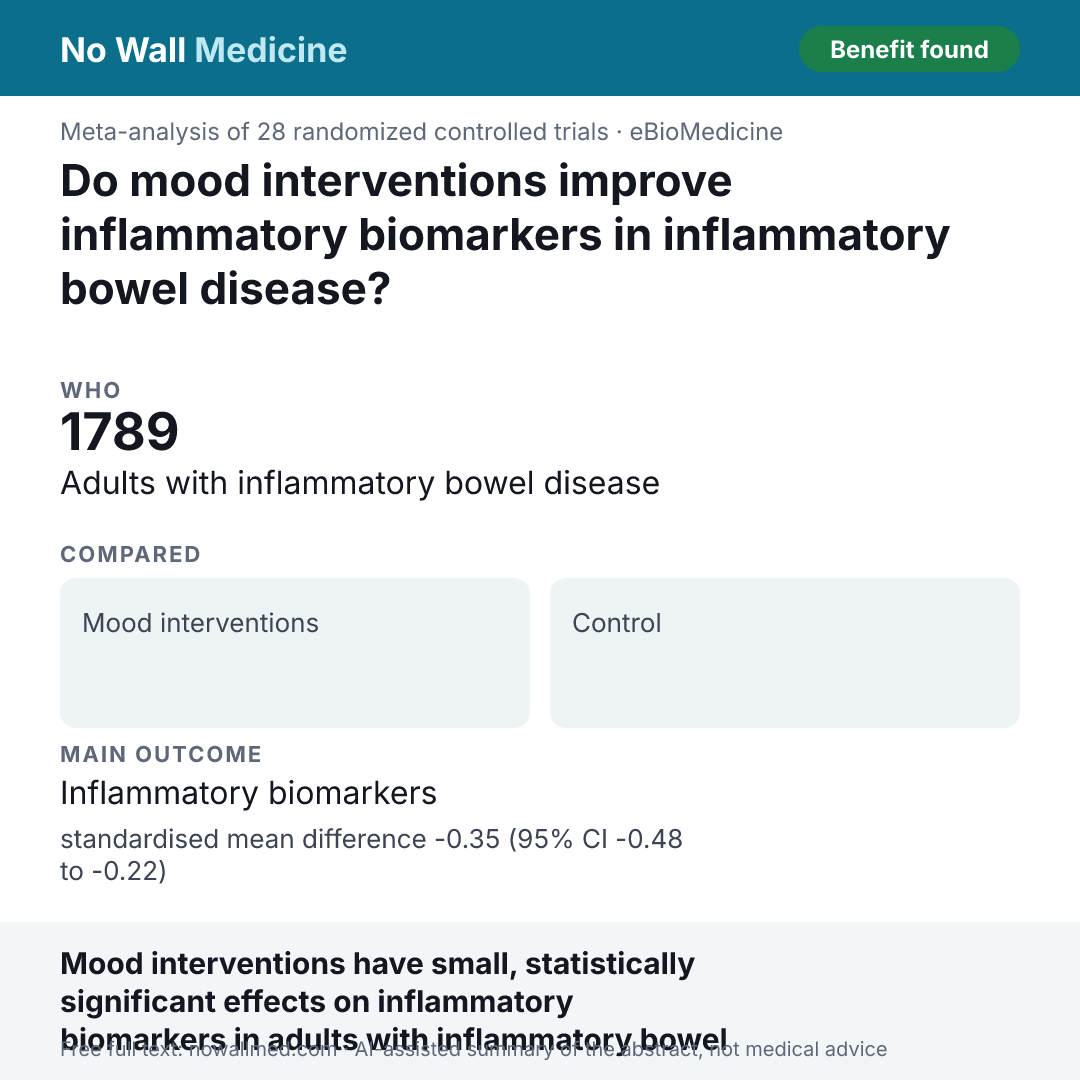
Do interventions for mood improve inflammatory biomarkers in inflammatory bowel disease?: a systematic review and meta-analysis
Meta-analysis of 28 randomized controlled trialsBenefit found
Do mood interventions improve inflammatory biomarkers in inflammatory bowel disease?
Who
1789
Adults with inflammatory bowel disease
Compared
Mood interventions
Control
Main outcome
Inflammatory biomarkers
Result: standardised mean difference -0.35 (95% CI -0.48 to -0.22)
Bottom line: Mood interventions have small, statistically significant effects on inflammatory biomarkers in adults with inflammatory bowel disease.
Limitation: More research is required to understand the biological or behavioural mechanisms underlying this effect.
Funded by: Medical Research Council and National Institute for Health and Care Research
eBioMedicine · 2024-01-24 · Save PNG
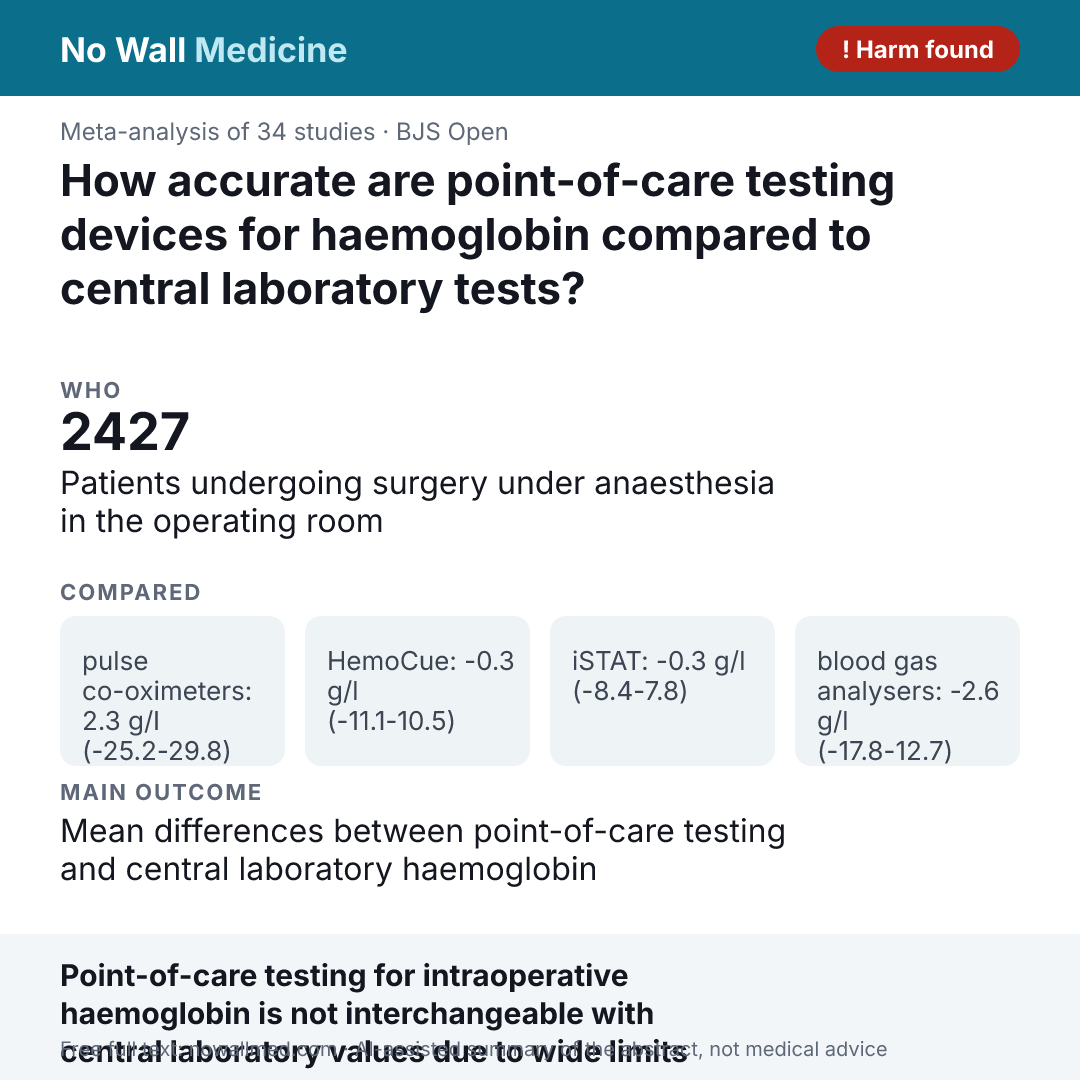
Accuracy of point-of-care testing devices for haemoglobin in the operating room: meta-analysis
Meta-analysis of 34 studiesHarm found
How accurate are point-of-care testing devices for haemoglobin compared to central laboratory tests?
Who
2427
Patients undergoing surgery under anaesthesia in the operating room
Compared
pulse co-oximeters: 2.3 g/l (-25.2-29.8)
HemoCue: -0.3 g/l (-11.1-10.5)
iSTAT: -0.3 g/l (-8.4-7.8)
blood gas analysers: -2.6 g/l (-17.8-12.7)
Main outcome
Mean differences between point-of-care testing and central laboratory haemoglobin
Bottom line: Point-of-care testing for intraoperative haemoglobin is not interchangeable with central laboratory values due to wide limits of agreement.
Limitation: Eleven studies were funded by device manufacturers.
Funded by: Device manufacturers
BJS Open · 2024-01-24 · Save PNG
Surgeon views regarding the adoption of a novel surgical innovation into clinical practice: systematic review
Systematic reviewMixed results
What factors affect a surgeon's decision to adopt novel surgical innovations?
Who
694
Surgeons across multiple specialties · Nine countries
Compared
Facilitators: improved clinical outcomes, cost-effectiveness, and stakeholder support
Barriers: lack of organizational support and views of senior surgeons
Main outcome
Factors affecting adoption of novel surgical innovation
Bottom line: Multiple complex factors, including facilitators and barriers, dynamically interact to affect surgical innovation adoption.
BJS Open · 2024-01-24 · Save PNG

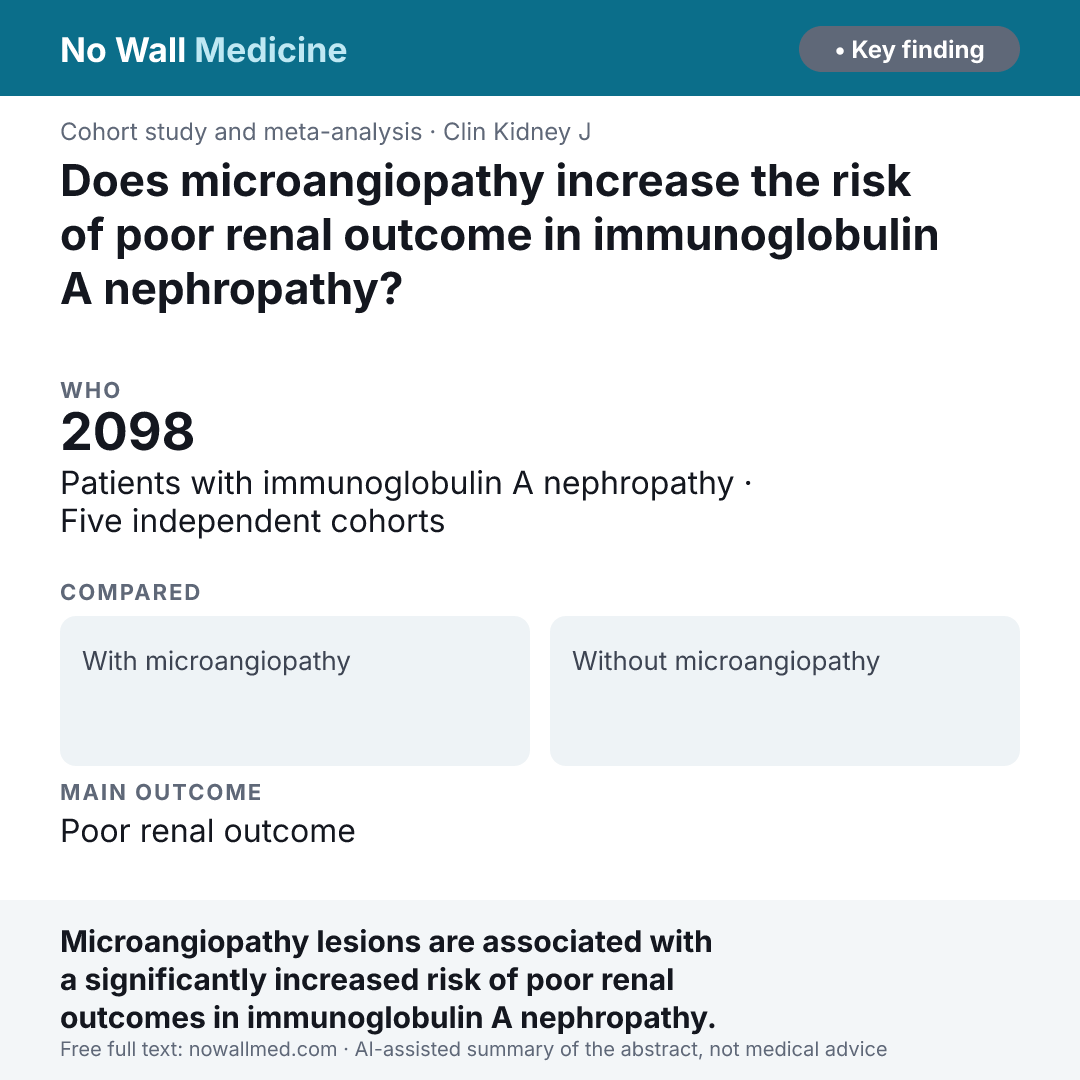
Microangiopathy associated with poor outcome of immunoglobulin A nephropathy: a cohort study and meta-analysis
Cohort study and meta-analysisKey finding
Does microangiopathy increase the risk of poor renal outcome in immunoglobulin A nephropathy?
Who
2098
Patients with immunoglobulin A nephropathy · Five independent cohorts
Compared
With microangiopathy
Without microangiopathy
Main outcome
Poor renal outcome
Result: adjusted risk ratio 2.87 (95% CI 2.05-4.02)
Bottom line: Microangiopathy lesions are associated with a significantly increased risk of poor renal outcomes in immunoglobulin A nephropathy.
Clin Kidney J · 2024-01-24 · Save PNG
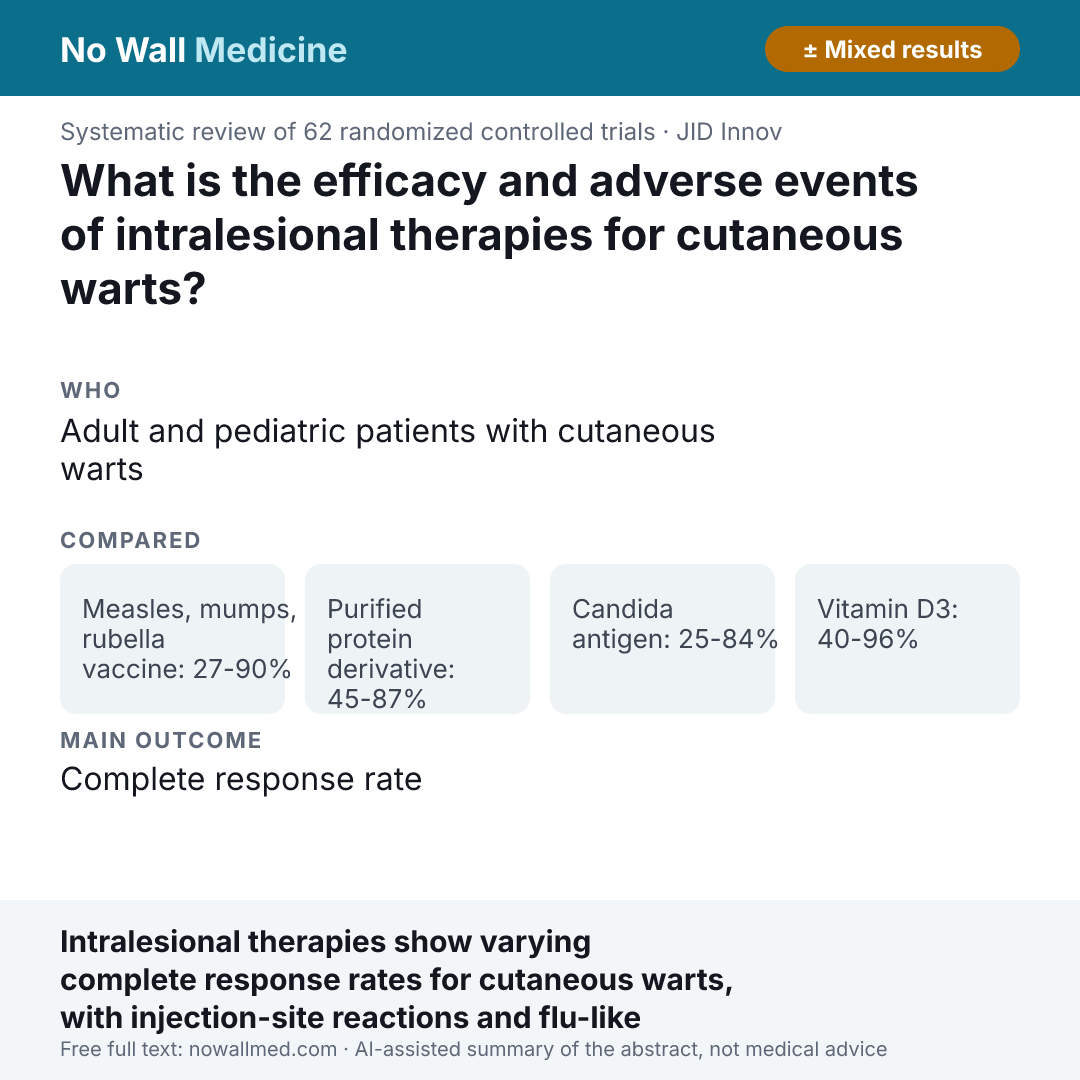
Systematic Review of Intralesional Therapies for Cutaneous Warts
Systematic review of 62 randomized controlled trialsMixed results
What is the efficacy and adverse events of intralesional therapies for cutaneous warts?
Who
Adult and pediatric patients with cutaneous warts
Compared
Measles, mumps, rubella vaccine: 27-90%
Purified protein derivative: 45-87%
Candida antigen: 25-84%
Vitamin D3: 40-96%
Main outcome
Complete response rate
Bottom line: Intralesional therapies show varying complete response rates for cutaneous warts, with injection-site reactions and flu-like symptoms being common.
JID Innov · 2024-01-24 · Save PNG