Visual abstracts
New randomized trials and meta-analyses from leading journals at a glance: who was studied, what was compared, and what was found. Every paper is free to read in full.
All specialtiesCardiology 4763Oncology 4043Gastroenterology & Hepatology 1903Infectious Disease 3756Neurology 1872Psychiatry & Mental Health 2216Pulmonology 2044Critical Care 1319Endocrinology & Diabetes 2544Pediatrics 2889Surgery 2480Orthopedics & Sports Medicine 917Neurosurgery 525Cardiothoracic & Vascular Surgery 656Plastic & Reconstructive Surgery 574Nephrology 1107Rheumatology 810Hematology 1090Dermatology 611Ophthalmology 532Obstetrics & Gynecology 1645Public & Global Health 1037Radiology & Imaging 619Anesthesiology 958Urology 745ENT (Otolaryngology) 494Emergency Medicine 481Allergy & Immunology 309Geriatrics 972Family Medicine & Primary Care 534Medical Genetics & Genomics 659Pathology & Laboratory Medicine 156Physical Medicine & Rehabilitation 734Palliative Care 421Nutrition 1560Digital Health & AI 2137General Medicine 318
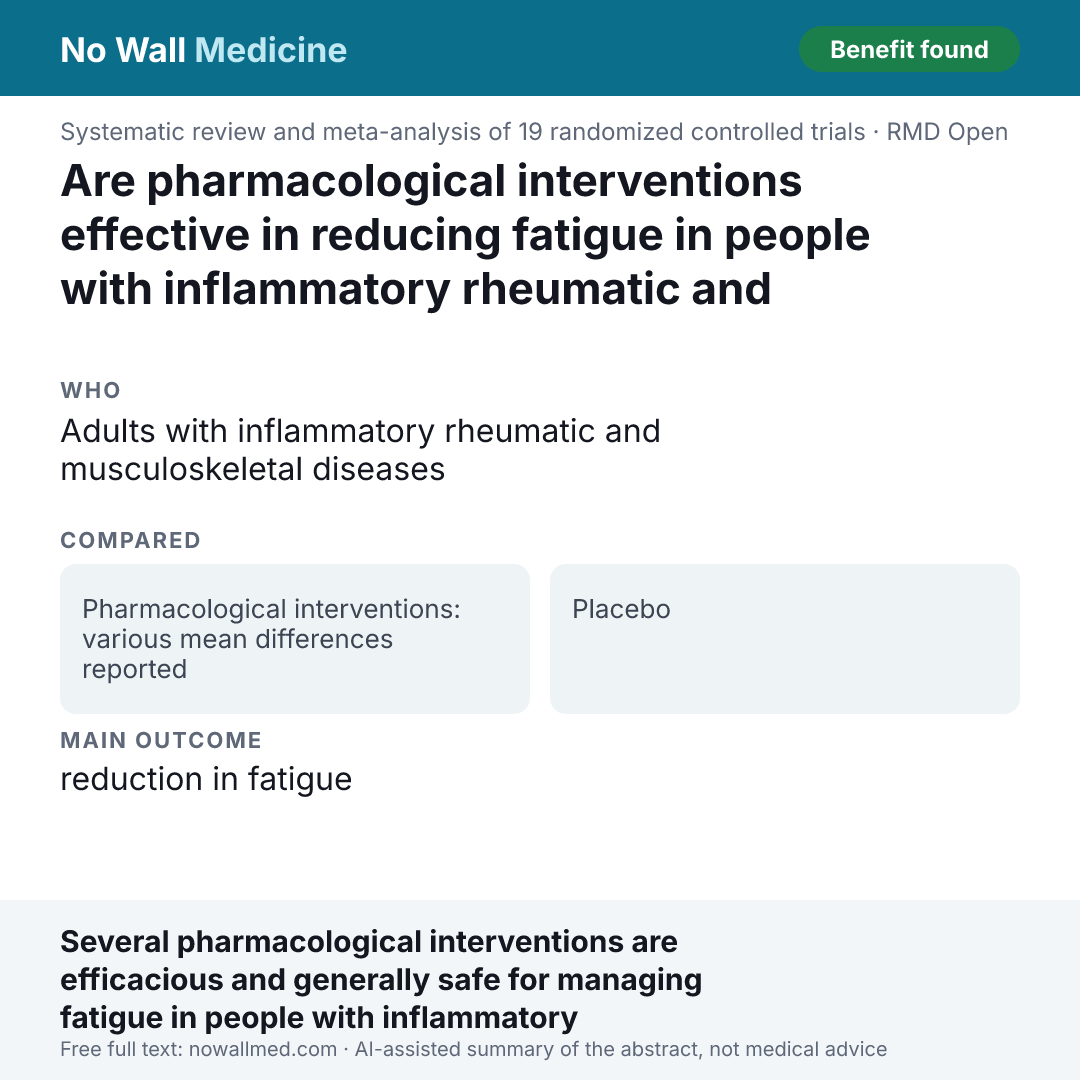
Efficacy of pharmacological interventions: a systematic review informing the 2023 EULAR recommendations for the management of fatigue in people with inflammatory rheumatic and musculoskeletal diseases
Systematic review and meta-analysis of 19 randomized controlled trialsBenefit found
Are pharmacological interventions effective in reducing fatigue in people with inflammatory rheumatic and musculoskeletal diseases?
Who
Adults with inflammatory rheumatic and musculoskeletal diseases
Compared
Pharmacological interventions: various mean differences reported
Placebo
Main outcome
reduction in fatigue
Bottom line: Several pharmacological interventions are efficacious and generally safe for managing fatigue in people with inflammatory rheumatic and musculoskeletal diseases.
RMD Open · 2023-12-06 · Save PNG
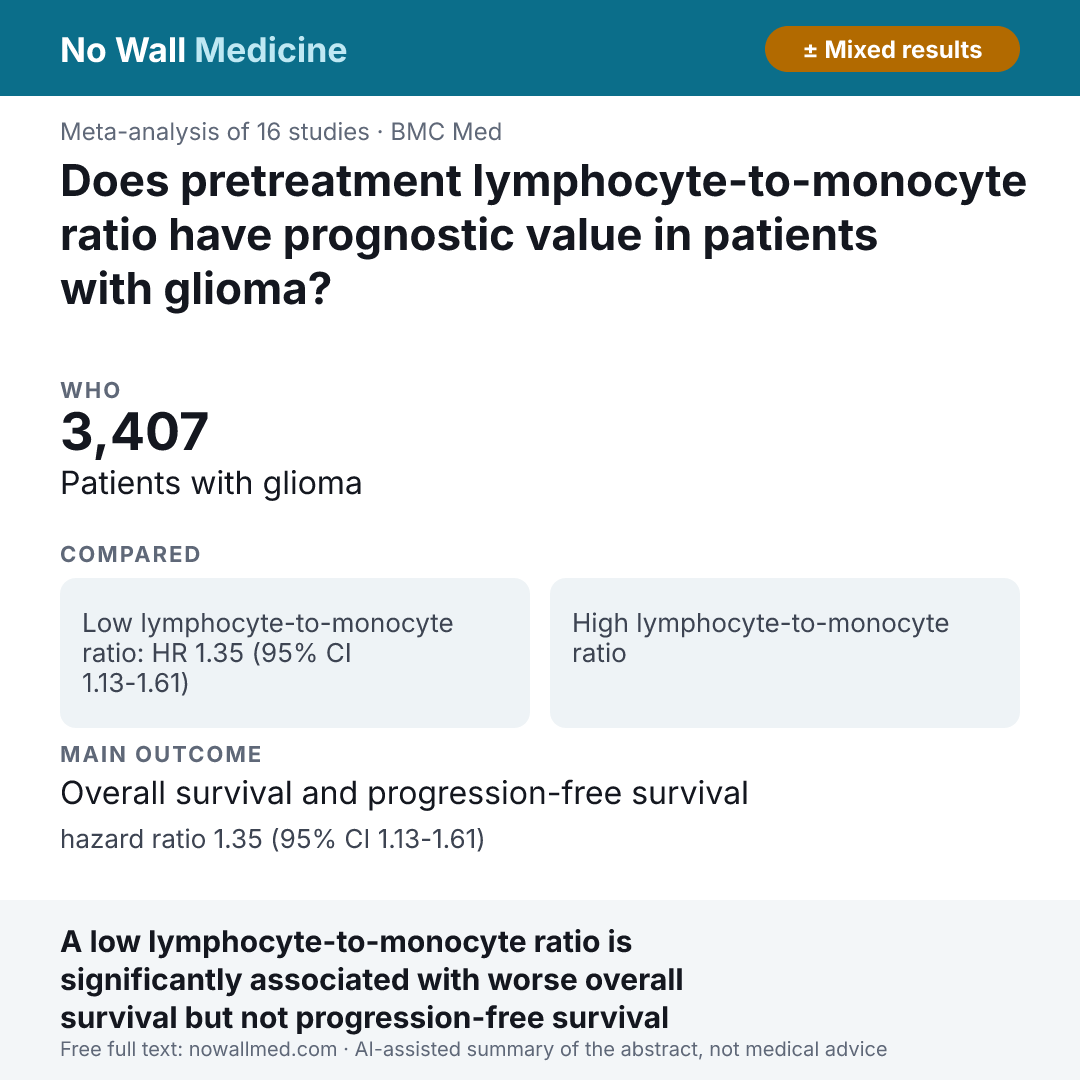
Prognostic value of pretreatment lymphocyte-to-monocyte ratio in patients with glioma: a meta-analysis
Meta-analysis of 16 studiesMixed results
Does pretreatment lymphocyte-to-monocyte ratio have prognostic value in patients with glioma?
Who
3,407
Patients with glioma
Compared
Low lymphocyte-to-monocyte ratio: HR 1.35 (95% CI 1.13-1.61)
High lymphocyte-to-monocyte ratio
Main outcome
Overall survival and progression-free survival
Result: hazard ratio 1.35 (95% CI 1.13-1.61)
Bottom line: A low lymphocyte-to-monocyte ratio is significantly associated with worse overall survival but not progression-free survival in glioma.
BMC Med · 2023-12-05 · Save PNG
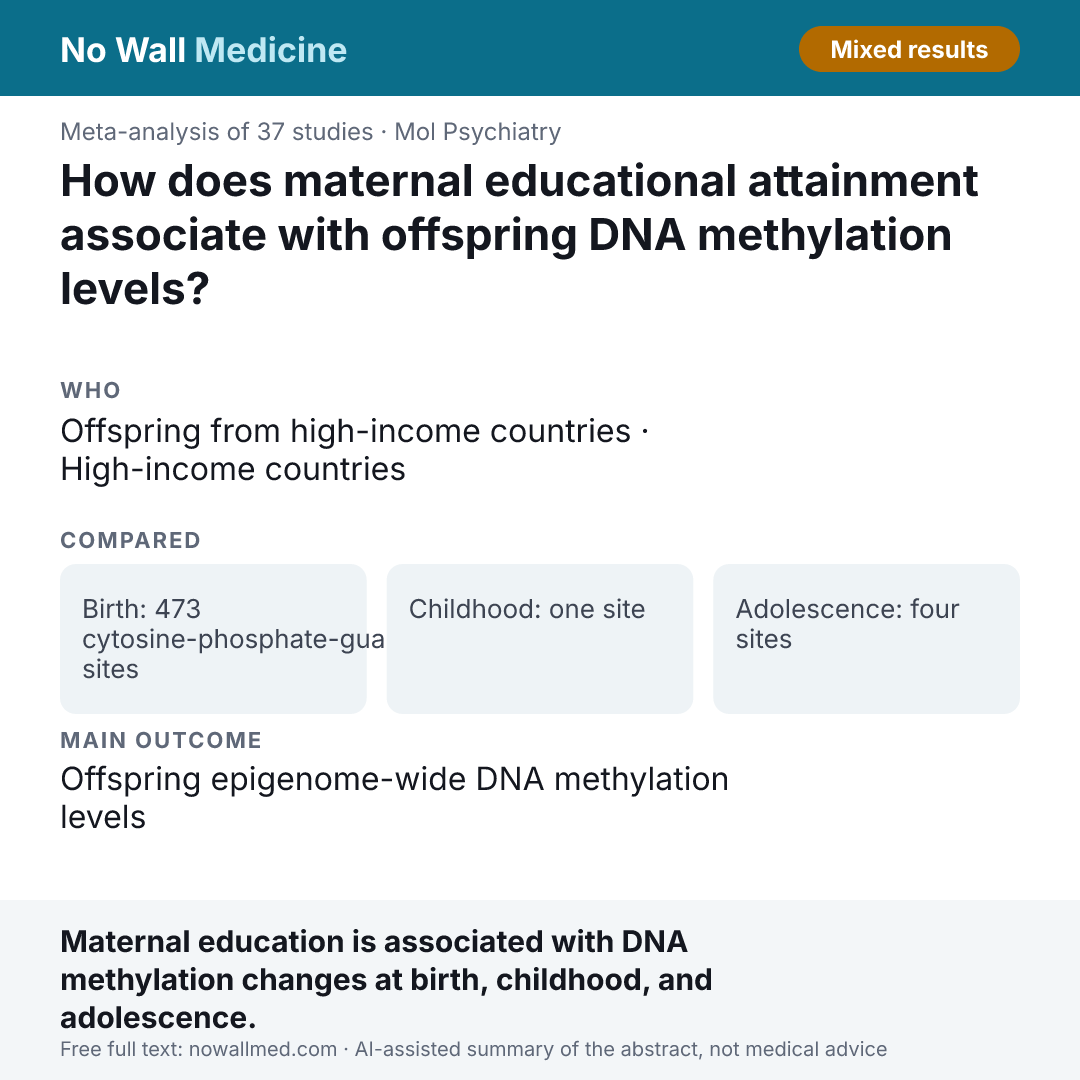
Maternal educational attainment in pregnancy and epigenome-wide DNA methylation changes in the offspring from birth until adolescence
Meta-analysis of 37 studiesMixed results
How does maternal educational attainment associate with offspring DNA methylation levels?
Who
Offspring from high-income countries · High-income countries
Compared
Birth: 473 cytosine-phosphate-guanine sites
Childhood: one site
Adolescence: four sites
Main outcome
Offspring epigenome-wide DNA methylation levels
Bottom line: Maternal education is associated with DNA methylation changes at birth, childhood, and adolescence.
Mol Psychiatry · 2023-12-05 · Save PNG
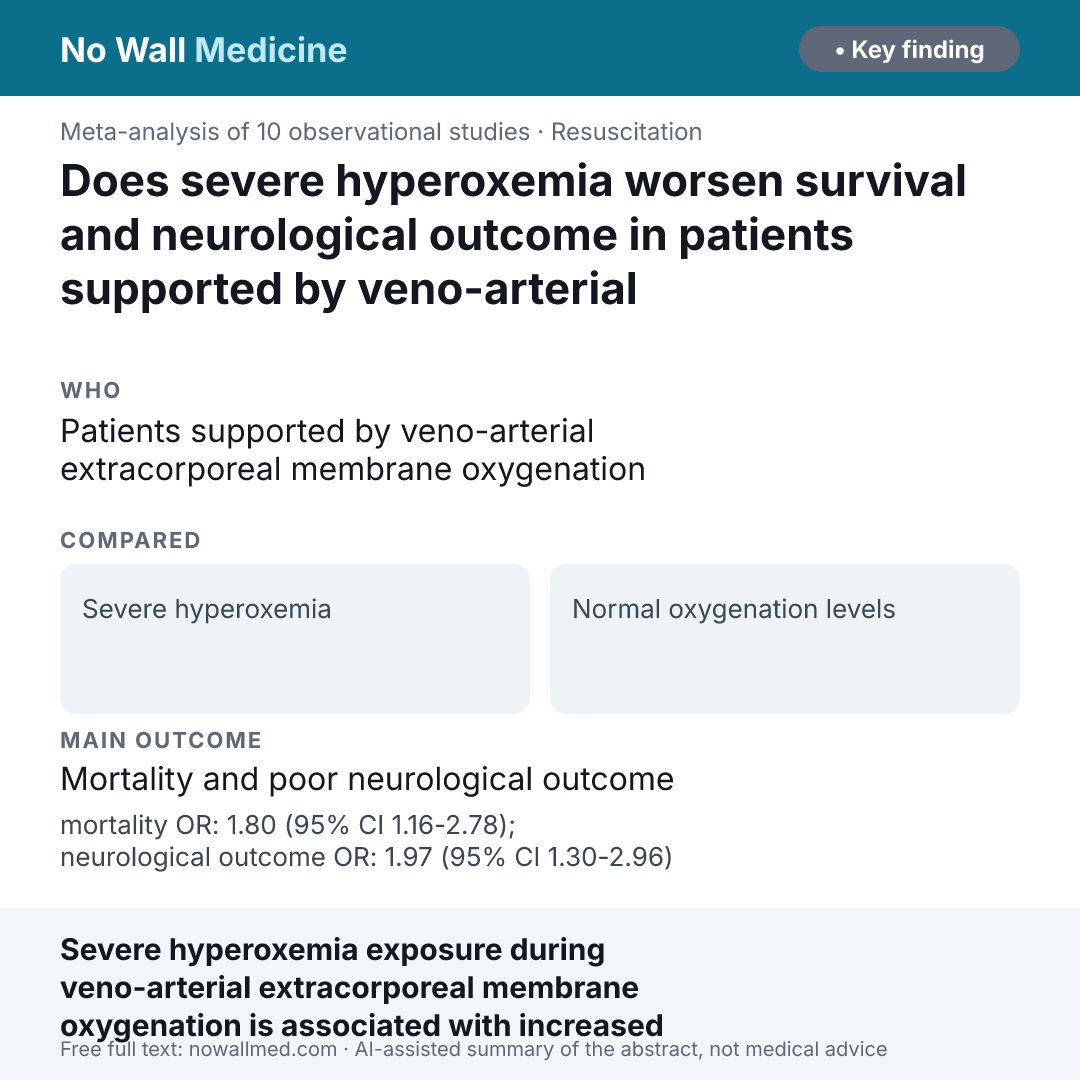
Exposure to severe hyperoxemia worsens survival and neurological outcome in patients supported by veno-arterial extracorporeal membrane oxygenation: A meta-analysis
Meta-analysis of 10 observational studiesKey finding
Does severe hyperoxemia worsen survival and neurological outcome in patients supported by veno-arterial extracorporeal membrane oxygenation?
Who
Patients supported by veno-arterial extracorporeal membrane oxygenation
Compared
Severe hyperoxemia
Normal oxygenation levels
Main outcome
Mortality and poor neurological outcome
Result: mortality OR: 1.80 (95% CI 1.16-2.78); neurological outcome OR: 1.97 (95% CI 1.30-2.96)
Bottom line: Severe hyperoxemia exposure during veno-arterial extracorporeal membrane oxygenation is associated with increased mortality and poor neurological outcomes.
Resuscitation · 2023-12-05 · Save PNG
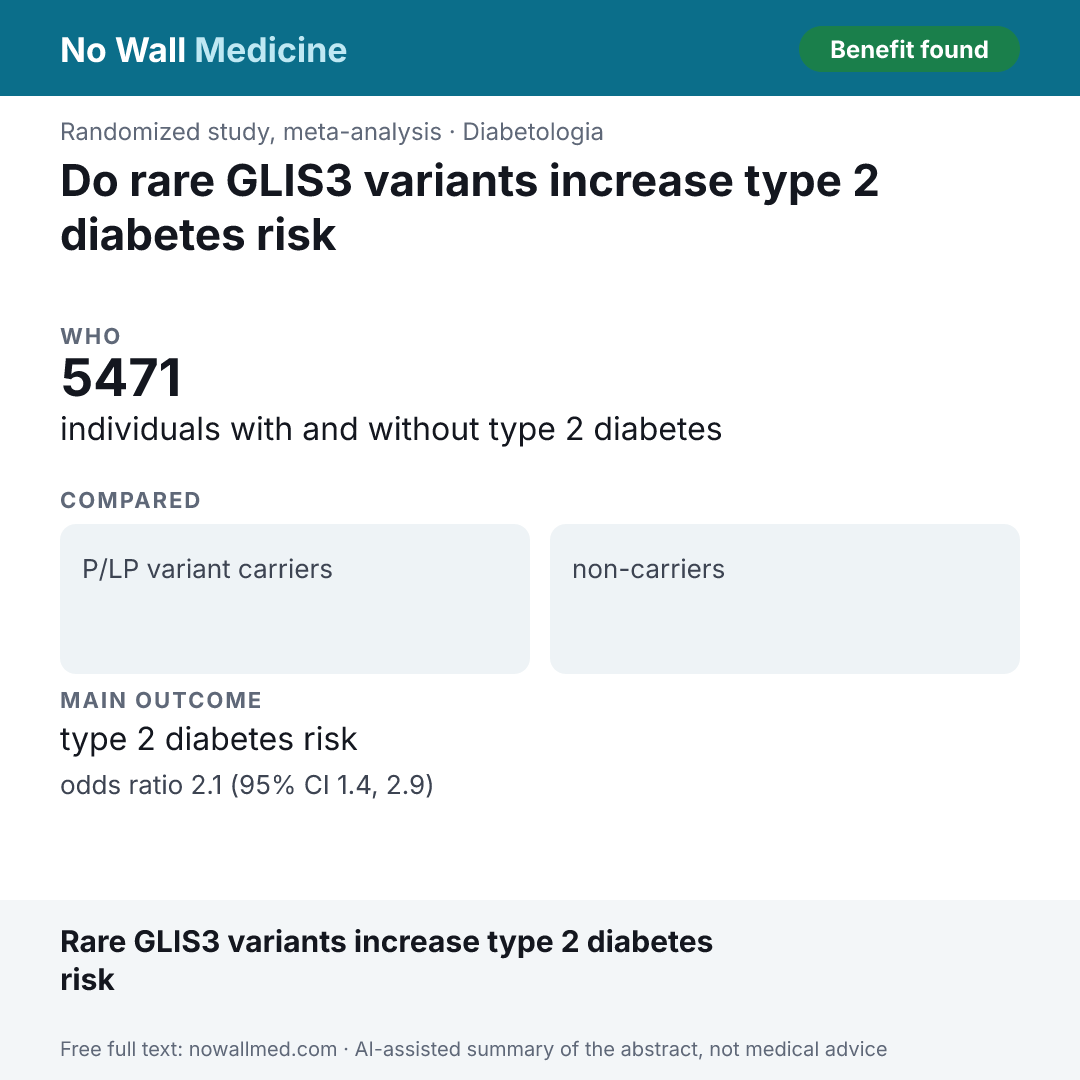
Pathogenic monoallelic variants in GLIS3 increase type 2 diabetes risk and identify a subgroup of patients sensitive to sulfonylureas
Randomized study, meta-analysisBenefit found
Do rare GLIS3 variants increase type 2 diabetes risk
Who
5471
individuals with and without type 2 diabetes
Compared
P/LP variant carriers
non-carriers
Main outcome
type 2 diabetes risk
Result: odds ratio 2.1 (95% CI 1.4, 2.9)
Bottom line: Rare GLIS3 variants increase type 2 diabetes risk
Diabetologia · 2023-12-05 · Save PNG
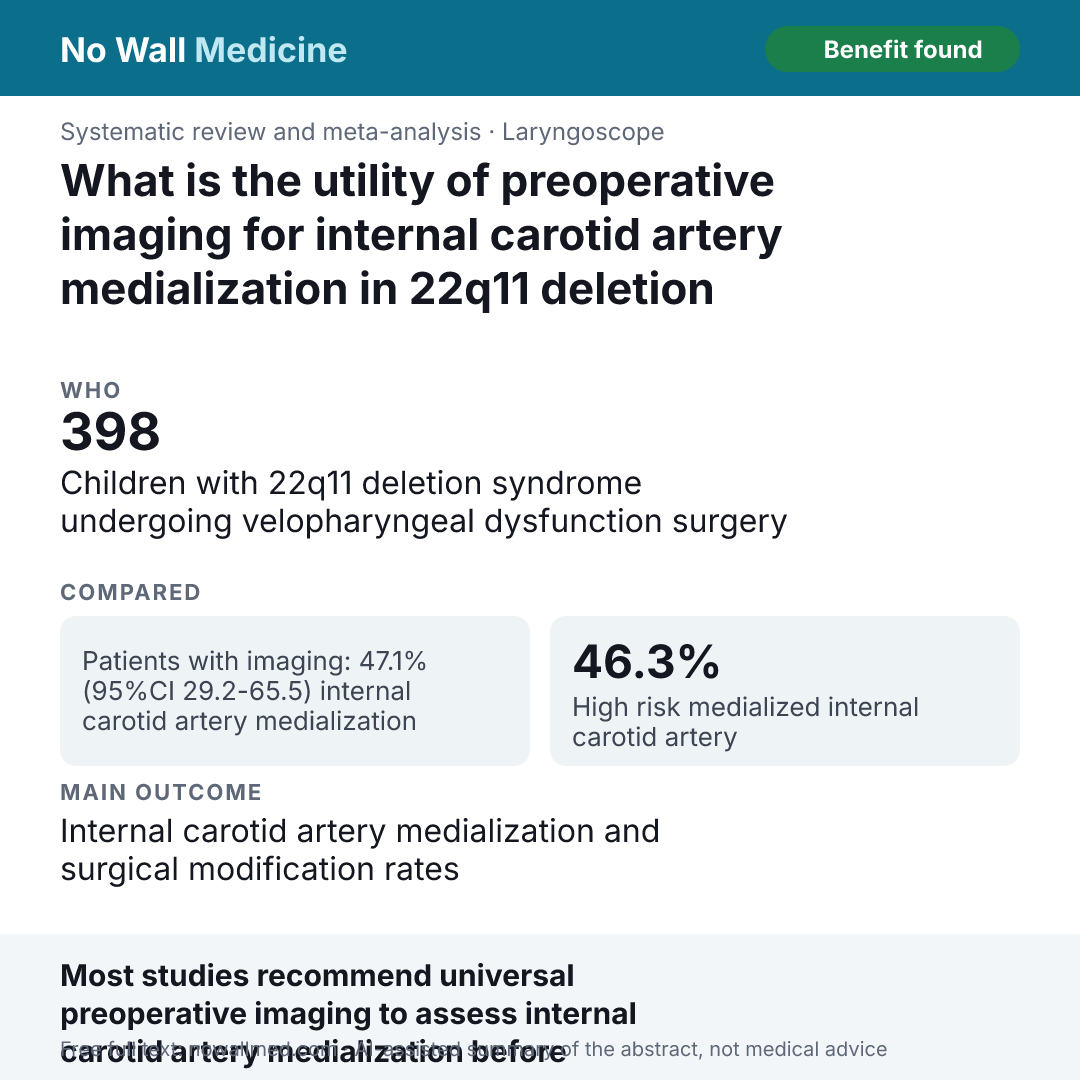
Preoperative Imaging in Patients with 22q11 Deletion Syndrome Undergoing Velopharyngeal Surgery
Systematic review and meta-analysisBenefit found
What is the utility of preoperative imaging for internal carotid artery medialization in 22q11 deletion syndrome?
Who
398
Children with 22q11 deletion syndrome undergoing velopharyngeal dysfunction surgery
Compared
Patients with imaging: 47.1% (95%CI 29.2-65.5) internal carotid artery medialization
46.3%High risk medialized internal carotid artery (95%CI 27.4-65.8)
Main outcome
Internal carotid artery medialization and surgical modification rates
Bottom line: Most studies recommend universal preoperative imaging to assess internal carotid artery medialization before velopharyngeal dysfunction surgery.
Laryngoscope · 2023-12-05 · Save PNG
Clinicopathological and prognostic value of calcification morphology descriptors in ductal carcinoma in situ of the breast: a systematic review and meta-analysis
Systematic review and meta-analysisBenefit found
Do mammographic calcification morphology descriptors associate with clinicopathological factors in ductal carcinoma in situ?
Who
Patients with ductal carcinoma in situ of the breast
Compared
Fine linear calcifications: high-grade DCIS pooled odds ratio 4.92 (95% CI 2.64-9.17)
Fine linear calcifications: (comedo)necrosis pooled odds ratio 3.46 (95% CI 1.29-9.30)
Fine linear calcifications: (micro)invasion pooled odds ratio 1.53 (95% CI 1.03-2.27)
Fine linear calcifications: estrogen receptor positivity pooled odds ratio 0.33 (95% CI 0.12-0.89)
Main outcome
Association between calcification morphology descriptors and clinicopathological factors
Result: pooled odds ratio 4.92 (95% CI 2.64-9.17) for high-grade DCIS
Bottom line: Fine linear calcifications are significantly associated with high-grade ductal carcinoma in situ and other aggressive clinicopathological factors.
Limitation: High risk of bias and heterogeneity due to small, inadequately described study populations.
Insights Imaging · 2023-12-05 · Save PNG

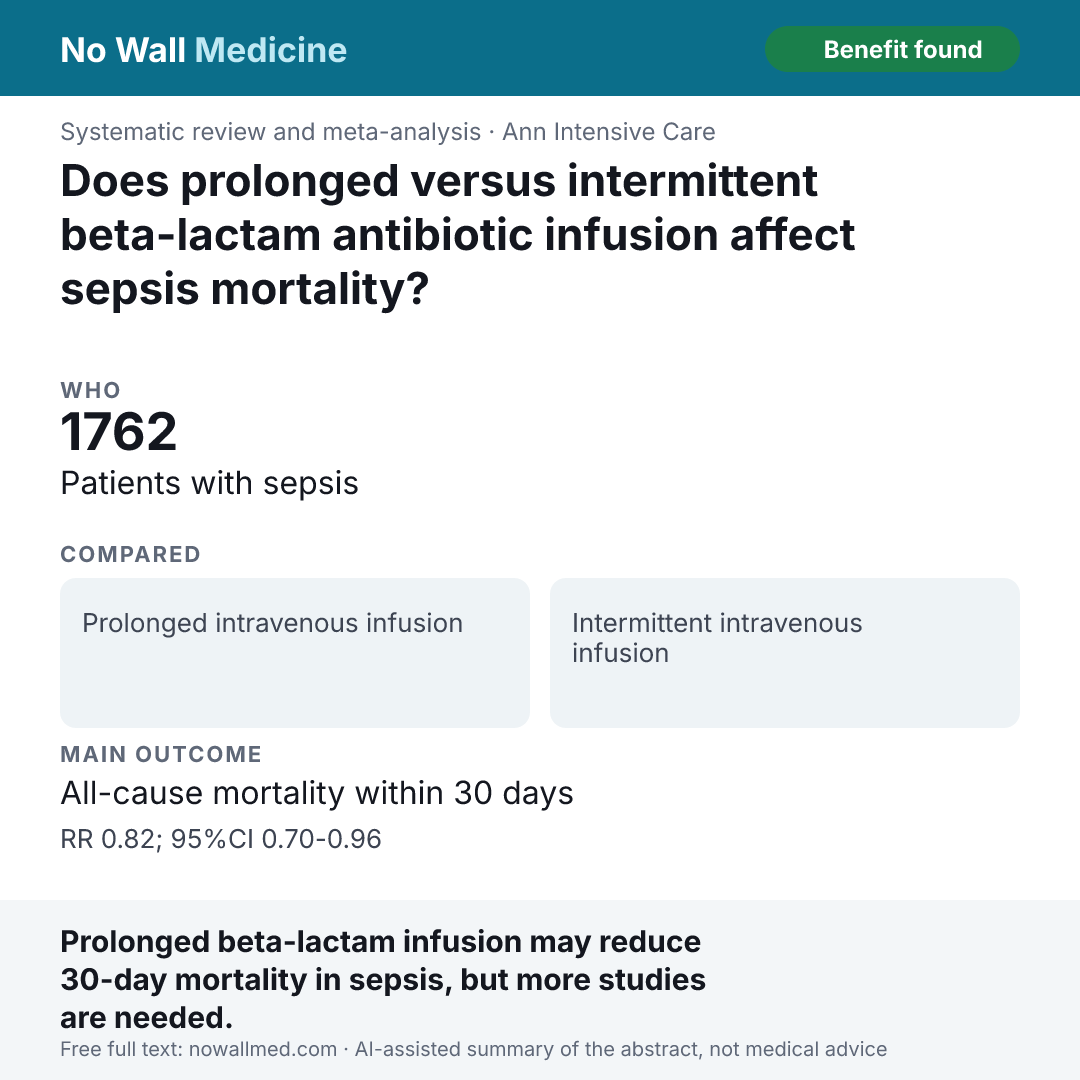
Prolonged vs intermittent intravenous infusion of β-lactam antibiotics for patients with sepsis: a systematic review of randomized clinical trials with meta-analysis and trial sequential analysis
Systematic review and meta-analysisBenefit found
Does prolonged versus intermittent beta-lactam antibiotic infusion affect sepsis mortality?
Who
1762
Patients with sepsis
Compared
Prolonged intravenous infusion
Intermittent intravenous infusion
Main outcome
All-cause mortality within 30 days
Result: RR 0.82; 95%CI 0.70-0.96
Bottom line: Prolonged beta-lactam infusion may reduce 30-day mortality in sepsis, but more studies are needed.
Limitation: Certainty of the evidence was rated as low and more studies are needed.
Ann Intensive Care · 2023-12-05 · Save PNG
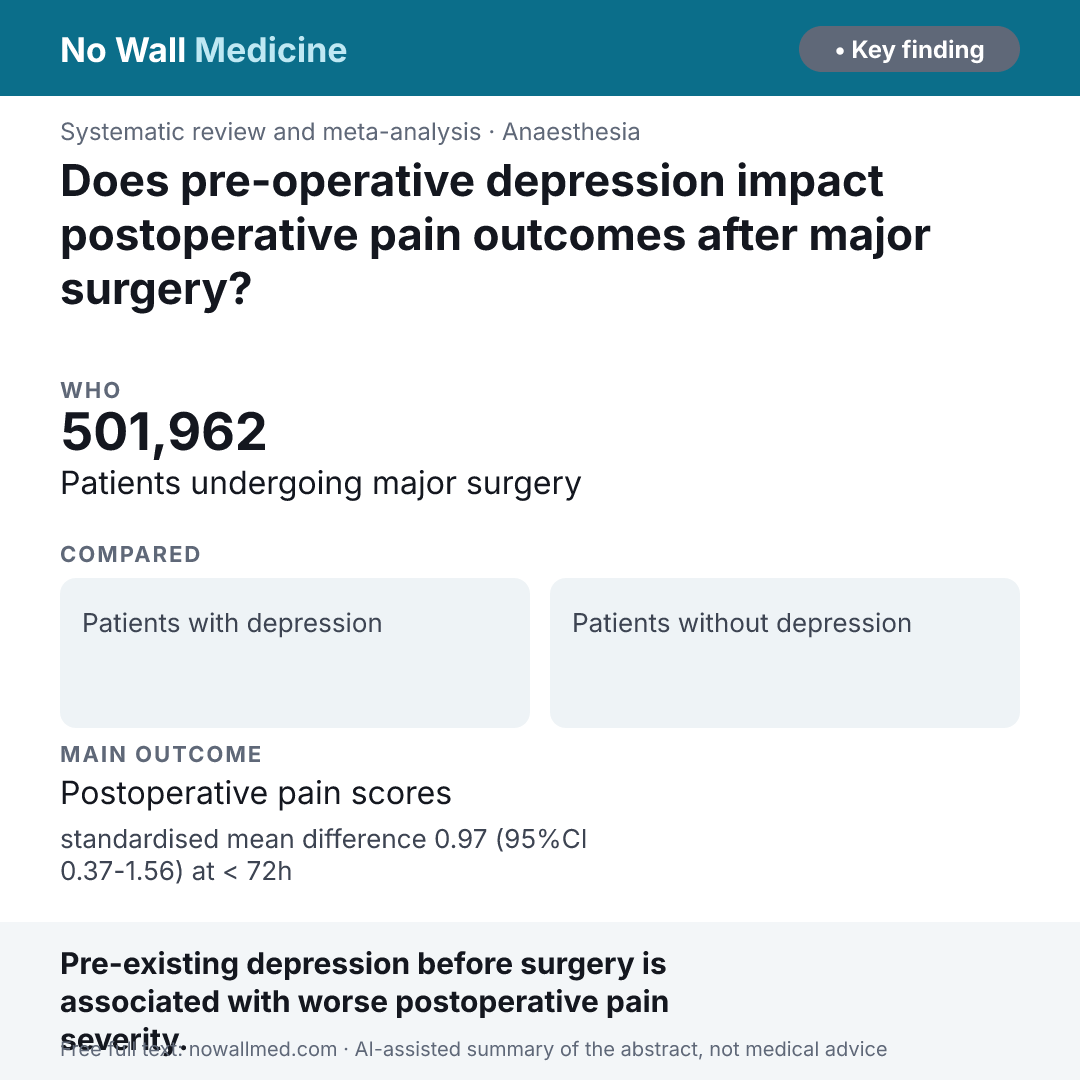
The impact of pre-operative depression on pain outcomes after major surgery: a systematic review and meta-analysis
Systematic review and meta-analysisKey finding
Does pre-operative depression impact postoperative pain outcomes after major surgery?
Who
501,962
Patients undergoing major surgery
Compared
Patients with depression
Patients without depression
Main outcome
Postoperative pain scores
Result: standardised mean difference 0.97 (95%CI 0.37-1.56) at < 72h
Bottom line: Pre-existing depression before surgery is associated with worse postoperative pain severity.
Anaesthesia · 2023-12-04 · Save PNG
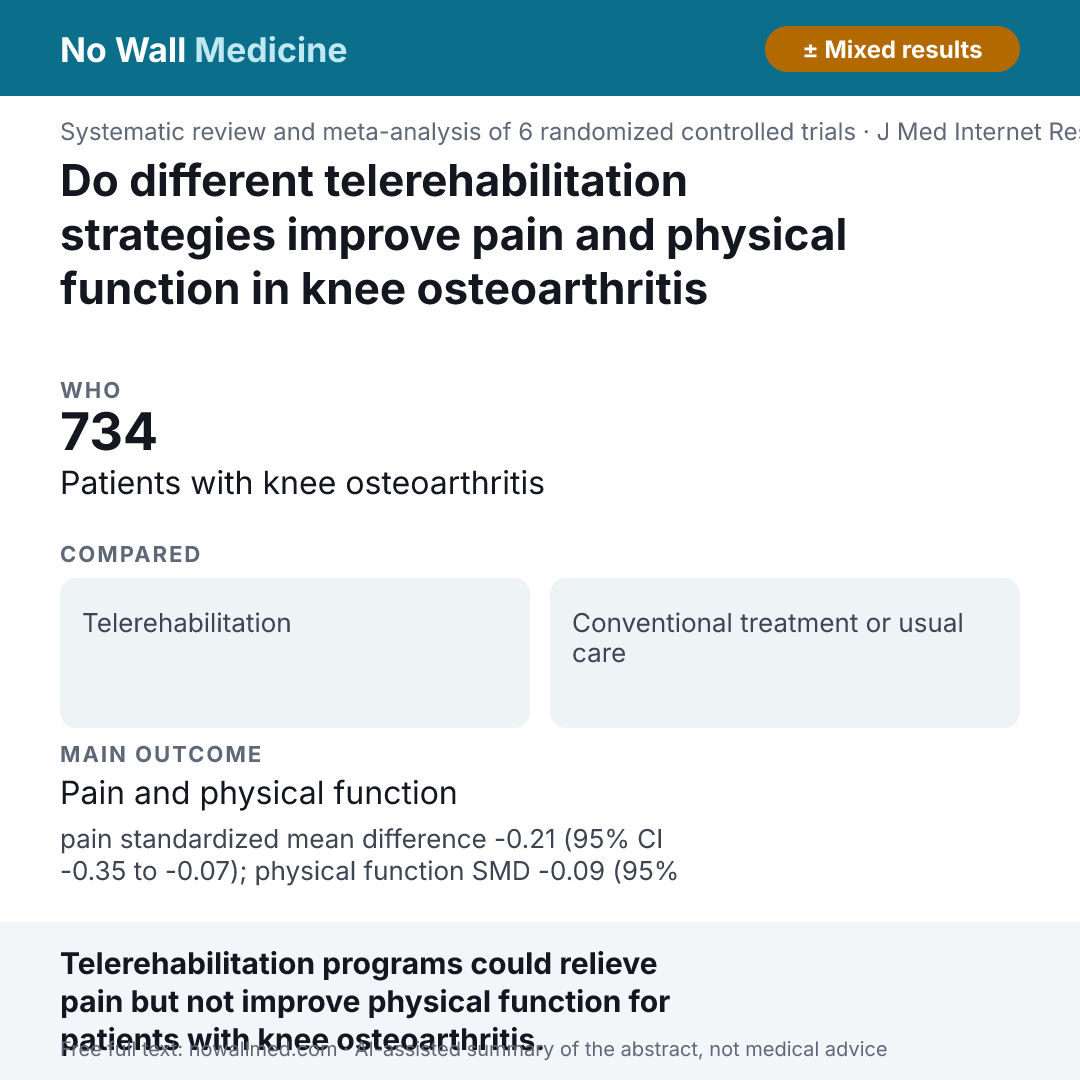
Effectiveness of Different Telerehabilitation Strategies on Pain and Physical Function in Patients With Knee Osteoarthritis: Systematic Review and Meta-Analysis
Systematic review and meta-analysis of 6 randomized controlled trialsMixed results
Do different telerehabilitation strategies improve pain and physical function in knee osteoarthritis patients?
Who
734
Patients with knee osteoarthritis
Compared
Telerehabilitation
Conventional treatment or usual care
Main outcome
Pain and physical function
Result: pain standardized mean difference -0.21 (95% CI -0.35 to -0.07); physical function SMD -0.09 (95% CI -0.25 to 0.06)
Bottom line: Telerehabilitation programs could relieve pain but not improve physical function for patients with knee osteoarthritis.
Limitation: Limited number of search results and eligible studies; more high-quality studies with large samples are needed.
J Med Internet Res · 2023-12-04 · Save PNG
Gut microbiome-associated predictors as biomarkers of response to advanced therapies in inflammatory bowel disease: a systematic review
Systematic reviewUnclear result
Microbiome predictors of IBD therapy response
Who
inflammatory bowel disease patients
Compared
responders
non-responders
Main outcome
response to therapy
Bottom line: Microbiome predictors may indicate therapy response
Gut Microbes · 2023-12-03 · Save PNG
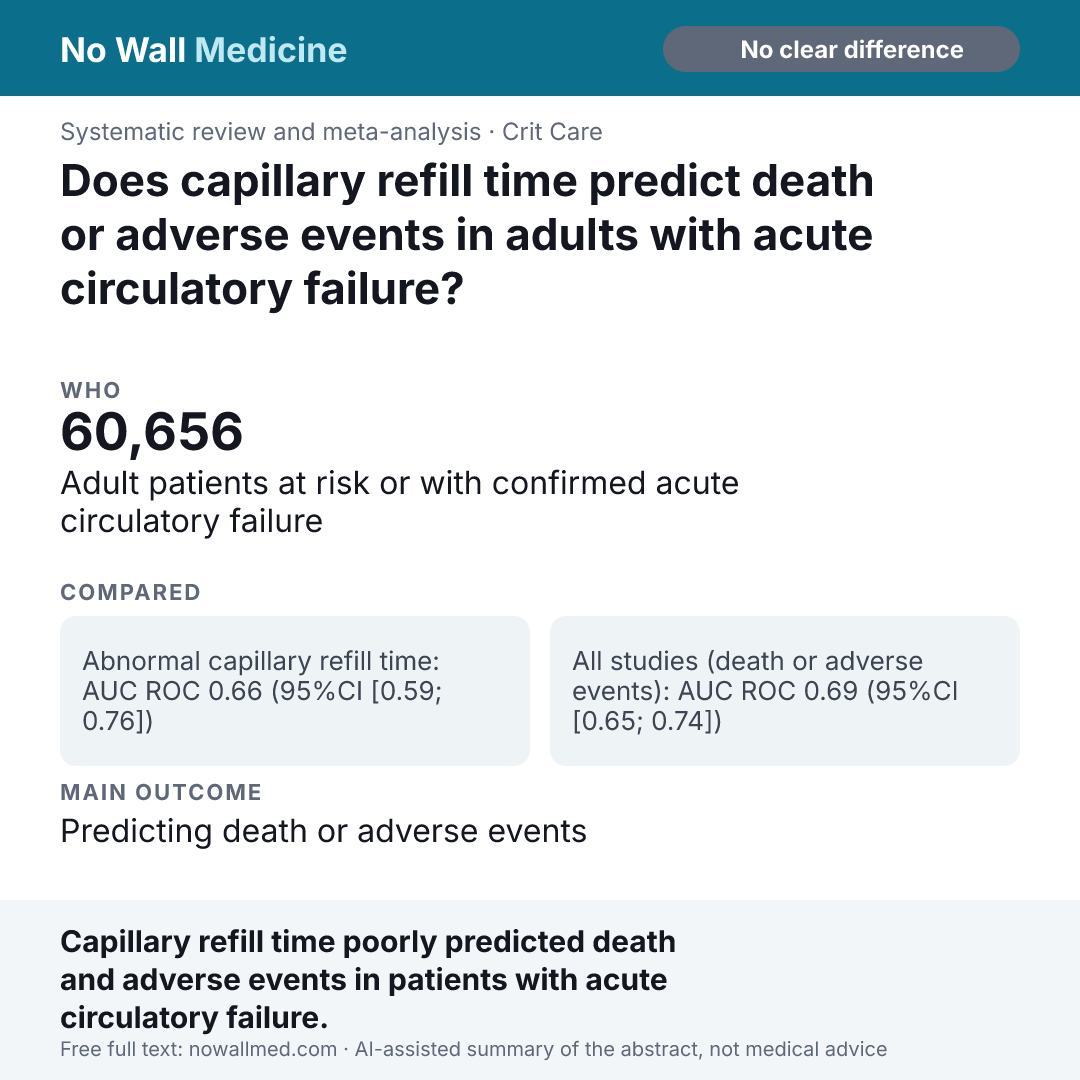
Prognostic value of capillary refill time in adult patients: a systematic review with meta-analysis
Systematic review and meta-analysisNo clear difference
Does capillary refill time predict death or adverse events in adults with acute circulatory failure?
Who
60,656
Adult patients at risk or with confirmed acute circulatory failure
Compared
Abnormal capillary refill time: AUC ROC 0.66 (95%CI [0.59; 0.76])
All studies (death or adverse events): AUC ROC 0.69 (95%CI [0.65; 0.74])
Main outcome
Predicting death or adverse events
Result: AUC ROC 0.66 (95%CI [0.59; 0.76])
Bottom line: Capillary refill time poorly predicted death and adverse events in patients with acute circulatory failure.
Crit Care · 2023-12-02 · Save PNG
Epley manoeuvre's efficacy for benign paroxysmal positional vertigo (BPPV) in primary-care and subspecialty settings: a systematic review and meta-analysis
Systematic review and meta-analysisBenefit found
Is the Epley manoeuvre effective for benign paroxysmal positional vertigo in different settings?
Who
Patients with posterior canal benign paroxysmal positional vertigo · Primary-care and subspecialty settings
Compared
Epley manoeuvre
Sham control
Main outcome
Disappearance of subjective symptoms, negative Dix-Hallpike test, and adverse events
Result: risk ratio 3.14 (95% CI 1.96-5.02) in primary-care for subjective symptoms
Bottom line: The Epley manoeuvre is effective for treating benign paroxysmal positional vertigo in both primary-care and subspecialty settings.
Limitation: Evidence exhibited uncertainty about negative findings in primary-care and adverse events in subspecialty settings.
BMC Prim Care · 2023-12-02 · Save PNG

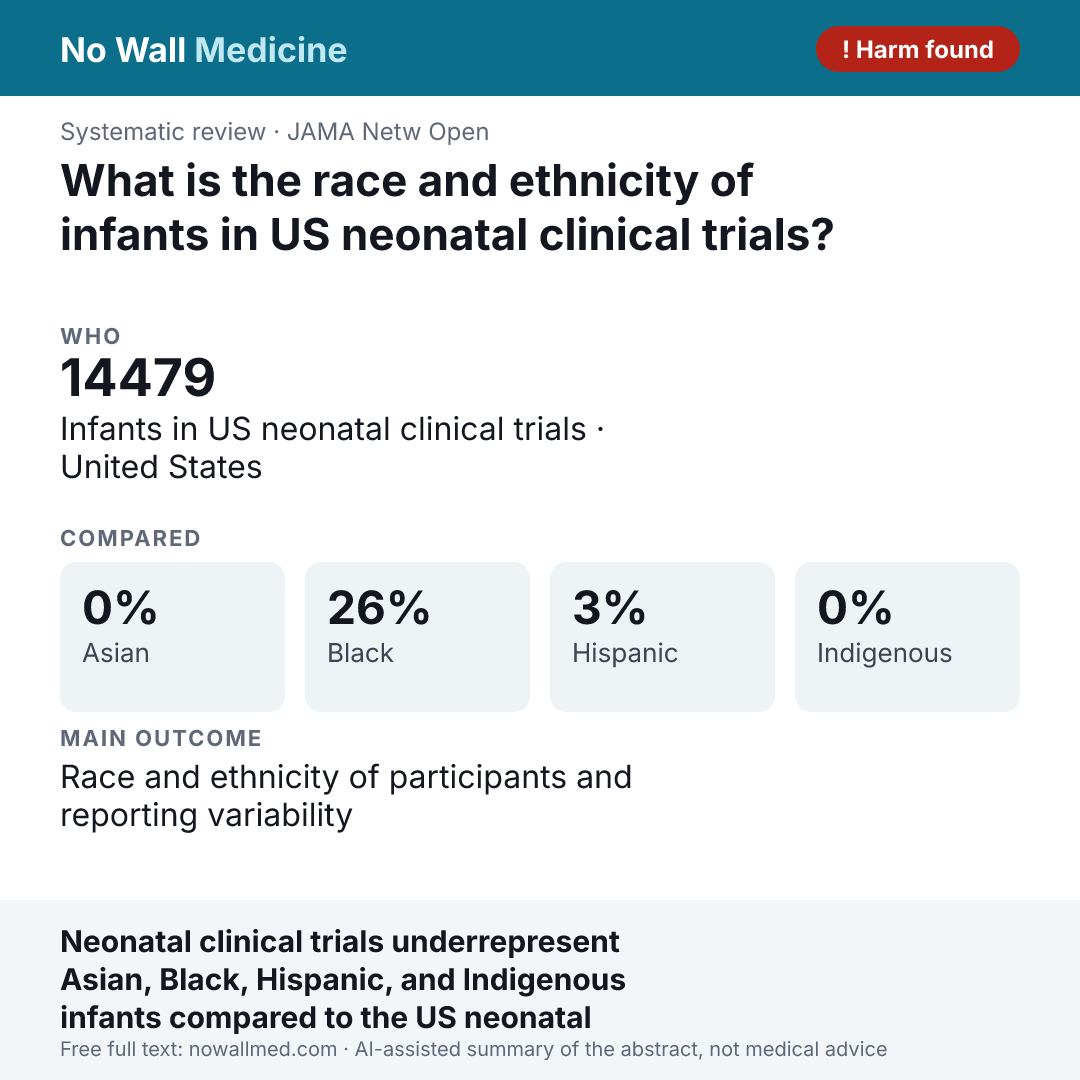
Race and Ethnicity of Infants Enrolled in Neonatal Clinical Trials: A Systematic Review
Systematic reviewHarm found
What is the race and ethnicity of infants in US neonatal clinical trials?
Who
14479
Infants in US neonatal clinical trials · United States
Compared
0%Asian (0%-1%)
26%Black (9%-42%)
3%Hispanic (0%-12%)
0%Indigenous (0%-0%)
Main outcome
Race and ethnicity of participants and reporting variability
Bottom line: Neonatal clinical trials underrepresent Asian, Black, Hispanic, and Indigenous infants compared to the US neonatal intensive care unit population.
JAMA Netw Open · 2023-12-01 · Save PNG
Screen Time and Autism Spectrum Disorder: A Systematic Review and Meta-Analysis
Systematic review and meta-analysisMixed results
Is there an association between screen time and autism spectrum disorder?
Who
562131
562131 participants
Compared
High screen time
Low screen time
Main outcome
Autism spectrum disorder diagnosis or symptoms
Result: log OR, 0.54 (95% CI, 0.34 to 0.74)
Bottom line: The association between screen use and autism spectrum disorder is not sufficiently supported in existing literature.
Limitation: The correlational nature of the available research and significant publication bias.
JAMA Netw Open · 2023-12-01 · Save PNG

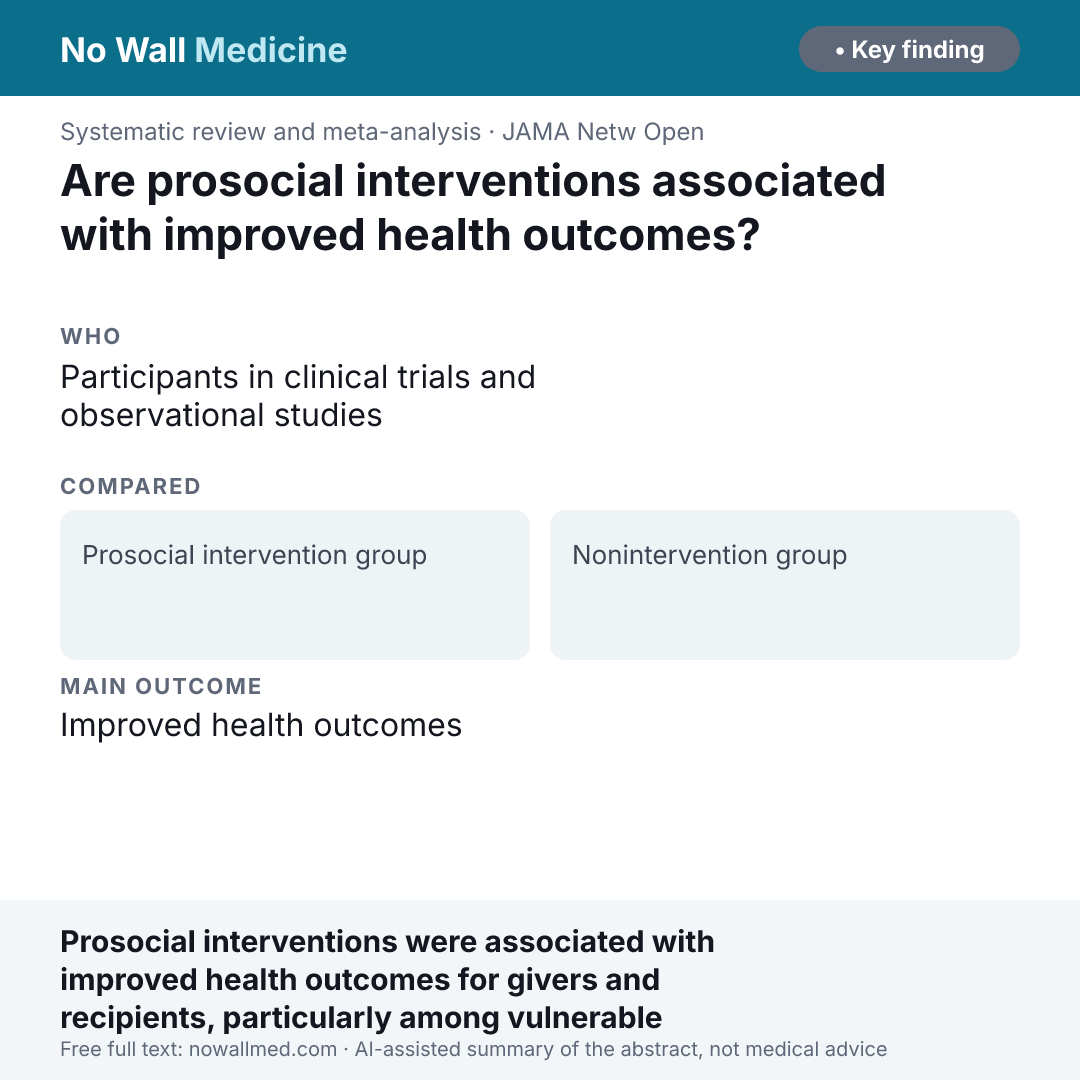
Prosocial Interventions and Health Outcomes: A Systematic Review and Meta-Analysis
Systematic review and meta-analysisKey finding
Are prosocial interventions associated with improved health outcomes?
Who
Participants in clinical trials and observational studies
Compared
Prosocial intervention group
Nonintervention group
Main outcome
Improved health outcomes
Bottom line: Prosocial interventions were associated with improved health outcomes for givers and recipients, particularly among vulnerable groups.
JAMA Netw Open · 2023-12-01 · Save PNG
Nature-Based Interventions for Autistic Children: A Systematic Review and Meta-Analysis
Systematic review and meta-analysisBenefit found
What are the health-related outcomes of nature-based interventions for children with autism spectrum disorder?
Who
717
Children with autism spectrum disorder
Compared
Nature-based interventions
Control
Main outcome
Social, behavioral, emotional, and sensory functioning
Result: standardized mean difference -0.59 (95% CI, -0.85 to -0.34) for social communication
Bottom line: Nature-based interventions show positive short-term outcomes on sensory, social, and behavioral functioning for children with autism spectrum disorder.
JAMA Netw Open · 2023-12-01 · Save PNG

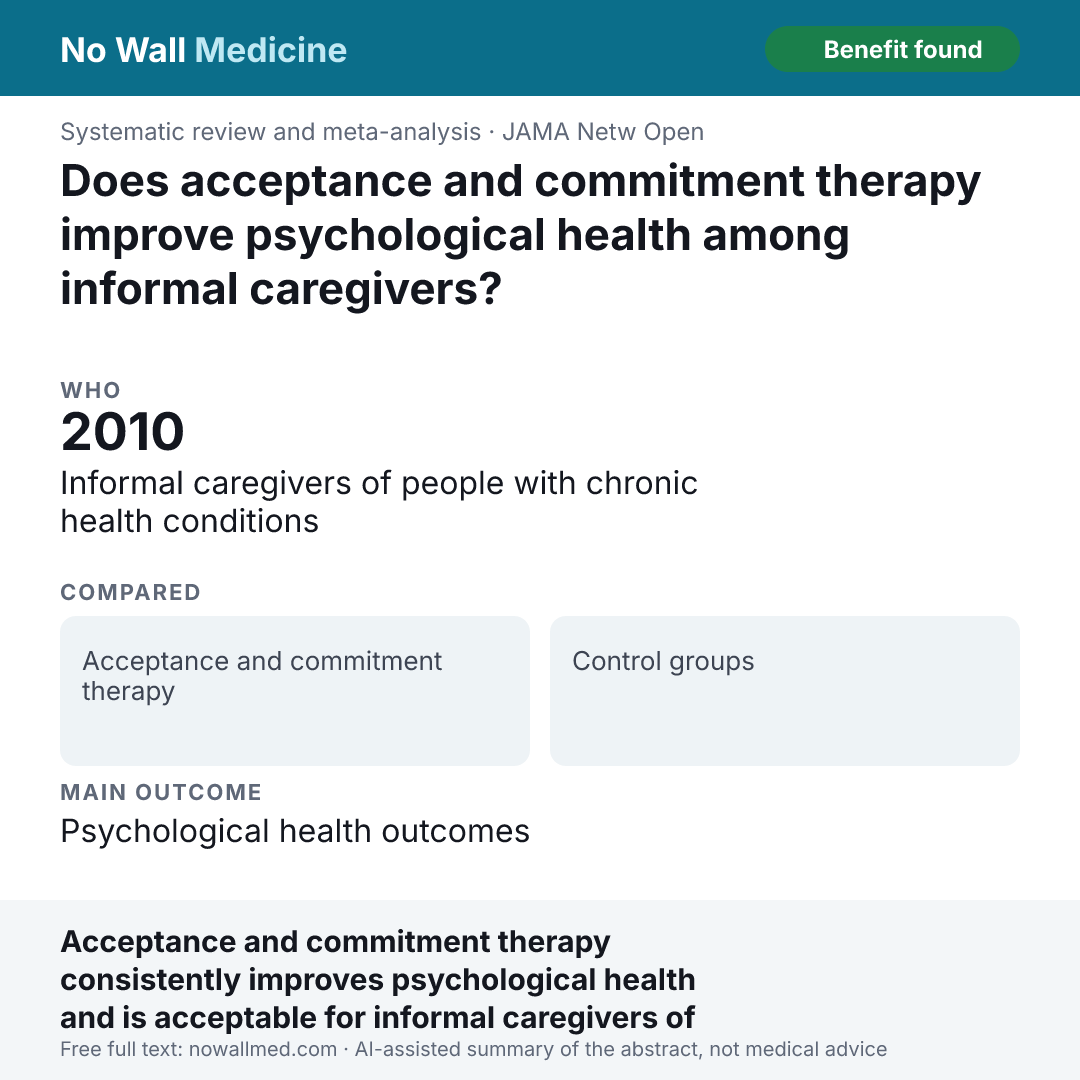
Acceptance and Commitment Therapy Among Informal Caregivers of People With Chronic Health Conditions: A Systematic Review and Meta-Analysis
Systematic review and meta-analysisBenefit found
Does acceptance and commitment therapy improve psychological health among informal caregivers?
Who
2010
Informal caregivers of people with chronic health conditions
Compared
Acceptance and commitment therapy
Control groups
Main outcome
Psychological health outcomes
Result: Hedges g range, -0.55 (95% CI, -0.98 to -0.12) to -1.14 (95% CI, -1.83 to -0.45)
Bottom line: Acceptance and commitment therapy consistently improves psychological health and is acceptable for informal caregivers of people with chronic conditions.
JAMA Netw Open · 2023-12-01 · Save PNG
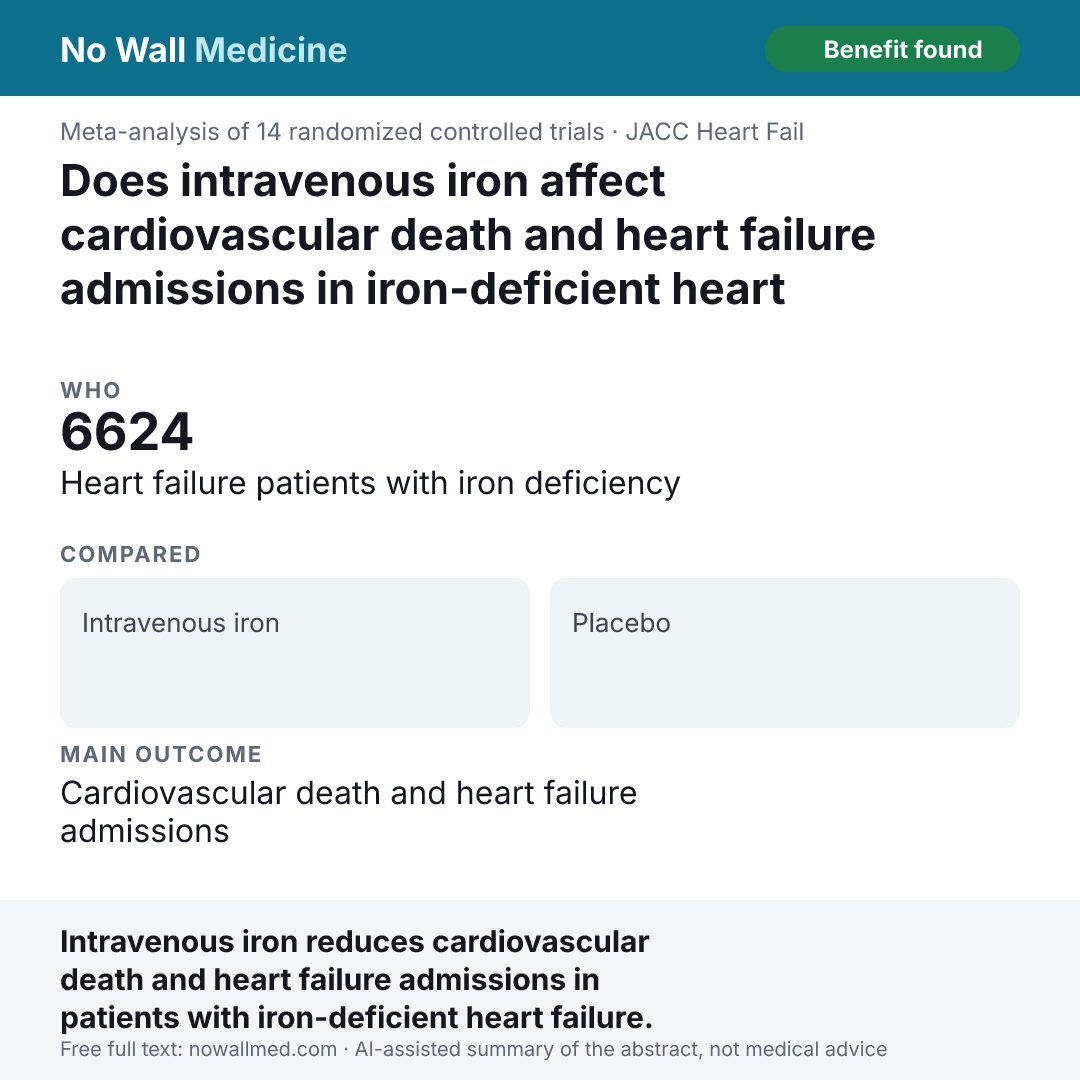
Meta-Analysis and Metaregression of the Treatment Effect of Intravenous Iron in Iron-Deficient Heart Failure
Meta-analysis of 14 randomized controlled trialsBenefit found
Does intravenous iron affect cardiovascular death and heart failure admissions in iron-deficient heart failure patients?
Who
6624
Heart failure patients with iron deficiency
Compared
Intravenous iron
Placebo
Main outcome
Cardiovascular death and heart failure admissions
Result: OR 0.838 (95% CI 0.751 to 0.936) for combined cardiovascular death and heart failure admission
Bottom line: Intravenous iron reduces cardiovascular death and heart failure admissions in patients with iron-deficient heart failure.
JACC Heart Fail · 2023-12-01 · Save PNG
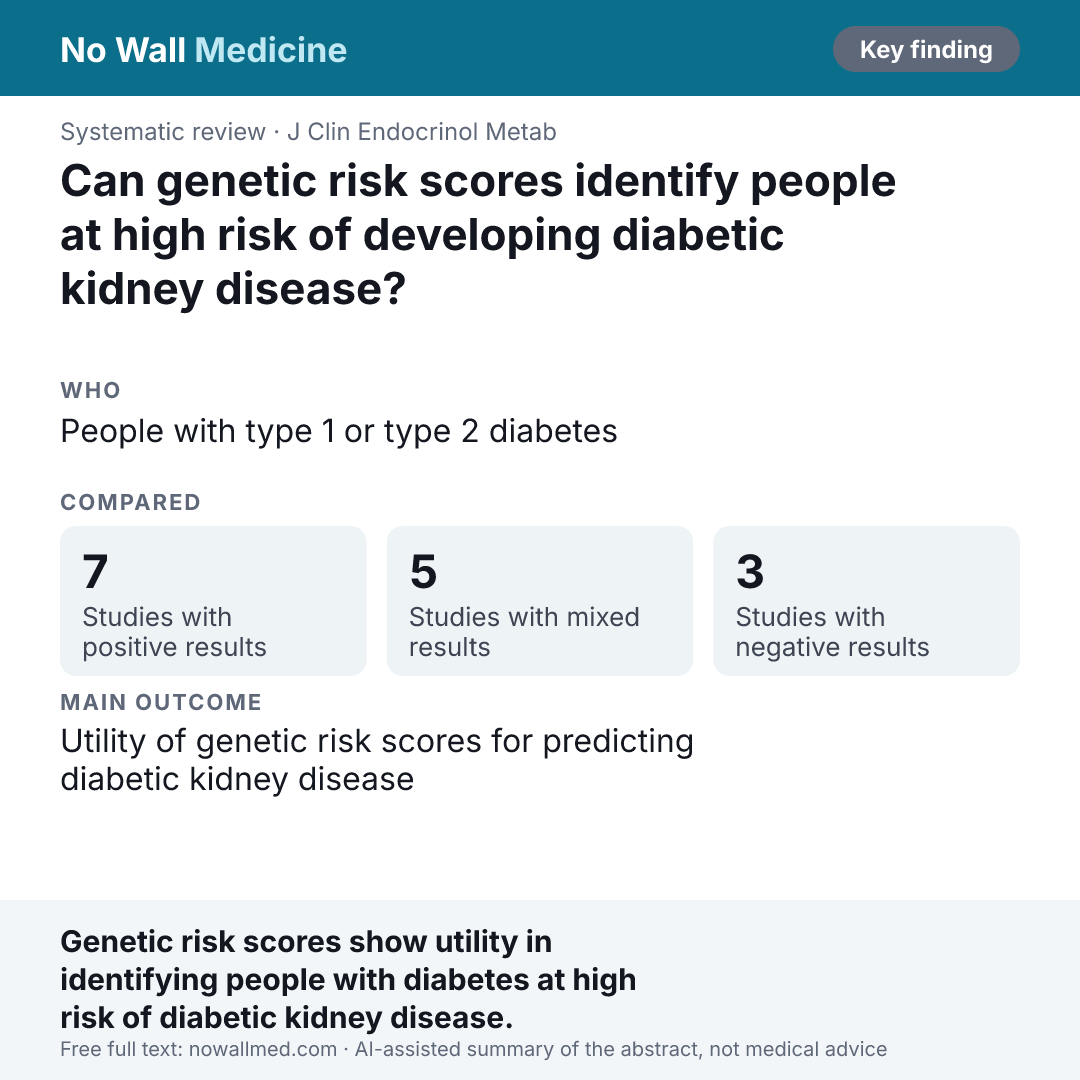
Genetic Risk Scores Identify People at High Risk of Developing Diabetic Kidney Disease: A Systematic Review
Systematic reviewKey finding
Can genetic risk scores identify people at high risk of developing diabetic kidney disease?
Who
People with type 1 or type 2 diabetes
Compared
7Studies with positive results
5Studies with mixed results
3Studies with negative results
Main outcome
Utility of genetic risk scores for predicting diabetic kidney disease
Bottom line: Genetic risk scores show utility in identifying people with diabetes at high risk of diabetic kidney disease.
J Clin Endocrinol Metab · 2023-12-01 · Save PNG