Visual abstracts
New randomized trials and meta-analyses from leading journals at a glance: who was studied, what was compared, and what was found. Every paper is free to read in full.
All specialtiesCardiology 4877Oncology 4138Gastroenterology & Hepatology 1942Infectious Disease 3837Neurology 1905Psychiatry & Mental Health 2273Pulmonology 2143Critical Care 1365Endocrinology & Diabetes 2580Pediatrics 2980Surgery 2559Orthopedics & Sports Medicine 931Neurosurgery 537Cardiothoracic & Vascular Surgery 674Plastic & Reconstructive Surgery 591Nephrology 1133Rheumatology 823Hematology 1109Dermatology 621Ophthalmology 543Obstetrics & Gynecology 1686Public & Global Health 1058Radiology & Imaging 648Anesthesiology 986Urology 764ENT (Otolaryngology) 503Emergency Medicine 511Allergy & Immunology 313Geriatrics 981Family Medicine & Primary Care 562Medical Genetics & Genomics 676Pathology & Laboratory Medicine 159Physical Medicine & Rehabilitation 757Palliative Care 444Nutrition 1588Digital Health & AI 2201General Medicine 321
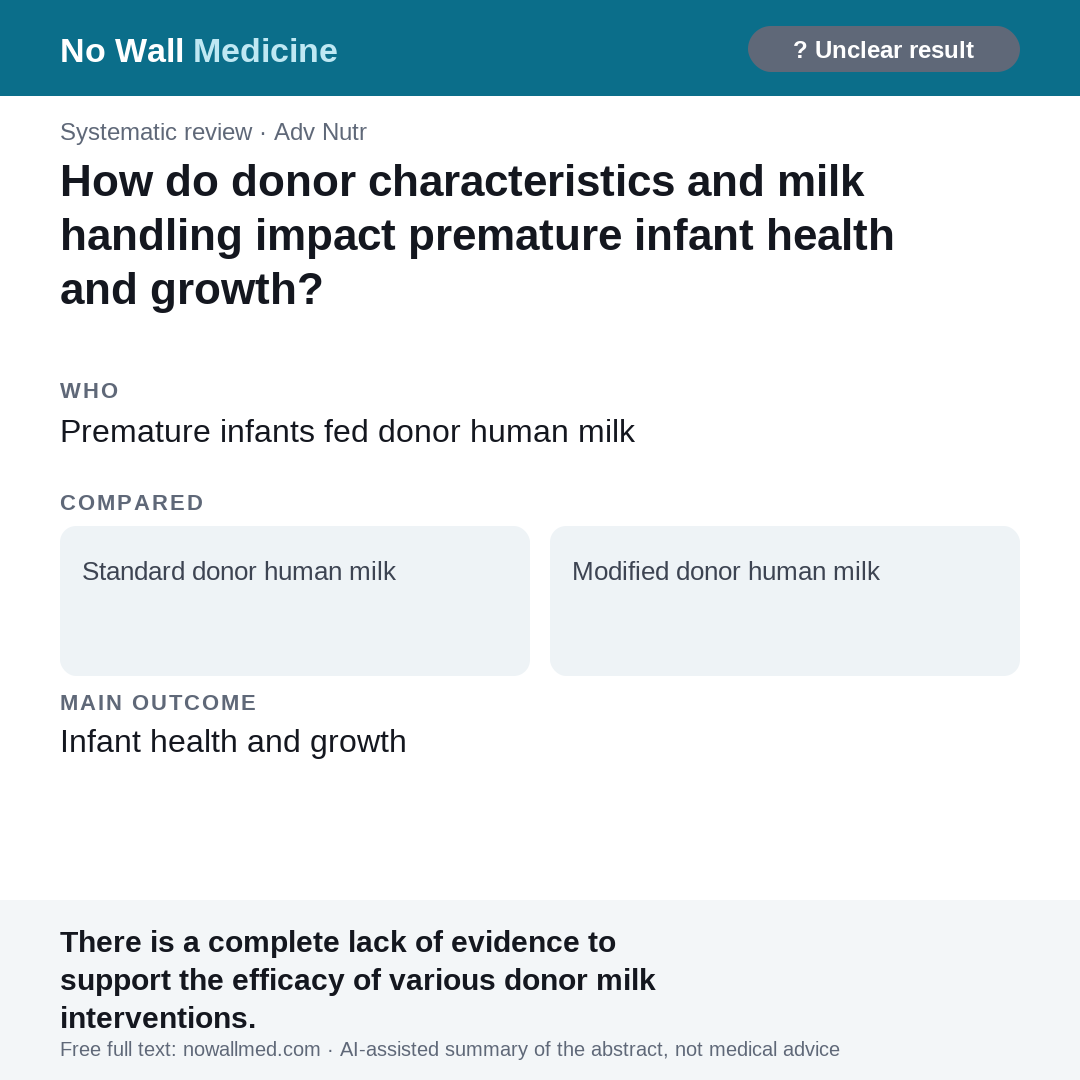
A Systematic Review on the Impact of Donor Characteristics and Donor Milk Handling on Infant Health and Growth
Systematic reviewUnclear result
How do donor characteristics and milk handling impact premature infant health and growth?
Who
Premature infants fed donor human milk
Compared
Standard donor human milk
Modified donor human milk
Main outcome
Infant health and growth
Bottom line: There is a complete lack of evidence to support the efficacy of various donor milk interventions.
Adv Nutr · 2026-02-19Download image
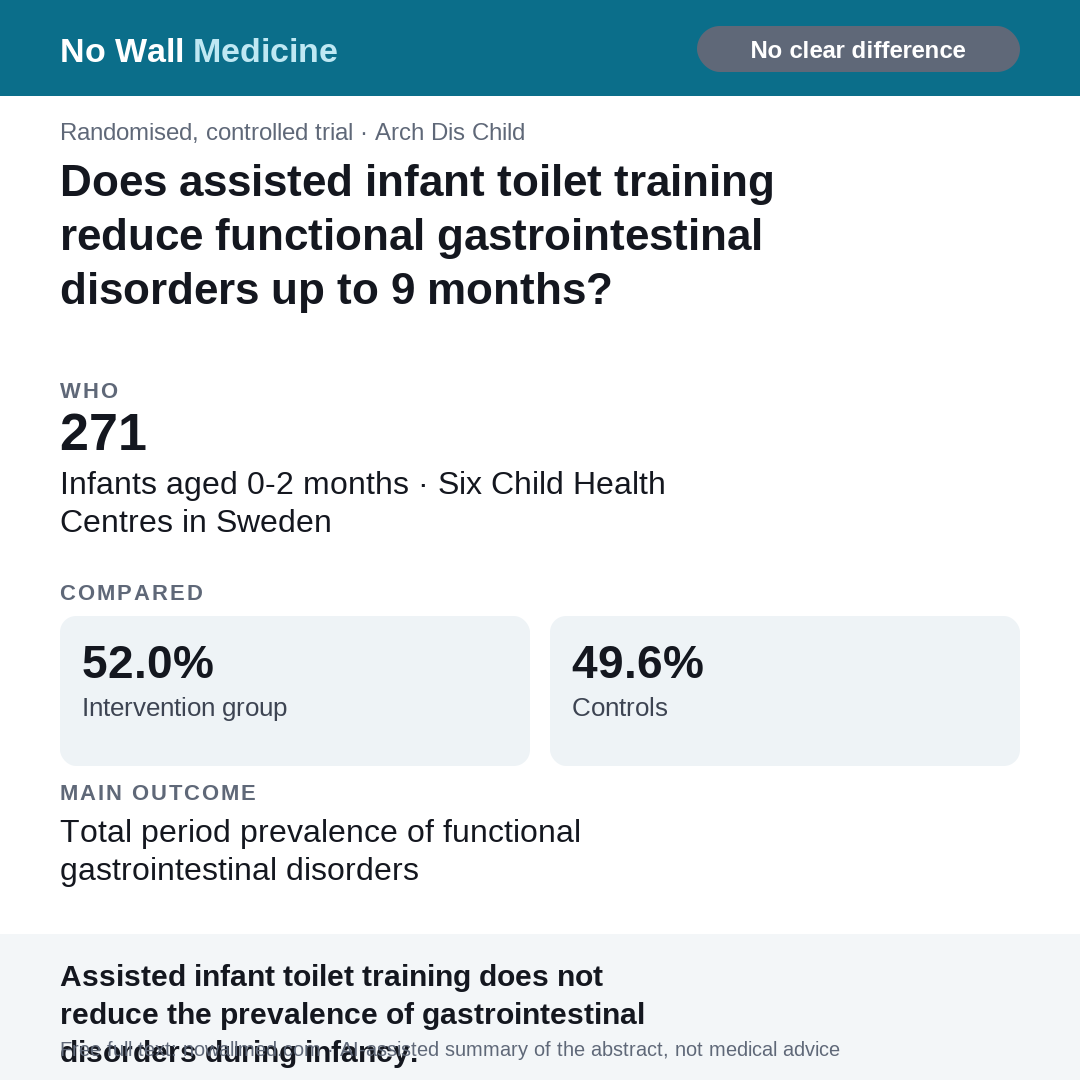
Assisted infant toilet training and the prevalence of functional gastrointestinal disorders up to the age of 9 months: a randomised, controlled trial
Randomised, controlled trialNo clear difference
Does assisted infant toilet training reduce functional gastrointestinal disorders up to 9 months?
Who
271
Infants aged 0-2 months · Six Child Health Centres in Sweden
Compared
52.0%Intervention group
49.6%Controls
Main outcome
Total period prevalence of functional gastrointestinal disorders
Result: difference 2.4% (95% CI -9.8 to 14.7)
Bottom line: Assisted infant toilet training does not reduce the prevalence of gastrointestinal disorders during infancy.
Arch Dis Child · 2026-02-19Download image
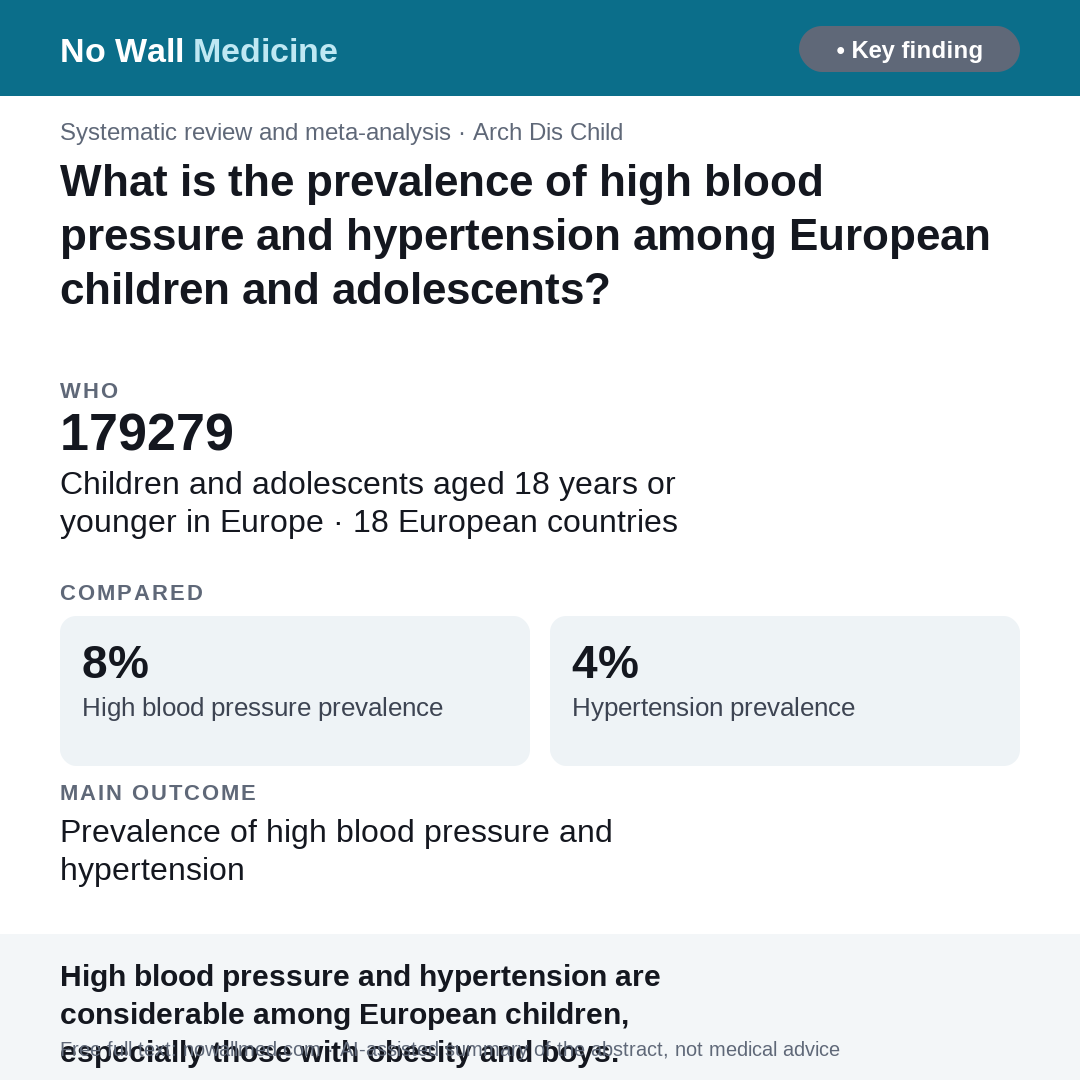
Prevalence of high blood pressure and hypertension among children and adolescents in Europe: a systematic review and meta-analysis
Systematic review and meta-analysisBenefit found
What is the prevalence of high blood pressure and hypertension among European children and adolescents?
Who
179279
Children and adolescents aged 18 years or younger in Europe · 18 European countries
Compared
8%High blood pressure prevalence (95% CI 7% to 10%)
4%Hypertension prevalence (95% CI 3% to 5%)
Main outcome
Prevalence of high blood pressure and hypertension
Bottom line: High blood pressure and hypertension are considerable among European children, especially those with obesity and boys.
Limitation: Moderate or high risk of bias and variability in blood pressure measurement methods.
Arch Dis Child · 2026-02-19Download image
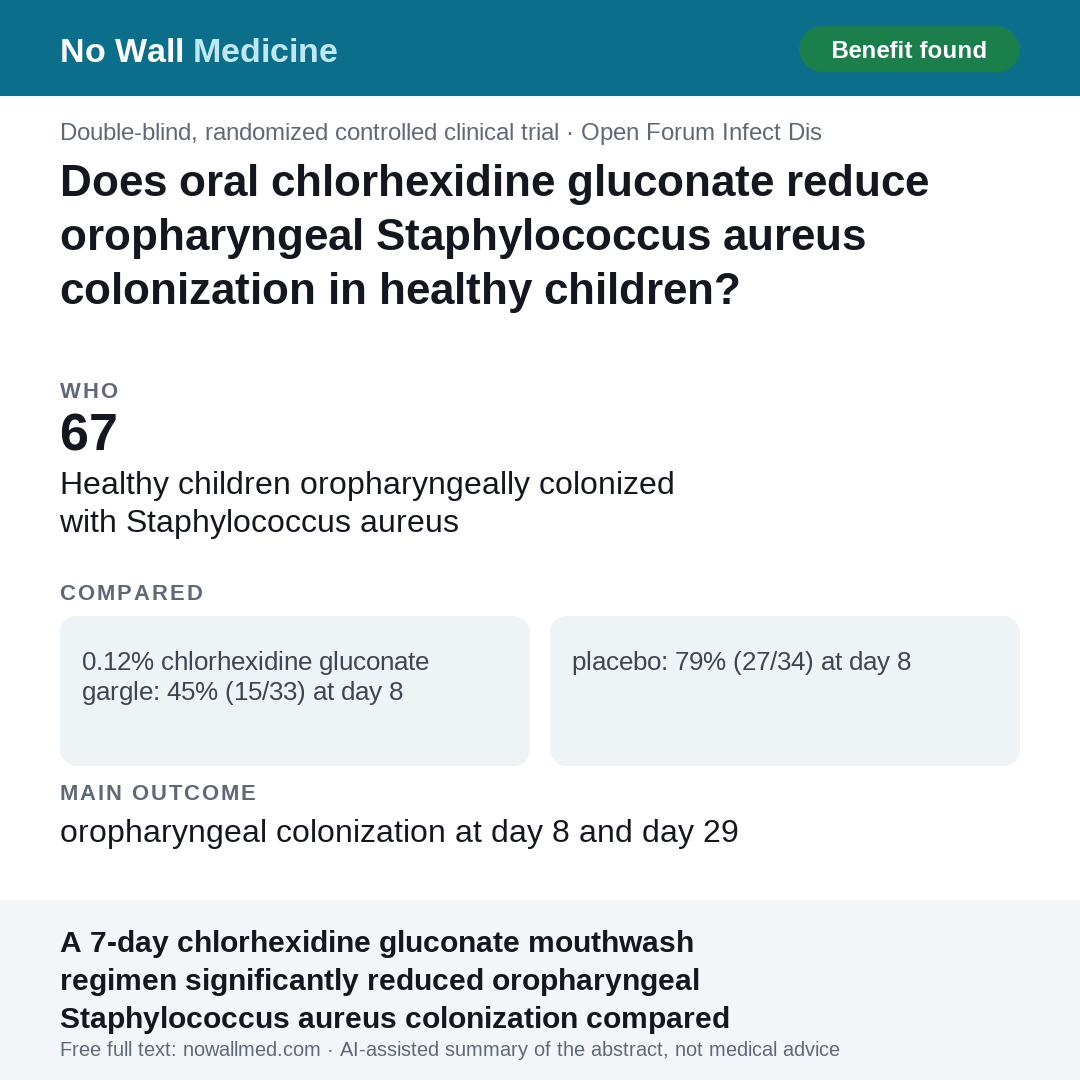
A Double-blind Randomized Trial of Oral Chlorhexidine Gluconate for Treatment of Oral Staphylococcus aureus Colonization in Healthy Children
Double-blind, randomized controlled clinical trialBenefit found
Does oral chlorhexidine gluconate reduce oropharyngeal Staphylococcus aureus colonization in healthy children?
Who
67
Healthy children oropharyngeally colonized with Staphylococcus aureus
Compared
0.12% chlorhexidine gluconate gargle: 45% (15/33) at day 8
placebo: 79% (27/34) at day 8
Main outcome
oropharyngeal colonization at day 8 and day 29
Bottom line: A 7-day chlorhexidine gluconate mouthwash regimen significantly reduced oropharyngeal Staphylococcus aureus colonization compared with placebo.
Open Forum Infect Dis · 2026-02-18Download image
The decline of child stunting in 122 countries: a systematic review of child growth studies since the 19th century
Systematic reviewBenefit found
What were the historical rates of child stunting across 122 countries?
Who
Children up to age 10.99 years · 122 countries
Compared
Early 20th century
47.2%1985
22.3%2022
Main outcome
Child stunting rates
Bottom line: Child stunting rates were substantially higher in the early 20th century and declined throughout the 20th century.
BMJ Glob Health · 2026-02-18Download image

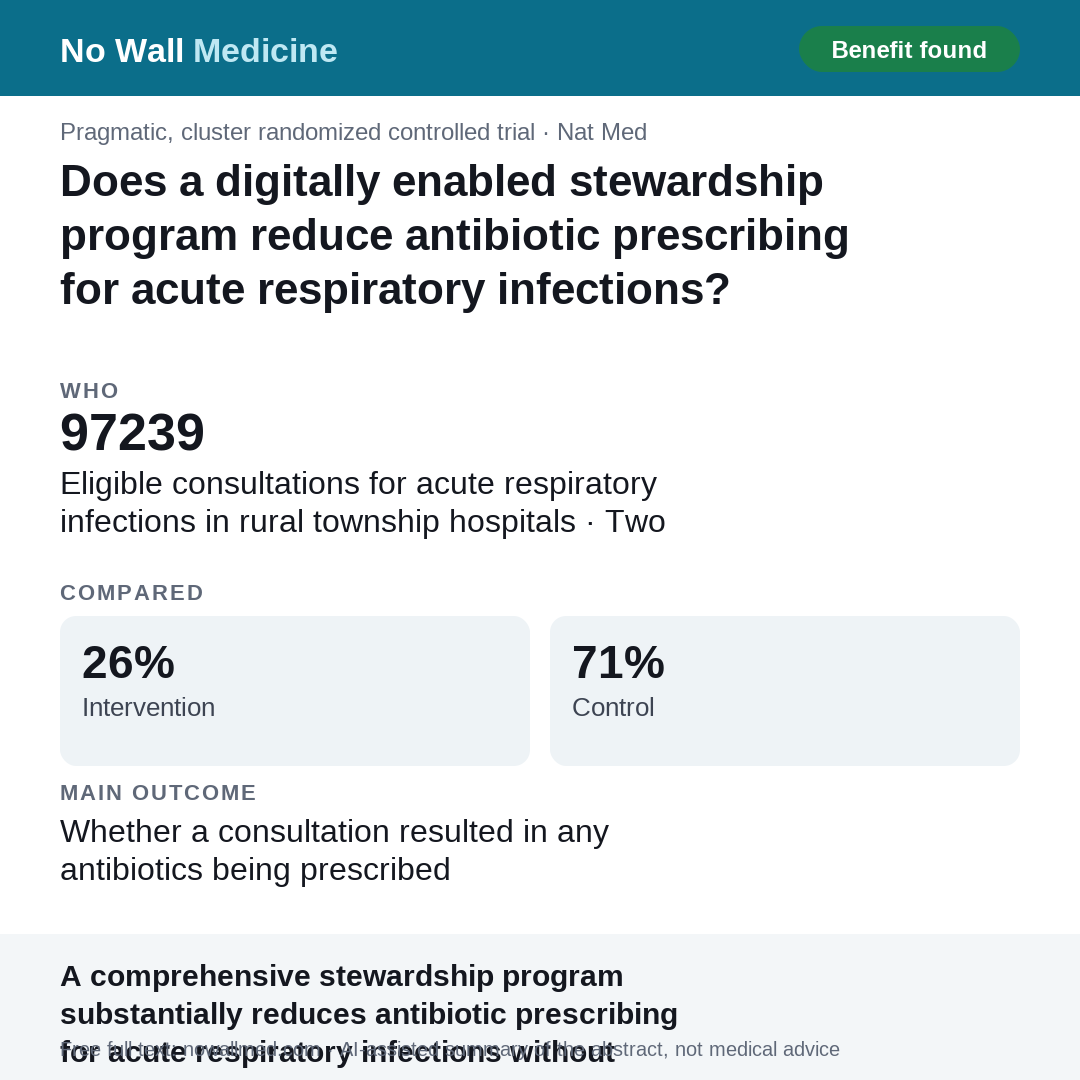
Effects of a comprehensive antibiotic stewardship program on antibiotic prescribing for acute respiratory infections in rural facilities: a cluster randomized trial
Pragmatic, cluster randomized controlled trialBenefit found
Does a digitally enabled stewardship program reduce antibiotic prescribing for acute respiratory infections?
Who
97239
Eligible consultations for acute respiratory infections in rural township hospitals · Two rural counties in Guangdong, China
Compared
26%Intervention (14,521/54,799)
71%Control (30,340/42,440)
Main outcome
Whether a consultation resulted in any antibiotics being prescribed
Result: adjusted risk difference of -39 percentage points (95% confidence interval: -47 to -29)
Bottom line: A comprehensive stewardship program substantially reduces antibiotic prescribing for acute respiratory infections without compromising patient safety.
Nat Med · 2026-02-17Download image
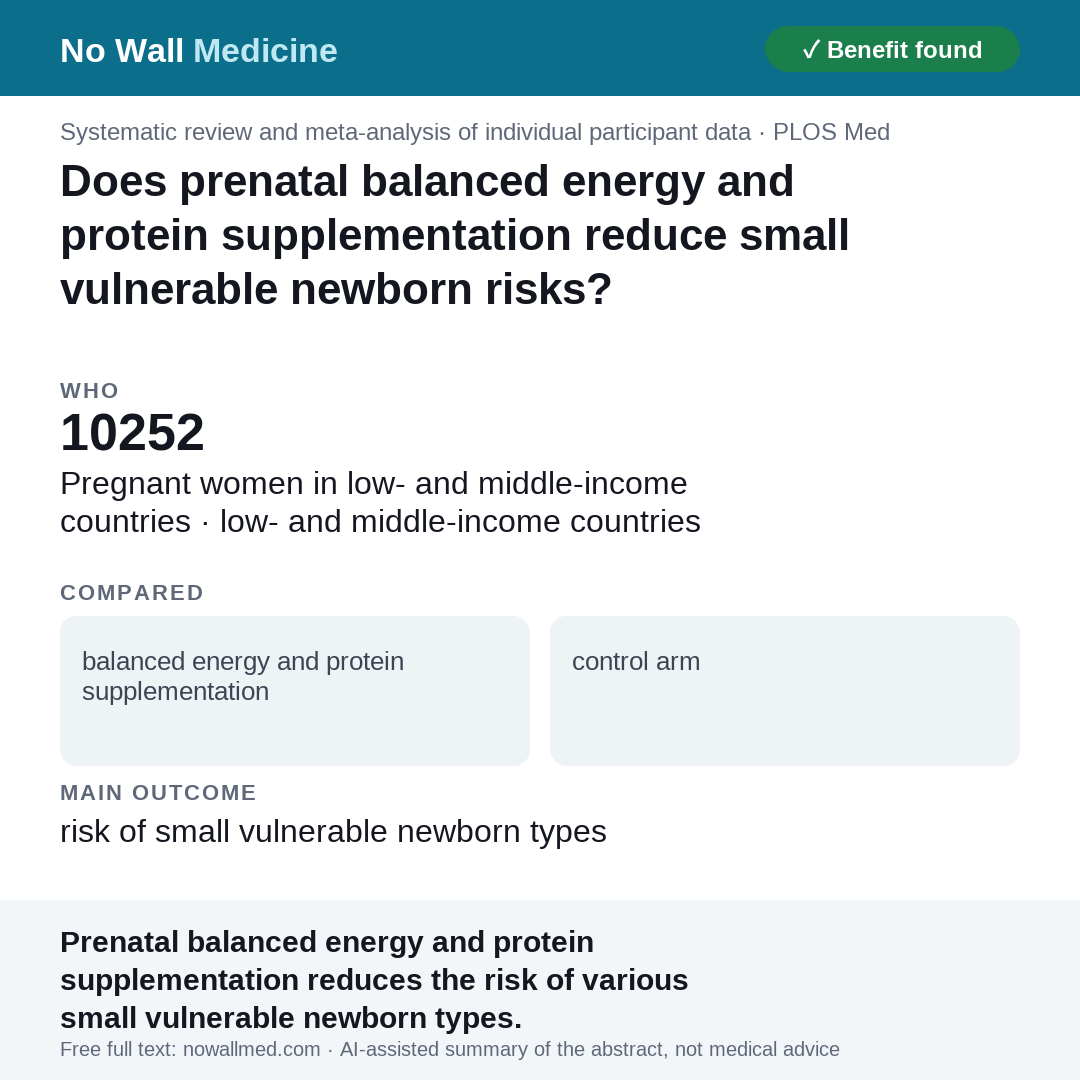
The effect of prenatal balanced energy and protein supplementation on small vulnerable newborn types in low- and middle-income countries: A systematic review and meta-analysis of individual participant data
Systematic review and meta-analysis of individual participant dataBenefit found
Does prenatal balanced energy and protein supplementation reduce small vulnerable newborn risks?
Who
10252
Pregnant women in low- and middle-income countries · low- and middle-income countries
Compared
balanced energy and protein supplementation
control arm
Main outcome
risk of small vulnerable newborn types
Result: risk ratio 0.69 (95% CI 0.52 to 0.91) for preterm-small for gestational age
Bottom line: Prenatal balanced energy and protein supplementation reduces the risk of various small vulnerable newborn types.
Limitation: absence of some balanced energy and protein trials and small event numbers for some types
PLOS Med · 2026-02-17Download image
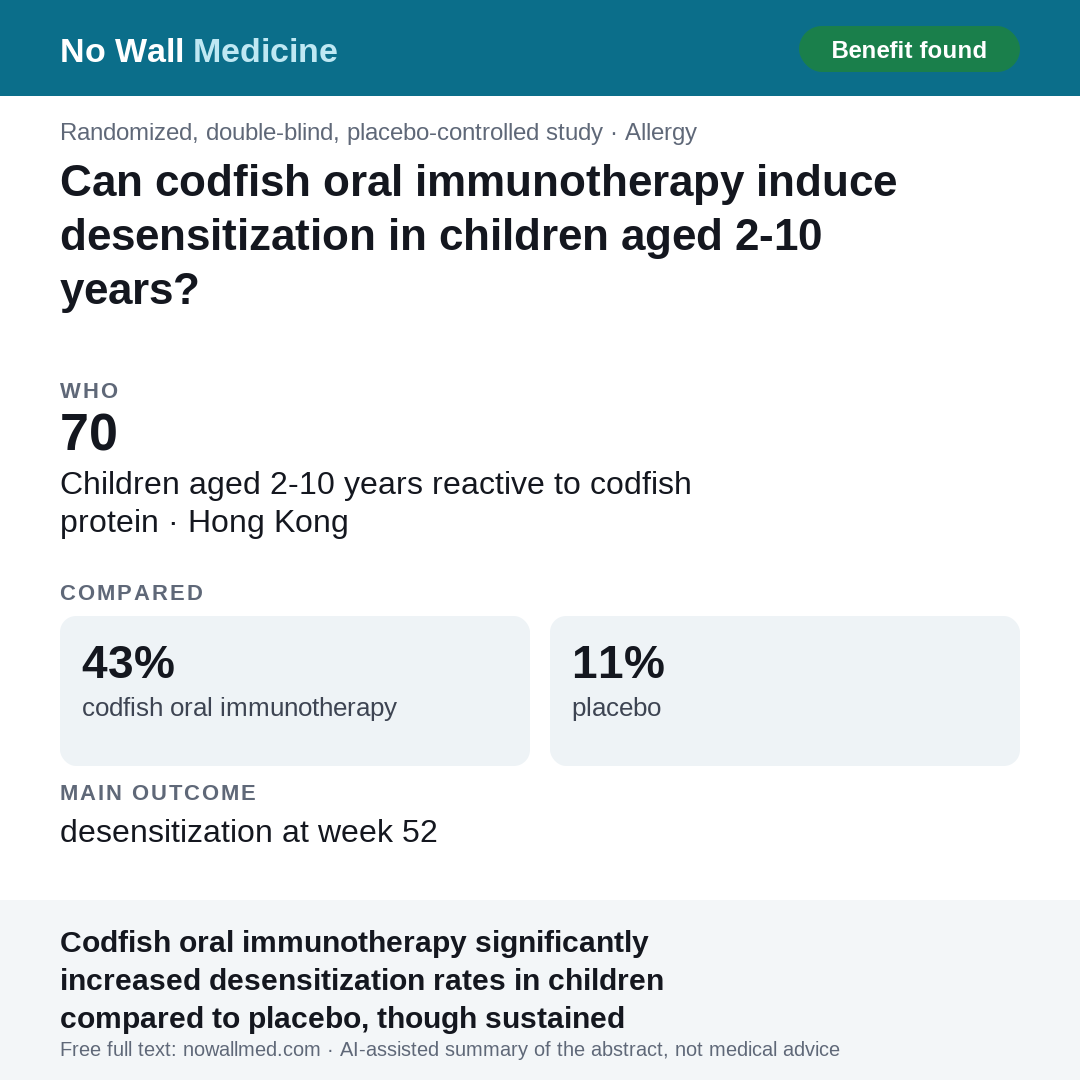
Codfish Oral Immunotherapy in Children Aged 2-10: Randomized Placebo-Controlled Study
Randomized, double-blind, placebo-controlled studyBenefit found
Can codfish oral immunotherapy induce desensitization in children aged 2-10 years?
Who
70
Children aged 2-10 years reactive to codfish protein · Hong Kong
Compared
43%codfish oral immunotherapy (15/35)
11%placebo (4/35)
Main outcome
desensitization at week 52
Result: risk difference 32%, 95% CI 9%-51%
Bottom line: Codfish oral immunotherapy significantly increased desensitization rates in children compared to placebo, though sustained unresponsiveness remained limited.
Limitation: sustained unresponsiveness remained limited
Allergy · 2026-02-17Download image
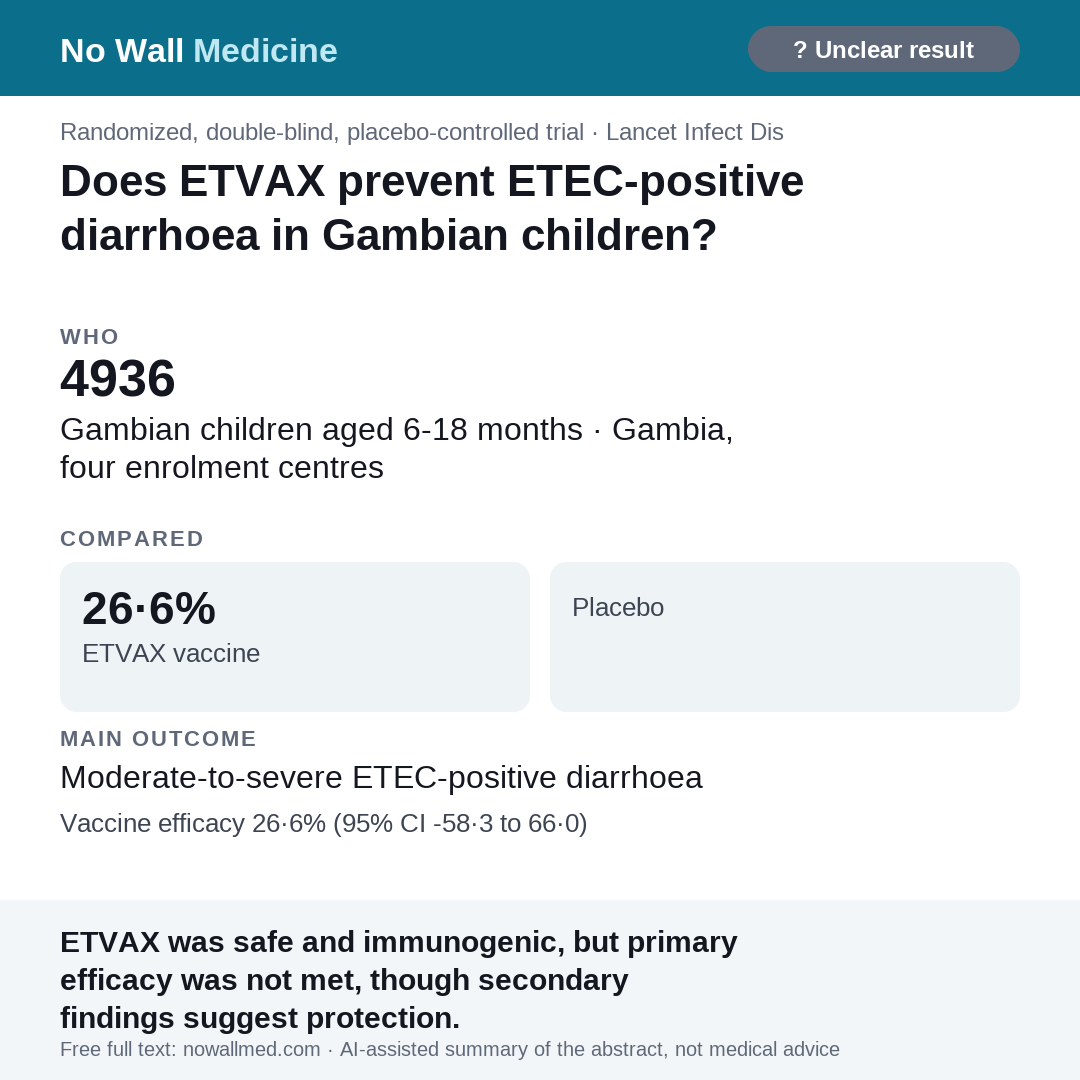
Efficacy of ETVAX, a vaccine against enterotoxigenic Escherichia coli-positive diarrhoea in Gambian children: a double-blind, randomised, placebo-controlled, phase 2b trial
Double-blind, placebo-controlled, phase 2b trialMixed results
Is ETVAX effective against enterotoxigenic Escherichia coli-positive diarrhoea in Gambian children?
Who
4936
Gambian children aged 6-18 months · Four enrolment centres in Gambia
Compared
ETVAX
placebo
Main outcome
Vaccine efficacy against moderate-to-severe enterotoxigenic Escherichia coli-positive diarrhoea
Result: 26·6% (95% CI -58·3 to 66·0)
Bottom line: ETVAX was safe and immunogenic, but the primary efficacy endpoint was not met despite promising secondary findings.
Funded by: European & Developing Countries Clinical Trials Partnership
Lancet Infect Dis · 2026-02-16Download image
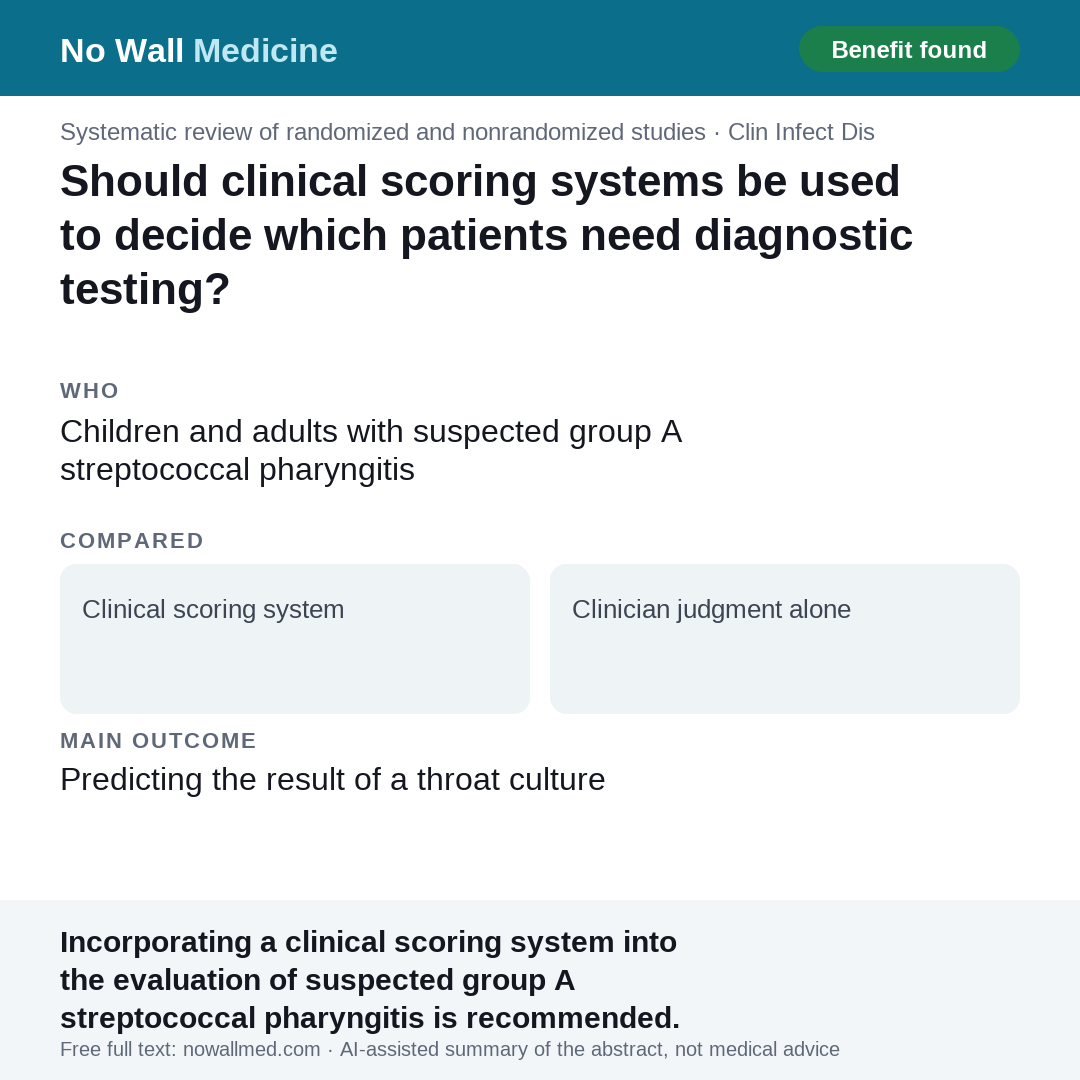
Overview of 2025 Clinical Practice Guideline Update by the Infectious Diseases Society of America on Group A Streptococcal (GAS) Pharyngitis: Risk Assessment Using Clinical Scoring Systems in Children and Adults
Systematic review of randomized and nonrandomized studiesBenefit found
Should clinical scoring systems be used to decide which patients need diagnostic testing?
Who
Children and adults with suspected group A streptococcal pharyngitis
Compared
Clinical scoring system
Clinician judgment alone
Main outcome
Predicting the result of a throat culture
Bottom line: Incorporating a clinical scoring system into the evaluation of suspected group A streptococcal pharyngitis is recommended.
Limitation: Small study size, lack of uniformity in outcome measures, and incomplete data.
Clin Infect Dis · 2026-02-16Download image
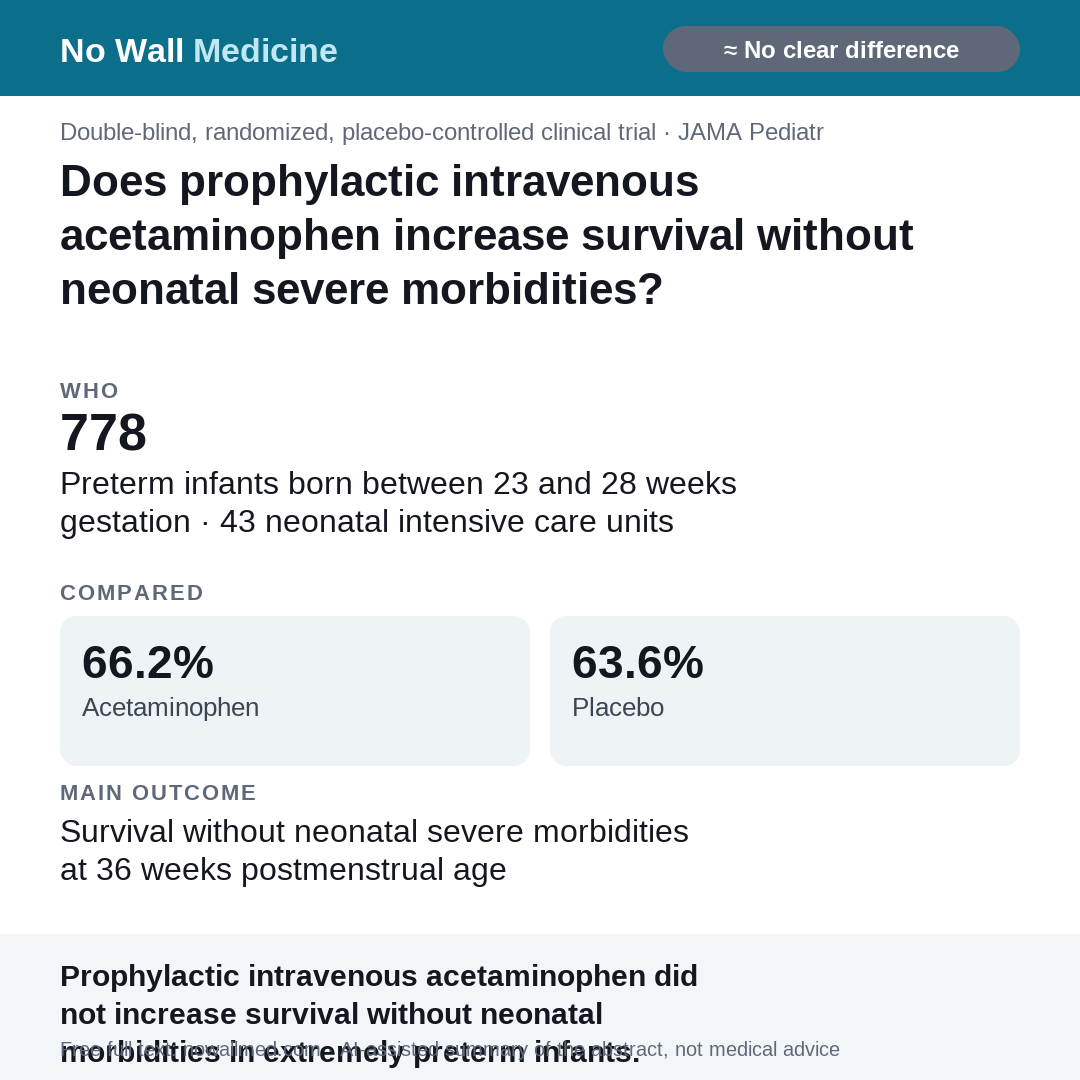
Prophylactic Treatment of Patent Ductus Arteriosus With Acetaminophen: A Randomized Clinical Trial
Double-blind, randomized, placebo-controlled clinical trialNo clear difference
Does prophylactic intravenous acetaminophen increase survival without neonatal severe morbidities?
Who
778
Preterm infants born between 23 and 28 weeks gestation · 43 neonatal intensive care units in 14 European countries
Compared
66.2%Acetaminophen
63.6%Placebo
Main outcome
Survival without neonatal severe morbidities at 36 weeks postmenstrual age
Result: relative risk 1.04 (95% CI 0.94 to 1.16)
Bottom line: Prophylactic intravenous acetaminophen did not increase survival without neonatal morbidities in extremely preterm infants.
JAMA Pediatr · 2026-02-16Download image
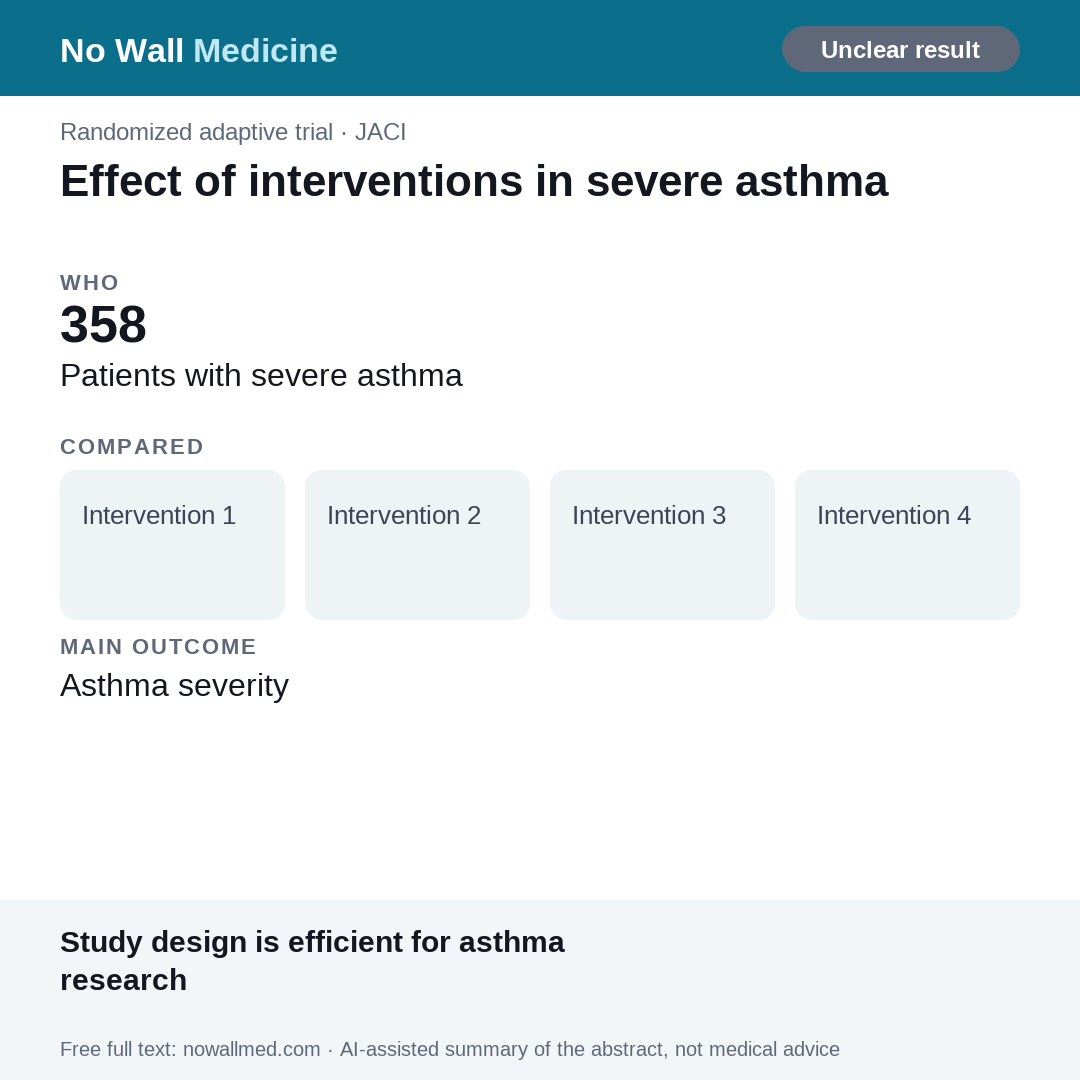
PrecISE-a biomarker-stratified adaptive trial of 5 interventions in severe asthma: Final protocol and the baseline cohort
Randomized adaptive trialUnclear result
Effect of interventions in severe asthma
Who
358
Patients with severe asthma
Compared
Intervention 1
Intervention 2
Intervention 3
Intervention 4
Main outcome
Asthma severity
Bottom line: Study design is efficient for asthma research
JACI · 2026-02-16Download image
Metabolic impact of reduced-protein Nordic diet-based complementary feeding: a secondary analysis of a randomized controlled study
Secondary analysis of a randomized controlled trialBenefit found
Does a reduced-protein Nordic diet affect infant metabolic profiles and growth?
Who
250
250 infants
Compared
Reduced-protein Nordic diet: Reduced-protein intake and distinct infant plasma metabolomic profile
Conventional Swedish complementary diet
Main outcome
Plasma metabolomic profile, branched-chain amino acids, insulin-like growth factor-1, and growth
Result: cumulative protein intake associated with body weight β=0.36 (95% CI: 0.02, 0.99)
Bottom line: Reducing protein in complementary feeding helps attenuate rapid infant weight gain and alters the plasma metabolome.
Am J Clin Nutr · 2026-02-16Download image

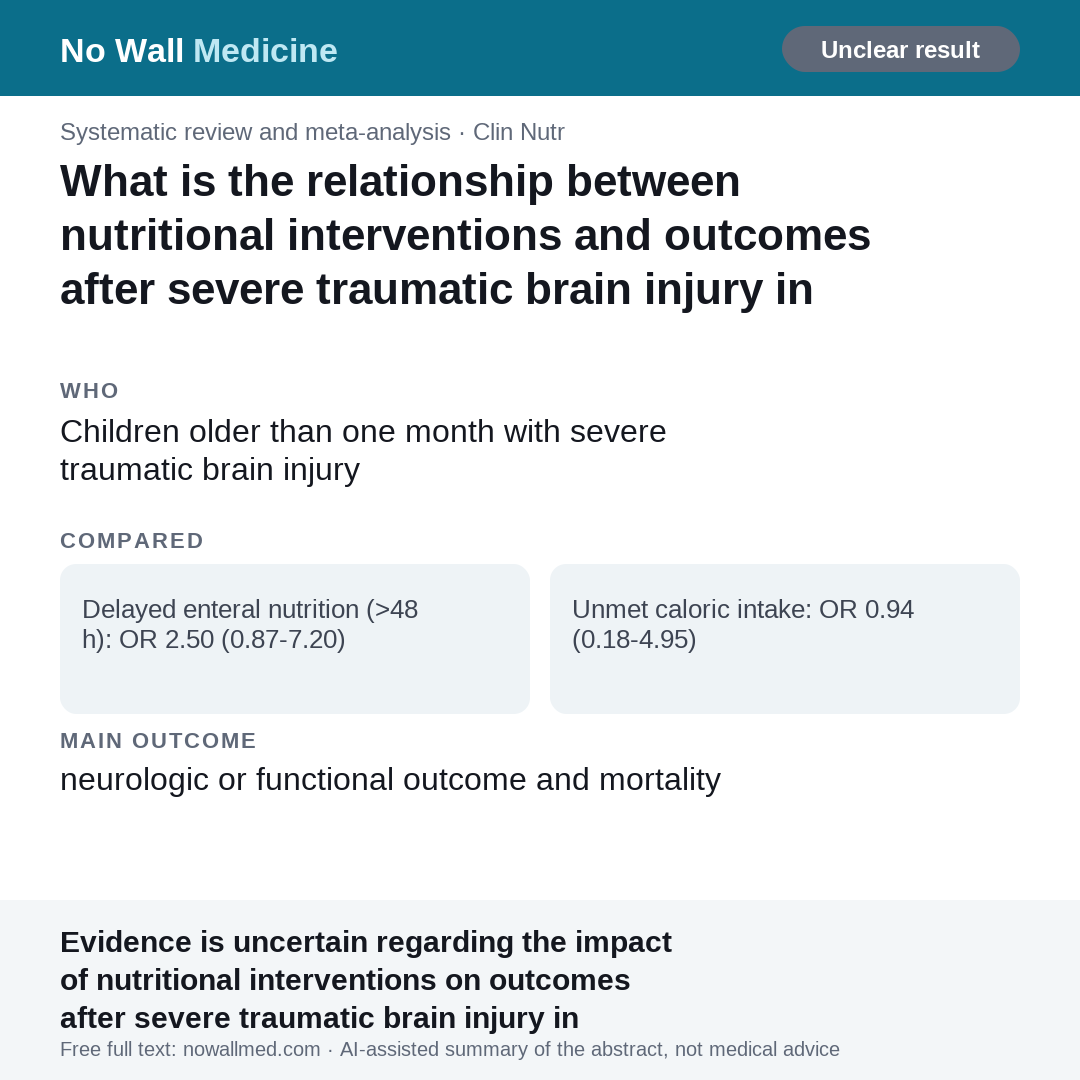
Nutritional interventions and outcomes after severe traumatic brain injury in children: A systematic review and meta-analysis
Systematic review and meta-analysisUnclear result
What is the relationship between nutritional interventions and outcomes after severe traumatic brain injury in children?
Who
Children older than one month with severe traumatic brain injury
Compared
Delayed enteral nutrition (>48 h): OR 2.50 (0.87-7.20)
Unmet caloric intake: OR 0.94 (0.18-4.95)
Main outcome
neurologic or functional outcome and mortality
Bottom line: Evidence is uncertain regarding the impact of nutritional interventions on outcomes after severe traumatic brain injury in children.
Limitation: Study risk of bias was significant.
Clin Nutr · 2026-02-16Download image
Impact of cooking with liquefied petroleum gas compared with traditional cooking practices on perinatal and early neonatal mortality: the Poriborton cluster randomised controlled trial
Two-arm parallel cluster randomised controlled trialNo clear difference
Does liquefied petroleum gas reduce perinatal mortality compared to traditional cooking practices?
Who
4944
Pregnant women in Sherpur, Bangladesh · Sherpur, Bangladesh
Compared
Liquefied petroleum gas: 50 per 1000 births
Control: 61 per 1000 births
Main outcome
Perinatal mortality
Result: relative risk 0.83 (95% CI 0.65 to 1.06)
Bottom line: Liquefied petroleum gas use showed a non-significant reduction in perinatal mortality compared to traditional cooking practices.
BMJ Glob Health · 2026-02-16Download image

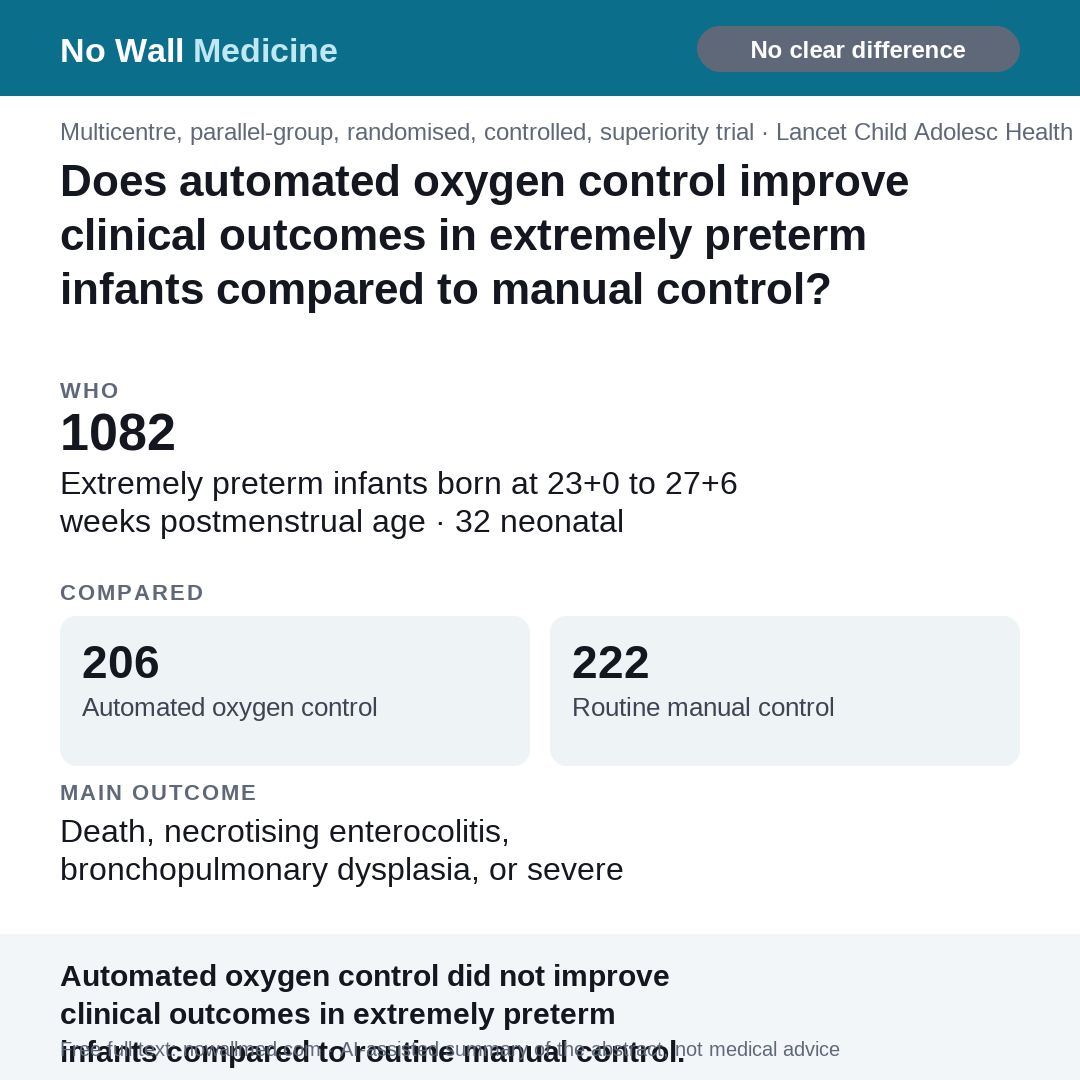
Automatic versus manual control of oxygen and neonatal clinical outcomes in extremely preterm infants: a multicentre, parallel-group, randomised, controlled, superiority trial
Multicentre, parallel-group, randomised, controlled, superiority trialNo clear difference
Does automated oxygen control improve clinical outcomes in extremely preterm infants compared to manual control?
Who
1082
Extremely preterm infants born at 23+0 to 27+6 weeks postmenstrual age · 32 neonatal intensive care units in China, Germany, Netherlands, and UK
Compared
206Automated oxygen control (39%)
222Routine manual control (41%)
Main outcome
Death, necrotising enterocolitis, bronchopulmonary dysplasia, or severe retinopathy of prematurity
Result: adjusted odds ratio 0·90, 97·5% CI 0·65-1·24
Bottom line: Automated oxygen control did not improve clinical outcomes in extremely preterm infants compared to routine manual control.
Funded by: German Federal Ministry of Education and Research
Lancet Child Adolesc Health · 2026-02-13Download image
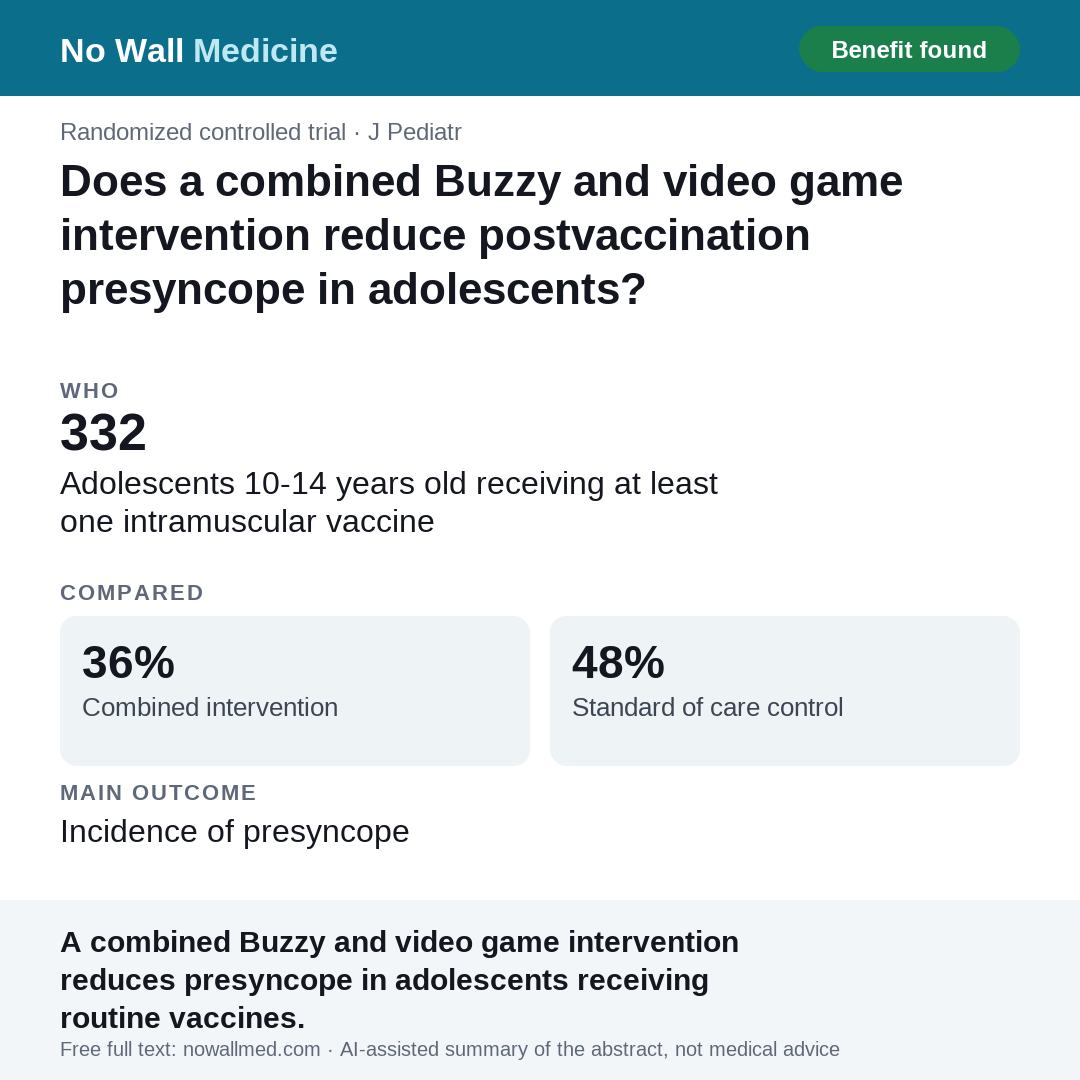
Preventing Postvaccination Presyncope and Syncope in Adolescents: A Randomized Controlled Trial of a Clinic-Based Intervention
Randomized controlled trialBenefit found
Does a combined Buzzy and video game intervention reduce postvaccination presyncope in adolescents?
Who
332
Adolescents 10-14 years old receiving at least one intramuscular vaccine
Compared
36%Combined intervention
48%Standard of care control
Main outcome
Incidence of presyncope
Bottom line: A combined Buzzy and video game intervention reduces presyncope in adolescents receiving routine vaccines.
J Pediatr · 2026-02-13Download image
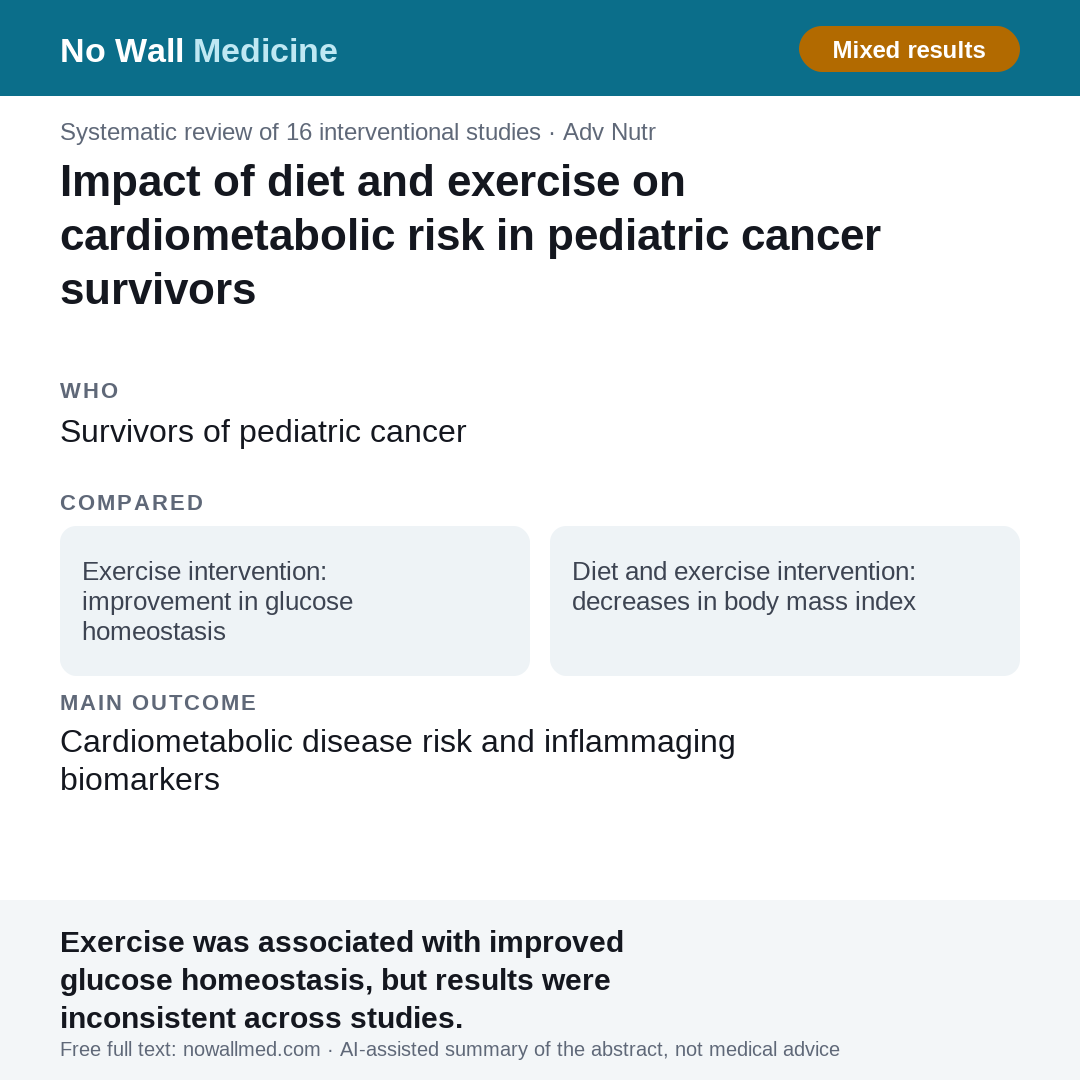
Diet and Exercise Interventions in Pediatric Cancer Survivors and Effects on Cardiometabolic Disease Risk and Inflammaging Biomarkers: A Systematic Review
Systematic review of 16 trialsMixed results
Do diet and exercise affect disease risk
Who
pediatric cancer survivors in the United States
Compared
diet intervention
exercise intervention
combined diet and exercise
Main outcome
cardiometabolic disease risk
Bottom line: Exercise improves glucose homeostasis
Limitation: high risk of bias
Adv Nutr · 2026-02-13Download image
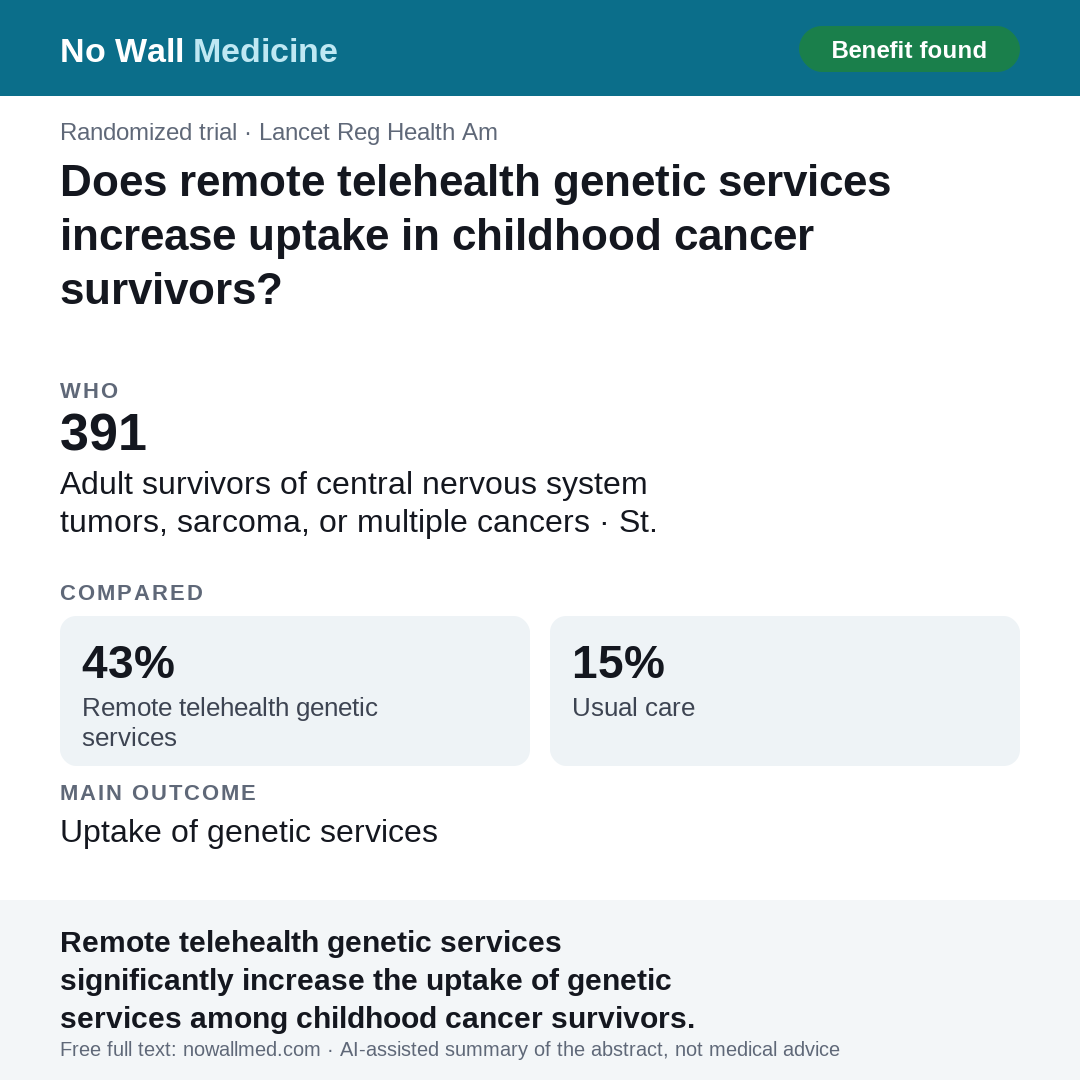
The ENGAGE study: a randomized trial optimizing uptake of germline cancer genetic services in childhood cancer survivors
Randomized trialBenefit found
Does remote telehealth genetic services increase uptake in childhood cancer survivors?
Who
391
Adult survivors of central nervous system tumors, sarcoma, or multiple cancers · St. Jude Research Hospital
Compared
43%Remote telehealth genetic services (113/262)
15%Usual care (19/129)
Main outcome
Uptake of genetic services
Result: odds ratio 4.4 (95% CI 2.5-8.0)
Bottom line: Remote telehealth genetic services significantly increase the uptake of genetic services among childhood cancer survivors.
Funded by: National Cancer Institute
Lancet Reg Health Am · 2026-02-13Download image
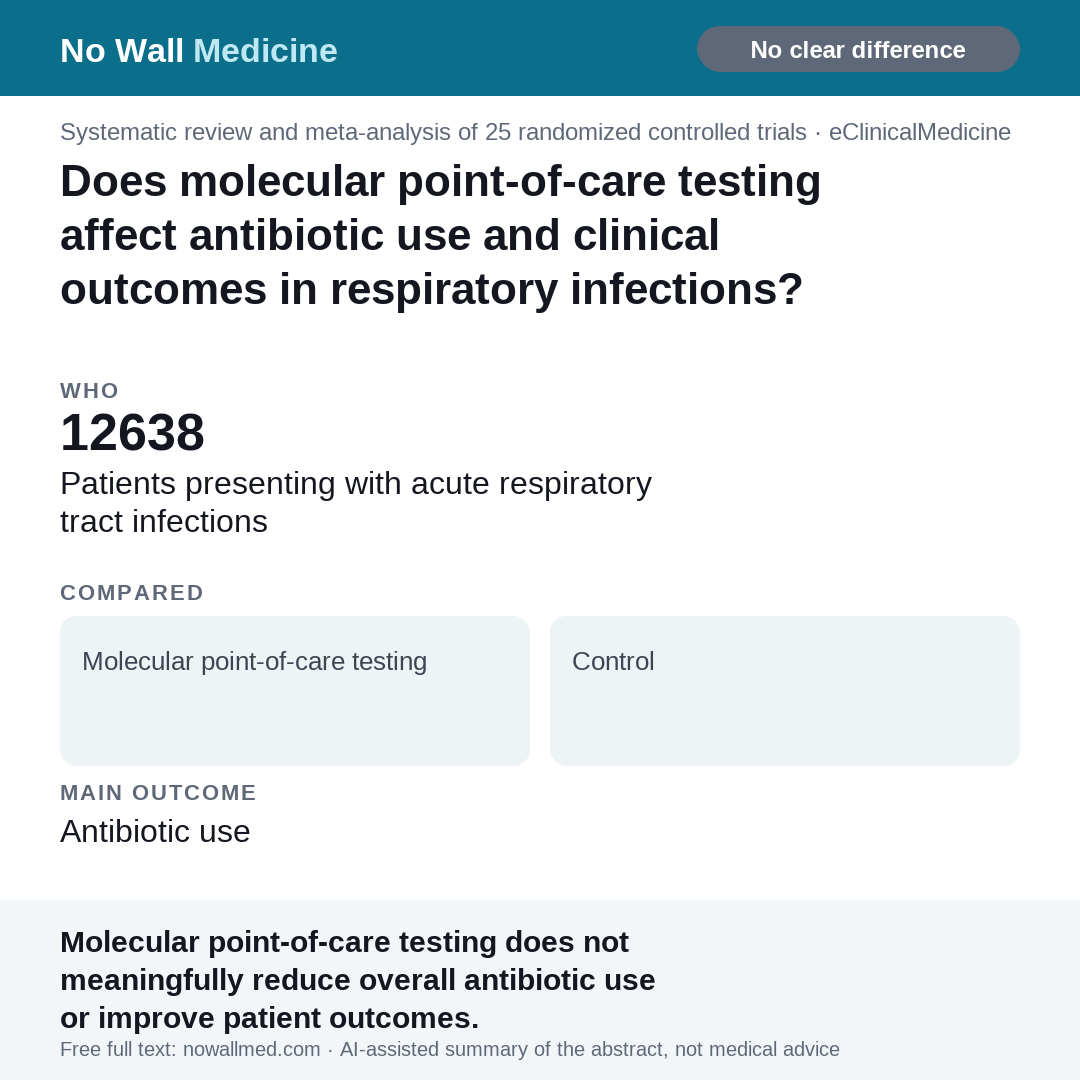
Impact of molecular point-of-care testing for respiratory pathogens on antibiotic use and clinical outcomes in acute respiratory tract infections: a systematic review and meta-analysis
Systematic review and meta-analysis of 25 randomized controlled trialsNo clear difference
Does molecular point-of-care testing affect antibiotic use and clinical outcomes in respiratory infections?
Who
12638
Patients presenting with acute respiratory tract infections
Compared
Molecular point-of-care testing
Control
Main outcome
Antibiotic use
Result: risk ratio 0.95 (95% CI 0.90-1.00)
Bottom line: Molecular point-of-care testing does not meaningfully reduce overall antibiotic use or improve patient outcomes.
Limitation: Low-certainty evidence for potential reduction in antibiotic use in children.
Funded by: National Natural Science Foundation of China and others
eClinicalMedicine · 2026-02-12Download image